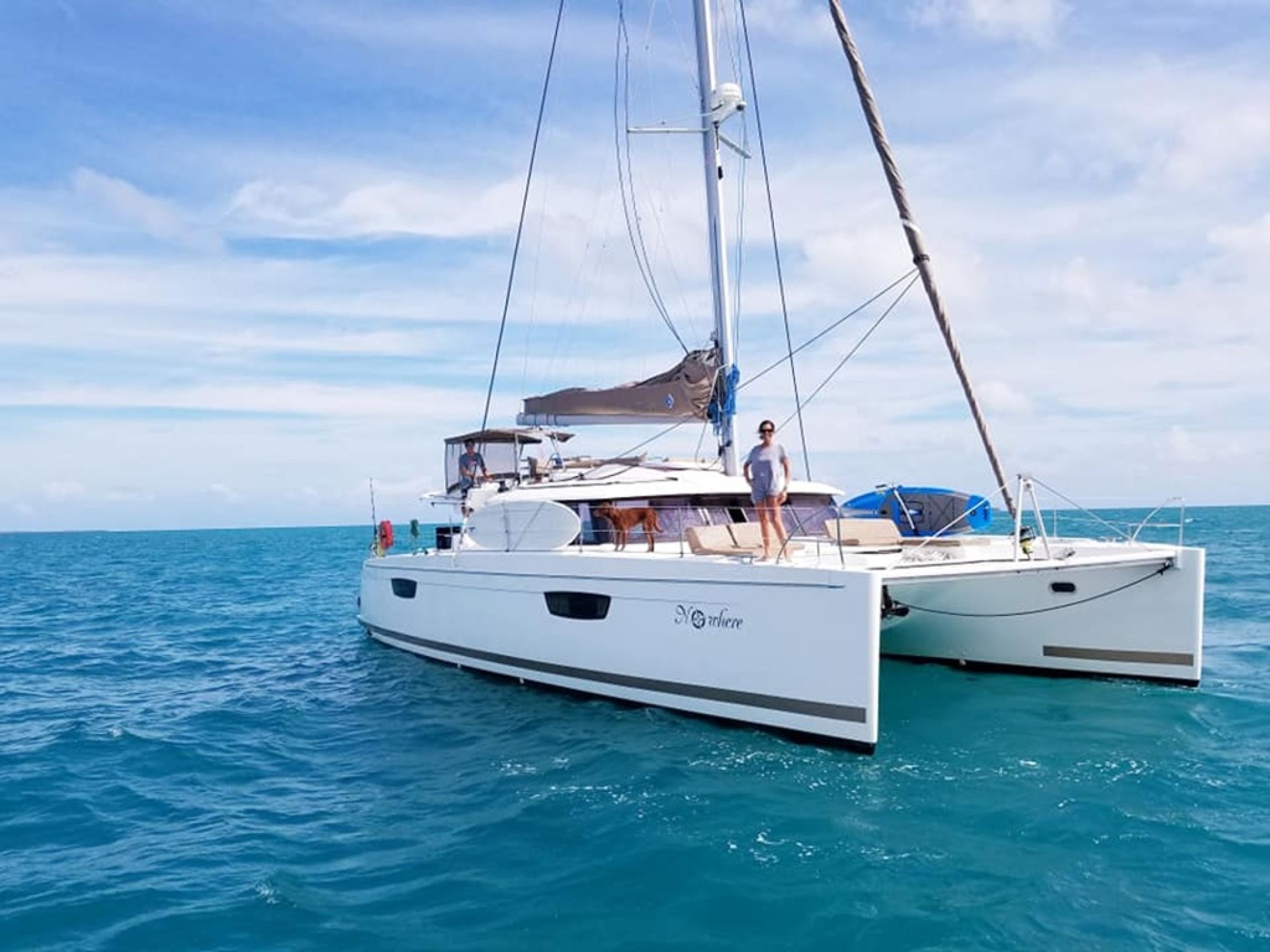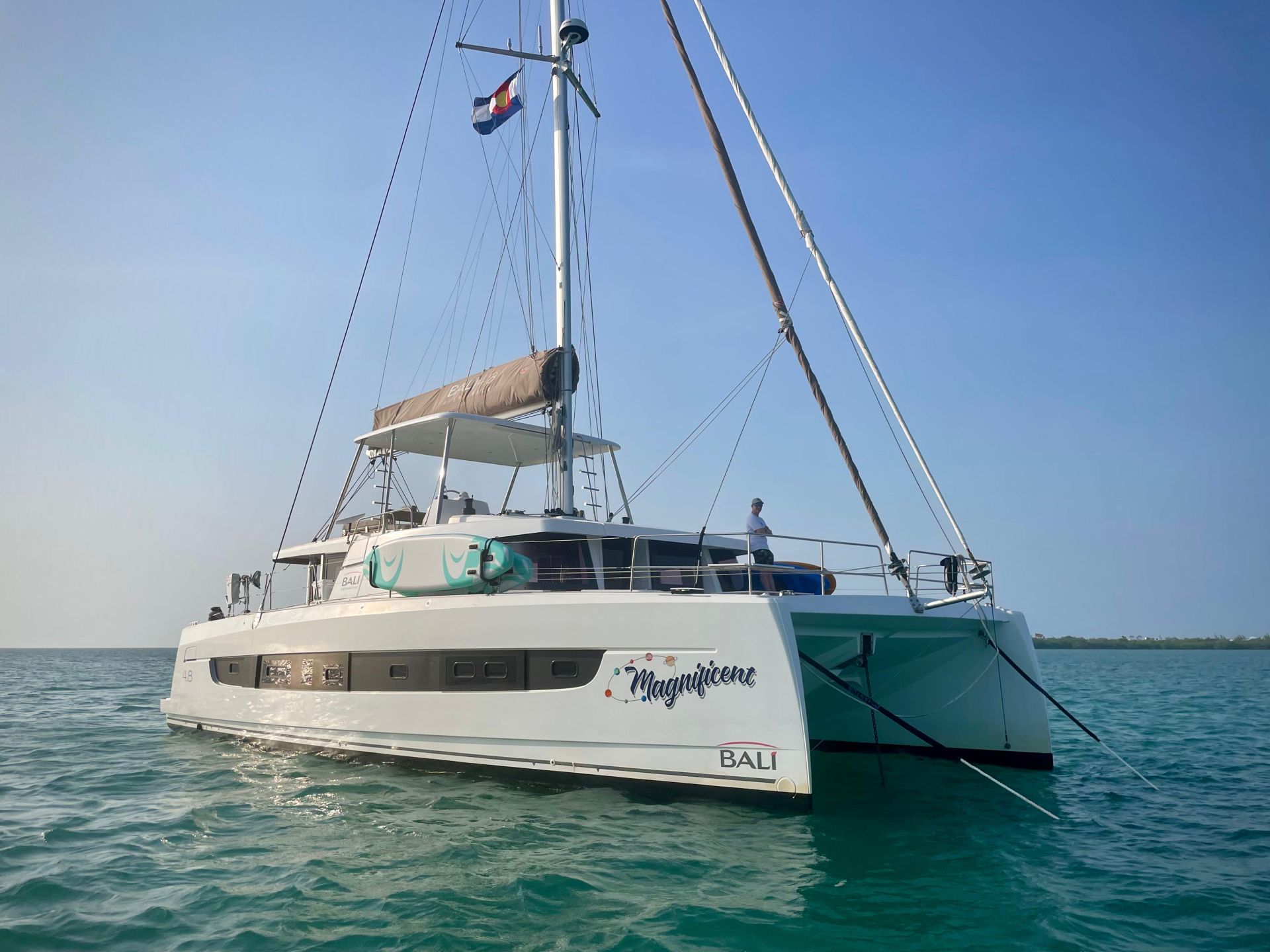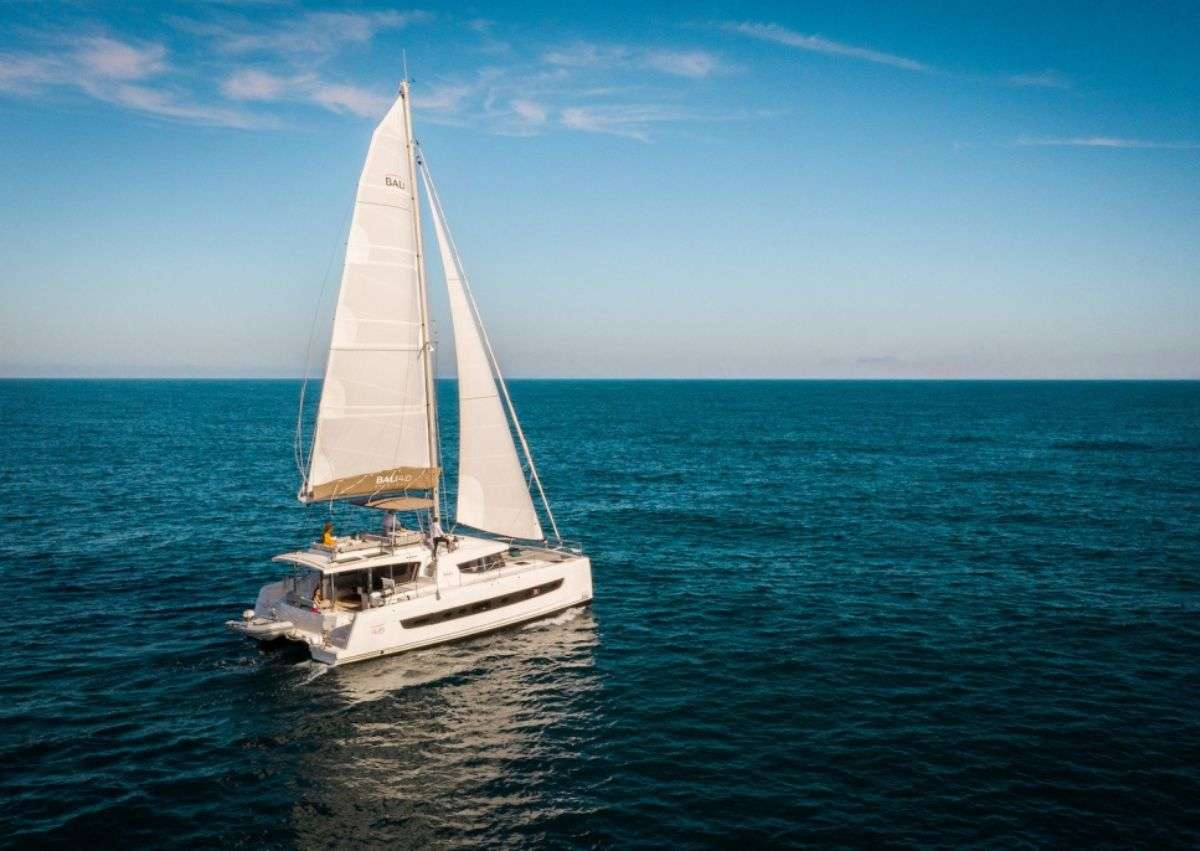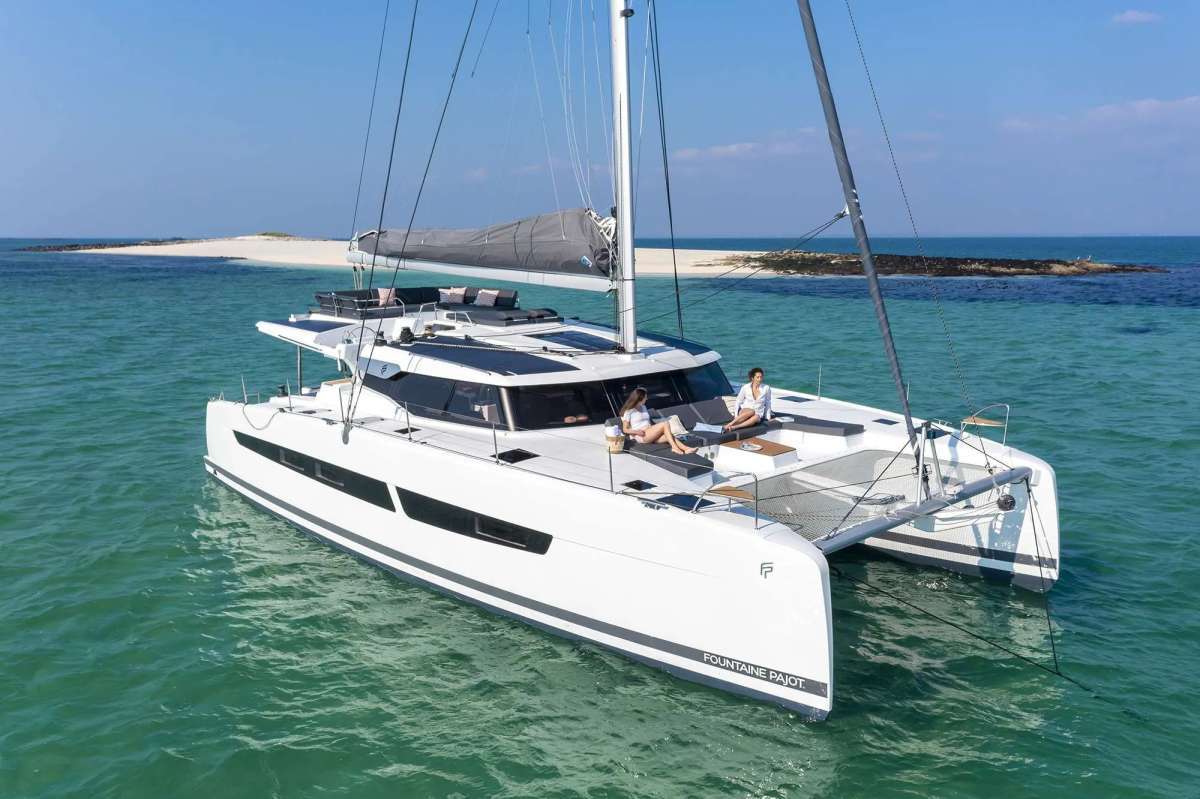

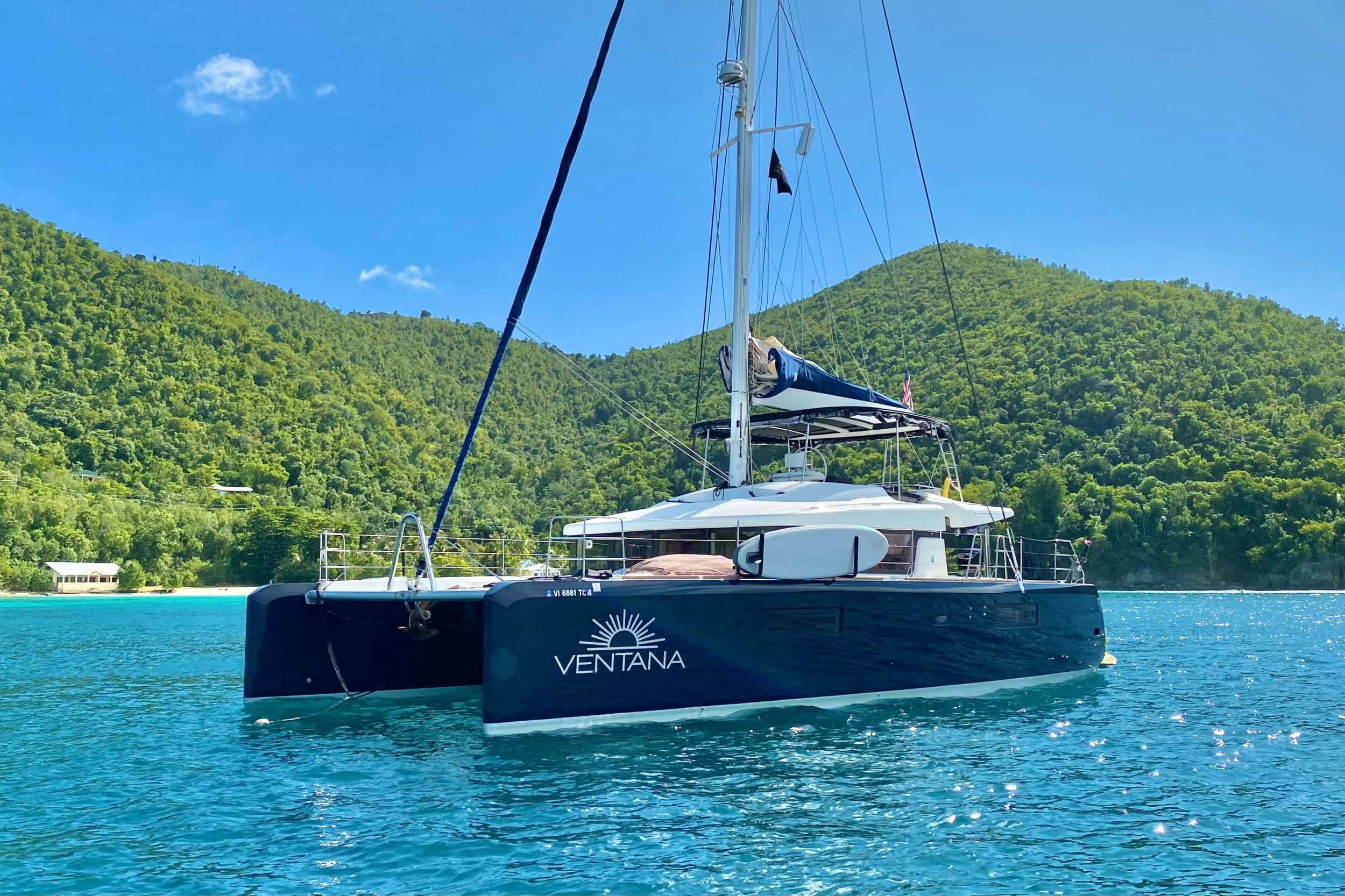
Ventana al Mar
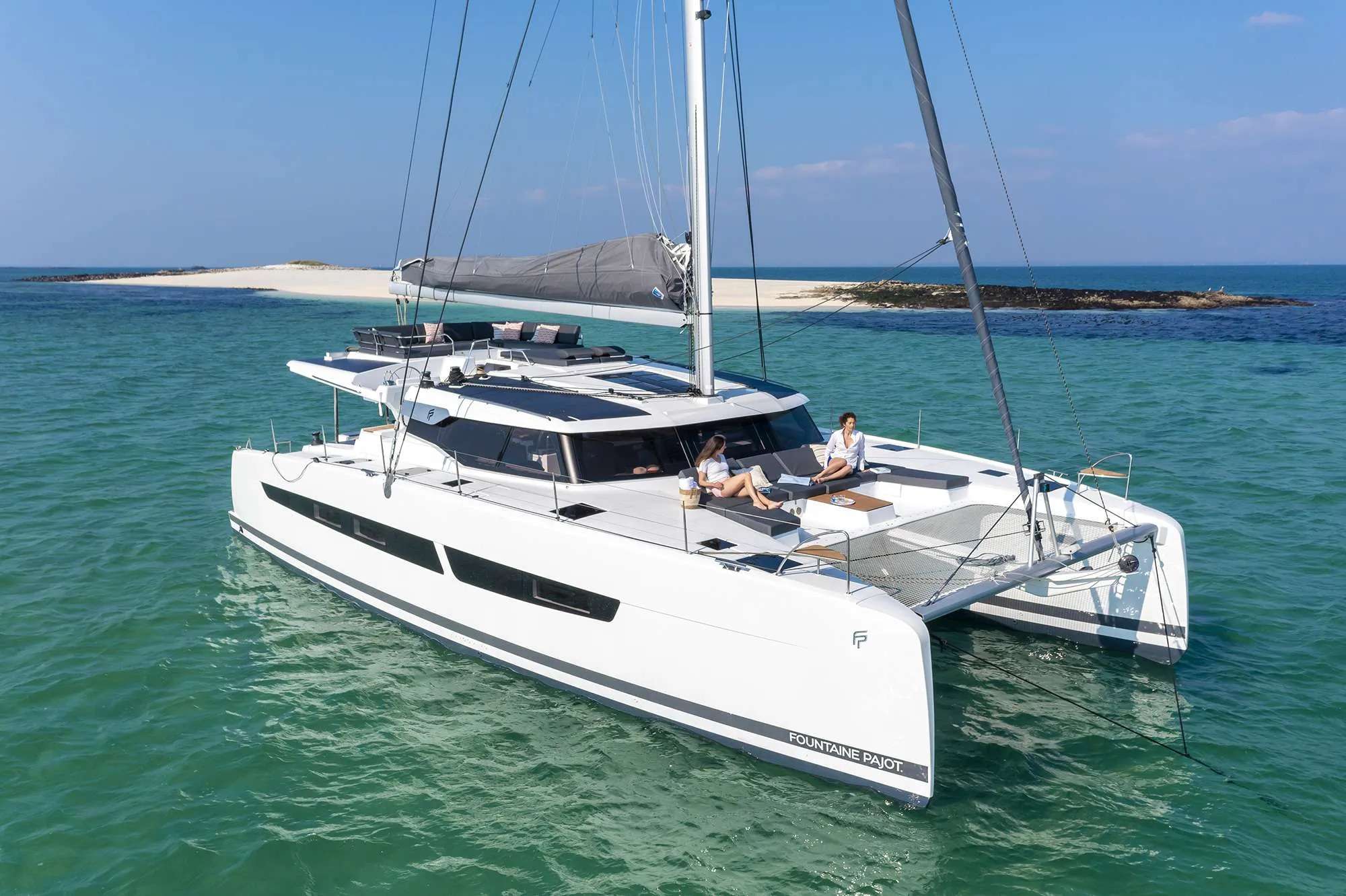
52FT · SAILING CATAMARAN
Pricing from $21,105/week
10 Guests · 5 Cabins
Caribbean
Eastern Mediterranean
Western Mediterranean
South Pacific
United States
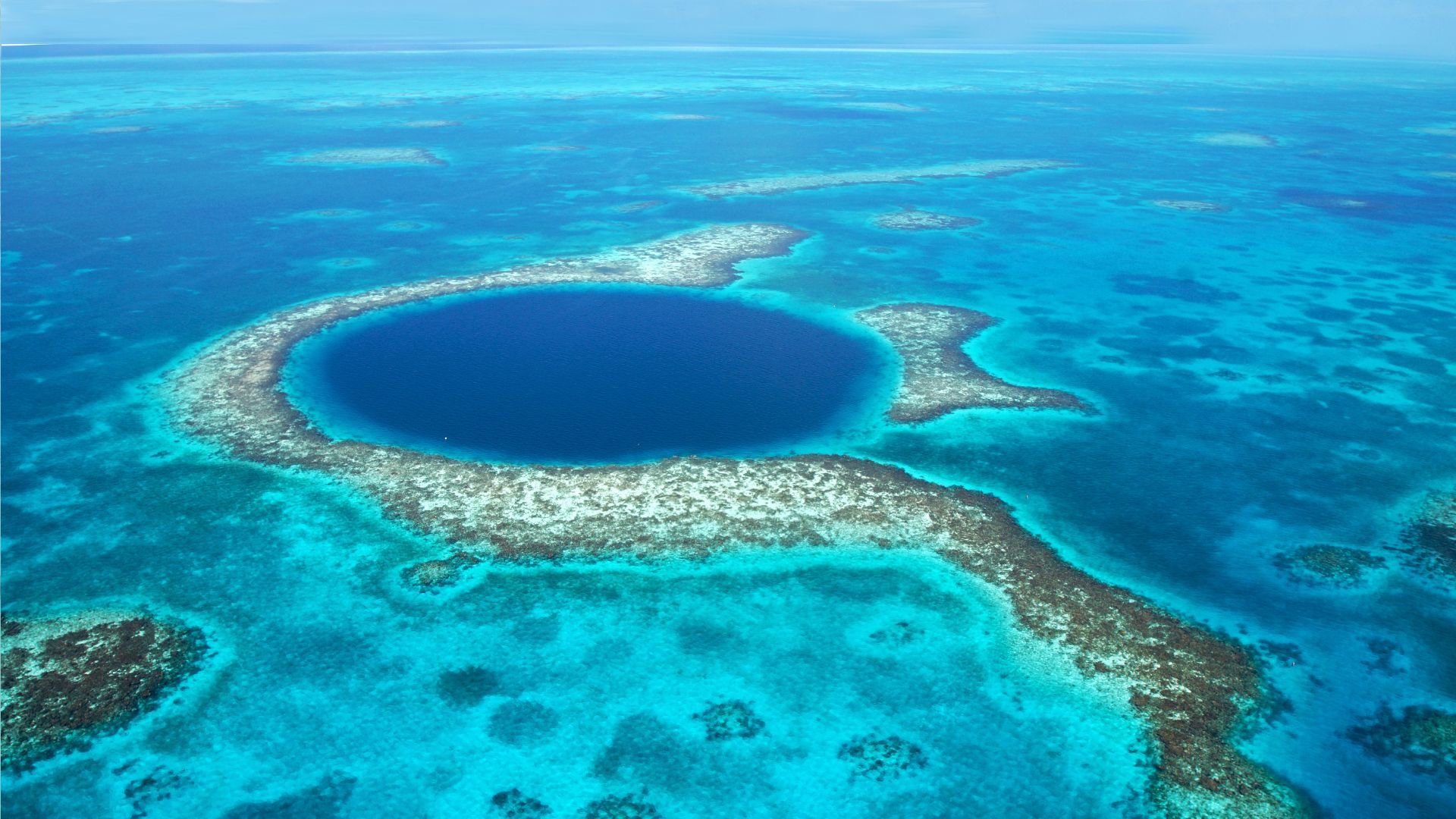
Crewed catamaran charters along the Mesoamerican Barrier Reef — two routes, three atolls, UNESCO reefs, and the calmest cruising water in the Western Caribbean.
Why Belize
Belize sits at the eastern edge of Central America, with 185 miles of coastline tracing the Mesoamerican Barrier Reef — the second-largest barrier reef on earth, after Australia's Great Barrier Reef. The reef runs continuously offshore from the Mexican border down to Guatemala, with three true atolls (Turneffe, Lighthouse, and Glover's) sitting beyond it in deep water. Inside the reef, the cruising water stays flat, the swell breaks long before it reaches your yacht, and the cayes are spaced close enough together that no day's sail demands a long open-water passage.
Two distinct charter routes operate out of Belize. The northern route runs from Belize City out to Caye Caulker, San Pedro, and Turneffe Atoll, with the Great Blue Hole reachable from Lighthouse Reef on the right week. The southern route runs from Placencia along the inner barrier — Laughing Bird Caye, the Silk Cayes, Tobacco Caye, South Water — through three UNESCO World Heritage marine reserves and the Smithsonian's Caribbean field station at Carrie Bow Caye. Guests pick one or the other; the captain shapes the week around weather, conditions, and your group's priorities.
What sets Belize apart from the better-known Caribbean charter grounds is the concentration of marine life and a less-developed character that recalls the Caribbean of thirty years ago. Whale sharks aggregate at Gladden Spit each spring around the full moons of April, May, and June. Manatees forage at Swallow Caye. Nurse sharks and southern stingrays gather in the shallows at Hol Chan and Shark Ray Alley. The cayes themselves remain small fishing villages and thatched cabanas — Tobacco Caye is five acres on top of the barrier reef; Ranguana is a six-acre private island with a handful of huts. Belize City and Placencia handle the modern logistics; everything else stays small, quiet, and local.
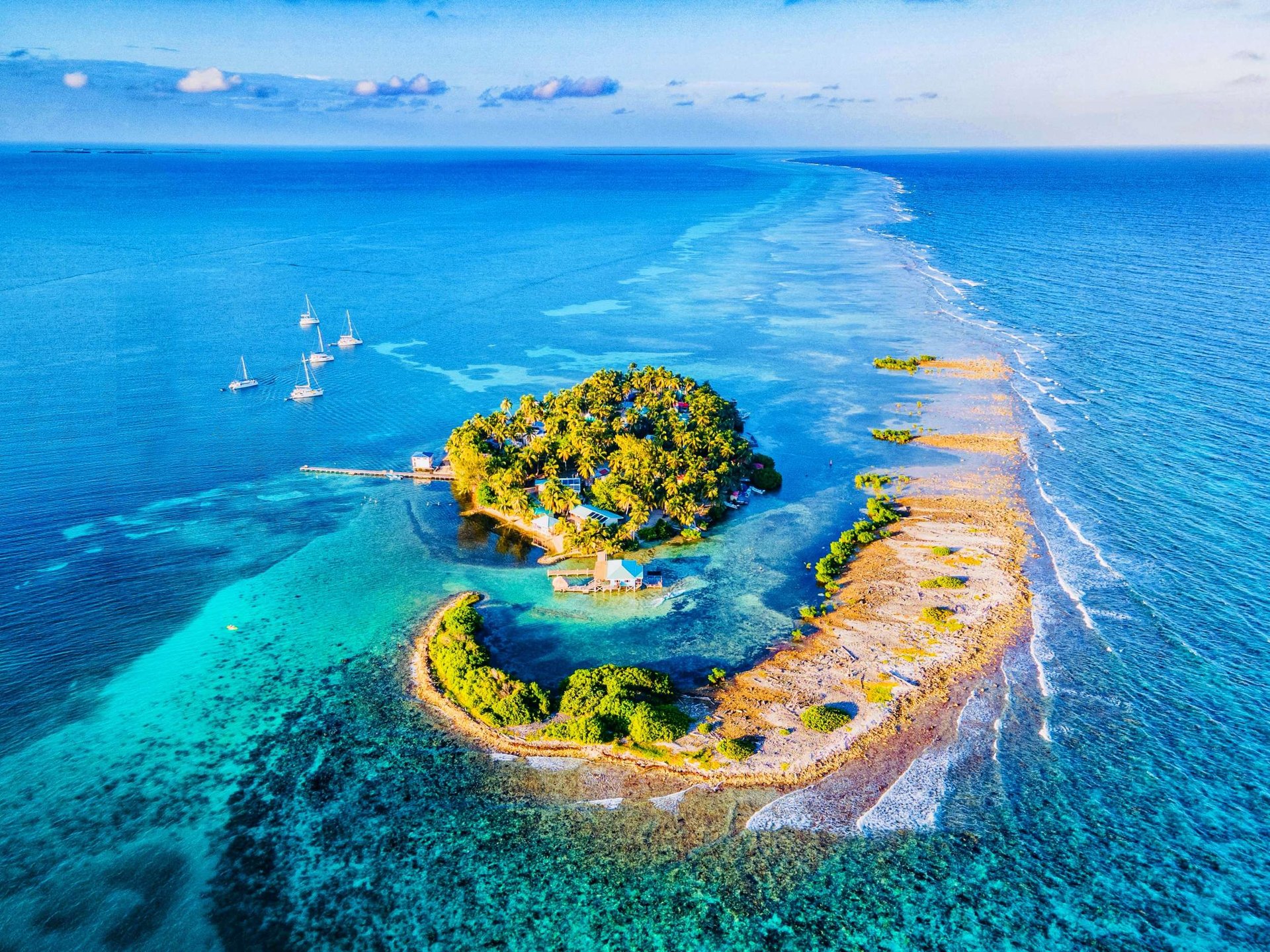
Four characteristics that distinguish Belize from other Caribbean charter grounds.
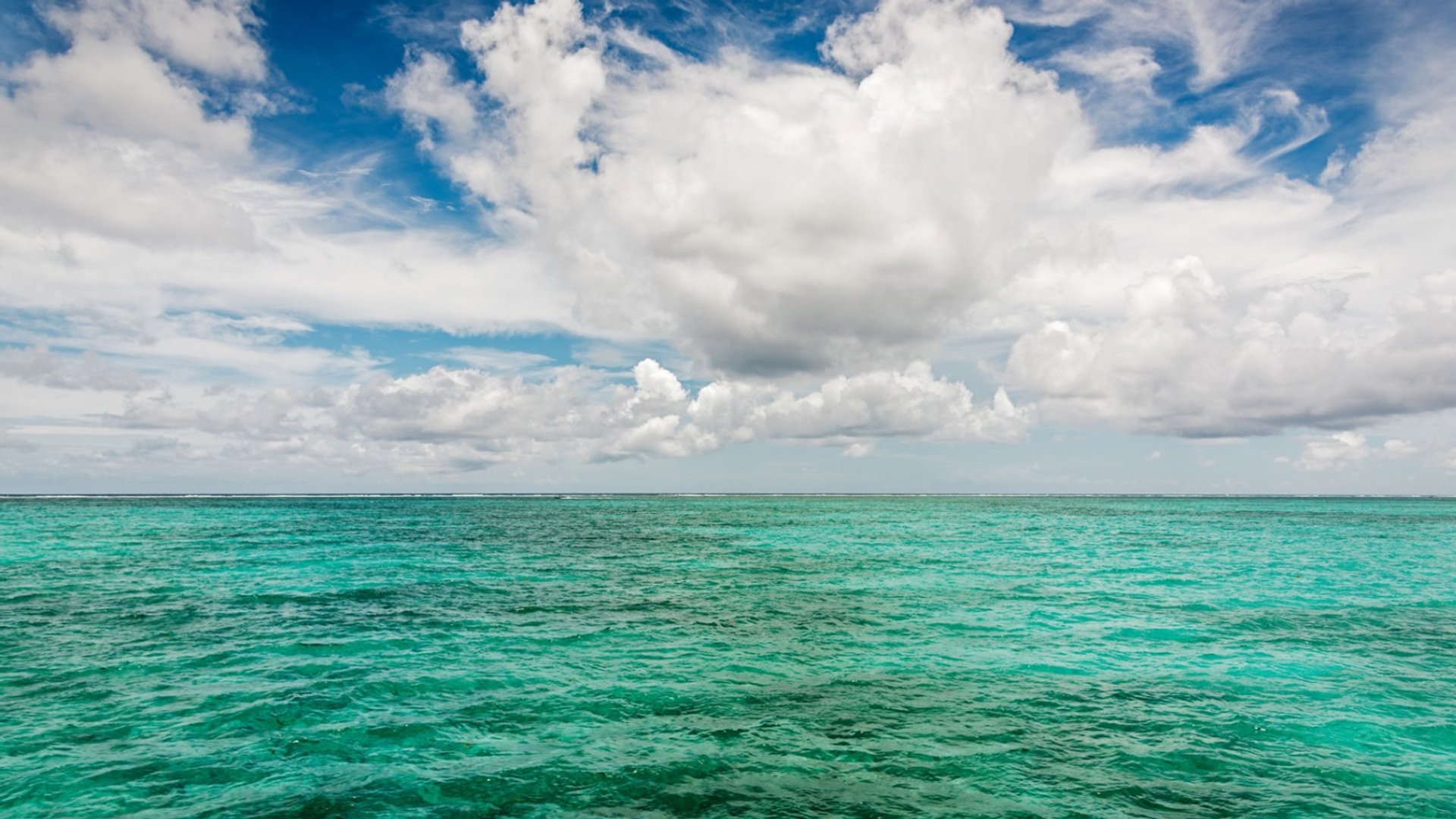
Belize is the rare Caribbean charter ground where the entire route stays inside a continuous barrier reef. The reef breaks the swell five to ten miles offshore; what reaches your yacht is flat, sheltered water with steady 10–20 knot easterly trades from December through May. There are no rough open-water passages on the standard itineraries — you're sailing in the lagoon between the mainland and the reef line the entire week.
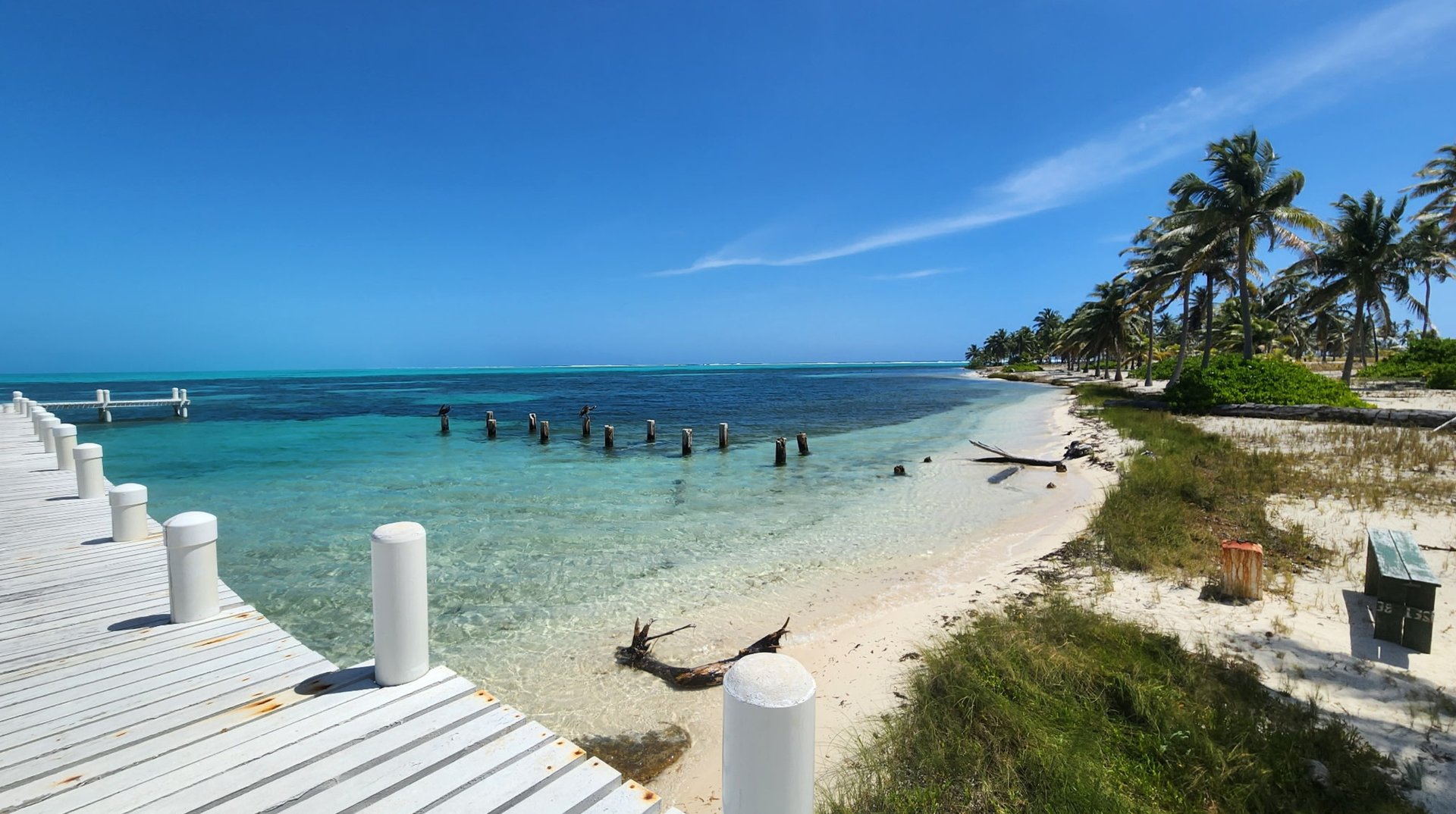
Beyond the barrier reef sit three of the four true coral atolls in the Western Hemisphere: Turneffe (the largest), Lighthouse Reef (home to the Great Blue Hole), and Glover's Reef. On the northern route, a typical week includes a passage to Turneffe — anchoring at Rendezvous Point or Soldier Caye, snorkeling the wall on the eastern edge, exploring the mangrove channels on the western. The atolls hold the country's healthiest coral and most consistent visibility.
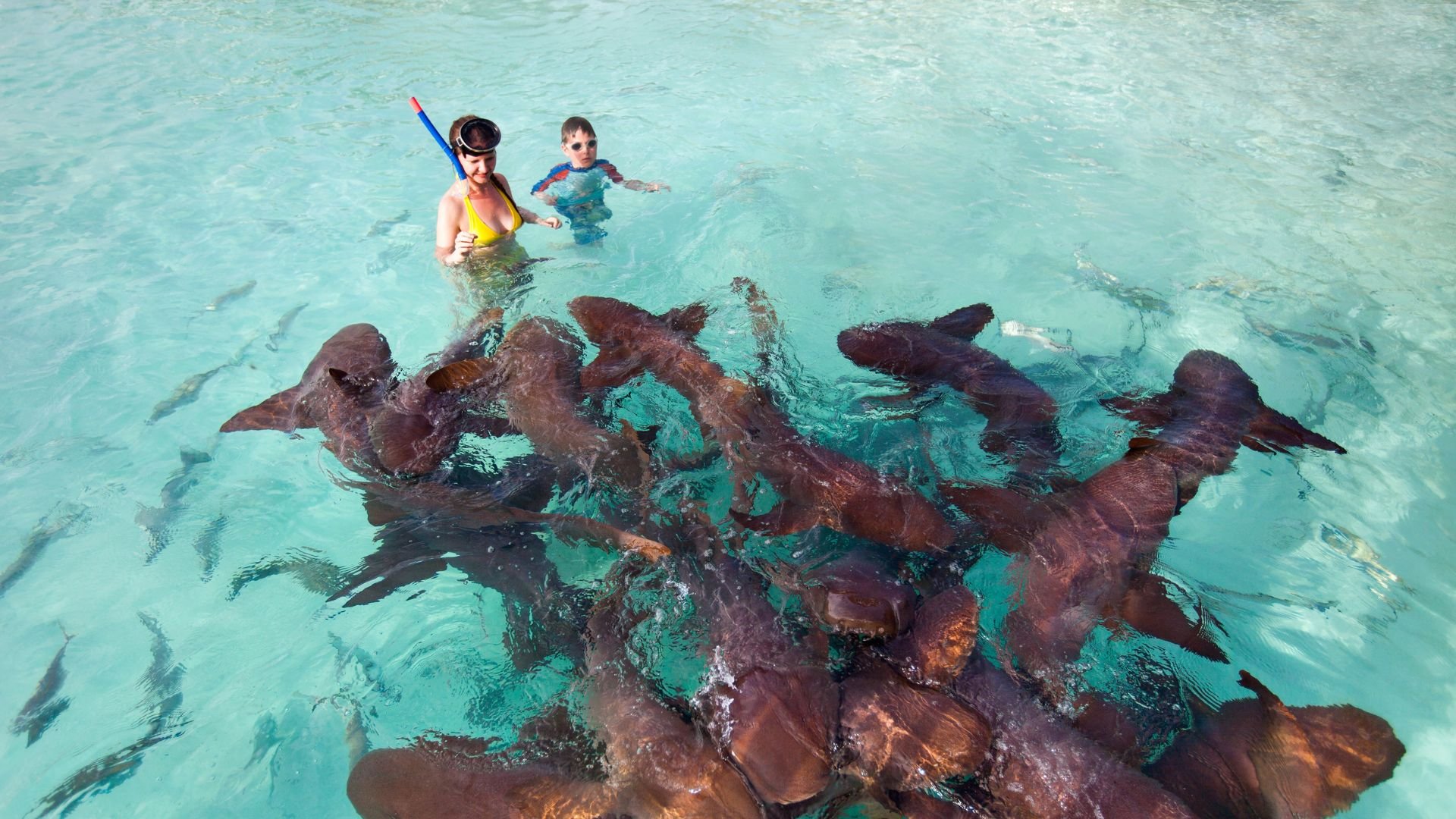
Belize concentrates more headline marine wildlife into a single charter week than any other Caribbean destination. Whale sharks aggregate at Gladden Spit during the full moons of April, May, and June, drawn by reef-fish spawning events — when conditions line up, guests can snorkel with forty-foot sharks in eighty feet of visibility. Manatees forage in the seagrass at Swallow Caye Wildlife Sanctuary. Nurse sharks and southern stingrays cruise the shallows at Hol Chan Marine Reserve and Shark Ray Alley. Eagle rays, reef sharks, and sea turtles are routine on outer-reef snorkels.
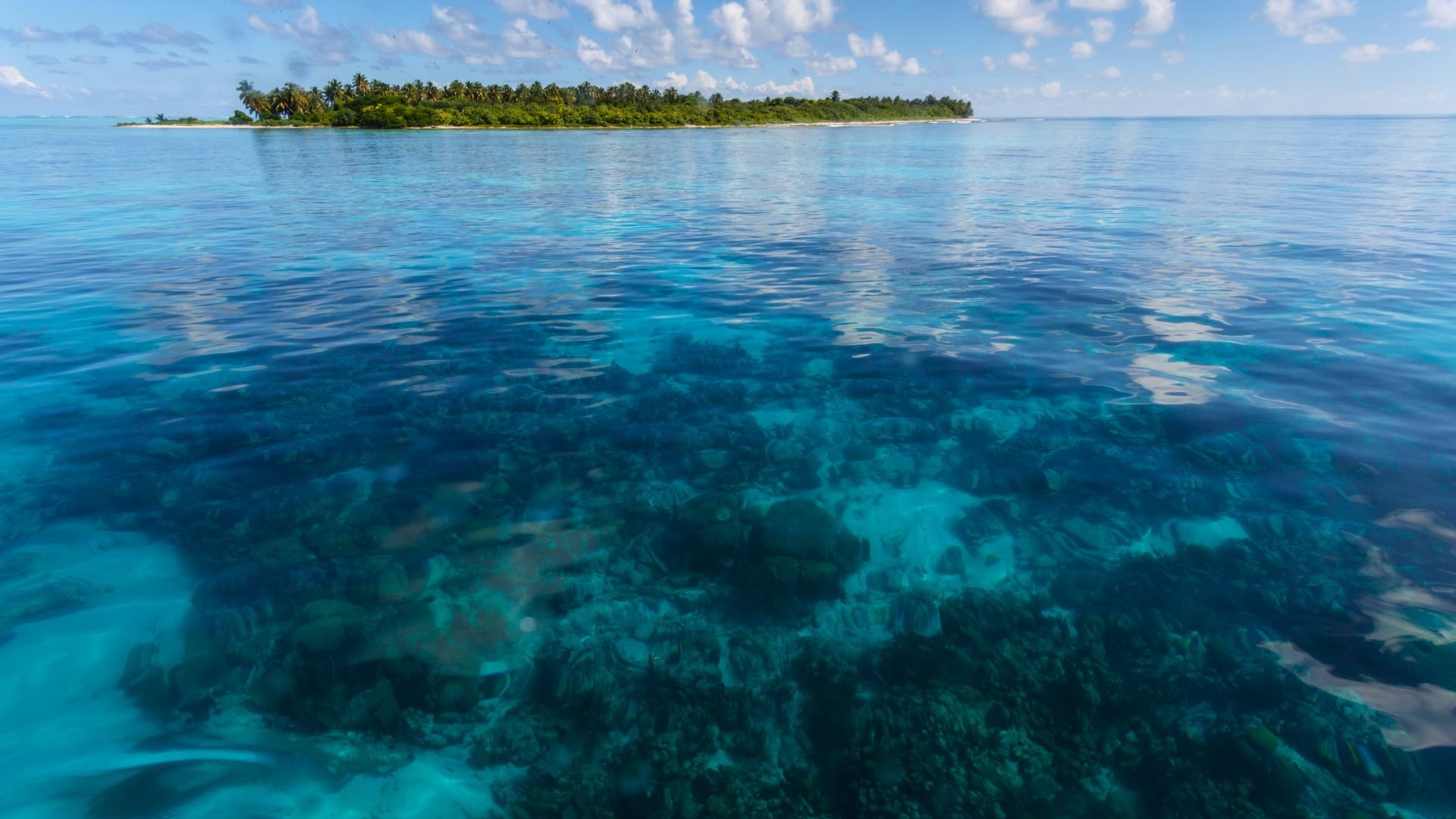
The southern route passes through three UNESCO World Heritage marine reserves: Laughing Bird Caye National Park, the Silk Cayes inside Gladden Spit and Silk Cayes Marine Reserve, and the South Water Caye Marine Reserve. The Smithsonian Institution has run a Caribbean reef research field station at Carrie Bow Caye since 1972 — you can't land there but you can anchor offshore and snorkel the reef they've been studying for fifty years. The protected status keeps the coral healthy and the visibility reliable in a way that's increasingly rare across the Caribbean.
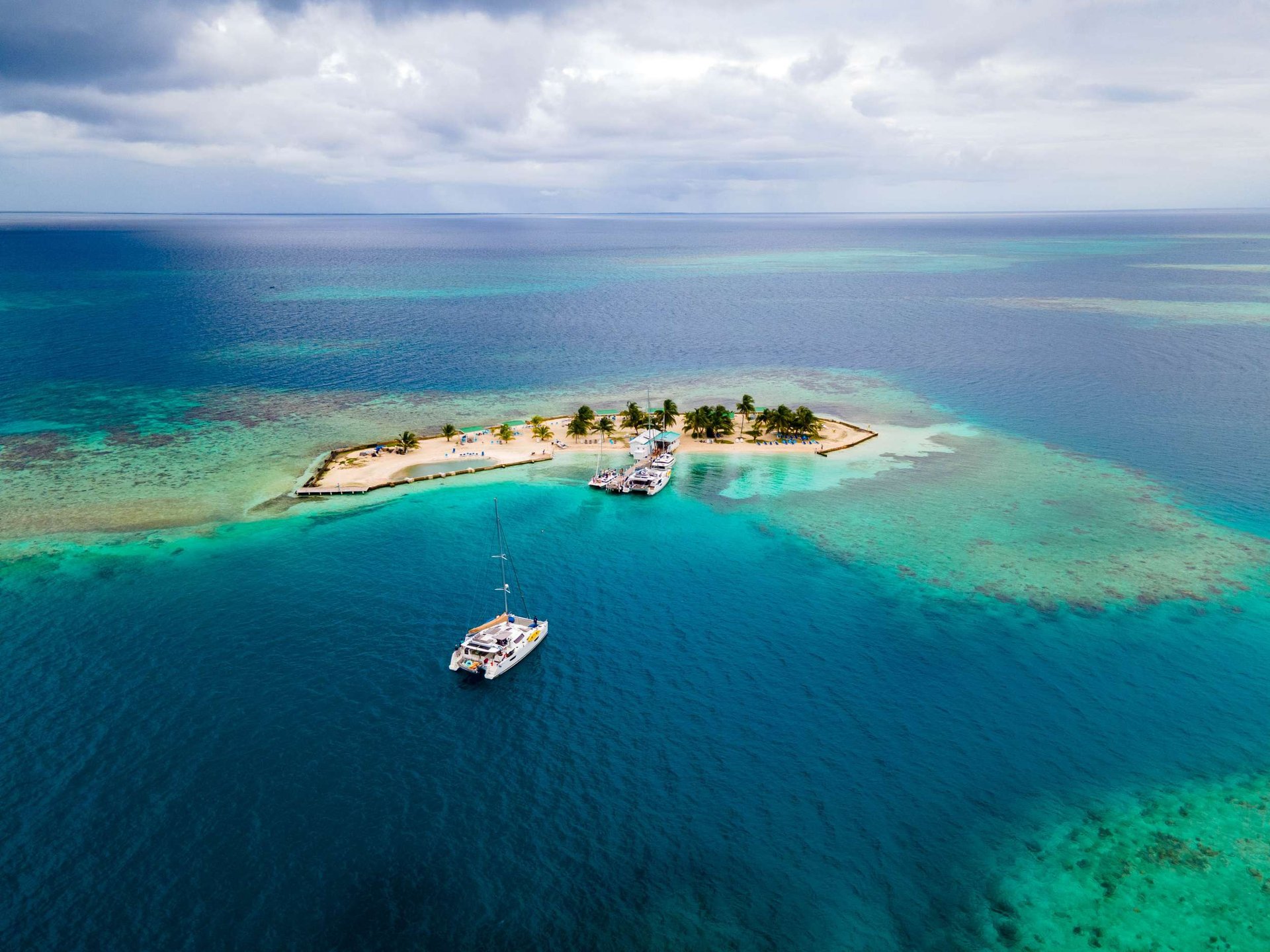
A hand-picked selection of crewed charter yachts for Belize — yachts and crews we know firsthand.
Your week is shaped around your group's interests, the season, and the conditions on the water — your captain tailors the days as they unfold. Treat these itineraries as starting points for inspiration.
Crewed Itinerary · Belize
A crewed week out of Placencia is the most forgiving charter in the Western Caribbean. You're sailing inside the Mesoamerican Barrier Reef—the second-largest barrier reef on earth—so the water stays flat, the reef breaks the swell, and the cayes are spaced close enough together that no day ever feels like a slog. With a professional captain and private chef aboard, your only real decisions are which caye to have lunch on and how long you want to linger in the water before the next one.
The route is built around the winter trade winds—consistent 10 to 20 knot easterlies from December through May that make this the prime window for Southern Belize. You'll snorkel Laughing Bird Caye inside a UNESCO World Heritage zone, drift the coral gardens at Silk Cayes and Gladden Spit, pull up to Tobacco Caye's fishing shacks on the barrier reef itself, eat lobster and conch at Blue Marlin Lodge on South Water, nap on a hammock at Whipray, and come back into Placencia on the last night for a ginger mojito at Rumfish Y Vino. It's an itinerary designed for guests who want real snorkeling, real reef, and a week that stays at exactly the speed you set.
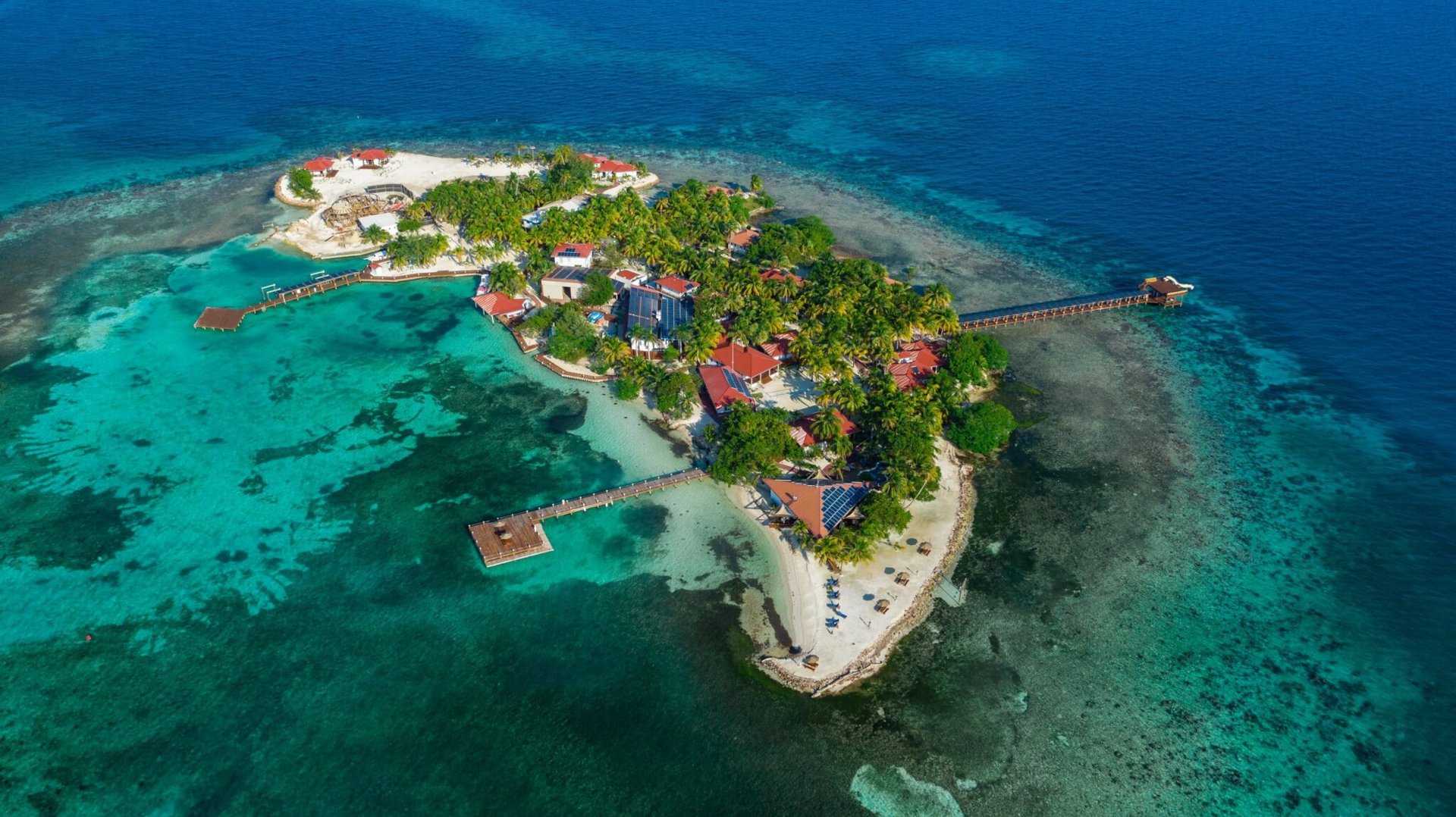
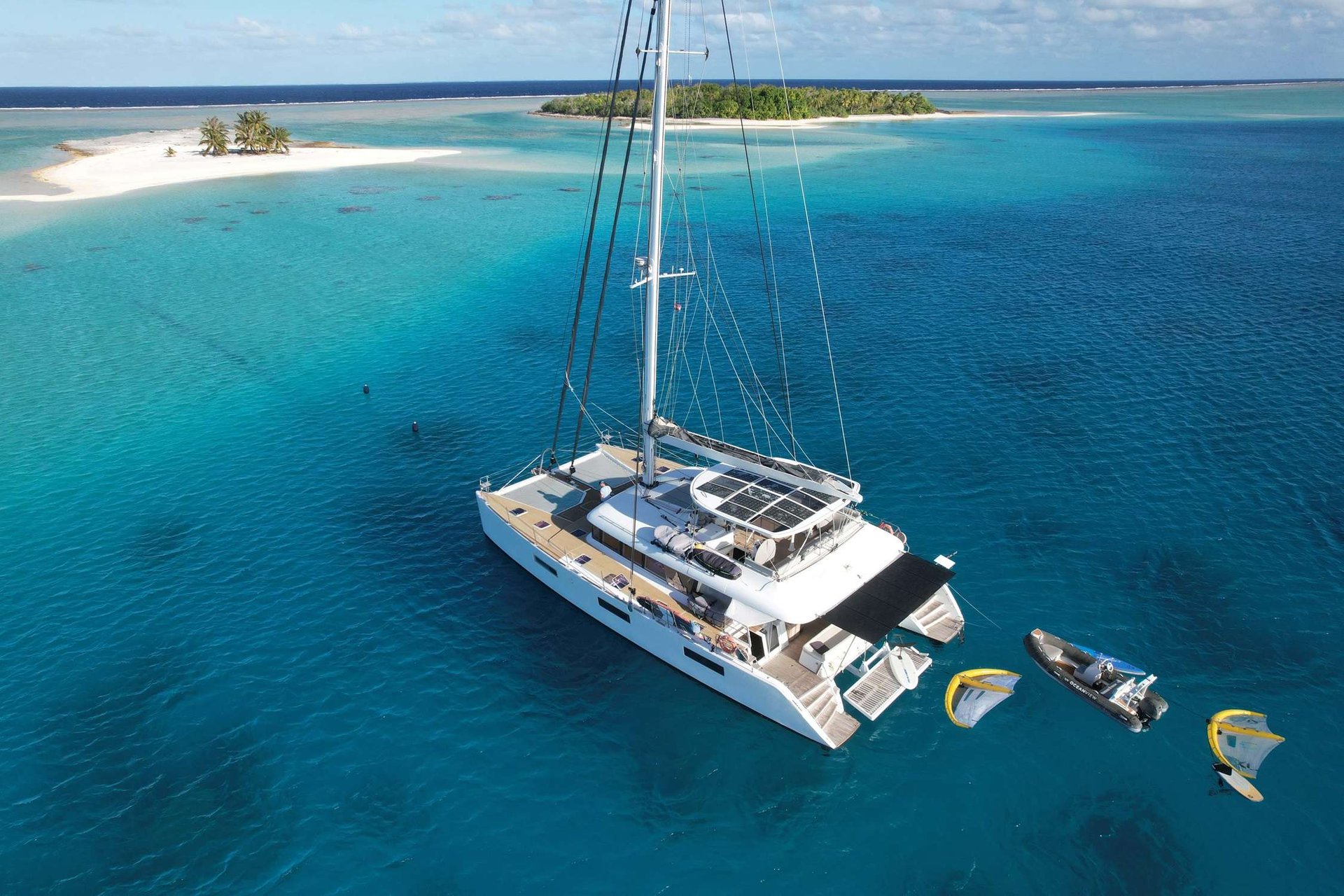
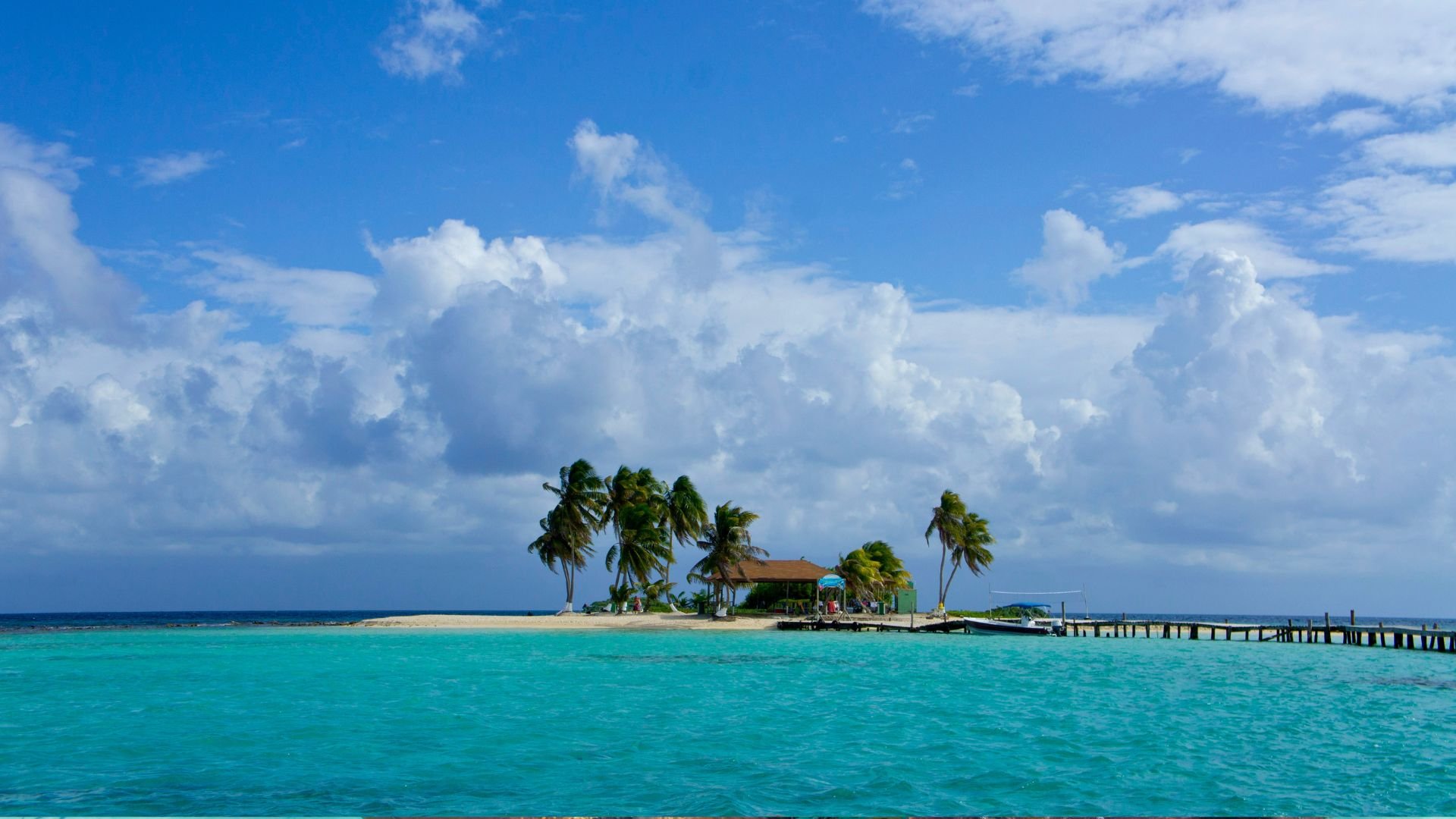
This Belize sailing itinerary runs from Placencia north along the Mesoamerican Barrier Reef — the second-largest barrier reef on earth. You're sailing inside the reef, so the water stays flat, swell breaks before it gets to you, and no day is a slog. About 95 nautical miles total over the week. Stops: Laughing Bird Caye (UNESCO World Heritage), Silk Cayes and Gladden Spit, Tobacco Caye's fishing shacks on the barrier reef itself, Blue Marlin Lodge on South Water, hammock-naps on Whipray, and back into Placencia for the last night.
Built around the winter trade winds — consistent 10–20 knot easterlies from December through May. Compared to the Northern Belize itinerary out of Belize City, this Placencia route is gentler, family-friendlier, and stays inside the reef the whole way. The Northern itinerary covers Caye Caulker, Ambergris, and the Turneffe Atoll — different vibe, more open water, better for divers.
Day 1 of 7 · Placencia → Laughing Bird
Your week begins at the Placencia town dock, a low-key village on the end of a long sandy peninsula in southern Belize. Your professional crew meets you at the slip with cold drinks and a chart briefing that frames the week ahead, then gives you time to settle into your cabin and walk the sidewalk—the narrowest main street in the world, according to the Guinness Book—before lines are off.
Around mid-morning the captain clears the pass and points the bow east for the 15-nautical-mile reach out to Laughing Bird Caye National Park. It's a gentle first leg under the trades, flat water inside the reef, the mainland dropping away and the cayes starting to spot on the bow. By lunch you're anchored off one of the most photographed little islands in Belize—a palm-fringed shelf of coral reef with exceptional snorkeling in three to fifteen feet of water right off the stern.
Laughing Bird Caye is a UNESCO World Heritage site and a protected no-take zone, which is why the reef around it is as healthy as any in the country. Spend the afternoon in the water, then move a short hop to a sheltered overnight anchorage nearby. Your private chef handles the first dinner aboard—likely fresh snapper or grouper the captain arranged off the morning's boat, rice and beans, a cold Belikin or a rum punch to set the tone for the week.
Day Highlights
Day 2 of 7 · Laughing Bird → Ranguana
A short 12-nautical-mile hop south today to Ranguana Caye—a six-acre private island with a handful of thatched cabanas, a small restaurant, and one of the better lee-side beaches on the Southern barrier. The sail itself is gentle; the captain puts you there in time for lunch and a long afternoon on the water.
Ranguana is the kind of stop that explains the appeal of crewed charter in Belize. There is almost nothing to do except swim off the beach, walk a lap of the island in fifteen minutes, and flop into a hammock with a book. The reef starts a short swim from shore and holds a remarkable amount of life for how close in it sits—nurse sharks cruising the shallows, schools of grunts working the coral heads, the occasional eagle ray. Your crew runs the tender ashore for lunch on the island if you want it, or puts out a light board of ceviche, conch fritters, and a cold bottle of rosé on deck if you'd rather stay on the boat.
In April and May, Ranguana runs a baby sea turtle release program on the beach around sunset—one of those small Belize moments that isn't on any brochure and sticks with you. Your captain knows the season and can time the afternoon around it. Otherwise it's a quiet dinner aboard at anchor, the sort of night where nobody bothers checking the time.
Day Highlights
Day 3 of 7 · Ranguana → Silk Cayes
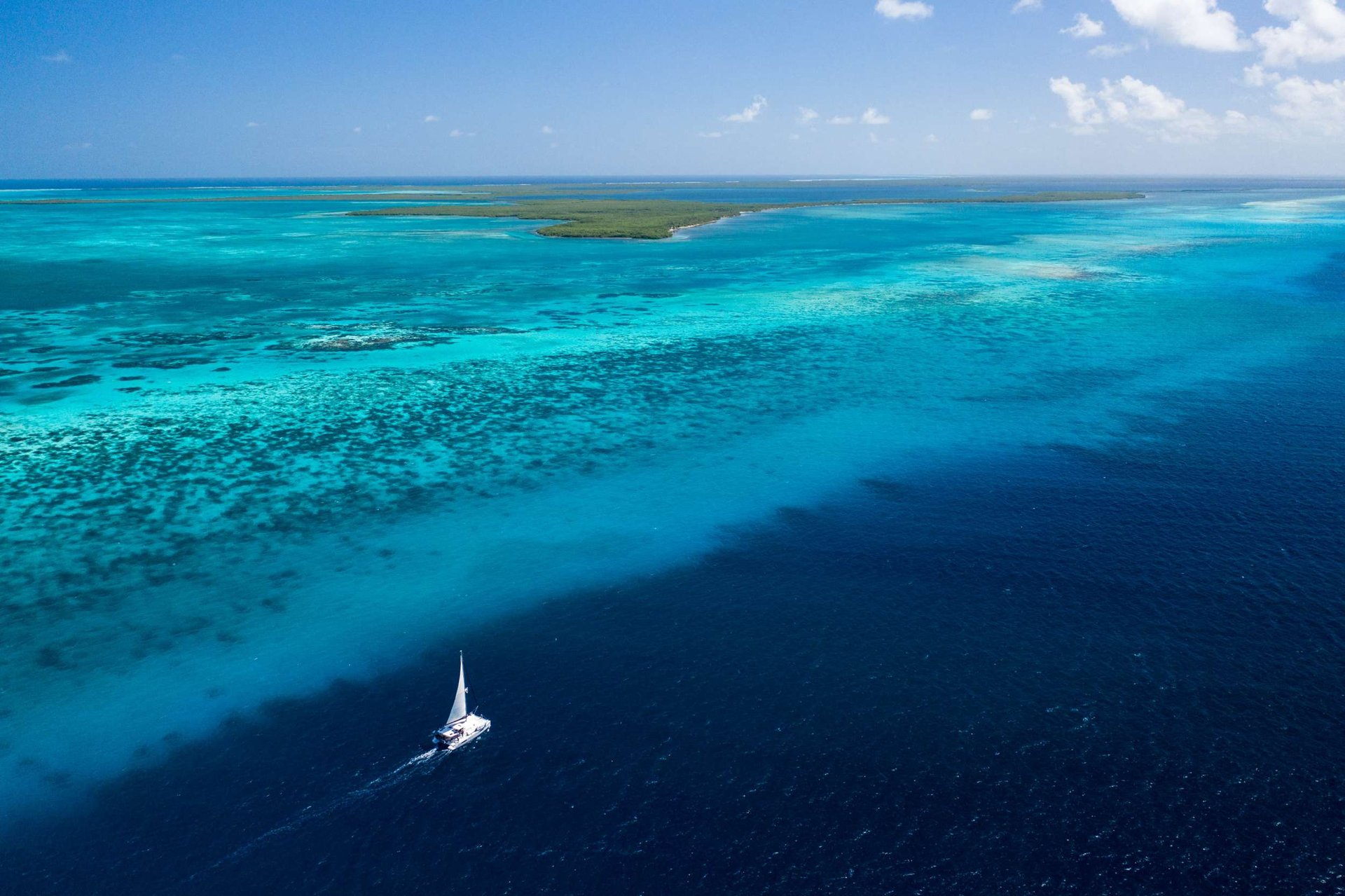
Today is the snorkel day. A 10-nautical-mile morning reach east brings you to the Silk Cayes—three tiny, uninhabited sand islands sitting on the outer barrier reef inside the Gladden Spit and Silk Cayes Marine Reserve. The reef here is the real thing: coral gardens in twenty feet of water, walls that drop off into deep blue, and more fish life per square yard than anywhere else on the Southern route.
If you're sailing in April, May, or June, there's a specific reason Gladden Spit is one of the most talked-about snorkel sites in the Caribbean: it's one of the few predictable whale shark aggregation spots in the world. Around the full moon in those three months, the cubera and mutton snapper spawn on the reef wall, and whale sharks show up to feed on the spawn. When conditions line up, your captain can get you in the water with forty-foot whale sharks in roughly eighty feet of visibility. Nobody promises it—the aggregations are weather and lunar-cycle dependent, and they're protected by permit limits enforced by the reserve. But if you're here in that window, this is the single day everything else on the itinerary gets rearranged around.
Outside the whale shark window, this is still the best coral-garden snorkel on the itinerary—drifting along a healthy reef wall in gin-clear water, rays cruising the sand below, the occasional reef shark patrolling the edge. After lunch on a Silk Caye sandbar, the captain moves the boat a short way back inside the reef to Lark Caye for a protected overnight anchorage. Chef handles a dinner aboard that night—almost certainly something off the morning's fish run.
Day Highlights
Day 4 of 7 · Lark → Tobacco Range
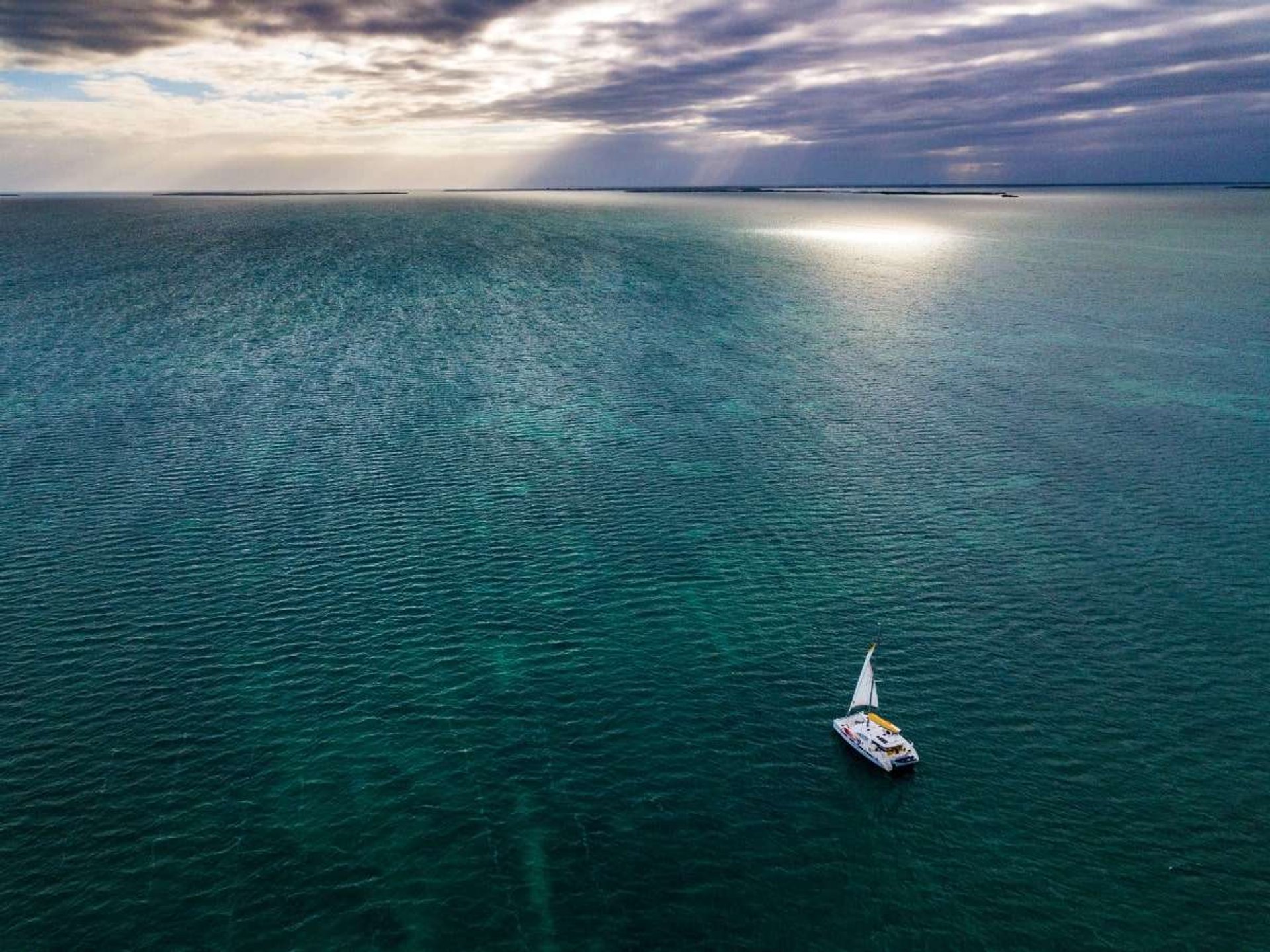
The longest sailing day of the week—25 nautical miles north along the inside of the barrier reef, from Lark Caye up to Tobacco Range. In a healthy easterly trade it's a fast broad reach on flat water, the reef line running off the starboard beam the whole way. Your crew sets a breakfast spread on deck, hands the wheel to anyone who wants it, and lets the boat sail itself for most of the morning.
Tobacco Caye is a five-acre island sitting directly on top of the barrier reef, which is rare—most Belize cayes sit inside the reef or well outside of it. Here, the reef crest breaks fifty yards off the beach, and you can snorkel straight off the sand onto an intact coral wall in water that stays ten to fifteen feet deep for a long way. There's a small fishing village on the island—wooden shacks, a handful of guesthouses, a tiny bar where locals and a few backpackers drink Belikin in the afternoon. It's a glimpse of what the whole coast looked like thirty years ago.
A short afternoon hop south puts you off Carrie Bow Caye—a one-acre sand island that serves as the Smithsonian Institution's field station for Caribbean reef research. You can't land (the station is working), but you can anchor offshore and snorkel the reef they've been studying for fifty years. The coral here is as healthy as anywhere in the country, and if the visibility is up you'll see why the Smithsonian picked this exact spot. Back aboard for a chef-prepared dinner at anchor, the reef breaking white against the dark a hundred yards off the beam.
Day Highlights
Day 5 of 7 · Tobacco → South Water
A six-nautical-mile sail south this morning, barely enough to warm up the engine before you're there. South Water Caye is a fifteen-acre island on the barrier reef inside the South Water Caye Marine Reserve—another UNESCO-listed stretch, and arguably the single best reef position in Southern Belize. The windward side of the island drops straight off into the wall, and the snorkel off the dock is one of the few places in the country where you can roll off a pier in twelve feet of water and be over a reef edge in three fin kicks.
Spend the morning in the water. The wall here runs from ten feet down to forty in a single drop, and the visibility on a good trade-wind day is sixty to ninety feet. Eagle rays and nurse sharks are common; the occasional reef shark patrols the outer edge. After lunch aboard, the captain can move you around to the leeward side for a quieter afternoon—shallow grass flats, bonefish in the tail-up silt, a beach walk if you want one.
Dinner tonight is ashore at Blue Marlin Lodge, the long-running dive resort on the south end of the island. Blue Marlin is exactly the kind of place that works on a crewed charter: a dock you can pull up to, a dining room over the water, and a kitchen that leans on whatever the local boats brought in that morning. Your captain radios ahead, the lodge sets a table, and you walk ten steps from the dinghy to dinner. Back aboard late for a nightcap on deck with the reef glowing white in the moonlight.
Day Highlights
Day 6 of 7 · South Water → Whipray
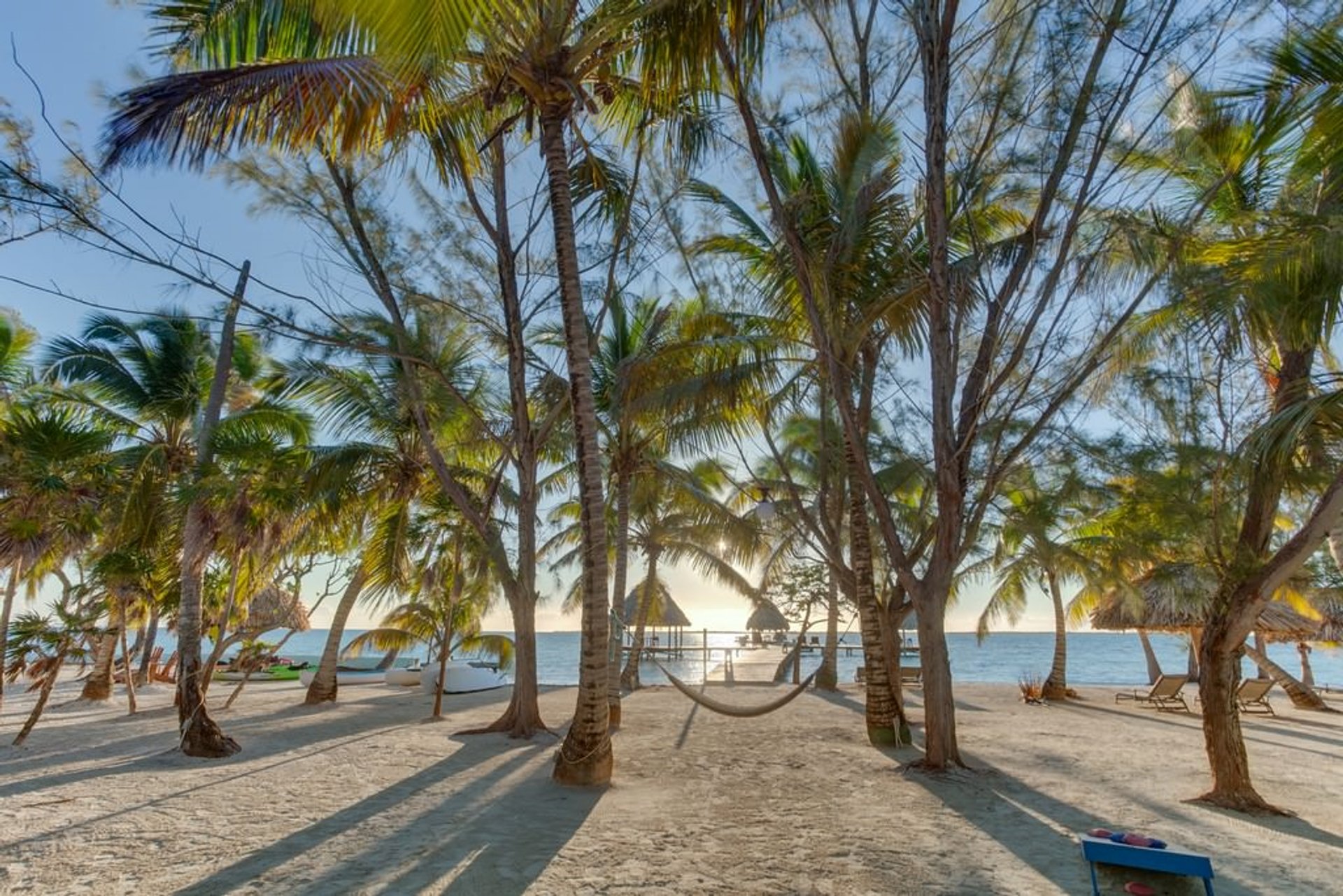
The quietest day of the week. A morning stop at Coco Plum Caye—a small, palm-fringed island on the inside of the reef with thatched cabanas and a protected lagoon—for a swim and an early lunch. Your chef handles it aboard or your captain radios ashore for a table at the resort; either way works. The snorkel off the bow is gentle, the water shallow and clear, and the crowd at Coco Plum runs to the handful of guests staying at the resort and maybe one other crewed boat.
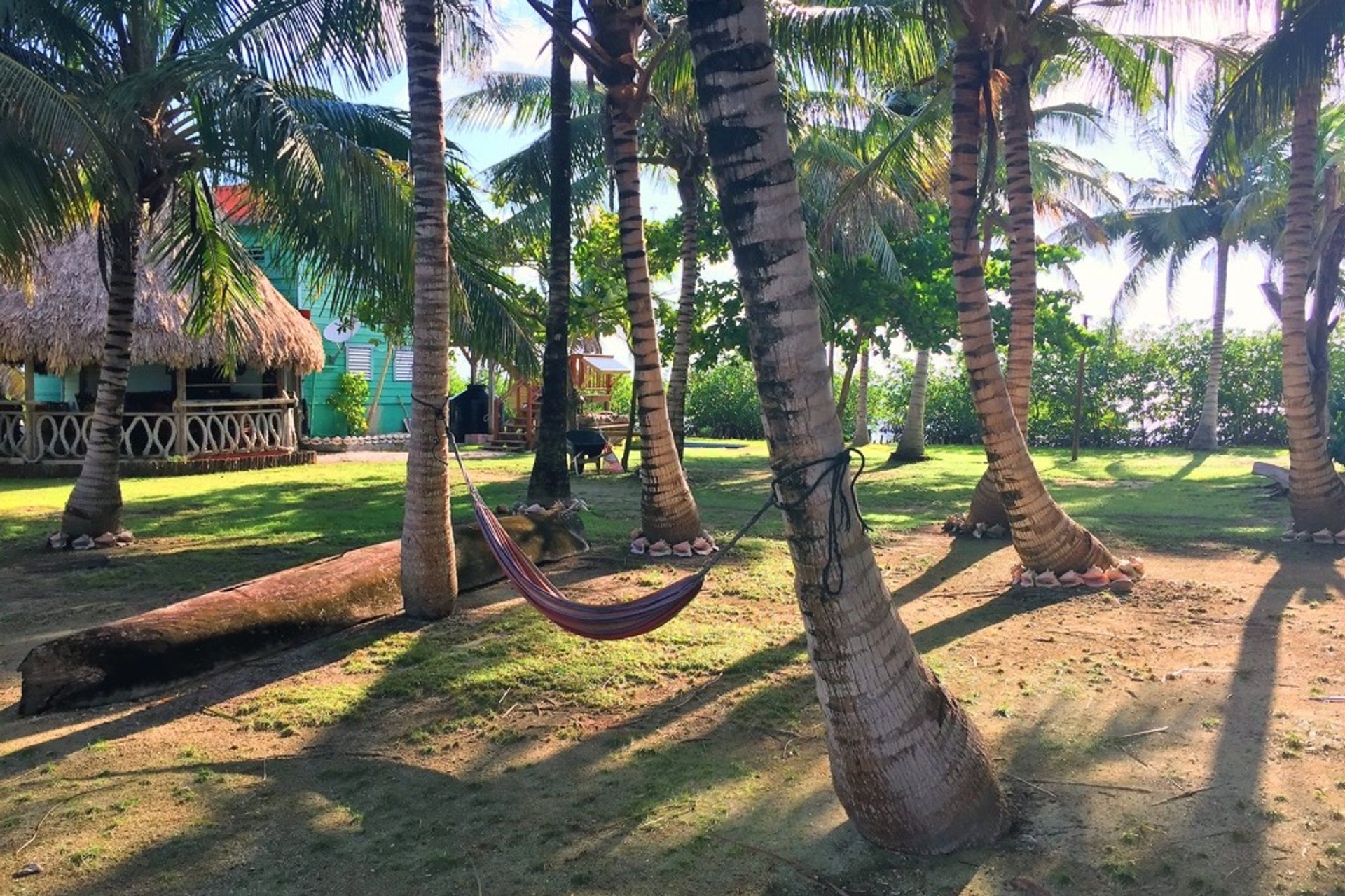
Late afternoon, a final short hop puts you at Whipray Caye—a tiny private island a few miles off Placencia that might be the single most charming overnight on the Southern route. There's a thatched bar called Sea Urchin on the island, a hammock strung between two palm trees, and about eighteen inches of sand between the bar stools and the water. Julian Cabral and the family that runs the caye keep the place small and slow on purpose; you'll recognize the vibe within about three minutes of the tender touching the dock.
Dinner at Sea Urchin Bar is the kind of meal people remember from the trip—fresh fish off the day's boat, whatever the kitchen felt like cooking, a last good sunset over the mainland with the peninsula dropping into shadow behind Placencia. Back aboard late, nightcap on deck, last night at anchor in Belize.
Day Highlights
Day 7 of 7 · Whipray → Placencia
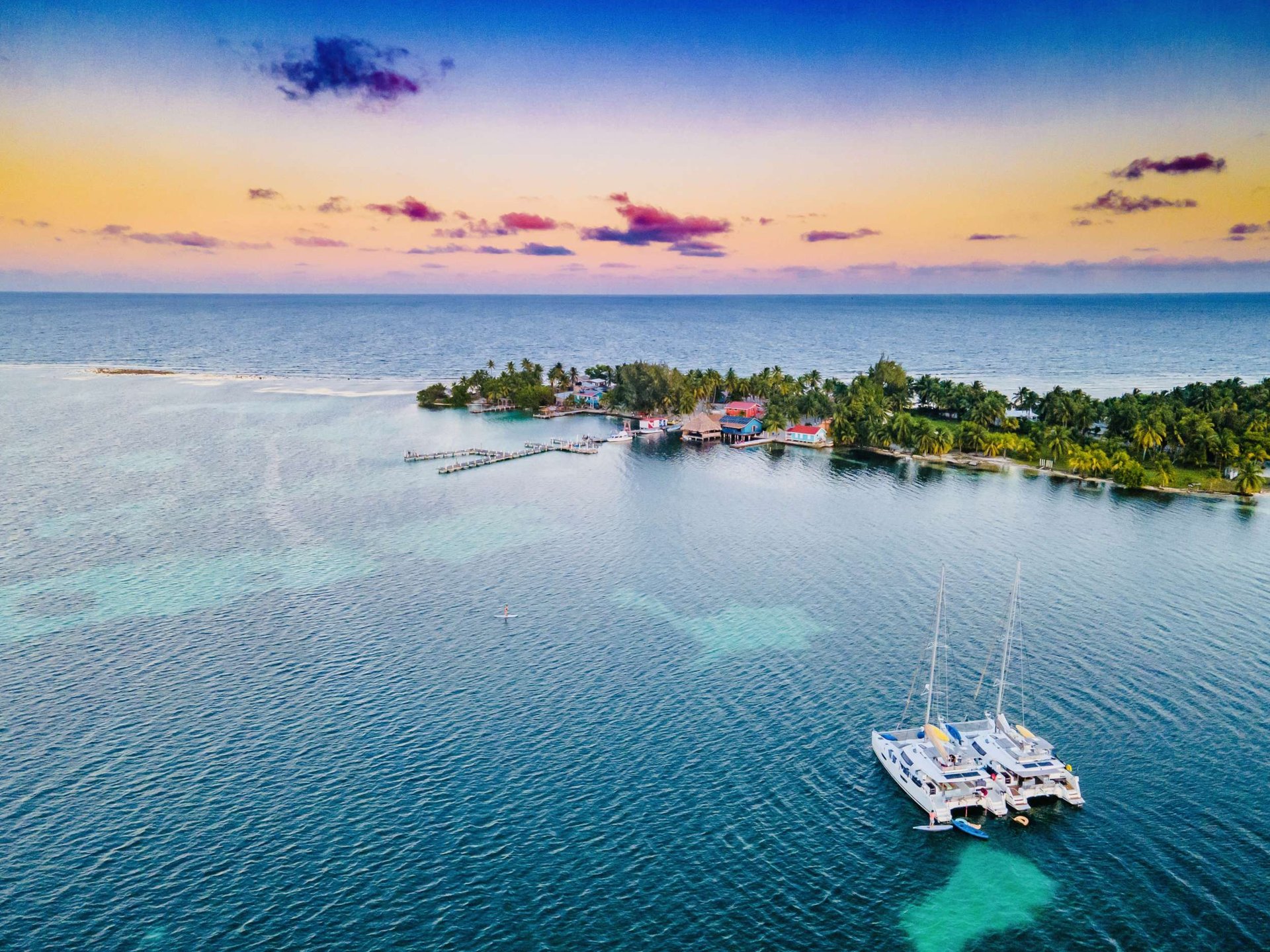
Fifteen nautical miles back to the peninsula, a last easy reach in the morning trades. Your captain times the approach so you're dropping anchor off Placencia by early afternoon, with enough of the day left to walk the sidewalk, swim off the stern one more time, and take a tender ride ashore for dinner.
Dinner tonight is at Rumfish Y Vino, on the main strip in Placencia village. House cocktail is the ginger mojito—fresh ginger, white rum, a lot of lime—and the kitchen leans into the local catch with Mediterranean fingerprints. It's the right last-night meal: a shift back to restaurant service after a week of plates on deck, without losing the feel of being ten minutes from the water. A short walk after dinner, a nightcap at the waterfront bar of your choice, and back aboard late for the final night on anchor.
For guests who want one more adventure before the week ends, your captain can arrange a morning fly-fishing skiff trip in the lagoon behind the peninsula—bonefish, permit, and tarpon all within a short run of the mothership, with a local guide who's been pushing that water for decades. Worth doing if you've ever thought about saltwater fly-fishing; there are few easier places to start.
Day Highlights
Day 8 · Departure
Enjoy a last slow breakfast on deck at the Placencia anchorage, a last swim off the stern if you're up for it, and the short transfer your crew arranges straight to the Placencia airstrip for a commuter flight to Belize City, or by road up the peninsula if you're extending a few nights ashore. Your captain and chef will step off the boat already talking about when you're coming back, which is usually how the good ones end.
Want to share or come back to this voyage later?
Bookmark this voyage →Crewed Itinerary · Belize
A crewed week out of Belize City covers a very different Belize than the Southern route. Up here, the barrier reef sits farther offshore, the cayes are bigger and busier, and the real story is the open-water crossing out to the Turneffe Atoll—one of only four true coral atolls in the Western Hemisphere. This is the itinerary for divers, for guests who want a little more sea under the keel, and for anyone who came to Belize specifically hoping to see the Blue Hole from the air or under a regulator.
The route runs from Belize City out to St. George's Caye, up the inside of the barrier reef to Caye Caulker and Ambergris, then makes the offshore jump to Turneffe for two days on the atoll before working back down through the manatee sanctuary at Swallow Caye and a final overnight at Goff's Caye. With a professional captain and private chef handling the boat, you're free to spend the week in the water: Hol Chan Marine Reserve, Shark Ray Alley, Turneffe's mangrove channels, and the reef wall that runs the east side of the atoll. The Blue Hole itself is a separate day-trip by dive boat—your crew arranges the booking—and the prose below explains the honest version of how that works.
This Belize itinerary covers the northern barrier reef and the offshore Turneffe Atoll — one of only four true coral atolls in the Western Hemisphere. About 120 nautical miles round-trip from Belize City. The route: St. George's Caye, up the inside of the barrier reef to Caye Caulker and Ambergris, an offshore jump to Turneffe for two days on the atoll, the manatee sanctuary at Swallow Caye, and a final overnight at Goff's Caye.
Built for divers and guests who want a little more sea under the keel: Hol Chan Marine Reserve, Shark Ray Alley, Turneffe's mangrove channels, and the reef wall on the atoll's east side. The Blue Hole is a separate day-trip by dive boat (your crew arranges the booking — it's a 4 AM start). If you'd rather stay inside the reef on a calmer family-friendly Belize sailing itinerary, the Southern route from Placencia is the call.
Day 1 of 7 · Belize City → St. George's
Your week begins at the marina in Belize City, usually at the Old Belize facility or Cucumber Beach depending on the boat. Your professional crew meets you at the slip, runs through a chart briefing, and gets you settled before the afternoon's short shakedown sail. Belize City isn't the draw here; the goal on day one is to clear the harbor and get on the water.
Around mid-afternoon the captain slips lines for a gentle 9-nautical-mile reach east to St. George's Caye—a small, palm-covered island a short distance inside the barrier reef. It's a quiet, protected anchorage and a deliberate first overnight: you're out of the city, on the boat, and close enough to the reef that the morning departure to Caye Caulker is a short one.
St. George's has one of the more interesting histories on this coast. The island was the site of the 1798 Battle of St. George's Caye, the fight that effectively settled Belize's status as a British territory. There's a small monument ashore and a handful of weekend homes, and otherwise it's a swim off the stern, a chef-prepared welcome dinner, and an early night. Trade winds rattle the rigging, the reef breaks white a mile east, and you sleep on anchor for the first time.
Day Highlights
Day 2 of 7 · St. George's → Caye Caulker
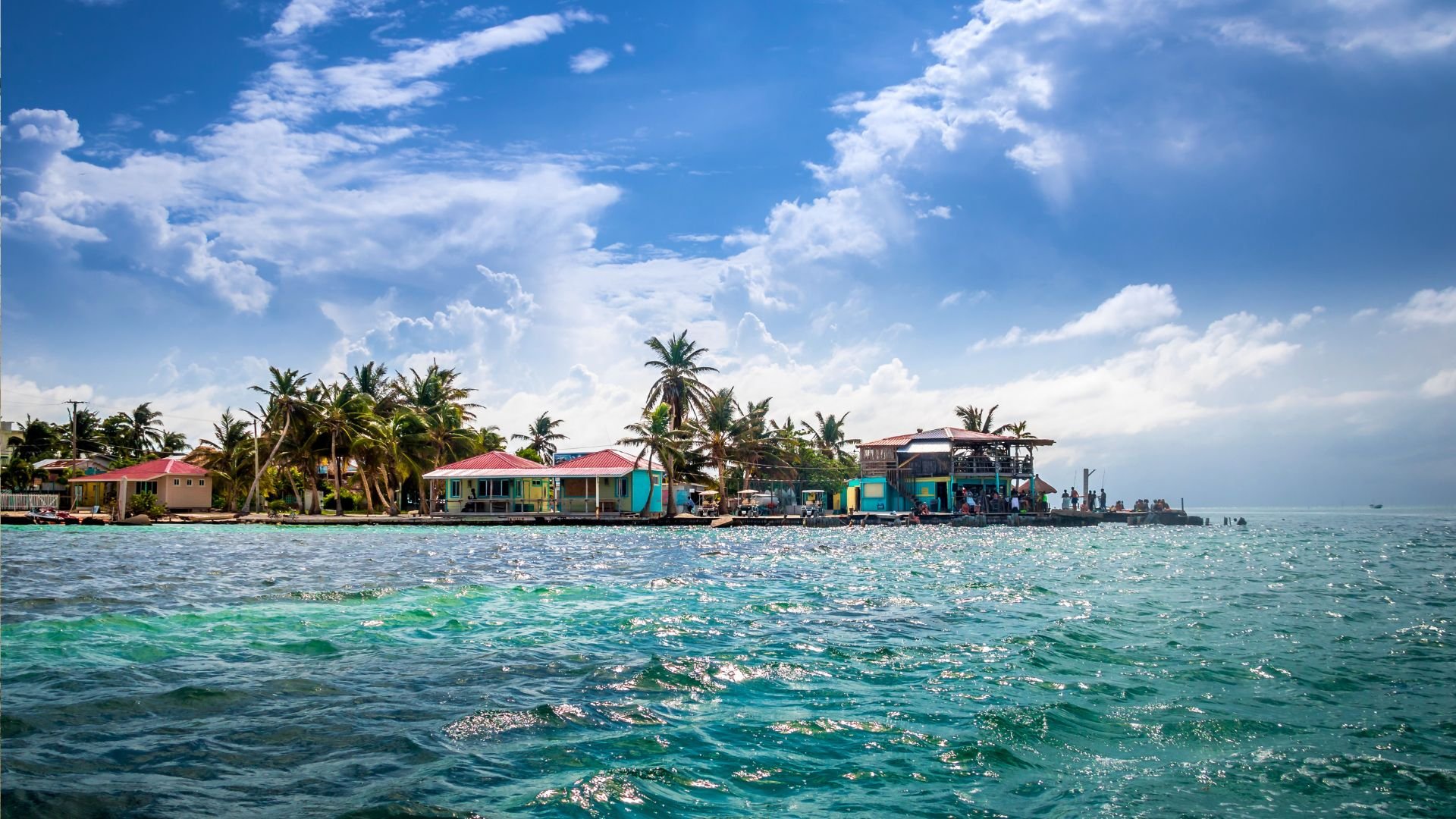
A short 15-nautical-mile sail north this morning, inside the reef, to Caye Caulker—the low-slung, sand-street fishing village that runs on the unofficial motto "Go Slow." The island is maybe four miles long, a few hundred yards wide at most, and stopped letting cars on decades ago. You anchor off the western side, take the tender in, and the rest of the day is yours.
The centerpiece of Caye Caulker is The Split—a channel cut across the island by Hurricane Hattie in 1961, since reinforced with a concrete wall, and now the best swimming spot in Northern Belize. Water is chest-deep, current runs gently, and the Lazy Lizard Bar sits directly above the swim platform with a deck full of Belikin drinkers and a rotating cast of people who came for lunch three days ago and forgot to leave. It's the defining Caye Caulker scene and worth at least half a day.
Late afternoon, wander back from The Split for a seafood dinner ashore—there are twenty places that would be the best restaurant in most Caribbean towns, none of them fancy, most of them pulling fish off boats that tied up that morning. The captain picks a table that matches the group, or your chef handles dinner aboard if you'd rather keep the evening on the boat. Back at anchor late, lit rigging, island breeze, and a Go Slow soundtrack drifting across the water.
Day Highlights
Day 3 of 7 · Caye Caulker → Ambergris
A short 8-nautical-mile hop north this morning brings you to Ambergris Caye—the largest island in Belize and, at the San Pedro end, the country's most developed tourist center. You're not here for the bars. You're here because Ambergris is the staging point for the single best snorkel morning in Belize: Hol Chan Marine Reserve and Shark Ray Alley, a short tour-boat ride from where the yacht anchors.
Hol Chan—"little channel" in Mayan—is a natural cut through the reef at the south end of Ambergris, and the reserve protects one of the densest concentrations of fish life in the country. You snorkel it by drifting the channel with the current, surrounded by schools of grunts, yellowtail snapper, and the occasional green turtle cruising the bottom. Shark Ray Alley is ten minutes further and is exactly what it sounds like: a shallow sand flat where nurse sharks and southern stingrays have been gathering for forty years, ever since local fishermen started cleaning their catches there. Reach out over the side of the boat and the rays swim up to investigate.
Both stops are run through a licensed local tour operator—no private yacht is allowed to run its own dinghy in the reserve, and your captain will have booked the boat in advance. It's a half-day outing, back to the mothership by lunch, and the afternoon in San Pedro is yours: a walk up Front Street, a stop at one of the rum bars, dinner ashore or aboard depending on the mood. Ambergris rewards the guests who keep the visit short.
Day Highlights
Day 4 of 7 · Ambergris → Turneffe
This is the day the week shifts. A 25-nautical-mile crossing east from the Ambergris anchorage out to Turneffe Atoll—the first real open-water leg of the trip, and the reason this itinerary exists separately from the Southern route. Your captain picks the weather window carefully; a healthy easterly trade makes it a fast reach on a modest swell, and you're in the lee of the atoll by mid-afternoon.
Turneffe is the largest of the three Belize atolls and one of only four true coral atolls in the Western Hemisphere. Thirty miles long, seven miles wide, a ring of reef enclosing an interior of mangrove islands and shallow sand flats—essentially a coral version of a Pacific atoll on this side of the world. You anchor off Rendezvous Point or Soldier Caye on the protected western side, drop the dinghy, and the rest of the afternoon runs on whatever sounds good: a reef-wall snorkel on the eastern edge, an exploratory tender ride into the mangrove channels, a quiet swim off the stern with nothing but the ring of reef between you and the open Caribbean.
Turneffe rewards unhurried exploration. The eastern wall is one of the best dive sites in Belize and holds up snorkeling too—a vertical drop from twenty feet straight down into blue, with large pelagic fish cruising the edge and a reef face in the shallows that goes on for miles. The mangrove interior is a quieter, weirder experience: a maze of brackish channels cut through red mangrove, the roots hanging in clear water, permit and bonefish tailing on the sand flats between islands. Your captain will know which way to point you based on conditions and the group's appetite.
Day Highlights
Day 5 of 7 · Turneffe Atoll
A full day on the atoll. Turneffe is big enough that you can spend another full rotation here without repeating yourself: a deeper dive on the eastern wall in the morning (Belize dive operators can drop a tank aboard for certified guests), a long lunch on the hook, and an afternoon moved up to a different anchorage inside the atoll for a different angle on the same water. If the group runs to divers, your captain coordinates the day-trip dive charter; if it runs to snorkelers and swimmers, the same walls and flats reward a slower pace.
Here's the honest version about the Great Blue Hole, which is the one Belize stop every first-time guest asks about: the Blue Hole is 43 nautical miles offshore from the mainland, at the center of Lighthouse Reef, and sailing there is not how this trip is typically structured. Sailing yachts don't anchor on the Blue Hole itself—it's 400 feet deep, the surrounding water is exposed, and there's no shore facility on Half Moon Caye that suits a week-long crewed charter. What every guest actually does to see it is book a day-trip on a dedicated Blue Hole dive boat out of Caye Caulker or San Pedro. The trip is a long day: a 4:30 a.m. start, a two-hour run offshore, three dives (Blue Hole, Half Moon Caye wall, the Aquarium), a lunch at the red-footed booby colony on Half Moon, and a late return.
If you want to do the Blue Hole trip, the cleanest way to do it on this itinerary is: your captain holds Caye Caulker or Ambergris as the anchorage the day before, books you onto one of the regular Blue Hole dive-boat departures, and you rejoin the yacht in the afternoon. Think of the Blue Hole as a day adventure bolted onto the week, not a sailing stop. That's how every charter operator in Belize handles it, and it's the realistic answer. If the group doesn't include divers who care about the Blue Hole specifically, skipping it in favor of another day on Turneffe is a completely legitimate choice—the reef diving on Turneffe is world-class, the crowds are smaller, and you're already on a better boat than the dive operation is running.
Day Highlights
Day 6 of 7 · Turneffe → Goff's Caye
The return leg. A 20-nautical-mile reach back west across the channel toward the mainland, riding the trades with the atoll dropping off behind the stern. Midway, your captain angles south for a quiet detour into the Swallow Caye Wildlife Sanctuary—a protected area off the coast of Belize City that's home to one of the Caribbean's most accessible populations of West Indian manatees.
Swallow Caye is a no-swim, no-snorkel area by design. You approach slowly under power, kill the engines, and watch from the deck as manatees surface in the mangrove shallows around the boat. The sanctuary rules exist because manatees are chronically stressed by boat traffic in the region, and the no-interaction protocol is the whole reason the Swallow Caye population is still healthy. It's a respectful stop, not a tourist one, and the payoff is one of the better wildlife moments on the Northern route.
Five nautical miles south puts you at Goff's Caye—a two-acre palm-covered reef island an hour from Belize City that makes a perfect last overnight. The island itself is tiny; you can walk a lap in about eight minutes, including a stop at the small picnic structure under the trees. But the reef off the windward side is healthy, the snorkel off the bow is gentle, and the anchorage is protected inside the barrier. Your chef handles the last dinner aboard, the captain pours a farewell drink on deck, and you sleep on anchor one more time with Belize City just fifteen miles west.
Day Highlights
Day 7 of 7 · Goff's Caye → Belize City
Fifteen nautical miles back to the harbor, a last easy reach on the morning trades. Your captain times the arrival for early afternoon, giving you a long last swim off the stern and a relaxed lunch on deck before the turn-in to the marina.
For guests staying in Belize City for the night, your crew arranges a transfer to one of the waterfront hotels; for guests flying out the next morning, the marina is a short taxi ride from Philip Goldson International. If you've got time for dinner ashore, the old colonial district along Fort Street has a handful of credible restaurants, and the Radisson's waterfront bar is a reasonable last Belikin before the drive to the airport.
The crew will help you off-load bags, walk you through anything left to settle, and—this is usually the tell that the week went well—be on the marina's Wi-Fi within an hour seeing when you're coming back. The best crews in Belize run repeat guests from year to year. If the chemistry clicks, put the next trip on the calendar before the taxi arrives.
Day Highlights
Day 8 · Departure
Enjoy a last slow breakfast on deck at the Belize City marina, a last swim if you're up for it, and the short transfer your crew arranges straight to Philip Goldson International or to the waterfront hotel for the final night. Your captain and chef will step off the boat already talking about when you're coming back, which is usually how the good ones end.
Want to share or come back to this voyage later?
Bookmark this voyage →
When to go, what it costs, and how to get there — the practical answers guests ask before booking a Belize crewed yacht charter.
December through March is the highest-volume booking window. Steady east-southeast trade winds at 10–20 knots, low humidity, daytime highs in the low 80s, and the driest months of the year. The cruising ground is at its busiest over Christmas, New Year, Easter, and Spring Break, when the best yachts and crews book 6–12 months in advance. Cold fronts occasionally drop down from the US mainland and bring a day or two of squalls, but the barrier reef softens their impact compared to the more exposed cruising grounds further north.
April, May, and early June are the best window of the year for guests who can travel outside the school calendar. Trade winds remain steady, water temperatures climb into the 80s, and rates typically fall 15–25% from peak. This is also the whale shark window at Gladden Spit on the southern route — sharks aggregate around the full moons of these three months, and on the right week the captain reorders the itinerary around them. The Belize fleet stays in country year-round; summer charters in July and August are available with the trade-off of warmer days and the possibility of tracking an Atlantic storm — your captain shapes the route accordingly.
$20,000–$40,000 per week
Crewed yacht charters in Belize typically run from $20,000 to $80,000+ per week, depending on yacht size, build year, and crew. Belize crewed inventory leans toward smaller catamarans (45–60 feet) compared to the BVI or USVI fleets — there are no superyacht-class crewed catamarans operating in Belize today. Most yachts charter all-inclusive: the base weekly rate covers yacht, crew, all meals, a standard bar, fuel for normal cruising, and customary mooring fees. Select yachts run plus-expenses with an Advance Provisioning Allowance (APA) at 25–35% of the base rate, reconciled at trip end. Crew gratuities, customary at 15–20% of the base rate, are paid directly to the captain on disembarkation.
About chartering in Belize.
Field-tested guides, itineraries, and tips — written from years of chartering these waters.

Scuba diving yacht charter destinations ranked: the BVI's wrecks, Belize's Great Blue Hole, French Polynesia's shark passes, and the easy reefs of the Exumas.

To help build your summer reading list for those relaxing moments on the beach, I’d like to share some books I highly recommend that I’ve read in the past.
We charter across the Caribbean. Here are some other excellent alternatives.

Explore a British Virgin Islands yacht charter for an unmatched sailing adventure. Idyllic Caribbean setting, easy navigation, and iconic beach bars await you.

Experience the charm of a US Virgin Islands yacht charter. Discover pristine national parks, stunning beaches, and easy navigation in this Caribbean gem.

Set sail in Exuma, Bahamas for an unparalleled yacht charter experience. Revel in the stunning blues, serene solitude, and fishing in this Caribbean gem.

Loyalist clapboard towns a tender ride from the anchorage, the Hope Town light swinging its beam across the mooring field, Tahiti Beach's sandbar at low tide, and two national parks of no-take reef — the protected-water Bahamas, north of the Exumas, with history in the bones.

Explore a St. Martin yacht charter for a unique Caribbean adventure. Enjoy stunning beaches, rich culture, and ideal sailing conditions.

Crewed catamaran and motor yacht charters through Bequia, Mustique, the Tobago Cays, Mayreau, and the southern Grenadines.

Twin volcanic Pitons rising straight off the mooring field, Marigot Bay's mangrove hurricane hole, reef and wreck diving inside the Soufrière marine reserve, and the Friday fish fry at Anse La Raye — the Windwards fleet, one island north of the Grenadines, with the postcard waiting at the first mooring.

Explore the serene Spanish Virgin Islands: pristine beaches, historic sites, and unspoiled nature await. The ultimate Caribbean sailing escape.

Embark on an unforgettable yacht charter in Antigua and Barbuda, where crystal-clear waters, rich history, and 365 beaches offer a paradise for every sailor.
Fill out our quick form and we'll dive into your unique preferences — from adventure-packed itineraries to pampered escapes. Whether you're a seasoned voyager or new to charters, we'll tailor recommendations just for you.
With over fifteen years of experience, we'll match you with the yacht that fits your style, group, and itinerary. We work directly with the captains and crews across our list — so the recommendation is built around the right boat-and-crew fit for your week, not whatever's easiest to book.
Once your yacht is booked, we'll take care of logistics: paperwork, reminders, and personalized resources to help you plan. From arrival planning to must-visit spots, we'll make your charter as seamless as it is unforgettable.

What to Expect on a Private, Crewed Yacht Charter
Learn what makes crewed yacht charters extraordinary: personalized service, gourmet dining, and endless opportunities for adventure and relaxation.

How Does the Booking Process Work?
Our team handles every detail of your crewed yacht charter booking, ensuring a seamless experience from your first inquiry to setting sail.

Crewed Yacht Charter Pricing Explained
Understand what a crewed charter costs, the types of pricing, and what is included / not included.

Logistics: Proven Travel Plans for a Stress-Free Start
Plan your journey to your crewed yacht charter with ease. Tips on flights, transfers, and logistics for a stress-free start to your vacation.
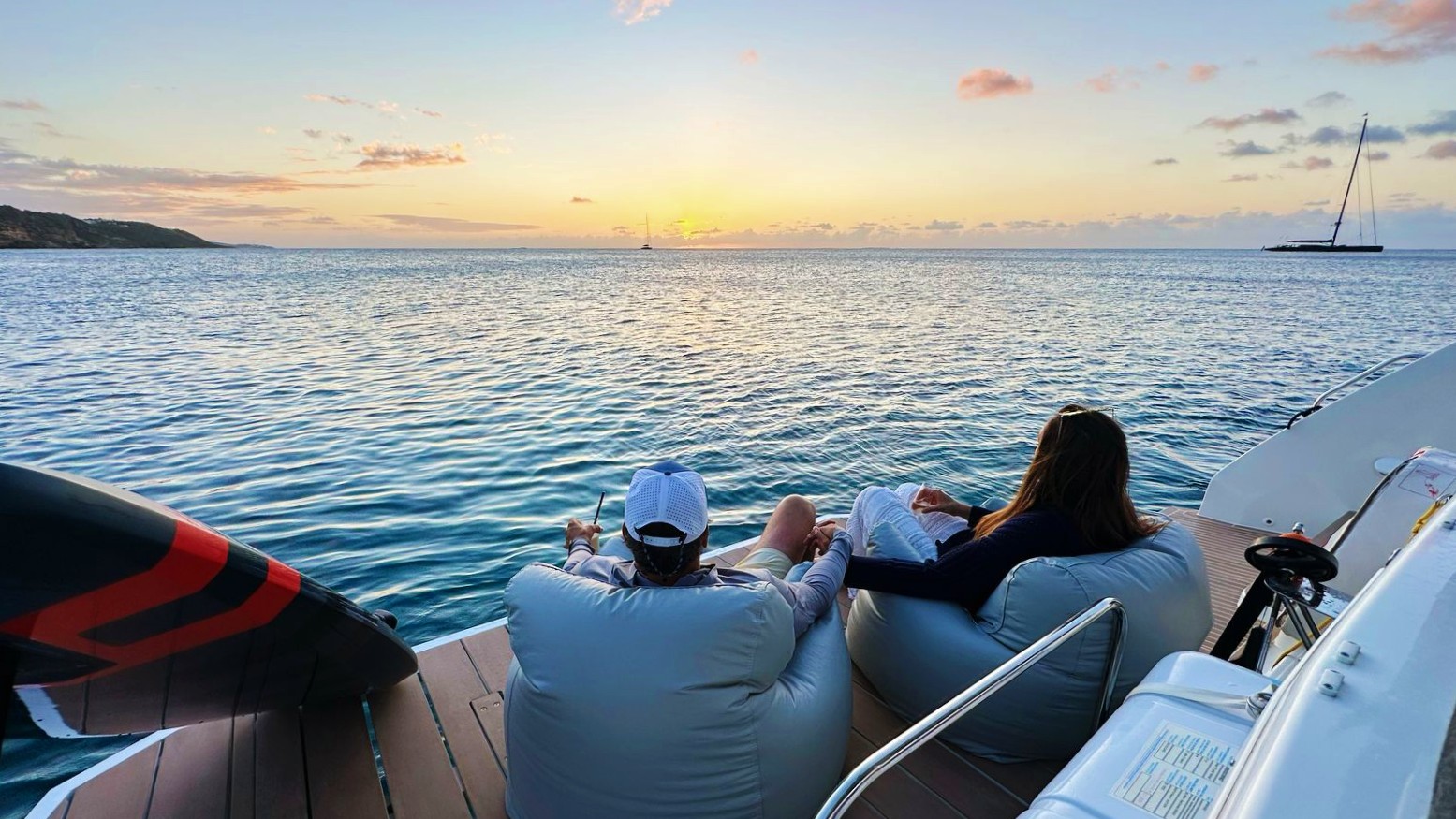
Honeymoon Yacht Charters
Start your marriage on a private yacht. Explore secluded beaches, gourmet dining, and unforgettable sunsets in the Caribbean.
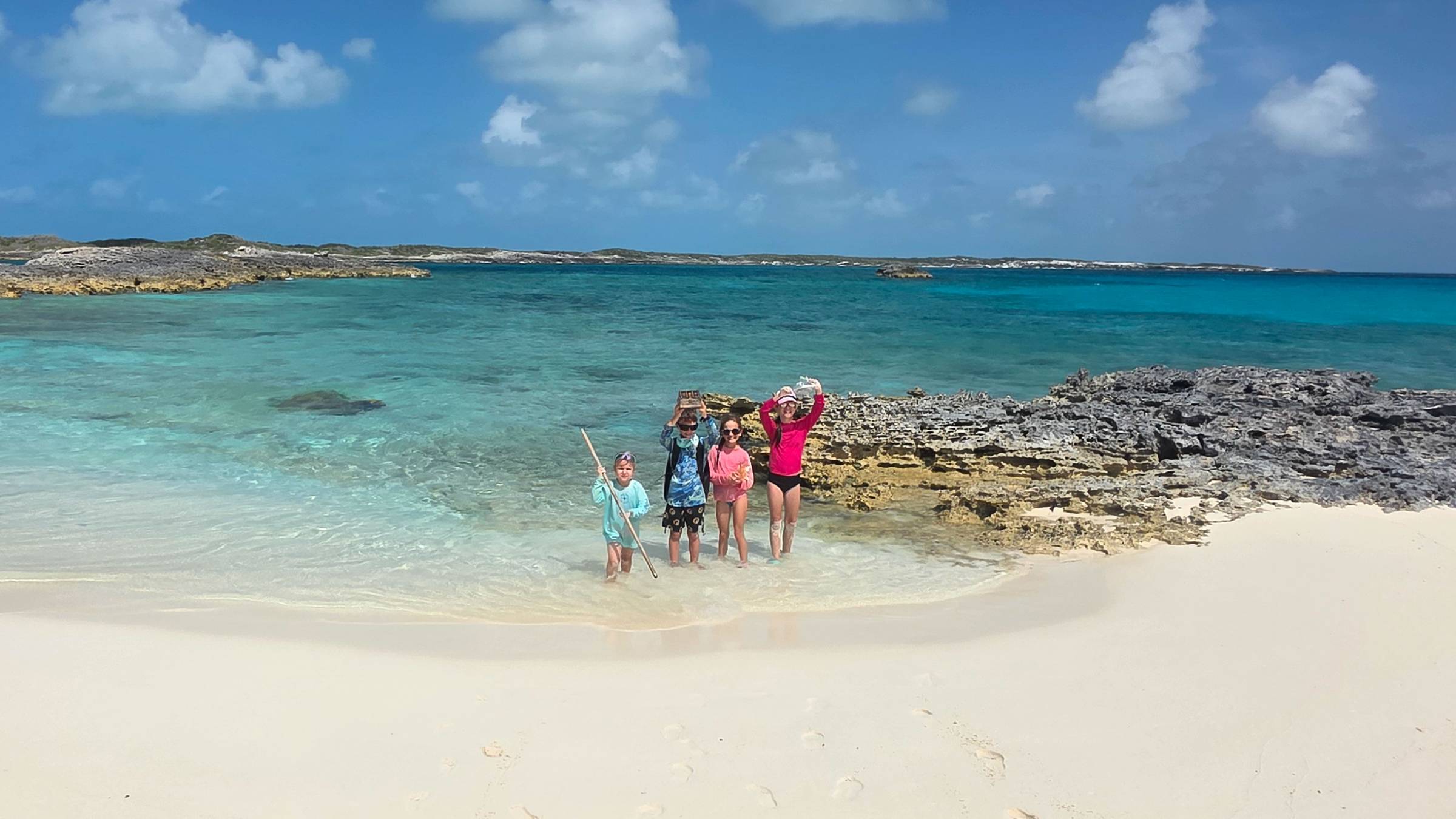
Family Yacht Charters
A crewed yacht charter is perfect for families of all ages. Safe, fun, and fully catered — your kids will never forget it.

Crewed Charter FAQ
Get answers to common questions about crewed yacht charters, from pricing and tipping to what's included and what to pack.

BVI Crewed Yacht Charters
The British Virgin Islands are the #1 crewed charter destination in the Caribbean. Short sails, protected waters, and world-class anchorages.

BVI Crewed Charter Guide
Everything you need to know before your BVI crewed catamaran charter — pricing, packing list, sample itinerary, and getting there.
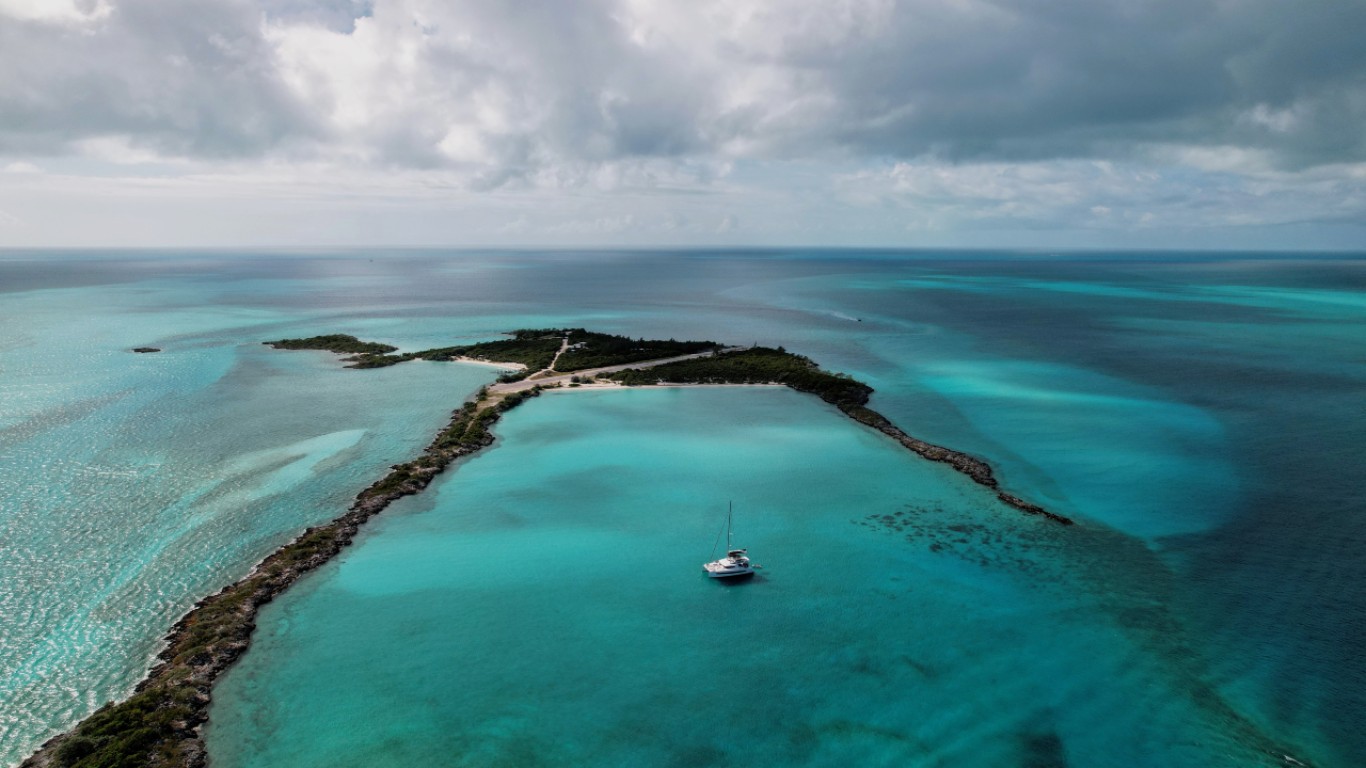
Bahamas Crewed Yacht Charters
Explore the Exumas on a private crewed yacht. Swimming pigs, sandbars, and some of the clearest water on earth.
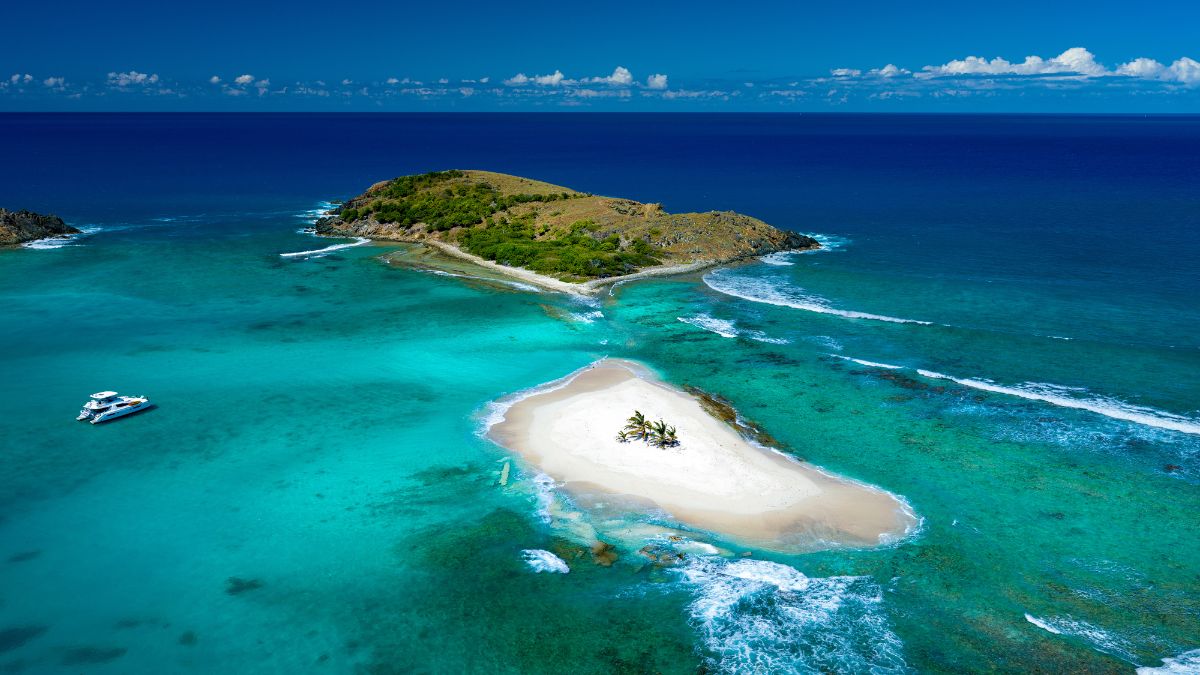
Caribbean Crewed Yacht Charters
All-inclusive crewed charters across the Caribbean — BVI, Bahamas, USVI, St. Martin, Antigua, and beyond.