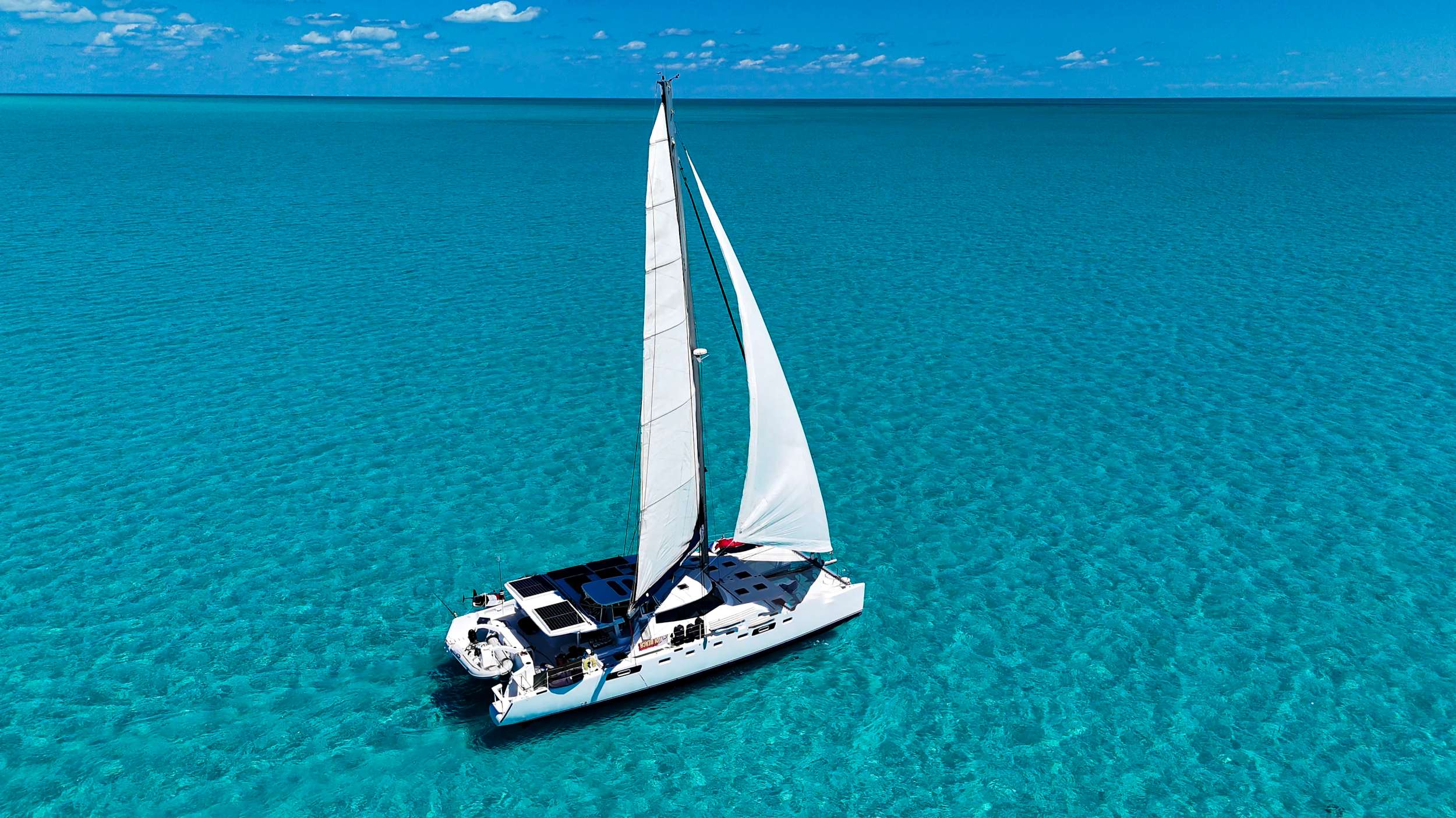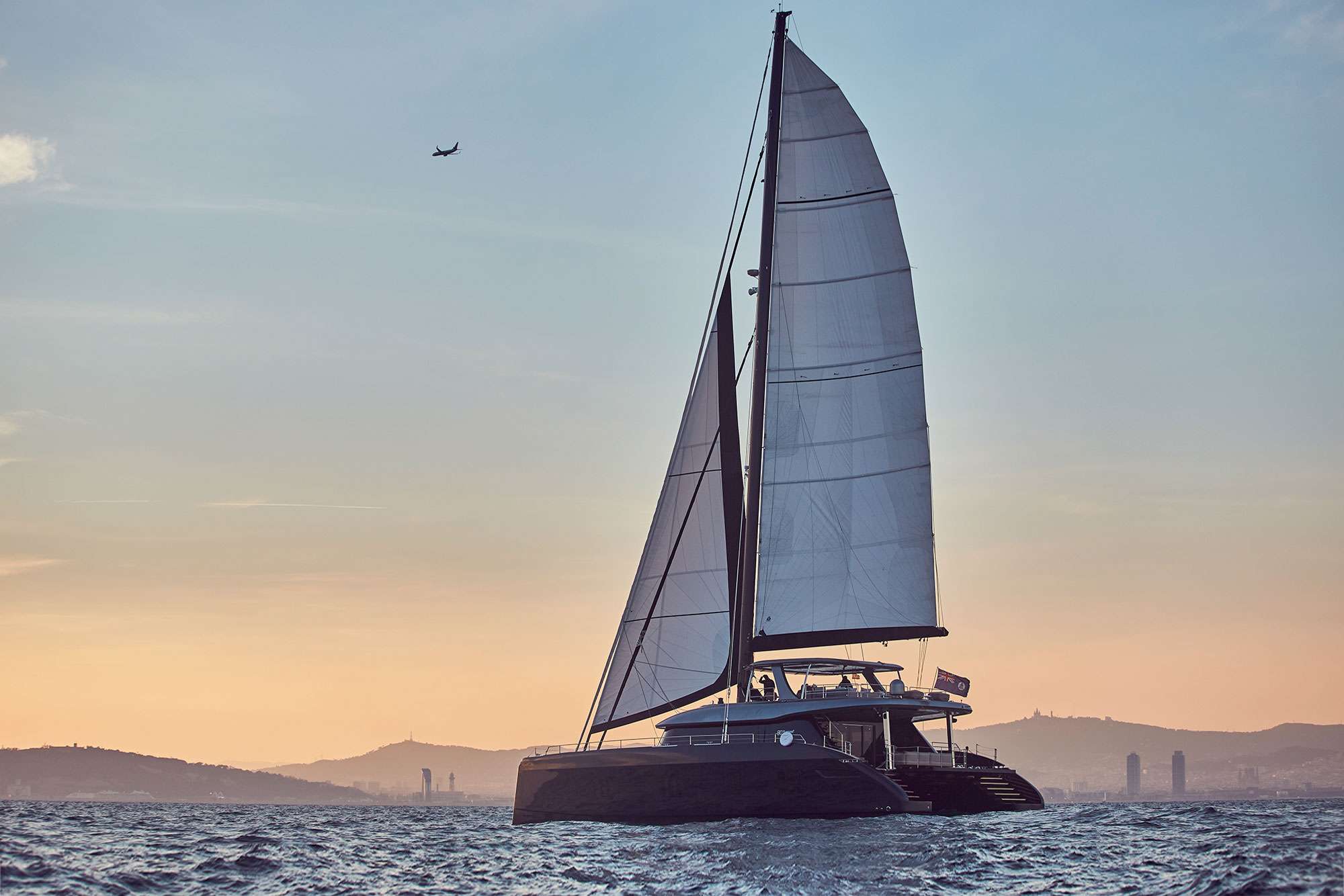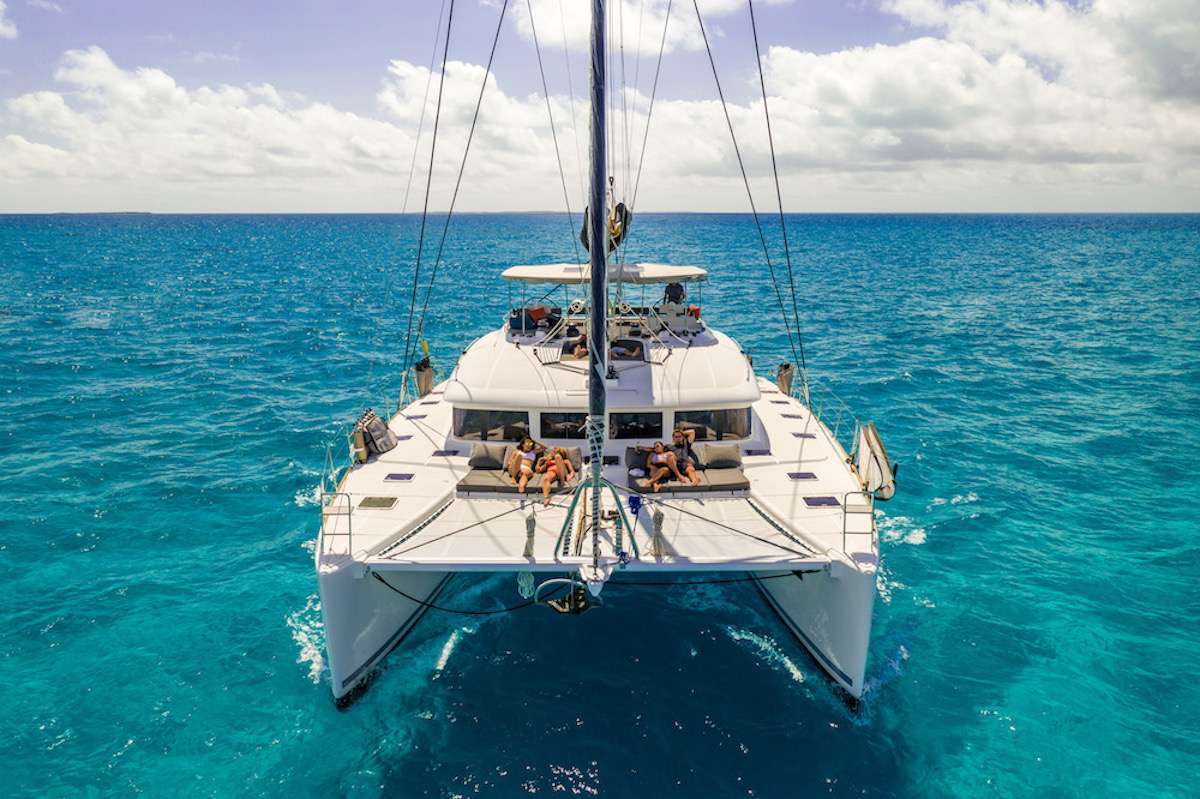

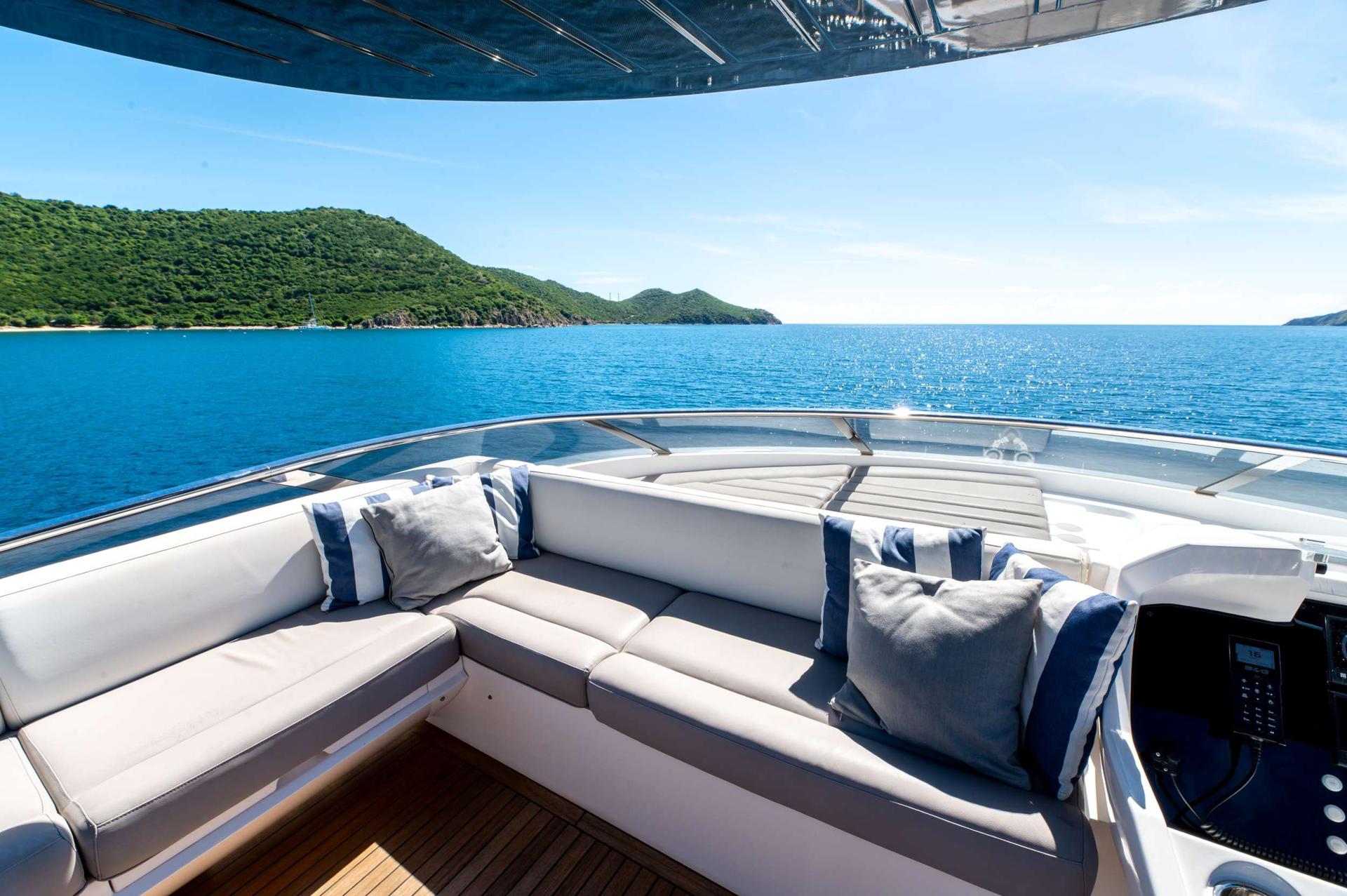
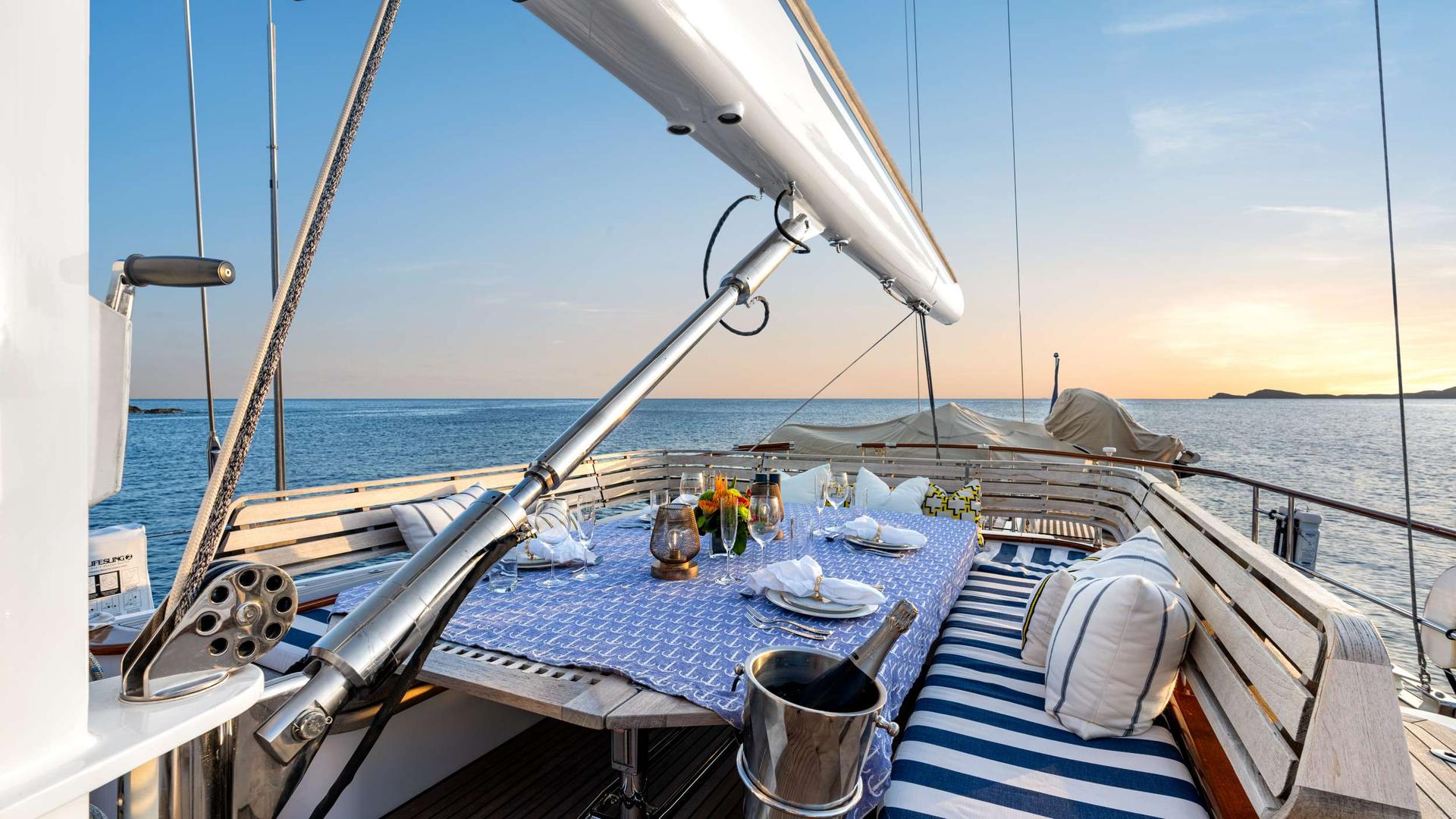
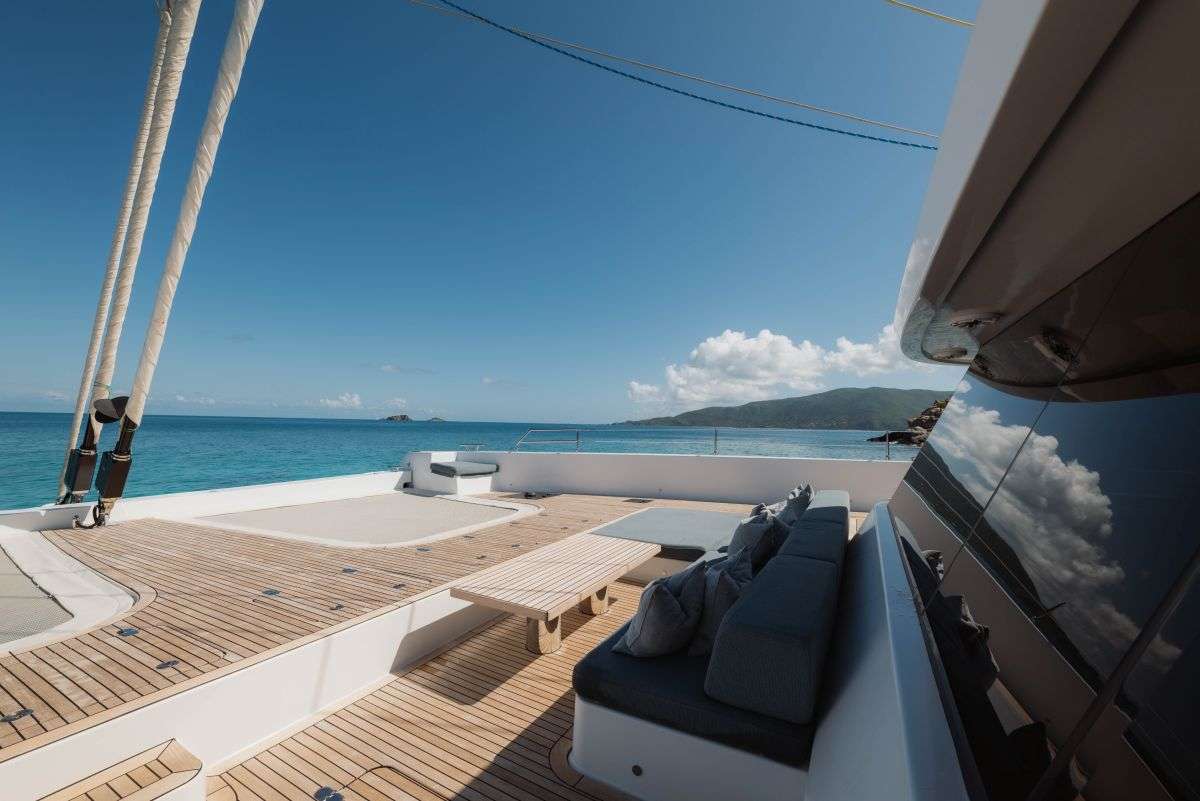
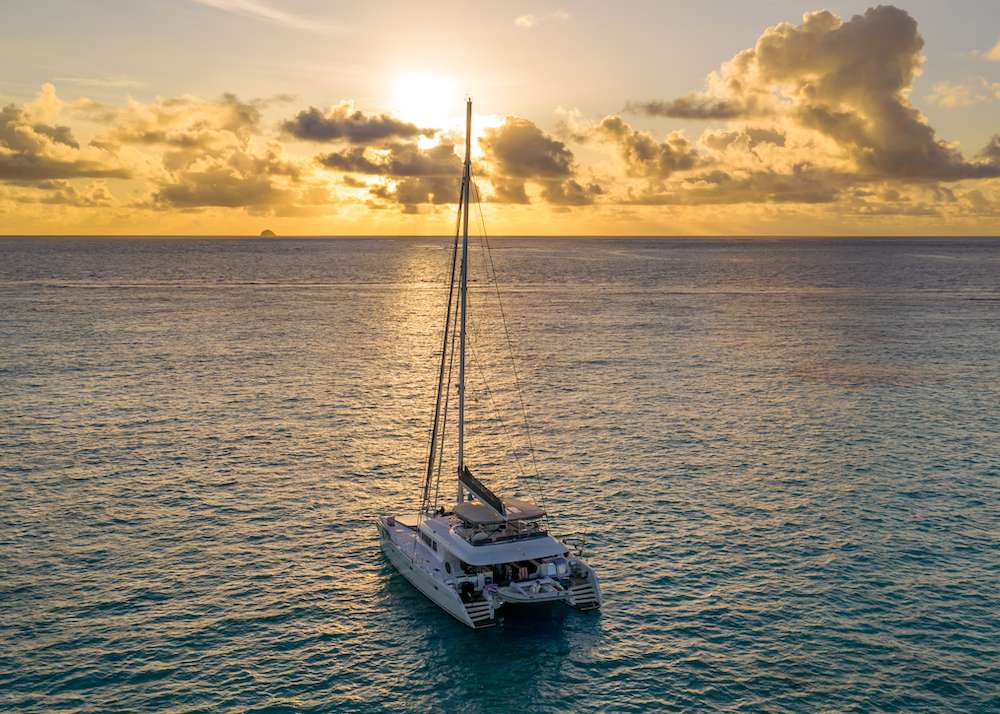
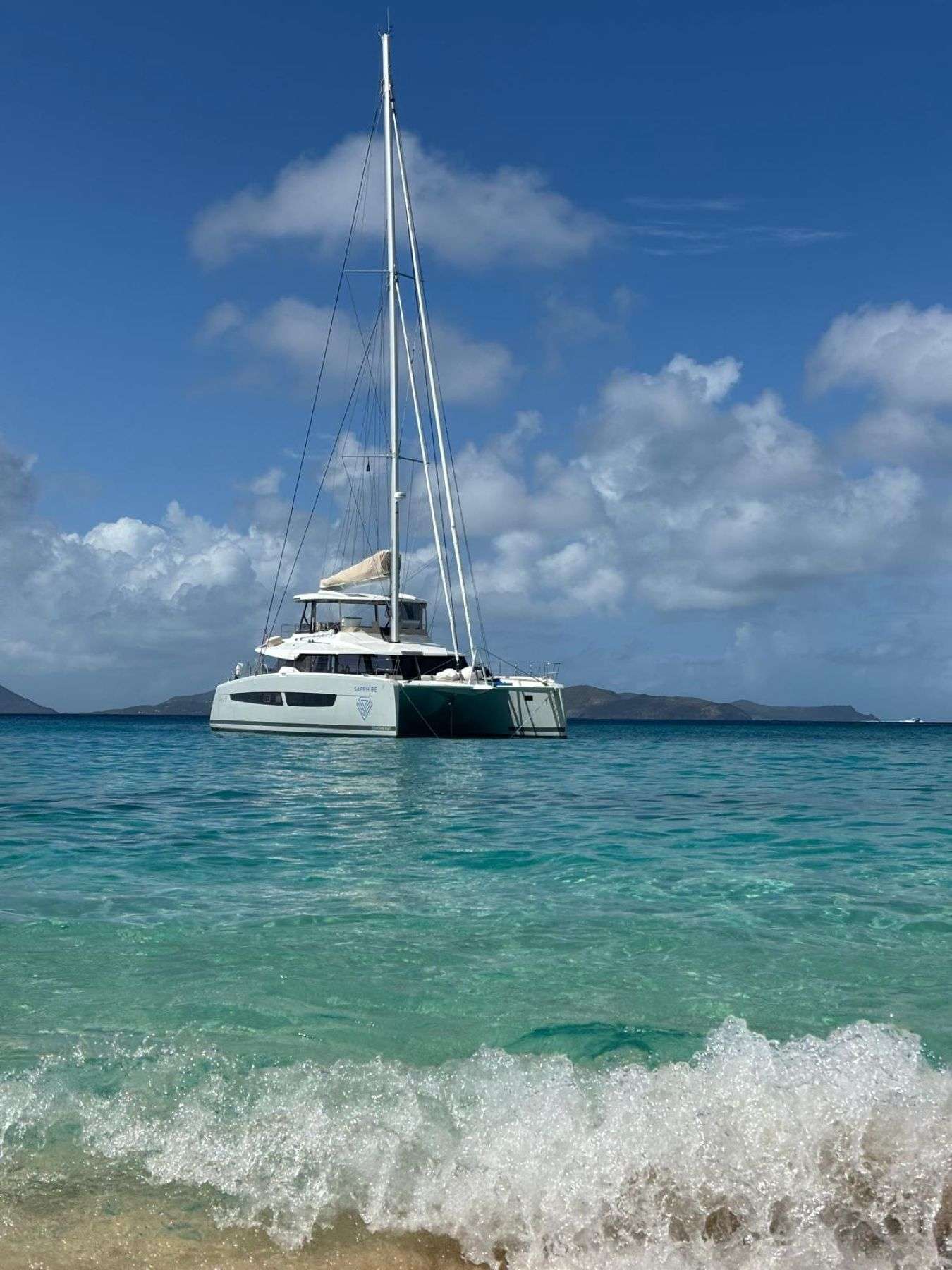
Sapphire
67FT · SAILING CATAMARAN
Pricing from $58,000/week
8 Guests · 4 Cabins · 3 Crew
Caribbean
Western Mediterranean
Eastern Mediterranean
South Pacific
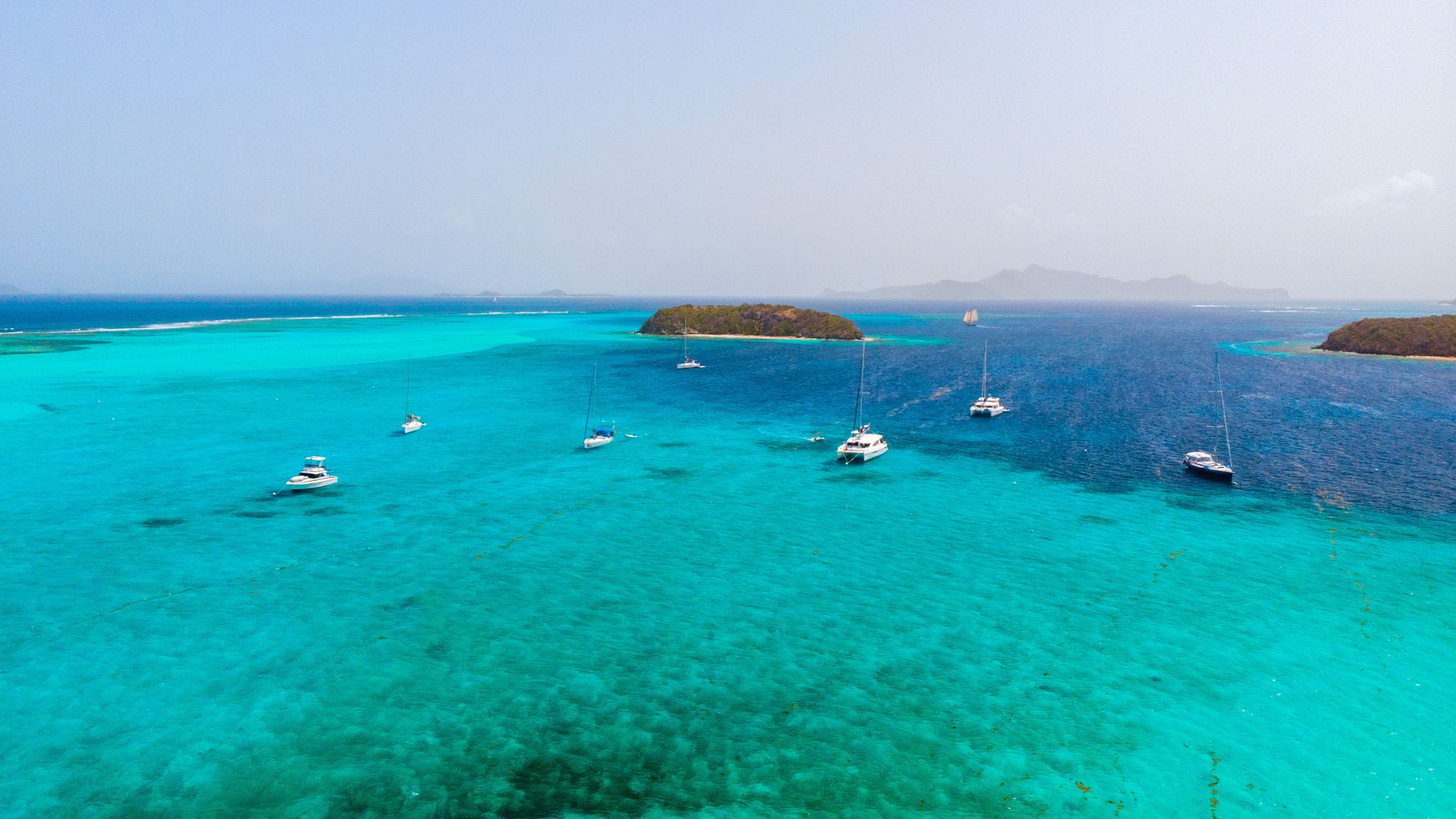
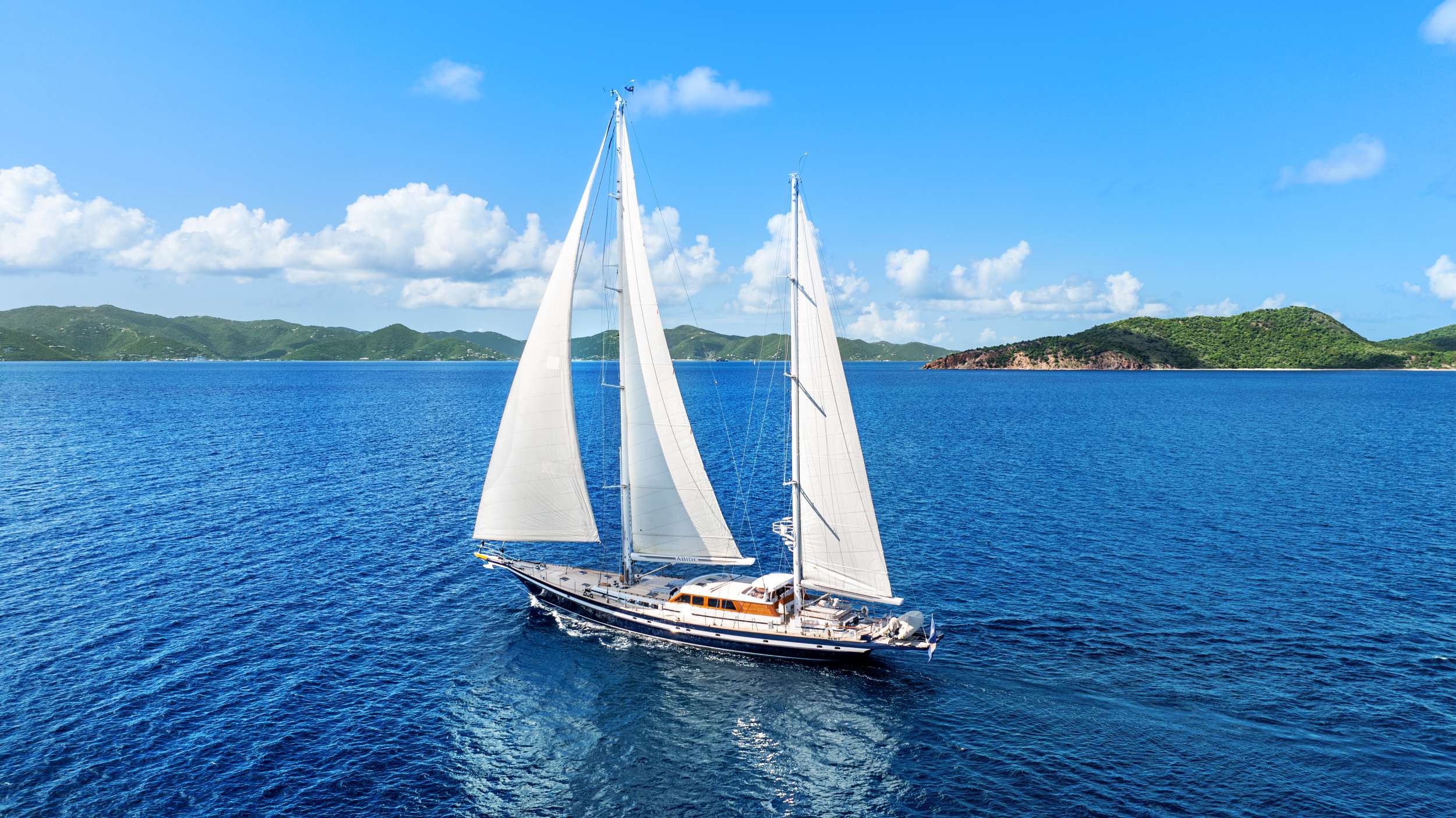
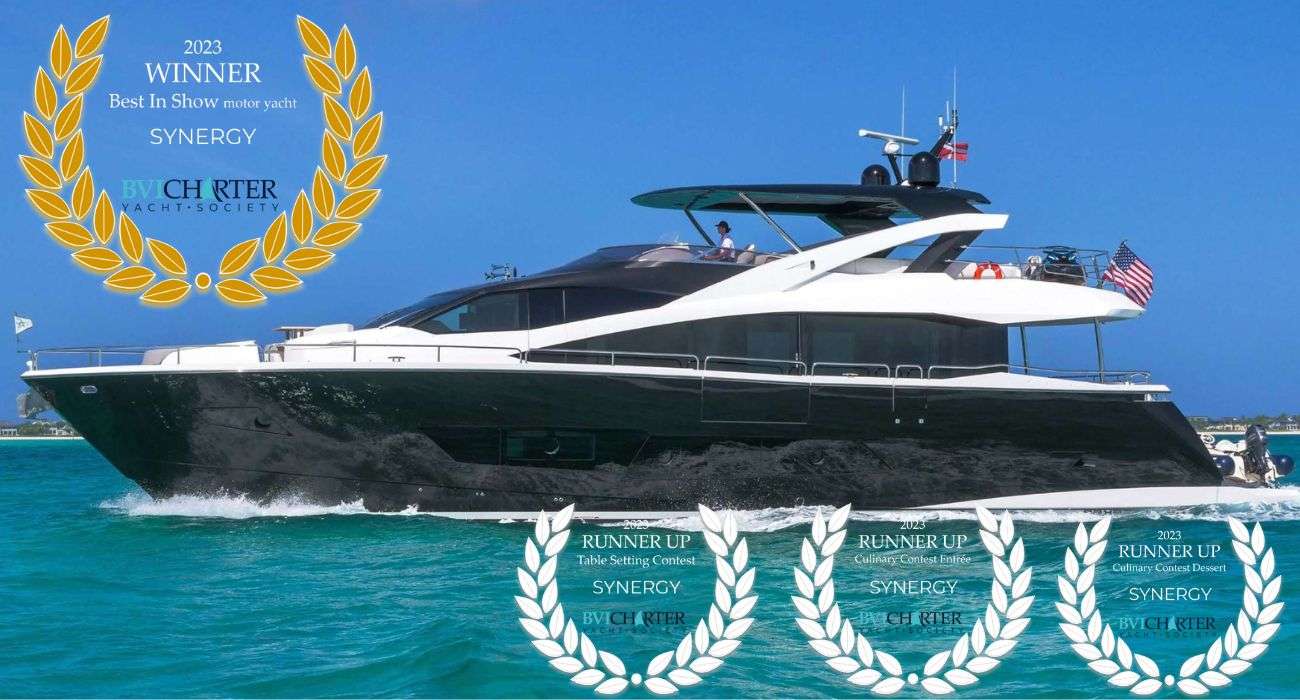
Crewed catamaran and motor yacht charters through the Grenadines — Bequia, Mustique, the Tobago Cays, Mayreau, and the southern islands — from Argyle International (SVD).
Why the Grenadines
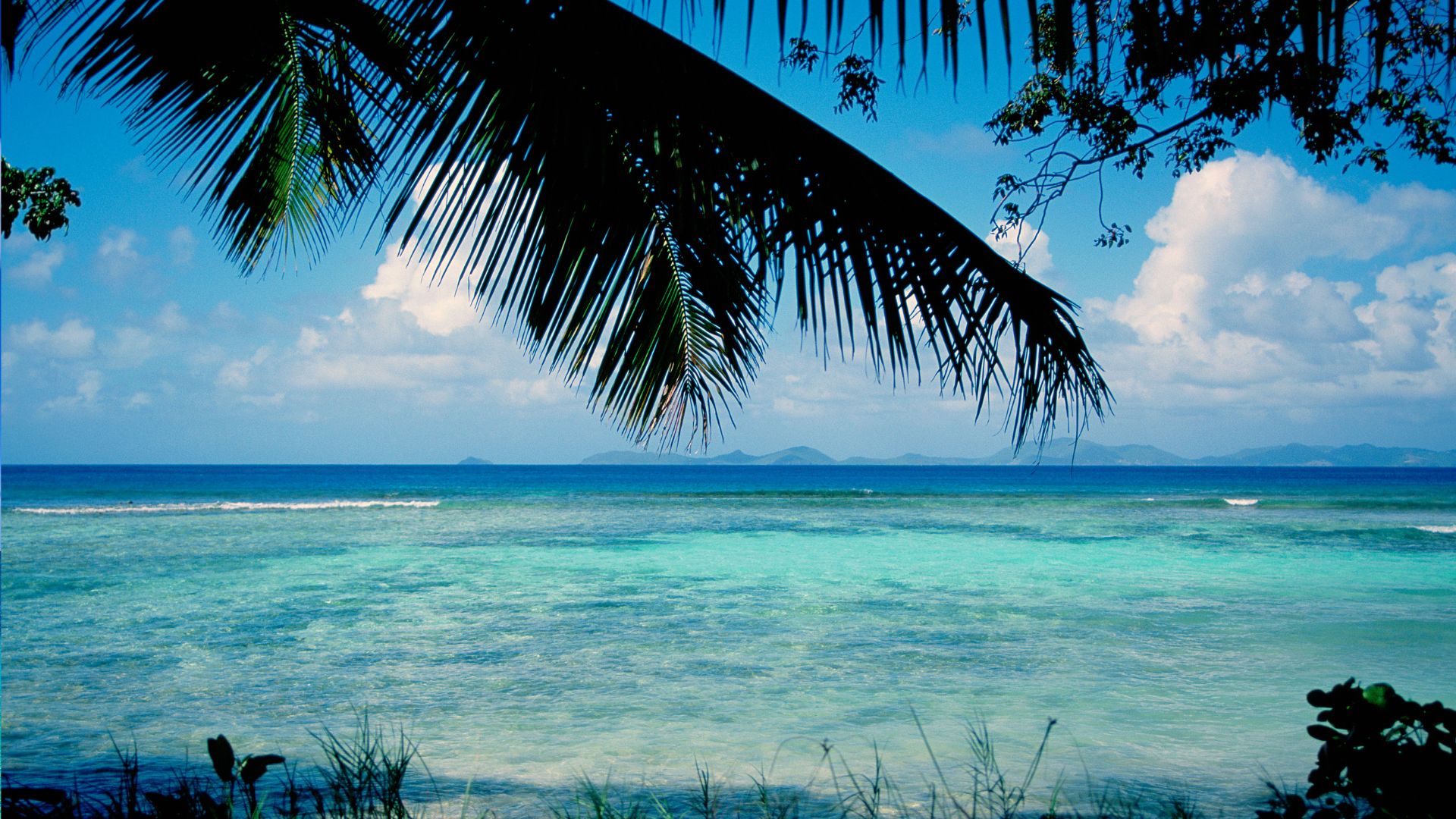
St. Vincent and the Grenadines is an independent island nation south of St. Lucia and north of Grenada, anchored by the volcanic main island of St. Vincent and a chain of smaller islands — the Grenadines — running 60 nautical miles south. The chain is the most consistently photographed cruising ground in the eastern Caribbean: white-sand cays, granite-fringed reefs, and an Atlantic-fed water column noticeably clearer than the more enclosed grounds further north.
A crewed yacht is the practical way to see them. The Grenadines have no ferry network worth the name, the airstrips on Bequia, Canouan, Mustique, and Union Island service only inter-island hops, and the most photographed anchorages — the Tobago Cays' horseshoe reef, Salt Whistle Bay on Mayreau, Petite Tabac off Union — are reachable only from the water. The captain handles the inter-island runs, the chef provisions out of Bequia or Canouan, and guests step ashore at private islands or beach restaurants without coordinating logistics.
What sets the Grenadines apart from the better-known Caribbean charter grounds is an unusual range of personalities within a single week. Bequia delivers a working harbor of boatbuilders and Easter Regatta sailors. Mustique is a private island of 100 villas where Mick Jagger and David Bowie wintered. Canouan hosts the eastern Caribbean's largest superyacht marina at Glossy Bay alongside a Mandarin Oriental resort. Mayreau is the smallest inhabited Grenadine — a single ridge of palms between two beaches. Few cruising grounds in the Caribbean span that much variety in 60 nautical miles.
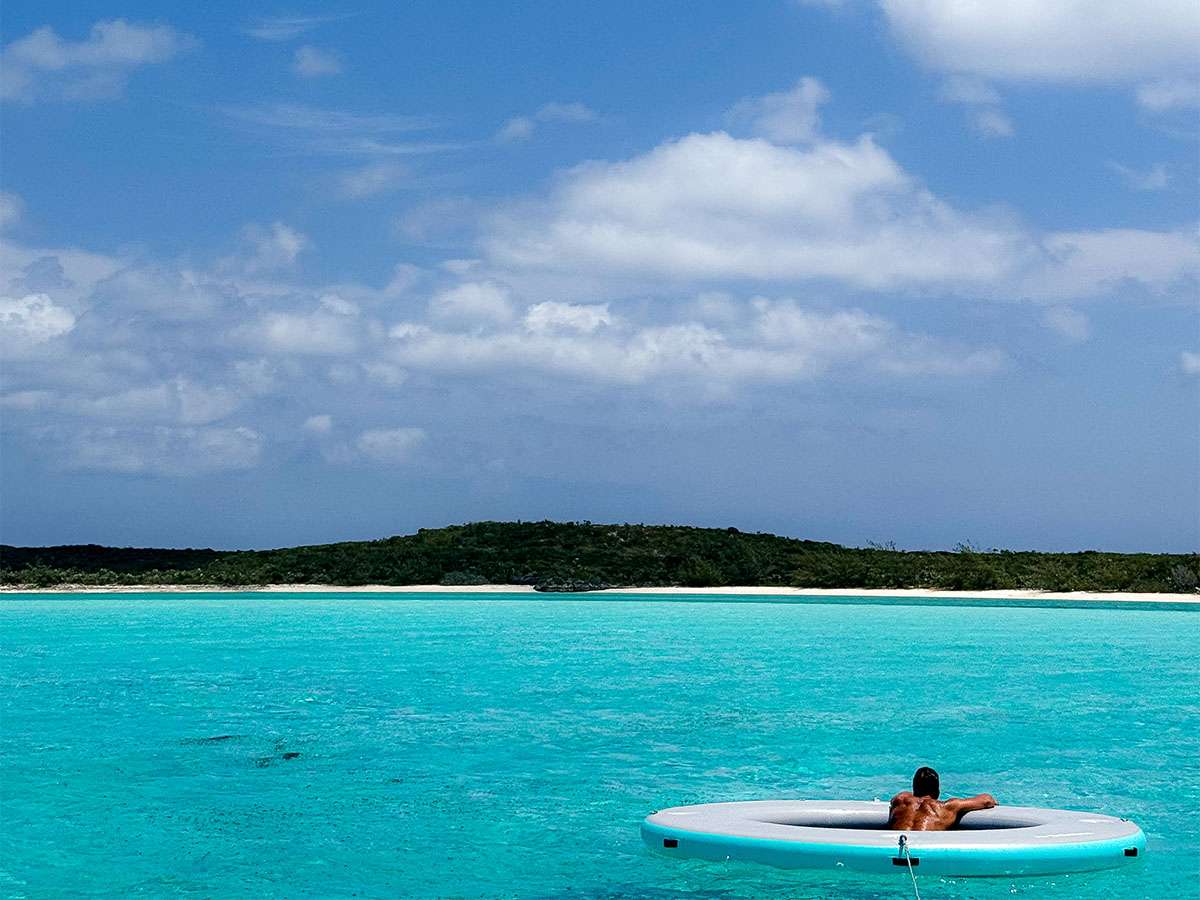
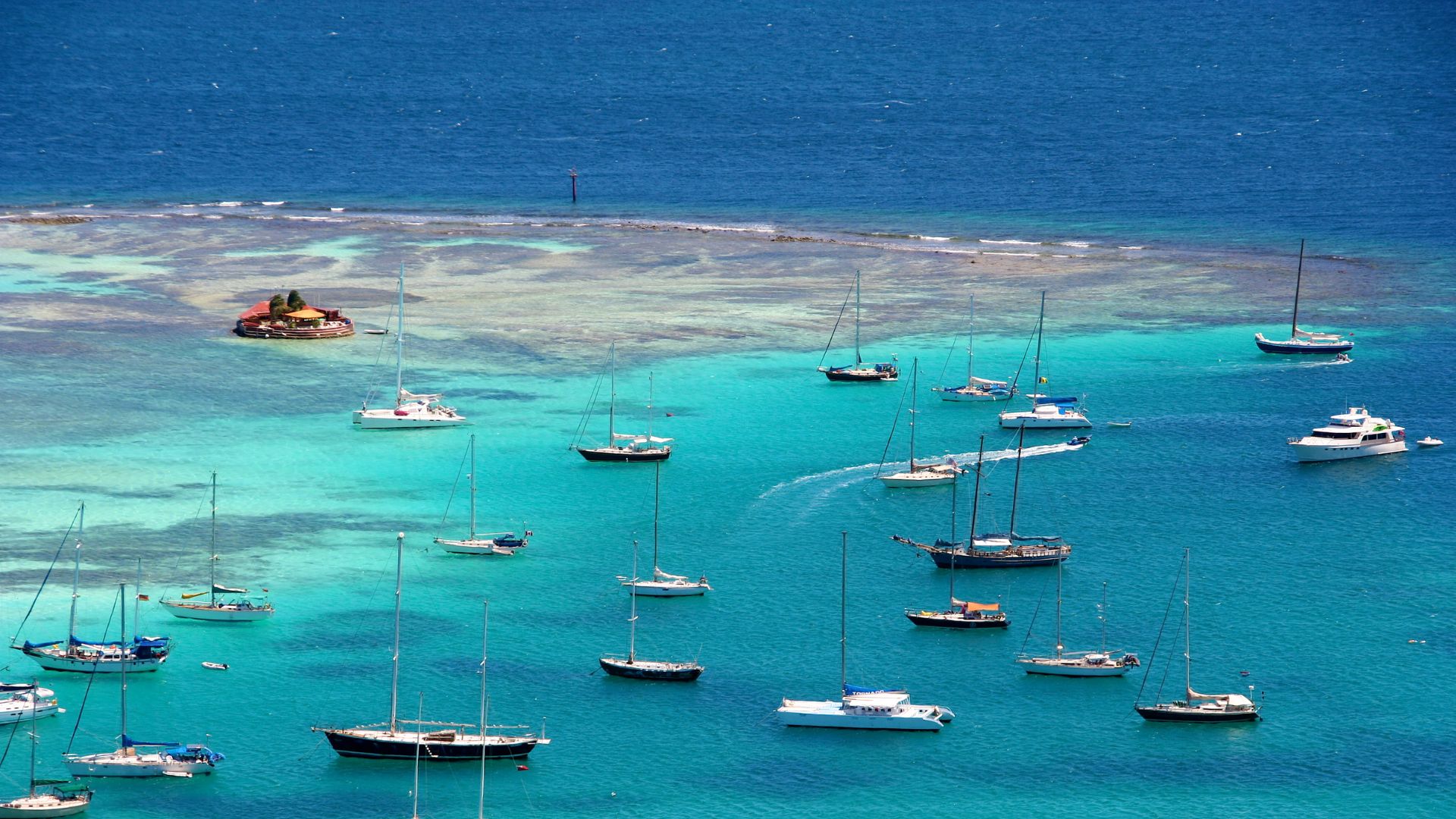
Four characteristics that distinguish the Grenadines from other Caribbean charter grounds.
Five uninhabited cays inside a protected marine reserve, ringed by Horseshoe Reef. Snorkeling visibility runs 50 to 70 feet. Sea turtles forage on the seagrass flats inside the lagoon at every tide, and the reef itself stays in better shape than most of the Caribbean — no shore development, limited mooring fields, and a National Parks Authority that actively manages access. The single most-photographed anchorage in the eastern Caribbean.
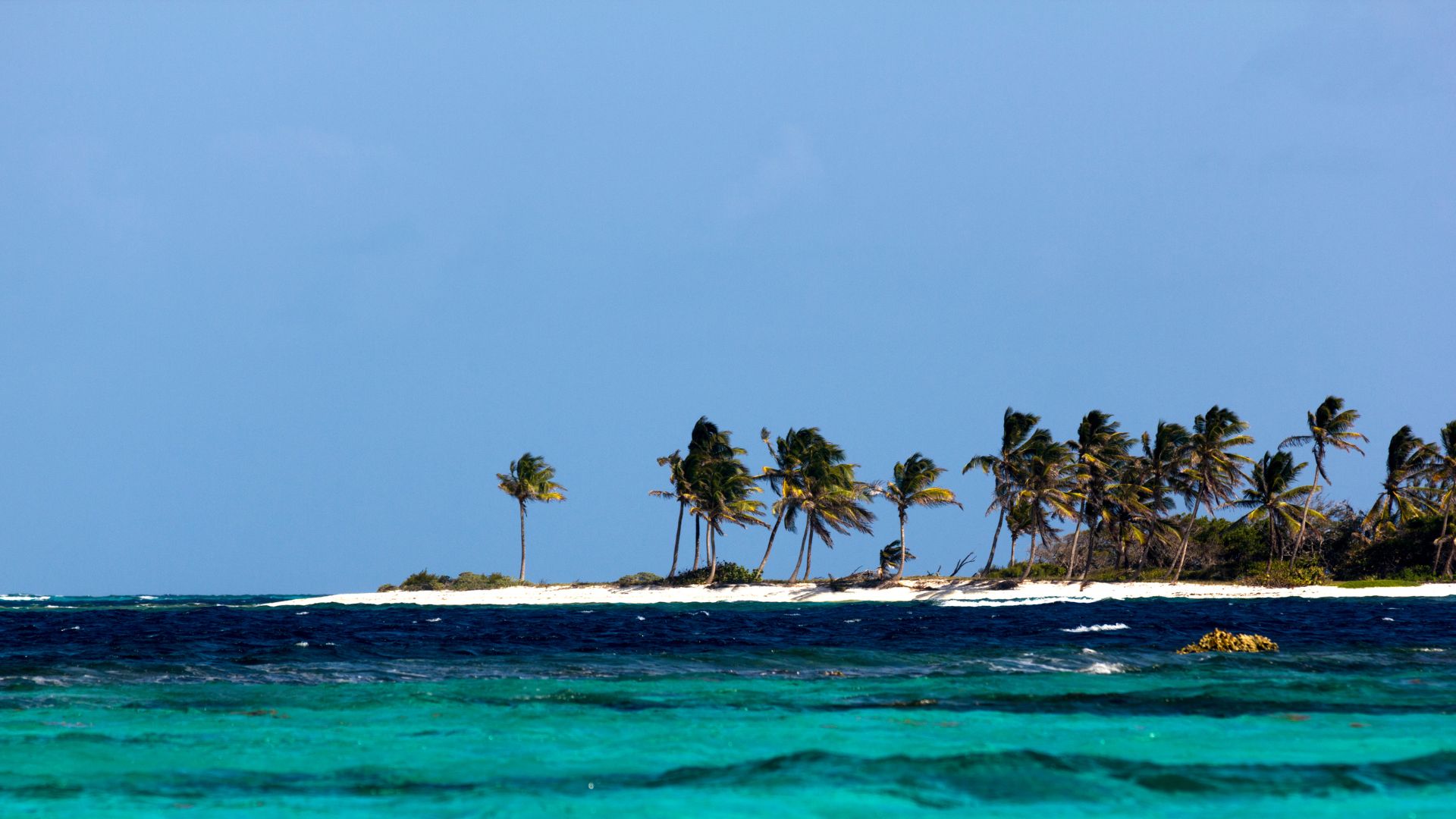
Britannia Bay off Mustique fills with the season's most recognizable yachts before New Year, then empties just as quickly when the holidays end. Forty-five nautical miles south, anchorages off Petite Tabac, Mopion, and the southern reaches of the Tobago Cays often see only one or two yachts through an afternoon. The chain accommodates both registers — a Basil's Bar sundowner one night, a flat sandbar lunch the next.
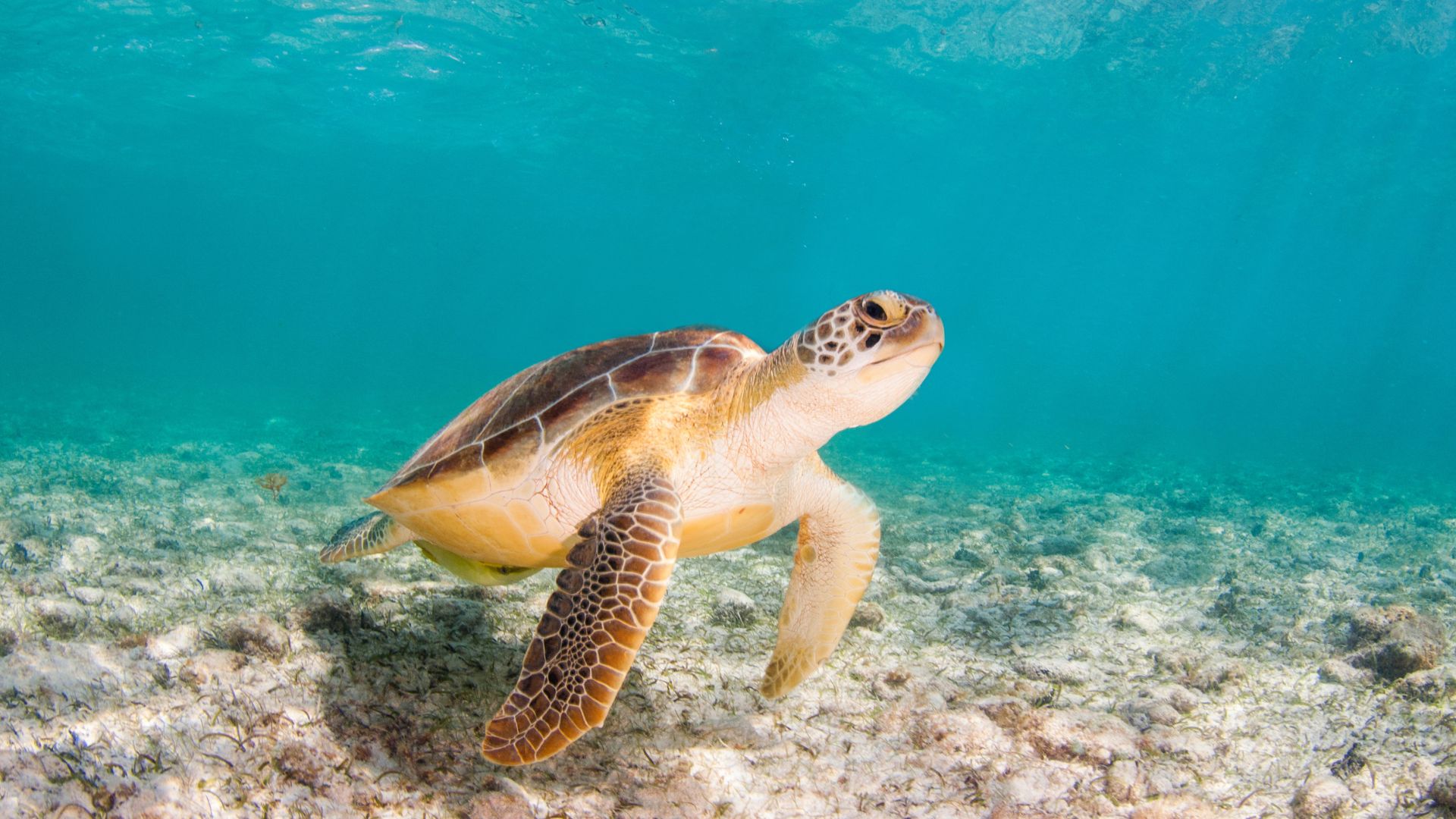
The Tobago Cays Marine Park is one of the most reliable places in the Caribbean to swim with hawksbill and green sea turtles — a protected pod feeds in the seagrass off Baradal Cay year-round. Reef snorkeling holds at the same level around Mayreau Gardens, World's End Reef off Union, and the Petit Nevis stretch. Humpback whales migrate through the chain January through April; the Grenadines are one of the few Caribbean grounds where they're routinely sighted from a charter yacht.
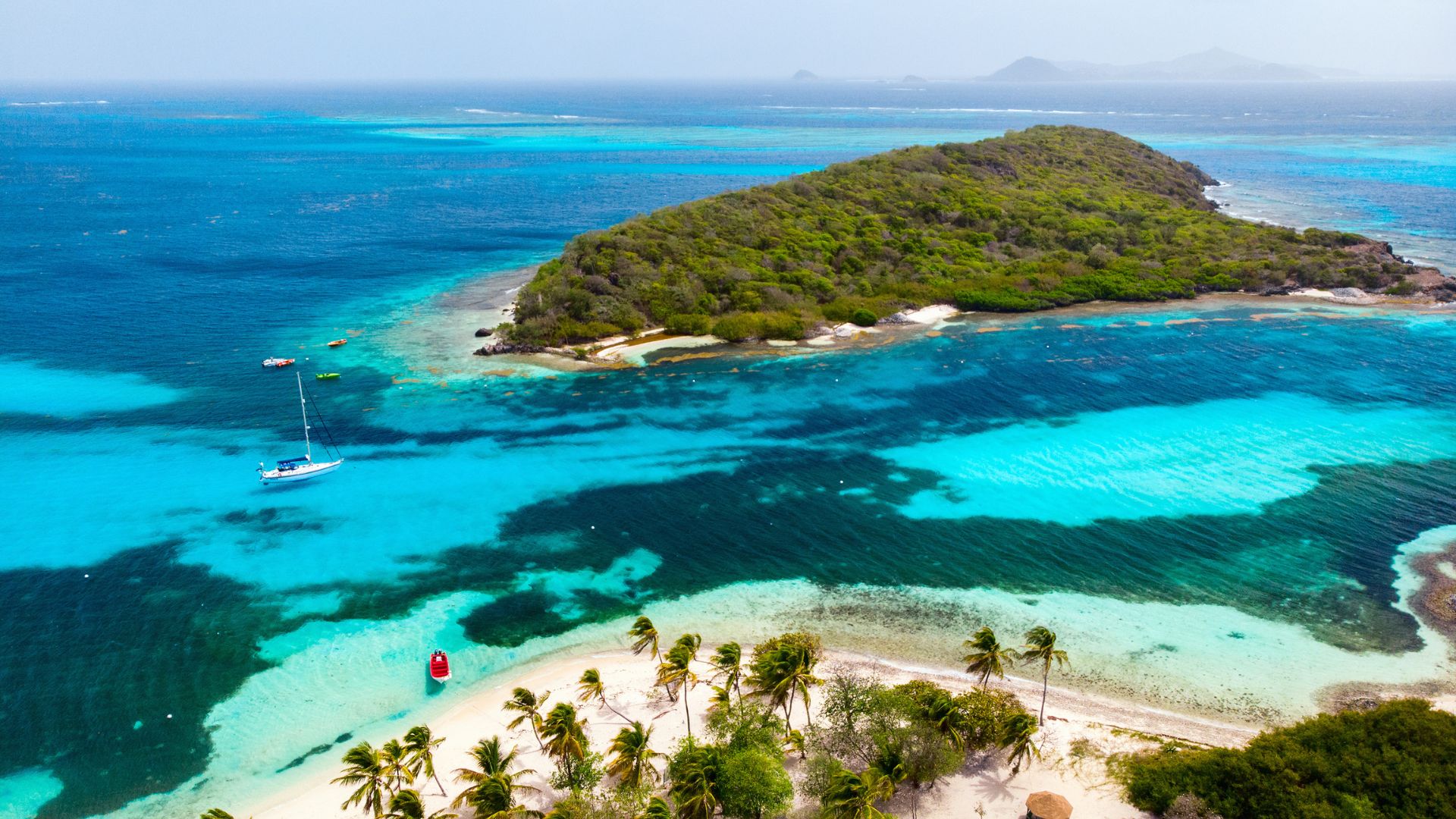
Macaroni Beach on Mustique is a half-mile of sugar-fine sand backed by a single restaurant. Mopion — a thirty-yard sand spit with a single thatched umbrella — sits offshore between Petit St. Vincent and Petit Martinique and stays a charter-day photograph for everyone who visits. Salt Whistle Bay on Mayreau is the chain's signature isthmus shot: a narrow palm-fringed bar between an Atlantic-side and a leeward beach. Princess Margaret Beach on Bequia closes the loop with a working-island feel a tender ride from town.
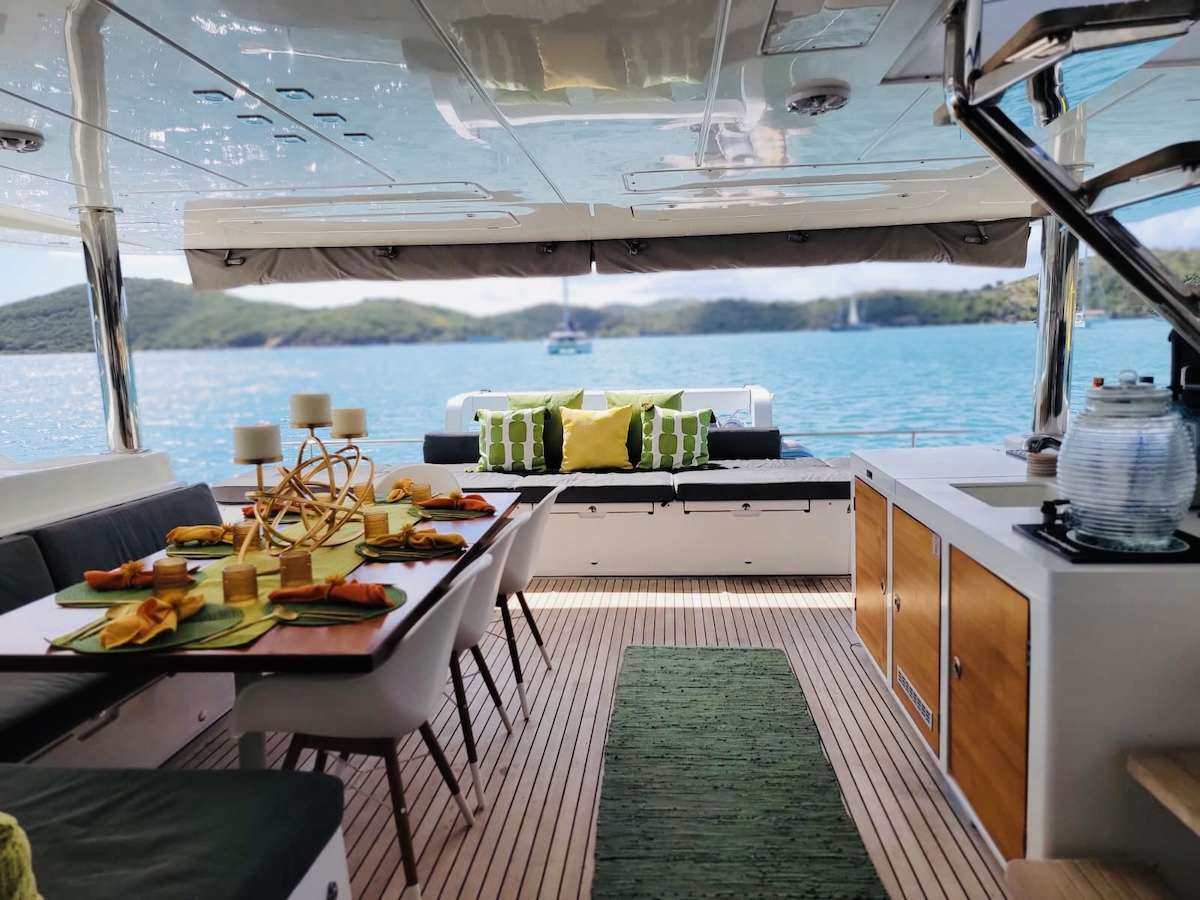
A hand-picked selection of crewed charter yachts for St. Vincent and the Grenadines — yachts and crews we know firsthand.
Your week is shaped around your group's interests, the season, and the conditions on the water — your captain tailors the days as they unfold. Treat this itinerary as a starting point for inspiration.
Crewed Itinerary · St. Vincent & the Grenadines
If the Caribbean has one charter that consistently outshines its reputation, it's the Grenadines. The chain runs south from St. Vincent like a set of stepping stones—Bequia, Mustique, Canouan, Mayreau, the Tobago Cays, Union, Petit St. Vincent, Palm Island—each one small enough to walk, each one its own kind of postcard. Trade winds blow consistently east-northeast through the high season, the islands are spaced 10 to 25 nautical miles apart, and the Tobago Cays Marine Park is one of the great in-water experiences in the western hemisphere. Most guests who book this charter come back asking why anyone goes anywhere else.
Our suggested seven-day itinerary starts at Blue Lagoon Marina on St. Vincent and works south through the chain to Petit St. Vincent before looping back up. Roughly 125 nautical miles total over the week, with no leg over 32 miles and most days running 10 to 25. With your professional captain and private chef running the boat, the only real decisions you need to make are which beach to lunch on and how long to linger over a sundowner at Basil's. The route is structured around the prevailing trades—downwind south for the first half, easier north-up returns the back half—so the boat is always pointed the right way for whatever the wind is doing.
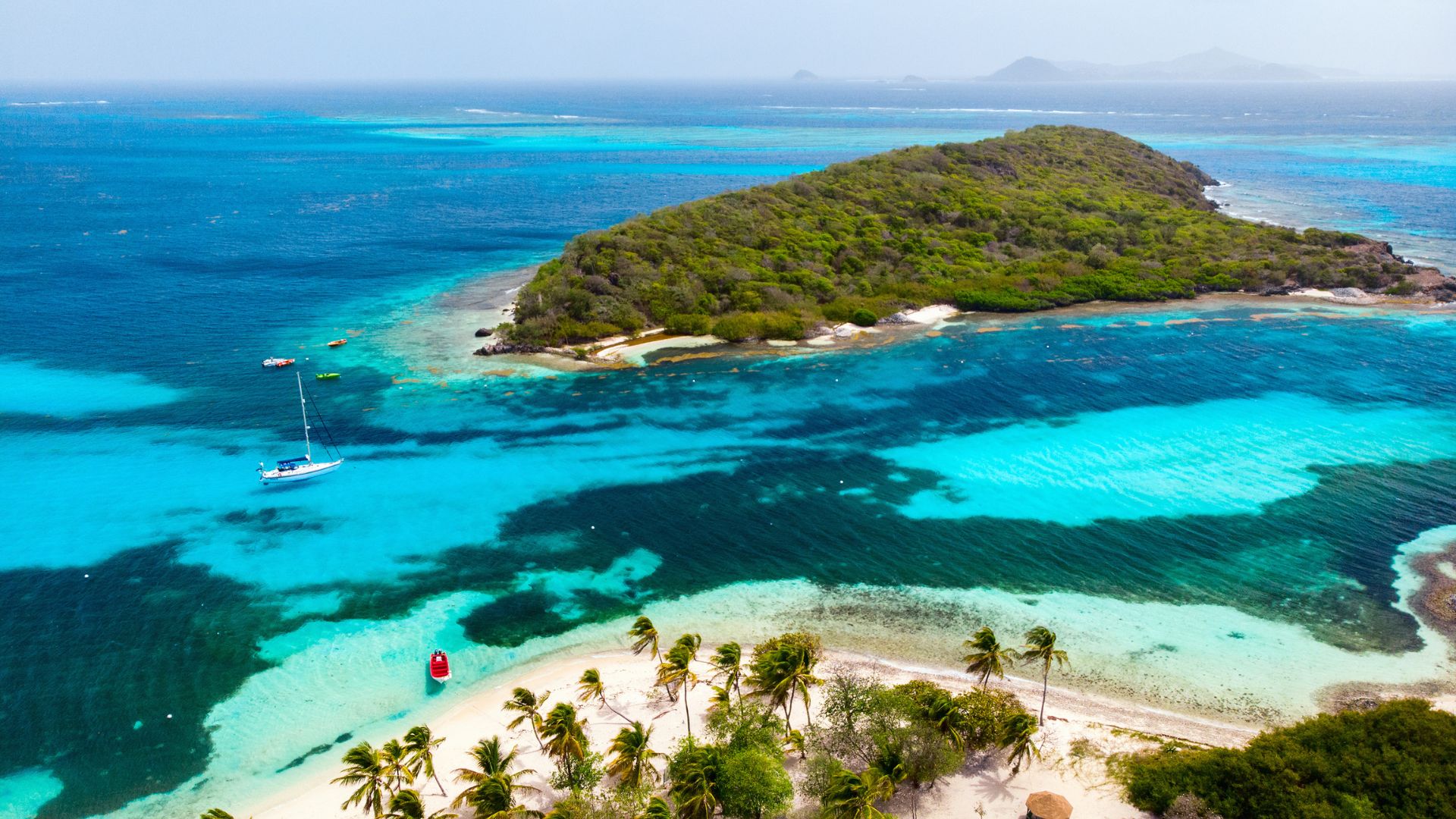
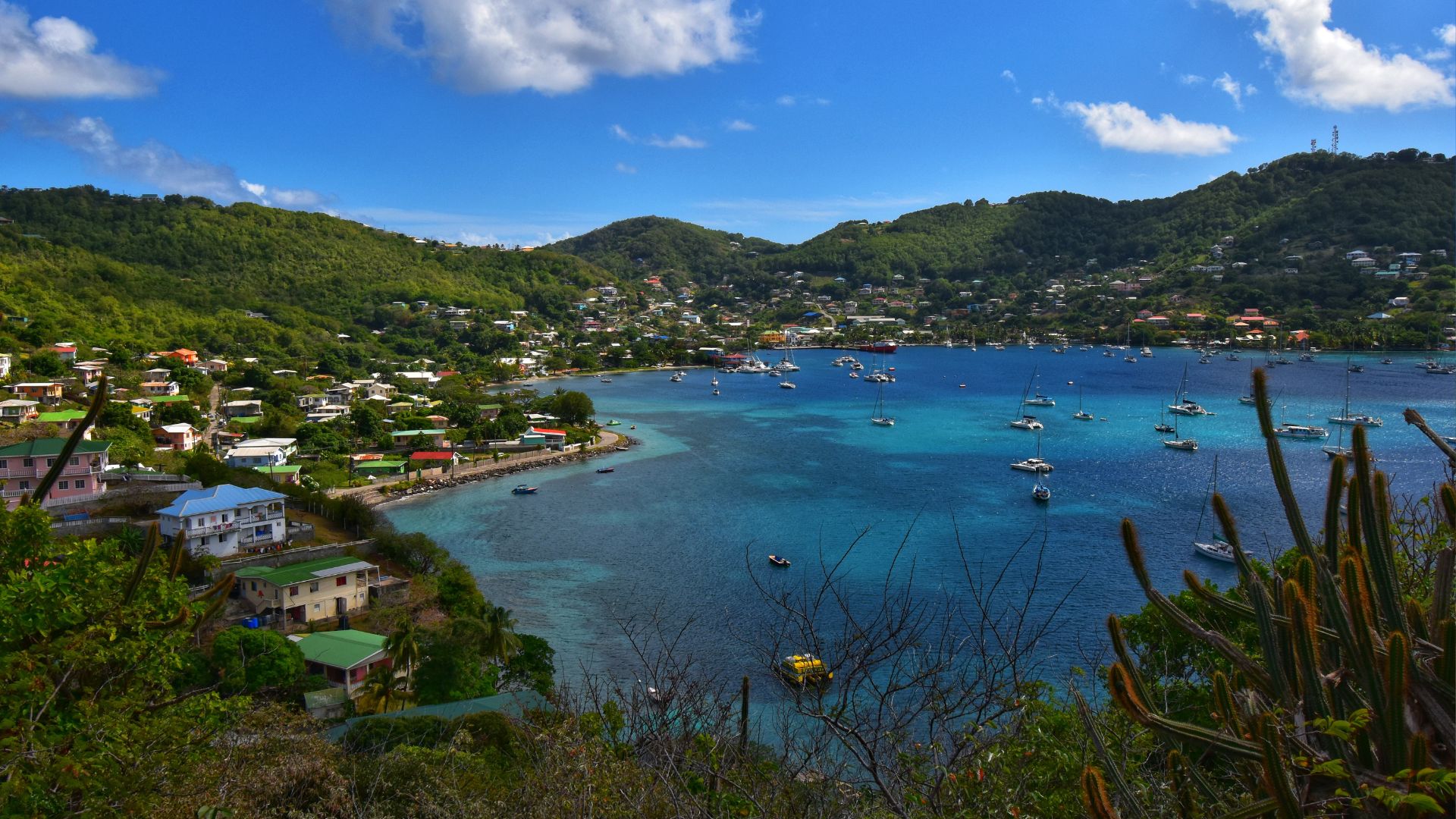
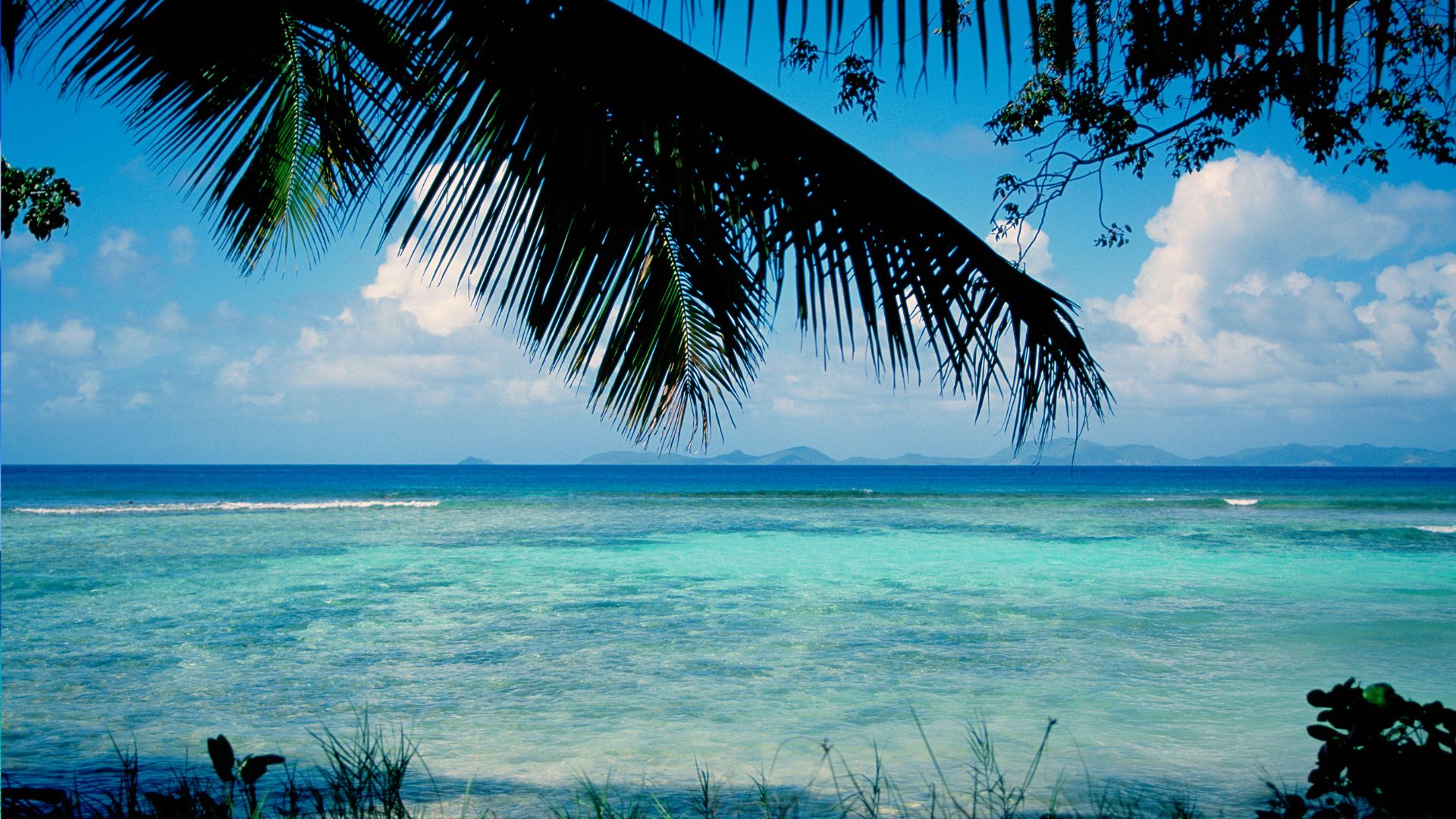
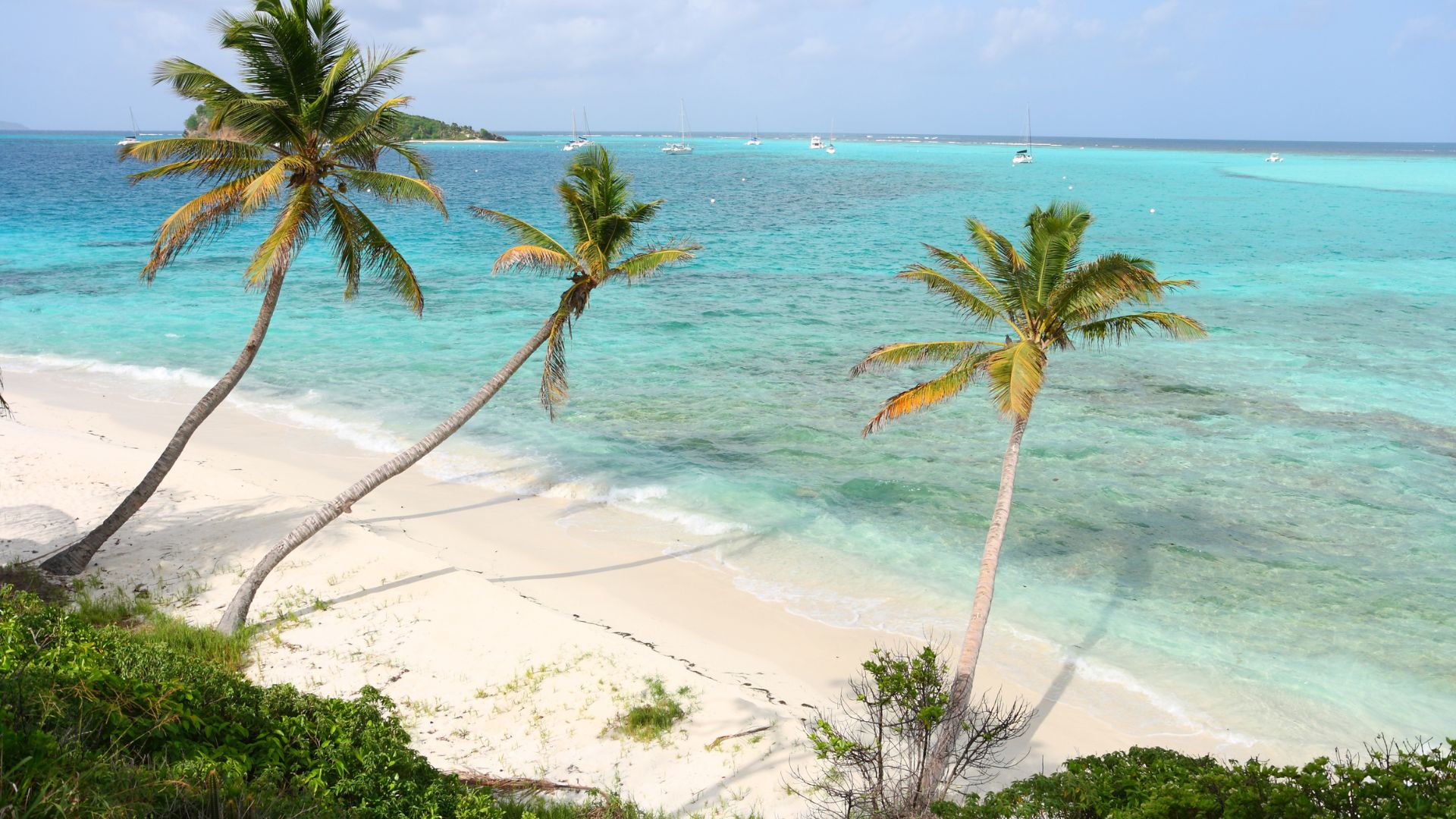
The Grenadines are the Caribbean's best-kept charter secret. Bequia (the easy walk-around port-of-call), Mustique (private-island day stop, beach club lunch at Basil's), Mayreau and the Tobago Cays Marine Park (the in-water highlight of the trip — turtles, reef sharks, the Horseshoe Reef anchorage), Union, Petit St. Vincent, and Canouan on the way back. Trade winds 15–20 knots, water in the high 70s, no Meltemi or hurricane-corridor concern in season.
About 125 nautical miles across the week, with the longest leg around 32 nm and most days running 10–25. The route is shaped around the prevailing trades — downwind south for the first half, easier upwind return on the back half. Every Grenadines yacht charter we send is custom-tailored: more time in the Tobago Cays, longer at Petit St. Vincent, shorter Mustique stop — your captain shapes the days around your group.
Day 1 of 7 · Blue Lagoon → Bequia
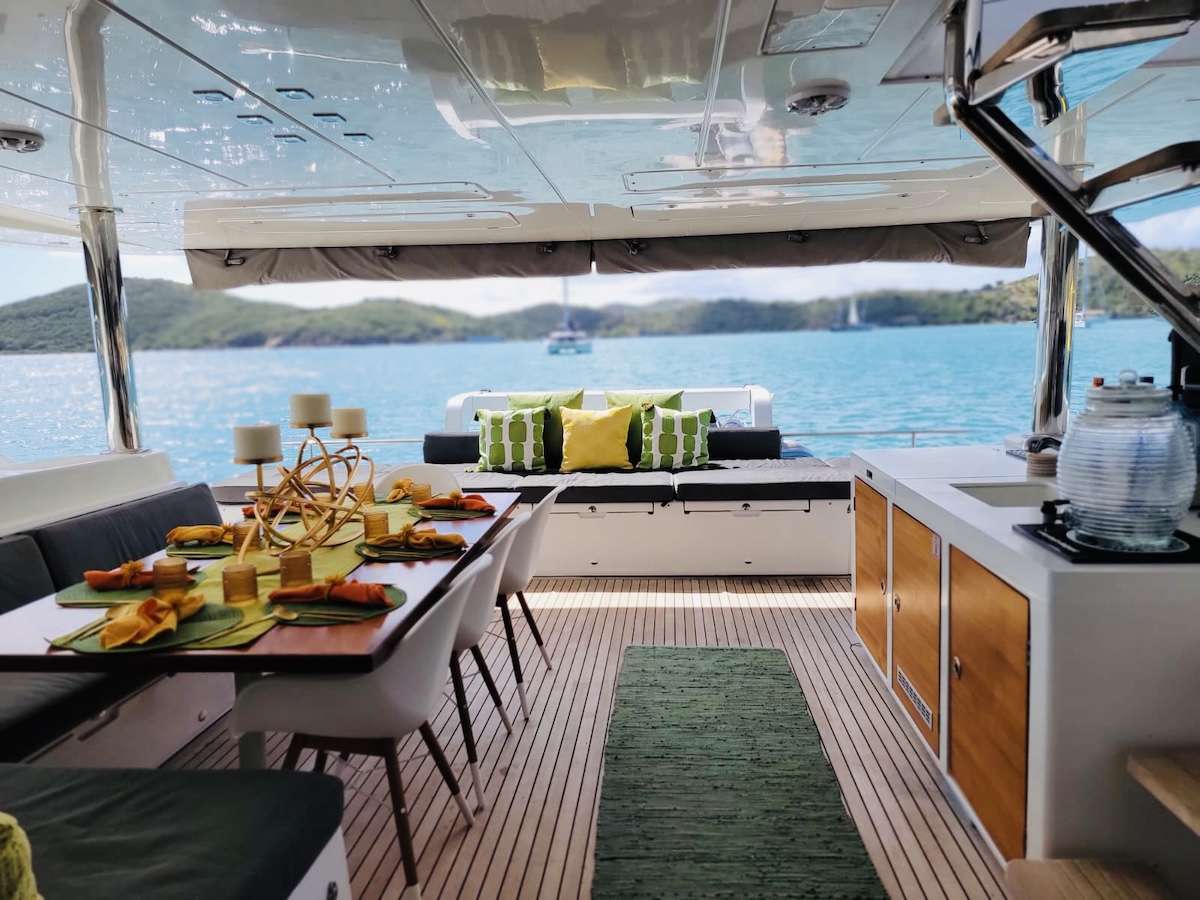
Your week begins at Blue Lagoon Marina on St. Vincent's southwest coast, a short transfer from Argyle International. Your professional crew meets you at the slip with cold drinks and a chart briefing that frames the route ahead, walks you through the boat, and gets your gear stowed. The marina sits inside a reef-protected lagoon with a narrow cut to the open Caribbean—a calm staging point before the first sail.
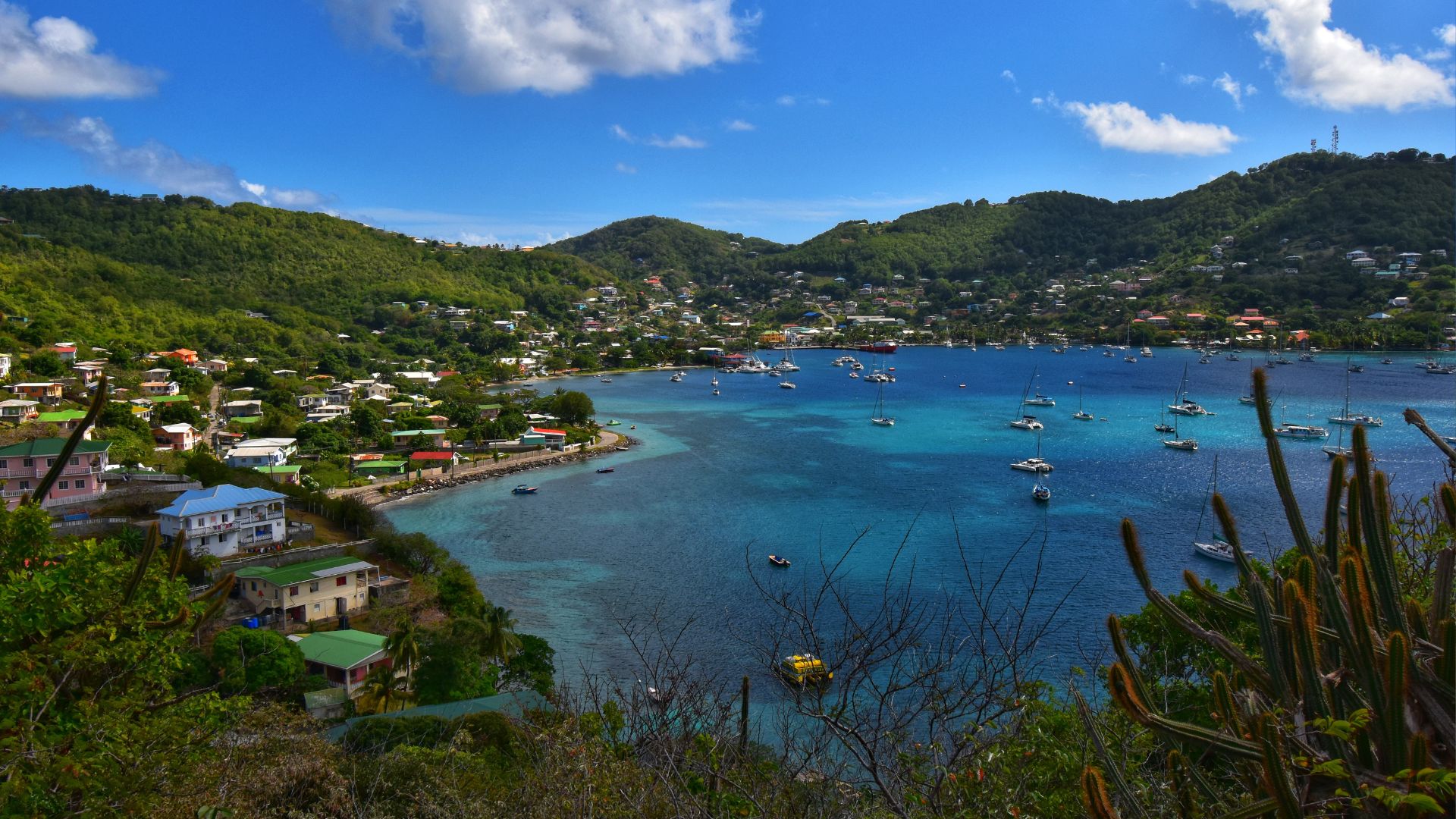
Around mid-morning, lines off for the easy nine-nautical-mile reach south to Bequia. It's the gentlest leg of the week, deliberately short to let everyone find their sea legs without committing to a long passage on day one. The southwest coast of St. Vincent slips by to port, then the open channel to Bequia, then Admiralty Bay opens up on the bow—a deep, well-protected horseshoe with sailboats at anchor scattered across the bay and the pastel buildings of Port Elizabeth wrapped around the waterfront.
Tender ashore late afternoon for a walk along the Belmont Walkway—the seafront promenade that strings together the boutiques, the rum shops, and the open-air bars of Port Elizabeth. Bequia is the friendliest, most authentically Caribbean of the Grenadines: a working sailing community that built schooners by hand on the beach until well into the 1980s, and still has more salt in its character than any other island in the chain. Dinner aboard tonight—your chef leans into the local catch from the morning fish market—or ashore at Mac's Pizzeria up on the bluff for the lobster pizza that has been on the menu for forty years.
Day Highlights
Day 2 of 7 · Bequia → Mustique
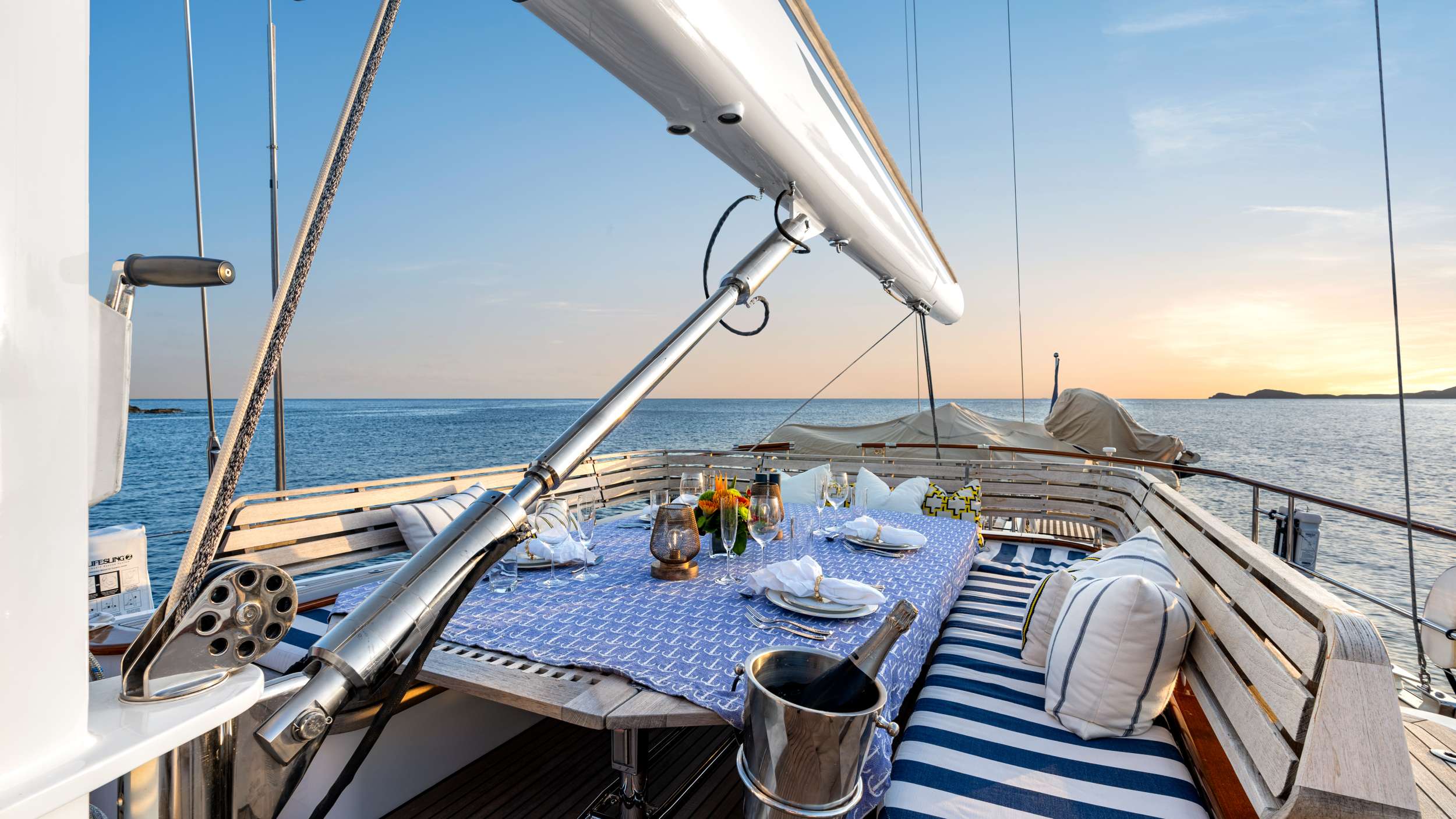
After a slow breakfast aboard, your captain clears Admiralty Bay for the sixteen-nautical-mile run southeast to Mustique. The trades fill in by mid-morning, and the boat reaches comfortably across the open channel with Bequia receding behind and Mustique's low green profile growing on the bow. Most of the morning you'll be on the foredeck or at the helm if you want a turn at the wheel.
Your crew picks up a mooring ball in Britannia Bay on Mustique's west coast—the only legal anchorage on the island, run by the Mustique Company that's owned the place since 1958. Mustique is the private island that Princess Margaret put on the map and the Mick Jagger / David Bowie / Mark Knopfler crowd kept there. There are no resorts in the conventional sense; the island is a private estate of about a hundred villas and a few tasteful infrastructure buildings, kept deliberately quiet. Most guests rent a Kawasaki Mule from the company office at the dock and spend the afternoon driving the perimeter road—Macaroni Beach on the Atlantic side, the turtle sanctuary at L'Ansecoy Bay, the dramatic windward cliffs at Endeavor.
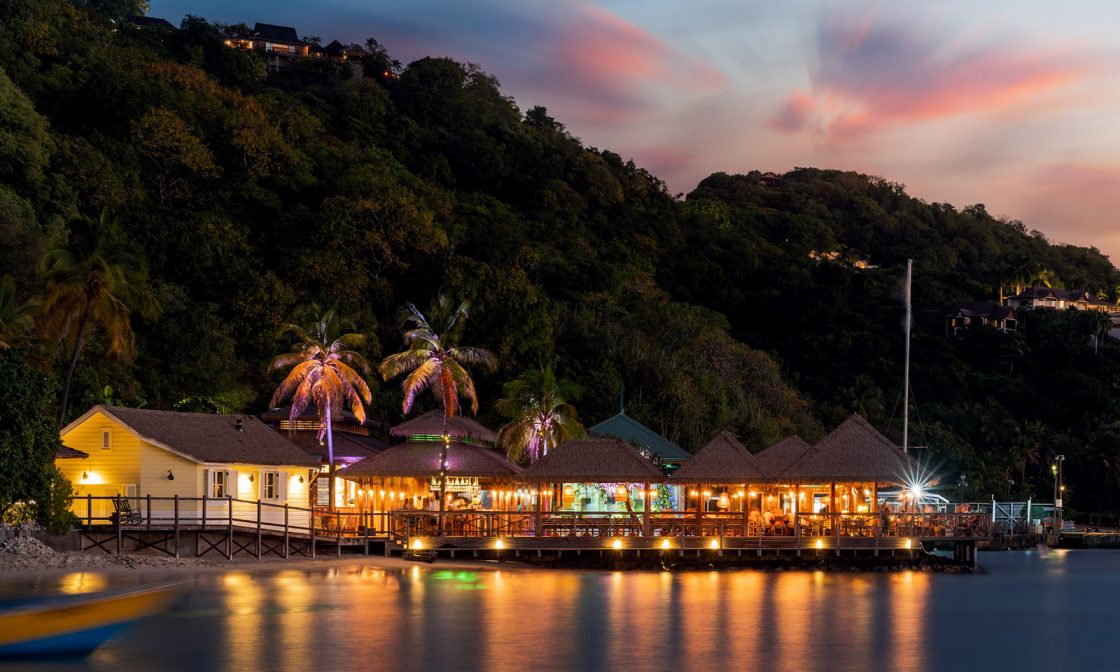
Dinner is the headline. Basil's Bar at Britannia Bay—open-air, on stilts over the water, thatched roof, the most famous beach bar in the Caribbean. The bar took a direct hit from Hurricane Beryl in July 2024 and was completely flattened; Mick Jagger personally funded the rebuild, and it reopened in late 2024 better than before. Wednesday is the long-running Jump Up night when the live band plays late and the island's villa renters and yacht crews end up dancing on the same floor. Other nights are quieter, but the food is excellent on any of them. Tender back to the boat under a star-loaded Caribbean sky.
Day Highlights
Day 3 of 7 · Mustique → Mayreau
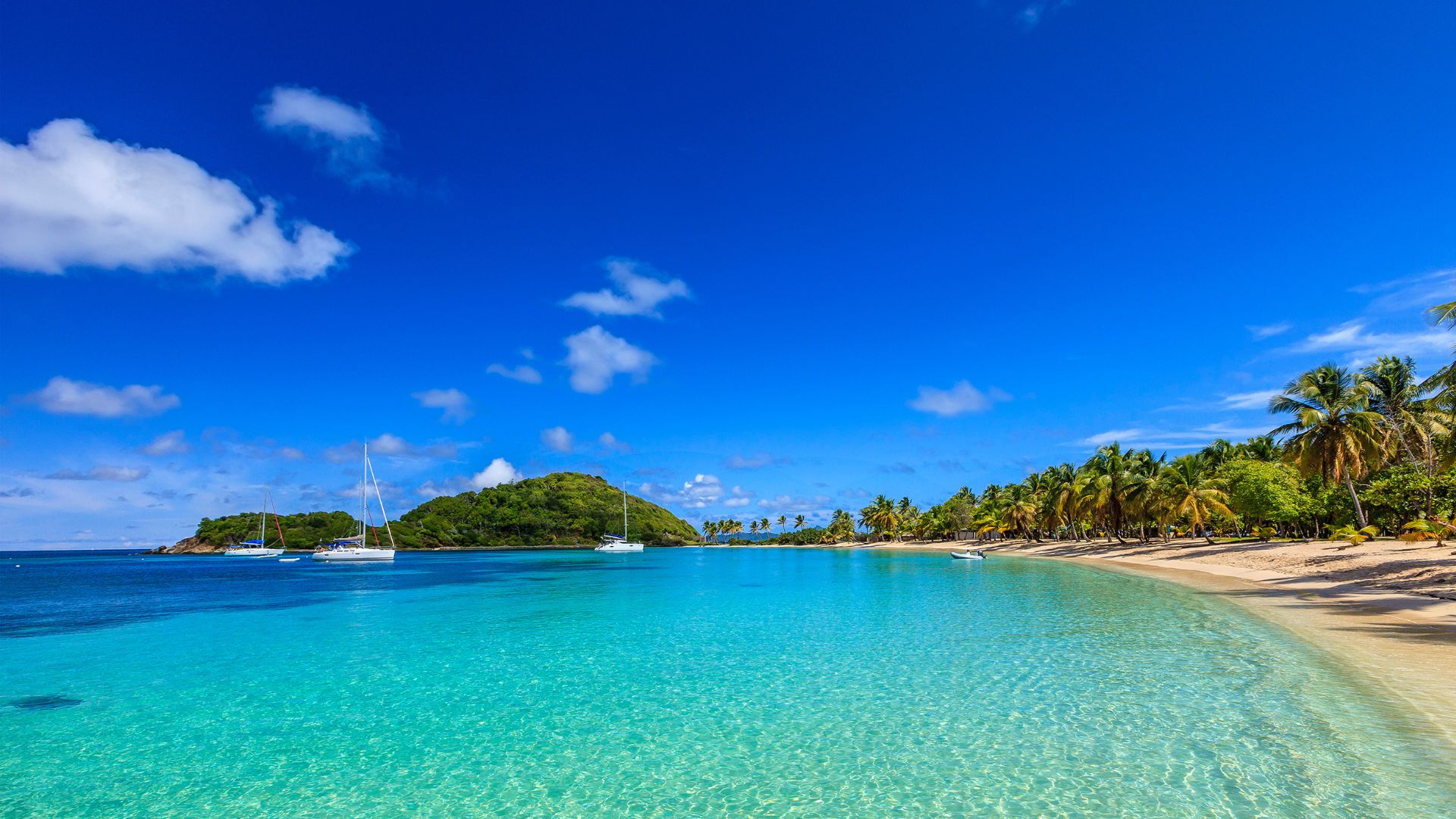
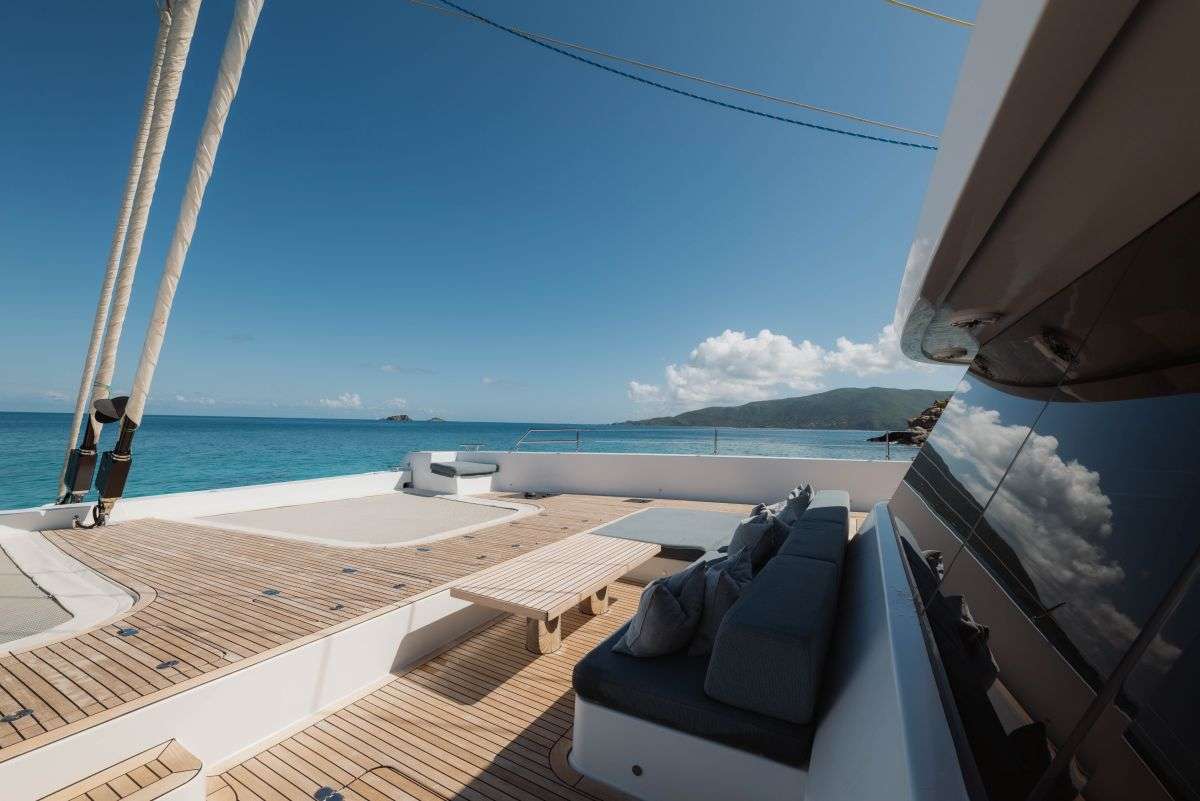
Today is the day the chain really opens up. A twenty-five-mile downwind reach south takes you past Canouan—a stop you'll make on the way back—straight through to Mayreau, the smallest inhabited island in the Grenadines and the one that holds the prettiest single anchorage in the chain. The morning runs to a long, easy reach with the trades steady on the quarter, the islands of the Grenadines stepping past you on the port beam like a postcard sequence.
Salt Whistle Bay sits on Mayreau's northwest tip—a narrow neck of palm-lined sand barely a hundred yards across, with the Caribbean on one side and the open Atlantic on the other. You anchor in the lee side and the boat sits in flat, clear, sand-bottomed water with the palms a stone's throw off the bow. The beach itself is the best swim spot in the chain after the Tobago Cays—shallow for a long way out, no current, and quiet enough that some afternoons you'll have it to yourself.
Lunch on the hook, an afternoon swimming and paddleboarding, and a late tender ashore for a quiet sunset walk on the sand. There's a small village (Old Wall) about a fifteen-minute walk up the hill on the south side of the island if you want to climb up to the church for the view across to the Tobago Cays you'll sail into tomorrow. Dinner aboard tonight, chef-prepared, the boat barely moving on its chain. This is the rest-day before the marquee day.
Day Highlights
Day 4 of 7 · Tobago Cays — full day
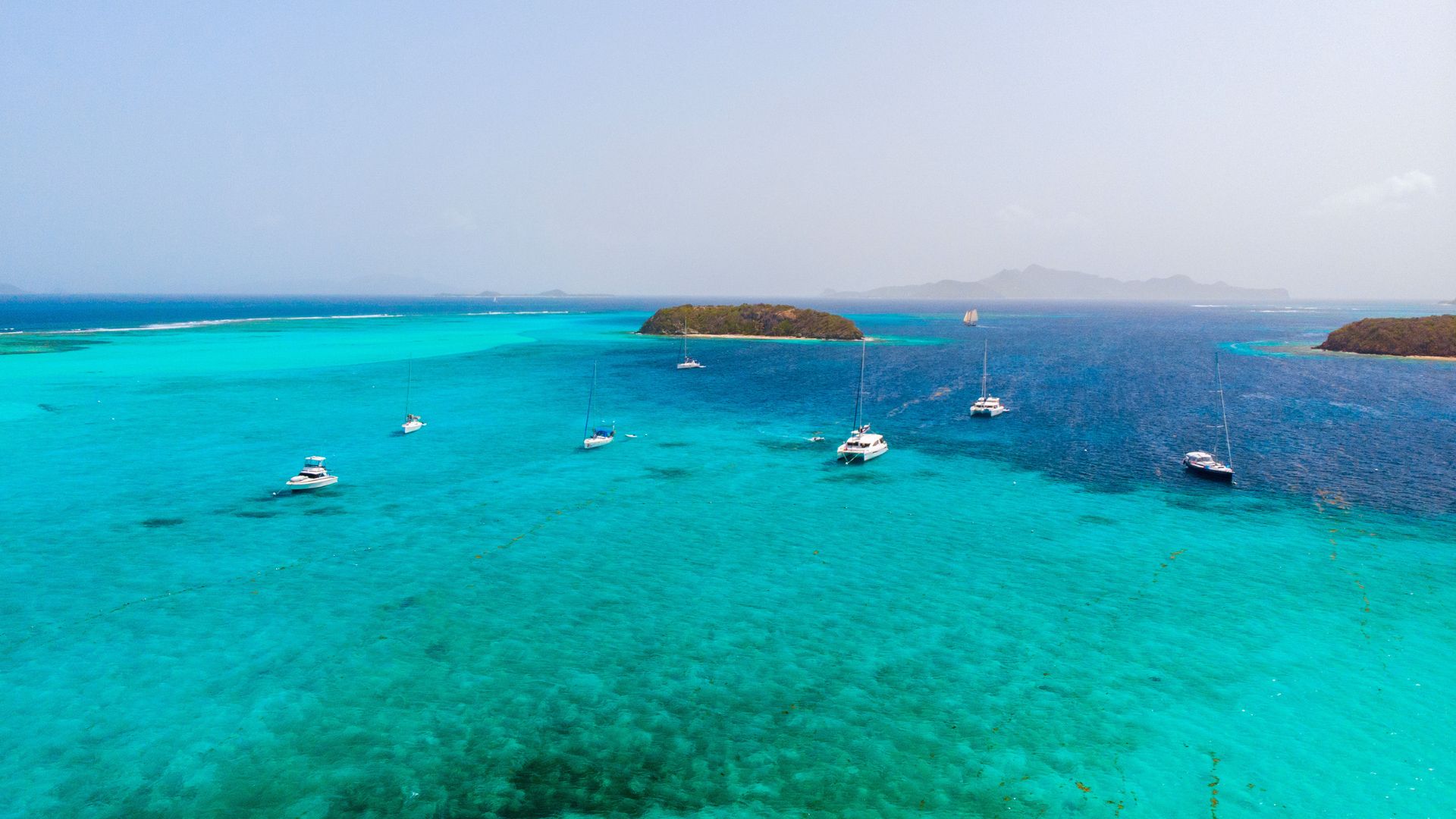
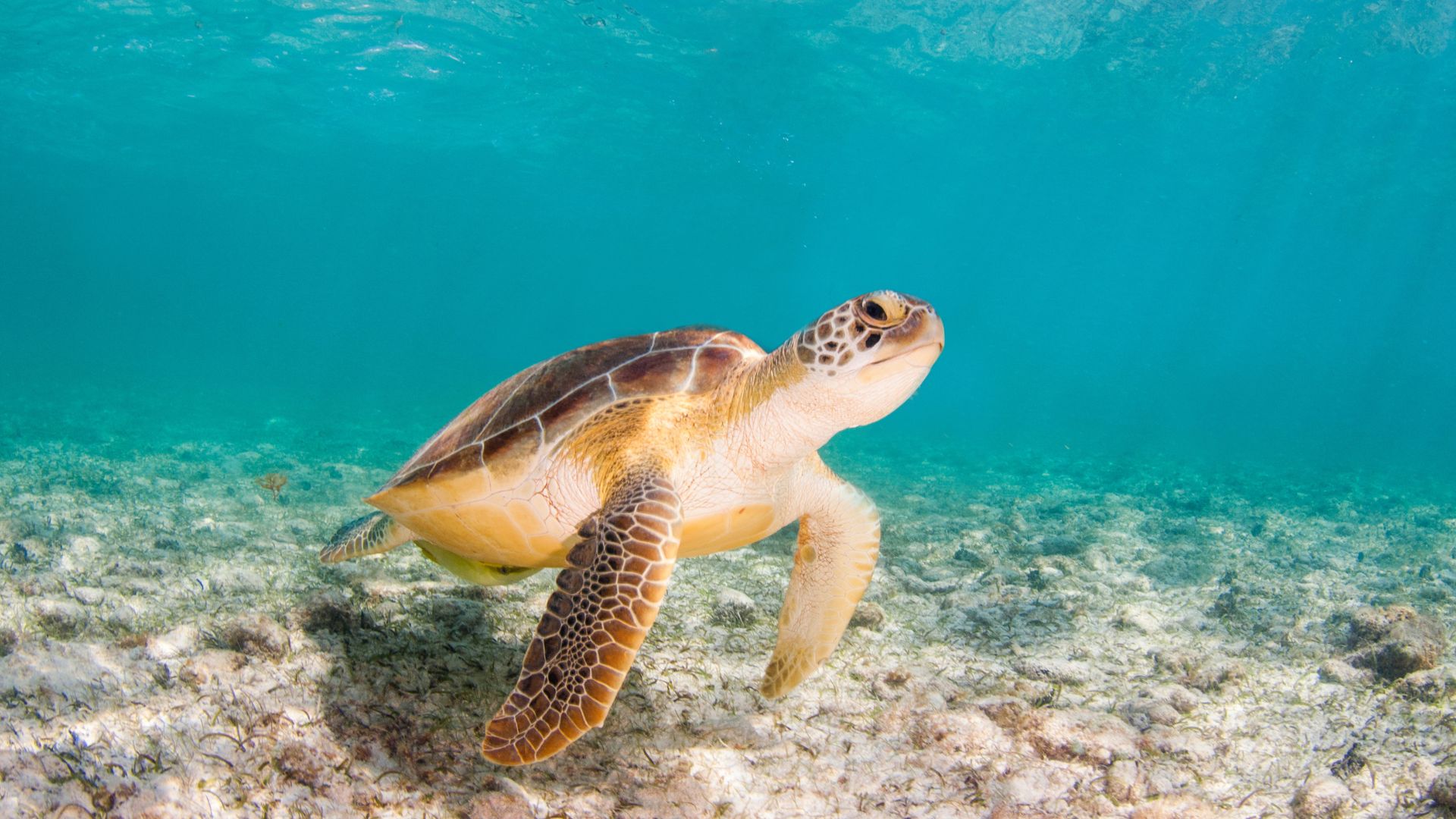
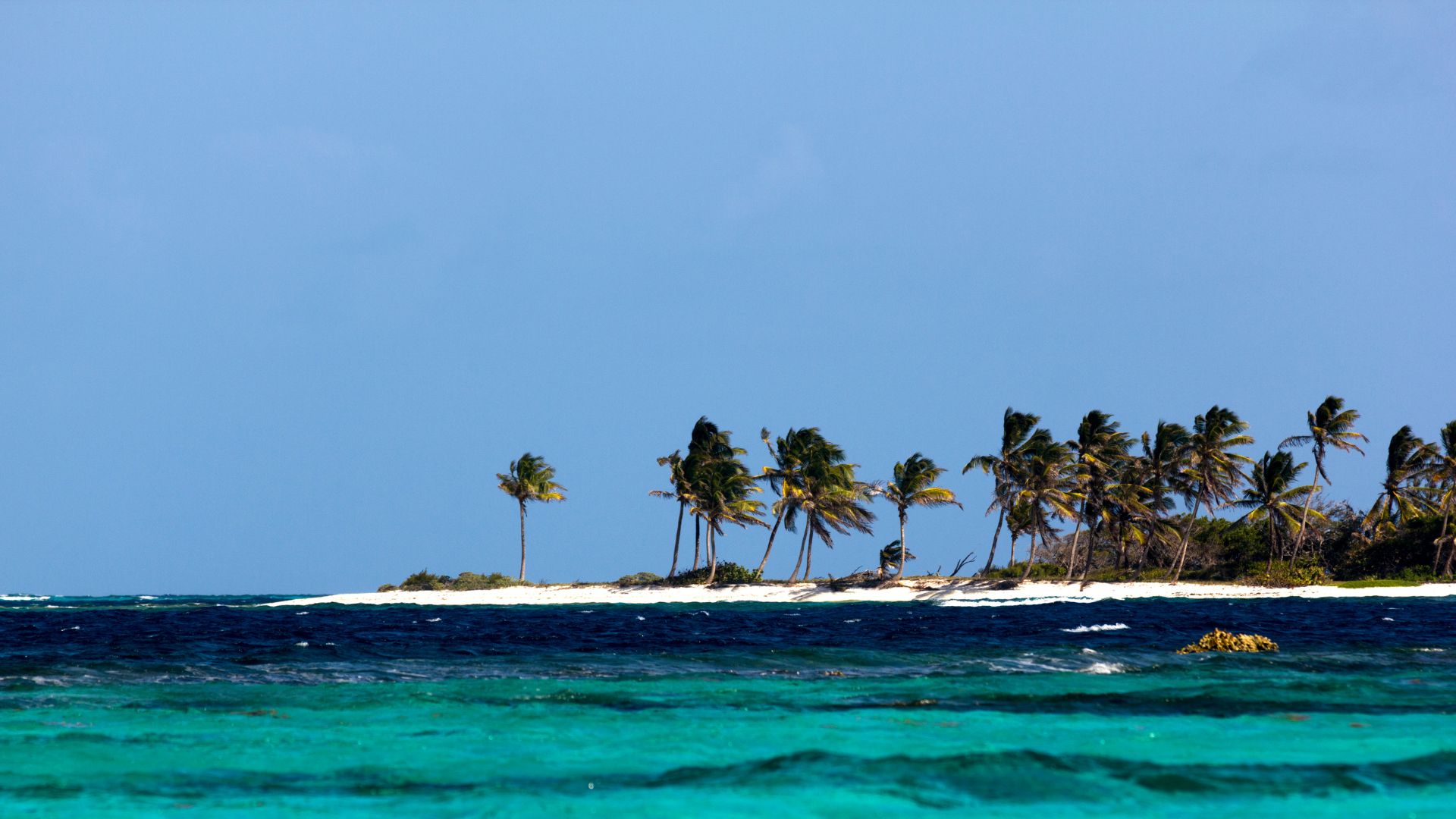
A short three-mile reposition this morning brings you into the Tobago Cays Marine Park—the centerpiece of the entire Grenadines charter and one of the great in-water experiences anywhere in the Caribbean. Five small uninhabited islands—Petit Rameau, Petit Bateau, Baradal, Petit Tabac, and Jamesby—sit inside a horseshoe-shaped barrier reef that breaks the Atlantic swell on its eastern edge. You anchor inside the reef in fifteen feet of impossibly clear water, with the open ocean a hundred yards behind you and the cays spread across the western half of your view.
The marine park has been a no-take protected area since 2006, and the result is a fish population and a turtle population that have rebuilt to remarkable density. The seagrass beds between Baradal and Petit Bateau are one of the most reliable green sea turtle viewing spots in the Caribbean—you slip into the water from the swim platform, swim a hundred meters, and there will be turtles. Park rules are strict and well-enforced (no chasing, no touching, snorkel from above), which is exactly why the population is healthy. A guided dinghy tour with one of the park's marine rangers makes the morning—they know which patches the turtles are working that week.
Lunch is a beach barbecue on Petit Bateau or Baradal, arranged through one of the local boat boys who will set up a table on the sand, grill the lobster (caught that morning, alive in a basket by the table until you order), pour the rum punch, and clean up afterward. It's the most rewarding meal of the trip and one of the most quintessentially Grenadines experiences—you eat with your feet in the sand, the boat at anchor a hundred meters offshore, the reef breaking white on the horizon.
Afternoon is a tender ride out to Petit Tabac—the small palm-fringed islet on the Atlantic side of the reef where Captain Jack Sparrow gets marooned in the first Pirates of the Caribbean movie. It's the most photographed spit of sand in the eastern Caribbean. Back aboard for sundowners, dinner aboard tonight on the hook, and a night sleeping inside the marine park with the reef breaking white in the dark.
Day Highlights
Day 5 of 7 · Tobago Cays → PSV
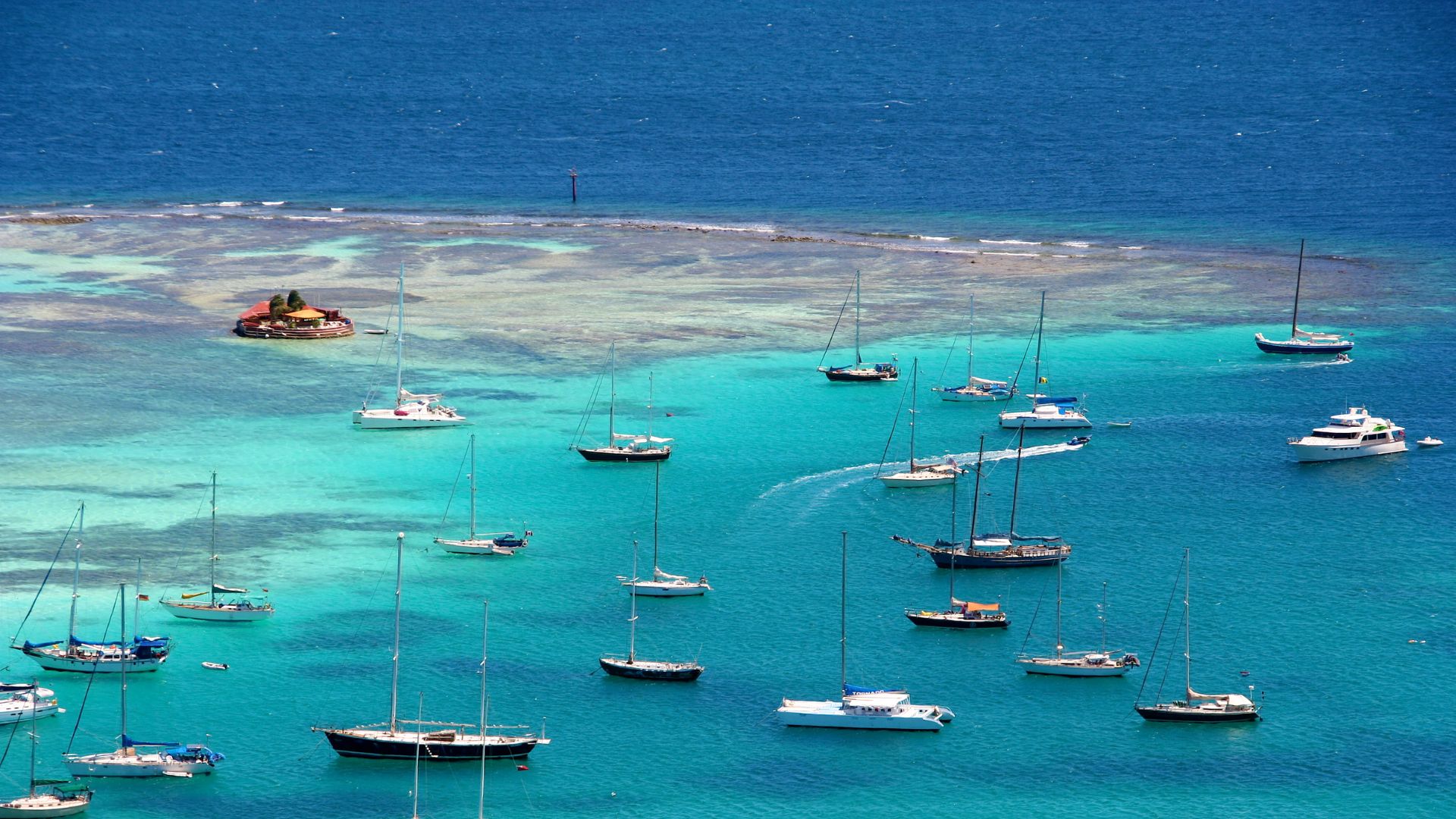
After a slow morning swim off the back of the boat in the Cays, lines off for the short twelve-mile run southwest to Petit St. Vincent. The route threads past Mayreau and into Clifton Harbour on Union Island, where your captain clears outbound paperwork (Union has the only customs office in the southern Grenadines) and you have time ashore for an hour or two.
The reason to stop in Clifton, beyond the paperwork, is Happy Island—a small bar that sits on a man-made island in the middle of the harbor's reef. Janti Ramage built the island himself, by hand, by piling up empty conch shells he salvaged from the local fishermen, then poured a concrete top, then built a thatched bar on it. The whole thing is about the size of a tennis court. The drink is the rum punch, and the experience of sitting on a bar built out of seashells with the boats of Clifton anchored around you is a Grenadines moment that doesn't really exist anywhere else.
By mid-afternoon, your captain points the bow east for the short hop across the channel to Petit St. Vincent and Palm Island, the two southernmost cays in the chain. PSV is a private island resort that allows yacht guests on the beach and at the bar; Palm Island is the same setup. Both are reef-fringed, palm-covered, and quiet—the kind of last-stop anchorage that resets the trip after the social energy of Mustique and the marquee energy of the Cays. Anchor off the leeward side of PSV, swim ashore, walk the beach, and have a sundowner at the resort's beach bar. Dinner aboard tonight, chef-prepared, the boat sitting on the hook with the lights of Carriacou (Grenada) twenty miles south.
Day Highlights
Day 6 of 7 · PSV → Canouan
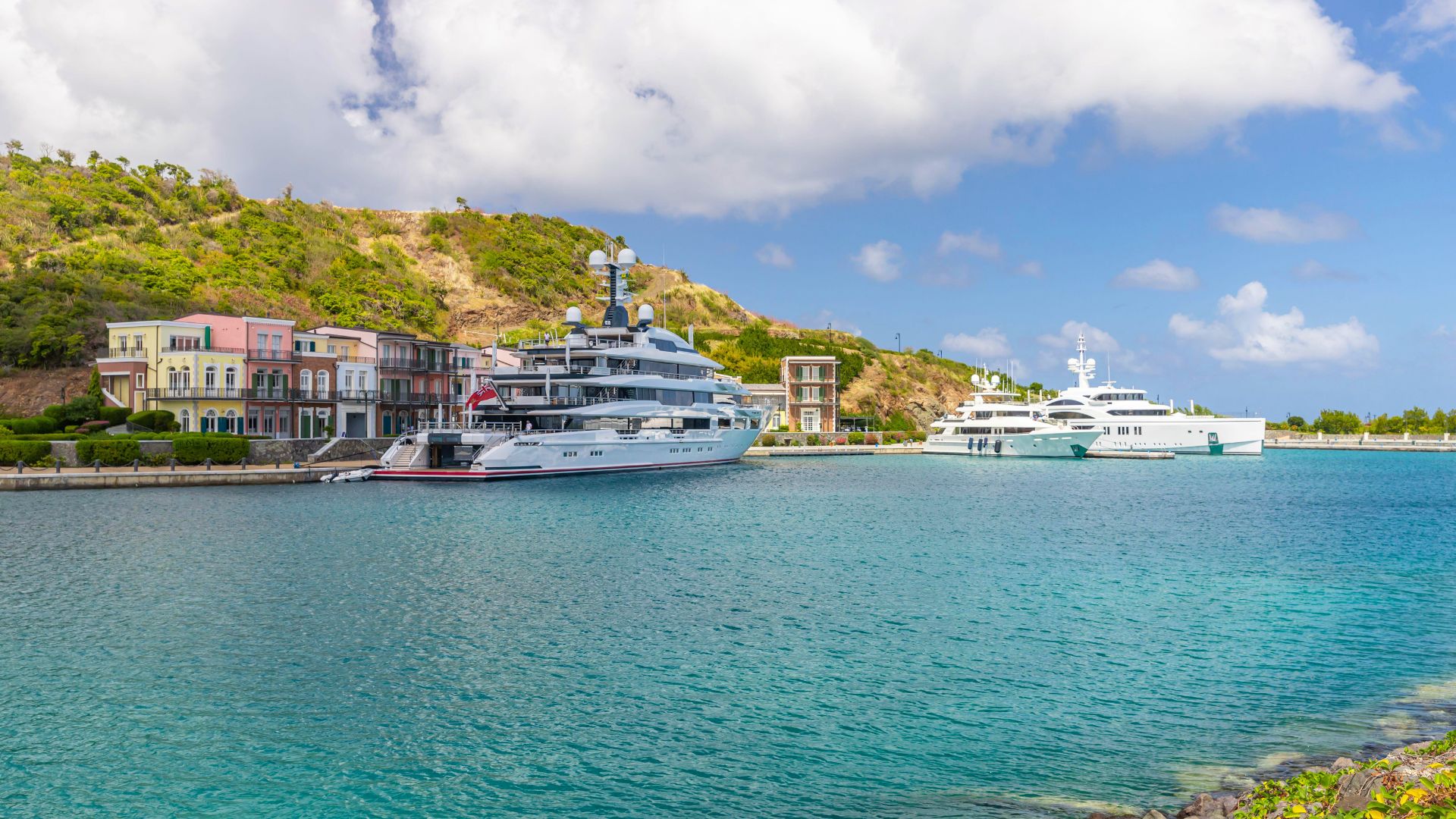
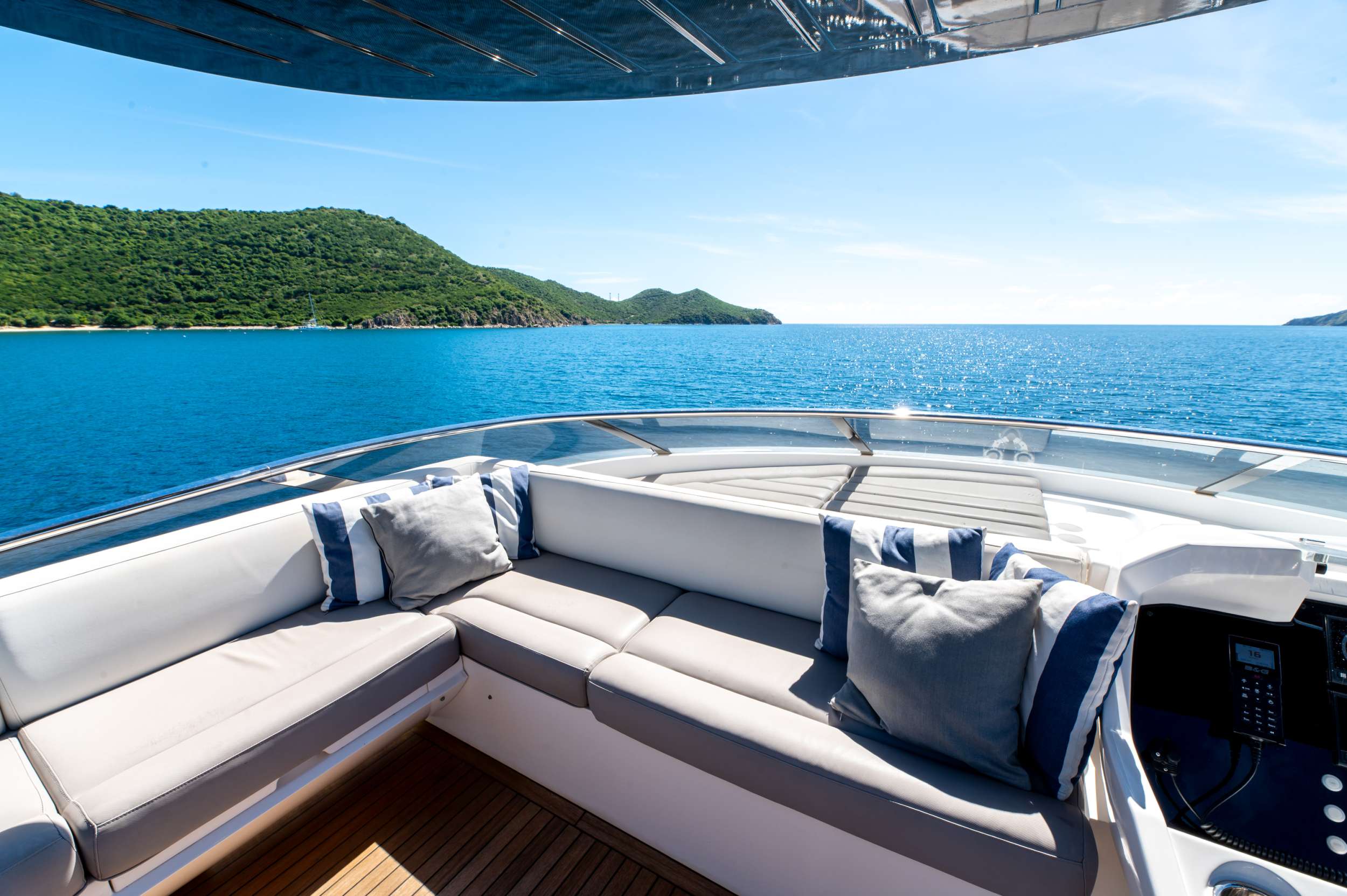
The first leg of the homeward run—twenty-five miles north back through the chain to Canouan. With the trades on the quarter, this is a fast, dry reach in the typical December-through-May charter window, and your captain has the option of sailing the rhumb line or angling out for a wider tack to extend the day on the water. Most groups vote for whichever puts the boat at the dock by mid-afternoon.
Canouan is the dark-horse stop on the chain. Smaller than Bequia, quieter than Mustique, and home to the Sandy Lane Yacht Club marina on the south end—one of the most polished megayacht facilities anywhere in the Caribbean and the reason a particular slice of the global ultra-high-net-worth crowd has quietly made Canouan their preferred Grenadines stop. You don't have to engage with that scene to enjoy the island. Glossy Bay, the public beach above the marina, is gorgeous. The Soho House Canouan beach club is open to walk-ins for lunch. There's a Jim Fazio-designed golf course on the high ground above the marina if anyone in the group wants to play. Or you simply anchor in Charlestown Bay on the leeward side, swim, paddleboard, and watch the boats coming in and out of the channel.
Dinner is your call. The marina's restaurants are the safer bet for a polished evening; the village tavernas above Charlestown Bay are the local choice. Either way, the boat is a short tender ride from the dock and a quiet night at anchor.
Day Highlights
Day 7 of 7 · Canouan → Bequia
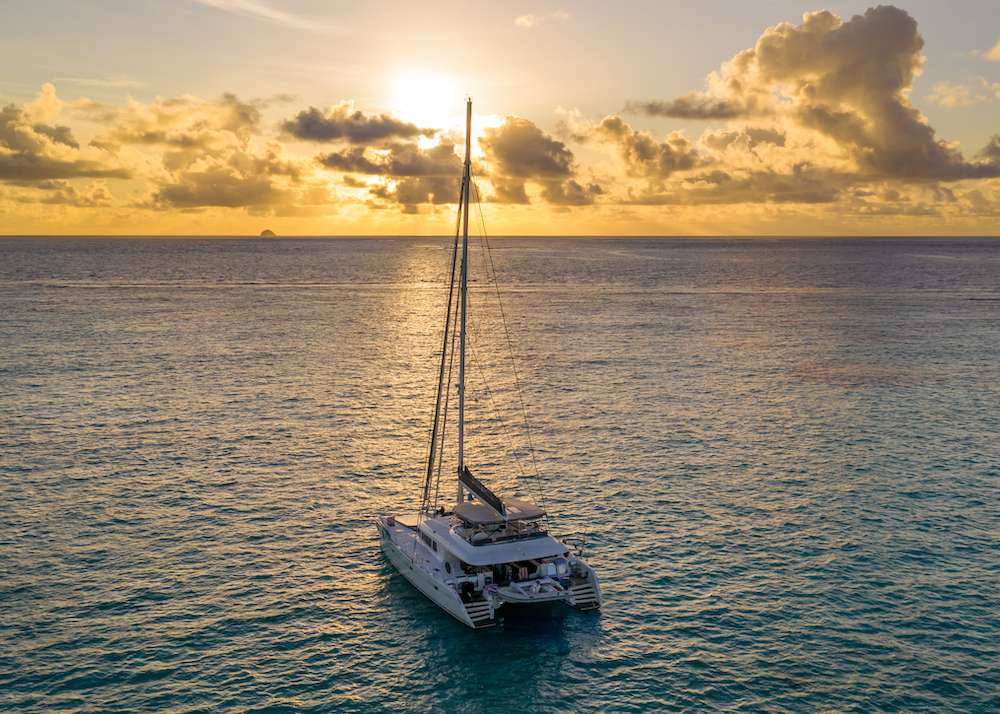
The longest leg of the homeward run, but it's a downwind-quartering reach with the trades doing most of the work—roughly thirty-two miles back north past Mustique and into Bequia. Your captain picks the start time around when the breeze fills in, and the boat rides home on the quarter for most of the morning. Plenty of time at the helm or on the foredeck if anyone wants it.
Late afternoon, you're back inside Admiralty Bay where the trip started, and the bay does the closing-of-the-loop work for you—the same anchorage, the same view of Port Elizabeth, the same boats moored across the curve, but now you've sailed the chain and you know what every island down the line looks like. There's something quietly satisfying about that.
Tonight is the farewell dinner. Two strong options: ashore at Mac's Pizzeria for the lobster pizza and the view down over the harbor, or aboard with your chef pulling out the stops on a three-course plating on the aft deck. Either is the right call. Tender back late, a nightcap on deck, and the last night at anchor in the Grenadines.
Day Highlights
Day 8 · Departure
A last slow breakfast aboard at anchor in Admiralty Bay, a final swim off the back of the boat, and a short morning sail back across the channel to Blue Lagoon Marina on St. Vincent—the same nine-mile leg you opened the trip with, in reverse. Your crew handles every logistic from the slip: transfer to Argyle International, onward connections to Barbados or direct flights to Miami and the East Coast, a last photo with the boat in the background. Step off with salt in your hair, a week of the Grenadines behind you, and a pretty good idea of when you're coming back.
Want to share or come back to this voyage later?
Bookmark this voyage →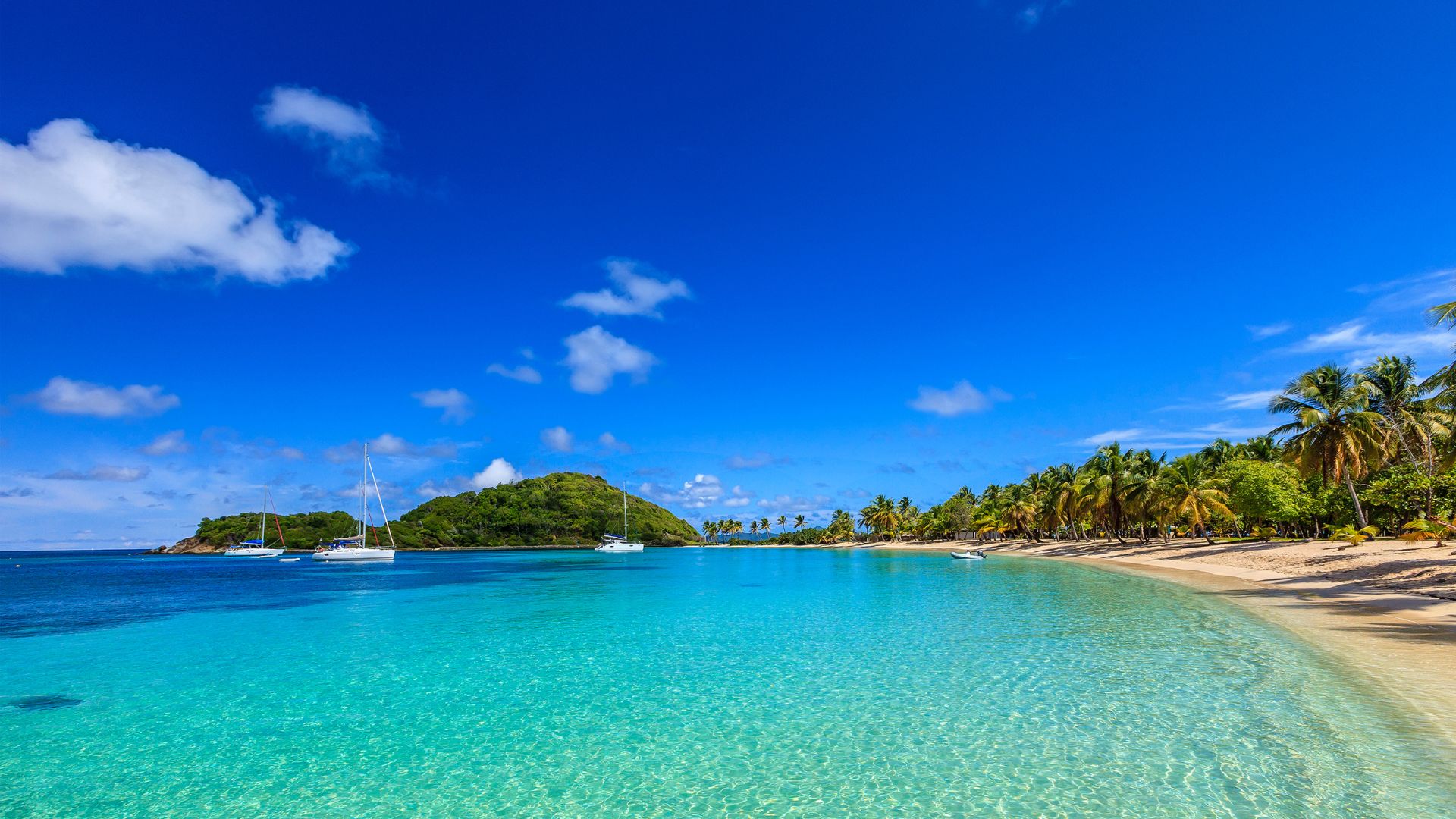
When to go, what it costs, and how to get there — the practical answers guests ask before booking a St. Vincent and the Grenadines crewed yacht charter.
December through April is the highest-volume booking window. East-northeast trade winds run 15 to 22 knots, daytime highs sit in the low 80s, and rain is rare. Christmas and New Year are the chain's busiest weeks — Britannia Bay off Mustique fills with the year's most recognizable yachts, and the best charter inventory books 9 to 12 months ahead. Easter is the second peak, anchored by the Bequia Easter Regatta — the oldest Easter regatta in the Caribbean — which draws every cruising sailor in the chain to Admiralty Bay for the week.
May, June, and the back half of November sit between peak and the heart of hurricane risk. Trade winds soften slightly to 12 to 18 knots, water temperatures climb into the 80s, and rates typically fall 15 to 25 percent from peak. Tropical activity is statistically rare in May, June, and November. Cruising traffic thins as full-time cruisers leave the chain ahead of hurricane season, and the Tobago Cays in particular revert to off-season levels of solitude. For guests choosing between windows, this is typically the best the Grenadines offer.
The Grenadines sit farther south in the Caribbean than the BVI or US Virgin Islands and operate later into the season. Hurricanes can affect the chain, but most charter yachts in the region head south to Grenada for hurricane season — and a handful of those boats can be repositioned to do a summer pickup that runs north from Grenada through the Grenadines. Inventory is thinner and lead time matters, but for guests who can only travel in summer it's worth asking. We know which yachts are positioned where.
$25,000–$100,000 per week
Crewed yacht charters through St. Vincent and the Grenadines typically run from $25,000 to $100,000+ per week, depending on yacht size, build year, and crew. Most yachts charter all-inclusive — the base weekly rate covers yacht, crew, all meals, a standard bar (beer, wine, spirits), fuel for normal cruising, water sports, and customary mooring fees. Select larger motor yachts run plus-expenses instead, where the base rate covers yacht and crew only and food, beverages, fuel, and dockage are paid through an Advance Provisioning Allowance (APA) — a pre-funded allowance set at 25 to 35 percent of the base rate, with itemized accounting and any unused balance refunded at trip end. The Tobago Cays Marine Park levies a per-yacht park fee paid by the captain at clearance, and Mustique and Canouan moorings carry a small premium during peak weeks. Crew gratuities, customary at 15 to 20 percent of the base rate, are paid directly to the captain on disembarkation.
About chartering in St. Vincent and the Grenadines.
Field-tested guides, itineraries, and tips — written from years of chartering these waters.
We charter across the Caribbean. Here are some other excellent alternatives.

Explore a British Virgin Islands yacht charter for an unmatched sailing adventure. Idyllic Caribbean setting, easy navigation, and iconic beach bars await you.

Experience the charm of a US Virgin Islands yacht charter. Discover pristine national parks, stunning beaches, and easy navigation in this Caribbean gem.

Set sail in Exuma, Bahamas for an unparalleled yacht charter experience. Revel in the stunning blues, serene solitude, and fishing in this Caribbean gem.

Explore a St. Martin yacht charter for a unique Caribbean adventure. Enjoy stunning beaches, rich culture, and ideal sailing conditions.

Explore the serene Spanish Virgin Islands: pristine beaches, historic sites, and unspoiled nature await. The ultimate Caribbean sailing escape.

Embark on a Belize yacht charter to explore the Caribbean's unspoiled beauty, from vibrant reefs to serene cayes, in crystal-clear waters.
Fill out our quick form and we'll dive into your unique preferences — from adventure-packed itineraries to pampered escapes. Whether you're a seasoned voyager or new to charters, we'll tailor recommendations just for you.
With over fifteen years of experience, we'll match you with the yacht that fits your style, group, and itinerary. We work directly with the captains and crews across our list — so the recommendation is built around the right boat-and-crew fit for your week, not whatever's easiest to book.
Once your yacht is booked, we'll take care of logistics: paperwork, reminders, and personalized resources to help you plan. From arrival planning to must-visit spots, we'll make your charter as seamless as it is unforgettable.

What to Expect on a Private, Crewed Yacht Charter
Learn what makes crewed yacht charters extraordinary: personalized service, gourmet dining, and endless opportunities for adventure and relaxation.

How Does the Booking Process Work?
Our team handles every detail of your crewed yacht charter booking, ensuring a seamless experience from your first inquiry to setting sail.

Crewed Yacht Charter Pricing Explained
Understand what a crewed charter costs, the types of pricing, and what is included / not included.

Logistics: Proven Travel Plans for a Stress-Free Start
Plan your journey to your crewed yacht charter with ease. Tips on flights, transfers, and logistics for a stress-free start to your vacation.
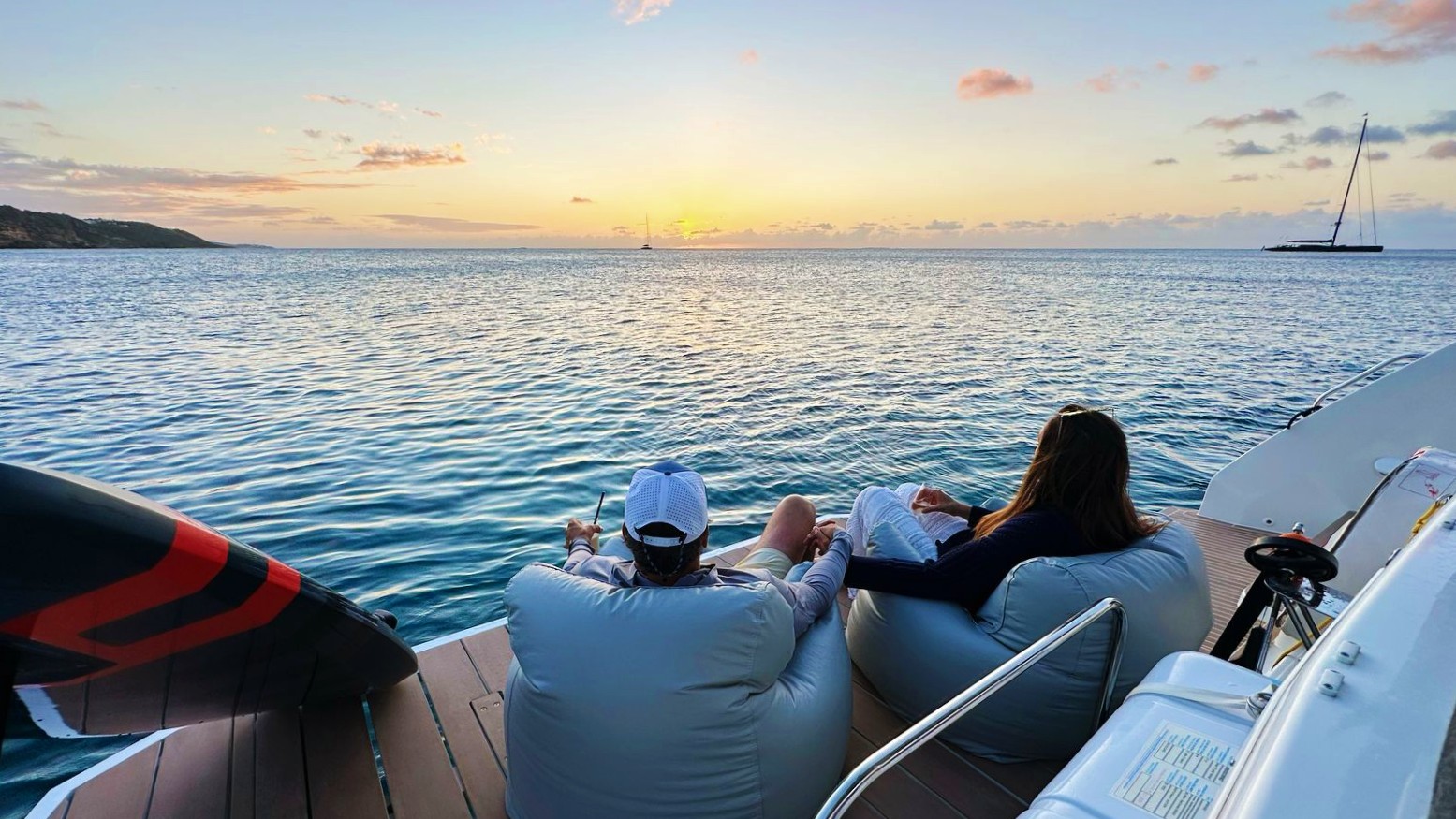
Honeymoon Yacht Charters
Start your marriage on a private yacht. Explore secluded beaches, gourmet dining, and unforgettable sunsets in the Caribbean.
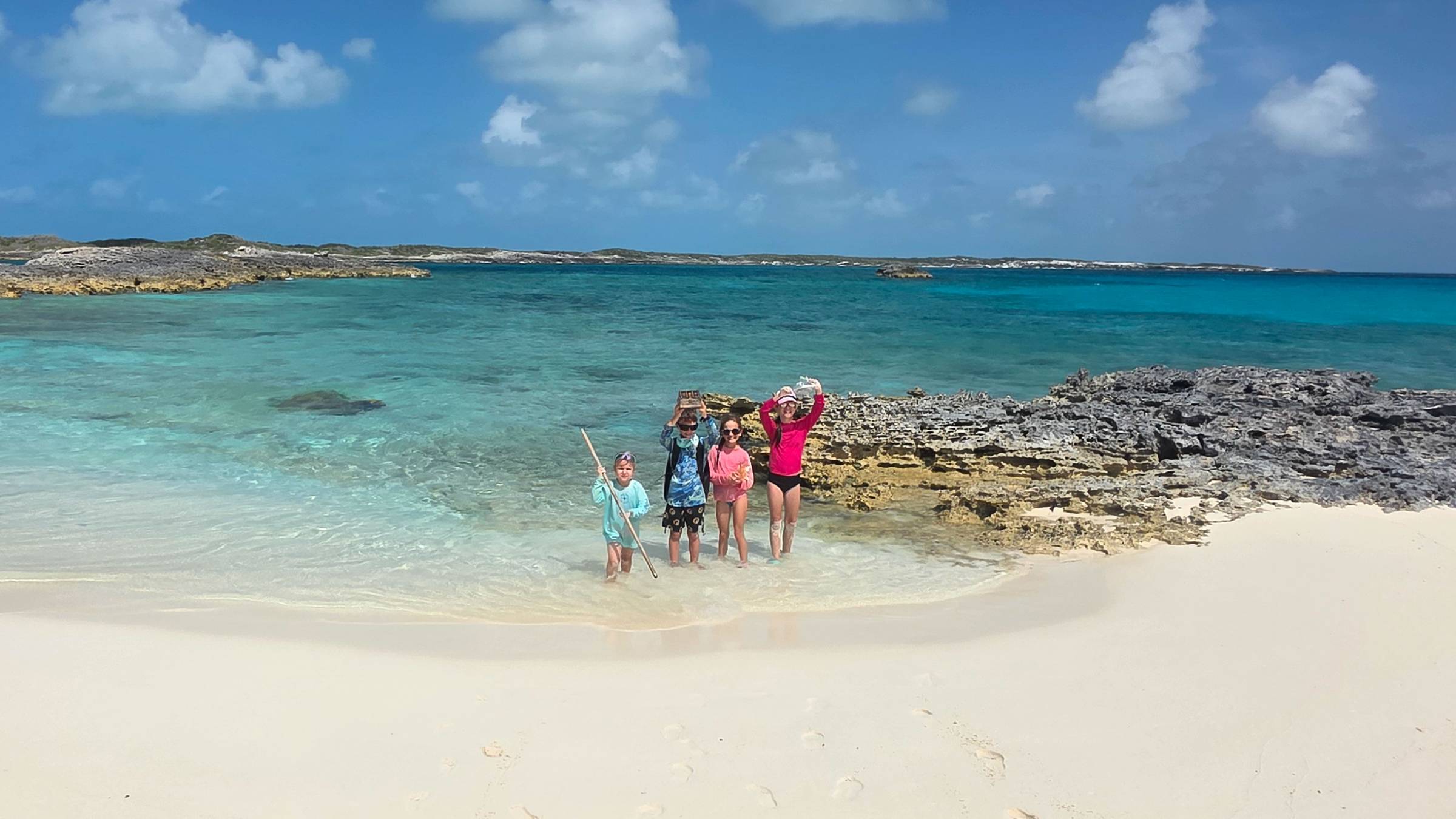
Family Yacht Charters
A crewed yacht charter is perfect for families of all ages. Safe, fun, and fully catered — your kids will never forget it.

Crewed Charter FAQ
Get answers to common questions about crewed yacht charters, from pricing and tipping to what's included and what to pack.

BVI Crewed Yacht Charters
The British Virgin Islands are the #1 crewed charter destination in the Caribbean. Short sails, protected waters, and world-class anchorages.

BVI Crewed Charter Guide
Everything you need to know before your BVI crewed catamaran charter — pricing, packing list, sample itinerary, and getting there.
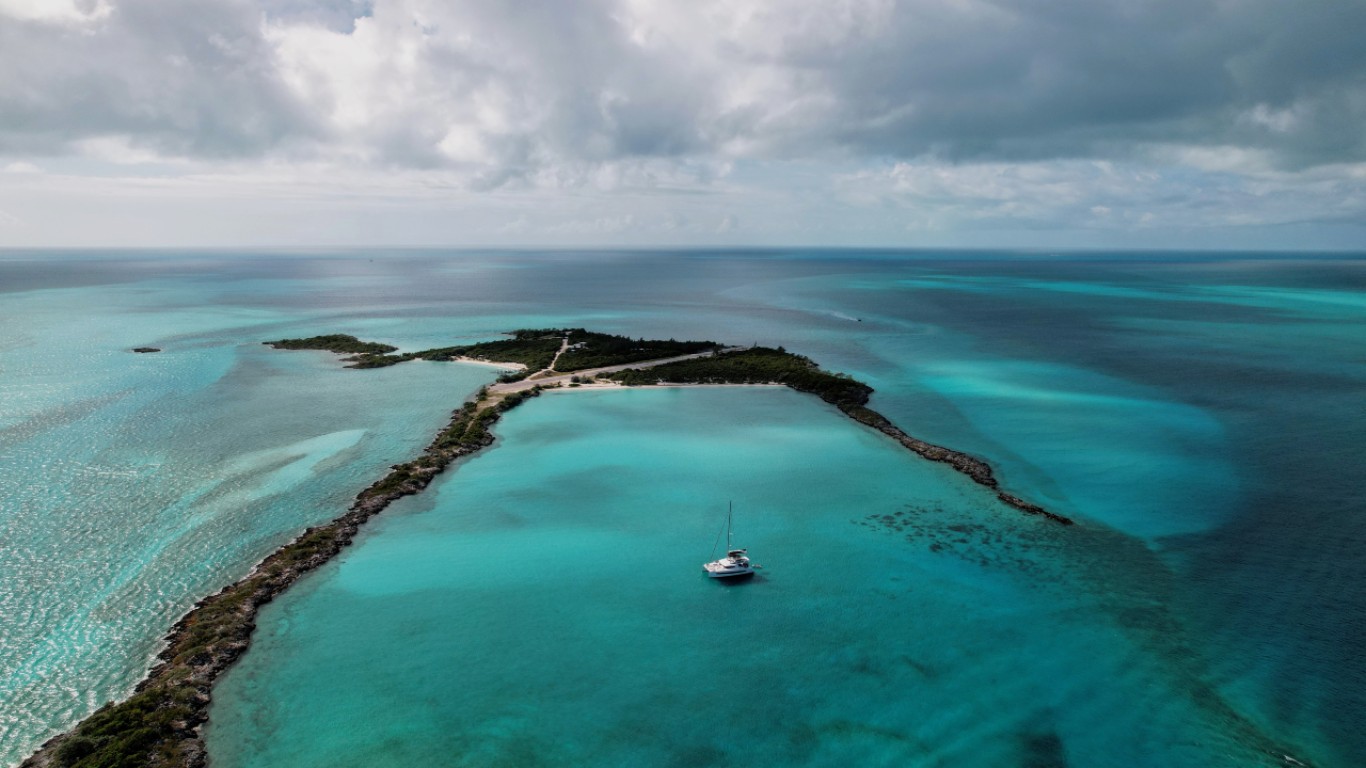
Bahamas Crewed Yacht Charters
Explore the Exumas on a private crewed yacht. Swimming pigs, sandbars, and some of the clearest water on earth.
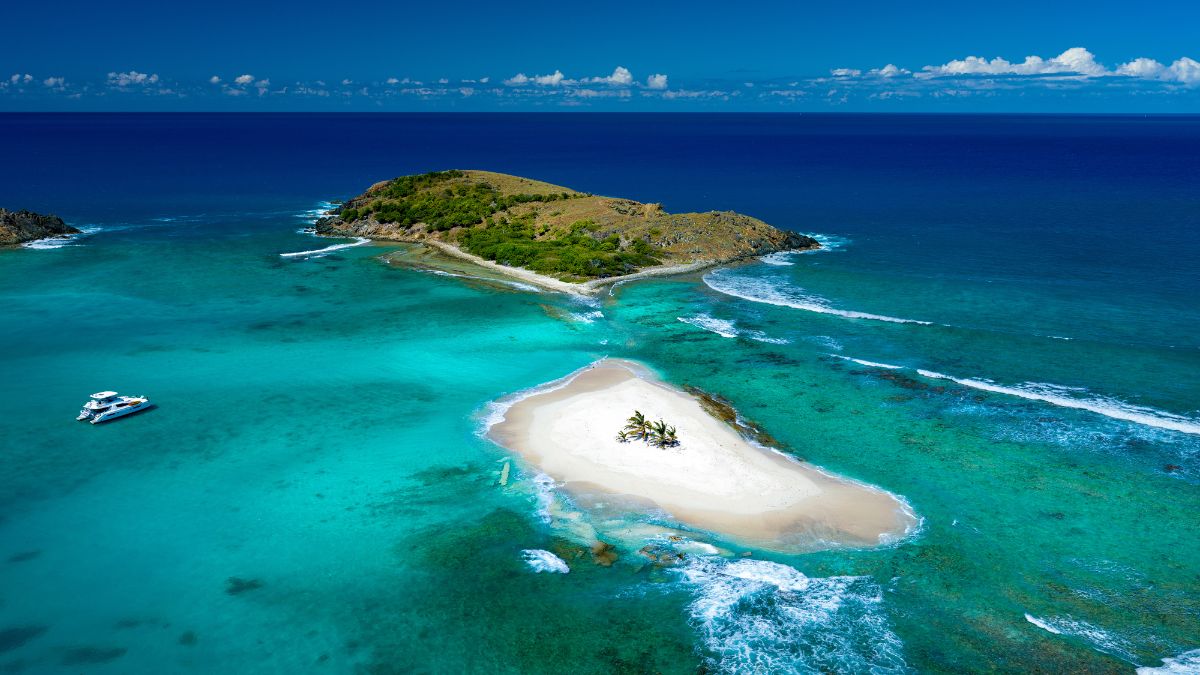
Caribbean Crewed Yacht Charters
All-inclusive crewed charters across the Caribbean — BVI, Bahamas, USVI, St. Martin, Antigua, and beyond.