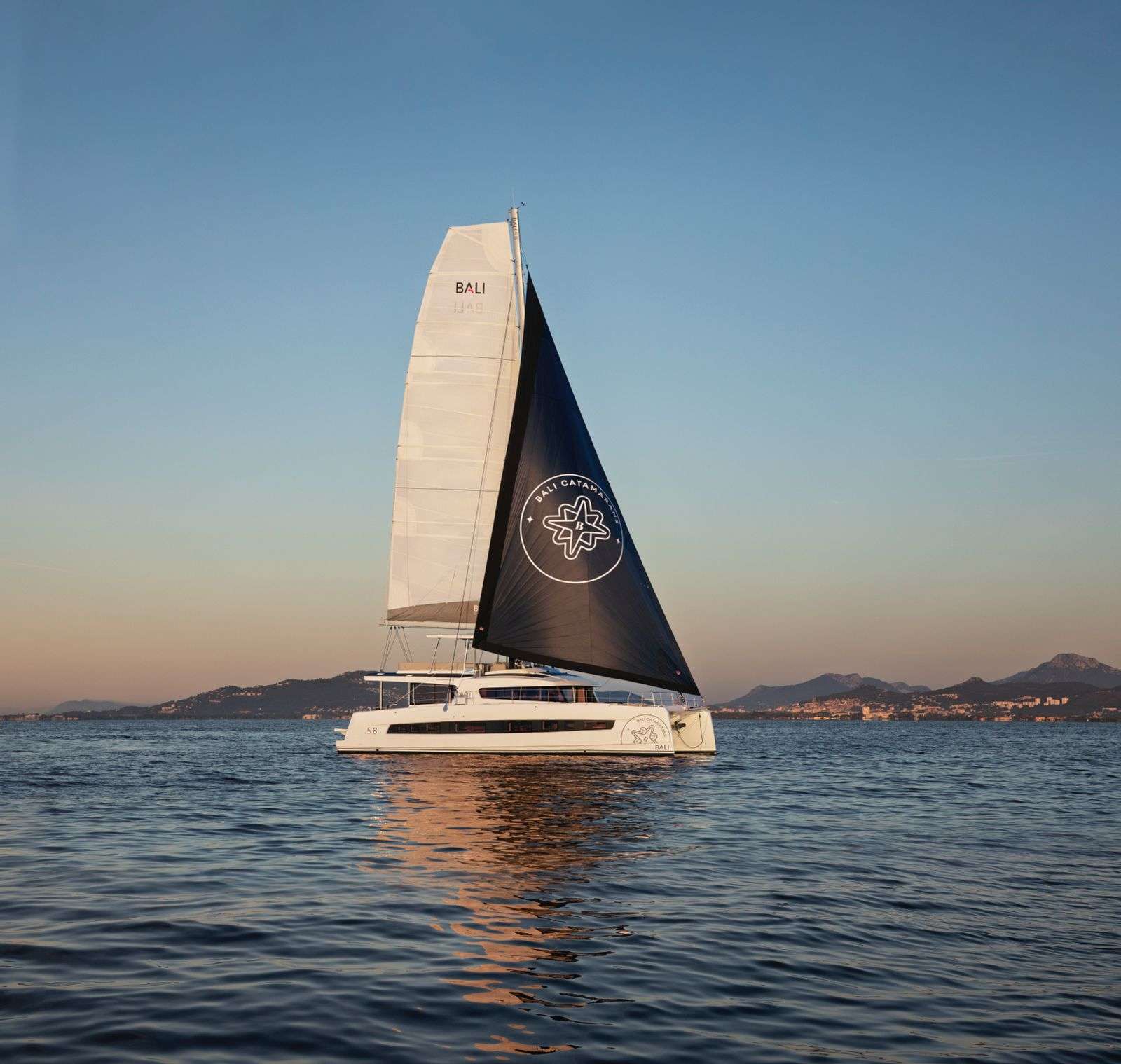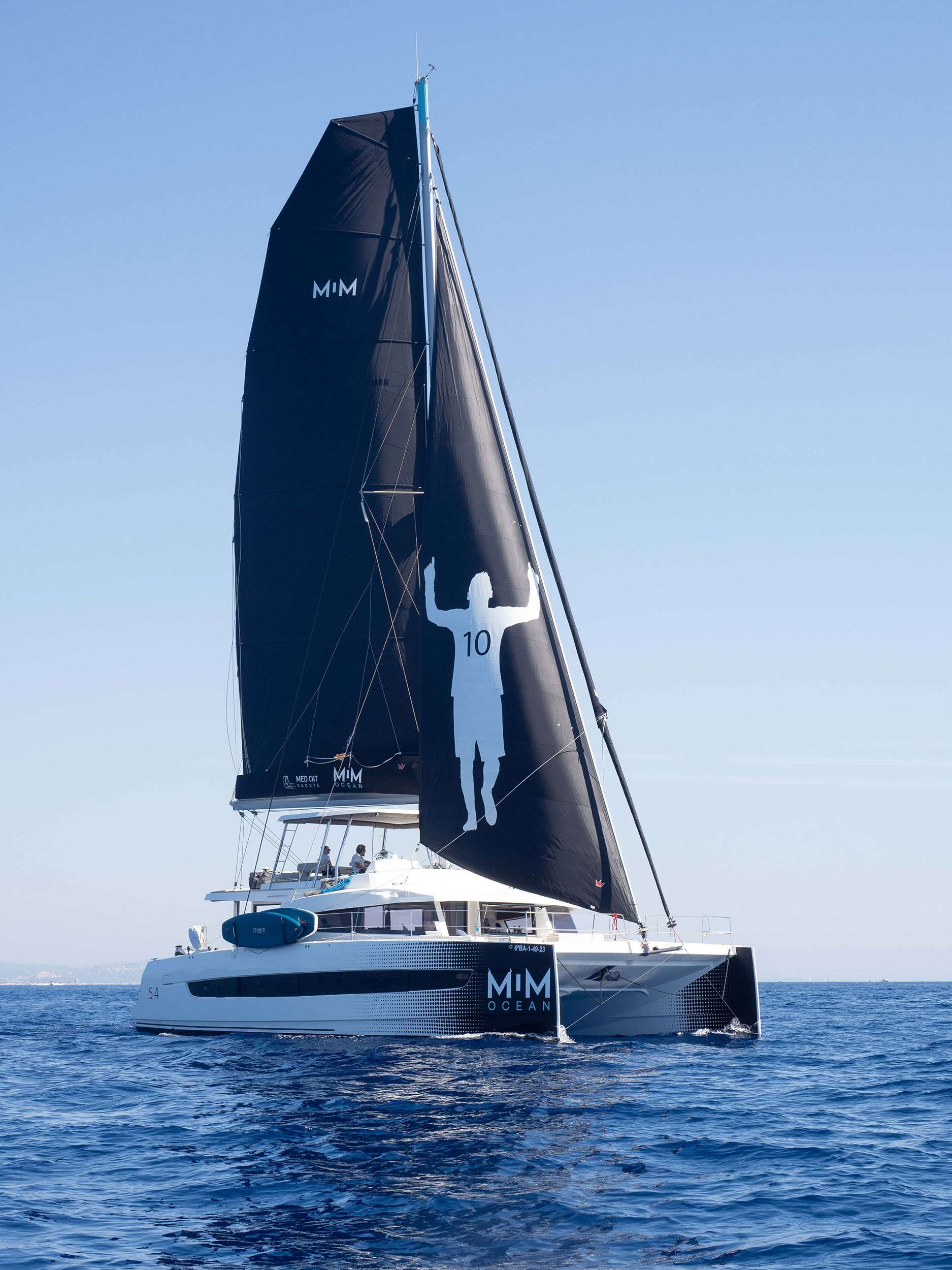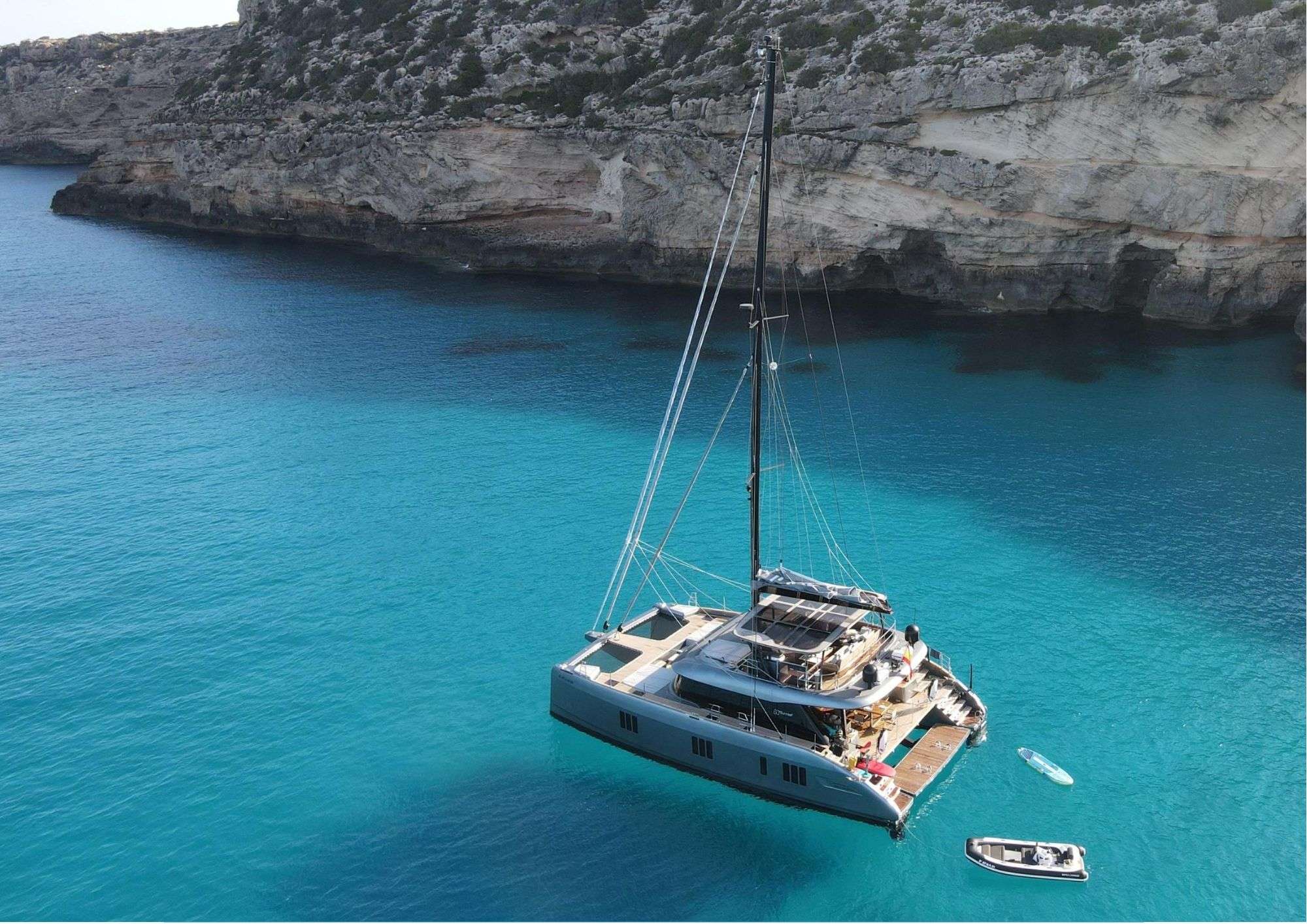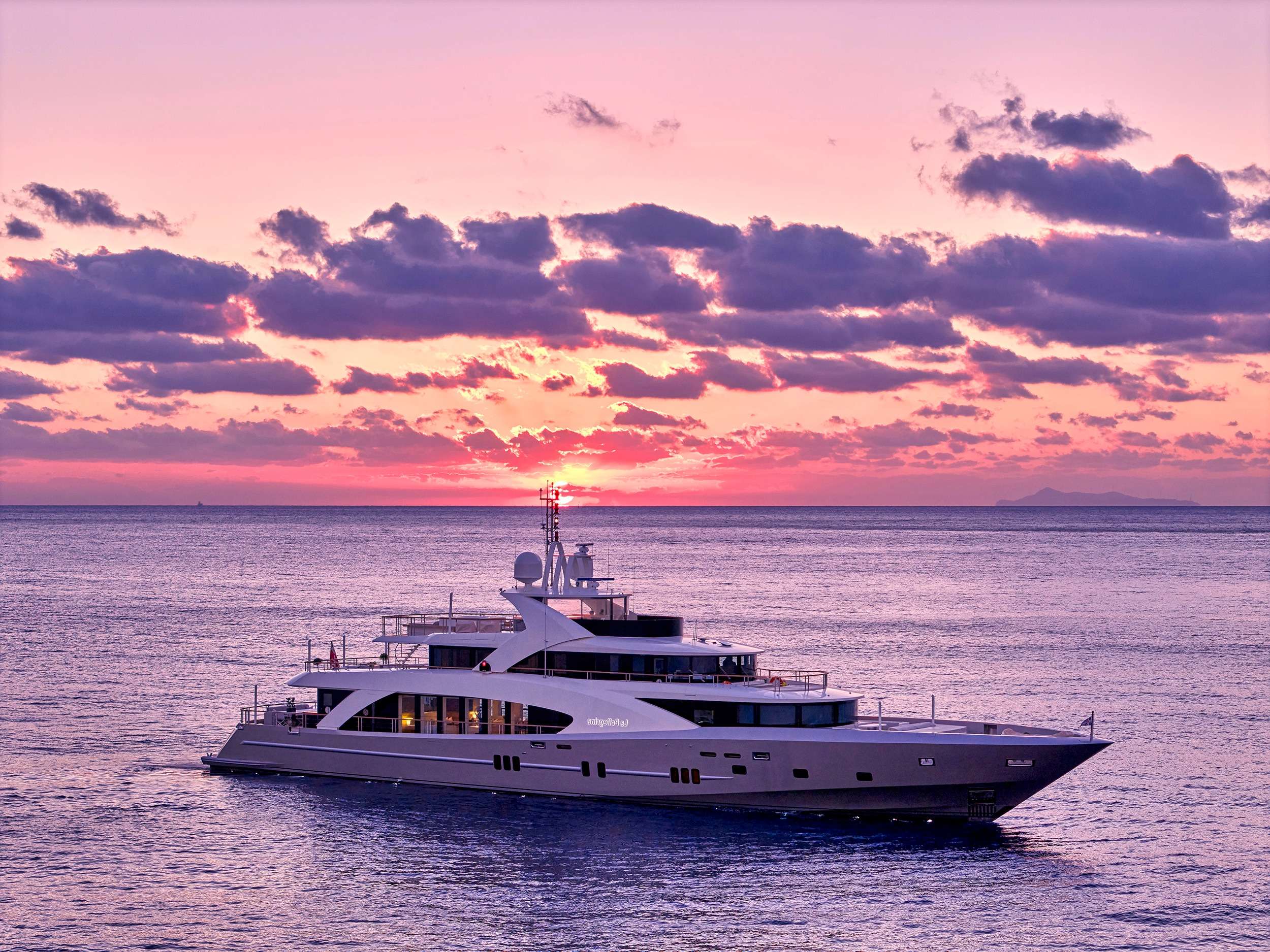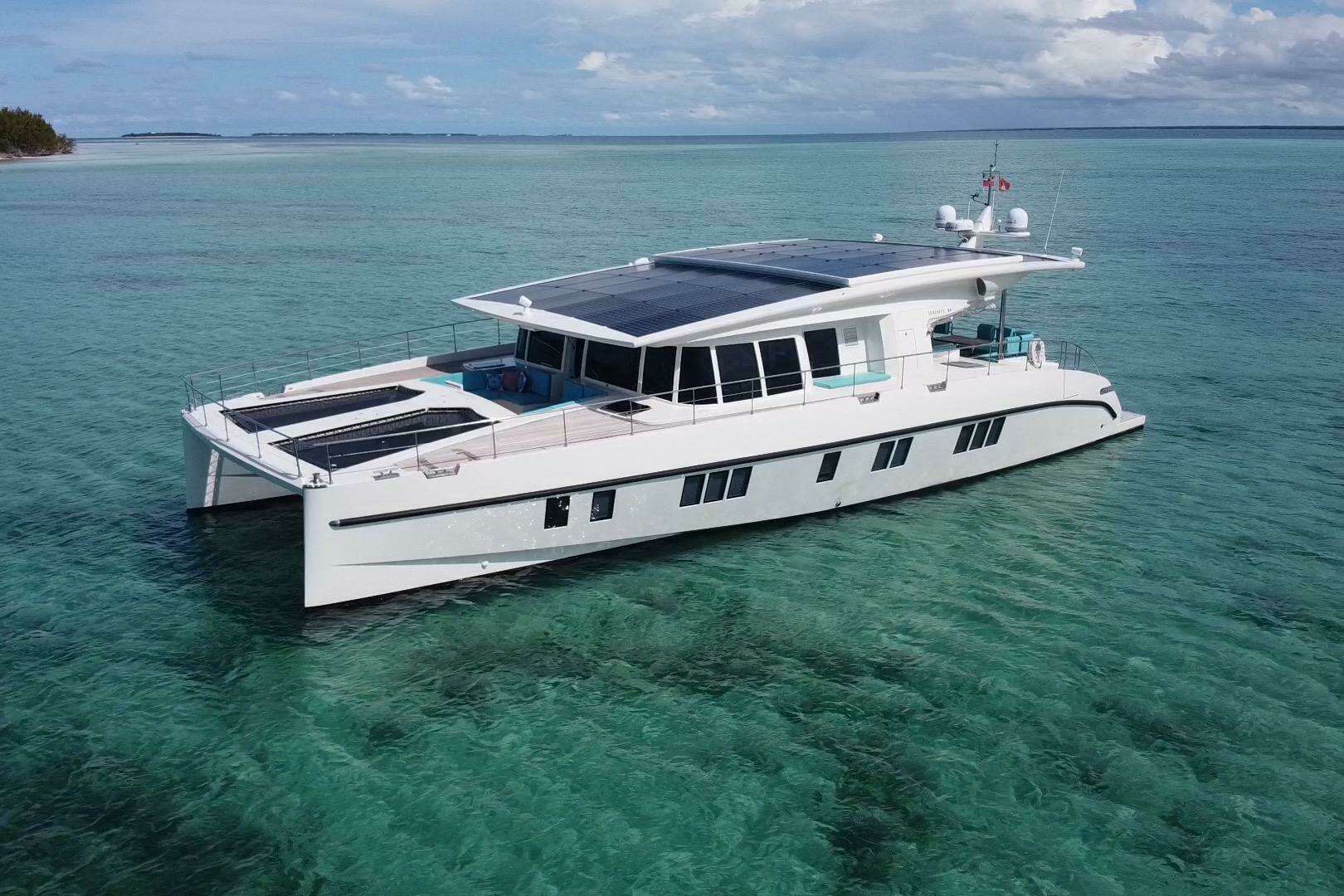

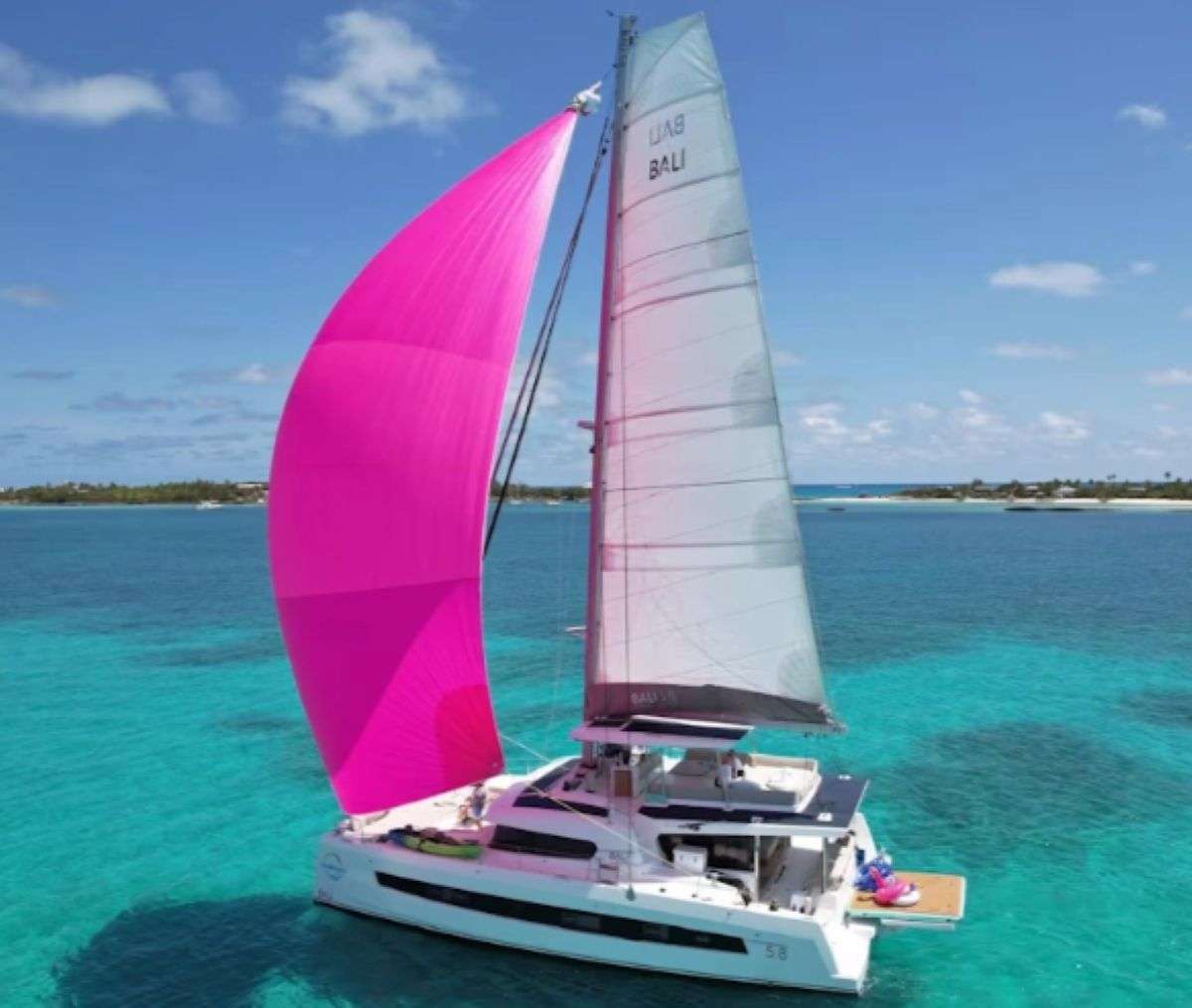
Endeavour
58FT · SAILING CATAMARAN
Pricing from $39,000/week
10 Guests · 5 Cabins
Caribbean
Eastern Mediterranean
Western Mediterranean
South Pacific
United States
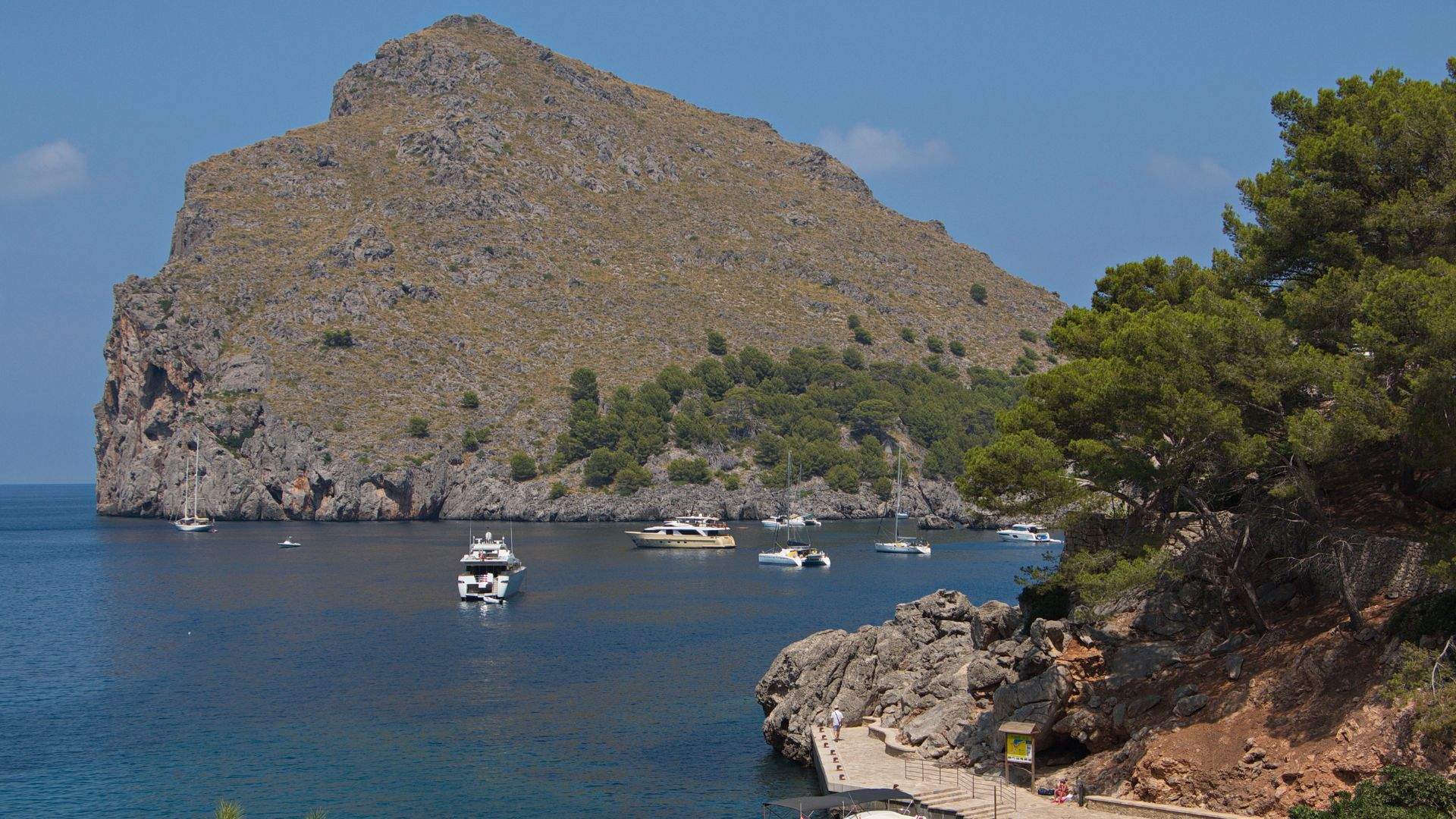
Crewed catamaran and motor yacht charters across Mallorca, Ibiza, and Formentera — the western Mediterranean's only two-coast charter, with Cabrera National Park's permit-only anchorage as the marquee day.
Why the Balearics
The Balearic Islands lie a hundred miles off Spain's eastern coast — four islands grouped tight enough to cover in a single week. What sets them apart from the rest of the Mediterranean charter map is range. Mallorca's western coast is rugged: mountains drop straight to the water, and the best anchorages can't be reached from any road. Ibiza and Formentera, an hour south by boat, are the opposite. Clear water shallows to white sand. Working harbors that still feel like the south of France in 1985. Dinner is ashore, not on board.
The week alternates between two very different daily rhythms. Mallorca days are big-water days — the boat at anchor under sea cliffs, the coast road a thousand feet overhead. Lunch is at a cliff restaurant a tender ride from the yacht. Ibiza and Formentera days are easier. The water shallows to swimming-pool clear. Hops between coves run thirty minutes. Dinner is ashore at a working port restaurant most nights. In the middle of the week is Cabrera, a yacht-only national park where the boat anchors below a medieval watchtower. No road in. No town. No fuel.
The Balearics is for guests who've already done a Mediterranean charter and want more range the next time out. It's the wrong week for groups expecting Côte d'Azur nightlife. It's the right week for groups of four to twelve who'd rather wake up at anchor than tied to a marina. Charters run Saturday to Saturday from late May into early October.
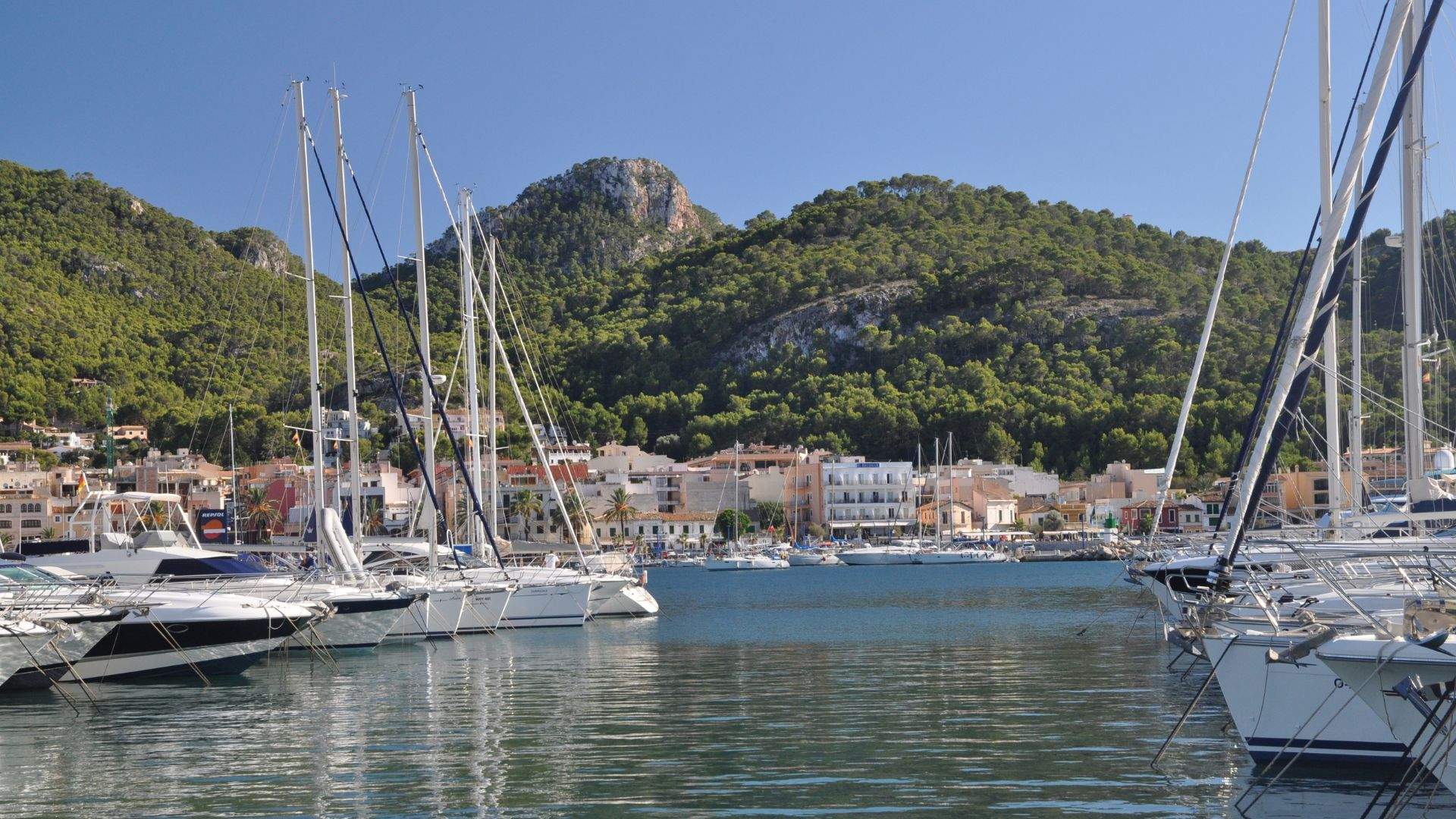
Four reasons a Balearic charter doesn't feel like every other Mediterranean week.
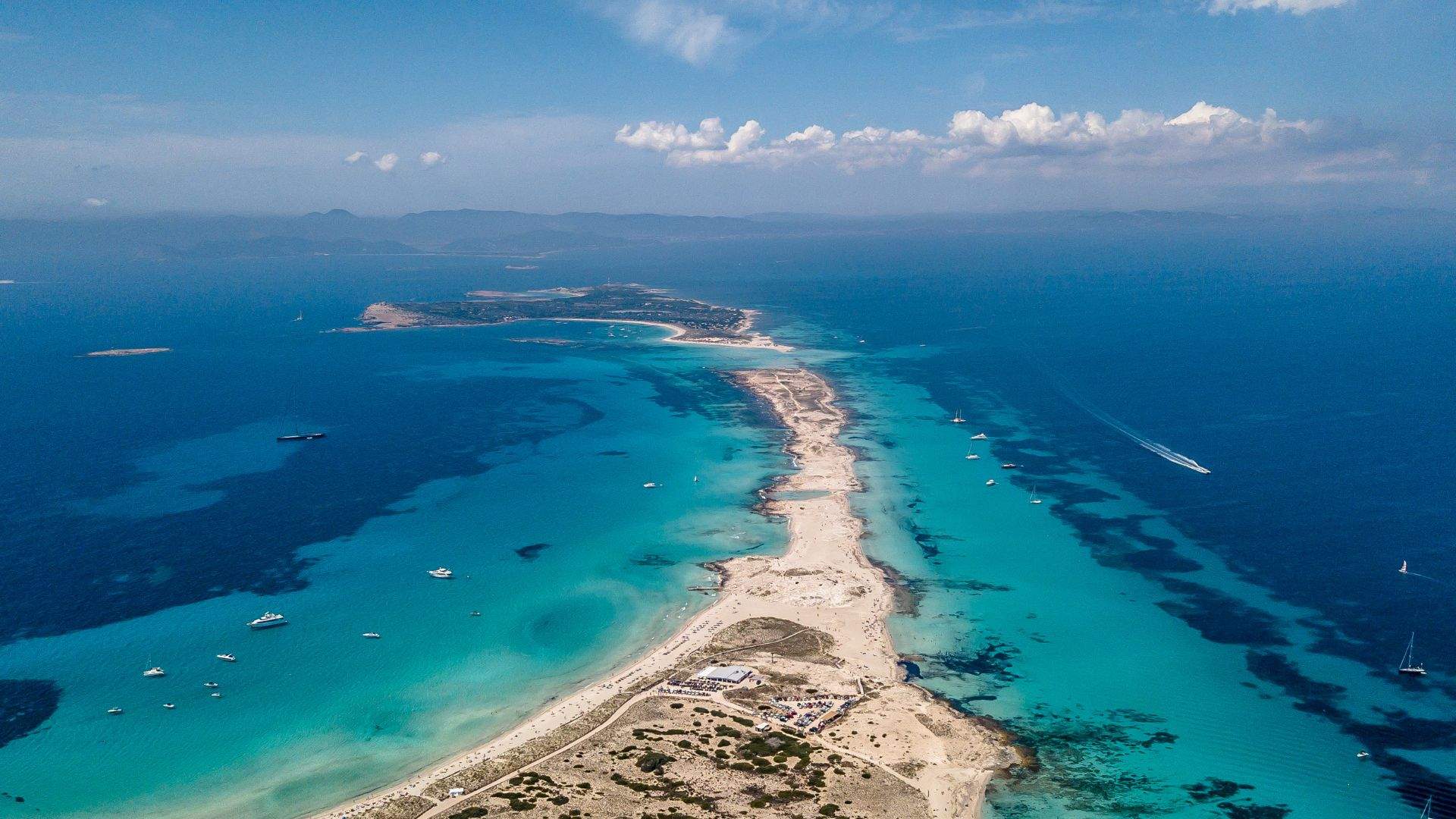
Two coasts in a single week — Mallorca's rugged west side on Monday, Ibiza's clearer water by Wednesday. The crossing in the middle is the longest sail of the week. Inside each island, the hops are short — half an hour between most anchorages.
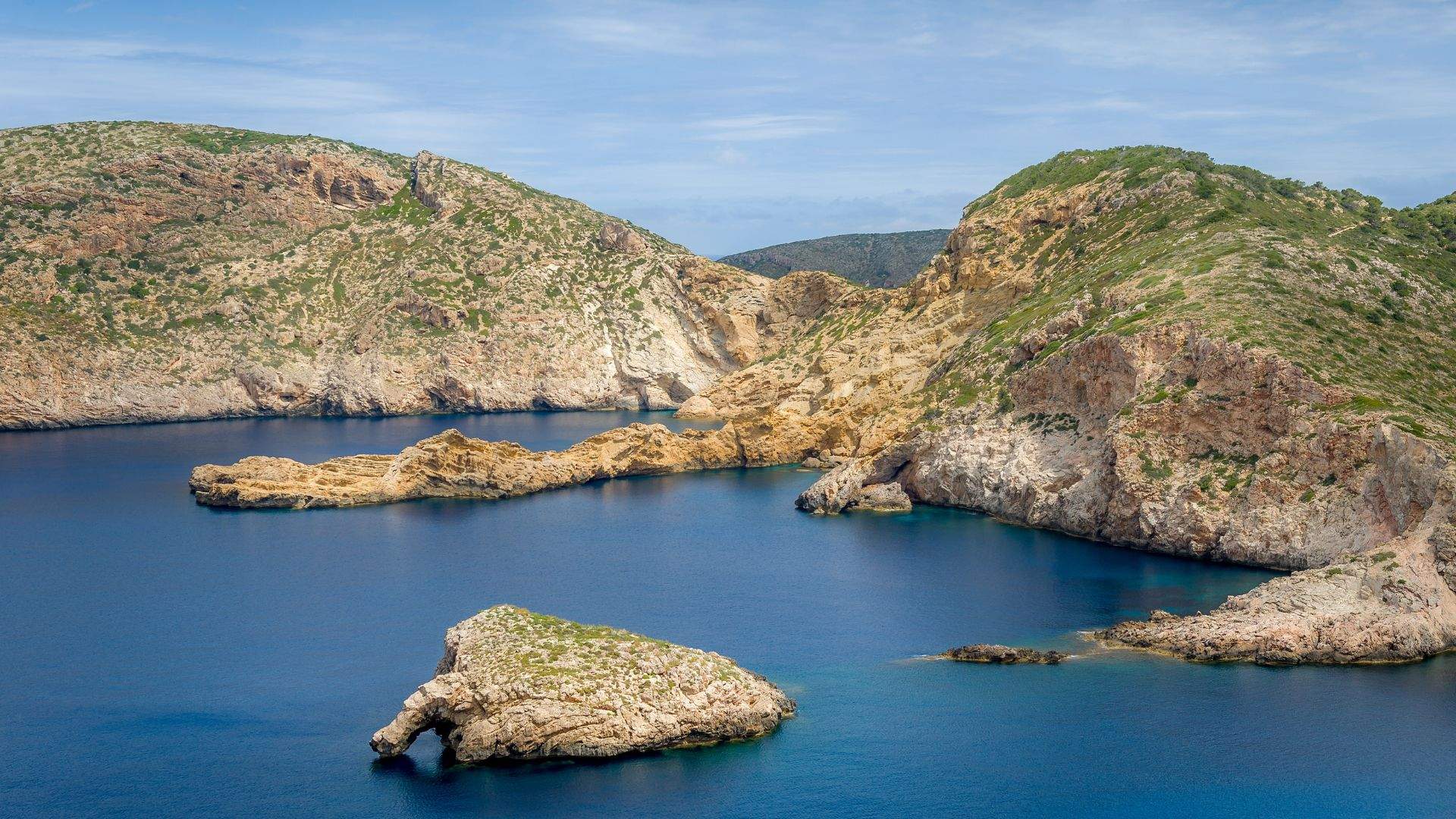
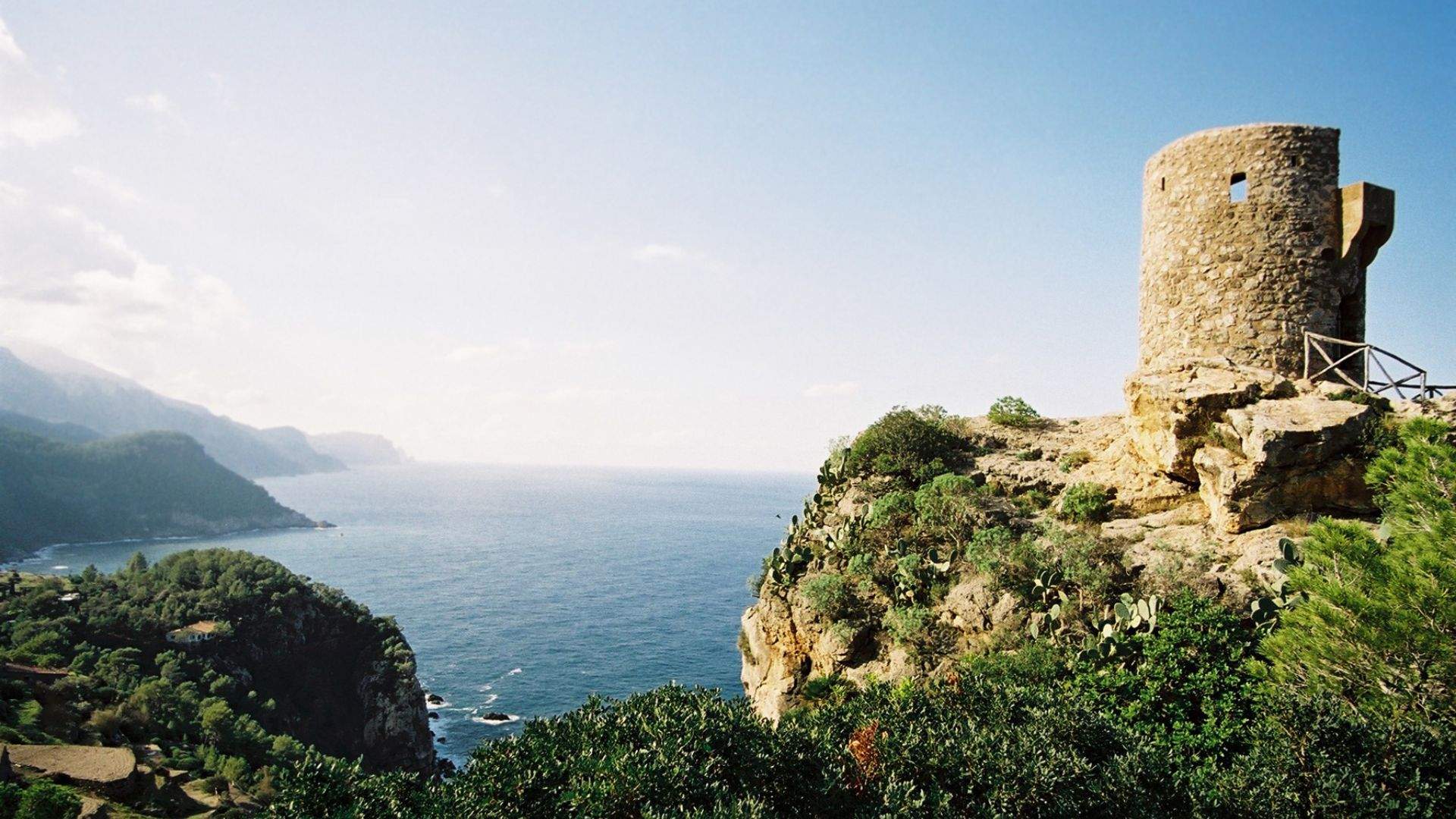
Cabrera sits seven miles off Mallorca's south coast — a national park with no road, no town, no fuel. The walk above the harbor leads to a medieval watchtower. The swim below is what the Mediterranean looked like fifty years ago.
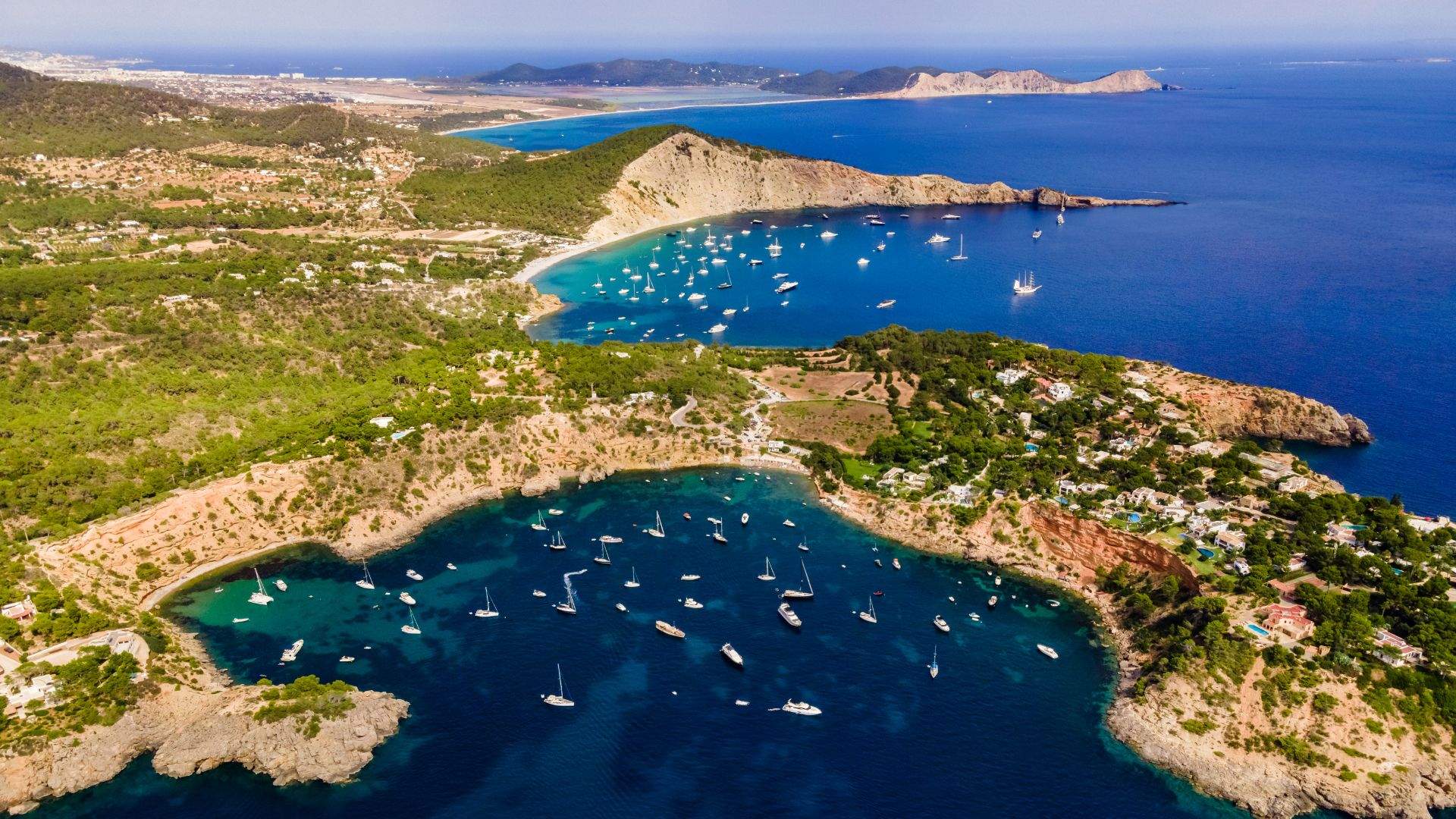
The Ibiza side of this charter is dinner-ashore, not club-circuit. Lunch at a beach club on the south coast, tendered from the yacht at anchor in the cove. Sunset arrives over the water from the aft deck. Dinner is in town.
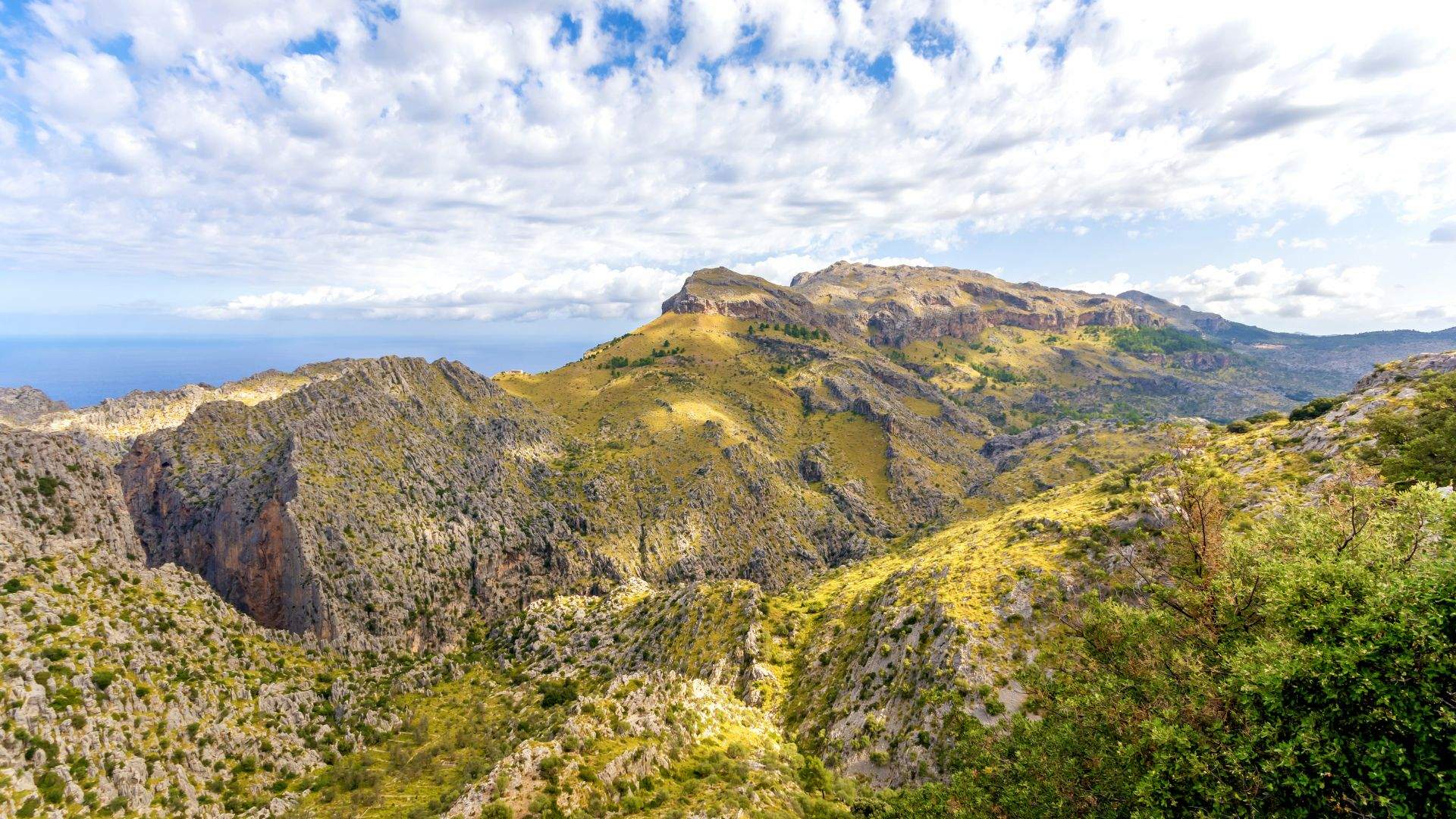
Mallorca's west coast is mountain Mediterranean. Six-hundred-meter cliffs drop straight to the boat below. The famous coast road runs a thousand feet up but turns inland at every cove that matters. The cliffs are only fully seen from the water.
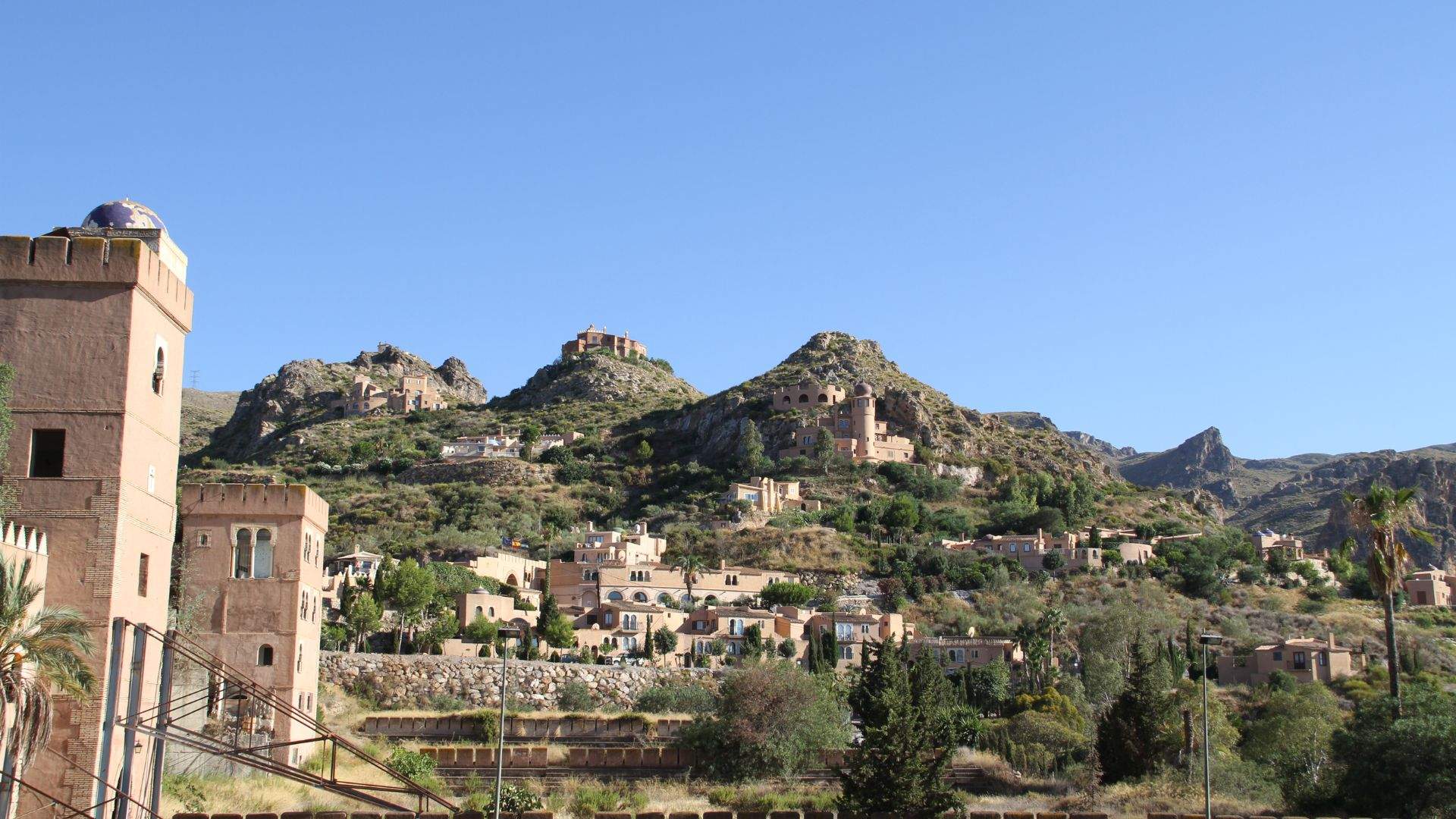
A hand-picked selection of crewed charter yachts for Balearic Islands — yachts and crews we know firsthand.
Your week is shaped around your group's interests, the season, and the conditions on the water — your captain tailors the days as they unfold. Treat these itineraries as starting points for inspiration.
Crewed Itinerary · Balearic Islands · Mallorca
Most yacht charters in the Mediterranean stay on the southern, easier side of Mallorca. This one doesn't. The week runs west and north up the island's rugged Tramuntana coast. Granite mountains drop straight to the water. The best anchorages can't be reached from any road. The fishing harbors haven't changed character since the 1920s. Cabrera National Park closes the week, south of Mallorca and accessible only by yacht.
The route is a 180-nautical-mile round-trip from Palma. Sailing yachts and modern catamarans both work it well; motor yachts cover the longer Tramuntana legs in less time. Embarkation is at Palma, fifteen minutes from the airport. Prime season runs late May through early October.
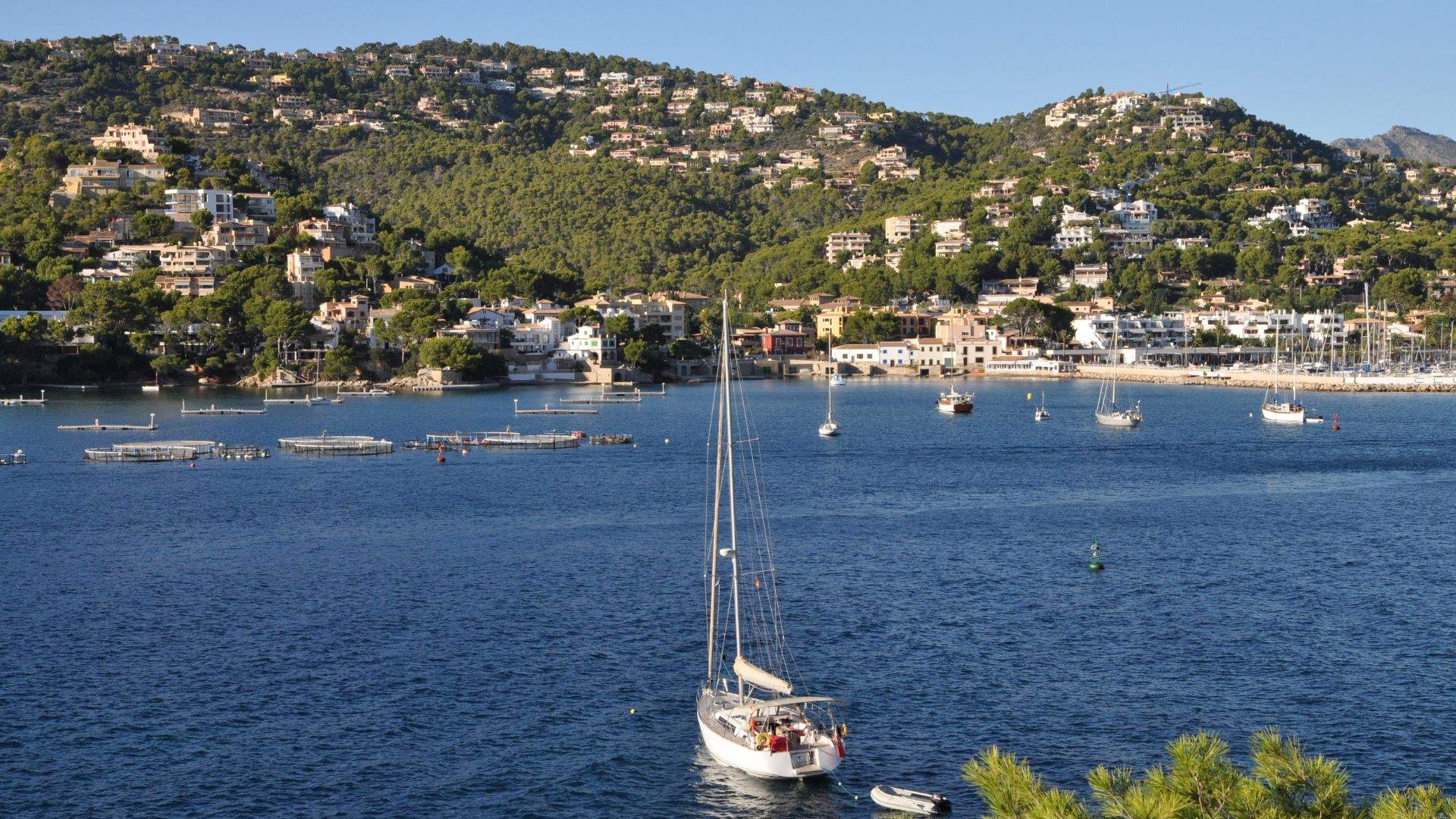
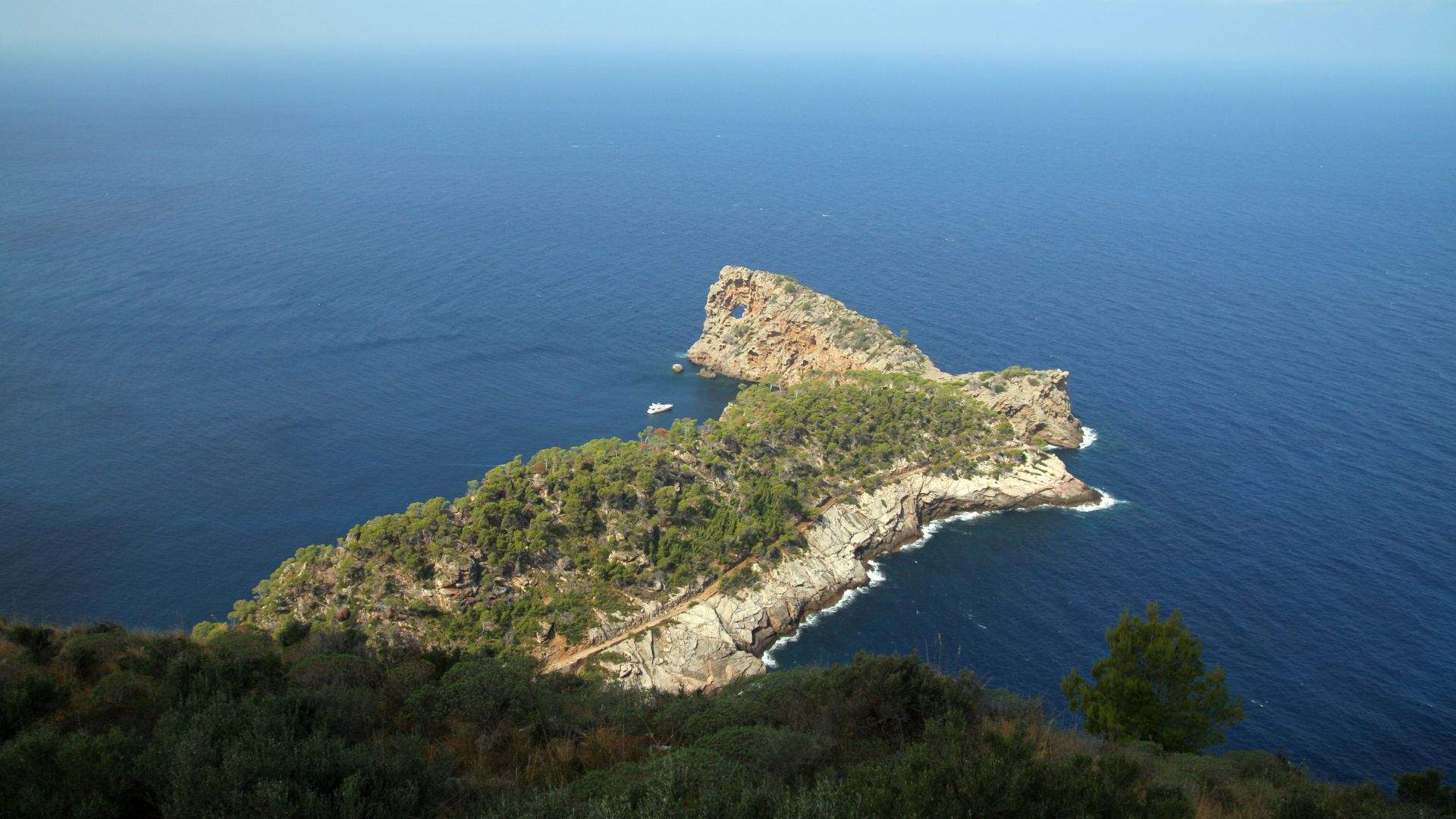
The Mallorca week stays on the island's west side — the Tramuntana, Mallorca's mountain coast. Granite cliffs drop straight to the water. The famous coast road runs along the top but turns inland at every cove that matters. The best anchorages along the west reach only from the sea. A handful of working fishing harbors stage the overnights along the way.
The week starts in Palma and runs west to a fishing-village harbor for the first night, then turns north along the cliff coast. Lunch arrives by tender at a cliff-top fish restaurant. An overnight follows in the Tramuntana's only natural harbor. A day under Mallorca's tallest mountain anchors in a slot-canyon cove. Then north to the island's tip, and finally south to Cabrera National Park — the yacht-only marquee day — before the run back to Palma.
Two other Balearic weeks run alongside this one. The Ibiza-and-Formentera round-trip is the lighter half of the same charter ground — clearer water, sand bottoms, dinner ashore most nights. The full-Balearics one-way runs both coasts in seven nights with the open-water crossing in the middle. The Mallorca week is the right call for groups who want the cliff coast, not the club coast.
Day 1 of 7 · Palma → Port d'Andratx
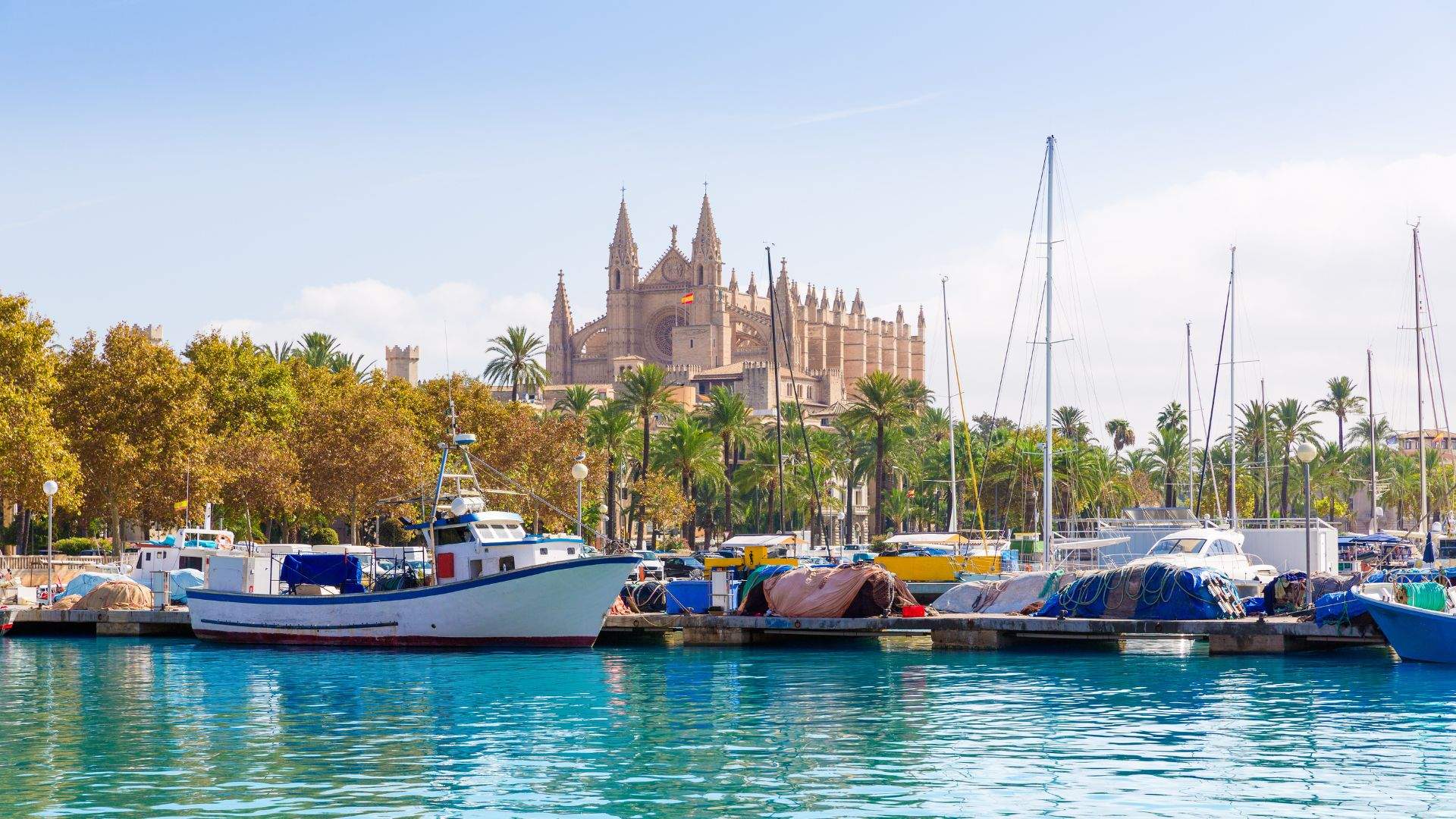
The week starts in Palma. Fifteen minutes by road from PMI airport, the city's three main yacht facilities — Marina Port de Mallorca, Real Club Náutico de Palma, and STP — sit along the western arc of Palma Bay under the Cathedral La Seu. Your crew meets you at the slip with cold drinks and the chart briefing. The galley is already stocked, the steward settles your luggage into cabins, and the chef walks you through the welcome plate while the captain readies the boat to leave.
By late afternoon the captain is slipping lines. A twenty-two-nautical-mile run west around the headland past Magaluf and Santa Ponsa to Port d'Andratx — the working fishing harbor at the western tip of Mallorca, the staging port for any Tramuntana week. The anchorage in front of the harbor sits in 8 to 15 meters of sand; the captain anchors offshore or picks up a stern-to mooring inside the harbor depending on availability. Tender ashore for dinner — the quay-side restaurants along the Andratx waterfront run from working sailors' grills to the gastronomy of Restaurante Layn at the end of the breakwater. The first night is the captain's call; the rhythm of the week starts here.
Day Highlights
Day 2 of 7 · Port d'Andratx → Sa Dragonera → Sa Foradada
A morning's reach west to Sa Dragonera, the uninhabited islet that's been a Natural Park . Visitor cap on the island is ~150 at a time; charter yacht parties tender ashore at the official dock at Cala Lladó for a walk to Far de Llebeig — the SW lighthouse, on a four-kilometer round-trip path — or just a swim in the strait between the islet and Mallorca's coast. Sa Dragonera takes its name from the silhouette: from the mainland the islet looks like a sleeping dragon along the horizon.
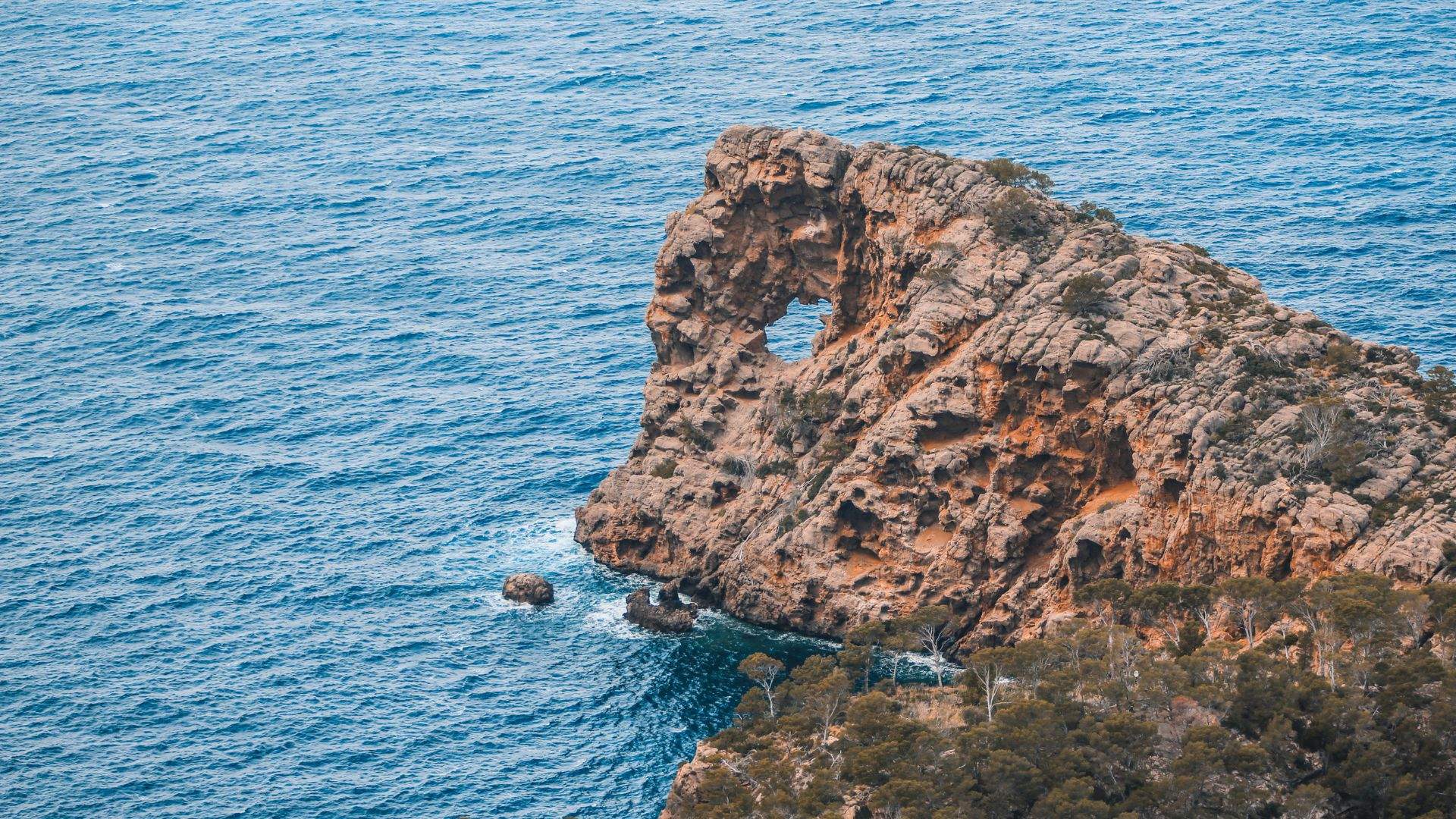
By midafternoon the captain points the bow north along the Tramuntana coast — twenty-five nautical miles of granite-and-limestone cliffs falling six hundred meters into the water under Puig Major. The cliffs are the protected mountain coast; the cruising-coast view of them is the half of Mallorca most visitors don't get to see. Sa Foradada sits roughly halfway up — the L-shaped peninsula with its famous through-hole near the tip, the open paella restaurant on the cliff above (operational status varies — verify with your captain before counting on the day-of dinner ashore), reachable by tender from the cove or by a forty-five-minute hike up to the Ma-10 coast road. Anchor in the cove, swim under the through-hole, dinner ashore or on board depending on what the captain finds open.
Day Highlights
Day 3 of 7 · Sa Foradada → Port de Sóller (via Cala Deià)
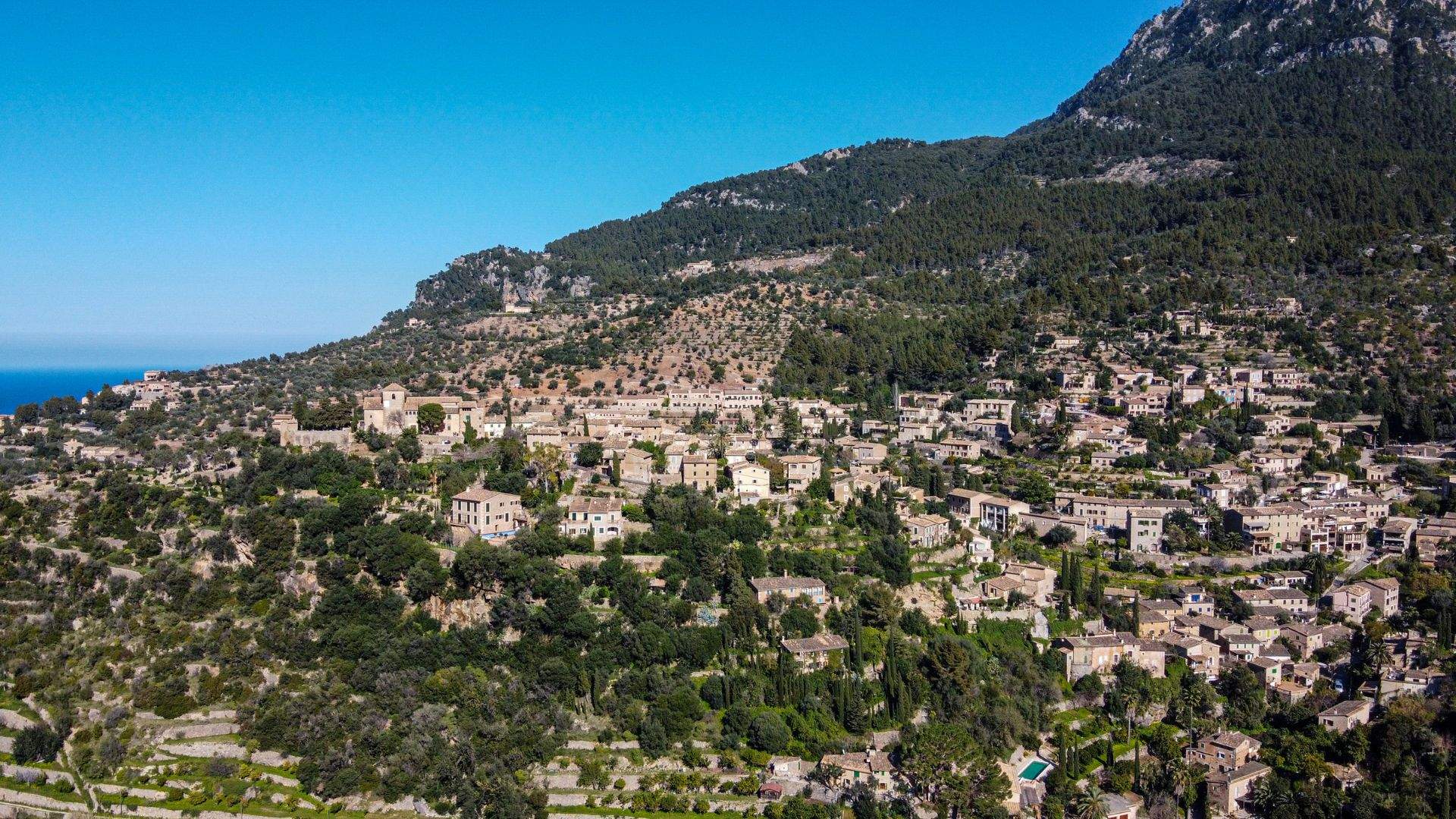
A short run north and east to Cala Deià, the rocky cove below the village of Deià where Robert Graves lived and the literary expat circle of the 1960s settled. Anchor in the cove (the captain reads the swell — the cove is exposed to NW so on settled days only); tender ashore for lunch at Ca's Patró March, the cliff-top restaurant the same family has run for three generations. Fish of the day comes up directly from the catch boat moored below; the tables sit at the cliff-edge under awnings; the captain books the table the morning of arrival.
By midafternoon the captain repositions the yacht ten nautical miles north into Port de Sóller — the only natural harbor on the entire Tramuntana coast, 605 berths, the Tren de Sóller wooden train running up to the village square through the orange groves . Stern-to in the marina or anchored in the outer bay. Sóller's town square hasn't changed character since the 1920s; dinner is at one of the quay-side restaurants or up in the village. The town is the operational base for the entire Tramuntana week; the captain refuels and re-provisions if needed before the next day's run north.
Day Highlights
Day 4 of 7 · Port de Sóller → Sa Calobra → Cala Tuent
A twelve-nautical-mile run east-northeast under the highest stretch of the Tramuntana — Puig Major's 1,445-meter summit (closed military zone) and Puig de Massanella's 1,364-meter accessible peak both rising directly off the bow. Sa Calobra sits at the foot of the cliffs — the stone-and-sand cove where the Torrent de Pareis ravine debouches into the sea. The ravine is a Spanish Natural Monument designated 2003, three kilometers of limestone slot through the Tramuntana, hiked in from the beach (scrambling and sometimes wading) for guests who want it.
By midafternoon the captain repositions a short hop west into Cala Tuent — the quieter sister cove on the other side of the Morro de sa Vaca headland, sheltered from the NW swell, deeper water for anchoring (8 to 11 meters on a rock-and-sand bottom). Cala Tuent has a small chapel above the cove (Ermita de Sant Llorenç, founded 1230) reachable on a half-hour walk from the beach. Dinner is on board — there's no taverna on Cala Tuent, no quay, no village — just the cove and the cliffs and whatever the chef has put together from the morning's market stop in Sóller.
Day Highlights
Day 5 of 7 · Cala Tuent → Cap Formentor → Pollensa
A thirty-nautical-mile run east along the Tramuntana coast to Cap Formentor — the northernmost point of Mallorca, the lighthouse built in 1863, the eastern terminus of the Sierra de Tramuntana. The cape projects into the open Mediterranean like a knife; the cruising-water view of the cliffs from below is genuinely different from the famous overlook road view from above. The captain reads conditions before committing — Cap Formentor takes the full force of any northerly weather, and the lee side at Cala Figuera (the small protected cove on the SW face) is the standard overnight in any condition that isn't dead-calm.
Cala Figuera below the cape is a deep, dramatic cliff-rimmed anchorage in 15 to 30 meters of water — the kind of bay where the yacht swings on a long scope and the swimming is straight off the swim platform into very deep blue. Overnight here on settled days; alternatively the captain runs another six nautical miles into Pollença Bay for the larger sheltered anchorage at Puerto de Pollensa, with quay-side restaurants in the town and an easier early-morning departure for the next day's southern run.
Day Highlights
Day 6 of 7 · Pollensa → Cabrera
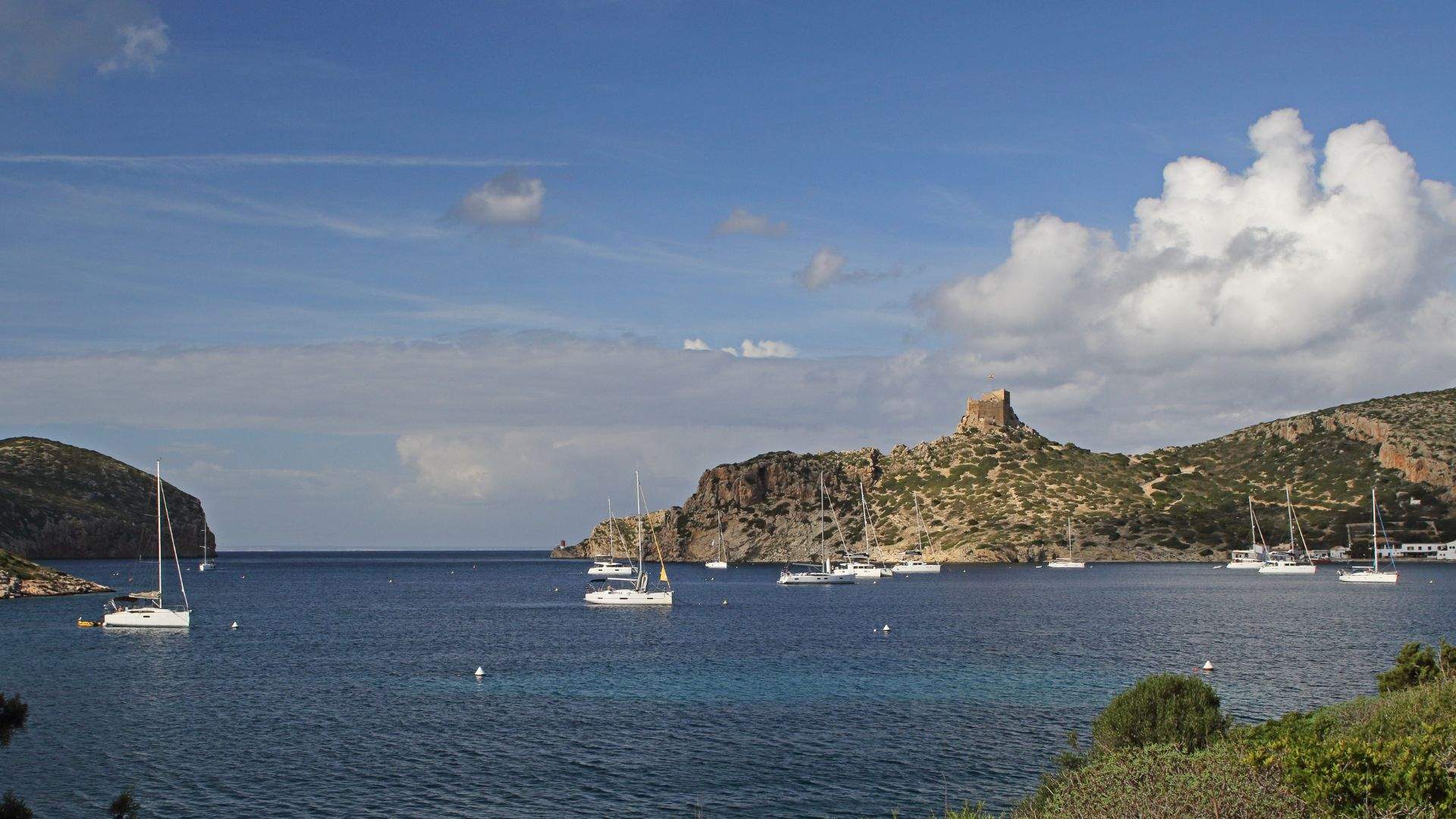
The longest day of the week. A fifty-five-nautical-mile run south down Mallorca's east coast — the captain reads the morning wind and decides whether to round the coast inside or jump offshore. Cabrera National Park sits seven nautical miles south of Mallorca's south coast; the permit anchorage opens at 18:00 on the day of arrival and the captain has booked the buoy twenty days in advance through https://www.caib.es/rescabfront/. The reservation system caps fifty boats per day across the three mooring fields at Port de Cabrera, Es Burrí, and Sa Coveta Roja, and the park enforces a limited charter quota when oversubscribed — peak July/August Saturdays carry a twenty-boat waitlist in practice.
The afternoon at Cabrera is the marquee yacht-only-access moment of the week. Tender ashore to the dock at the harbor, then a short walk up to the medieval watchtower on the eastern headland — free, self-guided, climbed for the panoramic view. Swim in the harbor basin in water that looks like the Mediterranean did fifty years ago. Dinner is on board at anchor. The island has no shops, no fuel, no restaurants. Cabrera's silhouette under stars is the kind of view that stays with people.
Day Highlights
Day 7 of 7 · Cabrera → Cova Blava → Palma
An early start. The captain pulls off the buoy before breakfast and runs the tender or repositions the mother yacht three nautical miles north to the Cova Blava — the forty-meter sea-cave on Cabrera's west coast, the visual money shot of any Balearic charter. The cave entrance is six meters high; inside the natural arch climbs to twenty meters and the noon-hour light comes in through the opening to turn the water electric blue. Visit windows run typically before 11:00 to beat the commercial day-boat surge from Colònia de Sant Jordi.
By midmorning the captain points the bow north for the forty-five-nautical-mile run back to Palma. The afternoon is the long, slow re-entry into the bay — the Cathedral La Seu growing from the horizon, the marina taking the boat back at the slip mid-afternoon. Disembarkation is typically 09:00 Saturday morning, but guests who want one more night on board can extend at anchor in Palma Bay, with the captain returning the boat to the marina the morning of departure. The week ends with the chef's last plate and a final aft-deck sundowner on Mallorca's southern bay.
Day Highlights
Want to share or come back to this voyage later?
Bookmark this voyage →Crewed Itinerary · Balearic Islands · Ibiza
Ibiza isn't the club picture. Most of the island is pine forest and quiet coves; the yacht-charter side of it runs through clearer water and sand-bottomed anchorages, with the famous cliff-stack offshore for sunset. Formentera sits three nautical miles south. The water is shallower. The beaches are wider. The week alternates between daytime coves and dinners ashore in town.
The route is a 90-nautical-mile round-trip from Ibiza Town. Motor yachts and modern catamarans both work it well — short hops between coves, with tender access to beach clubs and restaurants that matters more than under-sail performance. Embarkation is at Marina Botafoch or Marina Ibiza, fifteen minutes from the airport. Prime season runs late May through early October.
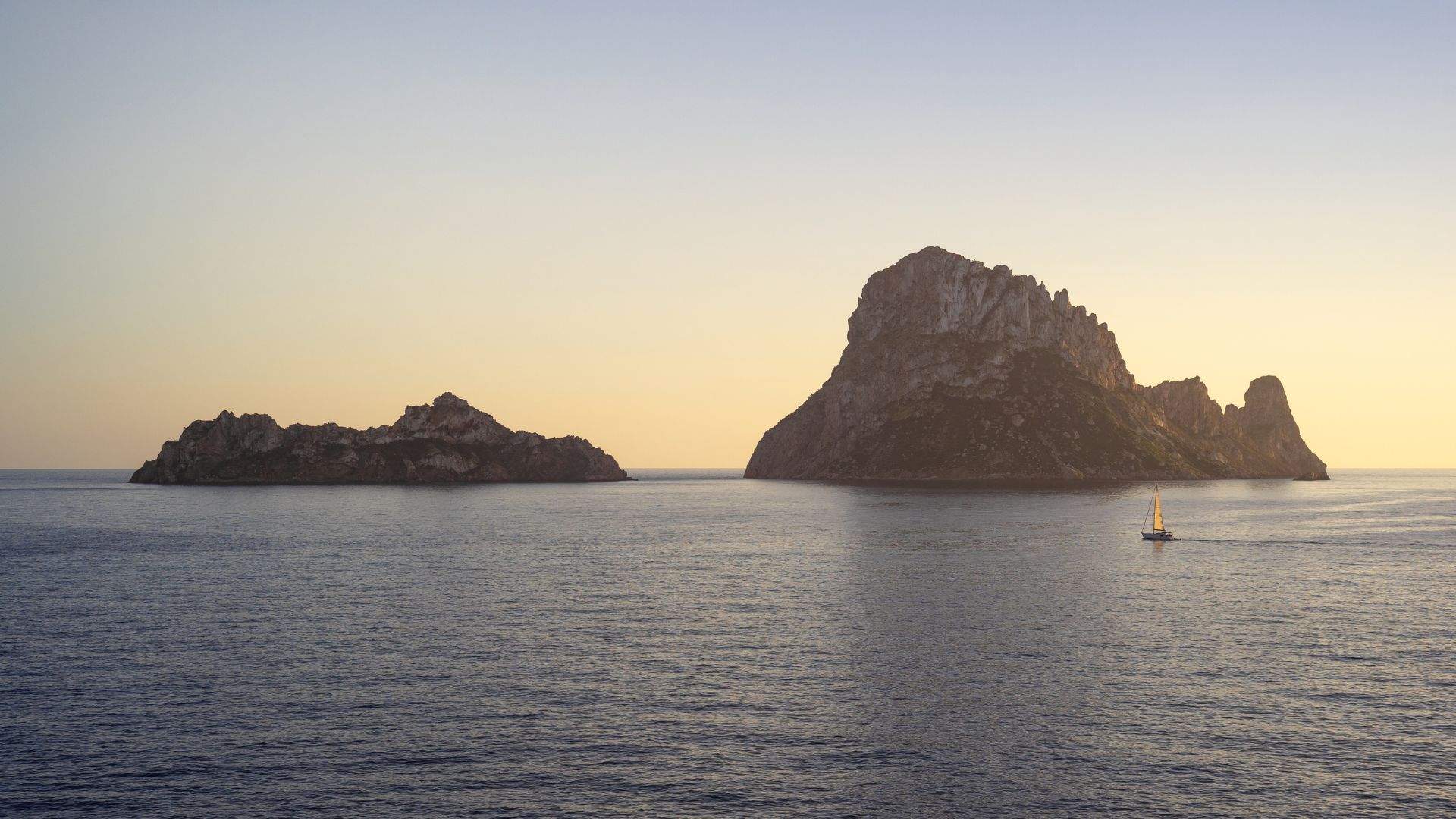
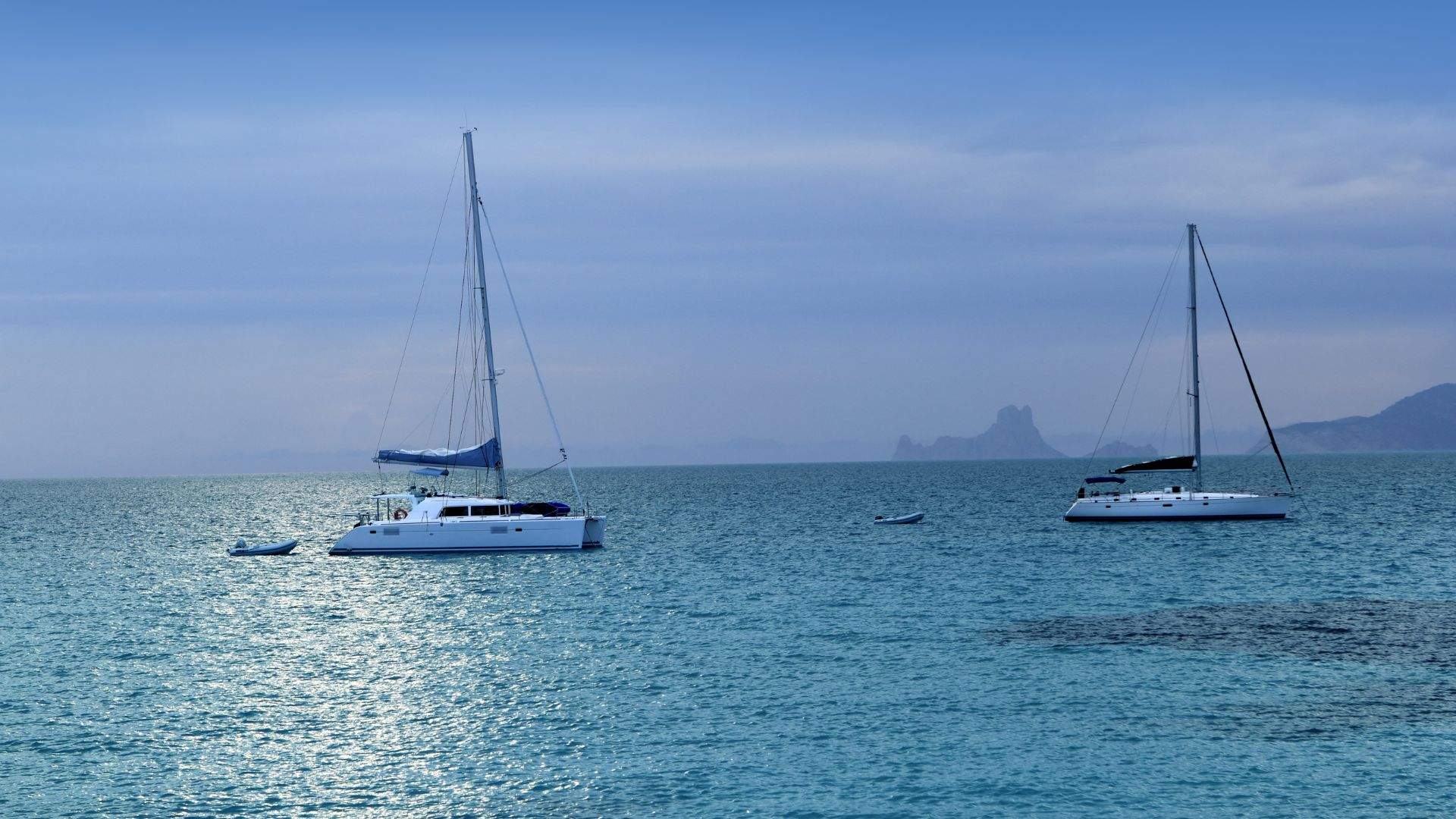
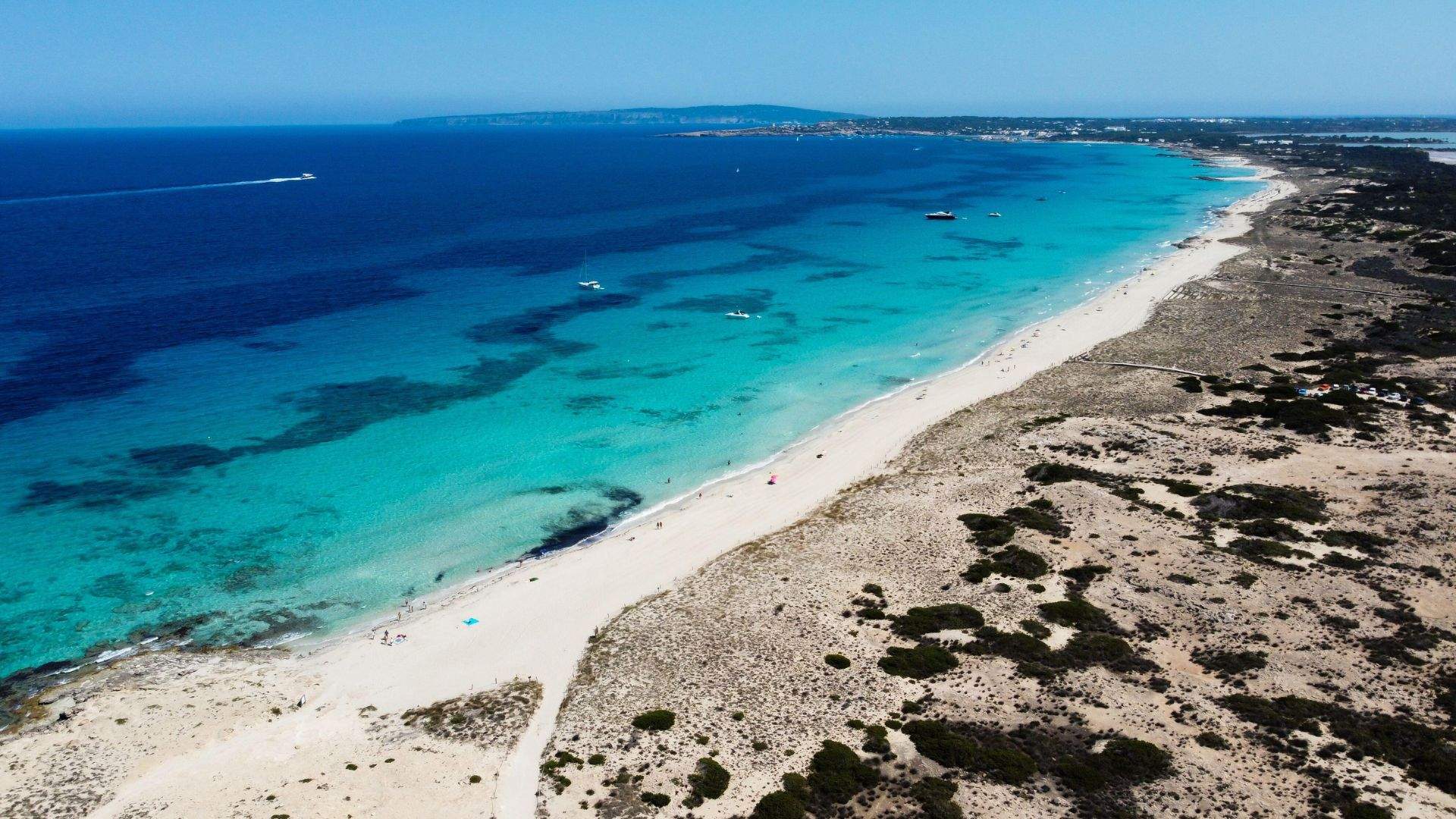
The Ibiza-and-Formentera week stays light and easy. The water clears as the boat drops south below Ibiza. The coves get shallower. The beaches grow into wide white-sand stretches on Formentera. The famous offshore cliff-stack sits off Ibiza's southwest corner for the sunset most charter guests carry home as the trip's defining image.
The week starts in Ibiza Town under the old walled city. A first night ashore for dinner in town; by morning the boat rounds the south coast for a beach-club lunch and the sunset anchorage off the cliff-stack. The next day's short crossing south reaches Formentera — sand-bottom anchorages, lunch at a working port restaurant, an evening repositioning west for the sunset. The remaining days loop east through quieter coves before the run back to Ibiza Town for Saturday disembarkation.
Two other Balearic weeks run alongside this one. The Mallorca round-trip runs the rugged side of the islands — cliff anchorages, working fishing harbors, and a closing day at the yacht-only national park. The full-Balearics one-way runs both coasts in seven nights with the open-water crossing in the middle. The Ibiza-and-Formentera week is the right call for groups who want the easier half — shallower water, lighter days, and dinner ashore most nights.
Day 1 of 7 · Ibiza Town Embarkation
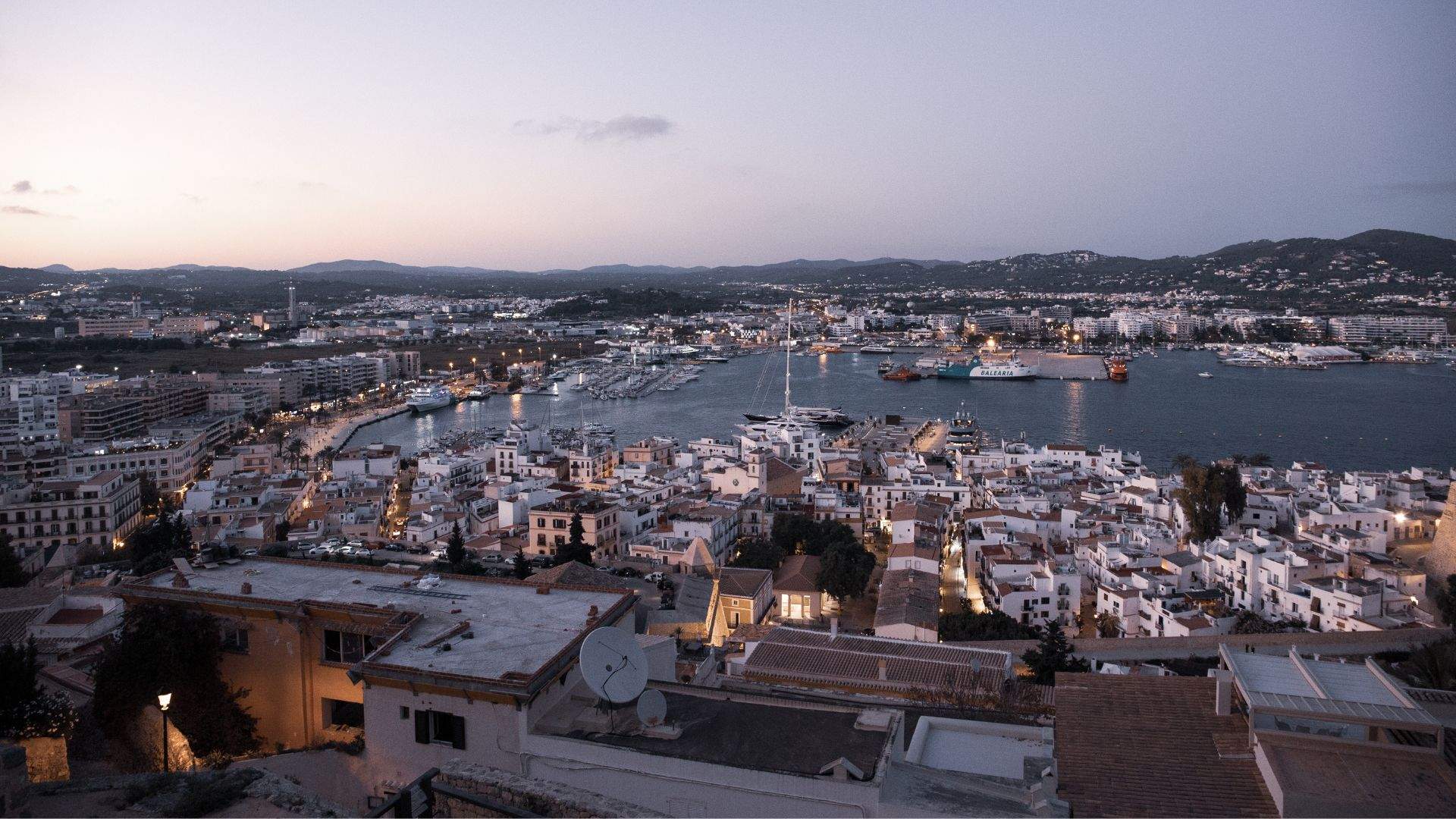
The week starts at Ibiza Town. Fifteen minutes by road from IBZ airport, the harbor splits into two marinas across the bay from each other — Marina Ibiza on the south side (425 berths, yachts up to 110 meters, the city-side superyacht hub with the historic-quarter view) and Marina Botafoch on the north side (428 berths, yachts up to 30 meters, the boutique-tier and F&B-adjacent berth). Your captain has booked one of them based on your yacht's size; if your yacht is anchored offshore for the day, both marinas offer tender access.
Crew meet at the slip with cold drinks and the chart briefing. The galley is stocked, the steward settles luggage into cabins, and the chef walks the welcome plate while the old walled town sits across the harbor.
Dinner is ashore. The captain books one of the restaurants on Marina Botafoch or up in the hills — Mediterranean kitchens that run late into the evening. The first night is the captain's call based on the group's appetite; the rhythm of the week starts here.
Day Highlights
Day 2 of 7 · Ibiza Town → Cala Jondal
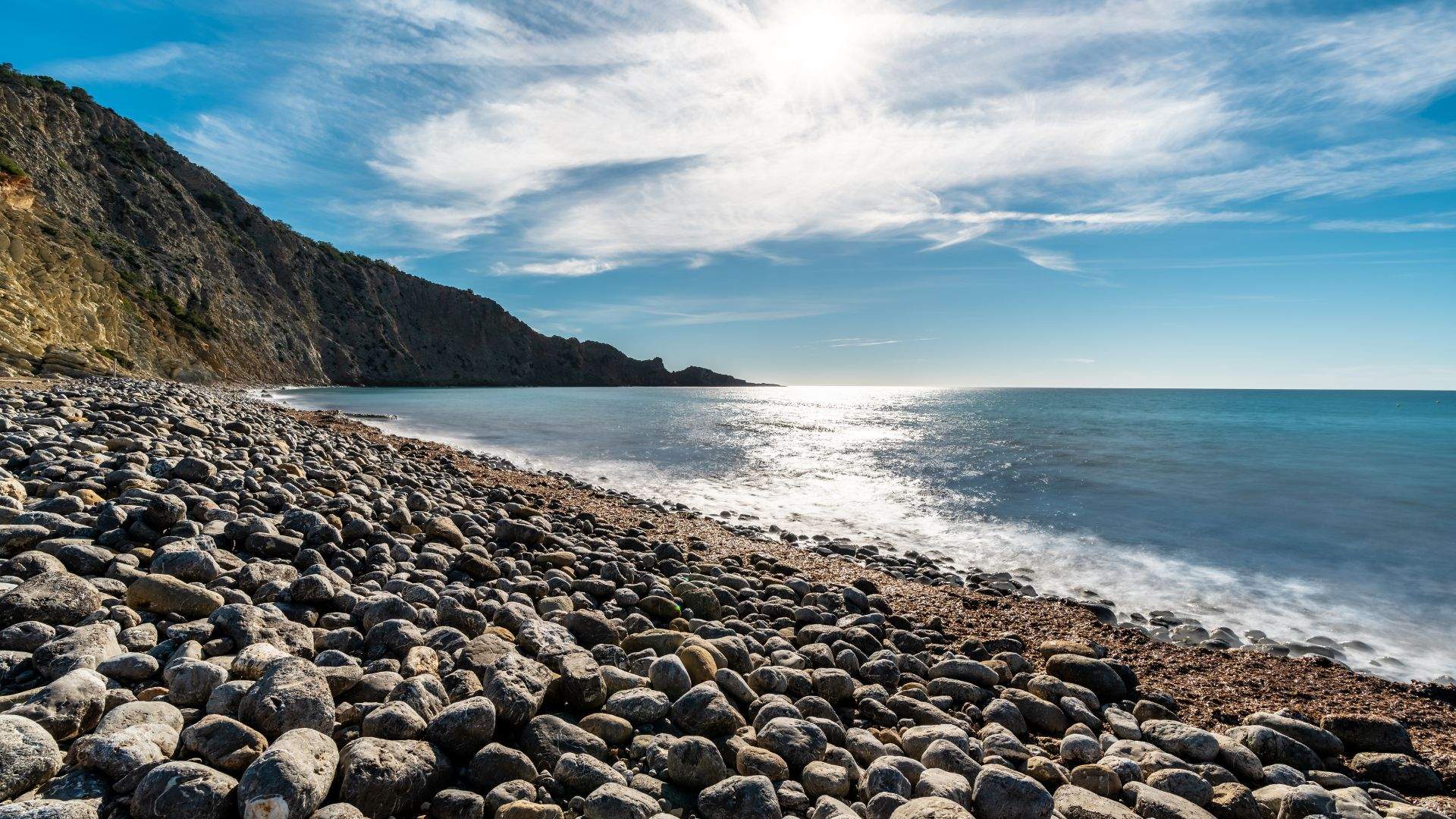
A morning's twelve-nautical-mile run west and south around Es Cubells to Cala Jondal — the south-coast premier beach-club anchorage. The cove holds 8 to 15 meters of water over sand and the captain anchors offshore; tender straight to the beach where Blue Marlin Ibiza's daybeds run from sand-level cabanas to elevated VIP terraces. The kitchen runs Mediterranean — fresh fish, fresh truffle pasta in season, the seafood plateaus that match what's coming out of the Ibiza market that morning.
Daybeds carry the minimum spends typical of high-end beach clubs. The DJ sets build through the afternoon and crest at the sundowner. Guests tender back to the yacht for the swim platform's last hour of light. Dinner is on board at anchor; the cove holds the sundowner mood as the day thins out.
An alternative — or a second-night anchorage — is Cala Bassa Beach Club on Ibiza's west coast: a quieter cove with sand-bottom anchorage and a less DJ-driven daytime. Captains book either based on the week's wind and the group's preference.
Day Highlights
Day 3 of 7 · Cala Jondal → Cala d'Hort
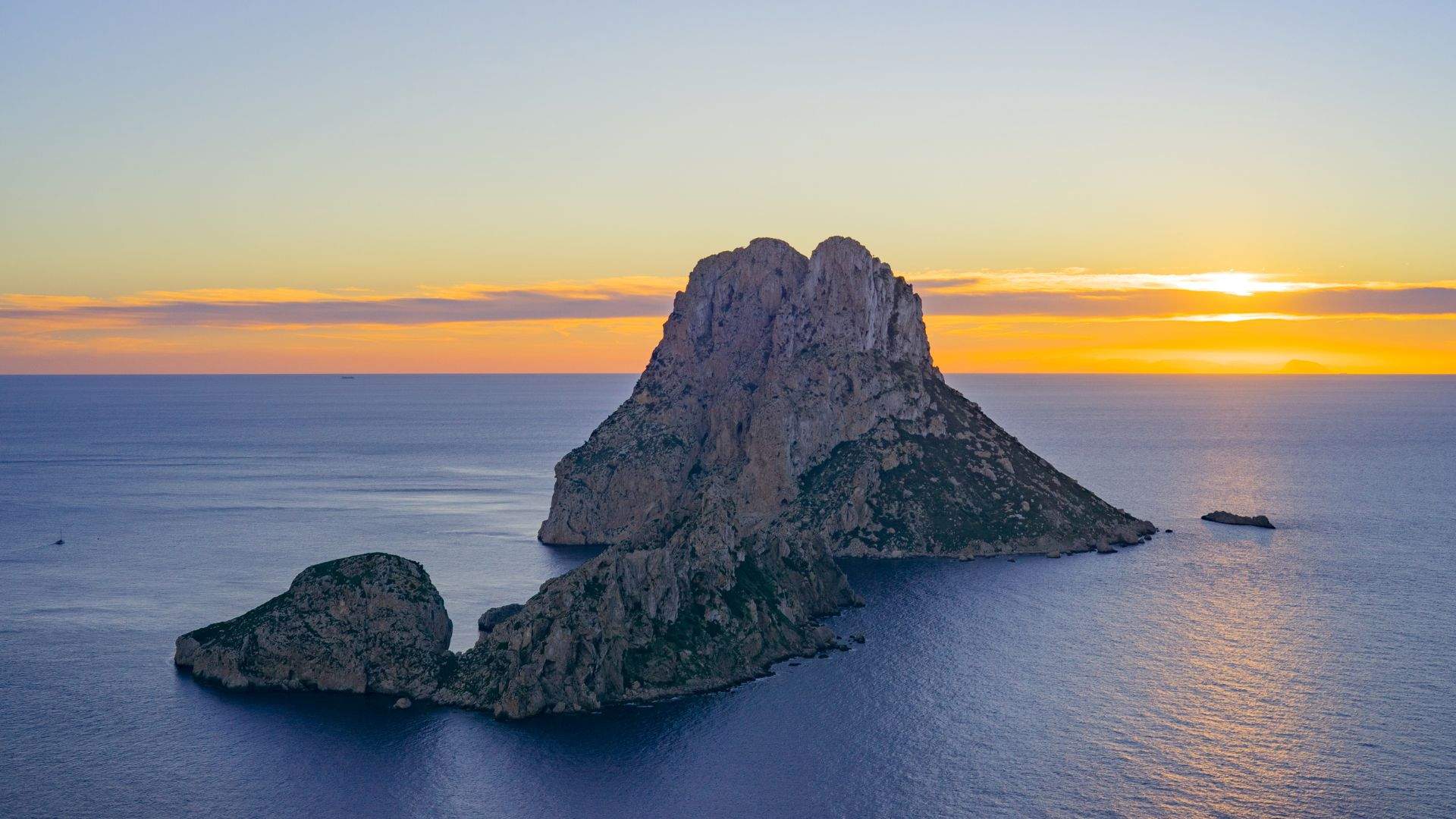
A short ten-nautical-mile hop west and south from Cala Jondal around Cap Llentrisca to Cala d'Hort. The afternoon is slow — a swim off the swim platform in the deep blue water between Cala d'Hort and Es Vedrà, the 413-meter limestone cliff-stack that's been the iconic Ibiza shot since the 1970s. The islet is uninhabited and part of the Cala d'Hort nature reserve; local folklore attributes magnetic anomalies and Phoenician-goddess myths to it, none of which is provable but all of which is local color.
By late afternoon the captain has positioned the yacht for the sunset — the sun drops behind Es Vedrà around 21:00 in July and August, around 20:00 in September, lighting the cliff-stack against the southwest sky for the half-hour before. Dinner on board at anchor, the silhouette of Es Vedrà off the bow holding the sky until full dark.
An alternative dinner-ashore option is Elixir Shore Club on neighboring Cala Codolar — sand-bottom anchorage, tender from yacht, the only beach club with direct Es Vedrà sightlines from its tables. The captain books based on whether the group wants the cliff-stack from the yacht or from a beach table with feet in the sand.
Day Highlights
Day 4 of 7 · Cala d'Hort → Formentera
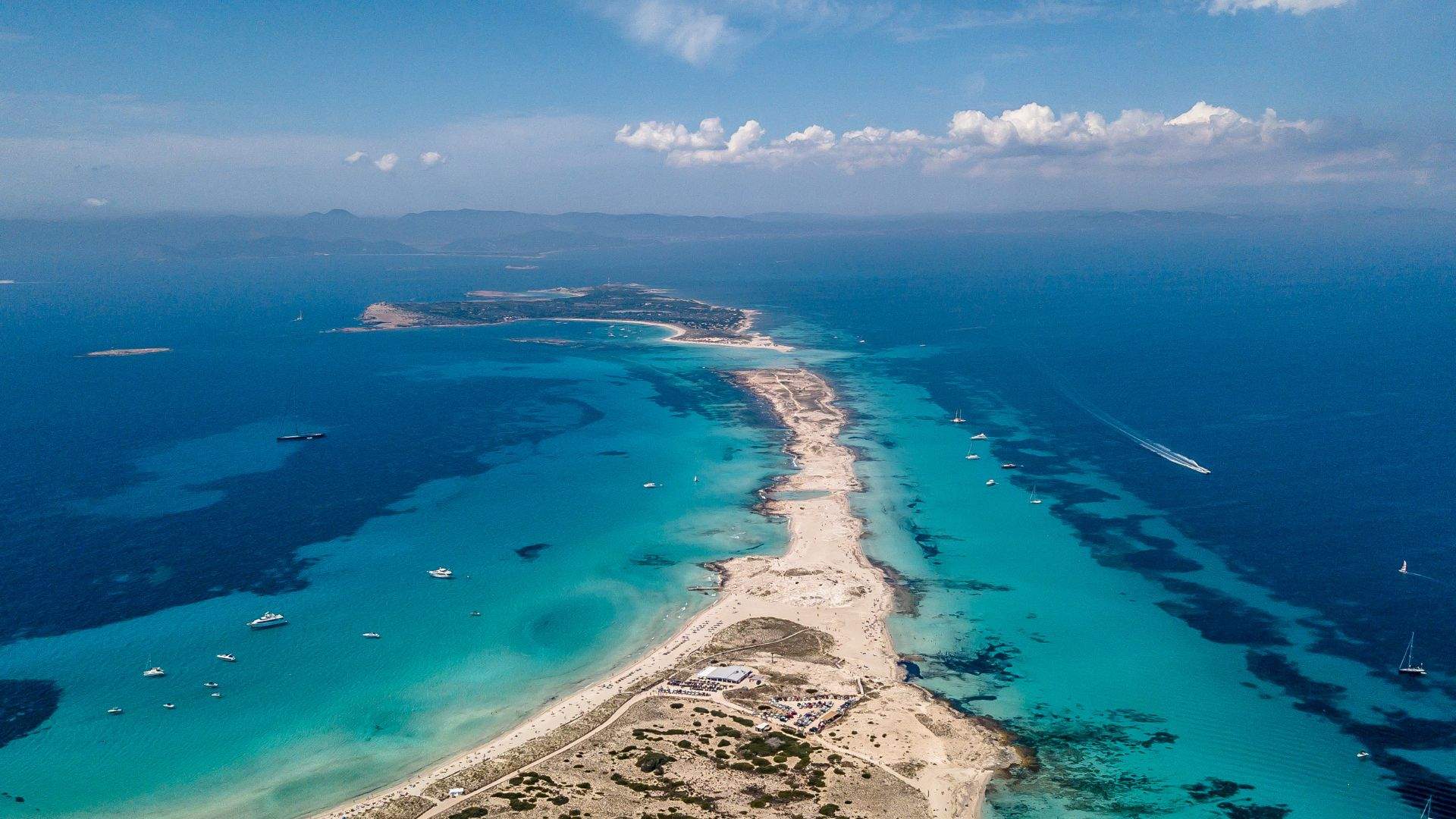
A morning's run east and south across the Freus strait between Ibiza and Formentera — three nautical miles of shallow turquoise water over protected seagrass meadows (protected as a marine reserve). The captain anchors in the regulated zone off Espalmador or Ses Illetes — Formentera's marine reserve requires permit-buoy reservations in season, booked by the captain in advance, similar to but less strict than Cabrera.
Lunch is on Formentera's long sand spit, at the paella restaurant the captain books in advance. There's no dock at the beach — the restaurant's tender picks guests up from the yacht's anchor and runs them ashore for the long Mediterranean lunch into late afternoon.
The afternoon swims off the swim platform — Ses Illetes water is the warmest swimming water in the western Mediterranean in July and August, and the sand bottom holds the water clear well into the evening. Beso Beach Formentera at Playa de Cavall d'en Borràs on the Illetes side is the alternative or dinner option (season opened April 30, 2026, runs May–October; lunch only until 18:00, snacks 19:00–close). Overnight at anchor in Espalmador or repositioned to the lee side of Ses Illetes depending on the evening wind.
Day Highlights
Day 5 of 7 · Formentera → Ibiza north coast
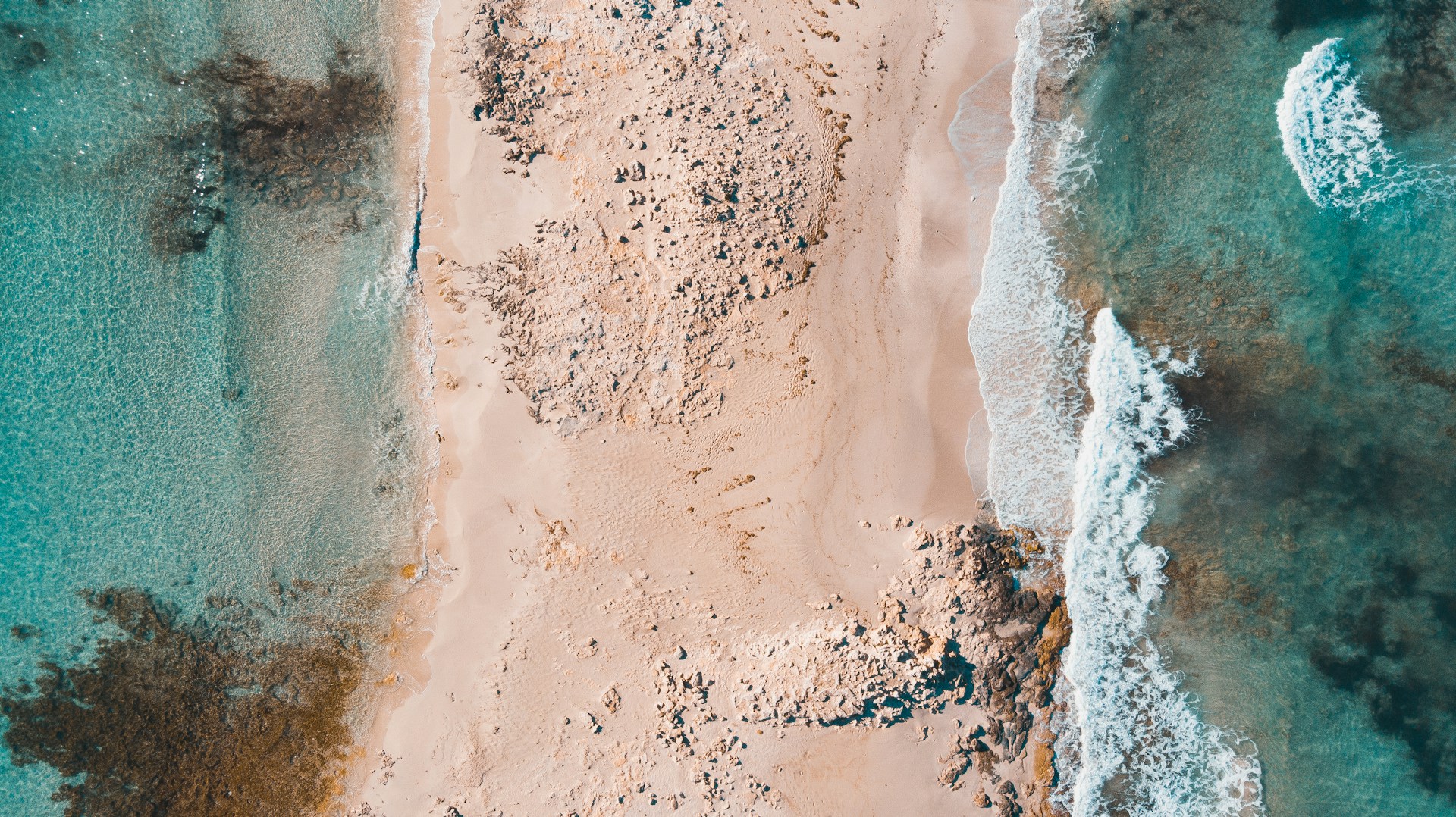
An hour's slow run west along Formentera to Cala Saona — the sheltered sandy bay on Formentera's west coast, the late-afternoon sunset anchorage that complements the Espalmador morning. Cala Saona holds 8 to 12 meters of water over sand, easy anchoring in any wind that isn't a strong westerly. The hotel of the same name above the cove runs a beach bar that the captain can book the table at for a swim-out, tender-in lunch or sundowner.
By midafternoon the captain repositions twenty nautical miles north and east across the Freus and around Ibiza's southwest corner to Cala Salada — the north-coast cove that's the standard arrival anchorage for the Ibiza-side end of the week. Cala Salada has a small wooden-pier restaurant on the cove (rustic, family-run, the captain's go-to for an honest north-Ibiza dinner) and sand-bottom anchorage in 8 to 15 meters. The remaining days run the east and north coast — Cala Benirràs on Sunday for the drum-circle tradition tendered from yacht, Santa Eulària for a calmer overnight.
Day Highlights
Day 6 of 7 · North Ibiza Loop
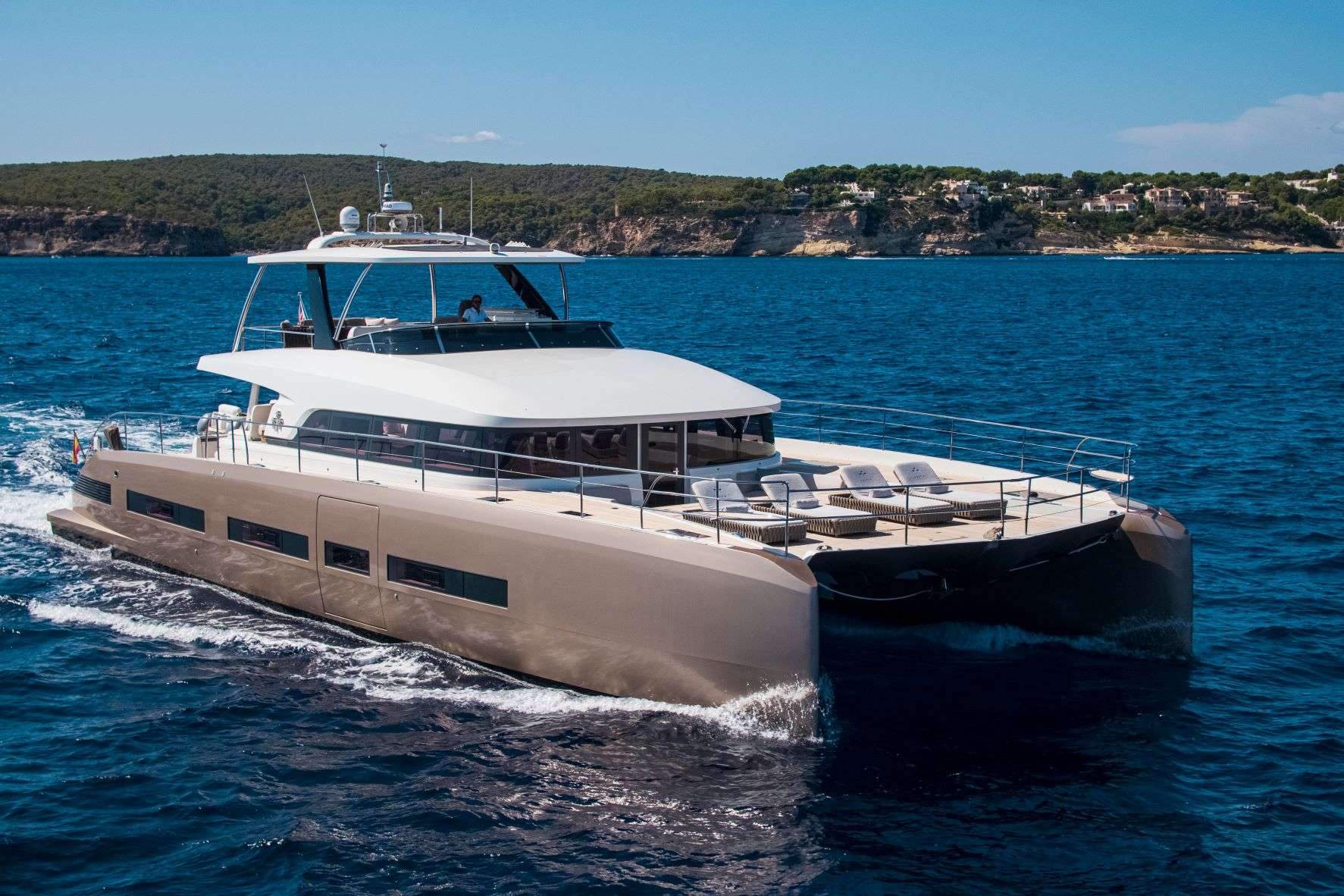
A short run east along Ibiza's north coast to a small privately-owned villa-island just offshore. The yacht anchors in the deep water between the island and Ibiza's mainland; the afternoon swims off the swim platform.
By midafternoon the captain repositions back along the north coast. Santa Eulària is the calmer overnight — a small marina town with an old church above the river and quay-side restaurants along the riverside walk. Cala Benirràs is the Sunday option — a long-running drum-circle sunset tradition runs every Sunday from June through September, tendered in from anchor.
Dinner is ashore. Santa Eulària runs a boutique-Mediterranean evening — the captain books one of the small-family restaurants along the riverside walk. Cala Benirràs is more relaxed — a sundowner at the cove's pier-end bar with the drum circle as the soundtrack.
Day Highlights
Day 7 of 7 · Run home to Ibiza Town
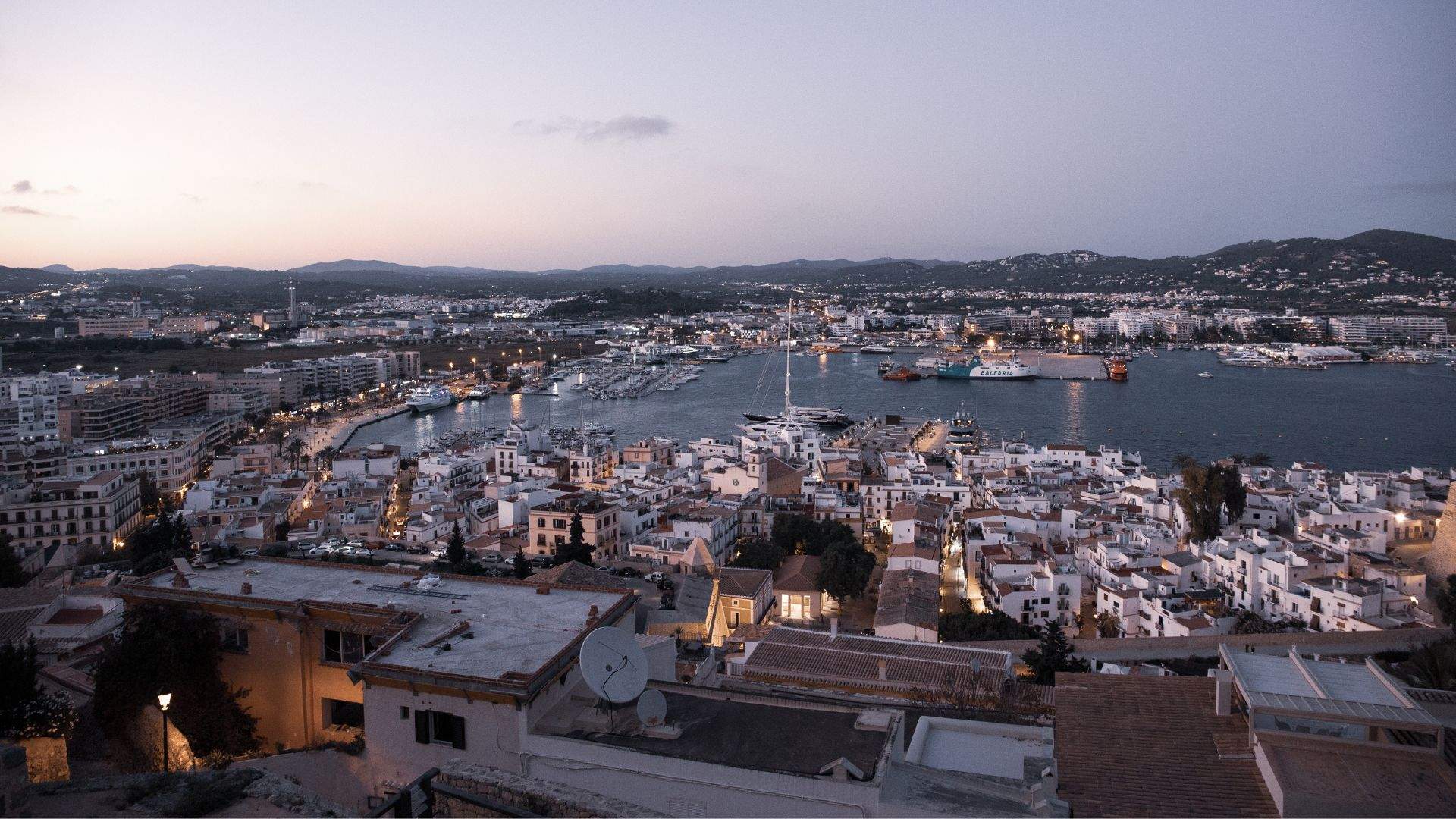
An early start. The captain pulls anchor and runs the last ten nautical miles south down the east coast back to Ibiza Town. The afternoon is the long, slow re-entry into the harbor — Dalt Vila's walls growing along the south side, Marina Ibiza or Marina Botafoch taking the boat back at the slip by midafternoon. The chef's last plate runs over lunch at anchor or on the slow run home; an aft-deck final sundowner runs as the yacht works back to the marina.
Disembarkation is typically 09:00 Saturday morning, but guests who want one more night on board can extend at anchor in Ibiza Town's harbor or back at Cala Salada, with the captain returning the boat to the marina the morning of departure. From Ibiza Town it's fifteen minutes to IBZ airport, where direct connections to Madrid, Barcelona, London, Amsterdam, and major European hubs run through Saturday afternoon and evening. US guests connect through MAD or BCN; the captain books the marina-to-airport transfer.
Day Highlights
Want to share or come back to this voyage later?
Bookmark this voyage →Crewed Itinerary · Balearic Islands · One-Way
The one-way week puts both sides of the Balearics into a single charter. The first half runs Mallorca's rugged Tramuntana coast: granite mountains drop straight to the water, and the working fishing harbors along the way haven't changed character in a century. Cabrera National Park, the yacht-only anchorage south of Mallorca, is the marquee day in the middle of the week. After the open-water crossing the boat reaches Ibiza, where the water turns clearer and the coves shallower. Dinner the rest of the week is ashore in working port towns. The week ends in Ibiza Town's harbor under the old walled city.
The route is a 150-nautical-mile one-way from Palma to Ibiza Town. Motor yachts and modern catamarans both work it well, with both staging cleanly across the open-water crossing. Embarkation is at Palma; disembarkation Saturday morning at Ibiza Town. Prime season runs late May through early October.
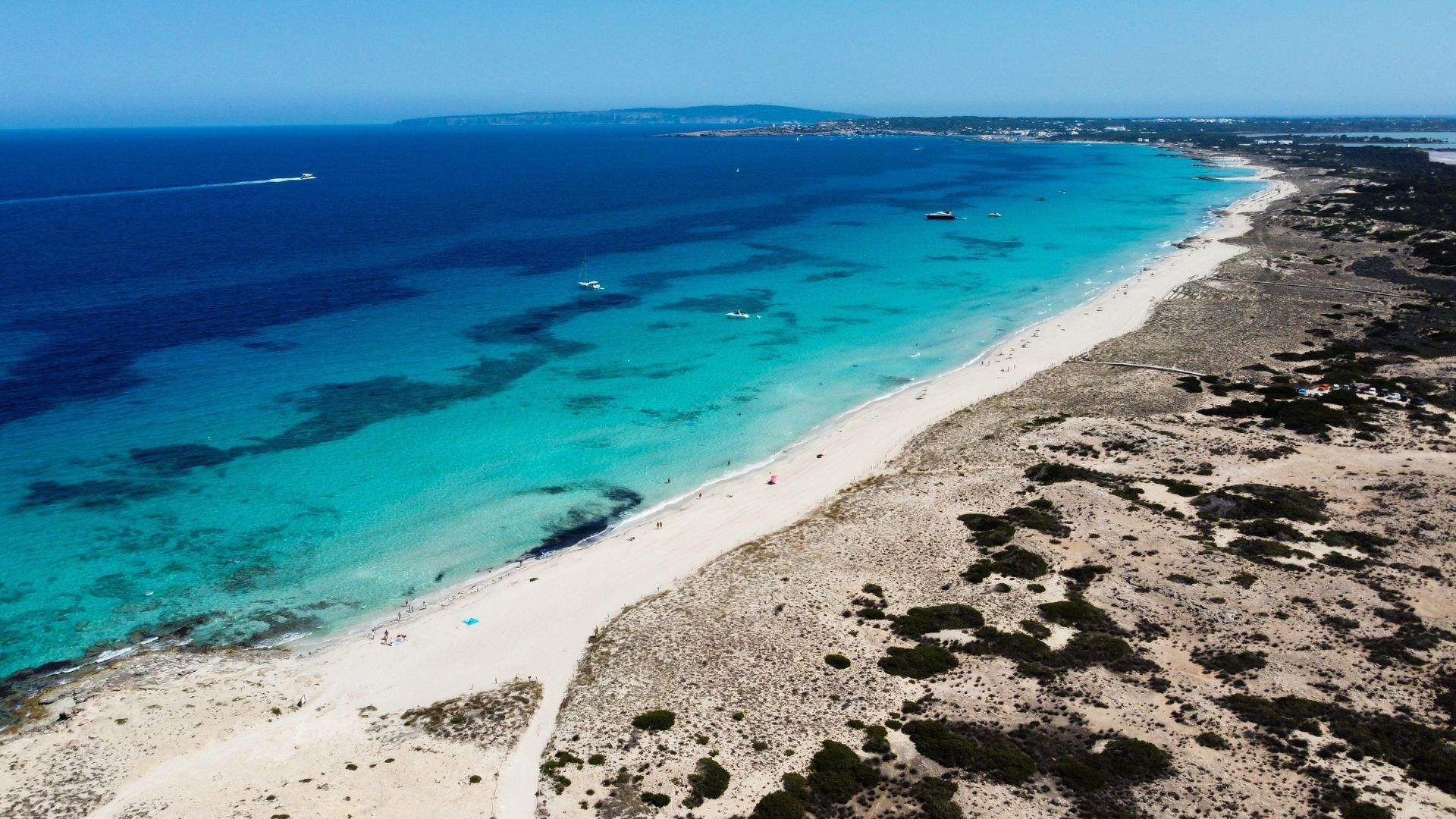
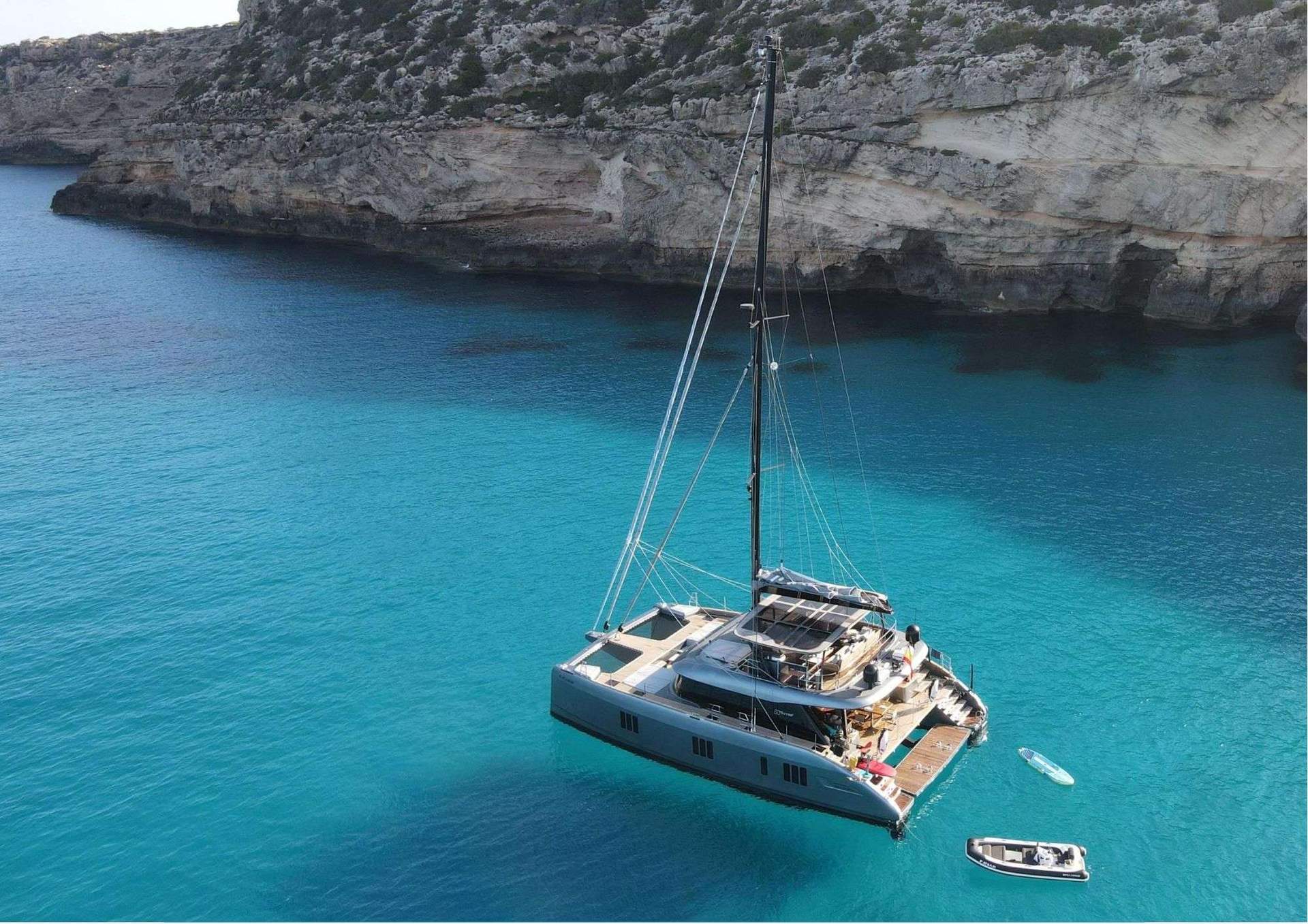
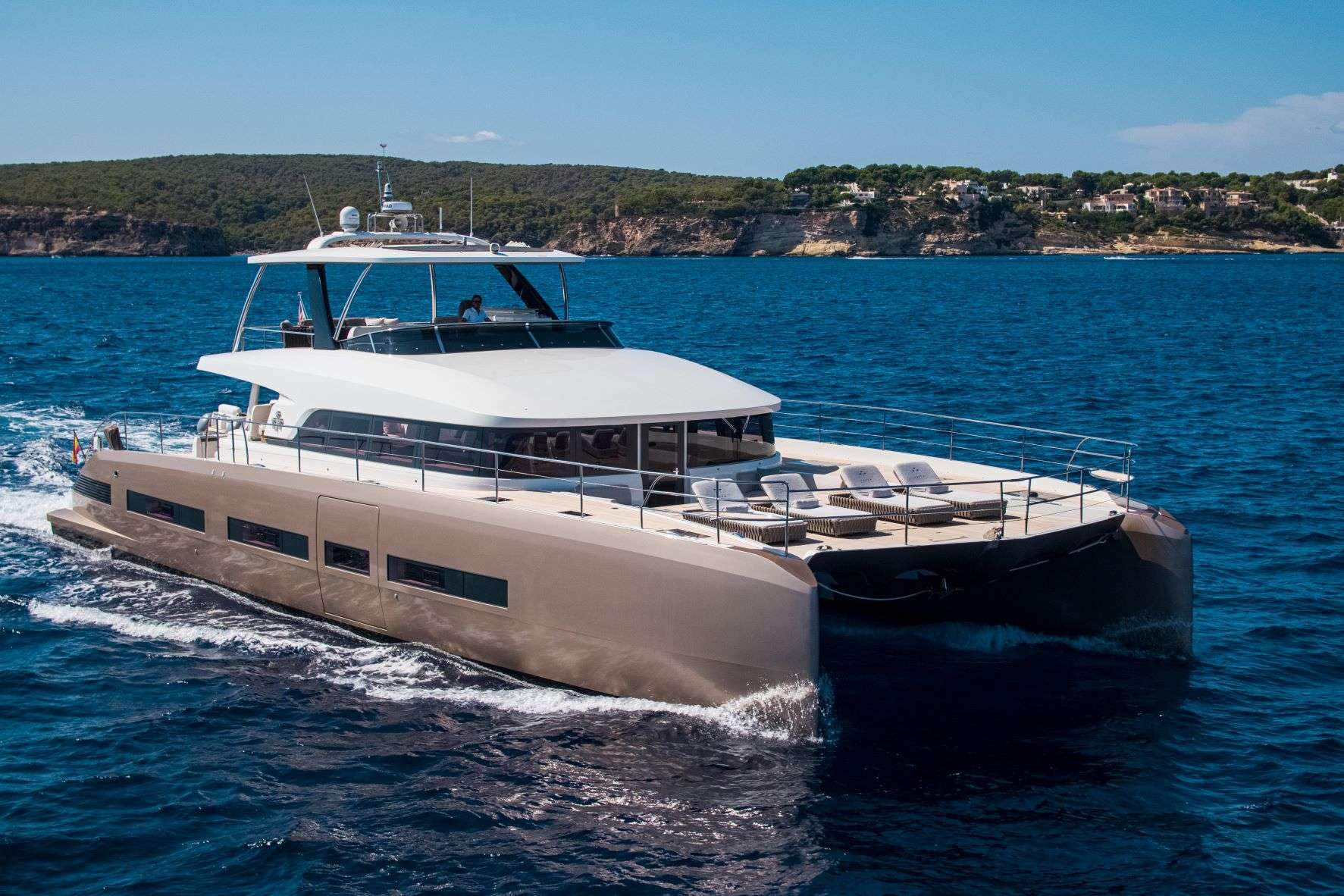
The one-way week puts both halves of the Balearics into a single charter. The first half runs the rugged Mallorca coast — mountains above the boat at anchor, working fishing harbors, and the yacht-only national park as the marquee day. The open-water crossing in the middle of the week brings the boat south to Ibiza, where the water clears and the coves shallow. The second half ends in Ibiza Town's harbor under the old walled city.
The week starts in Palma. The first two days run east and south along Mallorca's coast — first an easy-water beach day, then the yacht-only national park overnight with its medieval watchtower above the harbor. Day three is the crossing — fifty to eighty miles to Ibiza's north coast depending on weather. The remaining days run the lighter half: the famous offshore cliff-stack for sunset, Formentera's sand-bottom anchorages for lunch, and a final night under the walled town of Ibiza.
Two other Balearic weeks run alongside this one. The Mallorca round-trip stays on the rugged side, returning to Palma at the end of the week. The Ibiza-and-Formentera round-trip stays on the lighter side, starting and ending in Ibiza Town. The full-Balearics one-way is the right call for groups who want the broadest single week the Balearics deliver — both coasts inside seven nights, with the boat repositioning from Palma to Ibiza along the way.
Day 1 of 7 · Palma → Es Trenc
The week starts in Palma. Fifteen minutes by road from PMI airport, the city's three main yacht facilities — Marina Port de Mallorca, Real Club Náutico de Palma, and STP — sit along the western arc of Palma Bay. Crew meet you at the slip with cold drinks and the chart briefing; the galley is stocked, luggage settled into cabins.
By midafternoon the captain is slipping lines. A twenty-two-nautical-mile run east and south along Mallorca's south coast to Es Trenc — the three-kilometer unbuilt white-sand beach that's the south coast's iconic anchorage. Sand-bottom anchorage in 5 to 10 meters of water; the captain anchors offshore in the protected zone. Late-afternoon swim, dinner on board at anchor as the sun sets behind the western tip of the island. Es Trenc is a national park since 2017 — protected by Spain's Llei d'Espais Naturals legislation, which is why the beach remains unbuilt three decades after every other south-Mallorca beach was developed.
Day Highlights
Day 2 of 7 · Es Trenc → Cabrera
A short twelve-nautical-mile run south from Es Trenc to Cabrera. The captain has booked the buoy twenty days in advance through the CAIB reservation system at https://www.caib.es/rescabfront/ — the buoy is issued at one of three mooring fields (Port de Cabrera, Es Burrí, or Sa Coveta Roja). Cabrera caps fifty boats per day across the three fields and enforces a limited charter quota when oversubscribed; peak July/August Saturdays carry a twenty-boat waitlist in practice.
The afternoon at Cabrera is the marquee yacht-only-access moment of the week. Tender ashore to the dock at the harbor, then a fifteen-minute walk up to the medieval watchtower on the eastern headland — free, self-guided, climbed for the panoramic view. Swim in the harbor basin in water that looks like the Mediterranean did fifty years ago. The island has no shops, no fuel, no restaurants.
Dinner aboard at anchor. The 1-to-2-night stay limit in peak summer (July/August) is enforced; in shoulder season the captain can stretch to up to seven nights for guests who want the deeper Cabrera experience. Cabrera under stars from the swim platform is the kind of view you don't forget.
Day Highlights
Day 3 of 7 · Cabrera → Ibiza (the crossing day)
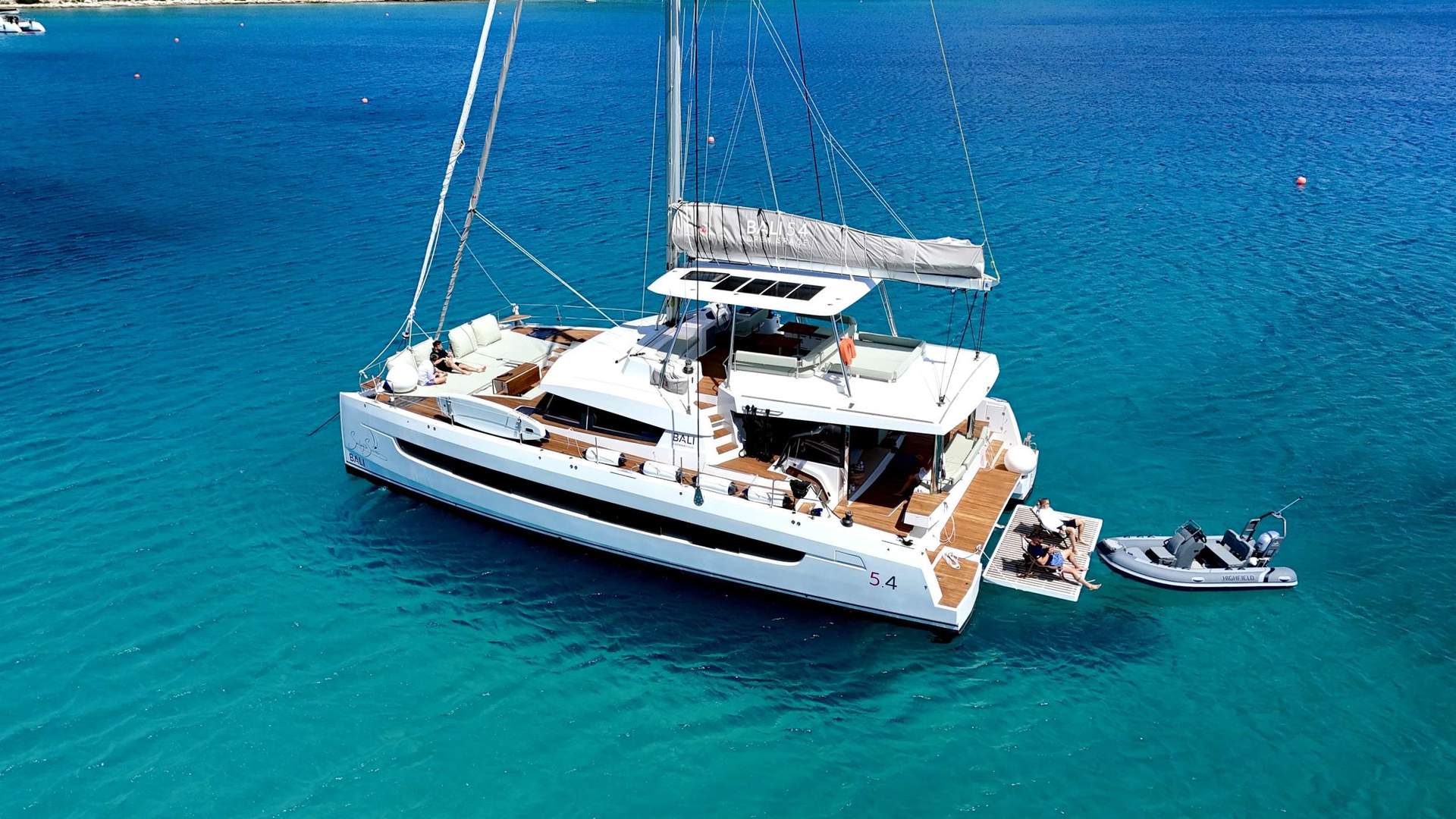
An early start. The captain pulls the Cabrera buoy before sunrise and runs three nautical miles north to Cova Blava — the forty-meter sea-cave on Cabrera's west coast. Tender from the yacht into the cave (the entrance is 6 meters high and the natural arch climbs to 20 meters inside); the noon-hour light comes in through the opening to turn the water electric blue. Visit before 11:00 to beat the commercial day-boat surge from Colònia de Sant Jordi.
By midmorning the captain points the bow west for the longest leg of the week — sixty-five nautical miles open-water across to Ibiza's north coast. From Cabrera the bearing is roughly 270°; from Es Trenc/Sa Ràpita the bearing flattens. The captain has read the morning's conditions before committing — on a settled day with the prevailing summer SE thermals a sailing yacht runs the leg under canvas, a catamaran reaches across, a motor yacht covers it in five to seven hours under power. The mid-passage view is open water in every direction — Mallorca receding behind, Ibiza appearing as a slow blue silhouette on the western horizon by mid-afternoon.
Arrival at Cala Salada or Portinatx on Ibiza's north coast — quieter coves than the south-coast circuit, sand-bottom anchorage in 8 to 15 meters, the wooden-pier restaurants that define the old-Ibiza dinner. The captain books the table on the way in; dinner ashore as the day's run settles into evening.
Day Highlights
Day 4 of 7 · Ibiza north → Ibiza west
A morning's slow run south along Ibiza's west coast. Cala Bassa for lunch — the sand-bottom beach club anchorage on the west coast, lower-key than Cala Jondal's south-coast, lunch at the cove's beach club ashore with tender straight from the anchored yacht. The afternoon swims off the swim platform; the captain repositions further south to Cala d'Hort by midafternoon.
Cala d'Hort sits at Ibiza's southwest tip across the channel from the Es Vedrà nature reserve. The 413-meter limestone cliff-stack is uninhabited and part of the marine reserve; the cliff catches the southwest sun for the half-hour before sundown. The captain positions the yacht for the sunset around 20:00 in September, around 21:00 in July and August. Dinner aboard at anchor, the silhouette of Es Vedrà off the bow holding the sky until full dark.
Day Highlights
Day 5 of 7 · Cala d'Hort → Formentera
A morning's run east and south to Espalmador — the small uninhabited island between Ibiza and Formentera. The Freus strait between them is three nautical miles of shallow turquoise water over protected seagrass meadows. The captain anchors in the regulated marine reserve zone — Formentera requires permit-buoy reservations in season similar to Cabrera but less strict — and tenders across to Ses Illetes for the day's marquee lunch.
Lunch is on Formentera's long sand spit, at the paella restaurant the captain books in advance. There's no dock at the beach — the restaurant's tender picks guests up from the yacht's anchor and runs them ashore for the long Mediterranean lunch into late afternoon.
The afternoon swims off the swim platform — Ses Illetes water is the warmest swimming water in the western Mediterranean in July and August, and the sand bottom holds the water clear well into the evening. Overnight at anchor or repositioned to the lee side of Ses Illetes depending on the evening wind.
Day Highlights
Day 6 of 7 · Formentera → east Ibiza
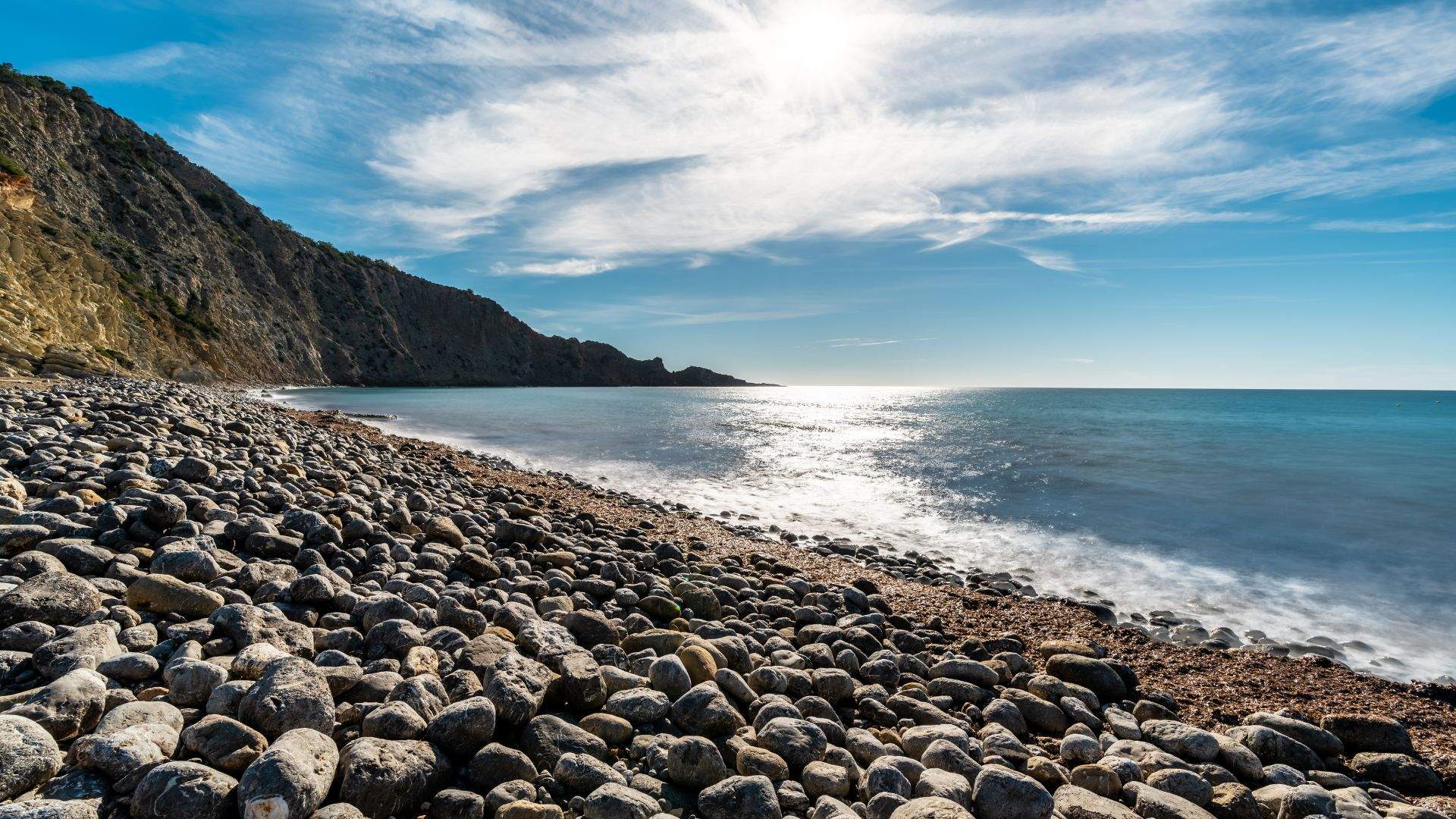
A short run north and east up Ibiza's east coast to a small privately-owned villa-island just offshore. The yacht anchors in the deep water between the island and Ibiza's mainland; the afternoon swims off the swim platform.
By midafternoon the captain repositions back south to Santa Eulària — a small marina town with quay-side restaurants and an old church above the river. Dinner is at one of the small-family restaurants along the riverside walk; the captain has booked the table earlier in the day. Overnight at the marina or anchored offshore.
Day Highlights
Day 7 of 7 · Run to Ibiza Town and disembark
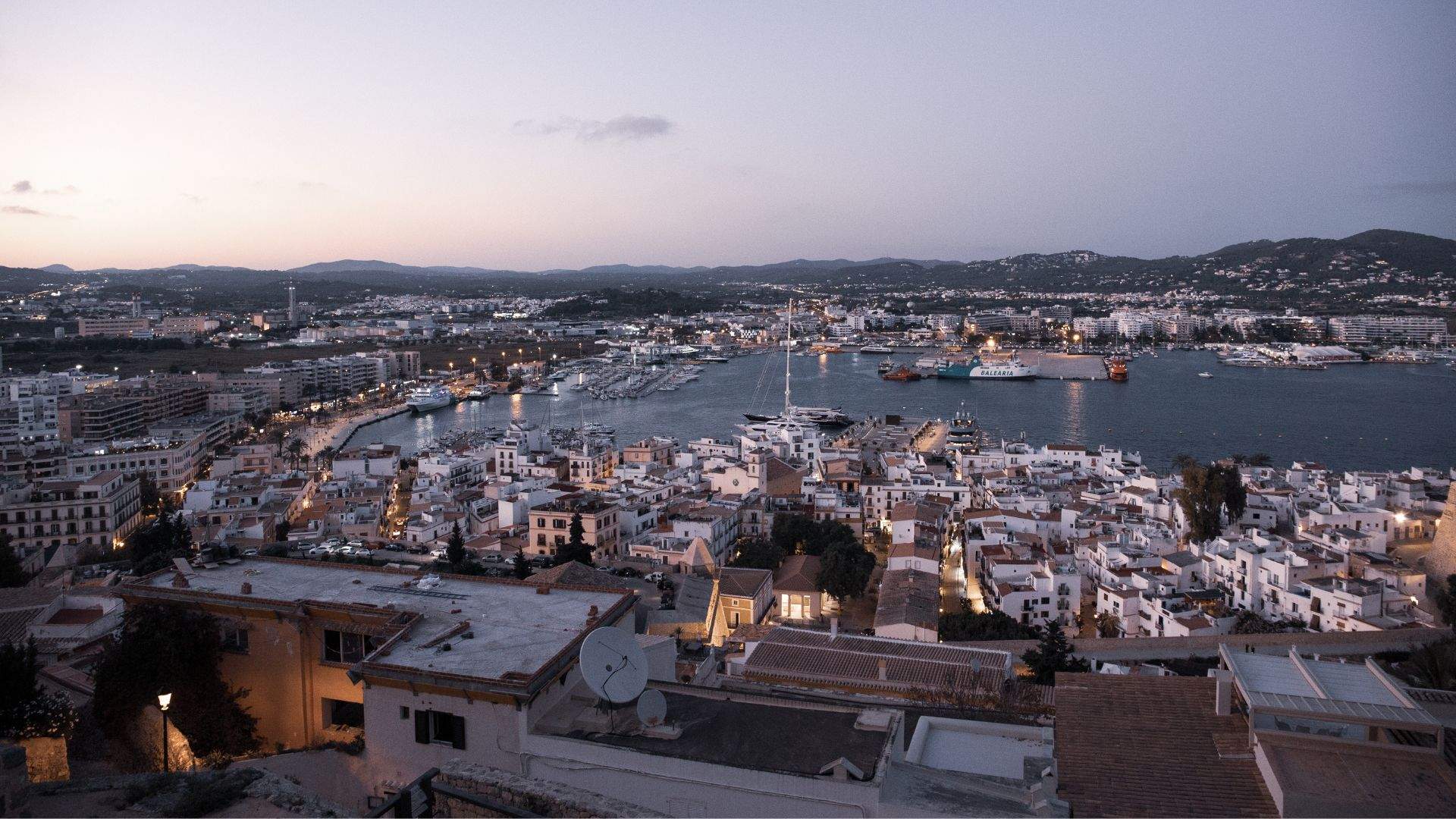
An early start. A short ten-nautical-mile run south down Ibiza's east coast back to Ibiza Town. The afternoon is the long, slow re-entry into the harbor — Dalt Vila's walls growing along the south side, Marina Ibiza (for yachts up to 110m) or Marina Botafoch (for yachts up to 30m) taking the boat back at the slip by midafternoon. The chef's last plate runs over lunch at anchor or on the slow run home; an aft-deck final sundowner runs as the yacht works back to the marina.
Disembarkation is typically 09:00 Saturday morning. Guests who want one more night on board can extend at anchor in Ibiza Town's harbor with the captain returning the boat to the marina the morning of departure. From Ibiza Town it's fifteen minutes to IBZ airport, where Saturday afternoon and evening have the most outbound European connections — direct flights to Madrid, Barcelona, London, Amsterdam, and major European hubs. US guests connect through Madrid or Barcelona; the captain books the marina-to-airport transfer.
Day Highlights
Want to share or come back to this voyage later?
Bookmark this voyage →
When to go, what it costs, and how to get there — the practical answers guests ask before booking a Balearic Islands crewed yacht charter.
July and August. Daytime highs near 90°F, sea temperatures into the high 70s by late August. A thermal sea breeze fills the bay most afternoons at 10–15 knots from the south. Ibiza is at its busiest now. The south-coast beach clubs run six-month wait lists for daybeds. The famous club circuit on the west side of the island peaks through August. The Mallorca Tramuntana coast stays comparatively quieter. Premium-tier yachts at Marina Ibiza book six to nine months out at peak rates.
Late May into June, and September into early October. The water sits in the low-to-mid 70s and daytime highs run into the low 80s. The thermal sea breeze still arrives most afternoons. September is the standout month of the year. The European August rush has cleared out by then. Ibiza's intensity drops to a more livable level, and the captains are relaxed. Cabrera permits clear easier in shoulder. Early October works for guests who want the quietest water — before the fleet relocates to Antibes or starts the Atlantic crossing to the Caribbean. Rates drop fifteen to twenty-five percent off peak.
$25,000–$100,000 per week
A Balearic crewed week runs $25,000 to $100,000+, depending on yacht size, build year, and crew. The Mediterranean plus-expenses model applies: the base rate covers the yacht and crew only. Everything else — food, drinks, fuel, dockage, harbor fees — flows through an Advance Provisioning Allowance pre-funded at 30 to 35 percent of base. A 10 to 15 percent gratuity goes directly to the captain on disembarkation. Spanish charter VAT is 21 percent on the base rate. Charters run Saturday to Saturday from Palma or Ibiza Town.
About chartering in the Balearic Islands.
We charter across the Western Mediterranean. Here are some other excellent alternatives.

Four cruising grounds in one country — the Amalfi Coast, Sardinia & Corsica, Sicily and the Aeolian Islands, the Italian Riviera south to Tuscany. The hardest part of an Italy yacht charter is choosing which week to take first.

Cliff-stacked villages and long lunches the tender reaches — the Italian summer the boat makes possible, anchored under the Faraglioni at sundowners and tied up in Amalfi by midnight.

Costa Smeralda granite coves and Bonifacio's white-cliff citadel six miles apart, the Strait between two islands cruised in a single afternoon — the Mediterranean the Italians and French keep mostly for themselves.

Stromboli erupting off the anchorage at Panarea, the Greek theatre at Taormina with Etna smoking behind, and the Cappella Palatina at Palermo's Norman Palace — the Mediterranean's only active-volcano cruising ground and the Italian week most guests book the second time they come.

Portofino's harbor amphitheater, the Cinque Terre's cliff villages, Portovenere's painted waterfront, and the Tuscan islands south to Elba and Argentario. The quieter Italian week for guests who want village character, harbor restaurants, and lower-density anchorages without Amalfi's August intensity.

Monaco's Port Hercule, Cap Ferrat's villa coast, Cannes and Antibes in the central corridor, and Saint-Tropez at the west end. The French Riviera is the western Mediterranean's maximum-glamour yacht week: shorter passages, premium dockage, Michelin density, and the visible harbor theater guests are usually booking on purpose.
Fill out our quick form and we'll dive into your unique preferences — from adventure-packed itineraries to pampered escapes. Whether you're a seasoned voyager or new to charters, we'll tailor recommendations just for you.
With over fifteen years of experience, we'll match you with the yacht that fits your style, group, and itinerary. We work directly with the captains and crews across our list — so the recommendation is built around the right boat-and-crew fit for your week, not whatever's easiest to book.
Once your yacht is booked, we'll take care of logistics: paperwork, reminders, and personalized resources to help you plan. From arrival planning to must-visit spots, we'll make your charter as seamless as it is unforgettable.

What to Expect on a Private, Crewed Yacht Charter
Learn what makes crewed yacht charters extraordinary: personalized service, gourmet dining, and endless opportunities for adventure and relaxation.

How Does the Booking Process Work?
Our team handles every detail of your crewed yacht charter booking, ensuring a seamless experience from your first inquiry to setting sail.

Crewed Yacht Charter Pricing Explained
Understand what a crewed charter costs, the types of pricing, and what is included / not included.

Logistics: Proven Travel Plans for a Stress-Free Start
Plan your journey to your crewed yacht charter with ease. Tips on flights, transfers, and logistics for a stress-free start to your vacation.
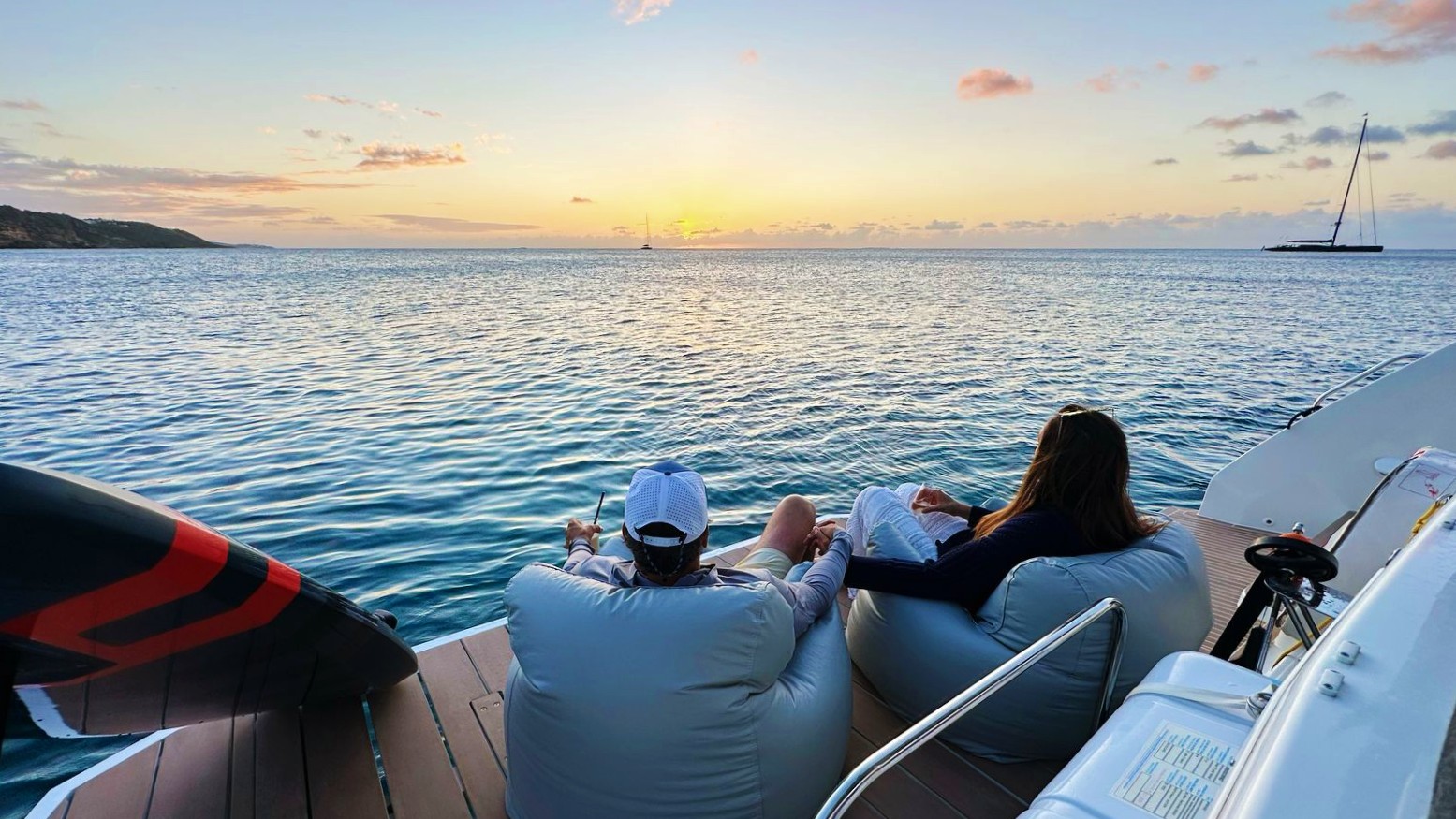
Honeymoon Yacht Charters
Start your marriage on a private yacht. Explore secluded beaches, gourmet dining, and unforgettable sunsets in the Caribbean.
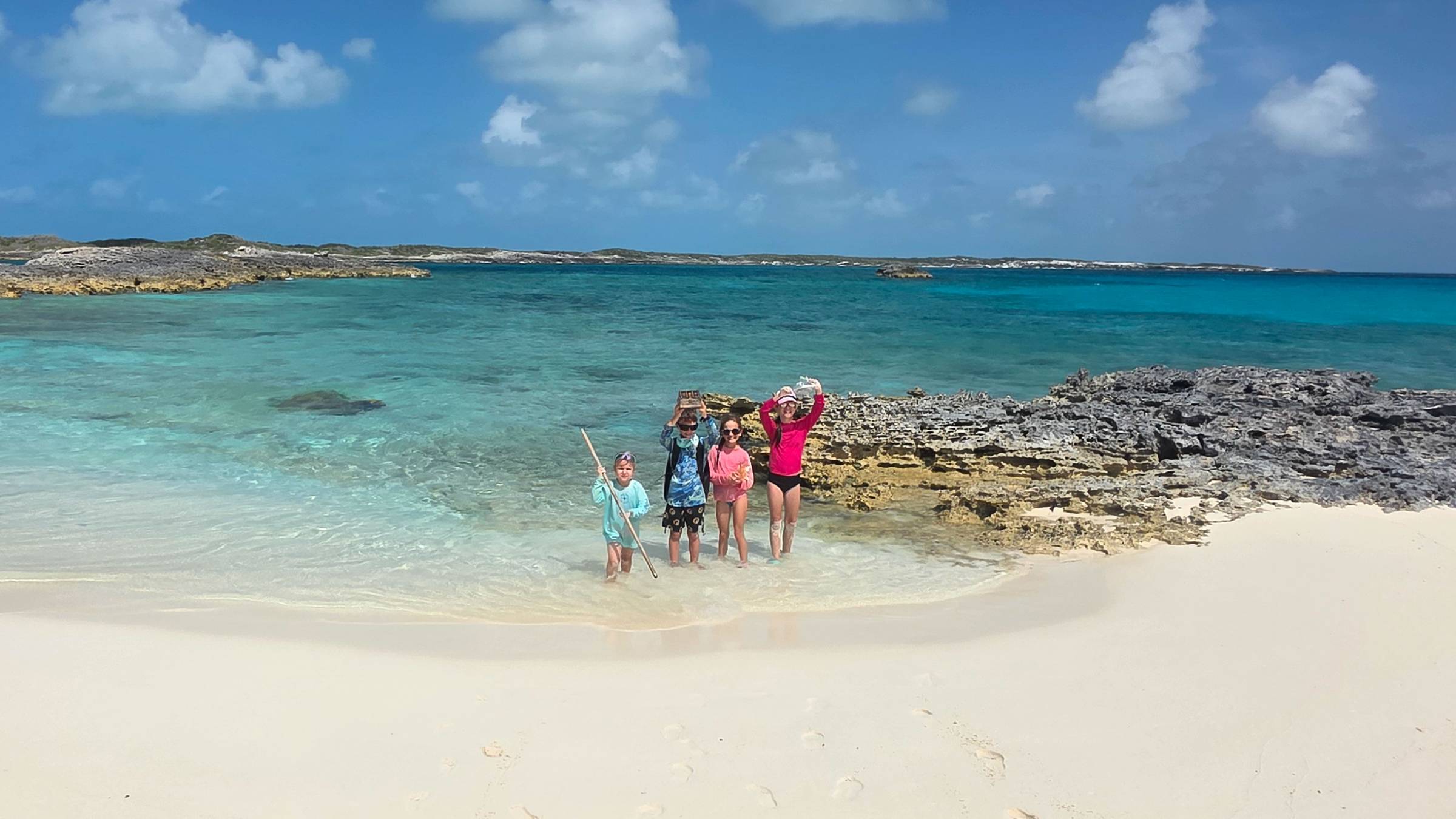
Family Yacht Charters
A crewed yacht charter is perfect for families of all ages. Safe, fun, and fully catered — your kids will never forget it.

Crewed Charter FAQ
Get answers to common questions about crewed yacht charters, from pricing and tipping to what's included and what to pack.

BVI Crewed Yacht Charters
The British Virgin Islands are the #1 crewed charter destination in the Caribbean. Short sails, protected waters, and world-class anchorages.

BVI Crewed Charter Guide
Everything you need to know before your BVI crewed catamaran charter — pricing, packing list, sample itinerary, and getting there.
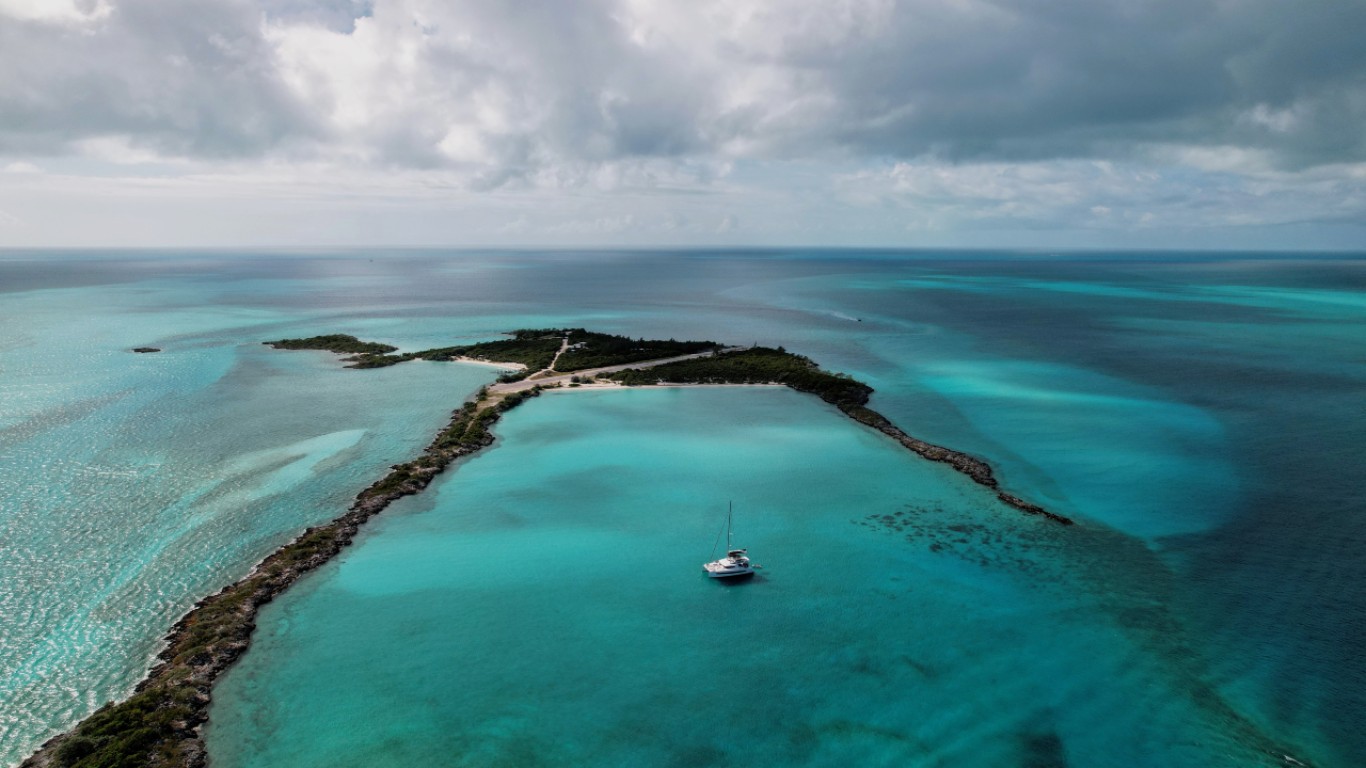
Bahamas Crewed Yacht Charters
Explore the Exumas on a private crewed yacht. Swimming pigs, sandbars, and some of the clearest water on earth.
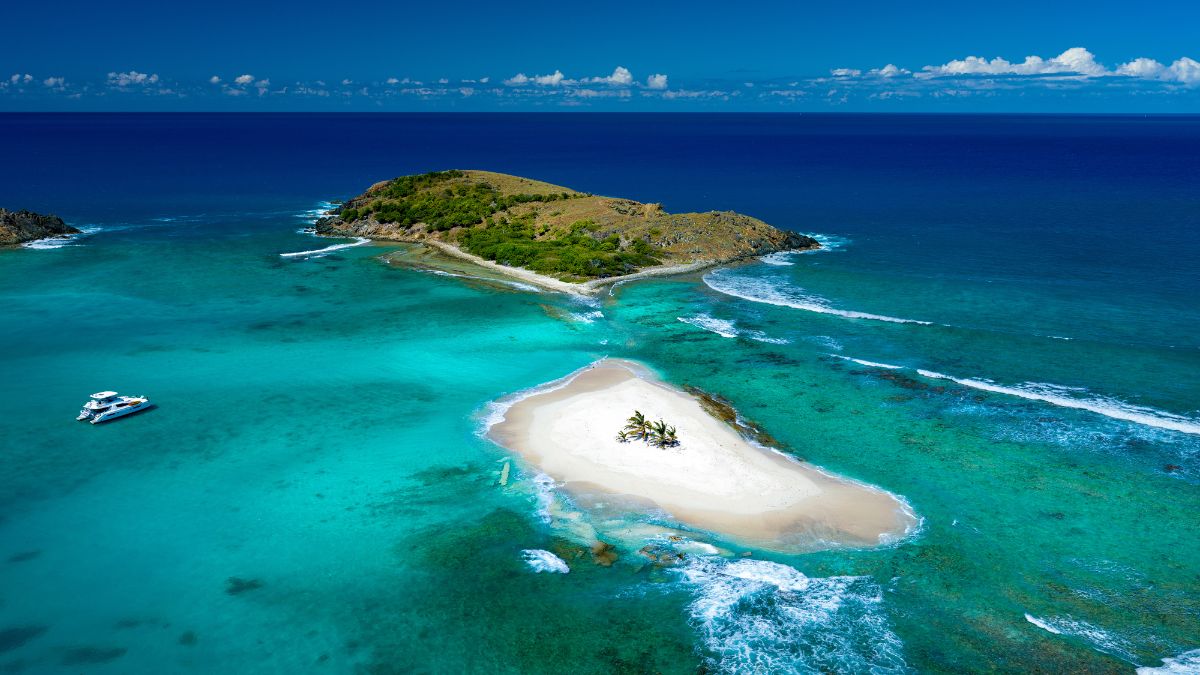
Caribbean Crewed Yacht Charters
All-inclusive crewed charters across the Caribbean — BVI, Bahamas, USVI, St. Martin, Antigua, and beyond.