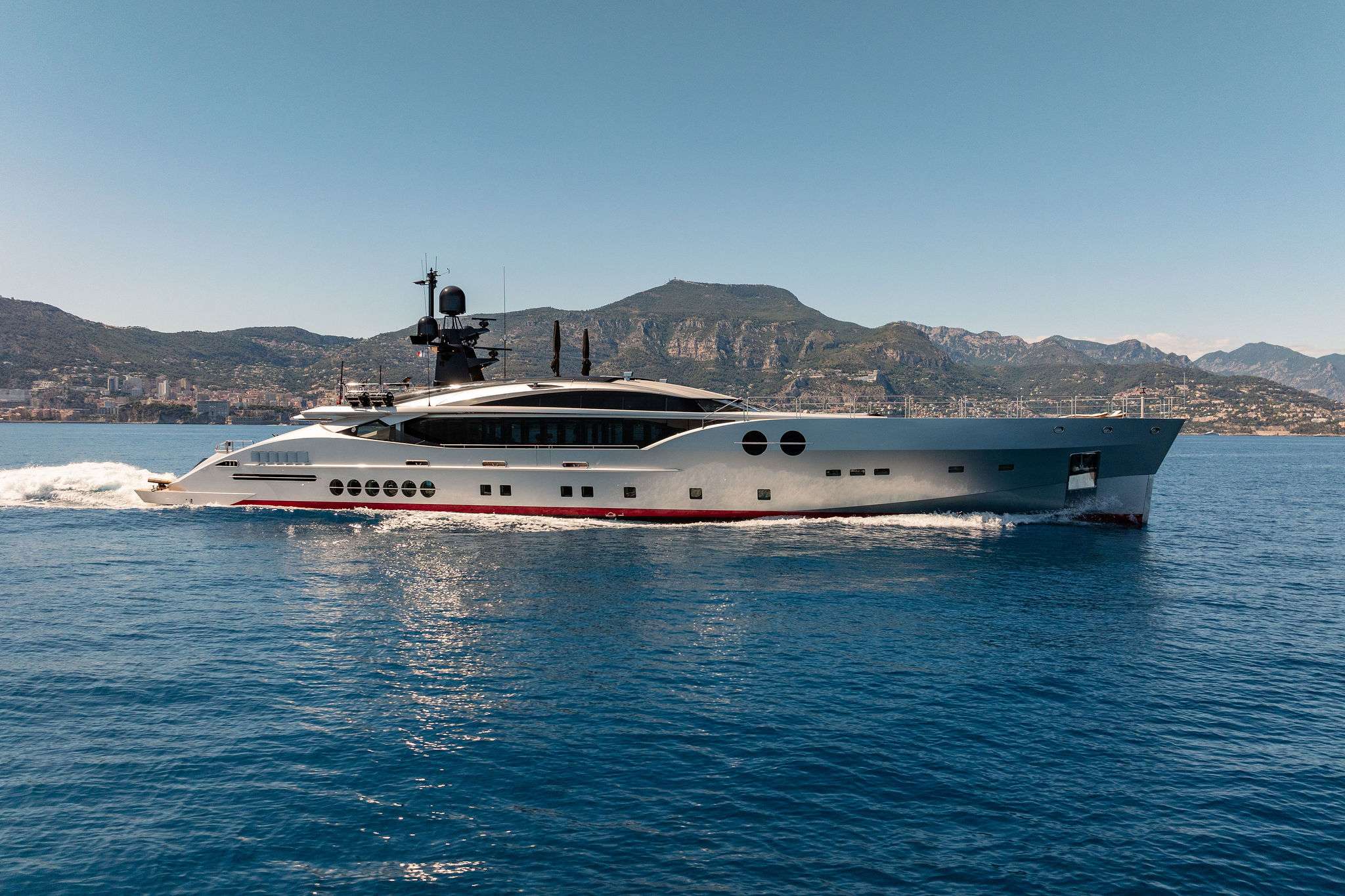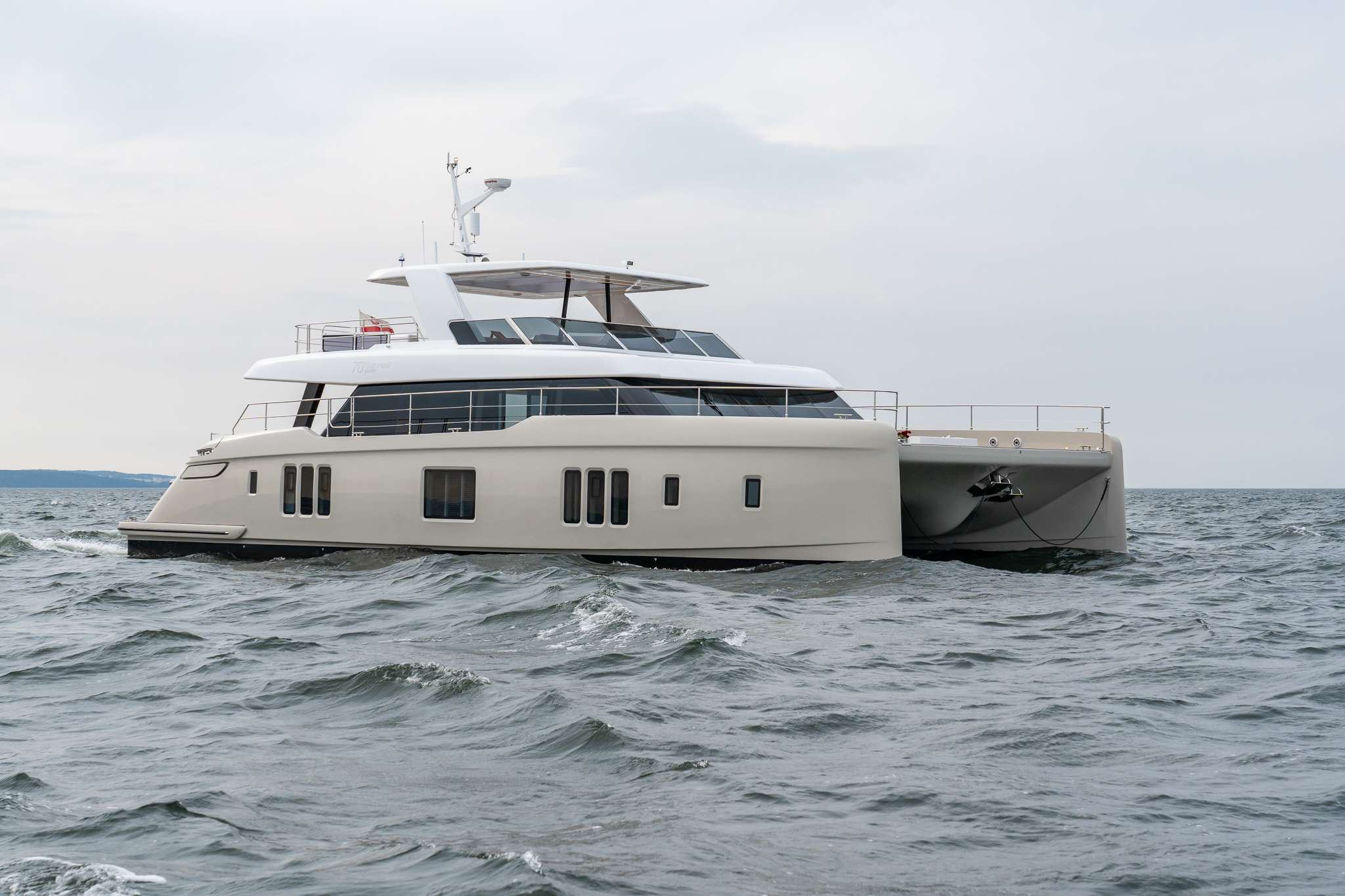

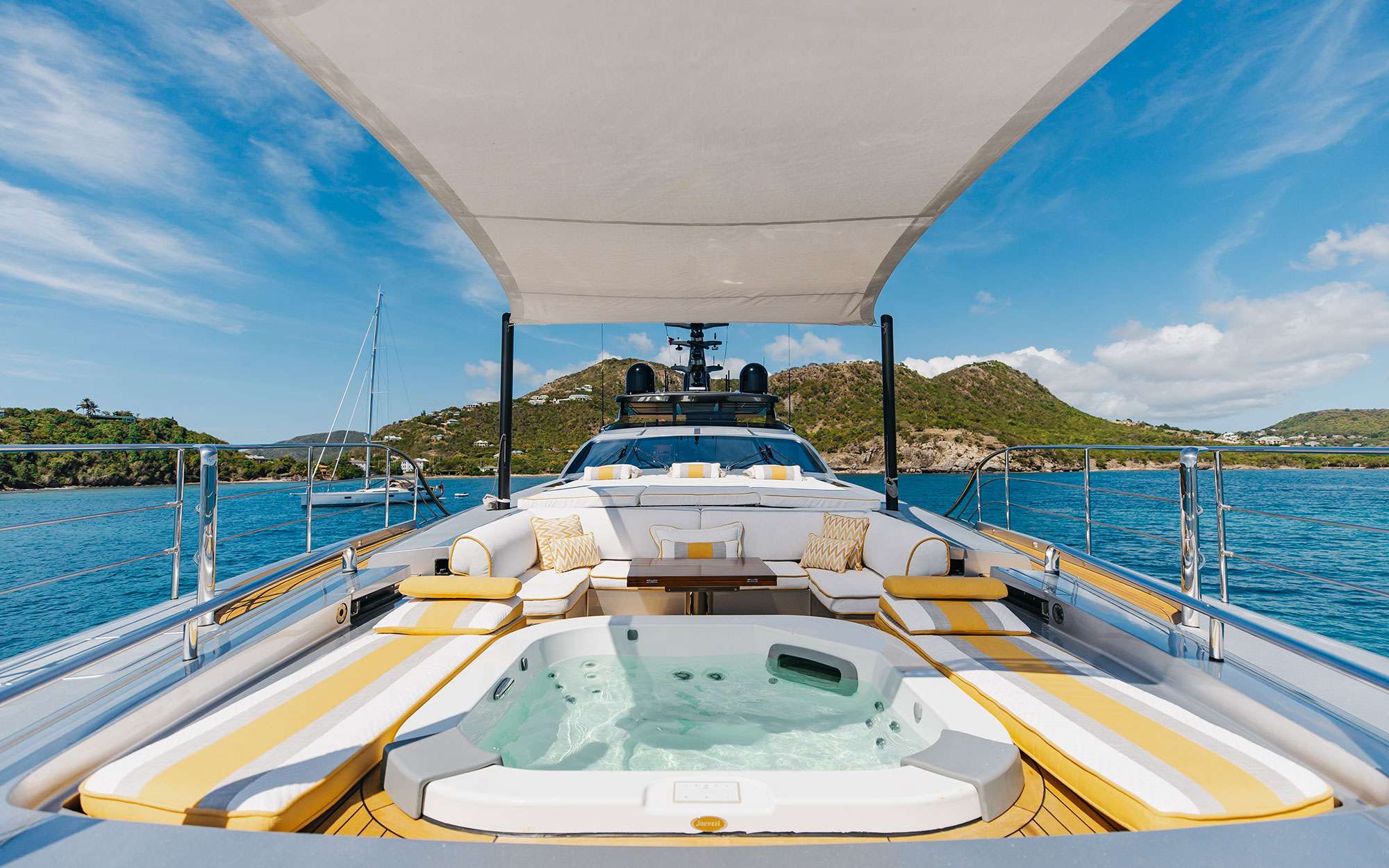
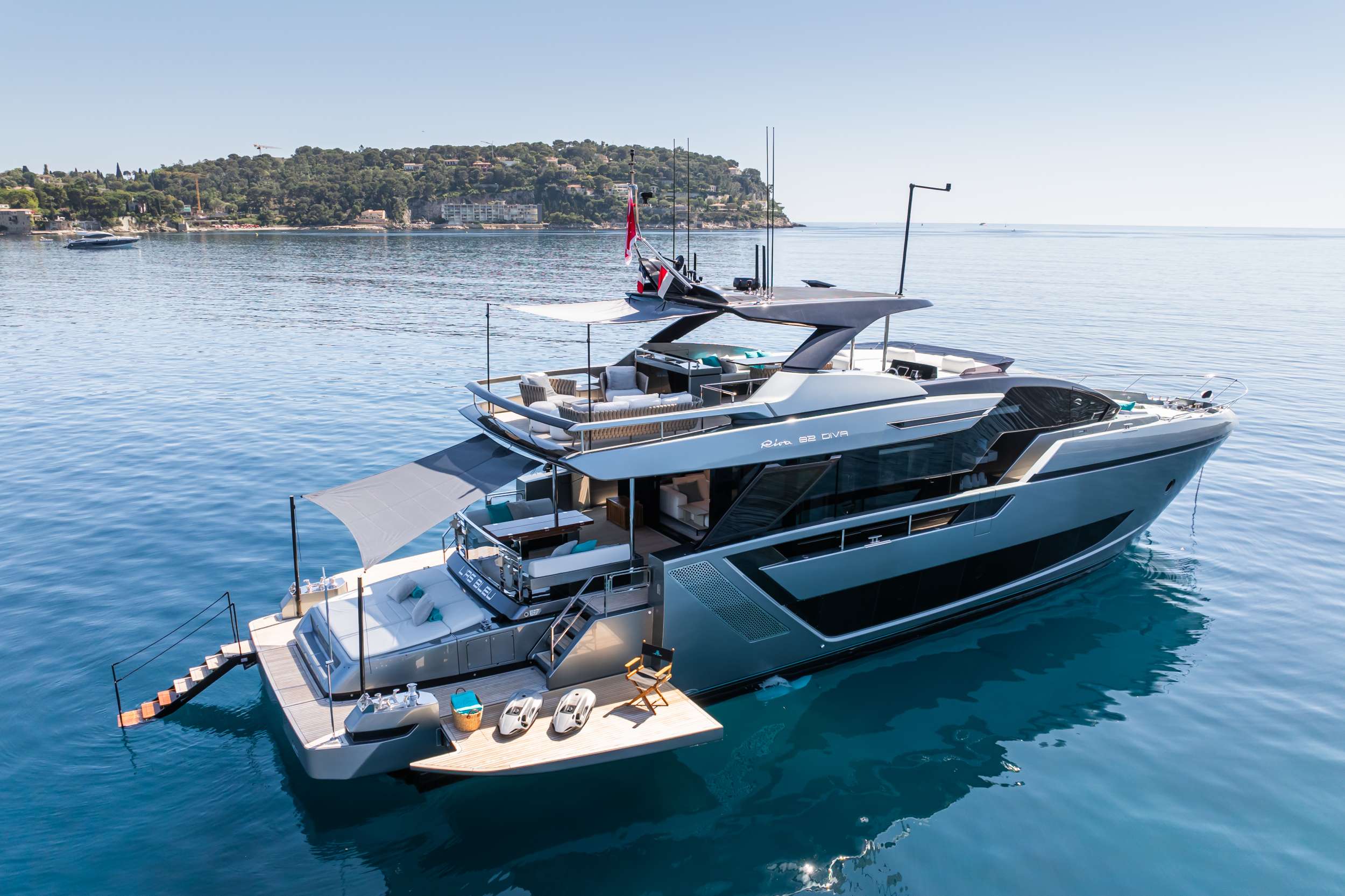
L'As Bleu
82FT · MOTOR YACHT
Pricing from €53,000/week
8 Guests · 4 Cabins
Caribbean
Eastern Mediterranean
Western Mediterranean
South Pacific
United States
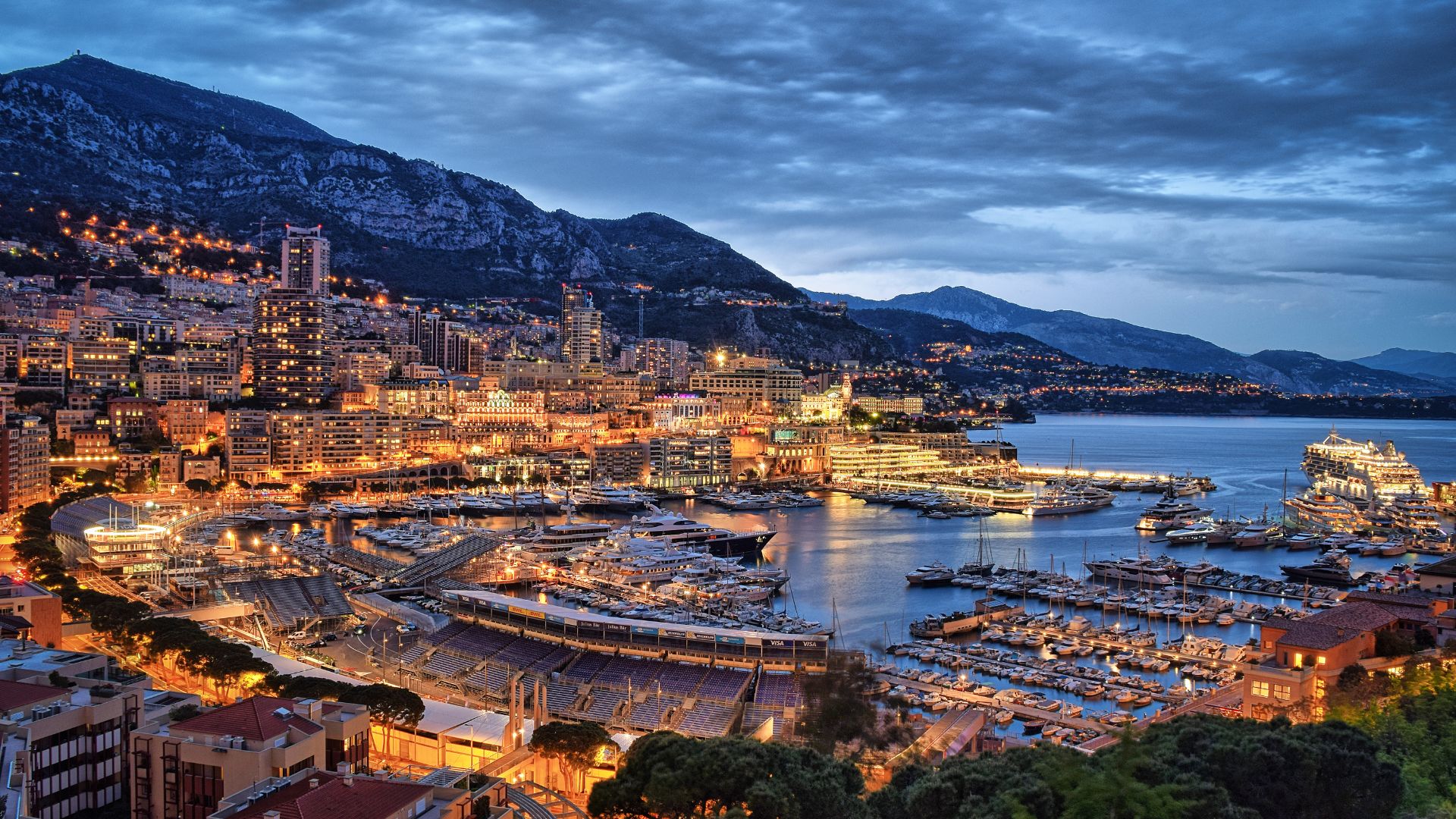
Monaco's harbor theater from your own aft deck, a beach-club lunch on the sand at Saint-Tropez, and runs between them short enough that the rosé never warms — the Mediterranean's glamour corridor, with the best seat reserved.
Why the French Riviera
The French Riviera is the visible end of the western Mediterranean charter market. Monaco, Cannes, Cap Ferrat, Antibes, Villefranche, and Saint-Tropez are not just cruising stops; they are part of the global glamour vocabulary. That is the appeal for many guests. The coast is compact, the day runs are short, and a week here covers a lot without ever feeling rushed. If that glamour is what you're coming for, this is its home address.
That compact geography is what makes this route different from the wilder Mediterranean weeks. Sardinia and Corsica are about water and anchorages first. The Italian Riviera is about village character and a quieter harbor culture. The French Riviera is the polished corridor: premium dockage, Michelin density, beach-club lunches if you want them, and a coastline built around visible arrivals and harbor life.
The best French Riviera weeks keep the balance right — and that's where we earn our keep. Monaco, Cannes, and Saint-Tropez matter, but so do the lunches at anchor off the Lérins and the afternoons when the yacht stays the center of gravity instead of becoming transportation between reservations. We'll build your week so the boat holds the best seat on the coast, not just the parking space.
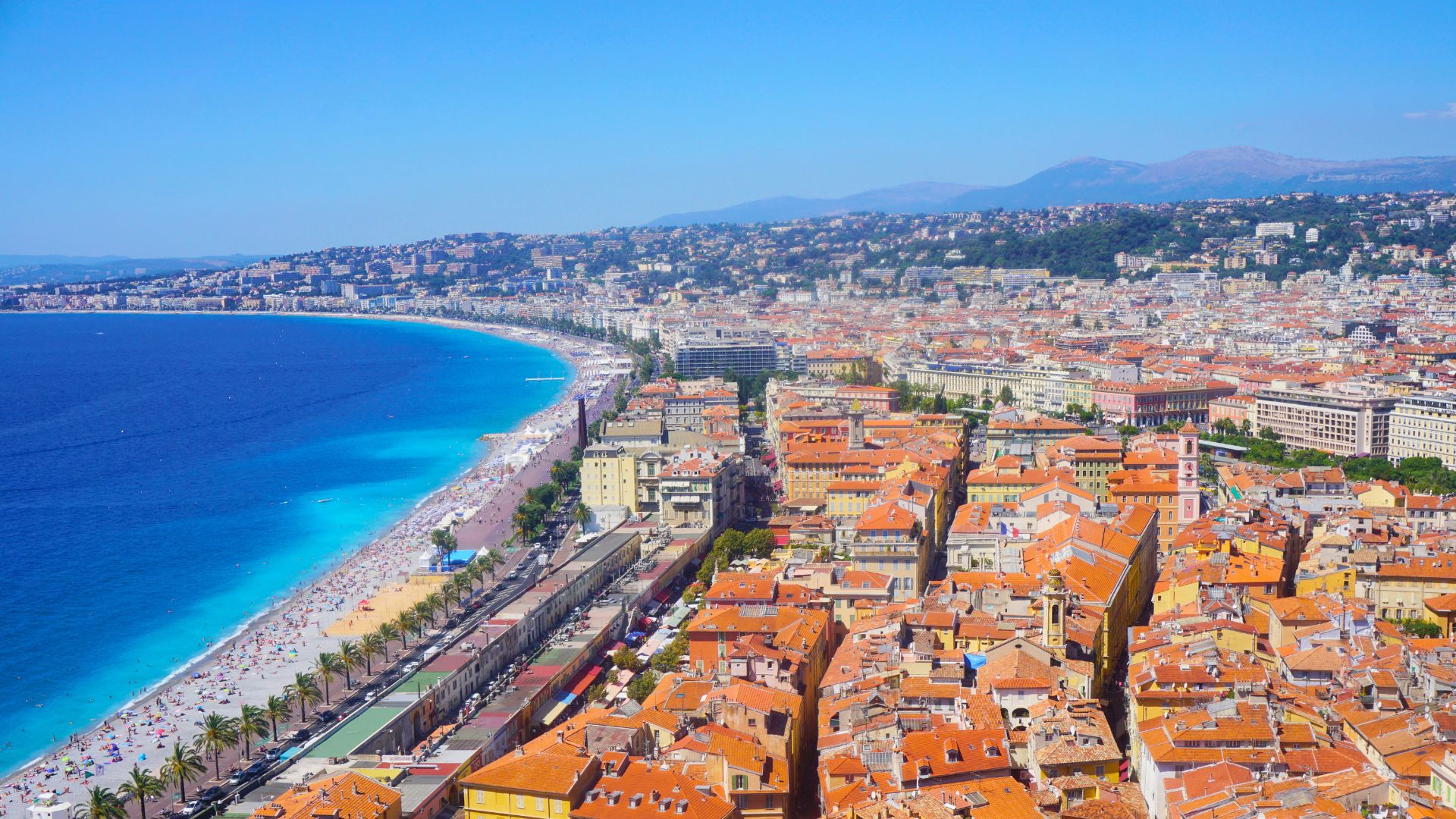
Four characteristics that separate the Côte d'Azur from Amalfi, the Italian Riviera, and the wilder western-Med routes.
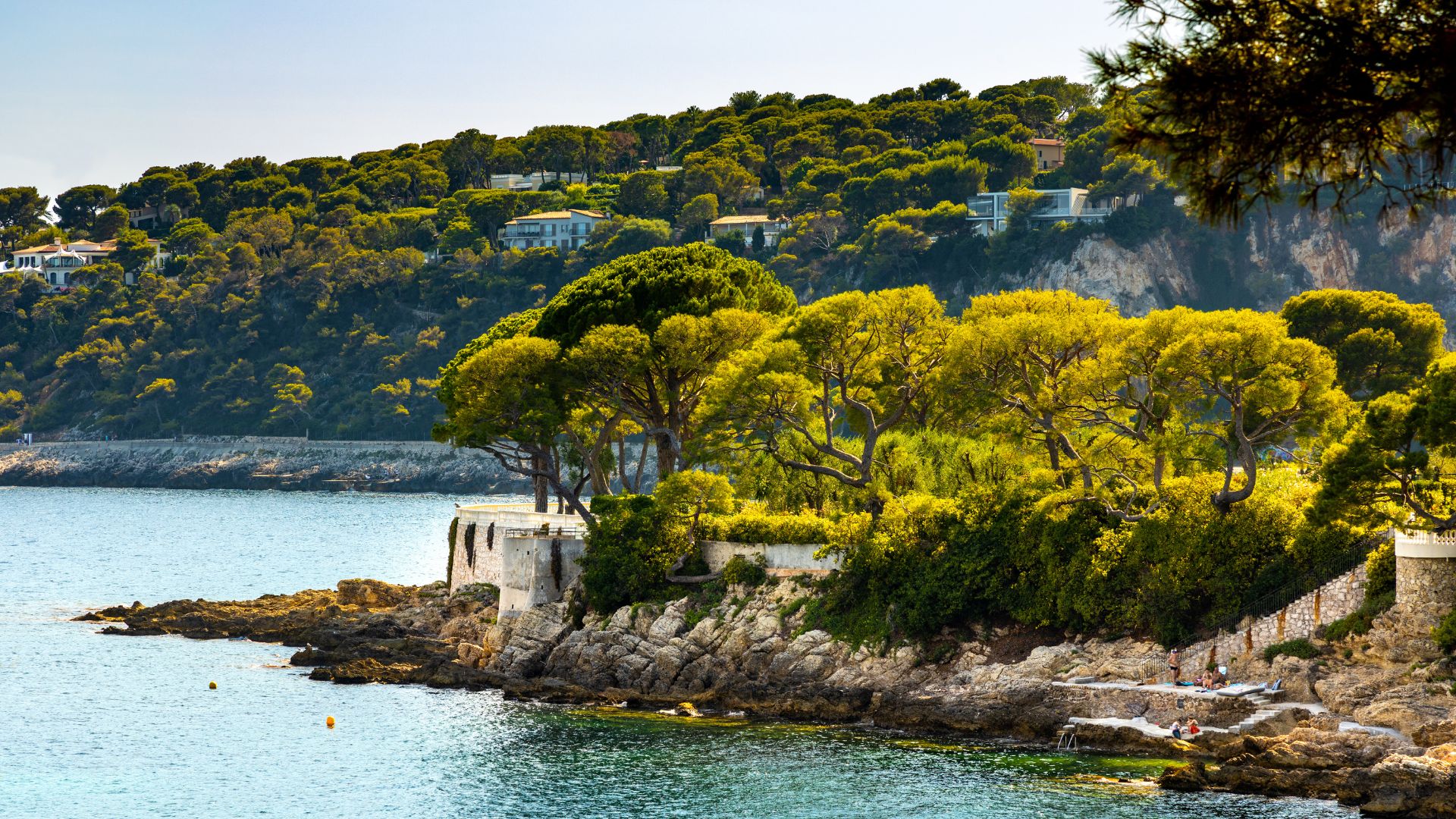
The east end is where the Riviera's villa coast and harbor glamour are most concentrated. Cap Ferrat reads best from the water — headlands lined with private estates and small bays tucked between them. Monaco is the marquee arrival. The harbor, the casino square above, and the density of visible yacht traffic make it the clearest expression of what this coast is.
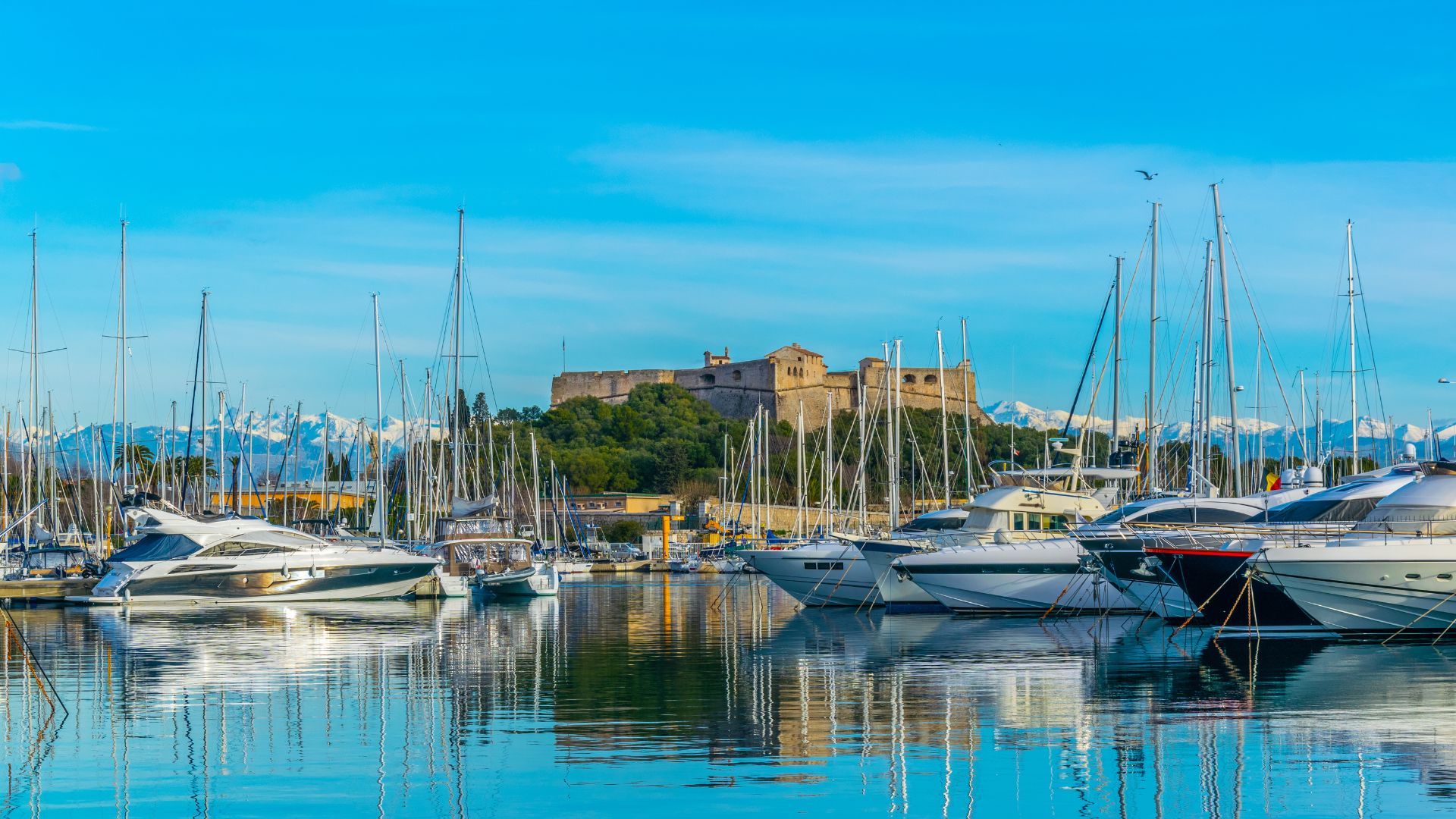
The central corridor is broader and more infrastructure-heavy than the east end. Cannes and Antibes are major yacht harbors, but the Lerins Islands just offshore are what keep the week from becoming only quay and promenade. They give the route a real anchorage day in the middle of one of the Mediterranean's most developed coasts.
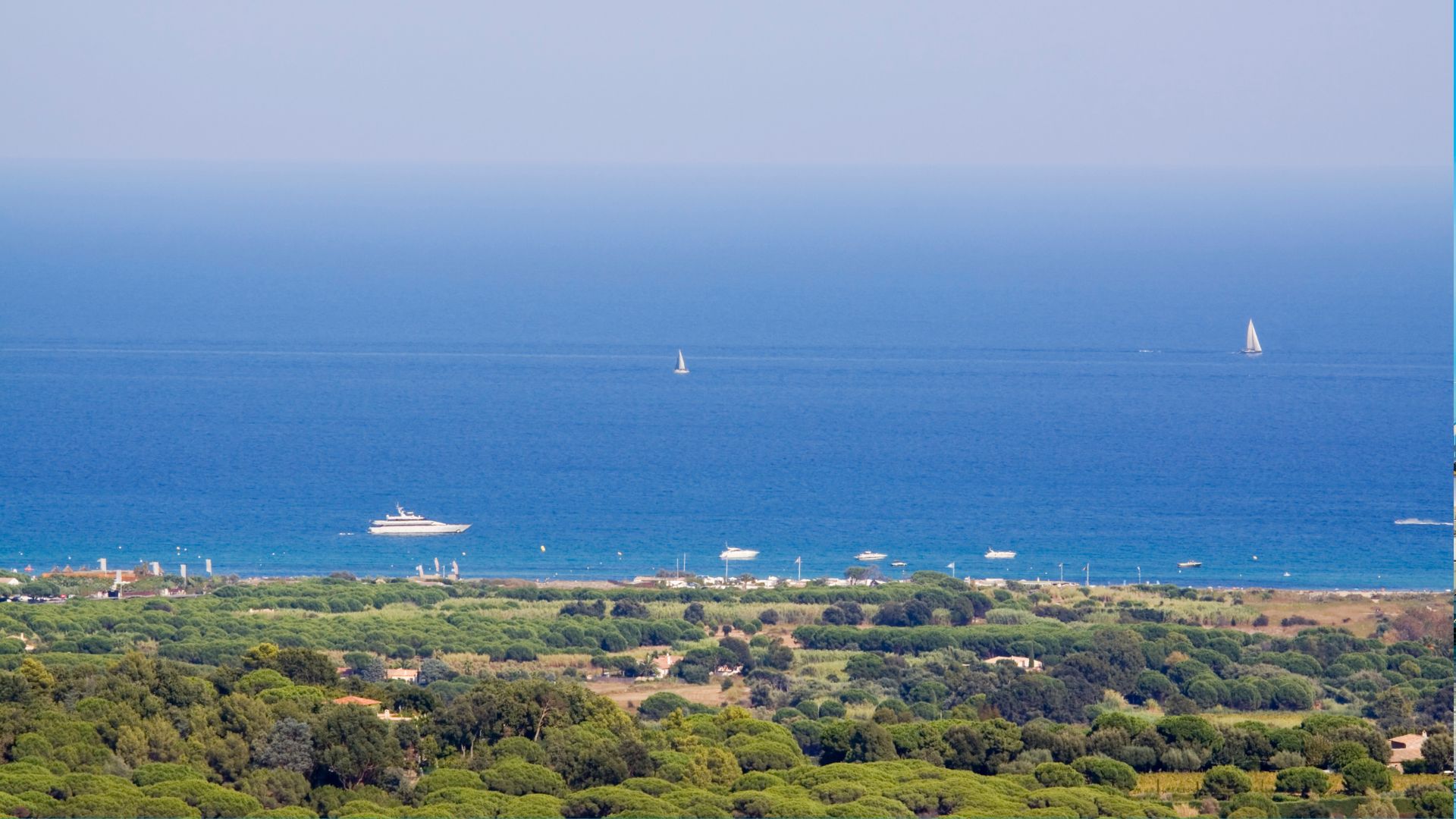
Saint-Tropez still works because the old port remains legible under the brand weight. The harbor is small, the fishing-village structure is still visible, and Pampelonne sits close enough to make a beach-club lunch easy without giving the whole day away to road traffic. This is the social end of the route, but it should still feel like a yacht week rather than a reservation schedule.
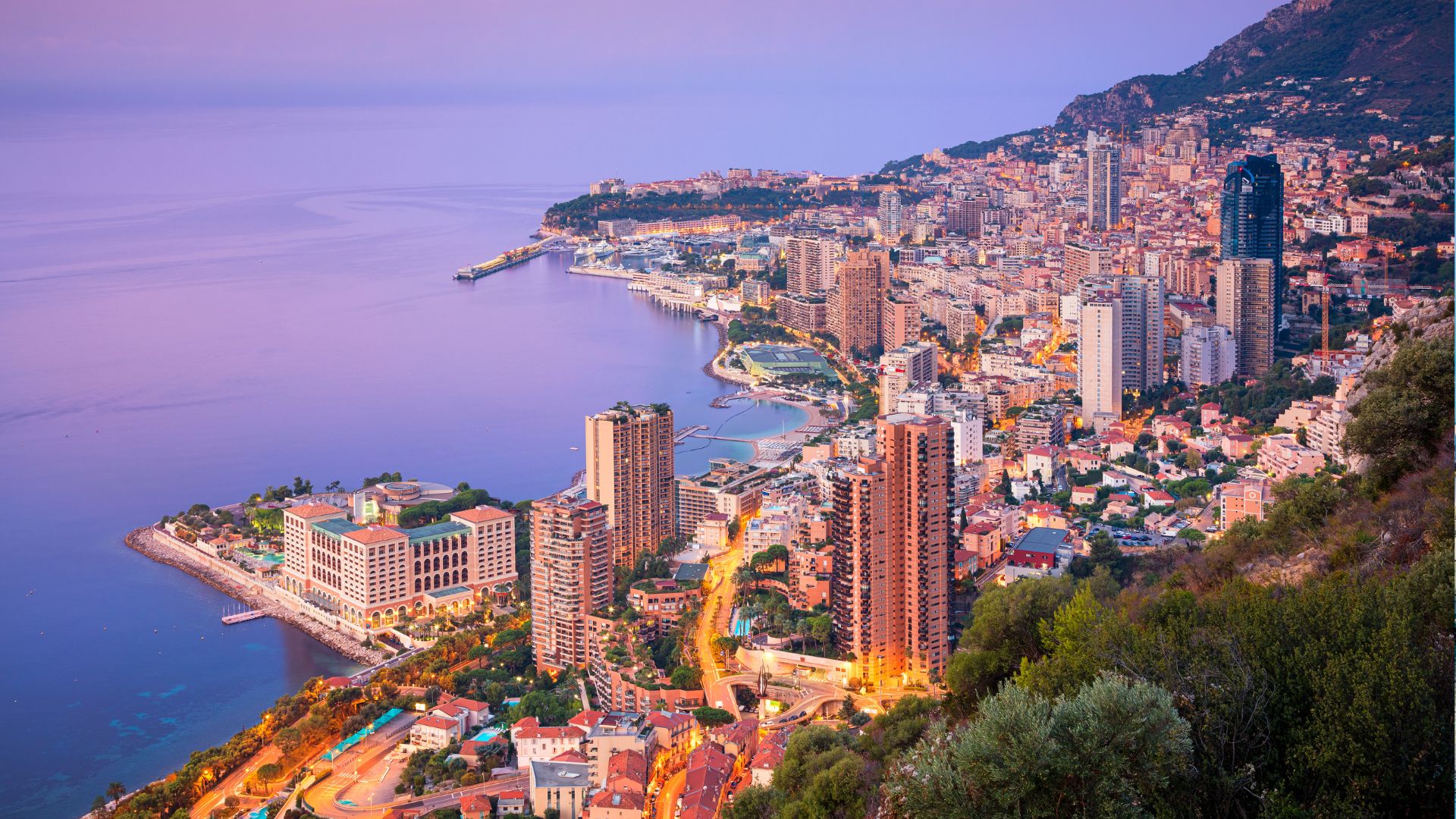
The French Riviera is one of the few charter grounds where the infrastructure itself is part of the reason to book: Port Vauban in Antibes, Cannes harbor during the season, Monaco's Port Hercule, and a coastline calibrated to premium dockage and visible arrivals. That makes it different from the more nature-led Mediterranean routes. Guests come here because the harbor scene is not background detail. It is part of the product.
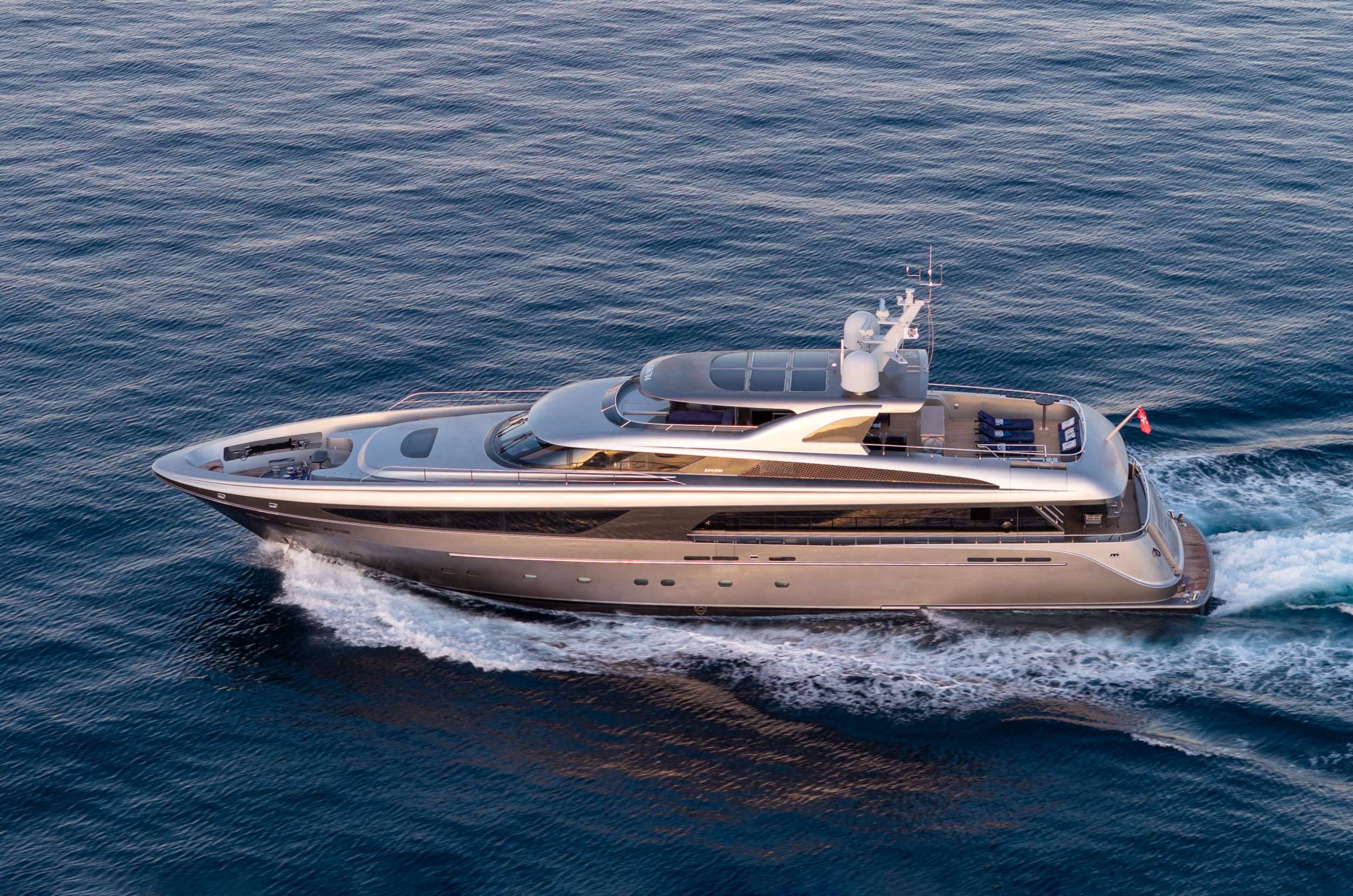
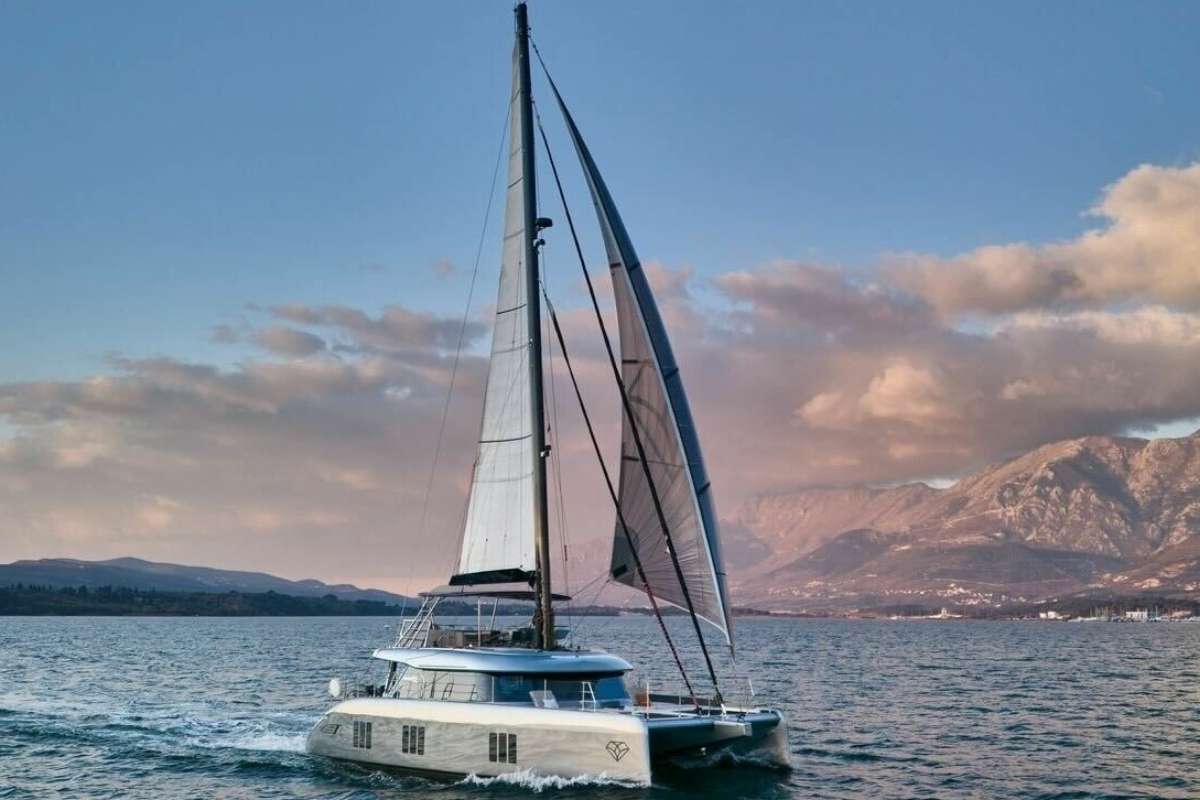
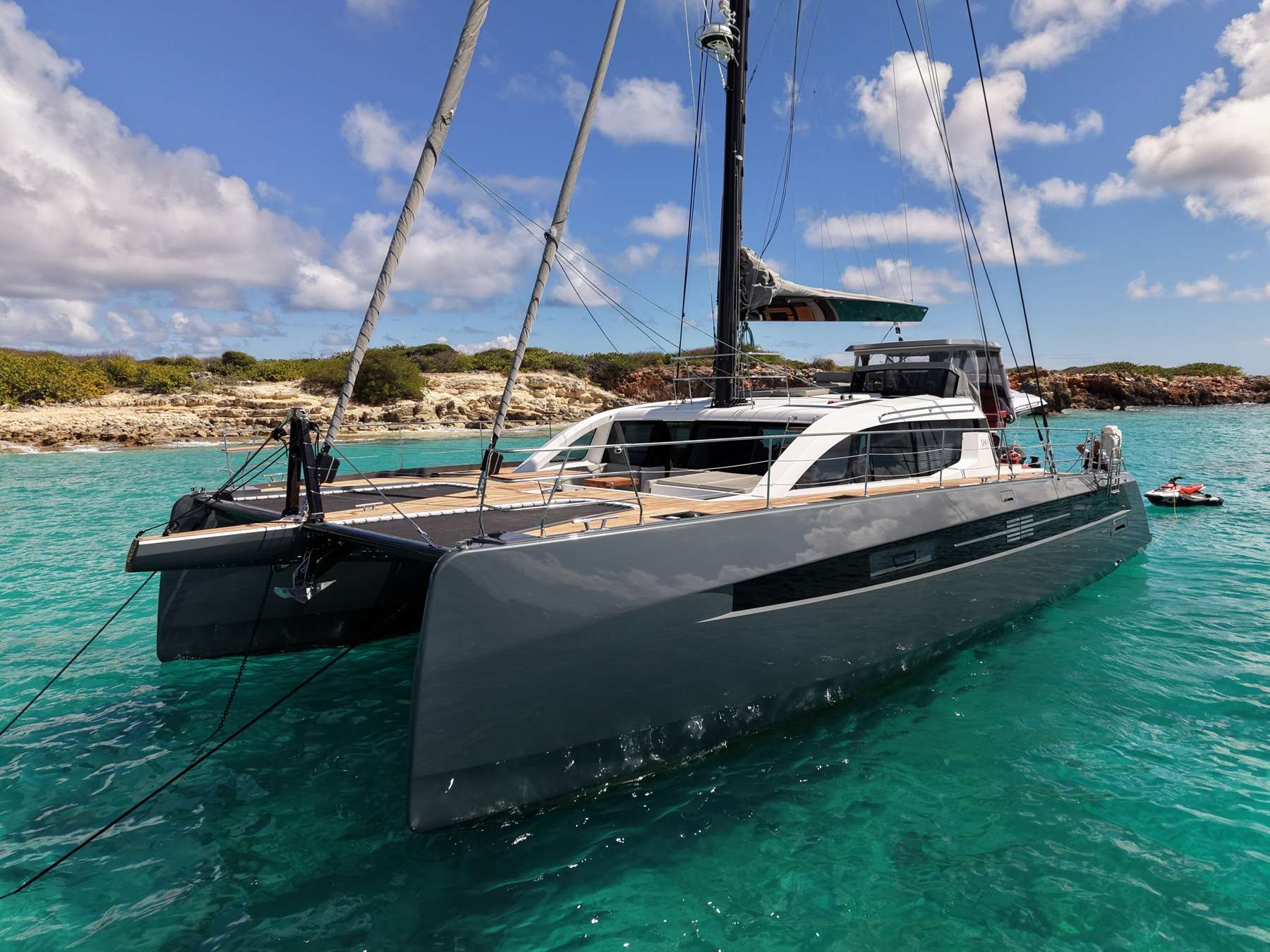
A hand-picked selection of crewed charter yachts for French Riviera — yachts and crews we know firsthand.
Your week is shaped around your group's interests, the season, and the conditions on the water — your captain tailors the days as they unfold. Treat these itineraries as starting points for inspiration.
Crewed Itinerary · French Riviera
This is the eastern French Riviera week — a seven-night charter built around Villefranche, Cap Ferrat, Monaco, and Menton, with Nice or Antibes as the practical gateway and Monaco as the route's visual center of gravity. The mileage is compact on purpose. The point is not to rack up distance; it is to spend a week inside the most concentrated end of the Côte d'Azur without turning the yacht into a transfer shuttle between famous names.
The east end behaves differently from Saint-Tropez and Cannes. The bays are tighter, the coast is more villa-lined, and the harbors feel more compressed against the land. Most groups who book this route care less about saying they covered the full corridor than about getting the rhythm right: a real anchorage at Villefranche, a slow lunch coast around Cap Ferrat, one or two Monaco nights that still feel earned, and enough time ashore that the week reads as the Riviera rather than as a fast boat checking labels off a map.
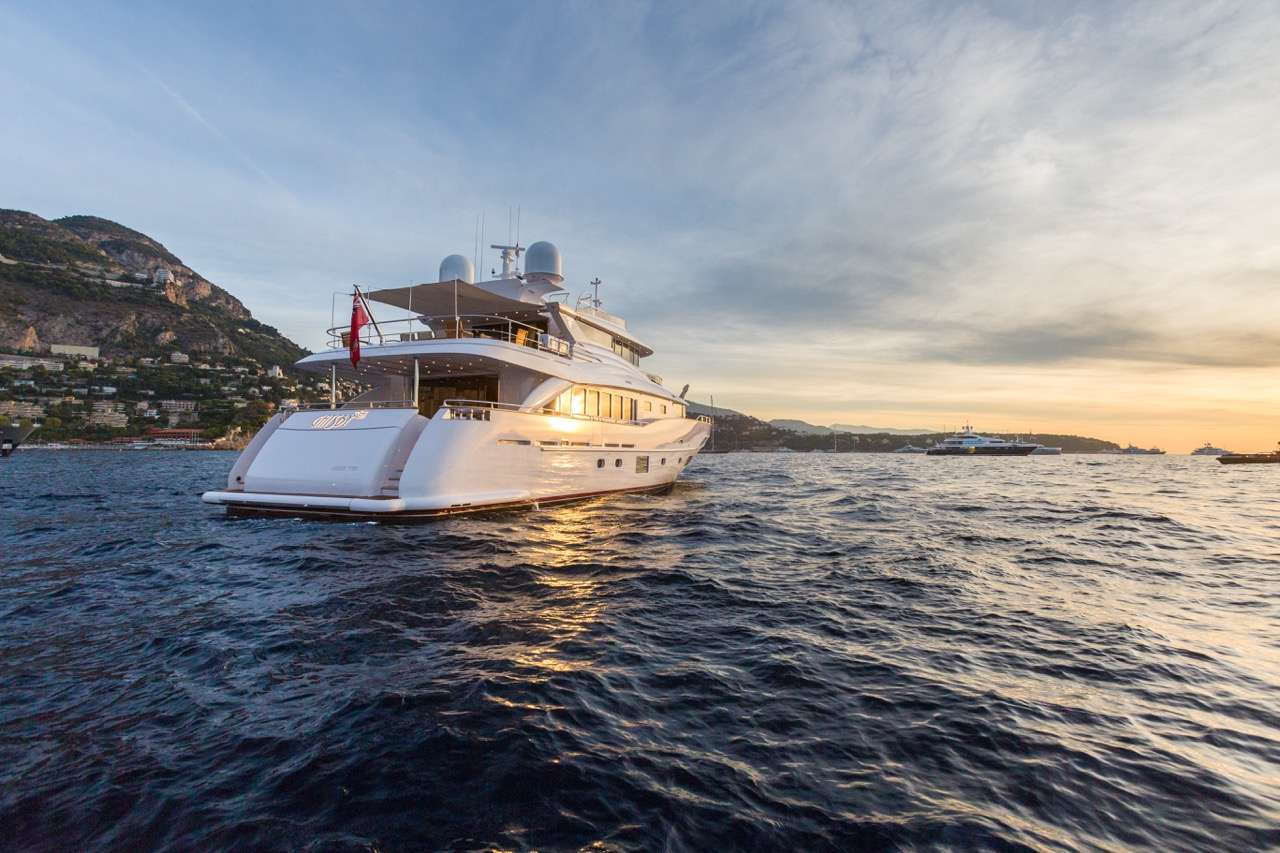
This is the right first French Riviera itinerary when the brief starts with Monaco, Cap Ferrat, or Villefranche rather than Saint-Tropez. The coast east of Antibes is short on nautical miles and high on density: the deep natural bay at Villefranche, the estate-lined headlands of Cap Ferrat, the Belle Époque and Formula 1 weight of Monaco, and the softer border-town edge at Menton all sit close enough together that the route never feels stretched.
It also protects the thing guests are usually paying for here: time to actually be in the places. Monaco works better when it is approached from a quieter anchorage day. Cap Ferrat works better when it is treated as a coastline and not as a checklist stop. Villefranche matters because it gives the week a real bay to live in, not just a sequence of expensive berths. If the brief is more social and west-end, the Saint-Tropez and Cannes route is stronger. If the brief is to cover the whole corridor end to end, the one-way is the larger answer.
Day 1 of 7 · Embark the eastern corridor
The week opens at Antibes or Nice, depending on the yacht and the berth. Crew meets the group on the quay, luggage gets squared away, and the captain uses the first hour to turn an airport day back into a yacht day as quickly as possible. Even if the embarkation runs into mid-afternoon, the distance east is short enough that the boat can still move before cocktail hour and the charter begins underway rather than tied to the dock.
The run toward Cap Ferrat is not long, but it is enough to reset the eye. Antibes and Nice fall behind, the headlands start to tighten, and the coast begins looking less like a city shoreline and more like the Riviera guests usually imagined before they booked it. By the time the yacht settles off Cap Ferrat or nearer Beaulieu-sur-Mer, the group has already traded travel-day logistics for protected water and a proper first-night anchorage.
That first evening matters more than it sounds. Starting quietly under the villa coast gives the eastern route room to build. Monaco is still ahead rather than already consumed, and the charter's opening note is water, shoreline, and dinner aboard instead of a high-theater harbor trying to do too much too early.
Day Highlights
Day 2 of 7 · Bay day
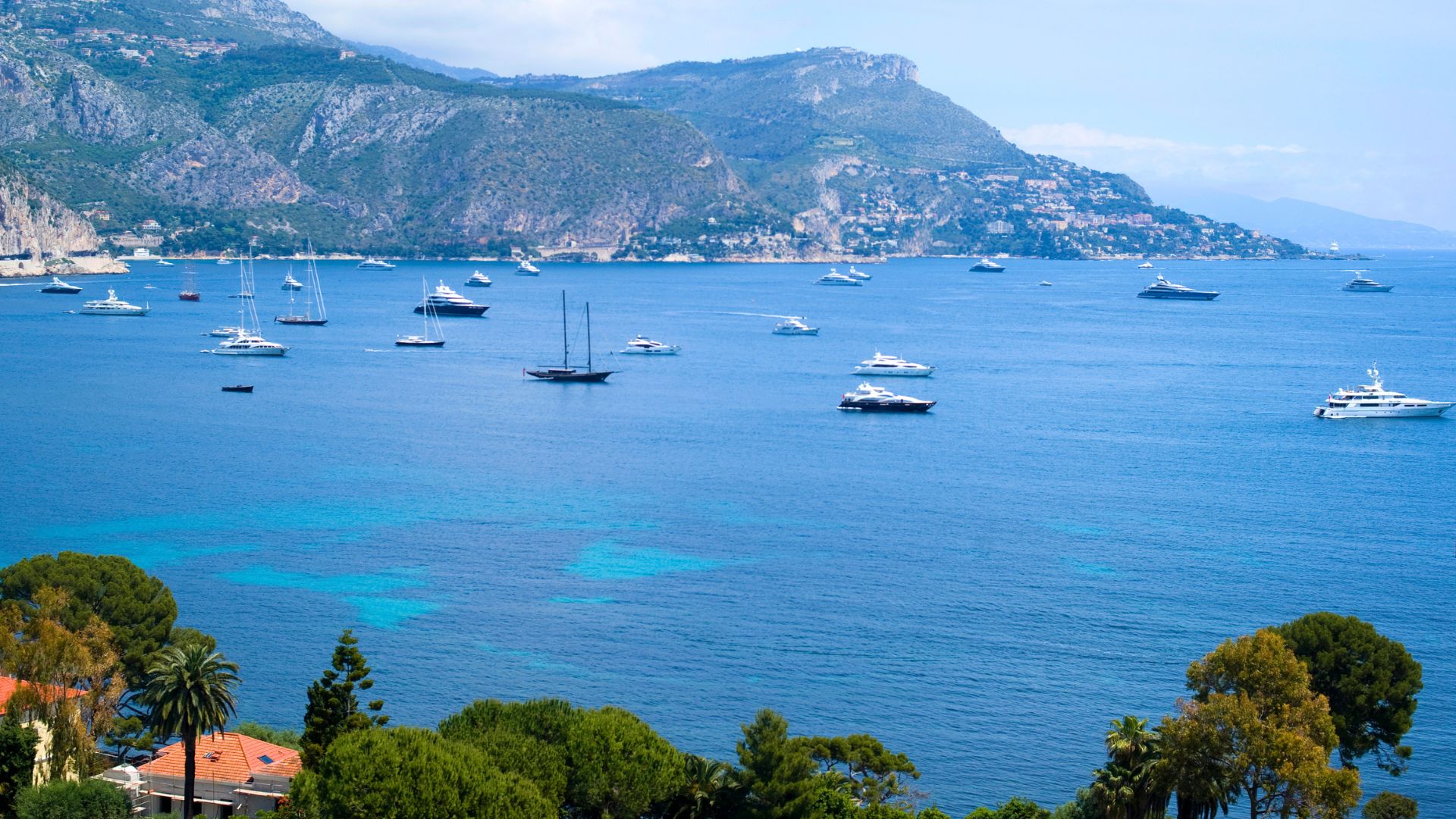
The second day is intentionally light on mileage because Villefranche Bay is one of the coast's best natural anchorages and deserves to be used rather than crossed. The horseshoe shape of the bay, the depth, and the shelter are what make the east end feel different from the more harbor-dependent parts of the Riviera. This is one of the few places where the yacht can sit properly at rest and still keep town within easy reach.
Morning here is for swimming, coffee on deck, and the kind of slow start that guests tend to remember more clearly than the louder evenings. Lunch aboard makes sense because there is no pressure to move. The bay itself is the day's asset. That is the value of placing Villefranche early in the week instead of squeezing it into the margins around Monaco.
Late afternoon, once the heat falls out of the waterfront, the tender run into town becomes the land moment. A harbor walk, a drink ashore, dinner in the village if the group wants it, then back to the yacht in one of the easiest and most livable overnights on the whole route. This is the day the itinerary stops trying to announce itself and starts reading like a real charter.
Day Highlights
Day 3 of 7 · Villa coast
Cap Ferrat works best as a day rather than a box-check. The yacht moves slowly around the headland, using the small bays and lunch positions that matter, and never pretending there is one single landmark that explains the peninsula. What guests are paying for here is the coastline as a whole: the private-estate scale, the rocky edges, the water turning hard blue against the stone, and the sense that the Riviera's wealth is most legible from the sea.
That is why the route keeps the shore options optional. If the group wants a land moment, the Ephrussi side is the easiest place to build one. If not, there is no need to force it. Cap Ferrat reads better from the yacht than from the road, and a slow circuit around the headland usually does more for the week than an overplanned stop ashore.
Lunch aboard fits naturally here because the boat never has to hurry. The day should feel almost observational: drift, swim, reset, and let Monaco stay on the horizon for another night. Cap Ferrat is one of the stretches where the charter feels most justified simply because the boat gives the coast its correct viewing angle.
Day Highlights
Day 4 of 7 · Toward the Italian border
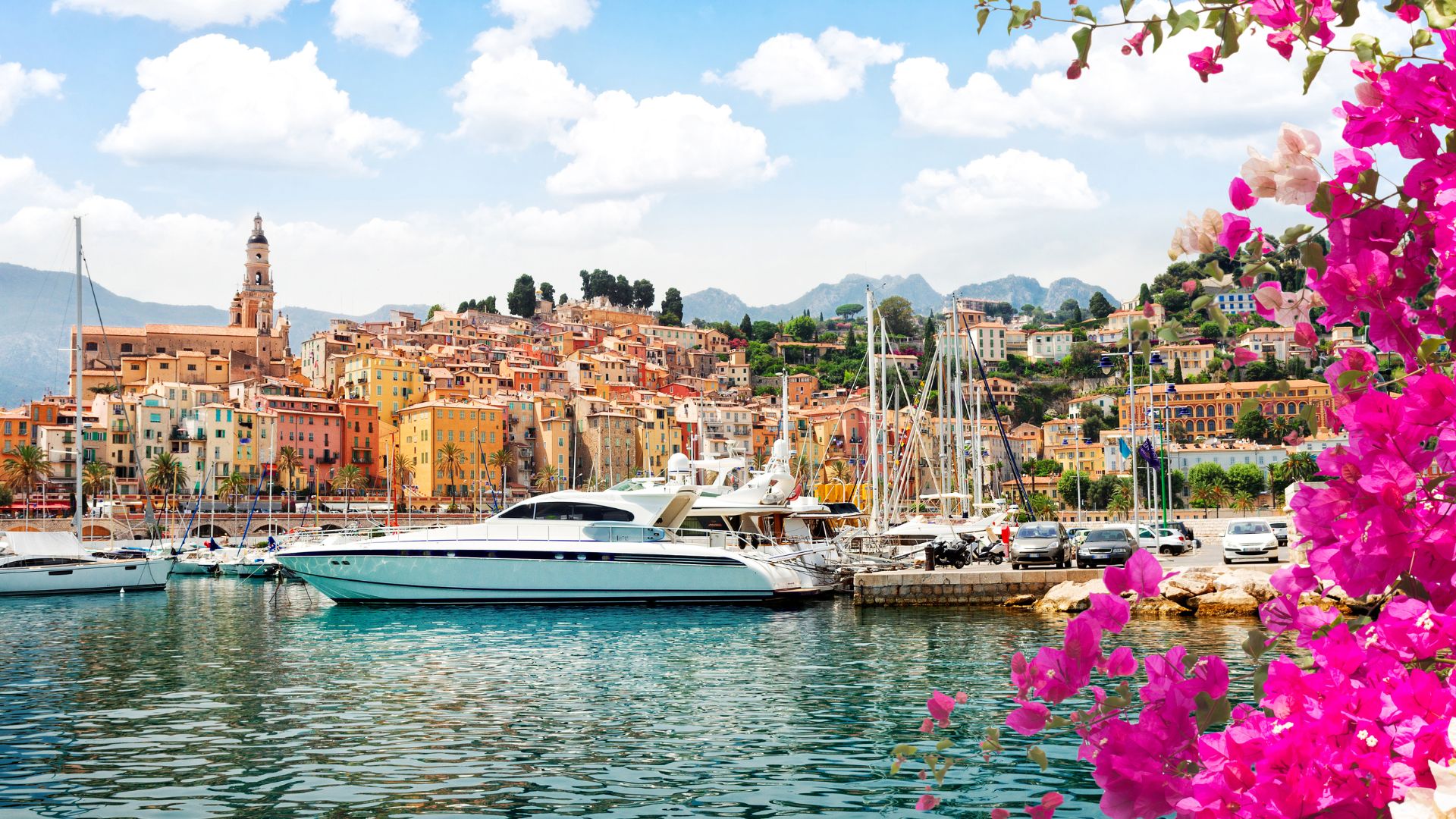
Menton is useful because it stops the east-end route from becoming only Monaco orbit. The run east is still short, but the feel changes quickly once the coast starts leaning toward the Italian border. The palette softens, the harbor scale drops, and the old town feels less theatrical than the principality without leaving the Riviera register.
That quieter edge is exactly why Menton belongs in the middle of the week. It gives the route contrast before Monaco arrives and keeps the charter from flattening into one note of wealth and spectacle. Lunch ashore or aboard works equally well here because the stop is less about one prescribed scene and more about letting the coast's gentler side register properly.
By evening the day should feel like a release valve: still polished, still recognizably Côte d'Azur, but less intent on performing. One day in the corridor's grandest harbor and one day on its more understated margin is the balance that keeps the eastern route from becoming a vanity circuit.
Day Highlights
Day 5 of 7 · Monaco arrival
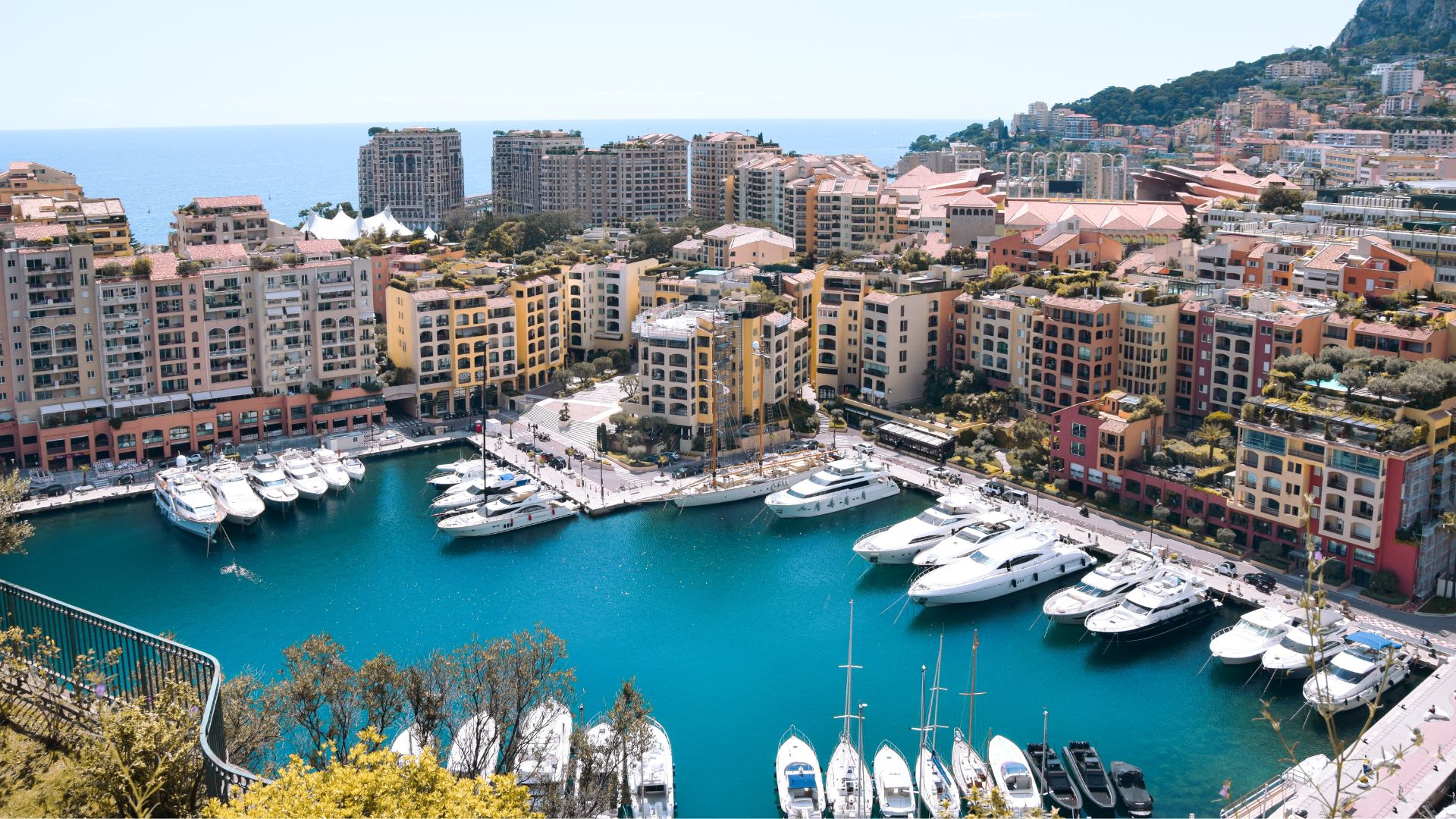
The run into Monaco is short, and that is one reason the arrival works so well. The yacht does not have to spend a whole day grinding toward the principality for the harbor to feel significant once it appears. The coast tightens, the skyline rises quickly, and Port Hercule arrives with the kind of compressed visual force that bigger-mileage routes often lose before they get to their headline stop.
Monaco also lands better because of what came before it. After Villefranche, Cap Ferrat, and Menton, the principality feels like the week's deliberate escalation rather than a first-night stunt. The berth, if secured, does a lot of the work on its own. Guests can go high-theater with Casino Square and Hôtel de Paris, or keep it simpler with a harbor walk and dinner back aboard while the city lights up above the quay.
That is the main point of the eastern route: Monaco matters, but it does not need to swallow the entire week. One or two nights here are enough when the itinerary has already given the coast context. Once you are in Port Hercule, the place more or less takes over.
Day Highlights
Day 6 of 7 · Step back out of Monaco
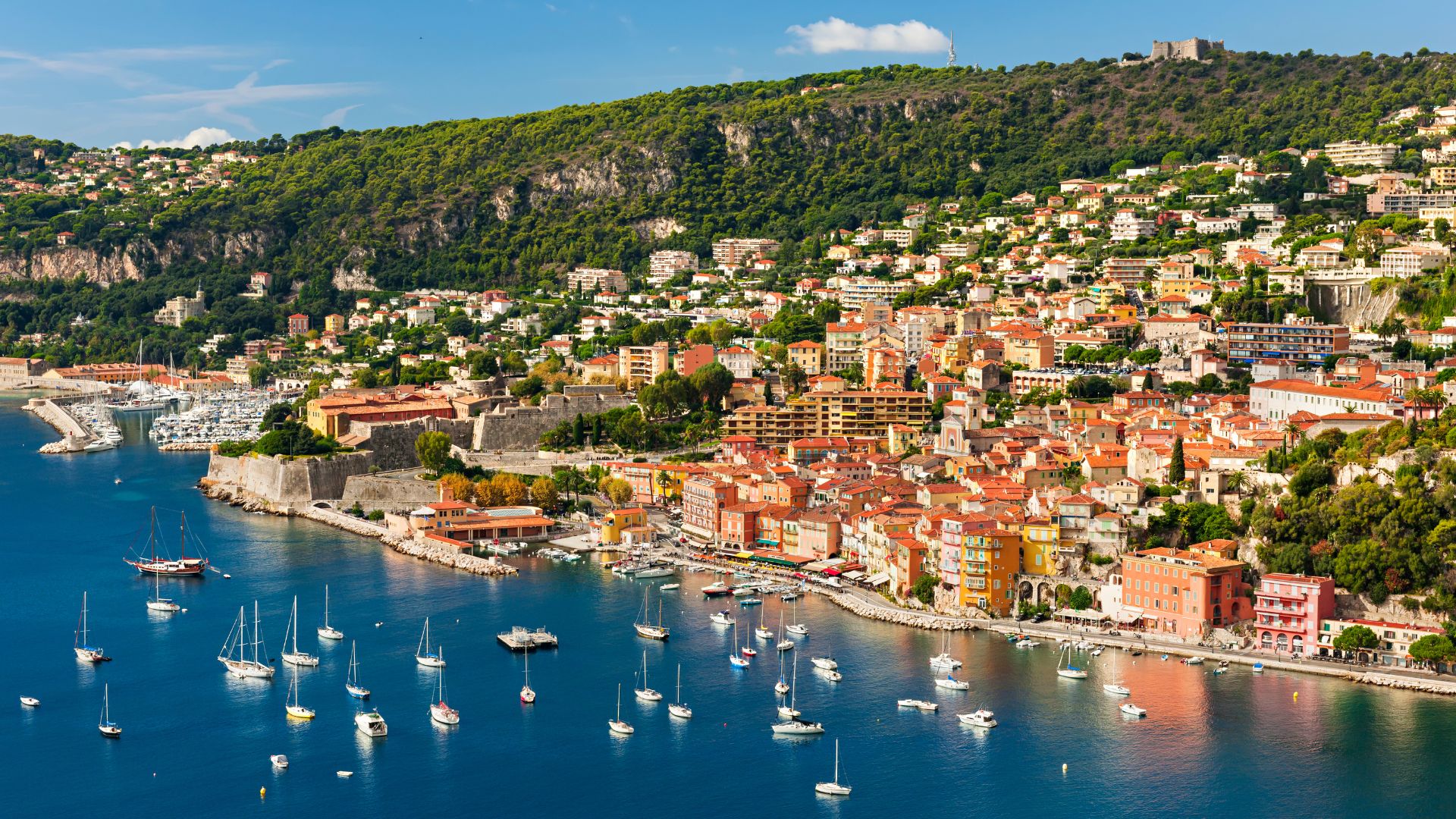
The route deliberately steps back out of Monaco for the final full day. That is not an accident and not a downgrade. If the yacht simply sat in Port Hercule for two or three consecutive nights, the charter would start to feel like a hotel stay with a marina attached. Pulling back west restores the balance and gives the week one more day that belongs to the water.
Villefranche or Beaulieu works well for that reset because the coast is still elegant but the energy drops. Lunch aboard makes sense again. Swim-platform time comes back into the day. The yacht starts feeling central rather than parked. This is often the stretch where guests realize the east end was better precisely because Monaco was not asked to do every job by itself.
A softer close also improves the emotional math of the week. The principality remains the marquee arrival, but the charter ends on the bay, not only on spectacle. That distinction is small on paper and significant in practice.
Day Highlights
Day 7 of 7 · Final coastal return
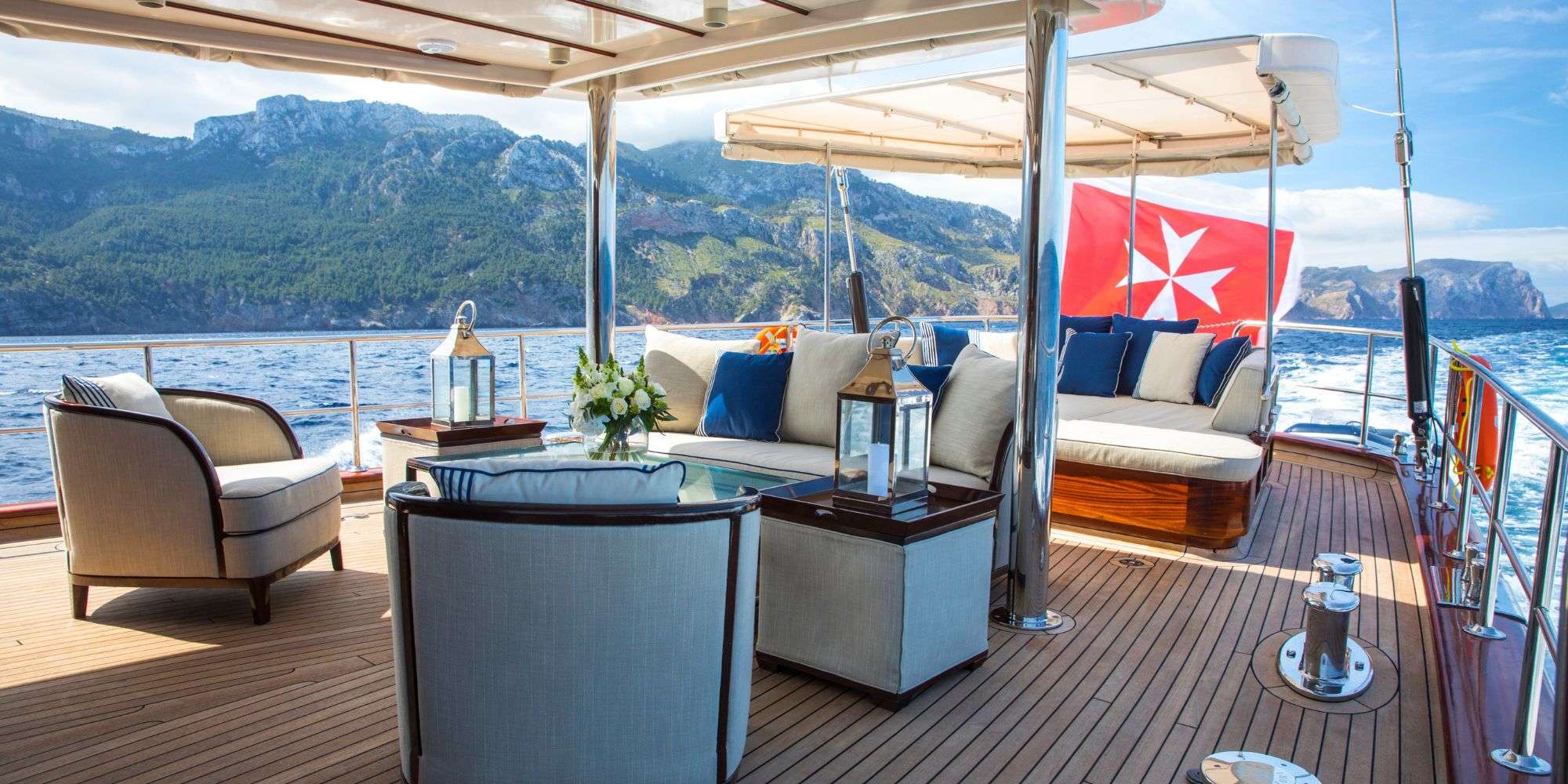
The last full day is still a cruising day, even if the mileage is modest. The yacht stages back toward the home marina with enough room left in the day for a real lunch stop, a final swim if conditions suit, and one more evening aboard that feels earned rather than merely logistical. That is the difference between a seven-night charter and a route that quietly starts shrinking on day six.
The eastern Riviera is especially vulnerable to that problem because the distances are so short. It would be easy to coast back to base too early and call it prudent. Better to use the geography properly: one last run under the coast, one last slow afternoon on the water, and only then the return toward Antibes or Nice.
That keeps the week mathematically and emotionally intact. No hollow disembark-only penultimate day disguised as a full charter, and no sense that the route spent all of its best cards too early.
Day Highlights
Day 8 · Departure
Breakfast aboard, luggage off, and a short transfer onward to NCE or the local rail network depending on the embarkation base. The eastern Côte d'Azur week ends the way it should: not as a giant mileage exercise, but as a concentrated version of the Riviera's most recognizable coast.
Want to share or come back to this voyage later?
Bookmark this voyage →Crewed Itinerary · French Riviera
This is the west-and-central French Riviera week — a seven-night charter focused on Saint-Tropez, Pampelonne, Cannes, Antibes, and the Lerins Islands. It is the stronger answer when the brief includes beach-club lunches, old-port evenings, and the social Riviera, but does not need Monaco to dominate every day or define the whole week.
The distances stay short, which is exactly what makes this route work. The contrast comes from how the stops behave rather than how far apart they are: Saint-Tropez is still a harbor town under the reputation, Pampelonne is best as a controlled day rather than a whole identity, Cannes is bigger and more visibly corridor-driven, and the Lerins provide the anchorage reset that keeps the trip from becoming all quay and no sea.
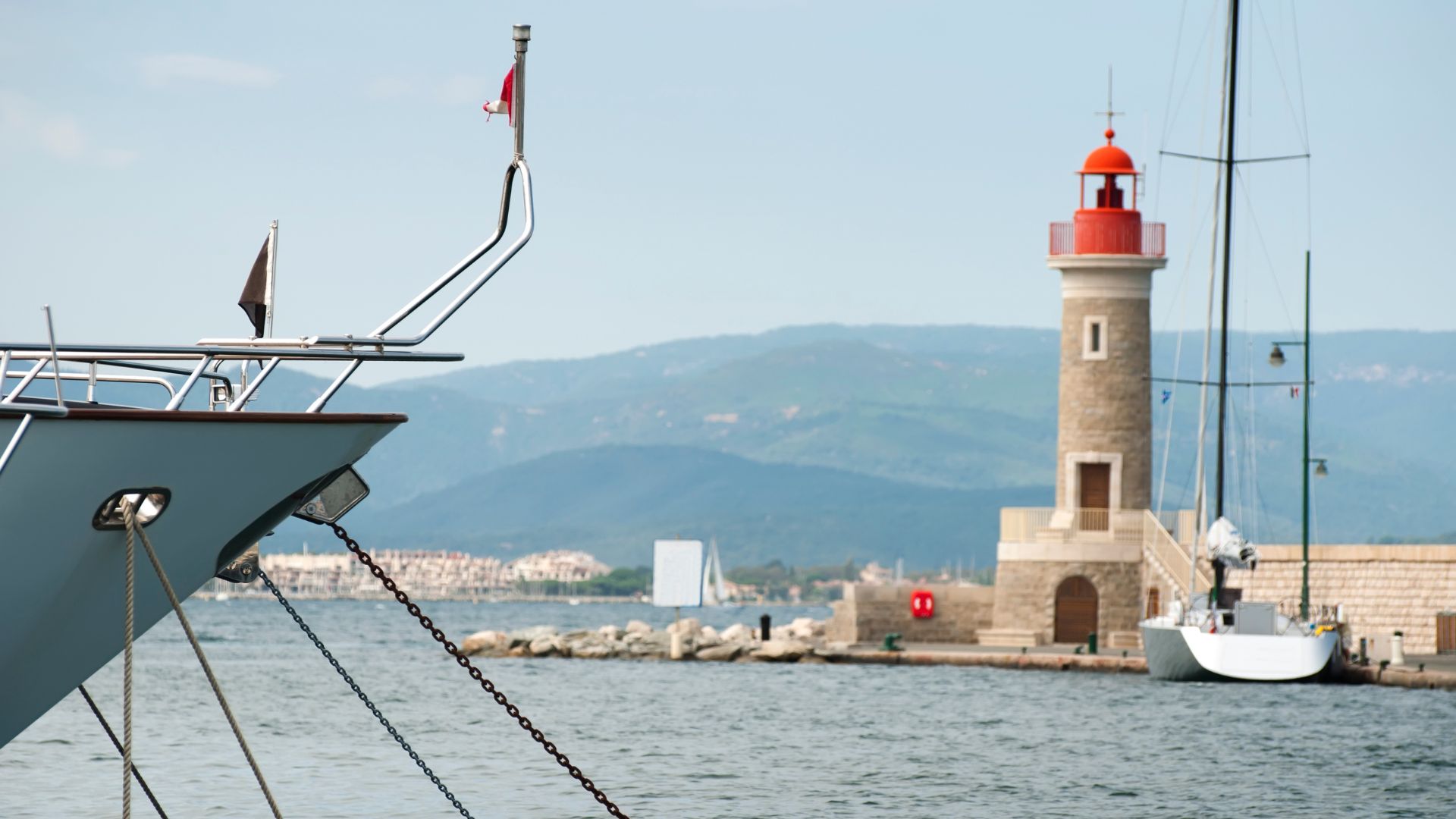
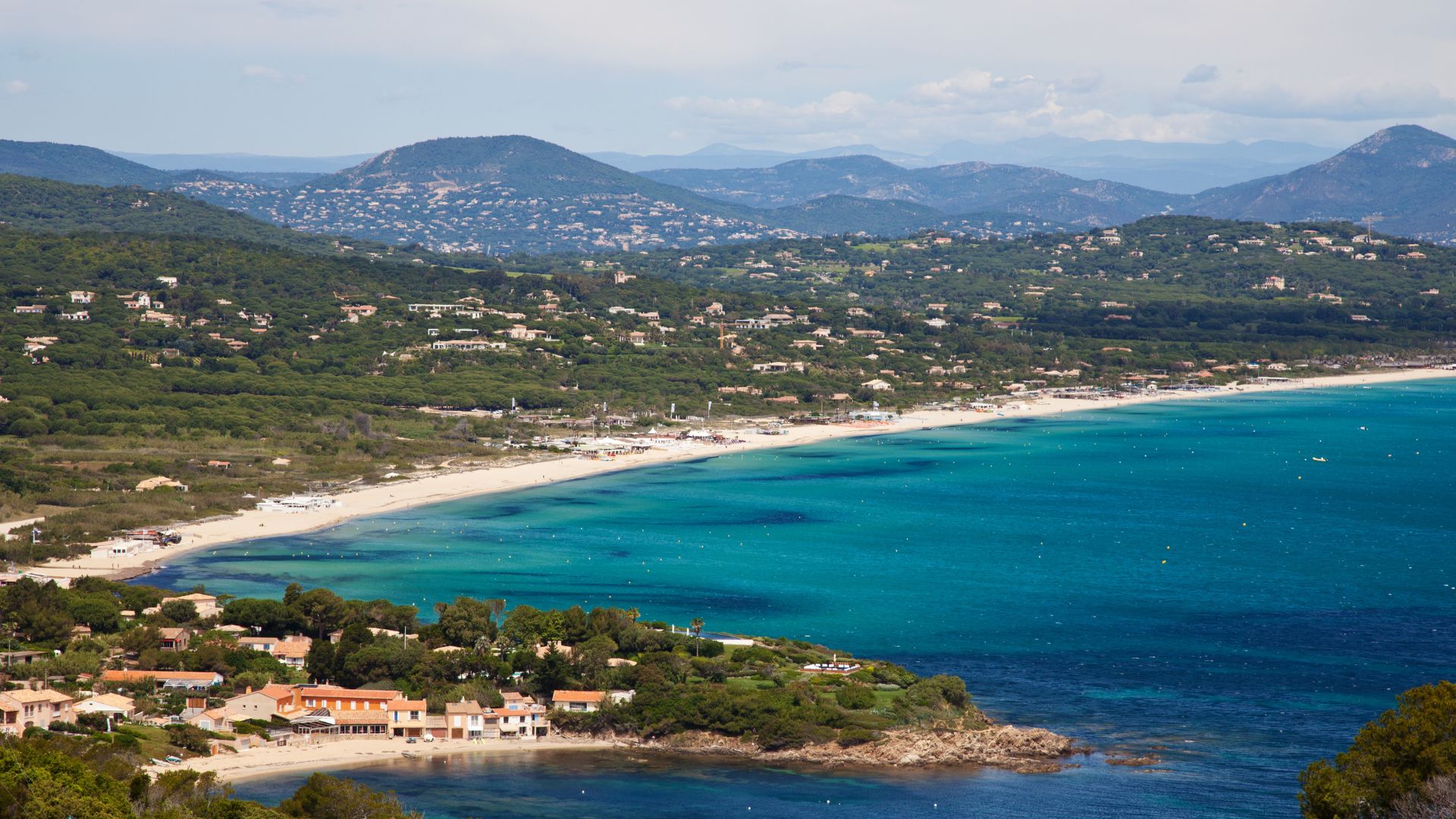
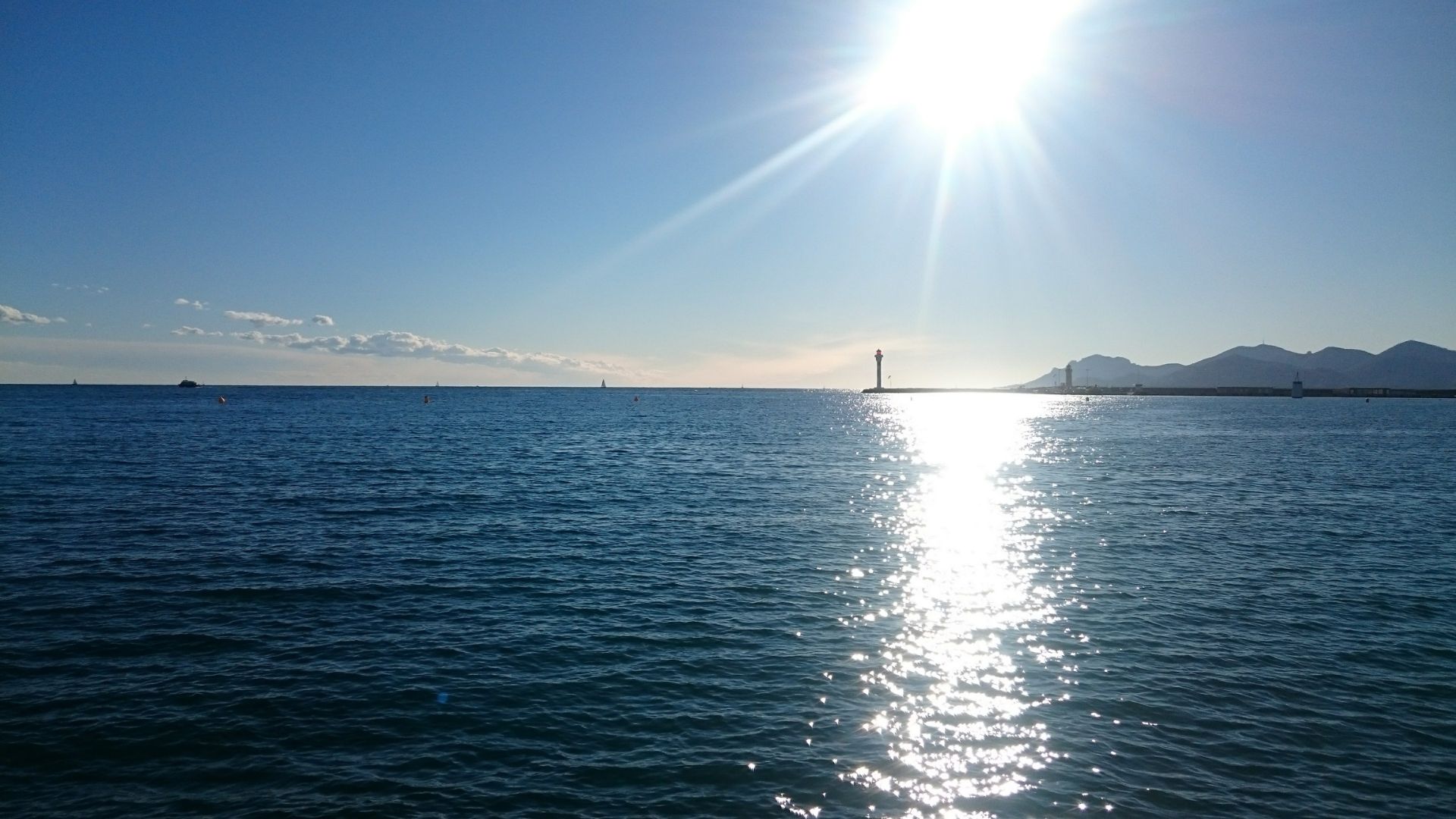
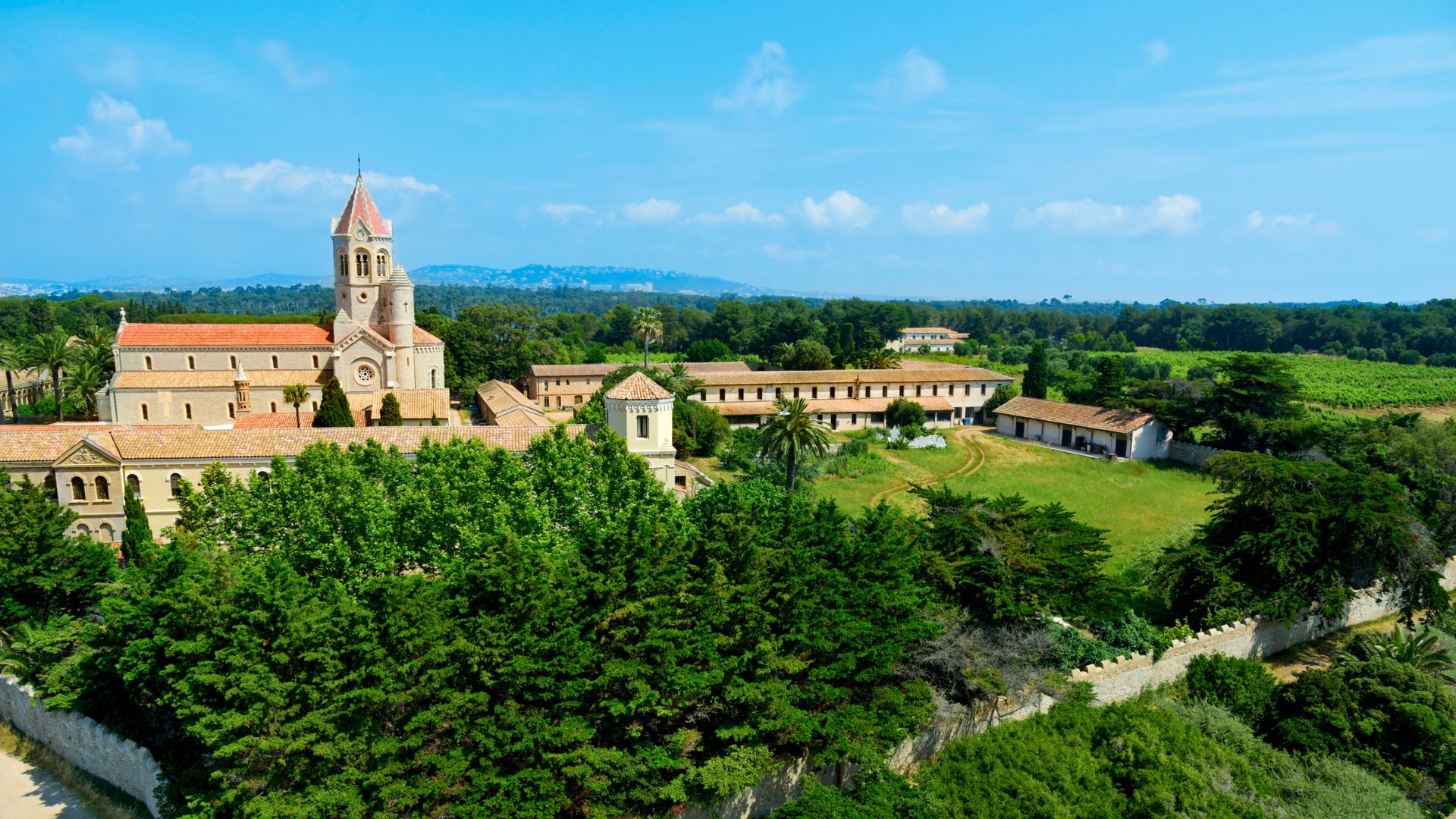
This route keeps the center of gravity west of Cap Ferrat, and that matters because many buyers say 'French Riviera' when what they really mean is Saint-Tropez, Pampelonne, Cannes, and one or two polished harbor nights rather than a Monaco-first circuit. The west-and-central coast gives them that cleanly. It puts the named social stops where they belong, but it also gives the yacht enough room to carry the week instead of becoming only transportation between reservations.
It is the better fit for groups who want the Riviera's social shorthand but still need a proper yacht charter underneath it: a first-night island anchorage at the Lerins, a coastline day along the Esterel red cliffs, a Saint-Tropez arrival that still feels earned, and enough time away from quays that the route keeps breathing. Done well, this is the French Riviera in its best leisure register, not just its most photographed one.
Day 1 of 7 · Immediate water time
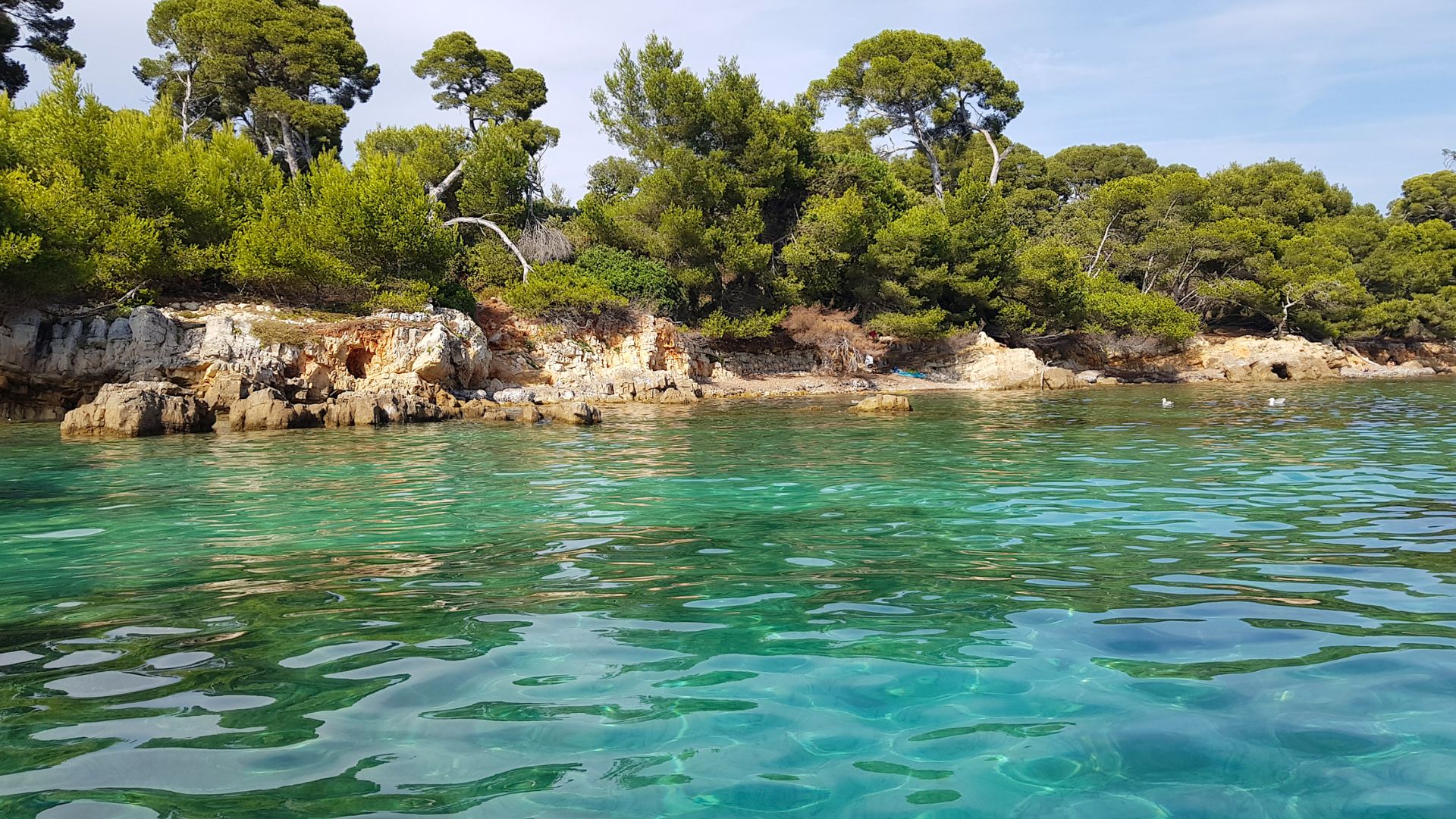
The first day works best when it gets off the quay quickly. Embark at Antibes or Cannes, settle the bags and briefing, and run out to the Lerins while the afternoon is still yours. The point is to convert the arrival day back into yacht time before it gets swallowed by marina logistics and dinner plans.
That short run changes the whole tone of the week. Instead of opening in another dock with the social Riviera still being promised for later, the charter begins at anchor among pines and clear water with Cannes just far enough behind to stop mattering. The Lerins are not filler here; they are the route's first correction.
A swim before sunset, dinner aboard, and the soundscape of an island anchorage rather than boulevard traffic puts the week on the right footing. The famous harbors can wait a day. What matters first is proving that this is still a yacht charter, not a moving hotel booking.
Day Highlights
Day 2 of 7 · Red-cliff coast
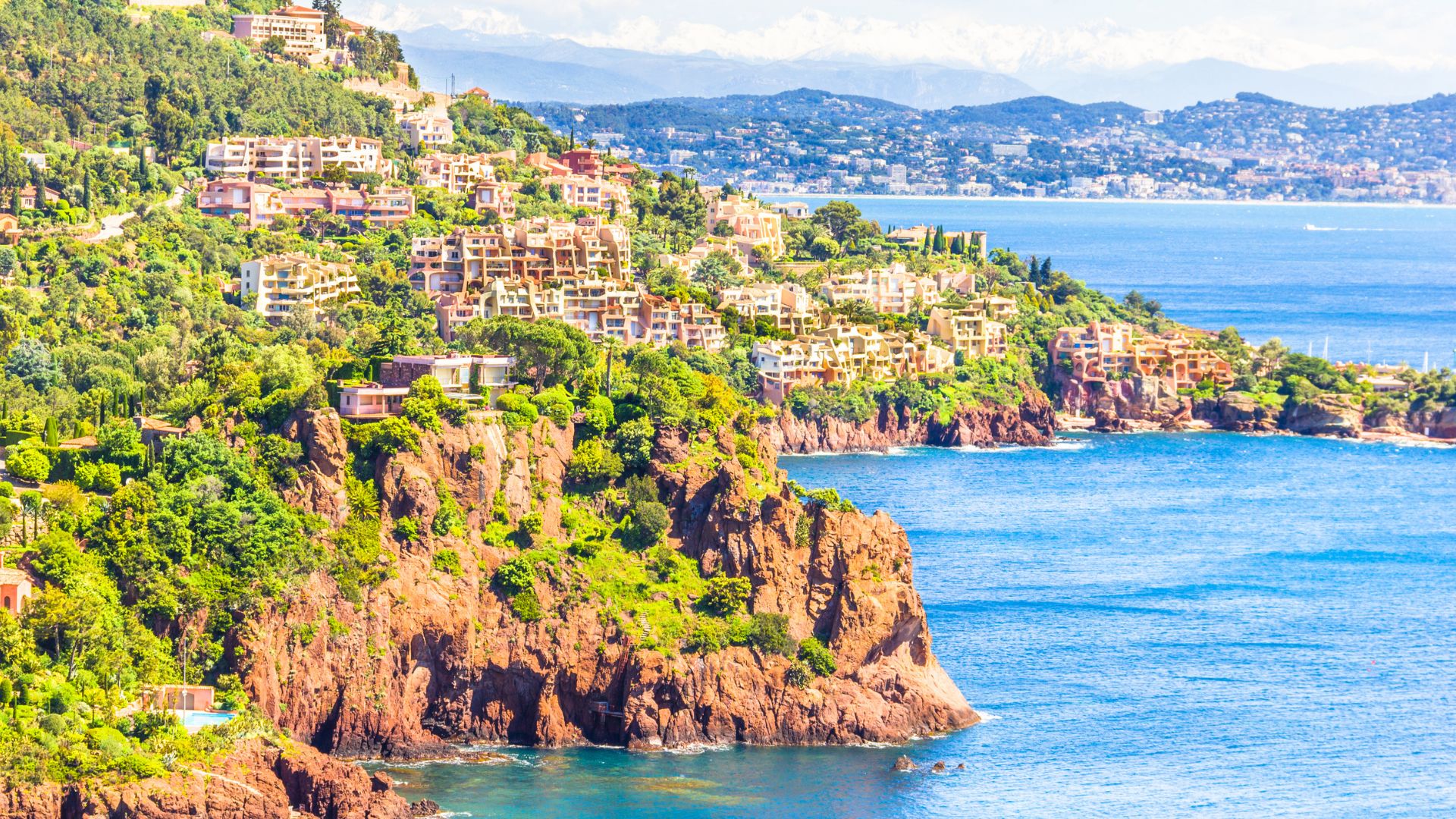
The day along the Esterel is one of the route's best arguments for being on a yacht rather than in a hotel. The coastline between Cannes and Saint-Tropez gives the trip shape and visual relief: red rock, deeper blue water, and a sense of moving through an actual coast rather than hopping between towns already familiar from land.
That matters because the social Riviera can otherwise flatten quickly. Without this stretch, the week risks becoming harbor, lunch reservation, harbor again. Théoule and the Esterel restore the maritime side of the route. Lunch at anchor or a short shore stop keeps the pace easy, and there is no reason to rush through one of the coast's more distinctive visual sections.
By late afternoon the yacht should feel properly between worlds: Cannes behind, Saint-Tropez ahead, and enough coastline in the middle that the route starts to feel earned rather than assembled.
Day Highlights
Day 3 of 7 · Saint-Tropez arrival
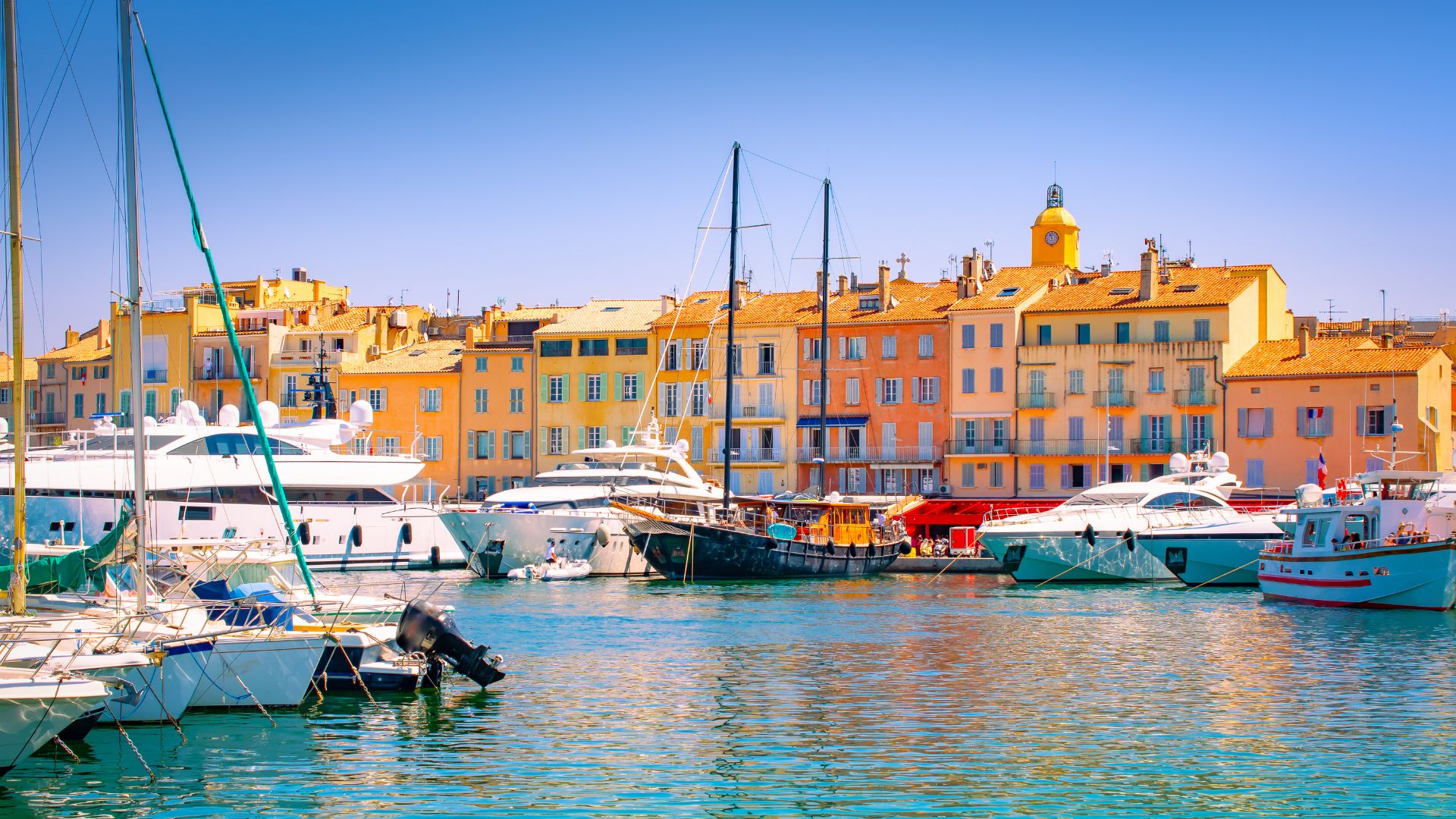
Arrival into Saint-Tropez is still one of the west end's cleanest harbor moments. The approach is not dramatic because of scale; it works because the harbor is smaller than its reputation and still visibly built on top of an older fishing-town structure. That mismatch between the global name and the compact basin is part of why the stop remains good.
Afternoon ashore if the group wants it, dinner in town or aboard depending on berth logistics and mood. There is no need to over-program this stop. Most guests pictured Saint-Tropez before they booked the charter, which means the route's main job is to get them there with enough time and composure that the place can simply be itself.
That usually means one harbor walk, one proper drink, one dinner decision, and then back to the yacht. Saint-Tropez is stronger when the itinerary resists trying to prove too much about it.
Day Highlights
Day 4 of 7 · Beach-club day
Pampelonne is the beach-club day if the group wants one, but it works best when the yacht remains central rather than when the whole afternoon disappears ashore. The bay is close enough to Saint-Tropez that there is no need to treat the stop like a major relocation. It should feel like an extension of the harbor, not a separate expedition.
Lunch ashore works when the group genuinely wants it. Just as often, the better version is a short shore hit followed by time back aboard while the water is still yours. That is the structural advantage of arriving by yacht rather than by road: the day can breathe. Nobody has to commit the entire afternoon to one reservation once the atmosphere starts feeling too managed or too loud.
Used properly, Pampelonne becomes a social accent inside the route rather than the thing the route revolves around. Swim platform, tender flexibility, and the freedom to leave on your own clock are what make the stop feel premium rather than obligatory.
Day Highlights
Day 5 of 7 · Back east to Cannes
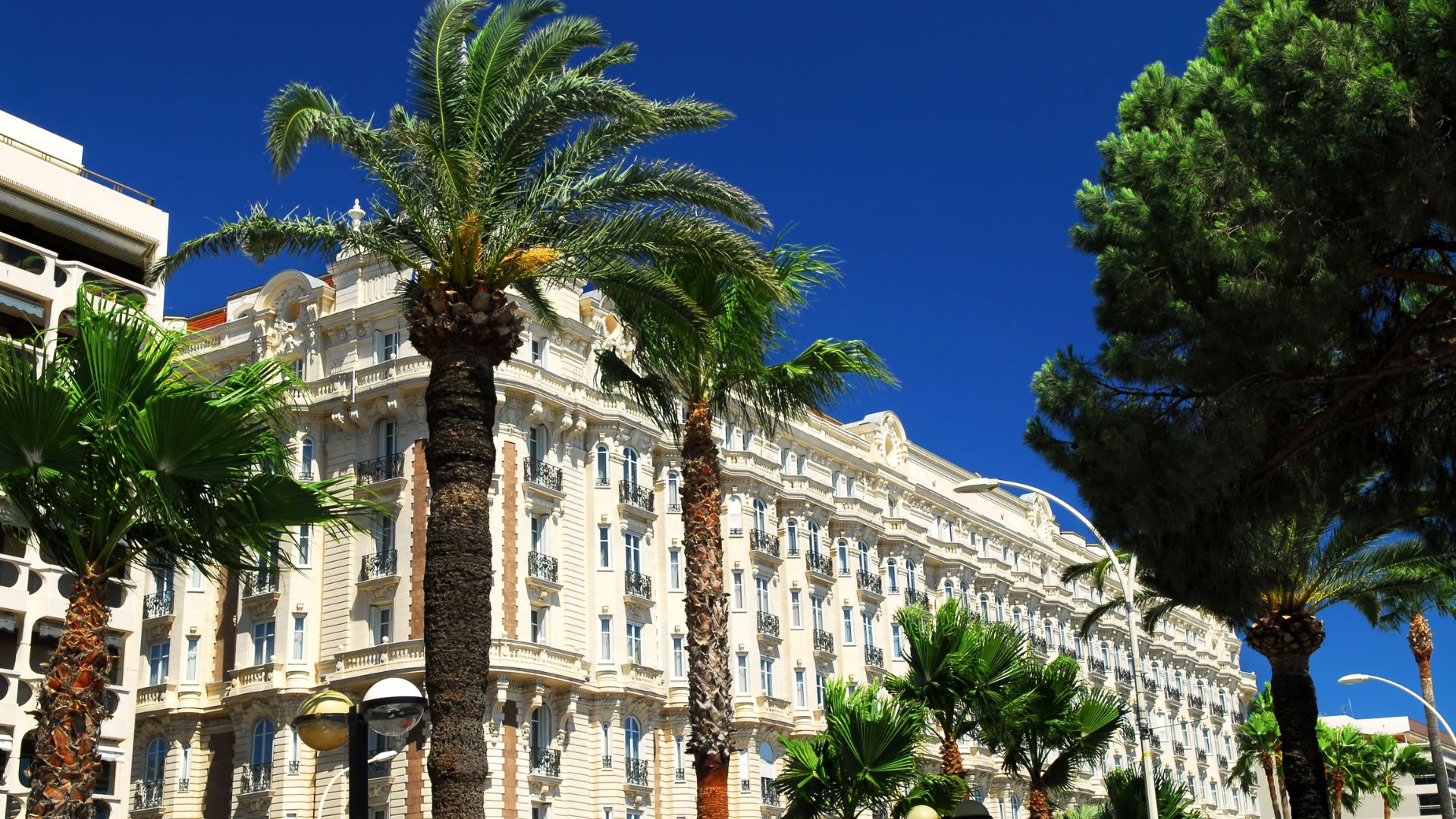
Cannes widens the route back out after Saint-Tropez. The harbor is more visibly corridor-driven, the Croisette is more explicit about what kind of coast this is, and the scale is more urban from the moment the yacht starts closing the bay. That shift is useful because it keeps the west-and-central itinerary from trying to repeat one formula at every stop.
A Cannes arrival also recalibrates the social Riviera around infrastructure rather than myth. Grand hotels, larger yacht traffic, a longer seafront, and a broader harbor make the city feel less boutique than Saint-Tropez and more like one of the true structural centers of the corridor.
That contrast is exactly why the route works. A French Riviera week feels thin if it only tries to be Saint-Tropez over and over. Cannes gives the coast a second register, and the itinerary needs both.
Day Highlights
Day 6 of 7 · Antibes old town
Antibes is one of the coast's practical truths: major yacht infrastructure on one side, an older and more walkable town on the other. Port Vauban is one of the places where the Riviera most obviously reveals itself as a working yacht corridor and not just an atmosphere. The old town keeps that infrastructure from feeling sterile.
That is why Antibes belongs in the back half of this route. After Saint-Tropez and Cannes, the itinerary benefits from a harbor that still feels substantial but less performative. The town is easy to walk, dinner ashore is straightforward, and the overnight reads more lived-in than scened-up.
Good harbor, good old town, no need to force it beyond that. Antibes earns its place by stabilizing the week and giving the final nights a different kind of Riviera polish.
Day Highlights
Day 7 of 7 · Real final day
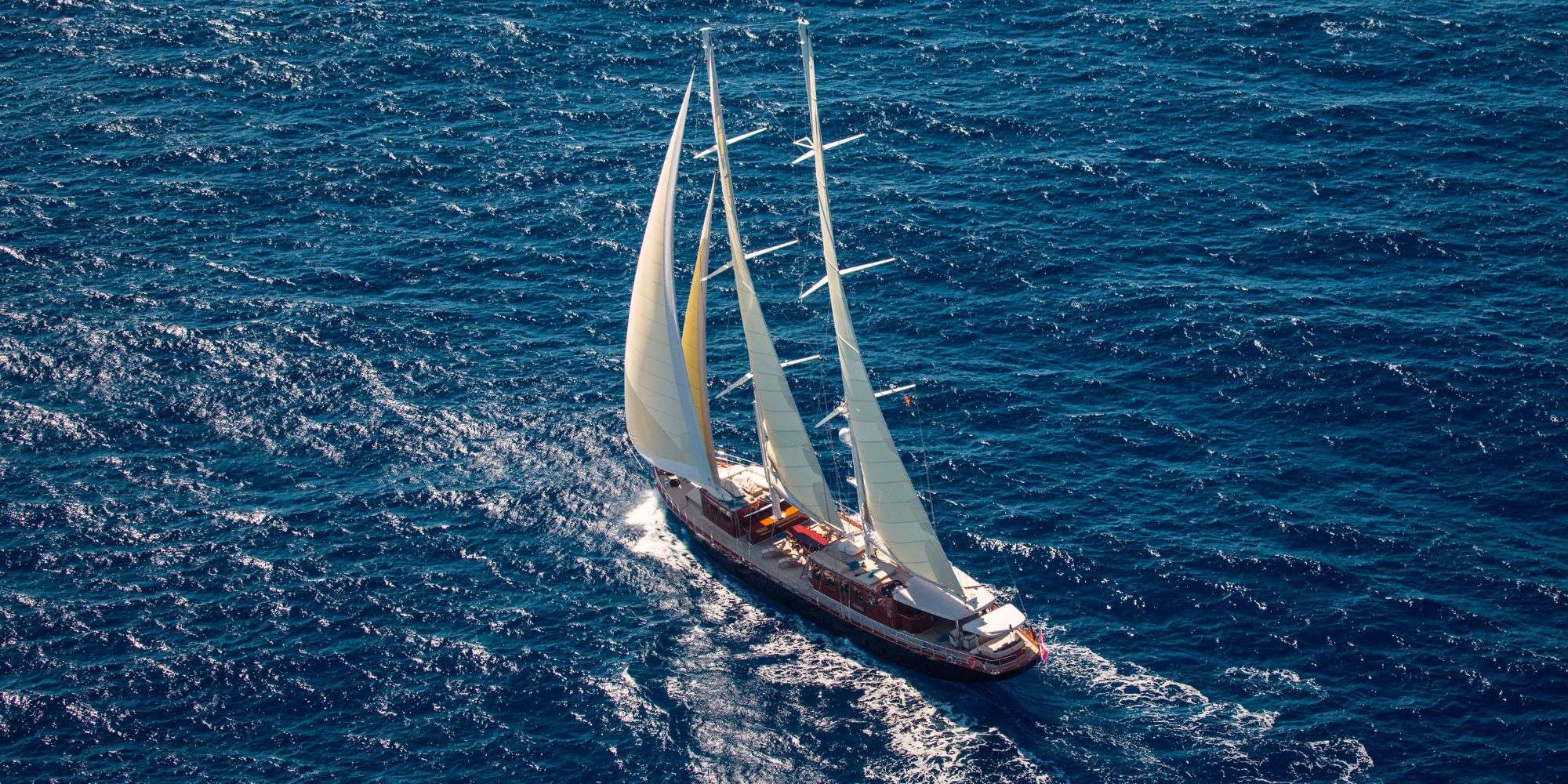
The last full day stays alive by returning to water rather than spending itself on a dead transfer back to base. A final anchorage window near the Lerins or Cap d'Antibes gives the charter a real close and reminds everyone that the route was built on more than quays and restaurant bookings.
That matters especially on this itinerary because the west-and-central coast can become too social if left unchecked. One more swim, one more lunch aboard, one more unhurried afternoon on the hook is what keeps the mathematics honest and the memory of the week from narrowing down to only harbor scenes.
Then the yacht stages back toward the home marina for the final dinner and the practical setup for the morning after. The route closes on water first, logistics second, which is exactly the right order.
Day Highlights
Day 8 · Departure
Breakfast aboard, disembarkation at the marina, and a short onward transfer to NCE or regional rail depending on the yacht's finishing berth. The week ends as the social French Riviera should: with enough harbor energy to feel recognizable, and enough water time underneath it that the yacht never became secondary.
Want to share or come back to this voyage later?
Bookmark this voyage →Crewed Itinerary · French Riviera
This is the flagship French Riviera week — a seven-night one-way from Saint-Tropez to Monaco or the reverse, built to cover the full corridor without pretending the coast is a wilderness route or a sailing expedition. Saint-Tropez, Cannes, Antibes, Cap Ferrat, Villefranche, and Monaco each earn space, and the passages between them are short enough that the week keeps its polish instead of dissolving into delivery mileage.
Most groups choosing this route are not trying to hide from the Riviera's reputation. They are booking it because of that reputation: the visible megayacht corridor, the named harbors, the Michelin-and-beach-club optionality, and the pleasure of moving through the western Mediterranean's most developed yacht coast without repeating the same berth every night. The point is to cross the whole social-and-maritime spectrum of the Côte d'Azur in one clean line.
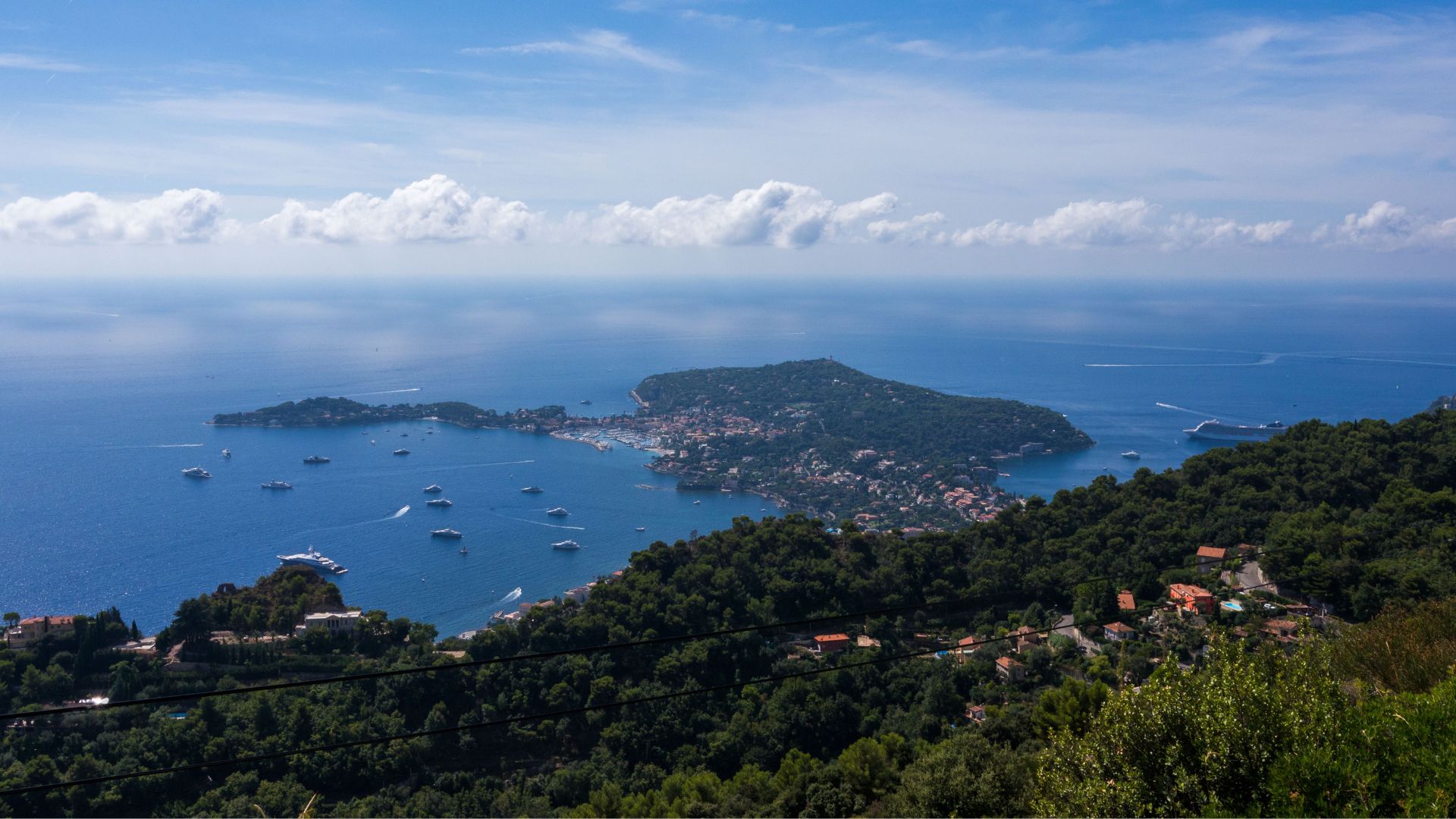
If the buyer wants the whole Côte d'Azur and not just one side of it, this is the clean answer. The one-way shape matters because it keeps the week moving west to east through the Riviera's major personalities rather than looping back over water that has already been covered. Saint-Tropez feels distinct from Cannes; Cannes feels distinct from Antibes; Antibes gives way to the tighter villa coast around Cap Ferrat; and Monaco lands as a finale instead of a midpoint.
It is still a short-hop route by Mediterranean standards, which is exactly why the one-way works. The charter can collect the corridor without turning every day into transfer math, and the boat can keep doing what the best Riviera weeks ask of it: carrying guests from one social register to another while preserving lunches at anchor, real harbor evenings, and enough variation that the coast does not blur into one long brand name.
Day 1 of 7 · West-end opening
Embark at Saint-Tropez or nearby depending on berth logistics. The key is not to waste the opener. Once bags are aboard, the route should feel underway immediately even if the first-night mileage is light. A one-way of this kind works best when the first afternoon already makes clear that the week is in motion and not simply sitting in one glamorous harbor waiting for the charter to begin tomorrow.
That first run also gives Saint-Tropez its proper scale. The harbor gets to be the opening note rather than the whole composition. Guests see it, use it, and absorb it without the route asking one stop to justify the entire mythology of the French Riviera by itself.
Dinner aboard or ashore, depending on the berth, should still feel like a beginning rather than a climax. There are six nights left and the whole corridor still ahead. The route is stronger when it starts with confidence instead of trying to peak on the first day.
Day Highlights
Day 2 of 7 · West-end coast day
Use the second day to absorb the Saint-Tropez side properly before the route starts moving east. Pampelonne if the group wants it, otherwise a slower coast day with the yacht still carrying the rhythm. The important thing is proportion: this side of the Riviera deserves space, but not so much space that the one-way stops behaving like a corridor itinerary.
On a good version of this day, the group gets the social shorthand they came for without handing the whole schedule over to it. Beach-club lunch is there if wanted, but so is the option to swim, leave early, and let the yacht keep the afternoon. That freedom is what separates a strong charter day from a ground-based Riviera day with a boat parked nearby.
By late afternoon the route starts leaning toward Cannes, and the Esterel stretch makes the transition scenic rather than administrative. The coast itself starts doing the work of connecting the west end to the central corridor.
Day Highlights
Day 3 of 7 · Central corridor
Cannes widens the week. Bigger harbor, more visible superyacht infrastructure, and a clearer sense of the coast as a formal corridor rather than a single marquee village. After Saint-Tropez, the city feels broader, more urban, and more explicit about the Riviera as an industry as well as a fantasy.
That shift is useful because it proves the value of the one-way shape. Each stop adds a different version of Riviera instead of asking one place to stand in for the whole coast. Cannes is where the route starts feeling less like a collection of postcard names and more like a coastline with an internal hierarchy.
Afternoon ashore, dinner with the Croisette in range, and one night in a harbor that reads differently from Saint-Tropez is enough. The route does not need to over-explain Cannes; it only needs to let the city enlarge the week's frame.
Day Highlights
Day 4 of 7 · Islands and infrastructure
Morning at the Lerins, then a short run into Antibes. That pairing is one of the route's better pieces of pacing because it gives the day both anchorage relief and a substantial harbor close. The islands keep the corridor from hardening into a string of quays, and Antibes restores the sense of a real Riviera town underneath the superyacht infrastructure.
The Lerins matter because they prove that even on one of the Mediterranean's most developed coasts, the yacht can still provide a proper island-water day. Pine shoreline, clear anchorage, lunch aboard, and time in the water reset the group's sense of the week before the route folds back into one of its major marina centers.
Port Vauban is infrastructure; the old town keeps it human. That balance is why Antibes belongs on the full-corridor version. Without it, the route would jump too abruptly from Cannes into the more rarefied east end.
Day Highlights
Day 5 of 7 · Villa coast transition
Cap Ferrat changes the line of the coast and the tone of the week. The villas sit tighter, the bays feel more enclosed, and Monaco starts to become visible as the route's final destination rather than simply its famous neighbor. The corridor narrows here, visually and socially, and the week becomes more exact.
This is one of the stretches that earns being experienced slowly from the water. The yacht can use the headland, lunch positions, and bays in a way that no land-based itinerary can really imitate. There is no single stop that explains Cap Ferrat. The point is the coastline itself and the way the Riviera's wealth becomes most legible once the road disappears.
Keep the day light on logistics for exactly that reason. No need to stack too many shore plans into one of the coast's best observation days. Let Monaco keep pulling at the horizon while the boat moves through the villa coast at its own pace.
Day Highlights
Day 6 of 7 · Best anchorage on the coast
Villefranche is placed here on purpose. The route needs a final anchorage and a final exhale before Monaco, otherwise the whole back half becomes too harbor-heavy and the finale arrives without enough contrast. The bay is one of the coast's natural advantages, and the itinerary would be leaving money on the table if it did not use it.
Swim, lunch, town if the group wants it, and one more night that still feels like a yacht charter rather than an arrival queue. After Cannes, Antibes, and Cap Ferrat, Villefranche becomes the place where the week briefly settles before the symbolic finish line.
That pause improves Monaco the next day. It gives the principality a cleaner runway and makes the harbor finale feel deliberate rather than piled on top of several previous urban stops.
Day Highlights
Day 7 of 7 · Corridor finale
The last full day is still a real cruising day, even though the approach is short. Breakfast and swim at Villefranche, then the final run into Port Hercule by late morning or midday. That is the right geometry for a Monaco ending: enough yacht time in the day that the harbor arrival feels attached to a charter rather than to a hotel transfer.
Monaco closes the route because it is the highest-visibility finish, not because it needs the most time. In fact, the city often works better as a final note than as a place the itinerary lingers over. By the time the yacht enters Port Hercule, the coast behind it has already given the arrival scale and context.
Afternoon and evening ashore or aboard depending on the group's preferred ending. Casino Square, one last harbor walk, sunset from the aft deck, dinner in town, or simply staying with the yacht and letting the city form the backdrop. The finale works because the week has earned it.
Day Highlights
Day 8 · Departure
Breakfast aboard at Port Hercule, disembarkation by mid-morning, and a short transfer onward to NCE or helicopter onward if the group prefers. The full-corridor route ends exactly where it should: with Saint-Tropez, Cannes, Antibes, Cap Ferrat, Villefranche, and Monaco all behind you, and no repeated water pretending to be extra coverage.
Want to share or come back to this voyage later?
Bookmark this voyage →When to go, what it costs, and how to get there — the practical answers guests ask before booking a French Riviera crewed yacht charter.
July and August are the Riviera at full volume: the strongest harbor scene, the highest berth pressure, and the most expensive rates. The best motor yachts and the best crewed weeks are spoken for early, especially when the route touches both Saint-Tropez and Monaco. This is the period for guests who want the coast at its most visible and are willing to pay for that.
June and September are the strongest balance of water temperature, harbor energy, and practical booking conditions. The coast is fully alive without every stop feeling maxed out. Late May needs separate handling because Cannes Film Festival and the Monaco Grand Prix can distort the market beyond the exact dates of the events themselves.
$30,000–$100,000 per week
Crewed yacht charters on the French Riviera typically run from $30,000 to $100,000+ per week base rate, depending on yacht type, size, age, and how closely the week tracks the prime corridor between Saint-Tropez and Monaco. This is not a value-market Mediterranean destination. Premium dockage, beach-club lunches, high-end shore dining, event-week berth pressure, and larger motor-yacht inventory all push total spend upward relative to Italy, Croatia, or Greece. France runs on the plus-expenses model: the base rate covers yacht and crew only. Food, beverages, fuel, marina dockage, water and electric, premium berthing, and shore-side incidentals are funded through APA and reconciled at the end of the charter. Crew gratuity in the Mediterranean is typically 10 to 15 percent. French charter VAT is usually 20 percent on the base rate.
About chartering in the French Riviera.
We charter across the Western Mediterranean. Here are some other excellent alternatives.

Four cruising grounds in one country — the Amalfi Coast, Sardinia & Corsica, Sicily and the Aeolian Islands, the Italian Riviera south to Tuscany. The hardest part of an Italy yacht charter is choosing which week to take first.

Cliff-stacked villages and long lunches the tender reaches — the Italian summer the boat makes possible, anchored under the Faraglioni at sundowners and tied up in Amalfi by midnight.

Costa Smeralda granite coves and Bonifacio's white-cliff citadel six miles apart, the Strait between two islands cruised in a single afternoon — the Mediterranean the Italians and French keep mostly for themselves.

Stromboli erupting off the anchorage at Panarea, the Greek theatre at Taormina with Etna smoking behind, and the Cappella Palatina at Palermo's Norman Palace — the Mediterranean's only active-volcano cruising ground and the Italian week most guests book the second time they come.

Portofino's harbor amphitheater, the Cinque Terre's cliff villages, Portovenere's painted waterfront, and the Tuscan islands south to Elba and Argentario. The quieter Italian week for guests who want village character, harbor restaurants, and lower-density anchorages without Amalfi's August intensity.

Mallorca's mountain coast on one side, Ibiza and Formentera's clearer water and sand-bottomed coves on the other, and the yacht-only Cabrera National Park between them — three weekly itineraries from Palma or Ibiza Town.
Fill out our quick form and we'll dive into your unique preferences — from adventure-packed itineraries to pampered escapes. Whether you're a seasoned voyager or new to charters, we'll tailor recommendations just for you.
With over fifteen years of experience, we'll match you with the yacht that fits your style, group, and itinerary. We work directly with the captains and crews across our list — so the recommendation is built around the right boat-and-crew fit for your week, not whatever's easiest to book.
Once your yacht is booked, we'll take care of logistics: paperwork, reminders, and personalized resources to help you plan. From arrival planning to must-visit spots, we'll make your charter as seamless as it is unforgettable.