Crewed Itinerary · French Riviera

Eastern Côte d'Azur Yacht Charter Itinerary

This is the eastern French Riviera week — a seven-night charter built around Villefranche, Cap Ferrat, Monaco, and Menton, with Nice or Antibes as the practical gateway and Monaco as the route's visual center of gravity. The mileage is compact on purpose. The point is not to rack up distance; it is to spend a week inside the most concentrated end of the Côte d'Azur without turning the yacht into a transfer shuttle between famous names.

The east end behaves differently from Saint-Tropez and Cannes. The bays are tighter, the coast is more villa-lined, and the harbors feel more compressed against the land. Most groups who book this route care less about saying they covered the full corridor than about getting the rhythm right: a real anchorage at Villefranche, a slow lunch coast around Cap Ferrat, one or two Monaco nights that still feel earned, and enough time ashore that the week reads as the Riviera rather than as a fast boat checking labels off a map.

Duration
7 nights / 8 days
Base
Nice, Antibes, or Monaco (round-trip)
Plan your French Riviera charter Custom-tailored to your dates and group preferences
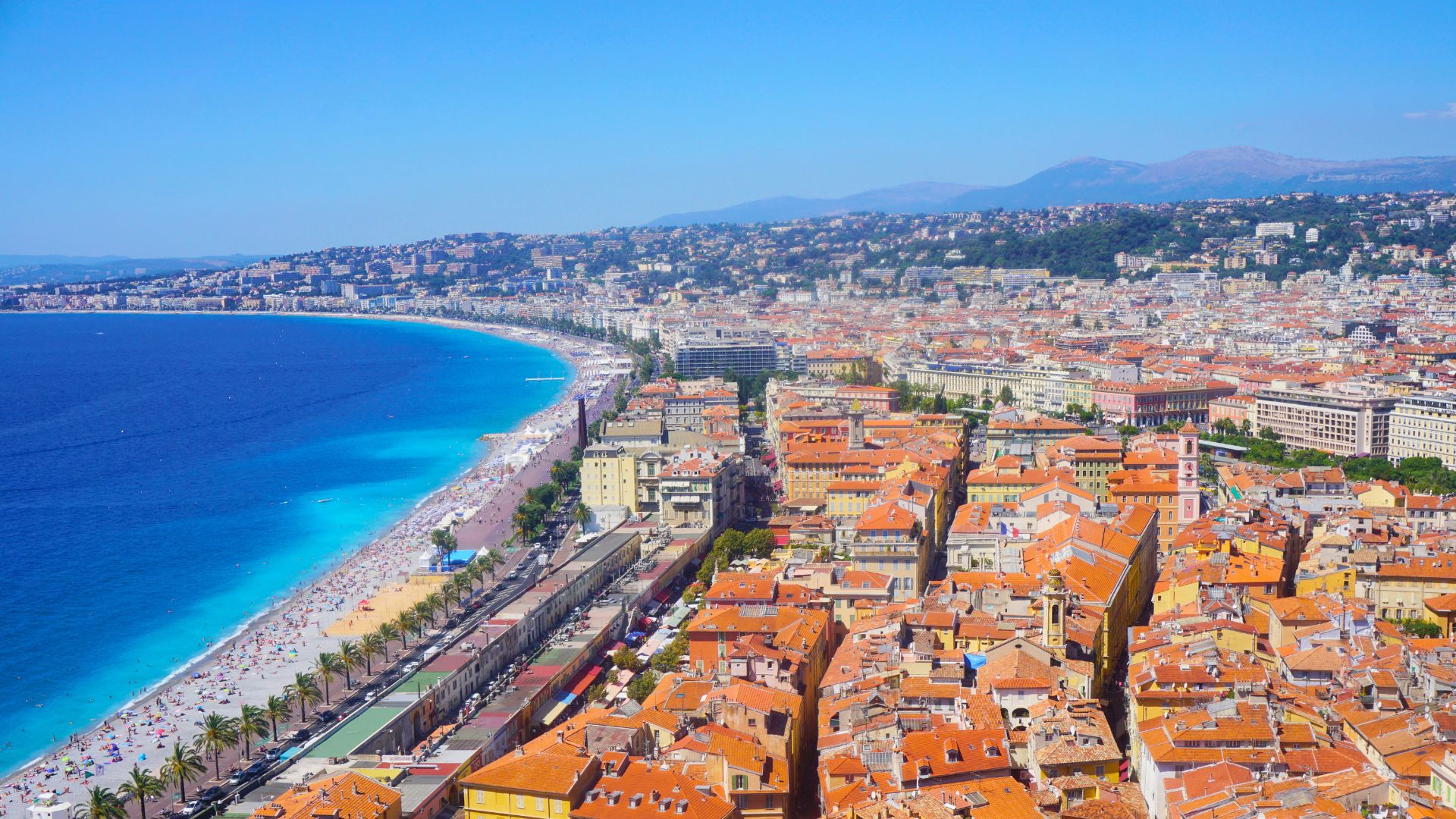
Nice and the Baie des Anges from above.
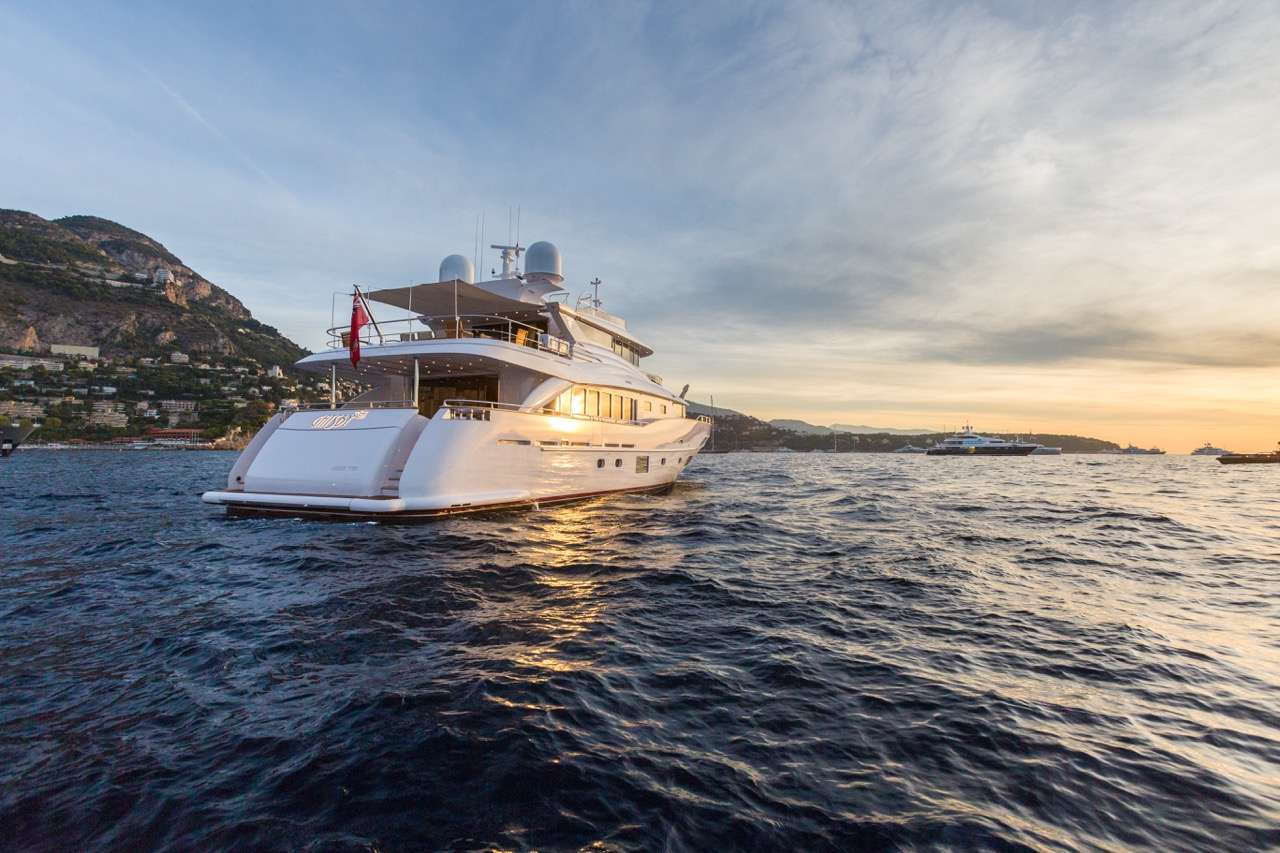
Motor yacht underway off the coast at sunset.
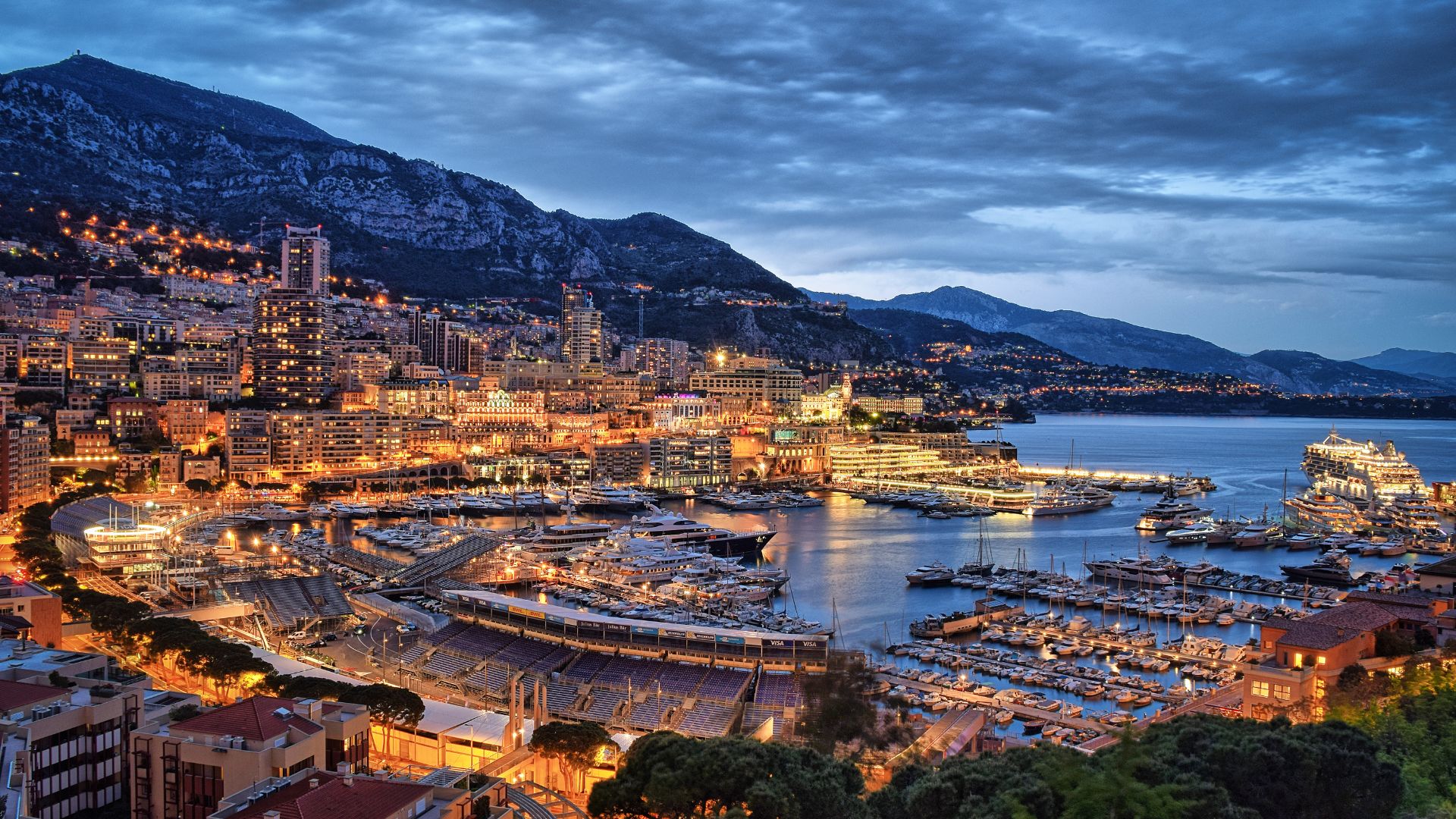
Yachts at sunset off Monaco.
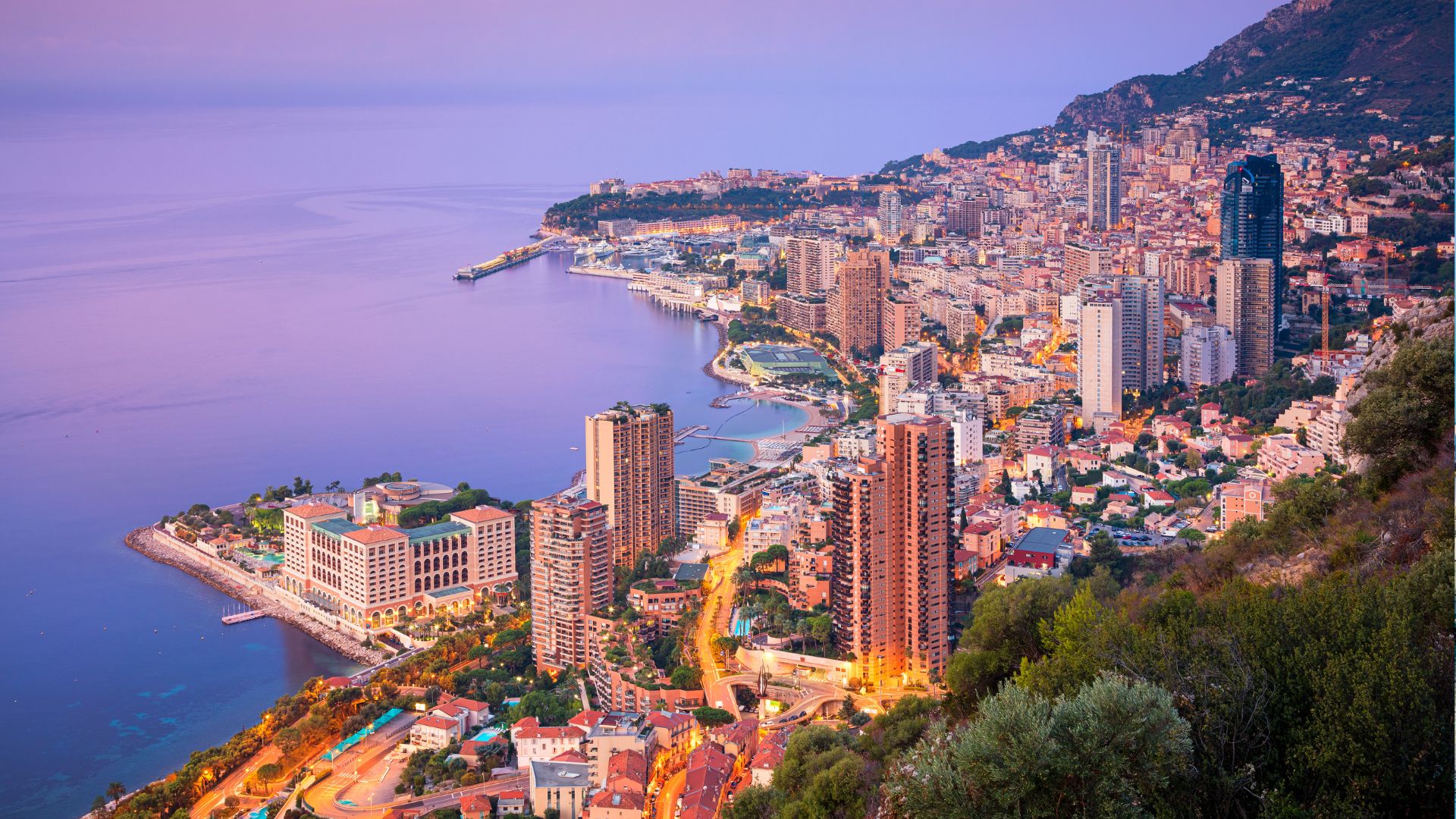
Monaco's skyline and coastline at dusk above the harbor.

Why this Eastern Côte d'Azur itinerary is the clean Monaco-first charter

This is the right first French Riviera itinerary when the brief starts with Monaco, Cap Ferrat, or Villefranche rather than Saint-Tropez. The coast east of Antibes is short on nautical miles and high on density: the deep natural bay at Villefranche, the estate-lined headlands of Cap Ferrat, the Belle Époque and Formula 1 weight of Monaco, and the softer border-town edge at Menton all sit close enough together that the route never feels stretched.

It also protects the thing guests are usually paying for here: time to actually be in the places. Monaco works better when it is approached from a quieter anchorage day. Cap Ferrat works better when it is treated as a coastline and not as a checklist stop. Villefranche matters because it gives the week a real bay to live in, not just a sequence of expensive berths. If the brief is more social and west-end, the Saint-Tropez and Cannes route is stronger. If the brief is to cover the whole corridor end to end, the one-way is the larger answer.

1

Day 1 of 7 · Embark the eastern corridor

Boarding day and the first run toward Cap Ferrat
Anchorage: Cap Ferrat or Beaulieu-sur-Mer
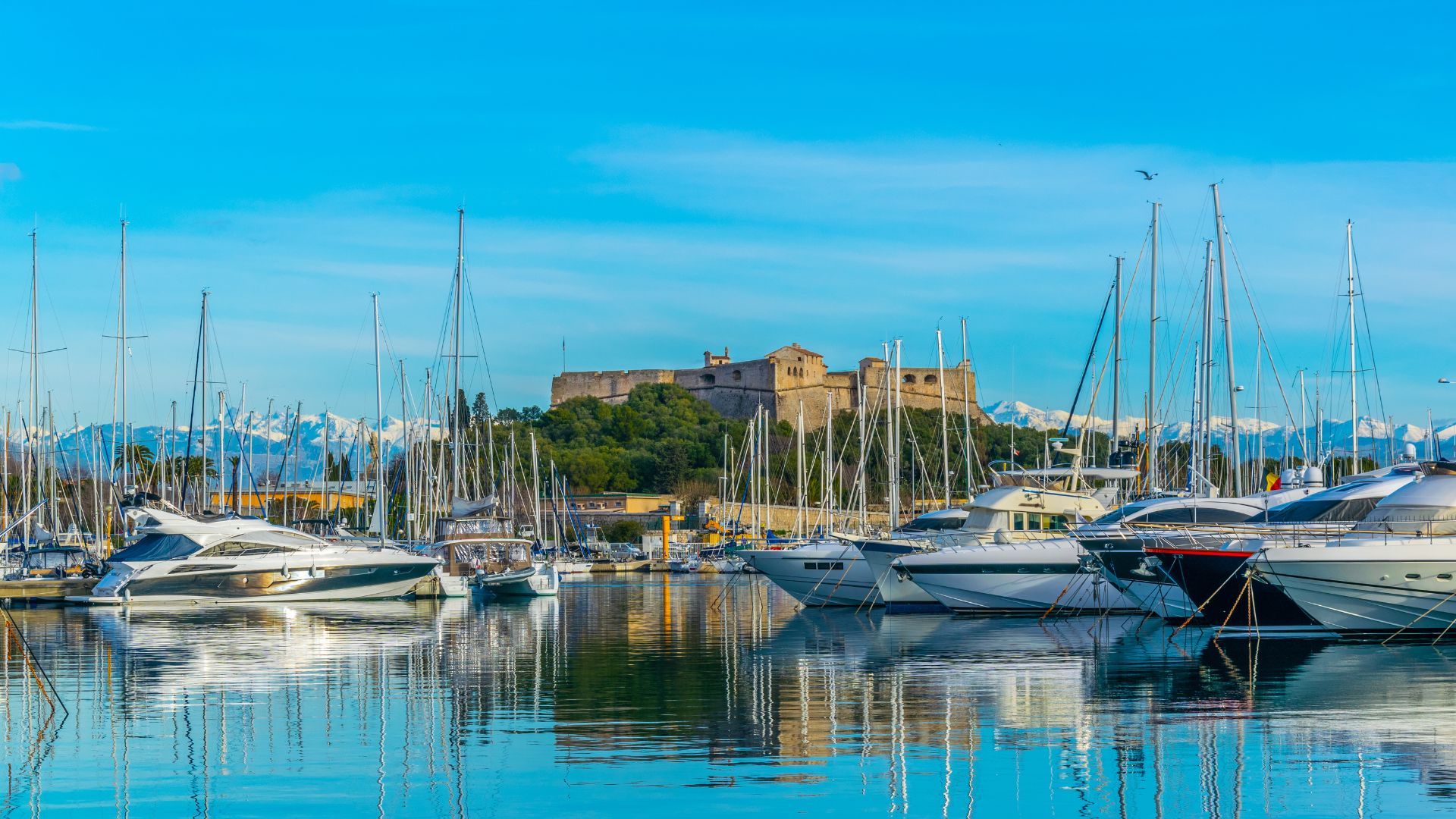
Antibes gives the east-end charter its practical opening — major marina infrastructure, straightforward arrivals, and immediate access to the coast.

The week opens at Antibes or Nice, depending on the yacht and the berth. Crew meets the group on the quay, luggage gets squared away, and the captain uses the first hour to turn an airport day back into a yacht day as quickly as possible. Even if the embarkation runs into mid-afternoon, the distance east is short enough that the boat can still move before cocktail hour and the charter begins underway rather than tied to the dock.

The run toward Cap Ferrat is not long, but it is enough to reset the eye. Antibes and Nice fall behind, the headlands start to tighten, and the coast begins looking less like a city shoreline and more like the Riviera guests usually imagined before they booked it. By the time the yacht settles off Cap Ferrat or nearer Beaulieu-sur-Mer, the group has already traded travel-day logistics for protected water and a proper first-night anchorage.

That first evening matters more than it sounds. Starting quietly under the villa coast gives the eastern route room to build. Monaco is still ahead rather than already consumed, and the charter's opening note is water, shoreline, and dinner aboard instead of a high-theater harbor trying to do too much too early.

Day Highlights

  • Embarkation from the practical east-end bases.
  • Short opening run to Cap Ferrat.
  • Protected first-night anchorage.
  • The coast starts quietly before Monaco.
2

Day 2 of 7 · Bay day

Villefranche Bay and the easiest anchorage on the coast

Anchorage: Villefranche Bay
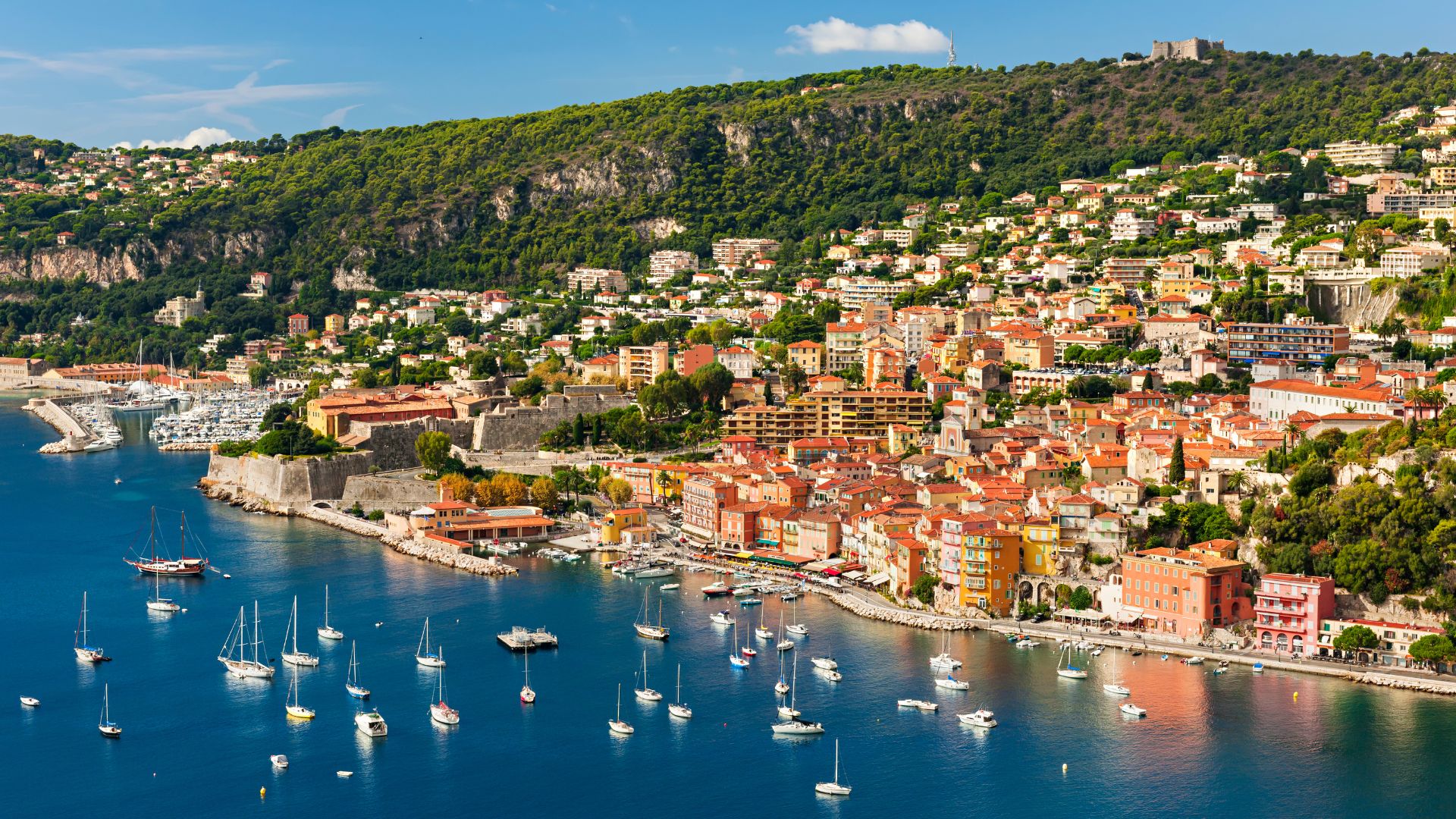
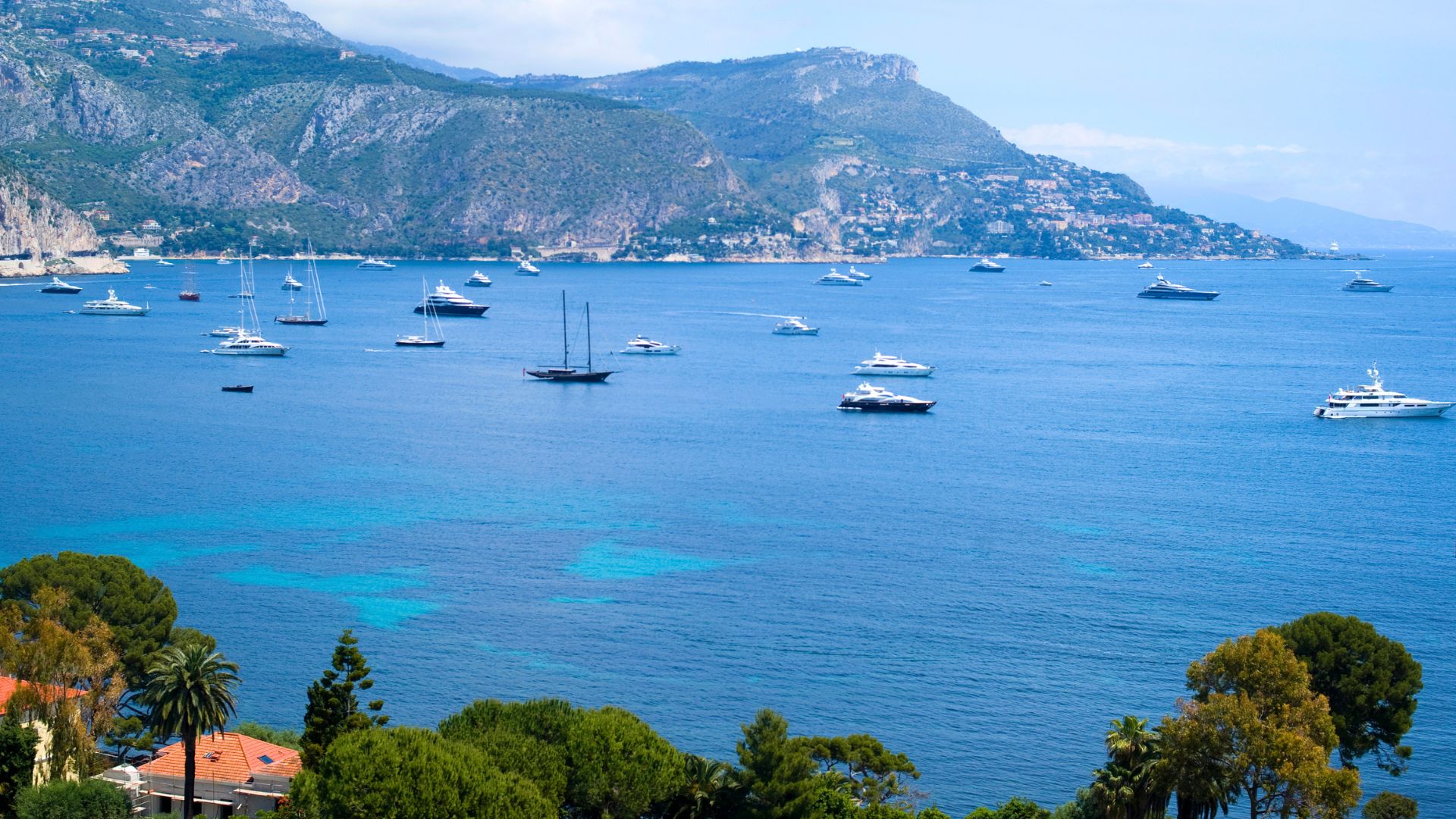
Villefranche is the anchorage that makes the eastern Riviera work — deep, sheltered, and still close enough to town that shore time stays easy.

The second day is intentionally light on mileage because Villefranche Bay is one of the coast's best natural anchorages and deserves to be used rather than crossed. The horseshoe shape of the bay, the depth, and the shelter are what make the east end feel different from the more harbor-dependent parts of the Riviera. This is one of the few places where the yacht can sit properly at rest and still keep town within easy reach.

Morning here is for swimming, coffee on deck, and the kind of slow start that guests tend to remember more clearly than the louder evenings. Lunch aboard makes sense because there is no pressure to move. The bay itself is the day's asset. That is the value of placing Villefranche early in the week instead of squeezing it into the margins around Monaco.

Late afternoon, once the heat falls out of the waterfront, the tender run into town becomes the land moment. A harbor walk, a drink ashore, dinner in the village if the group wants it, then back to the yacht in one of the easiest and most livable overnights on the whole route. This is the day the itinerary stops trying to announce itself and starts reading like a real charter.

Day Highlights

  • Deep sheltered anchorage at Villefranche.
  • A proper swim-and-lunch day.
  • Tender access into town without friction.
  • The most relaxed overnight of the route.
3

Day 3 of 7 · Villa coast

Cap Ferrat at water level

Anchorage: Cap Ferrat or Beaulieu
Cap Ferrat is not a stop because of one single harbor. It is a stop because the coastline itself is part of the Riviera vocabulary.

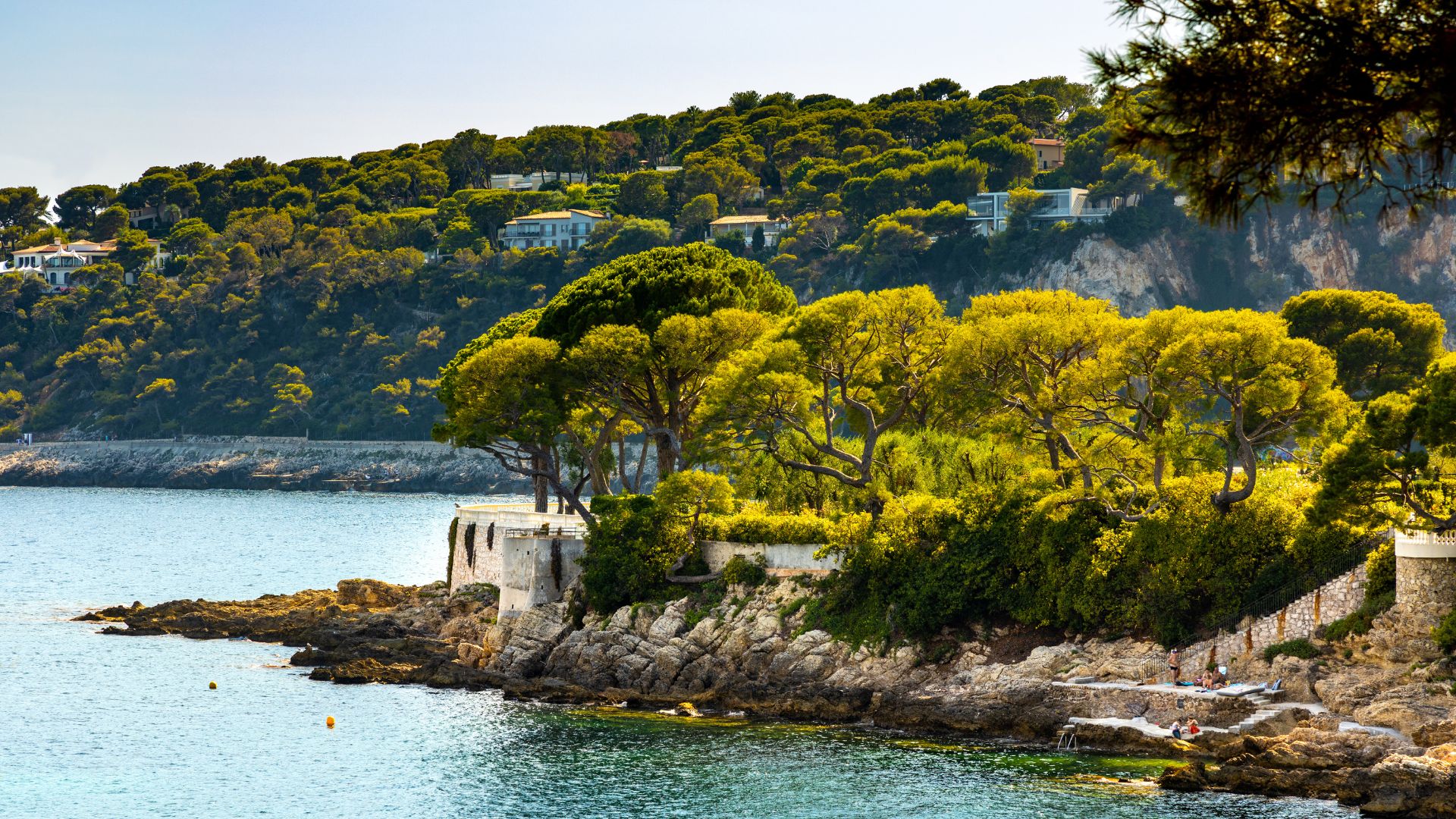
Cap Ferrat works best as a day rather than a box-check. The yacht moves slowly around the headland, using the small bays and lunch positions that matter, and never pretending there is one single landmark that explains the peninsula. What guests are paying for here is the coastline as a whole: the private-estate scale, the rocky edges, the water turning hard blue against the stone, and the sense that the Riviera's wealth is most legible from the sea.

That is why the route keeps the shore options optional. If the group wants a land moment, the Ephrussi side is the easiest place to build one. If not, there is no need to force it. Cap Ferrat reads better from the yacht than from the road, and a slow circuit around the headland usually does more for the week than an overplanned stop ashore.

Lunch aboard fits naturally here because the boat never has to hurry. The day should feel almost observational: drift, swim, reset, and let Monaco stay on the horizon for another night. Cap Ferrat is one of the stretches where the charter feels most justified simply because the boat gives the coast its correct viewing angle.

Day Highlights

  • Slow day around Cap Ferrat's bays.
  • Villa coast reads best from the water.
  • Flexible shore time rather than forced touring.
  • Short-hops pacing preserved.
4

Day 4 of 7 · Toward the Italian border

Menton and the softer edge of the Riviera

Anchorage: Menton or roadstead outside
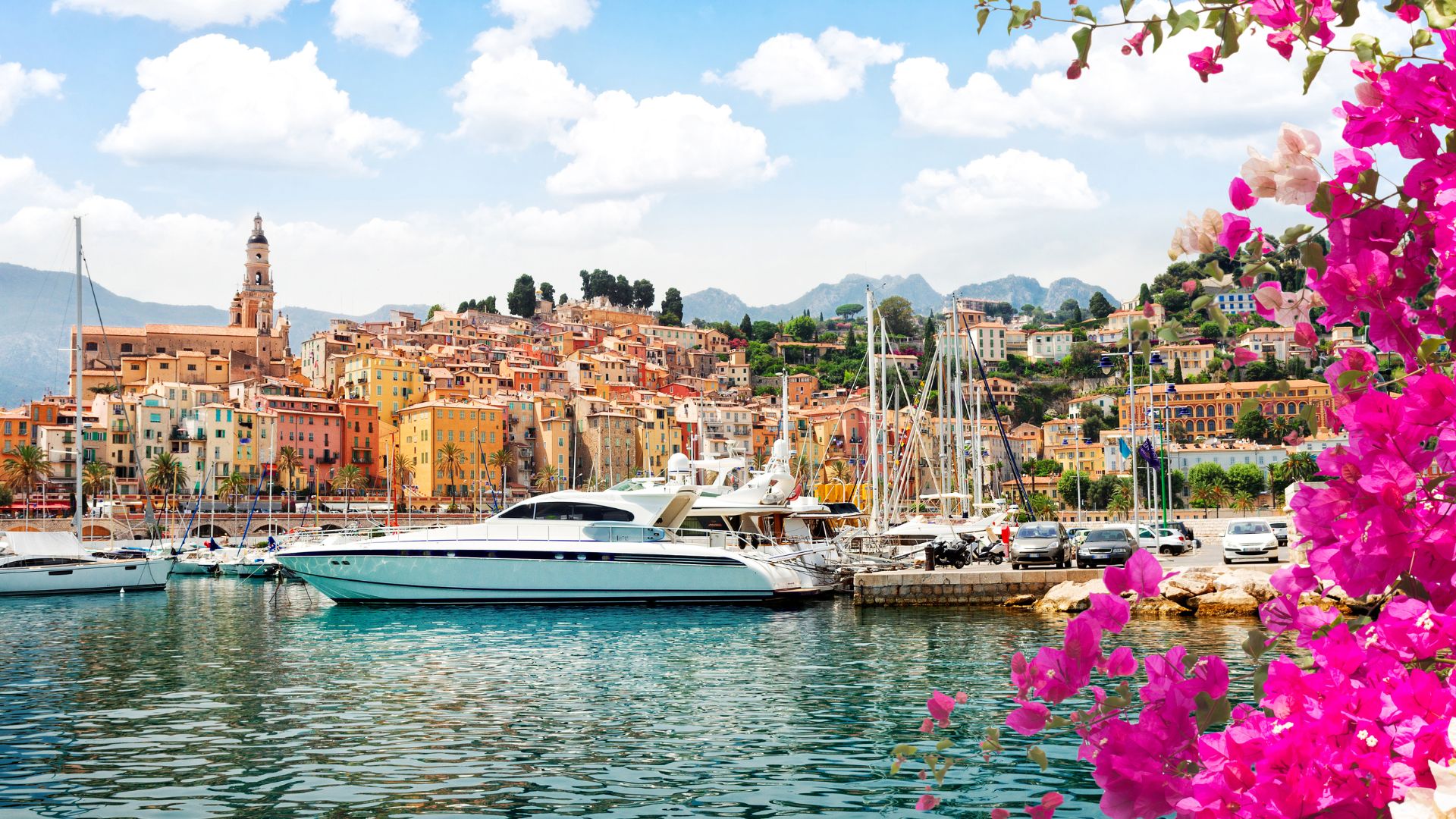
Menton shifts the tone slightly south and east — still polished, but less theater-forward than Monaco. The old town and harbor give the eastern route a softer border-edge stop before the week bends back toward the principality.

Menton is useful because it stops the east-end route from becoming only Monaco orbit. The run east is still short, but the feel changes quickly once the coast starts leaning toward the Italian border. The palette softens, the harbor scale drops, and the old town feels less theatrical than the principality without leaving the Riviera register.

That quieter edge is exactly why Menton belongs in the middle of the week. It gives the route contrast before Monaco arrives and keeps the charter from flattening into one note of wealth and spectacle. Lunch ashore or aboard works equally well here because the stop is less about one prescribed scene and more about letting the coast's gentler side register properly.

By evening the day should feel like a release valve: still polished, still recognizably Côte d'Azur, but less intent on performing. One day in the corridor's grandest harbor and one day on its more understated margin is the balance that keeps the eastern route from becoming a vanity circuit.

Day Highlights

  • Border-edge Riviera stop at Menton.
  • A quieter register than Monaco.
  • Useful contrast in the middle of the week.
  • Harbor lunch or onboard day kept flexible.
5

Day 5 of 7 · Monaco arrival

The short approach into Port Hercule

Anchorage: Port Hercule, Monaco
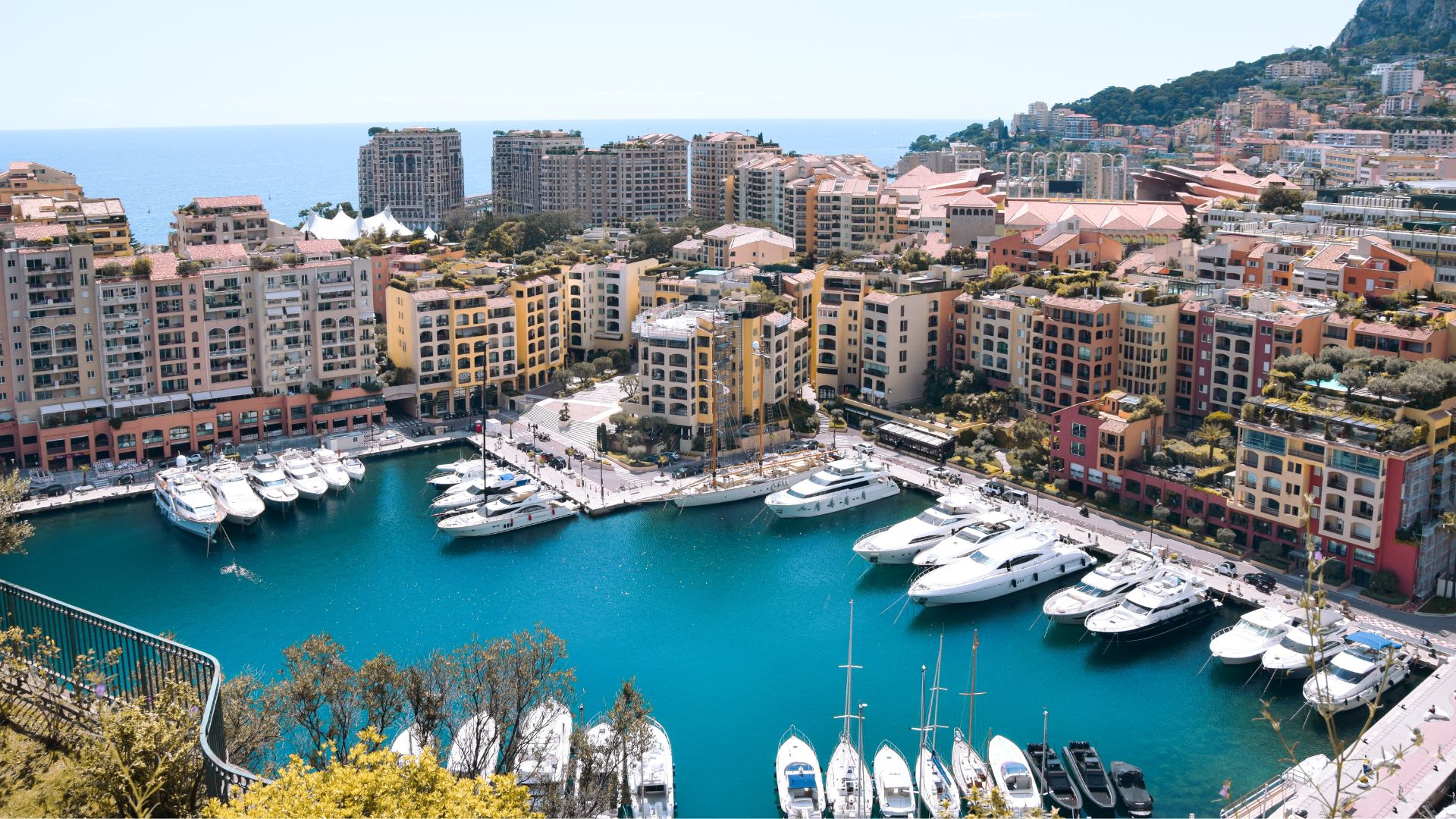
Port Hercule is the visual center of the French Riviera market — a harbor where the arrival itself is part of what guests are buying.

The run into Monaco is short, and that is one reason the arrival works so well. The yacht does not have to spend a whole day grinding toward the principality for the harbor to feel significant once it appears. The coast tightens, the skyline rises quickly, and Port Hercule arrives with the kind of compressed visual force that bigger-mileage routes often lose before they get to their headline stop.

Monaco also lands better because of what came before it. After Villefranche, Cap Ferrat, and Menton, the principality feels like the week's deliberate escalation rather than a first-night stunt. The berth, if secured, does a lot of the work on its own. Guests can go high-theater with Casino Square and Hôtel de Paris, or keep it simpler with a harbor walk and dinner back aboard while the city lights up above the quay.

That is the main point of the eastern route: Monaco matters, but it does not need to swallow the entire week. One or two nights here are enough when the itinerary has already given the coast context. Once you are in Port Hercule, the place more or less takes over.

Day Highlights

  • Short arrival run into Port Hercule.
  • Monaco centered without dominating the whole week.
  • Casino square and harbor optionality ashore.
  • A berth where the arrival carries the scene.
6

Day 6 of 7 · Step back out of Monaco

Recover the coast after the principality

Anchorage: Villefranche or Beaulieu
Coming back out of Monaco matters. The week feels better when the last full day returns to water and anchorage rather than staying in pure harbor mode.

The route deliberately steps back out of Monaco for the final full day. That is not an accident and not a downgrade. If the yacht simply sat in Port Hercule for two or three consecutive nights, the charter would start to feel like a hotel stay with a marina attached. Pulling back west restores the balance and gives the week one more day that belongs to the water.

Villefranche or Beaulieu works well for that reset because the coast is still elegant but the energy drops. Lunch aboard makes sense again. Swim-platform time comes back into the day. The yacht starts feeling central rather than parked. This is often the stretch where guests realize the east end was better precisely because Monaco was not asked to do every job by itself.

A softer close also improves the emotional math of the week. The principality remains the marquee arrival, but the charter ends on the bay, not only on spectacle. That distinction is small on paper and significant in practice.

Day Highlights

  • A real final cruising day after Monaco.
  • Back to anchorage rhythm.
  • Lunch and swim platform time restored.
  • The week closes on water, not only on spectacle.
7

Day 7 of 7 · Final coastal return

One last harbor evening before disembarkation

Anchorage: Home marina
The last full day still earns an evening aboard. That is the difference between a real seven-night charter and a route that quietly steals its last day for logistics.

The last full day is still a cruising day, even if the mileage is modest. The yacht stages back toward the home marina with enough room left in the day for a real lunch stop, a final swim if conditions suit, and one more evening aboard that feels earned rather than merely logistical. That is the difference between a seven-night charter and a route that quietly starts shrinking on day six.

The eastern Riviera is especially vulnerable to that problem because the distances are so short. It would be easy to coast back to base too early and call it prudent. Better to use the geography properly: one last run under the coast, one last slow afternoon on the water, and only then the return toward Antibes or Nice.

That keeps the week mathematically and emotionally intact. No hollow disembark-only penultimate day disguised as a full charter, and no sense that the route spent all of its best cards too early.

Day Highlights

  • A genuine final full day.
  • Return staged without killing the charter early.
  • Last lunch and optional swim stop.
  • One more harbor evening before departure.
8

Day 8 · Departure

Disembarkation and onward transfers

Breakfast aboard, luggage off, and a short transfer onward to NCE or the local rail network depending on the embarkation base. The eastern Côte d'Azur week ends the way it should: not as a giant mileage exercise, but as a concentrated version of the Riviera's most recognizable coast.

Frequently asked

Is this the best French Riviera itinerary for couples?
Usually yes. The east end gives couples the cleanest mix of harbor glamour, shorter passages, and hotel-and-dinner optionality without forcing the social-scene density of a Saint-Tropez-heavy week.
Do we need a motor yacht for the eastern Côte d'Azur?
Motor yachts are still the market default here, but the distances are short enough that the route is not performance-constrained. The choice is more about onboard style and harbor profile than about raw range.
Is Monaco too much for a full week?
Not when the route is built around the surrounding coast rather than sleeping in Monaco every night. Villefranche, Cap Ferrat, Beaulieu, and Menton keep the week from becoming a single-stop vanity charter.
When is this route at its best?
June and September are the strongest weeks. July and August are fully workable, but the best berths and yachts tighten early, and late-May event dates around Monaco can distort the market.

Ready to set sail on the French Riviera?

Every itinerary we send is custom-tailored. Tell us your dates, the size of your group, and what you want out of your charter—we'll handle the rest.