Crewed Itinerary · Tuamotus, French Polynesia

French Polynesia Yacht Charter: 10-Day Tuamotus Expedition

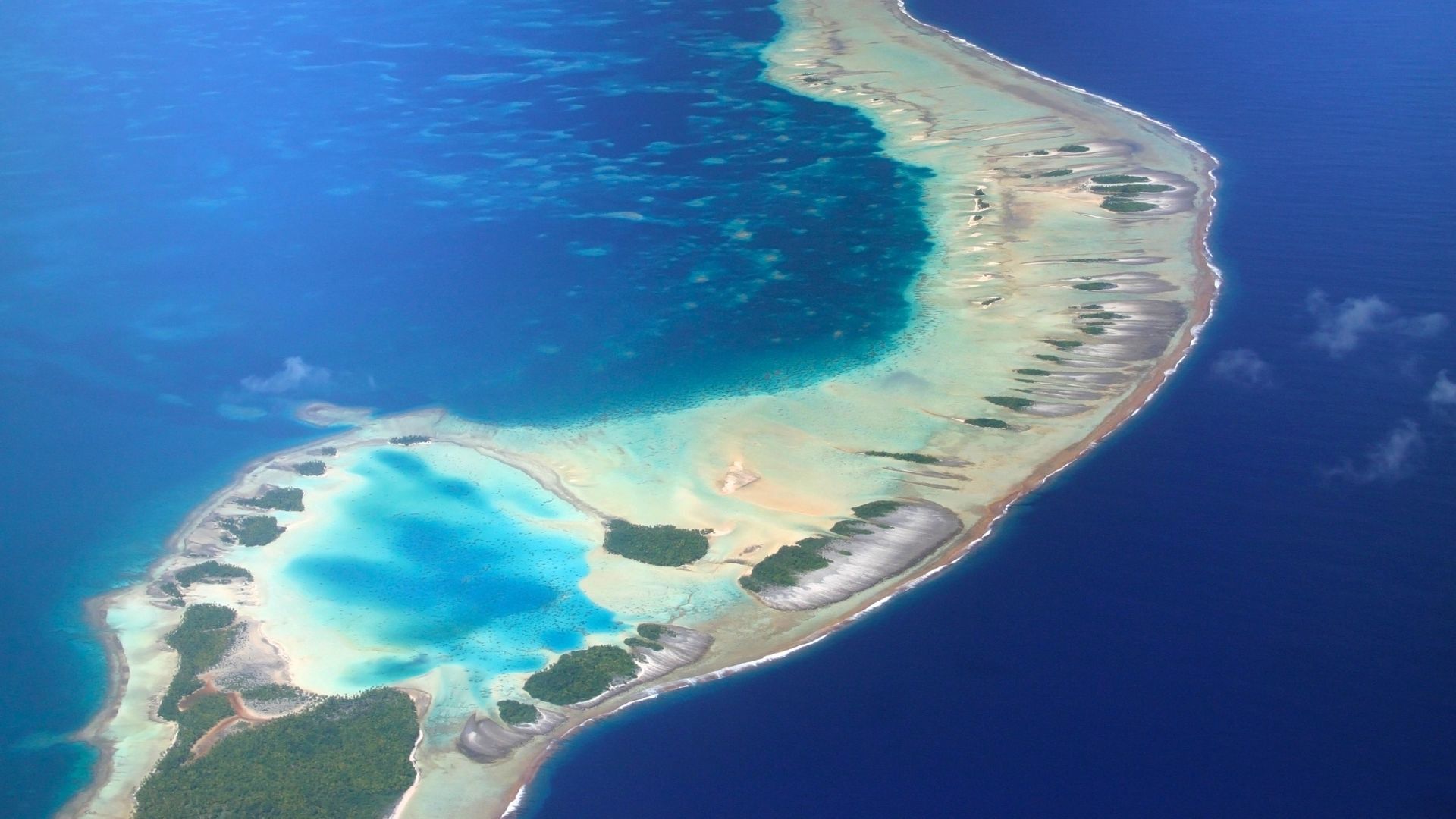
The Tuamotus are the second great archipelago of French Polynesia—a string of seventy-eight low coral atolls running roughly fifteen hundred kilometers northwest to southeast across the South Pacific, sitting between the Society Islands and the Marquesas. Where the Societies are dramatic basalt peaks rising out of the sea, the Tuamotus are the opposite: rings of palm-covered coral barely a few feet above the waterline, enclosing turquoise lagoons big enough to swallow whole islands. They are the South Pacific you've seen on the inside of an in-flight magazine cover, and they are far enough off the standard charter circuit that most guests booking French Polynesia have never heard of them.

This is a ten-day expedition charter aboard a crewed sailing catamaran, designed for guests who want the dive trip of a lifetime—the Tetamanu shark wall at Fakarava south pass, the resident bottlenose dolphins of Tiputa, the manta cleaning station at Tikehau—paired with an equal serving of pink-sand motus, working pearl farms, and the kind of empty anchorages that have basically zero charter traffic. It rewards divers most, but the snorkeling is excellent at every single stop, and the non-diving days at the pearl farms, the bird sanctuaries, the false-pass restaurant at Anse Amyot, and the Hirifa beach lunch keep everyone in the group engaged. With your professional captain handling the pass timing—every atoll entry runs through a tidal cut where the current can hit eight or nine knots, and the entire trip is structured around slack-water windows—you step aboard at Rangiroa, point the bow southeast through the chain, and disembark at Fakarava ten days later with a different definition of what "remote" actually means.

Duration
10 days / 11 nights
Base
Rangiroa → Fakarava (one-way)
Plan your Tuamotus charter Custom-tailored to your dates and group preferences
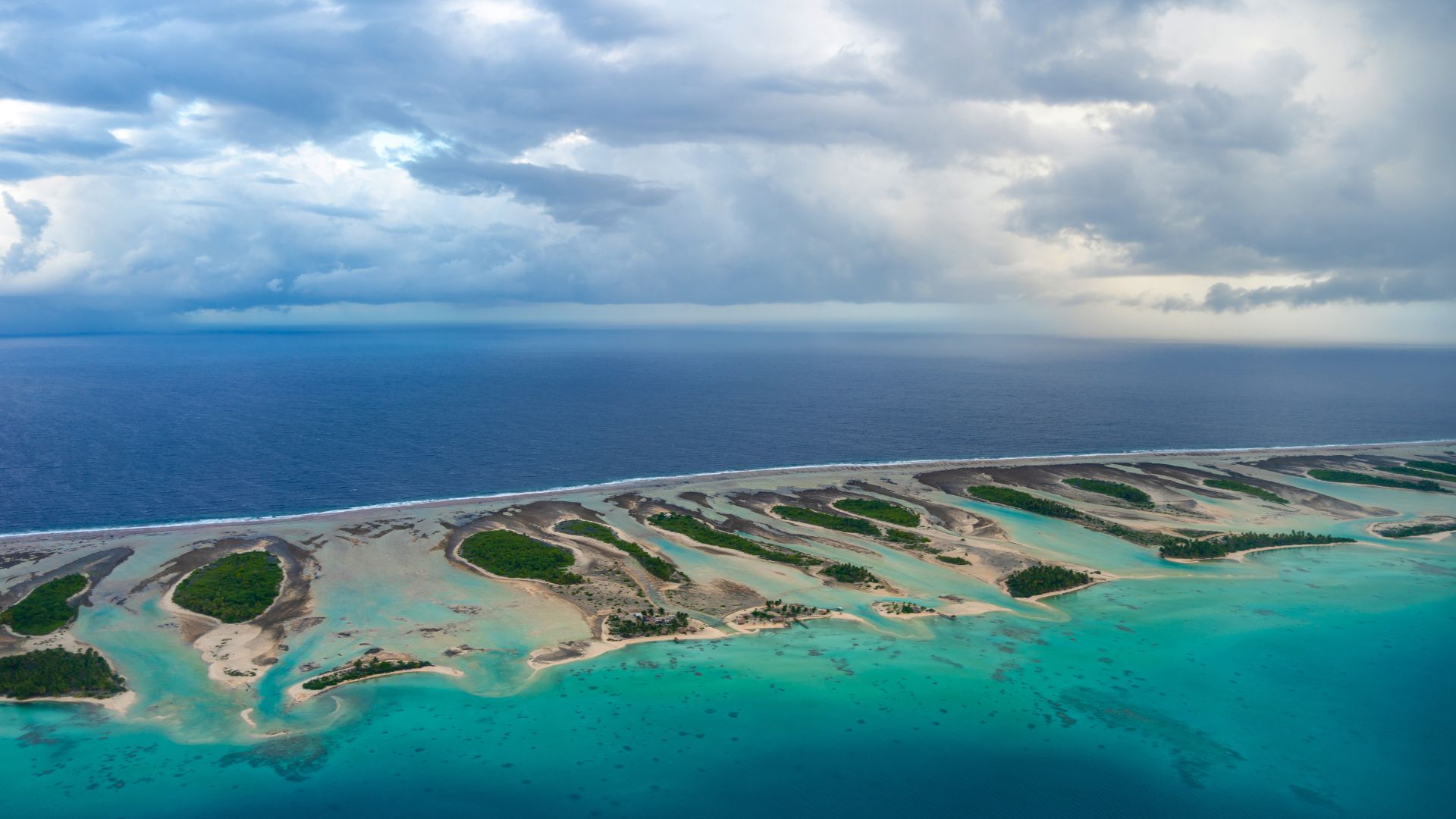
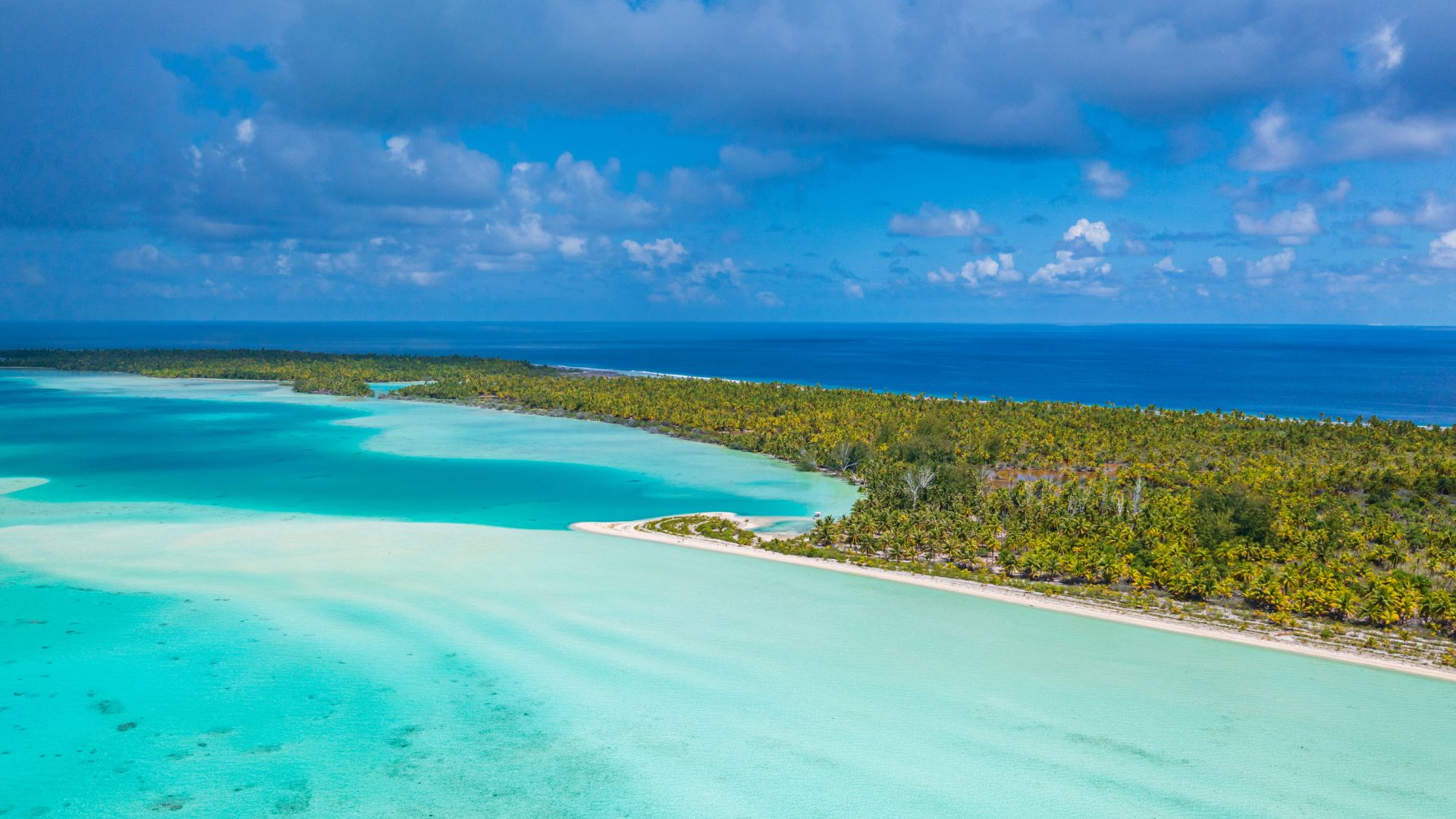
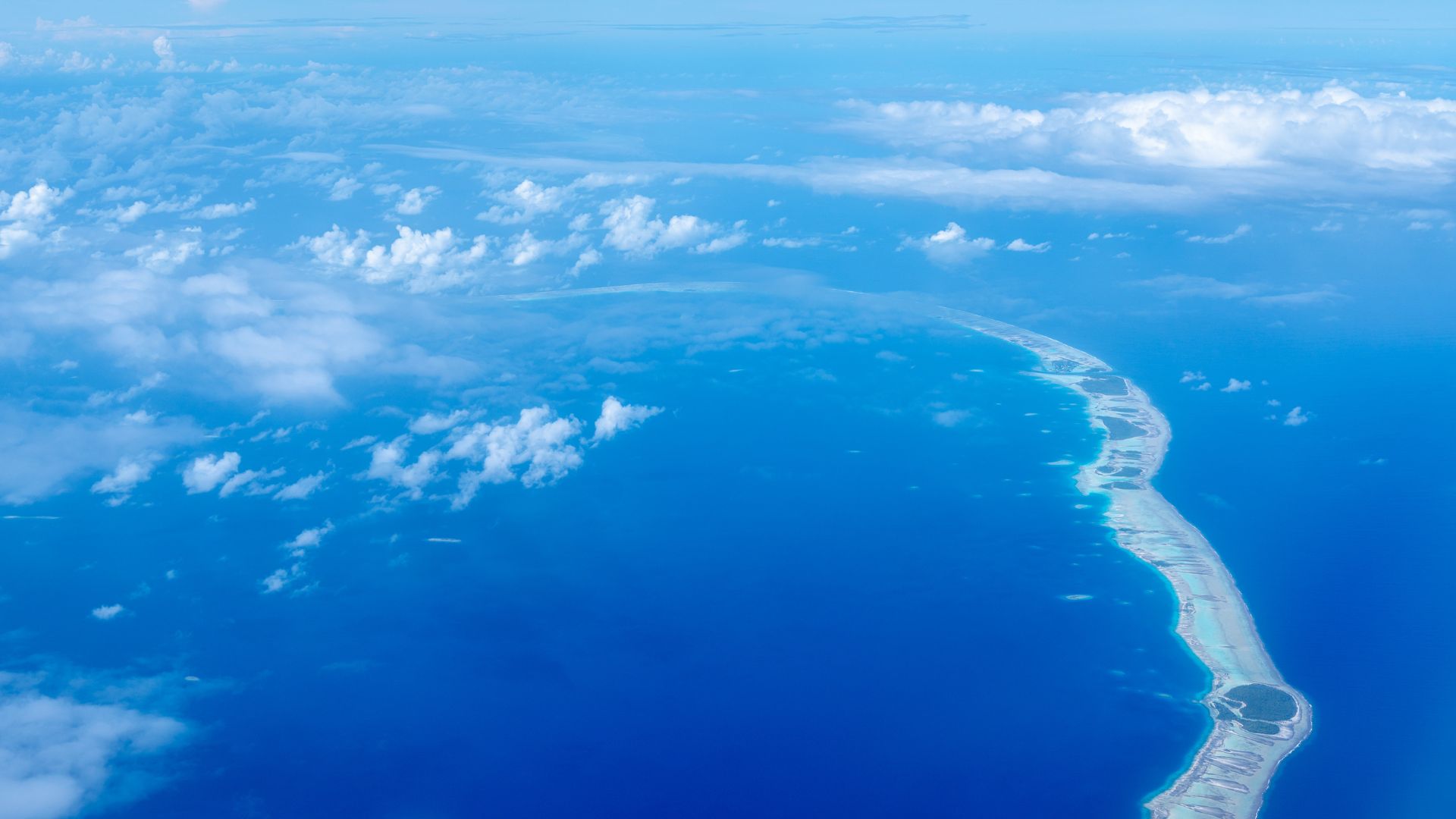
High-altitude aerial of a Tuamotus coral atoll—a thin curving reef line wrapping a vast turquoise lagoon, surrounded by deep blue Pacific Ocean.
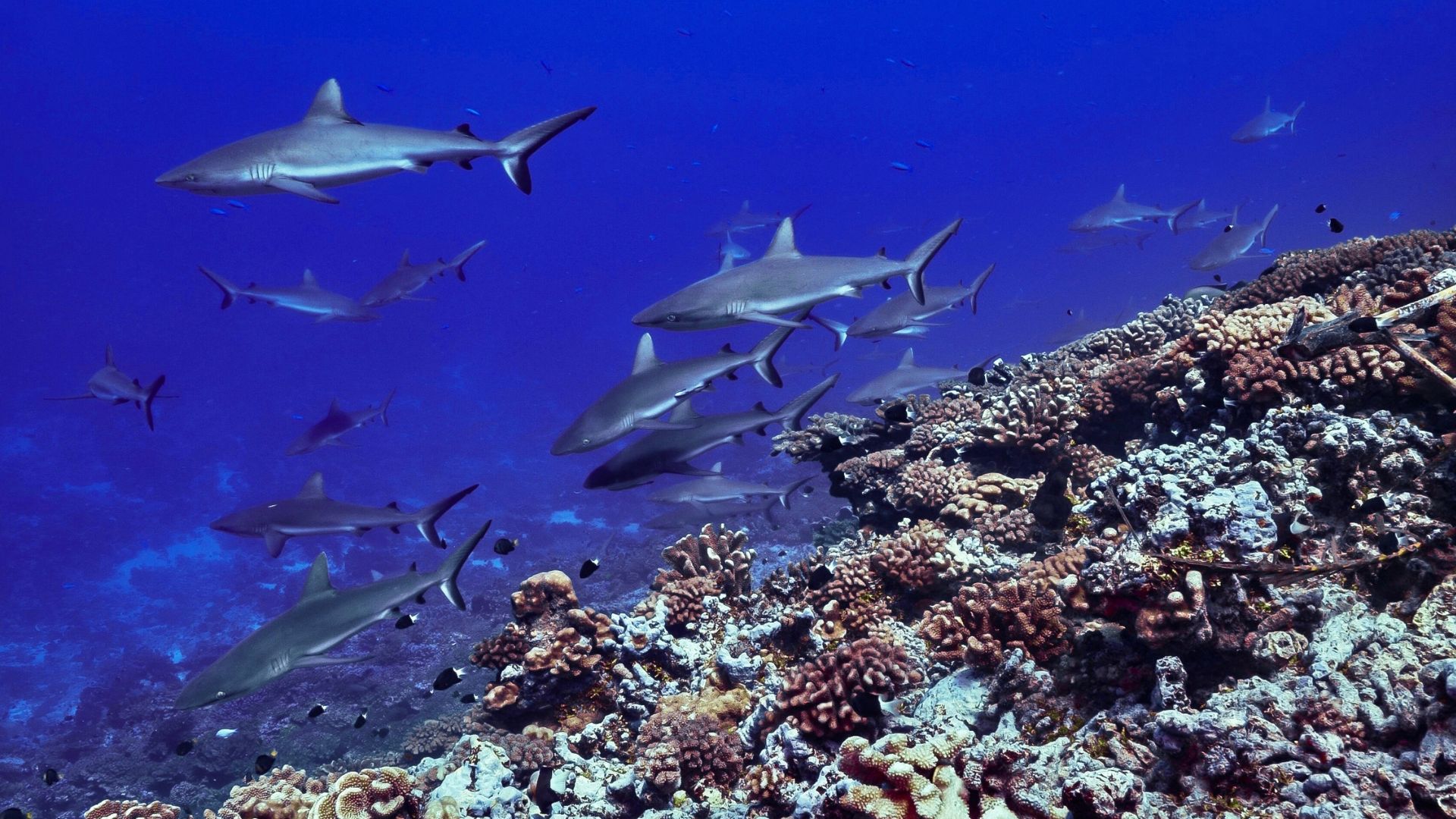
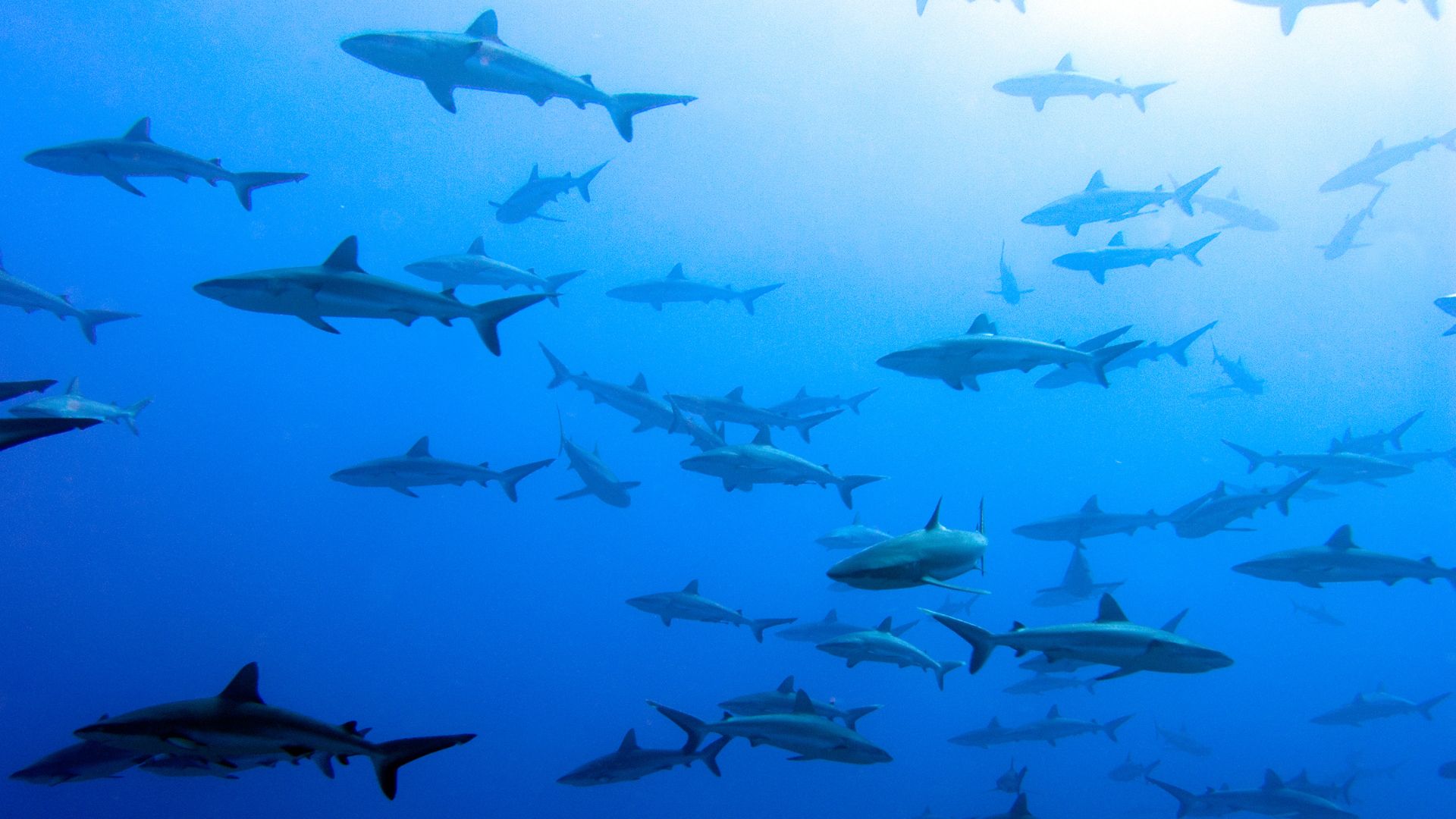
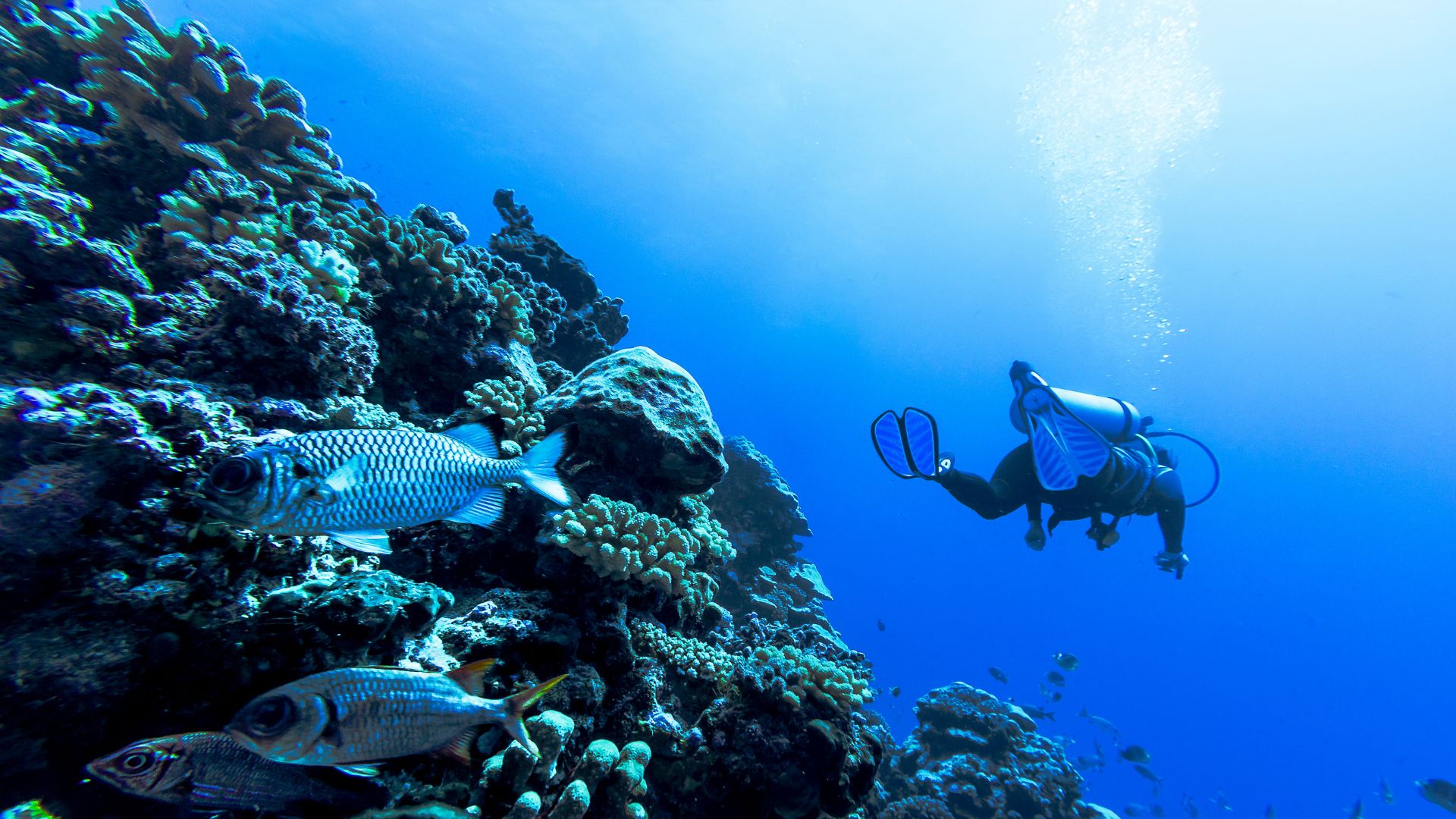
A wall of grey reef sharks at Fakarava south pass—the marquee dive of the Tuamotus, with hundreds of sharks holding in the current at the Tetamanu pass entrance.
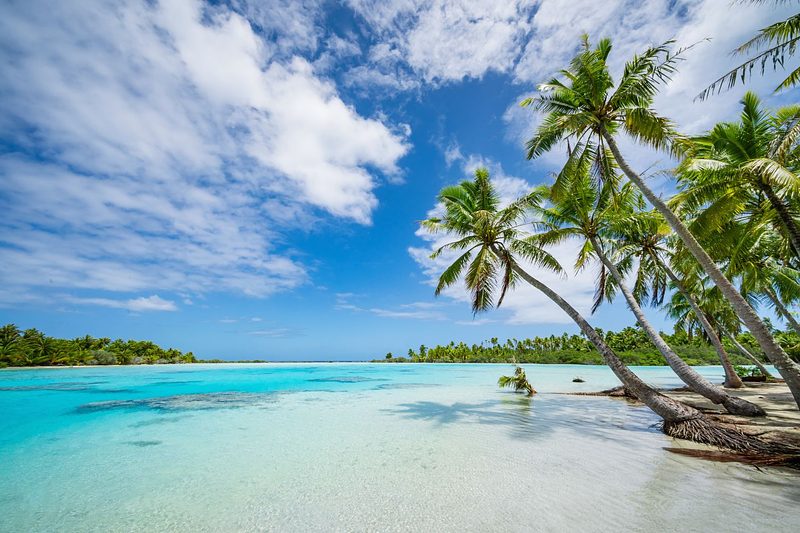
The Blue Lagoon at Rangiroa—pink-sand motu and electric turquoise shallow water inside the lagoon at Motu Tāūtū.
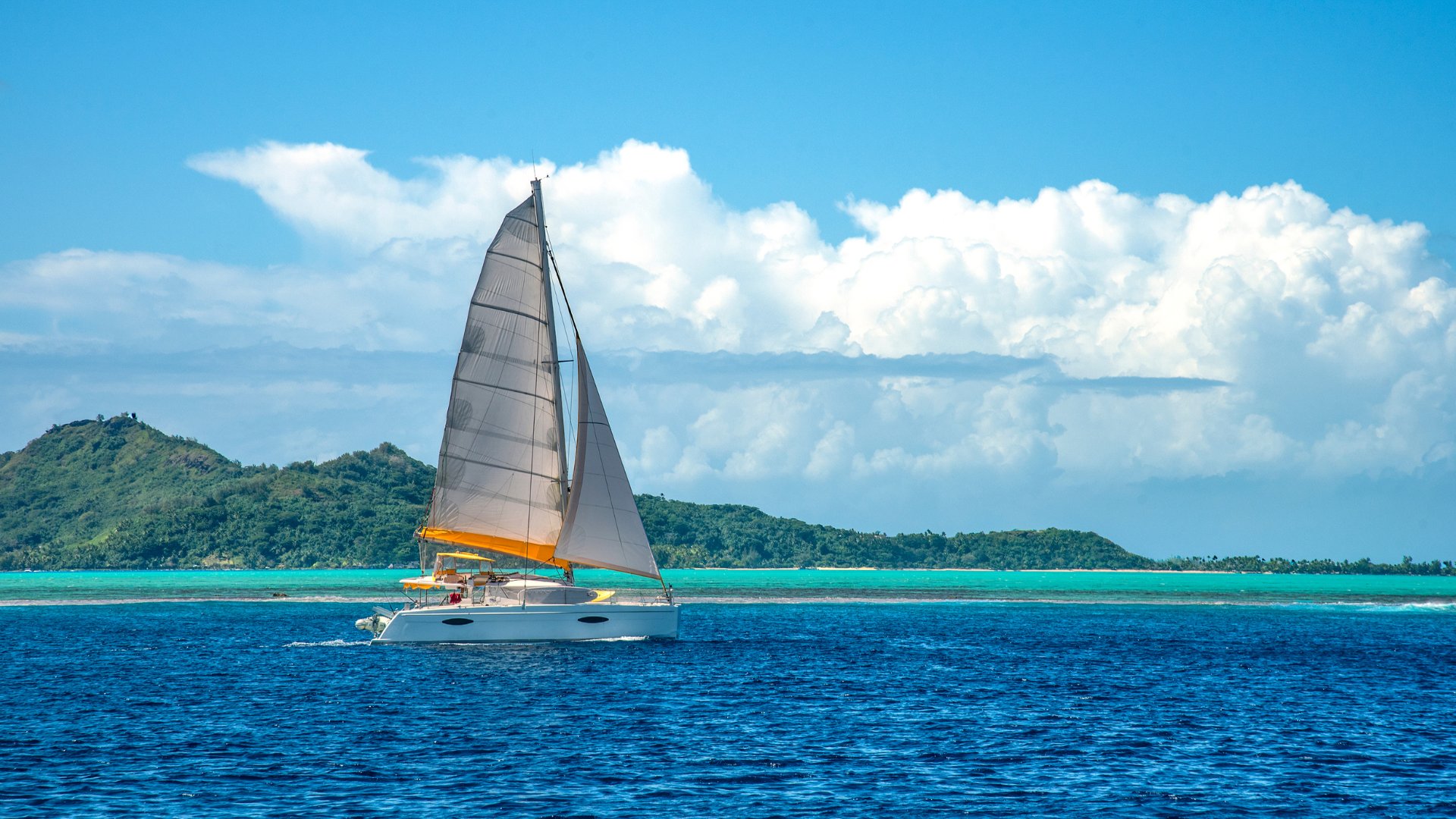
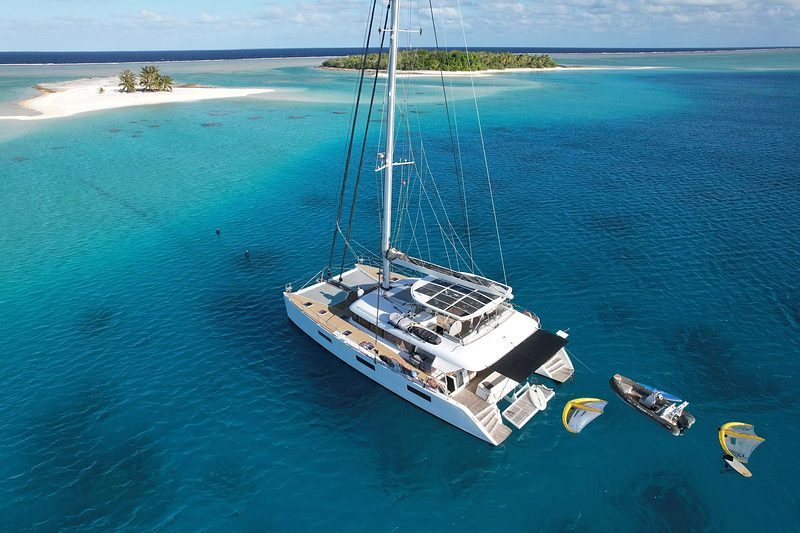
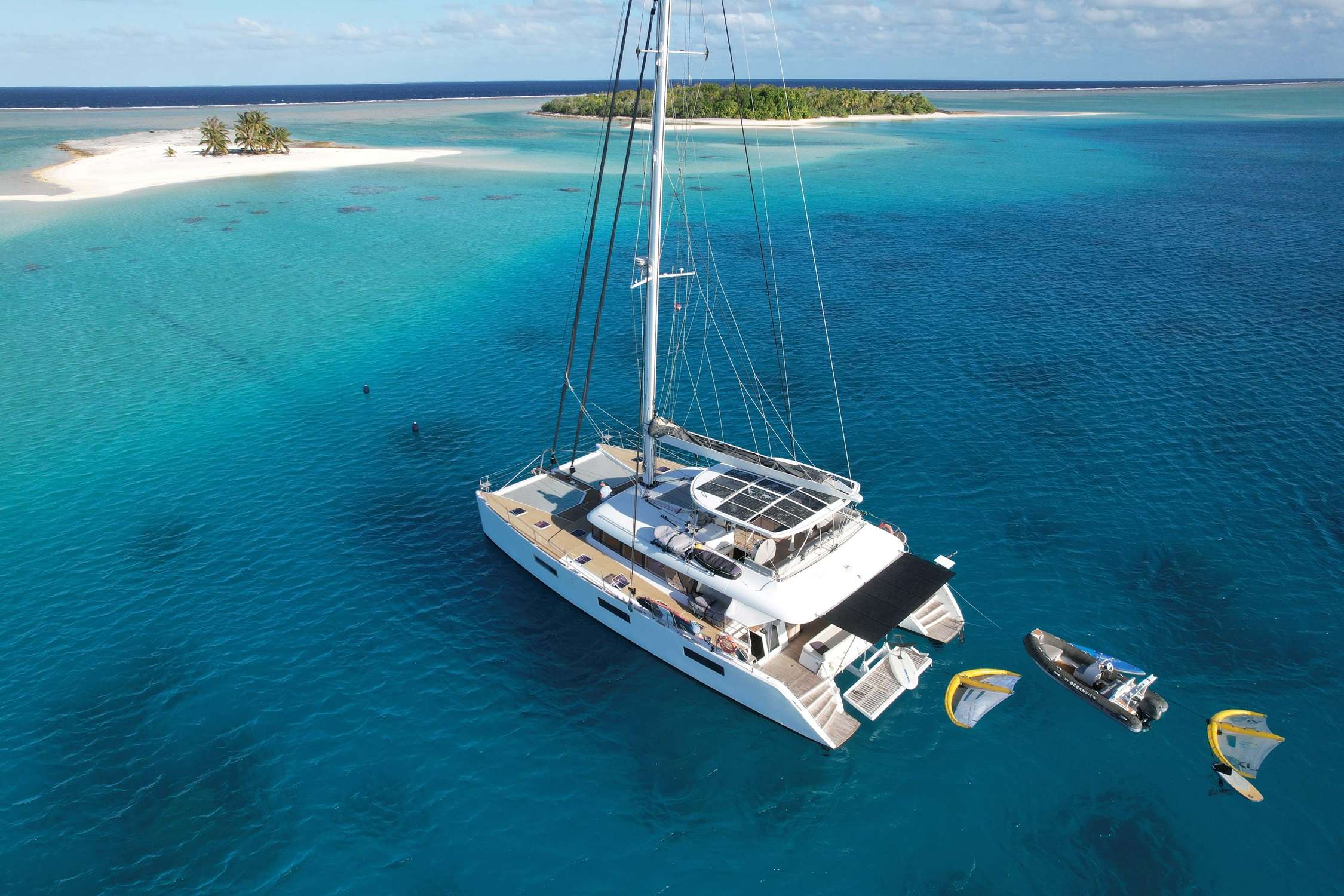
A crewed sailing catamaran at anchor in a Tuamotus lagoon with paddleboards and water toys deployed off the swim platform, palm-covered motu in the background.

Why the Tuamotus instead of the Society Islands

This French Polynesia itinerary skips the Society Islands entirely — it's a 10-day expedition through the Tuamotus, the second great archipelago of French Polynesia. Where the Societies are dramatic basalt peaks rising out of the sea, the Tuamotus are the opposite: rings of palm-covered coral barely a few feet above the waterline, enclosing turquoise lagoons big enough to swallow whole islands. About 250 nautical miles total, one-way Rangiroa to Fakarava.

Built for guests who want the dive trip of a lifetime — Tetamanu shark wall at Fakarava south pass, the resident bottlenose dolphins of Tiputa, the manta cleaning station at Tikehau. Every atoll entry runs through a tidal cut where current can hit 8–9 knots; your captain structures the schedule around slack-water windows. If you want classic French Polynesia (Bora Bora silhouette, Mt. Otemanu), book the 10-day Society Islands itinerary instead.

1

Day 1 of 10 · Arrival at Rangiroa

Fly Papeete to Rangiroa, Board, and First Night at Anchor
Anchorage: Avatoru lagoon, Rangiroa
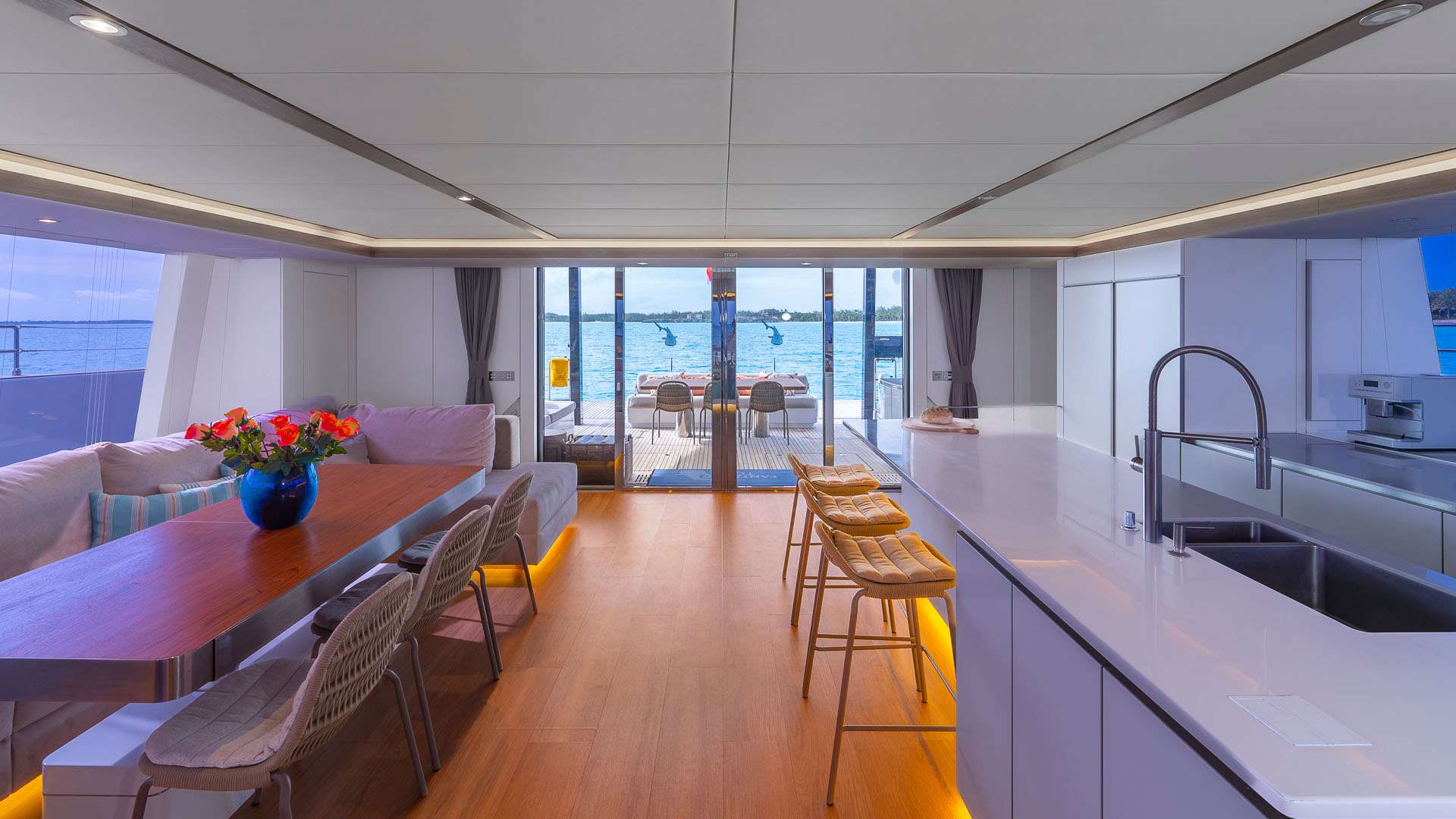
Settled in at Avatoru — the first cold drink of the trip in hand, ten days of empty atolls ahead.

Your charter begins with a one-hour Air Tahiti flight from Papeete to Rangiroa, the largest atoll in the chain and the only one with proper charter infrastructure. Most guests fly into Papeete on an evening international flight, overnight at one of the airport-area hotels (the Intercontinental Tahiti or Le Tahiti by Pearl Resorts both work), and catch the first morning hop out to Rangiroa. Your professional crew meets you at the small Rangiroa airport and runs you fifteen minutes by van to the dock at Avatoru, where the boat will be waiting.

Aboard by lunch. Welcome cold drinks and a chart briefing on the saloon table—your captain walks you through the route, the pass-timing logic that drives the daily schedule, and the dive plan for the week ahead. Your gear gets stowed, the chef finishes the morning's market run from Papeete, and by mid-afternoon the boat is moving the short distance into the inner lagoon for the first night at anchor. The first afternoon is deliberately easy: a swim off the back of the boat, a paddle into one of the small motus, an early sundowner on deck.

Welcome dinner aboard tonight, chef-prepared, the boat sitting flat inside a lagoon big enough to lose other charter traffic in. You sleep on the hook with the reef breaking white in the dark a mile away, and the first realization that you've actually arrived in one of the most remote inhabited atolls in the South Pacific.

Day Highlights

  • Air Tahiti flight Papeete → Rangiroa (~1 hour) and dock transfer to the boat at Avatoru.
  • Welcome aboard and chart briefing — pass timing, dive plan, the rhythm of the week.
  • First afternoon at anchor inside Rangiroa's lagoon.
  • Chef-prepared welcome dinner on the hook.
2

Day 2 of 10 · Tiputa pass

Tiputa Pass — Drift Dive with Sharks and Dolphins

Anchorage: Tiputa pass area, Rangiroa
Tiputa pass at slack — one of the great drift dives in the world, and the rare pass where the resident bottlenose dolphin pod sometimes turns up to investigate the divers.
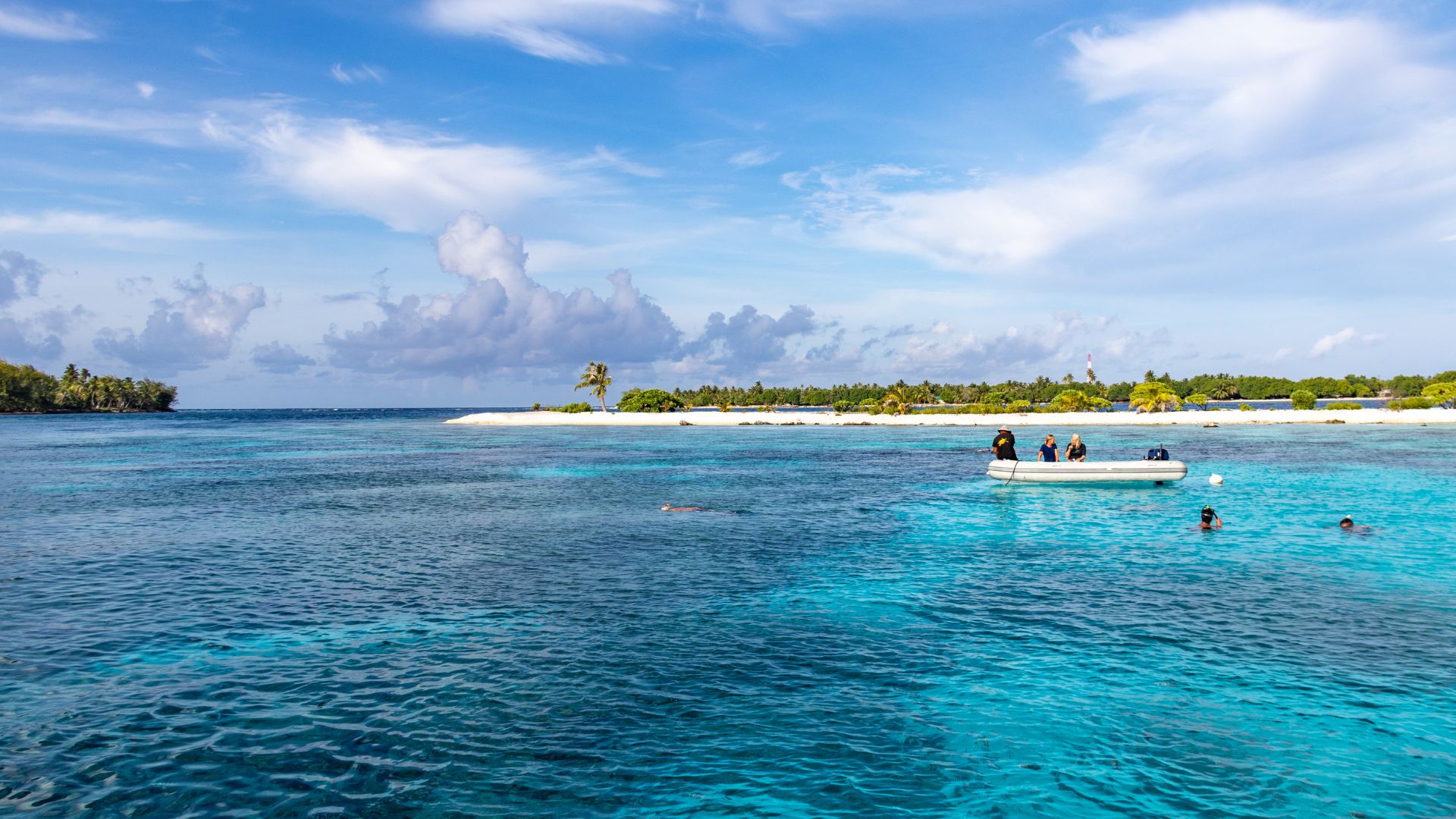
Surface side of the pass — snorkelers off the dinghy work the south-side coral garden while divers drift the pass wall a few hundred meters away. Almost everyone aboard finds something to do here.

Today is the first marquee dive day of the trip. Your captain repositions the boat to the Tiputa pass anchorage on the northeast side of Rangiroa lagoon, drops anchor, and works the morning around the slack-water window. Tiputa is one of the most famous drift dives in the world—a thirty-meter-deep cut between the open Pacific and the inner lagoon, with current that runs four to seven knots when it's pumping and a resident population of sharks, eagle rays, dolphins, and pelagics that work the pass on every tide.

The dive itself is the experience. Your captain coordinates with the local dive operator (most charters use Topdive or Six Passengers Rangiroa); the dive boat picks you up off the swim platform, runs the short trip into the pass mouth, and you drop in at slack as the current starts to flood. From there you drift the wall—grey reef sharks holding in the current at twenty meters, schools of barracuda, the occasional eagle ray cruising past in formation. Tiputa is also the rare drift dive where the resident bottlenose dolphin pod regularly turns up to investigate the divers; some weeks they stay close for the entire dive.

Two-tank morning typically, lunch back aboard, optional second-tank afternoon dive in the lagoon for those who want it, and an evening tender ashore to the Reef Hotel on the pass—the legendary expat sundowner spot in the Tuamotus, with the deck looking straight down into the pass and the sharks visible from the bar railing. Dinner aboard back at the boat, the chef leaning into the day's catch from the village market.

Snorkelers note: the south side of the pass mouth holds a coral garden that sees the fish without the current, and the captain's tender will run snorkelers in for that experience while divers are working the pass proper. Almost everyone on board comes back happy.

Day Highlights

  • Tiputa pass drift dive at slack — sharks, dolphins, eagle rays, and the most photographed wall in French Polynesia.
  • Optional second-tank lagoon dive in the afternoon.
  • Sundowners at Reef Hotel on the pass — the expat sunset spot in the Tuamotus.
  • Snorkelers get the south-side coral garden while divers work the pass.
3

Day 3 of 10 · Blue Lagoon

Rangiroa's Blue Lagoon — Pink Sand at Motu Tāūtū

Anchorage: Motu Tāūtū area, Rangiroa
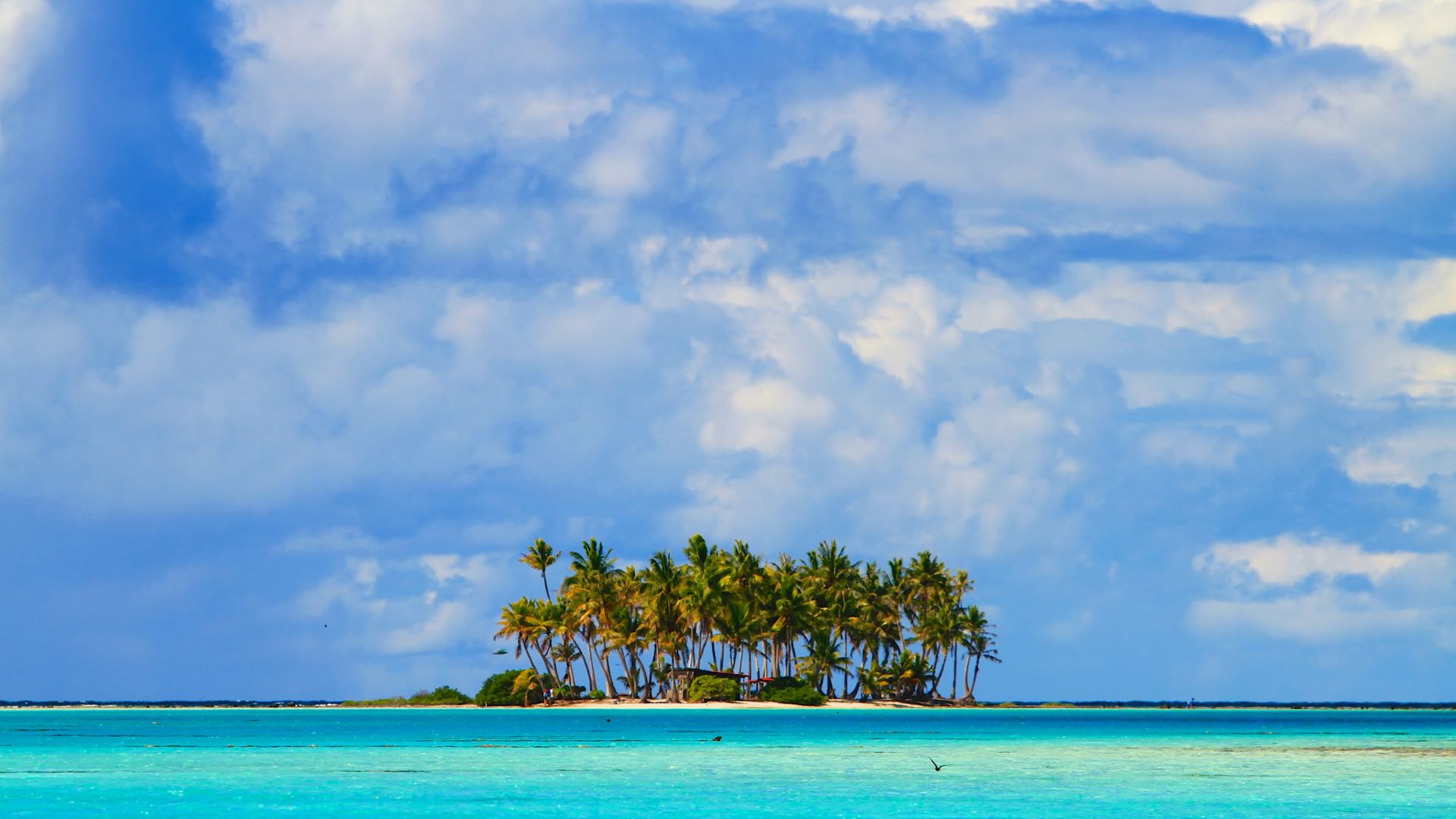
Rangiroa's lagoon is dotted with small palm-covered motus like this one—uninhabited, accessible only by tender, and the right setting for the slow day before the sail south.

A non-diving day, deliberately. Your captain repositions the boat across the lagoon to the western side of Rangiroa, anchoring within tender range of the Lagon Bleu—the famous "Blue Lagoon" inside the lagoon, a small inner reef-enclosed shallow surrounded by a half-dozen pink-sand motus. The water inside is so shallow and clear that the bottom is visible from twenty feet up, and the color sits somewhere between turquoise and electric blue depending on the angle of the sun.

The day is a long slow water day. The captain runs the tender into the Blue Lagoon proper—the inner reef shelf is too shallow for the catamaran—and your chef sets up a long lunch on the sand of one of the inner motus. Pink-sand beach, palm shade, fresh poisson cru, a chilled bottle of something white from Papeete. Snorkel the inner reef edge for reef sharks (juvenile blacktips work the shallows here, generally harmless to swimmers), wade across to the next motu, paddleboard the calm water inside, or do nothing at all.

Afternoon: tender back to the boat, repositioning to the western anchorage for the night, dinner aboard. This is the breath-day before tomorrow's sail to Tikehau, and the kind of slow afternoon that makes the harder dive days bearable. Sleep on the hook in flat water, breeze blocked by the western reef line.

Day Highlights

  • Tender into Rangiroa's Blue Lagoon — the inner-lagoon shallow with pink-sand motus.
  • Long chef-prepared lunch on the motu sand.
  • Snorkel the inner reef edge for juvenile blacktip sharks.
  • Quiet day before the sail south to Tikehau.
4

Day 4 of 10 · Sail to Tikehau

Short Hop South to Tikehau

Anchorage: Tikehau lagoon
The outer reef edge of a Tuamotus atoll — palm-covered motus on the inside, the open Pacific breaking on the reef on the outside, and the line between blue and turquoise that defines the chain from above.

The shortest sailing leg of the trip, and the easiest. Fourteen nautical miles southeast from Rangiroa to Tikehau, with the boat exiting Tiputa or Avatoru pass at slack water in the morning and reaching the Tuheiava pass on Tikehau's west side in time for the afternoon slack-water entry. Two pass transits in one day, both timed by the captain off the morning's tide tables.

The sail itself is the easy half-day downwind reach the route was supposed to look like throughout (the longer days come later). The Tuamotus stretch out astern, the low profile of Tikehau builds slowly on the bow, and the boat moves through the kind of empty Pacific that gets quietly described as "middle of nowhere" in the chart briefings.

Tikehau is the quieter sister to Rangiroa—about a third the population, no proper port, and a reputation among repeat Tuamotus charterers as the prettier of the two. The lagoon is pink sand the entire way around. Your captain anchors near Tuherahera village on the south side of the lagoon, the chef handles dinner aboard tonight, and the boat sits on its hook with the reef line breaking white a half-mile to the south.

Day Highlights

  • Two pass transits in one day — Rangiroa exit and Tikehau entry, both timed at slack.
  • Short downwind reach southeast across open water.
  • Anchor in Tikehau lagoon near Tuherahera village.
  • Dinner aboard at anchor in the chain's quietest atoll.
5

Day 5 of 10 · Manta Point + Eden

Manta Point and Eden Island Bird Sanctuary

Anchorage: Tikehau lagoon
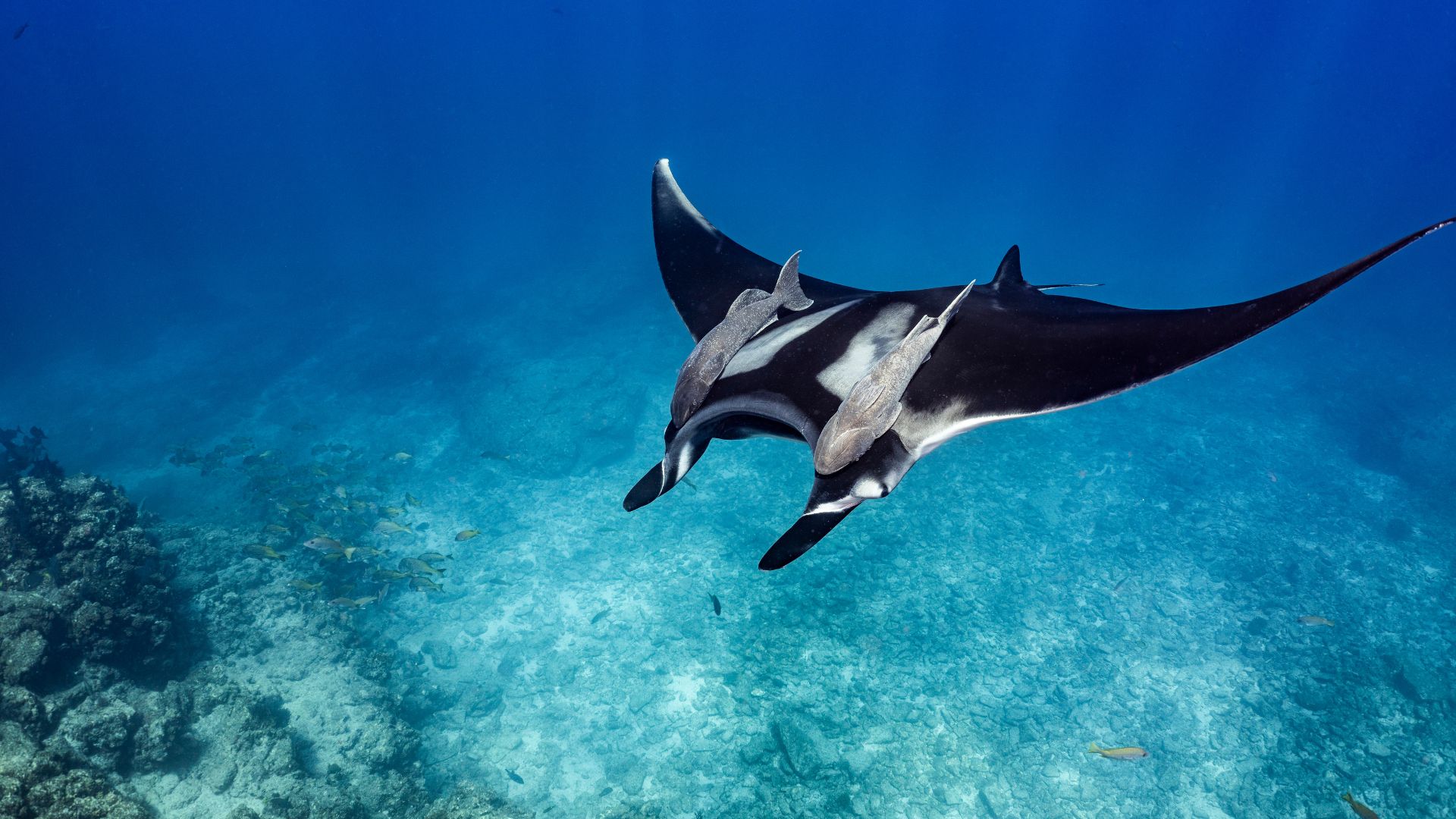
Manta Point on Tikehau's south reef — a cleaning station bommie where reef mantas come in to be groomed by cleaner wrasses. Snorkel from the surface; the mantas hold below at five to ten meters.

Today is the second marquee in-water day of the trip, and it's snorkel-friendly—you don't need to be a diver to do this one. Your captain repositions to the south end of Tikehau lagoon, anchors near Manta Point—a cleaning station bommie that sits in about ten meters of water—and the day belongs to the manta rays.

Manta Point at Tikehau is one of the most reliable manta encounters in French Polynesia. Reef mantas (smaller than the giant oceanics, but still seven to ten feet across) come in to the bommie to be groomed by cleaner wrasses, and they hold above the cleaning station for ten or fifteen minutes at a time before drifting off and coming back. Snorkelers float above in the clear water; divers can drop down for closer interactions. The captain coordinates with the local Tikehau operator (Tikehau Plongée) for divers; snorkelers go straight off the boat.

Afternoon: tender ride to Eden Island (Île aux Oiseaux), a small uninhabited motu on the south side of the lagoon that has been declared a bird sanctuary. Brown noddies, sooty terns, white terns, and the occasional great frigatebird all nest on the motu in season. A short tour of the island with a quiet observation walk, then back to the boat for a sundowner.

Evening: tender into Tuherahera village if anyone wants a walk through the small Polynesian fishing community on the lagoon's south side. The village runs at the kind of pace that makes Rangiroa feel hectic. Dinner aboard or, if booked ahead, ashore at one of the small family pensions.

Day Highlights

  • Manta Point cleaning station — reliable manta encounters, snorkel and dive both work.
  • Eden Island bird sanctuary tender ride.
  • Optional walk through Tuherahera village in the late afternoon.
  • Chef-prepared dinner aboard or ashore at a family pension.
6

Day 6 of 10 · Long sail east

The Long Day East to Apataki

Anchorage: Apataki lagoon
The longest leg of the week — Tikehau to Apataki across the open Tuamotus on a steady south-easterly trade. The atolls disappear over the stern; the next one shows on the bow about an hour before arrival.

Today is the longest sailing day of the trip, and it's a real one—roughly eighty nautical miles east-southeast across open Pacific water from Tikehau to Apataki. The trades blow steady south-easterly through the season, which puts the wind on the nose for most of the leg. Your captain has two choices: sail close-hauled for ten or eleven hours, or motorsail and arrive in eight. Most cats running this route motorsail the long days; the comfort gain for the guests on a hard upwind beat is significant.

Earliest start of the trip. The boat clears Tikehau's Tuheiava pass at the morning slack, points the bow east-southeast, and settles into the day. The Tuamotus disappear over the stern; for several hours mid-leg there is nothing on the horizon in any direction except deep blue ocean and the occasional motu sliver of an outlying atoll. Lunch underway, books on the foredeck, the kind of slow ocean day that long charters earn you.

Late afternoon, the long flat profile of Apataki builds on the bow. Your captain works the boat around to the Tehere pass on the north side of the atoll, times the entry at the late-afternoon slack, and brings the boat into Apataki lagoon for the evening. Anchor near the village of Niutahi on the eastern side of the lagoon, dinner aboard, and an early night. The next two atolls—Apataki, Toau, and the run into Fakarava—are the back half of the trip and the expedition's quieter, more remote stretch.

Day Highlights

  • Eighty-mile open-Pacific passage east-southeast — the longest sail of the trip.
  • Trades on the nose; captain motorsails to keep the day humane.
  • Late-afternoon slack-water pass entry into Apataki at Tehere.
  • Anchor near Niutahi village for the night.
7

Day 7 of 10 · Pearl farm day

Apataki — A Day at the Pearl Farms

Anchorage: Apataki lagoon
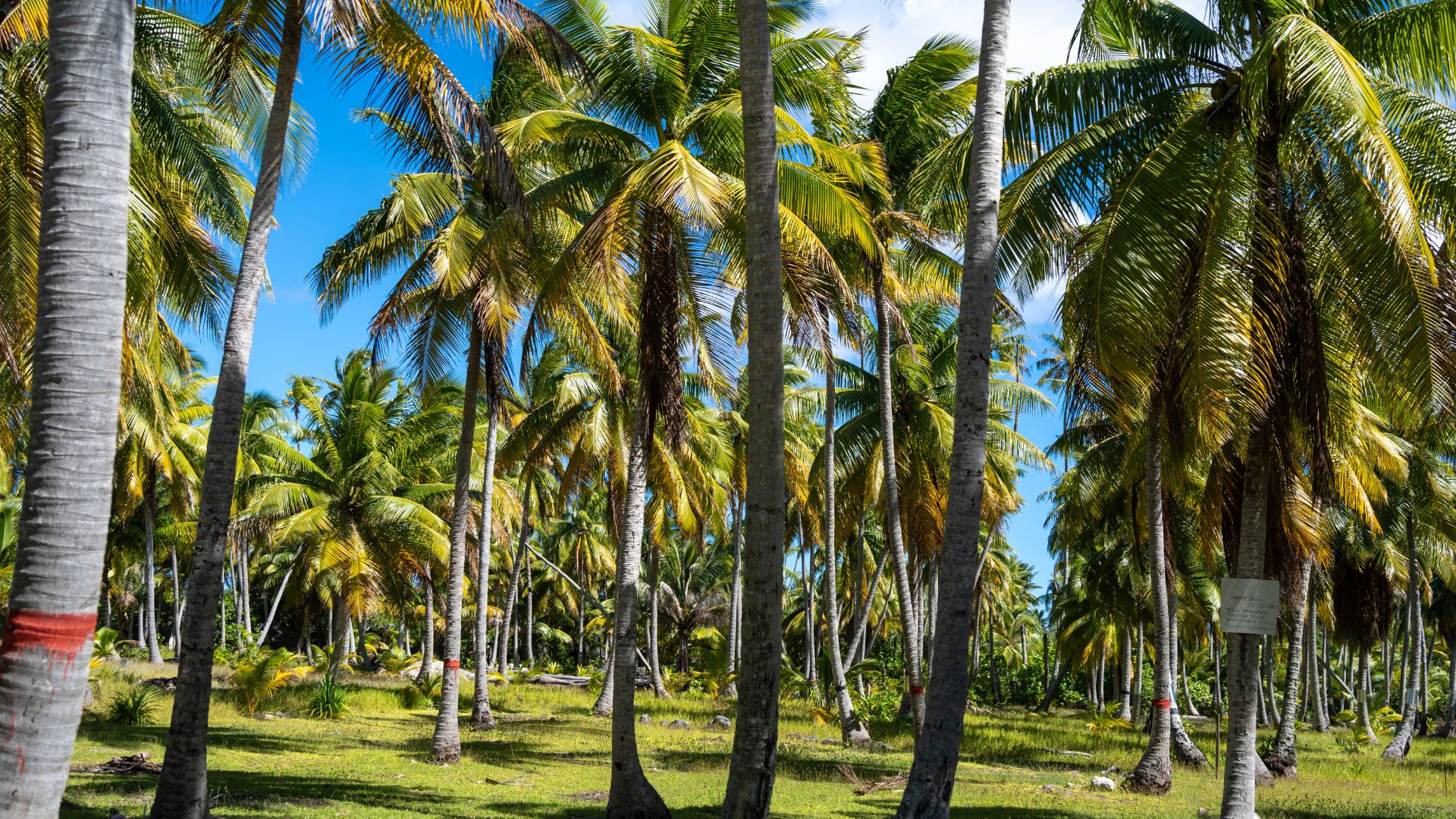
Walking the village ashore at Niutahi — the coconut groves run inland from the lagoon, the houses are spaced wide, and the whole island feels paused in a different decade.

Apataki is the working pearl-farm atoll of the Tuamotus. The lagoon is dotted with small floating farms—long lines of suspended oyster baskets, tended by a few dozen families who have been growing Tahitian black pearls here for generations. Your captain arranges a half-day visit to one of the operations (Gauguin Pearl Farm is the long-running, most-visited), and a small motorboat from the farm runs you over for the tour.

The tour itself is unexpectedly fascinating, even for guests who didn't think they cared about pearls. The farms graft a small bead into the oyster (the "nucleus"), wait two years while the oyster builds layer after layer of nacre around the bead, then harvest. The colors—iridescent greens, silvers, deep peacocks, the rare gold—are a function of the oyster's lip color and the water's mineral content; no two pearls come out the same. The farm sells loose pearls direct, often at a fraction of the Papeete tourist-shop prices.

Lunch back aboard, then an afternoon swim or paddle in the lagoon. Niutahi village ashore is the kind of small Polynesian fishing community that has changed very little in the last century—a few hundred residents, one church, one small store, an airstrip used mostly for the local flights between atolls. A quiet walk through the village in the late afternoon is enough to see the entire town.

Dinner aboard at anchor, sundowners on deck, and the boat sitting on its hook in a lagoon with maybe one or two other charter yachts visible across the water. The Tuamotus thin out fast once you're past Rangiroa; this is the part of the trip where guests start asking about extending.

Day Highlights

  • Half-day visit to a working Tahitian black pearl farm.
  • See the grafting and harvesting process; buy pearls direct from the farm.
  • Walk through Niutahi village — quiet, traditional, almost no tourism.
  • Afternoon swim or paddle in a lagoon with almost no charter traffic.
8

Day 8 of 10 · The legendary Anse Amyot

Sail to Toau and a Lobster Lunch at Anse Amyot

Anchorage: Anse Amyot, Toau

A short twenty-five-mile southeast hop today to Toau atoll, and into one of the most famous anchorages in the entire South Pacific cruising community. Anse Amyot is a "false pass"—a tidal cut on the northwest side of Toau that opens to the ocean but is closed at the inner end by a coral shelf, which means the lagoon water flows through but boats inside the pass can't continue into the main lagoon. The result is a uniquely safe anchorage: deep enough for catamarans, sheltered from the trade-wind swell by the surrounding reef, and laid out with a half-dozen mooring buoys maintained by the resident pension family.

The pension is the reason every cruising sailor in the South Pacific knows Anse Amyot. Valentine and Gaston have been running a small thatched-roof pension on the motu inside the false pass for decades, and the lobster lunch at the pension's little restaurant has reached genuinely legendary status in cruising circles. Lobster is fresh from Gaston's morning dive, prepared family-style, served at long communal tables with whatever other yachts are in the anchorage that week. Bottle of wine, family-style sides, the lagoon a few feet outside the door.

Afternoon: snorkel the false pass itself (resident reef sharks, schools of grunts, eagle rays), tender into the main lagoon side of the motu for a beach walk, or do nothing at all on the foredeck of the boat. Dinner aboard, sunset over the false pass, and a quiet night on the mooring with maybe two or three other yachts swinging on their own buoys nearby.

Day Highlights

  • Twenty-five-mile southeast hop from Apataki to Toau.
  • Pick up a mooring buoy in Anse Amyot — one of the South Pacific's most legendary cruising anchorages.
  • Lobster lunch ashore at Valentine and Gaston's pension.
  • Snorkel the false pass for reef sharks and pelagics.
  • Sunset on the mooring, the safest overnight in the chain.
9

Day 9 of 10 · Into Fakarava

Through Garuae and Down the Lagoon to Tetamanu

Anchorage: Tetamanu, Fakarava south
Inside Fakarava lagoon after the Garuae pass entry — the lagoon runs thirty miles from north to south, lined with palm-covered motus the entire way. The motor down the inside to Tetamanu is the quietest cruise of the trip.

The biggest day of the back half. Roughly fifty miles southeast from Toau to Fakarava's north end, then another thirty miles motoring south down the inside of Fakarava's lagoon to Tetamanu at the south pass. Two passages, two pass transits, and the boat positioned for tomorrow's marquee day at the south wall.

Morning departure from Anse Amyot at slack. Your captain works the boat east-southeast across open water to Fakarava's north end, where the famous Garuae pass cuts through the reef. Garuae is the largest pass in French Polynesia—almost two kilometers wide, deep enough for the largest cruise ships—and the entry is straightforward at slack water. The captain brings the boat through into Fakarava lagoon by mid-afternoon.

Fakarava is a narrow, oblong atoll thirty miles long. Once inside the lagoon, the captain shifts to motoring (the inside of an atoll lagoon is shallow in spots and littered with coral bommies—sailing through it is asking for trouble), and you cover the thirty miles south to Tetamanu in three or four hours. The cruise down the inside of the lagoon is quiet and surreal: pink-sand motus passing on both sides, reef bommies visible in the clear water below, a few small pearl farms suspended on long lines, and almost no other boat traffic.

Late afternoon arrival at Tetamanu Village—a tiny pension and dive operation built on the motu directly above the south pass. Your captain picks up a mooring buoy in the small protected anchorage, the chef handles dinner aboard, and the boat sits on its mooring with the south pass two hundred meters away and the open Pacific breaking white on the reef just beyond. The wall dive happens at sunrise tomorrow.

Day Highlights

  • Two passages and two pass transits in one day — Toau exit, Garuae entry.
  • Thirty-mile motor south down the inside of Fakarava lagoon.
  • Quiet pass past pink-sand motus and small pearl farms.
  • Mooring at Tetamanu in the late afternoon, set up for the marquee dive at sunrise.
10

Day 10 of 10 · Shark wall + run back north

The South Pass Shark Wall, Hirifa Lunch, and the Run Back

Anchorage: Rotoava, Fakarava north
The Tetamanu south pass at slack — sharks working the reef edge as the current builds. Two to seven hundred grey reef sharks routinely hold in the pass; in July and August the seasonal hammerhead migration adds bigger predators on the outside of the formation.

The marquee day. Tetamanu south pass is one of the great dives anywhere in the world—a narrow tidal cut on the south end of Fakarava that funnels current through a wall of grey reef sharks. Two to seven hundred sharks regularly hold in the pass current; in July and August the count goes higher because the seasonal hammerhead migration adds a layer of bigger predators on the outside of the formation. The dive is a drift-and-hover at slack: you drop in at the outer mouth of the pass, the current carries you slowly through, and the sharks hold around you in numbers that genuinely don't compute the first time you see them.

First light start. Your captain coordinates with Tetamanu Diving (the pension's dive operation, and the long-running operator on the south pass), and the dive boat picks up your divers off the mooring. The first dive of the morning is the showpiece—drifting in with the slack on the incoming tide, hovering at twenty meters as the wall of sharks materializes around you, and rising slowly back toward the surface as the current builds. Forty-five minutes of sustained shark encounter, then back to the boat for breakfast.

Mid-morning second dive for those who want it (most groups do—the south pass rewards repeat visits, and the light shifts the experience), then lunch ashore at Tetamanu Village, or onward by tender to Hirifa beach. Hirifa is a long pink-sand crescent on the southeast corner of Fakarava, deep inside the lagoon, with a small motu pension that runs lobster and grilled fish on a sand-floor terrace under palm shade. Most charters do Hirifa lunch on Day 10—it's the right closing meal of the back half.

Mid-afternoon, the captain points the bow north and motorsails the thirty miles back up the inside of Fakarava lagoon to Rotoava village near Garuae pass. Rotoava is the only town on Fakarava (population ~750), a small grid of streets behind the lagoon waterfront with a couple of small dive shops, a few family pensions, a grocery store, and the small airstrip that flies the Air Tahiti route to Papeete. Anchor or pick up a mooring in Rotoava lagoon, final chef-prepared dinner aboard tonight, and the last night of the trip on the hook with the airstrip lights visible across the water.

Day Highlights

  • First-light slack-water drift through the Tetamanu south pass shark wall — the marquee dive of the trip.
  • Optional second-tank dive at the south pass before lunch.
  • Lunch ashore at Tetamanu Village or by tender to Hirifa pink-sand beach.
  • Afternoon motorsail thirty miles back north to Rotoava for departure prep.
  • Final chef-prepared dinner aboard at anchor in Rotoava lagoon.
11

Day 11 · Departure

Farewell and Air Tahiti Back to Papeete

A last slow breakfast aboard at anchor in Rotoava lagoon, a final swim off the back of the boat, and a short tender to the village dock for the transfer to the small Fakarava airstrip. Air Tahiti runs two to three flights a day from Fakarava to Papeete (Fakarava code FAV, Papeete code PPT, ~1 hour 15 minutes), and your captain coordinates the timing so guests step off the dock straight into the morning's flight. From Papeete, onward connections to Los Angeles, Auckland, and Tokyo connect to most major Pacific Rim hubs, and most international flights leave PPT in the late afternoon or evening — you have time for a quiet day in town if you want it.

Step off the boat with the kind of trip on your camera roll that almost no other charter actually delivers — the south pass shark wall, the resident dolphins of Tiputa, the lobster lunch at Anse Amyot, the manta cleaning station at Tikehau, the pink-sand motu at the Blue Lagoon, the working pearl farms at Apataki — and a different definition of what "remote" actually means in 2026.

Frequently asked

Tuamotus or Society Islands — which French Polynesia itinerary should I pick?
Society Islands = classic French Polynesia (Bora Bora, Raiatea, Taha'a — basalt peaks, motu picnics, the silhouette that put French Polynesia on the map). Tuamotus = expedition (Fakarava shark wall, Rangiroa pass dives, empty atolls — basically zero charter traffic). Society for first-timers and non-divers; Tuamotus for divers and repeat French Polynesia visitors.
Do I need to be a certified diver for the Tuamotus?
It rewards divers most — the Tetamanu shark wall at Fakarava and the Tiputa drift at Rangiroa are bucket-list dives. But the snorkeling is world-class at every stop, and there's plenty for non-divers (pearl farms, motu picnics, the manta cleaning station, the bird sanctuaries). We'd recommend at least one diver in the group; non-divers will still have an extraordinary trip.
Why is the Tuamotus a one-way charter (Rangiroa to Fakarava)?
Geography. The Tuamotus run northwest-to-southeast for 1,500 km, so a round-trip would burn days delivering the boat back. The standard Tuamotus charter is one-way: fly into Rangiroa (RGI), out of Fakarava (FAV), with Air Tahiti connecting both to Tahiti (PPT). Total two flights to start, two to end.
When's the best time for a Tuamotus charter?
June–August is peak — driest season, best dive visibility (often 100+ feet), most reliable pass timing. May and September are viable shoulder months. Late April or October can work but with more squall risk. Avoid November–April; it's wet season with squalls and reduced visibility.

Ready to set sail in the Tuamotus?

Every itinerary we send is custom-tailored. Tell us your dates, the size of your group, and what you want out of your charter—we'll handle the rest.