A Week Sailing Southern Belize: Placencia and the Barrier Reef

A crewed week out of Placencia is the most forgiving charter in the Western Caribbean. You're sailing inside the Mesoamerican Barrier Reef—the second-largest barrier reef on earth—so the water stays flat, the reef breaks the swell, and the cayes are spaced close enough together that no day ever feels like a slog. With a professional captain and private chef aboard, your only real decisions are which caye to have lunch on and how long you want to linger in the water before the next one.

The route is built around the winter trade winds—consistent 10 to 20 knot easterlies from December through May that make this the prime window for Southern Belize. You'll snorkel Laughing Bird Caye inside a UNESCO World Heritage zone, drift the coral gardens at Silk Cayes and Gladden Spit, pull up to Tobacco Caye's fishing shacks on the barrier reef itself, eat lobster and conch at Blue Marlin Lodge on South Water, nap on a hammock at Whipray, and come back into Placencia on the last night for a ginger mojito at Rumfish Y Vino. It's an itinerary designed for guests who want real snorkeling, real reef, and a week that stays at exactly the speed you set.

Day 1: Placencia to Laughing Bird Caye

Your week begins at the Placencia town dock, a low-key village on the end of a long sandy peninsula in southern Belize. Your professional crew meets you at the slip with cold drinks and a chart briefing that frames the week ahead, then gives you time to settle into your cabin and walk the sidewalk—the narrowest main street in the world, according to the Guinness Book—before lines are off.

Around mid-morning the captain clears the pass and points the bow east for the 15-nautical-mile reach out to Laughing Bird Caye National Park. It's a gentle first leg under the trades, flat water inside the reef, the mainland dropping away and the cayes starting to spot on the bow. By lunch you're anchored off one of the most photographed little islands in Belize—a palm-fringed shelf of coral reef with exceptional snorkeling in three to fifteen feet of water right off the stern.

Laughing Bird Caye is a UNESCO World Heritage site and a protected no-take zone, which is why the reef around it is as healthy as any in the country. Spend the afternoon in the water, then move a short hop to a sheltered overnight anchorage nearby. Your private chef handles the first dinner aboard—likely fresh snapper or grouper the captain arranged off the morning's boat, rice and beans, a cold Belikin or a rum punch to set the tone for the week.

Highlights of your first day:

  • Welcome aboard at the Placencia town dock, chart briefing with your captain.
  • Short reach out to Laughing Bird Caye under the winter trades.
  • UNESCO-protected reef snorkel straight off the stern.
  • Chef-prepared welcome dinner at anchor with Belikin or a rum punch.
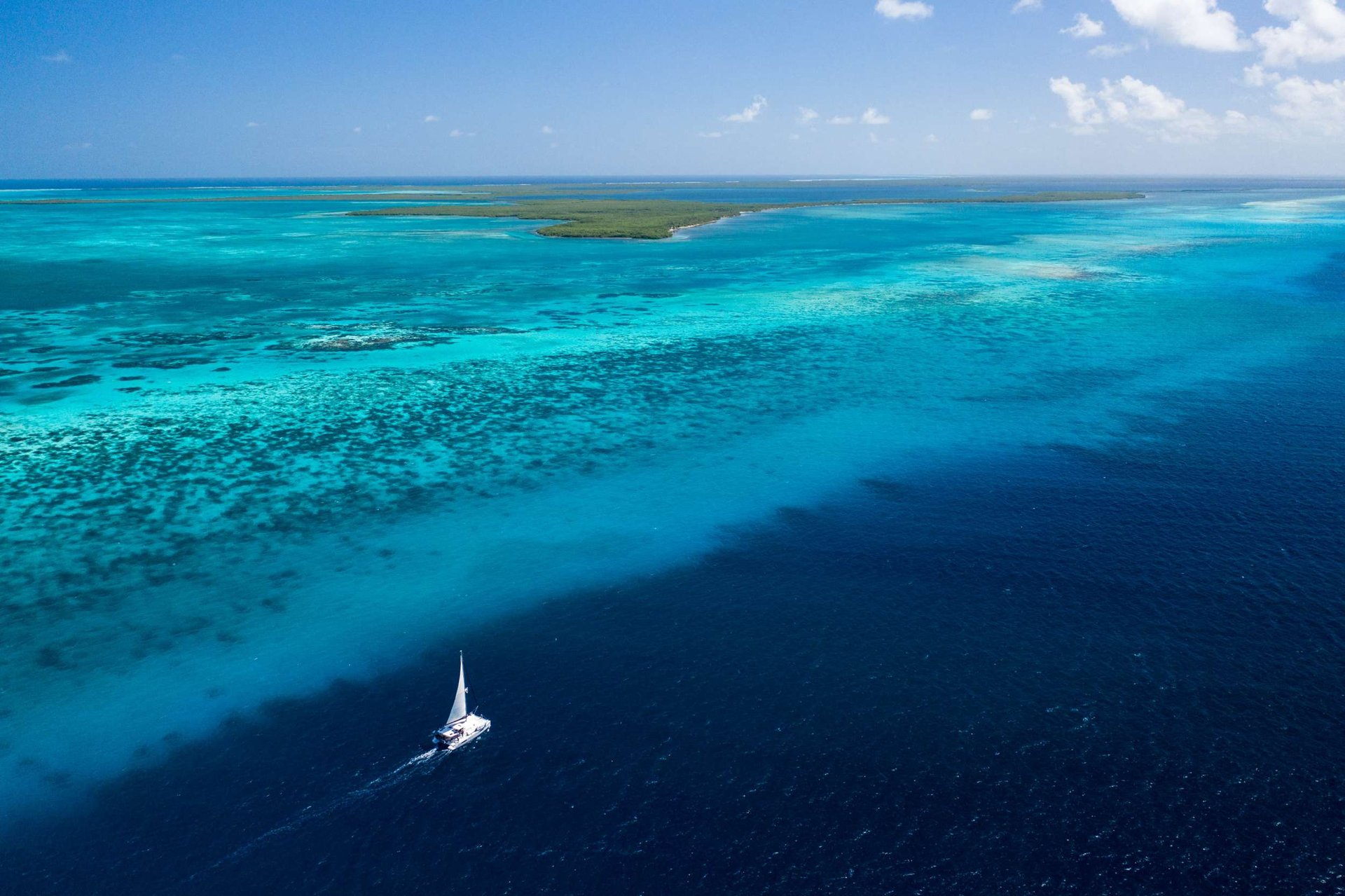
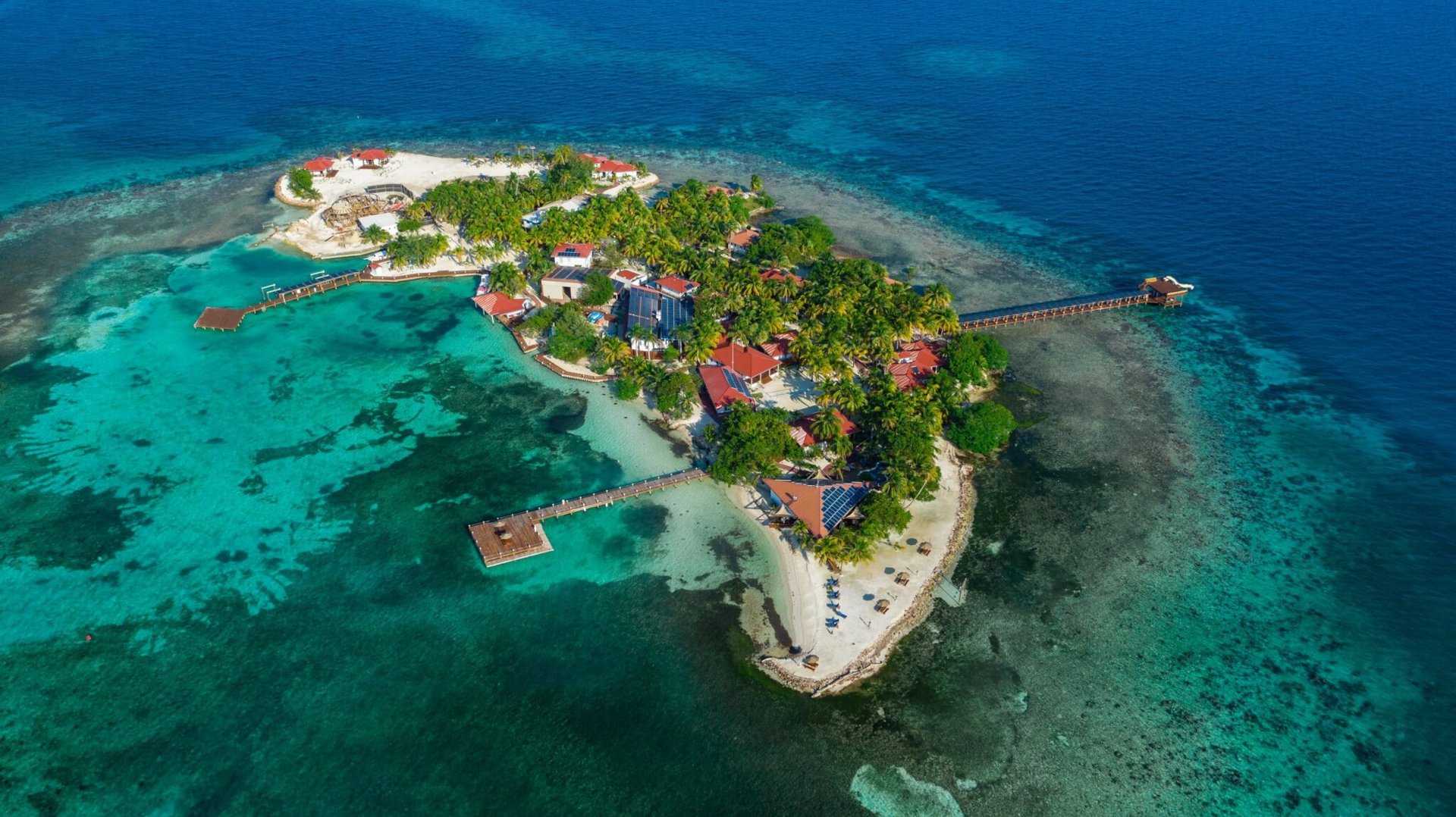
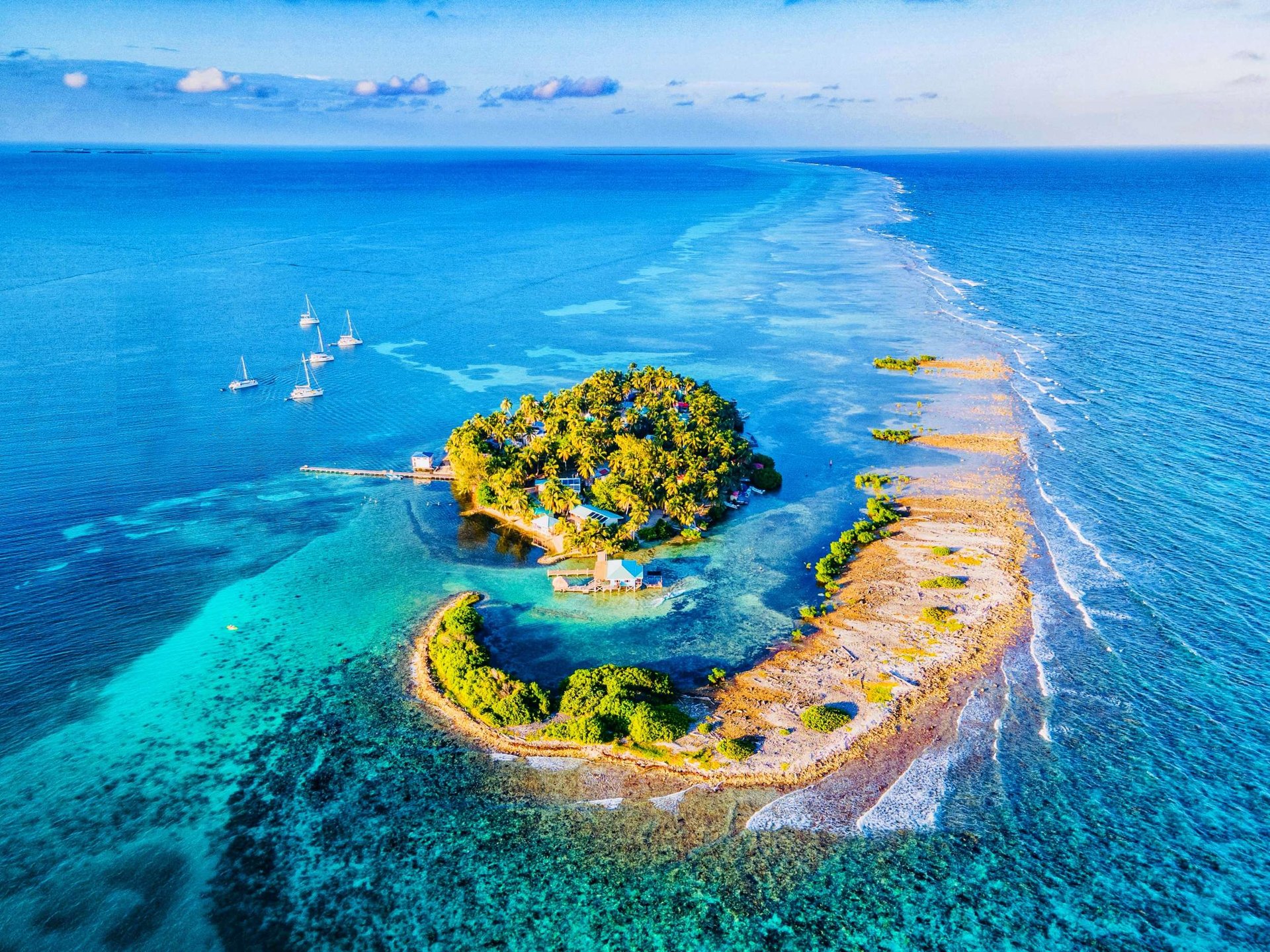
Aerial view of a palm-covered caye on the Belize Barrier Reef.
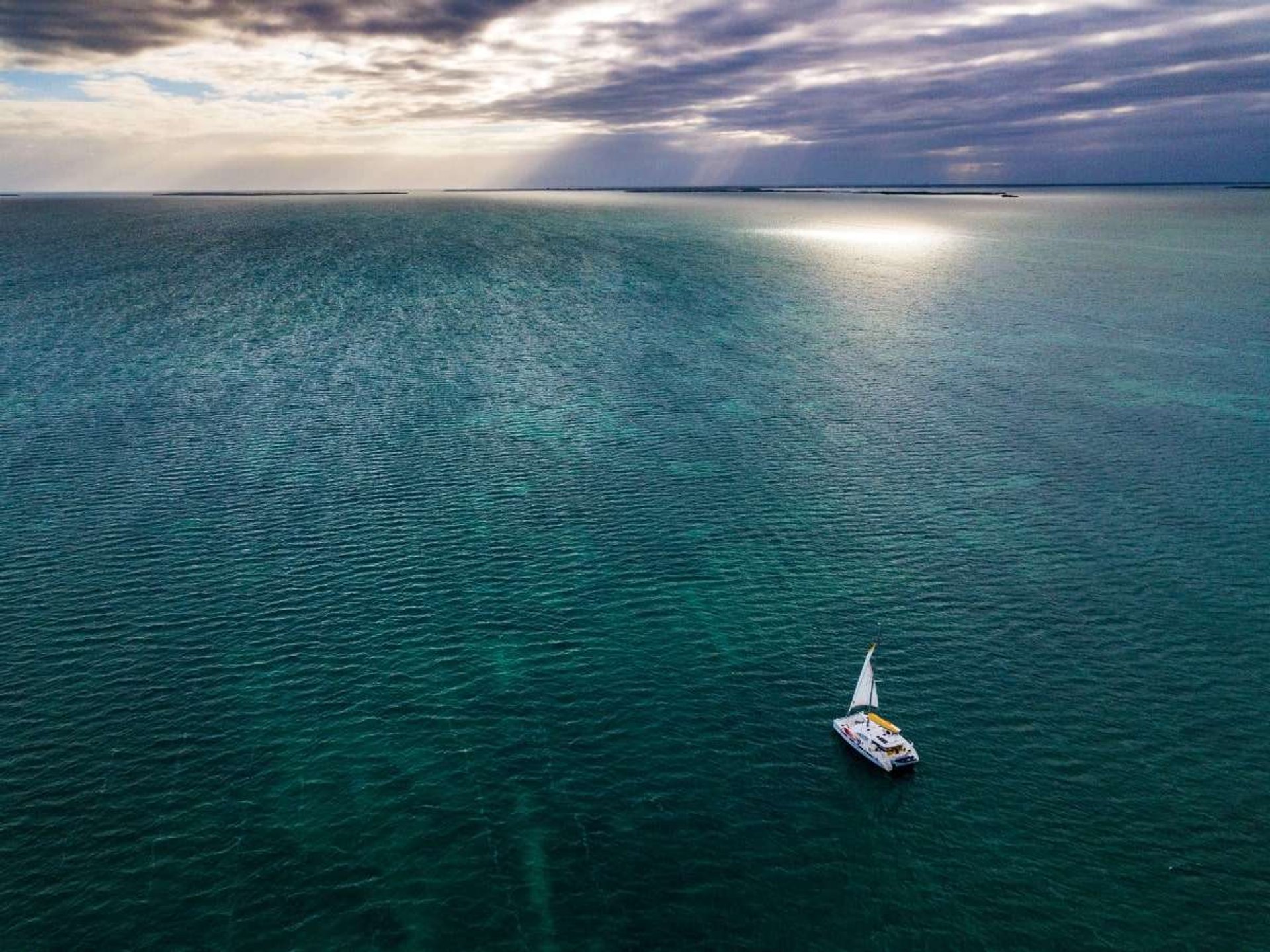
A catamaran under sail on a long Belize crossing with dramatic cloud streaks.
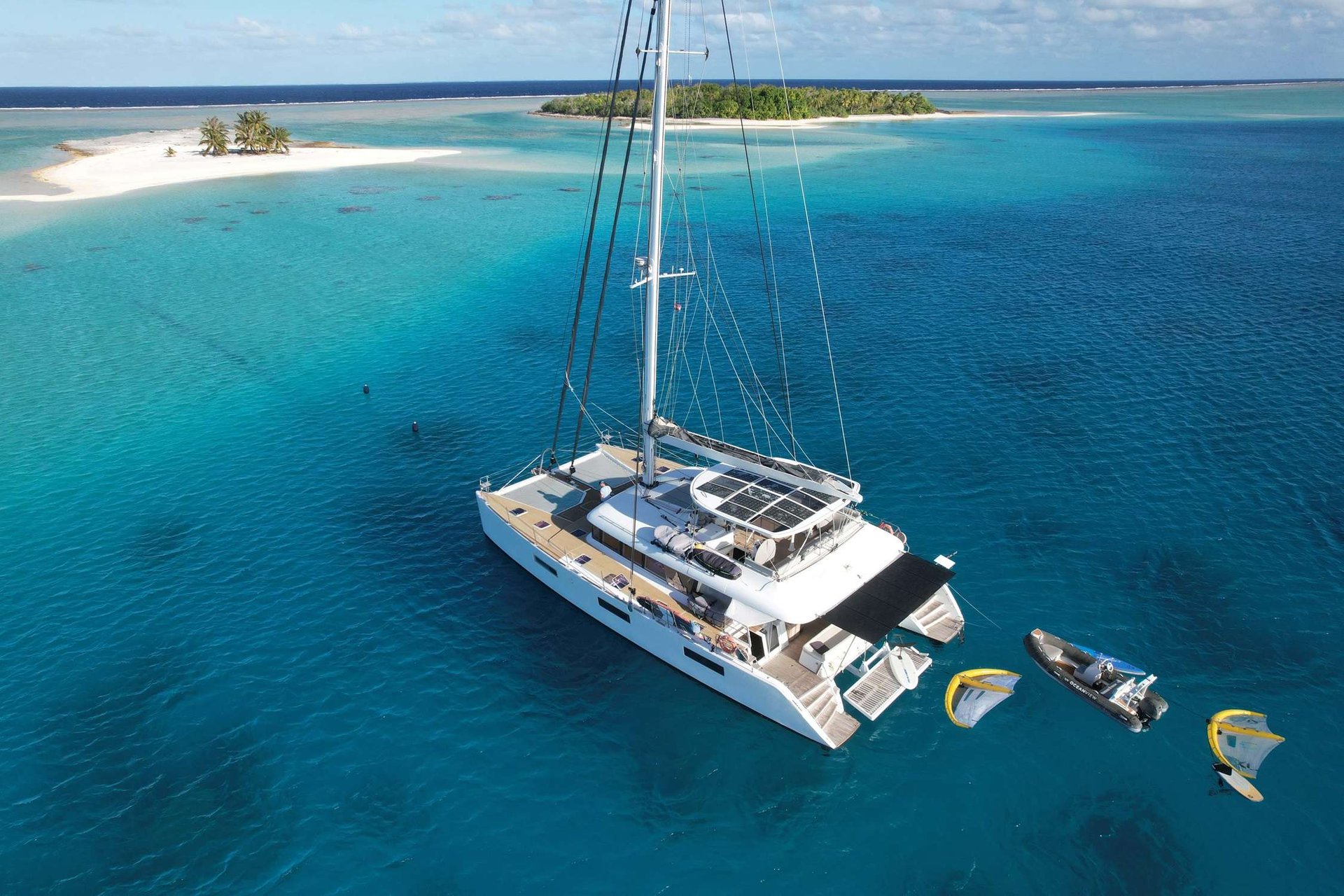
Catamaran sailing the color line between barrier reef shallows and deep blue.
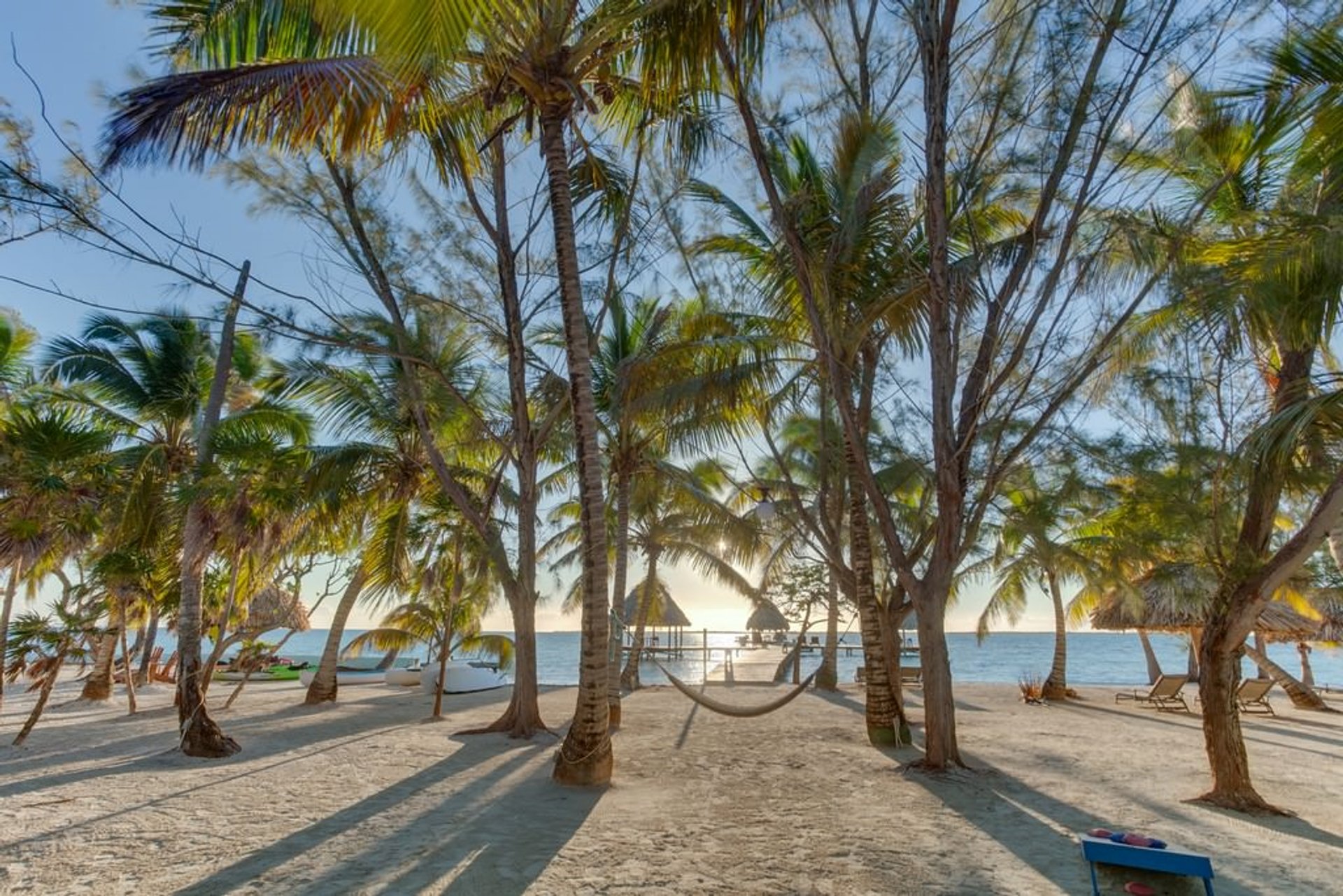
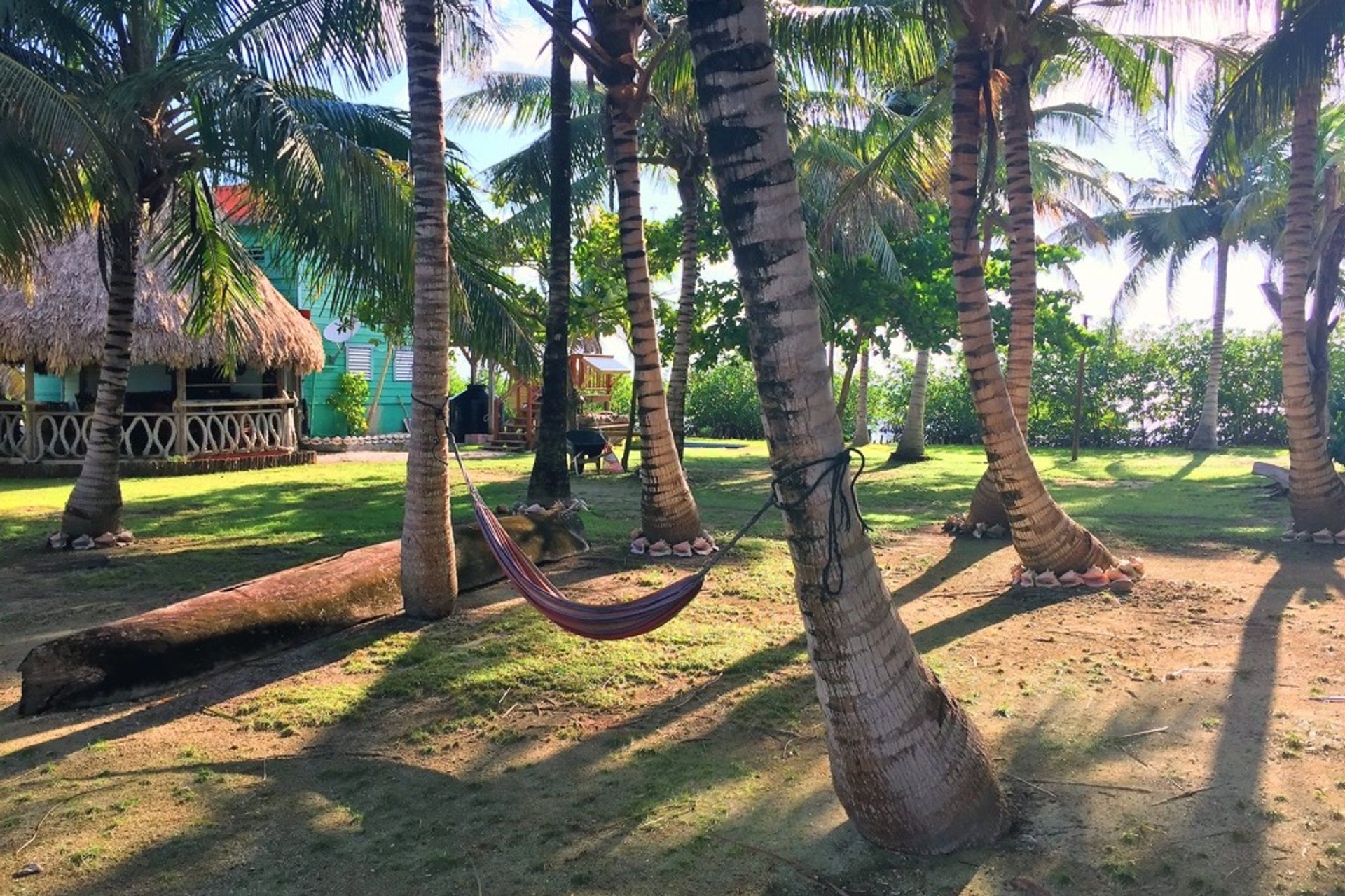
Whipray Caye's palm-lined grounds with a thatched bar above the water.
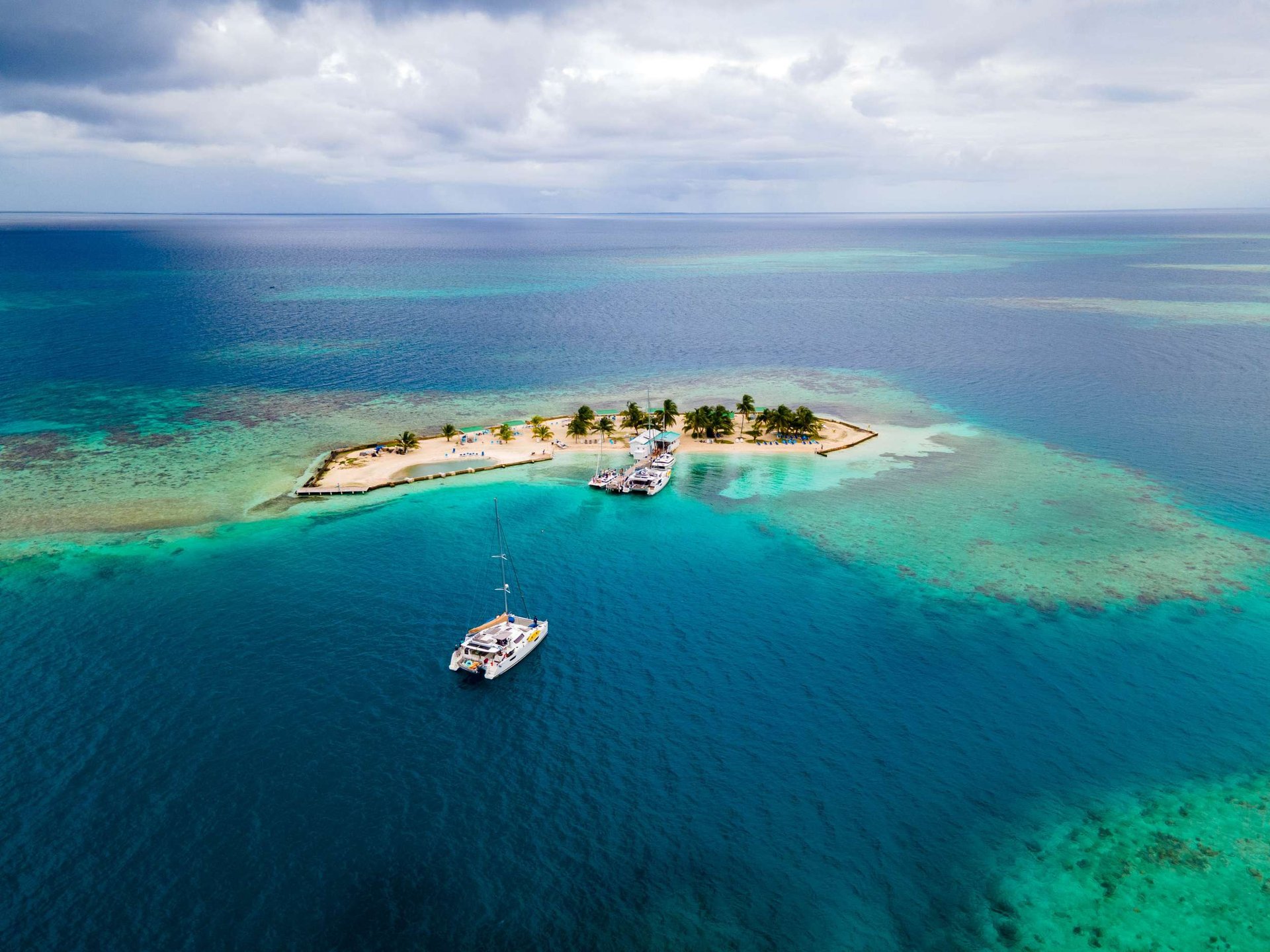
A catamaran at anchor off a small palm-covered caye with a beach deck and umbrellas.
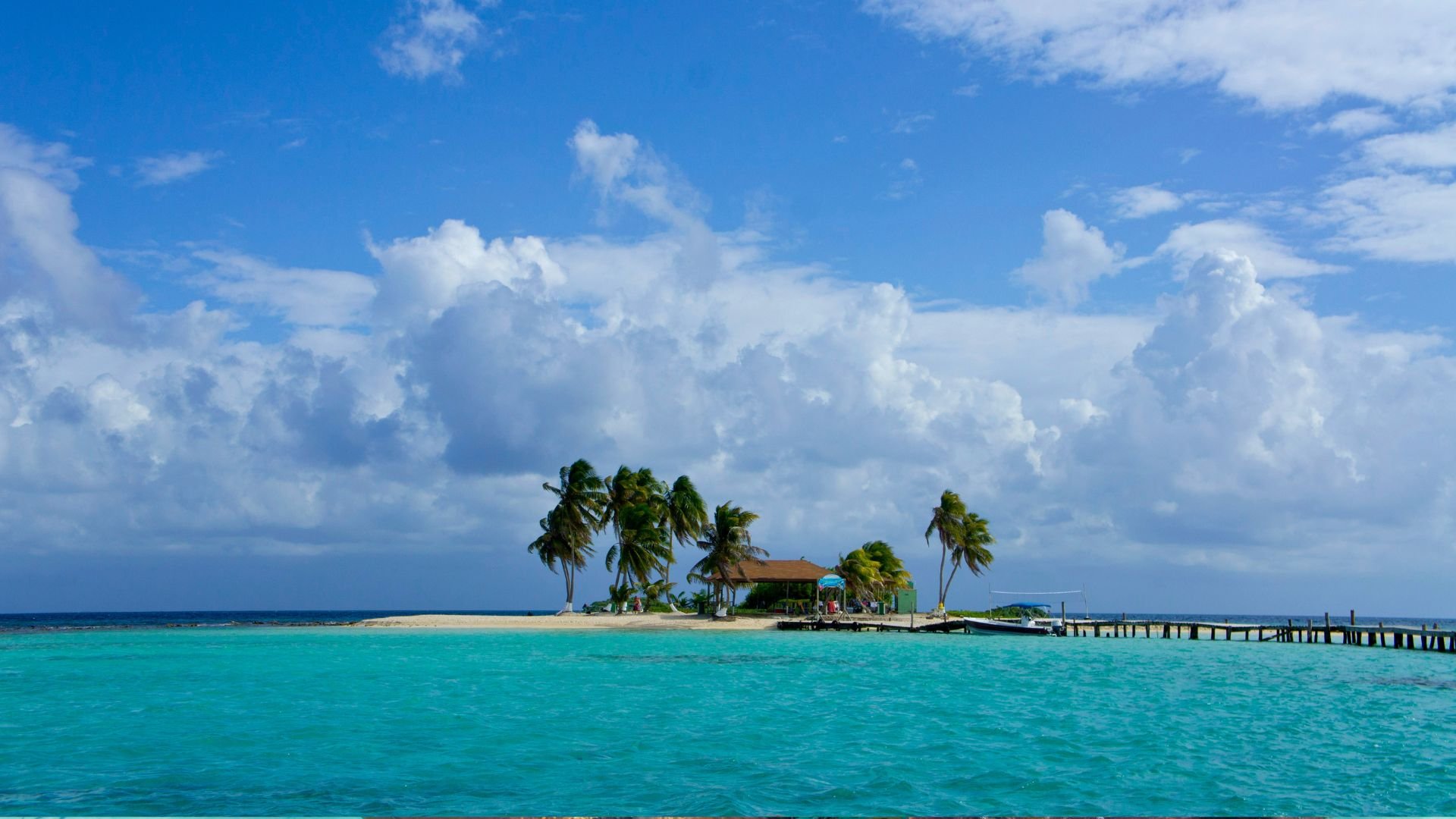
A typical private-island lunch stop on the Southern route—a palm-covered caye, a beach deck ashore, the boat at anchor a hundred yards off the sand.

Day 2: Laughing Bird to Ranguana Caye

A short 12-nautical-mile hop south today to Ranguana Caye—a six-acre private island with a handful of thatched cabanas, a small restaurant, and one of the better lee-side beaches on the Southern barrier. The sail itself is gentle; the captain puts you there in time for lunch and a long afternoon on the water.

Ranguana is the kind of stop that explains the appeal of crewed charter in Belize. There is almost nothing to do except swim off the beach, walk a lap of the island in fifteen minutes, and flop into a hammock with a book. The reef starts a short swim from shore and holds a remarkable amount of life for how close in it sits—nurse sharks cruising the shallows, schools of grunts working the coral heads, the occasional eagle ray. Your crew runs the tender ashore for lunch on the island if you want it, or puts out a light board of ceviche, conch fritters, and a cold bottle of rosé on deck if you'd rather stay on the boat.

In April and May, Ranguana runs a baby sea turtle release program on the beach around sunset—one of those small Belize moments that isn't on any brochure and sticks with you. Your captain knows the season and can time the afternoon around it. Otherwise it's a quiet dinner aboard at anchor, the sort of night where nobody bothers checking the time.

Highlights of Day 2:

  • Easy morning sail down to Ranguana Caye.
  • Reef snorkel a short swim off the beach—nurse sharks, grunts, eagle rays.
  • Seasonal baby sea turtle release at sunset, April through May.
  • Chef-prepared dinner at anchor, nobody checking the time.
A catamaran sailing the color line between the reef shallows and deep blue in Belize waters.
The color line where the barrier reef shallows give way to open blue water—the reef-edge scenery the Southern route is built around.

Day 3: Ranguana to the Silk Cayes and Gladden Spit

Today is the snorkel day. A 10-nautical-mile morning reach east brings you to the Silk Cayes—three tiny, uninhabited sand islands sitting on the outer barrier reef inside the Gladden Spit and Silk Cayes Marine Reserve. The reef here is the real thing: coral gardens in twenty feet of water, walls that drop off into deep blue, and more fish life per square yard than anywhere else on the Southern route.

If you're sailing in April, May, or June, there's a specific reason Gladden Spit is one of the most talked-about snorkel sites in the Caribbean: it's one of the few predictable whale shark aggregation spots in the world. Around the full moon in those three months, the cubera and mutton snapper spawn on the reef wall, and whale sharks show up to feed on the spawn. When conditions line up, your captain can get you in the water with forty-foot whale sharks in roughly eighty feet of visibility. Nobody promises it—the aggregations are weather and lunar-cycle dependent, and they're protected by permit limits enforced by the reserve. But if you're here in that window, this is the single day everything else on the itinerary gets rearranged around.

Outside the whale shark window, this is still the best coral-garden snorkel on the itinerary—drifting along a healthy reef wall in gin-clear water, rays cruising the sand below, the occasional reef shark patrolling the edge. After lunch on a Silk Caye sandbar, the captain moves the boat a short way back inside the reef to Lark Caye for a protected overnight anchorage. Chef handles a dinner aboard that night—almost certainly something off the morning's fish run.

Highlights of Day 3:

  • Outer-reef snorkel at the Silk Cayes, inside Gladden Spit Marine Reserve.
  • Possible whale shark encounter in April–June, around the full moon.
  • Lunch on a Silk Cayes sandbar—coconut trees and not much else.
  • Sheltered overnight at Lark Caye, chef-prepared dinner aboard.
A catamaran under sail on a long Belize crossing with dramatic cloud streaks over the reef.
Day 4 is the week's longest sail—a broad reach north inside the barrier reef with breakfast on deck and the trades on the quarter.

Day 4: Lark Caye to Tobacco and Carrie Bow

The longest sailing day of the week—25 nautical miles north along the inside of the barrier reef, from Lark Caye up to Tobacco Range. In a healthy easterly trade it's a fast broad reach on flat water, the reef line running off the starboard beam the whole way. Your crew sets a breakfast spread on deck, hands the wheel to anyone who wants it, and lets the boat sail itself for most of the morning.

Tobacco Caye is a five-acre island sitting directly on top of the barrier reef, which is rare—most Belize cayes sit inside the reef or well outside of it. Here, the reef crest breaks fifty yards off the beach, and you can snorkel straight off the sand onto an intact coral wall in water that stays ten to fifteen feet deep for a long way. There's a small fishing village on the island—wooden shacks, a handful of guesthouses, a tiny bar where locals and a few backpackers drink Belikin in the afternoon. It's a glimpse of what the whole coast looked like thirty years ago.

A short afternoon hop south puts you off Carrie Bow Caye—a one-acre sand island that serves as the Smithsonian Institution's field station for Caribbean reef research. You can't land (the station is working), but you can anchor offshore and snorkel the reef they've been studying for fifty years. The coral here is as healthy as anywhere in the country, and if the visibility is up you'll see why the Smithsonian picked this exact spot. Back aboard for a chef-prepared dinner at anchor, the reef breaking white against the dark a hundred yards off the beam.

Highlights of Day 4:

  • Week's longest reach—north inside the barrier reef to Tobacco Range.
  • Snorkel straight off the beach onto the reef crest at Tobacco Caye.
  • Short stop at Carrie Bow Caye, the Smithsonian's Caribbean reef station.
  • Dinner at anchor with the reef breaking off the beam.
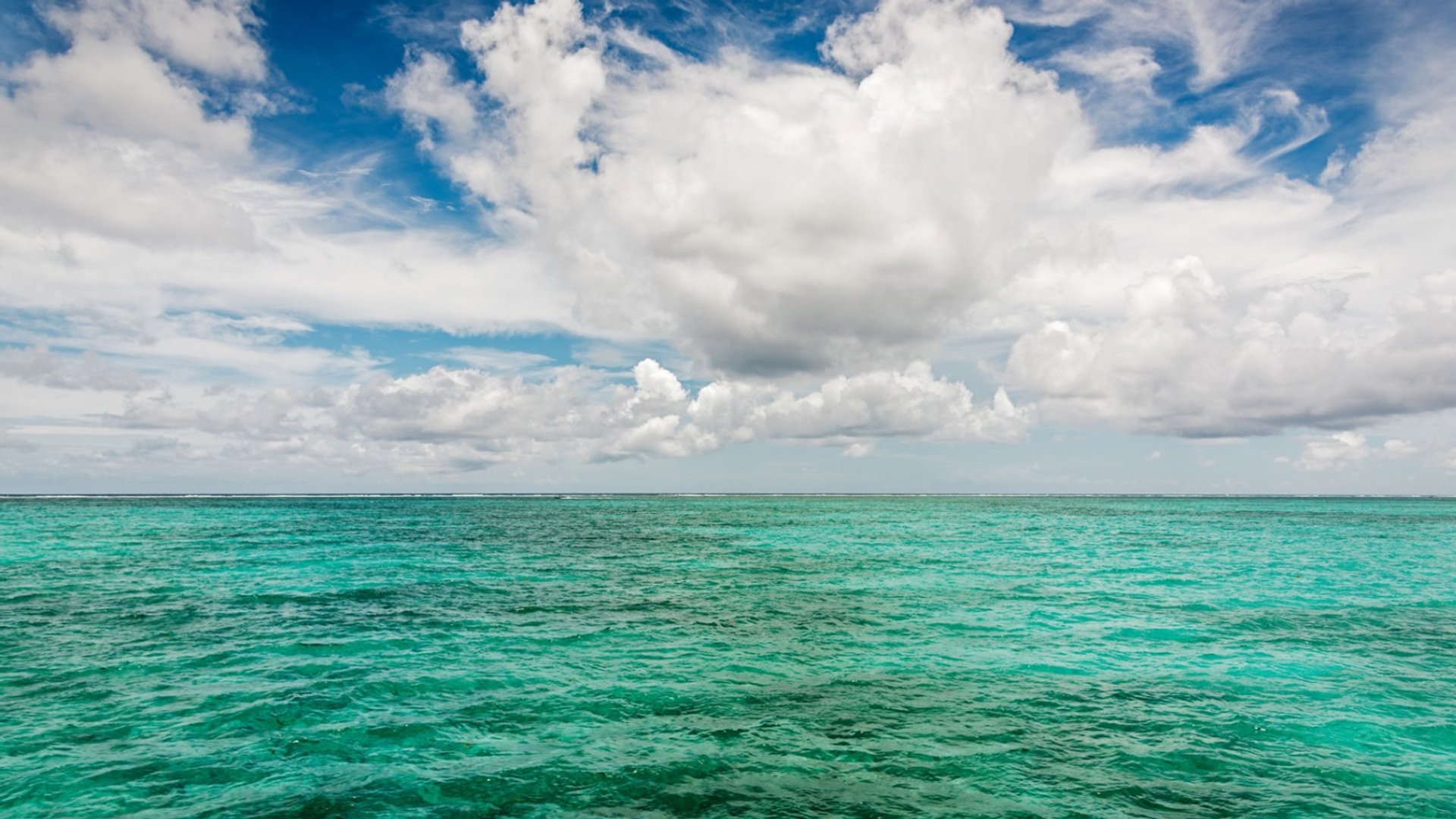
Turquoise barrier reef seascape with scattered clouds on the horizon.
Turquoise water and a barrier reef line on the horizon—exactly the scenery a day at South Water Caye runs on.

Day 5: Tobacco to South Water Caye

A six-nautical-mile sail south this morning, barely enough to warm up the engine before you're there. South Water Caye is a fifteen-acre island on the barrier reef inside the South Water Caye Marine Reserve—another UNESCO-listed stretch, and arguably the single best reef position in Southern Belize. The windward side of the island drops straight off into the wall, and the snorkel off the dock is one of the few places in the country where you can roll off a pier in twelve feet of water and be over a reef edge in three fin kicks.

Spend the morning in the water. The wall here runs from ten feet down to forty in a single drop, and the visibility on a good trade-wind day is sixty to ninety feet. Eagle rays and nurse sharks are common; the occasional reef shark patrols the outer edge. After lunch aboard, the captain can move you around to the leeward side for a quieter afternoon—shallow grass flats, bonefish in the tail-up silt, a beach walk if you want one.

Dinner tonight is ashore at Blue Marlin Lodge, the long-running dive resort on the south end of the island. Blue Marlin is exactly the kind of place that works on a crewed charter: a dock you can pull up to, a dining room over the water, and a kitchen that leans on whatever the local boats brought in that morning. Your captain radios ahead, the lodge sets a table, and you walk ten steps from the dinghy to dinner. Back aboard late for a nightcap on deck with the reef glowing white in the moonlight.

Highlights of Day 5:

  • Short hop to South Water Caye inside the UNESCO-listed marine reserve.
  • Wall snorkel straight off the windward dock—ten feet to forty in one drop.
  • Shallow-water afternoon on the leeward side, eagle rays and bonefish.
  • Dinner ashore at Blue Marlin Lodge, ten steps from the dinghy.
Coco Plum Caye on the inside of the Belize Barrier Reef—palm-fringed sand, thatched roofs, clear shallows.
Coco Plum is on the inside of the barrier reef—quieter water, good snorkeling off the bow, and a lunch stop ashore if you want it.
Whipray Caye's palm-lined grounds with a thatched bar and lawn above the water.
Whipray is the last overnight of the trip. Hammock, Sea Urchin Bar, nothing else you have to do.

Day 6: South Water to Coco Plum and Whipray

The quietest day of the week. A morning stop at Coco Plum Caye—a small, palm-fringed island on the inside of the reef with thatched cabanas and a protected lagoon—for a swim and an early lunch. Your chef handles it aboard or your captain radios ashore for a table at the resort; either way works. The snorkel off the bow is gentle, the water shallow and clear, and the crowd at Coco Plum runs to the handful of guests staying at the resort and maybe one other crewed boat.

Late afternoon, a final short hop puts you at Whipray Caye—a tiny private island a few miles off Placencia that might be the single most charming overnight on the Southern route. There's a thatched bar called Sea Urchin on the island, a hammock strung between two palm trees, and about eighteen inches of sand between the bar stools and the water. Julian Cabral and the family that runs the caye keep the place small and slow on purpose; you'll recognize the vibe within about three minutes of the tender touching the dock.

Dinner at Sea Urchin Bar is the kind of meal people remember from the trip—fresh fish off the day's boat, whatever the kitchen felt like cooking, a last good sunset over the mainland with the peninsula dropping into shadow behind Placencia. Back aboard late, nightcap on deck, last night at anchor in Belize.

Highlights of Day 6:

  • Morning stop at Coco Plum Caye—quiet lagoon snorkel off the bow.
  • Afternoon run to Whipray Caye, last overnight of the trip.
  • Dinner at Sea Urchin Bar, eighteen inches of sand from the water.
  • Last nightcap at anchor with the mainland going dark behind Placencia.
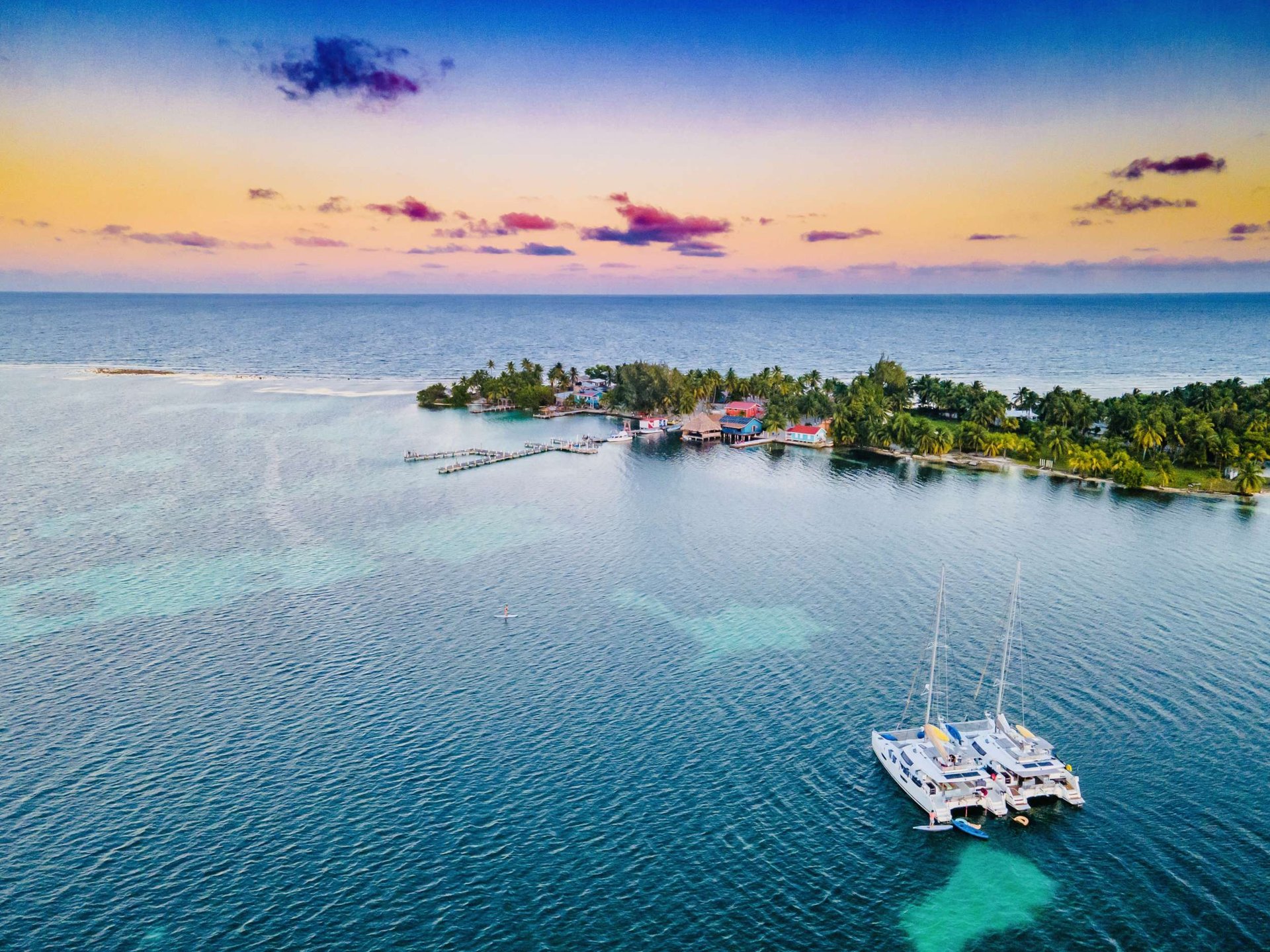
Pastel sunset over a catamaran at anchor off a palm-covered caye in Belize.
Last evening at anchor on the Southern route—one more sunset on the hook before the morning run back to Placencia.

Day 7: Whipray to Placencia

Fifteen nautical miles back to the peninsula, a last easy reach in the morning trades. Your captain times the approach so you're dropping anchor off Placencia by early afternoon, with enough of the day left to walk the sidewalk, swim off the stern one more time, and take a tender ride ashore for dinner.

Dinner tonight is at Rumfish Y Vino, on the main strip in Placencia village. House cocktail is the ginger mojito—fresh ginger, white rum, a lot of lime—and the kitchen leans into the local catch with Mediterranean fingerprints. It's the right last-night meal: a shift back to restaurant service after a week of plates on deck, without losing the feel of being ten minutes from the water. A short walk after dinner, a nightcap at the waterfront bar of your choice, and back aboard late for the final night on anchor.

For guests who want one more adventure before the week ends, your captain can arrange a morning fly-fishing skiff trip in the lagoon behind the peninsula—bonefish, permit, and tarpon all within a short run of the mothership, with a local guide who's been pushing that water for decades. Worth doing if you've ever thought about saltwater fly-fishing; there are few easier places to start.

Highlights of Day 7:

  • Easy morning sail back to the Placencia peninsula.
  • Walk the Placencia sidewalk, world's narrowest main street.
  • Farewell dinner at Rumfish Y Vino—ginger mojito, local catch, Mediterranean kitchen.
  • Optional morning fly-fishing skiff in the lagoon behind the peninsula.

Day 8: Farewell to Southern Belize

Enjoy a last slow breakfast on deck at the Placencia anchorage, a last swim off the stern if you're up for it, and the short transfer your crew arranges straight to the Placencia airstrip for a commuter flight to Belize City, or by road up the peninsula if you're extending a few nights ashore. Your captain and chef will step off the boat already talking about when you're coming back, which is usually how the good ones end.

Looking for atoll and open-water Belize? Our 7-day Northern Belize itinerary runs out of Belize City through Caye Caulker, Hol Chan, Shark Ray Alley, and the Turneffe Atoll—more open water, more diving, and the realistic path to the Blue Hole.