Crewed Itinerary · Italian Riviera & Tuscany

Italian Riviera Itinerary: Cinque Terre and Portofino in 7 Nights

This is the classic Liguria week — a seven-night crewed charter that starts around Genoa, takes in Portofino and Santa Margherita, works east through San Fruttuoso and the Gulf of Tigullio, then settles into the Cinque Terre and Portovenere before turning back. About seventy nautical miles end to end, with no leg longer than twenty-two. The mileage is compact by Mediterranean standards, which is the point. The appeal here is not open-water range; it is a coast where the yacht gives the villages their right rhythm — early access at the harbors before the trains arrive, late evenings on the water once the ferry crowds thin out.

Most groups booking this route are choosing between Amalfi and the Riviera and deciding they want the quieter answer. Portofino brings the boutique-harbor glamour. The Cinque Terre brings the cliff-village register that defines the coast. Portovenere and Lerici close the week without forcing every hour into the streets. Motor yachts and catamarans both work — the cliffs block the prevailing winds, distances are short, and the harbor-stern-to culture suits either type. June and September are the strongest months. July and August work, but the Cinque Terre's shore-side density needs the yacht to set the timing rather than the train schedule.

Duration
7 nights · Sat–Sat
Base
Genoa or Santa Margherita (round-trip)
Plan your Italian Riviera & Tuscany charter Custom-tailored to your dates and group preferences
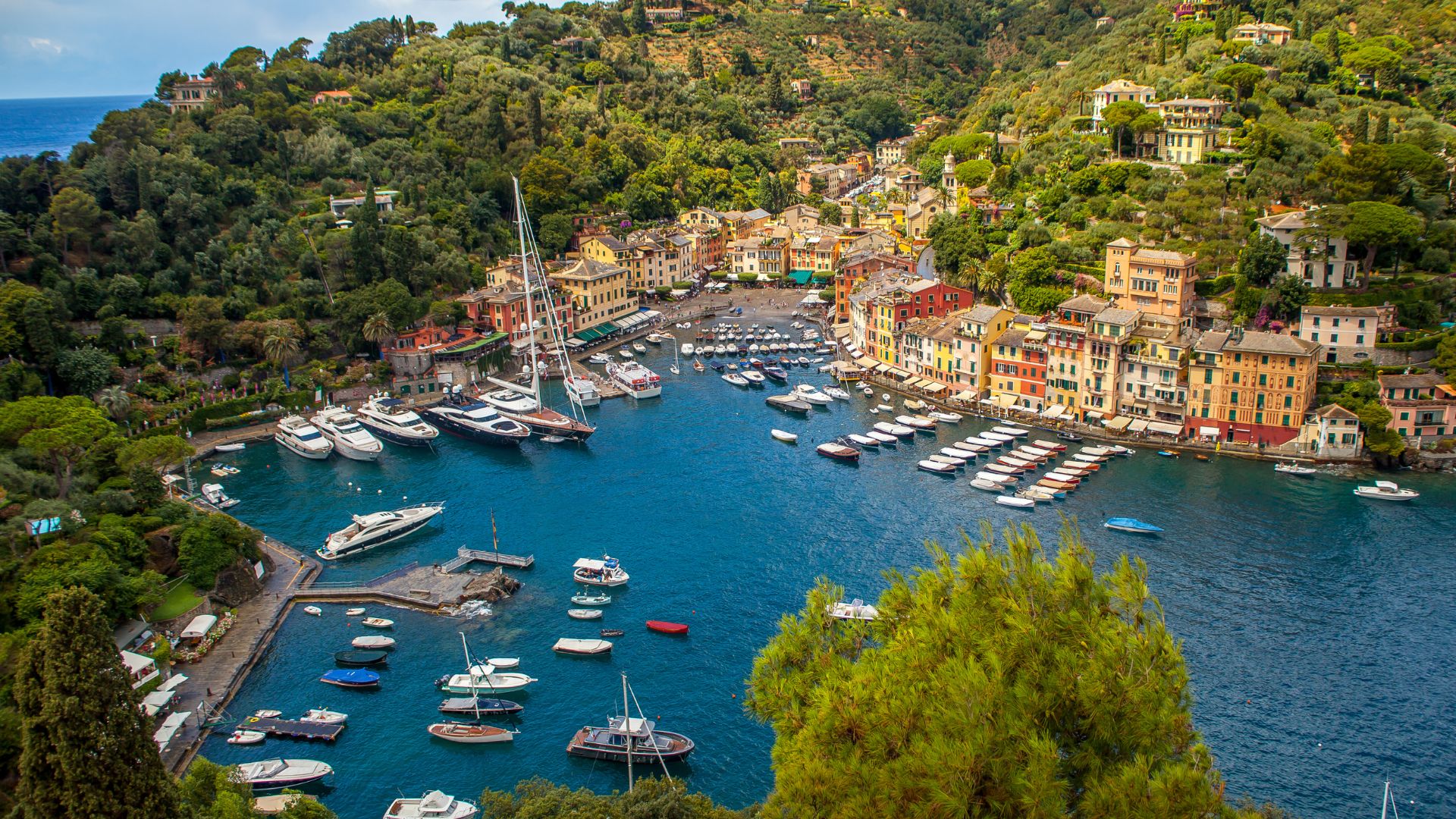
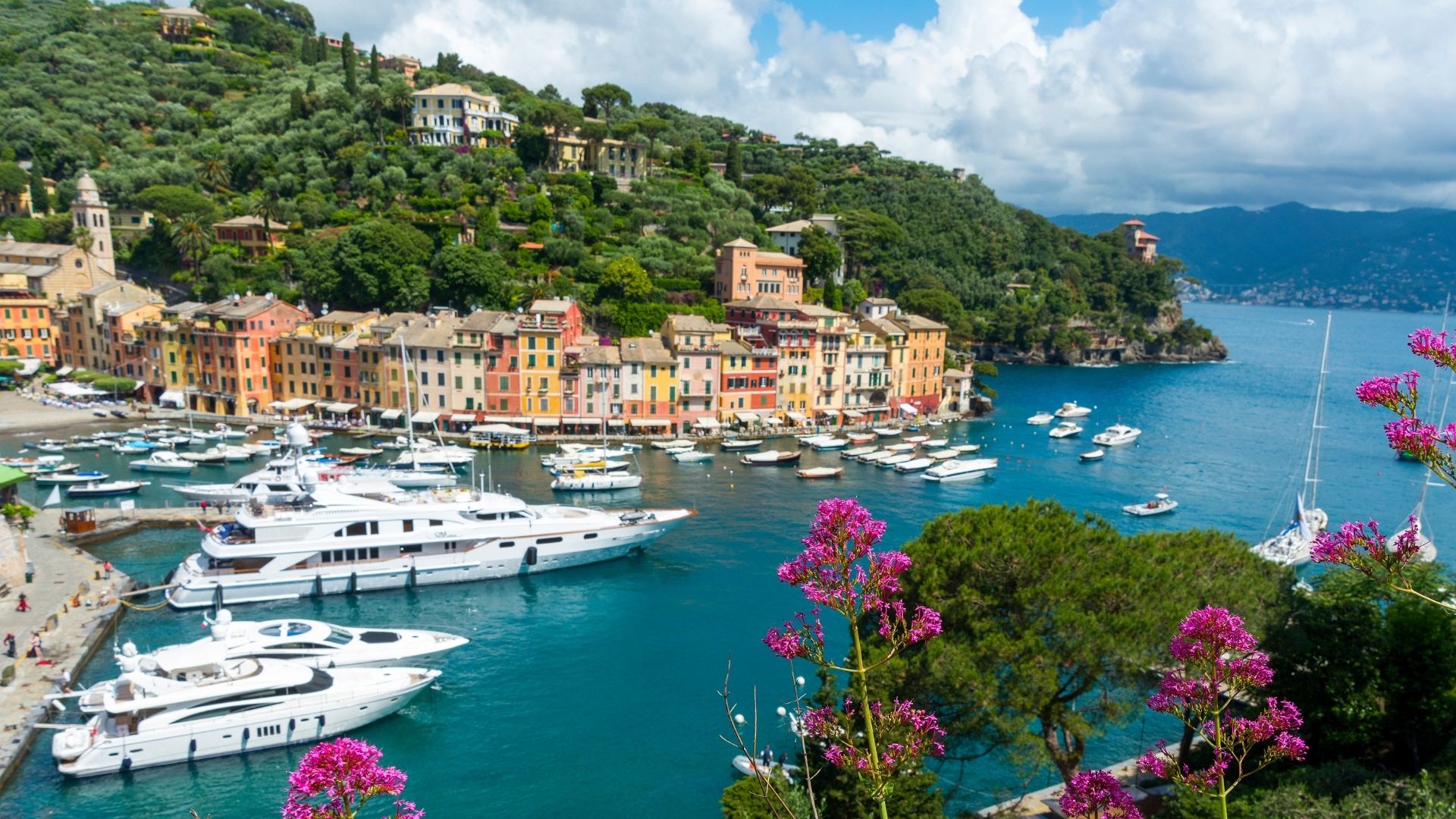
Portofino harbor and hillside villas from above — the Belmond Splendido visible above the pastel facades.
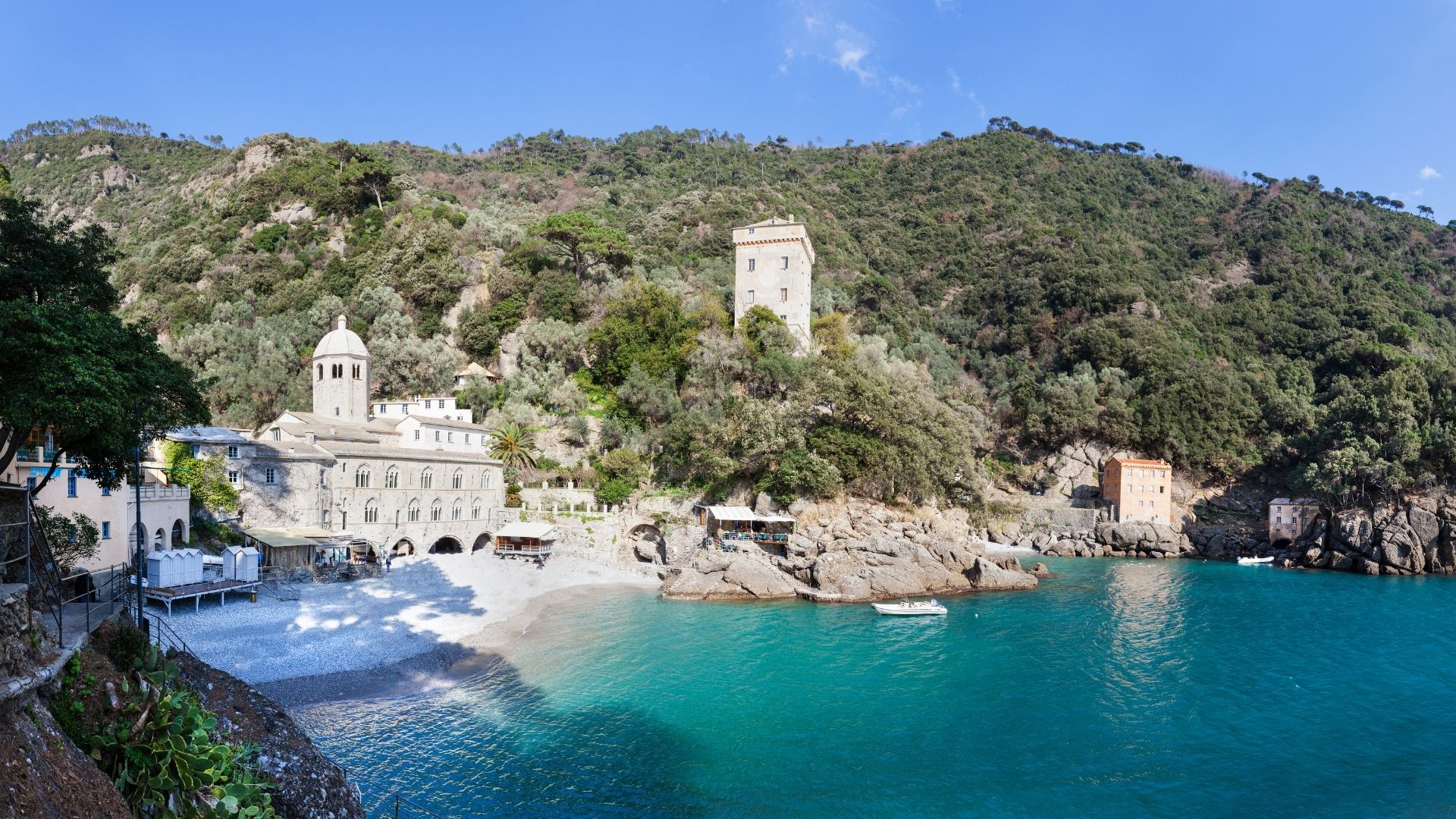
San Fruttuoso's tenth-century Benedictine abbey tucked into a cove below the forested hillside.
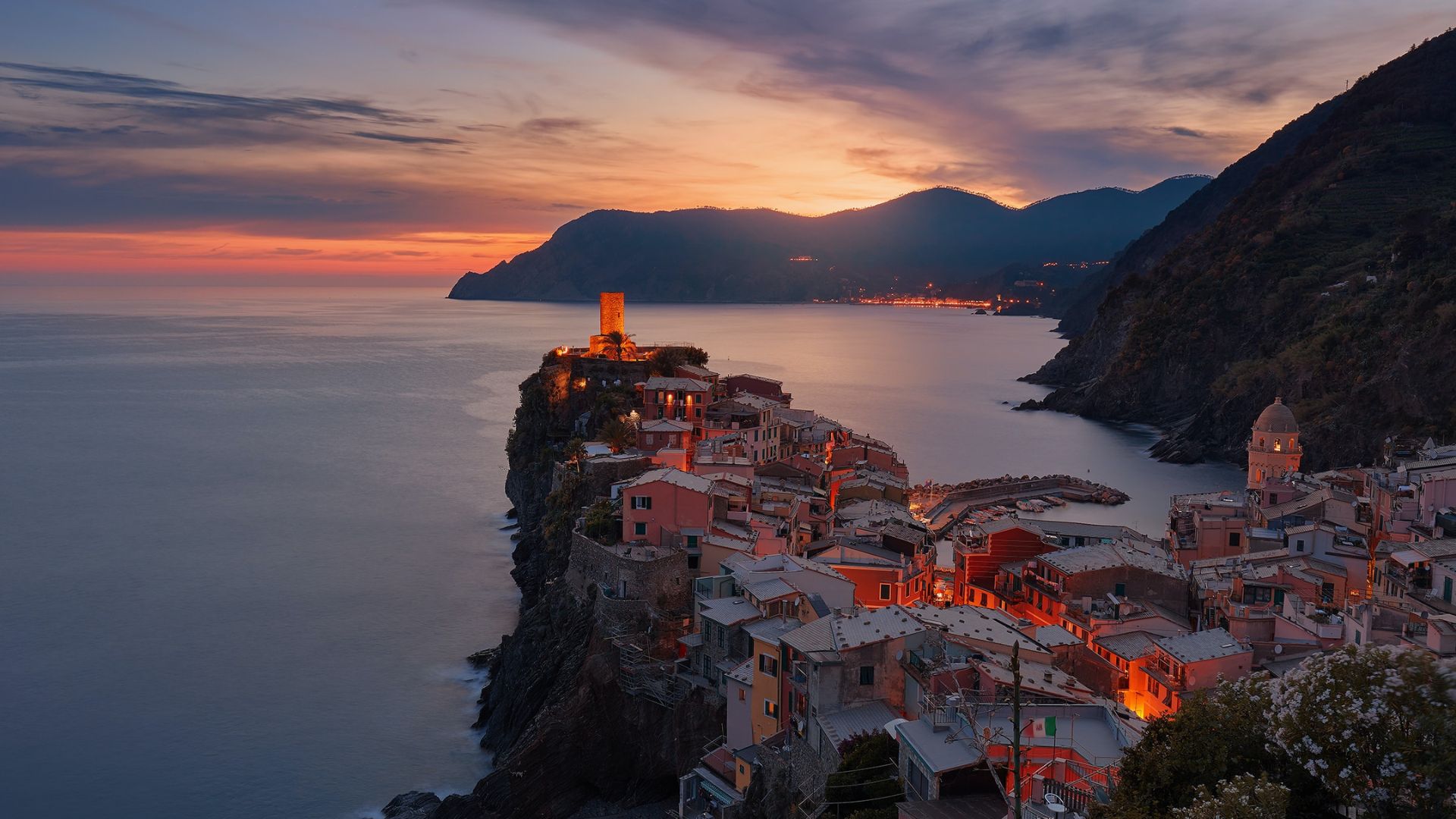
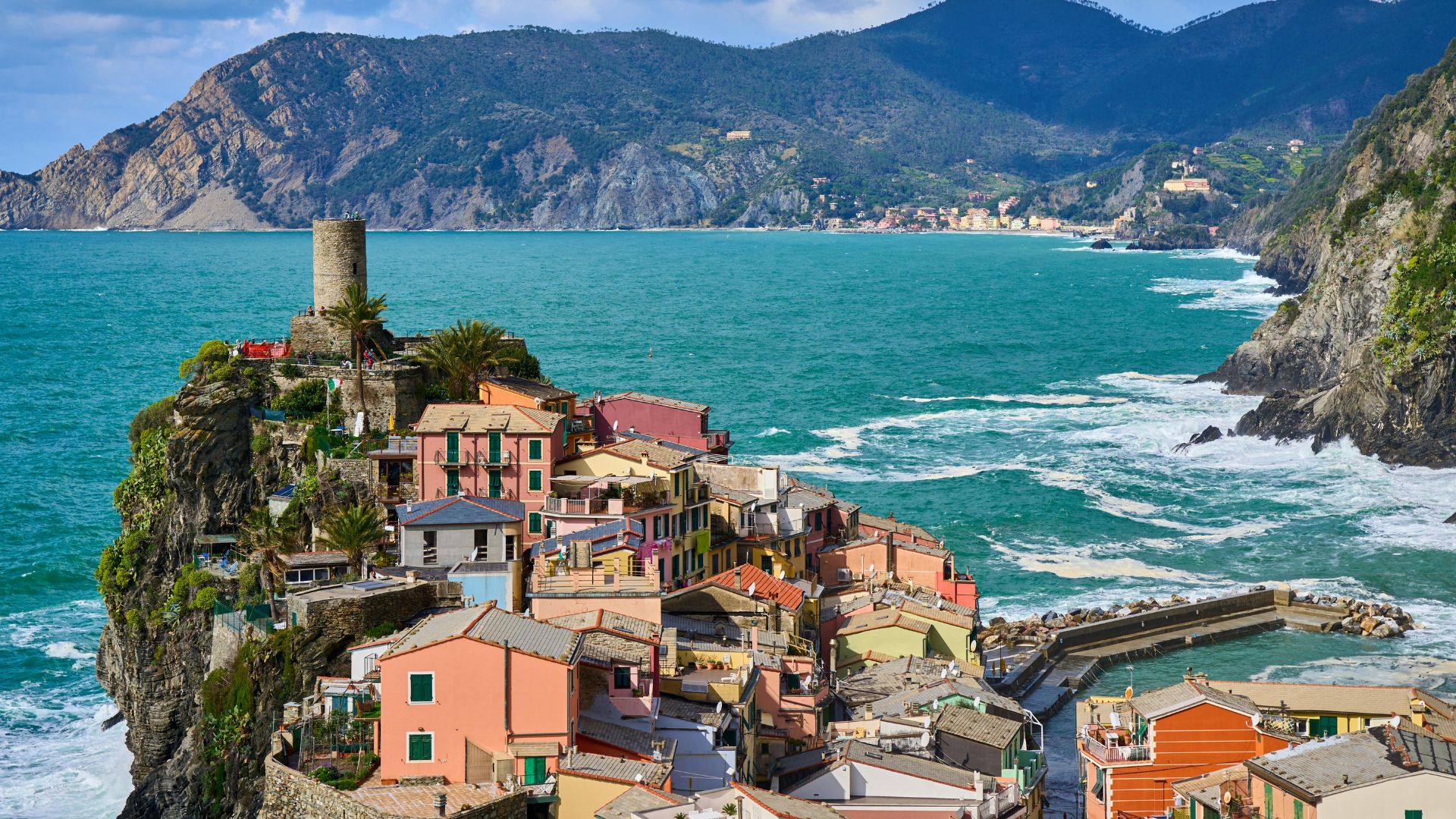
Vernazza's cliff village and Belforte tower seen from above the harbor.
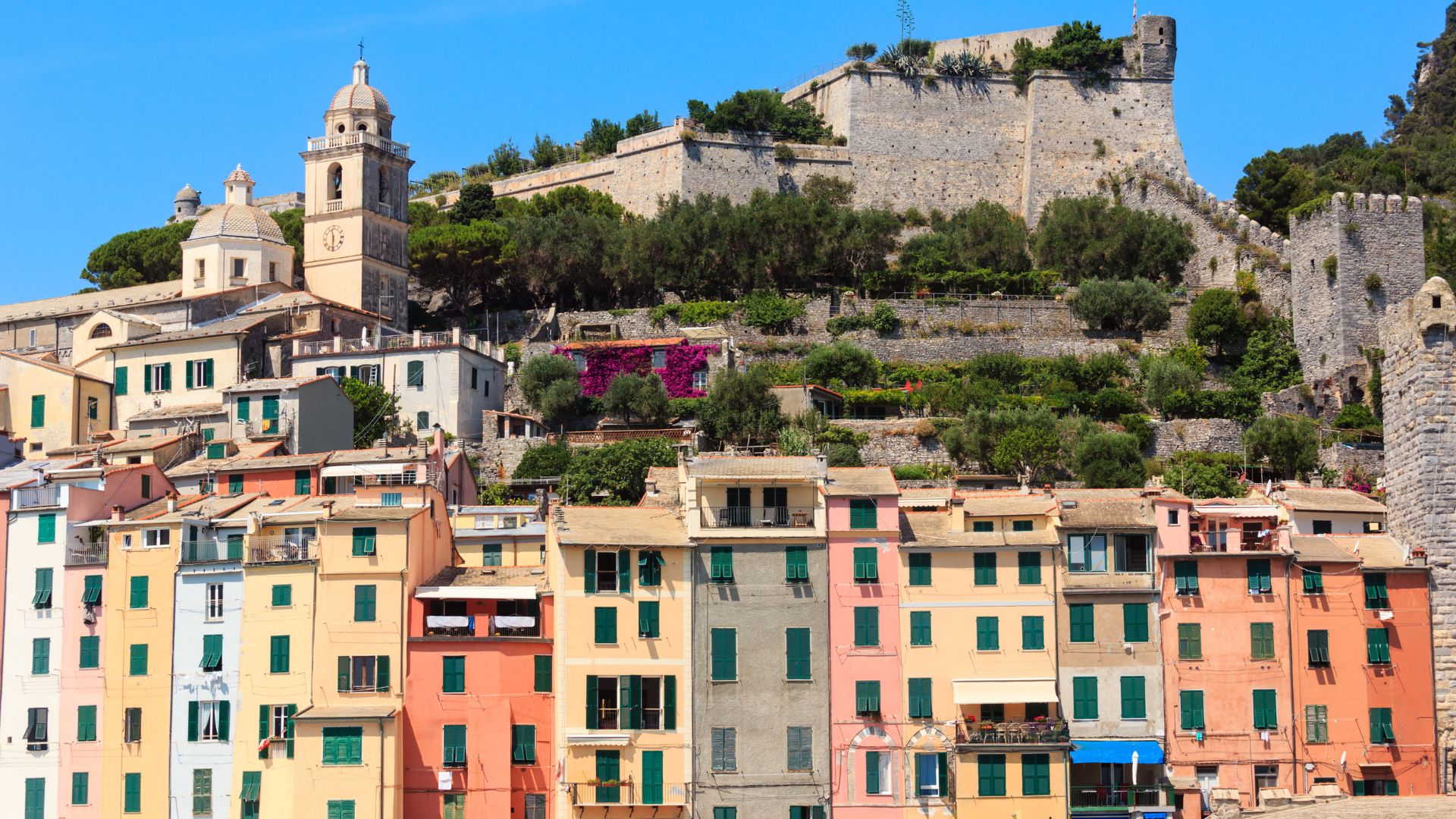
Portovenere's painted houses and Church of San Pietro on the rocky point at the harbor mouth.

Why this Italian Riviera itinerary is the clean first charter on the coast

This is the Liguria-first week — Portofino, Santa Margherita, San Fruttuoso, the five Cinque Terre villages, Portovenere, and the Gulf of La Spezia over seven nights. Roughly seventy nautical miles end to end, with no leg long enough to force the day's shape. The yacht is what lets the route breathe: arrive before the trains fill the villages, leave after the ferries thin out, and sleep off the main flow.

It is the best first charter for guests who want the Italian Riviera without forcing Tuscany or Monaco into the same week. If the brief is lower-density anchorages and a southern extension toward Elba, the Tuscan-archipelago route is the stronger fit. If the brief is to finish at Monaco, the one-way westbound route is the right answer. The captain shapes the day-by-day around the group; the structure below is the standard frame.

1

Day 1 of 7 · Genoa → Portofino

Embark in Genoa and run east to Portofino
Anchorage: Portofino or Paraggi
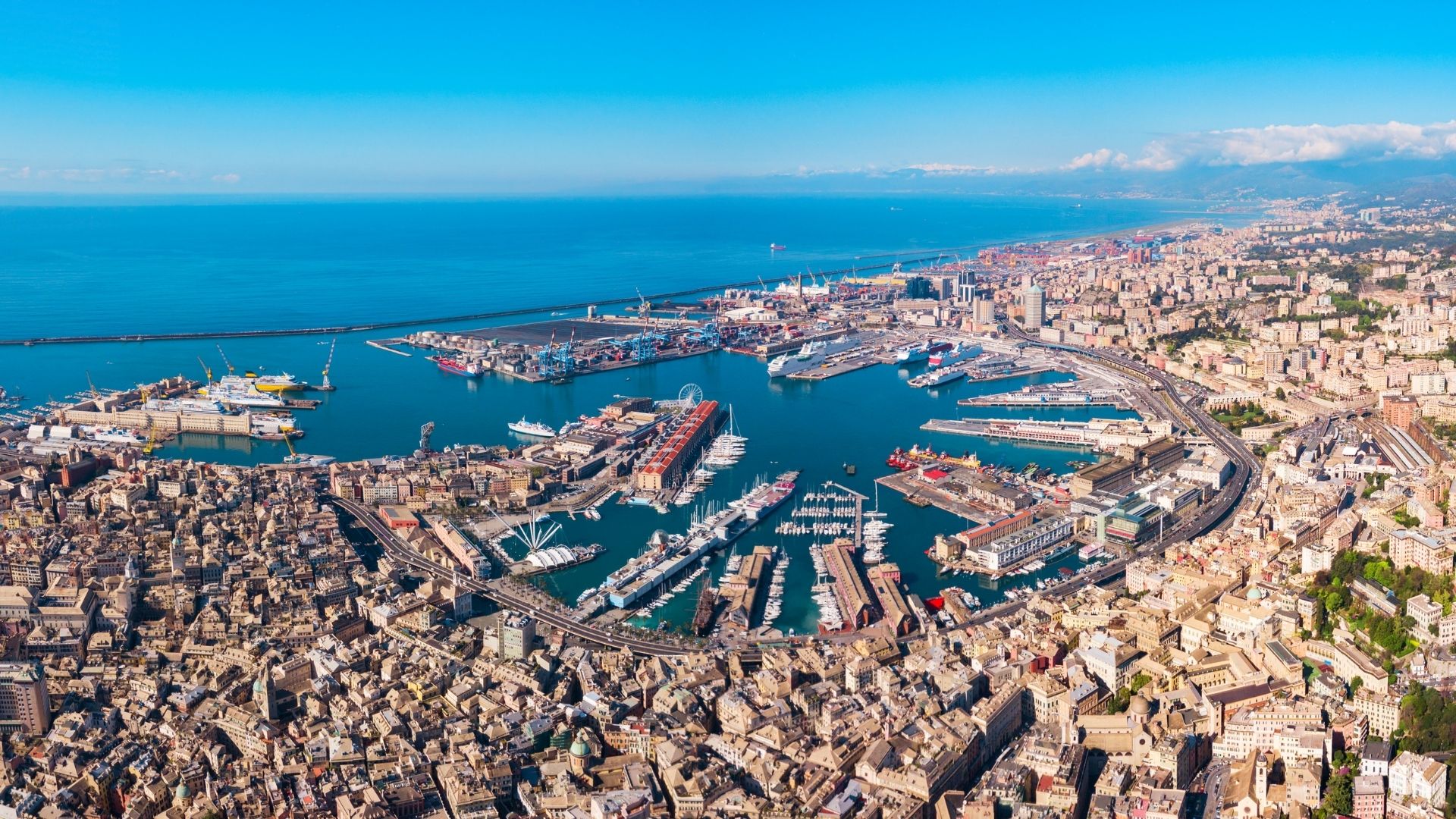
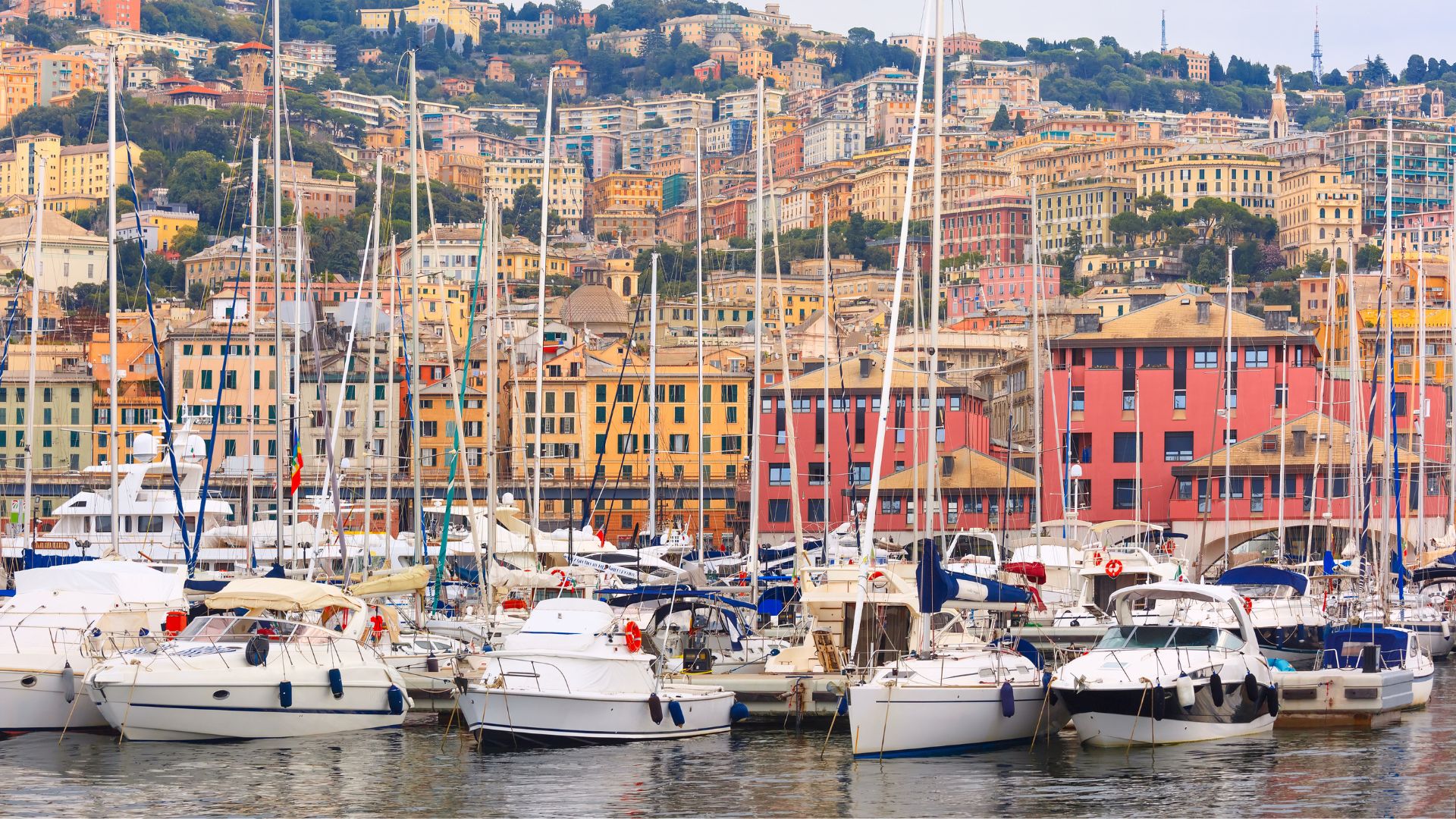
Boarding in Genoa — the old maritime-republic port and the western gateway to the Ligurian coast. Marina Genoa Aeroporto sits ten minutes from GOA; Porto Antico is in the city itself.
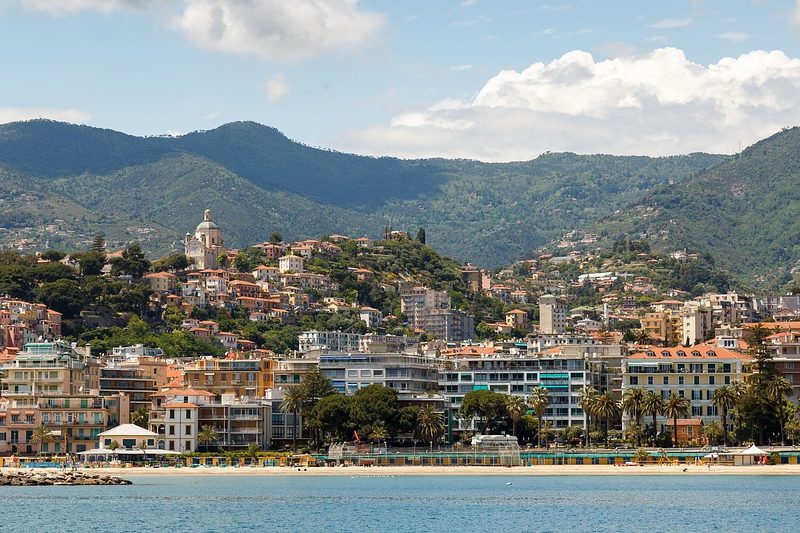
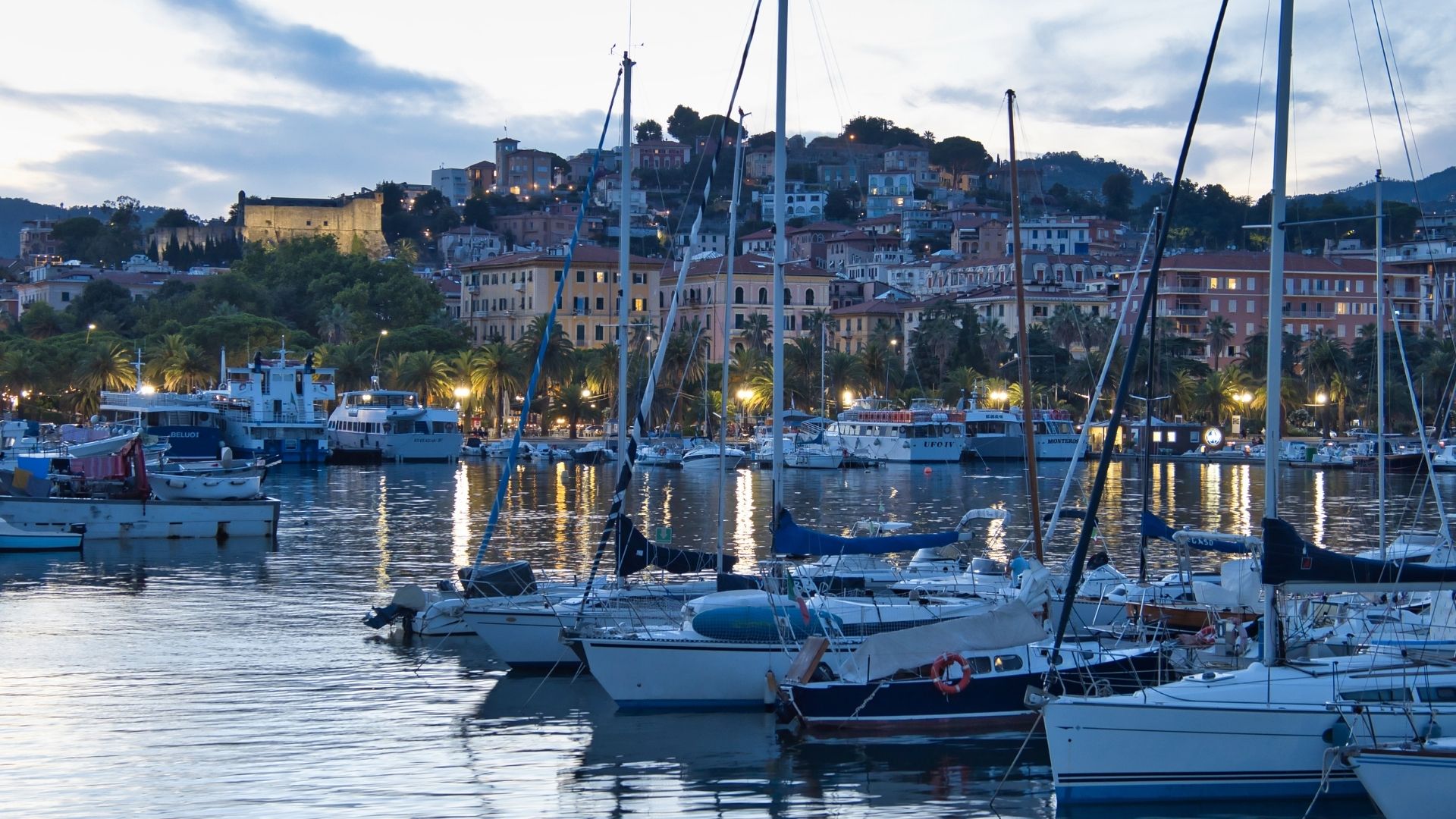
Portofino's harbor amphitheater — the cove walks end to end in five minutes, Castello Brown sits on the headland above. The harbor basin holds about a dozen yachts inside the breakwater; larger motor yachts anchor in Paraggi Bay a short tender ride west.

The charter begins in Genoa, the old maritime-republic capital whose harbor still handles the largest commercial port in Italy. Crew meet the group on the quay at Marina Genoa Aeroporto — fifteen minutes by car from GOA — or at Porto Antico in the city itself, depending on the yacht. Provisions are squared away, the chef walks the group through the week's food brief, and the chart for the first run gets covered before lines come off.

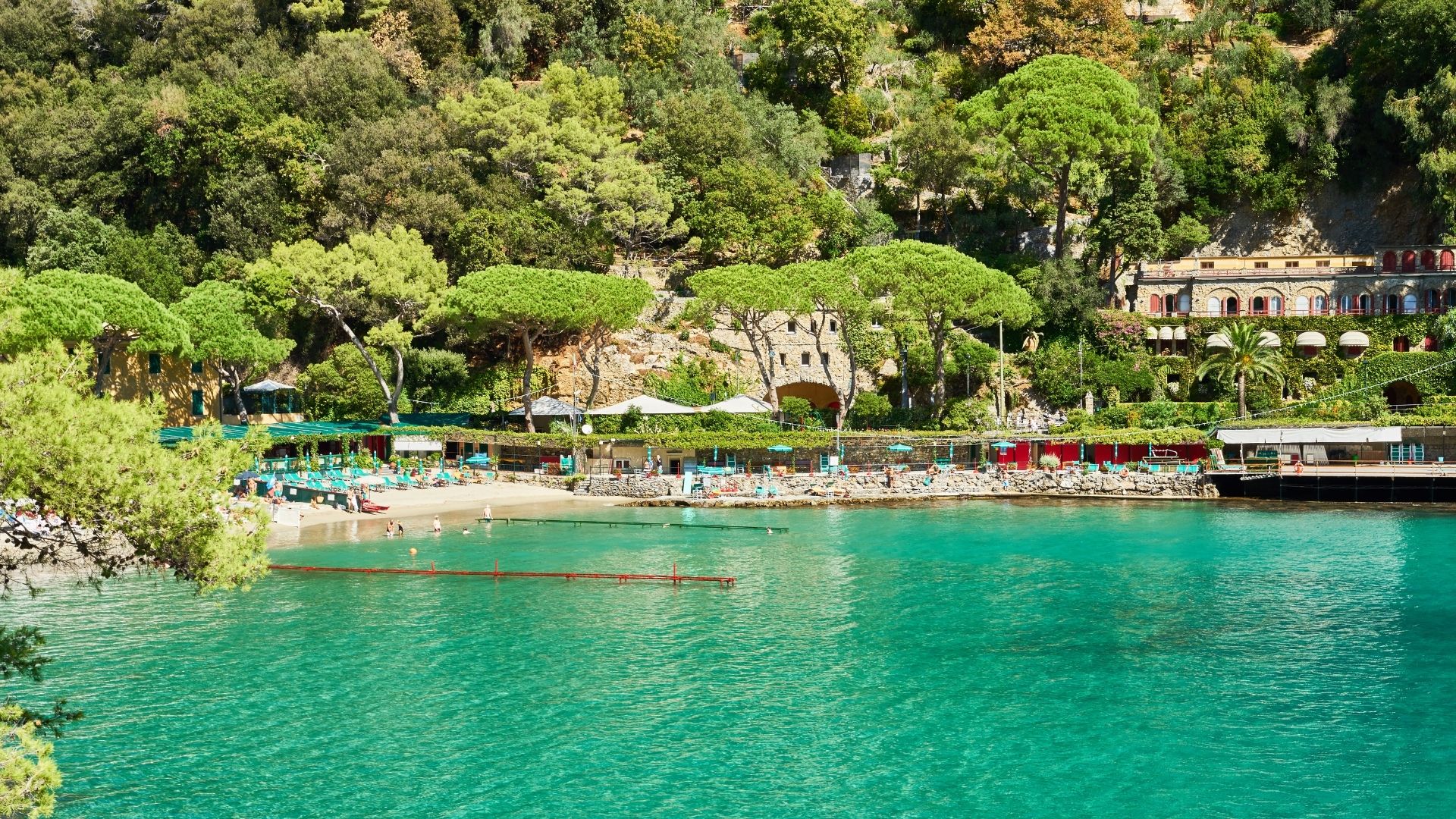
The opening leg east is short by design — sixteen nautical miles around the Portofino promontory and into the harbor on the far side. The coast in between is the Genoese suburbs and a steep wooded ridge; the payoff comes when the yacht clears the headland and Portofino's basin opens up. The harbor itself is tight — about a dozen stern-to slots inside the breakwater — so larger motor yachts and yachts arriving later in the afternoon anchor in Paraggi Bay, the emerald cove a short tender ride west.

Aperitivo ashore is the canonical first-night move. La Gritta American Bar on the harbor terrace runs the most photographed aperitivo on the coast; the Piazzetta restaurants — Puny and Da U Batti the two long-standing names — book a day ahead in season. The Belmond Splendido sits on the cliff above, visible from any seat in the harbor; dinner aboard or in the village both work, and the captain handles the reservation either way.

Day Highlights

  • Embarkation at Marina Genoa Aeroporto or Porto Antico.
  • Sixteen-nautical-mile opening run around the Portofino promontory.
  • Stern-to in Portofino's harbor or at anchor in Paraggi Bay.
  • Aperitivo at La Gritta with the Belmond Splendido on the cliff above; dinner at Puny or Da U Batti.
2

Day 2 of 7 · Portofino pocket coast

San Fruttuoso abbey and the Tigullio shore

Anchorage: Santa Margherita or Paraggi roadstead
San Fruttuoso — tenth-century Benedictine abbey at the foot of the Portofino headland. No road access; reachable only by boat or by a two-hour hike from Portofino. The bronze Christ of the Abyss statue has stood seventeen meters below the surface since 1954.
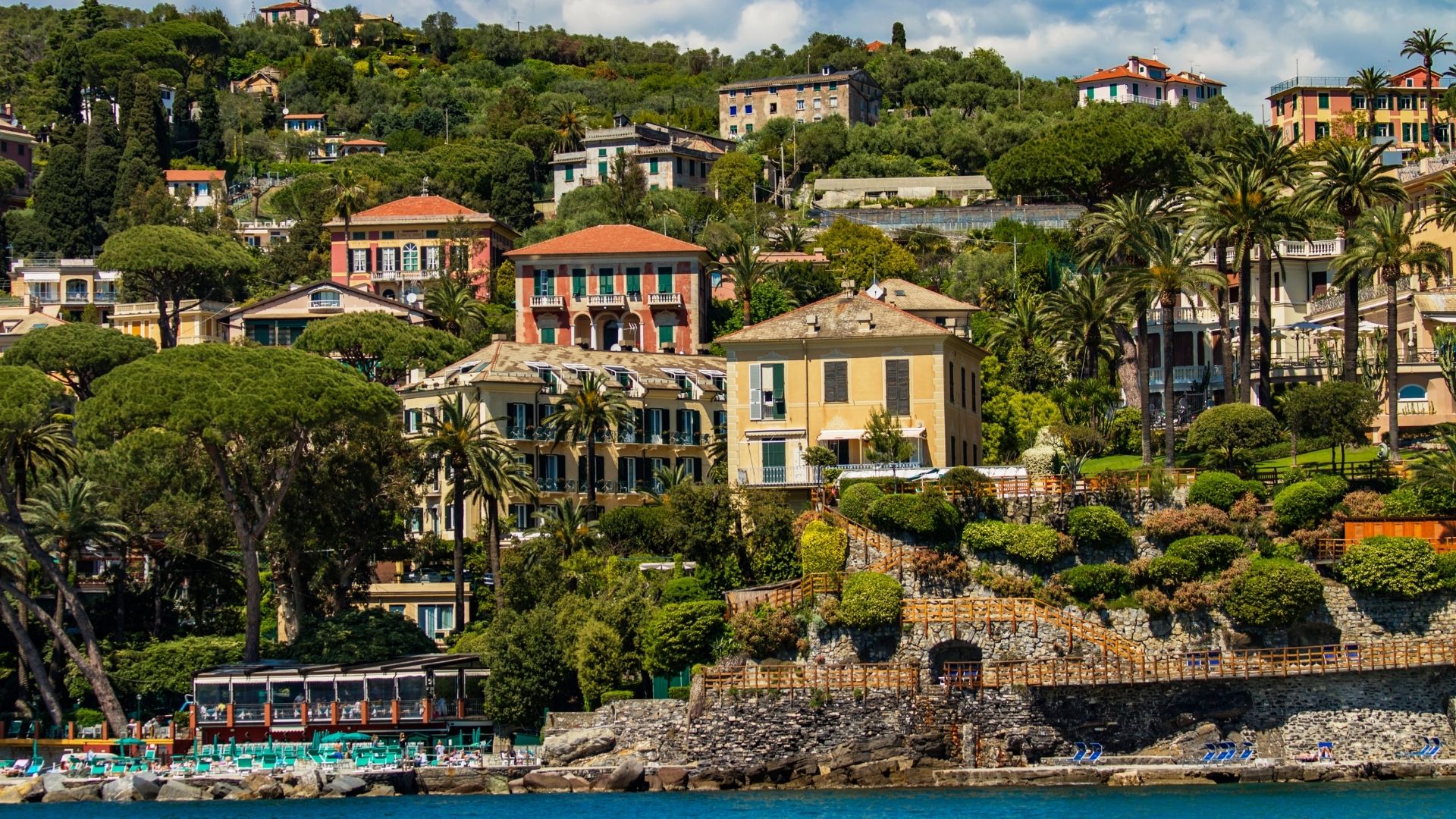
Santa Margherita Ligure across the headland — the larger working harbor at the head of the Gulf of Tigullio. Quieter than Portofino, with the same Ligurian-Belle-Époque facades and better dinner reservations in peak season.

Morning at anchor or on the Portofino quay, breakfast on the aft deck, the chef working on lunch while the crew prepares the tender for the day. Lines off mid-morning for the short hop north around the headland to San Fruttuoso, the abbey cove on the Portofino peninsula's seaward side. The coast in between — Punta Chiappa, Cala dell'Oro — is some of the cleanest swim water on this stretch of Liguria.

Anchor offshore from San Fruttuoso. The abbey itself was built in the tenth century by Benedictine monks; the present structure dates mostly from the thirteenth, with the Doria family's seventeenth-century renovations on top of that. There is no road in — the only access is by boat or by a two-hour hike from Portofino — so the cove holds a few dozen yachts on a hot Saturday and almost nothing else. Tender ashore for the abbey walk, swim along the rocky shore, and an offshore look at the Christ of the Abyss statue, the bronze figure submerged seventeen meters below the surface since 1954 as a memorial to lost divers.

Lunch on board at anchor or tender ashore to Da Giovanni, the small trattoria at the foot of the abbey's wall. Afternoon move three nautical miles south into Santa Margherita Ligure. The harbor is the larger of the two on the Gulf of Tigullio, with the same Ligurian-Belle-Époque facades as Portofino but a working-town rhythm underneath — fishing fleet at the pier, focaccerie on the back streets, the Imperiale Palace on the eastern side of the bay. Dinner ashore at Trattoria dei Pescatori on the harbor or Skipper Bar a block back; the captain handles either.

Day Highlights

  • Short morning run around the Portofino headland to San Fruttuoso.
  • Tender ashore at the tenth-century abbey cove, accessible only by boat or hiking trail.
  • Christ of the Abyss bronze, seventeen meters down since 1954.
  • Afternoon move to Santa Margherita's working harbor for a quieter overnight.
3

Day 3 of 7 · Tigullio → Cinque Terre

Down the Tigullio coast into the first Cinque Terre village

Anchorage: Monterosso roadstead
Morning swim stop in Paraggi or at one of the Tigullio coves before the southward push. The Langosteria beach club at Paraggi runs the more polished lunch option; the Bagni Fiore terrace is the older, quieter one above the bay.
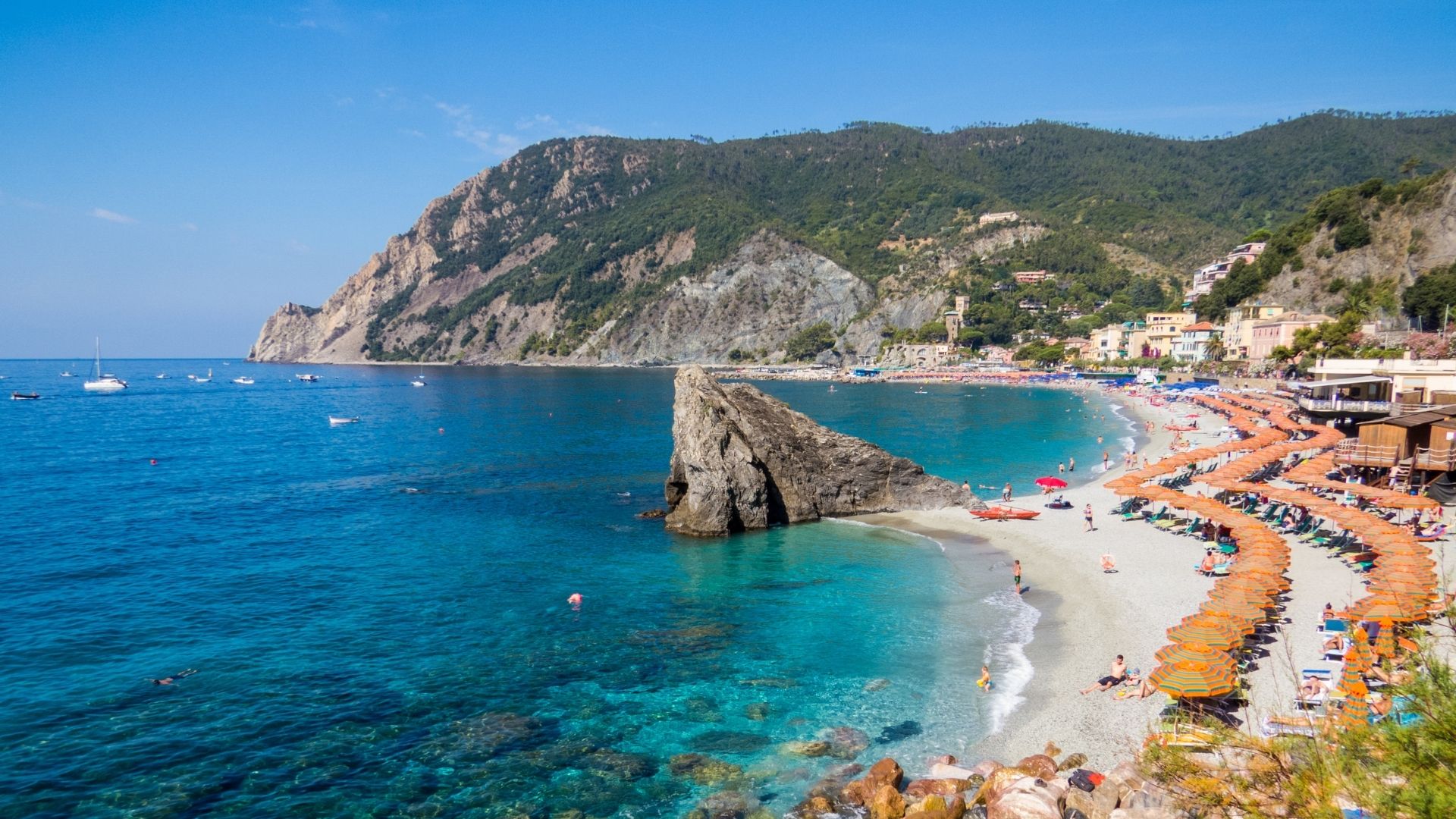
Monterosso al Mare — the only one of the five Cinque Terre villages with a proper beach. Split between Fegina (the newer side, where the train station and the beach are) and Vecchio (the medieval quarter on the eastern end). The cleanest first-night overnight in the Cinque Terre stretch.

The longest leg of the week, and the one that fully turns the route from Ligurian-Belle-Époque harbors into the Cinque Terre register. Morning swim in Paraggi or one of the smaller Tigullio coves — Bagni Fiore is the older terrace above the bay, Langosteria Paraggi the newer beach-club lunch — then lines off mid-morning for the southward push. The coast in between stays Ligurian rather than cliff-village: Rapallo and its waterside Castello sul Mare, Chiavari, and Sestri Levante's Baia del Silenzio (Bay of Silence), the protected eastern cove that is one of the cleanest swim stops on the route if conditions allow.

By mid-afternoon the cliffs steepen and the architecture changes. The five Cinque Terre villages — Monterosso, Vernazza, Corniglia, Manarola, Riomaggiore — sit on a roughly twelve-kilometer stretch of coastline, all part of the Cinque Terre National Park and UNESCO since 1997. The villages are wired into each other by the Sentiero Azzurro hiking trail and the regional train line that runs in tunnels behind them. From the water, what reads first is how steep the terraced vineyards are and how completely the buildings stack onto the rock face.

Monterosso al Mare is the practical first overnight. It is the only one of the five with a proper beach, split between Fegina (the modern side, where the train station and the beach concession sit) and Vecchio (the medieval quarter on the eastern headland). The yacht anchors offshore — there is no harbor large enough for charter yachts — and the tender runs in to the breakwater. Dinner ashore at Miky on the Fegina seafront for the seafood the village is known for, or at L'Ancora della Tortuga on the rocks above the beach for the more theatrical evening; the captain books either.

Day Highlights

  • Morning swim stop at Paraggi or Sestri Levante's Baia del Silenzio.
  • Twenty-two-nautical-mile push down the Tigullio coast.
  • Anchor off Monterosso al Mare, the only Cinque Terre village with a proper beach.
  • Dinner ashore at Miky or L'Ancora della Tortuga before tomorrow's early Vernazza day.
4

Day 4 of 7 · Cinque Terre core day

Vernazza before the trains fill it

Anchorage: Off Vernazza or Manarola
Vernazza from above — the marquee Cinque Terre photograph. The eleventh-century Belforte tower sits on the rock to the right; the Santa Margherita d'Antiochia church anchors the harbor itself. Best approached from the water before the 9am trains arrive.
Marina Piccola — Vernazza's tender-in beach. The yacht anchors offshore; the tender runs guests to the small concrete steps below the church. Belforte Restaurant occupies the eleventh-century tower above; lunch on the terrace is the village's defining shore-side meal.

The day is built around timing. Early tender ashore at Vernazza — before the 9am regional trains start landing day-trippers — for an espresso at one of the harbor cafes and a walk up the steps to the Belforte tower for the village's marquee photograph. The Santa Margherita d'Antiochia church on the harbor dates to 1318; the Belforte itself was built in the eleventh century as a Saracen-pirate lookout and is now the village's defining restaurant terrace. By 10am the platforms have filled and the harbor street belongs to day-traffic; the yacht is back at anchor and slipping south.

The run south covers the remaining villages over about six nautical miles. Corniglia is the only one not on the water — it sits 100 meters up on a clifftop, reached from the train station by the Lardarina, a switchback of 33 flights of stairs — so the yacht passes it and most groups skip the village itself. Manarola is the photogenic stern-to next stop, smaller than Vernazza and almost entirely visible from a single tender approach; Riomaggiore is the southernmost village, with the Via dell'Amore footpath to Manarola (partially reopened in 2024 after a long landslide closure). Lunch on board between shore visits — anchorage off Manarola, the chef serving on the aft deck, the village reading like a painting from the water.

Late afternoon back into Vernazza or Manarola for an early-evening shore visit once the trains have thinned out — the villages reset by 6pm. Dinner ashore at Belforte if the booking landed, or aboard at anchor if the captain prefers to stay off the quay for the night. Sciacchetrà — the Cinque Terre's sweet wine, made from grapes dried on cane racks for three months after harvest from terraces above the sea — closes most evenings on this stretch; production is small enough that bottles are usually only available in the villages themselves.

Day Highlights

  • Early tender ashore at Vernazza before the 9am trains arrive.
  • Belforte tower (11th century) and the marquee Cinque Terre photograph.
  • Lunch aboard between Manarola and Riomaggiore village stops.
  • Late-evening return to Vernazza or Manarola; sciacchetrà with dinner.
5

Day 5 of 7 · Cinque Terre → Portovenere

Portovenere, the Gulf of Poets, and the Church of San Pietro

Anchorage: Portovenere quay or off Palmaria
Portovenere from the water — painted facades stacked along the sea-wall, the Doria Castle (12th century) above the town, and the Church of San Pietro (1198) on the rocky point at the harbor mouth. The village is at the western corner of the Gulf of La Spezia.
The Gulf of La Spezia — Byron and Shelley's 'Gulf of Poets,' the name that stuck after Shelley drowned in the bay in 1822. Palmaria island sits across the narrow channel from Portovenere; the yacht usually anchors between them.

Short hop down from the Cinque Terre — six nautical miles around the headland and into the Gulf of La Spezia. Portovenere closes the eastern end of the Ligurian run, and the change of register is immediate: instead of the Cinque Terre's compressed cliff-village scale, the harbor here opens into a wider bay with a real sea-wall, a quay long enough for stern-to mooring, and one of the cleanest harbor approaches on the coast.

The architecture earns the long stay. The Church of San Pietro sits on the rocky point at the harbor mouth, built in 1198 over a fifth-century basilica that itself replaced a Roman temple to Venus — the village's name, 'Portus Veneris,' goes back that far. The Doria Castle rises above the town in tight switchback streets; the climb takes twenty minutes and the view at the top runs from the Cinque Terre cliffs back behind the yacht to the full Gulf of La Spezia opening south. Byron is the local literary anchor — he swam from here across the gulf to Lerici in 1822, and the cave below San Pietro is called Byron's Grotto because of it. Shelley drowned in the bay the same year; the gulf's nickname dates to that summer.

The yacht stern-to on the Portovenere quay puts the village walking distance from the gangplank. Dinner ashore on the Calata Doria promenade — Antica Osteria del Carugio for the local Ligurian dishes, Iseo on the harbor for the fish boats' day-of-catch, or Locanda Lorena across on Palmaria if the group prefers tender-in dining over a quayside walk. The Locanda's dock is the calmer evening option; the tender ride from the Palmaria anchorage takes five minutes.

Day Highlights

  • Six-nautical-mile hop from Riomaggiore around into the Gulf of La Spezia.
  • Stern-to on the Portovenere quay or at anchor off Palmaria.
  • Church of San Pietro (1198) on the rocky point; Doria Castle above the town.
  • Dinner at Antica Osteria del Carugio or tender across to Locanda Lorena on Palmaria.
6

Day 6 of 7 · Gulf of Poets

Palmaria swim day and a slower harbor close in Lerici

Anchorage: Lerici or Palmaria
Palmaria — the largest of the three islands at the Gulf of La Spezia's mouth, part of the Portovenere Regional Park and the broader UNESCO inscription that covers the Cinque Terre. Italian Navy bunkers from WWII still line the western cliffs; the eastern coves are the cleanest swim water in the gulf.
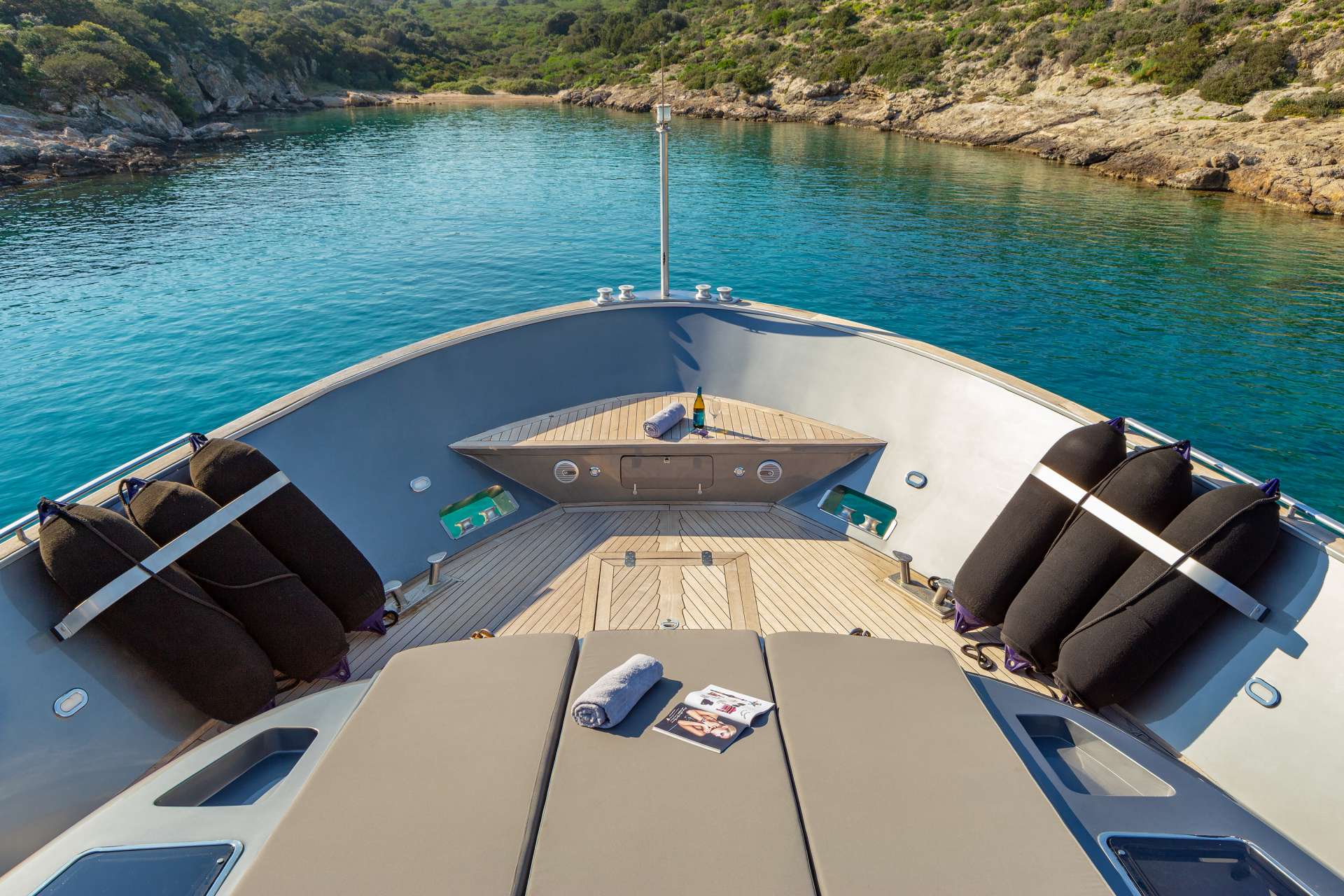
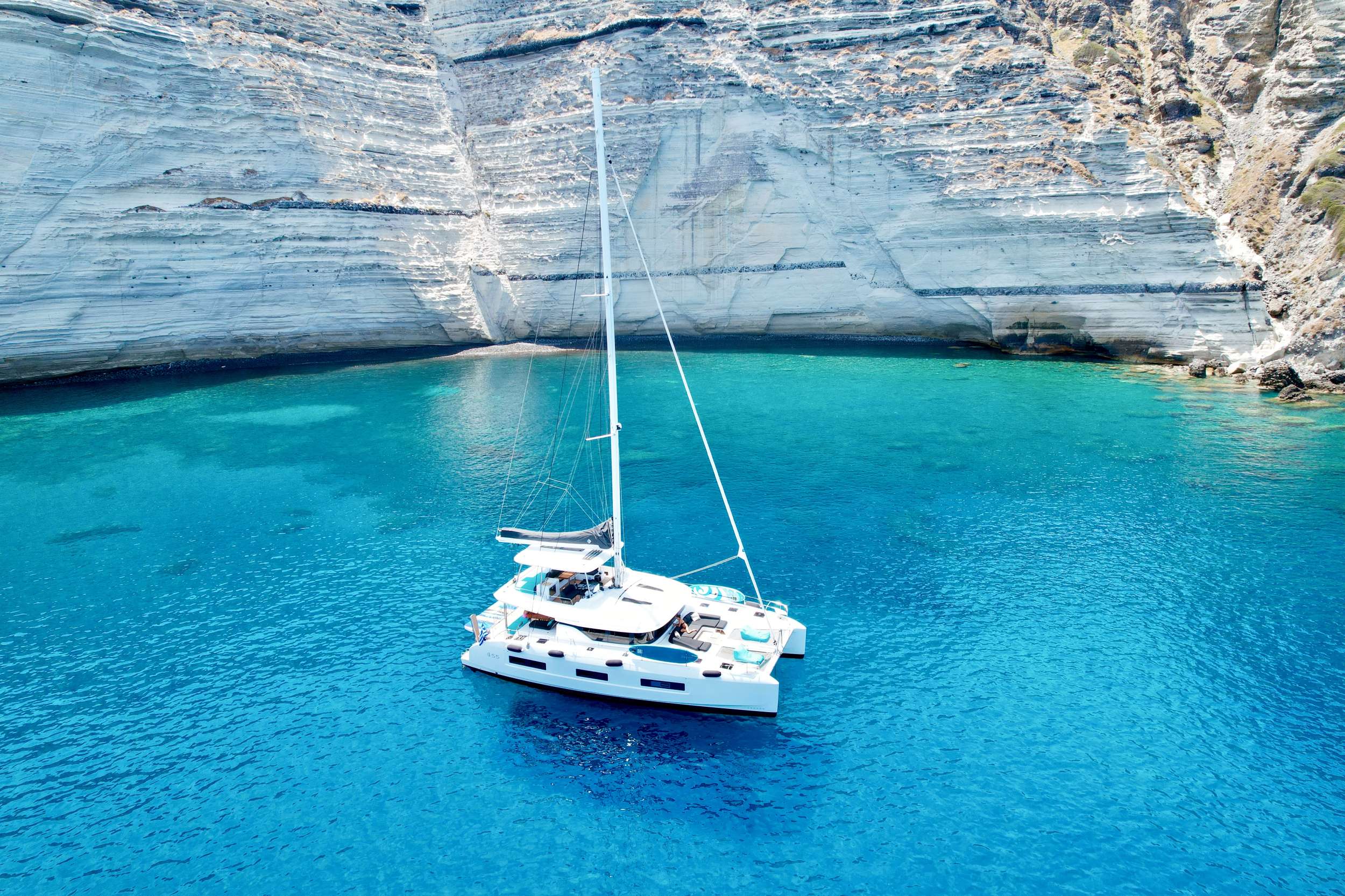
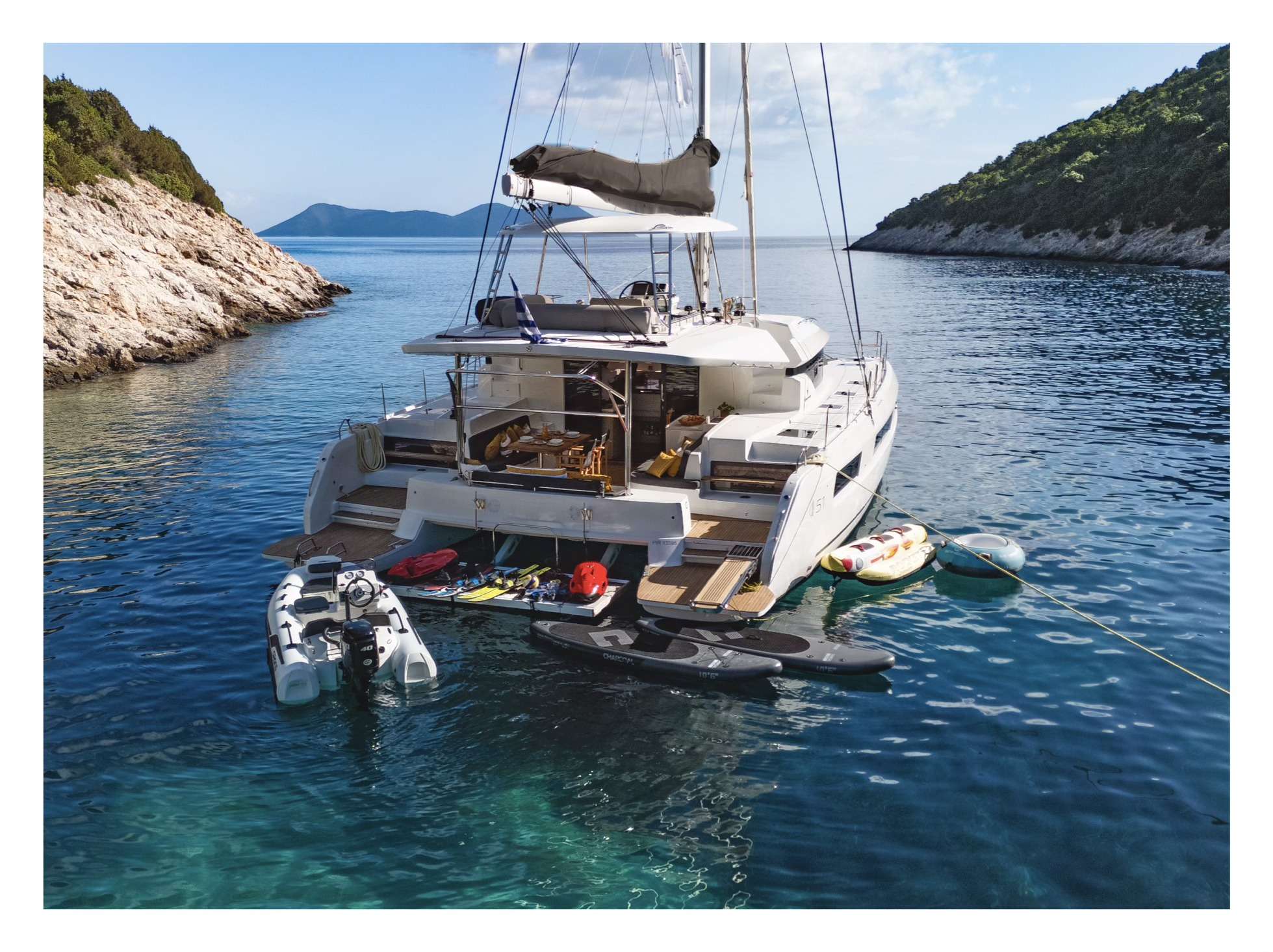
Foredeck lounge on the afternoon swim stop off Palmaria — paddleboards on the platform, the boat reading like the basecamp it is on this week. The slower close before the westbound return.

The penultimate day slows the route down on purpose. Morning lift off the Portovenere quay across the narrow channel — Bocche channel, less than a kilometer wide — and into a swim anchorage along Palmaria's eastern coast. The island is the largest of the three at the gulf's mouth, part of the Portovenere Regional Park, and is wired into the same UNESCO inscription that covers the Cinque Terre. The eastern coves hold the cleanest swim water in the bay; the western cliffs still carry the concrete remains of Italian Navy gun batteries from the Second World War, when La Spezia was the country's largest naval base.

Lunch at anchor — paddleboards down, the chef working on Ligurian seafood and a glass of Vermentino from the hills above the gulf — and a slow afternoon before the short crossing to Lerici on the gulf's eastern side. Lerici's harbor is smaller and less famous than Portovenere's but reads as the local-Italian counterweight to it: the Castello di San Giorgio sits above the village on a twelfth-century base, the beach in front of the painted facades is one of the few proper sand beaches on this stretch of coast, and the headland walk to San Terenzo around the bay takes thirty minutes.

Casa Magni — Percy and Mary Shelley's last residence, where they were living when Percy drowned crossing the gulf back from Livorno in July 1822 — sits at San Terenzo's western end, marked but unspectacular. The literary weight is mostly atmospheric; the real value of the Lerici evening is the harbor itself. Dinner ashore at Doi Camin under the castle, Pescarino on the harbor for the fish boats' catch, or Conchiglia at San Terenzo if the captain prefers the quieter side of the bay. Sciacchetrà closes the evening one last time.

Day Highlights

  • Short morning crossing into Palmaria's eastern swim coves.
  • Lunch at anchor with paddleboards and water toys deployed.
  • Afternoon move into Lerici under the Castello di San Giorgio.
  • Dinner ashore at Doi Camin or Pescarino on the harbor.
7

Day 7 of 7 · Westbound return

One last Tigullio harbor night on the way back

Anchorage: Santa Margherita or Paraggi roadstead
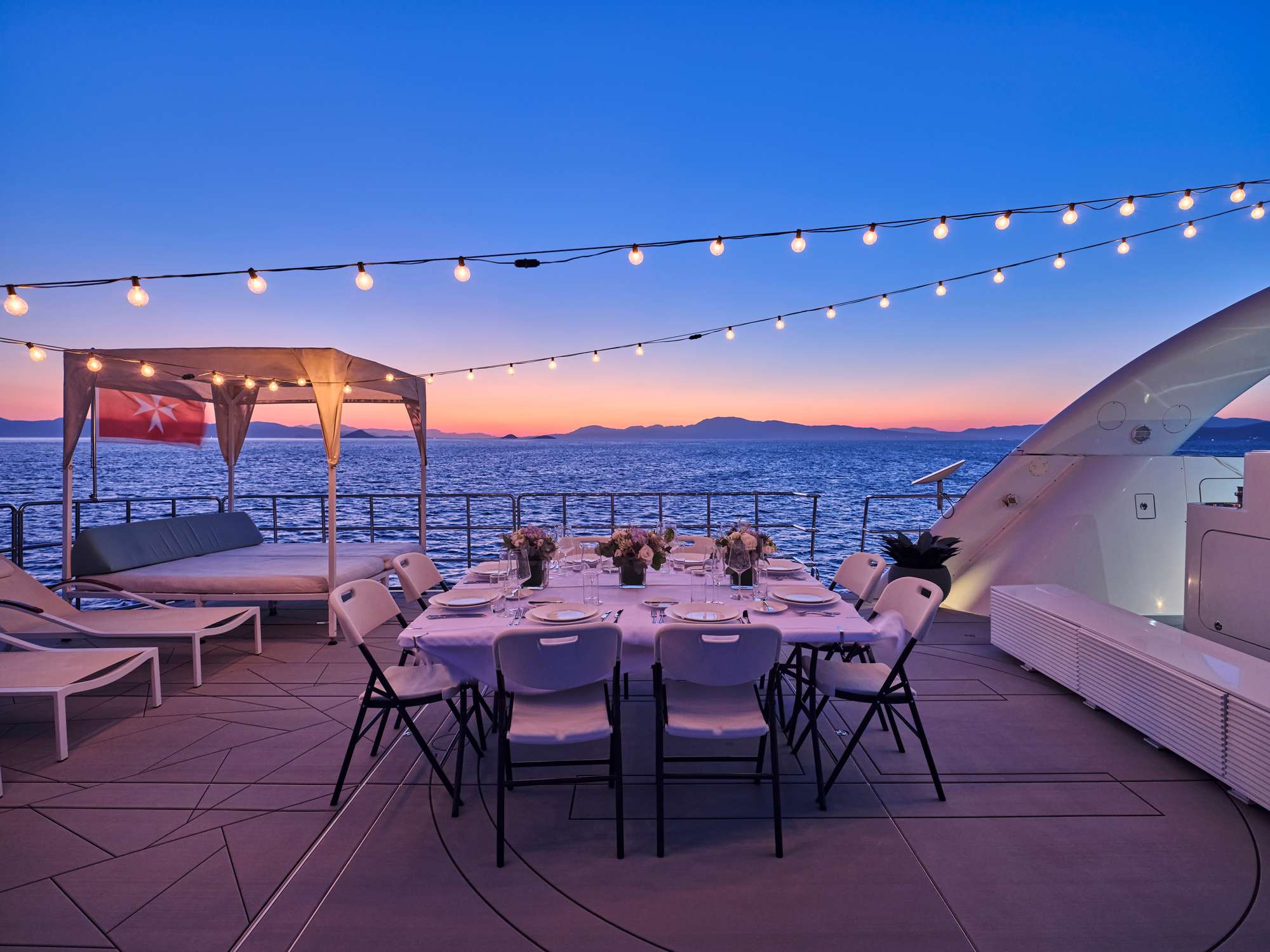
Aperitivo on the aft deck — the closing rhythm of the week. The last full day stages the yacht back into the Tigullio for a final harbor night before disembarkation, rather than collapsing into an administrative return to Genoa.
A second pass at Portofino on the return — or one last night at anchor in Paraggi if the harbor is full. The closing aperitivo back at La Gritta is the standard close for groups that took Portofino on the first night.

The final full day carries real water under it rather than collapsing into disembark-only logistics. Twenty-five nautical miles back west into the Tigullio — a longer run than the rest of the week, but the only meaningful return mileage on the round-trip itinerary — with a swim stop along the way if the weather cooperates. Sestri Levante's Baia del Silenzio is the standard choice if conditions allow; Punta Manara, the rocky promontory between Sestri and Riva Trigoso, is the alternative.

By late afternoon the yacht is back in the Gulf of Tigullio. Santa Margherita gives the group the calmer overnight; Portofino works if the harbor has slots and the group wants a second pass at the basin. Larger motor yachts unable to fit inside Portofino's breakwater anchor in Paraggi for the final evening. The captain shapes which end of the gulf the night runs out of, based on the morning's departure logistics.

Final-night dinner ashore is the canonical close — Puny in the Portofino piazzetta if the harbor landed it, Trattoria dei Pescatori at Santa Margherita if the night moved west, or one of the Paraggi terraces if the yacht stayed at anchor. One more aperitivo on the aft deck before dinner, one more harbor lit up after sundown, and a last night that still feels like part of the charter rather than its administrative tail.

Day Highlights

  • Twenty-five-nautical-mile return run west into the Tigullio.
  • Swim stop at Baia del Silenzio if the weather cooperates.
  • Final overnight at Santa Margherita, Portofino, or at anchor in Paraggi.
  • Closing dinner ashore at Puny, Trattoria dei Pescatori, or a Paraggi terrace.
8

Day 8 · Departure

Disembarkation and onward transfers

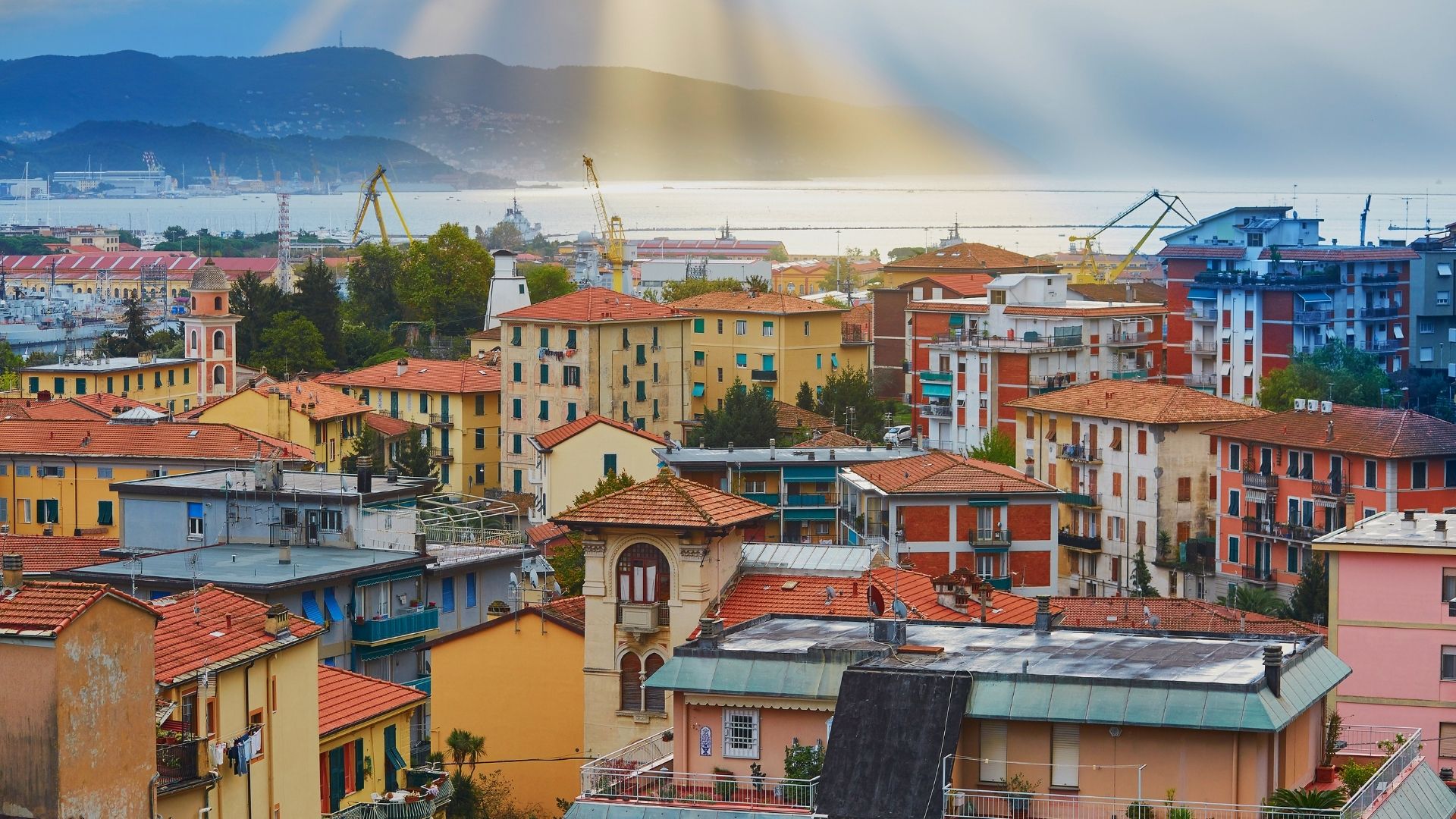
Genoa — the disembarkation gateway and the country's largest commercial port. Direct trains from Genoa Brignole reach Milan in ninety minutes, Rome in four and a half hours, and Nice across the border in two and a half. GOA airport is fifteen minutes from Marina Genoa Aeroporto by car.

Breakfast aboard, luggage off, and a straightforward transfer to GOA, PSA, or onward rail connections depending on the route and the group's wider Italy plans. From Marina Genoa Aeroporto the airport is fifteen minutes by car. From Santa Margherita or Portofino, the direct train from Santa Margherita-Portofino station reaches Milan in two hours and Rome in five; private transfer to MXP is about three hours by road.

The Italian Riviera week ends the way it usually reads best — compact, polished, and quieter than the larger-name coasts most guests compared it against before booking. Most groups that run this route come back for the Tuscan-archipelago extension on a second trip; the captain and the broker walk through the second-charter options before the group disperses.

Frequently asked

How long should a Cinque Terre and Portofino charter be?
Seven nights is the clean unit. Long enough to cover Portofino, the Tigullio coast, San Fruttuoso's abbey cove, all five Cinque Terre villages, and Portovenere without making every anchorage a photo stop rather than a place to stay. Ten-night variants add a slower opening week around the Tigullio (Santa Margherita, Paraggi, Sestri Levante's Baia del Silenzio) before turning into the Cinque Terre, or extend south past Portovenere into Lerici and the Tuscan archipelago. Five-day Riviera charters are possible but mean cutting either the Tigullio opening or the Cinque Terre's quieter southern villages — Manarola and Riomaggiore — which is usually the wrong cut.
Motor yacht, catamaran, or sailing yacht for this route?
All three work. The Ligurian coast's distances are short — no leg over twenty-two nautical miles on this itinerary — and the cliffs block the prevailing wind, so most days run under power regardless of type. Catamarans and small-to-mid motor yachts (24–35 m) are the most-booked Riviera inventory; sailing yachts work cleanly on the Gulf of Tigullio and across the Cinque Terre when the afternoon breeze fills in. Stern-to harbor mooring is the dominant overnight pattern in Portofino, Vernazza, and Portovenere, so beam matters — narrower yachts get the inside slots more easily.
Will the Cinque Terre be too crowded in July or August?
The villages themselves run hot at peak. Vernazza and Manarola fill up between 11am and 4pm when the regional trains and the La Spezia day-boats land. The yacht's value on this coast is most obvious in those weeks: early-morning tender ashore for an espresso at Bar Stalin in Vernazza before the platforms fill, the boat slipping out for a long anchorage lunch off Monterosso, then back into the villages after 6pm once the day-trippers have gone. June and September drop the density meaningfully without dropping the temperature; rates fall twenty to thirty percent from peak.
What makes this different from Amalfi?
Smaller-scale harbor glamour, Ligurian rather than southern-Italian food, and a quieter village rhythm. Amalfi is the louder coast — Capri, Positano, Ravello, busier harbors, bigger-name hotels, more Hollywood-history register. The Italian Riviera is more understated: Portofino's harbor walks in five minutes, the Cinque Terre villages are best read from the water, and the food identity is pesto Genovese, focaccia di Recco, anchovies from Monterosso, trofie pasta, and sciacchetrà from the terraced vineyards above the sea. Groups who want Italian cliff villages without Amalfi's August crush usually end up here.
When is the best time to run this route?
June and September are the strongest weeks. The villages stay lively, the water stays swimmable into early October, the focaccerie are open, and shore-side density is manageable. May and early October work for guests with calendar flexibility — quieter, cooler, and lower rates — though Cannes Film Festival (mid-May) and the Monaco Grand Prix (late May) lock the western Mediterranean motor-yacht fleet far in advance, which matters if the charter is staging into or out of a Côte d'Azur connection. July and August are workable but assume more shore-side density and earlier harbor reservations.
Can we visit San Fruttuoso? Is the Christ of the Abyss statue still down there?
Yes to both. San Fruttuoso is the abbey cove between Portofino and Camogli — a tenth-century Benedictine abbey at the foot of a wooded headland, with no road access. The yacht anchors offshore, the tender drops swimmers into the cove for the abbey walk and a swim along the rocky shore. The bronze Christ of the Abyss statue has stood seventeen meters below the surface since 1954, a memorial to divers lost at sea; it's still there, visible from the surface on a flat day and reachable by mask-and-snorkel for confident swimmers. The crew can also book a guided tender excursion in if the group prefers a structured walk-through.

Ready to set sail along the Ligurian coast?

Every itinerary we send is custom-tailored. Tell us your dates, the size of your group, and what you want out of your charter—we'll handle the rest.