Crewed Itinerary · Italian Riviera & Tuscany

Italian Riviera to Côte d'Azur Yacht Itinerary

This is the premium westbound one-way — Portofino and the Ligurian coast giving way to San Remo, Menton, Cap Ferrat, Villefranche, and Monaco over seven nights, finishing at Port Hercule. About ninety nautical miles end to end, with a clean step-up of register from Italian boutique harbor to the western-Mediterranean's most concentrated megayacht corridor. The charter starts quieter and ends louder by design.

It is a motor-yacht-leaning week. The route is most persuasive when the transitions stay comfortable, the western-Liguria pushes feel like cruising rather than passages, and the finish at Monaco reads effortless rather than hard-won. Modern motor yachts in the 24–60 m range dominate the inventory; larger superyachts work for the second half. Cannes Film Festival (mid-May) and the Monaco Grand Prix (last weekend of May) lock the corridor's berths twelve-plus months out — the captain and broker walk through event-window pricing and berth availability before the date is locked.

Duration
7 nights · Sat–Sat
Base
Genoa / Portofino → Monaco (one-way)
Plan your Italian Riviera & Tuscany charter Custom-tailored to your dates and group preferences
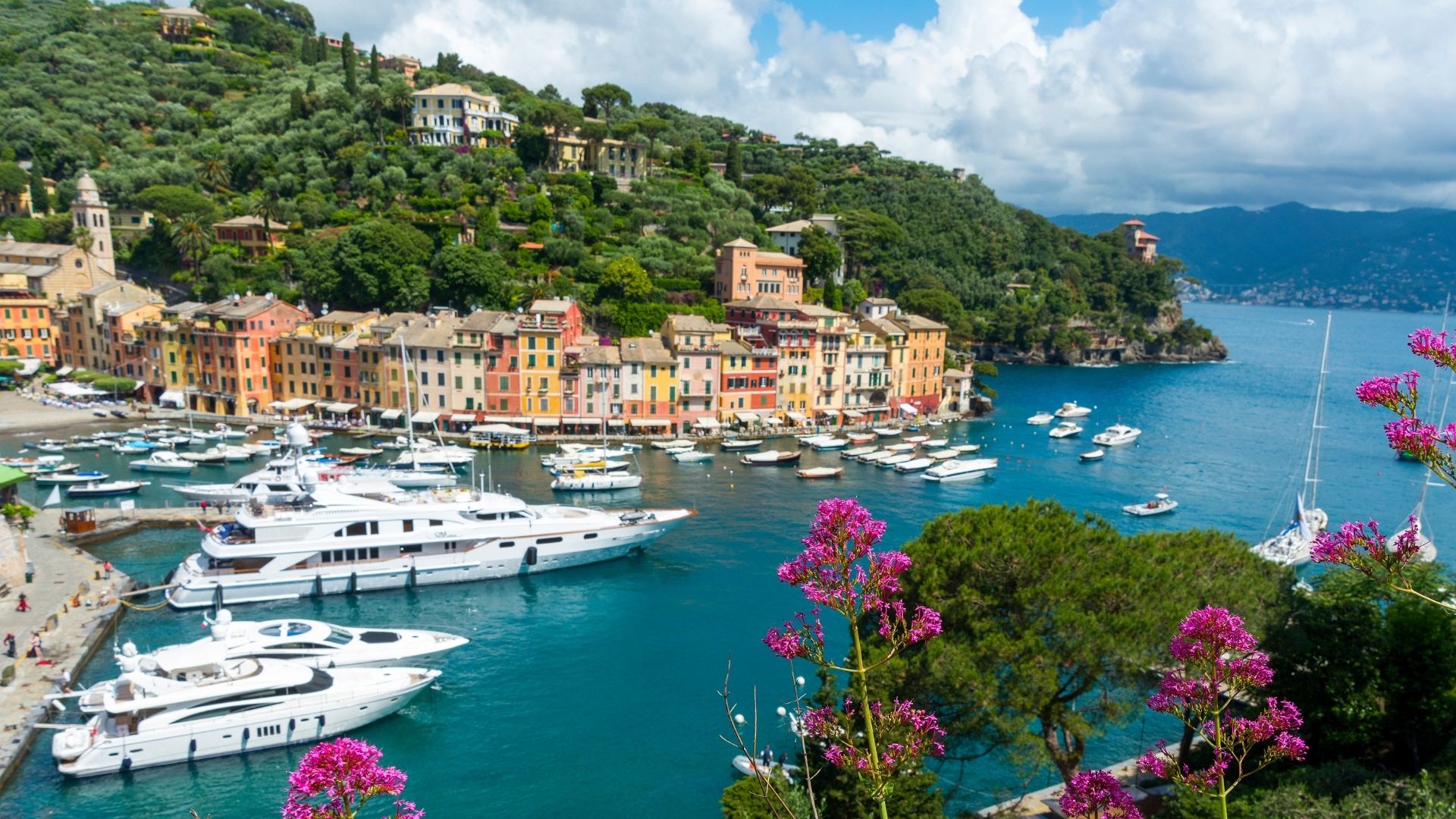
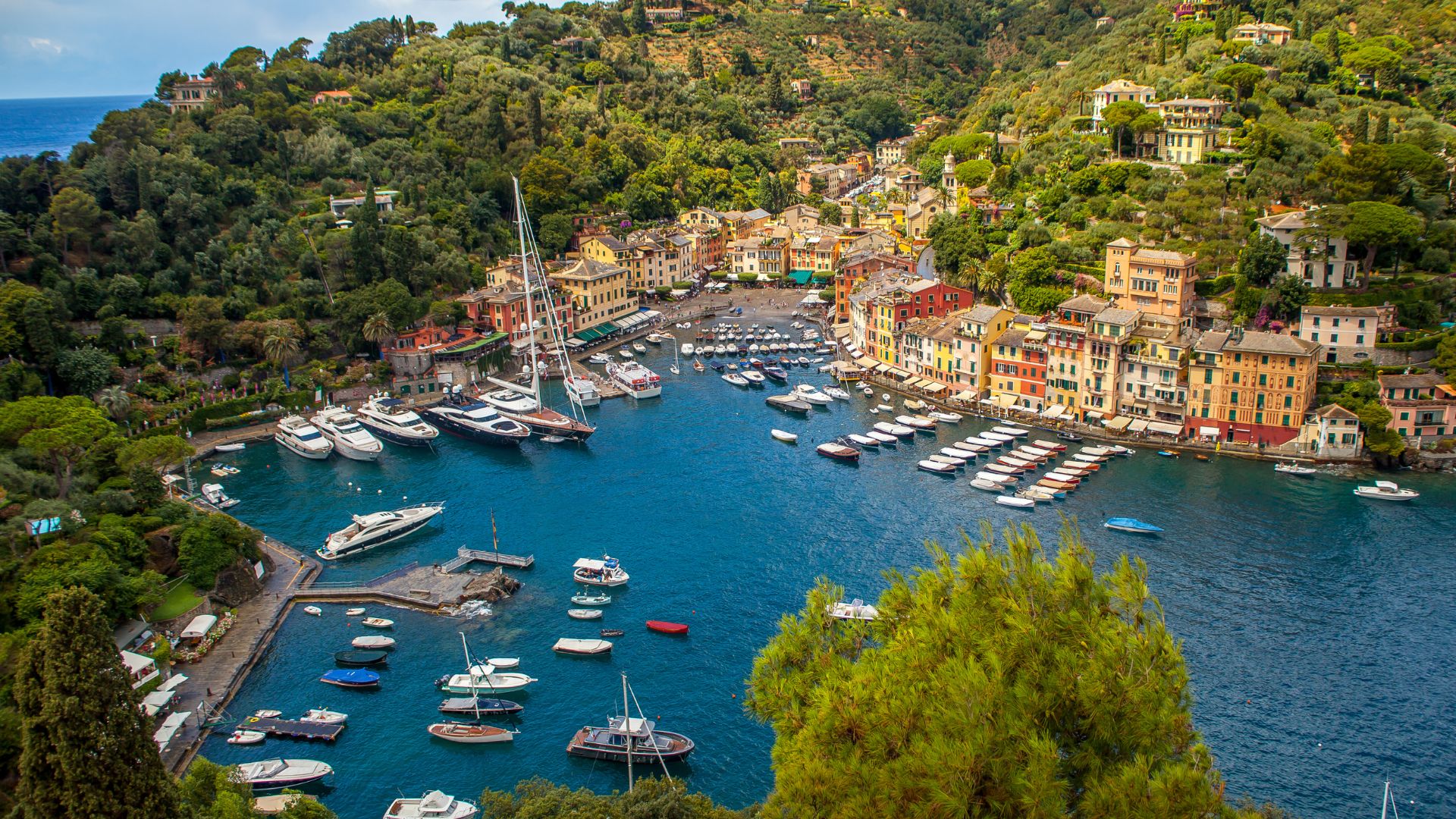
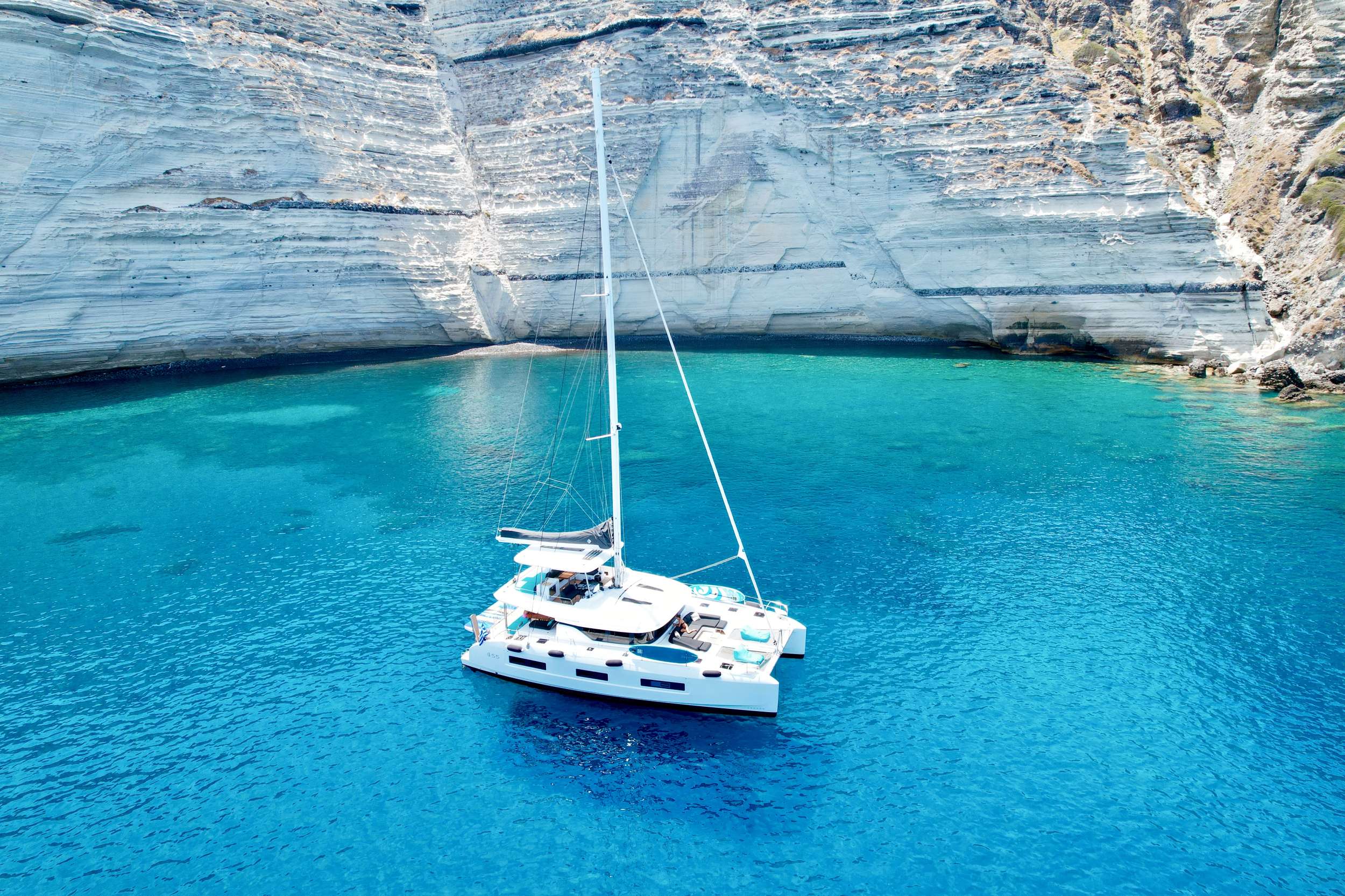
Portofino harbor from above with yachts in the cove and the Castello Brown on the headland.
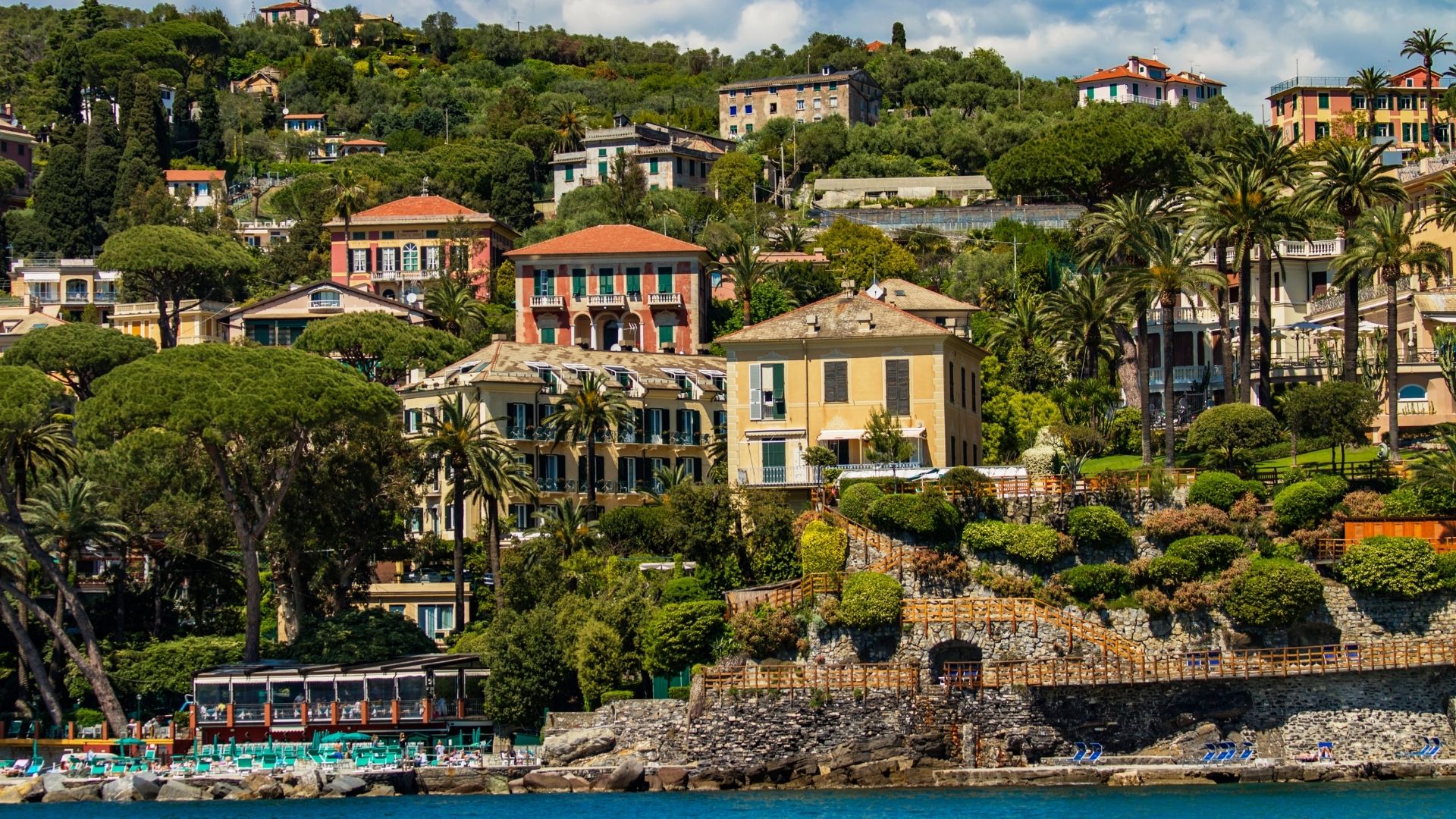
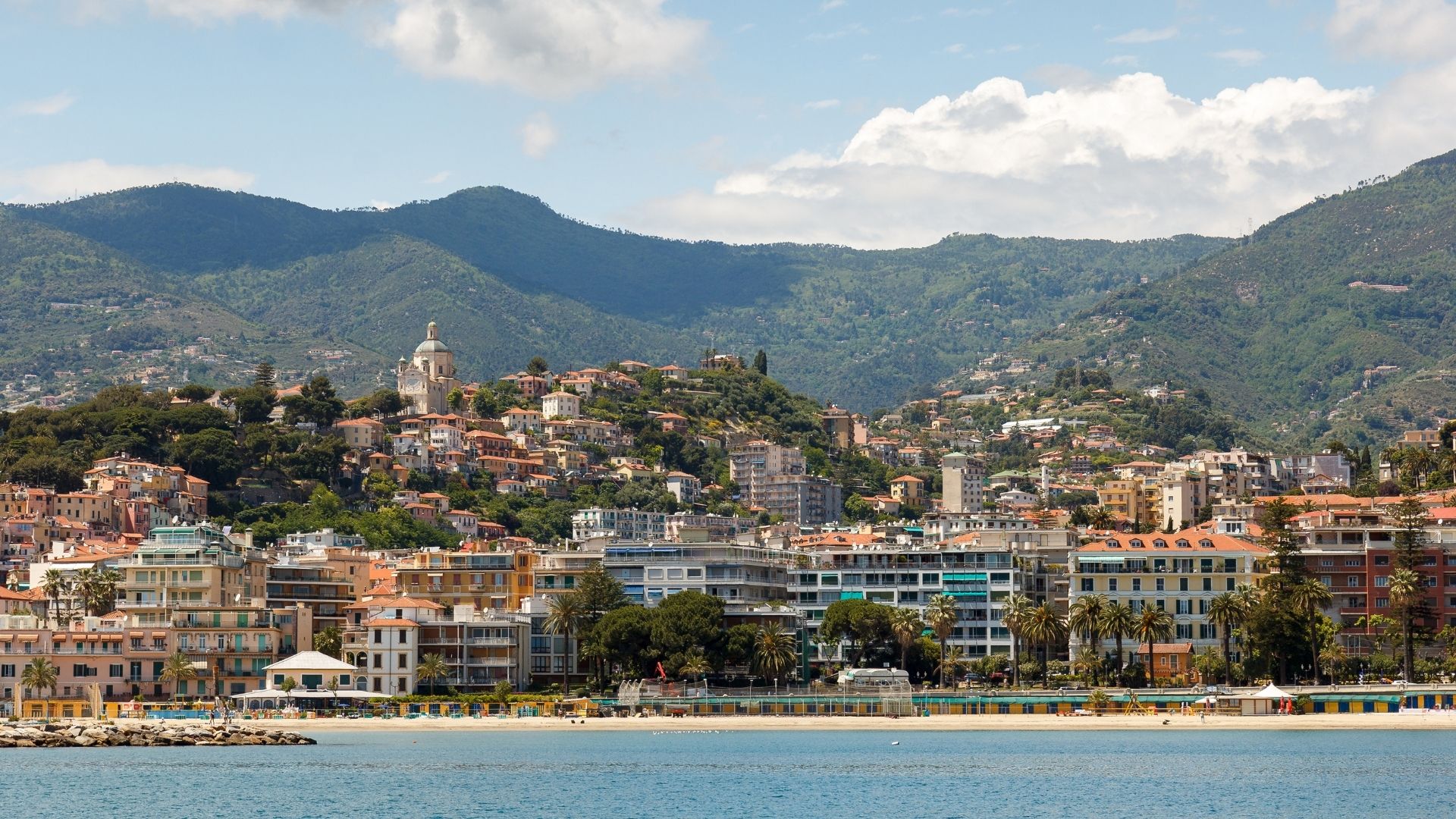
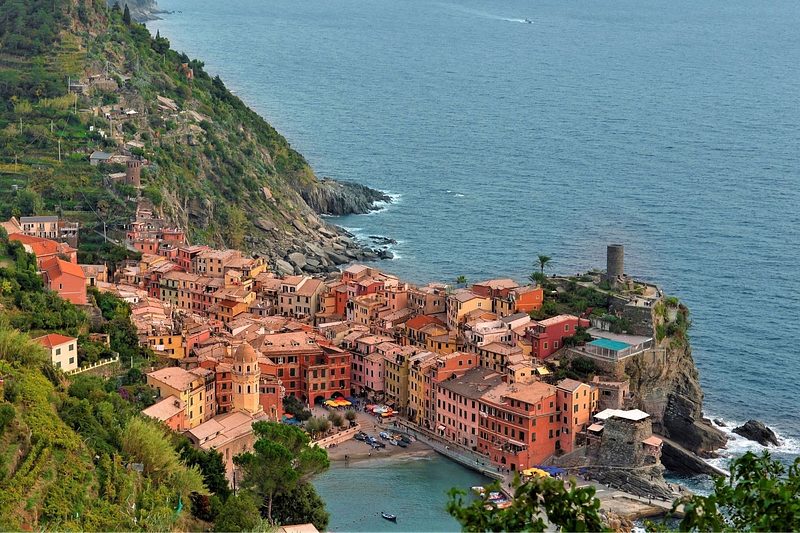
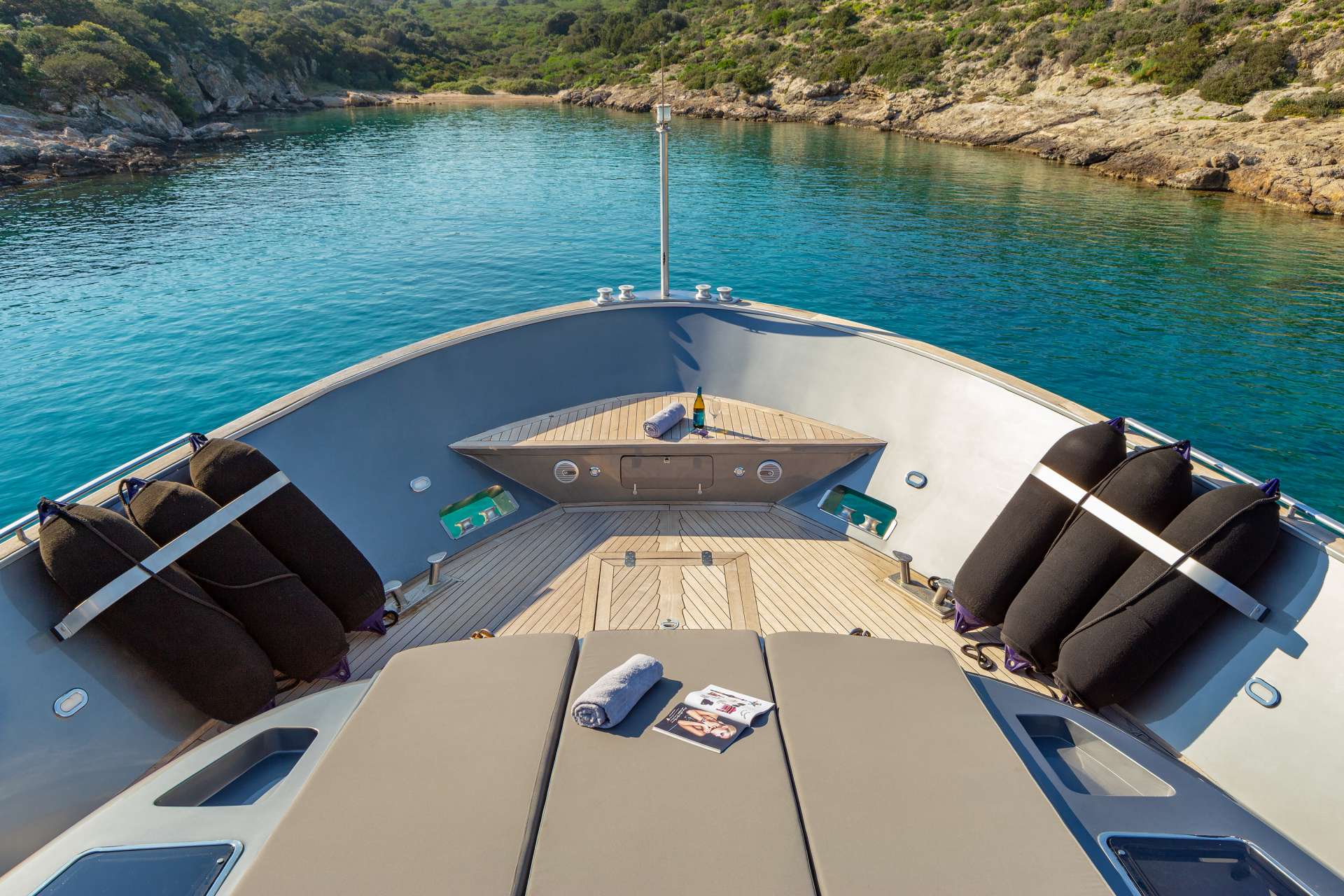
San Remo harbor on the western Ligurian coast with the Casino in the background.
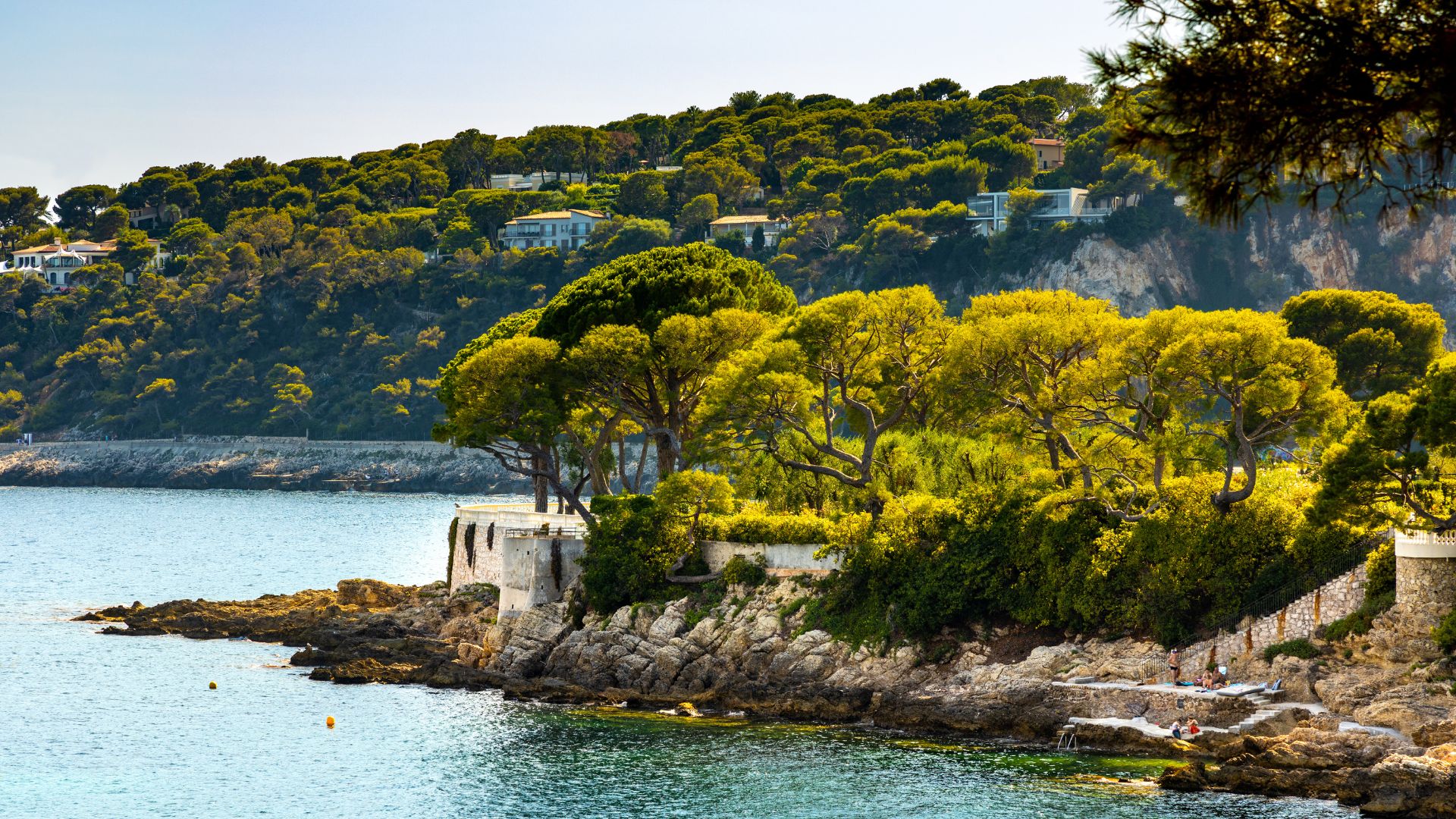
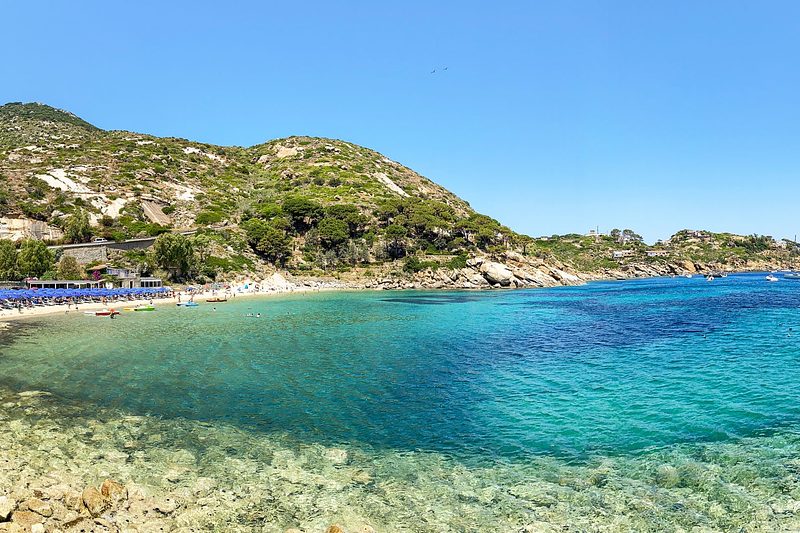
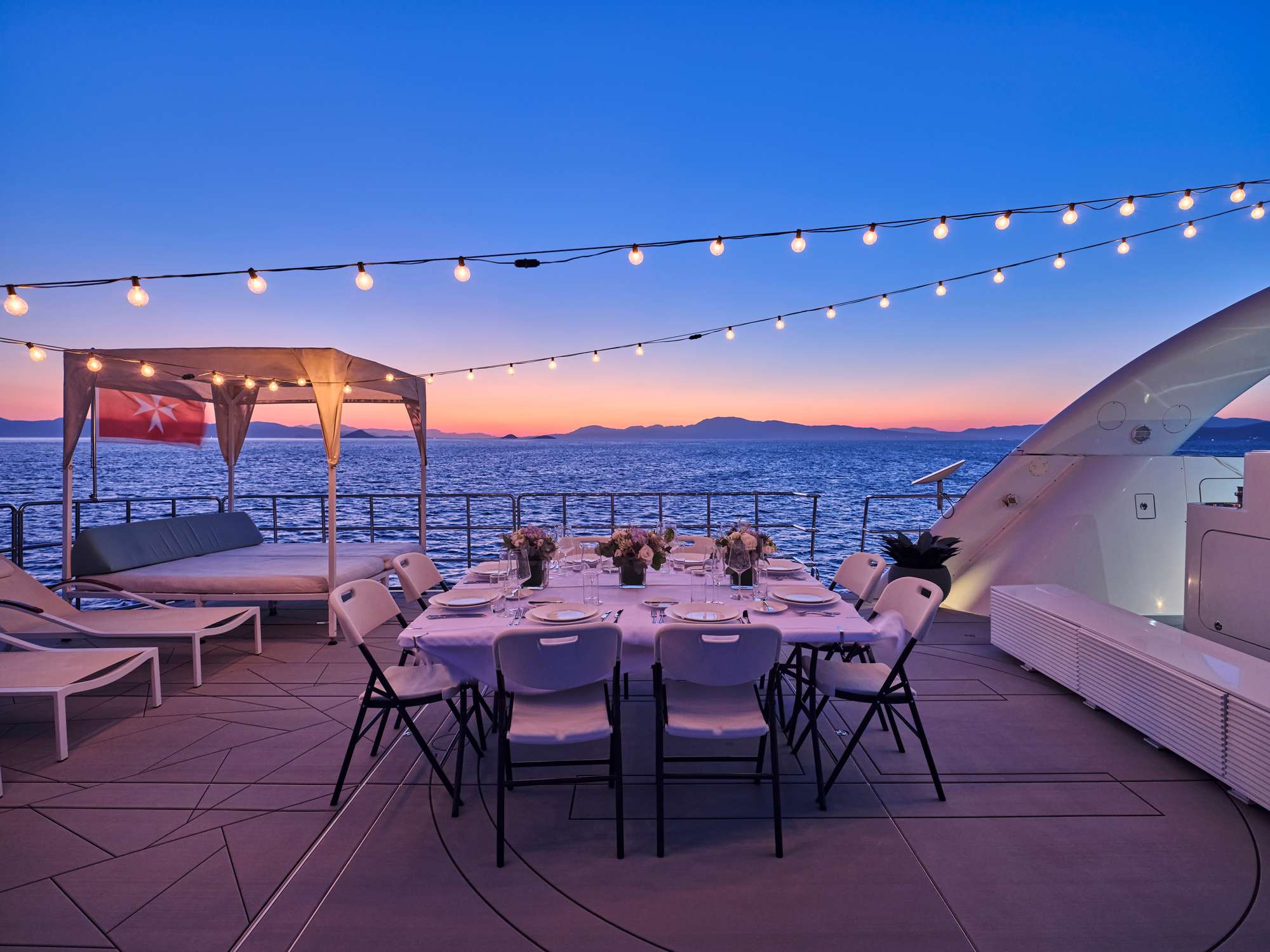
Cap Ferrat's Belle Époque villa coast from the water.
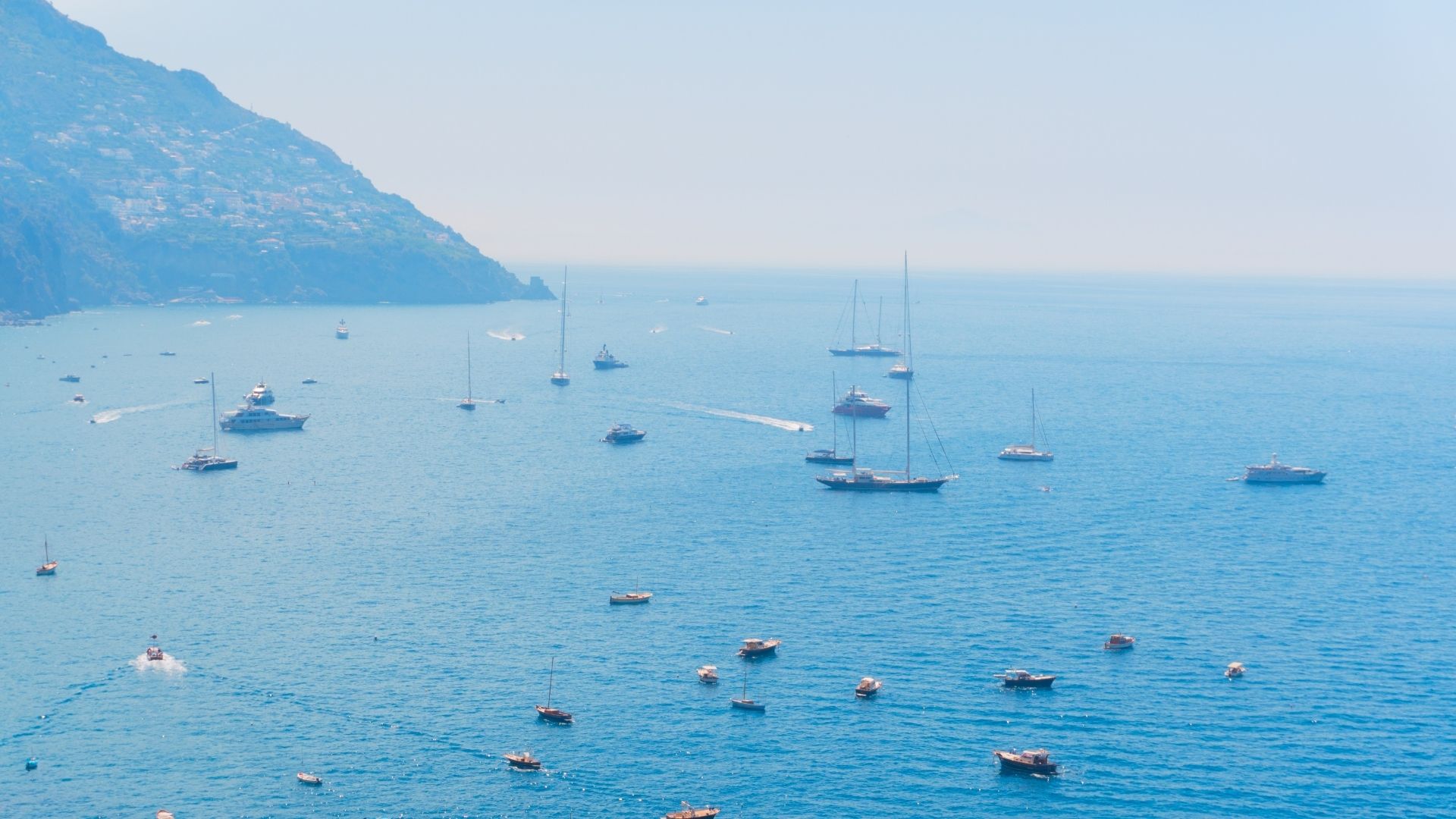
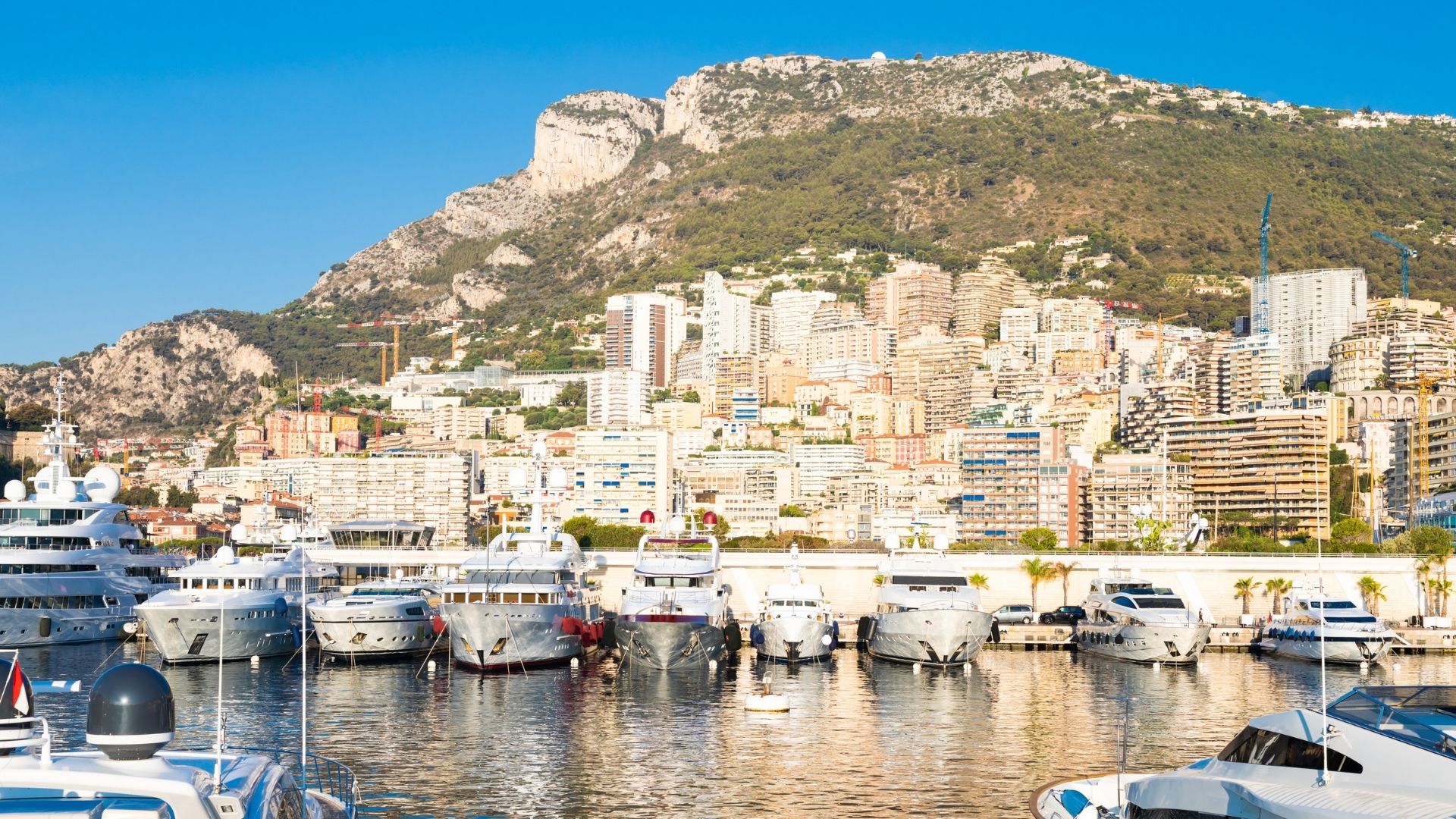
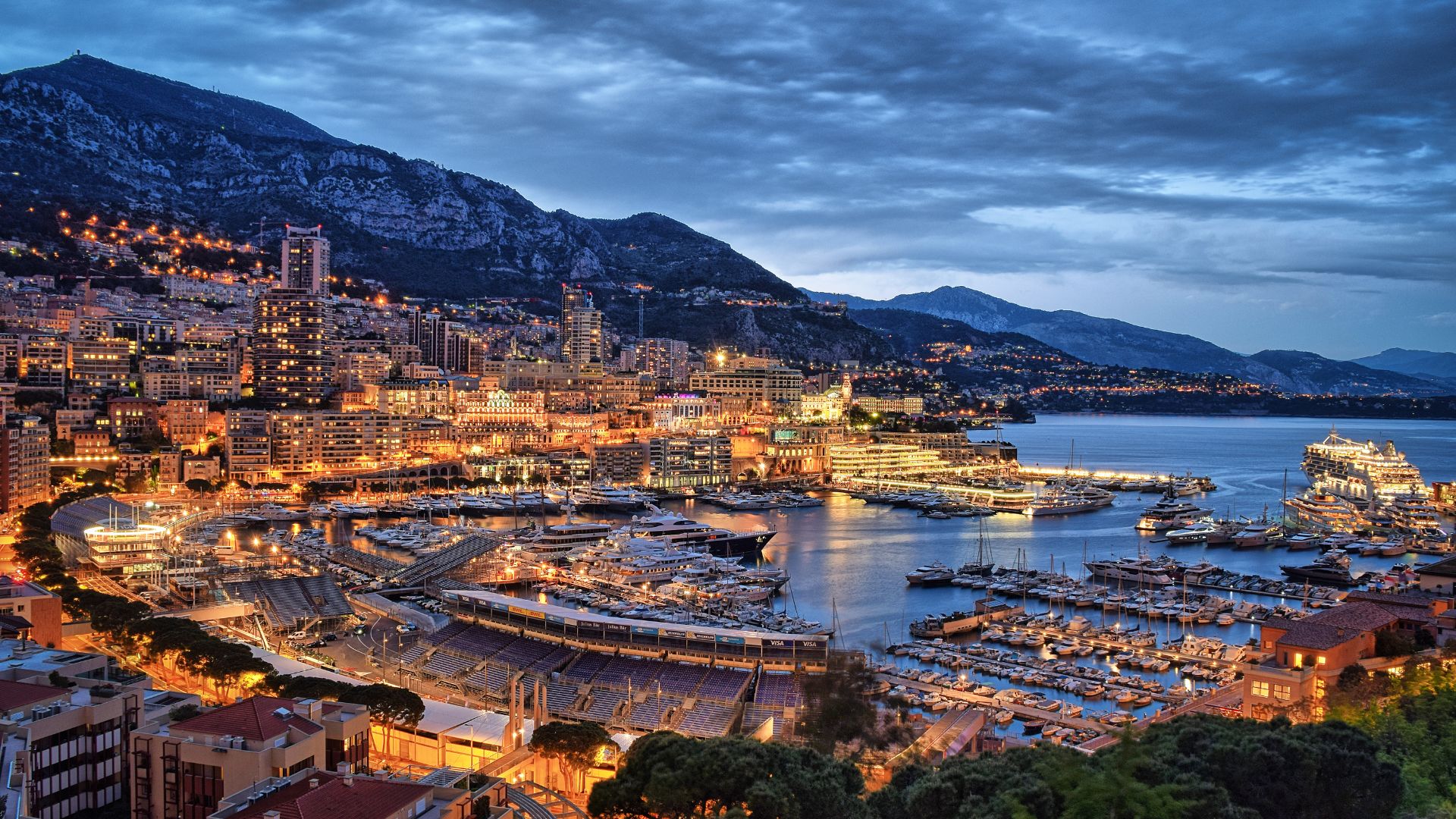
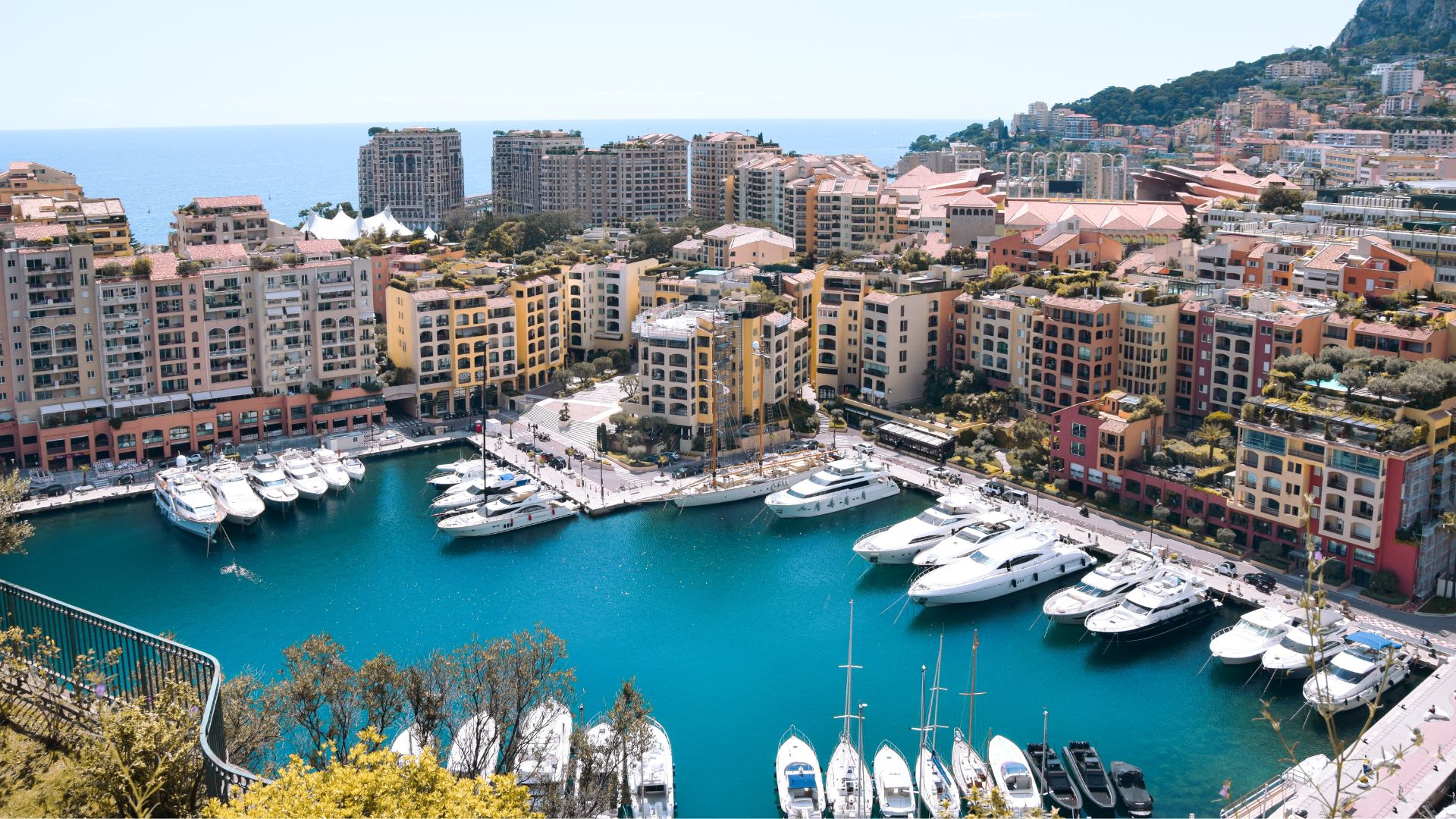
Monaco's Port Hercule with motor yachts stern-to on the quay.

Why this one-way works as the premium crossover route

The route begins in Liguria and ends in Monaco — Portofino, the Tigullio coast, San Remo, Menton, Cap Ferrat, Villefranche, and Port Hercule over roughly ninety nautical miles. The Italian half carries village character, Ligurian food, and boutique harbor scale. The French half brings the corridor's larger brand-cachet finish — the Belle Époque villas of Cap Ferrat, Villefranche's deep-water royal anchorage, and Monaco itself.

It is the strongest route for guests who know they want the Riviera but are still deciding what kind of Riviera week they mean — and for groups using the charter as a milestone trip where the Monaco arrival is part of the brief. If the brief stays purely Italian, the Portofino round-trip is cleaner. If the brief is full Côte d'Azur from the start, the dedicated French Riviera page is the right entry point. This route's value is the contrast, not the geography alone.

1

Day 1 of 7 · Genoa → Portofino

Embark in Genoa and begin with Portofino
Anchorage: Portofino or Paraggi
Boarding at Marina Genoa Aeroporto — fifteen minutes from GOA airport and the standard western embarkation base for the one-way to Monaco. Porto Antico in central Genoa is the alternative for guests staying a night in the city before the charter starts.
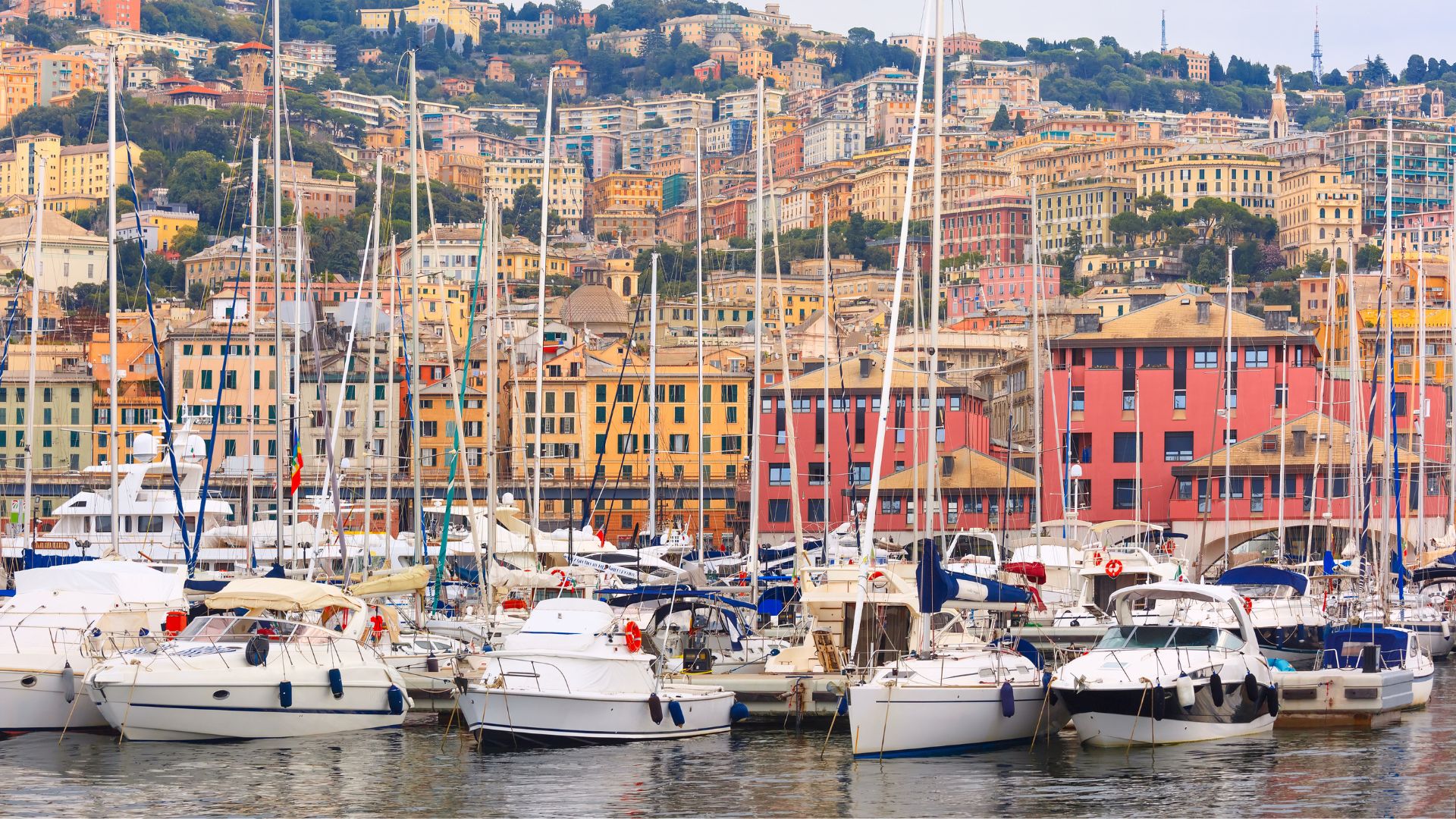
Portofino's harbor amphitheater on the first night — Castello Brown above on the headland, the Belmond Splendido on the cliff west of the basin. The charter starts in the smaller-scale Italian register before the corridor widens west.

Embarkation in Genoa keeps the first day efficient and gives the charter a clean run into Portofino by afternoon. Marina Genoa Aeroporto sits fifteen minutes from GOA airport; Porto Antico in the city is the alternative for groups arriving the day before. Crew meet the group on the quay, walk through the yacht, stow luggage, and cover the chart for the week. The chef finishes provisioning while lunch goes on the aft deck.

Sixteen-nautical-mile opening leg east around the Portofino promontory and into the harbor on the far side. The basin holds about a dozen stern-to slots inside the breakwater; larger motor yachts anchor in Paraggi Bay, the emerald cove a short tender ride west. The first night matters for the rest of the route: this is where the trip establishes what the Italian side of the comparison means before it gives way to the French finish.

Aperitivo ashore at La Gritta American Bar — the harbor terrace and the most photographed first-evening drink on the Italian Riviera — with the Belmond Splendido visible on the cliff west. Dinner in the piazzetta at Puny or Da U Batti, the two long-standing harbor restaurants the village is built around; the captain books either. The yacht is in by 6pm, the village walks in five minutes from the gangplank, and the contrast between Portofino and Monaco gets set from day one.

Day Highlights

  • Embarkation at Marina Genoa Aeroporto or Porto Antico.
  • Sixteen-nautical-mile opening run around the Portofino promontory.
  • Stern-to in Portofino's harbor or at anchor in Paraggi Bay.
  • Aperitivo at La Gritta; dinner at Puny or Da U Batti in the piazzetta.
2

Day 2 of 7 · Tigullio pocket coast

San Fruttuoso abbey, Paraggi swim, and one more Italian harbor night

Anchorage: Santa Margherita or Paraggi roadstead
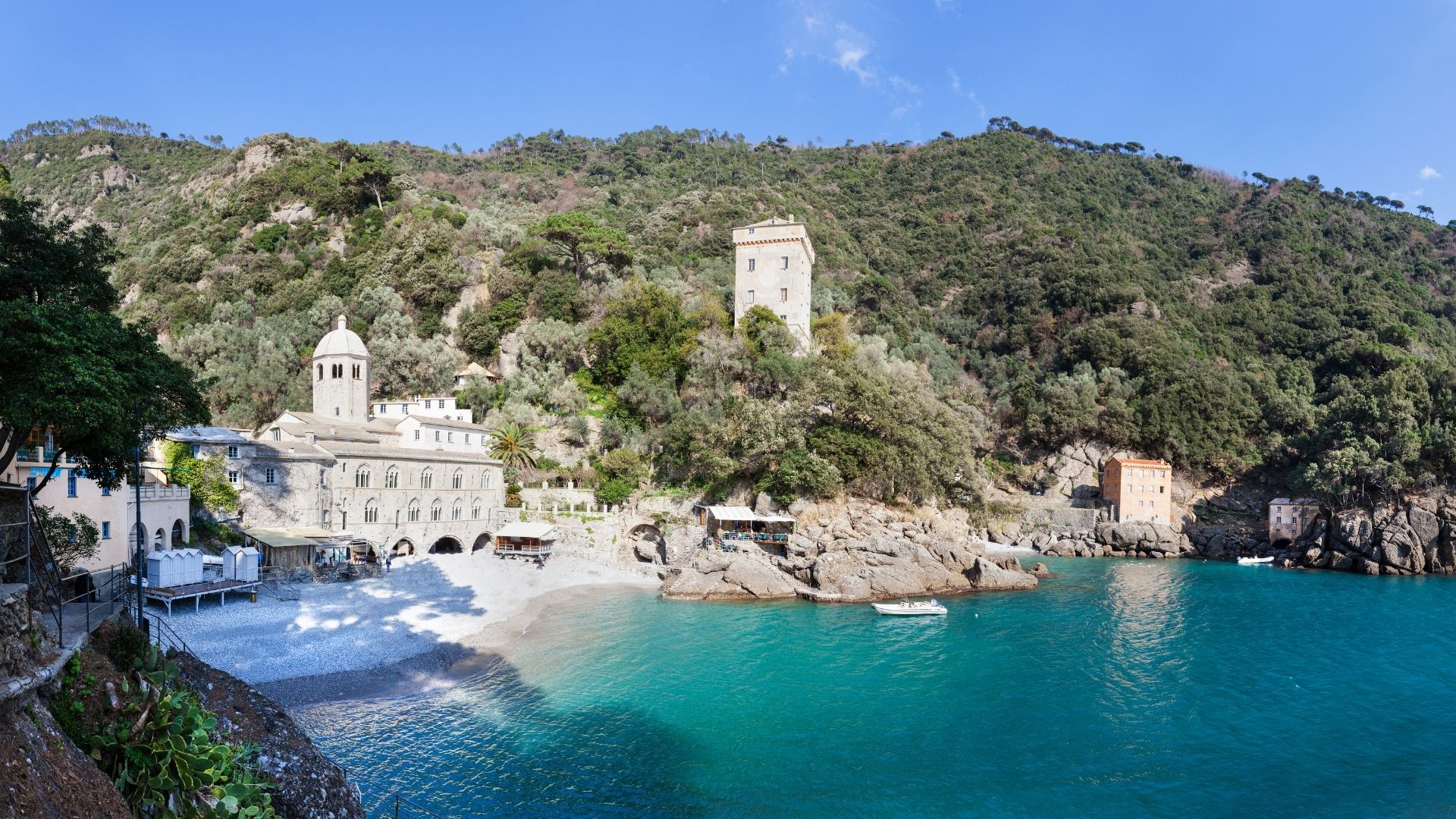
San Fruttuoso — the tenth-century Benedictine abbey at the foot of the Portofino headland's seaward side. No road access; reachable only by boat or by a two-hour hike from Portofino. The Christ of the Abyss bronze statue sits seventeen meters below the surface offshore, set in place in 1954 as a memorial to lost divers.
Santa Margherita Ligure — the larger working harbor on the Gulf of Tigullio. Quieter than Portofino, with the same Belle Époque facades and better dinner reservations in peak season. Trattoria dei Pescatori on the harbor and Skipper Bar a block back are the standard evening calls.

The route gives itself one more Ligurian day rather than leaving Portofino as a drive-by symbol. Morning lift around the headland to San Fruttuoso, the abbey cove on the Portofino peninsula's seaward side. The abbey was built by Benedictine monks in the tenth century; the Doria family took it over in the thirteenth and rebuilt the church in its current form. There is no road in — the only access is by boat or by a two-hour hike from Portofino — so the cove holds a few dozen yachts on a hot Saturday and almost nothing else. Tender ashore for the abbey walk, swim along the rocky shore, and an offshore look at the Christ of the Abyss bronze, the figure submerged seventeen meters down since 1954 as a memorial to divers lost at sea.

Lunch on board at anchor or tender ashore to Da Giovanni, the small trattoria at the foot of the abbey wall. Afternoon swim stop at Paraggi — Bagni Fiore's old terrace above the bay or Langosteria Paraggi's beach club at the water's edge — before the short hop into Santa Margherita Ligure for the second overnight. The harbor is the larger of the two on the Gulf of Tigullio, with a working fishing fleet, the Imperiale Palace on the eastern side of the bay, and a real high street of focaccerie and trattorias inland from the quay.

Letting the Italian half feel earned is what makes the French half read as contrast instead of overwrite. Dinner ashore at Trattoria dei Pescatori for the day's fish, Skipper Bar a block back from the harbor for a quieter night, or Da O Vittorio inland for the local Ligurian specialties — pansoti with walnut sauce, the focaccia di Recco that the village above bakes daily, trofie al pesto. The night before the long western push works best as a slower close, not as preparation for the next morning's mileage.

Day Highlights

  • Morning at San Fruttuoso's abbey cove and Christ of the Abyss.
  • Lunch ashore at Da Giovanni or aboard at anchor.
  • Afternoon swim at Paraggi — Bagni Fiore or Langosteria.
  • Second overnight at Santa Margherita's working harbor.
3

Day 3 of 7 · Westbound Liguria

The long western push to San Remo

Anchorage: Porto Sole or Portosole, San Remo
Portosole at San Remo — the western-Liguria marina that takes the larger motor yachts. The Casino (built 1905, Belle Époque, still in operation) sits above the old town; the medieval quarter known locally as La Pigna runs up the hill behind it.
Aperitivo on the aft deck during the day's long western leg — about seventy-five nautical miles from Santa Margherita to San Remo. The captain shifts the departure timing based on the morning's wind forecast; afternoon thermals from the southwest can build to twenty-plus knots.

The itinerary's longest leg and the one that pushes the route out of the tight Portofino pocket and into the broader western-Liguria coast. About seventy-five nautical miles from Santa Margherita to San Remo, run as a day passage — the captain leaves Santa Margherita early to clear the open coast before the afternoon southwest thermal builds. On a thirty-knot motor yacht the leg is about three hours of cruising; on a slower yacht it's five to six. Lunch on the aft deck underway; the swim platform comes down at one of the offshore swim stops along the way if the conditions allow.

The coast between Genoa and Imperia is the less-known stretch of Liguria — Cervo, Diano Marina, Alassio, and Imperia itself, all working Italian seaside towns rather than the harbor villages of the eastern half. The route passes them rather than stopping; this is the day that earns the rest of the western finish. By mid-afternoon the yacht is at San Remo, the largest harbor town between Genoa and the French border and the practical hinge between the two Riviera identities.

Portosole is the marina that takes the larger motor yachts; the older Porto Vecchio in the city center holds smaller berths and the local fishing fleet. The Casino di San Remo above the old town opened in 1905 and is still in operation — a Belle Époque survivor with the original gaming rooms and a separate club room for high-stakes baccarat. The medieval quarter, known locally as La Pigna because the streets spiral up the hill in a pine-cone pattern, walks in fifteen minutes from the harbor. Dinner ashore at Pesce Pazzo on the harbor for the day's catch, Da Vittorio above town for the local Ligurian, or Buca di Bacco for the working-village register the harbor still holds.

Day Highlights

  • Seventy-five-nautical-mile western push.
  • Lunch on the aft deck underway, optional swim stops.
  • Berth at Portosole or Porto Vecchio at San Remo.
  • Belle Époque Casino di San Remo and La Pigna medieval quarter.
4

Day 4 of 7 · Into France

Menton, Cocteau, and the first French overnight

Anchorage: Menton old port or Garavan
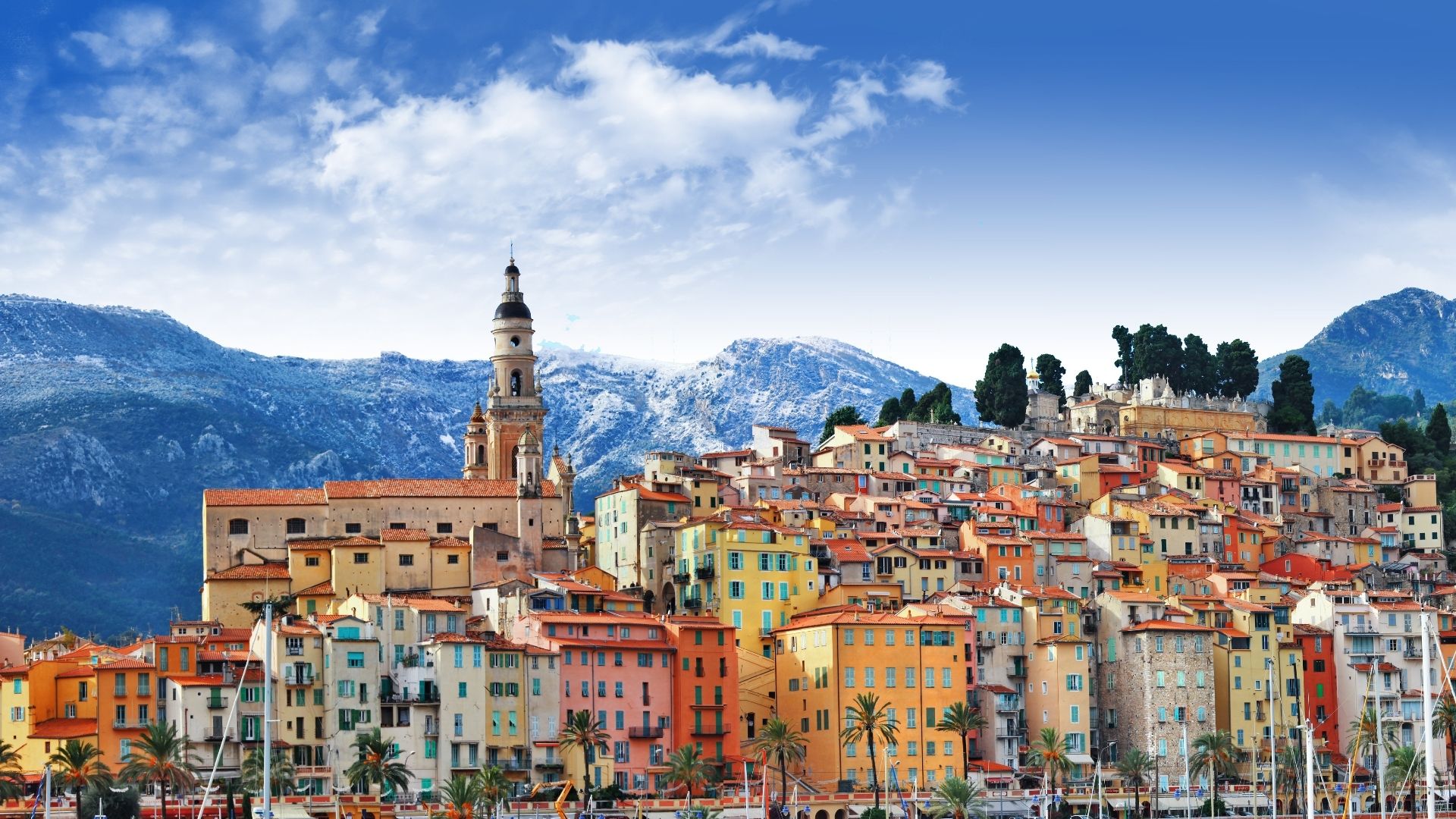
Menton's pastel old town from the sea — the Basilica of Saint-Michel-Archange on the headland marks the eastern French border. The Cocteau Museum (the Bastion on the harbor, painted by Cocteau himself in 1957) is on the quay; the Jean Cocteau Museum proper, the larger 2011 building, sits two hundred meters east. The Lemon Festival every February closes the streets for two weeks.
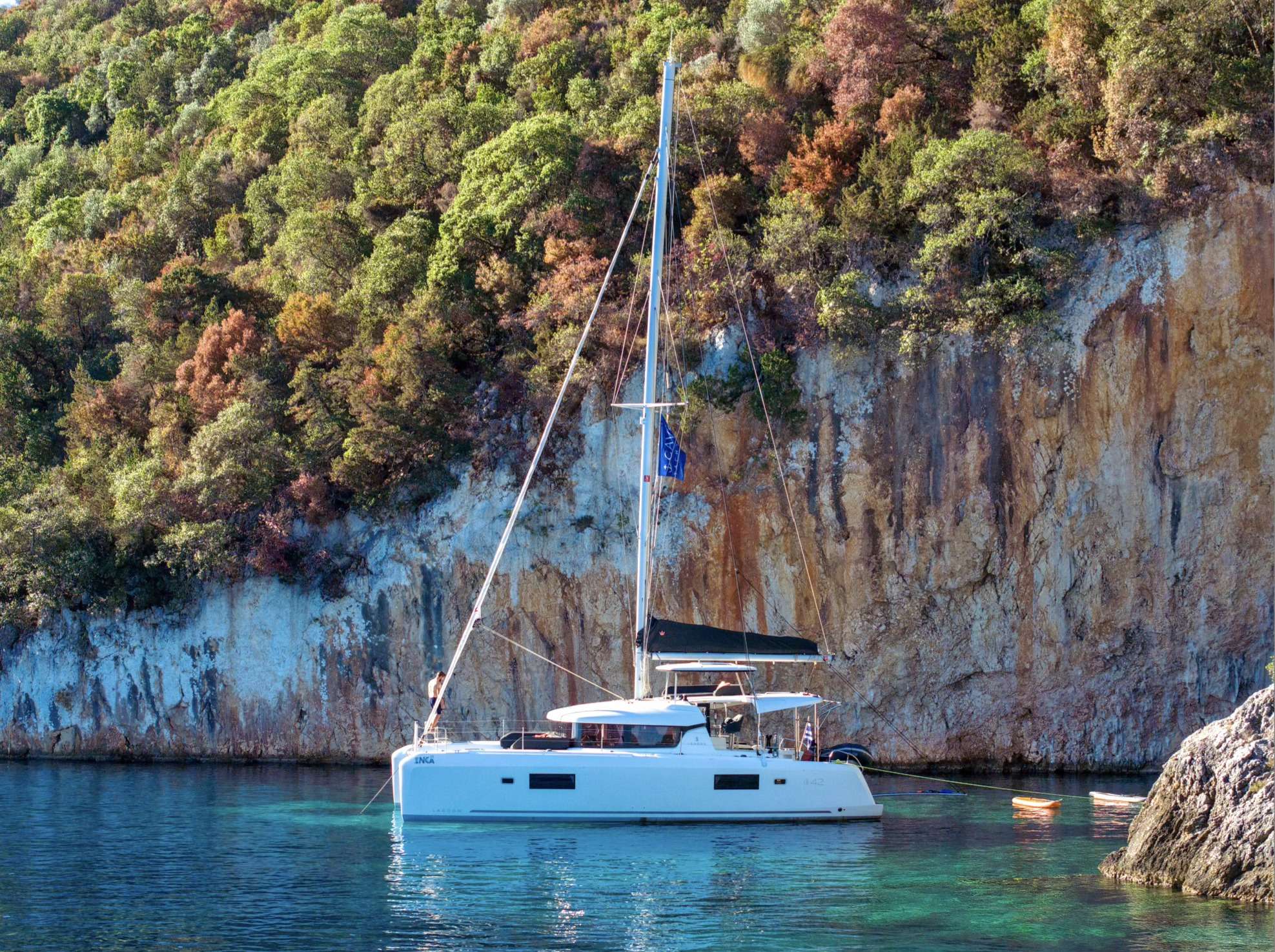
Yacht at anchor on the French side — the cleaner overnight option versus Menton's small inner harbor if the group prefers a quieter mooring than the village quay. The deep water inside Menton's coast gives clean anchoring sheltered from the prevailing summer wind.

Twelve-nautical-mile crossing from San Remo into France. The maritime border outside Menton is a Schengen internal line for yacht-charter purposes, so there is no customs stop; the captain logs the transit and the yacht slides across. Menton itself is the easternmost French Riviera town and reads as the cleaner first French overnight than jumping straight to Monaco — the architecture shifts visibly to Belle Époque pastel, the language flips to French, the food register turns toward Niçoise (pissaladière, the classic anchovy-onion flatbread; barbajuan, the Monegasque fried-pastry; socca, the chickpea pancake from Nice), and the coastline begins to read explicitly as Côte d'Azur without yet committing to maximum-density glamour.

Yacht inside Menton's Vieux Port or anchored offshore in the Garavan bay east of town. The harbor is small — about thirty berths suitable for charter yachts — so larger motor yachts go to anchor. Cocteau's footprint shapes most of the shoreline: the Bastion on the harbor is the seventeenth-century fortress Cocteau converted into his own museum in 1957, decorated inside and out by his own hand; the Jean Cocteau Museum proper opened on the seafront in 2011 and holds the larger collection. The Salle des Mariages in the town hall — also painted by Cocteau, also walkable from the quay — is the third stop if the schedule allows.

The gardens are the other Menton register. Jardin Serre de la Madone and the Botanic Garden Val Rahmeh both walk reachable from the harbor; the lemon orchards above town are the source of the city's annual Lemon Festival each February. Dinner ashore at Mirazur — Mauro Colagreco's three-Michelin restaurant on the cliff above town, named World's Best Restaurant in 2019 — is the high-register option (reservation needs a month in season); Le Riva on the harbor for the day's fish; A Braijade Meridiounale inland for the local Niçoise grilling. The captain books either.

Day Highlights

  • Twelve-nautical-mile crossing from San Remo into France.
  • Yacht in Menton's Vieux Port or at anchor in Garavan.
  • Cocteau Museum and Bastion on the harbor; gardens reachable by short walk.
  • Dinner at Mirazur (three Michelin), Le Riva, or A Braijade Meridiounale.
5

Day 5 of 7 · Cap Ferrat coast

Villa Ephrussi, Plage Paloma, and the Villefranche royal anchorage

Anchorage: Villefranche Bay
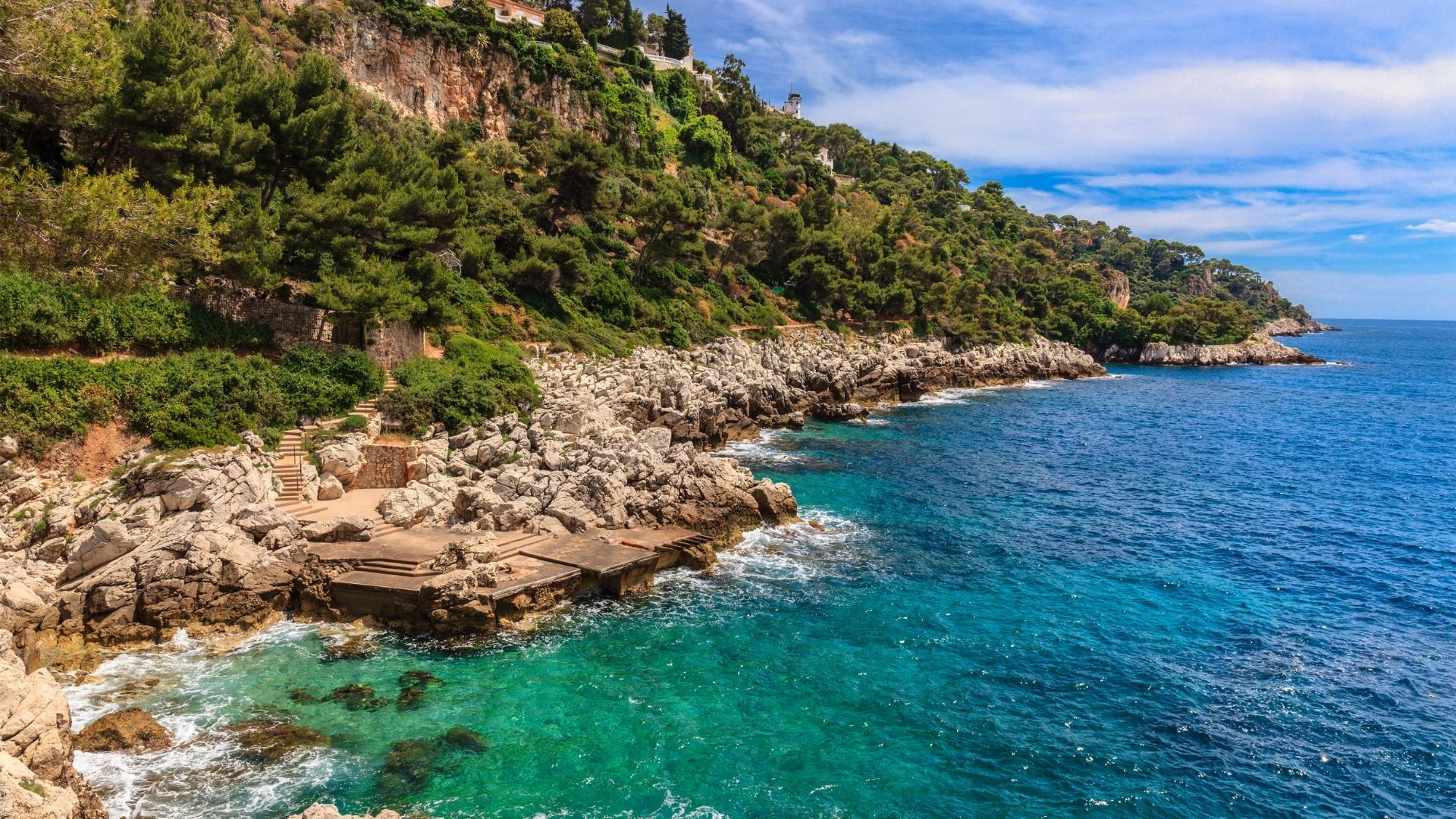
Cap Ferrat's villa coast from the water — Belle Époque estates on cliffs above small private coves. Villa Ephrussi de Rothschild (1912, pink Belle Époque) sits on the northern saddle of the peninsula and opens to visitors; Villa Santo Sospir was the second Cocteau-painted villa, on the southern side.
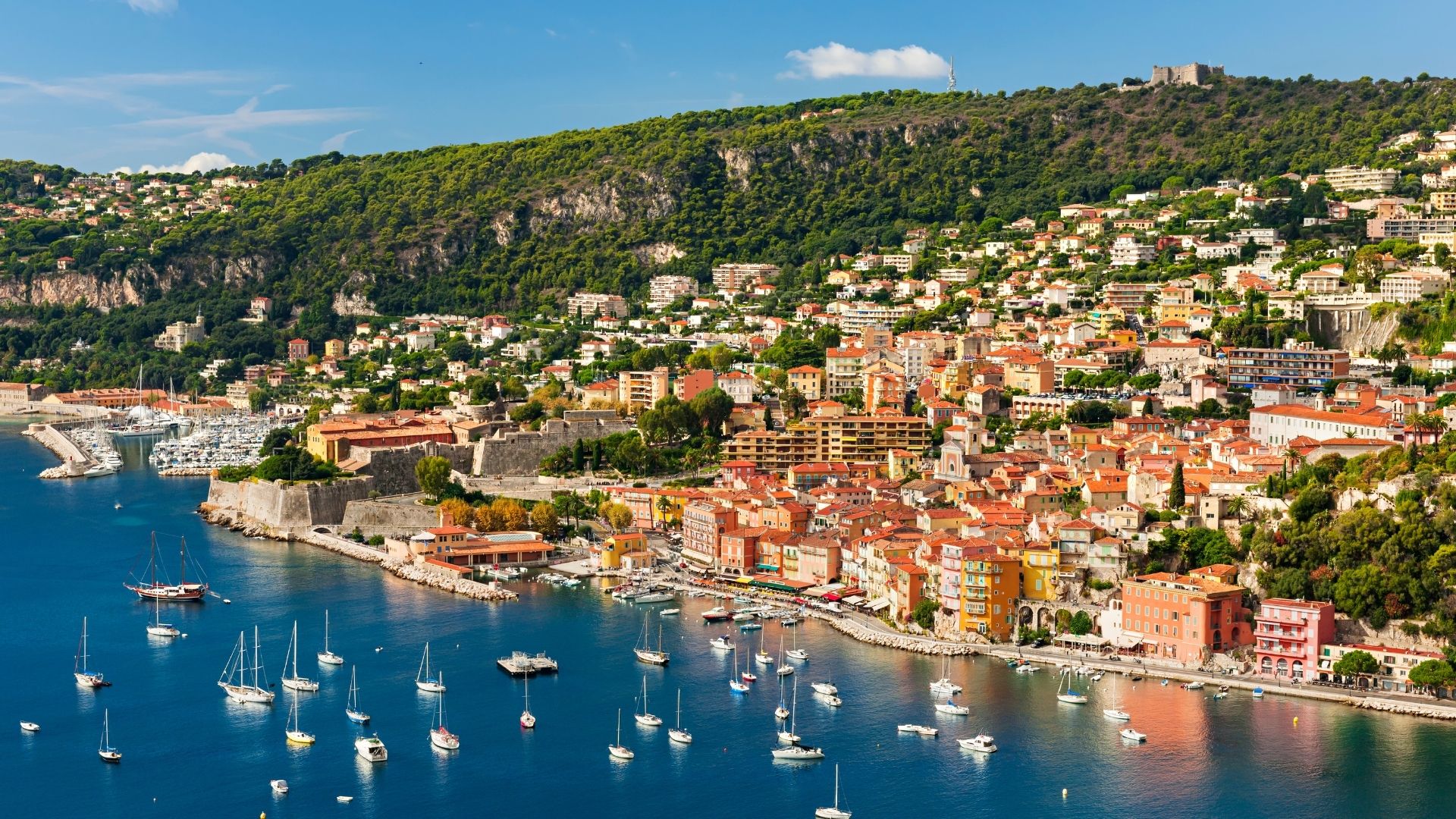
Yacht stern-to in a Cap Ferrat cove or off the Villefranche anchorage — the deep water inside Villefranche Bay drops to ninety meters fifty meters off the beach, so even large motor yachts anchor close in.

Cap Ferrat is the visual pivot of the itinerary. Fourteen nautical miles west from Menton along the coast, passing Cap Martin (Le Corbusier's modernist cabin, the Cabanon, still on the shore east of Roquebrune) and Monaco's eastern flank without stopping yet. The coast becomes overtly villa-lined and visibly Belle Époque — pink and ochre estates on cliffs above small private coves, most built between 1880 and 1914 when the Riviera was the wintering ground for Russian and British nobility. The Cap Ferrat peninsula juts south between Beaulieu and Villefranche; the cliff road around it is the most concentrated stretch of legacy-money waterfront in France.

Morning visit at Villa Ephrussi de Rothschild — the pink Belle Époque villa built in 1912 by Béatrice de Rothschild on the northern saddle of the peninsula, donated to the Académie des Beaux-Arts in 1934 and open to visitors. Nine themed gardens on the property; the view from the loggia runs east to Beaulieu and west to Villefranche. Lunch ashore at Plage Paloma on the peninsula's south side (the Grand-Hôtel du Cap-Ferrat runs the more polished beach club; Paloma is the smaller cove restaurant) or back on board at anchor in one of the small coves on the peninsula's east coast.

Afternoon move into Villefranche Bay — about three nautical miles further west. The bay is the deep-water anchorage that has hosted naval fleets since the seventeenth century (originally the Russian fleet, later the British, then the US Sixth Fleet through the early 1960s); today it is the yacht-only anchorage of choice between Monaco and Nice. The bay drops to ninety meters fifty meters off the beach, which means even large motor yachts anchor close in. Villefranche-sur-Mer itself runs along the eastern shore; the Chapelle Saint-Pierre on the harbor was painted inside by Cocteau in 1957 (the third Cocteau stop on the route), and the medieval Rue Obscure — a fifteenth-century vaulted passageway under the old town — runs from the church to the citadel. Dinner ashore at La Mère Germaine on the quay or aboard at anchor for the quieter night.

Day Highlights

  • Morning visit to Villa Ephrussi de Rothschild (1912).
  • Lunch at Plage Paloma or aboard in a Cap Ferrat cove.
  • Anchor in Villefranche Bay — Mediterranean's deepwater royal anchorage.
  • Chapelle Saint-Pierre and Rue Obscure walkable from the quay.
6

Day 6 of 7 · Monaco approach day

Let Monaco arrive slowly, not all at once

Anchorage: Off Monaco / Cap d'Ail
Final cruising day staged short of Monaco — the route works better when the arrival lands as the closing beat tomorrow rather than collapsing today into a same-day arrival-disembark proposition. Anchorages off Cap d'Ail or Èze keep the yacht close to the corridor without forcing the Port Hercule berth a day early.
Èze village above the coast — the medieval perched village on a cliff 425 meters above the sea, walkable up the Nietzsche Path from the seaside Èze-Bord-de-Mer. The Château de la Chèvre d'Or sits at the village summit; the Jardin Exotique is the upper viewpoint.

The route's final full cruising day keeps Monaco close without burning the whole day on arrival theater. Eight nautical miles along the coast east of Villefranche covers Beaulieu-sur-Mer, the cliff village of Èze, Cap d'Ail, and the western approaches to Monaco — all of it visible from the deck, none of it requiring a full stop. The captain stages the yacht for the night at anchor off Cap d'Ail, in Beaulieu's small marina if a berth opened up, or at one of the deep-water anchorages along the corniche.

Èze is the headline shore-side move if the group wants one. The medieval perched village sits 425 meters above the water on a cliff face, walked up either by the Nietzsche Path (the philosopher wrote Thus Spoke Zarathustra walking this hill in 1883) from Èze-Bord-de-Mer or by car from the corniche road. The Château de la Chèvre d'Or — a Relais & Châteaux hotel built into the village's medieval walls — runs two Michelin stars and is the high-register lunch option; the Jardin Exotique d'Èze at the village summit holds the cleanest panoramic view between Nice and Monaco. Twenty minutes back down to the yacht when the visit is done.

Late afternoon back at anchor, paddleboards down, the chef working on dinner, the corniche coast on one side and Monaco's high-rises just visible east. Dinner aboard for the most part — the Cap d'Ail and Èze quayside dining is thinner than Villefranche's or Beaulieu's, and the next night belongs to Monaco anyway. The yacht is in position for the short morning approach into Port Hercule, the last leg already short enough that the timing belongs to the group rather than the route.

Day Highlights

  • Short cruising day along the western Monaco approach.
  • Optional walk up to Èze (Nietzsche Path or by car).
  • Lunch at Château de la Chèvre d'Or or aboard at anchor.
  • Anchor for the night off Cap d'Ail or Beaulieu.
7

Day 7 of 7 · Final arrival

Port Hercule, the Yacht Club, and the corridor's loud finish

Anchorage: Port Hercule, Monaco
Port Hercule — Monaco's deep-water harbor, capacity for yachts up to 110 meters at the main quay (Quai Antoine 1er) and a digue extending the breakwater for the largest superyachts. The Yacht Club de Monaco (Norman Foster, 2014) sits on the harbor's eastern side; Casino Square is a ten-minute walk uphill.
Closing aperitivo on the aft deck — the contrast between Portofino and Monaco lands on the last night. The Italian Riviera's intimate scale and the French corridor's maximum theater are both inside the same week, neither asked to impersonate the other.

Short five-nautical-mile approach east into Port Hercule. The harbor is Monaco's primary deep-water anchorage and one of the most concentrated megayacht infrastructure points in the Mediterranean — Quai Antoine 1er takes yachts to 110 meters, the digue (the floating concrete breakwater extending the harbor's eastern wall) handles the largest superyachts, and the smaller Quai des États-Unis on the western side takes the 24–60 m motor yacht charters. Berth assignments are tight in season; the broker confirms the slot before arrival. The yacht is in by late morning, the principality walks in three minutes from the gangplank.

The Yacht Club de Monaco — Norman Foster's 2014 building on the harbor's eastern side, with its terraced superstructure modeled on a luxury motor yacht — runs the most concentrated yacht-industry social scene in the world during season. Day visitors can't access the club itself, but the Quai Antoine 1er promenade runs underneath it and is one of the better walks of the week. Lunch at La Marée on Quai des États-Unis (waterfront, fish, classic), Maya Bay (Asian fusion, the lunch-into-cocktail-hour option), or Hôtel de Paris's Le Grill rooftop for the Casino-Square register. Casino de Monte-Carlo, the Hôtel de Paris itself, and the Place du Casino sit ten minutes uphill from the harbor.

Final-night dinner ashore is the canonical close — Le Louis XV at the Hôtel de Paris (Alain Ducasse, three Michelin, the high-register Monaco move; reservation needs a month), Cipriani Monte-Carlo, or Beefbar for the meat-led closing. Aboard at the quay for the quieter final night also works; the harbor lights and the Grand Prix turn-one chicane visible from the aft deck do most of the closing work. The contrast lands here: the trip that started in a Portofino piazzetta walkable in five minutes ends at Port Hercule, where the country itself walks in twenty.

Day Highlights

  • Five-nautical-mile final approach into Port Hercule.
  • Berth at Quai Antoine 1er, the digue, or Quai des États-Unis.
  • Lunch at La Marée or Le Grill; walk past the Yacht Club de Monaco.
  • Closing dinner at Le Louis XV, Cipriani, or aboard at the quay.
8

Day 8 · Departure

Disembarkation at Monaco — car or helicopter to Nice

Disembarkation at Port Hercule. Nice (NCE) airport sits thirty minutes by car or six minutes by helicopter from Monaco — Monacair runs the heli shuttle from the heliport at Fontvieille on twenty-minute intervals. Direct trains from Monaco-Monte Carlo station reach Marseille in three hours and Paris (TGV) in six.

Breakfast aboard at the Port Hercule quay, luggage off, and onward transfer by car or helicopter depending on the group's wider plans. Nice (NCE) is the standard airport for departures — thirty minutes by car along the corniche, six minutes by Monacair helicopter from the Fontvieille heliport on twenty-minute shuttle intervals. Direct trains from Monaco-Monte Carlo station reach Marseille in three hours, Paris by TGV in six. Some groups stay on in Monaco for one or two nights at the Hôtel de Paris, Hôtel Métropole, or Hôtel Hermitage; the captain coordinates the timing with the next guests' embarkation if so.

The route works because it does not ask one coast to impersonate the other. Portofino stays Portofino; Monaco stays Monaco. Each register keeps its own scale and its own food identity, and the yacht is the only thing that connects them. Most groups that run this version come back for either a longer Italian charter on the second trip or a full Côte d'Azur week on the dedicated French Riviera page; the captain and broker walk through the second-charter options before the group disperses.

Frequently asked

Why run this route on a motor yacht specifically?
Because the charter trades on contrast and comfort, not on sailing performance. The mileage is not extreme — about ninety nautical miles end to end — but the route reads better with speed in reserve for the open-coast leg between Santa Margherita and San Remo (about thirty nautical miles), where the prevailing summer wind comes onshore from the southwest and can build to twenty-plus knots in the afternoon. Modern motor yachts handle the leg comfortably under any conditions; the captain shifts the day's departure window accordingly. Sailing yachts work, but the route's premium register and the Monaco-finish itinerary type are dominantly motor-yacht inventory.
What's the point of combining the Italian and French Rivieras?
Contrast inside a single charter. The Italian Riviera gives the week boutique harbor scale, Ligurian food identity (pesto Genovese, focaccia di Recco, anchovies from Monterosso, trofie pasta, the sciacchetrà sweet wine from terraces above the sea), and a quieter social register. The French finish brings the corridor's full brand-cachet theater — Monaco's Yacht Club, Cap Ferrat's Belle Époque estates, Villefranche's deepwater royal anchorage, and the maximum-density Mediterranean restaurant scene. The route works because it does not ask one coast to impersonate the other; each half stays itself, and the yacht does the connecting.
When is the best time for this one-way?
June and September are the cleanest weeks. The water is warm, the corridor is active without peak density, and rates fall twenty to thirty percent from the July–August peak. Late May has the heaviest event pressure on the French side — Cannes Film Festival runs mid-May, the Monaco Grand Prix is the last weekend of May, and the western Mediterranean motor-yacht fleet locks twelve-plus months ahead for those windows. July and August work fully but assume more shore-side density, earlier berth reservations, and Monaco's harbor full to capacity. The route is also workable in early October before the season closes.
Is this the right first Riviera charter for guests new to yachts?
Usually only for groups who already know they want the Monaco finish. For a first Italian Riviera week, the Liguria round-trip is the cleaner answer — it stays inside one register, costs less in berth and APA terms, and gives groups a clearer baseline to compare against. This one-way is best for guests on their second or third Mediterranean trip, milestone trips, or anyone using the Monaco arrival as the charter's headline beat. The captain and broker walk through which version fits the group's first-charter brief before the route is set.
What's the customs situation crossing from Italy to France?
Both countries are EU and Schengen members, and the maritime border outside Menton is treated as an internal Schengen line — no customs clearance between the two for yacht charter purposes. Passports clear once at first European entry; once aboard, no further border check is needed crossing from Ventimiglia waters into Menton's. The captain handles cruising logs, transit logs at marina entry/exit, and any tax documentation. Charter VAT is paid where the charter starts, and only there: this route embarking from an Italian port (Genoa or Portofino) pays Italian VAT (22 percent) on the base rate; if the route embarks from a French port, French VAT (20 percent) applies instead.
Can the route reverse — Monaco to Liguria?
Yes, and a handful of motor yachts on the corridor route the eastbound direction in early summer or late autumn, depending on the seasonal repositioning calendar. The eastbound version trades the Monaco finish for a Liguria finish — Portofino as the last night instead of the first — which reads cleaner for guests who want the charter to end on the quieter side. The mileage and the stops are mirror-image. The captain and broker walk through the directional pick before booking.

Ready to set sail from Liguria to Monaco?

Every itinerary we send is custom-tailored. Tell us your dates, the size of your group, and what you want out of your charter—we'll handle the rest.