Crewed Itinerary · Florida Keys · Round-Trip

Key West & the Dry Tortugas: A 7-Day Charter Itinerary

If we were choosing one Florida Keys charter, this would be it. Board in Key West, point the bow west, and keep going long after the road has ended — seventy miles offshore, Fort Jefferson rises out of the Gulf, the centerpiece of Dry Tortugas National Park and an arrival that belongs to boats alone.

The crossing is part of the trip. Put the fishing lines out, settle into the flybridge, and watch Key West disappear. By afternoon you're anchored off Garden Key. The ferry leaves. You stay. Over the next few days you'll explore the fort, snorkel the Windjammer wreck off Loggerhead Key, and experience a national park after almost everyone else has gone home.

Duration
7 days / 7 nights
Base
Key West, round-trip
Plan your the Florida Keys charter Custom-tailored to your dates and group preferences
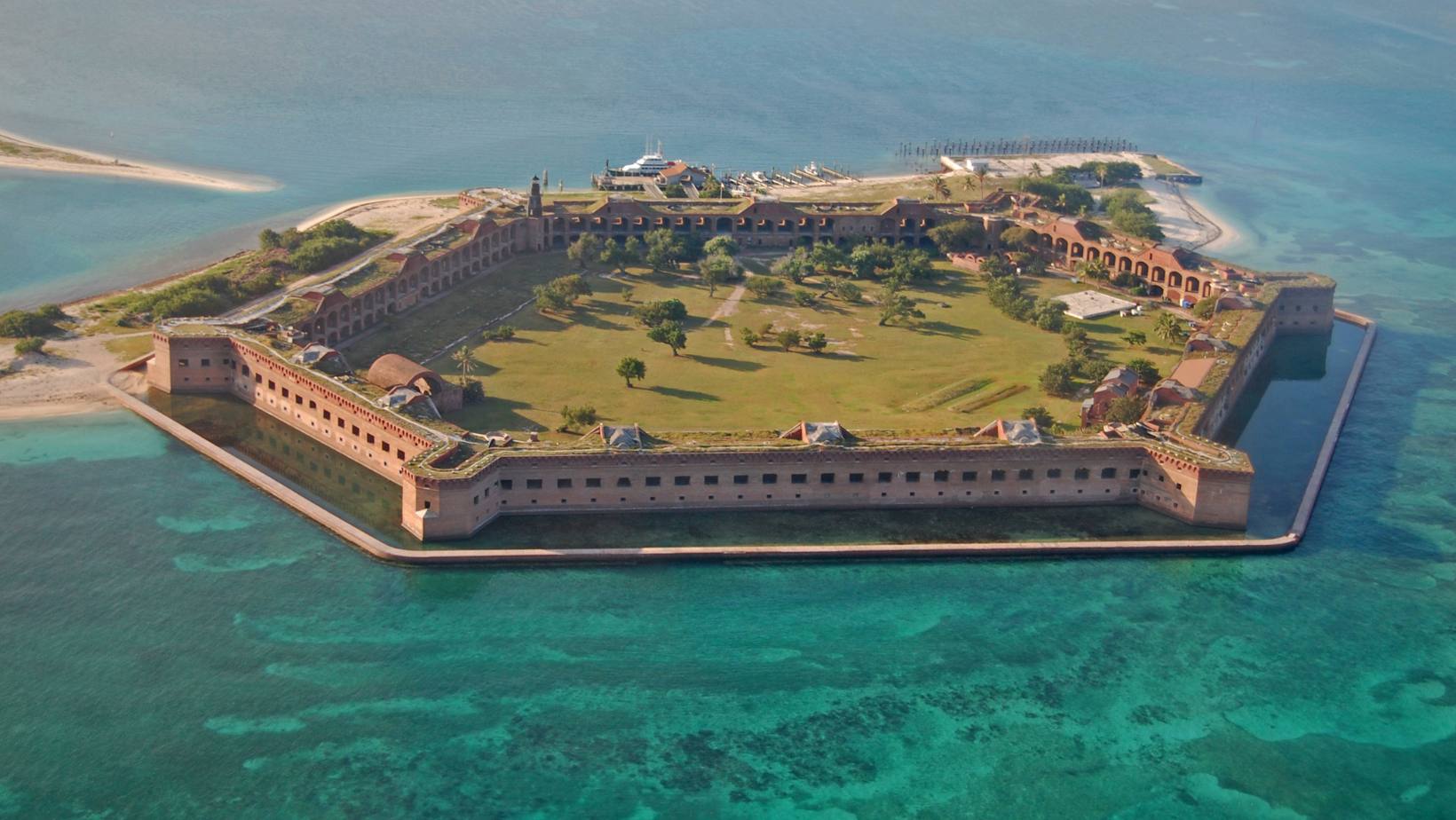
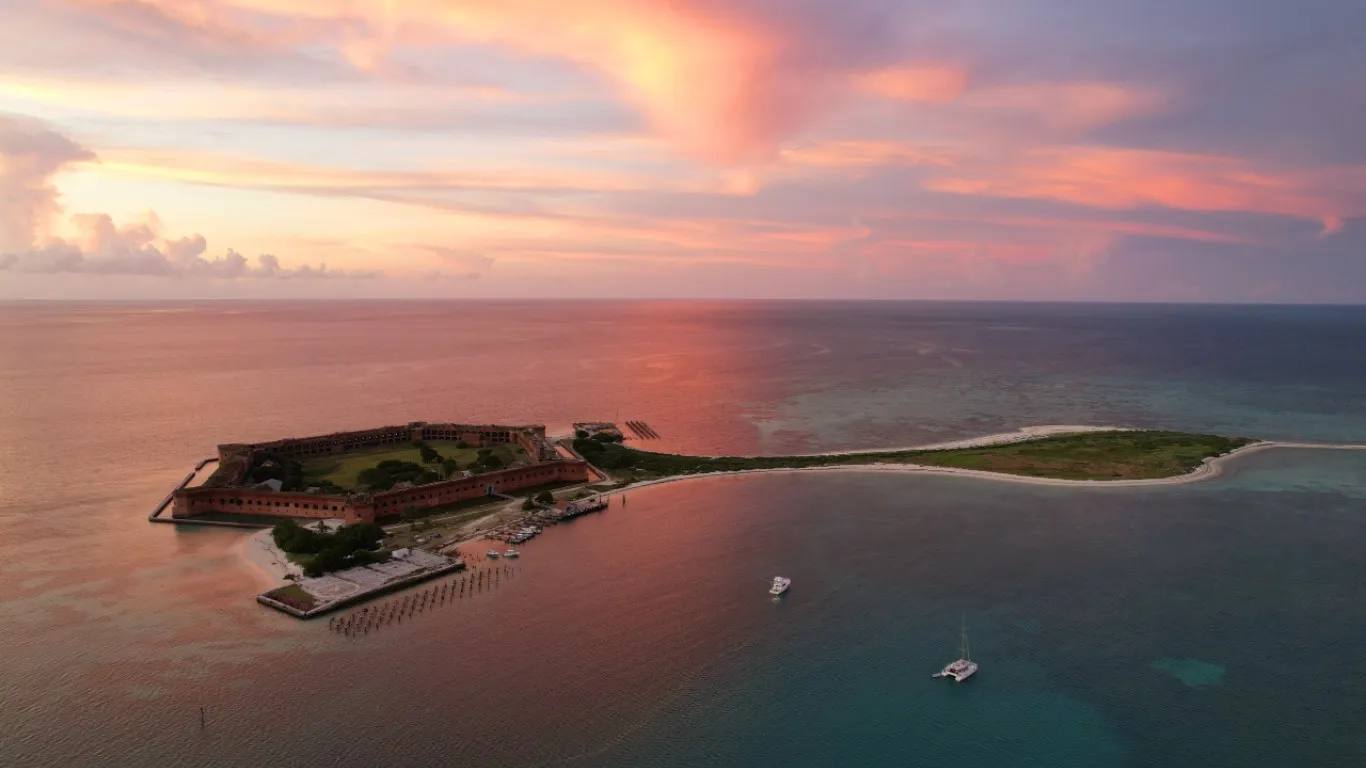
Sunset aerial over Fort Jefferson with boats anchored off Garden Key.
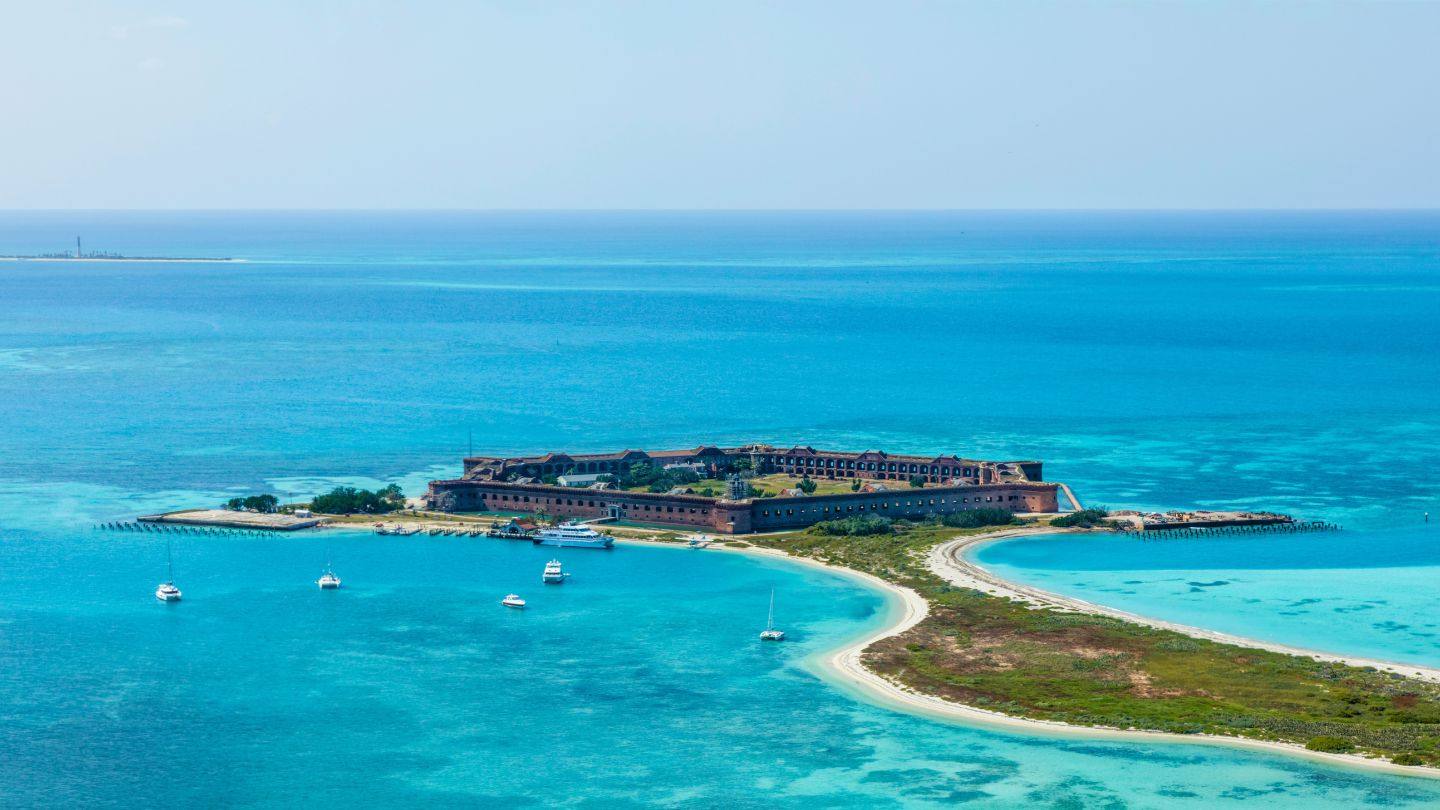
Fort Jefferson from the anchorage side, boats inside the one-mile zone.
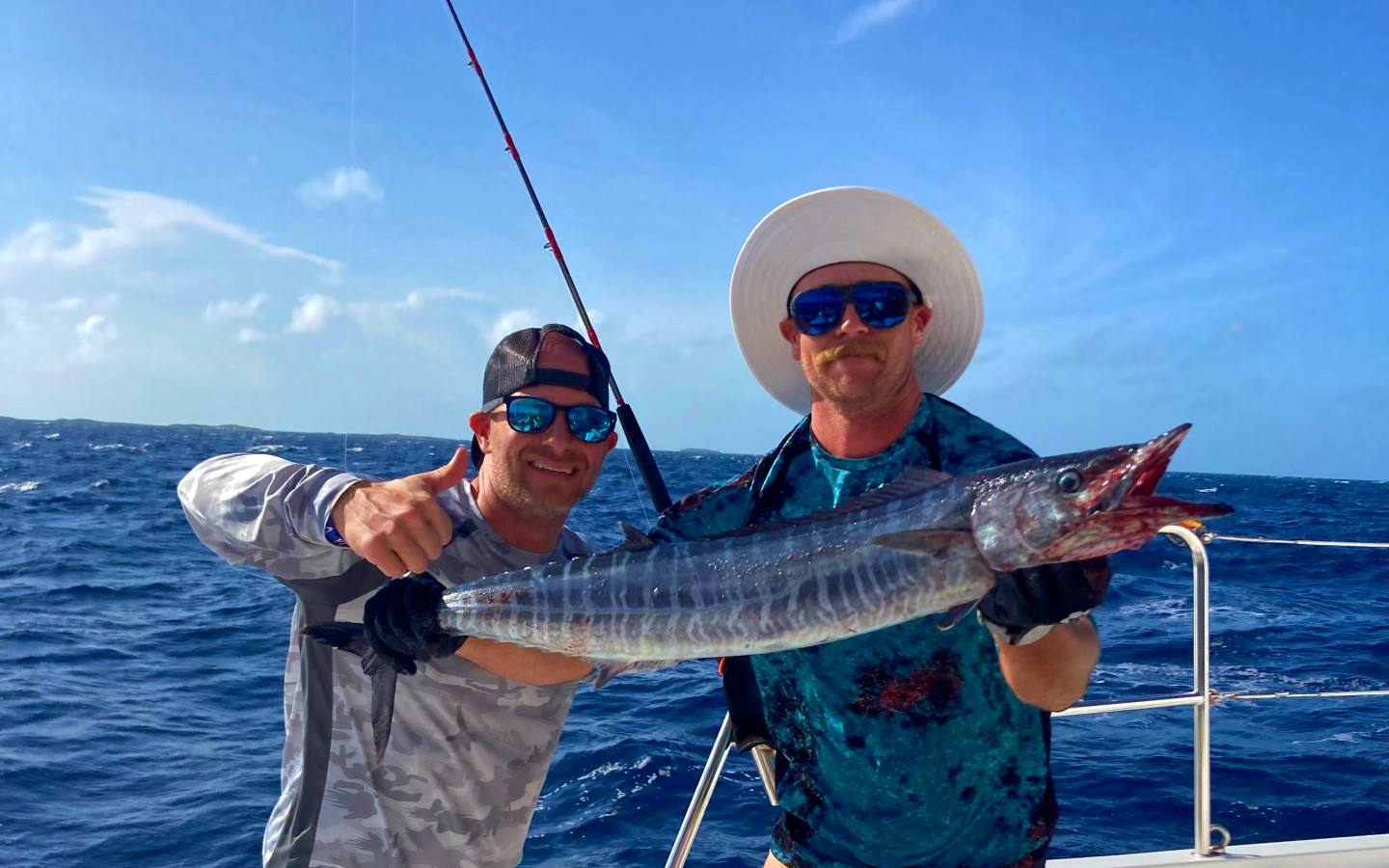
A wahoo held over the rail in open blue water.
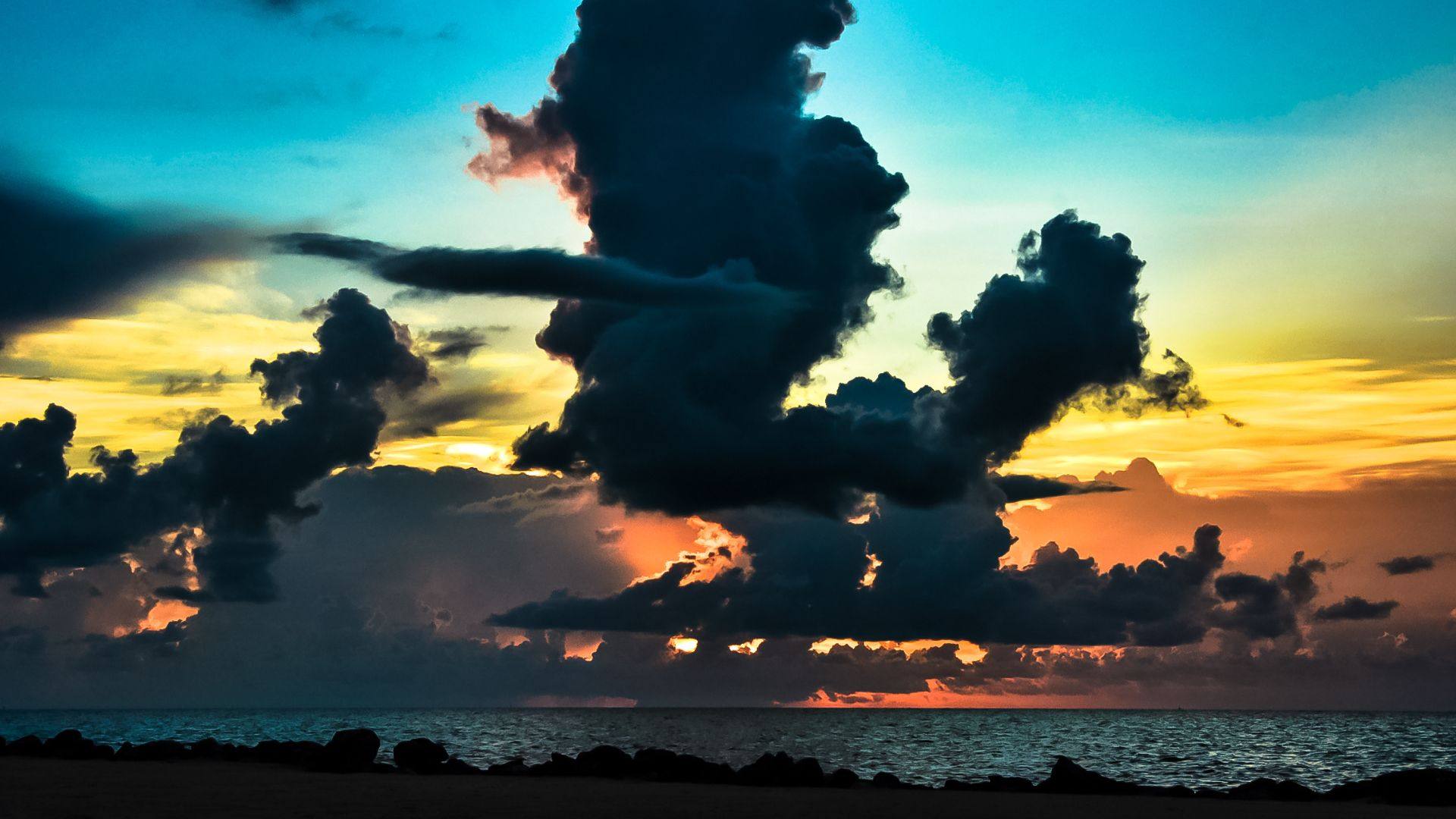
Towering clouds over an orange-and-teal Gulf sunset.

What this Key West itinerary covers

A round trip from Key West to the Dry Tortugas, with time for Fort Jefferson, Loggerhead Key, and the Windjammer wreck before working back east through the Marquesas and Boca Grande Key — with the best trolling water in the continental US under the transom the whole way.

This is the Keys itinerary for groups who care more about the experience than checking off towns: offshore fishing, remote water, American history, and several nights somewhere that can't be reached by car. The crossing is genuinely offshore and weather matters, so the captain builds the week around the best window rather than forcing a schedule. That's not a compromise — it's part of doing this trip properly.

1

Day 1 of 7 · Key West embark

Aboard at the Bight — America's Southern Terminus
Anchorage: Key West (marina)
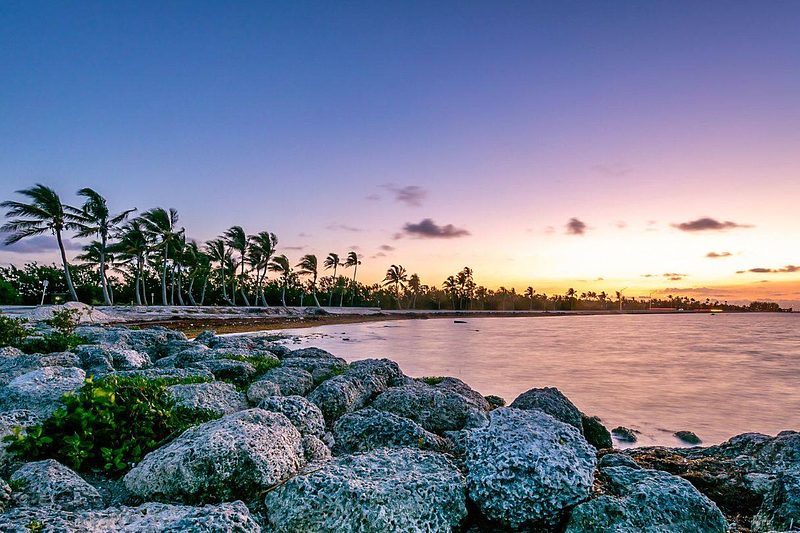
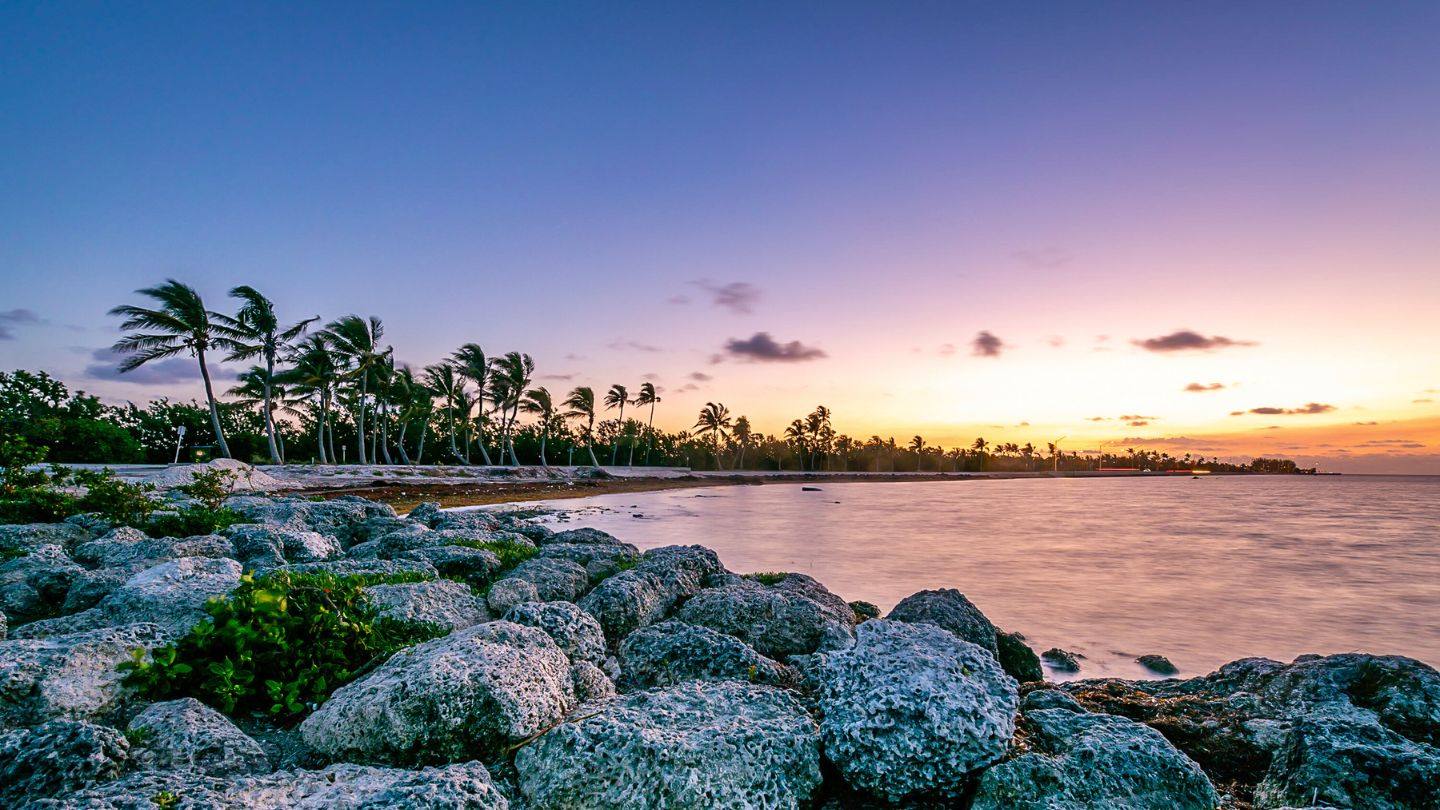
Lower Keys dusk — the chain's last light before the open Gulf.

Direct flights land at Key West International minutes from the harbor, and the afternoon belongs to arrival done properly: the crew meets the group at the slip — Key West Bight, Garrison Bight, or Stock Island depending on the boat — with cold drinks and the chart briefing for the week's crossing. Provisioning is the easiest in the fleet's range; the chef has already been to the fishmonger.

The first evening stays in town on purpose. Mallory Square runs its sunset theater, the Bight's dock bars pour within walking distance of the boat, and the captain gives the honest word on the crossing window — which day the run goes, and what the fallback looks like. Dinner ashore or aboard; the week's biggest water comes next.

Day Highlights

  • EYW to the slip in fifteen minutes.
  • Mallory Square sunset, dock bars at walking distance.
  • The captain's crossing briefing — window and fallback.
2

Day 2 of 7 · The crossing

Seventy Miles West — Lines Out the Whole Way

Anchorage: Garden Key anchorage (1-mile zone)
Open Gulf west of the Marquesas — no fuel, no services, no crowds for seventy miles.

An early start puts the boat past the Marquesas by mid-morning and into the most productive trolling water in the continental US. The crew rigs the spread before the harbor's out of sight — mahi and wahoo work these edges, and a fish boated mid-passage is lunch by the time Fort Jefferson's walls lift over the horizon, which they do from miles out: a brick hexagon rising off the water where nothing should be.

The anchor goes down inside the park's one-mile zone off Garden Key, the captain walks to the dock house for the boat permit, and the afternoon opens on the fort as the ferry loads its last passengers. By four the park is nearly empty. First tour of the ramparts in the gold light, swim off the transom, dinner on deck under more stars than most guests have seen in years.

Day Highlights

  • The offshore run with the spread out — mahi water end to end.
  • Fort Jefferson rising off the horizon from miles away.
  • The park nearly empty by late afternoon; permit handled at the dock house.
3

Day 3 of 7 · Fort Jefferson

The Fort Day — Sixteen Million Bricks

Anchorage: Garden Key anchorage, second night
Fort Jefferson from above — thirty years of building, never finished, never taken.
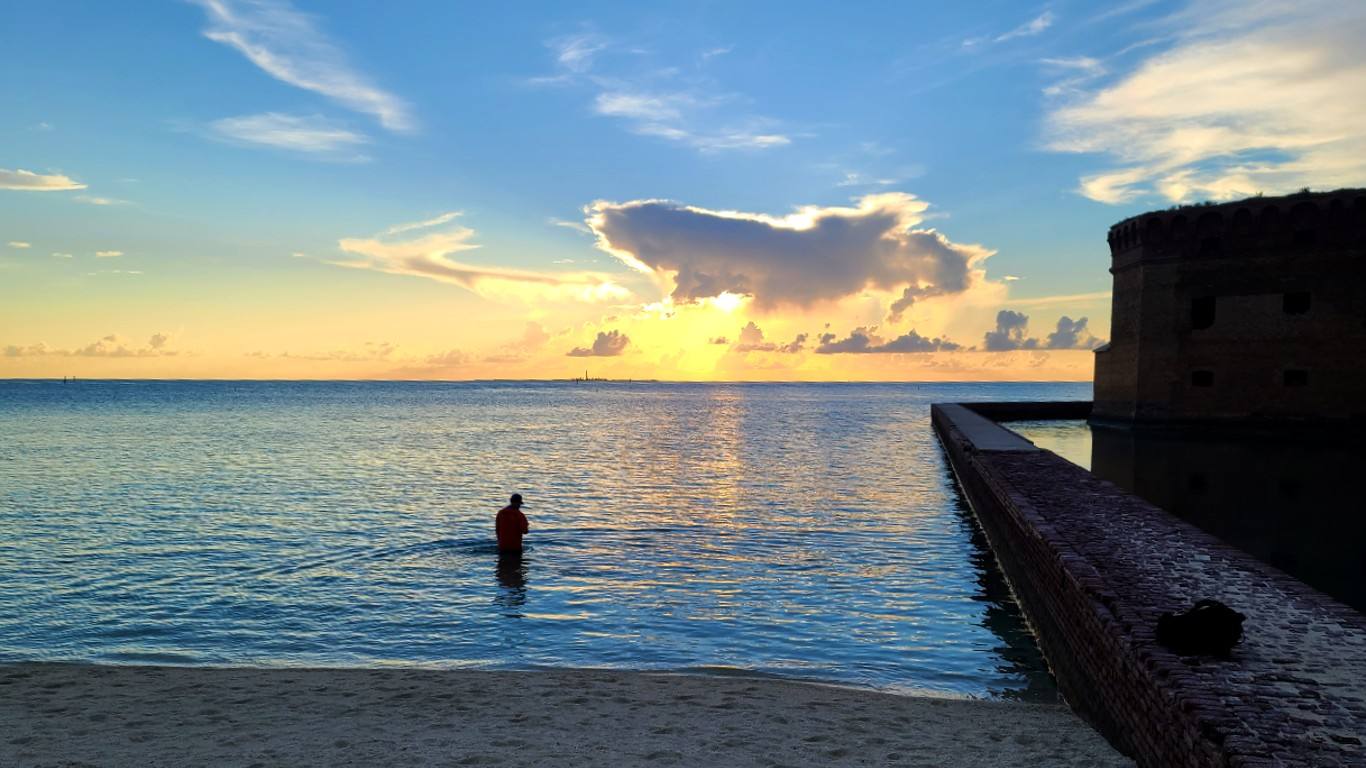
The moat wall at last light — the hour that belongs to whoever stayed the night.

The full day at the fort earns the crossing. Fort Jefferson took three decades of building and was never finished — sixteen million bricks hauled to a sand spit to command the Gulf shipping lanes, garrisoned through the Civil War, and prison afterward to Dr. Samuel Mudd, the man who set John Wilkes Booth's broken leg. The self-guided ramparts walk runs past cannon still on their mounts; the moat wall makes a full circuit of the fortress over open sea.

Between fort sessions the day is water: the snorkeling along the moat wall and the swim beach is the park's easy marquee, with the reef running healthy and shallow. The ferries leave at three, the light goes long, and the second evening at anchor confirms what the first suggested — a national park after hours, five boats swinging in the dark, the lighthouse on Loggerhead blinking three miles west.

Day Highlights

  • The ramparts, the cannon, and the Mudd cell — history at arm's length.
  • Moat-wall snorkeling straight off the swim beach.
  • The after-hours park — the whole point of coming by boat.
4

Day 4 of 7 · Loggerhead & the wreck

The Lighthouse and the Windjammer

Anchorage: Garden Key anchorage, third night
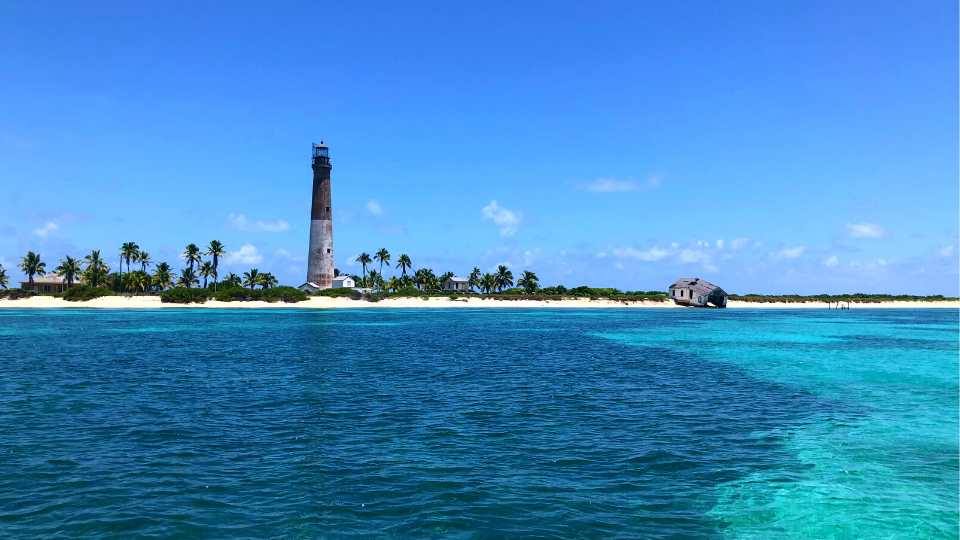
Loggerhead Key — the light, the palms, and an empty Gulf beach three miles from the fort.
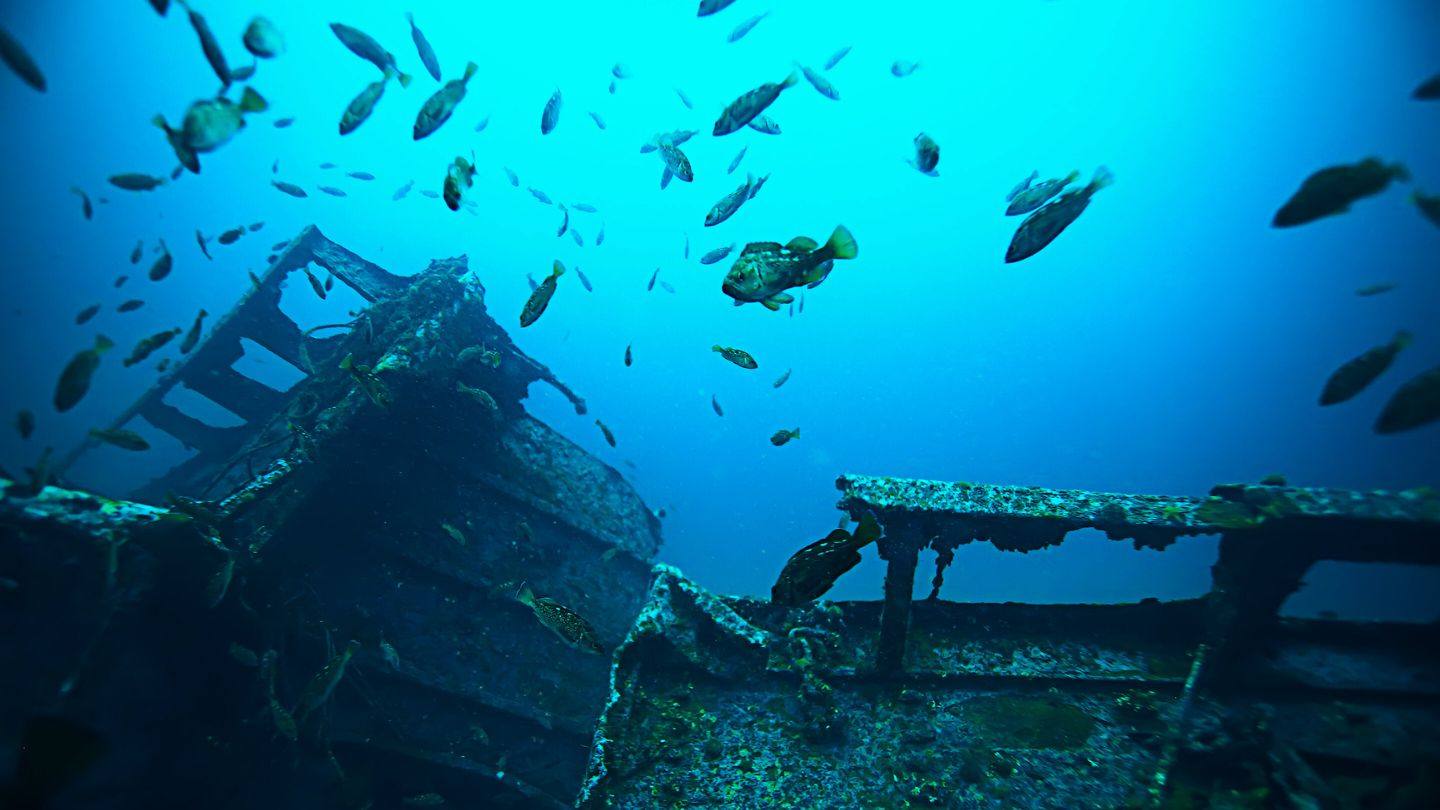
The Windjammer's ribs in snorkel depth — a 1907 wreck the reef never let go.

Three miles west of the fort, Loggerhead Key carries the park's other landmark: a working lighthouse over an empty white beach where day visits are welcome and overnights aren't — the tender runs the group across for a morning of the kind of beach that doesn't exist within a hundred miles of a road. The current along the key's west side drifts snorkelers over coral heads in gin-clear water.

The afternoon belongs to the Windjammer wreck, a steel-hulled sailing ship lost on the reef in 1907 and resting in snorkel depth ever since — masts, ribs, and hull plates furred in coral and packed with reef fish. It's the park's best swim and a genuinely great one by any standard. Back to Garden Key for the third and final fort night; the chef has been saving something.

Day Highlights

  • Loggerhead's lighthouse beach — empty by federal decree.
  • The Windjammer wreck snorkel, the park's best water.
  • Last night at anchor under the fort.
5

Day 5 of 7 · East to the Marquesas

The Empty Atoll

Anchorage: Marquesas Keys
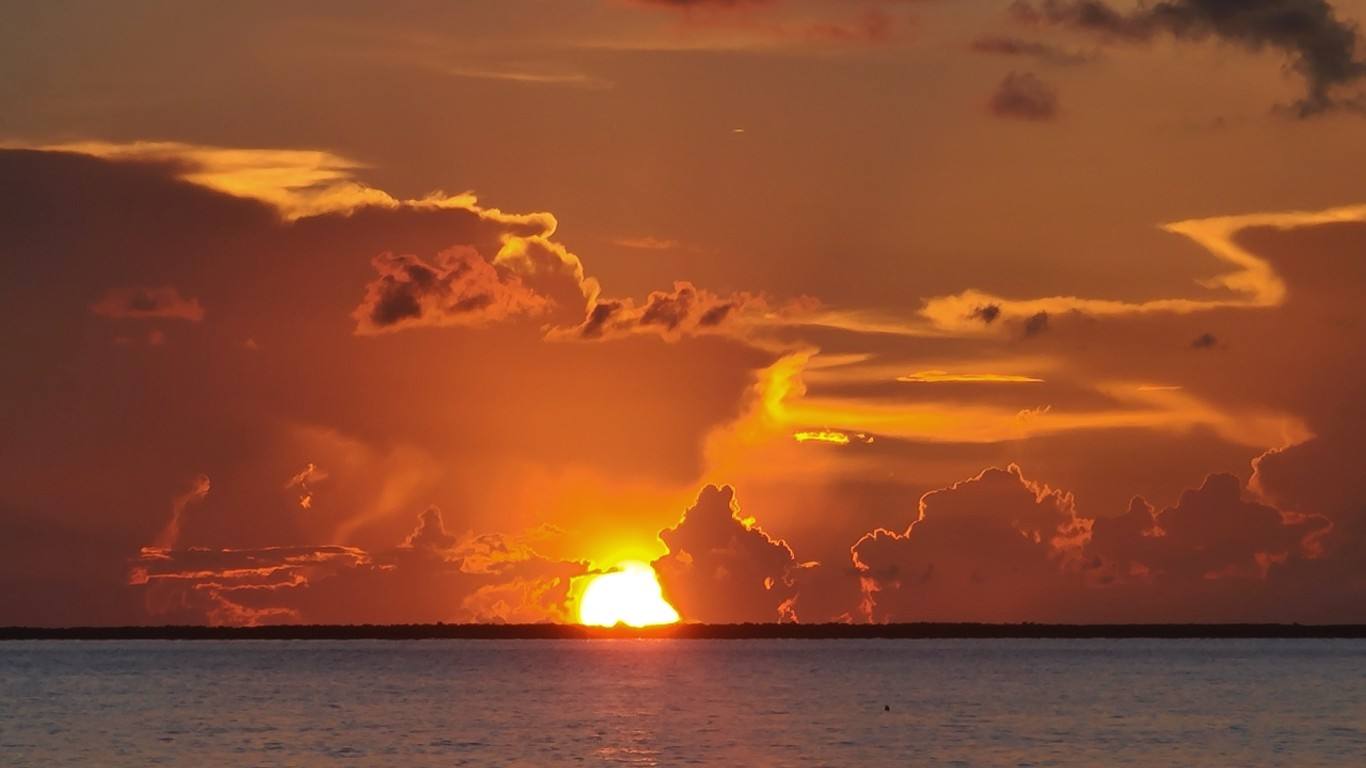
Gulf-side sunset at the Marquesas — a ring of mangrove keys with nobody home.

The return east breaks at the Marquesas Keys, the ring of uninhabited mangrove islands that legend ties to Spanish treasure — the Atocha's motherlode came off these shallows, and the treasure-fleet folklore is the genuine article. The trolling on the run over is the trip's second act; the flats around the ring hold bonefish and permit for guests who want the tender and a fly rod.

The anchorage is a lee-side roadstead, picked by the captain for the night's weather, and the evening is the quietest of the week — no fort, no town, no lights, just a mangrove ring between the boat and the Gulf. The kind of stop that doesn't photograph as well as it remembers.

Day Highlights

  • The Atocha's water — treasure-fleet history under the keel.
  • Flats fishing by tender for the fly-rod contingent.
  • The week's emptiest anchorage.
6

Day 6 of 7 · Back to the light

Boca Grande, Then Duval Street

Anchorage: Key West (marina)
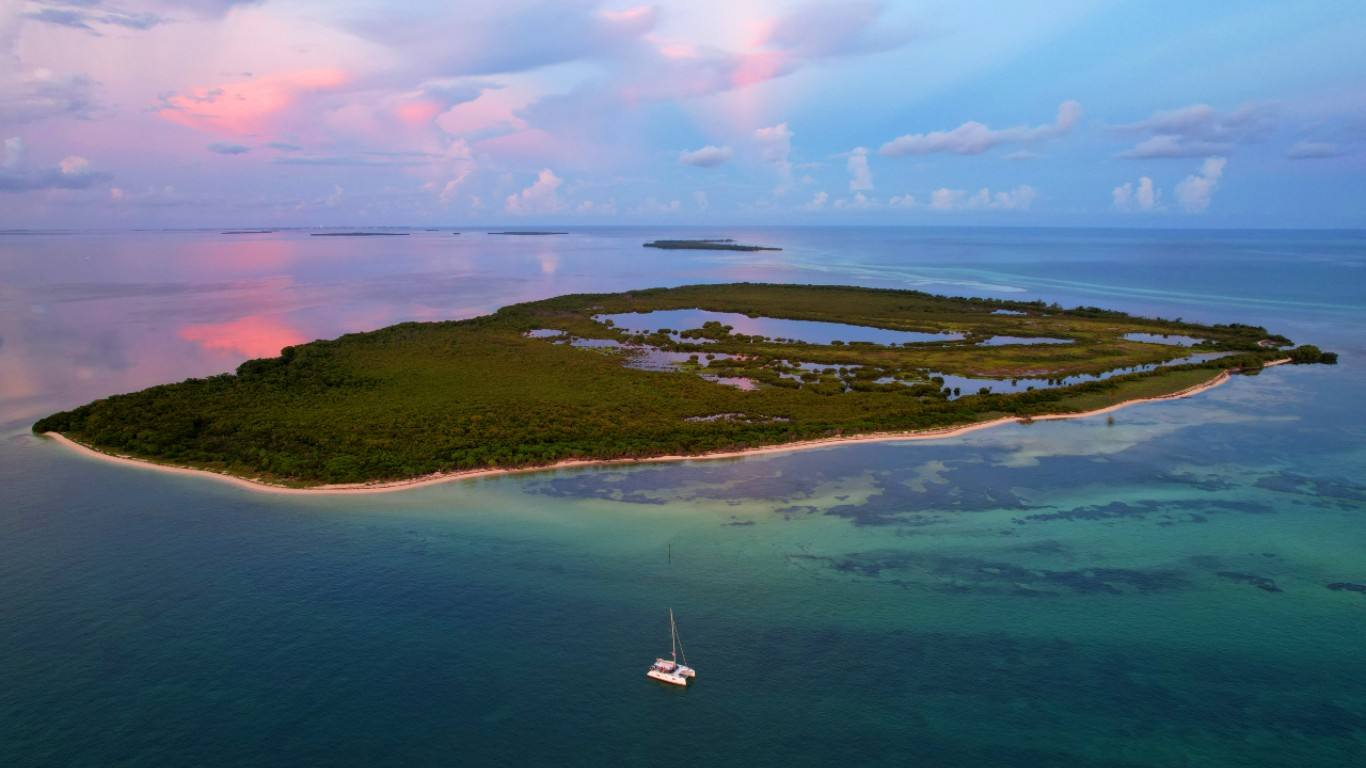
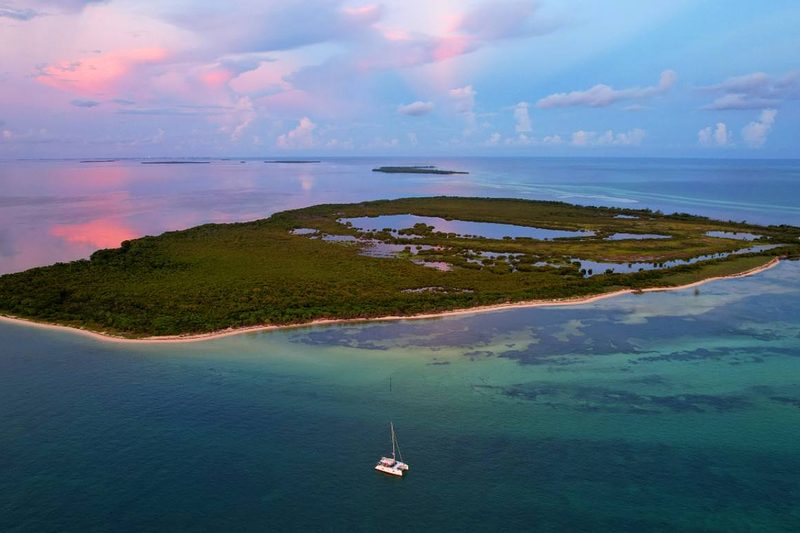
Boca Grande Key from above — the last wild stop before the bar lights.

The short run east pauses at Boca Grande Key for a final wild-water morning — beach, reef, and flats inside a mangrove ring that marks the lower Keys' last uninhabited stretch. Lunch on deck, one more swim, and then the towers of Key West come up ahead as the boat closes the loop into the harbor by mid-afternoon.

The last full evening is the town's: showers, shore clothes, and Duval Street doing what Duval Street does — with the Bight's quieter oyster-and-beer waterfront as the alternative for groups whose energy runs lower than the street's. The crew handles reservations either way, and the boat is a ten-minute walk from all of it.

Day Highlights

  • Boca Grande's empty beach for the last wild morning.
  • The harbor return past the shrimp fleet.
  • Duval Street or the Bight — the town's two speeds.
7

Day 7 of 7 · Key West

Hemingway's Town

Anchorage: Key West (marina), final night
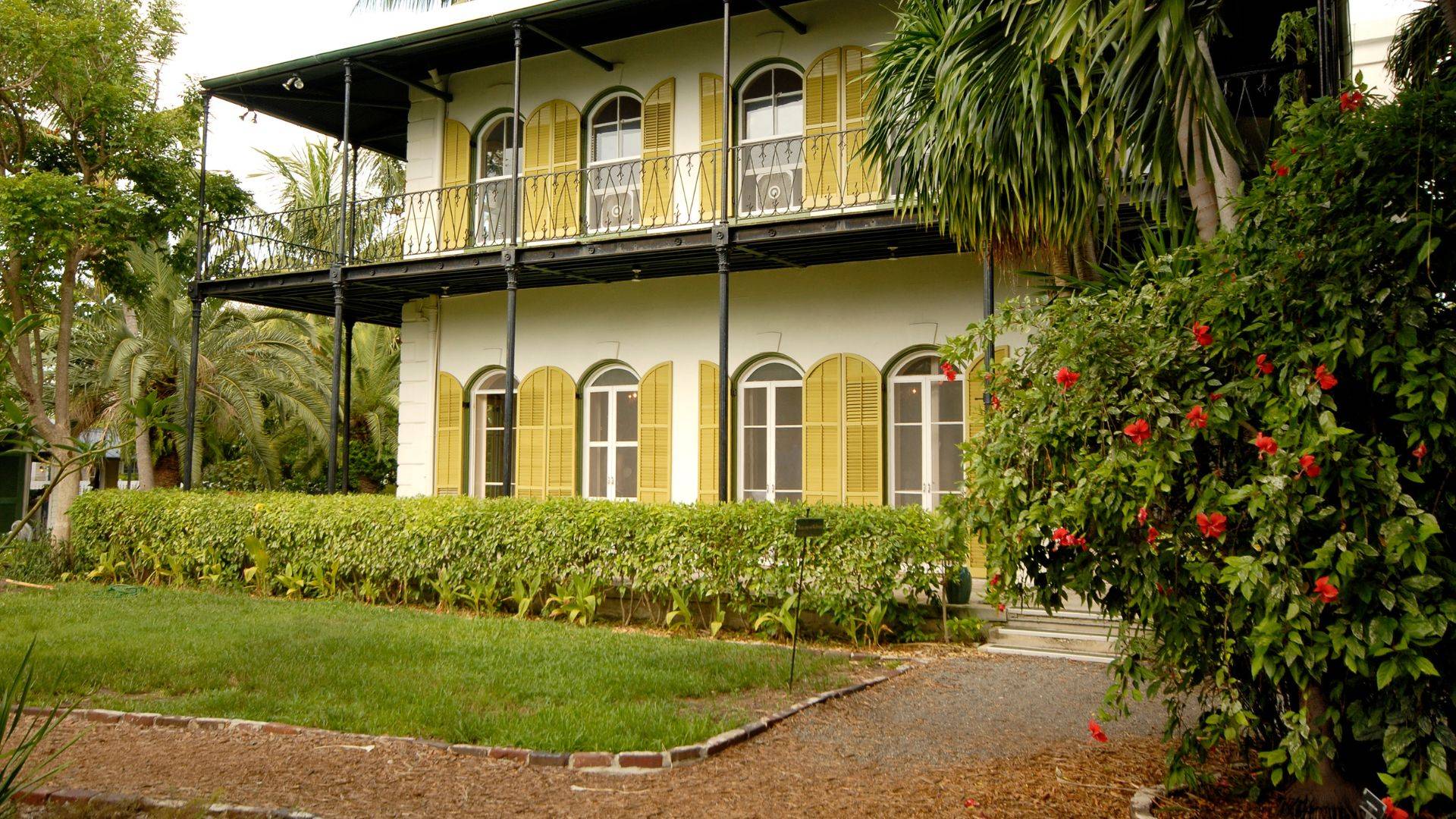
The Hemingway Home on Whitehead Street — the study, the cats, and the town's literary spine.

The closing day belongs to the town that anchors the whole chain: the Hemingway Home's six-toed cats and the study where the novels happened, the Custom House museum for the shipwreck-and-salvage version of the island's story, the Southernmost Point line for the obligated, and the galleries and rum bars for everyone else. Key West rewards walking, and everything is inside a mile of the slip.

The final sunset runs from the boat or Mallory Square, whichever the group prefers, with the chef's best dinner held for last. Seven nights, a national park with an empty parking lot, and the rare American trip that ends with salt on the deck and no customs line anywhere in the memory.

Day Highlights

  • Hemingway Home, the Custom House, the town on foot.
  • Mallory Square's last-night theater.
  • The chef's closer.
8

Day 8 · Departure

Last Morning — Fifteen Minutes to Wheels-Up

Anchorage:

Breakfast aboard, an unhurried pack, and the ten-minute transfer to Key West International — most groups are airborne before noon. No clearance, no paperwork, no line: the only stamps from this trip are the ones the fort left.

Frequently asked

How far is the Dry Tortugas run, really — and is it rough?
It's about seventy miles from Key West — roughly sixty nautical miles — across open Gulf water with no fuel, no services, and no shelter between. On a fast motor yacht that's a three-and-a-half to four-hour run; on a catamaran it's a full daylight passage. Whether it's rough depends entirely on the window: between winter cold fronts and through the early-summer calms the crossing can be glassy, and in a stacked northerly it's a day to stay in port. The captain plans the crossing days around the forecast with a day of flex on either side — that flexibility is why this is a seven-night route and not a five-night one.
What's actually at the Dry Tortugas besides the fort?
The fort is the headline — the largest brick masonry structure in the Americas, garrisoned through the Civil War, prison to the doctor who set John Wilkes Booth's leg — but the park around it earns the trip on its own. Loggerhead Key carries a working lighthouse, an empty white beach, and the Windjammer wreck in snorkel depth just offshore. The reef through the park is some of the healthiest in the Keys, the birding is world-class in season, and the anchorage itself — one mile around Garden Key, first come, no moorings, no reservations — is one of the last places in American waters where a boat at anchor gets a national park to itself after three in the afternoon.
Do we need permits or reservations for the park?
The captain handles all of it, and none of it books in advance. Dry Tortugas requires a boat permit for every recreational vessel that stops in the park — obtained free at the dock house on Garden Key when you arrive — plus the per-person park entrance fee. Overnight anchoring is permitted only within one mile of Garden Key, docks are for loading only, and the Research Natural Area west of the fort is closed to anchoring entirely. It's a walkable process, not a Glacier-Bay-style lottery: no advance window to hit, nothing for guests to arrange, just rules the captain already runs by.
Can this route be done on a sailing catamaran?
Yes — this is the one Keys route where it honestly works. The trade is time on passage: the crossing that takes a motor yacht three and a half hours takes a sailing cat the better part of a daylight window each way, and cautious itineraries stage the trip in legs — the Marquesas sit near the route's midpoint and have long served as the traditional staging stop, weather and draft permitting. A power cat splits the difference at around five hours. Groups who love passage-making get a genuine offshore run out of it; groups who want the fort with minimum time underway should charter the motor yacht, which is most of the fleet down here anyway.
When should we book, and what does the week cost?
December through April is peak — the settled days between cold fronts are spectacular, and the best boats book months out for the holiday weeks. May, June, and November bring the calmest crossing water of the year and softer rates. July through September is hot, often windless, and inside hurricane season — bookable, but go in with hurricane-season contract terms and realistic expectations about the heat. Crewed motor yachts in this fleet run from around $25,000 to $150,000+ per week on plus-expenses terms, with fuel for the hundred-and-forty-mile round trip a real APA line. Every dollar stays domestic — no VAT, no cruising tax, no customs on either end.

Ready to set sail in the Florida Keys?

Every itinerary we send is custom-tailored. Tell us your dates, the size of your group, and what you want out of your charter—we'll handle the rest.