Crewed Itinerary · Sardinia & Corsica

Sardinia Itinerary: A 7-Day Bonifacio Loop from Olbia

This is the bread-and-butter Sardinia & Corsica week — a seven-day round trip from Olbia that takes in the granite coast of Costa Smeralda, the seven major islands of the Maddalena Archipelago, the Strait of Bonifacio crossing into France, and the medieval cliff-citadel of Bonifacio itself. Roughly a hundred nautical miles end to end, with no leg longer than twenty-five and most days shorter. The Mistral fills in most afternoons through the summer; the captain reads the strait forecast at first light and times the crossing day around it. Two countries, one charter, six nautical miles of water between them.

The route is comfortable on a sailing yacht with the Mistral on the quarter and equally comfortable on a motor yacht. Most charterers running this route for the first time book it from Olbia and don't ask for a Côte d'Azur extension; they want to see the granite coast, sit at anchor in the Maddalena, walk the haute ville at Bonifacio, and have an unhurried dinner at Phi Beach before flying home. Your professional captain and private chef handle the rest.

Duration
7 days / 8 nights
Base
Marina di Olbia (round-trip)
Plan your Sardinia & Corsica charter Custom-tailored to your dates and group preferences
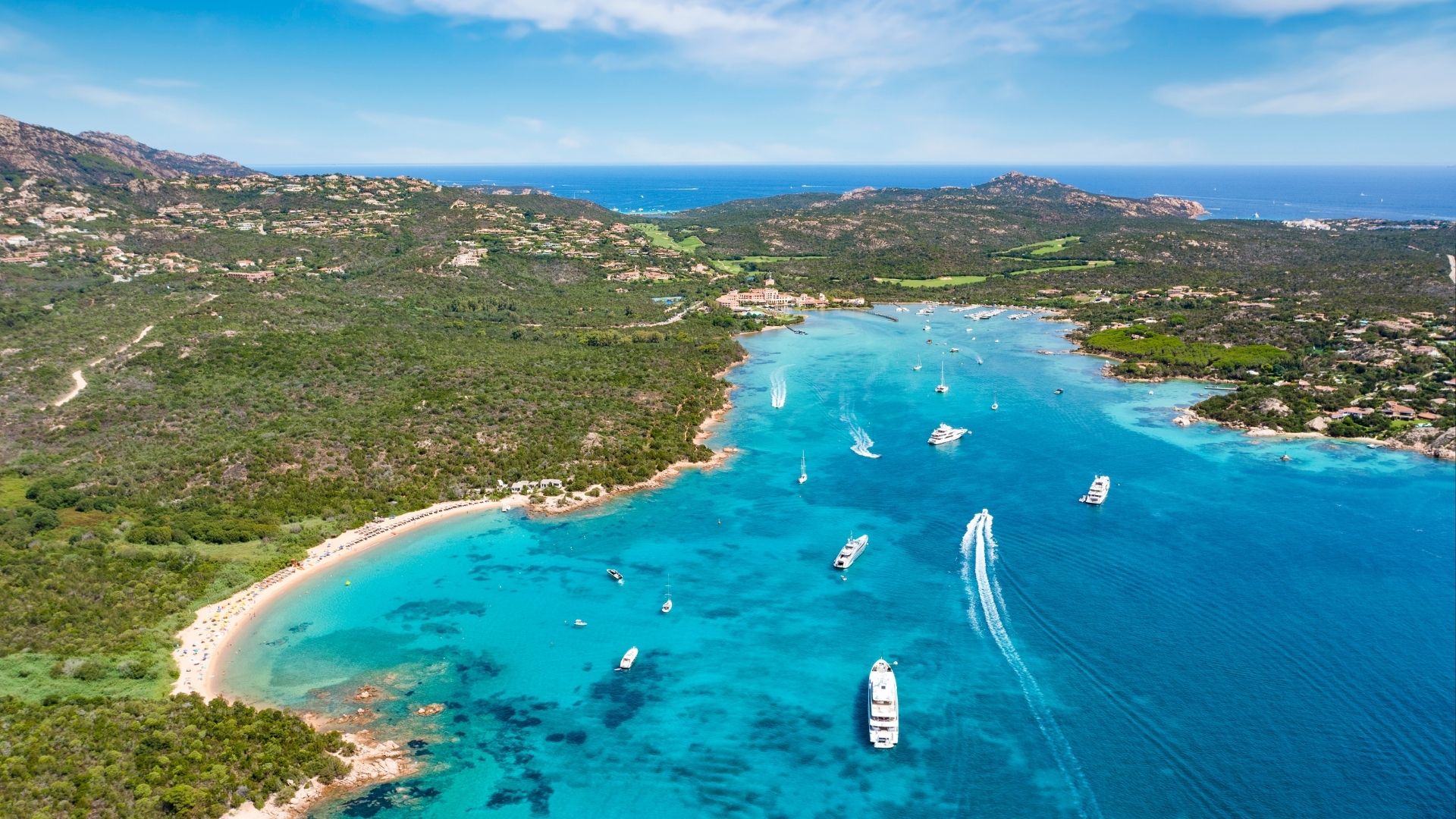
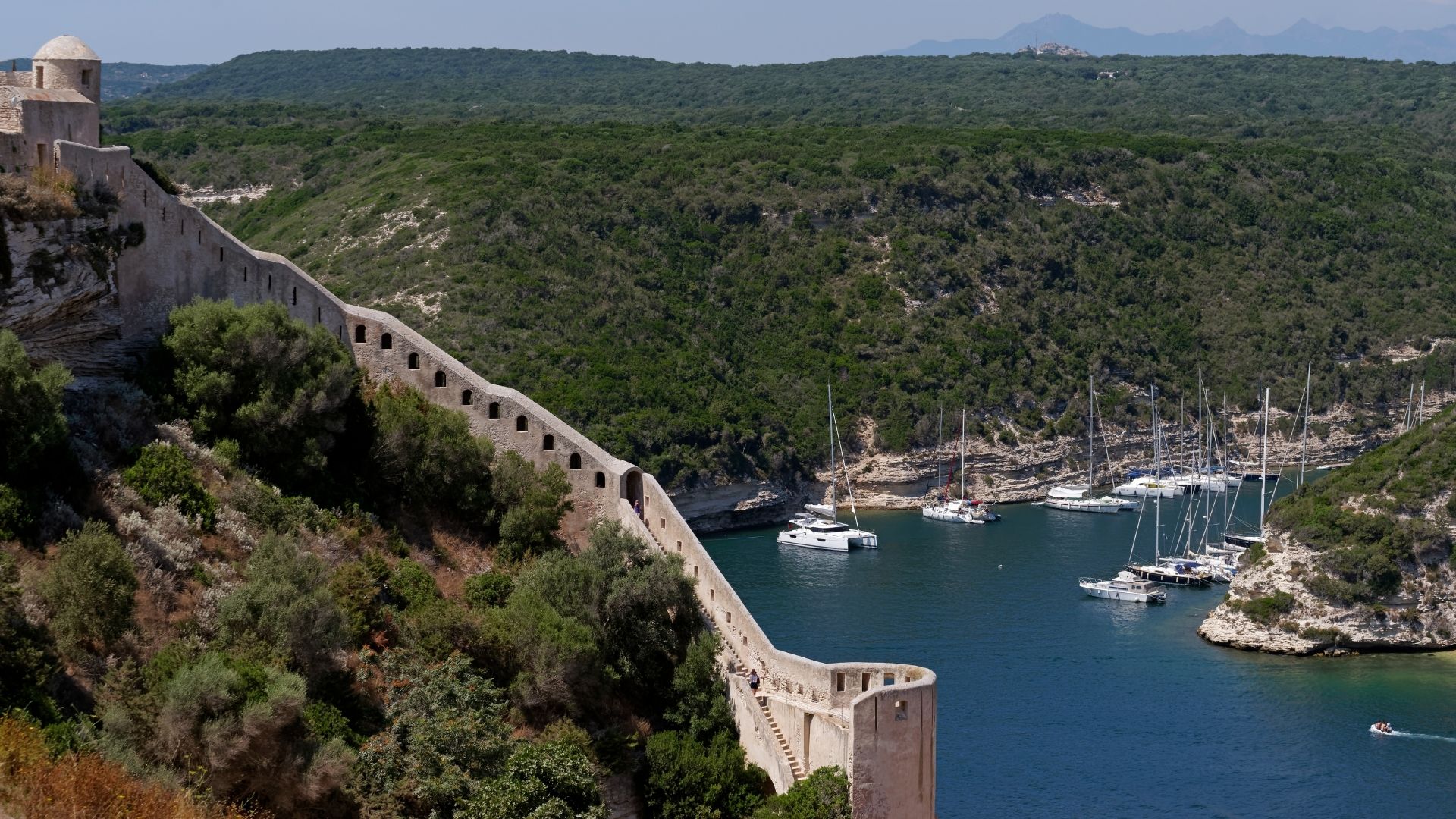
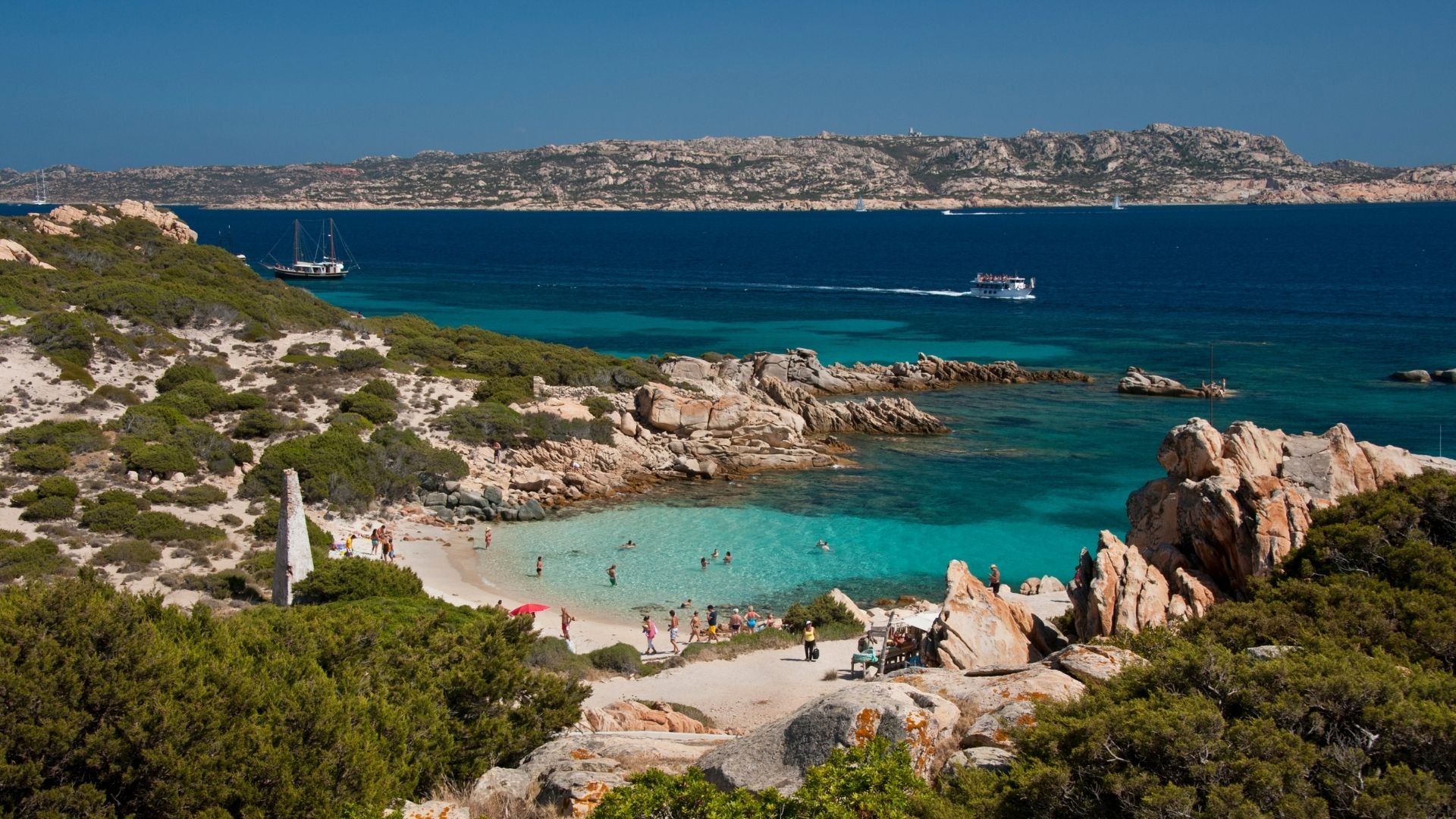
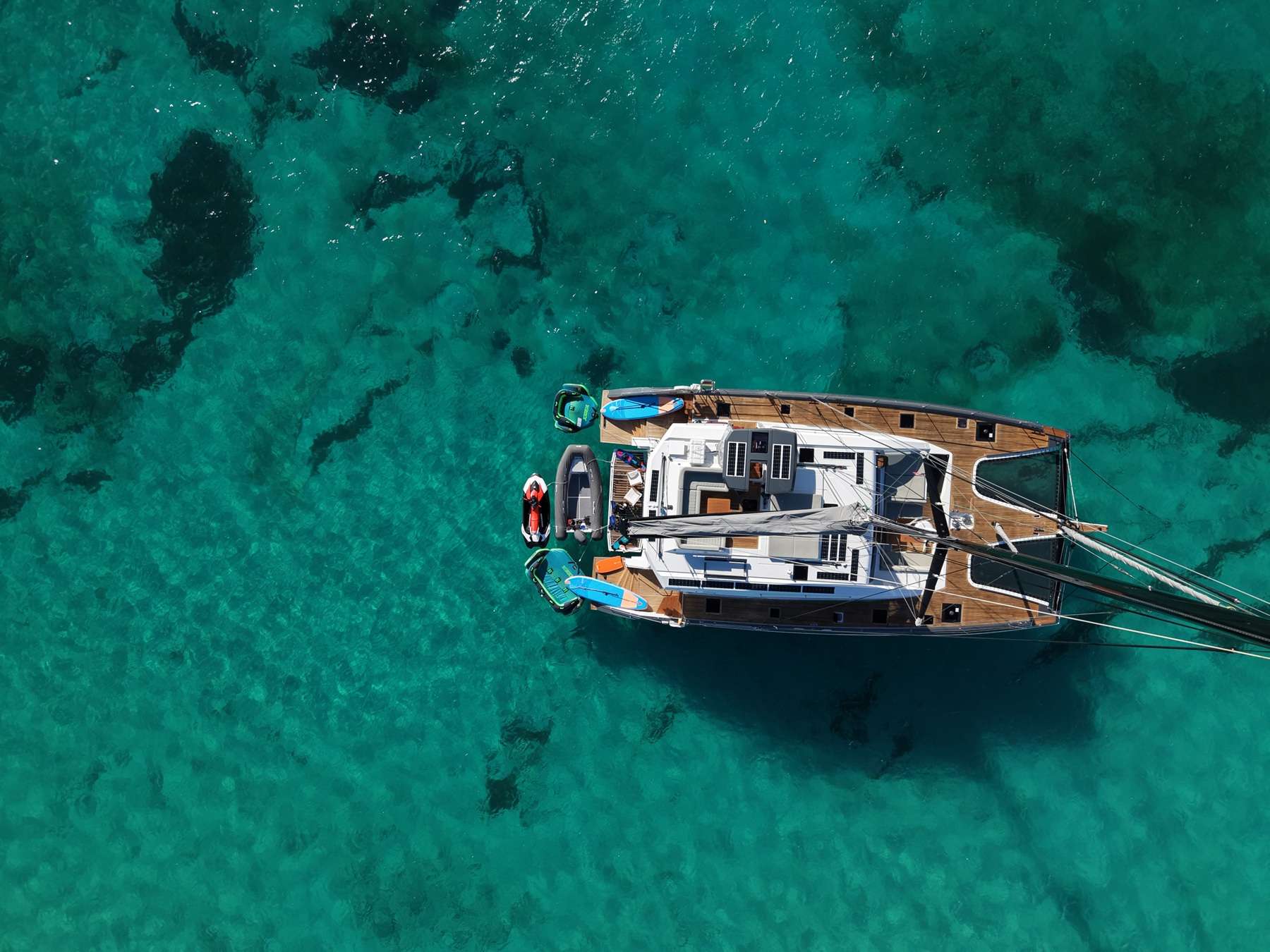
Aerial of Costa Smeralda's granite coast and yachts at anchor in Pevero Bay.
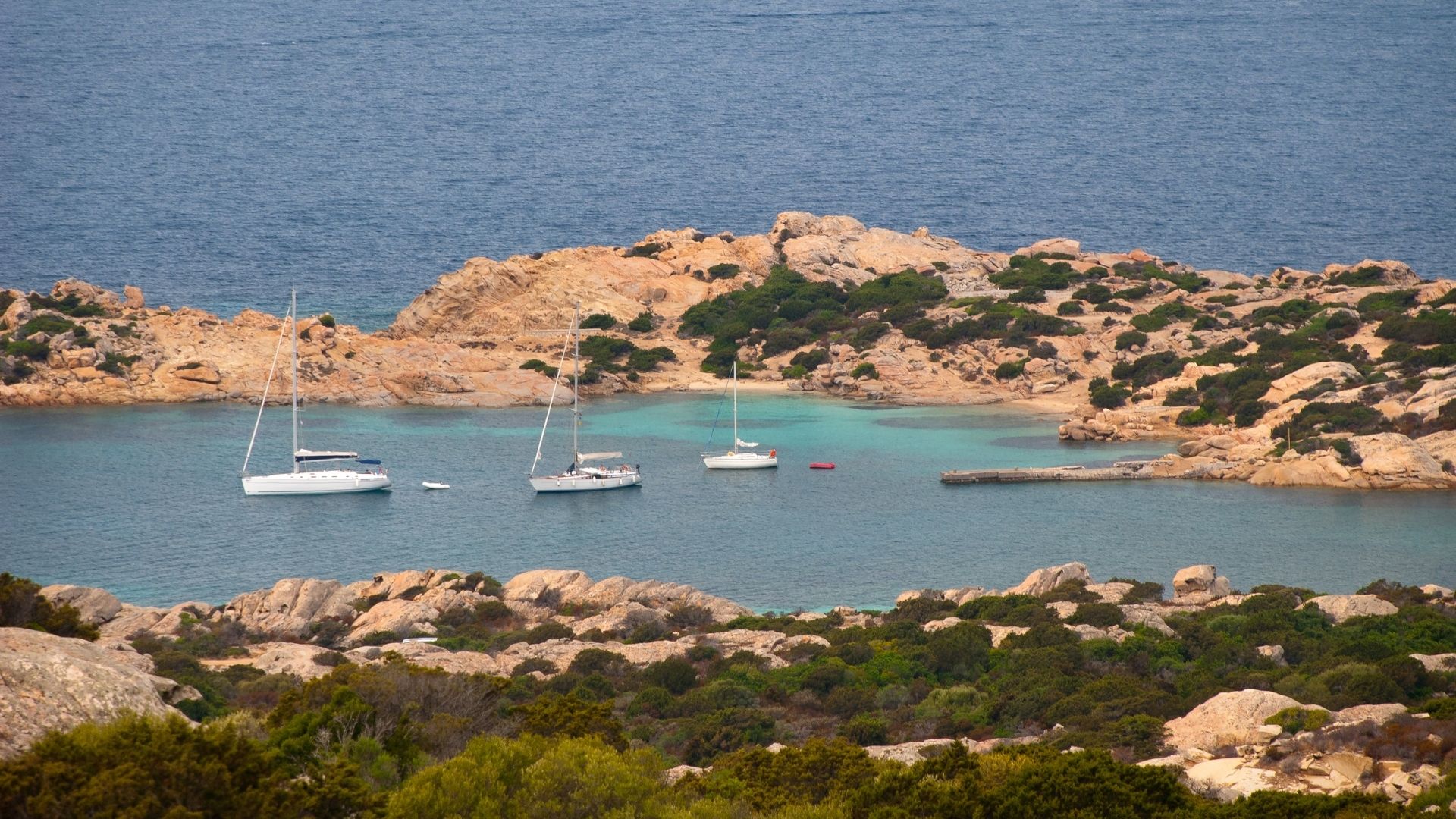
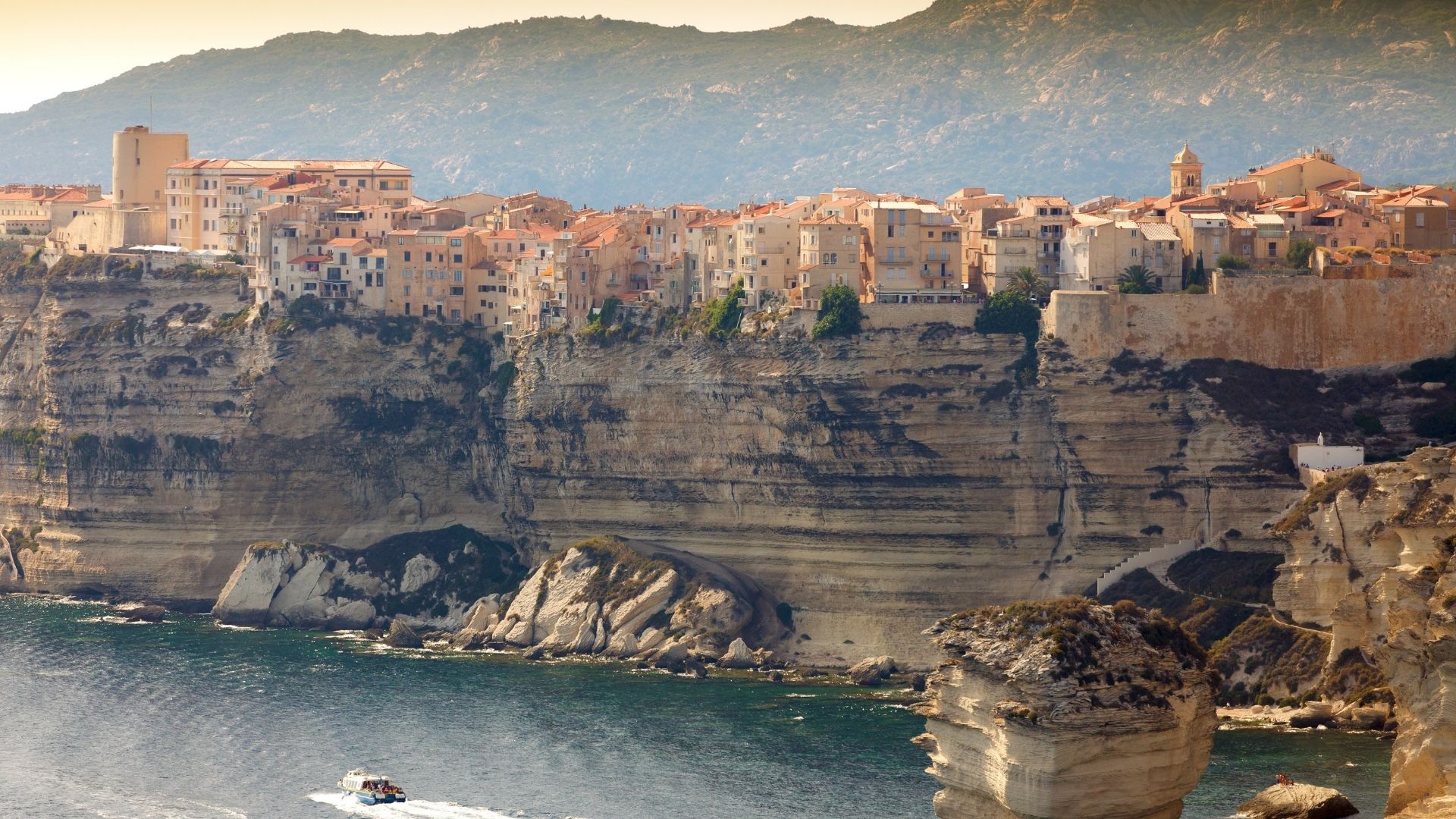
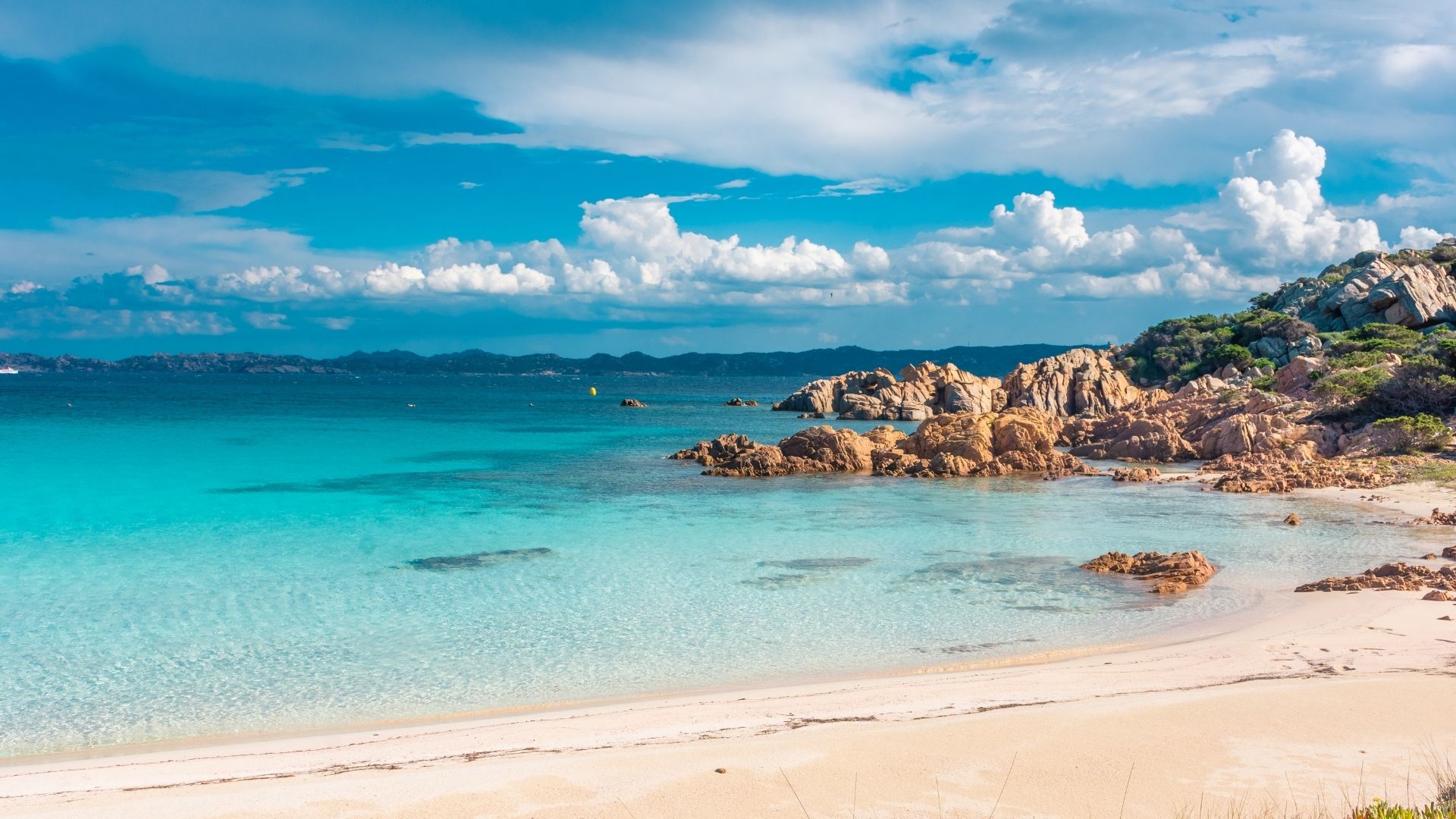
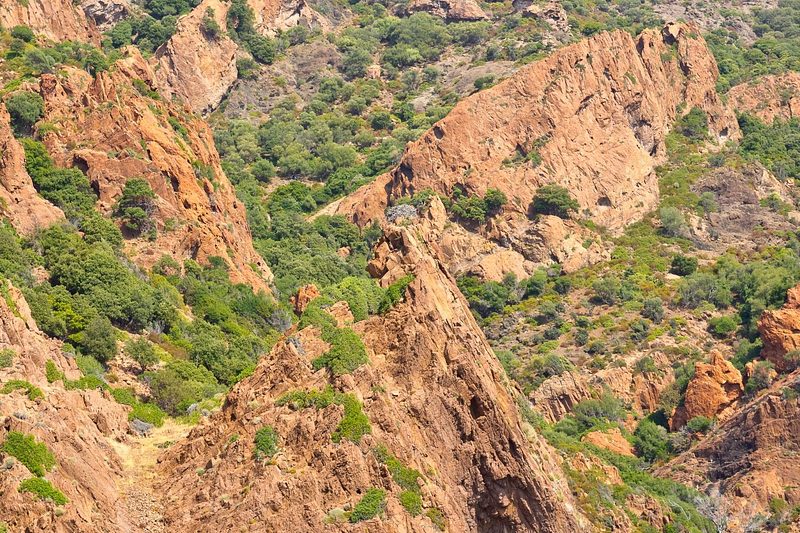
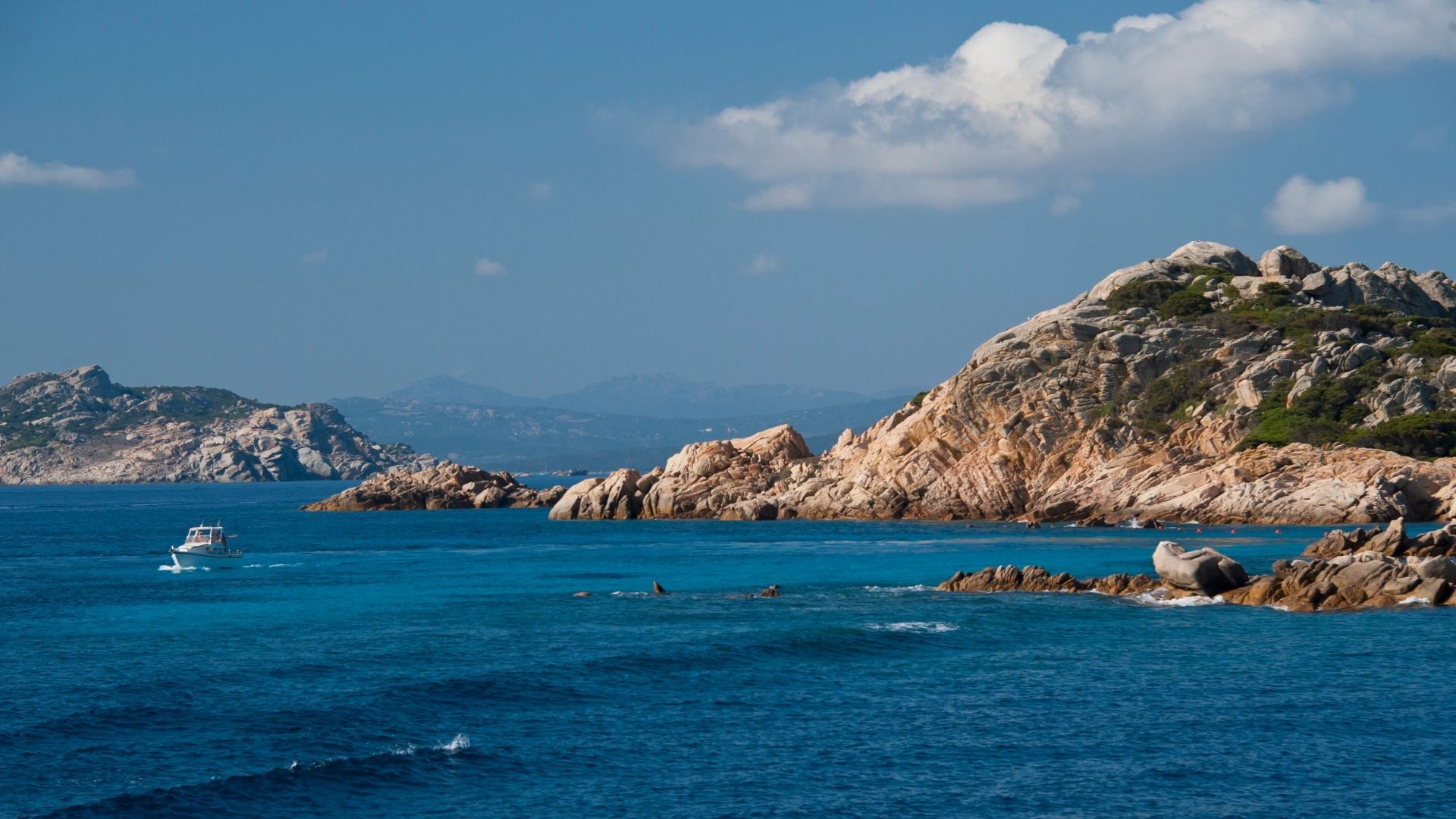
Pink granite outcrops in the La Maddalena archipelago, Sardinia.
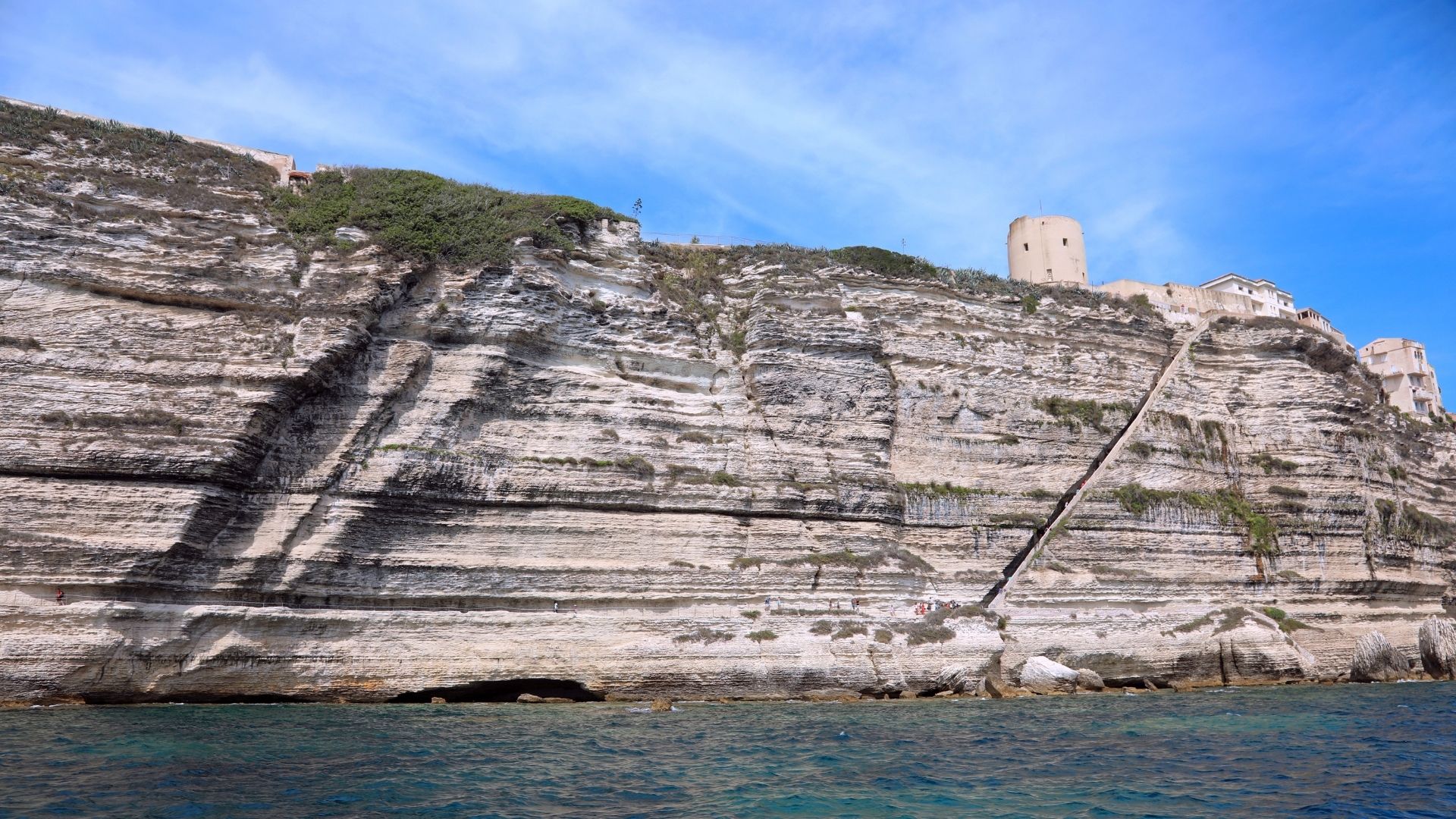
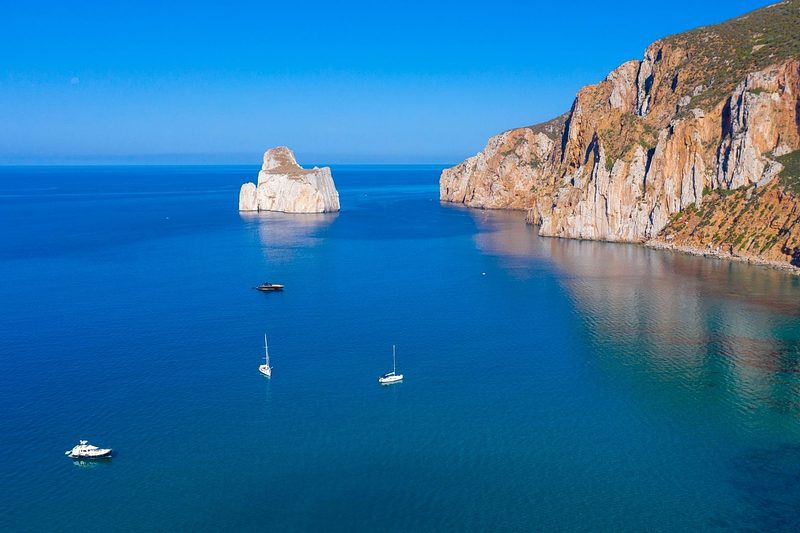
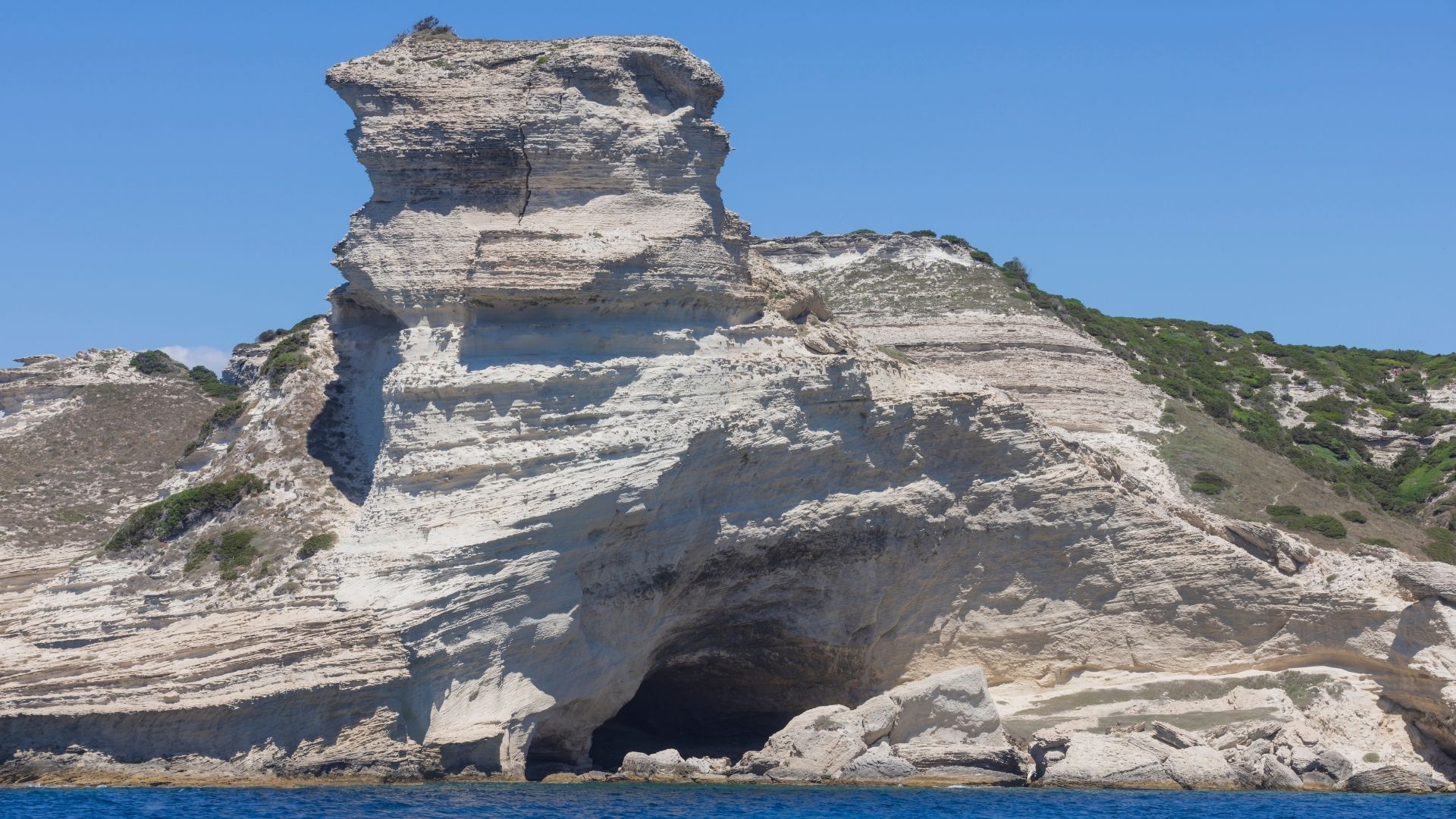
Bonifacio's limestone cliff-citadel rising from the Mediterranean as a yacht approaches.
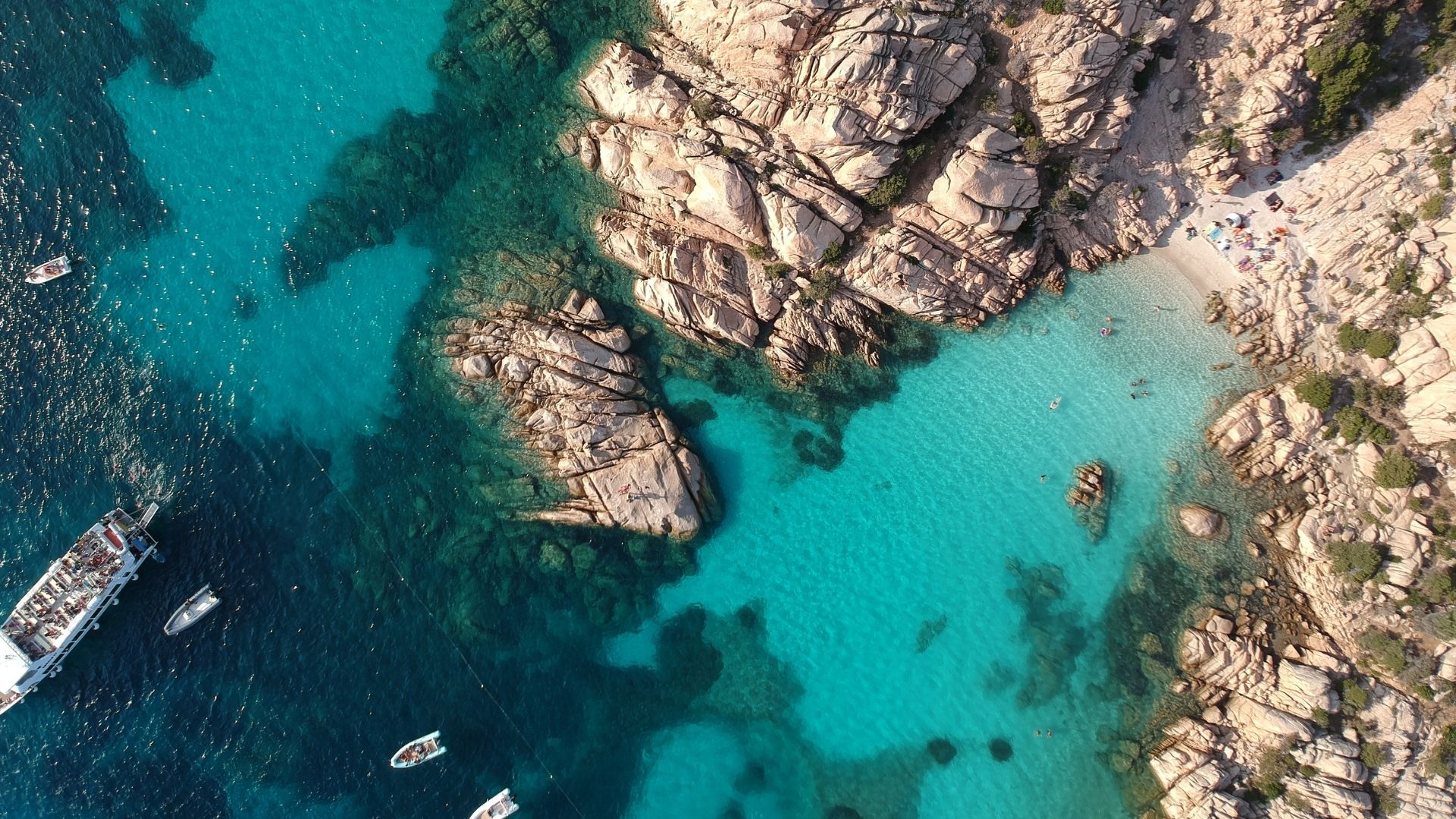
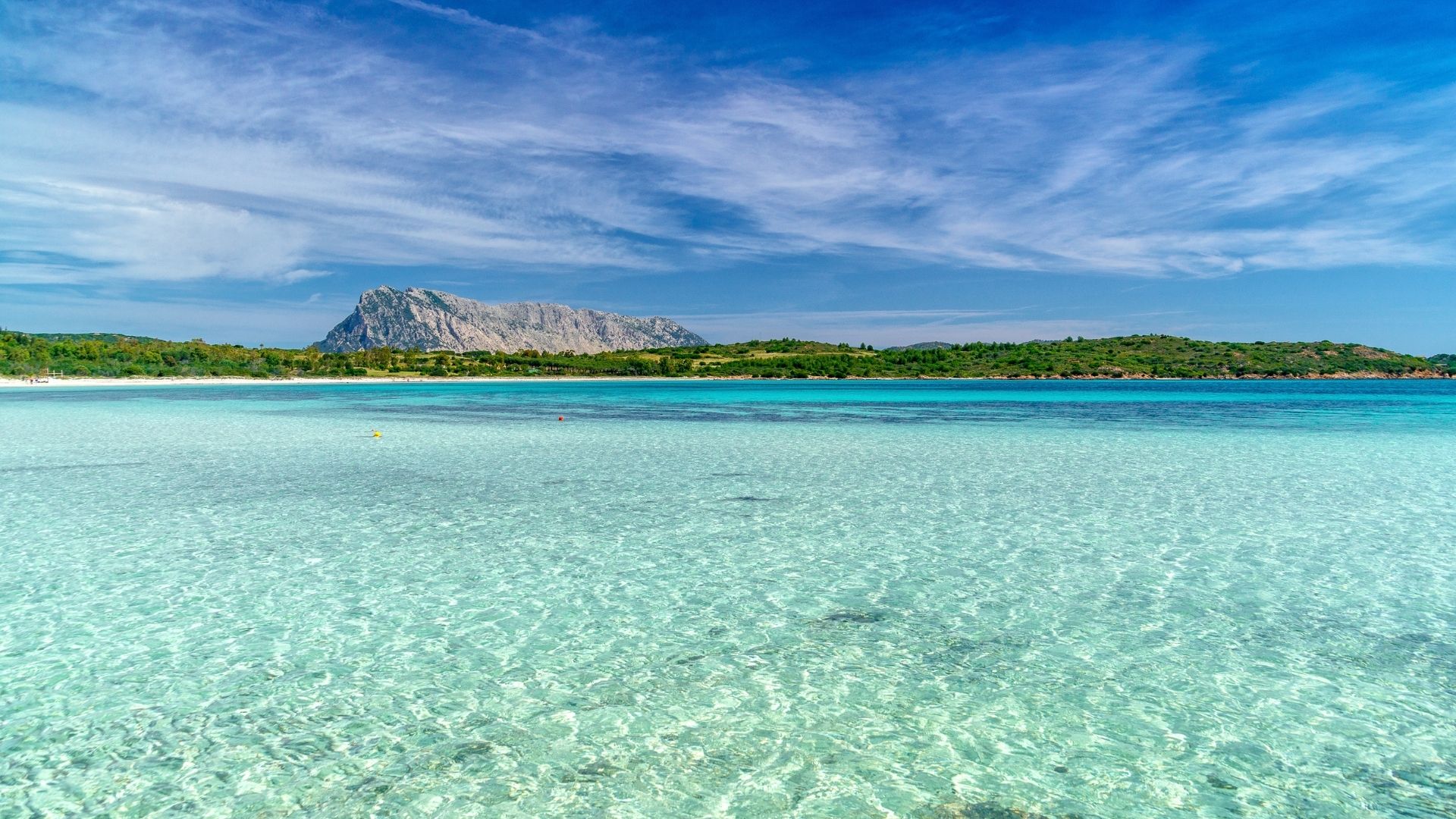
Cala Coticcio on Caprera — the cove locals call the Tahiti of Sardinia.

What this Sardinia itinerary covers — and why the Bonifacio loop is the classic week

This is the bread-and-butter Sardinia itinerary — a 7-day round-trip from Olbia that takes in Costa Smeralda's granite coast, the seven major islands of the Maddalena Archipelago, the Strait of Bonifacio crossing into France, and Bonifacio's medieval cliff-citadel. Two countries, one charter, six nautical miles of water between them. About 100 nautical miles total, no leg longer than 25.

The Mistral fills in most afternoons through the summer; an experienced captain reads the strait forecast at first light and times the crossing day around it. The route works on a sailing yacht with the Mistral on the quarter and equally well on a motor yacht. If you want the same week without the strait crossing, see the North Sardinia / La Maddalena itinerary; for the maximum-coverage Olbia-to-Monaco one-way, see the Two Islands + Côte d'Azur charter.

1

Day 1 of 7 · Olbia → Costa Smeralda

Marina di Olbia to Pevero Bay on the Costa Smeralda
Anchorage: Pevero Bay, Costa Smeralda
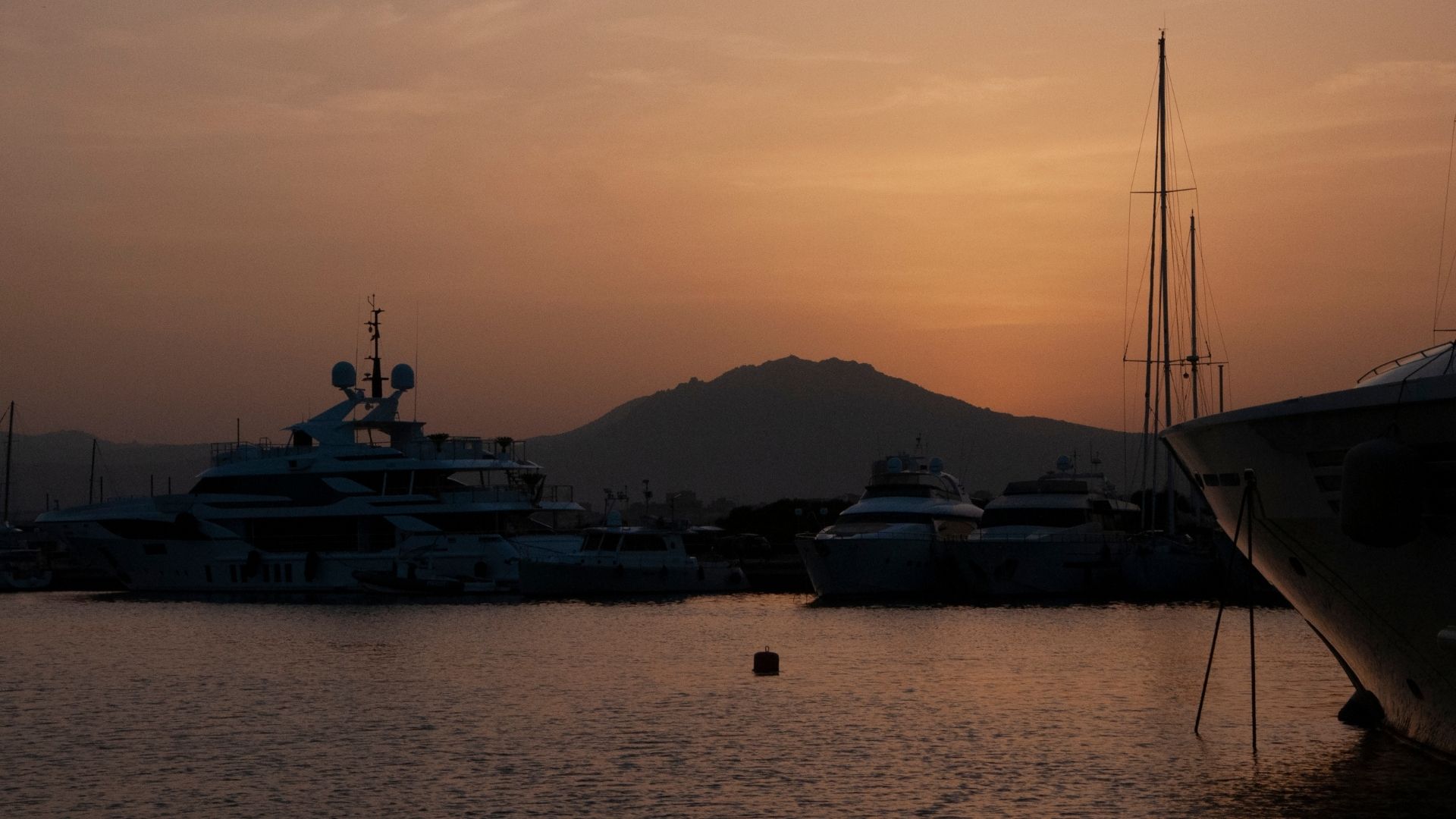
Boarding day at Marina di Olbia — a fifteen-minute taxi from OLB airport, deep-water capable, and the embarkation point for most Sardinian charters.
The Costa Smeralda's sheltered bays catch the late-afternoon sun, with the granite ridges holding the heat.

Your charter begins at Marina di Olbia, a fifteen-minute taxi ride from Olbia (OLB) airport on Sardinia's northeast coast. Your captain and chef meet you on the dock, walk you through the yacht, stow the luggage, and cover the chart for the days ahead — including the strait-crossing day mid-week, which the captain will time around the morning's Mistral forecast. The marina is deep-water capable for any size yacht, and the early afternoon is yours to settle in.

Once provisioning is squared away, lines off for the short sixteen-nautical-mile run northeast around Capo Figari and into the southern end of the Costa Smeralda. The Costa Smeralda is the most concentrated stretch of granite coastline in the Mediterranean — sixty kilometers from Cape Figari to Santa Teresa Gallura, with anchorages tucked into pockets of pink granite every two or three miles. Pevero Bay sits just south of Porto Cervo, framed by two white sandy beaches and protected from any direction the Mistral might be blowing.

First night at anchor in Pevero. Chef-prepared welcome dinner on the aft deck — bottarga di Olbia grated over fregola sarda with clams, a glass of Vermentino di Gallura from the granite-soil vineyards a few miles inland, and the lights of the Hotel Cala di Volpe across the bay coming on after sunset. The Mistral, if it's blowing, drops at dusk.

Day Highlights

  • Boarding at Marina di Olbia, fifteen minutes from OLB airport.
  • Short sixteen-mile sail around Capo Figari to the Costa Smeralda.
  • First anchorage at Pevero Bay — sheltered in any wind direction.
  • Welcome dinner aboard with Sardinian seafood and Vermentino di Gallura.
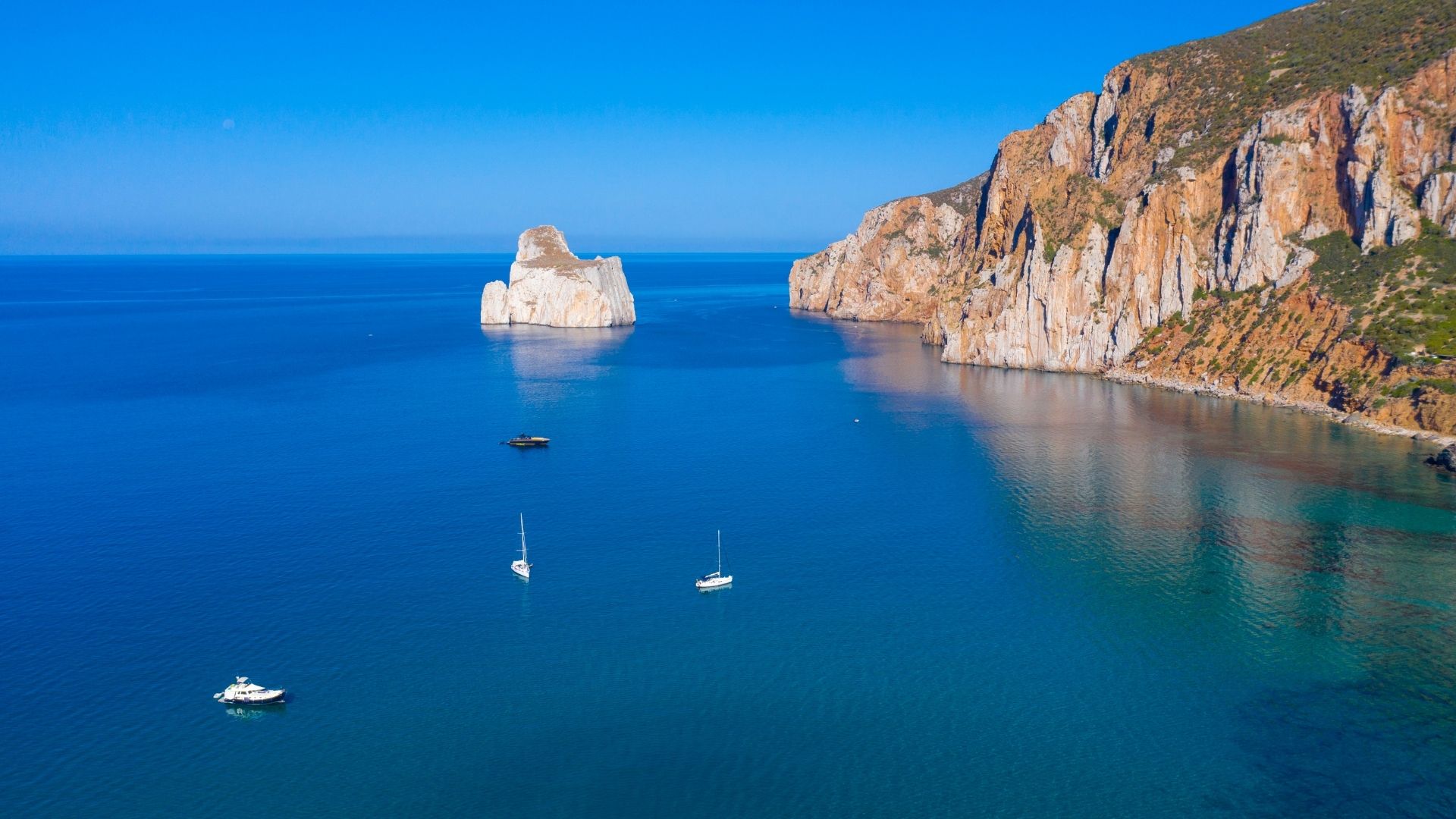
2

Day 2 of 7 · Costa Smeralda → Maddalena

Cala di Volpe, Phi Beach, and the run north to Caprera

Anchorage: Caprera, La Maddalena Archipelago
Costa Smeralda from above — the granite coastline that holds Pevero Bay, Cala di Volpe, and Phi Beach. The cliff-built beach club above Baja Sardinia is the standout late-afternoon stop along the run.
Cala di Volpe — the protected bay above Pevero, with the eponymous hotel built into the granite hillside. The most reliable Costa Smeralda anchorage when the Mistral is up.
Caprera — the second-largest island in the Maddalena Archipelago. Most guests come for the granite coves on the south coast; Garibaldi's preserved house museum sits a short walk inland.

Slow morning at Pevero. Swim off the back of the boat, breakfast on deck, then a short afternoon reposition into Cala di Volpe — the deeper bay just north, with the eponymous hotel above the water and Phi Beach a few minutes' tender ride away. Lunch at Phi if the table works for the group: the beach club is built into the granite cliffs above Baja Sardinia, more rough-hewn than the polished resort version most guests imagine, and the food reads more authentic than the postcard.

By mid-afternoon, lines off for the eighteen-nautical-mile run north up the granite coast and across the Maddalena Sound to Caprera. The Maddalena Archipelago — seven major islands plus a scatter of smaller cays — sits inside a national park with managed anchoring fields, and Caprera is the second largest. Garibaldi lived out the back end of his life here; the house is now a museum, but most guests come for the granite coves on the south coast and the white-sand beaches on the east.

Evening at anchor off Caprera. The water turns the color of a pool light an hour before sundown. Dinner aboard tonight — chef-prepared, on the aft deck, with the lights of Maddalena town a couple of miles off the bow.

Day Highlights

  • Reposition into Cala di Volpe; lunch at Phi Beach if the table works.
  • Walk Porto Cervo's village — twenty minutes end to end, hand-built in the 1960s.
  • Eighteen-mile sail north across the Maddalena Sound to Caprera.
  • Dinner aboard in a granite anchorage with the Maddalena town lights off the bow.
3

Day 3 of 7 · Sardinia → Corsica

The Strait of Bonifacio crossing and arrival into Corsica

Anchorage: Bonifacio Marina or anchorage outside the harbor
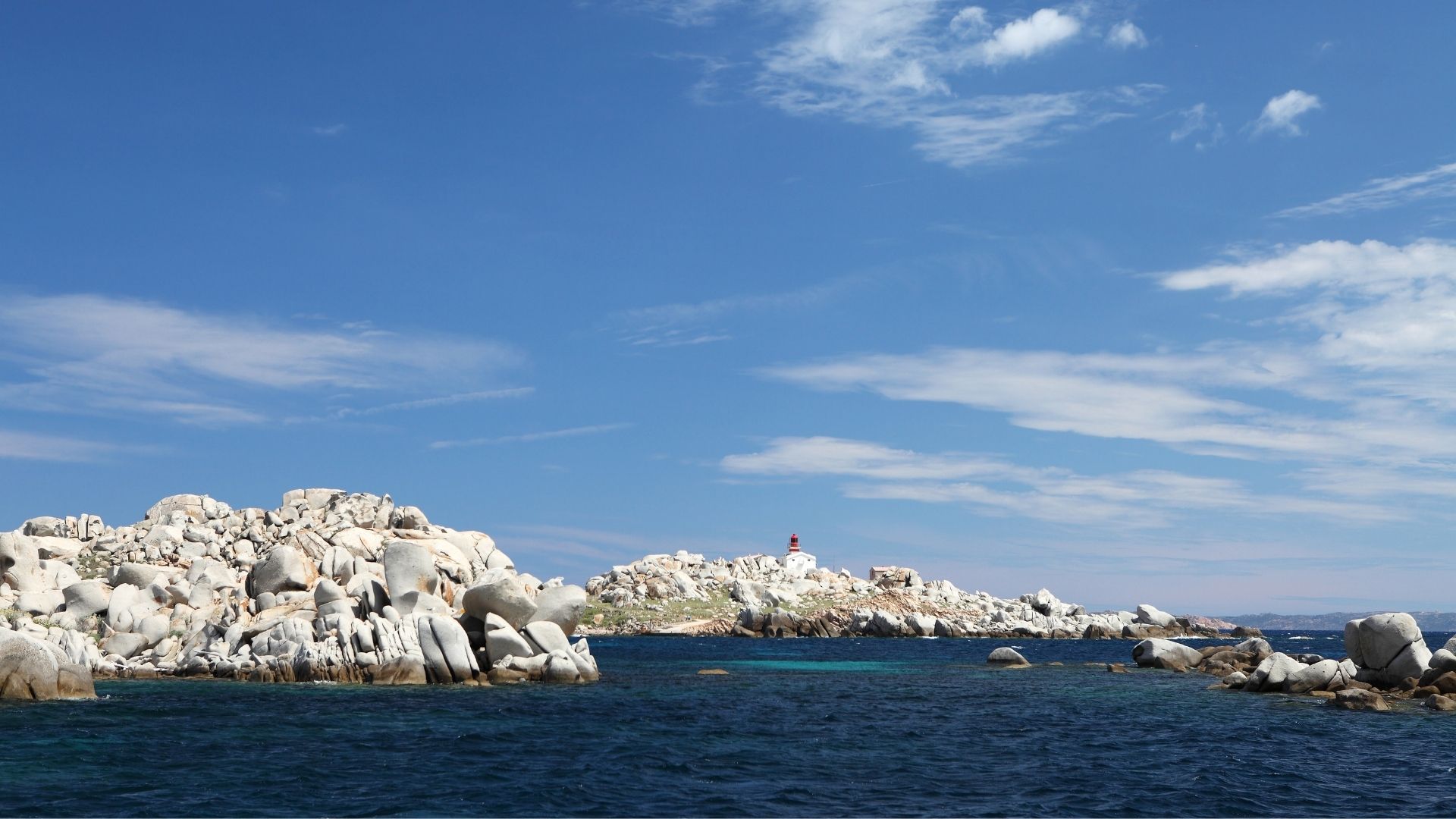
Lavezzi sits in the middle of the strait — a French marine reserve, six miles from Bonifacio and seven from Maddalena, with a quick swim stop on the way north.
The Bonifacio approach is fjord-like — a narrow channel cut into the limestone, with the haute ville rising directly above the harbor.
Bonifacio's haute ville is built on a limestone-cliff peninsula six kilometers from the Sardinian coast — the marquee Corsican stop on the loop.

The strait day. Your captain checks the morning's wind forecast at first light: when the Mistral is settled, the strait is flat enough to swim across; when it's blowing twenty-five-plus, the captain may push the crossing to the afternoon or hold a day. The standard plan is mid-morning departure for a swim stop at the Lavezzi Islands — a French marine reserve of granite outcrops in the middle of the strait, six nautical miles from Bonifacio and seven from Maddalena, with shallow turquoise water and protected anchoring fields outside the no-anchor zones.

From Lavezzi the run into Bonifacio takes another forty-five minutes. The approach is unforgettable: the harbor is cut into the limestone cliffs themselves, and the yacht enters through a narrow fjord-like channel with the haute ville — the medieval walled town built on the cliff-top peninsula — rising directly above. The town has been there since the ninth century, and most of the wall still stands. Stern-to mooring inside the marina or anchor outside; the captain handles the booking.

Afternoon ashore. Walk the haute ville (twenty minutes around the perimeter, more if you stop at the chapels), down the King of Aragon Stairway — a hundred and eighty-seven steps cut into the cliff face, supposedly carved overnight by Aragonese soldiers in the fifteenth century — and across to the cemetery at the cliff edge with views back across the strait to Sardinia. Dinner ashore tonight at a stone-walled tavern in the haute ville: charcuterie de Corse, fresh-grilled fish off the day's boat, and a glass of Patrimonio rosé.

Day Highlights

  • Strait crossing timed by the captain around the morning's Mistral forecast.
  • Swim stop at Lavezzi Islands — French marine reserve, granite outcrops.
  • Bonifacio approach through the narrow channel cut into the cliffs.
  • Haute-ville walk and dinner ashore at a stone-walled tavern.
4

Day 4 of 7 · Corsica → Sardinia

King of Aragon Stairway and the run back to Cala Coticcio

Anchorage: Cala Coticcio area, Caprera
The King of Aragon Stairway — a hundred and eighty-seven steps cut into the cliff face below the haute ville, traditionally said to have been carved overnight in the fifteenth century.
Cala Coticcio on Caprera — locally called the Tahiti of Sardinia. Approachable only by tender; the granite boulders frame a half-moon of fine white sand.

Slow morning in Bonifacio. Walk back into the haute ville for coffee, do the King of Aragon Stairway descent and climb if the group is up for it (the climb is the harder direction; allow forty-five minutes), and stop at the stone-walled cemetery at the cliff edge for the long view across the strait. By late morning, lines off and back across to Sardinia.

The return crossing is shorter — the captain steers a course toward Cala Coticcio on the east coast of Caprera, locally called the Tahiti of Sardinia. The cove is approachable only by tender; the granite boulders frame a half-moon of fine white sand and the water turns the color of a pool light. Anchor offshore, tender into the cove for an afternoon swim, and back aboard for a slow late lunch.

Evening reposition a few miles south to a quieter Caprera anchorage for the night. Dinner aboard tonight — chef-prepared, with the granite ridges of Caprera holding the last of the day's heat after sunset and the lights of the next yacht over (if there is one) a few hundred yards off the bow.

Day Highlights

  • King of Aragon Stairway descent and climb back into the haute ville.
  • Strait crossing southbound, shorter than the northbound day.
  • Afternoon at Cala Coticcio — Tahiti of Sardinia, tender-only access.
  • Quieter Caprera anchorage for the night, dinner aboard.
5

Day 5 of 7 · Maddalena island day

Spargi, Budelli, and the natural-pool day in the Maddalena cluster

Anchorage: Spargi or Santa Maria
Cala Corsara on Spargi — the cove most charters anchor at for the lunch hour. Pink granite, white sand, water visibility to twenty meters.
Budelli's Pink Beach — strict look-only access from offshore. The pink color comes from microscopic coral and shell fragments; visitors haven't been allowed to walk the sand since 1994.

Today is the island day. Your captain repositions the yacht north into the cluster of smaller islands at the top of the Maddalena Archipelago — Spargi, Budelli, Razzoli, Santa Maria, and the small cays in between — for a full day of swim stops with no long passages. The first stop is Cala Corsara on the south coast of Spargi: a half-mile cove ringed by pink granite outcrops, the kind of water clarity that reads twenty meters of visibility on a calm day, and a managed anchoring field that limits how many yachts can sit there at once.

From Spargi a short tender-and-binoculars run takes you past Budelli's famous Pink Beach (Spiaggia Rosa), where strict look-only restrictions have been in force since 1994 — the pink color comes from microscopic coral and shell fragments and the beach is one of only two of its kind in the Mediterranean. Don't try to land; the harbor police monitor it. The look from offshore is the point. Razzoli sits just north of Budelli with a different shoreline texture, and Santa Maria — the most northerly of the cluster — has a long sand beach on its south side that's less visited than the headline anchorages.

Late afternoon, drop into Cala di Roto's natural pool. The pool is a sheltered shallow basin tucked at the back of the anchorage; it sits a few feet deep, turns a luminous turquoise mid-day, and stays glass-flat in any wind direction. Dinner aboard tonight, anchored in the cluster, the kind of evening that's the reason to have done the trip.

Day Highlights

  • Cala Corsara on Spargi — pink granite, twenty-meter water visibility.
  • Budelli Pink Beach — look-only from offshore, one of two in the Mediterranean.
  • Cala di Roto natural pool — sheltered, glass-flat, luminous turquoise.
  • Dinner aboard in the Maddalena cluster, no other anchorage in sight.
6

Day 6 of 7 · Maddalena → Costa Smeralda

Porto Rafael, Santa Teresa Gallura, and the Costa Smeralda return

Anchorage: Pevero Bay or Cala di Volpe
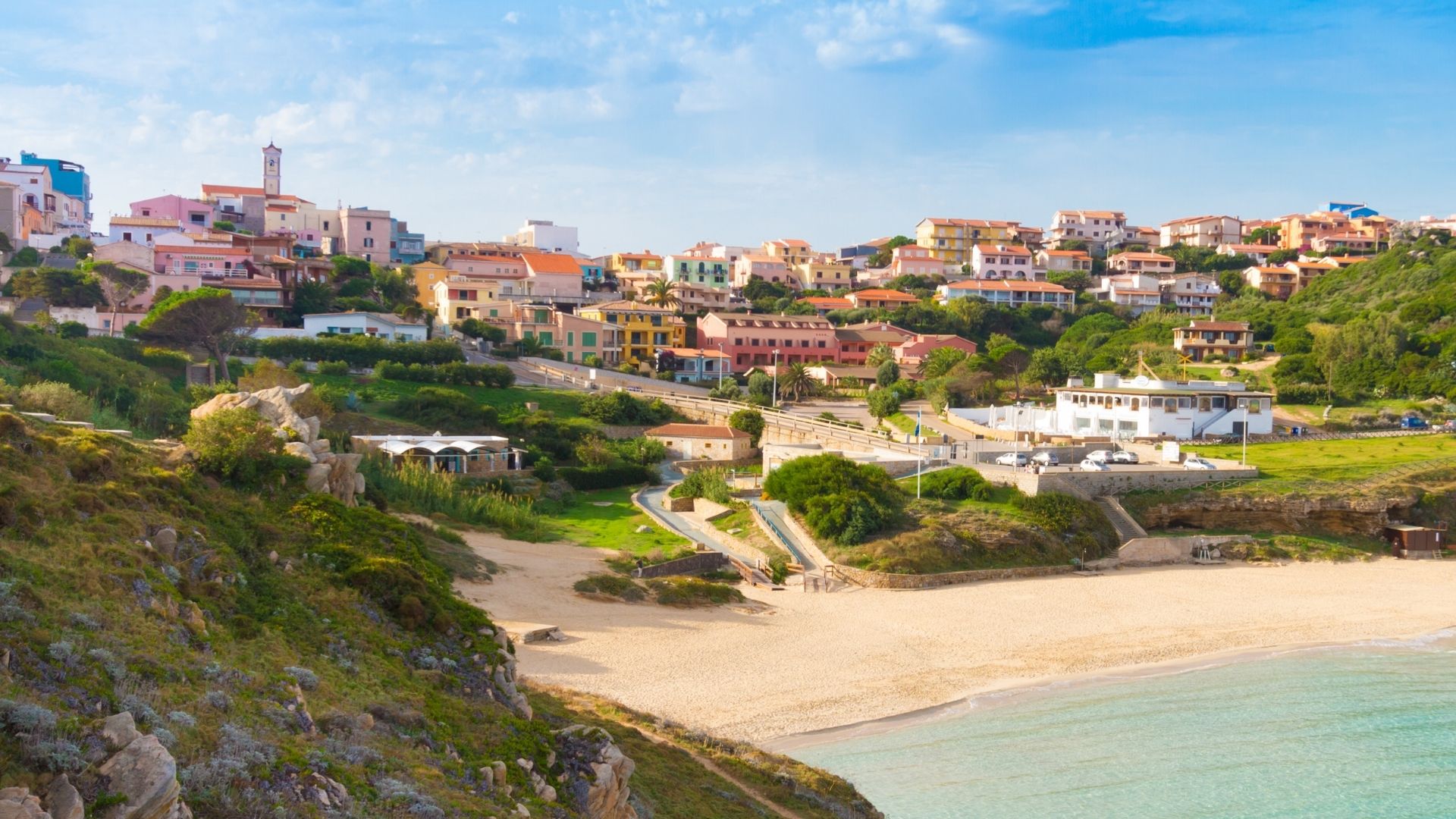
Santa Teresa Gallura sits on the northern tip of Sardinia, six miles from Bonifacio across the strait. The Spanish watchtower above the harbor dates from the late sixteenth century.
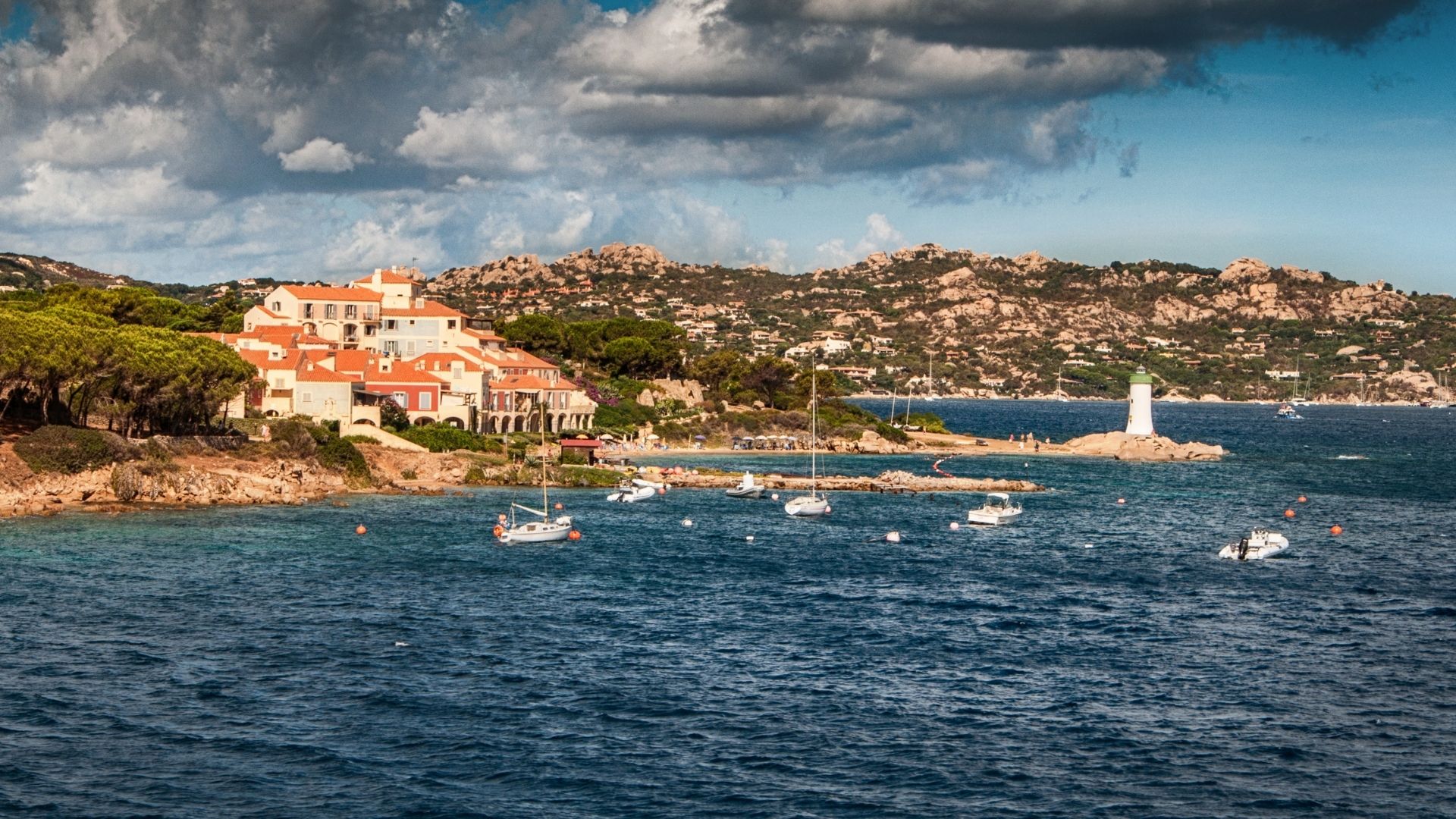
Porto Rafael — a quieter Costa Smeralda village built around a small harbor. The lunch crowd is local, the architecture restrained, and the price points lower than Porto Cervo.

Slow morning swim off the stern, breakfast on deck, and a late-morning departure southbound. The captain works the route back along the Costa Smeralda's outer islands — Porto Rafael for a quieter midday stop, the granite headlands south of Cannigione, the small sand coves on the eastern shore of the Maddalena Sound that most yachts pass without anchoring.

Mid-afternoon, settle into Pevero Bay or Cala di Volpe — wherever the wind is best blocked. The Costa Smeralda is mostly a series of small bays inside larger ones, and most days the captain has options. Lunch ashore at Phi Beach if you missed it on Day 2, or a Costa Smeralda taverna ashore for an early dinner.

Evening aboard, anchored in the lee. The Costa Smeralda's last night is a slow one — the granite still holds the day's heat, the water turns from turquoise to navy as the sun drops, and the lights of Porto Cervo come up across the bay.

Day Highlights

  • Slow southbound run along the Maddalena outer islands.
  • Porto Rafael midday stop — quieter and more local than Porto Cervo.
  • Settle into Pevero Bay or Cala di Volpe for the last night.
  • Last Costa Smeralda dinner aboard or ashore at a taverna.
7

Day 7 of 7 · Costa Smeralda → Olbia

Final lunch and the slow return to Olbia

Anchorage: Marina di Olbia
Final dinner aboard — chef-prepared on the aft deck, the kind of slow last-night that the trip is built around.

Last full day. Slow morning at anchor — swim, breakfast on deck, a final tender ride into a quiet beach if the group wants one. By mid-day the captain works the short ten-nautical-mile run back south around Capo Figari and into the Gulf of Olbia.

Settle into Marina di Olbia in the early afternoon. Walk into Olbia town if you have the energy — the old town is small enough to cover in an hour, and a final lunch at one of the seafront restaurants is the unhurried close most groups take. Final chef-prepared dinner aboard tonight, anchored in the marina with the day's last light over the gulf.

Pack at your own pace. Your captain has the morning's transfer logistics already squared away.

Day Highlights

  • Last morning swim and breakfast on deck at the Costa Smeralda.
  • Short ten-mile return run around Capo Figari into the Gulf of Olbia.
  • Optional Olbia old-town walk and a final lunch ashore.
  • Farewell chef-prepared dinner aboard at Marina di Olbia.
8

Day 8 · Departure

Disembarkation and transfer to OLB

A last slow breakfast aboard at Marina di Olbia, a final swim off the stern if the harbor allows, and disembarkation by mid-morning. Your crew handles the transfer logistics: OLB is fifteen minutes by taxi, with direct summer flights to most major European hubs and an easy connection to the US East Coast through Rome, Milan, Frankfurt, or London. Step off with a passport that crossed one border the captain handled for you, a granite coast and a medieval citadel behind you, and the kind of week that makes most Mediterranean charter guests come back for the longer route.

Frequently asked

How long is a typical Sardinia sailing itinerary?
Seven days is standard from Olbia — long enough to hit Costa Smeralda, the Maddalena Archipelago, and Bonifacio without rushing. Ten-day variants add Cap Corse, Saint-Florent, or more time at the Maddalena. Five-day Sardinia charters work but mean cutting the Bonifacio crossing.
What's the Strait of Bonifacio and why does it matter?
The 6-nautical-mile gap between northern Sardinia and southern Corsica. It funnels the Mistral, so afternoon winds in the strait can climb to 30+ knots even when the rest of the route is calm. Your captain reads the morning forecast and crosses early before the wind builds. Done right, it's a non-event; done wrong, it's a half-day pinned at anchor waiting it out.
Sailing yacht or motor yacht for Sardinia?
Either works on this loop. Sailing yachts with the Mistral on the quarter make for excellent reaching legs Olbia-to-Maddalena and Maddalena-to-Bonifacio. Motor yachts run faster and dodge weather windows easier — better for Costa Smeralda's polished anchorage culture (Phi Beach, Pevero, Porto Cervo). Both are great; the Mistral makes sailing here legitimately fun.
When's the best time of year for a Sardinia charter?
June and September are the sweet spots — water's warm (75°+), Mistral is moderated, harbors aren't yet at peak August saturation. July is busy; August is peak Italian holiday and Costa Smeralda is full. May and October are shoulder — cooler water, lighter winds, lower pricing, and many restaurants/bars are still open.

Ready to set sail across Sardinia & Corsica?

Every itinerary we send is custom-tailored. Tell us your dates, the size of your group, and what you want out of your charter—we'll handle the rest.