Crewed Itinerary · New England

Maine Coast Itinerary: A 7-Day One-Way from Portland to Bar Harbor

This is the Down East week — a seven-night one-way charter from Portland's working waterfront to Bar Harbor at the foot of Acadia National Park, running the Maine coast through Boothbay, Camden, the islands of Penobscot Bay, and the wooded corridor of Eggemoggin Reach. About a hundred and twenty nautical miles end to end, with no leg longer than a relaxed morning.

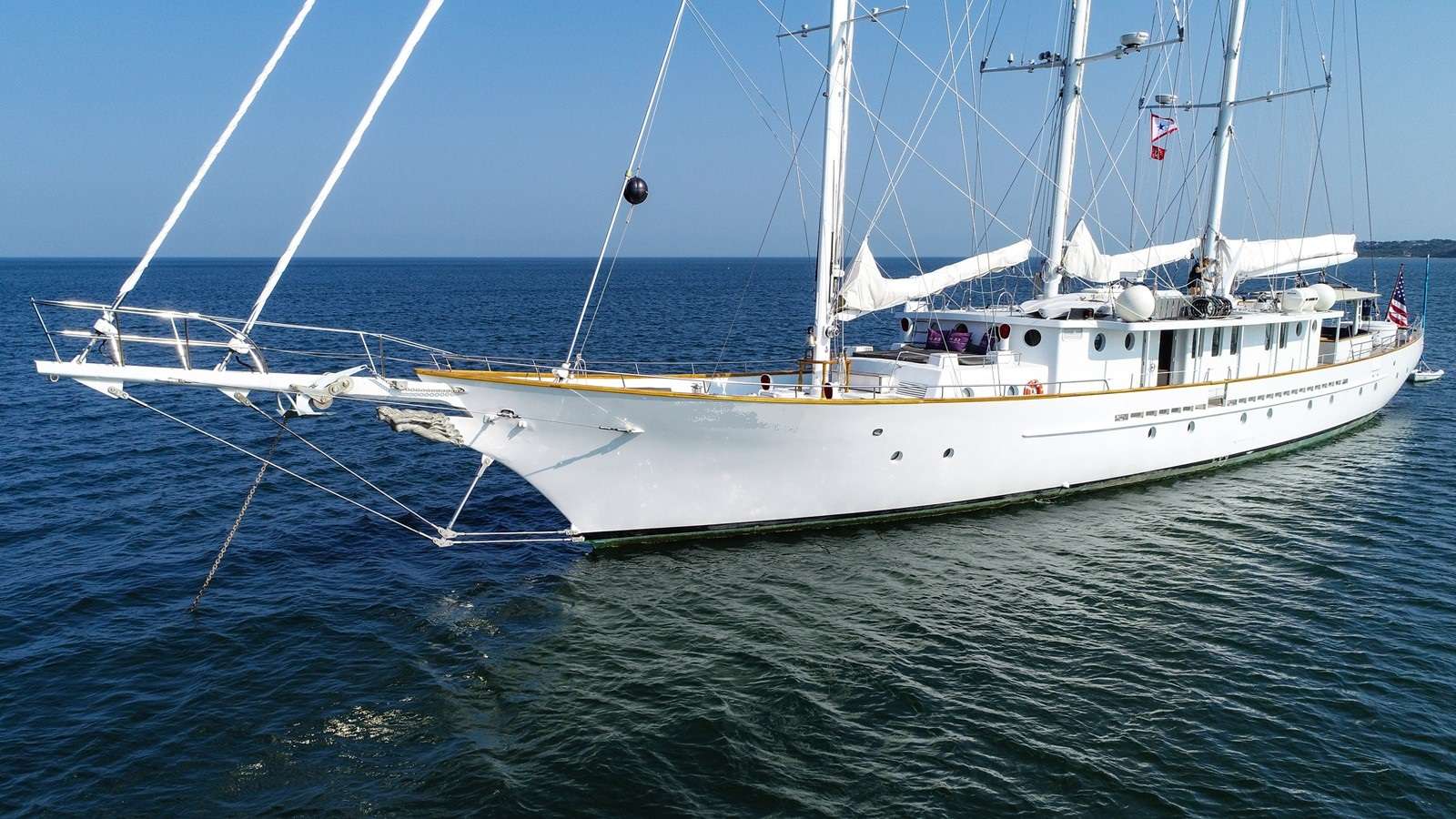
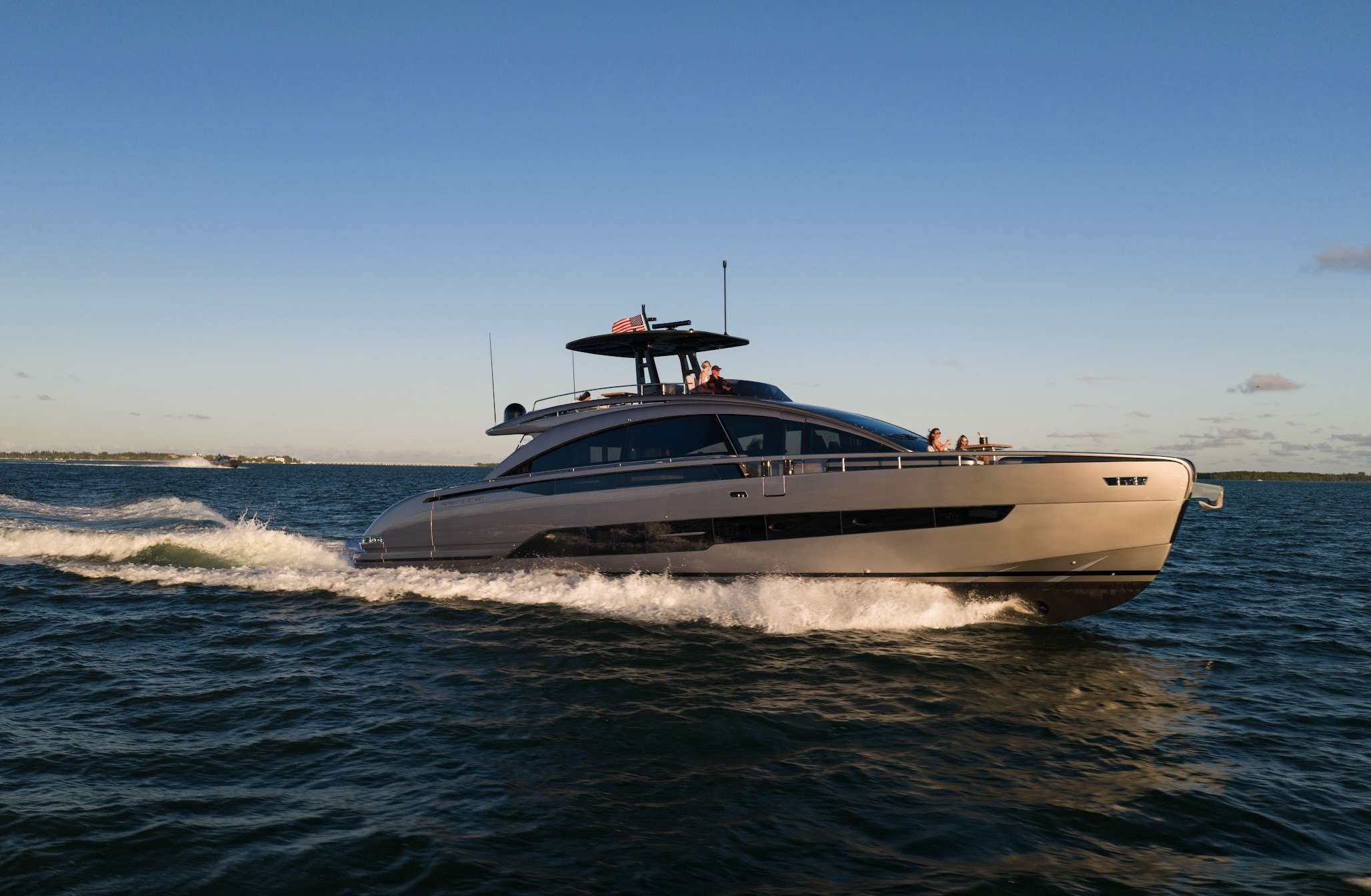
One-way is the honest way to do Maine. The coast runs northeast in a sequence — bay, headland, bay — and a round-trip from Portland would spend two days retracing the same water to get home. Boarding in Portland and stepping off in Bar Harbor keeps every day new and finishes the week inside the national park. The route works for every yacht type in the fleet; the schooner-rich waters of Penobscot Bay make a particular case for the classics. Your professional captain and private chef handle the rest.

Duration
7 nights / 8 days
Base
Portland → Bar Harbor (one-way)
Plan your New England charter Custom-tailored to your dates and group preferences
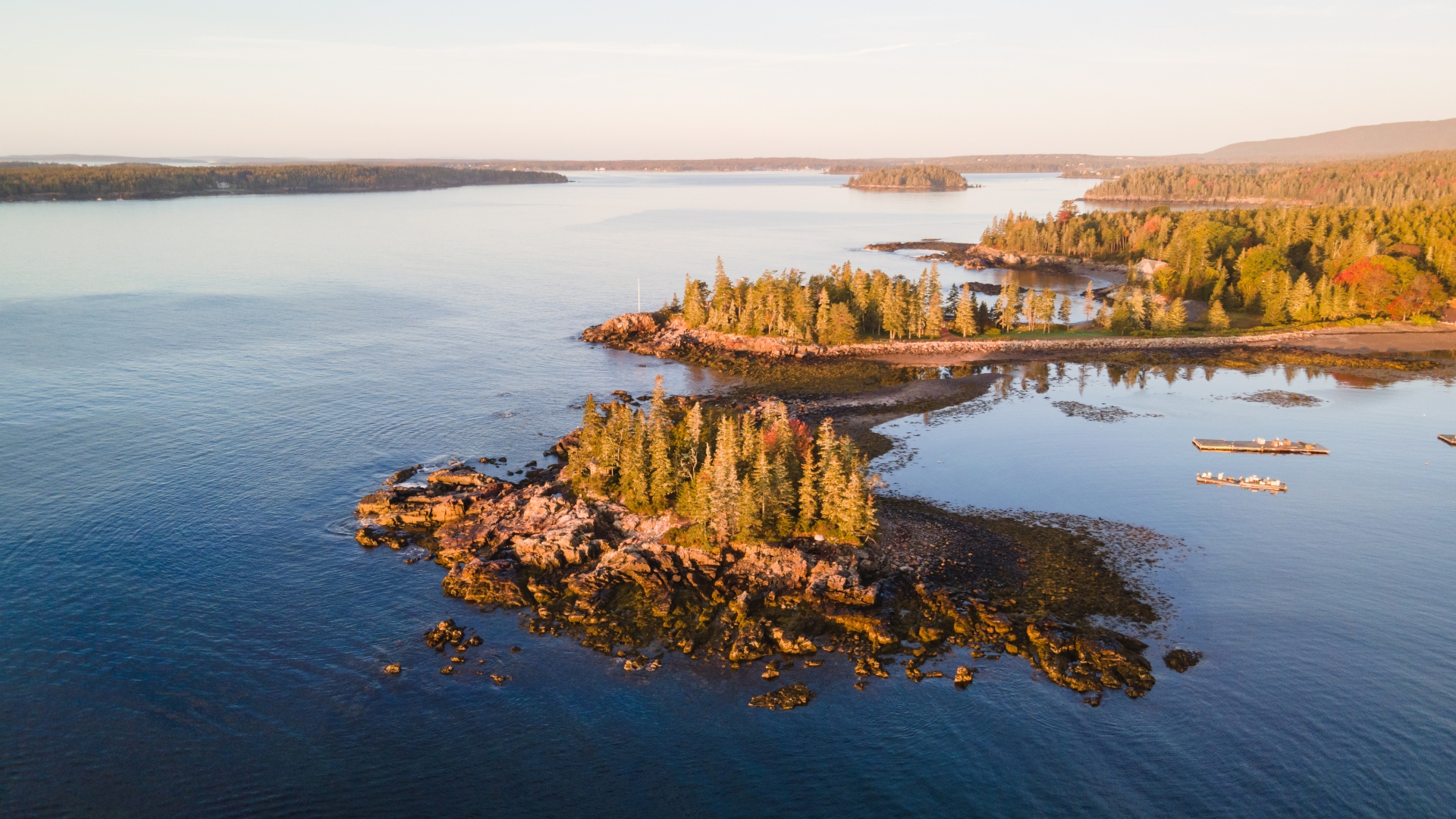
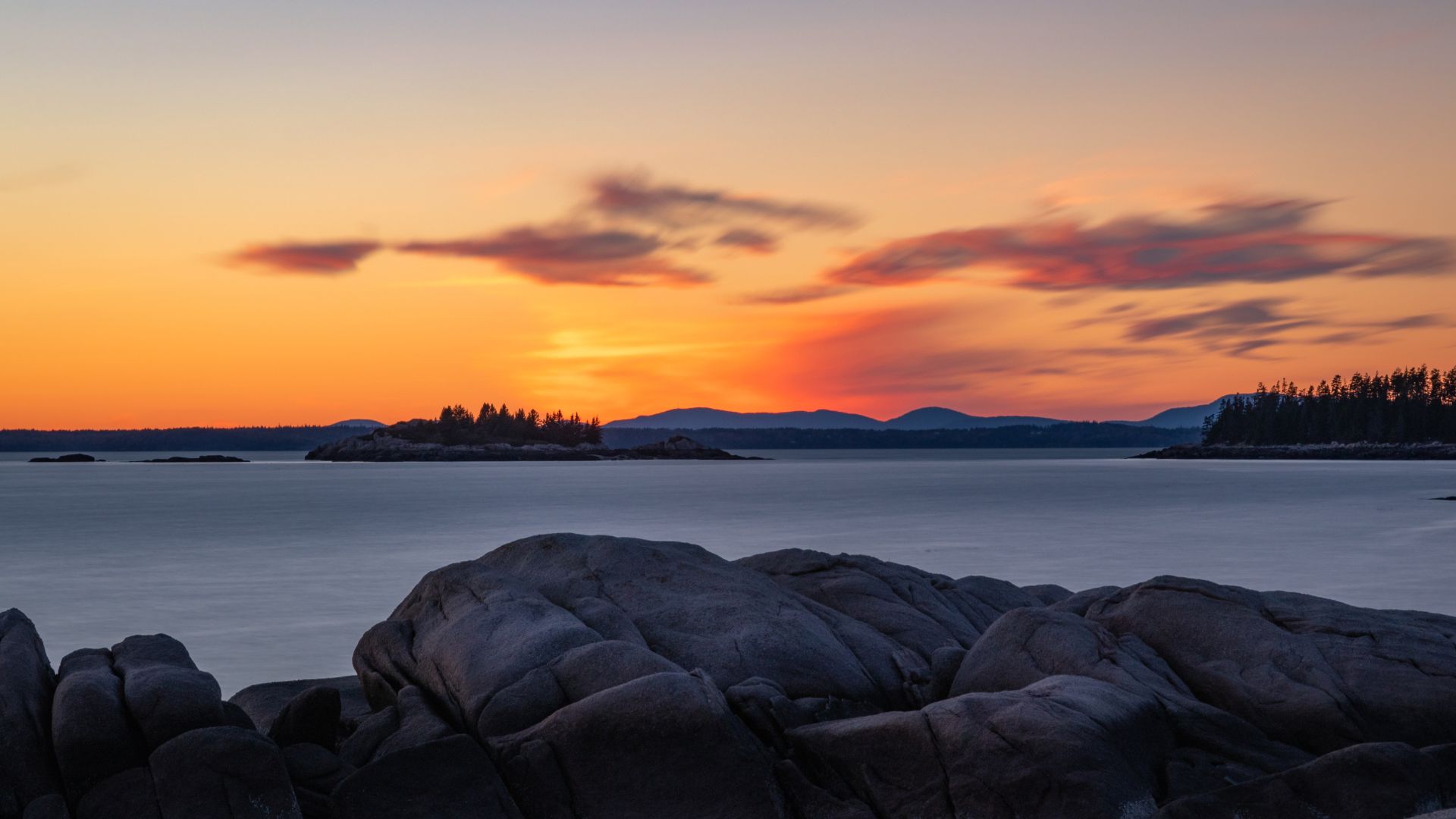
Spruce and granite shoreline at Somes Sound, Mount Desert Island, Maine.
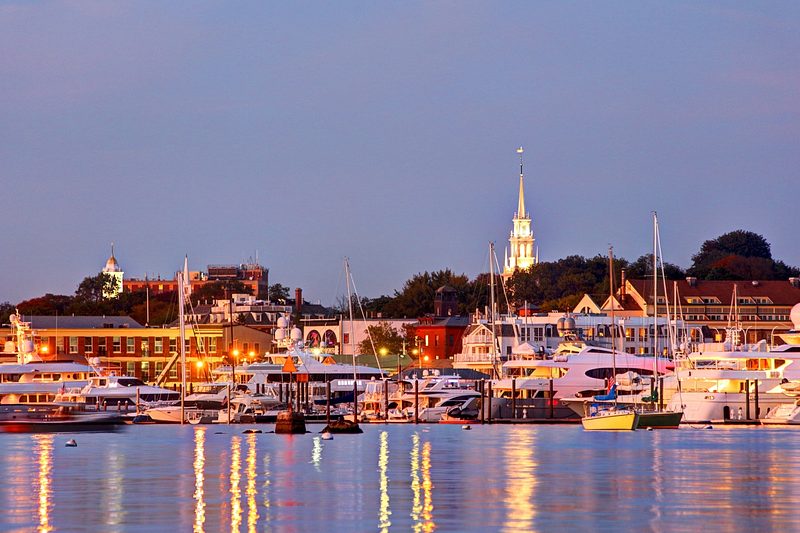
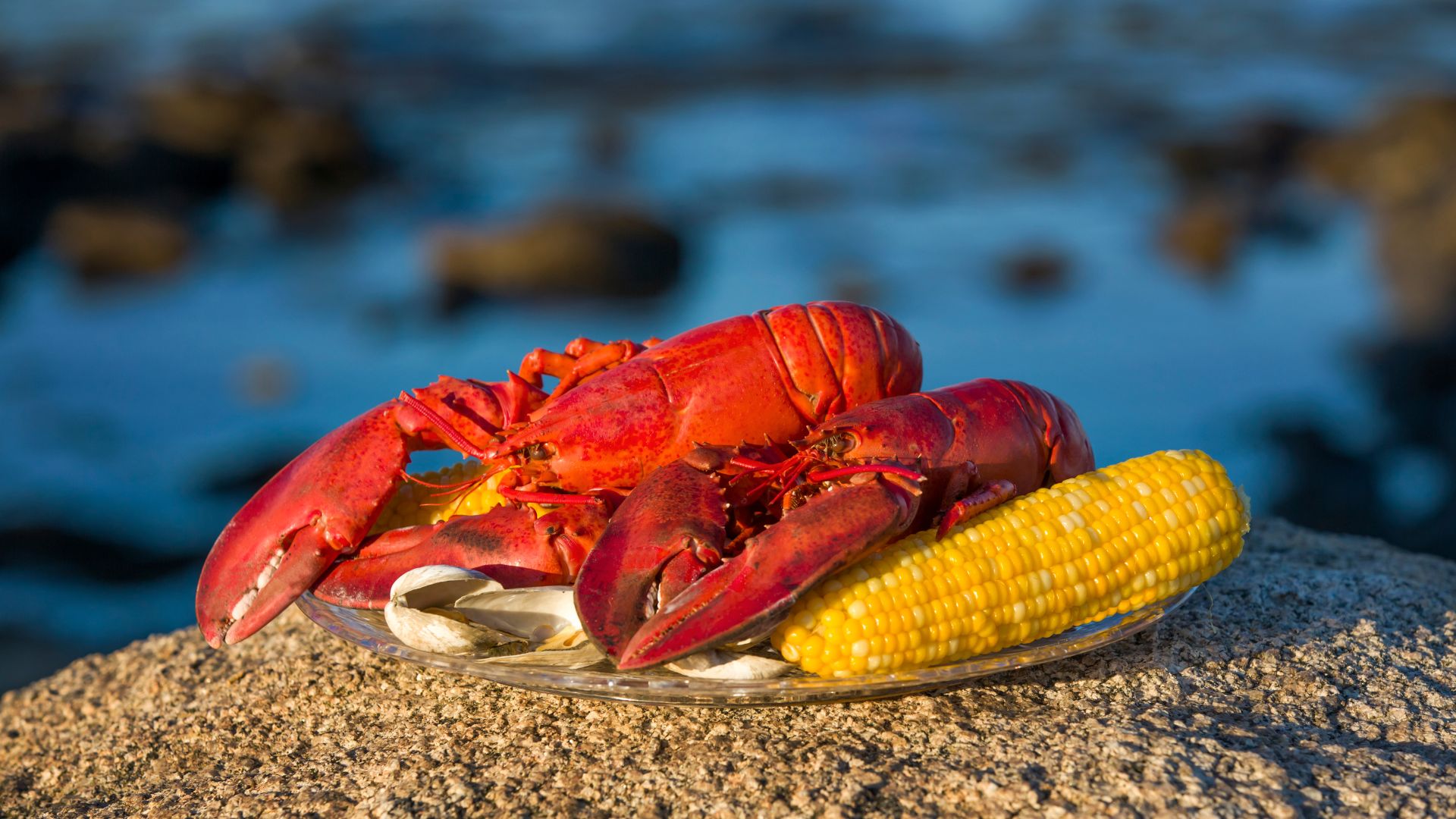
A working Maine lobster harbor at evening, traps stacked on the dock.
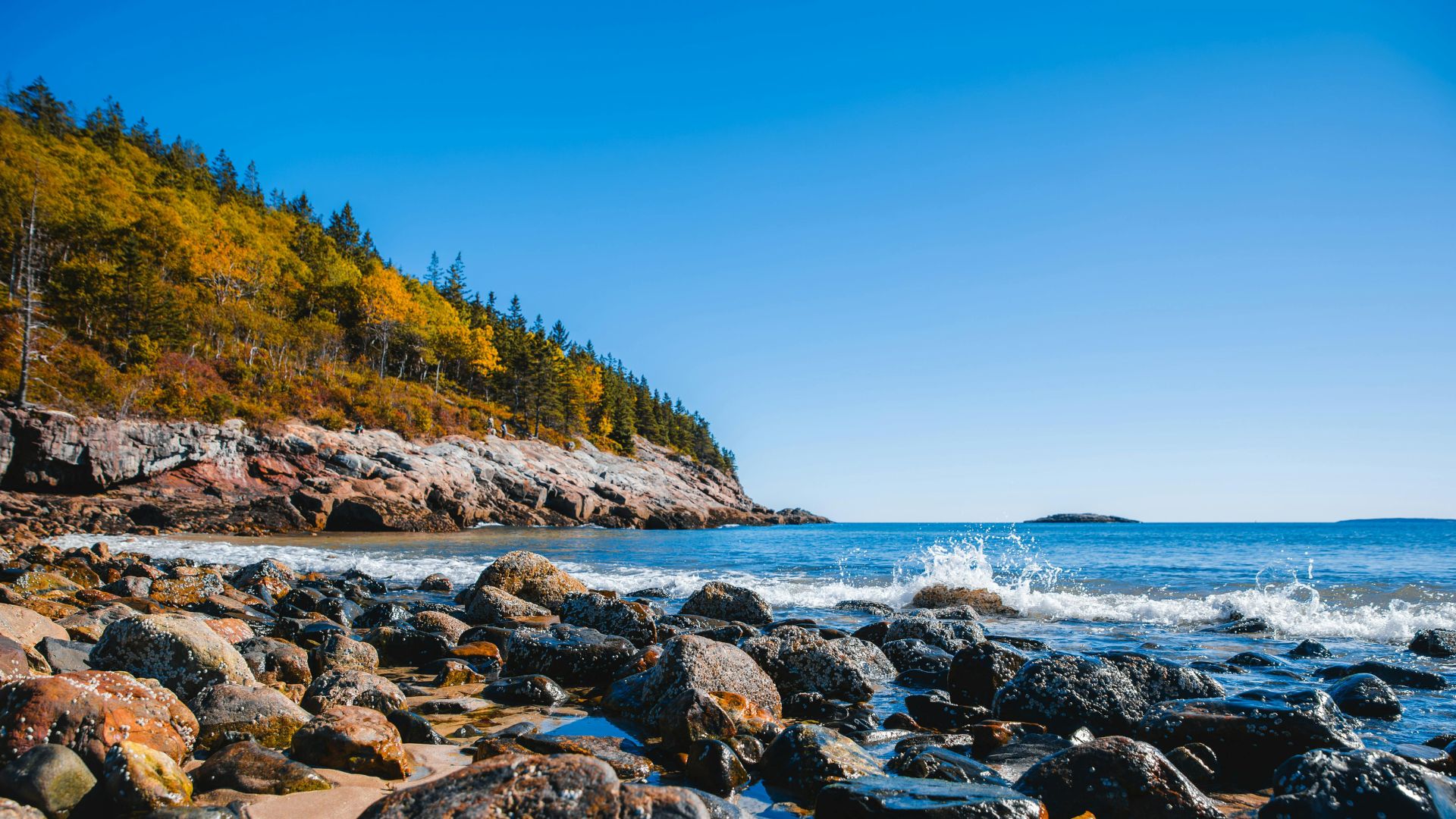
Early fall color along the Maine coast above the water.
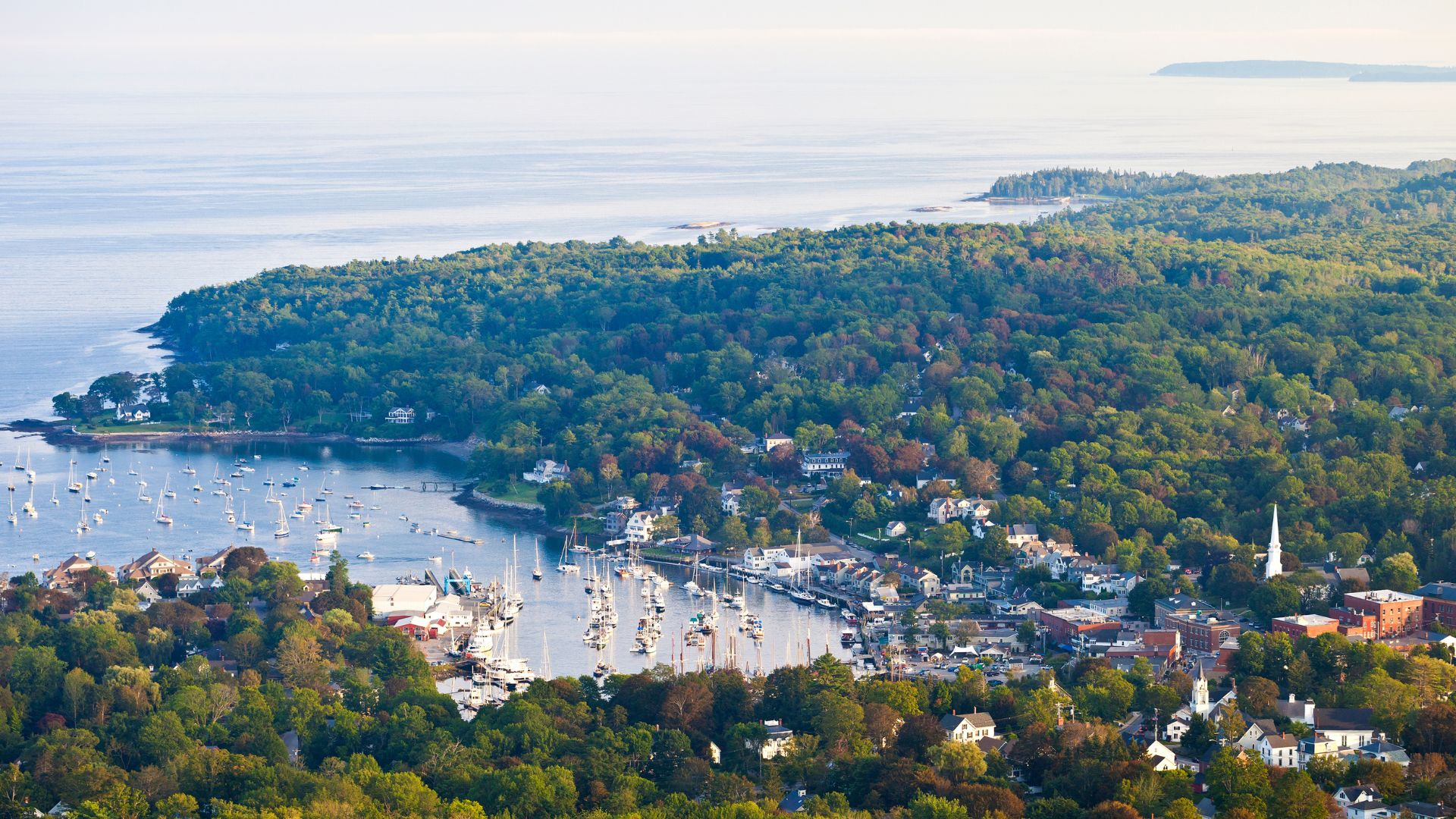
Camden Harbor and its schooner fleet from Mount Battie, Penobscot Bay beyond.

Why this Maine itinerary is the coast's definitive week

Maine is the New England week for guests who want scenery first. The southern coast's beaches give way past Casco Bay to the drowned-valley coast — spruce islands by the hundred, granite shorelines, lighthouses on nearly every headland — and the towns are working harbors before they are resorts: lobster boats at Boothbay, the windjammer fleet at Camden, granite-and-fishing Stonington on Deer Isle.

The 120-mile route reads: Portland and Casco Bay → Boothbay Harbor → Camden under Mount Battie → Pulpit Harbor on North Haven → Eggemoggin Reach and the WoodenBoat waters at Brooklin → Somes Sound, the East Coast's only fjord-like inlet → Bar Harbor and Acadia. Lobster comes off the dock daily, the fog burns off by mid-morning more days than it doesn't, and the anchorages from Penobscot Bay east are as close to private as the Eastern Seaboard offers in August.

1

Day 1 of 7 · Portland embarkation

The Old Port, Portland Head Light, and a Casco Bay first night
Anchorage: The Basin or a Casco Bay island anchorage
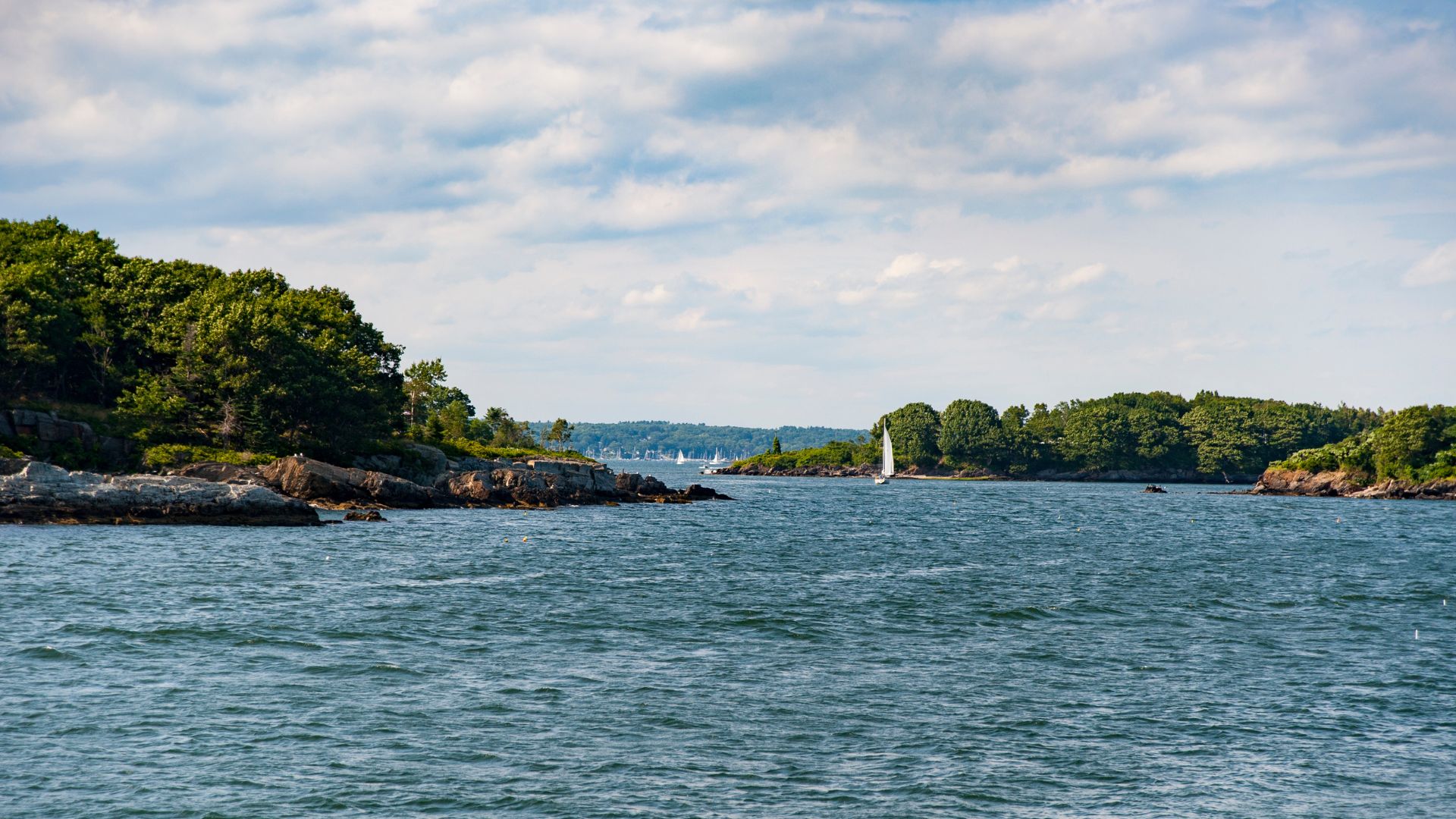
The Calendar Islands of Casco Bay — the mapmakers claimed one for every day of the year. The real count is about two hundred.

The charter boards on Portland's working waterfront — the Old Port's brick streets and fish piers are the departure lounge, and Portland (PWM) is fifteen minutes away. Groups arriving early eat well: Portland has one of the best small-city food scenes in the country, and a lunch at Eventide Oyster Co. — home of the brown-butter lobster roll — or a first-night table at Fore Street's wood-fired room are the kind of openings that set a tone. The captain and chef meet the group dockside and run the week's chart over the first drinks aboard.

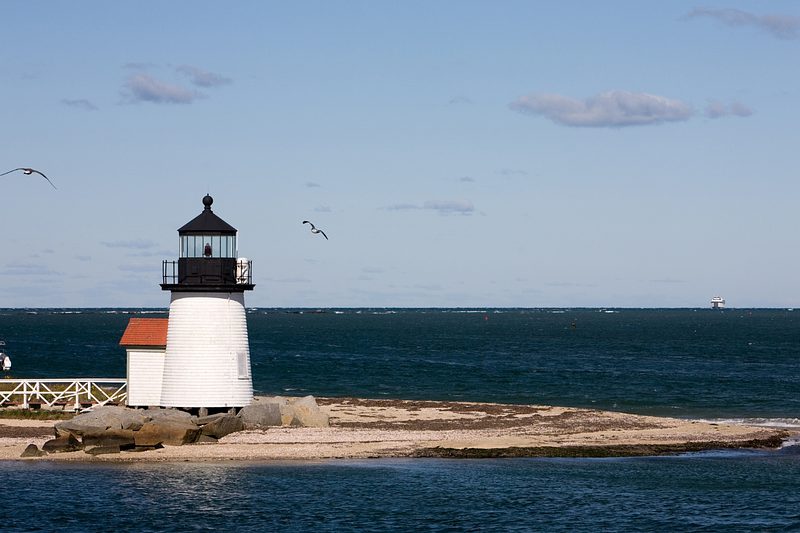
The afternoon leg is short on purpose. The yacht clears the harbor past Portland Head Light — commissioned by George Washington, first lit in 1791, and still the most photographed lighthouse in the country — and turns into Casco Bay, whose islands were sold to mapmakers as the Calendar Islands on the claim there was one for every day of the year. The real number is around two hundred, which is still plenty.

The first night anchors among them — a quiet cove off the fort-crowned islands of the inner bay, or further in toward The Basin's landlocked pool on the New Meadows River when the forecast argues for it. Dinner is the chef's welcome table: the first lobster of the week, bought off the dock hours earlier, eaten at anchor with the city glow far enough astern to ignore.

Day Highlights

  • Boarding on the Old Port waterfront, fifteen minutes from PWM.
  • An Eventide or Fore Street send-off in the country's best small food city.
  • Clearing Portland Head Light — 1791, Washington-commissioned.
  • First lobster dinner at anchor in the Casco Bay islands.
2

Day 2 of 7 · The midcoast begins

Past the Cuckolds into Boothbay's boat-filled bowl

Anchorage: Boothbay Harbor mooring
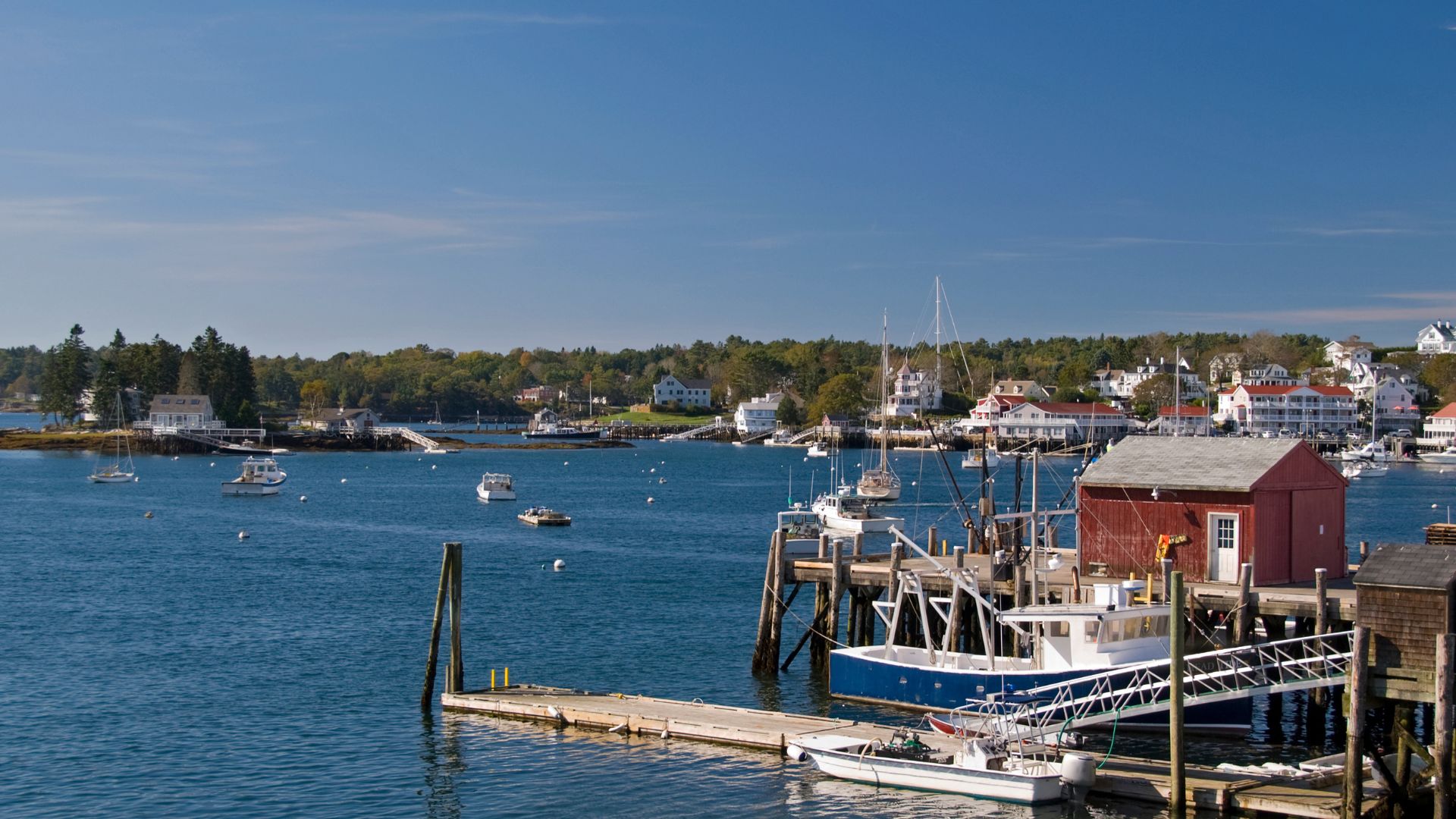
Boothbay Harbor — a protected bowl of moorings ringed by boatyards that have built and rebuilt Maine's fleet for a century.

The fog lifts, the coffee lands, and the yacht runs northeast across the mouths of the midcoast rivers — twenty miles past headlands and ledges to the Cuckolds Light off Southport Island and the turn into Boothbay Harbor. This is where the drowned-valley coast begins in earnest: long fingers of water reaching miles inland, spruce down to the tide line, and a lobster buoy every boat-length to keep the helm honest.

Boothbay is a working harbor that happens to be beautiful — boatyards on the east side, the moored fleet filling the bowl, and a footbridge across the inner harbor built in 1901. The afternoon offers two very different shore moves: the Coastal Maine Botanical Gardens, three hundred acres ranked among the best public gardens in the country (the troll sculptures alone justify the visit for any group with kids), or the tender out to Burnt Island's lighthouse station, restored as a living museum of keeper life.

The classic Boothbay evening is a clambake — Cabbage Island has run its famous version for generations, or the chef stages a private one aboard: lobsters, steamers, corn, and drawn butter in courses that require the roll of paper towels the galley planned for. The harbor's mooring field settles early, and the week's rhythm — run in the morning, explore in the afternoon, eat like Maine at night — is now fully installed.

Day Highlights

  • The Cuckolds Light and the turn into the midcoast.
  • Coastal Maine Botanical Gardens or Burnt Island's keeper museum.
  • A proper clambake — Cabbage Island's or the chef's own.
  • Lobster-buoy water from here to Bar Harbor.
3

Day 3 of 7 · Into Penobscot Bay

Camden — windjammers under Mount Battie

Anchorage: Camden Harbor mooring or inner-harbor berth
Classic sail is Penobscot Bay's native language — Camden's windjammer fleet includes schooners over a century old.
Camden Harbor under Mount Battie — the prettiest harbor approach on the coast, and it knows it.

The morning run rounds Pemaquid Point and crosses Muscongus Bay's island scatter into West Penobscot Bay — the heart of the Maine coast and, by most sailors' accounting, the best cruising water on the Eastern Seaboard. By early afternoon the yacht is standing into Camden, where the Camden Hills drop straight to the harbor and the windjammer fleet — gaff-rigged schooners, several of them National Historic Landmarks — works in and out under sail as it has since the trade was cargo instead of guests.

Camden's afternoon is a two-part classic. Part one: the drive or the hour's hike up Mount Battie in Camden Hills State Park, where the stone tower's view over the harbor, the bay, and the islands is the postcard every Maine calendar reprints — Edna St. Vincent Millay wrote 'Renascence' about exactly this view. Part two: the town itself, compact and shipshape, with the Camden Yacht Club's launch traffic, bookshops, and the falls of the Megunticook River dropping into the harbor's head behind the library lawn.

Dinner splits the difference between town and table. Natalie's at the Camden Harbour Inn is the coast's white-tablecloth benchmark; Peter Ott's on the Water keeps it dockside and easy. Aboard, the chef has Penobscot Bay's full pantry now — day-boat scallops, crab, and the oysters this bay has gotten famous for. The harbor at night, schooner rigging against Mount Battie's dark shoulder, is the image the week was booked on.

Day Highlights

  • Crossing Muscongus Bay into Penobscot Bay.
  • Mount Battie's tower view — the coast's definitive postcard.
  • The windjammer fleet under sail.
  • Natalie's or the chef's Penobscot Bay table.
4

Day 4 of 7 · The island bay

Pulpit Harbor and the Fox Islands

Anchorage: Pulpit Harbor, North Haven Island
At anchor in Pulpit Harbor — the osprey nest on the entrance rock has been occupied for well over a century.

Ten miles across the bay lie the Fox Islands — North Haven and Vinalhaven — and one of the most beloved anchorages in America: Pulpit Harbor, whose narrow entrance is marked by a rock stack crowned with an osprey nest that island lore says has been continuously occupied for more than a hundred and fifty years. Inside, the harbor opens into a protected pool ringed by meadow and spruce, with the Camden Hills stacked across the bay to the west for the sunset.

The day is unstructured on purpose — this is the anchorage the kayaks and paddleboards were brought for. The tender runs explorers through the Fox Islands Thorofare, the boat-busy channel between the two islands, to North Haven village's few galleries and the seasonal shops, or south to Vinalhaven, where granite from the quarries built the Brooklyn Bridge's towers and the harbor still runs one of the state's biggest lobster fleets. Swimmers — the committed kind — get their Maine plunge in the quarries' fresh water rather than the fifty-eight-degree bay.

Evening is Nebo Lodge's farm dinner in the village if the group wants a shore table — the island inn's restaurant runs on North Haven's own farms — or the chef's aboard as the osprey works the entrance and the light goes long across the meadow. Anchor lights in Pulpit Harbor outnumber street lights on the whole island, which is the statistic that explains the stop.

Day Highlights

  • Pulpit Harbor's osprey-guarded entrance.
  • Kayaks and paddleboards in the protected pool.
  • The Fox Islands Thorofare and Vinalhaven's granite-and-lobster harbor.
  • Nebo Lodge's farm dinner or the chef's table at anchor.
5

Day 5 of 7 · The wooden-boat corridor

Castine's colonial point and the Reach to Brooklin

Anchorage: Center Harbor (Brooklin) or Buck's Harbor
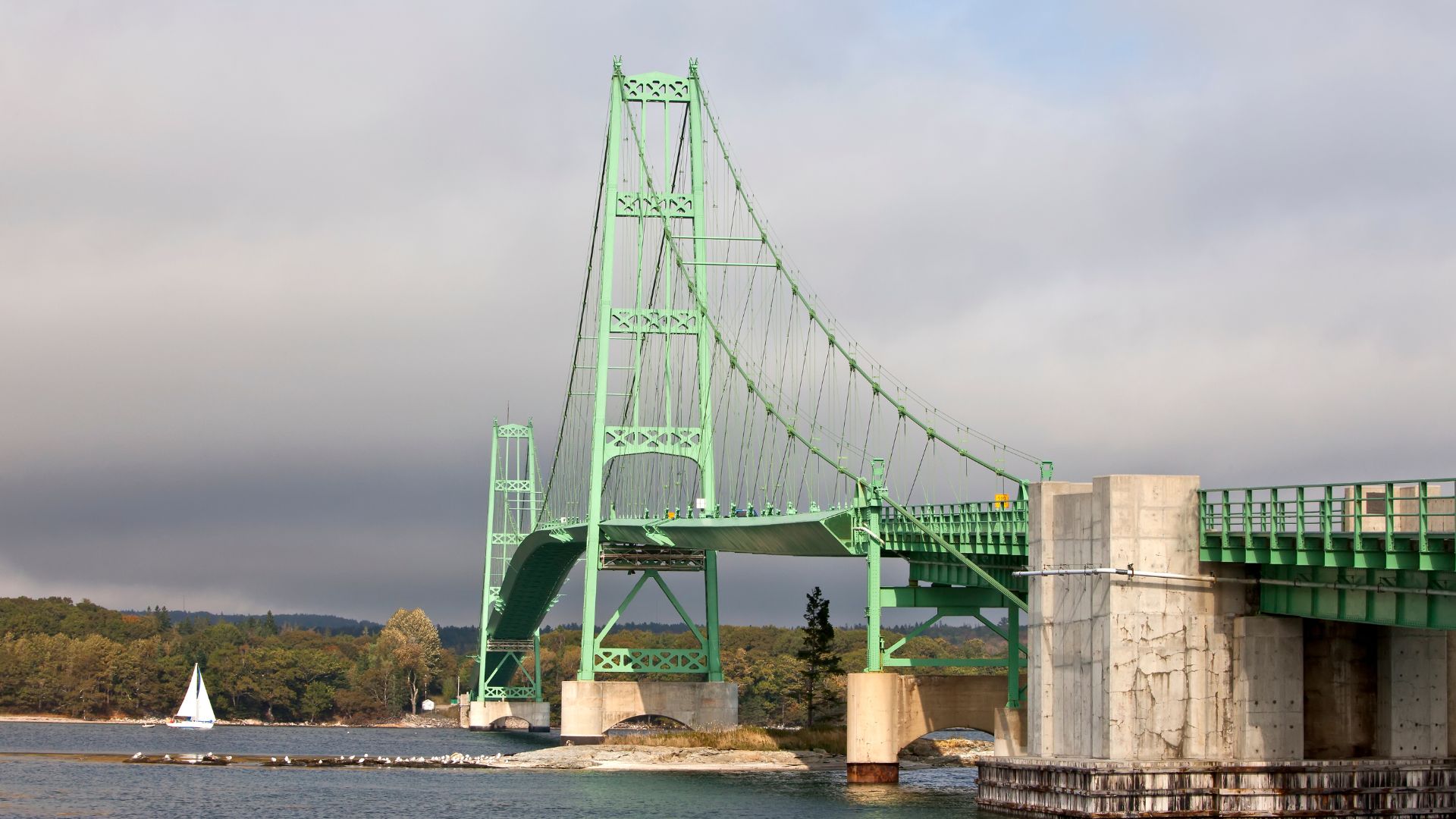
Eggemoggin Reach — the wooded eight-mile corridor under the 1939 Deer Isle bridge, home water of the American wooden-boat revival.

The route threads north around Islesboro toward the head of the bay, with a late-morning stop at Castine — a point of land that changed hands among the French, British, Dutch, and Americans for two centuries and keeps the earthworks of Fort George and streets of Federal houses to show for it. Today it is home to Maine Maritime Academy, whose five-hundred-foot training ship dominates the town dock, and to exactly the kind of unhurried walk — elms, white clapboard, the Dyce Head lighthouse at the point — that a charter morning is for.

The afternoon run turns southeast into Eggemoggin Reach, the eight-mile wooded channel between the mainland and Deer Isle, crossed at mid-length by the 1939 suspension bridge that makes every arrival photograph look staged. This is the sacred water of the American wooden-boat revival: Brooklin, at the Reach's eastern end, is home to WoodenBoat magazine and its school, and on a summer afternoon the Reach fills with gaff rigs, Herreshoff replicas, and lovingly kept dayboats out of Center Harbor — the densest concentration of classic sail in the country.

The night is spent at the Reach's pace: Center Harbor's mooring field among the classics, or Buck's Harbor around the corner — the tiny bowl of an anchorage that generations of children know as the setting of 'One Morning in Maine.' Dinner aboard tonight; the nearest thing to a scene out here is the yacht's own deck, which was rather the point of coming Down East.

Day Highlights

  • Castine's colonial streets and the Maritime Academy's training ship.
  • Running the Reach under the Deer Isle bridge.
  • Center Harbor's classic wooden fleet at Brooklin.
  • A Buck's Harbor night out of a storybook — literally.
6

Day 6 of 7 · Mount Desert Island

Into the fjord — Somes Sound and Acadia's granite

Anchorage: Valley Cove, Somes Sound, or Northeast Harbor
Somes Sound — the only fjord-like inlet on the US East Coast, cutting five miles into Mount Desert Island's granite.

The last passage day crosses Blue Hill Bay to Mount Desert Island — Acadia's island — with a lunch stop worth planning the tide around: Thurston's Lobster Pound at Bass Harbor, where the lobster comes across the dock from the boats tied alongside and the picnic tables hang over the water. It is the version of Maine every visitor is looking for, run by people for whom it is simply the family business.

The afternoon delivers the route's geological finale. Somes Sound cuts five miles into the island between granite shoulders — the only fjord-like inlet on the East Coast of the United States — and the yacht runs its length to anchor under the cliffs at Valley Cove, where peregrines nest on the rock face and Acadia's carriage-road country rises directly from the waterline. Hikers take the tender ashore for Flying Mountain's short summit scramble; everyone else takes the view from the deck, which concedes nothing.

The evening option set is Mount Desert's quiet side: swing around to Northeast Harbor, the old-money village whose hillside Asticou and Thuya gardens terrace down toward the water, for a shore dinner and a walk among serious sailboats — or hold the Valley Cove anchorage, one of the most dramatic on the entire route, and let the chef close out the last-full-night table under the cliffs.

Day Highlights

  • Thurston's Lobster Pound off the dock at Bass Harbor.
  • Running the East Coast's only fjord-like inlet.
  • Valley Cove under Acadia's peregrine cliffs.
  • Northeast Harbor's gardens and serious-sailboat waterfront.
7

Day 7 of 7 · Acadia finale

Frenchman Bay, the Porcupines, and the Acadia day

Anchorage: Bar Harbor / Frenchman Bay
Last night on Frenchman Bay — Cadillac Mountain's summit above the anchorage catches the country's first sunrise in fall.

A final short hop rounds the island's eastern shore into Frenchman Bay, past the humped Porcupine Islands, to Bar Harbor — Acadia's front porch and the week's finish line. The yacht anchors or takes a mooring off the town, with the bay's whale-watch and schooner traffic for company; at low tide, the sand bar that names the town emerges to connect it with Bar Island, and walking it is the local rite.

The day belongs to Acadia National Park. The classics stack cleanly into an afternoon with a car and driver arranged by the crew: the Park Loop Road past Thunder Hole's wave-boom and Sand Beach; tea and popovers on the lawn at Jordan Pond House, a tradition since the 1890s, with the twin Bubbles mountains across the pond; and the summit road up Cadillac Mountain — the highest point on the US Atlantic coast, and from early October through early March the first place in the country to see the sunrise. Ambitious groups swap the car for a carriage-road bike loop on Rockefeller's crushed-stone network.

The farewell table lands back aboard on Frenchman Bay — the chef's full Down East send-off, lobster given its final and definitive appearance — with Cadillac's dark ridge above the anchor light. A hundred and twenty miles from Portland Head, and every one of them was new water.

Day Highlights

  • The Porcupine Islands and the Bar Island sand-bar walk.
  • Thunder Hole, Sand Beach, and the Park Loop Road.
  • Jordan Pond House popovers — a tradition since the 1890s.
  • Farewell dinner on Frenchman Bay under Cadillac Mountain.
8

Day 8 · Departure

Disembarkation at Bar Harbor

A slow breakfast on the bay, the tender in to the town dock, and disembarkation by mid-morning. Bar Harbor (BHB) is ten minutes away with seasonal service through Boston; Bangor (BGR) is under an hour with year-round connections. Guests extending the trip note that some of the country's best lodges and inns sit within the park's reach — and that the same yacht runs this route in reverse for groups who would rather end the week in Portland's restaurant rows. Step off with the windjammers of Camden, Pulpit Harbor's osprey, the Reach's wooden boats, and Acadia's granite behind you — the American coast at its wildest end, no passport required.

Frequently asked

Why run Maine one-way instead of round-trip?
Geography. The coast runs northeast in a line of bays, and the best of it — Penobscot Bay, Eggemoggin Reach, Acadia — sits 60-plus miles from Portland. A round-trip burns two days repeating water; the one-way banks those days as new coastline and ends the week inside the national park. Flights work cleanly at both ends: Portland (PWM) to open, Bar Harbor (BHB) or Bangor (BGR) to close. The route also runs in reverse.
What about the famous Maine fog?
It is real and it is manageable. Summer fog banks form over the cold water offshore and typically burn off by mid-to-late morning; the captain builds each day around it, running legs after the lift and holding a protected alternative for the rare socked-in day. Guests mostly experience it as atmosphere at breakfast — the harbor materializing out of grey while the coffee is poured.
Is the water too cold to swim?
Mostly, yes — Maine water runs in the high fifties to low sixties even in August, and swimming is a polar-plunge event rather than an afternoon activity. The week compensates on deck and ashore: kayaks and paddleboards in flat-calm anchorages, island walks, and the best working-waterfront food in the country. Groups that rank warm-water swimming first should look at the Newport or Islands weeks — or the Caribbean season.
When should we book a Maine charter?
The season is short and sharp — July through mid-September is the core, with late June workable and late September adding the first foliage for the few yachts still north. The fleet that summers in Maine is smaller than Newport's, so peak-week choices thin out early; we typically recommend committing by late winter for a July or August departure.

Ready to set sail along the Maine coast?

Every itinerary we send is custom-tailored. Tell us your dates, the size of your group, and what you want out of your charter—we'll handle the rest.