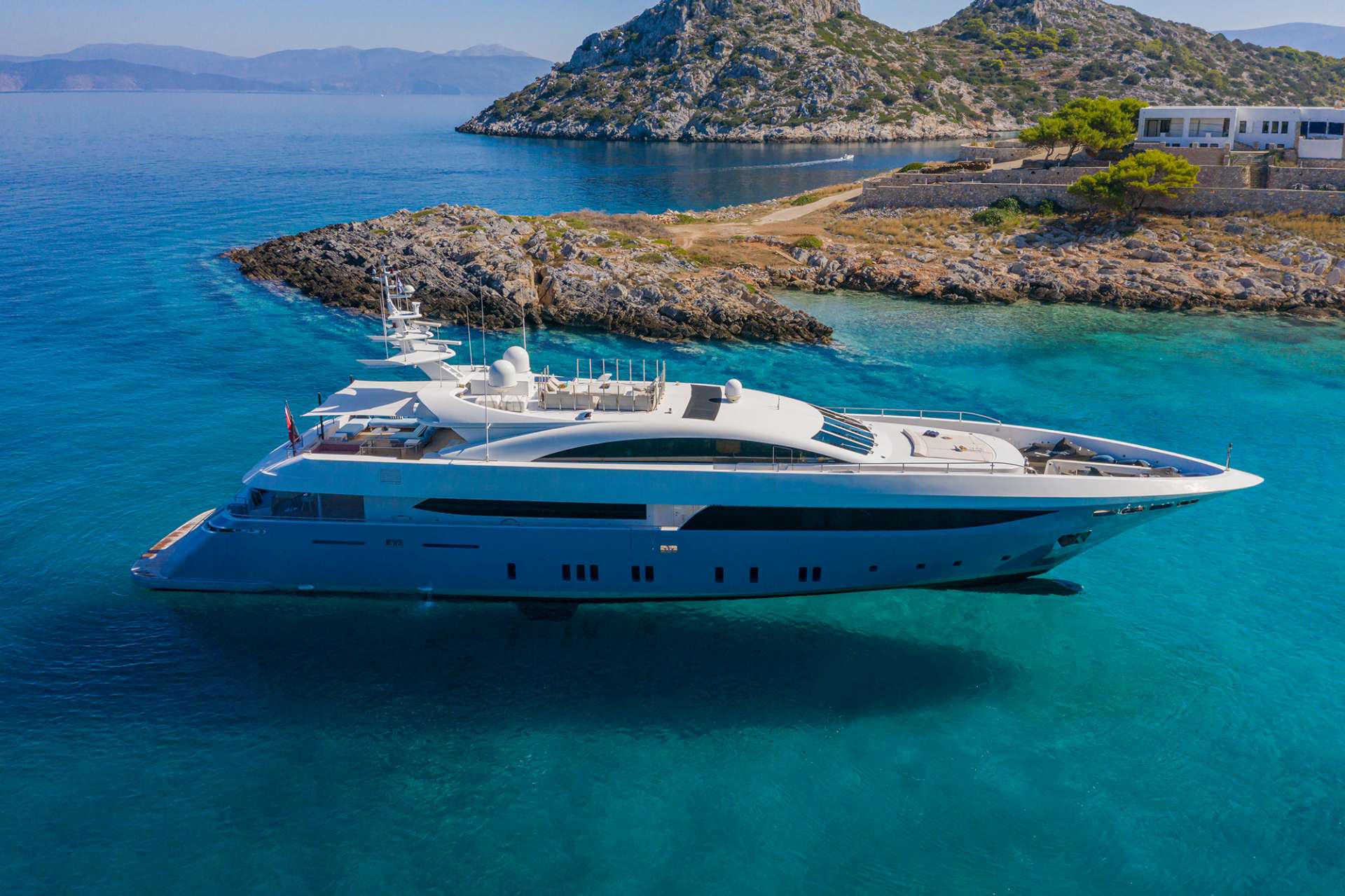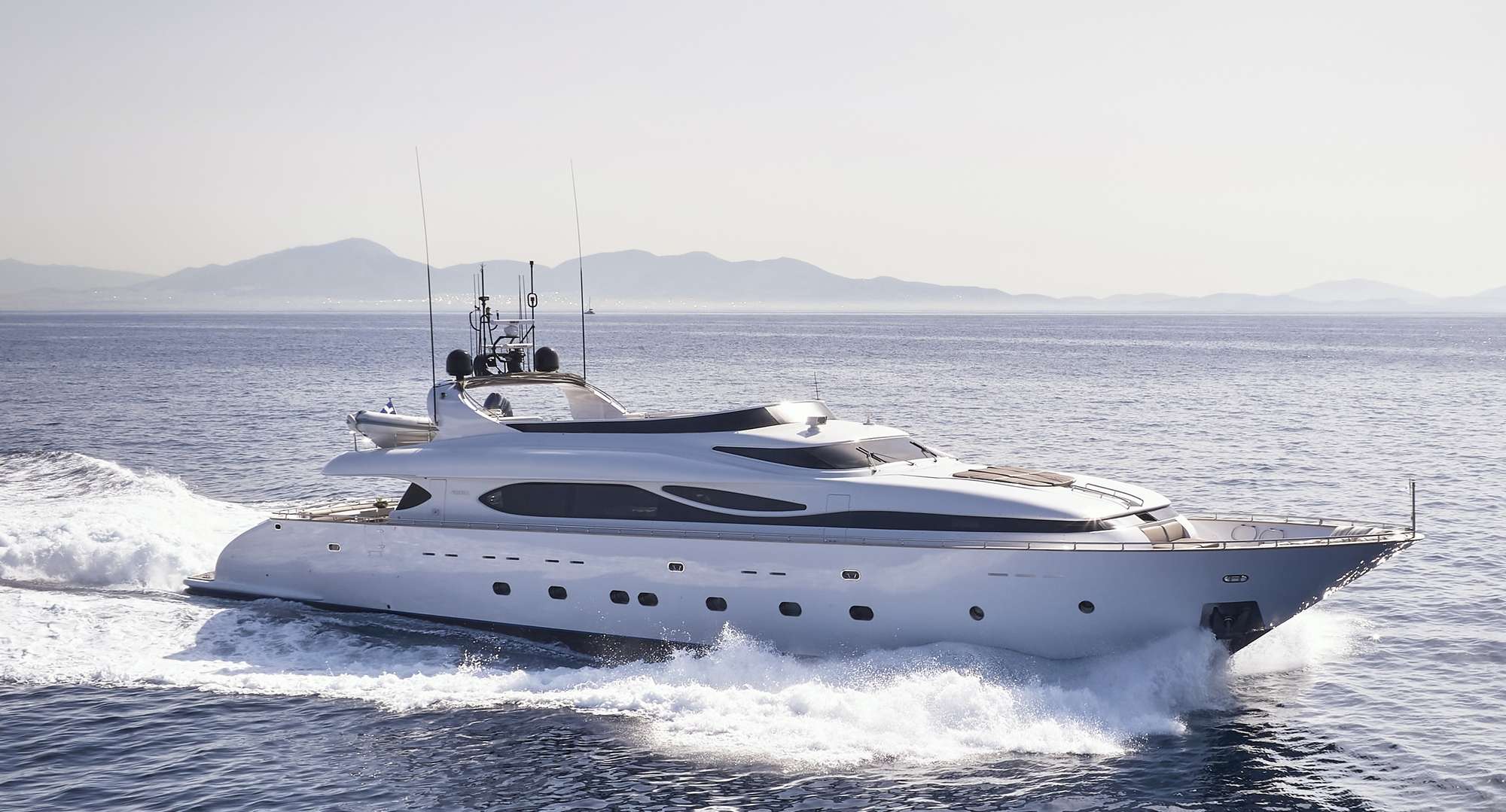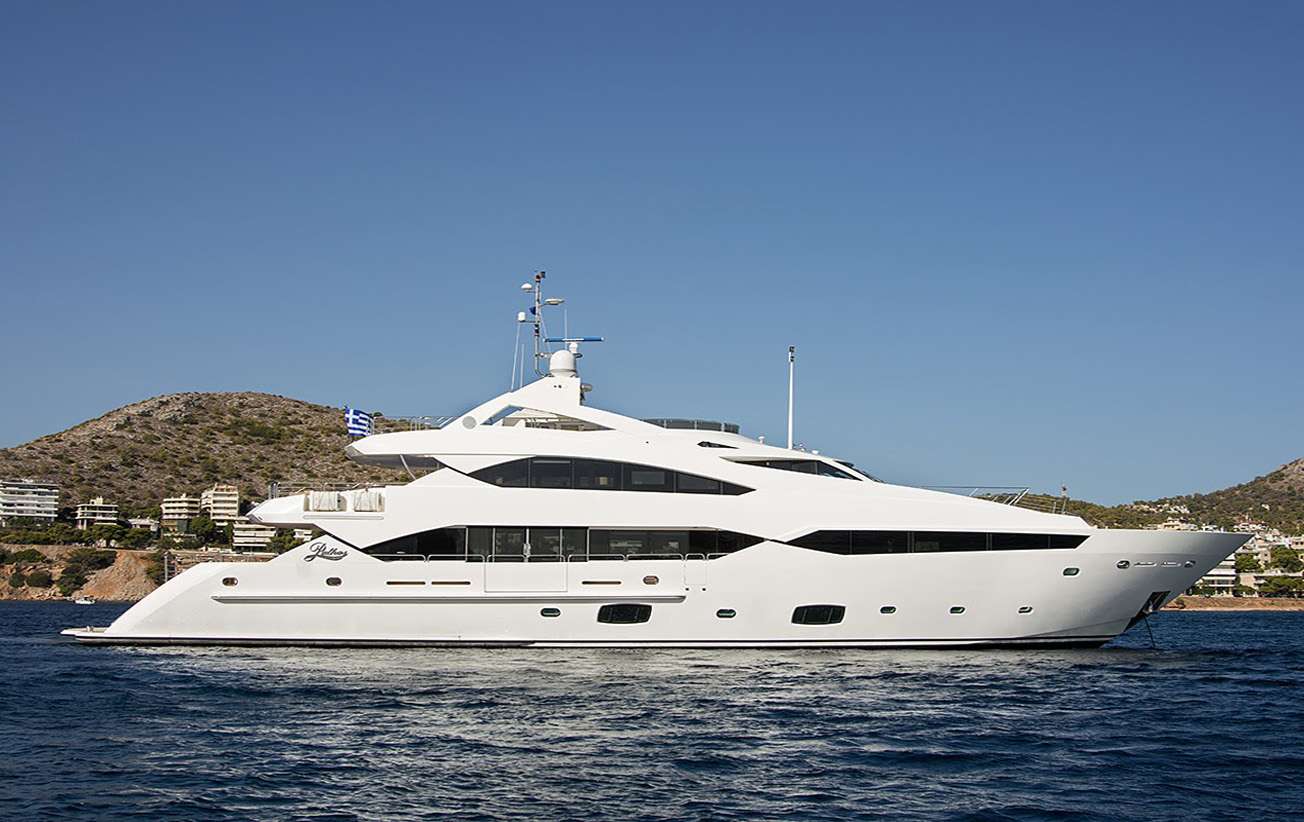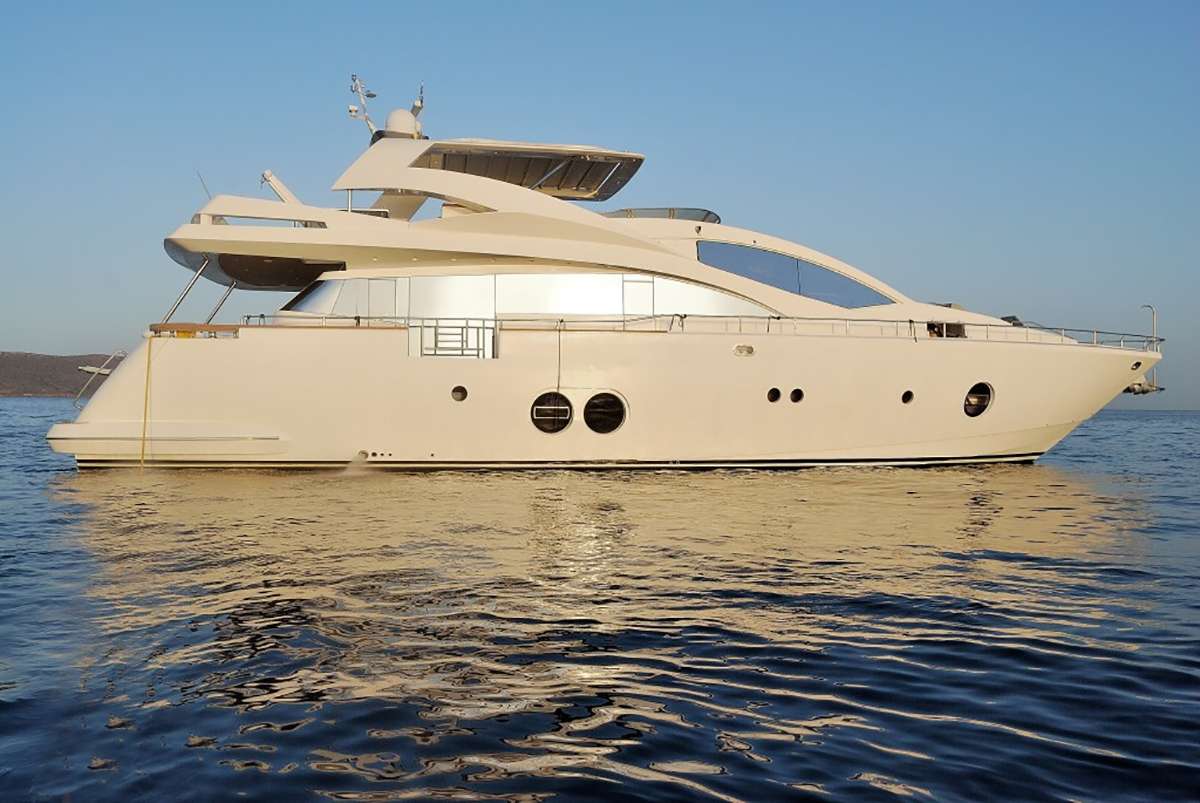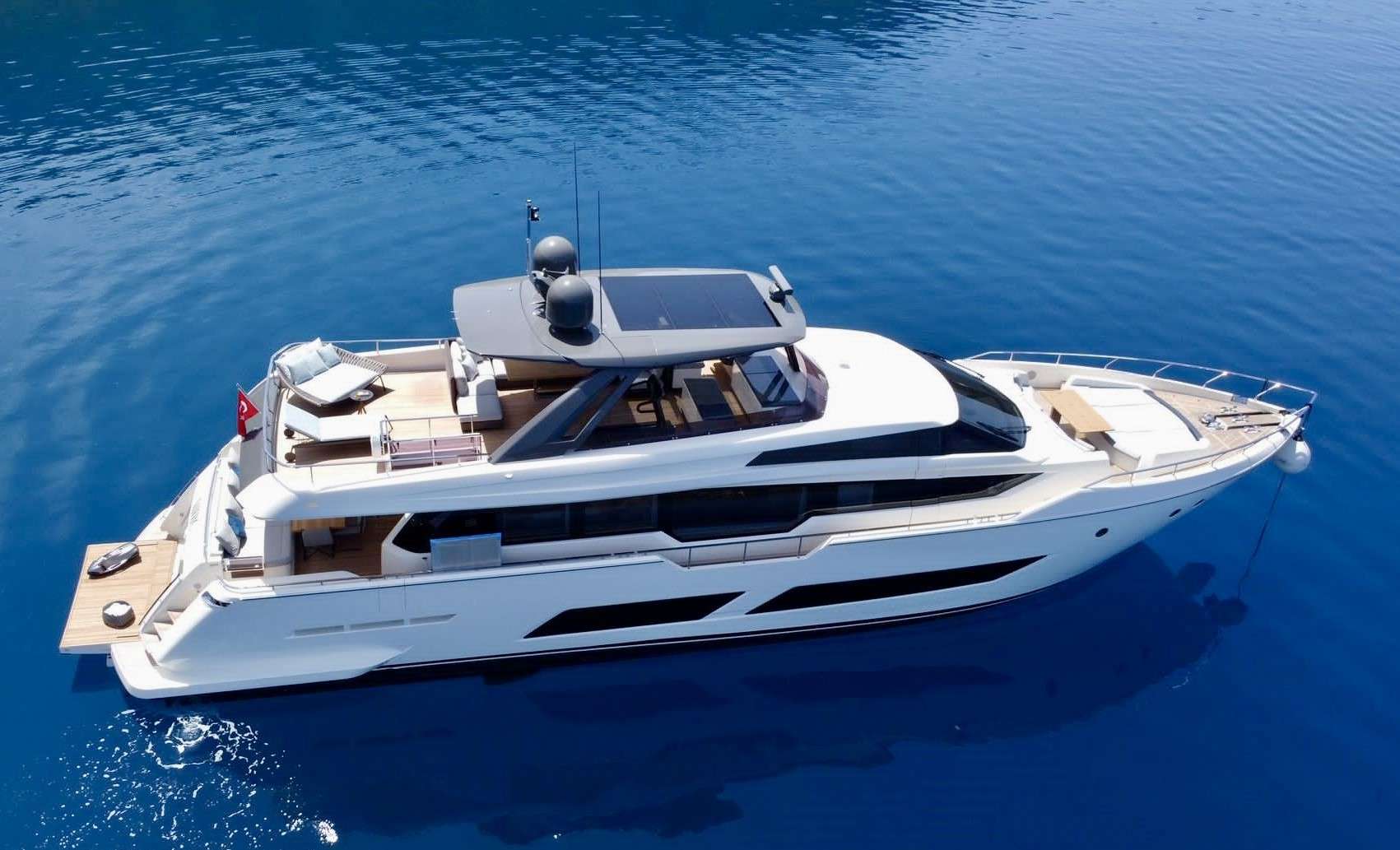


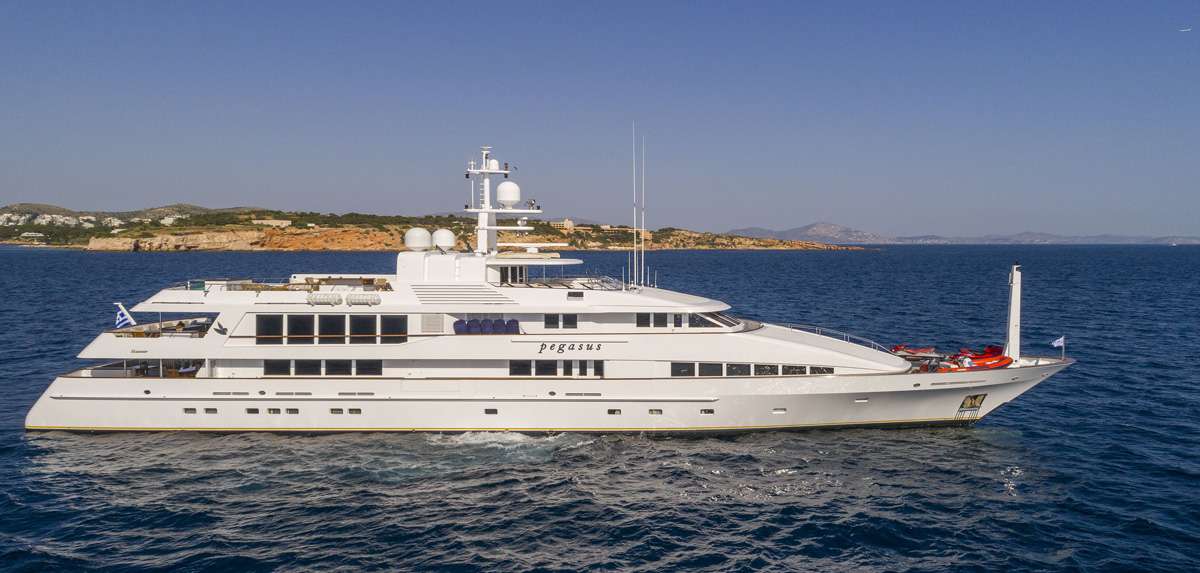
PEGASUS
173FT · MOTOR YACHT
Pricing from $250,000/week
12 Guests · 6 Cabins · 15 Crew
Caribbean
Eastern Mediterranean
Western Mediterranean
South Pacific

The Mediterranean the Turks have mostly kept for themselves — chef tables walked to from your aft deck at Yalıkavak, Lycian rock-tombs above your anchor at Fethiye, the sunken city of Simena visible in turquoise below your hull at Kekova.
Why Turkey
The meltemi is running thirty knots a few miles north in the open channel — and your boat is sitting in flat water. That's the Gulf of Gökova trick: pine-clad mountains acting as a wall against the wind, the inner shore lined with wooden-jetty taverna anchorages where the captain books the table by walking down the dock. Lunch is two hours — grilled sea bass, mezze across the table, raki at the end. By six the day boats have cleared and the cove is yours. The only way to have it is from the deck of a crewed yacht.
The three voyages cover this coast cleanly. A Carian week round-trip from Bodrum's Yalıkavak Marina runs the Gulf of Gökova — Türkbükü's Maçakizi pontoon for a Michelin-starred dinner under the stars, Cleopatra Beach on Sedir Island for the Cedrae ruins above the protected sand, English Harbor and Knidos at the western tip of the Datça peninsula where the Aphrodite Euploia temple looks down on your anchorage. A Turquoise Coast week round-trip from Göcek runs the Lycian shore: the twelve islands at the mouth of Fethiye Gulf, Butterfly Valley reached only by tender, Kalkan and Kaş for shore dinners, Kekova where the sunken city of Simena sits below your anchor and the Crusader castle on car-free Kaleköy is reached on foot up stone paths cut in the Hellenistic period. The connector — Bodrum to Göcek one-way — runs both grounds in one week, with the Dalyan river excursion as the day off the boat: yacht anchored at Ekincik, transfer to the local flat-bottom river boats, motor up through the reeds past Lycian rock-tombs to the Caunos amphitheater and the Sultaniye thermal baths. We walk through which one fits your group before you book.
Then there's what the Turks call mavi yolculuk — the blue voyage — a tradition built around traditional gulets, the hand-built wooden hulls with shaded mid-deck lounges that Turkey is most associated with culturally. We deliver modern motor yachts directly across this coast — the same hulls that work the Greek and French sides of the Med in summer. For modern luxury gulets, we work with the Turkish gulet specialists on request. Tell us what you're after. The dining cadence is Mediterranean — breakfast and lunch with your chef on board, dinner ashore at a quay-side meyhane, a Maçakizi terrace, one of the celebrity-chef rooms at Yalıkavak's marina, or a Lycian-coast restaurant the captains book on the way down.


Four characteristics that distinguish the Turkish coast from the rest of the Eastern Mediterranean.

Yalıkavak Marina sits at the western tip of the Bodrum peninsula — 620 berths, capacity for yachts up to 140 meters, voted World's Best Superyacht Marina three times. The quay is dinner: Zuma, Novikov, Nusr-Et, Bagatelle Bodrum, Birds — international-standard kitchens you'd expect in Mayfair or Tribeca, walked to from your aft deck. A short tender north into Türkbükü Bay drops you at Maçakizi, one Michelin star in the 2026 guide, with two private pontoons reserved for visiting yachts and a bay full of the Istanbul yacht crowd at sundowner. Six Senses Kaplankaya is fifteen miles further north — a private floating dock at Indigo Bay, a ten-thousand-square-meter spa, the kind of property the yacht anchors and the guest tenders in for the day or the dinner.

On the eastern Lycian coast, the bay at Kekova holds the sunken Lycian city of Simena — earthquake-collapsed sometime in the second century, walls and stairways and amphora fragments still visible in shallow turquoise water below your anchor. Charter yachts anchor in Üçağız harbor or just offshore; from there it's a short tender to Kaleköy island, which is car-free — you walk the stone paths up to the Crusader castle and the smallest theater in Lycia, seven rows hewn from the rock, three hundred seats, the sea filling the seventh row's view. Swimming over the actual sunken-city ruins is prohibited to protect the archaeology; Tersane Bay and Akvaryum Bay nearby are the swim spots. There is no Greek or Croatian equivalent — Kekova is the Turkish coast's marquee anchorage.
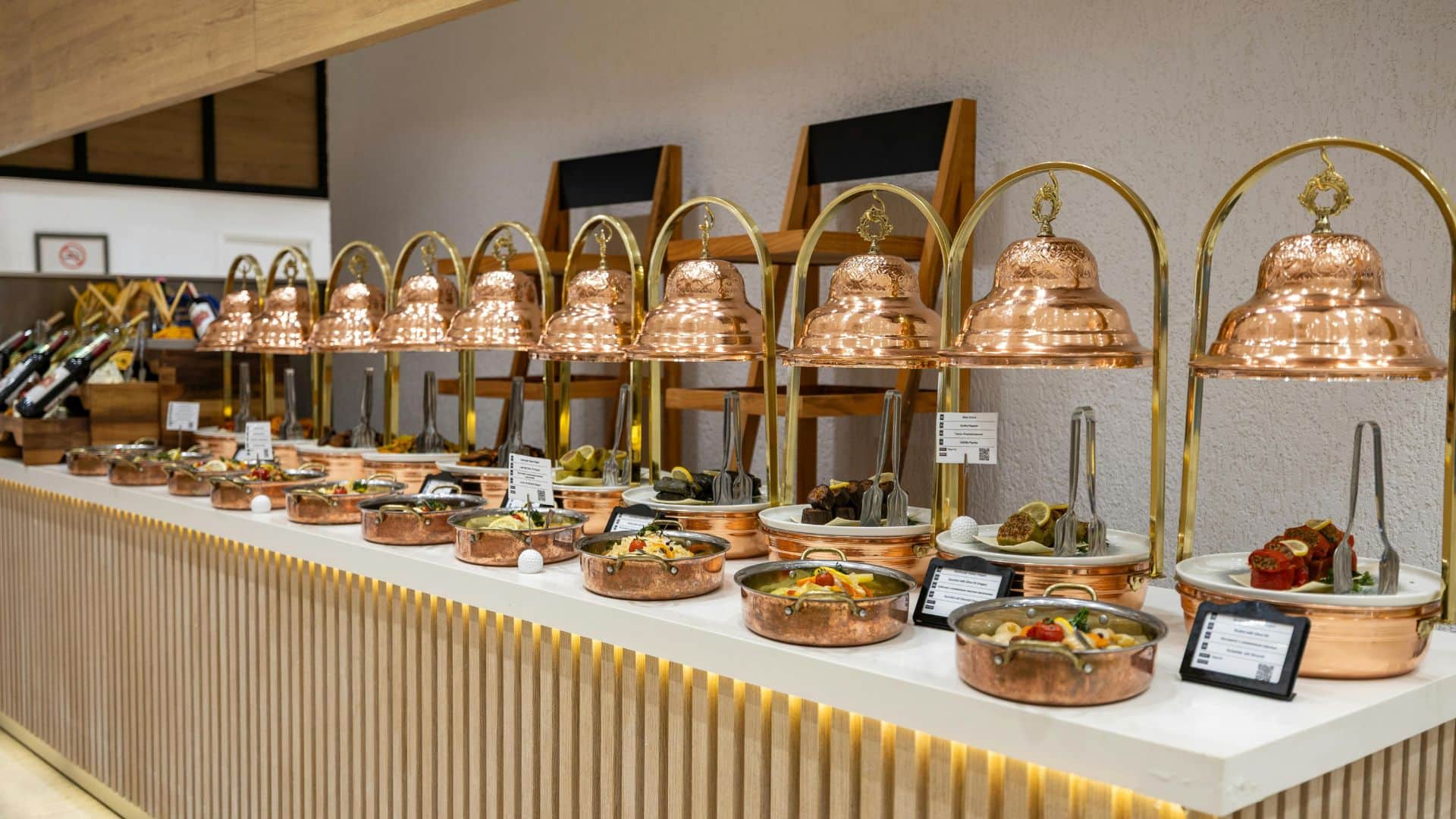
The food register on this coast is Aegean Turkish — different from Greek, different from Italian, mostly its own thing. Mezze in flat dishes across a long table, grilled day-boat fish dressed in nothing but lemon and salt, raki served with cold water and the family welcoming the captain by name. The peninsula at Datça is olive country — the same trees the Carians planted, oils pressed at the village mill — and the quayside tavernas the captains book are mostly small-family places that don't appear in any guidebook the cruise crowd reads. North-shore Gökova restaurants run the same pattern: Captain Ibrahim's at Çökertme, the wooden-jetty grill at English Harbor, the kitchen at Bedri Rahmi Bay where the painter put a fish on a rock in 1973 and the family has cooked there ever since. Dinner ashore is built into every itinerary.
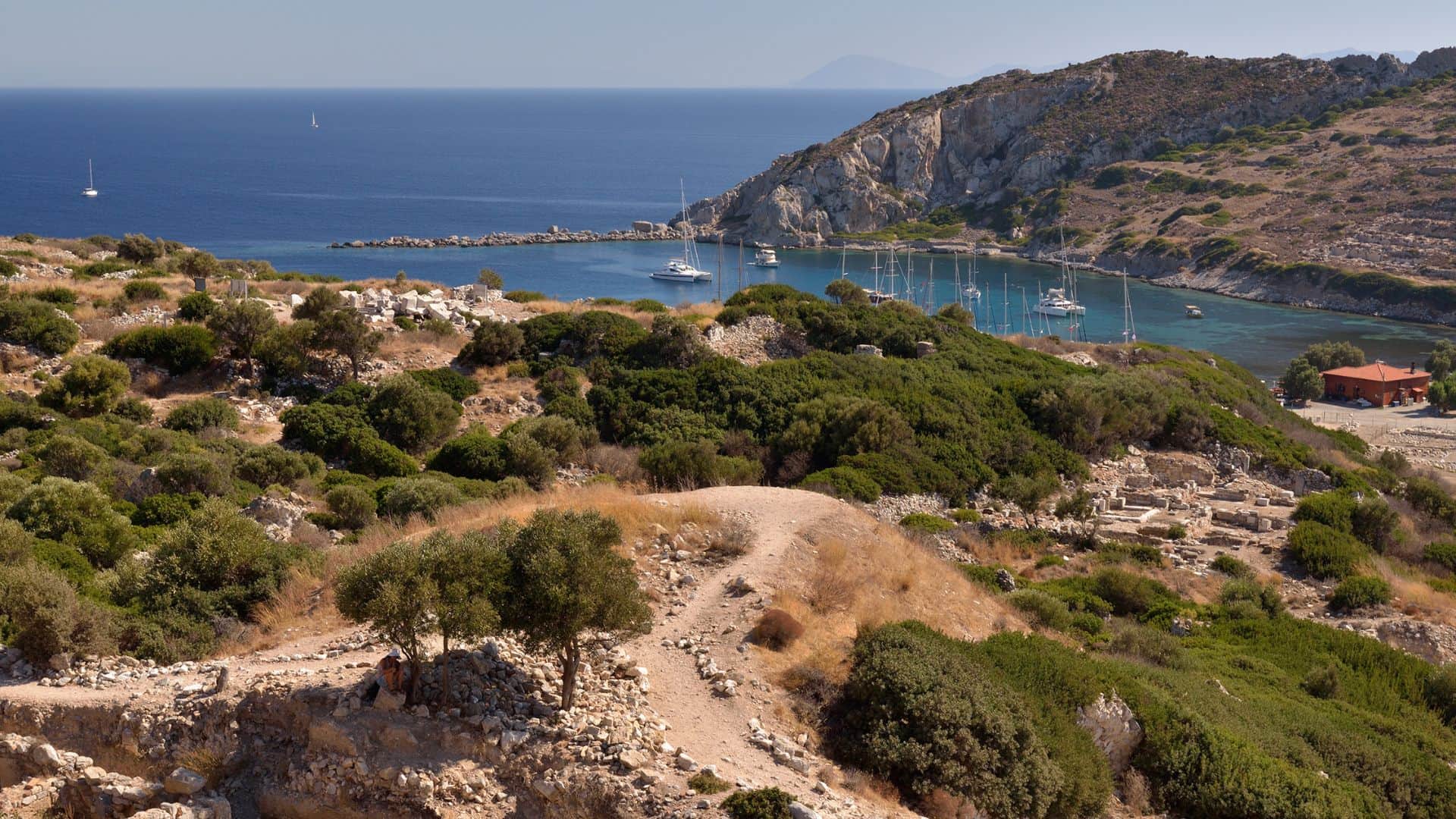
Three of this coast's most-photographed places are reachable only from a yacht. Knidos at the western tip of the Datça peninsula has no road — the ancient Doric port has two harbors (charter yachts anchor in the larger commercial harbor on the east), two theaters, and the Aphrodite Euploia temple where Praxiteles' nude Aphrodite of Knidos stood in 365 BC; you walk the marble streets in the morning while your yacht swings at anchor below. Butterfly Valley near Ölüdeniz is reachable only by tender — the cliff trail from Faralya is closed, the cove is open-sea, you walk the valley floor for an hour and tender back. And the Dalyan river: yachts cannot enter the river itself (the mouth is shallow mud flats), so you anchor at Ekincik and transfer to the local flat-bottom river boats; they motor up through the reeds past the Lycian rock-tombs cut into the cliff face, dock at the Caunos amphitheater for the morning, and carry on to the Sultaniye thermal mud baths in the afternoon. Three days of the week are quay-and-tender; one is the river-boat day.

A hand-picked selection of crewed charter yachts for Turkey — yachts and crews we know firsthand.
Your week is shaped around your group's interests, the season, and the conditions on the water — your captain tailors the days as they unfold. Treat these itineraries as starting points for inspiration.
Crewed Itinerary · Turkey · Bodrum
The wooden jetty has one grill, one family running it, and a captain at the next table who's been booking the place for twenty years. The meltemi is running thirty knots a few miles north in the open channel, but you're in flat water on the Gulf of Gökova's north shore, pine-clad mountains behind the bay. Lunch is two hours — mezze across the table, grilled day-boat sea bass dressed in lemon and salt, raki served with cold water that turns the glass milky. By the time you push back from the table the day boats have gone home and the cove is yours. Sailing Bodrum the way we do it is the Carian week — the Turkish coast around Bodrum and the Gulf of Gökova, the most protected Aegean cruising ground we run.
Most guests booking this week are first-timers on the Turkish coast or repeat Med charterers wanting the Aegean side without the meltemi pressure on the open Cyclades. The 7-day round trip from Yalıkavak runs roughly 100 nautical miles total — short hops, long lunches, the north shore of the Gulf of Gökova as a meltemi-protected playground. Built around a 30- to 50-meter motor yacht with a chef and full crew; modern luxury gulets and sailing yachts work the same route at different paces. Embarkation at Yalıkavak Marina (Palmarina) at the western tip of the Bodrum peninsula, twenty-five minutes by road from Milas-Bodrum airport (BJV). Prime season runs May through October — June and September the strongest weeks of the year on this coast.
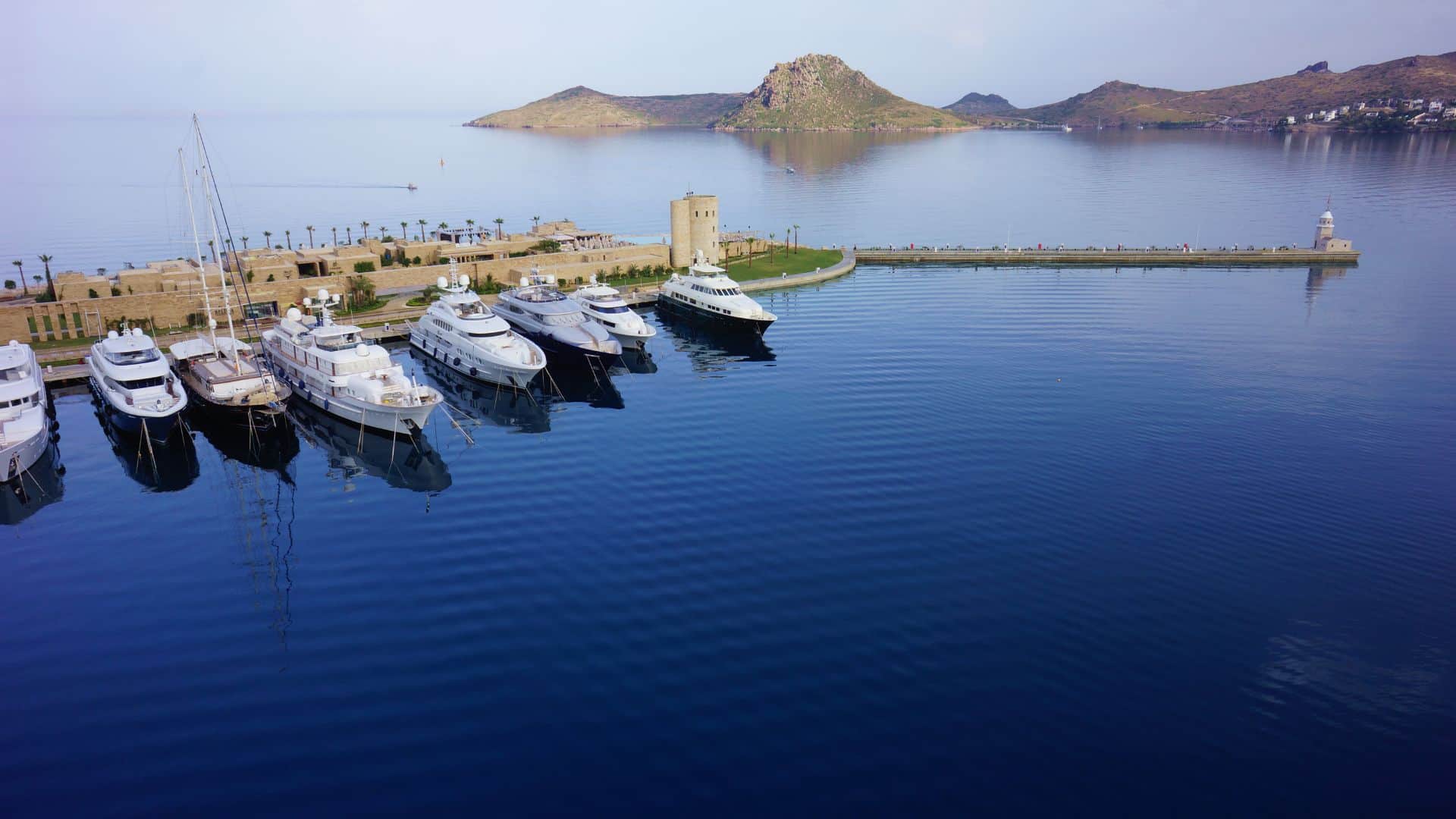


This is the social-and-archaeology week. A first night at Yalıkavak's Marina under the celebrity-chef restaurant row — Zuma, Novikov, Nusr-Et, Bagatelle — followed by a tender north into Türkbükü Bay for dinner at Maçakizi, the Bodrum peninsula's one-Michelin-star anchor. Then the slow turn east into the Gulf of Gökova: an afternoon swim and walk at Cleopatra Beach on Sedir Island, where the towels-on-sand prohibition has been enforced for twenty years and the Cedrae ruins above the protected sand are the actual reason to come ashore. North-shore anchorages at Çökertme and English Harbor — the wooden-jetty grills the captains have been booking for years, the meltemi blowing thirty knots a few miles north and your yacht in flat water. Then the long leg west around the Datça peninsula's tip to Knidos, where you anchor in the larger of the two ancient harbors and walk the marble streets of a Doric port city with the Aphrodite Euploia temple on the headland above. Datça's olive country for the last evening, mezze along the quay. And the final morning's run back to Yalıkavak.
Two more Turkish weeks run alongside this one. The Turquoise Coast itinerary out of Göcek runs the Lycian shore — twelve islands at the mouth of Fethiye Gulf, Butterfly Valley by tender, Kalkan and Kaş for shore dinners, Kekova and the sunken city of Simena. The Bodrum-to-Göcek one-way runs both grounds in seven days with the Dalyan river excursion as the day off the boat. Pricing on this coast starts around $40,000 a week and scales well into superyacht territory. **A note on flag and embarkation:** as of 2024, foreign-flagged yachts under thirty-nine meters cannot legally embark guests from Turkish ports without a special license. The standard configuration for US guests on a foreign-flagged yacht is a Greek-flagged (or Greek-licensed) yacht embarking in Kos and crossing into Turkey on day one. We walk through which structure fits your yacht before you book.
Day 1 of 7 · Yalıkavak → Türkbükü
The week starts at Yalıkavak. Twenty-five minutes by road from Milas-Bodrum airport, on the western tip of the Bodrum peninsula, the marina runs along a kilometer of restaurant-lined quay — Zuma, Novikov, Nusr-Et, Bagatelle Bodrum, Birds, the most concentrated celebrity-chef cluster in the Mediterranean, walked to from your aft deck. Your crew meets you at the slip with cold drinks and the chart briefing. The galley is already stocked, the steward settles your luggage into cabins, and the chef walks you through the welcome plate while the captain readies the boat to leave.
By late afternoon the captain is slipping lines. A gentle twelve-nautical-mile run north and east around the Bodrum peninsula to Türkbükü — the protected bay on the north shore that's been Bodrum's St. Tropez since the early 2000s. The anchorage is offshore in eight to twelve meters of sand, swim platform open by sunset. Tender ashore for dinner at Maçakizi: one Michelin star in the 2026 guide, Aret Sahakyan in the kitchen, two private pontoons reserved for visiting yachts. Reservations through your captain — the relationship is what gets the booking.
Day Highlights
Day 2 of 7 · Türkbükü → Sedir Island (Cleopatra Beach)
A slow morning underway: the captain points the bow east-southeast for the twenty-five-nautical-mile run into the Gulf of Gökova, north shore tucked behind pine-clad mountains while the meltemi blows in the open Cyclades a few miles to the north. Sedir Island sits in the gulf — a small protected island with a single landmark, Cleopatra Beach, where the spherical-grain white sand has been protected by Turkish heritage law since 1974. Towels are prohibited; slippers off the sand are prohibited; the rule about not pocketing a single grain is enforced by an attendant at the wooden boardwalk.
Above the beach, the actual archaeology: the ruins of ancient Cedrae, a small Carian-Roman city with a theater, an agora, and the foundations of a temple of Apollo. The folklore about Mark Antony importing the sand from Egypt for Cleopatra is just folklore — the city is real, the sand is unusual, the romance is local color. A long lunch on the aft deck after the swim, the chef's plates set on white linen with the gulf opening east toward Marmaris. By afternoon the day boats have cleared; you have the bay to yourself.
Dinner is on board at anchor, the silhouette of Sedir off the bow as the lights come on along the wooden boardwalk and the attendant heads back to the village ferry. The water in the gulf in June and September runs in the mid-twenties Celsius, swimmable into the late evening; the air drops just enough overnight that the cabin AC isn't necessary.
Day Highlights
Day 3 of 7 · Sedir → Çökertme
A short ten-nautical-mile hop north and east to Çökertme, one of the wooden-jetty taverna anchorages that defines the Gulf of Gökova's north shore. The captain reads conditions before deciding whether to anchor or pick up a quayside tie — Çökertme runs both options depending on traffic. Captain Ibrahim's runs the longest-serving grill on the bay; the captain books the table on arrival, a row of mezze hits the table within ten minutes, and the day-boat fish lands grilled in nothing but lemon and salt.
What makes the day specific is the meltemi math. The pine-covered mountains south of the Datça peninsula act as a concrete wall — while the channel between Bodrum and the Cyclades blows thirty knots in August afternoons, Çökertme runs flat, calm water with a steady ten-knot afternoon thermal. It's the reason this north-shore route holds up when the Aegean side is pinned in port. A long swim before lunch, an afternoon nap, dinner ashore at the taverna or back on board — both work.
Day Highlights
Day 4 of 7 · Çökertme → English Harbor
Twelve nautical miles further east along the north shore to English Harbor — locally Tuzla, named for the British naval presence here during the Second World War. The anchorage is deep and protected, mostly empty in early-summer and late-summer charter weeks, and the shore is largely undeveloped pine forest. The captain anchors in eight to twelve meters of sand, drops the swim platform, and the boat shifts into anchor mode for a full day — water sports kit deployed off the stern, a long swim, the chef working on a slow lunch.
Mid-afternoon, a tender ashore for a walk through the pine woods to one of the small fish restaurants the locals run on the inland edge of the harbor. The pattern is the same as Çökertme — mezze across the table, day-boat fish, raki — but without the wooden-jetty crowd. Back on board for sundowners. Dinner is on the aft deck at anchor, the harbor empty as the light goes.
Day Highlights
Day 5 of 7 · English Harbor → Knidos
The longest leg of the week — thirty nautical miles south and west, around the eastern shoulder of the Datça peninsula and along its south coast to Knidos at the western tip. Knidos has no road; the only way in is by sea. Charter yachts anchor in the larger of the two ancient harbors — the commercial harbor on the east — in eight to fifteen meters of clear water, with the columns of the Aphrodite Euploia temple visible on the headland above the bow.
Knidos was a major Doric port city, fortified by Sparta in the fifth century BC and famous for two things: Praxiteles' nude Aphrodite of Knidos (sculpted around 365 BC, the first life-size female nude in Greek art, the original lost but copied for centuries), and a commercial fleet that traded across the Aegean for six hundred years. The site has two theaters — a smaller five-thousand-seat theater that looks down on the anchorage, a larger twenty-thousand-seat amphitheater on the slope behind — plus an agora, terraced streets, and the temple foundations on the headland between the two harbors. You walk the marble streets in the morning while your yacht swings at anchor below.
Dinner is on board at anchor in the ancient harbor. There is no taverna at Knidos — the site is a heritage zone, not a village. The night silence is the point: the temple ruins lit by your deck lights, the empty harbor, the boat the only one moored where six hundred years of Doric commerce once tied up.
Day Highlights
Day 6 of 7 · Knidos → Datça
Fifteen nautical miles east back along the south shore of the Datça peninsula to Datça itself — a quiet port town on the southern coast, mostly avoided by the cruise crowd, the kind of harbor that's still mostly Turkish rather than tour-flavored. The captain ties up at the quay or anchors offshore depending on space and reads conditions. Datça's calling card is its olives: the same trees the Carians planted, the oil pressed at the village mill, the small-family meyhanes along the harbor that have served the same families for forty years.
Dinner is ashore at one of the quayside meyhanes — the captain picks the place. Mezze in flat dishes across a long table, grilled day-boat fish dressed in nothing but lemon and salt, raki served with cold water and ice that turns the glass milky as the night goes. The bill is a fraction of what the same meal would cost at Yalıkavak. The character is what changes: Datça is what the Bodrum coast used to be, before the Turkish lira and the international yacht charter market both arrived.
Day Highlights
Day 7 of 7 · Datça → Yalıkavak

A last slow breakfast on deck at the Datça quay, a final swim off the swim platform if the morning is warm enough, and the captain slips lines for the thirty-nautical-mile crossing north and west back to Yalıkavak. The route runs north across the Hisarönü and Gökova mouths, the open channel taking the only meltemi exposure of the week — usually a building afternoon thermal that the boat handles in stride. Lunch is on board through the leg, the chef's farewell plate, a final glass of the cellar's best, and the silhouette of the Bodrum peninsula growing on the bow.
Disembarkation at Yalıkavak by mid-afternoon. The crew has the transfer arranged — direct to BJV for guests flying out the same day, or to a hotel in Bodrum for guests adding a night ashore. Many groups extend with a half-day at Pamukkale (a domestic flight from BJV, two hours) or a private-driver day to Ephesus (three hours by road). Your captain and chef will step off the boat already talking about when you're coming back, which is usually how the good ones end.
Day Highlights
Want to share or come back to this voyage later?
Bookmark this voyage →Crewed Itinerary · Turkey · Lycian Coast
By day three, the geography has shifted. The pine-forested mountains of southern Turkey tumble straight into water that's eight degrees warmer than the open Aegean, the meltemi running in the channel north of you while the bays you anchor in stay flat — the Datça peninsula is acting as a concrete wall against the wind, the way the captains have known for decades. Lycian rock-tombs are cut into the cliffs above almost every harbor on this coast, and the swimming water is the clearest in the Mediterranean. Sailing the Turquoise Coast is the marquee Lycian week, the one no broker on the European Med skips.
Most guests booking this week are repeat Med charterers wanting the Aegean side without the meltemi pressure, or first-time Turkey guests wanting the Lycian shore over the Bodrum social hub. The 7-day round trip from Göcek runs roughly 110 nautical miles total — short hops, long lunches, the wind shadow of the Datça peninsula keeping the bays calm even in August. Built around a 30- to 45-meter motor yacht or modern luxury gulet with a chef and full crew; sailing catamarans work the same route at a slower pace. Embarkation at Göcek (Skopea Marina or D-Marin Göcek), twenty-five minutes by road from Dalaman airport (DLM). Prime season runs May through October — June and September the strongest weeks, with August workable on this coast in a way it isn't on the Bodrum side.


This is the postcard week. A first day at Göcek's twelve islands at the mouth of Fethiye Gulf — Tersane Island with its Byzantine shipyard ruins, Yassıca Adaları's lagoon for a long swim, Bedri Rahmi Bay where the painter put a fish on a rock in 1973 and the family has cooked at the wooden-jetty grill ever since. A second day at Cleopatra's Bath, the Roman ruins faintly visible underwater at Manastır Bay. Then Fethiye for the Lycian rock-tombs cut into the cliffs above the harbor, Butterfly Valley by tender (the cliff trail is closed; the only way in is from the sea), Kalkan and Kaş for shore dinners. The marquee anchor of the week — Kekova where the sunken city of Simena sits below your anchor and the Crusader castle on car-free Kaleköy is reached on foot up stone paths cut in the Hellenistic period. A last day at Gemiler Island for the Byzantine ruins on the slope above the bay, and the run home through the twelve islands back to Göcek.
Two more Turkish weeks run alongside this one. The Carian week from Bodrum runs the Gulf of Gökova north shore — Maçakizi, Cleopatra Beach on Sedir Island, Knidos at the western tip of the Datça peninsula. The Bodrum-to-Göcek one-way runs both grounds in seven days with the Dalyan river excursion as the day off the boat. Pricing on this coast starts around $40,000 a week and scales well into superyacht territory. **A note on flag and embarkation:** as of 2024, foreign-flagged yachts under thirty-nine meters cannot legally embark guests from Turkish ports without a special license. The standard configuration for US guests on a foreign-flagged yacht is a Greek-flagged (or Greek-licensed) yacht embarking in Kos or Rhodes and crossing into Turkey on day one; we walk through which structure fits your yacht before you book.
Day 1 of 7 · Göcek → 12 Islands
The week starts at Göcek. Twenty-five minutes by road from Dalaman airport, six marinas at the head of the gulf — Skopea (Turkey's first private marina, opened 1989, the original boutique address) or D-Marin Göcek (the larger commercial hub) for embarkation. Your crew meets you at the slip with cold drinks and the chart briefing. Building heights at Göcek are regulated to preserve the panorama; the town reads more yacht-club than Bodrum's celebrity-chef hub.
By late morning the captain is slipping lines. A short eight-nautical-mile run to the twelve islands at the mouth of the gulf — the standard easy day-one of any Lycian week. The captain picks the anchorage by traffic and wind: Tersane Island for the Byzantine shipyard ruins on its inland side, Yassıca Adaları for the cluster-of-five-islands lagoon, Bedri Rahmi Bay for the wooden-jetty grill named after the Turkish painter who put a fish on a rock there in 1973. Swim platform open through the afternoon; dinner at anchor or ashore at Bedri Rahmi depending on the captain's call.
Day Highlights
Day 2 of 7 · 12 Islands → Manastır Bay
Twelve nautical miles east into the gulf to Manastır Bay — locally known as Cleopatra's Bath after the Roman thermal pool whose foundation walls are still visible underwater at the head of the bay. The folklore about Cleopatra herself bathing here is just folklore; the Roman ruins are real, the water clarity is real, and the bay is one of the more sheltered overnight anchorages on the Lycian shore. Your captain anchors in eight to twelve meters of sand, swim platform open by mid-morning.
A long lunch on the aft deck, the chef's plates set with the bay opening south. The afternoon's an easy snorkel along the inner edge of the bay — the Roman foundations are visible in three to four meters of water, a low rectangular outline of cut stone. By evening the day boats have cleared. Dinner is on board at anchor; the silhouette of the pine ridge behind the bay turns black against the sky and the cabin lights of the boat are the only lights you can see.
Day Highlights
Day 3 of 7 · Manastır → Fethiye
Ten nautical miles south to Fethiye, a working town that's been a port since Lycian times. The signature visual is the cliff above the town: the Tomb of Amyntas, a Lycian rock-cut tomb carved into the bedrock in the fourth century BC, the temple-front façade visible from the harbor. The captain ties up at the harbor or anchors offshore depending on traffic; the town is walkable from either.
An afternoon ashore: the fish market at the harbor (you pick a fish, a restaurant cooks it for you next door — the captain knows the system), the Lycian rock-tomb cluster on the cliff (a steep walk for those who want the close-up; postcards and a long-lens shot from the boat work for those who don't), and a wander through the produce market while the chef picks up the day's vegetables. Dinner is back on board at anchor, the rock-tombs lit at dusk against the cliff above the town.
Day Highlights
Day 4 of 7 · Fethiye → Ölüdeniz
Ten nautical miles southeast to Butterfly Valley, a steep cliff-cove a short distance from Ölüdeniz. The valley is named for the Jersey tiger moth that breeds in the protected canyon above the beach, and the only way in is from the sea — the cliff trail from the village of Faralya was closed for safety after a series of falls. Your yacht anchors offshore; the tender lands you on the beach, and you walk inland for an hour through the canyon floor.
The valley is not an overnight anchorage — the cove is open-Mediterranean, exposed to swell, and the camping facility on the beach is rough. Tender excursion only: drop in late morning, walk the valley, swim from the beach, tender back to the yacht for lunch, and the captain repositions for the afternoon. Most weeks the boat overnights instead at one of the protected coves further south along the coast toward Kalkan.
Day Highlights
Day 5 of 7 · Ölüdeniz → Kaş
Twenty-five nautical miles east along the Lycian shore — past the white-sand bays at Patara, the coves at Kalkan, and on to Kaş. Kalkan is a short anchor-and-tender stop for the captain to pick up provisions or the group to walk the cobbled town for an hour; Kaş is the overnight. The captain anchors offshore or ties up at Kaş Marina (472 berths, Setur-managed, capacity to 150 meters) depending on availability and yacht size.
Kaş is the boutique town of the Lycian coast — anchor-and-walk-to-dinner character, harbor lined with low whitewashed houses, the marina at the eastern edge of town. The captains book one of three: The Dolphin Restaurant on the harbor for octopus and sea bass, L'Apéro in a 150-year-old Greek-built house for French-Turkish fusion, or Nereid Gurme in another old Greek house with a meyhane terrace. Dinner is ashore; back on board late.
Day Highlights
Day 6 of 7 · Kaş → Kekova
Twenty-two nautical miles east to Kekova — the marquee anchor of the week, and one of the marquee anchorages in the entire Eastern Mediterranean. The bay holds the sunken Lycian city of Simena, collapsed during the earthquakes of the second century AD, walls and stairways and amphora fragments still visible in three to five meters of shallow turquoise water below your anchor. Charter yachts anchor in Üçağız harbor (the standard charter-yacht anchorage) or just offshore — the harbor handles yachts up to superyacht class without trouble.
Swimming or diving over the sunken-city ruins is prohibited to protect the archaeology — the rule has been enforced since the 1990 declaration of the area as a protected zone. Tersane Bay and Akvaryum Bay nearby are the swim spots: clear water, sand bottom, no archaeology. Tender ashore for an afternoon at Kaleköy, the small village on the headland that's car-free; you walk up stone paths from the harbor to the Crusader castle on the ridge.
Inside the castle is the smallest theater in Lycia: seven rows hewn from the bedrock during the Hellenistic period, three hundred seats, the sea filling the seventh row's view across to the modern village below. There is no road to Kaleköy and no road within the village — every house is reached on foot. Dinner is back on board at anchor in Üçağız harbor; the night is silent except for the boat's generator and the lap of water against the hull.
Day Highlights
Day 7 of 7 · Kekova → Göcek
A last slow breakfast at anchor in Üçağız, a final swim off the swim platform, and the captain slips lines for the thirty-five-nautical-mile return run west to Göcek. The route runs back along the Lycian shore the way you came, with one stop along the way: Gemiler Island, also called St. Nicholas Island, off the coast south of Fethiye. Byzantine-era ruins climb the slope above the bay — chapels, a church, residential structures from the fourth to sixth centuries AD, when the island was a major pilgrimage site for early Christians traveling between Constantinople and Jerusalem.
A short tender ashore for the climb up the marble path through the ruins, lunch back on board as the captain runs the final twenty miles into Göcek. Disembarkation by mid-afternoon at Skopea or D-Marin — wherever you embarked. The crew has the transfer arranged: direct to DLM for guests flying out the same day, or to a hotel in Göcek for guests adding a night ashore. Many groups extend with a private-driver day to Letoon (a UNESCO Lycian sanctuary site, an hour by road) or south to Patara's beach. Your captain and chef will step off the boat already talking about when you're coming back, which is usually how the good ones end.
Day Highlights
Want to share or come back to this voyage later?
Bookmark this voyage →Crewed Itinerary · Turkey · One-Way
By day five, you've sailed both halves of the Turkish coast. The week began at Yalıkavak's superyacht quay and ran the Gulf of Gökova's archaeological south shore — Knidos and the Aphrodite Euploia temple, Datça's olive country, the long Roman-era headlands of the Datça peninsula. Then south through the Hisarönü gulf, the Bozburun peninsula's wind-shelter on either side, the Lycian coast opening east. Today's the day off the boat — yacht anchored at Ekincik, the local flat-bottom river boats motoring you up the Dalyan past Lycian rock-tombs cut into the cliff face, a morning at the Caunos amphitheater and an afternoon at the Sultaniye thermal mud baths. Sailing Turkey end to end in seven days is the longest editorial arc on the coast — the connector, no backtrack, both grounds in one week.
Most guests booking this itinerary are repeat Med charterers wanting the longest single-week story Turkey offers, or first-time guests adding land travel before or after. The 7-day one-way from Bodrum to Göcek runs roughly 140 nautical miles total — longer hops than the round-trip itineraries, the Datça-to-Marmaris-to-Ekincik leg the longest single day. Built around a 35-meter-plus motor yacht for the longer legs; modern luxury gulets work the same route at a slower pace. Embarkation at Yalıkavak Marina (BJV gateway), disembarkation at Göcek (DLM gateway). Prime season runs May through October — June and September the strongest weeks of the year.
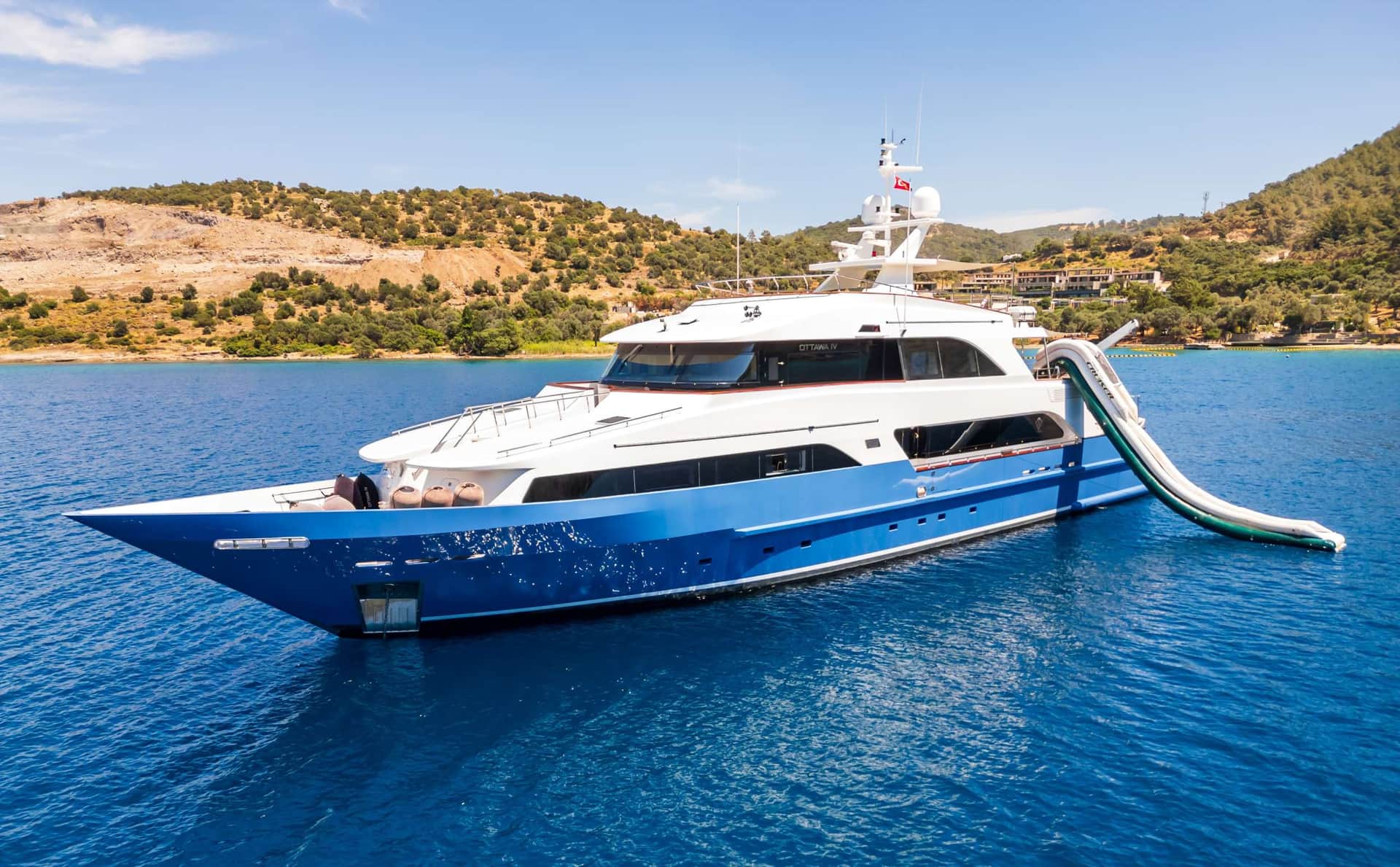


This is the no-backtrack week. A first afternoon at Yalıkavak, then a long leg south and west to Knidos at the Datça peninsula's western tip — anchored in the larger of the two ancient harbors with the Aphrodite Euploia temple ruins on the headland above the bow. Datça's olive country for the second night, mezze at one of the quayside meyhanes the captains have been booking for forty years. Then south across the Hisarönü gulf to Bozburun and Selimiye, the wooden-jetty fish restaurants on either side of the peninsula. The marquee day comes mid-week: yacht anchored at Ekincik, the only-by-yacht excursion up the Dalyan river through the reeds past Lycian rock-tombs to the Caunos amphitheater and the Sultaniye thermal mud baths. East along the Lycian shore to the Göcek twelve islands, and the run home through the islands to Göcek itself.
The third Turkish itinerary — the Turquoise Coast week from Göcek round-trip — covers the Lycian shore's eastern half (Fethiye, Butterfly Valley, Kalkan, Kaş, Kekova) at a slower pace. The Carian week from Bodrum round-trip covers the Gulf of Gökova north shore (Maçakizi, Cleopatra Beach on Sedir Island, Çökertme, English Harbor, Knidos, Datça). This connector splits the difference and adds the Dalyan excursion as a marquee day off the boat. Pricing on this coast starts around $40,000 a week and scales well into superyacht territory. **A note on flag and embarkation:** as of 2024, foreign-flagged yachts under thirty-nine meters cannot legally embark guests from Turkish ports without a special license. The standard configuration for US guests on a foreign-flagged yacht is a Greek-flagged (or Greek-licensed) yacht embarking in Kos and crossing into Turkey on day one; we walk through which structure fits your yacht before you book.
Day 1 of 7 · Yalıkavak → Knidos
The week starts at Yalıkavak. Twenty-five minutes by road from Milas-Bodrum airport, on the western tip of the Bodrum peninsula, the marina runs along a kilometer of restaurant-lined quay. Your crew meets you at the slip with cold drinks and the chart briefing. Welcome lunch on board, the steward settling your luggage into cabins, the chef walking you through the welcome plate.
By mid-afternoon the captain is slipping lines. A thirty-four-nautical-mile run south and west to Knidos at the western tip of the Datça peninsula — the longest day-one of the three Turkish itineraries, but the right move for a one-way week: it puts you at one of the marquee anchorages by sundown. Knidos has no road; the only way in is by sea. Charter yachts anchor in the larger of the two ancient harbors (the commercial harbor on the east) in eight to fifteen meters of clear water with the Aphrodite Euploia temple visible on the headland above. Dinner at anchor. There is no taverna at Knidos — the night silence is the point.
Day Highlights
Day 2 of 7 · Knidos → Datça
A slow morning at Knidos: a swim in the ancient harbor, a walk through the temple ruins and the smaller five-thousand-seat theater, lunch on board. By early afternoon the captain points the bow east for the fifteen-nautical-mile hop along the Datça peninsula's south coast to Datça itself — a quiet port town largely off the cruise circuit, mostly Turkish rather than tour-flavored.
The captain ties up at the quay or anchors offshore depending on space. Datça's calling card is its olives — the same trees the Carians planted, the oil pressed at the village mill, the small-family meyhanes along the harbor that have served the same families for forty years. Dinner is ashore at one of the quayside places the captains book. Mezze in flat dishes across a long table, grilled day-boat fish dressed in nothing but lemon and salt, raki served with cold water that turns the glass milky as the night goes.
Day Highlights
Day 3 of 7 · Datça → Bozburun

Twenty-five nautical miles east-southeast across the mouth of the Hisarönü gulf to Bozburun, the working fishing town on the eponymous peninsula. The Bozburun peninsula is shielded on both sides — the Hisarönü gulf to its north, the Gokova gulf to its west — and the wind-shadow geography keeps both coasts flat even on August afternoons when the meltemi runs in the open channel. The captain anchors offshore at Bozburun harbor or ties up at the small quay depending on space.
Bozburun's character is half-fishing-village, half-yacht-builder — the town is the historic heart of Turkey's gulet shipyards, and many of the modern luxury gulets in the Turkish charter fleet were hand-built at the local yards. Lunch is on board at anchor, the chef working through a slow afternoon. Dinner ashore at one of the wooden-jetty fish restaurants — the captain books the table on arrival, mezze and grilled day-boat fish, the family welcoming the captain by name.
Day Highlights
Day 4 of 7 · Bozburun → Selimiye
A short twelve-nautical-mile hop north and east across the inner Hisarönü gulf to Selimiye — one of the more sheltered overnight anchorages on the peninsula, the harbor lined with low whitewashed houses, the quay running about a half-kilometer along the inner bay. The captain anchors offshore in eight to twelve meters of sand or ties up at the village quay; both work.
Selimiye is a slow day. The water is glass-flat inside the harbor, the swimming is some of the warmest along this stretch of coast, and the village runs at a pace that makes Bozburun look bustling. Long swim before lunch, an afternoon walk through the back streets to one of the small shops above the harbor, dinner ashore at a quay-side meyhane the captain knows — the sort of place where the menu doesn't exist and the order is set the moment you sit down.
Day Highlights
Day 5 of 7 · Selimiye → Ekincik (Dalyan day)
Twenty-two nautical miles east across the mouth of the Köyceğiz gulf to Ekincik, the protected anchorage at the mouth of the Dalyan river. This is the marquee day of the connector itinerary, and the only-by-yacht excursion that no Greek or Croatian charter ground can match. Yachts cannot enter the Dalyan — the river mouth is shallow mud flats, and the upper river runs through reed beds that local flat-bottom river boats have navigated for generations. The pattern is anchor at Ekincik in eight to twelve meters of sand, then transfer to the local river-boat fleet for the day.
The river boats motor up the Dalyan past the Lycian rock-tombs cut into the cliff face above the river — fourth-century BC tomb facades carved into the rock, temple-front architecture visible from the river boat as you pass. Dock at the Caunos amphitheater for the morning: a Carian-Roman city site with a theater, an agora, and the foundations of a small basilica. Then back on the river boats and on to the Sultaniye thermal mud baths — twelve kilometers from Ekincik, sulfurous-mud spring fed from the volcanic ridge above the Köyceğiz lake. You walk into the mud, sit, walk out, rinse off in the spring water that runs alongside.
The river boats return you to your yacht at Ekincik by late afternoon. The captain books the river boats as part of the standard charter setup; you don't lift a finger. Dinner is on board at anchor at Ekincik — the chef working on the Dalyan-day plate, the river boats moored back at the Dalyan dock, your yacht's lights the only ones in the bay.
Day Highlights
Day 6 of 7 · Ekincik → 12 Islands
Twenty-five nautical miles east-southeast to the twelve islands at the mouth of Fethiye Gulf — the standard day-one of the round-trip Turquoise Coast itinerary, and the standard last-night-of-the-week stop on the connector. The captain picks the anchorage by traffic: Tersane Island for the Byzantine shipyard ruins on its inland side, Yassıca Adaları for the cluster-of-five-islands lagoon, Bedri Rahmi Bay for the wooden-jetty grill named after the Turkish painter who put a fish on a rock there in 1973.
Long swim through the afternoon, the chef preparing the farewell plate. Dinner ashore at Bedri Rahmi or back on board at anchor. The night is calm — building heights at Göcek and the surrounding gulf are regulated, no shore-side noise, the lights of a few other yachts in the next bay over the only lights you can see.
Day Highlights
Day 7 of 7 · 12 Islands → Göcek
A last slow breakfast on deck in the twelve islands, a final swim off the swim platform, and the captain slips lines for the short eight-nautical-mile run into Göcek itself. Lunch on board through the leg, the chef's farewell plate, a final glass of the cellar's best, and the silhouette of Göcek's marinas growing on the bow.
Disembarkation at Skopea or D-Marin by mid-afternoon. The crew has the transfer arranged: direct to DLM for guests flying out the same day, or to a hotel in Göcek for guests adding a night ashore. Many groups extend with a private-driver day to Letoon (a UNESCO Lycian sanctuary site, an hour by road) or to Patara's beach on the Lycian shore. Your captain and chef will step off the boat already talking about when you're coming back, which is usually how the good ones end.
Day Highlights
Want to share or come back to this voyage later?
Bookmark this voyage →
When to go, what it costs, and how to get there — the practical answers guests ask before booking a Turkey crewed yacht charter.
The Aegean summer at full intensity. Daytime highs in the low-to-mid 80s on the coast, mid-90s on inland excursions to Ephesus or Pamukkale. Sea temperatures peak at twenty-seven degrees in August, the warmest swimming water in the Mediterranean. The meltemi runs most July and August afternoons — the northwesterly that comes in around lunch, builds to thirty knots in the open channel between the Cyclades and Bodrum, and drops at sundown. Bodrum and the Datça peninsula take the brunt of it. The harbors run dense in mid-August, when Turkish Bayram and the European August holiday converge; premium berths at Yalıkavak go nine to twelve months in advance. Charterers who want the energy of high-season Bodrum pay for it; charterers who want quieter water and easier reservations book the weeks on either side.
The window most regulars book — and where the Lycian coast (R2) reveals its concierge advantage. The pine-covered mountains south of the Datça peninsula act as a wind shadow: while the Bodrum channel blows thirty knots in August afternoons, the Lycian coast — Göcek, Fethiye, Kalkan, Kaş, Kekova — runs at a steady ten-to-twenty afternoon sea breeze. It's the reason late-summer Lycian weeks stay calm when the Aegean side is pinned in port. Beyond the meltemi math: water hits twenty-five degrees in mid-June and stays above twenty-four through September. Days run in the upper 70s to mid-80s. Rates fall fifteen to twenty-five percent from peak. June and early September are the strongest weeks of the year on this coast.

$40,000–$200,000 per week
A Turkey crewed week runs $40,000 to $200,000+ base rate, depending on yacht size, build year, and crew. Turkey operates on the Mediterranean plus-expenses model — base rate covers the yacht and crew only, with a 10–15% Med gratuity (10% the customary midpoint per MYBA) paid directly to the captain on disembarkation, and a 25–35% APA pre-funded at signing to cover food, beverages, fuel, marina dockage, harbor fees, and Greek-island day-trip customs (TEPAI tax, transit log, mooring fees) when the itinerary touches Kos or Symi. The Turkish charter VAT picture is the lowest in the Mediterranean for our audience: foreign-flagged commercial yachts (Cayman, Marshall Islands, Malta — what most US guests book) pay 0% VAT in Turkish waters, against 22% in Italy, 13% in Croatia, and 12% in Greece. Turkish-flagged yachts pay 20% VAT and rarely come up at the price point above. Charters run Saturday to Saturday.
About chartering in Turkey.
We charter across the Eastern Mediterranean. Here are some other excellent alternatives.

Embark on a Greece yacht charter to experience timeless beauty, crystal-clear waters, ancient ruins, and charming islands offering endless exploration.

Stone harbors and pine-rimmed coves down the Dalmatian coast — Roman ruins inside medieval walls, cold Pošip on a stern-to quay in Hvar, the Adriatic the way it was written about.

The Mediterranean week that looks like nowhere else in Europe — medieval walls dropping straight into the water, a baroque church on an island made from sunken ships, and the Sveti Stefan silhouette at the offshore anchor. The Adriatic week most guests book the second time they come.
Fill out our quick form and we'll dive into your unique preferences — from adventure-packed itineraries to pampered escapes. Whether you're a seasoned voyager or new to charters, we'll tailor recommendations just for you.
With over fifteen years of experience, we'll match you with the yacht that fits your style, group, and itinerary. We work directly with the captains and crews across our list — so the recommendation is built around the right boat-and-crew fit for your week, not whatever's easiest to book.
Once your yacht is booked, we'll take care of logistics: paperwork, reminders, and personalized resources to help you plan. From arrival planning to must-visit spots, we'll make your charter as seamless as it is unforgettable.

What to Expect on a Private, Crewed Yacht Charter
Learn what makes crewed yacht charters extraordinary: personalized service, gourmet dining, and endless opportunities for adventure and relaxation.

How Does the Booking Process Work?
Our team handles every detail of your crewed yacht charter booking, ensuring a seamless experience from your first inquiry to setting sail.

Crewed Yacht Charter Pricing Explained
Understand what a crewed charter costs, the types of pricing, and what is included / not included.

Logistics: Proven Travel Plans for a Stress-Free Start
Plan your journey to your crewed yacht charter with ease. Tips on flights, transfers, and logistics for a stress-free start to your vacation.
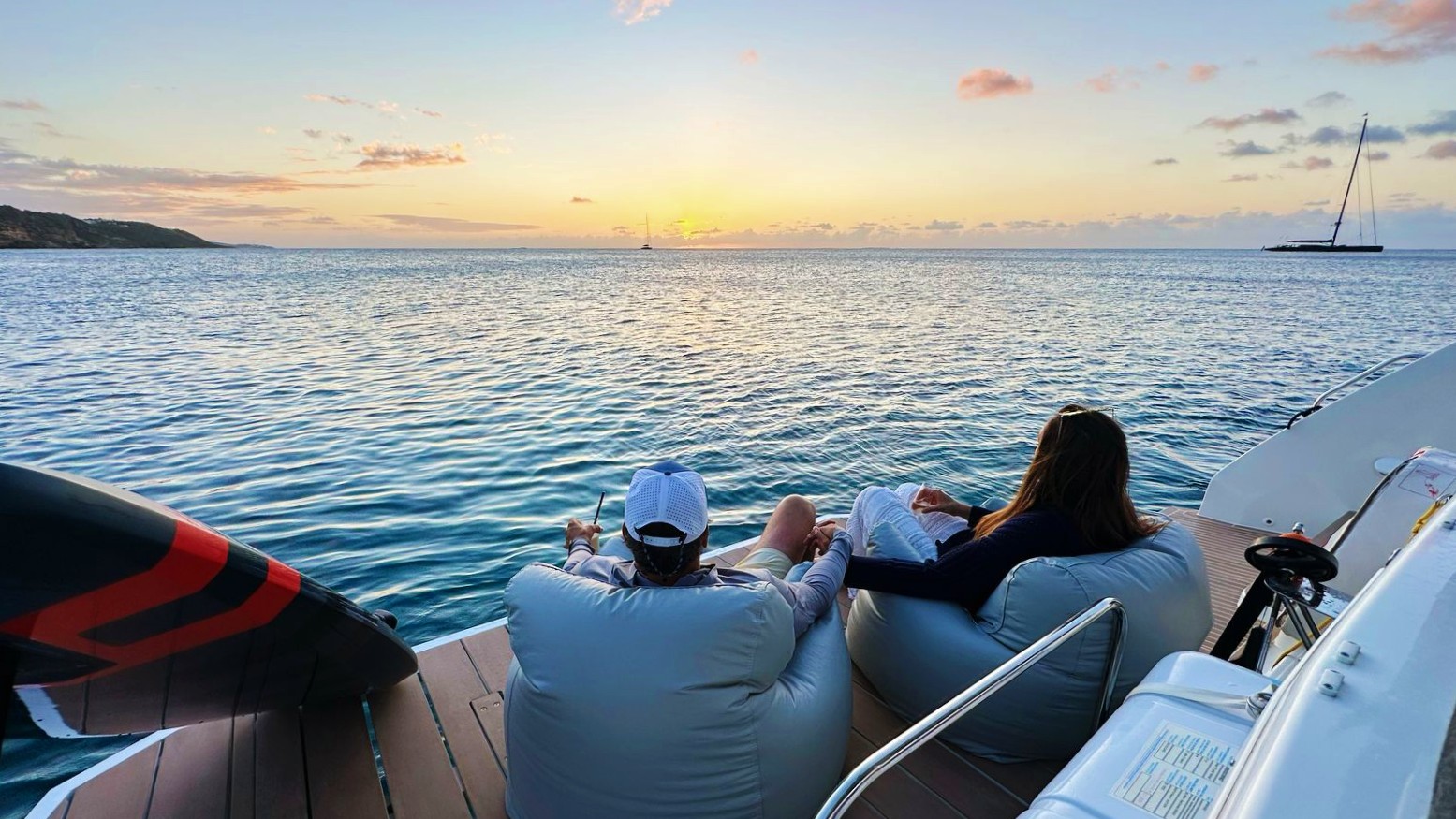
Honeymoon Yacht Charters
Start your marriage on a private yacht. Explore secluded beaches, gourmet dining, and unforgettable sunsets in the Caribbean.
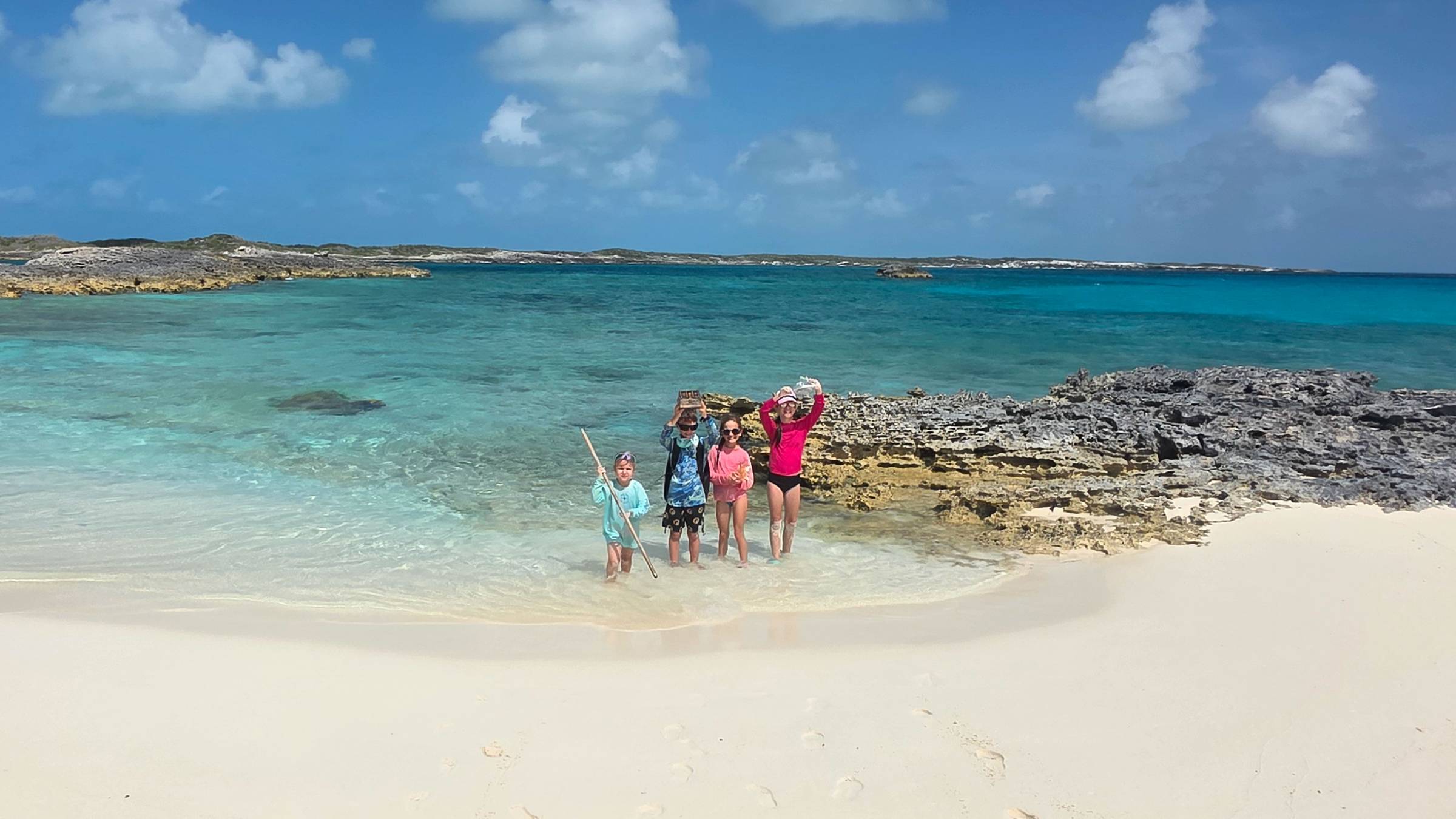
Family Yacht Charters
A crewed yacht charter is perfect for families of all ages. Safe, fun, and fully catered — your kids will never forget it.

Crewed Charter FAQ
Get answers to common questions about crewed yacht charters, from pricing and tipping to what's included and what to pack.

BVI Crewed Yacht Charters
The British Virgin Islands are the #1 crewed charter destination in the Caribbean. Short sails, protected waters, and world-class anchorages.

BVI Crewed Charter Guide
Everything you need to know before your BVI crewed catamaran charter — pricing, packing list, sample itinerary, and getting there.
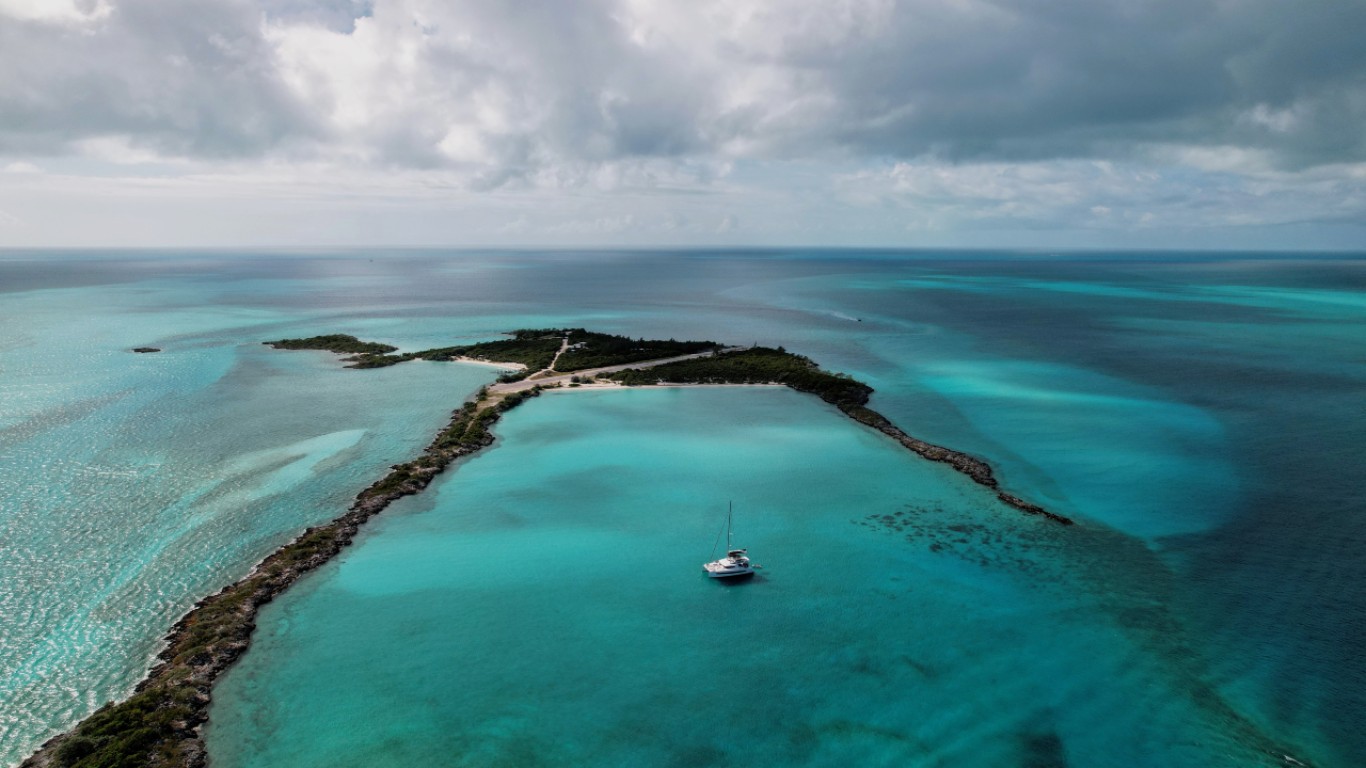
Bahamas Crewed Yacht Charters
Explore the Exumas on a private crewed yacht. Swimming pigs, sandbars, and some of the clearest water on earth.
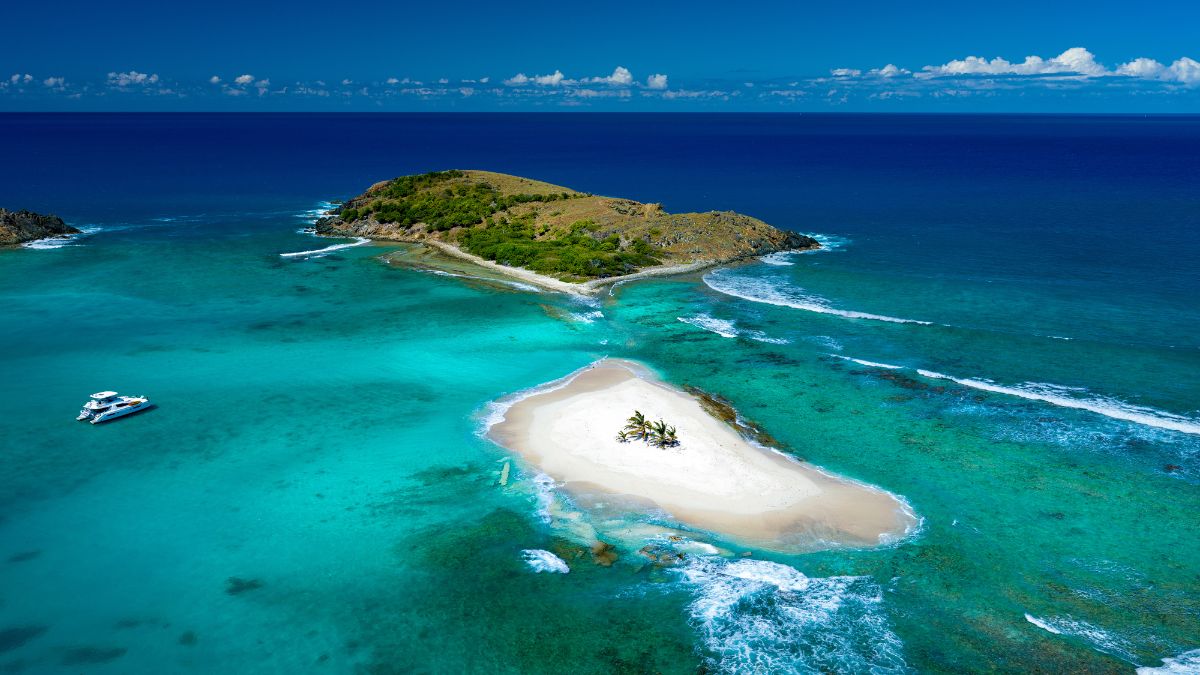
Caribbean Crewed Yacht Charters
All-inclusive crewed charters across the Caribbean — BVI, Bahamas, USVI, St. Martin, Antigua, and beyond.