
Aqua
82FT · MOTOR YACHT
Desde $85,120/semana
16 Guests · 9 Cabins · 8 Crew
Caribbean
Eastern Mediterranean
Western Mediterranean
South Pacific
United States
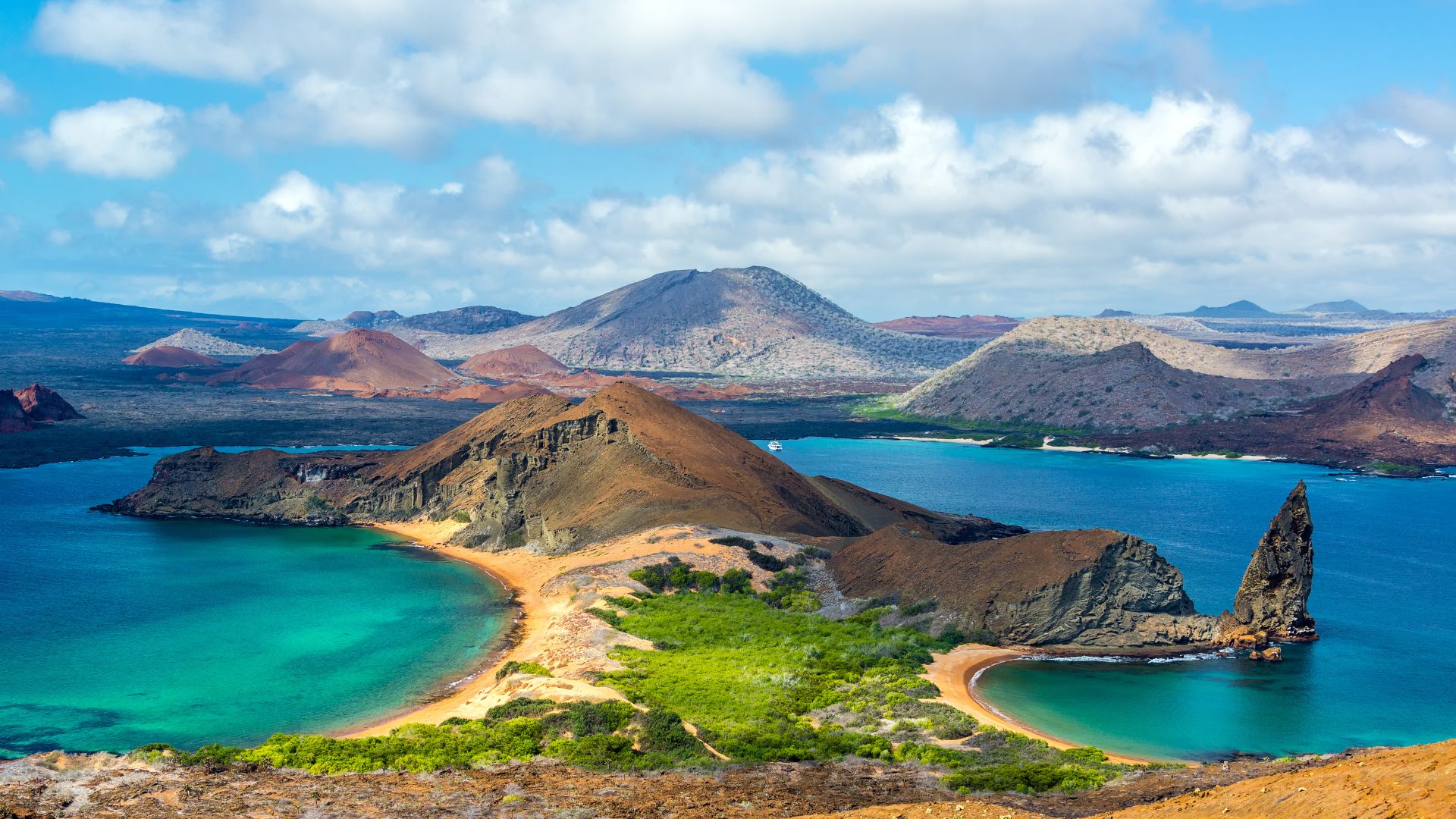
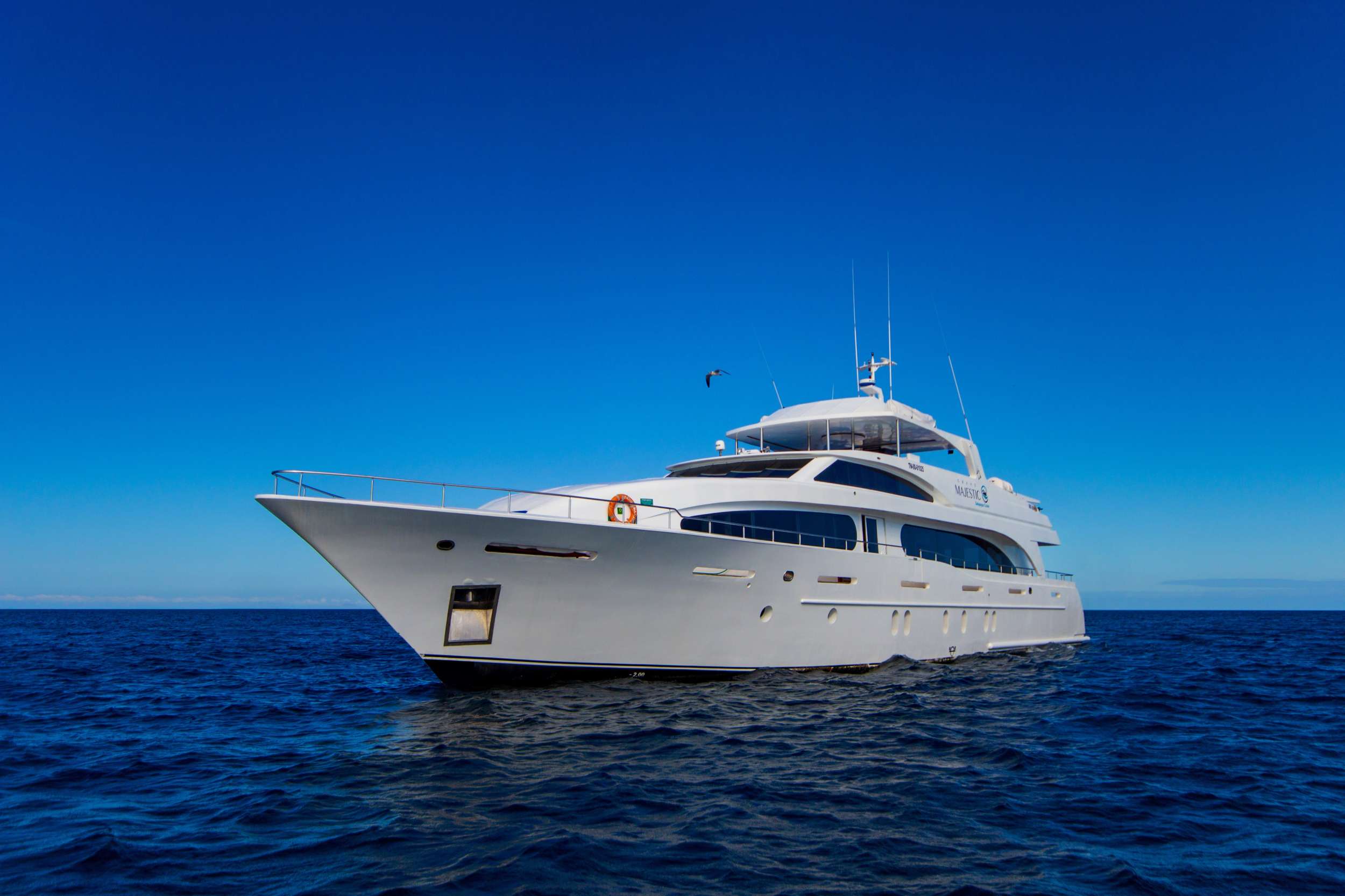
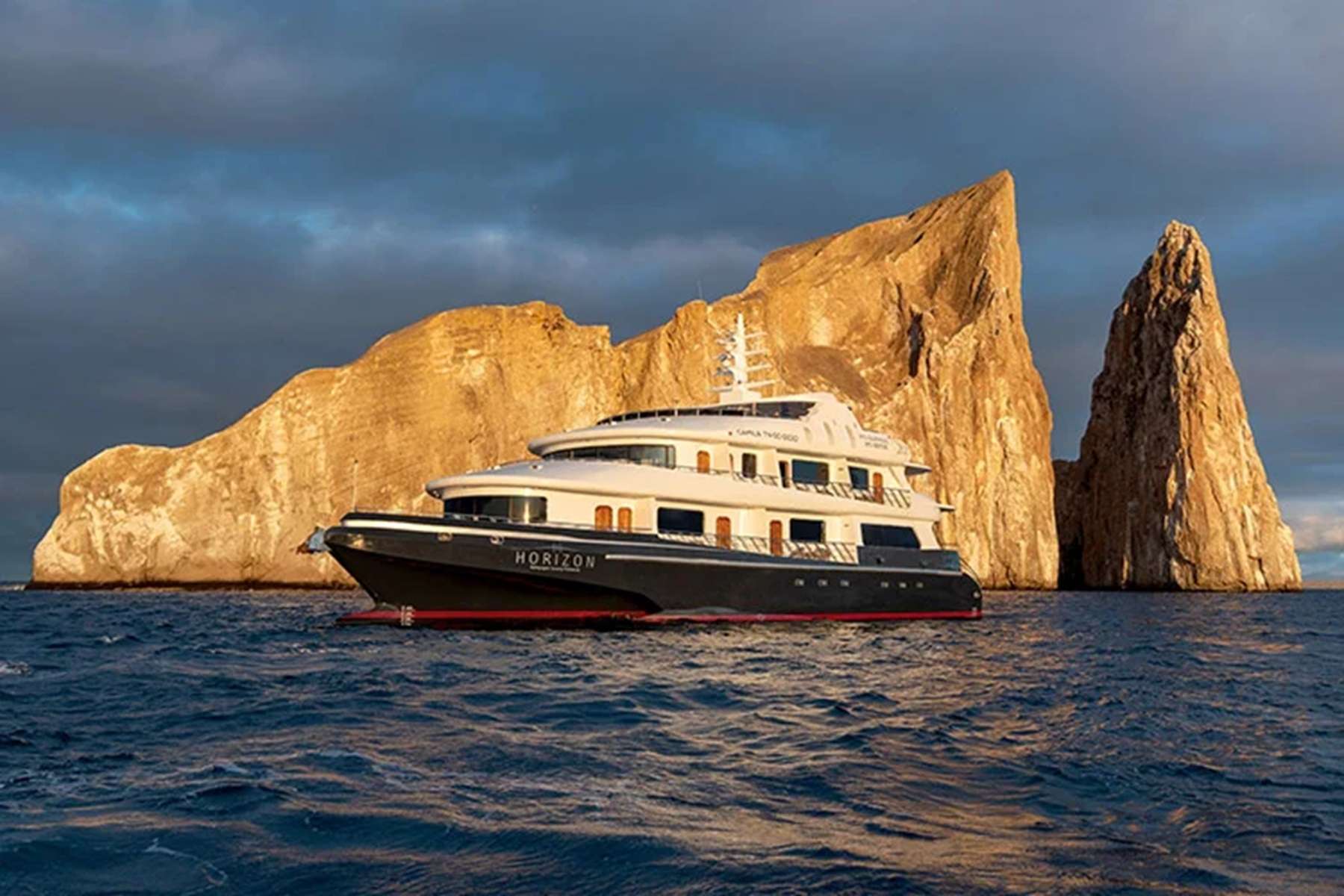
Un yate de expedición privado para tu grupo — Pinnacle Rock sobre la cubierta de popa al amanecer, piqueros de patas azules desde la proa en North Seymour, un pingüino de Galápagos frente a tu máscara de snorkel en Bartolomé, y un naturalista que sabe qué pinzón pertenece a cada isla.
Por qué Galápagos
Galápagos es el viaje que tu grupo lleva tiempo postergando y finalmente decide hacer. Ocho parejas para celebrar un año especial, tres familias con los adolescentes incluidos, socios y sus parejas para el viaje del que todos llevan hablando. A seiscientas millas de la costa ecuatoriana, más especies endémicas que en ningún otro lugar del planeta, y una fauna tan indiferente a los humanos que la fotografías desde un metro de distancia. La mejor manera de que un grupo de dieciséis personas lo viva es tomando un yate de expedición entero para la semana.
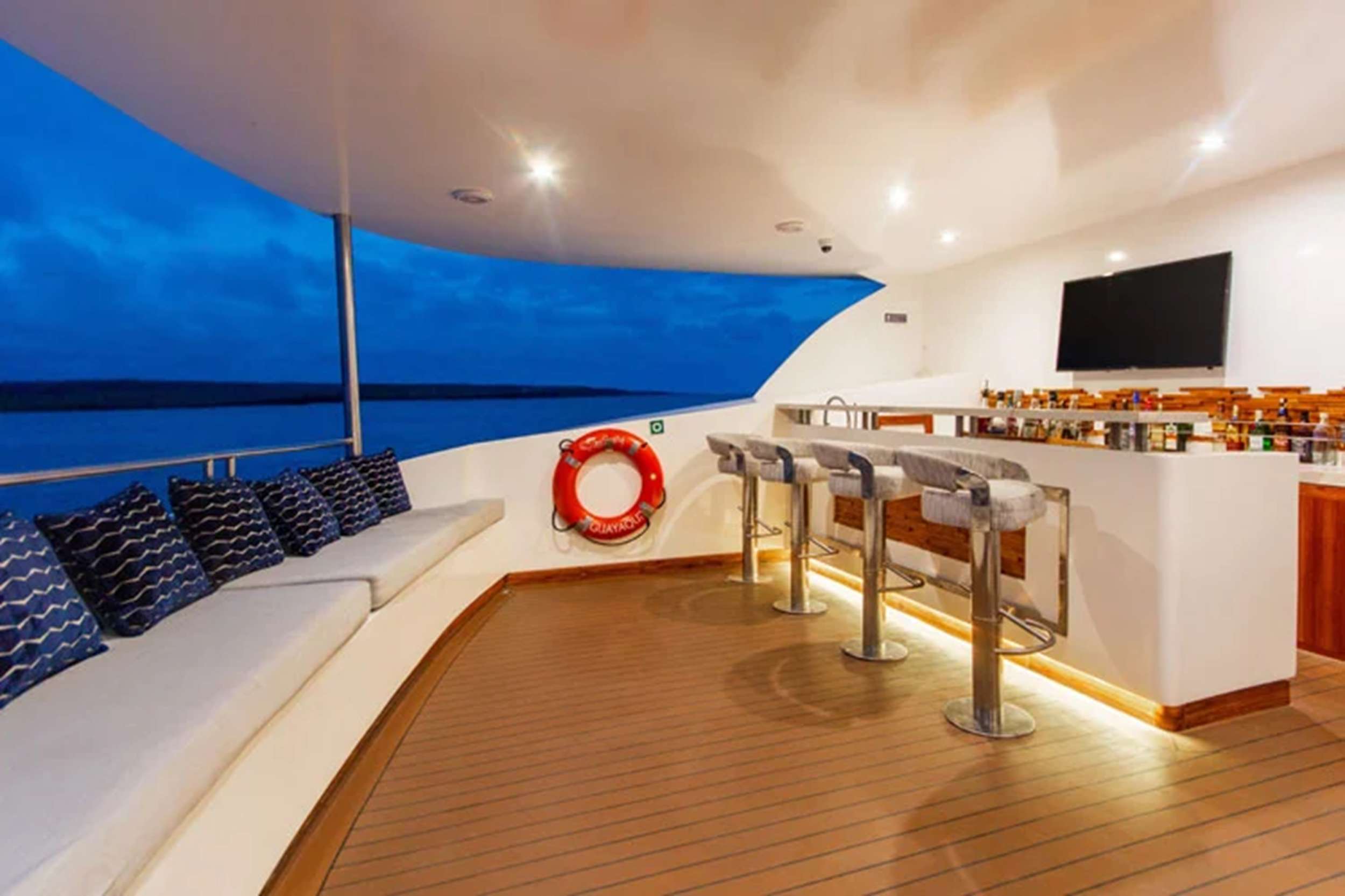
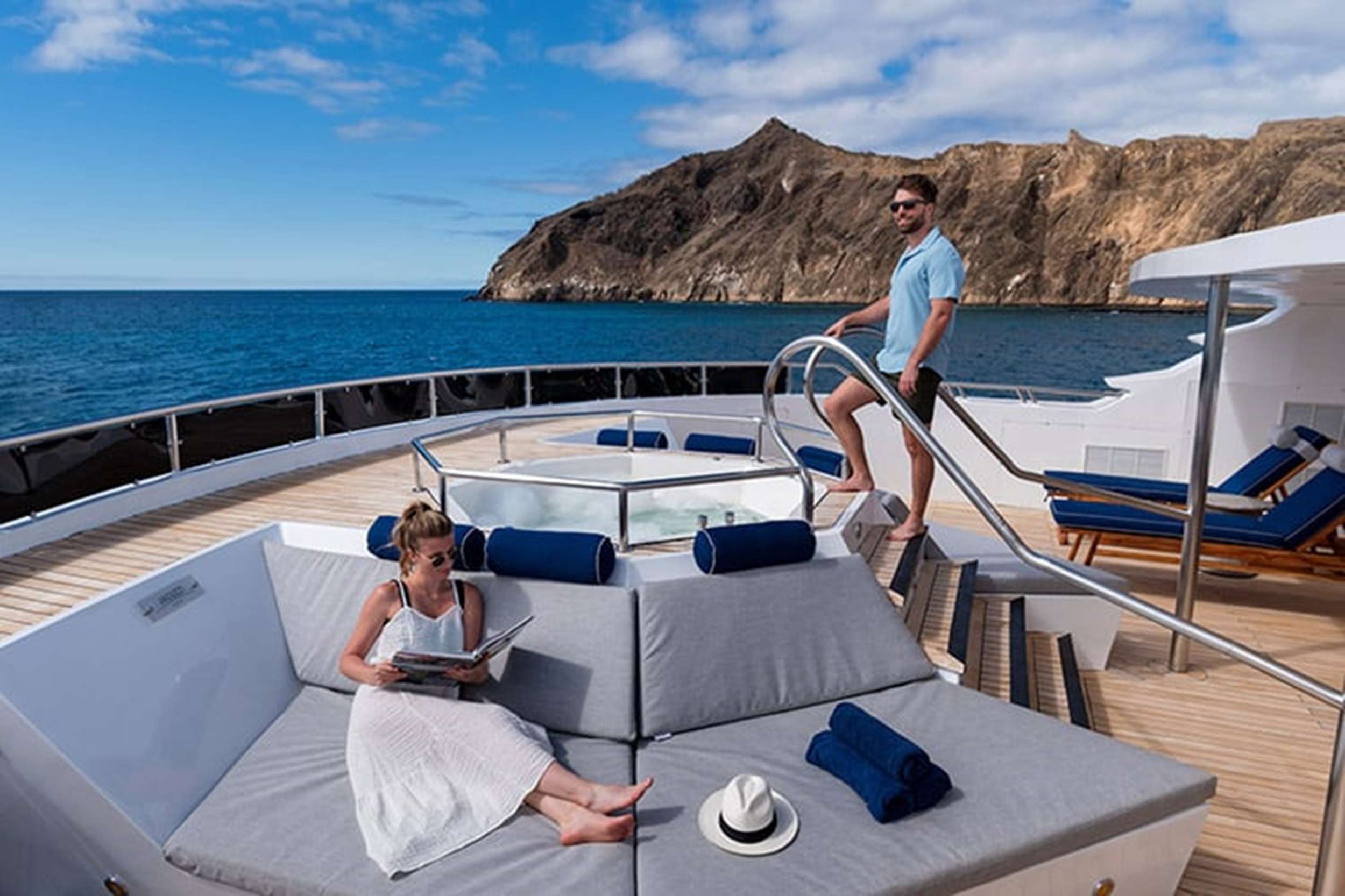
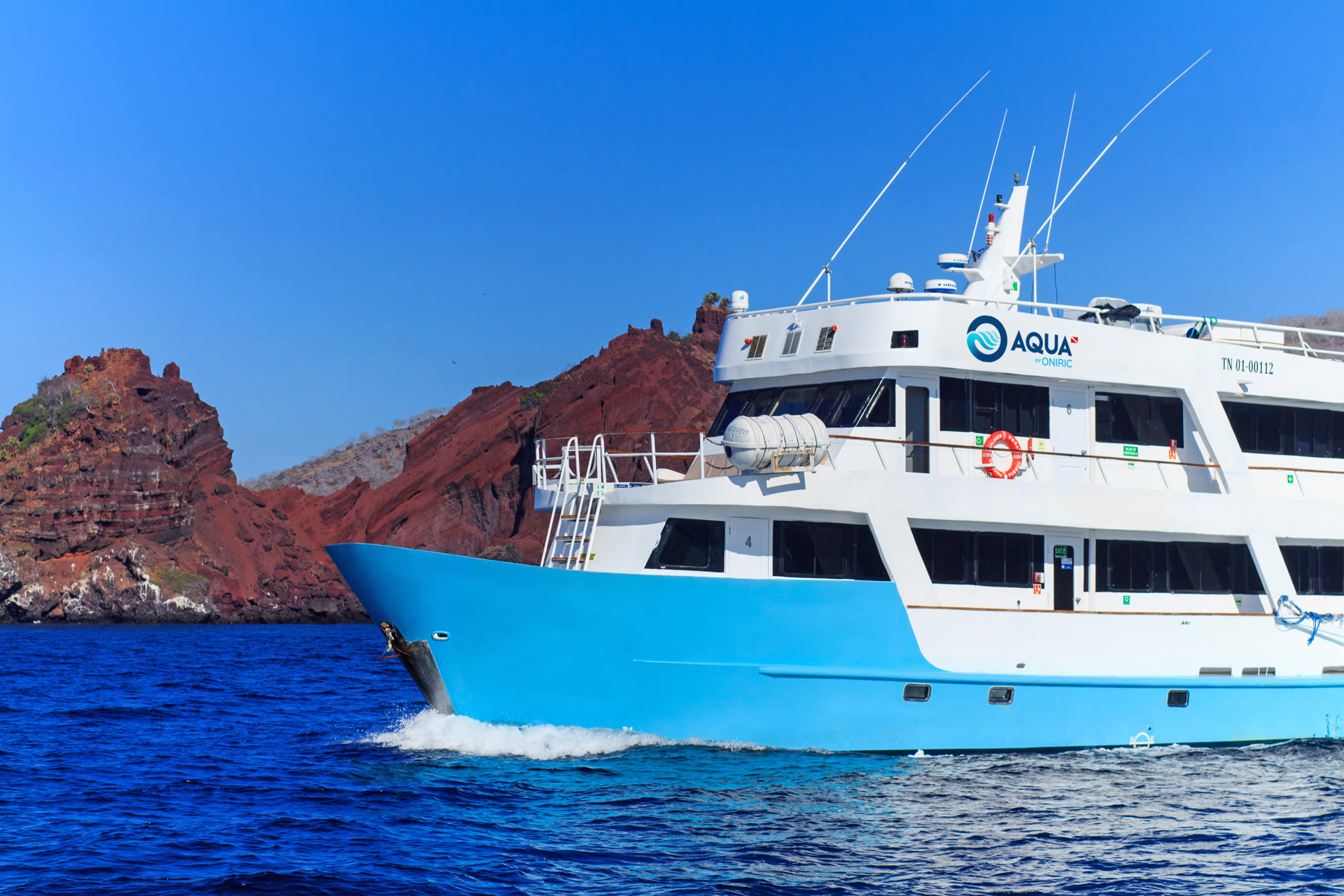
Galápagos tiene opciones de menor nivel — botes diarios desde los hoteles de Santa Cruz, los barcos de dieciséis a cien pasajeros que dominan el mercado de cruceros, embarcaciones de buceo que trabajan solo Wolf y Darwin. Un yate con tripulación privado reserva el barco completo para tu grupo — ocho camarotes, dieciséis huéspedes en la mayoría de los yates, veinte en los más grandes — sin desconocidos en el camarote de al lado. El chef y el naturalista de Clase III son exclusivos para tu grupo. Las pangas parten al amanecer desde tu propia plataforma de natación; las cenas en la cubierta de popa son con tu gente; el capitán realiza los tránsitos entre islas de noche mientras duermes. El Parque autoriza la ruta; la forma en que tu grupo la recorre es solo tuya.
Hay dos rotaciones que salen en semanas alternas, y la más adecuada depende de lo que busca el grupo. La ruta Occidental — Fernandina, la costa oeste de Isabela, Santiago — es donde las iguanas marinas son más grandes, el pingüino de Galápagos y el cormorán no volador no existen en ningún otro lugar de la Tierra, y las caminatas a la caldera de Sierra Negra parten desde un desembarco en el sur de Isabela. La ruta Oriental y Norte — Española, Floreana, Genovesa, Bartolomé — es el Galápagos de las aves y el cortejo: albatros de Galápagos en Punta Suárez de abril a diciembre únicamente, el snorkel con tiburones martillo en Kicker Rock, y el tonel de madera de Post Office Bay aún en uso después de doscientos cincuenta años. Los grupos con dos semanas reservan ambas consecutivamente en el mismo yate. La mayoría elige una.
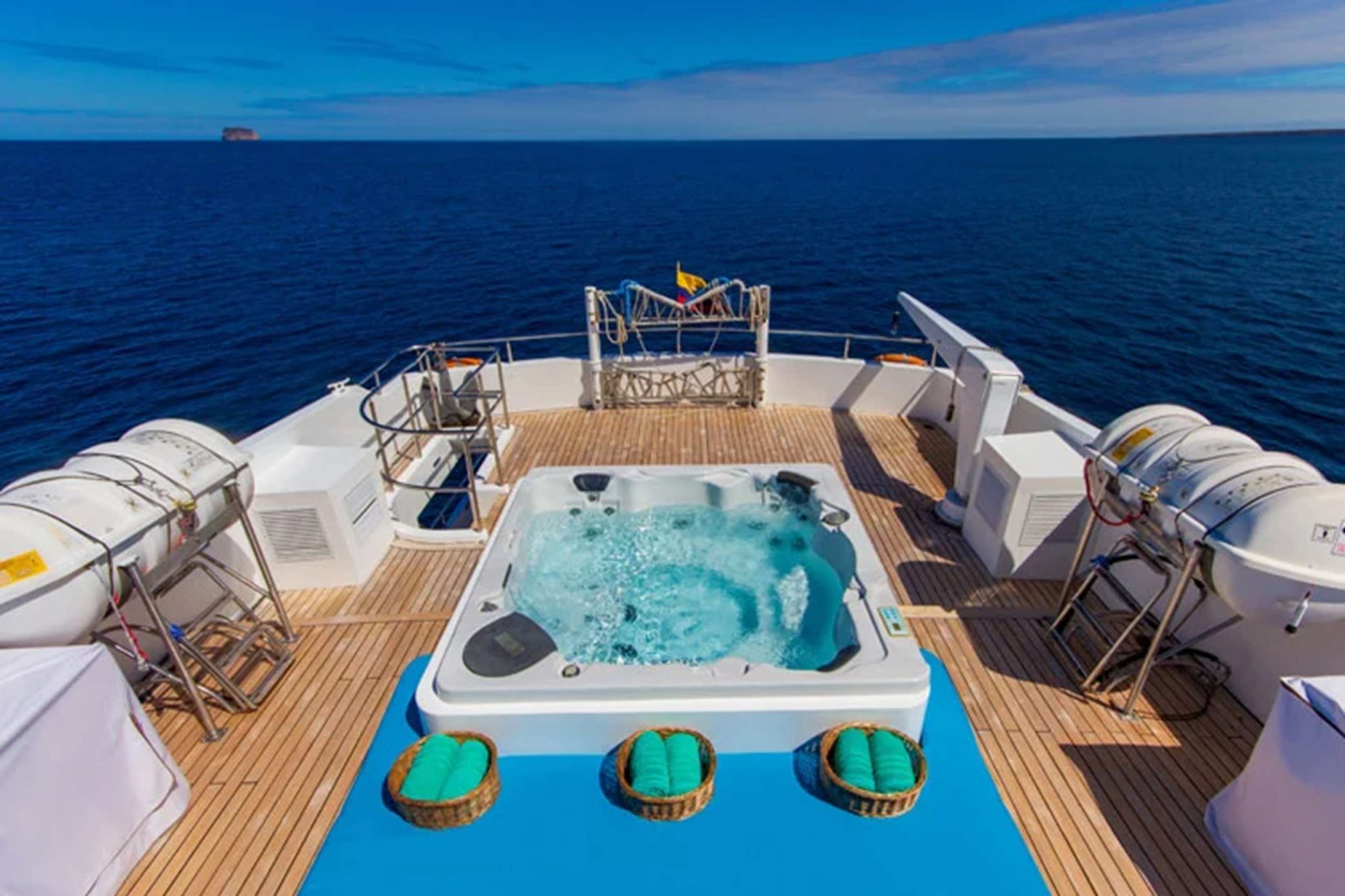
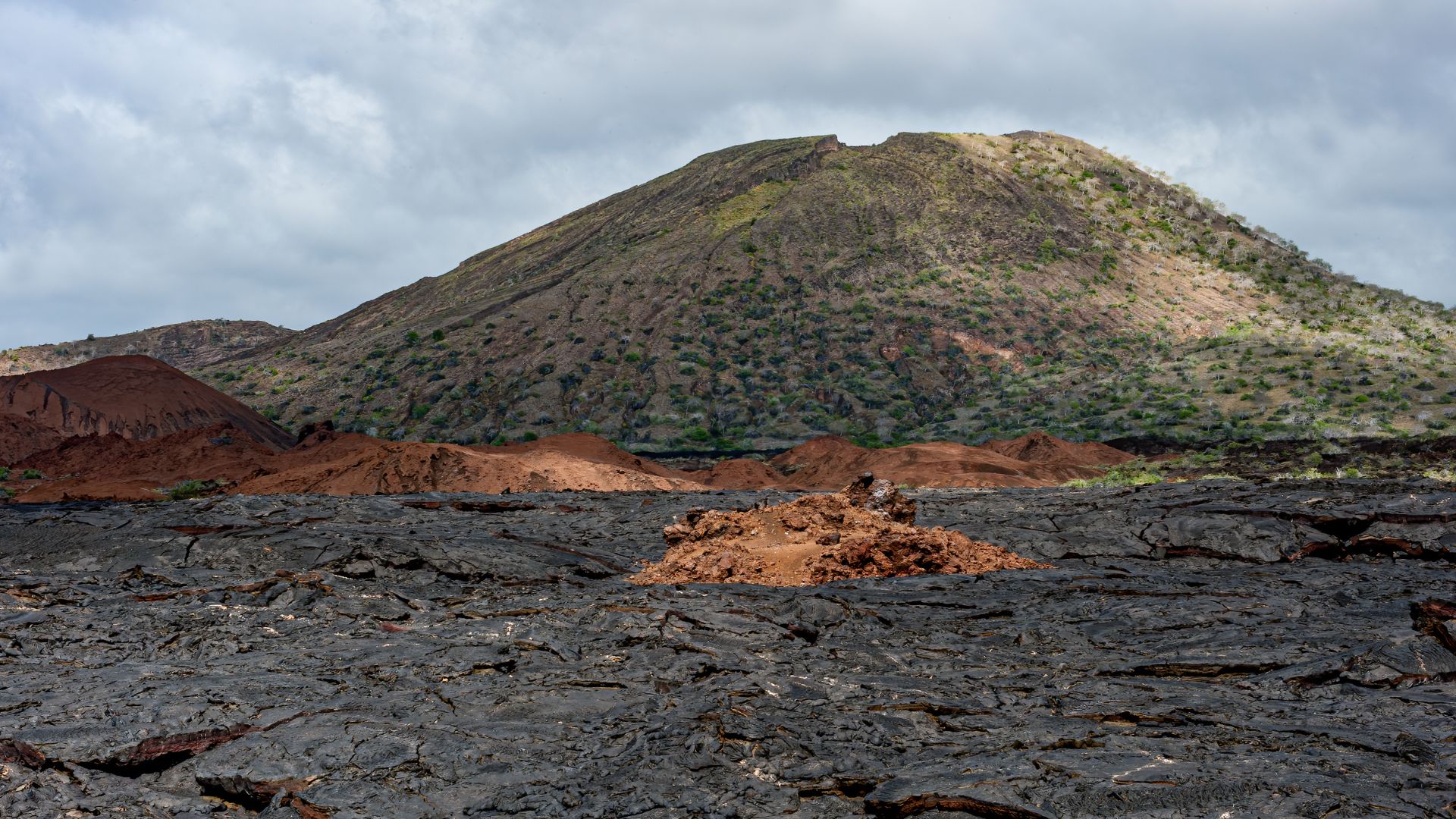
Cuatro razones por las que un yate privado es la mejor manera de que un grupo de dieciséis personas descubra Galápagos.
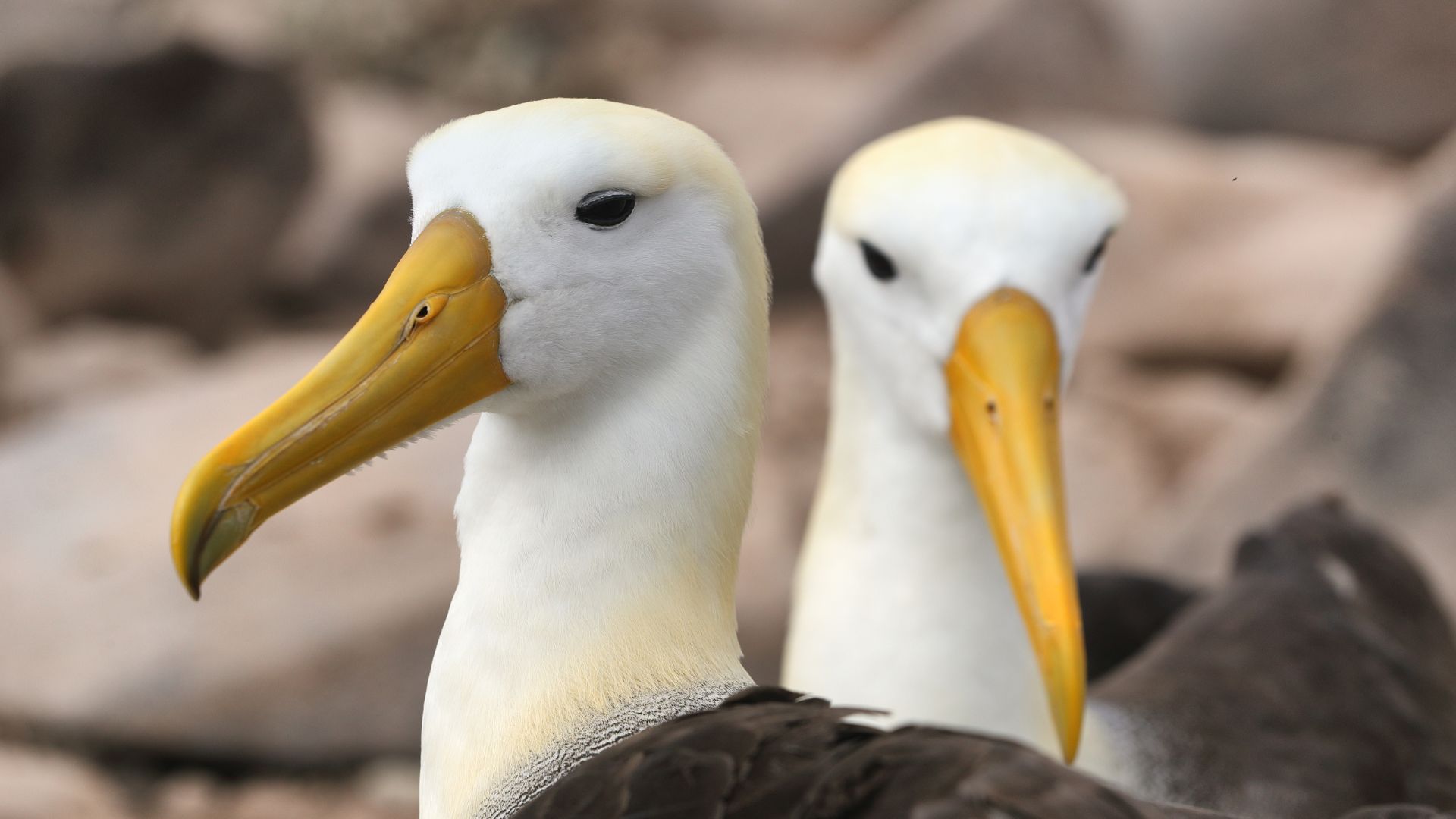
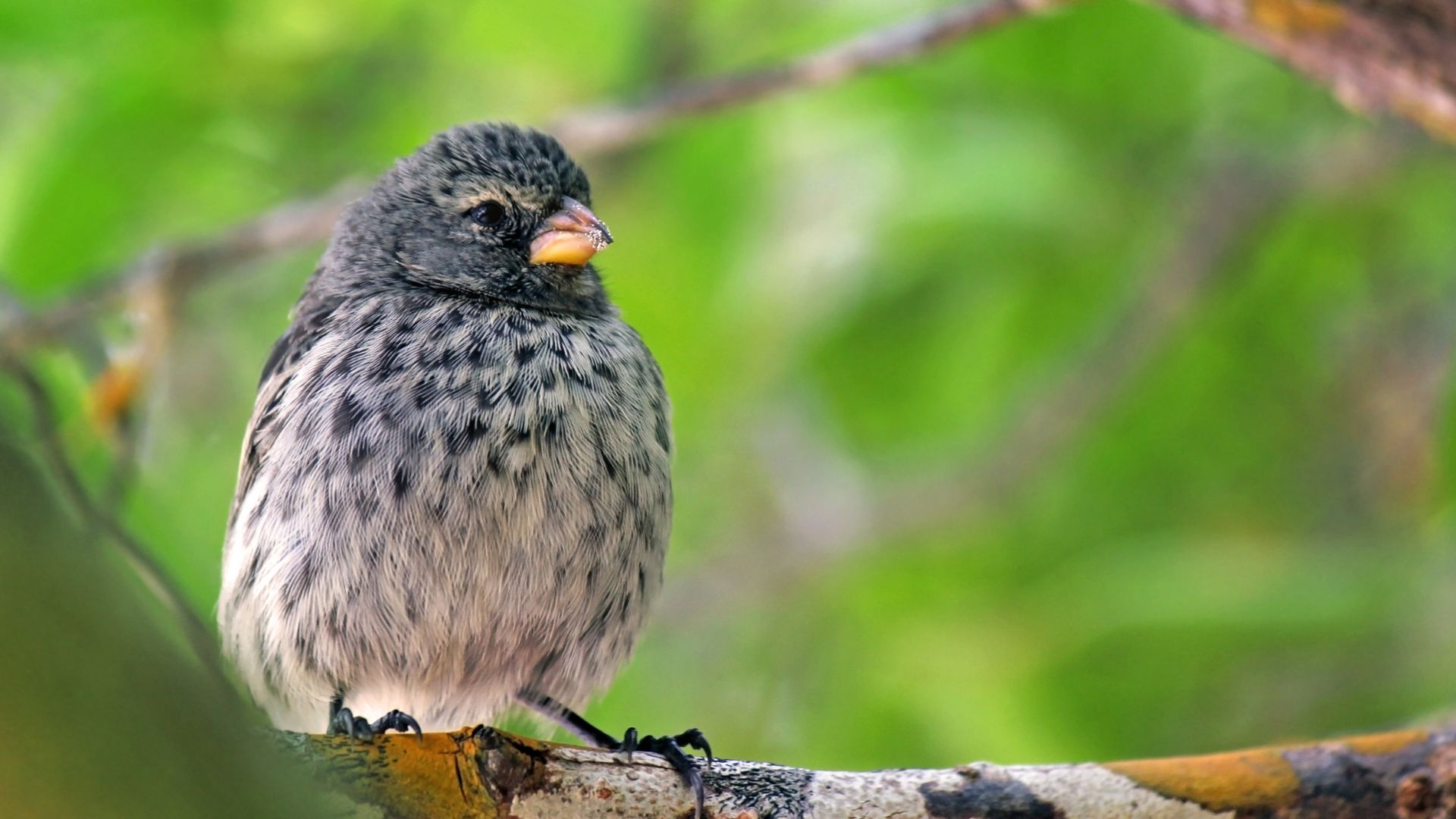
La danza de señalización hacia el cielo del piquero de patas azules. Los fragatas inflando el saco gular rojo en pleno cortejo. Las iguanas marinas, los únicos lagartos del planeta que se alimentan en el océano. El albatros de Galápagos en Española de abril a diciembre y en ningún otro lugar del mundo. Pingüinos de Galápagos en el ecuador. Cormoranes no voladores en Fernandina. El naturalista de tu yate sabe cuál de las trece especies de pinzones de Darwin pertenece a cada isla; la teoría de la selección natural se construyó sobre la variación que vive aquí.
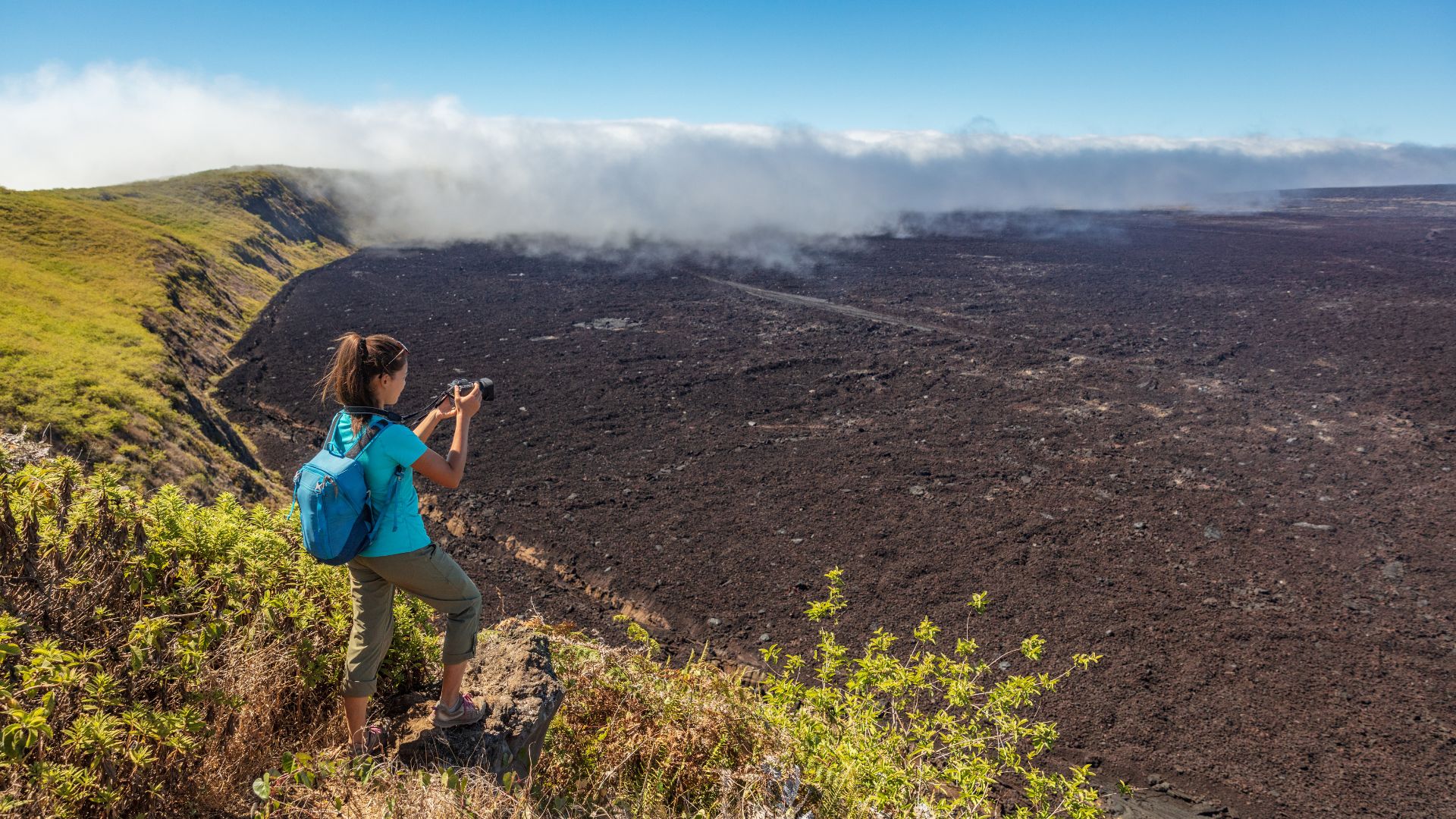
Fernandina tiene aproximadamente setecientos mil años de antigüedad; el volcán Cumbre en su centro entró en erupción tan recientemente como en 2020. Sierra Negra en Isabela es la segunda caldera activa más grande del planeta, diez kilómetros de diámetro, accesible a pie en una mañana desde un desembarco en el sur de Isabela. Sullivan Bay en Santiago es lava pahoehoe enfriada hace apenas un siglo. Anclar bajo estos volcanes — aguas oscuras por el afloramiento de la corriente de Humboldt, laderas desnudas, especies que evolucionaron aquí en aislamiento — se acerca más a un diorama de la Tierra primitiva que a un viaje en yate por el Caribe o el Mediterráneo.
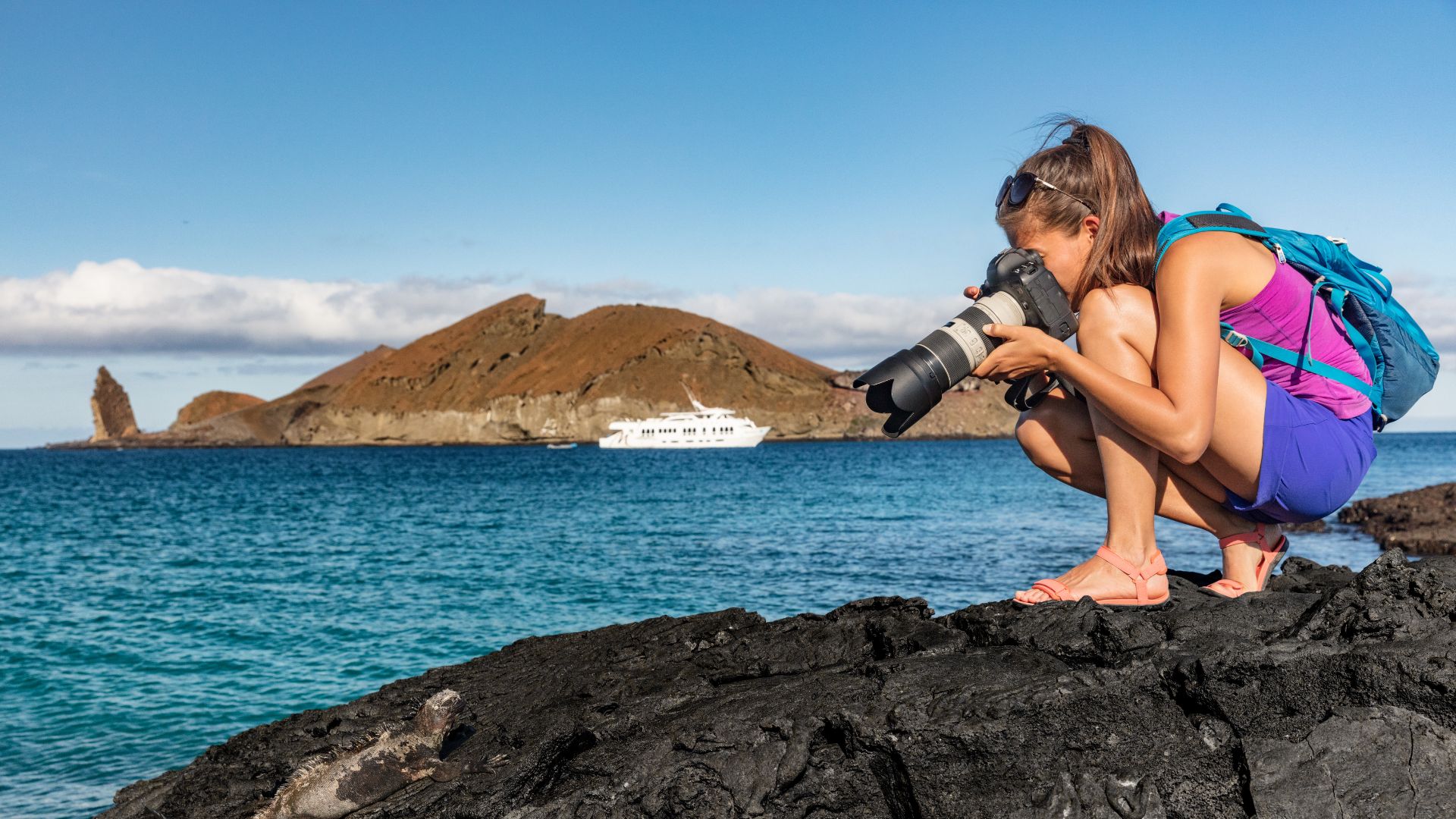
La fauna de Galápagos no tiene miedo a los humanos — las islas no tuvieron depredadores terrestres durante la mayor parte de su historia evolutiva. Las iguanas marinas se sientan a pocos metros del sendero; las fotografías desde una roca con el yate visible en la cala al fondo. Los pingüinos de Galápagos se posan en la lava mientras la panga pasa a la deriva. Los albatros de Galápagos hacen sonar sus picos a un metro del sendero en Española. Las crías de lobo marino siguen a los nadadores desde la playa en Gardner Bay. La regla de dos metros del Parque se cumple por parte de los visitantes; los animales, por su parte, no tienen ningún concepto de ella.
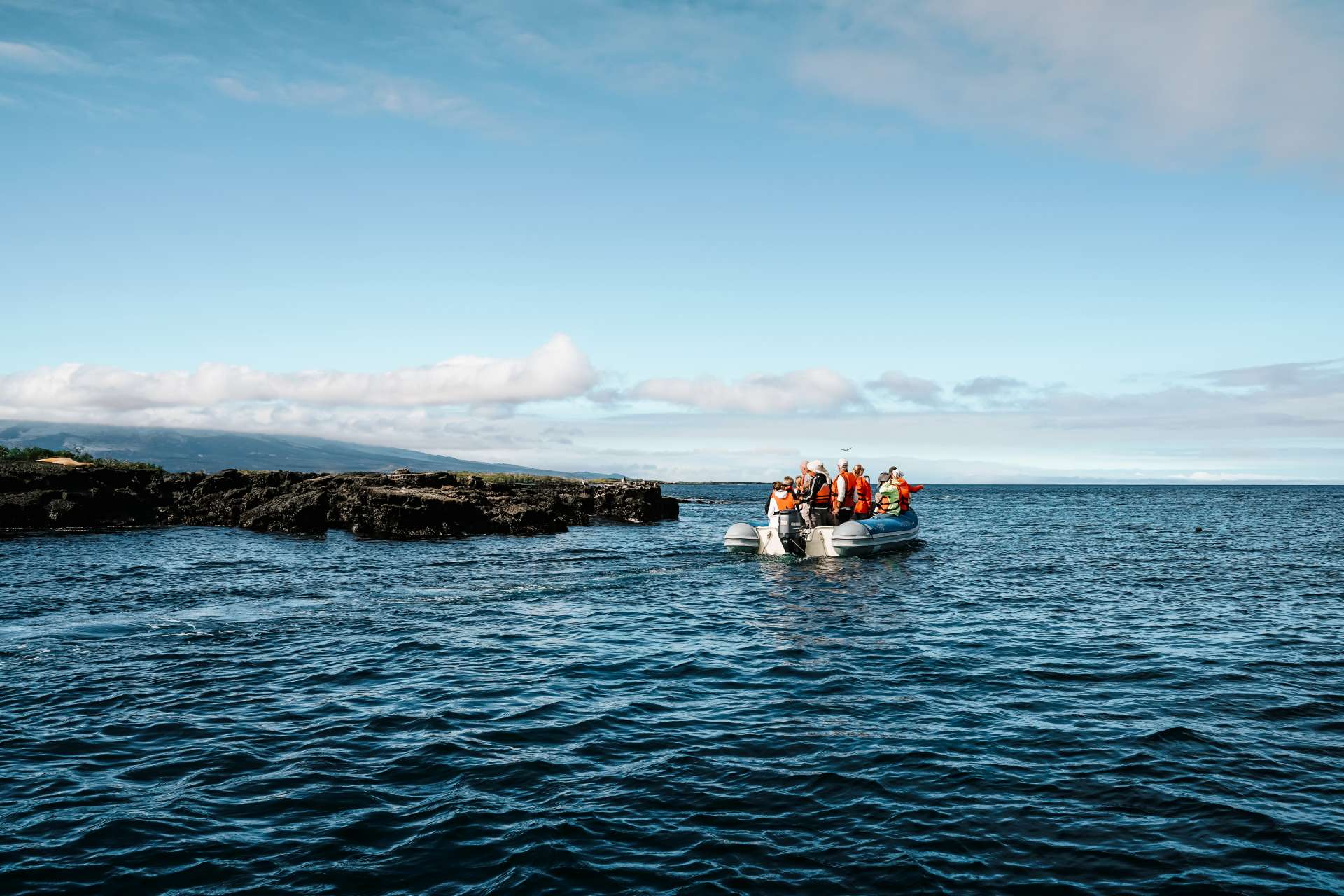
El Parque Nacional Galápagos limita las embarcaciones turísticas a dieciséis huéspedes en la mayoría de los yates, veinte en los más grandes. Ocho camarotes por yate. Con un yate con tripulación privado, tu grupo ocupa el barco entero, sin otros grupos a bordo. El contraste frente a los cruceros de cien pasajeros que dominan el destino es concreto: una sola panga en cada desembarco en lugar de seis grupos rotativos, un naturalista dedicado exclusivamente a tu grupo durante todo el día, cenas en la cubierta de popa en lugar de filas de bufet, y una proporción de tripulación por huésped superior a uno a uno. El itinerario autorizado es el mismo. La forma en que tu grupo lo vive, no.
A hand-picked selection of crewed charter yachts for Galapagos — yachts and crews we know firsthand.
Your week is shaped around your group's interests, the season, and the conditions on the water — your captain tailors the days as they unfold. Treat these itineraries as starting points for inspiration.
Itinerario con tripulación · Galápagos · Rotación oeste
Este itinerario por Galápagos abre con la lava pahoehoe de Sullivan Bay: roca negra cordada enfriada hace apenas un siglo, con el yate fondeado en la cala. La mitad de la semana recorre la costa oeste de Isabela: las mayores colonias de iguanas marinas del planeta en Fernandina, el pingüino de Galápagos y el cormorán no volador que no existen en ningún otro lugar del mundo, la caldera de Sierra Negra que se sube desde un desembarco al sur de Isabela, y los grafitis balleneros de Tagus Cove sobre un fondeadero accesible solo por mar. Post Office Bay en Floreana y las islas centrales cierran la semana. Desembarco en San Cristóbal.
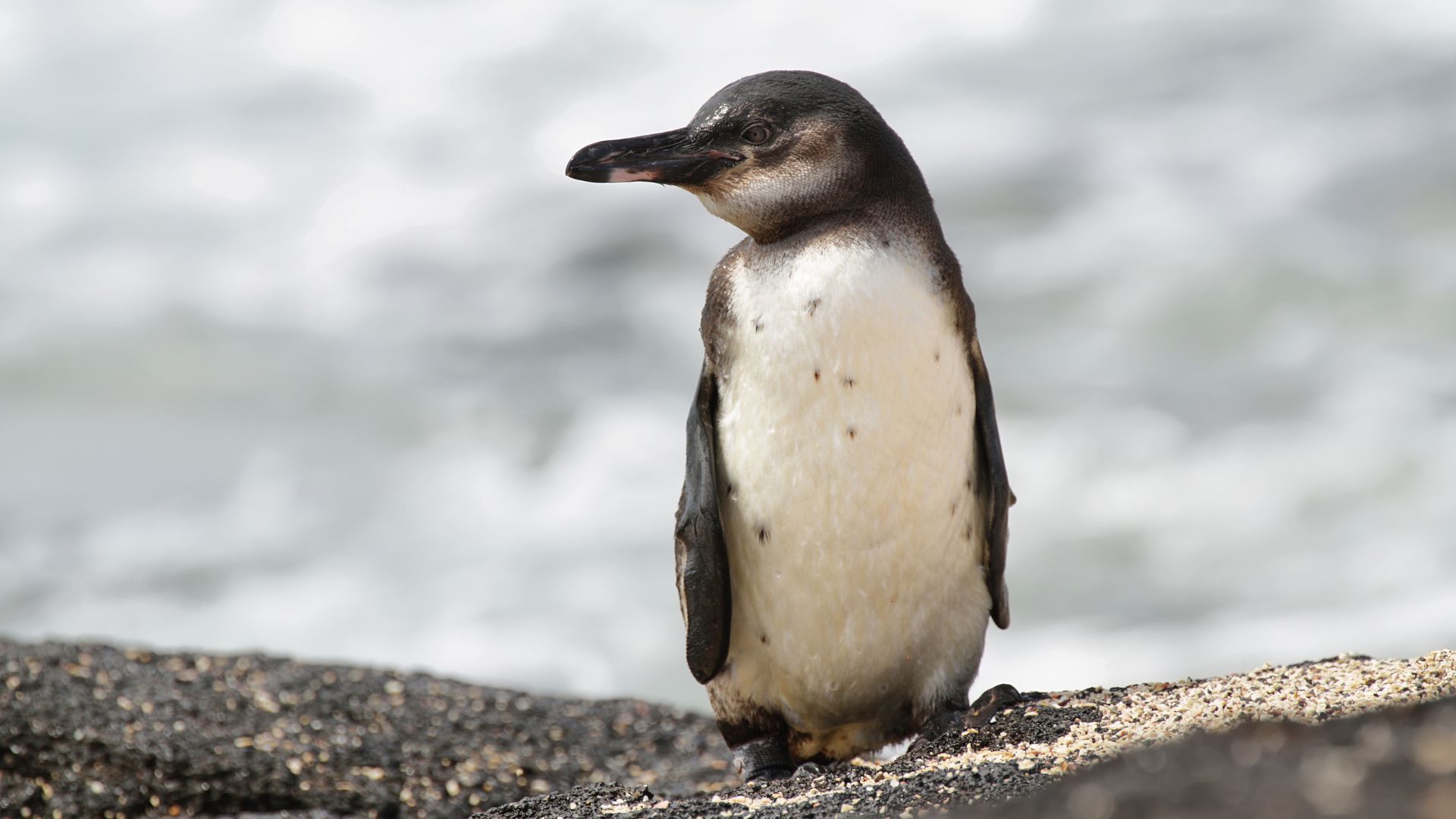
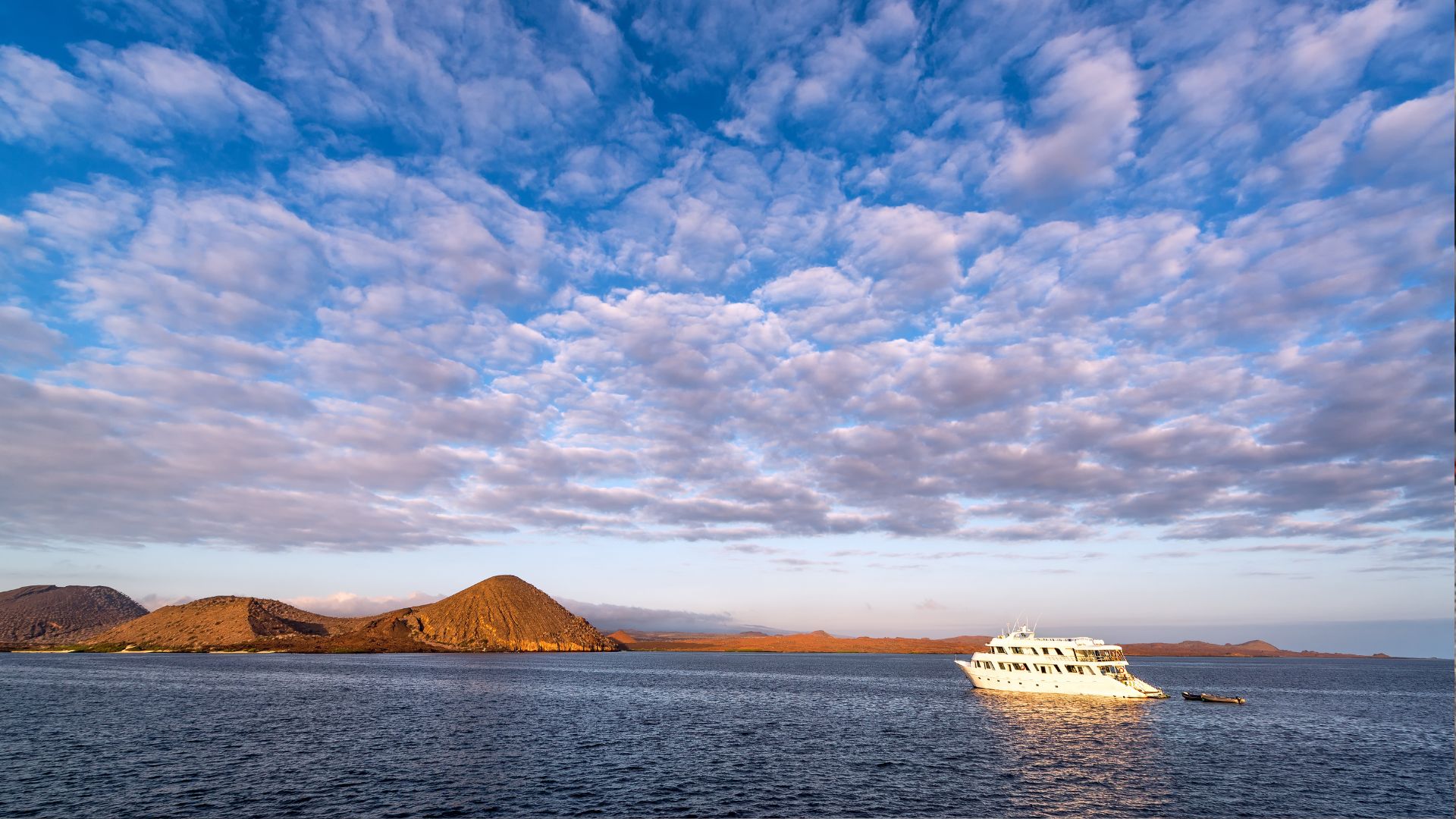
El itinerario del oeste de Galápagos es el que los huéspedes describen a sus amigos al volver a casa: iguanas marinas en su mayor tamaño, pingüinos en el ecuador, la geología que se lee desde el aire. De sábado a sábado, de Baltra a San Cristóbal, en un viaje privado en yate completo. La semana alternativa del este y norte y una introducción central de 5 días se hacen en los mismos barcos; los grupos con dos semanas reservan dos seguidas y lo ven todo.
Día 1 de 8 · Baltra → Sullivan Bay
Aterriza en GPS en el vuelo de la mañana desde Quito o Guayaquil. El capitán te recibe en la puerta de salida, cruza contigo el canal de Itabaca y el yate ya está fondeado con el chef emplatando el almuerzo en la cubierta de popa. El naturalista hace la sesión informativa de bienvenida; la tripulación registra el plan de crucero ante el guardaparque.
A media tarde, el capitán pone la proa al norte y al este para la travesía de cincuenta millas náuticas hasta Sullivan Bay. Al caer la tarde, la panga te deja en la pahoehoe de 1903: roca negra cordada, bombas de lava, plantas pioneras abriéndose paso entre las grietas. Copas al atardecer y cena al ancla, con la lava recortada contra la luz del oeste.
Day Highlights
Día 2 de 8 · Punta Vicente Roca + Punta Espinoza
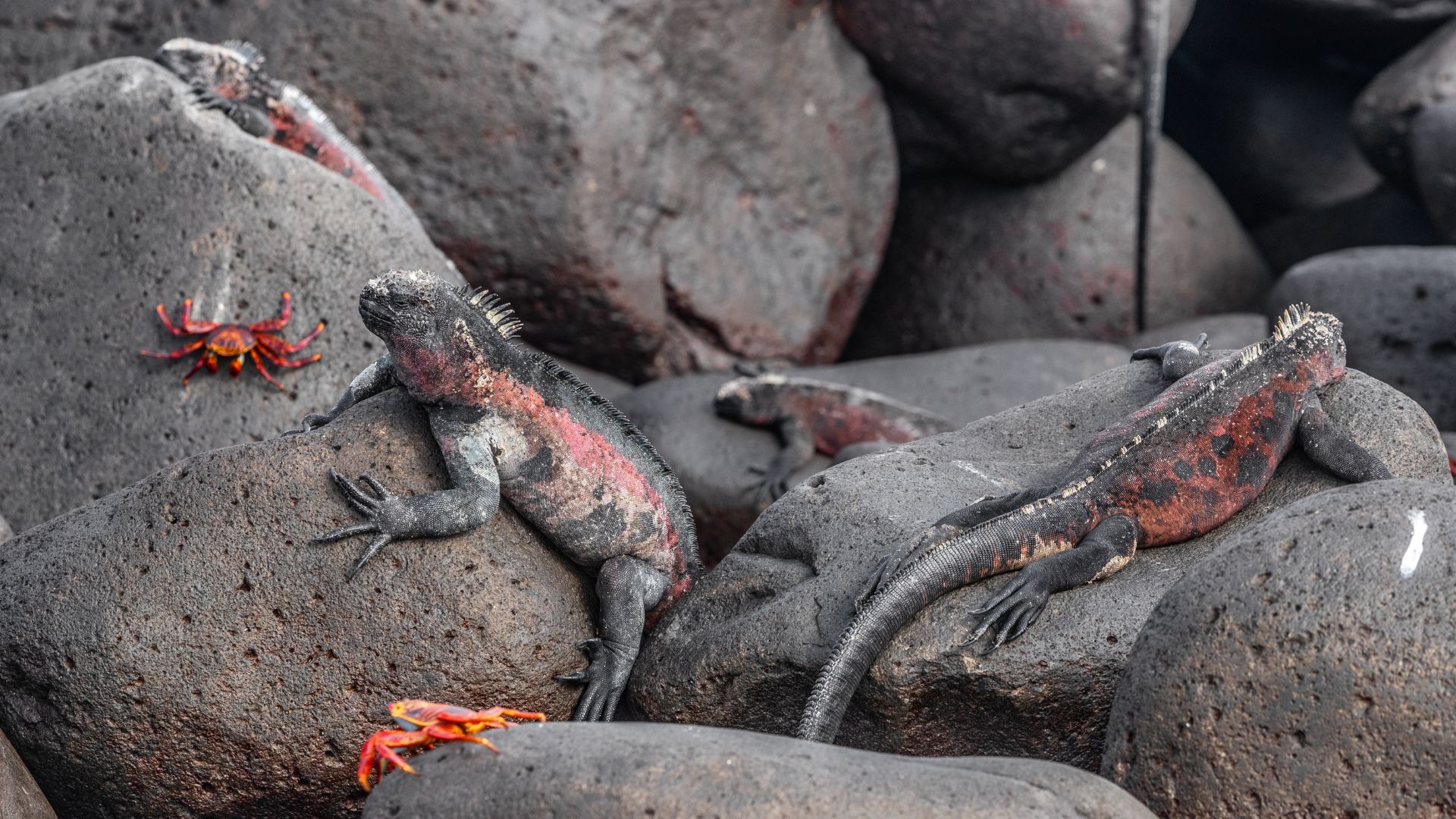
Navegación nocturna al oeste hacia el canal de Bolívar. La mañana lleva al yate hasta Punta Vicente Roca, en el extremo noroeste de Isabela: acantilados de trescientos metros con aves marinas anidando en las cornisas, tortugas marinas asomando en el canal y tiburones de Galápagos bajo la panga. Demasiada corriente para bañarse desde el barco; el naturalista hace la identificación de especies desde la panga.
A mediodía, cruce al oeste hacia Fernandina. Punta Espinoza es el único sitio de visita: una punta de colada de lava con la mayor colonia de iguanas marinas del planeta, cientos amontonadas sobre la roca negra desnuda, los únicos lagartos que se alimentan en el océano. El cormorán no volador también anida en el lugar. Por la tarde, snorkel desde la panga entre tortugas verdes.
Day Highlights
Día 3 de 8 · Tagus Cove + Urbina Bay
Breve navegación matutina al sur hasta Tagus Cove, un pequeño fondeadero protegido entre los acantilados de toba de un cráter volcánico inclinado. Las tripulaciones balleneras lo usaron como aguada desde la década de 1820 hasta la de 1880; la pared del acantilado sobre el fondeadero conserva sus nombres y fechas, la más antigua legible de 1836. El naturalista organiza un programa de kayak en el lago Darwin, detrás de la ensenada, y una panga junto a la base del acantilado.
Por la tarde, reposicionamiento al sur hasta Urbina Bay. El sendero sobre el desembarco cruza coral muerto y conchas de erizo de mar blanqueadas: en 1954, un arrecife costero se elevó cuatro metros sobre el nivel del mar de la noche a la mañana, ligado a la actividad del volcán Alcedo. Iguanas terrestres y tortugas gigantes se alimentan en la zona durante la estación húmeda. Cena al ancla; reposicionamiento nocturno a Elizabeth Bay.
Day Highlights
Día 4 de 8 · Elizabeth Bay + Moreno Point
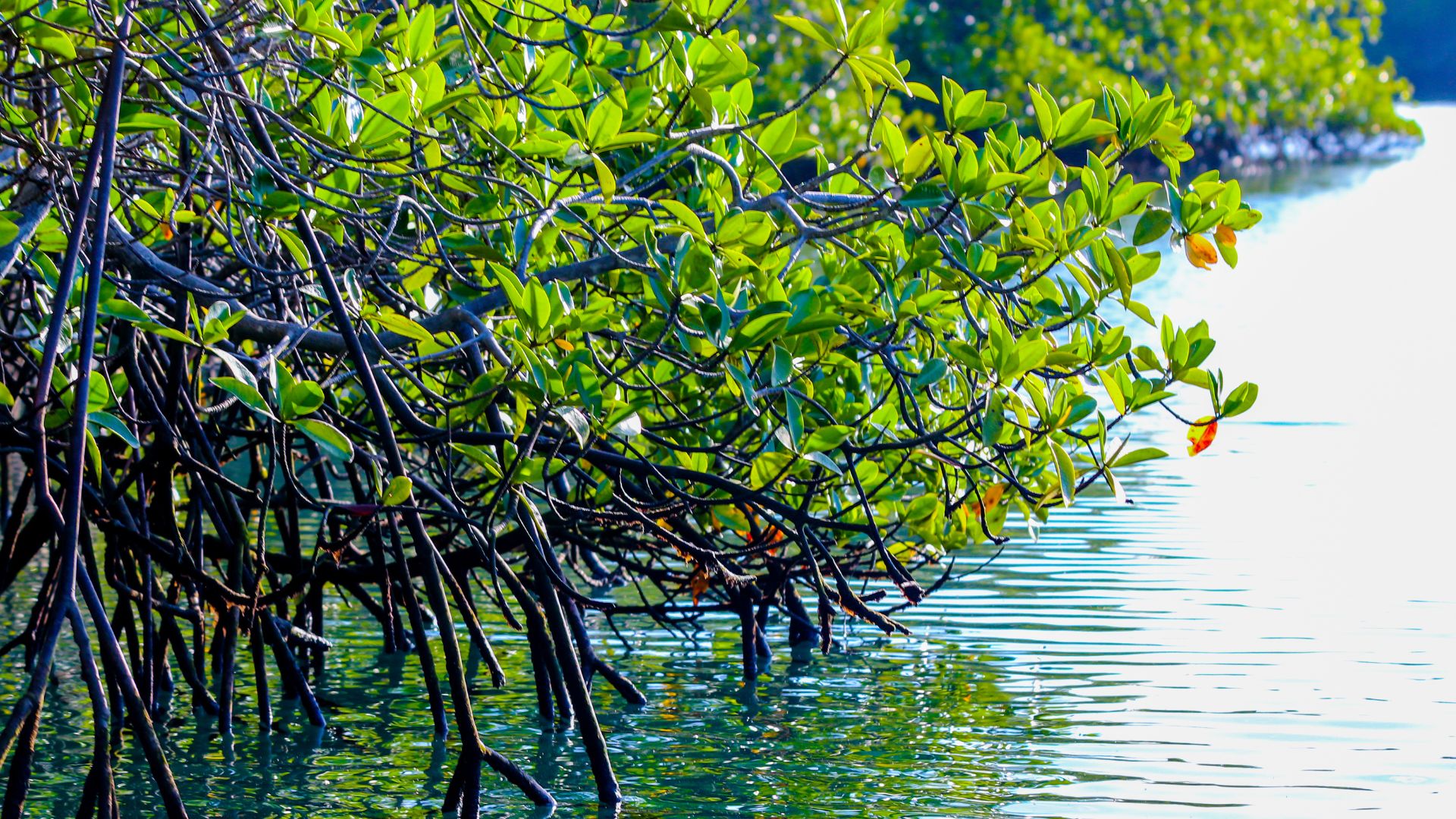
La mañana transcurre íntegramente desde la panga. Elizabeth Bay es una serie de lagunas de manglar rojo y negro, demasiado poco profundas para el yate, con canales accesibles solo a la deriva en panga a ralentí. Tortugas verdes en parejas, rayas doradas deslizándose bajo el barco, tiburones de arrecife de punta blanca en las pozas más profundas, pingüinos de Galápagos en las rocas de las bocas de los canales. Los islotes Marielas, en la cabecera de la bahía, albergan una de las mayores colonias de pingüinos del archipiélago.
A mediodía, al sur hasta Moreno Point, un promontorio de colada de lava entre Sierra Negra y Cerro Azul. El desembarco cruza pahoehoe joven hasta lagunas salobres con flamencos y patos cariblancos. Por la tarde, snorkel desde la panga entre tortugas verdes y tiburones de Galápagos. Reposicionamiento nocturno a Santa Cruz.
Day Highlights
Día 5 de 8 · Estación Científica Charles Darwin + Tierras Altas
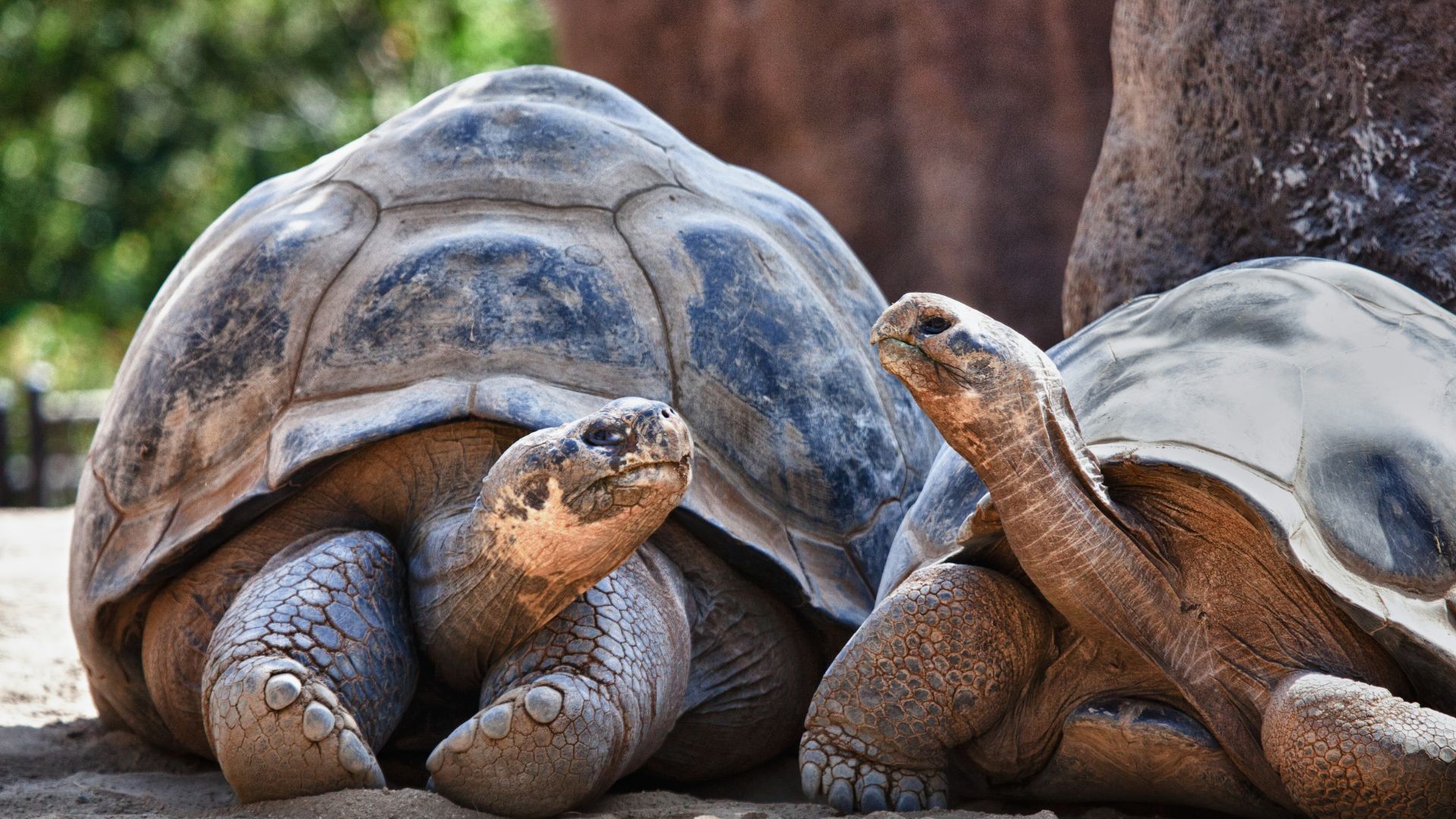
Navegación nocturna al este hasta Academy Bay, frente a Puerto Ayora. Desembarco matutino en la Estación Científica Charles Darwin: el programa de cría en cautividad en marcha desde 1959, el Memorial del Solitario George (la última tortuga de la isla Pinta, disecada tras su muerte en 2012) y los paneles interpretativos sobre la labor de conservación.
A mediodía, traslado a las tierras altas en vehículo privado: veinte minutos desde el pueblo, mil doscientos metros de desnivel, bosque de scalesia y matorral de Miconia, y tubos de lava que recorres a pie con el naturalista. La Reserva El Chato o el Rancho Manzanillo albergan poblaciones de tortuga gigante de Galápagos en estado salvaje, pastando en los prados. Sin barreras; los animales se acercan a su antojo. Reposicionamiento nocturno al sur, a Floreana.
Day Highlights
Día 6 de 8 · Floreana — Post Office Bay + Devil's Crown
Navegación nocturna al sur hasta Floreana: la más pequeña de las cuatro islas pobladas, la primera colonizada en 1832, la más densa en historias. Por la mañana, desembarco en Post Office Bay: el barril de correo de madera que los balleneros británicos instalaron en 1793 todavía funciona exactamente como se diseñó. Los visitantes dejan postales con sello dentro; visitantes posteriores se llevan las dirigidas a su ciudad de origen y las entregan en mano al volver. La tradición postal ininterrumpida más antigua del Pacífico.
Por la tarde, reposicionamiento a Devil's Crown, un anillo de caldera volcánica parcialmente sumergido a unos cientos de metros de la costa. Snorkel desde la panga dentro del anillo y por su exterior: tortugas verdes, tiburones de arrecife de punta blanca sobre la arena, tiburones de Galápagos en los bordes más profundos, bancos de peces ángel rey. La corriente atraviesa el anillo según el ciclo de marea. Cormorant Point cierra el día: playa de arena verde de olivino, laguna de flamencos, zona de anidación de tortugas marinas.
Day Highlights
Día 7 de 8 · Santa Fe + Plaza Sur
Navegación nocturna al norte hasta Santa Fe, una de las islas más antiguas del archipiélago, con unos cuatro millones de años, hogar de la iguana terrestre endémica de Santa Fe (una especie que no se encuentra en ningún otro lugar). El desembarco en Barrington Bay te lleva a una larga playa de arena blanca con una colonia residente de lobos marinos. Sendero tierra adentro por un denso bosque de cactus Opuntia, donde las iguanas de Santa Fe se alimentan de su fruto.
A mediodía, reposicionamiento a Plaza Sur, un islote de menos de un kilómetro al este de Santa Cruz con la mayor densidad de iguana terrestre de Galápagos del archipiélago, doradas contra el tapiz rojo de Sesuvium en estación seca. El sendero sigue el borde del acantilado sobre una colonia de gaviotas de cola bifurcada. Por la tarde, snorkel desde la panga entre lobos marinos y tiburones de Galápagos. Navegación nocturna al norte, a San Cristóbal.
Day Highlights
Día 8 de 8 · Desembarco en San Cristóbal
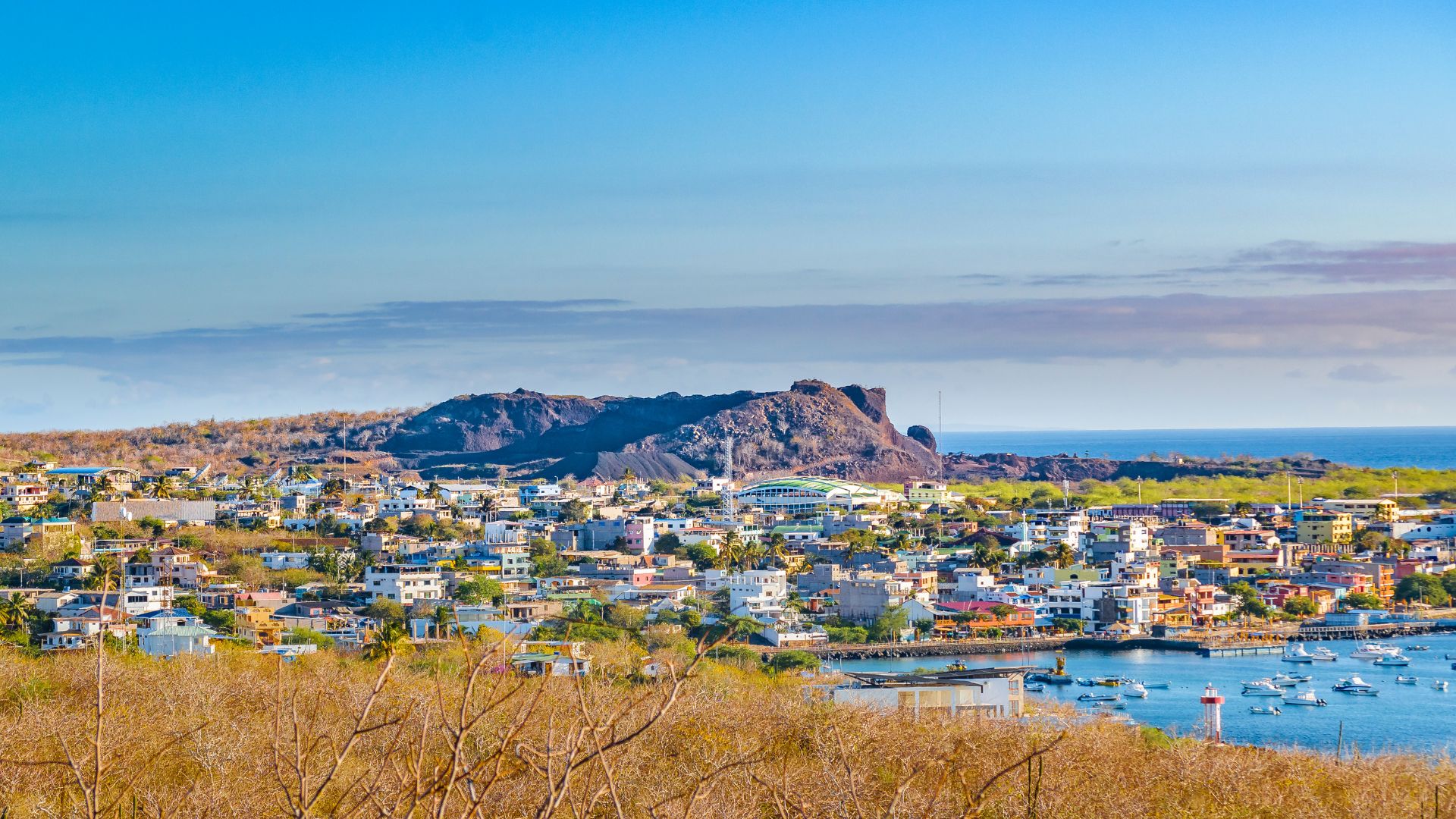
El yate llega frente a Puerto Baquerizo Moreno durante la noche. Un último snorkel matutino en el islote Lobos, un pequeño islote a menos de un kilómetro de la costa que debe su nombre a la colonia de lobos marinos que vive en él. El naturalista organiza un paseo en panga junto a los piqueros patiazules que anidan en la cara sur del islote y un último snorkel entre lobos marinos jóvenes en el canal. Desayuno de despedida en la cubierta de popa con el capitán y el naturalista.
Desembarco en el muelle de pangas a media mañana. Breve traslado a SCY para los vuelos de media mañana directos a Quito y Guayaquil. Los huéspedes que amplían su viaje por Latinoamérica desde aquí suelen conectar con Cuzco (vía UIO o GYE) o regresar a Quito para una noche en el casco antiguo antes de volar a casa.
Day Highlights
Want to share or come back to this voyage later?
Bookmark this voyage →Itinerario con tripulación · Galápagos · Rotación este + norte
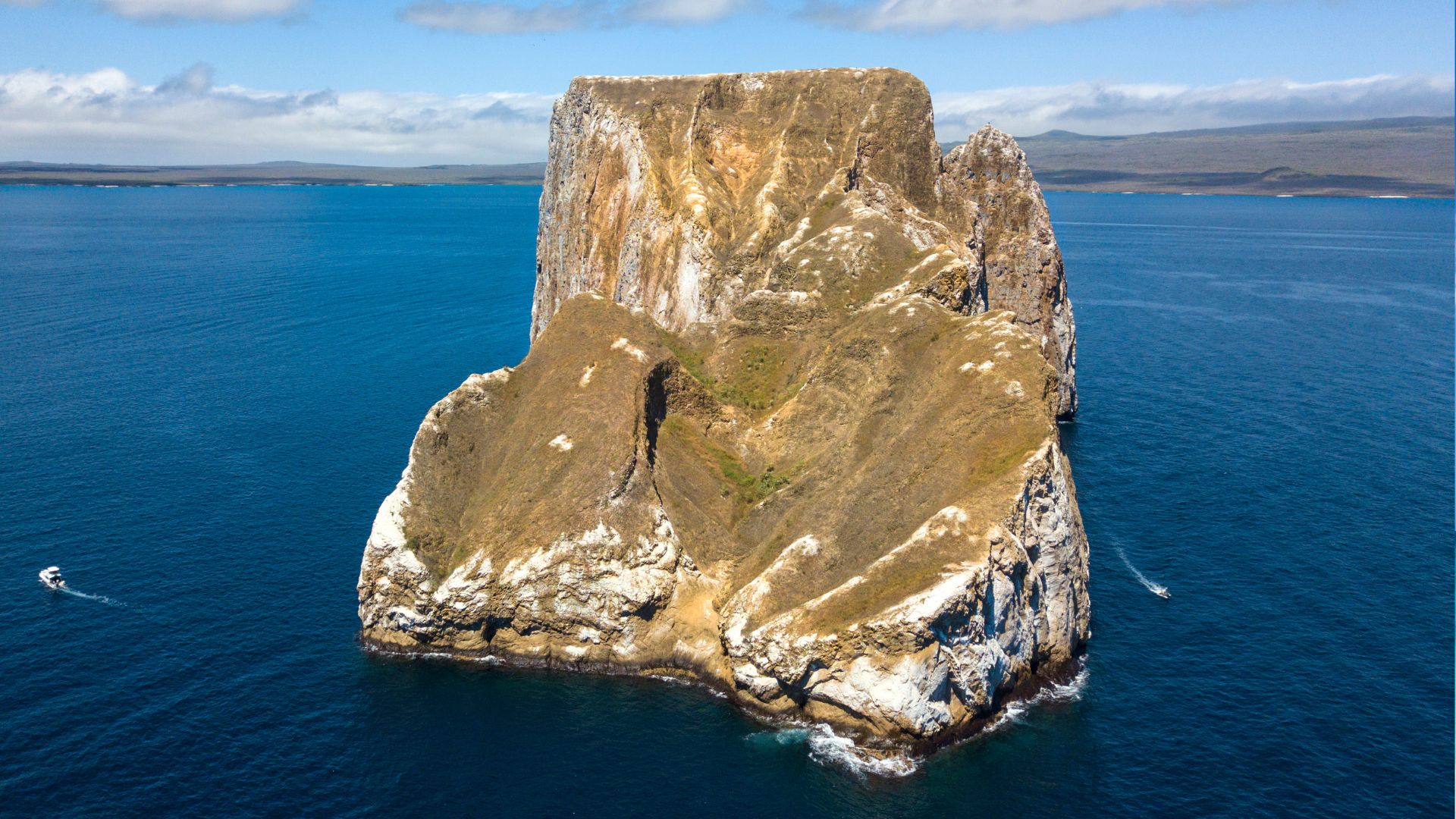
Este itinerario por Galápagos llega a su cumbre el tercer día con el circuito de aves y cortejo: el snorkel del canal de Kicker Rock por los tiburones martillo y los tiburones de Galápagos, la colonia de albatros de Galápagos de Punta Suárez (solo de abril a diciembre; no anidan en ningún otro lugar del planeta), la guardería de lobos marinos de Gardner Bay sobre arena blanca. El cuarto día sube a Bartolomé por Pinnacle Rock al amanecer, la fotografía que ancla cada viaje a Galápagos. La semana encadena la colonia de tres piqueros de Pitt Point, la cala de snorkel de Cerro Brujo, los piqueros patirrojos y las fragatas de Genovesa, y North Seymour para la última mañana. Ocho días de San Cristóbal a Baltra.
Este itinerario por Galápagos es la rotación en la que la ventana del albatros de Galápagos decide el calendario: de abril a diciembre, Punta Suárez en Española, el único lugar del planeta donde anidan. Fuera de eso, los piqueros, las fragatas, los lobos marinos y los tiburones martillo sostienen el viaje. La alternativa del oeste es la contraparte de iguanas marinas y volcanes; dos seguidas las combinan en quince noches en el mismo yate.
Día 1 de 8 · San Cristóbal — Centro de Crianza David Rodríguez
Aterriza en SCY en el vuelo de la mañana desde Quito o Guayaquil. Breve traslado al muelle de pangas de Puerto Baquerizo Moreno, panga hasta el yate fondeado, almuerzo de bienvenida en la cubierta de popa con la sesión informativa del naturalista sobre el programa diario.
Traslado de tarde al Centro de Crianza David Rodríguez, en el borde norte del pueblo: la instalación local de cría en cautividad para la subespecie de tortuga de San Cristóbal (Chelonoidis chathamensis), uno de los tres centros de las islas que realizan una labor de conservación similar. De vuelta al yate para una noche al ancla y una salida temprana.
Day Highlights
Día 2 de 8 · Pitt Point + Cerro Brujo
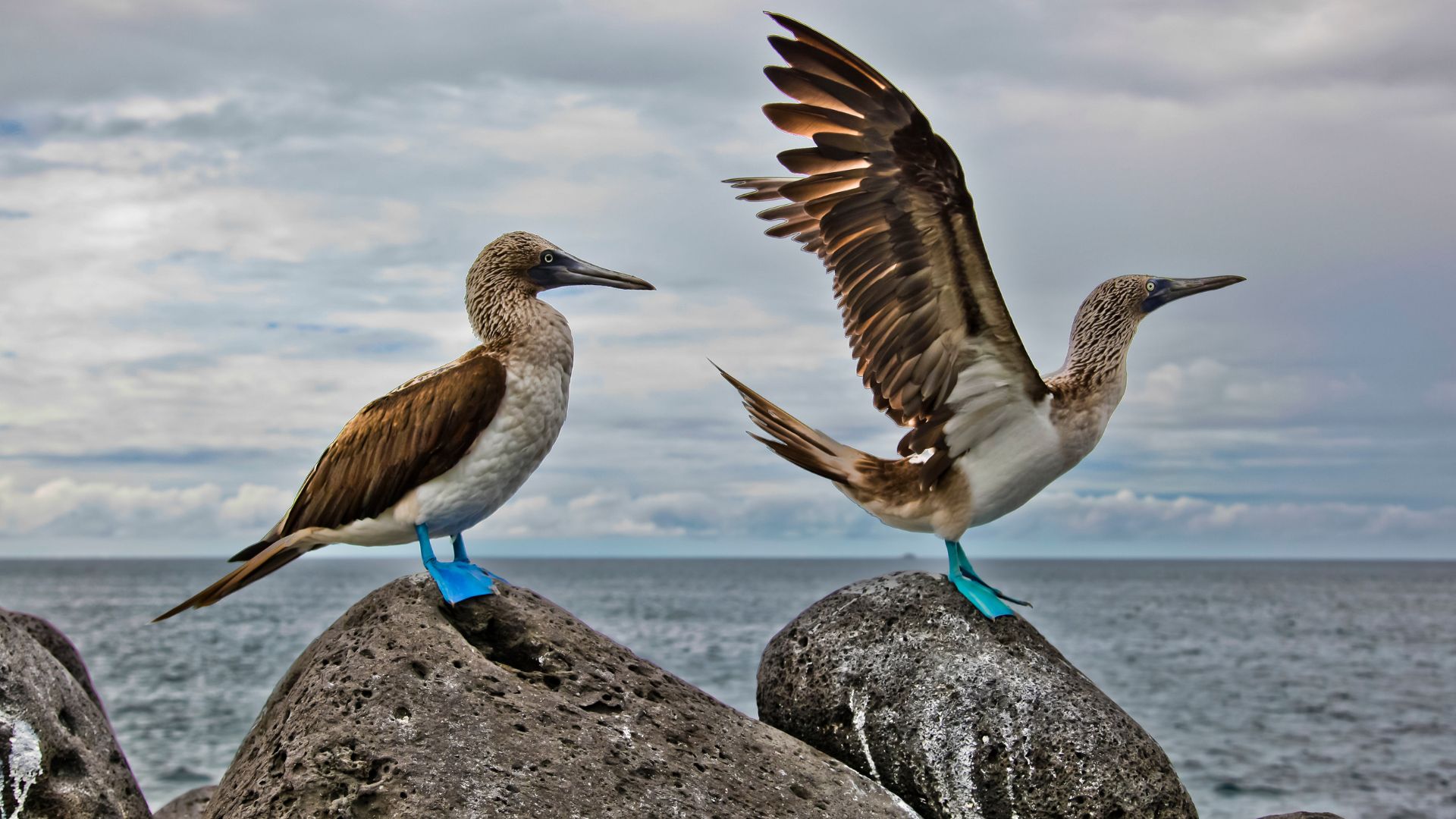
Navegación matutina al norte y al este hasta Pitt Point, el único sitio del archipiélago donde las tres especies de piquero (patiazul, patirrojo, de Nazca) anidan en la misma zona. El sendero sube a un mirador al borde del acantilado sobre la colonia; el naturalista repasa la identificación de especies (el color de las patas es la pista obvia). Las fragatas patrullan la colonia para el cleptoparasitismo.
Reposicionamiento de tarde a Cerro Brujo, una larga playa de arena blanca en una bahía resguardada, que debe su nombre al acantilado de toba volcánica de color óxido que se alza tras ella. El primer snorkel de la semana desde la playa: tortugas verdes, lobos marinos en la arena y en la rompiente, iguanas marinas sobre las rocas. Navegación nocturna al sur hacia Kicker Rock y Española.
Day Highlights
Día 3 de 8 · Kicker Rock + Punta Suárez + Gardner Bay
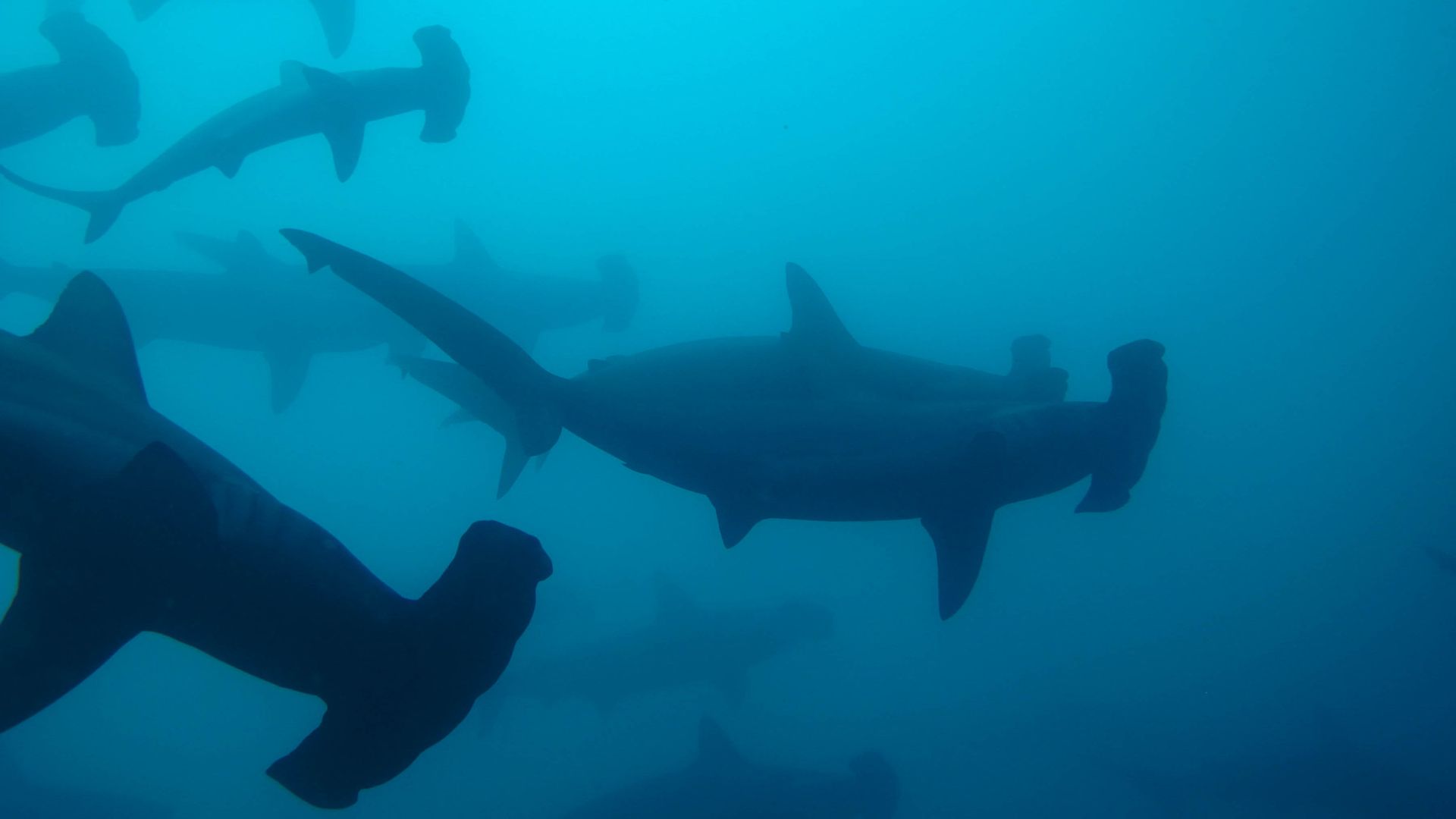
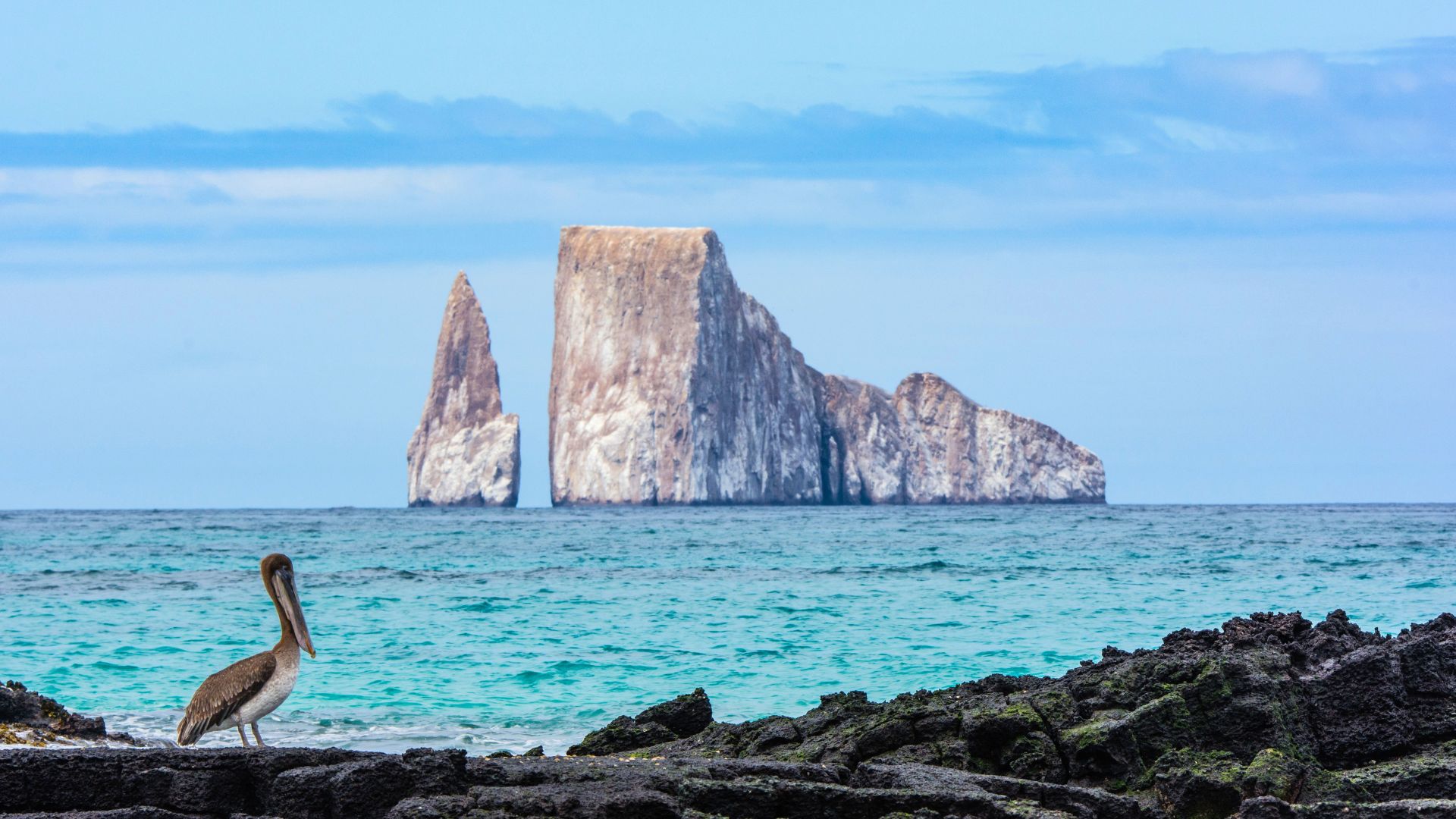
Las primeras luces llevan al yate hasta Kicker Rock, los dos pilares gemelos de basalto frente a la costa noreste de San Cristóbal. El programa de la mañana es el snorkel del canal: la panga te deja en la entrada este, la corriente te arrastra entre los acantilados, el naturalista lleva el barco al lado. Tiburones martillo en bancos abajo, tiburones de Galápagos patrullando, tortugas marinas, rayas águila. La mayoría de los grupos hacen dos pasadas.
Tránsito de mediodía al sur hasta Española, la más al sur y la más antigua de las islas principales. El desembarco de tarde en Punta Suárez es el paseo de aves que la mayoría de los huéspedes recuerda del viaje. El sendero sigue el borde del acantilado pasando la colonia de albatros de Galápagos (de abril a diciembre, en ningún otro lugar del planeta), el sinsonte de Española, los lugares de anidación del piquero de Nazca y el patiazul, y un surtidor de basalto que lanza agua de mar quince metros por la pared del acantilado.
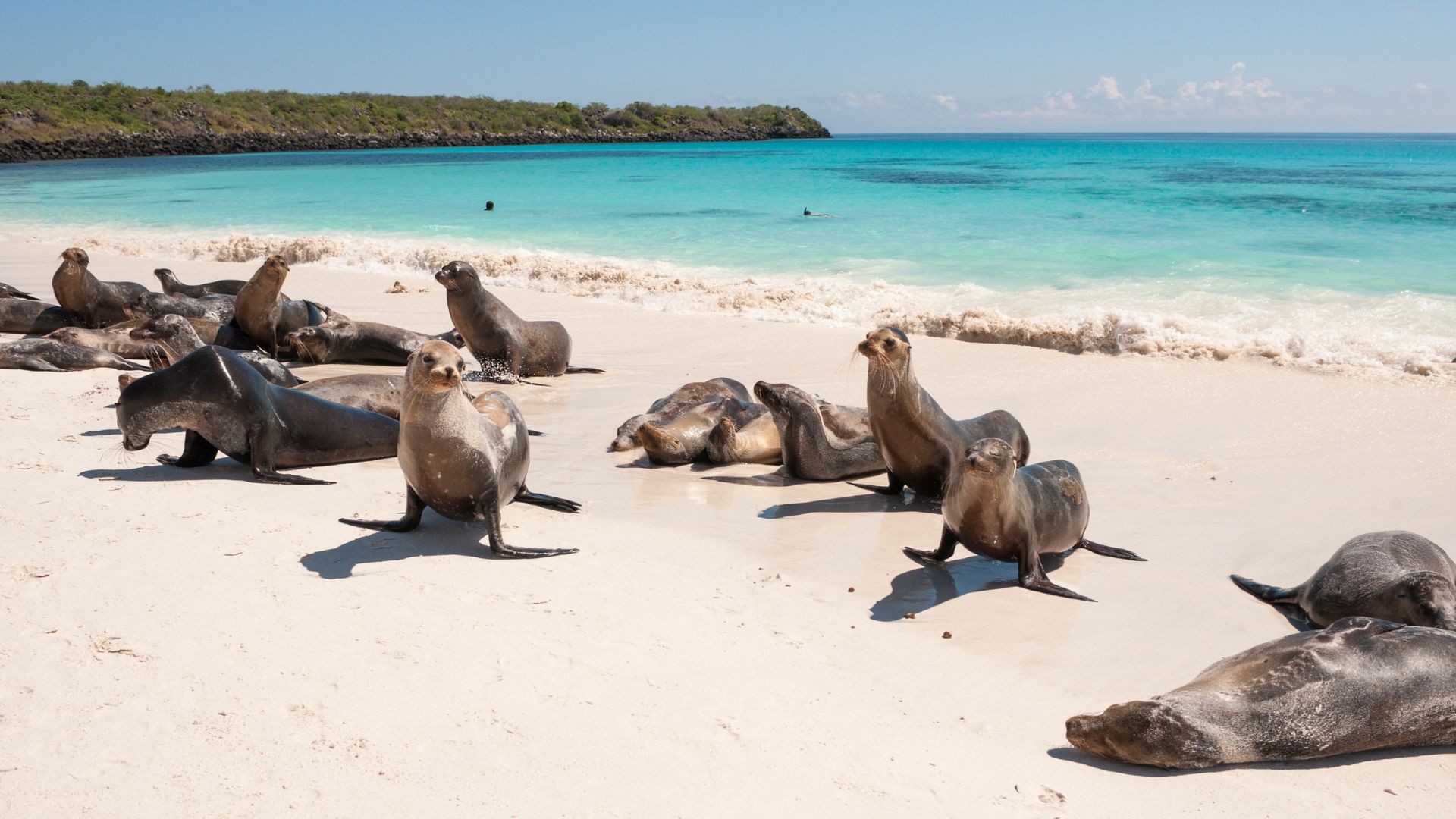
A última hora de la tarde, en Gardner Bay: una media luna de arena blanca de casi un kilómetro respaldada por matorral bajo y una colonia residente de lobos marinos. Las crías de lobo marino siguen a quienes nadan; los adultos se despatarran por la arena. La distancia de dos metros de la norma del parque se hace cumplir desde el lado de los huéspedes; los propios animales no la reconocen.
Day Highlights
Día 4 de 8 · Playa Bachas + cumbre de Bartolomé
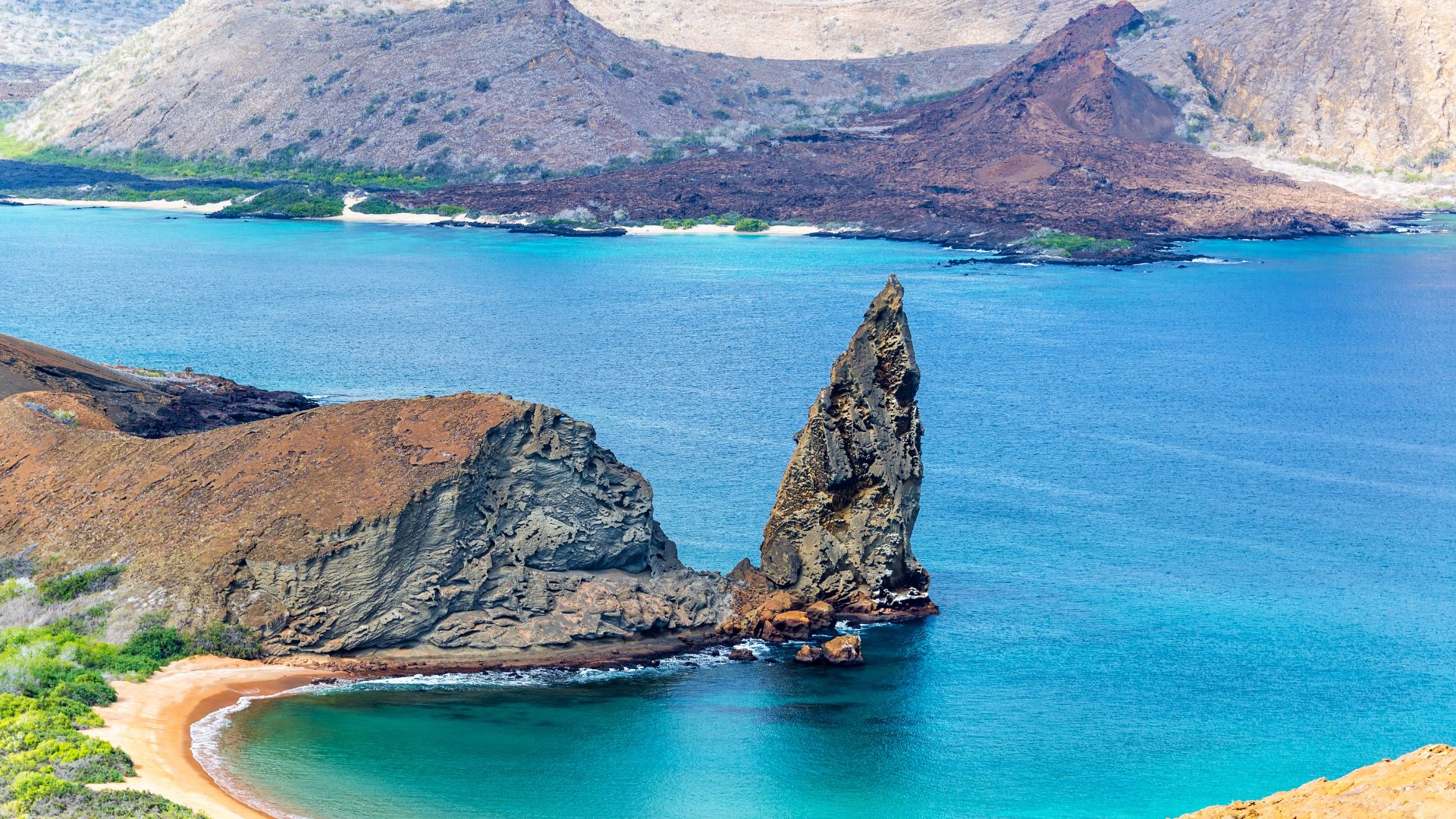
Navegación nocturna al noroeste: ciento diez millas náuticas, el tramo único más largo de la semana. Llegada antes del amanecer a Sullivan Bay. El naturalista dirige la caminata a la cumbre al amanecer: una escalera de madera de 372 escalones desde el desembarco sur sube el cono volcánico hasta el mirador a 114 metros. La vista desde lo alto es la fotografía que ancla cada viaje a Galápagos: Pinnacle Rock, la lava pahoehoe de Sullivan Bay a lo largo de Santiago, el yate abajo, el canal de Bolívar abriéndose al oeste.
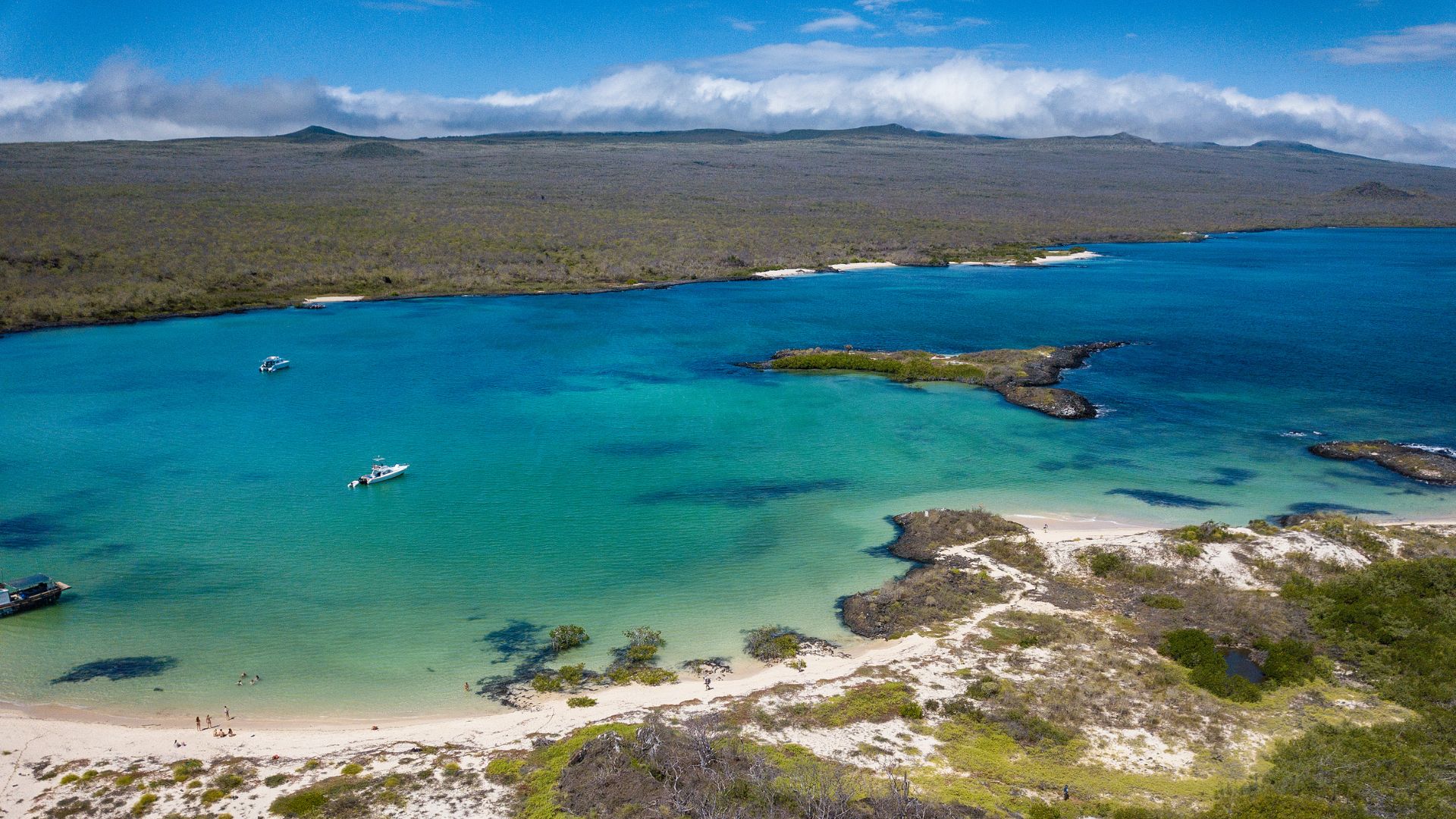
A última hora de la mañana, a Playa Bachas, en la costa norte de Santa Cruz: una amplia playa de arena blanca con una laguna salobre detrás que alberga flamencos y patos cariblancos. («Bachas» es la pronunciación local de «barges», barcazas: dos barcazas de la Marina estadounidense encallaron aquí durante la Segunda Guerra Mundial). Snorkel de tarde desde la playa entre tortugas marinas. Reposicionamiento nocturno al oeste para los desembarcos de Santiago.
Day Highlights
Día 5 de 8 · Santiago (Puerto Egas) + Rábida
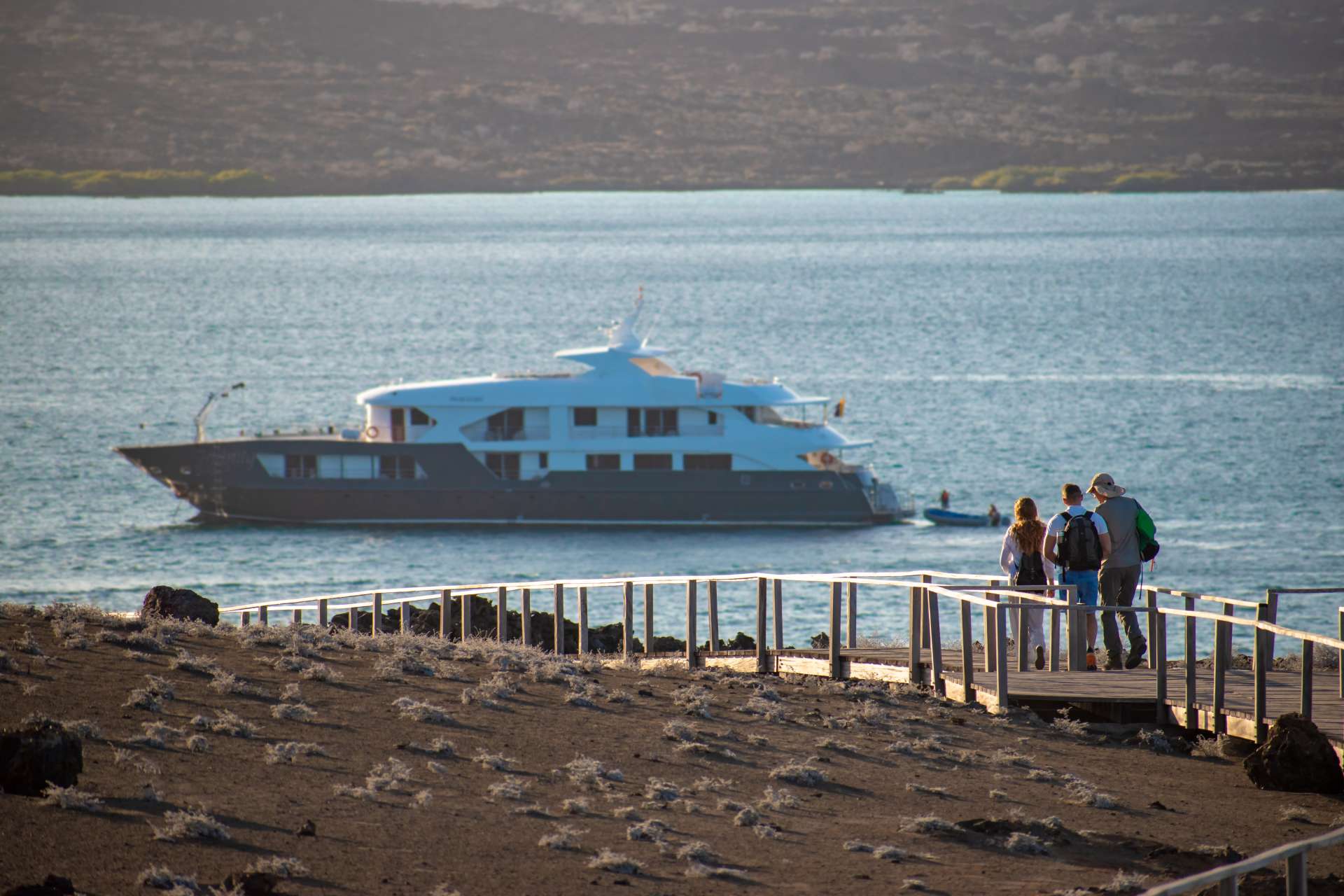
Desembarco matutino en Puerto Egas (James Bay), en la costa noroeste de Santiago: una larga orilla de lava negra con una colonia de lobos peleteros en las grutas de la base del acantilado, la mayor densidad de cangrejo zayapa de las islas, y una población de iguanas marinas distinta de las colonias del oeste. El sendero recorre la orilla de lava hasta las grutas donde el lobo peletero de Galápagos descansa en cuevas marinas a la sombra.
Reposicionamiento de mediodía al sur hasta Rábida, característica por la roca volcánica rica en óxido de hierro que vuelve la playa de un rojo-marrón intenso. El sendero detrás de la playa lleva a una laguna salobre con patos cariblancos y (en estación húmeda) flamencos. Snorkel de tarde por la base del acantilado: bancos de peces ángel rey, peces loro, peces de arrecife en los bajíos rocosos. Navegación nocturna al norte hacia Genovesa.
Day Highlights
Día 6 de 8 · Genovesa — Darwin Bay + Escaleras del Príncipe Felipe
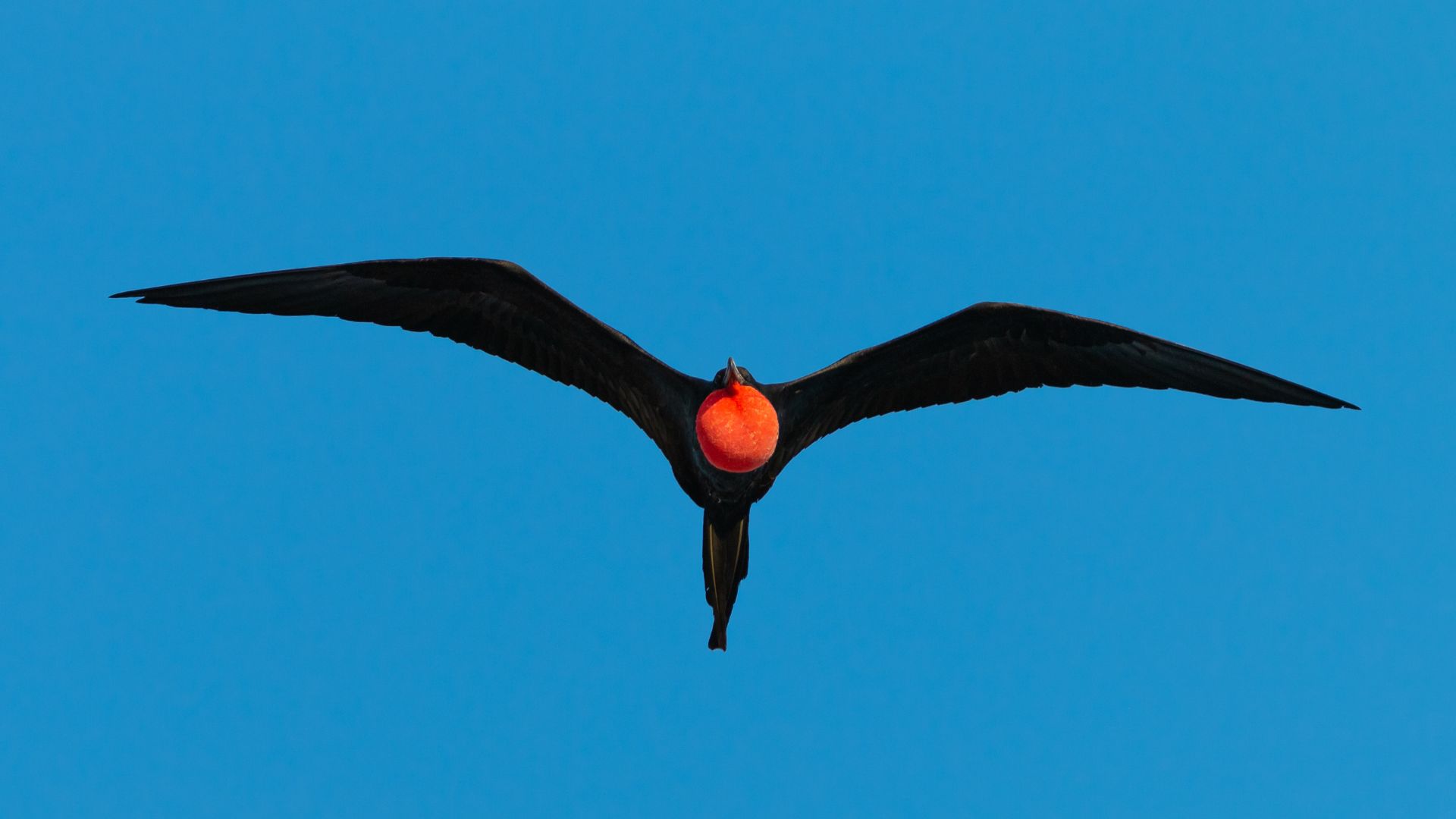
Tránsito nocturno al norte: 120 millas náuticas por mar abierto hasta Genovesa, una caldera volcánica inundada en el extremo norte del archipiélago. Genovesa está deshabitada y no recibe tráfico de barcos de día; solo la alcanzan los yates que hacen una variante de la ruta A. Desembarco matutino en Darwin Bay: una playa en media luna dentro del borde de la caldera, el agua más tranquila de la semana. Las colonias de aves más densas de las islas: la fragata real con el saco gular rojo inflado, la mayor colonia de piquero patirrojo del mundo, el piquero de Nazca, la gaviota de cola bifurcada, los petreles de tormenta en las grietas de la lava.
Desembarco de tarde en las Escaleras del Príncipe Felipe, en el lado este de la caldera, llamadas así por la visita del príncipe Felipe en 1965. Una subida empinada por escalones de madera y tallados en la roca te lleva a una meseta llana en el borde: otra concentración de piqueros de Nazca y patirrojos, la colonia de petreles de tormenta, y los búhos campestres cazándolos al anochecer. Navegación nocturna al sur de vuelta a las islas centrales.
Day Highlights
Día 7 de 8 · Islote Mosquera + Tierras Altas de Santa Cruz
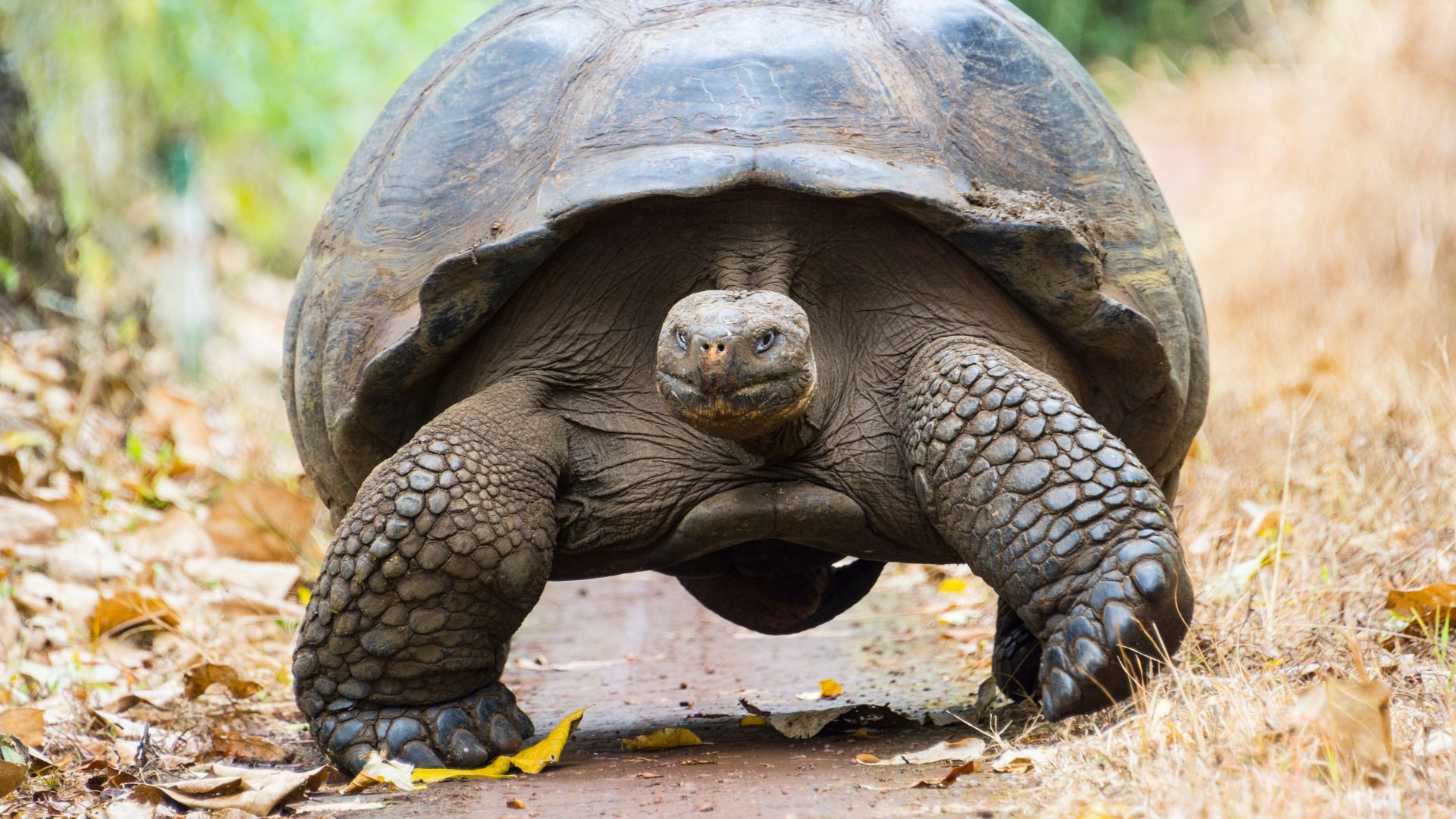
Desembarco matutino en el islote Mosquera, un bajo banco de arena entre North Seymour y Baltra. Una colonia residente de lobos marinos vive en el islote; el snorkel desde la playa te deja entre juveniles jugando. Mosquera es el desembarco más relajado de la semana: corto, sin subidas, sobre todo una ocasión para estar en el agua con la fauna una vez más.
Tránsito de tarde al sur hasta Academy Bay, frente a Puerto Ayora. Traslado en vehículo privado a las tierras altas: veinte minutos del pueblo, mil doscientos metros de altitud, bosque de scalesia que da paso a un matorral de Miconia. La Reserva El Chato o el Rancho Manzanillo albergan poblaciones de tortuga gigante de Galápagos en estado salvaje, pastando en los prados. Sin barreras; los animales se acercan a su antojo. Tránsito nocturno a Baltra.
Day Highlights
Día 8 de 8 · North Seymour + desembarco en Baltra
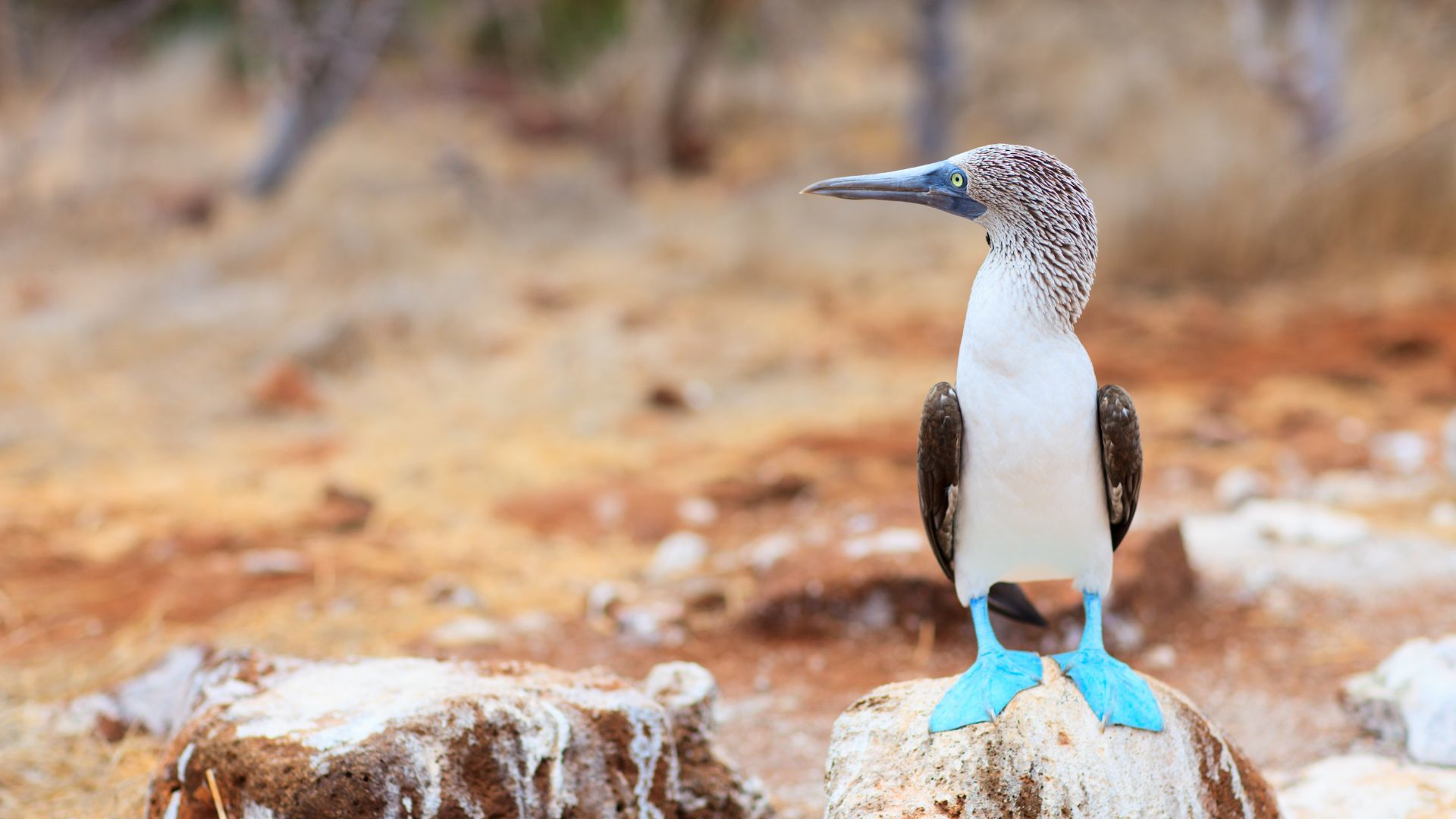
Navegación antes del amanecer hasta North Seymour, una pequeña isla llana justo al norte de Baltra, formada por levantamiento tectónico y no por actividad volcánica. El desembarco al amanecer te lleva a un sendero costero bajo pasando la colonia de piquero patiazul (la danza de cortejo de apuntar al cielo ejecutada de cerca), la colonia de fragata magnífica (machos con el saco gular rojo inflado) y la población residente de iguanas terrestres.
De vuelta a bordo para el desayuno y el corto tránsito a Baltra. La tripulación organiza el traslado a GPS para los vuelos de media mañana directos a Quito y Guayaquil. Los huéspedes que amplían su viaje por Latinoamérica desde aquí suelen conectar con Cuzco, Lima o regresar a Quito para una noche en el casco antiguo antes de volar a casa.
Day Highlights
Want to share or come back to this voyage later?
Bookmark this voyage →Itinerario con tripulación · Galápagos · Ruta de 5 días
Un itinerario de 5 días por Galápagos, de sábado a miércoles desde Baltra. La lava de Sullivan Bay el primer día, los acantilados de aves marinas de Punta Vicente Roca y las iguanas marinas de Fernandina el segundo día, la costa oeste de Isabela el tercero, la Estación Científica Charles Darwin y las tortugas de las tierras altas de Santa Cruz el cuarto, y desembarco en Baltra el miércoles. Galápagos en formato compacto, para grupos que lo combinan con un viaje a Perú, Quito o la Amazonía en alguno de los extremos.
El itinerario de 5 días por Galápagos es la respuesta acertada cuando el calendario es la limitación principal y Galápagos es solo una etapa de un viaje más largo por Latinoamérica. Los sitios estrella de la ruta oeste, comprimidos en cuatro noches. La ruta oeste de 8 días es la versión completa de esta rotación; la ruta este y norte de 8 días es la semana alternativa. Para grupos que dispongan de una semana en las islas, recomendamos la ruta oeste de 8 días antes que esta versión de 5 días: la misma densidad de fauna, con más tiempo.
Día 1 de 5 · Baltra → Sullivan Bay
Aterriza en GPS en el vuelo de la mañana desde Quito o Guayaquil. El capitán te recibe en la puerta de salida, cruza el canal de Itabaca y el yate ya está fondeado con el chef emplatando el almuerzo. El naturalista hace la sesión informativa de bienvenida; el plan de crucero queda registrado ante el guardaparque.
A media tarde, el capitán navega al norte y al este hasta Sullivan Bay. Al caer la tarde, la panga te deja en la pahoehoe de 1903: roca negra cordada, bombas de lava, plantas pioneras abriéndose paso entre las grietas. Copas al atardecer y cena al ancla.
Day Highlights
Día 2 de 5 · Punta Vicente Roca + Punta Espinoza
Navegación nocturna al oeste hacia el canal de Bolívar. La mañana lleva al yate hasta Punta Vicente Roca, en el extremo noroeste de Isabela: acantilados de trescientos metros con aves marinas anidando en las cornisas, tortugas marinas asomando en el canal y tiburones de Galápagos bajo la panga.
A mediodía, cruce al oeste hacia Fernandina. Punta Espinoza es el único sitio de visita: una punta de colada de lava con la mayor colonia de iguanas marinas del planeta, cientos amontonadas sobre la roca negra desnuda, los únicos lagartos que se alimentan en el océano. El cormorán no volador también anida en el lugar. Por la tarde, snorkel desde la panga entre tortugas verdes.
Day Highlights
Día 3 de 5 · Tagus Cove + Urbina Bay
Navegación matutina al sur hasta Tagus Cove, un pequeño fondeadero protegido entre acantilados de toba. Las tripulaciones balleneras lo usaron como aguada desde la década de 1820 hasta la de 1880; la pared del acantilado sobre el fondeadero conserva sus nombres y fechas, la más antigua legible de 1836. El naturalista organiza un programa de kayak en el lago Darwin, detrás de la ensenada.
Por la tarde, al sur hasta Urbina Bay. El sendero sobre el desembarco cruza coral muerto y conchas de erizo de mar blanqueadas: en 1954, un arrecife costero se elevó cuatro metros sobre el nivel del mar de la noche a la mañana, ligado a la actividad del volcán Alcedo. Iguanas terrestres y tortugas gigantes se alimentan en la zona durante la estación húmeda. Navegación nocturna al este hacia Santa Cruz.
Day Highlights
Día 4 de 5 · Estación Científica Charles Darwin + Tierras Altas
Mañana en la Estación Científica Charles Darwin: el programa de cría en cautividad en marcha desde 1959, el Memorial del Solitario George (la última tortuga de la isla Pinta, disecada tras su muerte en 2012) y los paneles interpretativos sobre la labor de conservación.
A mediodía, traslado a las tierras altas en vehículo privado: veinte minutos desde el pueblo, mil doscientos metros de altitud, bosque de scalesia que da paso a un matorral de Miconia, y tubos de lava que recorres a pie con el naturalista. La Reserva El Chato o el Rancho Manzanillo albergan poblaciones de tortuga gigante de Galápagos en estado salvaje, pastando en los prados. Tránsito nocturno hacia Baltra.
Day Highlights
Día 5 de 5 · Desembarco en Baltra
Tránsito nocturno al norte hacia Baltra. Desayuno de despedida en la cubierta de popa antes del desembarco a media mañana. Panga hasta el muelle del canal de Itabaca, un breve ferry y traslado a GPS para el vuelo de la mañana de regreso a Quito o Guayaquil.
Desde aquí, la mayoría de los grupos enlazan con la siguiente etapa. Cuzco / Machu Picchu suele conectar vía GYE con LATAM, llegando a Cuzco a media tarde para el programa de Perú de cuatro o cinco noches. La combinación con el casco antiguo de Quito se queda en Ecuador. La combinación con la Amazonía conecta desde UIO hasta Coca para el traslado a Mashpi o al Napo Wildlife Center.
Day Highlights
Want to share or come back to this voyage later?
Bookmark this voyage →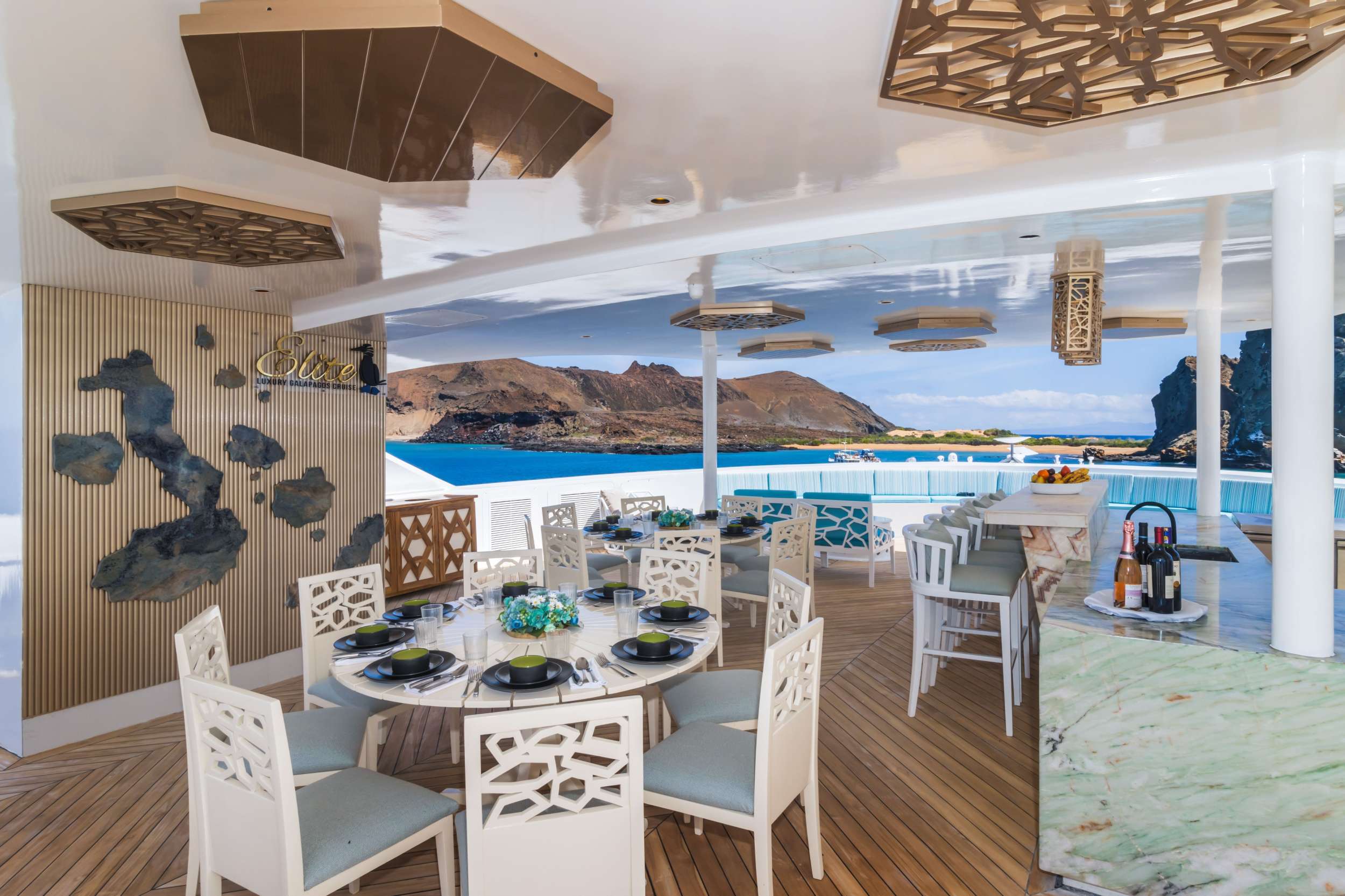
When to go, what it costs, and how to get there — the practical answers guests ask before booking a Galapagos crewed yacht charter.
Agua entre 23 y 26 °C, mar en calma, vegetación exuberante y el snorkel más cálido del año. Crías de iguana marina en marzo, desove de tortugas verdes de diciembre a marzo. Es habitual algún chubasco vespertino. La ventana que recomendamos para los visitantes primerizos — el agua más cálida, el clima más estable y sin necesidad de traje de neopreno.
El afloramiento de la corriente de Humboldt baja la temperatura del agua a entre 20 y 22 °C e impulsa la mayor productividad marina del año. La mejor visibilidad de snorkel y mayor densidad de alimentación. El albatros de Galápagos está en Punta Suárez de abril a diciembre (el único lugar del planeta donde anida). Se recomienda un traje de neopreno de 3mm. Las semanas de temporada fresca tienen gran demanda entre los viajeros más apasionados por la fauna.
Elige la semana según la especie que quieres ver: albatros de Galápagos de abril a diciembre, crías de lobo marino de septiembre a noviembre, crías de iguana marina de diciembre a marzo, desove de tortuga verde de diciembre a marzo, cortejo del piquero de patas azules de junio a agosto, piquero de patas rojas de mayo a octubre. El cortejo del fragata se produce durante todo el año, con picos ligados a El Niño. El naturalista elabora el programa diario en función de lo que esté ocurriendo activamente cuando llegues.
$60,000–$150,000 per week
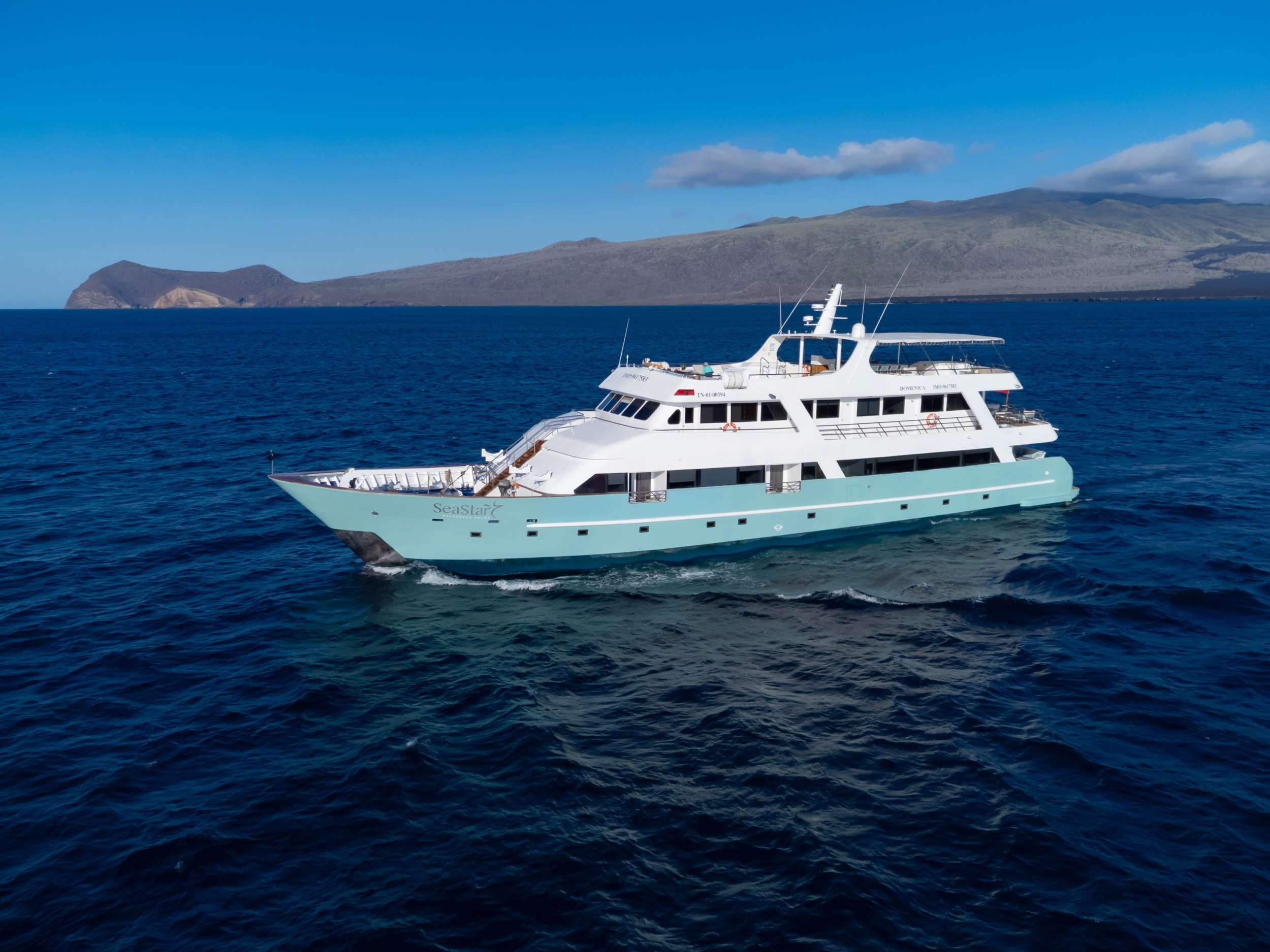
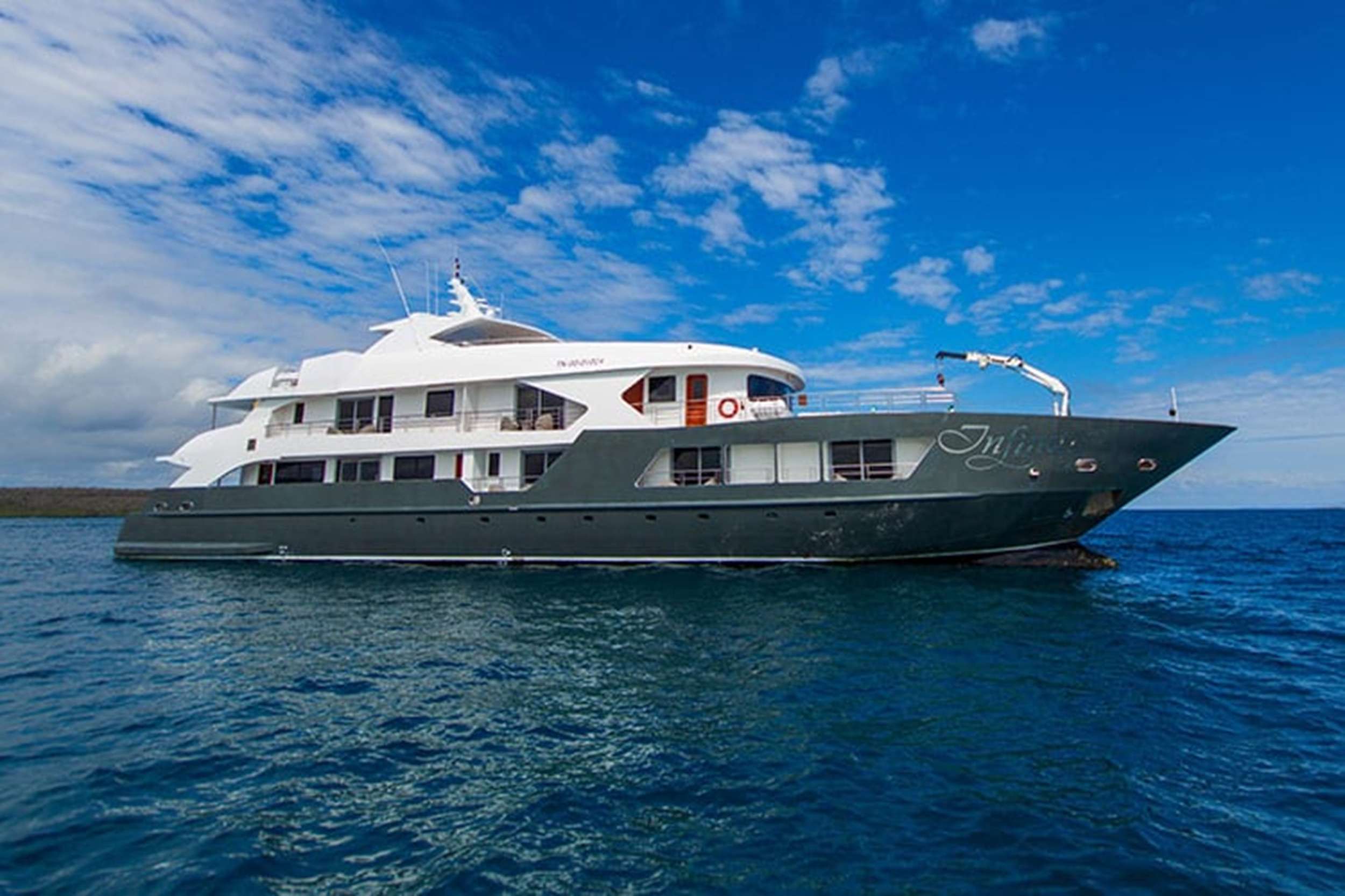
Un yate de expedición privado completo en Galápagos cuesta aproximadamente entre $60,000 y $150,000+ por semana, según la categoría del yate y la época del año. El extremo inferior corresponde a la categoría Primera Clase; el superior, a los yates de Clase Lujo — Infinity, Galapagos Horizon, Galapagos Sea Star. La tarifa base cubre el yate completo para tu grupo (ocho camarotes, dieciséis a veinte huéspedes), capitán y tripulación, un naturalista licenciado de Clase III, todas las comidas y barra libre, pangas auxiliares, equipo de snorkel y trajes de neopreno, kayaks, tablas de paddleboard y las tarifas del itinerario autorizado. La entrada al Parque, la tarjeta de tránsito de Galápagos, la contribución a la cámara hiperbárica y los traslados del aeropuerto al yate se detallan al momento de la reserva y se pagan por separado. La propina a la tripulación es habitual entre el diez y el quince por ciento de la tarifa base. Las salidas están fijadas por el calendario del Parque — 4 días de viernes a lunes, 5 días de lunes a viernes o de martes a sábado, 8 días de sábado a sábado o de lunes a lunes. Los vuelos de larga distancia a Quito o Guayaquil no están incluidos.
About chartering in the Galapagos.
We charter across the South Pacific. Here are some other excellent alternatives.
Fill out our quick form and we'll dive into your unique preferences — from adventure-packed itineraries to pampered escapes. Whether you're a seasoned voyager or new to charters, we'll tailor recommendations just for you.
With over fifteen years of experience, we'll match you with the yacht that fits your style, group, and itinerary. We work directly with the captains and crews across our list — so the recommendation is built around the right boat-and-crew fit for your week, not whatever's easiest to book.
Once your yacht is booked, we'll take care of logistics: paperwork, reminders, and personalized resources to help you plan. From arrival planning to must-visit spots, we'll make your charter as seamless as it is unforgettable.

¿Qué esperar de un alquiler de yate privado con tripulación?
Conocé qué hace únicos a estos viajes en yate: servicio personalizado, gastronomía gourmet y un sinfín de aventuras y momentos de relax.

¿Cómo es el proceso de reserva?
Nuestro equipo se encarga de todo: desde tu primer consulta hasta que zarpás. Todo fluye de forma simple.

¿Cuánto cuesta un alquiler de yate con tripulación?
Entendé los distintos tipos de precios, lo que está incluido y lo que no.

Logística: planes probados para un inicio sin estrés
Planificá tu llegada con facilidad. Te damos tips sobre vuelos, traslados y todo lo necesario para arrancar relajado.
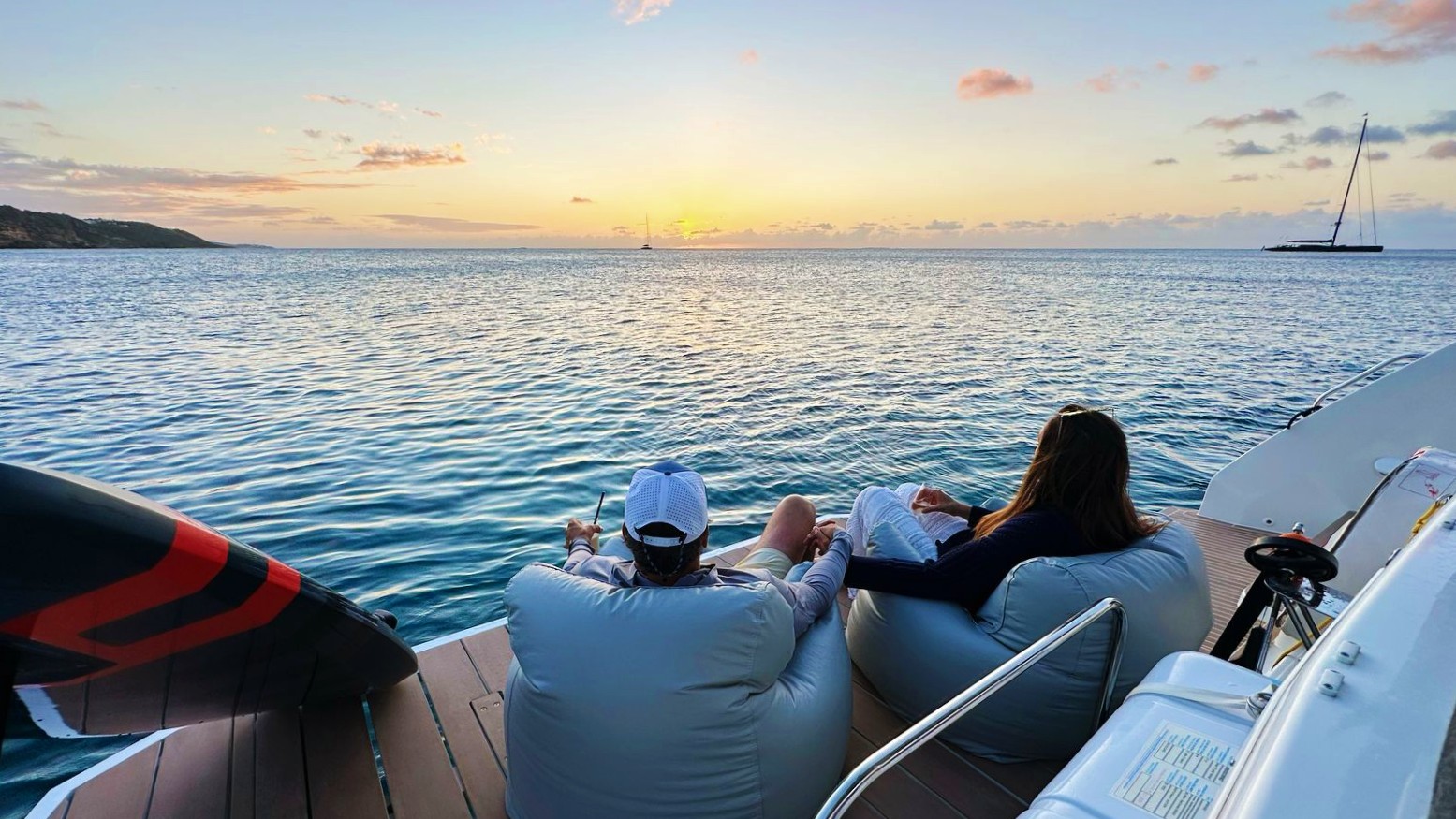
Alquiler de yate de luna de miel
Comience su matrimonio en un yate privado. Explore playas solitarias, gastronomía gourmet y atardeceres inolvidables en el Caribe.
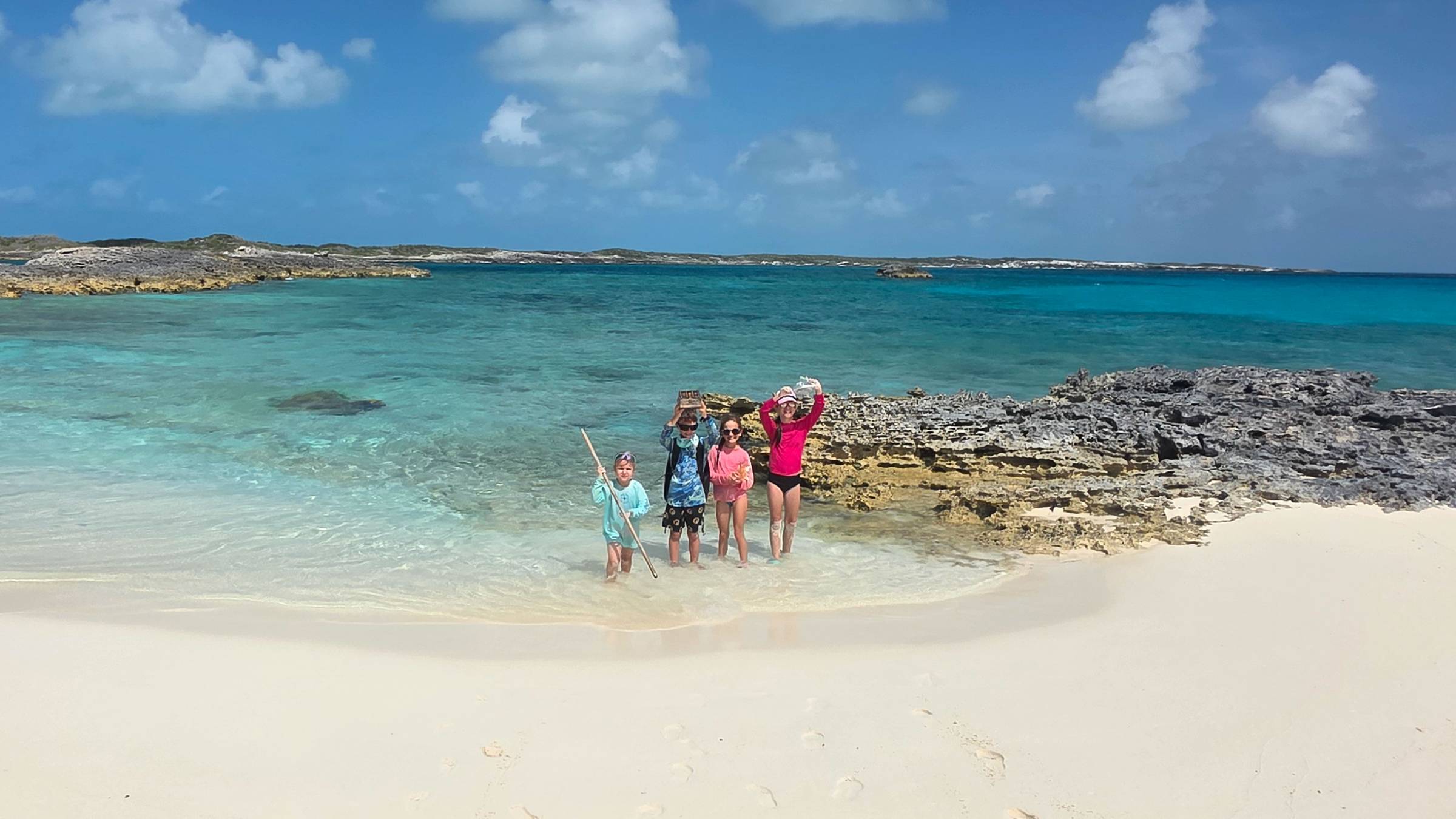
Alquiler de yate familiares
Un alquiler de yate con tripulación es perfecto para familias de todas las edades. Seguro, divertido y con servicio completo — sus hijos nunca lo olvidarán.

Preguntas frecuentes sobre alquileres de yate con tripulación
Obtenga respuestas a las preguntas más comunes sobre alquiler de yate con tripulación, desde precios y propinas hasta qué incluye y qué llevar.

Alquiler de yate con tripulación en las Islas Vírgenes Británicas
Las Islas Vírgenes Británicas son el destino #1 de alquiler de yate con tripulación en el Caribe. Navegaciones cortas, aguas protegidas y bahías de clase mundial.

Guía de Alquiler de Yate con Tripulación en Islas Vírgenes Británicas
Todo lo que necesitás saber antes de tu viaje en yate con tripulación en las Islas Vírgenes Británicas — precios, lista de equipaje, itinerario y cómo llegar.
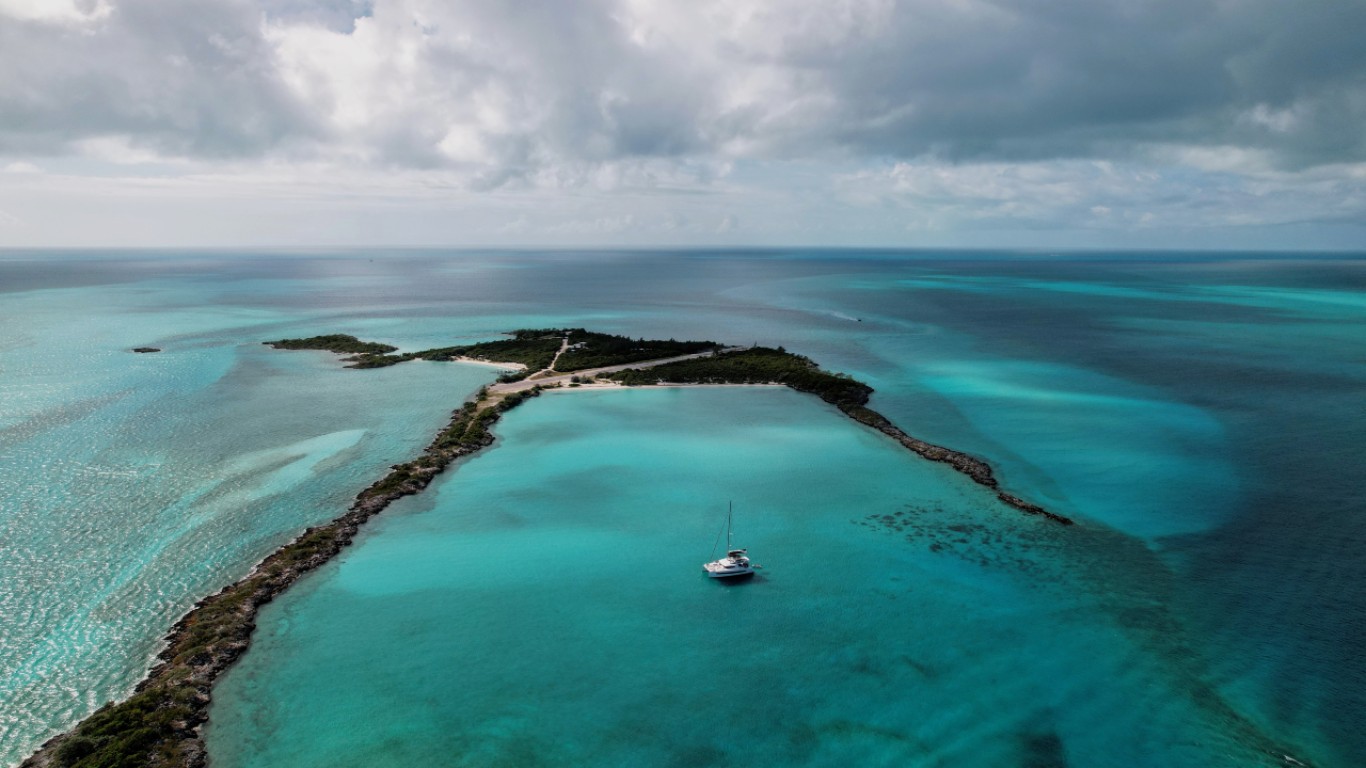
Alquiler de yate con tripulación en las Bahamas
Explore las Exumas en un yate privado con tripulación. Cerdos nadadores, bancos de arena y algunas de las aguas más cristalinas del mundo.
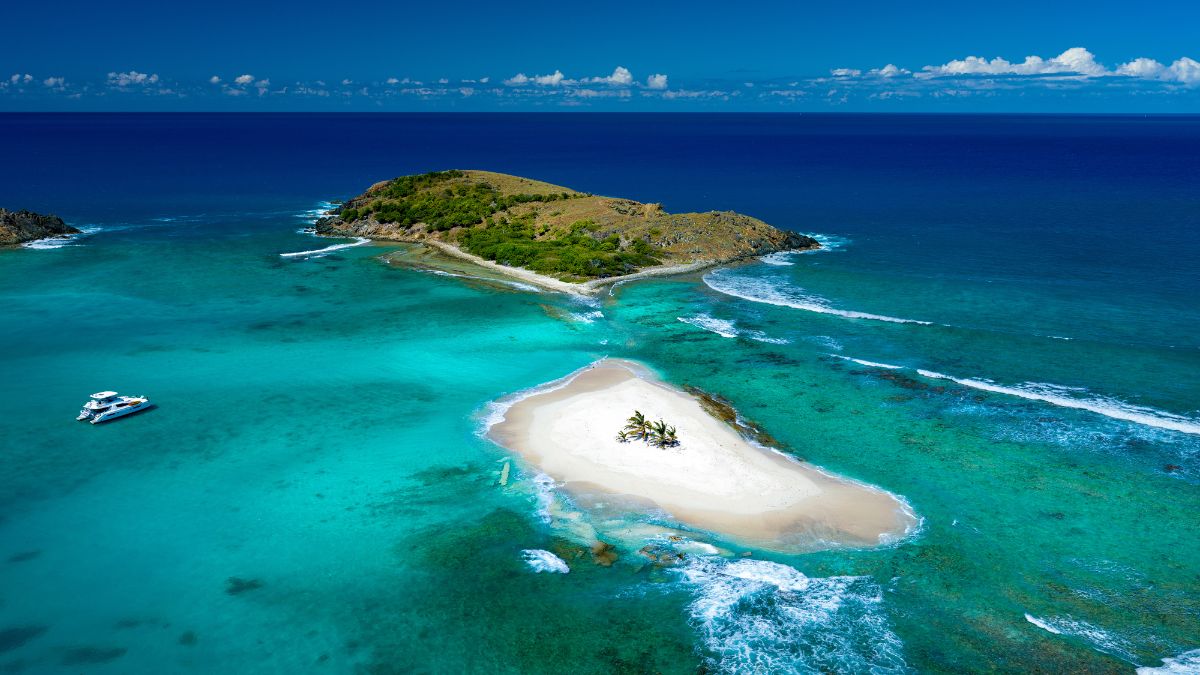
Alquiler de yate con tripulación en el Caribe
Alquiler de yate todo incluido con tripulación en todo el Caribe — Islas Vírgenes Británicas, Bahamas, Islas Vírgenes de EEUU, St. Martin, Antigua y más.