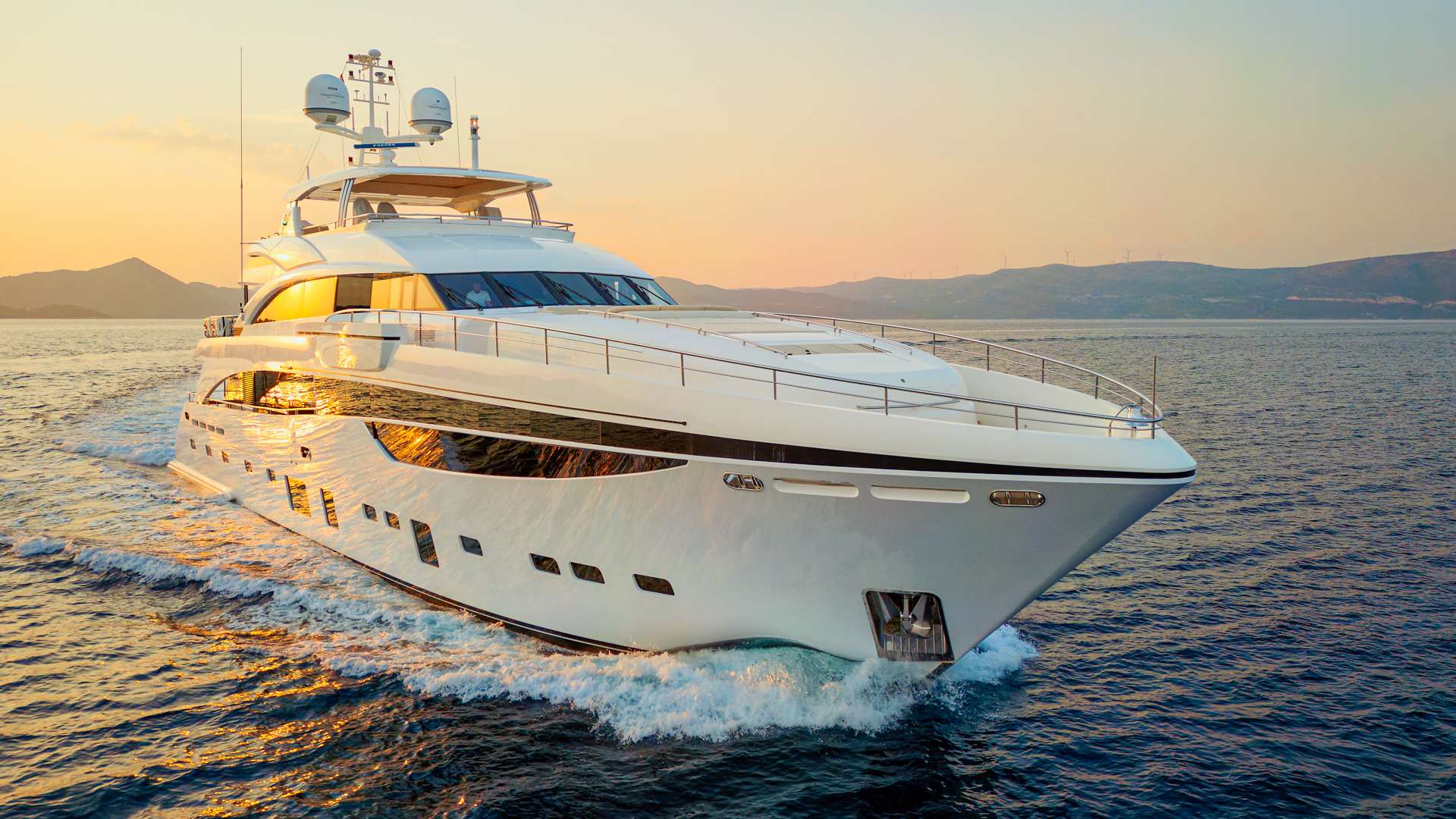

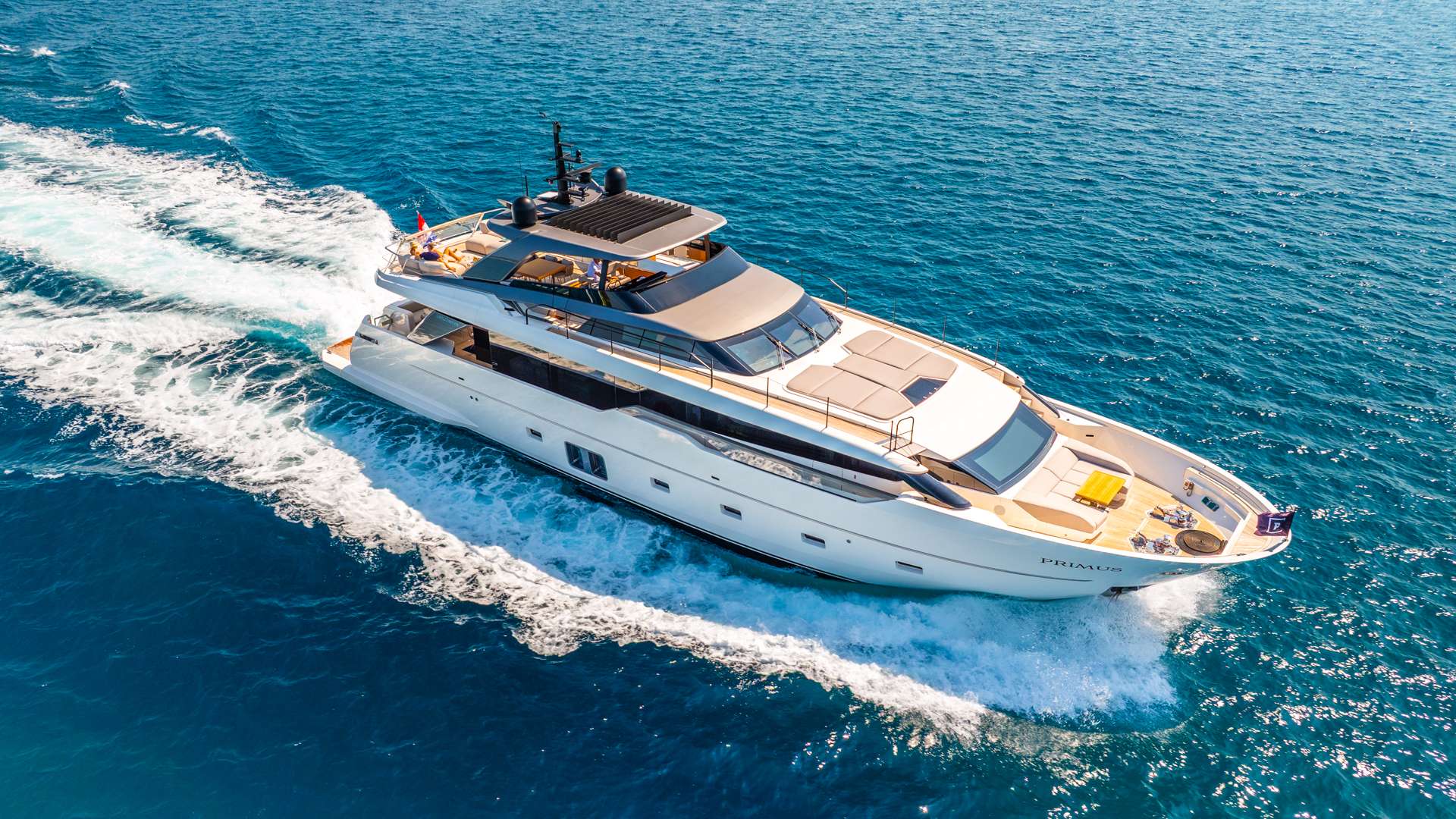
Primus
95FT · MOTOR YACHT
Desde €89,000/semana
10 Guests · 5 Cabins
Caribbean
Eastern Mediterranean
Western Mediterranean
South Pacific
United States
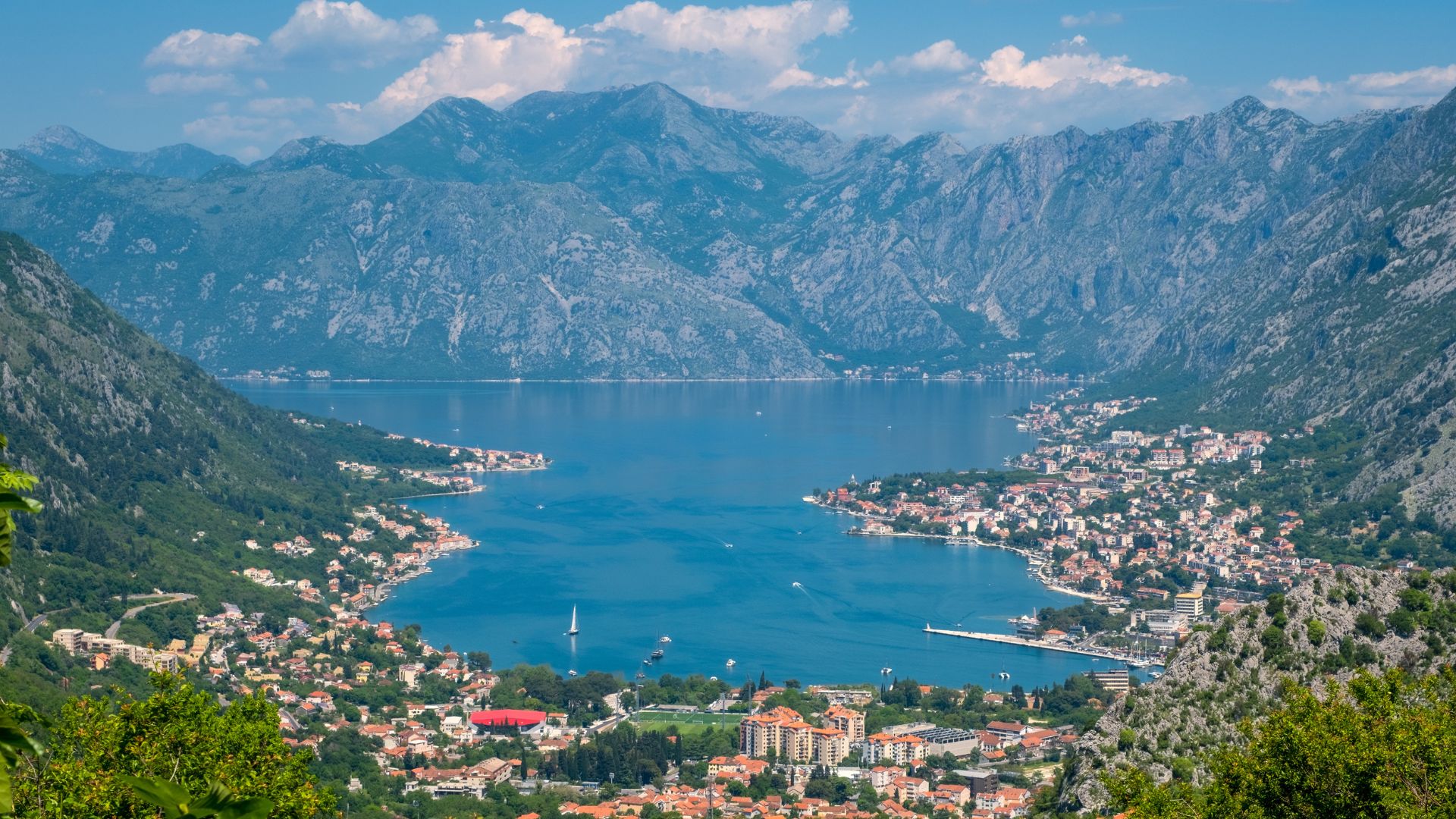
Viajes en yate con tripulación — catamarán y yate a motor — en la Bahía de Kotor y la costa montenegrina: las murallas medievales de Kotor en la cabecera interior de la bahía, la silueta de Sveti Stefan desde el mar y la única marina de superyates con calificación Platino del Adriático, en Tivat.
Por qué Montenegro
Sesenta millas náuticas de costa entre Croacia y Albania, la mayor parte resguardada dentro de la Bahía de Kotor — un largo valle inundado encerrado entre montañas a ambos lados. La ciudad medieval de Kotor se asienta en la cabecera interior, con murallas y campanarios al pie de las fortificaciones de piedra que escalan la roca sobre el casco antiguo. La navegación en sí es tranquila. Saltos cortos entre bahías. Restaurantes con nombre a los que se llega a pie desde el muelle. El ancladero frente a Sveti Stefan para nadar en la costa abierta al sur de la bahía. No hay otro lugar en el Mediterráneo donde el agua encuentre la roca de esta manera.
Dos travesías recorren esta costa con fluidez. El viaje de ida y vuelta por la Bahía de Kotor desde Tivat es la semana más pausada — siete noches dentro de la bahía y la costa abierta al sur, con el ancladero frente a Sveti Stefan y una cena junto al muelle en Porto Montenegro como dos momentos estelares. La travesía de Dubrovnik a Kotor en un solo sentido es la opción más destacada — embarque en Croacia, una sola mañana de cruce de frontera el segundo día, desembarque en Porto Montenegro tras dejar Sveti Stefan. Esta semana de cruce atrae a la mayoría de los clientes que repiten en el Adriático; los capitanes que trabajan ambas costas la navegan cada temporada. Para diez o catorce noches, un viaje más largo encadena una semana dálmata al principio y recorre ambos países en un único alquiler.
Dos marinas de nivel superyate — Porto Montenegro en Tivat y D-Marin Portonovi en Herceg Novi — y una flota que en su mayoría baja desde Croacia para las reservas. Los catamaranes de Touch Adriatic, los barcos de Sail Dalmatia y un pequeño segmento de yates a motor se reposicionan en la Boka bajo petición. Se aplican precios mediterráneos más gastos (APA prefundado al 25-30% de la base, propina del 10-15%, salidas de sábado a sábado). La diferencia de coste que conviene conocer: Montenegro aplica un 0% de IVA al alquiler comercial de yates de pabellón extranjero y no cobra aranceles sobre el combustible — una excepción única en el Mediterráneo. Con el mismo yate y la misma tarifa base, una semana en Montenegro ahorra el 13% que cobraría Croacia. Para la semana con cruce de frontera, el capitán registra el tiempo en aguas de cada país y el agente de yate liquida el prorrateo croata al final del viaje.
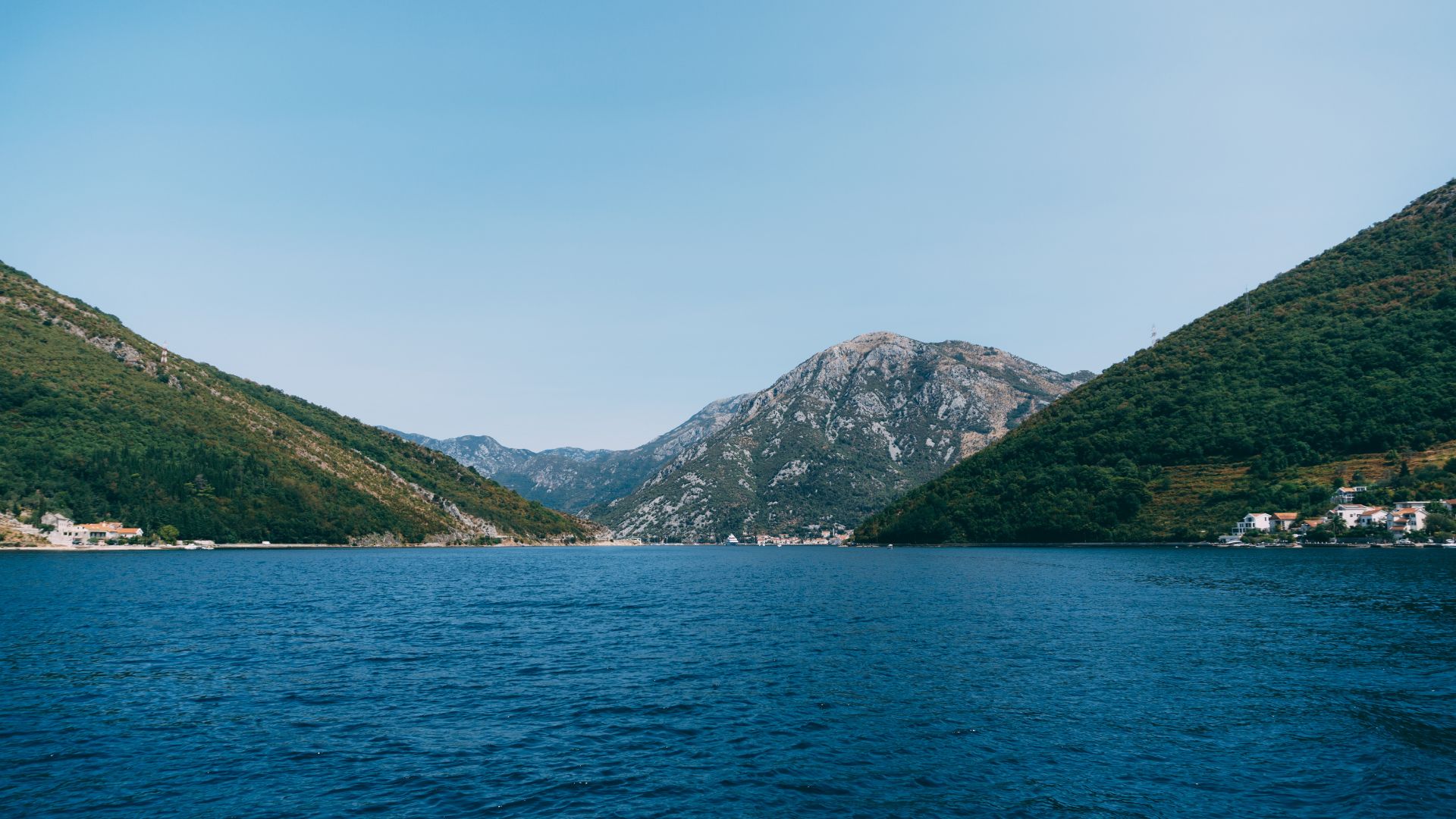
Cuatro razones por las que la Bahía de Kotor no se parece al resto del Mediterráneo.
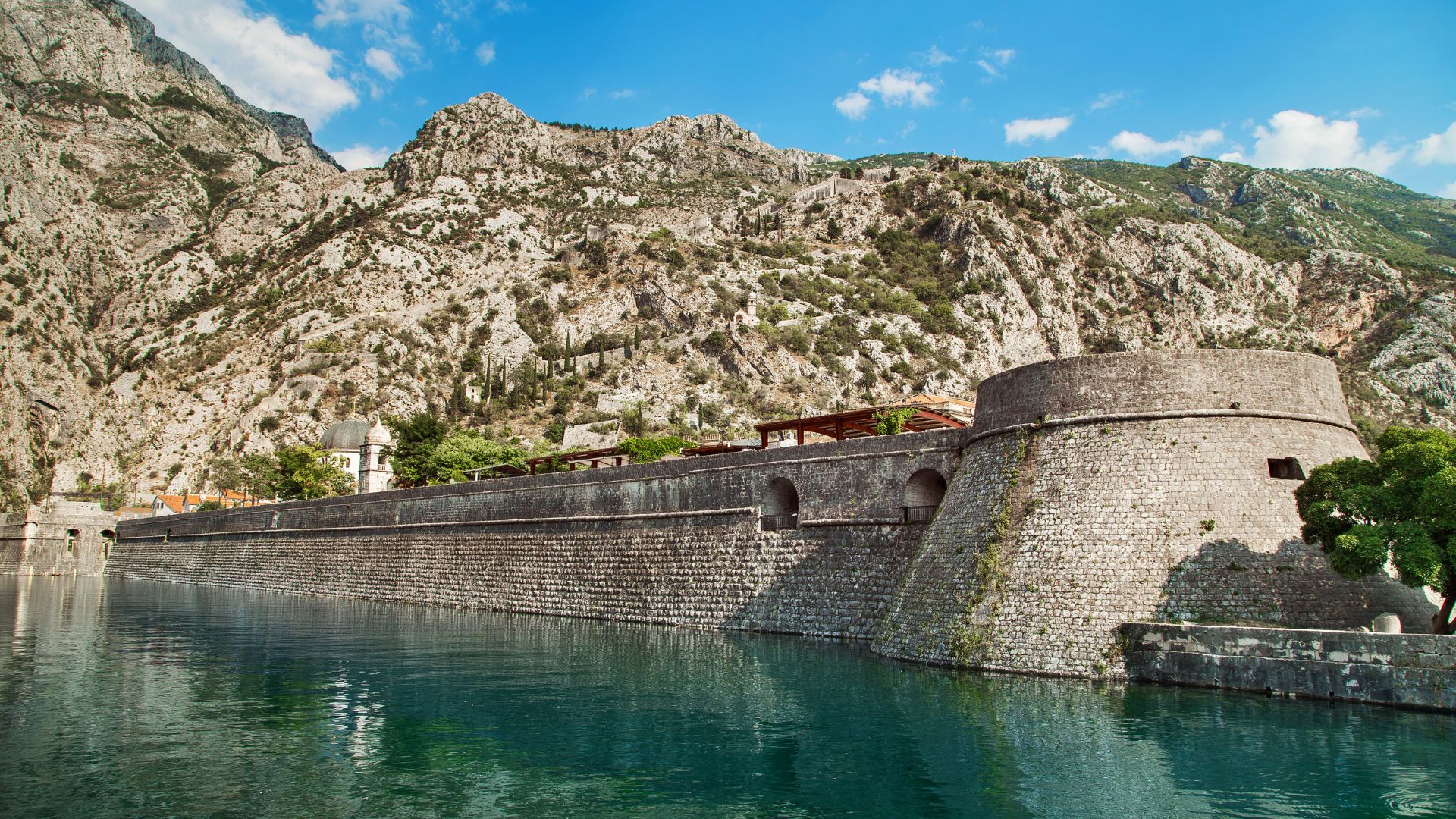
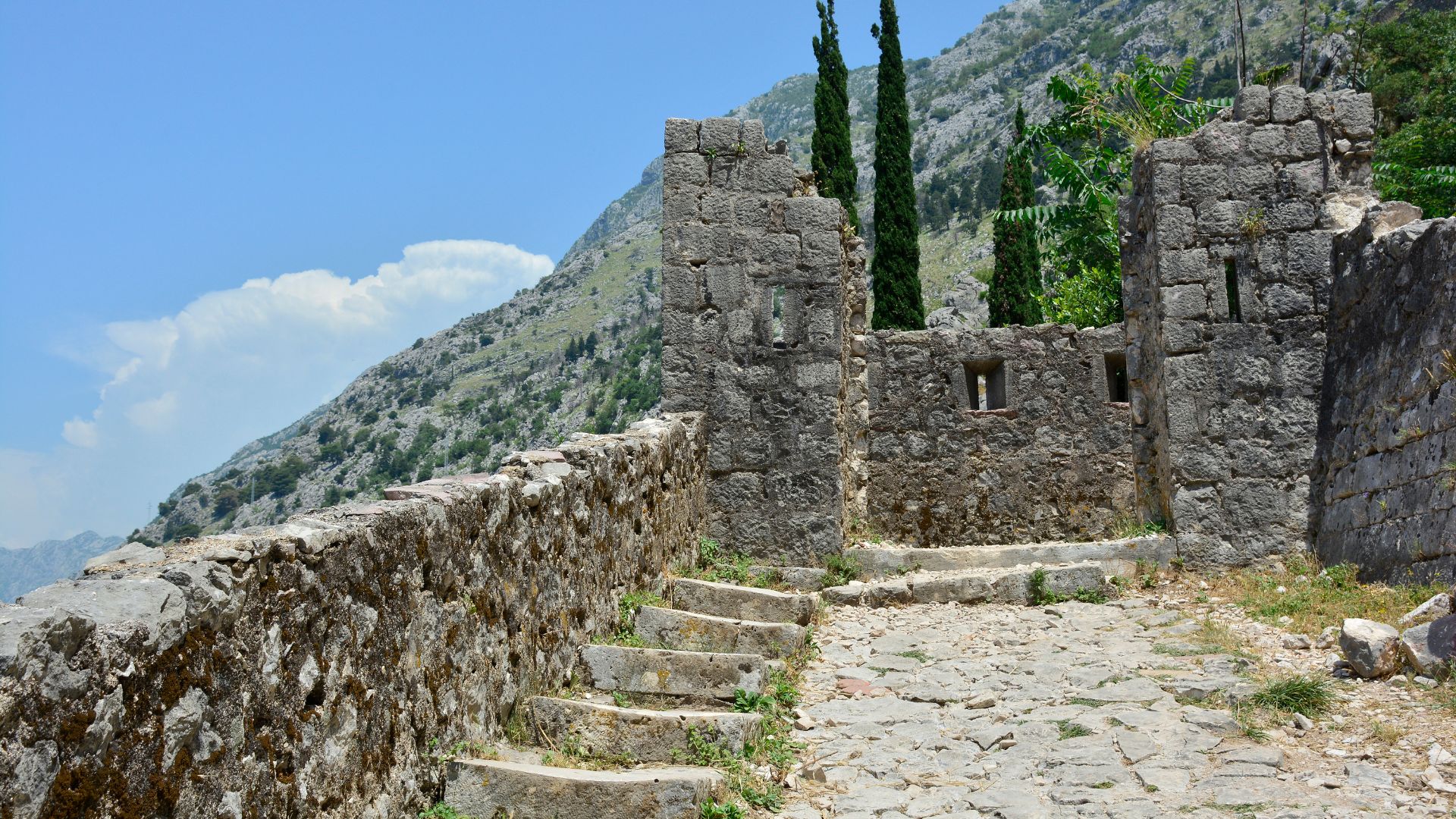
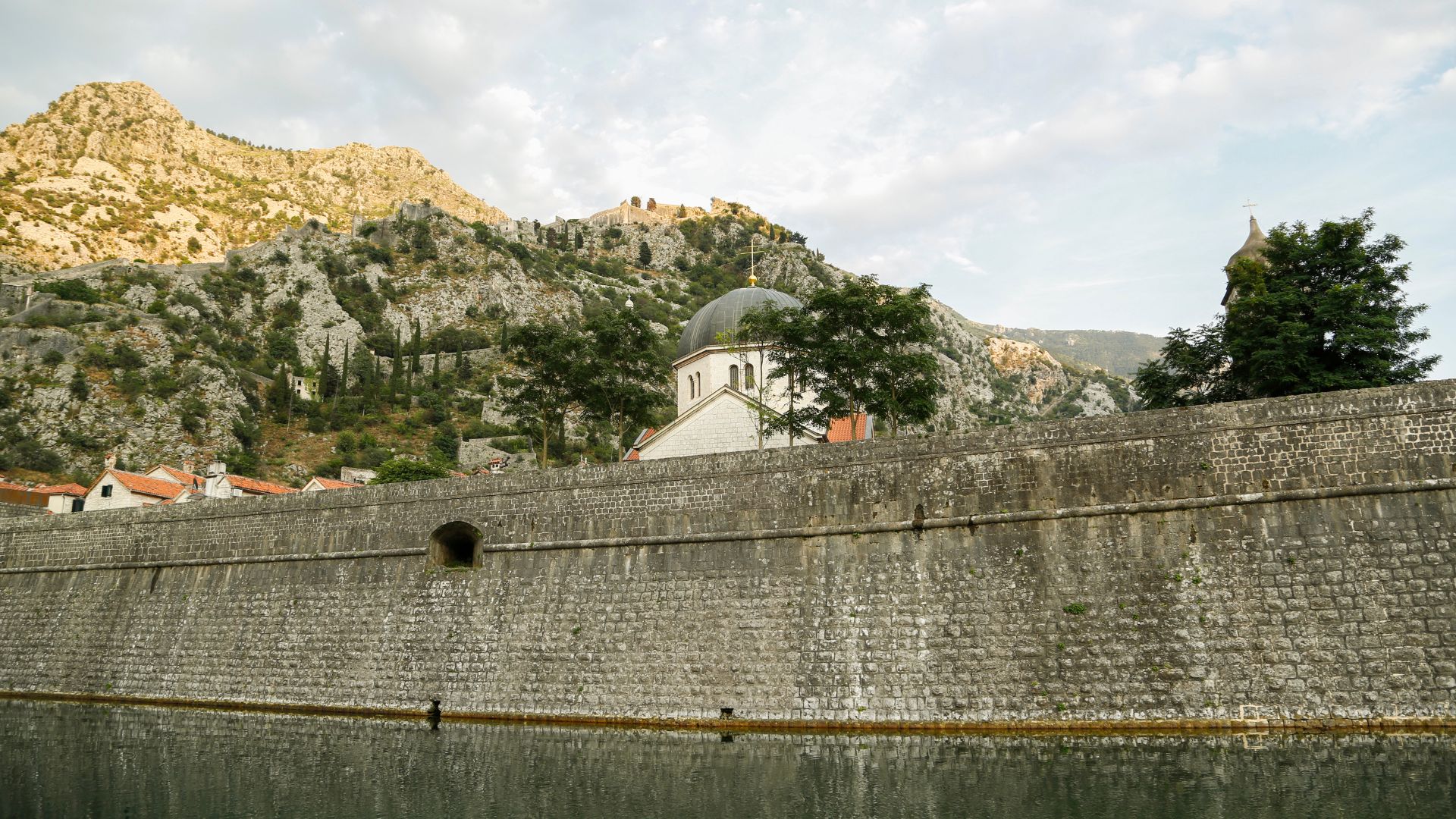
La Bahía de Kotor está flanqueada a ambos lados por montañas que se elevan directamente desde el agua. Kotor — medieval, amurallada, Patrimonio UNESCO desde 1979 — se asienta al pie de la cabecera interior, a un paseo desde el muelle. Una escalinata de piedra sube por la roca sobre el casco antiguo hasta el pequeño Castillo de San Juan en la cima, noventa minutos de ida y vuelta en la hora más fresca antes del atardecer. En ningún otro lugar del Mediterráneo el agua encuentra la roca a esta escala.
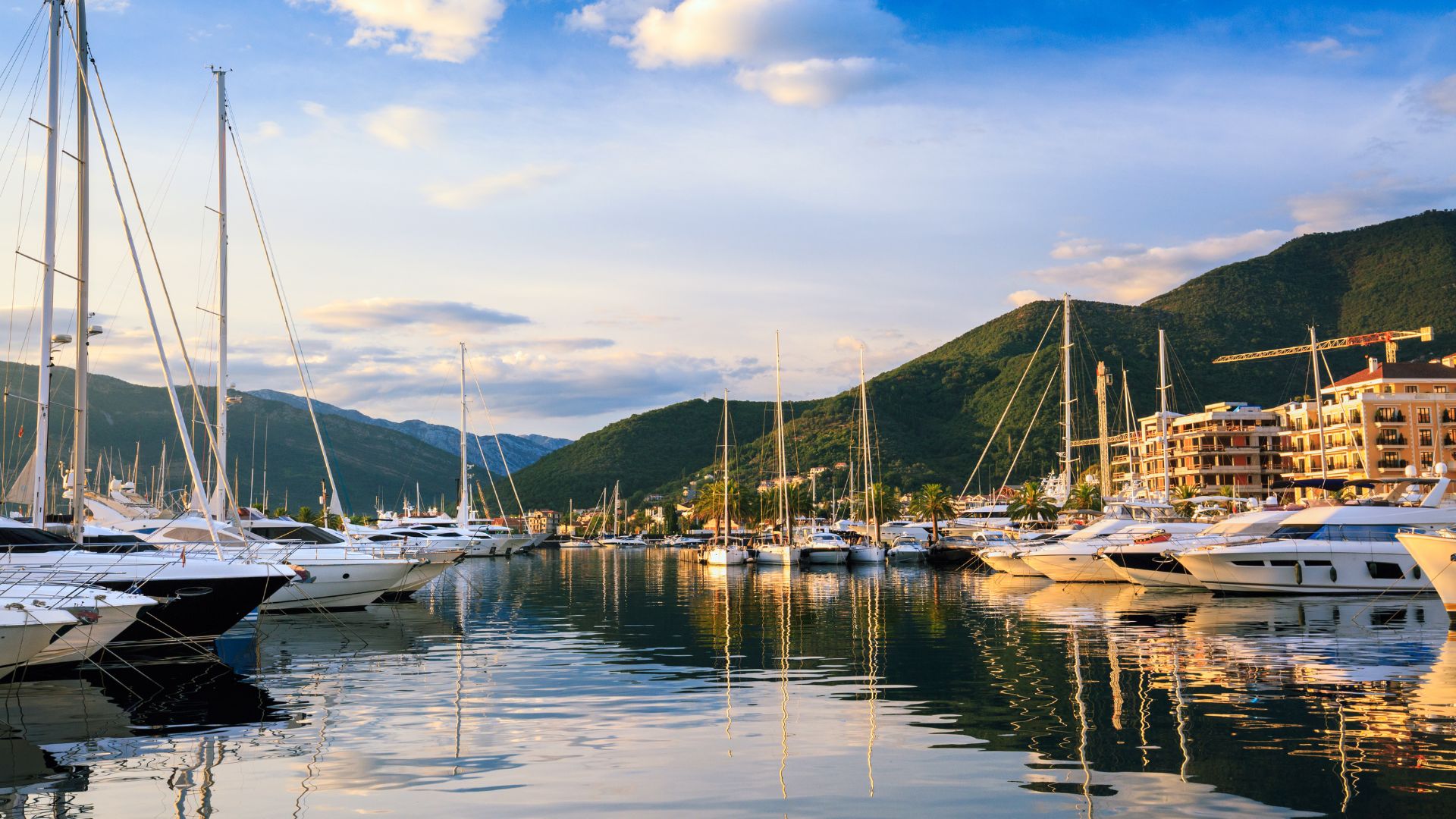
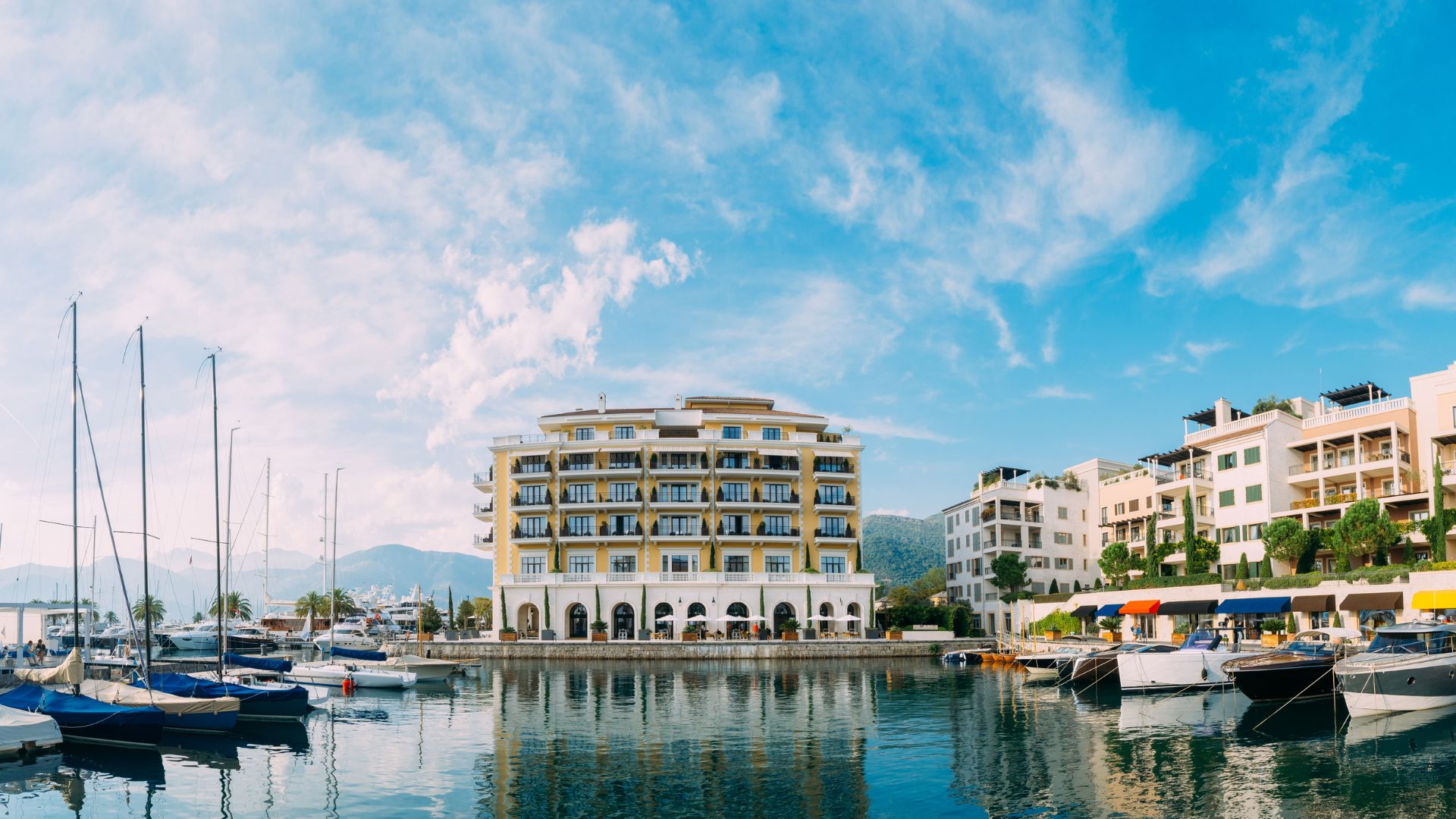
A tres millas náuticas de distancia en el extremo exterior de la bahía se encuentran las únicas dos marinas de nivel superyate del Adriático oriental entre Dubrovnik y Corfú. Porto Montenegro en Tivat fue construida sobre una antigua base submarina de la Marina yugoslava y hoy alberga yachts de hasta 250 metros — cinco veces ganadora del Gold Anchor Award y la marina con calificación Platino más al sur del Mediterráneo. D-Marin Portonovi en Herceg Novi da servicio a yates boutique de hasta 120 metros, con el One&Only Portonovi en el muelle, aduana e inmigración in situ y el centro de longevidad Chenot Espace detrás del hotel. Ambos muelles gestionan el ritmo diario — aprovisionamiento, repostaje, reservas en restaurantes — sin la fricción que generan los puertos más pequeños del Adriático.
Montenegro no cobra IVA sobre el alquiler comercial de yates de pabellón extranjero — es el único destino mediterráneo en hacerlo. Croacia cobra un 13%. Grecia, un 12%. Francia y Mónaco aplican un 20%. España, un 21%. Italia, un 22%. El país tampoco cobra IVA sobre el combustible. En una semana base de 50.000 $, eso equivale a 6.500 $ que Croacia sí cobraría; en 100.000 $, son 13.000 $. Para la semana con cruce de frontera, el IVA croata se aplica de forma proporcional a los días en aguas croatas — el capitán registra el tiempo y el agente de yate hace la liquidación al final del viaje.
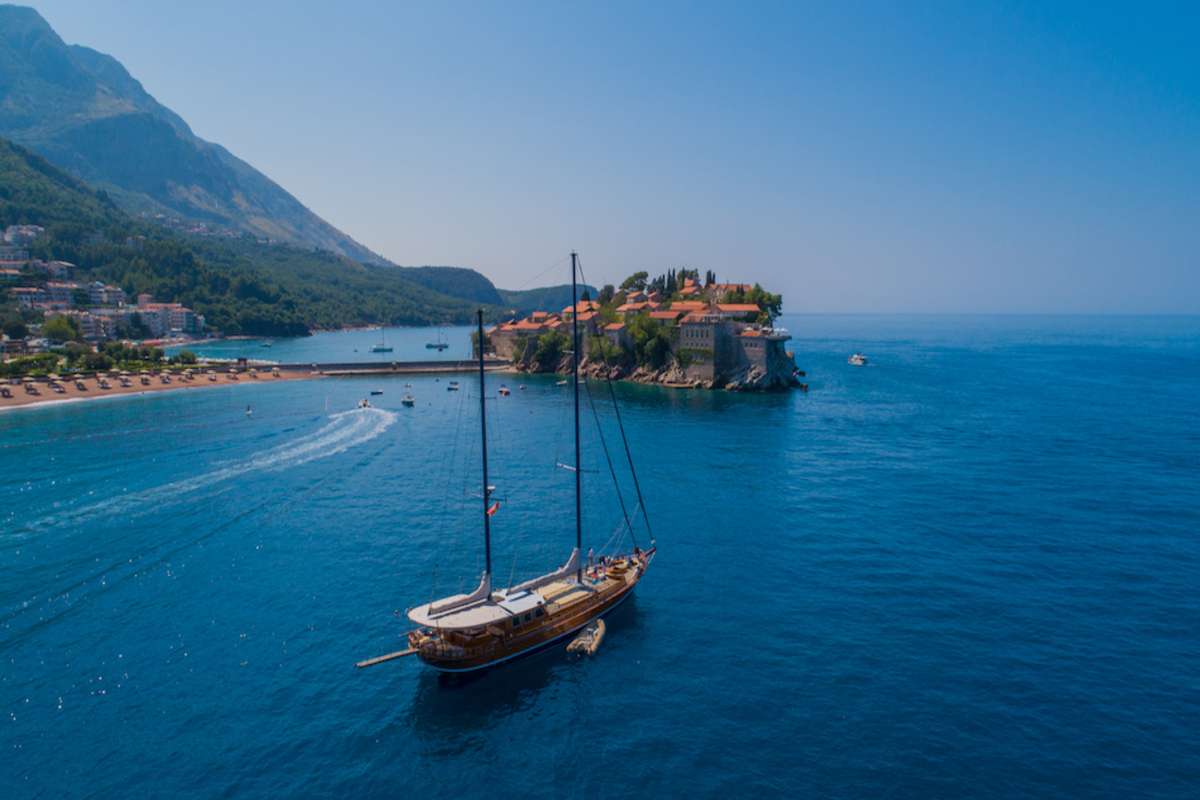
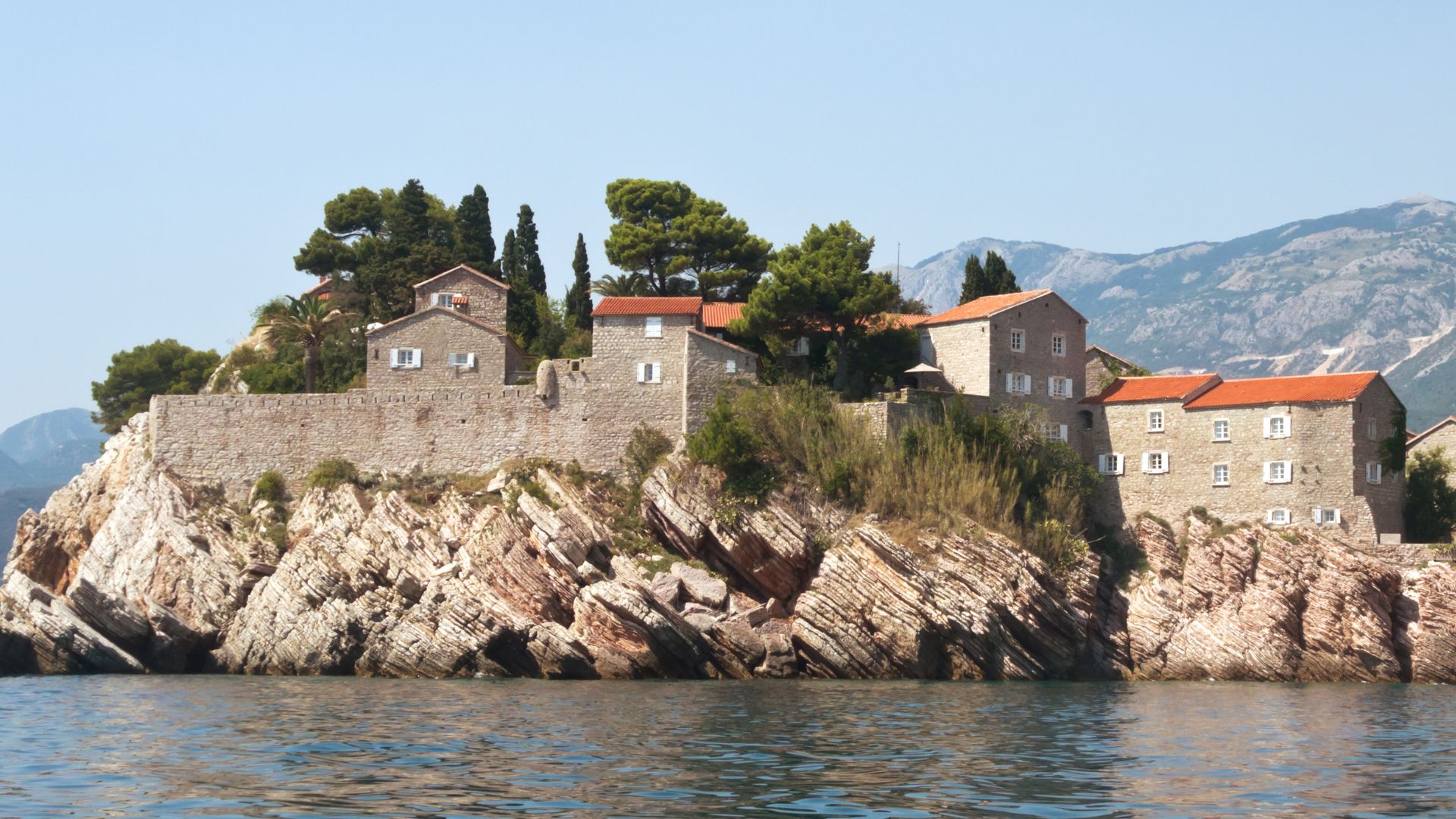
El pueblo medieval fortificado de Sveti Stefan se asienta a cien metros de la costa en su propia isla — tejados de terracota sobre antiguas murallas de piedra, unida al continente por una estrecha calzada de piedra. El resort Aman gestionó la isla de 2009 a 2021 y actualmente se encuentra cerrado por una disputa legal con el gobierno montenegrino; la silueta desde el mar no se ve afectada. El ancladero frente a la isla es la excursión de natación más destacada de la semana — seis metros de agua cristalina, la isla a cien metros de la proa, y los restaurantes del pueblo accesibles en bote auxiliar desde el barco.
A hand-picked selection of crewed charter yachts for Montenegro — yachts and crews we know firsthand.
Your week is shaped around your group's interests, the season, and the conditions on the water — your captain tailors the days as they unfold. Treat these itineraries as starting points for inspiration.
Itinerario con tripulación · Montenegro
Navegar Montenegro es la semana del Adriático sin el día de aduanas al principio: siete noches de ida y vuelta desde Tivat por toda la bahía de Kotor y hasta el día de baño mar adentro de Sveti Stefan. El ritmo es deliberadamente pausado. La bahía es lo bastante pequeña como para que el capitán fondee dos veces al día casi todos los días, así que las paradas estrella —los muros medievales de Kotor, el paseo marítimo barroco de Perast y la iglesia de la isla artificial, la silueta de Sveti Stefan mar adentro, el muelle de la marina de Tivat— están todas a una travesía cómoda entre sí. Unas setenta millas náuticas de punta a punta, sin ningún tramo más largo que veinticinco.
La ruta funciona en cualquier yate bien equipado: yate de vela, catamarán con tripulación o yate a motor. Dentro de la bahía hay aguas planas y protegidas; la pared de la montaña bloquea los vientos dominantes de verano. La costa abierta fuera de Herceg Novi recibe el Maestral del Adriático en popa por las tardes. Los catamaranes de Touch Adriatic, la flota de Sail Dalmatia y un pequeño segmento de yates a motor trabajan esta costa con regularidad, reposicionándose al sur desde Croacia para la reserva. El capitán y el chef a bordo se encargan de la carta, las reservas de cena, la viñeta de navegación y las formalidades portuarias. De sábado a sábado en Porto Montenegro, 0 % de IVA de charter montenegrino sobre la tarifa base.
Navegar Montenegro es la semana más pausada del Adriático: siete días de ida y vuelta desde Tivat por toda la bahía de Kotor y hasta el día de baño mar adentro de Sveti Stefan. Paradas estrella cada día, sin papeleo de aduanas al principio, y un ritmo pensado a propósito para huéspedes que quieren fondear dos veces al día en lugar de cubrir distancia. Unas 70 millas náuticas en total. Ningún tramo más largo que 25.
La bahía es agua plana y protegida, y la costa abierta fuera de Herceg Novi se recorre en popa con el Maestral dominante de verano, así que la ruta funciona con limpieza en un catamarán con tripulación, un yate de vela o un yate a motor. Para la versión transfronteriza —embarcar en Dubrovnik, cruzar el segundo día, terminar en la bahía— consulta el itinerario del Cruce del Adriático. Para diez o catorce noches que cubran ambos países, un viaje ampliado enlaza una semana dálmata al principio de aquel y recorre ambos países en un único viaje en yate.
Día 1 de 7 · Tivat → Kotor
El viaje en yate empieza en Porto Montenegro, a diez minutos en taxi del aeropuerto de Tivat (TIV), en la bahía interior de Kotor. El capitán y el chef reciben a los huéspedes en el muelle, enseñan el yate, guardan el equipaje y repasan la carta de la semana que viene. La marina es la infraestructura de superyates más al sur del Mediterráneo: la primera marina con calificación Platino del mundo, cinco veces ganadora del Gold Anchor Award, con capacidad hasta 250 metros. Primera hora de la tarde para acomodarse. Almuerzo a bordo en el muelle o en tierra en Murano (Regent Porto Montenegro).
Una vez resuelto el aprovisionamiento, amarras fuera para la corta travesía de ocho millas náuticas por los estrechamientos del paso de Verige hasta la bahía interior. El estrecho —la puerta de 340 metros entre las bahías exterior (Tivat) e interior (Risan + Kotor)— es la fotografía icónica de la bahía, y el momento en que la zona de navegación revela lo que es: la pared del monte Lovćen alzándose mil setecientos metros a plomo desde el agua en el lado sur, los pueblos de montaña de Stoliv y Prčanj en el norte. Fondea o amarra de popa frente a los muros de la ciudad vieja de Kotor a medida que entra la luz de la tarde.
Sube a las fortificaciones antes de la puesta de sol: mil doscientos metros de muro por la cara de la montaña, con la ciudad vieja y la bahía abriéndose abajo en cada revuelta. Vuelve al yate para la primera cena del chef; el modelo mediterráneo de tarifa más gastos significa que casi todas las veladas son cena en tierra en un restaurante del puerto, pero esta noche es la bienvenida a bordo. La cena de mañana está reservada en Galion o Bocalibre Kotor, en la ciudad vieja, a un paseo desde el muelle.
Day Highlights
Día 2 de 7 · Kotor → Perast
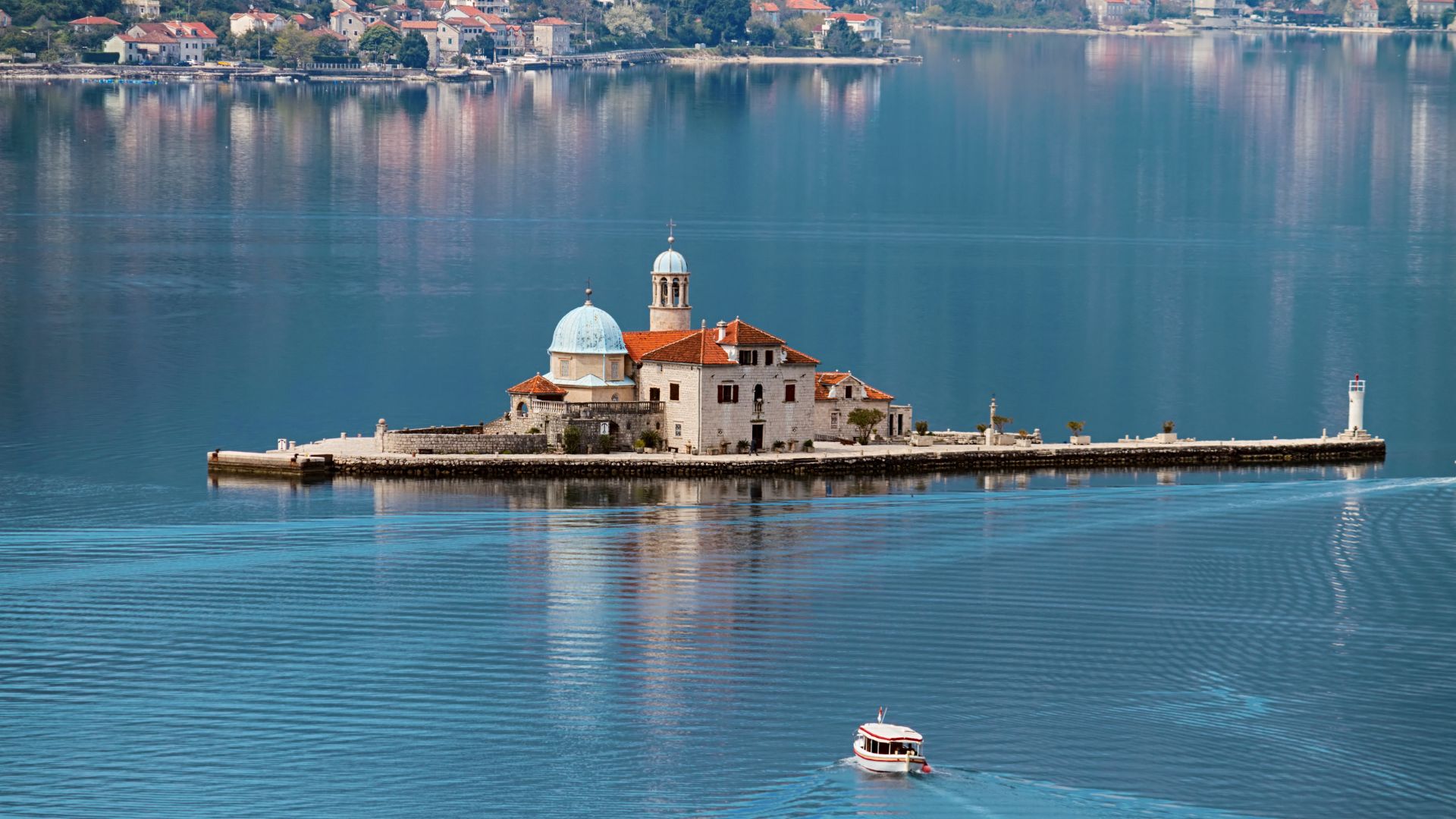
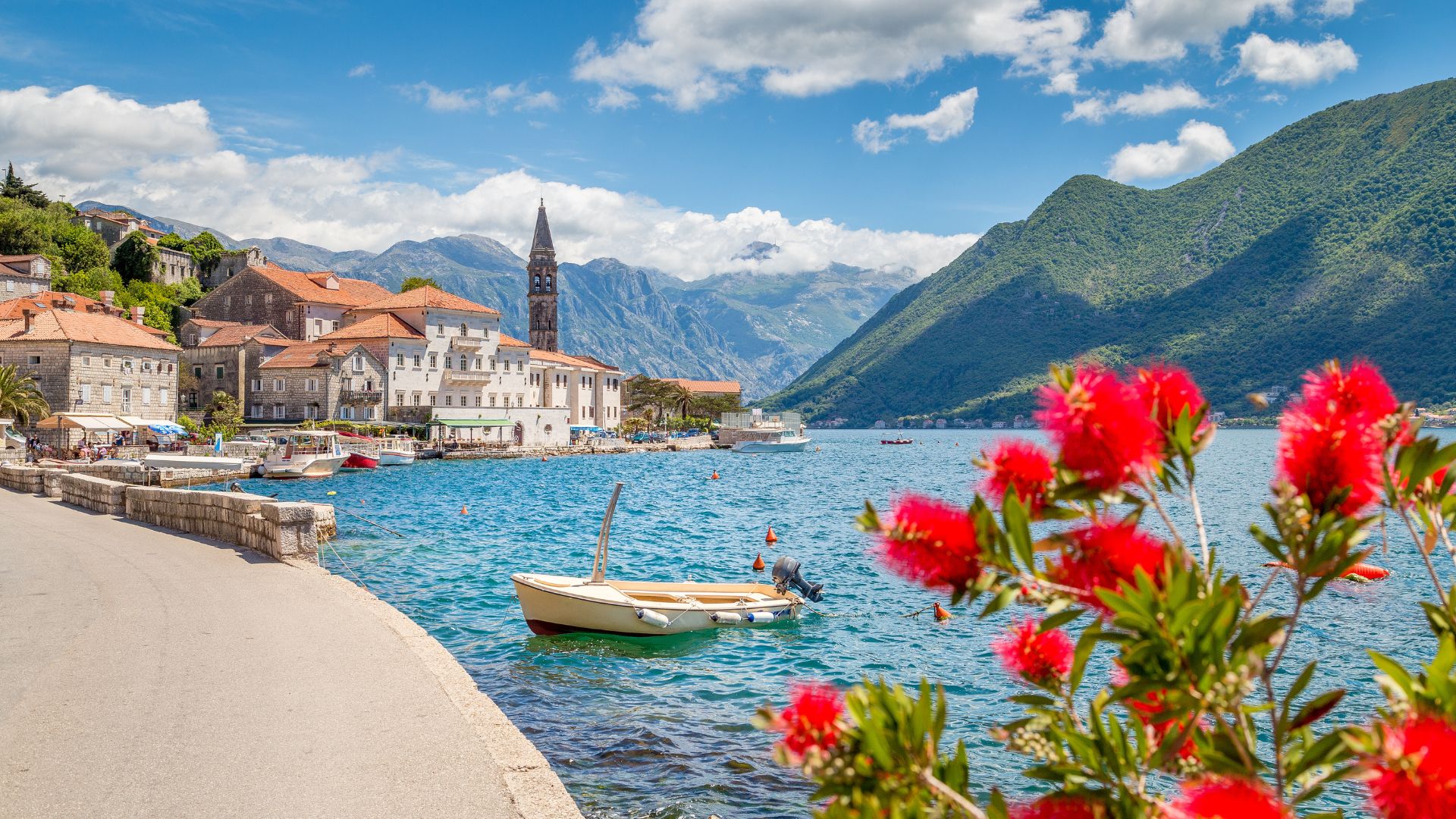
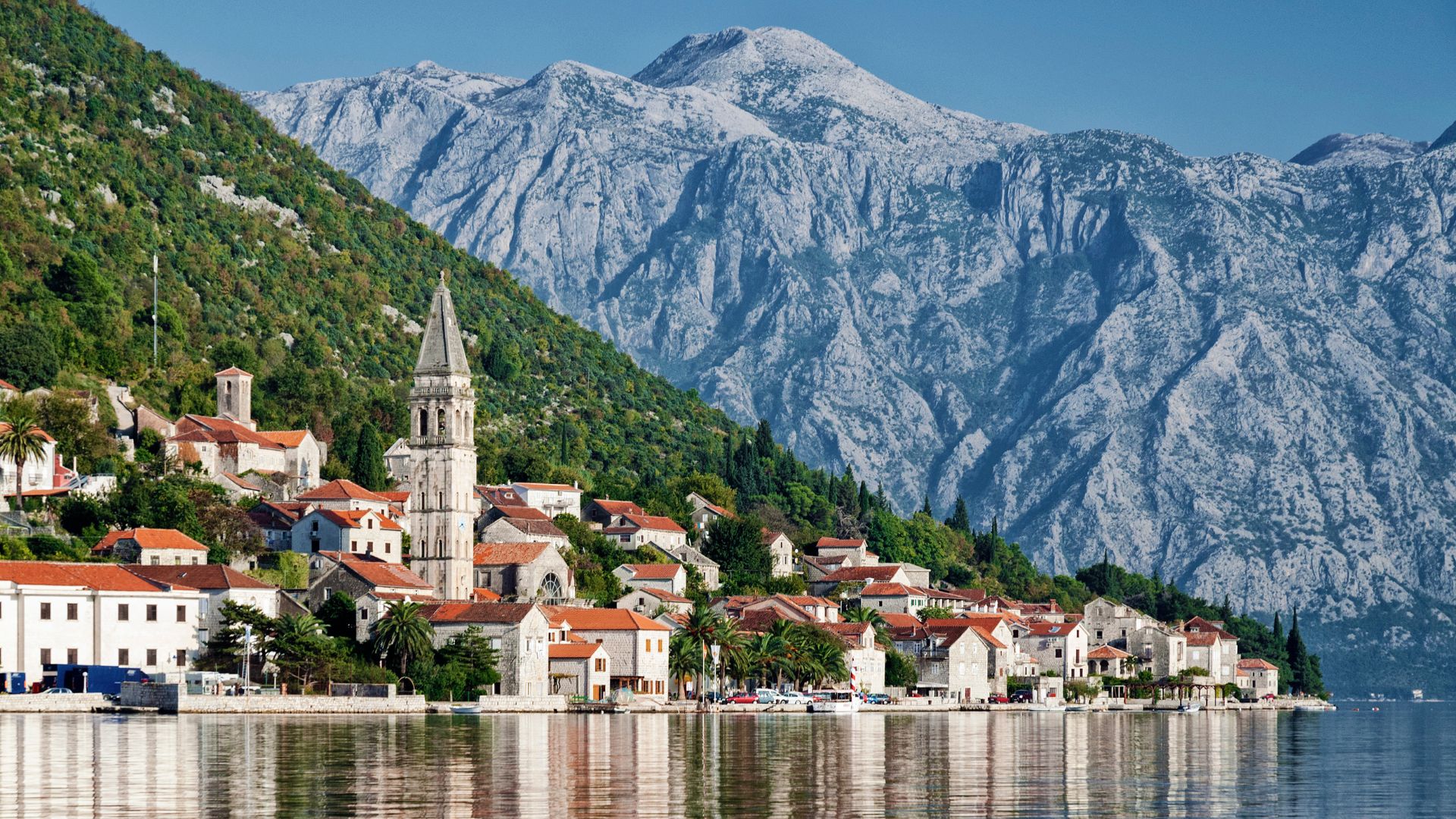
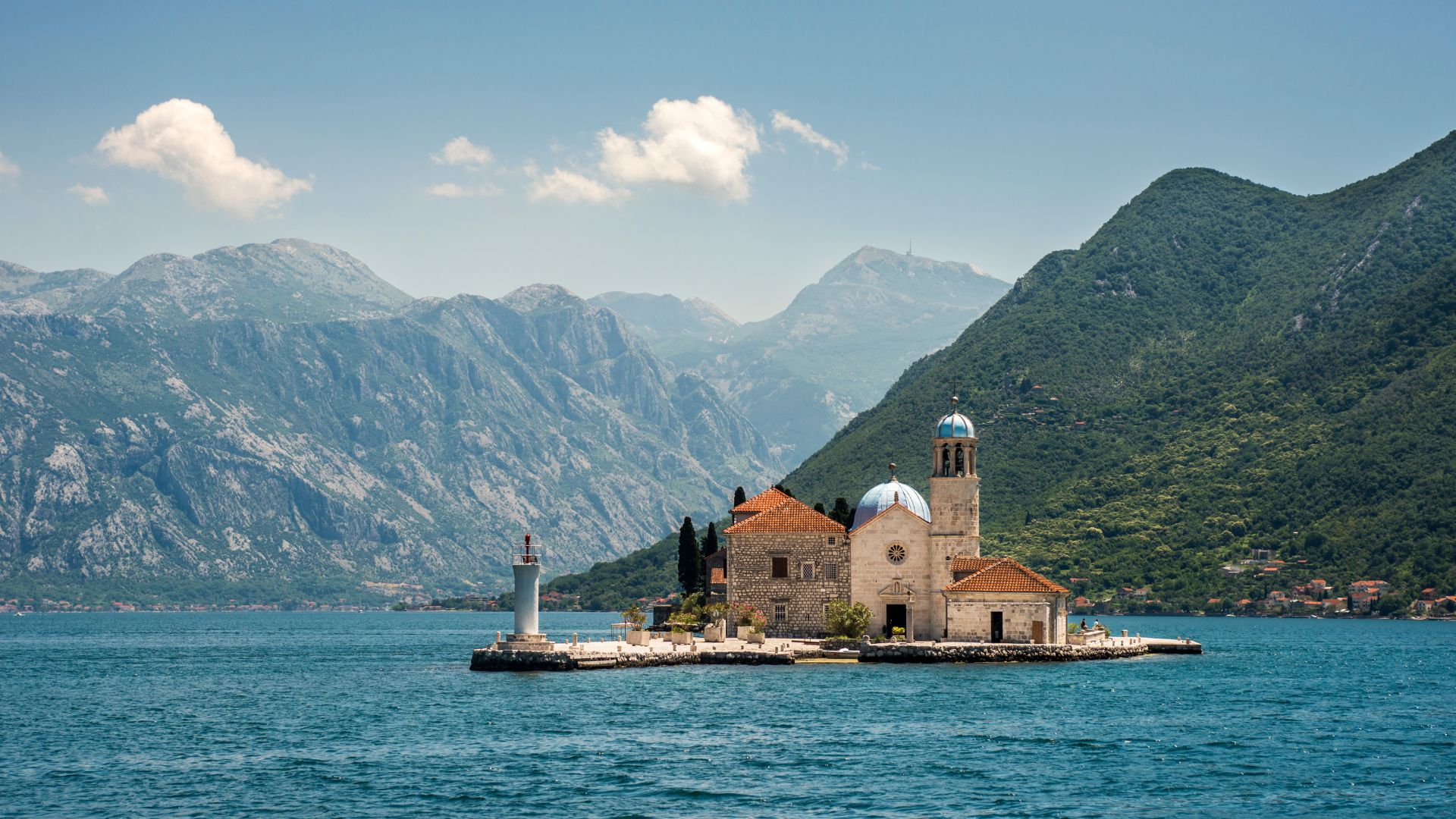
Mañana al ancla bajo los muros de Kotor, desayuno en la cubierta de popa, el chef montando lo que viene a continuación. Amarras fuera a media mañana para la corta travesía de cuatro millas náuticas por la bahía interior hasta Perast, el pueblo barroco que mira a los dos islotes de la bahía: Nuestra Señora de las Rocas a la izquierda (artificial, con la iglesia construida sobre una base de lastre de barcos hundidos acumulado durante doscientos años por los marineros de Perast) y San Jorge a la derecha (natural, monasterio benedictino, cerrado a los visitantes).
Fondea frente a Perast, lancha al islote para un paseo de treinta minutos por la iglesia barroca y el pequeño museo de arriba: las pinturas votivas recogidas durante siglos de los marineros que volvían a casa, los platos de plata batidos a mano que recubren los muros. De vuelta al yate, almuerzo a bordo o en tierra en el Conte Restaurant, en el paseo marítimo de Perast: el pescado del día de los barcos de la mañana, una copa de Vranac (el tinto insignia de Montenegro), una tarde pausada con la luz de la pared de la montaña reflejada en el agua.
Mueve el yate al muelle del pueblo de Perast para la velada o quédate al ancla; ambas funcionan. El pueblo se recorre de punta a punta en veinte minutos: el Palacio Bujović del siglo XVII, la iglesia de San Nicolás con su campanario, el pequeño museo de la historia marítima de Perast (el pueblo llegó a producir una de las mayores escuelas de capitanes del Adriático). Cena en tierra en Conte u Otok Bronza; el capitán reserva cualquiera de los dos.
Day Highlights
Día 3 de 7 · Bahía interior → Luštica
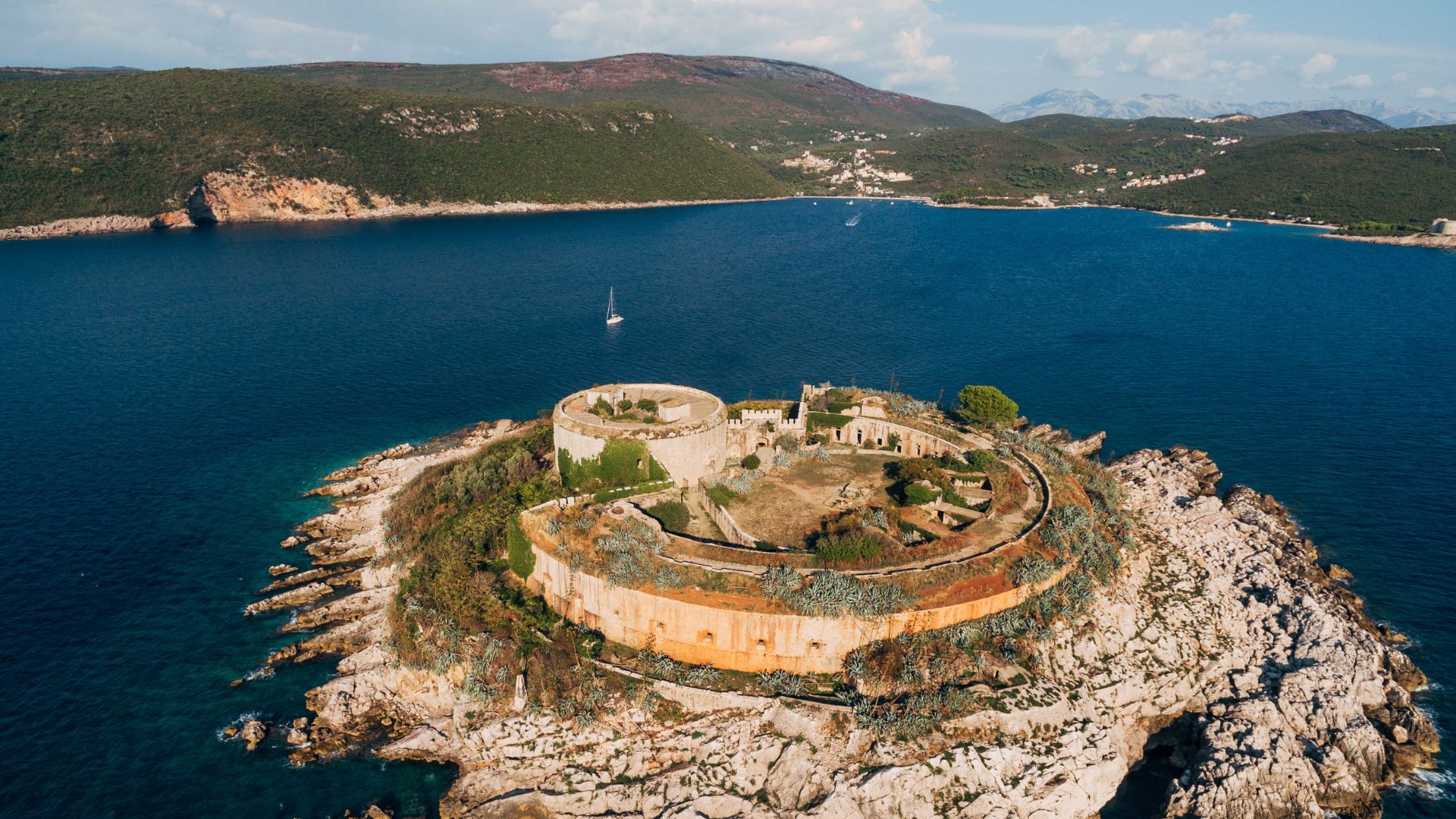
Salir por el paso de Verige a media mañana, luego al oeste pasando los pueblos de Stoliv y por la bahía exterior hacia la península de Luštica, en la boca de la bahía. La Luštica es una de las dos penínsulas que flanquean la bahía —Vrmac al norte, Luštica al sur— y la única parte de la zona de navegación con fondeaderos en agua genuinamente abierta del Adriático en lugar de la balsa protegida de la bahía.
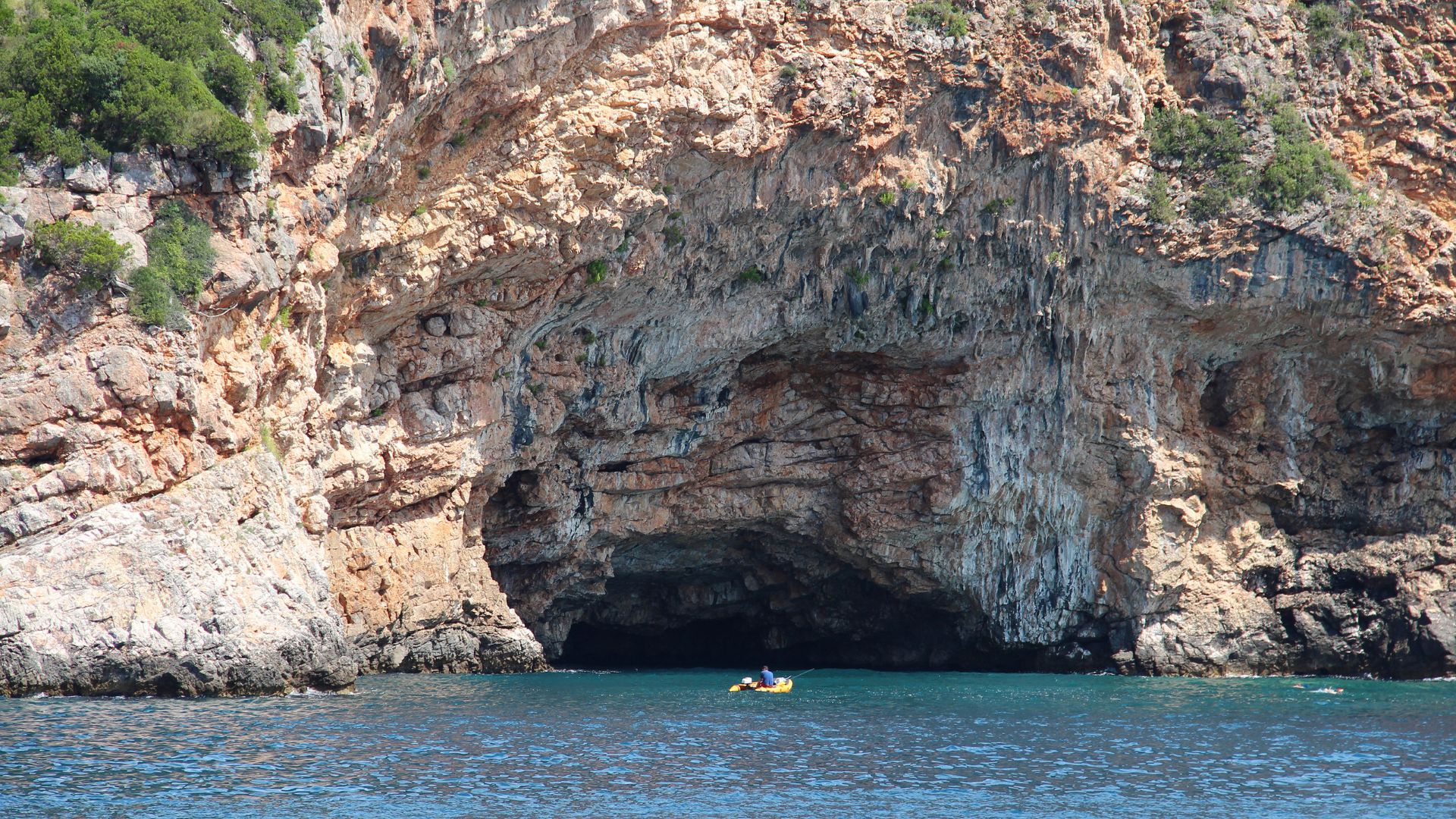
Fondea en la bahía de Žanjic, el fondeadero de baño más limpio de la península. Lancha a la Cueva Azul (Plava Špilja), justo al doblar el promontorio: la cueva marina de la costa exterior de la Luštica, menos famosa que la Cueva Azul de Croacia en Biševo pero con una luz interior comparable y casi sin gente fuera de las horas de los barcos de día croatas. Báñate dentro o usa la lancha para entrar; ambas funcionan.
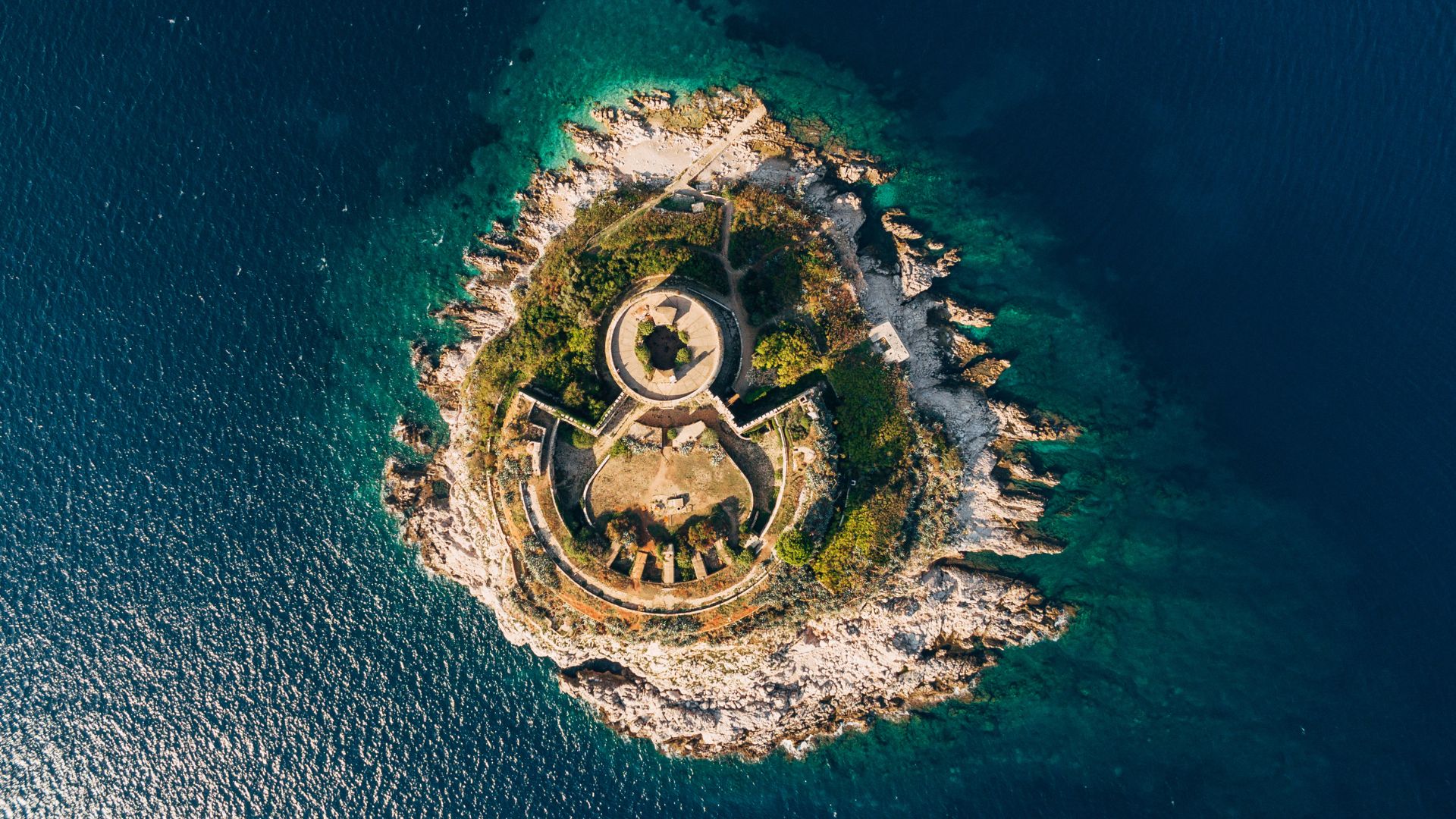
Almuerzo a bordo al ancla o lancha a la isla de Mamula para un paseo a primera hora de la tarde por la fortaleza. Mamula fue construida por los austrohúngaros en la década de 1850, usada como campo de prisioneros yugoslavo en la Segunda Guerra Mundial, y reabierta en 2023 como hotel de bienestar de la Marriott Autograph Collection: la reconstrucción estabilizó los edificios en lugar de borrar lo que fueron, y el restaurante de la isla acepta reservas de almuerzo de los huéspedes de yates por VHF. Cena opcional allí en tierra por la tarde, o de vuelta al ancla en Žanjic para una noche más tranquila.
Day Highlights
Día 4 de 7 · Luštica → Sveti Stefan
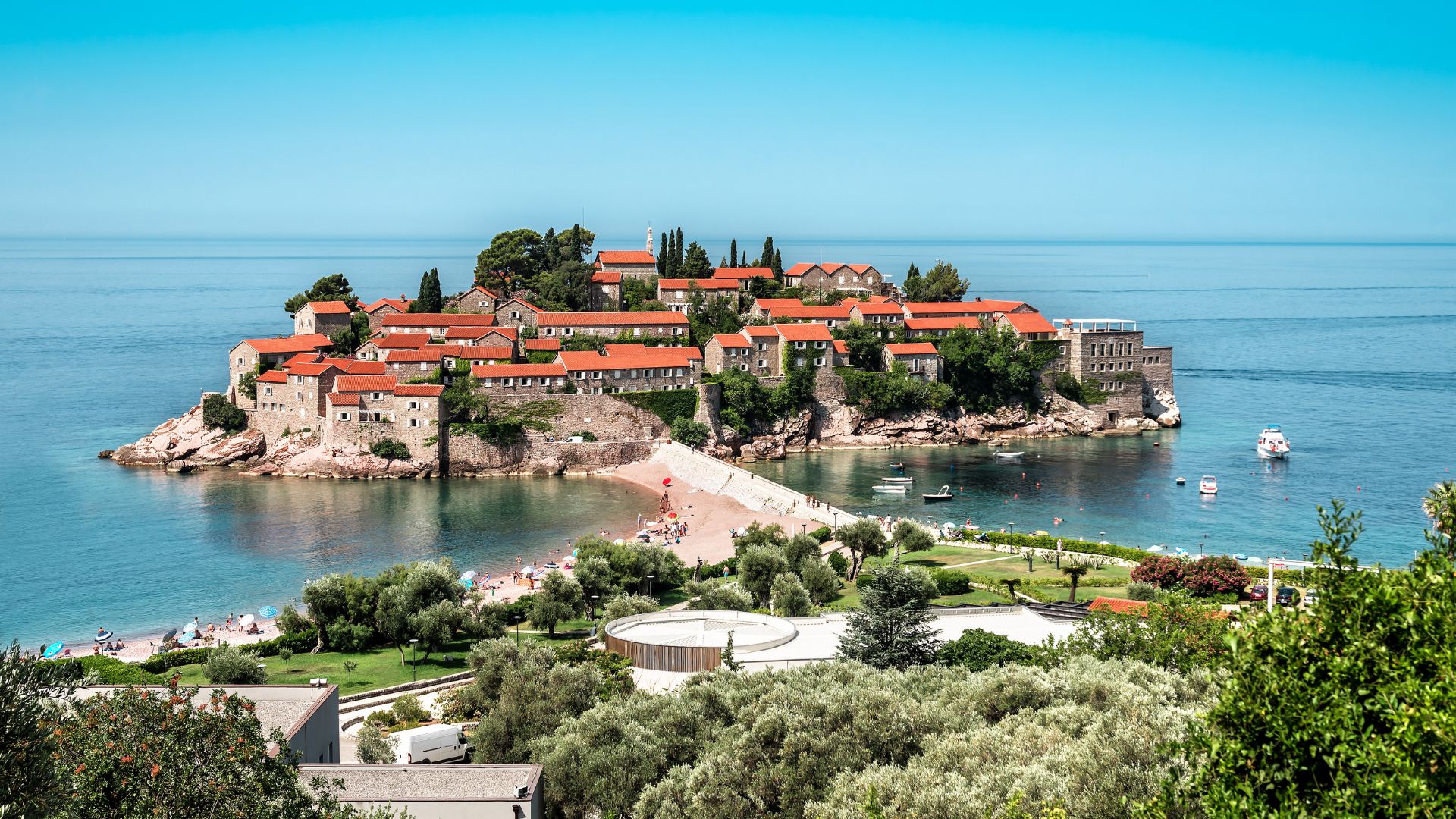
Amarras fuera de Luštica por la mañana para el día más largo de la semana: veinticinco millas náuticas al sur por la costa abierta hasta Sveti Stefan, unas tres horas a motor o una navegación en popa con el Maestral dominante de verano. La ruta pasa por fuera de las playas exteriores de Herceg Novi, frente a Budva (paseo opcional por la ciudad vieja en tierra para un almuerzo corto) y Bečići, y hasta el fondeadero mar adentro de Sveti Stefan.
Sveti Stefan es la fotografía de Montenegro: un pueblo amurallado del siglo XV en una pequeña isla a cien metros de tierra firme, conectado por una fina calzada de piedra. El resort Aman Sveti Stefan gestionó la isla de 2009 a 2021 y está actualmente cerrado en una disputa legal con el gobierno montenegrino; la silueta sigue siendo la imagen icónica del viaje y el fondeadero mar adentro sigue siendo el mejor día de baño de la semana. Baja la escalera de baño, baja la plataforma, lánzate al agua: el fondo se ve limpio a seis metros y la isla queda a cien metros de la proa.
Almuerzo a bordo, tarde pausada al ancla, quizá lancha al pueblo sobre la playa de tierra firme para un paseo antes de la cena. Cena a bordo esta noche; el comedor cerrado del Aman es la pérdida obvia, y los restaurantes del pueblo (Restaurant Bar Olympia, Konoba Blaž en Pržno) están abiertos pero no al nivel con el que el capitán o el chef pueden competir desde la cocina. El chef lo sabrá.
Day Highlights
Día 5 de 7 · Sveti Stefan → Portonovi
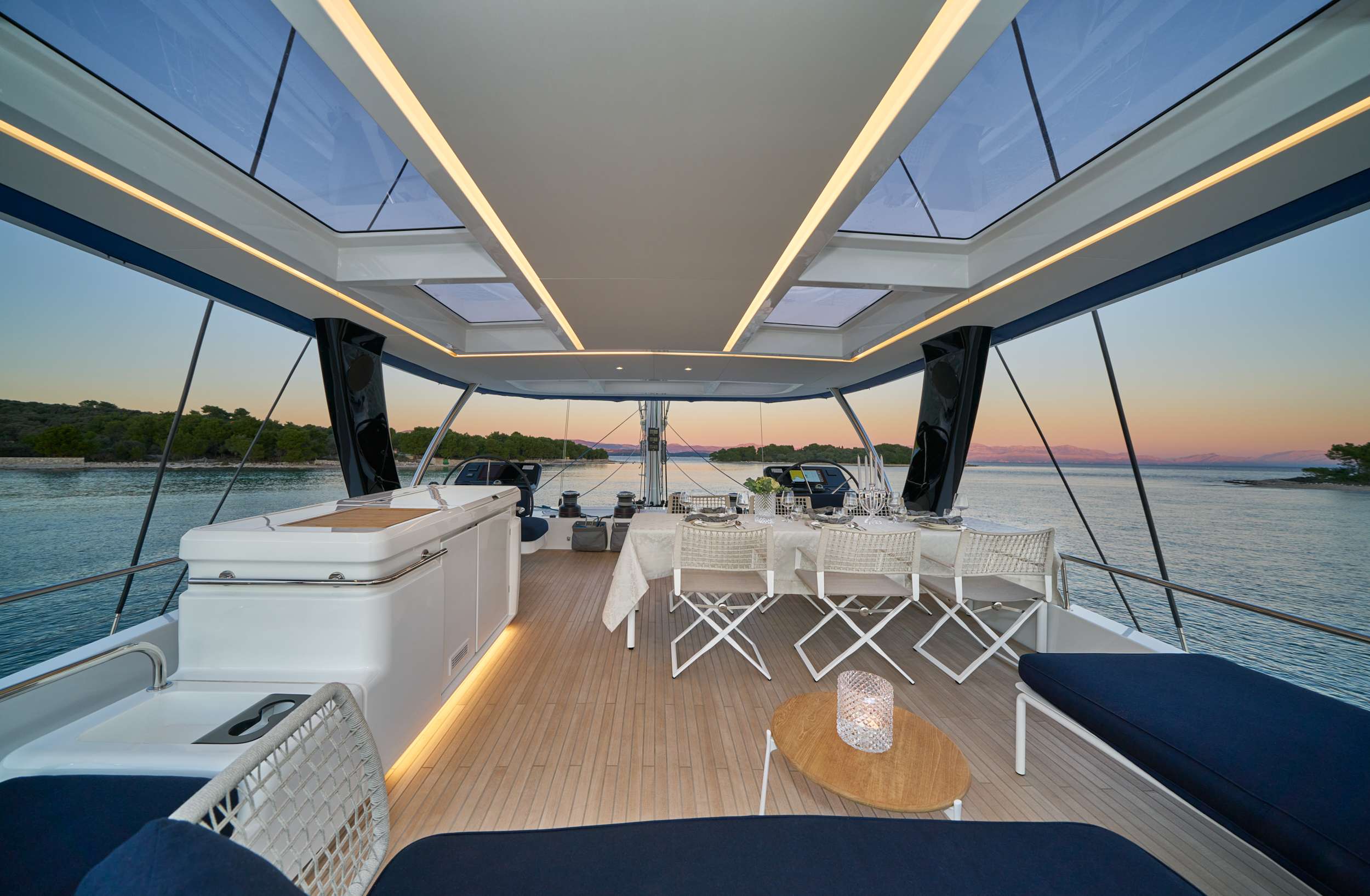
Amarras fuera de Sveti Stefan tras los baños de la mañana, regreso de veinticinco millas náuticas al norte de vuelta por la costa abierta. Almuerzo a bordo en navegación o fondeado brevemente en Žanjic para un baño antes de seguir al oeste hasta Herceg Novi, en el extremo exterior de la bahía. La fortaleza de Forte Mare, del siglo XVII, se asienta sobre el pueblo en la aproximación de entrada.
Amarre en D-Marin Portonovi para la noche: el primer One&Only del Adriático en el muelle, capacidad de 120 metros en la marina, aduana e inmigración in situ para los huéspedes que llegan en yate. El hotel se asienta directamente sobre la marina con la instalación de bienestar Chenot Espace detrás (el programa de longevidad y forma física más serio del Adriático: nutrición intravenosa, análisis de biomarcadores, el ciclo de baño frío / sauna / contraste), y La Veranda es el comedor.
La cena en tierra en La Veranda es la comida estrella del viaje. Las reservas se hacen con una semana de antelación en temporada alta; el capitán lo coordina. La cocina es mediterránea: marisco local, cordero montenegrino cocinado a fuego lento, una carta de vinos del Adriático con profundidad en Vranac y Krstač (la uva blanca cultivada en los suelos de caliza de la bahía interior). Cita opcional en el Chenot Espace por la mañana para los huéspedes interesados.
Day Highlights
Día 6 de 7 · Herceg Novi → Tivat
Mañana en Portonovi: desayuno en la cubierta de popa, cita opcional en el Chenot Espace para los huéspedes interesados en la instalación de bienestar. Amarras fuera a media mañana para la travesía de vuelta por el paso de Verige hasta Tivat. Catorce millas náuticas, unas dos horas a motor. El paso de Verige se ve distinto a la entrada: la bahía interior se abre detrás del estrecho en lugar de delante, y Stoliv y Prčanj se asientan en la orilla oeste a nivel del agua bajo el monte Vrmac.
Amarre en Porto Montenegro a media tarde. La marina se extiende a lo largo de un largo muelle al sur del pueblo; el astillero de la Heritage Collection se asienta junto al paseo marítimo, el Museo Naval en el extremo sur (construido a partir de los búnkeres de submarinos yugoslavos que estaban aquí antes de la marina), y una hilera de cafés y tiendas en medio. Recorre la marina de punta a punta en veinte minutos. Almuerzo a bordo o en tierra en Murano (Regent Porto Montenegro).
Cena en tierra en Bocalibre, Murano o One Bar. La velada con la marina iluminada en Tivat es la concentración más limpia de infraestructura de yates con tripulación del Adriático y el registro adecuado para la penúltima noche a bordo.
Day Highlights
Día 7 de 7 · Tivat: Lipci, Catovica Mlini, desembarco

Último día completo en el agua. Tras el desayuno, el capitán reposiciona el yate por la bahía interior hasta Risan para los petroglifos de Lipci: arte rupestre anterior a la Edad del Bronce en la cara del acantilado sobre el pueblo, identificado en la década de 1960 y al que se llega en lancha a tierra o subiendo desde el paseo marítimo de Risan. Uno de los pequeños momentos arqueológicos de los que la bahía está llena, con el capitán adecuado. Un baño o un almuerzo pausado al ancla en la bahía de Risan antes de reposicionar al oeste.
A última hora de la tarde, a Morinj, en el hombro oeste de la bahía. Cena en tierra en el Restoran Konoba Catovica Mlini: el restaurante de un viejo molino de agua con pozas alimentadas por manantiales al pie de la terraza del comedor, un favorito local de siempre para las cenas de despedida. Lancha desde el fondeo o de popa en el pequeño muelle. El capitán reserva la mesa a mitad de semana.
De vuelta a Porto Montenegro para la última noche a bordo. El sábado por la mañana es el desembarco: sobre de propina al capitán (estándar mediterráneo del 10 al 15 por ciento de la base, repartido entre la tripulación), diez minutos en taxi al aeropuerto de TIV, los huéspedes de EEUU conectando vía Londres, Fráncfort o Estambul de vuelta a casa. Para un día extra antes o después del viaje en yate, el capitán conoce la noche adecuada en Tivat (el Regent Porto Montenegro en el muelle), en Kotor (el Hotel Cattaro dentro de los muros de la ciudad vieja), o en Dubrovnik para los huéspedes que vuelven vía el aeropuerto de DBV. El agente lo coordina.
Day Highlights
Want to share or come back to this voyage later?
Bookmark this voyage →Crewed Itinerary · Montenegro
This is the Adriatic week most guests book the second time they come — embark in Dubrovnik on Saturday afternoon, cross the border into Montenegro on day two, and finish in the medieval heart of the Bay of Kotor a week later. Two countries on a single charter, the Old Town walls of Dubrovnik on one end and the Sveti Stefan offshore swim day on the other. About a hundred nautical miles end to end, including the open-Adriatic crossing the morning after embarkation.
The route is yacht-type flexible. The cross-border leg on day two (Cavtat down to Herceg Novi, about twenty-five nautical miles) runs comfortably on any well-found yacht — the prevailing summer Maestral is a downwind reach most days. Crewed catamarans fifty to sixty-five feet and motor yachts twenty-four to thirty-five meters are the standard inventory on this coast; Touch Adriatic and Sail Dalmatia run both sides routinely, with captains who've done the customs run since the Portonovi quay opened. The captain handles the paperwork; guests stay aboard. The Montenegrin portion of the week pays no charter VAT; the single Croatian day pays 13% pro-rata. Saturday-to-Saturday at both ACI Marina Dubrovnik and Porto Montenegro.
This is the Adriatic week most guests book the second time they come — embark in Dubrovnik, cross the border into Montenegro on day two, finish in the medieval heart of the Bay of Kotor. Two countries on one charter, the Dubrovnik Old Town walls on one end and the Sveti Stefan offshore swim day on the other. About 100 nautical miles end to end.
For the slower week without the customs day on the front, see the Bay of Kotor Tivat Round-Trip — same Montenegrin stops, all seven days inside the country. For 10 or 14 nights chaining a Dalmatian week with this one, the canonical extended route runs Split → Hvar → Korčula → Mljet → Dubrovnik on the front half, then this itinerary's day-by-day as the back half. That's the trip captains who work both coasts route every season.
Day 1 of 7 · Embark Dubrovnik
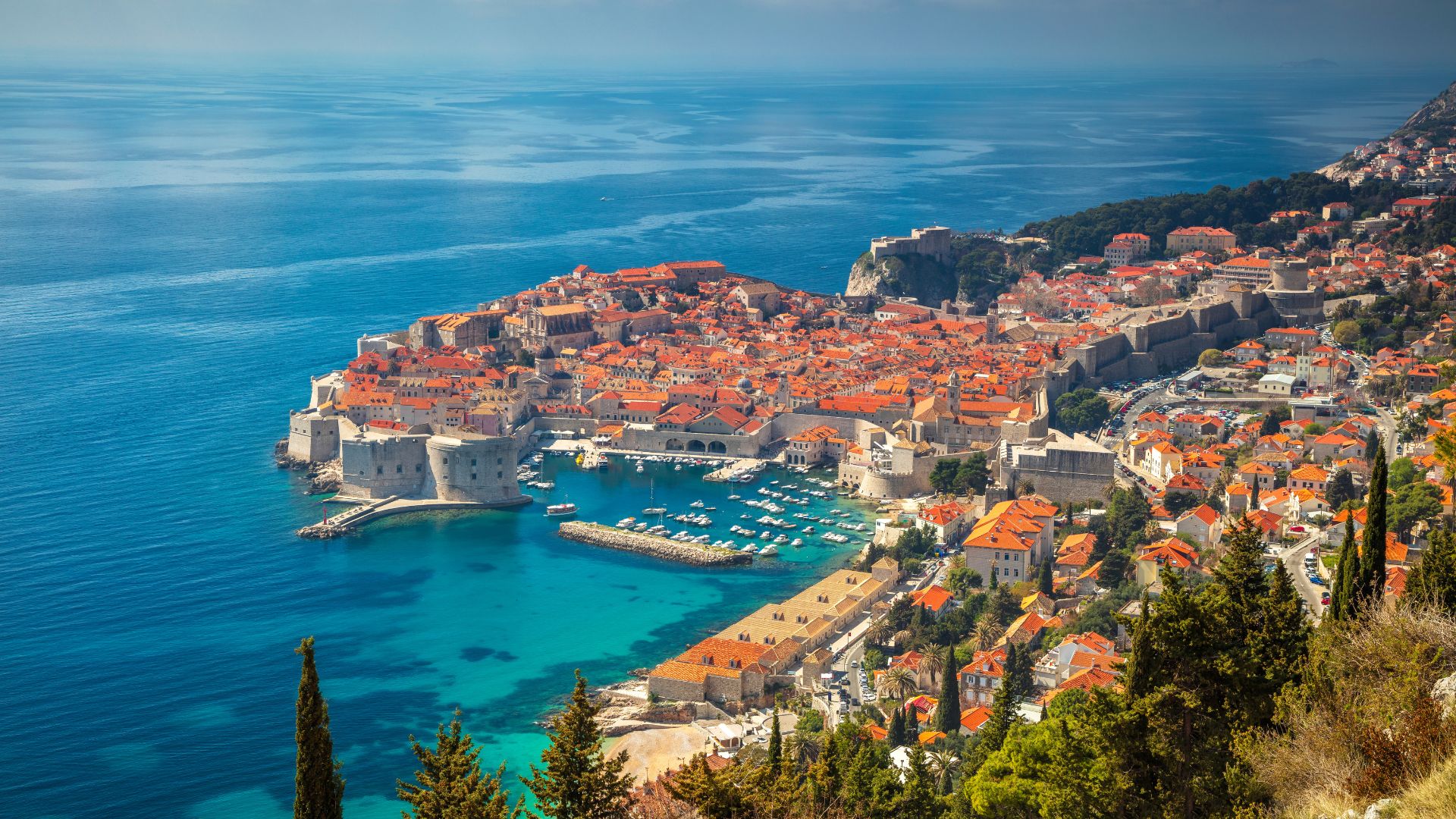
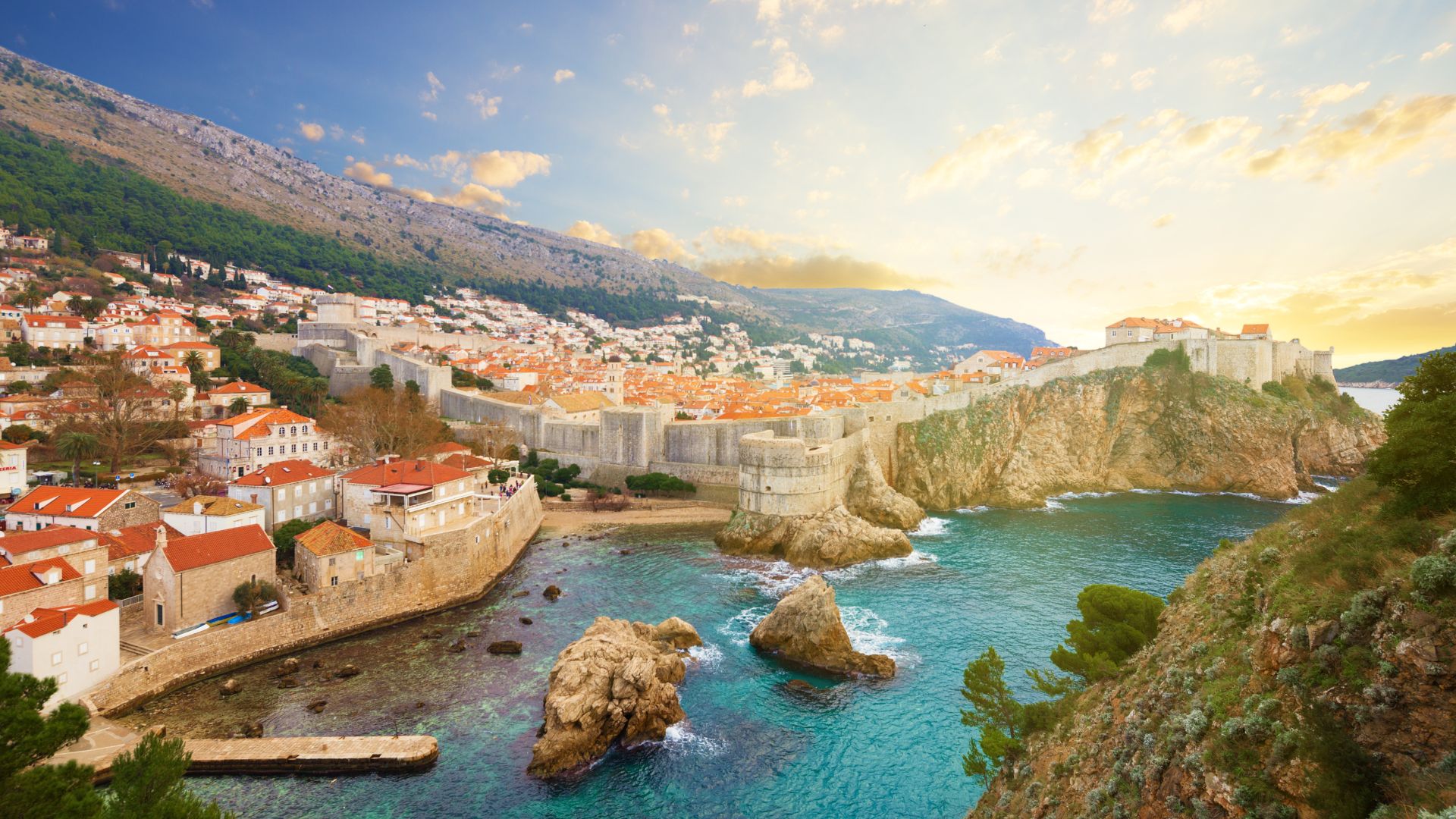
The charter begins at ACI Marina Dubrovnik or the Gruž port, fifteen minutes by taxi from Dubrovnik (DBV) airport on Croatia's southern coast. Captain and chef meet guests on the dock, walk through the yacht, stow the luggage, and cover the chart for the week — including tomorrow's customs day at Cavtat and the open-Adriatic crossing to Herceg Novi. The marina is deep-water capable for any size yacht and the early afternoon is settle-in time. Provisioning is squared away before arrival.
Late afternoon ashore. Tender or walk to the Old Town — the walls walk is the iconic Dubrovnik ninety-minute loop, best in the cooler hour before sundown. The walls are UNESCO-inscribed since 1979 and run two kilometers around the medieval city; the route reads better counterclockwise (start at the Pile Gate). Dinner ashore at 360° Dubrovnik (one Michelin star, built into the city walls themselves) or at one of the konobas in the Old Town (Konoba Dubrava, Restaurant Orsan). The captain books either.
Back to the yacht for a quiet first night at the marina. The captain has the morning's customs paperwork in order before breakfast.
Day Highlights
Day 2 of 7 · Dubrovnik → Cavtat
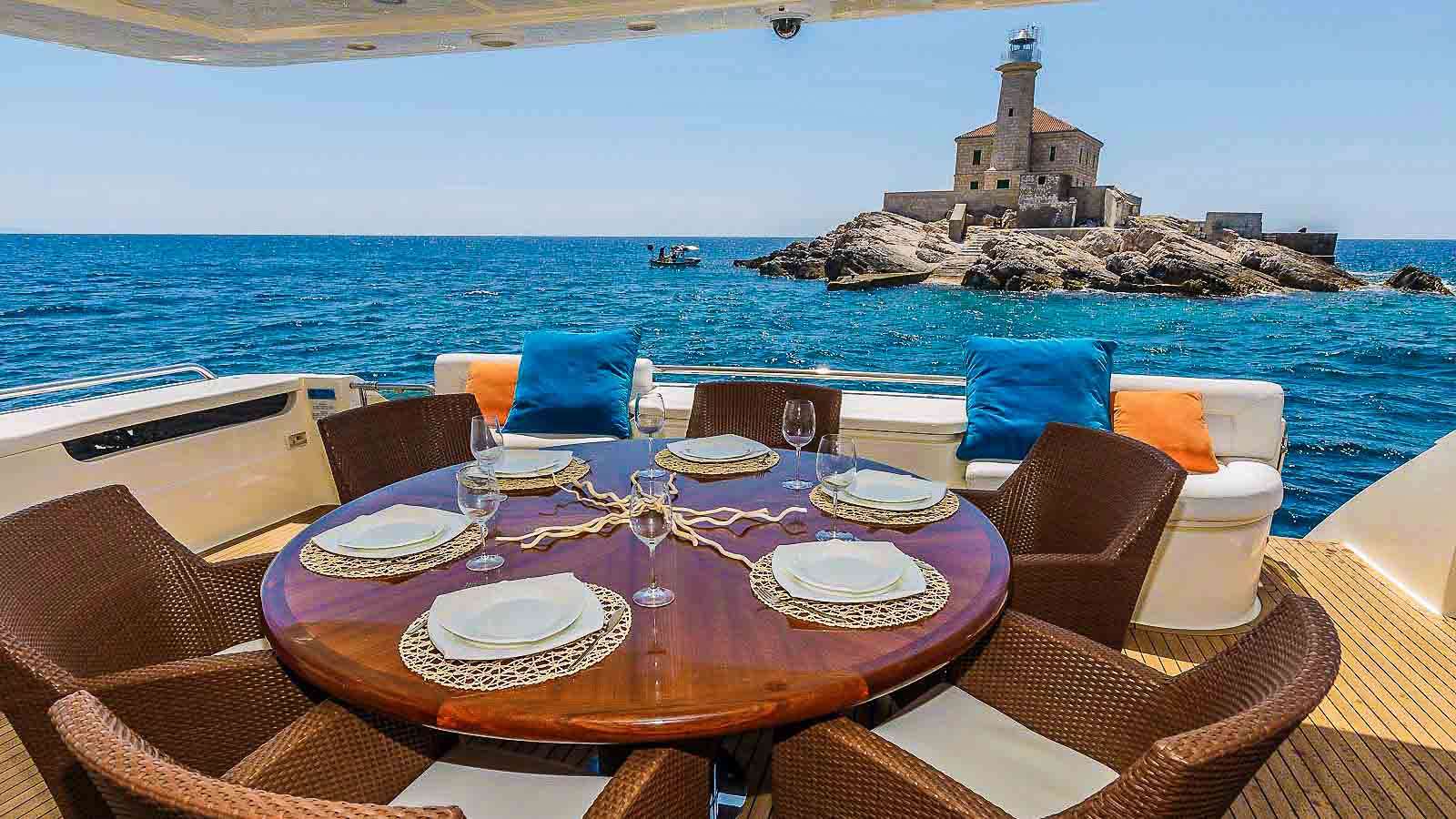
Lines off Dubrovnik mid-morning for the short twelve-nautical-mile run south to Cavtat — Croatia's last port before the Montenegrin border. The captain has the day planned around the customs paperwork; the morning is a long lunch ashore at Bugenvila (the local Cavtat room, on the harbor) while the customs office processes the clearance-out documentation. Two hours, typical. Guests stay aboard the yacht once paperwork begins; passports are presented once at the police pier.
Cavtat itself is a quiet working town — the harbor promenade walks end-to-end in fifteen minutes, the small archaeological museum holds Roman and medieval artifacts from the surrounding peninsula, and the cafe culture is real. The Račić mausoleum on the hill above the harbor (Ivan Meštrović, 1922) is a fifteen-minute walk up and worth the climb when the schedule allows before lunch.
Mid-afternoon lines off Cavtat for the open-Adriatic crossing to Herceg Novi at the mouth of the Bay of Kotor. About twenty-five nautical miles, a downwind reach on the prevailing summer NW Maestral or a quick run under power. Pass the Prevlaka peninsula (Croatia's southernmost mainland point) astern and Cape Ostro (the bay's northern entrance) ahead. Clearing into Montenegro at D-Marin Portonovi — customs and immigration on-site at the marina, another two hours but the captain handles it while guests get settled in the new country. Berth at D-Marin Portonovi for the night.
Day Highlights
Day 3 of 7 · Portonovi → Luštica
Morning at D-Marin Portonovi — breakfast on the aft deck, optional Chenot Espace appointment for guests interested in the wellness facility, then lines off for the short ten-nautical-mile run east along the Luštica peninsula. The Luštica is the outer-southern arm of the Bay of Kotor — the peninsula that defines the bay's mouth on the south side and the only stretch of the cruising ground with anchorages in genuinely open Adriatic water rather than the bay's protected pool.
Anchor in Žanjic Bay, the cleanest swim anchorage on the peninsula — sand bottom at six meters, no shore development beyond a beach restaurant and a small dock. Tender around the headland to the Blue Cave (Plava Špilja) — the sea-cave that catches the internal light at mid-day, accessible by tender or by swimmer. Less crowded than Croatia's Blue Cave at Biševo, comparable visual.
Lunch on board at anchor or tender to Mamula Island for an early-afternoon walk through the fortress. Mamula reopened in 2023 as a Marriott Autograph Collection wellness hotel; the rebuild stabilized the buildings rather than erasing the WWII Yugoslav-internment history. The on-island restaurant takes lunch and dinner reservations from yacht-guests via VHF. Stay at anchor in Žanjic for the night or move back to D-Marin Portonovi for a dinner ashore at La Veranda (One&Only Portonovi).
Day Highlights
Day 4 of 7 · Luštica → Tivat
Lines off Luštica mid-morning for the short run east to Porto Montenegro at Tivat. The route runs through the Verige Strait — the 340-meter gateway between the outer (Tivat) and inner (Risan + Kotor) bays, and the moment the Bay of Kotor reveals its inner geography. Mt. Lovćen's wall rises seventeen-hundred meters straight out of the water on the south side; the mountain villages of Stoliv and Prčanj on the north. Defending the narrows was a national priority during the Venetian and Ottoman eras and chains were strung across the channel from each side; the modern reality is a half-hour pass under power.
Berth at Porto Montenegro for the night — the bay's superyacht hub, the first Platinum-rated marina in the world, five-time Gold Anchor Award winner. The Heritage Collection shipyard runs along the southern end of the marina, the Naval Museum at the south end (built from the Yugoslav submarine pens that occupied the site before the marina), and a row of cafes and shops between. Walk the marina end-to-end in twenty minutes.
Lunch ashore at Murano (Regent Porto Montenegro) or One Bar. Dinner ashore at Bocalibre, Murano, or back to La Veranda at Portonovi if the table works the second time. Slow afternoon at the quay — the marina is the cleanest concentration of crewed-yacht infrastructure on the Adriatic.
Day Highlights
Day 5 of 7 · Tivat → Perast
Lines off Porto Montenegro mid-morning for the short five-nautical-mile run north into the inner bay and around to Perast. The route passes Stoliv and Prčanj on the western shore — the mountain villages on the north side of the Verige — and opens into the inner bay's flat protected water. Anchor off Perast or stern-to at the town quay; both work.
Tender to Our Lady of the Rocks for the thirty-minute walk through the baroque church and the small museum upstairs. The islet is artificial — built over two hundred years from sunken-ship ballast accumulated by Perast's mariners — and the church is one of the cleanest baroque interiors on the eastern Adriatic. The museum's votive paintings and silver hand-beaten plates were left over centuries by sailors returning home from voyages.
Lunch on board or ashore at Conte Restaurant on the Perast waterfront — fish-of-the-day from the morning boats, a glass of Vranac (Montenegro's signature red), a slow afternoon by the mountain-wall light off the water. Walk the Perast promenade end-to-end in twenty minutes; the seventeenth-century Bujović Palace, the church of St. Nicholas with its bell tower, and the small museum of Perast's maritime history (the town once produced one of the largest captains' schools in the Adriatic) are all walkable in an hour. Dinner ashore at Conte or back aboard for a quiet anchor night.
Day Highlights
Day 6 of 7 · Perast → Kotor
Short four-nautical-mile run from Perast around the bay's inner head to Kotor. Optional stop on the way at the Lipci petroglyphs above Risan — pre-Bronze-Age rock art on the cliff face above the village, identified in the 1960s and reached either by yacht-tender ashore or by climbing up from the Risan waterfront. One of the bay's smaller archaeological moments and one of the few that stays genuinely private on a yacht-only approach.
Anchor or stern-to off the Old Town walls at Kotor for the late morning. The Old Town walks in an hour — the cathedral of St. Tryphon (1166), the maritime museum, the small church of St. Luke. The walls walk is the marquee — twelve-hundred meters of fortification climbing the face of Mt. Lovćen above the city, the route a steady switchback up to the Castle of St. John at the top. Allow ninety minutes round-trip; the right time is the cooler hour before sunset.
Dinner ashore at Galion (the harbor restaurant on the city waterfront, the long-standing local favorite for special occasions) or at Bocalibre Kotor inside the walls. Both are walked from the quay. Anchor in the inner bay for the night, with the walls lit up behind the boat after sundown.
Day Highlights
Day 7 of 7 · Kotor → Sveti Stefan → disembark
Long day, marquee finish. Lines off Kotor early for the run back out through the Verige Strait and south along the open coast to Sveti Stefan — about twenty-five nautical miles, three hours under power or a downwind sail on the prevailing summer Maestral. The route passes Tivat to port, out past Herceg Novi, and then south along the open-Adriatic coast past Budva and Bečići to the Sveti Stefan offshore anchorage.
Sveti Stefan is the Montenegro photograph and the right swim day to close the charter. Drop the platform, drop into the water, the bottom shows clean at six meters and the island sits a hundred meters off the bow. The Aman resort is closed (legal dispute with the government, ongoing since 2021), so dinner ashore at the island itself is the obvious loss; lunch on board at anchor instead, then back north for the disembark.
Twenty-nautical-mile return north to Porto Montenegro for the last night at the quay. Dinner ashore at Murano, Bocalibre, or One Bar. Disembark the following morning — gratuity envelope to the captain (Mediterranean standard is 10 to 15 percent of the base rate, split among the crew), the small ceremony of saying goodbye, and a ten-minute taxi to TIV airport. The captain can coordinate the road transfer back to DBV (about ninety minutes, depending on the customs queue) for guests who prefer to fly home from Dubrovnik.
Day Highlights
Want to share or come back to this voyage later?
Bookmark this voyage →Combinándolo con Croacia
Montenegro es el destino que la mayoría de los clientes reservan la segunda vez que vienen al Adriático — pero una parte significativa lo reserva junto con Croacia al principio, en un único viaje. El itinerario estrella, la travesía de Dubrovnik a Kotor en un solo sentido, ya lo hace en siete noches: embarque en Croacia, cruce de frontera el segundo día, llegada final a Porto Montenegro. El capitán gestiona los trámites de aduana en Cavtat a la salida y en Herceg Novi a la llegada; el cálculo final es un 0% de IVA montenegrino para seis días y un 13% de IVA croata proporcional al día en aguas croatas. El viaje funciona porque la mayor parte de la flota de catamaranes que opera en Montenegro tiene base en Croacia — Touch Adriatic, Sail Dalmatia, el segmento Sunreef — y los capitanes que conocen estas costas llevan la ruta cada temporada.
Para diez o catorce noches, el viaje extendido canónico recorre Split o Dubrovnik pasando por Brač, Hvar, Korčula, Mljet, las islas Elaphiti y Dubrovnik — y luego baja al sur hacia la Bahía de Kotor y el ancladero frente a Sveti Stefan. Ese es el viaje que la mayoría de los clientes que repiten en el Adriático acaban haciendo a la tercera o cuarta vez que navegan estas aguas. La ruta funciona en ambas direcciones; el agente de yate planifica desde el principio la mañana de cruce de frontera dentro del programa, de modo que caiga como un día tranquilo en lugar de un día completo de navegación. Se cubren las paradas estelares de ambos países sin el ritmo apresurado de una travesía de una sola semana.
Para una comparativa más amplia — cuándo ir en un viaje sin barco, los pueblos y la gastronomía, la opción de viaje por carretera, los hoteles, y el análisis de costes más allá del alquiler — escribimos la versión extendida en Montenegro vs Croacia: una comparativa en profundidad. La versión resumida ya está en esta página; la versión larga está allí.
When to go, what it costs, and how to get there — the practical answers guests ask before booking a Montenegro crewed yacht charter.
Julio y agosto son las semanas animadas. Las marinas de Tivat y Herceg Novi llenas, el ancladero frente a Sveti Stefan con una docena de yates un sábado caluroso, lista de espera para cenar en los restaurantes junto al muelle, agua en torno a los 26 °C y aire rozando los 32 °C. Las tarifas suben entre un veinticinco y un cuarenta por ciento respecto a la temporada intermedia, y los mejores yates y tripulaciones se reservan con nueve a doce meses de antelación. Lo que la Boka no tiene es la densidad del puerto de Hvar — la flota se distribuye a lo largo de sesenta millas náuticas, así que ni en el pico de temporada ninguna bahía se convierte en una cola. Para los clientes que quieren la energía mediterránea de julio sin la presión de la costa croata, esta es la respuesta.
Junio y septiembre son los meses que los habituales del Mediterráneo eligen para venir aquí. El agua está templada pero no en su máximo. Los restaurantes de la marina tienen mesa. Las tarifas bajan entre un veinte y un treinta por ciento respecto al pico. La bahía se libera del tráfico de excursiones de día y el ancladero frente a Sveti Stefan alberga tres o cuatro yates en lugar de una docena. Finales de mayo y principios de octubre funcionan para los clientes que viajan antes o después del calendario escolar europeo — agua algo más fresca, algún sistema meteorológico bajando por el Adriático de vez en cuando, aunque el capitán lee la previsión y bordea lo que haga falta. La flota está en el agua de mayo a principios de octubre; fuera de esos meses, los barcos o se reposicionan al norte hacia Croacia para el mantenimiento o cruzan el Atlántico para la temporada del Caribe.
$25,000–$100,000 per week
Los viajes en yate con tripulación en Montenegro oscilan entre 25.000 y más de 100.000 $ por semana de tarifa base — el precio mínimo más bajo del rango mediterráneo. La flota cubre con solvencia el segmento de catamaranes de 50 a 65 pies, yates a motor de 24 a 35 m y el tramo de superyates más pequeños hasta unos 45 metros. Por encima de eso — los atraques de más de 100 metros de Tivat — la mayoría de las reservas llegan a través de los canales directos del agente de yate en lugar de la cartera de catamaranes con tripulación. Montenegro opera con el modelo mediterráneo de tarifa más gastos. La tarifa base cubre únicamente el yate y la tripulación. La comida, las bebidas, el combustible, el amarre en marina, las tasas portuarias, el agua y la electricidad, y cualquier tasa turística se pagan a través de una APA (Asignación Anticipada de Provisiones), prefundada al 25-30% de la base y liquidada al final del viaje. La propina a la tripulación es del 10 al 15% de la base, pagada directamente al capitán en el desembarque. El dato clave: el IVA al yate en aguas montenegrinas es del 0% para yates comerciales de pabellón extranjero — una excepción única en el Mediterráneo (Croacia 13%, Grecia 12%, España 21%, Italia 22%, Francia 20%). El país tampoco cobra IVA sobre el combustible. Para la semana con cruce de frontera, el IVA croata se aplica proporcionalmente a los días en aguas croatas; el capitán registra el tiempo y el agente de yate hace la liquidación. Los viajes van de sábado a sábado.
About chartering in Montenegro.
We charter across the Eastern Mediterranean. Here are some other excellent alternatives.

Embark on a Greece yacht charter to experience timeless beauty, crystal-clear waters, ancient ruins, and charming islands offering endless exploration.

Stone harbors and pine-rimmed coves down the Dalmatian coast — Roman ruins inside medieval walls, cold Pošip on a stern-to quay in Hvar, the Adriatic the way it was written about.

Yalıkavak's celebrity-chef quay, Maçakizi's pontoon at sundown, Kekova where the sunken city of Simena sits below your anchor — the Mediterranean the Turks have mostly kept for themselves, and the lowest charter VAT in the Med.
Fill out our quick form and we'll dive into your unique preferences — from adventure-packed itineraries to pampered escapes. Whether you're a seasoned voyager or new to charters, we'll tailor recommendations just for you.
With over fifteen years of experience, we'll match you with the yacht that fits your style, group, and itinerary. We work directly with the captains and crews across our list — so the recommendation is built around the right boat-and-crew fit for your week, not whatever's easiest to book.
Once your yacht is booked, we'll take care of logistics: paperwork, reminders, and personalized resources to help you plan. From arrival planning to must-visit spots, we'll make your charter as seamless as it is unforgettable.

¿Qué esperar de un alquiler de yate privado con tripulación?
Conocé qué hace únicos a estos viajes en yate: servicio personalizado, gastronomía gourmet y un sinfín de aventuras y momentos de relax.

¿Cómo es el proceso de reserva?
Nuestro equipo se encarga de todo: desde tu primer consulta hasta que zarpás. Todo fluye de forma simple.

¿Cuánto cuesta un alquiler de yate con tripulación?
Entendé los distintos tipos de precios, lo que está incluido y lo que no.

Logística: planes probados para un inicio sin estrés
Planificá tu llegada con facilidad. Te damos tips sobre vuelos, traslados y todo lo necesario para arrancar relajado.
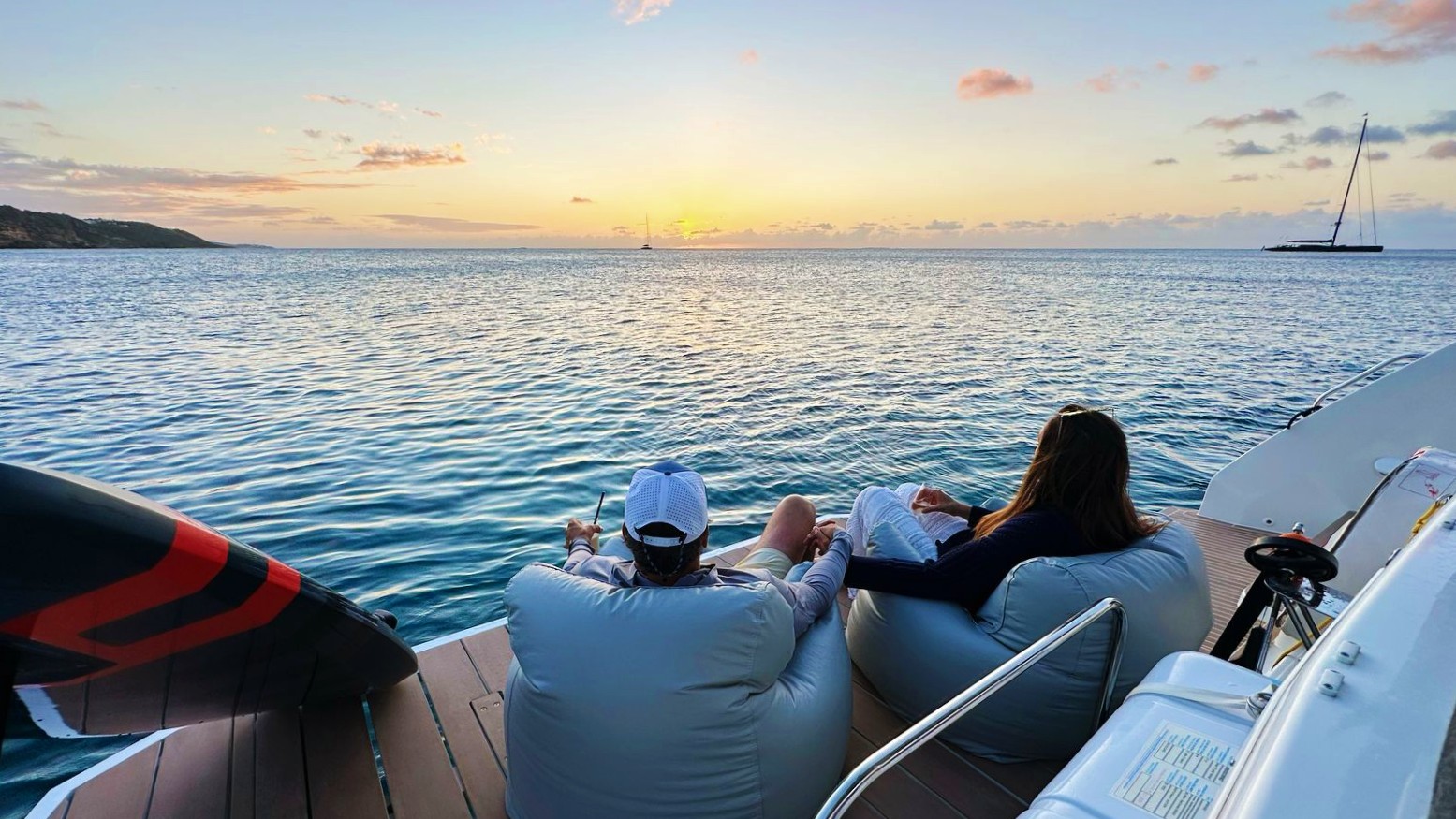
Alquiler de yate de luna de miel
Comience su matrimonio en un yate privado. Explore playas solitarias, gastronomía gourmet y atardeceres inolvidables en el Caribe.
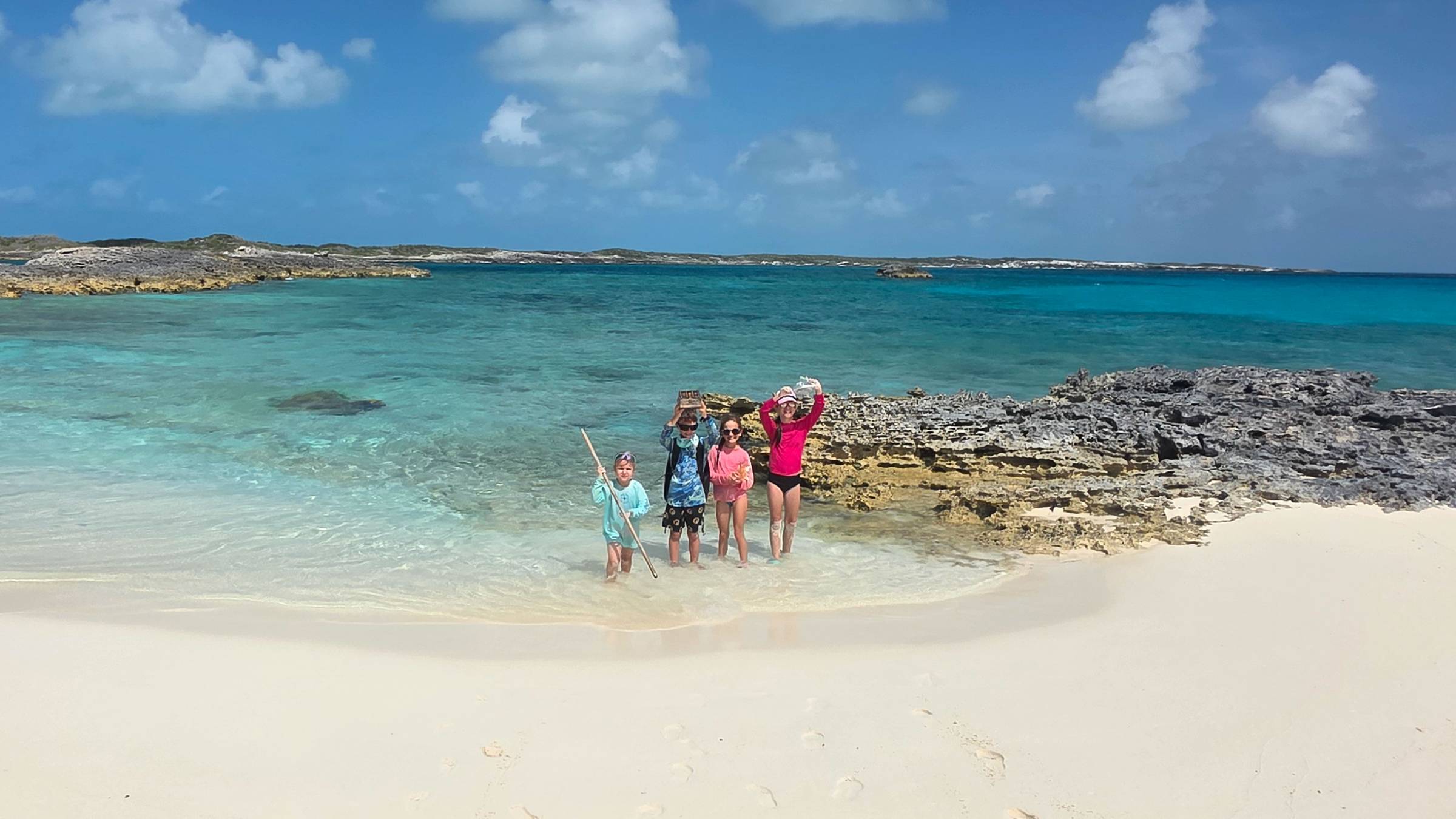
Alquiler de yate familiares
Un alquiler de yate con tripulación es perfecto para familias de todas las edades. Seguro, divertido y con servicio completo — sus hijos nunca lo olvidarán.

Preguntas frecuentes sobre alquileres de yate con tripulación
Obtenga respuestas a las preguntas más comunes sobre alquiler de yate con tripulación, desde precios y propinas hasta qué incluye y qué llevar.

Alquiler de yate con tripulación en las Islas Vírgenes Británicas
Las Islas Vírgenes Británicas son el destino #1 de alquiler de yate con tripulación en el Caribe. Navegaciones cortas, aguas protegidas y bahías de clase mundial.

Guía de Alquiler de Yate con Tripulación en Islas Vírgenes Británicas
Todo lo que necesitás saber antes de tu viaje en yate con tripulación en las Islas Vírgenes Británicas — precios, lista de equipaje, itinerario y cómo llegar.
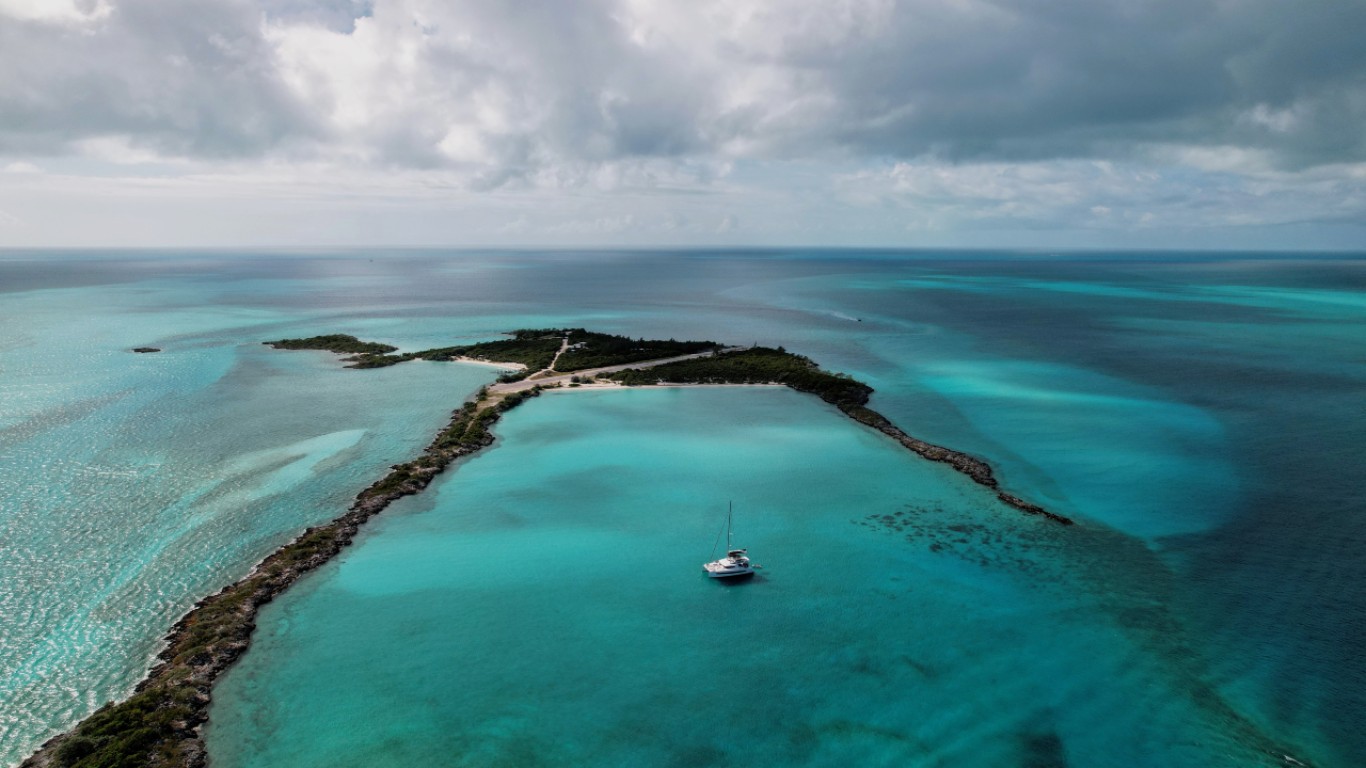
Alquiler de yate con tripulación en las Bahamas
Explore las Exumas en un yate privado con tripulación. Cerdos nadadores, bancos de arena y algunas de las aguas más cristalinas del mundo.
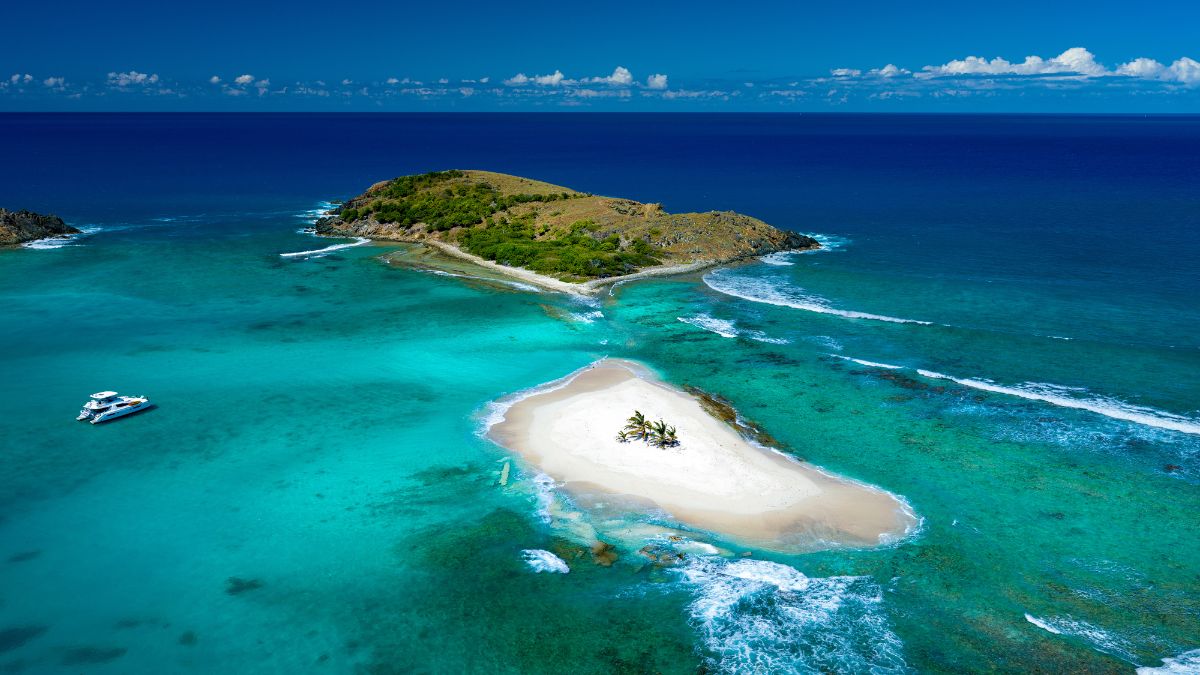
Alquiler de yate con tripulación en el Caribe
Alquiler de yate todo incluido con tripulación en todo el Caribe — Islas Vírgenes Británicas, Bahamas, Islas Vírgenes de EEUU, St. Martin, Antigua y más.