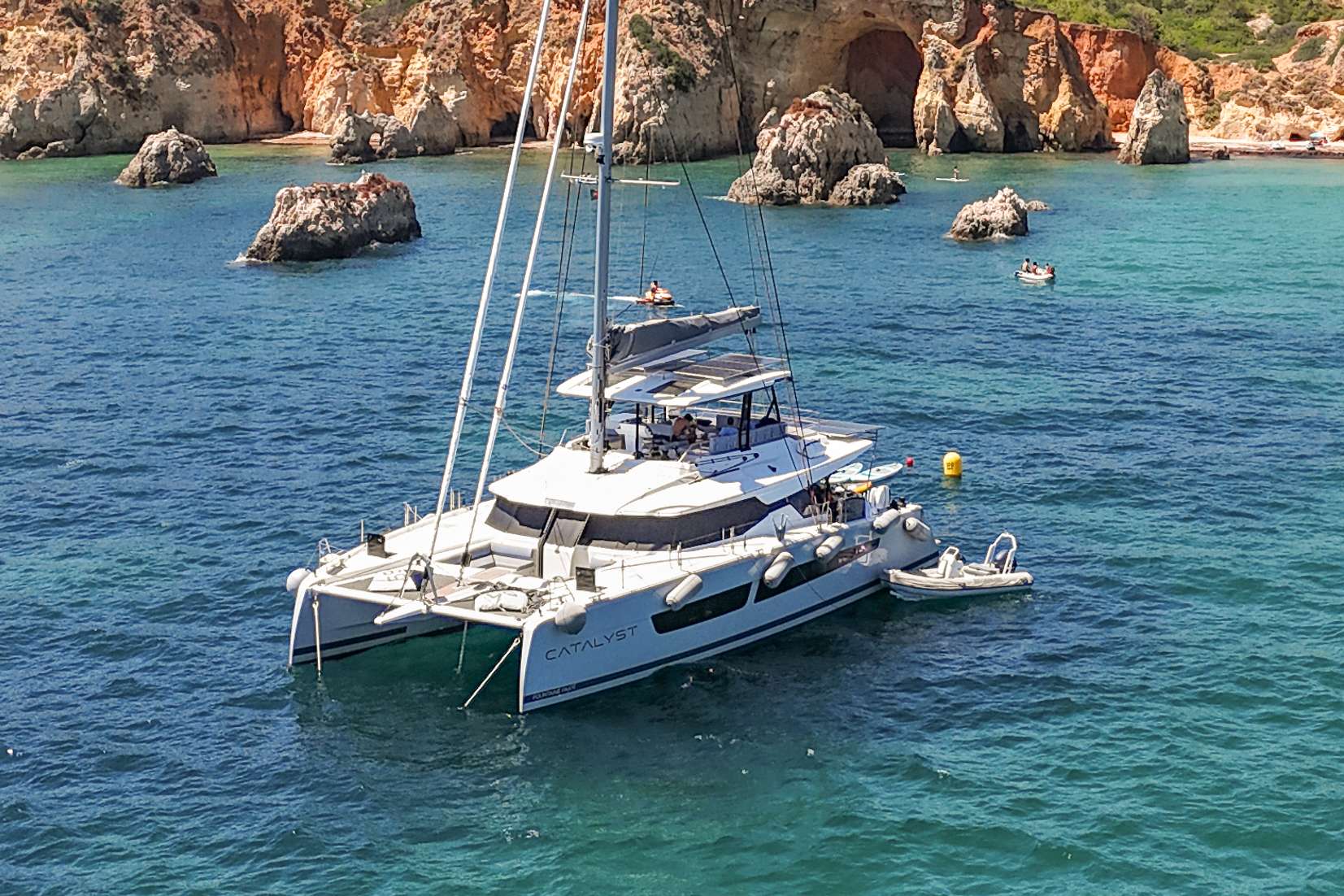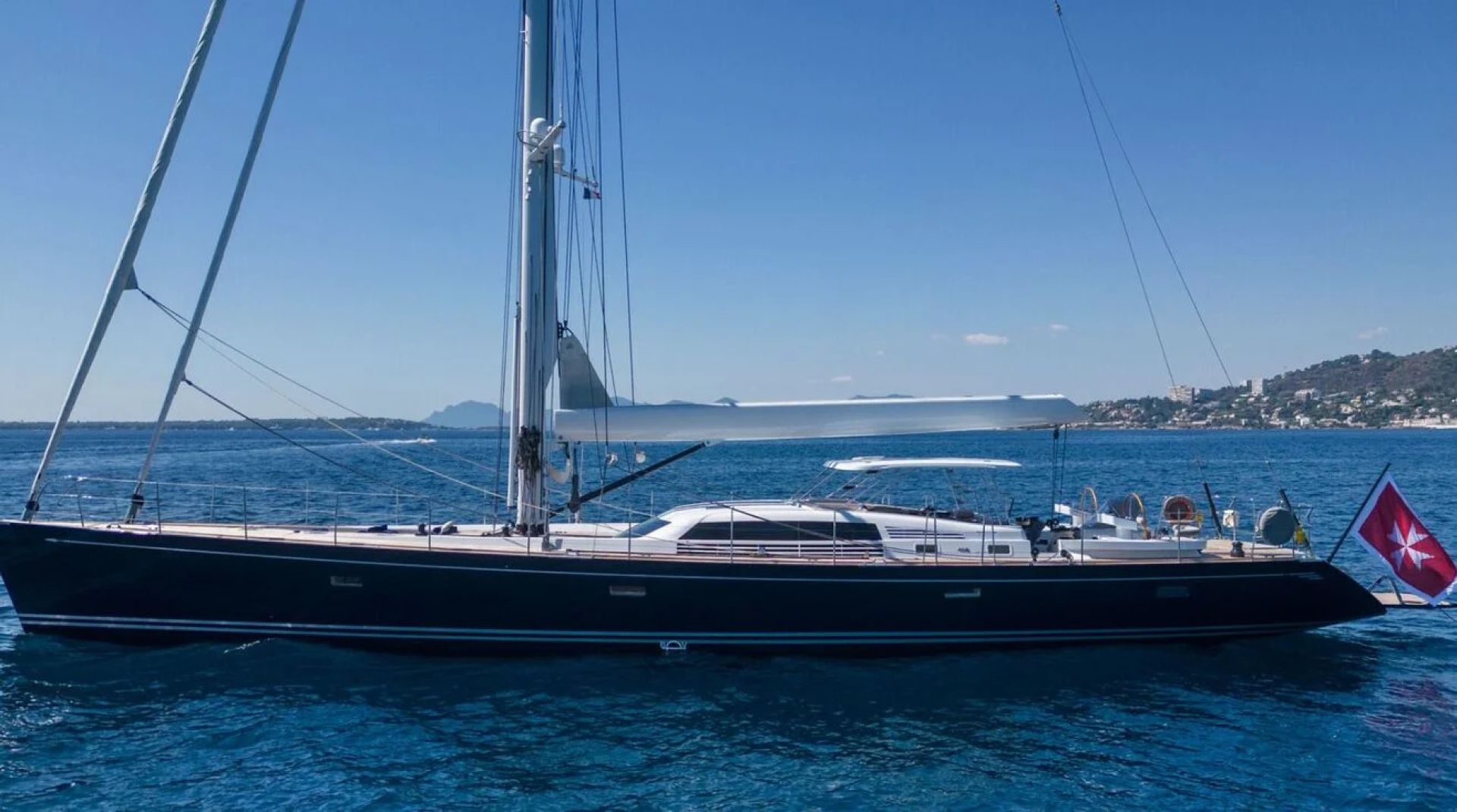

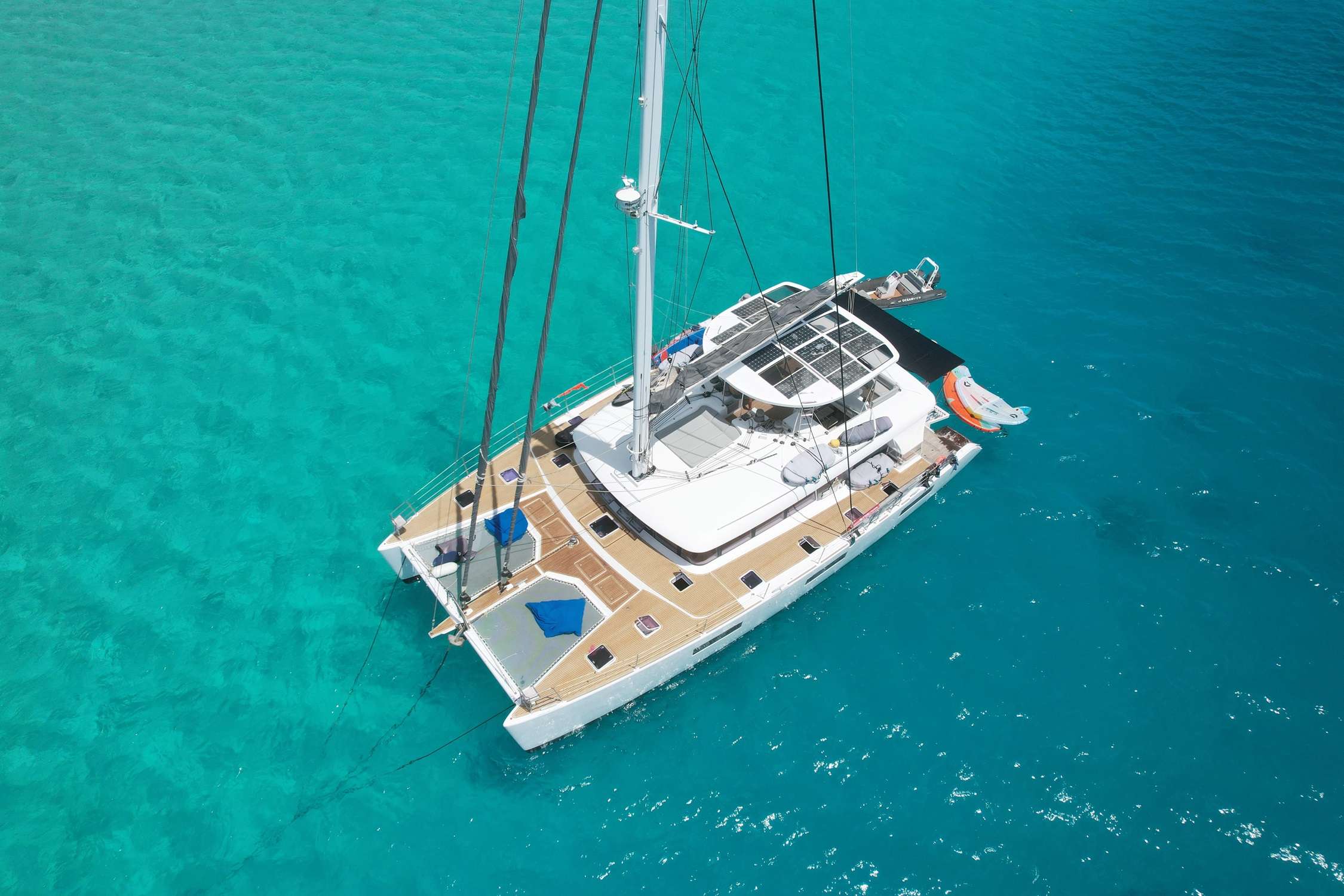
Zen Quest
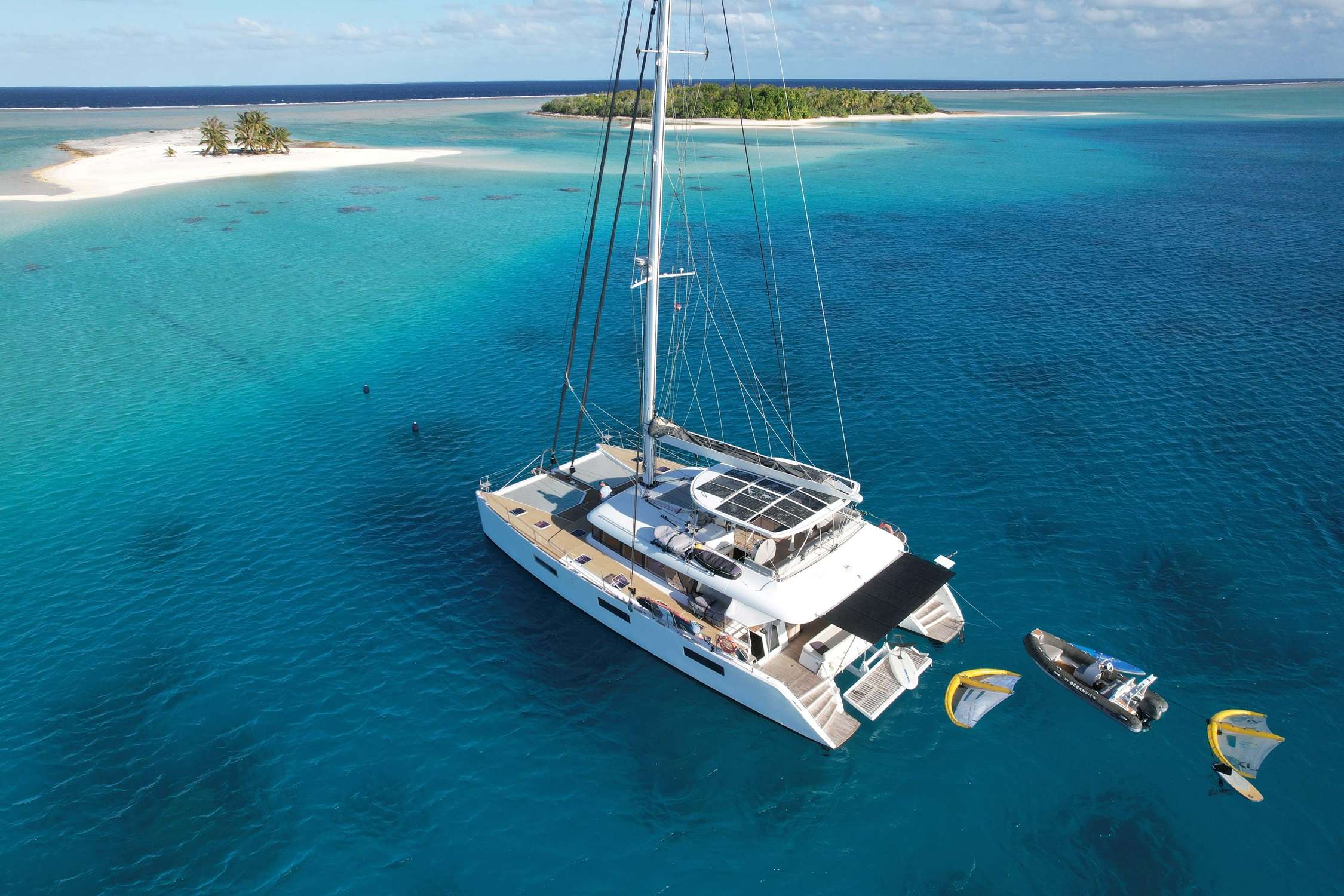
61FT · SAILING CATAMARAN
Desde $29,000/semana
6 Guests · 3 Cabins
Caribbean
Eastern Mediterranean
Western Mediterranean
South Pacific
United States
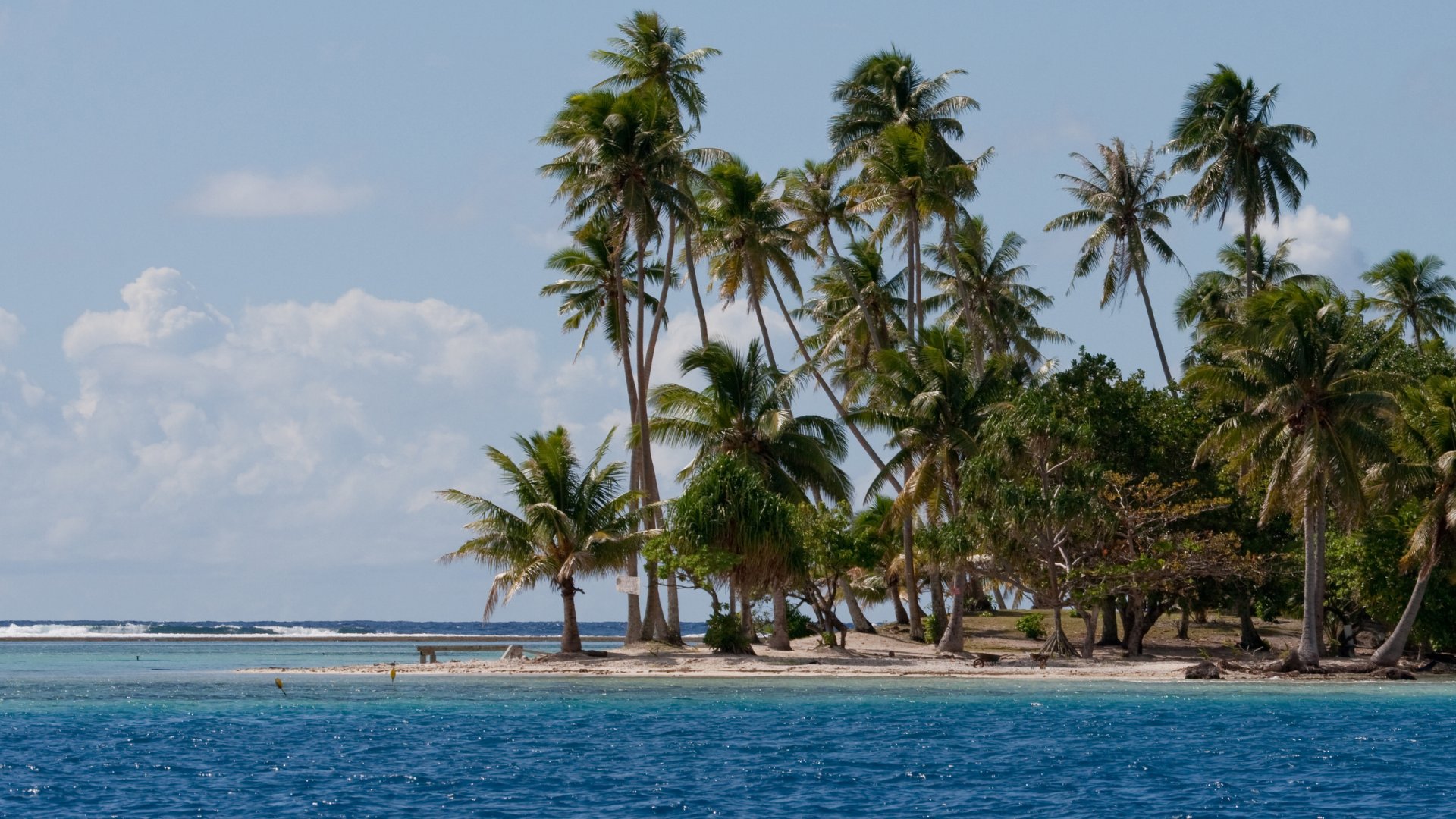
Alquiler de catamarán y yate a motor con tripulación desde Marina Apooiti, Raiatea — por las Islas de la Sociedad y hacia los Tuamotus, con capitán y chef a bordo.
Por qué la Polinesia Francesa
La Polinesia Francesa es el viaje que la mayoría de nuestros huéspedes describe como ese que llevan años imaginando y que por fin reservaron. Ciento dieciocho islas y atolones repartidos por dos millones de millas cuadradas del Pacífico Sur — los picos volcánicos de las Islas de la Sociedad elevándose abruptamente desde lagunas turquesas al oeste, los atolones de arena rosada de los Tuamotus extendiéndose al este en dirección a las Marquesas. El nombre en la tarjeta de embarque es Tahití, la isla más grande y la única con un aeropuerto de largo recorrido. El viaje en yate transcurre en otro lugar: un vuelo de 50 minutos en Air Tahiti hacia el oeste te deja en Raiatea, la capital náutica de las Islas de Sotavento y el punto de embarque para la pequeña flota de yates con tripulación que navega estas aguas.
Un yate con tripulación es la única forma de descubrir esta parte del mundo al ritmo que se merece. Las mañanas comienzan anclados en una laguna resguardada — café en cubierta, la verde pared de una isla elevándose detrás de la mesa del desayuno, el chef disponiendo fruta fresca y los ingredientes para el poisson cru. La navegación del día rara vez supera tres o cuatro horas, así que el barco vuelve a estar anclado a media tarde para un baño, una sesión de paddleboard o un snorkel por el Coral Garden entre dos motus de Taha'a. Tu capitán se encarga de las entradas a los pasos, los tiempos y los trámites de despacho aduanero. Lo único que tienes delante es el día.
Hay dos zonas de navegación bien diferenciadas, y la elección depende de lo que busca el grupo. La mayoría de los viajes tienen lugar en las Islas de la Sociedad — Mt. Otemanu en cada fotografía, picos de basalto elevándose abruptamente sobre aguas turquesas resguardadas, economías de vainilla y perla negra en las islas pequeñas, el marae UNESCO de Taputapuātea en Raiatea. Las distancias son cortas, las bahías son acogedoras, y el itinerario habitual de una semana o diez días recorre entre tres y cinco islas a un ritmo tranquilo — las estaciones de limpieza de mantas en Anau Point en Bora Bora, la deriva por el Coral Garden, una tarde en Matira Beach antes de los sundowners en el Bora Bora Yacht Club. Los Tuamotus son una zona de navegación completamente distinta — 78 atolones de coral bajo extendidos a lo largo de mil quinientos kilómetros por el Pacífico Sur al este de las Islas de la Sociedad, donde la vida marina es la gran protagonista: el muro de tiburones de Tetamanu en el paso sur de Fakarava, los delfines mulares de Tiputa en Rangiroa, la estación de limpieza de mantas en Tikehau. La flota que opera en los Tuamotus es reducida y la mayoría de las semanas requiere el traslado previo del yate; nosotros coordinamos el reposicionamiento antes de que realices tu reserva.
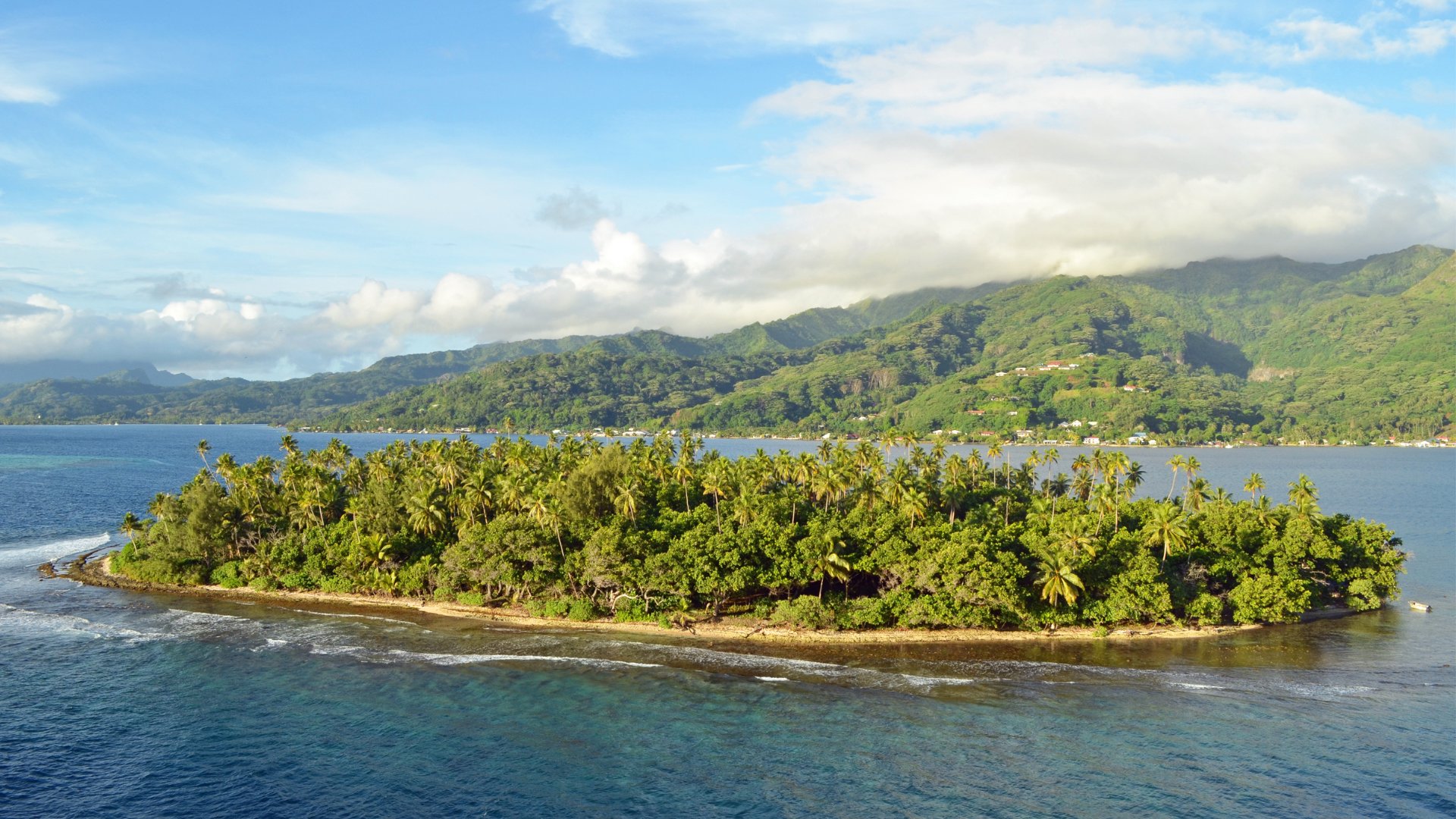
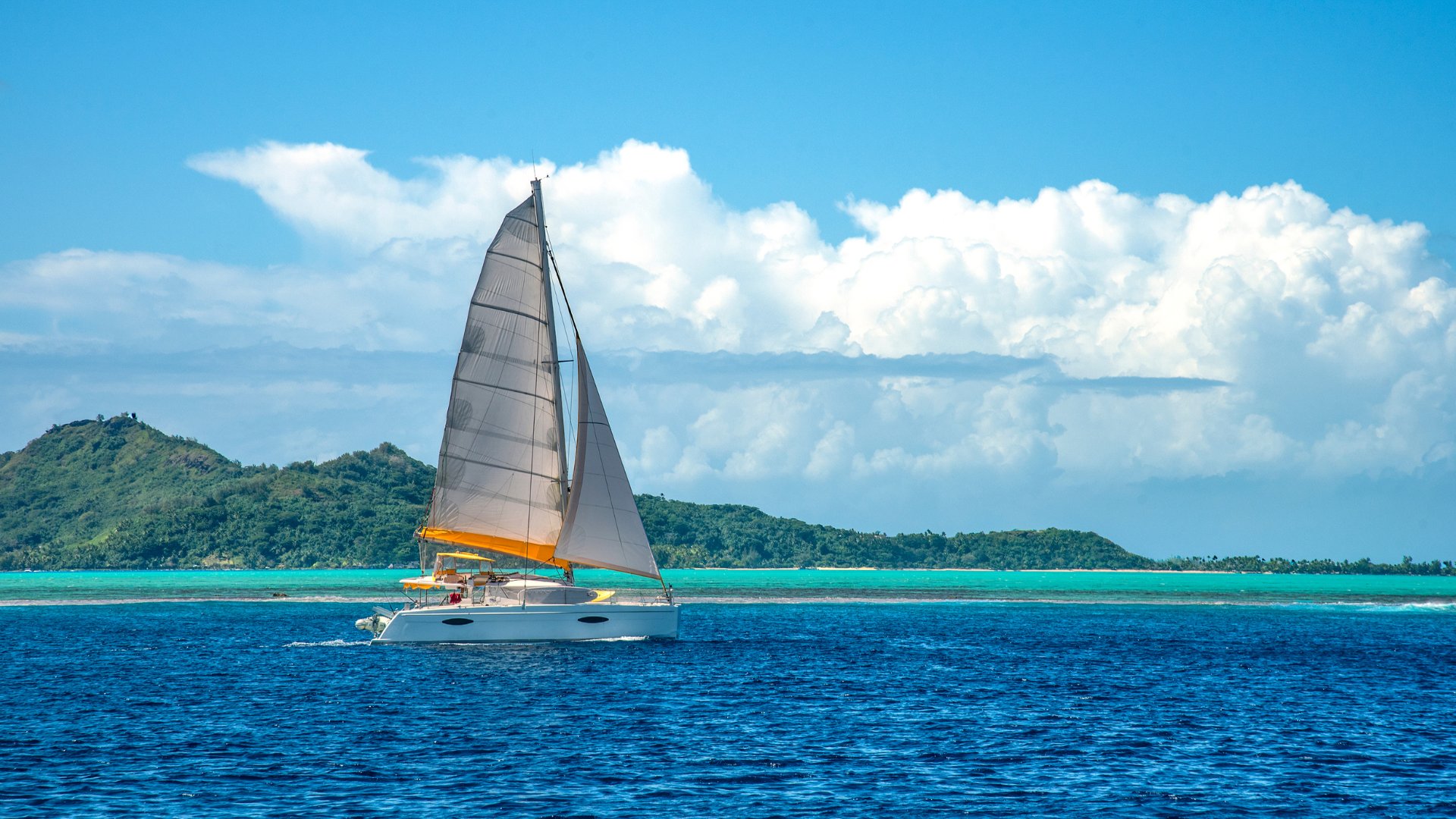
Cuatro características que distinguen a la Polinesia Francesa de cualquier otro destino de yates con tripulación en el mundo.
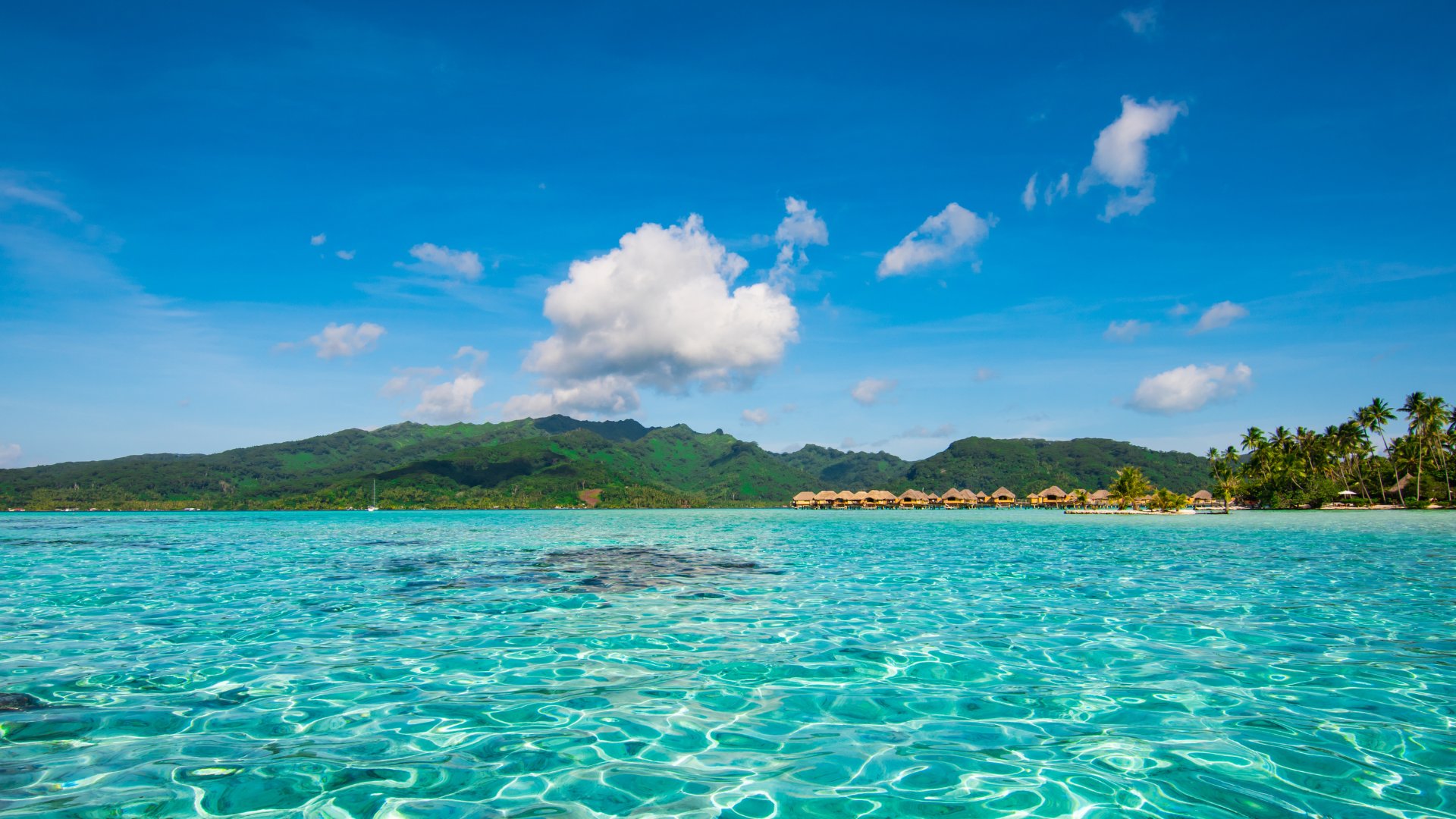
La semana clásica en la Polinesia Francesa recorre Raiatea, Taha'a y Bora Bora a través de las lagunas que comparten un único arrecife de barrera — resguardadas, con distancias cortas, y las tardes terminan anclados con tiempo para un baño antes de la cena. Los itinerarios de diez días añaden Huahine al este — más tranquila, más verde, menos fotografiada — y, si el tiempo lo permite, Maupiti al oeste. La mayoría de las navegaciones duran entre dos y cuatro horas; los vientos alisios favorecen un ritmo sereno con viento a favor en cuanto el capitán apunta la proa hacia Bora Bora.
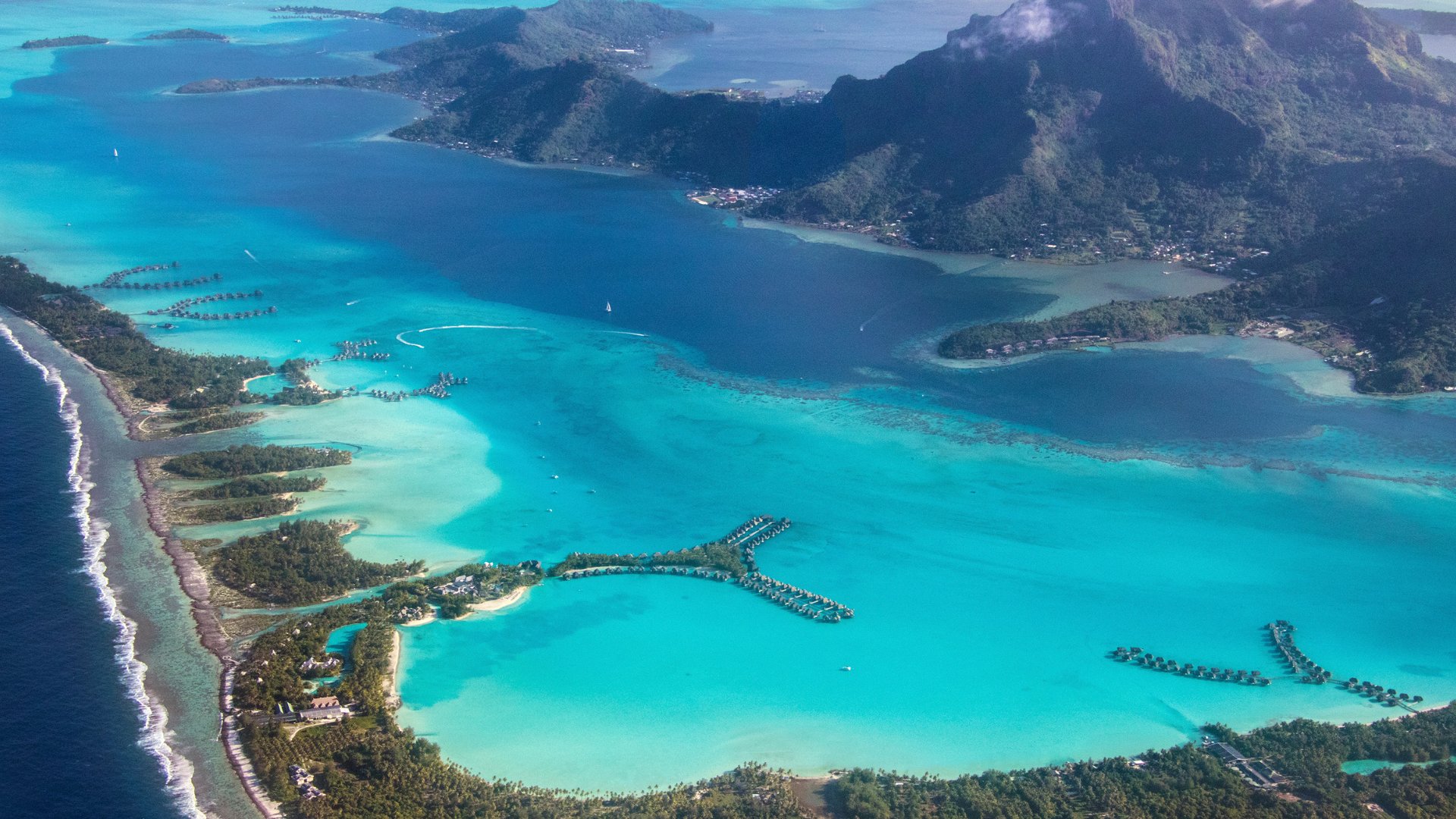
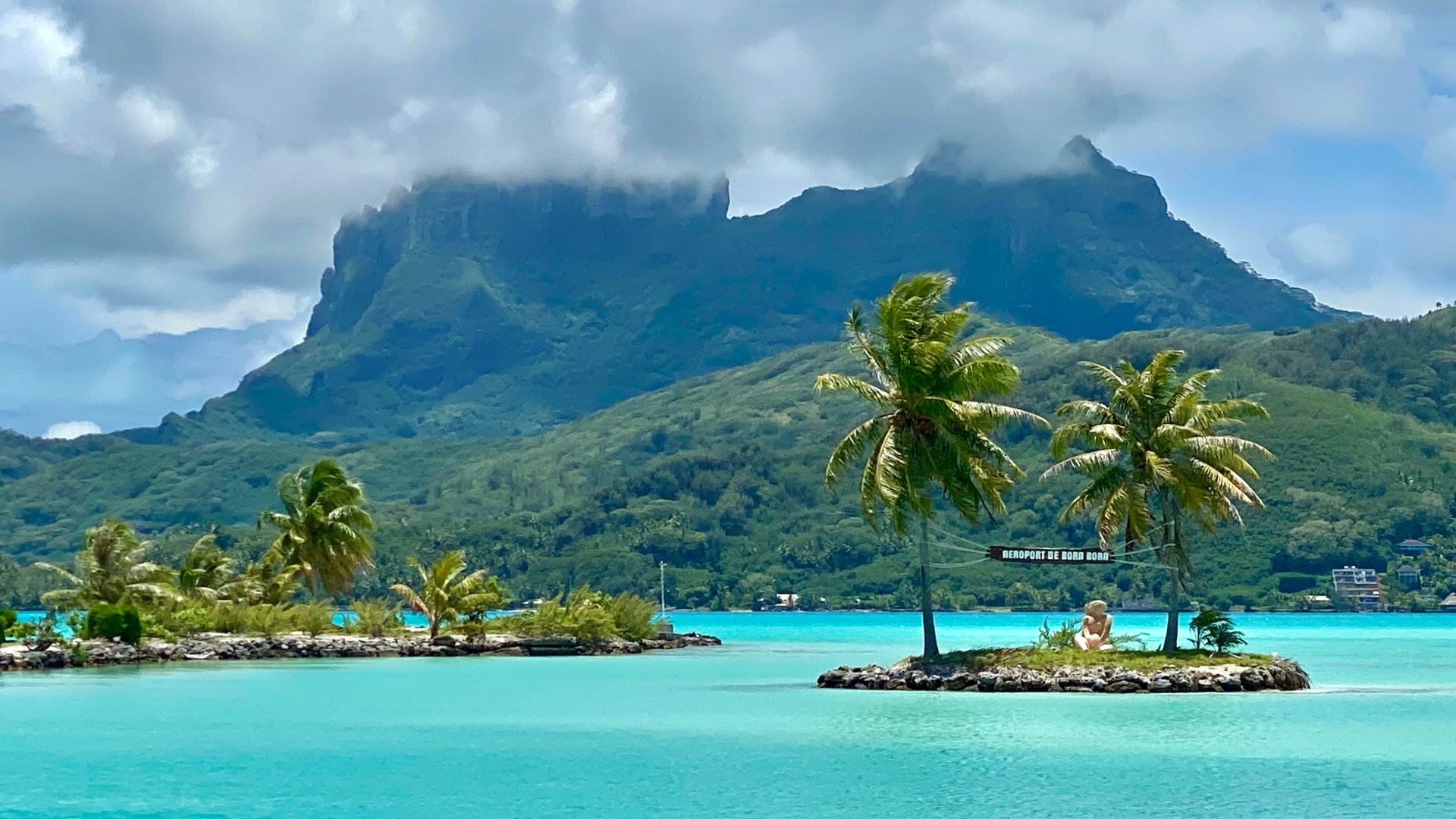
El espigón de basalto de Mt. Otemanu es una de las siluetas más fotografiadas del planeta, y la aproximación — navegando hacia el oeste desde Taha'a mientras la montaña crece en el horizonte — es una de las tardes más icónicas del Pacífico. Dentro de la laguna, el yate fondea en Motu Topua, frente a Matira (la única playa pública de Bora Bora) o en el Bora Bora Yacht Club, con el pico presidiendo cada comida. Un corto trayecto en lancha auxiliar hasta Anau Point, al lado este, te pone en el agua junto a mantas de arrecife en una de las estaciones de limpieza más fiables de la Polinesia Francesa.
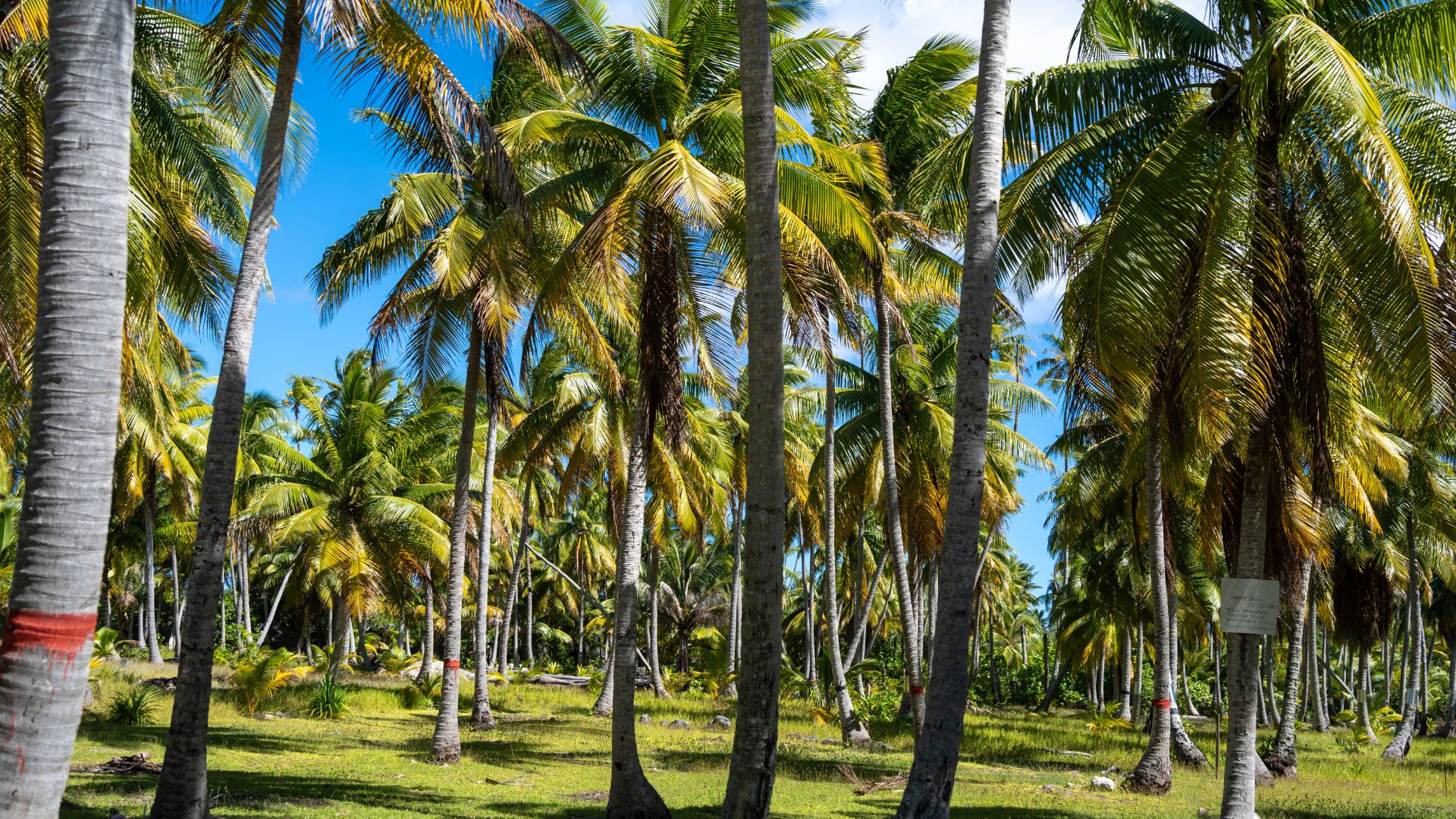
Raiatea fue el centro espiritual y político de la Polinesia oriental durante aproximadamente mil años; el Marae Taputapuātea en la costa este — el complejo de templos que fue el punto de partida de los viajes polinesios por el Pacífico — fue inscrito en la Lista del Patrimonio Mundial de la UNESCO en 2017. La pequeña economía de Taha'a gira en torno a las orquídeas de vainilla polinizadas a mano, flor a flor, y a los criaderos de perlas negras donde los huéspedes pueden comprar perlas sueltas directamente de la ostra. Las cenas a bordo se nutren de los sabores de las islas — atún fresco y mahi-mahi del día, servidos como poisson cru en leche de coco y limón, el plato insignia de la Polinesia Francesa.
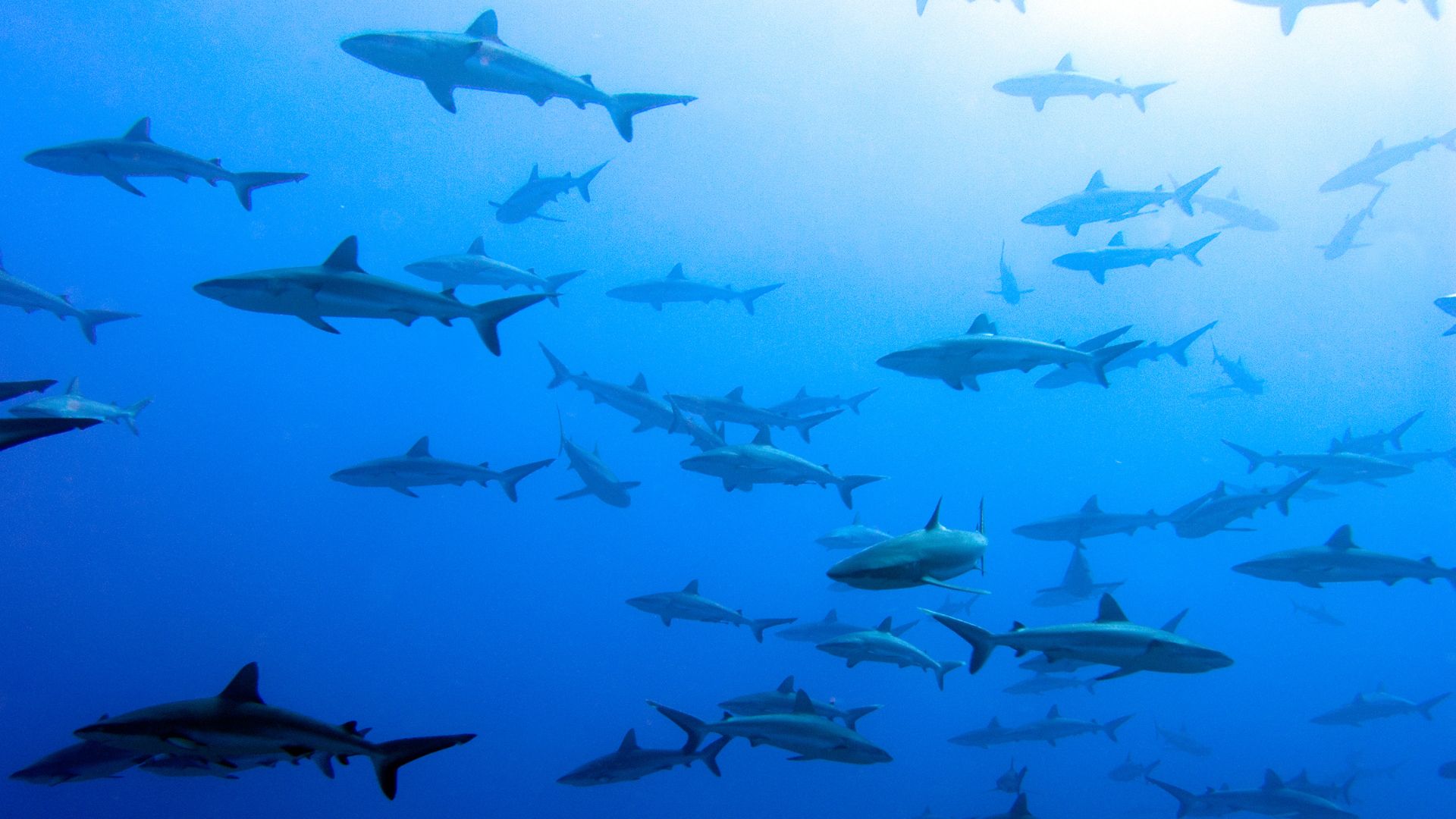
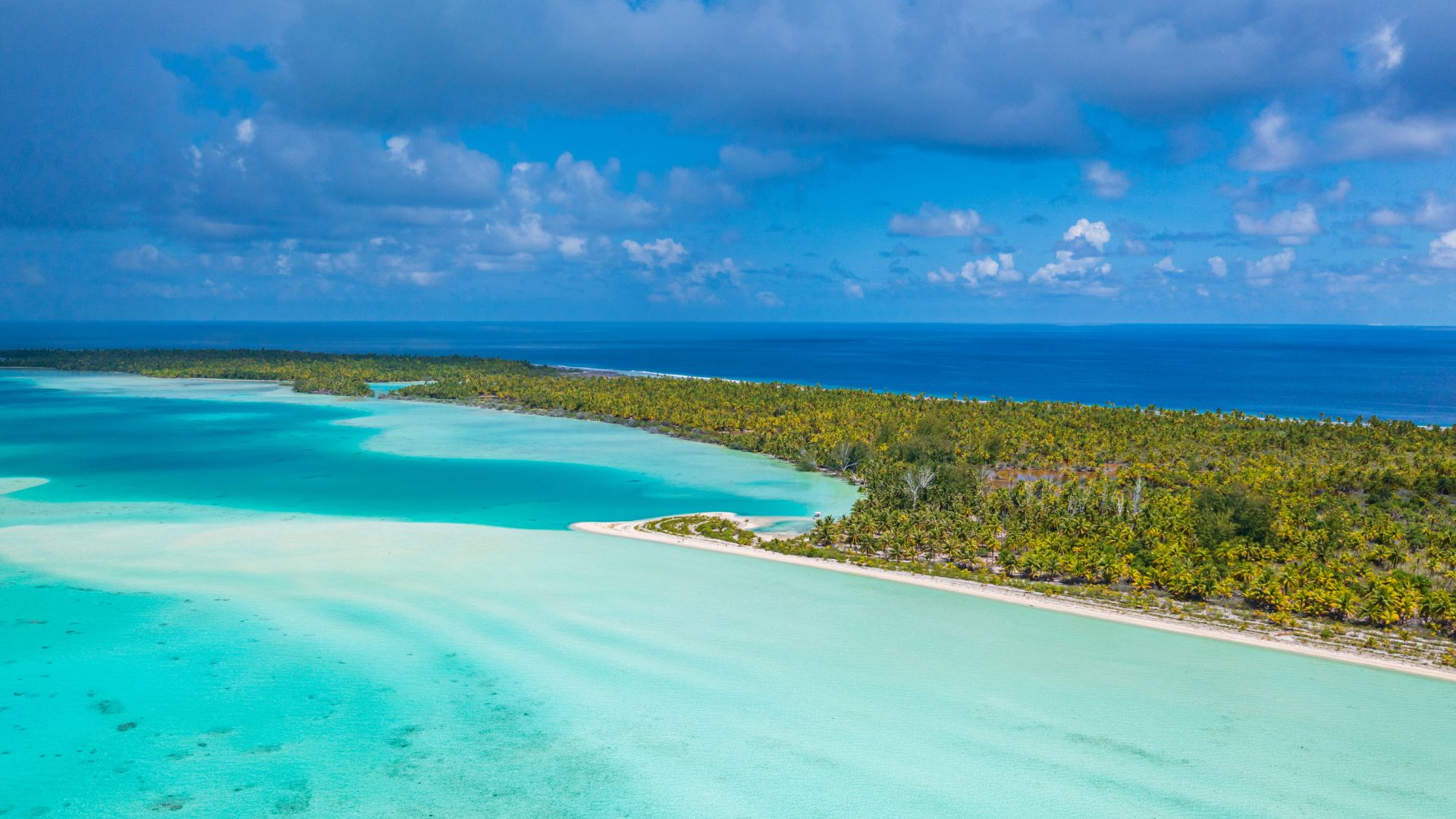
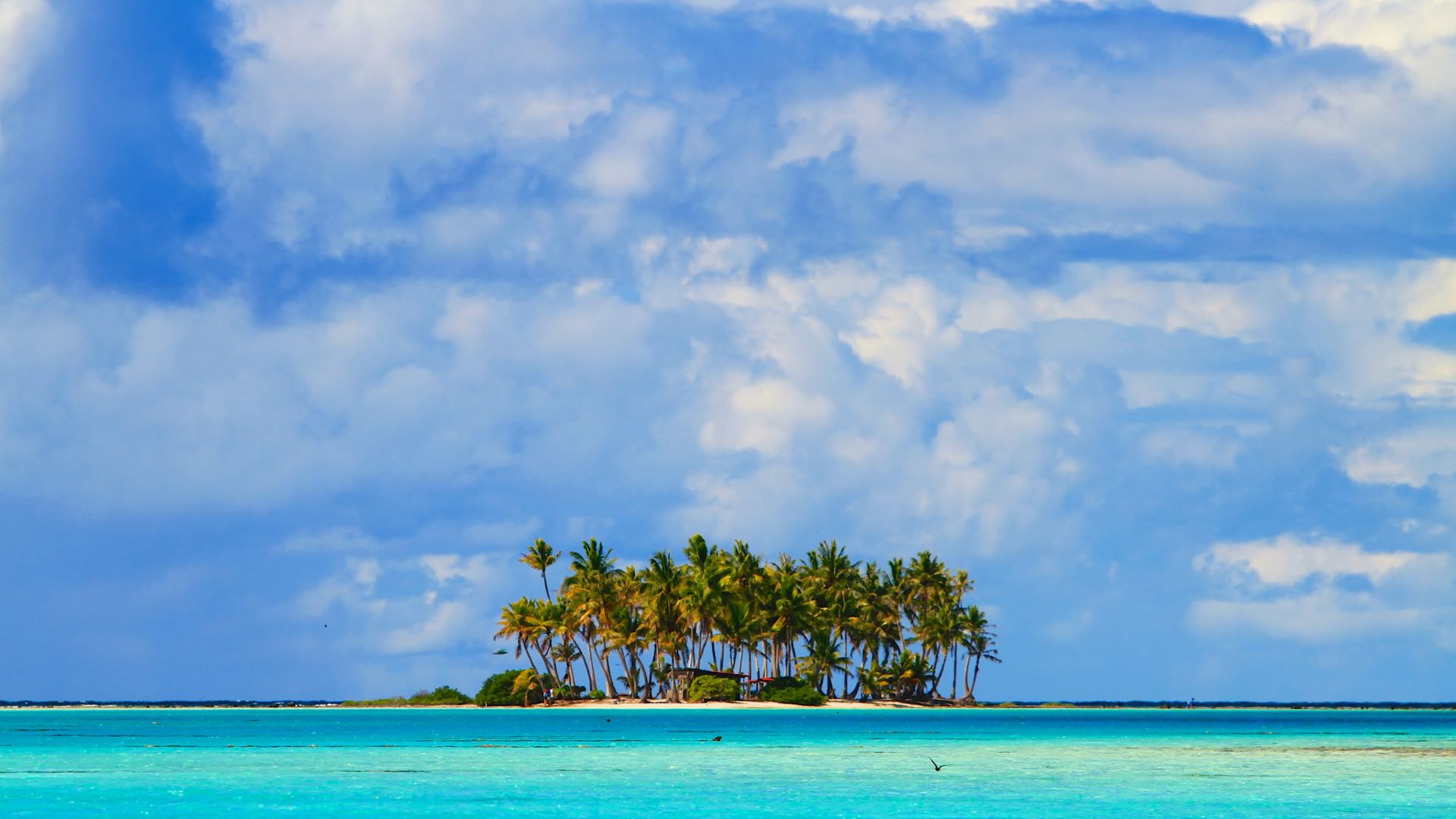
Al este de las Islas de la Sociedad se encuentran los Tuamotus — 78 atolones de coral bajo extendidos a lo largo de mil quinientos kilómetros por el Pacífico Sur, los anillos de arrecife de barrera que quedaron cuando los picos volcánicos originales se hundieron hace mucho tiempo. No hay montañas. El paisaje es plano, abierto y como ningún otro: un fino collar de motus cubiertos de palmeras rodeando una laguna turquesa, con el Pacífico abierto al otro lado del arrecife. La atracción es la vida marina — el muro de tiburones de Tetamanu en el paso sur de Fakarava, los delfines mulares de Tiputa en Rangiroa, la estación de limpieza de mantas en Tikehau, los criaderos de perlas en Apataki. Alejado de los circuitos más transitados, más rústico que las Islas de la Sociedad, y un tipo de viaje completamente diferente.
A hand-picked selection of crewed charter yachts for French Polynesia — yachts and crews we know firsthand.
Your week is shaped around your group's interests, the season, and the conditions on the water — your captain tailors the days as they unfold. Treat these itineraries as starting points for inspiration.
Crewed Itinerary · Society Islands, French Polynesia
Ten days is the right amount of time to do the Society Islands justice. Our suggested crewed charter itinerary starts with a seamless arrival at Marina Apooiti and threads all five of French Polynesia's Leeward islands—Raiatea, Huahine, Taha'a, Bora Bora, and weather-permitting Maupiti—before closing the loop back at the base. With a professional captain and private chef handling every detail, all you need to do is step aboard, settle in, and let the trade winds do the rest.
The route itself is deliberate: one upwind passage early to Huahine, then easy downwind and reaching sails the rest of the trip through Taha'a's shared lagoon, Bora Bora's iconic silhouette, and Maupiti's remote Onoiau Pass if conditions cooperate. It's an itinerary designed for the kind of guest who wants real sailing, real culture, and real time to linger over the parts that matter.

Ten days is the right length for a real Society Islands week — long enough to thread all five of French Polynesia's Leeward islands without rushing. Raiatea (the sailing capital — pickup at Marina Apooiti), Huahine (the early upwind leg, then it's all downwind from here), Taha'a (the vanilla island, the Coral Garden snorkel), Bora Bora (Mt. Otemanu, motu picnics, three nights), and weather-permitting Maupiti (the remote Onoiau Pass, the most photogenic atoll in the chain).
About 140 nautical miles total. The route is built deliberately around the southeasterly trades — one upwind passage early, then easy downwind and reaching sails the rest of the trip. If you can't stretch to ten days, the 7-day French Polynesia itinerary covers Raiatea, Taha'a, and Bora Bora as the tighter version. For a completely different French Polynesia experience, see the 10-day Tuamotus expedition.
Day 1 of 10 · Marina Apooiti
Your journey begins at Marina Apooiti on Raiatea—the sailing capital of French Polynesia and the logical base for any serious exploration of the Leeward Islands. After the short transfer from Raiatea Airport, your professional crew welcomes you aboard with cool refreshments and a warm chart briefing that frames the trip ahead. Settle into your cabin, stow your gear, and take a moment on deck to take in the view of Mount Temehani rising green behind the lagoon.
Once you're ready, the captain slips lines for a short shakedown sail into the protected inner lagoon that Raiatea shares with neighboring Taha'a. This is an easy, sheltered first passage—no open water, no big swell, just the two islands enclosed by a single barrier reef. Drop anchor in a quiet bay, break out the water toys, and shake off the travel miles with a swim in clear, bathwater-warm water.
As the sun drops behind Bora Bora on the western horizon, your private chef will prepare the first gourmet dinner aboard—often a Polynesian take on fresh local fish with tropical fruits and a chilled bottle of something crisp. Cocktails on deck, stars overhead, and the hum of the reef in the distance set the tone for the ten days ahead.
Day Highlights
Day 2 of 10 · Raiatea → Huahine
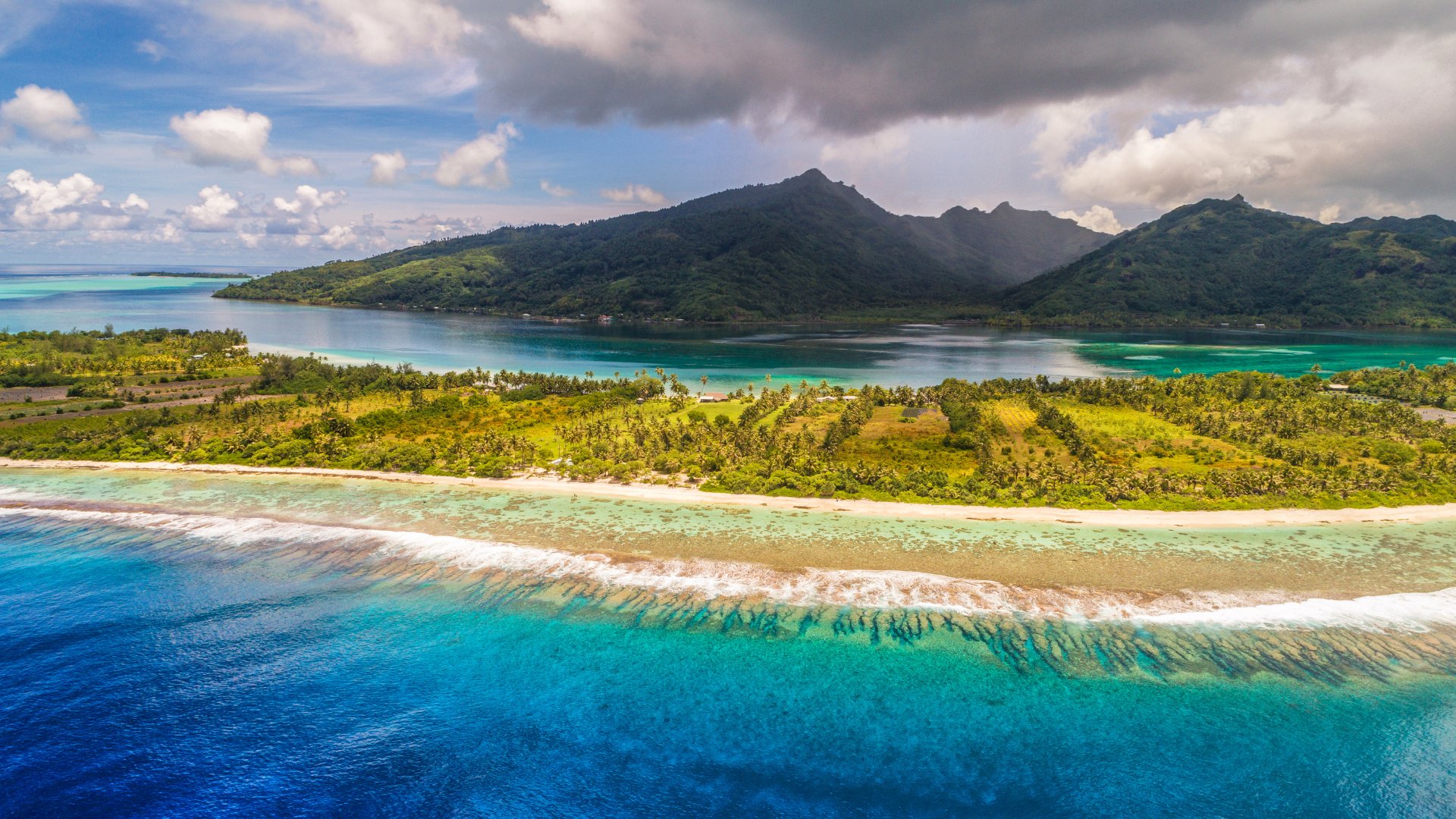
After a leisurely breakfast aboard, your crew points the bow east-northeast for the passage to Huahine—about twenty-five nautical miles directly into the prevailing southeasterly trades. It's the one serious upwind leg of the trip, and we do it early to set the stage for the easier downwind rhythm that defines the days ahead. The sail itself is beautiful, with Raiatea and Taha'a receding astern and Huahine's twin peaks growing on the horizon.
Huahine is often called the wild island, and the label fits. Where Bora Bora is polished and Instagram-ready, Huahine is quieter, greener, and more authentically Polynesian. Your captain will clear the pass and drop anchor in Fare Bay, a short tender ride from Fare village—a handful of low-slung shops, a boulangerie, a few waterfront roulottes for casual lunch, and the slow pace of an island that never really adopted mass tourism.
In the afternoon, the tender takes you across the bay to Faie, home of the sacred blue-eyed eels. These massive freshwater eels live in a shallow stream at the edge of the village and have been considered sacred for generations. You can feed them sardines from the bridge—locals sell them for a few francs—and watch them surface with startling, electric-blue eyes. Back aboard, cocktails on deck, a chef-prepared dinner, and a night in one of the quietest anchorages in the Societies.
Day Highlights
Day 3 of 10 · Huahine
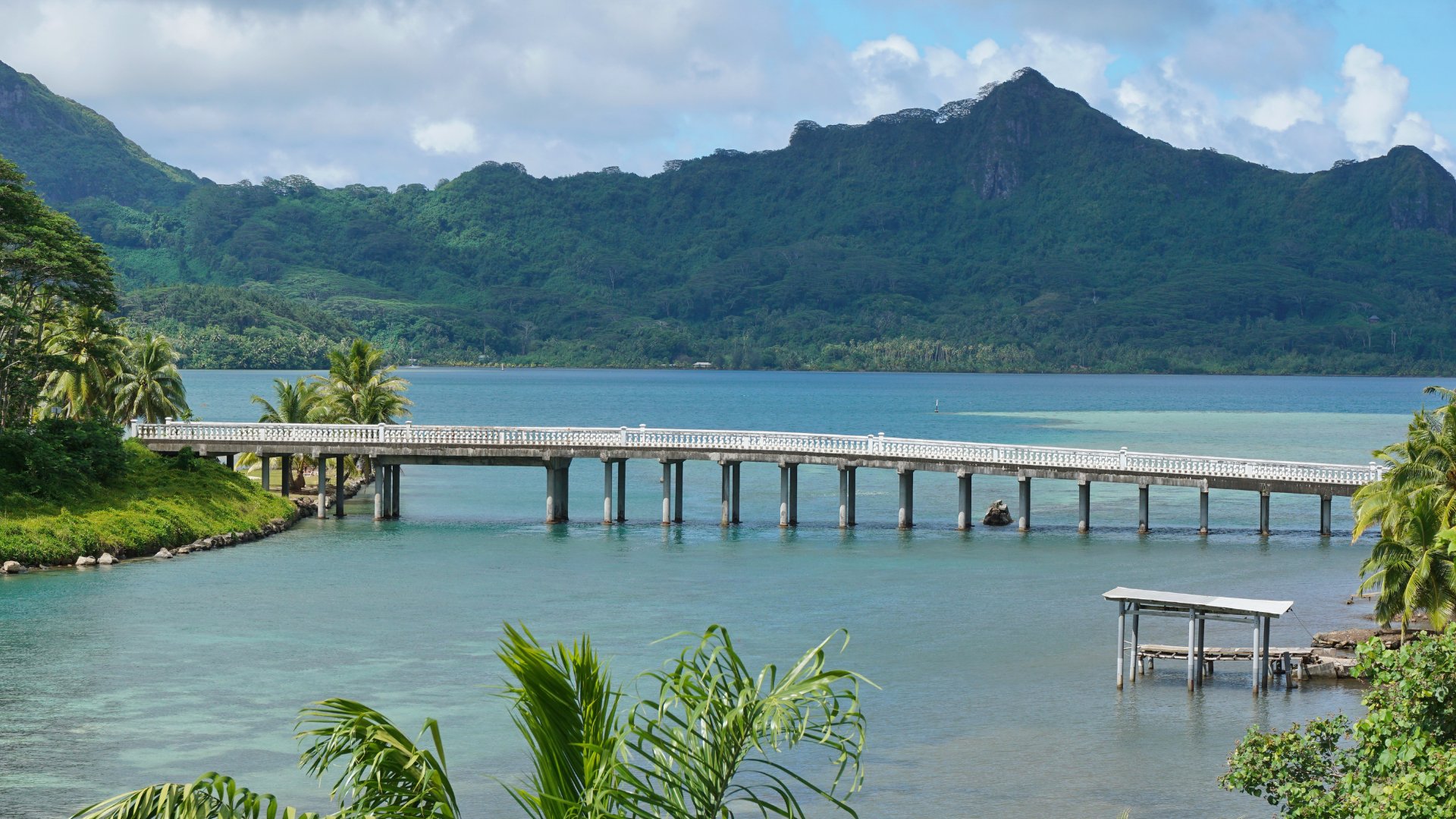
Start the morning with a short tender ride to the ancient village of Maeva on Huahine's north shore—one of the most important archaeological sites in French Polynesia. More than two dozen stone marae (sacred platforms) line the shore and climb the hillside behind the village, along with the remnants of a pre-European fish trap system that's still partially in use today. A local guide can walk you through the history, and the setting alone—banyan trees, basalt stones, the lagoon behind you—is worth the stop.
After lunch aboard, your crew will sail you down Huahine's west coast to Avea Bay on the southern tip of the island. This is one of the most beautiful anchorages in the Societies—a wide, calm crescent with a white-sand bottom, excellent snorkeling along the reef edge, and almost no one else there. Break out the paddleboards, take the tender in to Chez Tara for a drink on the beach, or simply float.
As the afternoon softens, the captain will repoint the bow for tomorrow's downwind passage. Tonight's dinner is a slow, three-course affair on deck, and the anchorage is quiet enough that you'll hear the reef breathing across the bay.
Day Highlights
Day 4 of 10 · Huahine → Taha'a
Today is sailing day. With the trades on your quarter, your captain will set a downwind course roughly thirty nautical miles back across open water to Taha'a, the vanilla island. Unlike the upwind beat to Huahine, this is the kind of passage that writes postcards—fast, steady, and easy enough that you can lie on the foredeck with a book and a cold drink.
Your crew will clear the Toahotu Pass on Taha'a's east side and drop anchor near Motu Mahea, a tiny palm-covered islet perched on the edge of the barrier reef. The snorkeling here is excellent—vibrant coral, reef fish in every color, and the calm water of the inside lagoon. Spend the afternoon in and out of the water, or take the tender ashore to walk the motu.
Dinner aboard tonight, often with fresh-grilled mahi-mahi and a generous pour of something white and chilled. The anchorage is exposed enough that you'll feel the trade wind on deck, but the reef knocks down the swell—ideal conditions for a night under stars.
Day Highlights
Day 5 of 10 · Taha'a
This is the signature Taha'a day, and it deserves the full treatment. Your crew will move the yacht around to the northwest corner of the island, anchoring near Motu Tau Tau for the Coral Garden drift snorkel—arguably the single best in-water experience anywhere in the Societies. You drop into a shallow channel between two motus, let the current carry you over a field of branching coral teeming with tropical fish, and finish on a white-sand beach at the other end. Thirty minutes of pure unplanned magic.
After the drift, the tender will take you to one of Taha'a's vanilla plantations. French Polynesia produces some of the best vanilla in the world, and walking through the orchids—hand-pollinated, one flower at a time—is the kind of quiet, tactile experience the island does well. Most plantations sell fresh beans and extract by the gram; buy the good stuff while you're here.
In the afternoon, your captain will move the yacht into Haamene Bay, one of the longest and deepest inlets in the Societies. A short tender ride up the bay reaches a black pearl farm, where a quick tour explains the two-year grafting process and ends in a showroom where you can buy loose pearls straight from the oyster. Back aboard, sundowners on deck, another chef-prepared dinner, and a night in water so glassy you can see the reef below.
Day Highlights
Day 6 of 10 · Taha'a → Bora Bora
After breakfast, your crew will clear the Papai Pass on Taha'a's west side and set a downwind course for Bora Bora—only about fifteen nautical miles, but it's fifteen of the most scenic miles of sailing anywhere in the Pacific. Mount Otemanu grows steadily on the horizon until it fills the sky in front of you, a basalt tower so distinctive it's been the backdrop of a thousand honeymoon photos for a reason.
Your captain will bring the yacht through the Teavanui Pass—the only navigable entrance to Bora Bora's lagoon, and one of the great sailing gateways in the world. Anchor at Motu Topua, just across the lagoon from the main village of Vaitape, with Otemanu rising directly behind the yacht. Spend the afternoon in the water, on a paddleboard, or simply sitting on the aft deck with the mountain looming directly overhead.
Tonight, the tender takes you ashore to Bloody Mary's—the island's most famous restaurant, sand floors, open-air dining room, the day's catch laid out on ice at the entrance. It's touristy in the best possible way, and worth the visit at least once. Back aboard late, a nightcap on deck, and the lights of the overwater bungalows shimmering across the lagoon.
Day Highlights
Day 7 of 10 · Bora Bora
Start the day early with a short motor to Anau Point on Bora Bora's east side, one of the most reliable manta ray cleaning stations in the lagoon. The rays—often two-meter wingspans, sometimes bigger—hover in shallow water while cleaner wrasses work over their skin. Slip into the water quietly, keep your distance, and let them come to you. A good morning here is the kind of encounter you'll talk about for years.
After lunch aboard, the captain circles the yacht down to the southern end of the island and anchors off Matira Beach, the only public beach on Bora Bora and consistently ranked among the most beautiful in the world. The water is shallow for a long way out, easy to wade, and the light in the late afternoon is exactly what the photographs suggest. Take the tender in for a long walk on the sand or stay aboard and float.
As the sun sets behind Otemanu, sundowners on the aft deck. Your chef will have been to the Vaitape market earlier in the day for fresh poisson cru—raw tuna marinated in coconut milk and lime, the signature dish of French Polynesia—and tonight's dinner leans into the island's flavors.
Day Highlights
Day 8 of 10 · Maupiti — weather permitting
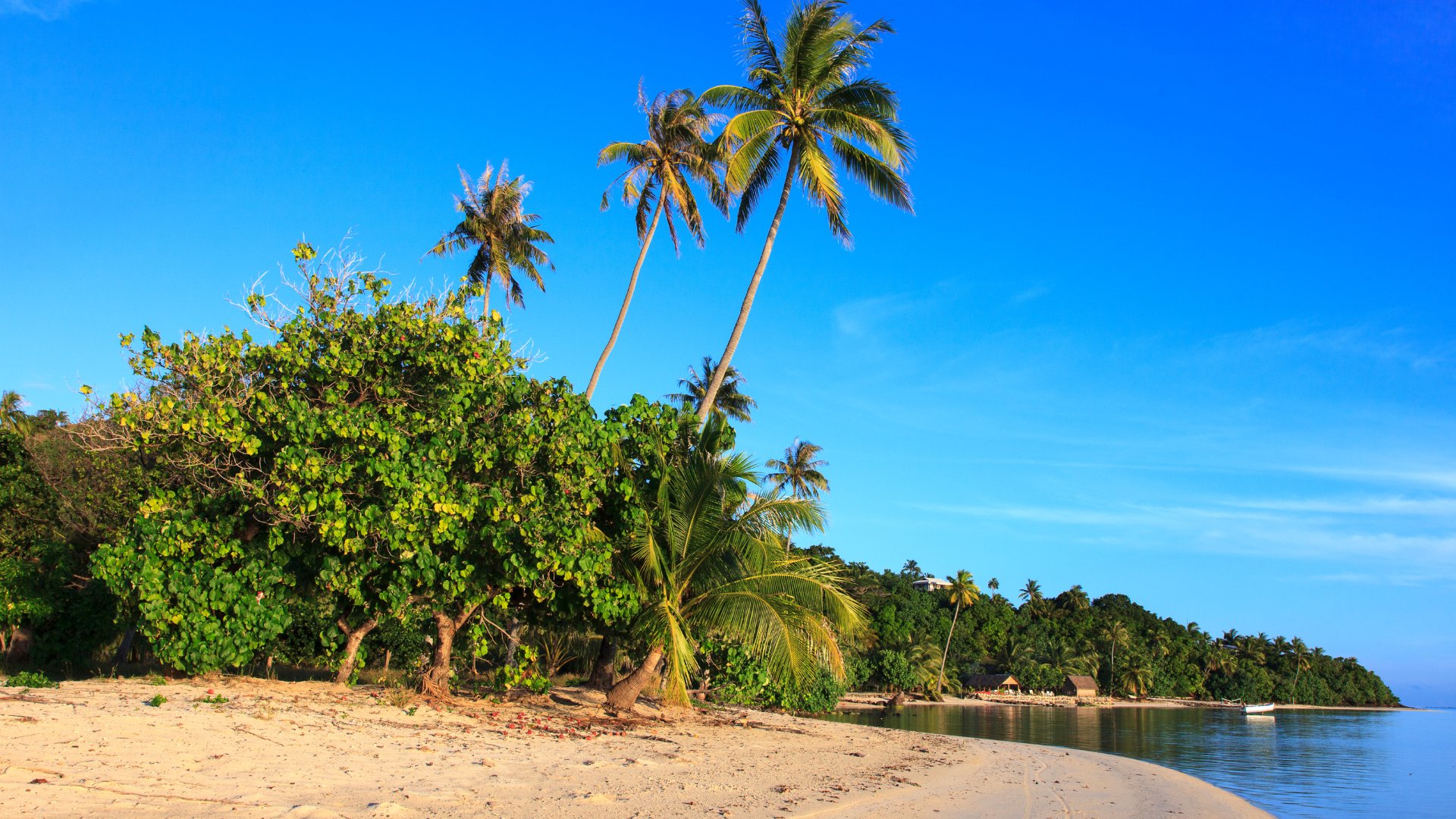
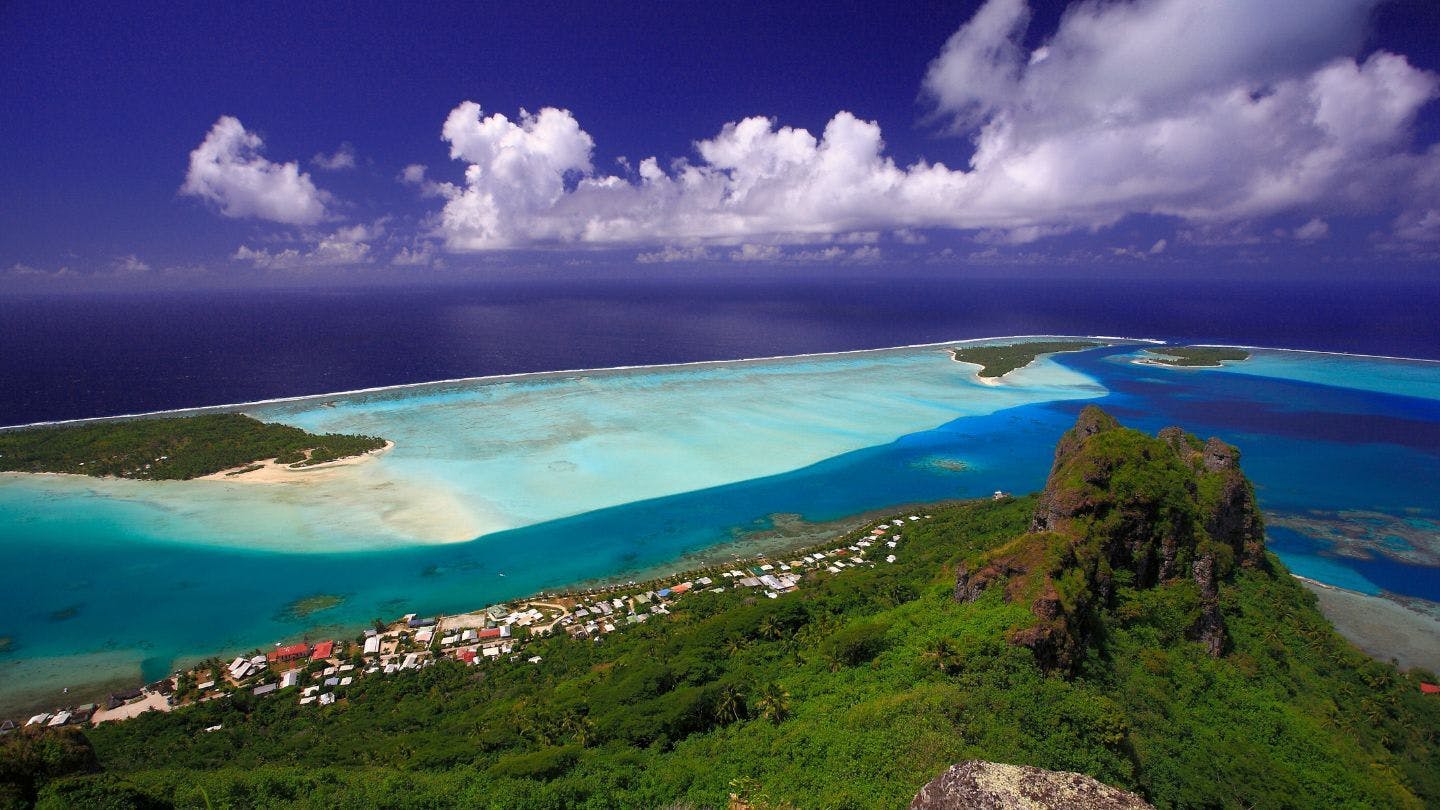
Today is the weather-check day, and your captain makes the call before breakfast. Maupiti is the quiet jewel of the Leewards—a smaller, unrushed version of Bora Bora with no resorts, no overwater bungalows, and an absolute ring of white-sand motus around a turquoise lagoon. The catch is the Onoiau Pass on the south side, the only way in or out. It's narrow, shallow in spots, and completely exposed to southerly swell. In calm conditions, it's straightforward. In anything else, it's a no-go.
If the captain calls a go, you'll make the twenty-eight-mile downwind run west from Bora Bora in the morning, clear the pass at slack, and spend the afternoon in one of the most beautiful anchorages in French Polynesia. Options on the island include a short, steep hike to the summit of Mount Teurafaatiu for a panoramic view that genuinely rivals anything in the Pacific, a bicycle ride around the coastal road, and a quiet afternoon in the village of Vaiea.
If the captain calls a no-go, you stay in Bora Bora and make the most of a second day on the island. The fallback is a visit to the Lagoonarium—a protected section of reef where you can snorkel with reef sharks, sting rays, and sea turtles in shallow water—followed by a motu picnic on one of the outer islets. Either way, the day is a highlight; we just let the weather decide which highlight you get.
Day Highlights
Day 9 of 10 · Bora Bora
If yesterday was Maupiti, today is the return—an easy upwind leg back through the Teavanui Pass and into the Bora Bora lagoon by mid-afternoon. If yesterday was the Lagoonarium, today picks up whatever you didn't get to: a long paddleboard session across the lagoon, a drift snorkel along the inside of the barrier reef, or a slow afternoon on one of the motus with a picnic.
By late afternoon, the yacht will be moored at the Bora Bora Yacht Club for your last night on the island. The club is relaxed, unpretentious, and has a long history with visiting cruisers—a good place to have a drink at the bar, watch the sun drop behind Otemanu, and trade stories with the captains of the other yachts in the anchorage.
Tonight's dinner is aboard, a three-course farewell prepared by your chef, and something worth lingering over. The lights of the lagoon, the silhouette of the mountain, and the knowledge that tomorrow is the long run home make this the kind of night that earns the word "unforgettable."
Day Highlights
Day 10 of 10 · Bora Bora → Raiatea
Your last full day begins with an early breakfast and the passage back from Bora Bora to Raiatea—about twenty-five nautical miles on a close reach, manageable in the typical trade, and with Taha'a to the north as a visual marker the whole way. Your captain will time the approach to clear the Rautoanui Pass into the shared Raiatea–Taha'a lagoon by midday.
The rest of the day is yours. A strong option is the Faaroa River—the only navigable river in French Polynesia—a slow dinghy or kayak trip up a jungle-lined waterway that cuts into the center of Raiatea. It's quiet, cool under the canopy, and unlike anything else on the trip. Serious history buffs should make time for Marae Taputapuatea, the UNESCO World Heritage site on the east coast that served as the spiritual and political center of Polynesia for a thousand years.
For the final night, your crew will anchor at Motu MiriMiri, a small islet on the south side of the lagoon with exceptional snorkeling and the best sunset view on Raiatea. One last swim, one last sundowner, one last chef-prepared dinner aboard, and the sound of the reef closing out the trip.
Day Highlights
Day 11 · Departure
Enjoy a final slow breakfast aboard, a last swim if you're up for it, and a short sail back to Marina Apooiti for your mid-morning departure. Your crew will handle every logistic—transfer to Raiatea Airport, onward flights to Papeete, a last photo with the yacht in the background. Step off with saltwater in your hair and the sort of memories that tend to pull people back.
Want to share or come back to this voyage later?
Bookmark this voyage →Itinerario con tripulación · Islas de la Sociedad, Polinesia Francesa
Una semana en las islas de Sotavento basta para hacer justicia al clásico circuito de tres islas: Raiatea como capital de la vela, Taha'a por la vainilla y el Jardín de Coral, y Bora Bora por la silueta que puso a la Polinesia Francesa en el mapa. Nuestro itinerario de viaje en yate con tripulación sugerido empieza con una llegada sin contratiempos a Marina Apooiti y cabalga los vientos alisios del sureste dominantes en popa hasta Bora Bora antes de cerrar el circuito. Con un capitán profesional y un chef privado encargándose de cada detalle, lo único que tienes que hacer es subir a bordo, acomodarte y dejar que los vientos alisios hagan el resto.
Es una semana intensa y placentera, pensada para el tipo de huésped que quiere vela de verdad, cultura de verdad y tiempo suficiente en el agua para recordar por qué viniste. Si puedes alargar el viaje a diez días, añade Huahine y Maupiti. Siete días es el mínimo que hace justicia a estas islas.
Siete días es el mínimo que hace justicia a las islas de la Sociedad, y este itinerario por la Polinesia Francesa es la versión intensa: Raiatea (la capital de la vela, recogida en Marina Apooiti), Taha'a (la isla de la vainilla, snorkel en el Jardín de Coral) y Bora Bora (el Monte Otemanu, tres noches). Unas 80 millas náuticas en total. La ruta cabalga los vientos alisios del sureste dominantes en popa hasta Bora Bora y cierra el circuito.
Si tu calendario lo permite, el itinerario de vela por Tahití de 10 días añade Huahine (el tramo de ceñida antes de que todo lo demás se vuelva de popa) y, si el tiempo lo permite, Maupiti (el atolón más fotogénico del archipiélago). Para una semana de Polinesia Francesa completamente distinta, la expedición de 10 días por las Tuamotu es la variante centrada en el buceo. Siete días es la duración adecuada cuando 10 no encaja; no reserves menos.
Día 1 de 7 · Marina Apooiti
Tu viaje empieza en Marina Apooiti, en Raiatea, la capital de la vela de la Polinesia Francesa y la base lógica para cualquier exploración seria de las islas de Sotavento. Tras el breve traslado desde el aeropuerto de Raiatea, tu tripulación profesional te recibe a bordo con bebidas frescas y una cálida sesión informativa sobre la carta que enmarca la semana que viene. Acomódate en tu camarote, guarda tu equipaje y tómate un momento en cubierta para disfrutar de la vista del Monte Temehani alzándose verde tras la laguna.
Cuando estés listo, el capitán larga amarras para una corta navegación hacia la laguna interior protegida que Raiatea comparte con la vecina Taha'a. Es una primera travesía fácil y resguardada: nada de mar abierto, nada de gran oleaje, solo las dos islas encerradas por un único arrecife de barrera. Fondea en una bahía tranquila del lado este de Taha'a, saca los juguetes acuáticos y quítate las millas de viaje de encima con un baño en agua clara y cálida como un baño.
Cuando el sol cae tras Bora Bora en el horizonte oeste, tu chef privado preparará la primera cena gourmet a bordo, a menudo una versión polinesia de pescado local fresco con frutas tropicales y una botella fría de algo crujiente. Cócteles en cubierta, estrellas en lo alto y el murmullo del arrecife a lo lejos marcan el tono de la semana que viene.
Day Highlights
Día 2 de 7 · Lado este de Taha'a
Empieza la mañana con un desayuno tranquilo al ancla y un baño desde la popa. Tu tripulación moverá el yate una corta distancia dentro de la laguna compartida hasta Motu Mahea, un diminuto islote cubierto de palmeras encaramado en el borde del arrecife de barrera, en el lado este de Taha'a. El snorkel aquí es excelente: coral vibrante, peces de arrecife de todos los colores y el agua tranquila de la laguna interior. Pasa la mañana entrando y saliendo del agua, o coge la lancha a tierra para recorrer el motu.
Tras el almuerzo a bordo, la lancha te llevará a una de las plantaciones de vainilla de Taha'a. La Polinesia Francesa produce algunas de las mejores vainillas del mundo, y pasear entre las orquídeas —polinizadas a mano, flor a flor— es el tipo de experiencia tranquila y táctil que la isla hace bien. La mayoría de las plantaciones venden vainas frescas y extracto al gramo; compra lo bueno mientras estés aquí.
De vuelta a bordo, tu capitán reposicionará hacia la bahía de Haamene, una de las ensenadas más largas y profundas de las islas de la Sociedad. Cócteles en cubierta, cena preparada por el chef, y una noche en agua tan cristalina que puedes ver el arrecife debajo.
Day Highlights
Día 3 de 7 · Taha'a → Bora Bora
Esta es la mañana insignia de Taha'a, y merece el tratamiento completo. Tu tripulación moverá el yate hasta la esquina noroeste de la isla, fondeando cerca de Motu Tau Tau para el snorkel a la deriva del Jardín de Coral, probablemente la mejor experiencia en el agua de toda la zona de las islas de la Sociedad. Te lanzas a un canal poco profundo entre dos motus, dejas que la corriente te lleve sobre un campo de coral ramificado repleto de peces tropicales, y terminas en una playa de arena blanca al otro extremo. Treinta minutos de pura magia sin guion.
Tras la deriva, un corto trayecto en lancha bahía de Haamene arriba llega a una granja de perlas negras, donde una visita rápida explica el proceso de injerto de dos años y termina en una sala de exposición donde puedes comprar perlas sueltas directamente de la ostra. Almuerzo a bordo, y luego el capitán franquea el paso de Papai en el lado oeste de Taha'a y pone rumbo en popa a Bora Bora: solo unas quince millas náuticas, pero quince de las millas de navegación más pintorescas de todo el Pacífico.
El Monte Otemanu crece sin pausa en el horizonte hasta llenar el cielo frente a ti. Tu capitán llevará el yate por el paso de Teavanui —la única entrada navegable a la laguna de Bora Bora— y fondeará en Motu Topua, justo al otro lado de la laguna del pueblo principal de Vaitape. Copas al atardecer en cubierta con la montaña alzándose justo encima y las luces de los bungalós sobre el agua encendiéndose al otro lado.
Day Highlights
Día 4 de 7 · Bora Bora
Empieza el día temprano con una corta navegación a motor hasta Anau Point, en el lado este de Bora Bora, una de las estaciones de limpieza de mantarrayas más fiables de la laguna. Las rayas —a menudo de dos metros de envergadura, a veces más— flotan en agua poco profunda mientras los lábridos limpiadores les trabajan la piel. Métete en el agua con calma, mantén la distancia y deja que se acerquen ellas. Una buena mañana aquí es el tipo de encuentro del que hablarás durante años.
Tras el almuerzo a bordo, el capitán rodea con el yate hasta el extremo sur de la isla y fondea frente a la playa de Matira, la única playa pública de Bora Bora y constantemente clasificada entre las más bonitas del mundo. El agua es poco profunda durante un largo trecho, fácil de vadear, y la luz de última hora de la tarde es exactamente la que sugieren las fotografías. Coge la lancha a tierra para un largo paseo por la arena o quédate a bordo a flotar.
Esta noche, la lancha te lleva a tierra a Bloody Mary's, el restaurante más famoso de Bora Bora: suelos de arena, comedor al aire libre, la pesca del día expuesta sobre hielo a la entrada. Es turístico en el mejor de los sentidos, y merece la visita al menos una vez.
Day Highlights
Día 5 de 7 · Bora Bora
Mañana en el Lagoonarium, una sección protegida del arrecife donde puedes hacer snorkel con tiburones de arrecife, rayas y tortugas marinas en agua poco profunda. Es esa rara experiencia en el agua en la que la fauna marina se acerca a ti: suave, bien gestionada, y una parada favorita de los huéspedes que no quieren comprometerse a una inmersión de buceo de un día entero pero aun así quieren lo auténtico.
Tras el snorkel, tu tripulación fondeará frente a uno de los motus exteriores para un largo y pausado almuerzo en la arena: mesa puesta, vino frío, poisson cru fresco (atún crudo marinado en leche de coco y lima, el plato insignia de la Polinesia Francesa) y la isla alzándose al otro lado de la laguna. Es el tipo de tarde que se gana la frase "para esto vinimos".
A última hora de la tarde, el yate quedará amarrado en el Bora Bora Yacht Club para tu última noche en la isla. El club es relajado, sin pretensiones, y tiene una larga historia con los navegantes que lo visitan: un buen sitio para tomar una copa en la barra y ver caer el sol tras el Otemanu. La cena de esta noche es a bordo, una despedida de tres platos preparada por tu chef, algo para saborear sin prisas.
Day Highlights
Día 6 de 7 · Bora Bora → Raiatea
Tu última travesía completa empieza con un desayuno temprano y la ceñida abierta de Bora Bora de vuelta a Raiatea: unas veinticinco millas náuticas con el alisio habitual, con Taha'a al norte como referencia visual todo el camino. Tu capitán calculará la aproximación para franquear el paso de Rautoanui y entrar en la laguna compartida de Raiatea y Taha'a hacia el mediodía.
Almuerzo a bordo, y luego el resto del día es tuyo. La jugada maestra es el río Faaroa —el único río navegable de la Polinesia Francesa—, un lento recorrido en lancha o kayak por un curso de agua bordeado de selva que se adentra en el centro de Raiatea. Es tranquilo, fresco bajo el dosel, y no se parece a nada más del viaje. Lleva cámara.
De vuelta a bordo, cócteles en cubierta y otra cena preparada por el chef al ancla. El fondeadero de esta noche será algún lugar tranquilo del lado de Raiatea de la laguna, preparado para la mañana final de mañana.
Day Highlights
Día 7 de 7 · Raiatea
El último día completo se adentra en la historia más profunda de Raiatea. Los amantes serios de la historia deberían reservar tiempo para el Marae Taputapuatea, el sitio Patrimonio de la Humanidad de la UNESCO en la costa este que sirvió como centro espiritual y político de la Polinesia durante mil años. Las plataformas de piedra, el recinto ceremonial y el entorno junto a la laguna dan contexto a todo lo demás que has visto esta semana.
Para la última noche, tu tripulación fondeará en Motu MiriMiri, un pequeño islote del lado sur de la laguna con un snorkel excepcional y la mejor vista del atardecer de Raiatea. Un último baño, una última copa al atardecer, una última cena preparada por el chef a bordo, y el sonido del arrecife cerrando el viaje.
Day Highlights
Día 8 · Salida
Disfruta de un último desayuno pausado a bordo, un último baño si te animas, y una corta navegación de vuelta a Marina Apooiti para tu salida a media mañana. Tu tripulación se encargará de toda la logística: traslado al aeropuerto de Raiatea, vuelos de continuación a Papeete, una última foto con el yate de fondo. Baja a tierra con agua salada en el pelo y el tipo de recuerdos que suelen hacer volver a la gente.
Want to share or come back to this voyage later?
Bookmark this voyage →Crewed Itinerary · Tuamotus, French Polynesia
This Tuamotus sailing itinerary runs through the second great archipelago of French Polynesia—a string of seventy-eight low coral atolls strung fifteen hundred kilometers northwest to southeast across the South Pacific, sitting between the Society Islands and the Marquesas. Where the Societies are dramatic basalt peaks rising out of the sea, the Tuamotus are the opposite: rings of palm-covered coral barely a few feet above the waterline, enclosing turquoise lagoons big enough to swallow whole islands. They are the South Pacific you've seen on the inside of an in-flight magazine cover, and they are far enough off the standard charter circuit that most guests booking French Polynesia have never heard of them.
This is a ten-day expedition charter aboard a crewed sailing catamaran, designed for guests who want the dive trip of a lifetime—the Tetamanu shark wall at Fakarava south pass, the resident bottlenose dolphins of Tiputa, the manta cleaning station at Tikehau—paired with an equal serving of pink-sand motus, working pearl farms, and the kind of empty anchorages that have basically zero charter traffic. It rewards divers most, but the snorkeling is excellent at every single stop, and the non-diving days at the pearl farms, the bird sanctuaries, the false-pass restaurant at Anse Amyot, and the Hirifa beach lunch keep everyone in the group engaged. With your professional captain handling the pass timing—every atoll entry runs through a tidal cut where the current can hit eight or nine knots, and the entire trip is structured around slack-water windows—you step aboard at Rangiroa, point the bow southeast through the chain, and disembark at Fakarava ten days later with a different definition of what "remote" actually means.
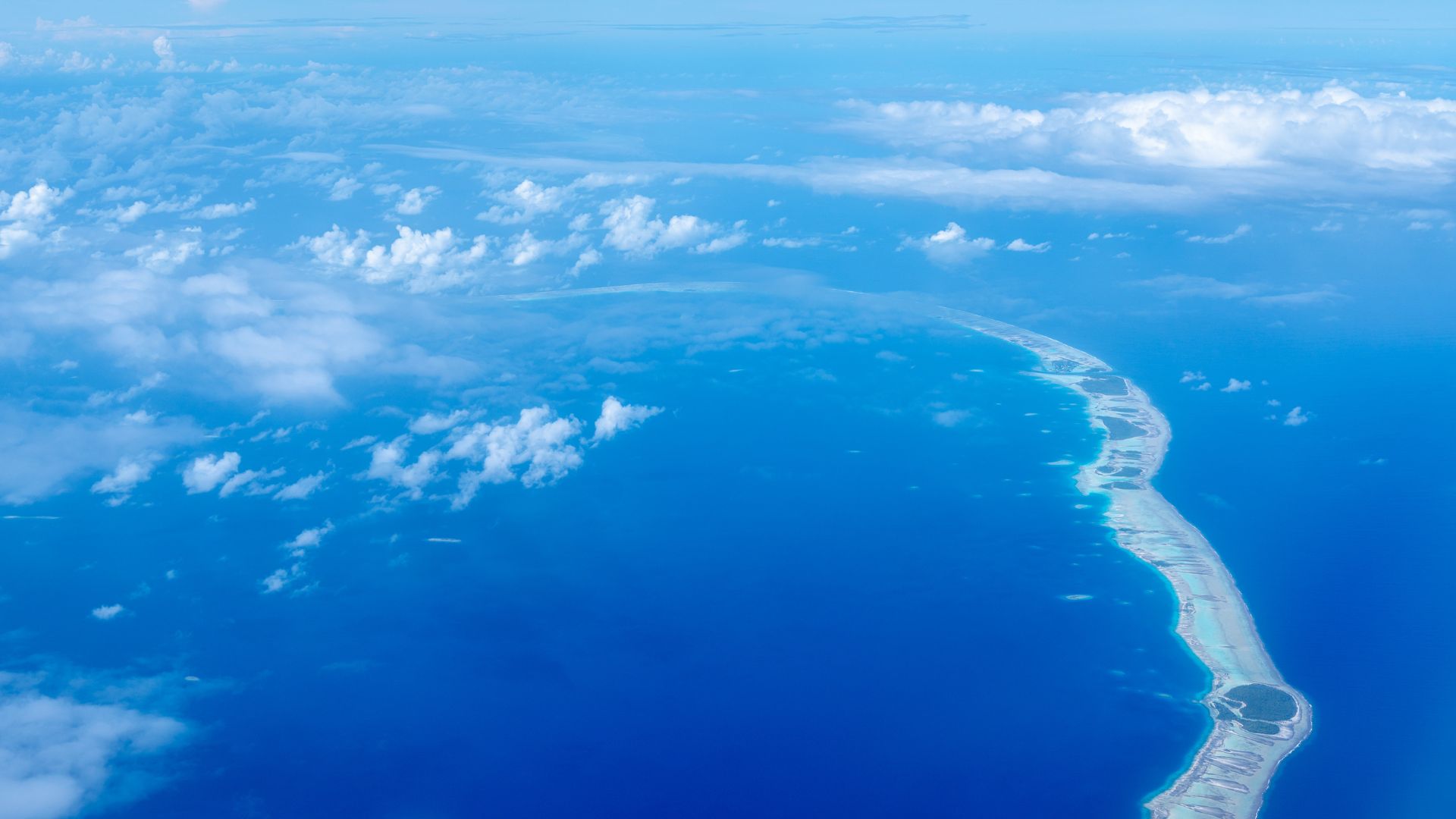
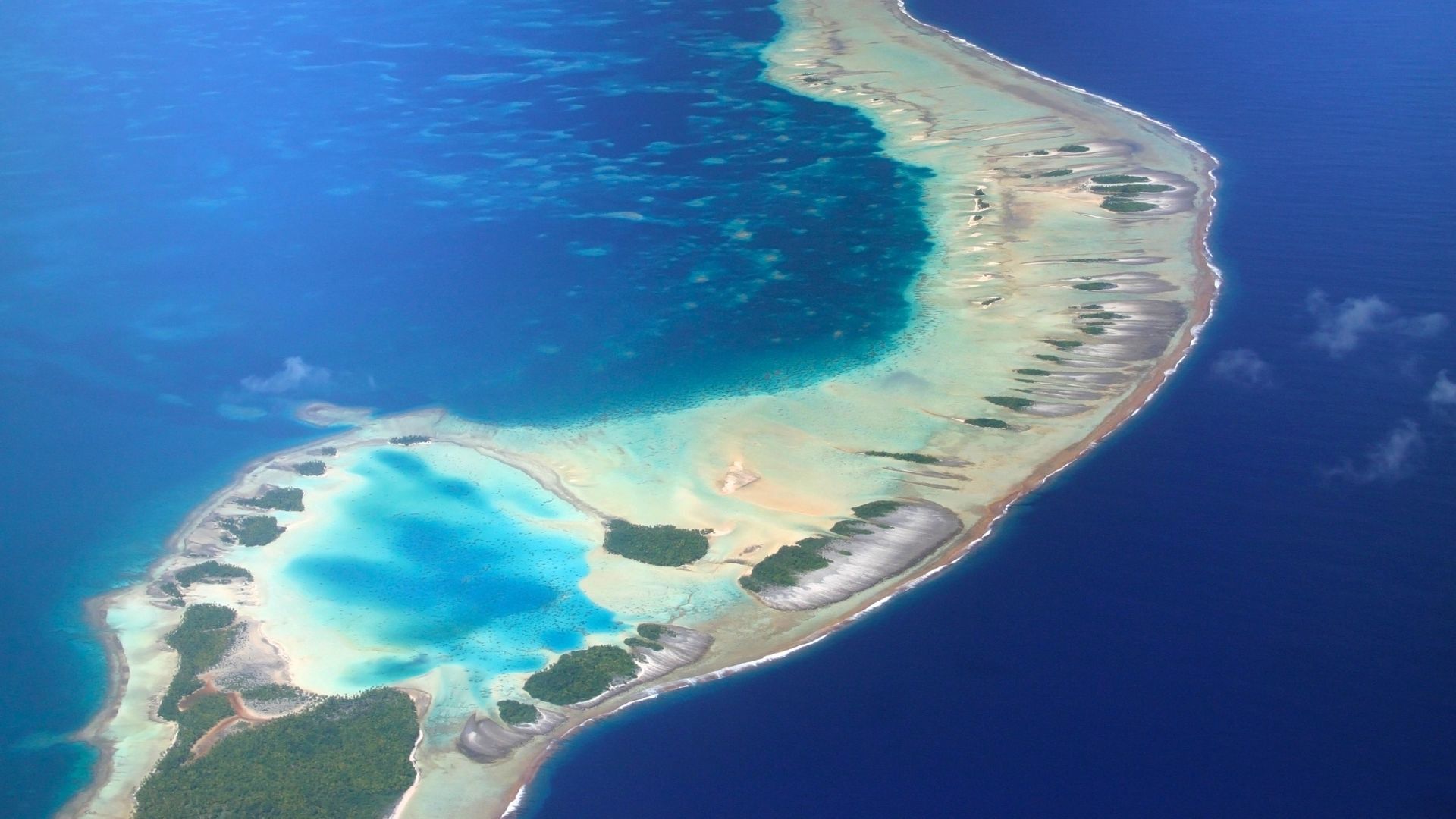
This Tuamotus sailing itinerary skips the Society Islands entirely — a 10-day expedition through the second great archipelago of French Polynesia. Where the Societies are dramatic basalt peaks rising out of the sea, the Tuamotus are the opposite: rings of palm-covered coral barely a few feet above the waterline, enclosing turquoise lagoons big enough to swallow whole islands. About 250 nautical miles total, one-way Rangiroa to Fakarava.
Built for guests who want the dive trip of a lifetime — Tetamanu shark wall at Fakarava south pass, the resident bottlenose dolphins of Tiputa, the manta cleaning station at Tikehau. Every atoll entry runs through a tidal cut where current can hit 8–9 knots; your captain structures the schedule around slack-water windows. If you want classic French Polynesia (Bora Bora silhouette, Mt. Otemanu), book the 10-day Society Islands itinerary instead.
Day 1 of 10 · Arrival at Rangiroa
Your charter begins with a one-hour Air Tahiti flight from Papeete to Rangiroa, the largest atoll in the chain and the only one with proper charter infrastructure. Most guests fly into Papeete on an evening international flight, overnight at one of the airport-area hotels (the Intercontinental Tahiti or Le Tahiti by Pearl Resorts both work), and catch the first morning hop out to Rangiroa. Your professional crew meets you at the small Rangiroa airport and runs you fifteen minutes by van to the dock at Avatoru, where the boat will be waiting.
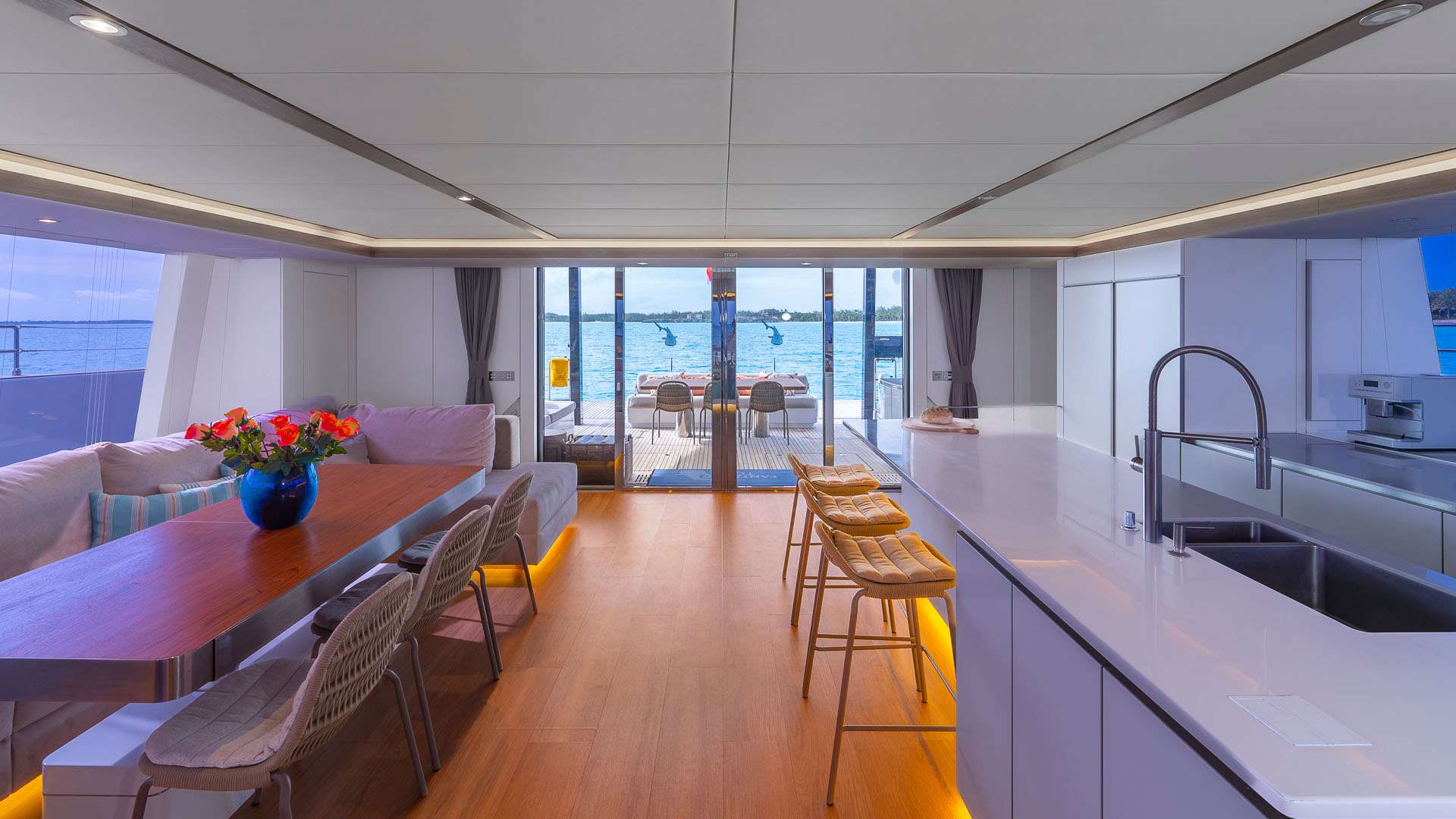
Aboard by lunch. Welcome cold drinks and a chart briefing on the saloon table—your captain walks you through the route, the pass-timing logic that drives the daily schedule, and the dive plan for the week ahead. Your gear gets stowed, the chef finishes the morning's market run from Papeete, and by mid-afternoon the boat is moving the short distance into the inner lagoon for the first night at anchor. The first afternoon is deliberately easy: a swim off the back of the boat, a paddle into one of the small motus, an early sundowner on deck.
Welcome dinner aboard tonight, chef-prepared, the boat sitting flat inside a lagoon big enough to lose other charter traffic in. You sleep on the hook with the reef breaking white in the dark a mile away, and the first realization that you've actually arrived in one of the most remote inhabited atolls in the South Pacific.
Day Highlights
Day 2 of 10 · Tiputa pass
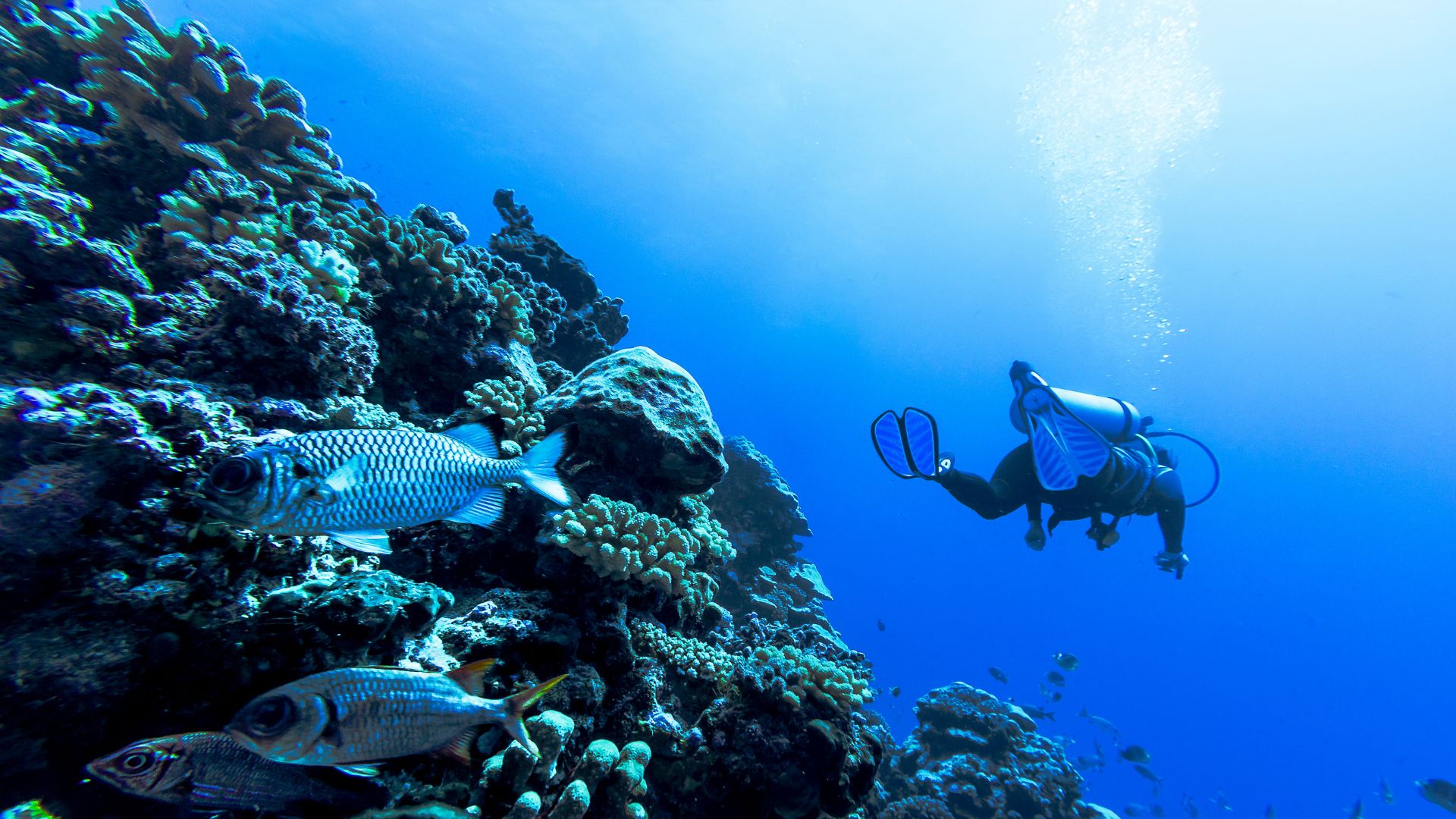
Today is the first marquee dive day of the trip — the dive that anchors any serious Rangiroa diving week. Your captain repositions the boat to the Tiputa pass anchorage on the northeast side of Rangiroa lagoon, drops anchor, and works the morning around the slack-water window. Tiputa is one of the most famous drift dives in the world—a thirty-meter-deep cut between the open Pacific and the inner lagoon, with current that runs four to seven knots when it's pumping and a resident population of sharks, eagle rays, dolphins, and pelagics that work the pass on every tide.
The dive itself is the experience. Your captain coordinates with the local dive operator (most charters use Topdive or Six Passengers Rangiroa); the dive boat picks you up off the swim platform, runs the short trip into the pass mouth, and you drop in at slack as the current starts to flood. From there you drift the wall—grey reef sharks holding in the current at twenty meters, schools of barracuda, the occasional eagle ray cruising past in formation. Tiputa is also the rare drift dive where the resident bottlenose dolphin pod regularly turns up to investigate the divers; some weeks they stay close for the entire dive.
Two-tank morning typically, lunch back aboard, optional second-tank afternoon dive in the lagoon for those who want it, and an evening tender ashore to the Reef Hotel on the pass—the legendary expat sundowner spot in the Tuamotus, with the deck looking straight down into the pass and the sharks visible from the bar railing. Dinner aboard back at the boat, the chef leaning into the day's catch from the village market.
Snorkelers note: the south side of the pass mouth holds a coral garden that sees the fish without the current, and the captain's tender will run snorkelers in for that experience while divers are working the pass proper. Almost everyone on board comes back happy.
Day Highlights
Day 3 of 10 · Blue Lagoon
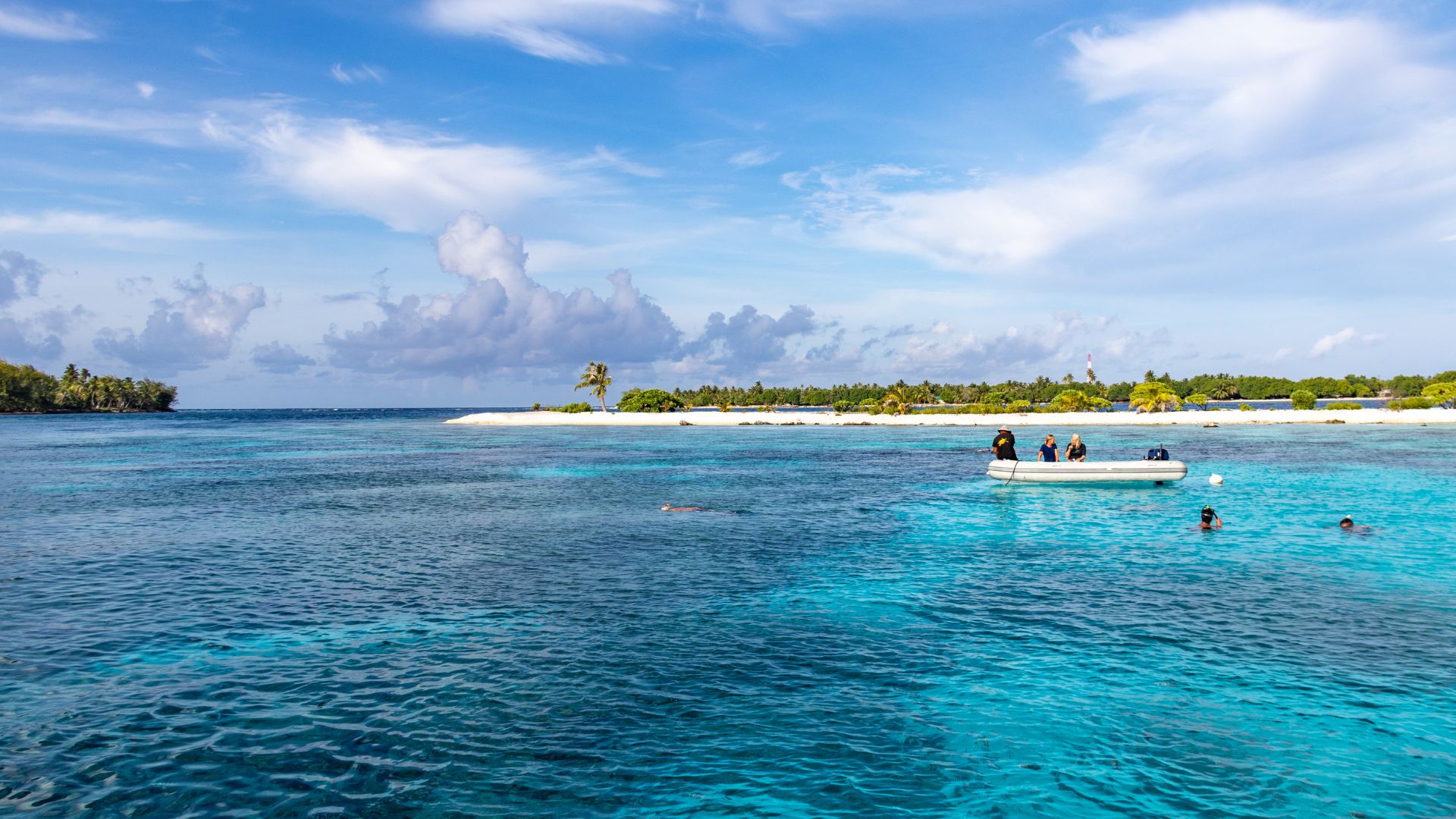
A non-diving day, deliberately. Your captain repositions the boat across the lagoon to the western side of Rangiroa, anchoring within tender range of the Lagon Bleu—the famous "Blue Lagoon" inside the lagoon, a small inner reef-enclosed shallow surrounded by a half-dozen pink-sand motus. The water inside is so shallow and clear that the bottom is visible from twenty feet up, and the color sits somewhere between turquoise and electric blue depending on the angle of the sun.
The day is a long slow water day. The captain runs the tender into the Blue Lagoon proper—the inner reef shelf is too shallow for the catamaran—and your chef sets up a long lunch on the sand of one of the inner motus. Pink-sand beach, palm shade, fresh poisson cru, a chilled bottle of something white from Papeete. Snorkel the inner reef edge for reef sharks (juvenile blacktips work the shallows here, generally harmless to swimmers), wade across to the next motu, paddleboard the calm water inside, or do nothing at all.
Afternoon: tender back to the boat, repositioning to the western anchorage for the night, dinner aboard. This is the breath-day before tomorrow's sail to Tikehau, and the kind of slow afternoon that makes the harder dive days bearable. Sleep on the hook in flat water, breeze blocked by the western reef line.
Day Highlights
Day 4 of 10 · Sail to Tikehau
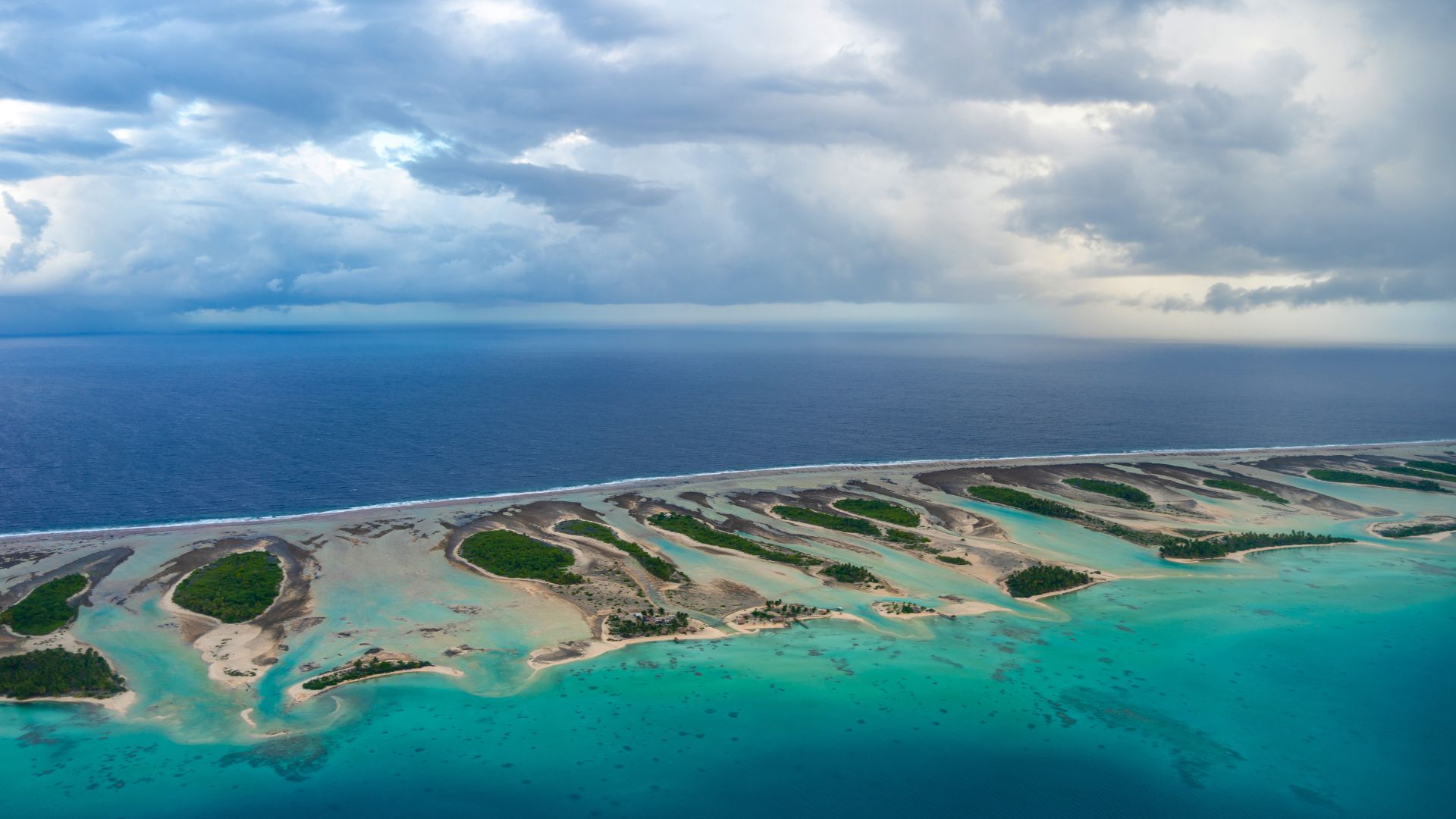
The shortest sailing leg of the trip, and the easiest. Fourteen nautical miles southeast from Rangiroa to Tikehau, with the boat exiting Tiputa or Avatoru pass at slack water in the morning and reaching the Tuheiava pass on Tikehau's west side in time for the afternoon slack-water entry. Two pass transits in one day, both timed by the captain off the morning's tide tables.
The sail itself is the easy half-day downwind reach the route was supposed to look like throughout (the longer days come later). The Tuamotus stretch out astern, the low profile of Tikehau builds slowly on the bow, and the boat moves through the kind of empty Pacific that gets quietly described as "middle of nowhere" in the chart briefings.
Tikehau is the quieter sister to Rangiroa—about a third the population, no proper port, and a reputation among repeat Tuamotus charterers as the prettier of the two. The lagoon is pink sand the entire way around. Your captain anchors near Tuherahera village on the south side of the lagoon, the chef handles dinner aboard tonight, and the boat sits on its hook with the reef line breaking white a half-mile to the south.
Day Highlights
Day 5 of 10 · Manta Point + Eden
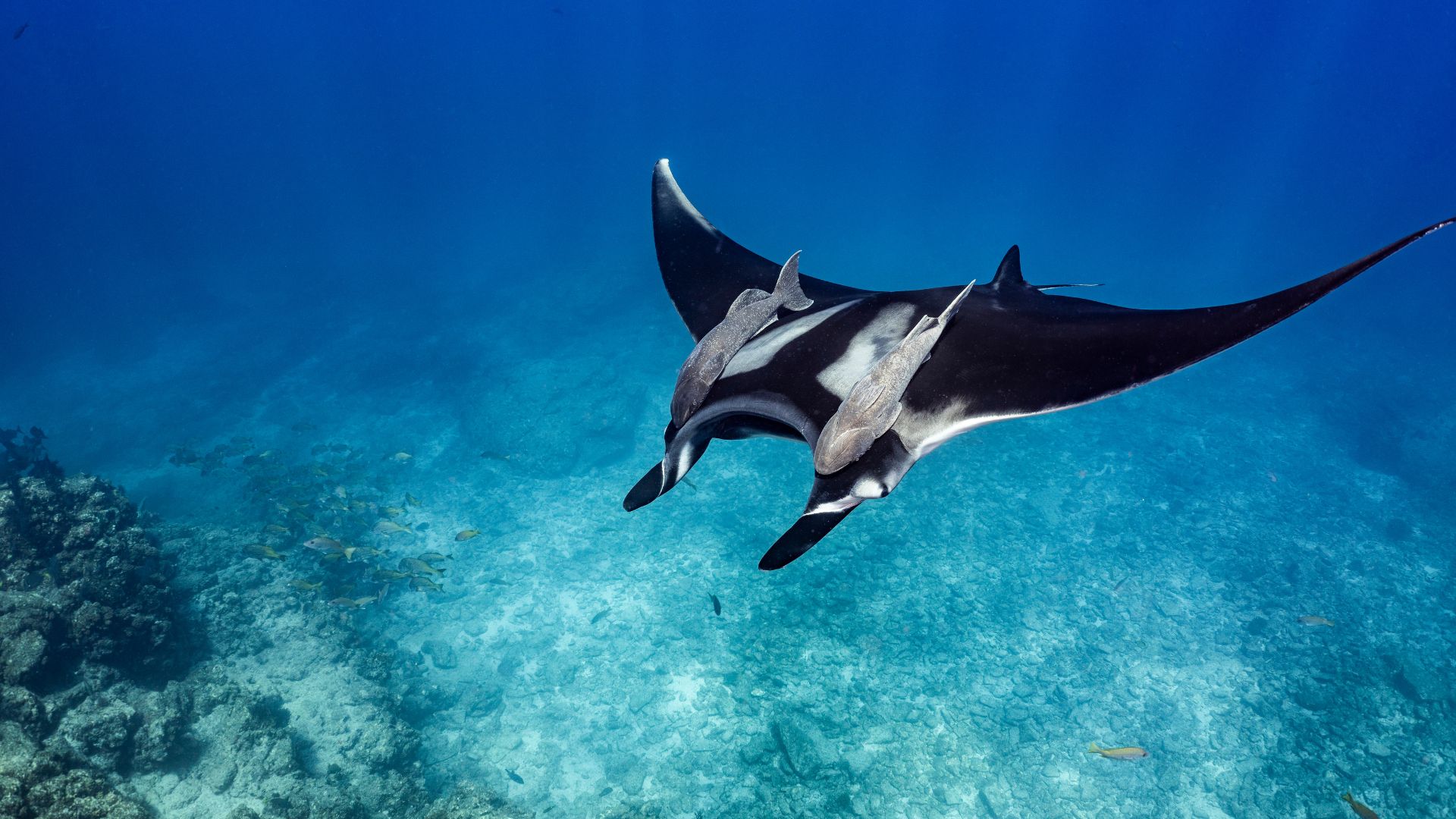
Today is the second marquee in-water day of the trip, and it's snorkel-friendly—you don't need to be a diver to do this one. Your captain repositions to the south end of Tikehau lagoon, anchors near Manta Point—a cleaning station bommie that sits in about ten meters of water—and the day belongs to the manta rays.
Manta Point at Tikehau is one of the most reliable manta encounters in French Polynesia. Reef mantas (smaller than the giant oceanics, but still seven to ten feet across) come in to the bommie to be groomed by cleaner wrasses, and they hold above the cleaning station for ten or fifteen minutes at a time before drifting off and coming back. Snorkelers float above in the clear water; divers can drop down for closer interactions. The captain coordinates with the local Tikehau operator (Tikehau Plongée) for divers; snorkelers go straight off the boat.
Afternoon: tender ride to Eden Island (Île aux Oiseaux), a small uninhabited motu on the south side of the lagoon that has been declared a bird sanctuary. Brown noddies, sooty terns, white terns, and the occasional great frigatebird all nest on the motu in season. A short tour of the island with a quiet observation walk, then back to the boat for a sundowner.
Evening: tender into Tuherahera village if anyone wants a walk through the small Polynesian fishing community on the lagoon's south side. The village runs at the kind of pace that makes Rangiroa feel hectic. Dinner aboard or, if booked ahead, ashore at one of the small family pensions.
Day Highlights
Day 6 of 10 · Long sail east
Today is the longest sailing day of the trip, and it's a real one—roughly eighty nautical miles east-southeast across open Pacific water from Tikehau to Apataki. The trades blow steady south-easterly through the season, which puts the wind on the nose for most of the leg. Your captain has two choices: sail close-hauled for ten or eleven hours, or motorsail and arrive in eight. Most cats running this route motorsail the long days; the comfort gain for the guests on a hard upwind beat is significant.
Earliest start of the trip. The boat clears Tikehau's Tuheiava pass at the morning slack, points the bow east-southeast, and settles into the day. The Tuamotus disappear over the stern; for several hours mid-leg there is nothing on the horizon in any direction except deep blue ocean and the occasional motu sliver of an outlying atoll. Lunch underway, books on the foredeck, the kind of slow ocean day that long charters earn you.
Late afternoon, the long flat profile of Apataki builds on the bow. Your captain works the boat around to the Tehere pass on the north side of the atoll, times the entry at the late-afternoon slack, and brings the boat into Apataki lagoon for the evening. Anchor near the village of Niutahi on the eastern side of the lagoon, dinner aboard, and an early night. The next two atolls—Apataki, Toau, and the run into Fakarava—are the back half of the trip and the expedition's quieter, more remote stretch.
Day Highlights
Day 7 of 10 · Pearl farm day
Apataki is the working pearl-farm atoll of the Tuamotus. The lagoon is dotted with small floating farms—long lines of suspended oyster baskets, tended by a few dozen families who have been growing Tahitian black pearls here for generations. Your captain arranges a half-day visit to one of the operations (Gauguin Pearl Farm is the long-running, most-visited), and a small motorboat from the farm runs you over for the tour.
The tour itself is unexpectedly fascinating, even for guests who didn't think they cared about pearls. The farms graft a small bead into the oyster (the "nucleus"), wait two years while the oyster builds layer after layer of nacre around the bead, then harvest. The colors—iridescent greens, silvers, deep peacocks, the rare gold—are a function of the oyster's lip color and the water's mineral content; no two pearls come out the same. The farm sells loose pearls direct, often at a fraction of the Papeete tourist-shop prices.
Lunch back aboard, then an afternoon swim or paddle in the lagoon. Niutahi village ashore is the kind of small Polynesian fishing community that has changed very little in the last century—a few hundred residents, one church, one small store, an airstrip used mostly for the local flights between atolls. A quiet walk through the village in the late afternoon is enough to see the entire town.
Dinner aboard at anchor, sundowners on deck, and the boat sitting on its hook in a lagoon with maybe one or two other charter yachts visible across the water. The Tuamotus thin out fast once you're past Rangiroa; this is the part of the trip where guests start asking about extending.
Day Highlights
Day 8 of 10 · The legendary Anse Amyot
A short twenty-five-mile southeast hop today to Toau atoll, and into one of the most famous anchorages in the entire South Pacific cruising community. Anse Amyot is a "false pass"—a tidal cut on the northwest side of Toau that opens to the ocean but is closed at the inner end by a coral shelf, which means the lagoon water flows through but boats inside the pass can't continue into the main lagoon. The result is a uniquely safe anchorage: deep enough for catamarans, sheltered from the trade-wind swell by the surrounding reef, and laid out with a half-dozen mooring buoys maintained by the resident pension family.
The pension is the reason every cruising sailor in the South Pacific knows Anse Amyot. Valentine and Gaston have been running a small thatched-roof pension on the motu inside the false pass for decades, and the lobster lunch at the pension's little restaurant has reached genuinely legendary status in cruising circles. Lobster is fresh from Gaston's morning dive, prepared family-style, served at long communal tables with whatever other yachts are in the anchorage that week. Bottle of wine, family-style sides, the lagoon a few feet outside the door.
Afternoon: snorkel the false pass itself (resident reef sharks, schools of grunts, eagle rays), tender into the main lagoon side of the motu for a beach walk, or do nothing at all on the foredeck of the boat. Dinner aboard, sunset over the false pass, and a quiet night on the mooring with maybe two or three other yachts swinging on their own buoys nearby.
Day Highlights
Day 9 of 10 · Into Fakarava
The biggest day of the back half. Roughly fifty miles southeast from Toau to Fakarava's north end, then another thirty miles motoring south down the inside of Fakarava's lagoon to Tetamanu at the south pass. Two passages, two pass transits, and the boat positioned for tomorrow's marquee day at the south wall.
Morning departure from Anse Amyot at slack. Your captain works the boat east-southeast across open water to Fakarava's north end, where the famous Garuae pass cuts through the reef. Garuae is the largest pass in French Polynesia—almost two kilometers wide, deep enough for the largest cruise ships—and the entry is straightforward at slack water. The captain brings the boat through into Fakarava lagoon by mid-afternoon.
Fakarava is a narrow, oblong atoll thirty miles long. Once inside the lagoon, the captain shifts to motoring (the inside of an atoll lagoon is shallow in spots and littered with coral bommies—sailing through it is asking for trouble), and you cover the thirty miles south to Tetamanu in three or four hours. The cruise down the inside of the lagoon is quiet and surreal: pink-sand motus passing on both sides, reef bommies visible in the clear water below, a few small pearl farms suspended on long lines, and almost no other boat traffic.
Late afternoon arrival at Tetamanu Village—a tiny pension and dive operation built on the motu directly above the south pass. Your captain picks up a mooring buoy in the small protected anchorage, the chef handles dinner aboard, and the boat sits on its mooring with the south pass two hundred meters away and the open Pacific breaking white on the reef just beyond. The wall dive happens at sunrise tomorrow.
Day Highlights
Day 10 of 10 · Shark wall + run back north
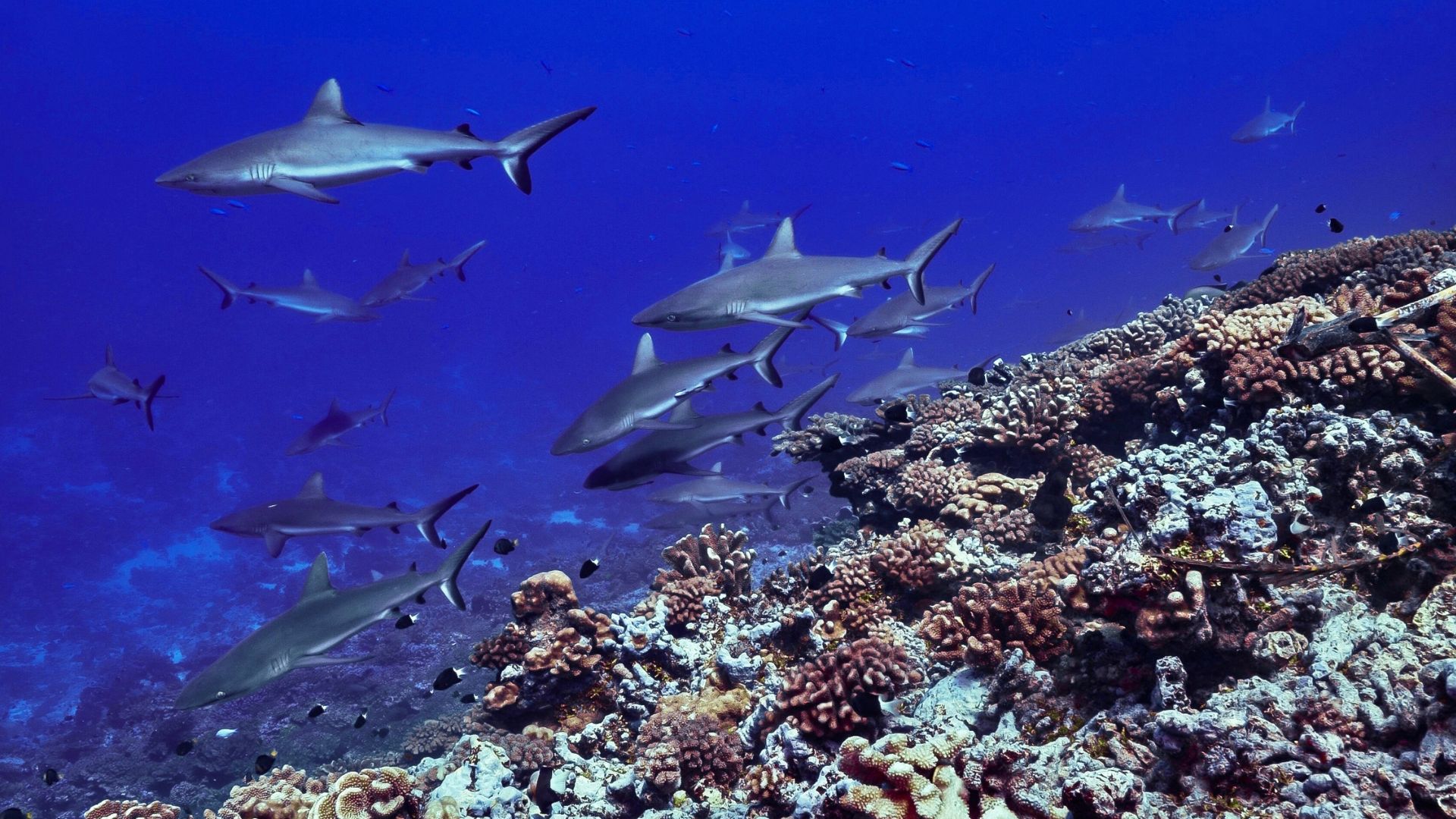
The marquee day, and what most guests come for when Fakarava diving brings them to French Polynesia at all. Tetamanu south pass is one of the great dives anywhere in the world—a narrow tidal cut on the south end of Fakarava that funnels current through a wall of grey reef sharks. Two to seven hundred sharks regularly hold in the pass current; in July and August the count goes higher because the seasonal hammerhead migration adds a layer of bigger predators on the outside of the formation. The dive is a drift-and-hover at slack: you drop in at the outer mouth of the pass, the current carries you slowly through, and the sharks hold around you in numbers that genuinely don't compute the first time you see them.
First light start. Your captain coordinates with Tetamanu Diving (the pension's dive operation, and the long-running operator on the south pass), and the dive boat picks up your divers off the mooring. The first dive of the morning is the showpiece—drifting in with the slack on the incoming tide, hovering at twenty meters as the wall of sharks materializes around you, and rising slowly back toward the surface as the current builds. Forty-five minutes of sustained shark encounter, then back to the boat for breakfast.
Mid-morning second dive for those who want it (most groups do—the south pass rewards repeat visits, and the light shifts the experience), then lunch ashore at Tetamanu Village, or onward by tender to Hirifa beach. Hirifa is a long pink-sand crescent on the southeast corner of Fakarava, deep inside the lagoon, with a small motu pension that runs lobster and grilled fish on a sand-floor terrace under palm shade. Most charters do Hirifa lunch on Day 10—it's the right closing meal of the back half.
Mid-afternoon, the captain points the bow north and motorsails the thirty miles back up the inside of Fakarava lagoon to Rotoava village near Garuae pass. Rotoava is the only town on Fakarava (population ~750), a small grid of streets behind the lagoon waterfront with a couple of small dive shops, a few family pensions, a grocery store, and the small airstrip that flies the Air Tahiti route to Papeete. Anchor or pick up a mooring in Rotoava lagoon, final chef-prepared dinner aboard tonight, and the last night of the trip on the hook with the airstrip lights visible across the water.
Day Highlights
Day 11 · Departure
A last slow breakfast aboard at anchor in Rotoava lagoon, a final swim off the back of the boat, and a short tender to the village dock for the transfer to the small Fakarava airstrip. Air Tahiti runs two to three flights a day from Fakarava to Papeete (Fakarava code FAV, Papeete code PPT, ~1 hour 15 minutes), and your captain coordinates the timing so guests step off the dock straight into the morning's flight. From Papeete, onward connections to Los Angeles, Auckland, and Tokyo connect to most major Pacific Rim hubs, and most international flights leave PPT in the late afternoon or evening — you have time for a quiet day in town if you want it.
Step off the boat with the kind of trip on your camera roll that almost no other charter actually delivers — the south pass shark wall, the resident dolphins of Tiputa, the lobster lunch at Anse Amyot, the manta cleaning station at Tikehau, the pink-sand motu at the Blue Lagoon, the working pearl farms at Apataki — and a different definition of what "remote" actually means in 2026.
Want to share or come back to this voyage later?
Bookmark this voyage →
When to go, what it costs, and how to get there — the practical answers guests ask before booking a French Polynesia crewed yacht charter.
De mayo a octubre es la temporada seca — el invierno austral — y la ventana que recomendamos para casi todos los viajes. Los vientos alisios se estabilizan del este-sureste entre 15 y 25 nudos, las temperaturas diurnas se mantienen entre los 25 y los 28 °C, la humedad baja y la lluvia es escasa. Los pasos del arrecife funcionan con regularidad, incluido el estrecho Onoiau de Maupiti en el lado sur. La Polinesia Francesa recibe una fracción del tráfico náutico del Caribe, y hasta en las semanas más concurridas las lagunas se sienten tranquilas. Las semanas más solicitadas del año — las vacaciones de agosto, las llegadas europeas de finales de mayo, Navidad y Año Nuevo — se reservan con seis a doce meses de anticipación.
Abril y noviembre se sitúan entre la temporada seca y la ventana de ciclones. Los vientos alisios se suavizan ligeramente, las temperaturas del agua suben y los chaparrones de tarde se vuelven más frecuentes — pero las lagunas siguen cálidas, los arrecifes siguen claros, y las tarifas suelen ser entre un 10 y un 20 por ciento más bajas que en temporada alta. Para los huéspedes con calendarios flexibles, son semanas excelentes.
De diciembre a marzo es la temporada de ciclones del Pacífico Sur. La Polinesia Francesa se encuentra en el extremo oriental del cinturón de ciclones y sufre muchos menos temporales que Fiyi o Tonga, pero el riesgo es real y la mayoría de los yates pausan su actividad o se reposicionan durante estos meses. Unos pocos siguen operando en las Islas de la Sociedad; sabemos cuáles son, y la contrapartida es obtener tarifas más bajas a cambio de la posibilidad de algún día en espera por el clima. Las semanas de Navidad y Año Nuevo se reservan con anticipación cuando están disponibles.
$25,000–$100,000 per week
Los yates con tripulación en la Polinesia Francesa comienzan habitualmente en torno a los $25,000 por semana y pueden superar ampliamente los $100,000 en yates a motor de mayor eslora y superyates, según el tamaño del barco, el año de construcción y la tripulación. La mayoría de los catamaranes se alquilan todo incluido — la tarifa semanal base cubre el yate, la tripulación, todas las comidas, una barra estándar (cerveza, vino, destilados), combustible, deportes acuáticos y tasas habituales. Los yates a motor de mayor tamaño y algunos veleros operan en régimen de gastos aparte, donde la comida, las bebidas, el combustible y el amarre se pagan a través de una APA (Asignación Anticipada de Provisiones) — un fondo previo fijado entre el 25 y el 35 por ciento de la tarifa base, con liquidación detallada y devolución de cualquier saldo no utilizado al finalizar el viaje. La Polinesia Francesa es un destino de alquiler más caro que la mayoría de las zonas del Caribe — el territorio importa casi todo, y las tarifas base y los porcentajes de APA lo reflejan — y el traslado de un yate a los Tuamotus suele conllevar un cargo adicional sobre la tarifa base. Los vuelos de largo recorrido a Pape'ete no están incluidos en ninguno de los dos modelos de precio. La propina para la tripulación, habitual entre el 15 y el 20 por ciento de la tarifa base, se entrega directamente al capitán en el desembarque.
About chartering in French Polynesia.
Field-tested guides, itineraries, and tips — written from years of chartering these waters.

Scuba diving yacht charter destinations ranked: the BVI's wrecks, Belize's Great Blue Hole, French Polynesia's shark passes, and the easy reefs of the Exumas.

Clasificación de los mejores destinos de alquiler de yate para el kiteboarding: los bajos de Anegada, las Granadinas, las Exumas, los cayos exclusivos para barcos de Anguila y la Polinesia Francesa; además de sus respectivas temporadas de viento.

¿Estás planeando un viaje en yate en la Polinesia Francesa? Aquí tienes la mejor época para viajar según las Islas de la Sociedad, las Tuamotu, el avistamiento de ballenas, el buceo, la pesca y el clima para navegar.
We charter across the South Pacific. Here are some other excellent alternatives.
Fill out our quick form and we'll dive into your unique preferences — from adventure-packed itineraries to pampered escapes. Whether you're a seasoned voyager or new to charters, we'll tailor recommendations just for you.
With over fifteen years of experience, we'll match you with the yacht that fits your style, group, and itinerary. We work directly with the captains and crews across our list — so the recommendation is built around the right boat-and-crew fit for your week, not whatever's easiest to book.
Once your yacht is booked, we'll take care of logistics: paperwork, reminders, and personalized resources to help you plan. From arrival planning to must-visit spots, we'll make your charter as seamless as it is unforgettable.

¿Qué esperar de un alquiler de yate privado con tripulación?
Conocé qué hace únicos a estos viajes en yate: servicio personalizado, gastronomía gourmet y un sinfín de aventuras y momentos de relax.

¿Cómo es el proceso de reserva?
Nuestro equipo se encarga de todo: desde tu primer consulta hasta que zarpás. Todo fluye de forma simple.

¿Cuánto cuesta un alquiler de yate con tripulación?
Entendé los distintos tipos de precios, lo que está incluido y lo que no.

Logística: planes probados para un inicio sin estrés
Planificá tu llegada con facilidad. Te damos tips sobre vuelos, traslados y todo lo necesario para arrancar relajado.
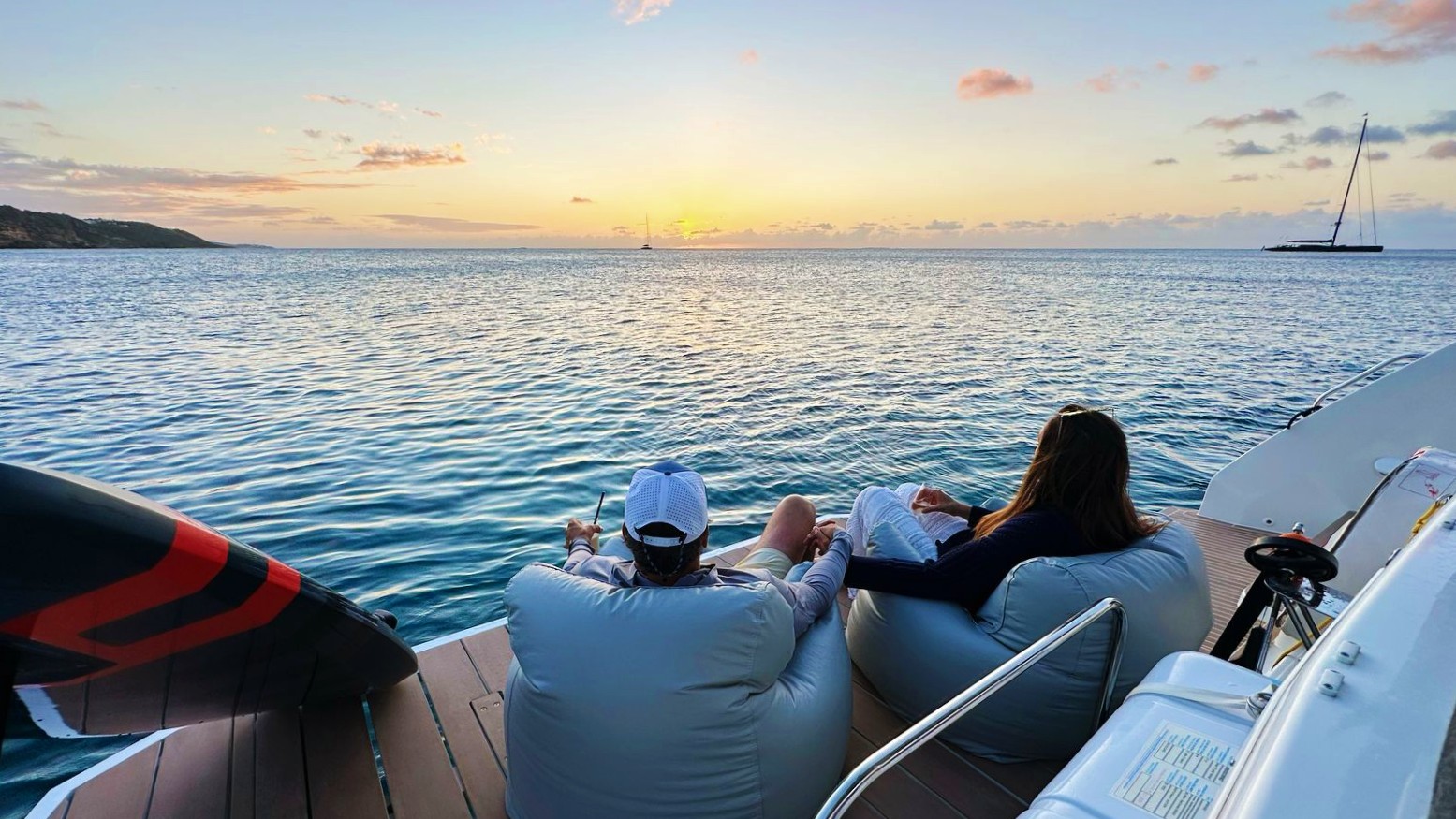
Alquiler de yate de luna de miel
Comience su matrimonio en un yate privado. Explore playas solitarias, gastronomía gourmet y atardeceres inolvidables en el Caribe.
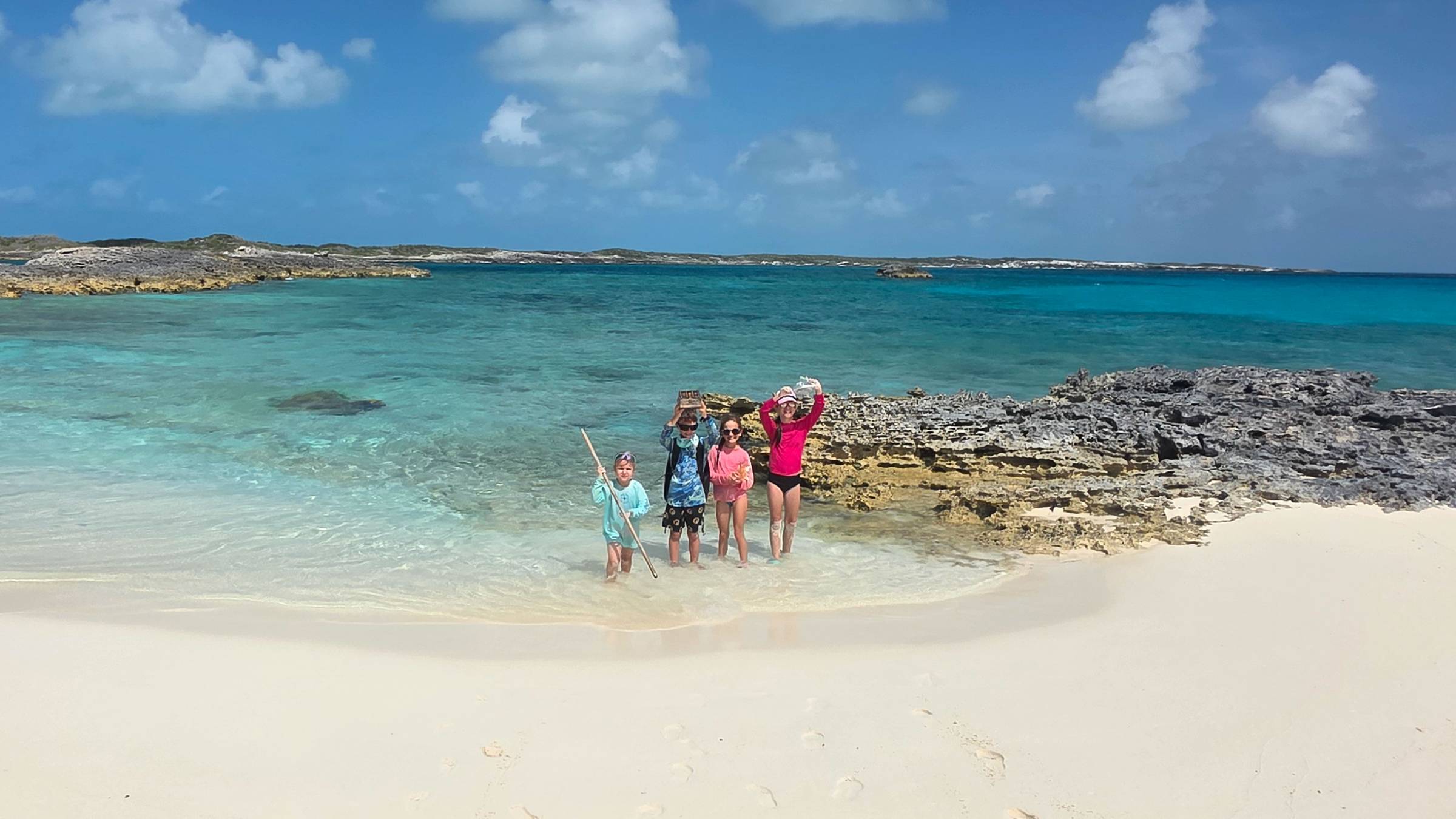
Alquiler de yate familiares
Un alquiler de yate con tripulación es perfecto para familias de todas las edades. Seguro, divertido y con servicio completo — sus hijos nunca lo olvidarán.

Preguntas frecuentes sobre alquileres de yate con tripulación
Obtenga respuestas a las preguntas más comunes sobre alquiler de yate con tripulación, desde precios y propinas hasta qué incluye y qué llevar.

Alquiler de yate con tripulación en las Islas Vírgenes Británicas
Las Islas Vírgenes Británicas son el destino #1 de alquiler de yate con tripulación en el Caribe. Navegaciones cortas, aguas protegidas y bahías de clase mundial.

Guía de Alquiler de Yate con Tripulación en Islas Vírgenes Británicas
Todo lo que necesitás saber antes de tu viaje en yate con tripulación en las Islas Vírgenes Británicas — precios, lista de equipaje, itinerario y cómo llegar.
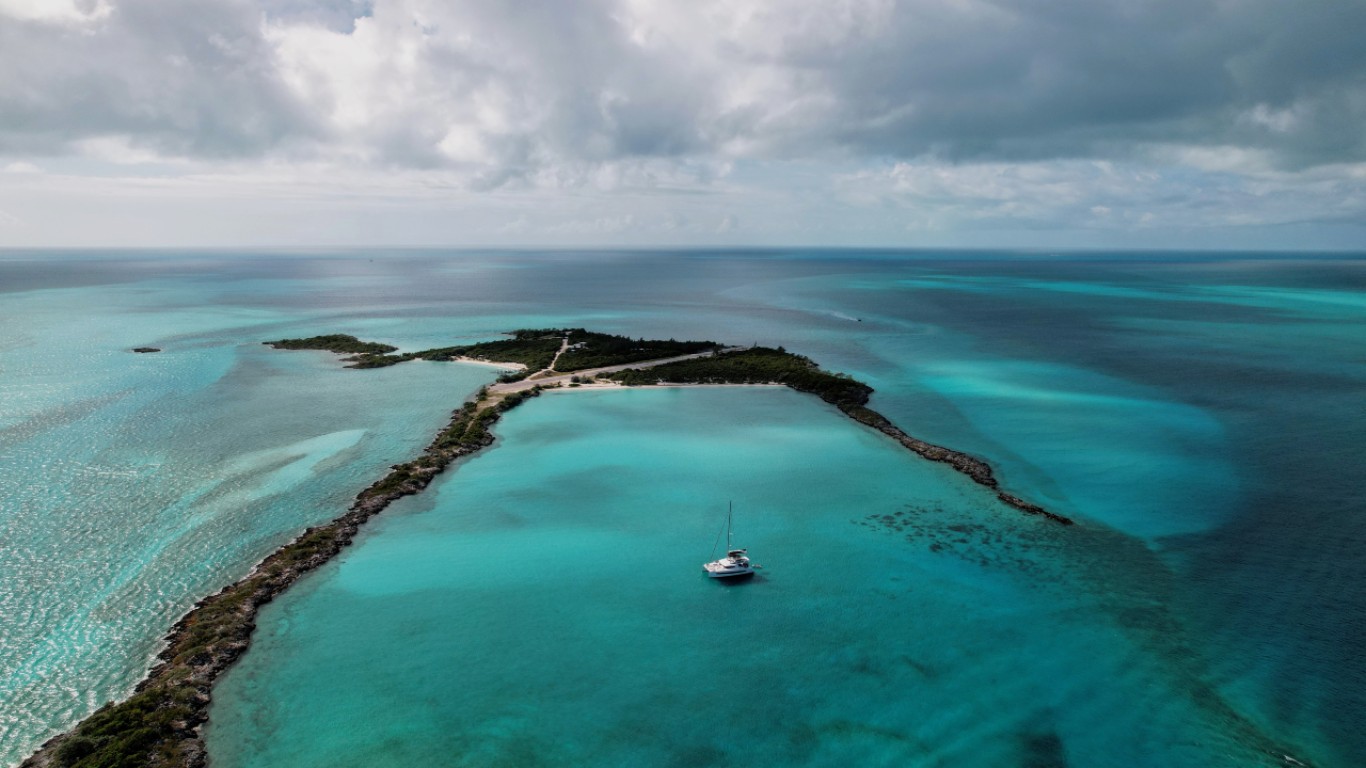
Alquiler de yate con tripulación en las Bahamas
Explore las Exumas en un yate privado con tripulación. Cerdos nadadores, bancos de arena y algunas de las aguas más cristalinas del mundo.
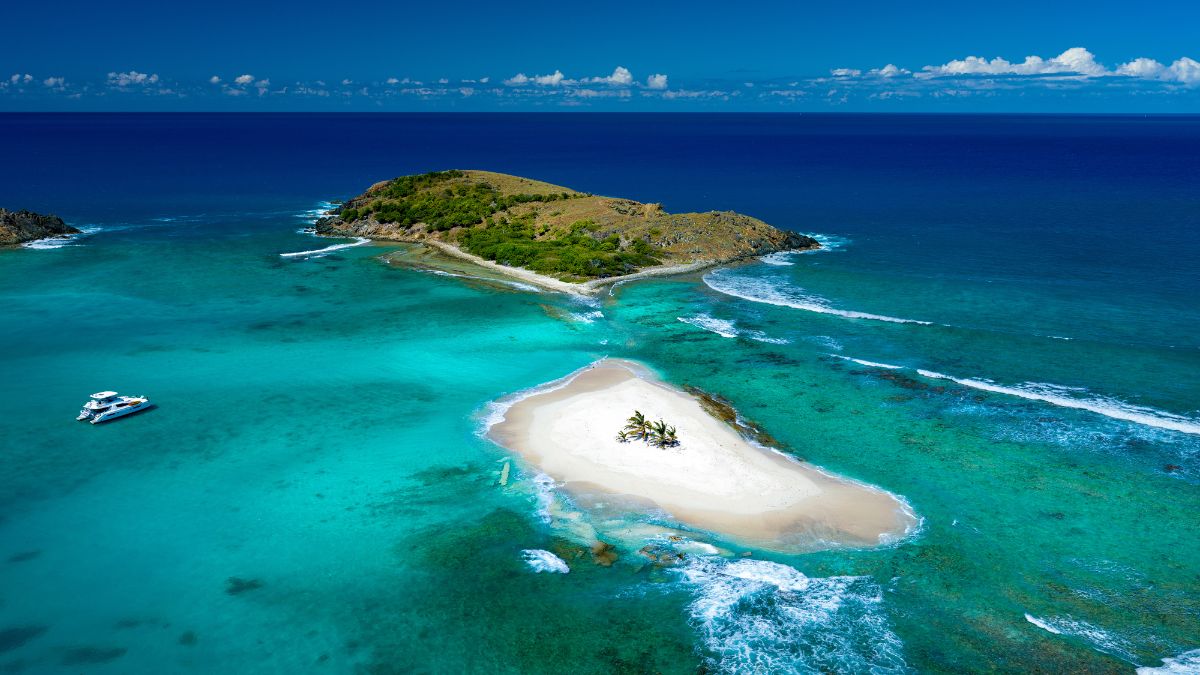
Alquiler de yate con tripulación en el Caribe
Alquiler de yate todo incluido con tripulación en todo el Caribe — Islas Vírgenes Británicas, Bahamas, Islas Vírgenes de EEUU, St. Martin, Antigua y más.