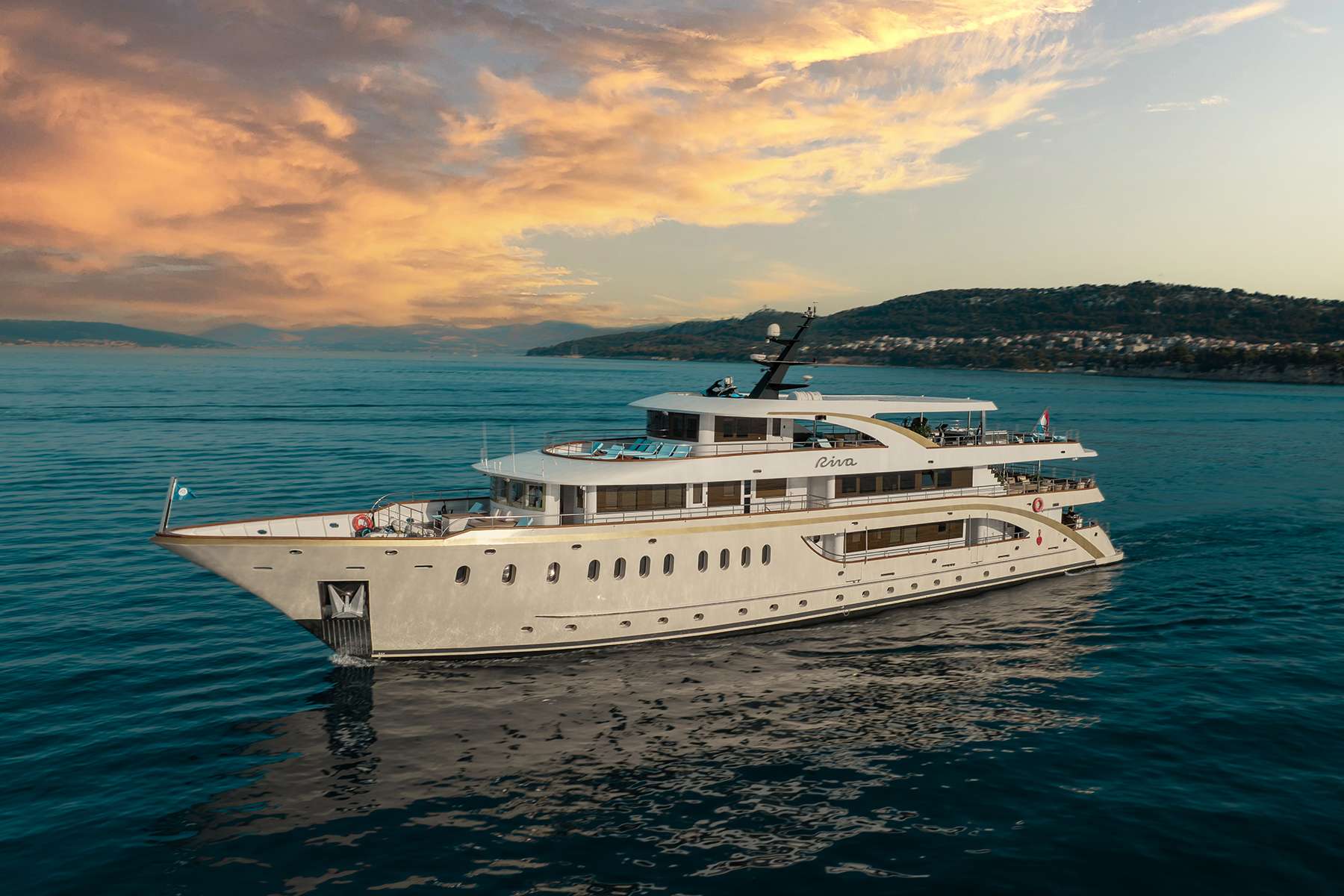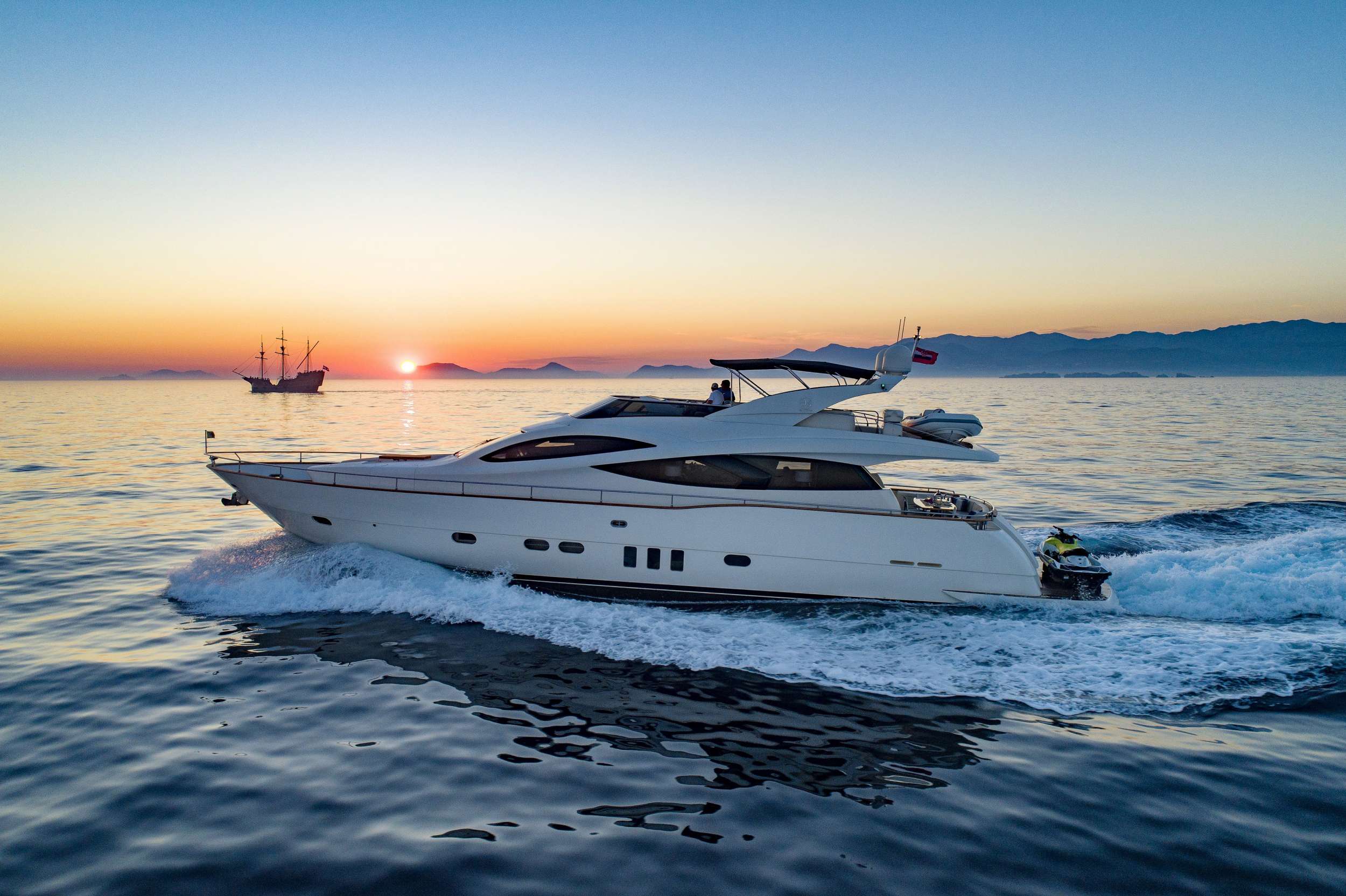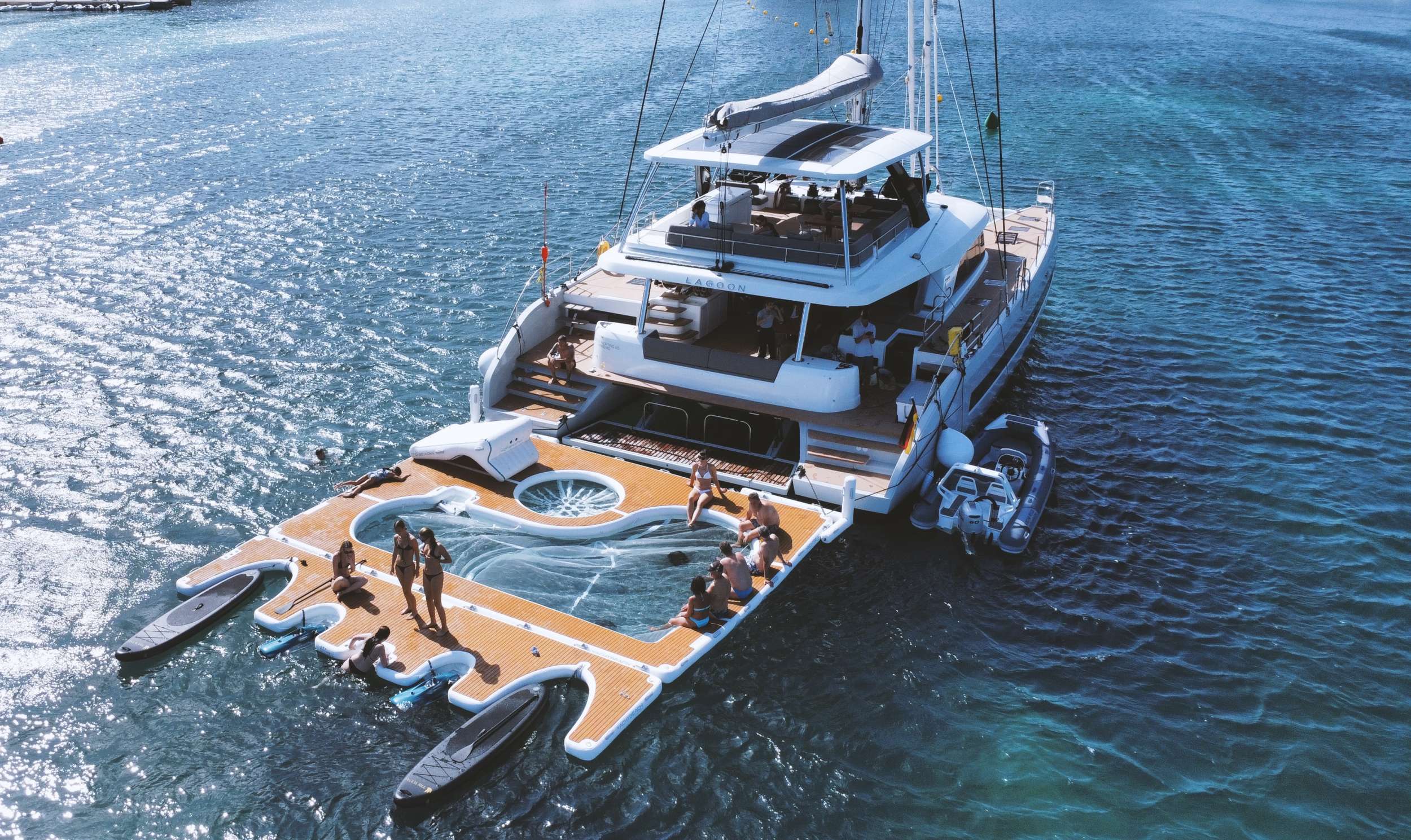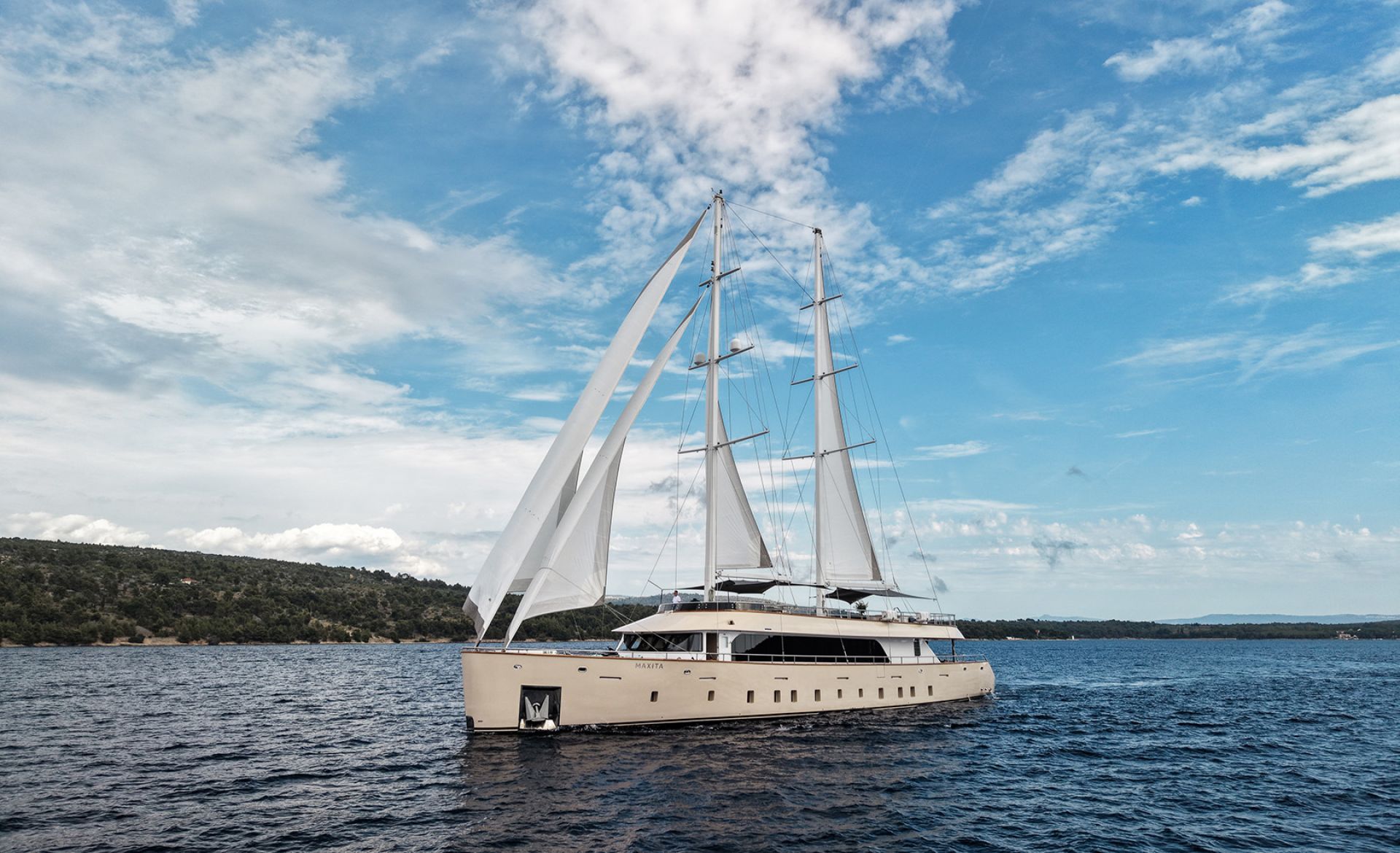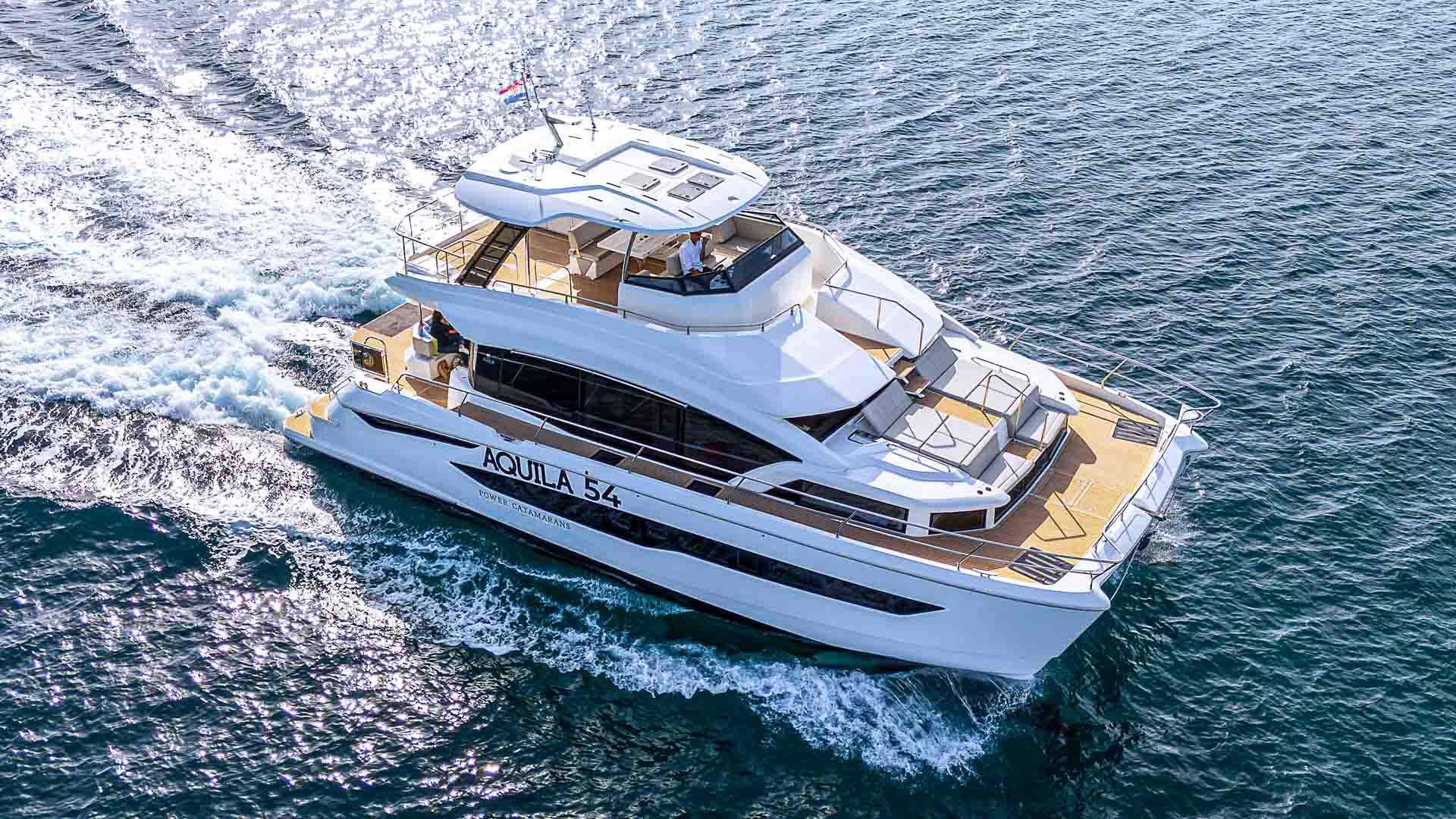

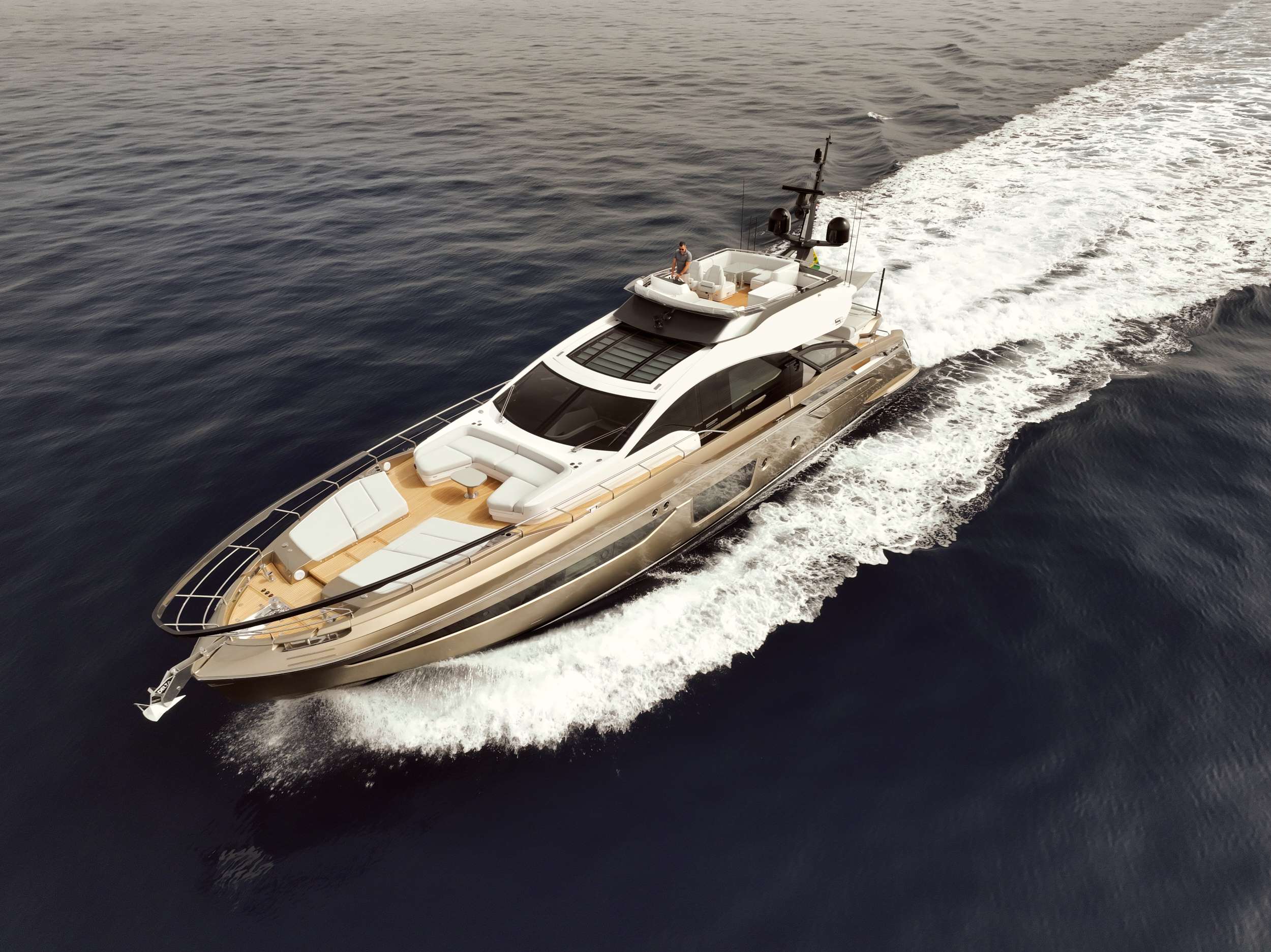
Myne
80FT · MOTOR YACHT
Desde €45,000/semana
9 Guests · 4 Cabins
Caribbean
Eastern Mediterranean
Western Mediterranean
South Pacific
United States
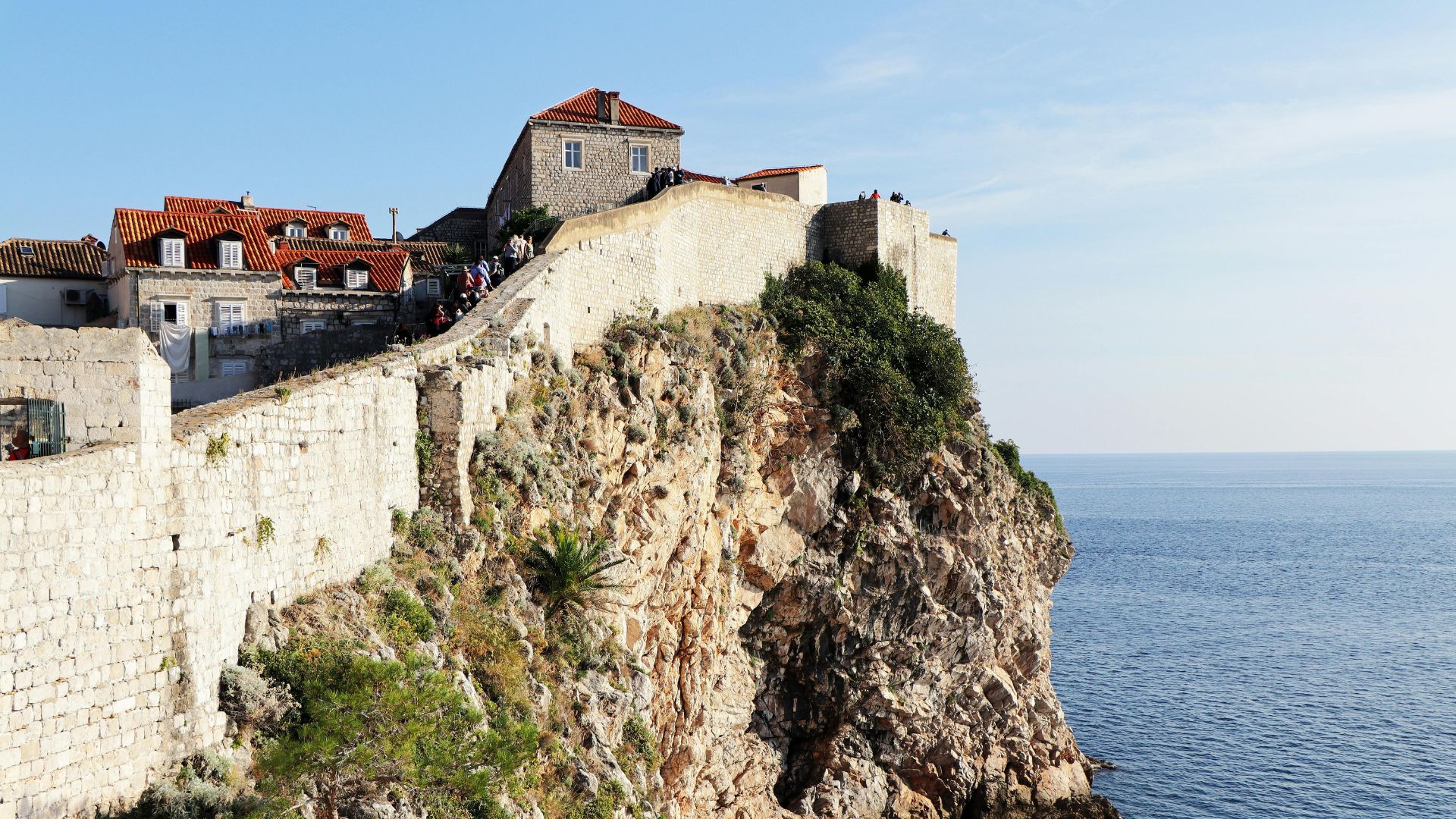
Catamaranes y yates a motor con tripulación por la Costa Dálmata — ciudades medievales amuralladas, calas escondidas y el crucero entre islas más denso del Mediterráneo.
Por qué Croacia
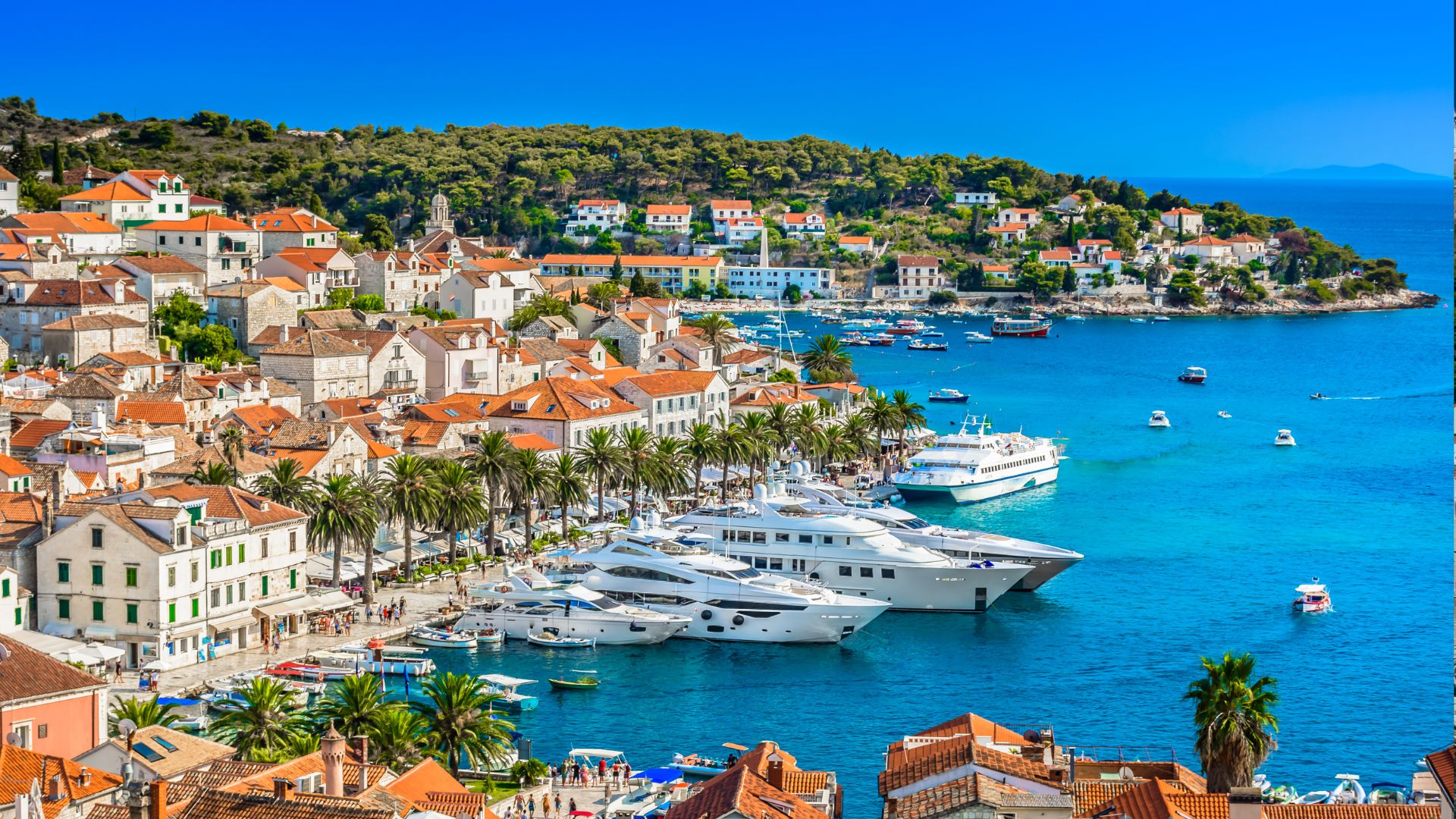
La Costa Dálmata de Croacia es el Mediterráneo en su expresión más concentrada. El país cuenta con más de mil islas en total, pero la zona de navegación que cubre un viaje en yate habitual — Brač, Hvar, Vis, Korčula, Mljet y los islotes intermedios — se extiende unas 130 millas náuticas entre Trogir y Dubrovnik, con la siguiente bahía casi siempre a menos de diez millas náuticas de la anterior. Dentro del archipiélago, el agua de navegación queda resguardada del Adriático abierto, el Maestral vespertino aparece puntual casi todos los días de verano, y las islas están tan próximas entre sí que un viaje típico pasa más tiempo en bahía que navegando.
Lo que distingue a Croacia de otras zonas de viajes en yate mediterráneas más conocidas es la combinación de arquitectura medieval, cocina regional de carácter propio y la densidad de paradas náuticas. Ciudades amuralladas — Dubrovnik, Korčula, Trogir, la Fortaleza Española de Hvar — comparten itinerario con tranquilos puertos pesqueros como Maslinica y Komiža. Las konobas (tabernas dálmatas tradicionales) de cada isla sirven peka al rescoldo, pescado fresco del día y vinos locales — Plavac Mali, Pošip de Korčula, Vugava de Vis — que prácticamente no se encuentran fuera del país. Frente a las travesías más largas de Grecia, los costes más elevados de Italia y el registro de resort de la Riviera francesa, Croacia ofrece más variedad por milla náutica a un precio notablemente inferior.
Desde Croacia operan dos itinerarios de viajes en yate bien diferenciados. La ruta de ida y vuelta desde Split recorre la Dalmacia Central — Brač, Hvar, Vis, las islas Pakleni, con frecuencia una jornada en Komiža y Stiniva en Vis — y regresa al mismo aeropuerto al final de la semana. La ruta de una dirección de Split a Dubrovnik cambia esa sencillez por las paradas más emblemáticas del sur — el casco antiguo amurallado de Korčula, el Parque Nacional de Mljet, las islas Elaphiti y una llegada final navegando frente a las murallas de Dubrovnik (King's Landing de Juego de Tronos) —, aunque implica una tarifa de reposicionamiento y requiere volar a dos aeropuertos distintos. La mayoría de los viajeros que visitan Croacia por primera vez eligen la ida y vuelta; los que repiten y quienes hacen un recorrido más amplio por el país tienden a optar por la ruta de una dirección. Antes de reservar, analizamos juntos cuál se adapta mejor a vuestro viaje.
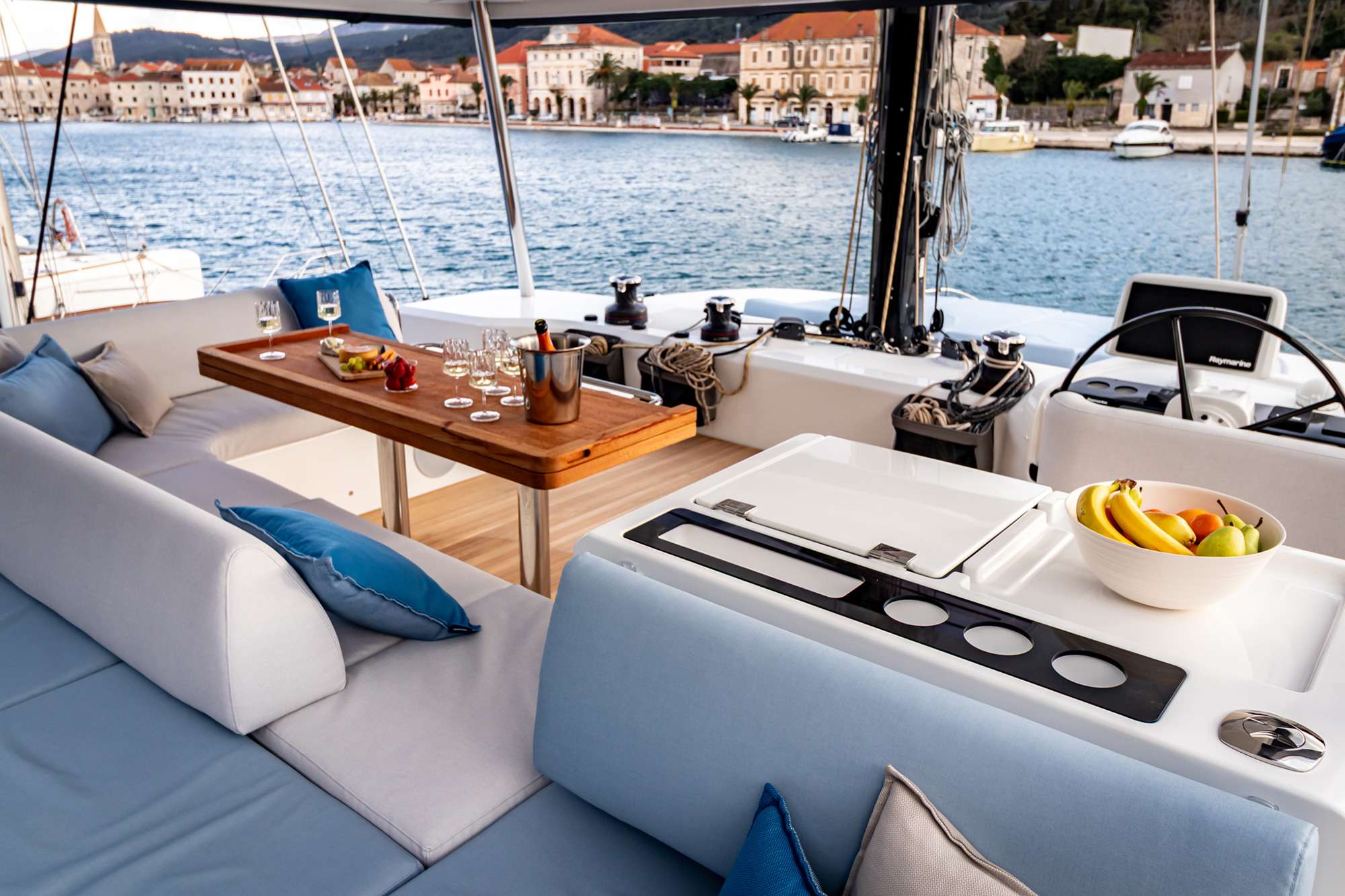
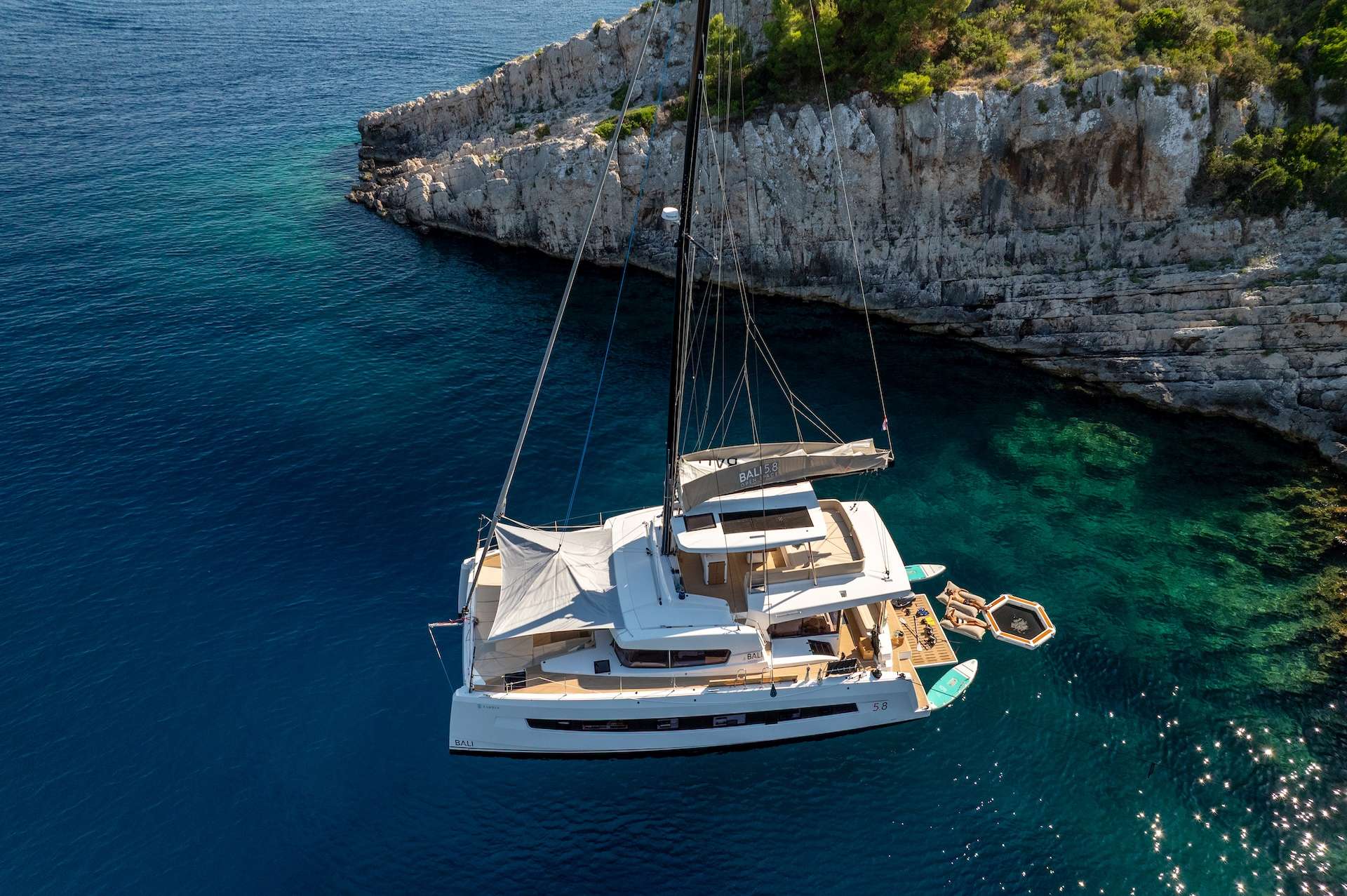
Cuatro características que distinguen a la Costa Dálmata de otras zonas de yates mediterráneas.
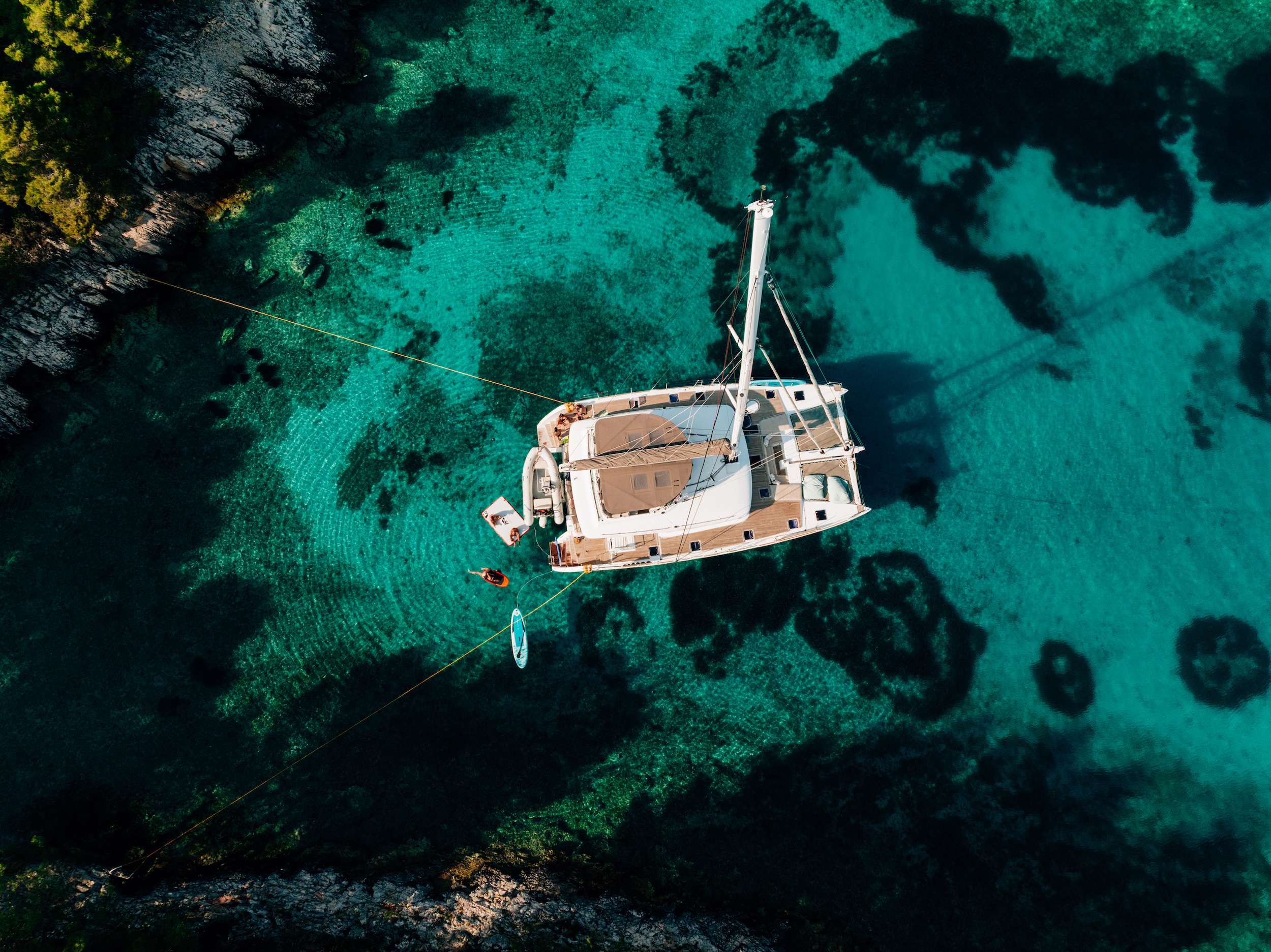
El archipiélago dálmata es la zona de navegación más densa del Mediterráneo. Brač está a siete millas náuticas de Split. Hvar queda seis millas más allá de Brač. Vis está veinte millas más adelante. La siguiente bahía casi siempre está al alcance de una tarde, lo que significa que una semana típica se construye en torno a almuerzos largos en bahía y breves reposicionamientos vespertinos, no a travesías de varios días en aguas abiertas. El fiable Maestral estival — una térmica del NW que aparece hacia el mediodía y muere al atardecer — se encarga de la mayor parte de la navegación.
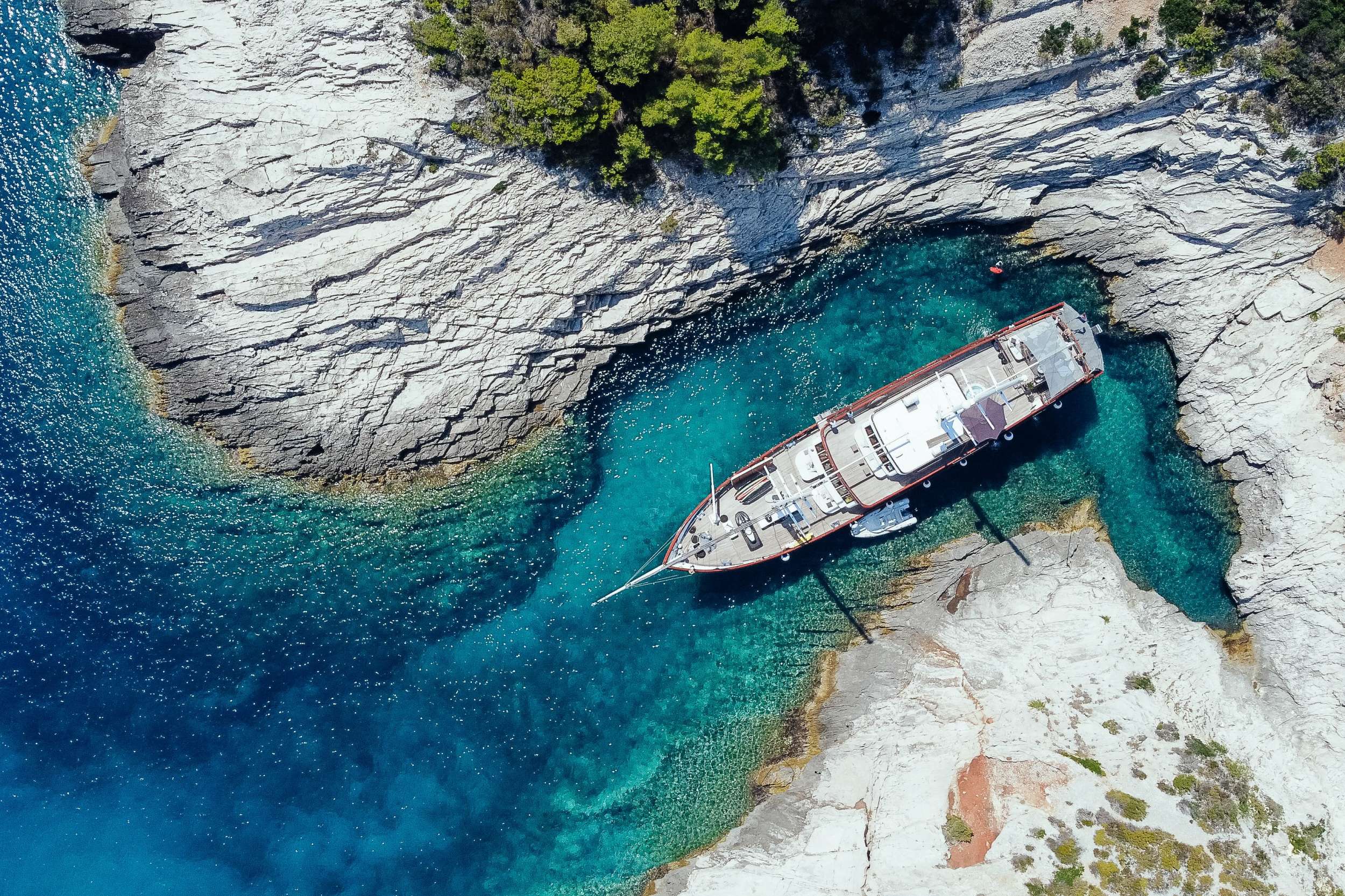
El litoral croata ofrece dos tipos distintos de fondeo. Puertos con muelles de piedra integrados en pueblos pesqueros de época veneciana — Milna en Brač, Vis Town, Komiža en el extremo occidental de Vis, Maslinica en Šolta — donde se amarra de popa a la muralla del pueblo a pocos metros de un restaurante con vistas al mar. Y calas de paredes rocosas accesibles únicamente desde el agua — la bahía de Stiniva en Vis, las ensenadas sombreadas por pinos de las islas Pakleni, la cara oculta de Hvar — donde el único ancla cerca de vosotros esta noche es la vuestra. La mayoría de los itinerarios de una semana alternan entre ambos tipos.
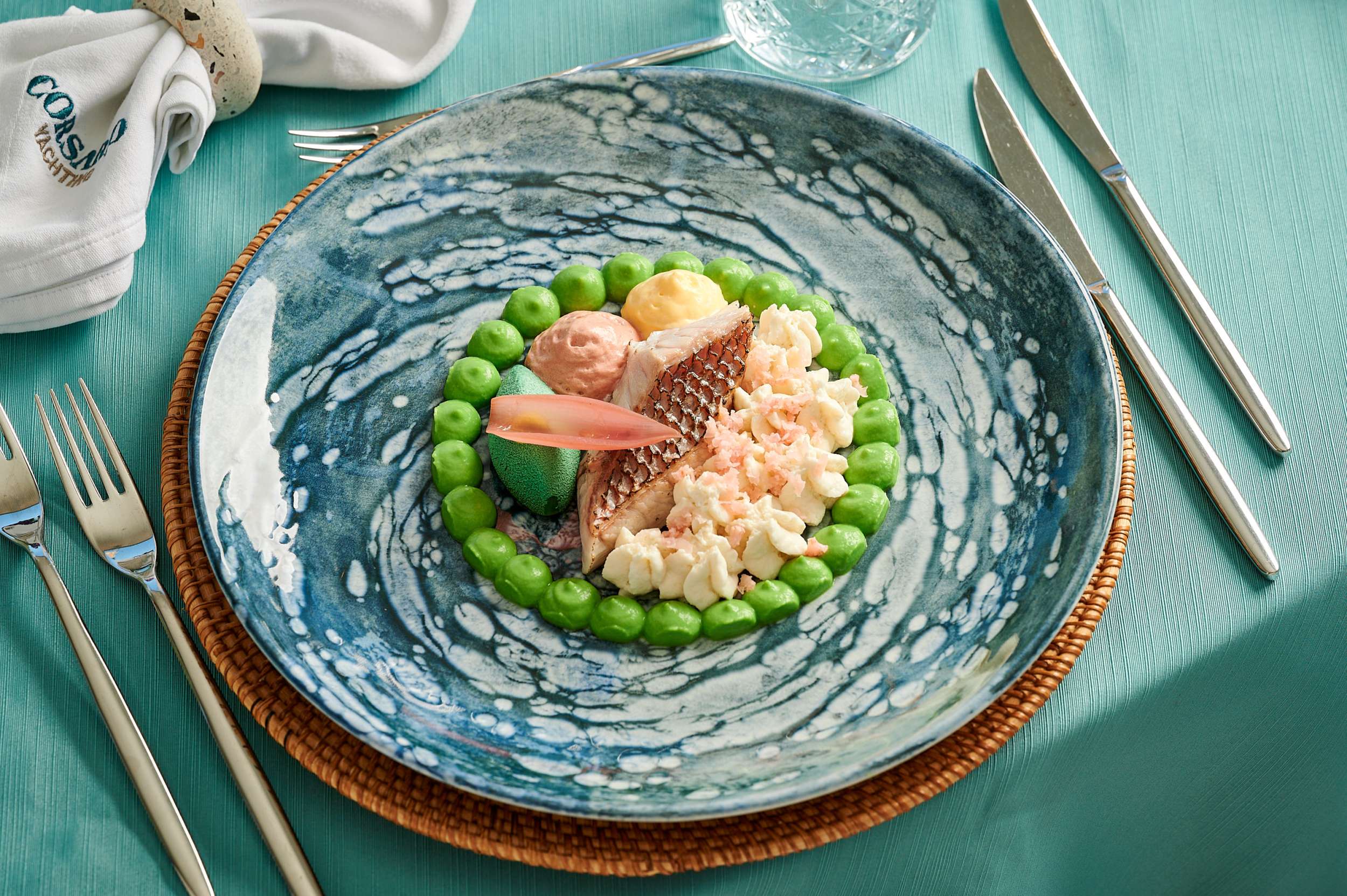
Dalmacia trata la comida y el vino como infraestructura cultural. Las konobas — tabernas tradicionales de paredes de piedra, habitualmente de gestión familiar, a menudo instaladas en antiguos molinos de oliva o casas de pescadores — sirven peka (cordero o pulpo cocinados a fuego lento bajo una campana), pescado fresco del barco del día, prosciutto de la península de Pelješac, ostras de Ston y vinos locales que no viajan: Plavac Mali (tinto, Pelješac y Hvar), Pošip (blanco, Korčula), Vugava (blanco, solo en Vis) y rakija para terminar. Un viaje típico combina comidas preparadas por el chef a bordo con varias cenas en konobas en tierra — el capitán reserva con antelación porque las mejores se llenan semanas antes.
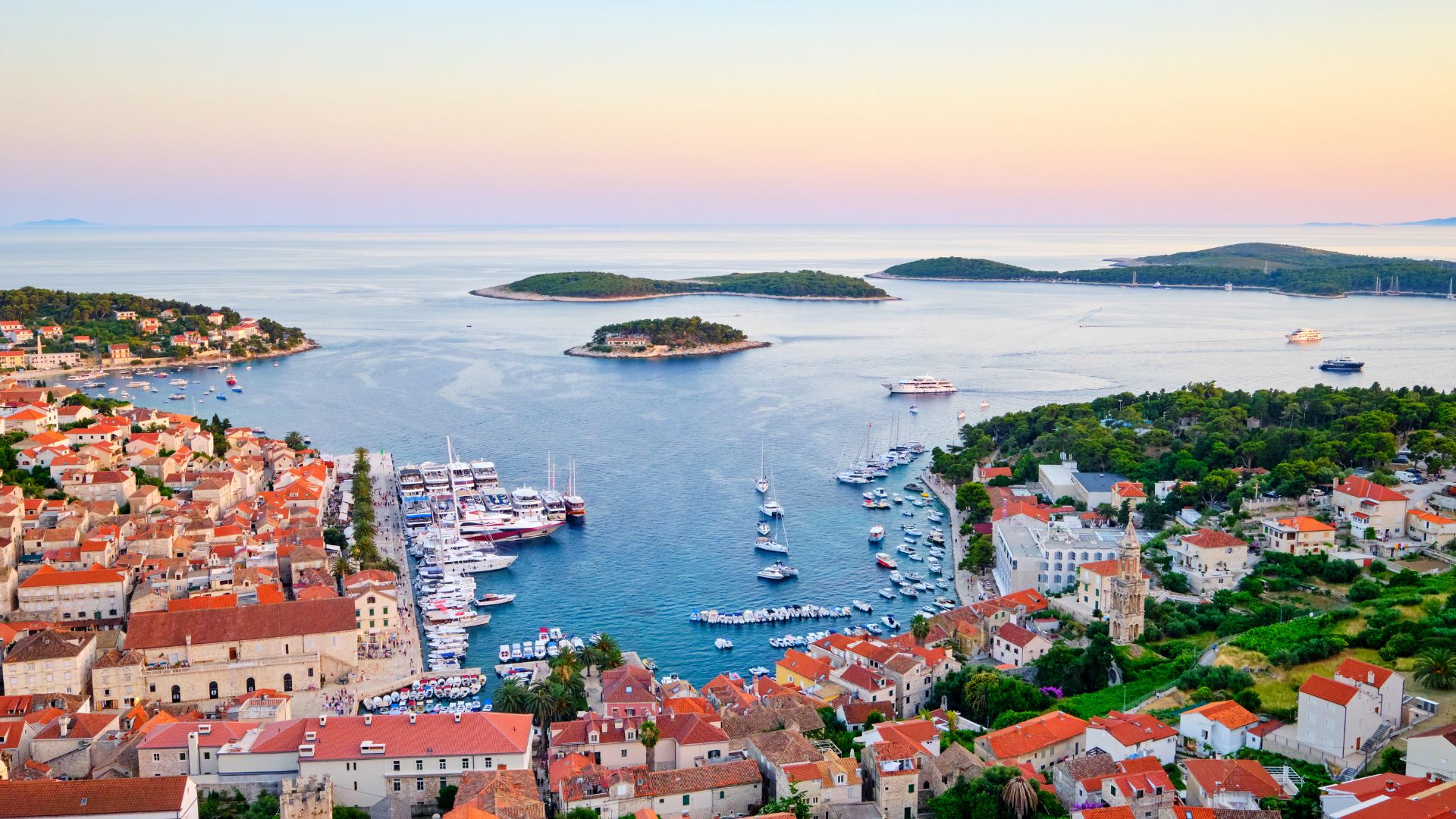
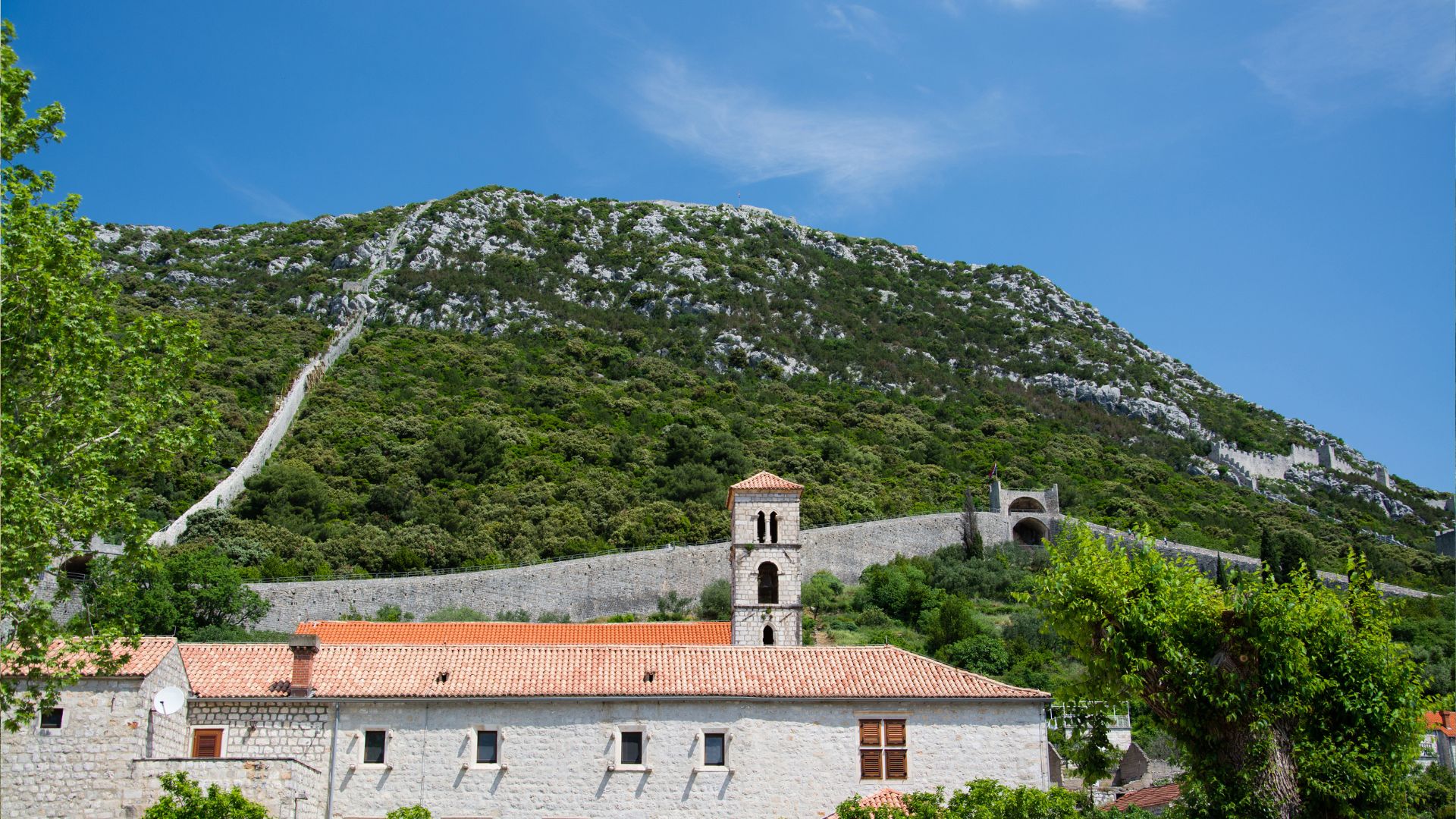
Seis destinos de un itinerario habitual en Croacia son ciudades amuralladas o pueblos históricos fortificados a los que se llega de forma más fotogénica en yate: Trogir (Patrimonio UNESCO, el casco antiguo de embarque), Hvar Town (Fortaleza Española y Pjaca), Korčula (supuesto lugar de nacimiento de Marco Polo), Dubrovnik (King's Landing), Ston (5 km de murallas medievales sobre antiguas salinas, la segunda muralla defensiva más larga de Europa) y Šibenik. Entrar navegando al puerto de una ciudad amurallada — en lugar de llegar en autobús turístico — es la experiencia central que ofrece la Costa Dálmata, y es la razón por la que Juego de Tronos rodó aquí la mitad de King's Landing.
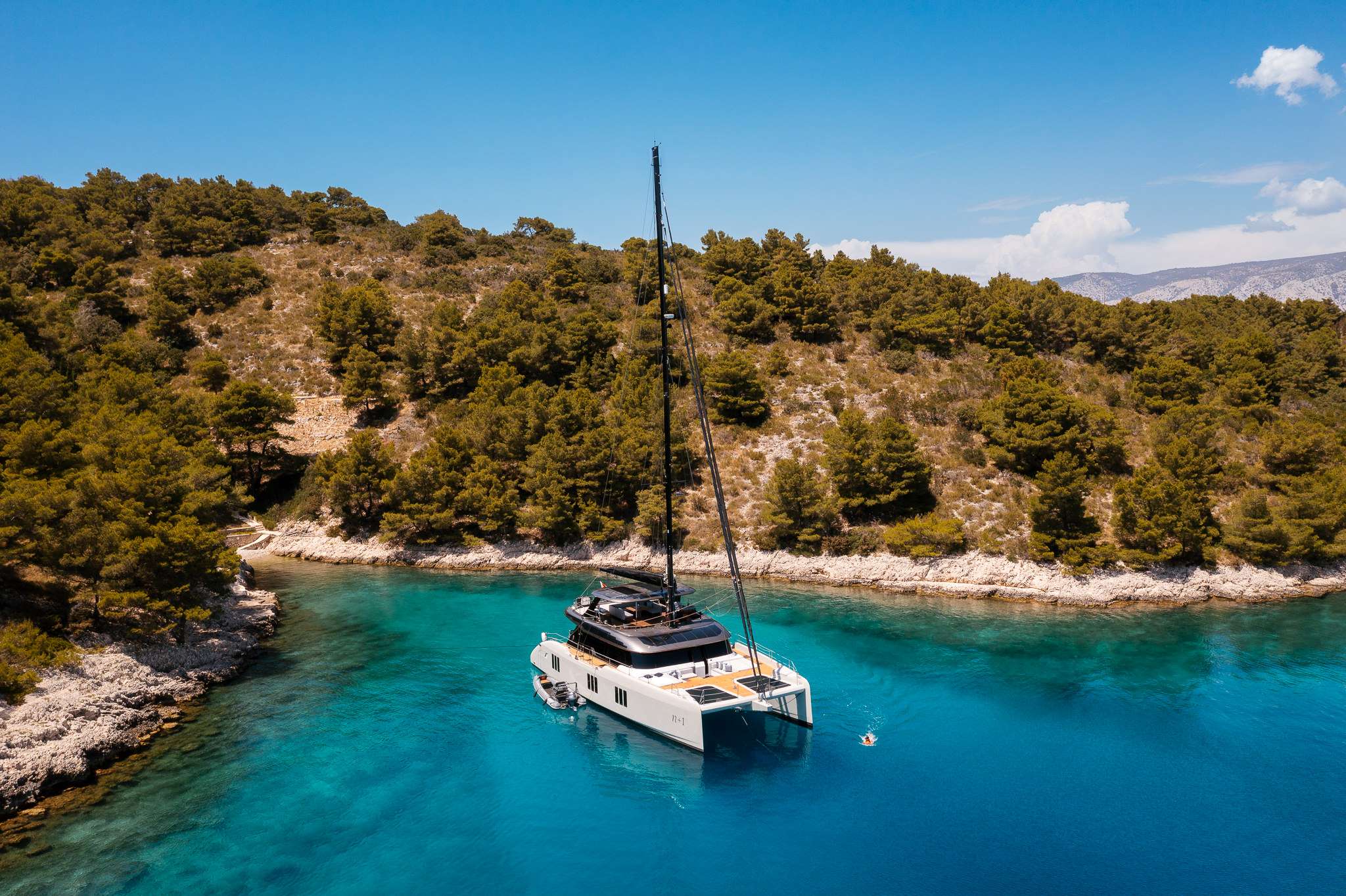
A hand-picked selection of crewed charter yachts for Croatia — yachts and crews we know firsthand.
Your week is shaped around your group's interests, the season, and the conditions on the water — your captain tailors the days as they unfold. Treat these itineraries as starting points for inspiration.
Itinerario con tripulación · Croacia
Siete días es el tiempo justo para navegar la Dalmacia central como es debido. Nuestro itinerario de viaje en con tripulación empieza y termina en ACI Marina Trogir, justo a las afueras de Split, y enhebra las cuatro islas que definen este tramo del Adriático —Brač, Hvar, Vis y Šolta— con el archipiélago de Pakleni y la Cueva Azul de Biševo añadidos como momentos estrella. Con tu capitán profesional y tu chef privado llevando el barco, lo único en tu lista de tareas es subir a bordo, servirte algo frío y dejar que la costa dálmata se vaya desplegando.
La ruta está construida en torno al Maestral, el fiable viento térmico de la tarde que entra del noroeste casi todos los días de verano. Hace fáciles los largos entre islas, travesías cortas en lugar de largas, y deja tiempo de sobra para almorzar al ancla, un baño por la tarde en una cala a la sombra de los pinos, o una cena pausada en tierra en una konoba de paredes de piedra. Unas ciento sesenta millas náuticas en total a lo largo de la semana, nada forzado, nada que se quede fuera.
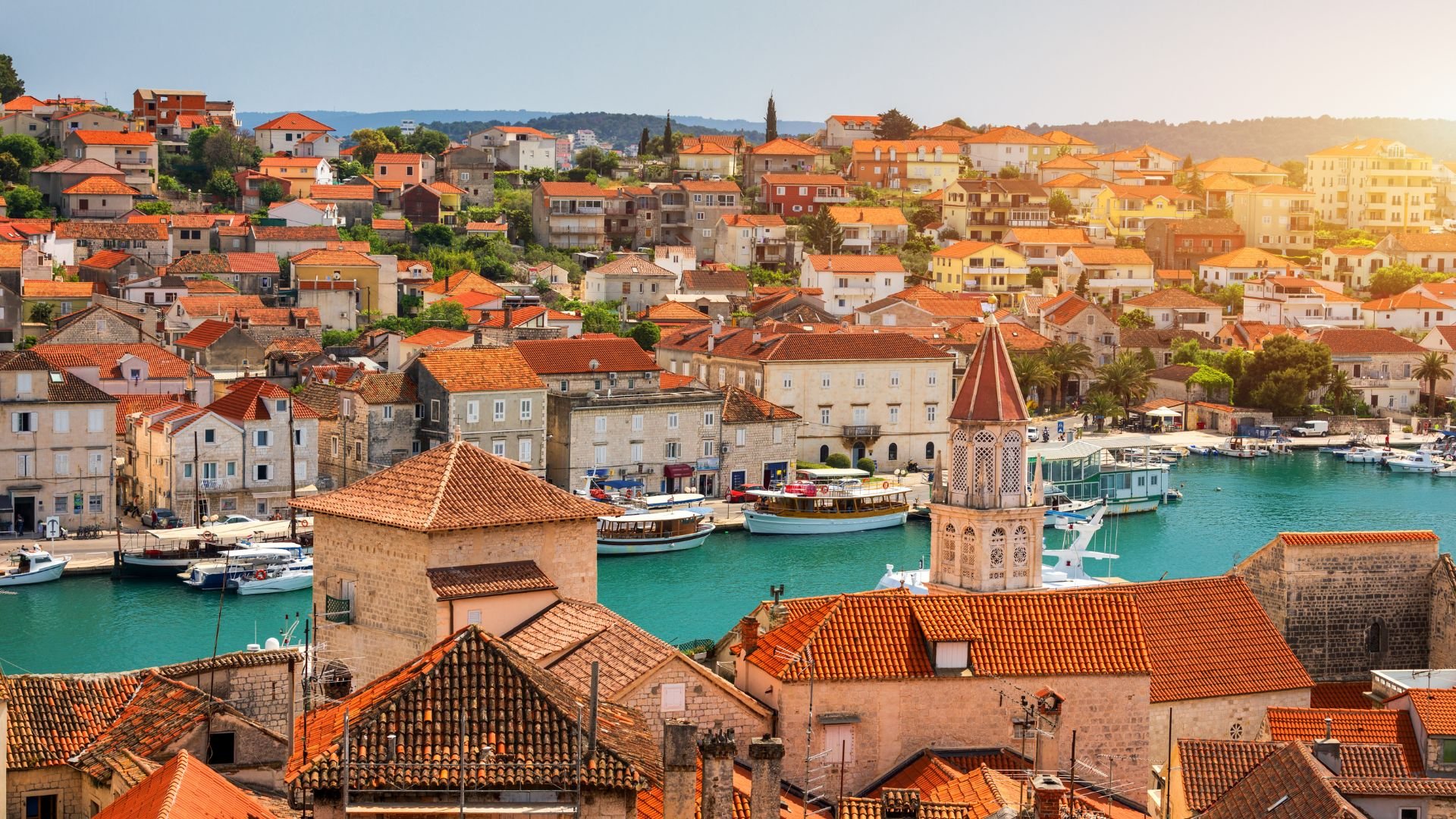
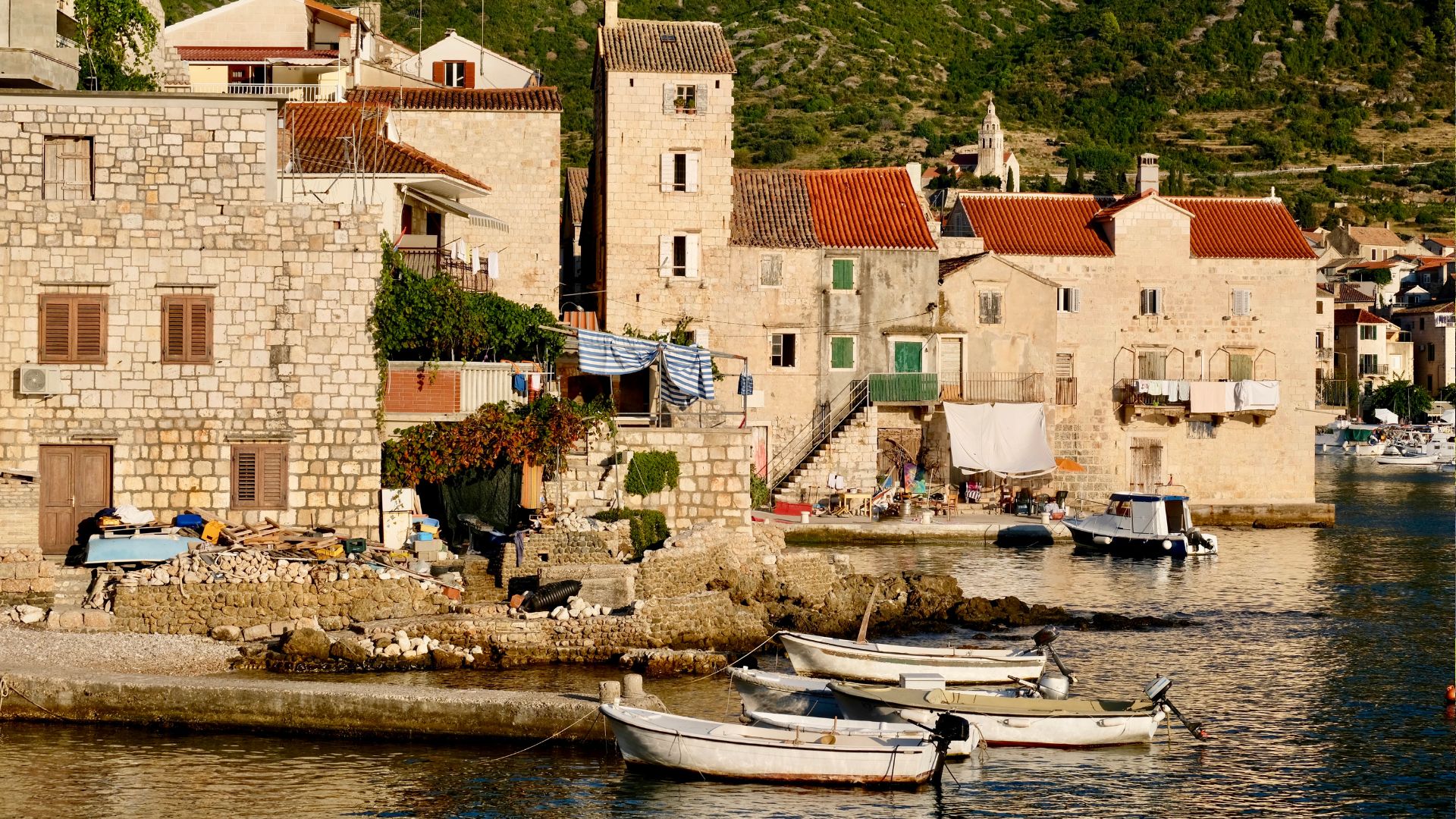
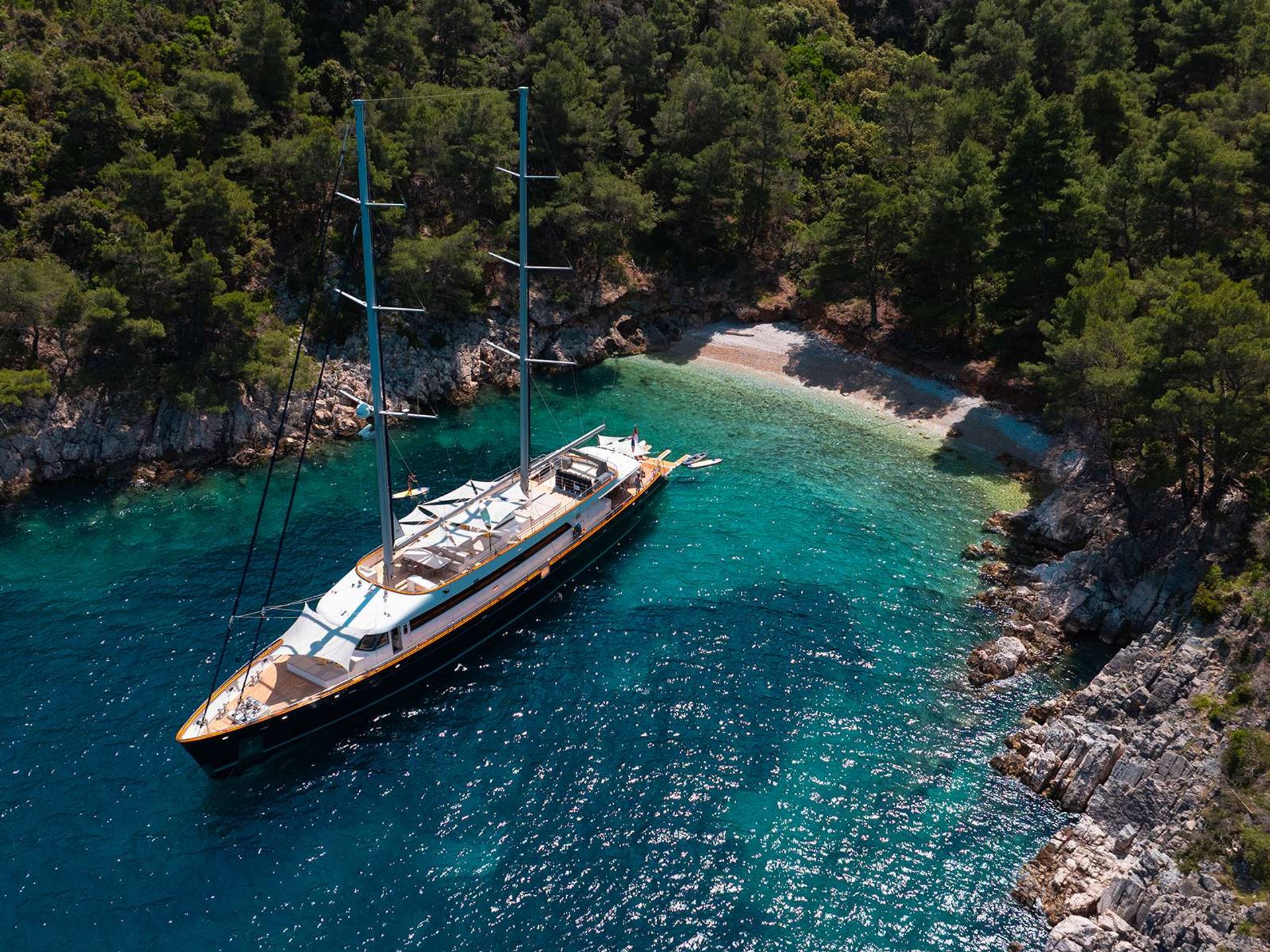
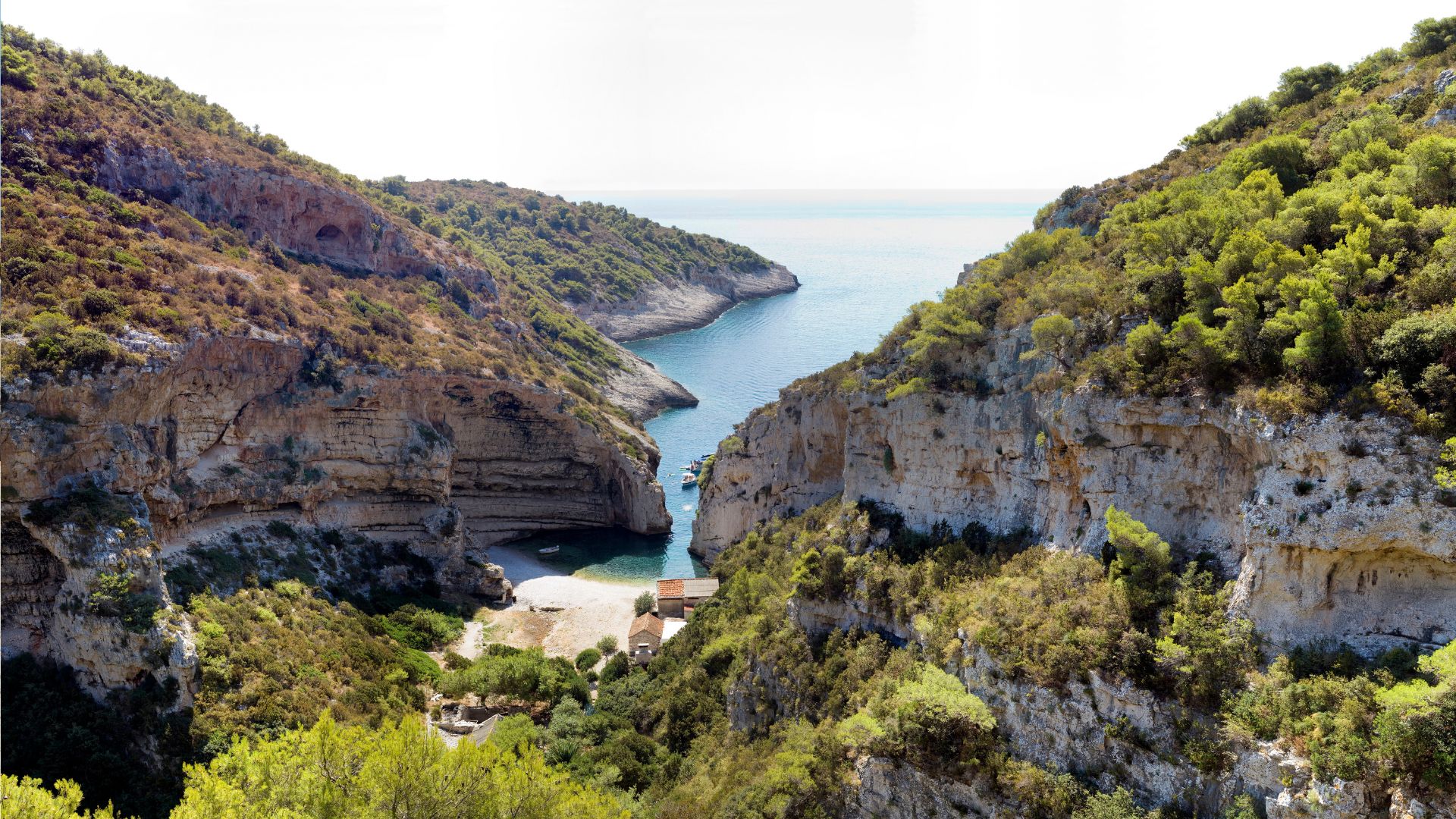
La Dalmacia central es el tramo de agua de crucero más denso del Mediterráneo: cuatro islas (Brač, Hvar, Vis, Šolta), el archipiélago de Pakleni y la Cueva Azul de Biševo, todo dentro de un radio de 30 millas de la base de Split. Este itinerario por Croacia hace un ida y vuelta de 7 días desde ACI Marina Trogir que toca cada uno de ellos: almuerzo en Palmižana, en las Pakleni, un baño por la tarde en Stiniva, en Vis, cena en Komiža, la Cueva Azul en una mañana en calma, la Fortaleza Española de Hvar a la hora dorada.
La semana está modelada en torno al Maestral —el fiable viento térmico del noroeste que entra casi todas las tardes desde finales de mayo hasta septiembre— así que el barco va de largo entre islas en lugar de batallar contra el viento. Unas 160 millas náuticas en total. Si un Split-a-Dubrovnik de ida encaja mejor en el calendario, lo tenemos como itinerario por Croacia aparte. Cada viaje que enviamos se personaliza al ritmo de tu grupo.
Día 1 de 7 · Trogir → Milna
Tu semana empieza en ACI Marina Trogir, a un corto traslado del aeropuerto de Split y una de las marinas más limpias y mejor gestionadas de la costa dálmata. Tu tripulación profesional te recibe en la pasarela con bebidas frías y un repaso de la carta náutica en condiciones, te enseña el barco y guarda tu equipaje mientras echas un primer vistazo al casco viejo de Trogir, a unos cientos de metros al otro lado del canal: piedra medieval, un paseo marítimo fortificado y la clase de tranquilidad que Split entregó hace mucho.
Una vez fuera las amarras, tu capitán apunta la proa al sur cruzando el canal de Split hacia Milna, en la punta oeste de Brač: unas quince millas náuticas en un cómodo través a medida que el Maestral entra a lo largo de la tarde. Es la etapa de rodaje ideal: bastante navegación para sentir el barco moverse bajo tus pies, lo bastante corta como para que no haya presión de prisas. Milna en sí es un puerto de marineros en condiciones, una profunda muesca cortada en la caliza con un paseo bordeado de pinos y un puñado de casas de piedra que apenas han cambiado en cien años.
Esta noche coméis en tierra. La Konoba Mlin, un antiguo molino de aceite reconvertido al fondo de la bahía, es la clase de sitio que hace una cosa y la hace bien: pescado a la brasa de la captura del día, cordero a la peka si lo pides con antelación, Plavac Mali local por jarra. Vuelve paseando por el muelle, una última copa en cubierta con las luces del puerto reflejándose en el agua, y la primera noche entera a bordo.
Day Highlights
Día 2 de 7 · Milna → Bol
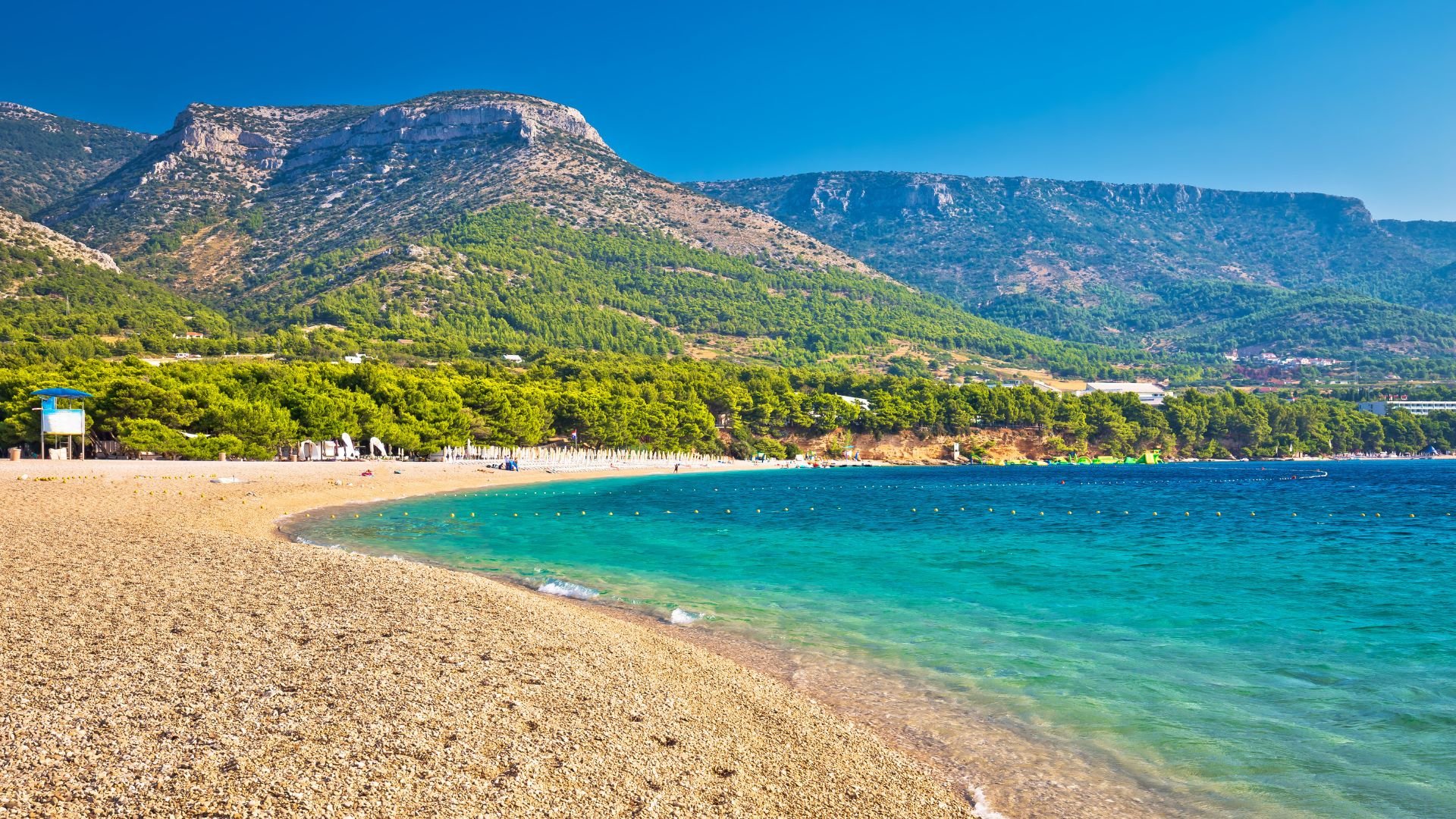
Tras el desayuno a bordo, tu tripulación sale de Milna y trabaja hacia el este por la costa sur de Brač en dirección a Bol: unas dieciocho millas náuticas, la mayor parte un cómodo través una vez que el Maestral entra a media mañana. El lado sur de Brač apenas tiene puertos y muy pocos fondeaderos, así que la costa va pasando sin interrupción: acantilados de caliza blanca, oscuros bosques de pinos cayendo hasta el agua, alguna que otra capilla de pescadores encaramada sobre una cala. No verás casi ningún barco hasta que aparezca Bol.
Bol es conocido sobre todo por Zlatni Rat, la lengua de arena y guijarros que sale de la costa como un cuerno y se dobla hacia un lado u otro según el viento y la corriente del día. Lo has visto en todas las postales de Croacia jamás impresas. Tu capitán fondeará en la bahía justo al oeste de la playa, bien lejos de la multitud peatonal de tierra, y el resto de la tarde es un baño, un paddleboard y un largo almuerzo preparado por tu chef bajo el toldo.
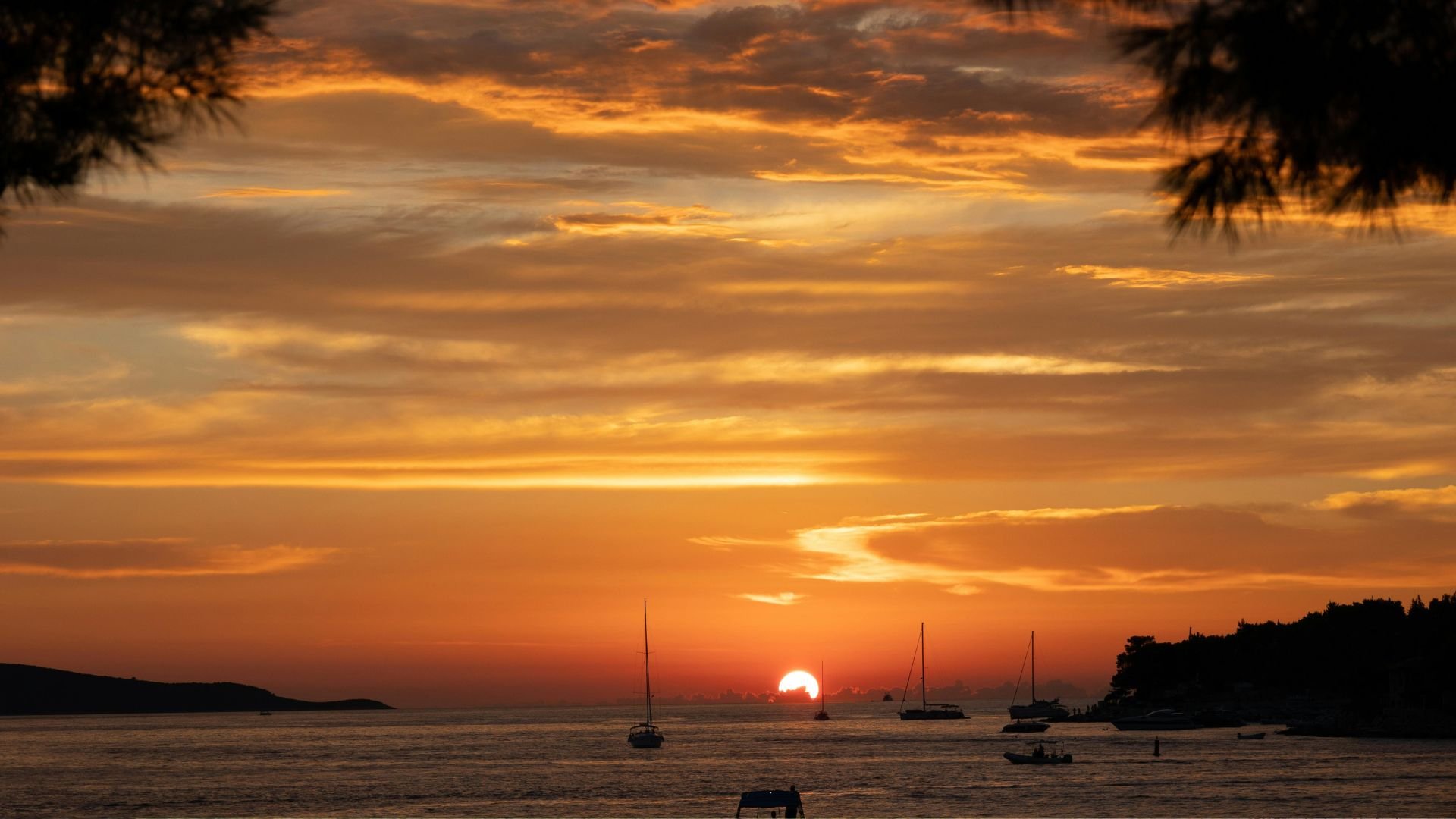
La última hora de la tarde es el momento. Los barcos de excursión de un día desde Split se van hacia las cuatro, la playa se calma, y un trayecto en lancha auxiliar te lleva a un paseo hasta la punta del cuerno con el agua poniéndose rosa coral mientras el sol cae tras Šolta. De vuelta a bordo para las copas del atardecer, una cena preparada por el chef en cubierta, y una noche al ancla en lo que es, en verano, uno de los tramos de costa más fotografiados de Europa.
Day Highlights
Día 3 de 7 · Bol → Stari Grad
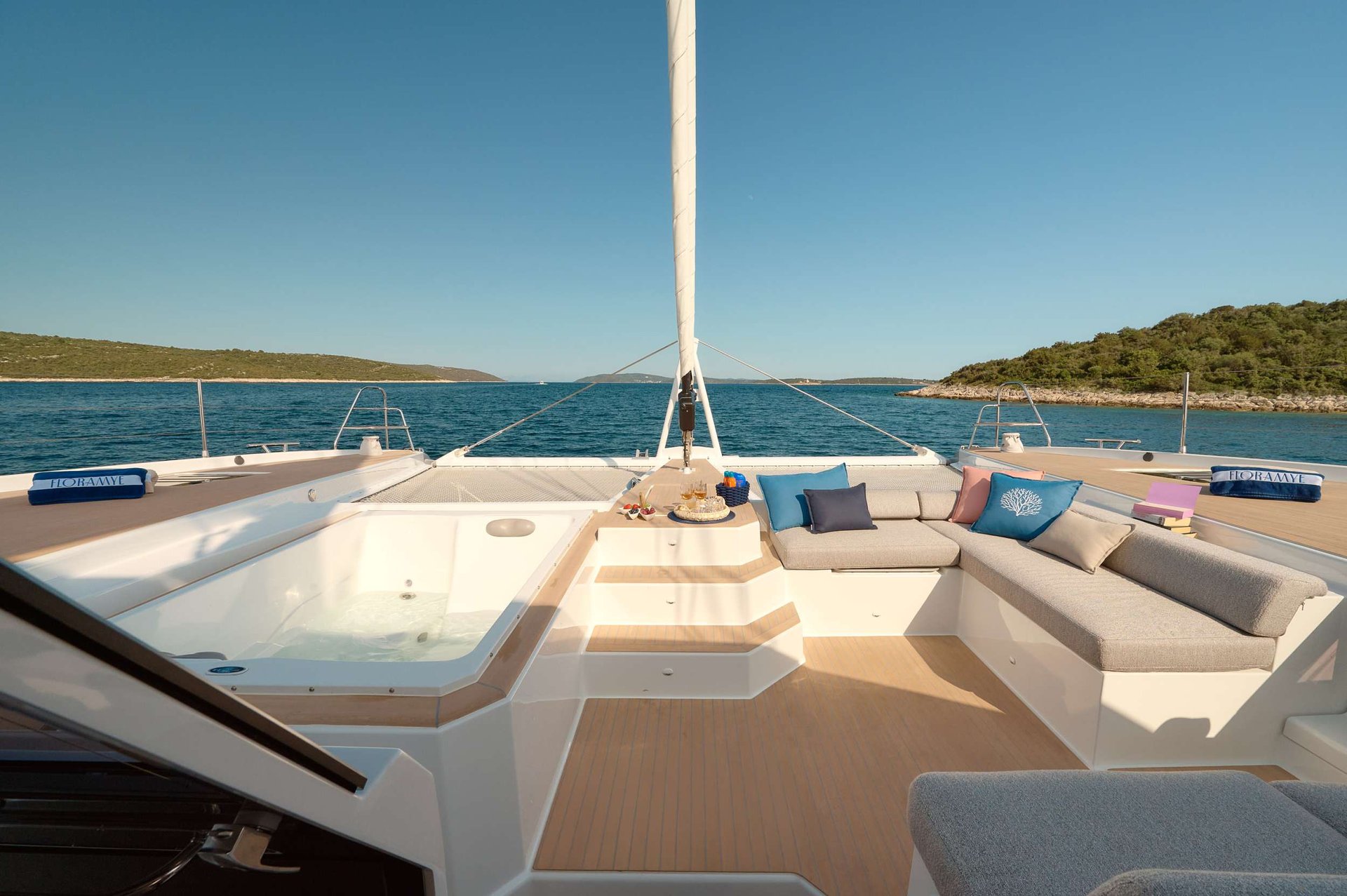
Hoy es el día más largo de la semana, con unas veinticinco millas náuticas, pero se parte en dos con una parada de almuerzo en condiciones. Tu capitán leva anclas temprano y navega al sur cruzando el canal de Hvar hacia las islas Pakleni, el pequeño archipiélago que resguarda la entrada de Hvar Town. En lugar de pelear por sitio en los fondeaderos principales de las Pakleni, te meterás en una de las calas más tranquilas del lado de atrás —Vinogradišće o Stari Stani— donde el agua es de un azul profundo, los pinos llegan hasta la orilla y casi siempre hay sitio para bornear al ancla.
Tu chef sirve un largo almuerzo a bordo mientras baja la escalera de baño y salen los juguetes acuáticos. Esta es la clase de parada de mediodía para la que se hizo el Adriático: a la sombra del pino, agua quieta como un cristal y ningún otro sitio donde estar. A media tarde, cuando el Maestral arrecia, tu capitán apunta la proa rodeando el extremo este de Hvar para la corta travesía hasta la bahía de Stari Grad, en la cara norte de la isla.
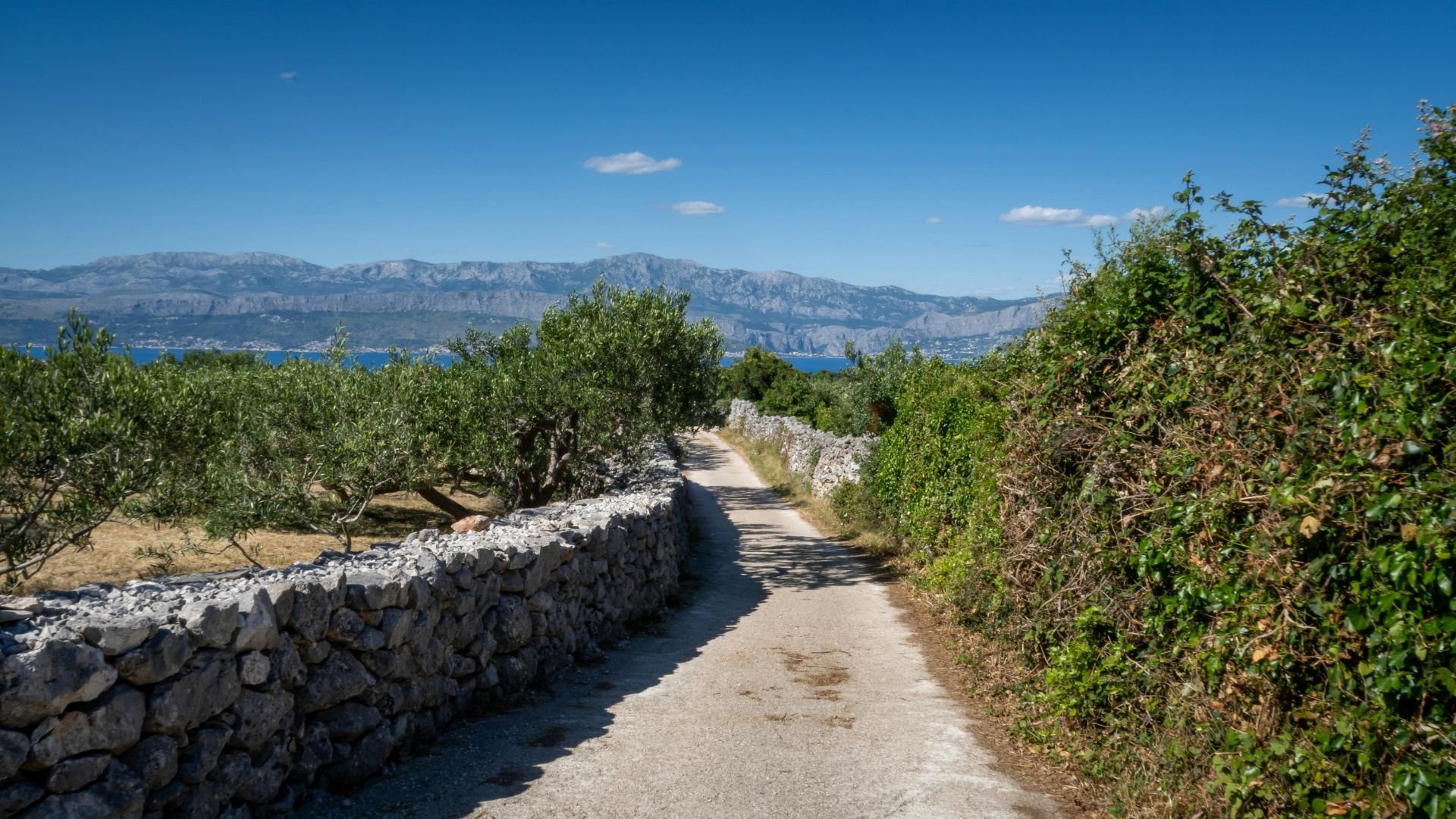
Stari Grad es el pueblo más antiguo de Croacia y el hermano mayor y más tranquilo de Hvar Town, en la costa sur. El puerto es apacible, el paseo marítimo es todo piedra pulida y fachadas amarillo pálido, y detrás del pueblo la llanura de Stari Grad, declarada Patrimonio de la Humanidad por la UNESCO, aún funciona en la cuadrícula que trazaron los griegos en el siglo IV a. C.: muros de piedra seca, olivares, pequeños viñedos, que aún producen el Plavac Mali y el aceite de oliva que acaban en tu mesa. Pasea por la llanura con la luz tardía, cena en tierra en Kod Damira o Jurin Podrum, y de vuelta al barco bien comido.
Day Highlights
Día 4 de 7 · Stari Grad → Vis
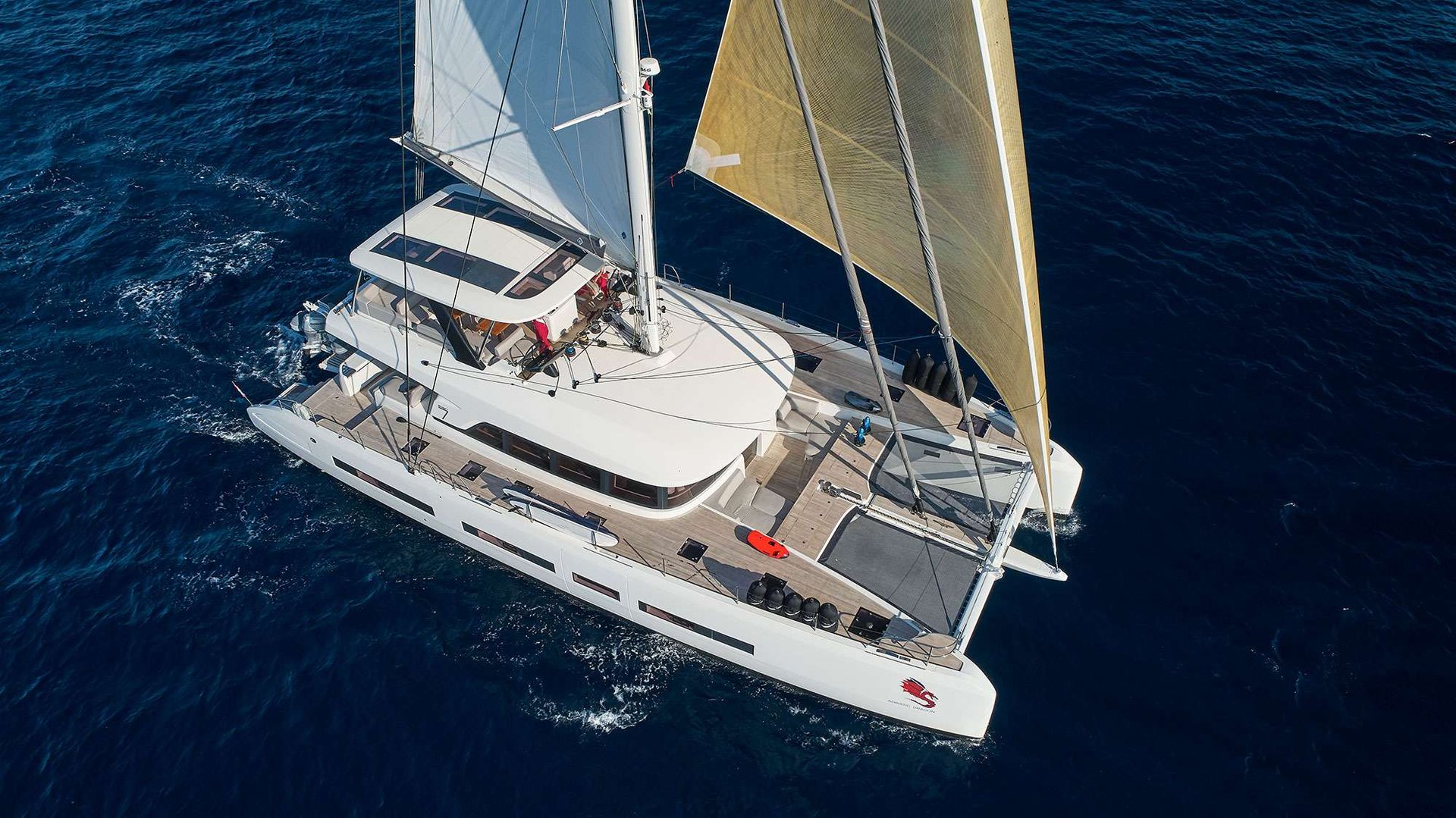
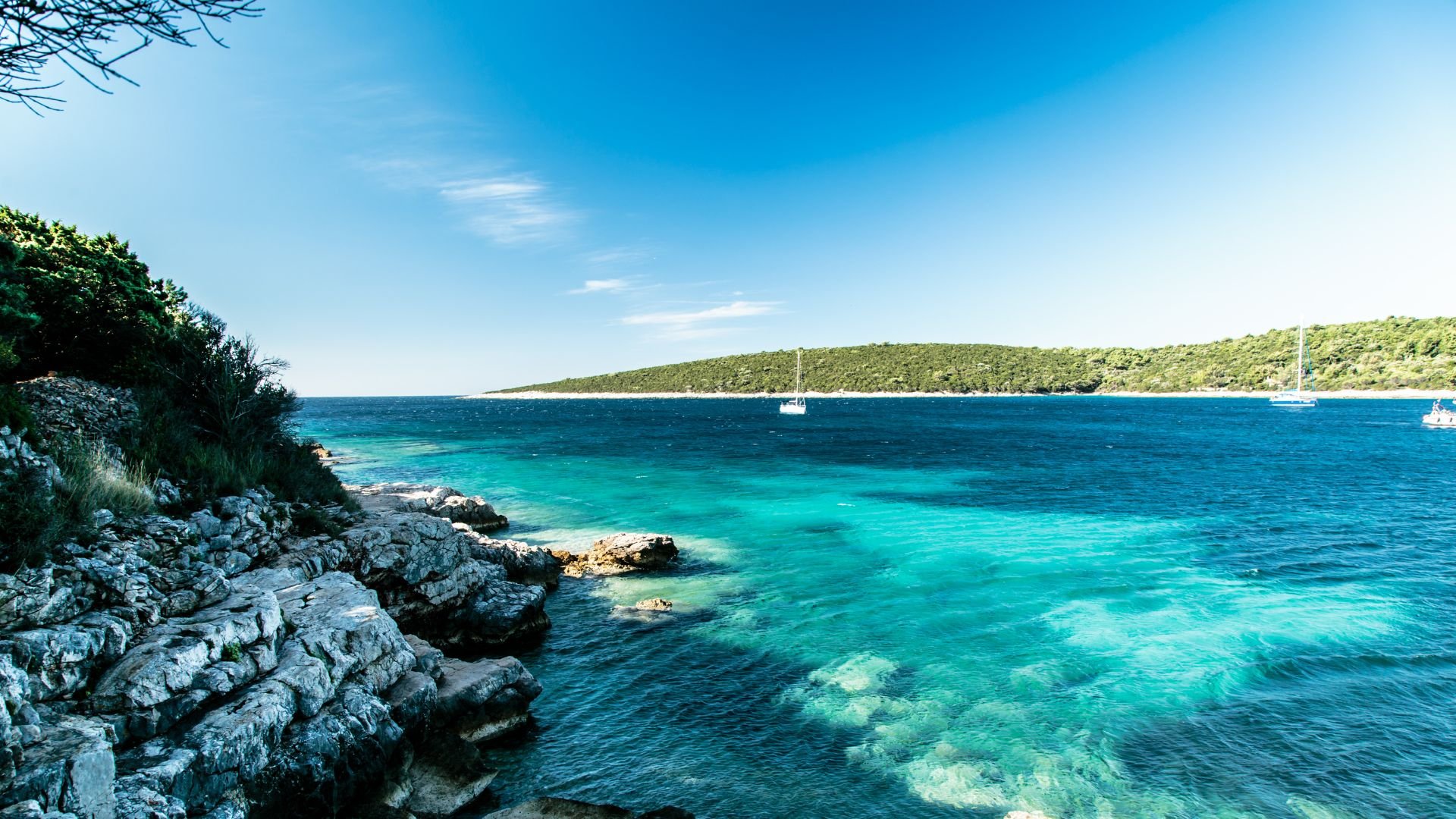
Desayuno matinal en cubierta en el agua plana de la bahía de Stari Grad, luego tu tripulación sale de la bahía y apunta al oeste-suroeste hacia Vis: unas veintidós millas náuticas a lo largo de la costa norte de Hvar y luego cruzando el canal abierto hasta la isla de Vis. El Maestral suele hacer de este tramo un través en lugar de una ceñida, y la orilla norte de Hvar va pasando por babor con pequeñas calas, un puñado de pueblos de pescadores, y la larga espina de caliza de la isla alzándose por encima.
Vis es el puesto avanzado de la ruta. Estuvo tras una cuarentena militar yugoslava hasta 1989 y no se abrió del todo a los visitantes extranjeros hasta mediados de los noventa, por lo que aún se siente una generación por detrás del resto de las islas dálmatas. Tu capitán mete el yate en el puerto del pueblo de Vis, en la orilla norte de la isla, y toma un amarre en el muelle del pueblo: un paseo marítimo de trabajo con un campanario veneciano en un extremo y una lonja de pescado en el otro.
Esta noche coméis tierra adentro, y coméis bien. Reserva un coche hasta la Konoba Roki's, un restaurante familiar de peka metido en un pueblo de la cima de una colina en lo que fue una zona militar restringida en el interior de la isla. La peka es cordero, ternera o pulpo cocinados durante horas bajo una campana de hierro enterrada en brasas calientes, y Roki's la hace tan bien como cualquiera en el Adriático: servida en largas mesas de madera, con su propio vino, en una fría sala de piedra que parece más una bodega que un comedor. Pídela al reservar la mesa; la campana tarda tres horas.
Day Highlights
Día 5 de 7 · Vis → Komiža
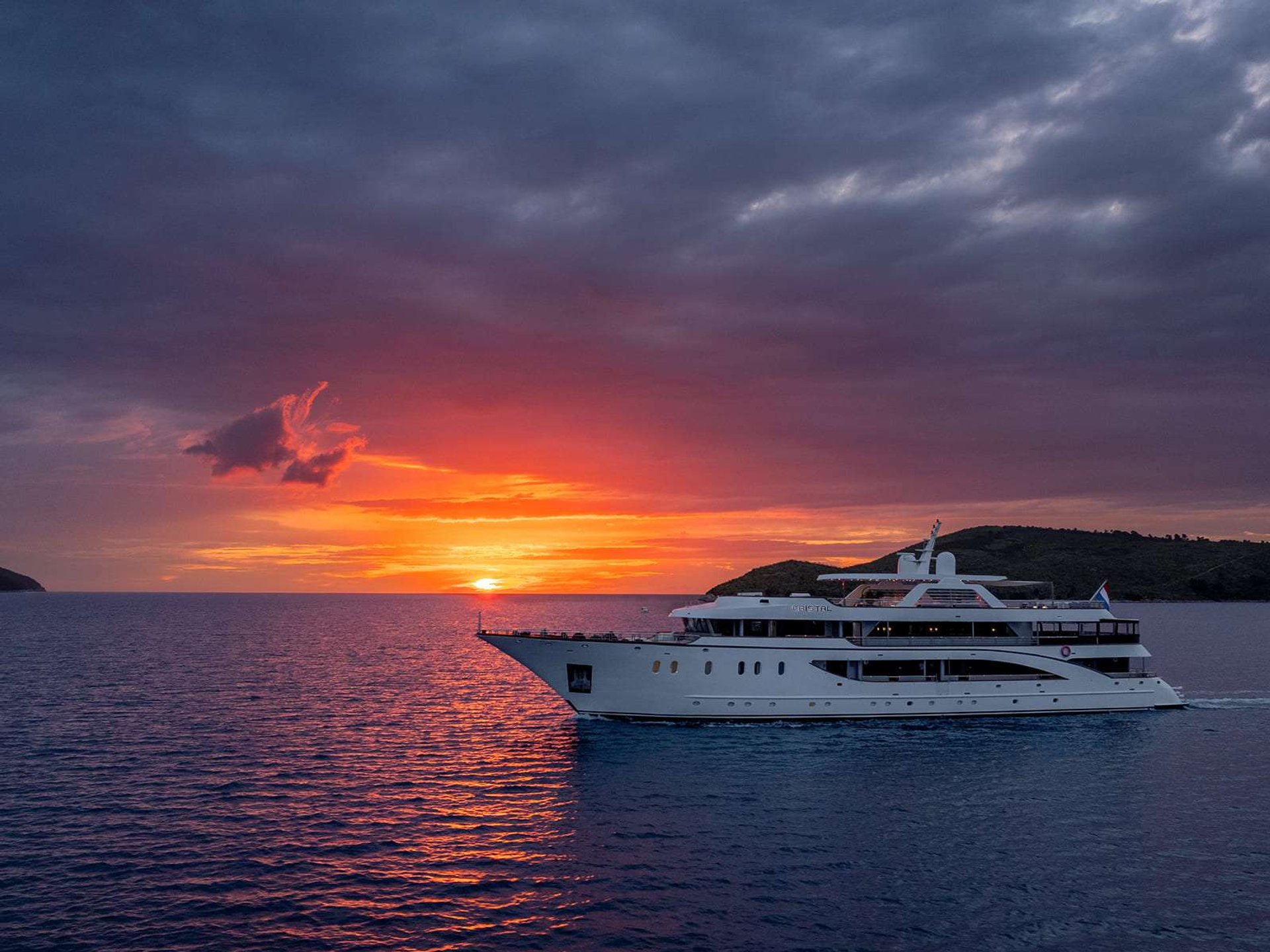
Este es el día en torno al cual está construida la semana, y empieza temprano. La Cueva Azul de la isla de Biševo, a unas pocas millas de Vis, tiene una estrecha entrada orientada al sur que solo admite luz solar directa durante una hora alrededor del mediodía —más o menos de 11 a 12, según la temporada—, momento en que la refracción a través de la abertura submarina ilumina todo el interior de un azul profundo y eléctrico. El problema es que cada barco de excursión de la costa dálmata lo sabe, y la cola para entrar durante la ventana de luz puede llegar a hora y media. La jugada es llegar al amanecer.
Tu capitán sale de Vis antes de la primera luz, cubre la corta travesía hasta Biševo, y te tiene en la lancha auxiliar y dentro de la cueva según va subiendo la luz. Tienes la cueva casi para ti, el azul no está del todo en su pico pero anda cerca, y —crucialmente— ya estás de vuelta a bordo y en marcha para cuando los primeros barcos de excursión doblan la punta. El resto del día es vuestro.
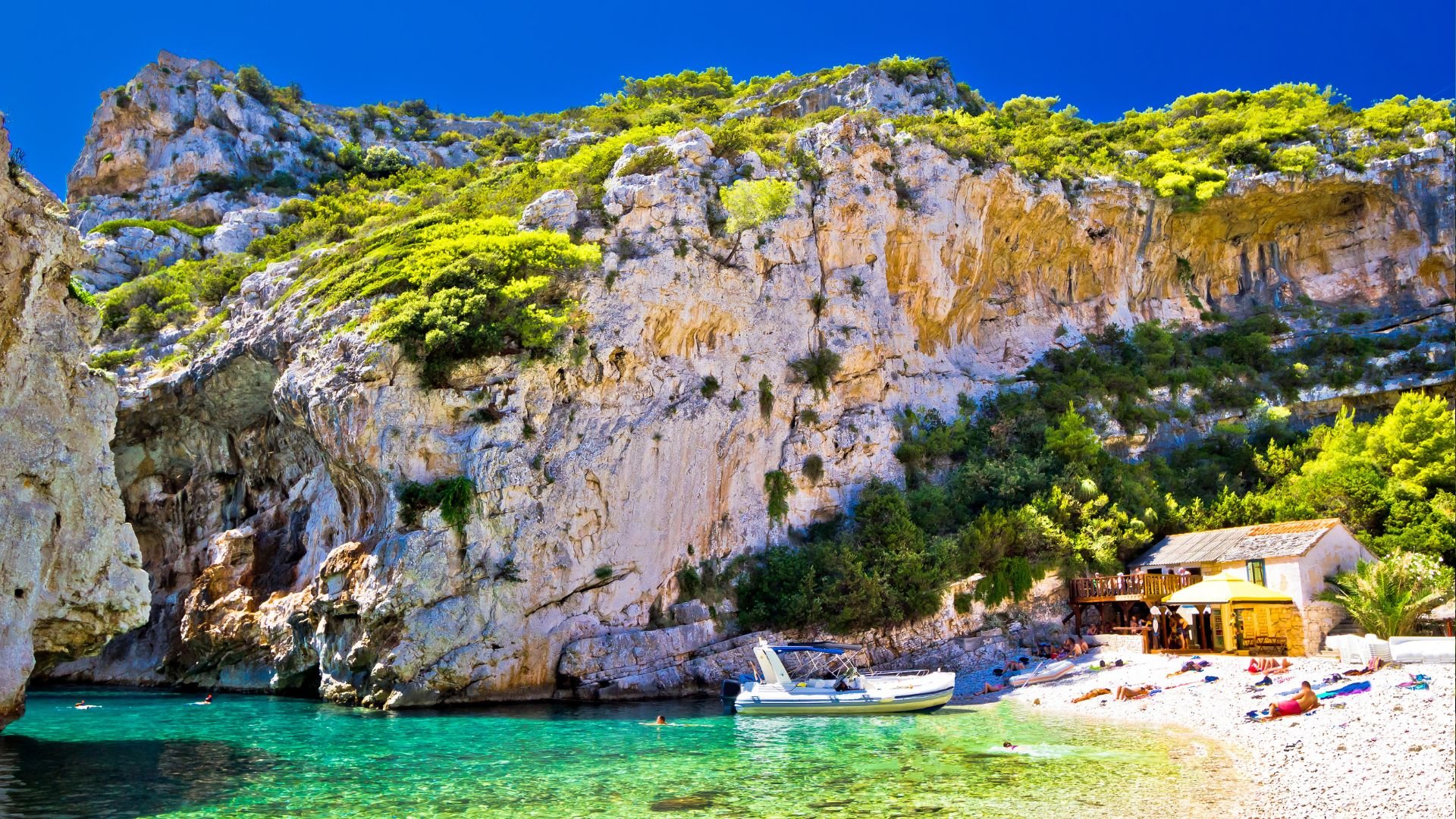
Desde Biševo, el capitán trabaja de vuelta por la costa sur de Vis y fondea frente a Stiniva, una bahía que se asienta tras una ranura de diez metros entre dos acantilados de caliza. Entras a nado, o en lancha auxiliar, y pasas un largo y lento almuerzo al ancla con tu chef sirviendo algo ligero en cubierta. A última hora de la tarde, el yate rodea el extremo oeste de la isla hasta Komiža, el viejo pueblo de pescadores de la costa sur de Vis. Cena en tierra en Pojoda o Jastožera —sencilla, excelente, todo pescado local— y una noche tranquila en el puerto.
Day Highlights
Día 6 de 7 · Komiža → Palmižana
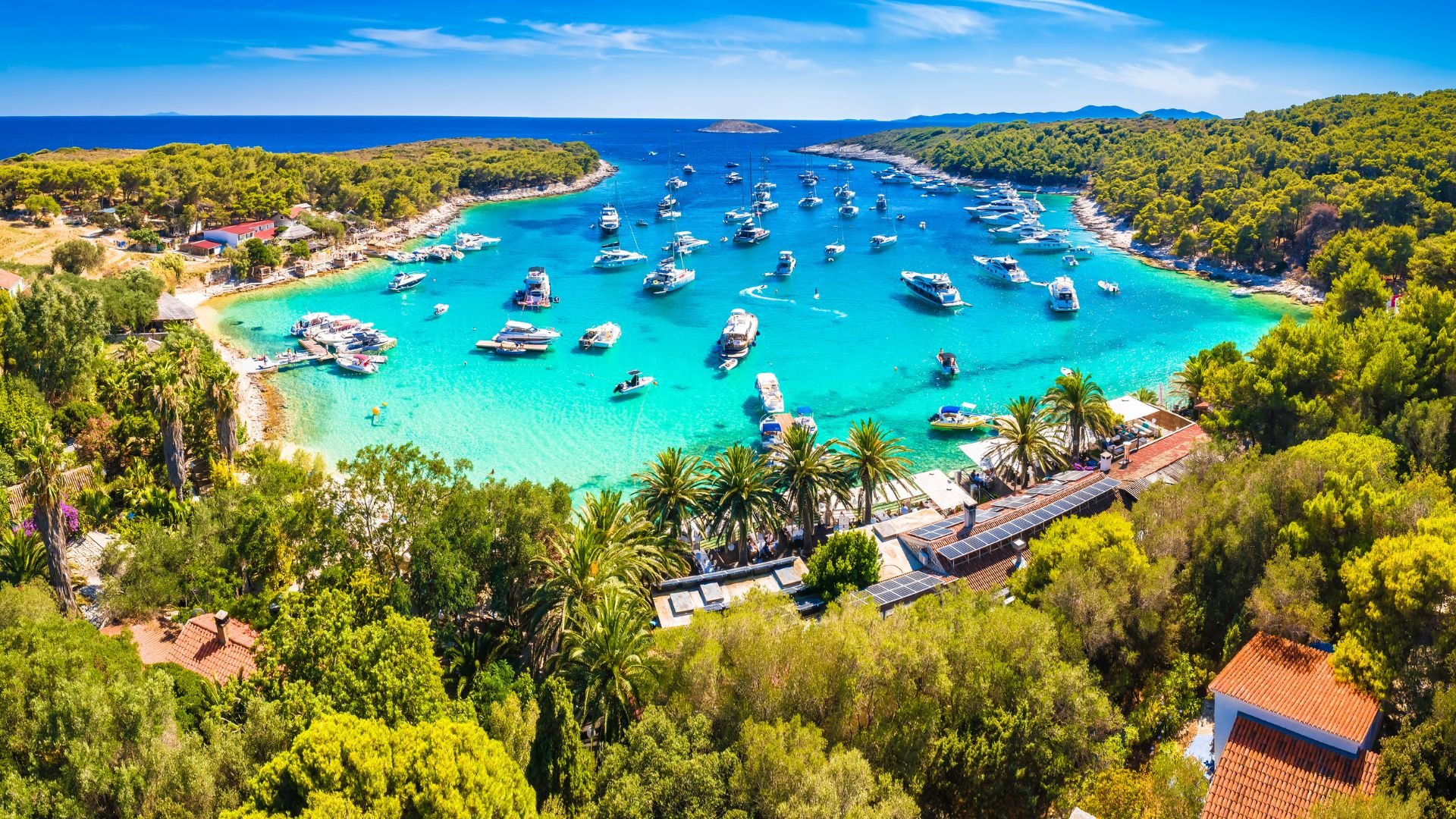
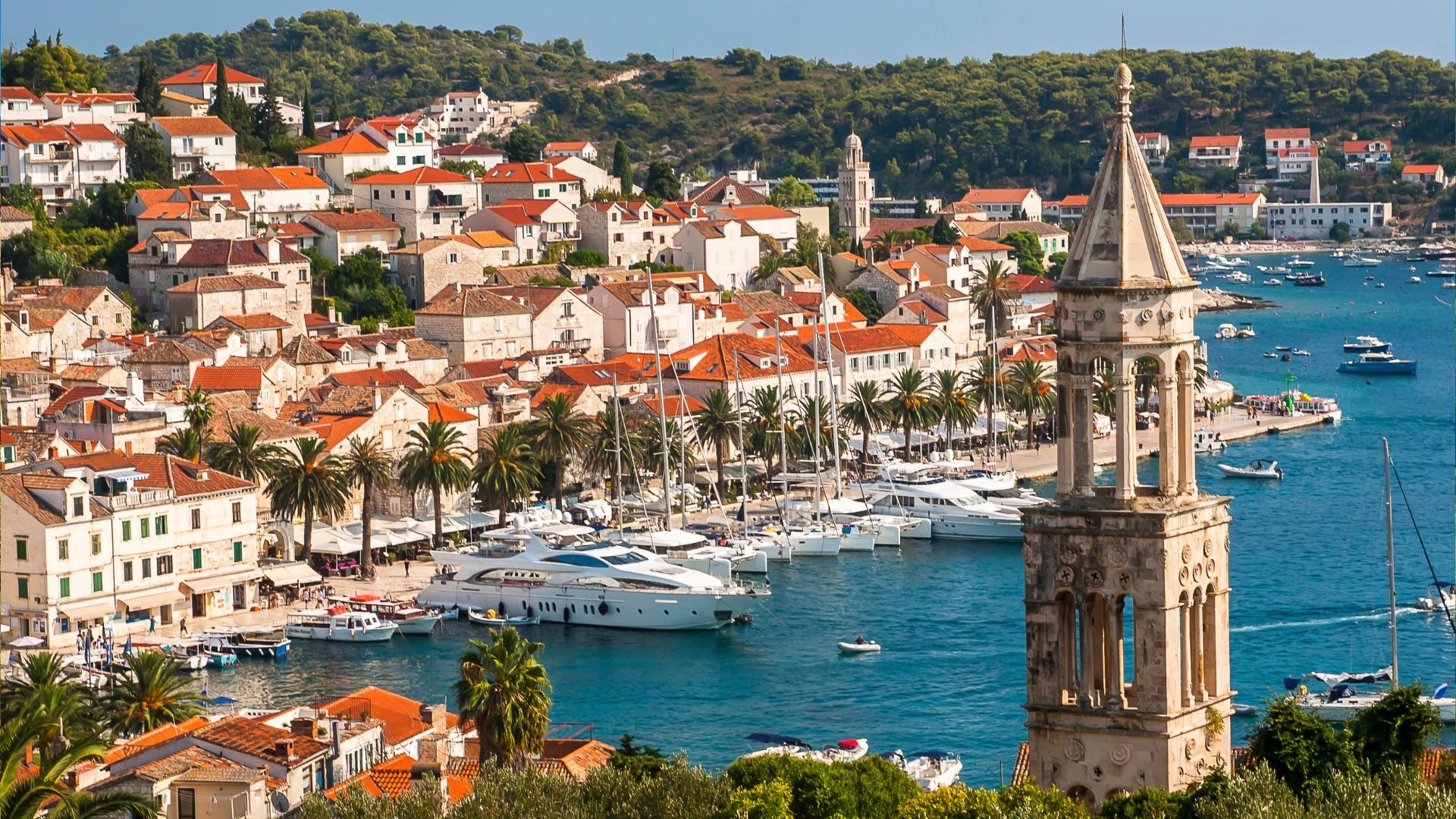
Tras el desayuno a bordo, tu capitán sale de Komiža y pone rumbo nordeste de vuelta cruzando el canal de Vis hacia las islas Pakleni: unas veintiocho millas náuticas, un buen través sostenido a medida que el Maestral arrecia hacia el final de la mañana. Esta es la navegación más larga de la segunda mitad de la semana, pero también uno de los tramos más bonitos: agua abierta por delante, la espina de caliza de Hvar creciendo en el horizonte, los islotes de las Pakleni apareciendo los últimos según te acercas al canal de Hvar.
Tu destino es Palmižana, la bahía principal de la isla de Sveti Klement y el centro social del archipiélago de Pakleni. Coge una boya de muerto en la cala, y la lancha auxiliar te lleva cinco minutos al otro lado para almorzar en Toto's o Meneghello: ambos familiares, ambos en la colina sobre la bahía, ambos haciendo marisco dálmata a un nivel altísimo desde hace décadas. Meneghello, en particular, viene con su propio jardín botánico y arte; esto no es un chiringuito de playa.
Tarde para nadar, hacer paddleboard y dormir la siesta tras el almuerzo. Cuando cae el sol, la lancha auxiliar hace la corta travesía hasta Hvar Town, en la isla principal. Esta es la única noche de la semana que se entrega a la escena: copas del atardecer en Carpe Diem, en el paseo marítimo, una subida al bar Hula Hula, en el acantilado, para el atardecer de verdad, cena en la Konoba Menego en el casco viejo —una konoba de piedra de tres salas colina arriba, sin electricidad, todo local, cada plato sacado despacio—. Vuelta en lancha auxiliar a Palmižana ya tarde, y el barco está en silencio cuando subes a bordo.
Day Highlights
Día 7 de 7 · Palmižana → Trogir
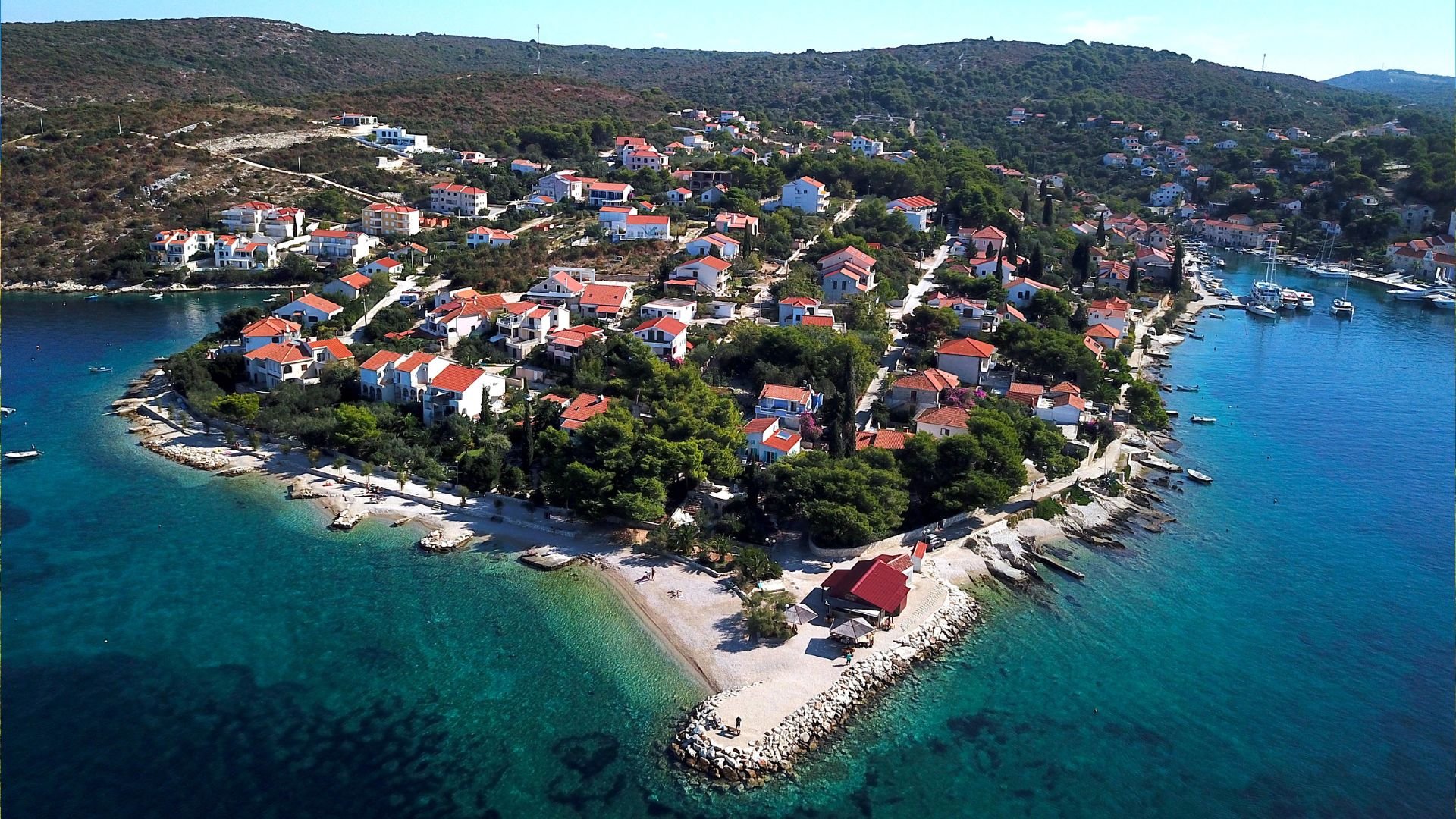
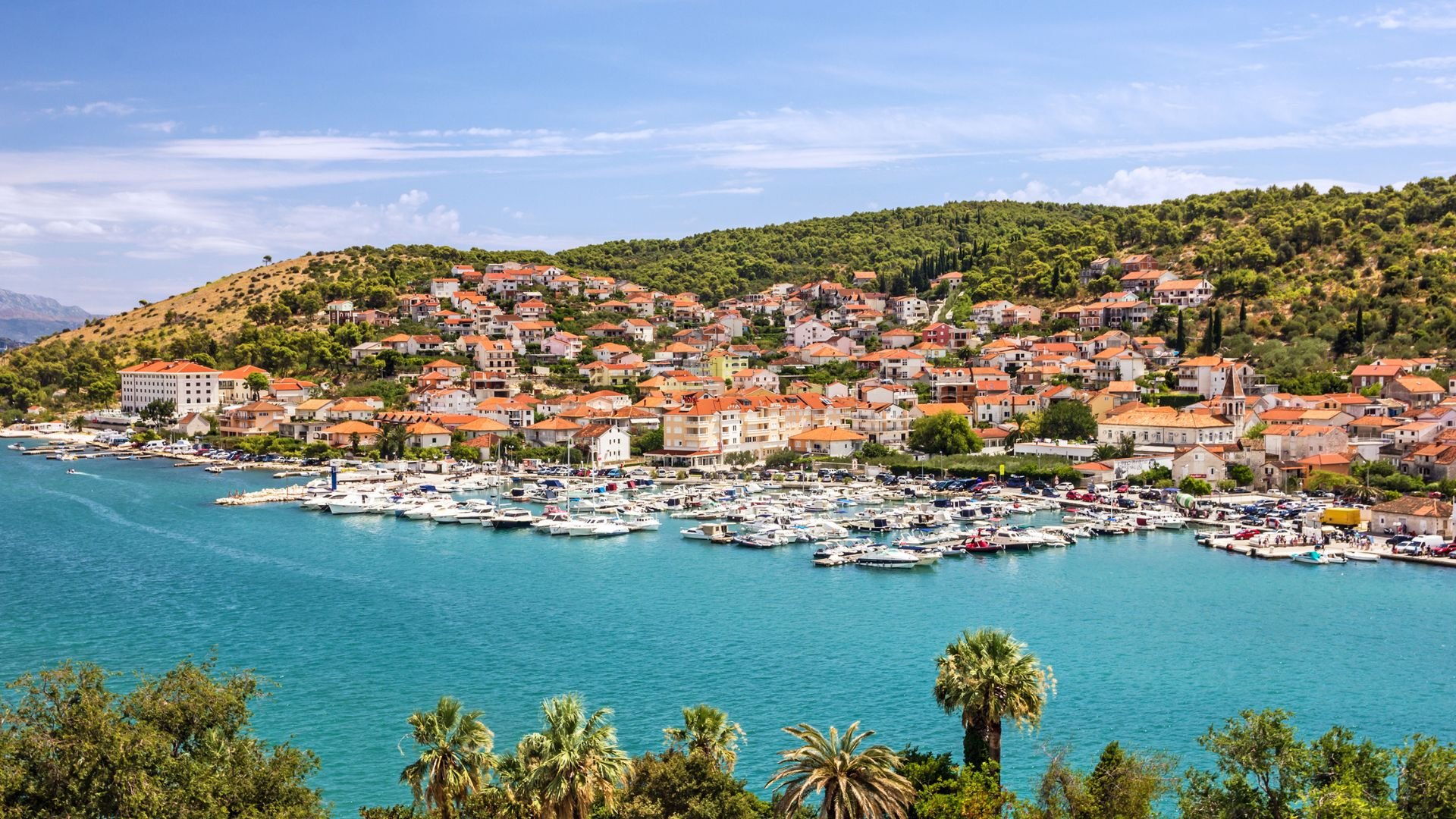
El último día completo enhebra hacia el norte por las islas de vuelta a la base —unas treinta millas náuticas en total, partidas en dos por una parada de almuerzo en Šolta, la más tranquila de las islas de la ruta—. Tu capitán sale de Palmižana por la mañana, cruza el canal de Hvar, y trabaja hacia arriba por la costa sur de Šolta en dirección a Maslinica, en la punta oeste de la isla.
Maslinica es un pequeño puerto de pescadores aún en activo con siete islotes ensartados a través de la boca de la bahía: buen baño al ancla, casi nada de tráfico de yates, y la clase de ritmo que hace que las millas acumuladas de la semana por fin te alcancen, en el buen sentido. Almuerzo en tierra en Martinis Marchi, un castillo del siglo XVIII restaurado al fondo del puerto, o a bordo con tu chef si prefieres no moverte. De un modo u otro, es un almuerzo largo y lento; no hay razón para correr.
A media tarde, el capitán leva anclas para la última etapa de vuelta cruzando el canal de Split hasta Trogir: unas quince millas, normalmente un través rápido con el Maestral llevándote a casa. Tu tripulación se encarga de la aproximación a ACI Marina Trogir, amarra en el mismo puesto del que saliste hace una semana, y la cena de esta noche es a bordo: una comida de despedida de tu chef, la última botella de algo dálmata, y tiempo para sentarse con una semana entera de fondeaderos sin acelerar la última velada.
Day Highlights
Día 8 · Salida
Un desayuno pausado a bordo, un último café en la cubierta de popa, y un corto traslado al aeropuerto de Split con tu tripulación encargándose de cada logística desde el muelle. Bájate con la sal todavía en el pelo, una semana de fondeaderos dálmatas en tu cámara, y una idea bastante clara de cuándo vas a volver.
Want to share or come back to this voyage later?
Bookmark this voyage →Itinerario con tripulación · Croacia
Una travesía solo ida de Split a Dubrovnik es la semana de vela más satisfactoria del Mediterráneo, y no por poco. Tienes como remates dos ciudades viejas Patrimonio de la Humanidad —el Palacio de Diocleciano en Split, los muros de Dubrovnik— enhebradas por unas 170 millas náuticas de salto entre islas por el corazón de la costa dálmata. Con un capitán profesional y un chef privado al cargo del yate, las únicas decisiones de verdad que tienes que tomar son en qué konoba quieres mesa y cuánto te gustaría demorarte en el almuerzo.
La ruta está construida en torno al ritmo del Maestral —el fiable térmico del noroeste que entra casi todas las tardes desde finales de primavera hasta septiembre— y está deliberadamente cargada de tramos cortos y pintorescos con un día más largo en mar abierto en medio. Pararás a almorzar en las islas Pakleni, te bañarás dentro de los acantilados de Stiniva en Vis, comerás langosta en Komiža, verás la danza de espadas Moreska en Korčula, te dejarás llevar entre los lagos de agua salada de Mljet, y entrarás navegando en Dubrovnik pasando los muros de la ciudad la última mañana. Es un itinerario pensado para quienes quieren vela de verdad, comida de verdad, y tiempo de verdad en el tipo de islas que recompensan bajar el ritmo.
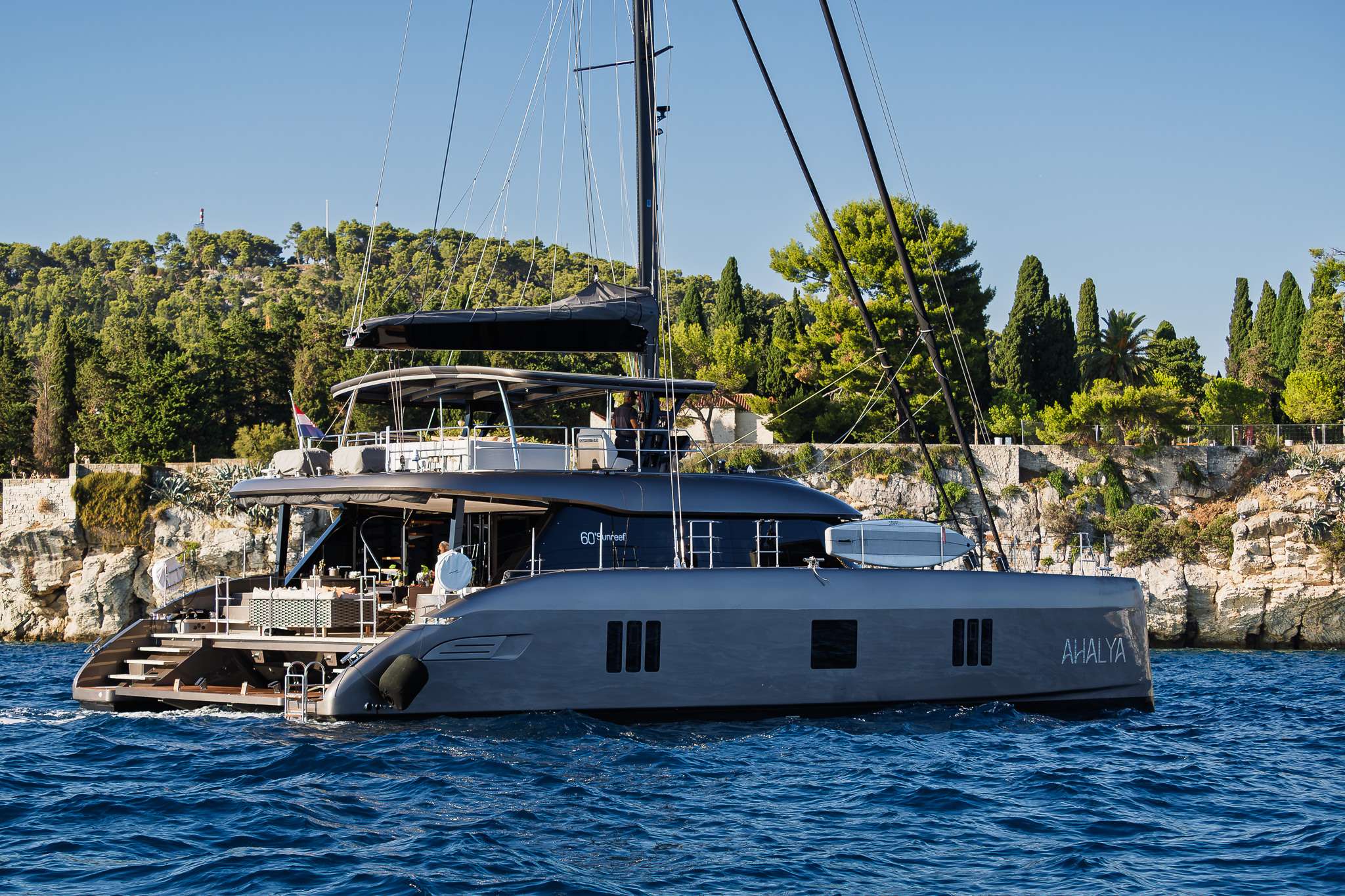
Split a Dubrovnik es el término de búsqueda de mayor volumen de todo el mercado de yates del Mediterráneo, y hay una razón: dos ciudades viejas Patrimonio de la Humanidad como remates, seis paradas de isla en medio (Hvar, Vis, Komiža, Korčula, Mljet, Šipan), y una ruta solo ida que significa que nunca repites un puerto. Recogida en ACI Split, desembarco en ACI Komolac, cerca de Dubrovnik, y 170 millas náuticas de salto entre islas marcado por el Maestral en medio.
Este itinerario de vela por Croacia está construido a propósito en torno a tramos cortos y pintorescos (de 10-25 mn de media) con un día más largo en mar abierto en medio para el cruce de Vis a Korčula. Almuerzo en las islas Pakleni, los acantilados de Stiniva en Vis, langosta en Komiža, la danza de espadas Moreska en Korčula, los lagos de agua salada de Mljet, cena en Šipan, y entrada en Dubrovnik pasando los muros de la ciudad la última mañana. Solemos montar este viaje en yate para grupos que quieren vela de verdad, comida de verdad, y tiempo de verdad en islas que recompensan bajar el ritmo.
Día 1 de 7 · Split → Milna
Tu semana empieza en ACI Marina Split, al abrigo del lado oeste del puerto de la ciudad, con el Palacio de Diocleciano a diez minutos a pie cruzando el paseo marítimo. Tu tripulación profesional te recibe en el atraque con bebidas frías y una sesión informativa sobre la carta que enmarca la semana que viene, y luego te da tiempo para acomodarte en tu camarote antes de un corto paseo por el palacio: un complejo romano vivo de 1.700 años donde puedes cenar dentro de muros construidos para un emperador. Date ese paseo; estarás mirando atrás hacia la península de Marjan desde el agua en un par de horas.
Hacia media tarde, el capitán larga amarras para un suave rodaje de 15 millas náuticas cruzando el canal de Split hasta Milna, en el extremo oeste de Brač. Si el Maestral entra a tiempo, navegarás de largo en aguas planas con la Riva encogiéndose por la popa y la caliza de Brač creciendo por la proa: el tipo de primera tarde que reinicia tu sistema nervioso en una hora.
Milna es un pequeño puerto en forma de U con una iglesia barroca, un puñado de konobas de piedra, y espacio suficiente para que un barco como el tuyo se arrime al muelle del pueblo. Tu chef privado se encarga de la primera cena a bordo, probablemente algo de la salida al mercado del día en Split, pescado fresco a la parrilla, una botella de Pošip de Korčula para marcar el tono de los vinos que beberás el resto de la semana.
Day Highlights
Día 2 de 7 · Milna → Hvar
Tras un desayuno pausado en cubierta, el capitán pone la proa al sur-sureste para la travesía de 22 millas náuticas de Milna a Hvar. La mañana suele ser de vientos suaves y agua de cristal hasta que el Maestral entra por el canal de Hvar hacia el mediodía, momento en el que navegarás de largo con 10 a 15 nudos y el largo espinazo de Hvar desplegándose a babor. Es vela de postal: constante, cálida, sin complicaciones.
Antes de entrar en el pueblo de Hvar, tu tripulación se mete en las islas Pakleni, un grupo disperso de islotes cubiertos de pinos a una milla del puerto que los lugareños usan para sus propios almuerzos largos. Fondea en una de las calas más tranquilas, báñate en agua lo bastante clara como para contar la cadena del ancla, y deja que el chef saque una tabla ligera de jamón, queso Paški sir, aceitunas, pescado a la parrilla y una botella fría de Plavac Mali. Es el tipo de almuerzo que te hace olvidar qué hora es, que es justo de lo que se trata.
A última hora de la tarde, la lancha te lleva al pueblo de Hvar para subir a la Fortaleza Española sobre el puerto: la mejor vista de la isla a la hora dorada, las siluetas de las Pakleni al oeste, el yate posado en la bahía de abajo. La velada se mueve al Carpe Diem, en el paseo marítimo, para los cócteles del atardecer, o más tarde al Hula Hula para el espectáculo completo de Hvar. De vuelta a bordo tarde para una última copa en cubierta con los muros de la ciudad vieja iluminados al otro lado del agua.
Day Highlights
Día 3 de 7 · Hvar → Vis
Hoy es un empuje de 30 millas náuticas al sur hasta Vis, la isla habitada más exterior de Dalmacia y la que el ejército yugoslavo mantuvo cerrada a los extranjeros hasta 1989. Esa apertura tardía la libró del turismo más fuerte de Hvar y Brač, y el resultado es una isla que todavía se siente una generación por detrás en el mejor de los sentidos: viñedos aterrazados, bahías vacías, y menos barcos en el agua.
Tu capitán mantiene un ojo en el parte para este tramo. Un sano Maestral lo convierte en un largo rápido, pero el Jugo —el viento del sureste que entra cuando una baja se sitúa sobre el Adriático— puede convertir el canal en una penosa ceñida corta e incómoda. Si las condiciones cooperan, la tripulación calcula la aproximación para que rodees el cabo sur de Vis a última hora de la mañana y te metas en la bahía de Stiniva para una parada de baño.
Stiniva es una hendidura en los acantilados de caliza apenas lo bastante ancha para que se cuele una lancha, que se abre a una pequeña playa de guijarros dentro de un anfiteatro natural. Fondea mar adentro, coge la lancha o simplemente nada hasta dentro, y pasa una hora en lo que quizá sea la cala más fotografiada de Croacia, por una buena razón. Desde Stiniva, un corto salto de tarde rodea el extremo oeste de la isla hasta Komiža, un pueblo pesquero del otro lado con casas de piedra apiladas desde el muelle.
La cena es en Konoba Jastožera, un restaurante construido directamente sobre el agua en un viejo vivero de langostas. El plato insignia es la langosta de Vis sacada de los tanques bajo el suelo: simplemente a la parrilla, partida, servida con aceite de oliva local y una copa de Vugava, la uva blanca que casi nadie cultiva fuera de esta isla. Esta es una de las comidas que recordarás del viaje.
Day Highlights
Día 4 de 7 · Vis → Korčula
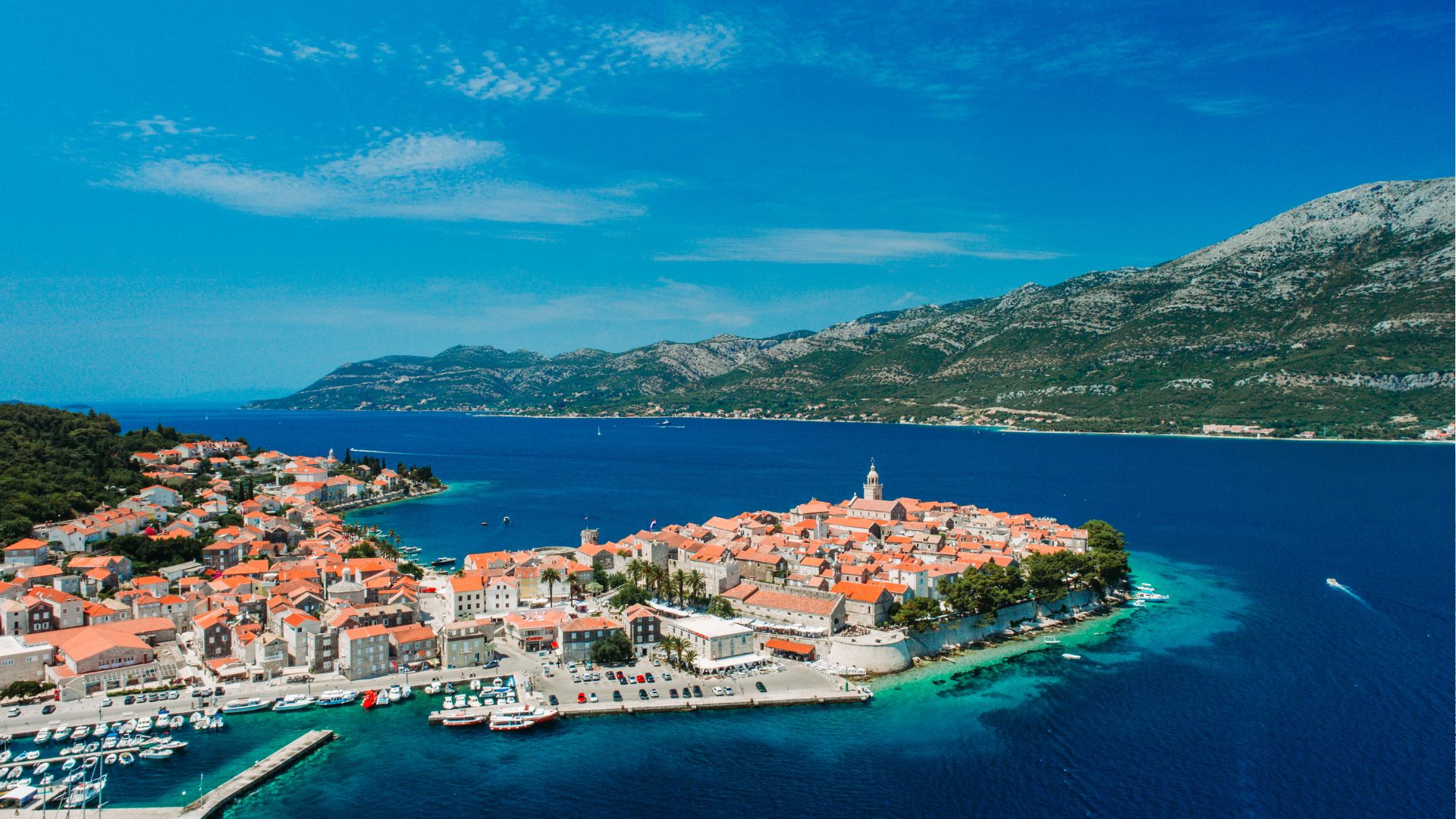
Este es el día de navegación más largo de la semana, unas 40 millas náuticas al este de Komiža a la ciudad amurallada de Korčula. Es también el tramo más dependiente del Maestral del itinerario. Con un sano noroeste, es un rápido largo con el viento por la aleta y mar de popa: el tipo de día en que tu capitán pone el piloto automático, tu chef saca rosado frío a cubierta, y nadie quiere especialmente que la travesía termine. Con un patrón de Jugo, la decisión puede ser una parada más cercana en Šćedro o Ščedrica para mantener el horario humano; contrataste a un capitán profesional para que pueda tomar exactamente ese tipo de decisión.
El pueblo de Korčula se asienta en una pequeña península que se adentra en el canal entre la isla de Korčula y la tierra firme de Pelješac: una ciudad amurallada en miniatura con tejados de terracota apilados dentro de fortificaciones medievales. La tradición local sostiene que Marco Polo nació aquí, en una de las casas de piedra junto a la plaza principal; supuestamente, porque Venecia reclama lo mismo, y los archiveros del siglo XIII de ambos bandos dejaron la ambigüedad justa para mantener vivas ambas economías turísticas. En cualquier caso, el museo de la casa Polo es una encantadora parada de media hora.
Si navegas en julio o agosto, el mayor atractivo es la Moreska: una danza de espadas de 400 años representada sobre un escenario de piedra en la ciudad vieja. Dos grupos de bailarines con traje medieval completo libran una batalla coreografiada con espadas de acero de verdad por la mano de una novia velada, y el choque de las hojas es genuinamente sorprendente la primera vez. Tu capitán puede calcular la cena en tierra para que entres en la plaza justo cuando empieza.
Cena en tierra en una de las konobas dentro de los muros, y de vuelta a bordo tarde para una última copa preparada por el chef en cubierta.
Day Highlights
Día 5 de 7 · Korčula → Mljet
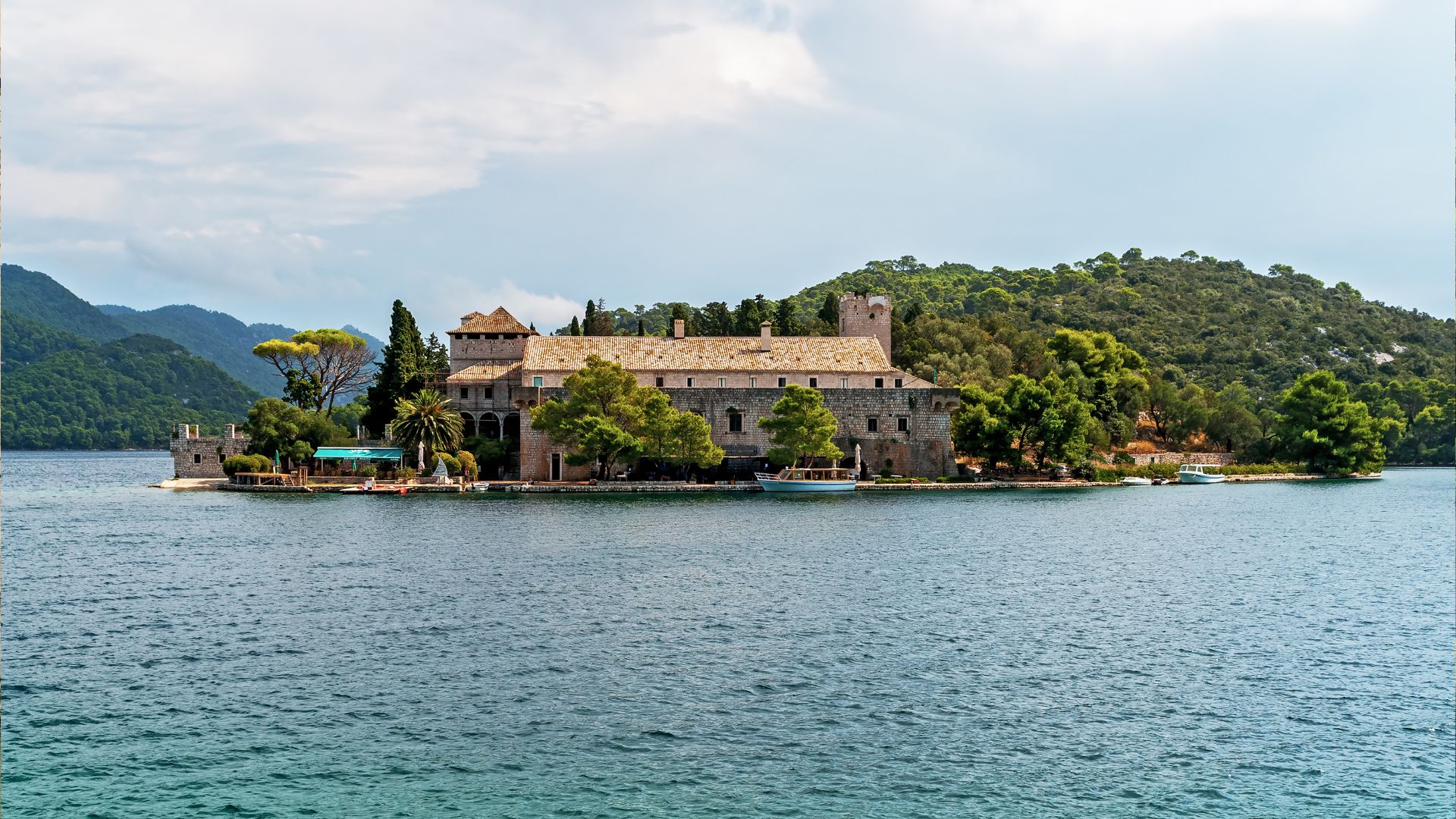
Un tramo más corto y fácil de 18 millas náuticas hoy, al sureste de Korčula al puerto de Pomena, en la punta noroeste de Mljet. Casi todos los días es un largo suave con Lastovo quedando a estribor y el largo flanco verde de Mljet creciendo por la proa: una buena mañana para pasarle el timón a tu tripulación, encontrar un cojín en la cubierta de proa y acomodarte con un libro.
El Parque Nacional de Mljet cubre el tercio oeste de la isla y es, en silencio, uno de los parques nacionales más bonitos y menos visitados del Mediterráneo. La mayoría de los yates del Adriático hacen cola por Hvar y Korčula; Mljet es donde vas cuando no quieres nada de eso. Pomena es un puerto pequeño y cuidado con un puñado de restaurantes y un sendero que lleva directamente al parque.
El plato fuerte dentro del parque es el par de lagos de agua salada conectados —Veliko Jezero y Malo Jezero—, rodeados de pinar y alimentados por un estrecho canal al mar. Alquila bicicletas en Pomena y sigue el sendero alrededor del lago mayor, o coge una lancha del parque desde el puente del canal hasta el monasterio benedictino del siglo XII del islote de Santa María, que se asienta en una pequeña isla en medio del lago mayor. Una isla en una isla en una isla. Puedes bañarte desde los escalones del monasterio en un agua más cálida que el mar y tan clara como él.
Cena en tierra en la Konoba Maestral de Pomena: pescado fresco de la captura del día, pulpo a la parrilla bajo la campana de peka, rakija de la casa al final. De vuelta a bordo para una noche tranquila al ancla, sin nada más que el pinar detrás de ti y algún que otro pequeño yate deslizándose por la bahía.
Day Highlights
Día 6 de 7 · Mljet → Šipan
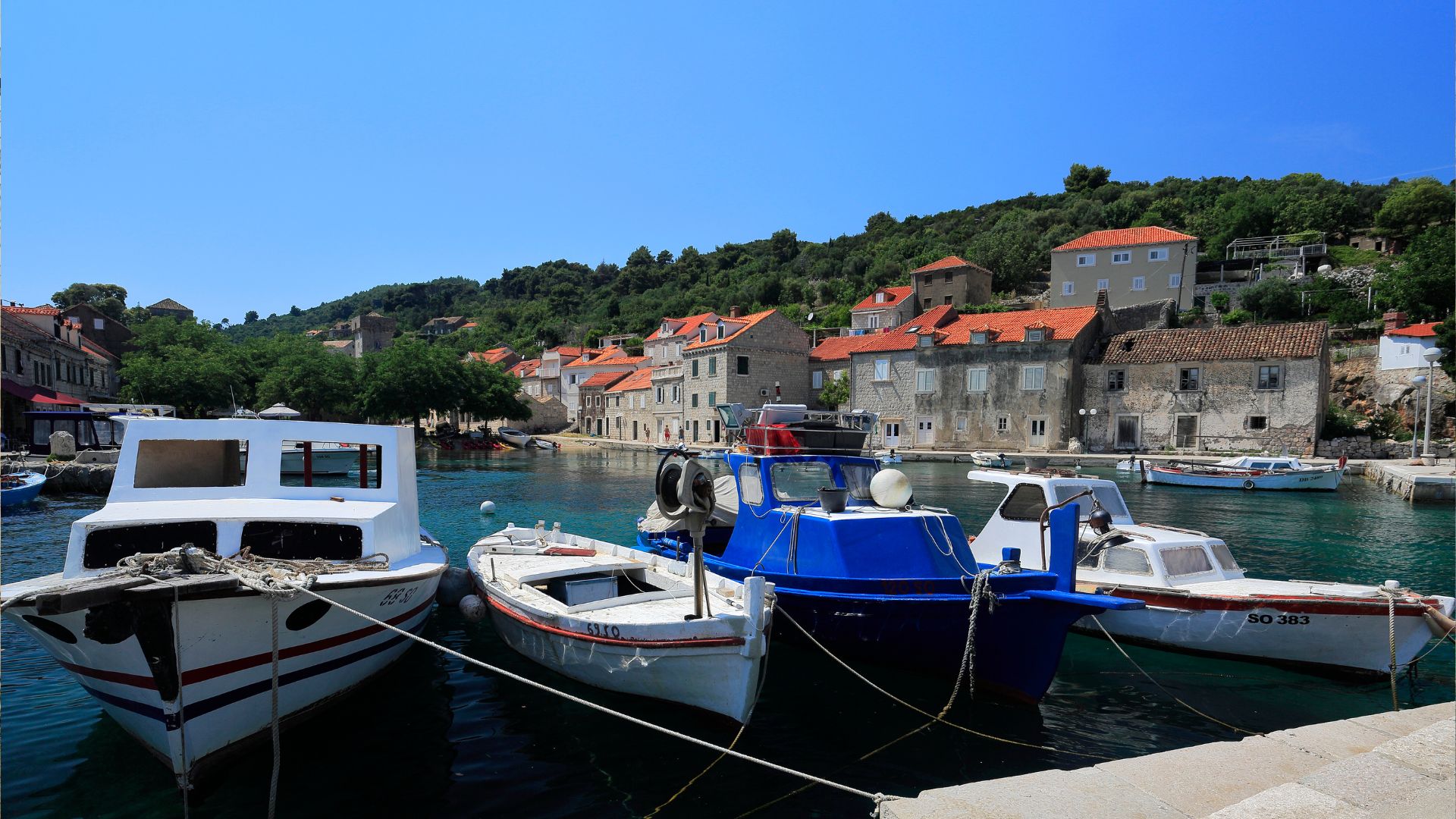
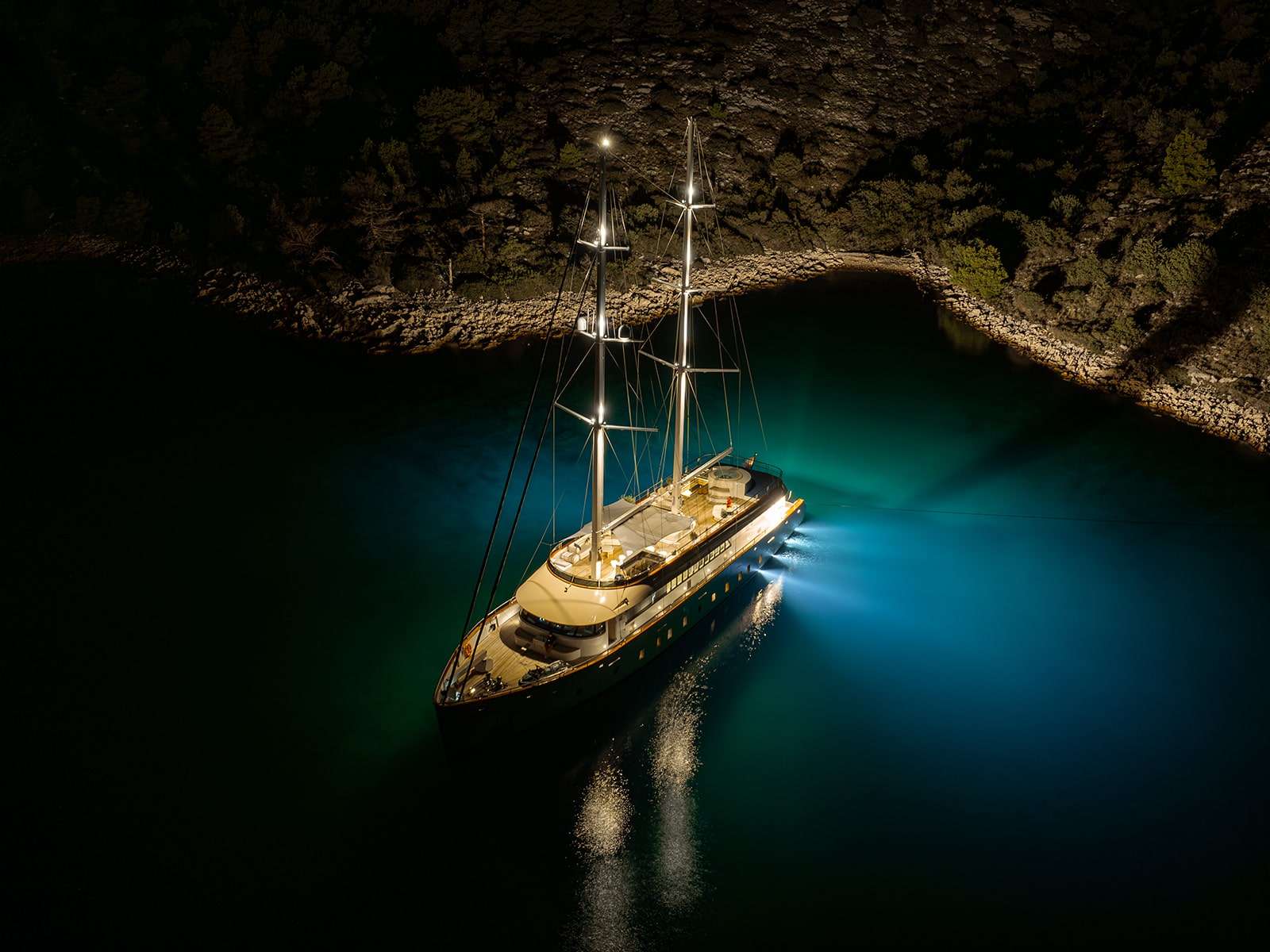
Otro corto día de 18 millas náuticas, al noreste de Pomena a Šipan, la mayor y más habitada de las islas Elaphiti, el pequeño archipiélago disperso entre Mljet y Dubrovnik. La navegación de la mañana bordea la costa norte de Mljet y cruza el canal de Šipan, normalmente con un Maestral de suave a moderado, y te deja en el tranquilo puerto de Šipanska Luka a primera hora de la tarde.
Šipan no tiene coches, está en gran parte ignorada por la multitud de excursionistas de Dubrovnik, y es hogar de unos cientos de personas que pescan, hacen vino y se ocupan de lo suyo. El ritmo aquí es justo el adecuado para el penúltimo día del viaje. Fondea o coge un amarre de muelle del pueblo, recorre el paseo marítimo, báñate desde los escalones de piedra, y échate la siesta en algún sitio a la sombra.
Si te apetece una excursión, tu capitán puede organizar un traslado en coche cruzando el canal a Ston, en la península de Pelješac —20 minutos en lancha a Slano, otros 20 por carretera— para el largo almuerzo para el que está hecho Ston. Ston se asienta en la cabecera de una bahía de agua salada cultivada para ostras desde época romana, y las ostras que se sacan de esa bahía son tan buenas como cualquiera de Europa. El pueblo también es famoso por los segundos muros defensivos más largos del mundo después de la Gran Muralla China, que recorren seis kilómetros a través del istmo de la península y son perfectamente recorribles a pie. Ostras, muros, tinto de Pelješac en la mesa: un desvío que vale la pena para los huéspedes que lo quieran.
De vuelta en Šipan para la cena en la Konoba Kod Marka, en el puerto: familiar, cuatro mesas, lo que llegó en el barco del día. Tu chef se encarga de un desayuno tranquilo a bordo por la mañana antes del último tramo.
Day Highlights
Día 7 de 7 · Šipan → Dubrovnik
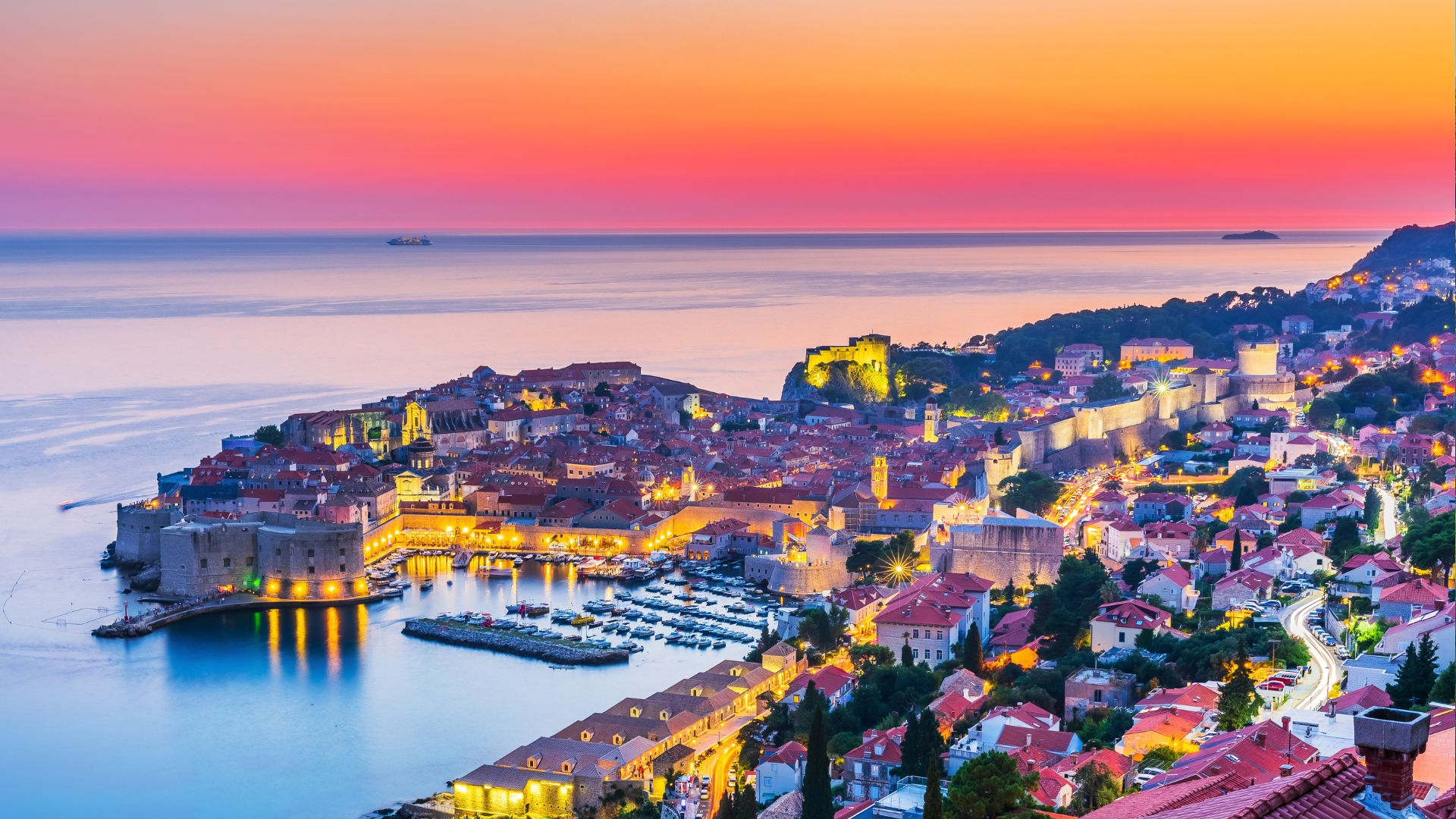
El último tramo es una corta y casi ceremonial travesía de 12 millas náuticas al sureste de Šipan a Dubrovnik, y tu capitán planeará la mañana en torno a una experiencia concreta: una pasada cercana bajo los muros de la ciudad vieja desde el agua. La mayoría de los visitantes de Dubrovnik ven los muros por primera vez desde lo alto de una cola de autobús. Tú los verás desde la cubierta de tu propio yate, a vela, con la isla de Lokrum a babor y las fortificaciones alzándose veinticinco metros a plomo desde el Adriático por tu estribor. Es la aproximación más espectacular a cualquier ciudad del Mediterráneo y es enteramente tuya.
Tras la pasada, tu capitán pone la proa al norte hacia la Rijeka Dubrovačka —el estrecho fiordo del río Ombla que se adentra tras la ciudad— y amarra en ACI Marina Komolac, la base tranquila y bien llevada donde el viaje termina oficialmente. Desde aquí, son 15 minutos de traslado a la ciudad vieja para la tarde que quieras.
El mejor uso de esa tarde es el paseo alrededor de los propios muros de la ciudad. El circuito completo es de unos dos kilómetros, lleva dos horas pausadas, y se hace mejor en las dos últimas horas de luz, cuando la piedra se vuelve dorada y los grupos de turistas se aligeran. Yacht Warriors puede organizar un guía privado que conoce cada torre, cada historia de asedio otomano y cada banco tranquilo con vistas: el tipo de paseo que te da la historia sin el ruido. Cena en uno de los restaurantes dentro de los muros, una última copa con vistas al Stradun, y un corto trayecto de vuelta al barco.
Day Highlights
Día 8 · Salida
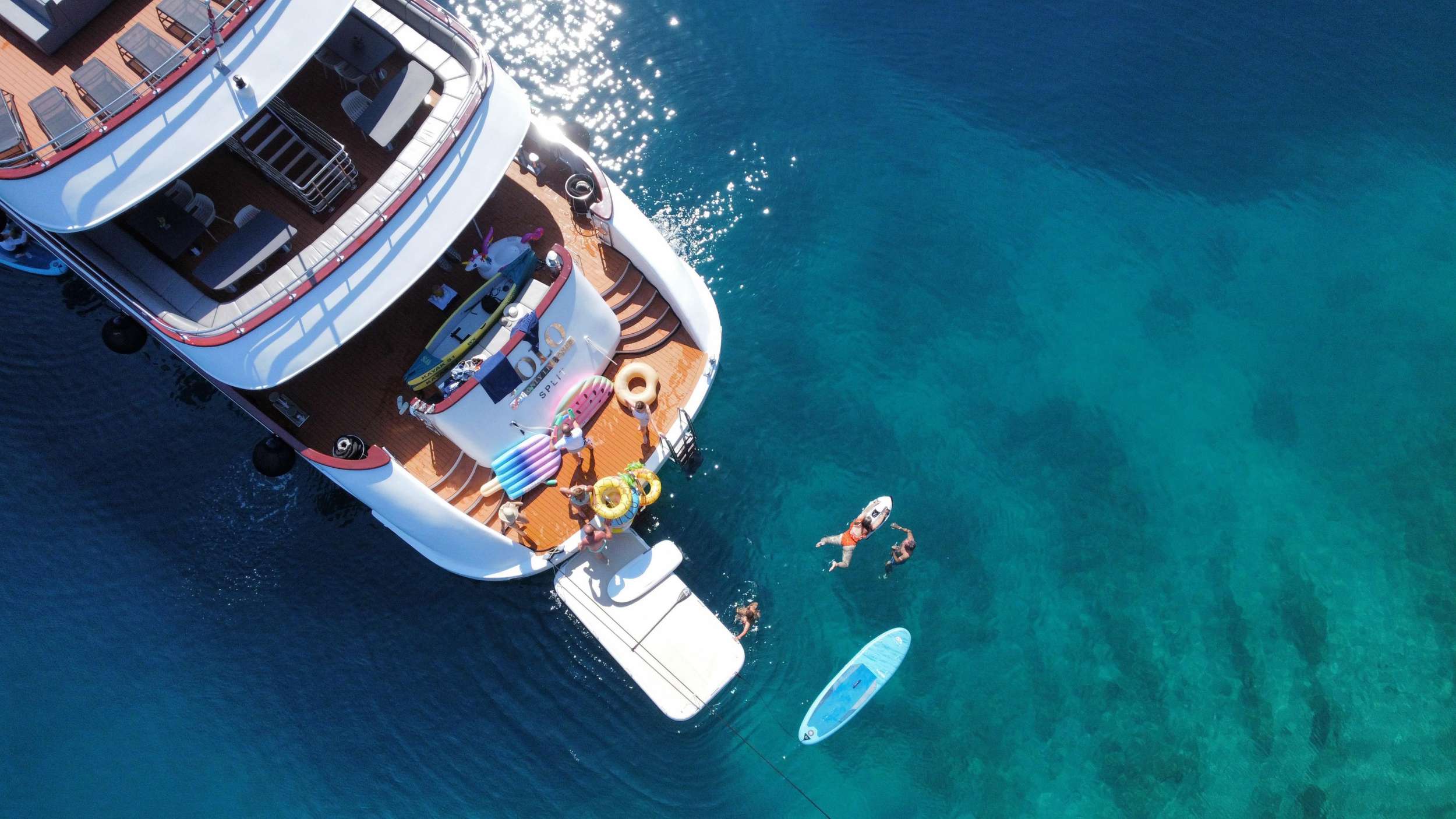
Disfruta de un último desayuno pausado en cubierta en Komolac, un último baño desde la popa si te animas, y el corto traslado que tu tripulación organiza directo al aeropuerto de Dubrovnik o a tu hotel en tierra si amplías en la ciudad. Tu capitán y tu chef bajarán del barco ya hablando de cuándo vuelves, que suele ser como terminan los buenos.
Want to share or come back to this voyage later?
Bookmark this voyage →Croacia y Montenegro
Una parte importante de los clientes de yate con tripulación en Croacia acaba planteándose la misma pregunta: ¿quedarse toda la semana en la Costa Dálmata o continuar hacia el sur hasta Montenegro? La respuesta práctica es que Croacia es la zona de crucero más amplia — más islas, más puertos, más opciones gastronómicas —, mientras que Montenegro aporta el contraste más marcado al final del recorrido: la Bahía de Kotor, Porto Montenegro y la jornada offshore en Sveti Stefan.
Si el objetivo es un viaje en yate limpio en un solo país, Croacia sigue siendo la primera respuesta. Si el grupo quiere una ruta de una dirección con una historia de frontera real, la ruta de Dubrovnik a Kotor es la extensión natural. Es el itinerario que recorre ambos países en una semana sin forzar Montenegro en medio de una ruta de ida y vuelta desde Split.
Escribimos la comparativa más amplia en Montenegro vs Croacia — pueblos, gastronomía, costes, afluencia de turistas y la versión sin yate del viaje — y el itinerario específico de viaje en yate está en The Adriatic Crossing: Dubrovnik to Kotor. Si estás decidiendo entre un viaje en yate por Croacia y uno por Montenegro, empieza por ahí.
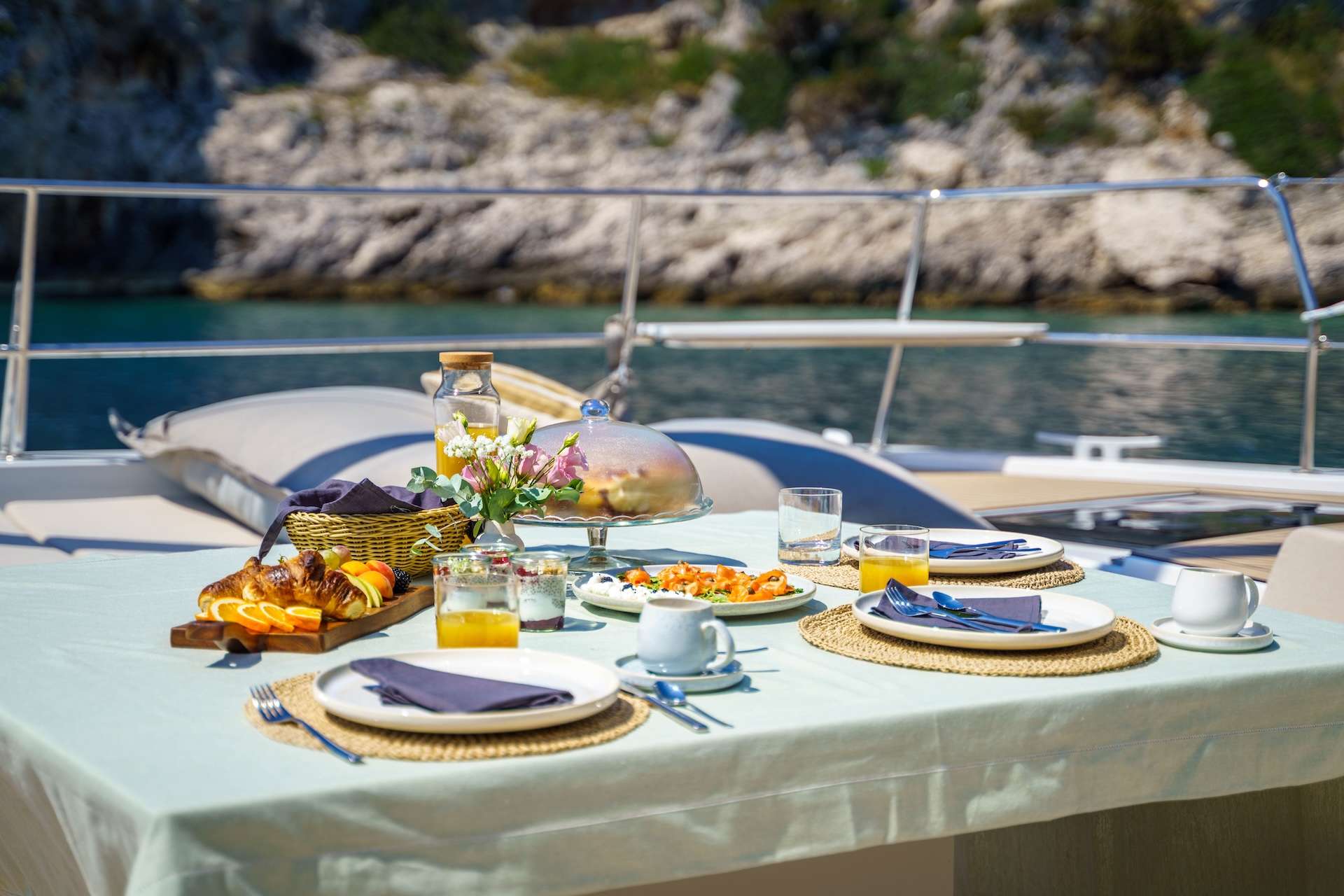
When to go, what it costs, and how to get there — the practical answers guests ask before booking a Croatia crewed yacht charter.
Julio y agosto son las semanas de mayor reserva de la temporada mediterránea. Las temperaturas diurnas oscilan entre los 30 y los 34 °C, el Maestral sopla con regularidad la mayoría de las tardes, la temperatura del agua alcanza su punto máximo en torno a los 26 °C, y las islas están en su momento más animado — el muelle de Hvar Town se llena de megayates, las konobas se reservan con semanas de antelación y las bahías de Pakleni pueden acoger un centenar de yates un sábado propicio. Los mejores yates y tripulaciones se reservan con 9 a 12 meses de antelación para estas semanas, y las tarifas son entre un 25 y un 40 % más altas que en temporada media. Quienes quieren vivir el Adriático en plena efervescencia lo pagan; quienes prefieren aguas más tranquilas y reservas más fáciles eligen las ventanas de antes o después.
Junio y septiembre ofrecen el mejor equilibrio del año. Los vientos alisios se mantienen estables, la temperatura del agua ronda los 24 °C (suficientemente cálida para nadar a diario), las konobas tienen mesa, las islas recuperan su ambiente local y las tarifas bajan entre un 20 y un 30 % respecto a la temporada alta. Septiembre en particular es cuando muchos habituales del Adriático eligen navegar — el calor se suaviza, el Maestral persiste y los barcos de excursión empiezan a disminuir. Finales de mayo y principios de octubre también son viables para quienes pueden viajar antes o después del calendario escolar — agua algo más fresca, tarifas más bajas y algún Jugo ocasional (el viento del sureste que trae chubascos y cambia el canal), aunque el capitán planifica la ruta teniéndolo en cuenta.
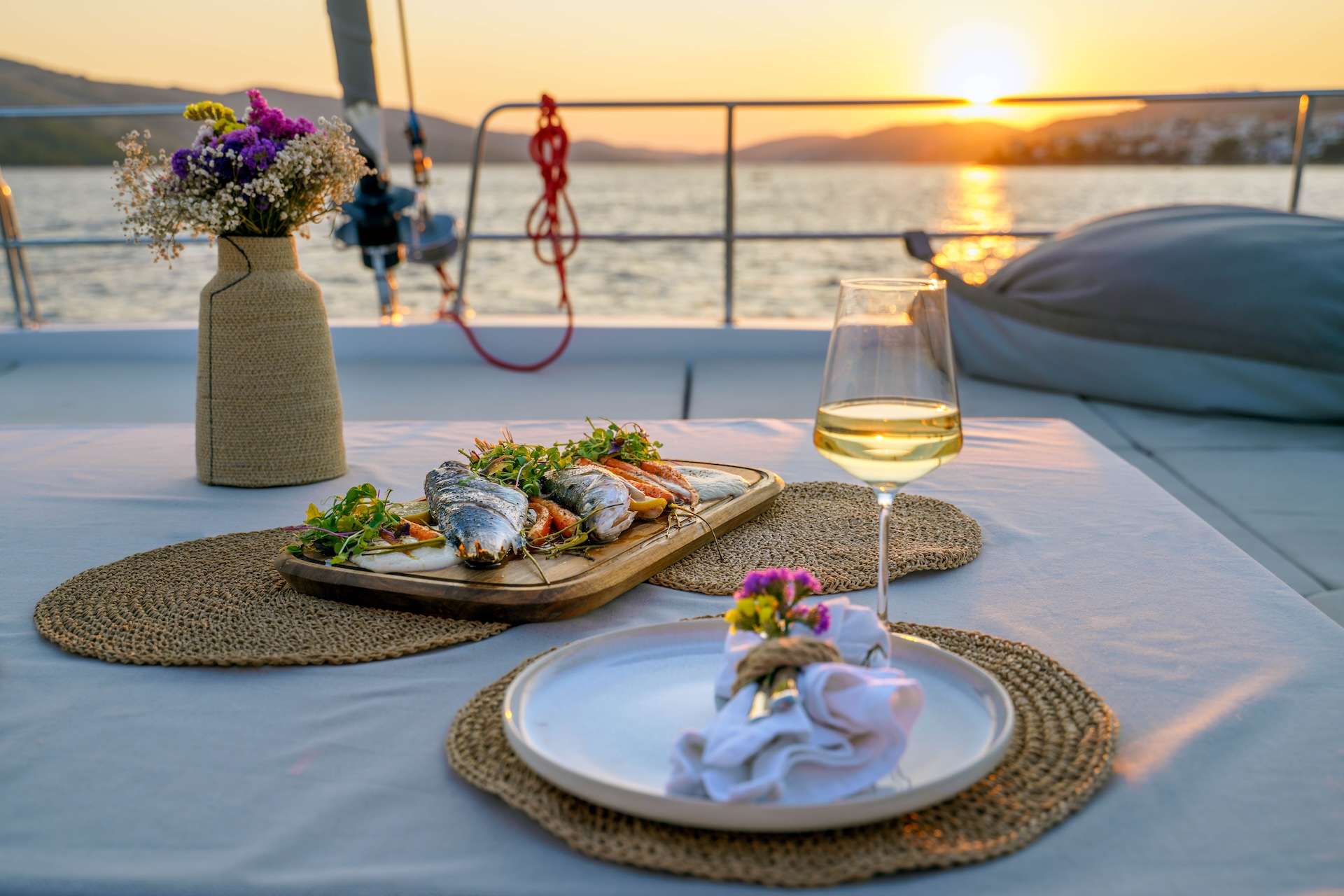
$25,000–$100,000 per week
Los viajes en yate con tripulación en Croacia tienen tarifas de alquiler que suelen oscilar entre los 25.000 y los 100.000 USD o más por semana, según el tamaño del yate, el año de construcción y la tripulación. Croacia opera bajo el modelo mediterráneo de gastos adicionales — no el todo incluido habitual del Caribe. La tarifa de alquiler de yate cubre únicamente el yate y la tripulación. Alimentación, bebidas, combustible, amarre en marina, tasas portuarias, registros de tránsito, agua y electricidad, e impuesto turístico se pagan a través de una APA (Asignación Anticipada de Provisiones), financiada por adelantado con el 30–35 % de la tarifa base y liquidada al final del viaje. El IVA del yate en Croacia es del 13 % (tipo reducido aplicable al alquiler de yates, distinto del IVA general del 25 %) y se añade a la tarifa base en el momento de la reserva. La propina para la tripulación es del 10–15 % en el Mediterráneo — inferior al 15–20 % del Caribe — y se entrega directamente al capitán en el desembarque. Los viajes en yate en Croacia se realizan de sábado a sábado como norma; la semana de siete días se organiza en torno al día de cambio unificado del país, y las fechas de inicio entre semana son poco habituales.
About chartering in Croatia.
Field-tested guides, itineraries, and tips — written from years of chartering these waters.

¿Grecia o Croacia? Compare destinos, estilos de navegación y precios para elegir el destino en el Mediterráneo ideal para su viaje.

Descubre los mejores destinos para alquilar un yate en verano durante la temporada de huracanes: explora las Granadinas, Las Exumas o el Mediterráneo.

Para ayudarte a armar tu lista de lecturas de verano para esos momentos de relax en la playa, comparto algunos libros que recomiendo mucho.
We charter across the Eastern Mediterranean. Here are some other excellent alternatives.

Embark on a Greece yacht charter to experience timeless beauty, crystal-clear waters, ancient ruins, and charming islands offering endless exploration.

The Mediterranean week that looks like nowhere else in Europe — medieval walls dropping straight into the water, a baroque church on an island made from sunken ships, and the Sveti Stefan silhouette at the offshore anchor. The Adriatic week most guests book the second time they come.

Yalıkavak's celebrity-chef quay, Maçakizi's pontoon at sundown, Kekova where the sunken city of Simena sits below your anchor — the Mediterranean the Turks have mostly kept for themselves, and the lowest charter VAT in the Med.
Fill out our quick form and we'll dive into your unique preferences — from adventure-packed itineraries to pampered escapes. Whether you're a seasoned voyager or new to charters, we'll tailor recommendations just for you.
With over fifteen years of experience, we'll match you with the yacht that fits your style, group, and itinerary. We work directly with the captains and crews across our list — so the recommendation is built around the right boat-and-crew fit for your week, not whatever's easiest to book.
Once your yacht is booked, we'll take care of logistics: paperwork, reminders, and personalized resources to help you plan. From arrival planning to must-visit spots, we'll make your charter as seamless as it is unforgettable.

¿Qué esperar de un alquiler de yate privado con tripulación?
Conocé qué hace únicos a estos viajes en yate: servicio personalizado, gastronomía gourmet y un sinfín de aventuras y momentos de relax.

¿Cómo es el proceso de reserva?
Nuestro equipo se encarga de todo: desde tu primer consulta hasta que zarpás. Todo fluye de forma simple.

¿Cuánto cuesta un alquiler de yate con tripulación?
Entendé los distintos tipos de precios, lo que está incluido y lo que no.

Logística: planes probados para un inicio sin estrés
Planificá tu llegada con facilidad. Te damos tips sobre vuelos, traslados y todo lo necesario para arrancar relajado.
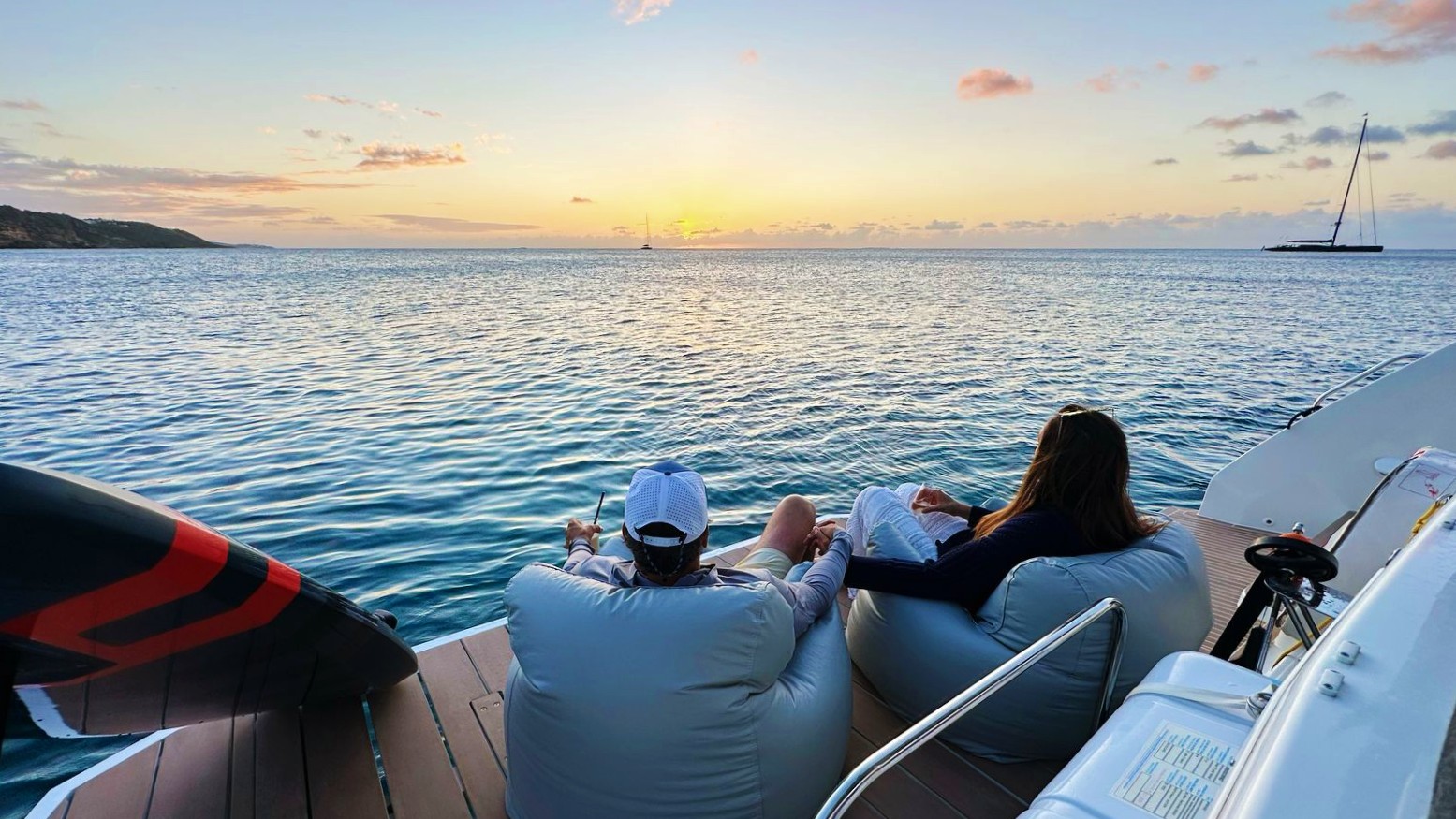
Alquiler de yate de luna de miel
Comience su matrimonio en un yate privado. Explore playas solitarias, gastronomía gourmet y atardeceres inolvidables en el Caribe.
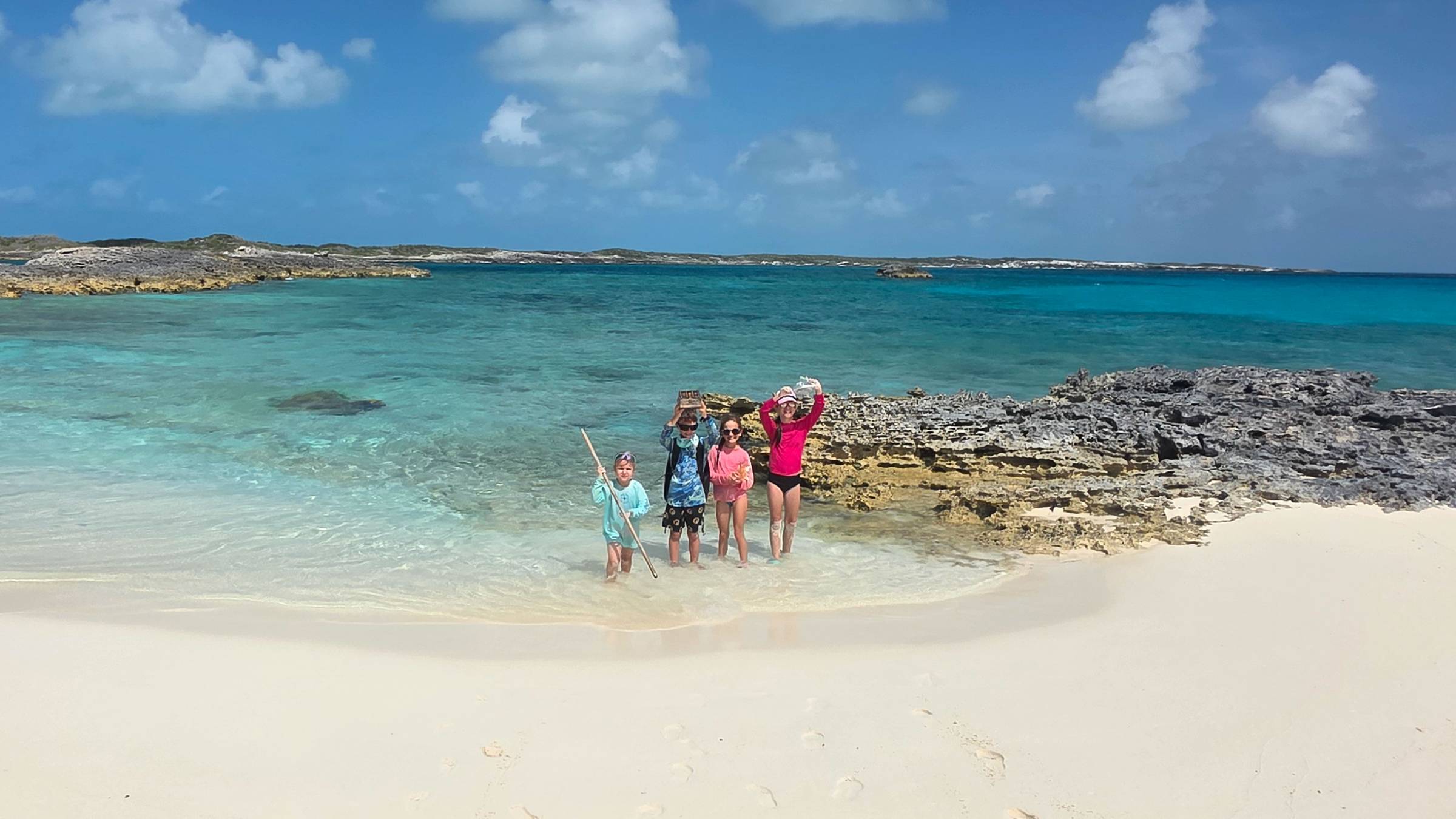
Alquiler de yate familiares
Un alquiler de yate con tripulación es perfecto para familias de todas las edades. Seguro, divertido y con servicio completo — sus hijos nunca lo olvidarán.

Preguntas frecuentes sobre alquileres de yate con tripulación
Obtenga respuestas a las preguntas más comunes sobre alquiler de yate con tripulación, desde precios y propinas hasta qué incluye y qué llevar.

Alquiler de yate con tripulación en las Islas Vírgenes Británicas
Las Islas Vírgenes Británicas son el destino #1 de alquiler de yate con tripulación en el Caribe. Navegaciones cortas, aguas protegidas y bahías de clase mundial.

Guía de Alquiler de Yate con Tripulación en Islas Vírgenes Británicas
Todo lo que necesitás saber antes de tu viaje en yate con tripulación en las Islas Vírgenes Británicas — precios, lista de equipaje, itinerario y cómo llegar.
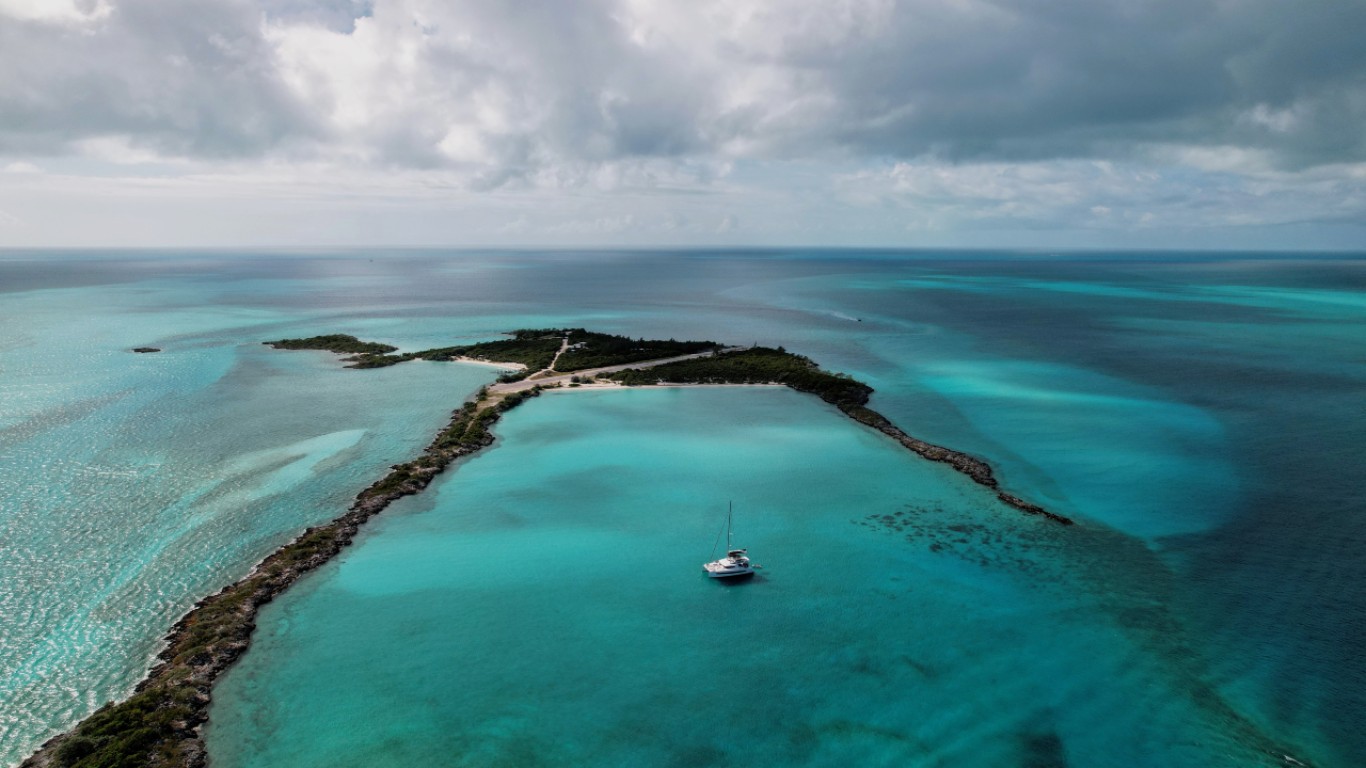
Alquiler de yate con tripulación en las Bahamas
Explore las Exumas en un yate privado con tripulación. Cerdos nadadores, bancos de arena y algunas de las aguas más cristalinas del mundo.
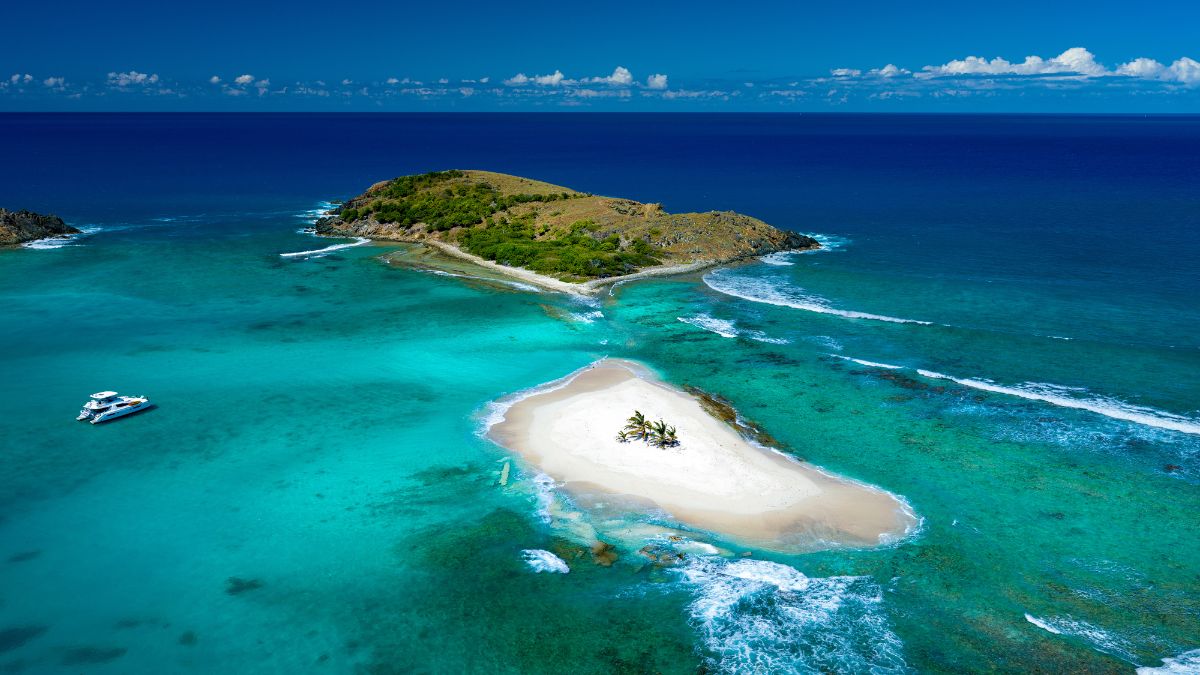
Alquiler de yate con tripulación en el Caribe
Alquiler de yate todo incluido con tripulación en todo el Caribe — Islas Vírgenes Británicas, Bahamas, Islas Vírgenes de EEUU, St. Martin, Antigua y más.