

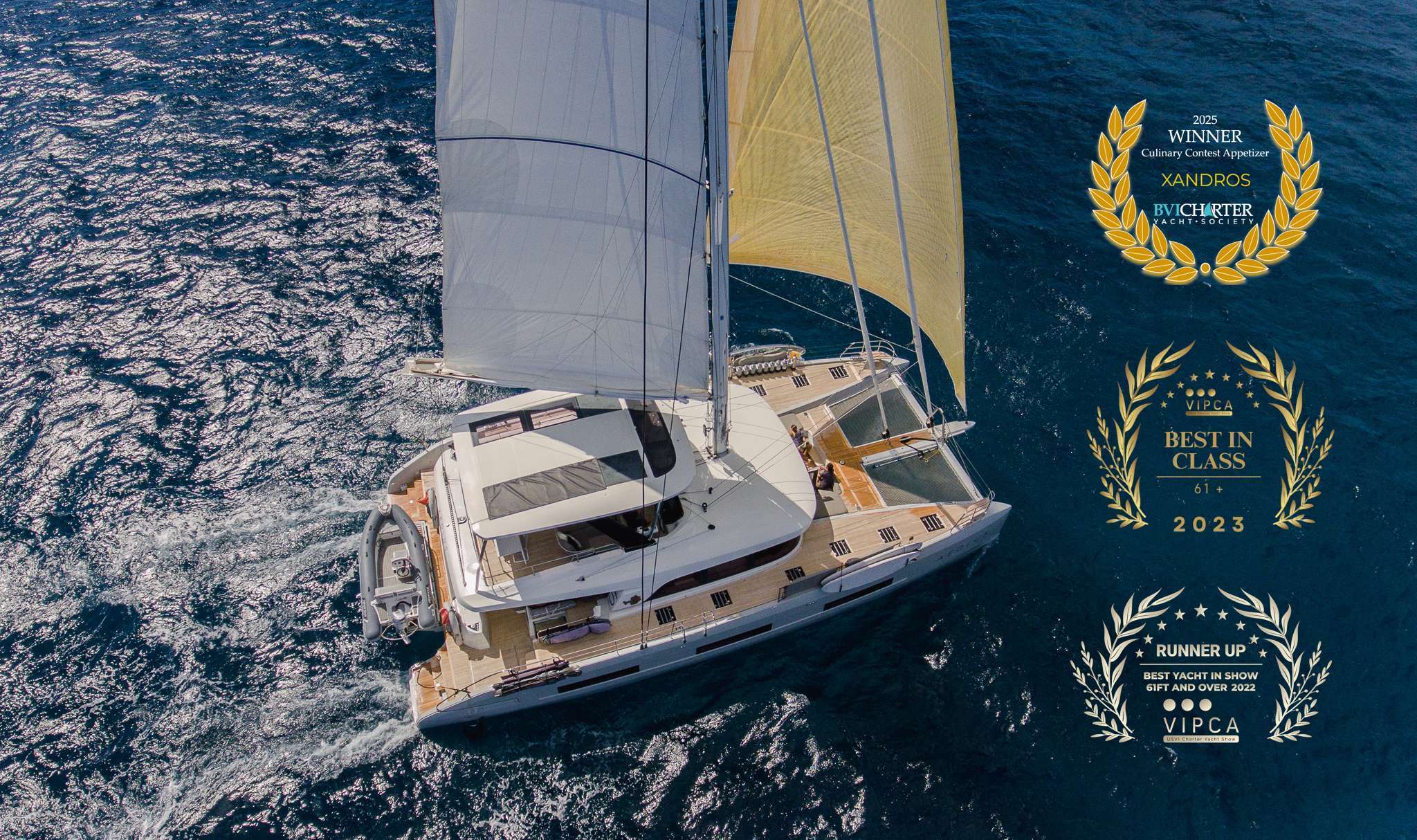
Xandros
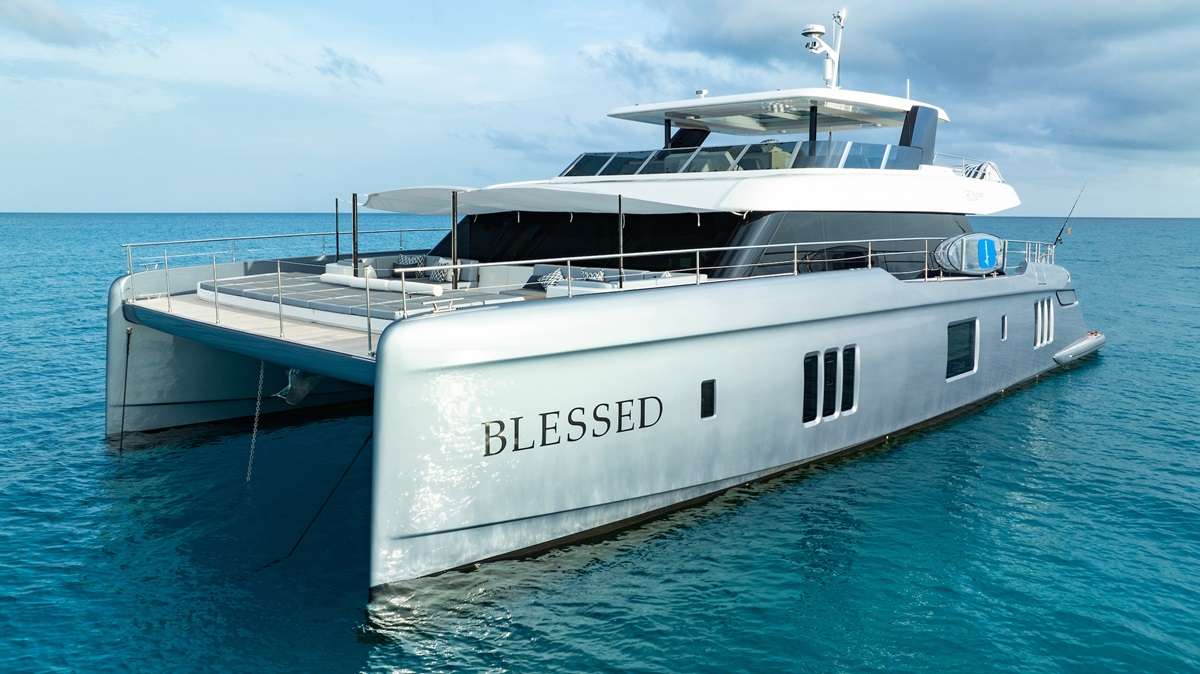
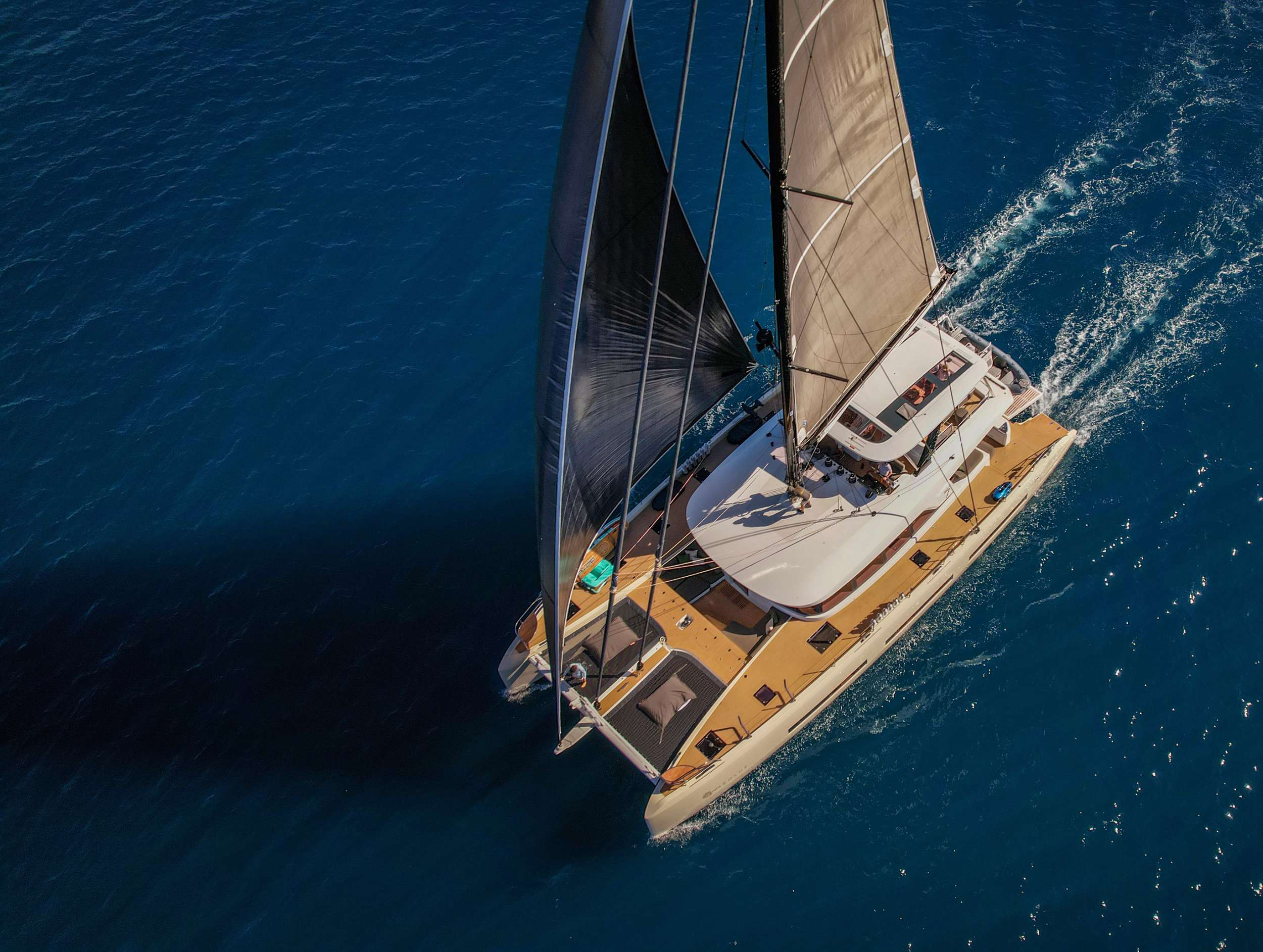
65FT · SAILING CATAMARAN
Desde $54,000/semana
8 Guests · 4 Cabins
Caribbean
Eastern Mediterranean
Western Mediterranean
South Pacific
United States
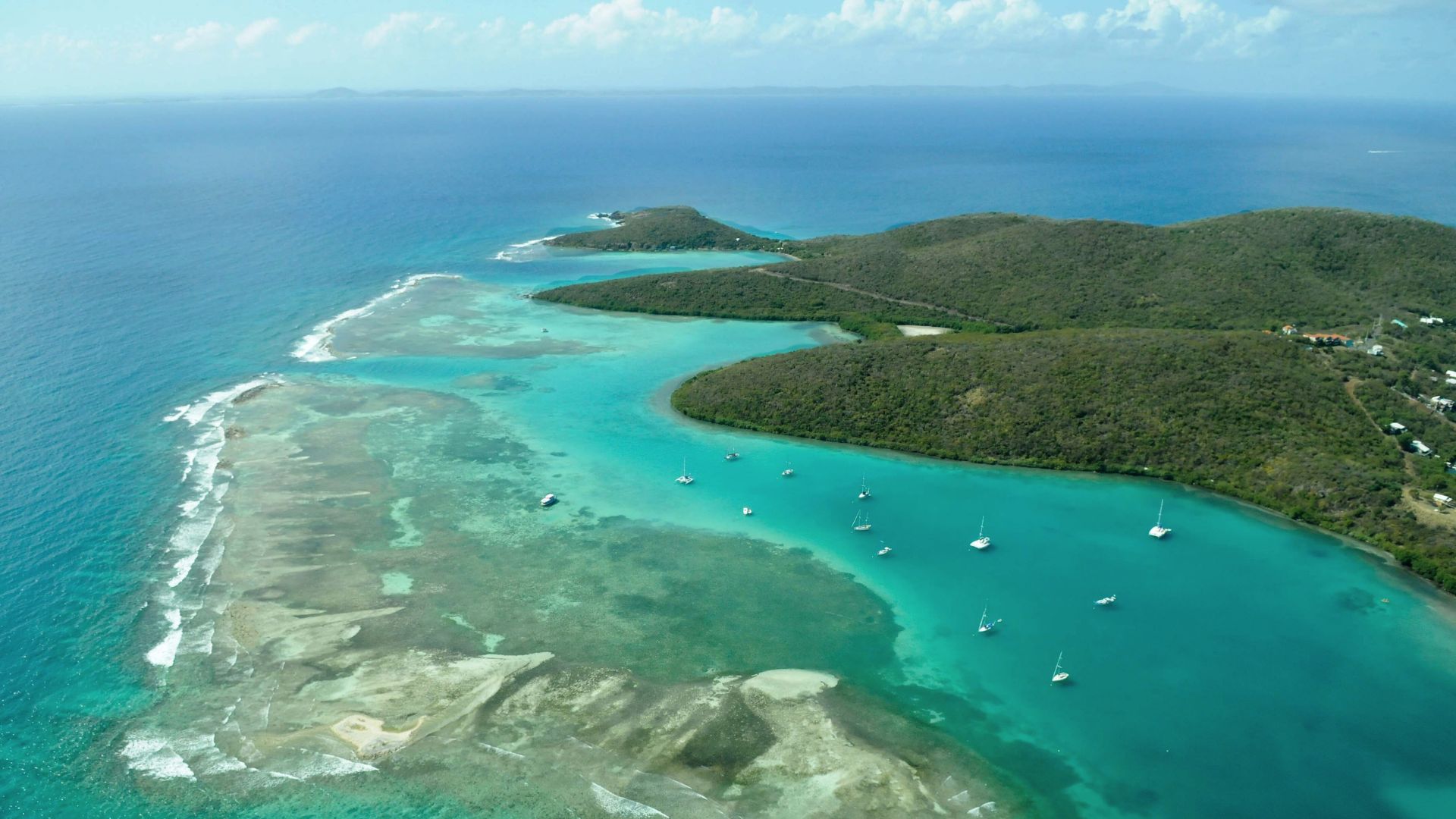
Yates con tripulación por Vieques, Culebra y Culebrita — bahías desiertas y acceso a territorio estadounidense desde Puerto Rico o St. Thomas.
Por qué las Islas Vírgenes Españolas
Las Islas Vírgenes Españolas se sitúan entre las Islas Vírgenes de EEUU y Puerto Rico — dos islas principales, Vieques y Culebra, rodeadas de cayos deshabitados. Ambas están bajo bandera estadounidense a través de Puerto Rico, lo que simplifica el viaje para los huéspedes de EEUU: sin pasaporte, sin despacho de aduana extranjero como ocurre con un viaje en yate por las Islas Vírgenes Británicas o Las Bahamas. El motivo por el que la mayoría de los viajeros nunca ha oído hablar de esta cadena de islas es logístico, no legal — no existe vuelo internacional directo a ninguna de las dos islas, y la zona de navegación queda justo fuera del circuito BVI/USVI que domina el sector.
Un yate con tripulación es la única manera práctica de conocerlas, y las embarcaciones que operan esta ruta no conforman una flota permanente. Ningún yate de alquiler reside en las Islas Vírgenes Españolas; el inventario son catamaranes y veleros con base en las Islas Vírgenes Británicas y de EEUU que se desplazan para el viaje. La oferta es más reducida que en las zonas más concurridas y la antelación importa, pero los capitanes que navegan este circuito lo conocen bien, y ellos se encargan del único tramo que realmente exige conocimiento local: los vientos alisios del nor-noreste predominantes hacen que la travesía sea de barlovento a sotavento desde St. Thomas hacia Vieques y Culebra, y la ceñida de regreso a través del canal queda para el último día. Un capitán con experiencia en la ruta programa la jornada de ceñida según el pronóstico de la mañana.
Lo que distingue a esta cadena de las zonas de viajes en yates más conocidas del Caribe es la ausencia de aglomeraciones. Los locales describen las Islas Vírgenes Españolas como lo que eran las Islas Vírgenes Británicas hace treinta años, y la comparación se sostiene. Carlos Rosario, en el extremo noroeste de Culebra, es una de las concentraciones más densas de coral cuerno de alce del Caribe, protegida como reserva marina desde 1999. Bahía Mosquito en Vieques es la bahía bioluminiscente más brillante del mundo según el récord Guinness. El Faro de Culebrita — un faro de la Corona española del siglo XIX, desactivado en 1975 — corona una colina en ruinas con vistas de 360 grados sobre toda la cadena. Pocas zonas de navegación en aguas estadounidenses ofrecen tanta variedad con tan poco tráfico de yates.
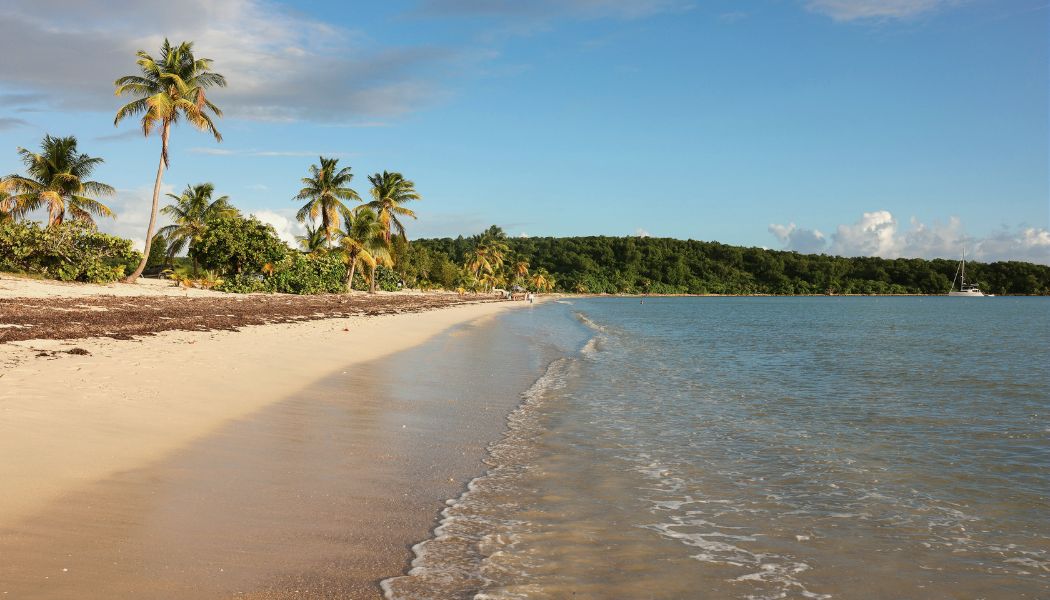
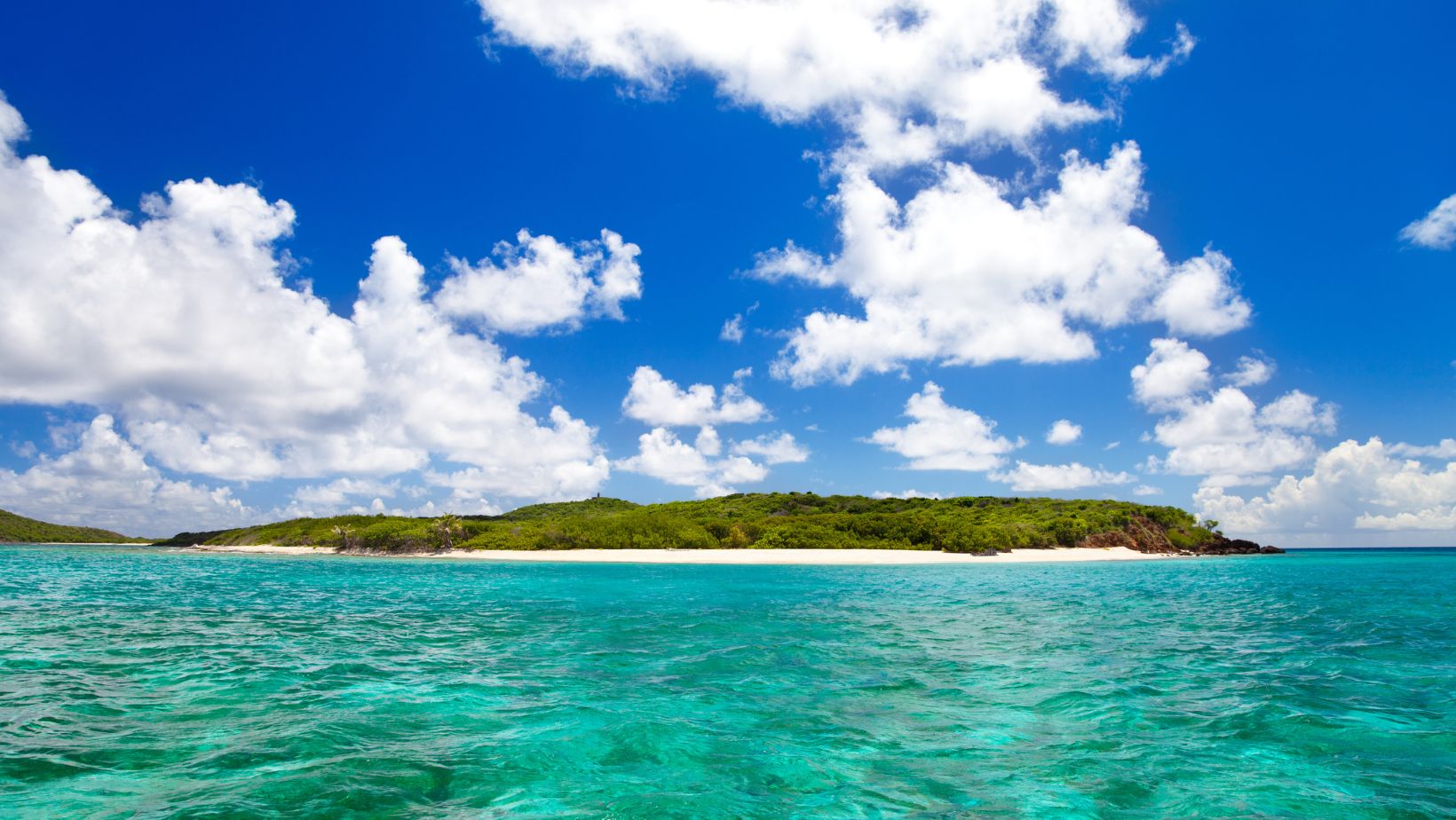
Cuatro características que distinguen las Islas Vírgenes Españolas de las zonas de viajes en yate caribeñas más transitadas.
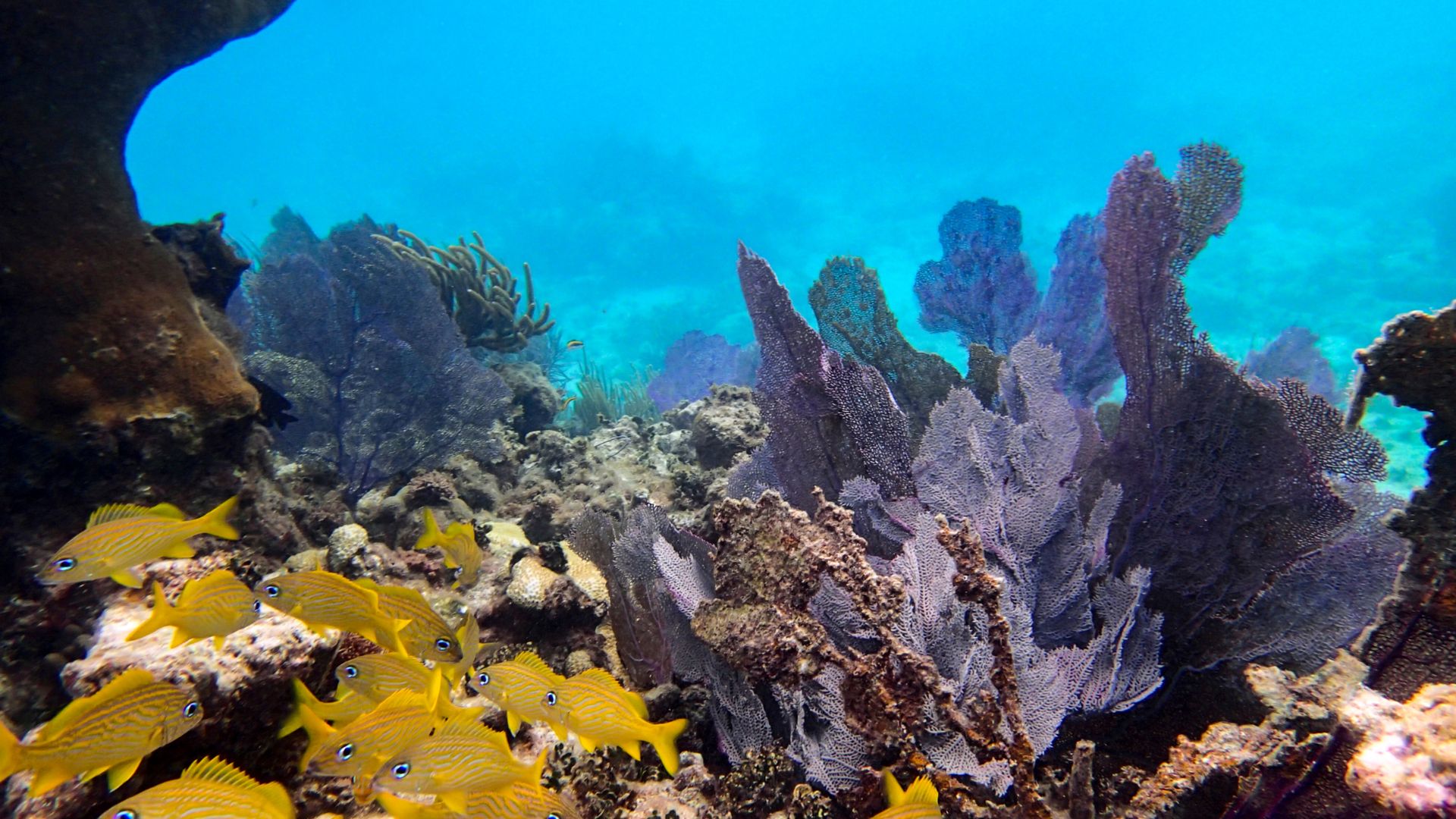
Carlos Rosario, en el extremo noroeste de Culebra, es una de las concentraciones más densas de coral cuerno de alce del Caribe — protegida como reserva marina desde 1999 y recuperada hasta convertirse en uno de los mejores sitios de buceo con snorkel en aguas estadounidenses. El arrecife de Ensenada Dakity, resguardado detrás de una barrera en la costa sur de Culebra, ofrece visibilidades de entre dieciocho y veinticuatro metros en un día de vientos alisios estables. Ambos sitios permanecen tranquilos porque prácticamente ningún yate navega entre Vieques y Culebra.
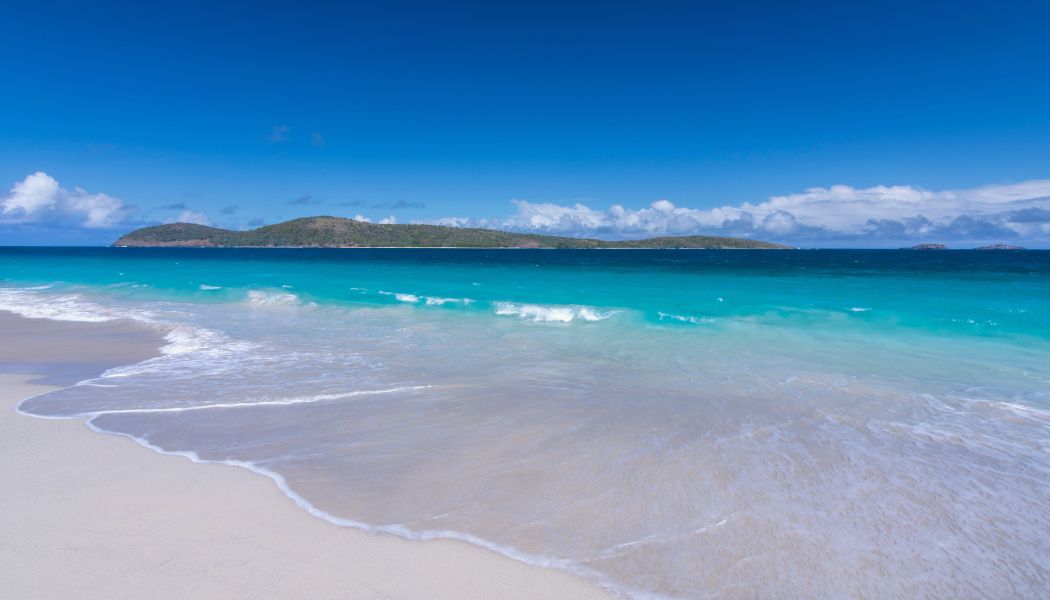
La mayoría de los cayos de la cadena están deshabitados. Cayo Luis Peña y Culebrita son refugios de vida silvestre protegidos sin residentes permanentes, sin muelles ni instalaciones — isletas de poco más de un kilómetro de extensión rodeadas de arrecife donde el barco fondea una tarde y puede que seáis el único yate a la vista. El contraste con las Islas Vírgenes Británicas, más concurridas y a barlovento, es inmediato.

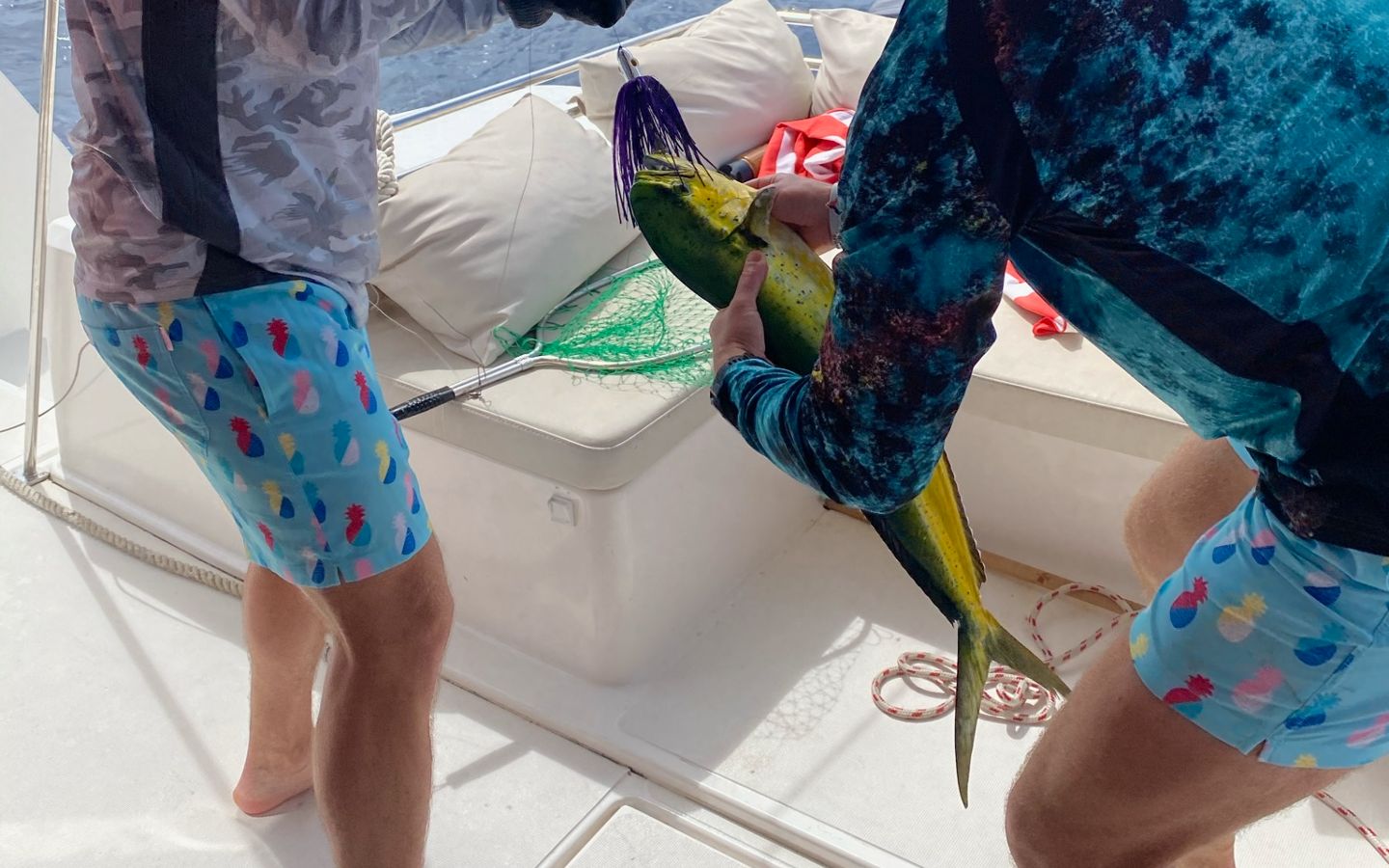
Bahía Mosquito en Vieques es la bahía bioluminiscente más brillante del mundo según el récord Guinness — cada palada de remo de noche enciende la superficie en un azul eléctrico. La batimetría al sur de Vieques cae de unos doce metros a varios miles en apenas unos kilómetros, y ese borde de aguas profundas — conocido localmente como "el drop" — es uno de los puntos de pesca offshore más fiables del Caribe oriental. El mahi-mahi abunda en invierno; el atún se mantiene constante todo el año.
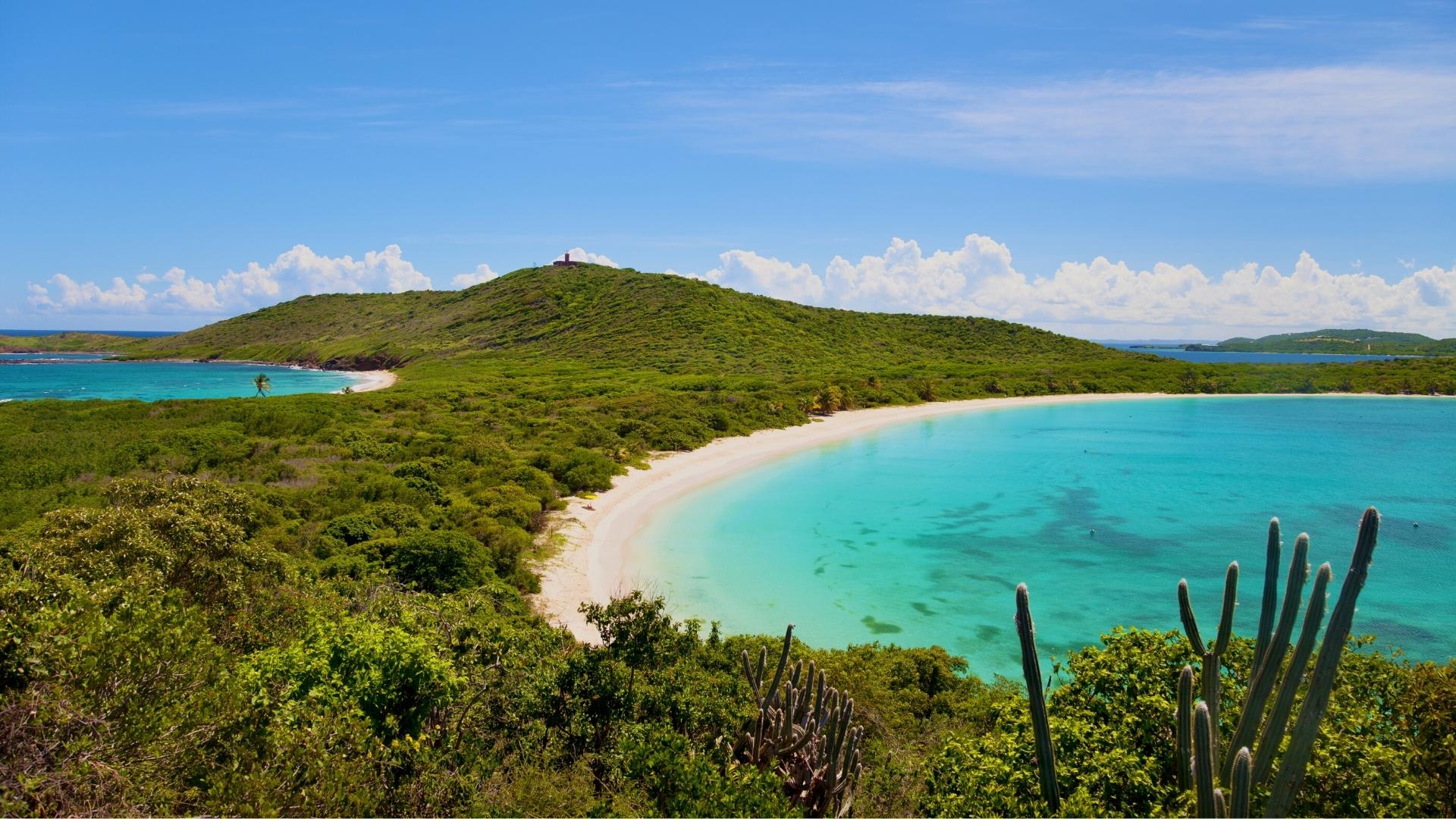
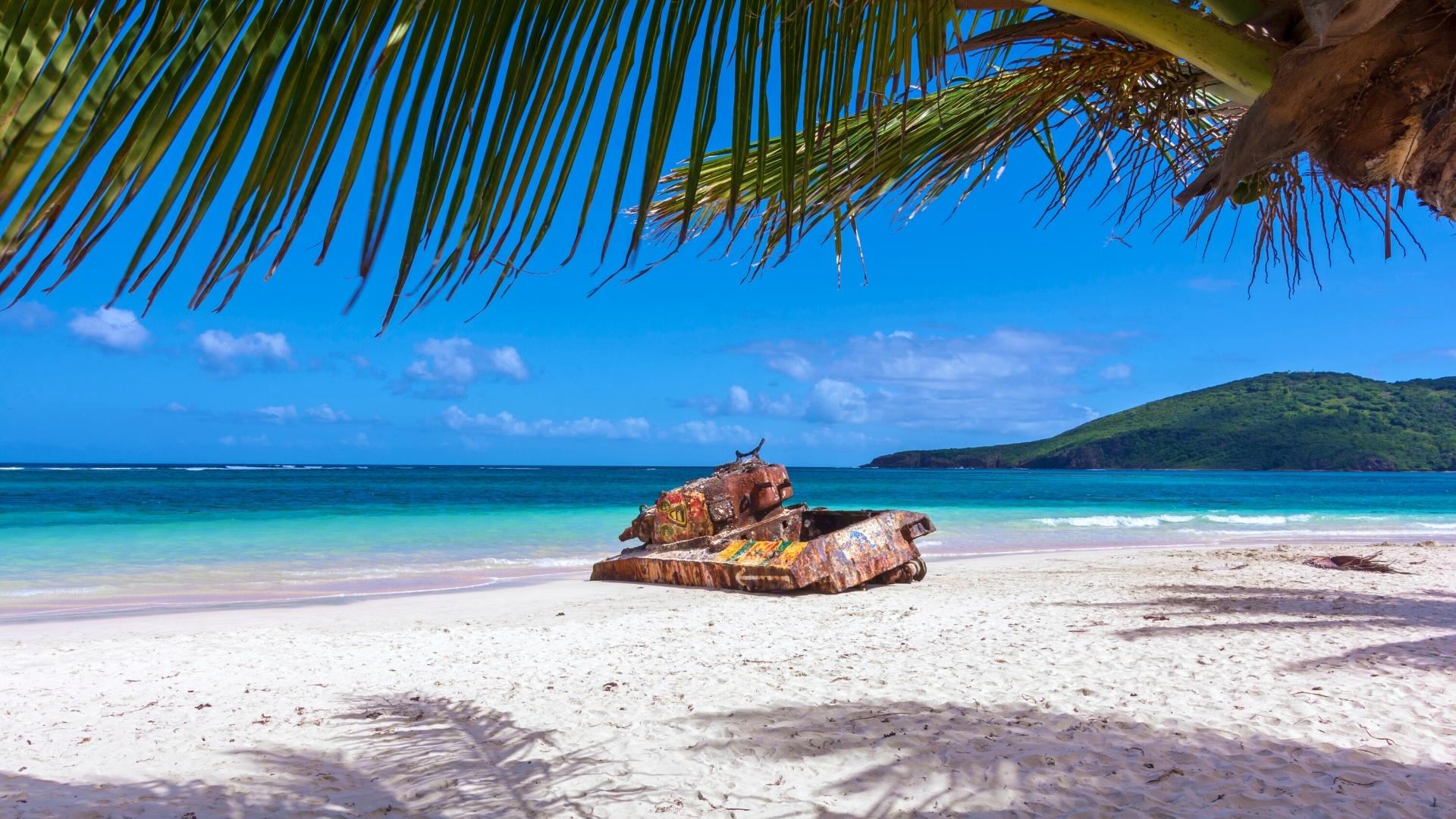
Playa Flamenco en Culebra ha sido clasificada entre las diez mejores playas del mundo por Travel + Leisure, Discovery Channel y Travel Channel — una herradura de arena blanca fina con dos tanques Sherman oxidados en el extremo este, legado de la era del campo de bombardeo de la Marina de EEUU que concluyó en 1975. Playa Tortuga en la deshabitada Culebrita cuenta con tortugas verdes residentes durante todo el año y un faro de la Corona española de 1880 en la colina que la domina. Sun Bay, en la costa sur de Vieques, cierra el itinerario con el ambiente auténtico de una isla viva, a un corto trayecto en lancha auxiliar desde el pueblo de Esperanza.
A hand-picked selection of crewed charter yachts for Spanish Virgin Islands — yachts and crews we know firsthand.
Your week is shaped around your group's interests, the season, and the conditions on the water — your captain tailors the days as they unfold. Treat this itinerary as a starting point for inspiration.
Crewed Itinerary · Spanish Virgin Islands
The Spanish Virgin Islands sit between the US Virgin Islands and Puerto Rico—two main islands, Vieques and Culebra, with a scatter of uninhabited cays around them. They're the same chain that produces the BVI's anchorages and the USVI's beaches, but with a fraction of the charter traffic, no passport requirement, and the kind of empty bays that the BVI used to have thirty years ago. The reason most charter guests have never heard of them is logistical: there's no direct international airport into either island, and the standard charter base has historically been Puerto del Rey on the Puerto Rico mainland, which adds a long airport-to-marina day on either end of the trip. The fix is to start the charter where the boats actually live—St. Thomas—and run the route as a downwind clockwise loop. That's the itinerary below.
Seven days, roughly 95 nautical miles, downwind sailing for the first half and an upwind return on the last day. Two nights in Vieques (south coast and west coast), four in Culebra and Culebrita, one final night back across the channel at Magens Bay on St. Thomas. Both Vieques and Culebra are US territory—same as the USVI—so there's no customs paperwork, no passport stamp, and no clearance window to plan around. With your professional captain and private chef running the boat, you step aboard at Yacht Haven Grande, point the bow west, and let the trades do the rest.
The Spanish Virgin Islands deliver everything guests come to the BVI for — clear water, empty beaches, downwind trade-wind sailing — without the passport, the Customs paperwork, or the crowds. Vieques and Culebra are US territory, the same as the USVI; you fly into STT and step aboard. The Bahía de la Chiva (Blue Beach) anchorage on Vieques and the Flamenco/Culebrita arc on Culebra are arguably the best beach anchorages anywhere in the US Caribbean.
About 95 nautical miles across the week — downwind on the way out (St. Thomas to Vieques to Culebra), an easy upwind return on the last day. The route is built as a clockwise loop so the boat is always pointed the right way for the trades. If you've sailed the BVI and want something quieter without the passport hassle, the Spanish Virgin Islands are the sleeper Caribbean charter.
Day 1 of 7 · St. Thomas → Vieques south
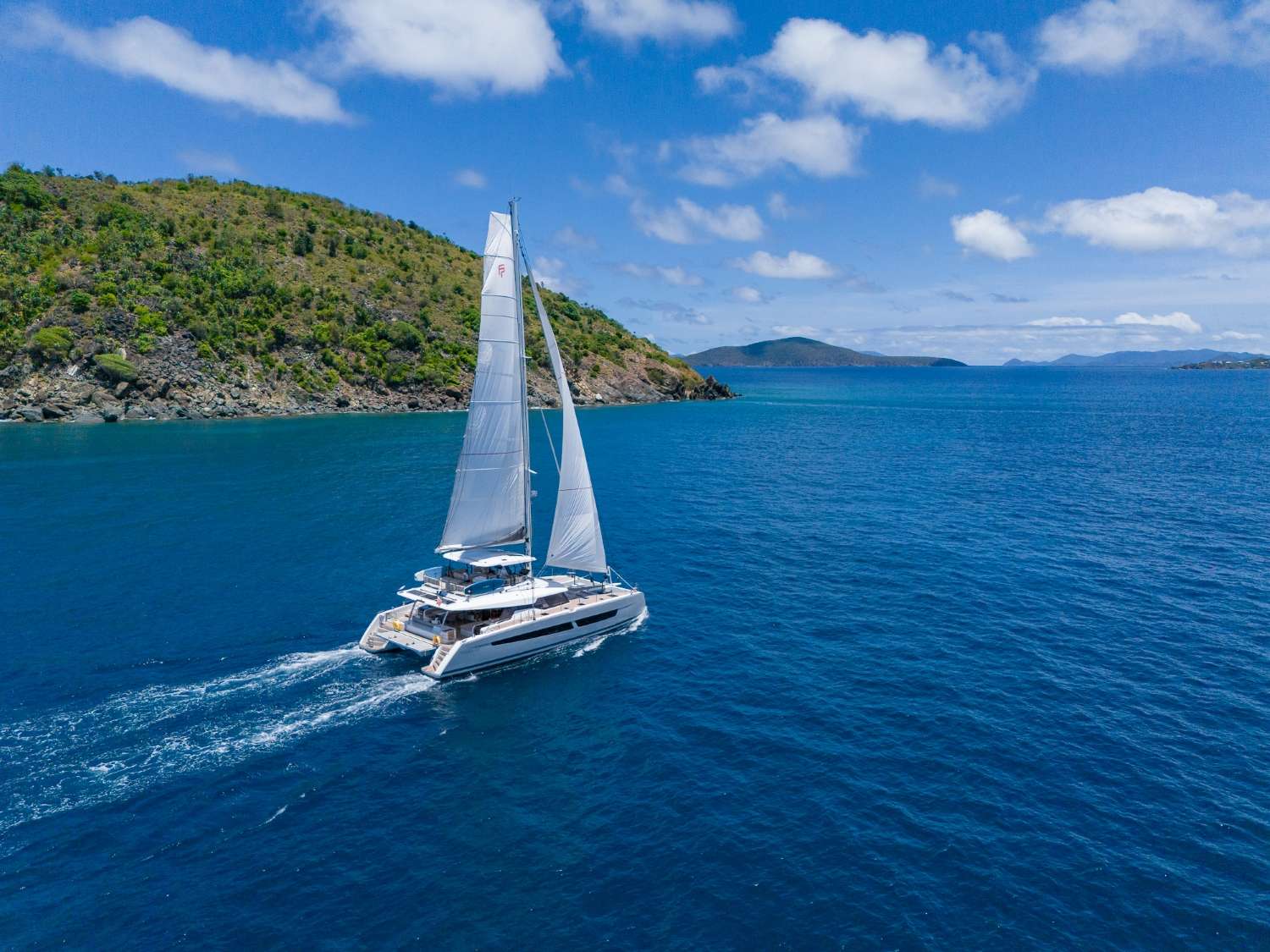
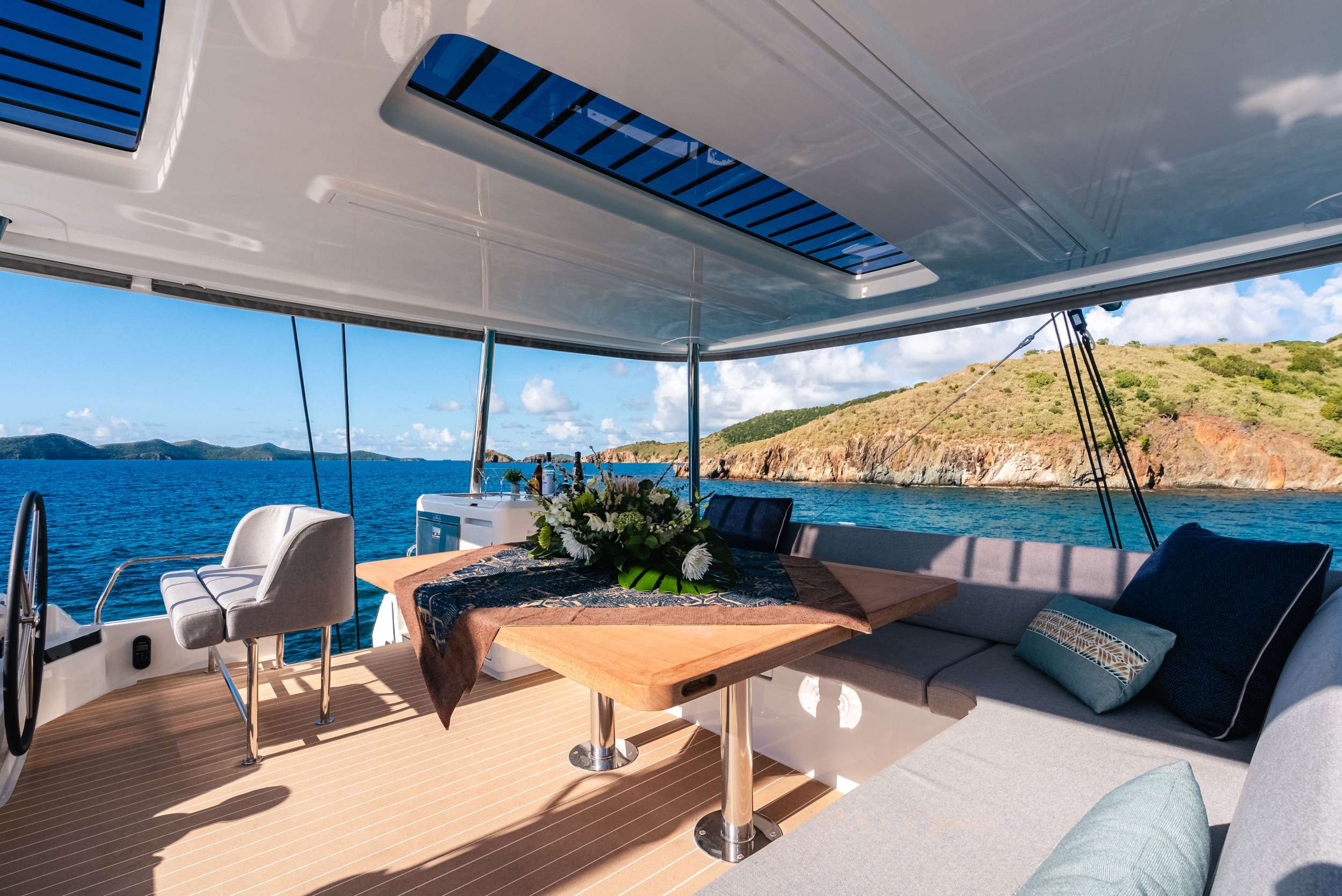
Your week begins at Yacht Haven Grande on St. Thomas, the largest and best-run megayacht marina in the eastern Caribbean. Your professional crew meets you at the slip with cold drinks and a chart briefing that frames the route ahead, walks you through the boat, and gets your gear stowed while the chef finishes provisioning. Because both the US Virgin Islands and Puerto Rico are US territory, there's no customs paperwork, no passport clearance window, and no morning lost to an immigration office. You step aboard, sign the charter agreement, and the boat is moving by lunch.
By early afternoon, lines off for the thirty-nautical-mile downwind reach west to Vieques. The trades blow steady east-northeast through the high season at fifteen to twenty knots, which puts the wind dead astern for most of the leg—a fast, dry sail with the boat surfing down the swell, St. Thomas dropping behind the transom, and the long flat profile of Vieques growing on the bow. By late afternoon you're tucked into Bahía de la Chiva—Blue Beach to the locals—on the south coast of Vieques, with Isla Chiva blocking the breeze and a quarter-mile of palm-lined white sand off the bow.
The first afternoon is deliberately slow. Swim off the back of the boat, paddleboard into the beach, walk the sand. Vieques is famously home to a population of free-roaming wild horses—descendants of the Spanish colonial herds—and you'll often see them grazing along the beach line at dusk. Chef-prepared welcome dinner aboard tonight, the lights of Esperanza glowing seven miles west across the bay.
Optional evening tour: Mosquito Bay bioluminescence. Vieques's Bahía Mosquito is the brightest bioluminescent bay in the world by Guinness measurement—the dinoflagellates glow electric blue when disturbed, which means every paddle stroke, every fish swimming under your kayak, every hand dragged through the water lights up the surface. Anchoring inside the bay is prohibited (it's a protected reserve), so the tour is by guided kayak from Esperanza, run after full dark on dark-moon nights only. Your captain books the tour and arranges the transfer if the lunar window cooperates. Skip it on full-moon weeks—the bay still glows, but you can't see it under the moonlight.
Day Highlights
Day 2 of 7 · Vieques south → west
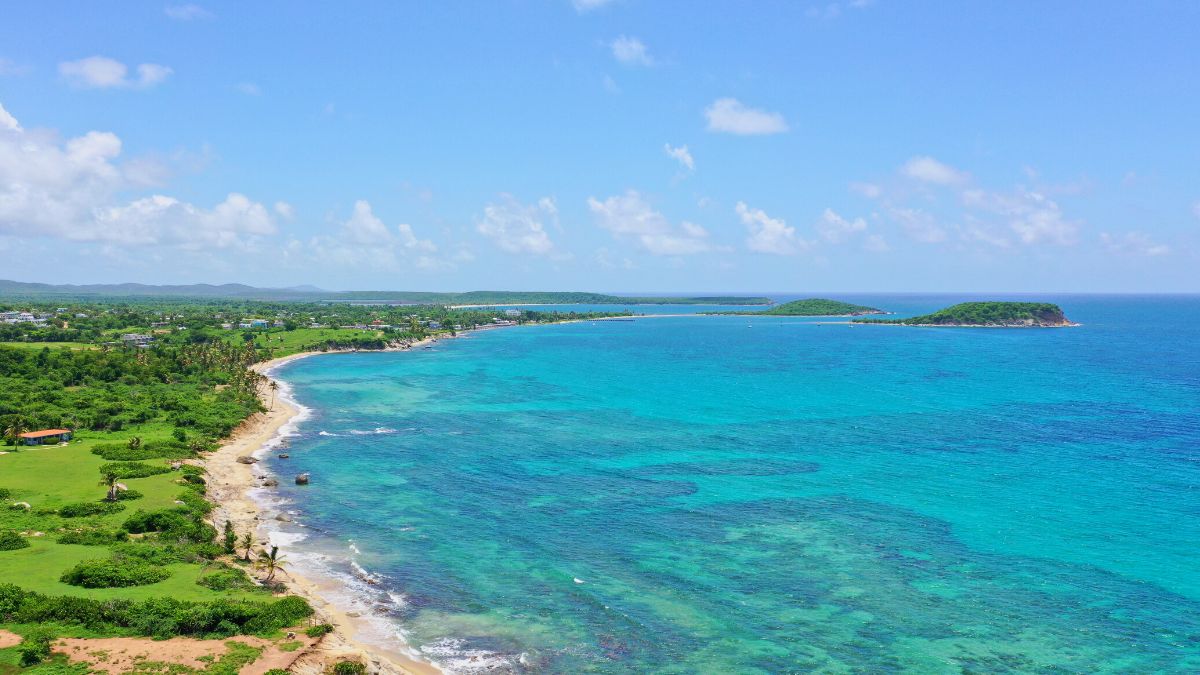
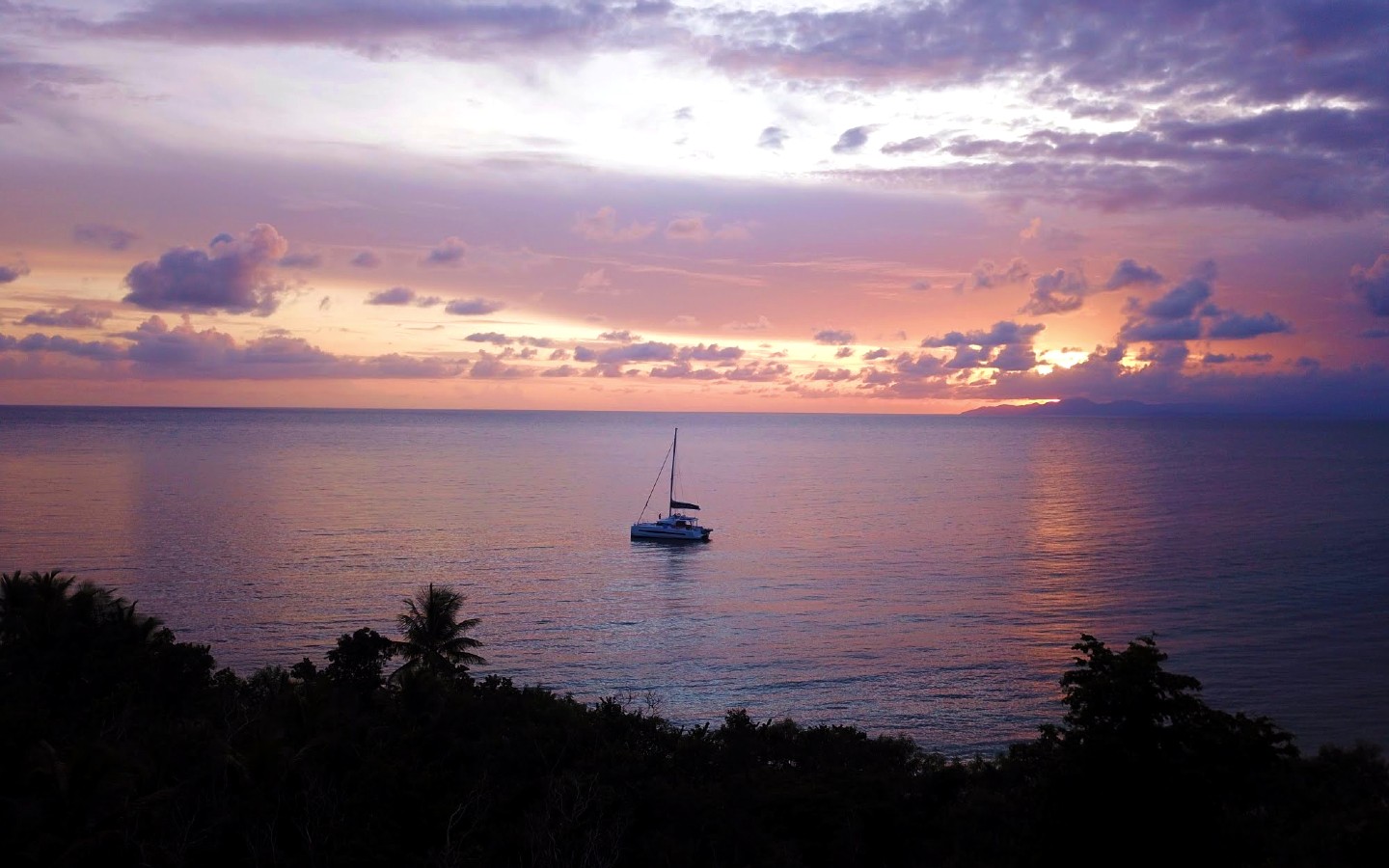
After a slow morning swim off the back of the boat, your captain repositions five miles west to Sun Bay—a long crescent of public beach just east of Esperanza, with sandy holding and shelter from the trades. Anchor in the bay, then tender ashore for lunch in town. Esperanza is the south-coast village—a handful of streets clustered around a half-mile waterfront promenade called the malecón, with a half-dozen open-air seafood places lined up facing the water. Bili and Duffy's are the casual lunch picks; El Quenepo is the upscale Caribbean-fusion option if you'd rather a longer lunch and a bottle of wine.
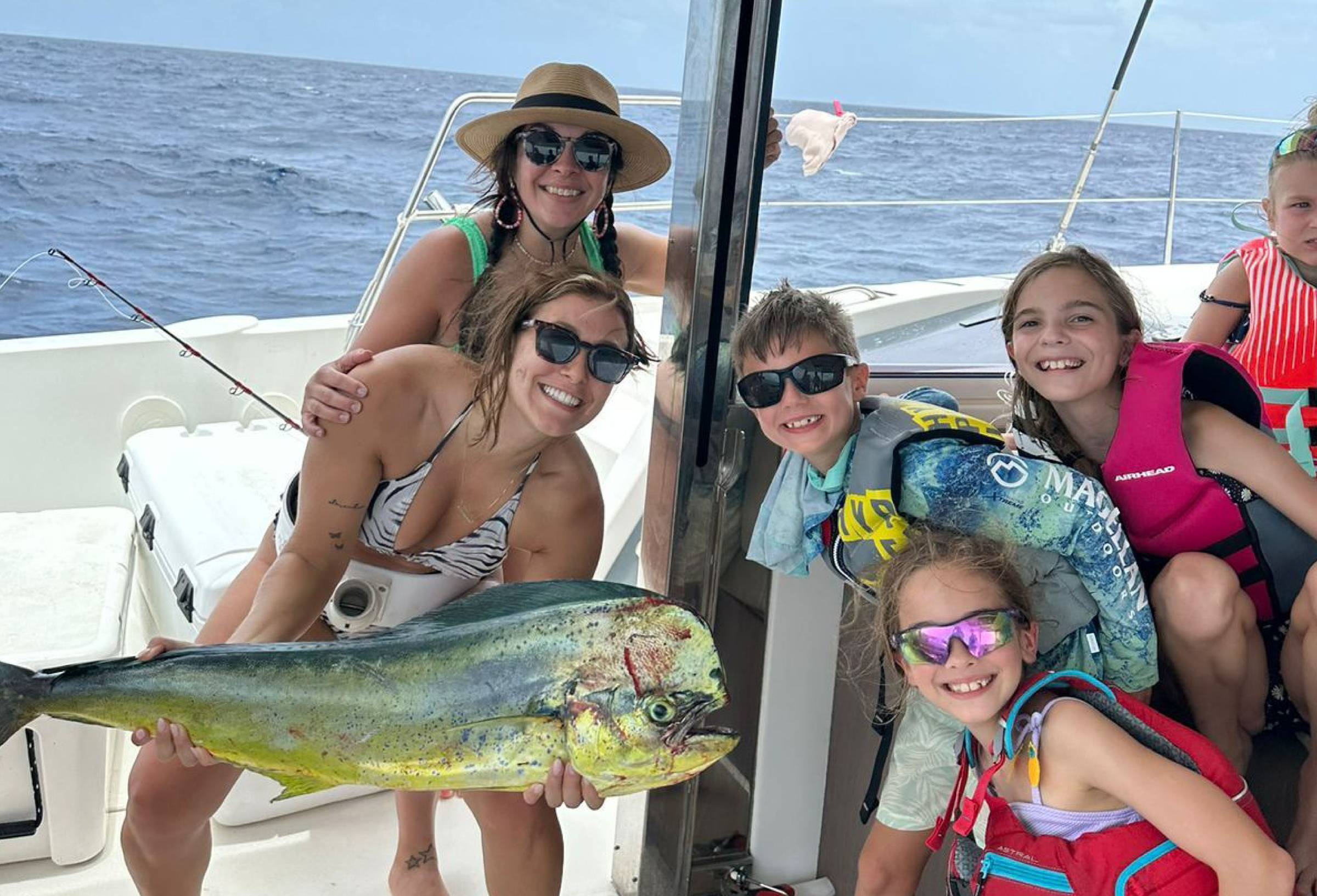
Back aboard by mid-afternoon, lines off for the longer leg of the day—a downwind run south along Vieques's coast, around the west tip, and up to Green Beach on the west side. The route passes over the underwater shelf known locally as "the drop"—the bottom falls off from forty feet to several thousand within a couple of miles—and the deep-water edge is one of the most reliable offshore-fishing spots in the eastern Caribbean. Mahi, wahoo, blackfin tuna, and the occasional white marlin work the drop year-round, with mahi peaking in winter and tuna staying steady. If you have anglers aboard, your captain rigs trolling lines as you pass through.
Late afternoon, your crew brings the boat around the western tip of Vieques and into Green Beach—a long, mostly empty stretch of sand on land that was US Navy property (Camp Garcia) until the bombing range closed in 2003. The west-facing aspect makes for the best sunset on the route: the silhouette of the Puerto Rico mainland seven miles across the channel, El Yunque rainforest darkening to the north, the sky going through every shade of pink and orange. Dinner aboard tonight, anchored alone or with one or two other yachts in a bay that almost no charter actually visits.
Day Highlights
Day 3 of 7 · Vieques → Culebra
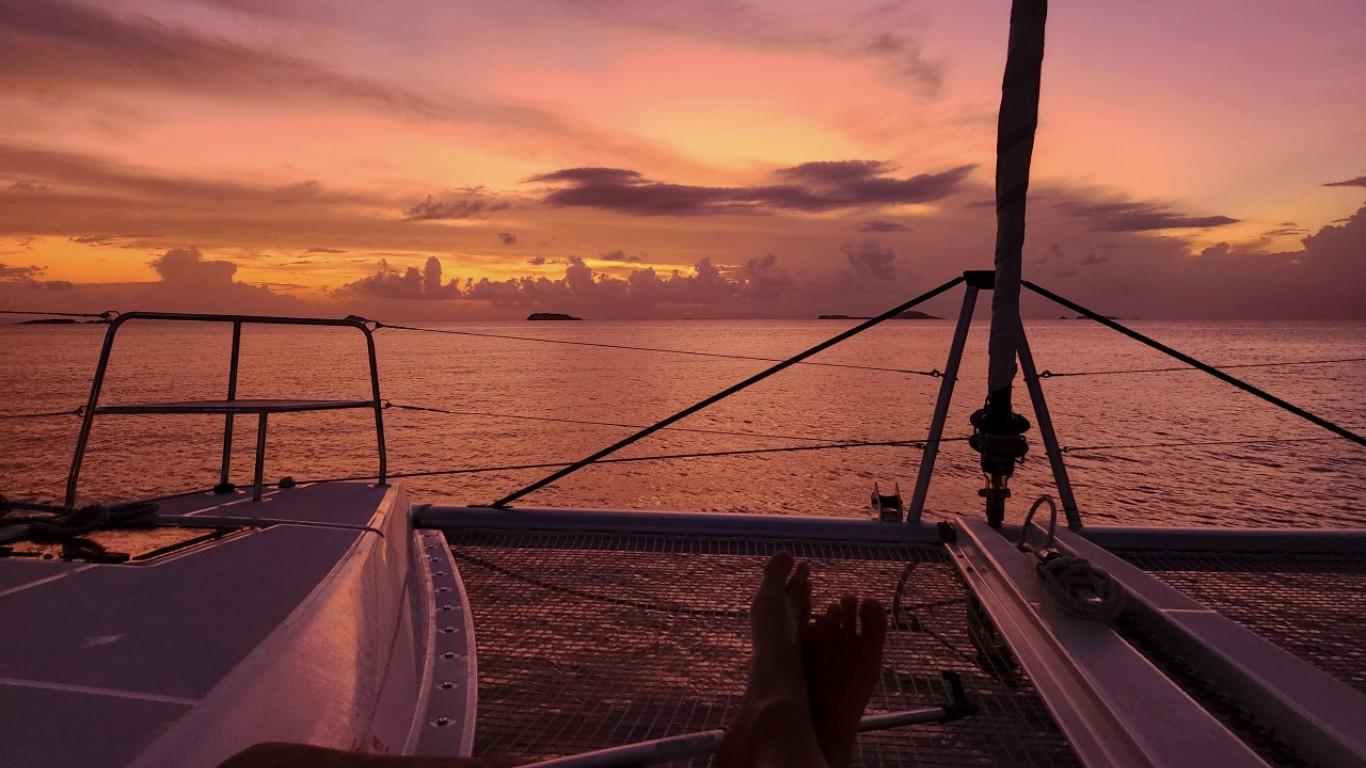
After breakfast aboard at Green Beach, your captain points the bow north for the twelve-mile crossing of Vieques Passage to Cayo Luis Peña. The morning trades come in across the beam, and the boat reaches comfortably across the open water with Vieques receding behind and the low profile of Culebra and its outlying cays building on the horizon. The passage itself is uncrowded—almost no charter traffic moves between Vieques and Culebra, which is part of why this stretch of the chain feels twenty years behind everything else in the Caribbean.
Cayo Luis Peña is a small uninhabited cay sitting a half-mile west of Culebra proper, ringed by reef and protected as part of the Culebra National Wildlife Refuge. Anchor in the lee for an hour or two—long lunch on the hook, a swim off the back, an exploratory tender ride into the small white-sand beach on the south side of the cay. The reef holds a remarkable amount of fish life for being so close to a working anchorage, and the snorkel off the bow rewards a slow drift along the edge.
Mid-afternoon, a short three-mile hop east brings you into the Carlos Rosario anchorage on the northwest corner of Culebra. Carlos Rosario is one of the densest stands of elkhorn coral in the Caribbean—the staghorn-coral reef has been protected as a marine reserve since 1999, and it's recovered to the point where it's now genuinely one of the best snorkel sites in US waters. Your crew drops the dinghy and takes you in for a late-afternoon snorkel before the wind drops. Sunset over the western cays from the anchorage is the closing shot of the day. Dinner aboard, the boat sitting on its hook with the cays going dark to the west.
Day Highlights
Day 4 of 7 · Beach day at Flamenco
Today is the beach day, and Playa Flamenco earns it. Travel + Leisure, Discovery Channel, and the Travel Channel have all ranked it among the world's top ten beaches at one point or another, and after a single morning on the sand it's hard to argue with. A perfect crescent of fine white sand backed by low scrub-covered hills, water so shallow it stays at your waist for thirty meters out, and a horseshoe shape that blocks almost all the swell.
There are two ways to get there, and which one your captain picks depends on the morning's swell forecast. If conditions are calm, the boat repositions two miles east around the Punta Soldado headland and anchors directly off Flamenco's western end. The anchorage is exposed to the north, so it only works in light conditions—your captain makes the call at sunrise. If the swell is up, you stay on the hook at Carlos Rosario and walk the Trail to Flamenco—a thirty-minute marked path that climbs over the headland between the two beaches. The hike is part of the experience either way: short, scenic, with views down both sides of the ridge.
Once you're at Flamenco, the day belongs to the beach. The east end of the sand holds the famous attraction: two rusted M4 Sherman tanks half-buried in the dunes, leftover from when the US Navy used Culebra as a bombing range. Culebrans protested the Navy presence for decades—the protest movement is part of how Vieques eventually got its bombing range closed too—and the Navy finally left in 1975. The tanks stayed where they were, and the local community has kept them protected as a monument to the protest. They're covered in rotating graffiti now, which is the point.
The beach lunch scene runs on kioskos—small open-air food and drink stands lined up along the edge of the parking area. Pinchos (grilled meat skewers), empanadas, mofongo, and very cold Medalla Light. There are no proper restaurants on Flamenco; the kioskos are the entire economy of the beach, and that's part of the appeal. Tender back to the boat by sundown, dinner aboard tonight, and the boat at anchor with the lights of Dewey two miles away across the headland.
Day Highlights
Day 5 of 7 · Culebrita
A short four-mile hop east brings you to Culebrita—a small uninhabited islet two miles off the eastern tip of Culebra, part of the Culebra National Wildlife Refuge. Culebrita has no permanent residents, no dock, no road, and no facilities. The whole island is about a half-mile across, ringed by beaches, capped by a hill with a lighthouse on top. It is the quietest stop on the chain.
Your captain drops the hook in the lee of the island and the day belongs to the beach. Playa Tortuga (Turtle Beach) on the south side is the headline anchorage—a small white-sand crescent named for the green sea turtles that nest on the beach in summer and graze the seagrass beds offshore year-round. Snorkel off the swim platform and there will be turtles. Park rules are strict (no chasing, no touching), and the population has rebounded over the past two decades to the point where multiple sightings per swim are routine.
Two extras worth the time. First: the hike up to the Faro de Culebrita on top of the hill—a Spanish Crown lighthouse built between 1882 and 1886, the oldest lighthouse in Puerto Rico, decommissioned in 1975 and now a roofless ruin with 360-degree views over the entire Spanish Virgin Islands and on a clear day all the way to St. Thomas. The trail up is twenty minutes from the beach, easy grade, well-marked. Second: "Los Jacuzzis"—a series of natural tide pools on the north side of the island, scoured by wave action over centuries into deep clear basins that fill and drain with each surge. They feel exactly like sitting in a hot tub, except the water is the color of a pool light.
Back aboard for sundowners and chef-prepared dinner, the boat sitting on its chain in one of the quietest anchorages anywhere in US waters.
Day Highlights
Day 6 of 7 · Town day + reef anchorage
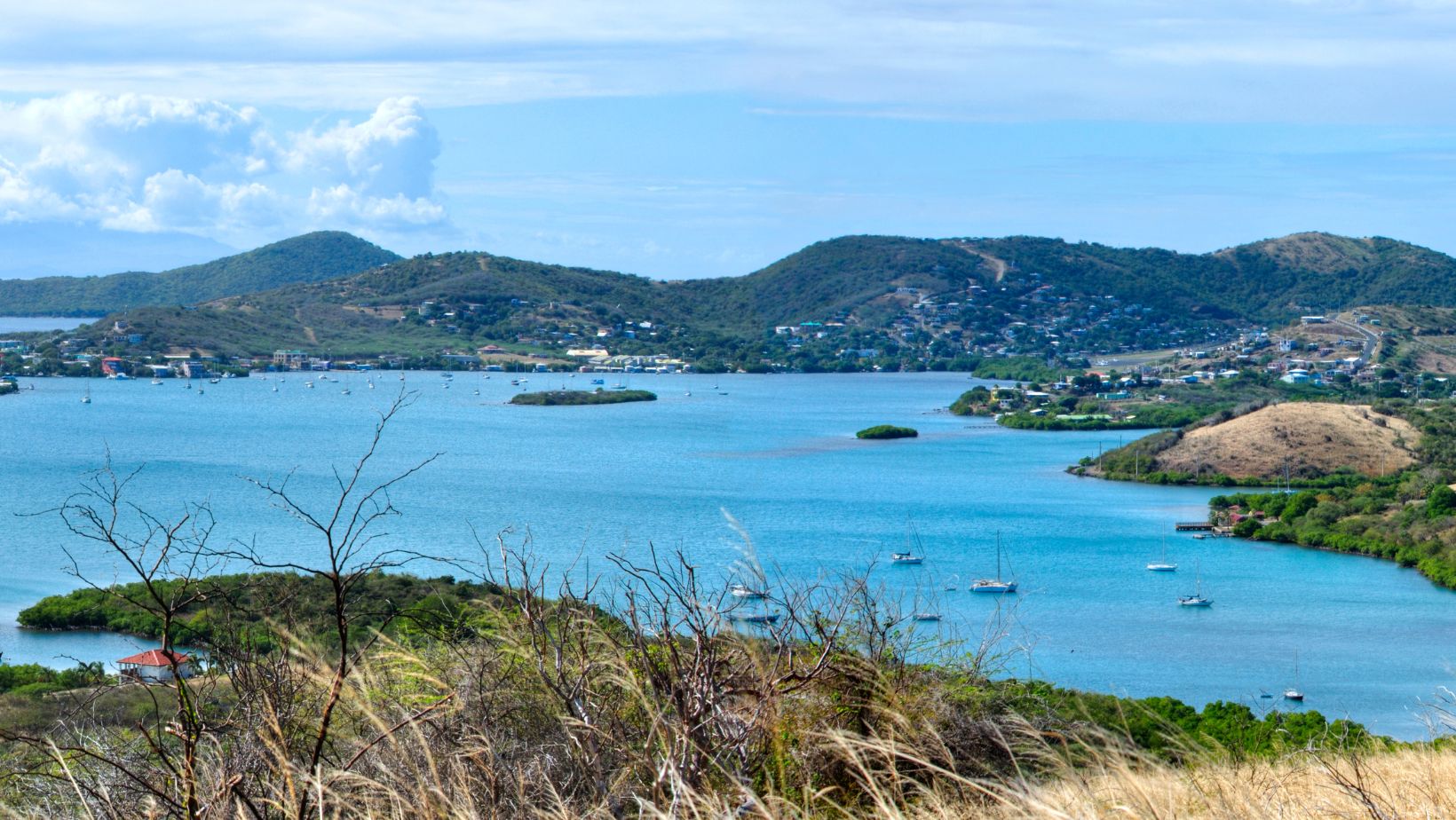
A short five-mile reach west takes you back across the channel to the Culebra mainland and into Bahía de Sardinas, the working anchorage on the western side of Dewey. Dewey is the only town on Culebra—locally everyone just calls it "Pueblo"—and it's small enough that you can walk the entire commercial district in fifteen minutes. Pastel-colored houses, a hand-cranked drawbridge over the Canal de Luis Peña that connects the south anchorage to the north, a couple of dive shops, a few small grocery stores, and the dinghy dock you'll tie up at when the captain runs you ashore.
Lunch is the easy headline. Mamacitas is the long-running waterfront classic—Caribbean fish, rice and beans, the harbor a few feet off the deck. Heather's Pizza is the locals' pick, just up the street from the bridge. Susie's, on the other side of the channel, runs to the upscale-but-still-island end and is worth booking ahead. Your captain knows the right call for the group. Walk the few blocks of town after lunch, pick up a t-shirt or a bottle of Pitorro from the small shops, and head back to the boat.
Mid-afternoon, your captain repositions a mile and a half south to Ensenada Dakity—a long, narrow bay tucked behind the Arrecife Dakity reef line on Culebra's south coast. The reef breaks the swell to flat, the holding is sand, and you anchor in fifteen feet of water with the reef a few hundred yards off the bow. It's the most comfortable overnight on the trip and one of the better snorkel sites on Culebra—the reef face is healthy, the visibility is consistently sixty to eighty feet, and you can roll off the swim platform in the morning straight into a wall of fish.
Dinner aboard at Dakity, sundowners on deck, and the last full night at anchor in the chain.
Day Highlights
Day 7 of 7 · Back to St. Thomas
The longest leg of the week and the one upwind day on the route—roughly twenty-five nautical miles east-southeast back across Vieques Sound and the channel to St. Thomas. The trades are on the nose at fifteen to twenty knots through the high season, which makes this either a long beat under canvas or a comfortable motorsail depending on the boat and the day. Your captain picks the start time around the morning's forecast and often runs the boat upwind early before the breeze builds.
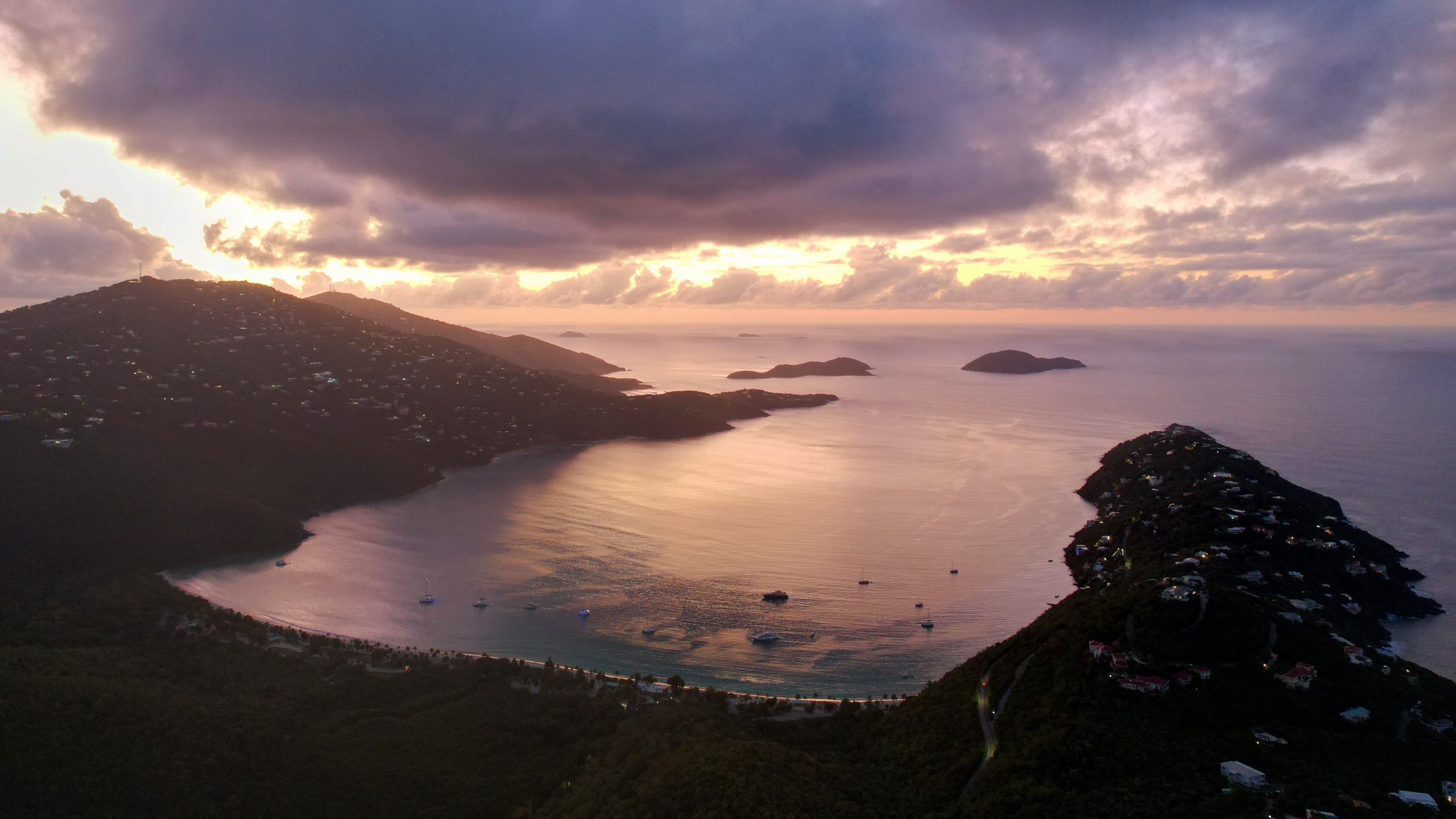
By mid-afternoon you're rounding the western tip of St. Thomas and into Magens Bay on the north coast—a deep, heart-shaped bay protected on three sides by hills, with a mile-long crescent of fine white sand at the head. National Geographic and Condé Nast Traveler have both ranked Magens among the top ten beaches in the Caribbean, and even after a week of empty Spanish Virgin Islands anchorages, it's still a strong closing shot. Anchor in the western corner where the holding is best, swim ashore, walk the beach, and have a Painkiller at the open-air bar at the head of the sand.
Final chef-prepared dinner aboard tonight—a slow three or four courses on the aft deck, the boat sitting on its chain in one of the prettiest bays in the eastern Caribbean, the lights of Magens running up the hillside behind you. Nightcap on deck, the last night of the trip at anchor.
Day Highlights
Day 8 · Departure
A last slow breakfast aboard at Magens Bay, a final swim off the back of the boat, and a short five-mile hop around the eastern tip of St. Thomas back into Yacht Haven Grande for your mid-morning departure. Your crew handles every logistic from the slip—transfer to Cyril E. King International, onward direct flights to Miami, Atlanta, Newark, JFK, Charlotte, and most major US East Coast hubs. Step off with a passport that never came out of your bag, a week of empty bays behind you, and the kind of quiet Caribbean week most charter guests don't believe still exists.
Want to share or come back to this voyage later?
Bookmark this voyage →
When to go, what it costs, and how to get there — the practical answers guests ask before booking a Spanish Virgin Islands crewed yacht charter.
De diciembre a abril es la ventana de temporada alta — el mismo cinturón de vientos alisios que convierte las Islas Vírgenes Británicas en un destino de viaje en yate durante todo el año. Los vientos alisios del nor-noreste soplan de manera estable entre 15 y 22 nudos, las temperaturas diurnas rondan los 27 °C, la humedad es baja, y la zona de navegación no recibe los frentes fríos invernales que afectan a Las Bahamas. La lluvia, cuando llega, es un chubasco pasajero o un breve aguacero, no una tormenta prolongada. El reto en las Islas Vírgenes Españolas es la disponibilidad de yates, no las multitudes — las bahías permanecen tranquilas durante todo el año, que es precisamente el atractivo de la cadena — pero los barcos que operan el circuito IVE provienen de las Islas Vírgenes Británicas y de EEUU, y esas zonas alcanzan su pico las mismas semanas. Navidad, Año Nuevo y Spring Break requieren entre 6 y 12 meses de antelación.
Mayo, junio y la segunda mitad de noviembre quedan entre la temporada alta y el período de mayor riesgo de huracanes. Las temperaturas del agua suben a los 28–29 °C, los vientos alisios se suavizan ligeramente hasta los 12 a 18 nudos, y las tarifas suelen bajar entre un 15 y un 25 por ciento respecto a la temporada alta. La actividad tropical es estadísticamente poco frecuente en esos meses, y el cuello de botella de disponibilidad en las Islas Vírgenes Británicas y de EEUU se relaja — más barcos quedan libres para cruzar a las IVE durante una semana. Para quienes dudan entre ventanas, esta es normalmente la mejor opción que ofrecen las IVE.
La mayoría de los yates de la región se desplazan al sur hacia Grenada durante la temporada de huracanes, y el inventario veraniego en las IVE es escaso o inexistente. Un pequeño número de barcos permanece en St. Thomas durante el verano, y algunos pueden reposicionarse hacia el norte para un viaje por las IVE a principios de verano o finales de otoño. Si estás eligiendo un viaje en yate caribeño en verano, las Granadinas, Belice o la Polinesia Francesa suelen ser mejores opciones; te diremos cuándo tiene sentido una semana veraniega en las IVE y cuándo no.
$25,000–$100,000 per week
Los yates con tripulación por las Islas Vírgenes Españolas suelen costar entre $25,000 y más de $100,000 por semana, según el tamaño del yate, el año de construcción y la tripulación. La mayoría opera en régimen todo incluido — la tarifa semanal base cubre el yate, la tripulación, todas las comidas, un bar estándar (cerveza, vino, destilados), combustible para la navegación habitual, deportes acuáticos y las tarifas de amarre habituales. Algunos yates a motor de mayor eslora operan en régimen de gastos aparte, donde la tarifa base cubre solo el yate y la tripulación, y la comida, las bebidas, el combustible y el atraque se abonan a través de una APA (Asignación Anticipada de Provisiones) — un fondo prefijado equivalente al 25 o 35 por ciento de la tarifa base, con contabilidad detallada y devolución del saldo no utilizado al final del viaje. No existen tasas de aduana por isla ni cuotas de parque marino en las IVE; tanto Puerto Rico como las Islas Vírgenes de EEUU son territorio estadounidense y toda la ruta se gestiona como un viaje nacional. Se aplica una tarifa de traslado en el poco frecuente caso de que el embarque se realice desde Puerto del Rey, en el continente puertorriqueño (los barcos tienen base en St. Thomas). La propina para la tripulación, habitual entre el 15 y el 20 por ciento de la tarifa base, se entrega directamente al capitán en el desembarque.
About chartering in the Spanish Virgin Islands.
Field-tested guides, itineraries, and tips — written from years of chartering these waters.

Explorá los mejores destinos de alquiler de yate sin tripulación caribeños: Islas Vírgenes Británicas, Exumas, Islas Vírgenes Españolas, St. Vincent y las Granadinas, Islas Vírgenes de EEUU y Antigua.

Para ayudarte a armar tu lista de lecturas de verano para esos momentos de relax en la playa, comparto algunos libros que recomiendo mucho.

¿Te has preguntado por qué las Islas Vírgenes Españolas, tan cercanas a sus populares hermanas, siguen siendo un paraíso menos explorado?
We charter across the Caribbean. Here are some other excellent alternatives.

Explore a British Virgin Islands yacht charter for an unmatched sailing adventure. Idyllic Caribbean setting, easy navigation, and iconic beach bars await you.

Experience the charm of a US Virgin Islands yacht charter. Discover pristine national parks, stunning beaches, and easy navigation in this Caribbean gem.

Set sail in Exuma, Bahamas for an unparalleled yacht charter experience. Revel in the stunning blues, serene solitude, and fishing in this Caribbean gem.

Loyalist clapboard towns a tender ride from the anchorage, the Hope Town light swinging its beam across the mooring field, Tahiti Beach's sandbar at low tide, and two national parks of no-take reef — the protected-water Bahamas, north of the Exumas, with history in the bones.

Explore a St. Martin yacht charter for a unique Caribbean adventure. Enjoy stunning beaches, rich culture, and ideal sailing conditions.

Crewed catamaran and motor yacht charters through Bequia, Mustique, the Tobago Cays, Mayreau, and the southern Grenadines.

Twin volcanic Pitons rising straight off the mooring field, Marigot Bay's mangrove hurricane hole, reef and wreck diving inside the Soufrière marine reserve, and the Friday fish fry at Anse La Raye — the Windwards fleet, one island north of the Grenadines, with the postcard waiting at the first mooring.

Embark on a Belize yacht charter to explore the Caribbean's unspoiled beauty, from vibrant reefs to serene cayes, in crystal-clear waters.

Embark on an unforgettable yacht charter in Antigua and Barbuda, where crystal-clear waters, rich history, and 365 beaches offer a paradise for every sailor.
Fill out our quick form and we'll dive into your unique preferences — from adventure-packed itineraries to pampered escapes. Whether you're a seasoned voyager or new to charters, we'll tailor recommendations just for you.
With over fifteen years of experience, we'll match you with the yacht that fits your style, group, and itinerary. We work directly with the captains and crews across our list — so the recommendation is built around the right boat-and-crew fit for your week, not whatever's easiest to book.
Once your yacht is booked, we'll take care of logistics: paperwork, reminders, and personalized resources to help you plan. From arrival planning to must-visit spots, we'll make your charter as seamless as it is unforgettable.

¿Qué esperar de un alquiler de yate privado con tripulación?
Conocé qué hace únicos a estos viajes en yate: servicio personalizado, gastronomía gourmet y un sinfín de aventuras y momentos de relax.

¿Cómo es el proceso de reserva?
Nuestro equipo se encarga de todo: desde tu primer consulta hasta que zarpás. Todo fluye de forma simple.

¿Cuánto cuesta un alquiler de yate con tripulación?
Entendé los distintos tipos de precios, lo que está incluido y lo que no.

Logística: planes probados para un inicio sin estrés
Planificá tu llegada con facilidad. Te damos tips sobre vuelos, traslados y todo lo necesario para arrancar relajado.
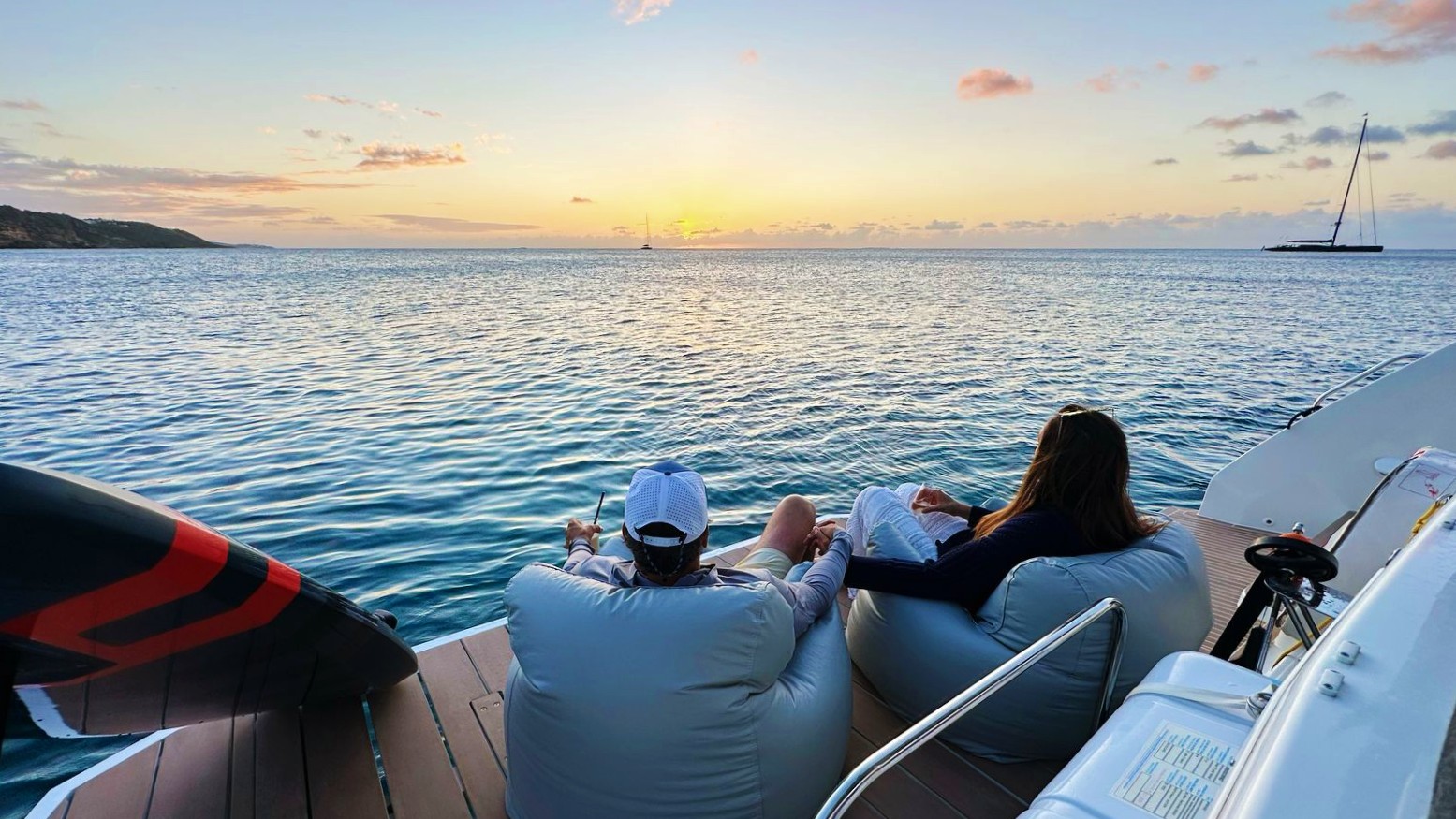
Alquiler de yate de luna de miel
Comience su matrimonio en un yate privado. Explore playas solitarias, gastronomía gourmet y atardeceres inolvidables en el Caribe.
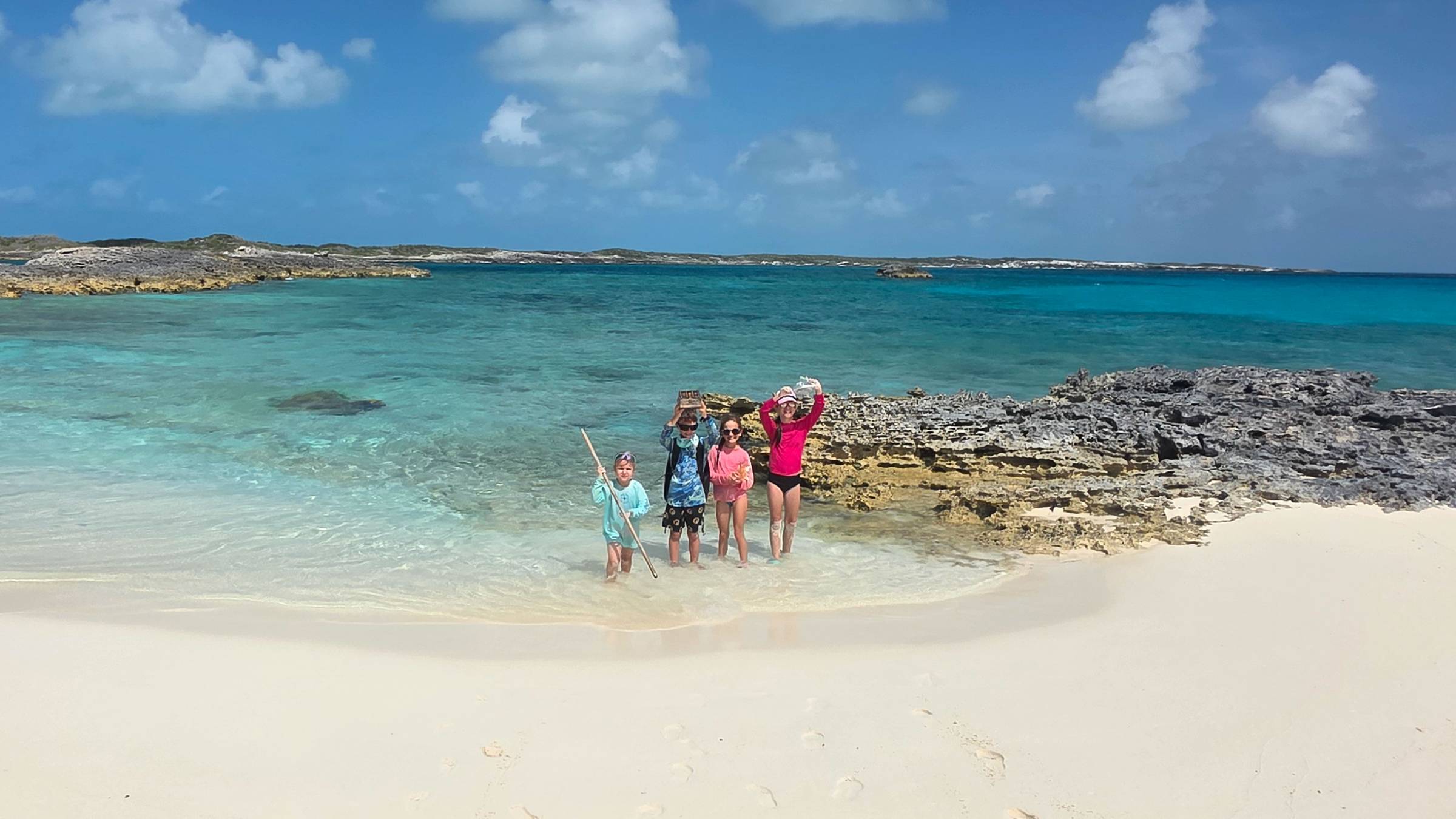
Alquiler de yate familiares
Un alquiler de yate con tripulación es perfecto para familias de todas las edades. Seguro, divertido y con servicio completo — sus hijos nunca lo olvidarán.

Preguntas frecuentes sobre alquileres de yate con tripulación
Obtenga respuestas a las preguntas más comunes sobre alquiler de yate con tripulación, desde precios y propinas hasta qué incluye y qué llevar.

Alquiler de yate con tripulación en las Islas Vírgenes Británicas
Las Islas Vírgenes Británicas son el destino #1 de alquiler de yate con tripulación en el Caribe. Navegaciones cortas, aguas protegidas y bahías de clase mundial.

Guía de Alquiler de Yate con Tripulación en Islas Vírgenes Británicas
Todo lo que necesitás saber antes de tu viaje en yate con tripulación en las Islas Vírgenes Británicas — precios, lista de equipaje, itinerario y cómo llegar.
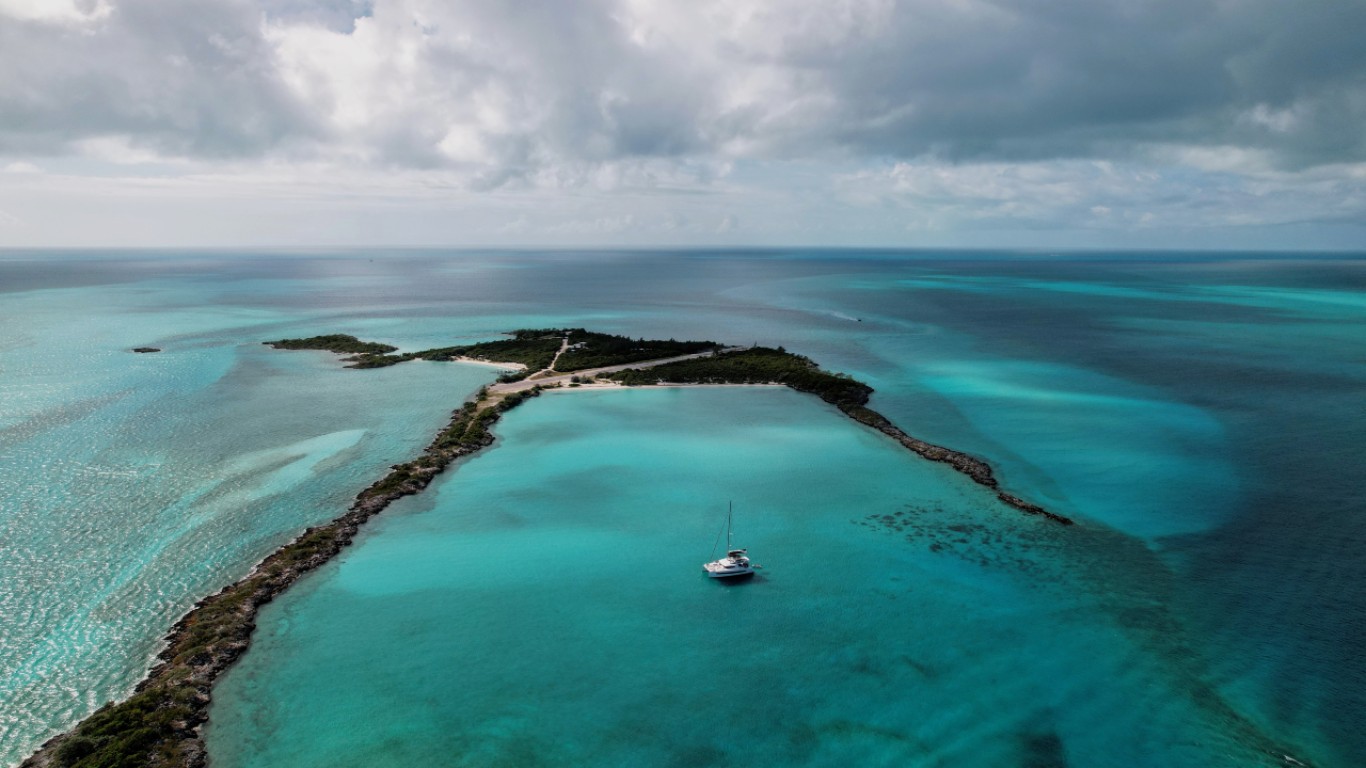
Alquiler de yate con tripulación en las Bahamas
Explore las Exumas en un yate privado con tripulación. Cerdos nadadores, bancos de arena y algunas de las aguas más cristalinas del mundo.
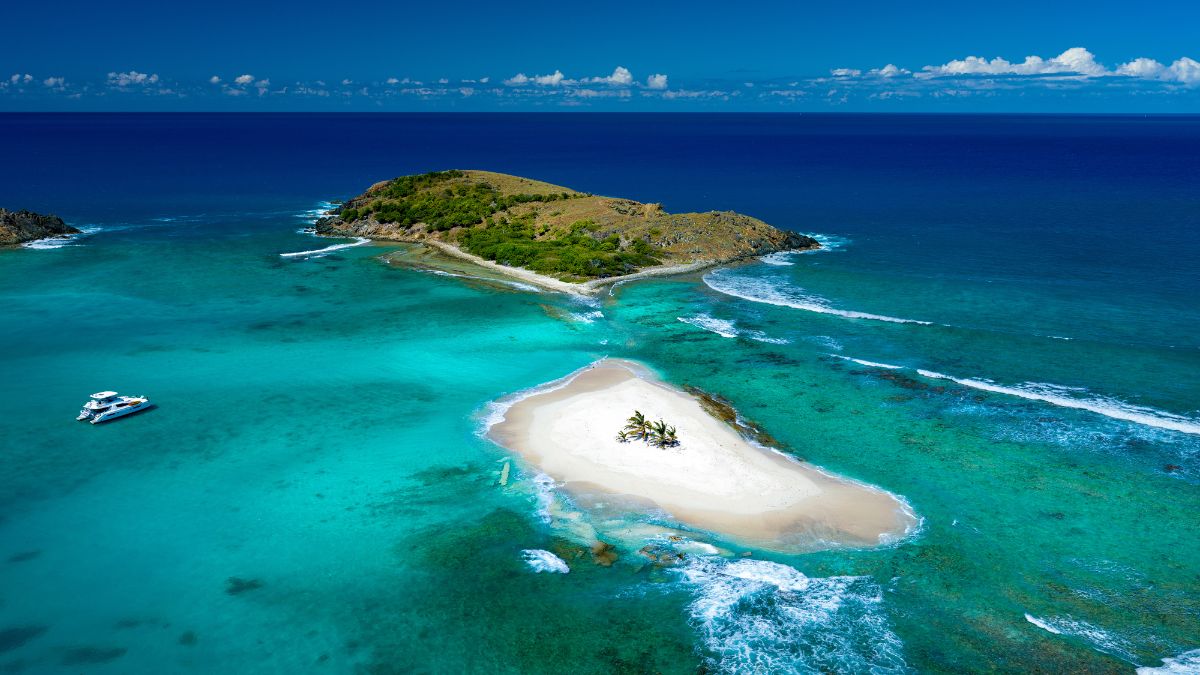
Alquiler de yate con tripulación en el Caribe
Alquiler de yate todo incluido con tripulación en todo el Caribe — Islas Vírgenes Británicas, Bahamas, Islas Vírgenes de EEUU, St. Martin, Antigua y más.