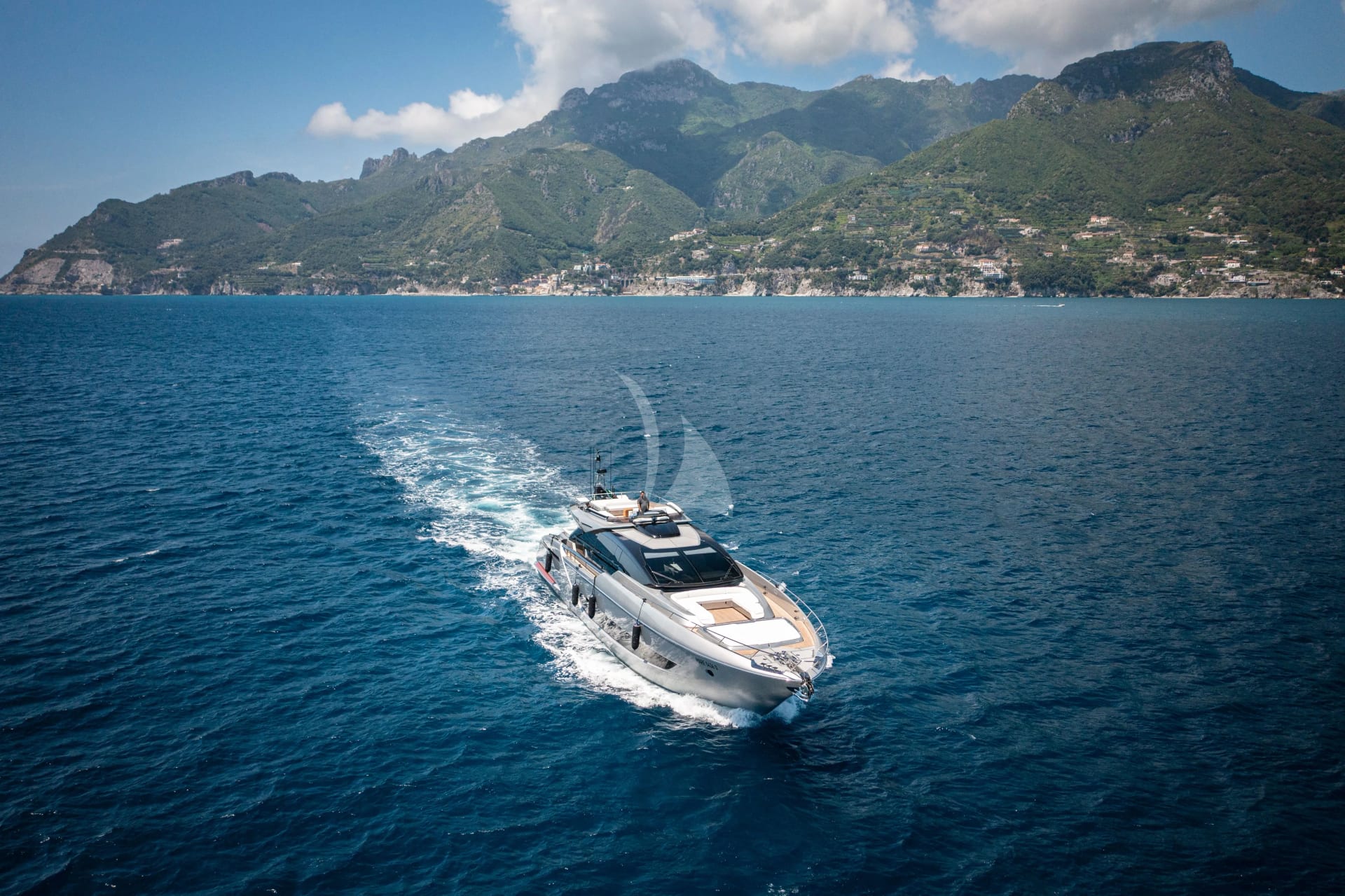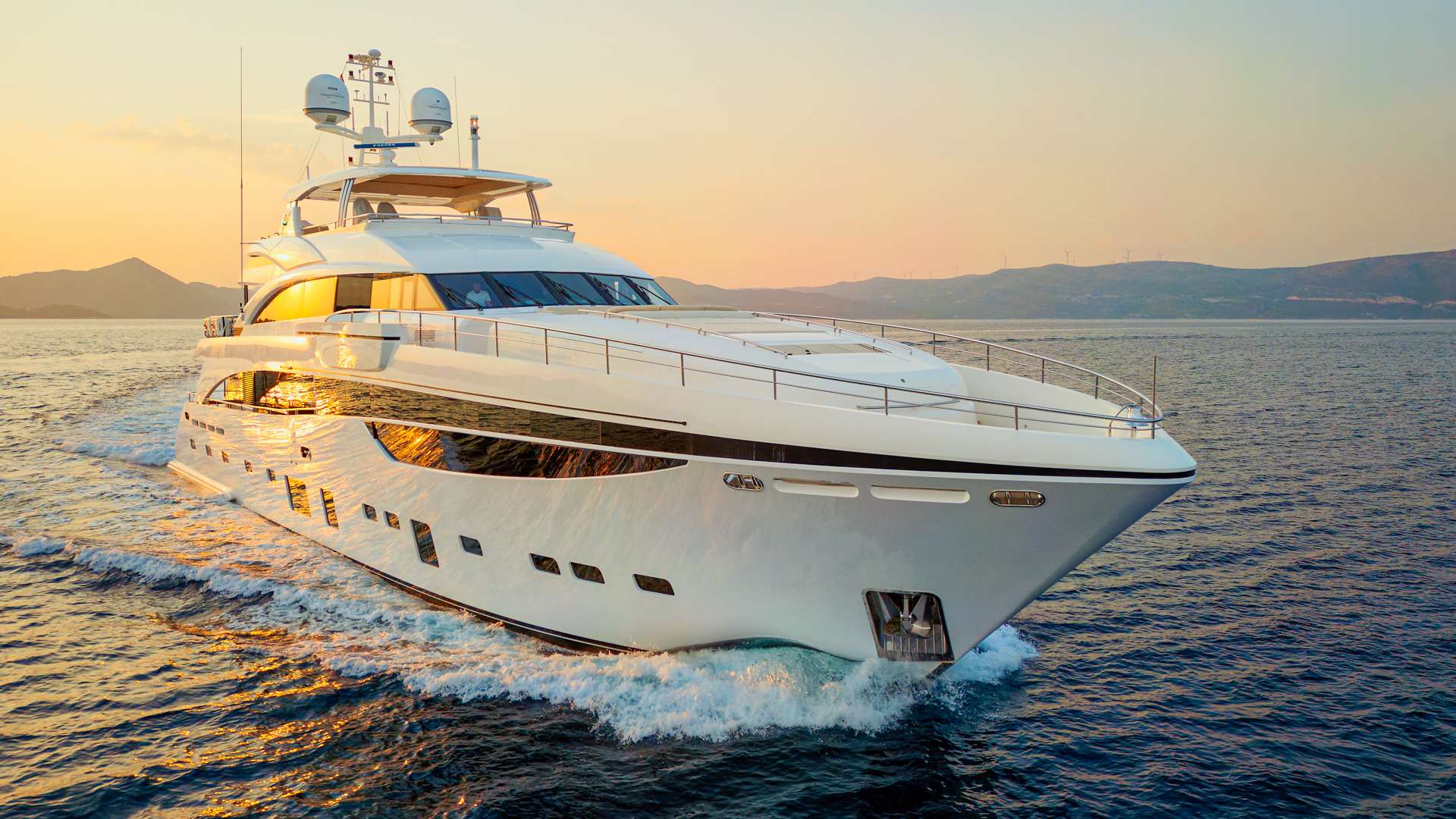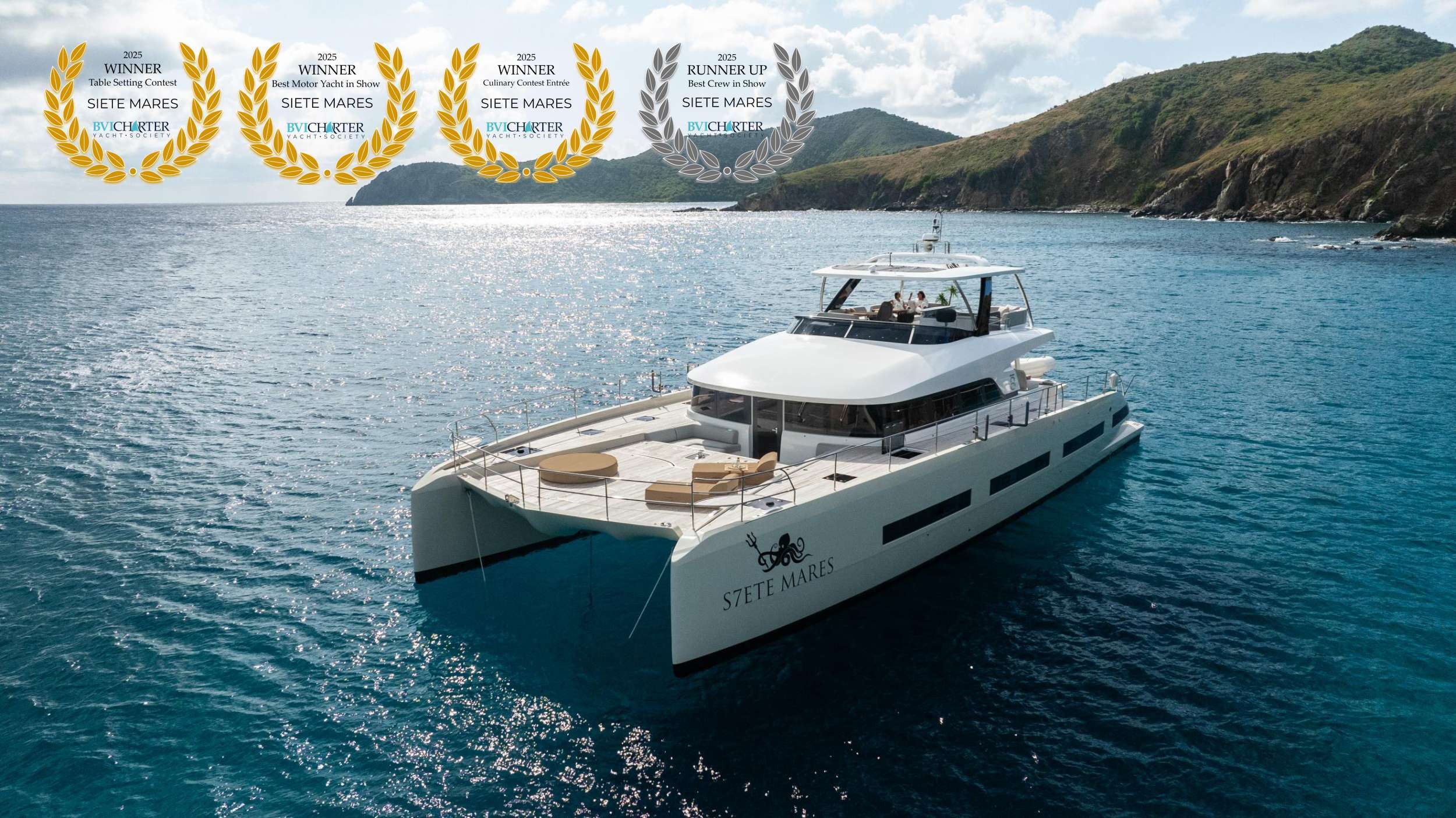

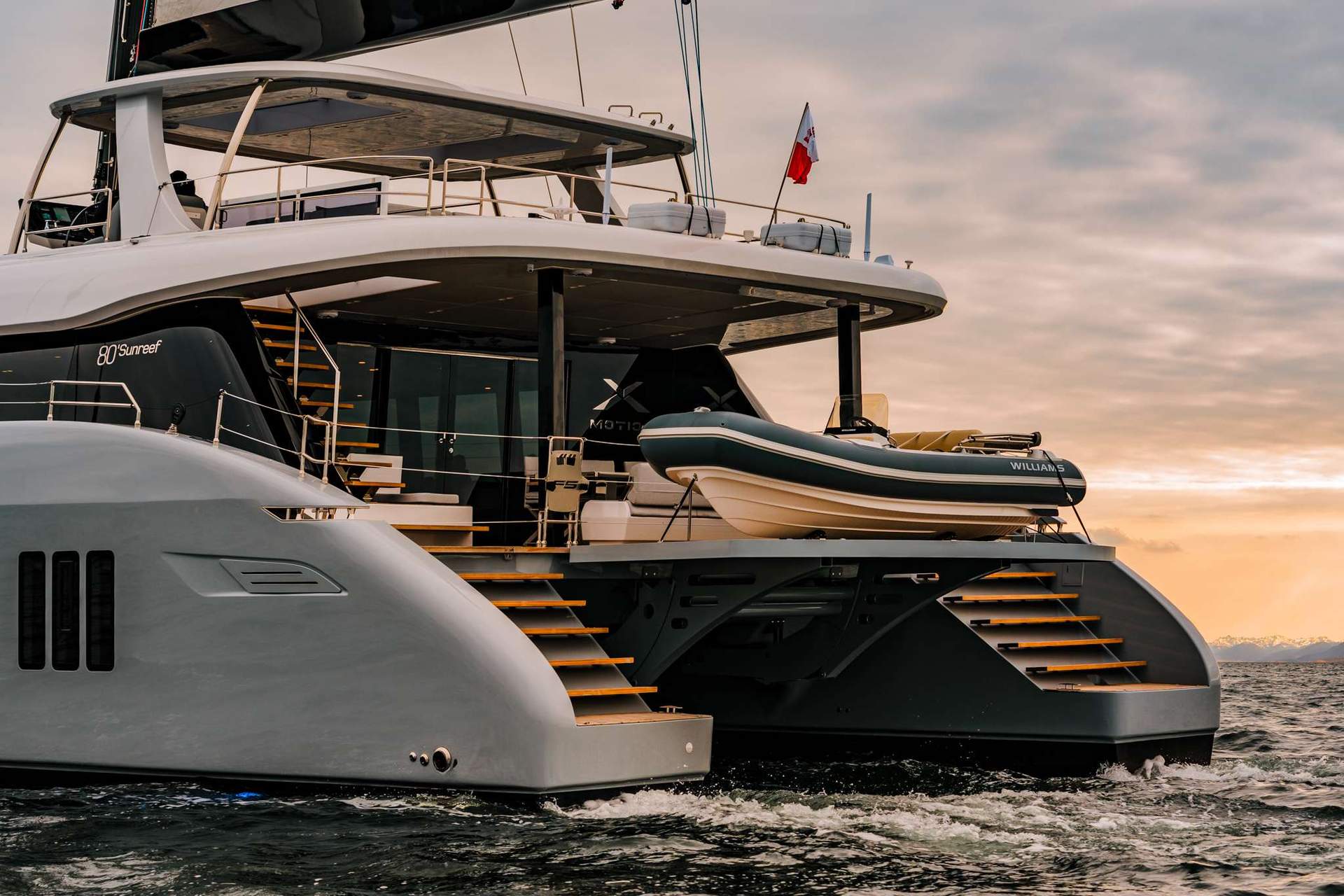
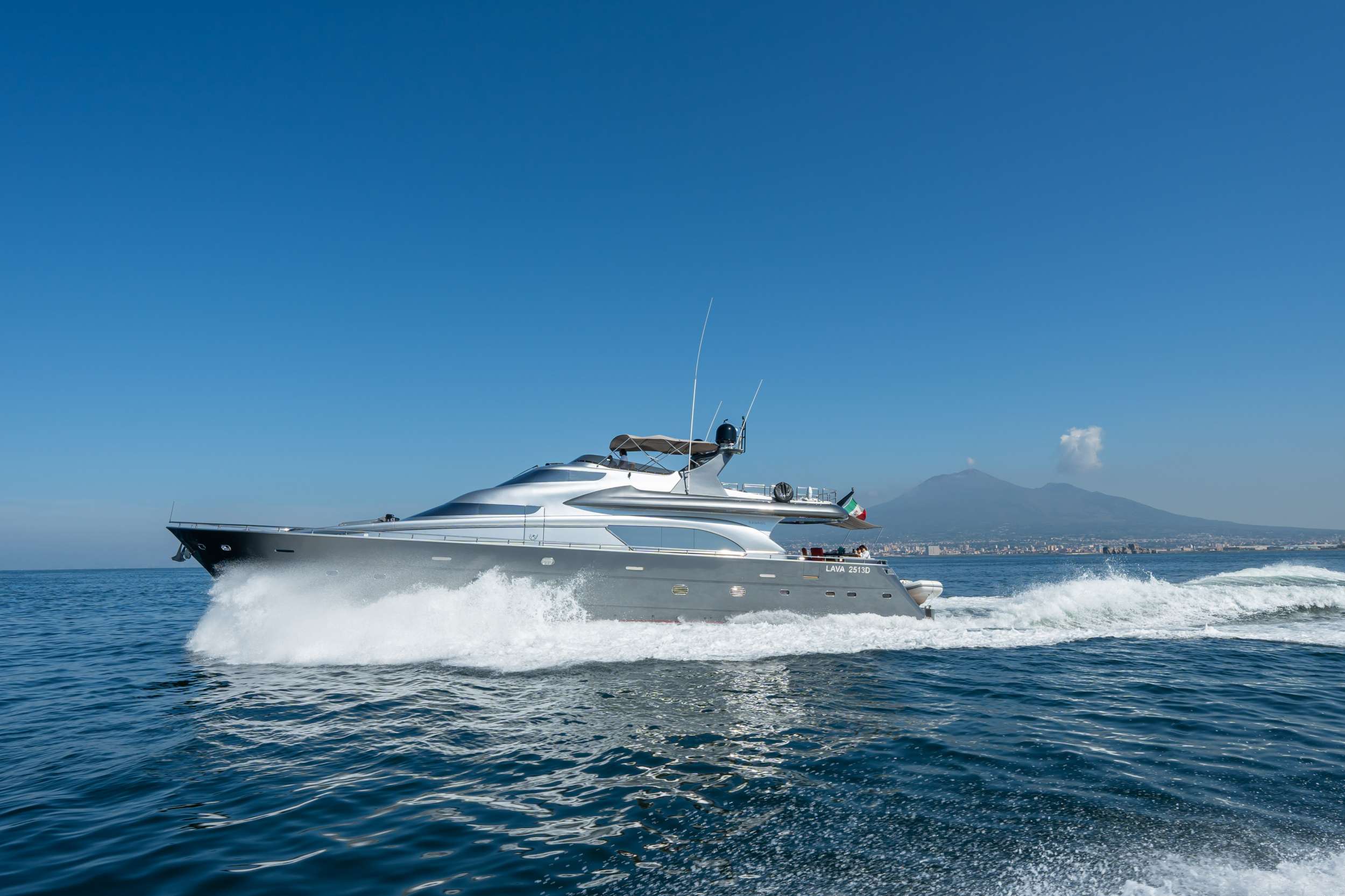
Lady B
85FT · MOTOR YACHT
Desde €44,000/semana
8 Guests · 4 Cabins
Caribbean
Eastern Mediterranean
Western Mediterranean
South Pacific
United States
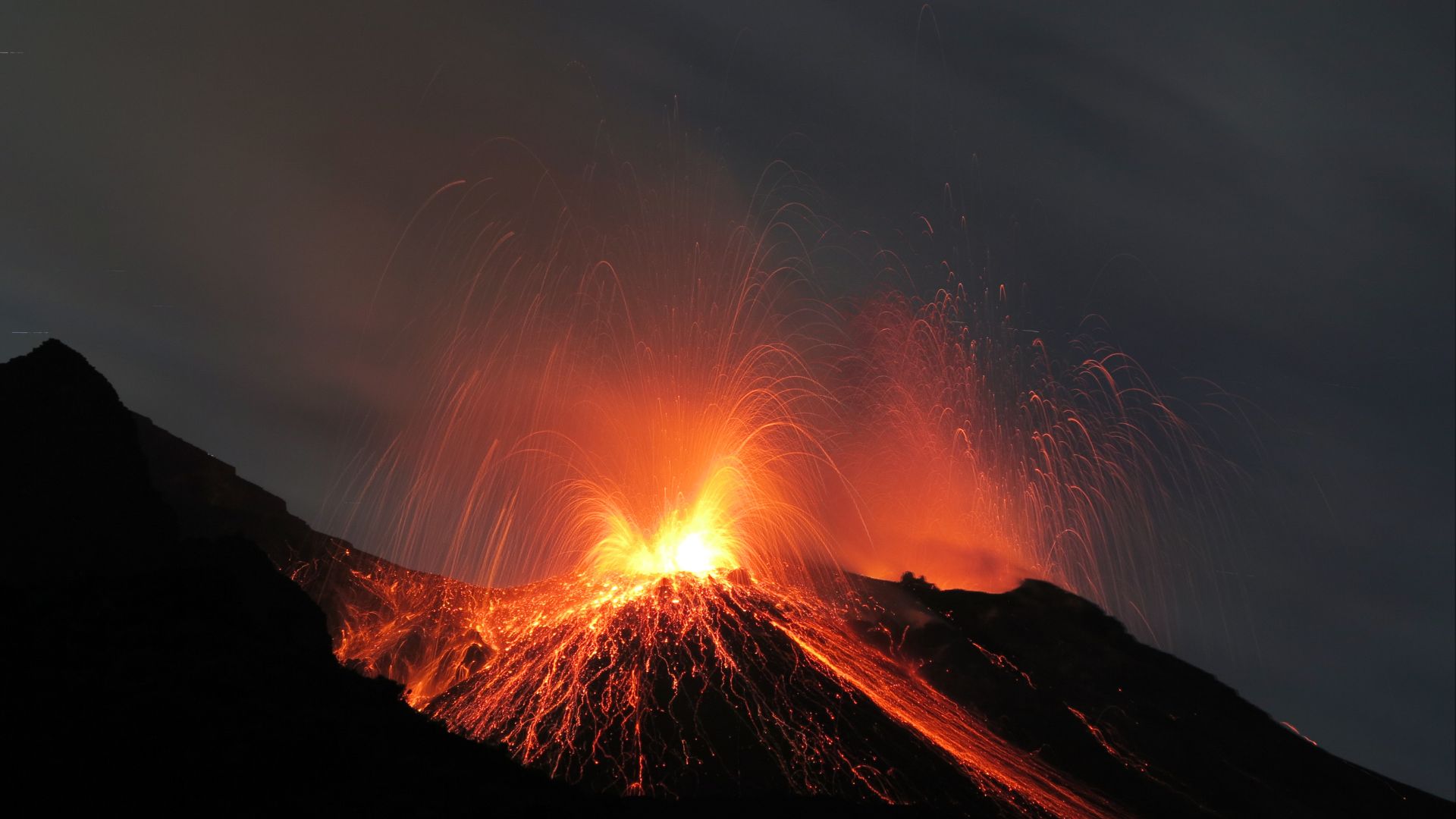
Viajes en yate a motor y catamarán con tripulación por Sicilia y las Islas Eolias — el único destino del Mediterráneo con volcán activo, Stromboli en erupción frente a Panarea y el teatro griego de Taormina con el Etna humeando al fondo.
Por qué Sicilia
Sicilia y las Islas Eolias se sitúan en el extremo sur de Italia, más cerca de Túnez que de Roma. Desde un yate anclado frente a Panarea, los arcos de lava de Stromboli se recortan contra el cielo nocturno cada quince minutos — la única ruta de viaje en yate en el Mediterráneo diseñada en torno a un volcán activo. Desde la proa frente a Taormina, el anfiteatro griego traza una media luna en el acantilado con el Etna humeando detrás. Las columnas de Agrigento llevan tres mil años en pie. El viaje en yate por Italia que la mayoría ya ha hecho es la Costa Amalfitana. Este es el que viene después.
La semana tiene dos formas posibles. Desde Catania o Milazzo en la costa norte de Sicilia, la ruta recorre la cadena eolia — la erupción de Stromboli desde la bahía de Panarea, luego el paisaje volcánico más antiguo de Lipari y Vulcano. Desde Palermo, al oeste, la semana es distinta: templos griegos tierra adentro, la catedral normanda de Cefalù en la costa y cenas en puertos pesqueros que todavía no saben cómo parecer trampas para turistas. Las dos semanas terminan con la misma conclusión: nadie más vive Italia así.
Lo que distingue una semana en Sicilia de cualquier otro viaje en yate por Italia ocurre después de que el chef recoge los platos de la cena. Desde la proa frente a Panarea, Stromboli da el espectáculo — lava naranja contra el cielo nocturno en ciclos de quince minutos, con la única competencia lumínica del pueblo a cinco kilómetros. A la mañana siguiente, espresso con vistas al anfiteatro griego de Taormina y el Etna humeando en el horizonte. El contraste que cabe en una sola semana es lo que los huéspedes no esperaban encontrar en un viaje por el Mediterráneo.
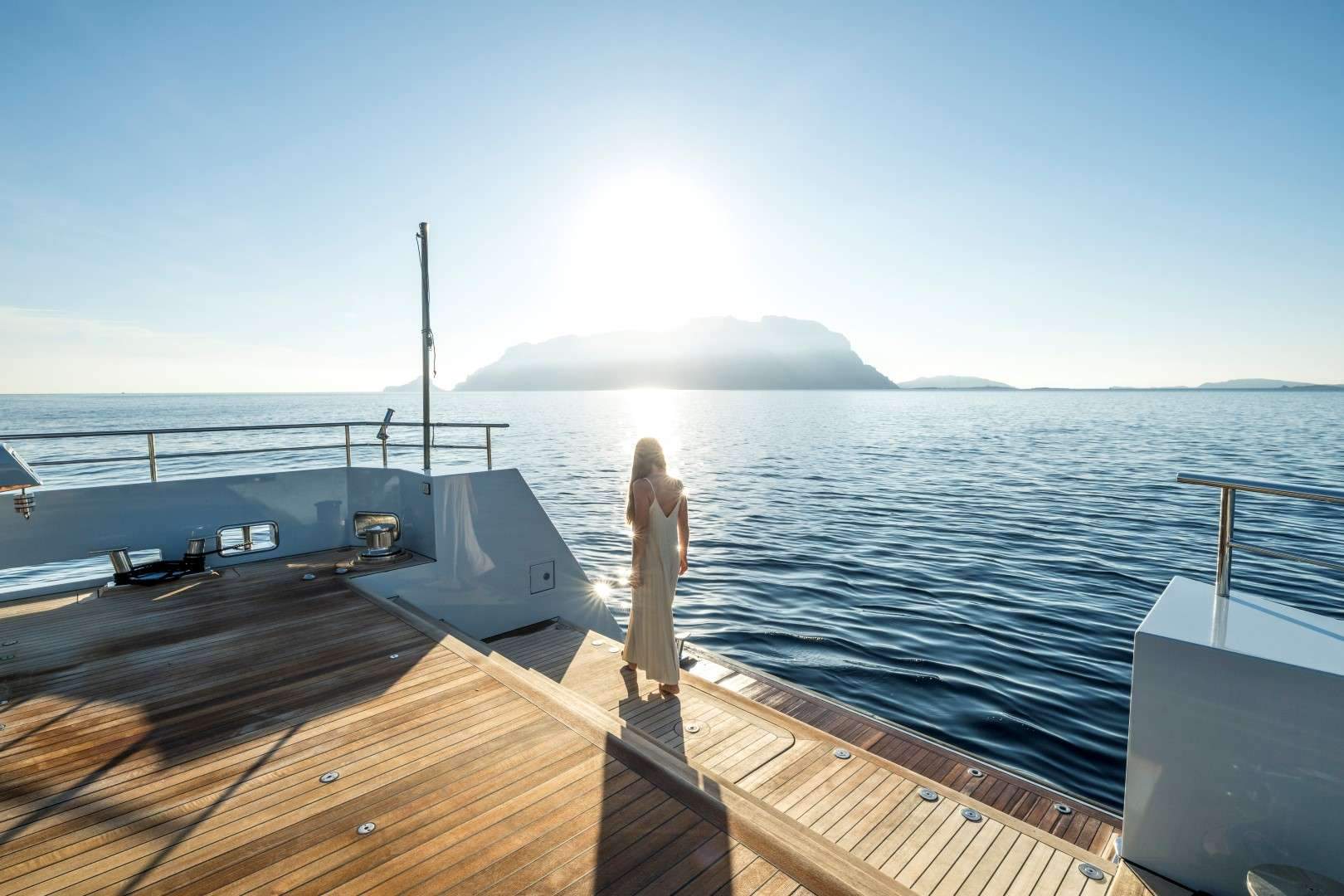
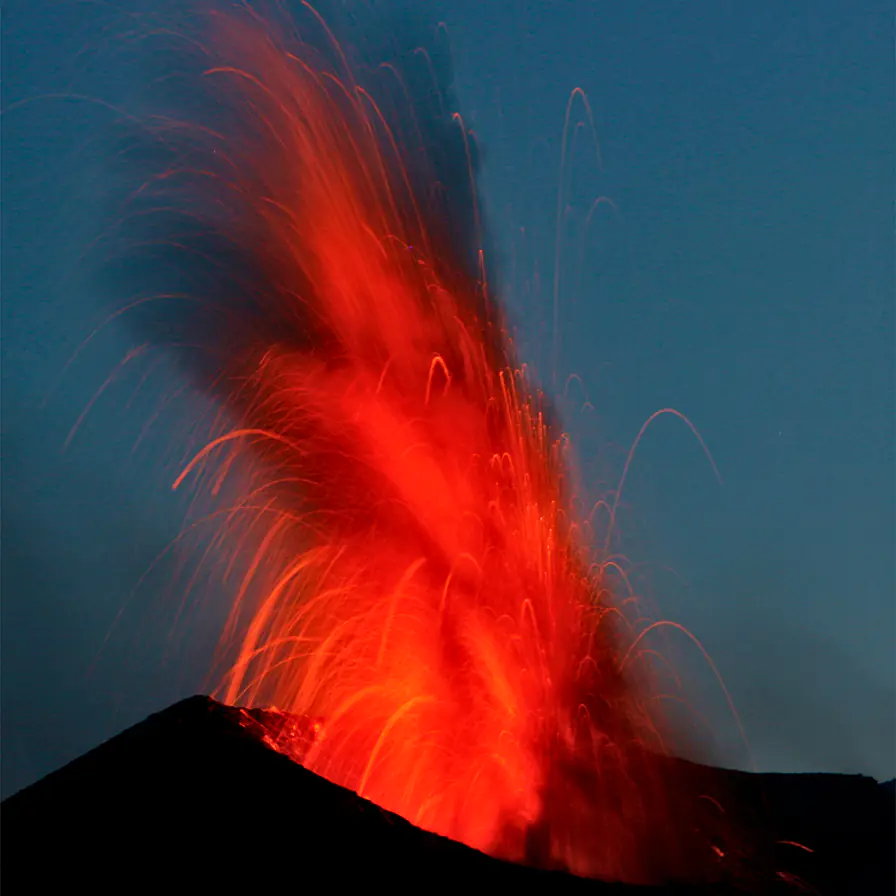
Cuatro características que distinguen Sicilia de las demás regiones de Italia para navegar.
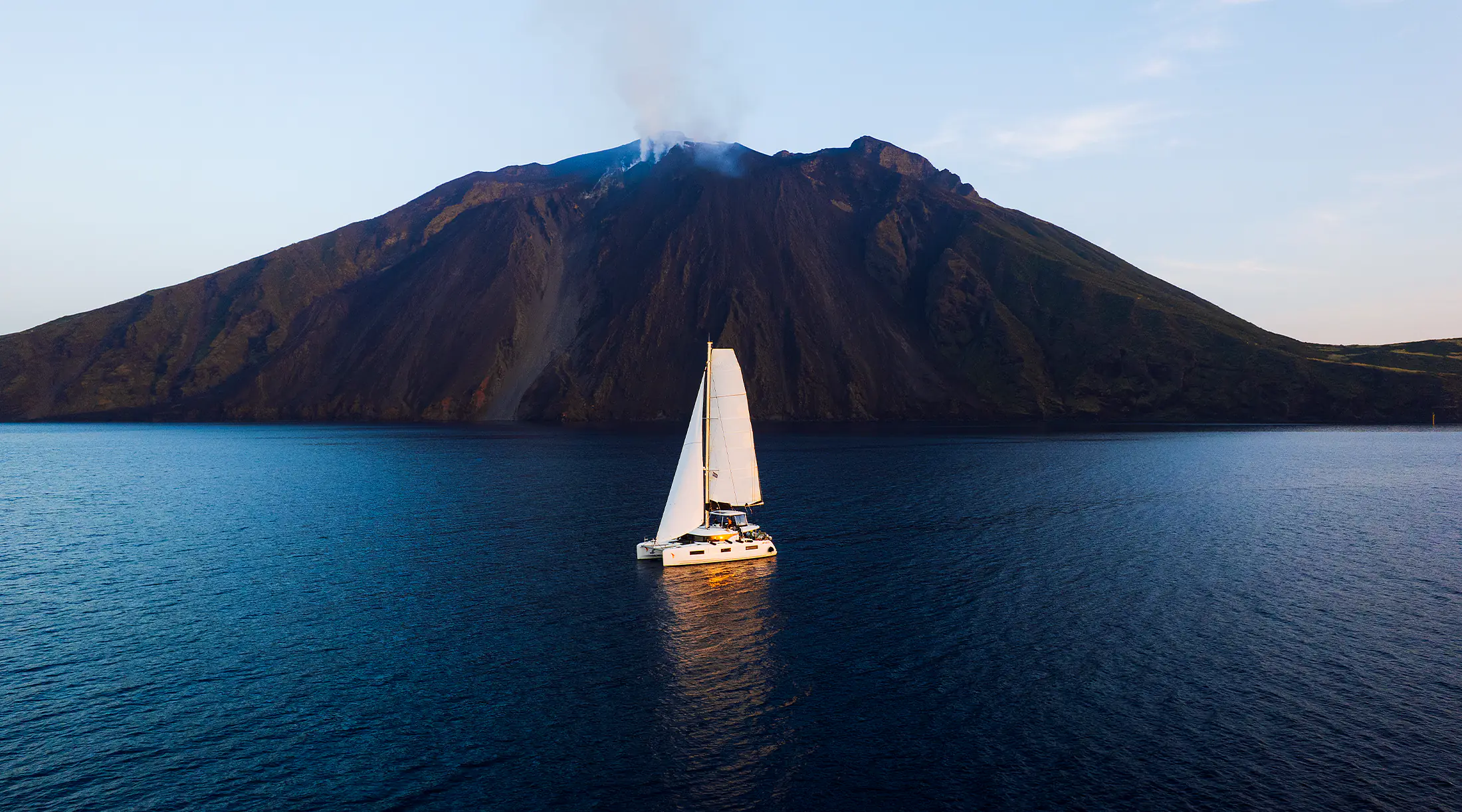
La erupción de Stromboli es visible desde la bahía de Panarea, a unos cinco kilómetros de distancia — arcos de lava naranja contra el cielo nocturno en ciclos de quince minutos. El olor a azufre de Vulcano llega hasta la plataforma de baño a cuatrocientos metros de la costa. El Etna humea sobre Taormina en los días despejados, el volcán activo más longevo de Europa. Ninguna otra semana en el Mediterráneo termina con una erupción activa en la bahía.
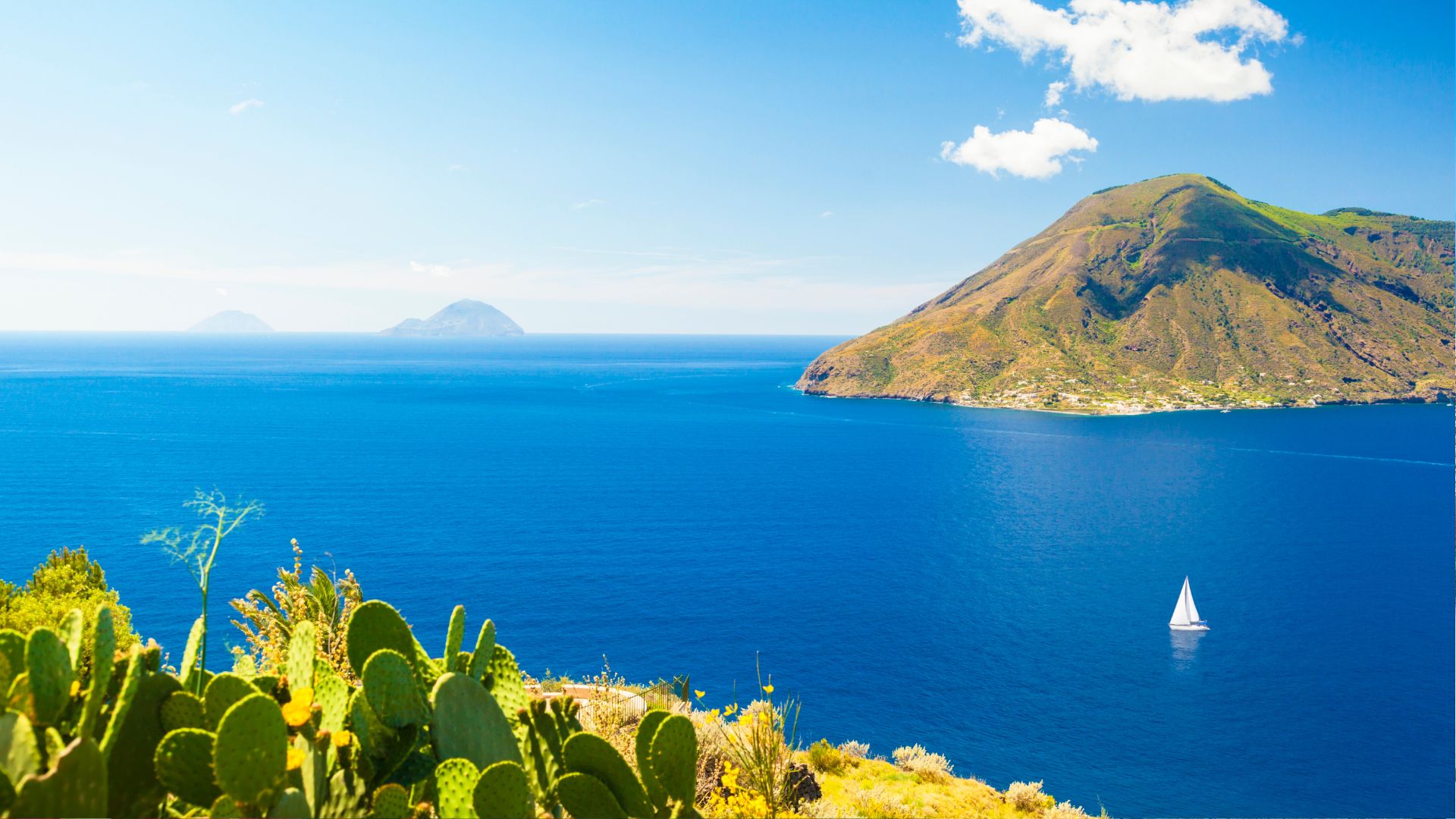
Las Islas Eolias se encuentran a cuarenta kilómetros de la costa norte de Sicilia — cinco islas volcánicas habitadas que se recorren en la misma semana. El puerto de casas de colores de Panarea es el lado más chic de la cadena — cenas largas en tierra, regreso en lancha auxiliar a la luz de las antorchas. El castillo normando de Lipari sube directamente desde la marina. Salina cultiva las alcaparras silvestres que compra el resto de Italia. Al sur del estrecho, Taormina ancla bajo el anfiteatro griego con el Etna humeando al fondo.
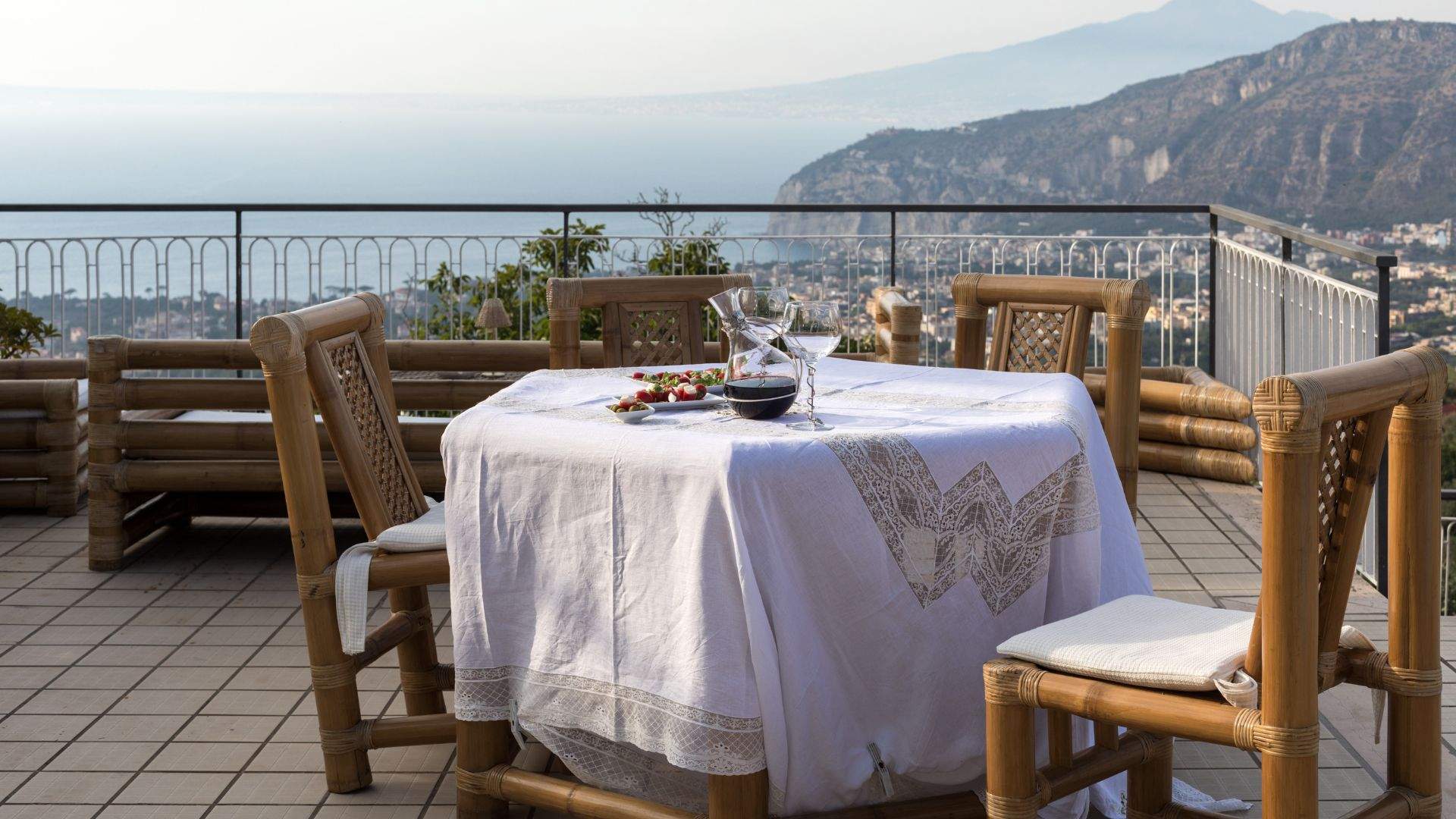
Sicilia come diferente al resto de la península. La pasta viene con sardinas e hinojo silvestre. El desayuno es granita de cítricos con brioche. El postre es el cannoli de pistacho y almendra que imita el resto de Italia. Los vinos del Etna, cultivados en las laderas del volcán, saben a pimienta negra y ceniza. La cena en tierra sale por un tercio de lo que costaría en Capri.
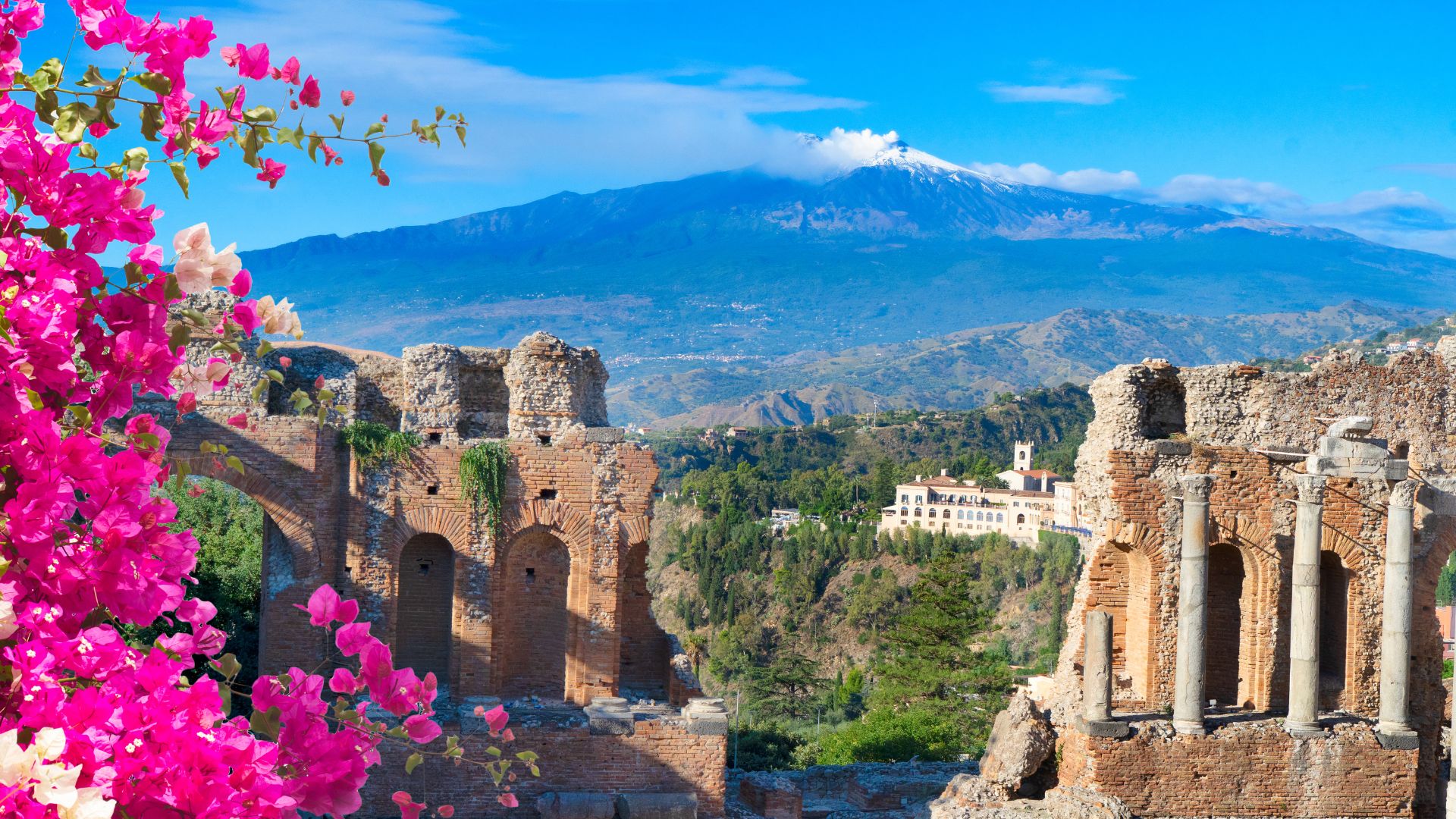
Las columnas griegas del Valle de los Templos en Agrigento se elevan sobre una cresta frente a la costa africana donde fueron plantadas hace dos mil quinientos años. El Palacio Normando de Palermo abre a una capilla de techos de mosaico dorado e incrustaciones geométricas árabes bajo bóvedas del siglo XII. Cefalù repite la misma fusión árabe-normanda en una forma costera más íntima. Una media jornada en tierra en cualquiera de ellos merece su lugar en la semana.
A hand-picked selection of crewed charter yachts for Sicily & Aeolian Islands — yachts and crews we know firsthand.
Your week is shaped around your group's interests, the season, and the conditions on the water — your captain tailors the days as they unfold. Treat these itineraries as starting points for inspiration.
Crewed Itinerary · Sicily & the Aeolian Islands
Seven nights round-trip from Milazzo, the Italian Tyrrhenian port that sits closest to the Aeolian chain, through five volcanic islands and back. The pace is deliberately slow. The chain is small enough that the captain rarely runs more than fifteen nautical miles between anchorages — every move is short, every afternoon ends on the swim platform, and the marquee scene of the week happens at night, three miles offshore from Panarea, when Stromboli's eruption shows up against the black sky on a fifteen-minute cycle.
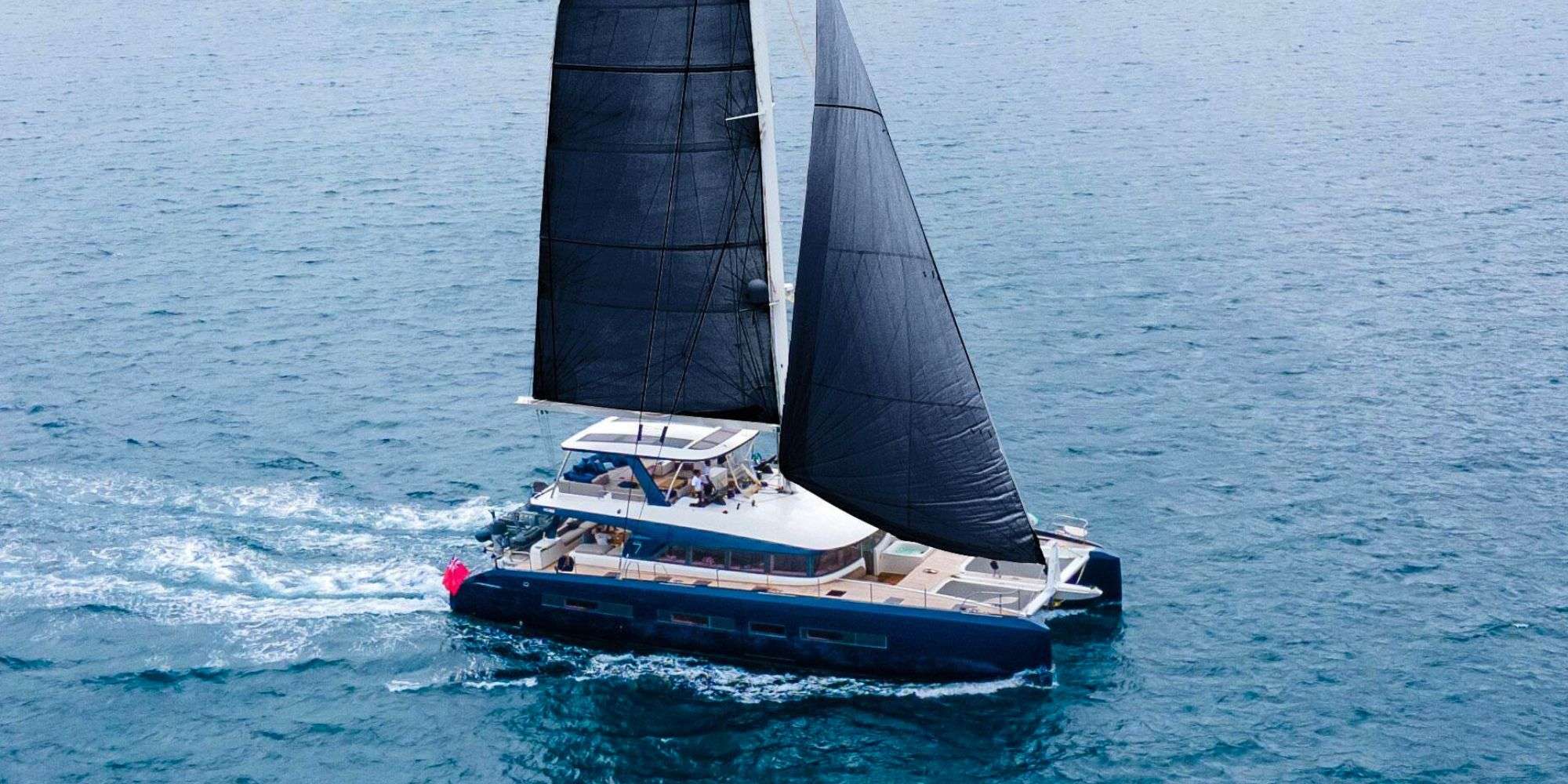
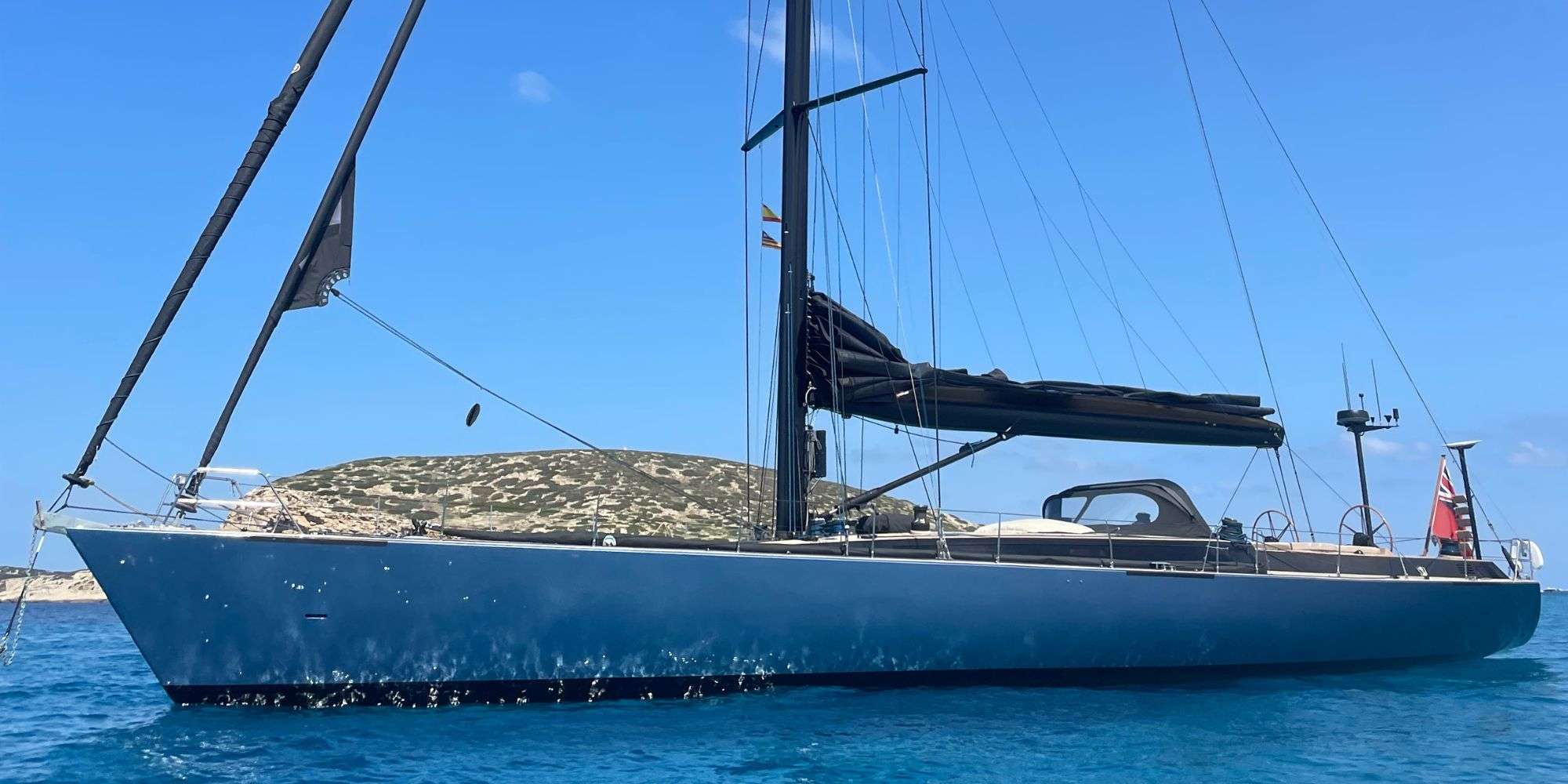
The route works cleanly on a crewed catamaran, a sailing yacht, or a small motor yacht. The Tyrrhenian off the Aeolian chain is forgiving in summer — the meltemi runs out before reaching this latitude — and the longest passage on the route is the swing back south from Stromboli at the end of the week. The chef onboard sources at the morning market in Lipari, capers from Salina's hillsides, and Malvasia wine from the volcano-slope vineyards that grow it. Saturday-to-Saturday, plus-expenses, 22% Italian charter VAT on the base rate.
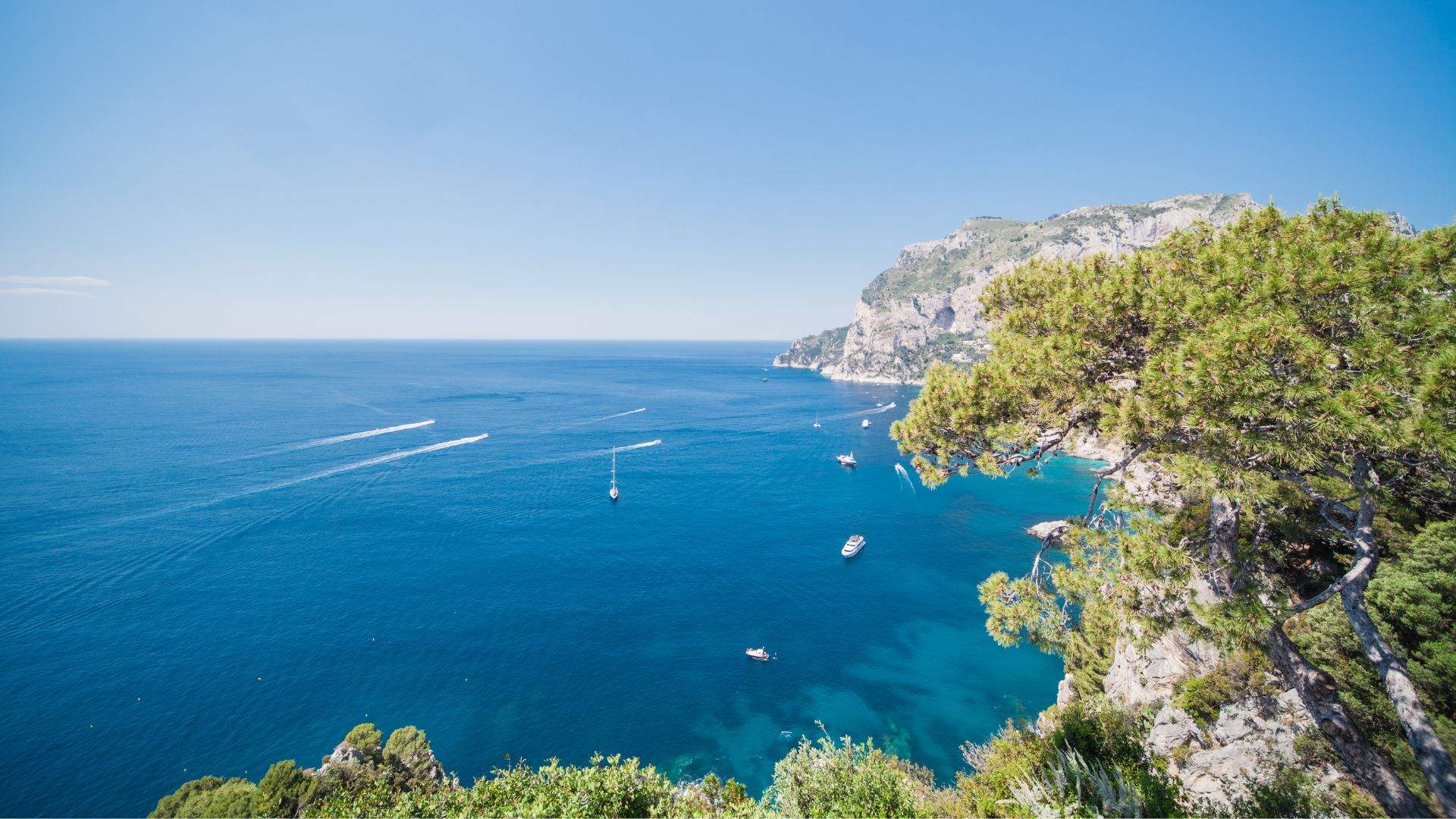
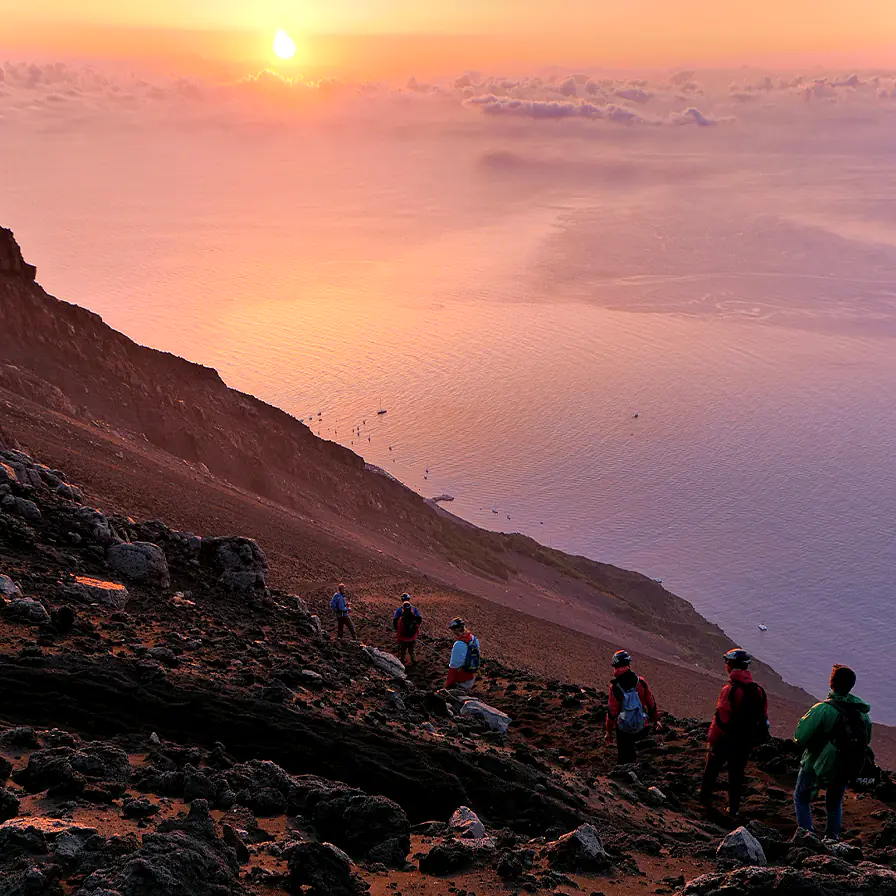
The Aeolian chain has seven islands. The Milazzo round-trip covers the five that anchor a charter week — Vulcano, Lipari, Salina, Panarea, and Stromboli — and leaves Filicudi and Alicudi as optional bench-depth for guests who want a quieter back end. Roughly ninety nautical miles end to end, with no leg longer than the day's appetite. Mornings under canvas or power, afternoons at anchor, evenings ashore in working harbor towns that haven't been retrofitted for cruise-ship tourism.
Milazzo is the embarkation point because the math works. Catania (CTA) is the gateway airport — fifty minutes by car to Marina di Milazzo — and the route starts twenty-two nautical miles from the marina at Vulcano, not eighty nautical miles like a Catania embark. The first night is in a volcanic crater anchorage rather than under the city's harbor lights. For a one-way alternative that adds Taormina and ends in Palermo, see the Sicily End-to-End itinerary.
Day 1 of 7 · Milazzo → Vulcano
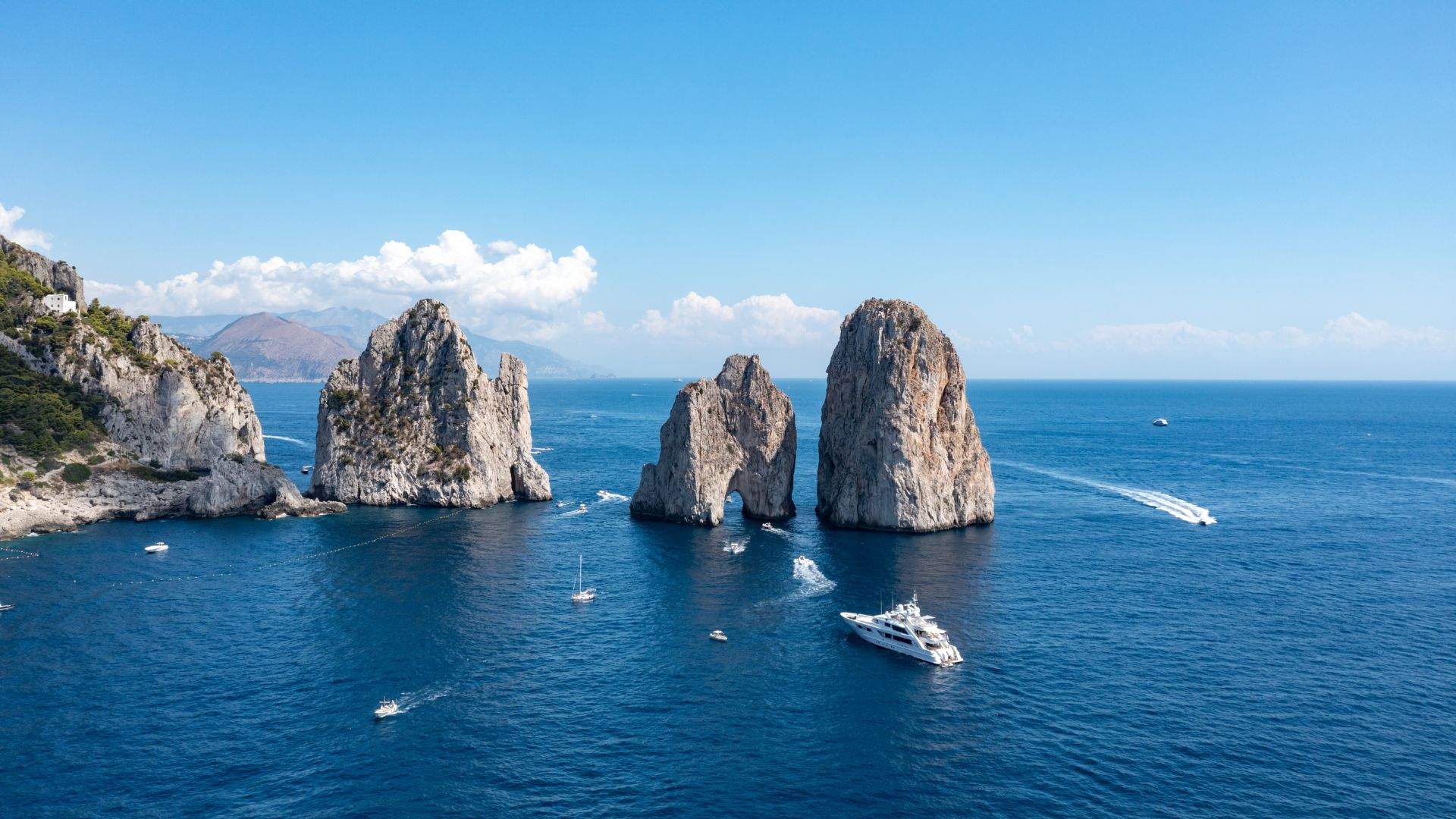
The week starts at Marina di Milazzo, the working Tyrrhenian port that sits at the top of the Sicilian thumb and acts as the everyday charter base for the Aeolian chain. Captain and chef meet the group at the dock, walk through the yacht, stow the luggage, and cover the chart for the route ahead. Early afternoon to settle in, lunch on board at the quay, then lines off for the twenty-two-nautical-mile run north to Vulcano.
Vulcano is the chain's southernmost inhabited island and the first taste of what makes the Aeolian week different from any other Italian charter. The smell arrives before the anchorage does — sulfur on the breeze a half-mile offshore, drifting from the fumarole field on the island's northeast face. Anchor in Porto di Levante on the island's north shore, the bay tucked under the still-active Gran Cratere volcano cone.
Late-afternoon tender ashore for the mud-bath spring — a natural geothermal pool a five-minute walk from the harbor where guests soak in warm sulfur clay (towel, then a long shower). The fumarole field beside it vents steam from the rock. Back on board for dinner from the chef — the kitchen runs on board most nights this week, except the marquee dinners ashore on Lipari and Panarea. The sulfur smell fades by sunset.
Day Highlights
Day 2 of 7 · Vulcano → Lipari
Short hop north this morning — six nautical miles, less than an hour under power — to Lipari, the chain's largest town and the only Aeolian island with a year-round population worth calling a town. The approach reads the way the maps describe it: a Norman castle rising from a basalt acropolis, the medieval citadel walls climbing straight from the harbor, and the working quay below where the morning fish boats land their catch.
Anchor or stern-to at the town quay. The chef provisions at the morning market — swordfish, sardines, capers, the green-skinned local lemons — while the group walks the citadel. The small archaeological museum inside the Norman castle holds the Bronze Age obsidian record of the island: Lipari sat at the center of a Mediterranean-wide obsidian trade three thousand years before Rome, and the volcanic-glass arrowheads recovered from the necropolis are laid out room by room. An hour ashore covers it.
Afternoon at the obsidian beach below Canneto — the black-sand stretch on Lipari's east coast where the volcanic glass washes up against pumice. Swim from the yacht at anchor offshore, then back to town for the evening. Dinner ashore at E Pulera or Filippino — both family-run, both serve the local pasta with sardines and wild fennel that is the dish of the island. Walk back to the boat under the citadel lights.
Day Highlights
Day 3 of 7 · Lipari → Salina
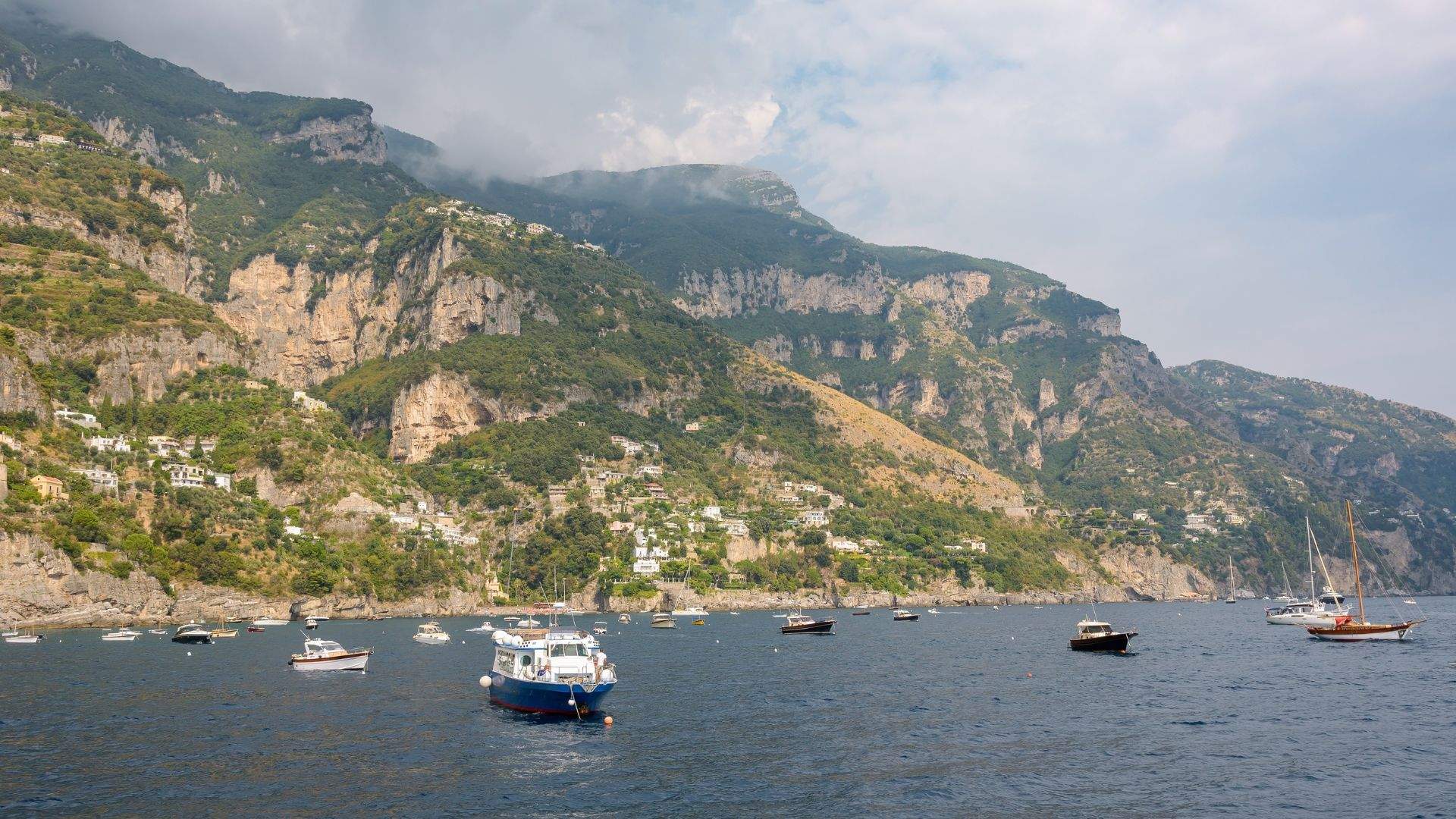
Lines off late morning for the twelve-nautical-mile passage north to Salina, the only island in the chain green enough to make the rest of the Aeolian look black-and-white by comparison. The wind picks up in the afternoon and the run is a pleasant downwind reach for catamarans and sailing yachts. Two volcanic peaks rise from the center of the island — Monte Fossa delle Felci and Monte dei Porri — and the slopes between them grow the Malvasia delle Lipari grapes and the wild caper bushes that supply most of Italy's caper market.
Anchor in Santa Marina Salina on the east coast. The town walks end to end in fifteen minutes. The captain books either Hotel Signum's terrace dining room or A Cannata in Lingua for dinner — both work the volcanic-island cuisine that this island runs on: caper-and-tomato salad, swordfish involtini, granita di limone with brioche at breakfast the next morning. The wine is the local Malvasia, the sweet dessert version from grapes dried in the volcanic-soil vineyards above town.
Afternoon excursion ashore by tender and rental car to the Malfa estates above town — the small family-run caper farms and Malvasia vineyards that the chef has visited that morning. A short tasting at one of them is the right shape for the late afternoon. Back to the yacht for the swim platform before sunset; the bay reflects gold off the volcanic cones at evening light. Salina nights are the quietest of the week.
Day Highlights
Day 4 of 7 · Salina → Panarea
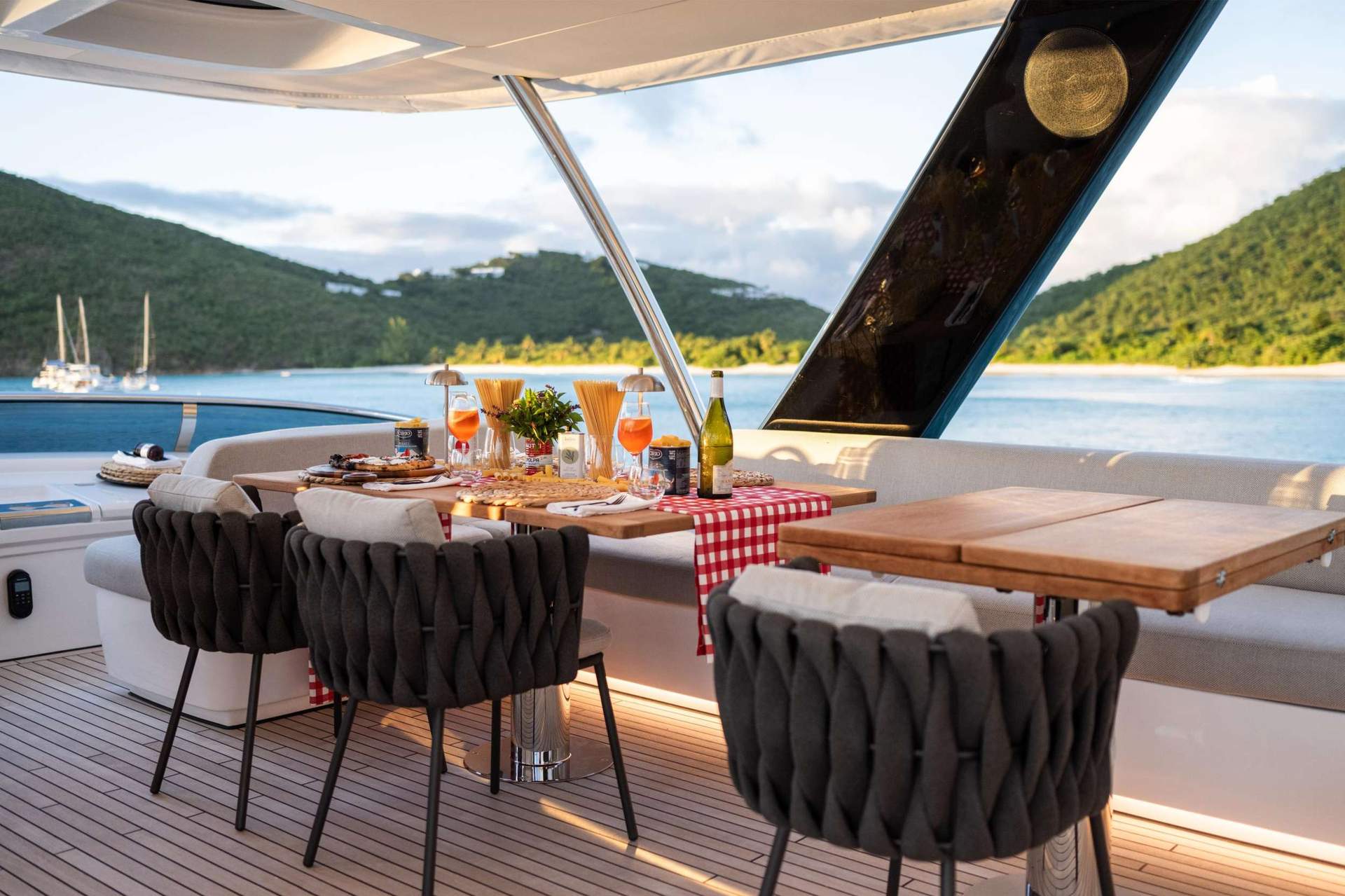
Late-morning run east to Panarea — ten nautical miles across the chain's central pool, the only Aeolian island with no cars and no roads worth the name, only stone footpaths and golf carts. The pastel-house village rises from the harbor; the volcanic cone behind it is dormant, the eastern shore is a string of small swim coves reached by tender, and the late-afternoon scene at Hotel Raya is the polished side of an Aeolian week.
Anchor off San Pietro, the main village on Panarea's eastern shore. The harbor is small and yachts sit on the hook with the swim platform open for the afternoon. Tender ashore for an early evening passeggiata — the village square, the small white-washed church, the two or three shops that stay open through the summer. Hotel Raya's open-air terrace catches sunset and is the right register for an aperitivo before dinner; the captain calls ahead to confirm a table.
Dinner ashore at the harbor — Hyccara on the rocks, Da Francesco on the quay, or the Raya dining room if the booking holds. The yacht stays at anchor through the night. The far horizon to the north holds Stromboli's silhouette, fifteen miles across the water, and the smoke from the active crater is visible at sunset on a clear evening. Tomorrow is the marquee.
Day Highlights
Day 5 of 7 · Panarea → Stromboli
Twelve nautical miles north this morning to Stromboli — the chain's volcanic icon, in continuous eruption for at least two thousand years, and the most reliable active-volcano viewing anchorage in the Mediterranean. The approach reads the way every photograph of the island shows it: a near-perfect cone rising straight from the sea, a thin white plume from the summit crater, and on a clear afternoon the dark scar of the Sciara del Fuoco — the lava-shoot face on the northwest slope — visible from miles offshore.
Anchor late morning at Ginostra on the southwest side — the smallest inhabited village in Italy, no road access, reachable only by sea, a single cluster of white houses around a tiny harbor. Lunch on board, then a tender ashore for the village walk: the lighthouse path, the one restaurant that opens for boat-guests at midday, the path through whitewashed alleys where the residents still draw drinking water from the cistern. Back to the yacht for the swim platform; the water off Ginostra runs deep clean blue under the cliff.
Late afternoon the captain repositions the yacht five miles north and anchors off the Sciara del Fuoco — the active-eruption viewing position. The first explosions are usually audible before they are visible. By full dark the show is at full volume: orange lava arcs against the black sky, the ash plume catching moonlight, the cycle repeating every twelve to twenty minutes through the night. Dinner on board on the aft deck with the volcano in the frame. Nobody on the boat sleeps until late.
Day Highlights
Day 6 of 7 · Stromboli → Filicudi
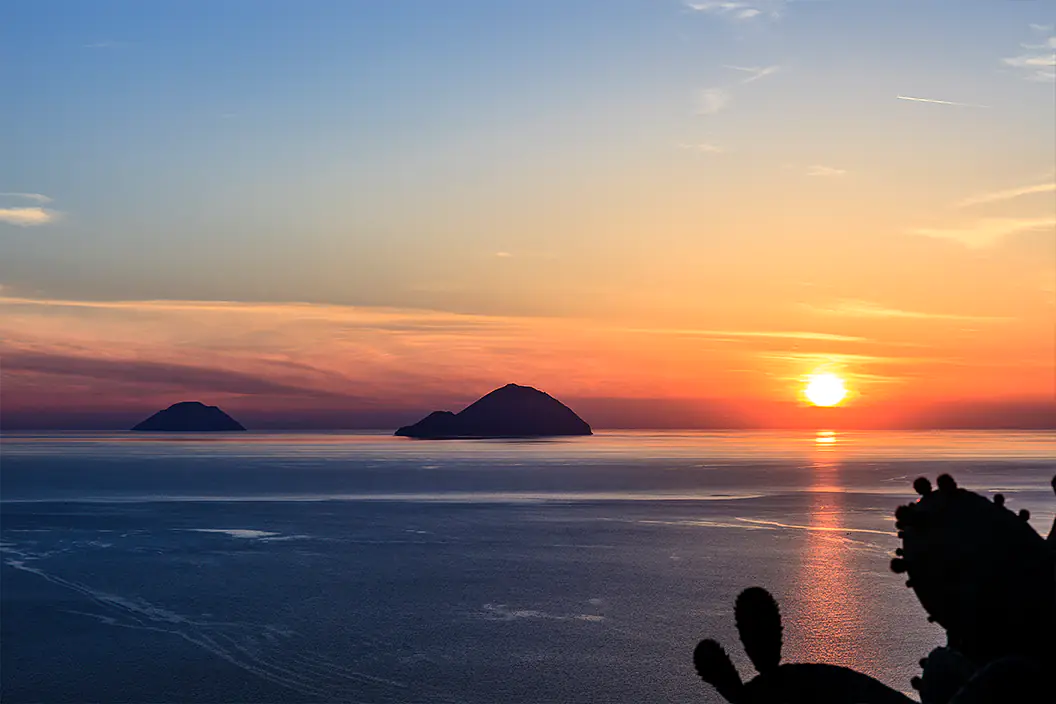
Twenty-two nautical miles southwest this morning to Filicudi, the second-most-remote Aeolian island and the right register for a quiet day after the Stromboli marquee. Filicudi has roughly two hundred year-round residents, one paved road, no cars worth the name, and a coastline of grottoes, basalt sea-stacks, and small swim coves reachable only by tender or by yacht.
Anchor at Pecorini a Mare on the south coast — the small fishing-village quay where the day boats land. Lunch ashore at La Sirena, the family-run trattoria a hundred meters from the dock that has worked the same fish for three generations. The afternoon is for the grotto coast on the island's west side: tender excursion to the Grotta del Bue Marino, the sea-cave on the western cliff where the light turns the water electric blue at midday, and the basalt sea-stack of La Canna offshore — a single vertical pillar rising eighty-five meters out of deep water.
Back to the anchorage at Pecorini for the evening. Dinner on board on the swim platform — the chef puts together what the morning market in Lipari produced, the wine is the Malvasia from Salina, and the only sounds are the swell against the hull and the small village above. The bench-depth alternative is to push further to Alicudi for the night, the chain's most remote island; the captain calls which fits the group.
Day Highlights
Day 7 of 7 · Filicudi → Milazzo: Disembark
Last morning at anchor in Pecorini. Breakfast on the aft deck — granita di limone with brioche, espresso, the swim platform open for one more dive. The captain repositions to the south side of the island for the southbound run back to Sicily — thirty nautical miles to Marina di Milazzo, about three and a half hours under power with the chain falling behind the stern.
Midday repositioning takes the yacht across one of the cleanest stretches of Tyrrhenian water in the Mediterranean. The chef puts together a final lunch from what is left of the Lipari market provisions — pasta with the wild capers from Salina, swordfish from the morning boat, a glass of Malvasia. Stromboli is visible to the north on a clear day. By mid-afternoon the cone of Mount Etna shows up on the southern horizon, dominating the Sicilian coast.
Berth at Marina di Milazzo by late afternoon. Last night aboard with the marina open behind the boat — dinner ashore at the Milazzo waterfront for guests who want a final town walk, or one more chef's table on the aft deck. Saturday morning is the disembark — gratuity envelope to the captain (Mediterranean standard ten to fifteen percent of base, split among the crew), fifty minutes by car to Catania (CTA) or just over an hour to Palermo (PMO). The broker coordinates any pre- or post-charter nights ashore — Belmond Grand Hotel Timeo on Taormina's cliff for the eastward extension, Villa Igiea on Palermo's waterfront for the western.
Day Highlights
Want to share or come back to this voyage later?
Bookmark this voyage →Crewed Itinerary · Western Sicily
Seven nights round-trip from Palermo through the side of Sicily that the rest of Europe has mostly missed. The route runs west along the north coast from Palermo to Ustica, then south through the Egadi Islands at Trapani, and inland by car for the Greek temple at Segesta and the cliff-top town of Erice. Three Greek-built ports, two Phoenician anchorages, an offshore volcanic island, and the quarry on Favignana that produced the limestone for half of Sicily's old cities. Most of the route reads like the Mediterranean did before the tourism industry got organized.
The cruising character is open water and small harbor towns rather than crowded anchorage scenes. Days run twenty to fifty nautical miles between stops; the longer legs sit early in the week when the group is fresh. The chef onboard works the Trapani fish market for tuna and red prawns, the Marsala vineyards for the fortified wine, and the Pantelleria caper farms that supply the local restaurants. Saturday-to-Saturday from Marina Villa Igea, plus-expenses, 22% Italian charter VAT on the base rate.
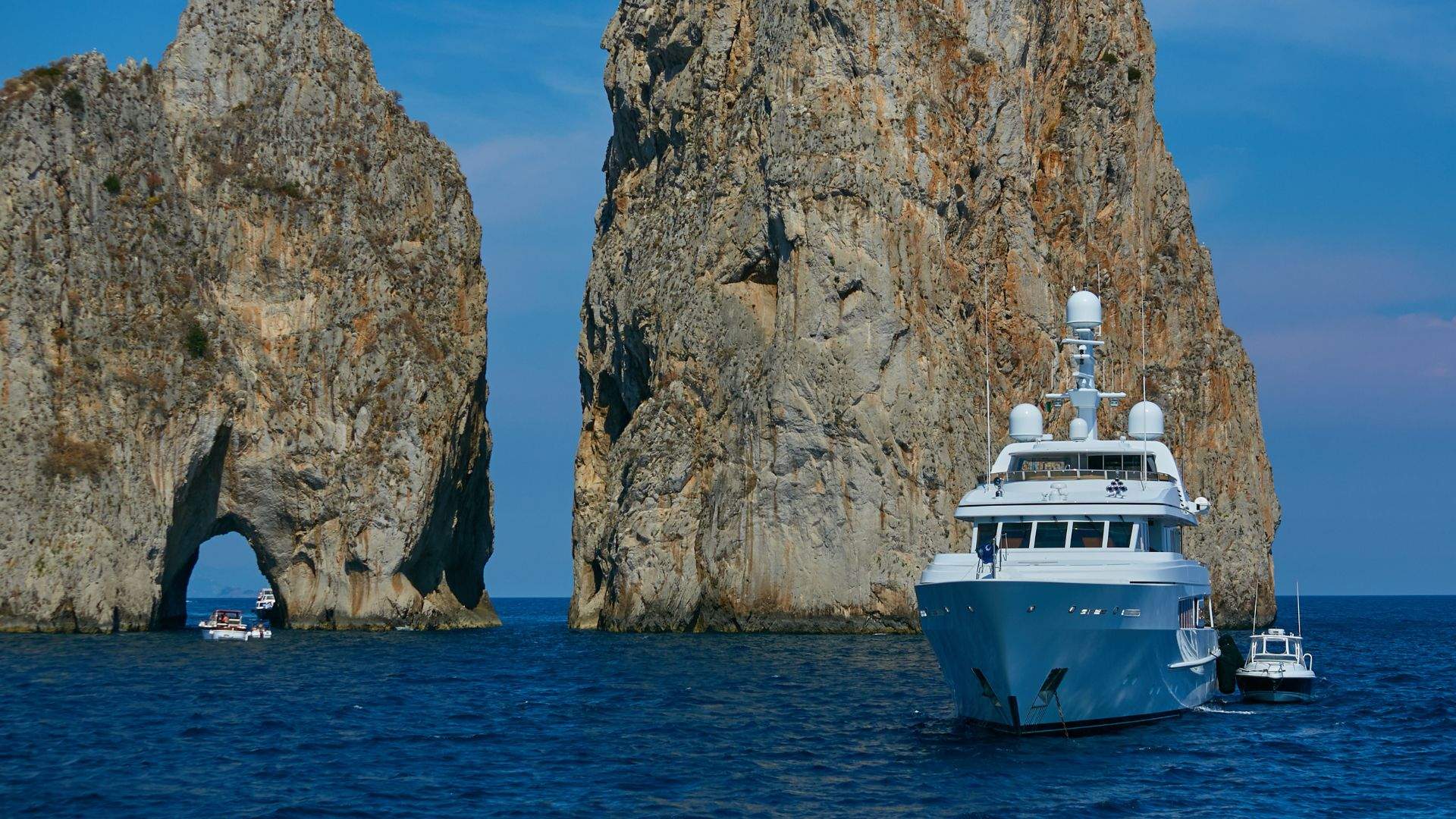
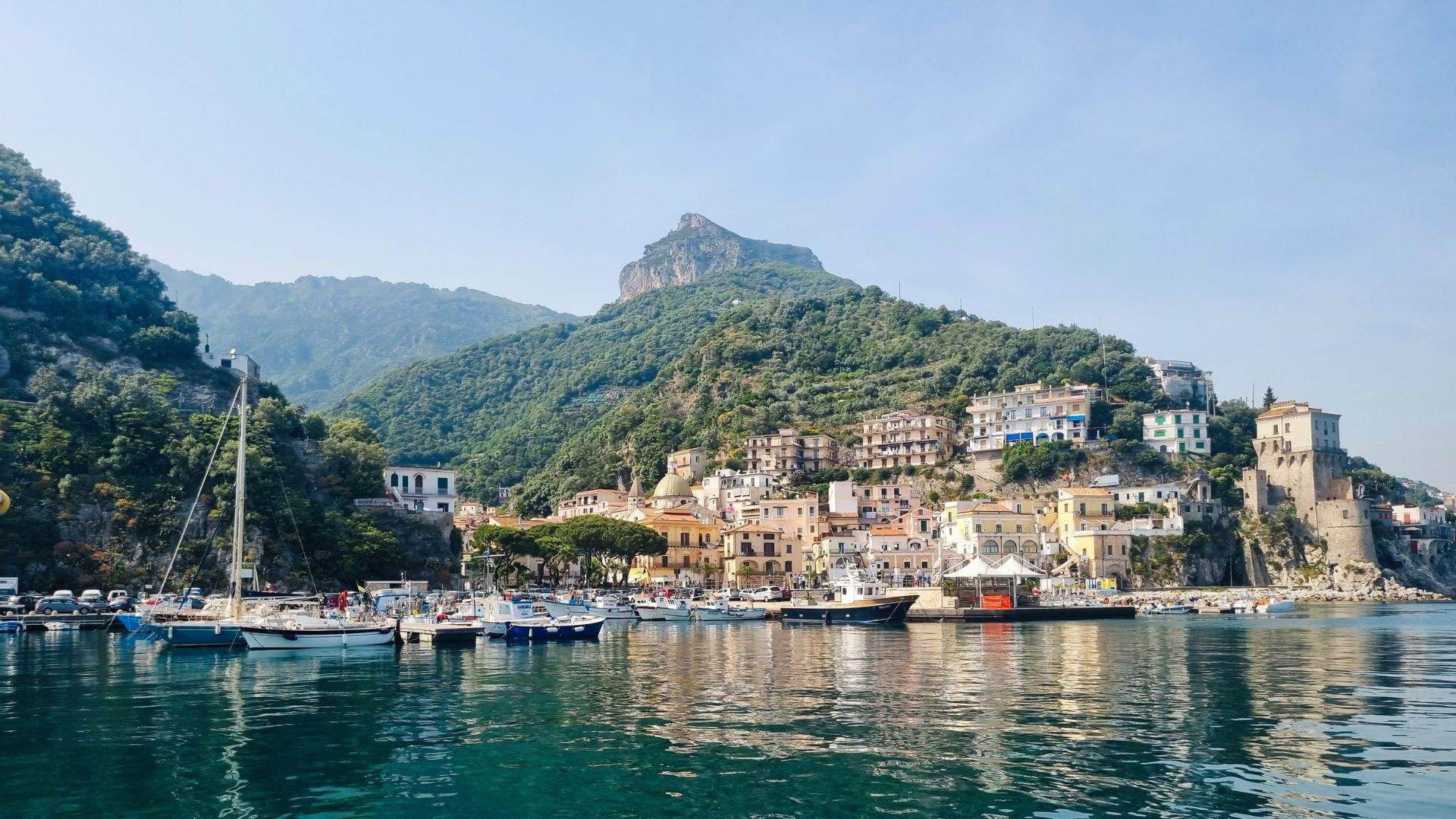
Western Sicily is the culture-and-quiet half of a Sicily charter. The east coast carries the volcanic marquee — Taormina, Stromboli, the Aeolian chain — and the high-density yacht traffic that goes with it. The west coast carries the Phoenician-Greek-Norman archaeological record and a coastline that still belongs mostly to the local fleet. Egadi shore-side dinners run a third of an Amalfi equivalent and the marinas have empty berths in late June.
The week works on either a catamaran or a small-to-mid motor yacht. The Tyrrhenian off the north coast and the Strait of Sicily between the mainland and the Egadi are open water — comfortable in summer, choppier in shoulder season — and the Egadi anchorages are protected. For the eastern alternative covering the volcanic chain, see the Aeolian Chain Round-Trip itinerary. For a one-way that covers both halves of Sicily on a single charter, see the Sicily End-to-End.
Day 1 of 7 · Palermo → Mondello
The week starts at Marina Villa Igea on Palermo's waterfront — thirty-five minutes from Palermo (PMO) airport, ten minutes from the old city. The marina sits at the foot of the namesake Liberty-style Villa Igiea, the 1900 hotel that anchors the harbor and remains one of Palermo's two grand-hotel addresses. Captain and chef meet on the dock, walk through the yacht, stow the luggage, cover the chart.
Late afternoon, lines off for the short six-nautical-mile run to Mondello Bay on the north side of Monte Pellegrino. Mondello is Palermo's local beach village — pastel houses along a curved bay, a Belle Époque white-iron bath-house pavilion on stilts in the middle of the water, a small fleet of fishing boats anchored against the shore. Anchor in the bay for the late afternoon swim platform.
Tender ashore for an early evening at Mondello village — the open-air market on the waterfront, the gelato shops on Piazza Mondello, and dinner at Bye Bye Blues or Charleston Mondello for guests who want a real Sicilian dinner on the first night. Back to the yacht for the night at anchor. The Palermo skyline holds the southern horizon; the city's lights are visible across Monte Pellegrino once dark settles in.
Day Highlights
Day 2 of 7 · Mondello → Ustica
Long passage today — thirty-five nautical miles north into the Tyrrhenian to Ustica, the volcanic island that sits alone offshore from the Sicilian mainland and was the first marine reserve established in Italian waters. Early start under sail or power; the run takes about five hours on a sailing catamaran with the prevailing westerlies on the beam, three on a motor yacht. The island appears as a single dark volcanic cone rising from open water — no other land visible in any direction.
Anchor in Cala Santa Maria on the south coast, the harbor side of the island. The water clarity off Ustica is the cleanest in the western Mediterranean — sixty to eighty feet of visibility on a settled day, no commercial fishing inside the reserve since 1986, and the rock walls of the marine reserve drop straight into deep water with the volcanic substrate covered in seagrass and red coral. Snorkel directly off the swim platform; the rare reef fish that have disappeared from the rest of the Tyrrhenian still live here.
Late afternoon tender ashore for the small village above the harbor — one piazza, two bars, a handful of fishing-boat restaurants. Dinner ashore at Ristorante Giulia or Da Umberto — both serve the local lobster (slipper lobster, smaller and sweeter than spiny lobster), grown in the protected reserve waters. The captain books the table. Back to the yacht for the night at anchor under the island's volcanic ridge.
Day Highlights
Day 3 of 7 · Ustica → Trapani
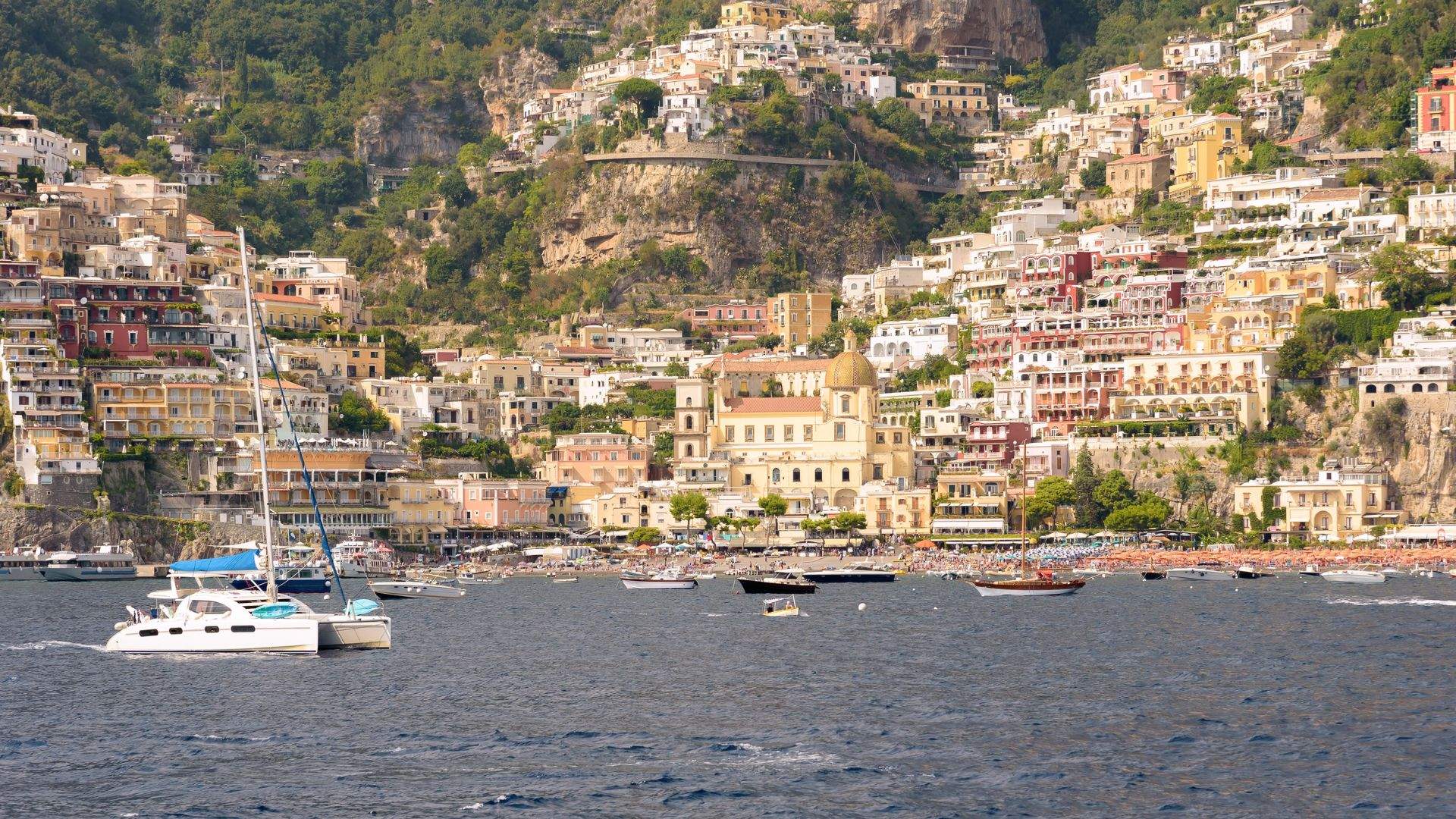
Longest passage of the week — fifty-five nautical miles southwest from Ustica to Trapani along the western Sicilian coast. The route passes Capo San Vito at the tip of Sicily's western thumb and the long Saline di Trapani salt-pans north of the city — a working salt-evaporation field that has produced sea salt continuously since the Phoenicians established the operation here twenty-five hundred years ago. The pyramidal salt piles and the small windmills still in use are visible from the water.
Berth at the Trapani waterfront late afternoon. The captain books a car for the half-hour drive up to Erice — the medieval town built on a Norman fortress site eight hundred meters above the coast, with the Castello di Venere on the summit and stone streets cooled by sea breeze even in August. An hour ashore covers the town; dinner at La Pentolaccia or Monte San Giuliano inside the Erice walls, both serving Sicilian-mountain cuisine that is meaningfully different from the coastal register: lamb, wild fennel, semolina cakes baked in wood-fired ovens.
Back down to the yacht at Trapani for the night. The Trapani fish market opens at dawn on the waterfront a hundred meters from the yacht; the chef walks over in the early morning for the red prawns and the tuna belly that the city's restaurants build their menus around. Trapani is the western port that the rest of Sicily flows through and the cleanest morning provisioning stop on the route.
Day Highlights
Day 4 of 7 · Trapani → Favignana
Short ten-nautical-mile crossing this morning to Favignana, the largest of the three Egadi Islands and the marquee Egadi day. The island shape on the chart is a butterfly — two lobes of low limestone joined by a thin isthmus — and the eastern coast holds the abandoned tufa-stone quarries that supplied the building blocks for half of Sicily's old cities. The quarries were active from the seventeenth century into the early twentieth and were then abandoned and flooded by sea-level rise.
Anchor at Cala Rossa on the northeast coast — the largest of the flooded quarries and the marquee anchorage. Vertical white-rock walls drop twenty meters into turquoise water on three sides; the swim is direct off the swim platform. The water is shallower than it looks from the surface and the bottom is white sand reflecting back up through the column — the color is closer to a Bahamian sandbar than to a Mediterranean cove. Most of the day at anchor here.
Late afternoon repositioning to the Favignana town quay for the evening. The town walks the waterfront end to end in twenty minutes. Dinner ashore at La Bettola or Il Buongustaio — both serve the local Mattanza tuna and the caper-and-tomato salad that is the Egadi version of Sicilian summer. The Florio family tonnara — the historic tuna-trap factory on the waterfront — is now a museum and worth thirty minutes ashore before dinner. Night at anchor or stern-to at the town quay.
Day Highlights
Day 5 of 7 · Favignana → Marettimo
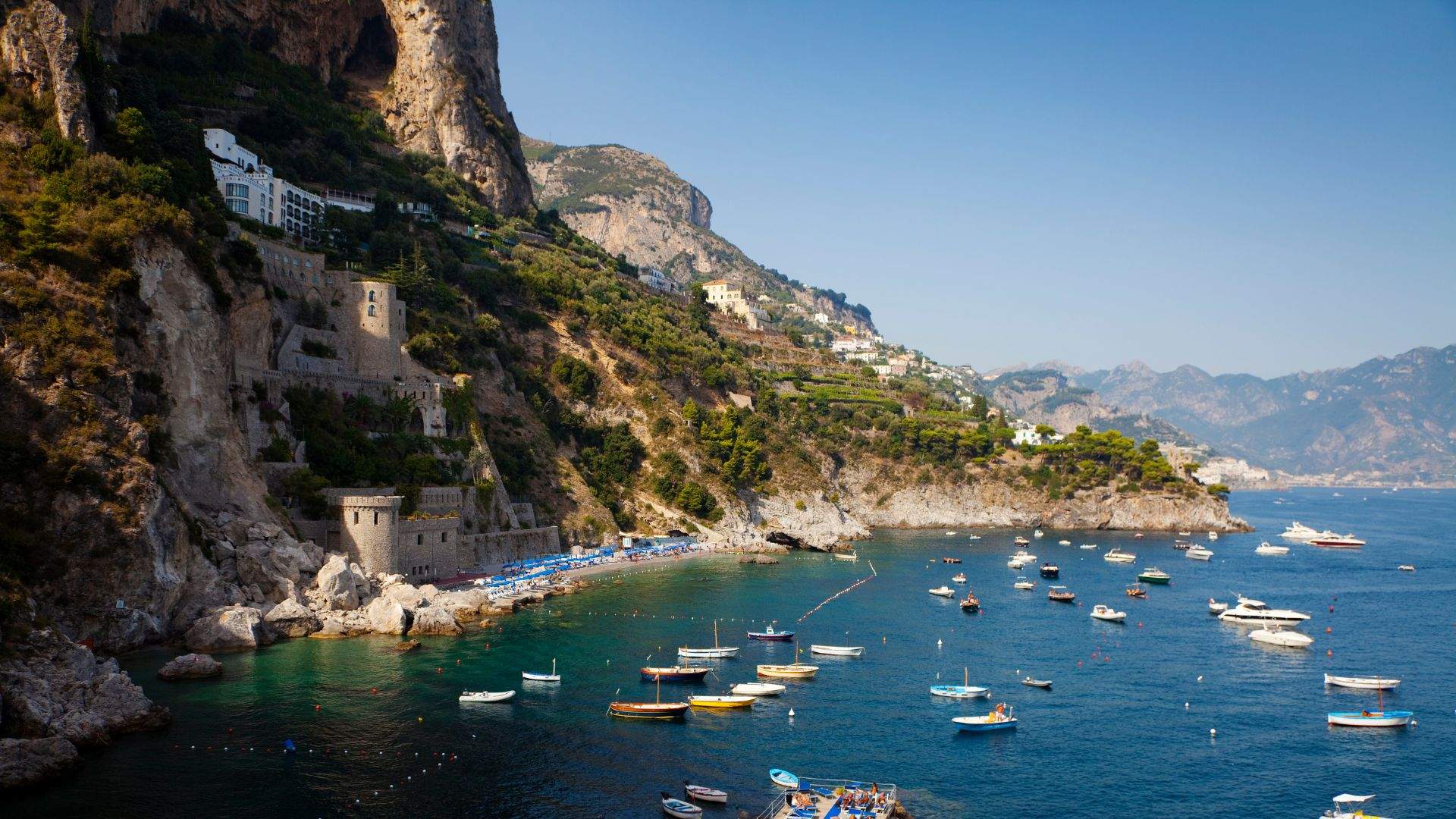
Short morning run to Levanzo, the smallest of the three Egadi Islands and the only one with a Paleolithic-era cave-painting site. Anchor in Cala Dogana, the small harbor on the south coast, then tender ashore for the morning walk to the Grotta del Genovese — the limestone sea-cave on the island's north coast where prehistoric rock art has been preserved for ten thousand years. The cave is reached by a guided land walk; the captain books the visit a day in advance.
Lunch on board at anchor in Cala Minnola off Levanzo's south coast — the cleanest swim cove in the Egadi, pine trees coming down to the water, a small Roman shipwreck visible on the seabed. Then a twelve-nautical-mile run southwest to Marettimo, the smallest and most remote of the three islands. The shape on the chart shows it: a single steep ridge rising out of the sea, no flat ground worth the name, and the western coast a string of vertical cliffs broken by sea-caves.
Anchor at Marettimo town on the east coast — the only inhabited part of the island, about three hundred year-round residents, the harbor village built around a single piazza and a row of fishing-boat houses. Dinner ashore at Il Veliero or Da Lia — both family-run, both serve what the morning boat brought in. Late-evening tender excursion around the western cliffs to the Grotta del Cammello and the Grotta del Tuono — sea-caves only reachable by water, the cleanest of the Egadi grottoes.
Day Highlights
Day 6 of 7 · Marettimo → Castellammare
Thirty-nautical-mile northeast run this morning back toward the Sicilian mainland and the long crescent bay of Castellammare del Golfo — the Gulf of Castellammare, three peninsulas wide, with the medieval town of Castellammare on the south shore and the Zingaro Nature Reserve on the western headland. Anchor off the town or stern-to at the marina; the captain calls based on the swell and the harbor traffic.
Midday excursion ashore by car to Segesta — the Doric Greek temple from the fifth century BC that stands alone on a hilltop above the surrounding hills, no town around it, no other ruins visible from the temple platform. The structure is unfinished — the column flutes were never carved and the roof was never built — but the architecture is otherwise as clean a fifth-century-BC temple as Sicily has. The Greek theatre on the adjacent ridge dates from the same period; both are walkable on the half-day ashore.
Back to the yacht for the late afternoon swim in the bay — the Zingaro Reserve coves on the western headland are the cleanest swim coves on this stretch of mainland Sicily, reached by tender from anchor. Dinner ashore at La Forchetta on the Castellammare waterfront or Trattoria del Pescatore on the harbor — both serve the local fish soup and the Sicilian-style swordfish involtini that the town's restaurants build menus around. Night at anchor or marina.
Day Highlights
Day 7 of 7 · Castellammare → Palermo: Disembark
Last full day on the water. Morning run east along the coast — thirty nautical miles back to Palermo, about four hours under power past Capo San Vito and the long Saline di Trapani salt-pans the route passed outbound on Day 3. The captain repositions the yacht to Marina Villa Igea by early afternoon; the marina sits at the foot of Villa Igiea hotel on Palermo's working waterfront.
Afternoon ashore in Palermo — the half-day that gives the route's cultural anchor. The Norman Palace (Palazzo dei Normanni) on the inland edge of the old city holds the Cappella Palatina, the twelfth-century chapel decorated by Arab artisans for Roger II of Sicily: gold mosaic ceilings, Arab geometric inlay in the wooden ceiling vaulting, Byzantine wall mosaics depicting Old Testament scenes from floor to apse. An hour inside is enough; a walk through the surrounding old city covers the Quattro Canti, the Pretoria Fountain, and the Cathedral on the way back to the marina.
Last night aboard at Marina Villa Igea. Dinner on the aft deck with the city lights across the harbor, or ashore at the Villa Igiea hotel terrace — the Belle Époque restaurant where Palermo's old families still eat. Saturday morning is the disembark — gratuity envelope to the captain (Mediterranean standard ten to fifteen percent of base, split among the crew), thirty-five minutes by car to Palermo (PMO) airport. The broker coordinates any pre- or post-charter ashore — the Villa Igiea hotel for the post-charter night, the Casa Florio outside the old city, or the cliff-top Belmond Villa Sant'Andrea on Taormina for guests routing east before flying home.
Day Highlights
Want to share or come back to this voyage later?
Bookmark this voyage →Itinerario con tripulación · Sicilia de punta a punta
Siete noches solo ida de Catania a Palermo, el viaje en yate estrella de Sicilia: Taormina bajo el anfiteatro griego la primera noche, el Estrómboli en erupción desde el fondeadero la tercera, Panarea y Salina en mitad del archipiélago, y Cefalù y el Palacio Normando de Palermo como cierre cultural. La ruta cubre unas doscientas ochenta millas náuticas de punta a punta y enlaza cada parte del destino en un solo viaje: islas volcánicas y antigüedad griega, cocina eolia y puertos fenicios, la erupción activa y los techos de mosaico dorado.
Solo en yate a motor: las travesías diarias son más largas que en los itinerarios de ida y vuelta (de veinte a cincuenta millas náuticas al día, varios tramos mar adentro durante la noche) y el tiempo en ruta favorece a los yates que mantienen unos doce a quince nudos constantes. El chef a bordo se abastece en los puestos de pescado matutinos de Taormina, en el mercado de Lipari en el segundo paso, y en la Vucciria de Palermo para la última noche. De sábado a sábado, con gastos aparte, 22 % de IVA italiano de yate sobre la tarifa base, y la tasa de reposicionamiento de un solo yate incluida en el presupuesto total.
El de punta a punta es el viaje en yate de Sicilia para quienes quieren todo lo que la isla ofrece a lo grande. El este volcánico: el Etna detrás de Taormina, el Estrómboli la tercera noche, las fumarolas activas de Vulcano. La vida de las islas eolias: el puerto pastel de Panarea, las alcaparras y la Malvasía de Salina, el mercado matutino de Lipari. El oeste cultural: la Capilla Palatina árabe-normanda de Palermo y la catedral de Cefalù a la entrada. Un viaje en yate, tres Sicilias, una ruta que se lee como un reportaje de revista más que como un folleto.
Las dos alternativas de ida y vuelta —Milazzo solo para el archipiélago eolio, Palermo solo para el oeste de Sicilia— funcionan como semanas independientes para quienes quieran una mitad concreta de la isla. El de punta a punta es la respuesta acertada para primerizos en Sicilia que quieren la imagen completa, para navegantes que repiten en el Mediterráneo italiano y ya han hecho las semanas de Amalfi y de Cerdeña-Córcega, y para grupos que reservan un viaje en yate italiano de catorce días (Sicilia de punta a punta enlazando con la Costa Amalfitana a través del estrecho de Mesina, o en la otra dirección hacia Cerdeña).
Día 1 de 7 · Catania → Taormina
La semana empieza en Marina dell'Etna, en Catania, a quince minutos del aeropuerto de Catania (CTA) en la costa jónica, el puerto siciliano de trabajo de la costa este que ancla la logística de embarque. El capitán y el chef te reciben en el muelle, te enseñan el yate, guardan el equipaje y repasan la carta de la ruta que viene. La tarde es para acomodarse; almuerzo a bordo en el muelle; amarras fuera a media tarde para la travesía de treinta millas náuticas al norte hasta Taormina.
La aproximación a Taormina se lee tal como la muestran las fotos. El pueblo se asienta en una plataforma de acantilado a doscientos metros sobre el mar, el pequeño islote de Isola Bella forma una fina lengua de tierra en la bahía de abajo, y en una tarde despejada el cono del Etna llena el horizonte interior con un penacho constante de vapor volcánico. Fondea en la bahía de Mazzaro, en el lado norte de Isola Bella; el yate queda a la sombra de la plataforma del acantilado, con el anfiteatro greco-romano visible justo arriba.
A última hora de la tarde, lancha a tierra para el teleférico hasta el pueblo. Una hora en el Teatro Antico —el teatro griego del siglo III a. C. reconstruido por los romanos, con la caída del acantilado y la vista del Etna enmarcando la abertura del escenario— y cena en tierra en la terraza del Belmond Grand Hotel Timeo o en la Osteria Nero D'Avola, en el pueblo. Ambos miran a la bahía donde está fondeado el yate. De vuelta en teleférico bajo las luces del teleférico; noche al ancla en Mazzaro. El resplandor volcánico del Etna se ve tenuemente al norte después del anochecer total en la noche adecuada.
Day Highlights
Día 2 de 7 · Taormina → Estrómboli
Hoy, larga travesía mar adentro: cincuenta millas náuticas al noroeste desde Taormina, cruzando el estrecho de Mesina y entrando en el Tirreno meridional, el tramo de mar abierto más largo de la semana. Salida temprana a motor; la travesía lleva unas cuatro horas en un yate a motor que mantenga quince nudos. La costa siciliana queda atrás por la popa durante la mañana; el archipiélago eolio se alza por delante hacia el mediodía. El cono del Estrómboli es visible desde veinte millas en un día despejado.
Fondeo a mediodía en Ginostra, en el lado suroeste de la isla: el pueblo habitado más pequeño de Italia, sin acceso por carretera, alcanzable solo por mar, un único grupo de casas blancas en torno a un puerto diminuto. Almuerzo a bordo; lancha a tierra para el paseo por el pueblo: el camino del faro, el único restaurante que abre a mediodía para los huéspedes de los barcos, los callejones encalados sobre el puerto. Plataforma de baño abierta a primera hora de la tarde bajo el acantilado.
A última hora de la tarde, el capitán reposiciona cinco millas náuticas al norte y fondea frente a la Sciara del Fuoco, la cara de la colada de lava en la ladera noroeste, la posición desde la que el cráter activo mira al mar. Las primeras explosiones suelen oírse antes de verse. Para el anochecer total, el espectáculo está a todo volumen: arcos de lava naranja contra el cielo negro, el penacho de ceniza atrapando la luz de la luna, el ciclo repitiéndose cada doce a veinte minutos durante la noche. Cena en la cubierta de popa con el volcán en el encuadre. Nadie en el barco se duerme hasta tarde.
Day Highlights
Día 3 de 7 · Estrómboli → Panarea
Corto salto matutino al sur —doce millas náuticas, una hora a motor— hasta Panarea, la isla chic del archipiélago y el lado pulido de una semana eolia. El yate llega a última hora de la mañana al pueblo de casas pastel de San Pietro, en la costa este. Sin coches en la isla, sin carreteras dignas de tal nombre, solo senderos de piedra y carritos de golf; el cono volcánico detrás del pueblo está dormido; la costa este es una sucesión de pequeñas calas de baño a las que se llega en lancha.
Fondeo frente a San Pietro. Almuerzo a bordo al ancla o lancha a tierra al muelle del pueblo para un almuerzo ligero en Da Francesco o Hyccara, sobre las rocas. La tarde es para las pequeñas calas del lado este de la isla —Cala Junco, Cala dei Zimmari—, a las que se llega en lancha desde el fondeadero, las calas de baño más limpias del archipiélago eolio. El agua es lo bastante clara como para ver el fondo de arena volcánica en seis metros.
A última hora de la tarde, a tierra para la passeggiata del pueblo. La terraza al aire libre del Hotel Raya atrapa la puesta de sol y es el registro pulido del aperitivo; el capitán reserva con antelación. Cena en tierra en Hyccara, Da Francesco o el comedor del Raya. El yate permanece al ancla durante la noche. La silueta del Estrómboli se ve al norte, a quince millas, y el humo del cráter activo se distingue tenuemente al atardecer contra el cielo naranja.
Day Highlights
Día 4 de 7 · Panarea → Salina → Lipari
Día de dos islas. Amarras fuera a media mañana para la corta travesía de ocho millas náuticas al oeste hasta Salina, la única isla verde del archipiélago eolio, la que tiene suelo suficiente para cultivar uva y alcaparras. Fondeo en Santa Marina Salina para una corta mañana en tierra en una de las fincas de Malvasía sobre el pueblo; el chef organiza la visita con un día de antelación. Un breve paseo por los pequeños viñedos aterrazados sobre la bahía, una cata del vino de postre y las alcaparras silvestres de los arbustos de alrededor: las verdaderas alcaparras de Salina que el resto de Italia importa.
Almuerzo a bordo al ancla o en tierra en A Cannata, en Lingua, en la costa sur de Salina: la pequeña trattoria familiar que sirve ensalada de alcaparra y tomate, involtini de pez espada y la granita di limone con brioche que es el registro del desayuno de la isla. Travesía de tarde al sur: siete millas náuticas hasta Lipari, el pueblo más grande del archipiélago y la parada de mercado matutino más limpia de la ruta.
Fondeo o de popa en el muelle del pueblo de Lipari. El chef se aprovisiona para el resto de la semana en el mercado matutino del día siguiente. Recorre el castillo normando sobre la acrópolis: el pequeño museo arqueológico de su interior cubre el comercio de obsidiana de la Edad del Bronce que puso a Lipari en el centro del Mediterráneo tres mil años antes de Roma. Cena en tierra en E Pulera o Filippino: pasta con sardinas e hinojo silvestre, el plato de la isla. Noche en el muelle; las luces de la ciudadela siguen encendidas pasada la medianoche.
Day Highlights
Día 5 de 7 · Lipari → Cefalù
Hoy, larga travesía: cincuenta millas náuticas al suroeste de Lipari a Cefalù, en la costa norte siciliana. El archipiélago eolio queda atrás por la popa durante la mañana; las montañas Madonie de la Sicilia continental se alzan por delante a media tarde. La travesía lleva unas cuatro horas en un yate a motor. El capitán vigila el estado del mar del Tirreno durante el día; el tramo es cómodo en verano.
Fondeo o de popa en el paseo marítimo de Cefalù a última hora de la tarde. El pueblo se asienta al pie de un promontorio vertical de caliza llamado La Rocca, y la catedral normanda construida en el siglo XII se alza desde la ciudad vieja medieval contra el telón de fondo de la roca. Una hora en tierra cubre la catedral: el mosaico del Cristo Pantocrátor en el ábside es una de las obras de estilo bizantino del siglo XII más bellas del Mediterráneo, el claustro de al lado es pequeño y tranquilo, y la ciudad vieja de alrededor se recorre en quince minutos.
Cena en tierra en Lo Scoglio Ubriaco o La Botte, ambos en el paseo marítimo, ambos sirviendo la pasta local con boquerones y sardinas que es el plato de la costa norte. Noche al ancla o en el muelle. Las montañas Madonie dominan el horizonte sur; el campanario de la catedral marca el centro del pueblo contra la pared de roca de arriba.
Day Highlights
Día 6 de 7 · Cefalù → Mondello → Palermo
Último día completo en el agua: treinta y cinco millas náuticas al oeste de Cefalù a Palermo, con una larga parada de mediodía en Mondello por el camino. Amarras fuera tras el desayuno para la travesía de cuatro horas; el capitán reposiciona el yate a la bahía de Mondello a primera hora de la tarde. Fondeo en la bahía para la plataforma de baño: Mondello es el pueblo de playa local de Palermo, el pabellón de baños de hierro blanco de la Belle Époque se asienta sobre pilotes en medio de la bahía, y la bahía es la cala de baño más limpia al alcance metropolitano de Palermo.
Almuerzo a bordo al ancla en Mondello; tarde en tierra en las heladerías de la Piazza Mondello o en el mercado de trabajo del paseo marítimo. A última hora de la tarde, el capitán reposiciona seis millas náuticas al este rodeando el Monte Pellegrino hasta Marina Villa Igea, en el paseo marítimo de trabajo de Palermo: la marina se asienta al pie del hotel homónimo Villa Igiea, de estilo Liberty, a treinta y cinco minutos del aeropuerto de PMO y a diez minutos de la ciudad vieja.
Cena en tierra en la terraza del hotel Villa Igiea o en la ciudad vieja. Quattro Mani, en el barrio de la Vucciria, y Bisso Bistrot, junto a la Piazza Bellini, llevan el registro de la comida callejera palermitana a nivel de mesa: pasta con le sarde, sfincione, panelle, y las mollejas locales glaseadas con marsala. Noche en la marina. Mañana toca el Palacio Normando y el desembarco.
Day Highlights
Día 7 de 7 · Día cultural en Palermo · Desembarco
Última mañana de la ruta. Desayuno en la cubierta de popa en Marina Villa Igea; la marina da directamente al paseo marítimo de trabajo de Palermo y la ciudad vieja se recorre veinte minutos tierra adentro desde el muelle. El capitán organiza la media jornada en tierra: el Palacio Normando y la Capilla Palatina son el ancla cultural de la semana y la escena de cierre en torno a la que está construida la ruta.
Dentro del Palazzo dei Normanni, en el borde oeste de la ciudad vieja, la Capilla Palatina es la capilla del siglo XII decorada por artesanos árabes para Roger II de Sicilia. El techo es de muqarnas dorados —la taracea geométrica árabe que normalmente se encuentra en las mezquitas— colocados dentro de bóvedas normandas de arco apuntado. Los mosaicos de las paredes son de estilo bizantino: escenas del Antiguo Testamento de suelo a ábside, el Cristo Pantocrátor en la semicúpula del ábside. Una hora dentro lo cubre. La catedral, de camino de vuelta a la marina, alberga la tumba del emperador Hohenstaufen Federico II.
Último almuerzo a bordo en Marina Villa Igea, o en tierra en la terraza del hotel Villa Igiea para los huéspedes que quieran el cierre de la Belle Époque. Desembarco a media tarde: sobre de propina al capitán (estándar mediterráneo del diez al quince por ciento de la base, repartido entre la tripulación), treinta y cinco minutos en coche al aeropuerto de Palermo (PMO). El agente coordina los días en tierra antes o después del viaje en yate: el hotel Villa Igiea para la última noche, el Belmond Villa Sant'Andrea al borde del acantilado en Taormina para los huéspedes que van al este antes de volar a casa, o una breve noche en Cefalù para el mosaico de la catedral al amanecer.
Day Highlights
Want to share or come back to this voyage later?
Bookmark this voyage →When to go, what it costs, and how to get there — the practical answers guests ask before booking a Sicily & Aeolian Islands crewed yacht charter.
Sicilia alcanza su pico a finales de julio y en agosto. Las temperaturas diurnas rondan los 31–32 °C en la costa y superan los 35 °C tierra adentro. El mar se mantiene cerca de los 26 °C durante agosto. El Ferragosto del 15 de agosto es el punto culminante de las vacaciones italianas — Catania y Palermo se vacían hacia las playas y la cadena eolia llega a su máxima ocupación. Los mejores yates y tripulaciones se reservan con nueve a doce meses de antelación. Las tarifas suben entre un 25 y un 35% respecto a la temporada intermedia.
La temporada que reservan los habituales de Sicilia. El mar supera los 22 °C a mediados de junio y se mantiene apto para el baño hasta principios de octubre. Temperaturas diurnas en torno a los 25–26 °C. Los colegios italianos reanudan las clases el 10 de septiembre; después, los puertos y las bahías eolias se despegan. Junio y septiembre son las mejores semanas del año en esta costa — calor agradable, reservas disponibles y tarifas entre un 20 y un 25% por debajo de la temporada alta.
$40,000–$200,000 per week
Una semana en yate con tripulación por Sicilia tiene una tarifa de alquiler de yate de entre 40.000 y más de 200.000 USD, según el tamaño del yate, el año de construcción y la tripulación. Italia opera bajo el modelo mediterráneo de gastos aparte — la tarifa base cubre únicamente el yate y la tripulación. Una propina del 10–15% según los estándares del Mediterráneo (el 10% es el punto medio habitual según MYBA) se entrega directamente al capitán en el desembarque. El IVA italiano de yate del 22% se aplica en el momento de la reserva; esta tarifa está vigente desde noviembre de 2020. Se pre-financia una APA (Asignación Anticipada de Provisiones) del 25–35% en el momento de la firma para cubrir alimentación, bebidas, combustible, amarre en marina y tasas portuarias. Los amarres premium en Panarea y Lipari cuestan entre 350 y 600 € por noche en temporada alta para un yate de 80 pies — una partida habitual de la APA. Los viajes se realizan de sábado a sábado.
About chartering in Sicily & Aeolian Islands.
We charter across the Western Mediterranean. Here are some other excellent alternatives.

Four cruising grounds in one country — the Amalfi Coast, Sardinia & Corsica, Sicily and the Aeolian Islands, the Italian Riviera south to Tuscany. The hardest part of an Italy yacht charter is choosing which week to take first.

Cliff-stacked villages and long lunches the tender reaches — the Italian summer the boat makes possible, anchored under the Faraglioni at sundowners and tied up in Amalfi by midnight.

Costa Smeralda granite coves and Bonifacio's white-cliff citadel six miles apart, the Strait between two islands cruised in a single afternoon — the Mediterranean the Italians and French keep mostly for themselves.

Portofino's harbor amphitheater, the Cinque Terre's cliff villages, Portovenere's painted waterfront, and the Tuscan islands south to Elba and Argentario. The quieter Italian week for guests who want village character, harbor restaurants, and lower-density anchorages without Amalfi's August intensity.

Monaco's Port Hercule, Cap Ferrat's villa coast, Cannes and Antibes in the central corridor, and Saint-Tropez at the west end. The French Riviera is the western Mediterranean's maximum-glamour yacht week: shorter passages, premium dockage, Michelin density, and the visible harbor theater guests are usually booking on purpose.

Mallorca's mountain coast on one side, Ibiza and Formentera's clearer water and sand-bottomed coves on the other, and the yacht-only Cabrera National Park between them — three weekly itineraries from Palma or Ibiza Town.
Fill out our quick form and we'll dive into your unique preferences — from adventure-packed itineraries to pampered escapes. Whether you're a seasoned voyager or new to charters, we'll tailor recommendations just for you.
With over fifteen years of experience, we'll match you with the yacht that fits your style, group, and itinerary. We work directly with the captains and crews across our list — so the recommendation is built around the right boat-and-crew fit for your week, not whatever's easiest to book.
Once your yacht is booked, we'll take care of logistics: paperwork, reminders, and personalized resources to help you plan. From arrival planning to must-visit spots, we'll make your charter as seamless as it is unforgettable.

¿Qué esperar de un alquiler de yate privado con tripulación?
Conocé qué hace únicos a estos viajes en yate: servicio personalizado, gastronomía gourmet y un sinfín de aventuras y momentos de relax.

¿Cómo es el proceso de reserva?
Nuestro equipo se encarga de todo: desde tu primer consulta hasta que zarpás. Todo fluye de forma simple.

¿Cuánto cuesta un alquiler de yate con tripulación?
Entendé los distintos tipos de precios, lo que está incluido y lo que no.

Logística: planes probados para un inicio sin estrés
Planificá tu llegada con facilidad. Te damos tips sobre vuelos, traslados y todo lo necesario para arrancar relajado.
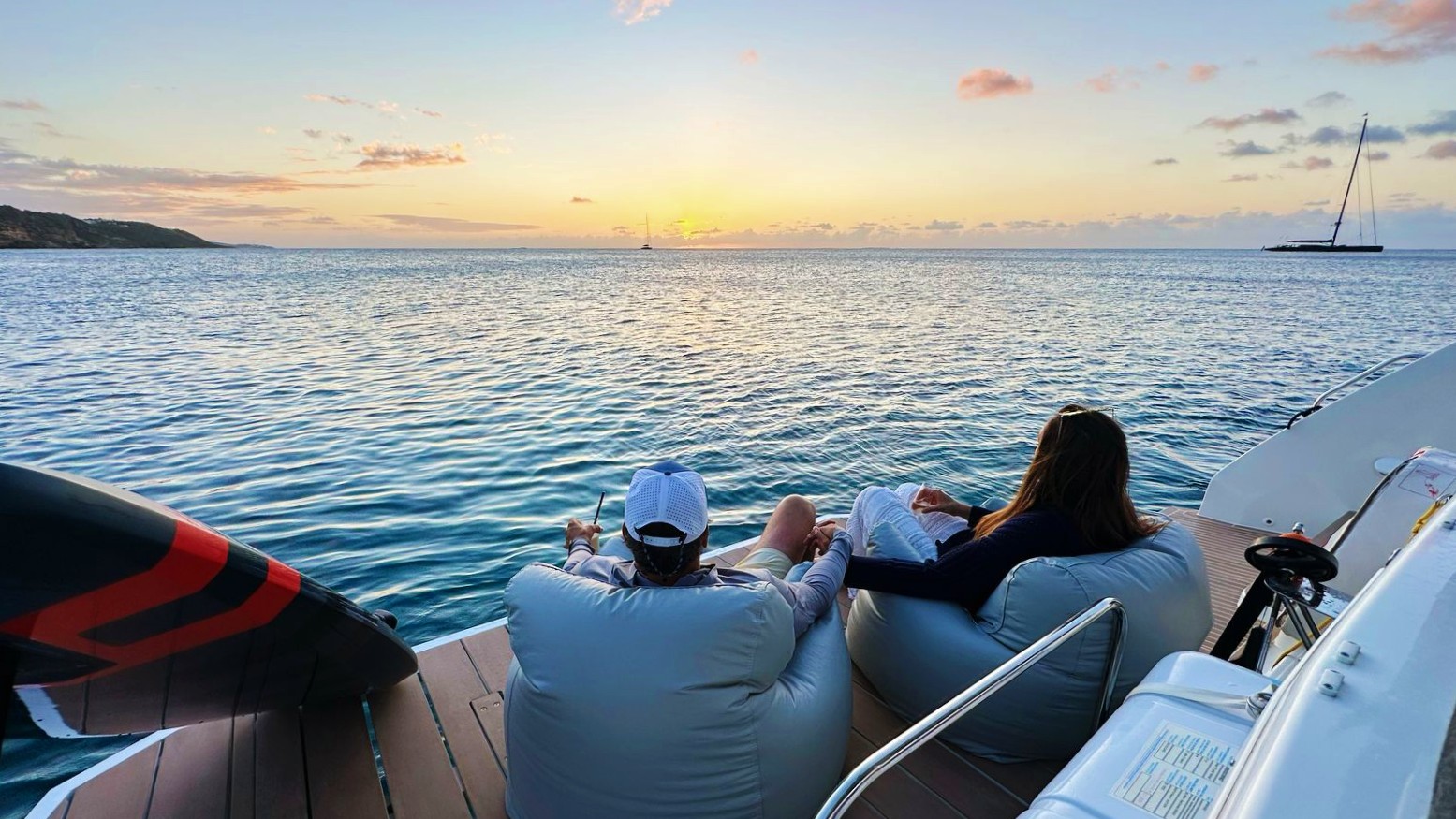
Alquiler de yate de luna de miel
Comience su matrimonio en un yate privado. Explore playas solitarias, gastronomía gourmet y atardeceres inolvidables en el Caribe.
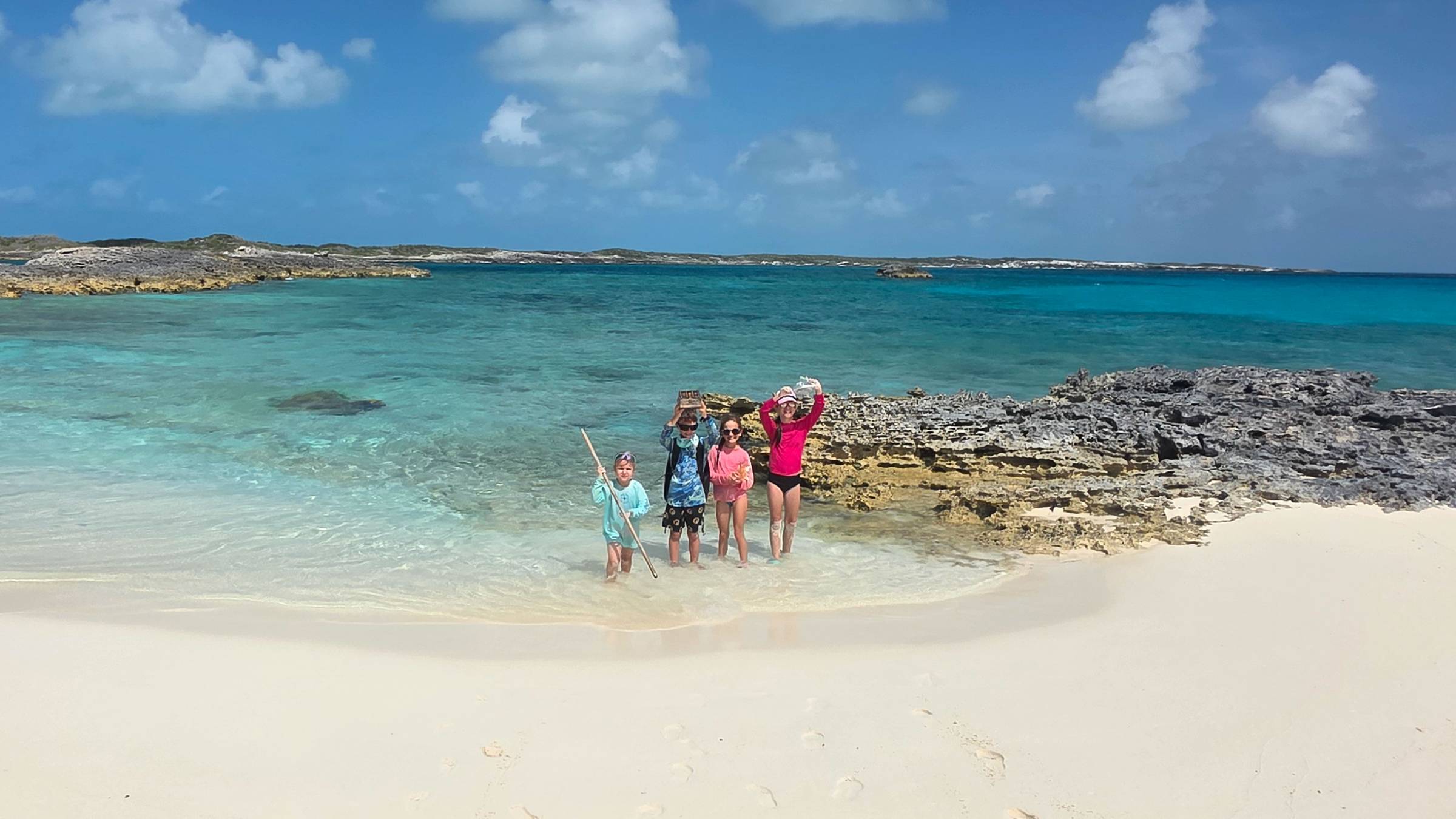
Alquiler de yate familiares
Un alquiler de yate con tripulación es perfecto para familias de todas las edades. Seguro, divertido y con servicio completo — sus hijos nunca lo olvidarán.

Preguntas frecuentes sobre alquileres de yate con tripulación
Obtenga respuestas a las preguntas más comunes sobre alquiler de yate con tripulación, desde precios y propinas hasta qué incluye y qué llevar.

Alquiler de yate con tripulación en las Islas Vírgenes Británicas
Las Islas Vírgenes Británicas son el destino #1 de alquiler de yate con tripulación en el Caribe. Navegaciones cortas, aguas protegidas y bahías de clase mundial.

Guía de Alquiler de Yate con Tripulación en Islas Vírgenes Británicas
Todo lo que necesitás saber antes de tu viaje en yate con tripulación en las Islas Vírgenes Británicas — precios, lista de equipaje, itinerario y cómo llegar.
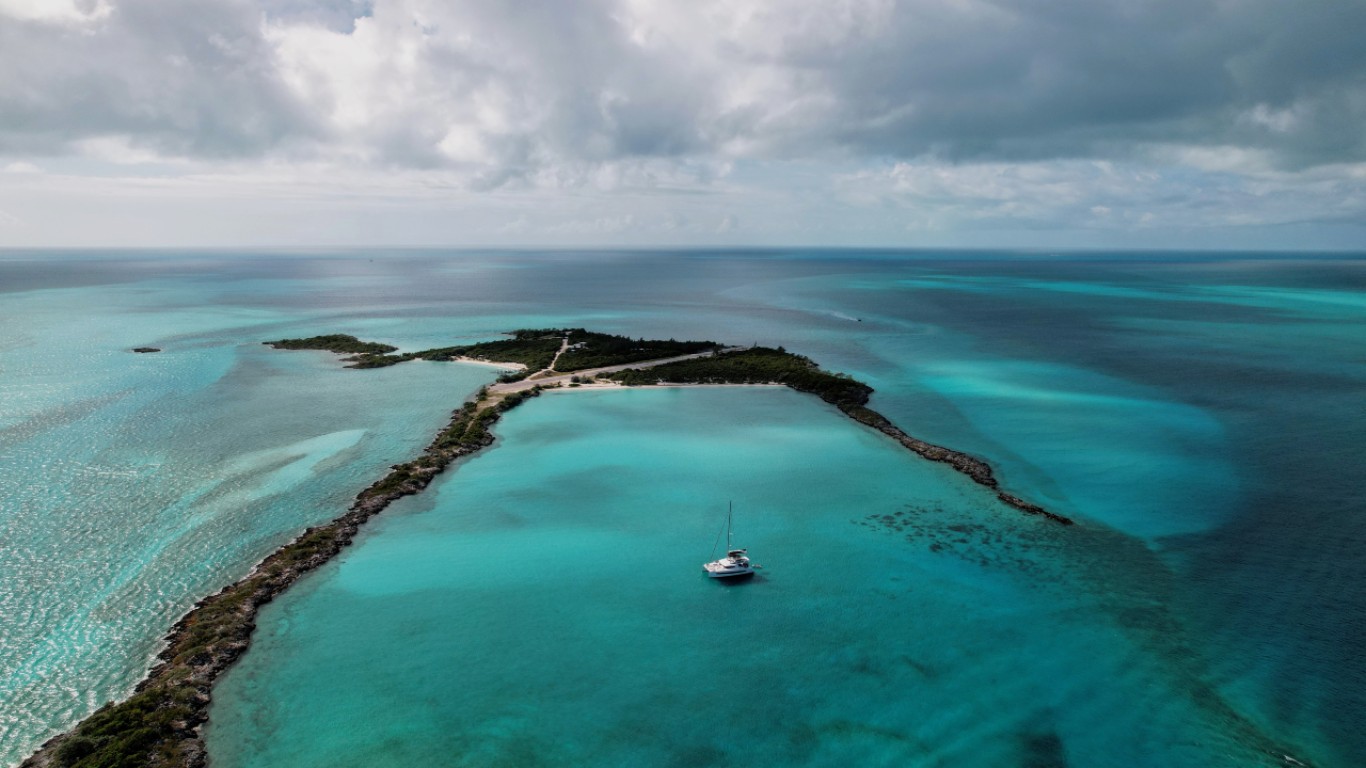
Alquiler de yate con tripulación en las Bahamas
Explore las Exumas en un yate privado con tripulación. Cerdos nadadores, bancos de arena y algunas de las aguas más cristalinas del mundo.
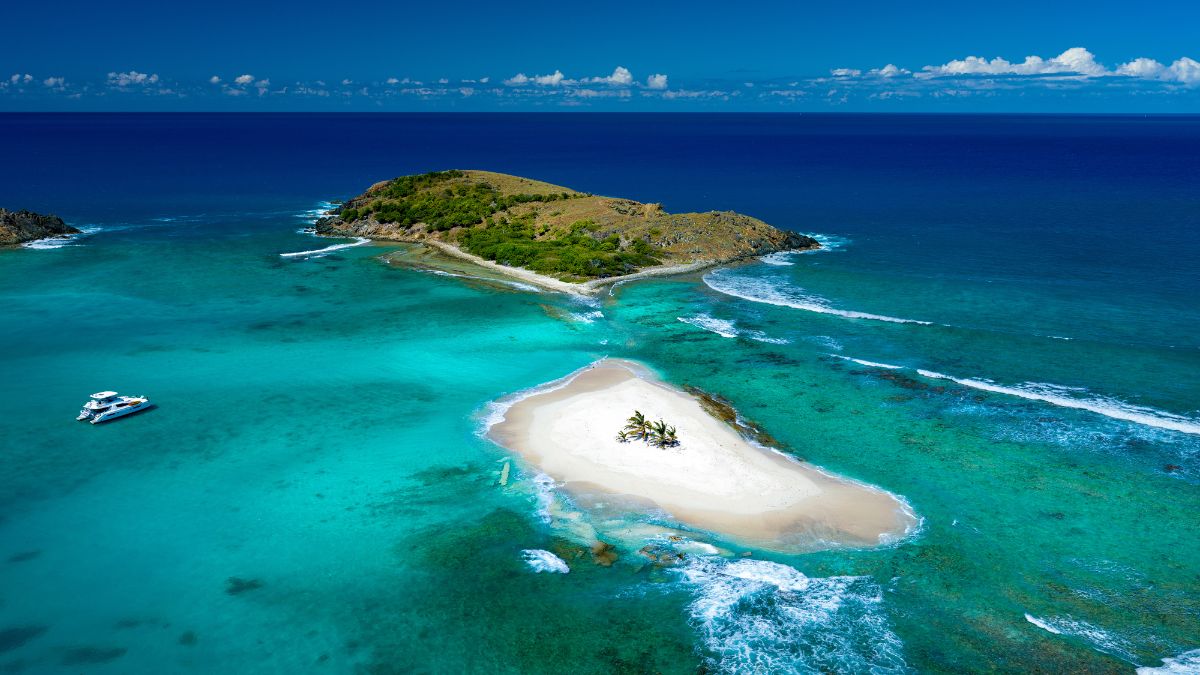
Alquiler de yate con tripulación en el Caribe
Alquiler de yate todo incluido con tripulación en todo el Caribe — Islas Vírgenes Británicas, Bahamas, Islas Vírgenes de EEUU, St. Martin, Antigua y más.