
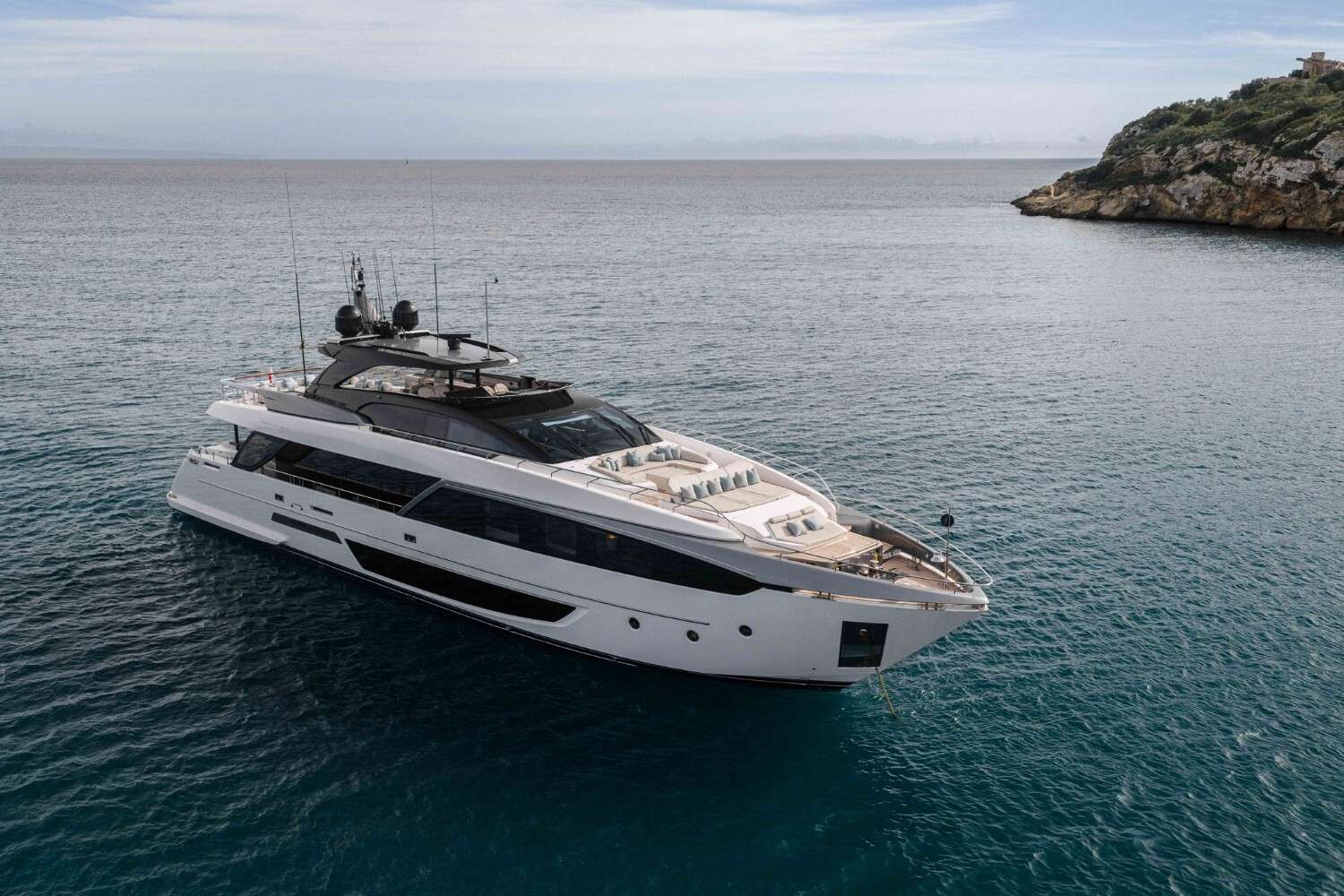
Elysium I
109FT · MOTOR YACHT
Desde €118,500/semana
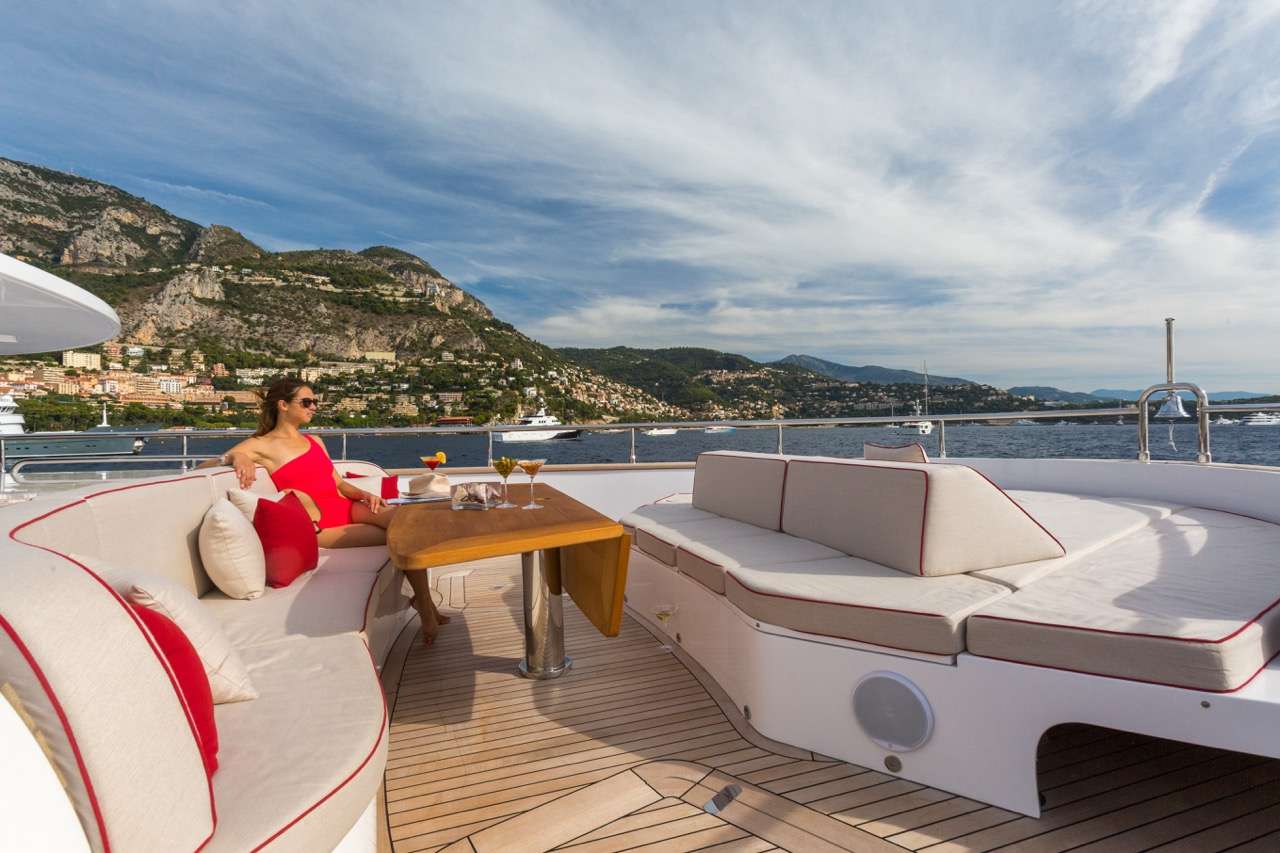
11 Guests · 5 Cabins
Caribbean
Eastern Mediterranean
Western Mediterranean
South Pacific
United States
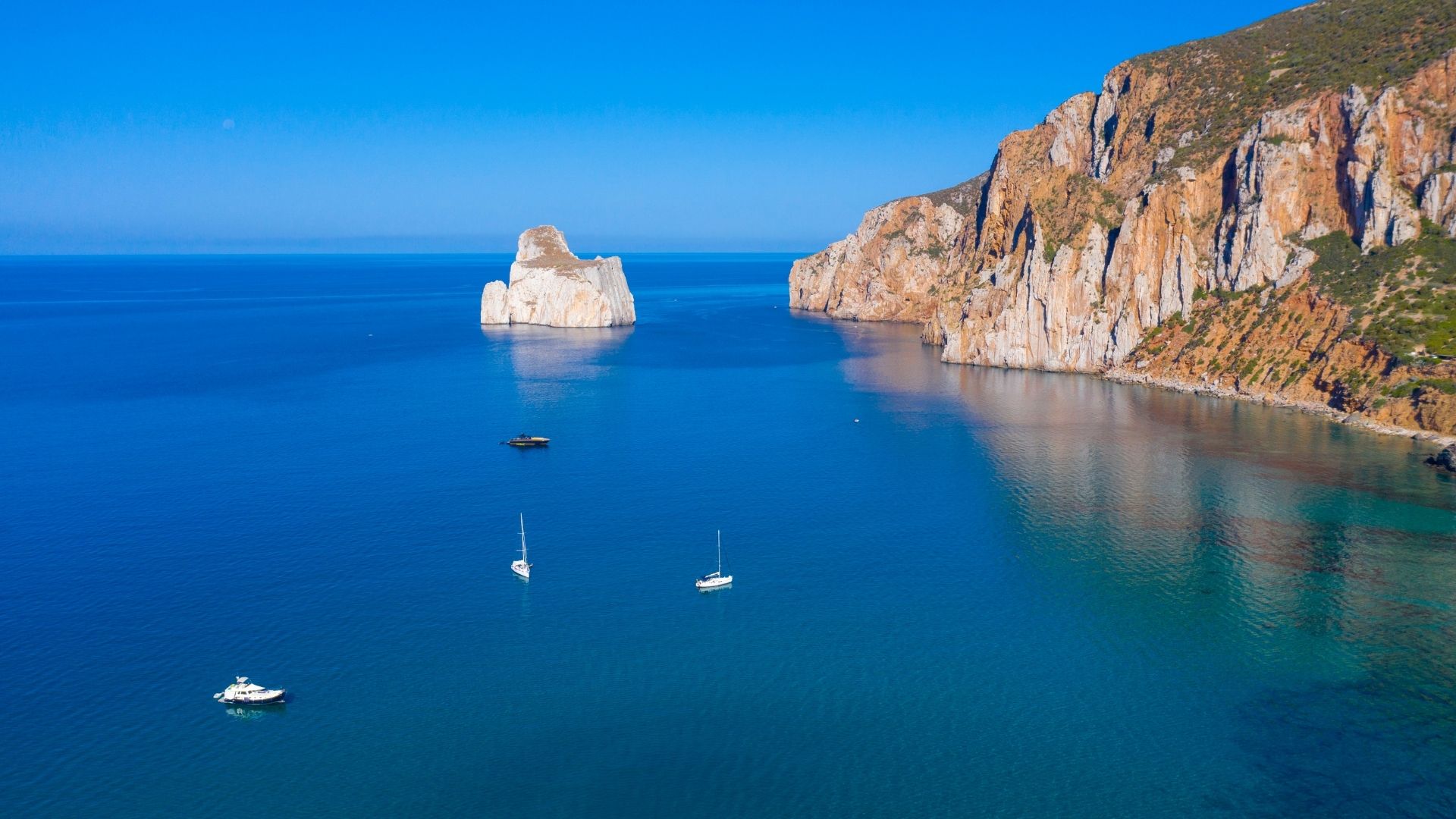
Dos países, seis millas náuticas entre ellos, una semana en yate con tripulación que abarca tanto Cerdeña como Córcega. La costa granítica de Costa Smeralda y las islas de granito rosa de La Maddalena en el lado italiano; la ciudadela medieval tallada en los acantilados de Bonifacio y la costa de roca roja de Scandola — Patrimonio de la UNESCO — en el lado francés. El contraste que cabe en siete días es lo que distingue a este destino de navegación de cualquier otro lugar en el Mediterráneo.
Por qué Cerdeña y Córcega
Este es el viaje por el Mediterráneo que la mayoría de nuestros huéspedes describe como el que soñaron durante años antes de reservar. Despertar anclados en la costa granítica de Cerdeña, en La Maddalena — afloramientos de granito rosa junto a la plataforma de baño, agua tan transparente que se ven treinta metros de profundidad. Almorzar en tierra en Phi Beach, sobre Baja Sardinia, el beach club construido sobre los acantilados que parece haber brotado de la roca. Al final de la tarde, cruzar seis millas náuticas de mar abierto y entrar en un puerto de fiordo en Córcega, con la ciudad medieval amurallada de Bonifacio elevándose justo encima. Dos países, un viaje en yate, seis millas entre Italia y Francia.
Diseñamos cuatro rutas por este destino de navegación, y el yate que elijas determina cuáles son realmente posibles. Los yates a motor cubren más distancia al día; los veleros cambian el alcance por la quietud de navegar a vela. El Circuito Cerdeña + Bonifacio y la ruta Norte de Cerdeña funcionan cómodamente con ambos tipos. La Costa Oeste de Córcega también es apta para cualquiera — el capitán toma las decisiones en los cabos de costa abierta según el pronóstico del Maestrale. La ruta premium de siete días en una sola dirección de Olbia a Mónaco — pasando por Bonifacio, Calvi, Saint-Tropez, Cannes, Cap Ferrat y Port Hercule en Mónaco — es exclusiva para yates a motor. Revisamos la ruta, el yate y las necesidades de tu grupo antes de confirmar la reserva.
El contraste que cabe en una sola semana es lo que distingue a este destino de navegación de cualquier otro en el Mediterráneo. Un almuerzo de marisco sardo en la Costa Smeralda — bottarga di Olbia rallada sobre fregola sarda, con una copa de Vermentino di Gallura. Una cena corsa tres noches después en la haute ville de Bonifacio — charcuterie de Corse, pescado fresco a la parrilla del barco de ese mismo día, una copa de Patrimonio rosé que casi nadie fuera de la isla ha probado. La arquitectura, la gastronomía, hasta el rosé cambian en el espacio de tres millas náuticas. Los sitios Patrimonio de la UNESCO de Scandola y las calanques de Piana comparten la misma semana de ruta con bahías de isla privada como Cala Coticcio y Lavezzi.
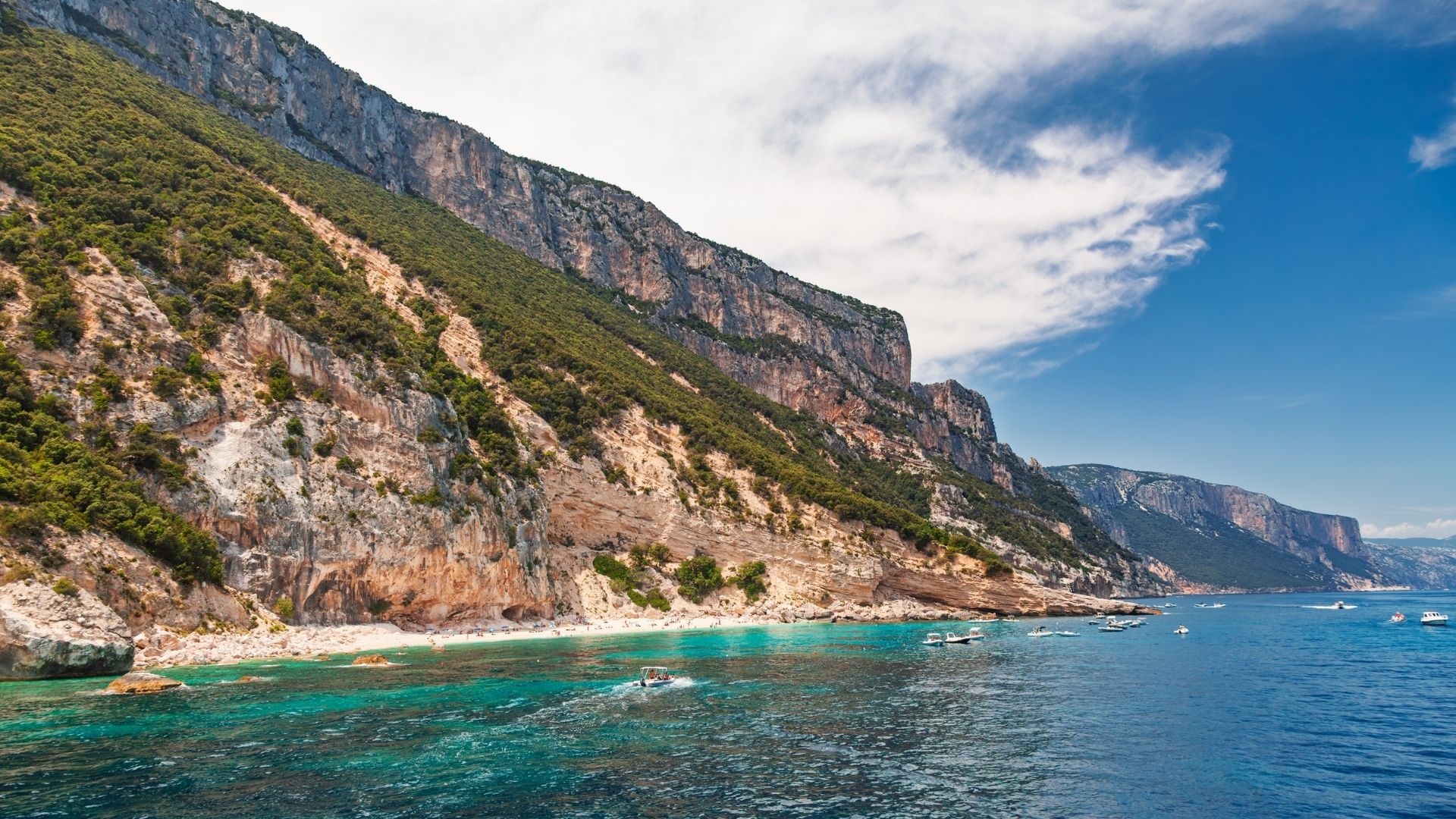
Cuatro características que distinguen al destino de navegación del Estrecho de Bonifacio del resto del Mediterráneo.
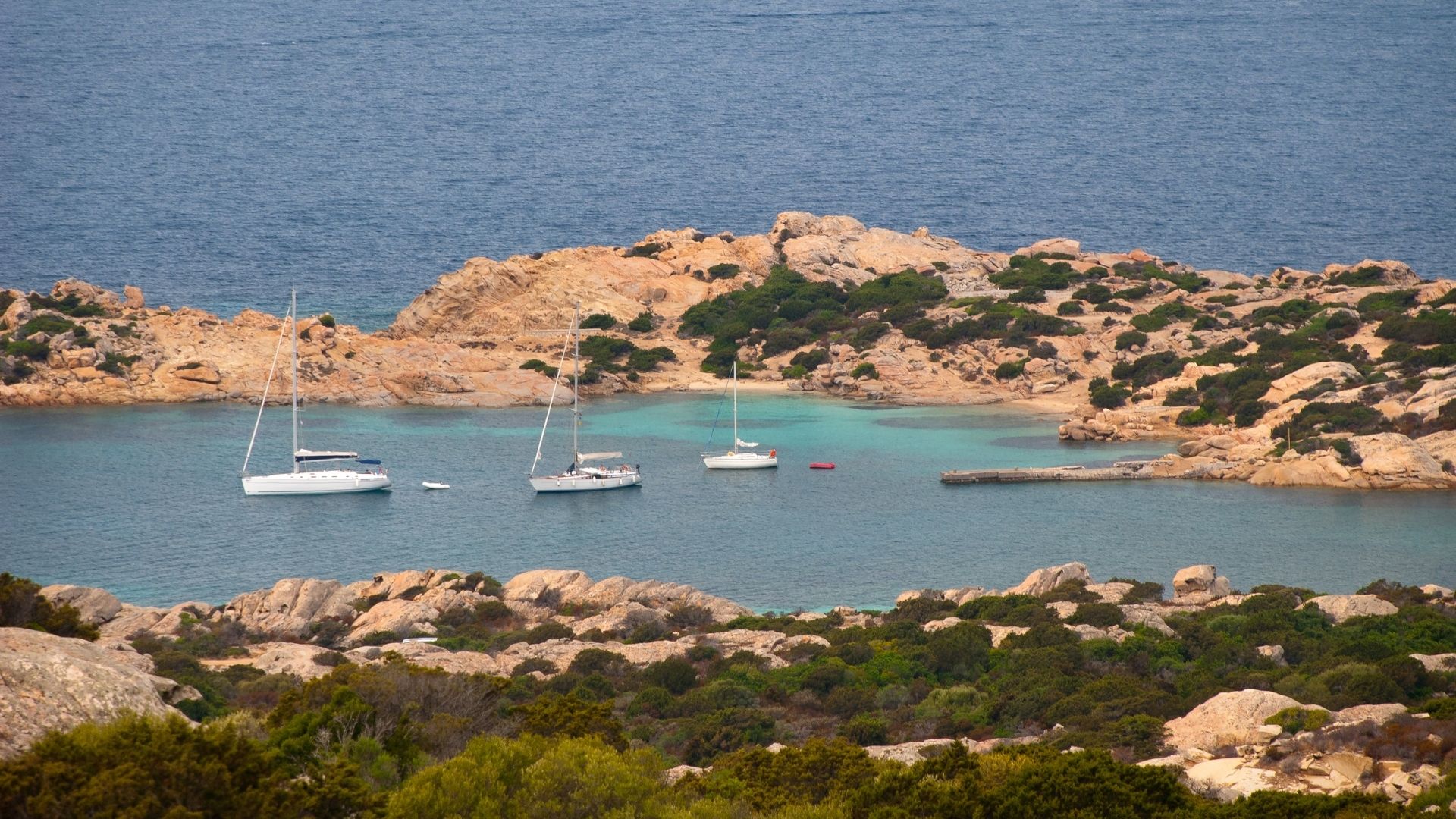
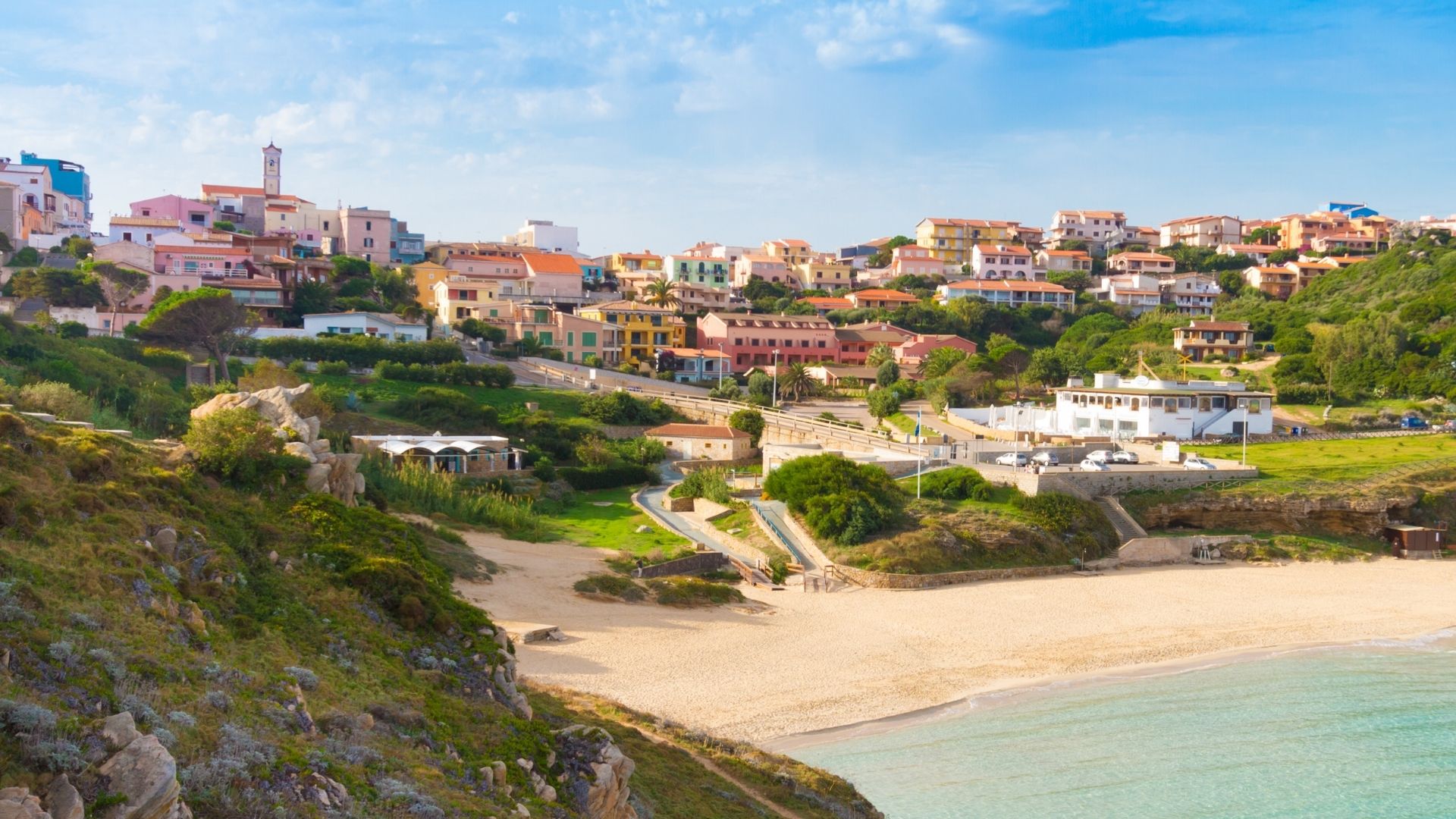
El lado sardo del estrecho recorre sesenta kilómetros desde el Cabo Figari hasta Santa Teresa Gallura — el tramo de costa granítica más concentrado del Mediterráneo. El pueblo de la Costa Smeralda sobre Porto Cervo Marina fue construido a mano en los años sesenta por un pequeño grupo de arquitectos del Aga Khan que se negaron a repetir ningún edificio; se puede recorrer a pie en veinte minutos. Al norte, cruzando el Canal de La Maddalena, las siete islas principales del Archipiélago de La Maddalena — Caprera, Spargi, Budelli, Razzoli, Santa Maria, La Maddalena y los cayos más pequeños entre ellas — se encuentran dentro de un parque nacional con campos de amarre gestionados y aguas tan cristalinas que el yate parece flotar sobre el fondo.
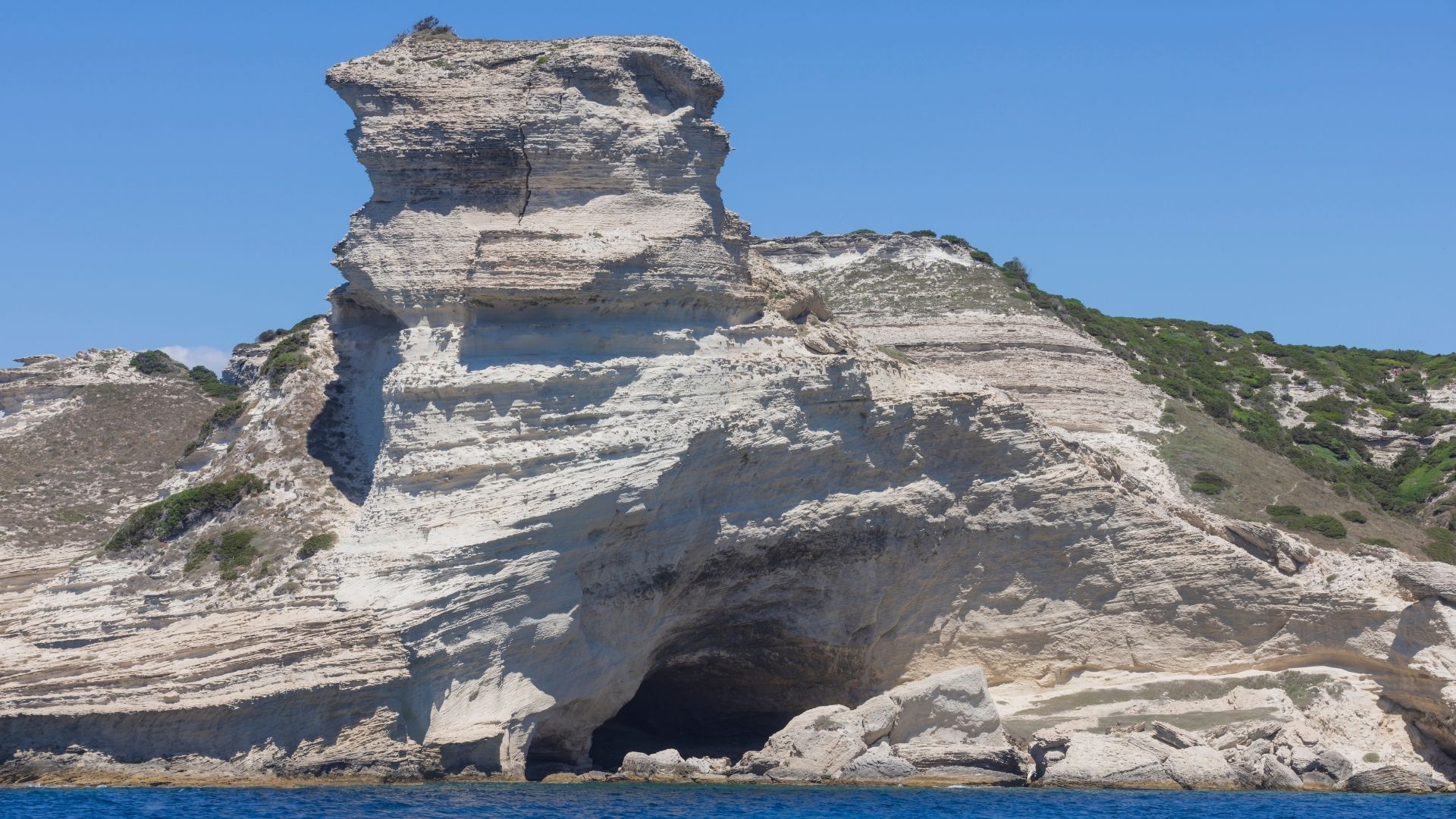
El lado corso del estrecho se abre con la haute ville de Bonifacio — una ciudad medieval amurallada construida sobre una península de acantilados calcáreos a seis kilómetros de la costa de Cerdeña, a la que se accede desde el agua a través de un canal en forma de fiordo esculpido en los propios acantilados. A veinticinco millas náuticas hacia el norte por la costa oeste, la Reserva Natural de Scandola es Patrimonio de la Humanidad de la UNESCO desde 1975: acantilados de pórfido rojo que caen al agua, cuevas marinas, grutas submarinas y la mayor colonia de águilas pescadoras en época de nidificación del Mediterráneo occidental. La reserva solo es accesible desde el mar — sin carretera ni acceso desde tierra —, por lo que un viaje en yate es la única forma práctica de verla. La siguiente bahía al sur es Girolata, un pueblo de pescadores al que solo se puede llegar en barco o tras cuatro horas de senderismo.
La gastronomía y el vino cambian de país en el espacio de tres millas náuticas. El lado sardo ofrece bottarga di Olbia (huevas de atún curadas, ralladas sobre pasta), fregola sarda con almejas, cochinillo asado bajo campana y un Vermentino di Gallura de carácter de los viñedos sobre suelo granítico de la Costa Smeralda. El lado corso ofrece charcuterie de Corse (los cerdos se alimentan de castañas y bellotas, y el prosciutto es notablemente diferente), pulenta con queso brocciu, el guiso de pescado local aziminu y Patrimonio rosé de los viñedos sobre suelo calcáreo en Cap Corse — un vino casi imposible de encontrar fuera de la isla. Una semana típica combina comidas preparadas por el chef a bordo con un almuerzo en tierra en Phi Beach en Cerdeña, una cena en una taberna de piedra al estilo konoba en Bonifacio y un tranquilo sundowner en Cala di Volpe de regreso.
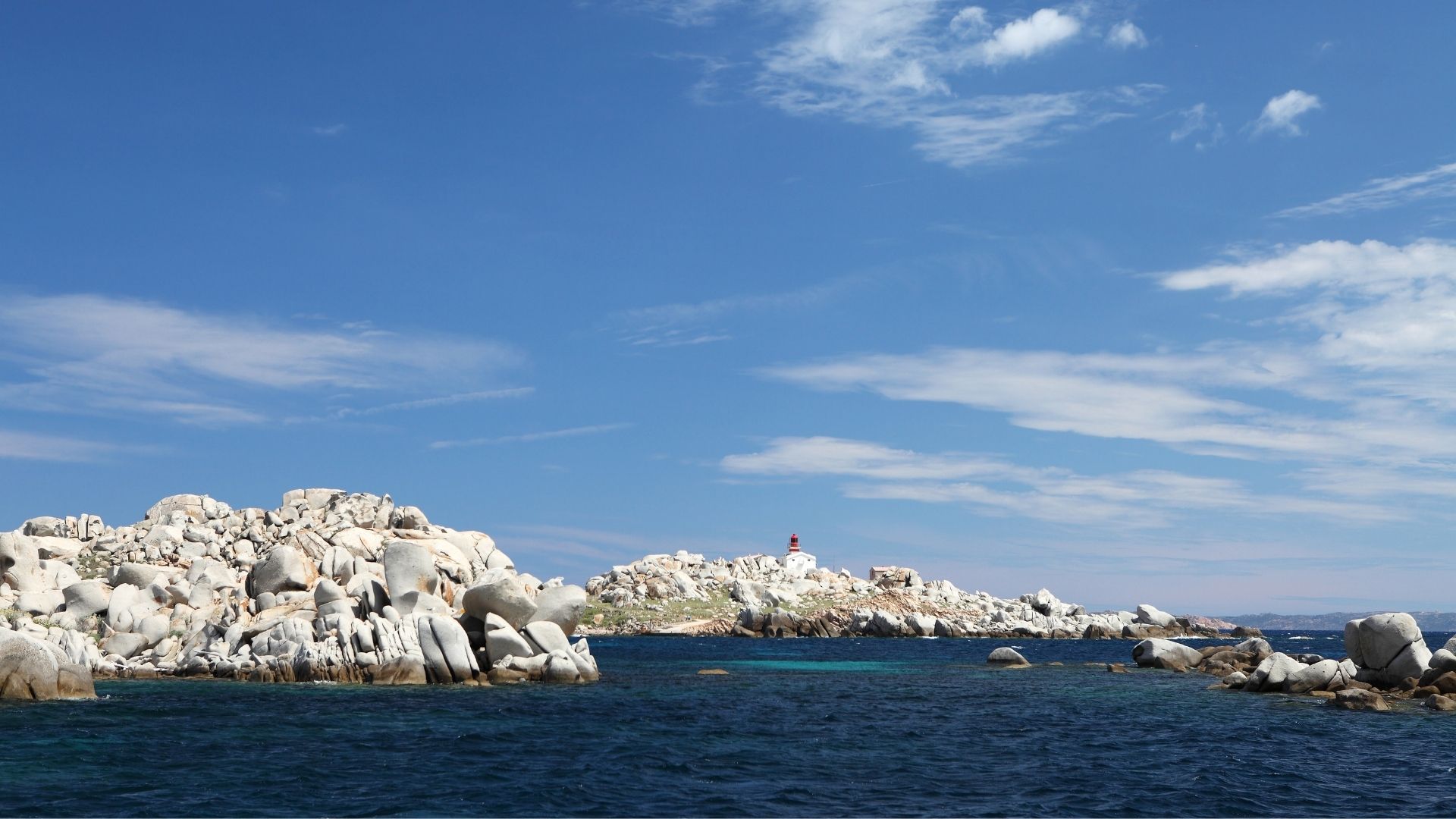
El estrecho en sí — seis millas náuticas de mar abierto entre las dos islas — alberga uno de los tramos de navegación más fotografiados del Mediterráneo. Las Islas Lavezzi se encuentran en el centro: una reserva marina francesa de afloramientos graníticos y aguas turquesas poco profundas, a treinta minutos de travesía desde Bonifacio y a cuarenta minutos desde La Maddalena. Cala Coticcio en Caprera (en el lado sardo, conocida como el "Tahití de Cerdeña") y la piscina natural de Cala di Roto en Spargi quedan justo al sur del estrecho. El cruce lo programa el capitán según el pronóstico del viento matinal — cuando el Mistral arrecia, el estrecho se agita; cuando está en calma, el agua está tan en llano que invita a nadar. El mejor día del viaje, en la mayoría de los casos.
A hand-picked selection of crewed charter yachts for Sardinia & Corsica — yachts and crews we know firsthand.
Your week is shaped around your group's interests, the season, and the conditions on the water — your captain tailors the days as they unfold. Treat these itineraries as starting points for inspiration.
Itinerario con tripulación · Cerdeña y Córcega
Este itinerario de navegación por Cerdeña es la semana de Cerdeña y Córcega de pan y mantequilla: un ida y vuelta de siete días desde Olbia que abarca la costa de granito de la Costa Esmeralda, las siete islas principales del archipiélago de La Maddalena, la travesía del estrecho de Bonifacio hacia Francia, y la propia ciudadela medieval en el acantilado de Bonifacio. Unas cien millas náuticas de punta a punta, sin ninguna etapa de más de veinticinco y la mayoría de los días más cortos. El mistral entra casi todas las tardes durante el verano; el capitán lee el pronóstico del estrecho al primer rayo y cronometra el día de la travesía en torno a él. Dos países, un viaje en yate, seis millas náuticas de agua entre ellos.
La ruta es cómoda en un yate de vela con el mistral por la aleta e igual de cómoda en un yate a motor. La mayoría de los viajes en yate que hacen esta ruta por primera vez la reservan desde Olbia y no piden una extensión por la Costa Azul; quieren ver la costa de granito, fondear al ancla en La Maddalena, pasear por la haute ville de Bonifacio, y tener una cena pausada en Phi Beach antes de volar a casa. Tu capitán profesional y tu chef privado se encargan del resto.
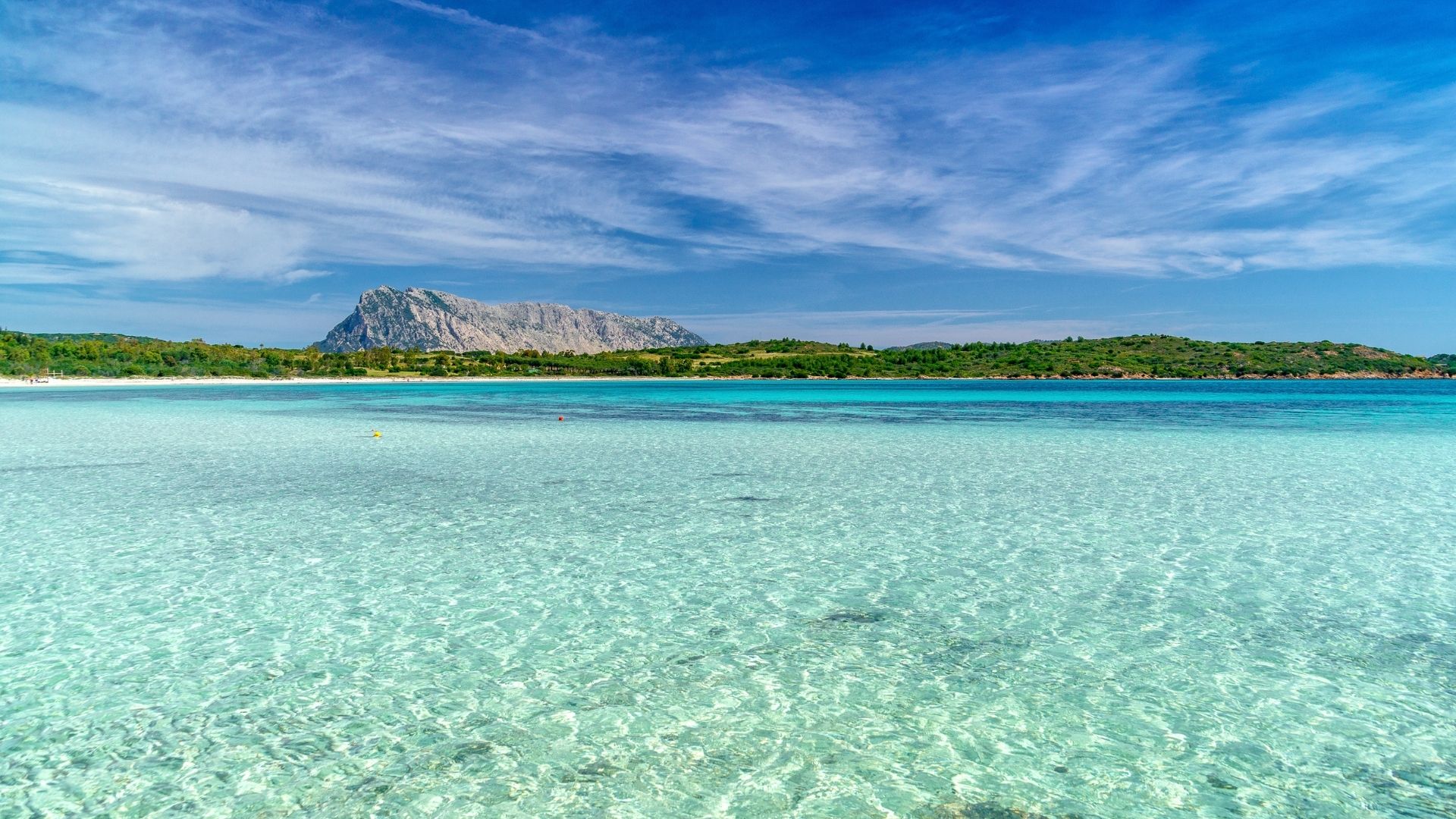
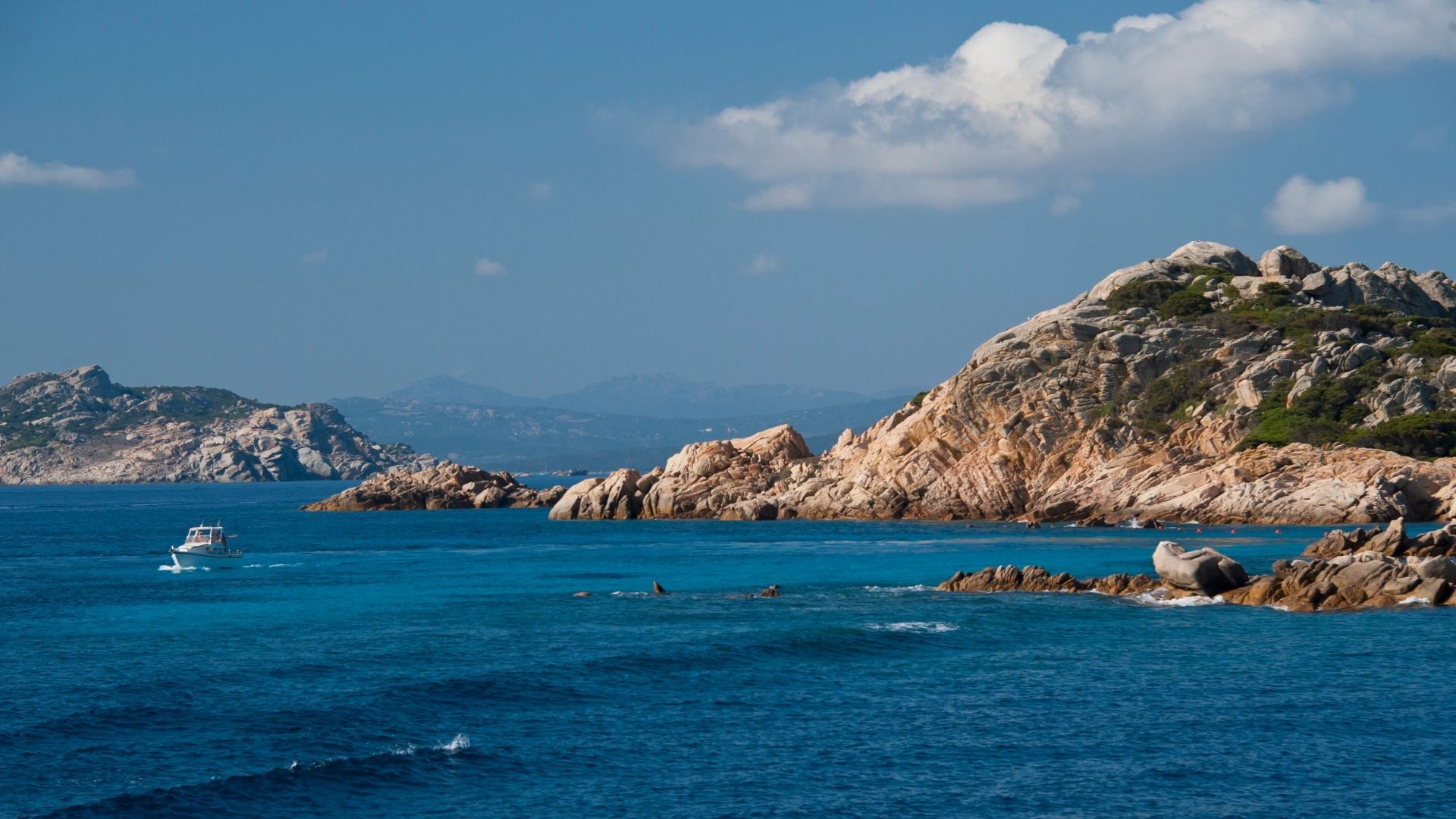
Este itinerario de navegación por Cerdeña es la semana de Cerdeña y Córcega de pan y mantequilla: un ida y vuelta de 7 días desde Olbia que abarca la costa de granito de la Costa Esmeralda, las siete islas principales del archipiélago de La Maddalena, la travesía del estrecho de Bonifacio hacia Francia, y la ciudadela medieval en el acantilado de Bonifacio. Dos países, un viaje en yate, seis millas náuticas de agua entre ellos. Unas 100 millas náuticas en total, sin ninguna etapa de más de 25.
El mistral entra casi todas las tardes durante el verano; un capitán experimentado lee el pronóstico del estrecho al primer rayo y cronometra el día de la travesía en torno a él. La ruta funciona en un yate de vela con el mistral por la aleta e igual de bien en un yate a motor. Si quieres la misma semana sin la travesía del estrecho, mira el itinerario por el norte de Cerdeña / La Maddalena; para el solo ida de máxima cobertura de Olbia a Mónaco, mira el viaje en yate de Dos Islas + Costa Azul.
Día 1 de 7 · Olbia → Costa Esmeralda
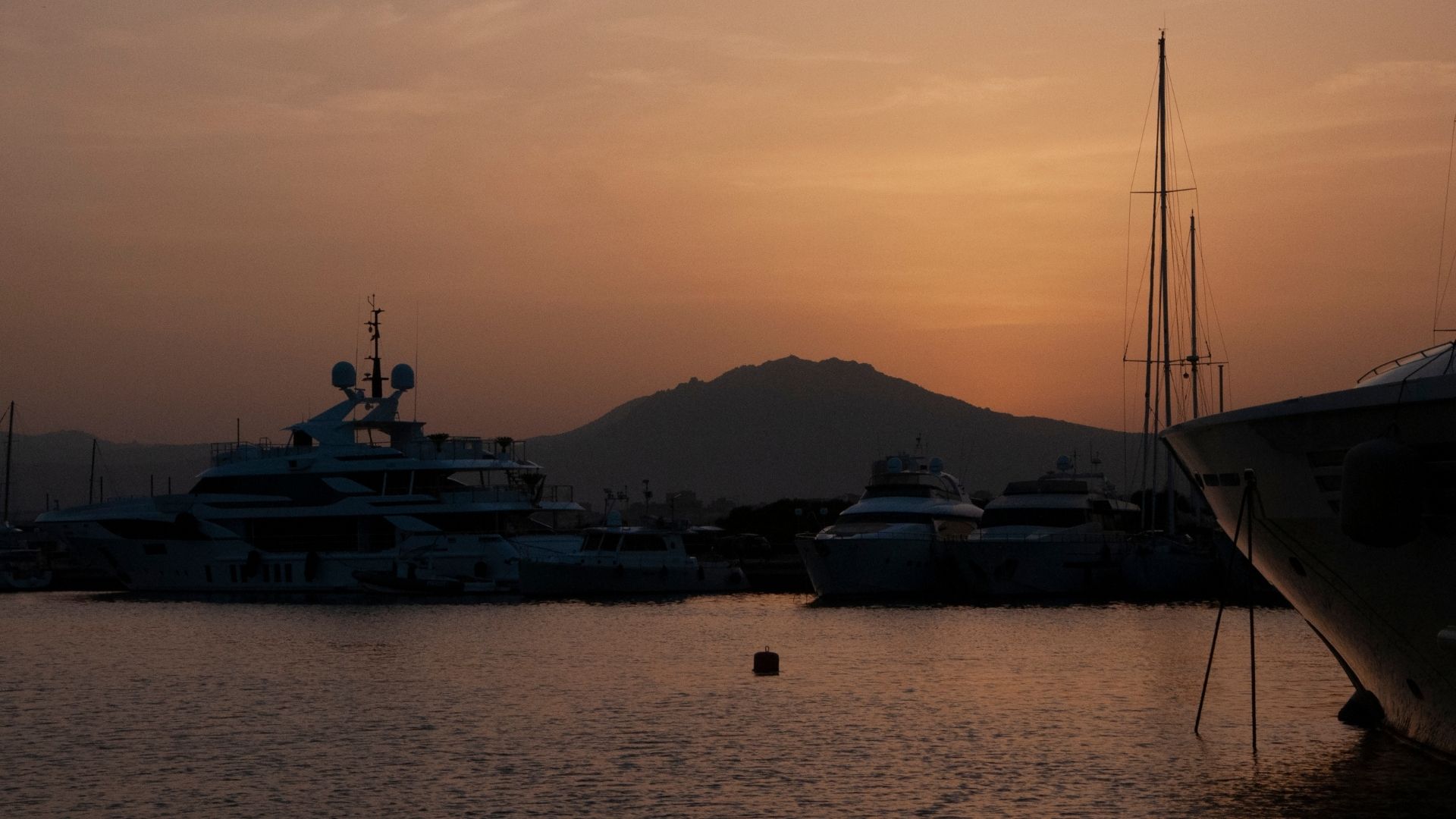
Tu viaje en yate empieza en Marina di Olbia, a quince minutos en taxi del aeropuerto de Olbia (OLB), en la costa noreste de Cerdeña. Tu capitán y tu chef te reciben en el muelle, te enseñan el yate, guardan el equipaje, y repasan la carta náutica para los días que vienen, incluido el día de la travesía del estrecho a media semana, que el capitán cronometrará en torno al pronóstico del mistral de la mañana. La marina es capaz para aguas profundas para cualquier tamaño de yate, y la primera hora de la tarde es tuya para acomodarte.
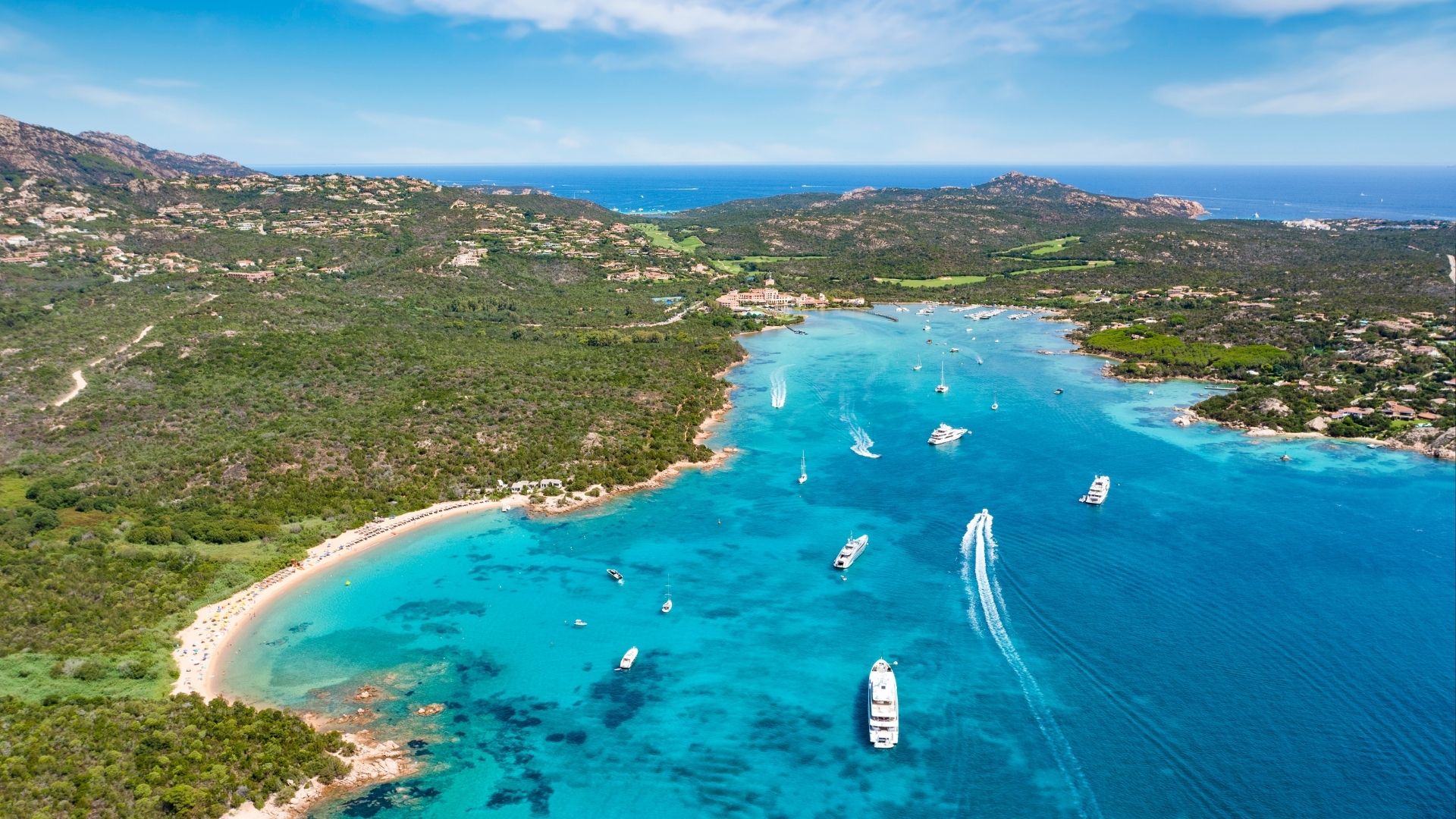
Una vez resuelto el aprovisionamiento, fuera amarras para la corta subida de dieciséis millas náuticas al noreste rodeando Capo Figari y hasta el extremo sur de la Costa Esmeralda. La Costa Esmeralda es el tramo de litoral de granito más concentrado del Mediterráneo: sesenta kilómetros del Cabo Figari a Santa Teresa Gallura, con fondeaderos metidos en bolsas de granito rosa cada dos o tres millas. Pevero Bay se asienta justo al sur de Porto Cervo, enmarcada por dos playas de arena blanca y protegida de cualquier dirección desde la que pueda estar soplando el mistral.
Primera noche al ancla en Pevero. Cena de bienvenida preparada por el chef en la cubierta de popa: bottarga di Olbia rallada sobre fregola sarda con almejas, una copa de Vermentino di Gallura de los viñedos de suelo de granito unas millas tierra adentro, y las luces del Hotel Cala di Volpe al otro lado de la bahía encendiéndose tras el atardecer. El mistral, si está soplando, cae al anochecer.
Day Highlights
Día 2 de 7 · Costa Esmeralda → La Maddalena
Mañana pausada en Pevero. Báñate desde la popa del barco, desayuno en cubierta, y luego un corto reposicionamiento por la tarde a Cala di Volpe: la bahía más profunda justo al norte, con el hotel homónimo sobre el agua y Phi Beach a unos minutos en lancha auxiliar. Almuerzo en Phi si la mesa funciona para el grupo: el club de playa está construido en los acantilados de granito sobre Baja Sardinia, más tosco que la versión de resort pulido que la mayoría de los huéspedes imaginan, y la comida se lee más auténtica que la postal.
Para media tarde, fuera amarras para la subida de dieciocho millas náuticas al norte por la costa de granito y cruzando el estrecho de La Maddalena hasta Caprera. El archipiélago de La Maddalena —siete islas principales más un puñado de cayos más pequeños— se asienta dentro de un parque nacional con campos de fondeo gestionados, y Caprera es la segunda más grande. Garibaldi vivió la última etapa de su vida aquí; la casa es ahora un museo, pero la mayoría de los huéspedes vienen por las calas de granito de la costa sur y las playas de arena blanca del este.
Velada al ancla frente a Caprera. El agua se vuelve del color de la luz de una piscina una hora antes del ocaso. Cena a bordo esta noche: preparada por el chef, en la cubierta de popa, con las luces del pueblo de Maddalena a un par de millas de la proa.
Day Highlights
Día 3 de 7 · Cerdeña → Córcega
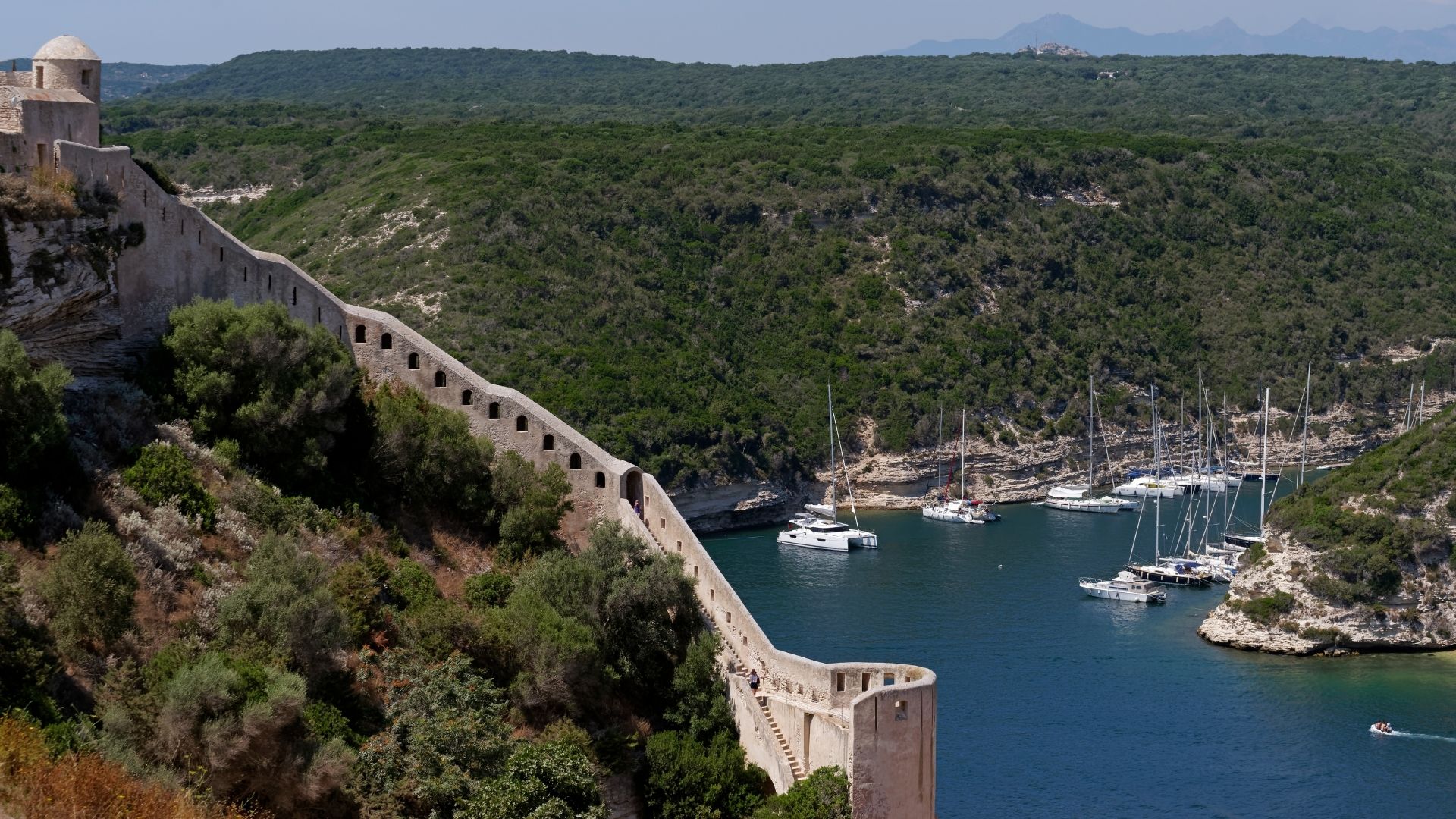
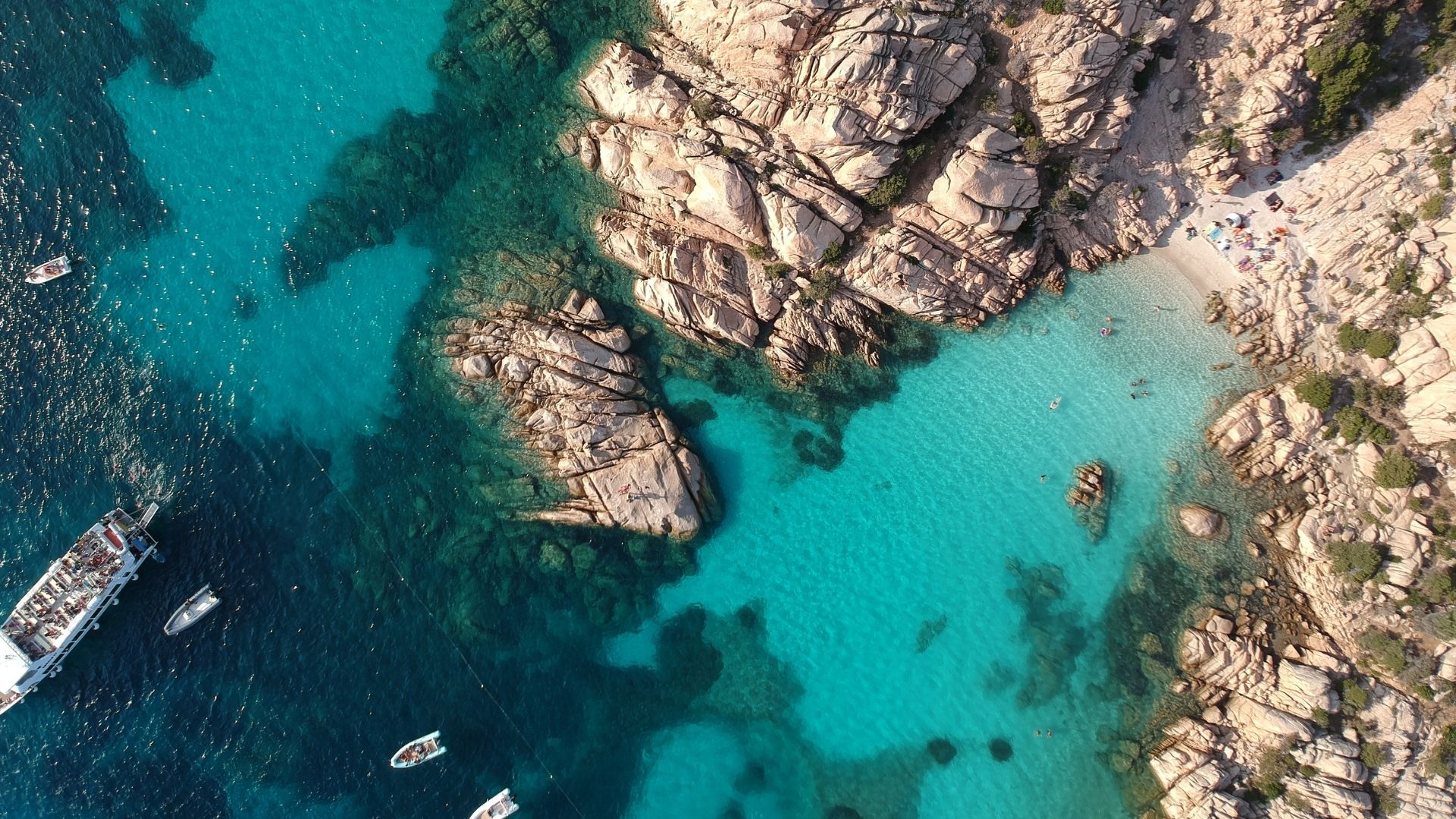
El día del estrecho. Tu capitán comprueba el pronóstico de viento de la mañana al primer rayo: cuando el mistral está asentado, el estrecho está lo bastante plano como para cruzarlo a nado; cuando sopla a más de veinticinco, el capitán puede empujar la travesía a la tarde o esperar un día. El plan estándar es una salida a media mañana para una parada de baño en las islas Lavezzi: una reserva marina francesa de afloramientos de granito en mitad del estrecho, a seis millas náuticas de Bonifacio y siete de La Maddalena, con agua turquesa poco profunda y campos de fondeo protegidos fuera de las zonas de no fondeo.
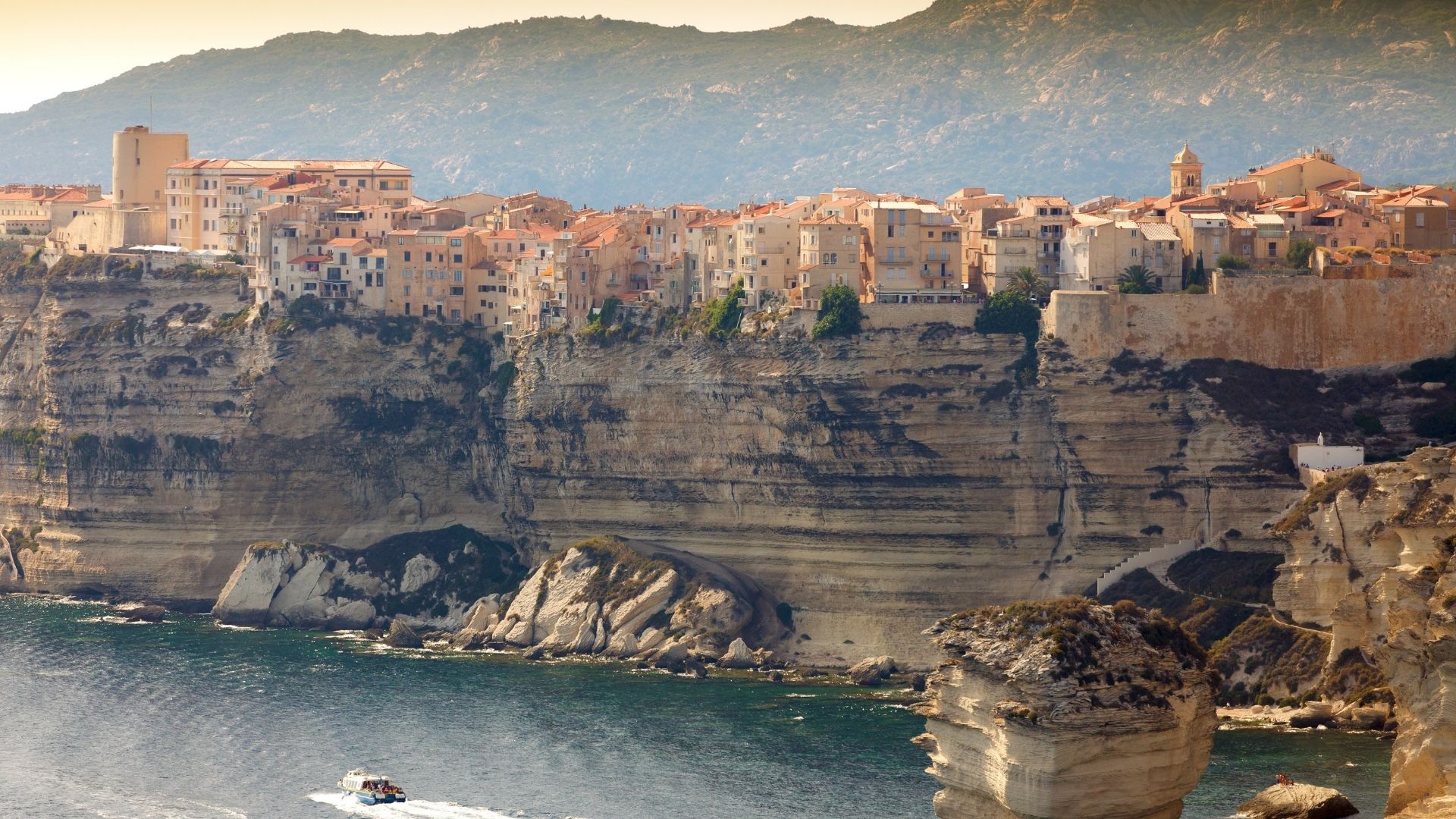
Desde Lavezzi, la entrada a Bonifacio lleva otros cuarenta y cinco minutos. La aproximación es inolvidable: el puerto está cortado en los propios acantilados de caliza, y el yate entra por un estrecho canal como de fiordo con la haute ville —la ciudad amurallada medieval construida en la península de la cima del acantilado— alzándose directamente por encima. La ciudad lleva ahí desde el siglo IX, y la mayor parte de la muralla aún se mantiene en pie. Amarre de popa dentro de la marina o fondea fuera; el capitán se encarga de la reserva.
Tarde en tierra. Pasea por la haute ville (veinte minutos alrededor del perímetro, más si paras en las capillas), baja por la Escalera del Rey de Aragón —ciento ochenta y siete escalones cortados en la cara del acantilado, supuestamente tallados de una noche por soldados aragoneses en el siglo XV— y cruza hasta el cementerio del borde del acantilado con vistas de vuelta al otro lado del estrecho hacia Cerdeña. Cena en tierra esta noche en una taberna de paredes de piedra en la haute ville: charcuterie de Corse, pescado recién hecho a la brasa del barco del día, y una copa de rosado de Patrimonio.
Day Highlights
Día 4 de 7 · Córcega → Cerdeña
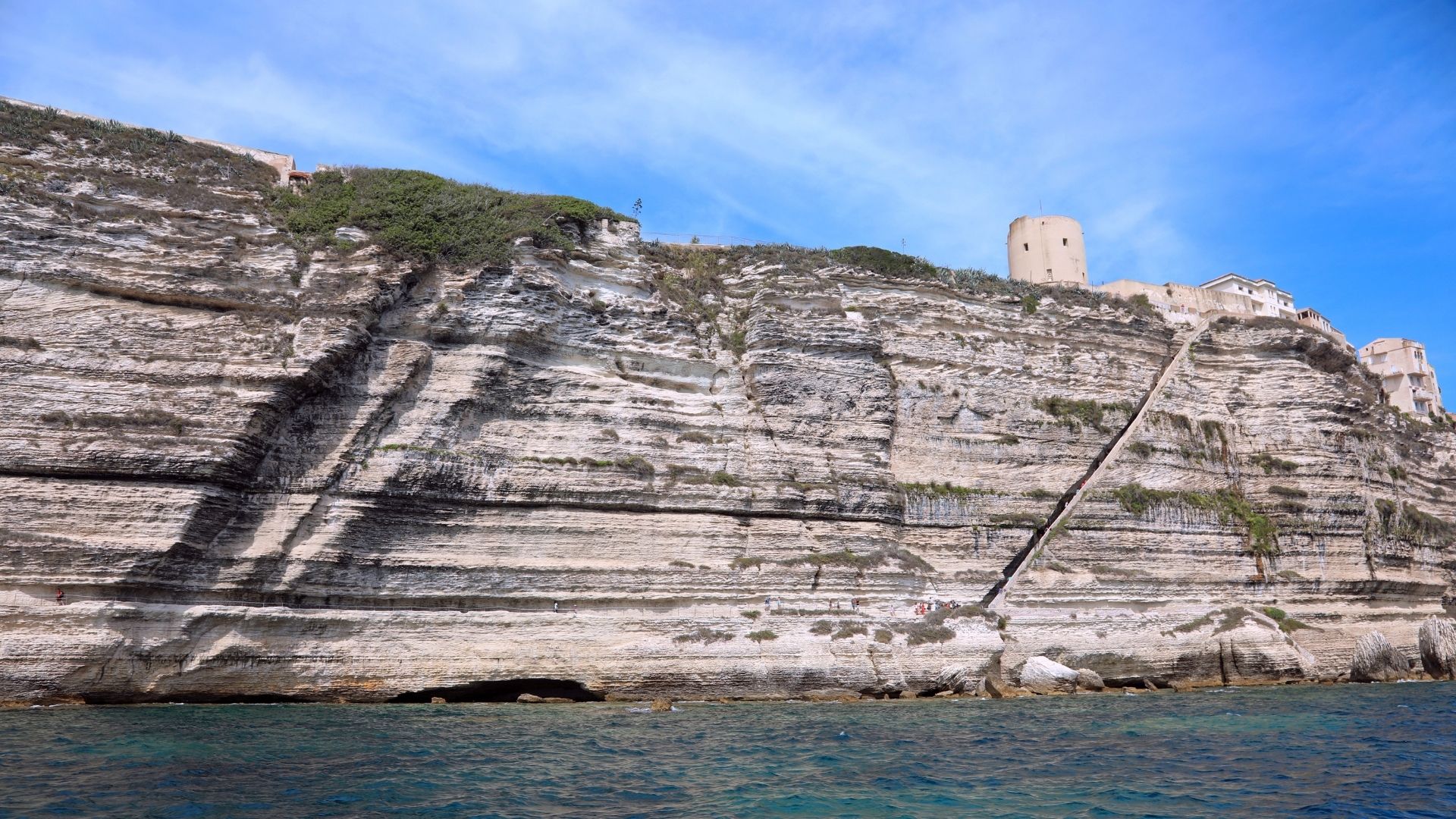
Mañana pausada en Bonifacio. Vuelve paseando a la haute ville para un café, haz la bajada y subida de la Escalera del Rey de Aragón si el grupo se anima (la subida es la dirección más dura; calcula cuarenta y cinco minutos), y para en el cementerio de paredes de piedra del borde del acantilado por la larga vista al otro lado del estrecho. Para el final de la mañana, fuera amarras y de vuelta a Cerdeña.
La travesía de vuelta es más corta: el capitán pone un rumbo hacia Cala Coticcio, en la costa este de Caprera, llamada localmente el Tahití de Cerdeña. La cala es accesible solo en lancha auxiliar; los bloques de granito enmarcan una media luna de fina arena blanca y el agua se vuelve del color de la luz de una piscina. Fondea mar adentro, acércate en lancha auxiliar a la cala para un baño por la tarde, y de vuelta a bordo para un pausado almuerzo tardío.
Reposicionamiento al anochecer unas millas al sur a un fondeadero más tranquilo de Caprera para la noche. Cena a bordo esta noche: preparada por el chef, con las crestas de granito de Caprera conservando lo último del calor del día tras el atardecer y las luces del siguiente yate (si hay alguno) a unos cientos de metros de la proa.
Day Highlights
Día 5 de 7 · Día de islas de La Maddalena
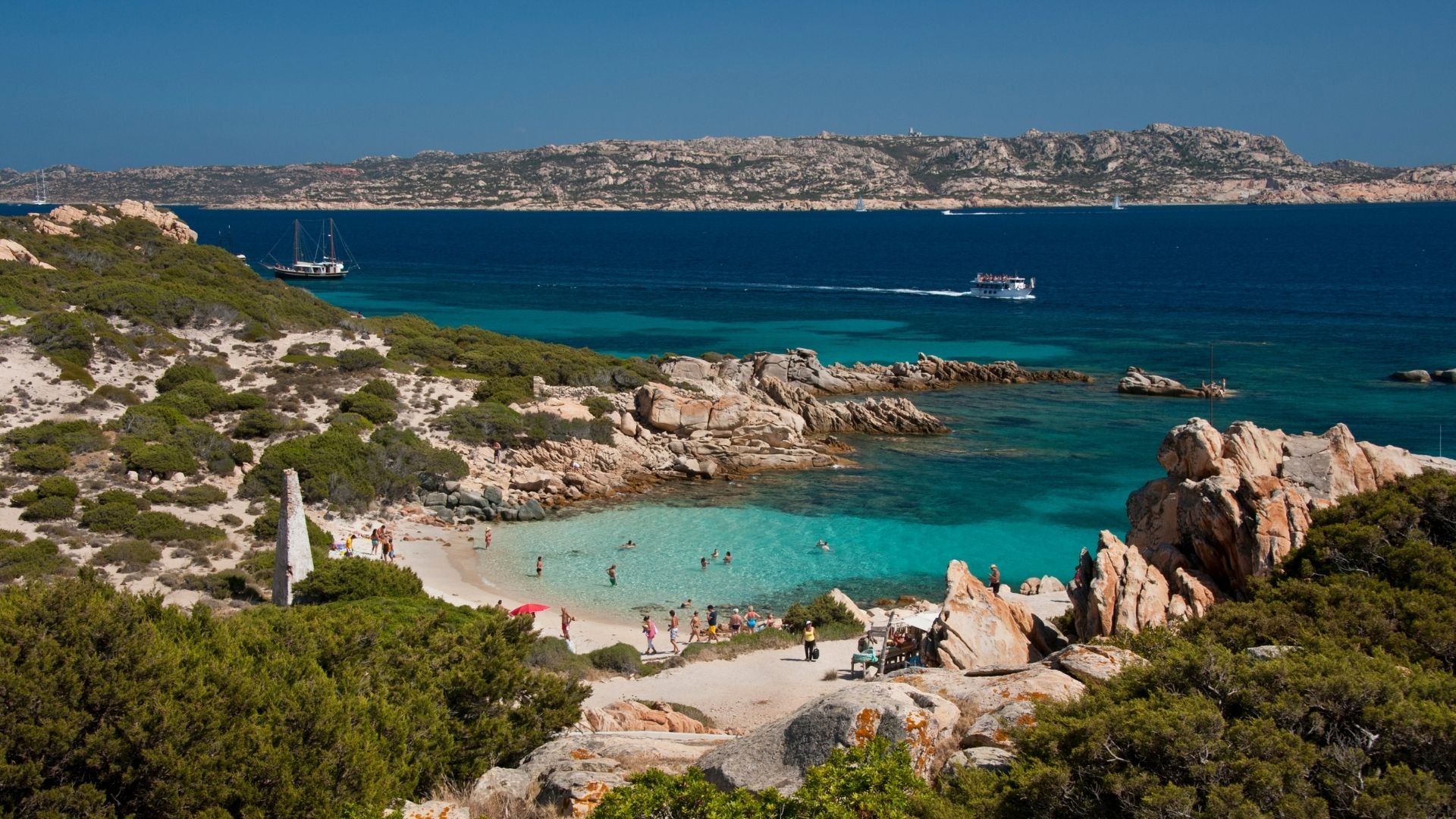
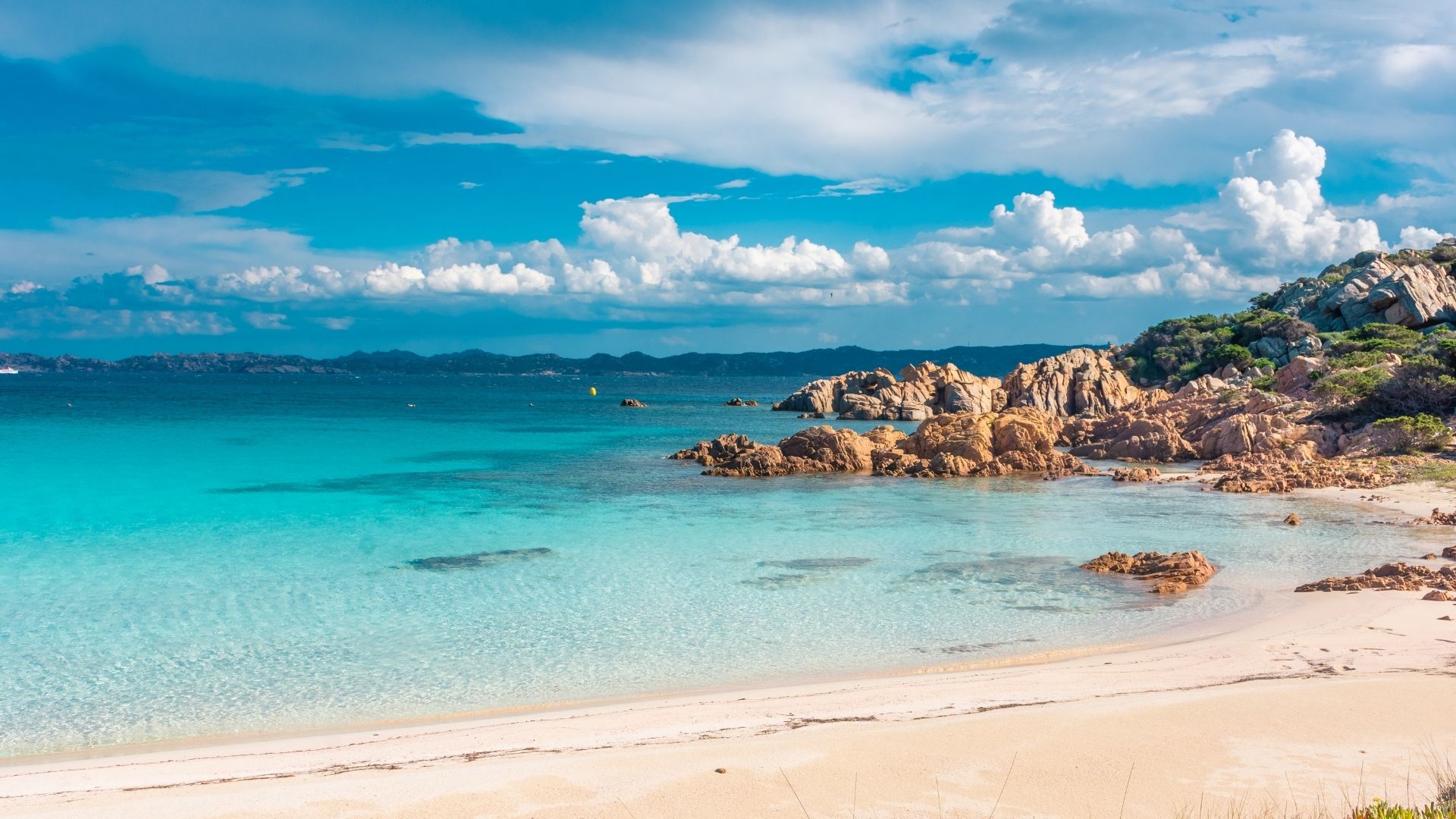
Hoy es el día de islas. Tu capitán reposiciona el yate al norte al grupo de islas más pequeñas en la parte alta del archipiélago de La Maddalena —Spargi, Budelli, Razzoli, Santa Maria, y los pequeños cayos de en medio— para un día entero de paradas de baño sin travesías largas. La primera parada es Cala Corsara, en la costa sur de Spargi: una cala de media milla rodeada de afloramientos de granito rosa, la clase de claridad de agua que lee veinte metros de visibilidad en un día en calma, y un campo de fondeo gestionado que limita cuántos yates pueden estar ahí a la vez.
Desde Spargi, un corto trayecto de lancha auxiliar y prismáticos te lleva pasando la famosa Playa Rosa de Budelli (Spiaggia Rosa), donde rigen estrictas restricciones de solo mirar desde 1994: el color rosa viene de fragmentos microscópicos de coral y concha y la playa es una de solo dos de su clase en el Mediterráneo. No intentes desembarcar; la policía portuaria la vigila. La vista desde mar adentro es lo que importa. Razzoli se asienta justo al norte de Budelli con una textura de orilla distinta, y Santa Maria —la más al norte del grupo— tiene una larga playa de arena en su lado sur que está menos visitada que los fondeaderos protagonistas.
A última hora de la tarde, métete en la piscina natural de Cala di Roto. La piscina es una cuenca somera y abrigada metida al fondo del fondeadero; está a un par de palmos de profundidad, se vuelve de un turquesa luminoso a mediodía, y se mantiene lisa como un cristal en cualquier dirección de viento. Cena a bordo esta noche, fondeado en el grupo, la clase de velada que es la razón de haber hecho el viaje.
Day Highlights
Día 6 de 7 · La Maddalena → Costa Esmeralda
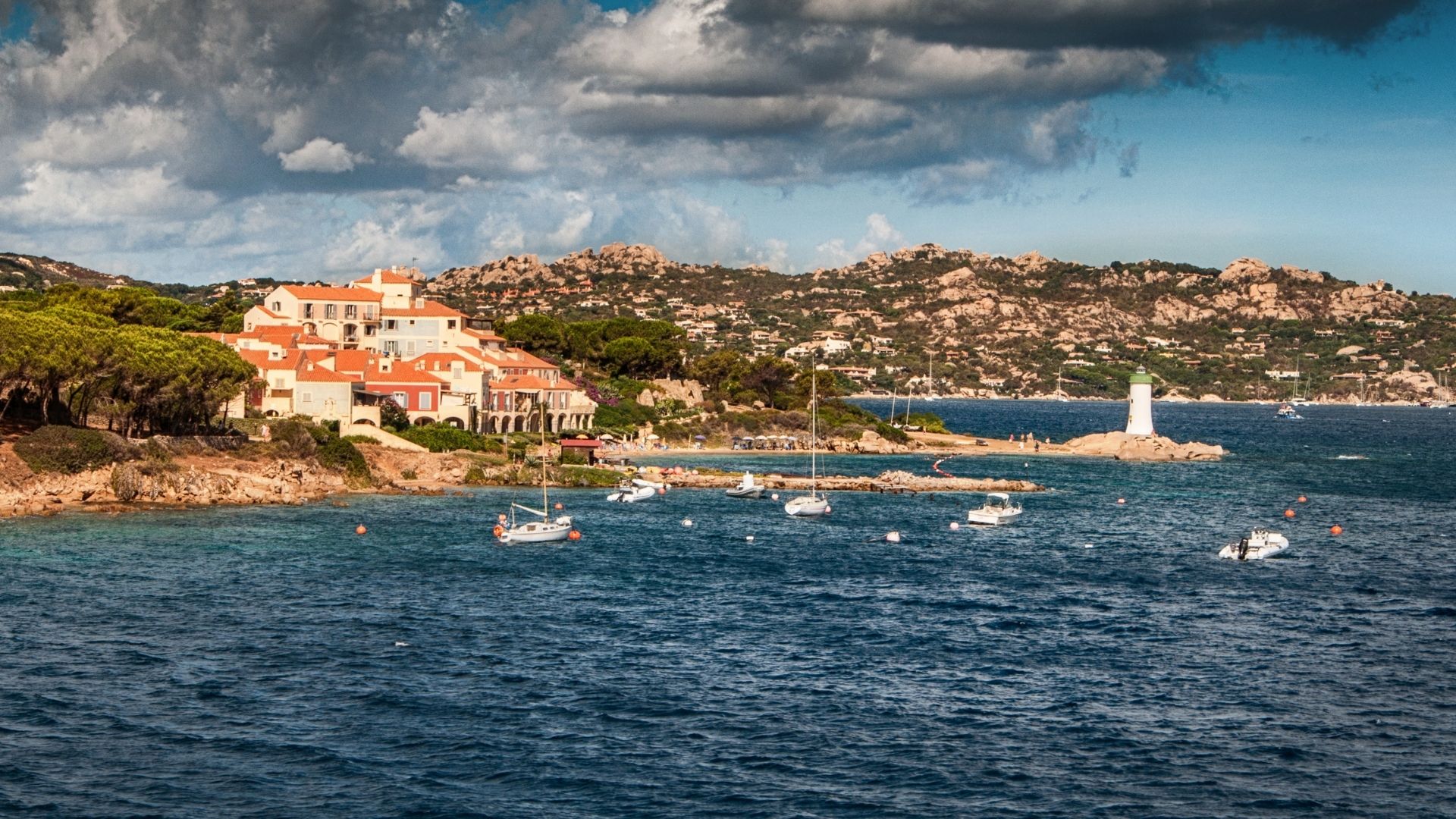
Baño matinal pausado desde la popa, desayuno en cubierta, y una salida a media mañana hacia el sur. El capitán trabaja la ruta de vuelta por las islas exteriores de la Costa Esmeralda: Porto Rafael para una parada de mediodía más tranquila, los promontorios de granito al sur de Cannigione, las pequeñas calas de arena de la orilla este del estrecho de La Maddalena que la mayoría de los yates pasan sin fondear.
A media tarde, instálate en Pevero Bay o Cala di Volpe, donde sea que el viento esté mejor cortado. La Costa Esmeralda es mayormente una serie de pequeñas bahías dentro de otras más grandes, y casi todos los días el capitán tiene opciones. Almuerzo en tierra en Phi Beach si te lo perdiste el día 2, o una taberna de la Costa Esmeralda en tierra para una cena temprana.
Velada a bordo, fondeado a sotavento. La última noche de la Costa Esmeralda es pausada: el granito aún conserva el calor del día, el agua pasa del turquesa al azul marino a medida que cae el sol, y las luces de Porto Cervo se encienden al otro lado de la bahía.
Day Highlights
Día 7 de 7 · Costa Esmeralda → Olbia
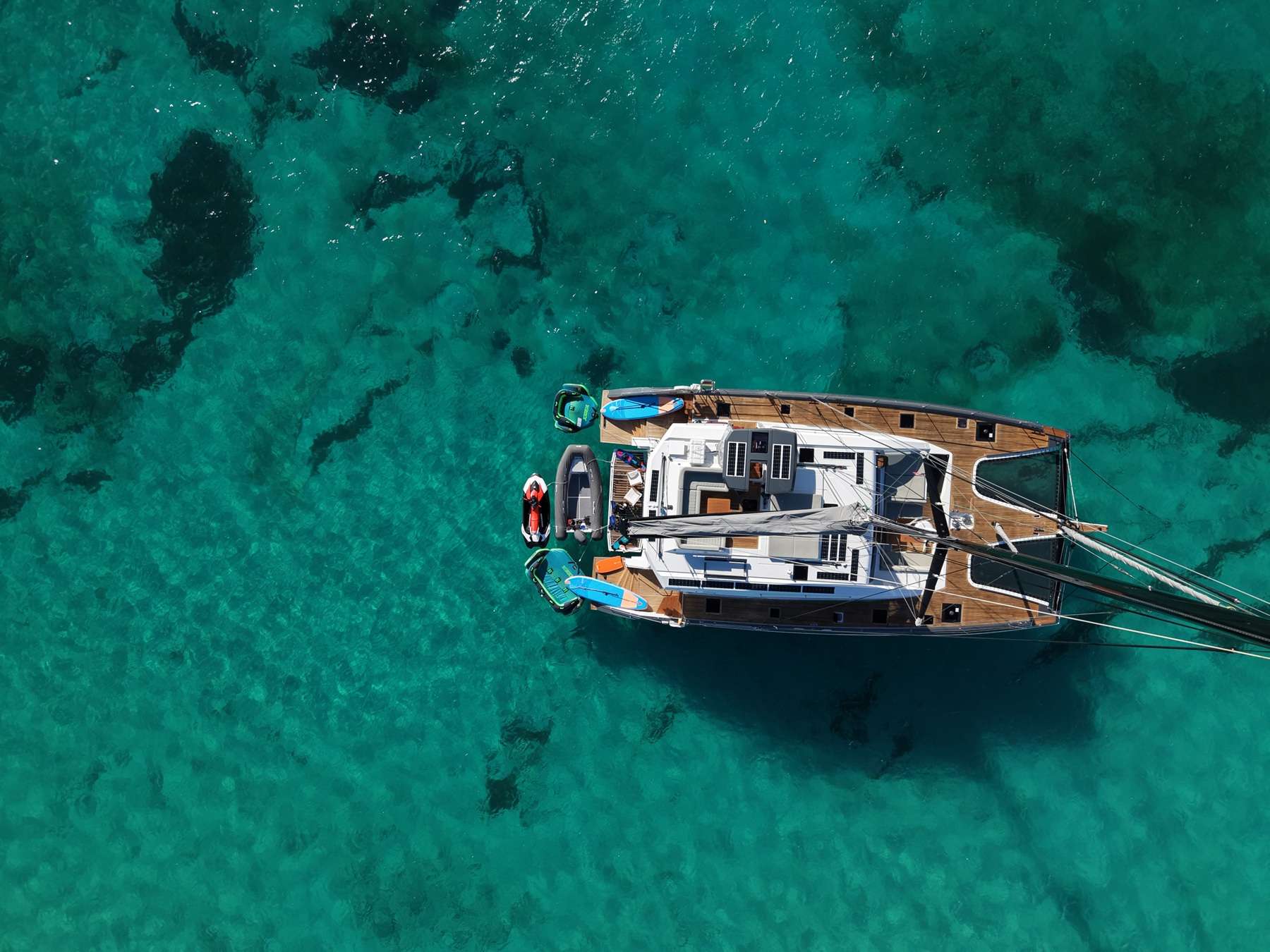
Último día completo. Mañana pausada al ancla: baño, desayuno en cubierta, un último trayecto en lancha auxiliar a una playa tranquila si el grupo quiere uno. Para el mediodía el capitán trabaja la corta bajada de diez millas náuticas de vuelta al sur rodeando Capo Figari y hasta el golfo de Olbia.
Instálate en Marina di Olbia a primera hora de la tarde. Pasea al pueblo de Olbia si tienes la energía: el casco viejo es lo bastante pequeño como para recorrerlo en una hora, y un último almuerzo en uno de los restaurantes del paseo marítimo es el cierre pausado que toma la mayoría de los grupos. Última cena preparada por el chef a bordo esta noche, fondeado en la marina con la última luz del día sobre el golfo.
Haz las maletas a tu propio ritmo. Tu capitán ya tiene resuelta la logística del traslado de la mañana.
Day Highlights
Día 8 · Salida
Un último desayuno pausado a bordo en Marina di Olbia, un último baño desde la popa si el puerto lo permite, y desembarco a media mañana. Tu tripulación se encarga de la logística del traslado: OLB está a quince minutos en taxi, con vuelos directos de verano a la mayoría de los grandes aeropuertos europeos y una fácil conexión a la Costa Este de EE. UU. por Roma, Milán, Fráncfort o Londres. Bájate con un pasaporte que cruzó una frontera de la que se encargó el capitán por ti, una costa de granito y una ciudadela medieval a tu espalda, y la clase de semana que hace que la mayoría de los huéspedes de viaje en yate del Mediterráneo vuelvan a por la ruta más larga.
Want to share or come back to this voyage later?
Bookmark this voyage →Itinerario con tripulación · Cerdeña y Córcega
Esta es la semana de Cerdeña pura: un ida y vuelta de siete días desde Olbia que se queda en aguas italianas, se salta la travesía del estrecho de Bonifacio, y cambia la parada corsa por más tiempo en la Costa Esmeralda y un paso más largo por el archipiélago de La Maddalena. Unas ochenta millas náuticas de punta a punta, sin ninguna etapa de más de veintidós y la mayoría de los días por debajo de quince. El itinerario funciona en un yate de vela o en un yate a motor; el mistral entra casi todas las tardes y los fondeaderos de la costa de granito cogen el socaire en cualquier dirección de viento.
La mayoría de los grupos que reservan esta ruta en lugar de la versión a través del estrecho son huéspedes que quieren ir más despacio, nadar más, recorrer la Costa Esmeralda dos veces en lugar de una, y saltarse el medio día gastado en la travesía del estrecho. Tavolara es la parada de principios de semana que la mayoría de los yates se pierden, el grupo de La Maddalena recibe un día entero en lugar de medio, y el acceso solo en lancha auxiliar de Cala Coticcio cae en una velada más tranquila al ancla. Tu capitán profesional y tu chef privado se encargan del resto.
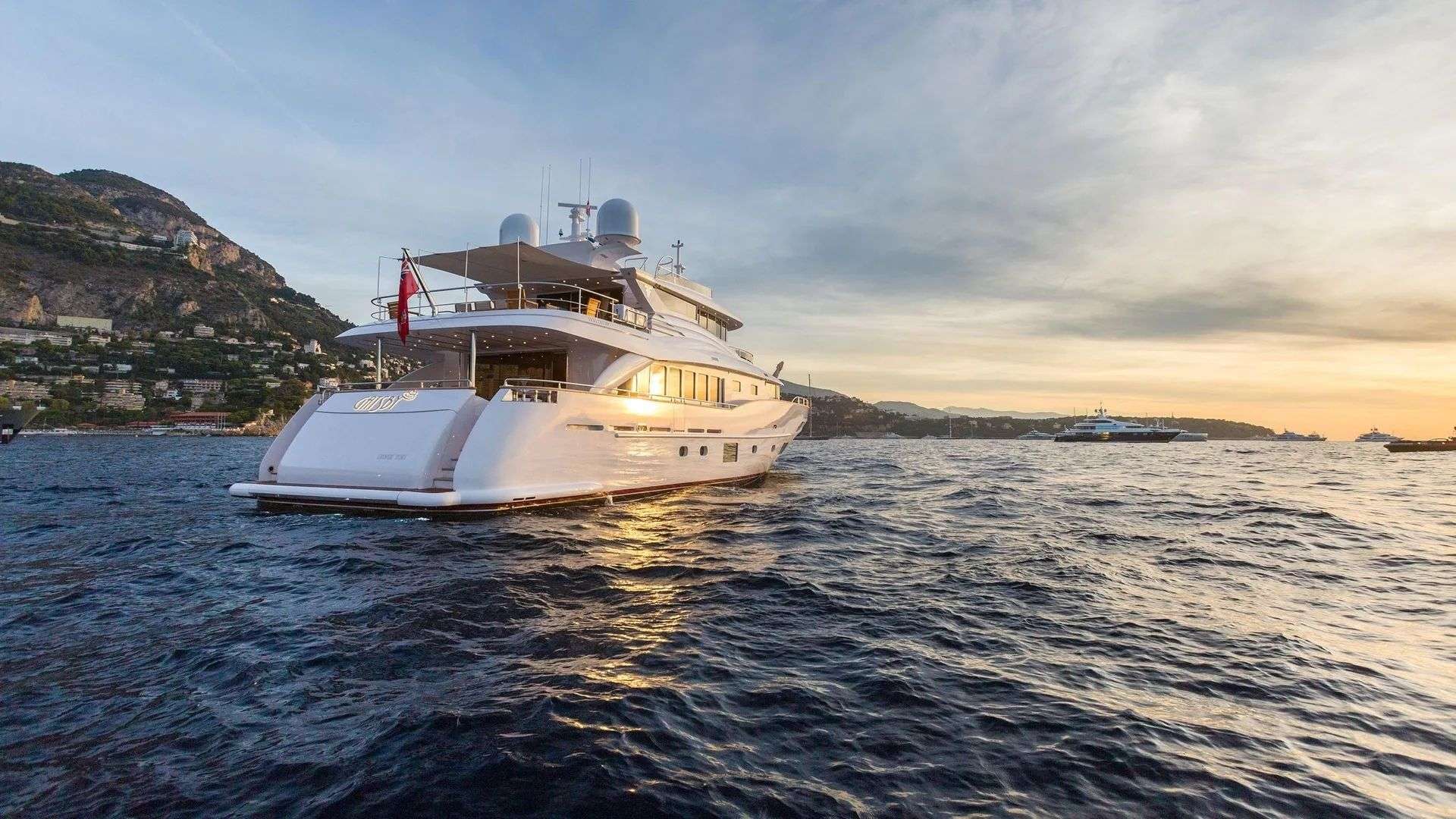
Este es el itinerario por el norte de Cerdeña de ritmo pausado: un ida y vuelta de 7 días desde Olbia que se queda en aguas italianas y se salta la travesía del estrecho de Bonifacio. Unas 80 millas náuticas en total, sin ninguna etapa de más de 22. Cambias la parada corsa por más tiempo en la Costa Esmeralda, un paso más largo por el archipiélago de La Maddalena, y el Área Marina Protegida de Tavolara a principios de semana: una parada que la mayoría de los yates se pierden porque van a la carrera hacia el estrecho.
La ruta funciona en un yate de vela o en un yate a motor; el mistral entra casi todas las tardes y los fondeaderos de la costa de granito cogen el socaire en cualquier dirección de viento. Enviamos este itinerario por el norte de Cerdeña a grupos familiares, viajes en yate multigeneracionales, y a cualquiera que prefiera recorrer Pevero Bay dos veces que quemar medio día en el estrecho. Si quieres la versión a través del estrecho con la ciudadela medieval de Bonifacio, mira el charter del Bucle de Cerdeña + Bonifacio.
Día 1 de 7 · Olbia → Tavolara
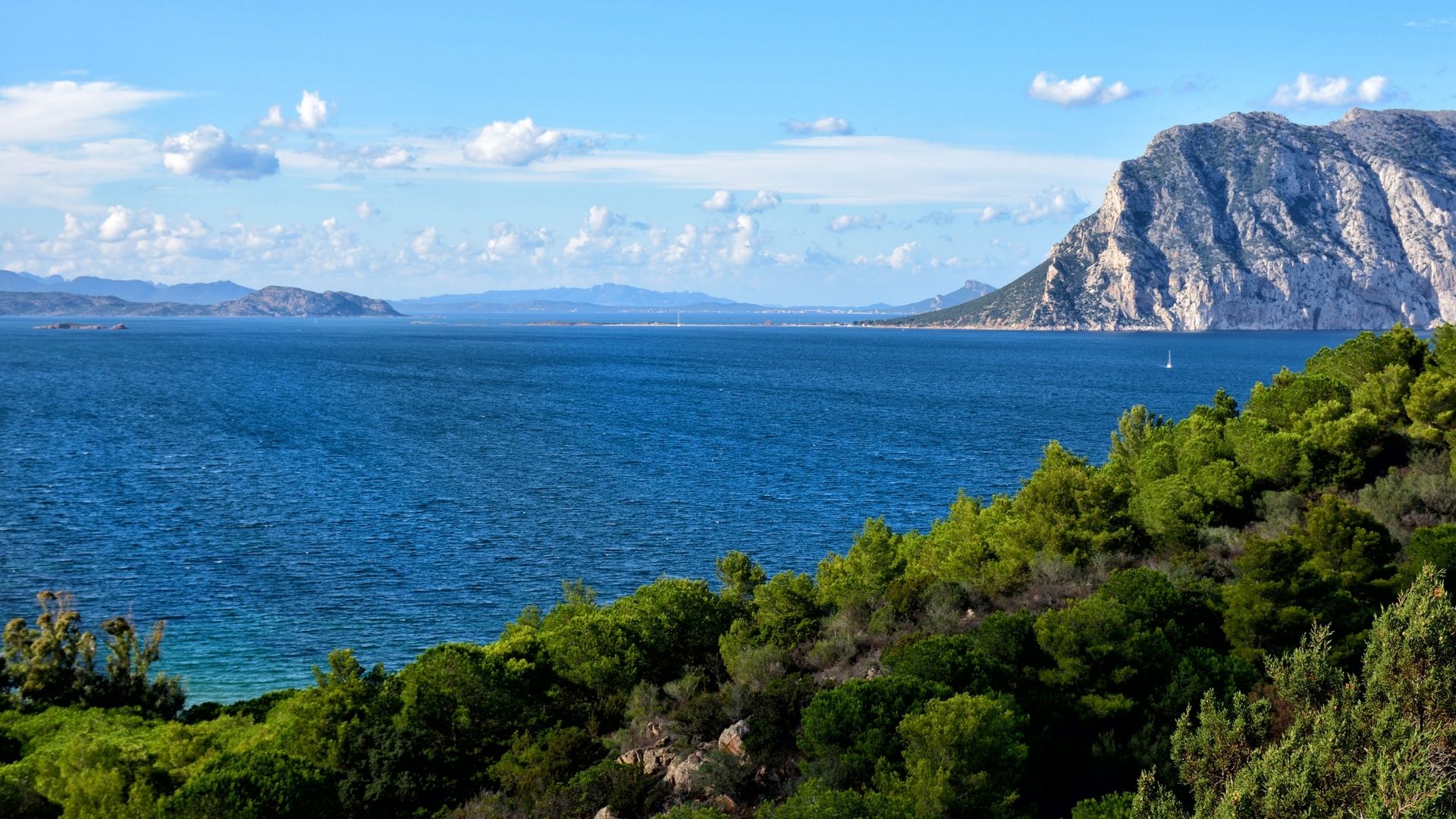
Tu viaje en yate empieza en Marina di Olbia, a quince minutos en taxi del aeropuerto de Olbia (OLB), en la costa noreste de Cerdeña. Tu capitán y tu chef te reciben en el muelle, te enseñan el yate, guardan el equipaje, y repasan la carta náutica para los días que vienen. El aprovisionamiento está resuelto para primera hora de la tarde; fuera amarras cuando el grupo esté listo.
La mayoría de los huéspedes en este itinerario esperan ir hacia el norte a la Costa Esmeralda el primer día. El capitán en cambio apunta la proa al sur para la bajada de doce millas náuticas a Tavolara: una única cresta de caliza alzándose quinientos metros directamente del mar, designada como la primera área marina protegida de Italia. Los fondeaderos del lado de sotavento de Tavolara se mantienen planos en cualquier dirección de viento, la visibilidad del agua llega a los veinte metros en un día claro, y el tráfico de crucero es una fracción de lo que trabaja los fondeaderos de la Costa Esmeralda unas millas al norte.
Primera noche al ancla a sotavento de Tavolara. Cena de bienvenida preparada por el chef a bordo: marisco sardo, una copa de Vermentino di Gallura, la cresta de caliza conservando el calor del día tras el atardecer y las luces de Porto San Paolo a un par de millas de la proa.
Day Highlights
Día 2 de 7 · Tavolara → Costa Esmeralda
Mañana pausada en Tavolara: baño, desayuno en cubierta. A media mañana fuera amarras para un reposicionamiento de cinco millas náuticas al norte hasta Cala Brandinchi, la versión de la costa sureste de Cerdeña del «Tahití de Cerdeña»: una media luna de media milla de fina arena blanca respaldada por bajo matorral y pinos piñoneros, con agua turquesa poco profunda que corre templada. Almuerzo al ancla, baño desde la popa del barco.
A última hora de la tarde, fuera amarras para la subida más larga de quince millas náuticas al norte rodeando Capo Figari y hasta el extremo sur de la Costa Esmeralda. Cala di Volpe es el fondeadero abrigado más profundo de este tramo: fondo de arena, protección del mistral, y el Hotel Cala di Volpe asentado en el promontorio por encima del agua. El capitán decide entre Pevero o Cala di Volpe según el viento de la tarde, y te instalas para la primera de dos noches en la Costa Esmeralda.
Cena a bordo esta noche, a sotavento de las crestas de granito. Preparada por el chef en la cubierta de popa. El granito de la Costa Esmeralda conserva el calor del día tras el atardecer; el agua pasa del turquesa al azul marino a medida que se encienden las luces al otro lado de la bahía.
Day Highlights
Día 3 de 7 · Día de Costa Esmeralda
Día pausado de Costa Esmeralda. El capitán puede reposicionar cinco millas náuticas entre Pevero, Cala di Volpe y Liscia di Vacca según el viento, pero la ruta es corta: casi todo el día es al ancla. Baño matinal, paddleboard o kayak hacia los promontorios, y una lancha auxiliar a media mañana a Phi Beach para almorzar si la mesa funciona. Phi es el club de playa construido en los acantilados sobre Baja Sardinia: al aire libre, paredes de granito, y una cocina que va de marisco sardo con algún que otro clásico de la Italia continental.
Tarde en tierra: pasea por el pueblo de Porto Cervo sobre la marina, veinte minutos de punta a punta, construido a mano en los años sesenta por un pequeño grupo de arquitectos del Aga Khan que se negaron a repetir ningún edificio dos veces. El pueblo es lo bastante pequeño como para recorrerlo despacio con una parada en la iglesia de Stella Maris (un cuadro de Vasili Kandinsky cuelga dentro) y un café en la plaza. La Marina di Porto Cervo alberga setecientos amarres y yates de hasta cien metros; recorrer el muelle se lee más interesante de lo que la mayoría de los huéspedes espera.
Cena a bordo esta noche o en tierra en uno de los restaurantes de la Costa Esmeralda: el capitán reserva con antelación. La mesa sarda es por lo que la mayoría de los huéspedes vuelven: fregola sarda, cochinillo asado bajo una campana, bottarga di Olbia rallada sobre la pasta, y un tinto Cannonau de los viñedos del interior que no viaja bien fuera del país.
Day Highlights
Día 4 de 7 · Costa Esmeralda → La Maddalena
Mañana pausada en la Costa Esmeralda: baño, desayuno en cubierta, paseo opcional al pueblo de Cala di Volpe si el grupo no lo ha hecho. Para el final de la mañana, fuera amarras para la subida de quince millas náuticas al norte por la costa de granito y cruzando el estrecho de La Maddalena hasta Caprera, la segunda isla más grande del archipiélago.
El archipiélago de La Maddalena se asienta dentro de un parque nacional italiano. El fondeo está gestionado: campos con boyas de muerto en las calas más transitadas, y el capitán paga la tasa de parque por yate en línea antes de cruzar al límite del parque. El agua se vuelve del azul más limpio de la zona de crucero, leyendo treinta metros de visibilidad en un día asentado. Caprera alberga la casa conservada de Garibaldi en su costa norte (un museo, parada opcional en tierra), pero la mayoría de los viajes en yate vienen por las calas de granito de la costa sur y las playas de arena blanca del este.
Instálate para la noche en uno de los fondeaderos de la costa sur de Caprera. Cena preparada por el chef a bordo. Las luces del pueblo de Maddalena a un par de millas de la proa.
Day Highlights
Día 5 de 7 · Día de islas de La Maddalena
Hoy es el día de islas. Tu capitán reposiciona al norte al grupo de islas más pequeñas en la parte alta del archipiélago de La Maddalena —Spargi, Budelli, Razzoli, Santa Maria, y los pequeños cayos de en medio— para un día entero de paradas de baño sin travesías largas. La primera parada es Cala Corsara, en la costa sur de Spargi: una cala de media milla rodeada de afloramientos de granito rosa, la clase de claridad de agua que lee veinte metros de visibilidad en un día en calma, y un campo de fondeo gestionado que limita cuántos yates pueden estar ahí a la vez.
Desde Spargi, un corto trayecto de lancha auxiliar y prismáticos te lleva pasando la famosa Playa Rosa de Budelli (Spiaggia Rosa), donde rigen estrictas restricciones de solo mirar desde 1994: el color rosa viene de fragmentos microscópicos de coral y concha y la playa es una de solo dos de su clase en el Mediterráneo. No intentes desembarcar; la policía portuaria la vigila. La vista desde mar adentro es lo que importa. Razzoli se asienta justo al norte de Budelli con una textura de orilla distinta, y Santa Maria —la más al norte del grupo— tiene una larga playa de arena en su lado sur que está menos visitada que los fondeaderos protagonistas.
A última hora de la tarde, métete en la piscina natural de Cala di Roto. La piscina es una cuenca somera y abrigada metida al fondo del fondeadero; está a un par de palmos de profundidad, se vuelve de un turquesa luminoso a mediodía, y se mantiene lisa como un cristal en cualquier dirección de viento. Cena a bordo esta noche, fondeado en el grupo, la clase de velada que es la razón de haber hecho el viaje.
Day Highlights
Día 6 de 7 · Cala Coticcio + tarde pausada
Baño matinal pausado desde el fondeadero del grupo de La Maddalena, desayuno en cubierta. A media mañana, una bajada de ocho millas náuticas al sureste de vuelta hacia la costa este de Caprera y Cala Coticcio, llamada localmente el Tahití de Cerdeña. La cala es accesible solo en lancha auxiliar; los bloques de granito enmarcan una media luna de fina arena blanca, y el agua se vuelve del color de la luz de una piscina. Fondea mar adentro, acércate en lancha auxiliar a la cala por la mañana, y de vuelta a bordo para un pausado almuerzo tardío.
Tarde al ancla en la costa este de Caprera. Juguetes acuáticos desplegados: paddleboards, kayaks, equipo de esnórquel. El capitán puede reposicionar una milla o dos entre calas según el viento de la tarde, pero las millas del día están hechas. Las calas más tranquilas de La Maddalena solo ven uno o dos yates en una velada típica; en la Costa Esmeralda nunca estás solo en un fondeadero, pero aquí puedes estarlo.
Cena a bordo esta noche, la clase de comida de penúltima noche en torno a la que se construye el viaje. Preparada por el chef, en la cubierta de popa, con las crestas de granito conservando lo último del calor del día.
Day Highlights
Día 7 de 7 · La Maddalena → Olbia
Último día completo al ancla. Baño matinal pausado desde Caprera, desayuno en cubierta. Para el final de la mañana, fuera amarras para la etapa más larga de la semana: una bajada de veintidós millas náuticas al sur por las islas exteriores de la Costa Esmeralda y de vuelta al golfo de Olbia. El capitán puede parar en Santa Teresa Gallura, en la punta norte de Cerdeña, para un paseo opcional por el puerto pesquero de trabajo y la torre vigía española por encima.
Instálate en Marina di Olbia a primera hora de la tarde. Pasea al pueblo de Olbia si tienes la energía: el casco viejo es lo bastante pequeño como para recorrerlo en una hora, y un último almuerzo en uno de los restaurantes del paseo marítimo es el cierre pausado que toma la mayoría de los grupos. Última cena preparada por el chef a bordo esta noche, fondeado en la marina con la última luz del día sobre el golfo.
Haz las maletas a tu propio ritmo. Tu capitán ya tiene resuelta la logística del traslado de la mañana.
Day Highlights
Día 8 · Salida
Un último desayuno pausado a bordo en Marina di Olbia, un último baño desde la popa si el puerto lo permite, y desembarco a media mañana. Tu tripulación se encarga de la logística del traslado: OLB está a quince minutos en taxi, con vuelos directos de verano a la mayoría de los grandes aeropuertos europeos y una fácil conexión a la Costa Este de EE. UU. por Roma, Milán, Fráncfort o Londres. Bájate con la costa de granito y La Maddalena a tu espalda, y la clase de pausada semana italiana que la mayoría de los huéspedes de viajes en yate describen como la que ojalá hubieran reservado la primera vez.
Want to share or come back to this voyage later?
Bookmark this voyage →Itinerario con tripulación · Cerdeña y Córcega
Este es el lado más salvaje de la zona de crucero de Cerdeña y Córcega: un ida y vuelta de siete días desde Ajaccio que recorre toda la costa oeste de Córcega, con la costa de acantilados rojos de Scandola (Patrimonio de la Humanidad) en mitad de la semana, la ciudadela medieval de Calvi en el giro del norte, y un regreso al sur por los viñedos de Patrimonio en el Cap Corse. Unas ciento cincuenta millas náuticas de punta a punta, con una opción de Saint-Florent para los huéspedes que quieran empujar más allá del cabo. La ruta funciona en un yate de vela o en un yate a motor; los promontorios de costa abierta en Capo Rosso y la entrada de Scandola pueden lanzar oleaje cuando el maestrale está soplando, y el capitán lee el pronóstico de la mañana al primer rayo.
La mayoría de los grupos que reservan esta ruta en lugar de la versión a través del estrecho son huéspedes que ya han hecho la semana italiana o que quieren un carácter de crucero corso más agreste: una cultura de fondeaderos menos pulida, más puertos pesqueros de paseo por el pueblo, y la única reserva marina Patrimonio de la Humanidad de la UNESCO del Mediterráneo occidental. El registro de la comida y el vino cambia también: charcutería corsa, queso brocciu, pulenta, y rosado de Patrimonio de los viñedos de suelo calcáreo del Cap Corse. Tu capitán profesional y tu chef privado se encargan del resto.
Este es el lado más salvaje de la zona de crucero de Cerdeña y Córcega: un ida y vuelta de 7 días desde Ajaccio que recorre toda la costa oeste de Córcega. Scandola (UNESCO) en mitad de la semana (la única reserva marina Patrimonio de la Humanidad de la UNESCO del Mediterráneo occidental), la ciudadela medieval de Calvi en el giro del norte, y un regreso al sur por los viñedos de suelo calcáreo de Patrimonio en el Cap Corse. Unas 150 millas náuticas en total: notablemente más terreno que el bucle de aguas italianas, con recompensa en cada fondeadero.
La mayoría de los grupos que reservan este itinerario por Córcega en lugar del bucle de Cerdeña son huéspedes que ya han hecho la semana italiana o que quieren un carácter de crucero más agreste: una cultura de fondeaderos menos pulida, más pueblos de puerto pesquero, los acantilados rojos de las Calanques de Piana, y Girolata (un pueblo pesquero alcanzable solo desde el mar). El registro de la comida cambia también: charcutería corsa, queso brocciu, pulenta, y rosado de Patrimonio.
Día 1 de 7 · Ajaccio → Sanguinaires
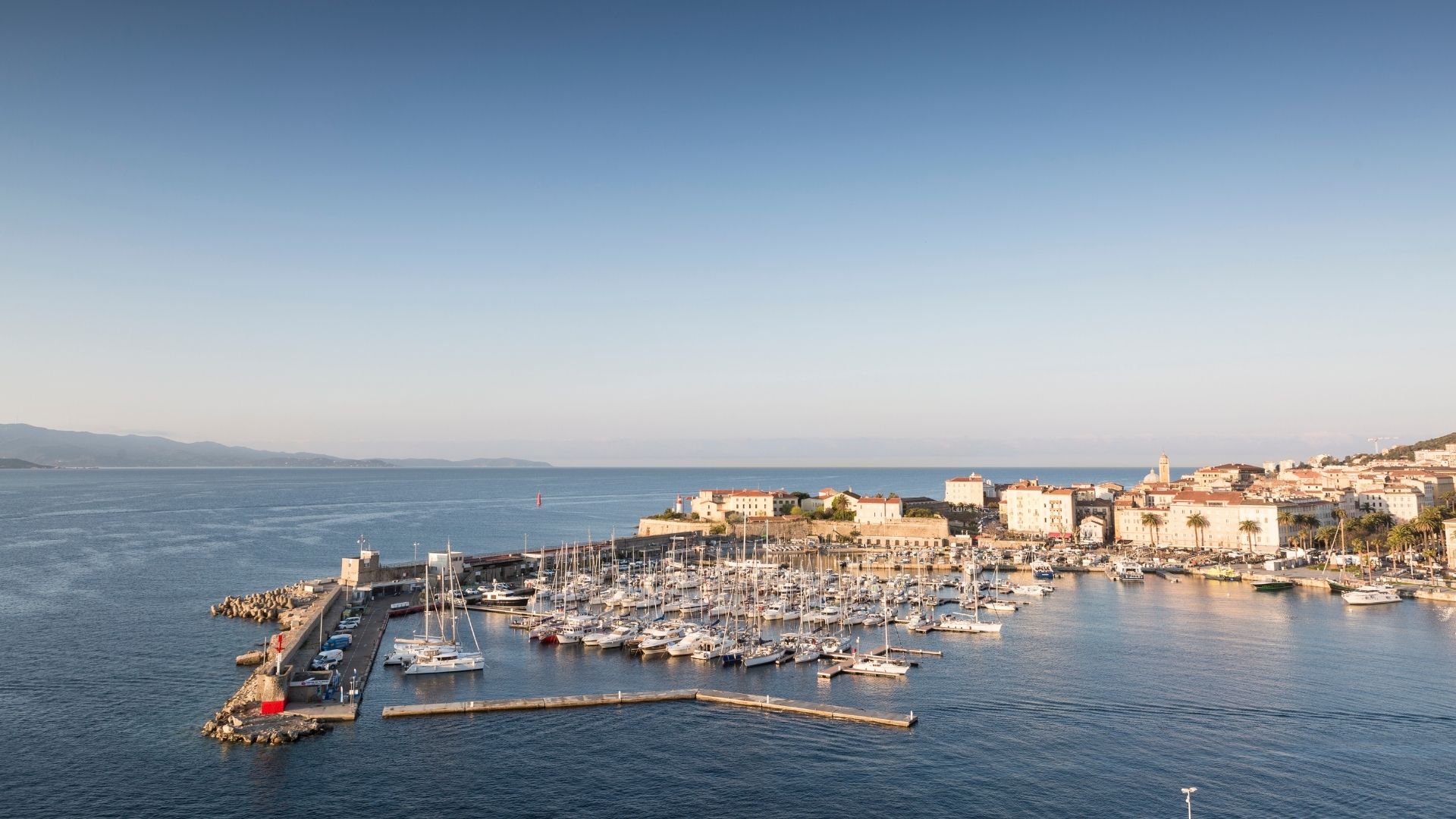
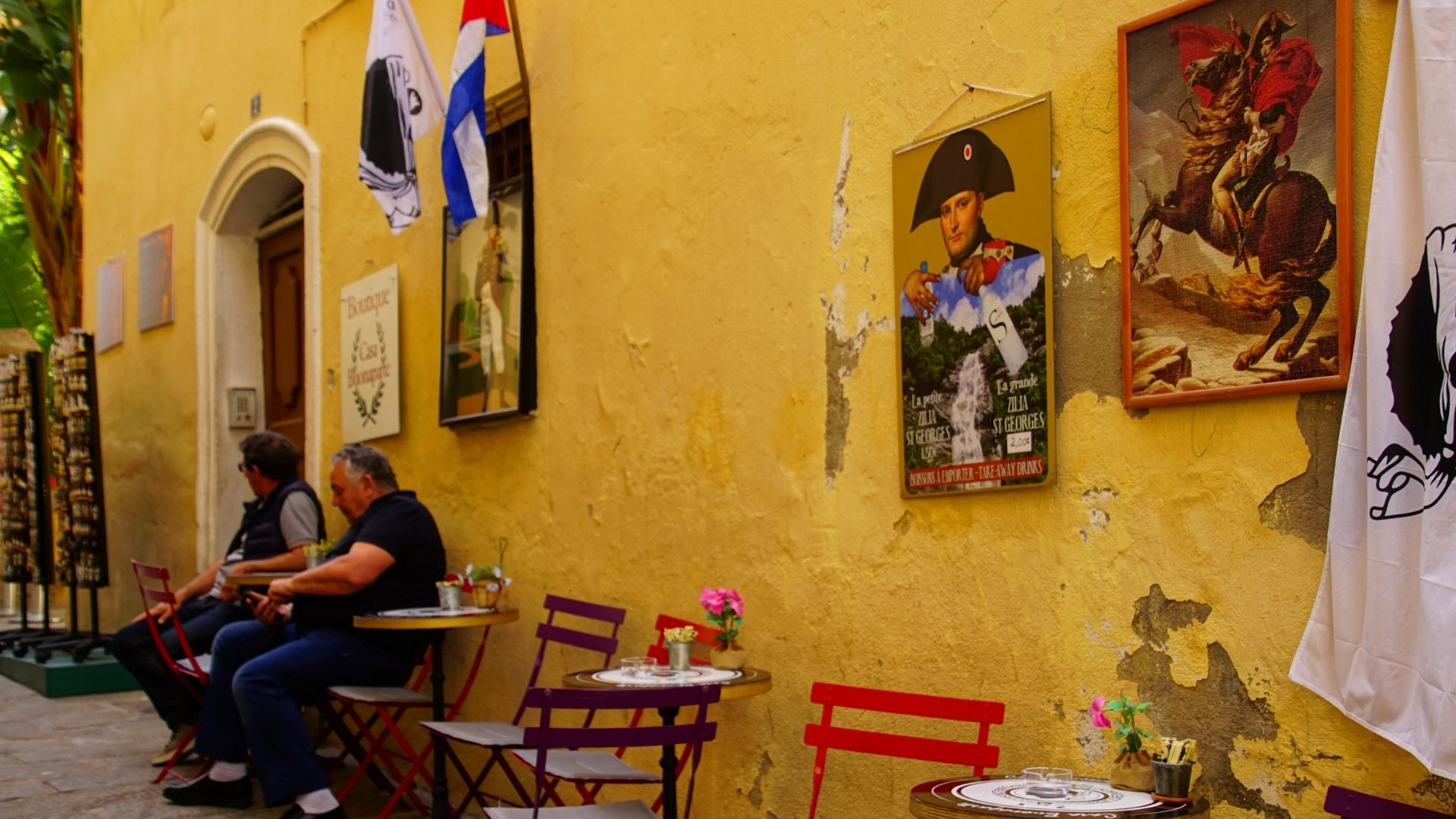
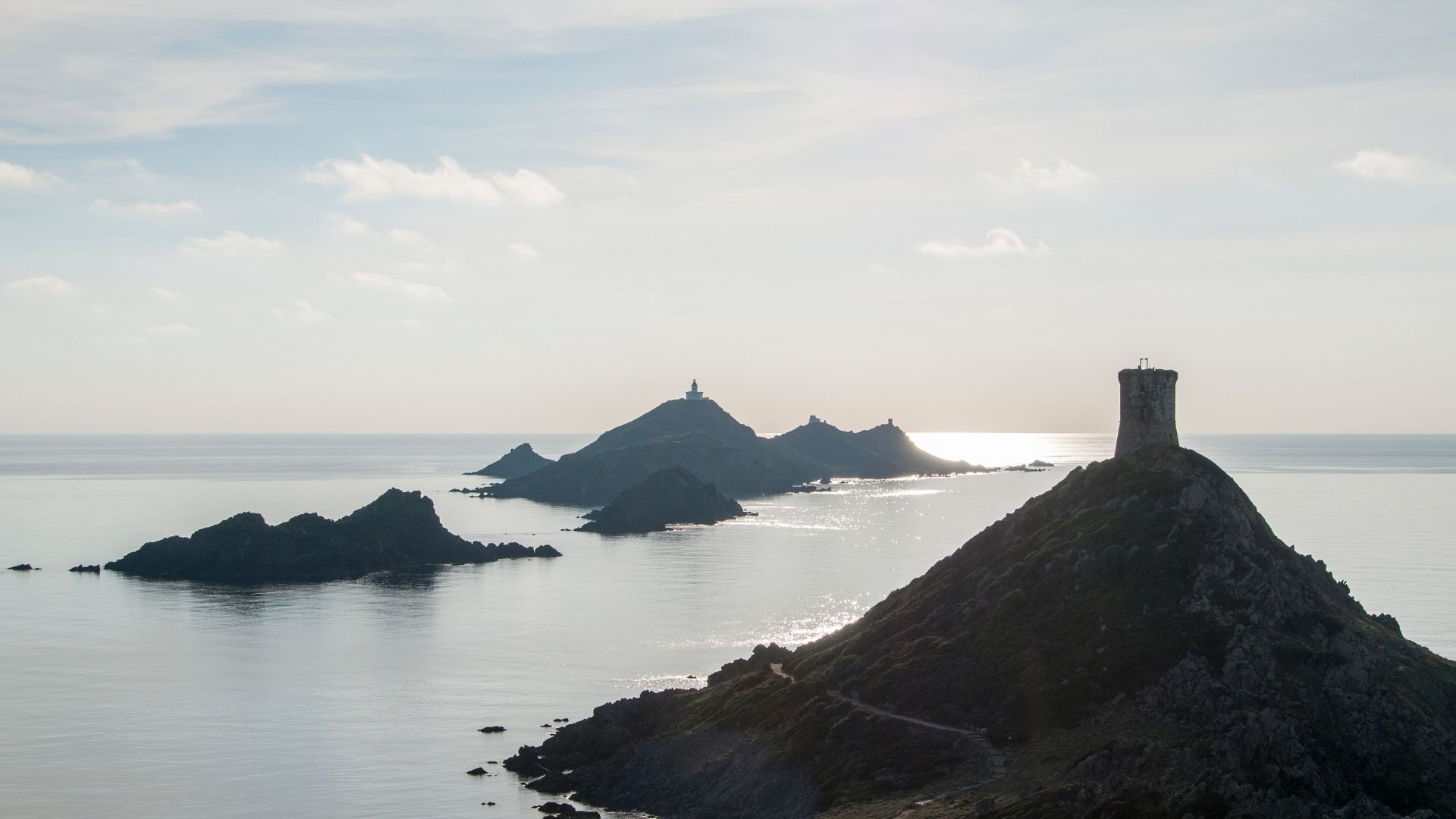
Tu viaje en yate empieza en Marina d'Ajaccio, a diez minutos en taxi del aeropuerto de Ajaccio (AJA), en la costa oeste de Córcega. Tu capitán y tu chef te reciben en el muelle, te enseñan el yate, guardan el equipaje, y repasan la carta náutica para los días que vienen. Si llegas temprano, la casa natal de Napoleón está a quince minutos a pie por el casco viejo, y la ciudadela sobre el puerto añade otra media hora si te apetece.
A primera hora de la tarde, fuera amarras para la corta bajada de diez millas náuticas fuera del golfo hasta las islas Sanguinaires: una cadena de afloramientos de roca roja en la bocana de la bahía, designada como reserva natural y hogar de una población de gaviotas de Audouin. Las islas toman su nombre («las sangrientas») de cómo se vuelven de un rojo profundo al atardecer; el fondeadero del lado de sotavento se mantiene en cualquier viento del oeste y el baño desde la popa del barco es el punto de entrada estándar de la primera tarde.
Primera noche al ancla a sotavento de las Sanguinaires. Cena de bienvenida preparada por el chef a bordo: charcutería corsa para empezar, pescado recién hecho a la brasa del barco del día, una copa de rosado de Patrimonio de los viñedos del Cap Corse. Las luces de Ajaccio brillan de vuelta al otro lado del golfo mientras el sol cae tras las islas.
Day Highlights
Día 2 de 7 · Sanguinaires → golfo de Porto
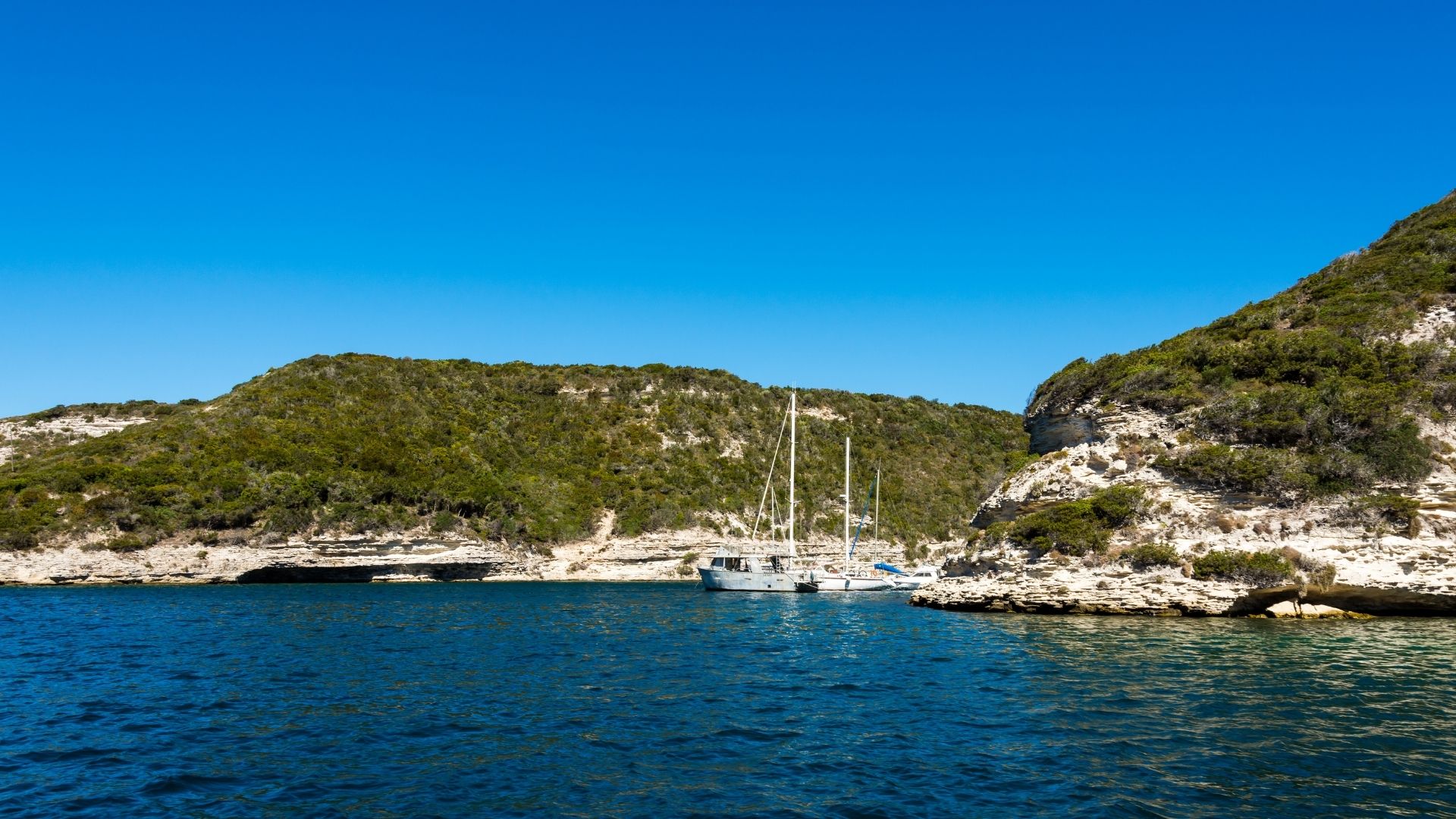
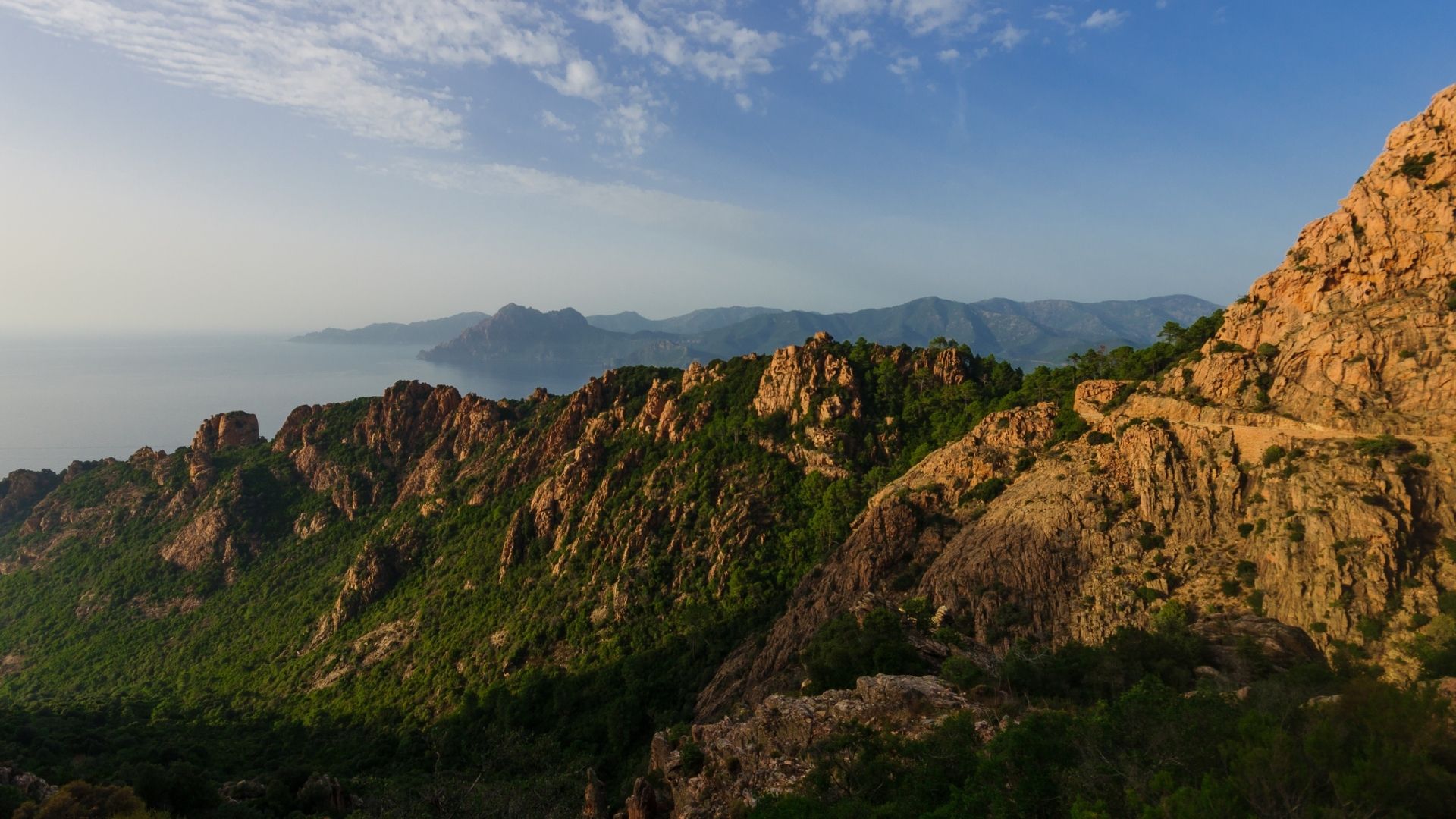
Mañana pausada en las Sanguinaires: baño, desayuno en cubierta, lancha auxiliar opcional al pequeño faro de la más grande de las islas. Para media mañana, fuera amarras para la subida de veinticinco millas náuticas hacia el norte por la costa oeste hasta Cargèse y la entrada sur del golfo de Porto.
Cargèse es un pueblo costero de trabajo con una historia religiosa inusual: en el siglo XVII, a un grupo de maniotas griegos que huían del dominio otomano las autoridades genovesas les concedieron tierra aquí, y las dos iglesias del pueblo —greco-ortodoxa y católica— aún se asientan enfrentadas al otro lado de la plaza del pueblo. Almorzar en tierra en uno de los restaurantes del puerto es la parada de mediodía estándar. Desde Cargèse el capitán trabaja la subida más al norte pasando Capo Rosso y hasta el golfo de Porto.
A última hora de la tarde, instálate en un fondeadero dentro del golfo: las Calanques de Piana se asientan en la orilla sur de la entrada del golfo, un tramo de acantilados de pórfido rojo erosionados por el viento designados Patrimonio de la Humanidad de la UNESCO en 1983. Los acantilados cogen el sol de última hora de la tarde y se vuelven del color del desierto. Cena a bordo esta noche a sotavento de las calanques.
Day Highlights
Día 3 de 7 · Scandola (UNESCO) + Girolata
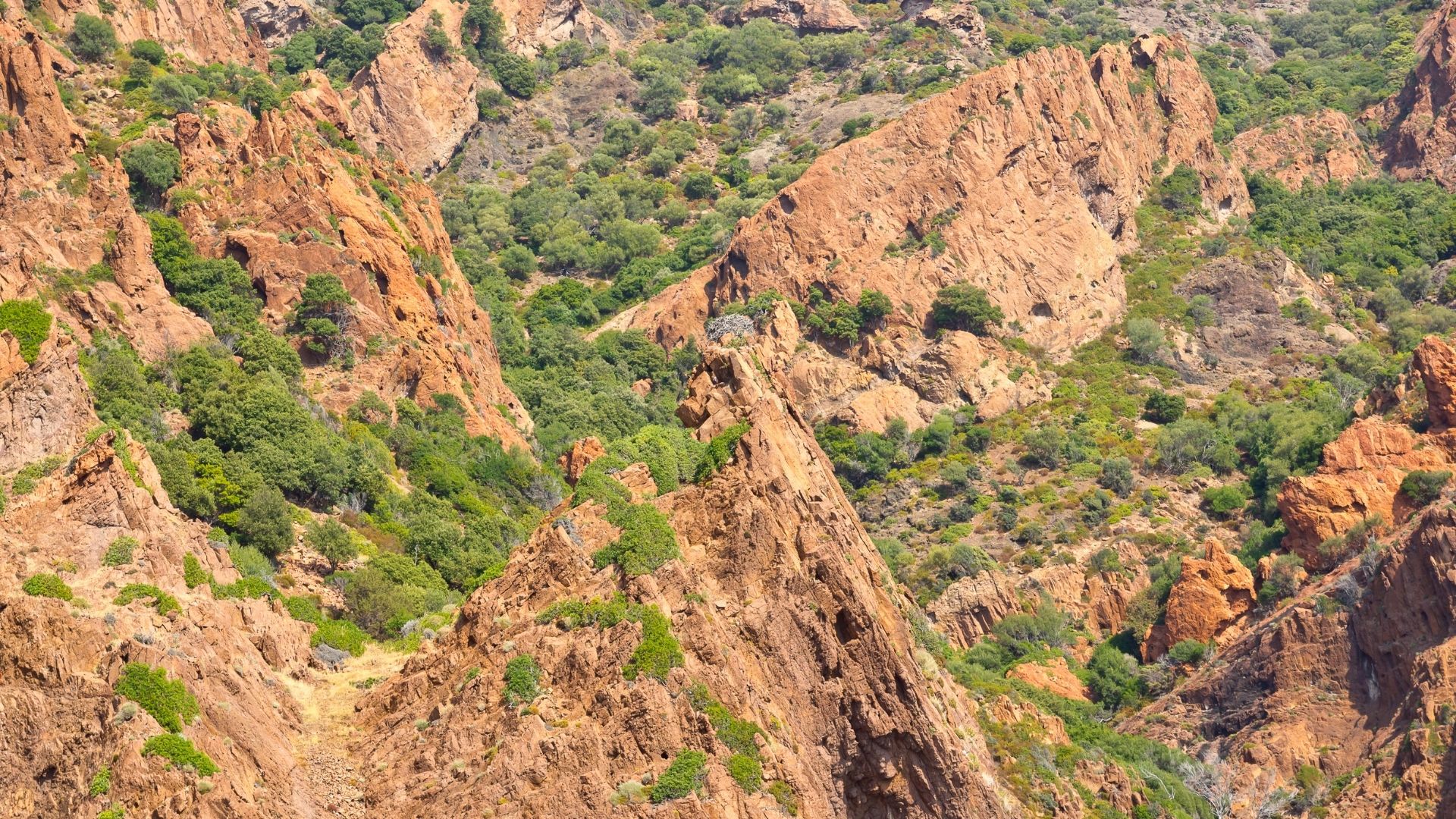
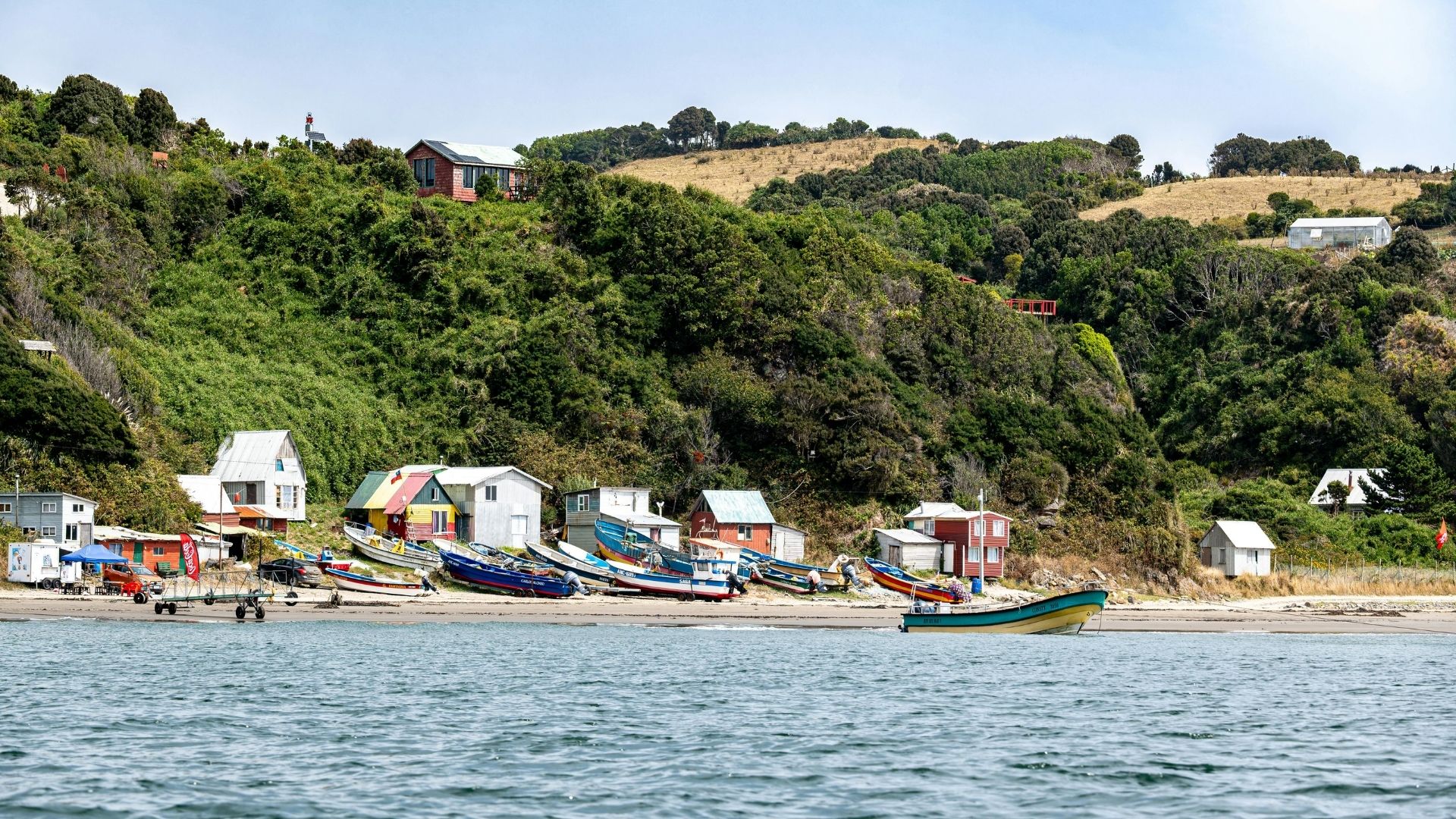
Hoy es el día estrella. A media mañana, fuera amarras para la corta subida de diez millas náuticas al norte por la costa oeste de Córcega y hasta la Reserva Natural de Scandola, designada Patrimonio de la Humanidad de la UNESCO en 1975 y accesible solo desde el agua. La reserva recorre nueve kilómetros de costa: acantilados de pórfido rojo que caen directamente al mar, cuevas marinas talladas en la roca, y la población de águilas pescadoras nidificantes más densa del Mediterráneo occidental. No hay acceso a tierra, ni carretera, ni pueblo; la protección es estricta, y el capitán sigue las restricciones de fondeo señalizadas y las normas de distancia mínima en las caras de los acantilados.
Desde Scandola, una corta lancha auxiliar o navegación de día te lleva a Girolata, un pueblo pesquero en la orilla sur del golfo que es alcanzable solo en barco o por un sendero de cuatro horas a través del traspaís de Scandola. Veinte casas, un puerto pesquero, un pequeño fuerte genovés que domina la bahía, y una población de menos de cincuenta durante todo el año. Almuerzo en tierra en uno de los dos restaurantes del puerto —la captura es lo que sea que subió esa mañana, y el pan es local— y una tarde pausada al ancla en la bahía.
Cena a bordo esta noche en Girolata. Las luces del pueblo se encienden tras el atardecer; la bahía está resguardada en cualquier dirección desde la que pueda estar soplando el maestrale; y no hay ruido de carretera porque no hay carretera.
Day Highlights
Día 4 de 7 · Girolata → Calvi
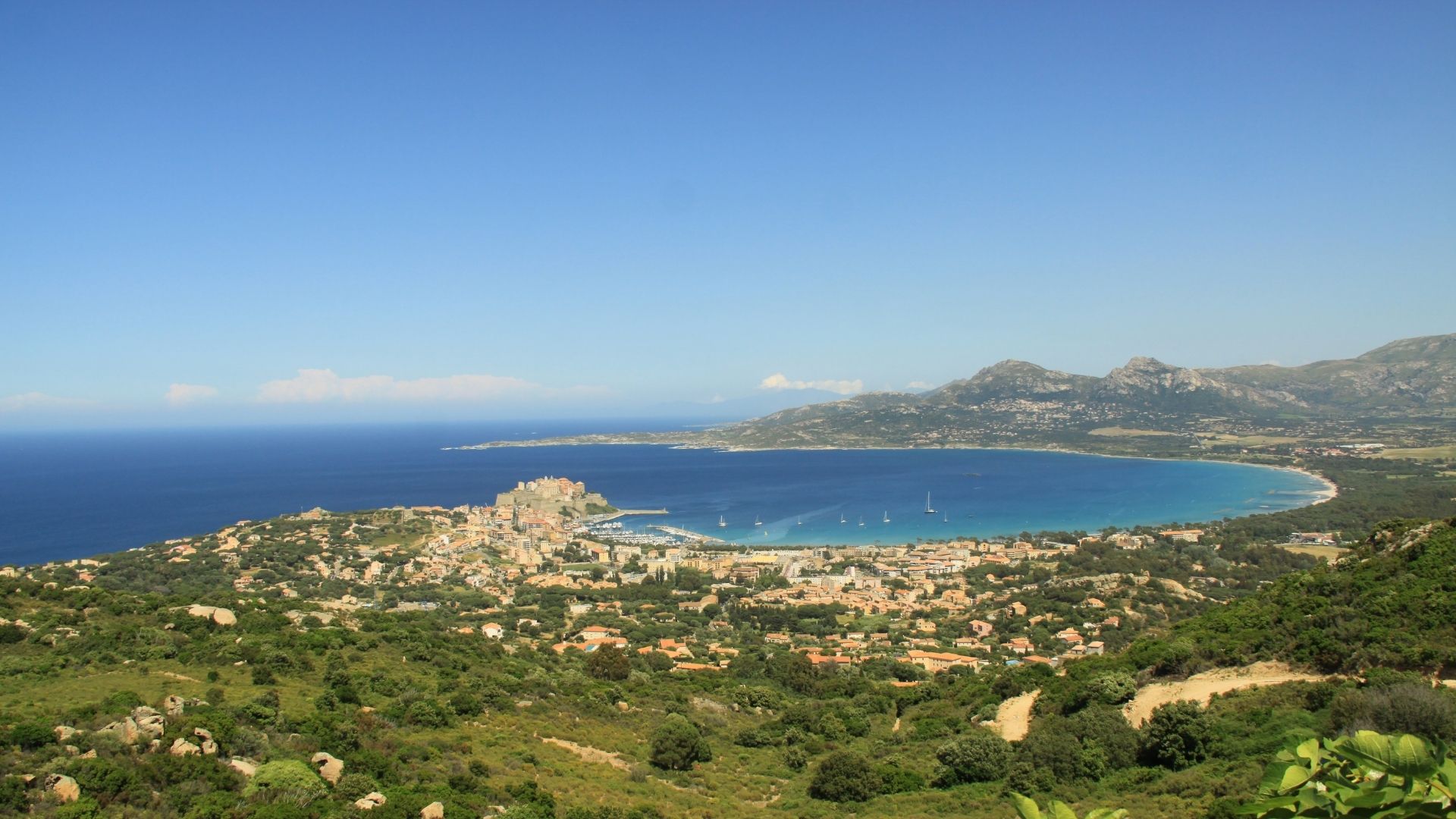
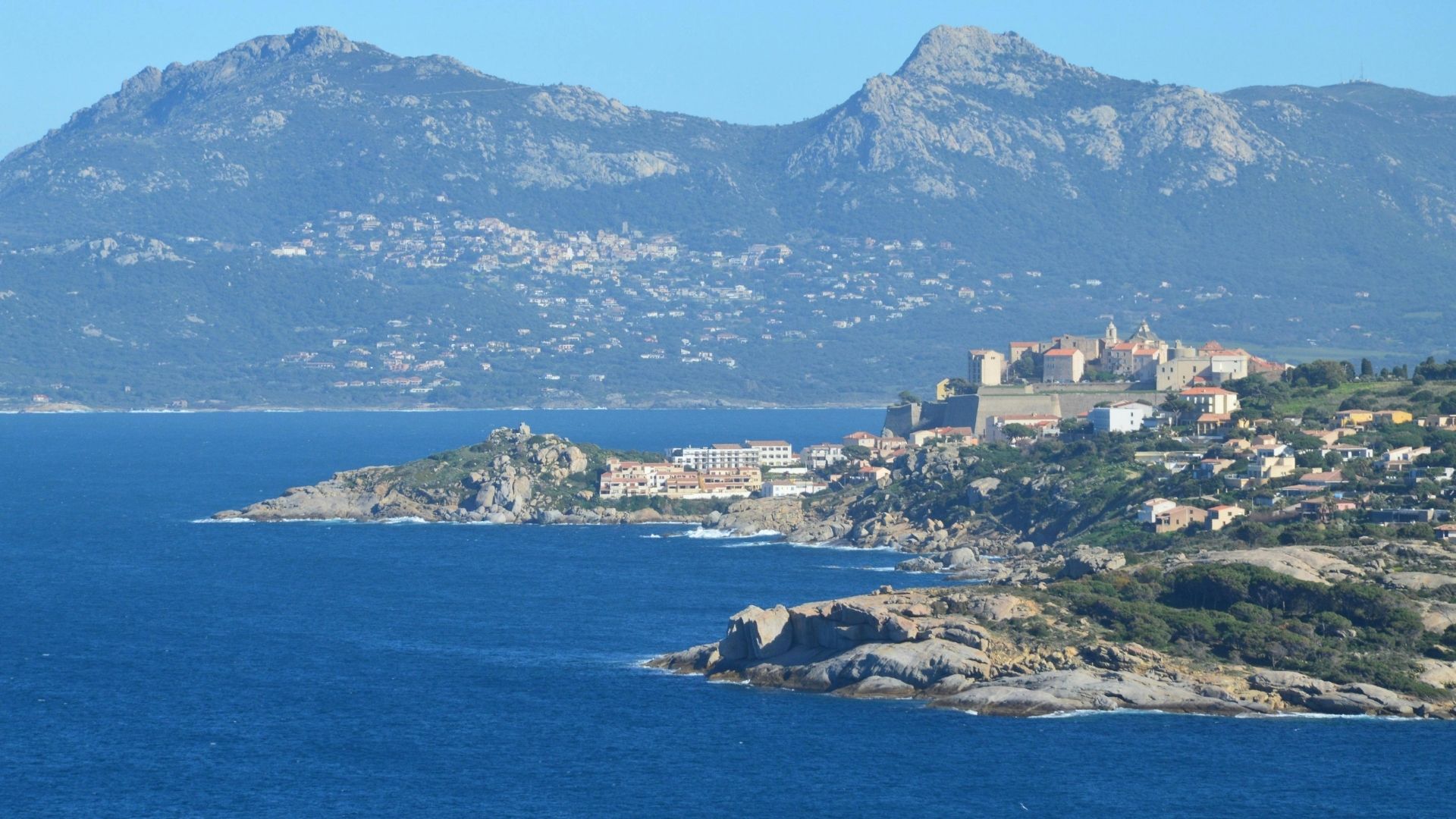
Mañana pausada en Girolata, una segunda lancha auxiliar al pueblo si alguien quiere una. Para media mañana, fuera amarras para la subida de veinticinco millas náuticas al norte por la costa hasta Calvi. La etapa pasa por la costa abierta de Capo Rosso (el maestrale puede lanzar oleaje aquí por la tarde, que es por lo que los capitanes la hacen por la mañana) y las largas playas de arena del Désert des Agriates, el único desierto de Córcega, un páramo de granito y matorral de ciento treinta kilómetros cuadrados que da a la costa oeste.
A primera hora de la tarde estás rodeando el promontorio oeste de la bahía de Calvi y hasta la marina o la propia bahía. Calvi se asienta al fondo de una media luna de cinco millas de fina arena respaldada por montañas nevadas: la cordillera del Monte Cinto, la más alta de Córcega, se asienta tierra adentro y retiene nieve hasta junio casi todos los años. La ciudadela genovesa se alza sobre la marina en el promontorio oeste: construida en el siglo XIII, ocupada por la Armada británica al mando de Nelson en 1794 (donde perdió su ojo derecho por un proyectil de mortero francés), y hogar de la leyenda local de que Cristóbal Colón nació dentro de sus murallas.
Tarde en tierra. Pasea por la ciudadela (cuarenta minutos alrededor del perímetro), baja por la ciudad baja hasta los cafés del paseo marítimo, y por la playa si el grupo quiere la versión larga. Cena en tierra esta noche en uno de los restaurantes del puerto o a bordo con la ciudadela iluminada al otro lado de la bahía: el capitán tiene la reserva de cualquier forma.
Day Highlights
Día 5 de 7 · Calvi → Saint-Florent
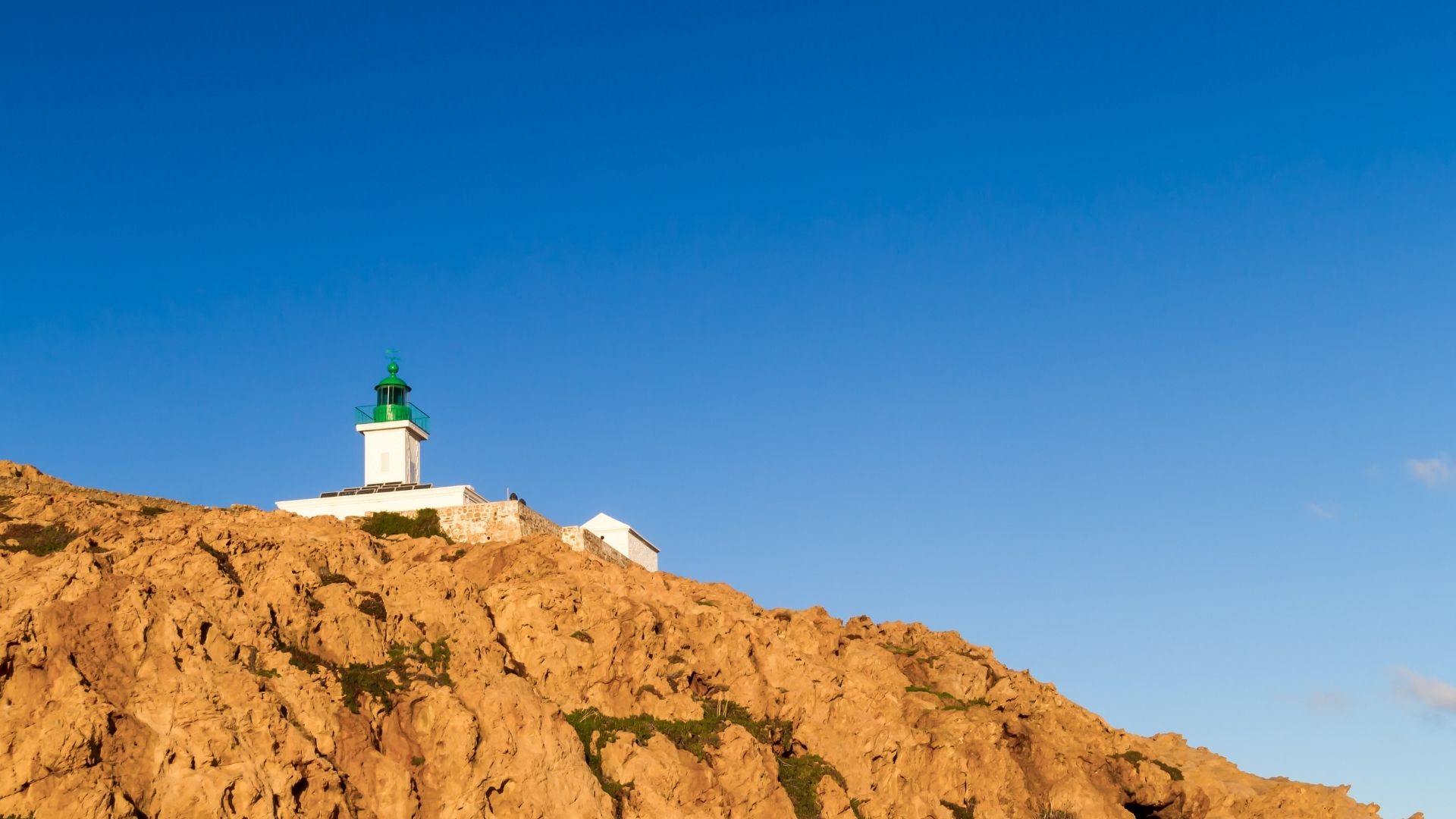
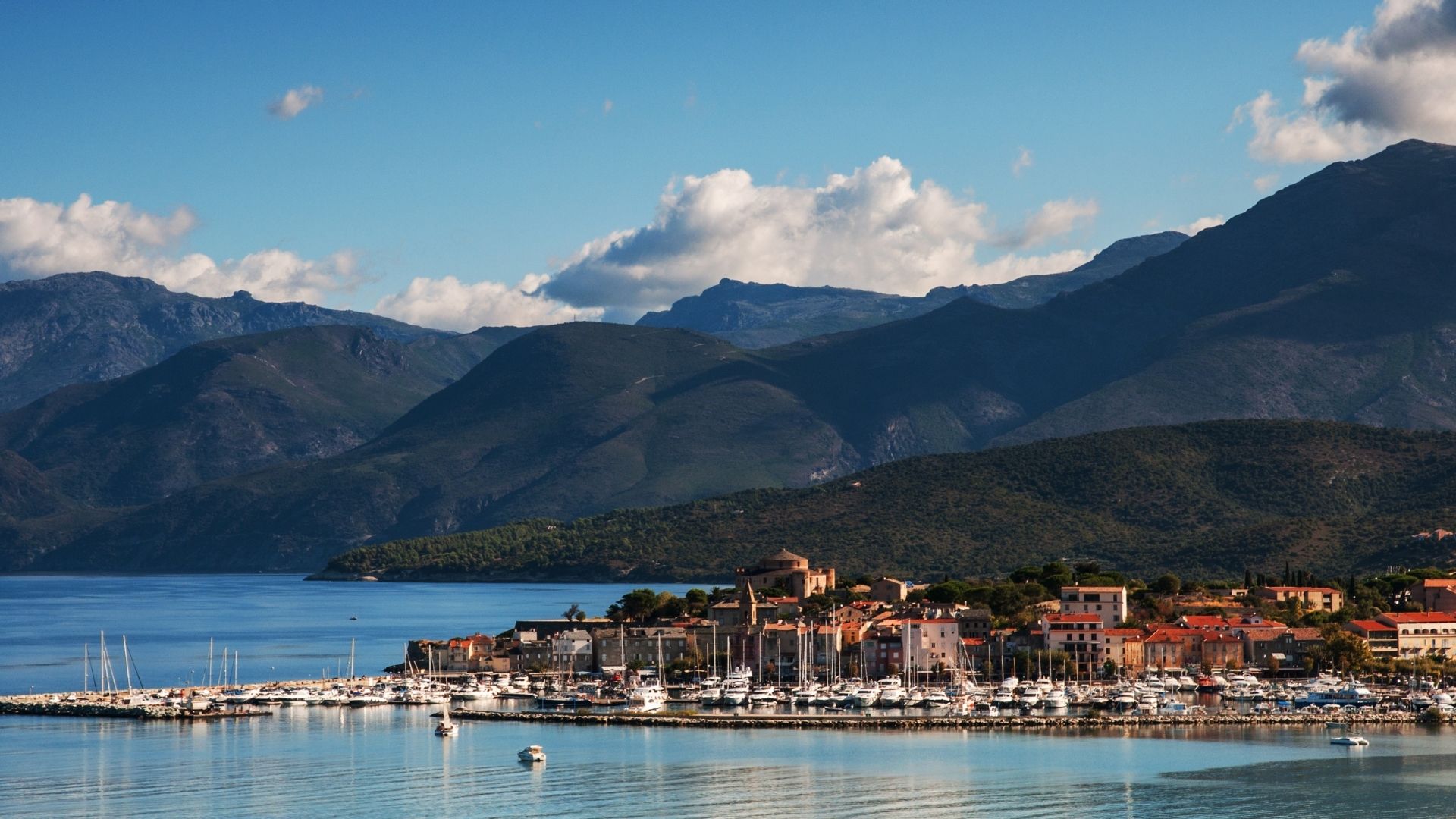
A media mañana, fuera amarras para la travesía de treinta millas náuticas al este por la costa de la Balagne, el tramo más fértil de Córcega, con olivares y castañares visibles desde el agua. Parada de mediodía en Île Rousse: el pueblo toma su nombre de los pequeños islotes de granito rojizo que se asientan mar adentro, y el puerto opera el ferri diario a Marsella. Almuerzo en tierra en uno de los cafés del puerto o de vuelta a bordo.
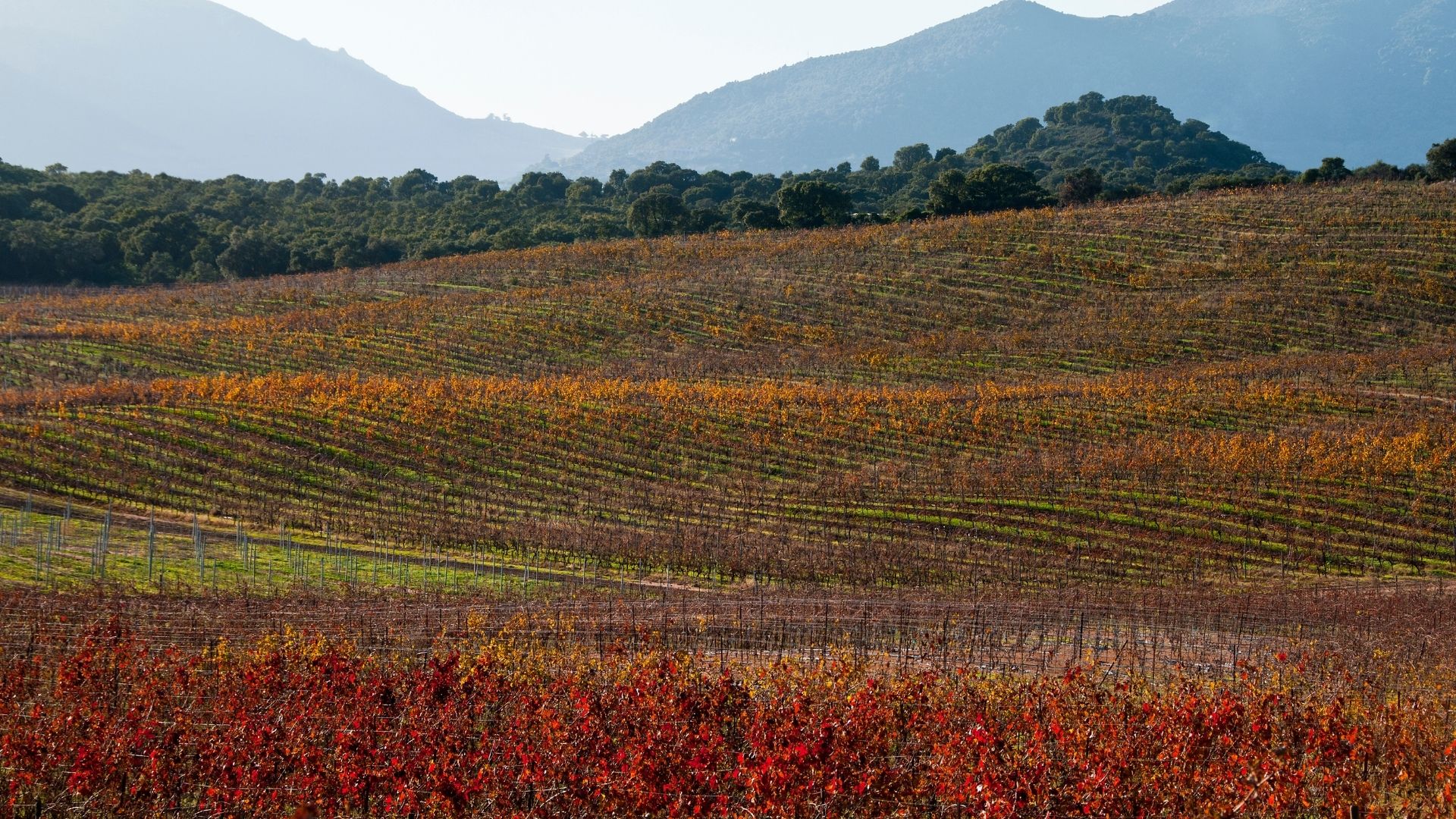
Por la tarde, el capitán trabaja la etapa más larga hacia el este rodeando la base oeste del Cap Corse y hasta Saint-Florent. La península del Cap Corse se adentra cuarenta kilómetros al norte en el Mediterráneo desde el resto de la isla, con los viñedos de Patrimonio en su base oeste: la denominación de vino más conocida de Córcega, que cultiva rosado y malvasía en terrazas de suelo calcáreo unos kilómetros tierra adentro de Saint-Florent. Excursión opcional a tierra a los viñedos a última hora de la tarde (el capitán reserva la visita con antelación).
Cena a bordo esta noche en Saint-Florent o en tierra en uno de los restaurantes del puerto. La ciudadela genovesa sobre el puerto se ilumina tras el atardecer; el pueblo es lo bastante pequeño como para recorrerlo en veinte minutos.
Day Highlights
Día 6 de 7 · Cap Corse + regreso
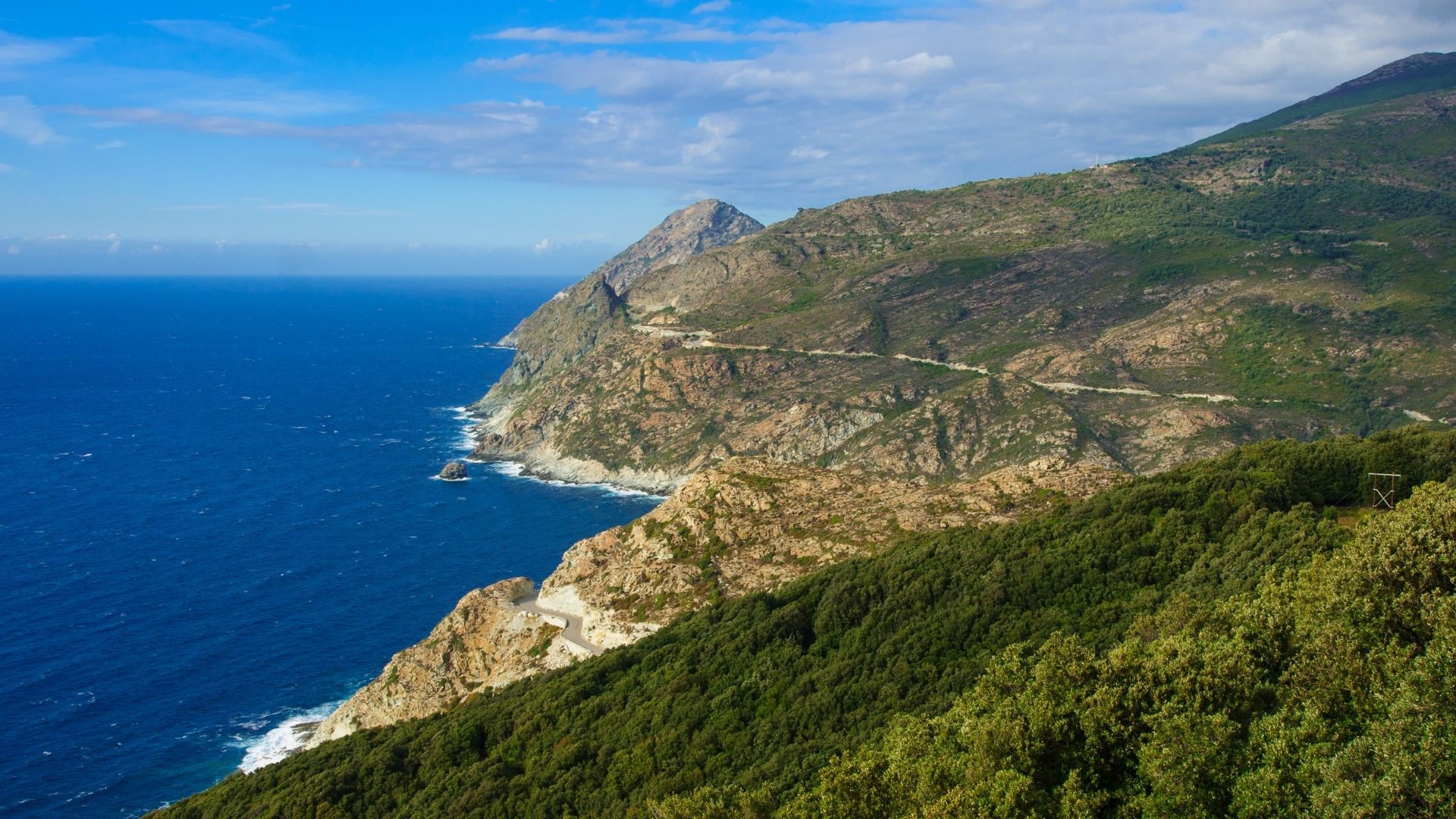
Mañana pausada en Saint-Florent. Paseo opcional al pueblo para un café, una última lancha auxiliar al lado de Patrimonio si alguien se perdió la visita a los viñedos. Para media mañana, el capitán decide la ruta del día según el tiempo: la opción con el maestrale soplando es un regreso directo al suroeste por la costa de la Balagne de vuelta hacia el golfo de Porto; la opción con el maestrale asentado es un bucle de veinticinco millas por la costa oeste del Cap Corse hasta Nonza y unos cuantos de los pueblos en terrazas más pequeños, y de vuelta al sur.
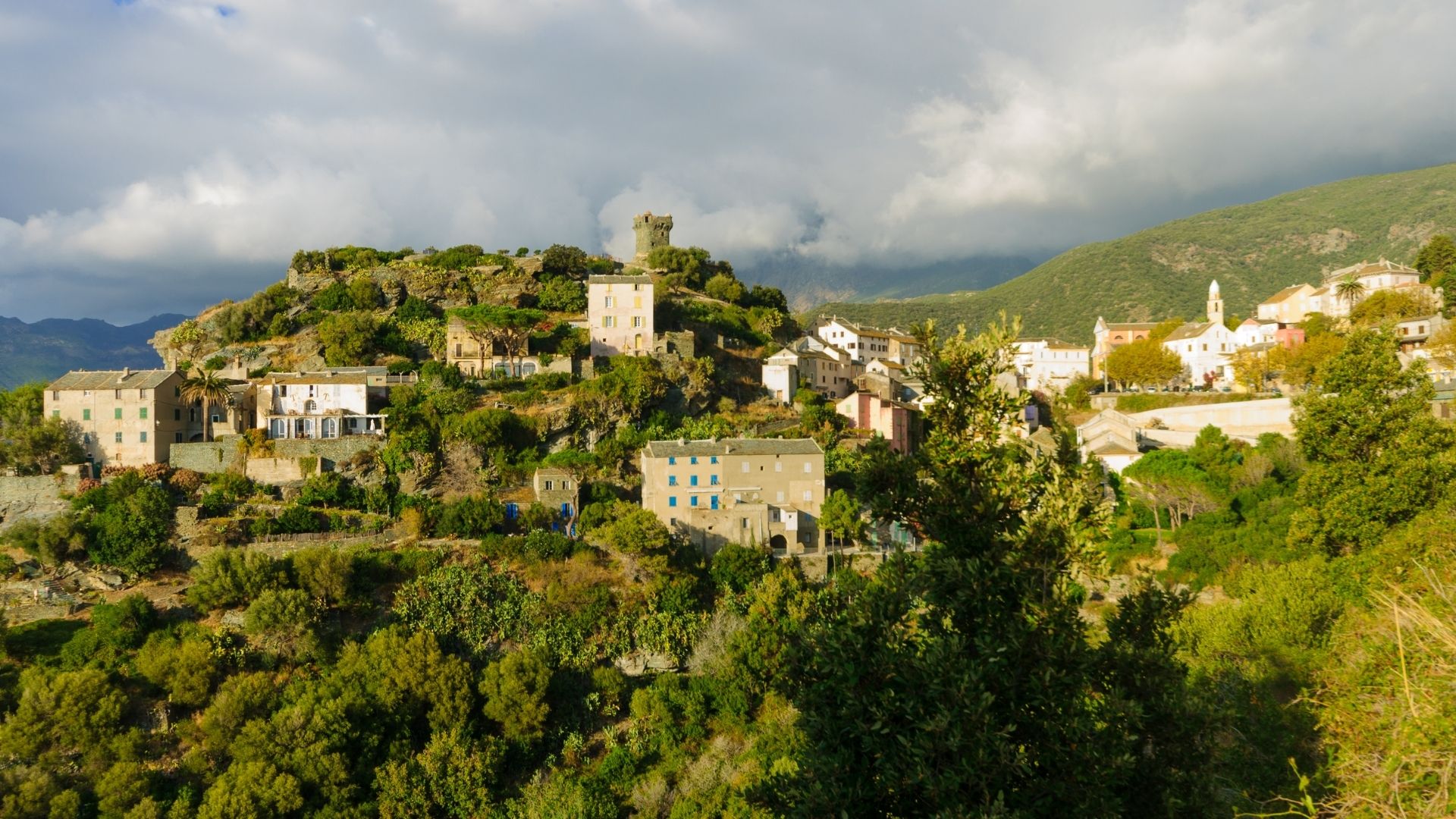
Si se hace el bucle del Cap Corse, Nonza es la parada estrella. El pueblo se asienta en la cima de un acantilado con una única torre vigía genovesa y una playa de roca volcánica negra debajo, un resto de una antigua cantera de amianto que cerró en los años sesenta y es ahora una llamativa textura de orilla que no se ve en ninguna otra parte de la zona de crucero. Un acceso de escalera vertical baja del pueblo a la playa para los huéspedes que quieran bajar caminando. Almuerzo a bordo a mediodía, tarde pausada al ancla en una de las calas más pequeñas del lado suroeste del Cap Corse.
A última hora de la tarde, el capitán trabaja la bajada hacia el sur de vuelta hacia la zona de Calvi o más al sur según cuántas millas queden para el último día de regreso. Cena a bordo esta noche, fondeado a sotavento del maestrale donde sea que terminara el día.
Day Highlights
Día 7 de 7 · Último regreso al sur
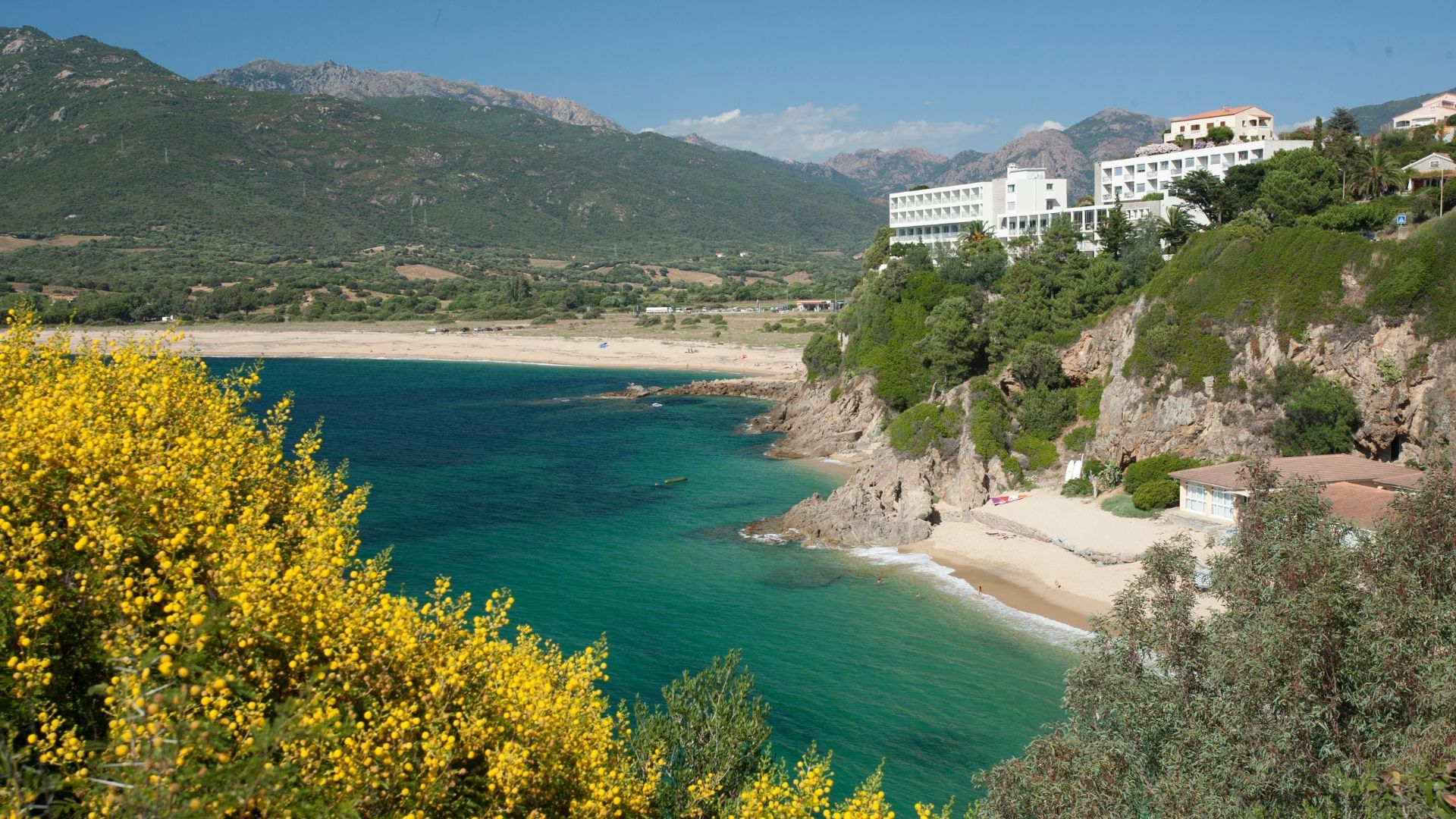
Último día completo al ancla. Baño matinal pausado y desayuno en cubierta. A media mañana, fuera amarras para la bajada de veinticinco millas náuticas hacia el sur por la costa oeste a una última parada en Propriano: el fondo del golfo de Valinco, con playas de arena en el lado sur y un puerto de trabajo en el pueblo. Almuerzo en tierra en uno de los cafés del puerto o de vuelta a bordo.
Por la tarde, el capitán trabaja las últimas quince millas al sur rodeando la Punta di Senetosa y hasta el golfo de Ajaccio. Instálate en Marina d'Ajaccio a primera hora de la tarde. Pasea al casco viejo de Ajaccio si tienes la energía: las calles peatonales del centro son lo bastante pequeñas como para recorrerlas en una hora, y un último almuerzo o aperitivo en uno de los restaurantes del paseo marítimo es el cierre pausado que toma la mayoría de los grupos.
Última cena preparada por el chef a bordo esta noche, fondeado en la marina con la última luz del día sobre el golfo. Haz las maletas a tu propio ritmo; tu capitán ya tiene resuelta la logística del traslado de la mañana.
Day Highlights
Día 8 · Salida
Un último desayuno pausado a bordo en Marina d'Ajaccio, un último baño desde la popa si el puerto lo permite, y desembarco a media mañana. Tu tripulación se encarga de la logística del traslado: AJA está a diez minutos en taxi, con vuelos directos de verano a París, Marsella, Niza, Lyon, Londres, y un puñado de aeropuertos europeos adicionales. Desde EE. UU., la mayoría de los huéspedes conecta por París-Charles de Gaulle. Bájate con una reserva marina Patrimonio de la Humanidad de la UNESCO, una ciudadela genovesa, una iglesia greco-ortodoxa, y una botella de rosado de Patrimonio a tu espalda, y la clase de semana que hace que la mayoría de los huéspedes de charter del Mediterráneo vuelvan a por la ruta a través del estrecho el año siguiente.
Want to share or come back to this voyage later?
Bookmark this voyage →Itinerario con tripulación · Cerdeña y Córcega
Esta es la semana premium que lo abarca todo: un viaje en yate de solo ida de siete días de Olbia, en la Costa Esmeralda, a Port Hercule, en Mónaco, abarcando la costa de granito de Cerdeña, la ciudadela medieval de Bonifacio, la fortaleza genovesa de Calvi, y el corazón de la Riviera francesa en Saint-Tropez, Cannes, Cap Ferrat y Mónaco. Unas doscientas cincuenta millas náuticas de punta a punta, con dos días de más de setenta millas náuticas en el mar.
La ruta es solo a motor, por bueno que sea el capitán. La etapa de setenta millas de Bonifacio a Calvi y la de ochenta millas de Calvi a Saint-Tropez son demasiado terreno para que un yate de vela lo cubra de día sin comprometer los días de cada extremo. Un yate a motor de planeo hace cada una en cuatro o cinco horas y el horario se lee cómodo; en un yate de vela las mismas etapas llevan de diez a doce horas y el viaje se convierte en una semana de travesía en lugar de una semana de charter. La mayoría de los huéspedes en esta ruta reservan un yate a motor de más de cuarenta metros de la flota de la Costa Esmeralda. Tu capitán profesional y tu chef privado se encargan del resto.
Este es el itinerario premium por la Riviera francesa que lo abarca todo: un solo ida de 7 días de Olbia, en la Costa Esmeralda de Cerdeña, hasta Port Hercule, en Mónaco. Dos países, tres islas (Cerdeña, Córcega, las Lerins), y el corazón de la Costa Azul en una semana: Costa Esmeralda, Bonifacio, Calvi, Saint-Tropez, Cannes, las islas Lerins, Cap Ferrat y Mónaco. Unas 250 millas náuticas en total: dos días en el mar superan las 70 mn.
Solo a motor, por bueno que sea el capitán. Las etapas de Bonifacio a Calvi (70 mn) y de Calvi a Saint-Tropez (80 mn) son demasiado terreno para que un yate de vela lo cubra de día sin comprometer los días de cada extremo. Un yate a motor de planeo hace cada una en 4-5 horas y el horario se lee cómodo. La mayoría de los huéspedes en este itinerario por la Riviera francesa reservan un yate a motor de más de 40 m de la flota de la Costa Esmeralda.
Día 1 de 7 · Olbia → Costa Esmeralda
Tu charter empieza en Marina di Olbia, a quince minutos en taxi del aeropuerto de Olbia (OLB). Tu capitán y tu chef te reciben en el muelle, te enseñan el yate, guardan el equipaje, y repasan la carta náutica para los días que vienen, incluidos los dos días más largos en el mar a media semana, que el capitán hace temprano por la mañana antes de que arrecie la brisa. La marina es capaz para aguas profundas para cualquier tamaño de yate, y la primera hora de la tarde es tuya para acomodarte.
Resuelto el aprovisionamiento, fuera amarras para la corta subida de dieciséis millas náuticas al noreste rodeando Capo Figari y hasta la Costa Esmeralda. La Costa Esmeralda es el tramo de litoral de granito más concentrado del Mediterráneo; Pevero Bay se asienta justo al sur de Porto Cervo, enmarcada por dos playas de arena blanca y protegida de cualquier dirección de viento desde la que pueda estar soplando el mistral.
Primera noche al ancla en Pevero o de popa en Porto Cervo Marina. Cena de bienvenida preparada por el chef a bordo: marisco sardo, una copa de Vermentino di Gallura, y las luces de la Costa Esmeralda encendiéndose al otro lado de la bahía. El viaje se construye en torno a los seis días que vienen; la primera noche es el arranque pausado.
Day Highlights
Día 2 de 7 · Cerdeña → Córcega
A media mañana, fuera amarras para la travesía de veinticinco millas náuticas del estrecho de Bonifacio. El capitán comprueba el pronóstico de viento de la mañana al primer rayo: cuando el mistral está asentado, el estrecho está lo bastante plano como para cruzarlo a nado; cuando sopla a más de veinticinco, el barco puede empujar la travesía a primera hora de la tarde. Una parada de baño en las islas Lavezzi —reserva marina francesa en mitad del estrecho— ancla típicamente la media mañana del día.
Desde Lavezzi, la entrada a Bonifacio lleva otros cuarenta y cinco minutos. La aproximación al puerto es inolvidable: cortada en los acantilados de caliza, con la haute ville alzándose directamente por encima. Amarre de popa dentro de la marina o fondea fuera; el capitán se encarga de la reserva. Pasea por la haute ville —la ciudad amurallada medieval construida en la península de la cima del acantilado— a última hora de la tarde, la Escalera del Rey de Aragón de bajada y vuelta si el grupo se anima.
Cena en tierra esta noche en una de las tabernas de paredes de piedra de la haute ville: charcuterie de Corse, pescado recién hecho a la brasa, y una copa de rosado de Patrimonio. O a bordo con la haute ville iluminada al otro lado del puerto.
Day Highlights
Día 3 de 7 · Larga etapa por la costa de Córcega
Día largo. El capitán hace la etapa de setenta millas náuticas por la costa oeste de Córcega por la mañana, antes de que arrecie el maestrale: un yate a motor de planeo maneja la etapa en cuatro o cinco horas, dejándote en Calvi a primera hora de la tarde. La ruta pasa las Calanques de Piana, la entrada del golfo de Porto, y la Reserva Natural de Scandola (UNESCO) por babor a mediodía. Los huéspedes del itinerario dedicado a la Costa Oeste de Córcega fondean dentro de Scandola; en esta ruta, ves los acantilados rojos desde el agua a medida que pasa el barco.
A primera hora de la tarde estás rodeando el promontorio oeste de la bahía de Calvi y hasta la marina o la propia bahía. Calvi se asienta al fondo de una media luna de cinco millas de fina arena respaldada por montañas nevadas; la ciudadela genovesa se alza sobre la marina en el promontorio oeste, ocupada por Nelson en 1794 (donde perdió su ojo derecho por un proyectil de mortero francés) y hogar de la leyenda local de que Cristóbal Colón nació dentro de sus murallas.
Tarde y velada en tierra. Pasea por la ciudadela, métete en uno de los cafés del puerto o clubes de playa, y cena en tierra esta noche en uno de los restaurantes del puerto de Calvi. O a bordo con la ciudadela iluminada al otro lado de la bahía.
Day Highlights
Día 4 de 7 · Cruce a la Riviera francesa
La etapa más larga del viaje. El capitán hace la travesía de ochenta millas náuticas de Calvi a Saint-Tropez temprano por la mañana: un yate a motor de planeo maneja la etapa en cinco horas; en un yate de vela la misma travesía lleva doce. Travesía de agua abierta cruzando el mar de Liguria, sin paradas programadas; el barco está en marcha todo el tiempo y el día es para relajarse en cubierta en lugar de llevar un horario ajustado.
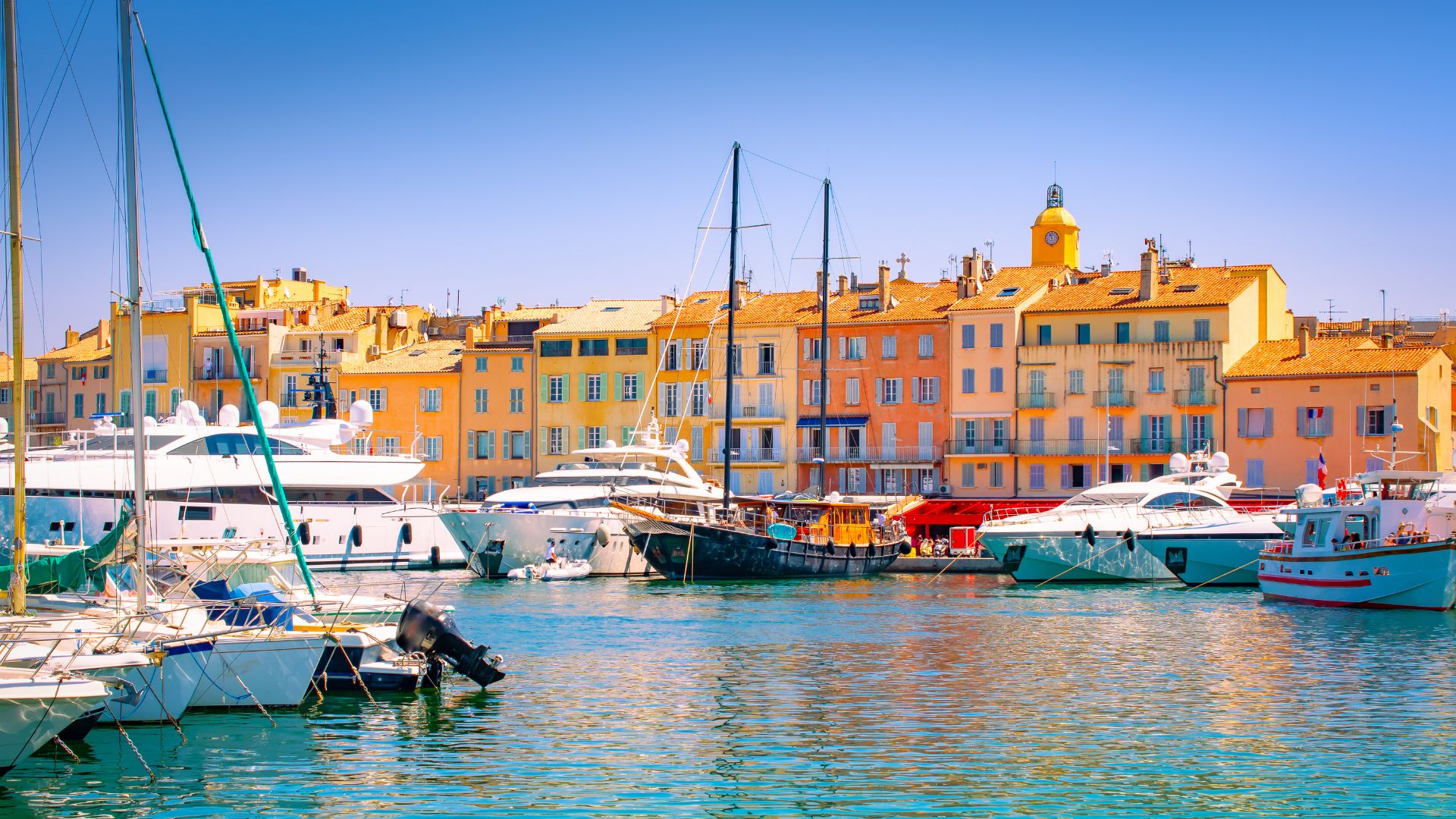
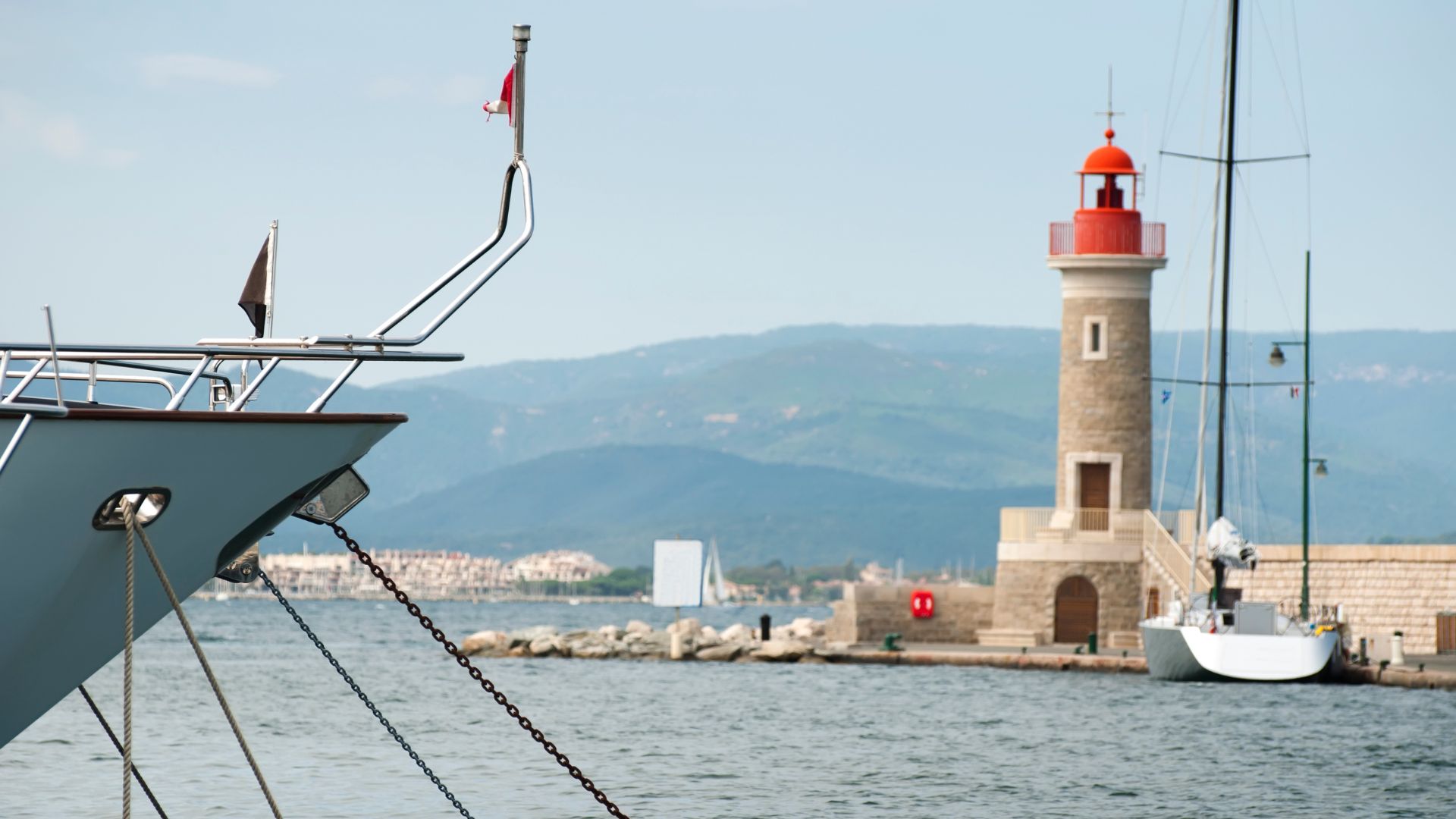
A primera hora de la tarde, el barco está rodeando el promontorio hacia la bahía de Saint-Tropez. Amarre de popa en el muelle del puerto viejo (el capitán reserva un sitio con antelación) o fondeo en la bahía por fuera. Saint-Tropez en sí es un pequeño pueblo pesquero viejo: el puerto sigue en activo, los edificios pastel sobre el muelle están protegidos, y la multitud veraniega de temporada alta se concentra en unos pocos bares y clubes de playa concretos.
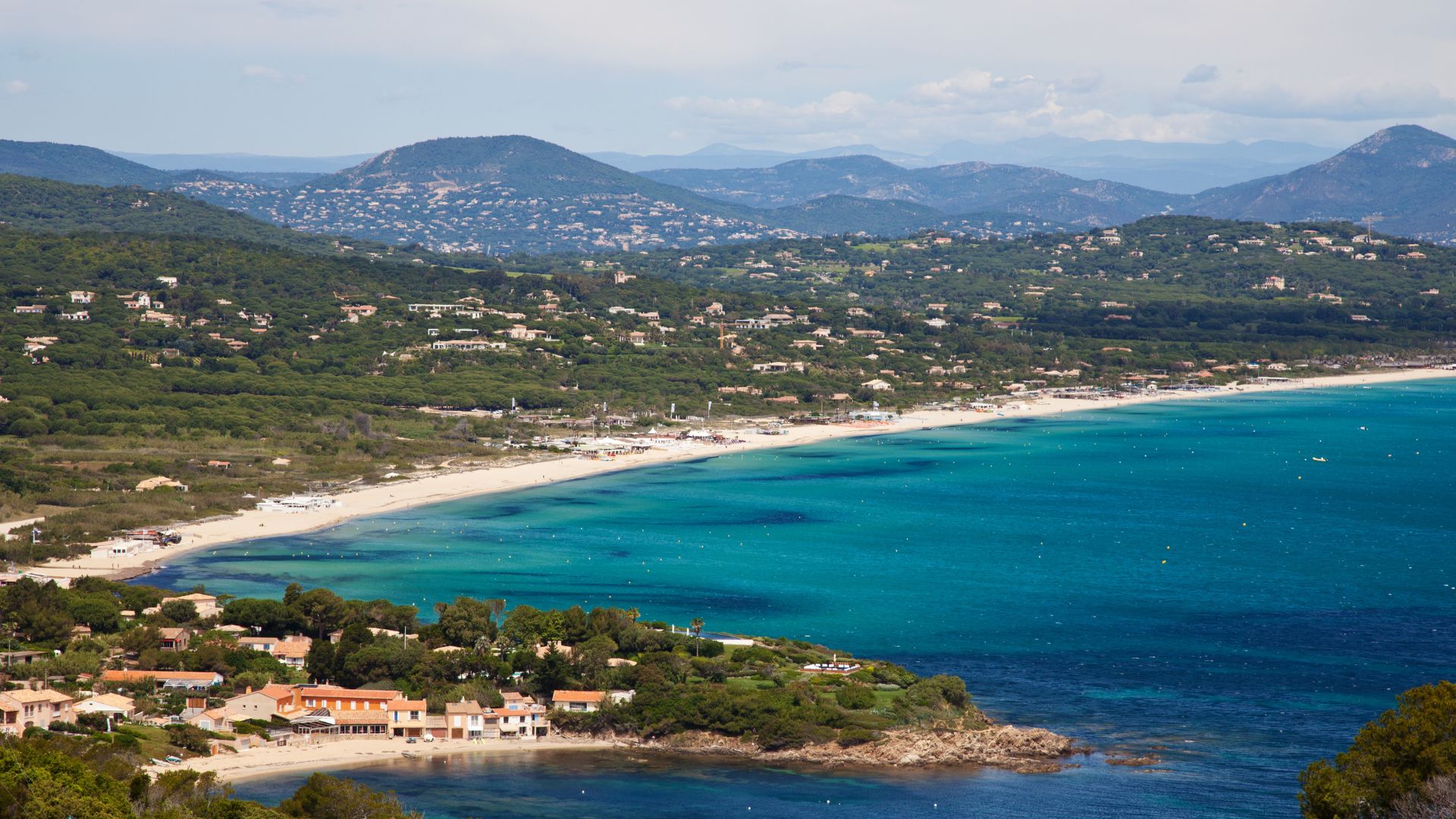
Tarde en tierra: pasea por el casco viejo, almuerza en Sénéquier, en el muelle, si la mesa funciona, y un trayecto en lancha auxiliar al este hasta la playa de Pampelonne (tres millas de fina arena con Club 55, Nikki Beach y Tahiti Plage a lo largo de las dunas). Cena a bordo esta noche o en tierra en uno de los restaurantes del puerto: el capitán reserva con antelación.
Day Highlights
Día 5 de 7 · Saint-Tropez → Cannes
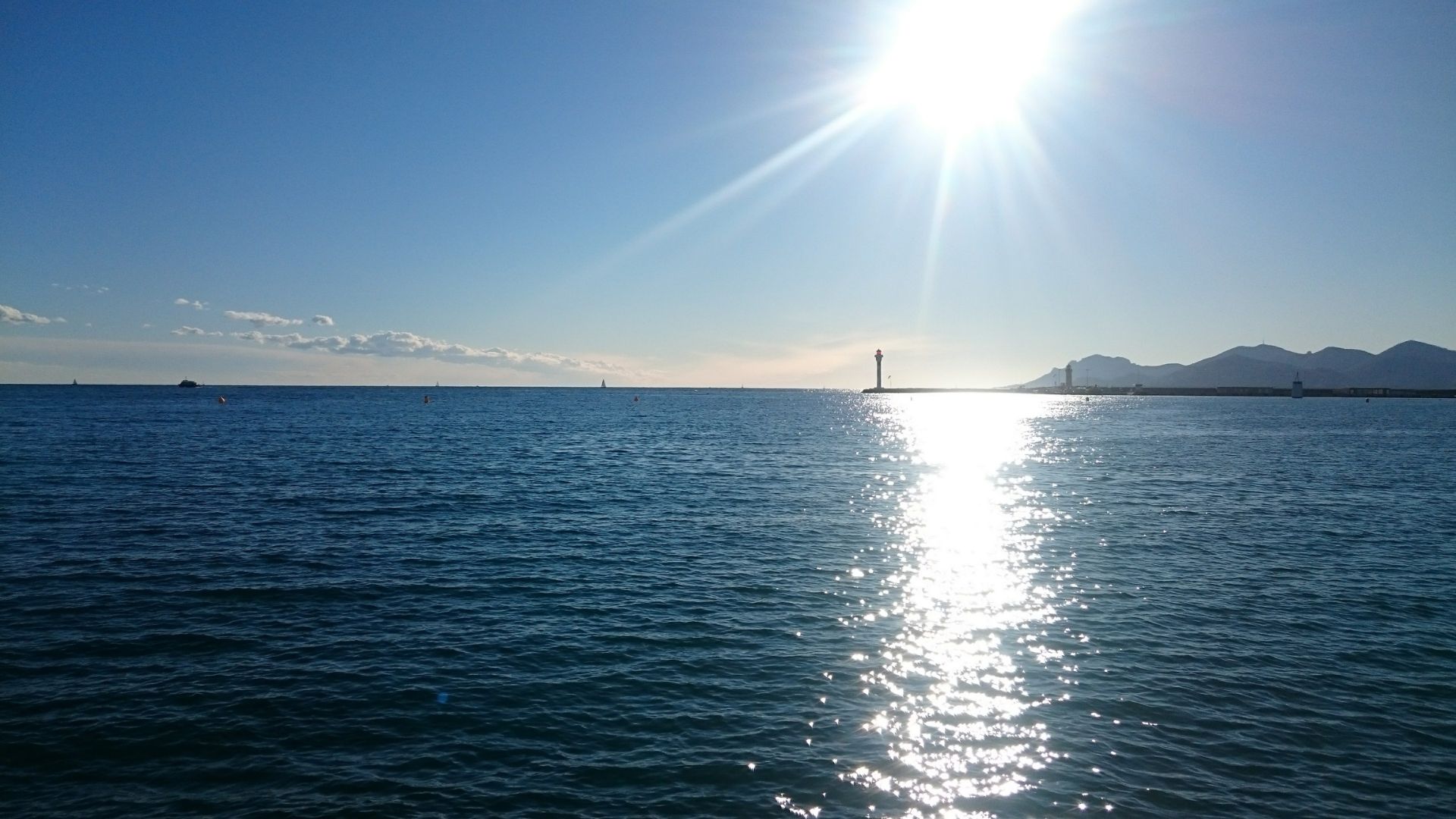
Mañana pausada en Saint-Tropez. Paseo opcional por el mercado matinal de la Place des Lices (martes y sábado), o desayuno a bordo antes de soltar amarras. Para media mañana, el capitán hace la etapa de treinta millas náuticas al este por la costa pasando el Macizo del Estérel, el litoral de roca volcánica roja que cae directamente al mar entre Saint-Tropez y Cannes. La ruta va mayormente pegada a la costa, con una parada posible en Théoule-sur-Mer si el grupo quiere un baño.
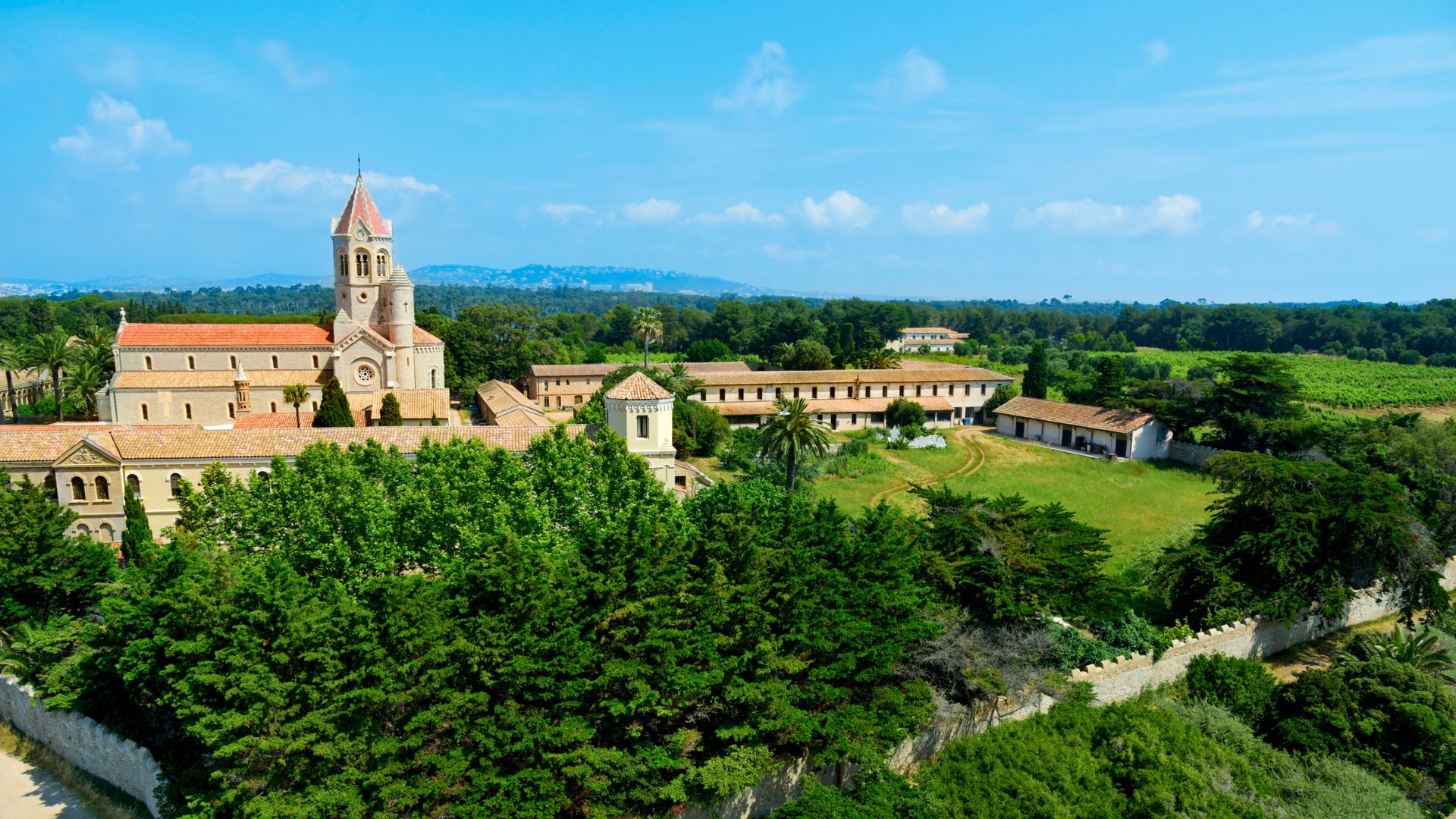
Llegada a mediodía a la bahía de Cannes. El capitán decide entre el puerto de Cannes o el fondeadero de las islas Lerins: las Lerins (Sainte-Marguerite y Saint-Honorat) se asientan a dos millas de la costa, y la más pequeña de las dos (Saint-Honorat) alberga una abadía cisterciense en activo donde los monjes hacen su propio vino y operan un servicio de almuerzo público. Almuerzo en la abadía si la mesa funciona; si no, almuerzo en tierra en uno de los clubes de playa de la Croisette.
Tarde y velada en Cannes. La Croisette recorre todo el paseo marítimo: bordeada de palmeras, clubes de playa a un lado, el puerto al otro. La sede del Festival de Cine de Cannes (el Palais des Festivals) se asienta en el extremo oeste. Cena en tierra esta noche o a bordo con las luces del puerto encendiéndose.
Day Highlights
Día 6 de 7 · Cannes → Cap Ferrat
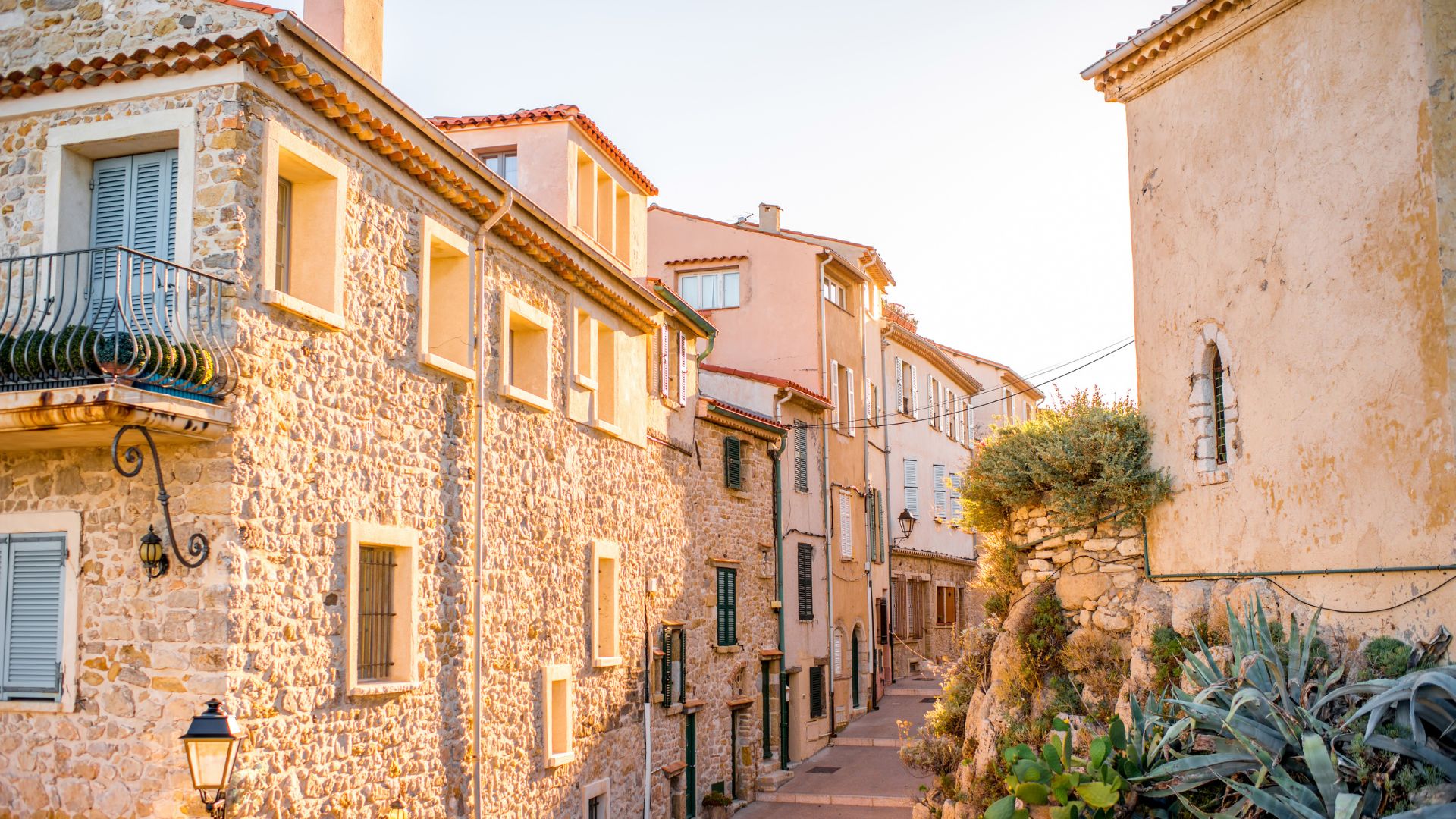
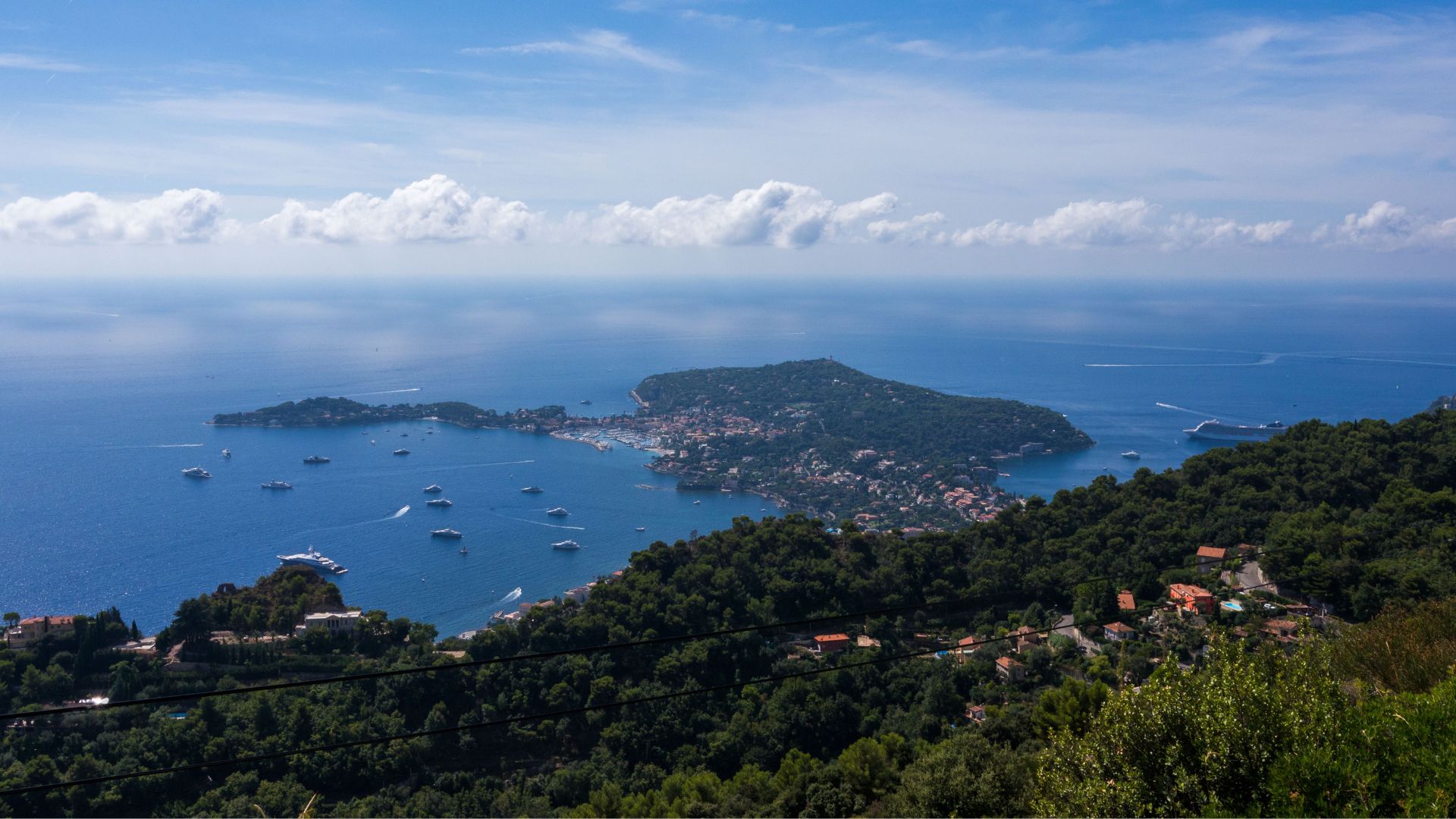
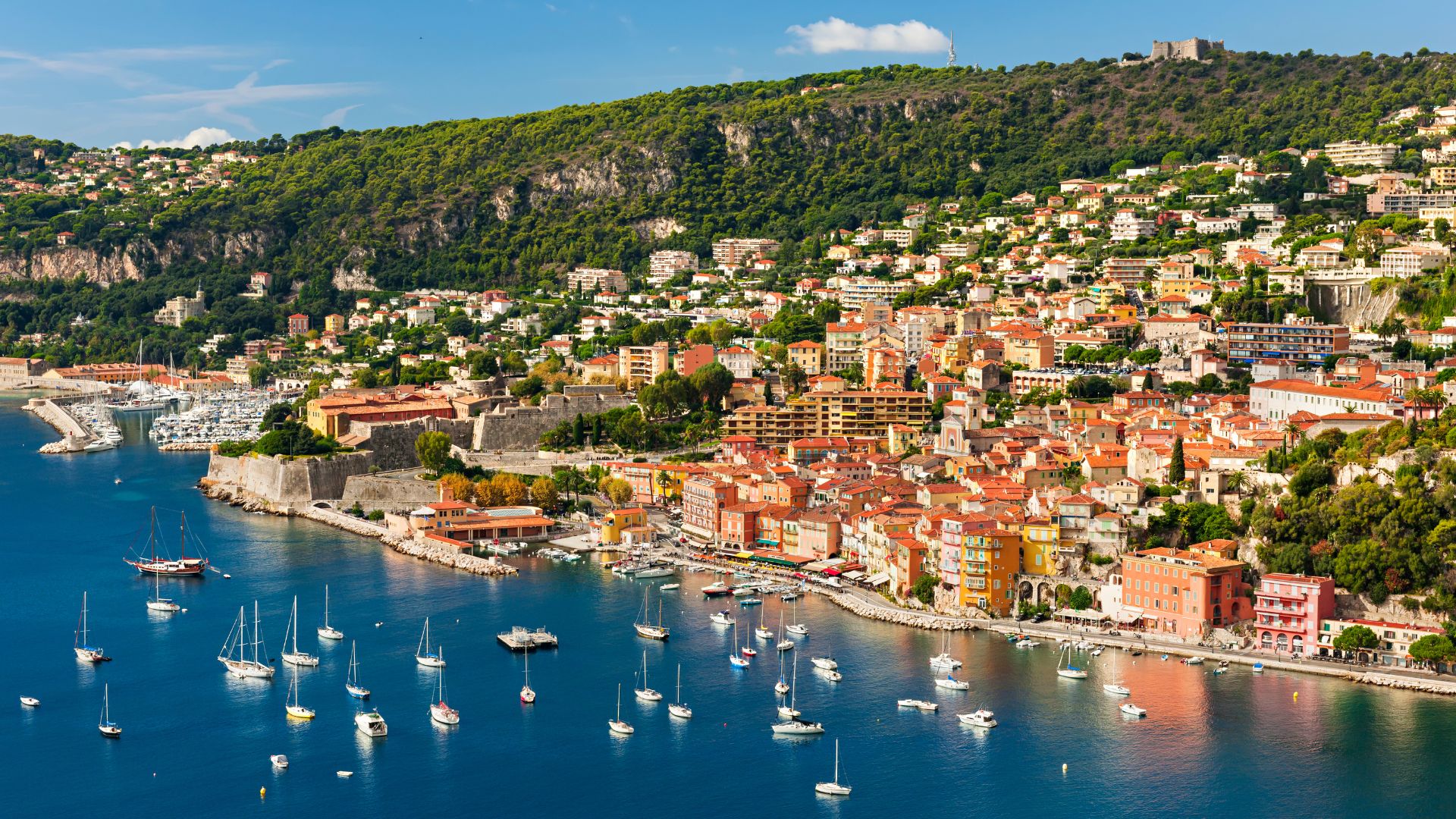
Mañana pausada en Cannes. Fuera amarras a media mañana para el salto costero de veinte millas náuticas al este, pasando Cap d'Antibes y hasta la propia Antibes. El Port Vauban de Antibes es uno de los puertos de yates más grandes del Mediterráneo, con las murallas medievales y el Museo Picasso (alojado en el Château Grimaldi) directamente detrás del muelle. Almuerzo en tierra en el casco viejo en uno de los restaurantes junto a las murallas, o un rápido paseo por el mercado cubierto diario.
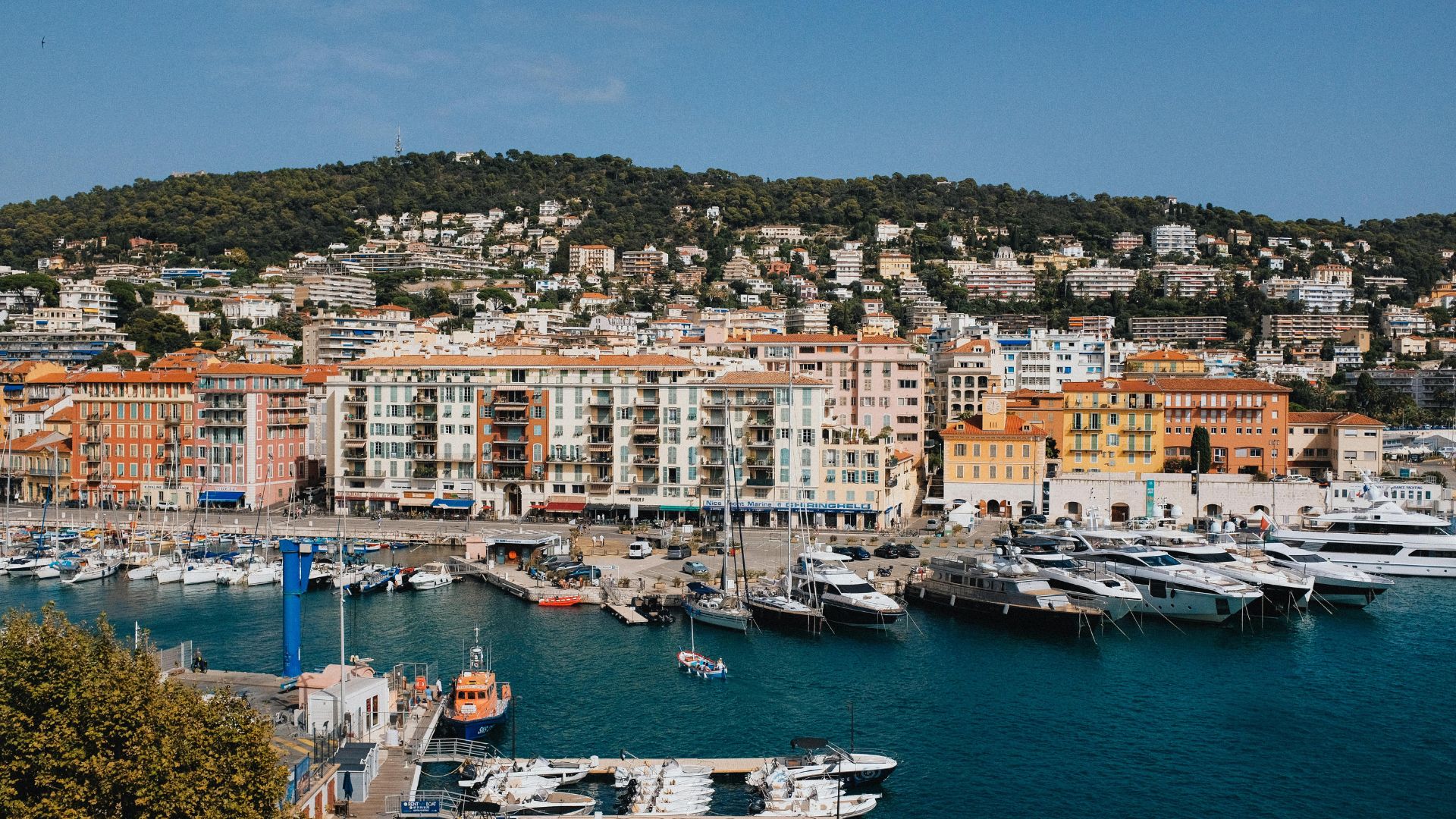
Por la tarde, el capitán trabaja la subida al este pasando Niza y hasta la bahía de Villefranche. La bahía es una profunda herradura entre Cap Ferrat y Mont Boron: el fondeadero más profundo de la Riviera francesa, resguardado en cualquier dirección desde la que pueda estar soplando el viento, y la parada estándar para pasar la noche para los huéspedes en esta ruta. La costa de villas de Cap Ferrat se asienta en la orilla este: tres kilómetros de promontorio bordeado de villas entre Niza y Mónaco, siendo la Villa Ephrussi de Rothschild la única con acceso público.
Velada en Villefranche. Pasea por el casco viejo a última hora de la tarde: la medieval Rue Obscure (una calle cubierta que recorre todo el paseo marítimo) es la pieza estrella. Cena a bordo esta noche, fondeado en la bahía, con las luces de Villefranche subiendo por la ladera por encima y las luces de Niza y Mónaco visibles desde la cubierta.
Day Highlights
Día 7 de 7 · Aproximación final a Mónaco
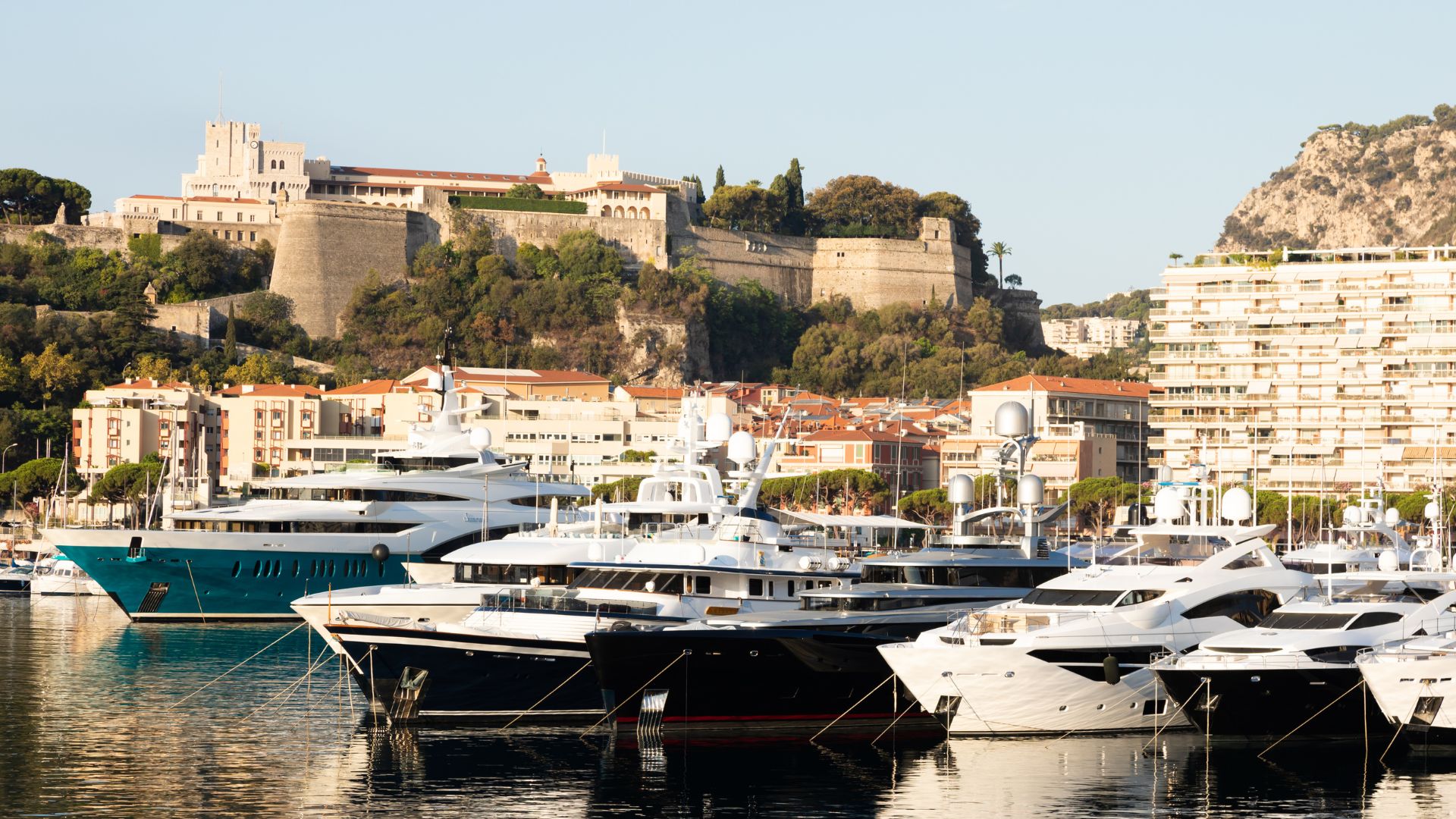
Último día completo. Mañana pausada en Villefranche: baño, desayuno en cubierta, lancha auxiliar opcional al casco viejo para un café. Para el final de la mañana, fuera amarras para la corta aproximación final de cinco millas náuticas al este hasta el Port Hercule de Mónaco.
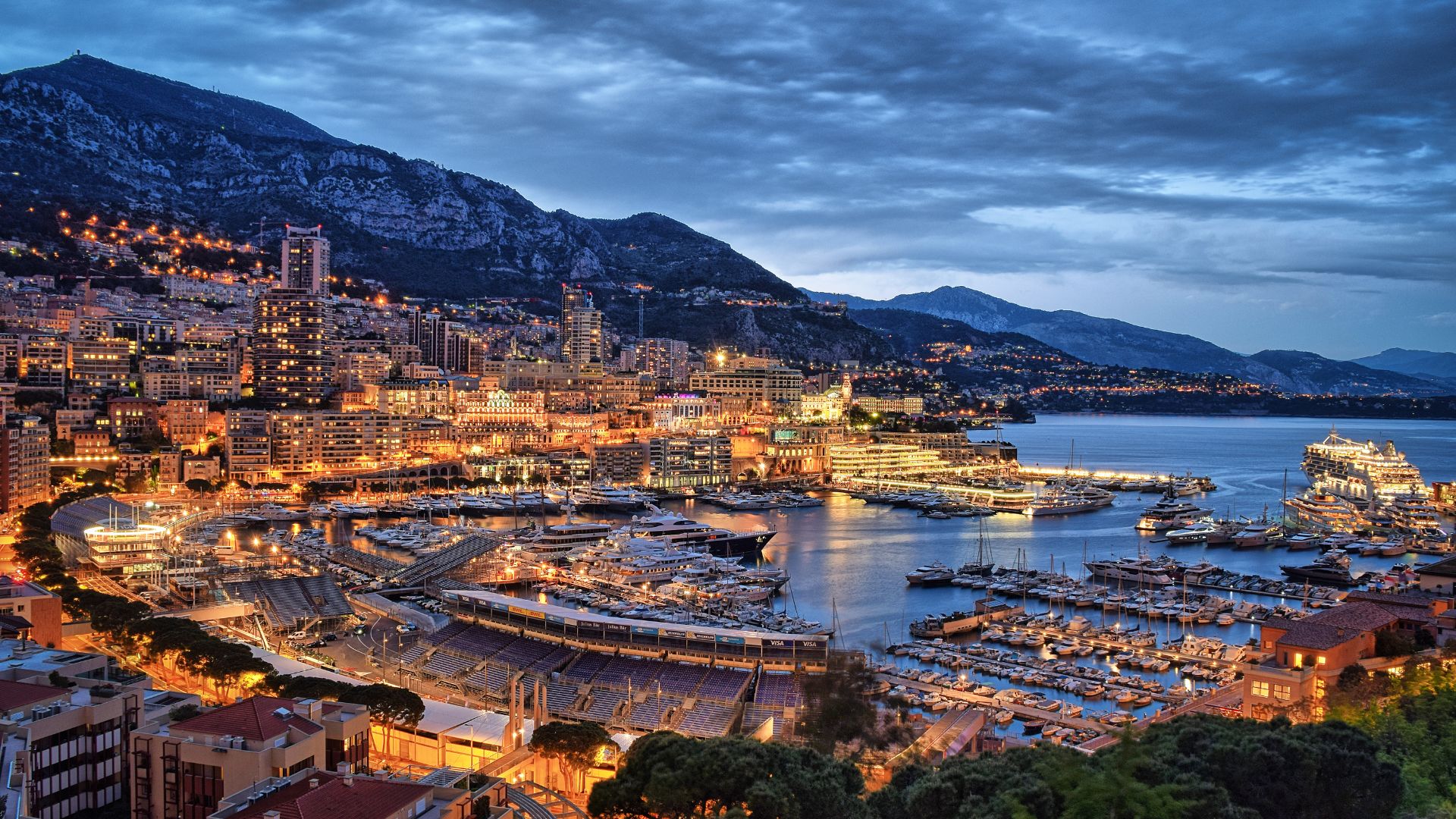
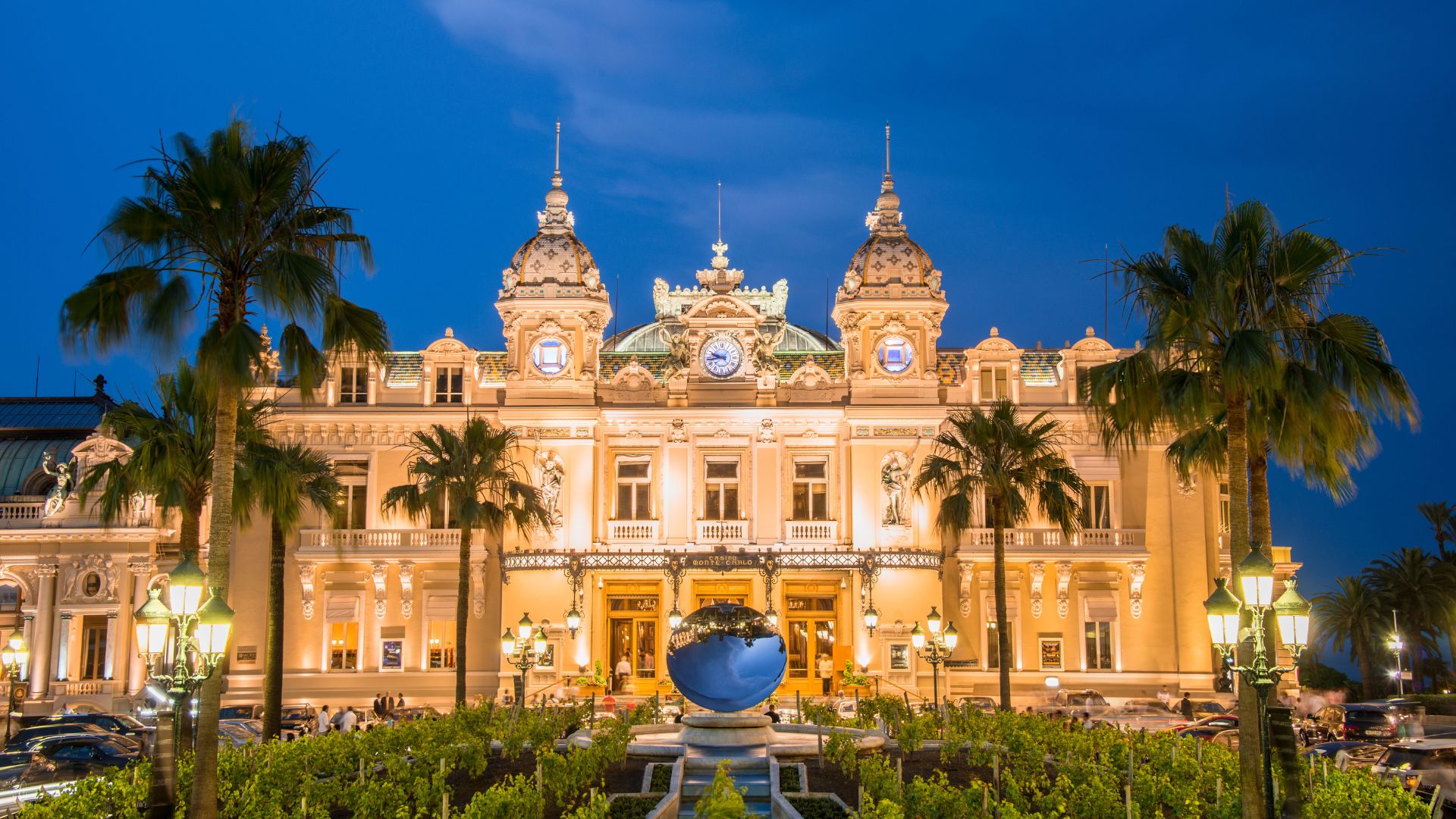
Port Hercule es el único puerto de aguas profundas de la Riviera entre Italia y Francia: megayates amarrados de costado a lo largo del muelle durante la temporada, con el principado alzándose directamente por encima. La plaza del Casino (Place du Casino) se asienta en lo alto de la roca; el circuito del Gran Premio recorre las calles y la marina es parte del tramo de Sainte-Dévote a Tabac del trazado; el Palacio del Príncipe domina el puerto desde el promontorio oeste.
Tarde y velada en tierra. Pasea por la plaza del Casino, métete en el bar del Hôtel de Paris enfrente, sube al Palacio del Príncipe si el grupo tiene la energía. Cena a bordo esta noche en Port Hercule con las luces del puerto encendiéndose contra los acantilados, o en tierra en Le Louis XV (el restaurante de Alain Ducasse dentro del Hôtel de Paris) si la reserva cuadró. Una última cena preparada por el chef a bordo es la opción más común en la mayoría de los viajes en yate: un cierre más pausado, la última comida completa del viaje al ancla.
Day Highlights
Día 8 · Salida
Un último desayuno pausado a bordo en Port Hercule, una última lancha auxiliar al paseo del puerto si el grupo quiere una, y desembarco a media mañana. Tu tripulación se encarga de la logística del traslado: Niza (NCE) está a treinta minutos en coche o cinco minutos en helicóptero de Heli Air Monaco, con vuelos directos a la mayoría de los aeropuertos de la Costa Este de EE. UU. y esencialmente todas las grandes ciudades europeas. Bájate con la costa de granito de Cerdeña, la haute ville de Bonifacio, la ciudadela genovesa de Calvi, el puerto viejo de Saint-Tropez, la Croisette de Cannes, la costa de villas de Cap Ferrat, y la plaza del Casino de Mónaco, todo a tu espalda, y la clase de semana que es difícil de superar en siete días en cualquier parte de la industria de los yates.
Want to share or come back to this voyage later?
Bookmark this voyage →
When to go, what it costs, and how to get there — the practical answers guests ask before booking a Sardinia & Corsica crewed yacht charter.
Julio y agosto son las semanas de mayor reserva de la temporada en el Mediterráneo occidental. Las temperaturas diurnas rondan los 30 °C, las del agua alcanzan su máximo en torno a los 26 °C y el Mistral se establece con regularidad casi todas las tardes — un viento térmico del NO que impulsa buena parte de la navegación. El destino está en su momento más concurrido desde el Ferragosto (15 de agosto) hasta final de mes, cuando el tráfico europeo de yates alcanza su pico y los restaurantes de Costa Smeralda se reservan con semanas de antelación. Los mejores yates y tripulaciones se reservan con nueve a doce meses de adelanto para estas fechas, y las tarifas suben entre un veinticinco y un cuarenta por ciento respecto a los meses de temporada media. El Mistral puede soplar con fuerza — de veinticinco a treinta y cinco nudos en rachas prolongadas — y retrasar un cruce del estrecho un día; el capitán lee el pronóstico y ajusta la ruta en consecuencia.
Junio y septiembre son el mejor equilibrio del año. Los vientos alisios son constantes, el agua ronda los 24 °C y sigue siendo perfecta para bañarse hasta principios de octubre, los restaurantes y tabernas tienen mesa, y las tarifas bajan entre un veinte y un treinta por ciento respecto a la temporada alta. La mayoría de los habituales del Mediterráneo occidental reservan uno de estos dos meses — junio por la claridad del agua antes del calor de agosto, septiembre por las bahías tranquilas después de que se retome el curso escolar europeo. Finales de mayo y principios de octubre también son viables para quienes puedan viajar fuera del calendario escolar; agua algo más fresca, tarifas más bajas y algún Maestrale ocasional (un sistema frontal del NO), aunque el capitán planifica la ruta teniendo esto en cuenta. La temporada de viajes en yate abarca aproximadamente de mayo a octubre; de noviembre a abril es temporada baja y la mayor parte de la flota está fuera del agua.
$30,000–$100,000 per week
Los viajes en yate con tripulación por Cerdeña y Córcega suelen tener una tarifa de alquiler de yate de entre 30.000 y más de 100.000 dólares por semana, según el tamaño del yate, el año de construcción y la tripulación. El inventario de Costa Smeralda tiende a ser más caro que el de otros destinos del Mediterráneo — los amarres para yates de más de cien metros en Porto Cervo elevan el extremo superior muy por encima del rango griego o croata. Cerdeña y Córcega operan con el modelo mediterráneo de gastos adicionales — diferente al modelo todo incluido habitual en el Caribe. La tarifa base cubre únicamente el yate y la tripulación. Alimentación, bebidas, combustible, amarre en marina, tasas portuarias, agua, electricidad y cualquier impuesto de navegación se abonan a través de una APA (Asignación Anticipada de Provisiones), financiada por adelantado con el 30 o el 35 por ciento de la tarifa base y liquidada al final del viaje. La propina a la tripulación ronda el 10 o el 15 por ciento en el Mediterráneo — inferior al 15 o 20 por ciento del Caribe — y se entrega directamente al capitán en el desembarque. El IVA del alquiler se paga en el puerto de embarque, y solo allí: el IVA italiano para el alquiler de yates es del 22 por ciento sobre la tarifa base para yates que embarquen en un puerto italiano (Olbia, Cagliari); el IVA francés es del 20 por ciento para los que embarquen en un puerto francés (Ajaccio, Calvi). Un único IVA, no los dos, independientemente de las fronteras que cruce la ruta. Los viajes en yate en Cerdeña y Córcega se hacen de sábado a sábado como norma — el día de rotación habitual en el Mediterráneo.
About chartering in Sardinia & Corsica.
We charter across the Western Mediterranean. Here are some other excellent alternatives.

Four cruising grounds in one country — the Amalfi Coast, Sardinia & Corsica, Sicily and the Aeolian Islands, the Italian Riviera south to Tuscany. The hardest part of an Italy yacht charter is choosing which week to take first.

Cliff-stacked villages and long lunches the tender reaches — the Italian summer the boat makes possible, anchored under the Faraglioni at sundowners and tied up in Amalfi by midnight.

Stromboli erupting off the anchorage at Panarea, the Greek theatre at Taormina with Etna smoking behind, and the Cappella Palatina at Palermo's Norman Palace — the Mediterranean's only active-volcano cruising ground and the Italian week most guests book the second time they come.

Portofino's harbor amphitheater, the Cinque Terre's cliff villages, Portovenere's painted waterfront, and the Tuscan islands south to Elba and Argentario. The quieter Italian week for guests who want village character, harbor restaurants, and lower-density anchorages without Amalfi's August intensity.

Monaco's Port Hercule, Cap Ferrat's villa coast, Cannes and Antibes in the central corridor, and Saint-Tropez at the west end. The French Riviera is the western Mediterranean's maximum-glamour yacht week: shorter passages, premium dockage, Michelin density, and the visible harbor theater guests are usually booking on purpose.

Mallorca's mountain coast on one side, Ibiza and Formentera's clearer water and sand-bottomed coves on the other, and the yacht-only Cabrera National Park between them — three weekly itineraries from Palma or Ibiza Town.
Fill out our quick form and we'll dive into your unique preferences — from adventure-packed itineraries to pampered escapes. Whether you're a seasoned voyager or new to charters, we'll tailor recommendations just for you.
With over fifteen years of experience, we'll match you with the yacht that fits your style, group, and itinerary. We work directly with the captains and crews across our list — so the recommendation is built around the right boat-and-crew fit for your week, not whatever's easiest to book.
Once your yacht is booked, we'll take care of logistics: paperwork, reminders, and personalized resources to help you plan. From arrival planning to must-visit spots, we'll make your charter as seamless as it is unforgettable.

¿Qué esperar de un alquiler de yate privado con tripulación?
Conocé qué hace únicos a estos viajes en yate: servicio personalizado, gastronomía gourmet y un sinfín de aventuras y momentos de relax.

¿Cómo es el proceso de reserva?
Nuestro equipo se encarga de todo: desde tu primer consulta hasta que zarpás. Todo fluye de forma simple.

¿Cuánto cuesta un alquiler de yate con tripulación?
Entendé los distintos tipos de precios, lo que está incluido y lo que no.

Logística: planes probados para un inicio sin estrés
Planificá tu llegada con facilidad. Te damos tips sobre vuelos, traslados y todo lo necesario para arrancar relajado.
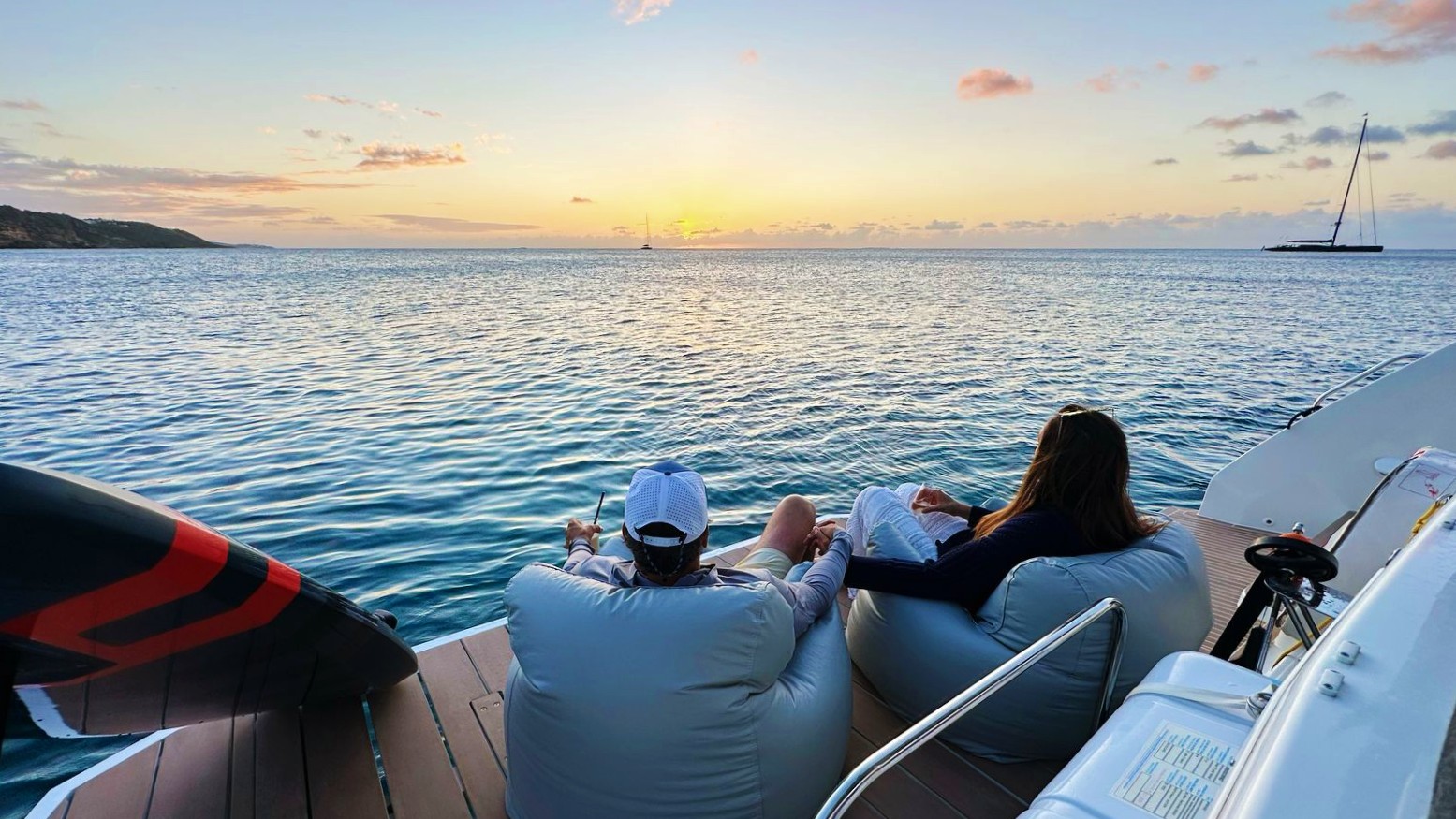
Alquiler de yate de luna de miel
Comience su matrimonio en un yate privado. Explore playas solitarias, gastronomía gourmet y atardeceres inolvidables en el Caribe.
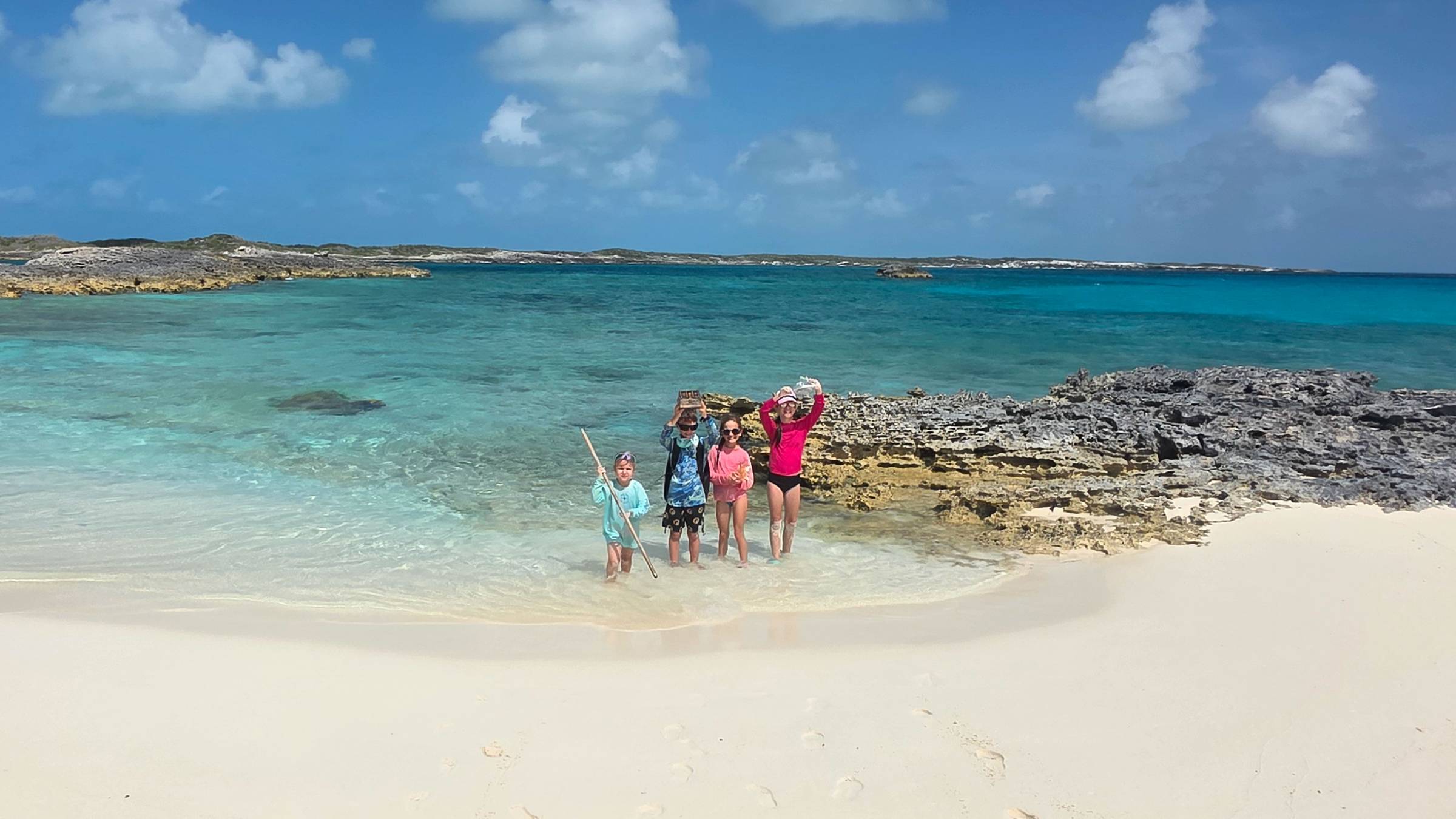
Alquiler de yate familiares
Un alquiler de yate con tripulación es perfecto para familias de todas las edades. Seguro, divertido y con servicio completo — sus hijos nunca lo olvidarán.

Preguntas frecuentes sobre alquileres de yate con tripulación
Obtenga respuestas a las preguntas más comunes sobre alquiler de yate con tripulación, desde precios y propinas hasta qué incluye y qué llevar.

Alquiler de yate con tripulación en las Islas Vírgenes Británicas
Las Islas Vírgenes Británicas son el destino #1 de alquiler de yate con tripulación en el Caribe. Navegaciones cortas, aguas protegidas y bahías de clase mundial.

Guía de Alquiler de Yate con Tripulación en Islas Vírgenes Británicas
Todo lo que necesitás saber antes de tu viaje en yate con tripulación en las Islas Vírgenes Británicas — precios, lista de equipaje, itinerario y cómo llegar.
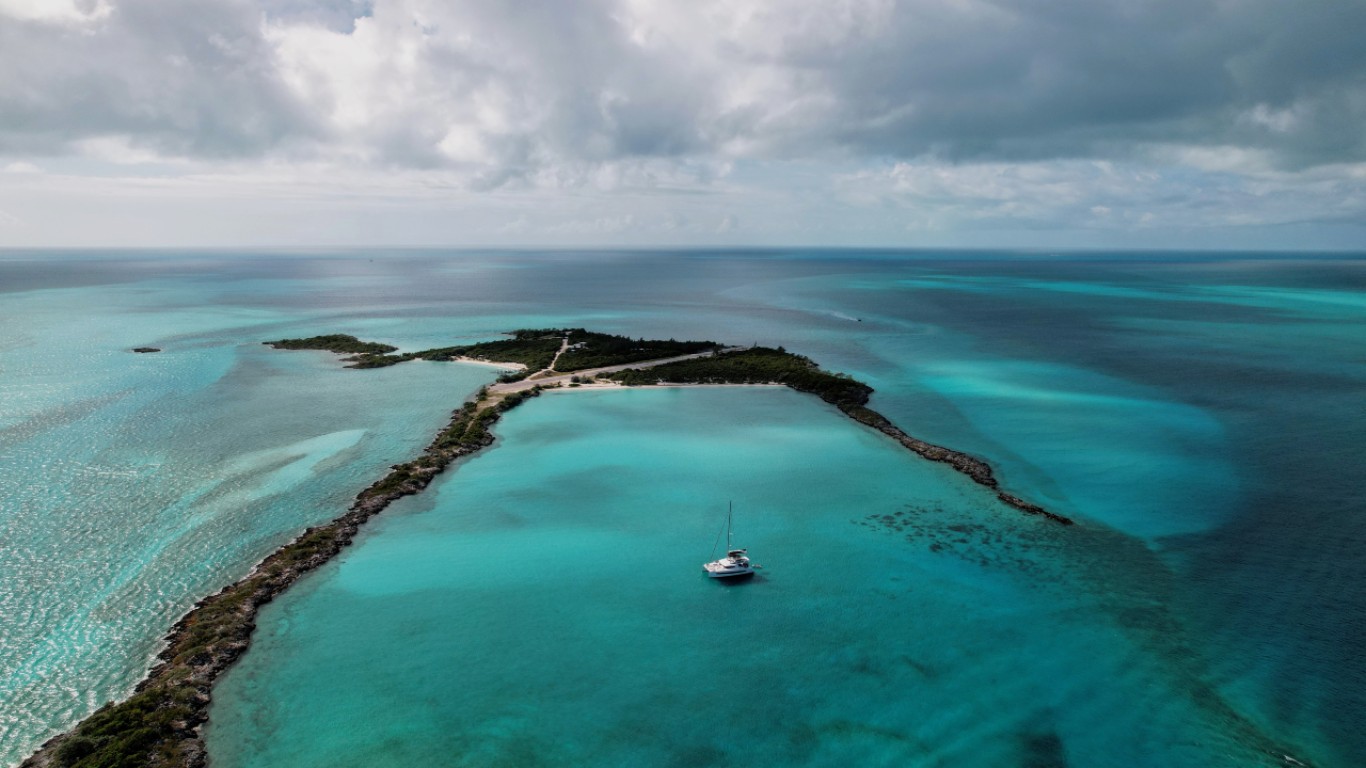
Alquiler de yate con tripulación en las Bahamas
Explore las Exumas en un yate privado con tripulación. Cerdos nadadores, bancos de arena y algunas de las aguas más cristalinas del mundo.
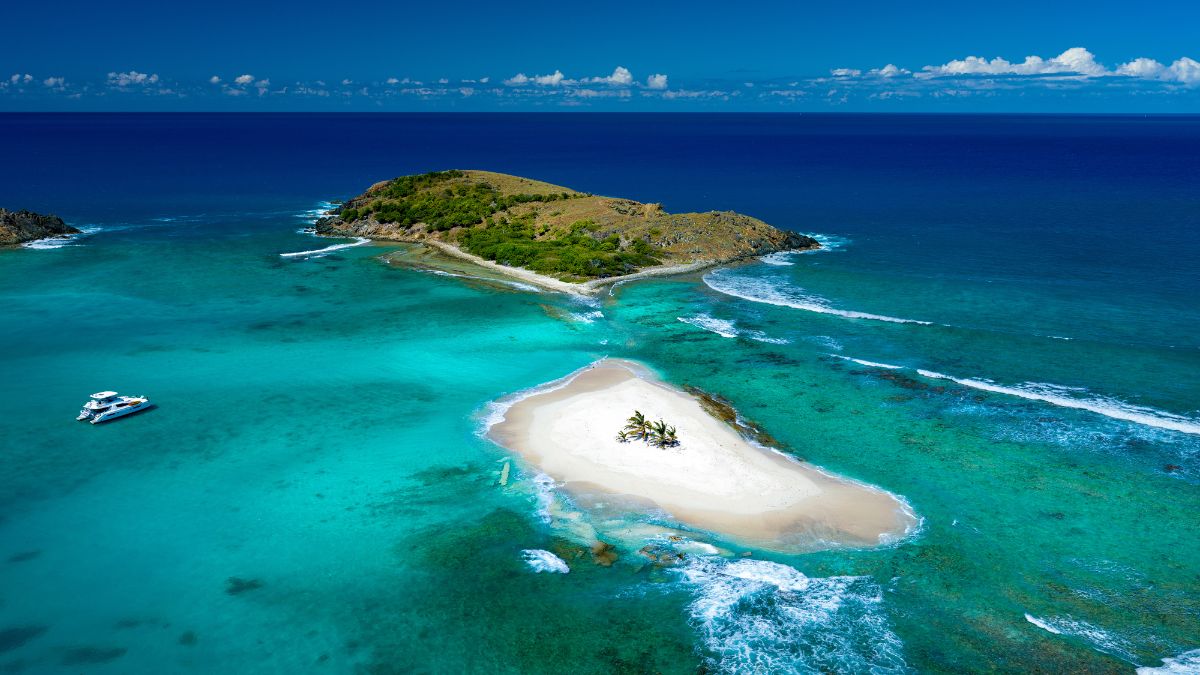
Alquiler de yate con tripulación en el Caribe
Alquiler de yate todo incluido con tripulación en todo el Caribe — Islas Vírgenes Británicas, Bahamas, Islas Vírgenes de EEUU, St. Martin, Antigua y más.