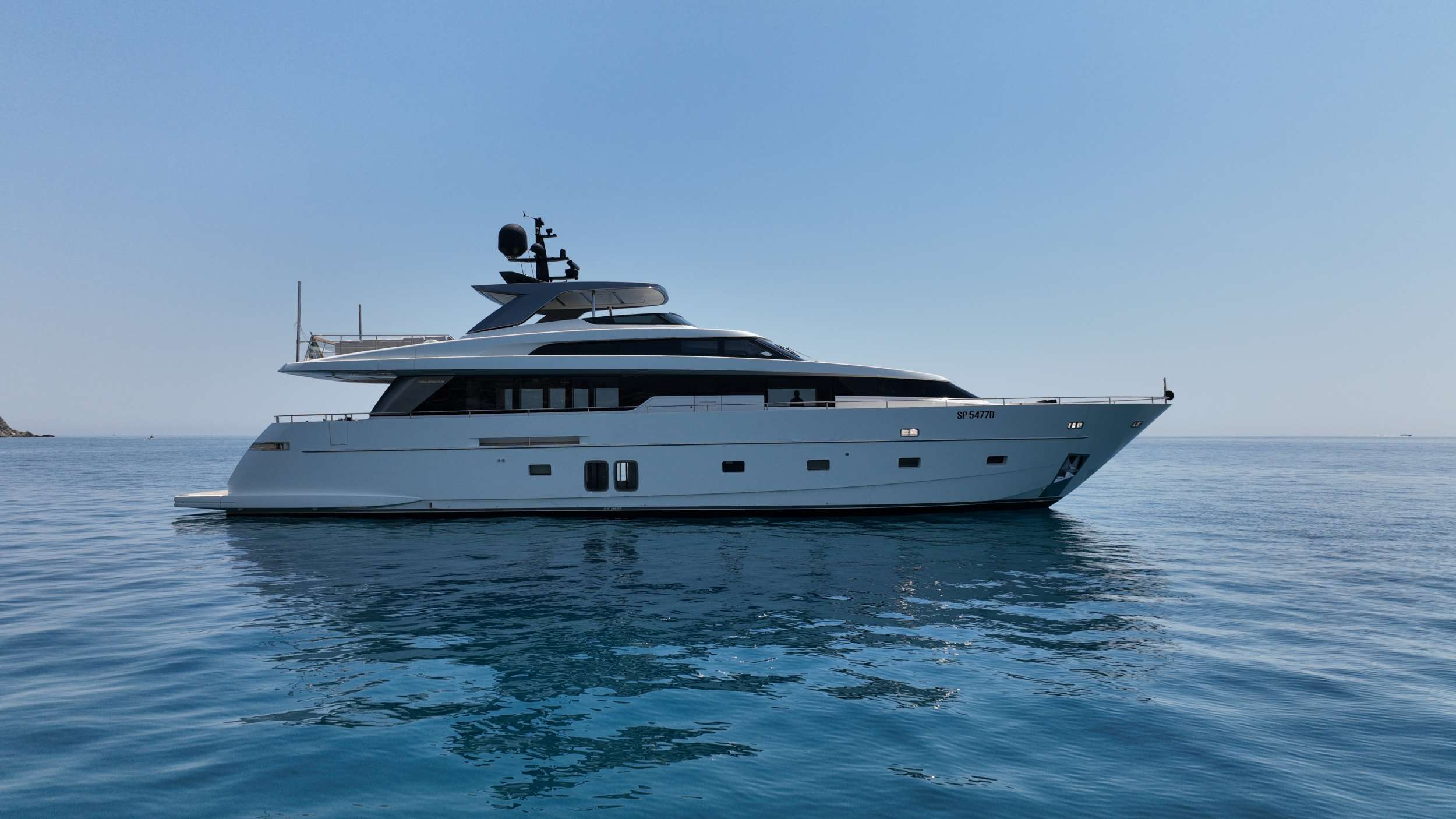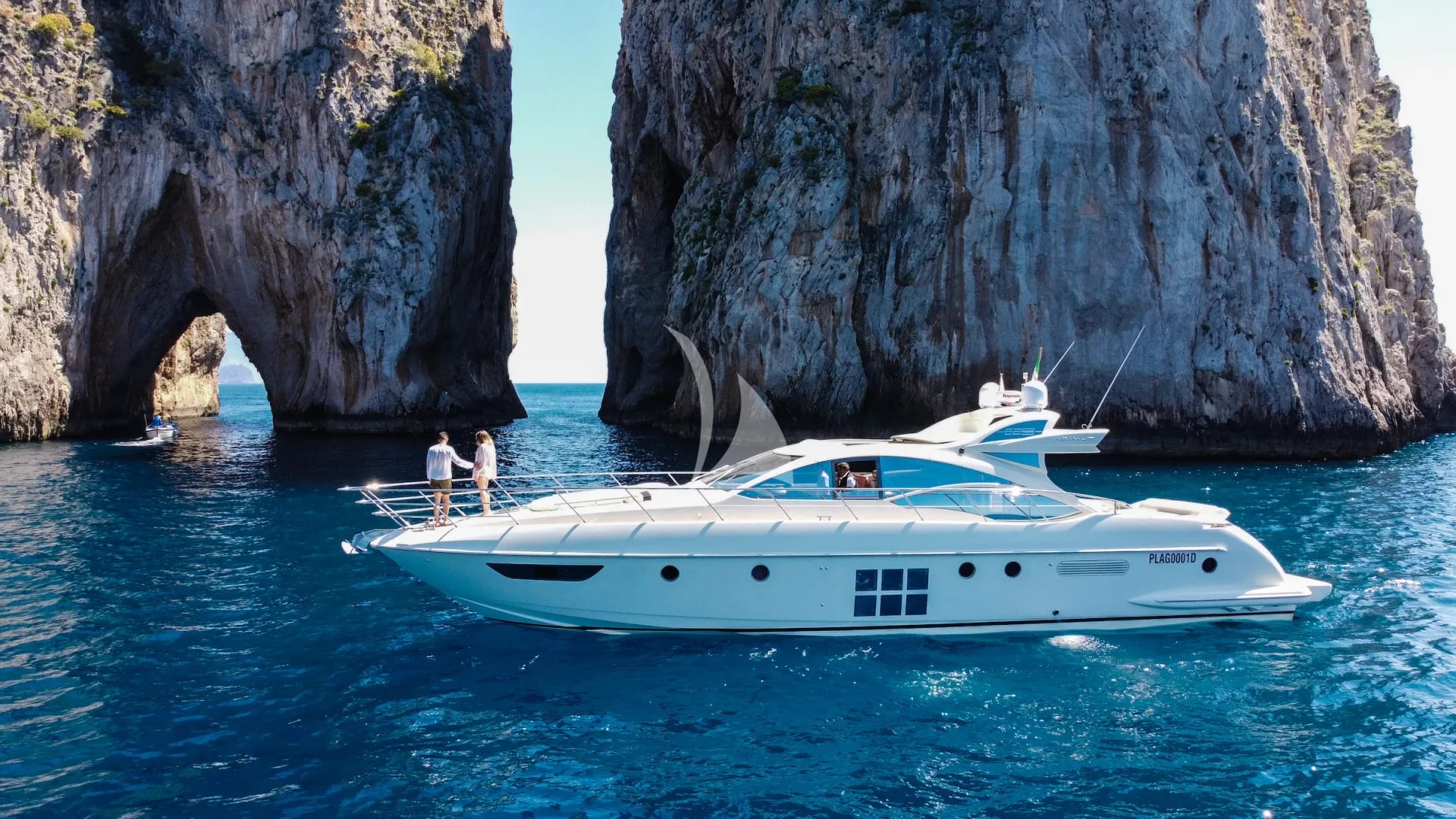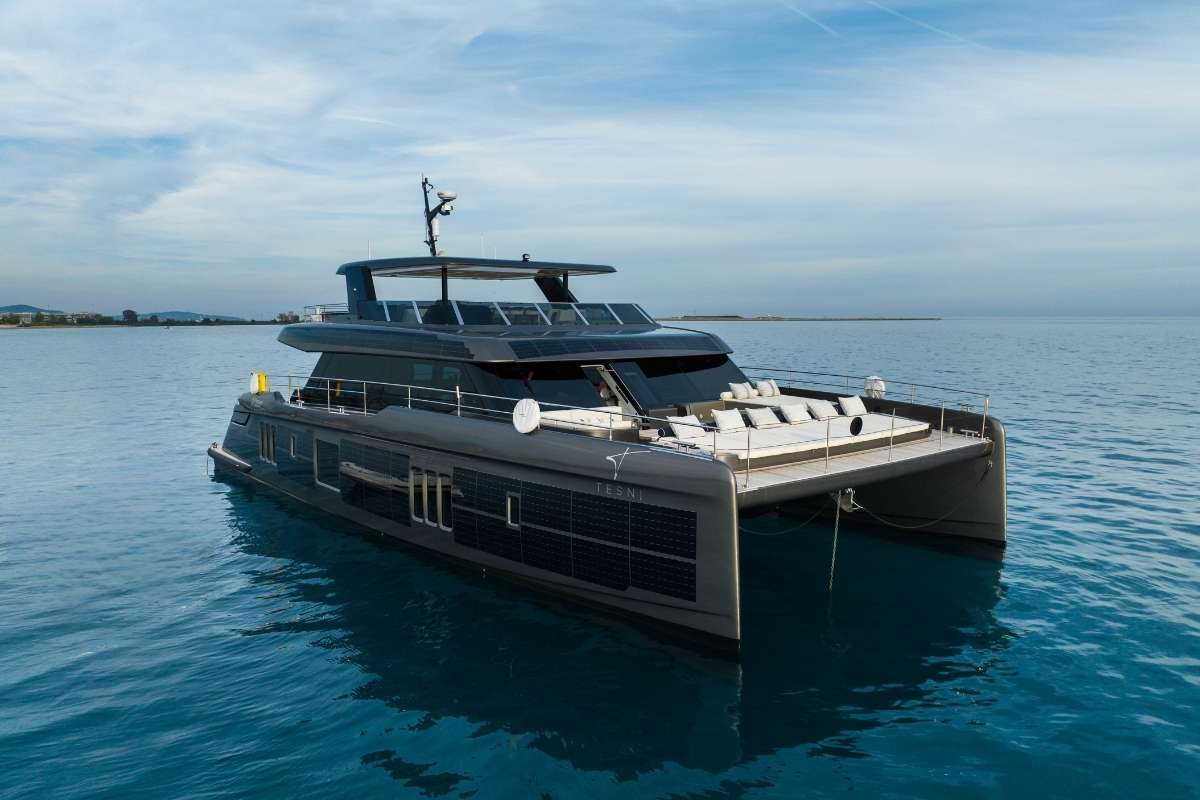

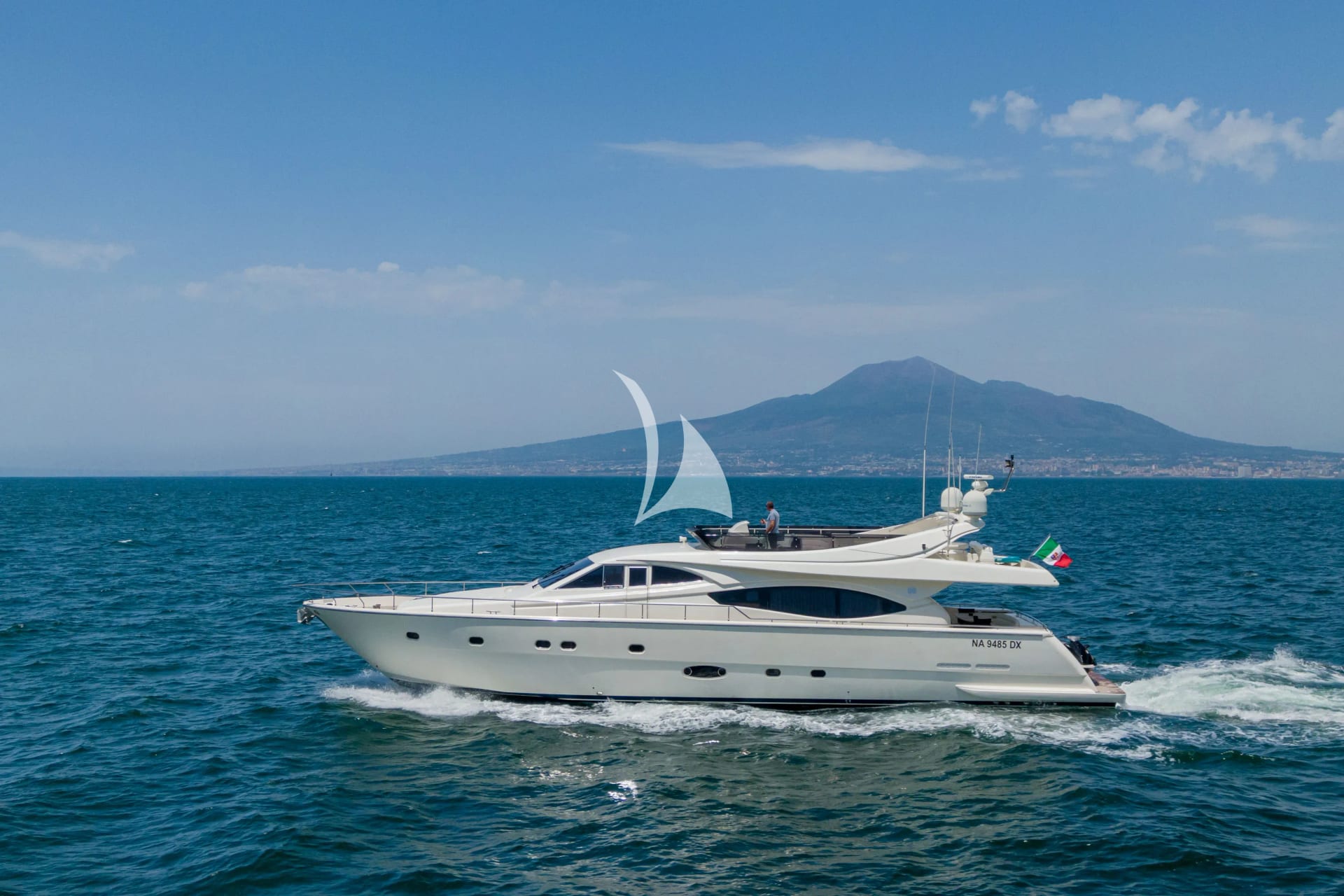
Pampero
79FT · MOTOR YACHT
Desde €25,000/semana
8 Guests · 4 Cabins · 3 Crew
Caribbean
Eastern Mediterranean
Western Mediterranean
South Pacific
United States
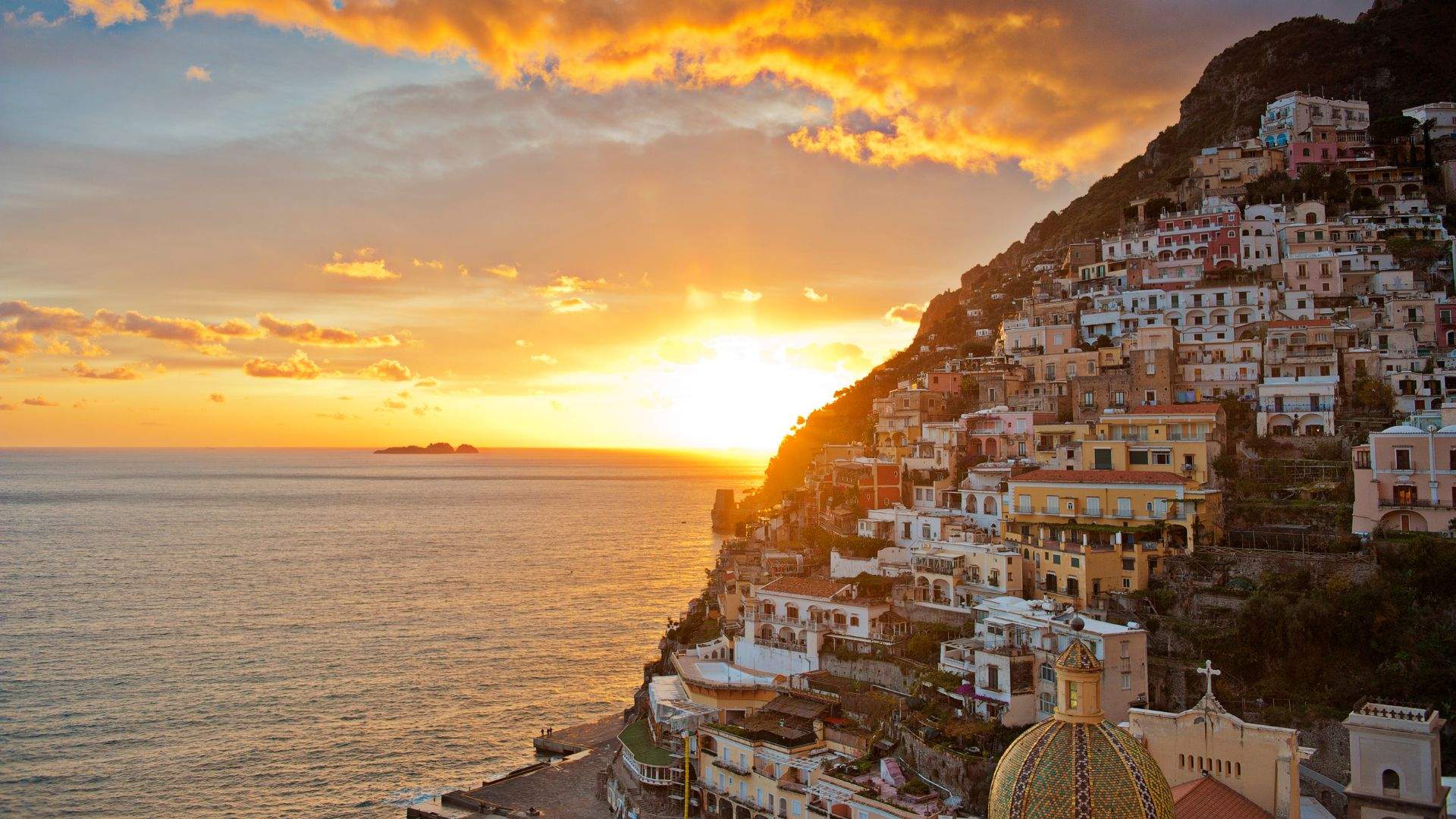
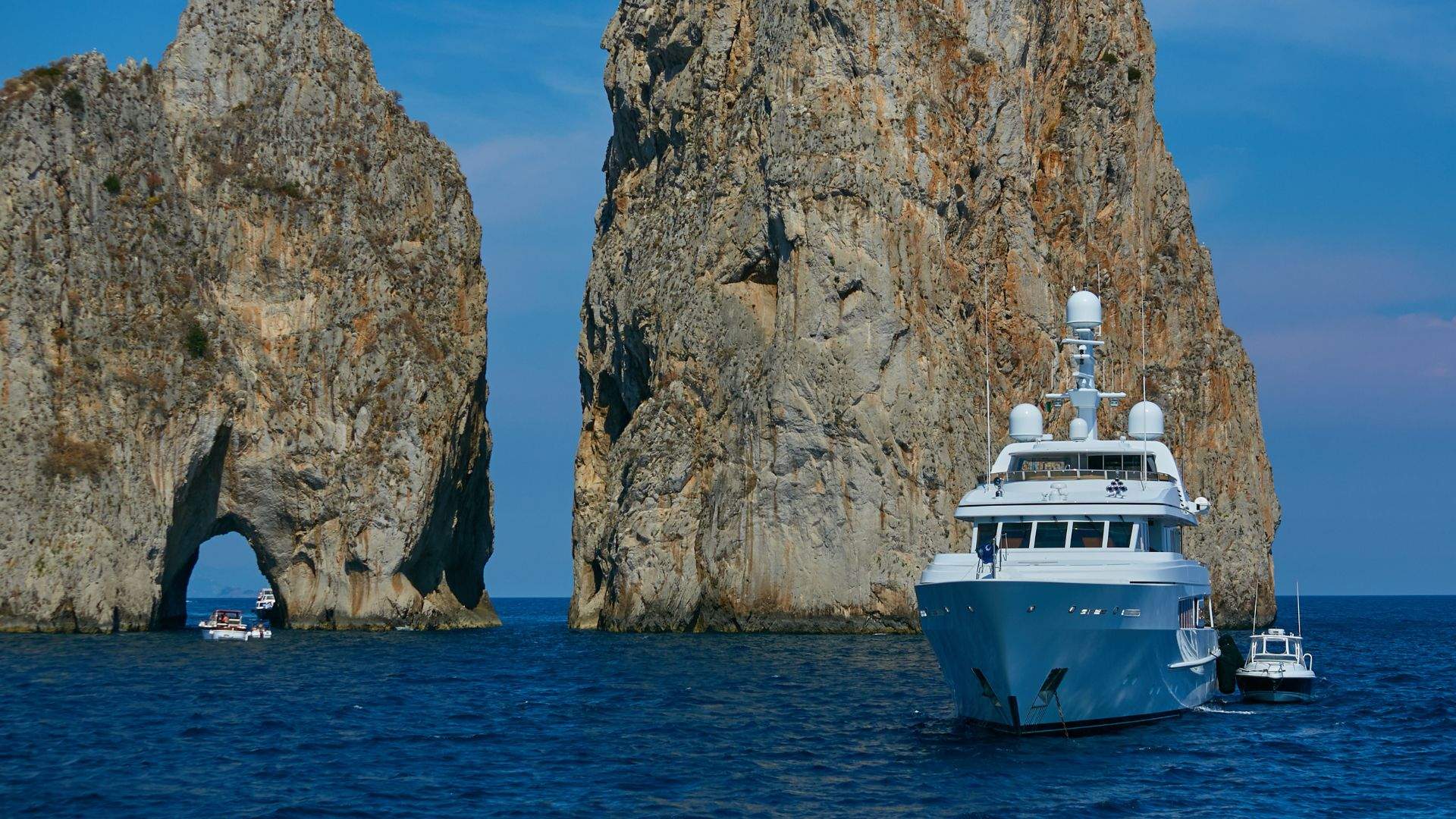
El verano italiano que el yate hace posible — largos almuerzos en terrazas a las que solo llega la lancha auxiliar, los Faraglioni enmarcando tu bañera al atardecer, las luces de Positano apiladas sobre cubierta mucho después de que el último ferry haya regresado a puerto.
Por qué la Costa Amalfitana
A la tercera tarde, has dejado de mirar la hora. La mañana comenzó con un espresso en la cubierta de popa y una travesía tranquila hacia el sur por el Golfo de Nápoles. El almuerzo duró dos horas en un lugar al que solo se llega en lancha auxiliar — el tipo de trattoria donde el capitán conoce a la familia, el pedido queda decidido en el momento en que te sientas, y los spaghetti alla Nerano llegan con una botella fría de Greco di Tufo antes de que la cesta del pan esté a la mitad. A las seis, los ferries turísticos ya han abandonado el puerto. La cala en la que no podías acercarte al mediodía es ahora completamente tuya. Esta es la versión de la Costa Amalfitana que las guías describen y que casi nadie experimenta realmente — porque la única manera de vivirla es desde la cubierta de un yate.
La semana clásica comienza en Naples Mergellina — Procida e Ischia para abrir boca, dos noches en Capri programadas para despertar antes de que lleguen los turistas de día, el largo almuerzo en Lo Scoglio en Nerano, una tarde en Positano, los escalones de la catedral en Amalfi, Sorrento de regreso. La misma costa se recorre de otra manera desde la Marina d'Arechi de Salerno a bordo de un catamarán o velero — directo desde Roma en el Frecciarossa de la mañana, el itinerario en sentido inverso para que Capri llegue a mitad de semana cuando el grupo ya se ha asentado. Y existe una versión de ida, de Nápoles a Salerno en un yate a motor de 35 metros, sin vuelta atrás, con dos paradas a las que los recorridos de ida y vuelta no llegan: el Fiordo di Furore escondido bajo el puente de la SS163 y la Grotta dello Smeraldo en Conca dei Marini. Hablamos contigo sobre cuál encaja mejor con tu grupo antes de reservar.
Y luego está lo que se hace fuera del yate. Una mañana en Pompeya con un arqueólogo privado antes de que abran las puertas y lleguen los autobuses. Una tarde en el Belvedere of Infinity de Villa Cimbrone en Ravello, con el Golfo de Salerno trescientos metros directamente abajo. Un largo almuerzo del sábado en Da Paolino bajo un dosel de limoneros en el pueblo de Capri. Cena en La Sponda dentro de Le Sirenuse — la mesa reservada sesenta días antes a las tres de la tarde, hora italiana, las velas trepando por las paredes enrejadas, el plato del chef depositado sobre lino blanco por un camarero que lleva quince años en ese comedor. El ritmo mediterráneo de las comidas es desayuno y almuerzo con tu chef a bordo, cena en tierra en una taverna o en un restaurante con estrella. En esta costa, ambas mitades del esquema están a un nivel diferente al de casi cualquier otro destino del sector — y la red de contactos de tu capitán es lo que consigue la reserva.
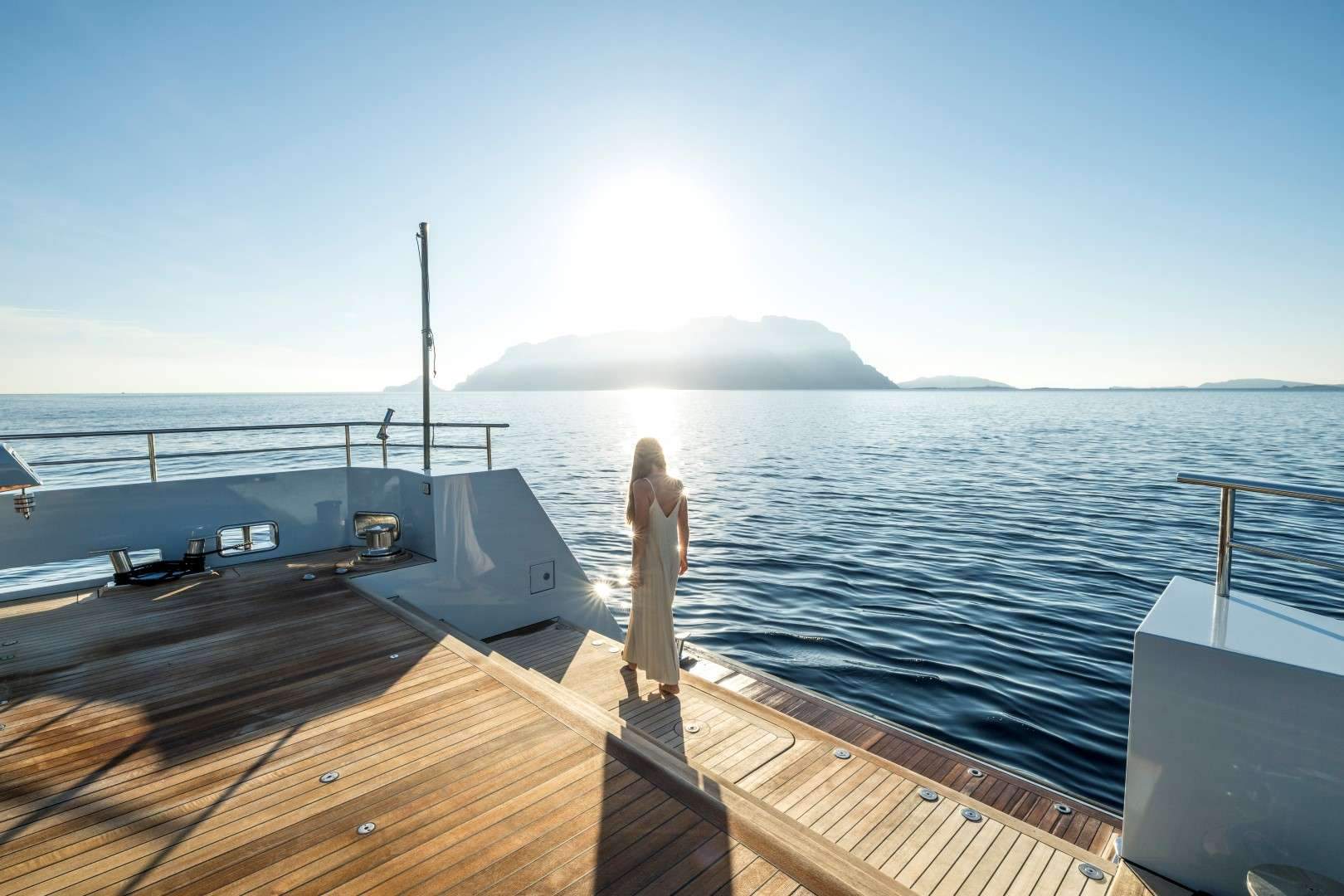
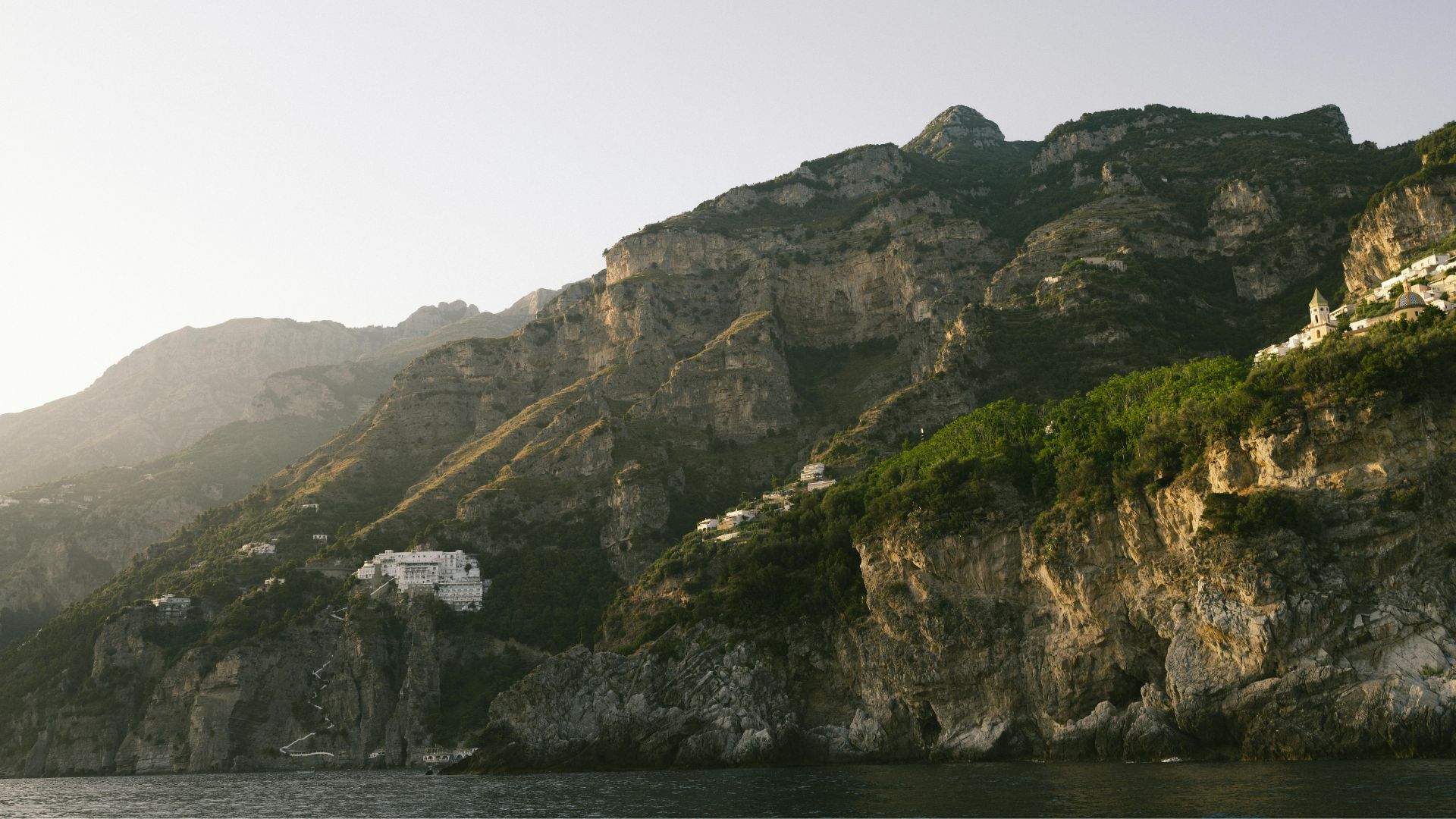
Cuatro características que distinguen la Costa Amalfitana del resto de destinos de charter en Italia.
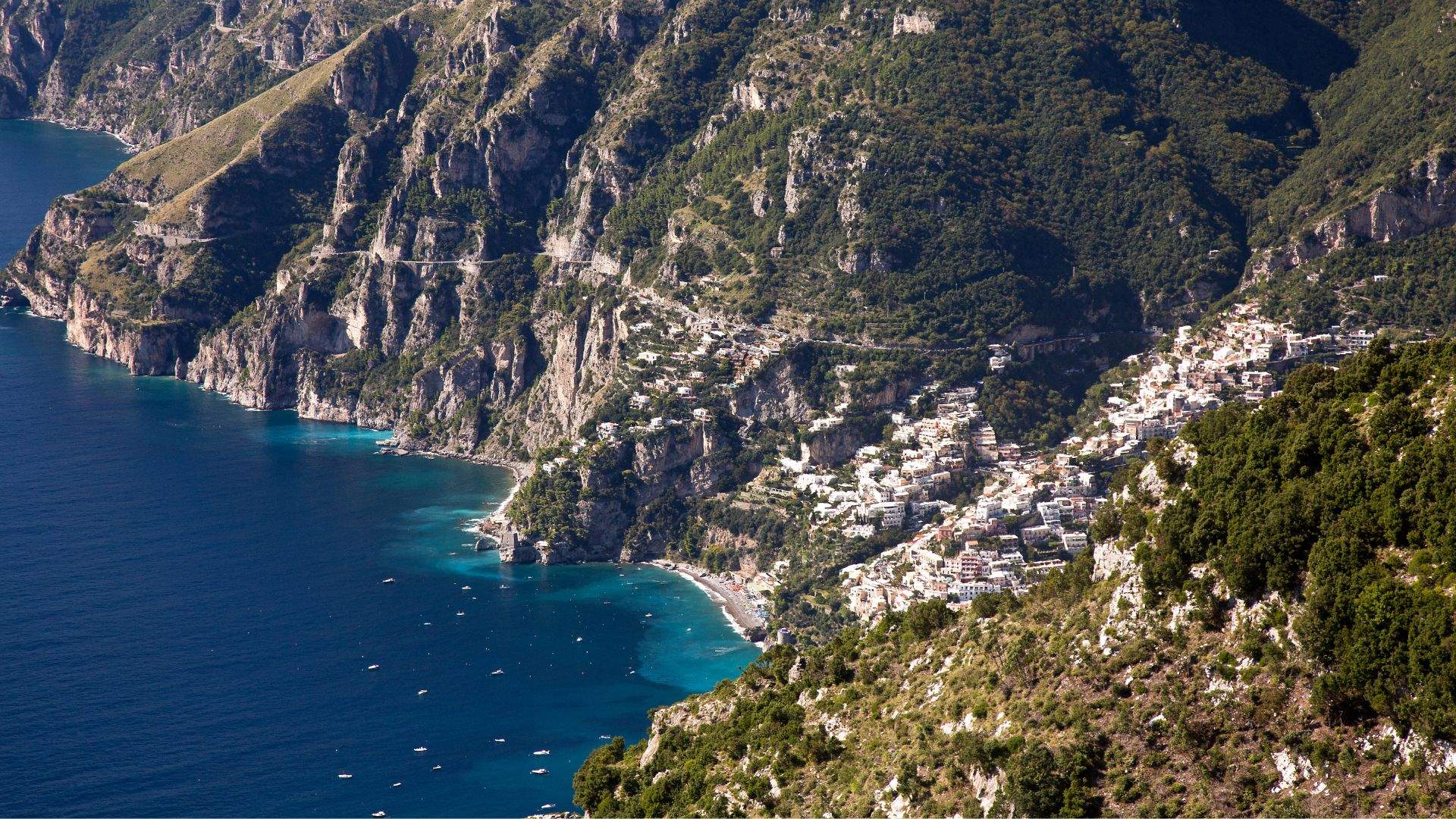
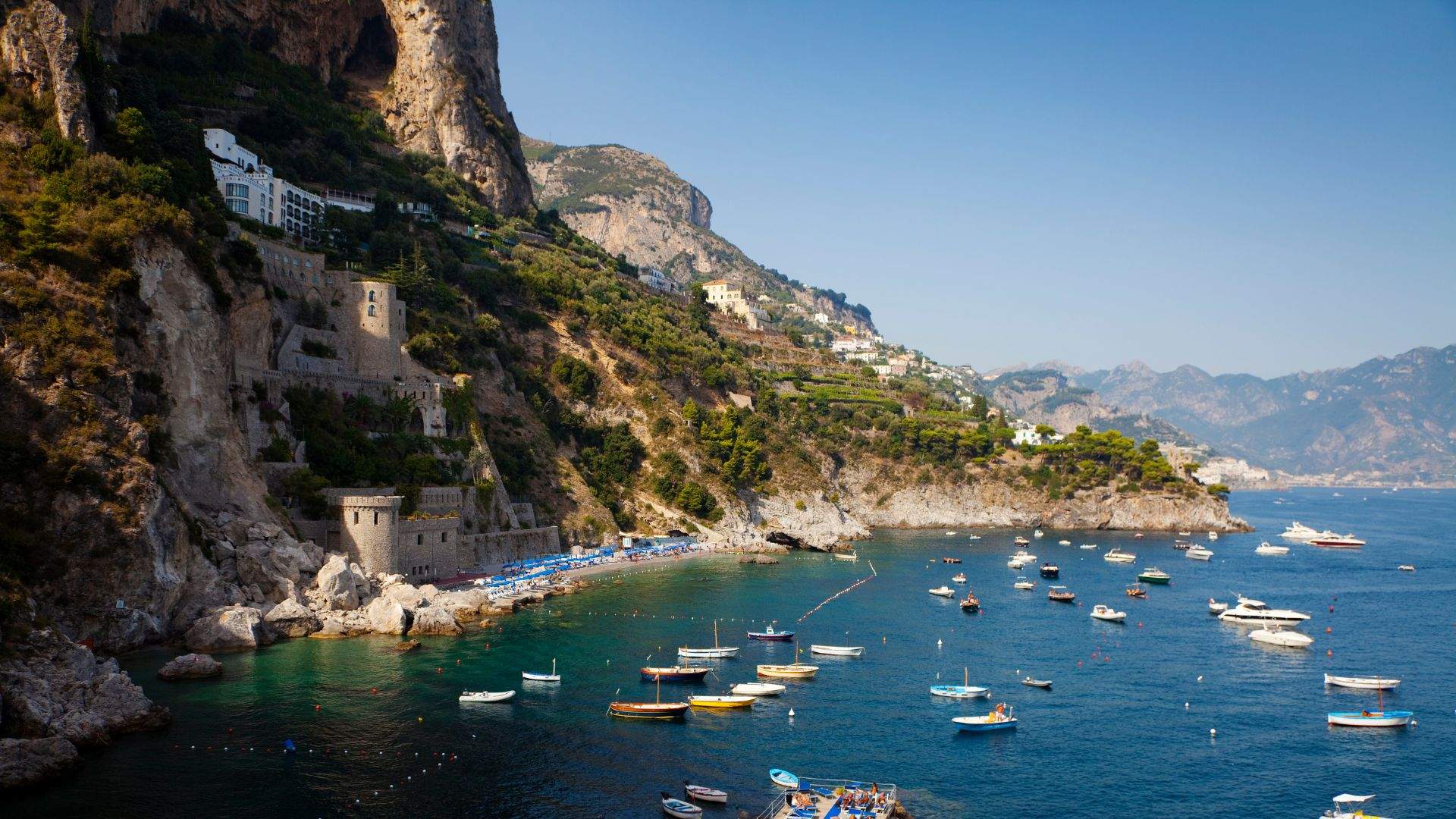
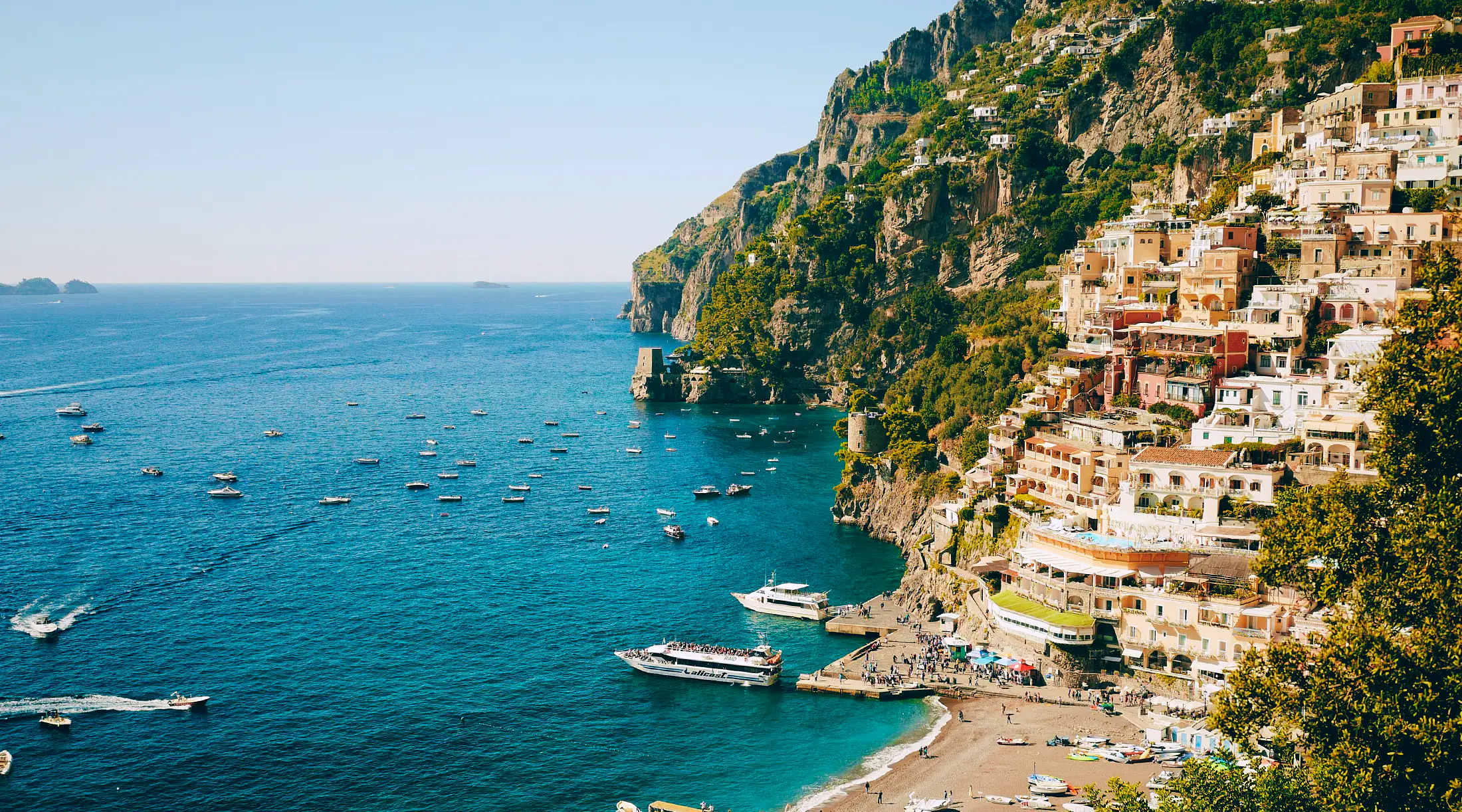
Positano apila pastel desde el agua hasta el acantilado en un solo encuadre. Amalfi se asienta al pie de los escalones de su catedral, con la SS163 bordando el aire sobre el puerto. Ravello espera a un kilómetro y medio de curvas hacia arriba, en el Belvedere of Infinity. Desde el yate los ves tal como fueron construidos para ser vistos — escalonados sobre la roca, la carretera del acantilado apenas visible, los coches y los autobuses turísticos parte de una historia completamente diferente a la tuya. La UNESCO inscribió toda la franja de sesenta y cuatro kilómetros en 1997. El motivo está en la vista desde tu cubierta de popa.
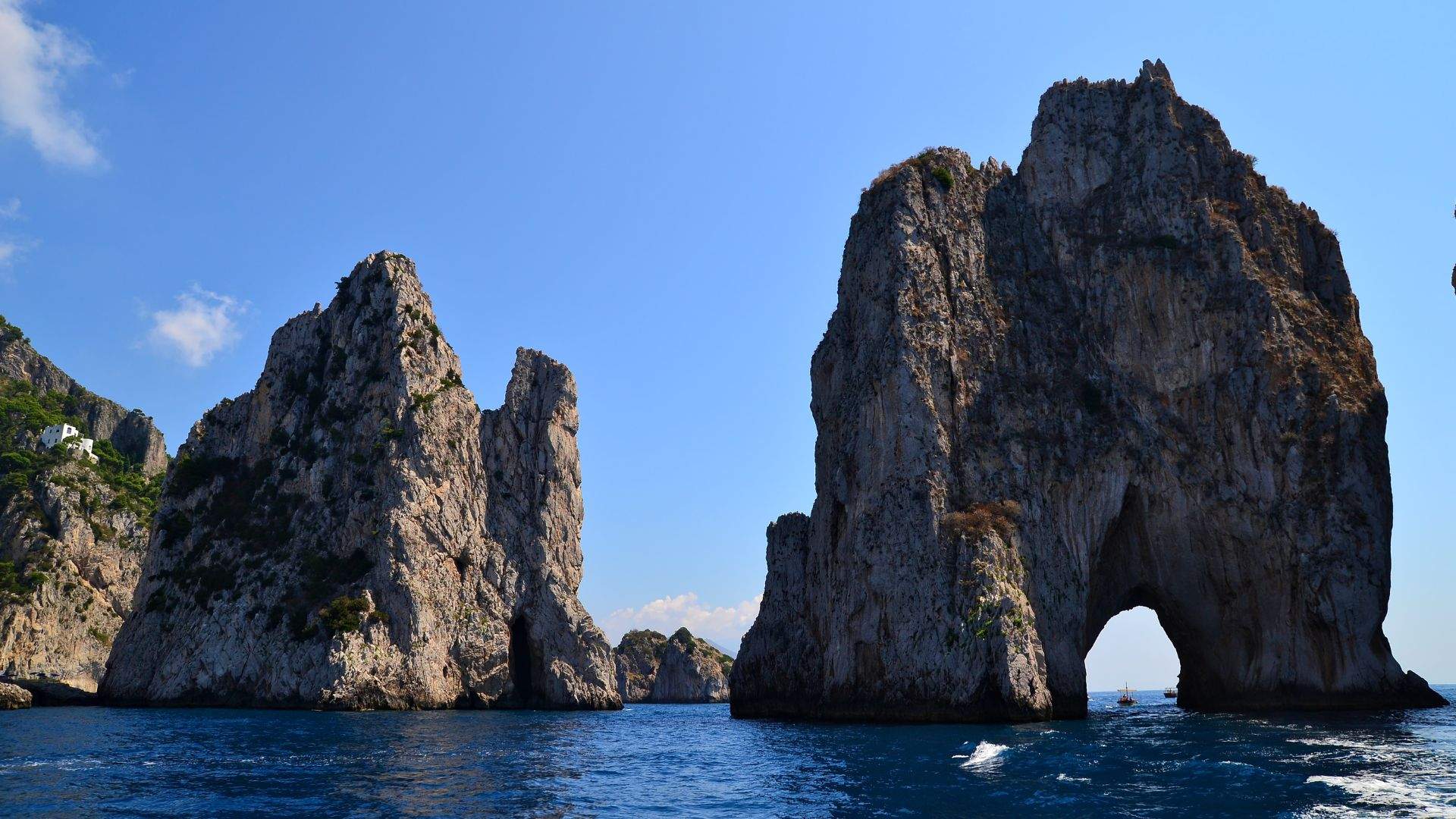
El yate es lo que convierte a Capri en la isla que describen las revistas. Anclados en Marina Piccola entre seis y diez metros de fondo de arena, con la plataforma de baño abierta bajo los Faraglioni, la mañana le pertenece al barco. Lancha auxiliar a tierra para un espresso en la Piazzetta cuando los cruceristas todavía hacen cola para el funicular. Subida a Anacapri con un conductor privado para una hora en Villa San Michele — la villa-jardín de Axel Munthe, construida sobre las ruinas de una de las capillas de Tiberio en 1896, con los jardines que aún cuida la fundación que él dejó. La Grotta Azzurra por la tarde, cuando los botes públicos ya se han marchado — tu lancha auxiliar hasta la boca de la cueva, uno de los pequeños botes de madera de la grotta por la apertura de ochenta centímetros. Cena en tierra en Da Paolino bajo el dosel de limoneros o en L'Olivo para las únicas dos estrellas Michelin de la isla, los cruceristas ya hace tiempo que se fueron, y Capri vuelve a ser italiana.
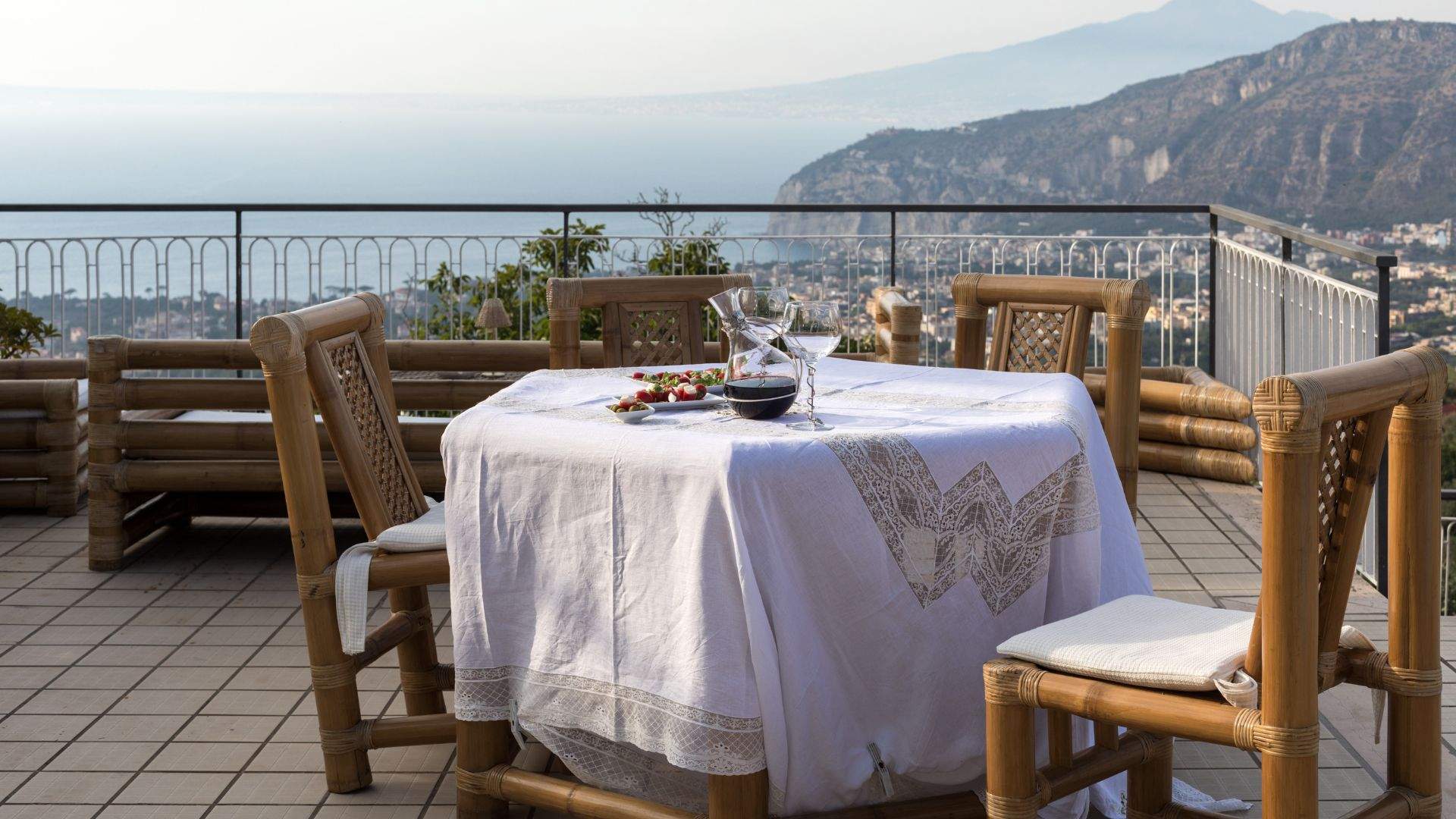
Lo Scoglio manda una lancha de madera al yate al mediodía — el pedido está decidido: spaghetti alla Nerano, pescado a la plancha recién salido del mar, un Greco di Tufo bien frío. La lanzadera de pez rojo de Da Adolfo te recoge de la plataforma de baño y te deja en la Spiaggia di Laurito para tomar mozzarella a la plancha sobre hojas de limonero y melocotones en vino blanco. La Sponda en Le Sirenuse se reserva sesenta días antes a las tres, hora italiana, y la respuesta es sí — el plato del chef aterrizando sobre lino blanco mientras las velas trepan por el enrejado. Y luego los restaurantes con estrella sobre Capri: L'Olivo, Mammà junto a la Piazzetta, Il Buco en Sorrento, Don Alfonso en la cresta de Sant'Agata, Zass, Il Flauto di Pan y Rossellinis repartidos por el resto de la costa. La agenda de reservas la gestiona la red de contactos de tu capitán. Los almuerzos y las cenas hacen la semana.
Pompeya está a cuarenta minutos en coche desde la marina de Nápoles — lo ideal es un arqueólogo privado la mañana del Día 1, las puertas abriendo a las nueve, el yacimiento recorrido antes de que lleguen los autobuses de los cruceros. Italia limitó el acceso diario a 20.000 visitantes en 2023; el turno temprano es lo que marca la diferencia. La caminata al cráter del Vesubio está diez kilómetros más al sur, practicable cuando el tiempo y la actividad volcánica lo permiten. Ravello está siete kilómetros por las curvas sobre Amalfi: lancha auxiliar al muelle Pennello, conductor por la SS373, una hora en el mármol del Belvedere of Infinity en Villa Cimbrone, almuerzo en Il Flauto di Pan o Rossellinis. El Festival de Ravello lleva celebrándose cada verano desde 1953 en la terraza voladiza de Villa Rufolo — los jardines donde Wagner anotó en el libro de visitas en 1880 que había encontrado el jardín mágico de Klingsor. El yate es donde duermes. La capa de encima es donde vas a tu aire.
A hand-picked selection of crewed charter yachts for Amalfi Coast — yachts and crews we know firsthand.
Your week is shaped around your group's interests, the season, and the conditions on the water — your captain tailors the days as they unfold. Treat these itineraries as starting points for inspiration.
Itinerario con tripulación · Costa Amalfitana
La misma costa, otro ritmo, y otro tipo de yate. El viaje de ida y vuelta desde Salerno sale de Marina d'Arechi, la base de catamaranes y yates de vela del extremo sur de esta región. El Frecciarossa de la mañana desde la estación de Termini de Roma te deja a cinco minutos a pie del atraque en 1 hora y 26 minutos, lo que hace de los huéspedes que llegan a Roma un encaje evidente. La ruta recorre la misma Costa Amalfitana que un viaje en yate desde Nápoles, pero a la inversa: el muelle del pueblo pesquero de Cetara para el primer día, Amalfi y Ravello el segundo, el largo almuerzo en Lo Scoglio a mitad de semana, dos noches en Capri una vez que el grupo se ha acomodado. Para cuando fondeas bajo los Faraglioni, ya has tenido tres días de almuerzos largos y saltos cortos. Capri llega como el momento culminante, no como la apertura.
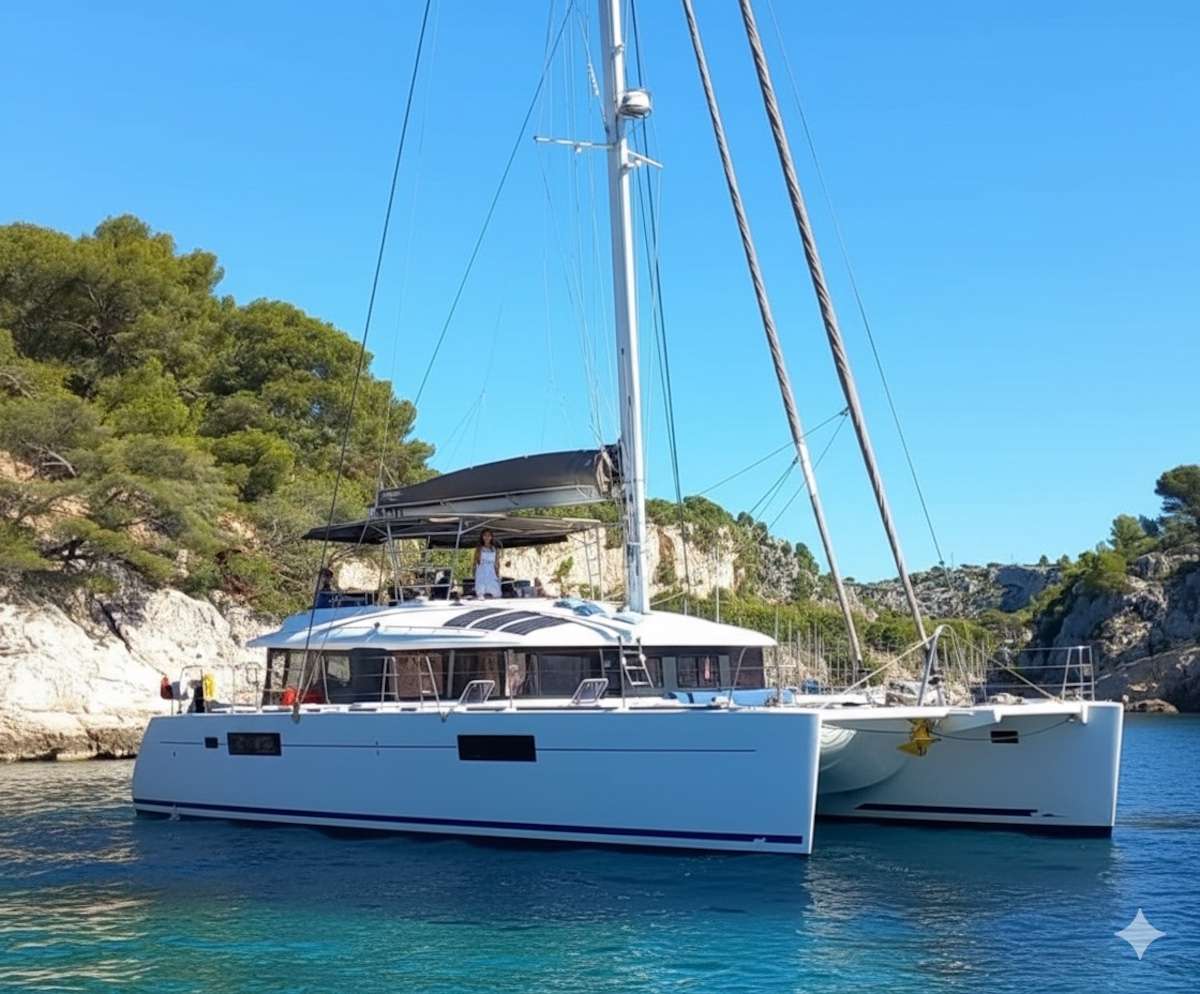
La mayoría de los huéspedes que reservan esta semana son parejas o familias pequeñas en un yate económico: un catamarán con tripulación de 50 a 65 pies aloja a seis u ocho personas con comodidad, cala menos de metro y medio, así que se mete en calas más someras, y tiene un precio que abre esta costa a quienes, de otro modo, optarían por Croacia o Grecia. Los yates de vela y a motor hacen la misma ruta. El viaje de ida y vuelta de 7 días suma unas 75 millas náuticas en total. Embarque en Marina d'Arechi, a cincuenta o sesenta minutos de NAP en coche, o a 1 hora y 26 minutos de Roma Termini en el Frecciarossa directo. La temporada alta va de Semana Santa a finales de octubre, con finales de mayo, junio y principios de septiembre como las mejores semanas del año.
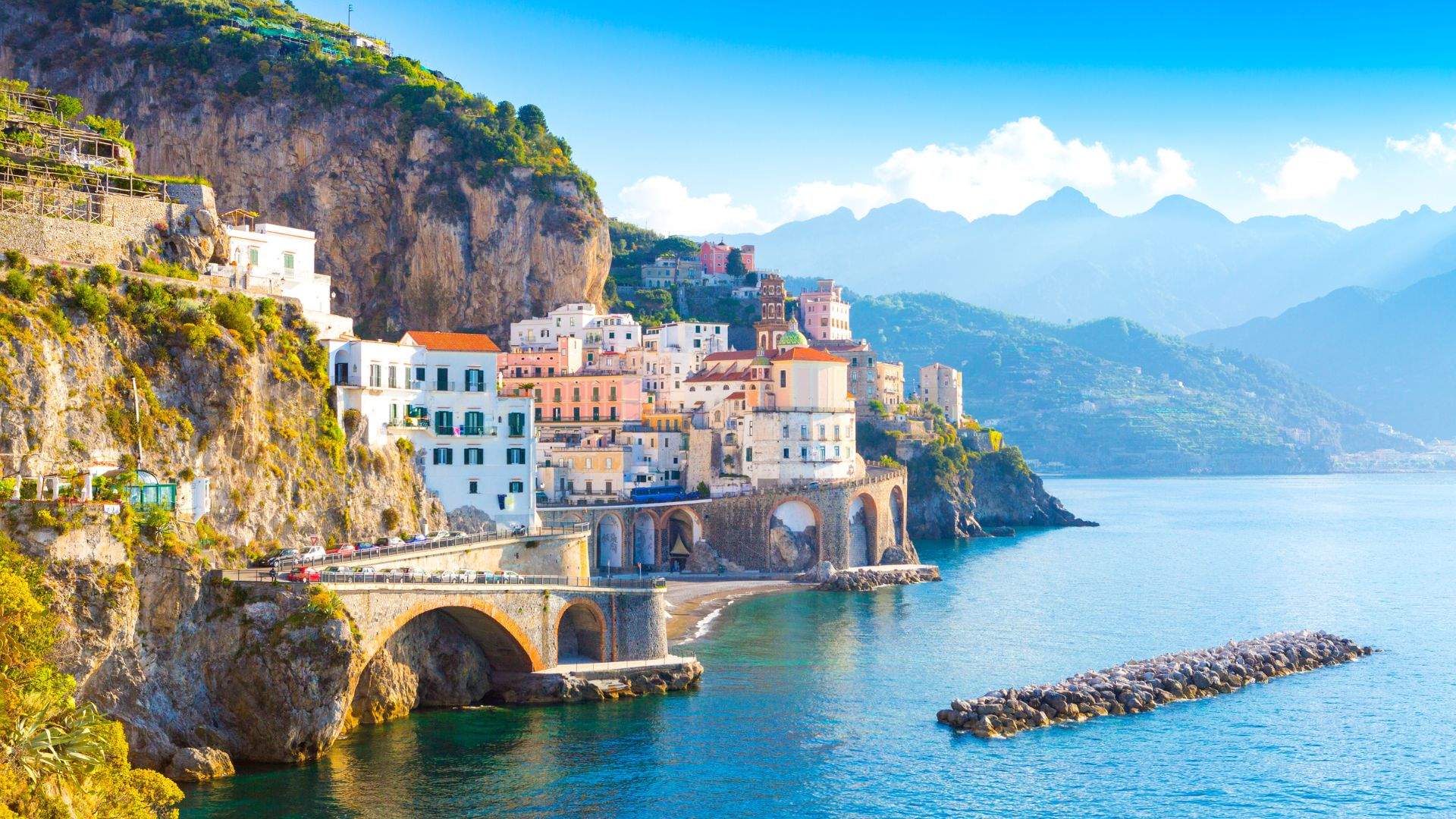
La semana abre en Cetara, un pueblo pesquero en activo enclavado bajo la carretera de acantilado SS163, en el extremo este de la costa, donde los hombres todavía llegan al amanecer con boquerones y donde el pueblo inventó la colatura di alici, la salsa ámbar y transparente que se produce con boquerones curados en sal y prensados durante siglos. Almuerzo en Al Convento. Para la cena ya estás amarrado en Marina Coppola, en Amalfi, con la catedral iluminada de oro sobre el puerto. El segundo día es la media jornada hasta Ravello y el Belvedere del Infinito en Villa Cimbrone, y luego una larga travesía de tarde al oeste rodeando la punta de la península de Sorrento hasta Nerano para cenar en Lo Scoglio. Capri llega a mitad de semana, después de que el grupo ya se haya acomodado al ritmo del barco. Los Faraglioni aterrizan como la pieza estrella que están destinados a ser, no como la apertura.
Marina d'Arechi es lo que hace posible esta versión: una entrada más ancha y un canal de 8 metros de profundidad que admite la manga de un catamarán sin compromisos, tasas de amarre que son una fracción de las marinas del lado de Nápoles, y un Frecciarossa directo desde la Termini de Roma que cubre el trayecto en 1 hora y 26 minutos. Para huéspedes que llegan a Roma en un catamarán de vela, es un comienzo más limpio que pelearse con el tráfico de la ciudad hasta Mergellina. Unas 75 millas náuticas en total. Si quieres la versión de máxima cobertura y sin volver sobre tus pasos de esta misma costa, consulta el trayecto solo ida de Nápoles a Salerno en yate a motor.
Día 1 de 7 · Salerno → Amalfi
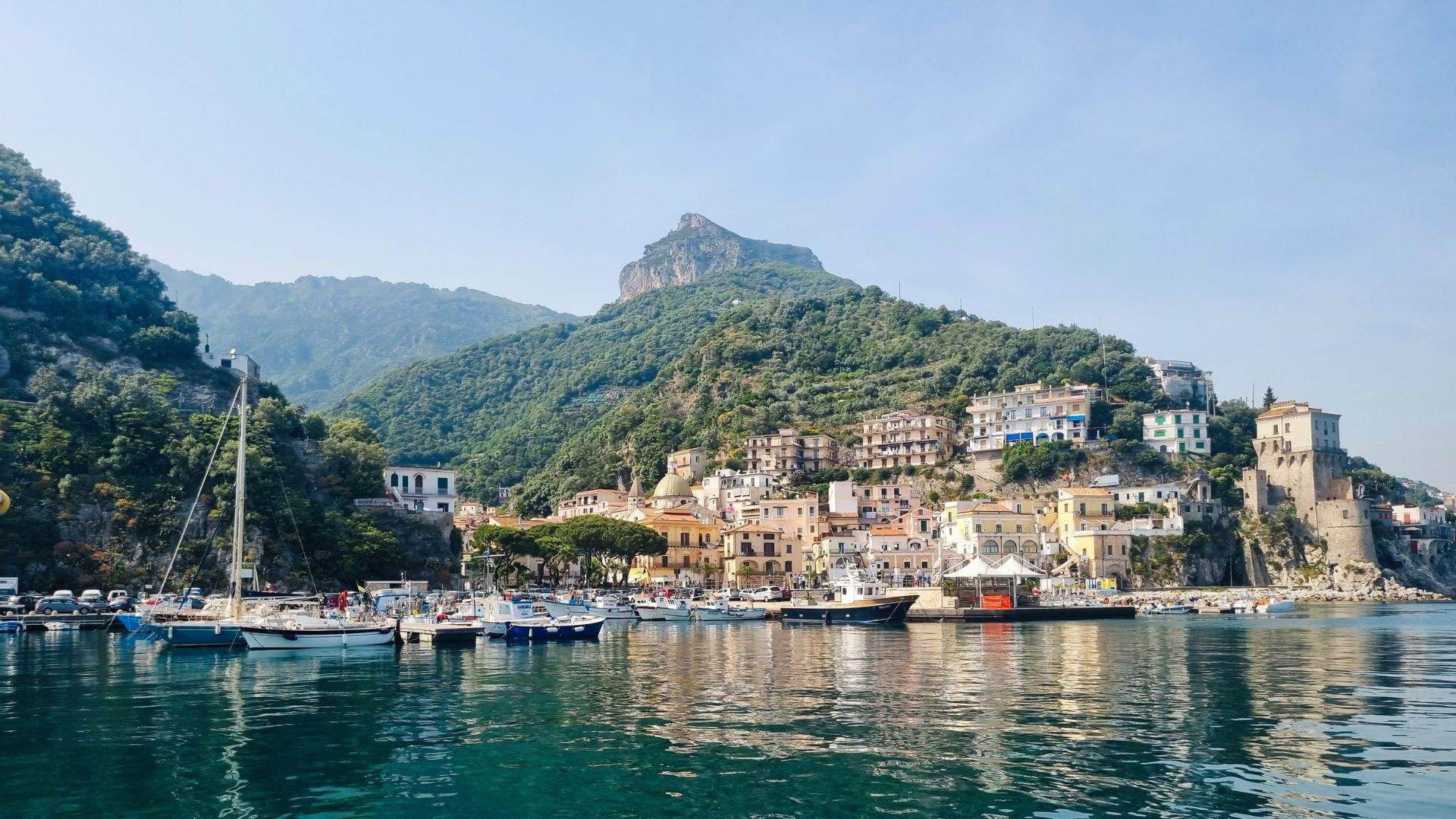
Tu semana empieza en Marina d'Arechi, justo al sur de Salerno: de 50 a 60 minutos del aeropuerto de Capodichino en coche, o un Frecciarossa directo de 1 hora y 26 minutos desde la estación de Termini de Roma para los huéspedes que llegan vía Roma. La marina admite catamaranes y yates de vela de hasta 100 metros en 8 metros de agua en el muelle; la entrada ancha y las tasas de amarre más bajas, en comparación con las marinas del lado de Nápoles, la convierten en la base operativa del segmento de catamaranes del inventario de yate de esta región. Tu tripulación profesional te recibe en el atraque con bebidas frías y una sesión informativa sobre la carta que enmarca la semana que viene.
A media mañana, el capitán larga amarras para la suave travesía de 6 millas náuticas al oeste hasta Cetara, el pequeño pueblo pesquero enclavado bajo la carretera de acantilado SS163, en el extremo este de la Costiera Amalfitana propiamente dicha, y uno de los pocos lugares de esta costa que sigue funcionando como puerto pesquero en lugar de como destino turístico. El almuerzo es en el pequeño muelle del pueblo o a bordo, al ancla: los boquerones son la carta de presentación de Cetara, y el pueblo inventó la colatura di alici (una salsa ámbar y transparente que se produce con boquerones curados en sal, fermentados y prensados), que se elabora aquí desde época romana. Al Convento o Acqua Pazza para la versión formal; las parrillas del puerto para lo informal.
Tras el almuerzo, una corta travesía de 5 millas náuticas más al oeste te lleva al pueblo de Amalfi. Marina Coppola, en el puerto, admite yates de hasta 35 metros en 8 a 11 metros de agua: el amarre más resguardado de este tramo de costa, a diez minutos a pie de la catedral de Sant'Andrea, en lo alto de la plaza principal del pueblo. Velada: una larga cena en Eolo, en el paseo marítimo, o una sencilla trattoria de pescado a la parrilla junto a la plaza principal, con la catedral iluminada sobre el pueblo y el puerto en calma para las 23:00.
Day Highlights
Día 2 de 7 · Amalfi → Nerano
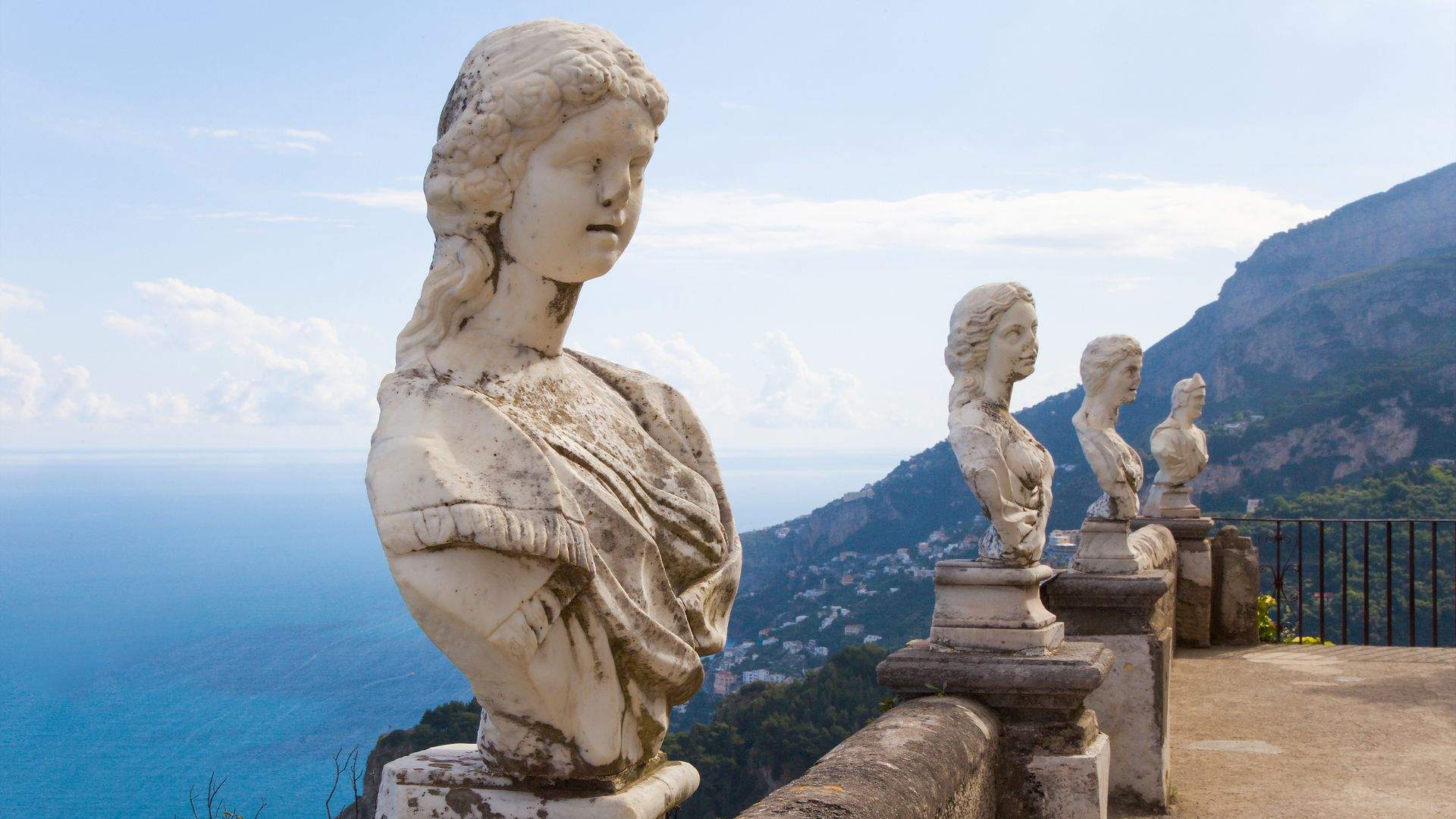
Ravello se asienta siete kilómetros acantilado arriba sobre Amalfi, a unos veinte minutos con chófer privado por las curvas de la SS373. Excursión de media jornada: lancha al embarcadero de Pennello a las 9:30, chófer por las revueltas, una hora en los jardines de Villa Rufolo (el escenario en voladizo del Belvedere donde el Festival de Ravello se celebra cada verano desde 1953, y donde Wagner escribió en el libro de visitas en 1880 que había encontrado el jardín mágico de Klingsor), y luego un corto paseo hasta Villa Cimbrone para el Belvedere del Infinito, la terraza al borde del acantilado bordeada de bustos de mármol. Café en la Piazza Duomo, de vuelta al yate a tiempo para un almuerzo a las 13:00.
A media tarde, el capitán larga amarras para la travesía de 13 millas náuticas al oeste rodeando la punta de la península de Sorrento hasta Nerano. La ruta abraza la costa: Praiano a estribor, el puente arqueado sobre el Fiordo di Furore justo encima al pasar por debajo, los acantilados de Conca dei Marini y las boyas de entrada de la Gruta Esmeralda visibles desde cubierta. Al caer la tarde, el barco está fondeado mar adentro frente a Marina del Cantone en 8 a 15 metros de arena, con la península de Sorrento resguardando la bahía del norte.
Velada: cena en Lo Scoglio (Da Tommaso), el restaurante familiar enclavado en la ladera sobre la bahía, con su propia lancha de madera privada que va de los yates fondeados a la terraza. El pedido está fijado: spaghetti alla Nerano, pescado de barco de día a la parrilla, un Greco di Tufo de la bodega. Lo Scoglio es uno de los restaurantes más fotografiados de la costa italiana y la presentación de Stanley Tucci en "Searching for Italy" lo hizo aún más; el conserje guarda la mesa con semanas de antelación en temporada alta. Conca del Sogno, en la bahía de Recommone justo al este, es la alternativa, también de acceso solo en barco y también con su propio servicio de lancha.
Day Highlights
Día 3 de 7 · Nerano → Capri
La travesía más corta de la semana: un salto de 5 millas náuticas cruzando las Bocche di Capri de Nerano a Capri. La mayoría de las semanas, el capitán lo programa para media mañana, de modo que los ferris de excursionistas del día desde Nápoles y Sorrento ya hayan atracado y los puertos estén en su momento de mayor ajetreo antes del almuerzo. Capri se disfruta más desde el agua a última hora de la tarde y al anochecer; el ángulo del barco maneja la mañana de otra manera.
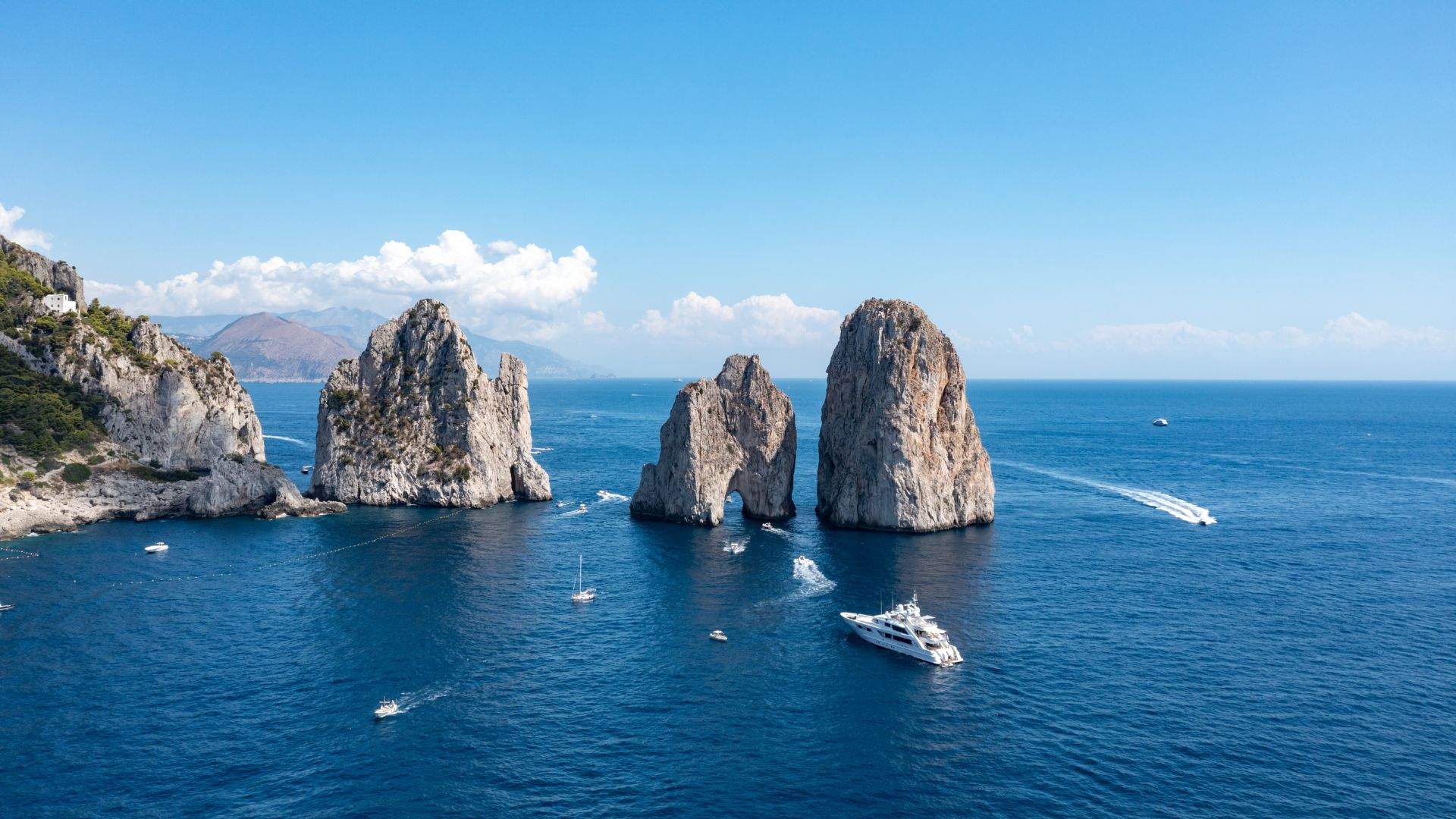
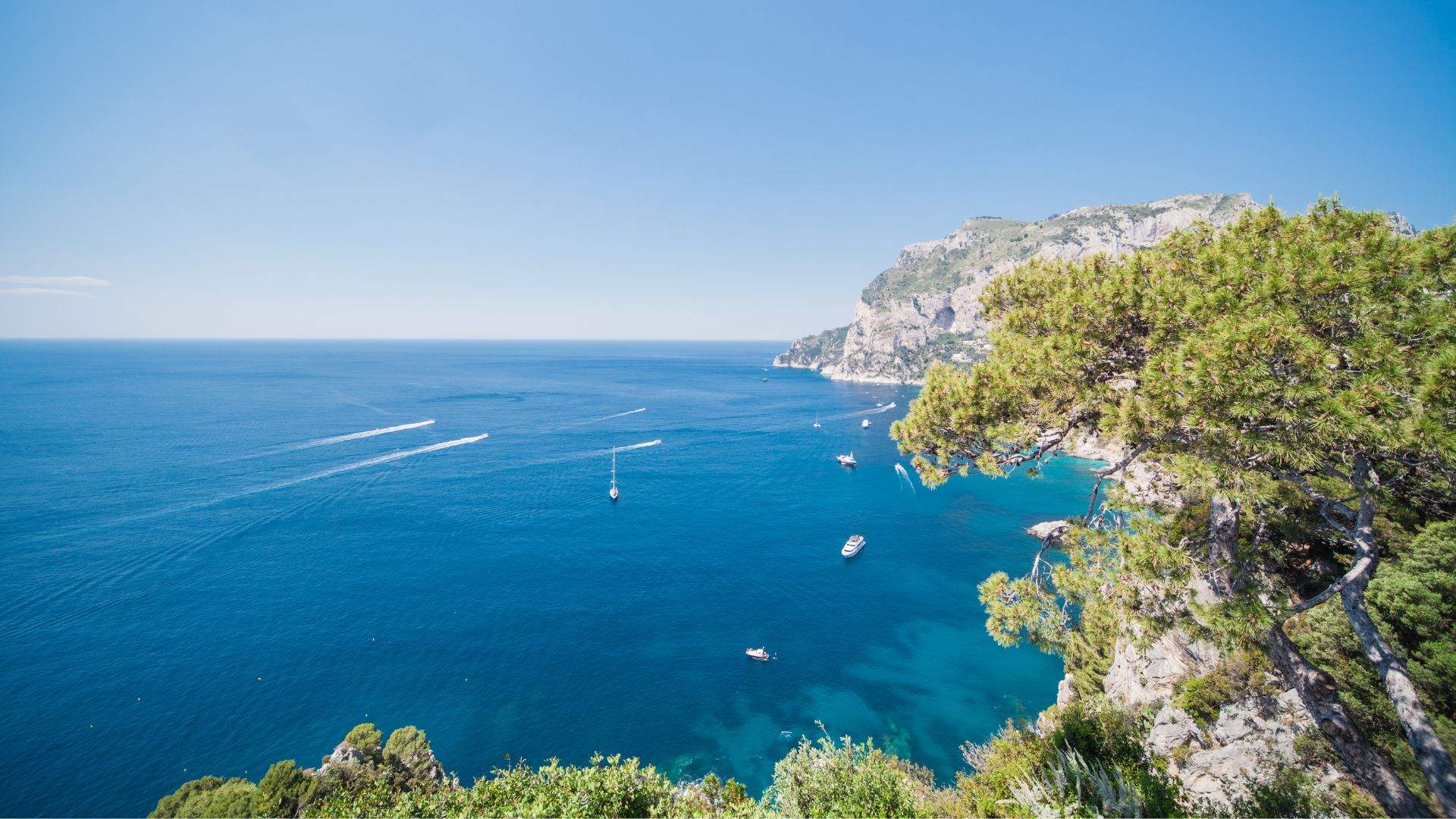
A la entrada, el capitán mantiene posición frente a las rocas Faraglioni para las fotos y luego fondea en Marina Piccola, en 6 a 10 metros de arena, en el lado sur, o amarra de popa en Marina Grande, al norte, para yates de hasta 60 metros que tengan un amarre reservado de antemano (la marina se agota con meses de antelación en verano). El almuerzo es a bordo, al ancla: los spaghetti alle vongole del chef o la pesca del día a la parrilla en la plancha de la cubierta de popa. La pasta junto al agua en Italia no es un cliché, es lo correcto.
La tarde es para la Gruta Azul, si las condiciones lo permiten: una bajada en lancha en la boca de la cueva, en el lado noroeste de la isla, y una de las barcas de remos de madera de la gruta a través de la abertura de 80 centímetros. 18 € por persona, pagaderos en efectivo a los remeros, cerrada cuando hay oleaje. A última hora de la tarde, cuando se van los barcos de día, el funicular hasta la Piazzetta te deja en el corazón de Capri pueblo para un paseo vespertino antes de la cena. Mammà junto a la Piazzetta por una estrella Michelin, Aurora por la sala familiar con la larga carta de vinos, o Da Paolino bajo el emparrado de limoneros al pie del Monte Solaro por la icónica experiencia de cenar bajo los árboles (reservado con semanas de antelación en temporada alta).
Day Highlights
Día 4 de 7 · Capri, día completo
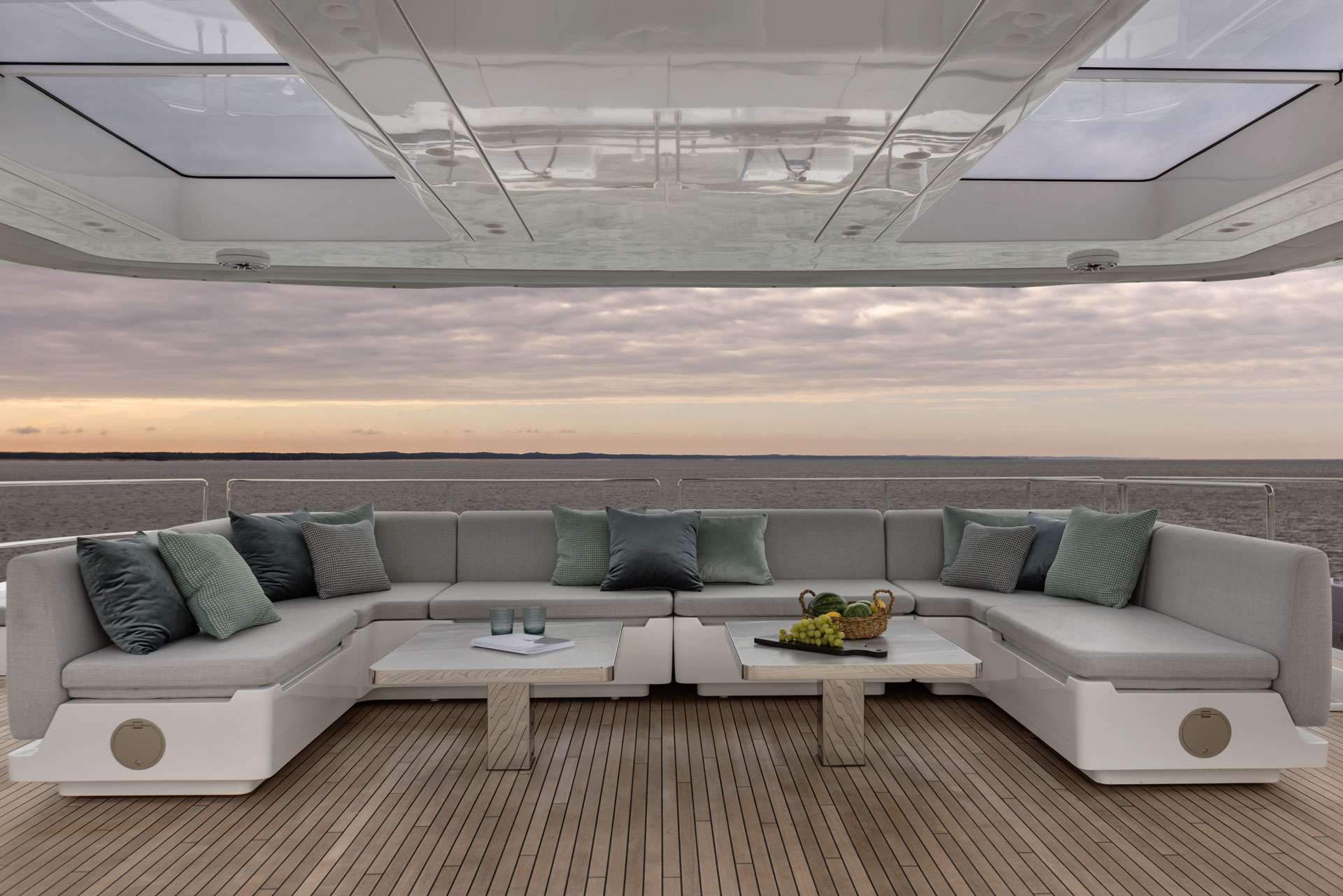
La fama de Capri de estar abarrotada viene de los excursionistas del día, y el yate es el truco para esquivarlos. Lo habitual esta mañana es madrugar: telesilla al Monte Solaro a las 8:00, antes de que haya atracado el primer ferry de Sorrento. La silla sube de Anacapri al punto más alto de la isla en doce minutos, y desde la cumbre puedes ver toda la Costa Amalfitana extendida al sur y la bahía de Nápoles al norte. Para las 9:30, cuando llegan los barcos de día, ya estás de vuelta en Anacapri tomando un espresso y paseando por la Villa San Michele, la villa y jardín de Axel Munthe, construida sobre las ruinas de una de las capillas de Tiberio en 1896.
A media mañana, la lancha te deja de vuelta en Marina Piccola, donde el catamarán está fondeado en 6 a 10 metros sobre arena. El menor calado del catamarán tiene una ventaja real aquí: más cerca de la orilla, plataforma de baño más fácil, más cómodo para la tarde. Almuerzo a bordo, y luego la plataforma de baño está abierta: snorkel por la base del acantilado, kayaks y tablas de paddle desde el espejo de popa para los niños. La Marina Piccola de Capri es famosa por ser el ángulo de postal de los Faraglioni: la larga y perezosa tarde al ancla bajo las rocas es la razón misma de estar en un yate aquí.
A última hora de la tarde, cuando se aligera la multitud de cruceros, el capitán reposiciona el catamarán para una travesía vespertina alrededor de los Faraglioni —el famoso paso bajo el arco del Faraglione di Mezzo si el mar está lo bastante plano— y luego de vuelta a Marina Piccola para las copas al atardecer en cubierta. La cena la decides tú: La Fontelina, bajo las rocas, para el sitio diurno, o de vuelta al barco esta noche para el montaje completo de la velada del chef. Le Grottelle, cerca del Arco Naturale (cerrado los martes, reservas solo por teléfono en el +39 081 8375719), para quienes quieran la sala fuera de la ruta turística.
Day Highlights
Día 5 de 7 · Capri → Ischia
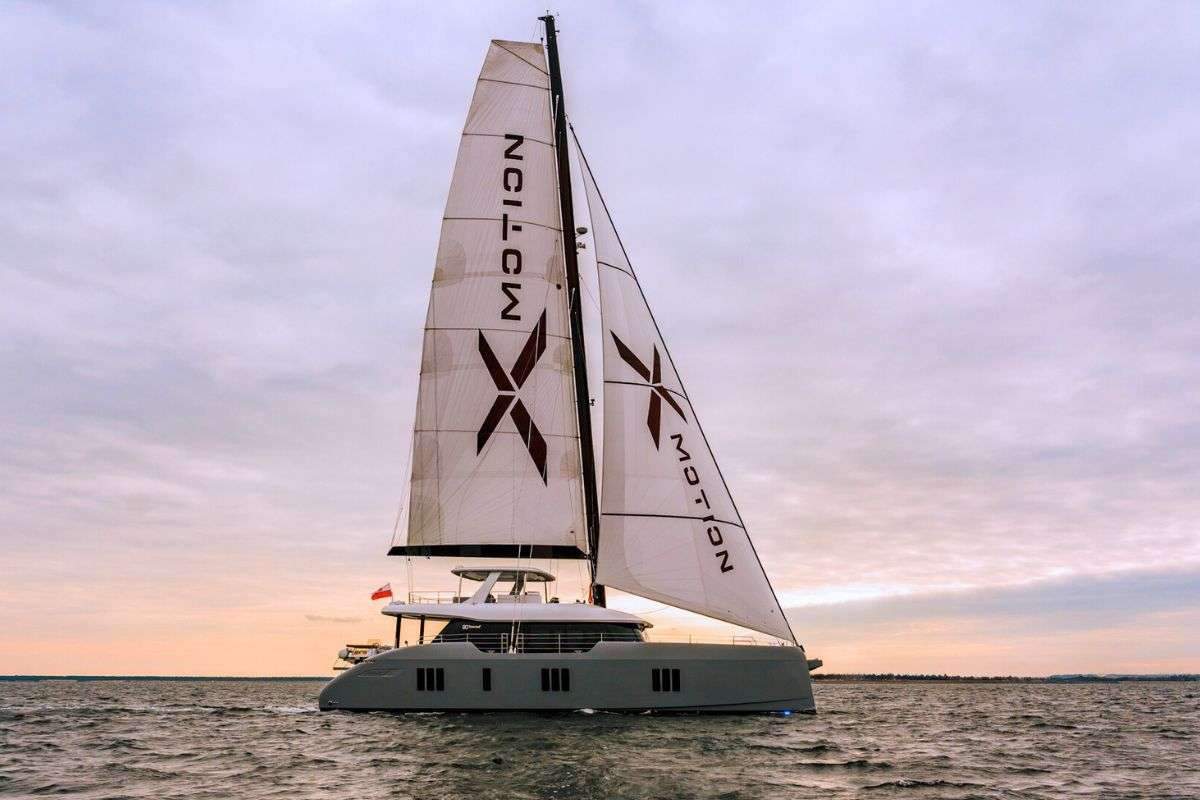
Hoy es la travesía más larga de la semana: un cruce en mar abierto de 18 millas náuticas al noroeste de Capri a Ischia, atravesando las Bocche di Capri. En un yate de vela o catamarán con el ángulo de viento adecuado, este es el día en que salen las velas: normalmente un largo de través con brisas de verano de suaves a moderadas, con los acantilados de la península de Sorrento cayendo por la popa y las laderas volcánicas de Ischia creciendo por la proa. Con el tiempo estable de junio y septiembre es una cómoda travesía de tres horas; en los meses de temporada media se calcula según la dirección de la brisa.
Ischia es la mayor de las islas de la bahía de Nápoles y la que tiene la historia más larga de ser visitada específicamente por sus aguas termales: los manantiales que brotan de las laderas del monte Epomeo llevan dos mil años atrayendo a romanos, borbones y directores de cine del siglo XX. La elección de fondeadero de tu capitán da forma al día. Casamicciola, en la costa norte, es la bahía mejor protegida y un fácil salto en lancha al complejo termal de Negombo (una reserva privada le consigue a tu grupo una docena de piscinas a distintas temperaturas aterrazadas en la ladera). Forio, en la costa oeste, es la opción por el sol de última hora de la tarde y una velada más tranquila al ancla.
A última hora de la tarde, el catamarán reposiciona hacia el Castello Aragonese, la fortaleza medieval en su propio islote frente a la costa este de Ischia, unido a la isla principal por una calzada de piedra. Ha estado habitado de forma continua durante 2.500 años, fortificado en su forma actual bajo los aragoneses en el siglo XV, y es el referente visual que la mayoría de los clientes de charter se llevan de Ischia. La cena es a bordo, al ancla, con la silueta del Castello por la proa mientras se encienden las luces a lo largo de la calzada.
Day Highlights
Día 6 de 7 · Ischia → Sorrento
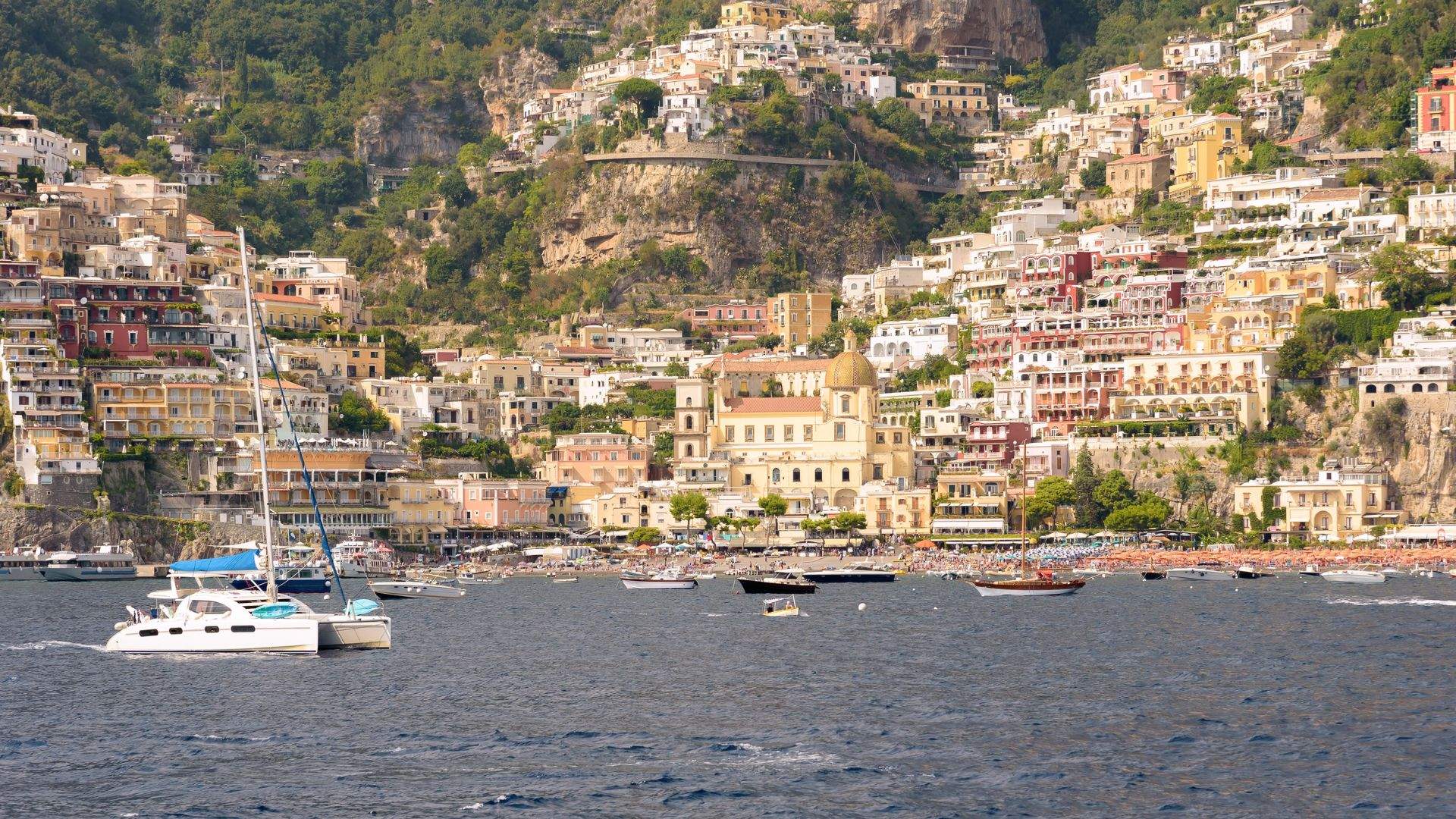
Un corto salto de 5 millas náuticas al sur te lleva de Ischia a Procida, la más pequeña y subestimada de las islas de la bahía de Nápoles, la de tonos pastel que aparece en cada postal del cine italiano de los años cincuenta. La Marina Corricella es el lado fotografiable; Marina di Chiaiolella, al suroeste, es el fondeadero protegido. Baño a media mañana, un espresso en un café en tierra en Corricella, almuerzo a bordo al ancla con la flota pesquera entrando y saliendo.
A media tarde, el capitán larga amarras para la travesía de 14 millas náuticas al sureste cruzando la bahía de Nápoles hasta Sorrento. El Vesubio queda a babor, la península de Sorrento justo en la proa, la larga y suave curva de la bahía por debajo. Llegada a última hora de la tarde a la Marina Piccola de Sorrento, un puerto de embarcaciones pequeñas compartido con el muelle del ferry público, apto solo para yates de hasta 40 metros y crónicamente congestionado en pleno verano. La manga de 12 a 14 metros del catamarán encaja en el lado de visitantes de la marina; los yates más grandes fondean mar adentro y llegan en lancha.
El casco antiguo de Sorrento trepa por el acantilado sobre la marina, y la terraza del Foreigners' Club, en lo alto, es el sitio adecuado para un aperitivo al atardecer antes de la cena. Il Buco para la sala con una estrella Michelin en la bodega de un monasterio del siglo XVI, a cinco minutos de la marina; o quince minutos cresta arriba hasta Sant'Agata para Don Alfonso 1890, de nuevo con una estrella Michelin más una estrella verde tras su reforma de sostenibilidad de 2025.
Day Highlights
Día 7 de 7 · Sorrento → Salerno
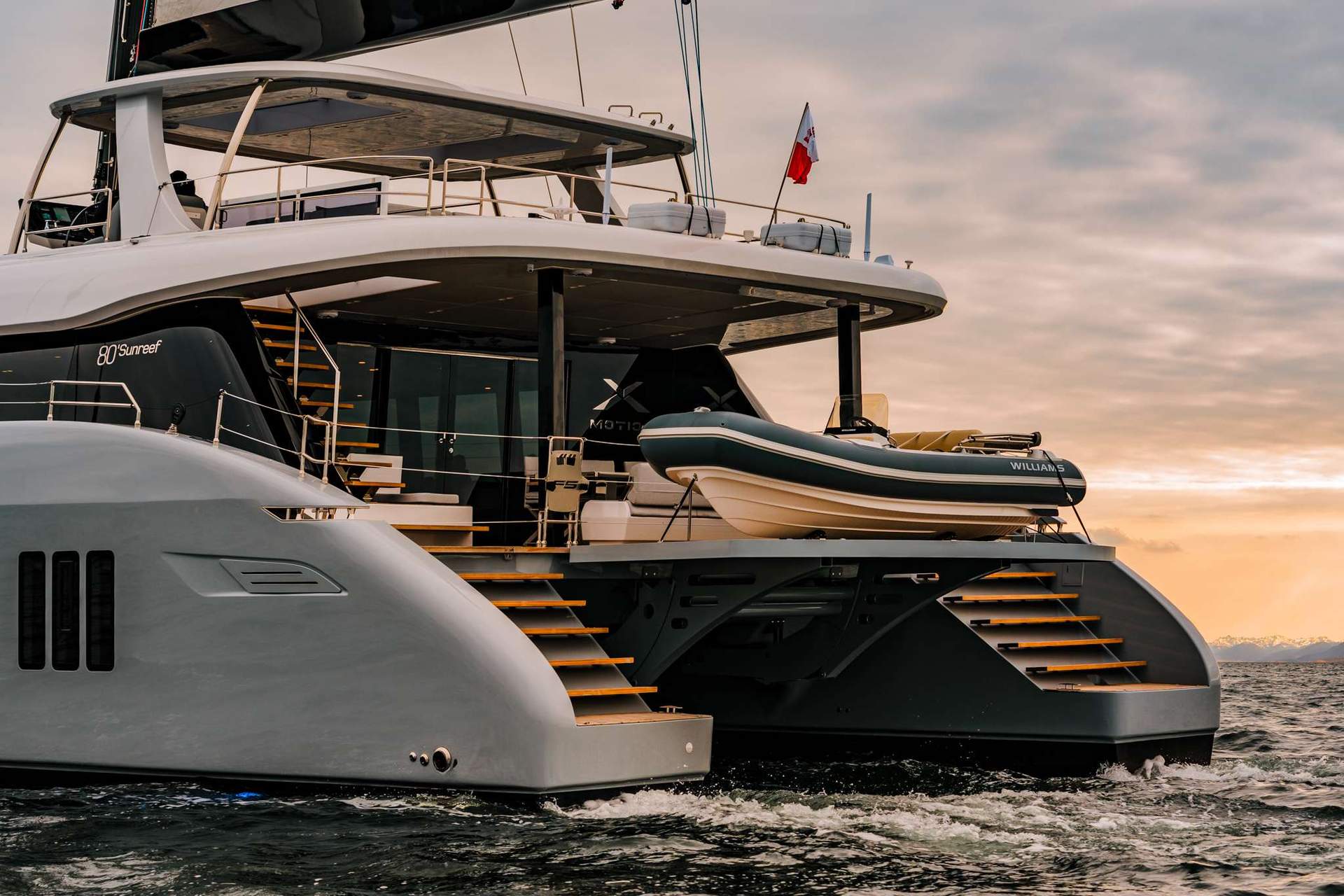
Una travesía de 8 millas náuticas al este desde Sorrento te lleva de vuelta a Positano para una última mañana en este tramo de costa. Los yates de hasta 50 metros cogen una boya en el campo de fondeo mar adentro que mantiene la cooperativa local: no hay marina en Positano, solo el campo de boyas y el embarcadero de madera de la Spiaggia Grande para los desembarcos en lancha. A media mañana en tierra: un corto paseo por las escaleras del acantilado hasta uno de los pequeños cafés de la Via Cristoforo Colombo para un espresso, la cúpula de Santa Maria Assunta con su azulejo de mayólica atrapando la luz de la mañana, y una última mirada al pueblo de acantilado desde el ángulo que la mayoría de las fotos de este pueblo no pueden captar desde tierra.
De vuelta al barco hacia las 11:00, plataforma de baño abierta una última vez, almuerzo a bordo en la boya. A primera hora de la tarde, el capitán suelta el cabo de la boya para la travesía de 12 millas náuticas al este por la costa de vuelta a Salerno. La ruta abraza los acantilados: Praiano, el puente arqueado de Furore, Conca dei Marini, el pueblo de Amalfi desde el agua una vez más, y la larga aproximación final a Marina d'Arechi pasando el espigón.
Desembarco en Marina d'Arechi a media tarde. La tripulación tiene el traslado organizado: directo a NAP para los huéspedes que vuelan ese mismo día, o a Roma Termini con el Frecciarossa directo desde la estación de Stadio Arechi de Salerno (1 hora y 26 minutos hasta Roma, a menudo más fácil que conducir de vuelta a Nápoles). Muchos grupos alargan el viaje con una noche posterior al viaje en yate en la propia Salerno o un día en Pompeya de camino de vuelta a Nápoles, ambos a 30 minutos en coche de la marina.
Day Highlights
Want to share or come back to this voyage later?
Bookmark this voyage →Itinerario con tripulación · Costa Amalfitana
La costa en un yate construido para cubrir distancia. Un yate a motor de 35 metros en adelante, un charter solo ida de Nápoles a Salerno, la apertura en la bahía de Nápoles —Procida, Ischia, dos noches en Capri— y luego una travesía más pausada al este por toda la pared de acantilados de Amalfi que los itinerarios de ida y vuelta no pueden alcanzar. El Fiordo di Furore, enclavado bajo el puente arqueado de la SS163: una hendidura de guijarros de 25 metros bajo el arco, recorrida pasando con la lancha por debajo para un baño y unas fotos. La Gruta Esmeralda en Conca dei Marini: el yate fondeado mar adentro, lancha hasta la boca de la cueva, una de las barcas de remos de madera de la gruta a través de la abertura de ochenta centímetros, diez euros por cabeza, en efectivo. La semana termina en Marina d'Arechi, en Salerno, con un Frecciarossa directo a la Termini de Roma en 1 hora y 26 minutos, o continuación al sur, a la Costa del Cilento y Sicilia.
La mayoría de los huéspedes que reservan esta semana son navegantes que repiten en el Mediterráneo, planificadores de viajes con varias paradas que añaden días de Pompeya antes del charter o de continuación a Roma después, y grupos que detestan recorrer dos veces la misma agua. El trayecto solo ida de 7 días suma unas 65 millas náuticas en total: distancias de navegación ligeras en un yate hecho para ello. Embarque en el Porto di Mergellina o en Marina di Stabia (10-25 minutos de NAP); desembarco en Marina d'Arechi (50-60 minutos de vuelta a NAP, o el tren directo a Roma). Los viajes en yate solo ida llevan una pequeña línea de reposicionamiento en el presupuesto del agente —combustible, tiempo de tripulación, tasas portuarias y el 22 % de IVA italiano—, calculada a coste y no como porcentaje de la tarifa base. Como la travesía de regreso de Nápoles a Salerno es corta (menos de 30 millas náuticas), es una de las tasas de solo ida más bajas del Mediterráneo.
Este es el único itinerario que recorre de Nápoles a Amalfi tal como lo imaginan la mayoría de los huéspedes. Los tres primeros días son la bahía de Nápoles: Procida e Ischia para el arranque, un cruce en mar abierto al sur hasta Capri, dos noches fondeados en Marina Piccola o de popa en Marina Grande, el telesilla al Monte Solaro al amanecer, la Gruta Azul a última hora de la tarde cuando se han ido los barcos de día. Los días 4 a 7 son toda la pared de acantilados de Amalfi: un largo almuerzo en Lo Scoglio en Nerano, una velada en Positano con el pueblo iluminado sobre la bañera, y luego la travesía al este por Furore (una hendidura de guijarros de 25 metros bajo el puente arqueado de la SS163, con la lancha enhebrándose bajo el arco para un baño y unas fotos) y Conca dei Marini (la Gruta Esmeralda, diez euros por cabeza en efectivo, las propias barcas de remos de la gruta a través de la boca de la cueva). La semana termina en las escalinatas de la catedral de Amalfi y una pausada travesía final al este hasta Marina d'Arechi, en Salerno.
Unas 65 millas náuticas en total. Pensado para un yate a motor de más de 35 metros, donde el ritmo sin marcha atrás rinde más. Desembarco en Marina d'Arechi con un Frecciarossa directo a la Termini de Roma en 1 hora y 26 minutos, o continuación al sur, a la Costa del Cilento y Sicilia. La línea de reposicionamiento es de las más pequeñas del Mediterráneo —menos de 30 millas náuticas para la travesía de regreso, combustible y tiempo de tripulación a coste—, una nota al pie en el presupuesto en relación con los días ahorrados.
Día 1 de 7 · Nápoles → Procida
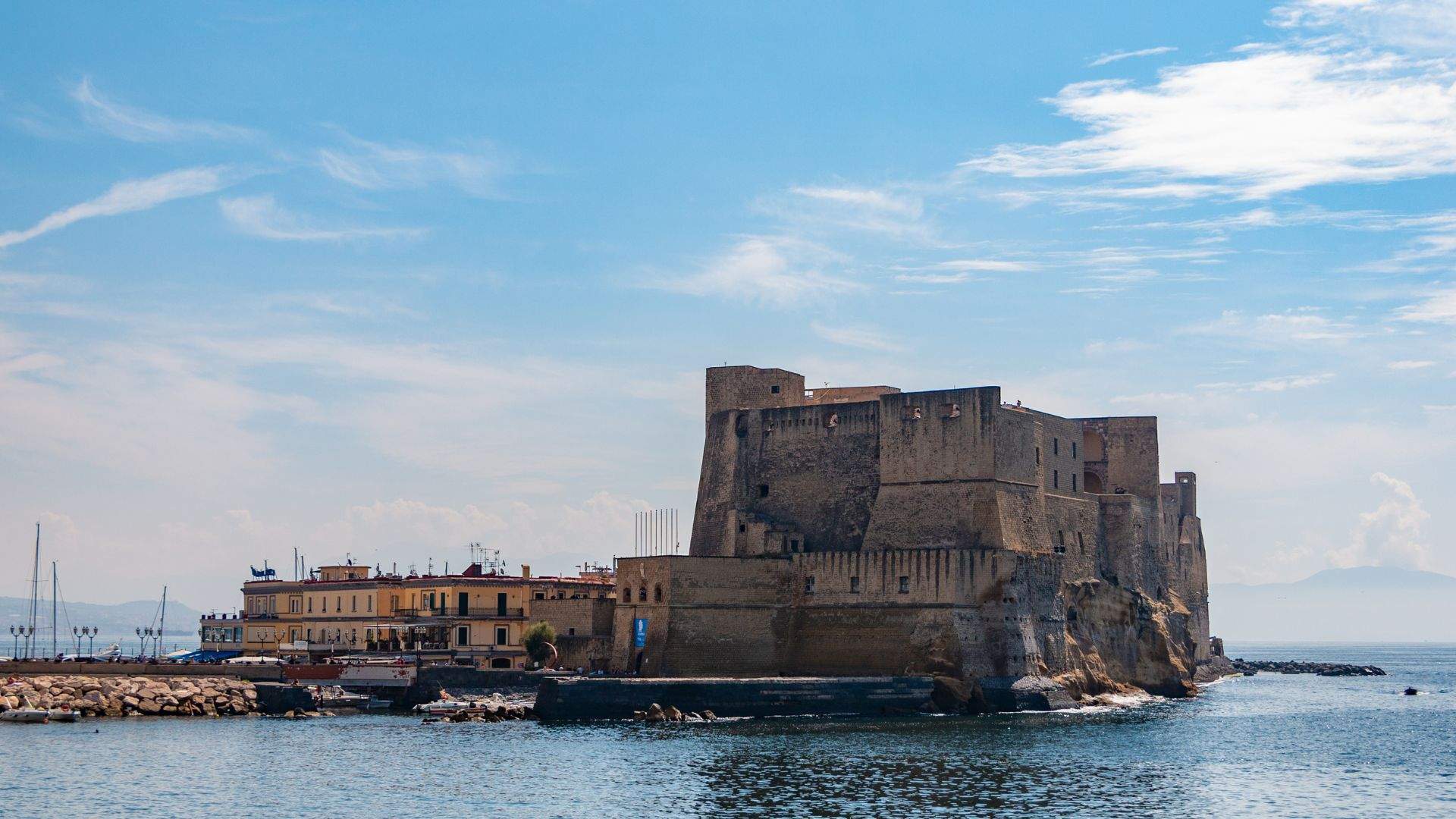
Tu semana empieza en el Porto di Mergellina, en Nápoles, a diez minutos del aeropuerto de Capodichino (NAP), con la silueta del Castel dell'Ovo al otro lado de la bahía y el promontorio de Posillipo por encima. Los yates a motor más grandes, de más de 75 metros, embarcan en cambio en Marina di Stabia, en Castellammare, veinticinco minutos al sur de NAP y la mayor instalación de superyates de la bahía de Nápoles. En cualquier caso, tu tripulación profesional te recibe en el atraque con bebidas frías y una sesión informativa sobre la carta que enmarca la semana que viene. Muchos grupos llegan un día antes y reservan Pompeya en el día de margen: a 30 minutos de cualquiera de las dos marinas en coche, con un guía arqueólogo privado contratado con semanas de antelación para recorrer el yacimiento al abrir las puertas a las 9:00.
A media mañana, el capitán larga amarras para la travesía de 12 millas náuticas al suroeste hasta Procida, la más pequeña de las islas de la bahía de Nápoles y el sitio adecuado para empezar la semana. Procida no tiene nada de la intensidad de Capri ni del trasiego de día de spa de Ischia. Marina di Chiaiolella, la bahía protegida del lado suroeste de la isla, es donde el capitán fondea para la tarde.
En un yate a motor de más de 35 metros, el propio barco es casi todo el día: la plataforma de baño sale del espejo de popa, el chef monta un largo almuerzo de bienvenida en la cubierta de popa, salen los juguetes acuáticos, y la bahía se mantiene en calma durante la tarde. La cena es a bordo, al ancla: el menú de bienvenida del chef, un Greco di Tufo de la bodega, y las luces de la Marina Corricella al otro lado del agua mientras el puerto se serena para la noche.
Day Highlights
Día 2 de 7 · Procida → Ischia
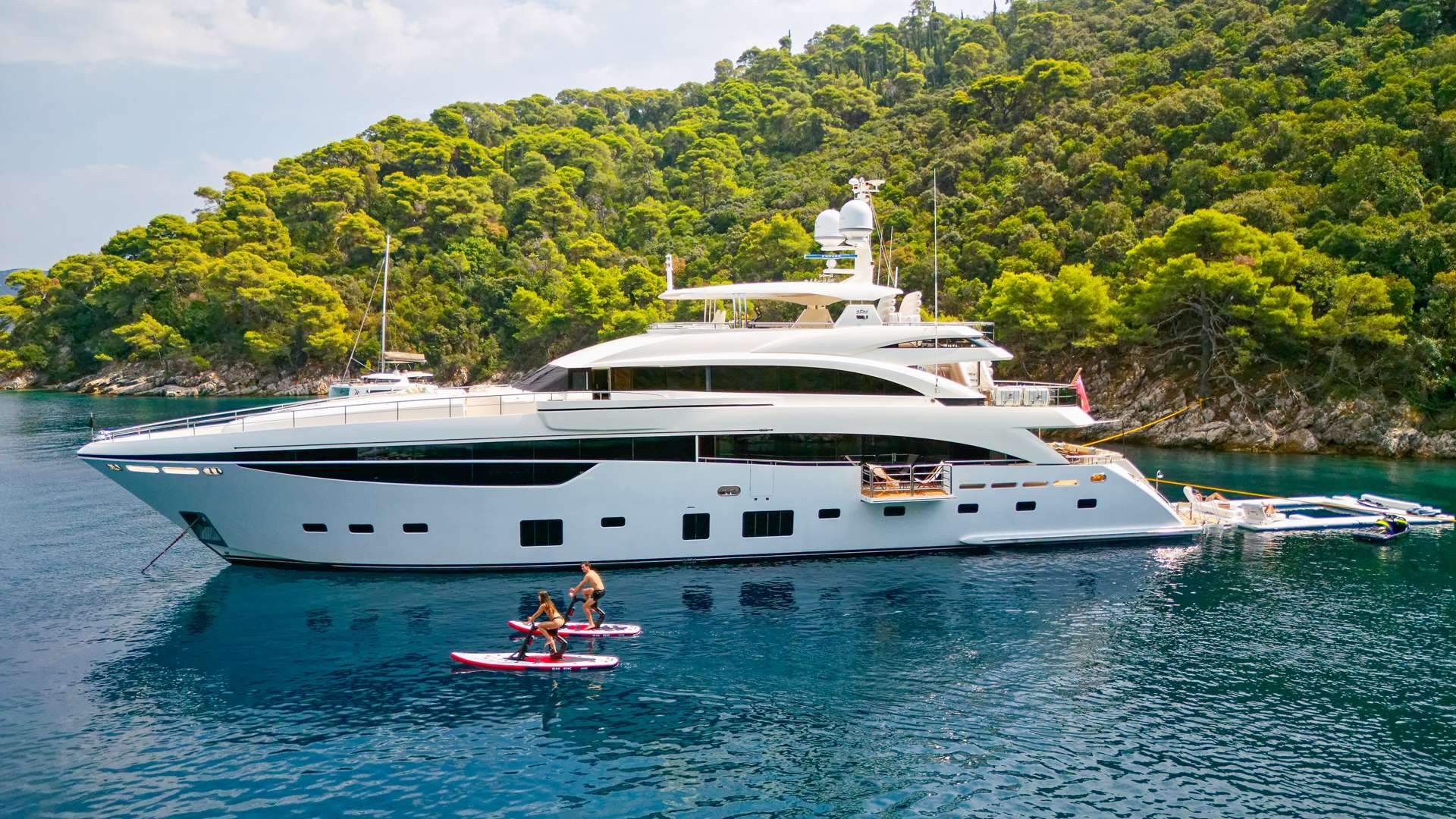
Un corto salto de 5 a 7 millas náuticas te lleva de Procida a Ischia, la mayor de las islas de la bahía de Nápoles. Las aguas termales de las laderas volcánicas del monte Epomeo llevan dos mil años atrayendo visitantes, y la cultura del spa sigue siendo la carta de presentación de la isla. La elección de fondeadero de tu capitán da forma al día: Casamicciola por la bahía mejor protegida y un acceso más fácil en lancha a las piscinas termales aterrazadas de Negombo, o Forio en la costa oeste por el sol de última hora de la tarde y una velada más tranquila al ancla.
Si tu grupo quiere la mañana de spa, una reserva privada en Negombo o en los Jardines Poseidón te consigue una docena de piscinas a distintas temperaturas en la ladera; a ambos se llega a pie desde la lancha. Si prefieres quedarte en el barco, el equipo de snorkel sale de la plataforma de baño y el chef monta un largo almuerzo en la cubierta de popa. Los yates a motor más grandes son casi todo el día: el flybridge para los cócteles, el beach club para la tarde, el montaje de cena formal en la cubierta de popa.
A última hora de la tarde, el capitán reposiciona hacia el Castello Aragonese, la fortaleza medieval en su propio islote frente a la costa este de Ischia, fortificada en su forma actual bajo los aragoneses en el siglo XV y el referente visual que la mayoría de los clientes de yates se llevan de Ischia. La cena es a bordo, al ancla, con la silueta del Castello por la proa mientras se encienden las luces a lo largo de la calzada.
Day Highlights
Día 3 de 7 · Ischia → Capri
Hoy es la travesía más larga de la semana: un cruce en mar abierto de 18 millas náuticas al sur desde Ischia hasta Capri. En un yate a motor de más de 35 metros es cómodo en menos de dos horas; los acantilados de la península de Sorrento crecen por la proa y la bahía de Nápoles cae por la popa. La mayoría de las semanas el cruce transcurre durante un desayuno tardío en la cubierta de popa.
Capri aparece como una única pared escarpada de caliza, y luego se resuelve en los dos puertos a ambos lados de la isla. Marina Grande, en la costa norte, es la única marina que admite amarres de popa para pasar la noche hasta 60 metros: resérvala con meses de antelación en verano. Marina Piccola, al sur, es el fondeadero de día en 6 a 10 metros de arena. La elección de tu capitán depende del tamaño del yate, el tiempo y cómo se organice el día siguiente. A la entrada, el capitán mantiene posición frente a los Faraglioni para las fotos y luego rodea para el famoso paso bajo el arco del Faraglione di Mezzo cuando el mar está lo bastante plano.
La estrategia de Capri empieza ahora. Los ferris de excursionistas del día desde Nápoles y Sorrento atracan entre las 9:30 y las 11:00 de la mañana y se van entre las 16:00 y las 18:00. El plan de tu capitán es estar en el puerto a media tarde, dejarte en tierra para un paseo tranquilo en funicular hasta la Piazzetta hacia las 17:00, una vez que la multitud de cruceros se ha aligerado. Cena en L'Olivo, en el Capri Palace, arriba en Anacapri (la única sala con dos estrellas Michelin de la isla), o Mammà junto a la Piazzetta para la opción de una estrella, y de vuelta a bordo para una noche tranquila.
Day Highlights
Día 4 de 7 · Capri, día completo
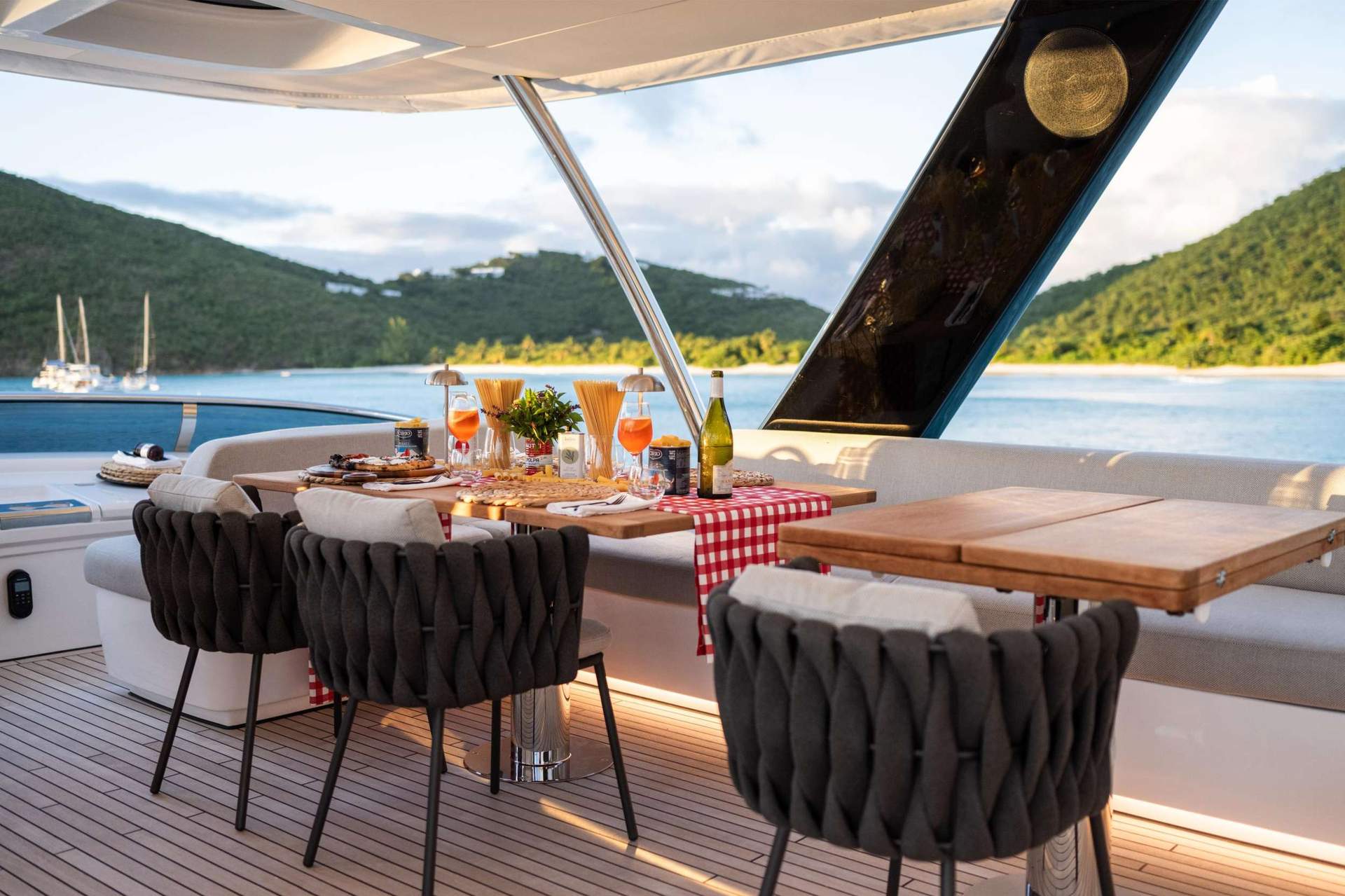
Madruga: telesilla al Monte Solaro a las 8:00, antes de que haya atracado el primer ferry de Sorrento. La silla sube de Anacapri al punto más alto de la isla en doce minutos, y desde la cumbre puedes ver toda la Costa Amalfitana extendida al sur y la bahía de Nápoles al norte. Para las 9:30, cuando llegan los barcos de día, ya estás de vuelta en Anacapri tomando un espresso y paseando por la Villa San Michele, la villa y jardín de Axel Munthe, construida sobre las ruinas de una de las capillas de Tiberio en 1896.
A media mañana, la lancha te deja de vuelta en el barco, donde el capitán ha fondeado en Marina Piccola en 6 a 10 metros sobre arena. El almuerzo es a bordo, al ancla. En un yate a motor de más de 35 metros, el servicio de almuerzo es el montaje formal: el menú degustación del chef, una botella de la bodega de Capri, la plataforma de baño bajada tras el café. La Marina Piccola de Capri es famosa por ser el ángulo de postal de los Faraglioni: la larga y perezosa tarde al ancla bajo las rocas es la razón misma de estar en un yate aquí.
La tarde es para la Gruta Azul, si las condiciones lo permiten: una bajada en lancha en la boca de la cueva, en el lado noroeste de la isla, y una de las barcas de remos de madera de la gruta a través de la abertura de 80 centímetros. 18 € por persona, pagaderos en efectivo a los remeros, cerrada cuando hay oleaje. A última hora de la tarde, los barcos de día se han ido y la isla se serena. La cena la decides tú: Da Paolino bajo el emparrado de limoneros al pie del Monte Solaro (reservado con semanas de antelación en temporada alta), Mammà junto a la Piazzetta, o de vuelta al barco para una velada al ancla con los Faraglioni enmarcando la bañera.
Day Highlights
Día 5 de 7 · Capri → Positano
Un corto salto de 5 millas náuticas al este te lleva de Capri a Nerano. El capitán fondea mar adentro frente a Marina del Cantone en 8 a 15 metros de arena, y Lo Scoglio opera su propia lancha de madera desde los yates fondeados hasta su terraza al pie del pueblo. El pedido está fijado: spaghetti alla Nerano, pescado de barco de día a la parrilla, un Greco di Tufo de la bodega. Para agosto la bahía es un aparcamiento de yates a motor de 30 metros al mediodía; el conserje guarda la mesa con meses de antelación.
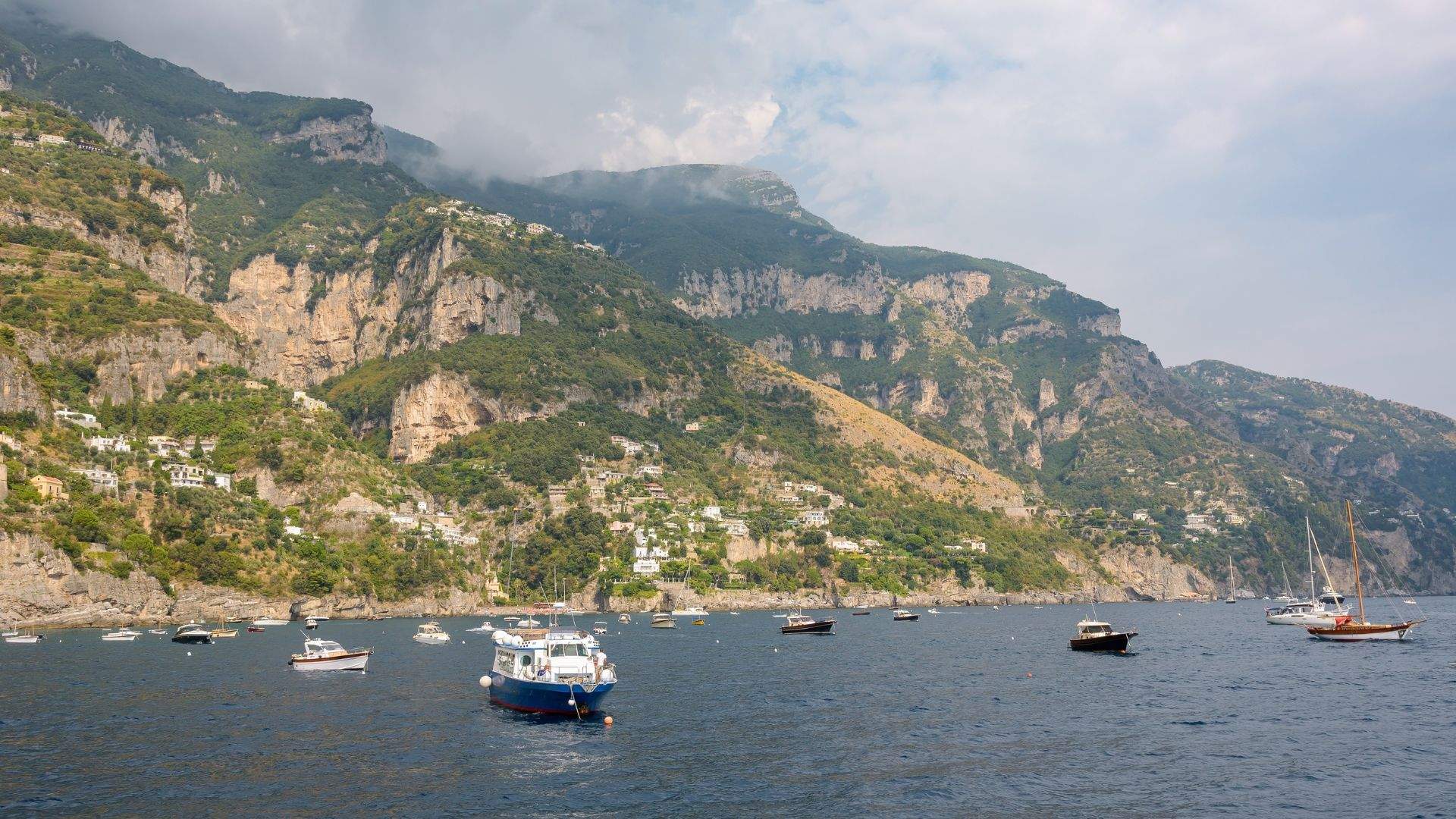
Tras el almuerzo, la plataforma de baño está abierta en la bahía de Recommone, justo al este de la playa principal, resguardada del tráfico de barcos y más tranquila que la propia Marina del Cantone. A media tarde, el capitán reposiciona para la travesía de 8 millas náuticas al este por la costa hasta Positano. La aproximación es el ángulo de Positano que la mayoría de las fotos de este pueblo no pueden captar desde tierra: el apilamiento de casas pastel cayendo en cascada hasta la Spiaggia Grande, la cúpula de Santa Maria Assunta con su azulejo de mayólica atrapando el sol de última hora.
Positano no tiene marina: los yates de hasta 50 metros cogen una boya a 300 o 400 metros de la costa en el campo de fondeo gestionado por la cooperativa y llevan a los huéspedes en lancha hasta el embarcadero de madera de la Spiaggia Grande. La cena esta noche es en tierra: La Sponda en Le Sirenuse por la sala con una estrella Michelin y su terraza de limoneros y velas, o Zass en Il San Pietro, a un paseo en lancha al este de Positano, con su propio muelle privado a nivel del mar y un ascensor en el acantilado hasta el comedor. De vuelta a bordo en la boya hacia las 23:00, con las luces de Positano apiladas sobre la bañera.
Day Highlights
Día 6 de 7 · Positano → Amalfi
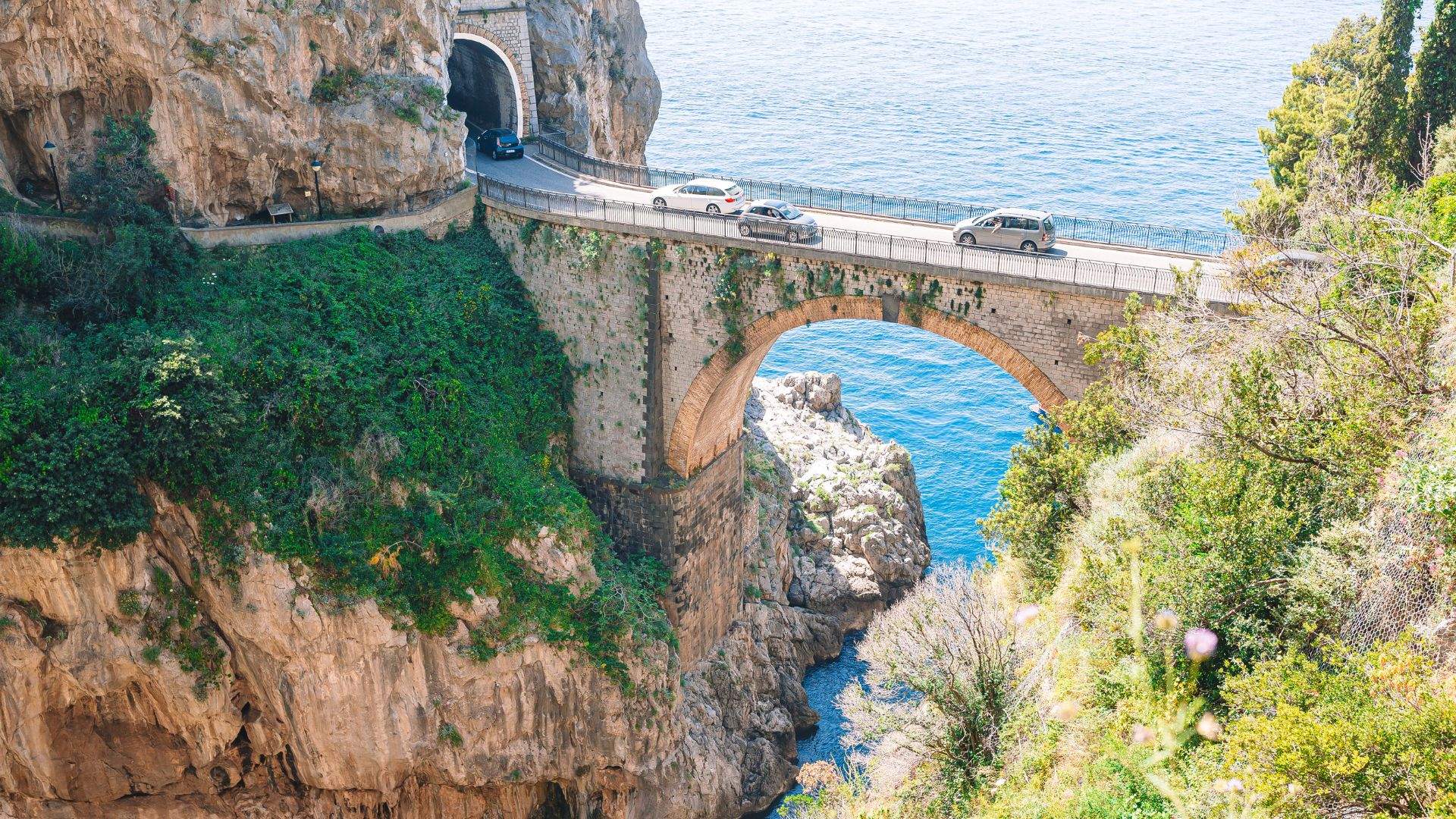
La travesía más corta de la semana: un tramo de 6 millas náuticas al este por la costa de Positano a Amalfi, con dos paradas por el camino que los itinerarios de ida y vuelta se saltan. Primera parada, a media mañana: el Fiordo di Furore, una cala de guijarros de 25 metros bajo el puente de piedra arqueado de la SS163. El yate nodriza se mantiene a distancia, la lancha se enhebra bajo el puente para un baño y unas fotos. Veinte minutos, no un almuerzo: no hay muelle ni taberna en Furore, solo la hendidura bajo el arco. El propio puente se fotografía tanto como cualquier otra cosa de esta costa.
Segunda parada, a última hora de la mañana: Conca dei Marini y la Gruta Esmeralda. El yate fondea en la bahía; la lancha lleva a los huéspedes a la taquilla flotante en la boca de la cueva, donde una de las pequeñas barcas de remos de madera de la gruta te lleva por la abertura de 80 centímetros de la cueva, la única forma de entrar, ya que no cabe ni una lancha ni un barco más grande. 10 € por persona, en efectivo. La luz interior de la gruta es del mismo color esmeralda que el azul de la Gruta Azul, generada por el mismo efecto: luz solar refractada a través de una abertura sumergida. El horario es aproximadamente de 09:00 a 15:00 a diario, cerrada cuando hay mar.
Llegada a media tarde al pueblo de Amalfi. Marina Coppola, en el puerto, admite yates de hasta 35 metros en 8 a 11 metros de agua: resguardada, a diez minutos a pie de la catedral de Sant'Andrea. Los yates de más de 35 metros fondean mar adentro y llegan en lancha. Excursión de media jornada a Ravello en tierra si tu grupo aún no la ha hecho: lancha al embarcadero de Pennello, veinte minutos con chófer privado por las curvas de la SS373, una hora en el Belvedere del Infinito de Villa Cimbrone, y de vuelta para un almuerzo a las 13:00 a bordo. Cena en tierra: Eolo, en el paseo marítimo de Amalfi, por la vista al puerto, o Rossellinis del Palazzo Avino, de nuevo arriba en Ravello, por la sala con una estrella Michelin y su terraza sobre el acantilado.
Day Highlights
Día 7 de 7 · Amalfi → Salerno
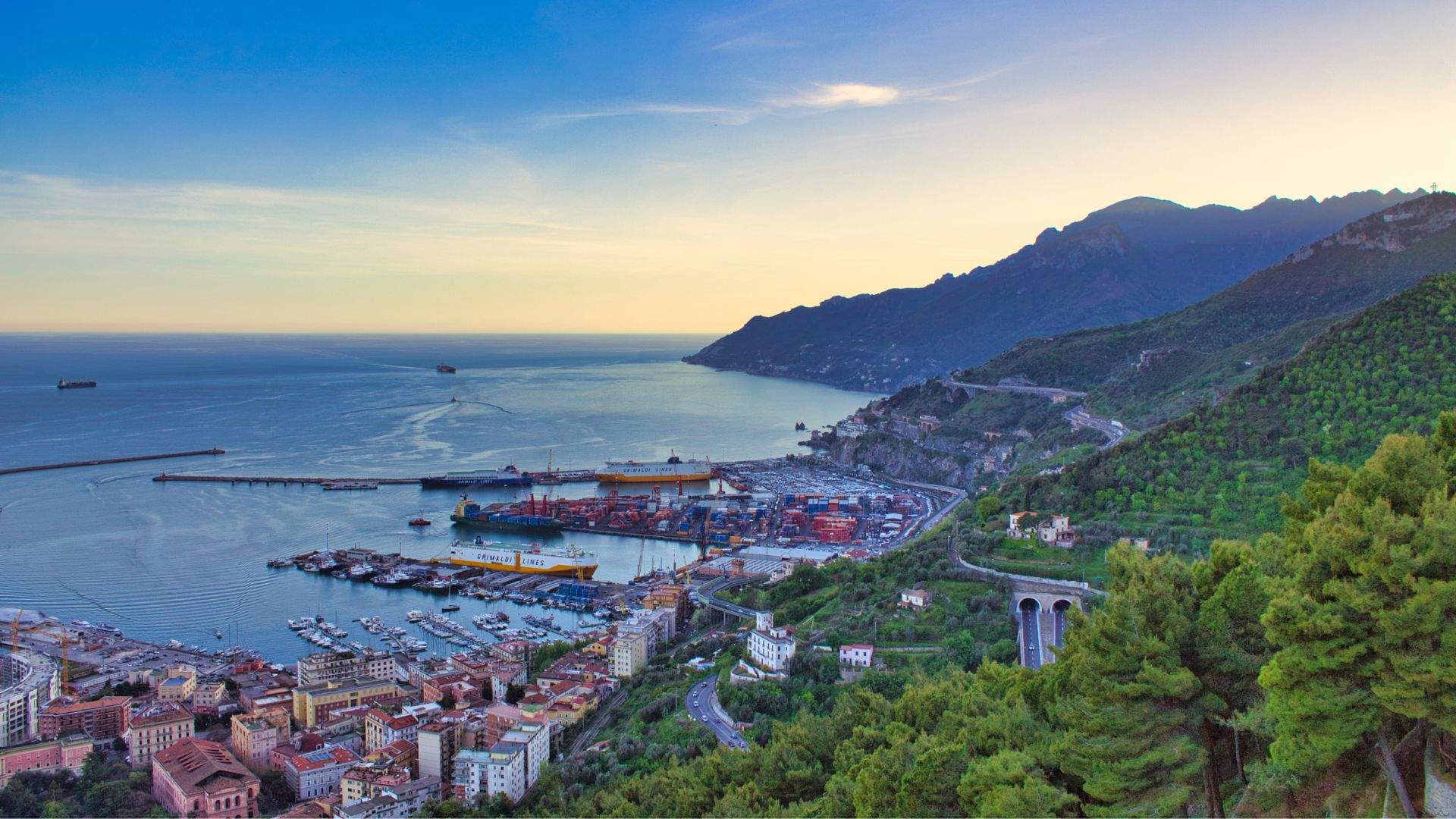
Un último desayuno pausado al ancla a la sombra de la catedral de Amalfi, un baño final desde la plataforma de baño si la mañana es lo bastante cálida, y el capitán larga amarras para la travesía de 12 a 15 millas náuticas al este por la costa de Amalfi a Salerno. La ruta es uno de los tramos más subestimados de esta zona de yates: los acantilados de Conca dei Marini y Praiano quedan atrás, la costa de Maiori y Vietri sul Mare se abre a babor, y el golfo de Salerno se ensancha hacia la larga curva de la Costa del Cilento en el horizonte sur.
La mayoría de las semanas, el capitán cubre este tramo durante el almuerzo a bordo: el plato de despedida del chef, una última copa de lo mejor de la bodega, y el espigón de Marina d'Arechi enfocándose para cuando se retira el postre. La marina admite yates de hasta 100 metros en 8 metros de agua en el muelle: la base de yates más al sur de la región de la bahía de Nápoles y la única del lado amalfitano que cuenta con infraestructura completa para superyates.
Desembarco a media tarde. La tripulación tiene el traslado organizado: directo a NAP para los huéspedes que vuelan ese mismo día (50-60 minutos en coche por la A3), o a la estación de Stadio Arechi de Salerno para el Frecciarossa directo a la Termini de Roma en tan solo 1 hora y 26 minutos. Muchos grupos organizan el día posterior al viaje en yate de forma distinta a como lo harían en un ida y vuelta desde Nápoles: continuación a Pompeya vía Nápoles, una extensión al sur por la Costa del Cilento, o una noche de Capri-Amalfi-Pompeya en Sorrento antes de volar a casa. Tu capitán y tu chef bajarán del barco ya hablando de cuándo vuelves, que suele ser como terminan los buenos.
Day Highlights
Want to share or come back to this voyage later?
Bookmark this voyage →Itinerario con tripulación · Costa Amalfitana
Para la tercera noche, la hora ha dejado de importar. Esta mañana amaneciste bajo los Faraglioni. El almuerzo fueron dos horas en una terraza privada a la que solo se llega en lancha, el tipo de trattoria que no acepta reserva de nadie que el capitán no conozca ya. Para cuando fondeaste frente a Positano, los ferris de cruceros habían despejado la bahía y el pueblo se iluminaba sobre la bañera, con las campanas de la iglesia dando la hora en algún punto del acantilado. Esta es la semana clásica de la Costa Amalfitana desde Nápoles: Procida e Ischia para el arranque, dos noches en Capri calculadas para despertar antes de que lleguen los excursionistas del día, el largo almuerzo en Lo Scoglio en Nerano, una velada en Positano, las escalinatas de la catedral de Amalfi, y Sorrento de camino a casa.
La mayoría de los huéspedes que reservan esta semana son primerizos en la Costa Amalfitana, parejas que hacen un viaje especial, o familias y grupos pequeños que eligen el itinerario que recorre todo lo imprescindible a un ritmo relajado. El viaje de ida y vuelta de 7 días suma unas 70 millas náuticas en total: saltos cortos, almuerzos largos y dos noches en Capri calculadas para despertar antes de que lleguen los excursionistas del día. Pensado en torno a un yate a motor de 24 a 50 metros con chef y tripulación completa; los catamaranes y los yates a motor más pequeños hacen la misma ruta. Embarque en Nápoles Mergellina o Marina di Stabia, ambos a menos de 30 minutos del aeropuerto de Nápoles Capodichino (NAP). La temporada alta va de Semana Santa a finales de octubre, con finales de mayo, junio y principios de septiembre como las mejores semanas del año.
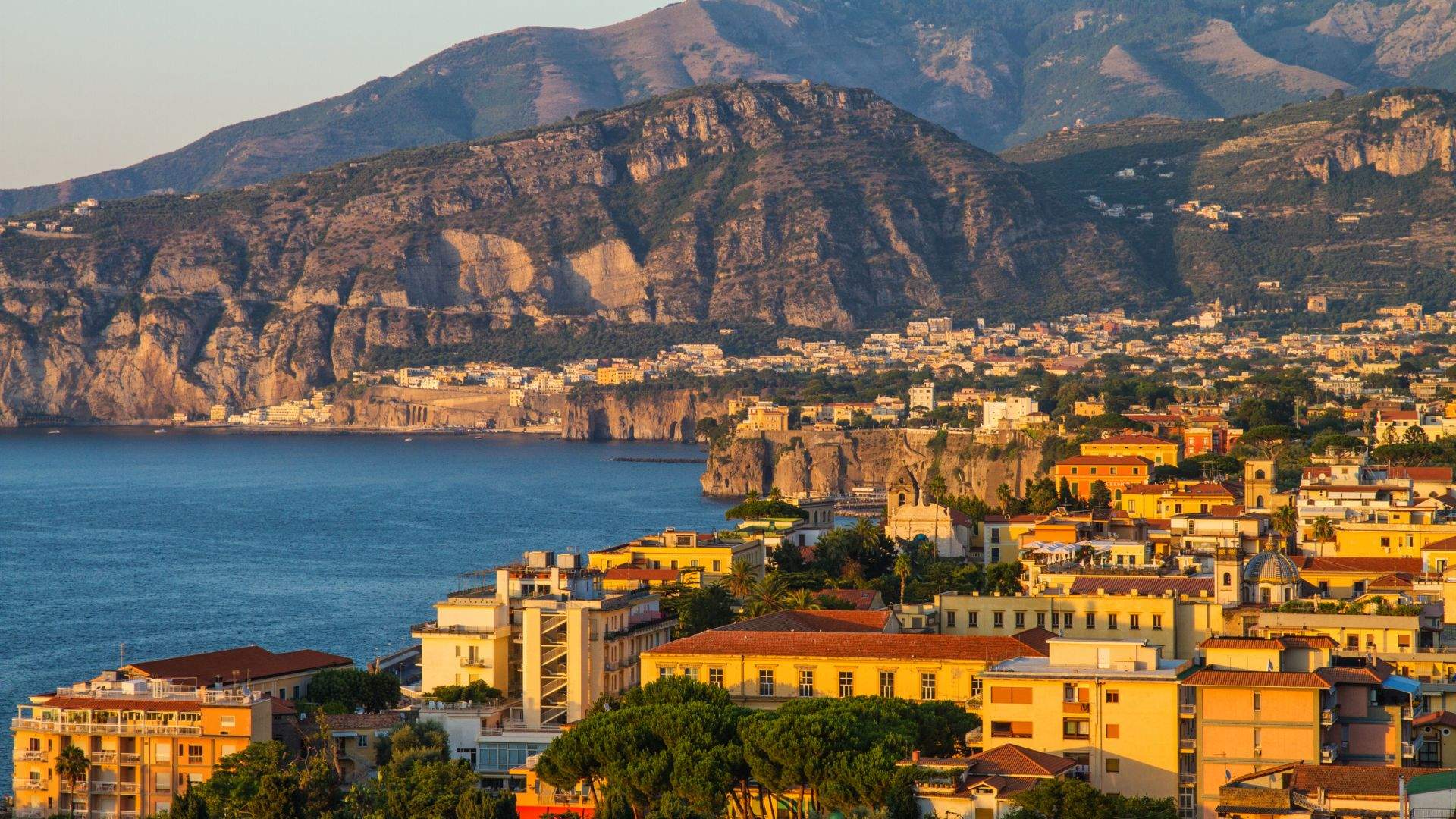
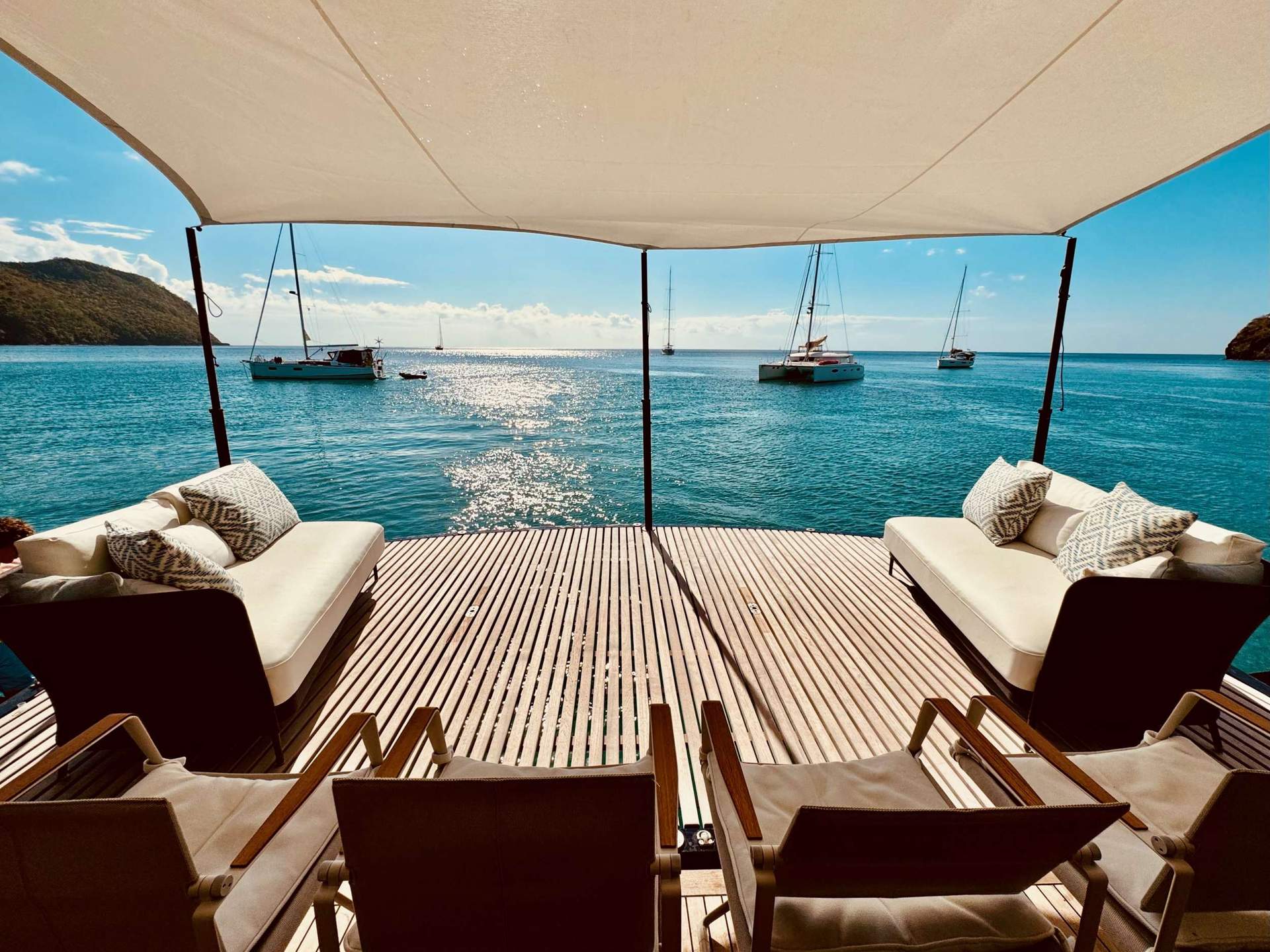
Esta es la semana de postal. Un largo almuerzo de apertura en la Marina Corricella de Procida, donde la flota pesquera todavía llega con la pesca del día. Una mañana de spa en las piscinas termales de Ischia, aterrazadas en la ladera volcánica del monte Epomeo. Dos noches en Capri: telesilla al Monte Solaro al amanecer, antes de que hayan atracado los ferris de Sorrento; la larga y perezosa tarde en Marina Piccola bajo los Faraglioni; la Gruta Azul a última hora de la tarde, cuando los barcos públicos se han ido a casa. Luego el largo almuerzo en Lo Scoglio, en Nerano: spaghetti alla Nerano, pescado de barco de día a la parrilla, un Greco di Tufo bien frío. Positano iluminado sobre la bañera a medianoche. Las escalinatas de la catedral de Amalfi a la mañana siguiente. Media jornada subiendo por las curvas hasta Ravello, el Belvedere del Infinito, y almuerzo de vuelta a bordo. Sorrento de camino a casa.
Otras dos semanas amalfitanas concretas corren junto a esta. El viaje de ida y vuelta desde Salerno sale de Marina d'Arechi en un catamarán o yate de vela, con un Frecciarossa directo desde Roma que te deja a cinco minutos a pie del atraque. El trayecto solo ida de Nápoles a Salerno recorre con un yate a motor más grande la pared de acantilados hacia el este, sin volver sobre sus pasos, sumando dos paradas que los de ida y vuelta no pueden alcanzar: el Fiordo di Furore enclavado bajo el puente de la SS163, y la Gruta Esmeralda en Conca dei Marini. Los precios en esta costa parten de unos 40.000 USD por semana y escalan hasta bien entrado el territorio de los superyates.
Día 1 de 7 · Nápoles → Procida
La semana empieza en Mergellina. A diez minutos del aeropuerto, al abrigo del promontorio de Posillipo con la silueta del Castel dell'Ovo al otro lado de la bahía: la marina que has visto en cada fotografía de Nápoles jamás tomada. Tu tripulación te recibe en el atraque con bebidas frías y la sesión informativa sobre la carta. El chef termina el aprovisionamiento mientras un mayordomo acomoda tu equipaje en los camarotes y te enseña el barco. (Los yates más grandes, de más de 75 metros, embarcan en cambio en Marina di Stabia, veinticinco minutos al sur de NAP: la misma bienvenida, barco más grande).
A media mañana, el capitán larga amarras. Doce millas náuticas al suroeste cruzando la bahía de Nápoles hasta Procida, la más pequeña y subestimada de las islas de la bahía. La tarde es una tranquila travesía de rodaje: los acantilados de Posillipo cayendo por la popa, el paseo marítimo en tonos pastel de la Marina Corricella creciendo por la proa. Aire cálido, agua azul, la ciudad ya desaparecida. El tipo de tramo de apertura que reinicia tu sistema nervioso en la primera hora.
Procida no tiene nada de la intensidad de Capri ni del trasiego de spa de Ischia. La flota pesquera todavía llega aquí al anochecer. Las casas amarillas y pastel aparecen en cada postal del cine italiano de los años cincuenta. El capitán fondea en Marina di Chiaiolella, la bahía protegida del lado suroeste de la isla, y la plataforma de baño sale del espejo de popa. Tu primera cena es a bordo, al ancla: el plato de bienvenida del chef, un blanco de Campania de las laderas bajas del Vesubio, y las luces de la Marina Corricella al otro lado del agua mientras el puerto se serena.
Day Highlights
Día 2 de 7 · Procida → Ischia
Un corto salto de 5 a 7 millas náuticas te lleva de Procida a Ischia, la mayor de las islas de la bahía de Nápoles y la que tiene la historia más larga de ser visitada específicamente por sus aguas. Las aguas termales que brotan de las laderas volcánicas del monte Epomeo llevan dos mil años atrayendo a Ischia a romanos, borbones y directores de cine del siglo XX, y la cultura del spa sigue siendo la carta de presentación de la isla. La elección de fondeadero de tu capitán da forma al día: Casamicciola por su bahía mejor protegida y el acceso más fácil en lancha al complejo termal de Negombo, o Forio en la costa oeste por el sol de última hora de la tarde y la vista de vuelta hacia Procida al otro lado de la bahía.
Si tu grupo quiere la mañana de spa, lo habitual es una reserva privada en Negombo o en los Jardines Poseidón: a ambos se llega a pie desde la lancha, ambos tienen una docena de piscinas a distintas temperaturas aterrazadas en la ladera, y ambos están abiertos hasta octubre. Si prefieres quedarte en el barco, el equipo de snorkel sale de la plataforma de baño y el chef monta un largo almuerzo en la cubierta de popa con la costa desfilando. El agua en mayo, junio y septiembre ronda los 21-23 °C; para mediados de julio se acerca a los 27 °C.
A última hora de la tarde, el capitán reposiciona hacia el Castello Aragonese, la fortaleza medieval que se asienta en su propio islote frente a la costa este de Ischia, unido a la isla principal por una calzada de piedra. Ha estado habitado de forma continua durante 2.500 años, fortificado en su forma actual bajo los aragoneses en el siglo XV, y es el referente visual que la mayoría de los clientes de yates se llevan de Ischia. La cena es a bordo, al ancla, con la silueta del Castello por la proa mientras se encienden las luces a lo largo de la calzada.
Day Highlights
Día 3 de 7 · Ischia → Capri
Hoy es la travesía más larga de la semana: un cruce en mar abierto de 18 millas náuticas al sur desde Ischia hasta Capri, atravesando las Bocche di Capri, el ancho canal que separa la bahía de Nápoles del lado amalfitano. Tu capitán lo planifica en torno al parte de la mañana. Con el tiempo estable de junio y septiembre es una travesía suave de dos horas; en los meses de temporada media, con tiempo de cola, el cruce se calcula según la dirección de la brisa. En cualquier caso es la única pieza significativa de mar abierto de la semana, y la mayoría de las semanas transcurre durante un desayuno tardío en la cubierta de popa.
Capri aparece por la proa como una única pared escarpada de caliza, y luego se resuelve en los dos puertos a ambos lados de la isla: Marina Grande en la costa norte (el puerto de trabajo y la única marina que admite amarres de popa para pasar la noche hasta 60 metros) y Marina Piccola en el lado sur, bajo las rocas Faraglioni (un fondeadero de fondo de arena en 6 a 10 metros, resguardado solo del norte). La elección de tu capitán depende del tamaño del yate, el tiempo y cómo se organice la mañana siguiente. En cualquier caso, las fotos que todos quieren llegan a la entrada: el capitán mantiene posición frente a los Faraglioni durante diez minutos mientras la lancha rodea para los ángulos, y el famoso paso bajo el arco entre las dos rocas del Faraglione di Mezzo solo ocurre cuando el mar está lo bastante plano.
La estrategia para Capri empieza ahora. Los ferris de excursionistas del día desde Nápoles y Sorrento atracan entre las 9:30 y las 11:00 de la mañana y se van entre las 16:00 y las 18:00. El plan de tu capitán es estar en el puerto a media tarde, dejarte en tierra para un paseo tranquilo en funicular hasta la Piazzetta hacia las 17:00, una vez que la multitud de cruceros se ha aligerado, cenar en Mammà junto a la Piazzetta o en L'Olivo, arriba en Anacapri (la única sala con dos estrellas Michelin de la isla, reservada con semanas de antelación), y de vuelta a bordo para una noche tranquila en el muelle de Marina Grande o al ancla en Marina Piccola.
Day Highlights
Día 4 de 7 · Capri, día completo
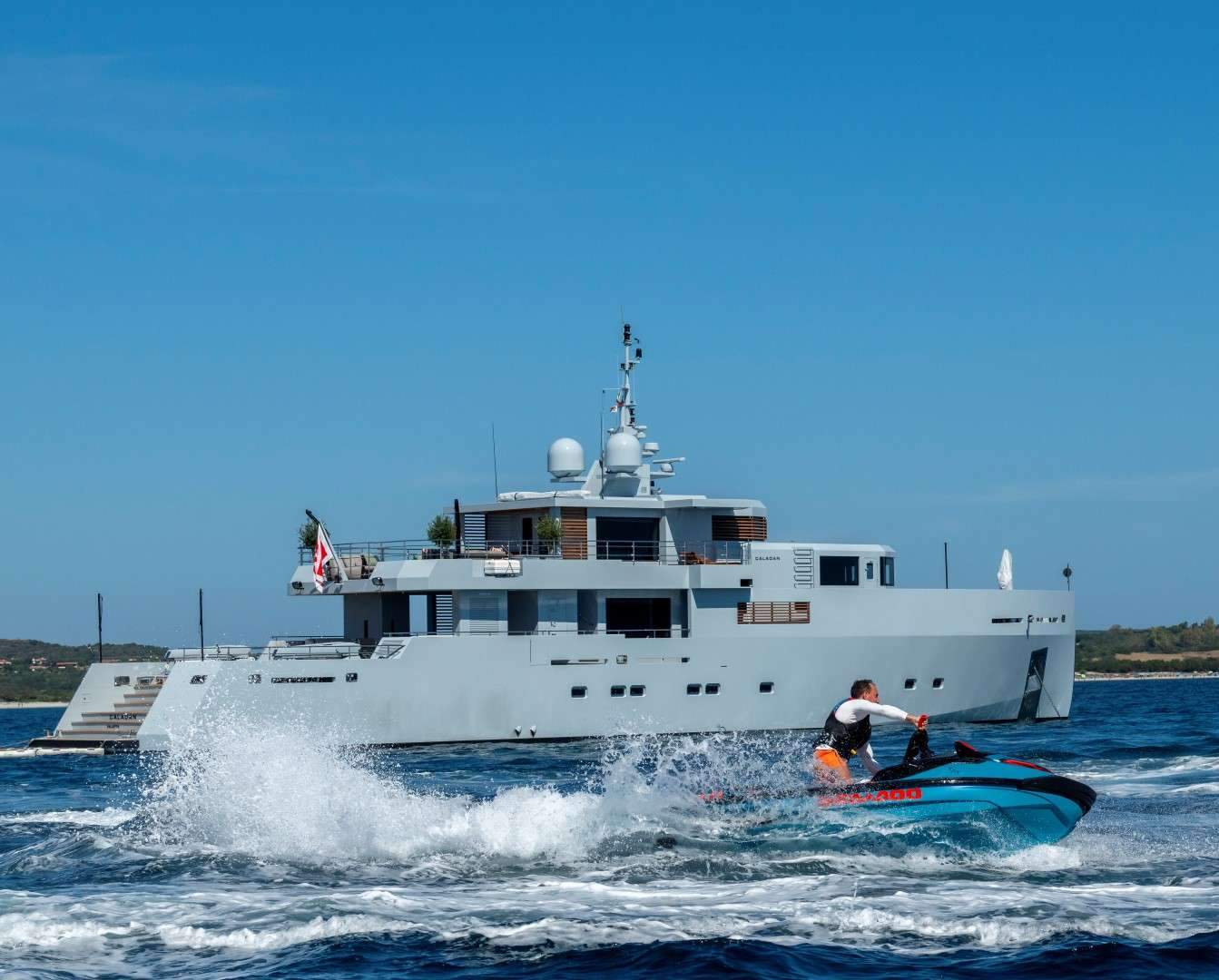
La fama de Capri de estar abarrotada viene de los excursionistas del día, y el yate es el truco para esquivarlos. Lo habitual esta mañana es madrugar: telesilla al Monte Solaro a las 8:00, antes de que haya atracado el primer ferry de Sorrento. La silla sube de Anacapri al punto más alto de la isla en doce minutos, y desde la cumbre puedes ver toda la Costa Amalfitana extendida al sur y la bahía de Nápoles al norte. Para las 9:30, cuando llegan los barcos de día, ya estás de vuelta en Anacapri tomando un espresso y paseando por la Villa San Michele, la villa y jardín de Axel Munthe, construida sobre las ruinas de una de las capillas de Tiberio en 1896, con el claustro abierto hasta octubre.
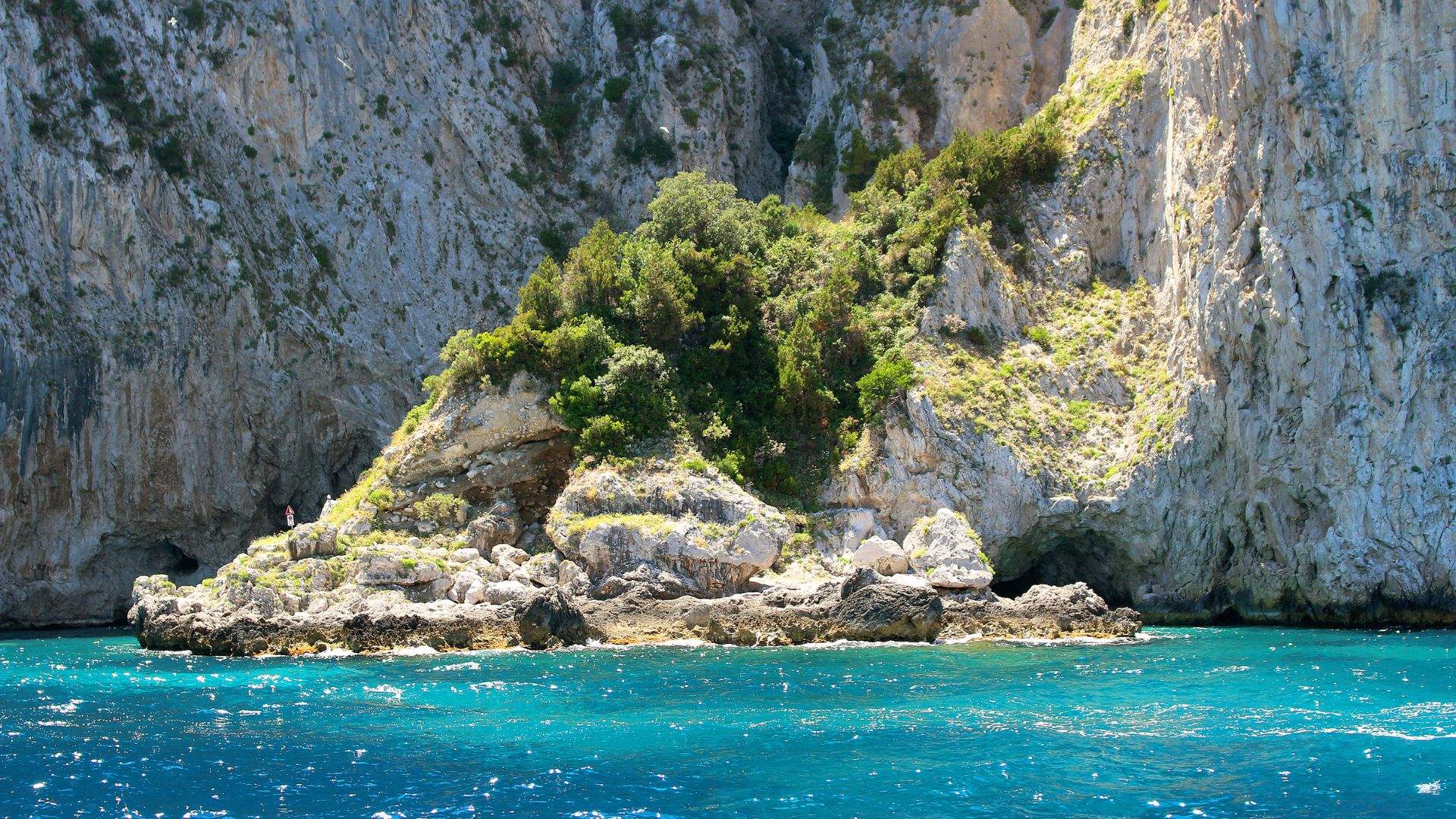
A media mañana, la lancha te deja de vuelta en Marina Piccola, donde el capitán ha fondeado en 6 a 10 metros sobre arena. El almuerzo es a bordo, al ancla: los spaghetti alle vongole del chef o la pesca del día del mercado de Capri a la parrilla en la plancha de la cubierta de popa. La pasta junto al agua en Italia no es un cliché, es lo correcto. Tras el almuerzo, la plataforma de baño está abierta: snorkel por la base del acantilado, o deja que el capitán acerque la lancha a la Grotta Verde y a las cuevas marinas más pequeñas del lado sur que los barcos de excursionistas no alcanzan.
La tarde es para la Gruta Azul, si las condiciones lo permiten: una bajada en lancha en la boca de la cueva, en el lado noroeste de la isla, y una de las barcas de remos de madera de la gruta a través de la abertura de 80 centímetros. 18 € por persona, pagaderos en efectivo a los remeros, cerrada cuando hay oleaje. A última hora de la tarde, los barcos de día se han ido y la isla se serena. La cena la decides tú: Da Paolino bajo el emparrado de limoneros al pie del Monte Solaro (reservado con semanas de antelación en temporada alta), Mammà junto a la Piazzetta, o de vuelta al barco para una velada al ancla con los Faraglioni enmarcando la bañera.
Day Highlights
Día 5 de 7 · Capri → Positano
Un corto salto de 5 millas náuticas al este te lleva de Capri a Nerano, la bahía enclavada tras la punta de la península de Sorrento y la capital del almuerzo de esta costa. El capitán fondea mar adentro en 8 a 15 metros de arena, y Lo Scoglio opera su propia lancha de madera desde los yates fondeados hasta su terraza al pie del pueblo, el mismo barco que hizo famoso Stanley Tucci en "Searching for Italy". El pedido está grabado en piedra: spaghetti alla Nerano (inventados en Maria Grazia, más abajo en la playa, pero la versión de Lo Scoglio es la que hace volver a la gente), pescado de barco de día a la parrilla, un Greco di Tufo de la bodega. Reservado con semanas de antelación en verano; el conserje guarda la mesa.
Tras el almuerzo, la plataforma de baño está abierta en la bahía de Recommone, justo al este de la playa principal, resguardada del tráfico de barcos y más tranquila que la propia Marina del Cantone. A media tarde, el capitán reposiciona para la travesía de 8 millas náuticas al este por la costa hasta Positano. La aproximación es el ángulo de Positano que la mayoría de las fotos de este pueblo no pueden captar desde tierra: el apilamiento de casas pastel cayendo en cascada hasta la Spiaggia Grande, la cúpula de Santa Maria Assunta con su azulejo de mayólica atrapando el sol de última hora, los acantilados cayendo en vertical a aguas lo bastante profundas como para que los yates cojan una boya en el campo de fondeo mar adentro que mantiene la cooperativa local.
Positano no tiene marina: los yates de hasta 50 metros cogen una boya a 300 o 400 metros de la costa y llevan a los huéspedes en lancha hasta el embarcadero de madera de la Spiaggia Grande. El capitán se coordina con la cooperativa a la llegada; las reservas importan en temporada alta. La cena esta noche es en tierra: La Sponda en Le Sirenuse por la sala con una estrella Michelin y su terraza de limoneros y velas (las reservas se abren con 60 días de antelación a las 15:00 hora de Italia y se agotan en minutos), o Zass en Il San Pietro, a un paseo en lancha al este de Positano, con su propio muelle privado a nivel del mar y un ascensor en el acantilado hasta el comedor. De vuelta a bordo en la boya hacia las 23:00, con las luces de Positano apiladas sobre la bañera.
Day Highlights
Día 6 de 7 · Positano → Amalfi → Ravello
El día más corto de la semana: una travesía de 5 a 6 millas náuticas al este por la costa, de Positano al pueblo de Amalfi. El tempo del capitán es lento a propósito. Salida a media mañana con los acantilados de Praiano y el puente de piedra arqueado sobre el Fiordo di Furore a estribor, y una posible parada de baño en la cala al este de Praiano si la mañana está tranquila. Marina Coppola, en Amalfi, admite yates de hasta 35 metros en 8 a 11 metros de agua: el amarre más resguardado de este tramo de costa, a diez minutos a pie de la catedral de Sant'Andrea, en lo alto de la plaza principal del pueblo.
Amalfi fue una república marítima en el siglo IX, a la par de Venecia, Pisa y Génova, con su propia moneda y red comercial por todo el Mediterráneo. La catedral, dedicada a San Andrés Apóstol (hermano de Pedro, uno de los doce), se alza en lo alto de 62 escalones de piedra sobre la plaza principal. Las reliquias se trajeron de Constantinopla en 1206 tras la Cuarta Cruzada y desde entonces están en la cripta, bajo el altar de la urna de plata. La fachada que ves ahora es una reconstrucción normando-árabe-bizantina de finales del siglo XIX; la catedral en sí tiene raíces en los siglos IX y X.
Ravello se asienta siete kilómetros acantilado arriba sobre Amalfi, a unos veinte minutos con chófer privado por las curvas de la SS373. Excursión de media jornada: lancha al embarcadero de Pennello a las 9:30, chófer por las revueltas, una hora en los jardines de Villa Rufolo (la villa de Wagner y Klingsor donde el Festival de Ravello se celebra cada verano desde 1953), y luego un corto paseo hasta Villa Cimbrone para el Belvedere del Infinito, la terraza al borde del acantilado bordeada de bustos de mármol que aparece en cada fotografía de Amalfi jamás tomada. Café en la Piazza Duomo, de vuelta al yate para un almuerzo a las 13:00, baño por la tarde, y cena en tierra en Eolo, en el paseo marítimo de Amalfi, o en Rossellinis del Palazzo Avino, de nuevo arriba en Ravello (una estrella Michelin), para los grupos que quieran alargar la velada en lo alto.
Day Highlights
Día 7 de 7 · Amalfi → Nápoles
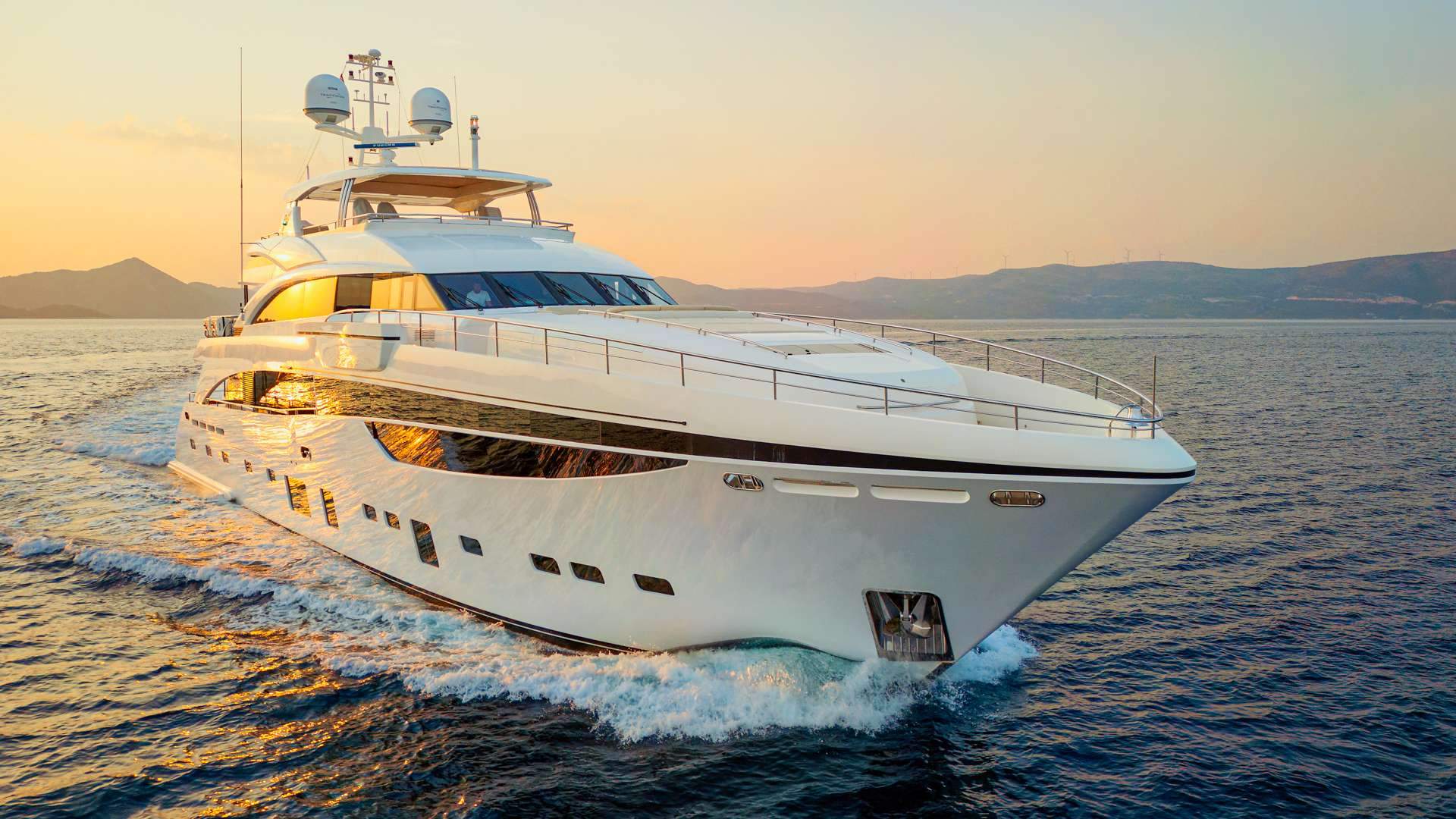
Un último desayuno pausado en cubierta a la sombra de la catedral de Amalfi, un baño final desde la plataforma de baño si la mañana es lo bastante cálida, y el capitán larga amarras para la travesía de 13 millas náuticas al oeste hasta Sorrento. La ruta abraza la costa, dejando la bahía de Salerno por la popa y los acantilados de Praiano y Conca dei Marini por la proa. La Marina Piccola de Sorrento se comparte con el muelle del ferry público; tu lancha te deja en el muelle de embarcaciones pequeñas y un paseo de cinco minutos cuesta arriba te pone en el casco antiguo para un último espresso al borde del acantilado en la terraza del Foreigners' Club.
Desde Sorrento es un cruce de 14 millas náuticas de vuelta por la bahía de Nápoles hasta Mergellina, con el Vesubio creciendo por la proa y el promontorio de Posillipo a estribor. La mayoría de las semanas, el capitán cubre este tramo durante el almuerzo a bordo: el plato de despedida del chef, una última copa de lo mejor de la bodega, y la silueta del Castel dell'Ovo enfocándose para cuando se retira el postre.
Desembarco en Mergellina a media tarde. La tripulación tiene el traslado organizado: directo a NAP para los huéspedes que vuelan ese mismo día, o a un hotel en Nápoles o de continuación a Roma con el Frecciarossa desde Napoli Centrale (poco más de una hora hasta Roma Termini). Las ruinas de Pompeya están a 30 minutos en coche de Mergellina si tu vuelo no sale hasta la tarde; muchos grupos hacen de Pompeya el día posterior al viaje en lugar del anterior. Tu capitán y tu chef bajarán del barco ya hablando de cuándo vuelves, que suele ser como terminan los buenos.
Day Highlights
Want to share or come back to this voyage later?
Bookmark this voyage →
When to go, what it costs, and how to get there — the practical answers guests ask before booking a Amalfi Coast crewed yacht charter.
El verano italiano en plena intensidad. Máximas diurnas rozando los 29°C en la costa, superando los 35°C en las excursiones al interior hacia Ravello y Pompeya. La temperatura del mar alcanza cerca de 27°C en agosto. Los puertos funcionan a plena capacidad — el Ferragosto italiano del 15 de agosto es el pico de la temporada alta, cuando Roma y Milán se vacían hacia Capri y Positano por las fiestas. Los mejores yates y tripulaciones se reservan con nueve a doce meses de antelación, las mejores amarras en la Marina Grande de Capri se venden por adelantado, y las tarifas suben entre un 25 y un 40% respecto a los hombros de temporada. Las normas de 2026 en Capri para grupos turísticos — grupos de tierra limitados a cuarenta personas, sin altavoces — han ayudado algo, pero los puertos siguen siendo muy concurridos. Los clientes que quieren la energía de la Amalfi de temporada alta pagan por ello; los que prefieren aguas más tranquilas y reservas más fáciles eligen las semanas de los lados.
La ventana que reservan la mayoría de los habituales. El mar alcanza una temperatura agradable de 22°C a mediados de junio y se mantiene por encima de los 21°C hasta octubre. Los días oscilan entre los 25°C y los 29°C — agradables en lugar de agotadores. Las tarifas bajan entre un 20 y un 25% respecto a la temporada alta. Las tavernas tienen mesa. Junio y principios de septiembre son las semanas más sólidas del año en esta costa — el calor se suaviza, las multitudes de turistas de día caen bruscamente cuando los colegios italianos reanudan las clases el 10 de septiembre, y la flexibilidad del itinerario se amplía. Octubre sigue ofreciendo mares cálidos y puertos tranquilos, a cambio de más lluvia, con frecuencia en forma de tormentas rápidas de tarde que pasan en una hora. De noviembre a abril la flota ha cruzado al Caribe.
$40,000–$200,000 per week
Una semana con tripulación en la Costa Amalfitana tiene una tarifa base de entre $40,000 y $200,000+, según el tamaño del yate, el año de construcción y la tripulación. Italia opera bajo el modelo mediterráneo de gastos aparte — la tarifa base cubre únicamente el yate y la tripulación, con una propina del 10–15% (el 10% es el punto habitual según el MYBA) pagada directamente al capitán en el desembarque, el 22% de IVA italiano de yate añadido en el momento de la reserva (la tarifa estándar del país, vigente desde noviembre de 2020), y un APA (Asignación Anticipada de Provisiones) del 25–35% pre-financiado al firmar para cubrir alimentación, bebidas, combustible, amarre en marina, tasas portuarias y entradas a lugares como la Grotta Azzurra y la Grotta dello Smeraldo. Las amarras premium en la Marina Grande de Capri son una partida del APA — €740 por noche en temporada alta para un yate de 80 pies y €1,210 para uno de 100 pies, con mínimos de dos noches en fin de semana entre mayo y mediados de septiembre. Los viajes en yate van de sábado a sábado.
About chartering in the Amalfi Coast.
We charter across the Western Mediterranean. Here are some other excellent alternatives.

Four cruising grounds in one country — the Amalfi Coast, Sardinia & Corsica, Sicily and the Aeolian Islands, the Italian Riviera south to Tuscany. The hardest part of an Italy yacht charter is choosing which week to take first.

Costa Smeralda granite coves and Bonifacio's white-cliff citadel six miles apart, the Strait between two islands cruised in a single afternoon — the Mediterranean the Italians and French keep mostly for themselves.

Stromboli erupting off the anchorage at Panarea, the Greek theatre at Taormina with Etna smoking behind, and the Cappella Palatina at Palermo's Norman Palace — the Mediterranean's only active-volcano cruising ground and the Italian week most guests book the second time they come.

Portofino's harbor amphitheater, the Cinque Terre's cliff villages, Portovenere's painted waterfront, and the Tuscan islands south to Elba and Argentario. The quieter Italian week for guests who want village character, harbor restaurants, and lower-density anchorages without Amalfi's August intensity.

Monaco's Port Hercule, Cap Ferrat's villa coast, Cannes and Antibes in the central corridor, and Saint-Tropez at the west end. The French Riviera is the western Mediterranean's maximum-glamour yacht week: shorter passages, premium dockage, Michelin density, and the visible harbor theater guests are usually booking on purpose.

Mallorca's mountain coast on one side, Ibiza and Formentera's clearer water and sand-bottomed coves on the other, and the yacht-only Cabrera National Park between them — three weekly itineraries from Palma or Ibiza Town.
Fill out our quick form and we'll dive into your unique preferences — from adventure-packed itineraries to pampered escapes. Whether you're a seasoned voyager or new to charters, we'll tailor recommendations just for you.
With over fifteen years of experience, we'll match you with the yacht that fits your style, group, and itinerary. We work directly with the captains and crews across our list — so the recommendation is built around the right boat-and-crew fit for your week, not whatever's easiest to book.
Once your yacht is booked, we'll take care of logistics: paperwork, reminders, and personalized resources to help you plan. From arrival planning to must-visit spots, we'll make your charter as seamless as it is unforgettable.

¿Qué esperar de un alquiler de yate privado con tripulación?
Conocé qué hace únicos a estos viajes en yate: servicio personalizado, gastronomía gourmet y un sinfín de aventuras y momentos de relax.

¿Cómo es el proceso de reserva?
Nuestro equipo se encarga de todo: desde tu primer consulta hasta que zarpás. Todo fluye de forma simple.

¿Cuánto cuesta un alquiler de yate con tripulación?
Entendé los distintos tipos de precios, lo que está incluido y lo que no.

Logística: planes probados para un inicio sin estrés
Planificá tu llegada con facilidad. Te damos tips sobre vuelos, traslados y todo lo necesario para arrancar relajado.
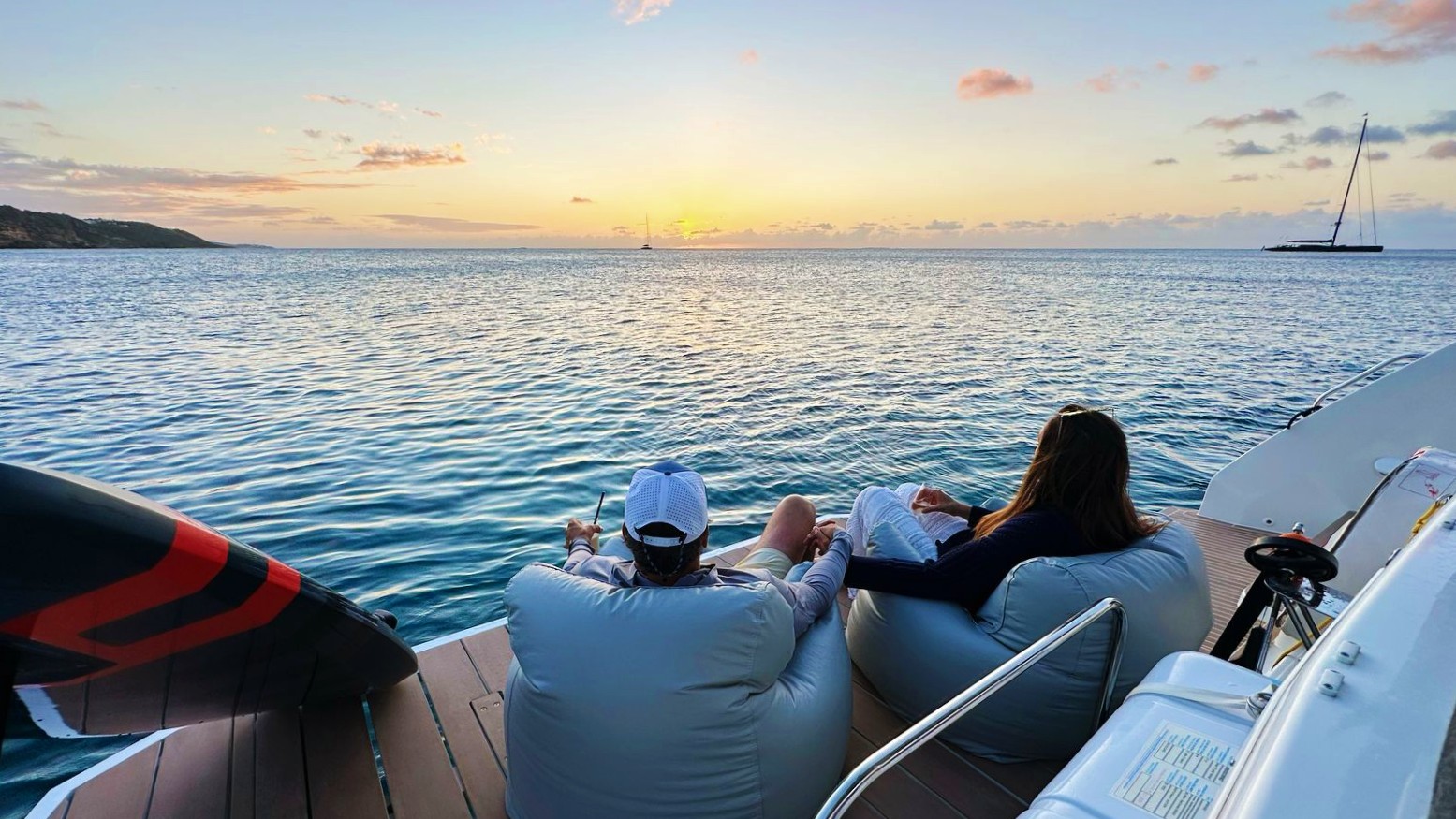
Alquiler de yate de luna de miel
Comience su matrimonio en un yate privado. Explore playas solitarias, gastronomía gourmet y atardeceres inolvidables en el Caribe.
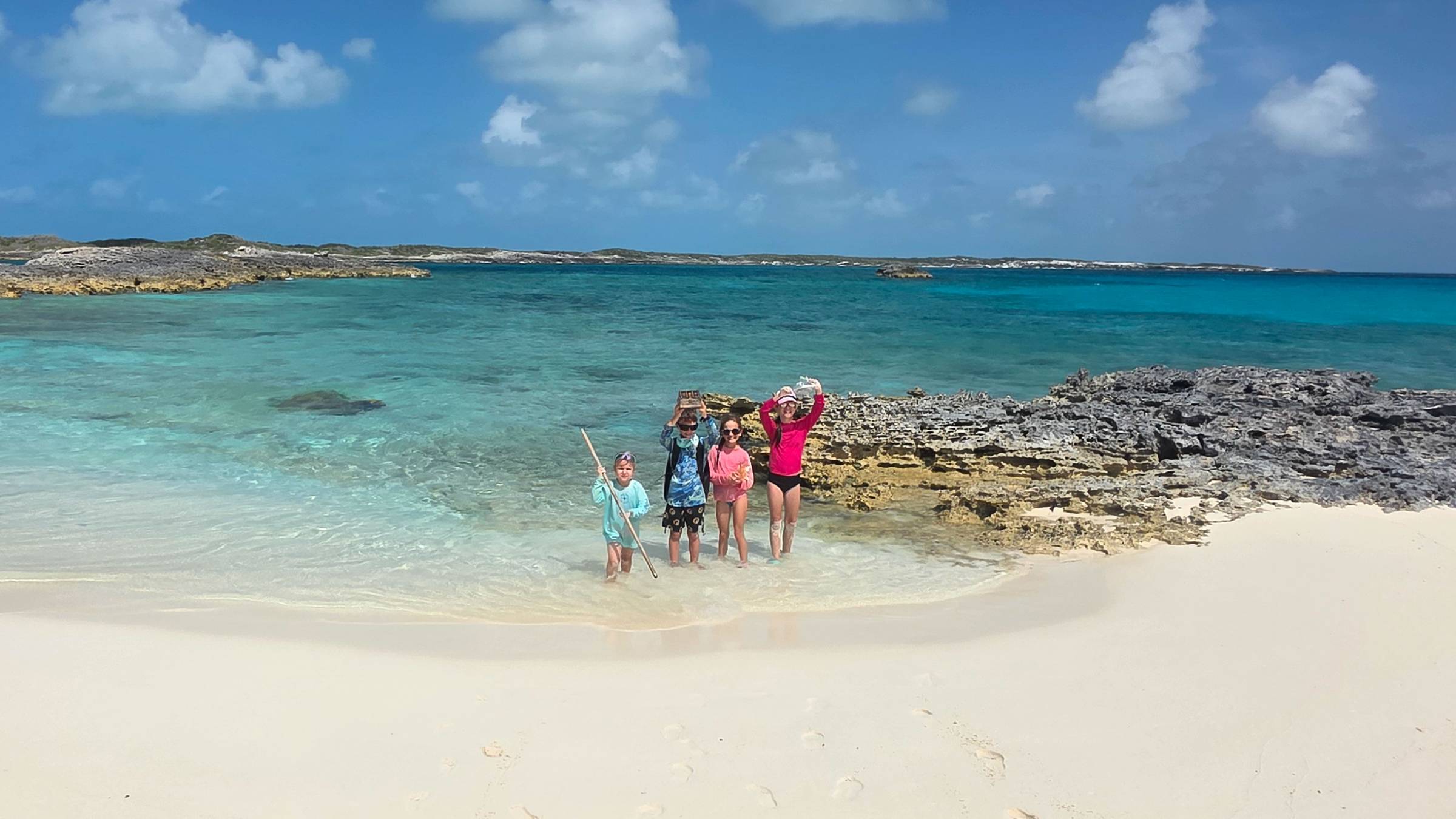
Alquiler de yate familiares
Un alquiler de yate con tripulación es perfecto para familias de todas las edades. Seguro, divertido y con servicio completo — sus hijos nunca lo olvidarán.

Preguntas frecuentes sobre alquileres de yate con tripulación
Obtenga respuestas a las preguntas más comunes sobre alquiler de yate con tripulación, desde precios y propinas hasta qué incluye y qué llevar.

Alquiler de yate con tripulación en las Islas Vírgenes Británicas
Las Islas Vírgenes Británicas son el destino #1 de alquiler de yate con tripulación en el Caribe. Navegaciones cortas, aguas protegidas y bahías de clase mundial.

Guía de Alquiler de Yate con Tripulación en Islas Vírgenes Británicas
Todo lo que necesitás saber antes de tu viaje en yate con tripulación en las Islas Vírgenes Británicas — precios, lista de equipaje, itinerario y cómo llegar.
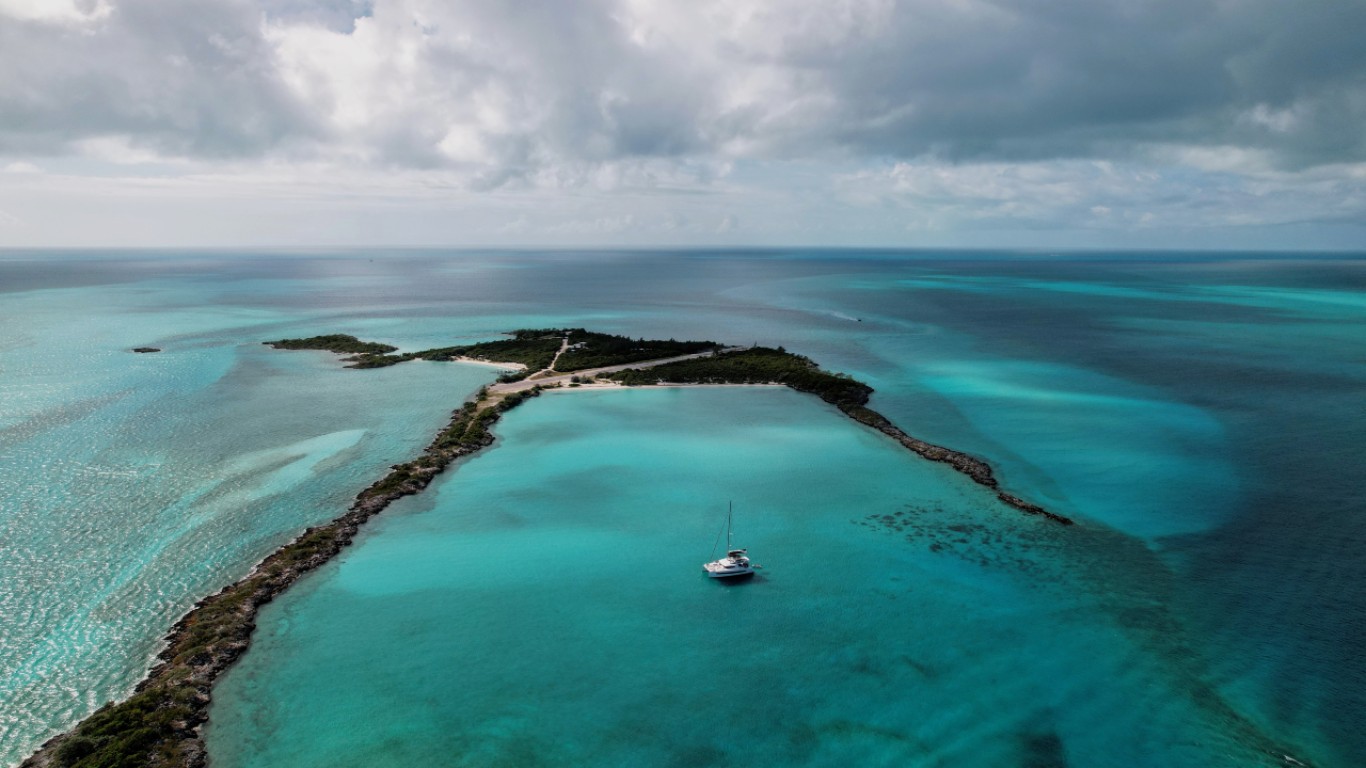
Alquiler de yate con tripulación en las Bahamas
Explore las Exumas en un yate privado con tripulación. Cerdos nadadores, bancos de arena y algunas de las aguas más cristalinas del mundo.
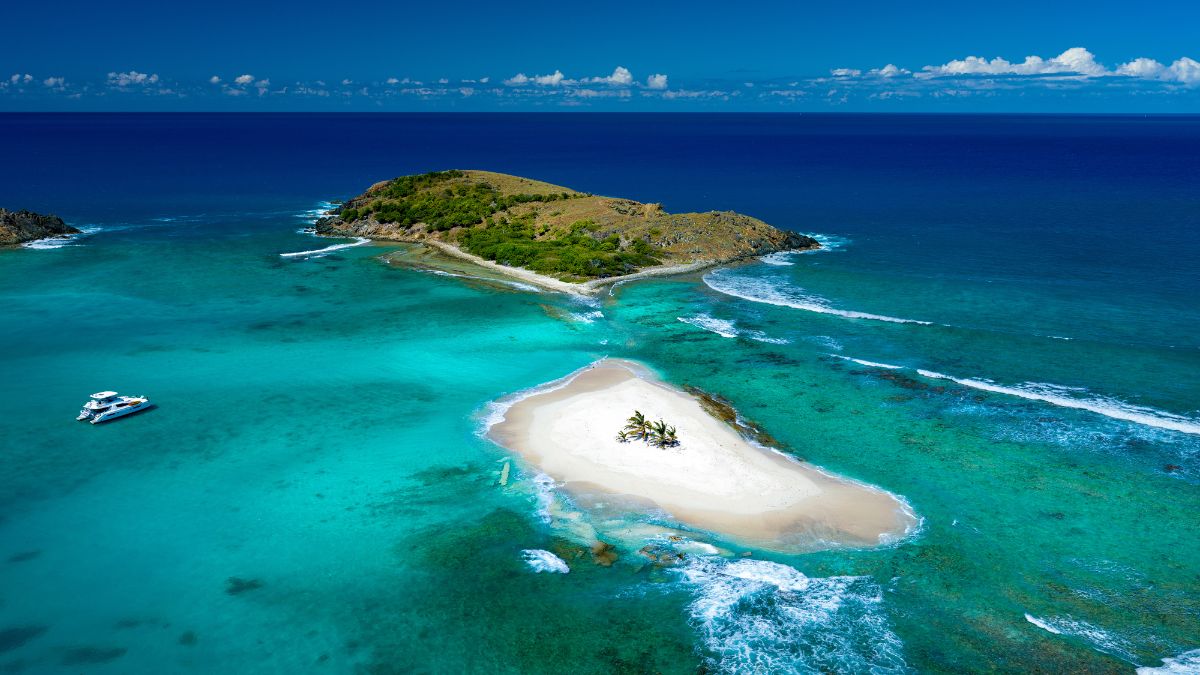
Alquiler de yate con tripulación en el Caribe
Alquiler de yate todo incluido con tripulación en todo el Caribe — Islas Vírgenes Británicas, Bahamas, Islas Vírgenes de EEUU, St. Martin, Antigua y más.