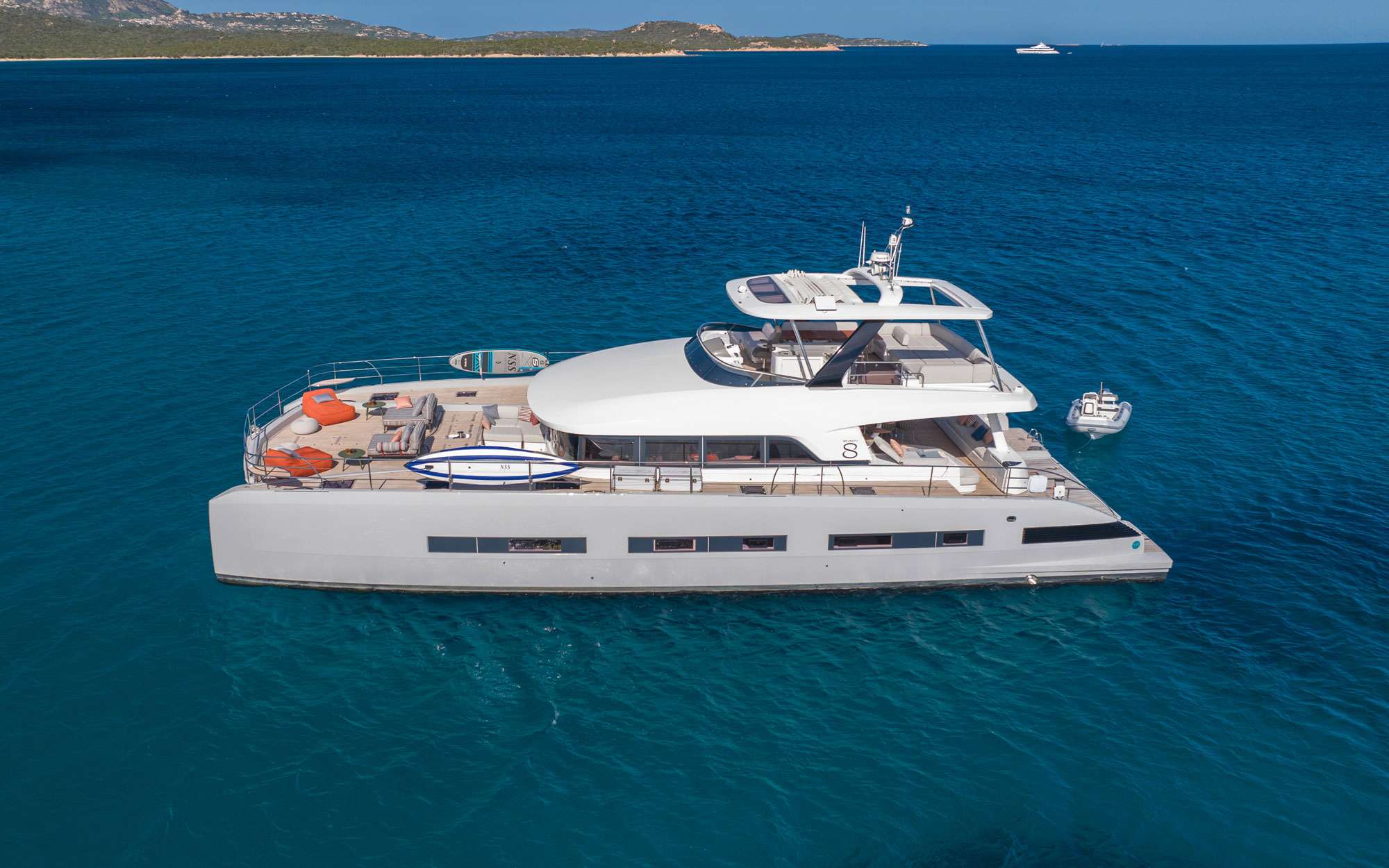

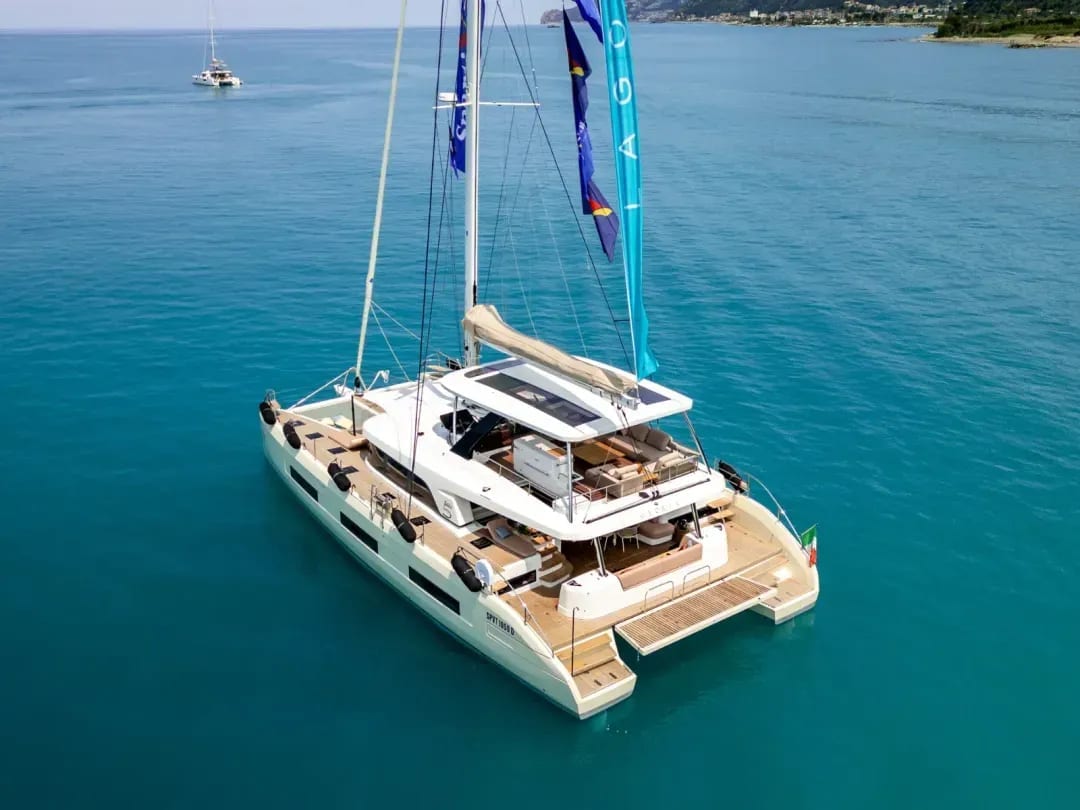
Pac-One
65FT · SAILING CATAMARAN
Desde €32,890/semana
10 Guests · 5 Cabins · 3 Crew
Caribbean
Eastern Mediterranean
Western Mediterranean
South Pacific
United States
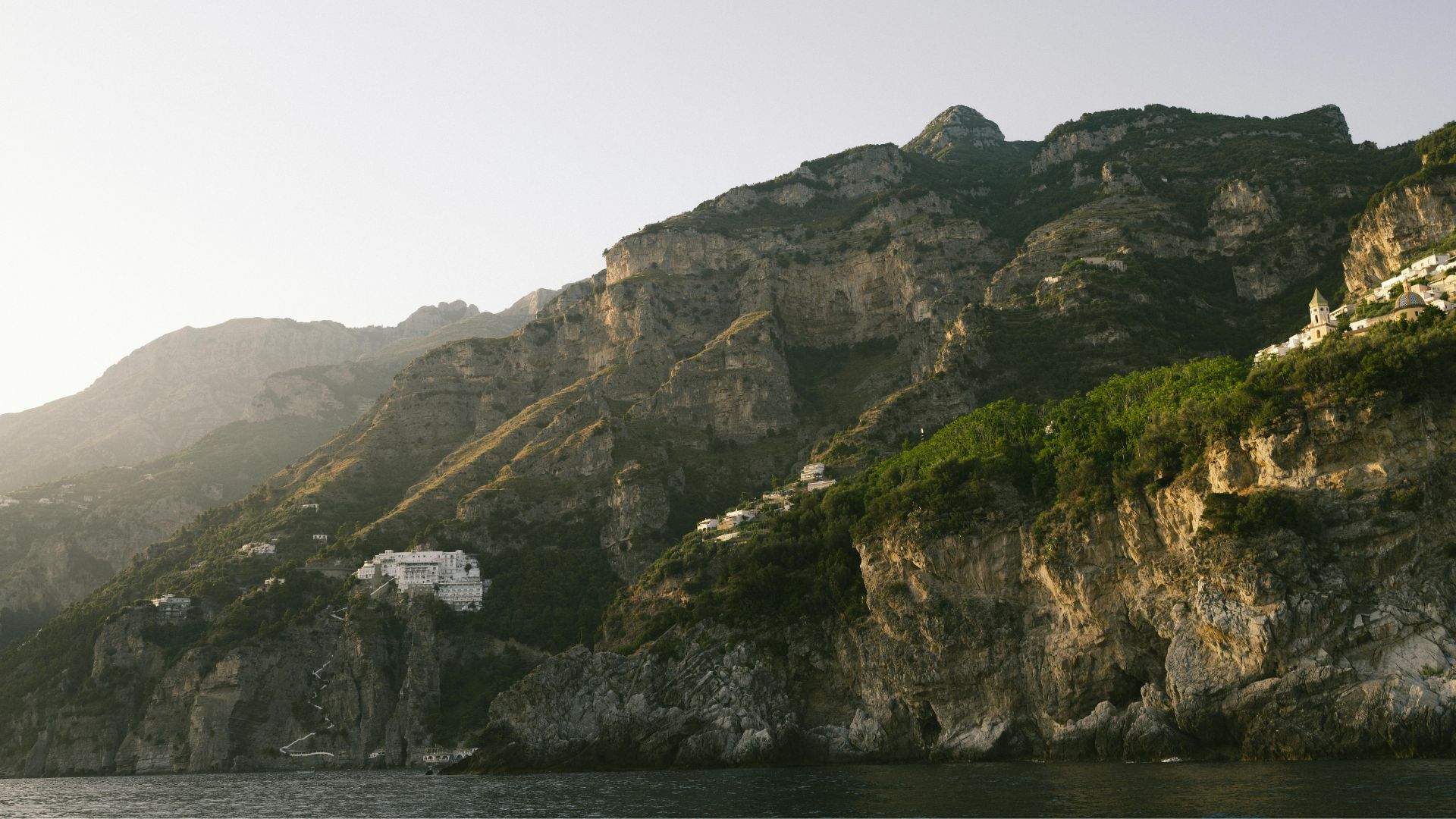
Cuatro itinerarios completos en un solo país, cada uno una semana de yate con tripulación. La Costa Amalfitana y los pueblos acantilados de Capri en el Tirreno; el granito rosa de la Costa Smeralda y la ciudadela medieval de Bonifacio al otro lado del estrecho; Sicilia y las volcánicas Islas Eolias en el extremo sur de Italia; la Riviera italiana de Portofino a Toscana, entre Génova y Elba. Lo más difícil de un viaje en yate por Italia es elegir qué semana reservar primero.
Por qué Italia
Italia es el país donde un yate con tripulación adopta las formas más distintas entre sí. Despertarse anclado bajo los Faraglioni de Capri, con el chef preparando el almuerzo en la cubierta de popa, y sentir que el día ya ha valido el viaje. Una semana después — o en el siguiente viaje en yate — amanecer en la costa granítica de Cerdeña en la Maddalena, afloramientos de granito rosa junto a la plataforma de baño y agua tan transparente que se ven treinta metros de fondo. En otra semana distinta, contemplar la erupción del Stromboli al atardecer desde una tranquila bahía frente a Panarea en las Islas Eolias. O una cuarta opción: cenar a popa en Cinque Terre, abarloados en Vernazza, con las casas pintadas iluminadas tras la puesta de sol. Cuatro itinerarios, un solo país, cuatro semanas genuinamente diferentes.
El tipo de yate adecuado depende de la región italiana. En la Costa Amalfitana predominan los yates a motor en una proporción de setenta a treinta — los acantilados bloquean el viento y los puertos son profundos. Cerdeña y Córcega es una mezcla; el Mistral por la aleta recompensa a los veleros en ciertas semanas. Sicilia y la Riviera italiana se inclinan ambas hacia el motor por las distancias en costa abierta y la cultura del atraque a popa en puerto. Cada página de región detalla qué tipo de yate encaja mejor; antes de reservar te orientamos sobre el barco adecuado para tu grupo, tus fechas y tu semana.
Esta guía está aquí para ayudarte a elegir. Quienes visitan el Mediterráneo por primera vez suelen optar por la Costa Amalfitana y las fotografías de verano italiano que vinieron a buscar. Los navegantes con experiencia en el Mediterráneo que quieren algo más agreste eligen Cerdeña y Córcega. Los huéspedes que repiten y buscan algo completamente diferente se deciden por Sicilia y las Islas Eolias. Las parejas que desean una semana de lujo compacta con pueblos en acantilado, tierra de vinos y restaurantes de puerto eligen la Riviera italiana. Quienes viajan varias semanas pueden encadenar Amalfi + Cerdeña o Cerdeña + la Riviera francesa en un viaje de 14 días con una jornada de reposicionamiento al cargo del capitán. El IVA italiano para yates es del veintidós por ciento sobre la tarifa base, pagadero en el lugar de embarque; los charters son de sábado a sábado.
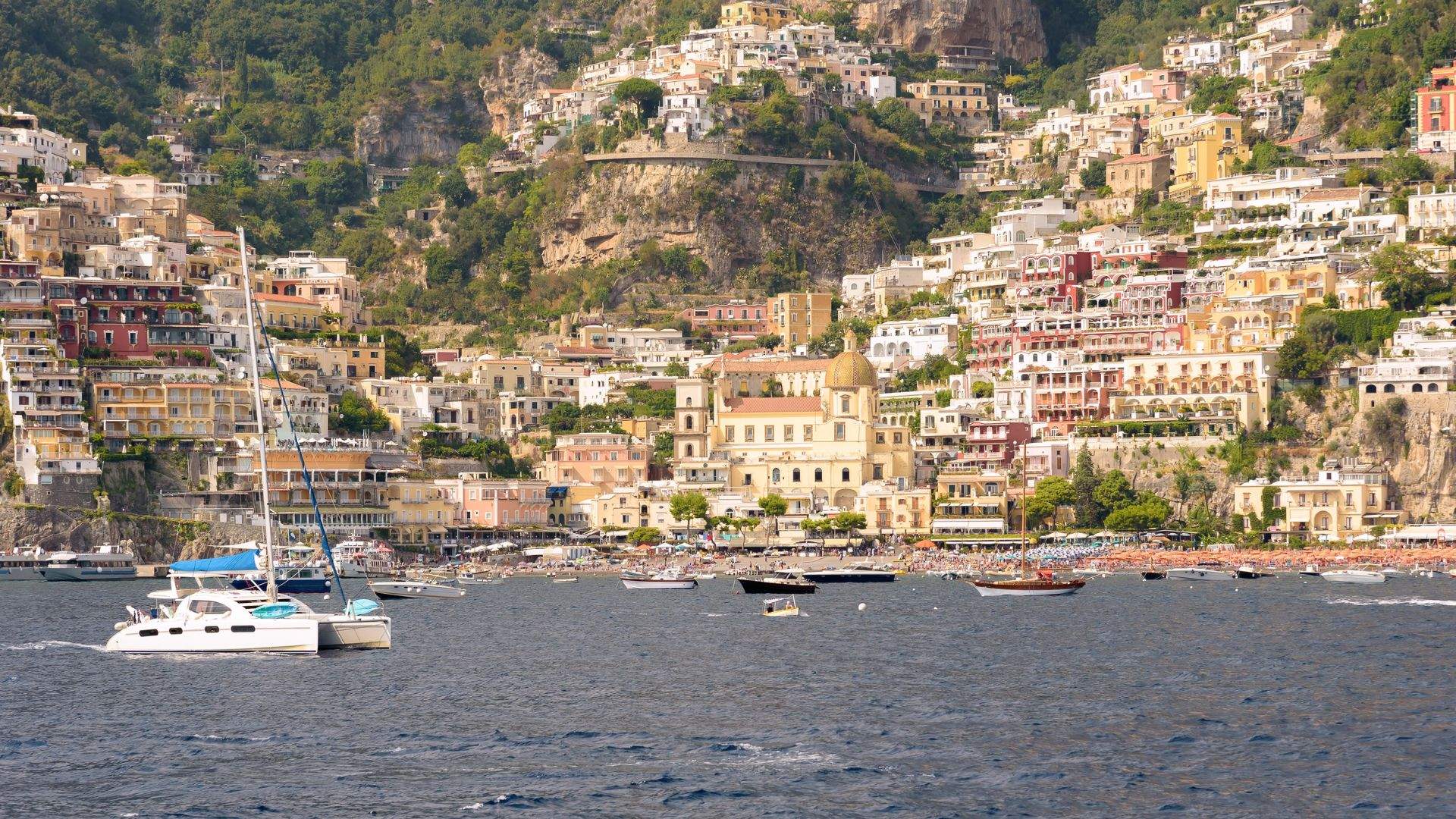
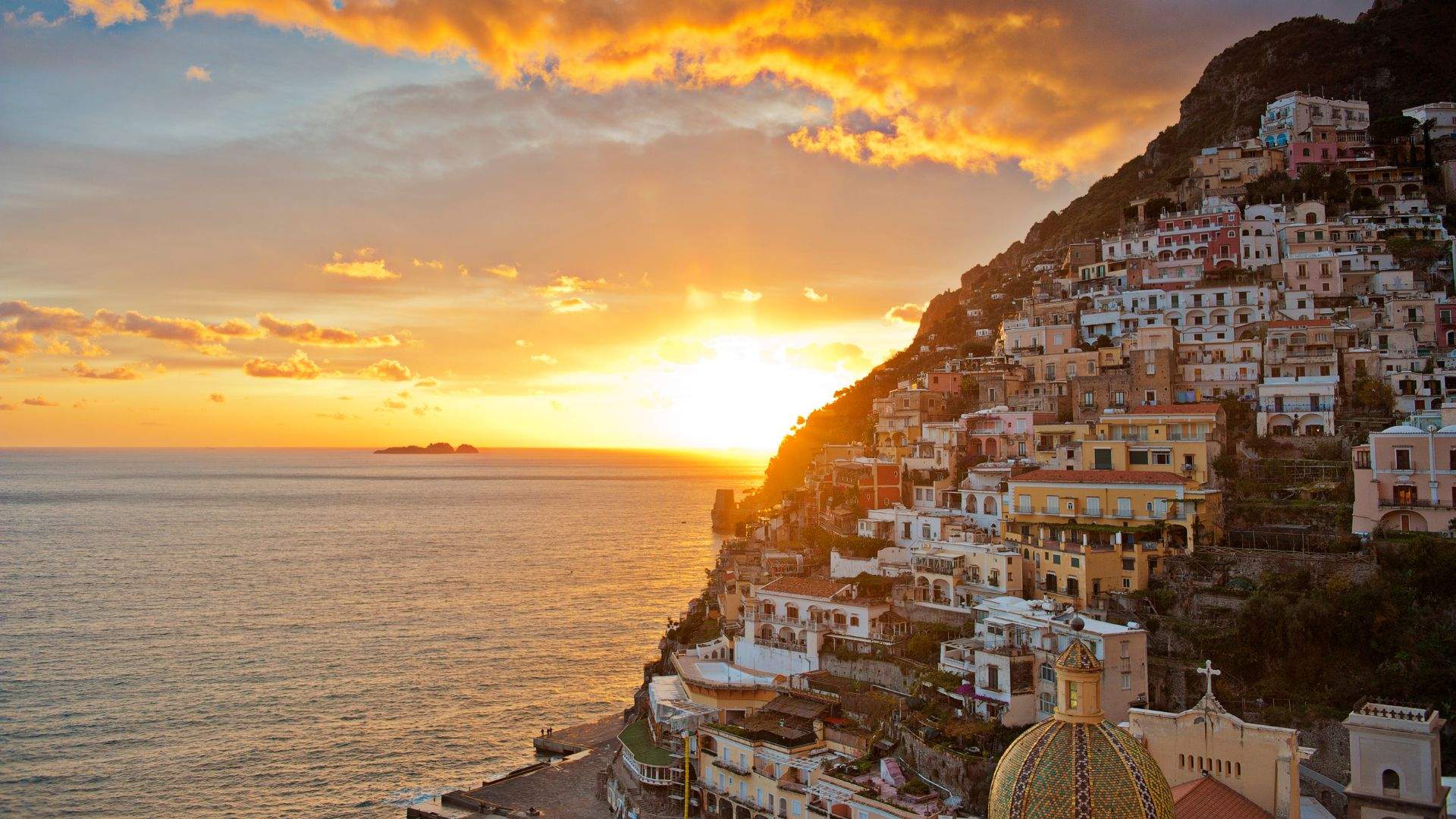
Cuatro itinerarios en un solo país — elige el tuyo o encadena dos.
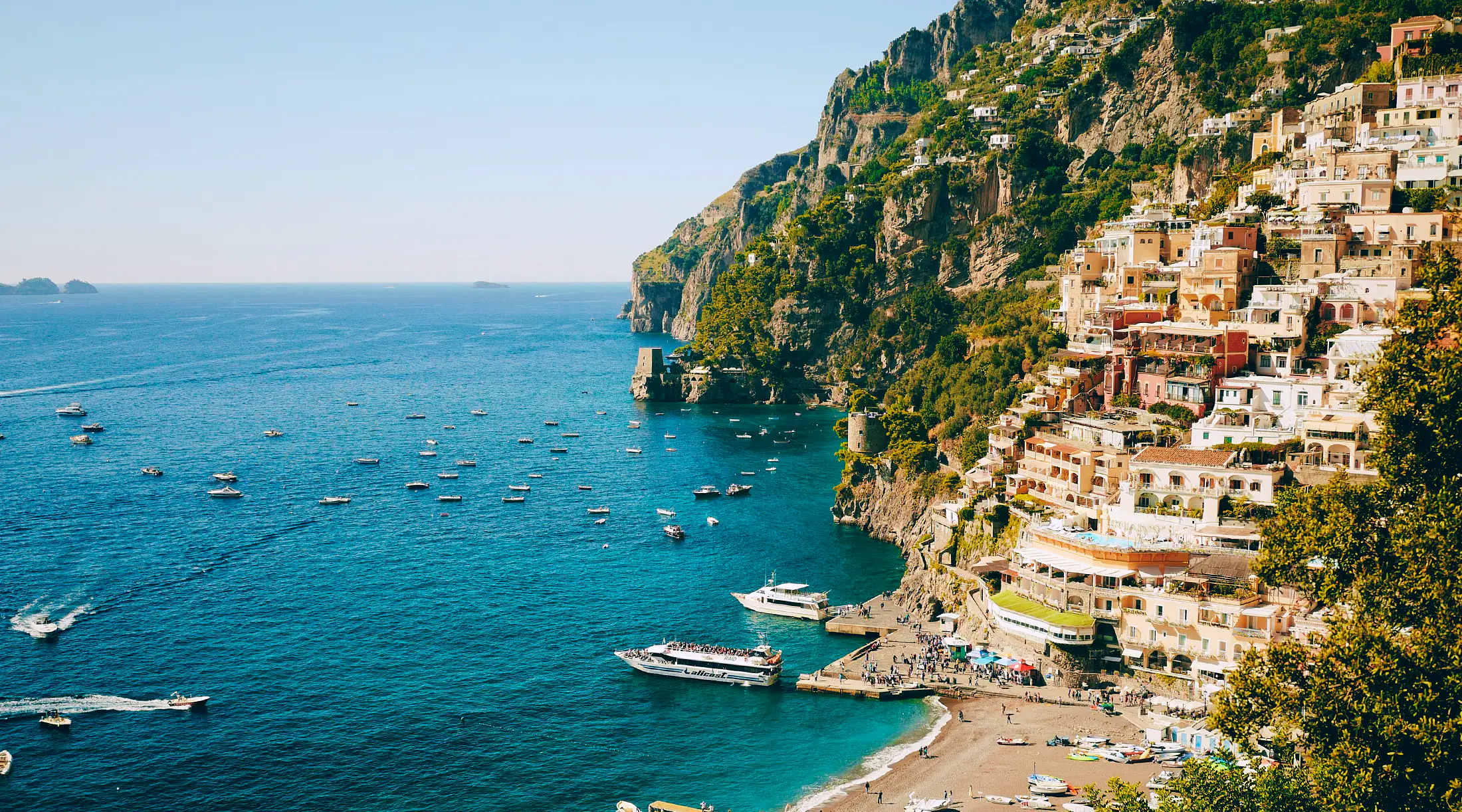
El itinerario italiano más reconocido — Positano, Amalfi, Ravello, los Faraglioni y la Marina Grande de Capri, la propia Costiera Amalfitana declarada Patrimonio UNESCO desde 1997. La base de salida es Nápoles o Salerno; la ruta cubre unas cien millas náuticas en siete días, con dos noches en Capri, almuerzos en tierra en La Sponda o bajo el emparrado de limoneros de Da Paolino, y cenas a popa o abarloados en Amalfi. Con predominio de yates a motor (los acantilados bloquean el viento, las distancias son cortas y los puertos son profundos), es la semana de referencia para quienes visitan Italia por primera vez. Descubre la Costa Amalfitana →
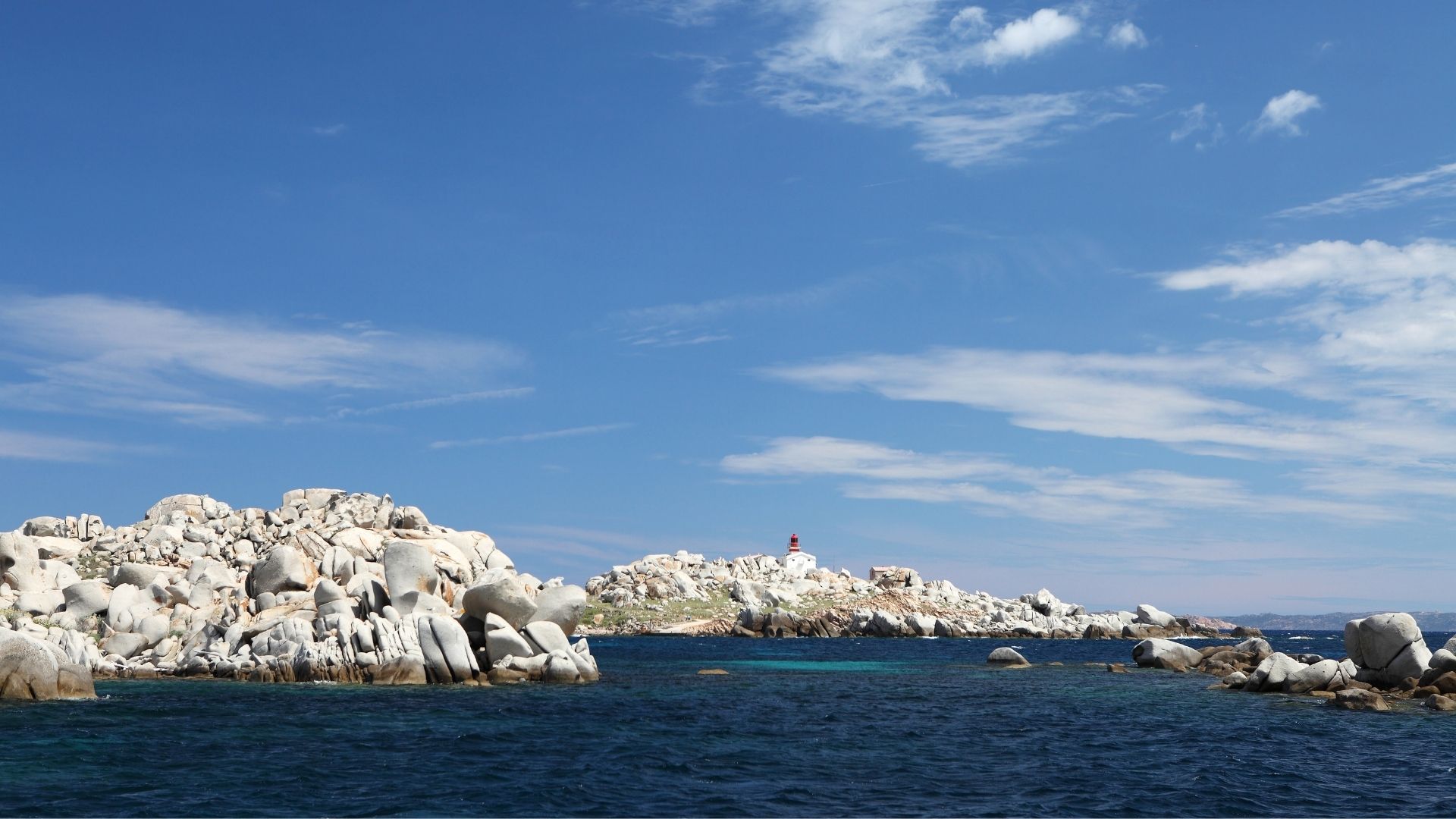
Dos países, seis millas náuticas entre ellos, una semana de viaje en yate que recorre ambos. El granito rosa de la Costa Smeralda y las siete islas principales de La Maddalena en el lado italiano; la ciudadela medieval sobre los acantilados de Bonifacio y la costa roja declarada UNESCO de Scandola en el lado francés. La base de salida es Olbia (OLB) o Ajaccio (AJA); unas cien millas náuticas de ida y vuelta en el bucle estándar, sin ninguna travesía superior a veinticinco. El itinerario pensado para navegantes mediterráneos con experiencia que buscan una semana más agreste — bahías de granito, menos multitudes y el cruce real de un estrecho hacia otro país. Descubre Cerdeña y Córcega →
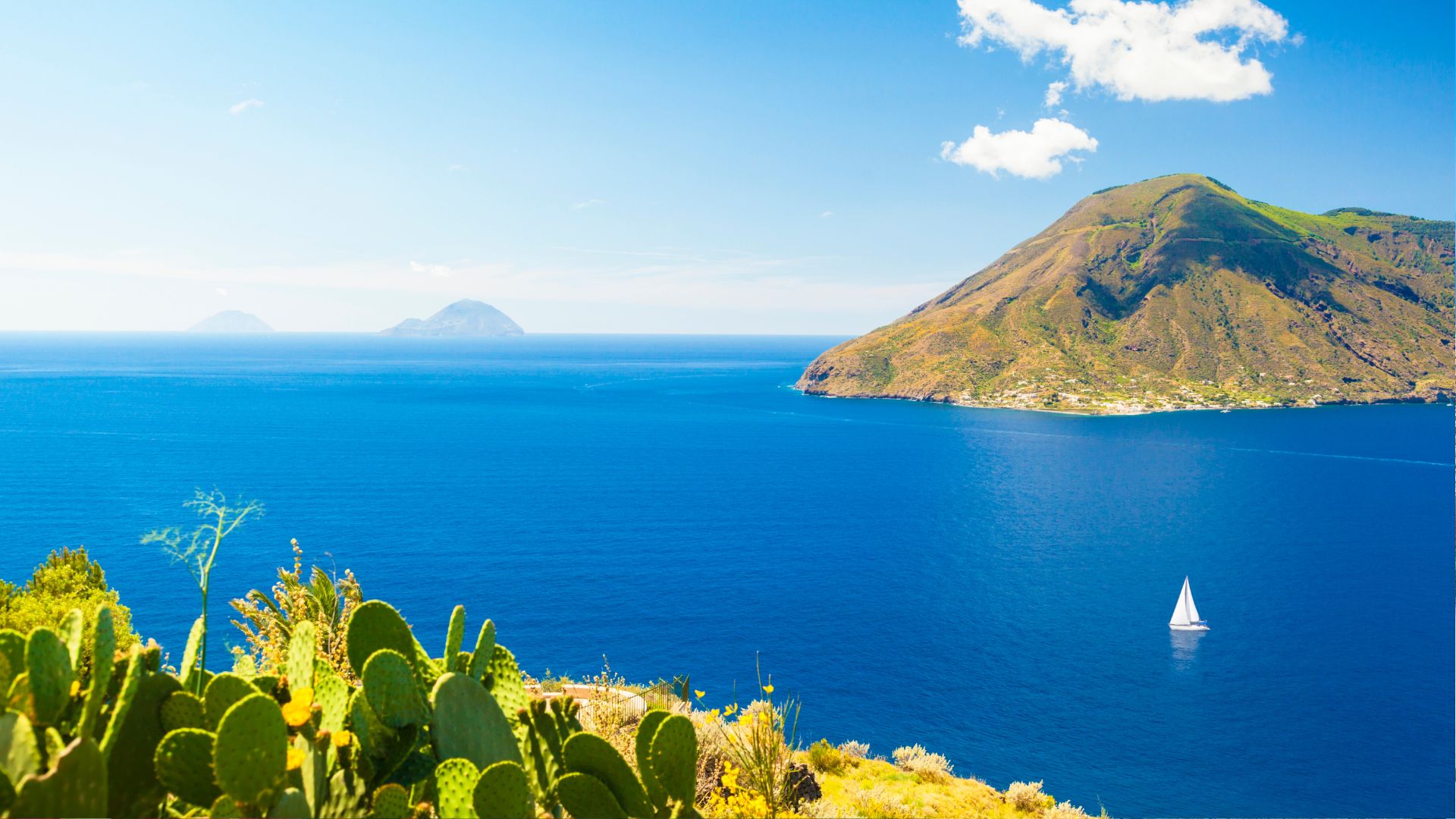
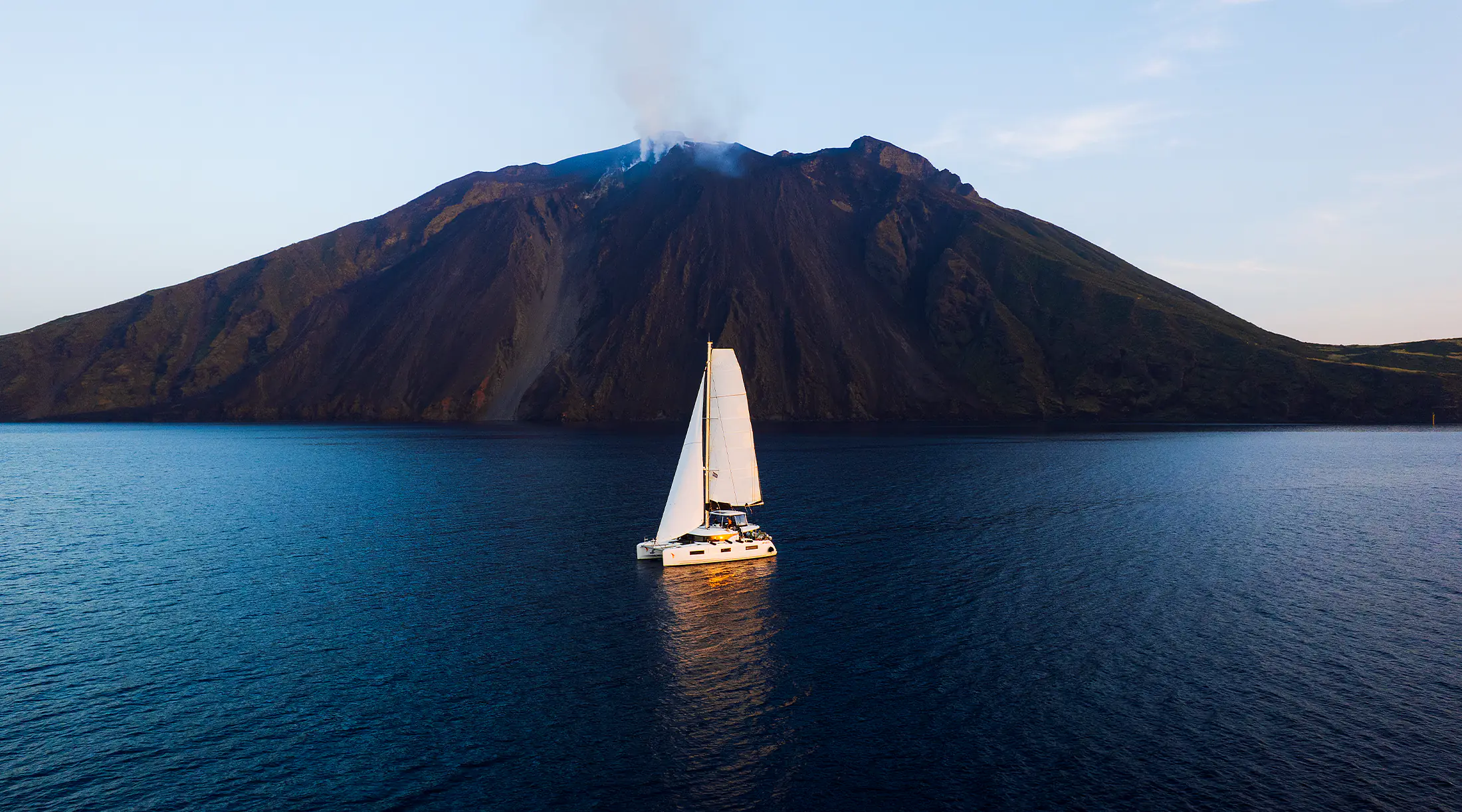
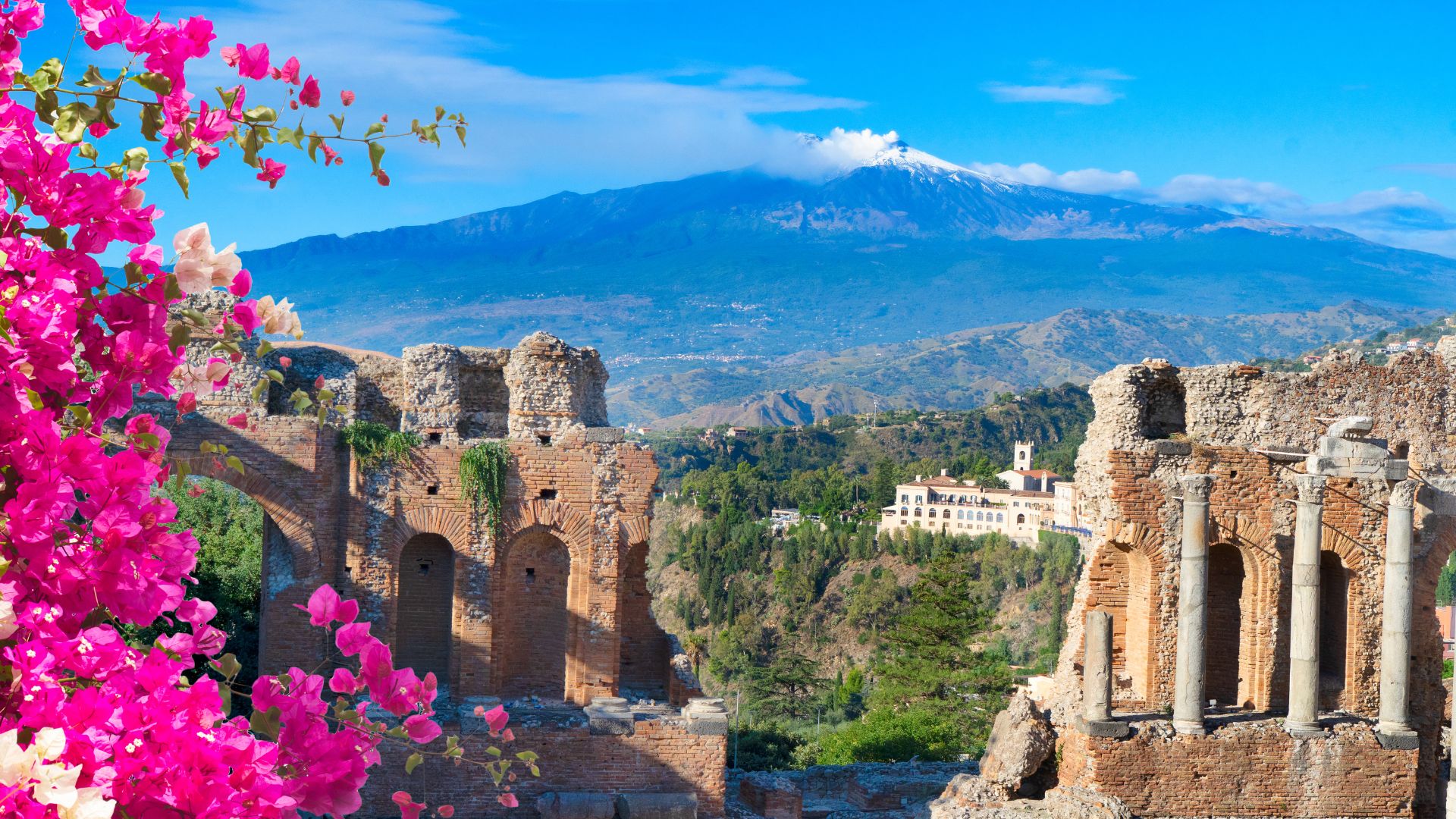
El itinerario más genuinamente diferente del Mediterráneo. El Stromboli en erupción al atardecer desde una tranquila bahía frente a Panarea; el casco antiguo de Lipari y las playas de arena volcánica en Salina; Taormina sobre el Jónico con el Etna en el horizonte; los mercados del puerto de Palermo y una cultura gastronómica única. La base de salida suele ser Palermo (PMO) o Milazzo para semanas centradas en las Eolias, y Catania (CTA) para la costa jónica. Combinación mixta de tipos de yate — motor para las travesías al Tirreno abierto, veleros cómodos en los saltos entre islas menores. Los huéspedes que repiten eligen este itinerario cuando buscan un viaje en yate como ningún otro.
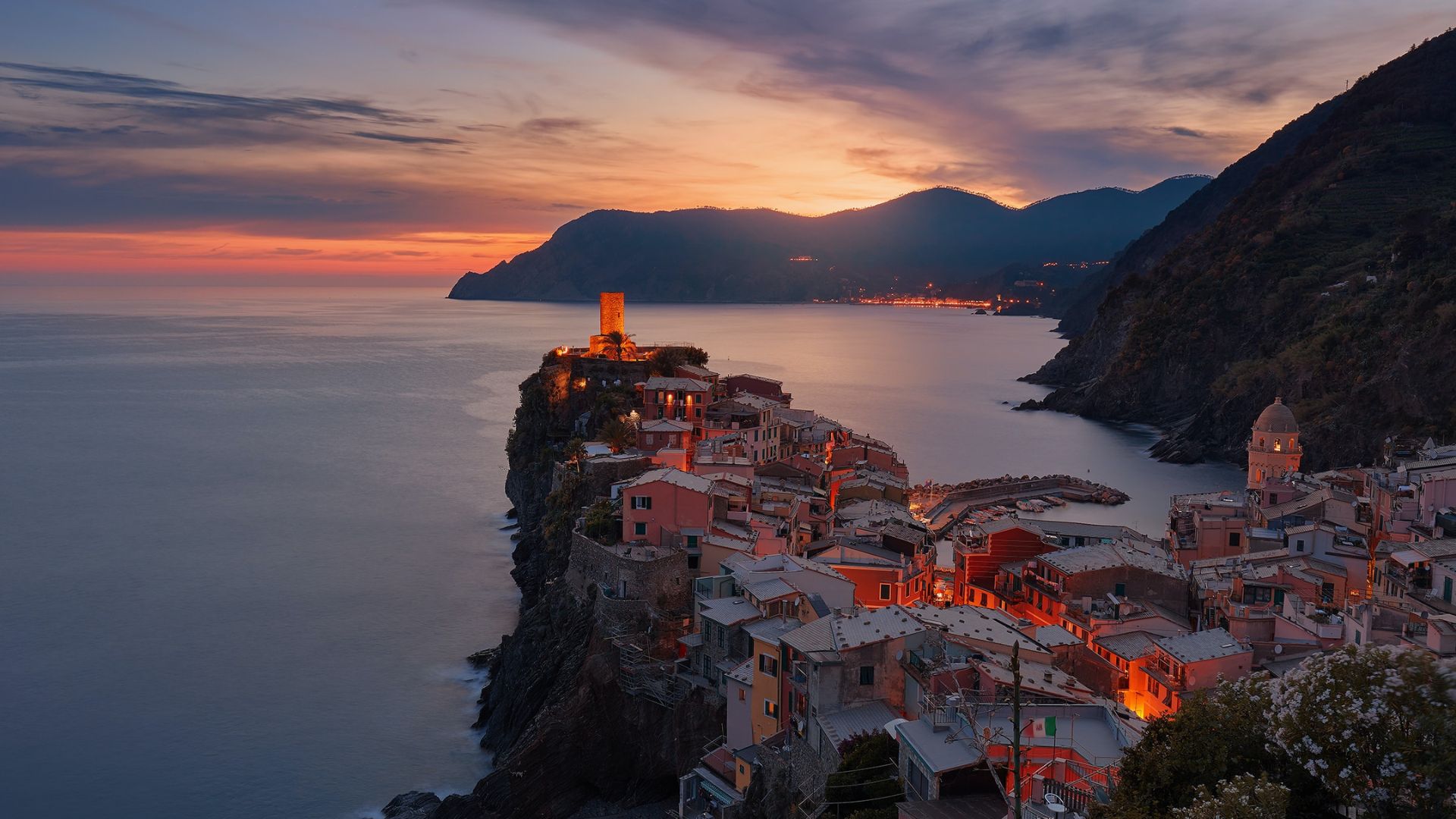
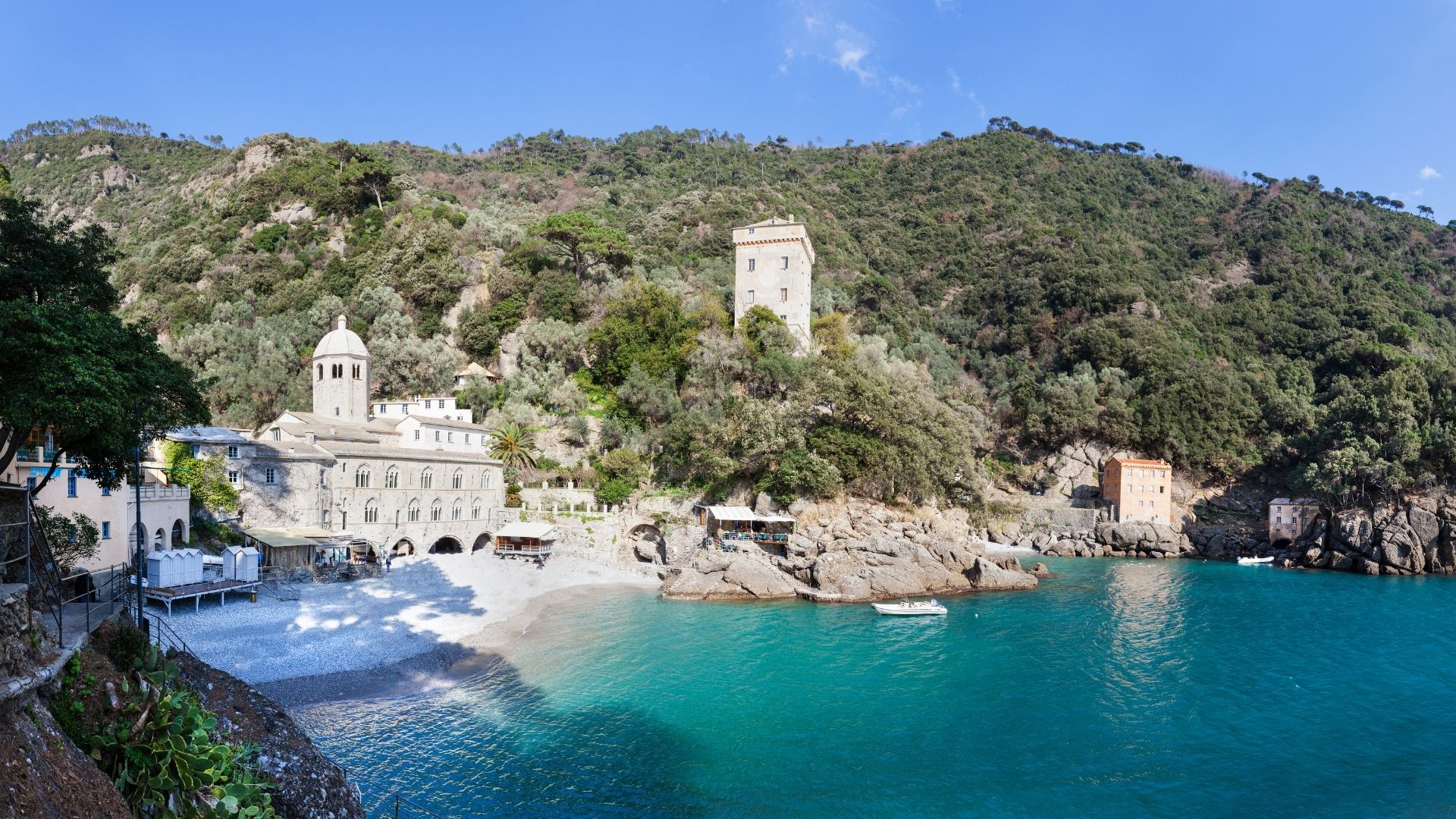
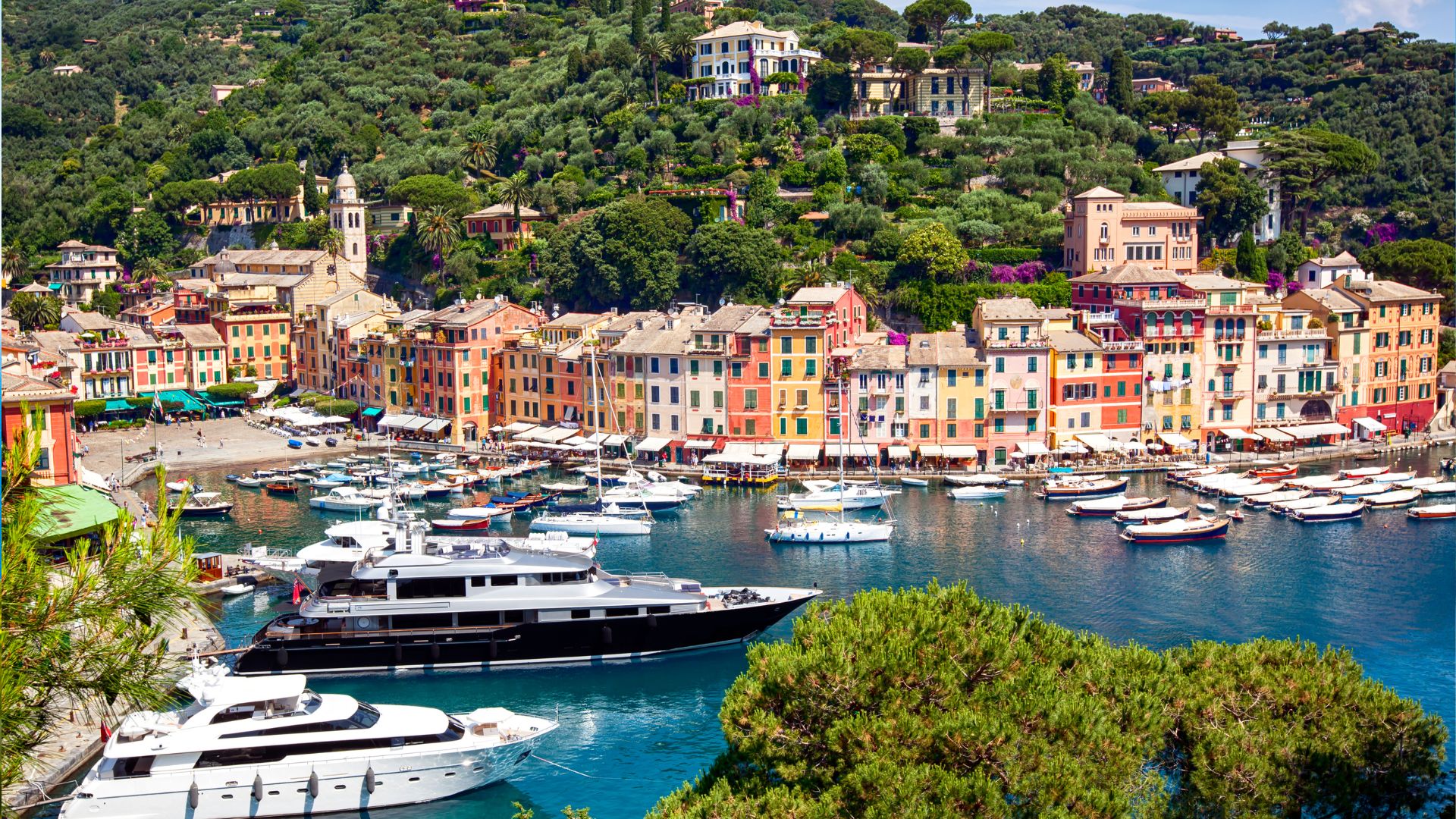
Desde la frontera francesa hasta Toscana. El puerto de casas de colores pastel de Portofino, Santa Margherita y el Golfo de Tigullio, los pueblos a popa de Cinque Terre (Vernazza y Monterosso como paradas principales), la fachada pintada de Portovenere en el Golfo de La Spezia. Rumbo sur hacia Toscana: las calas protegidas de Elba, la península del Argentario, Giglio. La base de salida es Génova (GOA) o La Spezia. Distancias cortas, mares ligurianos más tranquilos y cultura de atraque a popa en puerto — el itinerario para parejas y grupos que desean una semana de lujo con pueblos en acantilado, tierra de vinos y restaurantes de puerto sin las millas en mar abierto de las rutas del sur.
A hand-picked selection of crewed charter yachts for Italy — yachts and crews we know firsthand.
Your week is shaped around your group's interests, the season, and the conditions on the water — your captain tailors the days as they unfold. Treat these itineraries as starting points for inspiration.
Crewed Itinerary · Sardinia & Corsica
This Sardinia sailing itinerary is the bread-and-butter Sardinia & Corsica week — a seven-day round trip from Olbia that takes in the granite coast of Costa Smeralda, the seven major islands of the Maddalena Archipelago, the Strait of Bonifacio crossing into France, and the medieval cliff-citadel of Bonifacio itself. Roughly a hundred nautical miles end to end, with no leg longer than twenty-five and most days shorter. The Mistral fills in most afternoons through the summer; the captain reads the strait forecast at first light and times the crossing day around it. Two countries, one charter, six nautical miles of water between them.
The route is comfortable on a sailing yacht with the Mistral on the quarter and equally comfortable on a motor yacht. Most charterers running this route for the first time book it from Olbia and don't ask for a Côte d'Azur extension; they want to see the granite coast, sit at anchor in the Maddalena, walk the haute ville at Bonifacio, and have an unhurried dinner at Phi Beach before flying home. Your professional captain and private chef handle the rest.
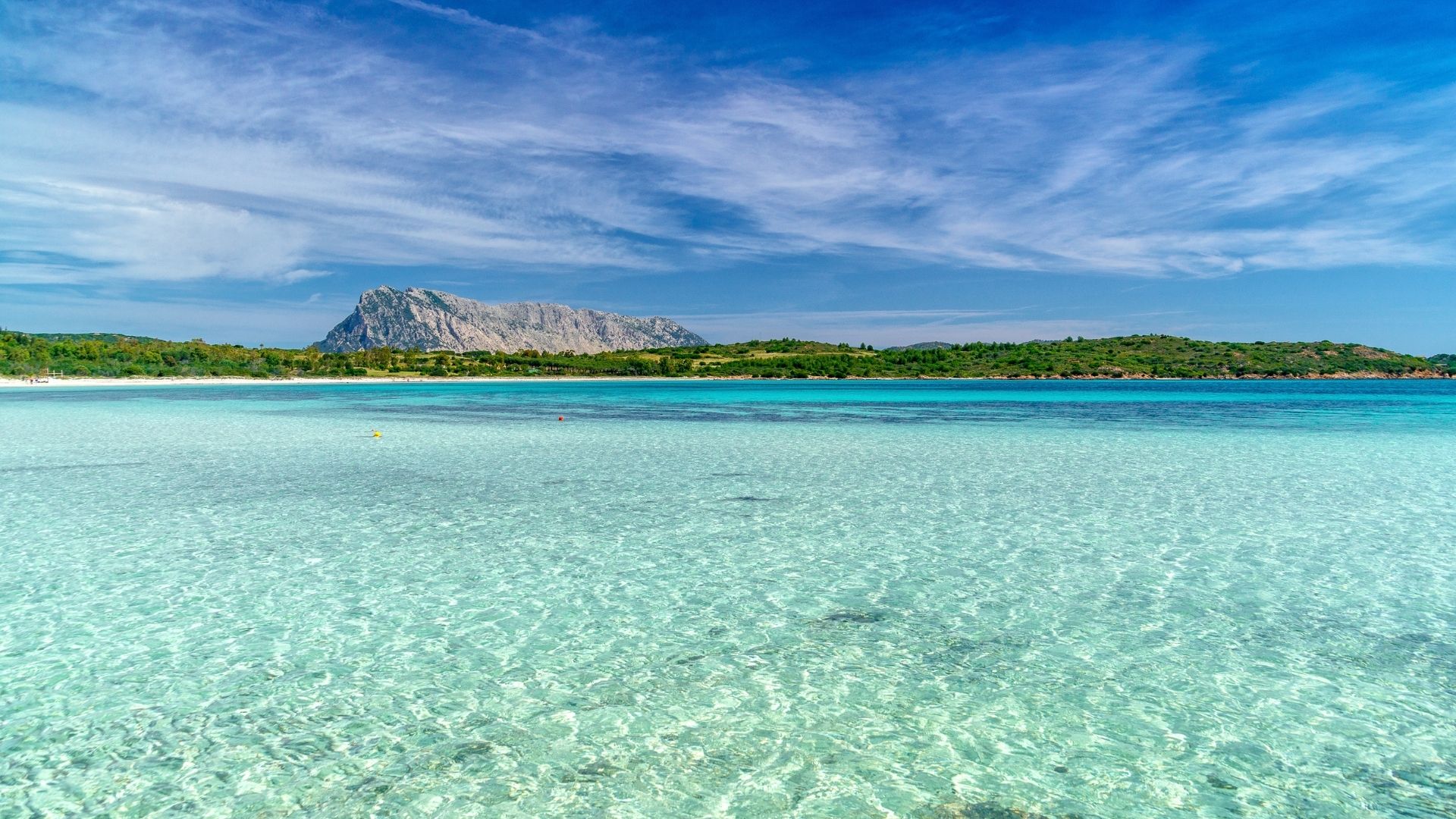
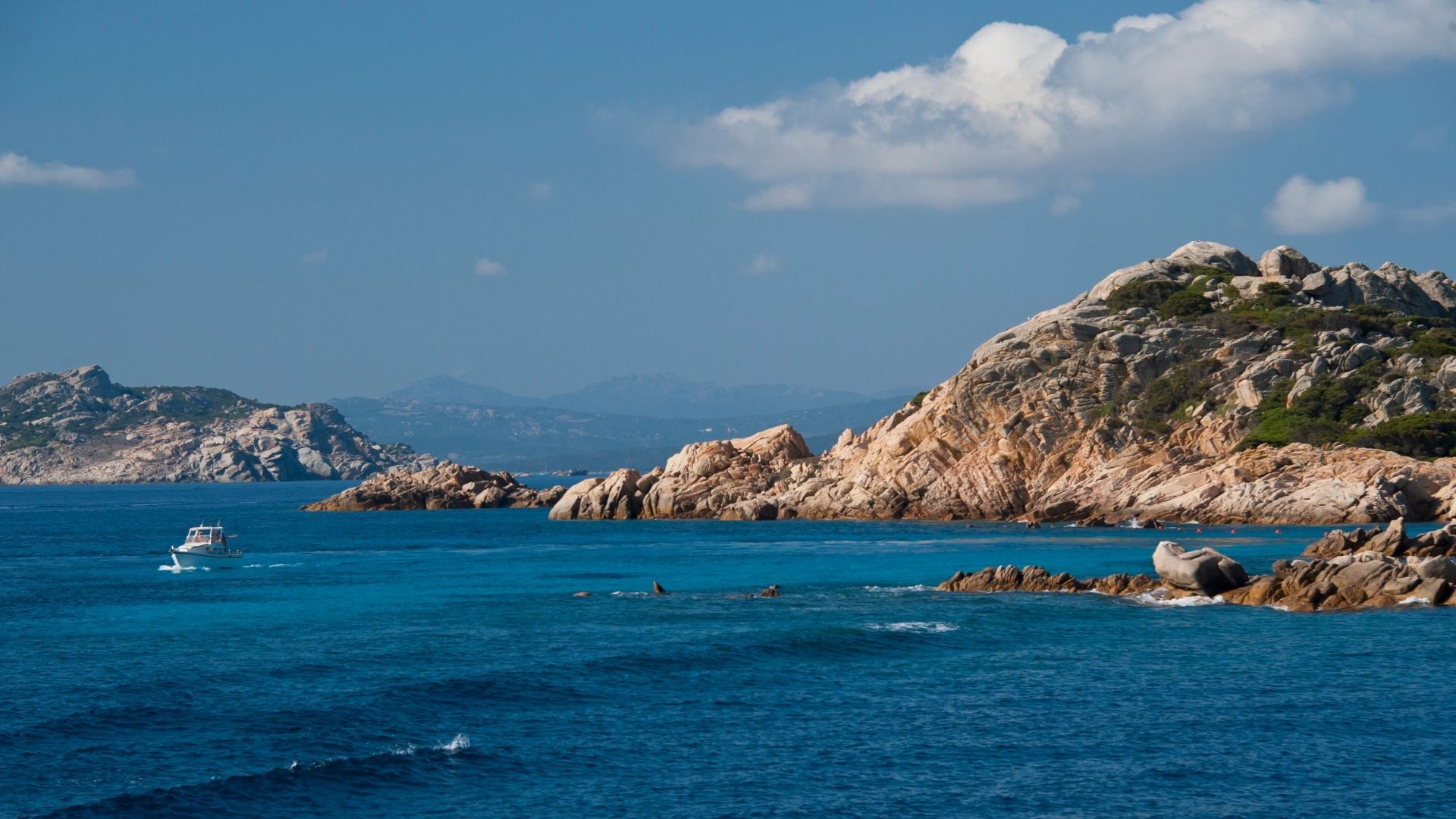
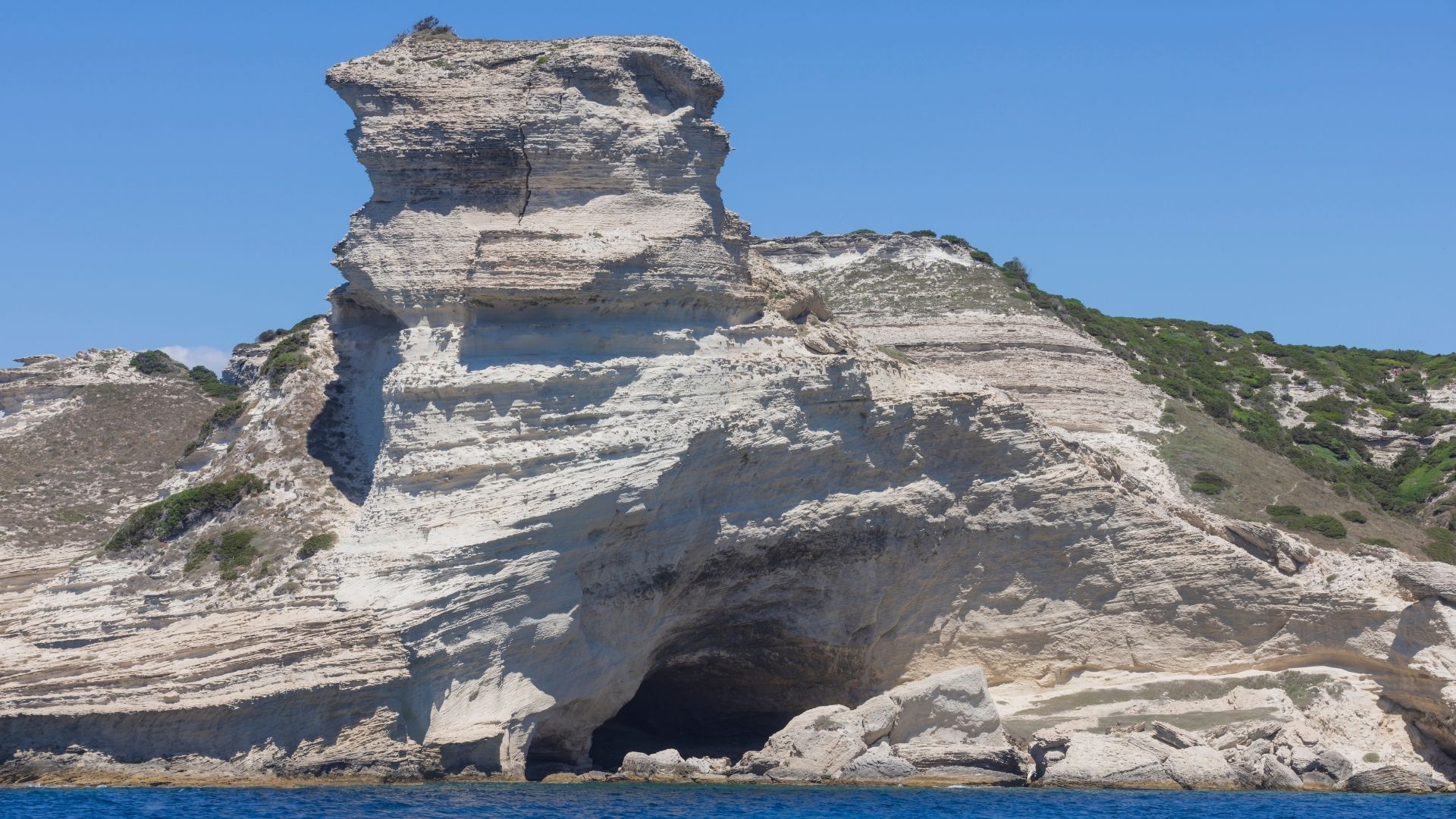
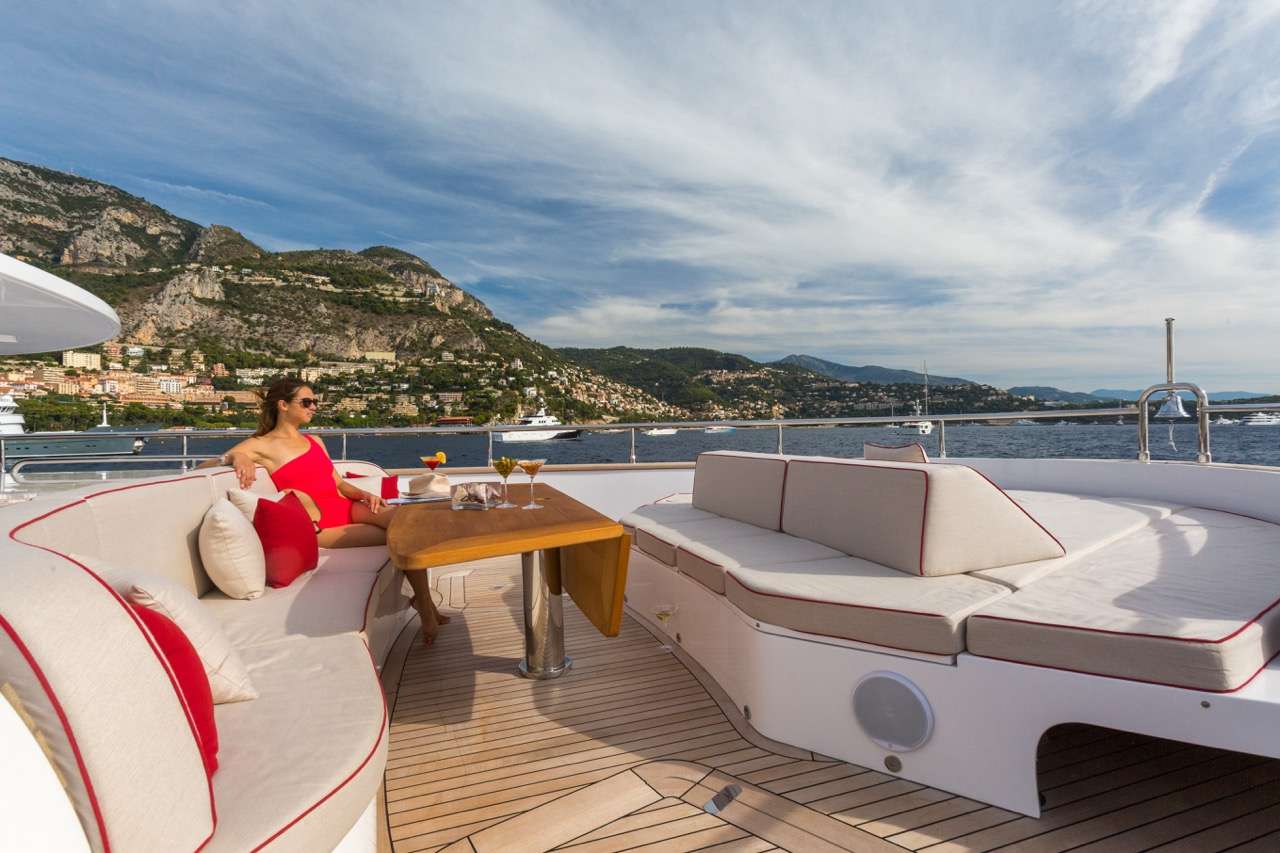
This Sardinia sailing itinerary is the bread-and-butter Sardinia & Corsica week — a 7-day round-trip from Olbia that takes in Costa Smeralda's granite coast, the seven major islands of the Maddalena Archipelago, the Strait of Bonifacio crossing into France, and Bonifacio's medieval cliff-citadel. Two countries, one charter, six nautical miles of water between them. About 100 nautical miles total, no leg longer than 25.
The Mistral fills in most afternoons through the summer; an experienced captain reads the strait forecast at first light and times the crossing day around it. The route works on a sailing yacht with the Mistral on the quarter and equally well on a motor yacht. If you want the same week without the strait crossing, see the North Sardinia / La Maddalena itinerary; for the maximum-coverage Olbia-to-Monaco one-way, see the Two Islands + Côte d'Azur charter.
Day 1 of 7 · Olbia → Costa Smeralda
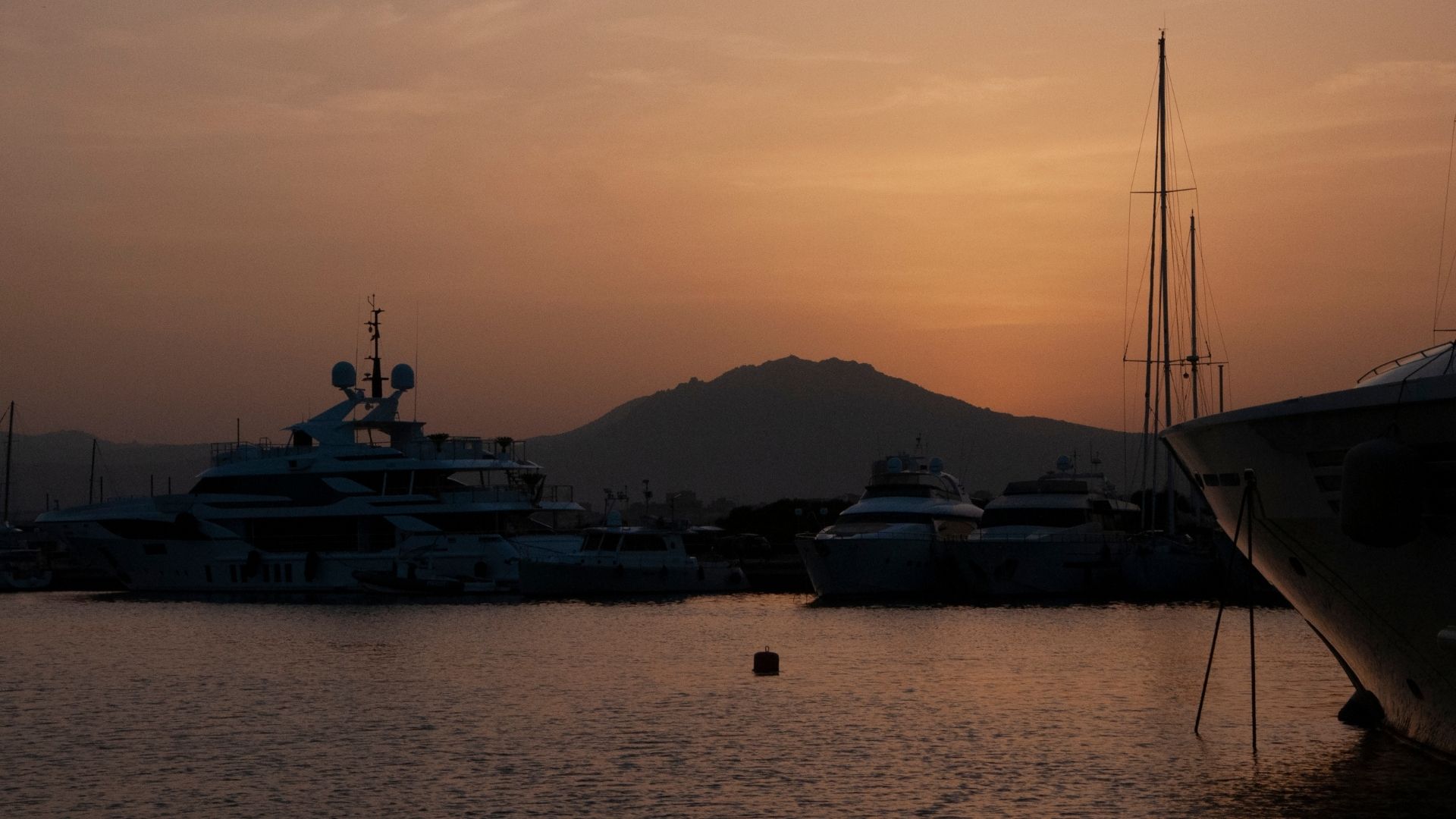
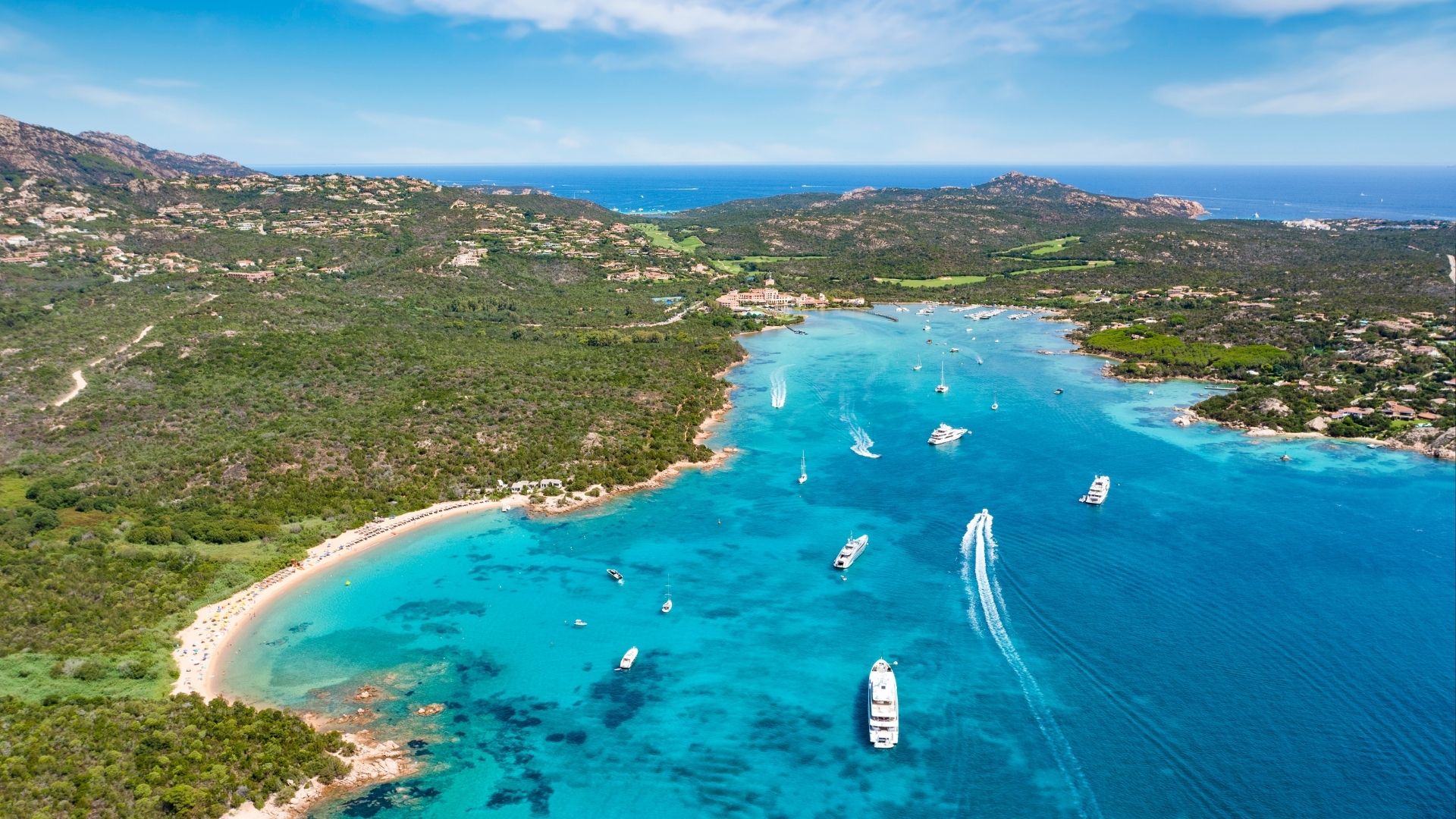
Your charter begins at Marina di Olbia, a fifteen-minute taxi ride from Olbia (OLB) airport on Sardinia's northeast coast. Your captain and chef meet you on the dock, walk you through the yacht, stow the luggage, and cover the chart for the days ahead — including the strait-crossing day mid-week, which the captain will time around the morning's Mistral forecast. The marina is deep-water capable for any size yacht, and the early afternoon is yours to settle in.
Once provisioning is squared away, lines off for the short sixteen-nautical-mile run northeast around Capo Figari and into the southern end of the Costa Smeralda. The Costa Smeralda is the most concentrated stretch of granite coastline in the Mediterranean — sixty kilometers from Cape Figari to Santa Teresa Gallura, with anchorages tucked into pockets of pink granite every two or three miles. Pevero Bay sits just south of Porto Cervo, framed by two white sandy beaches and protected from any direction the Mistral might be blowing.
First night at anchor in Pevero. Chef-prepared welcome dinner on the aft deck — bottarga di Olbia grated over fregola sarda with clams, a glass of Vermentino di Gallura from the granite-soil vineyards a few miles inland, and the lights of the Hotel Cala di Volpe across the bay coming on after sunset. The Mistral, if it's blowing, drops at dusk.
Day Highlights
Day 2 of 7 · Costa Smeralda → Maddalena
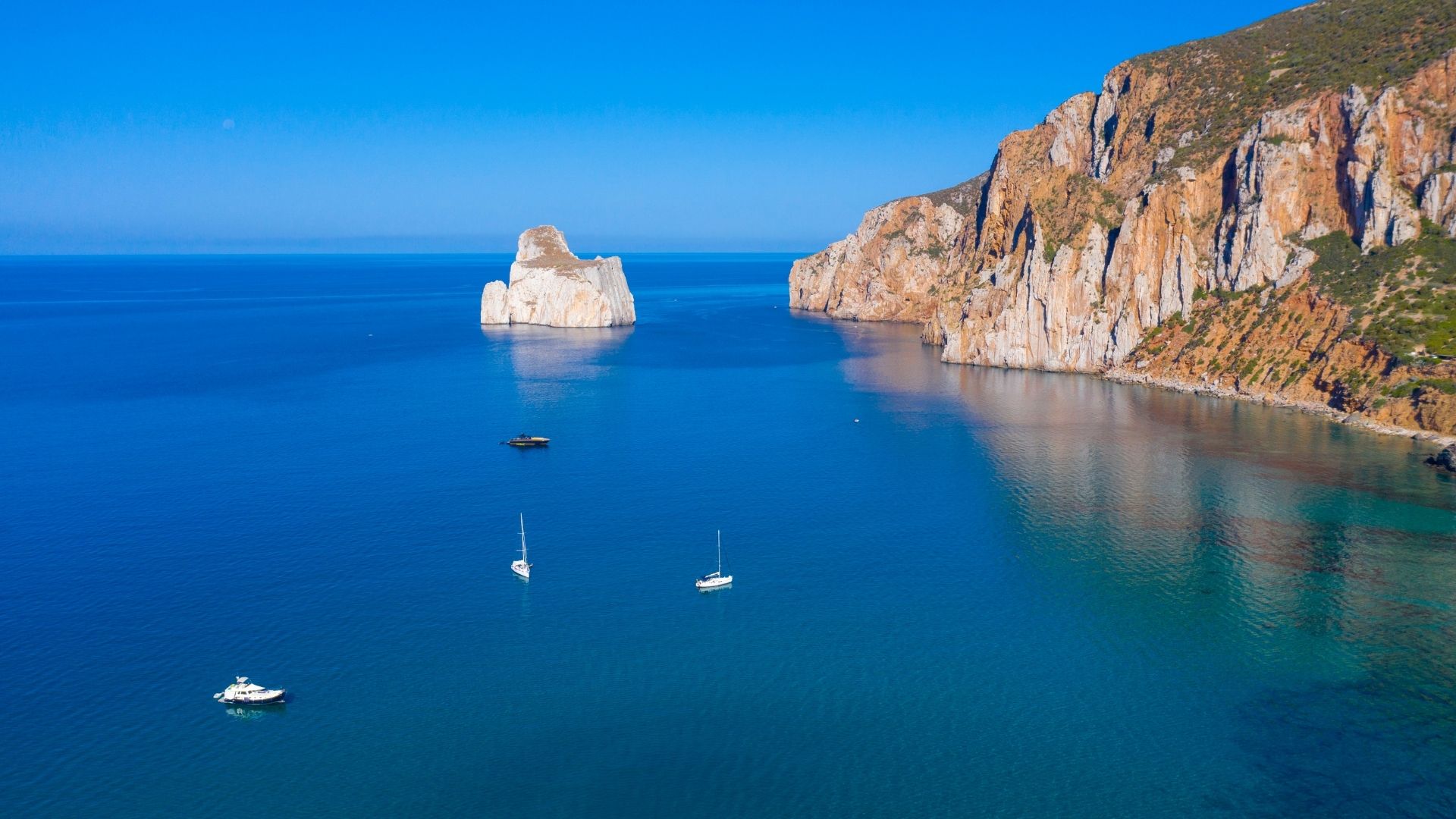
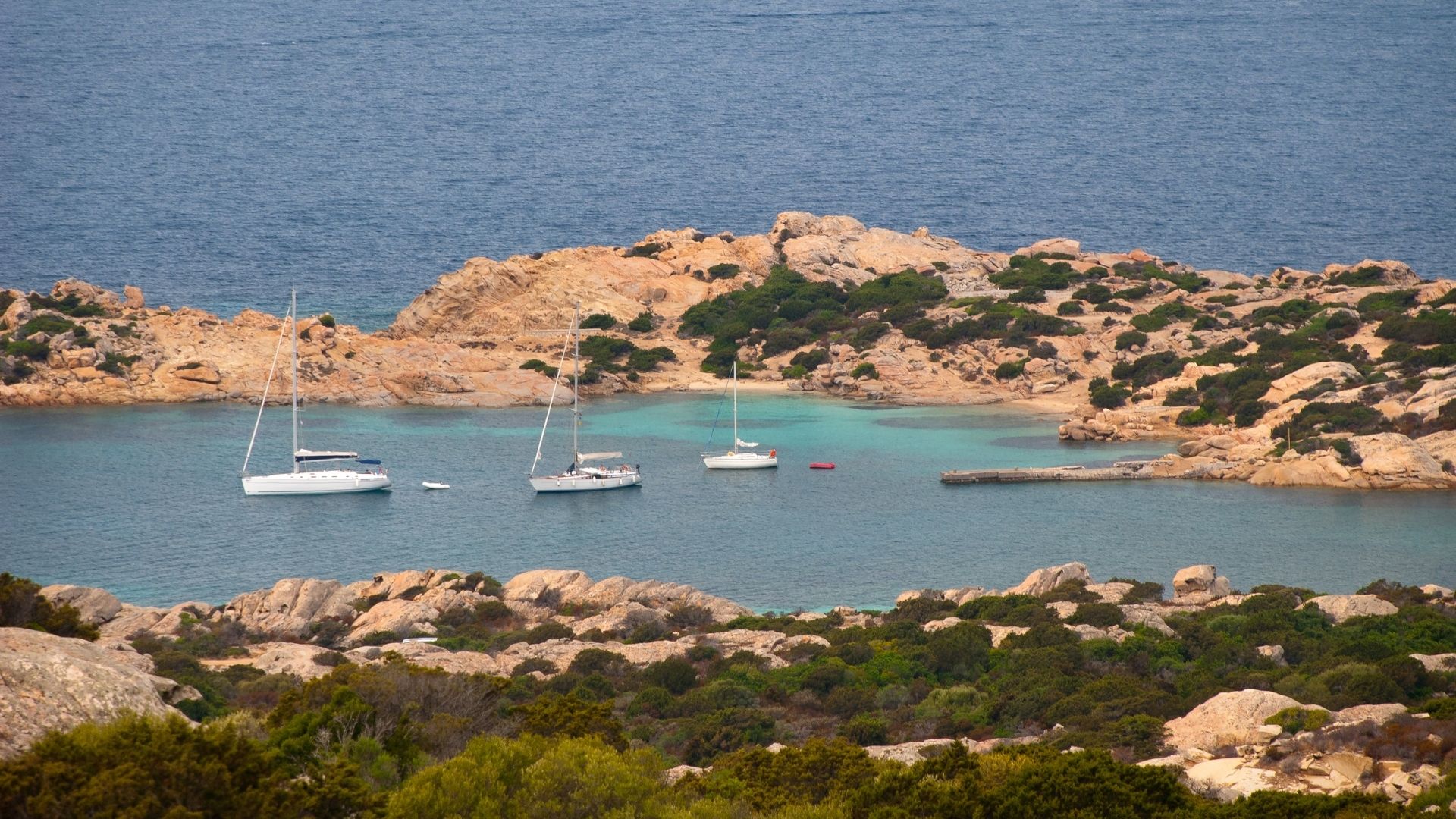
Slow morning at Pevero. Swim off the back of the boat, breakfast on deck, then a short afternoon reposition into Cala di Volpe — the deeper bay just north, with the eponymous hotel above the water and Phi Beach a few minutes' tender ride away. Lunch at Phi if the table works for the group: the beach club is built into the granite cliffs above Baja Sardinia, more rough-hewn than the polished resort version most guests imagine, and the food reads more authentic than the postcard.
By mid-afternoon, lines off for the eighteen-nautical-mile run north up the granite coast and across the Maddalena Sound to Caprera. The Maddalena Archipelago — seven major islands plus a scatter of smaller cays — sits inside a national park with managed anchoring fields, and Caprera is the second largest. Garibaldi lived out the back end of his life here; the house is now a museum, but most guests come for the granite coves on the south coast and the white-sand beaches on the east.
Evening at anchor off Caprera. The water turns the color of a pool light an hour before sundown. Dinner aboard tonight — chef-prepared, on the aft deck, with the lights of Maddalena town a couple of miles off the bow.
Day Highlights
Day 3 of 7 · Sardinia → Corsica
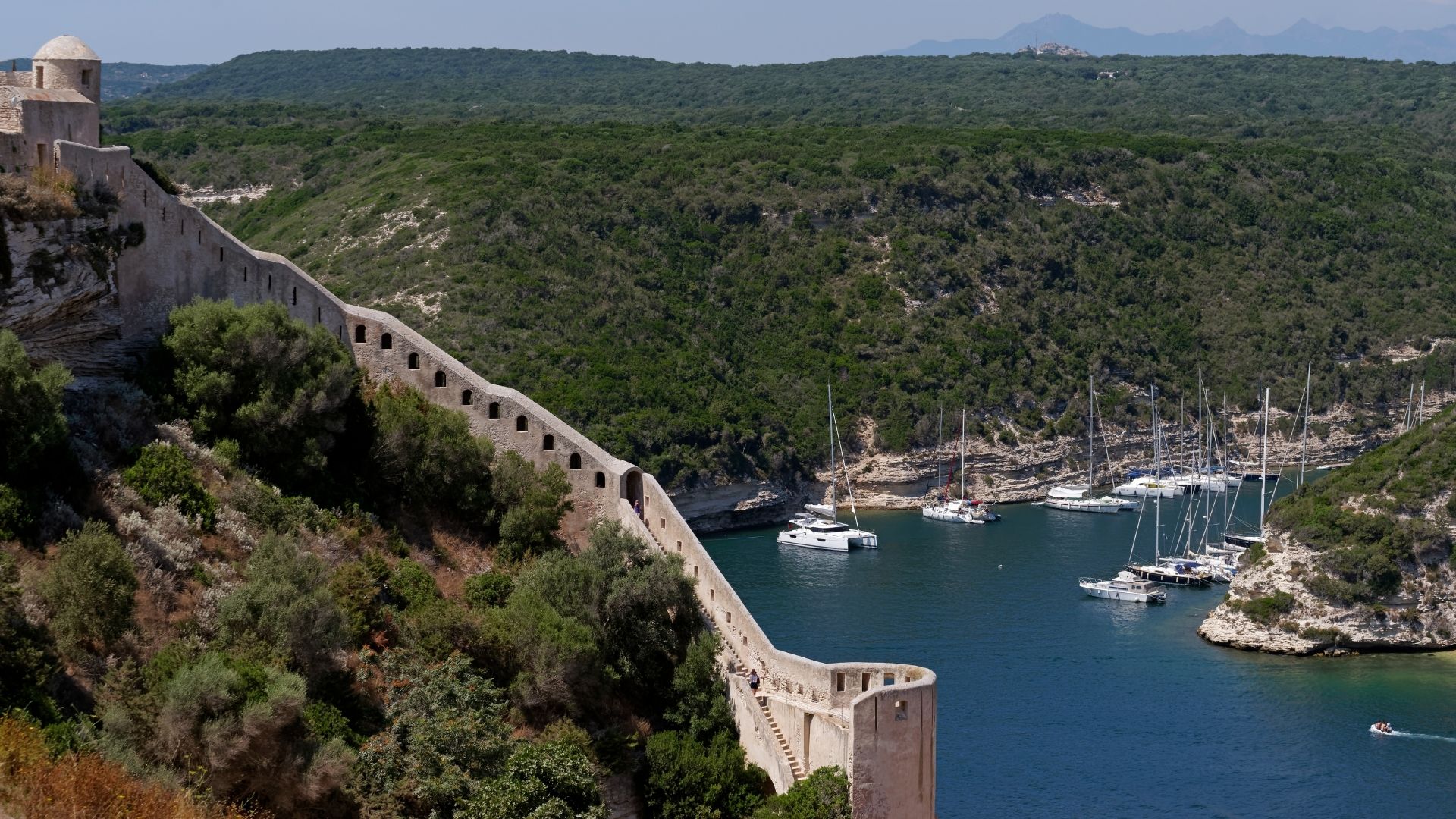
The strait day. Your captain checks the morning's wind forecast at first light: when the Mistral is settled, the strait is flat enough to swim across; when it's blowing twenty-five-plus, the captain may push the crossing to the afternoon or hold a day. The standard plan is mid-morning departure for a swim stop at the Lavezzi Islands — a French marine reserve of granite outcrops in the middle of the strait, six nautical miles from Bonifacio and seven from Maddalena, with shallow turquoise water and protected anchoring fields outside the no-anchor zones.
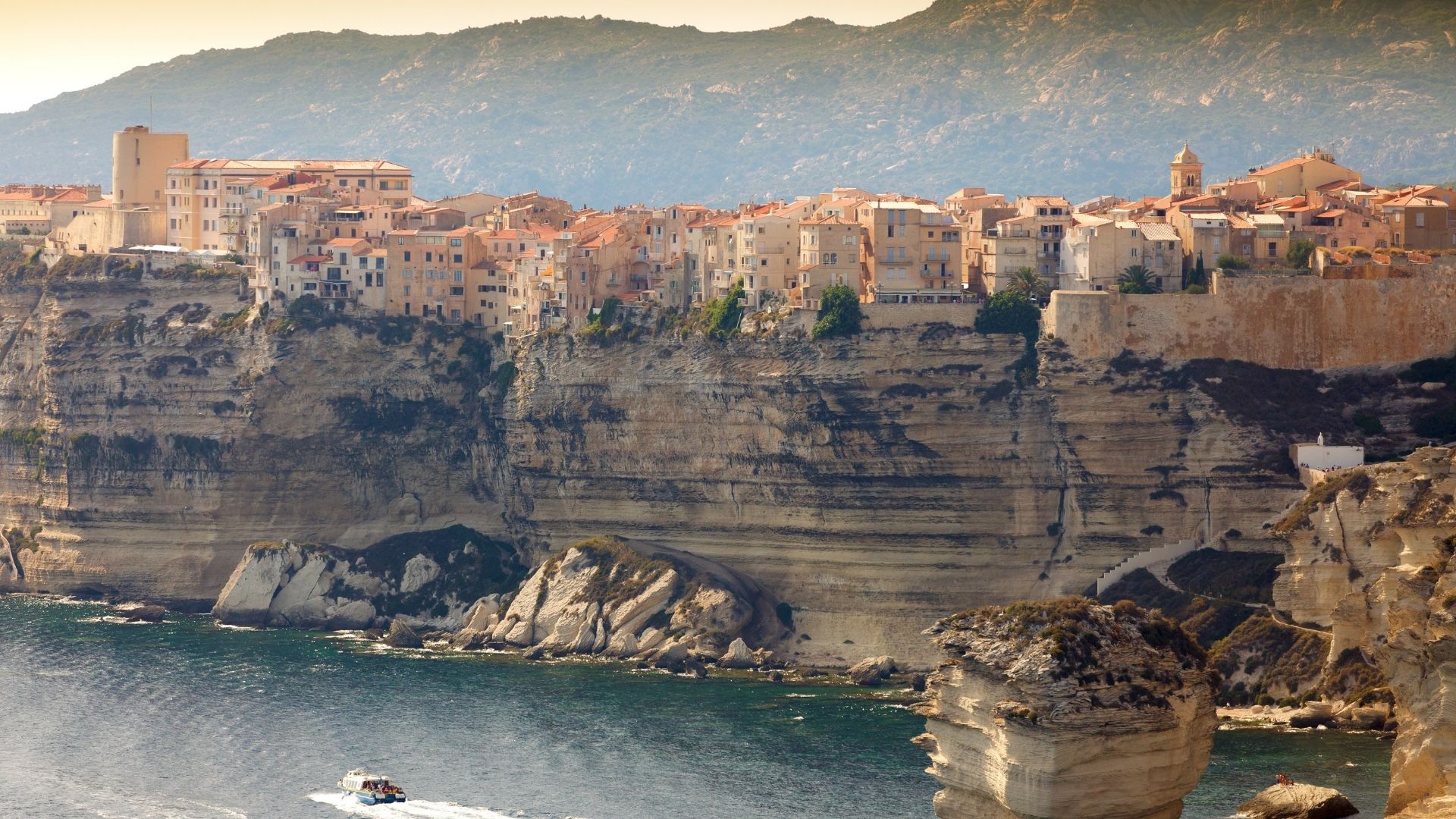
From Lavezzi the run into Bonifacio takes another forty-five minutes. The approach is unforgettable: the harbor is cut into the limestone cliffs themselves, and the yacht enters through a narrow fjord-like channel with the haute ville — the medieval walled town built on the cliff-top peninsula — rising directly above. The town has been there since the ninth century, and most of the wall still stands. Stern-to mooring inside the marina or anchor outside; the captain handles the booking.
Afternoon ashore. Walk the haute ville (twenty minutes around the perimeter, more if you stop at the chapels), down the King of Aragon Stairway — a hundred and eighty-seven steps cut into the cliff face, supposedly carved overnight by Aragonese soldiers in the fifteenth century — and across to the cemetery at the cliff edge with views back across the strait to Sardinia. Dinner ashore tonight at a stone-walled tavern in the haute ville: charcuterie de Corse, fresh-grilled fish off the day's boat, and a glass of Patrimonio rosé.
Day Highlights
Day 4 of 7 · Corsica → Sardinia
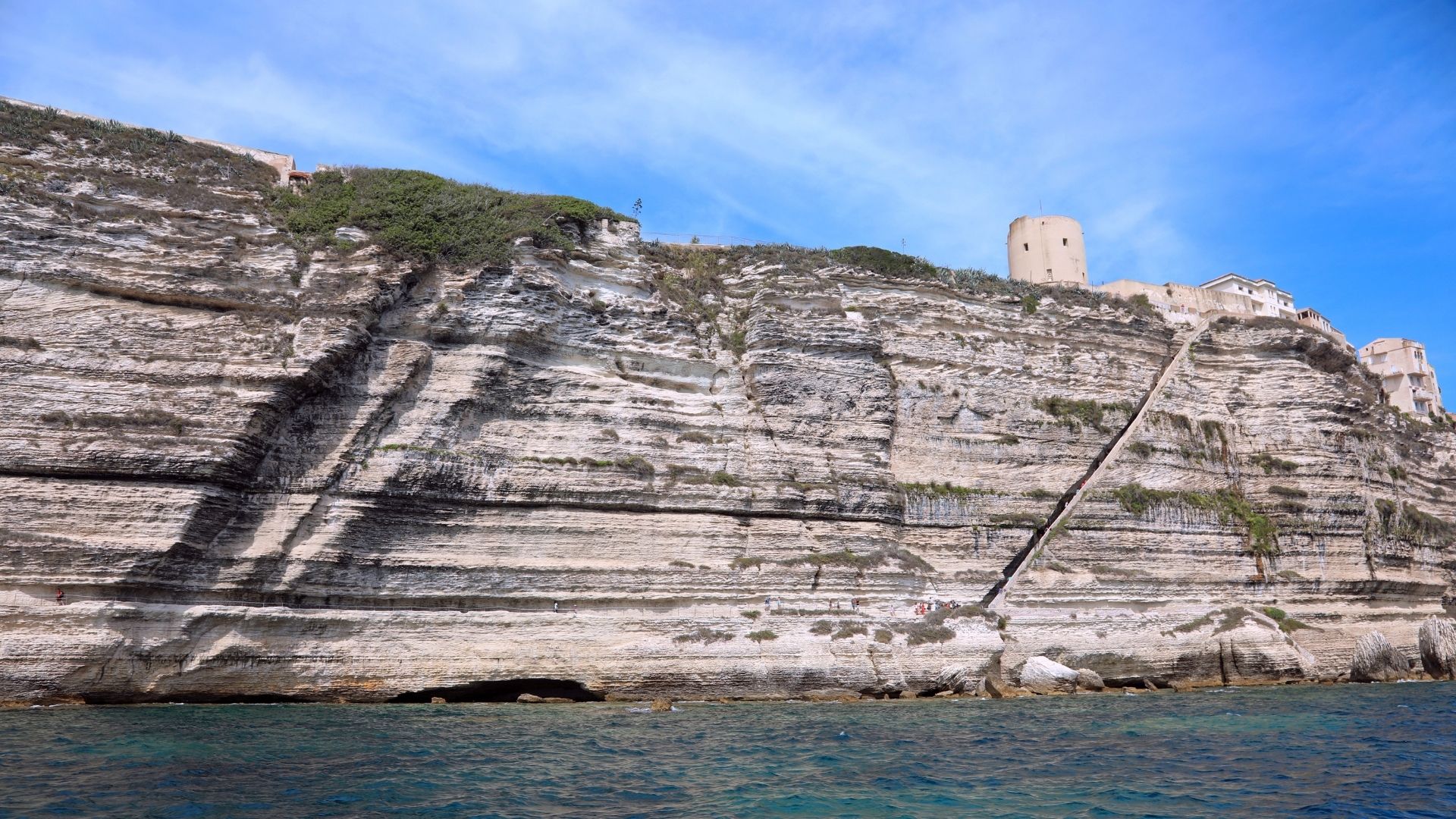
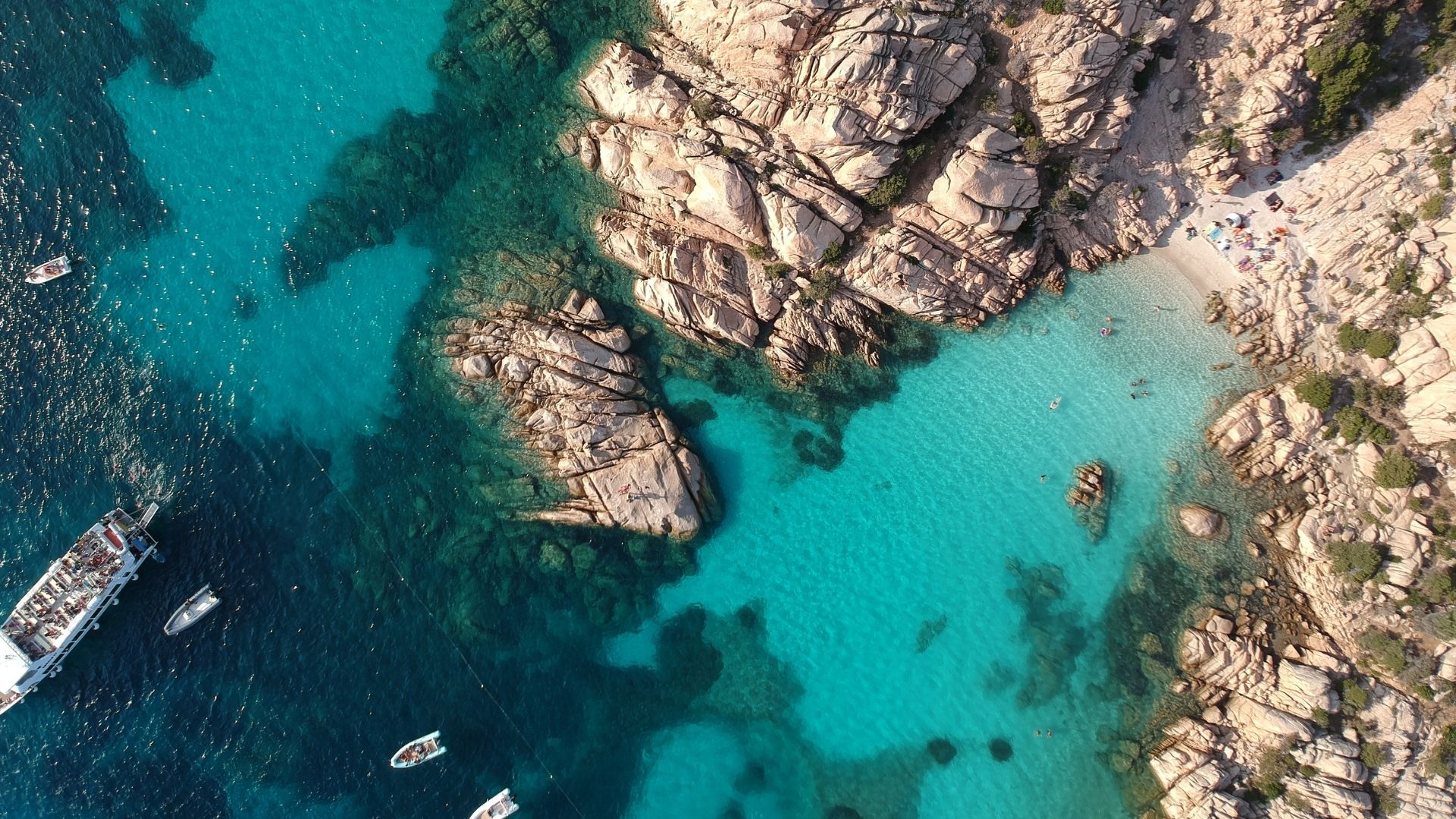
Slow morning in Bonifacio. Walk back into the haute ville for coffee, do the King of Aragon Stairway descent and climb if the group is up for it (the climb is the harder direction; allow forty-five minutes), and stop at the stone-walled cemetery at the cliff edge for the long view across the strait. By late morning, lines off and back across to Sardinia.
The return crossing is shorter — the captain steers a course toward Cala Coticcio on the east coast of Caprera, locally called the Tahiti of Sardinia. The cove is approachable only by tender; the granite boulders frame a half-moon of fine white sand and the water turns the color of a pool light. Anchor offshore, tender into the cove for an afternoon swim, and back aboard for a slow late lunch.
Evening reposition a few miles south to a quieter Caprera anchorage for the night. Dinner aboard tonight — chef-prepared, with the granite ridges of Caprera holding the last of the day's heat after sunset and the lights of the next yacht over (if there is one) a few hundred yards off the bow.
Day Highlights
Day 5 of 7 · Maddalena island day
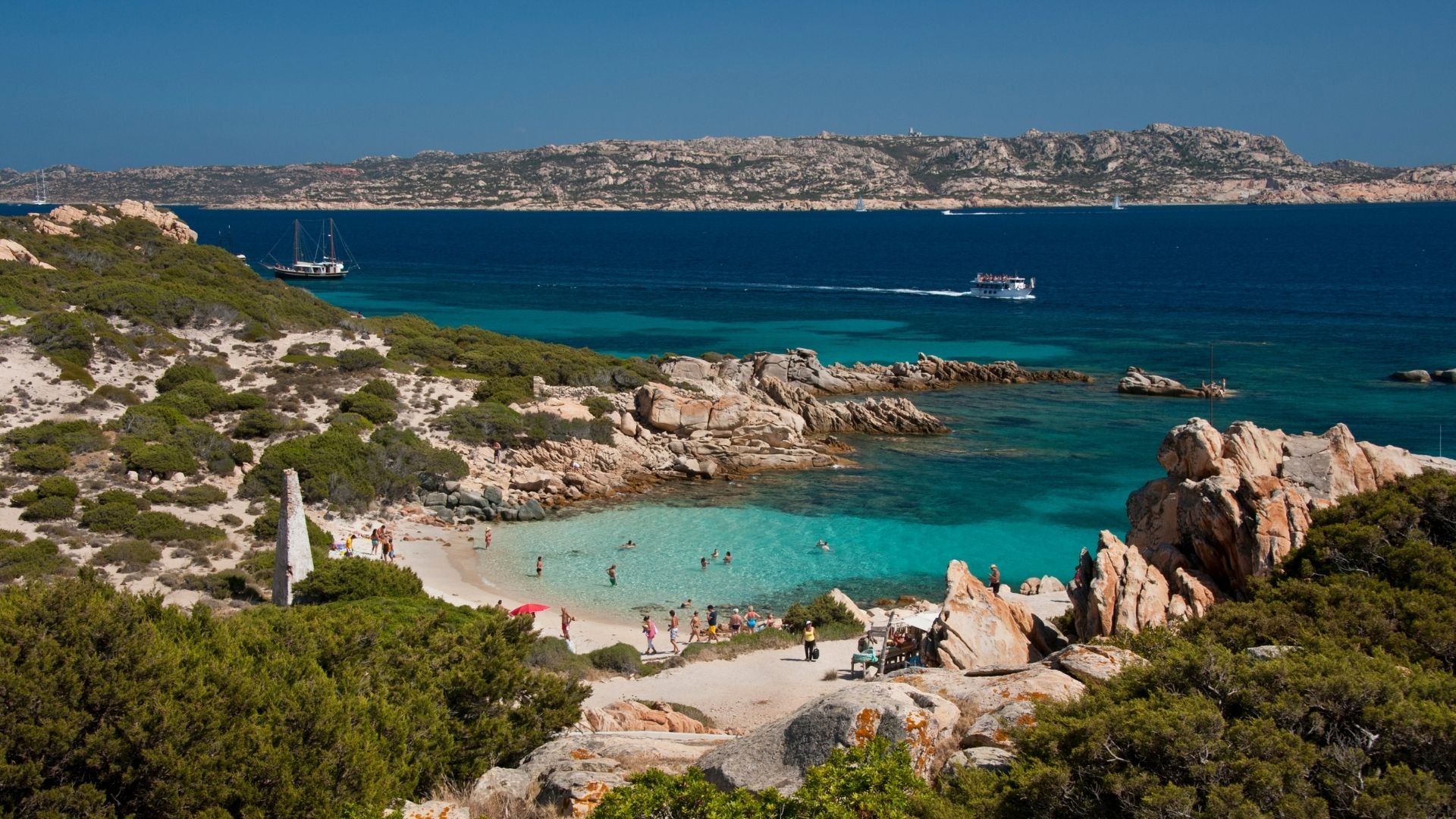
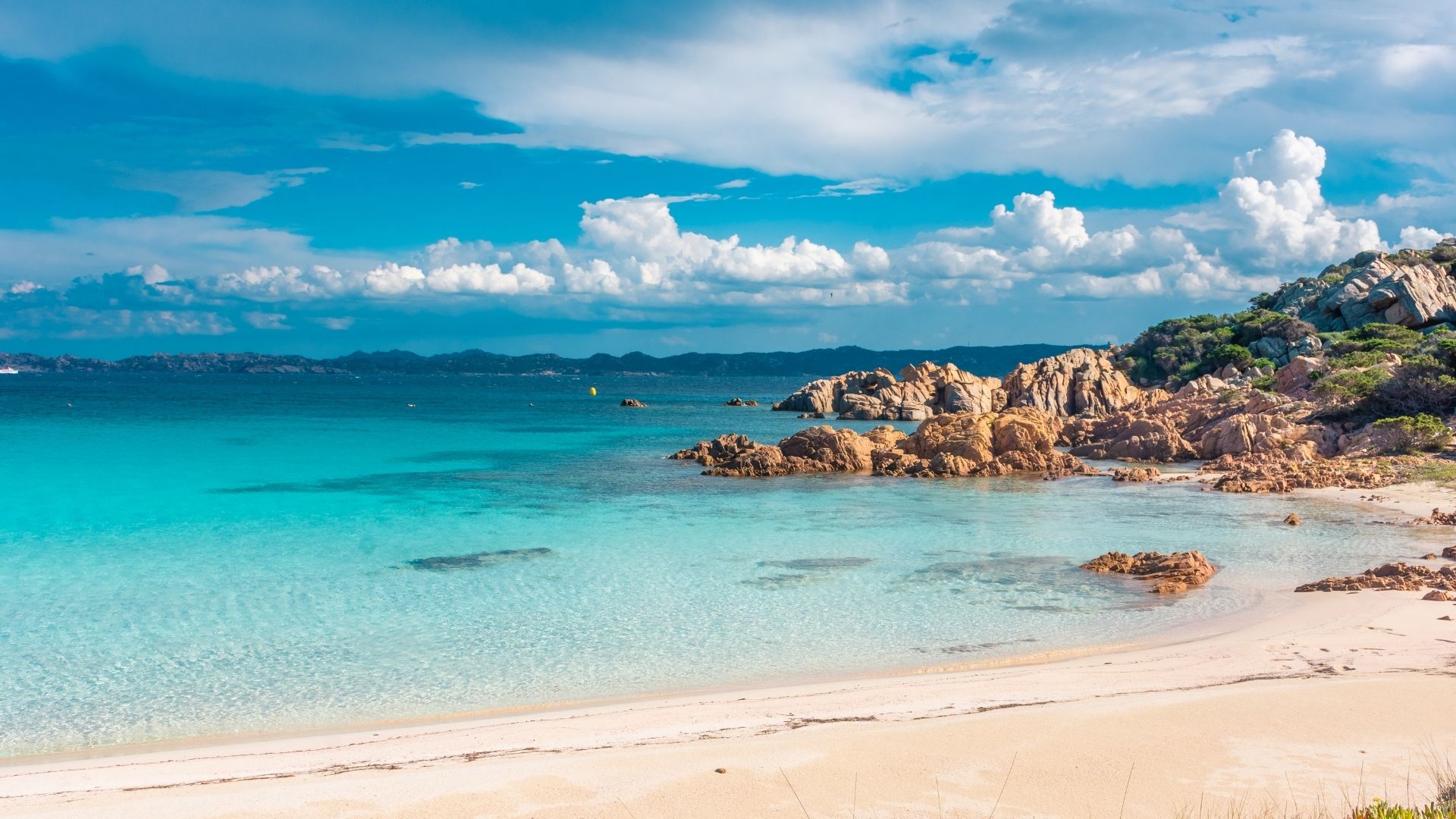
Today is the island day. Your captain repositions the yacht north into the cluster of smaller islands at the top of the Maddalena Archipelago — Spargi, Budelli, Razzoli, Santa Maria, and the small cays in between — for a full day of swim stops with no long passages. The first stop is Cala Corsara on the south coast of Spargi: a half-mile cove ringed by pink granite outcrops, the kind of water clarity that reads twenty meters of visibility on a calm day, and a managed anchoring field that limits how many yachts can sit there at once.
From Spargi a short tender-and-binoculars run takes you past Budelli's famous Pink Beach (Spiaggia Rosa), where strict look-only restrictions have been in force since 1994 — the pink color comes from microscopic coral and shell fragments and the beach is one of only two of its kind in the Mediterranean. Don't try to land; the harbor police monitor it. The look from offshore is the point. Razzoli sits just north of Budelli with a different shoreline texture, and Santa Maria — the most northerly of the cluster — has a long sand beach on its south side that's less visited than the headline anchorages.
Late afternoon, drop into Cala di Roto's natural pool. The pool is a sheltered shallow basin tucked at the back of the anchorage; it sits a few feet deep, turns a luminous turquoise mid-day, and stays glass-flat in any wind direction. Dinner aboard tonight, anchored in the cluster, the kind of evening that's the reason to have done the trip.
Day Highlights
Day 6 of 7 · Maddalena → Costa Smeralda
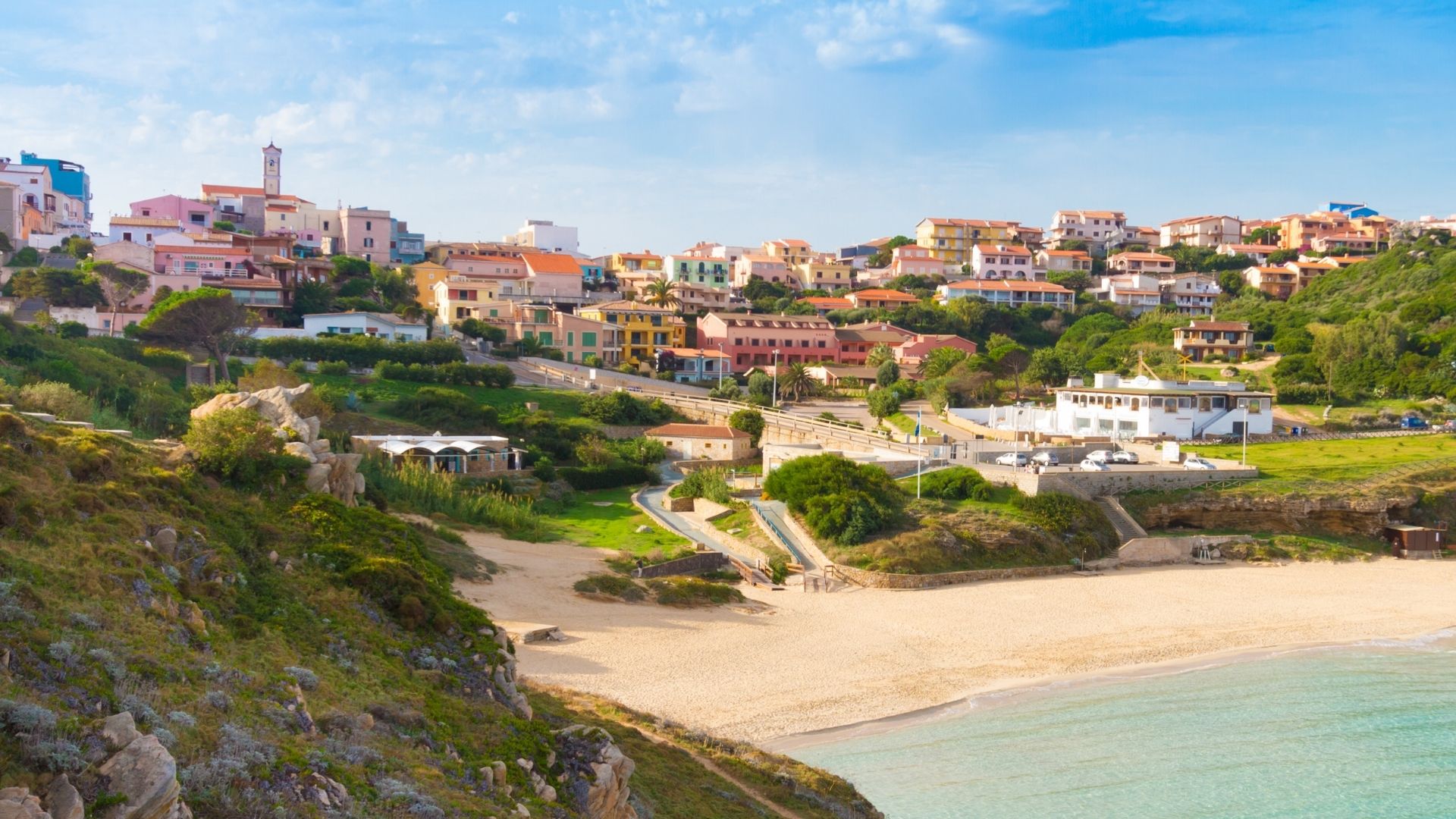
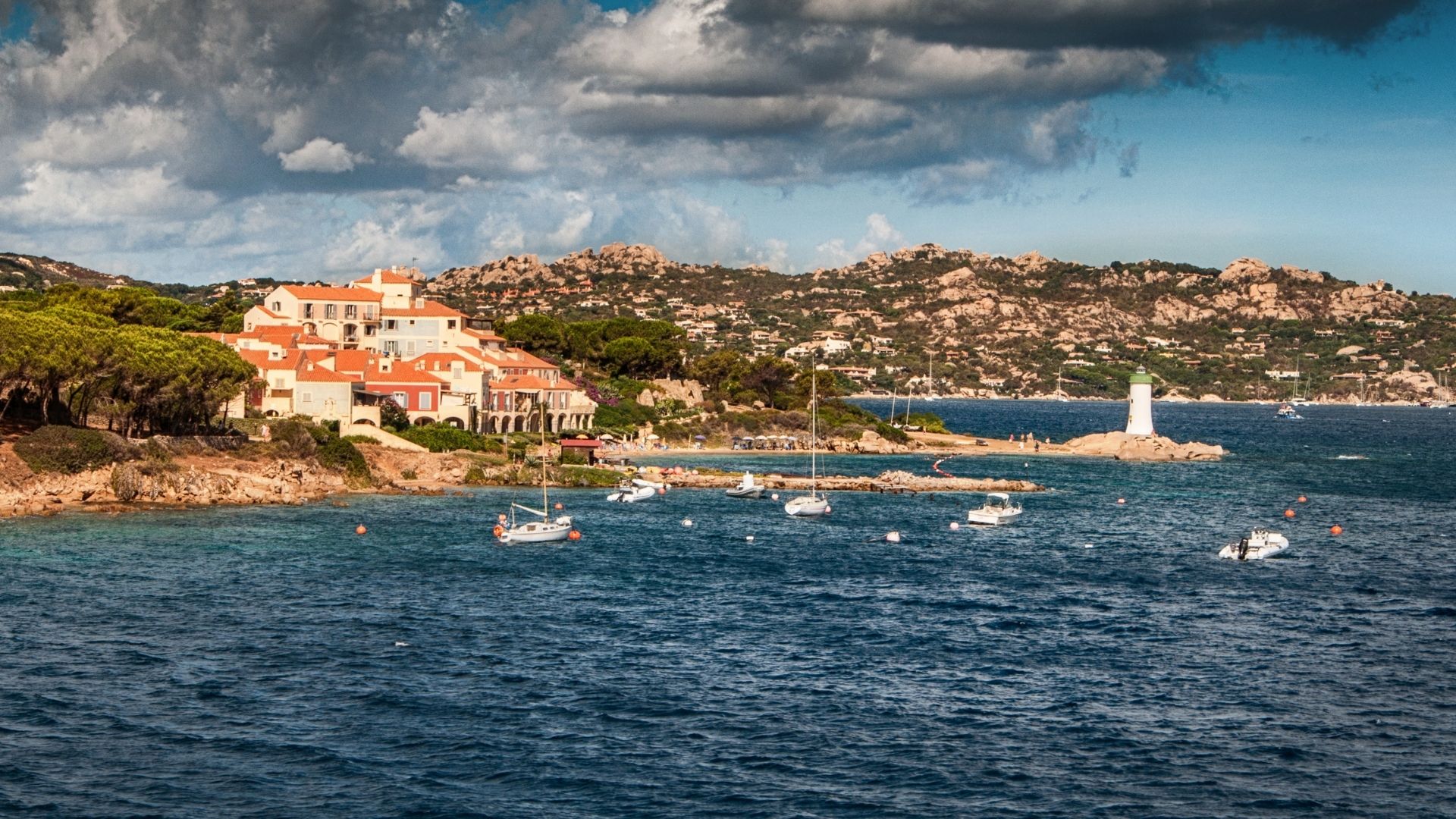
Slow morning swim off the stern, breakfast on deck, and a late-morning departure southbound. The captain works the route back along the Costa Smeralda's outer islands — Porto Rafael for a quieter midday stop, the granite headlands south of Cannigione, the small sand coves on the eastern shore of the Maddalena Sound that most yachts pass without anchoring.
Mid-afternoon, settle into Pevero Bay or Cala di Volpe — wherever the wind is best blocked. The Costa Smeralda is mostly a series of small bays inside larger ones, and most days the captain has options. Lunch ashore at Phi Beach if you missed it on Day 2, or a Costa Smeralda taverna ashore for an early dinner.
Evening aboard, anchored in the lee. The Costa Smeralda's last night is a slow one — the granite still holds the day's heat, the water turns from turquoise to navy as the sun drops, and the lights of Porto Cervo come up across the bay.
Day Highlights
Day 7 of 7 · Costa Smeralda → Olbia
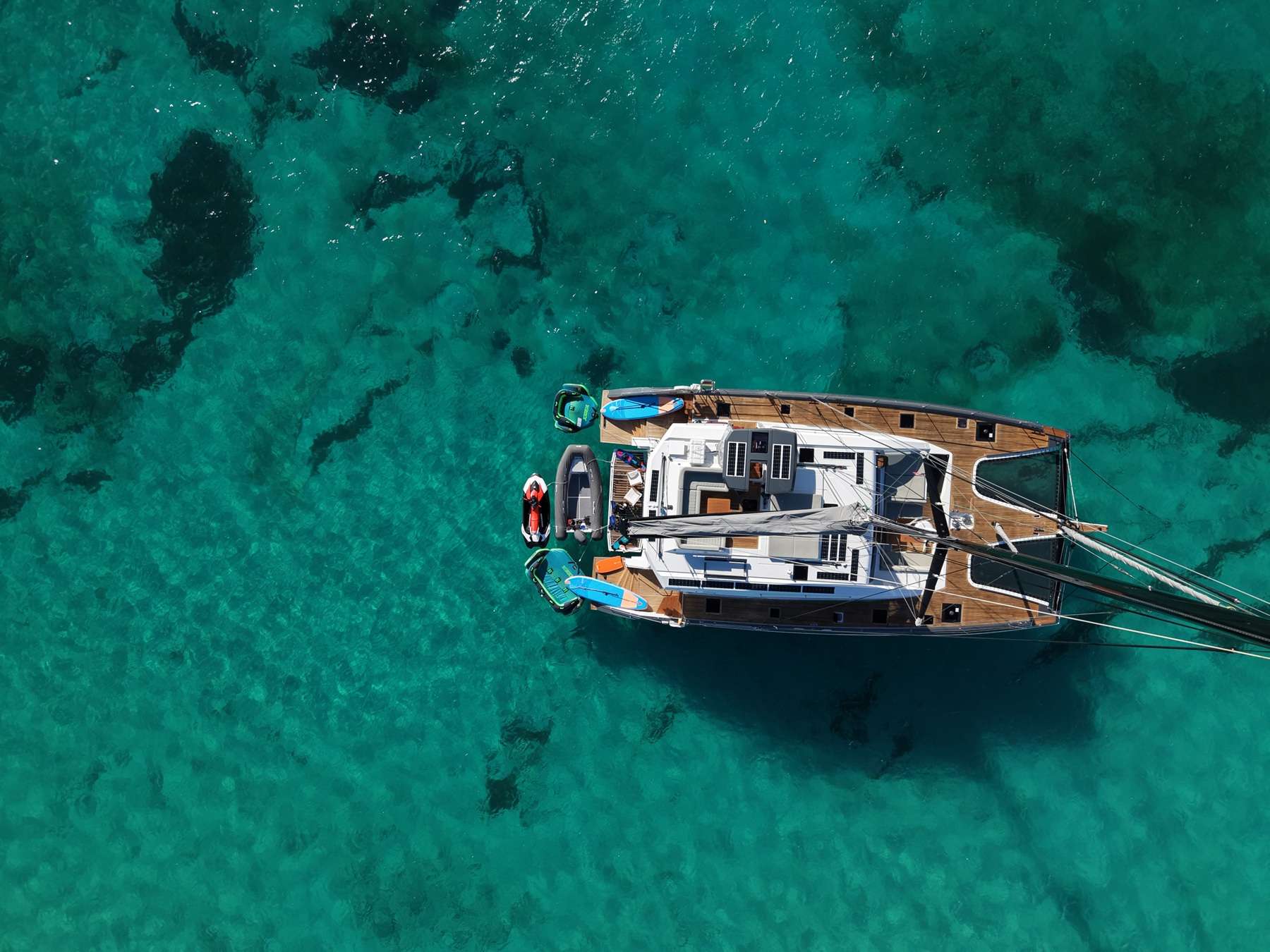
Last full day. Slow morning at anchor — swim, breakfast on deck, a final tender ride into a quiet beach if the group wants one. By mid-day the captain works the short ten-nautical-mile run back south around Capo Figari and into the Gulf of Olbia.
Settle into Marina di Olbia in the early afternoon. Walk into Olbia town if you have the energy — the old town is small enough to cover in an hour, and a final lunch at one of the seafront restaurants is the unhurried close most groups take. Final chef-prepared dinner aboard tonight, anchored in the marina with the day's last light over the gulf.
Pack at your own pace. Your captain has the morning's transfer logistics already squared away.
Day Highlights
Day 8 · Departure
A last slow breakfast aboard at Marina di Olbia, a final swim off the stern if the harbor allows, and disembarkation by mid-morning. Your crew handles the transfer logistics: OLB is fifteen minutes by taxi, with direct summer flights to most major European hubs and an easy connection to the US East Coast through Rome, Milan, Frankfurt, or London. Step off with a passport that crossed one border the captain handled for you, a granite coast and a medieval citadel behind you, and the kind of week that makes most Mediterranean charter guests come back for the longer route.
Want to share or come back to this voyage later?
Bookmark this voyage →Itinerario con tripulación · Cerdeña y Córcega
Esta es la semana de Cerdeña pura: un ida y vuelta de siete días desde Olbia que se queda en aguas italianas, se salta la travesía del estrecho de Bonifacio, y cambia la parada corsa por más tiempo en la Costa Esmeralda y un paso más largo por el archipiélago de La Maddalena. Unas ochenta millas náuticas de punta a punta, sin ninguna etapa de más de veintidós y la mayoría de los días por debajo de quince. El itinerario funciona en un yate de vela o en un yate a motor; el mistral entra casi todas las tardes y los fondeaderos de la costa de granito cogen el socaire en cualquier dirección de viento.
La mayoría de los grupos que reservan esta ruta en lugar de la versión a través del estrecho son huéspedes que quieren ir más despacio, nadar más, recorrer la Costa Esmeralda dos veces en lugar de una, y saltarse el medio día gastado en la travesía del estrecho. Tavolara es la parada de principios de semana que la mayoría de los yates se pierden, el grupo de La Maddalena recibe un día entero en lugar de medio, y el acceso solo en lancha auxiliar de Cala Coticcio cae en una velada más tranquila al ancla. Tu capitán profesional y tu chef privado se encargan del resto.
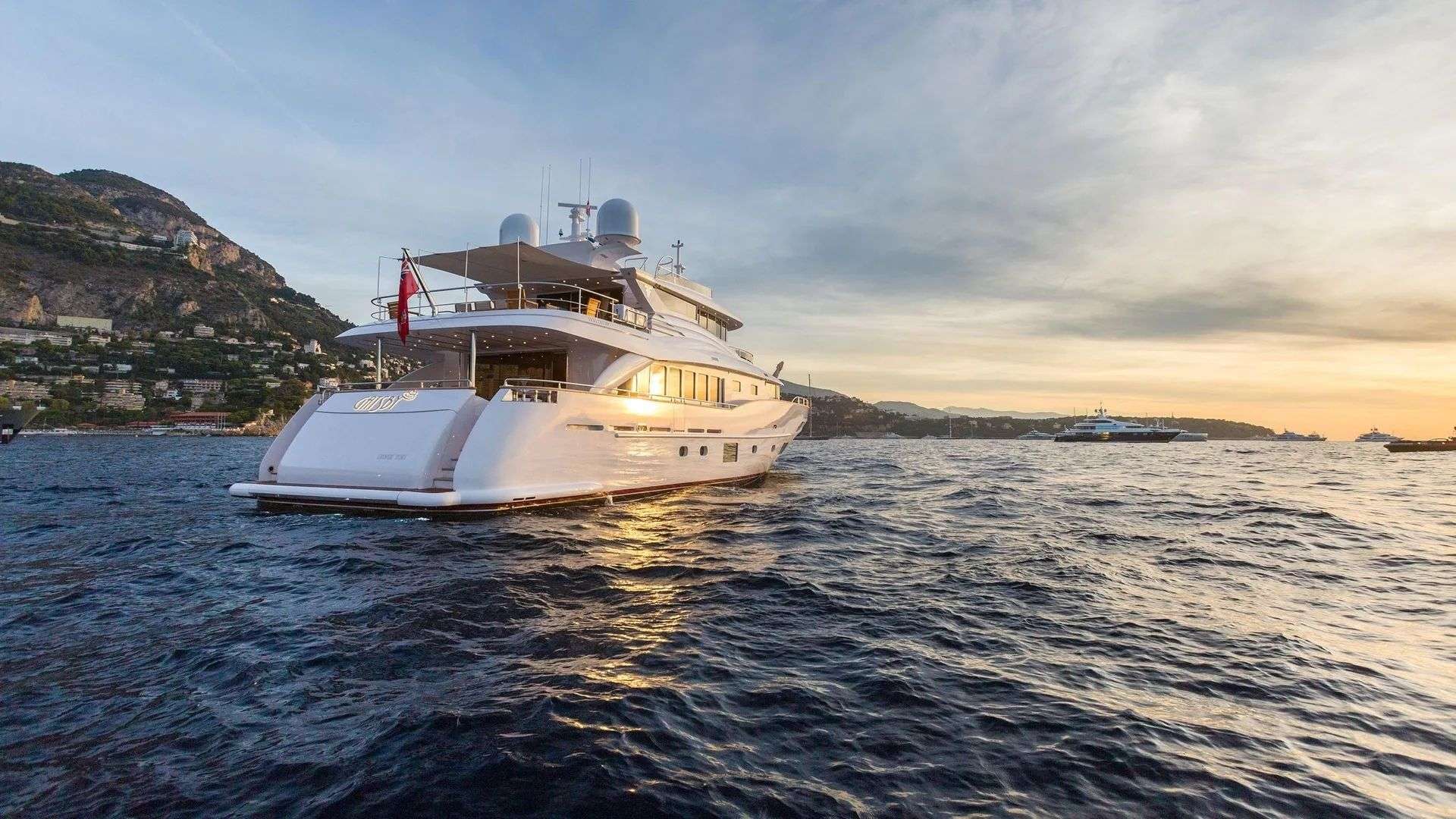
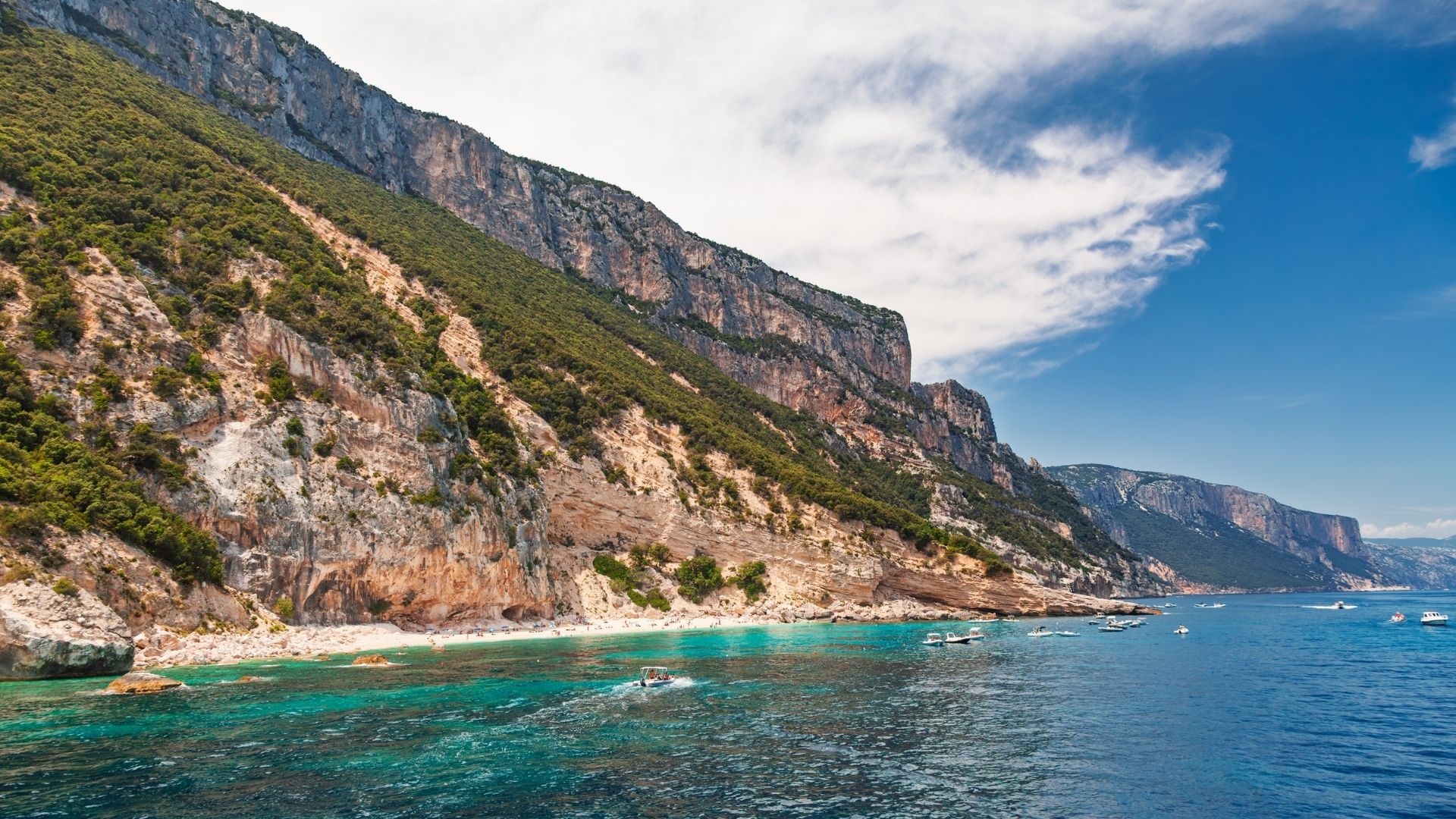
Este es el itinerario por el norte de Cerdeña de ritmo pausado: un ida y vuelta de 7 días desde Olbia que se queda en aguas italianas y se salta la travesía del estrecho de Bonifacio. Unas 80 millas náuticas en total, sin ninguna etapa de más de 22. Cambias la parada corsa por más tiempo en la Costa Esmeralda, un paso más largo por el archipiélago de La Maddalena, y el Área Marina Protegida de Tavolara a principios de semana: una parada que la mayoría de los yates se pierden porque van a la carrera hacia el estrecho.
La ruta funciona en un yate de vela o en un yate a motor; el mistral entra casi todas las tardes y los fondeaderos de la costa de granito cogen el socaire en cualquier dirección de viento. Enviamos este itinerario por el norte de Cerdeña a grupos familiares, viajes en yate multigeneracionales, y a cualquiera que prefiera recorrer Pevero Bay dos veces que quemar medio día en el estrecho. Si quieres la versión a través del estrecho con la ciudadela medieval de Bonifacio, mira el charter del Bucle de Cerdeña + Bonifacio.
Día 1 de 7 · Olbia → Tavolara
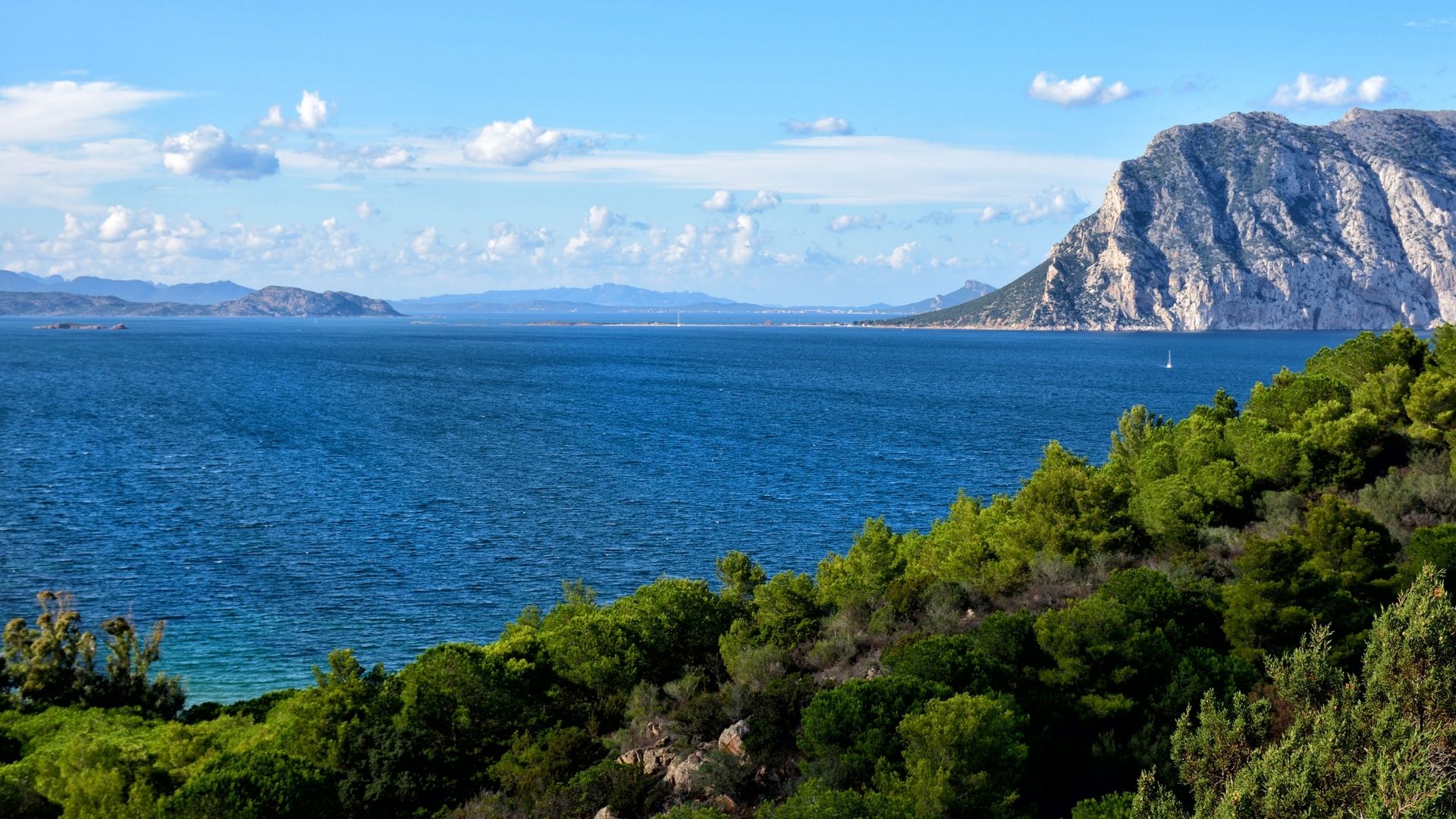
Tu viaje en yate empieza en Marina di Olbia, a quince minutos en taxi del aeropuerto de Olbia (OLB), en la costa noreste de Cerdeña. Tu capitán y tu chef te reciben en el muelle, te enseñan el yate, guardan el equipaje, y repasan la carta náutica para los días que vienen. El aprovisionamiento está resuelto para primera hora de la tarde; fuera amarras cuando el grupo esté listo.
La mayoría de los huéspedes en este itinerario esperan ir hacia el norte a la Costa Esmeralda el primer día. El capitán en cambio apunta la proa al sur para la bajada de doce millas náuticas a Tavolara: una única cresta de caliza alzándose quinientos metros directamente del mar, designada como la primera área marina protegida de Italia. Los fondeaderos del lado de sotavento de Tavolara se mantienen planos en cualquier dirección de viento, la visibilidad del agua llega a los veinte metros en un día claro, y el tráfico de crucero es una fracción de lo que trabaja los fondeaderos de la Costa Esmeralda unas millas al norte.
Primera noche al ancla a sotavento de Tavolara. Cena de bienvenida preparada por el chef a bordo: marisco sardo, una copa de Vermentino di Gallura, la cresta de caliza conservando el calor del día tras el atardecer y las luces de Porto San Paolo a un par de millas de la proa.
Day Highlights
Día 2 de 7 · Tavolara → Costa Esmeralda
Mañana pausada en Tavolara: baño, desayuno en cubierta. A media mañana fuera amarras para un reposicionamiento de cinco millas náuticas al norte hasta Cala Brandinchi, la versión de la costa sureste de Cerdeña del «Tahití de Cerdeña»: una media luna de media milla de fina arena blanca respaldada por bajo matorral y pinos piñoneros, con agua turquesa poco profunda que corre templada. Almuerzo al ancla, baño desde la popa del barco.
A última hora de la tarde, fuera amarras para la subida más larga de quince millas náuticas al norte rodeando Capo Figari y hasta el extremo sur de la Costa Esmeralda. Cala di Volpe es el fondeadero abrigado más profundo de este tramo: fondo de arena, protección del mistral, y el Hotel Cala di Volpe asentado en el promontorio por encima del agua. El capitán decide entre Pevero o Cala di Volpe según el viento de la tarde, y te instalas para la primera de dos noches en la Costa Esmeralda.
Cena a bordo esta noche, a sotavento de las crestas de granito. Preparada por el chef en la cubierta de popa. El granito de la Costa Esmeralda conserva el calor del día tras el atardecer; el agua pasa del turquesa al azul marino a medida que se encienden las luces al otro lado de la bahía.
Day Highlights
Día 3 de 7 · Día de Costa Esmeralda
Día pausado de Costa Esmeralda. El capitán puede reposicionar cinco millas náuticas entre Pevero, Cala di Volpe y Liscia di Vacca según el viento, pero la ruta es corta: casi todo el día es al ancla. Baño matinal, paddleboard o kayak hacia los promontorios, y una lancha auxiliar a media mañana a Phi Beach para almorzar si la mesa funciona. Phi es el club de playa construido en los acantilados sobre Baja Sardinia: al aire libre, paredes de granito, y una cocina que va de marisco sardo con algún que otro clásico de la Italia continental.
Tarde en tierra: pasea por el pueblo de Porto Cervo sobre la marina, veinte minutos de punta a punta, construido a mano en los años sesenta por un pequeño grupo de arquitectos del Aga Khan que se negaron a repetir ningún edificio dos veces. El pueblo es lo bastante pequeño como para recorrerlo despacio con una parada en la iglesia de Stella Maris (un cuadro de Vasili Kandinsky cuelga dentro) y un café en la plaza. La Marina di Porto Cervo alberga setecientos amarres y yates de hasta cien metros; recorrer el muelle se lee más interesante de lo que la mayoría de los huéspedes espera.
Cena a bordo esta noche o en tierra en uno de los restaurantes de la Costa Esmeralda: el capitán reserva con antelación. La mesa sarda es por lo que la mayoría de los huéspedes vuelven: fregola sarda, cochinillo asado bajo una campana, bottarga di Olbia rallada sobre la pasta, y un tinto Cannonau de los viñedos del interior que no viaja bien fuera del país.
Day Highlights
Día 4 de 7 · Costa Esmeralda → La Maddalena
Mañana pausada en la Costa Esmeralda: baño, desayuno en cubierta, paseo opcional al pueblo de Cala di Volpe si el grupo no lo ha hecho. Para el final de la mañana, fuera amarras para la subida de quince millas náuticas al norte por la costa de granito y cruzando el estrecho de La Maddalena hasta Caprera, la segunda isla más grande del archipiélago.
El archipiélago de La Maddalena se asienta dentro de un parque nacional italiano. El fondeo está gestionado: campos con boyas de muerto en las calas más transitadas, y el capitán paga la tasa de parque por yate en línea antes de cruzar al límite del parque. El agua se vuelve del azul más limpio de la zona de crucero, leyendo treinta metros de visibilidad en un día asentado. Caprera alberga la casa conservada de Garibaldi en su costa norte (un museo, parada opcional en tierra), pero la mayoría de los viajes en yate vienen por las calas de granito de la costa sur y las playas de arena blanca del este.
Instálate para la noche en uno de los fondeaderos de la costa sur de Caprera. Cena preparada por el chef a bordo. Las luces del pueblo de Maddalena a un par de millas de la proa.
Day Highlights
Día 5 de 7 · Día de islas de La Maddalena
Hoy es el día de islas. Tu capitán reposiciona al norte al grupo de islas más pequeñas en la parte alta del archipiélago de La Maddalena —Spargi, Budelli, Razzoli, Santa Maria, y los pequeños cayos de en medio— para un día entero de paradas de baño sin travesías largas. La primera parada es Cala Corsara, en la costa sur de Spargi: una cala de media milla rodeada de afloramientos de granito rosa, la clase de claridad de agua que lee veinte metros de visibilidad en un día en calma, y un campo de fondeo gestionado que limita cuántos yates pueden estar ahí a la vez.
Desde Spargi, un corto trayecto de lancha auxiliar y prismáticos te lleva pasando la famosa Playa Rosa de Budelli (Spiaggia Rosa), donde rigen estrictas restricciones de solo mirar desde 1994: el color rosa viene de fragmentos microscópicos de coral y concha y la playa es una de solo dos de su clase en el Mediterráneo. No intentes desembarcar; la policía portuaria la vigila. La vista desde mar adentro es lo que importa. Razzoli se asienta justo al norte de Budelli con una textura de orilla distinta, y Santa Maria —la más al norte del grupo— tiene una larga playa de arena en su lado sur que está menos visitada que los fondeaderos protagonistas.
A última hora de la tarde, métete en la piscina natural de Cala di Roto. La piscina es una cuenca somera y abrigada metida al fondo del fondeadero; está a un par de palmos de profundidad, se vuelve de un turquesa luminoso a mediodía, y se mantiene lisa como un cristal en cualquier dirección de viento. Cena a bordo esta noche, fondeado en el grupo, la clase de velada que es la razón de haber hecho el viaje.
Day Highlights
Día 6 de 7 · Cala Coticcio + tarde pausada
Baño matinal pausado desde el fondeadero del grupo de La Maddalena, desayuno en cubierta. A media mañana, una bajada de ocho millas náuticas al sureste de vuelta hacia la costa este de Caprera y Cala Coticcio, llamada localmente el Tahití de Cerdeña. La cala es accesible solo en lancha auxiliar; los bloques de granito enmarcan una media luna de fina arena blanca, y el agua se vuelve del color de la luz de una piscina. Fondea mar adentro, acércate en lancha auxiliar a la cala por la mañana, y de vuelta a bordo para un pausado almuerzo tardío.
Tarde al ancla en la costa este de Caprera. Juguetes acuáticos desplegados: paddleboards, kayaks, equipo de esnórquel. El capitán puede reposicionar una milla o dos entre calas según el viento de la tarde, pero las millas del día están hechas. Las calas más tranquilas de La Maddalena solo ven uno o dos yates en una velada típica; en la Costa Esmeralda nunca estás solo en un fondeadero, pero aquí puedes estarlo.
Cena a bordo esta noche, la clase de comida de penúltima noche en torno a la que se construye el viaje. Preparada por el chef, en la cubierta de popa, con las crestas de granito conservando lo último del calor del día.
Day Highlights
Día 7 de 7 · La Maddalena → Olbia
Último día completo al ancla. Baño matinal pausado desde Caprera, desayuno en cubierta. Para el final de la mañana, fuera amarras para la etapa más larga de la semana: una bajada de veintidós millas náuticas al sur por las islas exteriores de la Costa Esmeralda y de vuelta al golfo de Olbia. El capitán puede parar en Santa Teresa Gallura, en la punta norte de Cerdeña, para un paseo opcional por el puerto pesquero de trabajo y la torre vigía española por encima.
Instálate en Marina di Olbia a primera hora de la tarde. Pasea al pueblo de Olbia si tienes la energía: el casco viejo es lo bastante pequeño como para recorrerlo en una hora, y un último almuerzo en uno de los restaurantes del paseo marítimo es el cierre pausado que toma la mayoría de los grupos. Última cena preparada por el chef a bordo esta noche, fondeado en la marina con la última luz del día sobre el golfo.
Haz las maletas a tu propio ritmo. Tu capitán ya tiene resuelta la logística del traslado de la mañana.
Day Highlights
Día 8 · Salida
Un último desayuno pausado a bordo en Marina di Olbia, un último baño desde la popa si el puerto lo permite, y desembarco a media mañana. Tu tripulación se encarga de la logística del traslado: OLB está a quince minutos en taxi, con vuelos directos de verano a la mayoría de los grandes aeropuertos europeos y una fácil conexión a la Costa Este de EE. UU. por Roma, Milán, Fráncfort o Londres. Bájate con la costa de granito y La Maddalena a tu espalda, y la clase de pausada semana italiana que la mayoría de los huéspedes de viajes en yate describen como la que ojalá hubieran reservado la primera vez.
Want to share or come back to this voyage later?
Bookmark this voyage →Itinerario con tripulación · Cerdeña y Córcega
Este es el lado más salvaje de la zona de crucero de Cerdeña y Córcega: un ida y vuelta de siete días desde Ajaccio que recorre toda la costa oeste de Córcega, con la costa de acantilados rojos de Scandola (Patrimonio de la Humanidad) en mitad de la semana, la ciudadela medieval de Calvi en el giro del norte, y un regreso al sur por los viñedos de Patrimonio en el Cap Corse. Unas ciento cincuenta millas náuticas de punta a punta, con una opción de Saint-Florent para los huéspedes que quieran empujar más allá del cabo. La ruta funciona en un yate de vela o en un yate a motor; los promontorios de costa abierta en Capo Rosso y la entrada de Scandola pueden lanzar oleaje cuando el maestrale está soplando, y el capitán lee el pronóstico de la mañana al primer rayo.
La mayoría de los grupos que reservan esta ruta en lugar de la versión a través del estrecho son huéspedes que ya han hecho la semana italiana o que quieren un carácter de crucero corso más agreste: una cultura de fondeaderos menos pulida, más puertos pesqueros de paseo por el pueblo, y la única reserva marina Patrimonio de la Humanidad de la UNESCO del Mediterráneo occidental. El registro de la comida y el vino cambia también: charcutería corsa, queso brocciu, pulenta, y rosado de Patrimonio de los viñedos de suelo calcáreo del Cap Corse. Tu capitán profesional y tu chef privado se encargan del resto.
Este es el lado más salvaje de la zona de crucero de Cerdeña y Córcega: un ida y vuelta de 7 días desde Ajaccio que recorre toda la costa oeste de Córcega. Scandola (UNESCO) en mitad de la semana (la única reserva marina Patrimonio de la Humanidad de la UNESCO del Mediterráneo occidental), la ciudadela medieval de Calvi en el giro del norte, y un regreso al sur por los viñedos de suelo calcáreo de Patrimonio en el Cap Corse. Unas 150 millas náuticas en total: notablemente más terreno que el bucle de aguas italianas, con recompensa en cada fondeadero.
La mayoría de los grupos que reservan este itinerario por Córcega en lugar del bucle de Cerdeña son huéspedes que ya han hecho la semana italiana o que quieren un carácter de crucero más agreste: una cultura de fondeaderos menos pulida, más pueblos de puerto pesquero, los acantilados rojos de las Calanques de Piana, y Girolata (un pueblo pesquero alcanzable solo desde el mar). El registro de la comida cambia también: charcutería corsa, queso brocciu, pulenta, y rosado de Patrimonio.
Día 1 de 7 · Ajaccio → Sanguinaires
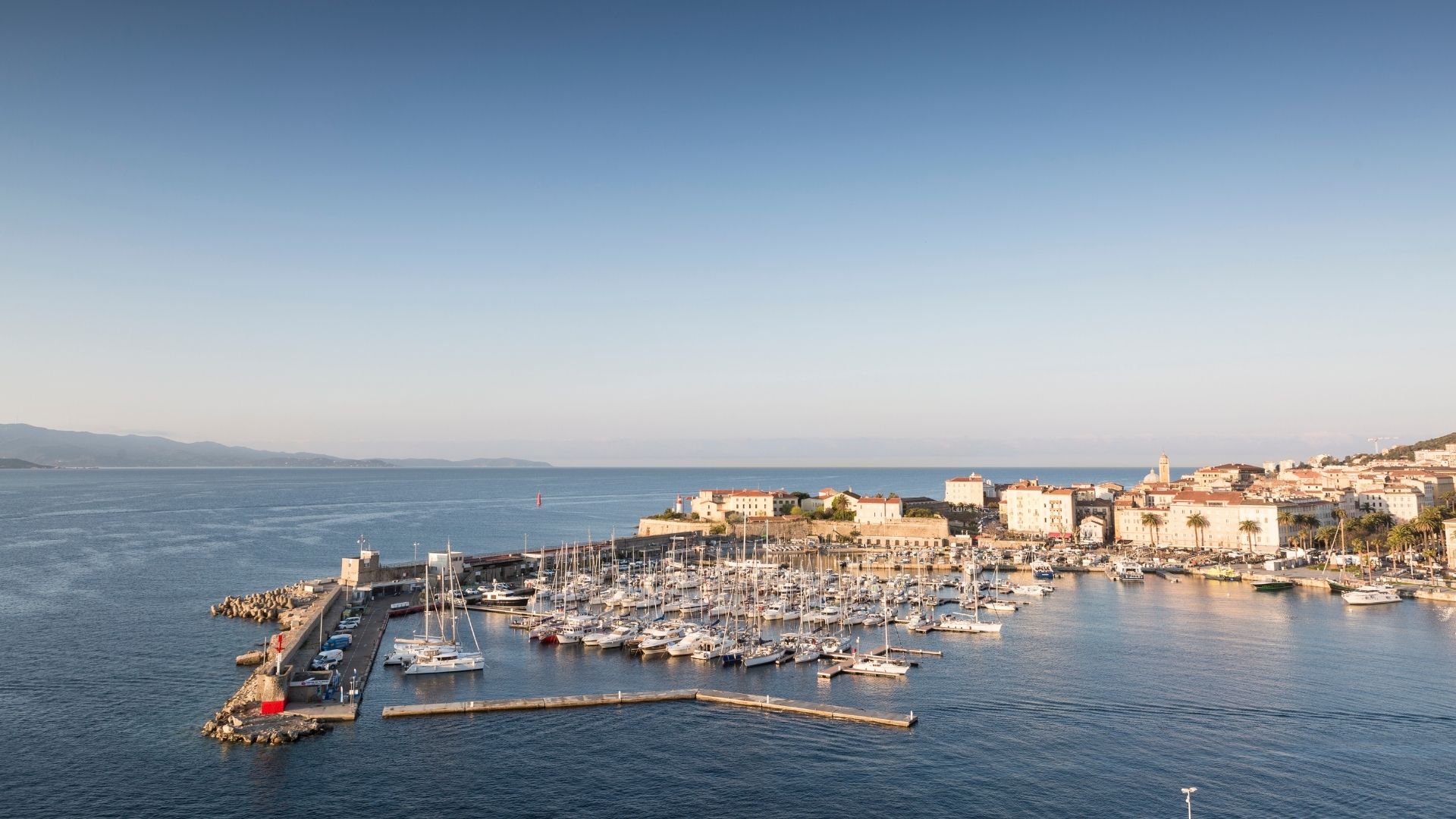
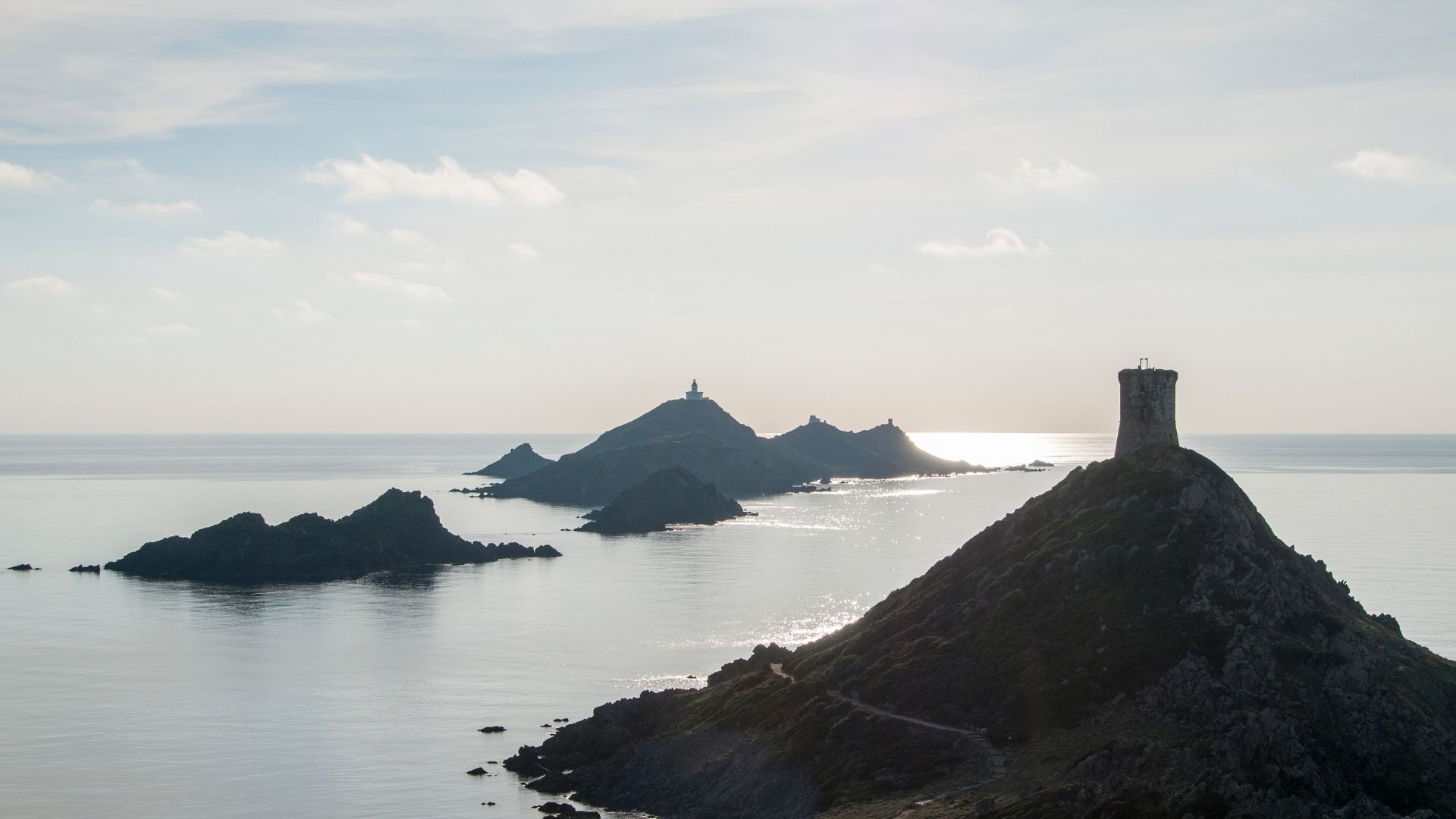
Tu viaje en yate empieza en Marina d'Ajaccio, a diez minutos en taxi del aeropuerto de Ajaccio (AJA), en la costa oeste de Córcega. Tu capitán y tu chef te reciben en el muelle, te enseñan el yate, guardan el equipaje, y repasan la carta náutica para los días que vienen. Si llegas temprano, la casa natal de Napoleón está a quince minutos a pie por el casco viejo, y la ciudadela sobre el puerto añade otra media hora si te apetece.
A primera hora de la tarde, fuera amarras para la corta bajada de diez millas náuticas fuera del golfo hasta las islas Sanguinaires: una cadena de afloramientos de roca roja en la bocana de la bahía, designada como reserva natural y hogar de una población de gaviotas de Audouin. Las islas toman su nombre («las sangrientas») de cómo se vuelven de un rojo profundo al atardecer; el fondeadero del lado de sotavento se mantiene en cualquier viento del oeste y el baño desde la popa del barco es el punto de entrada estándar de la primera tarde.
Primera noche al ancla a sotavento de las Sanguinaires. Cena de bienvenida preparada por el chef a bordo: charcutería corsa para empezar, pescado recién hecho a la brasa del barco del día, una copa de rosado de Patrimonio de los viñedos del Cap Corse. Las luces de Ajaccio brillan de vuelta al otro lado del golfo mientras el sol cae tras las islas.
Day Highlights
Día 2 de 7 · Sanguinaires → golfo de Porto
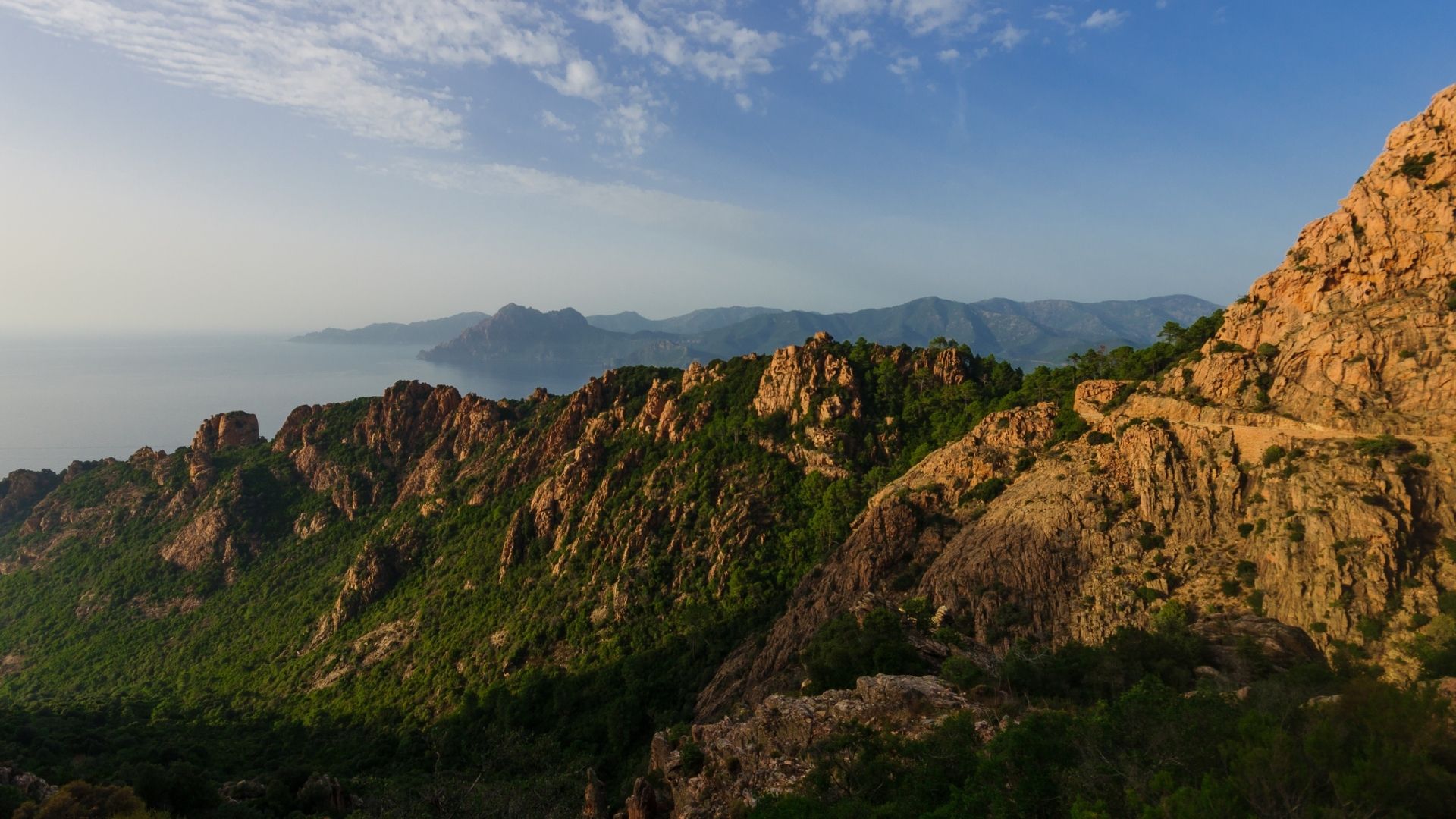
Mañana pausada en las Sanguinaires: baño, desayuno en cubierta, lancha auxiliar opcional al pequeño faro de la más grande de las islas. Para media mañana, fuera amarras para la subida de veinticinco millas náuticas hacia el norte por la costa oeste hasta Cargèse y la entrada sur del golfo de Porto.
Cargèse es un pueblo costero de trabajo con una historia religiosa inusual: en el siglo XVII, a un grupo de maniotas griegos que huían del dominio otomano las autoridades genovesas les concedieron tierra aquí, y las dos iglesias del pueblo —greco-ortodoxa y católica— aún se asientan enfrentadas al otro lado de la plaza del pueblo. Almorzar en tierra en uno de los restaurantes del puerto es la parada de mediodía estándar. Desde Cargèse el capitán trabaja la subida más al norte pasando Capo Rosso y hasta el golfo de Porto.
A última hora de la tarde, instálate en un fondeadero dentro del golfo: las Calanques de Piana se asientan en la orilla sur de la entrada del golfo, un tramo de acantilados de pórfido rojo erosionados por el viento designados Patrimonio de la Humanidad de la UNESCO en 1983. Los acantilados cogen el sol de última hora de la tarde y se vuelven del color del desierto. Cena a bordo esta noche a sotavento de las calanques.
Day Highlights
Día 3 de 7 · Scandola (UNESCO) + Girolata
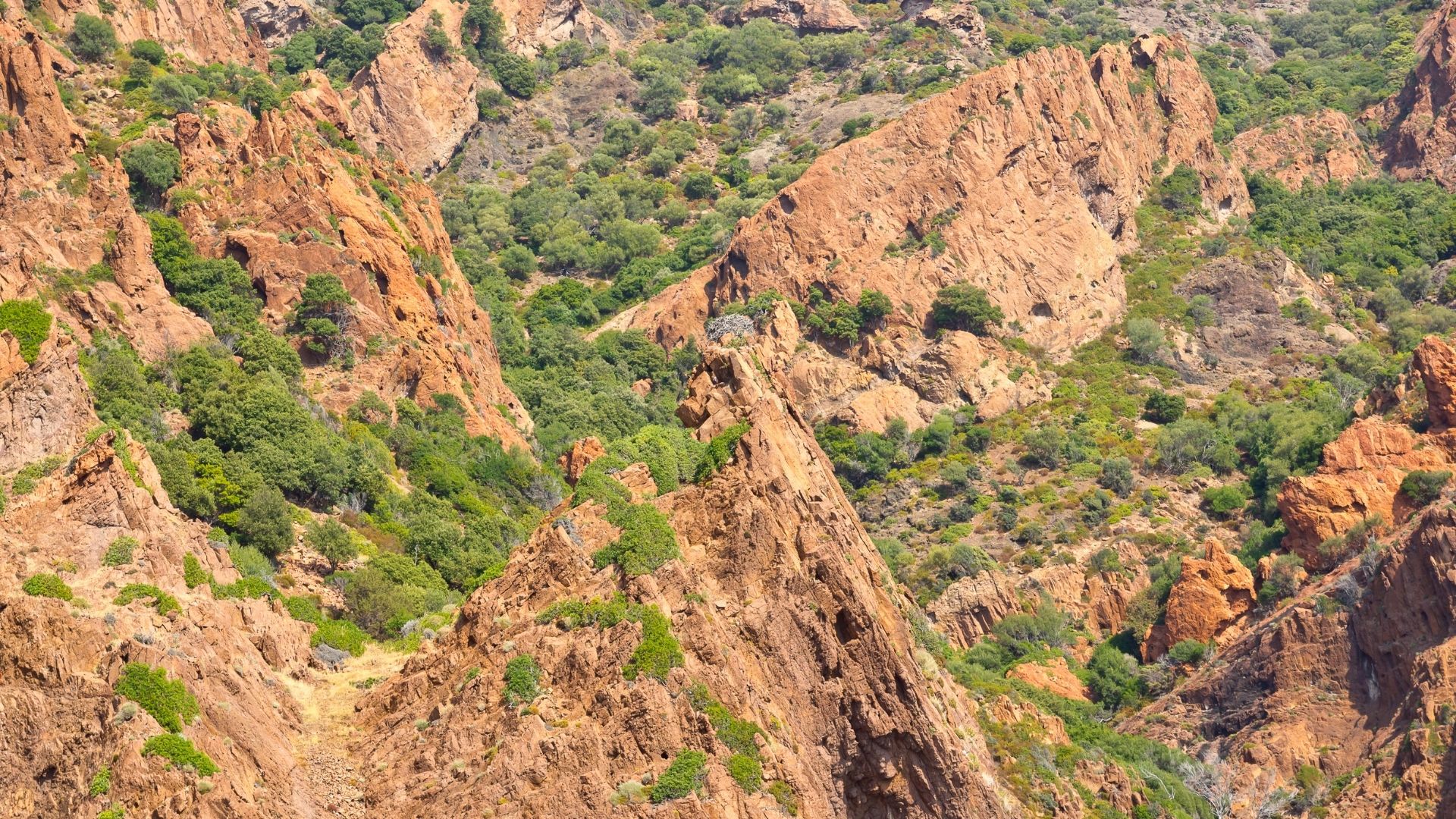
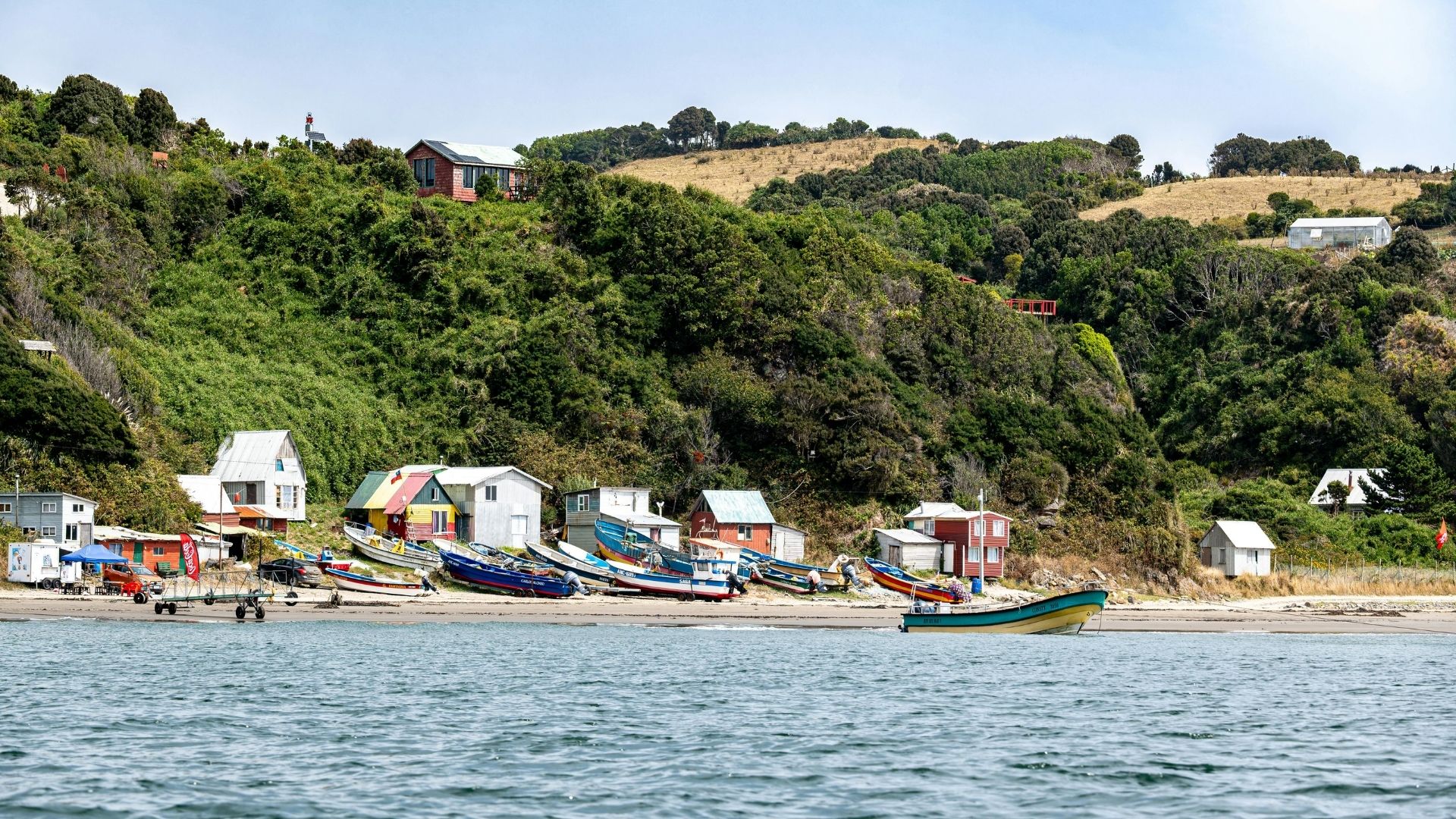
Hoy es el día estrella. A media mañana, fuera amarras para la corta subida de diez millas náuticas al norte por la costa oeste de Córcega y hasta la Reserva Natural de Scandola, designada Patrimonio de la Humanidad de la UNESCO en 1975 y accesible solo desde el agua. La reserva recorre nueve kilómetros de costa: acantilados de pórfido rojo que caen directamente al mar, cuevas marinas talladas en la roca, y la población de águilas pescadoras nidificantes más densa del Mediterráneo occidental. No hay acceso a tierra, ni carretera, ni pueblo; la protección es estricta, y el capitán sigue las restricciones de fondeo señalizadas y las normas de distancia mínima en las caras de los acantilados.
Desde Scandola, una corta lancha auxiliar o navegación de día te lleva a Girolata, un pueblo pesquero en la orilla sur del golfo que es alcanzable solo en barco o por un sendero de cuatro horas a través del traspaís de Scandola. Veinte casas, un puerto pesquero, un pequeño fuerte genovés que domina la bahía, y una población de menos de cincuenta durante todo el año. Almuerzo en tierra en uno de los dos restaurantes del puerto —la captura es lo que sea que subió esa mañana, y el pan es local— y una tarde pausada al ancla en la bahía.
Cena a bordo esta noche en Girolata. Las luces del pueblo se encienden tras el atardecer; la bahía está resguardada en cualquier dirección desde la que pueda estar soplando el maestrale; y no hay ruido de carretera porque no hay carretera.
Day Highlights
Día 4 de 7 · Girolata → Calvi
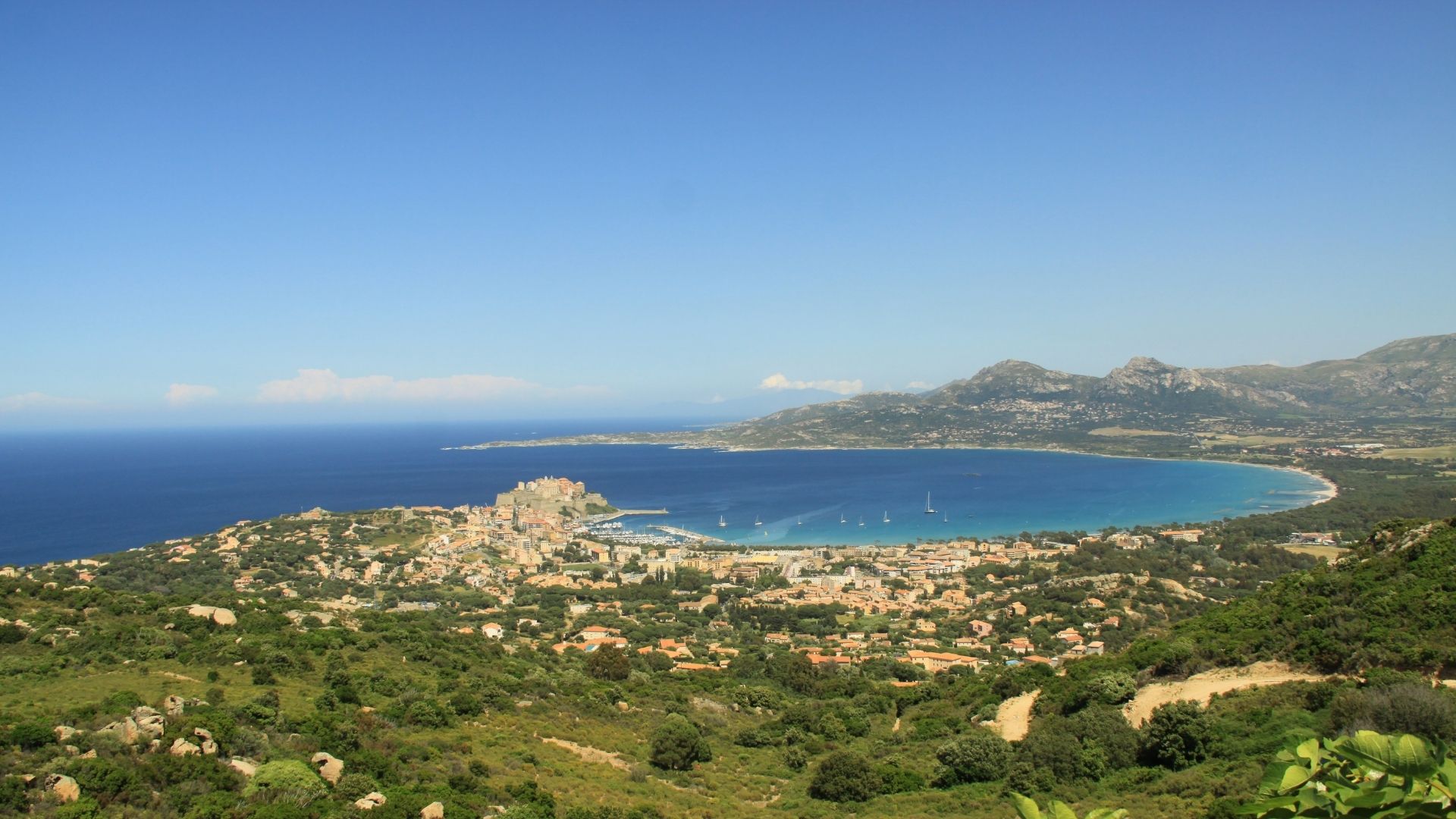
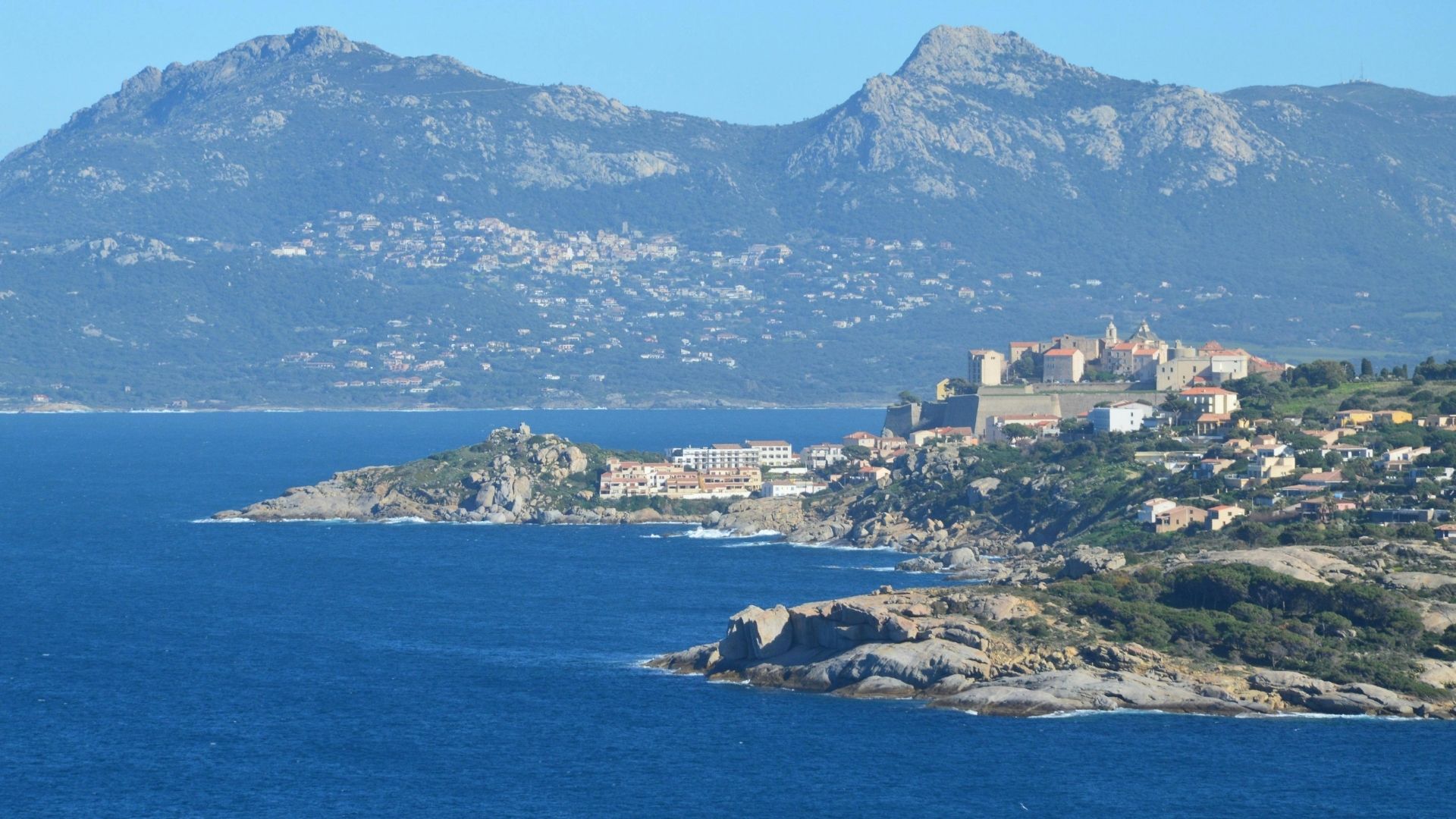
Mañana pausada en Girolata, una segunda lancha auxiliar al pueblo si alguien quiere una. Para media mañana, fuera amarras para la subida de veinticinco millas náuticas al norte por la costa hasta Calvi. La etapa pasa por la costa abierta de Capo Rosso (el maestrale puede lanzar oleaje aquí por la tarde, que es por lo que los capitanes la hacen por la mañana) y las largas playas de arena del Désert des Agriates, el único desierto de Córcega, un páramo de granito y matorral de ciento treinta kilómetros cuadrados que da a la costa oeste.
A primera hora de la tarde estás rodeando el promontorio oeste de la bahía de Calvi y hasta la marina o la propia bahía. Calvi se asienta al fondo de una media luna de cinco millas de fina arena respaldada por montañas nevadas: la cordillera del Monte Cinto, la más alta de Córcega, se asienta tierra adentro y retiene nieve hasta junio casi todos los años. La ciudadela genovesa se alza sobre la marina en el promontorio oeste: construida en el siglo XIII, ocupada por la Armada británica al mando de Nelson en 1794 (donde perdió su ojo derecho por un proyectil de mortero francés), y hogar de la leyenda local de que Cristóbal Colón nació dentro de sus murallas.
Tarde en tierra. Pasea por la ciudadela (cuarenta minutos alrededor del perímetro), baja por la ciudad baja hasta los cafés del paseo marítimo, y por la playa si el grupo quiere la versión larga. Cena en tierra esta noche en uno de los restaurantes del puerto o a bordo con la ciudadela iluminada al otro lado de la bahía: el capitán tiene la reserva de cualquier forma.
Day Highlights
Día 5 de 7 · Calvi → Saint-Florent
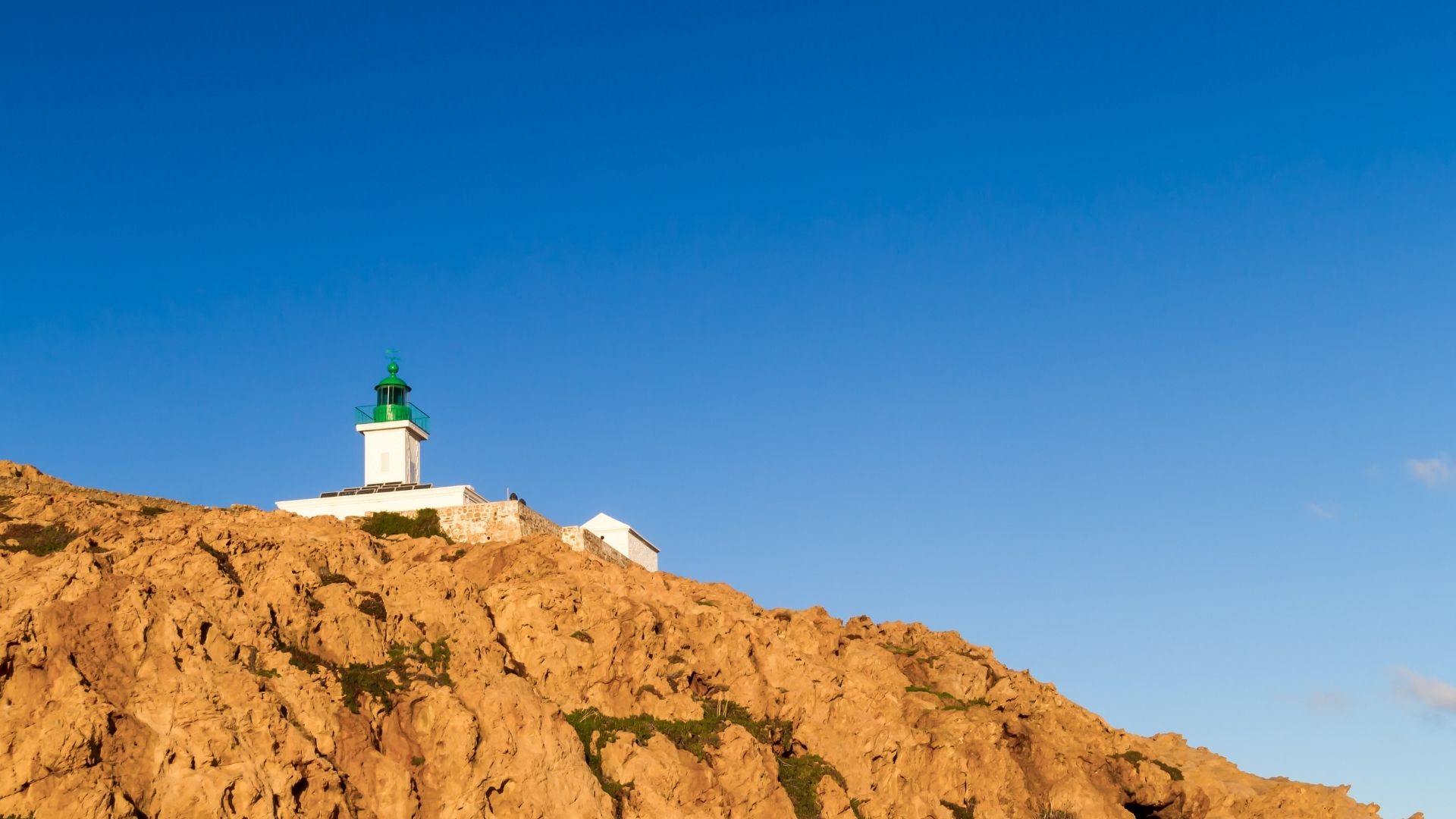
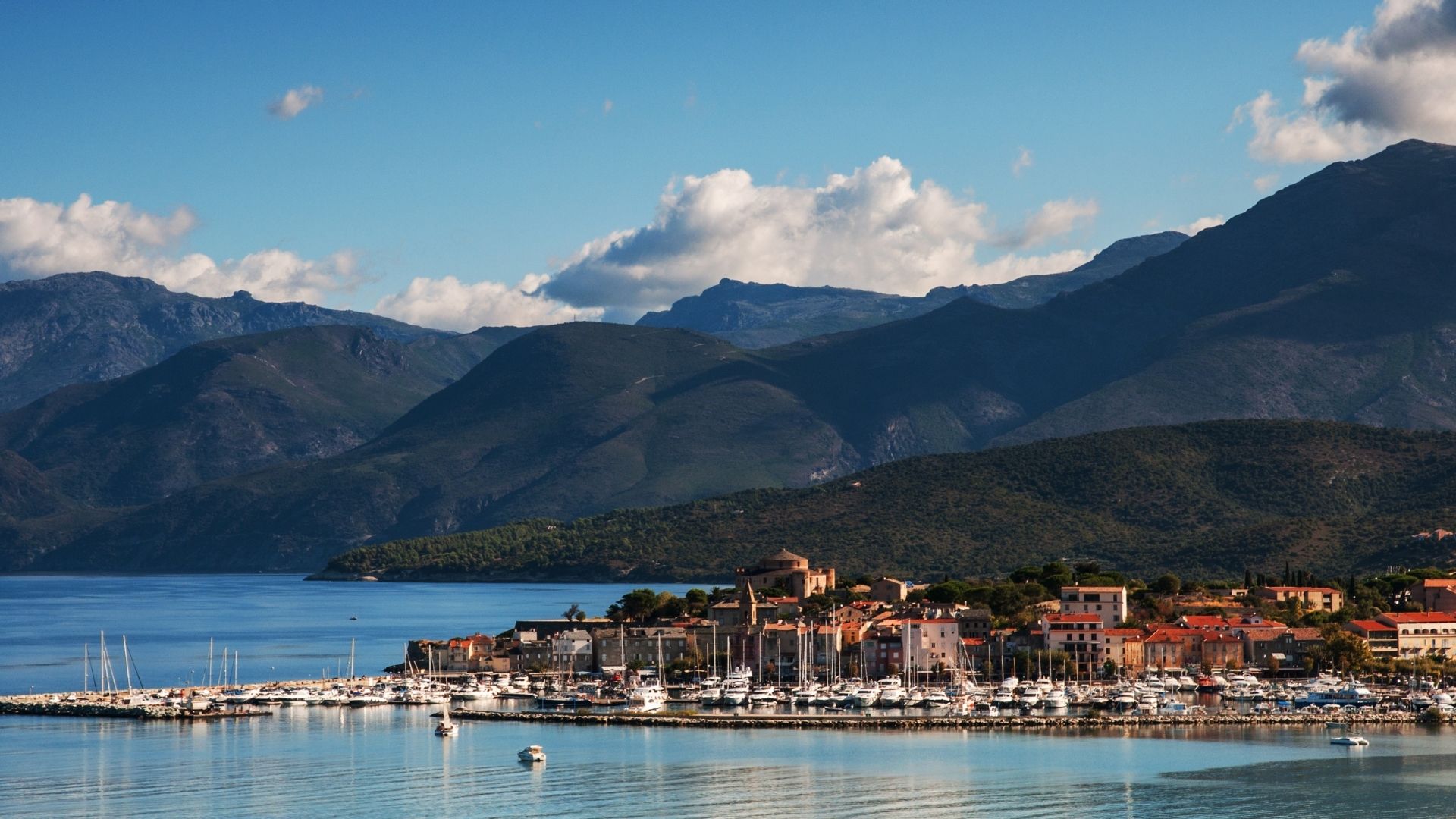
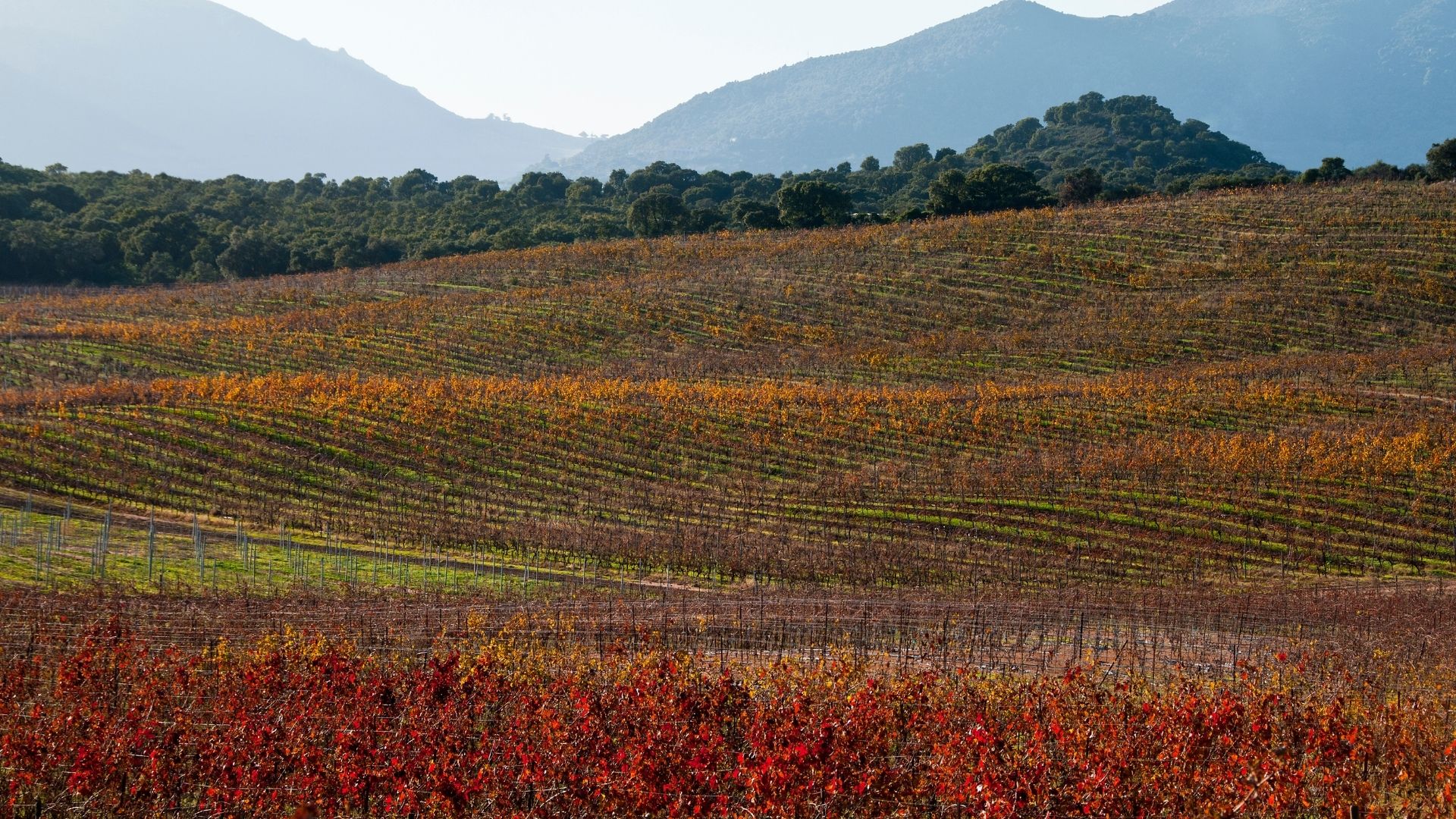
A media mañana, fuera amarras para la travesía de treinta millas náuticas al este por la costa de la Balagne, el tramo más fértil de Córcega, con olivares y castañares visibles desde el agua. Parada de mediodía en Île Rousse: el pueblo toma su nombre de los pequeños islotes de granito rojizo que se asientan mar adentro, y el puerto opera el ferri diario a Marsella. Almuerzo en tierra en uno de los cafés del puerto o de vuelta a bordo.
Por la tarde, el capitán trabaja la etapa más larga hacia el este rodeando la base oeste del Cap Corse y hasta Saint-Florent. La península del Cap Corse se adentra cuarenta kilómetros al norte en el Mediterráneo desde el resto de la isla, con los viñedos de Patrimonio en su base oeste: la denominación de vino más conocida de Córcega, que cultiva rosado y malvasía en terrazas de suelo calcáreo unos kilómetros tierra adentro de Saint-Florent. Excursión opcional a tierra a los viñedos a última hora de la tarde (el capitán reserva la visita con antelación).
Cena a bordo esta noche en Saint-Florent o en tierra en uno de los restaurantes del puerto. La ciudadela genovesa sobre el puerto se ilumina tras el atardecer; el pueblo es lo bastante pequeño como para recorrerlo en veinte minutos.
Day Highlights
Día 6 de 7 · Cap Corse + regreso
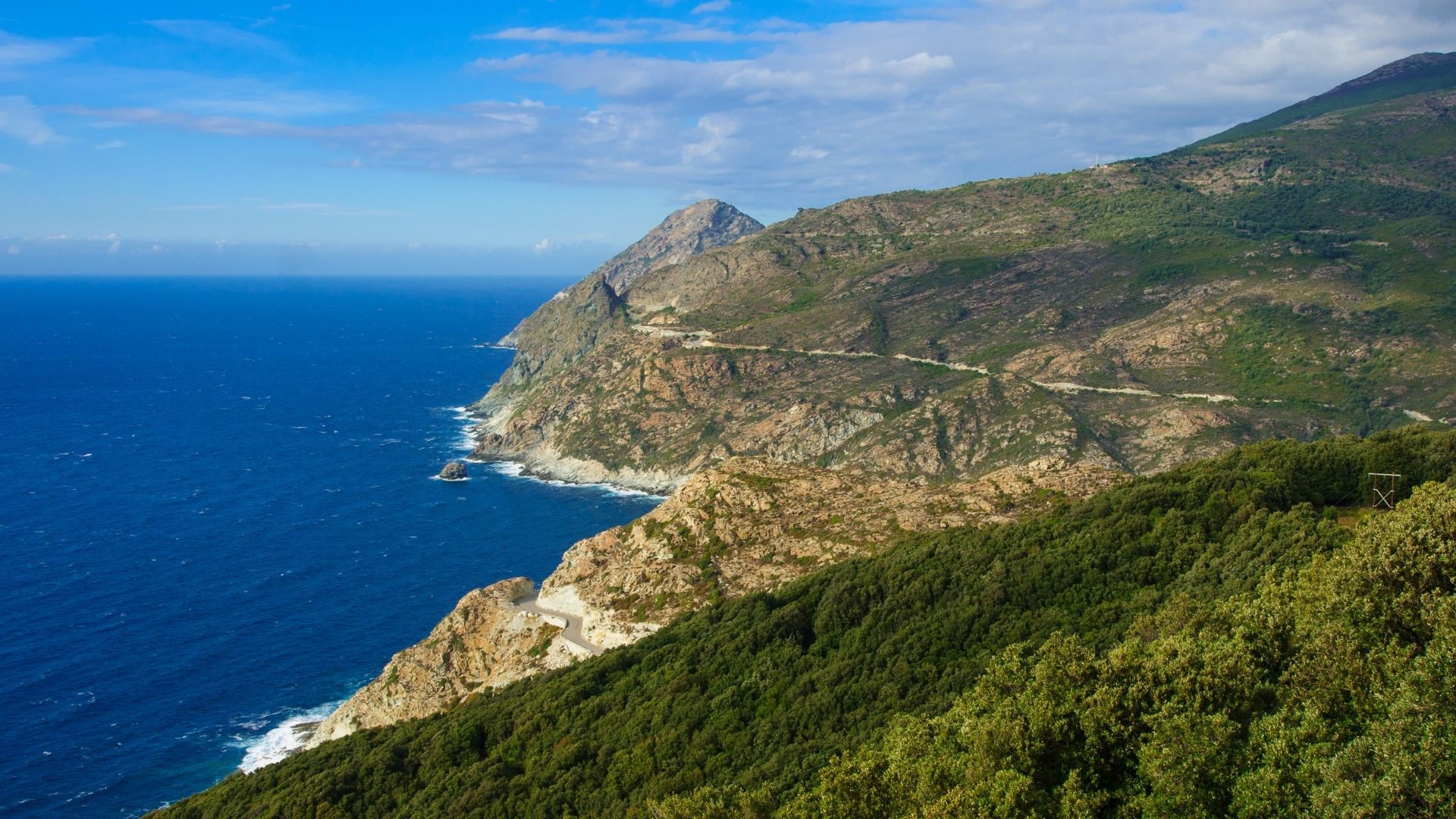
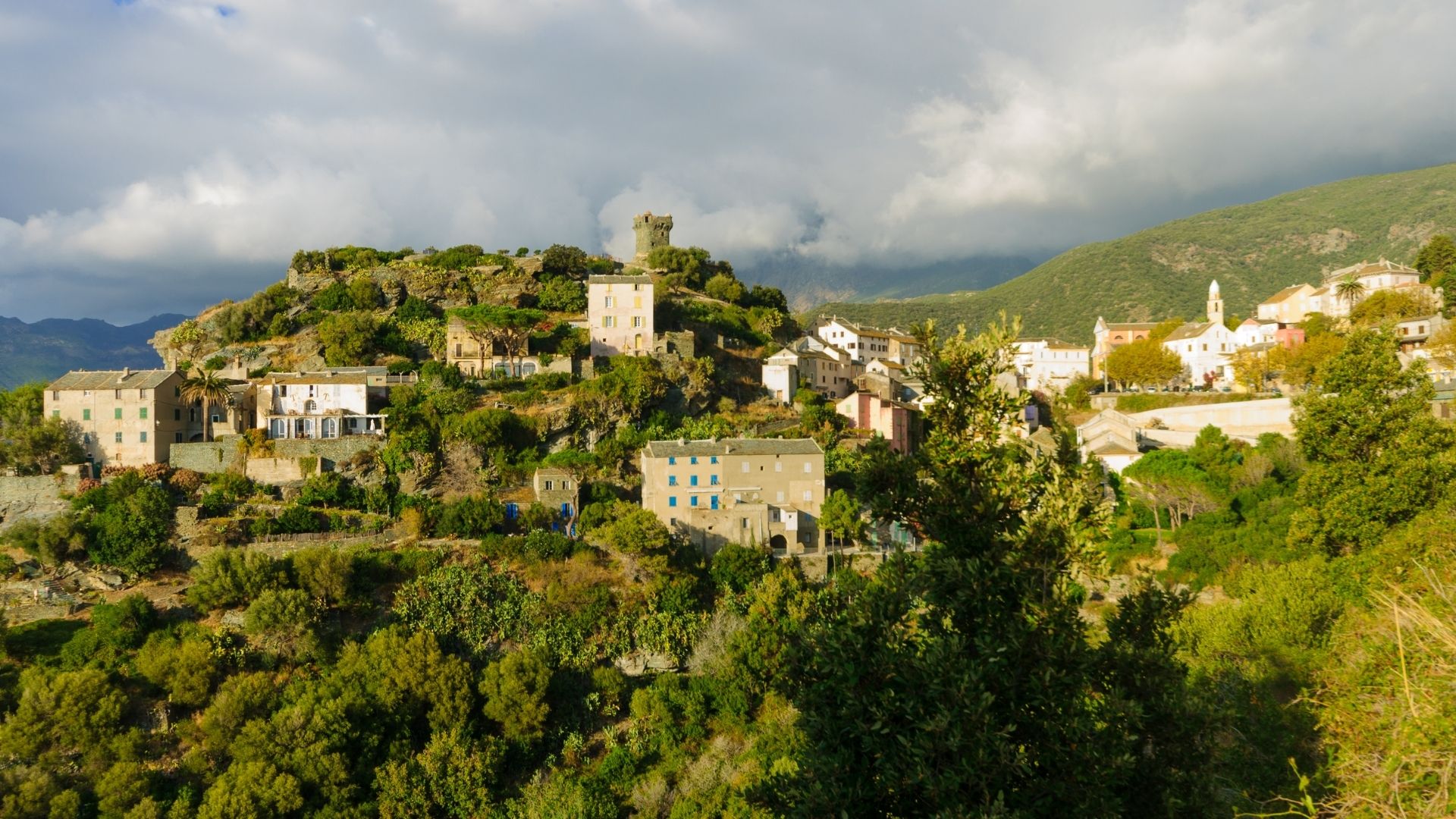
Mañana pausada en Saint-Florent. Paseo opcional al pueblo para un café, una última lancha auxiliar al lado de Patrimonio si alguien se perdió la visita a los viñedos. Para media mañana, el capitán decide la ruta del día según el tiempo: la opción con el maestrale soplando es un regreso directo al suroeste por la costa de la Balagne de vuelta hacia el golfo de Porto; la opción con el maestrale asentado es un bucle de veinticinco millas por la costa oeste del Cap Corse hasta Nonza y unos cuantos de los pueblos en terrazas más pequeños, y de vuelta al sur.
Si se hace el bucle del Cap Corse, Nonza es la parada estrella. El pueblo se asienta en la cima de un acantilado con una única torre vigía genovesa y una playa de roca volcánica negra debajo, un resto de una antigua cantera de amianto que cerró en los años sesenta y es ahora una llamativa textura de orilla que no se ve en ninguna otra parte de la zona de crucero. Un acceso de escalera vertical baja del pueblo a la playa para los huéspedes que quieran bajar caminando. Almuerzo a bordo a mediodía, tarde pausada al ancla en una de las calas más pequeñas del lado suroeste del Cap Corse.
A última hora de la tarde, el capitán trabaja la bajada hacia el sur de vuelta hacia la zona de Calvi o más al sur según cuántas millas queden para el último día de regreso. Cena a bordo esta noche, fondeado a sotavento del maestrale donde sea que terminara el día.
Day Highlights
Día 7 de 7 · Último regreso al sur
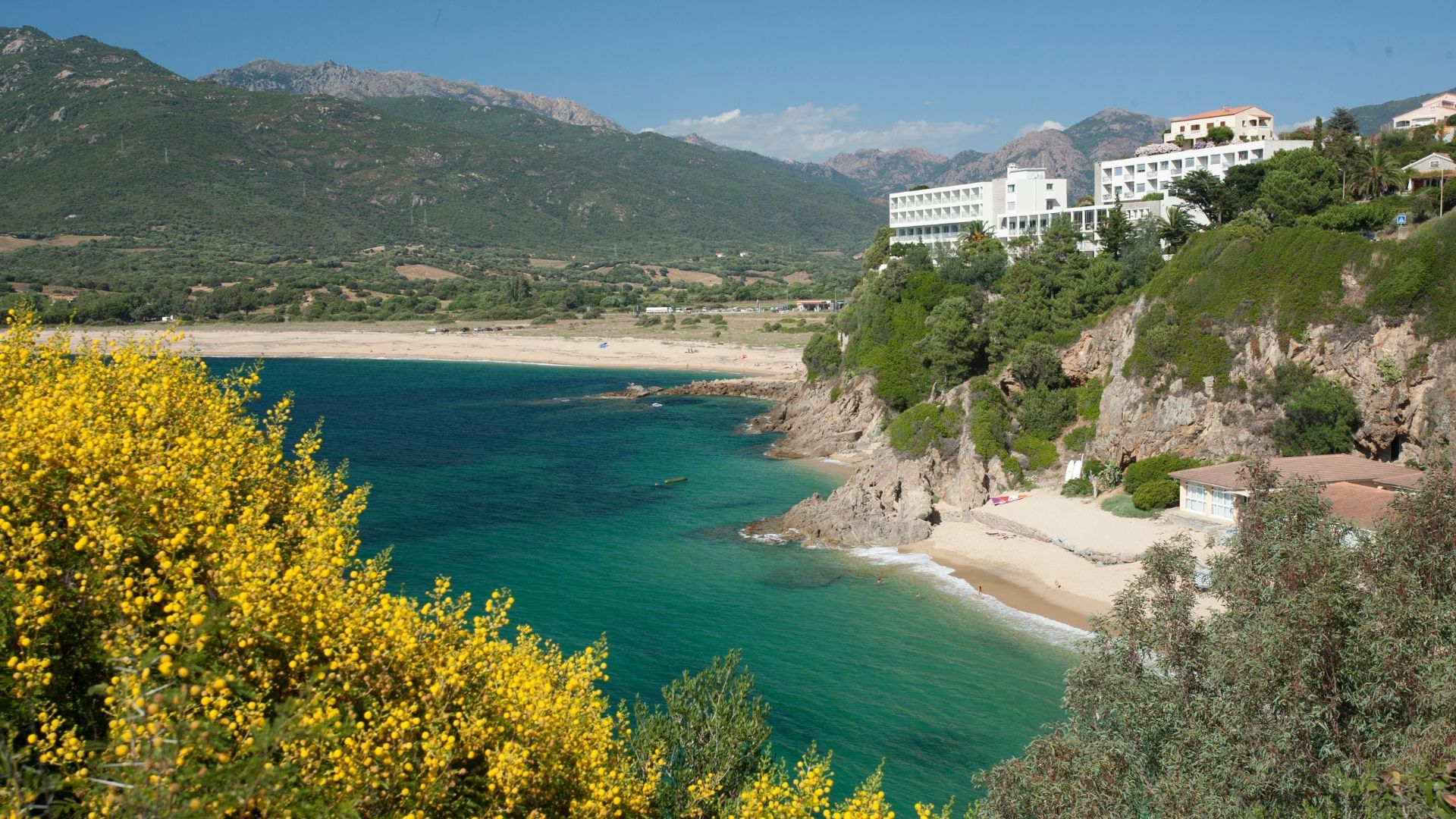
Último día completo al ancla. Baño matinal pausado y desayuno en cubierta. A media mañana, fuera amarras para la bajada de veinticinco millas náuticas hacia el sur por la costa oeste a una última parada en Propriano: el fondo del golfo de Valinco, con playas de arena en el lado sur y un puerto de trabajo en el pueblo. Almuerzo en tierra en uno de los cafés del puerto o de vuelta a bordo.
Por la tarde, el capitán trabaja las últimas quince millas al sur rodeando la Punta di Senetosa y hasta el golfo de Ajaccio. Instálate en Marina d'Ajaccio a primera hora de la tarde. Pasea al casco viejo de Ajaccio si tienes la energía: las calles peatonales del centro son lo bastante pequeñas como para recorrerlas en una hora, y un último almuerzo o aperitivo en uno de los restaurantes del paseo marítimo es el cierre pausado que toma la mayoría de los grupos.
Última cena preparada por el chef a bordo esta noche, fondeado en la marina con la última luz del día sobre el golfo. Haz las maletas a tu propio ritmo; tu capitán ya tiene resuelta la logística del traslado de la mañana.
Day Highlights
Día 8 · Salida
Un último desayuno pausado a bordo en Marina d'Ajaccio, un último baño desde la popa si el puerto lo permite, y desembarco a media mañana. Tu tripulación se encarga de la logística del traslado: AJA está a diez minutos en taxi, con vuelos directos de verano a París, Marsella, Niza, Lyon, Londres, y un puñado de aeropuertos europeos adicionales. Desde EE. UU., la mayoría de los huéspedes conecta por París-Charles de Gaulle. Bájate con una reserva marina Patrimonio de la Humanidad de la UNESCO, una ciudadela genovesa, una iglesia greco-ortodoxa, y una botella de rosado de Patrimonio a tu espalda, y la clase de semana que hace que la mayoría de los huéspedes de charter del Mediterráneo vuelvan a por la ruta a través del estrecho el año siguiente.
Want to share or come back to this voyage later?
Bookmark this voyage →Itinerario con tripulación · Cerdeña y Córcega
Esta es la semana premium que lo abarca todo: un viaje en yate de solo ida de siete días de Olbia, en la Costa Esmeralda, a Port Hercule, en Mónaco, abarcando la costa de granito de Cerdeña, la ciudadela medieval de Bonifacio, la fortaleza genovesa de Calvi, y el corazón de la Riviera francesa en Saint-Tropez, Cannes, Cap Ferrat y Mónaco. Unas doscientas cincuenta millas náuticas de punta a punta, con dos días de más de setenta millas náuticas en el mar.
La ruta es solo a motor, por bueno que sea el capitán. La etapa de setenta millas de Bonifacio a Calvi y la de ochenta millas de Calvi a Saint-Tropez son demasiado terreno para que un yate de vela lo cubra de día sin comprometer los días de cada extremo. Un yate a motor de planeo hace cada una en cuatro o cinco horas y el horario se lee cómodo; en un yate de vela las mismas etapas llevan de diez a doce horas y el viaje se convierte en una semana de travesía en lugar de una semana de charter. La mayoría de los huéspedes en esta ruta reservan un yate a motor de más de cuarenta metros de la flota de la Costa Esmeralda. Tu capitán profesional y tu chef privado se encargan del resto.
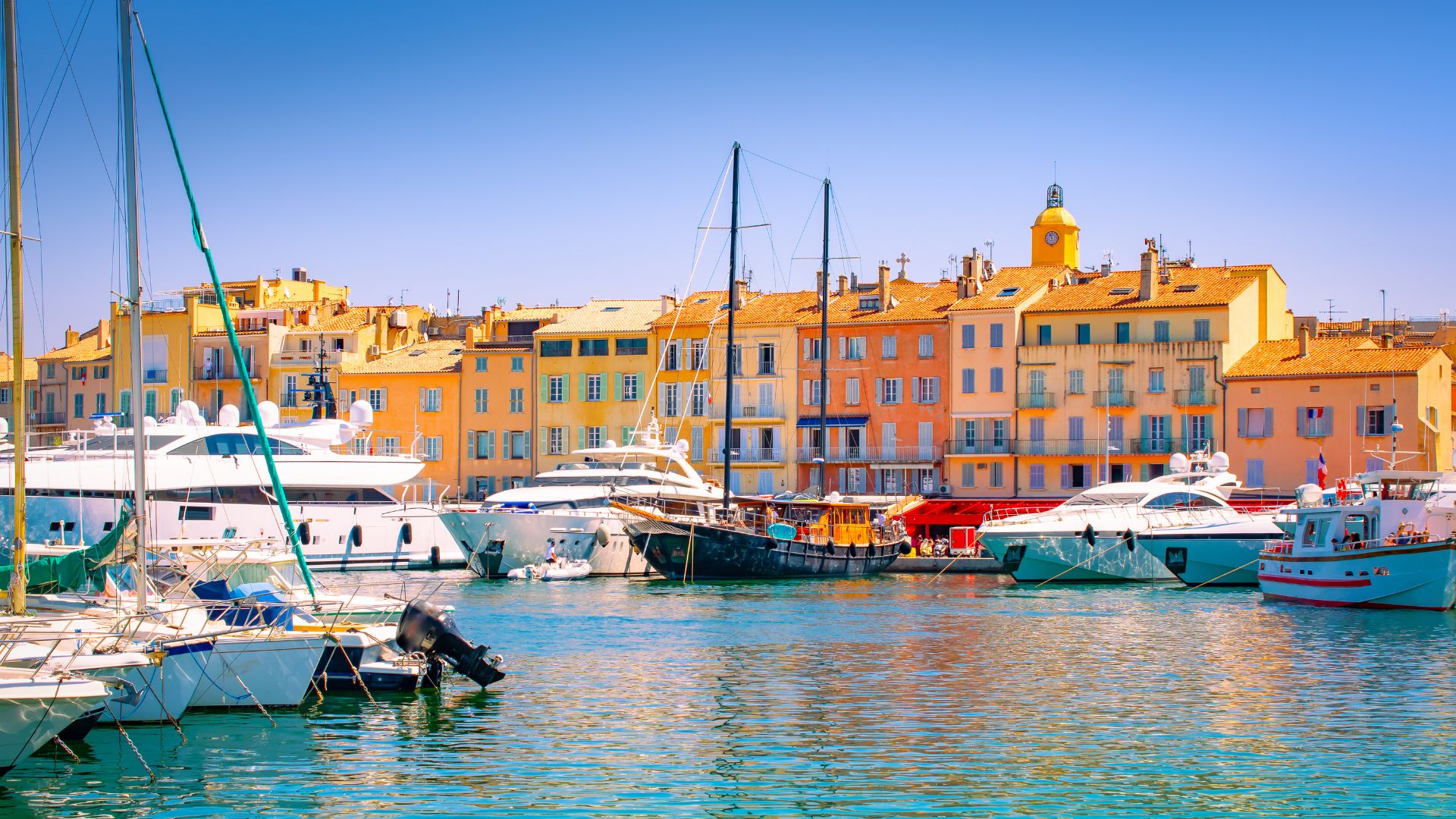
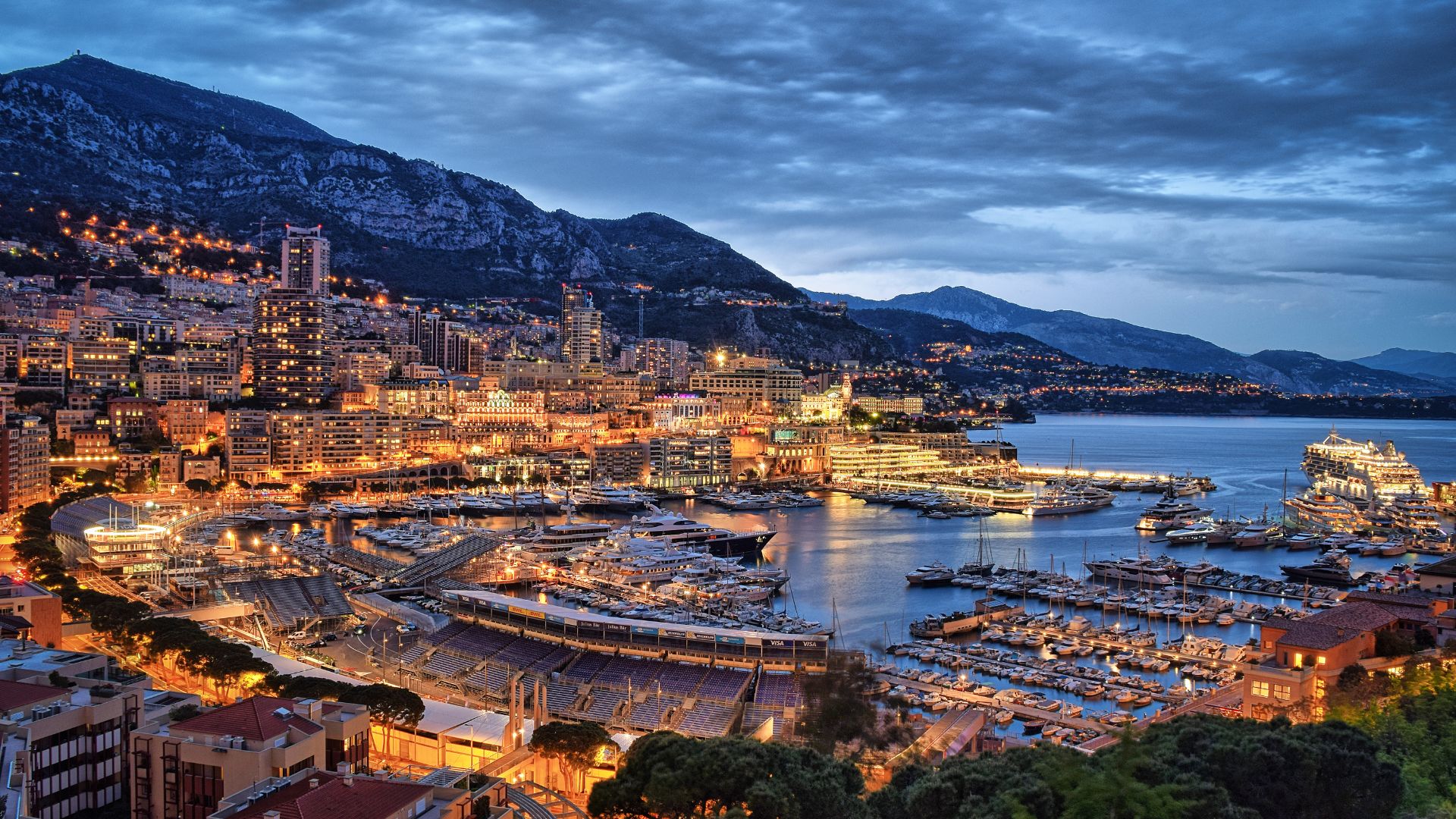
Este es el itinerario premium por la Riviera francesa que lo abarca todo: un solo ida de 7 días de Olbia, en la Costa Esmeralda de Cerdeña, hasta Port Hercule, en Mónaco. Dos países, tres islas (Cerdeña, Córcega, las Lerins), y el corazón de la Costa Azul en una semana: Costa Esmeralda, Bonifacio, Calvi, Saint-Tropez, Cannes, las islas Lerins, Cap Ferrat y Mónaco. Unas 250 millas náuticas en total: dos días en el mar superan las 70 mn.
Solo a motor, por bueno que sea el capitán. Las etapas de Bonifacio a Calvi (70 mn) y de Calvi a Saint-Tropez (80 mn) son demasiado terreno para que un yate de vela lo cubra de día sin comprometer los días de cada extremo. Un yate a motor de planeo hace cada una en 4-5 horas y el horario se lee cómodo. La mayoría de los huéspedes en este itinerario por la Riviera francesa reservan un yate a motor de más de 40 m de la flota de la Costa Esmeralda.
Día 1 de 7 · Olbia → Costa Esmeralda
Tu charter empieza en Marina di Olbia, a quince minutos en taxi del aeropuerto de Olbia (OLB). Tu capitán y tu chef te reciben en el muelle, te enseñan el yate, guardan el equipaje, y repasan la carta náutica para los días que vienen, incluidos los dos días más largos en el mar a media semana, que el capitán hace temprano por la mañana antes de que arrecie la brisa. La marina es capaz para aguas profundas para cualquier tamaño de yate, y la primera hora de la tarde es tuya para acomodarte.
Resuelto el aprovisionamiento, fuera amarras para la corta subida de dieciséis millas náuticas al noreste rodeando Capo Figari y hasta la Costa Esmeralda. La Costa Esmeralda es el tramo de litoral de granito más concentrado del Mediterráneo; Pevero Bay se asienta justo al sur de Porto Cervo, enmarcada por dos playas de arena blanca y protegida de cualquier dirección de viento desde la que pueda estar soplando el mistral.
Primera noche al ancla en Pevero o de popa en Porto Cervo Marina. Cena de bienvenida preparada por el chef a bordo: marisco sardo, una copa de Vermentino di Gallura, y las luces de la Costa Esmeralda encendiéndose al otro lado de la bahía. El viaje se construye en torno a los seis días que vienen; la primera noche es el arranque pausado.
Day Highlights
Día 2 de 7 · Cerdeña → Córcega
A media mañana, fuera amarras para la travesía de veinticinco millas náuticas del estrecho de Bonifacio. El capitán comprueba el pronóstico de viento de la mañana al primer rayo: cuando el mistral está asentado, el estrecho está lo bastante plano como para cruzarlo a nado; cuando sopla a más de veinticinco, el barco puede empujar la travesía a primera hora de la tarde. Una parada de baño en las islas Lavezzi —reserva marina francesa en mitad del estrecho— ancla típicamente la media mañana del día.
Desde Lavezzi, la entrada a Bonifacio lleva otros cuarenta y cinco minutos. La aproximación al puerto es inolvidable: cortada en los acantilados de caliza, con la haute ville alzándose directamente por encima. Amarre de popa dentro de la marina o fondea fuera; el capitán se encarga de la reserva. Pasea por la haute ville —la ciudad amurallada medieval construida en la península de la cima del acantilado— a última hora de la tarde, la Escalera del Rey de Aragón de bajada y vuelta si el grupo se anima.
Cena en tierra esta noche en una de las tabernas de paredes de piedra de la haute ville: charcuterie de Corse, pescado recién hecho a la brasa, y una copa de rosado de Patrimonio. O a bordo con la haute ville iluminada al otro lado del puerto.
Day Highlights
Día 3 de 7 · Larga etapa por la costa de Córcega
Día largo. El capitán hace la etapa de setenta millas náuticas por la costa oeste de Córcega por la mañana, antes de que arrecie el maestrale: un yate a motor de planeo maneja la etapa en cuatro o cinco horas, dejándote en Calvi a primera hora de la tarde. La ruta pasa las Calanques de Piana, la entrada del golfo de Porto, y la Reserva Natural de Scandola (UNESCO) por babor a mediodía. Los huéspedes del itinerario dedicado a la Costa Oeste de Córcega fondean dentro de Scandola; en esta ruta, ves los acantilados rojos desde el agua a medida que pasa el barco.
A primera hora de la tarde estás rodeando el promontorio oeste de la bahía de Calvi y hasta la marina o la propia bahía. Calvi se asienta al fondo de una media luna de cinco millas de fina arena respaldada por montañas nevadas; la ciudadela genovesa se alza sobre la marina en el promontorio oeste, ocupada por Nelson en 1794 (donde perdió su ojo derecho por un proyectil de mortero francés) y hogar de la leyenda local de que Cristóbal Colón nació dentro de sus murallas.
Tarde y velada en tierra. Pasea por la ciudadela, métete en uno de los cafés del puerto o clubes de playa, y cena en tierra esta noche en uno de los restaurantes del puerto de Calvi. O a bordo con la ciudadela iluminada al otro lado de la bahía.
Day Highlights
Día 4 de 7 · Cruce a la Riviera francesa
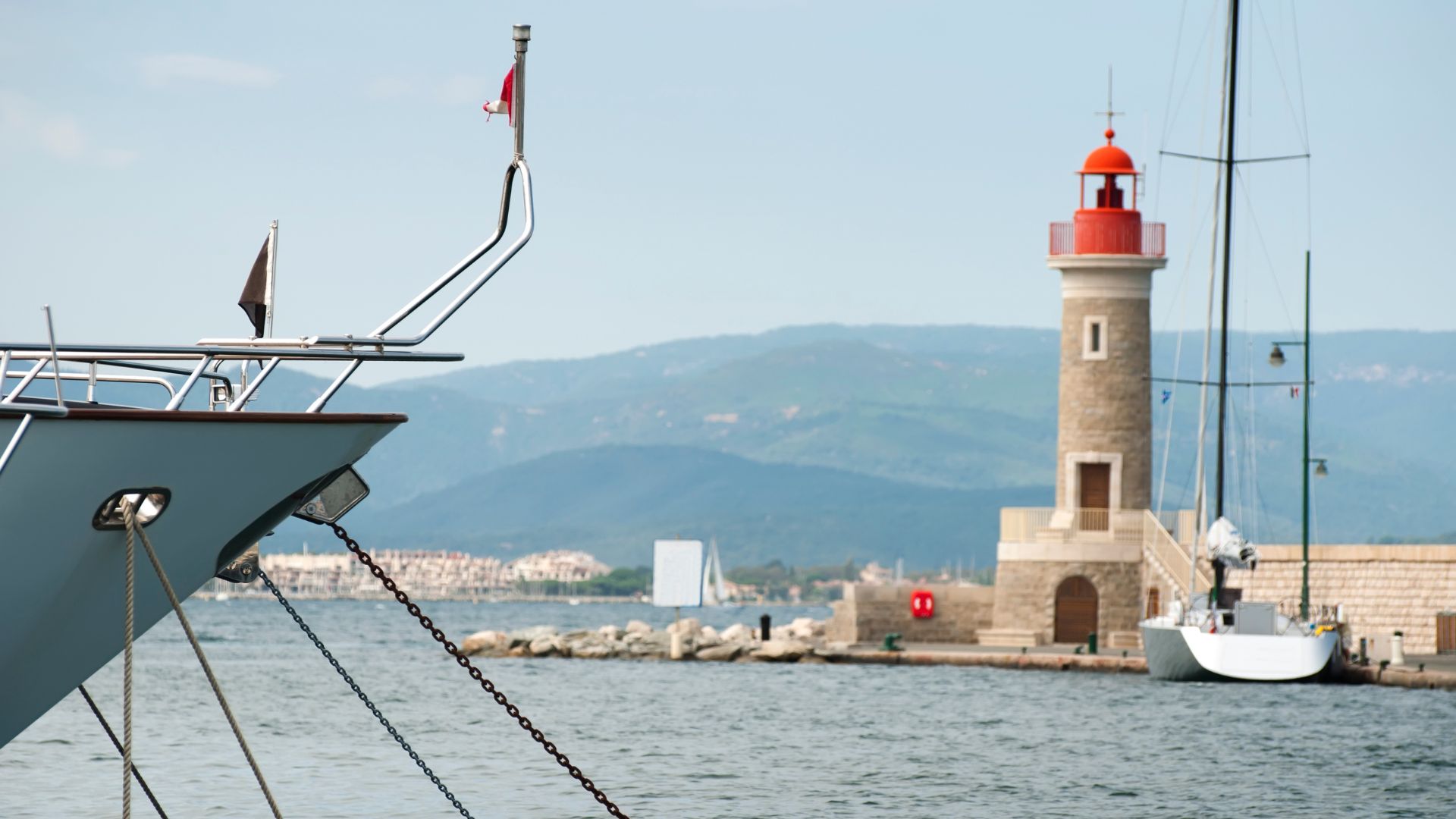
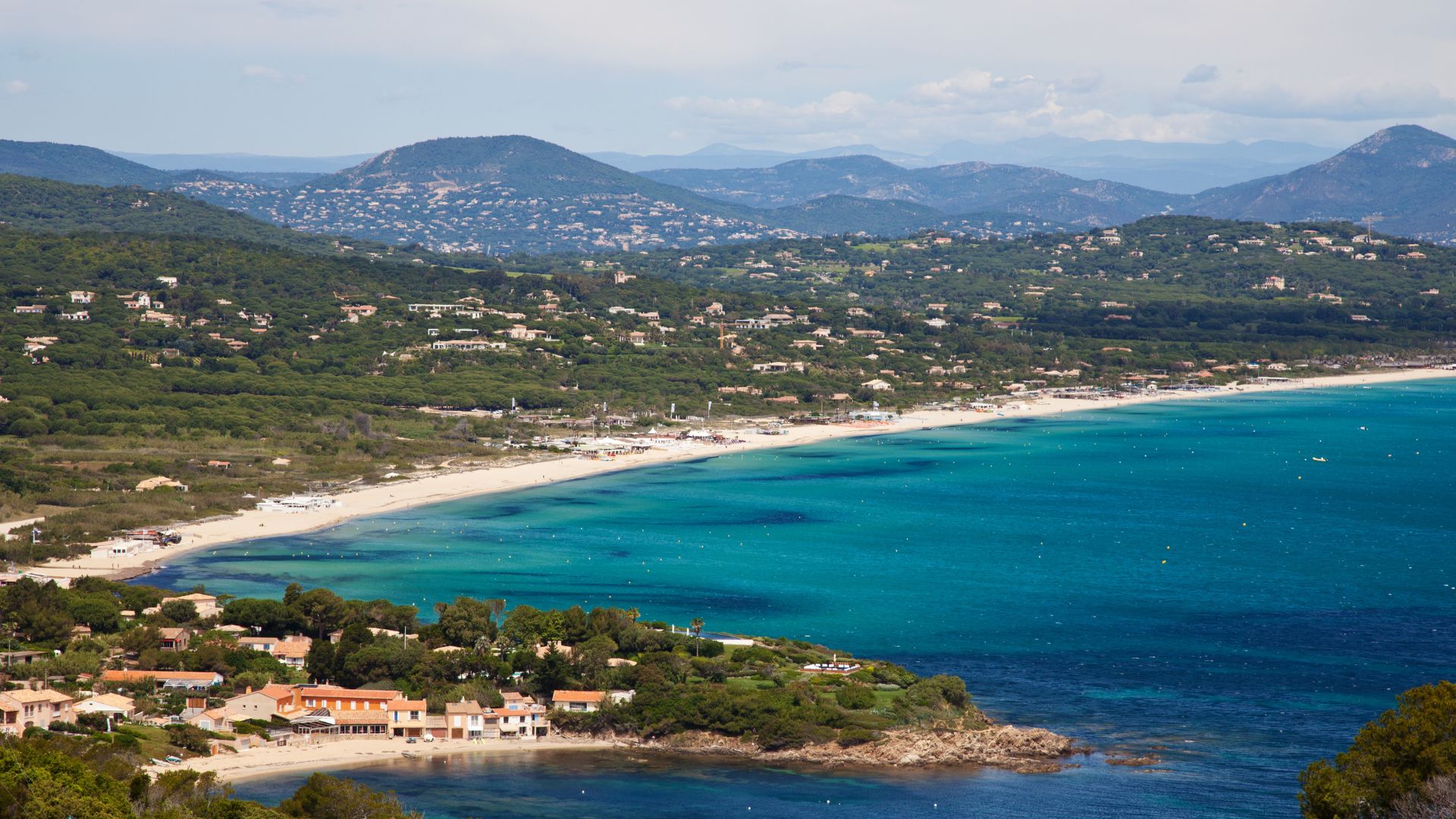
La etapa más larga del viaje. El capitán hace la travesía de ochenta millas náuticas de Calvi a Saint-Tropez temprano por la mañana: un yate a motor de planeo maneja la etapa en cinco horas; en un yate de vela la misma travesía lleva doce. Travesía de agua abierta cruzando el mar de Liguria, sin paradas programadas; el barco está en marcha todo el tiempo y el día es para relajarse en cubierta en lugar de llevar un horario ajustado.
A primera hora de la tarde, el barco está rodeando el promontorio hacia la bahía de Saint-Tropez. Amarre de popa en el muelle del puerto viejo (el capitán reserva un sitio con antelación) o fondeo en la bahía por fuera. Saint-Tropez en sí es un pequeño pueblo pesquero viejo: el puerto sigue en activo, los edificios pastel sobre el muelle están protegidos, y la multitud veraniega de temporada alta se concentra en unos pocos bares y clubes de playa concretos.
Tarde en tierra: pasea por el casco viejo, almuerza en Sénéquier, en el muelle, si la mesa funciona, y un trayecto en lancha auxiliar al este hasta la playa de Pampelonne (tres millas de fina arena con Club 55, Nikki Beach y Tahiti Plage a lo largo de las dunas). Cena a bordo esta noche o en tierra en uno de los restaurantes del puerto: el capitán reserva con antelación.
Day Highlights
Día 5 de 7 · Saint-Tropez → Cannes
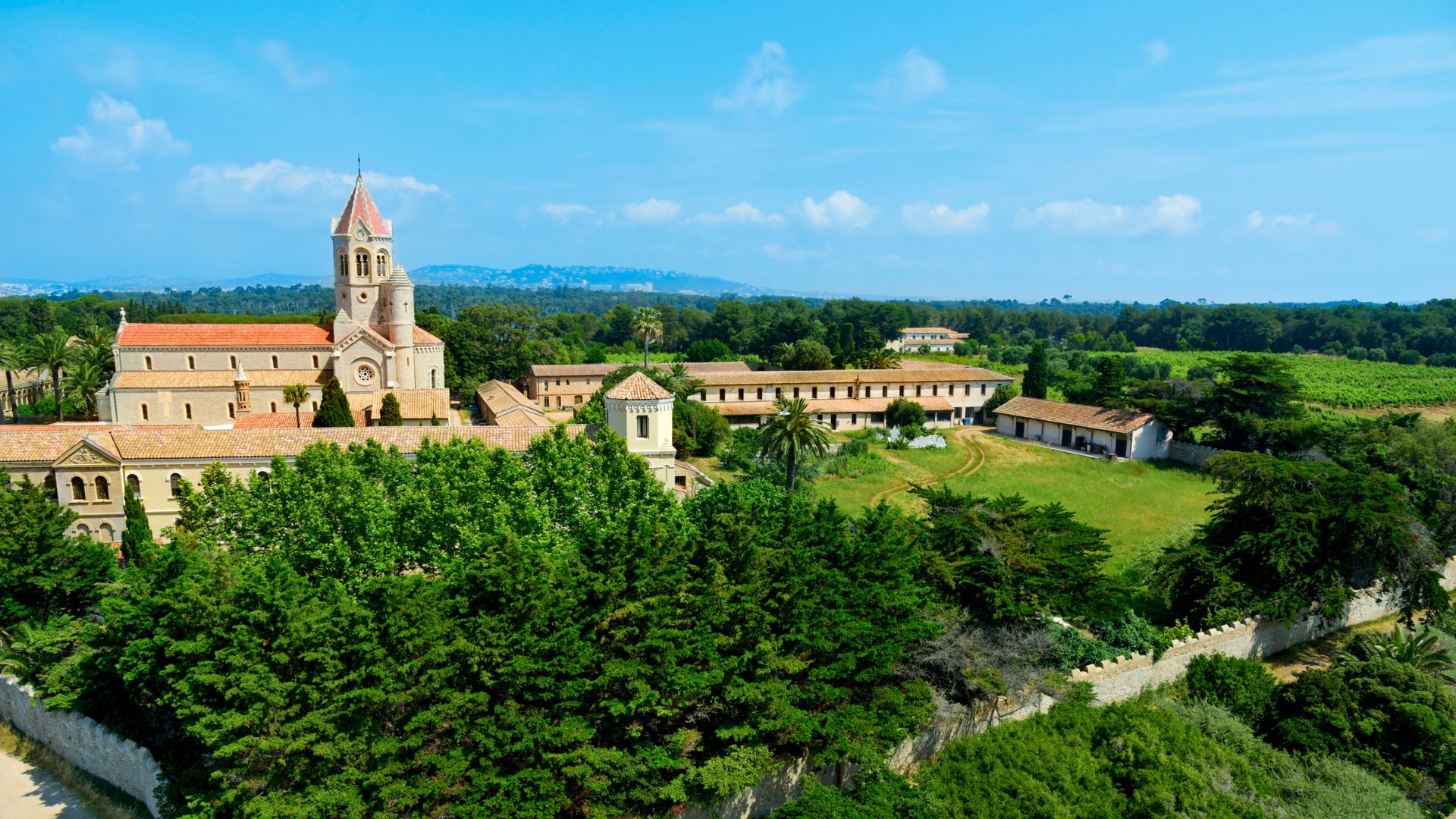
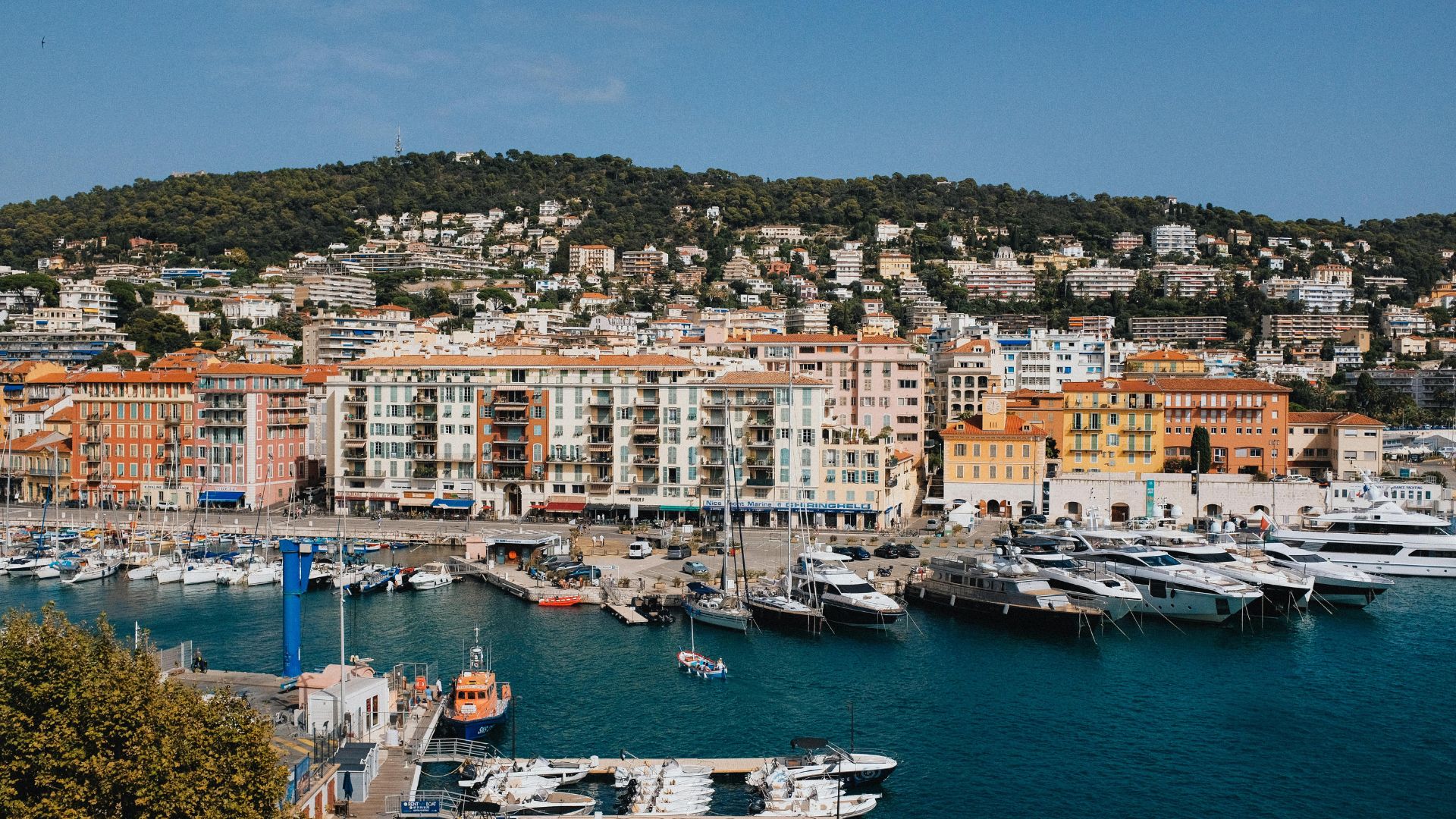
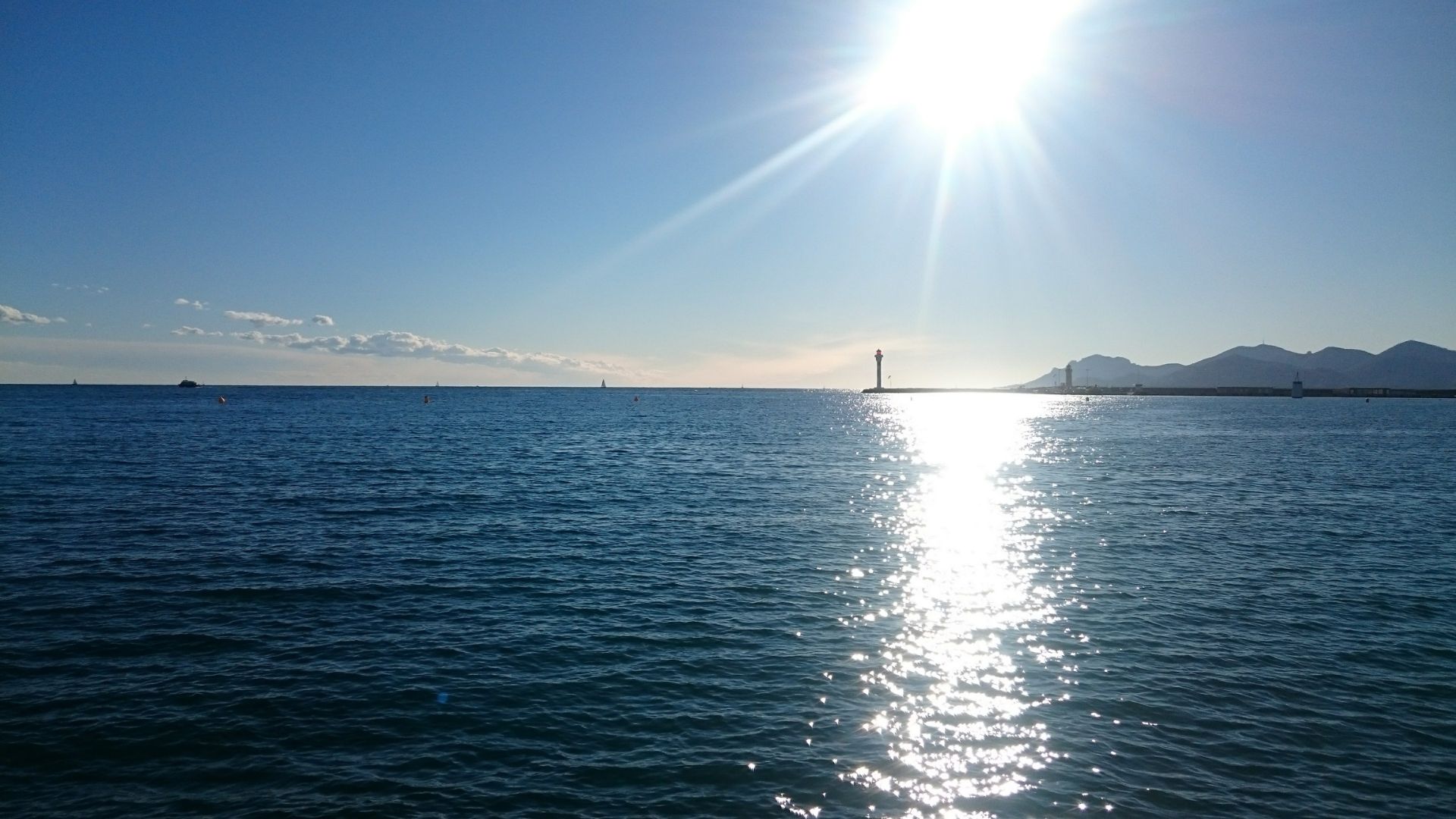
Mañana pausada en Saint-Tropez. Paseo opcional por el mercado matinal de la Place des Lices (martes y sábado), o desayuno a bordo antes de soltar amarras. Para media mañana, el capitán hace la etapa de treinta millas náuticas al este por la costa pasando el Macizo del Estérel, el litoral de roca volcánica roja que cae directamente al mar entre Saint-Tropez y Cannes. La ruta va mayormente pegada a la costa, con una parada posible en Théoule-sur-Mer si el grupo quiere un baño.
Llegada a mediodía a la bahía de Cannes. El capitán decide entre el puerto de Cannes o el fondeadero de las islas Lerins: las Lerins (Sainte-Marguerite y Saint-Honorat) se asientan a dos millas de la costa, y la más pequeña de las dos (Saint-Honorat) alberga una abadía cisterciense en activo donde los monjes hacen su propio vino y operan un servicio de almuerzo público. Almuerzo en la abadía si la mesa funciona; si no, almuerzo en tierra en uno de los clubes de playa de la Croisette.
Tarde y velada en Cannes. La Croisette recorre todo el paseo marítimo: bordeada de palmeras, clubes de playa a un lado, el puerto al otro. La sede del Festival de Cine de Cannes (el Palais des Festivals) se asienta en el extremo oeste. Cena en tierra esta noche o a bordo con las luces del puerto encendiéndose.
Day Highlights
Día 6 de 7 · Cannes → Cap Ferrat
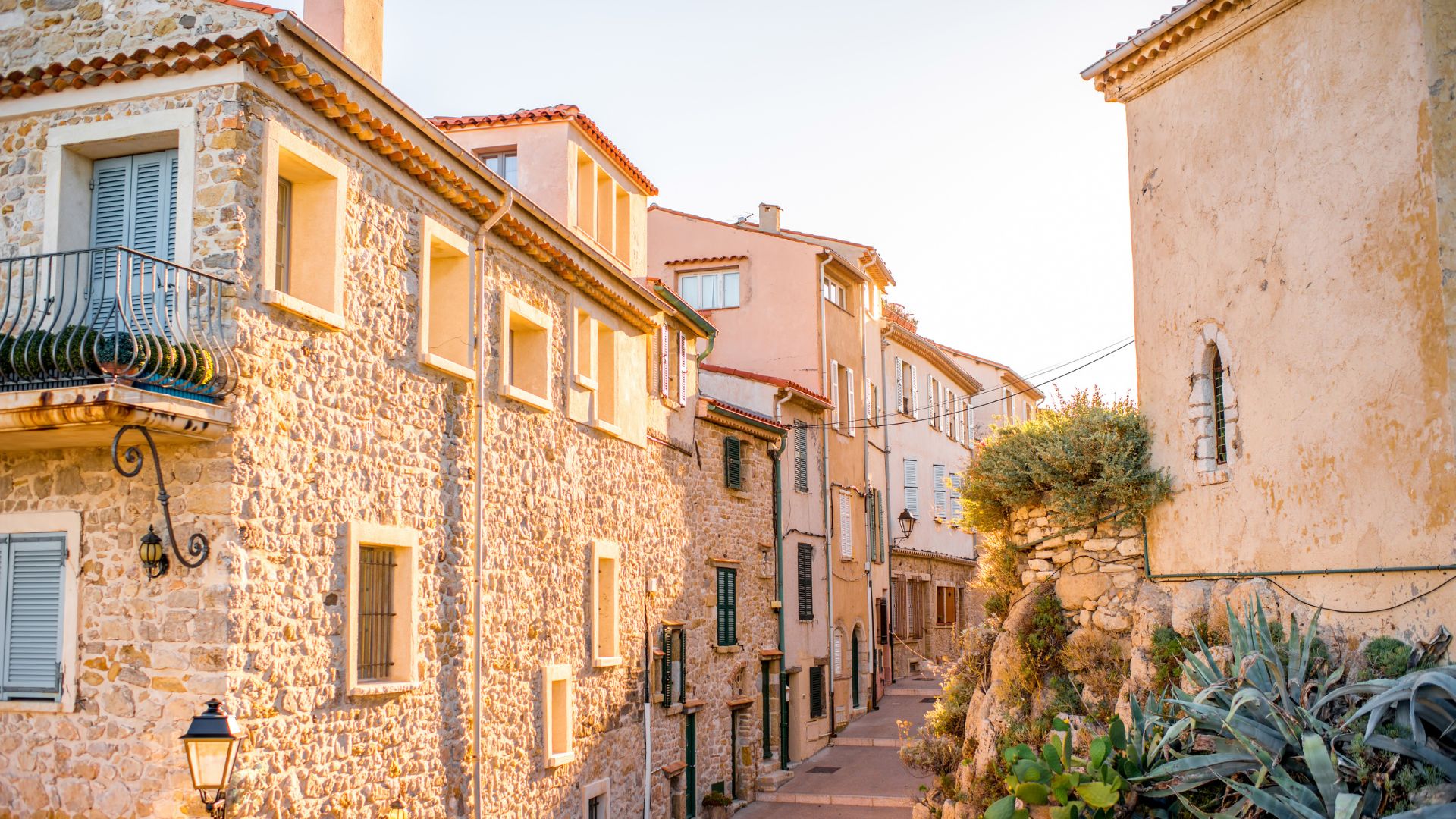
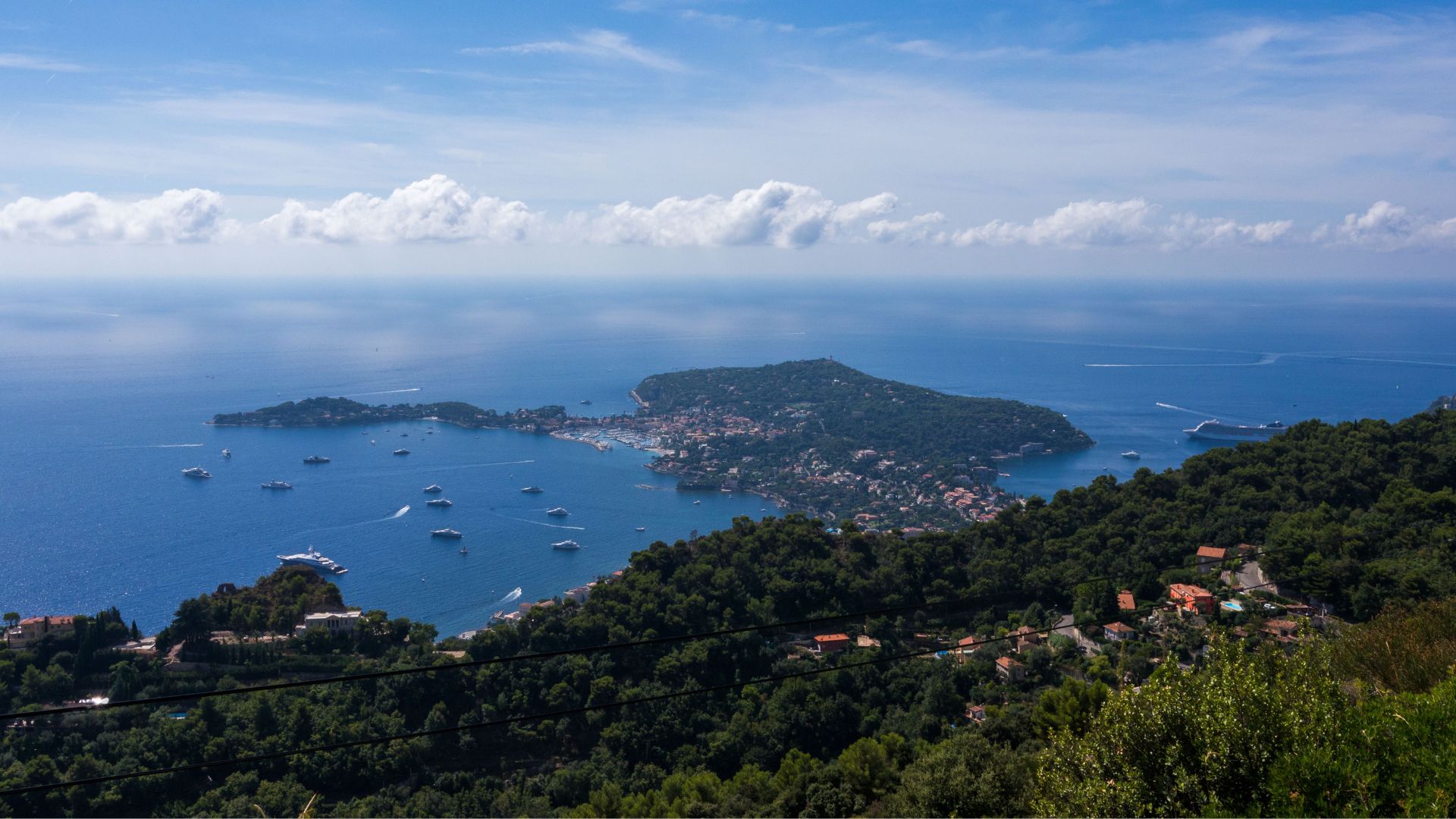
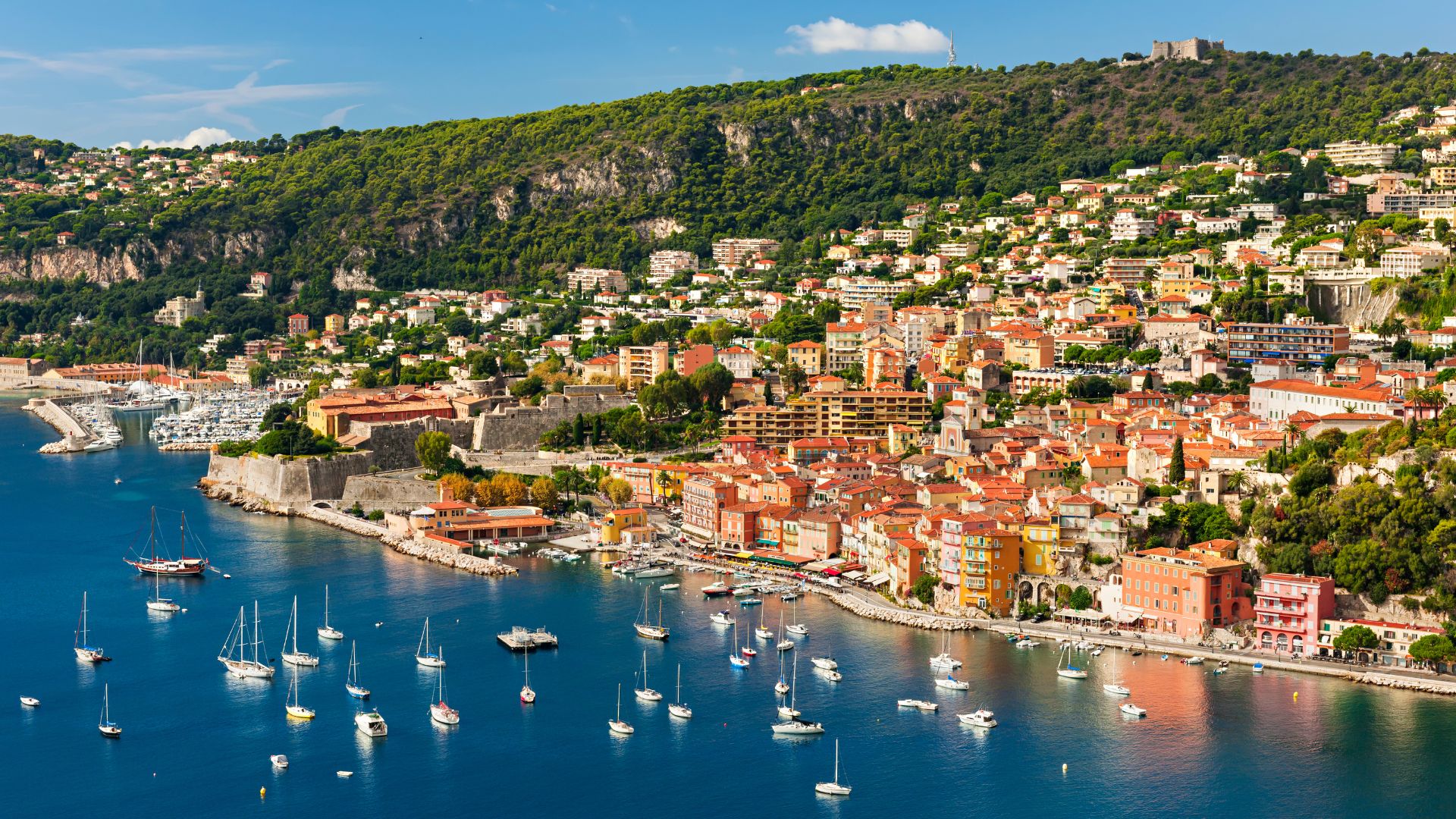
Mañana pausada en Cannes. Fuera amarras a media mañana para el salto costero de veinte millas náuticas al este, pasando Cap d'Antibes y hasta la propia Antibes. El Port Vauban de Antibes es uno de los puertos de yates más grandes del Mediterráneo, con las murallas medievales y el Museo Picasso (alojado en el Château Grimaldi) directamente detrás del muelle. Almuerzo en tierra en el casco viejo en uno de los restaurantes junto a las murallas, o un rápido paseo por el mercado cubierto diario.
Por la tarde, el capitán trabaja la subida al este pasando Niza y hasta la bahía de Villefranche. La bahía es una profunda herradura entre Cap Ferrat y Mont Boron: el fondeadero más profundo de la Riviera francesa, resguardado en cualquier dirección desde la que pueda estar soplando el viento, y la parada estándar para pasar la noche para los huéspedes en esta ruta. La costa de villas de Cap Ferrat se asienta en la orilla este: tres kilómetros de promontorio bordeado de villas entre Niza y Mónaco, siendo la Villa Ephrussi de Rothschild la única con acceso público.
Velada en Villefranche. Pasea por el casco viejo a última hora de la tarde: la medieval Rue Obscure (una calle cubierta que recorre todo el paseo marítimo) es la pieza estrella. Cena a bordo esta noche, fondeado en la bahía, con las luces de Villefranche subiendo por la ladera por encima y las luces de Niza y Mónaco visibles desde la cubierta.
Day Highlights
Día 7 de 7 · Aproximación final a Mónaco
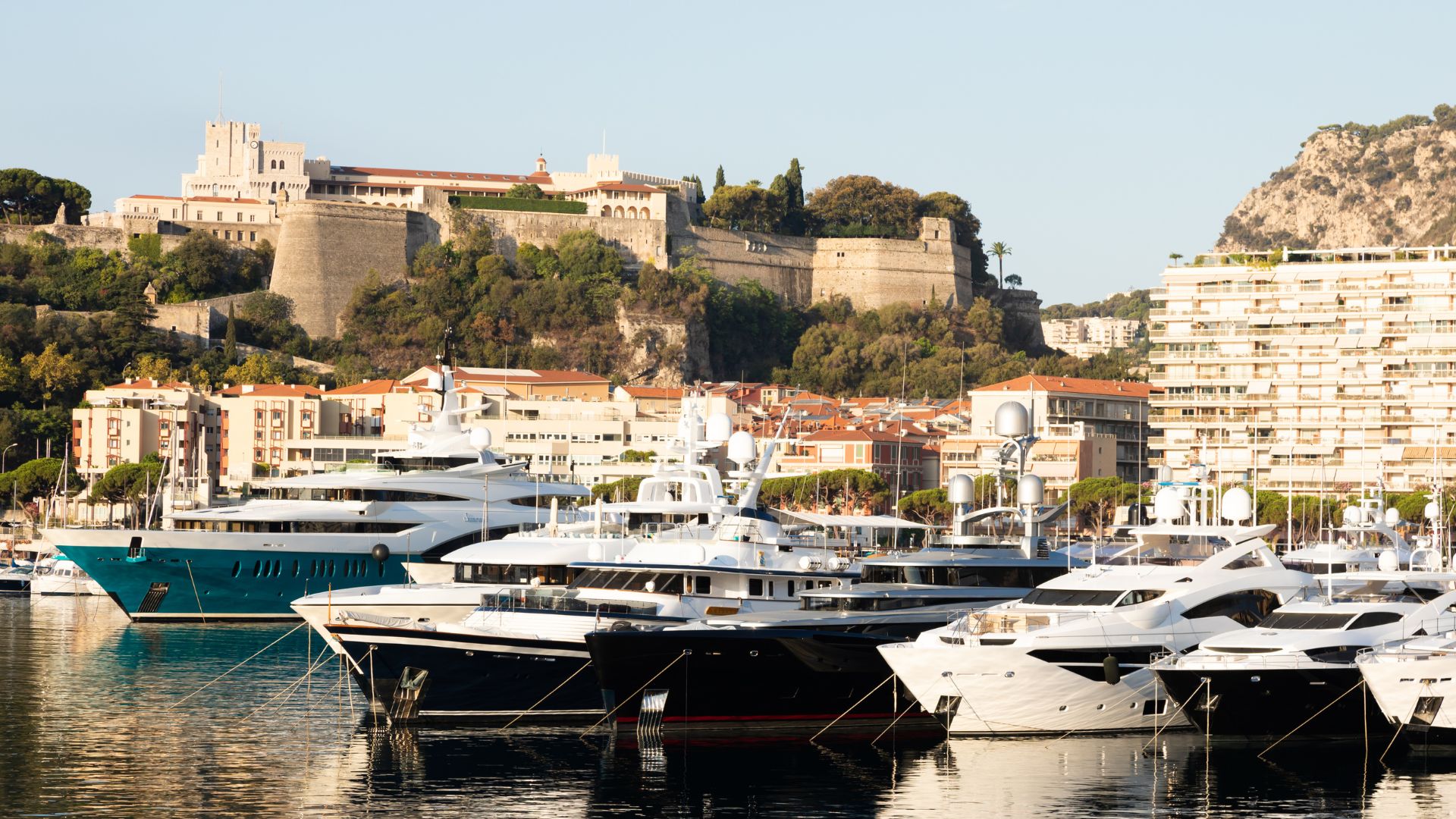
Último día completo. Mañana pausada en Villefranche: baño, desayuno en cubierta, lancha auxiliar opcional al casco viejo para un café. Para el final de la mañana, fuera amarras para la corta aproximación final de cinco millas náuticas al este hasta el Port Hercule de Mónaco.
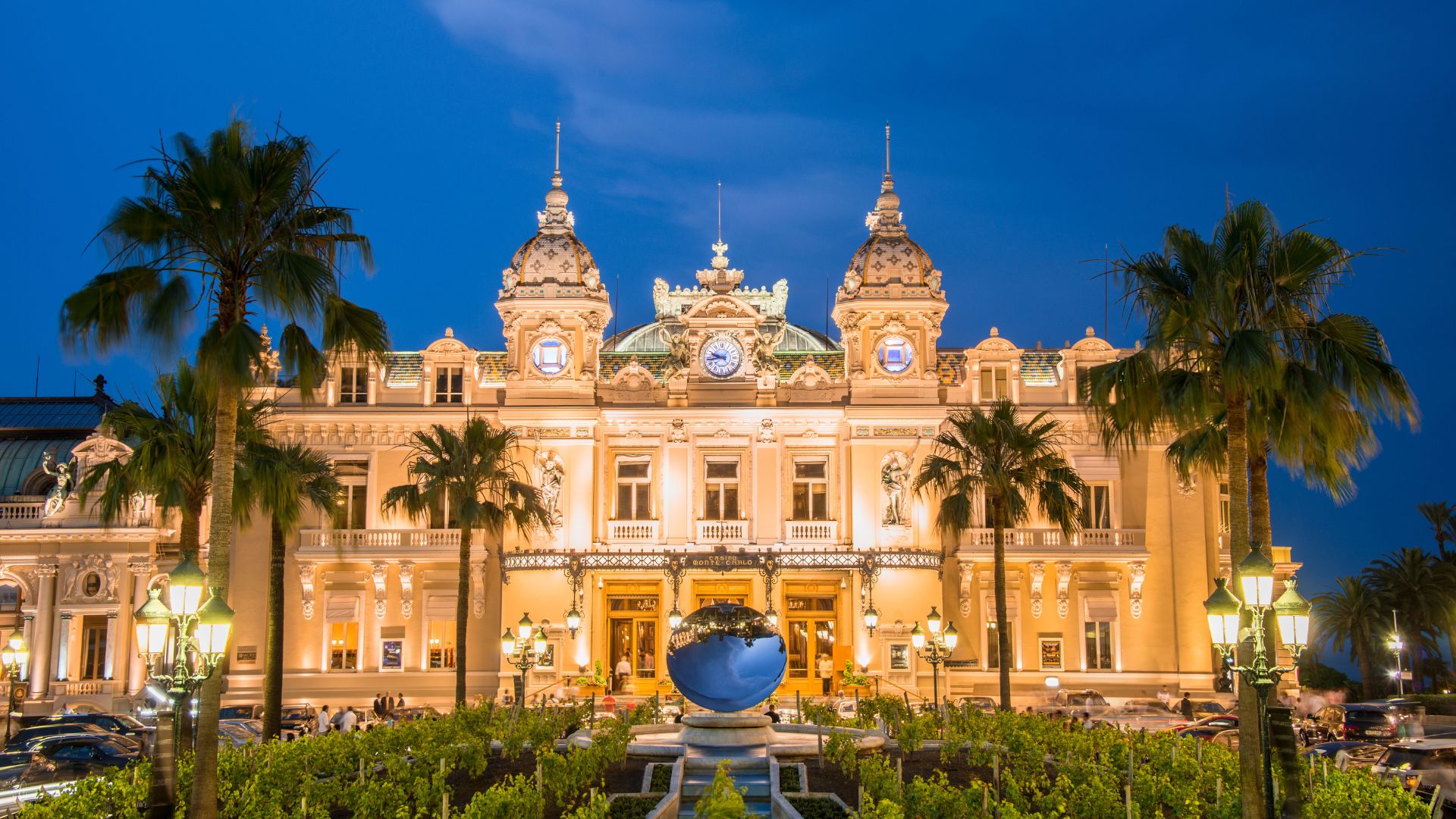
Port Hercule es el único puerto de aguas profundas de la Riviera entre Italia y Francia: megayates amarrados de costado a lo largo del muelle durante la temporada, con el principado alzándose directamente por encima. La plaza del Casino (Place du Casino) se asienta en lo alto de la roca; el circuito del Gran Premio recorre las calles y la marina es parte del tramo de Sainte-Dévote a Tabac del trazado; el Palacio del Príncipe domina el puerto desde el promontorio oeste.
Tarde y velada en tierra. Pasea por la plaza del Casino, métete en el bar del Hôtel de Paris enfrente, sube al Palacio del Príncipe si el grupo tiene la energía. Cena a bordo esta noche en Port Hercule con las luces del puerto encendiéndose contra los acantilados, o en tierra en Le Louis XV (el restaurante de Alain Ducasse dentro del Hôtel de Paris) si la reserva cuadró. Una última cena preparada por el chef a bordo es la opción más común en la mayoría de los viajes en yate: un cierre más pausado, la última comida completa del viaje al ancla.
Day Highlights
Día 8 · Salida
Un último desayuno pausado a bordo en Port Hercule, una última lancha auxiliar al paseo del puerto si el grupo quiere una, y desembarco a media mañana. Tu tripulación se encarga de la logística del traslado: Niza (NCE) está a treinta minutos en coche o cinco minutos en helicóptero de Heli Air Monaco, con vuelos directos a la mayoría de los aeropuertos de la Costa Este de EE. UU. y esencialmente todas las grandes ciudades europeas. Bájate con la costa de granito de Cerdeña, la haute ville de Bonifacio, la ciudadela genovesa de Calvi, el puerto viejo de Saint-Tropez, la Croisette de Cannes, la costa de villas de Cap Ferrat, y la plaza del Casino de Mónaco, todo a tu espalda, y la clase de semana que es difícil de superar en siete días en cualquier parte de la industria de los yates.
Want to share or come back to this voyage later?
Bookmark this voyage →Itinerario con tripulación · Costa Amalfitana
La misma costa, otro ritmo, y otro tipo de yate. El viaje de ida y vuelta desde Salerno sale de Marina d'Arechi, la base de catamaranes y yates de vela del extremo sur de esta región. El Frecciarossa de la mañana desde la estación de Termini de Roma te deja a cinco minutos a pie del atraque en 1 hora y 26 minutos, lo que hace de los huéspedes que llegan a Roma un encaje evidente. La ruta recorre la misma Costa Amalfitana que un viaje en yate desde Nápoles, pero a la inversa: el muelle del pueblo pesquero de Cetara para el primer día, Amalfi y Ravello el segundo, el largo almuerzo en Lo Scoglio a mitad de semana, dos noches en Capri una vez que el grupo se ha acomodado. Para cuando fondeas bajo los Faraglioni, ya has tenido tres días de almuerzos largos y saltos cortos. Capri llega como el momento culminante, no como la apertura.
La mayoría de los huéspedes que reservan esta semana son parejas o familias pequeñas en un yate económico: un catamarán con tripulación de 50 a 65 pies aloja a seis u ocho personas con comodidad, cala menos de metro y medio, así que se mete en calas más someras, y tiene un precio que abre esta costa a quienes, de otro modo, optarían por Croacia o Grecia. Los yates de vela y a motor hacen la misma ruta. El viaje de ida y vuelta de 7 días suma unas 75 millas náuticas en total. Embarque en Marina d'Arechi, a cincuenta o sesenta minutos de NAP en coche, o a 1 hora y 26 minutos de Roma Termini en el Frecciarossa directo. La temporada alta va de Semana Santa a finales de octubre, con finales de mayo, junio y principios de septiembre como las mejores semanas del año.
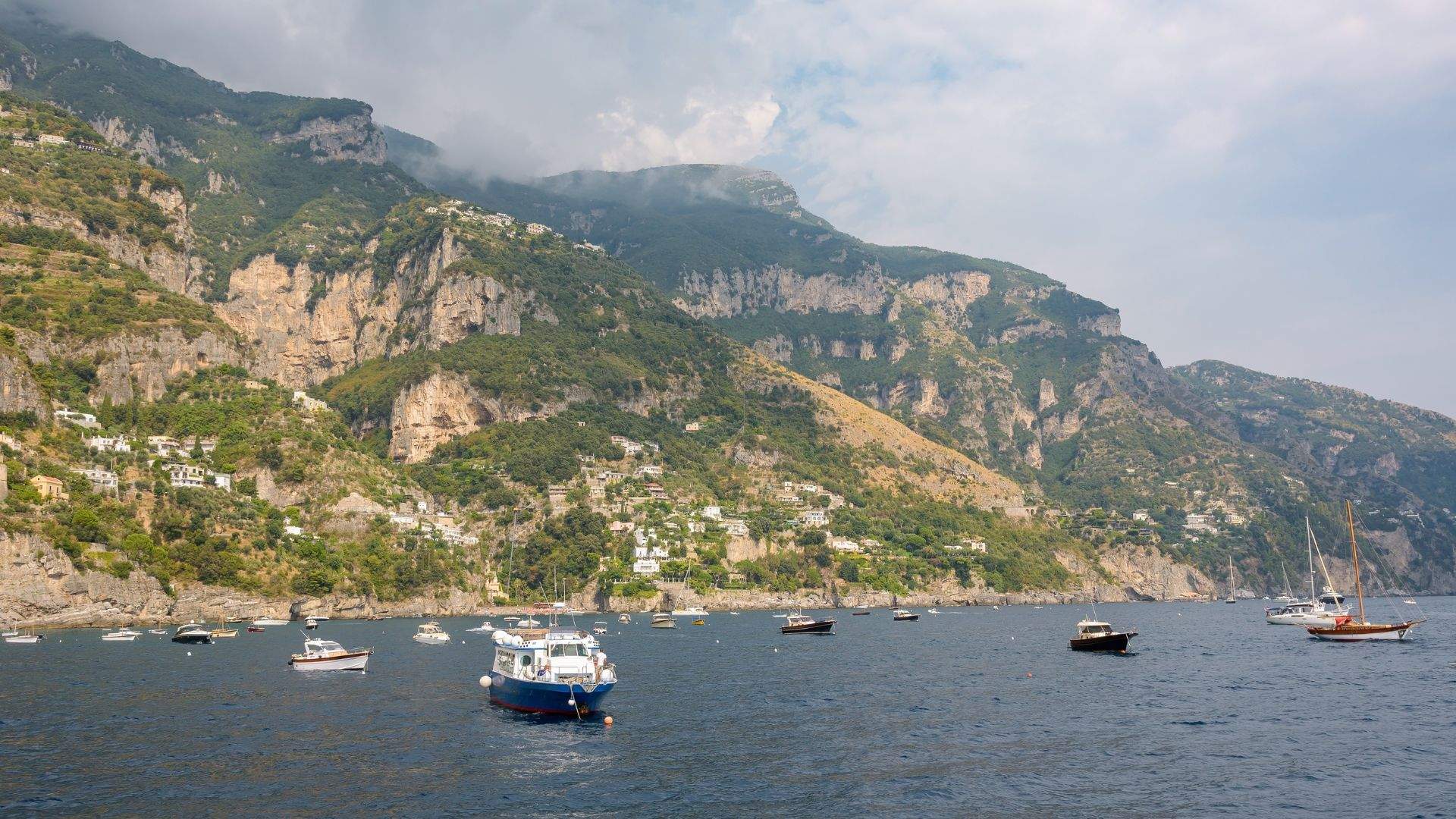
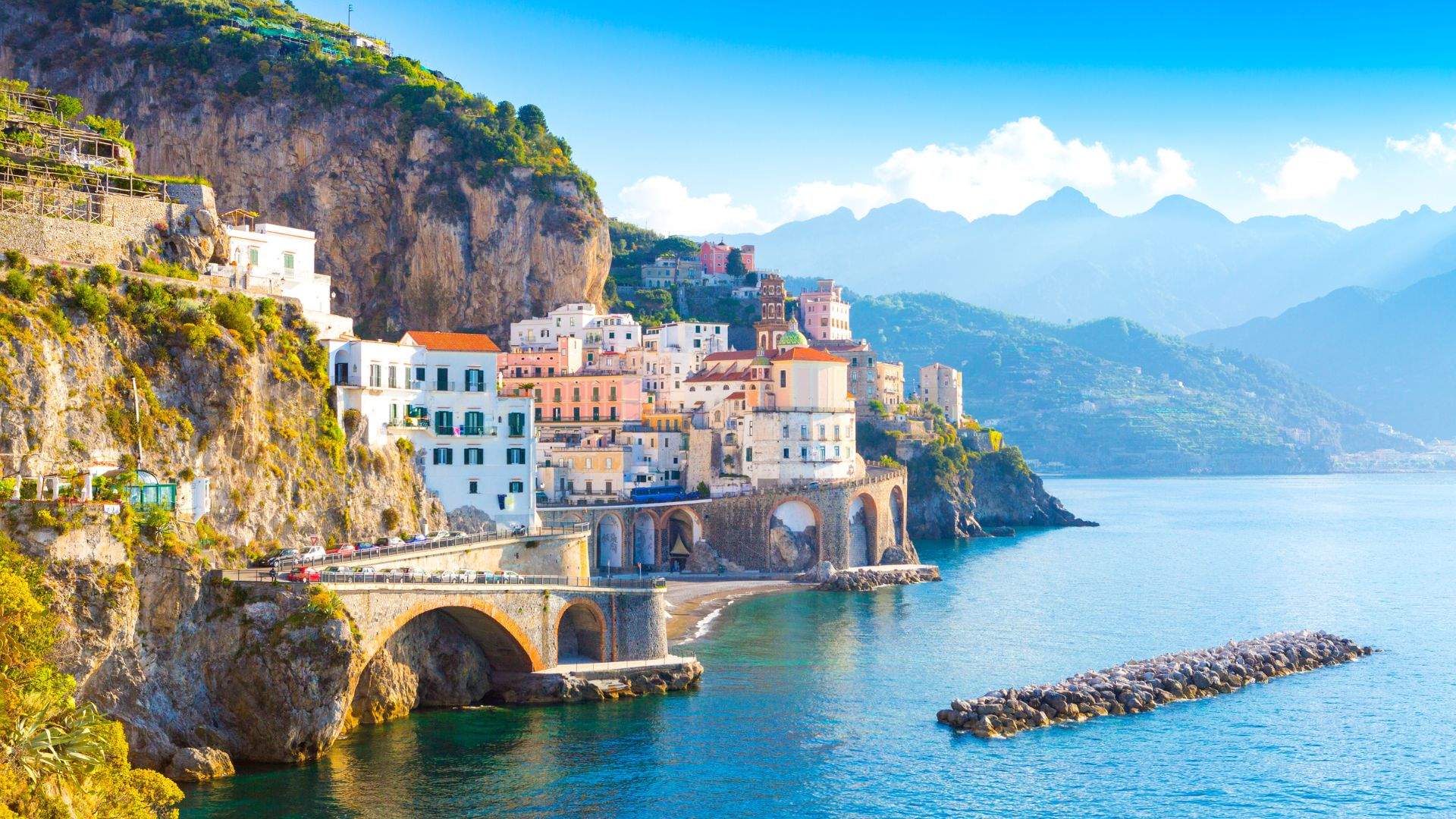
La semana abre en Cetara, un pueblo pesquero en activo enclavado bajo la carretera de acantilado SS163, en el extremo este de la costa, donde los hombres todavía llegan al amanecer con boquerones y donde el pueblo inventó la colatura di alici, la salsa ámbar y transparente que se produce con boquerones curados en sal y prensados durante siglos. Almuerzo en Al Convento. Para la cena ya estás amarrado en Marina Coppola, en Amalfi, con la catedral iluminada de oro sobre el puerto. El segundo día es la media jornada hasta Ravello y el Belvedere del Infinito en Villa Cimbrone, y luego una larga travesía de tarde al oeste rodeando la punta de la península de Sorrento hasta Nerano para cenar en Lo Scoglio. Capri llega a mitad de semana, después de que el grupo ya se haya acomodado al ritmo del barco. Los Faraglioni aterrizan como la pieza estrella que están destinados a ser, no como la apertura.
Marina d'Arechi es lo que hace posible esta versión: una entrada más ancha y un canal de 8 metros de profundidad que admite la manga de un catamarán sin compromisos, tasas de amarre que son una fracción de las marinas del lado de Nápoles, y un Frecciarossa directo desde la Termini de Roma que cubre el trayecto en 1 hora y 26 minutos. Para huéspedes que llegan a Roma en un catamarán de vela, es un comienzo más limpio que pelearse con el tráfico de la ciudad hasta Mergellina. Unas 75 millas náuticas en total. Si quieres la versión de máxima cobertura y sin volver sobre tus pasos de esta misma costa, consulta el trayecto solo ida de Nápoles a Salerno en yate a motor.
Día 1 de 7 · Salerno → Amalfi
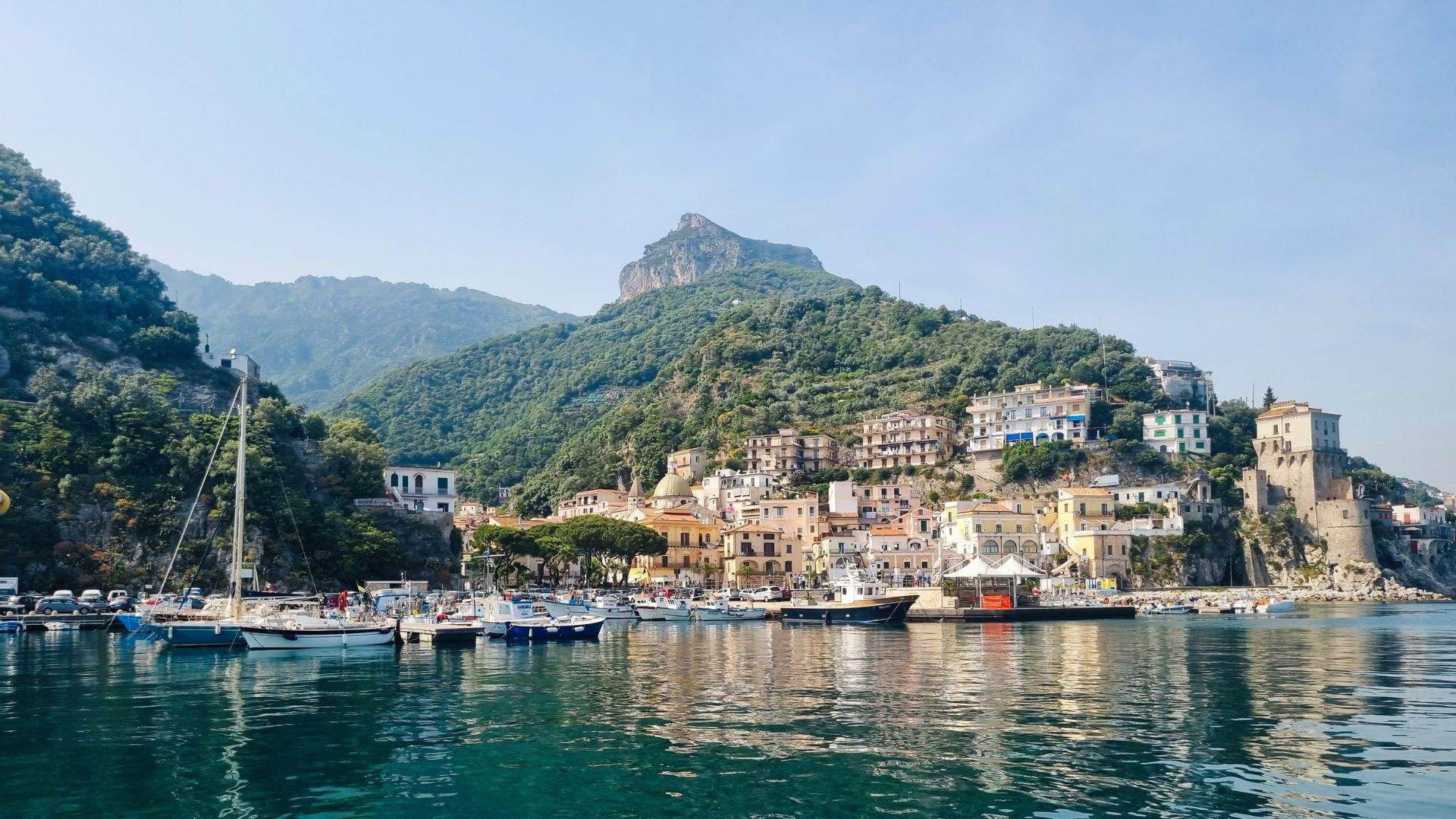
Tu semana empieza en Marina d'Arechi, justo al sur de Salerno: de 50 a 60 minutos del aeropuerto de Capodichino en coche, o un Frecciarossa directo de 1 hora y 26 minutos desde la estación de Termini de Roma para los huéspedes que llegan vía Roma. La marina admite catamaranes y yates de vela de hasta 100 metros en 8 metros de agua en el muelle; la entrada ancha y las tasas de amarre más bajas, en comparación con las marinas del lado de Nápoles, la convierten en la base operativa del segmento de catamaranes del inventario de yate de esta región. Tu tripulación profesional te recibe en el atraque con bebidas frías y una sesión informativa sobre la carta que enmarca la semana que viene.
A media mañana, el capitán larga amarras para la suave travesía de 6 millas náuticas al oeste hasta Cetara, el pequeño pueblo pesquero enclavado bajo la carretera de acantilado SS163, en el extremo este de la Costiera Amalfitana propiamente dicha, y uno de los pocos lugares de esta costa que sigue funcionando como puerto pesquero en lugar de como destino turístico. El almuerzo es en el pequeño muelle del pueblo o a bordo, al ancla: los boquerones son la carta de presentación de Cetara, y el pueblo inventó la colatura di alici (una salsa ámbar y transparente que se produce con boquerones curados en sal, fermentados y prensados), que se elabora aquí desde época romana. Al Convento o Acqua Pazza para la versión formal; las parrillas del puerto para lo informal.
Tras el almuerzo, una corta travesía de 5 millas náuticas más al oeste te lleva al pueblo de Amalfi. Marina Coppola, en el puerto, admite yates de hasta 35 metros en 8 a 11 metros de agua: el amarre más resguardado de este tramo de costa, a diez minutos a pie de la catedral de Sant'Andrea, en lo alto de la plaza principal del pueblo. Velada: una larga cena en Eolo, en el paseo marítimo, o una sencilla trattoria de pescado a la parrilla junto a la plaza principal, con la catedral iluminada sobre el pueblo y el puerto en calma para las 23:00.
Day Highlights
Día 2 de 7 · Amalfi → Nerano
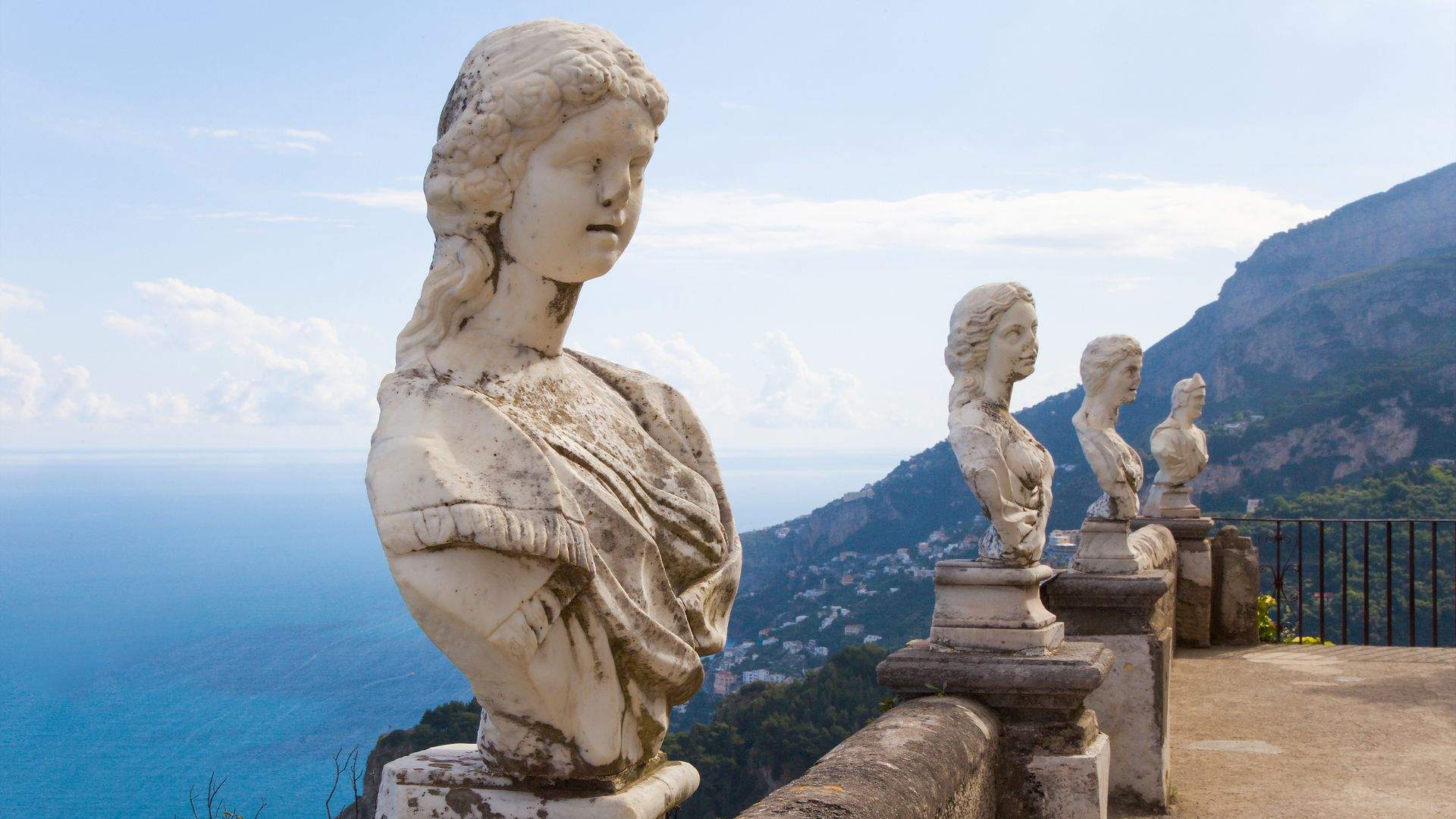
Ravello se asienta siete kilómetros acantilado arriba sobre Amalfi, a unos veinte minutos con chófer privado por las curvas de la SS373. Excursión de media jornada: lancha al embarcadero de Pennello a las 9:30, chófer por las revueltas, una hora en los jardines de Villa Rufolo (el escenario en voladizo del Belvedere donde el Festival de Ravello se celebra cada verano desde 1953, y donde Wagner escribió en el libro de visitas en 1880 que había encontrado el jardín mágico de Klingsor), y luego un corto paseo hasta Villa Cimbrone para el Belvedere del Infinito, la terraza al borde del acantilado bordeada de bustos de mármol. Café en la Piazza Duomo, de vuelta al yate a tiempo para un almuerzo a las 13:00.
A media tarde, el capitán larga amarras para la travesía de 13 millas náuticas al oeste rodeando la punta de la península de Sorrento hasta Nerano. La ruta abraza la costa: Praiano a estribor, el puente arqueado sobre el Fiordo di Furore justo encima al pasar por debajo, los acantilados de Conca dei Marini y las boyas de entrada de la Gruta Esmeralda visibles desde cubierta. Al caer la tarde, el barco está fondeado mar adentro frente a Marina del Cantone en 8 a 15 metros de arena, con la península de Sorrento resguardando la bahía del norte.
Velada: cena en Lo Scoglio (Da Tommaso), el restaurante familiar enclavado en la ladera sobre la bahía, con su propia lancha de madera privada que va de los yates fondeados a la terraza. El pedido está fijado: spaghetti alla Nerano, pescado de barco de día a la parrilla, un Greco di Tufo de la bodega. Lo Scoglio es uno de los restaurantes más fotografiados de la costa italiana y la presentación de Stanley Tucci en "Searching for Italy" lo hizo aún más; el conserje guarda la mesa con semanas de antelación en temporada alta. Conca del Sogno, en la bahía de Recommone justo al este, es la alternativa, también de acceso solo en barco y también con su propio servicio de lancha.
Day Highlights
Día 3 de 7 · Nerano → Capri
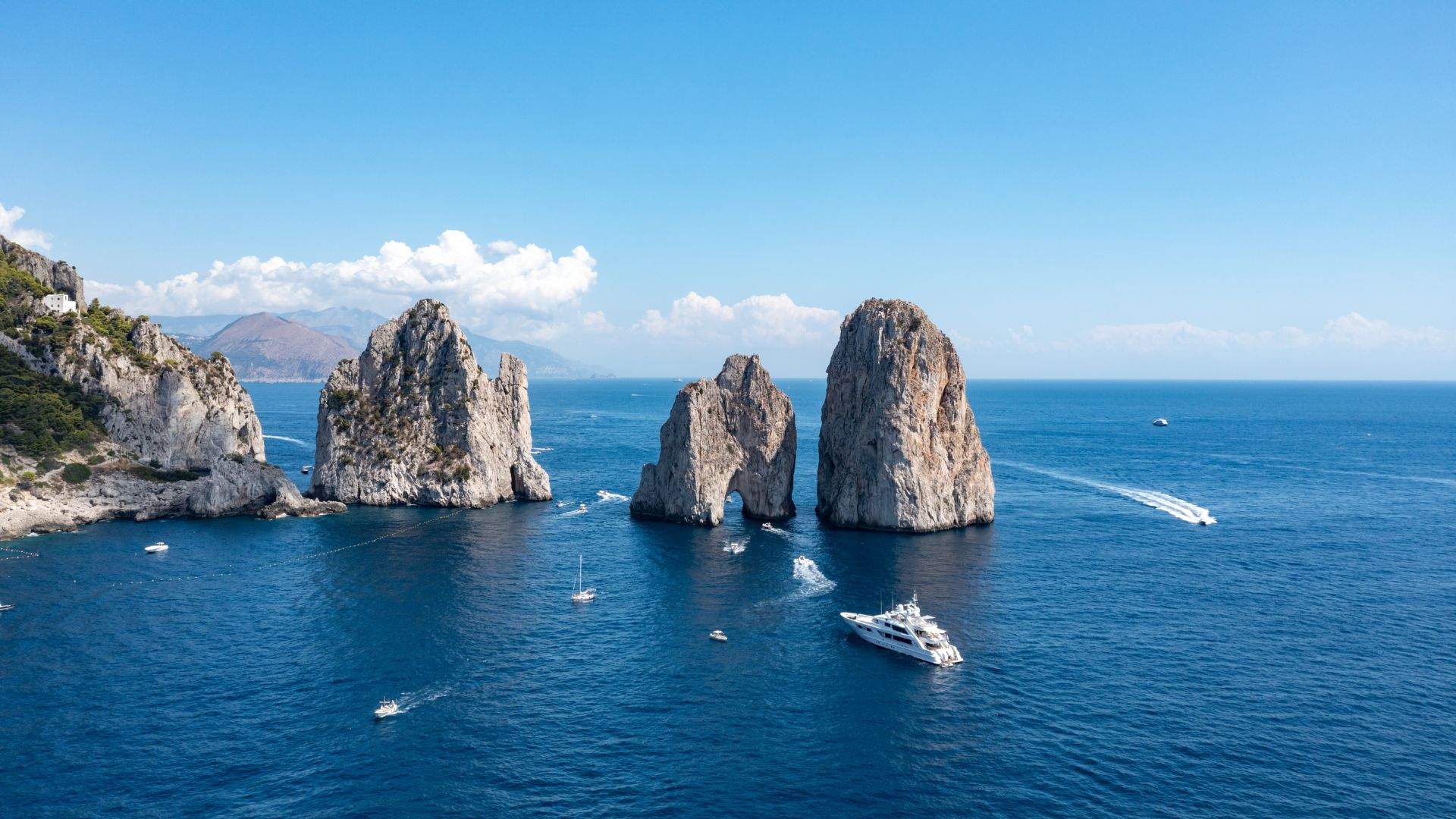
La travesía más corta de la semana: un salto de 5 millas náuticas cruzando las Bocche di Capri de Nerano a Capri. La mayoría de las semanas, el capitán lo programa para media mañana, de modo que los ferris de excursionistas del día desde Nápoles y Sorrento ya hayan atracado y los puertos estén en su momento de mayor ajetreo antes del almuerzo. Capri se disfruta más desde el agua a última hora de la tarde y al anochecer; el ángulo del barco maneja la mañana de otra manera.
A la entrada, el capitán mantiene posición frente a las rocas Faraglioni para las fotos y luego fondea en Marina Piccola, en 6 a 10 metros de arena, en el lado sur, o amarra de popa en Marina Grande, al norte, para yates de hasta 60 metros que tengan un amarre reservado de antemano (la marina se agota con meses de antelación en verano). El almuerzo es a bordo, al ancla: los spaghetti alle vongole del chef o la pesca del día a la parrilla en la plancha de la cubierta de popa. La pasta junto al agua en Italia no es un cliché, es lo correcto.
La tarde es para la Gruta Azul, si las condiciones lo permiten: una bajada en lancha en la boca de la cueva, en el lado noroeste de la isla, y una de las barcas de remos de madera de la gruta a través de la abertura de 80 centímetros. 18 € por persona, pagaderos en efectivo a los remeros, cerrada cuando hay oleaje. A última hora de la tarde, cuando se van los barcos de día, el funicular hasta la Piazzetta te deja en el corazón de Capri pueblo para un paseo vespertino antes de la cena. Mammà junto a la Piazzetta por una estrella Michelin, Aurora por la sala familiar con la larga carta de vinos, o Da Paolino bajo el emparrado de limoneros al pie del Monte Solaro por la icónica experiencia de cenar bajo los árboles (reservado con semanas de antelación en temporada alta).
Day Highlights
Día 4 de 7 · Capri, día completo
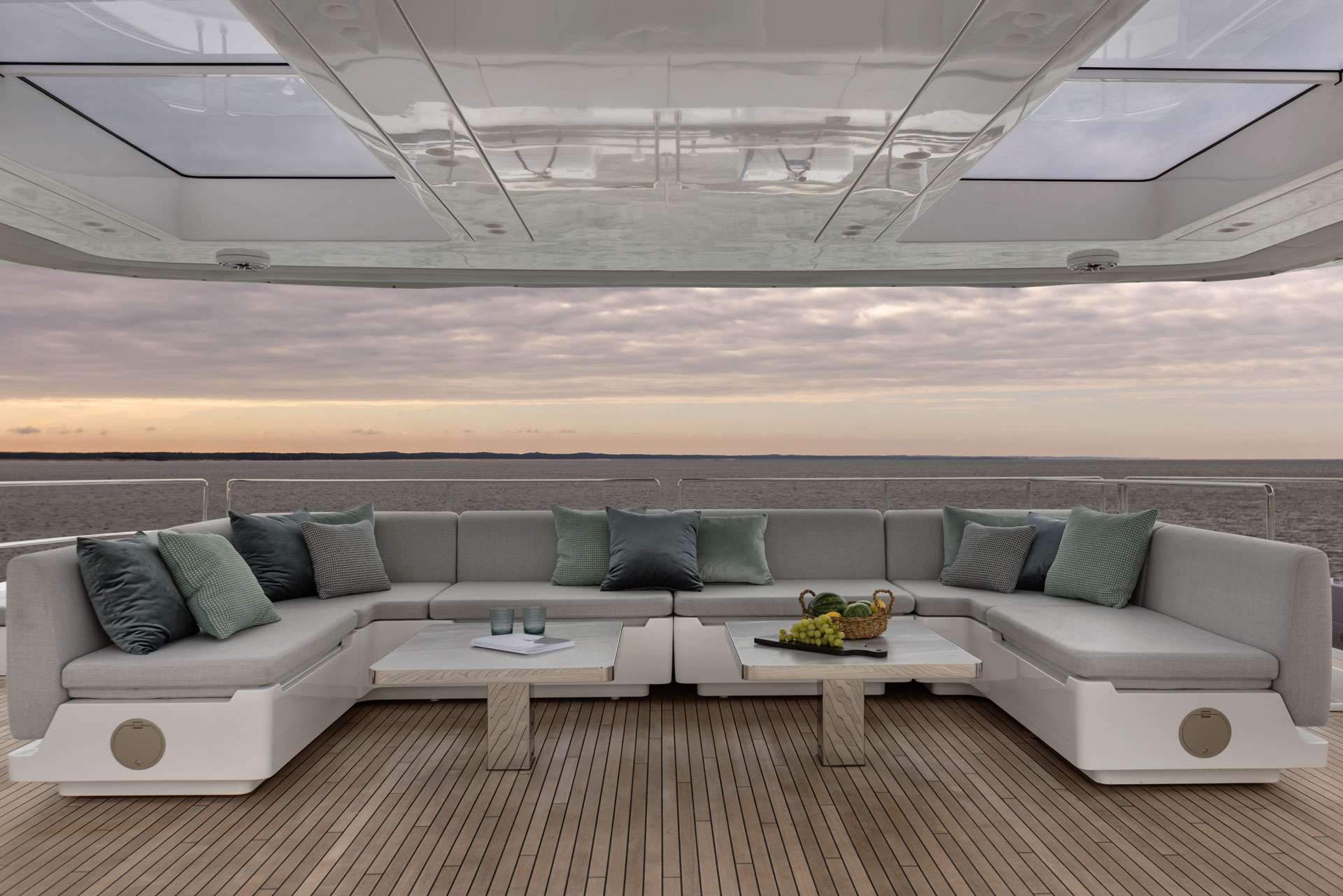
La fama de Capri de estar abarrotada viene de los excursionistas del día, y el yate es el truco para esquivarlos. Lo habitual esta mañana es madrugar: telesilla al Monte Solaro a las 8:00, antes de que haya atracado el primer ferry de Sorrento. La silla sube de Anacapri al punto más alto de la isla en doce minutos, y desde la cumbre puedes ver toda la Costa Amalfitana extendida al sur y la bahía de Nápoles al norte. Para las 9:30, cuando llegan los barcos de día, ya estás de vuelta en Anacapri tomando un espresso y paseando por la Villa San Michele, la villa y jardín de Axel Munthe, construida sobre las ruinas de una de las capillas de Tiberio en 1896.
A media mañana, la lancha te deja de vuelta en Marina Piccola, donde el catamarán está fondeado en 6 a 10 metros sobre arena. El menor calado del catamarán tiene una ventaja real aquí: más cerca de la orilla, plataforma de baño más fácil, más cómodo para la tarde. Almuerzo a bordo, y luego la plataforma de baño está abierta: snorkel por la base del acantilado, kayaks y tablas de paddle desde el espejo de popa para los niños. La Marina Piccola de Capri es famosa por ser el ángulo de postal de los Faraglioni: la larga y perezosa tarde al ancla bajo las rocas es la razón misma de estar en un yate aquí.
A última hora de la tarde, cuando se aligera la multitud de cruceros, el capitán reposiciona el catamarán para una travesía vespertina alrededor de los Faraglioni —el famoso paso bajo el arco del Faraglione di Mezzo si el mar está lo bastante plano— y luego de vuelta a Marina Piccola para las copas al atardecer en cubierta. La cena la decides tú: La Fontelina, bajo las rocas, para el sitio diurno, o de vuelta al barco esta noche para el montaje completo de la velada del chef. Le Grottelle, cerca del Arco Naturale (cerrado los martes, reservas solo por teléfono en el +39 081 8375719), para quienes quieran la sala fuera de la ruta turística.
Day Highlights
Día 5 de 7 · Capri → Ischia
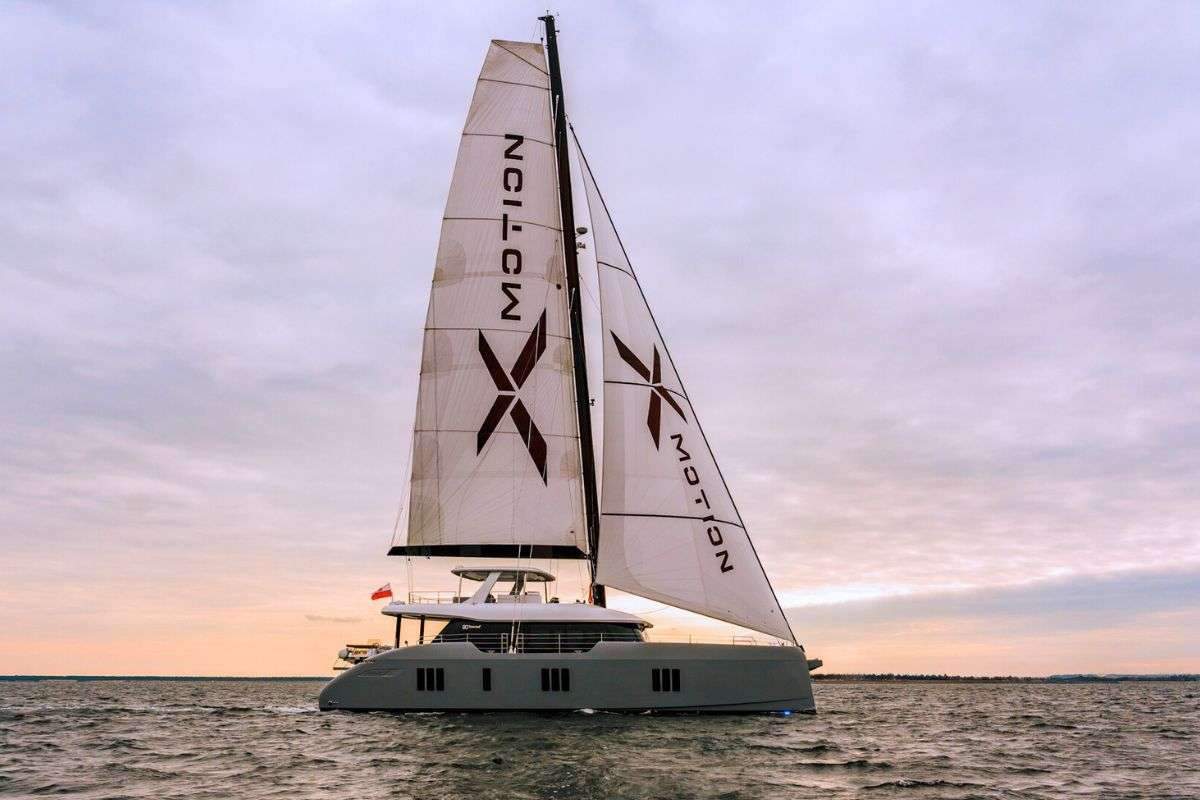
Hoy es la travesía más larga de la semana: un cruce en mar abierto de 18 millas náuticas al noroeste de Capri a Ischia, atravesando las Bocche di Capri. En un yate de vela o catamarán con el ángulo de viento adecuado, este es el día en que salen las velas: normalmente un largo de través con brisas de verano de suaves a moderadas, con los acantilados de la península de Sorrento cayendo por la popa y las laderas volcánicas de Ischia creciendo por la proa. Con el tiempo estable de junio y septiembre es una cómoda travesía de tres horas; en los meses de temporada media se calcula según la dirección de la brisa.
Ischia es la mayor de las islas de la bahía de Nápoles y la que tiene la historia más larga de ser visitada específicamente por sus aguas termales: los manantiales que brotan de las laderas del monte Epomeo llevan dos mil años atrayendo a romanos, borbones y directores de cine del siglo XX. La elección de fondeadero de tu capitán da forma al día. Casamicciola, en la costa norte, es la bahía mejor protegida y un fácil salto en lancha al complejo termal de Negombo (una reserva privada le consigue a tu grupo una docena de piscinas a distintas temperaturas aterrazadas en la ladera). Forio, en la costa oeste, es la opción por el sol de última hora de la tarde y una velada más tranquila al ancla.
A última hora de la tarde, el catamarán reposiciona hacia el Castello Aragonese, la fortaleza medieval en su propio islote frente a la costa este de Ischia, unido a la isla principal por una calzada de piedra. Ha estado habitado de forma continua durante 2.500 años, fortificado en su forma actual bajo los aragoneses en el siglo XV, y es el referente visual que la mayoría de los clientes de charter se llevan de Ischia. La cena es a bordo, al ancla, con la silueta del Castello por la proa mientras se encienden las luces a lo largo de la calzada.
Day Highlights
Día 6 de 7 · Ischia → Sorrento
Un corto salto de 5 millas náuticas al sur te lleva de Ischia a Procida, la más pequeña y subestimada de las islas de la bahía de Nápoles, la de tonos pastel que aparece en cada postal del cine italiano de los años cincuenta. La Marina Corricella es el lado fotografiable; Marina di Chiaiolella, al suroeste, es el fondeadero protegido. Baño a media mañana, un espresso en un café en tierra en Corricella, almuerzo a bordo al ancla con la flota pesquera entrando y saliendo.
A media tarde, el capitán larga amarras para la travesía de 14 millas náuticas al sureste cruzando la bahía de Nápoles hasta Sorrento. El Vesubio queda a babor, la península de Sorrento justo en la proa, la larga y suave curva de la bahía por debajo. Llegada a última hora de la tarde a la Marina Piccola de Sorrento, un puerto de embarcaciones pequeñas compartido con el muelle del ferry público, apto solo para yates de hasta 40 metros y crónicamente congestionado en pleno verano. La manga de 12 a 14 metros del catamarán encaja en el lado de visitantes de la marina; los yates más grandes fondean mar adentro y llegan en lancha.
El casco antiguo de Sorrento trepa por el acantilado sobre la marina, y la terraza del Foreigners' Club, en lo alto, es el sitio adecuado para un aperitivo al atardecer antes de la cena. Il Buco para la sala con una estrella Michelin en la bodega de un monasterio del siglo XVI, a cinco minutos de la marina; o quince minutos cresta arriba hasta Sant'Agata para Don Alfonso 1890, de nuevo con una estrella Michelin más una estrella verde tras su reforma de sostenibilidad de 2025.
Day Highlights
Día 7 de 7 · Sorrento → Salerno
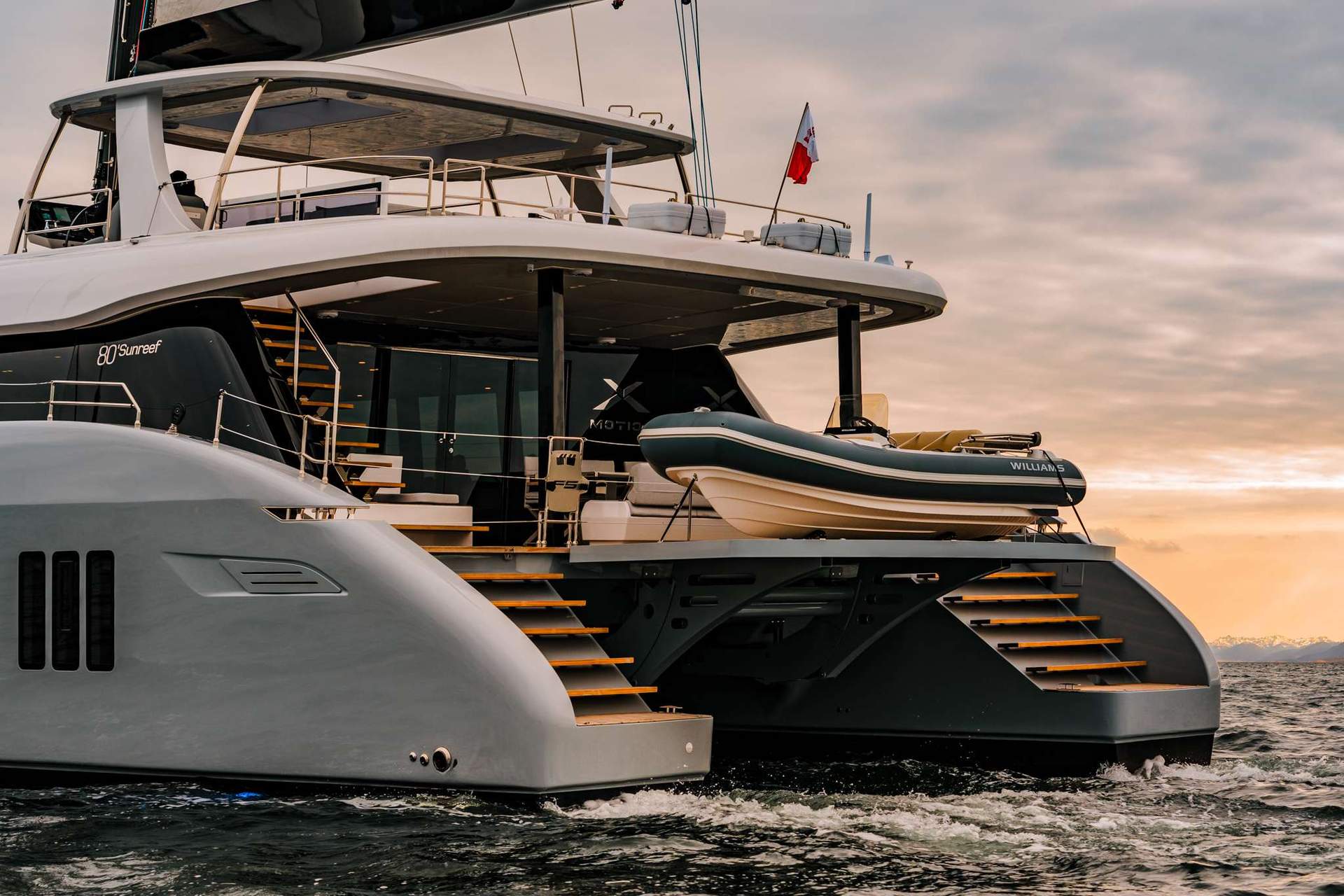
Una travesía de 8 millas náuticas al este desde Sorrento te lleva de vuelta a Positano para una última mañana en este tramo de costa. Los yates de hasta 50 metros cogen una boya en el campo de fondeo mar adentro que mantiene la cooperativa local: no hay marina en Positano, solo el campo de boyas y el embarcadero de madera de la Spiaggia Grande para los desembarcos en lancha. A media mañana en tierra: un corto paseo por las escaleras del acantilado hasta uno de los pequeños cafés de la Via Cristoforo Colombo para un espresso, la cúpula de Santa Maria Assunta con su azulejo de mayólica atrapando la luz de la mañana, y una última mirada al pueblo de acantilado desde el ángulo que la mayoría de las fotos de este pueblo no pueden captar desde tierra.
De vuelta al barco hacia las 11:00, plataforma de baño abierta una última vez, almuerzo a bordo en la boya. A primera hora de la tarde, el capitán suelta el cabo de la boya para la travesía de 12 millas náuticas al este por la costa de vuelta a Salerno. La ruta abraza los acantilados: Praiano, el puente arqueado de Furore, Conca dei Marini, el pueblo de Amalfi desde el agua una vez más, y la larga aproximación final a Marina d'Arechi pasando el espigón.
Desembarco en Marina d'Arechi a media tarde. La tripulación tiene el traslado organizado: directo a NAP para los huéspedes que vuelan ese mismo día, o a Roma Termini con el Frecciarossa directo desde la estación de Stadio Arechi de Salerno (1 hora y 26 minutos hasta Roma, a menudo más fácil que conducir de vuelta a Nápoles). Muchos grupos alargan el viaje con una noche posterior al viaje en yate en la propia Salerno o un día en Pompeya de camino de vuelta a Nápoles, ambos a 30 minutos en coche de la marina.
Day Highlights
Want to share or come back to this voyage later?
Bookmark this voyage →Itinerario con tripulación · Costa Amalfitana
La costa en un yate construido para cubrir distancia. Un yate a motor de 35 metros en adelante, un charter solo ida de Nápoles a Salerno, la apertura en la bahía de Nápoles —Procida, Ischia, dos noches en Capri— y luego una travesía más pausada al este por toda la pared de acantilados de Amalfi que los itinerarios de ida y vuelta no pueden alcanzar. El Fiordo di Furore, enclavado bajo el puente arqueado de la SS163: una hendidura de guijarros de 25 metros bajo el arco, recorrida pasando con la lancha por debajo para un baño y unas fotos. La Gruta Esmeralda en Conca dei Marini: el yate fondeado mar adentro, lancha hasta la boca de la cueva, una de las barcas de remos de madera de la gruta a través de la abertura de ochenta centímetros, diez euros por cabeza, en efectivo. La semana termina en Marina d'Arechi, en Salerno, con un Frecciarossa directo a la Termini de Roma en 1 hora y 26 minutos, o continuación al sur, a la Costa del Cilento y Sicilia.
La mayoría de los huéspedes que reservan esta semana son navegantes que repiten en el Mediterráneo, planificadores de viajes con varias paradas que añaden días de Pompeya antes del charter o de continuación a Roma después, y grupos que detestan recorrer dos veces la misma agua. El trayecto solo ida de 7 días suma unas 65 millas náuticas en total: distancias de navegación ligeras en un yate hecho para ello. Embarque en el Porto di Mergellina o en Marina di Stabia (10-25 minutos de NAP); desembarco en Marina d'Arechi (50-60 minutos de vuelta a NAP, o el tren directo a Roma). Los viajes en yate solo ida llevan una pequeña línea de reposicionamiento en el presupuesto del agente —combustible, tiempo de tripulación, tasas portuarias y el 22 % de IVA italiano—, calculada a coste y no como porcentaje de la tarifa base. Como la travesía de regreso de Nápoles a Salerno es corta (menos de 30 millas náuticas), es una de las tasas de solo ida más bajas del Mediterráneo.
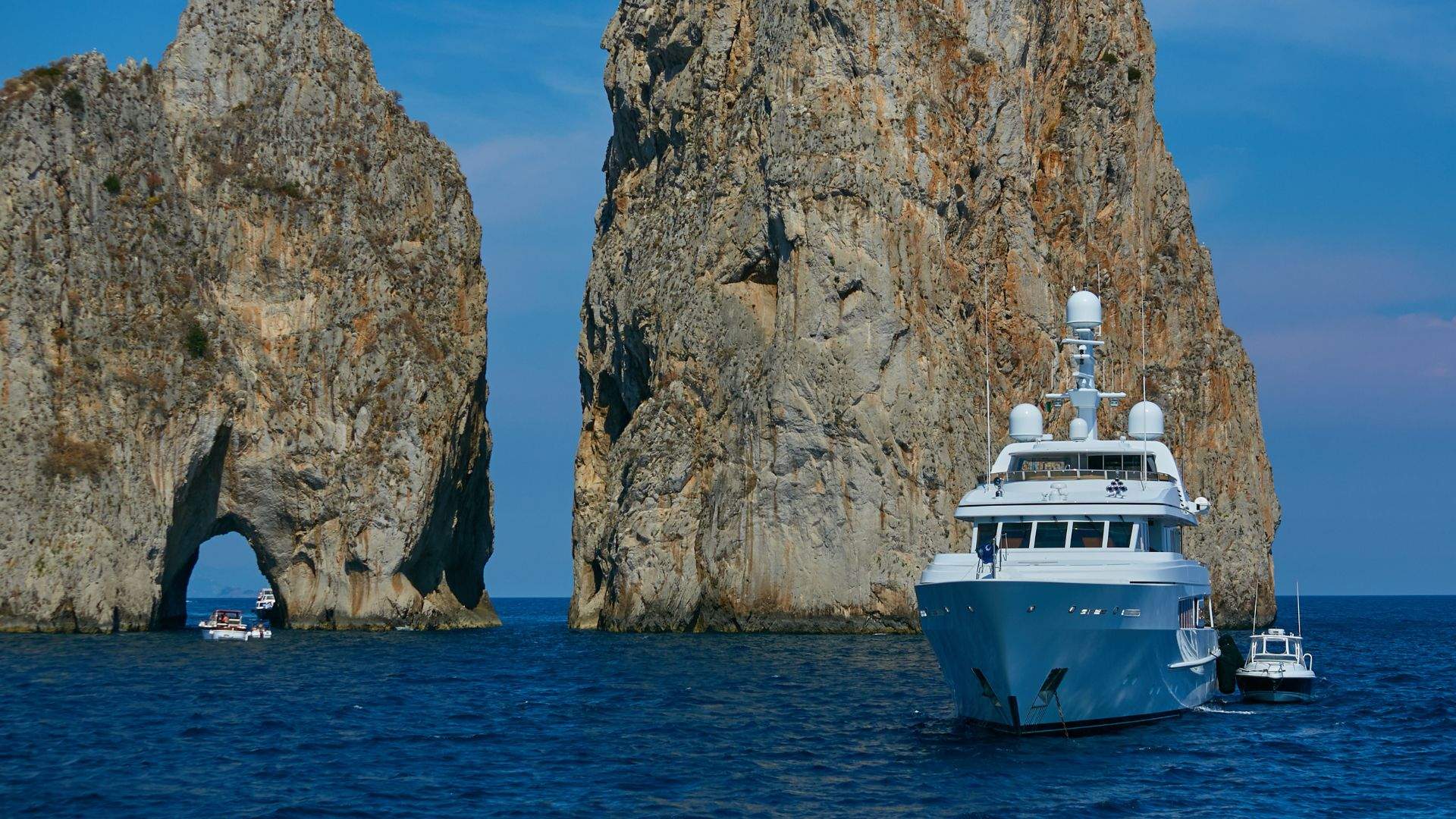
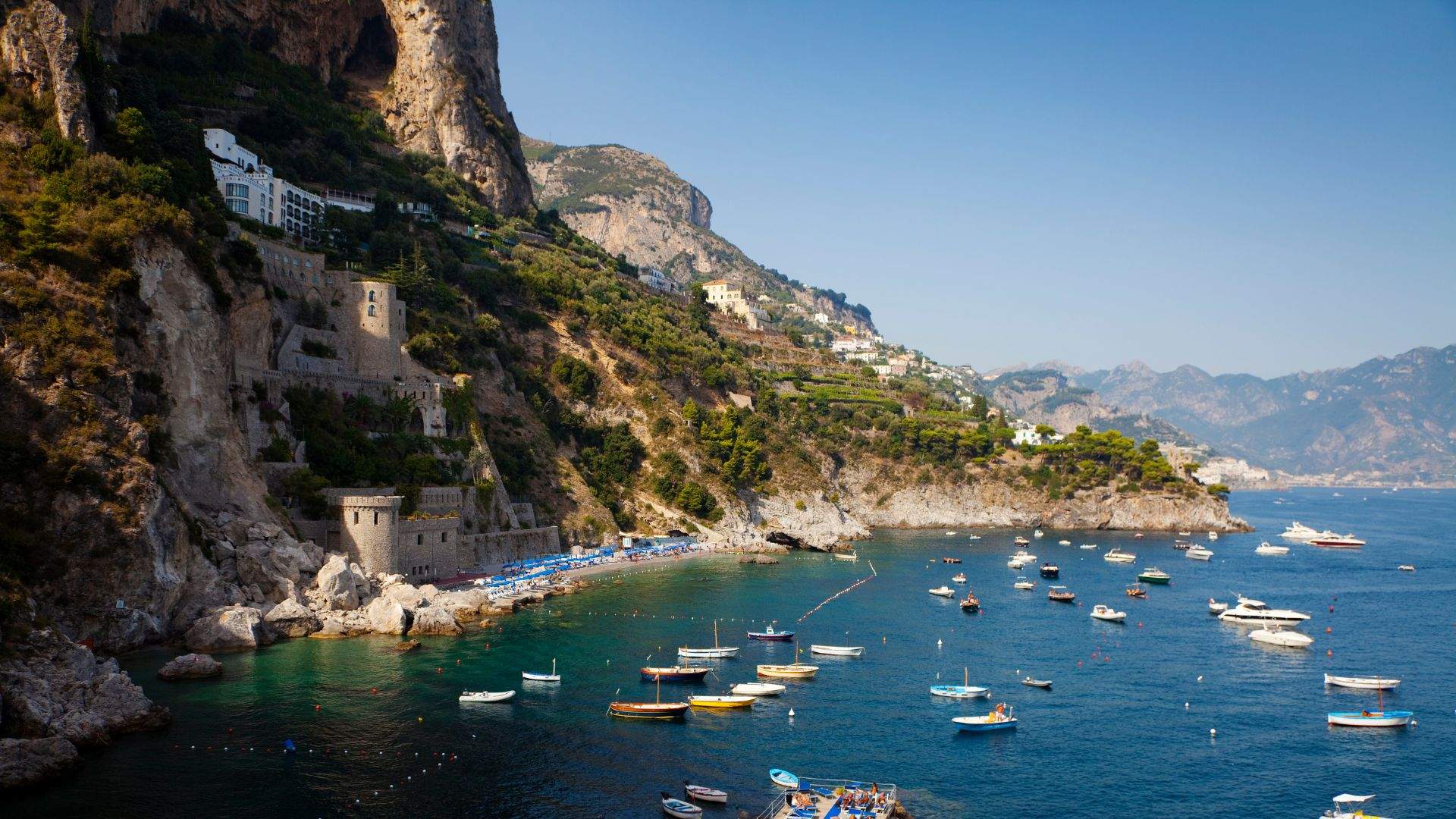
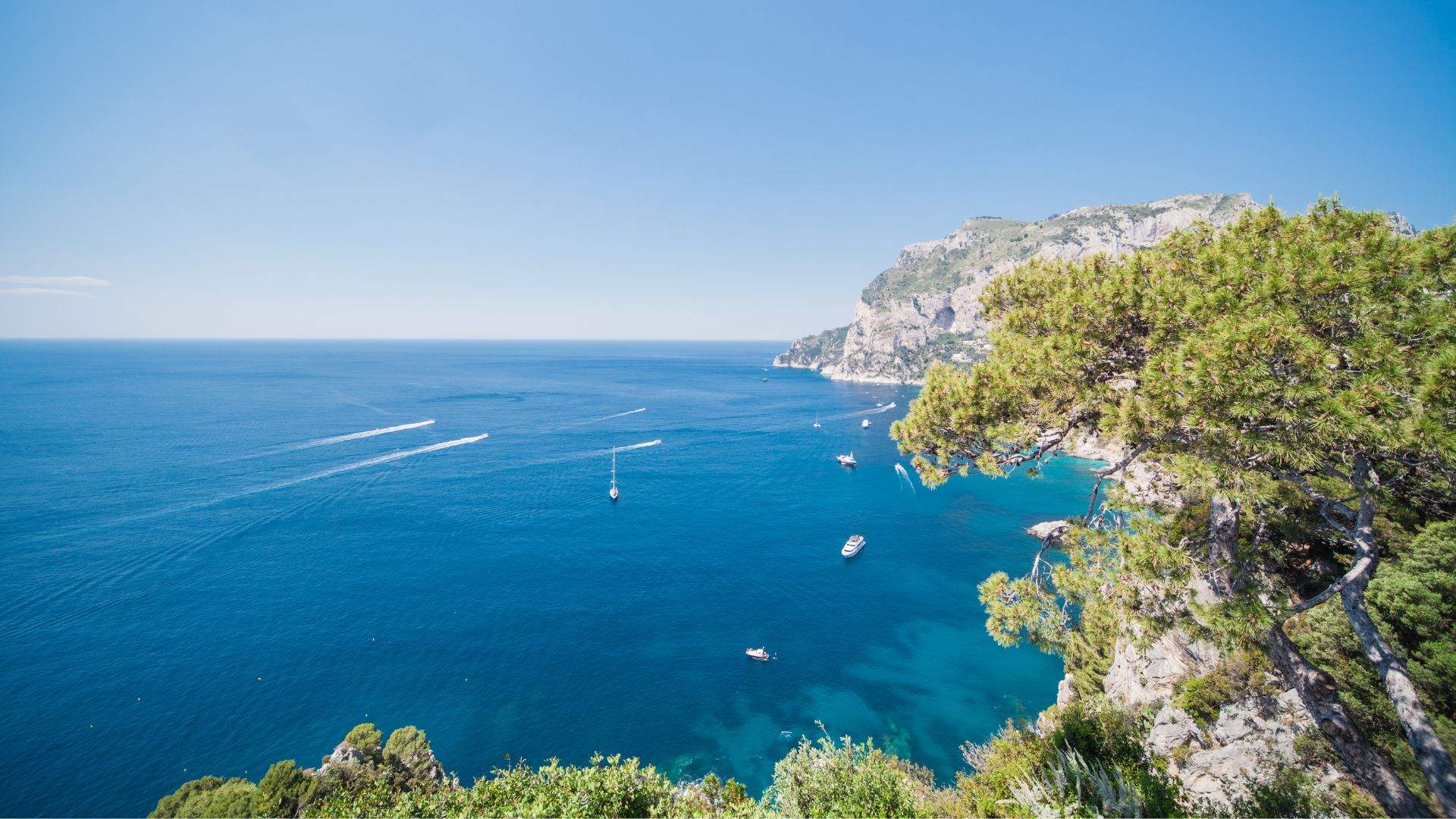
Este es el único itinerario que recorre de Nápoles a Amalfi tal como lo imaginan la mayoría de los huéspedes. Los tres primeros días son la bahía de Nápoles: Procida e Ischia para el arranque, un cruce en mar abierto al sur hasta Capri, dos noches fondeados en Marina Piccola o de popa en Marina Grande, el telesilla al Monte Solaro al amanecer, la Gruta Azul a última hora de la tarde cuando se han ido los barcos de día. Los días 4 a 7 son toda la pared de acantilados de Amalfi: un largo almuerzo en Lo Scoglio en Nerano, una velada en Positano con el pueblo iluminado sobre la bañera, y luego la travesía al este por Furore (una hendidura de guijarros de 25 metros bajo el puente arqueado de la SS163, con la lancha enhebrándose bajo el arco para un baño y unas fotos) y Conca dei Marini (la Gruta Esmeralda, diez euros por cabeza en efectivo, las propias barcas de remos de la gruta a través de la boca de la cueva). La semana termina en las escalinatas de la catedral de Amalfi y una pausada travesía final al este hasta Marina d'Arechi, en Salerno.
Unas 65 millas náuticas en total. Pensado para un yate a motor de más de 35 metros, donde el ritmo sin marcha atrás rinde más. Desembarco en Marina d'Arechi con un Frecciarossa directo a la Termini de Roma en 1 hora y 26 minutos, o continuación al sur, a la Costa del Cilento y Sicilia. La línea de reposicionamiento es de las más pequeñas del Mediterráneo —menos de 30 millas náuticas para la travesía de regreso, combustible y tiempo de tripulación a coste—, una nota al pie en el presupuesto en relación con los días ahorrados.
Día 1 de 7 · Nápoles → Procida
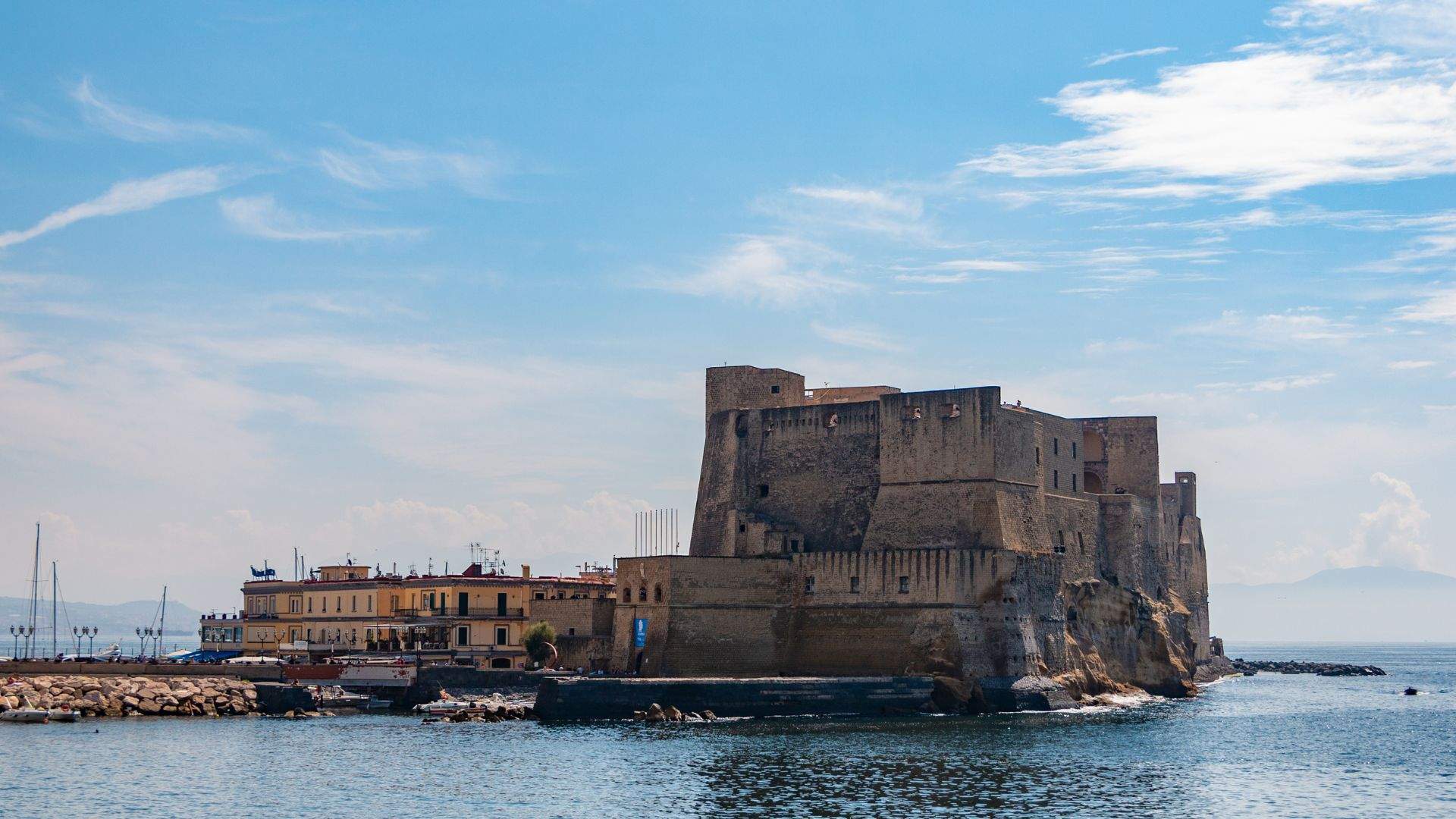
Tu semana empieza en el Porto di Mergellina, en Nápoles, a diez minutos del aeropuerto de Capodichino (NAP), con la silueta del Castel dell'Ovo al otro lado de la bahía y el promontorio de Posillipo por encima. Los yates a motor más grandes, de más de 75 metros, embarcan en cambio en Marina di Stabia, en Castellammare, veinticinco minutos al sur de NAP y la mayor instalación de superyates de la bahía de Nápoles. En cualquier caso, tu tripulación profesional te recibe en el atraque con bebidas frías y una sesión informativa sobre la carta que enmarca la semana que viene. Muchos grupos llegan un día antes y reservan Pompeya en el día de margen: a 30 minutos de cualquiera de las dos marinas en coche, con un guía arqueólogo privado contratado con semanas de antelación para recorrer el yacimiento al abrir las puertas a las 9:00.
A media mañana, el capitán larga amarras para la travesía de 12 millas náuticas al suroeste hasta Procida, la más pequeña de las islas de la bahía de Nápoles y el sitio adecuado para empezar la semana. Procida no tiene nada de la intensidad de Capri ni del trasiego de día de spa de Ischia. Marina di Chiaiolella, la bahía protegida del lado suroeste de la isla, es donde el capitán fondea para la tarde.
En un yate a motor de más de 35 metros, el propio barco es casi todo el día: la plataforma de baño sale del espejo de popa, el chef monta un largo almuerzo de bienvenida en la cubierta de popa, salen los juguetes acuáticos, y la bahía se mantiene en calma durante la tarde. La cena es a bordo, al ancla: el menú de bienvenida del chef, un Greco di Tufo de la bodega, y las luces de la Marina Corricella al otro lado del agua mientras el puerto se serena para la noche.
Day Highlights
Día 2 de 7 · Procida → Ischia
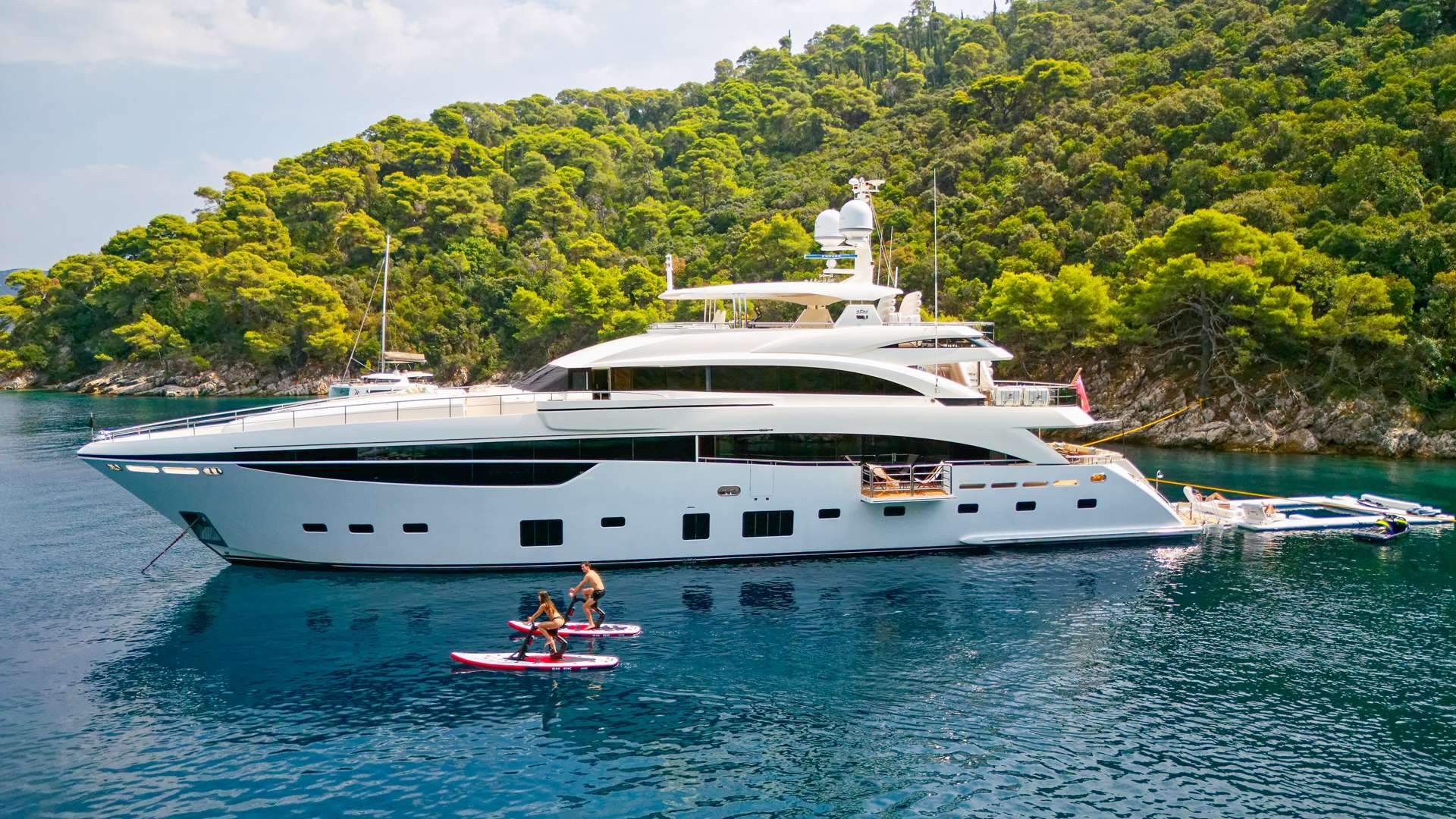
Un corto salto de 5 a 7 millas náuticas te lleva de Procida a Ischia, la mayor de las islas de la bahía de Nápoles. Las aguas termales de las laderas volcánicas del monte Epomeo llevan dos mil años atrayendo visitantes, y la cultura del spa sigue siendo la carta de presentación de la isla. La elección de fondeadero de tu capitán da forma al día: Casamicciola por la bahía mejor protegida y un acceso más fácil en lancha a las piscinas termales aterrazadas de Negombo, o Forio en la costa oeste por el sol de última hora de la tarde y una velada más tranquila al ancla.
Si tu grupo quiere la mañana de spa, una reserva privada en Negombo o en los Jardines Poseidón te consigue una docena de piscinas a distintas temperaturas en la ladera; a ambos se llega a pie desde la lancha. Si prefieres quedarte en el barco, el equipo de snorkel sale de la plataforma de baño y el chef monta un largo almuerzo en la cubierta de popa. Los yates a motor más grandes son casi todo el día: el flybridge para los cócteles, el beach club para la tarde, el montaje de cena formal en la cubierta de popa.
A última hora de la tarde, el capitán reposiciona hacia el Castello Aragonese, la fortaleza medieval en su propio islote frente a la costa este de Ischia, fortificada en su forma actual bajo los aragoneses en el siglo XV y el referente visual que la mayoría de los clientes de yates se llevan de Ischia. La cena es a bordo, al ancla, con la silueta del Castello por la proa mientras se encienden las luces a lo largo de la calzada.
Day Highlights
Día 3 de 7 · Ischia → Capri
Hoy es la travesía más larga de la semana: un cruce en mar abierto de 18 millas náuticas al sur desde Ischia hasta Capri. En un yate a motor de más de 35 metros es cómodo en menos de dos horas; los acantilados de la península de Sorrento crecen por la proa y la bahía de Nápoles cae por la popa. La mayoría de las semanas el cruce transcurre durante un desayuno tardío en la cubierta de popa.
Capri aparece como una única pared escarpada de caliza, y luego se resuelve en los dos puertos a ambos lados de la isla. Marina Grande, en la costa norte, es la única marina que admite amarres de popa para pasar la noche hasta 60 metros: resérvala con meses de antelación en verano. Marina Piccola, al sur, es el fondeadero de día en 6 a 10 metros de arena. La elección de tu capitán depende del tamaño del yate, el tiempo y cómo se organice el día siguiente. A la entrada, el capitán mantiene posición frente a los Faraglioni para las fotos y luego rodea para el famoso paso bajo el arco del Faraglione di Mezzo cuando el mar está lo bastante plano.
La estrategia de Capri empieza ahora. Los ferris de excursionistas del día desde Nápoles y Sorrento atracan entre las 9:30 y las 11:00 de la mañana y se van entre las 16:00 y las 18:00. El plan de tu capitán es estar en el puerto a media tarde, dejarte en tierra para un paseo tranquilo en funicular hasta la Piazzetta hacia las 17:00, una vez que la multitud de cruceros se ha aligerado. Cena en L'Olivo, en el Capri Palace, arriba en Anacapri (la única sala con dos estrellas Michelin de la isla), o Mammà junto a la Piazzetta para la opción de una estrella, y de vuelta a bordo para una noche tranquila.
Day Highlights
Día 4 de 7 · Capri, día completo
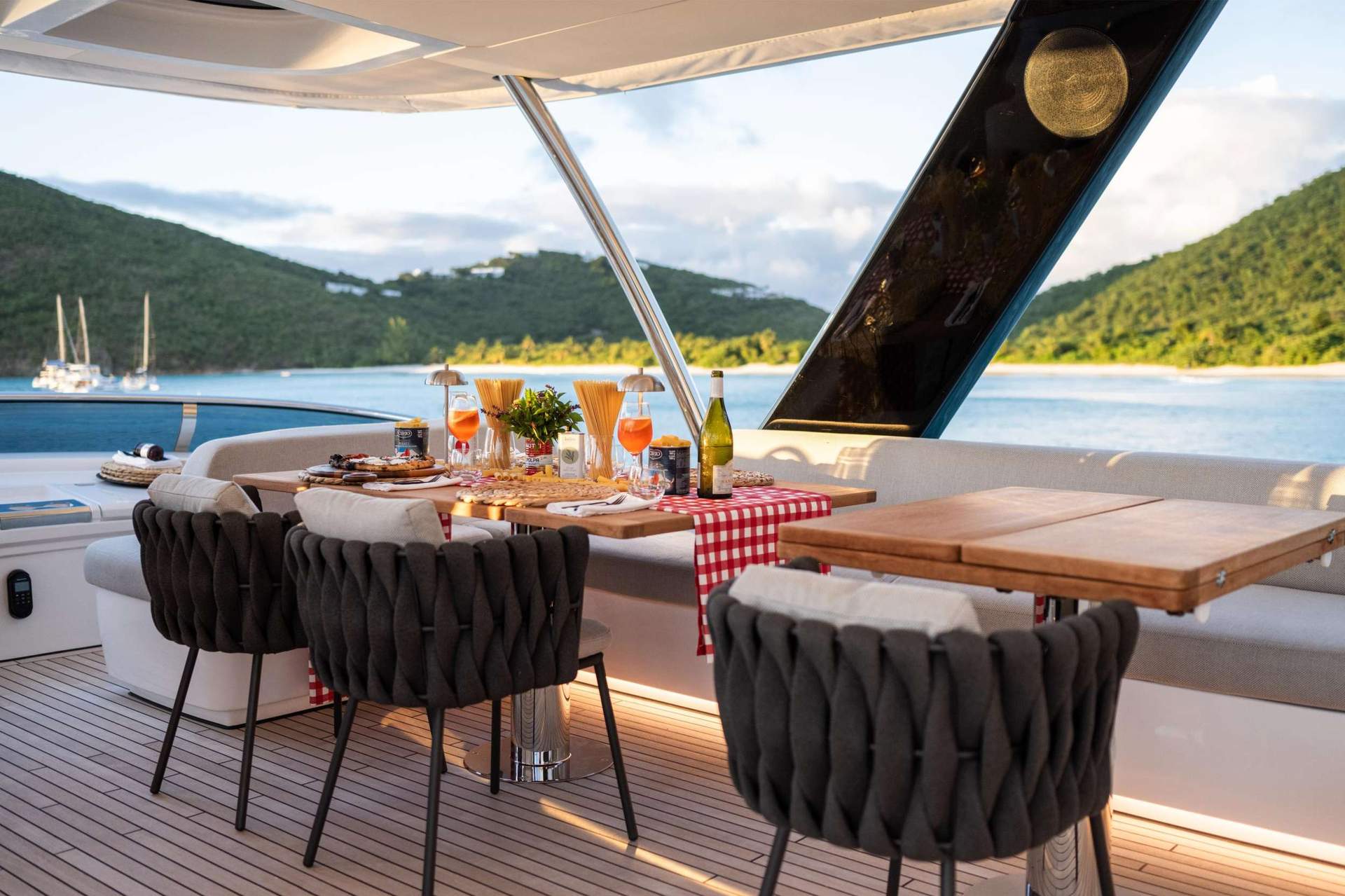
Madruga: telesilla al Monte Solaro a las 8:00, antes de que haya atracado el primer ferry de Sorrento. La silla sube de Anacapri al punto más alto de la isla en doce minutos, y desde la cumbre puedes ver toda la Costa Amalfitana extendida al sur y la bahía de Nápoles al norte. Para las 9:30, cuando llegan los barcos de día, ya estás de vuelta en Anacapri tomando un espresso y paseando por la Villa San Michele, la villa y jardín de Axel Munthe, construida sobre las ruinas de una de las capillas de Tiberio en 1896.
A media mañana, la lancha te deja de vuelta en el barco, donde el capitán ha fondeado en Marina Piccola en 6 a 10 metros sobre arena. El almuerzo es a bordo, al ancla. En un yate a motor de más de 35 metros, el servicio de almuerzo es el montaje formal: el menú degustación del chef, una botella de la bodega de Capri, la plataforma de baño bajada tras el café. La Marina Piccola de Capri es famosa por ser el ángulo de postal de los Faraglioni: la larga y perezosa tarde al ancla bajo las rocas es la razón misma de estar en un yate aquí.
La tarde es para la Gruta Azul, si las condiciones lo permiten: una bajada en lancha en la boca de la cueva, en el lado noroeste de la isla, y una de las barcas de remos de madera de la gruta a través de la abertura de 80 centímetros. 18 € por persona, pagaderos en efectivo a los remeros, cerrada cuando hay oleaje. A última hora de la tarde, los barcos de día se han ido y la isla se serena. La cena la decides tú: Da Paolino bajo el emparrado de limoneros al pie del Monte Solaro (reservado con semanas de antelación en temporada alta), Mammà junto a la Piazzetta, o de vuelta al barco para una velada al ancla con los Faraglioni enmarcando la bañera.
Day Highlights
Día 5 de 7 · Capri → Positano
Un corto salto de 5 millas náuticas al este te lleva de Capri a Nerano. El capitán fondea mar adentro frente a Marina del Cantone en 8 a 15 metros de arena, y Lo Scoglio opera su propia lancha de madera desde los yates fondeados hasta su terraza al pie del pueblo. El pedido está fijado: spaghetti alla Nerano, pescado de barco de día a la parrilla, un Greco di Tufo de la bodega. Para agosto la bahía es un aparcamiento de yates a motor de 30 metros al mediodía; el conserje guarda la mesa con meses de antelación.
Tras el almuerzo, la plataforma de baño está abierta en la bahía de Recommone, justo al este de la playa principal, resguardada del tráfico de barcos y más tranquila que la propia Marina del Cantone. A media tarde, el capitán reposiciona para la travesía de 8 millas náuticas al este por la costa hasta Positano. La aproximación es el ángulo de Positano que la mayoría de las fotos de este pueblo no pueden captar desde tierra: el apilamiento de casas pastel cayendo en cascada hasta la Spiaggia Grande, la cúpula de Santa Maria Assunta con su azulejo de mayólica atrapando el sol de última hora.
Positano no tiene marina: los yates de hasta 50 metros cogen una boya a 300 o 400 metros de la costa en el campo de fondeo gestionado por la cooperativa y llevan a los huéspedes en lancha hasta el embarcadero de madera de la Spiaggia Grande. La cena esta noche es en tierra: La Sponda en Le Sirenuse por la sala con una estrella Michelin y su terraza de limoneros y velas, o Zass en Il San Pietro, a un paseo en lancha al este de Positano, con su propio muelle privado a nivel del mar y un ascensor en el acantilado hasta el comedor. De vuelta a bordo en la boya hacia las 23:00, con las luces de Positano apiladas sobre la bañera.
Day Highlights
Día 6 de 7 · Positano → Amalfi
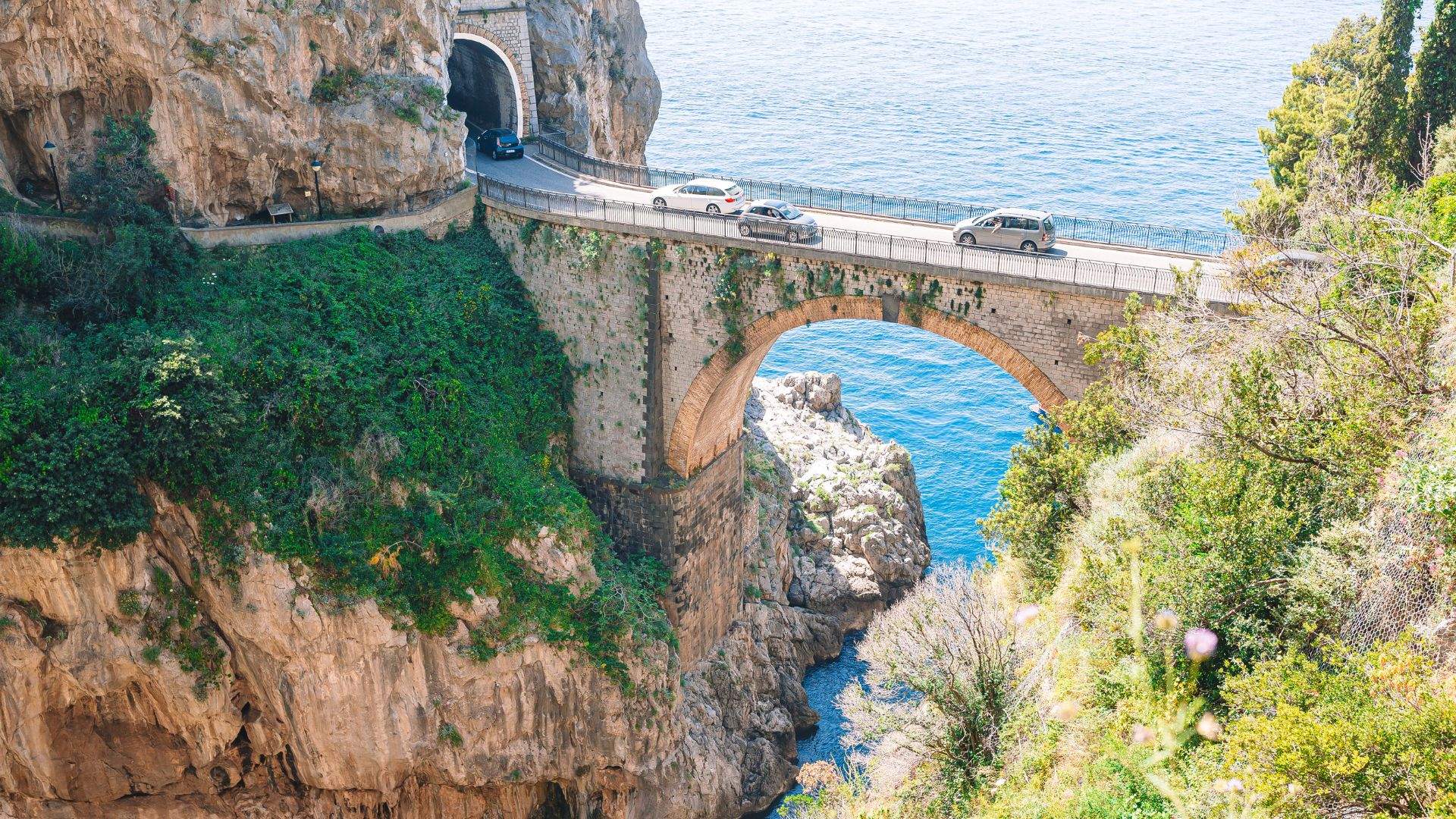
La travesía más corta de la semana: un tramo de 6 millas náuticas al este por la costa de Positano a Amalfi, con dos paradas por el camino que los itinerarios de ida y vuelta se saltan. Primera parada, a media mañana: el Fiordo di Furore, una cala de guijarros de 25 metros bajo el puente de piedra arqueado de la SS163. El yate nodriza se mantiene a distancia, la lancha se enhebra bajo el puente para un baño y unas fotos. Veinte minutos, no un almuerzo: no hay muelle ni taberna en Furore, solo la hendidura bajo el arco. El propio puente se fotografía tanto como cualquier otra cosa de esta costa.
Segunda parada, a última hora de la mañana: Conca dei Marini y la Gruta Esmeralda. El yate fondea en la bahía; la lancha lleva a los huéspedes a la taquilla flotante en la boca de la cueva, donde una de las pequeñas barcas de remos de madera de la gruta te lleva por la abertura de 80 centímetros de la cueva, la única forma de entrar, ya que no cabe ni una lancha ni un barco más grande. 10 € por persona, en efectivo. La luz interior de la gruta es del mismo color esmeralda que el azul de la Gruta Azul, generada por el mismo efecto: luz solar refractada a través de una abertura sumergida. El horario es aproximadamente de 09:00 a 15:00 a diario, cerrada cuando hay mar.
Llegada a media tarde al pueblo de Amalfi. Marina Coppola, en el puerto, admite yates de hasta 35 metros en 8 a 11 metros de agua: resguardada, a diez minutos a pie de la catedral de Sant'Andrea. Los yates de más de 35 metros fondean mar adentro y llegan en lancha. Excursión de media jornada a Ravello en tierra si tu grupo aún no la ha hecho: lancha al embarcadero de Pennello, veinte minutos con chófer privado por las curvas de la SS373, una hora en el Belvedere del Infinito de Villa Cimbrone, y de vuelta para un almuerzo a las 13:00 a bordo. Cena en tierra: Eolo, en el paseo marítimo de Amalfi, por la vista al puerto, o Rossellinis del Palazzo Avino, de nuevo arriba en Ravello, por la sala con una estrella Michelin y su terraza sobre el acantilado.
Day Highlights
Día 7 de 7 · Amalfi → Salerno
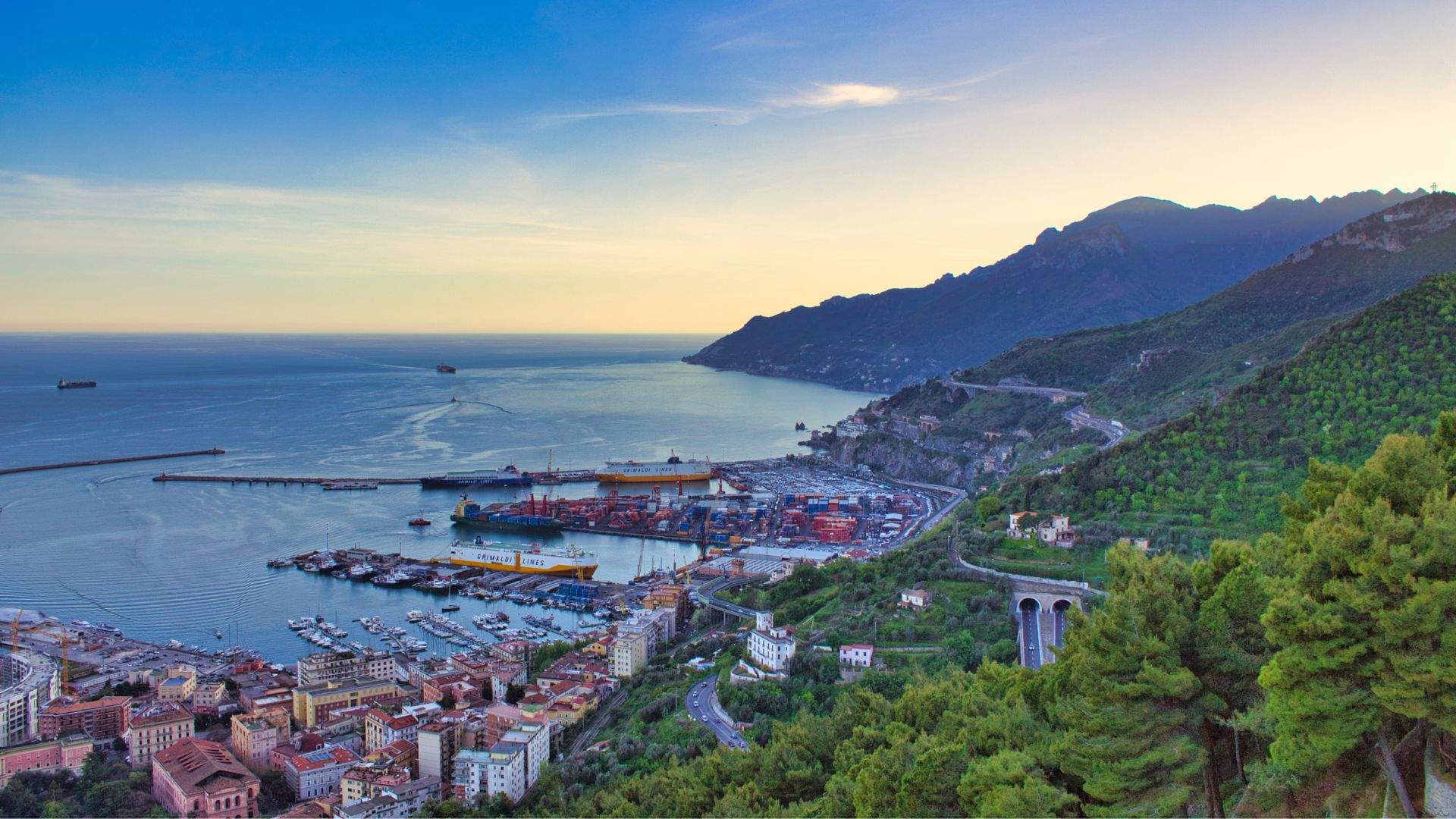
Un último desayuno pausado al ancla a la sombra de la catedral de Amalfi, un baño final desde la plataforma de baño si la mañana es lo bastante cálida, y el capitán larga amarras para la travesía de 12 a 15 millas náuticas al este por la costa de Amalfi a Salerno. La ruta es uno de los tramos más subestimados de esta zona de yates: los acantilados de Conca dei Marini y Praiano quedan atrás, la costa de Maiori y Vietri sul Mare se abre a babor, y el golfo de Salerno se ensancha hacia la larga curva de la Costa del Cilento en el horizonte sur.
La mayoría de las semanas, el capitán cubre este tramo durante el almuerzo a bordo: el plato de despedida del chef, una última copa de lo mejor de la bodega, y el espigón de Marina d'Arechi enfocándose para cuando se retira el postre. La marina admite yates de hasta 100 metros en 8 metros de agua en el muelle: la base de yates más al sur de la región de la bahía de Nápoles y la única del lado amalfitano que cuenta con infraestructura completa para superyates.
Desembarco a media tarde. La tripulación tiene el traslado organizado: directo a NAP para los huéspedes que vuelan ese mismo día (50-60 minutos en coche por la A3), o a la estación de Stadio Arechi de Salerno para el Frecciarossa directo a la Termini de Roma en tan solo 1 hora y 26 minutos. Muchos grupos organizan el día posterior al viaje en yate de forma distinta a como lo harían en un ida y vuelta desde Nápoles: continuación a Pompeya vía Nápoles, una extensión al sur por la Costa del Cilento, o una noche de Capri-Amalfi-Pompeya en Sorrento antes de volar a casa. Tu capitán y tu chef bajarán del barco ya hablando de cuándo vuelves, que suele ser como terminan los buenos.
Day Highlights
Want to share or come back to this voyage later?
Bookmark this voyage →Itinerario con tripulación · Costa Amalfitana
Para la tercera noche, la hora ha dejado de importar. Esta mañana amaneciste bajo los Faraglioni. El almuerzo fueron dos horas en una terraza privada a la que solo se llega en lancha, el tipo de trattoria que no acepta reserva de nadie que el capitán no conozca ya. Para cuando fondeaste frente a Positano, los ferris de cruceros habían despejado la bahía y el pueblo se iluminaba sobre la bañera, con las campanas de la iglesia dando la hora en algún punto del acantilado. Esta es la semana clásica de la Costa Amalfitana desde Nápoles: Procida e Ischia para el arranque, dos noches en Capri calculadas para despertar antes de que lleguen los excursionistas del día, el largo almuerzo en Lo Scoglio en Nerano, una velada en Positano, las escalinatas de la catedral de Amalfi, y Sorrento de camino a casa.
La mayoría de los huéspedes que reservan esta semana son primerizos en la Costa Amalfitana, parejas que hacen un viaje especial, o familias y grupos pequeños que eligen el itinerario que recorre todo lo imprescindible a un ritmo relajado. El viaje de ida y vuelta de 7 días suma unas 70 millas náuticas en total: saltos cortos, almuerzos largos y dos noches en Capri calculadas para despertar antes de que lleguen los excursionistas del día. Pensado en torno a un yate a motor de 24 a 50 metros con chef y tripulación completa; los catamaranes y los yates a motor más pequeños hacen la misma ruta. Embarque en Nápoles Mergellina o Marina di Stabia, ambos a menos de 30 minutos del aeropuerto de Nápoles Capodichino (NAP). La temporada alta va de Semana Santa a finales de octubre, con finales de mayo, junio y principios de septiembre como las mejores semanas del año.
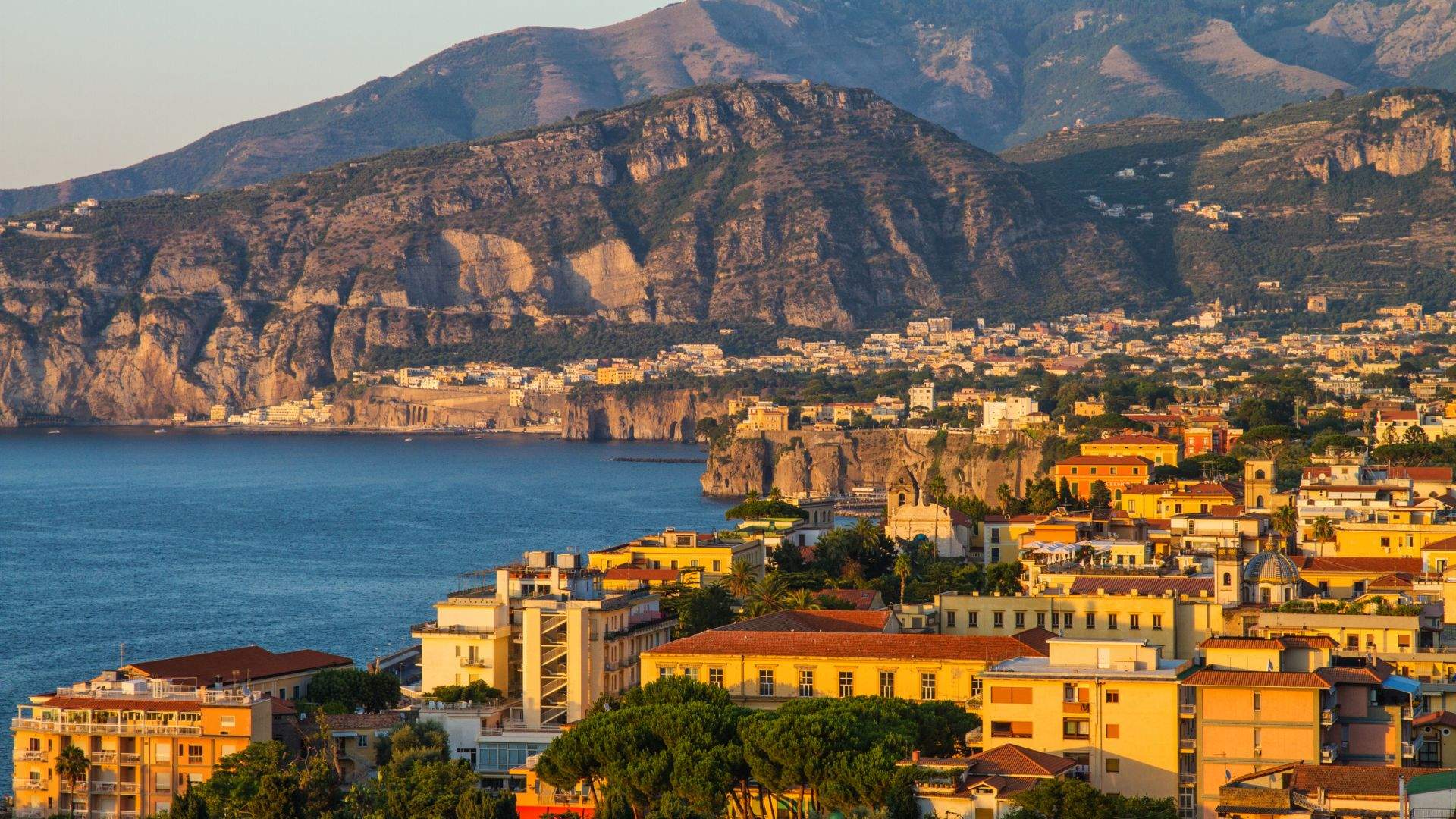
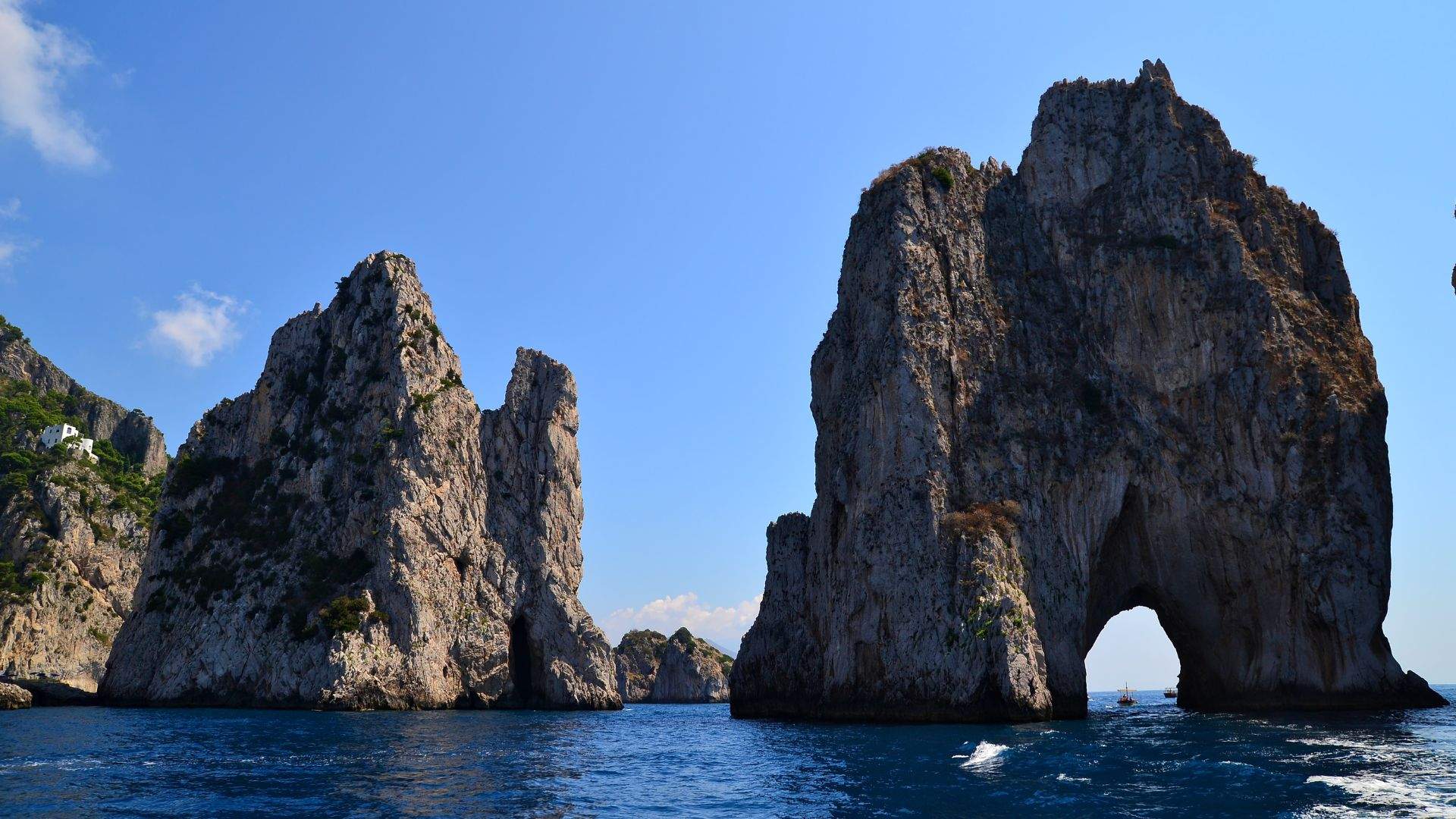
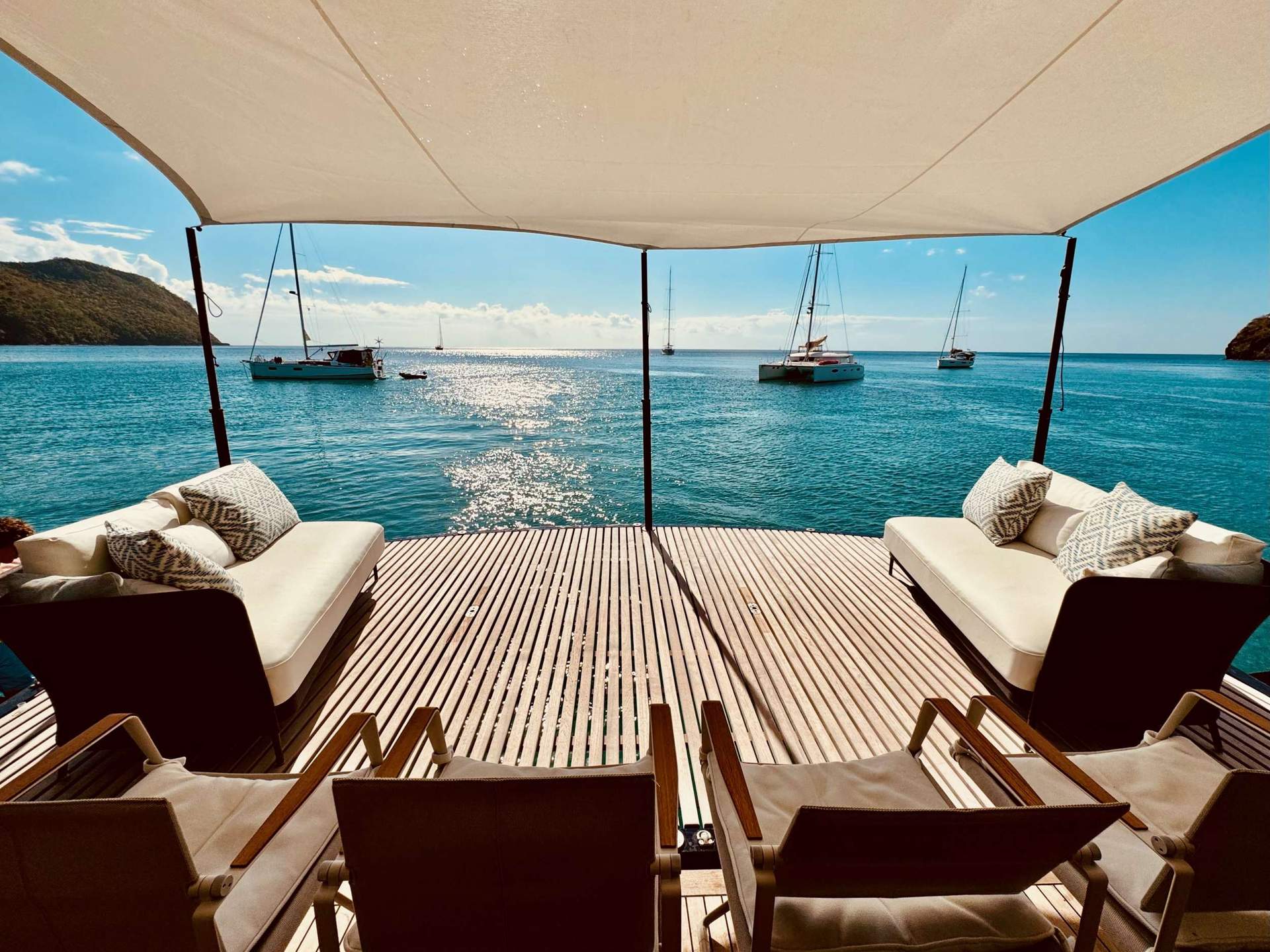
Esta es la semana de postal. Un largo almuerzo de apertura en la Marina Corricella de Procida, donde la flota pesquera todavía llega con la pesca del día. Una mañana de spa en las piscinas termales de Ischia, aterrazadas en la ladera volcánica del monte Epomeo. Dos noches en Capri: telesilla al Monte Solaro al amanecer, antes de que hayan atracado los ferris de Sorrento; la larga y perezosa tarde en Marina Piccola bajo los Faraglioni; la Gruta Azul a última hora de la tarde, cuando los barcos públicos se han ido a casa. Luego el largo almuerzo en Lo Scoglio, en Nerano: spaghetti alla Nerano, pescado de barco de día a la parrilla, un Greco di Tufo bien frío. Positano iluminado sobre la bañera a medianoche. Las escalinatas de la catedral de Amalfi a la mañana siguiente. Media jornada subiendo por las curvas hasta Ravello, el Belvedere del Infinito, y almuerzo de vuelta a bordo. Sorrento de camino a casa.
Otras dos semanas amalfitanas concretas corren junto a esta. El viaje de ida y vuelta desde Salerno sale de Marina d'Arechi en un catamarán o yate de vela, con un Frecciarossa directo desde Roma que te deja a cinco minutos a pie del atraque. El trayecto solo ida de Nápoles a Salerno recorre con un yate a motor más grande la pared de acantilados hacia el este, sin volver sobre sus pasos, sumando dos paradas que los de ida y vuelta no pueden alcanzar: el Fiordo di Furore enclavado bajo el puente de la SS163, y la Gruta Esmeralda en Conca dei Marini. Los precios en esta costa parten de unos 40.000 USD por semana y escalan hasta bien entrado el territorio de los superyates.
Día 1 de 7 · Nápoles → Procida
La semana empieza en Mergellina. A diez minutos del aeropuerto, al abrigo del promontorio de Posillipo con la silueta del Castel dell'Ovo al otro lado de la bahía: la marina que has visto en cada fotografía de Nápoles jamás tomada. Tu tripulación te recibe en el atraque con bebidas frías y la sesión informativa sobre la carta. El chef termina el aprovisionamiento mientras un mayordomo acomoda tu equipaje en los camarotes y te enseña el barco. (Los yates más grandes, de más de 75 metros, embarcan en cambio en Marina di Stabia, veinticinco minutos al sur de NAP: la misma bienvenida, barco más grande).
A media mañana, el capitán larga amarras. Doce millas náuticas al suroeste cruzando la bahía de Nápoles hasta Procida, la más pequeña y subestimada de las islas de la bahía. La tarde es una tranquila travesía de rodaje: los acantilados de Posillipo cayendo por la popa, el paseo marítimo en tonos pastel de la Marina Corricella creciendo por la proa. Aire cálido, agua azul, la ciudad ya desaparecida. El tipo de tramo de apertura que reinicia tu sistema nervioso en la primera hora.
Procida no tiene nada de la intensidad de Capri ni del trasiego de spa de Ischia. La flota pesquera todavía llega aquí al anochecer. Las casas amarillas y pastel aparecen en cada postal del cine italiano de los años cincuenta. El capitán fondea en Marina di Chiaiolella, la bahía protegida del lado suroeste de la isla, y la plataforma de baño sale del espejo de popa. Tu primera cena es a bordo, al ancla: el plato de bienvenida del chef, un blanco de Campania de las laderas bajas del Vesubio, y las luces de la Marina Corricella al otro lado del agua mientras el puerto se serena.
Day Highlights
Día 2 de 7 · Procida → Ischia
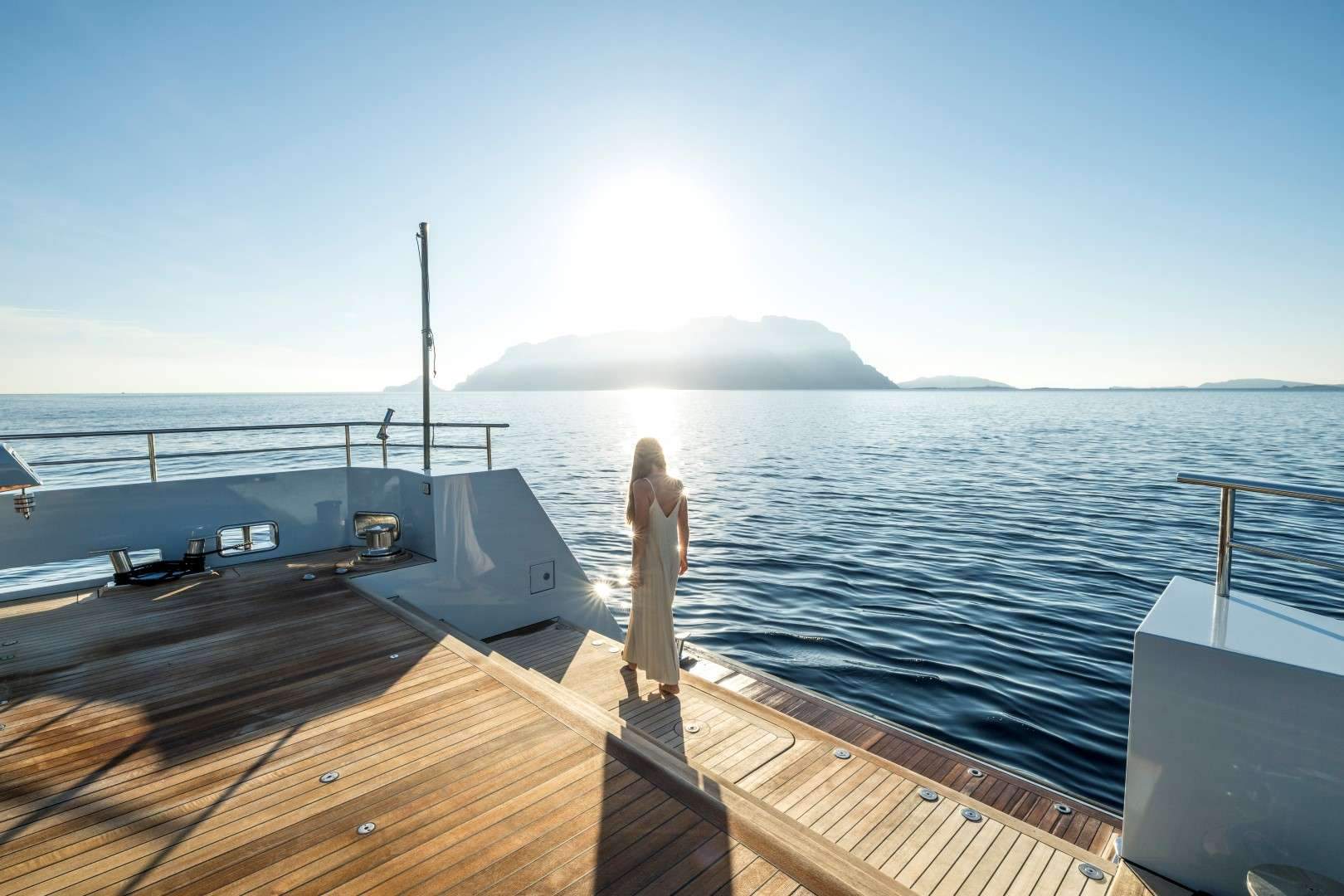
Un corto salto de 5 a 7 millas náuticas te lleva de Procida a Ischia, la mayor de las islas de la bahía de Nápoles y la que tiene la historia más larga de ser visitada específicamente por sus aguas. Las aguas termales que brotan de las laderas volcánicas del monte Epomeo llevan dos mil años atrayendo a Ischia a romanos, borbones y directores de cine del siglo XX, y la cultura del spa sigue siendo la carta de presentación de la isla. La elección de fondeadero de tu capitán da forma al día: Casamicciola por su bahía mejor protegida y el acceso más fácil en lancha al complejo termal de Negombo, o Forio en la costa oeste por el sol de última hora de la tarde y la vista de vuelta hacia Procida al otro lado de la bahía.
Si tu grupo quiere la mañana de spa, lo habitual es una reserva privada en Negombo o en los Jardines Poseidón: a ambos se llega a pie desde la lancha, ambos tienen una docena de piscinas a distintas temperaturas aterrazadas en la ladera, y ambos están abiertos hasta octubre. Si prefieres quedarte en el barco, el equipo de snorkel sale de la plataforma de baño y el chef monta un largo almuerzo en la cubierta de popa con la costa desfilando. El agua en mayo, junio y septiembre ronda los 21-23 °C; para mediados de julio se acerca a los 27 °C.
A última hora de la tarde, el capitán reposiciona hacia el Castello Aragonese, la fortaleza medieval que se asienta en su propio islote frente a la costa este de Ischia, unido a la isla principal por una calzada de piedra. Ha estado habitado de forma continua durante 2.500 años, fortificado en su forma actual bajo los aragoneses en el siglo XV, y es el referente visual que la mayoría de los clientes de yates se llevan de Ischia. La cena es a bordo, al ancla, con la silueta del Castello por la proa mientras se encienden las luces a lo largo de la calzada.
Day Highlights
Día 3 de 7 · Ischia → Capri
Hoy es la travesía más larga de la semana: un cruce en mar abierto de 18 millas náuticas al sur desde Ischia hasta Capri, atravesando las Bocche di Capri, el ancho canal que separa la bahía de Nápoles del lado amalfitano. Tu capitán lo planifica en torno al parte de la mañana. Con el tiempo estable de junio y septiembre es una travesía suave de dos horas; en los meses de temporada media, con tiempo de cola, el cruce se calcula según la dirección de la brisa. En cualquier caso es la única pieza significativa de mar abierto de la semana, y la mayoría de las semanas transcurre durante un desayuno tardío en la cubierta de popa.
Capri aparece por la proa como una única pared escarpada de caliza, y luego se resuelve en los dos puertos a ambos lados de la isla: Marina Grande en la costa norte (el puerto de trabajo y la única marina que admite amarres de popa para pasar la noche hasta 60 metros) y Marina Piccola en el lado sur, bajo las rocas Faraglioni (un fondeadero de fondo de arena en 6 a 10 metros, resguardado solo del norte). La elección de tu capitán depende del tamaño del yate, el tiempo y cómo se organice la mañana siguiente. En cualquier caso, las fotos que todos quieren llegan a la entrada: el capitán mantiene posición frente a los Faraglioni durante diez minutos mientras la lancha rodea para los ángulos, y el famoso paso bajo el arco entre las dos rocas del Faraglione di Mezzo solo ocurre cuando el mar está lo bastante plano.
La estrategia para Capri empieza ahora. Los ferris de excursionistas del día desde Nápoles y Sorrento atracan entre las 9:30 y las 11:00 de la mañana y se van entre las 16:00 y las 18:00. El plan de tu capitán es estar en el puerto a media tarde, dejarte en tierra para un paseo tranquilo en funicular hasta la Piazzetta hacia las 17:00, una vez que la multitud de cruceros se ha aligerado, cenar en Mammà junto a la Piazzetta o en L'Olivo, arriba en Anacapri (la única sala con dos estrellas Michelin de la isla, reservada con semanas de antelación), y de vuelta a bordo para una noche tranquila en el muelle de Marina Grande o al ancla en Marina Piccola.
Day Highlights
Día 4 de 7 · Capri, día completo
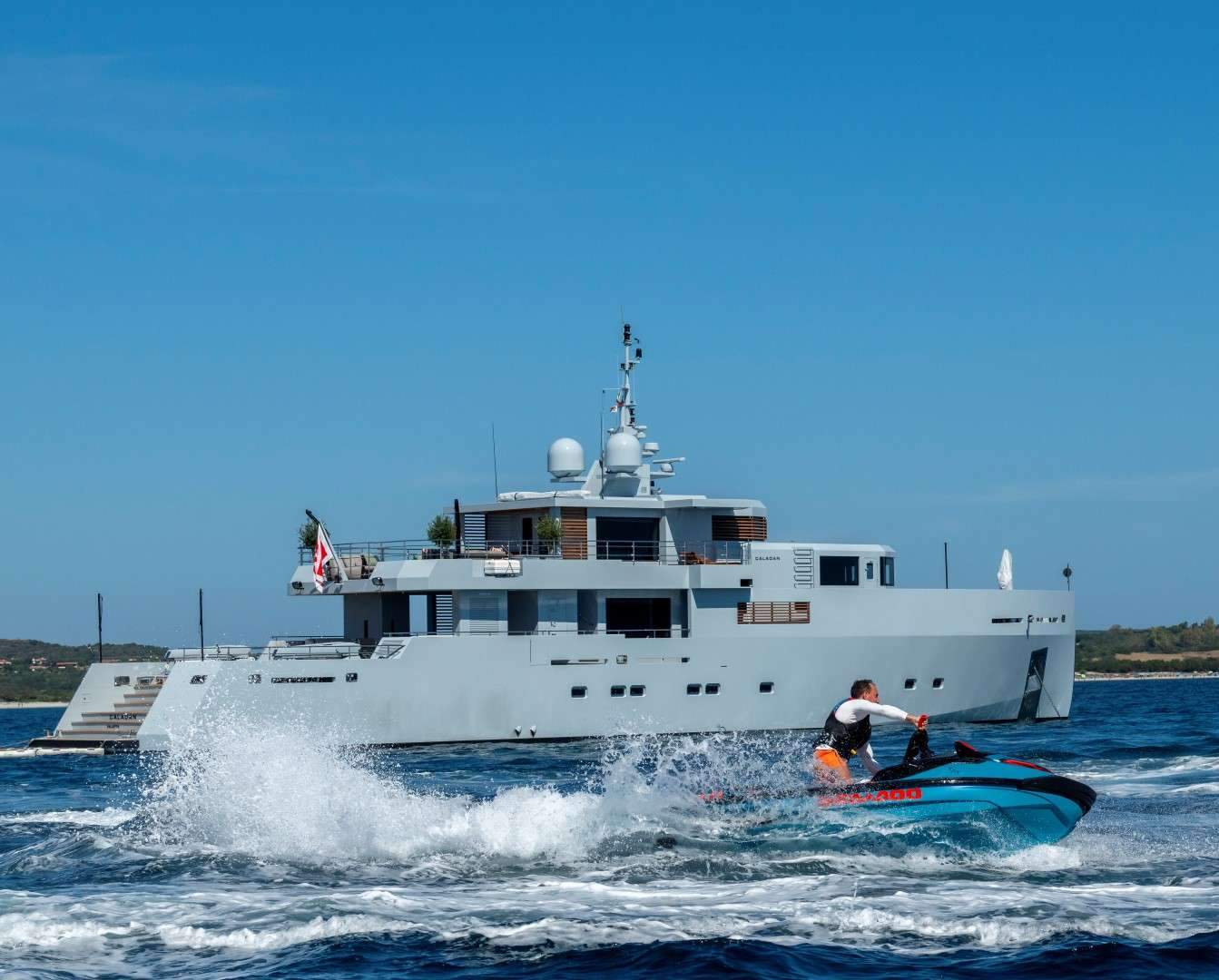
La fama de Capri de estar abarrotada viene de los excursionistas del día, y el yate es el truco para esquivarlos. Lo habitual esta mañana es madrugar: telesilla al Monte Solaro a las 8:00, antes de que haya atracado el primer ferry de Sorrento. La silla sube de Anacapri al punto más alto de la isla en doce minutos, y desde la cumbre puedes ver toda la Costa Amalfitana extendida al sur y la bahía de Nápoles al norte. Para las 9:30, cuando llegan los barcos de día, ya estás de vuelta en Anacapri tomando un espresso y paseando por la Villa San Michele, la villa y jardín de Axel Munthe, construida sobre las ruinas de una de las capillas de Tiberio en 1896, con el claustro abierto hasta octubre.
A media mañana, la lancha te deja de vuelta en Marina Piccola, donde el capitán ha fondeado en 6 a 10 metros sobre arena. El almuerzo es a bordo, al ancla: los spaghetti alle vongole del chef o la pesca del día del mercado de Capri a la parrilla en la plancha de la cubierta de popa. La pasta junto al agua en Italia no es un cliché, es lo correcto. Tras el almuerzo, la plataforma de baño está abierta: snorkel por la base del acantilado, o deja que el capitán acerque la lancha a la Grotta Verde y a las cuevas marinas más pequeñas del lado sur que los barcos de excursionistas no alcanzan.
La tarde es para la Gruta Azul, si las condiciones lo permiten: una bajada en lancha en la boca de la cueva, en el lado noroeste de la isla, y una de las barcas de remos de madera de la gruta a través de la abertura de 80 centímetros. 18 € por persona, pagaderos en efectivo a los remeros, cerrada cuando hay oleaje. A última hora de la tarde, los barcos de día se han ido y la isla se serena. La cena la decides tú: Da Paolino bajo el emparrado de limoneros al pie del Monte Solaro (reservado con semanas de antelación en temporada alta), Mammà junto a la Piazzetta, o de vuelta al barco para una velada al ancla con los Faraglioni enmarcando la bañera.
Day Highlights
Día 5 de 7 · Capri → Positano
Un corto salto de 5 millas náuticas al este te lleva de Capri a Nerano, la bahía enclavada tras la punta de la península de Sorrento y la capital del almuerzo de esta costa. El capitán fondea mar adentro en 8 a 15 metros de arena, y Lo Scoglio opera su propia lancha de madera desde los yates fondeados hasta su terraza al pie del pueblo, el mismo barco que hizo famoso Stanley Tucci en "Searching for Italy". El pedido está grabado en piedra: spaghetti alla Nerano (inventados en Maria Grazia, más abajo en la playa, pero la versión de Lo Scoglio es la que hace volver a la gente), pescado de barco de día a la parrilla, un Greco di Tufo de la bodega. Reservado con semanas de antelación en verano; el conserje guarda la mesa.
Tras el almuerzo, la plataforma de baño está abierta en la bahía de Recommone, justo al este de la playa principal, resguardada del tráfico de barcos y más tranquila que la propia Marina del Cantone. A media tarde, el capitán reposiciona para la travesía de 8 millas náuticas al este por la costa hasta Positano. La aproximación es el ángulo de Positano que la mayoría de las fotos de este pueblo no pueden captar desde tierra: el apilamiento de casas pastel cayendo en cascada hasta la Spiaggia Grande, la cúpula de Santa Maria Assunta con su azulejo de mayólica atrapando el sol de última hora, los acantilados cayendo en vertical a aguas lo bastante profundas como para que los yates cojan una boya en el campo de fondeo mar adentro que mantiene la cooperativa local.
Positano no tiene marina: los yates de hasta 50 metros cogen una boya a 300 o 400 metros de la costa y llevan a los huéspedes en lancha hasta el embarcadero de madera de la Spiaggia Grande. El capitán se coordina con la cooperativa a la llegada; las reservas importan en temporada alta. La cena esta noche es en tierra: La Sponda en Le Sirenuse por la sala con una estrella Michelin y su terraza de limoneros y velas (las reservas se abren con 60 días de antelación a las 15:00 hora de Italia y se agotan en minutos), o Zass en Il San Pietro, a un paseo en lancha al este de Positano, con su propio muelle privado a nivel del mar y un ascensor en el acantilado hasta el comedor. De vuelta a bordo en la boya hacia las 23:00, con las luces de Positano apiladas sobre la bañera.
Day Highlights
Día 6 de 7 · Positano → Amalfi → Ravello
El día más corto de la semana: una travesía de 5 a 6 millas náuticas al este por la costa, de Positano al pueblo de Amalfi. El tempo del capitán es lento a propósito. Salida a media mañana con los acantilados de Praiano y el puente de piedra arqueado sobre el Fiordo di Furore a estribor, y una posible parada de baño en la cala al este de Praiano si la mañana está tranquila. Marina Coppola, en Amalfi, admite yates de hasta 35 metros en 8 a 11 metros de agua: el amarre más resguardado de este tramo de costa, a diez minutos a pie de la catedral de Sant'Andrea, en lo alto de la plaza principal del pueblo.
Amalfi fue una república marítima en el siglo IX, a la par de Venecia, Pisa y Génova, con su propia moneda y red comercial por todo el Mediterráneo. La catedral, dedicada a San Andrés Apóstol (hermano de Pedro, uno de los doce), se alza en lo alto de 62 escalones de piedra sobre la plaza principal. Las reliquias se trajeron de Constantinopla en 1206 tras la Cuarta Cruzada y desde entonces están en la cripta, bajo el altar de la urna de plata. La fachada que ves ahora es una reconstrucción normando-árabe-bizantina de finales del siglo XIX; la catedral en sí tiene raíces en los siglos IX y X.
Ravello se asienta siete kilómetros acantilado arriba sobre Amalfi, a unos veinte minutos con chófer privado por las curvas de la SS373. Excursión de media jornada: lancha al embarcadero de Pennello a las 9:30, chófer por las revueltas, una hora en los jardines de Villa Rufolo (la villa de Wagner y Klingsor donde el Festival de Ravello se celebra cada verano desde 1953), y luego un corto paseo hasta Villa Cimbrone para el Belvedere del Infinito, la terraza al borde del acantilado bordeada de bustos de mármol que aparece en cada fotografía de Amalfi jamás tomada. Café en la Piazza Duomo, de vuelta al yate para un almuerzo a las 13:00, baño por la tarde, y cena en tierra en Eolo, en el paseo marítimo de Amalfi, o en Rossellinis del Palazzo Avino, de nuevo arriba en Ravello (una estrella Michelin), para los grupos que quieran alargar la velada en lo alto.
Day Highlights
Día 7 de 7 · Amalfi → Nápoles
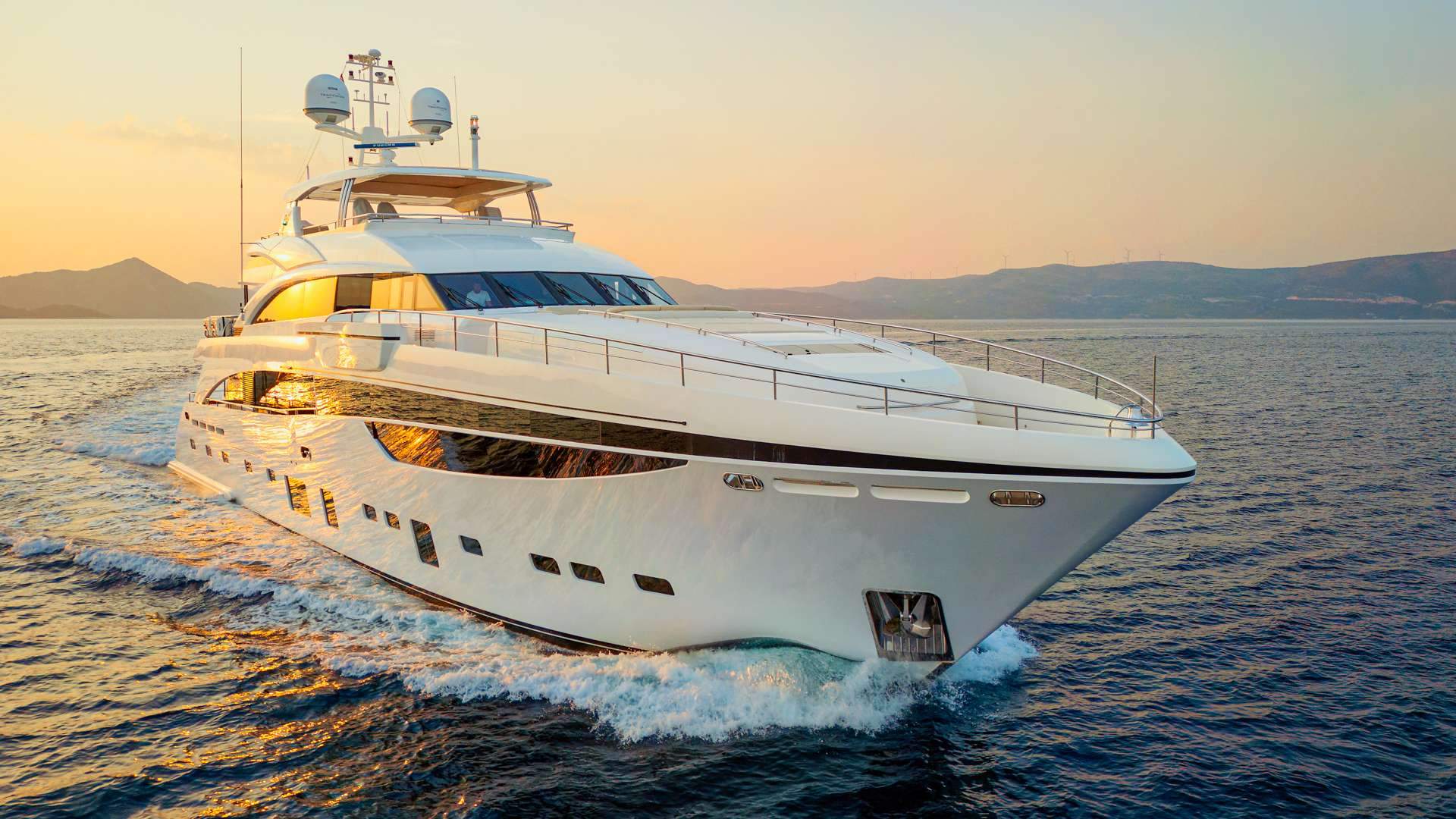
Un último desayuno pausado en cubierta a la sombra de la catedral de Amalfi, un baño final desde la plataforma de baño si la mañana es lo bastante cálida, y el capitán larga amarras para la travesía de 13 millas náuticas al oeste hasta Sorrento. La ruta abraza la costa, dejando la bahía de Salerno por la popa y los acantilados de Praiano y Conca dei Marini por la proa. La Marina Piccola de Sorrento se comparte con el muelle del ferry público; tu lancha te deja en el muelle de embarcaciones pequeñas y un paseo de cinco minutos cuesta arriba te pone en el casco antiguo para un último espresso al borde del acantilado en la terraza del Foreigners' Club.
Desde Sorrento es un cruce de 14 millas náuticas de vuelta por la bahía de Nápoles hasta Mergellina, con el Vesubio creciendo por la proa y el promontorio de Posillipo a estribor. La mayoría de las semanas, el capitán cubre este tramo durante el almuerzo a bordo: el plato de despedida del chef, una última copa de lo mejor de la bodega, y la silueta del Castel dell'Ovo enfocándose para cuando se retira el postre.
Desembarco en Mergellina a media tarde. La tripulación tiene el traslado organizado: directo a NAP para los huéspedes que vuelan ese mismo día, o a un hotel en Nápoles o de continuación a Roma con el Frecciarossa desde Napoli Centrale (poco más de una hora hasta Roma Termini). Las ruinas de Pompeya están a 30 minutos en coche de Mergellina si tu vuelo no sale hasta la tarde; muchos grupos hacen de Pompeya el día posterior al viaje en lugar del anterior. Tu capitán y tu chef bajarán del barco ya hablando de cuándo vuelves, que suele ser como terminan los buenos.
Day Highlights
Want to share or come back to this voyage later?
Bookmark this voyage →
When to go, what it costs, and how to get there — the practical answers guests ask before booking a Italy crewed yacht charter.
Julio y agosto concentran el mayor volumen de reservas de la temporada de yates en el Mediterráneo italiano. Las temperaturas diurnas rondan los 32 °C, el agua alcanza su pico en torno a los 26 °C, y el itinerario está en su momento más concurrido desde el Ferragosto (15 de agosto) hasta finales de mes, cuando el tráfico europeo de yates alcanza su máximo y los restaurantes de Capri, la Costa Smeralda y Cinque Terre se reservan con semanas de antelación. Los mejores yates y tripulaciones se contratan con nueve a doce meses de adelanto para estas semanas, y las tarifas son entre un veinticinco y un cuarenta por ciento superiores a las de temporada media. El Festival de Cannes (mediados de mayo) y el Gran Premio de Mónaco (finales de mayo) bloquean la flota de la Riviera italiana con más de 12 meses de antelación en esas ventanas concretas.
Junio y septiembre ofrecen el mejor equilibrio del año. Los vientos alisios son constantes, el agua ronda los 24 °C y se mantiene agradable para el baño hasta principios de octubre, los restaurantes del puerto tienen mesa y las tarifas bajan entre un veinte y un treinta por ciento respecto a la temporada alta. La mayoría de los navegantes habituales del Mediterráneo occidental reservan uno de estos dos meses — junio por la claridad del comienzo de temporada antes del calor de agosto, septiembre por las bahías vacías tras el inicio del curso escolar europeo. Finales de mayo y principios de octubre son opciones válidas para quienes tienen flexibilidad de calendario: agua algo más fresca, tarifas más bajas y algo más de lluvia. La temporada de viajes en yate abarca de mayo a octubre aproximadamente; de noviembre a abril es temporada baja — la mayoría de los yates cruzan el Atlántico para la temporada en el Caribe o se trasladan a astilleros de reacondicionamiento en Génova, La Ciotat o Mallorca.
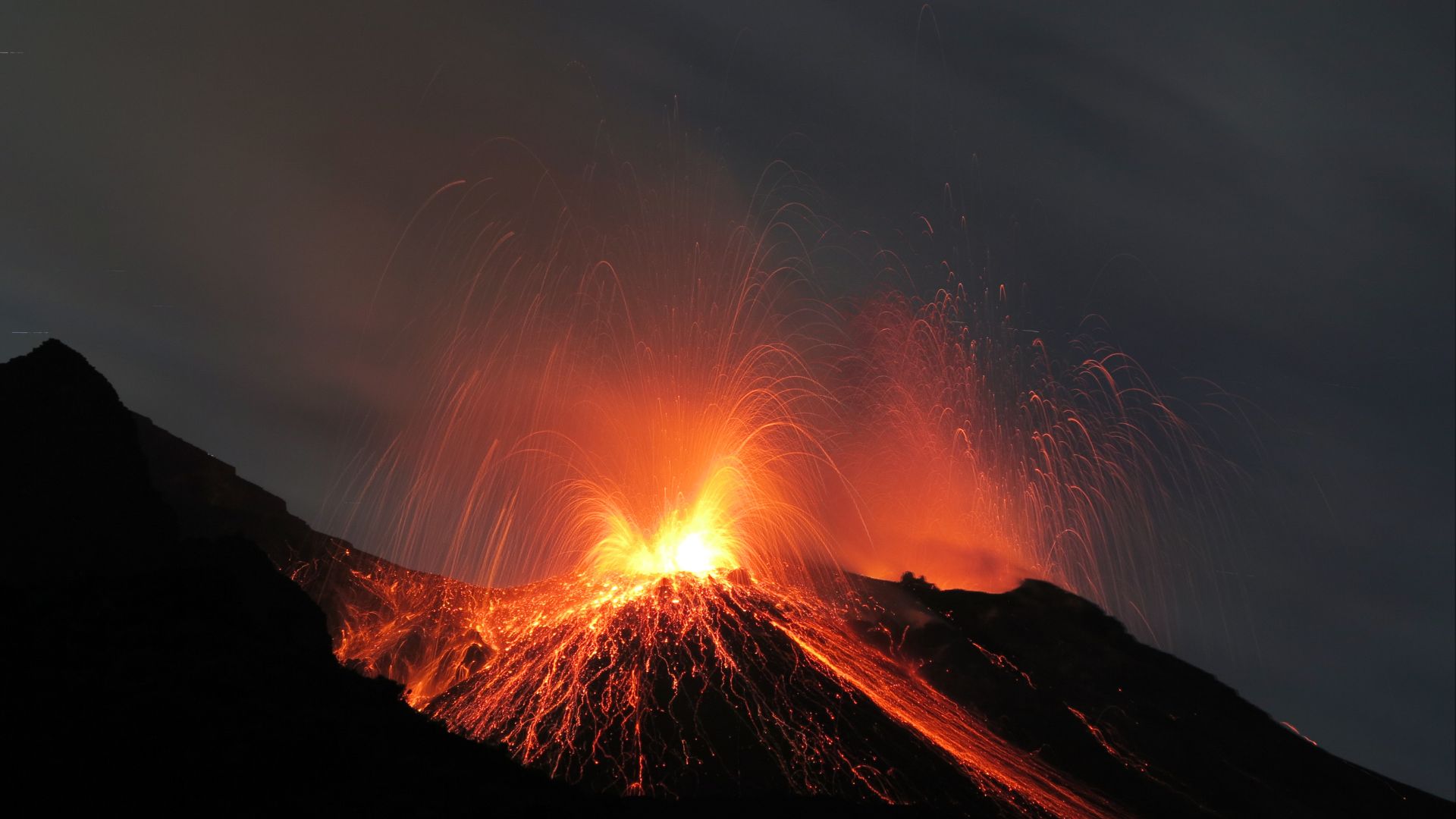
$30,000–$200,000 per week
Los yates con tripulación en Italia tienen una tarifa de alquiler de yate que va desde los 30.000 hasta los 200.000 dólares o más por semana, según el itinerario, el tamaño del yate, el año de construcción y la tripulación. La Riviera italiana y Cerdeña-Córcega se sitúan en el tramo bajo del rango (catamaranes y yates a motor pequeños o medianos); el inventario de superyates de Capri, Positano y la Costa Smeralda empuja el extremo alto muy por encima de los 150.000 dólares — un yate a motor de 50 metros en Capri en temporada alta puede superar los 250.000 dólares. Italia funciona con el modelo mediterráneo de tarifa base más gastos, distinto del todo incluido habitual en el Caribe. La tarifa de alquiler de yate cubre únicamente el yate y la tripulación. Alimentación, bebidas, combustible, amarre en puerto, tasas portuarias, agua y electricidad, y cualquier atraque premium (Marina Grande de Capri, Porto Cervo, el Puerto Viejo de Cannes) se pagan a través de una APA (Asignación Anticipada de Provisiones), pre-financiada al 30-35 % de la tarifa base y liquidada al final del viaje. Las propinas a la tripulación en el Mediterráneo son del 10 al 15 % — inferiores al 15-20 % del Caribe — y se entregan directamente al capitán en el desembarque. El IVA italiano para yates es del 22 % sobre la tarifa base (tipo estándar del país, vigente desde noviembre de 2020) y se añade en el momento de la reserva. Los viajes en yate son de sábado a sábado como norma general.
About chartering in Italy.
Field-tested guides, itineraries, and tips — written from years of chartering these waters.
We charter across the Western Mediterranean. Here are some other excellent alternatives.

Cliff-stacked villages and long lunches the tender reaches — the Italian summer the boat makes possible, anchored under the Faraglioni at sundowners and tied up in Amalfi by midnight.

Costa Smeralda granite coves and Bonifacio's white-cliff citadel six miles apart, the Strait between two islands cruised in a single afternoon — the Mediterranean the Italians and French keep mostly for themselves.

Stromboli erupting off the anchorage at Panarea, the Greek theatre at Taormina with Etna smoking behind, and the Cappella Palatina at Palermo's Norman Palace — the Mediterranean's only active-volcano cruising ground and the Italian week most guests book the second time they come.

Portofino's harbor amphitheater, the Cinque Terre's cliff villages, Portovenere's painted waterfront, and the Tuscan islands south to Elba and Argentario. The quieter Italian week for guests who want village character, harbor restaurants, and lower-density anchorages without Amalfi's August intensity.

Monaco's Port Hercule, Cap Ferrat's villa coast, Cannes and Antibes in the central corridor, and Saint-Tropez at the west end. The French Riviera is the western Mediterranean's maximum-glamour yacht week: shorter passages, premium dockage, Michelin density, and the visible harbor theater guests are usually booking on purpose.

Mallorca's mountain coast on one side, Ibiza and Formentera's clearer water and sand-bottomed coves on the other, and the yacht-only Cabrera National Park between them — three weekly itineraries from Palma or Ibiza Town.
Fill out our quick form and we'll dive into your unique preferences — from adventure-packed itineraries to pampered escapes. Whether you're a seasoned voyager or new to charters, we'll tailor recommendations just for you.
With over fifteen years of experience, we'll match you with the yacht that fits your style, group, and itinerary. We work directly with the captains and crews across our list — so the recommendation is built around the right boat-and-crew fit for your week, not whatever's easiest to book.
Once your yacht is booked, we'll take care of logistics: paperwork, reminders, and personalized resources to help you plan. From arrival planning to must-visit spots, we'll make your charter as seamless as it is unforgettable.

¿Qué esperar de un alquiler de yate privado con tripulación?
Conocé qué hace únicos a estos viajes en yate: servicio personalizado, gastronomía gourmet y un sinfín de aventuras y momentos de relax.

¿Cómo es el proceso de reserva?
Nuestro equipo se encarga de todo: desde tu primer consulta hasta que zarpás. Todo fluye de forma simple.

¿Cuánto cuesta un alquiler de yate con tripulación?
Entendé los distintos tipos de precios, lo que está incluido y lo que no.

Logística: planes probados para un inicio sin estrés
Planificá tu llegada con facilidad. Te damos tips sobre vuelos, traslados y todo lo necesario para arrancar relajado.
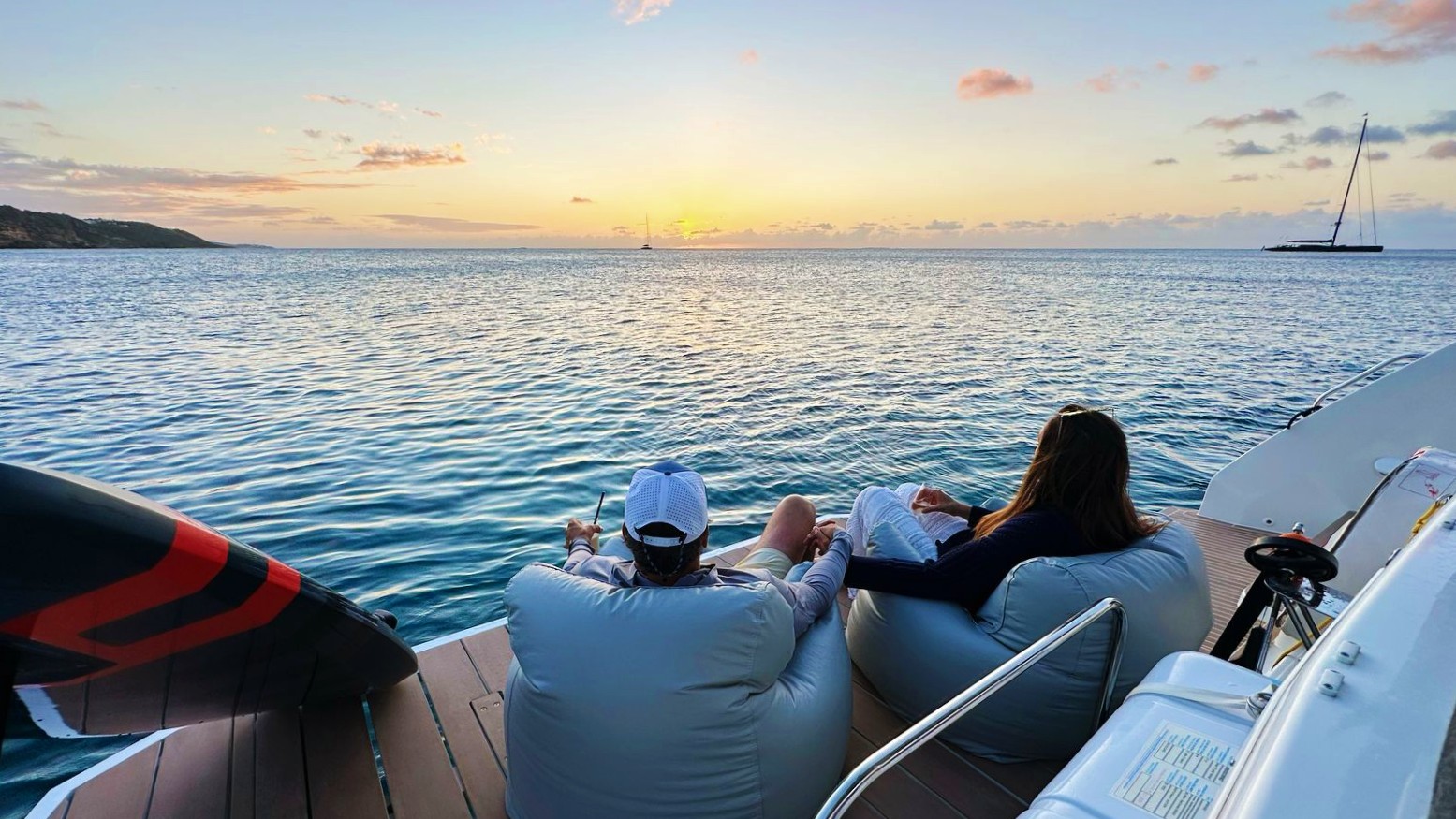
Alquiler de yate de luna de miel
Comience su matrimonio en un yate privado. Explore playas solitarias, gastronomía gourmet y atardeceres inolvidables en el Caribe.
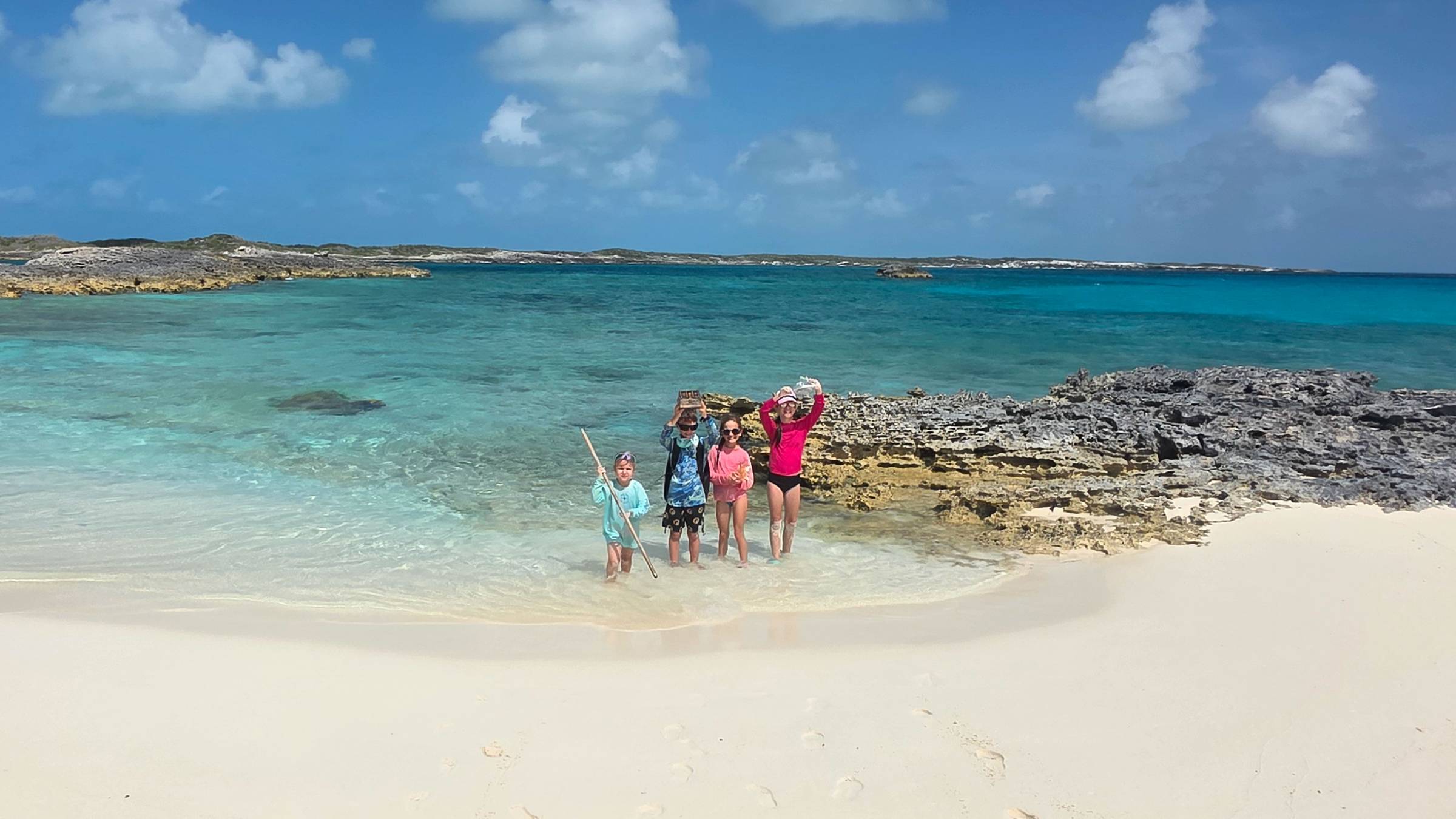
Alquiler de yate familiares
Un alquiler de yate con tripulación es perfecto para familias de todas las edades. Seguro, divertido y con servicio completo — sus hijos nunca lo olvidarán.

Preguntas frecuentes sobre alquileres de yate con tripulación
Obtenga respuestas a las preguntas más comunes sobre alquiler de yate con tripulación, desde precios y propinas hasta qué incluye y qué llevar.

Alquiler de yate con tripulación en las Islas Vírgenes Británicas
Las Islas Vírgenes Británicas son el destino #1 de alquiler de yate con tripulación en el Caribe. Navegaciones cortas, aguas protegidas y bahías de clase mundial.

Guía de Alquiler de Yate con Tripulación en Islas Vírgenes Británicas
Todo lo que necesitás saber antes de tu viaje en yate con tripulación en las Islas Vírgenes Británicas — precios, lista de equipaje, itinerario y cómo llegar.
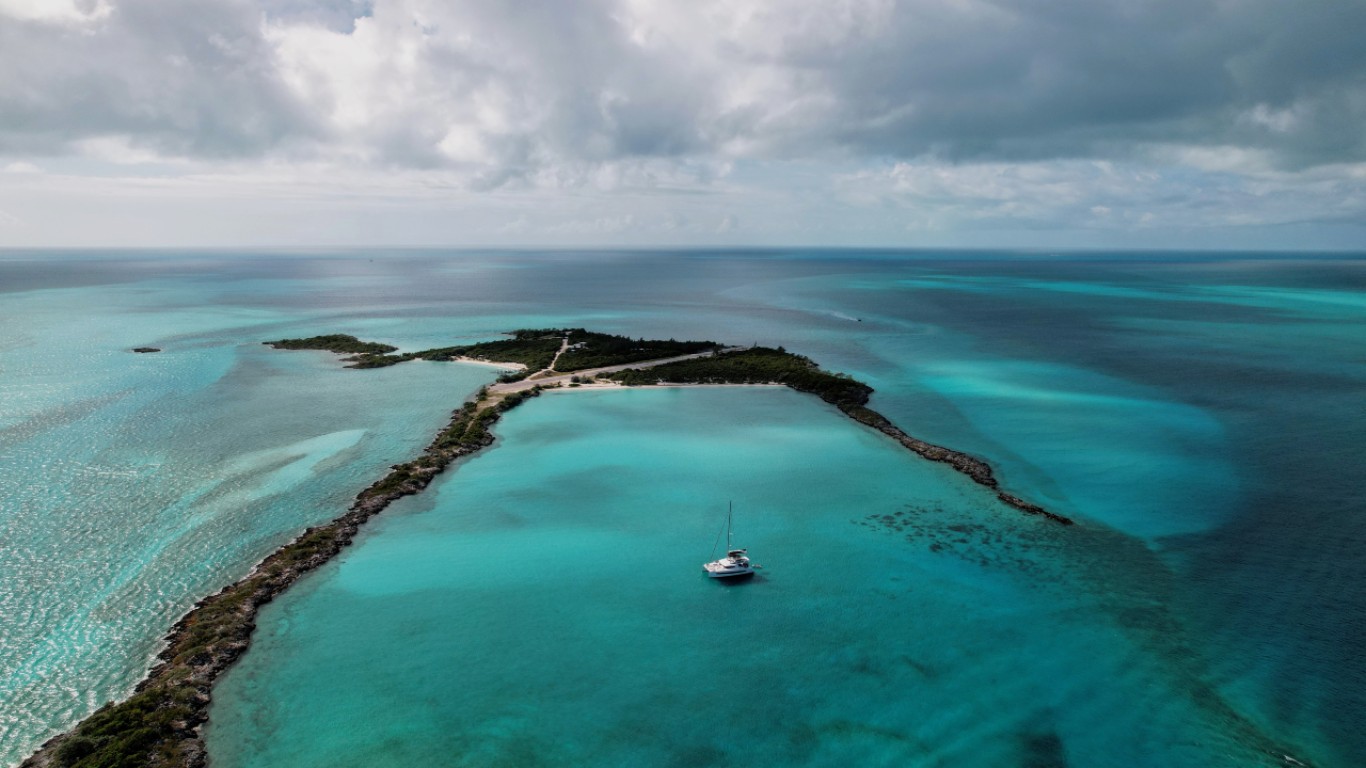
Alquiler de yate con tripulación en las Bahamas
Explore las Exumas en un yate privado con tripulación. Cerdos nadadores, bancos de arena y algunas de las aguas más cristalinas del mundo.
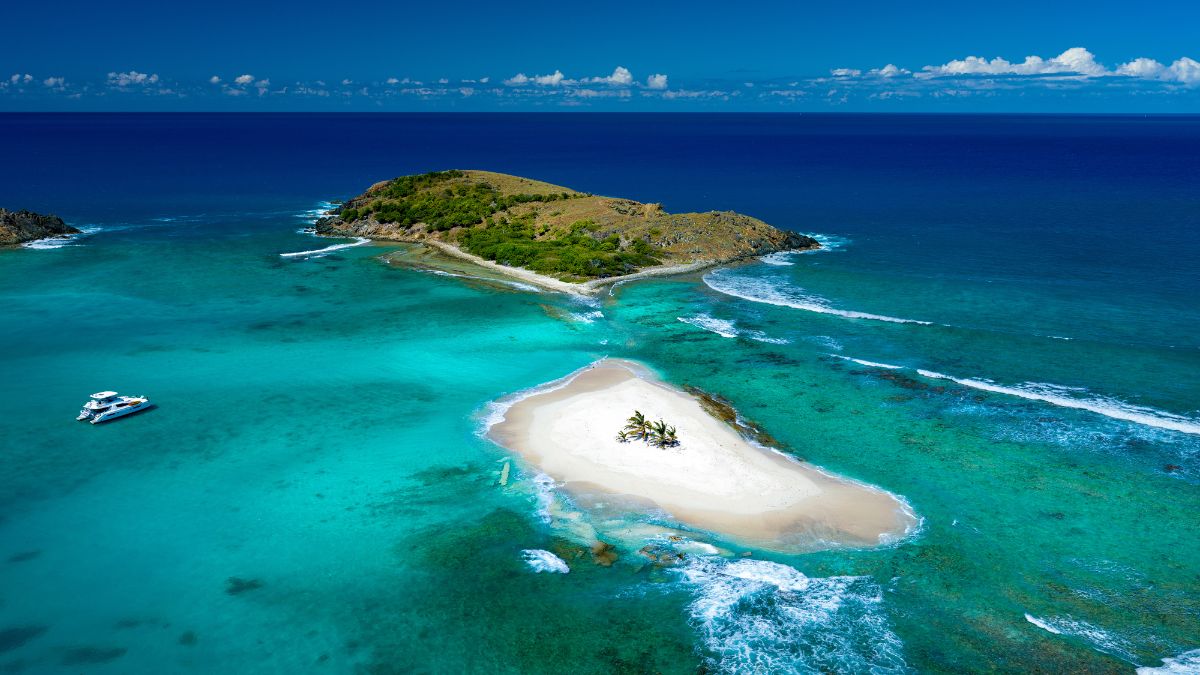
Alquiler de yate con tripulación en el Caribe
Alquiler de yate todo incluido con tripulación en todo el Caribe — Islas Vírgenes Británicas, Bahamas, Islas Vírgenes de EEUU, St. Martin, Antigua y más.