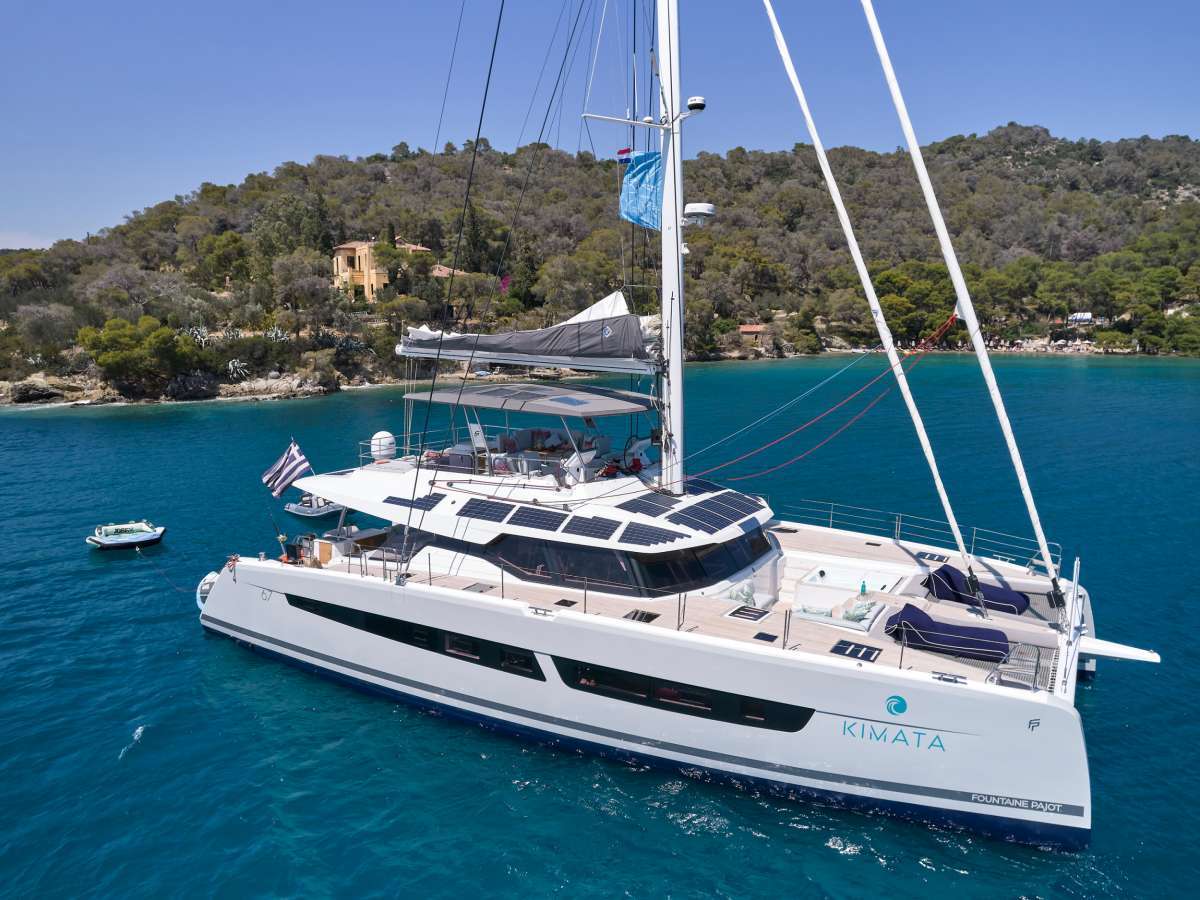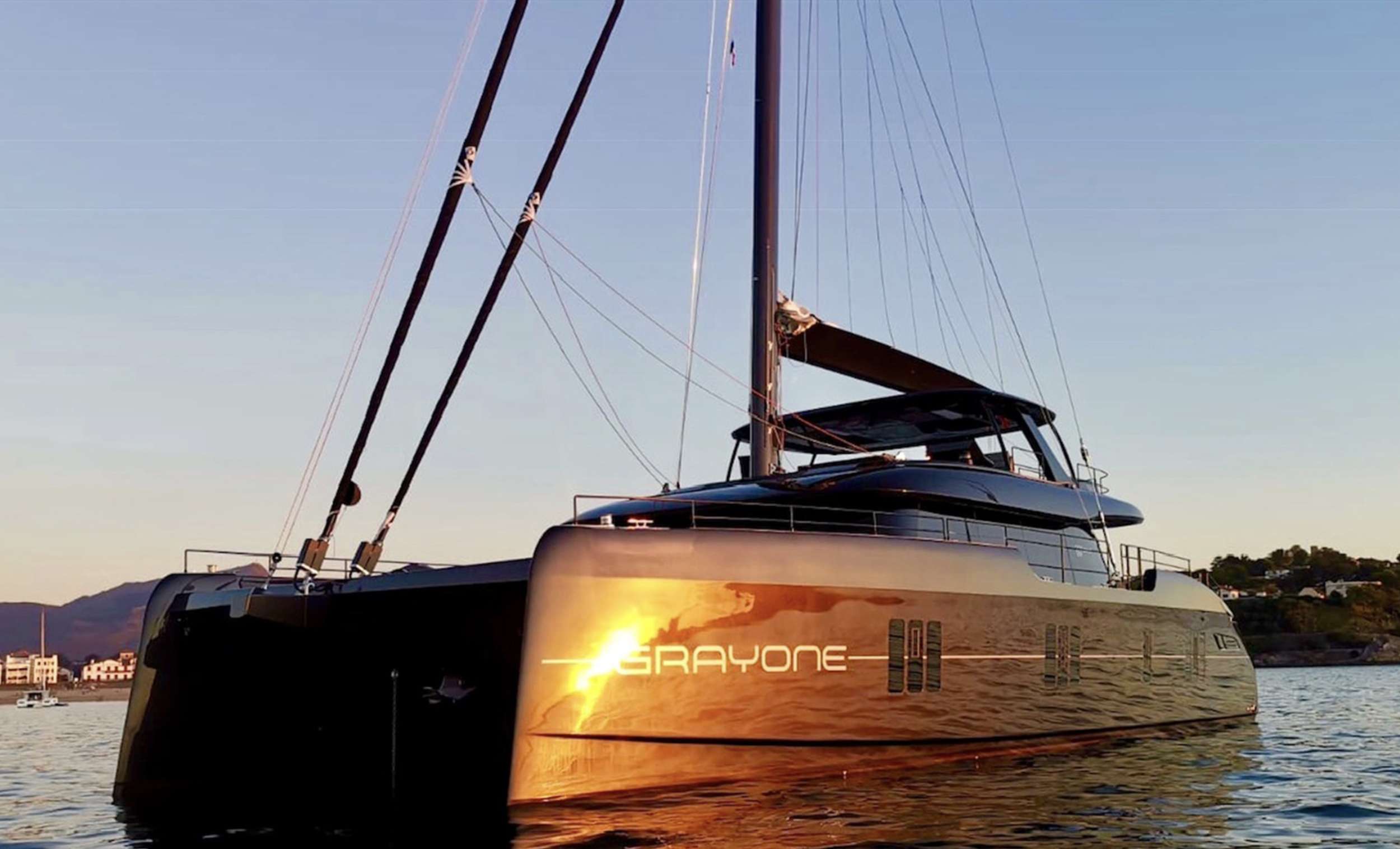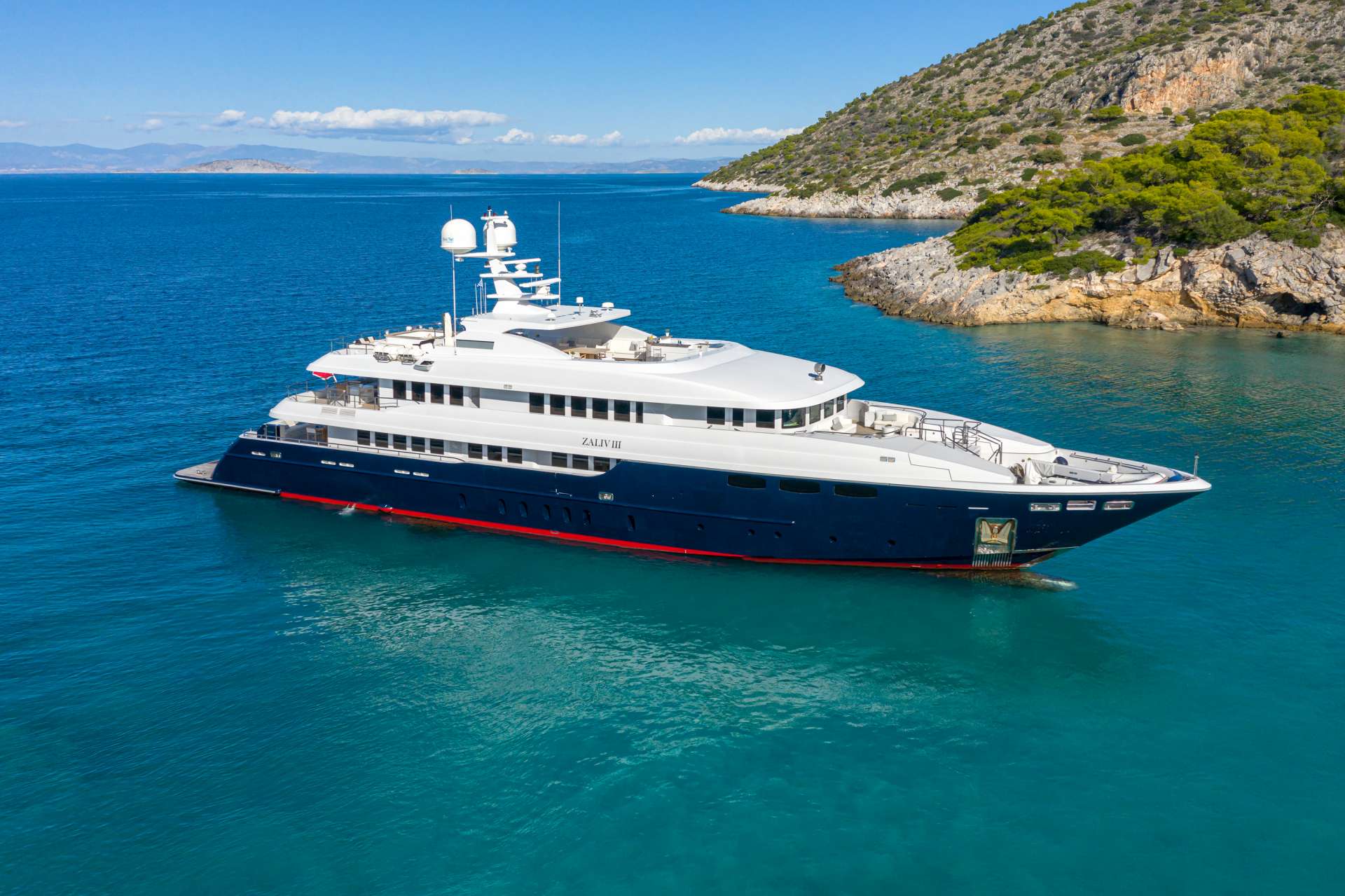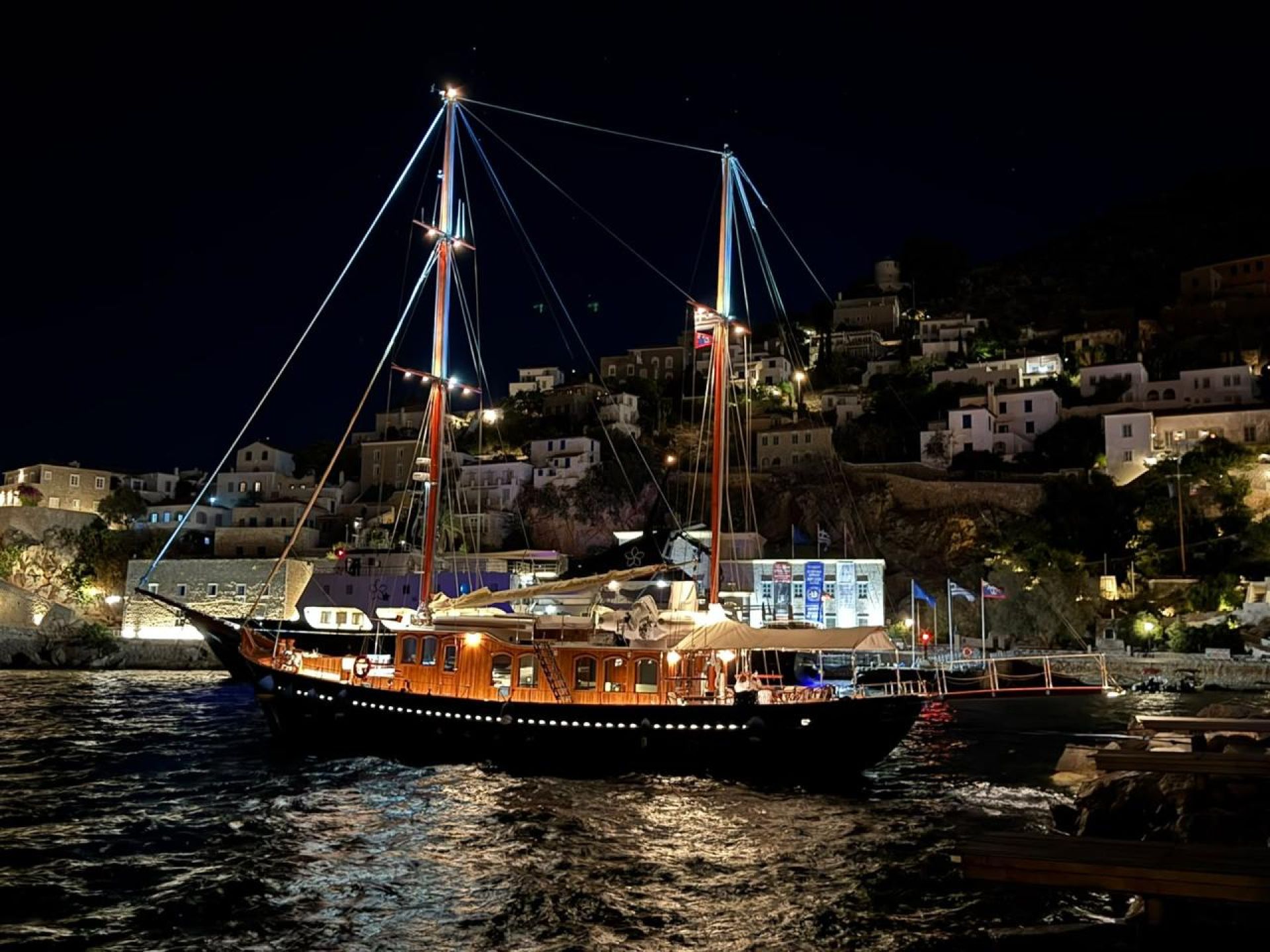

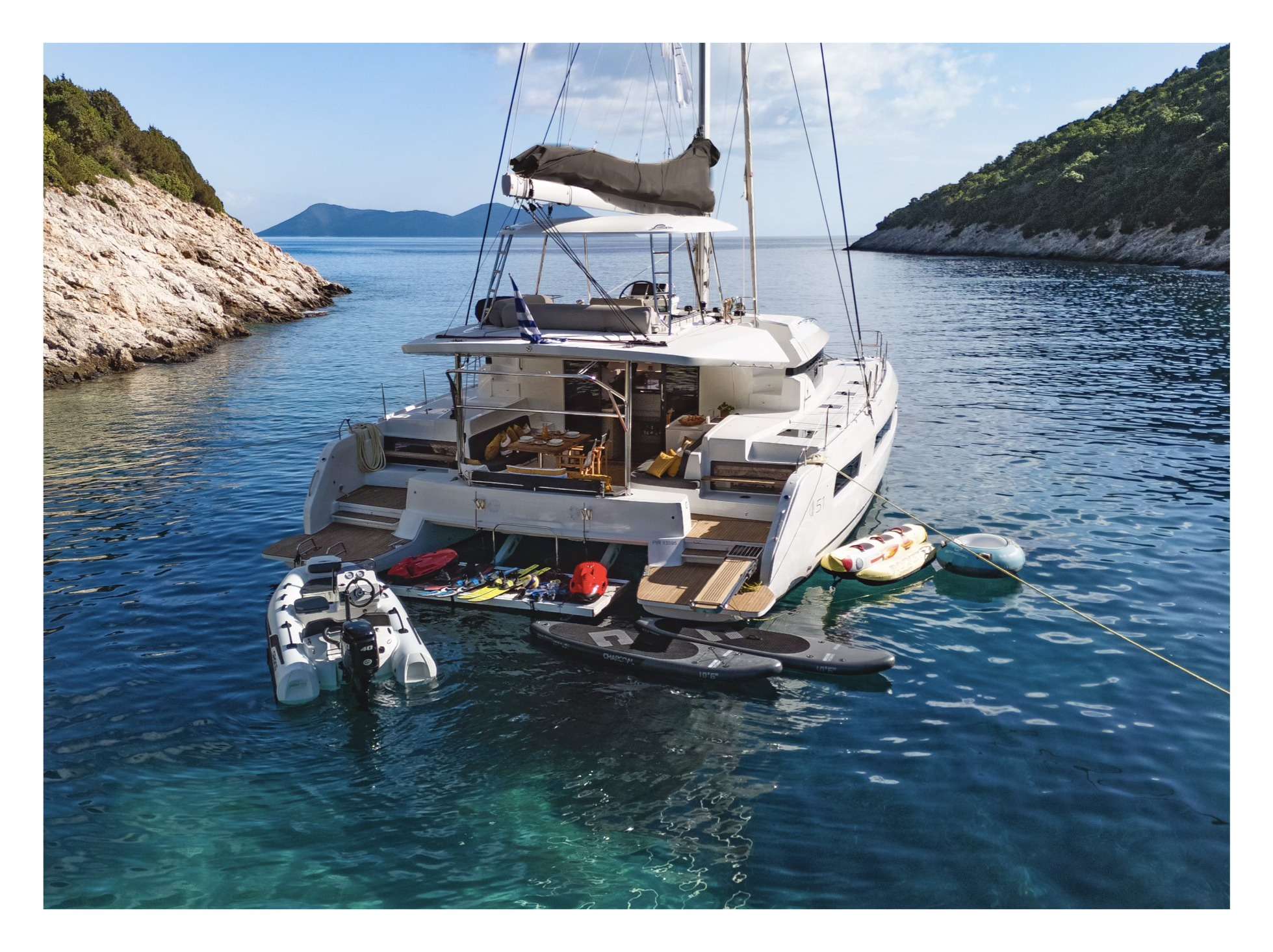
Lulu
54FT · SAILING CATAMARAN
Desde €22,000/semana
8 Guests · 4 Cabins
Caribbean
Eastern Mediterranean
Western Mediterranean
South Pacific
United States
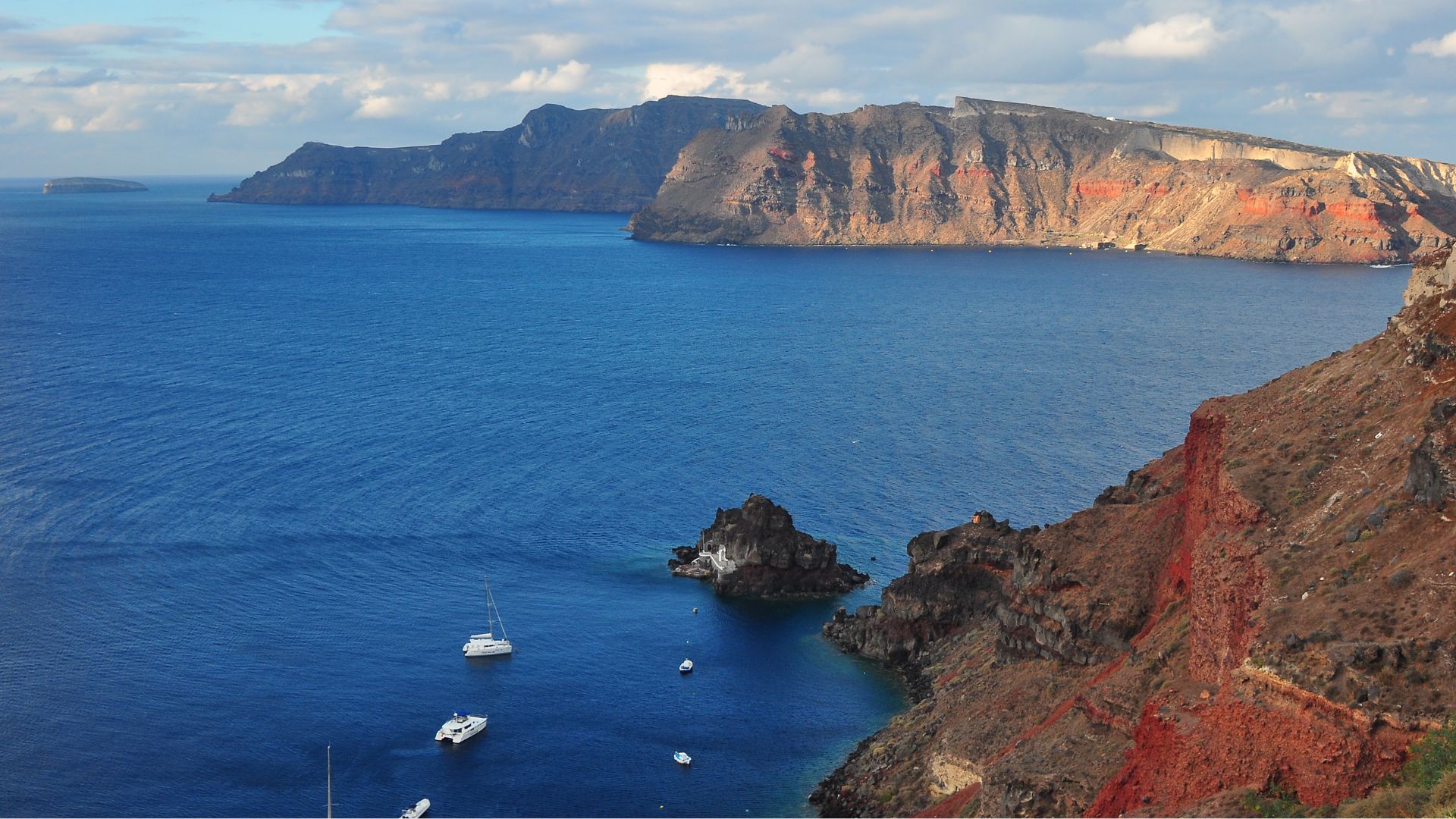
Alquiler de velero y yate a motor con tripulación por el Egeo y el Jónico — rutas por las Cícladas, el Jónico, el Sarónico y el Dodecaneso desde Atenas, Corfú o Kos.
Por qué Grecia
Grecia es el destino de viaje en yate más rico del Mediterráneo. Cinco itinerarios distintos de una semana en cuatro regiones de navegación, y cada uno ofrece una versión completamente diferente del país. Las Cícladas son la semana de postal: los molinos de Mykonos sobre Little Venice, la Portara de mármol de Naxos al atardecer, la caldera de Santorini tiñéndose de rosa desde la proa y el Meltemi empujando el barco a favor del viento a lo largo de la cadena. El Golfo Sarónico cambia las postales por una dosis de cultura: un templo dórico de 2.500 años a la hora del almuerzo el primer día, el puerto sin coches de Hydra por la tarde, y antes de que acabe la semana, una obra de teatro en un teatro de la UNESCO del siglo IV a.C. bajo las estrellas. El Jónico es el lado más sereno — completamente al margen del Meltemi, con brisas térmicas por la tarde, bahías arboladas y una taverna a la que pasear cada noche. Y el Dodecaneso se extiende a lo largo de la costa turca en el Egeo oriental, donde la ciudad medieval amurallada de Rodas se abre al puerto y el monasterio en la cima de la colina en Patmos es donde se escribió el Libro del Apocalipsis.
La elección del yate determina lo que es posible. Los yates a motor cubren más millas por día que los veleros, y las regiones de navegación en Grecia son lo suficientemente distintas como para que algunos itinerarios solo funcionen con uno de los dos tipos. El recorrido por la caldera de las Cícladas del Sur desde Atenas abarca 310 millas náuticas en siete días para incluir Santorini, Milos y Sifnos en una sola semana — un yate a motor de planeo lo hace con comodidad, y un velero no puede, por muy bueno que sea el capitán. La ruta por las Cícladas del Norte es la inversa: diseñada en torno a las virtudes de un velero bajo el Meltemi de verano, 200 millas náuticas a favor del viento desde Atenas hasta Mykonos con el viento en el través durante la mayor parte del trayecto. El Sarónico y el Jónico funcionan bien con ambos tipos de yate. El Dodecaneso requiere un yate a motor para las travesías más largas por el Egeo oriental. Repasamos la ruta, el yate y las características de tu grupo antes de reservar — la semana griega perfecta es la intersección de los tres factores, no solo del primero.
Lo que distingue a Grecia de cualquier otro destino en el sector de viajes en yate es la profundidad de la experiencia cultural. Pulpo al horno de leña y barbouni recién pescado en tavernas que llevan generaciones en el mismo puerto. Assyrtiko servido de los viñedos volcánicos en el borde de la caldera de Santorini. Vinsanto elaborado con las mismas uvas, secadas al sol, y casi imposible de encontrar fuera de las islas donde se cultivan. Los sitios de la UNESCO — Delos, el Monasterio de San Juan en Patmos, el casco antiguo de Rodas, el teatro de Epidaurus — forman parte de la misma ruta semanal que los pueblos pesqueros donde sirven la captura del día. Los precios más gastos, las semanas de yate de sábado a sábado y una flota que va desde catamaranes de 42 pies hasta yates a motor de 160 pies ofrecen a los huéspedes más opciones en términos de presupuesto y tipo de embarcación que cualquier otro destino de viaje en yate en el Mediterráneo.
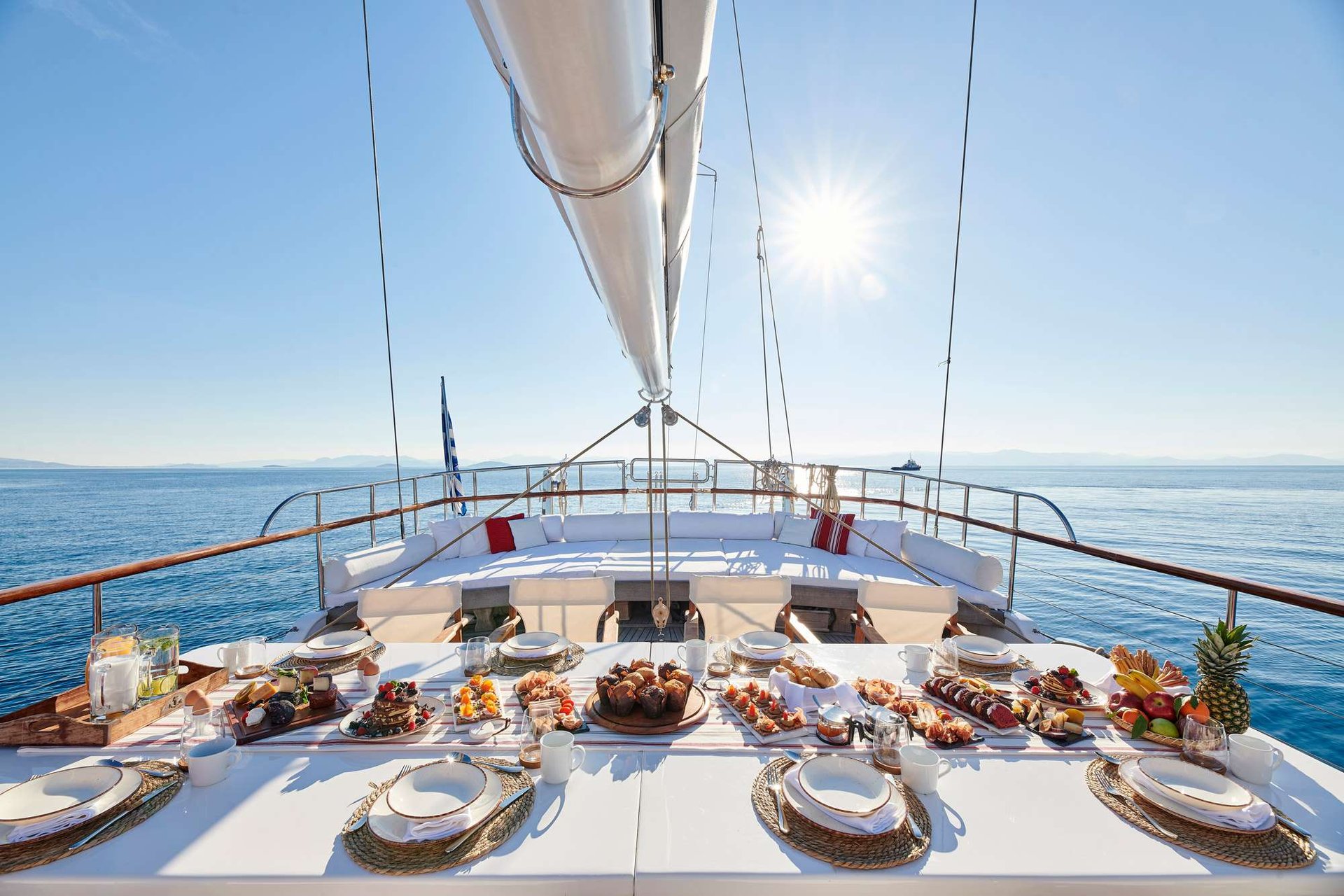
Cuatro características que distinguen a Grecia de los demás destinos de viaje en yate en el Mediterráneo.
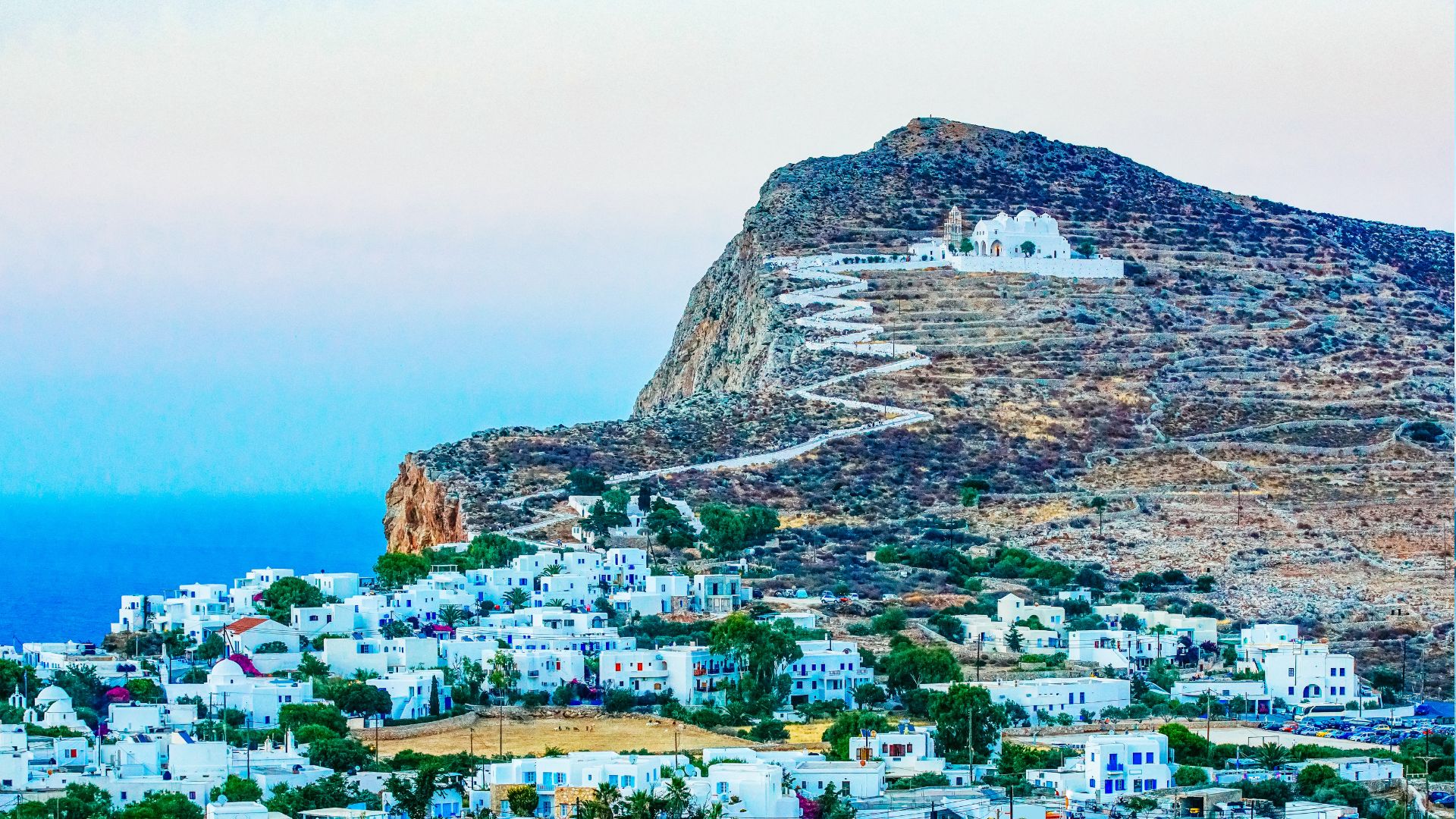
La imagen de Grecia que la mayoría de los huéspedes llevan consigo al embarcar — los molinos de Mykonos, el paseo marítimo de Little Venice, la Portara de mármol de Naxos, la caldera de Santorini al atardecer, los pueblos blancos apilados sobre escarpadas laderas volcánicas — son las Cícladas. El Meltemi, el viento norteño seco y constante que define el verano en el Egeo, sopla de junio a septiembre y convierte la cadena en uno de los grandes destinos de navegación a favor del viento del Mediterráneo. Dos rutas distintas recorren la región: las Cícladas del Norte, de Atenas a Mykonos para veleros, y el recorrido por la caldera de las Cícladas del Sur para yates a motor capaces de cubrir las travesías más largas hasta Santorini y Milos.
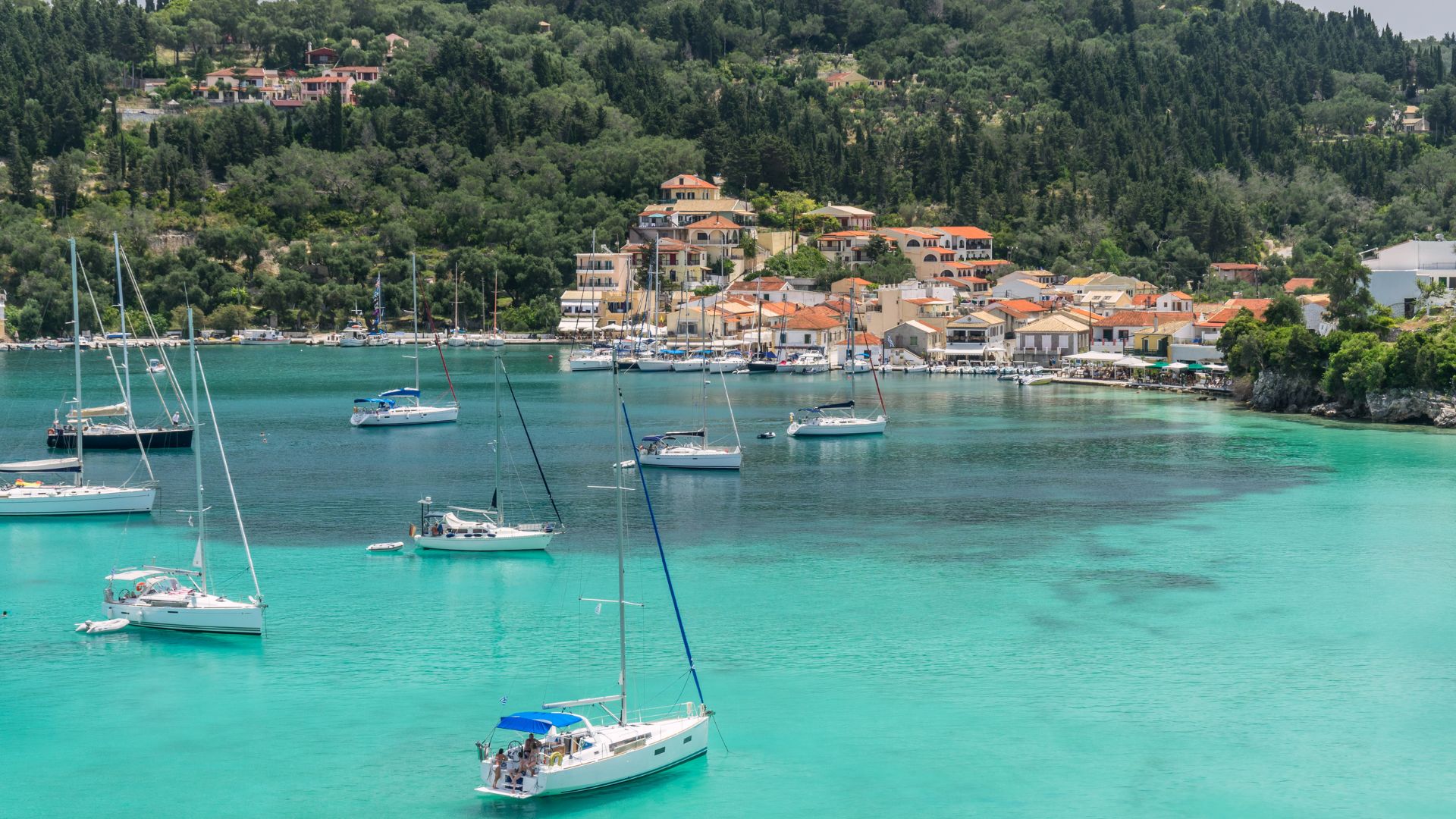
Las Islas Jónicas se encuentran frente a la costa noroeste de Grecia, al abrigo del continente y completamente al margen del Meltemi. Las brisas térmicas de la tarde se levantan suavemente a media tarde y amainan hacia la hora de cenar. Travesías cortas de diez a veinticinco millas náuticas separan Corfú, Paxos, Lefkas, Ítaca y Kefalonia. Se puede fondear en la Laguna Azul de Sivota, en la bahía de Lakka en Paxos y en Voutoumi en Antipaxos. Esta ruta es la elección ideal para quienes embarcan por primera vez, para grupos multigeneracionales y para cualquier semana en la que primen las aguas tranquilas sobre los deportes de viento.
La gastronomía y los vinos griegos son parte esencial de la cultura del país. Las tavernas de cada pueblo sirven pulpo al horno de leña, barbouni y tsipoura recién pescados, mezedhes elaborados con lo que ofrece el mercado del día, y vinos locales que no se exportan fuera del país — Assyrtiko de Santorini, Vinsanto de los mismos viñedos, Mandilaria del Dodecaneso, Robola de Kefalonia, y media docena de varietales de las Cícladas que solo encontrarás en las islas donde se producen. Un viaje típico combina comidas preparadas a bordo por el chef con varias cenas en tavernas en tierra — el capitán reserva con antelación en los mejores locales, porque se llenan semanas antes durante la temporada alta.
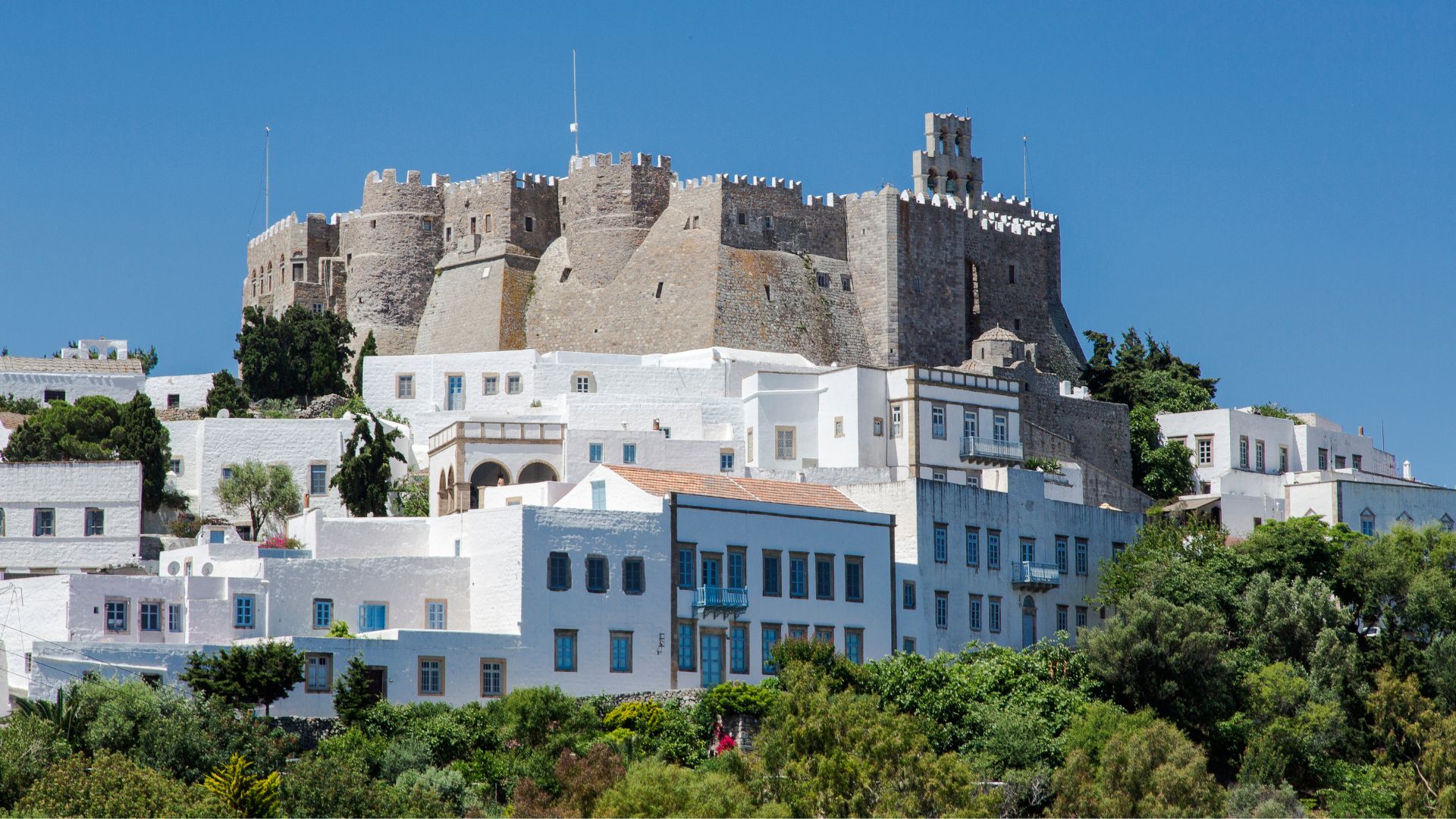
El Dodecaneso se extiende a lo largo de la costa turca en el Egeo oriental — el casco antiguo medieval amurallado de Rodas (la ciudad medieval amurallada más grande e intacta de Europa), el puerto neoclásico de colores pastel de Symi en Yialos, el Monasterio de San Juan en la cima de la colina en Patmos, declarado Patrimonio de la UNESCO, donde se escribió el Libro del Apocalipsis, el volcán activo de Nisyros al que puedes bajar caminando, y las bahías más tranquilas de Lipsi. La ruta se articula en torno a un viaje de ida y vuelta desde Kos, con llegada en un solo sentido a Rodas. El Meltemi también sopla aquí en verano, pero de forma más dispersa y menos intensa que en las Cícladas, y la posición más al sur extiende la temporada de yates desde mayo hasta octubre.
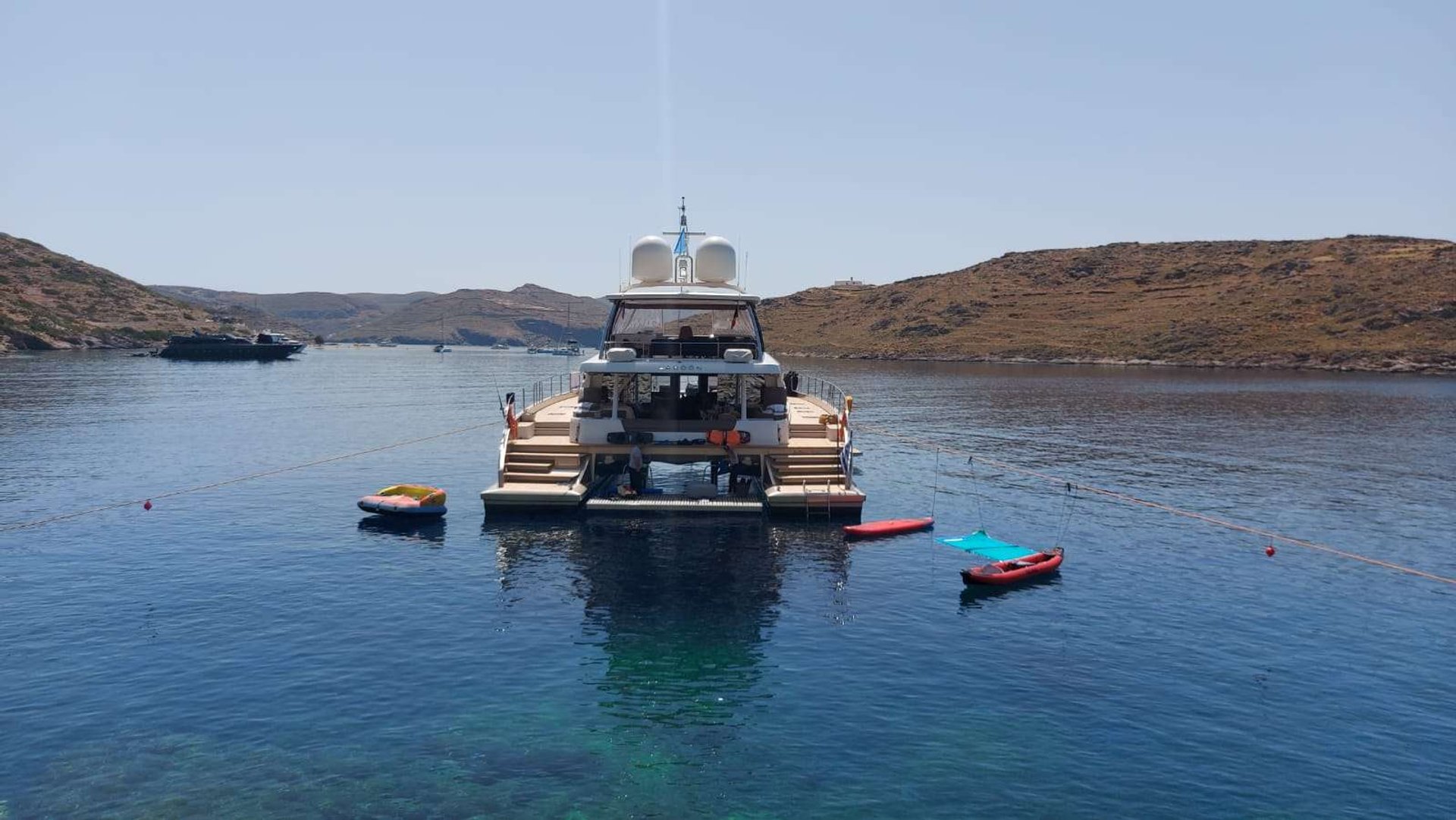
A hand-picked selection of crewed charter yachts for Greece — yachts and crews we know firsthand.
Your week is shaped around your group's interests, the season, and the conditions on the water — your captain tailors the days as they unfold. Treat these itineraries as starting points for inspiration.
Itinerario con tripulación · Grecia
Este itinerario por Míkonos es la clásica semana de navegación griega: la de los molinos de Míkonos sobre la Pequeña Venecia, los pueblos encalados apilados en las áridas laderas cicládicas, los través con viento de popa impulsados por el meltemi entre islas que has visto en todas las postales, y el Templo de Poseidón enmarcando la proa a la salida de Atenas. Es la semana de la Grecia de postal, y está deliberadamente construida para encajar con un yate de vela. Seis islas, un día arqueológico en Delos (Patrimonio de la Humanidad), y una llegada de solo ida a Míkonos con vuelos directos a casa. Tu capitán profesional y tu chef privado se encargan de cada detalle. Tú embarcas, te acomodas, y dejas que el meltemi haga el resto.
Esta es la ruta de las Cícladas amable para yates de vela: unas doscientas millas náuticas de punta a punta, con etapas cortas y cada isla alcanzable cómodamente en un catamarán de vela o un monocasco. La ruta es deliberadamente con viento de popa. El meltemi —el viento del norte seco y constante que define un verano cicládico— sopla de junio a septiembre, a menudo de 25 a 35 nudos en su pico de julio y agosto. Apuntado en la dirección correcta, eso es un regalo: través rápidos y secos por la cadena con recaladas fiables a media tarde. Las dos etapas flexibles —Paros a Antíparos a Míkonos, y la travesía de Delos— se dejan lo bastante sueltas como para que tu capitán pueda ajustar los tiempos cuando el meltemi de verdad arrecia. Ese es todo el truco de navegar bien el Egeo.
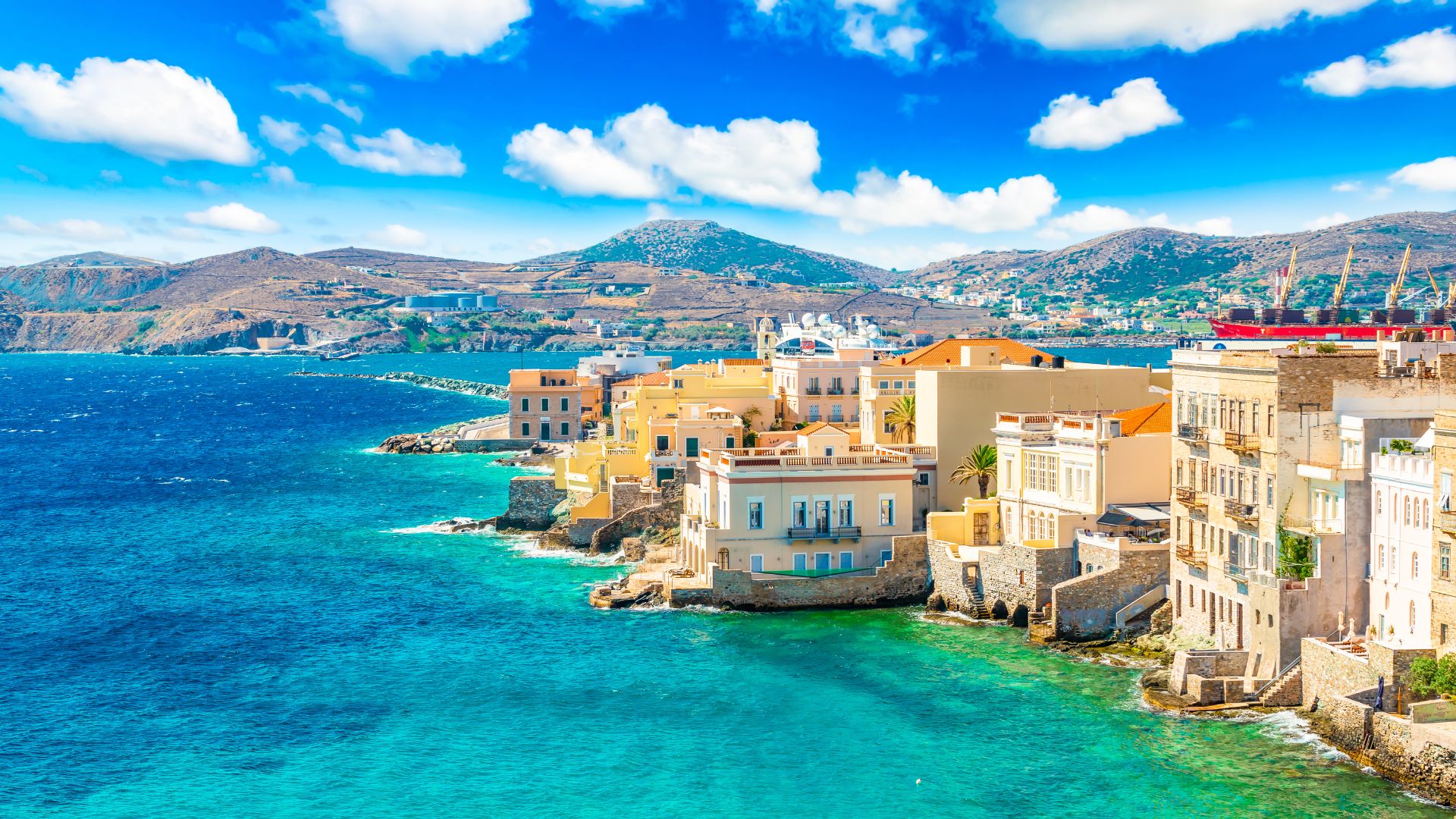
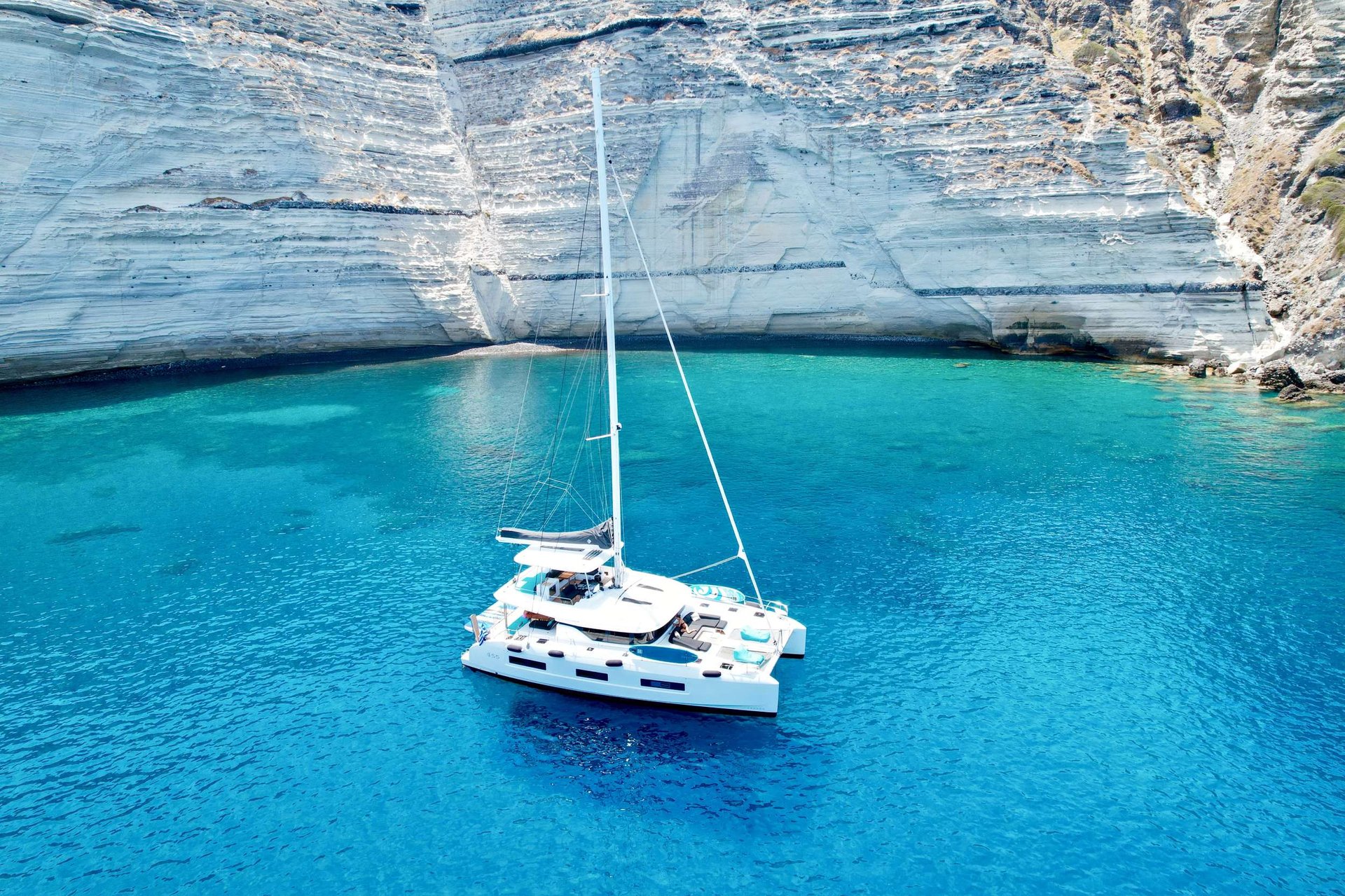
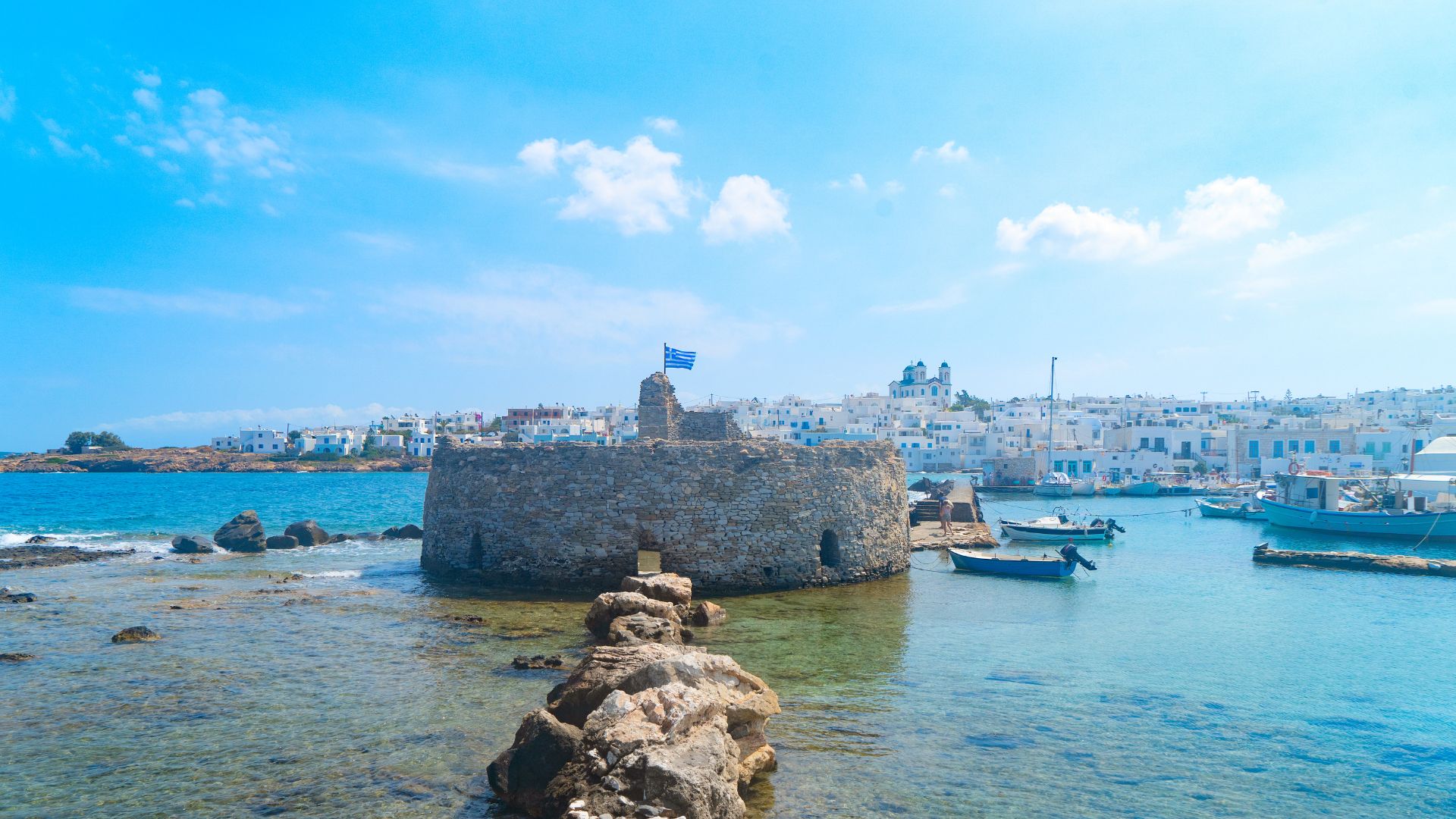
De Atenas a Míkonos es la búsqueda de mayor volumen del mercado de viaje en yate griego, y es el marco en torno al cual está construido este itinerario por las Cícladas del norte. Embarque en Alimos Marina (a 15 minutos del aeropuerto de Atenas), desembarco en Míkonos con vuelos directos a casa. Seis islas en medio: Citnos para el primer fondeadero tranquilo, Siros por el puerto neoclásico de Ermúpoli, Paros por el puerto de Náusa, Naxos por la Portara al atardecer, Delos (UNESCO) para el día de arqueología, y Míkonos para el final.
Unas 200 millas náuticas de punta a punta, deliberadamente con viento de popa para cabalgar el meltemi en lugar de pelearlo. Este itinerario por las islas griegas es amable para yates de vela: etapas cortas (15-35 mn típicas), recaladas fiables a media tarde, fondeaderos que tu capitán puede elegir según el pronóstico del meltemi de esa mañana. Si quieres Santorini en la lista, esa es la ruta de las Cícladas del sur en un yate a motor; las Cícladas del norte son la semana más pausada y más centrada en la navegación.
Día 1 de 7 · Atenas → Kea
Tu viaje empieza en Alimos Marina, en la Riviera de Atenas: la marina más grande de Grecia y la base lógica para cualquier viaje en yate serio por las Cícladas. Tras el corto traslado del aeropuerto de Atenas International, tu tripulación profesional te recibe a bordo con bebidas frescas, una copa de algo fresco, y un repaso de la carta náutica que enmarca la semana que viene. Guarda tu equipaje, hazte con la distribución del salón, y tómate un minuto en cubierta mientras el zumbido de la ciudad se desvanece tras el rompeolas.
A primera hora de la tarde, tu capitán suelta amarras para la travesía de cuarenta millas náuticas a Kea, la isla cicládica más cercana al continente. Es la etapa más larga de la semana, y la hacemos primero a propósito: con huéspedes frescos, viento fresco, y el resto del viaje apilado a tu favor. Espera un través rápido cruzando el Sarónico y entrando en las Cícladas propiamente dichas, con el Templo de Poseidón del Cabo Sunion por estribor durante la primera hora si la luz acompaña.
Tu tripulación echa el ancla en Vurkari, un pequeño puerto en forma de U en la esquina noroeste de la isla bordeado de tabernas encaladas y barcas de pesca. Acércate en lancha auxiliar para cenar en Aristos, el sitio de marisco al que todos te mandan por una razón. Pulpo a la brasa, una botella fría de assyrtiko, y el sol cayendo tras la iglesia de la colina. Ya estás en Grecia.
Day Highlights
Día 2 de 7 · Kea → Citnos
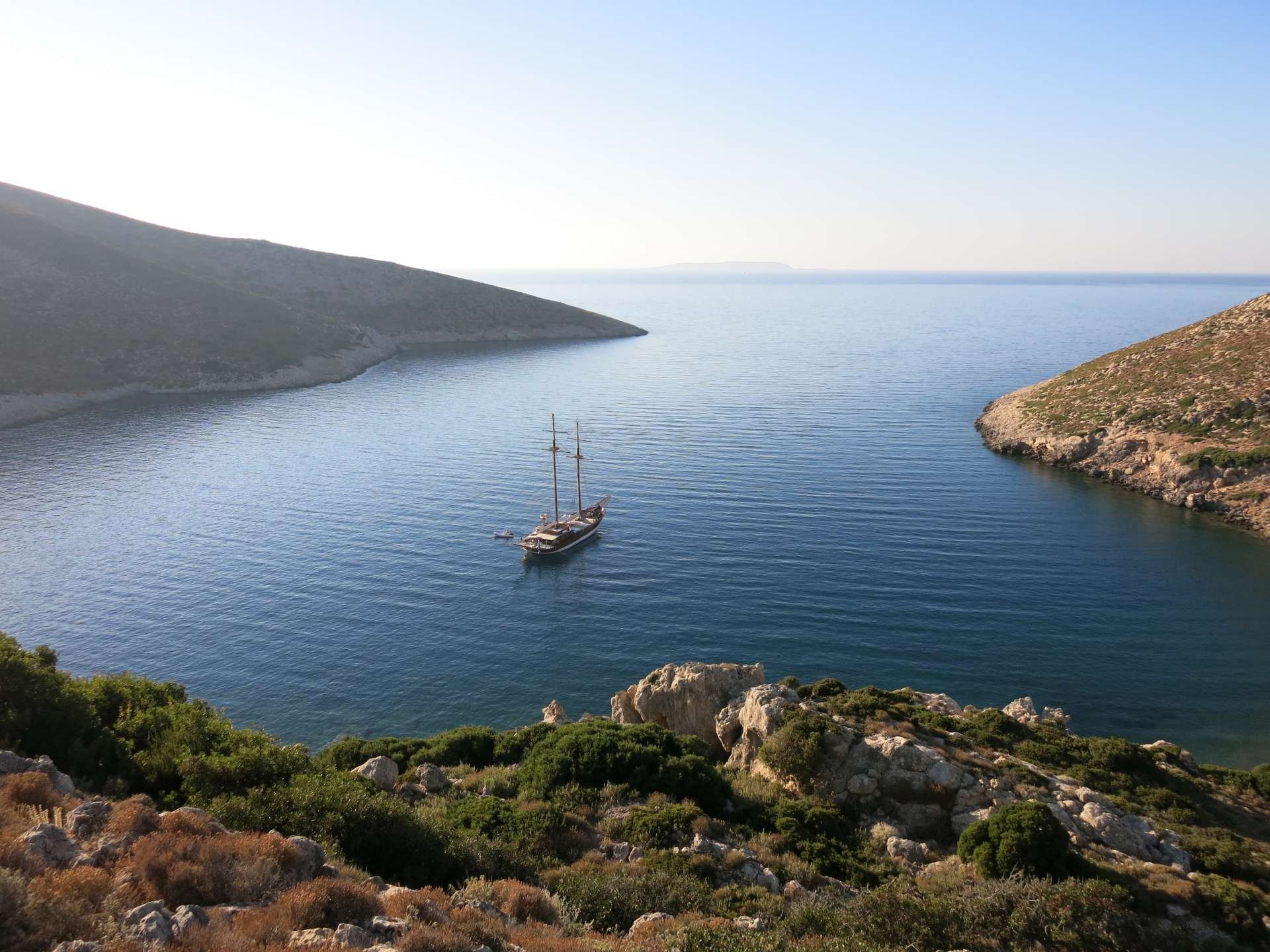
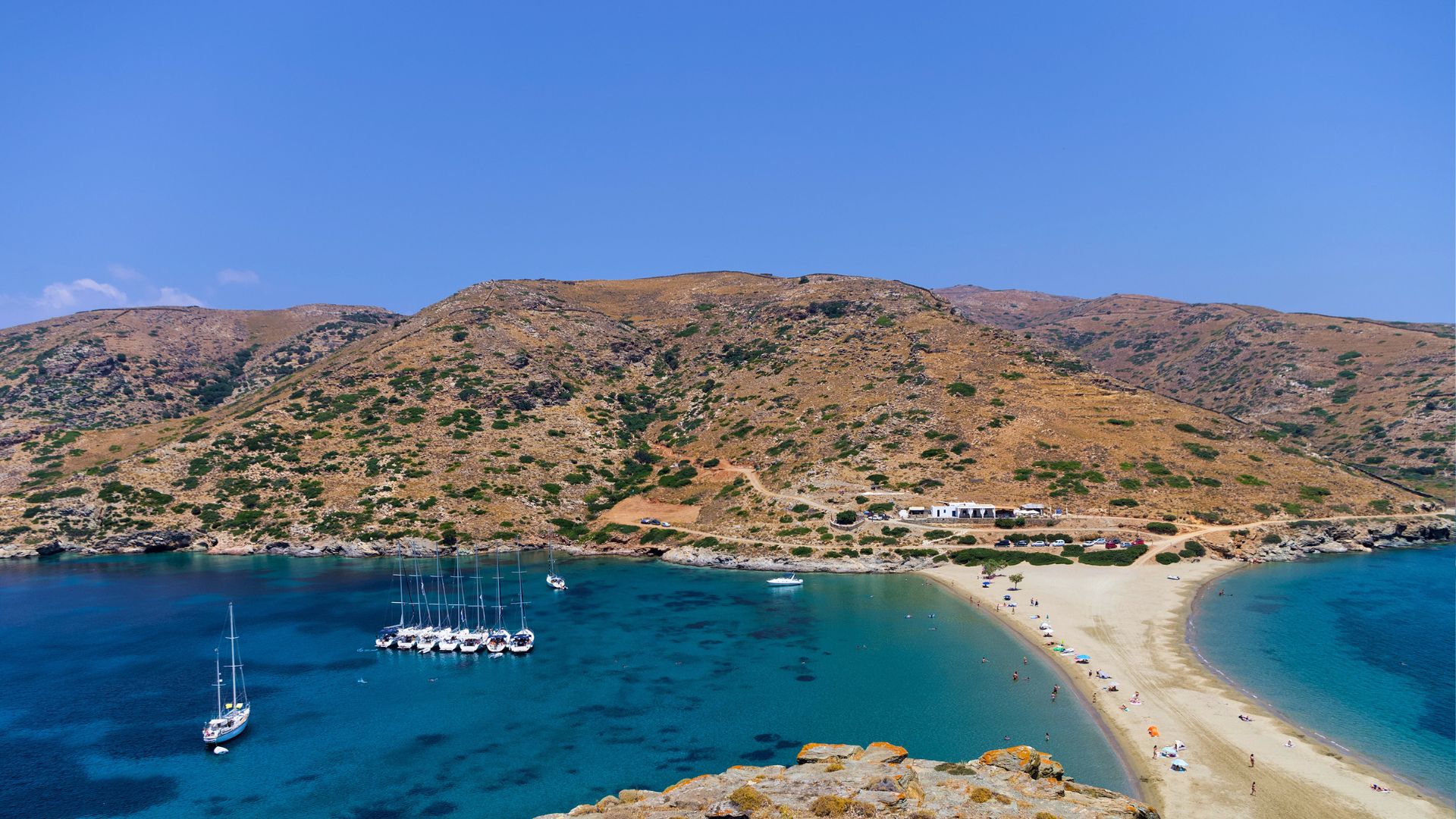
Tras un pausado desayuno a bordo y un baño desde la popa del barco, tu tripulación apunta la proa al sur para la travesía de veinticinco millas a Citnos. Este es un día fácil en el agua: un través de medio día en el típico meltemi con los farallones de Kea quedando atrás y Citnos creciendo despacio en el horizonte. Pasarás casi toda la mañana en la cubierta de proa con un libro, o arriba al timón si quieres aprender cómo se maneja el barco con un norte constante.
El destino es Kolona: una fina lengua de arena blanca que conecta Citnos con un pequeño islote cercano, con mar abierto a un lado y una bahía protegida al otro. Nadas entre dos mares distintos. Es uno de los fondeaderos más fotografiados del Egeo y se gana la atención. Tu capitán echará el ancla en el lado de sotavento, donde el tenedero es mejor, botará la lancha auxiliar, y montará la plataforma de baño. Pasarás casi toda la tarde entrando y saliendo del agua, un paseo por la arena si te apetece estirar las piernas, un largo almuerzo a bordo, y poco más en la agenda.
La cena es a bordo esta noche: tu chef se apoya en la captura local y unos cuantos platos de mezze para la mesa. El fondeadero es lo bastante tranquilo como para que no oigas más que la brisa y el barco meciéndose suavemente en su cadena.
Day Highlights
Día 3 de 7 · Citnos → Siros
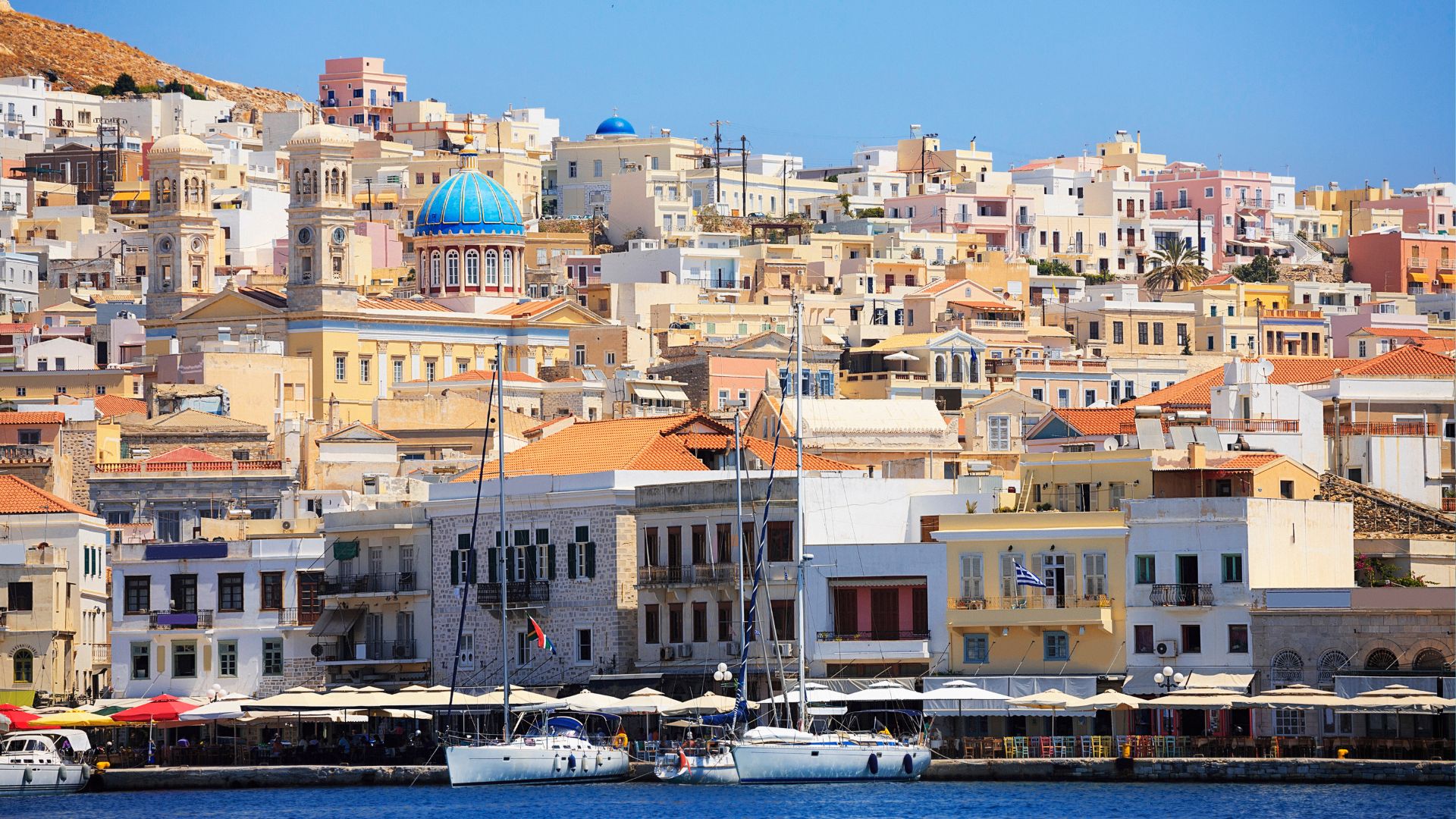
Hoy es una bajada de treinta y cinco millas hacia el este a Siros, la capital administrativa de las Cícladas y la isla por la que la mayoría de los huéspedes de yates pasan de largo. No deberían. Siros fue el mayor puerto de Grecia durante casi todo el siglo XIX, y la riqueza de ese período construyó una ciudad que no se parece en nada al resto de la cadena: un paseo marítimo italianizante y neoclásico de fachadas pastel, una plaza central de mármol, y un puerto de ferris en activo que ha llevado el tráfico del Egeo durante doscientos años. Tras la sencillez encalada de Kea y Citnos, el contraste cala fuerte.
Tu capitán amarra de costado en el puerto interior de Ermúpoli, uno de los pocos sitios de la ruta donde el barco se asienta directamente en la ciudad en lugar de al ancla. Pasea por las calles de mármol de la plaza Miaouli pasando el ayuntamiento, un edificio neoclásico diseñado por Ernst Ziller que no desentonaría en Viena o Trieste, y sube por las callejuelas de piedra hasta Ano Siros, el barrio católico medieval en la más alta de las dos colinas de la ciudad. Siros es una de las pocas islas griegas con una arraigada población católica —un legado de la presencia veneciana y franca en las Cícladas medievales— y Ano Siros tiene la catedral, la residencia del obispo, y un carácter de pueblo de cima de colina que apenas ha cambiado en trescientos años.
Acomódate en una de las mesas de kafenío de la subida para una bebida fría y una larga vista hacia abajo hasta el puerto donde espera tu yate. El paseo de bajada serpentea por la ciudad baja y te deja de vuelta en el barco a tiempo de adecentarte para la cena.
La cena es en tierra en Mazi o Thalassaki, ambos justo en el paseo marítimo de Ermúpoli. Pescado fresco, una botella de blanco local de los viñedos de Siros, y las luces de los ferris yendo y viniendo por la bahía. Esta es la parada cosmopolita de las Cícladas de la que nadie habla, y es mejor por ello.
Day Highlights
Día 4 de 7 · Siros → Paros
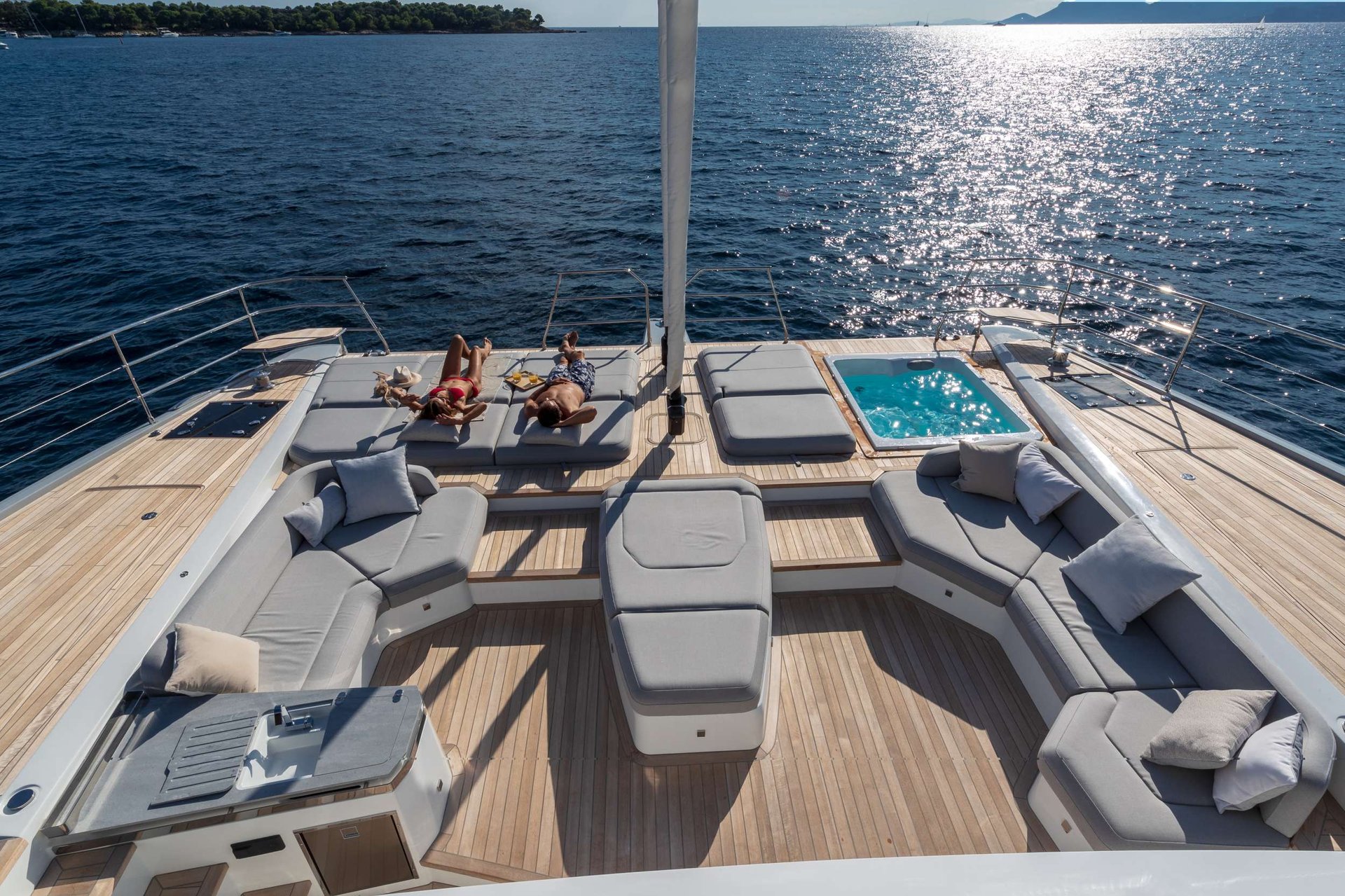
Una corta bajada de veinticinco millas al sureste a Paros, y uno de los mejores través de la semana si el meltemi coopera. Con un viento firme es una navegación rápida y seca con el barco a tope y las millas desapareciendo bajo tus pies. En condiciones más flojas, es una tarde cómoda a toda vela con tiempo de sobra en cubierta y un largo almuerzo en marcha.
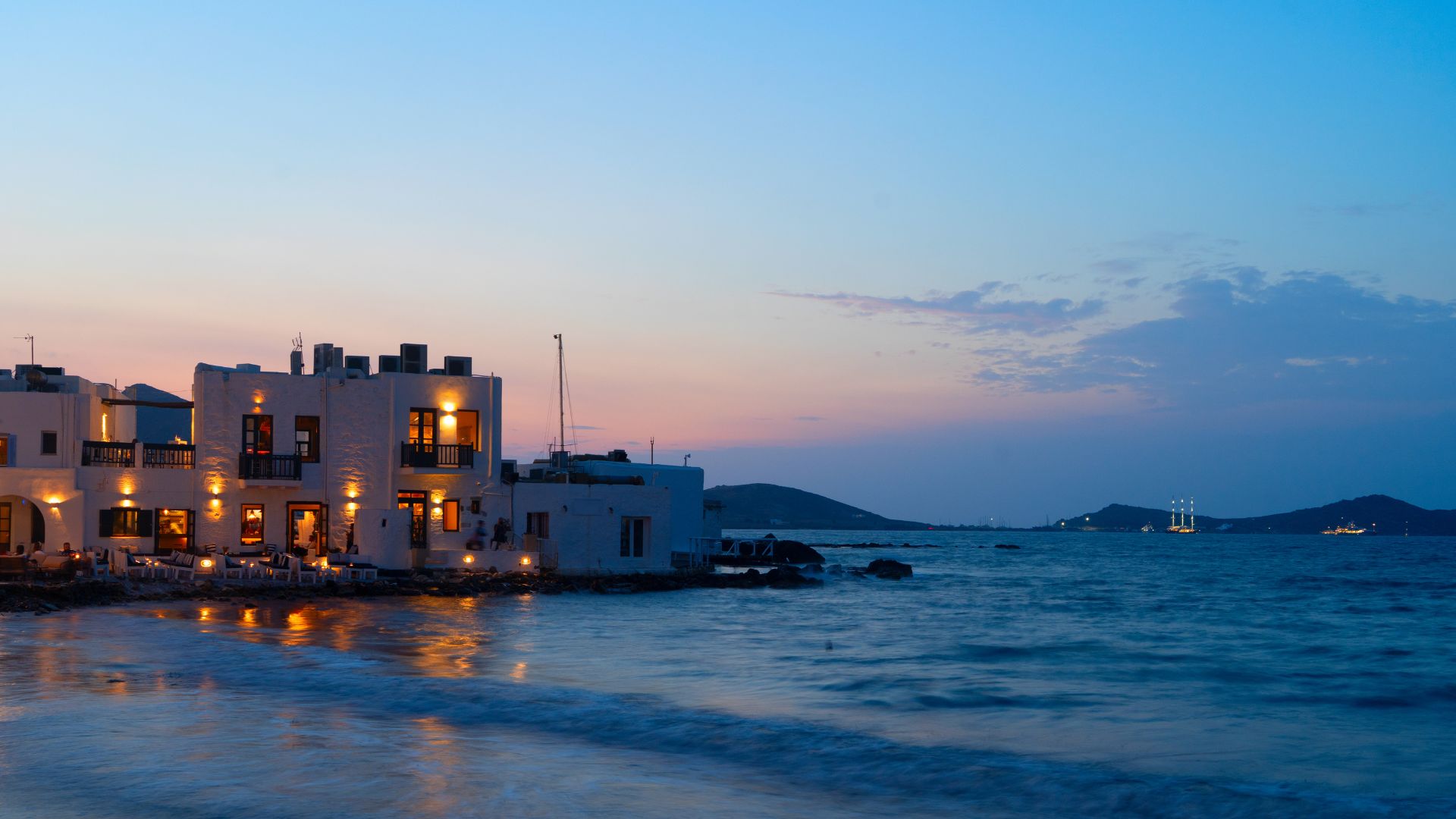
A última hora de la tarde, estarás metido en el puerto de Náusa, en la costa norte de Paros: un pueblo pesquero de trabajo que se ha convertido discretamente en la dirección más con estilo de las Cícladas sin perder su carácter de redes en el muelle. Acércate en lancha auxiliar por el diminuto puerto interior, pasando el fuerte veneciano medio sumergido de la entrada, y hasta el viejo molino de piedra que se asienta en la bocana. Ese molino es tu asiento para el atardecer.
Náusa recompensa un paseo pausado antes de la cena. Las callejuelas tras el puerto son estrechos pasajes de piedra bordeados de buganvillas y pequeñas tiendas que llevan ahí toda la vida, más unas pocas nuevas que han abierto en la última década a medida que Paros se ha consolidado. Las barcas de pesca aún trabajan el puerto al primer rayo y amarran a media mañana: la captura va directa a las tabernas alrededor del muelle, que es parte de por qué la cena aquí está a la altura de la reputación.
La cena es en tierra en Mario, una de las tabernas del puerto viejo con las mesas empujadas hasta el agua: pescado a la brasa, una botella de blanco local, y barcas entrando a tu alrededor mientras comes. De vuelta a bordo cuando quieras; el barco está a un trayecto de cinco minutos en lancha auxiliar.
Day Highlights
Día 5 de 7 · Paros → Míkonos
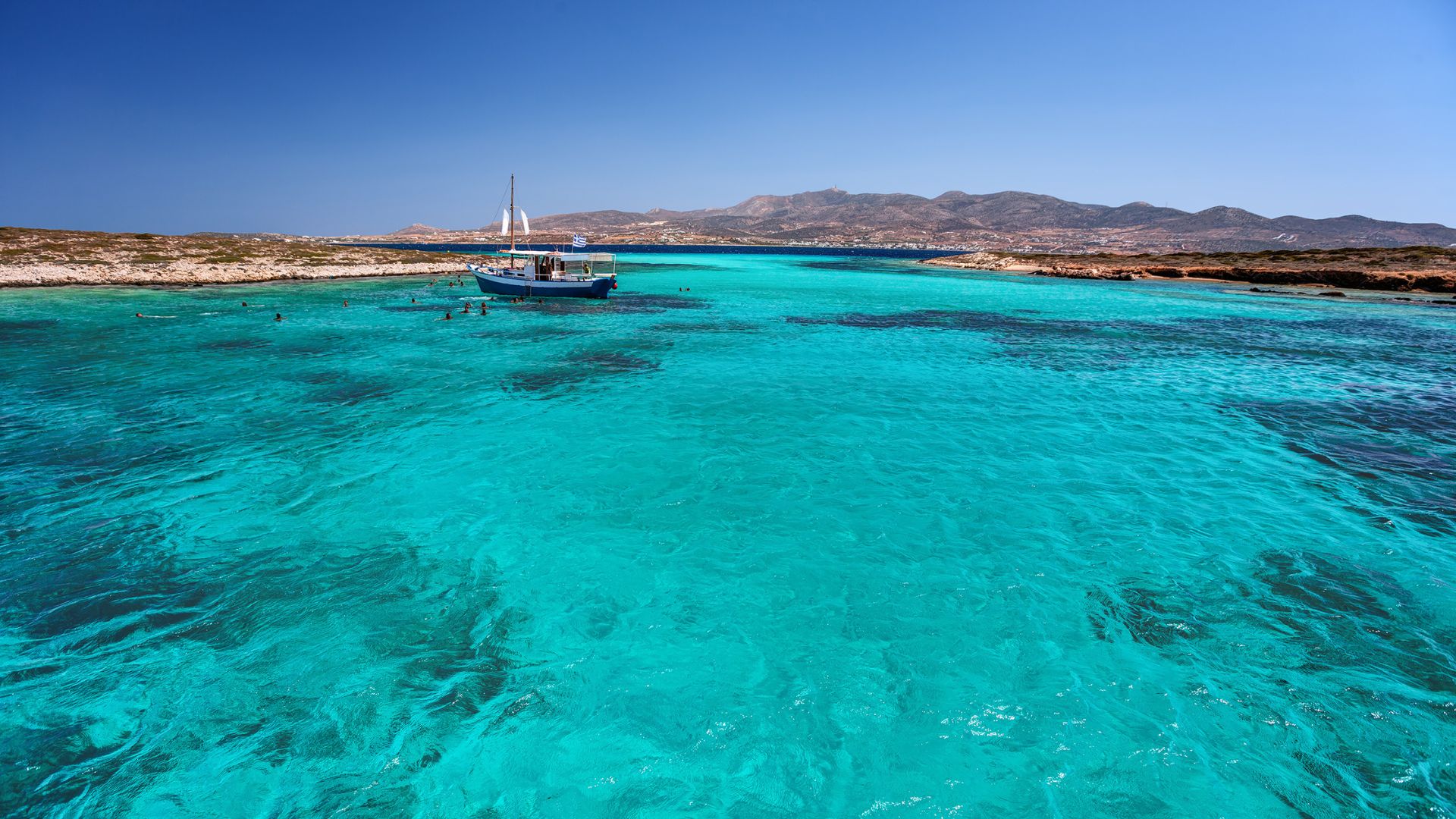
Un corto salto matinal: cinco millas cruzando el canal a Antíparos, la isla hermana más pequeña y tranquila que se asienta frente a la esquina suroeste de Paros. Tu capitán echa el ancla frente a la playa de Sifneika para un largo baño en algunas de las aguas más claras de la ruta, o reposiciona al sur hasta la Laguna Azul entre Antíparos y el pequeño islote deshabitado de Despótiko: un canal poco profundo, de turquesa eléctrico, donde la plataforma de baño se queda abajo toda la mañana.
Tras el almuerzo al ancla, fuera amarras para la bajada de treinta millas al noreste a Míkonos. Esta es la primera etapa de la semana en la que tu capitán tiene en la mano la carta de los tiempos. El canal entre Paros y Míkonos puede encañonar el meltemi hasta los treinta y tantos en un día ruidoso, y la entrada a los fondeaderos de Míkonos se pone incómoda en esas condiciones. La decisión suele ser una salida a la hora del almuerzo, una vez que la brisa se ha asentado en su patrón de tarde. Cuando sopla fuerte, tu capitán ajustará: para eso está un viaje en yate con tripulación.
El fondeadero de esta noche es Ornos o Platis Gialos, en el lado suroeste de Míkonos, bien lejos de la intensidad de los clubes de playa de la costa sur. Super Paradise y el tramo de las despedidas de soltera están en la otra dirección: déjalos para el viaje de otro. Cena a bordo esta noche, tu chef trabajando con lo que sea que subió al barco en Náusa.
Day Highlights
Día 6 de 7 · Delos y Míkonos
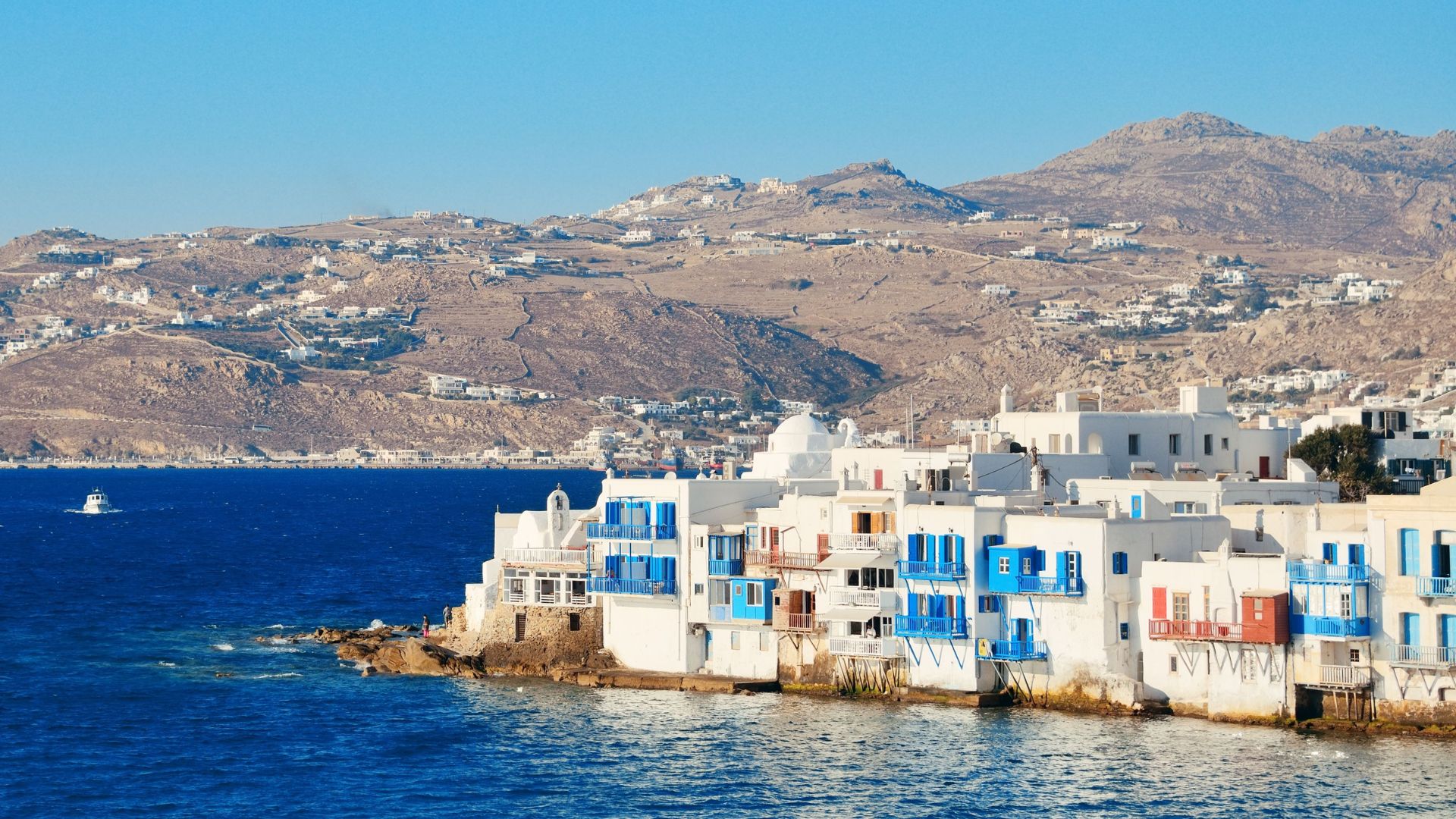
La travesía de Delos es la segunda etapa en la que tu capitán tiene en la mano la carta de los tiempos, y la decisión suele ser una salida temprana: fuera amarras poco después del desayuno para el reposicionamiento de cinco millas al fondeadero de Delos. La ventaja del viaje en yate con tripulación en esta parada es significativa. Delos es Patrimonio de la Humanidad de la UNESCO y el mayor sitio arqueológico al aire libre de Grecia, la isla sagrada de Apolo y en su día uno de los centros religiosos más importantes del Mediterráneo antiguo. La mayoría de los visitantes de Míkonos lo hacen como una parada de ferry de treinta minutos. Tú tienes la mañana.
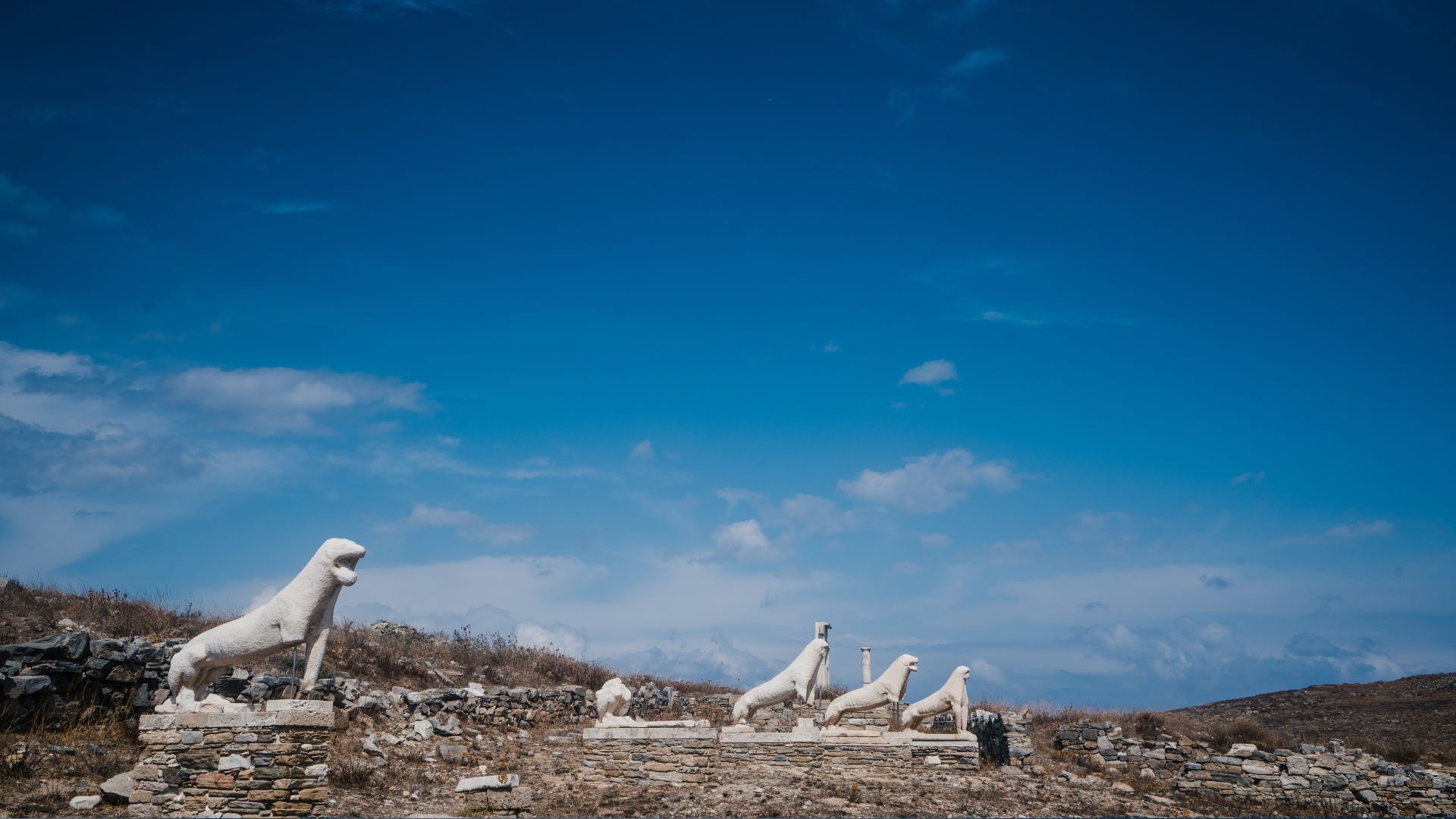
Acércate en lancha auxiliar a tierra, recorre las ruinas —la terraza de los leones, los mosaicos de la Casa de Dioniso, el teatro de la ladera— y de vuelta a bordo para almorzar al ancla. Tu capitán reposicionará a un fondeadero tranquilo de Míkonos a primera hora de la tarde, mientras los barcos de excursión de un día todavía trabajan los clubes de playa de la costa sur.
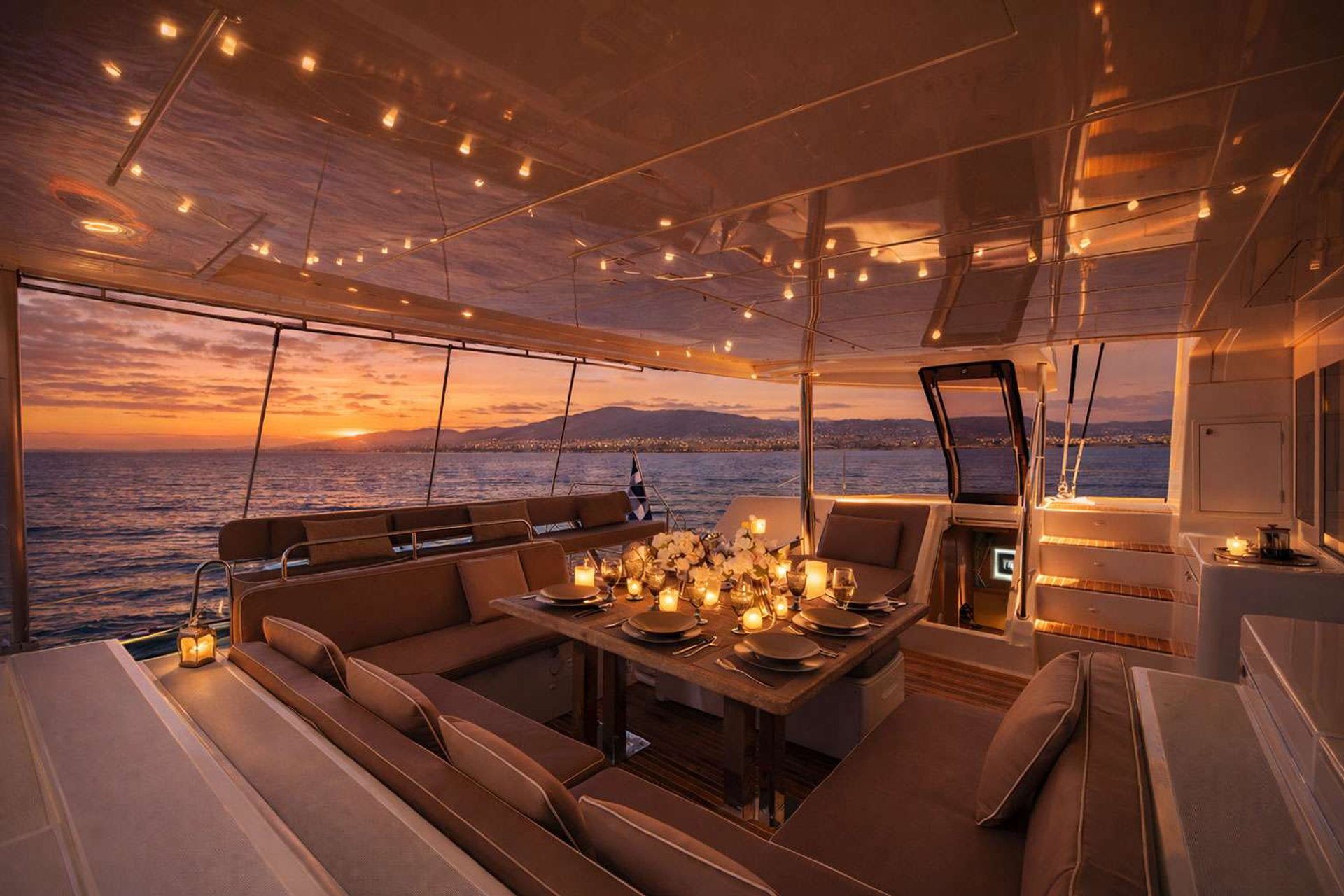
A última hora de la tarde, la lancha auxiliar te lleva a la ciudad de Míkonos antes de que la multitud de los cruceros vuelva a sus barcos. Pasea por las callejuelas encaladas de la Chora, encuentra los famosos molinos en la cresta sobre el puerto, y acomódate en la Pequeña Venecia: una hilera de viejas casas de capitanes en el borde oeste de la ciudad, construidas con los balcones de madera colgando directamente sobre el mar. Elige un bar, coge una mesa en el borde, y mira el sol caer en el Egeo. Cena a bordo esta noche: tu chef monta tres pausados platos en la cubierta de popa con las luces de la ciudad rielando al otro lado del agua.
Day Highlights
Día 7 de 7 · Míkonos
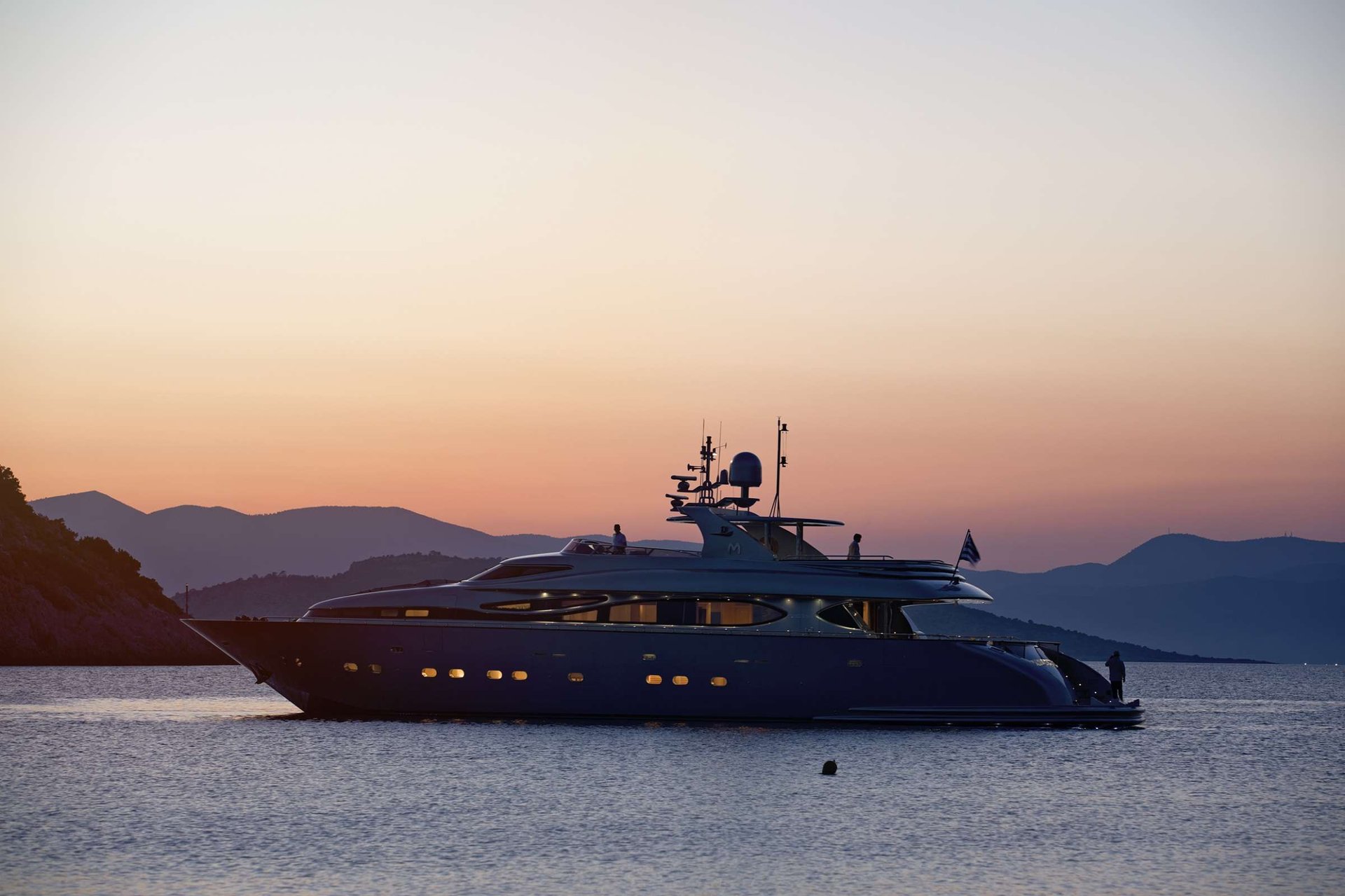
Un día sin travesía. Tu capitán mantiene posición en un fondeadero de Míkonos —Ornos, Platis Gialos, o un reposicionamiento a Agios Sostis en la costa norte si el meltemi se ha asentado y el oleaje del lado norte es manejable—. Agios Sostis es el sitio de baño tranquilo que la mayoría de los visitantes de Míkonos nunca encuentra: una larga playa de arena con una sola taberna en lo alto del farallón y casi nada de tráfico de barcos.
Por lo demás, el día es tuyo. Largos baños desde la popa del barco, paddleboards y kayaks para quien los quiera, la lancha auxiliar llevando a los huéspedes a tierra para un paseo a primera hora de la tarde por la Chora antes de que aparezca la multitud del atardecer. Algunos grupos de yates piden al capitán que enhebre de vuelta al sur para una noche extra en Naxos o Paros si los tiempos funcionan: puede tomar esa decisión con el pronóstico de la mañana.
La verdad honesta sobre Míkonos es que está concurrida, sobre todo en julio y agosto. La ventaja del viaje en yate con tripulación es que no lidias con la mayor parte de ello. No estás peleando por una tumbona de club de playa en Nammos o por una reserva de cena en la Chora en hora punta. Estás sentado en tu propio barco en un fondeadero tranquilo con la brisa cortada por el promontorio, yendo a tierra a tu propio horario, y saltándote los trozos de la isla que están hechos para las vacaciones de otro. Ese es todo el argumento de hacer las Cícladas con tripulación en lugar de saltar de isla en isla en ferri.
Por la tarde, tu chef echa el resto para la cena de despedida: un emplatado pausado de tres o cuatro platos en la cubierta de popa, el barco sobre su cadena en el Egeo, las luces de la ciudad de Míkonos al otro lado del agua. La tripulación irá reiniciando en silencio para la salida de mañana por la mañana mientras tú te demoras en la mesa.
Day Highlights
Día 8 · Salida
Disfruta de un último desayuno pausado a bordo, un último baño desde la popa del barco si te animas, y un corto trayecto en lancha auxiliar hasta el puerto viejo para tu salida de media mañana. Tu tripulación se encarga de cada logística: traslado al aeropuerto de Míkonos, vuelo de continuación a Atenas o directo a la mayoría de los aeropuertos europeos, una última foto con el yate al fondo. Bájate con sal en el pelo, una semana del Egeo a tu espalda, y la clase de recuerdos que tienden a hacer volver a la gente.
Want to share or come back to this voyage later?
Bookmark this voyage →Itinerario con tripulación · Grecia
Si ya has hecho Míkonos y Santorini y quieres profundidad en lugar de espectáculo, este es el itinerario por Rodas que reservar a continuación. El Dodecaneso se extiende a lo largo de la costa turca, en el Egeo oriental, con dos mil años de historia estratificada entre los baños diarios: un monasterio en lo alto de una colina, Patrimonio de la Humanidad, donde Juan escribió el Apocalipsis, un volcán activo en el que puedes entrar caminando, el puerto más fotografiado de Grecia, y la mayor ciudad amurallada medieval intacta de Europa. Es una semana cultural con el Egeo aportando la navegación intermedia. Unas 240 millas náuticas de ida y vuelta desde Kos, con desembarco solo ida en el aeropuerto de Rodas.
La ruta está construida en torno a un viaje de ida y vuelta desde Kos con llegada el último día a Rodas, la jugada práctica, ya que la mayoría de los huéspedes de charter prefieren volar a casa desde el aeropuerto de Rodas en lugar de volver sobre sus pasos hasta Kos. Tu capitán profesional y tu chef privado se encargan de la logística del papeleo de aduanas, los amarres y los inevitables retoques de horario que te dará el tiempo del Egeo. El Meltemi sopla aquí en verano, pero está más repartido y menos concentrado que en las Cícladas, y el Dodecaneso queda lo bastante al sur como para extender la temporada cómodamente de mayo a octubre. La ventana de charter más larga, la profundidad cultural y la pura variedad de lo que navegas en una sola semana son la razón por la que los huéspedes que ya han hecho las Cícladas vuelven por este.
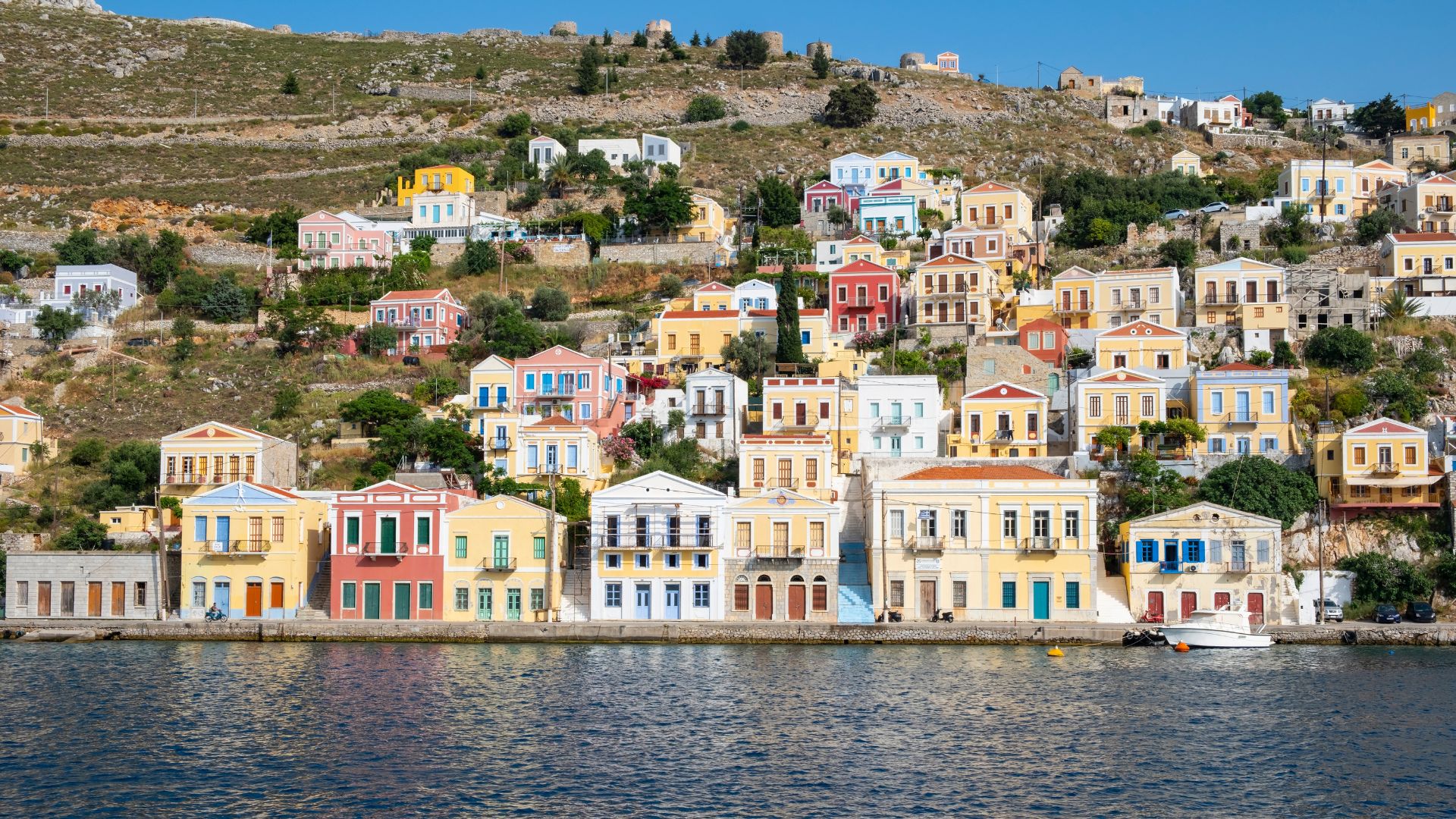
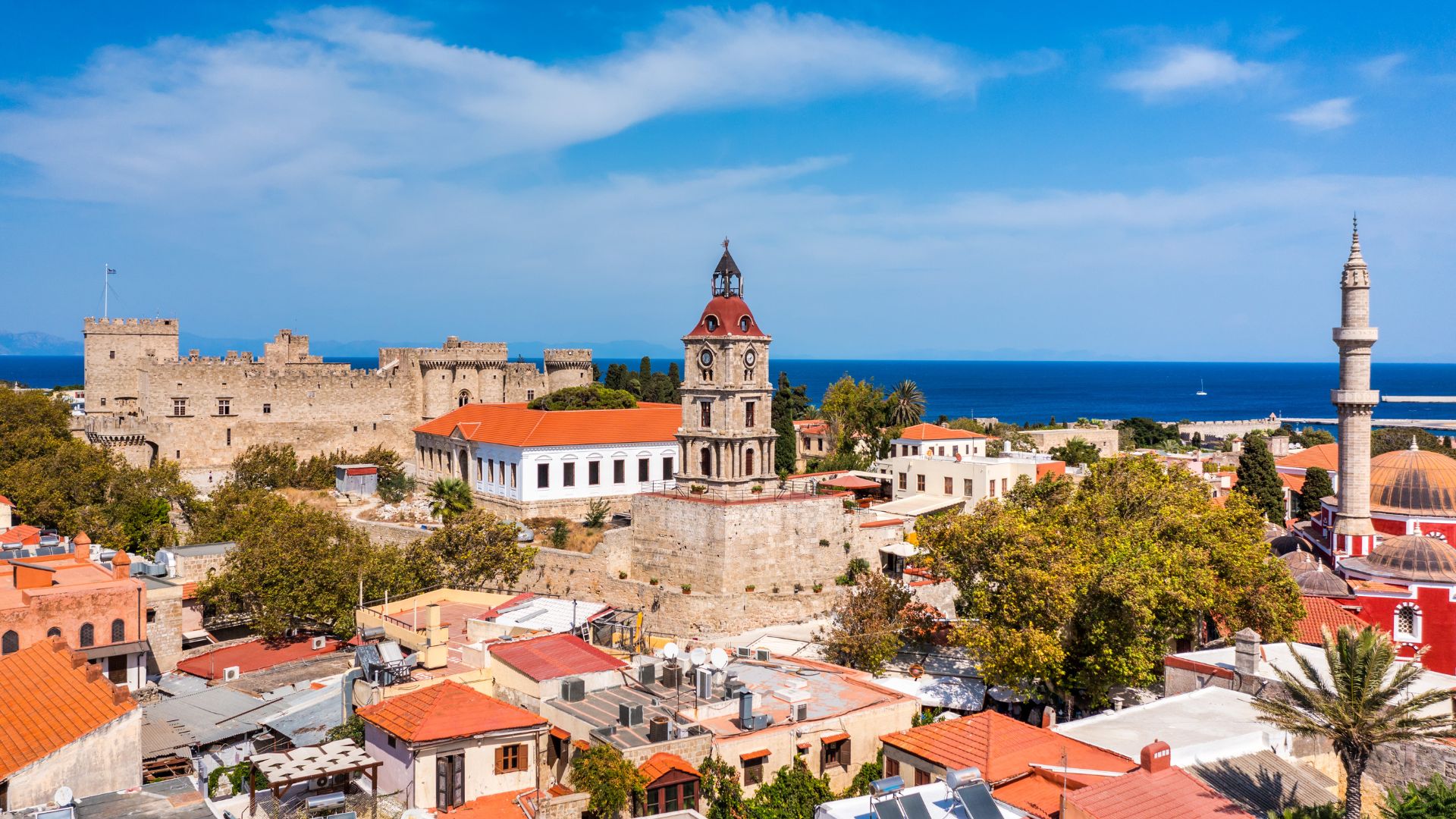
El Dodecaneso es lo que reservan los huéspedes después de haber hecho Míkonos y Santorini y querer profundidad en lugar de postales. Monasterios Patrimonio de la Humanidad (Patmos, donde Juan escribió el Apocalipsis), un volcán activo en cuya caldera puedes entrar caminando (Nisyros), el puerto más fotografiado de Grecia (Symi), y la mayor ciudad amurallada medieval intacta de Europa (Rodas). Dos mil años de historia griega, italiana y otomana estratificada entre los baños diarios.
Unas 240 millas náuticas a lo largo de la semana: recogida en Kos, Patmos, Lipsi, Leros, Kalymnos, Nisyros, Symi, con desembarco solo ida en Rodas (la mayoría de los huéspedes vuelan a casa desde Rodas en lugar de volver a Kos). El Meltemi sopla aquí en verano pero está más repartido que en las Cícladas, así que la temporada se extiende cómodamente de mayo a octubre. El Dodecaneso es el itinerario de islas griegas para los que quieren la semana cultural.
Día 1 de 7 · Kos → Pserimos
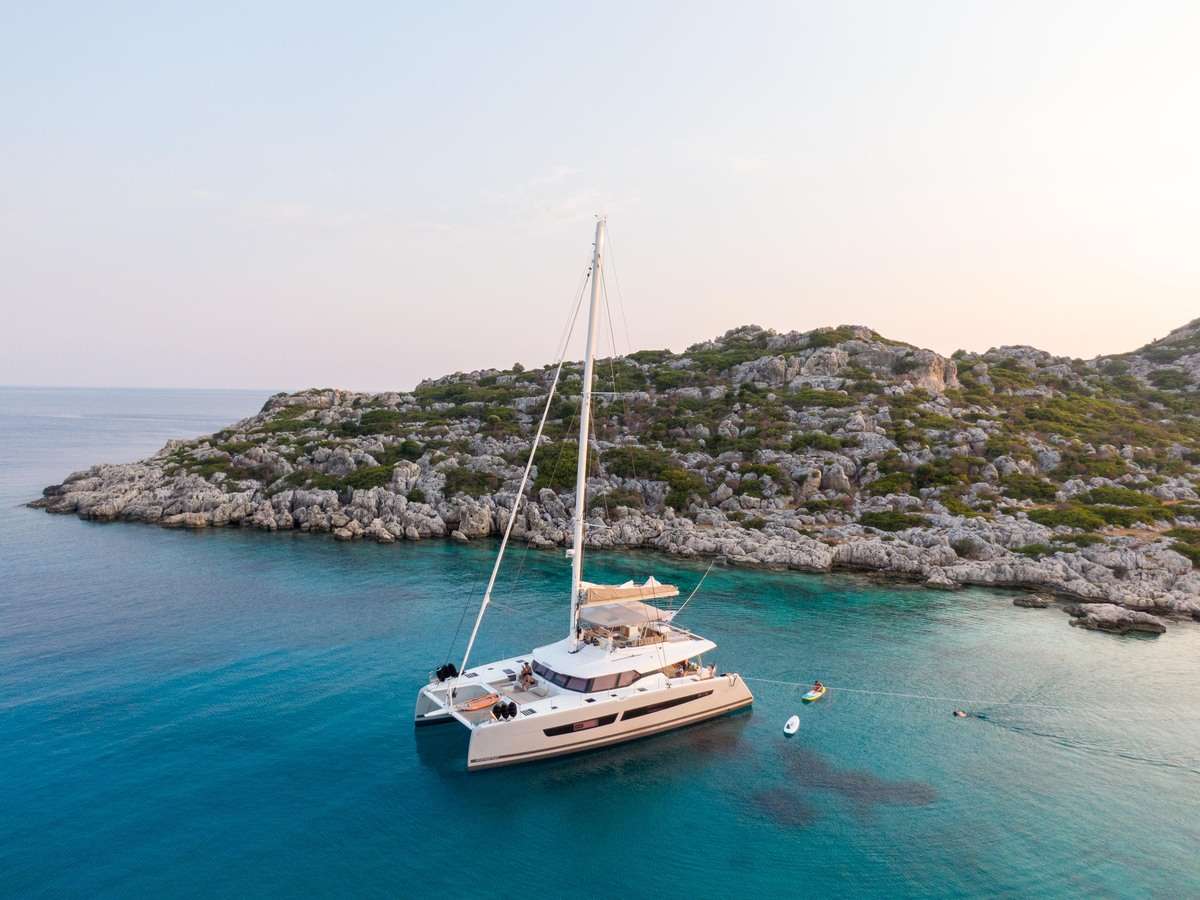
Tu viaje en yate empieza en Kos Marina, en el extremo este del pueblo de Kos: un corto traslado del aeropuerto internacional de Kos y la principal base de yates con tripulación del Dodecaneso central. Tu capitán y tu chef te reciben en el muelle, te enseñan el yate, guardan el equipaje y sirven la primera bebida fría mientras repasan la ruta que viene. La tierra firme turca queda a cuatro millas de la proa en una tarde despejada, lo bastante cerca como para que el castillo de Bodrum se vea al otro lado del estrecho. Es un recordatorio útil, el primer día, de lo cerca que está este rincón de Grecia de Asia Menor y de cuánto ha moldeado esa proximidad todo lo que estás a punto de ver.
Una vez todos acomodados, el capitán larga amarras para un corto rodaje de diez millas náuticas al norte hasta Pserimos, una pequeña isla enclavada entre Kos y Kalymnos con una amplia bahía de arena, tres o cuatro tabernas a lo largo del paseo marítimo, y casi nada más. Es una primera noche fácil, deliberadamente discreta, pensada para que la familia encuentre el ritmo tranquilo del barco antes de los días más grandes.
La cena es a bordo la primera noche, preparada por el chef, mientras los barcos de excursión de Kos se marchan y la bahía se vacía. Pescado a la parrilla del mercado de la mañana, una ensalada griega con tomates de Santorini, una botella fría de Assyrtiko, y las luces del pueblo brillando a unos cientos de metros de la popa.
Day Highlights
Día 2 de 7 · Pserimos → Patmos
Una travesía de treinta millas náuticas al norte esta mañana —unas tres horas en un yate a motor de desplazamiento, menos en uno de planeo— y el tramo más largo del principio de la semana. El Egeo suele ser bastante amable en este tramo por la mañana, con el Meltemi aún sin entrar, y el largo flanco de Leros crece despacio a babor mientras el capitán avanza al norte.
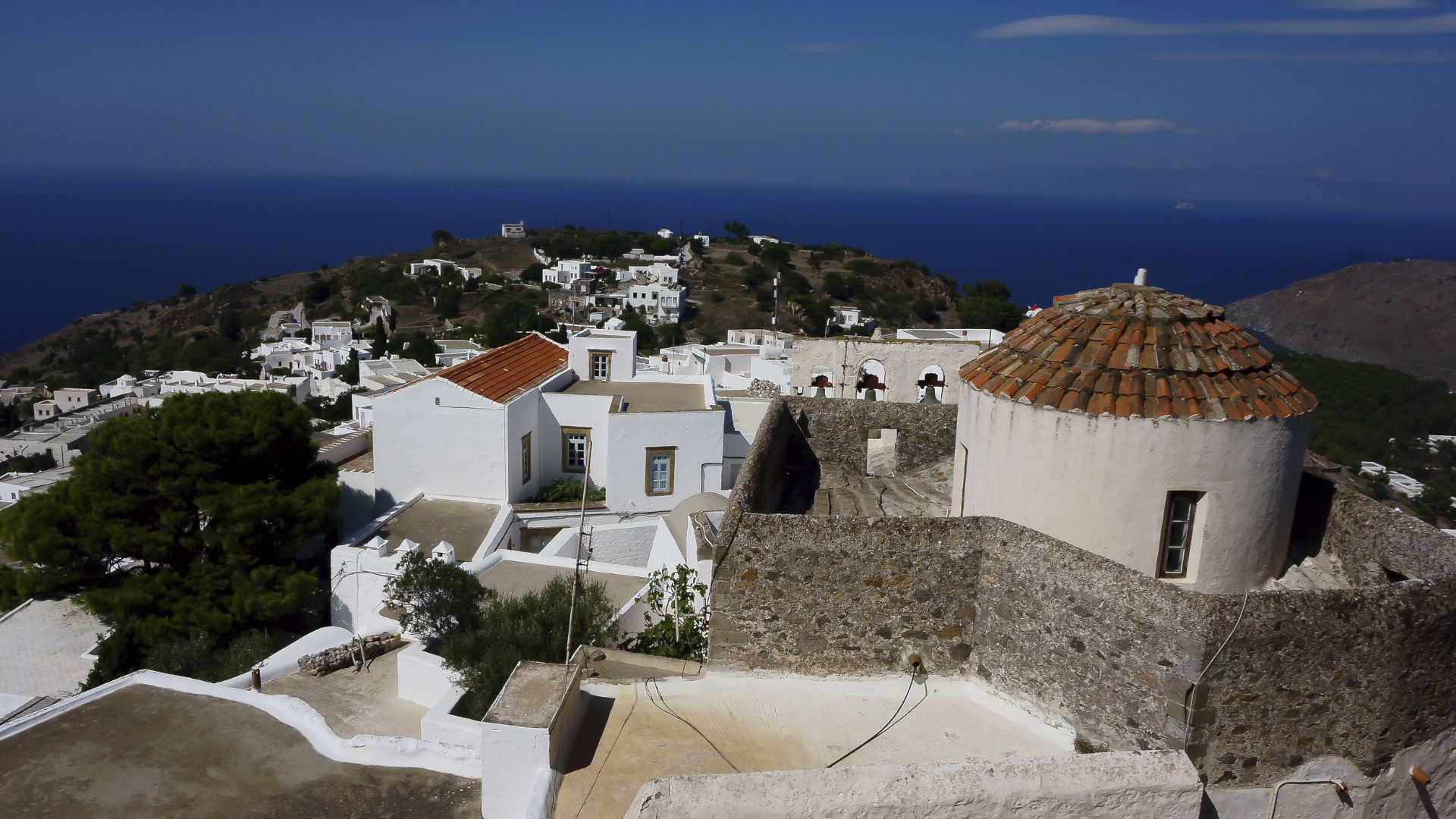
Patmos es la religiosa. En una cueva de la ladera sobre lo que hoy es el puerto de Skala, se dice que el apóstol Juan escribió el Libro del Apocalipsis en el año 95. Un monasterio construido en torno a esa cueva se convirtió en el núcleo del pueblo de arriba —la Chora— y en el siglo XI se levantó el mayor Monasterio de San Juan en el punto más alto de la isla, amurallado como una fortaleza contra los piratas que trabajaron estas aguas durante los varios siglos siguientes. Todo el complejo de la cima es un sitio Patrimonio de la Humanidad de la UNESCO, y media jornada en tierra basta para recorrer tanto el monasterio como la cueva con un guía.
Tu capitán amarra en Skala o fondea fuera, según el tráfico de agosto, y tu chef organiza la tarde en torno a un largo almuerzo a bordo antes de la subida a la Chora. La última hora de la tarde es el momento adecuado para recorrer el monasterio: el calor de la caliza ha bajado, los visitantes de los cruceros están en su mayoría de vuelta en sus lanchas, y la luz vuelve el Egeo de abajo color peltre. Cena en tierra en una de las tabernas del puerto de Skala de camino de vuelta al barco.
Day Highlights
Día 3 de 7 · Patmos → Lipsi
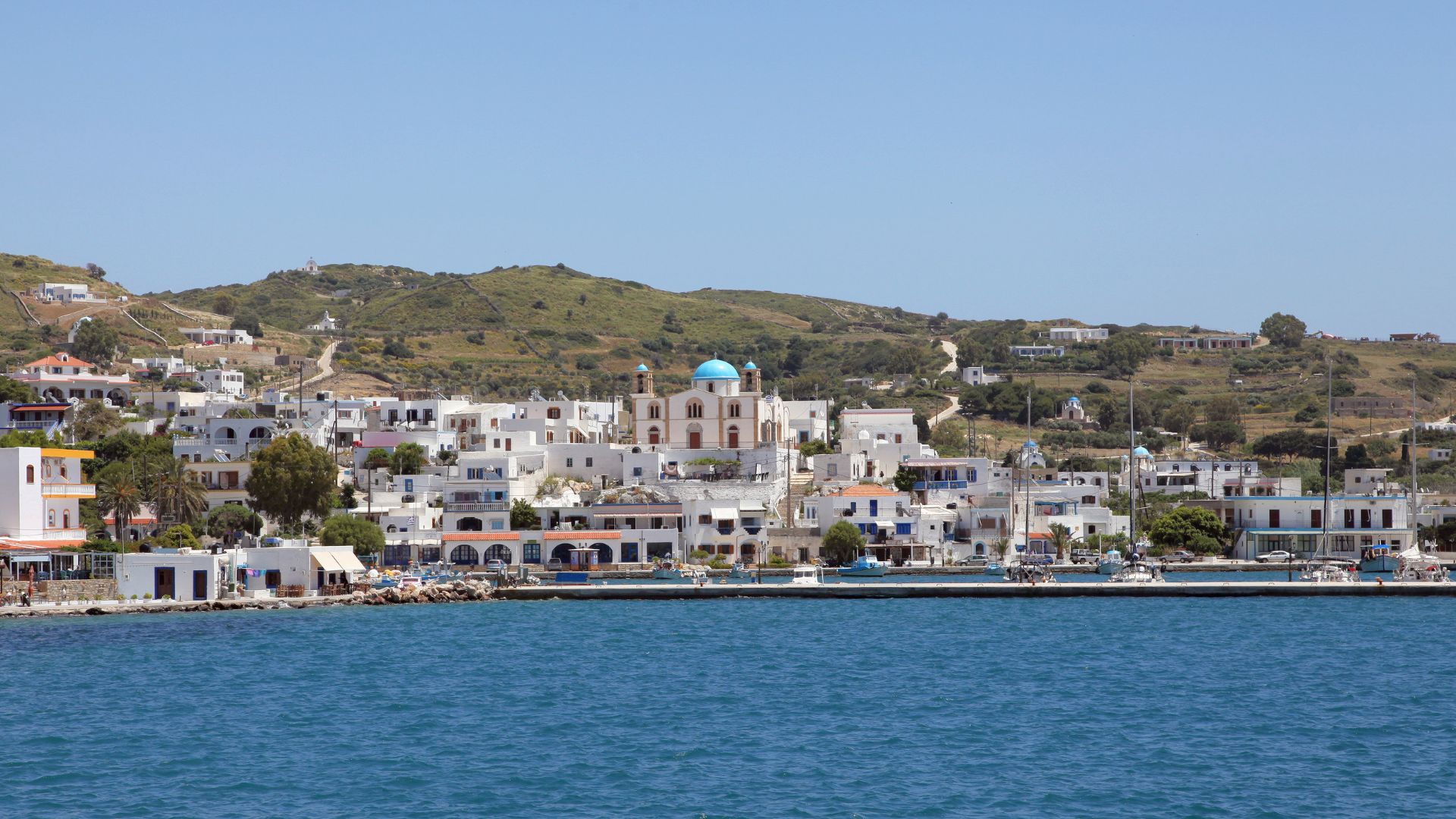
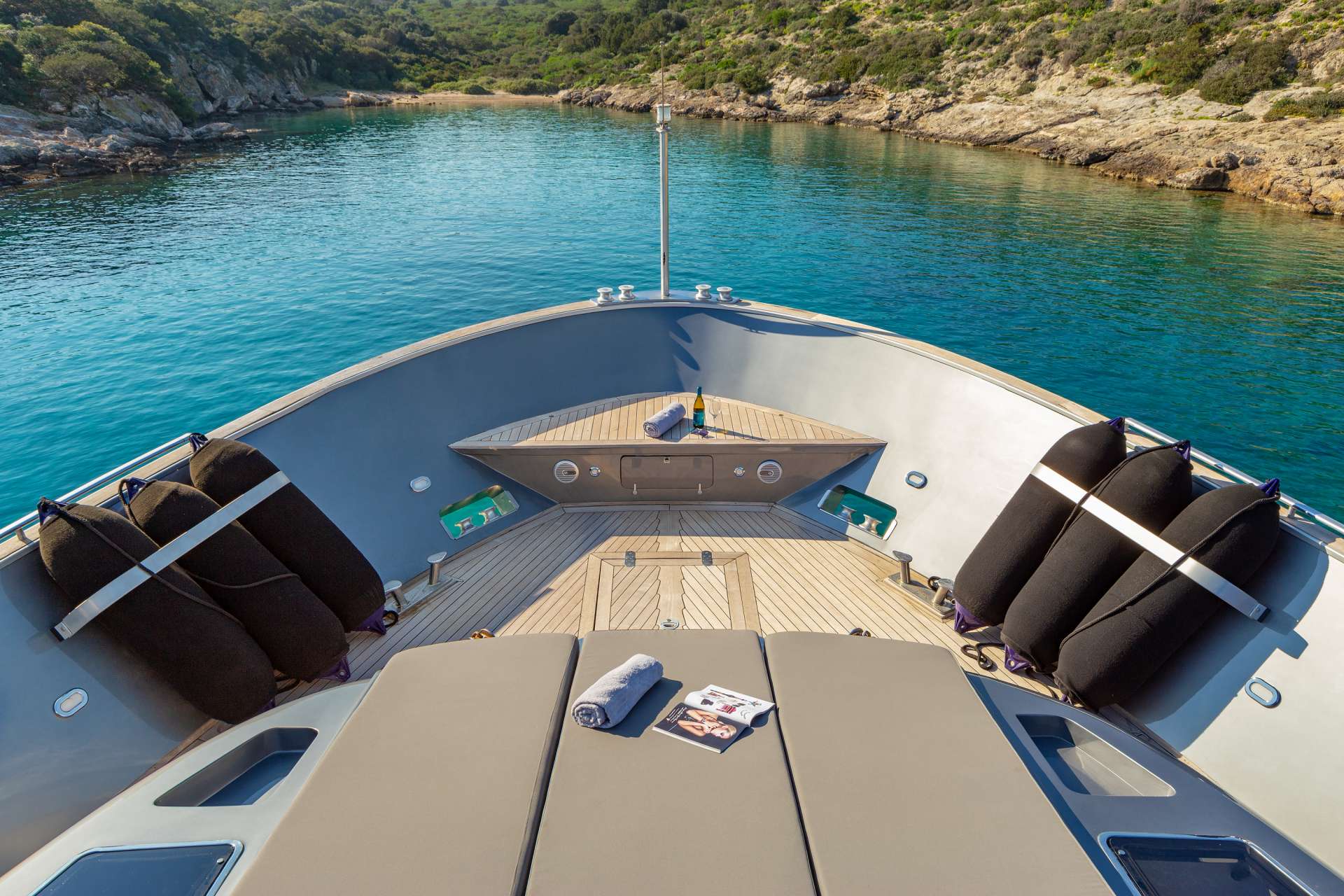
Un corto salto de diez millas náuticas al sur hasta Lipsi hoy: una hora o menos a motor, y el tipo de tramo que haces tras un desayuno pausado en cubierta. Lipsi es pequeña, sin urbanizar, y casi por completo ignorada por las grandes rutas de yate, por lo que se gana un día en esta. La arquitectura es ese aspecto cicládico blanco y azul que la mayoría de los huéspedes esperan al venir a Grecia; la diferencia es que el pueblo no está ahogado en lanchas de crucero.
El capitán fondea frente al pueblo de Lipsi por la mañana y el día es del agua. Almuerzo a bordo, y luego la lancha te lleva en unos minutos, rodeando el promontorio, hasta Plati Gialos: una bahía somera, de arena, casi de claridad de laguna en el lado oeste de la isla, que es el sitio de baño más fotografiado de Lipsi por una razón. El agua está lo bastante cálida como para quedarse dentro una hora seguida, y la cresta tras la playa está vacía.
Cena en tierra en el pueblo de Lipsi. Manolis es el favorito local de toda la vida: familiar, en el puerto, ese tipo de sitio donde la carta es lo que llegó en los barcos del día. Hay media docena de otras tabernas a lo largo del paseo marítimo si Manolis está lleno, todas honestas. El paseo de vuelta al bote auxiliar al final de la noche son unos cien metros pasando los barcos de pesca.
Day Highlights
Día 4 de 7 · Lipsi → Leros → Kalymnos
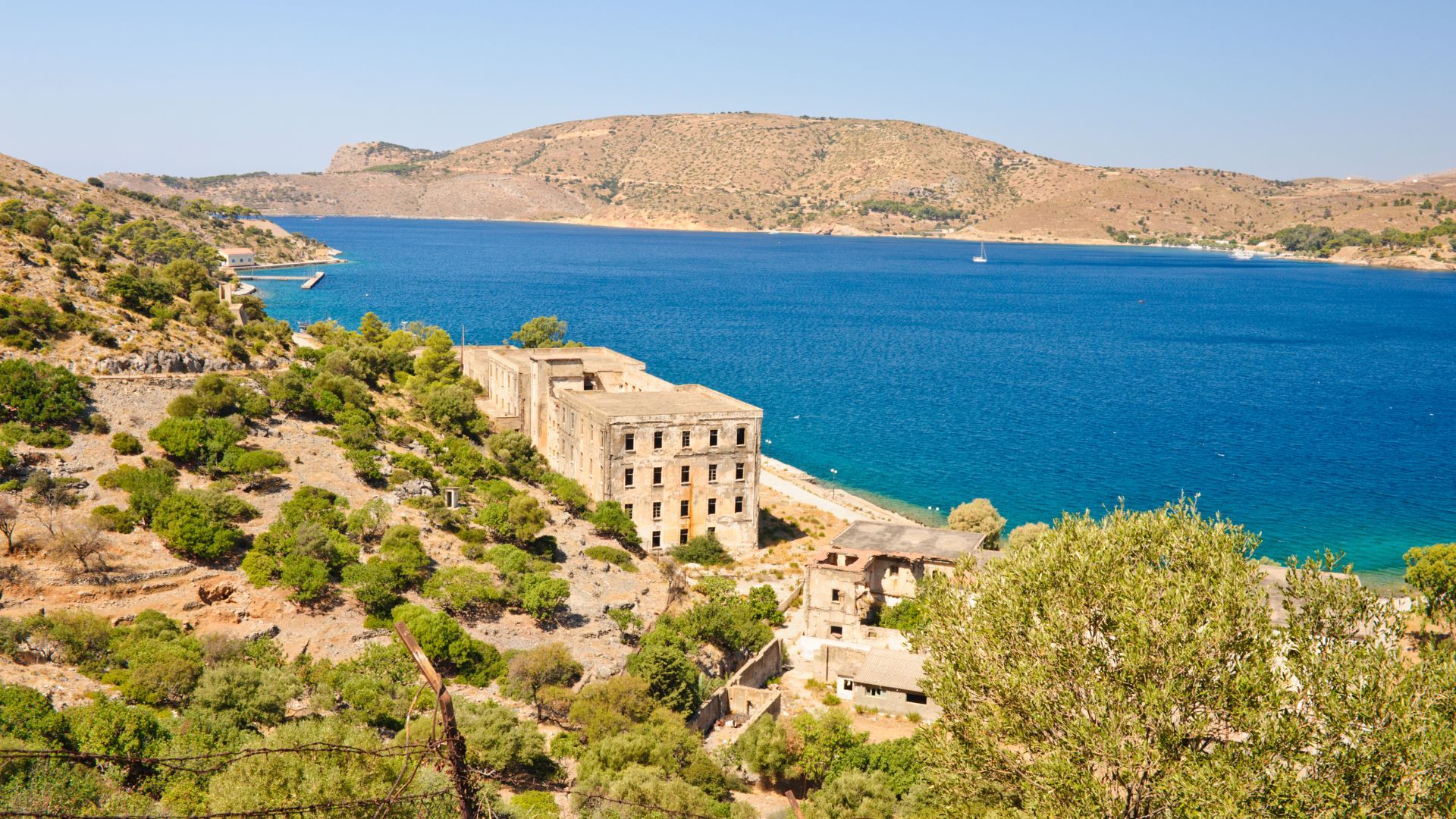
Un día de dos paradas, unas treinta millas en total, con una parada de mediodía en Leros que casi nadie en un viaje en yate rápido consigue encajar. Los italianos gobernaron el Dodecaneso de 1912 hasta el final de la Segunda Guerra Mundial, y Leros fue su principal base naval en el Egeo oriental. En los años treinta, bajo Mussolini, los arquitectos italianos trazaron el pueblo portuario de Lakki como una ciudad racionalista modelo: amplias avenidas rectas, un mercado Art Déco, un cine naval planificado, todo construido en hormigón blanco despojado que pretendía proyectar el nuevo orden fascista. El orden no duró. La arquitectura sí.
Tu capitán amarra en Lakki un par de horas y tu guía te lo enseña. Es extraño y discretamente bello, y también es la forma más fácil de hacer de repente legible la historia colonial estratificada del Dodecaneso: los Caballeros de San Juan, los otomanos, los italianos, los británicos, la Grecia moderna, todos habiendo dominado por turnos este tramo de agua.
A última hora de la tarde, amarras fuera de nuevo para la travesía de quince millas al sur hasta el puerto de Pothia, en Kalymnos. Kalymnos es la capital del buceo de esponjas de Grecia: los buceadores de esta isla trabajaron el Mediterráneo oriental durante siglos, y el oficio sigue siendo parte de la identidad local aunque la flota moderna de esponjas sea una fracción de lo que fue. Hoy, el mayor atractivo para los visitantes de fuera es la caliza: los acantilados verticales de la costa oeste de Kalymnos son de la mejor roca de escalada deportiva de Europa, y la temporada de escalada atrae a un tranquilo público internacional de marzo a noviembre. Fondea en Pothia, recorre el paseo marítimo pasando las tiendas de esponjas, y cena en tierra en una de las tabernas familiares sobre el puerto.
Day Highlights
Día 5 de 7 · Kalymnos → Kos → Nisyros
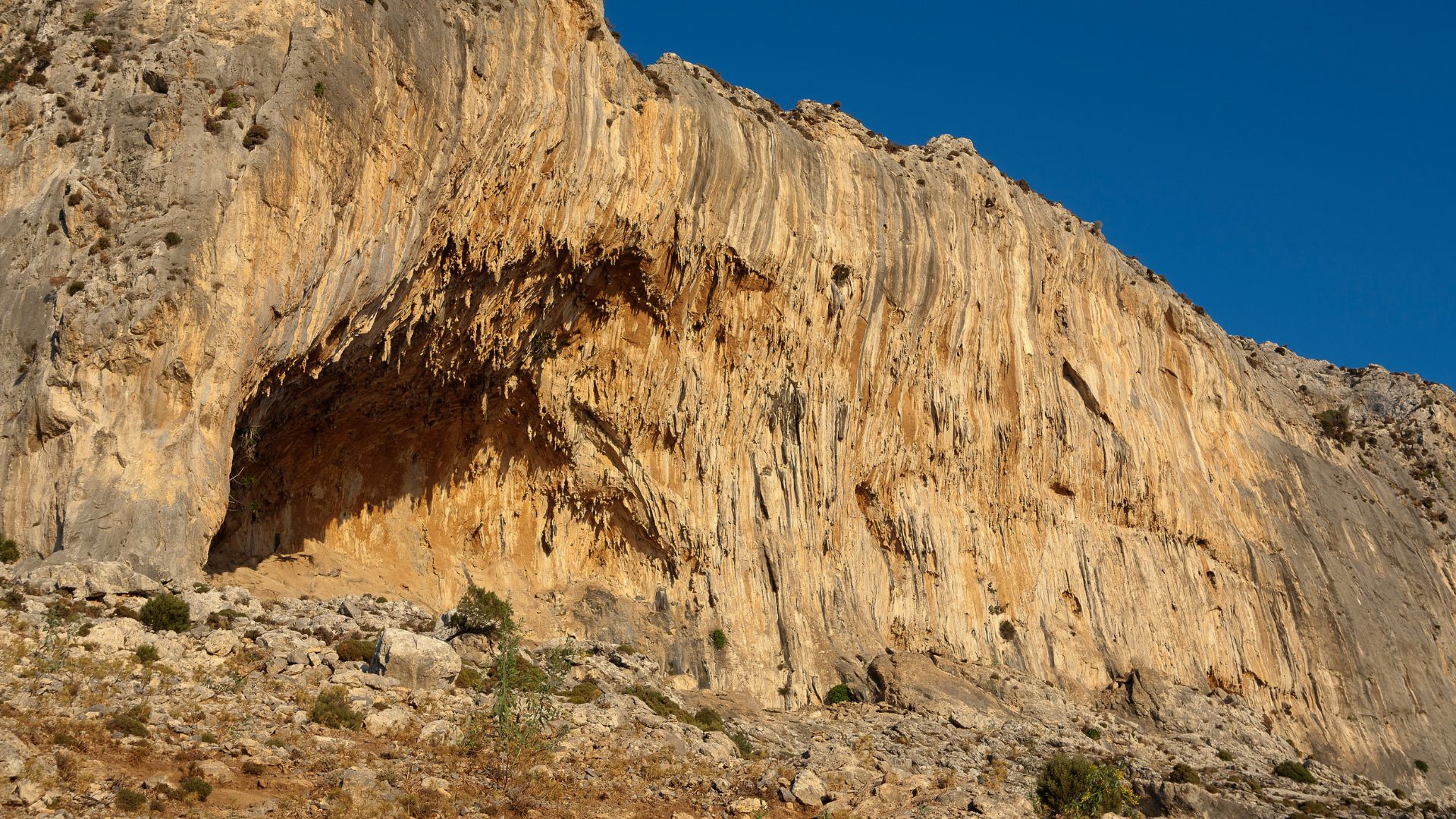
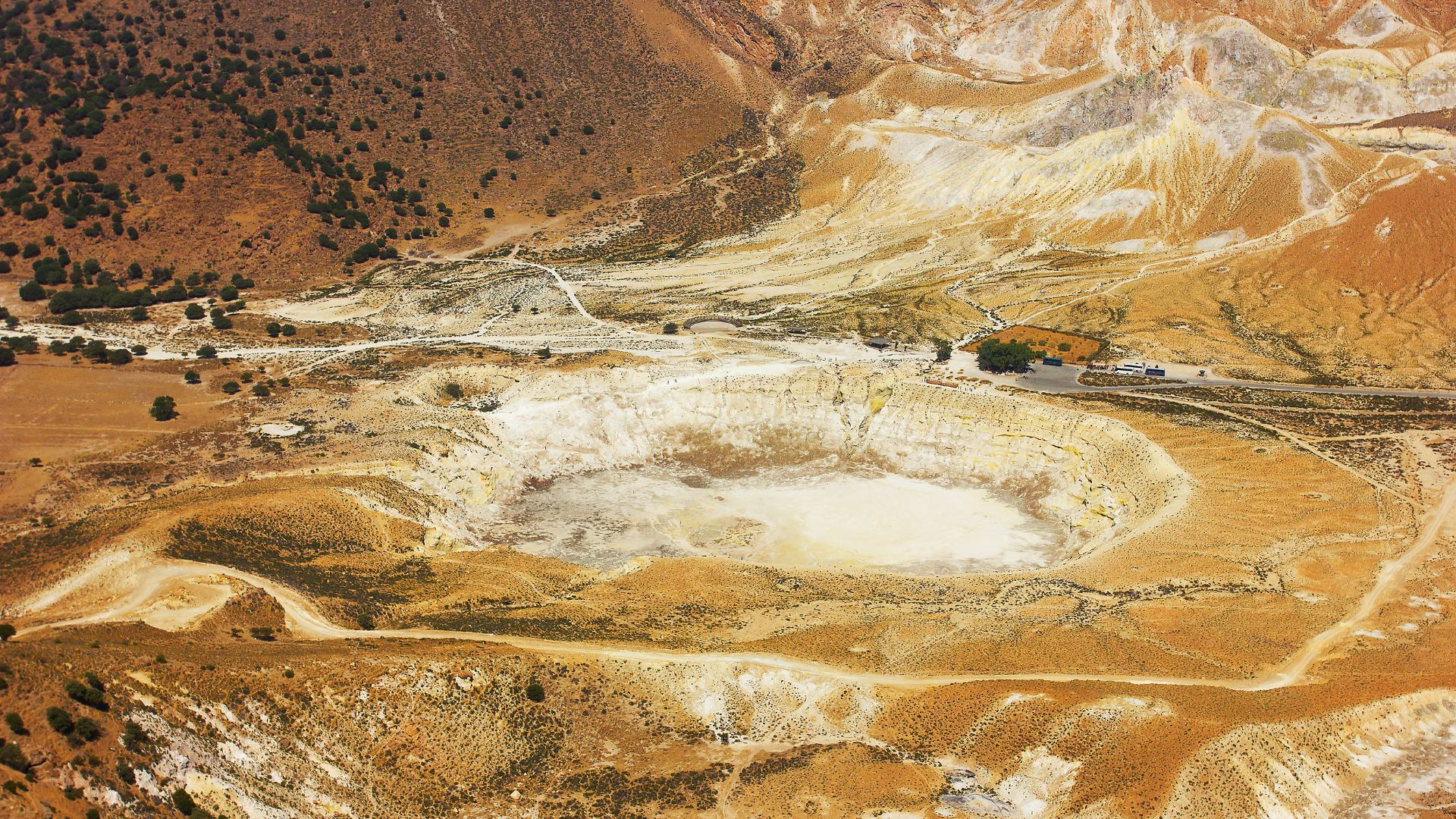
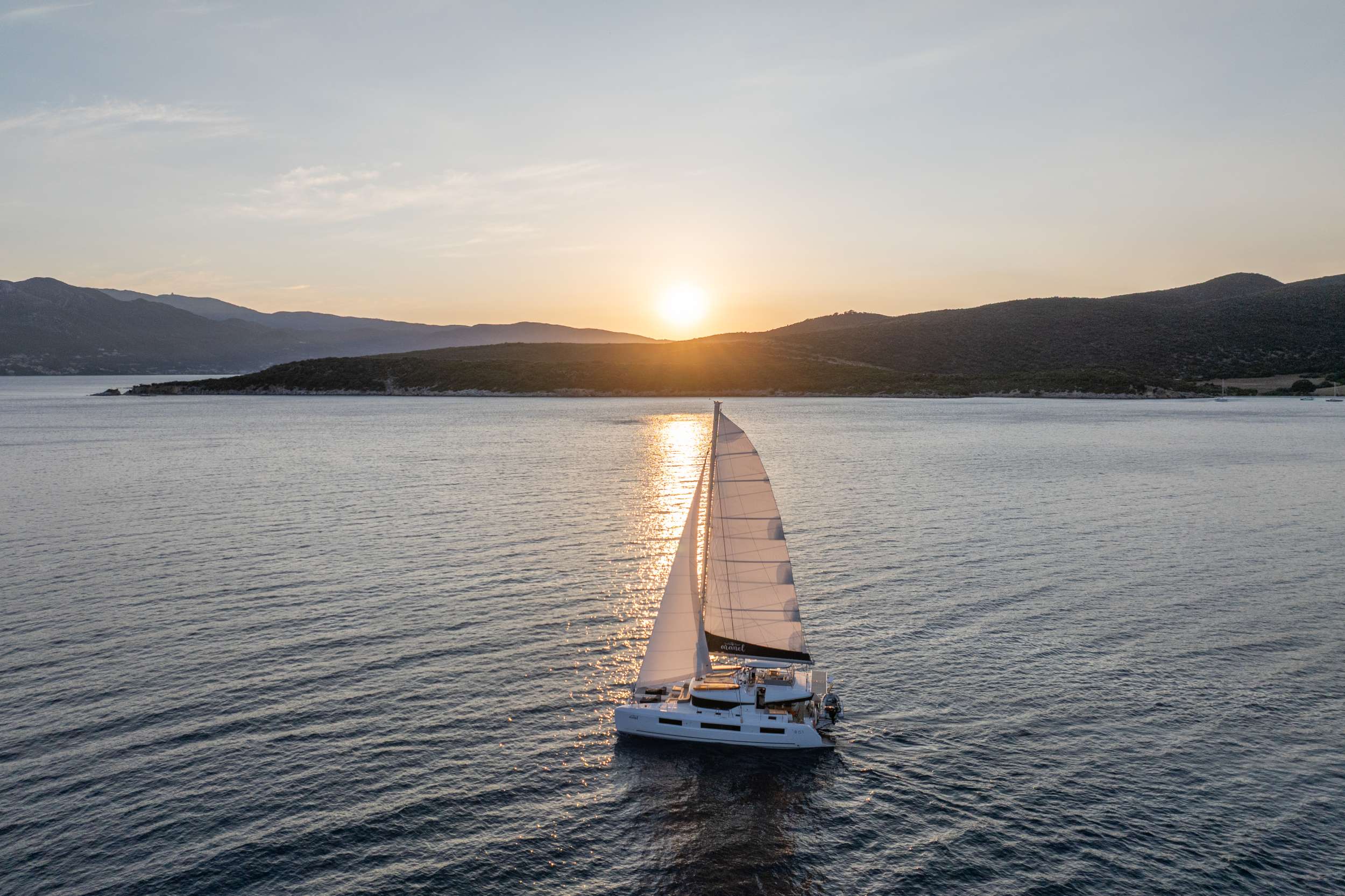
Un día flexible de unas cuarenta millas en total, estructurado en torno a media jornada en tierra en el pueblo de Kos y una llegada vespertina a Nisyros. Tu capitán sale de Pothia tras el desayuno para la corta travesía de quince millas al sur hasta Kos, amarra en Kos Marina, y bajas a tierra con un guía para la mañana. La parada principal es el Asclepeion: el centro de sanación antiguo en ruinas en una ladera a tres millas del pueblo, el mayor de su tipo en Grecia, y el lugar donde se dice que un joven Hipócrates estudió medicina antes de fundar la práctica que lleva su nombre. Abajo, en el pueblo, hay un plátano en la plaza central que la tradición local llama el plátano de Hipócrates: casi con seguridad no es el árbol real bajo el que enseñó, pero lo bastante antiguo como para no querer discutirlo demasiado.
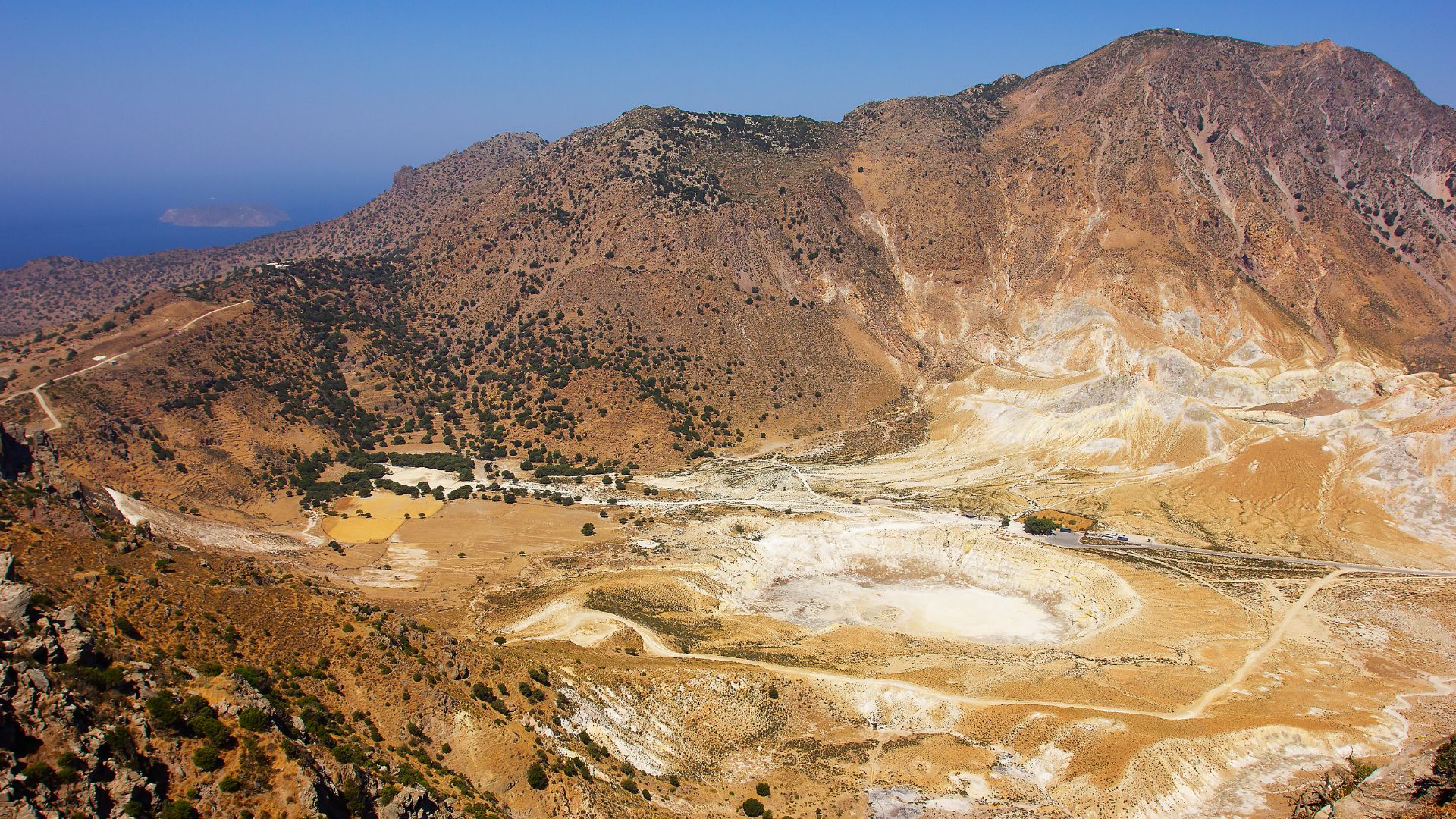
Almuerzo de vuelta a bordo, y luego el capitán pone la proa al sureste para la travesía de veinticinco millas hasta Nisyros. Nisyros es un volcán activo que resulta ser también una isla habitada: todo el interior de la isla es una caldera en la que se puede entrar caminando, cuyo fondo está seco, agrietado, caliente al tacto en algunos puntos, y echando vapor visiblemente de fumarolas de bordes amarillos por los lados. Hay un sendero que te baja directamente a pie hasta el cráter. Es uno de los pocos lugares del Mediterráneo donde la geología hace su trabajo lo bastante alto como para que puedas estar dentro de él.
Fondea o coge un amarre de muelle en Mandraki, el pequeño puerto del lado noroeste de la isla, y tu guía organiza el traslado de última hora de la tarde hasta el borde de la caldera. El descenso al cráter lleva veinte minutos; una hora dentro basta. Cena de vuelta a bordo en Mandraki, con las luces del pueblo trepando por la cresta volcánica sobre el puerto.
Day Highlights
Día 6 de 7 · Nisyros → Symi
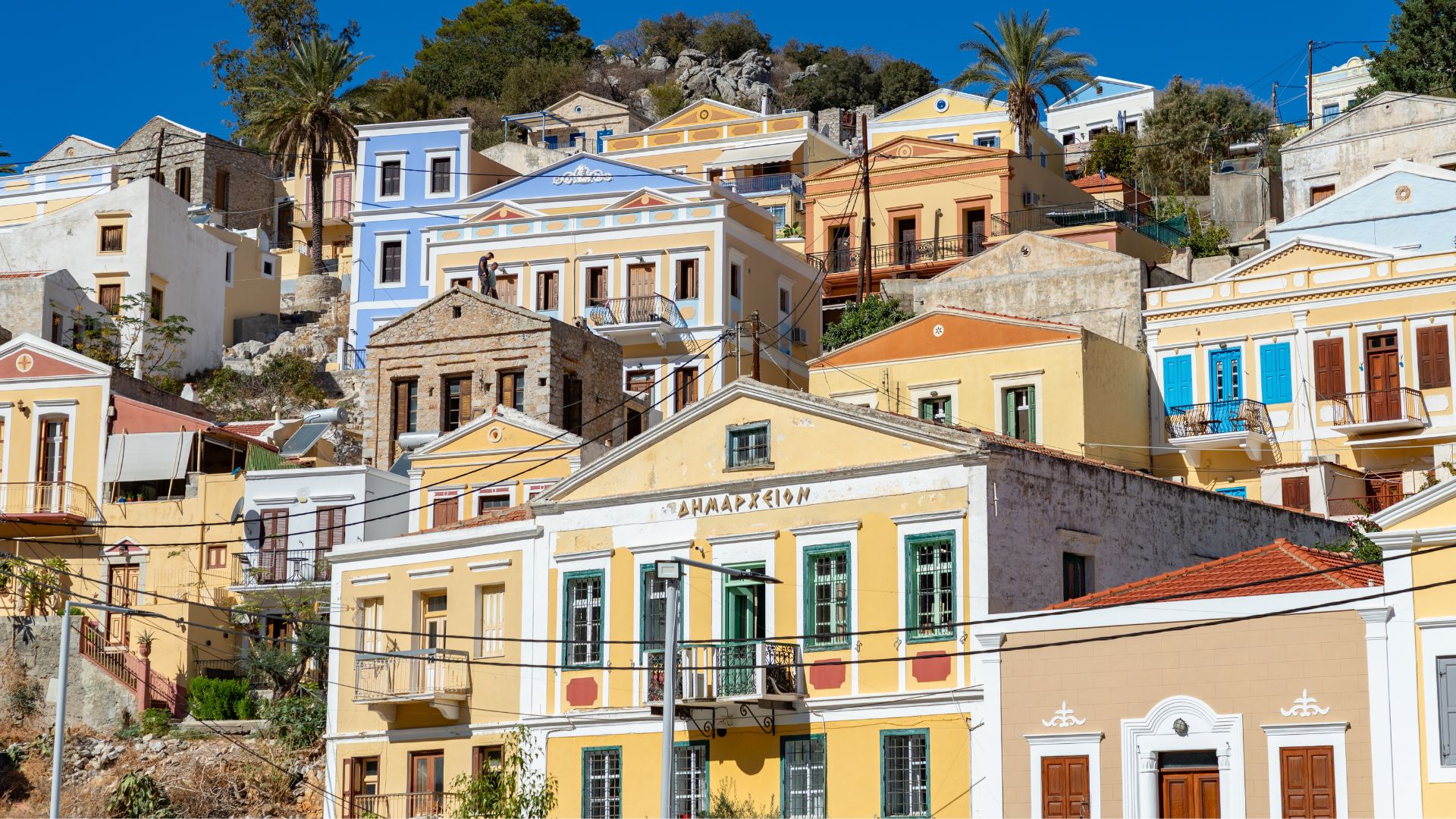
Veinticinco millas al sureste de Nisyros a Symi, y este es el día de postal del viaje. El puerto de Symi en Yialos es el puerto más fotografiado de Grecia, y a diferencia de muchas cosas que se describen así, se lo gana en el momento en que rodeas el promontorio y el pueblo aparece a la vista: una bahía cerrada en herradura amurallada por tres lados por laderas absolutamente repletas de casas neoclásicas pastel —amarillas, rosas, ocres, azules—, bañadas en una luz color miel a cualquier hora del día que no sea el mediodía. Las casas datan del siglo XIX, cuando la flota de esponjas de Symi era una de las operaciones comerciales más ricas del Egeo. Los comerciantes construyeron como comerciantes. El resultado se ha conservado por accidente: el comercio de esponjas se hundió a principios del siglo XX, la población cayó un noventa por ciento, y nunca hubo suficiente dinero en la isla para derribar nada.
Tu capitán fondea en el puerto o coge un amarre de muelle en la dársena interior, según el tráfico del día, y el barco se queda dentro de la fotografía el resto de la tarde. Almuerzo en tierra en Tholos o Sea Star, ambos junto al agua en el extremo sur de la bahía, ambos fiables para el pulpo a la parrilla y una larga botella de blanco a la sombra. La tarde es para nadar, subir los escalones de la Kali Strata —la larga escalera de piedra que sube del puerto al pueblo alto de Chorio— y hacer las fotos obligadas desde arriba.
Copas al atardecer en Roloi, el bar al pie de la torre del reloj en el lado norte del puerto, con la bahía tornándose dorada y las luces encendiéndose al otro lado del agua. Cena en tierra en Manos o Mythos, ambos pequeños, ambos familiares, ambos ese tipo de sitio que saca la captura de los barcos de pesca nocturna directamente del muelle. De vuelta a bordo tarde.
Day Highlights
Día 7 de 7 · Symi → Rodas
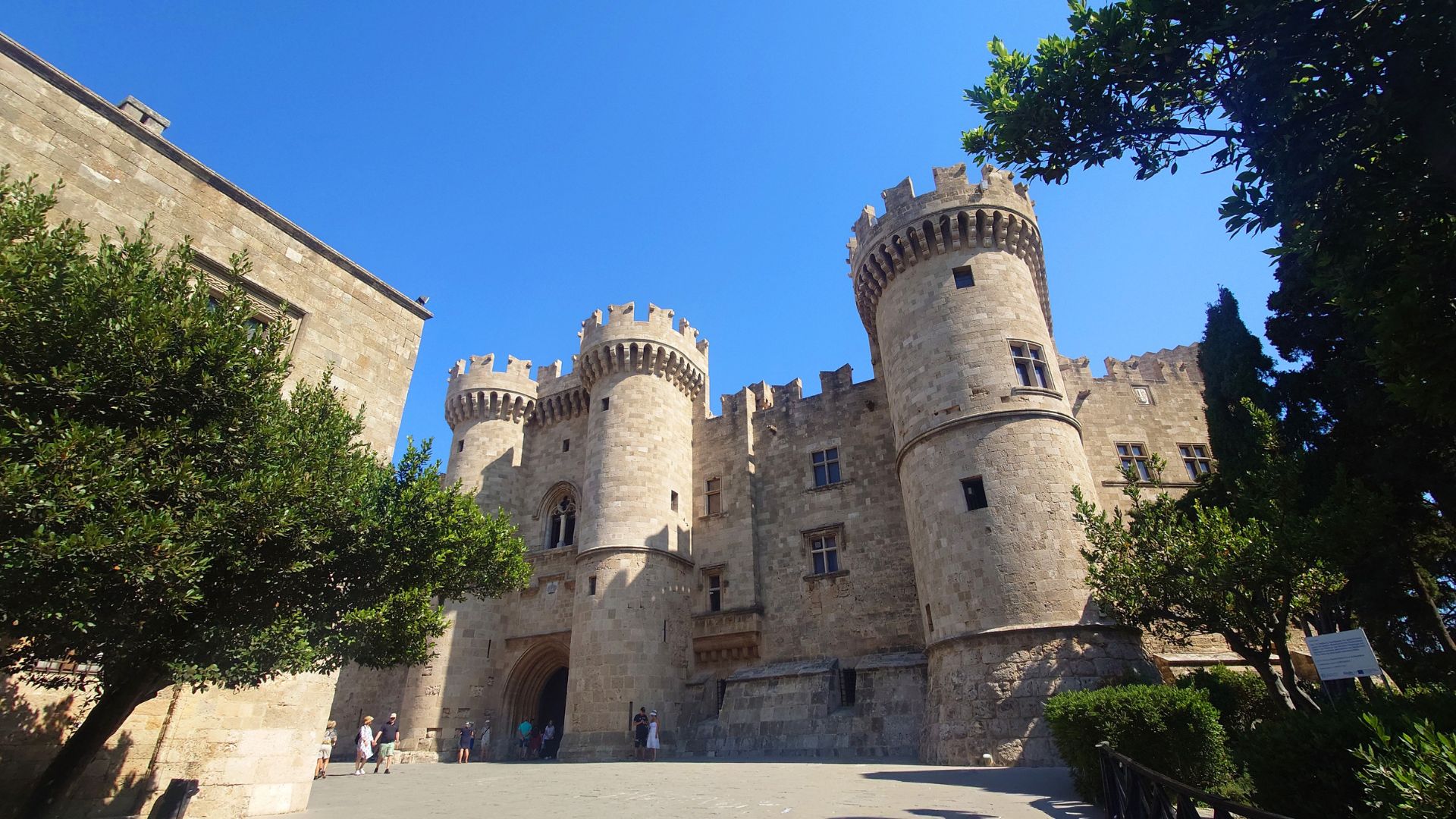
El último tramo son veinticinco millas al sureste de Symi a Rodas, y tu capitán planea la llegada en torno a un amarre a primera hora de la tarde en Mandraki Marina o en el Puerto de Kolona, ambos dentro del viejo puerto comercial al pie de la ciudad medieval. La aproximación en sí es el aperitivo: los muros de la ciudad vieja de Rodas se alzan desde el mar por la proa mientras te acercas a la entrada del puerto, y tienes la misma vista a la que cruzados, flotas otomanas y galeras venecianas se acercaron por turnos.
La ciudad vieja de Rodas es la mayor ciudad medieval habitada de forma continua de Europa, y toda la ciudad amurallada es un sitio Patrimonio de la Humanidad de la UNESCO. Los Caballeros de San Juan gobernaron desde aquí de 1309 hasta que el asedio de seis meses de Solimán el Magnífico finalmente rompió los muros en 1522; los otomanos llevaron luego Rodas durante casi cuatrocientos años, y después los italianos durante treinta más, antes de que la isla volviera a Grecia en 1947. Las capas se apilan unas contra otras dentro de los muros de un modo que recompensa pasear con un guía. La Calle de los Caballeros, el Palacio del Gran Maestre en lo alto de ella, la Mezquita de Solimán a unas manzanas, el viejo barrio judío con su sinagoga Kahal Shalom del siglo XVI: todo a quince minutos a pie.
Última cena en tierra en Marco Polo Mansion o en uno de los restaurantes de patio escondidos en las callejuelas de la ciudad vieja, donde las mesas se ponen bajo higueras dentro de lo que fueron complejos familiares de época otomana. De vuelta al barco para una última copa en cubierta bajo los muros iluminados.
Day Highlights
Día 8 · Salida
Un último desayuno pausado a bordo en la marina, un corto traslado al aeropuerto internacional de Rodas, y de vuelta a casa. El desembarco en Rodas es la jugada práctica de esta ruta —Rodas tiene más vuelos que Kos y conexiones más cortas a Atenas y a los principales hubs europeos— y tu capitán habrá organizado los horarios del aeropuerto con días de antelación.
Una nota práctica sobre Turquía. Bodrum está a cuatro millas de Kos y es una tentadora parada de un día —tiene su propio castillo, bazar y ambiente de marisco—, pero un cruce de viaje en yate requiere papeleo de aduanas turco y una entrada formal en la capitanía de Bodrum, más un despacho de regreso a aguas griegas. Tu capitán se encarga de todo el proceso si quieres añadirlo a la ruta. La mayoría de los viajes se saltan Turquía en una ventana de siete días y guardan Bodrum para un viaje en yate turco aparte; esa es la opción más fácil. En cualquier caso, el itinerario solo por el lado griego ya es más que suficiente para llenar la semana.
Want to share or come back to this voyage later?
Bookmark this voyage →Itinerario con tripulación · Grecia
El Jónico es el lado suave de Grecia. Si has estado leyendo sobre las Cícladas y preguntándote si las rachas de meltemi de cuarenta nudos y una semana de días clavado en puerto suenan a vacaciones, este es el itinerario que responde que no. Las islas frente a la costa noroeste de Grecia se asientan a sotavento del continente, totalmente fuera del meltemi, con brisas térmicas que entran educadamente a media tarde y caen de nuevo para la cena. Siete días, unas 130 millas náuticas, cortos saltos de diez a veinticinco millas náuticas al día, fondeo cálido a sotavento de la costa, y una taberna de paseo por el pueblo cada noche.
Esta es la trillada y clásica semana familiar del Mediterráneo, y la recorremos como un viaje en yate completamente con tripulación desde Gouvia Marina, en Corfú, para que los adultos tengan la carta de vinos y los niños tengan un reparto rotatorio de playas, ruinas y helado de puerto. Tu capitán profesional y tu chef privado se encargan del resto. Es el viaje en el que los niños, honestamente, vuelven más contentos que los padres.
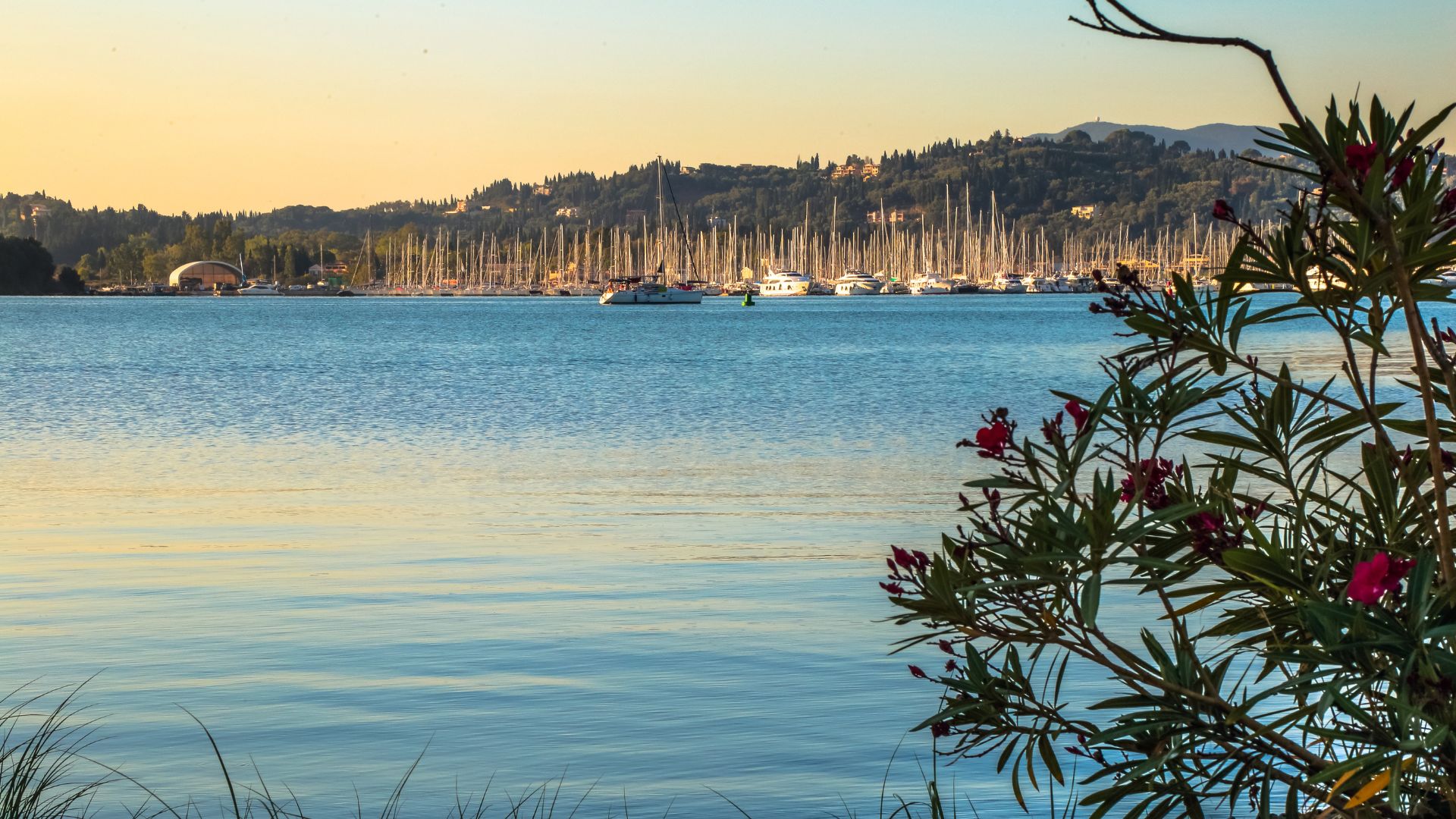
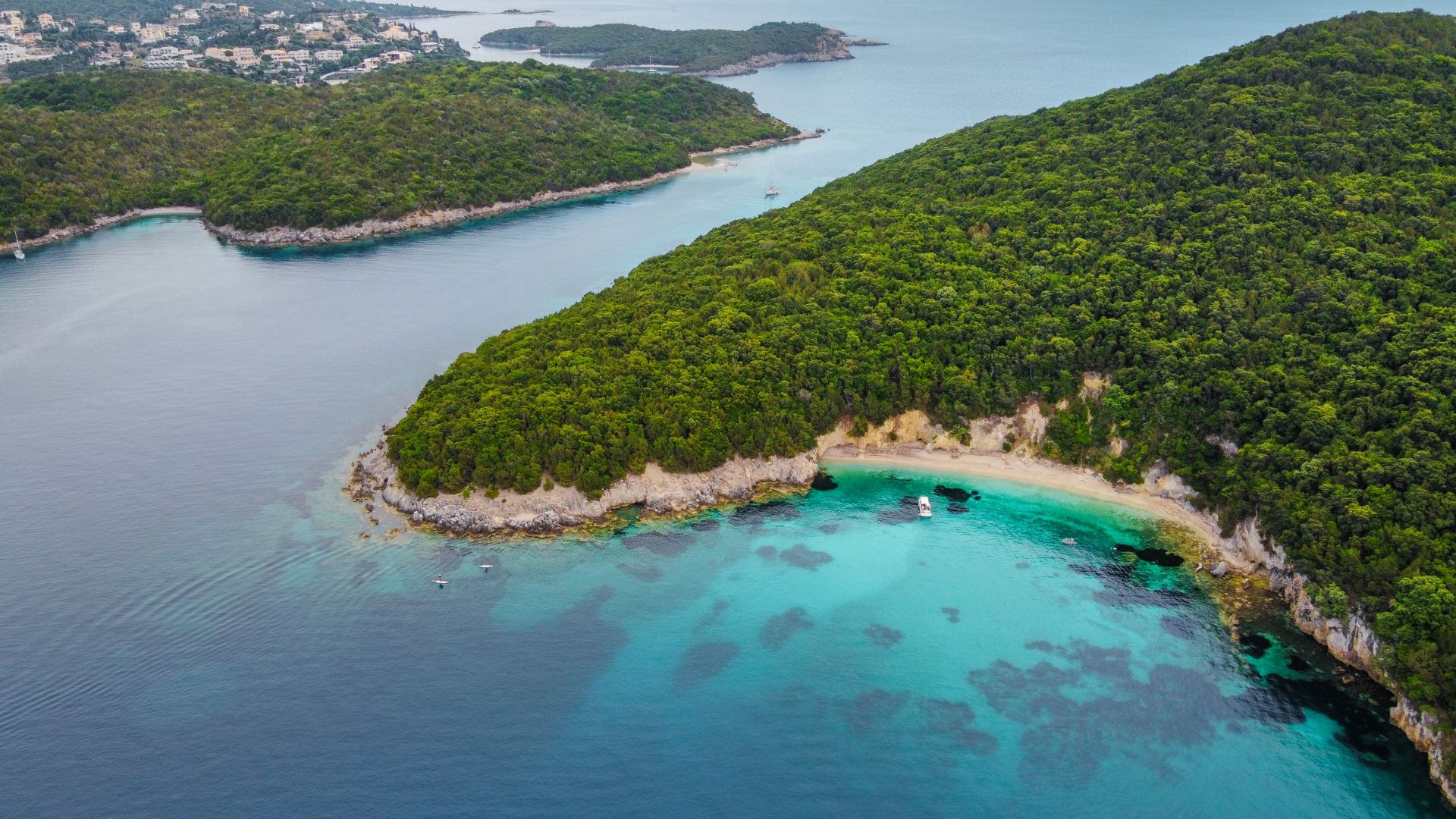
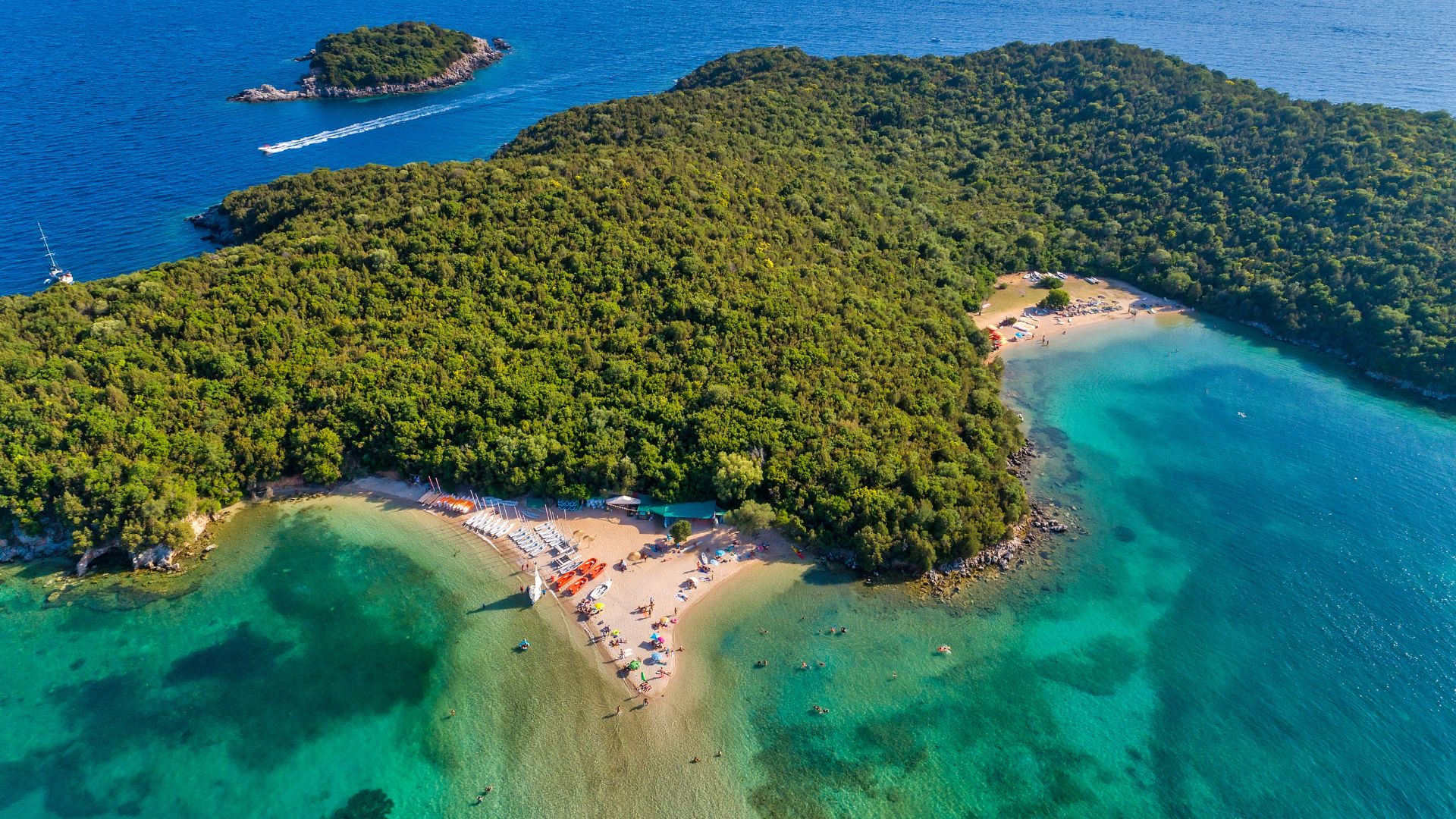
Las Islas Jónicas se asientan a sotavento del continente griego, completamente fuera del corredor del meltemi. Ese solo hecho rehace toda la semana de navegación: suaves tardes térmicas en lugar de mañanas de 35 nudos clavado en puerto, fondeo a sotavento de la costa (sin necesidad de amarrar de popa a un muelle cada noche), y cortas etapas de 10 a 25 mn de un pueblo de tabernas al siguiente. Este itinerario por las Islas Jónicas cubre Corfú, Paxos, Antípaxos, Parga, Meganisi, Ítaca y Cefalonia en siete días desde Gouvia Marina.
Unas 130 millas náuticas en total. El Jónico es la semana de las islas griegas que enviamos a los primerizos, a las familias con niños pequeños y a los grupos multigeneracionales: es el viaje en el que tanto los de ocho años como los de setenta vuelven más contentos. Yate con tripulación, con capitán y chef, para que los adultos tengan la carta de vinos y los niños tengan el helado.
Día 1 de 7 · Gouvia → Sívota
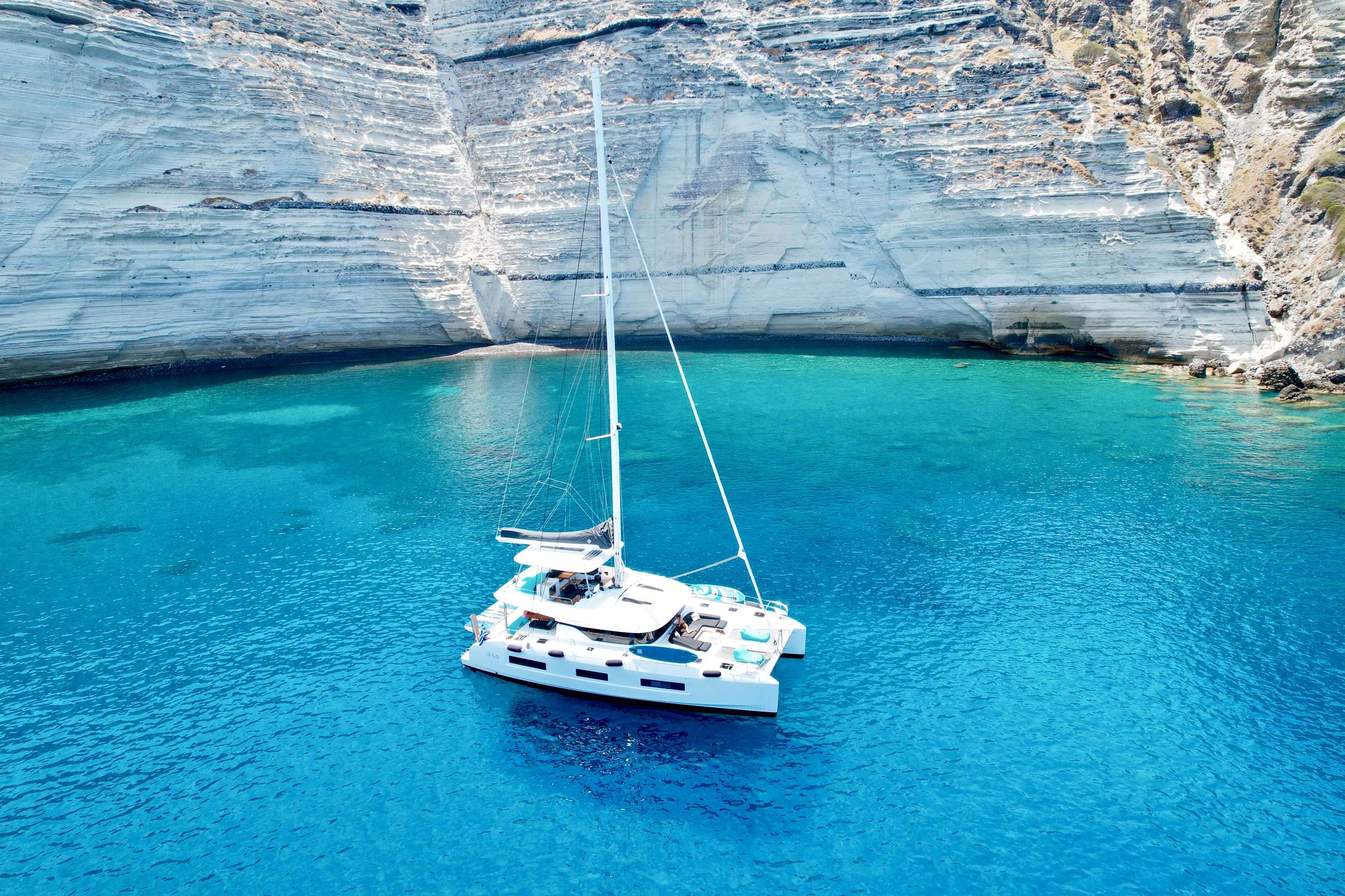
Tu viaje en yate empieza en Gouvia Marina, en la costa este de Corfú: a un corto traslado del aeropuerto de Corfú International y la principal base con tripulación del Jónico norte. Tu capitán y tu chef te reciben en el muelle, te enseñan el yate, guardan el equipaje, y sirven la primera bebida fría de la semana mientras repasan la carta náutica para los días que vienen. No hay prisa. La brisa de la tarde en esta costa rara vez entra antes de la una, y casi siempre cae para el atardecer.
Una vez que todos están acomodados, el capitán suelta amarras para la corta bajada al sureste hasta Sívota, en la costa continental: unas veinte millas náuticas en un través, la clase de fácil primera navegación que te deja coger las piernas de mar sin apenas intentarlo. Sívota es un grupo de pequeñas islas verdes metidas contra el continente, y el agua entre ellas es poco profunda, clara como un cristal, y casi imposiblemente turquesa. El fondeadero de la Laguna Azul está a la altura de su nombre. La playa de Bella Vraka —una barra de arena que puedes vadear con marea baja— está a un trayecto de cinco minutos en lancha auxiliar y es la clase de sitio que los niños recuerdan durante años.
La cena es a bordo la primera noche, preparada por el chef, para que todos puedan deshacer el equipaje a su propio ritmo. Pescado local a la brasa, una ensalada griega como de verdad está pensada que se haga, una botella fría de assyrtiko, y las luces del pueblo de Sívota brillando a media milla de la proa.
Day Highlights
Día 2 de 7 · Sívota → Paxos
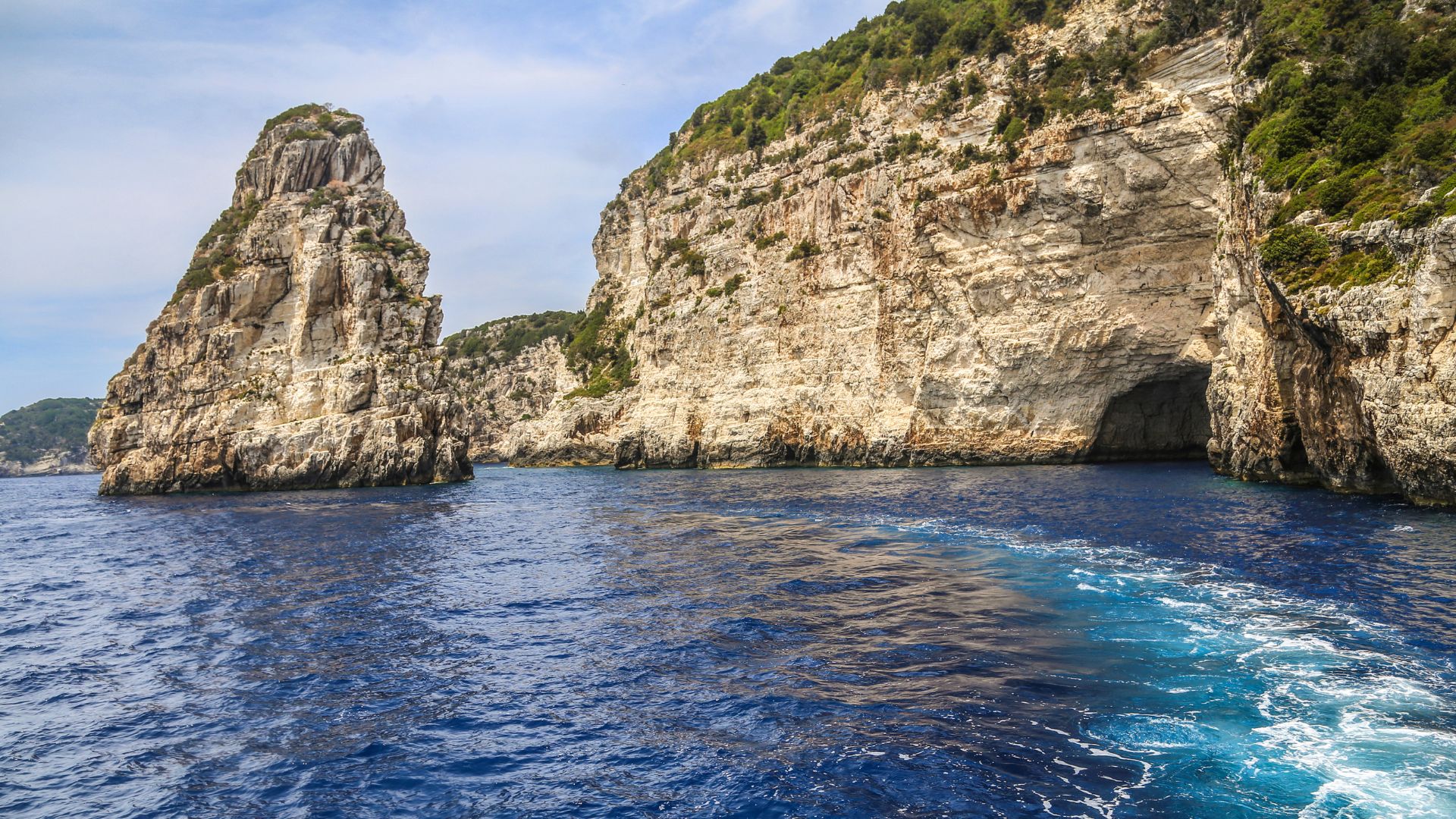
Tras un pausado desayuno a bordo, tu capitán apunta la proa al sur para el salto de quince millas hasta Paxos. Esta es una navegación corta y fácil: el perfil verde de Paxos es visible todo el camino, la brisa entra de través a media mañana, y toda la travesía se siente menos como una travesía y más como mover el salón. Echa el ancla en la bahía de Lakka, en el extremo norte de la isla: una herradura perfecta, de fondo de arena, rodeada de pinos, y lo bastante poco profunda como para que el agua brille del color de una piscina.
El pueblo de Lakka está a un corto trayecto en lancha auxiliar al otro lado de la bahía: casas encaladas, buganvillas, un puñado de cafés en el paseo marítimo, y una panadería que cambiará tu opinión sobre la spanakopita. Pasa la tarde entrando y saliendo del agua. Los niños pueden nadar hasta la orilla. Los adultos pueden leer en la cubierta de proa. Nadie tiene que estar en ningún sitio.
A última hora de la tarde, tu capitán reposicionará el yate unas pocas millas costa abajo por el lado este hasta Loggos, uno de los puertos pequeños más bonitos del Jónico. La cena de esta noche es en tierra en Vassilis, una taberna que lleva dando de comer a marineros más tiempo del que la mayoría de los yates del puerto llevan existiendo. Pide lo que esté fresco, sirve el blanco de la casa, y camina los cien metros de vuelta a la lancha auxiliar cuando termines.
Day Highlights
Día 3 de 7 · Antípaxos y Parga
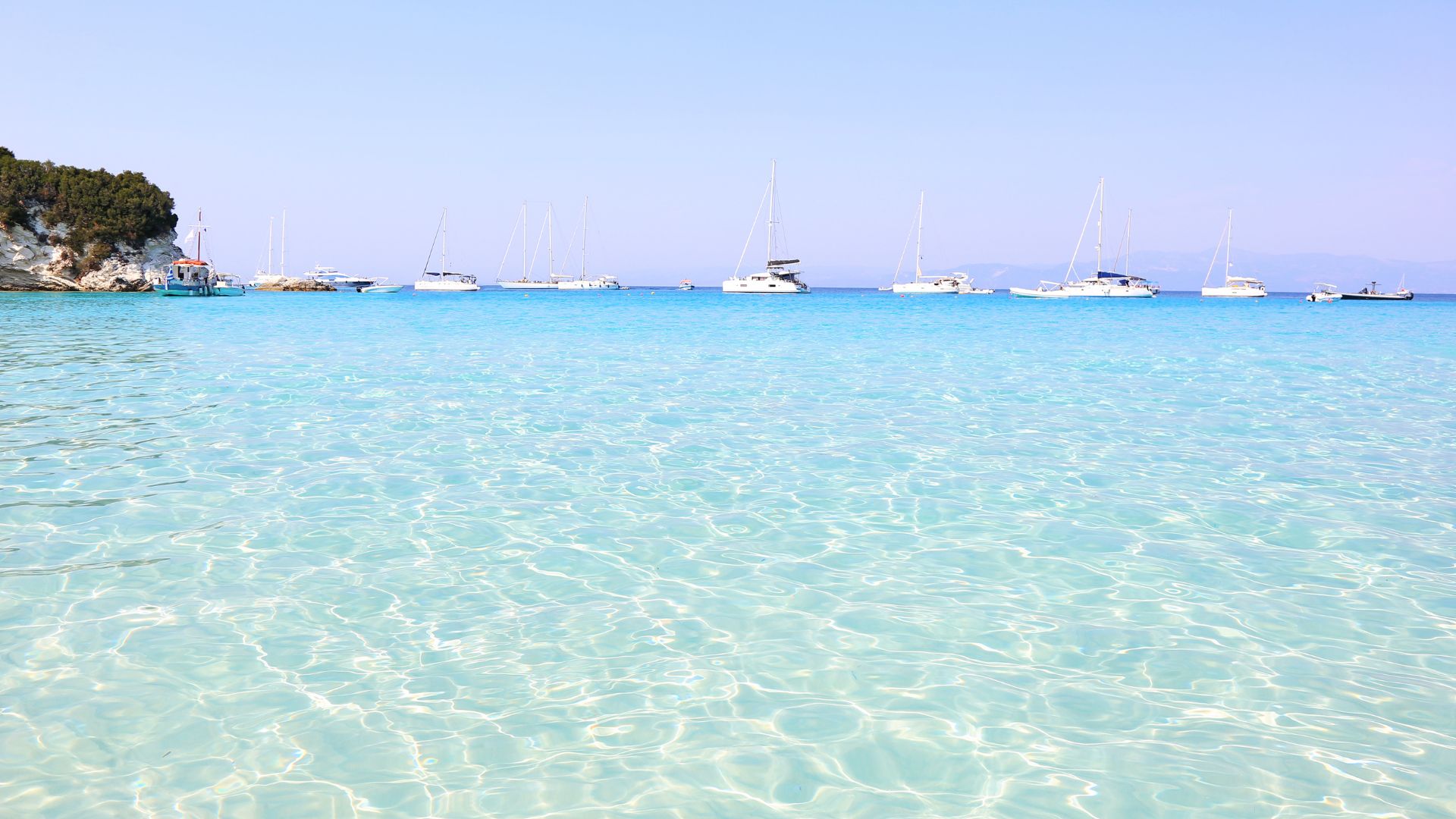
Hoy es un día de playa, y es el día que más sorprende a la gente. Tu capitán navegará el yate dos millas al sur de Paxos hasta Antípaxos: una diminuta isla hermana con quizás cien residentes durante todo el año, un puñado de viñedos, y dos playas que de verdad no parecen pertenecer al Mediterráneo. Voutoumi y Vrika son las que has visto en las tomas con dron: agua turquesa sobre arena blanca, acantilados de creta detrás, y un gradiente de profundidad tan suave que puedes adentrarte vadeando un buen trecho en agua que no te pasa de la cintura. Este es el momento Caribe-en-Europa de la semana.
Fondea frente a Voutoumi por la mañana. Hay una pequeña taberna subiendo las escaleras desde la playa que sirve pescado a la brasa y cerveza fría, y la corta subida se gana una de las mejores vistas del viaje. Por la tarde, reposiciona cien metros al norte hasta Vrika, una cala más arenosa con una segunda taberna y un acceso en lancha auxiliar más fácil. Pasa el día rotando entre las dos. El agua apenas se mueve.
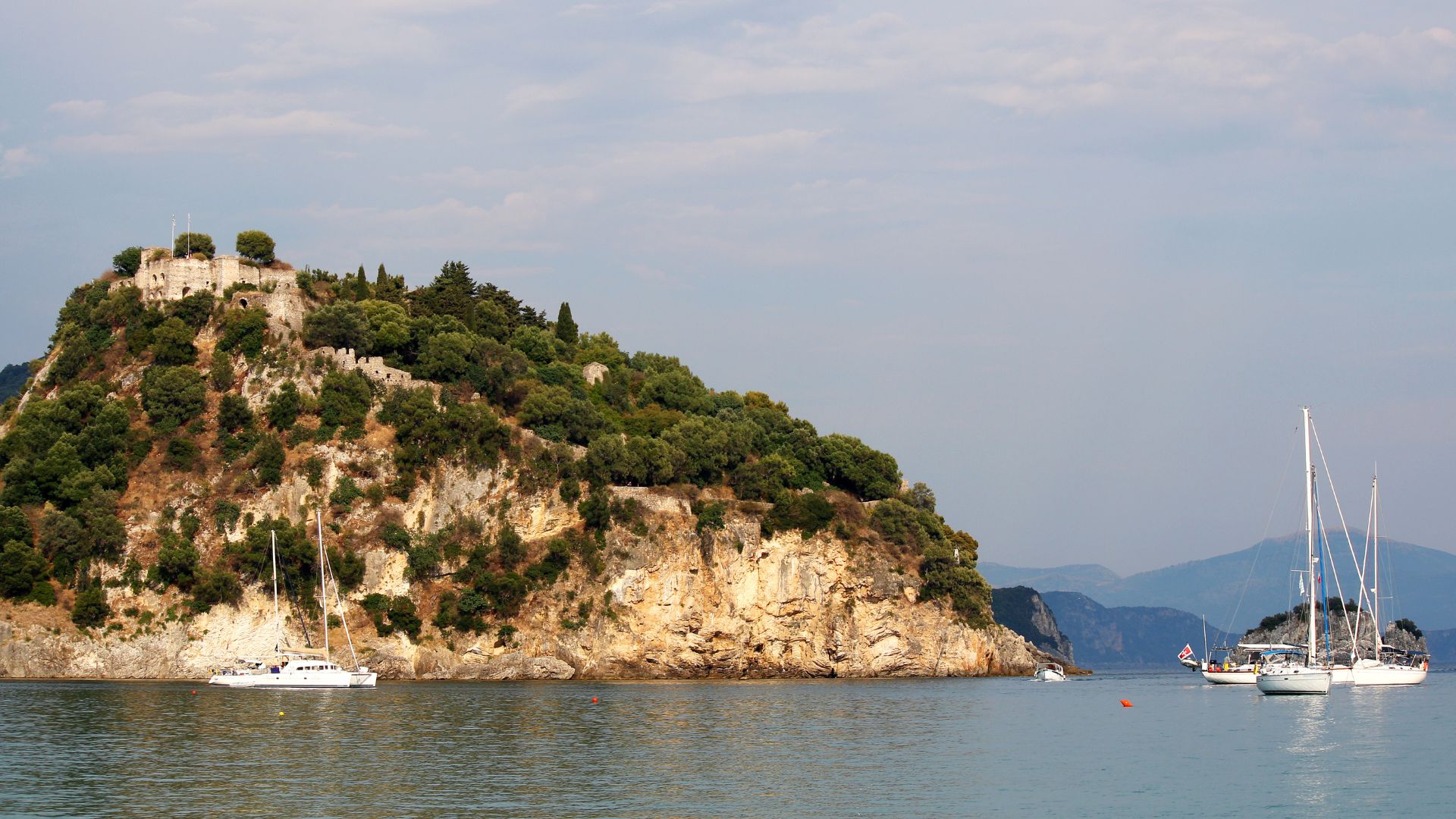
A última hora de la tarde, tu capitán cruzará de vuelta al noreste hasta Parga, una navegación de veinte millas a un pueblo que, francamente, parece ridículo. Un castillo veneciano en un promontorio, un casco viejo pastel apilado por la ladera, y un puerto en media luna que se ilumina al caer la noche. Fondea en la bahía o coge una boya frente al muelle del pueblo, acércate en lancha auxiliar a tierra para un paseo subiendo por el castillo, y cena en una taberna con el castillo iluminado por encima de ti.
Day Highlights
Día 4 de 7 · Parga → Meganisi
El día cuatro es la navegación más larga de la semana, con unas treinta y cinco millas náuticas, y aun así es fácil. Al sur por la costa continental, pasando los acantilados de Léucade y por el estrecho paso entre Léucade y el continente, tu capitán llevará el yate al grupo de pequeñas islas al sur de Léucade que las grandes flotas de yates tratan como sus aguas de casa. Meganisi es la primera parada de verdad: una isla tranquila de tres pueblos y docenas de bahías profundas y protegidas cortadas en su litoral.
Fondea primero en Porto Spilia, el pequeño puerto del lado norte de la isla, y acércate en lancha auxiliar para un paseo subiendo a Spartochori, un pueblo encalado de ladera que está a unos diez minutos de subida sobre el agua. La vista desde lo alto, de vuelta al otro lado del canal hacia Léucade, es uno de esos modestos momentos jónicos que tienden a acabar siendo el salvapantallas de alguien.
Por la tarde, tu capitán moverá el yate alrededor hasta la bahía de Rossa, en el lado sur de la isla: una larga y profunda ensenada con agua del color de la menta y casi nadie más en ella. Esta es una tarde de baño y flotar. Saca los paddleboards, arrastra los juguetes de remolque tras la lancha auxiliar si llevas niños a bordo, y quédate en el agua hasta que la luz se ablande. Cena a bordo esta noche, tranquila al ancla.
Day Highlights
Día 5 de 7 · Meganisi → Ítaca
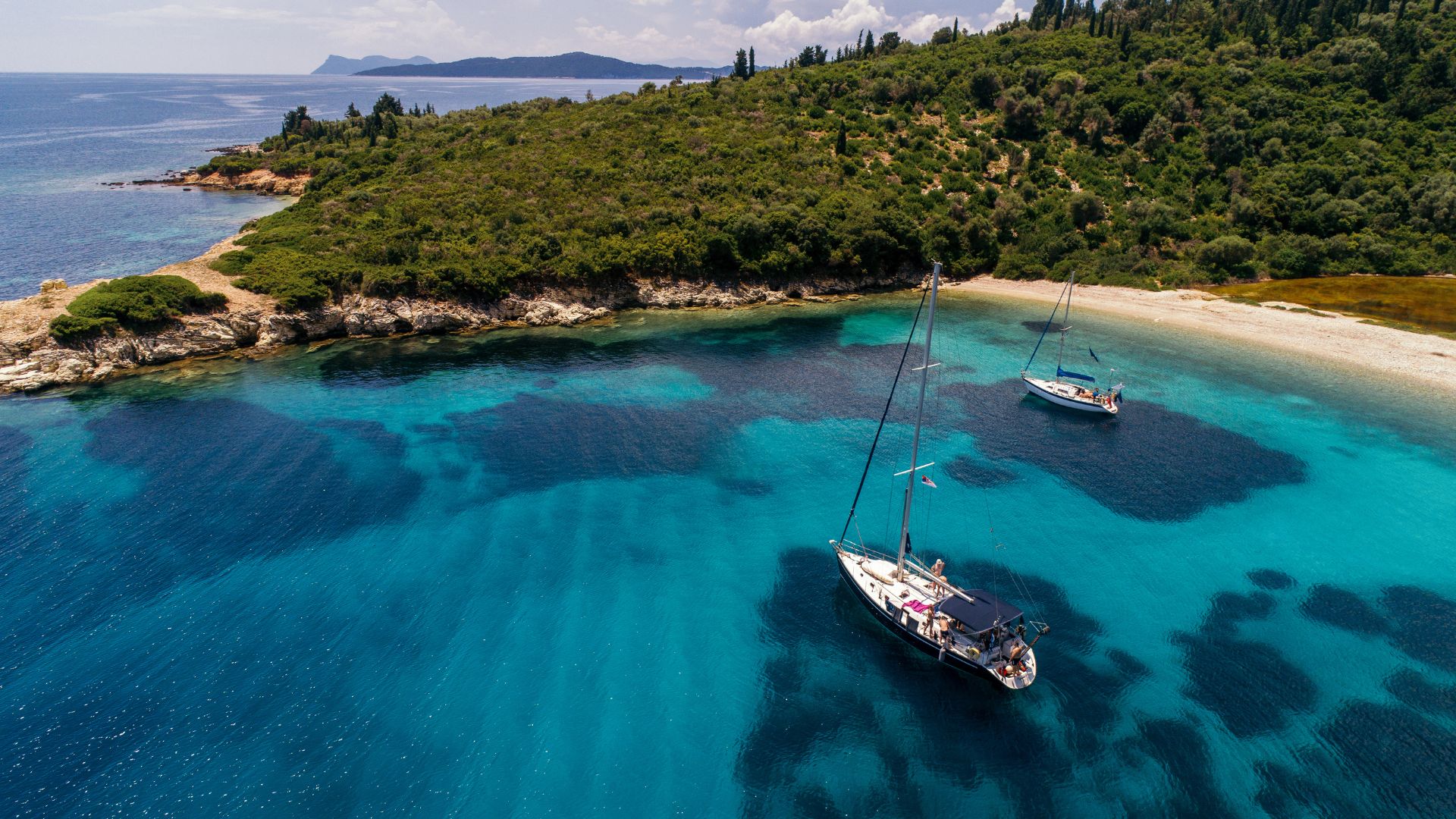
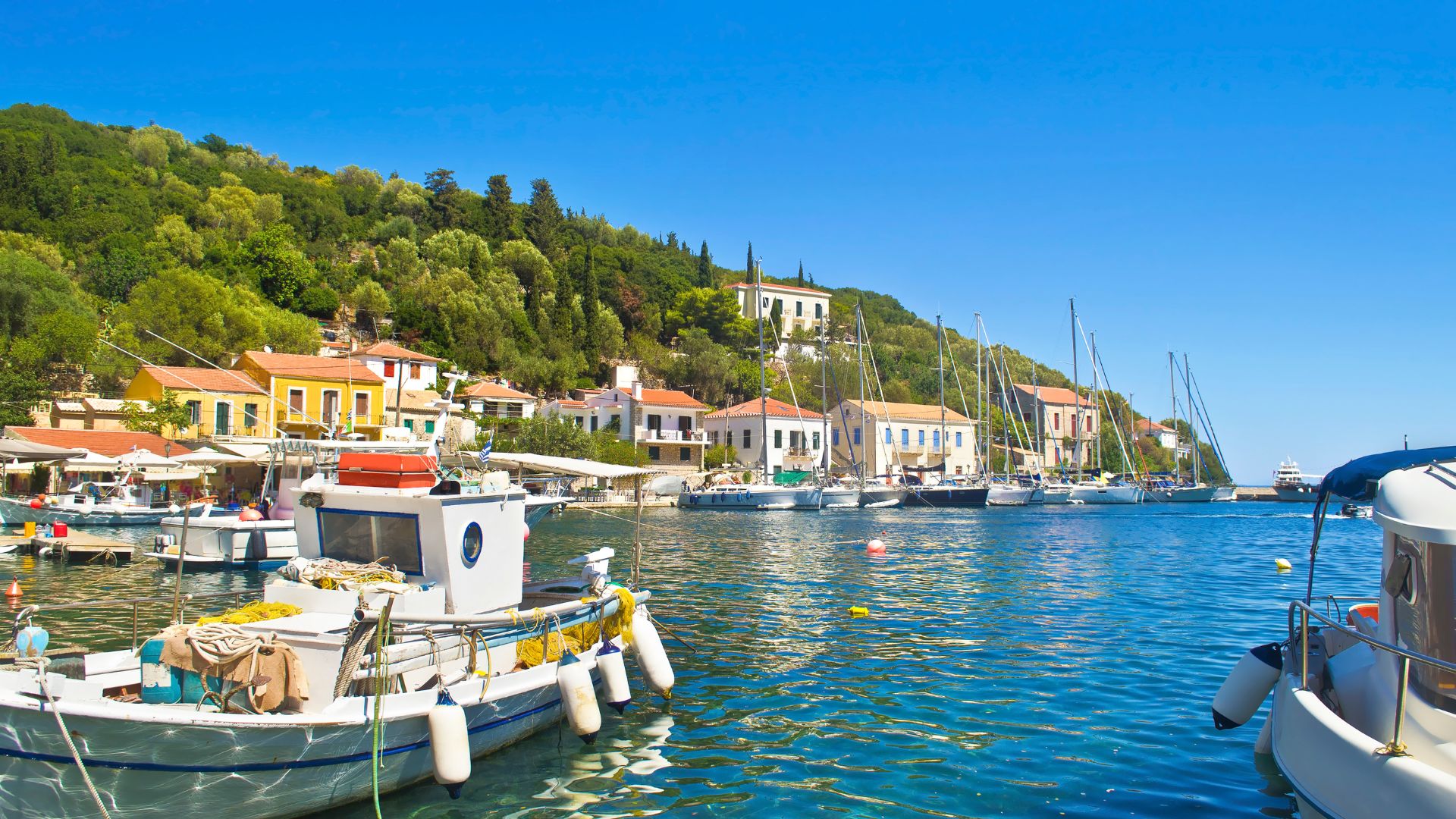
Una corta navegación de quince millas al sur hoy te lleva a Ítaca, el país de Odiseo. Tu capitán llevará el yate a Kioni, un pequeño puerto de la costa noreste que aparece de forma constante en las listas de mejores pueblos de Grecia y que genuinamente se lo merece. Tres viejos molinos se alzan sobre el promontorio sobre la bahía, las casas son pastel y están apiladas en la ladera, y todo el puerto se lee como un decorado que alguien construyó y luego olvidó desmontar.
Fondea o coge un amarre en el muelle del pueblo, acércate en lancha auxiliar al pueblo, y pasa un par de horas paseando por el puerto y subiendo a los molinos. Hay una panadería. Hay helado. Hay gatos. Es, por los estándares de los pueblos griegos, casi agresivamente encantador.
A última hora de la tarde, tu capitán moverá el yate dos millas alrededor del promontorio hasta Frikes, un puerto más pequeño y un poco más desaliñado que da la casualidad de tener algunas de las mejores tabernas de la isla. Cena en tierra esta noche. Pide el pulpo a la brasa. El paseo de vuelta a la lancha auxiliar lleva noventa segundos.
Day Highlights
Día 6 de 7 · Ítaca → Fiskardo
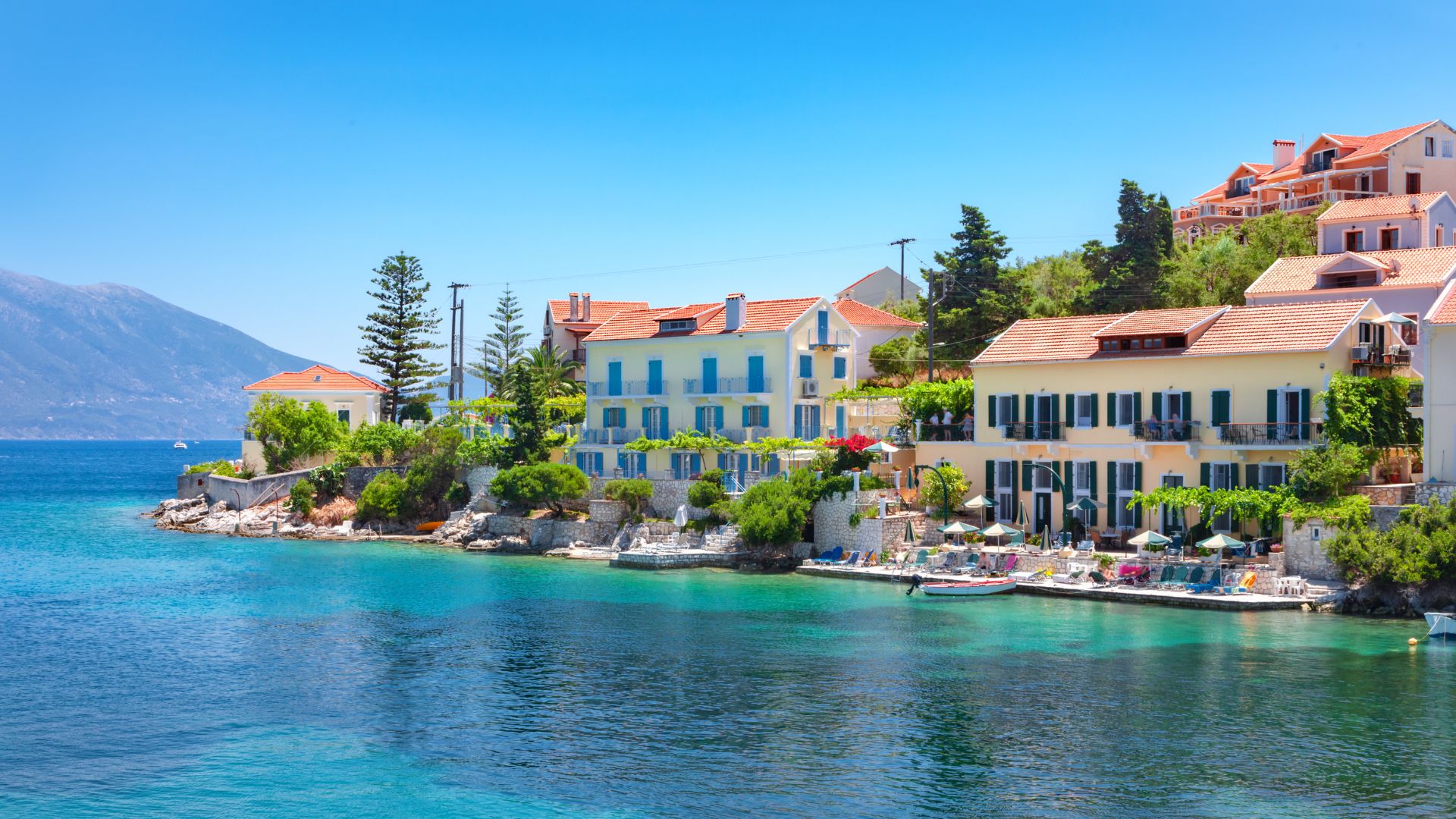
Tras el desayuno, tu capitán apunta la proa al oeste para la travesía de diez millas hasta Cefalonia y hasta Fiskardo, el pueblo que, improbablemente, sobrevivió al terremoto de 1953 que arrasó casi todo lo demás de la isla. El paseo marítimo veneciano pastel sigue siendo el original, y se nota. Este es el puerto más bonito del Jónico, y la mayoría de las temporadas es también el más concurrido, así que tu tripulación apuntará a una llegada a media mañana para conseguir un buen sitio en el muelle del pueblo.
Fiskardo es un pueblo para pasear. Cafés junto al agua, un puñado de boutiques, y una red de callejuelas traseras de quizás cuatro manzanas de fondo y que aún merece una hora. Almuerzo en tierra hoy: informal, junto al agua, en algún sitio con vistas al puerto.
Por la tarde, la lancha auxiliar te llevará una milla costa arriba hasta la playa de Emblisi: guijarros blancos, agua clara y profunda justo desde la orilla, y la clase de iluminación que hace que las cámaras de los móviles echen horas extra. Nada hasta que te canses. De vuelta a bordo para una siesta, una ducha, y cena en tierra esta noche en Tassia, el restaurante más serio de Fiskardo, y una comida lo bastante buena como para que valga la pena reservar mesa mientras estás almorzando.
Day Highlights
Día 7 de 7 · Navegación de grandes éxitos
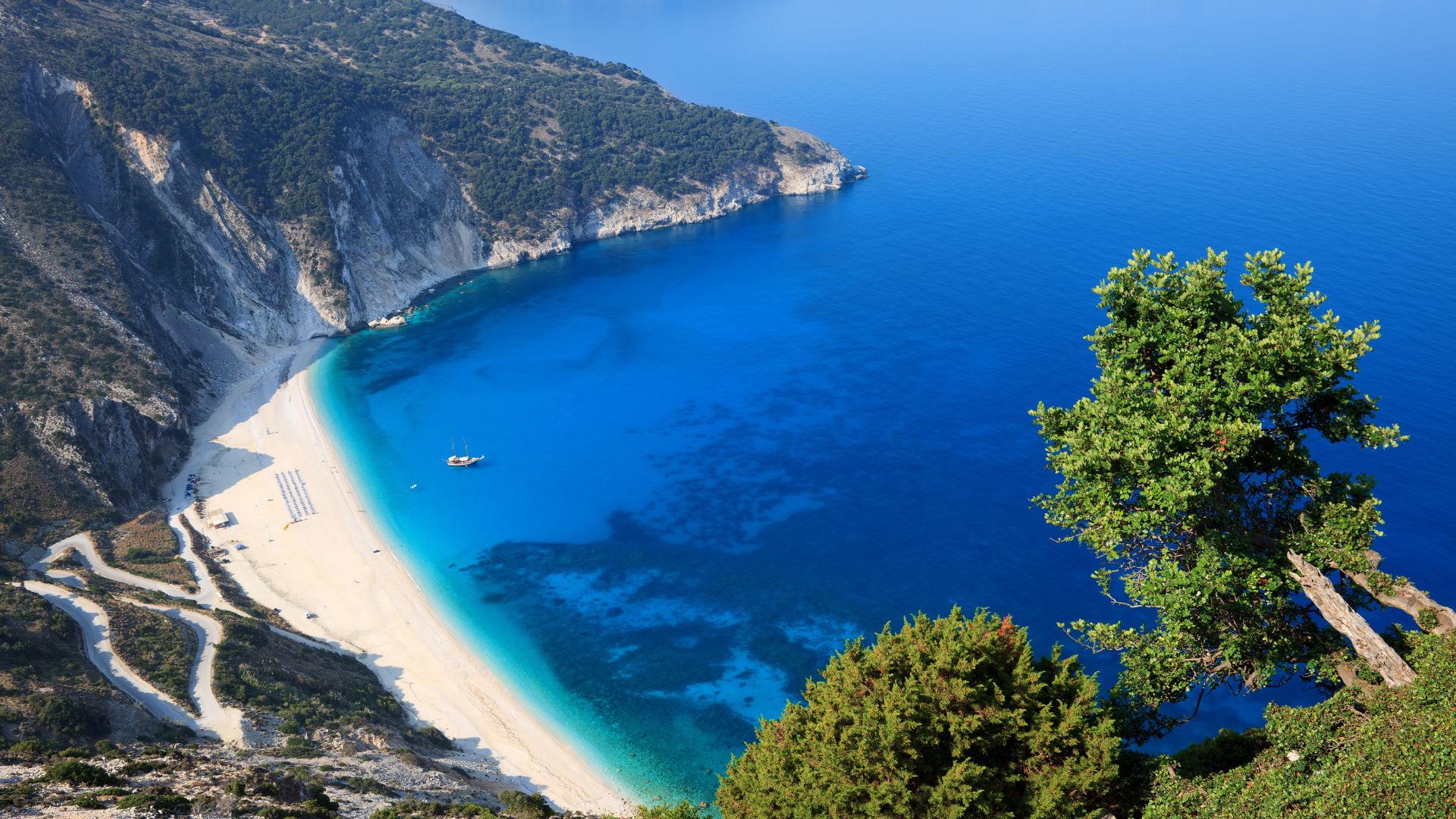
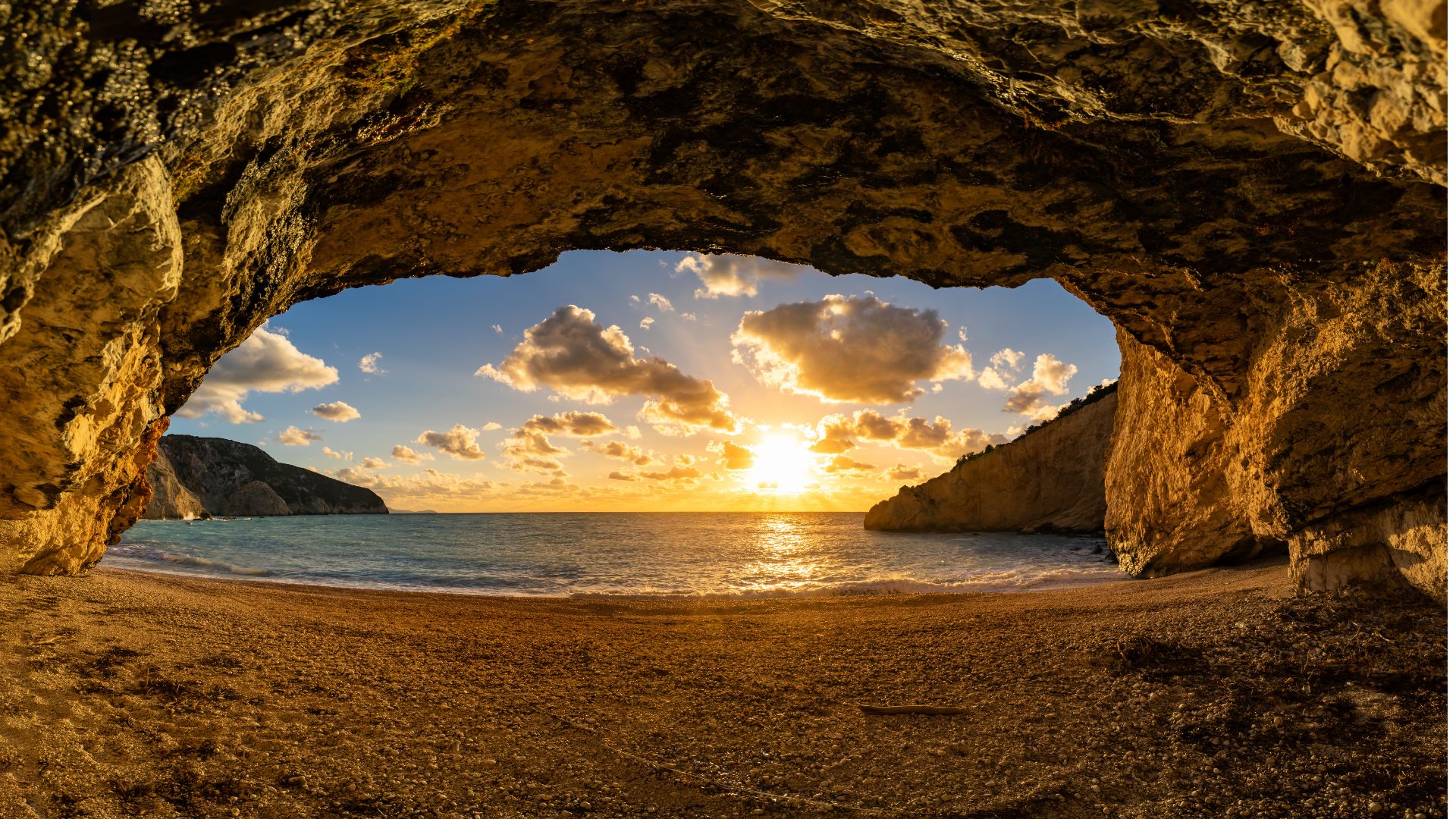
Tu último día completo es la navegación de grandes éxitos. Tu capitán saldrá de Fiskardo tras el desayuno y bajará al sur por la costa oeste de Cefalonia hasta Assos, un diminuto pueblo construido sobre un istmo bajo las ruinas de un fuerte veneciano. El fondeadero es profundo y a menudo está como un cristal, y el pueblo en sí es un paseo de veinte minutos de media docena de casas pastel, una iglesia, y una cala de agua clara. Báñate. Cómete una spanakopita de la panadería. Vuelve al barco.
Un par de millas al sur está Myrtos: la playa de acantilados blancos y azul caribeño que has visto en todas las postales de Cefalonia. La playa en sí es difícil de acceder desde tierra y más fácil en barco, lo que es uno de los pequeños privilegios de llegar en yate. Fondea frente a ella, báñate, y haz la clase de fotografías que ponen celoso al grupo de chat.
Desde Myrtos, tu capitán tiene una decisión que tomar según la brisa y la hora. La jugada clásica es una bajada de veinticinco millas al norte hacia Léucade, y si las condiciones cooperan, un baño más en Porto Katsiki, la cala respaldada por acantilados en la costa suroeste de Léucade que tiende a llevarse las portadas de las revistas. Desde ahí es o un último navegar a motor de noche de vuelta a Gouvia, o un desembarco el mismo día en Préveza, en el continente, si tus vuelos favorecen ese aeropuerto. De un modo u otro, tu tripulación se encarga de la logística.
Day Highlights
Día 8 · Salida
Disfruta de un último desayuno pausado a bordo, un último baño desde la popa si el fondeadero lo permite, y un desembarco relajado: o de vuelta en Gouvia Marina, en Corfú, o, si funciona mejor para tus vuelos, en Préveza, en la costa continental. Tu tripulación se encargará de los traslados. La mayoría de los huéspedes de yates en esta ruta vuelan a casa por Corfú, Préveza o Atenas, y tu capitán habrá organizado la logística con días de antelación.
Una última nota honesta: este es el itinerario en el que los niños vuelven más contentos que los padres. Navegaciones cortas, fondeo cálido a sotavento de la costa, cero meltemi, puertos de pueblo lo bastante pequeños como para que un niño de ocho años los maneje por su cuenta, y paradas de baño cada día. Recorremos rutas técnicamente más interesantes en las Cícladas y rutas más de lista de deseos en el Caribe. Para una semana familiar en el Mediterráneo, esta es la indicada.
Want to share or come back to this voyage later?
Bookmark this voyage →Itinerario con tripulación · Grecia
Si es tu primer viaje en yate por Grecia, este es el itinerario de islas griegas que reservar. El golfo Sarónico es Grecia sin el caos: resguardado del Meltemi por la tierra firme del Peloponeso, repleto de paradas culturales de primer nivel, y con solo 15 a 20 millas náuticas entre fondeaderos. Desde la marina de Alimos estarás en un templo dórico de 2.500 años a la hora del almuerzo el primer día, fondearás en un pueblo Patrimonio Nacional sin coches por la tarde, y verás una obra de teatro en un teatro Patrimonio de la Humanidad del siglo IV a. C. bajo las estrellas antes de que termine la semana. Con tu capitán profesional y tu chef privado al cargo del yate, las únicas decisiones de verdad que tienes que tomar son cuánto demorarte en un almuerzo a la sombra en Hydra y qué taberna se lleva la cena.
La mayoría de los huéspedes que reservan el Sarónico son primerizos en Grecia, familias con niños, o grupos multigeneracionales que eligen el viaje que tanto los de ocho años como los de setenta recordarán. El suave kilometraje diario, el fondeo a sotavento y la cercanía a Atenas (quince minutos del aeropuerto al barco) hacen de esta la semana griega con la que empezar. La ruta es un viaje de ida y vuelta de 7 días de unas 140 millas náuticas, y la temporada alta va de mayo a octubre, con los meses de temporada media muy viables.
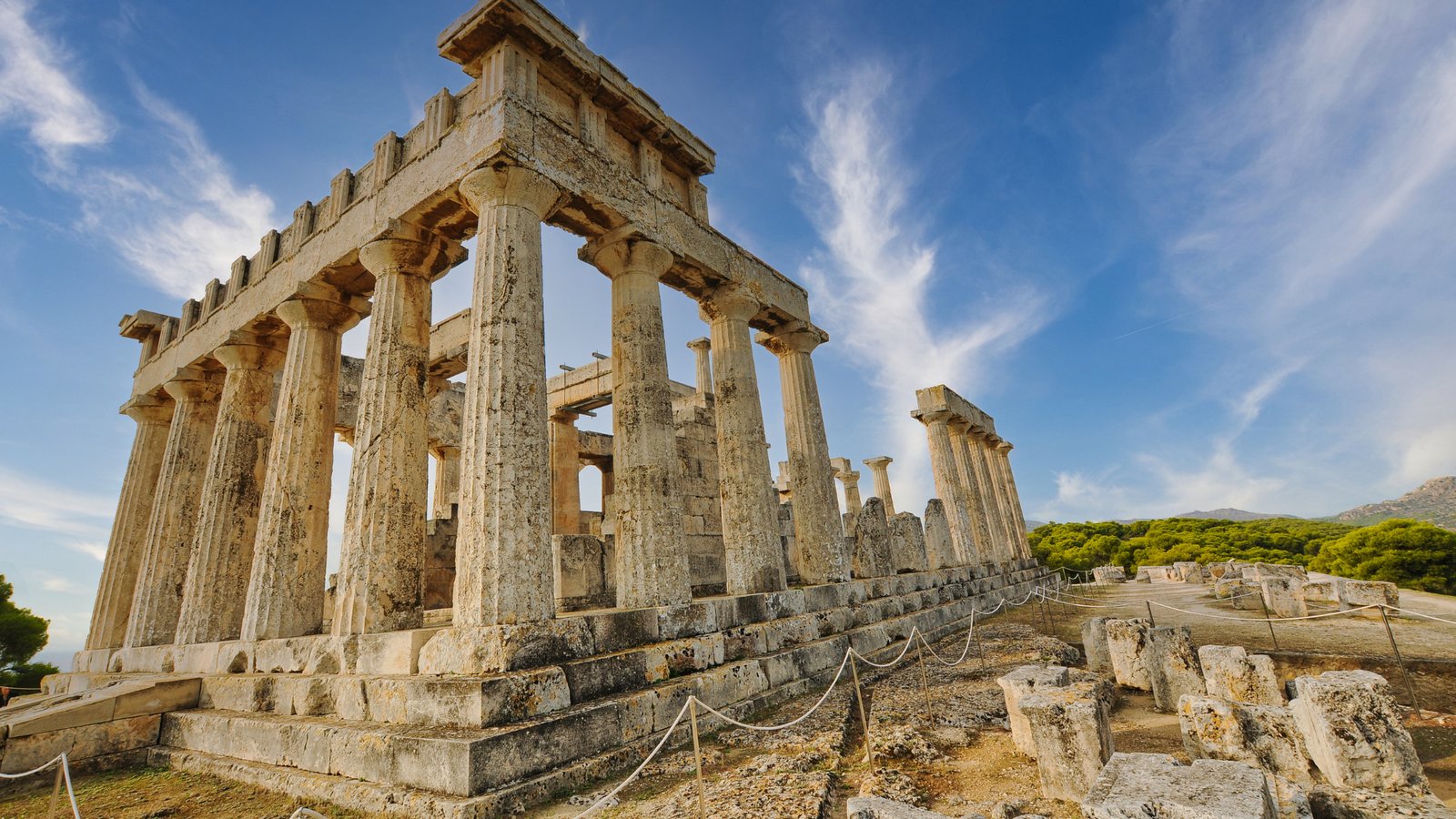
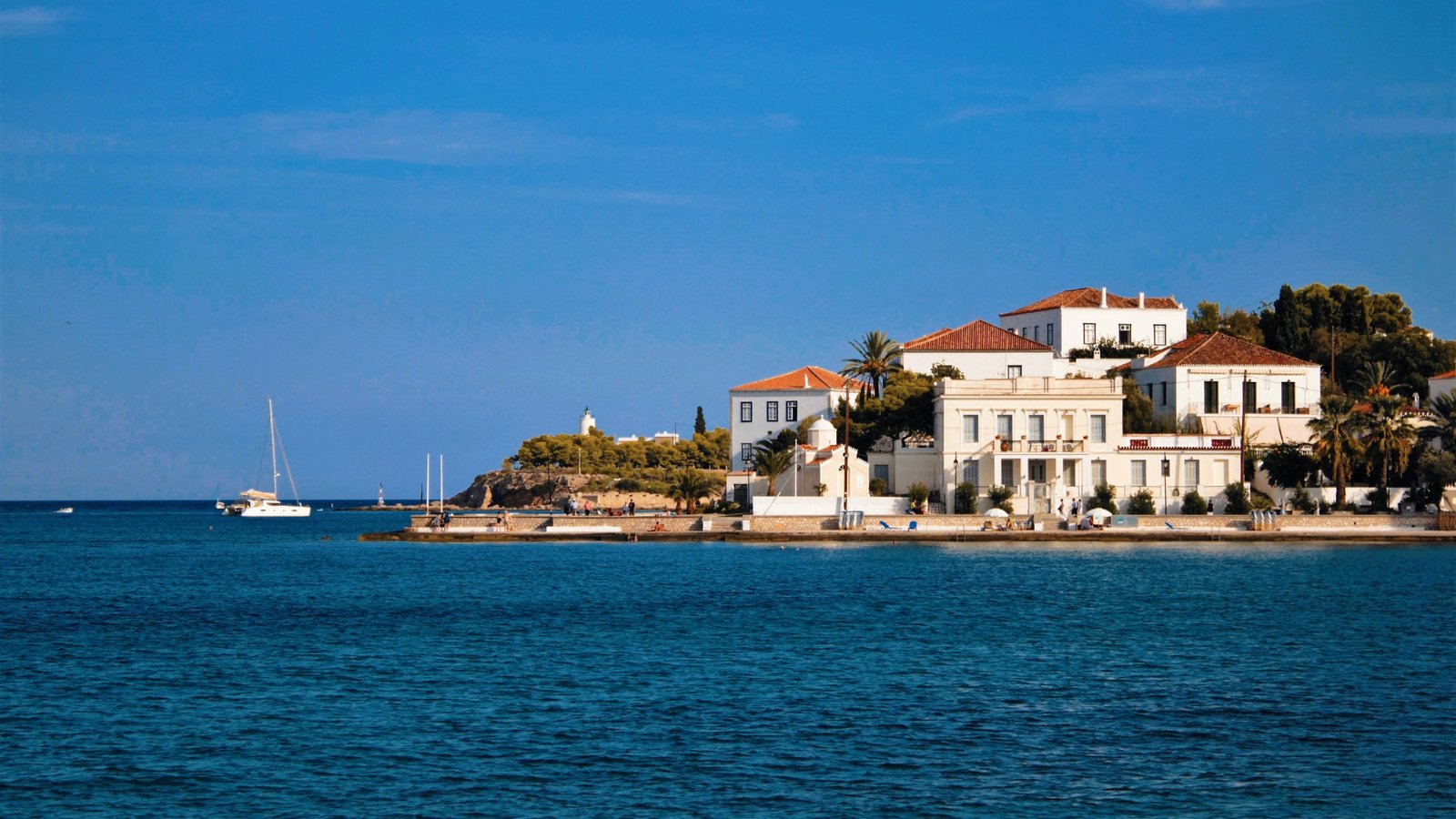
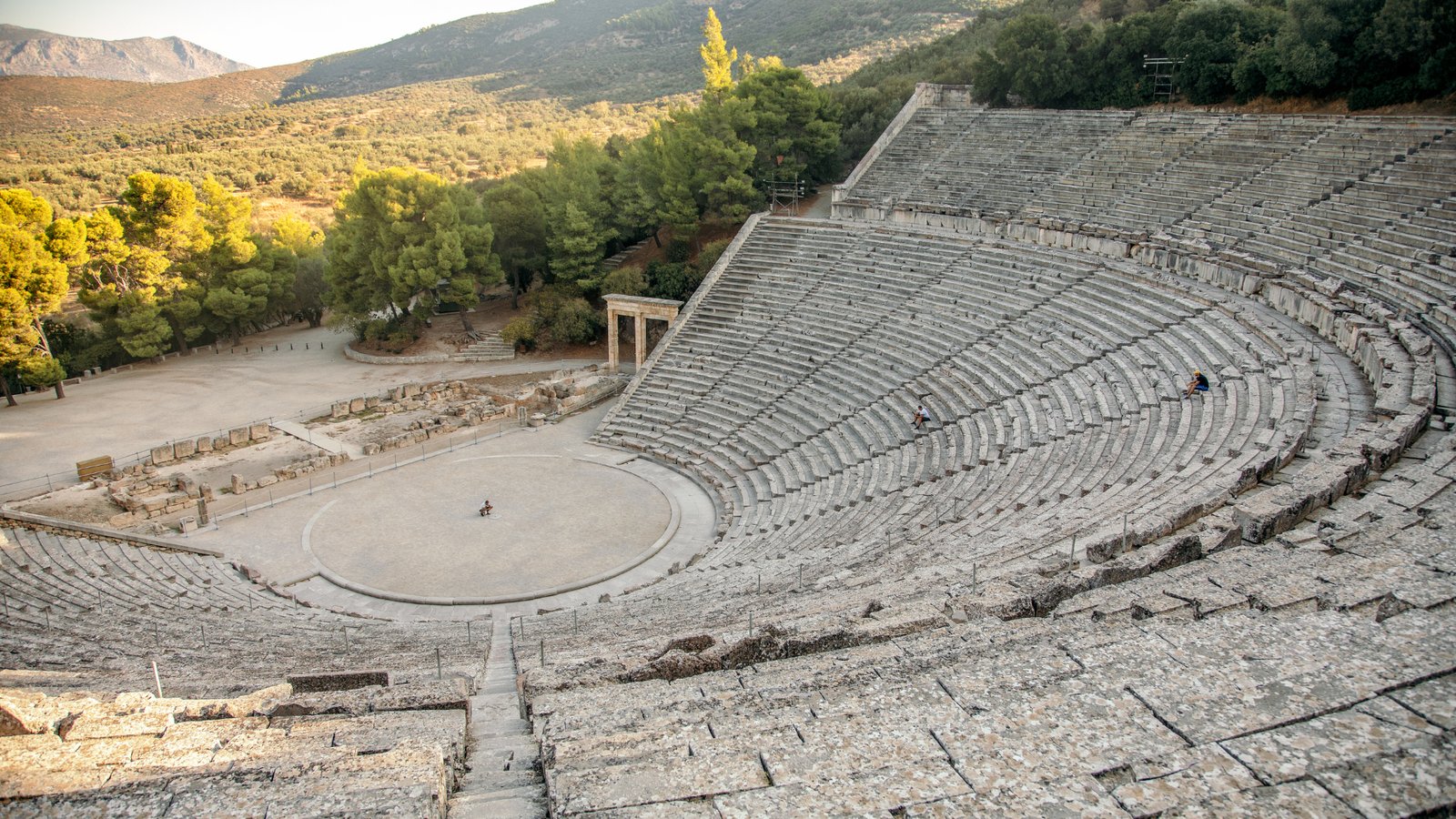
El golfo Sarónico está resguardado del Meltemi por la tierra firme del Peloponeso: ese único hecho geográfico lo cambia todo. Sin rachas del Egeo de 35 nudos, sin días clavados en puerto esperando a que baje el viento, sin travesías pesadas de 80 kilómetros. Este itinerario de islas griegas cubre Egina (templo dórico al almuerzo del primer día), Poros, Hydra (pueblo Patrimonio Nacional sin coches, solo transporte en burro), Spetses, el teatro Patrimonio de la Humanidad de Epidauro, y Ermioni, todos a 15-20 mn entre sí.
Unas 140 millas náuticas de ida y vuelta desde la marina de Alimos (15 minutos del aeropuerto de Atenas). El Sarónico es el charter griego que enviamos a los primerizos, a las familias con niños pequeños y a los grupos multigeneracionales: la misma lógica que el Jónico, pero con paradas culturales más densas y tramos de travesía más cortos desde Atenas. Yate con tripulación, capitán y chef, para que tanto la carta de vinos como las tabernas sean trabajo de otro.
Día 1 de 7 · Alimos → Egina
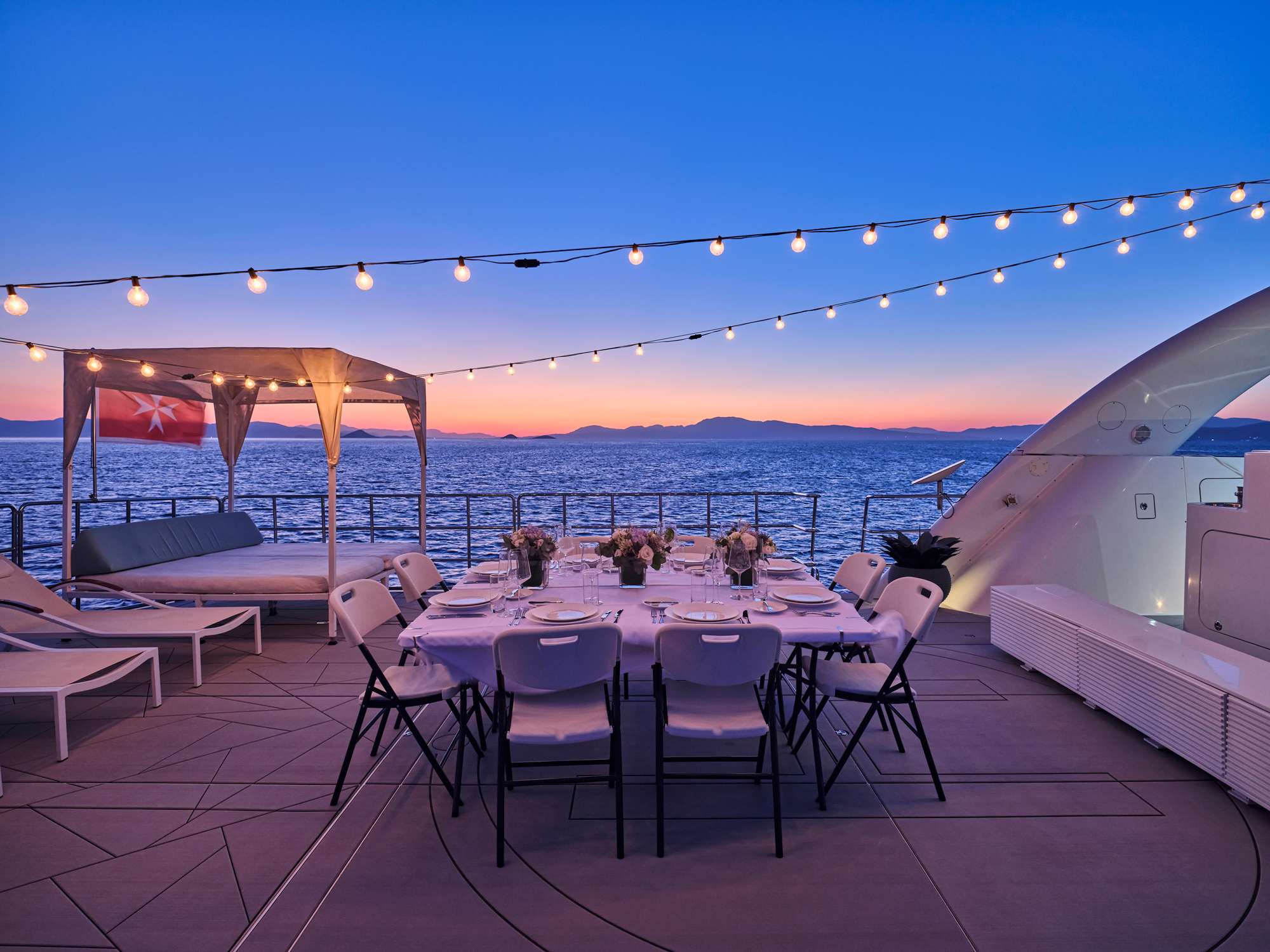
Tu semana empieza en la marina de Alimos, en la Riviera de Atenas, la mayor base de yates de Grecia y a un traslado de 25 minutos del aeropuerto. Tu tripulación profesional te recibe en el atraque con bebidas frías y una sesión informativa sobre la carta que enmarca la semana que viene, acomoda tu equipaje en los camarotes, y te enseña el barco mientras el chef termina el aprovisionamiento. A última hora de la mañana, el capitán larga amarras para el suave salto de 17 millas náuticas al suroeste hasta Egina, la más cercana de las islas Sarónicas y el lugar al que la mayoría de los atenienses va para un fin de semana largo.
La primera tarde es para una tranquila ceñida por el golfo con la silueta de la Acrópolis cayendo por la popa y la cúpula de la iglesia de Agios Nikolaos de Egina creciendo por la proa. Es el tipo de tramo de apertura que reinicia tu sistema nervioso en una hora: aire cálido, agua azul, la ciudad ya desaparecida.
Egina es famosa por dos cosas: los pistachos, que crecen en cultivos en las secas laderas sobre el pueblo y acaban en todo, desde la repostería hasta el licor local, y el Templo de Afaia, uno de los templos dóricos mejor conservados de Grecia, construido hacia el 500 a. C. y anterior al Partenón en una generación. Tu capitán puede organizar un breve taxi hasta el templo a última hora de la tarde, a tiempo de ver la caliza atrapar los últimos rayos de sol. La cena es junto al puerto en Skotadis, una taberna de pescado que está en el muelle de Egina desde 1958, donde la captura llega de los barcos de al lado.
Day Highlights
Día 2 de 7 · Egina → Poros
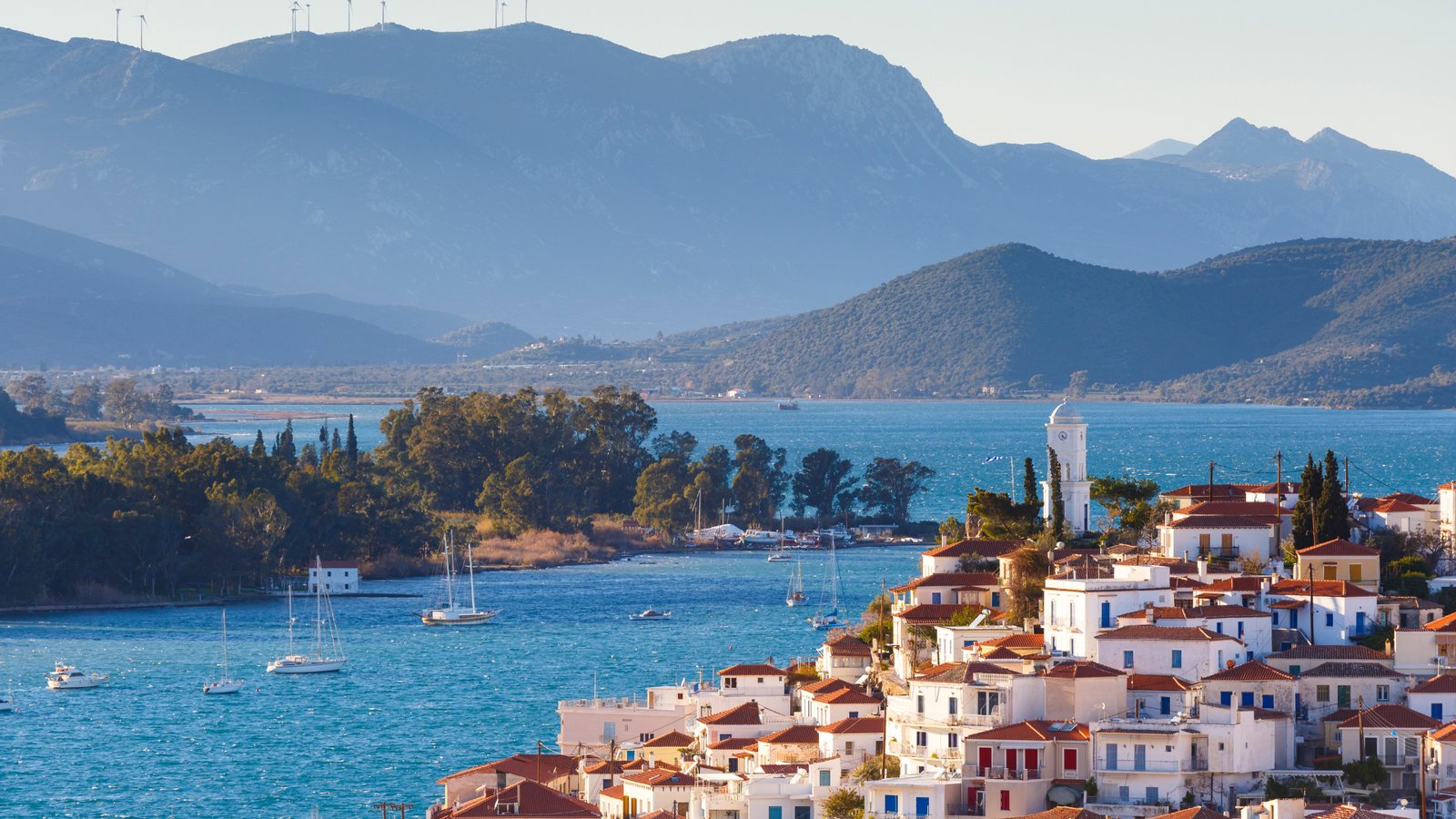
Una corta travesía de 15 millas náuticas al sur te lleva de Egina a Poros, la segunda de las islas Sarónicas. La mañana suele ser una ceñida pausada con viento flojo, con la península volcánica de Methana creciendo por la amura de estribor y el largo flanco verde de Poros abriéndose a babor. A primera hora de la tarde, el capitán enhebra el estrecho canal entre Poros y la tierra firme del Peloponeso: dos trozos de tierra a apenas 200 metros uno de otro, con casas encaladas en un lado y pinar en el otro.
El pueblo de Poros se apila colina arriba desde el paseo marítimo, coronado por la torre del reloj blanca que ha sido la carta de presentación de la isla durante ciento cincuenta años. La subida lleva 20 minutos y te da la mejor vista del canal desde arriba; merece la pena hacerla a la hora dorada, con una copa fría esperando en un kafeneío de vuelta. El propio puerto es uno de los amarres más resguardados del golfo, y el pueblo es lo bastante pequeño como para que todo se haga a pie.
La cena es una elección. Karavolos, escondido fuera del paseo marítimo principal en un callejón de piedra, es el secreto local por el conejo cocinado a fuego lento y una larga lista de vinos griegos que no verás en una carta de Míkonos. O la mesa junto al mar de la Taberna Platanos, puesta bajo el plátano gigante que da nombre al sitio: comida más sencilla, mejor vista, exactamente el ritmo adecuado para la cena de la segunda noche.
Day Highlights
Día 3 de 7 · Poros → Hydra
Hoy es el día estrella de las propias islas Sarónicas: una travesía de 20 millas náuticas al sur hasta Hydra. Tu capitán sale temprano de Poros por una razón concreta. Hydra es la excursión de un día desde Atenas más visitada —cuatro ferris al día en verano, cada uno descargando una oleada de turistas con cámara en el pequeño puerto— y el truco para disfrutar del lugar es llegar antes que ellos. La tripulación procura fondear frente a Mandraki o el pueblo de Hydra a media mañana, mientras el puerto sigue tranquilo y los burros van cargando mercancías por los callejones en el aire fresco.
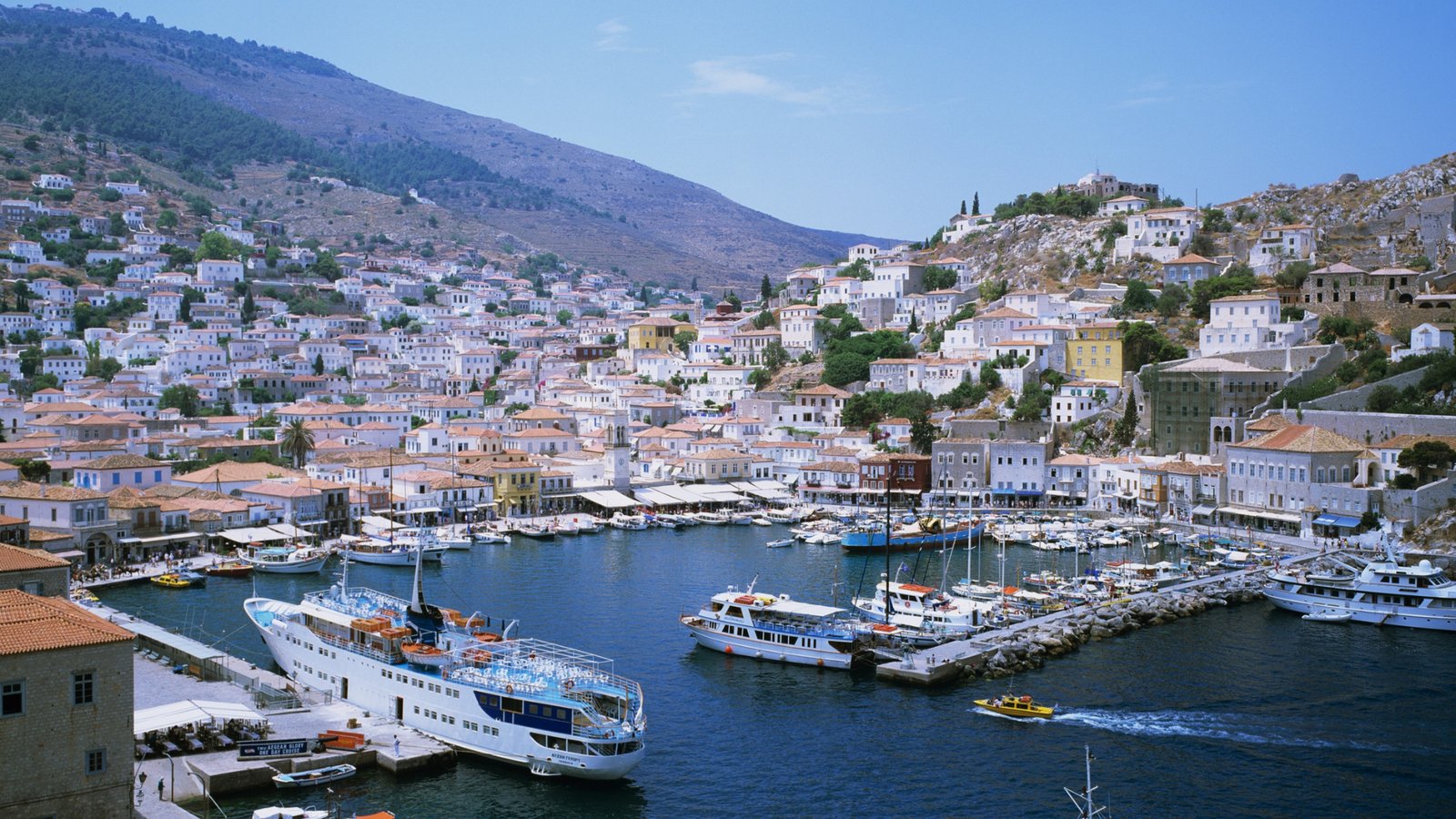
Hydra es la única isla griega donde los vehículos a motor están prohibidos, no solo en el pueblo, sino en toda la isla. Los burros llevan el equipaje, las mulas llevan los materiales de construcción, y todo el pueblo es un sitio Patrimonio Nacional de mansiones de capitanes del siglo XVIII conservadas, apiladas en el rocoso anfiteatro del puerto. No hay plaga de hormigón, ni torre de hotel, ni ruido de motos. El resultado es un lugar que tiene el aspecto que se supone que debe tener un puerto del Egeo, y que casi en ningún otro sitio sigue teniendo.
El plan de tu tripulación: un largo baño y almuerzo en la bahía de Bisti o en Mandraki, y luego la lancha al pueblo de Hydra a última hora de la tarde, una vez que se han ido los ferris de excursionistas. Sube por los callejones hasta los cañones sobre el puerto, pasando las mansiones de capitanes de las familias Boudouris y Tombazis, ambas financiadoras de buques de guerra para la Revolución griega que construyeron las casas con las ganancias. Tómate algo fresco en el Sunset Bar (literalmente, ese es su nombre) en las rocas al oeste del pueblo, y quédate a bordo para una cena preparada por el chef bajo las estrellas en la bahía, o coge mesa en Omilos para una de las mejores cenas de la isla.
En cualquier caso, despiertas a la mañana siguiente todavía amarrado al pueblo Patrimonio, con los burros de vuelta al trabajo y los excursionistas aún en el ferry desde El Pireo. Esa es la razón misma por la que un yate con tripulación gana en Hydra: la mayoría de los visitantes tienen cuatro horas y una quemadura de sol. Los huéspedes que se quedan a bordo tienen la madrugada, cuando el puerto está en silencio, y la última hora de la tarde, cuando los callejones se iluminan con la luz que escapa de los cafés en lugar de los flashes de las cámaras.
Day Highlights
Día 4 de 7 · Hydra → Spetses
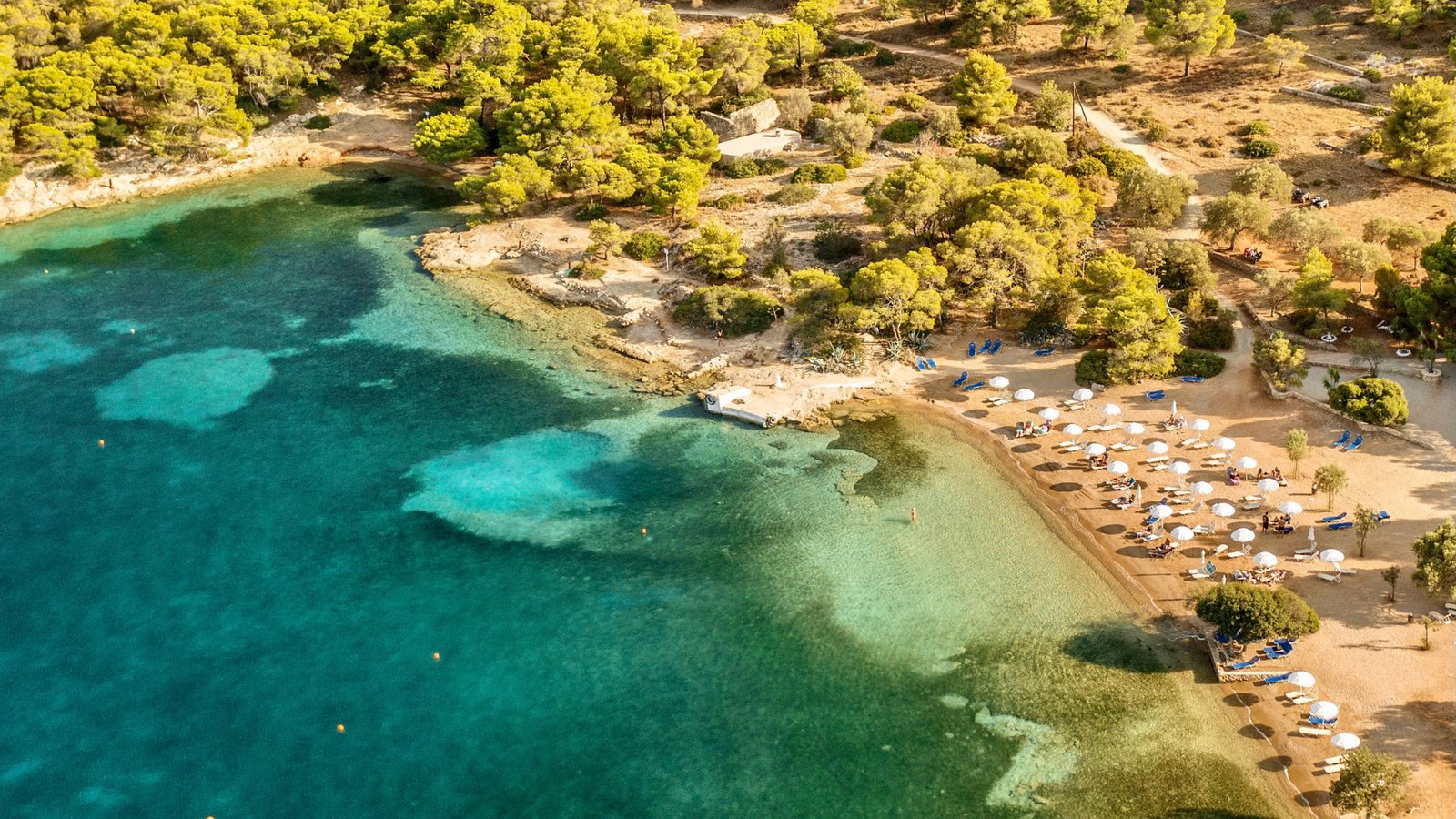
Un tramo de 15 millas náuticas al suroeste hoy te lleva de Hydra a Spetses, la más chic de las islas Sarónicas y la parada más al sur de este viaje de ida y vuelta. La navegación matutina rodea el extremo oeste de Hydra y cruza al lado argólico del golfo, normalmente con una brisa limpia de tarde que le da al capitán un buen largo con el viento por la aleta. Antes de entrar en el pueblo de Spetses, la tripulación mete el barco en la bahía de Zogeria, en la costa noroeste: una cala profunda bordeada de pinos que es la playa de los lugareños y uno de los mejores baños y almuerzos de la ruta. Fondea en agua clara, nada hasta la orilla, y deja que el chef monte un largo almuerzo en cubierta.
El pueblo de Spetses tiene un aire distinto al de Hydra. Donde Hydra es austera, de piedra gris y casi en silencio tras el anochecer, Spetses es señorial: calles arboladas, mansiones neoclásicas en ocres pastel, la grandeza de la Belle Époque del Poseidonion Grand Hotel sobre el Puerto Viejo. Tampoco hay coches en el centro del pueblo, pero aquí el sustituto son los carruajes de caballos repiqueteando por el paseo marítimo. La isla es lo bastante pequeña como para que un paseo de tarde te dé el circuito completo: la plaza de Dapia, el Puerto Viejo, la Casa de Bouboulina (un pequeño museo dedicado a Laskarina Bouboulina, una heroína de la Guerra de Independencia griega de 1821 que financió su propio buque de guerra), y un largo tramo de tabernas frente al mar.
La cena es junto al agua en Patralis, en el borde oeste del pueblo: una taberna de pescado que lleva tres generaciones sacando langosta, dorada y el salmonete del día directamente de los barcos locales. O Akrogialia, más cerca del Puerto Viejo, con el mismo enfoque y un ambiente algo más animado. Ambas son ese tipo de mesa frente al mar donde la botella de Assyrtiko se mantiene fría y la comida se alarga hasta después del anochecer.
Day Highlights
Día 5 de 7 · El día tranquilo
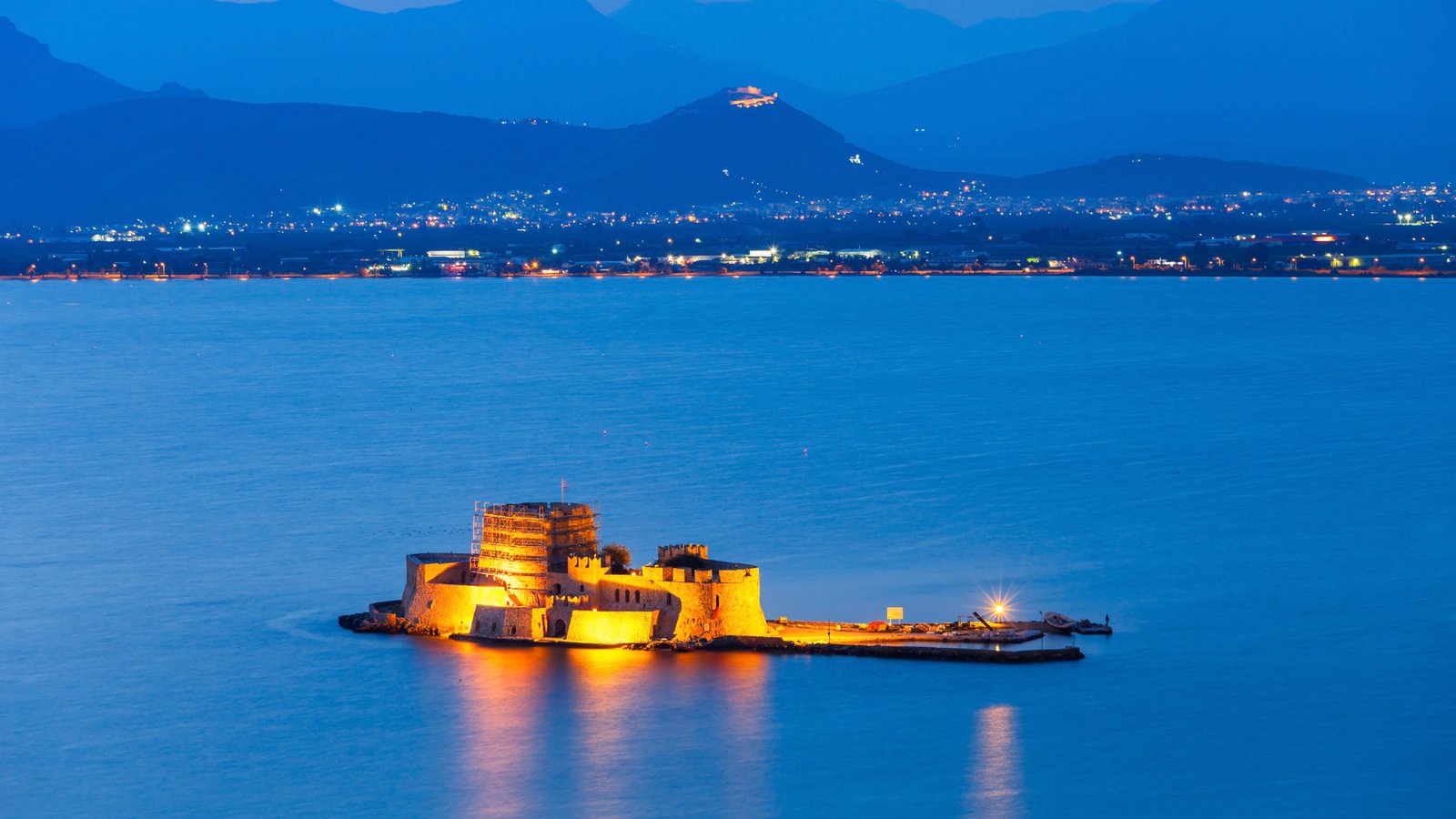
Un corto salto de 10 millas náuticas al norte hoy cruza el canal a la tierra firme del Peloponeso, al pequeño pueblo pesquero de Ermioni. Tras tres días de paradas isleñas, este es el día tranquilo deliberado de la ruta: un lugar que la mayoría de los itinerarios de viajes en yate se saltan a favor de otra noche en Hydra o Spetses, y justo la mejor opción una vez que ya las has tenido.
Ermioni se asienta en una estrecha península con un puerto de trabajo en un lado y un paseo sombreado de pinos en el otro. El pueblo tiene un pequeño conjunto de tabernas, unos cafés y un par de panaderías, todo a poca distancia a pie del muelle. Una vez amarrado el barco, la tripulación puede llevar el bote auxiliar hasta Bourtzi —un pequeño islote justo a la entrada del puerto— para un baño en agua clara que está unos grados más fresca que el fondeadero interior.
La cena es en tierra en una de las tabernas del puerto, donde la carta es lo que llegó ese día y el vino es lo que el dueño esté sirviendo de la trastienda. No hay ningún Carpe Diem en Ermioni, ni discoteca de azotea, y de eso se trata. Tras tres días de energía isleña, una velada tranquila con cigarras entre los pinos y un desayuno preparado por el chef en cubierta a la mañana siguiente es justo aquello en torno a lo que está construido el resto de la semana.
Day Highlights
Día 6 de 7 · El día estrella
Este es el tramo más largo de la semana y la pieza central del viaje: unas 25 millas náuticas al norte por la costa del Peloponeso hasta Palea Epidavros, el pequeño pueblo portuario que se asienta bajo el Teatro Antiguo de Epidauro. El capitán tiene la opción de una parada de baño en Korfos a mitad de camino —un profundo mordisco de bahía con agua clara y una pequeña aldea respaldada de pinos para un almuerzo al ancla— o de seguir de largo si la brisa da para una mañana rápida. En cualquier caso, la tripulación te tiene fondeado frente a Palea Epidavros a media tarde.
Desde el muelle son 20 minutos en coche colina arriba hasta el Santuario de Asclepio y el propio teatro: un sitio Patrimonio de la Humanidad de la UNESCO, construido en el siglo IV a. C. y célebremente considerado el teatro antiguo acústicamente más perfecto que sigue en pie. Una moneda dejada caer sobre el escenario de piedra redondo se oye desde la última fila, a más de 50 metros, sin micrófonos ni electrónica. Los guías lo demuestran en una visita diurna, y la demostración nunca se vuelve aburrida.
Si navegas en julio o agosto, el mayor atractivo es el Festival de Epidauro. El teatro todavía acoge representaciones de drama griego clásico —Sófocles, Eurípides, Esquilo— interpretadas en griego antiguo original, sobre las mismas piedras donde el público se sentaba en el siglo IV a. C. Tu capitán puede organizar las entradas con antelación y el traslado desde el barco. Cena en tierra en la pequeña taberna del muelle de Palea Epidavros antes de la función nocturna, y luego un paseo pausado hasta tu asiento bajo las estrellas. Es esa rara experiencia de viaje en yate con tripulación en la que el momento estrella no es una playa ni una puesta de sol, sino una obra de 2.500 años en un teatro de 2.400 años.
Una nota sobre logística: el programa del festival se publica en primavera para el verano siguiente, las funciones se concentran en los fines de semana, y las entradas para las producciones estrella se agotan. Si una velada de drama griego es una prioridad para tu viaje en yate, construye el viaje en torno al calendario: tu agente puede secuenciar la semana para que el sexto día caiga en una noche de función, y tu capitán se encarga de las entradas, los traslados y la hora de la cena antes de que se levante el telón.
Day Highlights
Día 7 de 7 · El largo final
El último día completo es un largo de 25 millas náuticas al noreste de vuelta por el Sarónico, una travesía que cierra el circuito que la semana abrió el primer día. La Acrópolis vuelve a la vista por la proa hacia media tarde. Si ha entrado un Meltemi, es una navegación rápida con el viento por la aleta; con viento más flojo, el capitán da el rodeo largo para mantener el barco en movimiento y estirar el día en el agua todo lo que los huéspedes quieran.
Hay un desvío opcional que vale la pena señalar. La península de Methana, junto a la que pasa el barco en el tramo de ida de la mañana, es uno de los pocos paisajes volcánicos del Egeo y tiene un pequeño balneario termal alimentado por manantiales calientes ricos en azufre a nivel del mar. El agua es más cálida que la del golfo de alrededor y la química es inconfundible: no es para todos, pero para los huéspedes a los que les gusta la curiosidad de bañarse en un manantial caliente al borde del mar, el capitán puede fondear una hora.
La tripulación procura tener el barco fondeado o bien frente a la costa norte de Egina o en la bahía de Vouliagmeni, en la Riviera de Atenas, para el atardecer, a tiempo de una cena de despedida preparada por el chef en cubierta y una última noche tranquila al ancla. Vouliagmeni es la opción más ajustada para un desembarco temprano: la bahía está a 15 minutos de Alimos por agua, y despiertas lo bastante cerca de la marina como para que el desayuno a bordo se alargue sin que nadie tenga que correr.
Day Highlights
Día 8 · Salida
Un último desayuno pausado en cubierta al ancla, un baño final desde la popa si la mañana es lo bastante cálida, y el corto traslado que tu tripulación organiza directo al aeropuerto internacional de Atenas o a un hotel en tierra si amplías en la ciudad: la Acrópolis y la Plaka quedan a una cómoda media jornada de Alimos. Tu capitán y tu chef bajarán del barco ya hablando de cuándo vuelves, que suele ser como terminan los buenos.
Want to share or come back to this voyage later?
Bookmark this voyage →Itinerario con tripulación · Grecia · Yate a motor
Este itinerario por Santorini es el viaje en yate griego de lista de deseos, la versión de Grecia que la mayoría imagina antes de haber estado siquiera. La caldera de Santorini al atardecer. La costa volcánica lunar de Milos. Los arcos de cuevas marinas de Kleftiko. Sifnos por la gastronomía. La Portara de Naxos como marco de la puesta de sol desde el siglo VI a. C. Todo enhebrado en unas 310 millas náuticas de mar abierto del Egeo en un viaje de ida y vuelta de 7 días desde la marina de Alimos, justo al sur de Atenas. Con tu capitán profesional y tu chef privado al cargo del yate, subes a bordo y dejas que la ruta se revele sola: la fotografía que acaba enmarcada en la pared casi con seguridad será de esta semana.
Sé honesto contigo mismo antes de reservar este: las Cícladas del sur son un itinerario de yate a motor. Trescientas diez millas náuticas en siete días —con dos tramos de más de cincuenta millas y la travesía de Santorini a Milos rozando las setenta— es demasiada distancia para que un yate de vela la cubra en tramos de día sin compromisos. Esta ruta da por hecho una embarcación rápida que pueda planear y un capitán que pueda mover el horario en torno al Meltemi. Si vas a alquilar un catamarán de vela, nuestra <a class="text-blue-600 font-medium underline" href="/itineraries/greece-yacht-charter-northern-cyclades-7-days">ruta de las Cícladas del norte</a> mantiene cómodo el circuito de Míkonos, Naxos y Paros en un barco más lento y se salta la travesía a Santorini, que los yates a motor hacen mejor.
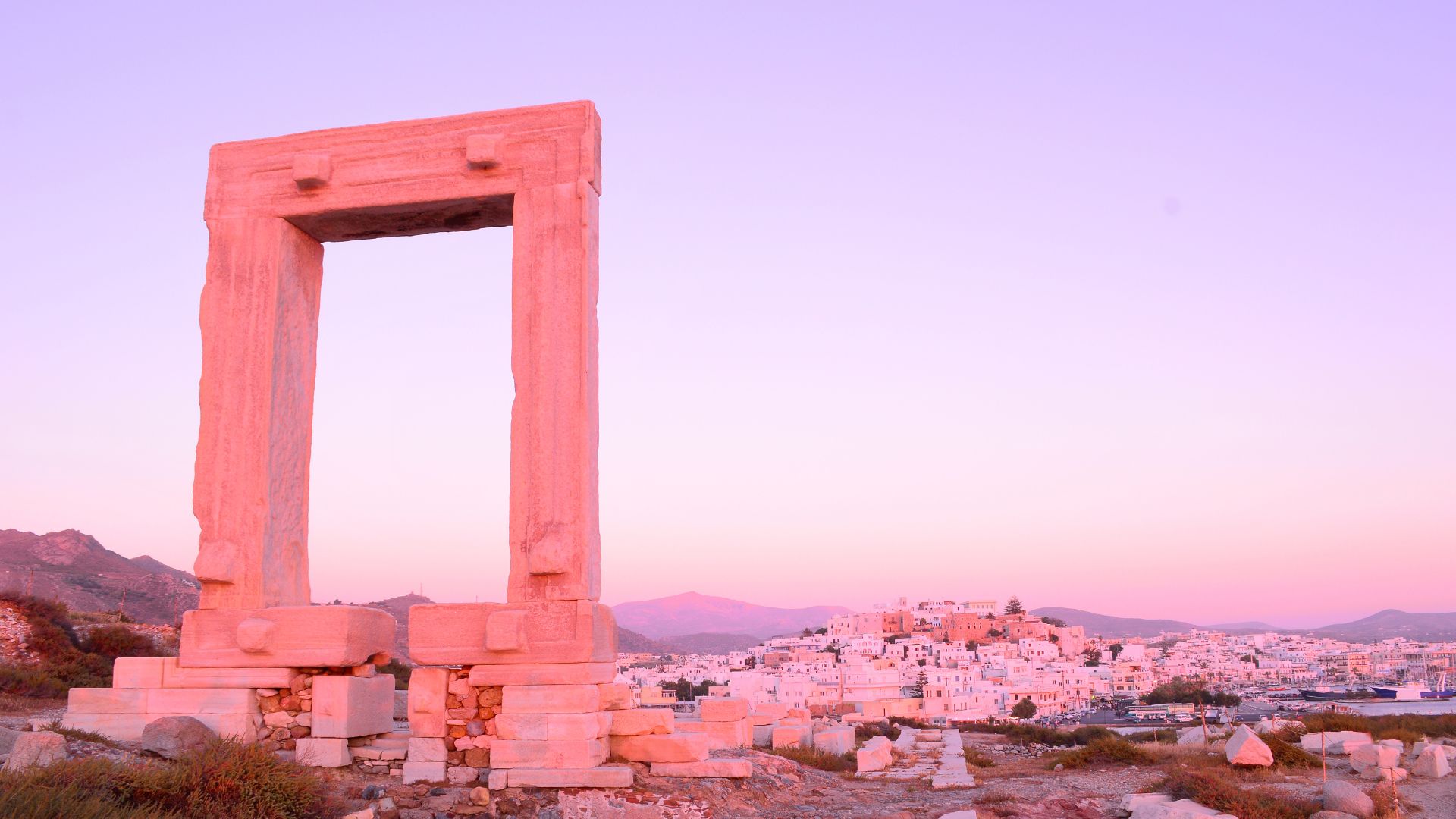

Santorini es la fotografía que acaba en la pared, y este es el único itinerario por las Cícladas que te lleva hasta allí con limpieza. La caldera de Santorini al atardecer, los arcos de cuevas marinas de Kleftiko en Milos, la Portara de Naxos enmarcando un amanecer, Sifnos por la gastronomía, y la Pequeña Venecia de Míkonos de vuelta. Unas 310 millas náuticas de ida y vuelta desde la marina de Alimos, cerca de Atenas.
Es un itinerario de islas griegas construido a propósito para yates a motor: dos tramos superan las 50 mn y la travesía de Santorini a Milos roza las 70. Un yate a motor de planeo los cubre en 3-5 horas; un catamarán de vela quemaría días enteros en ellos. La ruta da por hecho un capitán que pueda mover el horario en torno al Meltemi (el viento del norte del verano del Egeo que racha a más de 35 nudos en julio y agosto). Si quieres el mismo archipiélago en un yate de vela, nuestro itinerario de las Cícladas del norte cubre Míkonos, Naxos y Paros sin la travesía a Santorini.
Día 1 de 7 · Alimos → Kea
Tu semana empieza en la marina de Alimos, en la Riviera de Atenas, la mayor marina de Grecia y la base lógica para cualquier viaje en yate serio por las Cícladas. Tras el breve traslado desde el aeropuerto internacional de Atenas, tu tripulación profesional te recibe a bordo con bebidas frescas y una sesión informativa sobre la carta que enmarca la semana que viene. Guarda tu equipaje, hazte con la distribución del salón, y pasa unos minutos en cubierta mientras el murmullo de la ciudad se desvanece tras el espigón.
A primera hora de la tarde, tu capitán larga amarras para el cruce de cuarenta millas náuticas hasta Kea, la isla de las Cícladas más cercana a la tierra firme. Es el tramo más suave de la semana, y lo hacemos el primero a propósito: huéspedes frescos, una travesía fácil, y el mar más grande reservado para los días que vienen. El Templo de Poseidón del Cabo Sunion quedará a estribor durante la primera hora si la luz acompaña, y el barco entra en su marcha de crucero a medida que la tierra firme queda atrás.
Tu tripulación fondea en Vourkari, un pequeño puerto en forma de U en la esquina noroeste de la isla, bordeado de tabernas encaladas y barcos de pesca. Lancha a tierra para cenar en Aristos, el sitio de marisco al que todo el mundo te manda por una razón: pulpo a la parrilla, una botella fría de assyrtiko, y el sol cayendo tras la iglesia de la colina. Una última copa preparada por el chef de vuelta a bordo, y el viaje ha empezado oficialmente.
Day Highlights
Día 2 de 7 · La travesía a Delos
Hoy es la primera travesía larga de la semana: unas setenta millas náuticas al sureste de Kea a Míkonos, y el tipo de tramo que explica por qué esta ruta pide un yate de planeo bajo los pies. Un casco rápido cubre esa distancia en una cómoda travesía de mañana; un yate de vela estaría en el agua del amanecer al anochecer. Tu capitán vigila el parte del Meltemi, elige su hora de salida, y pone la proa en el corazón del archipiélago.
A primera hora de la tarde, el largo y bajo perfil de Delos aparece por la proa, y tu capitán tiene una decisión que tomar. Si el día ha cooperado y hay ganas, una parada de tarde en Delos es la rara ventaja del viaje en yate con tripulación que casi nadie usa: un sitio arqueológico al aire libre Patrimonio de la Humanidad de la UNESCO, el más grande de Grecia, en lo que fue una de las islas sagradas más importantes del Mediterráneo antiguo. La multitud de excursionistas de Míkonos se ha ido para las 3 de la tarde y las ruinas son casi tuyas.
De Delos es un corto salto al este hasta Míkonos, donde tu capitán fondea a sotavento de la isla —Ornos o Platis Gialos en el lado suroeste, bien lejos de la intensidad de los beach clubs de la costa sur. A última hora de la tarde, la lancha te lleva al pueblo de Míkonos para la puesta de sol en la Pequeña Venecia, la hilera de antiguas casas de capitanes en el borde oeste de Chora, construidas con sus balcones de madera colgando directamente sobre el mar. Elige un bar, coge una mesa en el borde, y ve caer el sol en el Egeo con los famosos molinos de viento en la cresta de arriba. Cena en tierra, un pausado trayecto en lancha de vuelta al barco, y una última copa preparada por el chef en cubierta.
Day Highlights
Día 3 de 7 · Míkonos → Naxos
Un día más fácil en el agua: unas treinta millas náuticas al sur hasta Naxos, la isla más grande de las Cícladas y un lugar distinto de Míkonos. Naxos tiene montañas en el centro, un interior agrícola que produce la mitad de la carne y el queso del archipiélago, y un pueblo de trabajo que no se reorganiza en torno al horario de los excursionistas. Tras la corta travesía de la mañana, tu capitán fondea frente al pueblo de Naxos y el día es tuyo.
La última hora de la tarde es para la Portara. En el pequeño islote rocoso justo al norte del puerto se alza una única puerta de mármol exenta, todo lo que se llegó a construir de un templo a Apolo empezado en el siglo VI a. C. El templo se abandonó a medio construir; la puerta se quedó en pie. Lleva enmarcando la puesta de sol aquí dos mil quinientos años. Camina por la calzada mientras cae la luz y ponte bajo el mármol. Las Cícladas están llenas de momentos de postal, pero este se gana el tópico con honradez.
Más temprano por la tarde, la lancha puede llevarte hasta Agia Anna, en la costa suroeste, para un largo paseo por una playa llana y un baño en un agua que se mantiene somera durante siempre. Es el tipo de playa donde te adentras cincuenta metros y el agua todavía te llega a la cintura, la arena suave bajo los pies, el viento bloqueado por el promontorio. Una buena hora que pasar antes de que arranque la velada.
Para la cena, la jugada es Popi's, una parrilla en el pueblo de Naxos que los lugareños te dirán que tiene el mejor souvlaki de cordero de la isla. Pide una segunda ronda, siéntate en las mesas de fuera, y deja que la velada se alargue. Si te queda algo de apetito, las pequeñas destilerías de las calles traseras venden kitron, el licor de cítricos local que solo se cultiva en Naxos, y tu capitán probablemente sabrá cuál es el bueno.
Day Highlights
Día 4 de 7 · Dentro de la caldera
Hoy es el día en torno al que está construido este itinerario. Cincuenta y cinco millas al sur de Naxos, el largo y montañoso perfil de Santorini crece en el horizonte, y tu capitán mete el barco rodeando el extremo sur de la isla. Desde ahí, giras al norte y subes por el interior de la caldera —el borde de un volcán hundido con acantilados que se alzan doscientos cuarenta metros a plomo desde el agua por tu estribor y los pueblos blancos y azules de Fira y Oia aferrados a lo alto como glaseado. No hay nada más en el Mediterráneo que tenga este aspecto.
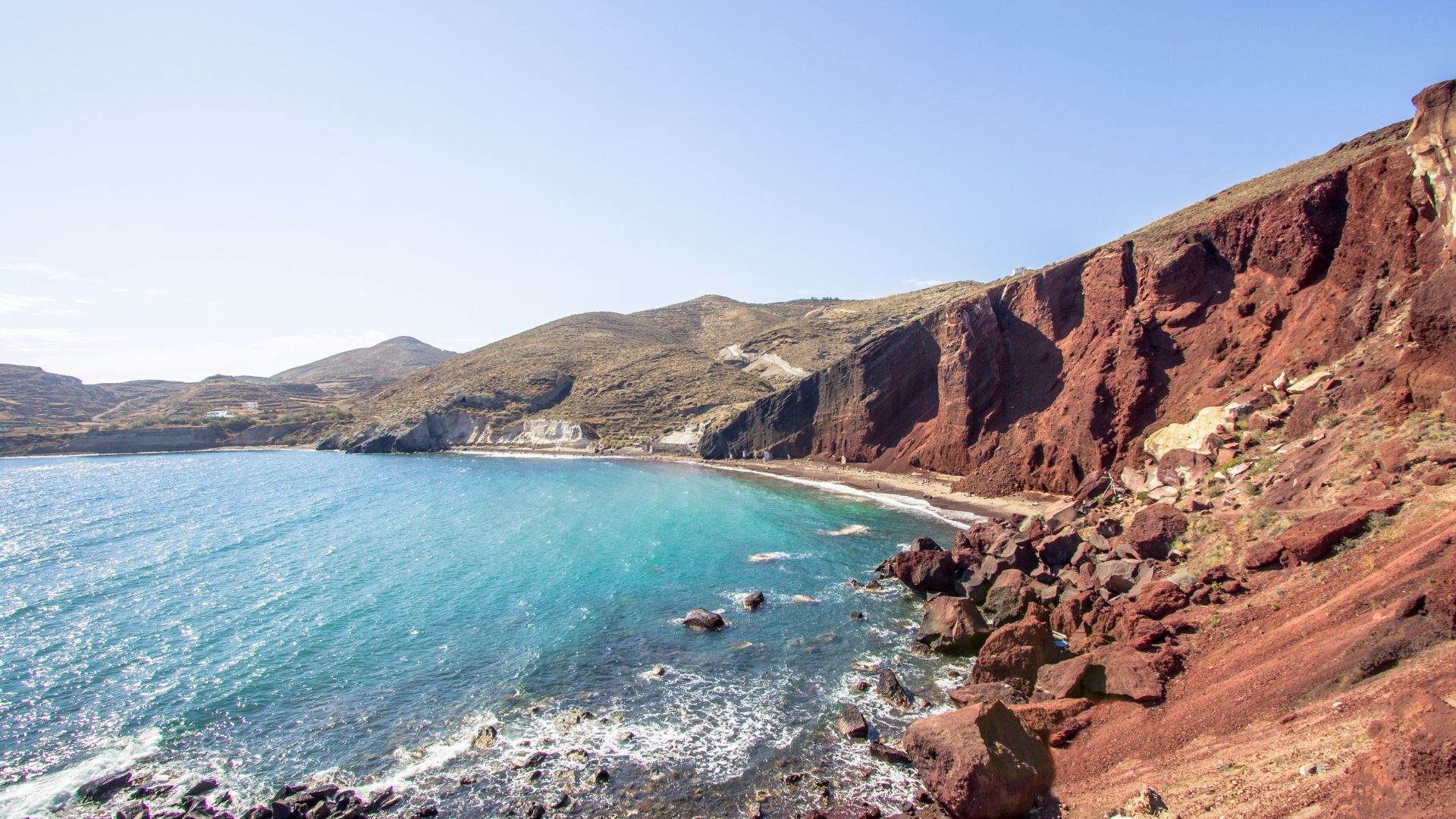
Una nota sobre el fondeadero, porque vale la pena ser honesto: la caldera es profunda. La mayor parte del fondo dentro del borde supera los doscientos metros, lo que significa que casi ningún yate fondea aquí de verdad en el sentido tradicional. La jugada estándar es coger una boya de amarre frente a Ammoudi, al pie de Oia, o mantener posición con los motores mientras los huéspedes bajan a tierra. Tu capitán se encarga de la logística; no tienes que pensar en ello. Antes de acomodarse para la velada, la tripulación hace dos paradas en lancha en la costa sur —Red Beach y White Beach—, ambas accesibles solo en barco o tras un largo trepar por promontorios volcánicos. Acantilados de color óxido, arena oscura, agua cálida.
A última hora de la tarde, la lancha te lleva a Ammoudi. Dos opciones, y la mayoría de los huéspedes hacen ambas: tómate tu tiempo con una cena temprana en una de las tabernas de pescado junto al agua, con el pulpo secándose en la cuerda sobre tu mesa y la cara del acantilado dorándose por encima. Luego sube los trescientos escalones hasta Oia para la puesta de sol, o coge el burro si tus rodillas protestan. Encuentra un sitio en un muro de piedra mientras el sol cae tras el borde lejano de la caldera. La luz vuelve dorado todo el pueblo durante unos veinte minutos. Nadie habla mucho mientras ocurre.
Day Highlights
Día 5 de 7 · El tramo insignia en mar abierto
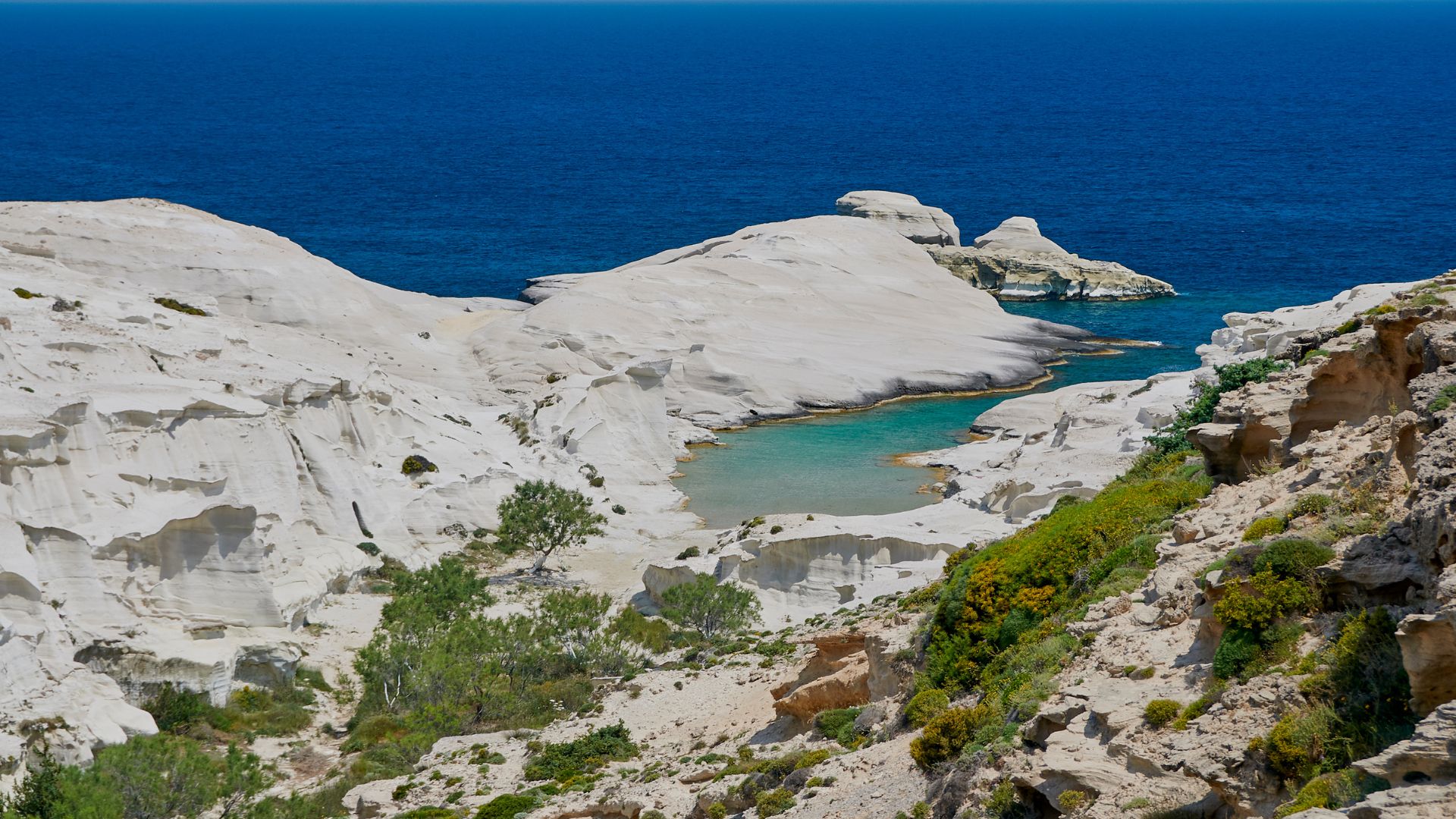
Hoy es el tramo de mar abierto más largo de la semana: unas setenta millas náuticas al suroeste de Santorini a Milos, y la travesía que más exige el montaje de yate de planeo. No hay una isla conveniente en medio para romperla. Tu capitán elige su ventana, y en un barco rápido cruzas antes del almuerzo. En un yate de vela con un Meltemi típico de julio, esa misma travesía sería una larga ceñida penosa contra una mar corta del Egeo. Este es el tramo que decide qué tipo de embarcación tiene sentido para la ruta.
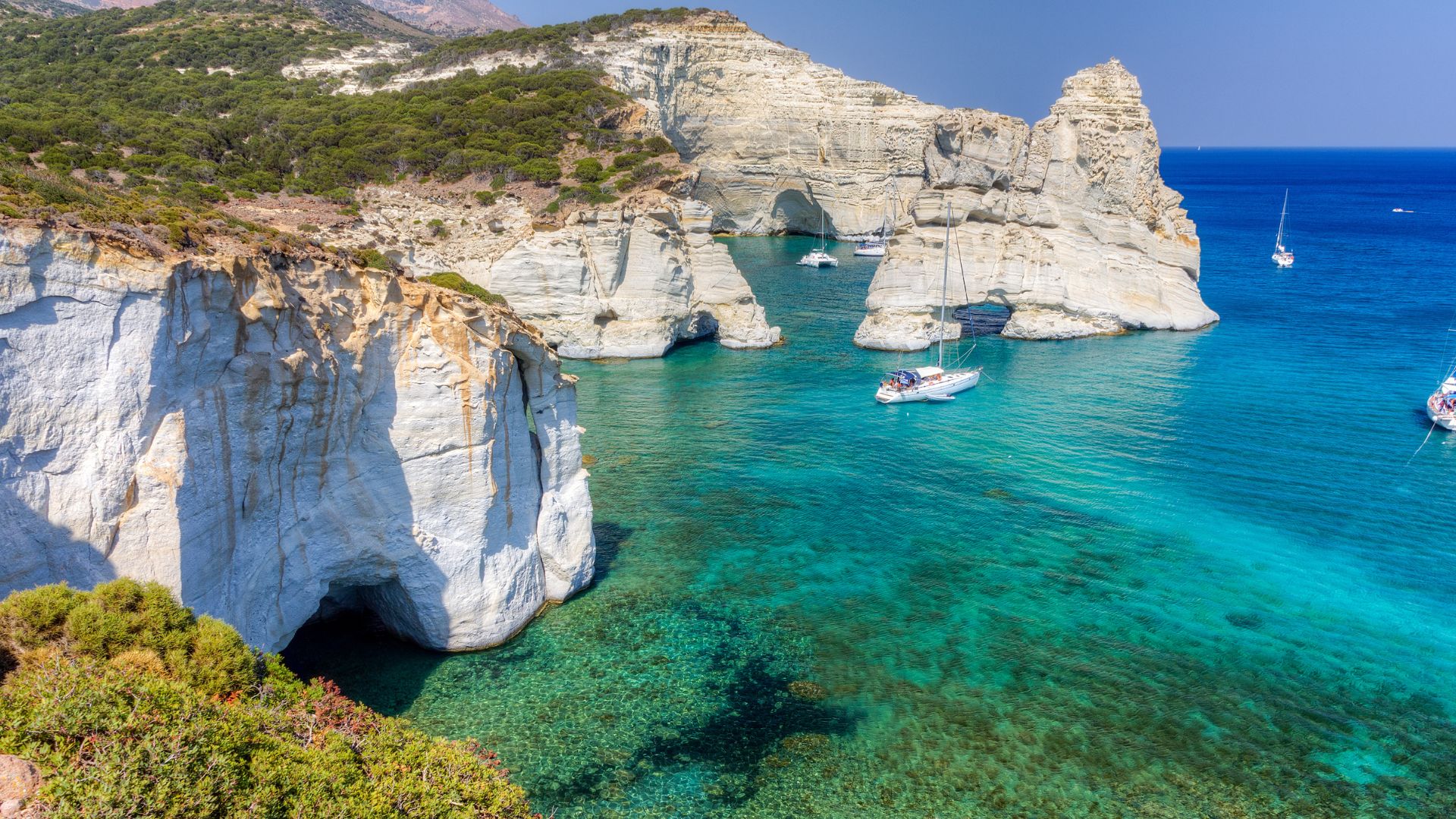
La llegada merece cada milla. Tu tripulación lleva el barco rodeando la punta suroeste de Milos hasta la bahía de Kleftiko, un tramo de costa esculpido por el viento y las olas en arcos de cuevas marinas volcánicas blancas, pináculos y túneles submarinos para nadar. Santorini se lleva las fotos de calendario del Egeo; Kleftiko es donde de verdad quieres estar en el agua. Fondea mar adentro, mete la lancha hasta el fondo de las cuevas, y pasa una hora nadando a través de arcos y rodeando pináculos en agua clara y turquesa.
A última hora de la tarde, el barco reposiciona a la costa norte para una parada en la playa de Sarakiniko, un paisaje lunar de roca volcánica blanca, sin vegetación por ninguna parte, una geología tan extraña que parece montada. Recorre las formaciones rocosas, báñate desde los acantilados bajos, y deja que el sol acabe de caer. Para la cena, la lancha te lleva al pueblo de Adamas, en el puerto: un pueblo cicládico de trabajo que va al ritmo humano, con pulpo secándose en cada cuerda de taberna y ouzo en cada mesa. Pide ambos. Una última copa preparada por el chef de vuelta a bordo, y el barco está en silencio para la medianoche.
Day Highlights
Día 6 de 7 · La isla de la gastronomía
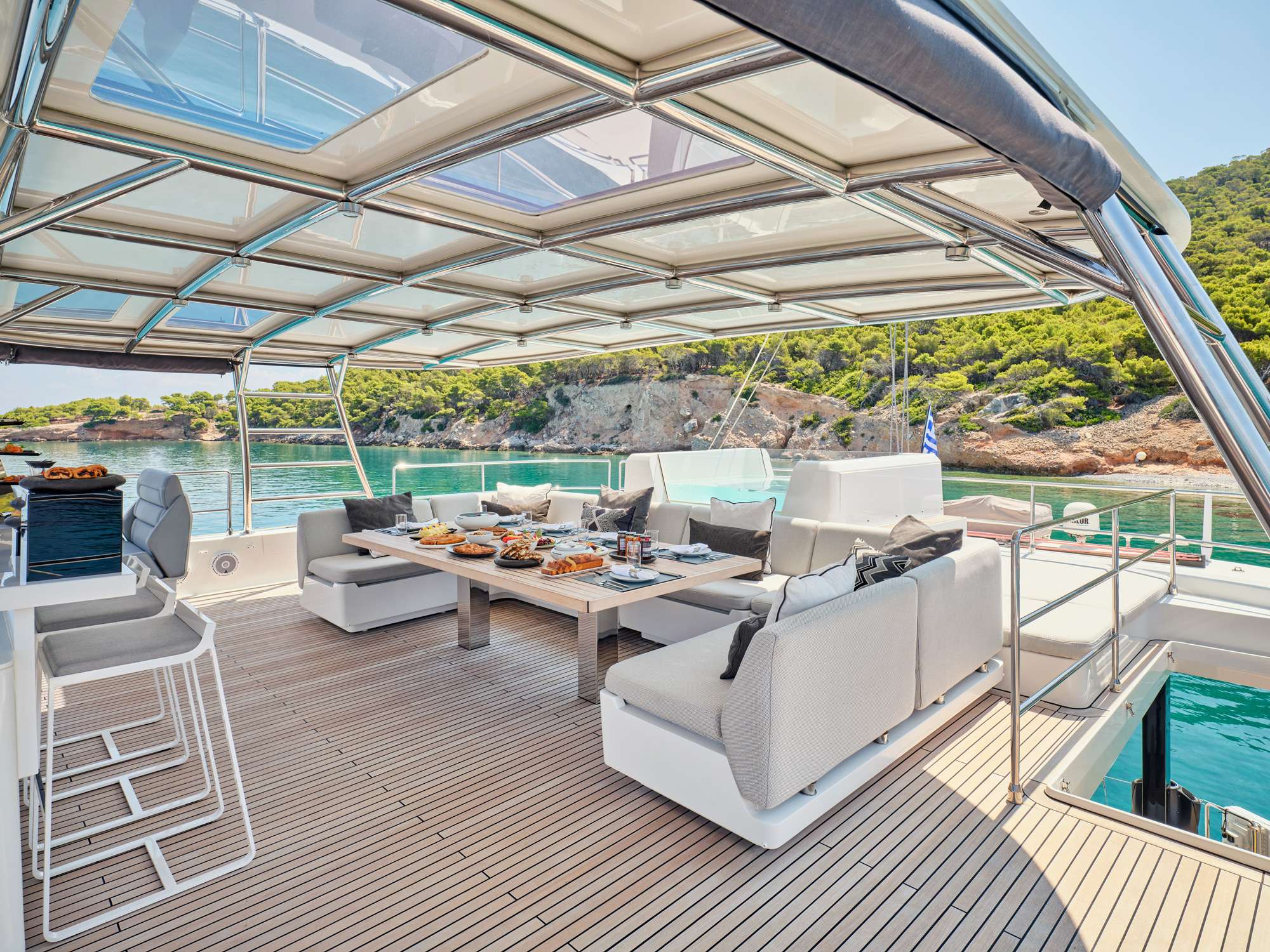
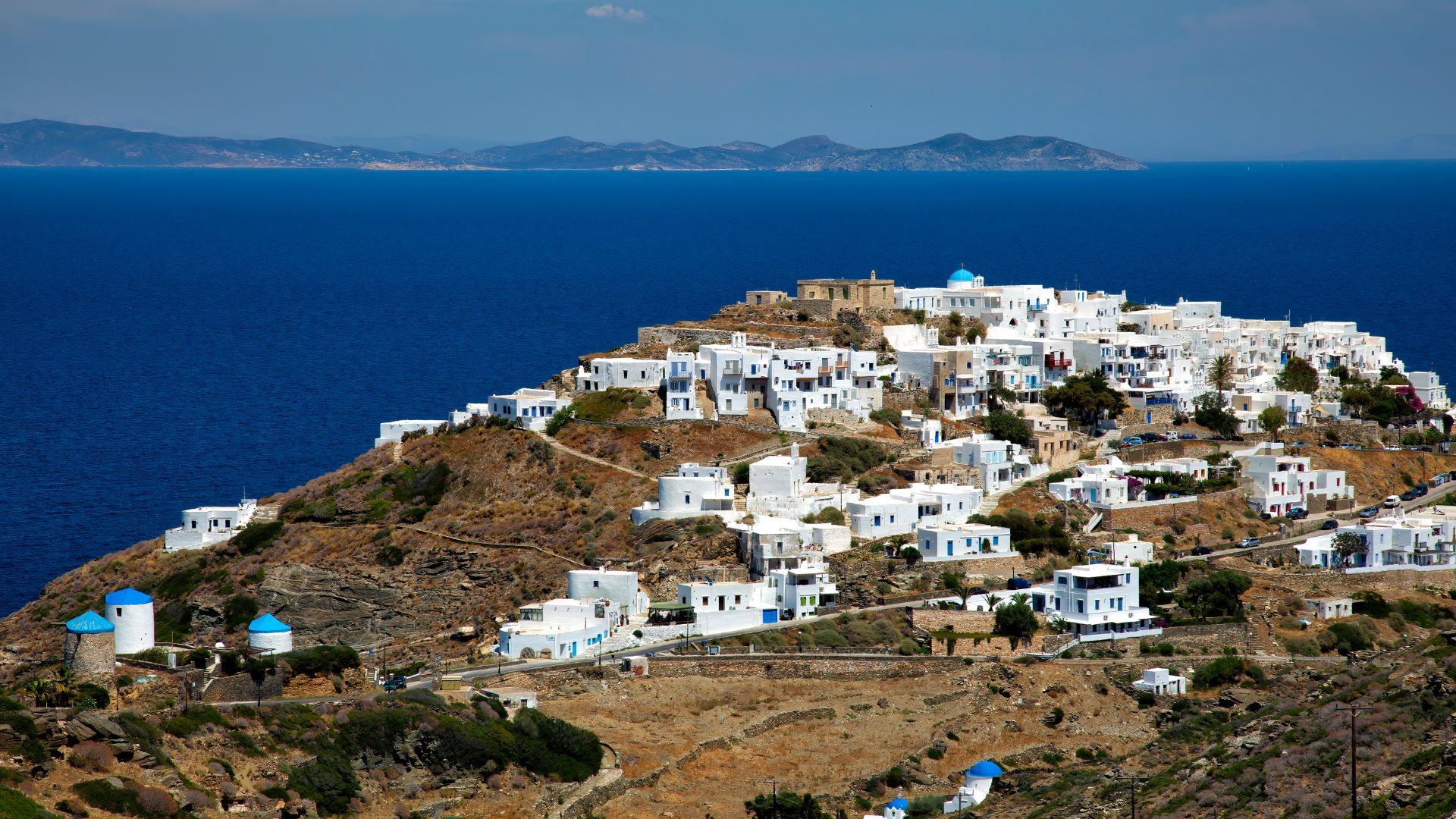
Una corta travesía de veinticinco millas al noreste hoy, el tipo de mañana que el barco cubre en unos cómodos noventa minutos y apenas te da tiempo a terminar el desayuno. Sifnos se sitúa entre Milos y Serifos, en las Cícladas occidentales, y es la isla de la gastronomía del archipiélago: un interior de colinas con pueblos blancos y azules construidos en torno a la cocina en olla de barro, los huertos de hierbas, y ese tipo de pequeñas tabernas que llevan cuatro generaciones haciendo el mismo plato de cordero.
Tu capitán fondea en la bahía de Vathy, en la costa suroeste: una bahía profunda, resguardada y de fondo de arena, rodeada por un clásico pueblo cicládico blanco y azul que trepa por la ladera. Es el tipo de fondeadero que reinicia el viaje, sobre todo tras el empuje en mar abierto desde Santorini. Pasa la tarde nadando, haciendo paddle o recorriendo la costa rocosa en lancha. No hay horario en Sifnos y no debería haberlo.
La cena es la razón por la que estás aquí. La especialidad cicládica es el mastelo: cordero cocinado a fuego lento en una olla de barro sellada con eneldo y vino local, un plato que solo encuentras bien hecho en Sifnos. Los dos restaurantes que vale la pena reservar son Omega 3, en Platis Gialos, un sitio pequeño que lleva un pescador que saca la captura de su propio barco por la mañana, y Tselementes, en Apollonia, que lleva el nombre del chef sifnio que escribió el recetario que enseñó a las cocinas griegas modernas a poner las recetas por escrito. Tu capitán reservará el que encaje con la noche. En cualquier caso, comes bien.
Tras la cena, pasea por los callejones de piedra de Apollonia o de Kastro, el pueblo más antiguo de la colina en la costa este, construido directamente sobre los cimientos de una acrópolis antigua con una pequeña capilla blanca colgando sobre el mar. No hay motos, ni excursionistas, ni casi señalización. Sifnos es la isla que hace que los huéspedes empiecen a preguntar cómo ampliar el viaje.
Day Highlights
Día 7 de 7 · Último baño + de vuelta a casa
El último día completo en el agua es una travesía de treinta millas al noroeste hasta Kythnos para una última parada de baño, y luego el tramo más largo de vuelta a Alimos. Tu capitán planea la mañana en torno a llegar a Kolona para el almuerzo: una fina lengua de arena blanca que conecta Kythnos con un pequeño islote mar adentro, con mar abierto en un lado y una bahía protegida en el otro. Nadas entre dos mares distintos. Es uno de los fondeaderos más fotografiados de las Cícladas y se gana la atención.
La tripulación fondea por el lado de sotavento, monta la plataforma de baño, y la tarde se convierte en juguetes acuáticos, un largo almuerzo a bordo y poco más. Casi todas las semanas, este es el día del que los huéspedes no quieren volver. El Meltemi afecta a este tramo como afecta a todos los tramos del Egeo: si sopla fuerte del norte, tu capitán puede cambiar la hora o retrasar la travesía de vuelta. Esa es la decisión del capitán, y es la acertada.
A media tarde, amarras fuera para la última travesía de vuelta a la marina de Alimos. Es una hora o dos tranquilas en cubierta con la costa de Atenas creciendo por la proa, la semana haciéndose el recuento en tu cabeza. Tu chef tiene una cena de despedida planeada a bordo para la última velada en el muelle: unos pausados tres platos en la cubierta de popa, las luces de la marina encendiéndose a tu alrededor, el barco quieto tras siete días de movimiento.
Day Highlights
Día 8 · Salida
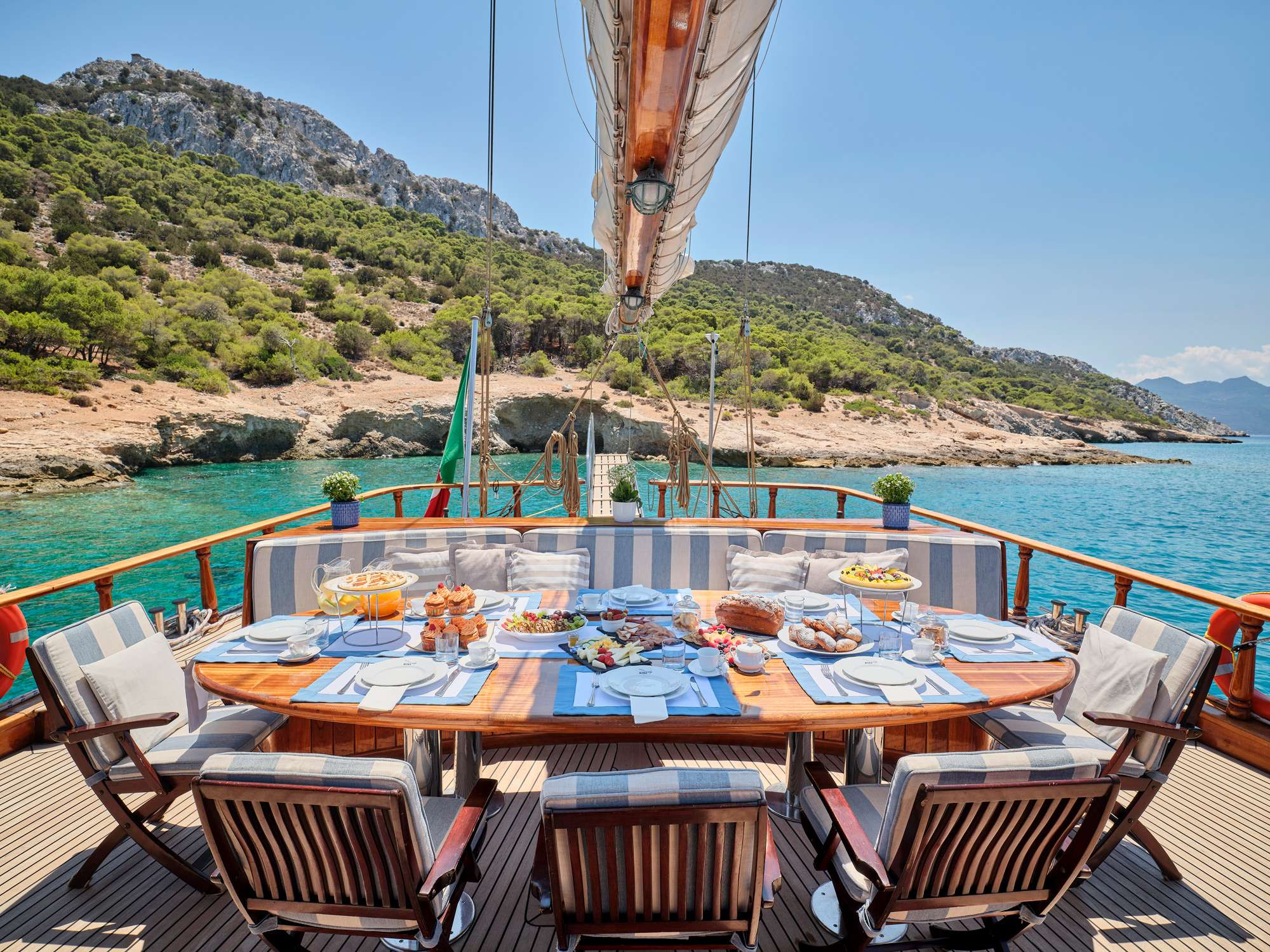
Disfruta de un último desayuno pausado a bordo en Alimos, un café final en cubierta, y el corto traslado que tu tripulación organiza directo al aeropuerto internacional de Atenas o a tu hotel en tierra si amplías en la ciudad. Tu capitán y tu chef bajarán del barco ya hablando de cuándo vuelves, que suele ser como terminan los buenos.
Want to share or come back to this voyage later?
Bookmark this voyage →
When to go, what it costs, and how to get there — the practical answers guests ask before booking a Greece crewed yacht charter.
Julio y agosto concentran el mayor volumen de reservas de la temporada griega. Las temperaturas diurnas rondan entre los 31 y los 34 grados, el agua alcanza su punto máximo con temperaturas en torno a los 26 grados, y el Meltemi sopla con más fuerza — a menudo entre 25 y 35 nudos en el centro de las Cícladas, que es precisamente por qué la ruta a vela por las Cícladas del Norte está diseñada a favor del viento y por qué el recorrido por la caldera de las Cícladas del Sur requiere un yate a motor. El Jónico y el Sarónico permanecen protegidos del Meltemi y discurren tranquilos durante estas semanas. Los mejores yates y tripulaciones se reservan con 9 a 12 meses de antelación para julio y agosto, y las tarifas son entre un 25 y un 40% más altas que en las temporadas intermedias. Quienes quieren vivir la energía de Grecia en plena temporada alta lo pagan; quienes prefieren aguas más tranquilas y reservas más fáciles eligen las ventanas a uno u otro lado.
Mayo, junio, septiembre y octubre ofrecen el mejor equilibrio del año. El Meltemi se suaviza durante mayo y junio, regresa a finales de junio y vuelve a amainar a lo largo de septiembre. El agua alcanza temperatura de baño a finales de mayo y se mantiene así hasta octubre. Las temperaturas diurnas se sitúan entre los 25 y los 29 grados — agradables en lugar de agobiantes. Las tavernas tienen mesa, las islas recuperan su ambiente local y las tarifas caen entre un 20 y un 30% respecto a la temporada alta. Junio y septiembre son los meses favoritos de quienes repiten en Grecia — el calor se modera, las islas se calman y la flexibilidad del itinerario aumenta. Mayo y octubre son una buena opción para quienes pueden viajar antes de que empiece el calendario escolar o una vez terminado, con aguas ligeramente más frescas y tarifas más bajas.
$30,000–$100,000 per week
El alquiler de yate con tripulación en Grecia oscila habitualmente entre $30,000 y más de $100,000 por semana de tarifa base, según el tamaño del yate, el año de construcción y la tripulación. Grecia funciona bajo el modelo mediterráneo de precio más gastos — no el sistema todo incluido habitual en el Caribe. La tarifa base cubre únicamente el yate y la tripulación. La alimentación, las bebidas, el combustible, el amarre en marina, las tasas portuarias, los impuestos de puerto, el agua, la electricidad y cualquier tasa de navegación se abonan a través de una APA (Asignación Anticipada de Provisiones), financiada por adelantado con el 30–35% de la tarifa base y liquidada al final del viaje. El IVA del yate en Grecia es del 12% sobre la tarifa base (una tasa reducida, independiente del IVA estándar del 24% del país) y se añade en el momento de la reserva. La propina para la tripulación es del 10–15% en el Mediterráneo — inferior al 15–20% del Caribe — y se entrega directamente al capitán en el desembarque. Los viajes en yate en Grecia se realizan de sábado a sábado como norma; la semana de siete días está diseñada en torno al día de rotación consolidado del país.
About chartering in Greece.
Field-tested guides, itineraries, and tips — written from years of chartering these waters.

¿Grecia o Croacia? Compare destinos, estilos de navegación y precios para elegir el destino en el Mediterráneo ideal para su viaje.

Descubre los mejores destinos para alquilar un yate en verano durante la temporada de huracanes: explora las Granadinas, Las Exumas o el Mediterráneo.
We charter across the Eastern Mediterranean. Here are some other excellent alternatives.

Stone harbors and pine-rimmed coves down the Dalmatian coast — Roman ruins inside medieval walls, cold Pošip on a stern-to quay in Hvar, the Adriatic the way it was written about.

The Mediterranean week that looks like nowhere else in Europe — medieval walls dropping straight into the water, a baroque church on an island made from sunken ships, and the Sveti Stefan silhouette at the offshore anchor. The Adriatic week most guests book the second time they come.

Yalıkavak's celebrity-chef quay, Maçakizi's pontoon at sundown, Kekova where the sunken city of Simena sits below your anchor — the Mediterranean the Turks have mostly kept for themselves, and the lowest charter VAT in the Med.
Fill out our quick form and we'll dive into your unique preferences — from adventure-packed itineraries to pampered escapes. Whether you're a seasoned voyager or new to charters, we'll tailor recommendations just for you.
With over fifteen years of experience, we'll match you with the yacht that fits your style, group, and itinerary. We work directly with the captains and crews across our list — so the recommendation is built around the right boat-and-crew fit for your week, not whatever's easiest to book.
Once your yacht is booked, we'll take care of logistics: paperwork, reminders, and personalized resources to help you plan. From arrival planning to must-visit spots, we'll make your charter as seamless as it is unforgettable.

¿Qué esperar de un alquiler de yate privado con tripulación?
Conocé qué hace únicos a estos viajes en yate: servicio personalizado, gastronomía gourmet y un sinfín de aventuras y momentos de relax.

¿Cómo es el proceso de reserva?
Nuestro equipo se encarga de todo: desde tu primer consulta hasta que zarpás. Todo fluye de forma simple.

¿Cuánto cuesta un alquiler de yate con tripulación?
Entendé los distintos tipos de precios, lo que está incluido y lo que no.

Logística: planes probados para un inicio sin estrés
Planificá tu llegada con facilidad. Te damos tips sobre vuelos, traslados y todo lo necesario para arrancar relajado.
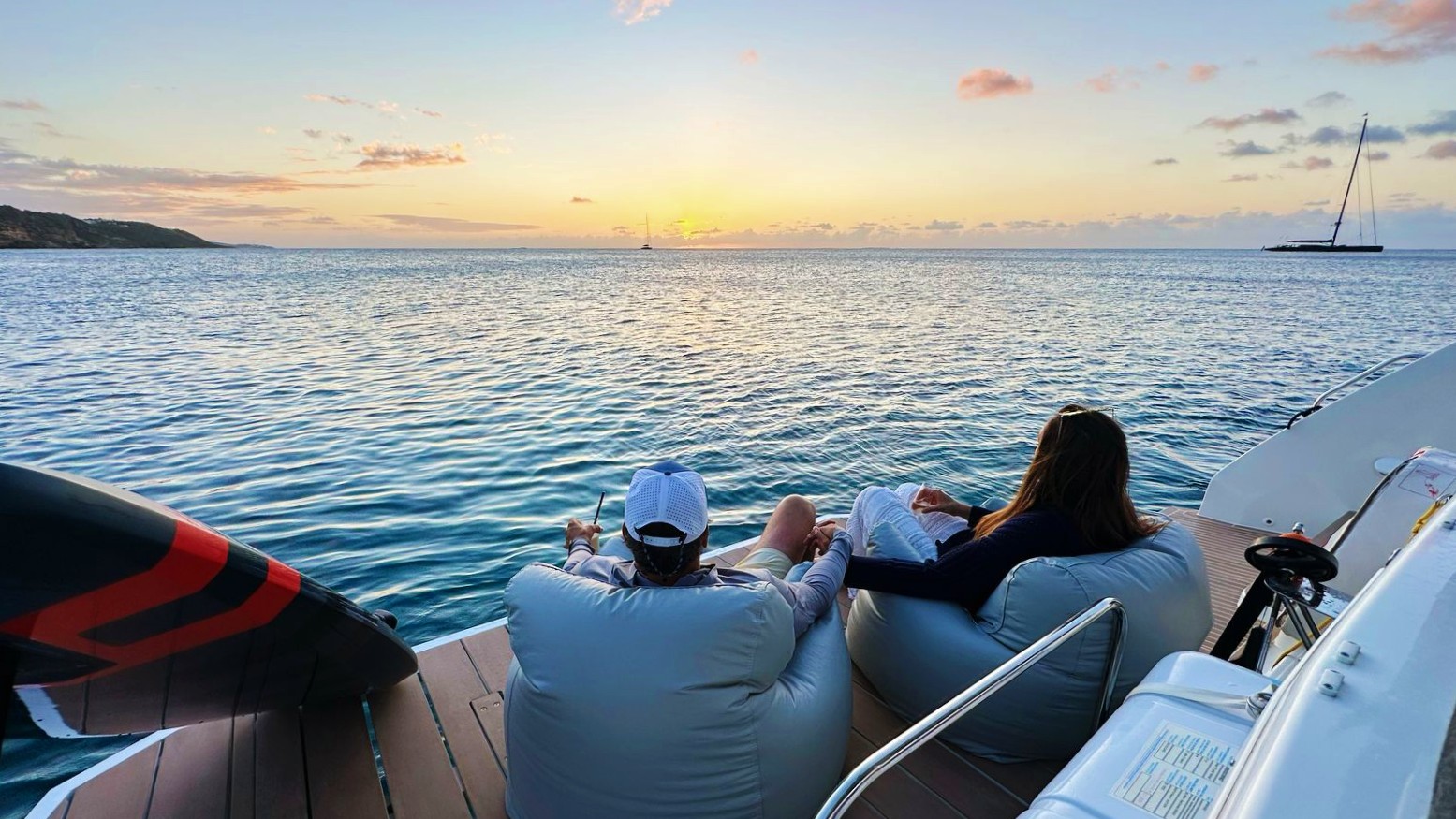
Alquiler de yate de luna de miel
Comience su matrimonio en un yate privado. Explore playas solitarias, gastronomía gourmet y atardeceres inolvidables en el Caribe.
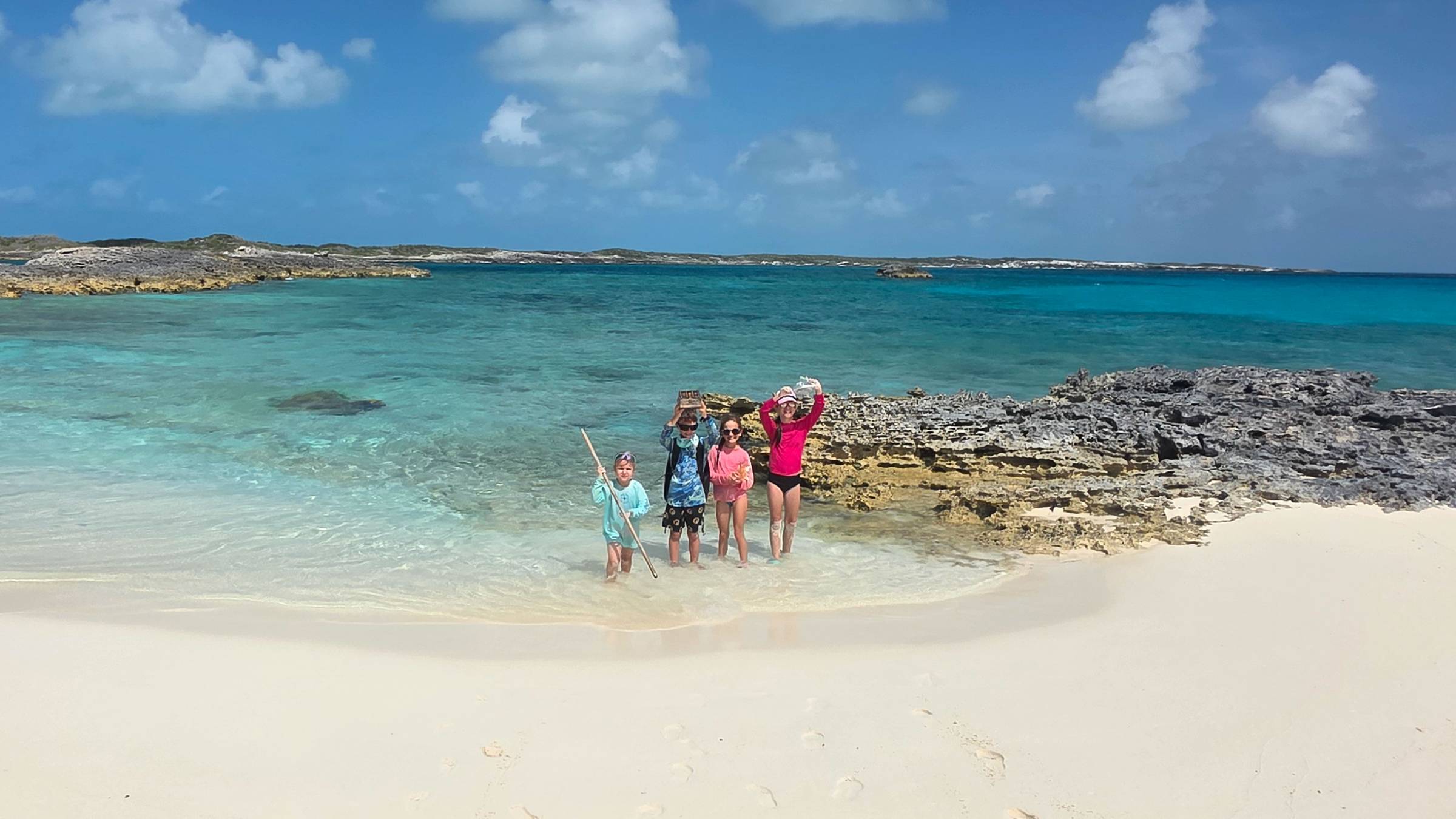
Alquiler de yate familiares
Un alquiler de yate con tripulación es perfecto para familias de todas las edades. Seguro, divertido y con servicio completo — sus hijos nunca lo olvidarán.

Preguntas frecuentes sobre alquileres de yate con tripulación
Obtenga respuestas a las preguntas más comunes sobre alquiler de yate con tripulación, desde precios y propinas hasta qué incluye y qué llevar.

Alquiler de yate con tripulación en las Islas Vírgenes Británicas
Las Islas Vírgenes Británicas son el destino #1 de alquiler de yate con tripulación en el Caribe. Navegaciones cortas, aguas protegidas y bahías de clase mundial.

Guía de Alquiler de Yate con Tripulación en Islas Vírgenes Británicas
Todo lo que necesitás saber antes de tu viaje en yate con tripulación en las Islas Vírgenes Británicas — precios, lista de equipaje, itinerario y cómo llegar.
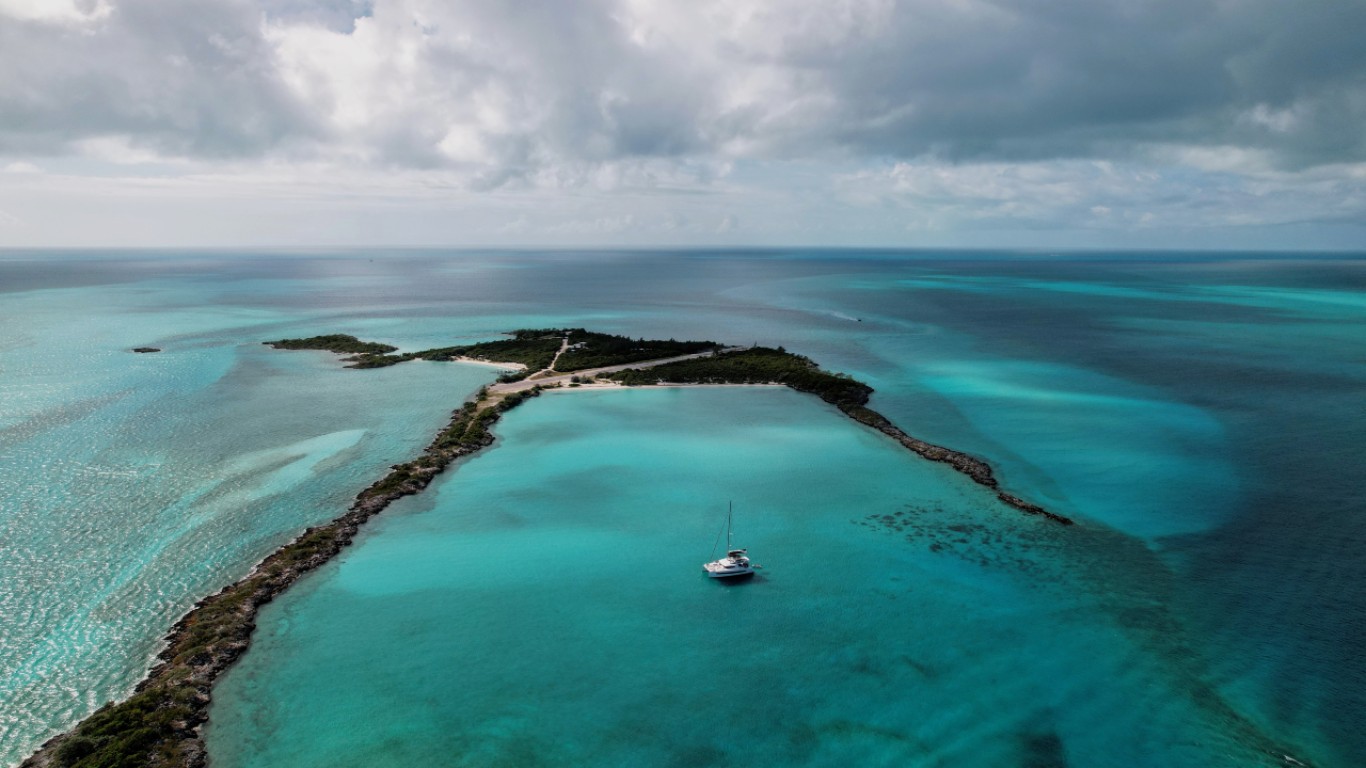
Alquiler de yate con tripulación en las Bahamas
Explore las Exumas en un yate privado con tripulación. Cerdos nadadores, bancos de arena y algunas de las aguas más cristalinas del mundo.
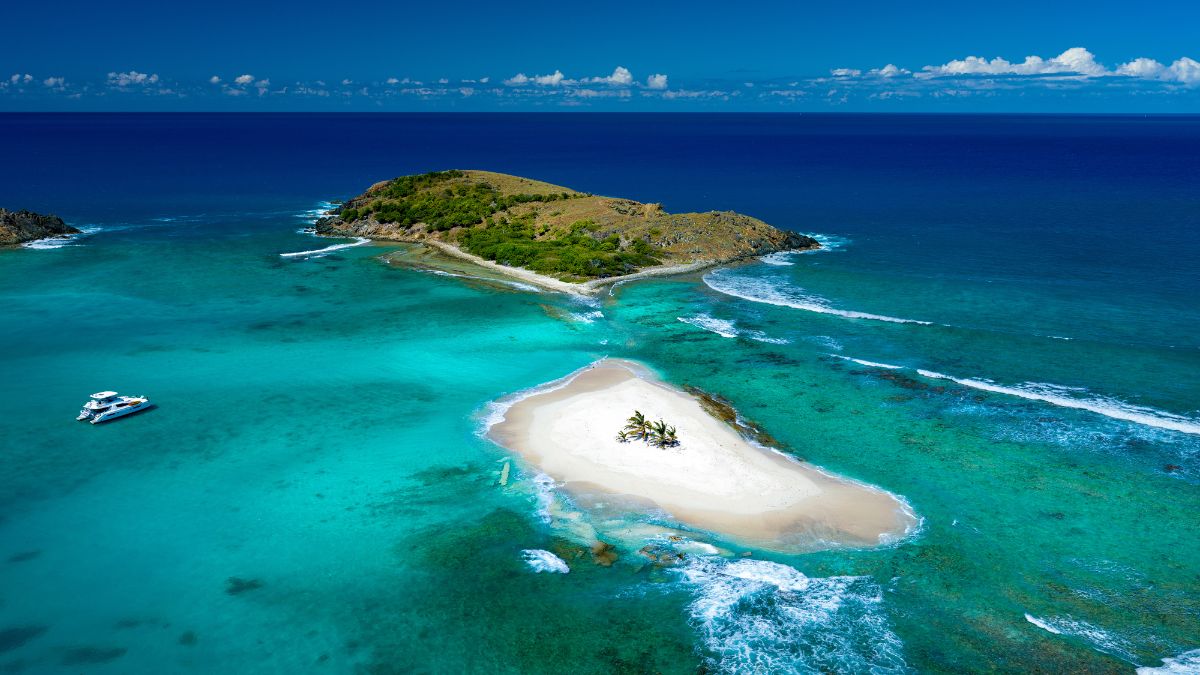
Alquiler de yate con tripulación en el Caribe
Alquiler de yate todo incluido con tripulación en todo el Caribe — Islas Vírgenes Británicas, Bahamas, Islas Vírgenes de EEUU, St. Martin, Antigua y más.