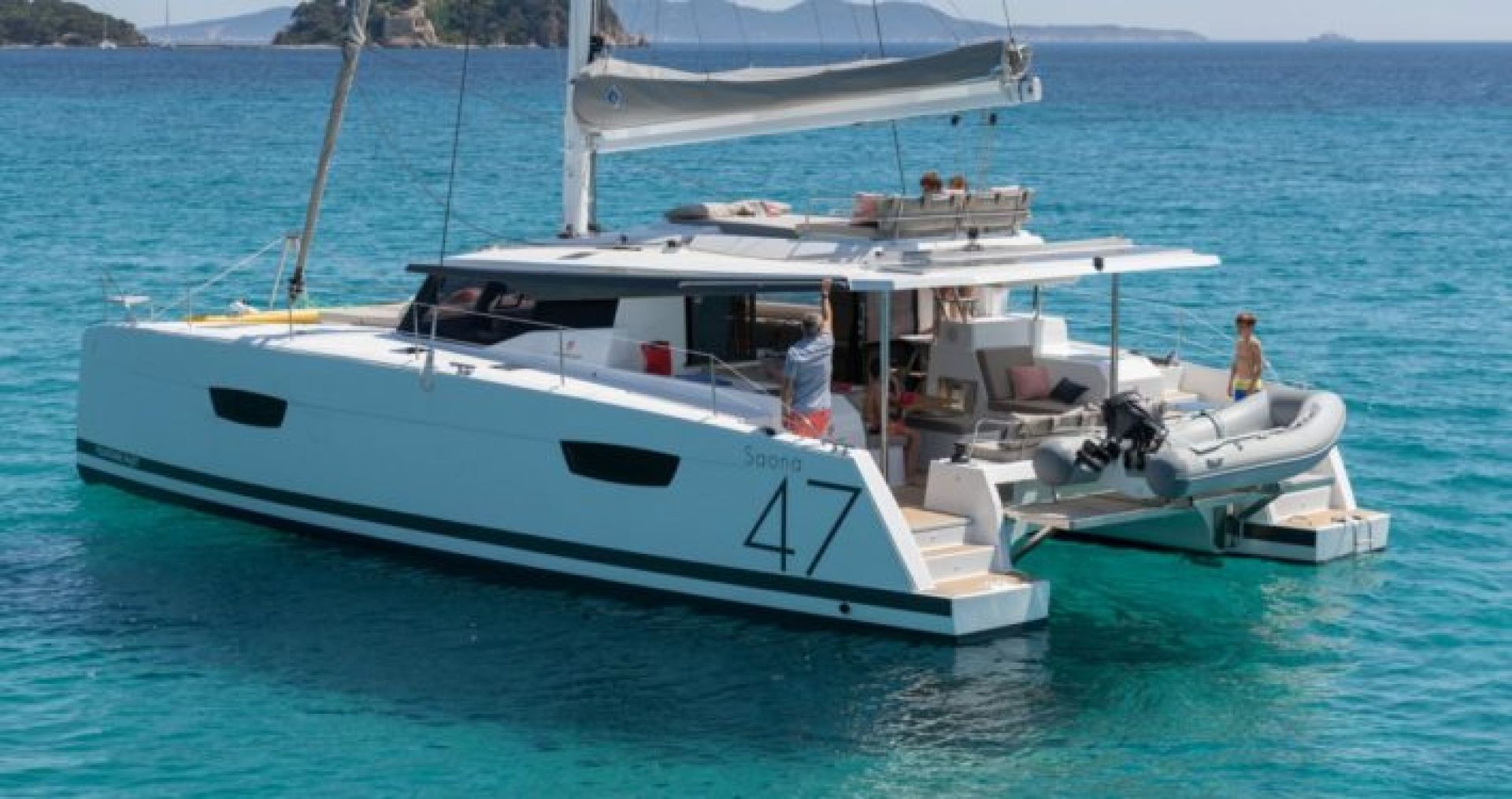

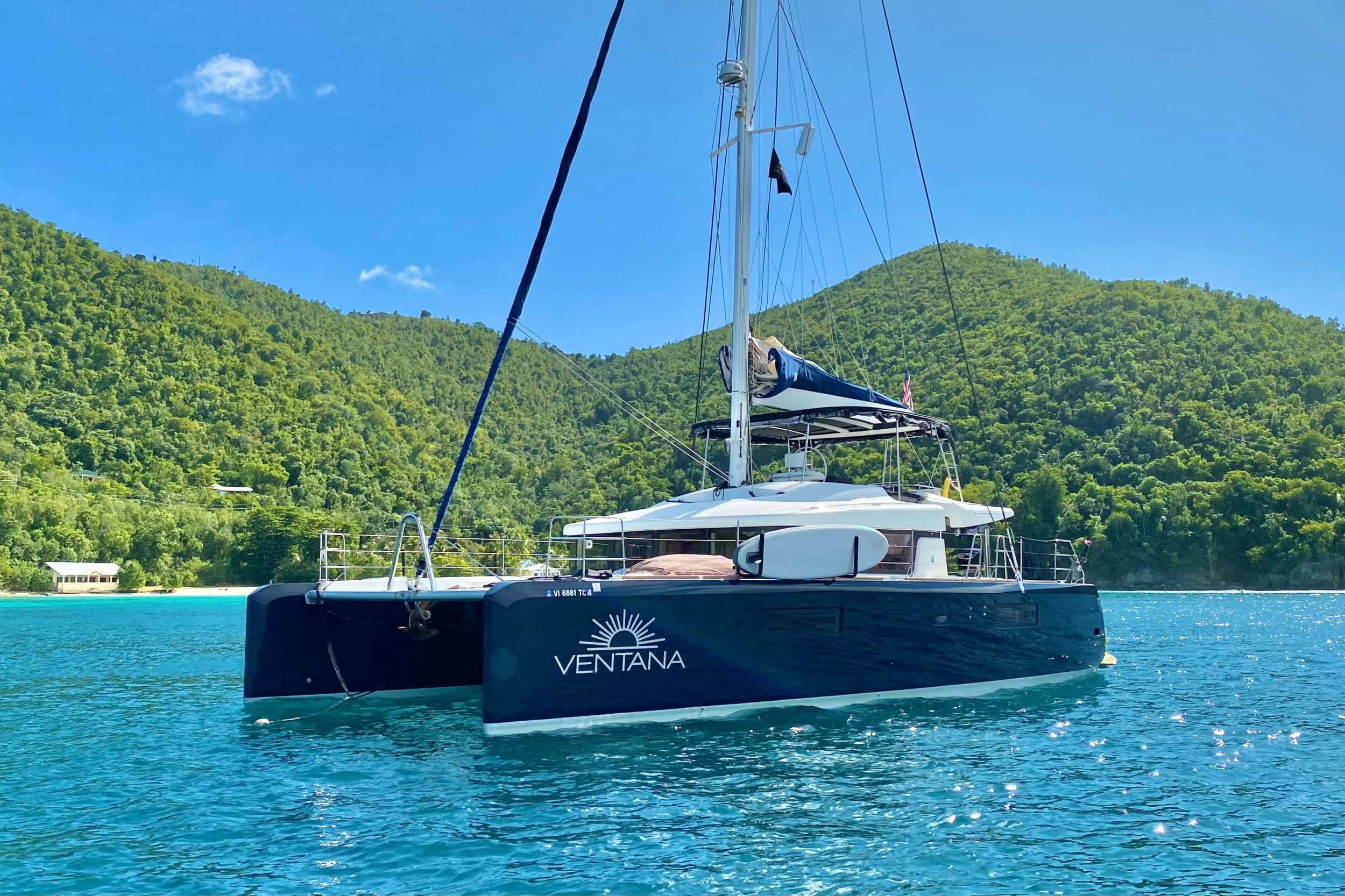
Ventana al Mar
52FT · SAILING CATAMARAN
Desde $21,105/semana
10 Guests · 5 Cabins
Caribbean
Eastern Mediterranean
Western Mediterranean
South Pacific
United States
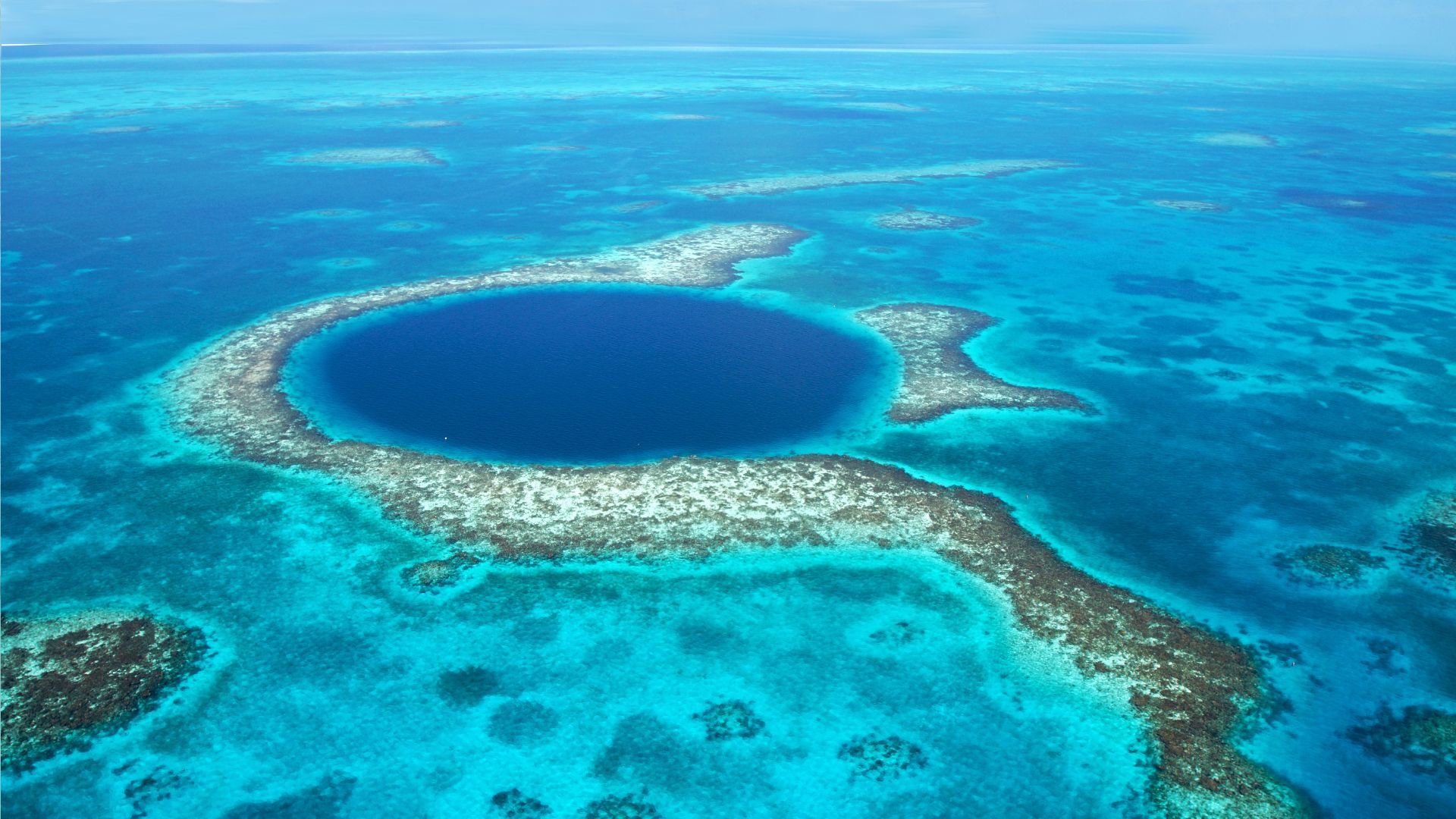
Catamaranés con tripulación a lo largo del Arrecife Mesoamericano — dos rutas, tres atolones, arrecifes UNESCO y las aguas de navegación más tranquilas del Caribe occidental.
Por qué Belice
Belice se asienta en el extremo oriental de Centroamérica, con 185 millas de costa que siguen el Arrecife Mesoamericano — el segundo arrecife de barrera más grande del mundo, después de la Gran Barrera de Coral de Australia. El arrecife corre sin interrupciones frente a la costa, desde la frontera con México hasta Guatemala, con tres atolones verdaderos — Turneffe, Lighthouse y Glover's — ubicados más allá de él en aguas profundas. Dentro del arrecife, las aguas de navegación se mantienen planas, el oleaje se rompe mucho antes de llegar a tu yate, y las cayes están suficientemente próximas entre sí para que ningún día de vela exija una larga travesía en mar abierto.
Dos itinerarios diferenciados salen desde Belice. La ruta norte parte de la Ciudad de Belice hacia Caye Caulker, San Pedro y Turneffe Atoll, con el Gran Agujero Azul al alcance desde Lighthouse Reef en la semana indicada. La ruta sur parte de Placencia a lo largo del arrecife interior — Laughing Bird Caye, las Silk Cayes, Tobacco Caye, South Water — atravesando tres reservas marinas declaradas Patrimonio Mundial de la UNESCO y la estación de campo del Smithsonian en el Caribe en Carrie Bow Caye. Los huéspedes eligen una u otra; el capitán organiza la semana en función del tiempo, las condiciones y las prioridades de tu grupo.
Lo que distingue a Belice de los destinos de viajes en yate más conocidos del Caribe es la concentración de vida marina y un carácter poco desarrollado que recuerda al Caribe de hace treinta años. Los tiburones ballena se congregan en Gladden Spit cada primavera, en torno a las lunas llenas de abril, mayo y junio. Los manatíes se alimentan en Swallow Caye. Los tiburones nodriza y las rayas del sur se reúnen en los bajíos de Hol Chan y Shark Ray Alley. Las cayes en sí siguen siendo pequeñas aldeas pesqueras y cabañas con techo de paja — Tobacco Caye ocupa cinco acres sobre el arrecife de barrera; Ranguana es una isla privada de seis acres con un puñado de cabañas. La Ciudad de Belice y Placencia gestionan la logística moderna; todo lo demás se mantiene pequeño, tranquilo y local.
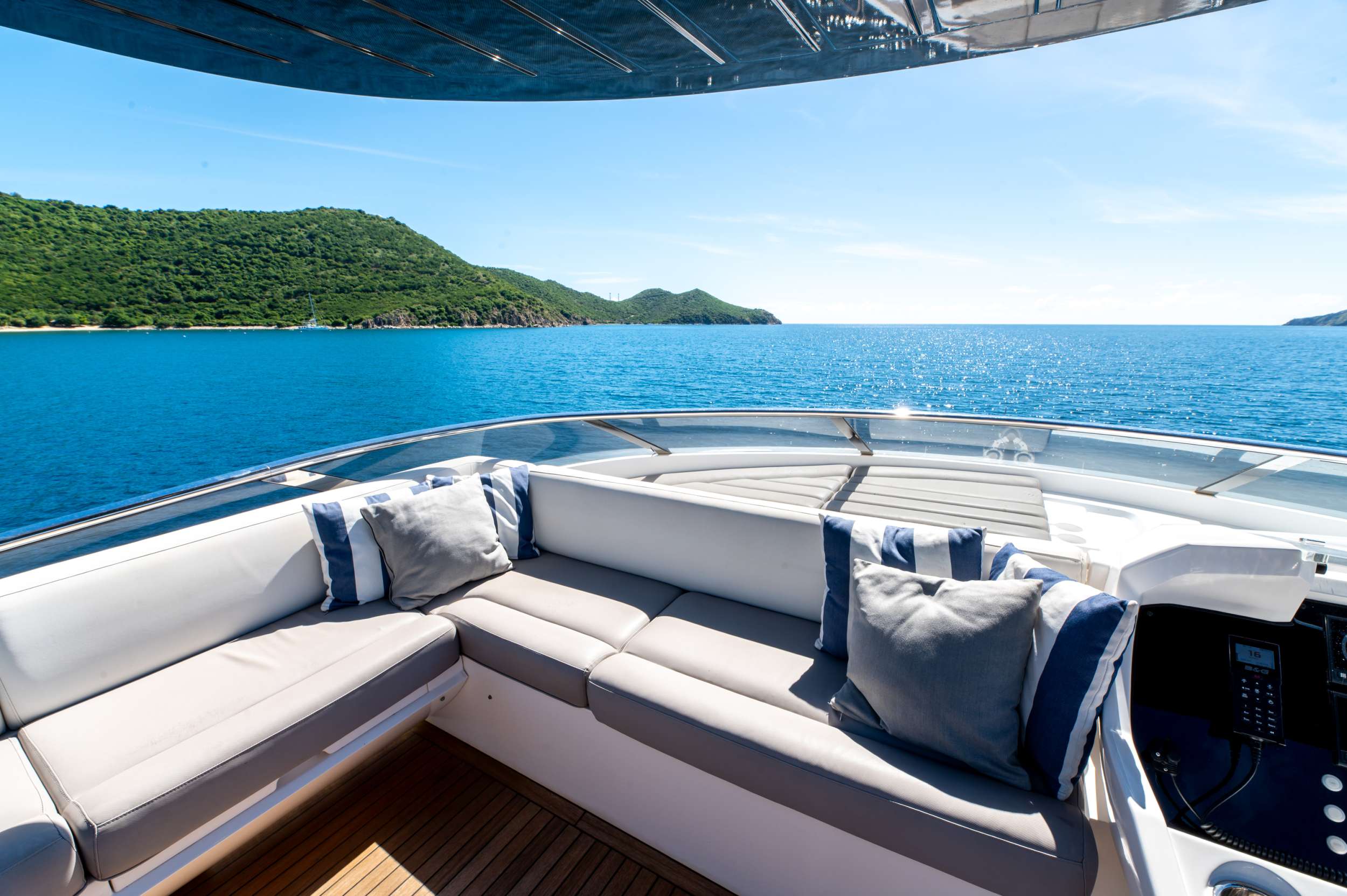
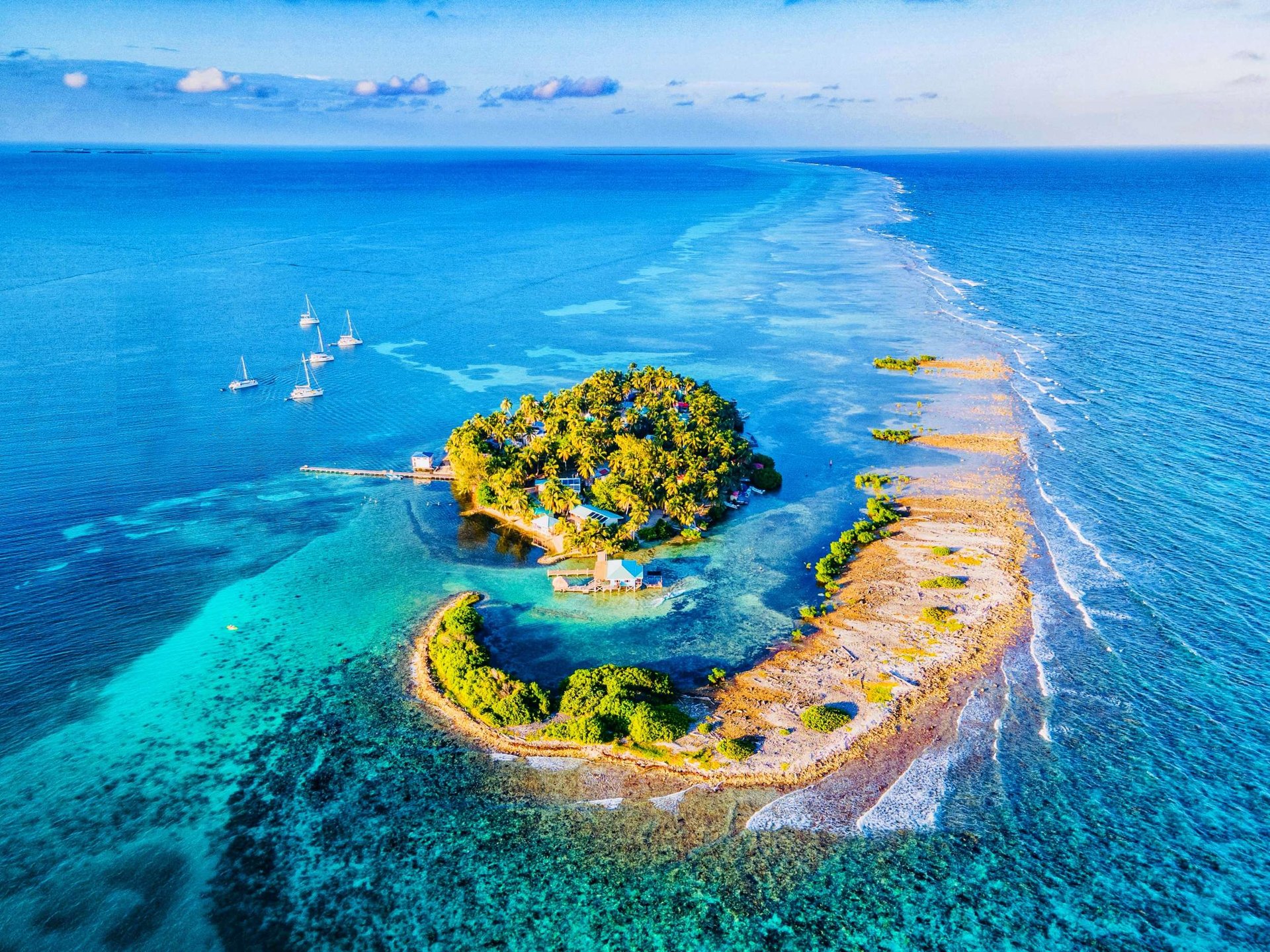
Cuatro características que distinguen a Belice de otros destinos de viajes en yate en el Caribe.
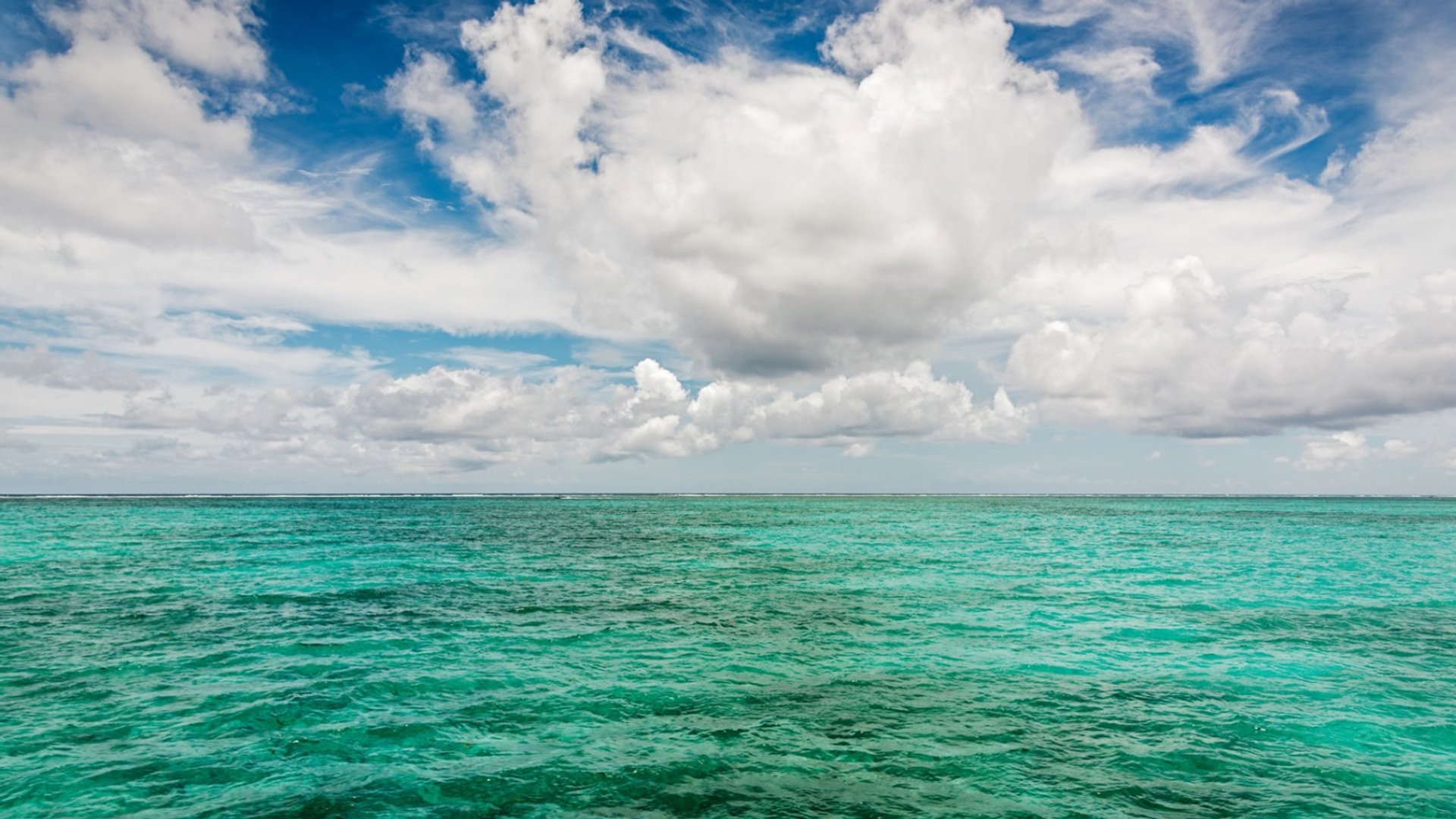
Belice es uno de los pocos destinos de yate en el Caribe donde toda la ruta transcurre dentro de un arrecife de barrera continuo. El arrecife rompe el oleaje a cinco o diez millas de la costa; lo que llega a tu yate son aguas planas y resguardadas, con vientos alisios del este constantes de 10 a 20 nudos de diciembre a mayo. Los itinerarios estándar no incluyen travesías exigentes en mar abierto — navegas toda la semana por la laguna entre el continente y la línea del arrecife.
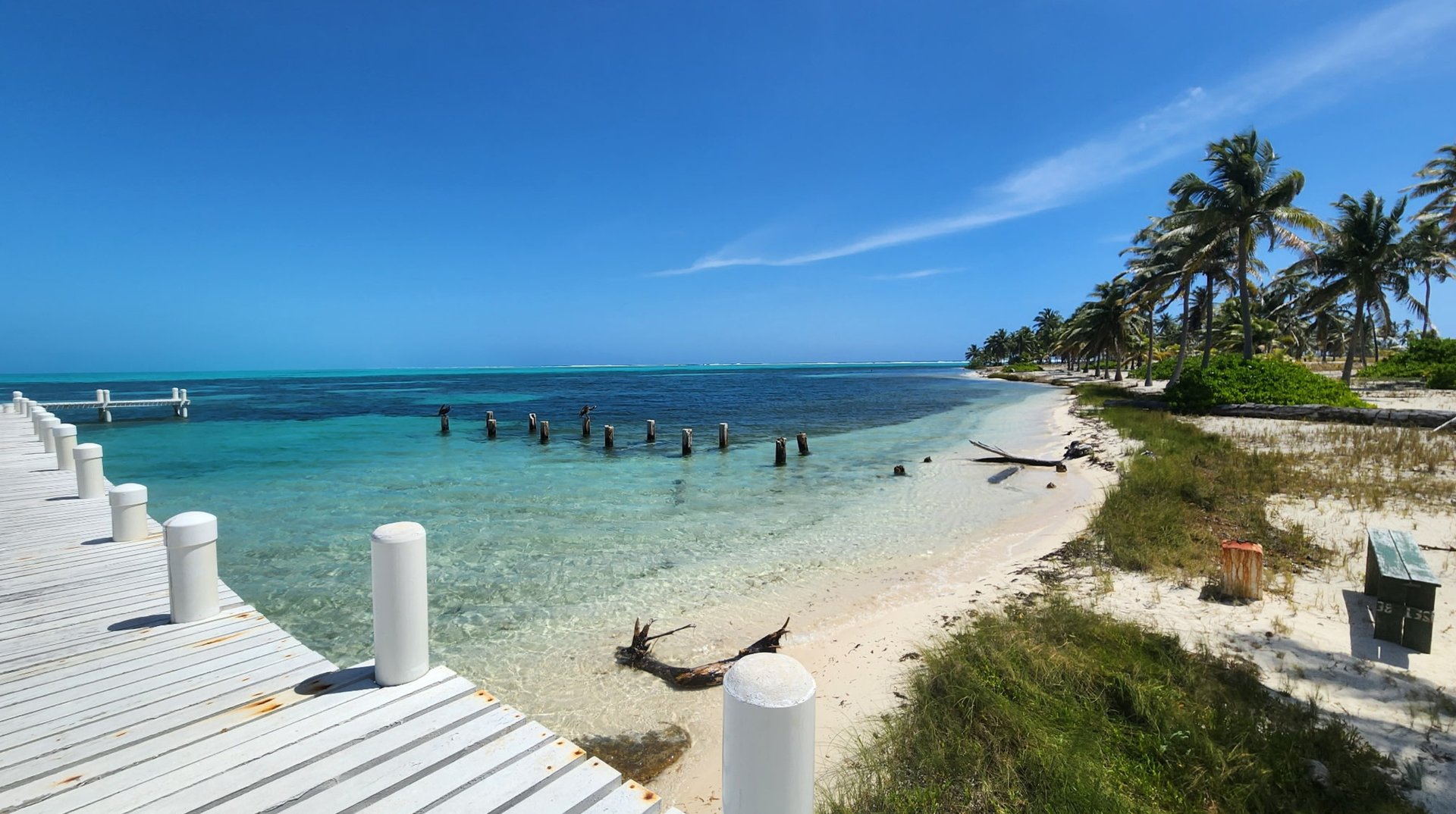
Más allá del arrecife de barrera se encuentran tres de los cuatro atolones de coral verdaderos del hemisferio occidental: Turneffe (el más grande), Lighthouse Reef (hogar del Gran Agujero Azul) y Glover's Reef. En la ruta norte, una semana típica incluye una travesía hasta Turneffe — anclando en Rendezvous Point o Soldier Caye, haciendo snorkel en la pared del borde oriental y explorando los canales de manglares en el occidental. Los atolones albergan el coral más saludable del país y la mejor visibilidad de manera consistente.
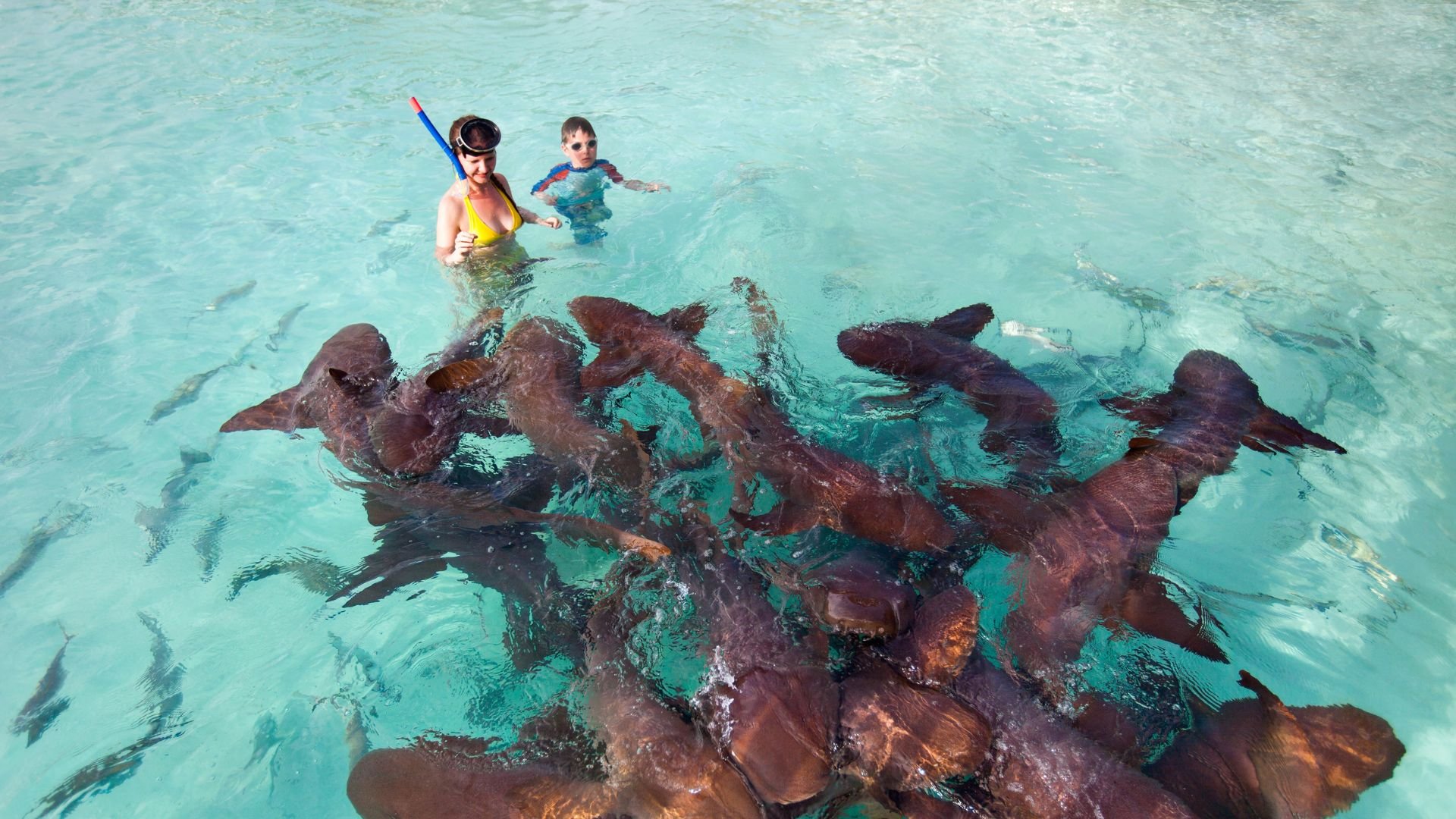
Belice concentra más vida marina excepcional en una sola semana de viaje en yate que cualquier otro destino del Caribe. Los tiburones ballena se congregan en Gladden Spit durante las lunas llenas de abril, mayo y junio, atraídos por el desove de los peces de arrecife — cuando las condiciones se alinean, los huéspedes pueden hacer snorkel con tiburones de doce metros en aguas con ochenta pies de visibilidad. Los manatíes se alimentan en la pradera de algas del Swallow Caye Wildlife Sanctuary. Los tiburones nodriza y las rayas del sur recorren los bajíos de Hol Chan Marine Reserve y Shark Ray Alley. Las rayas águila, los tiburones de arrecife y las tortugas marinas son habituales en los snorkels por el arrecife exterior.
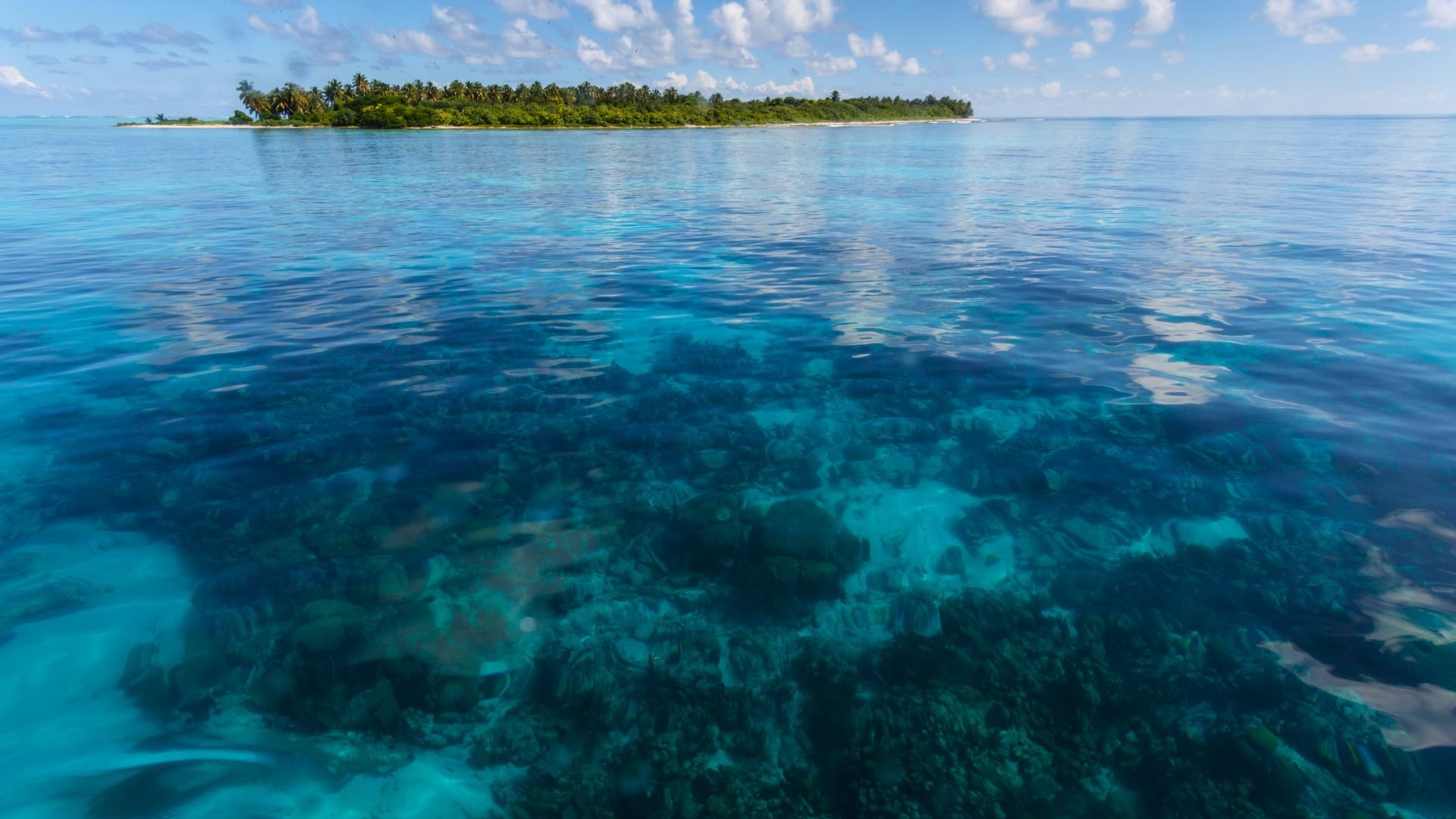
La ruta sur atraviesa tres reservas marinas declaradas Patrimonio Mundial de la UNESCO: Laughing Bird Caye National Park, las Silk Cayes dentro de Gladden Spit and Silk Cayes Marine Reserve, y la South Water Caye Marine Reserve. El Smithsonian Institution lleva operando una estación de investigación de arrecifes de coral en Carrie Bow Caye desde 1972 — no puedes desembarcar allí, pero sí anclar frente a la costa y hacer snorkel en el arrecife que estudian desde hace cincuenta años. El estatus de protección mantiene el coral en buen estado y la visibilidad confiable, algo cada vez más difícil de encontrar en el Caribe.
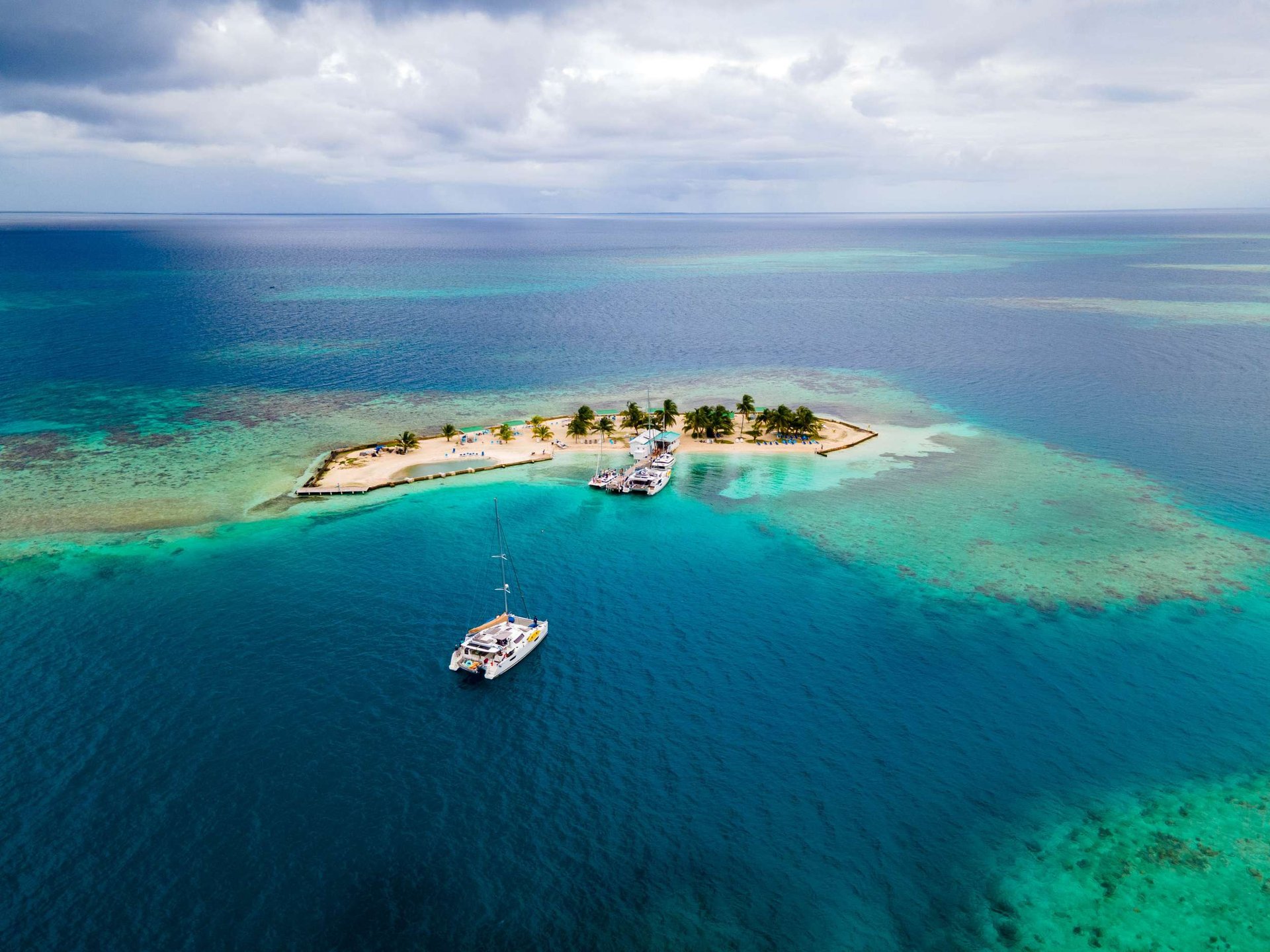
A hand-picked selection of crewed charter yachts for Belize — yachts and crews we know firsthand.
Your week is shaped around your group's interests, the season, and the conditions on the water — your captain tailors the days as they unfold. Treat these itineraries as starting points for inspiration.
Itinerario con tripulación · Belice
Una semana con tripulación saliendo de Placencia es el viaje en yate más indulgente del Caribe occidental. Navegas por dentro de la barrera de coral mesoamericana —la segunda barrera de coral más grande del planeta—, así que el agua se mantiene plana, el arrecife rompe el oleaje, y los cayos están lo bastante juntos como para que ningún día se haga pesado. Con un capitán profesional y un chef privado a bordo, tus únicas decisiones de verdad son en qué cayo almorzar y cuánto quieres quedarte en el agua antes de pasar al siguiente.
La ruta está construida en torno a los vientos alisios de invierno —constantes vientos del este de 10 a 20 nudos de diciembre a mayo— que hacen de esta la ventana ideal para el sur de Belice. Harás snorkel en Laughing Bird Caye, dentro de una zona Patrimonio de la Humanidad de la UNESCO, te dejarás llevar por los jardines de coral de los Silk Cayes y Gladden Spit, te acercarás a las chozas de pescadores de Tobacco Caye, en la propia barrera de coral, comerás langosta y caracola en el Blue Marlin Lodge de South Water, dormirás la siesta en una hamaca en Whipray, y volverás a Placencia la última noche para un mojito de jengibre en Rumfish Y Vino. Es un itinerario pensado para quienes quieren snorkel de verdad, arrecife de verdad, y una semana que se mantiene exactamente al ritmo que tú marques.
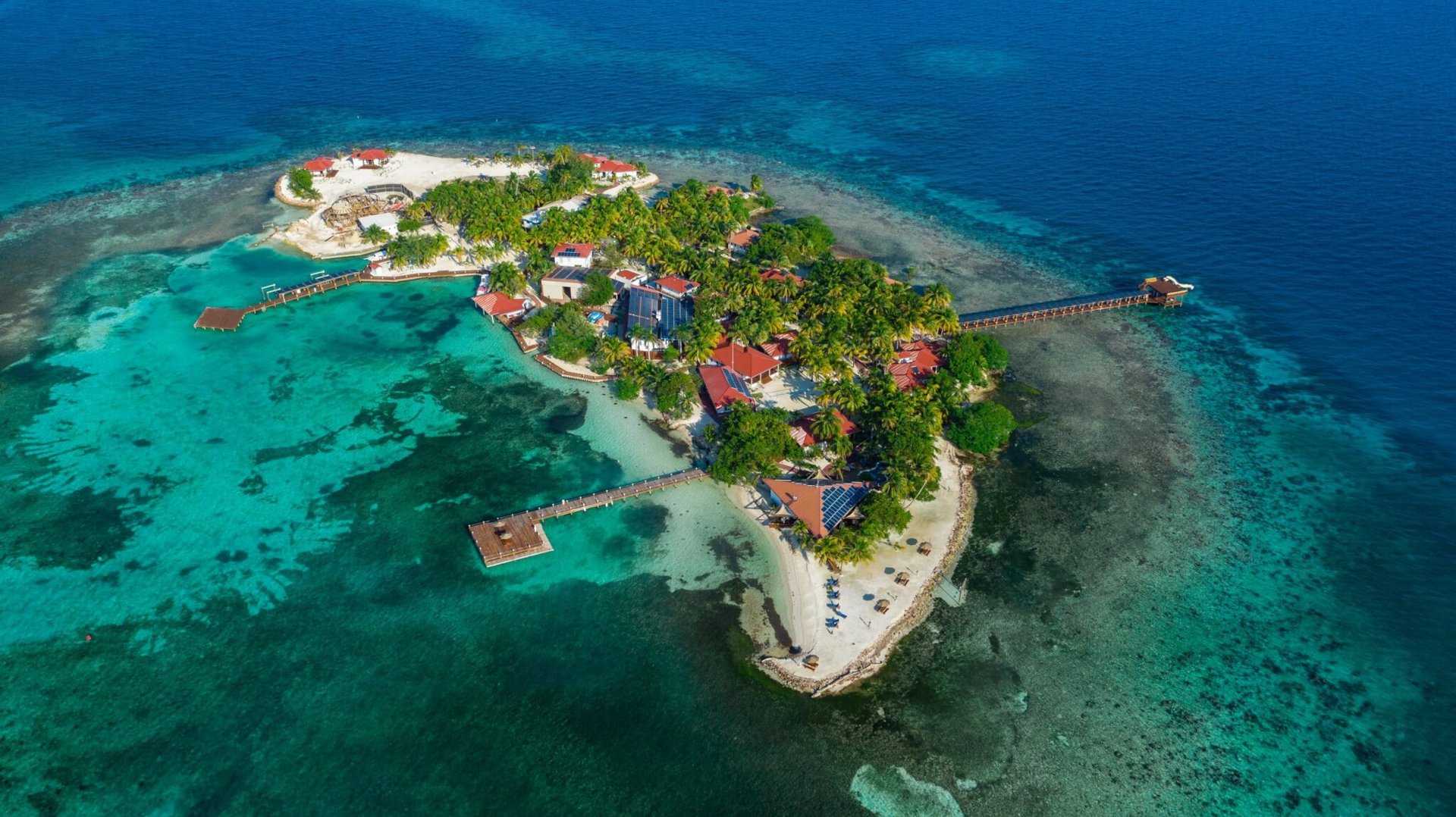
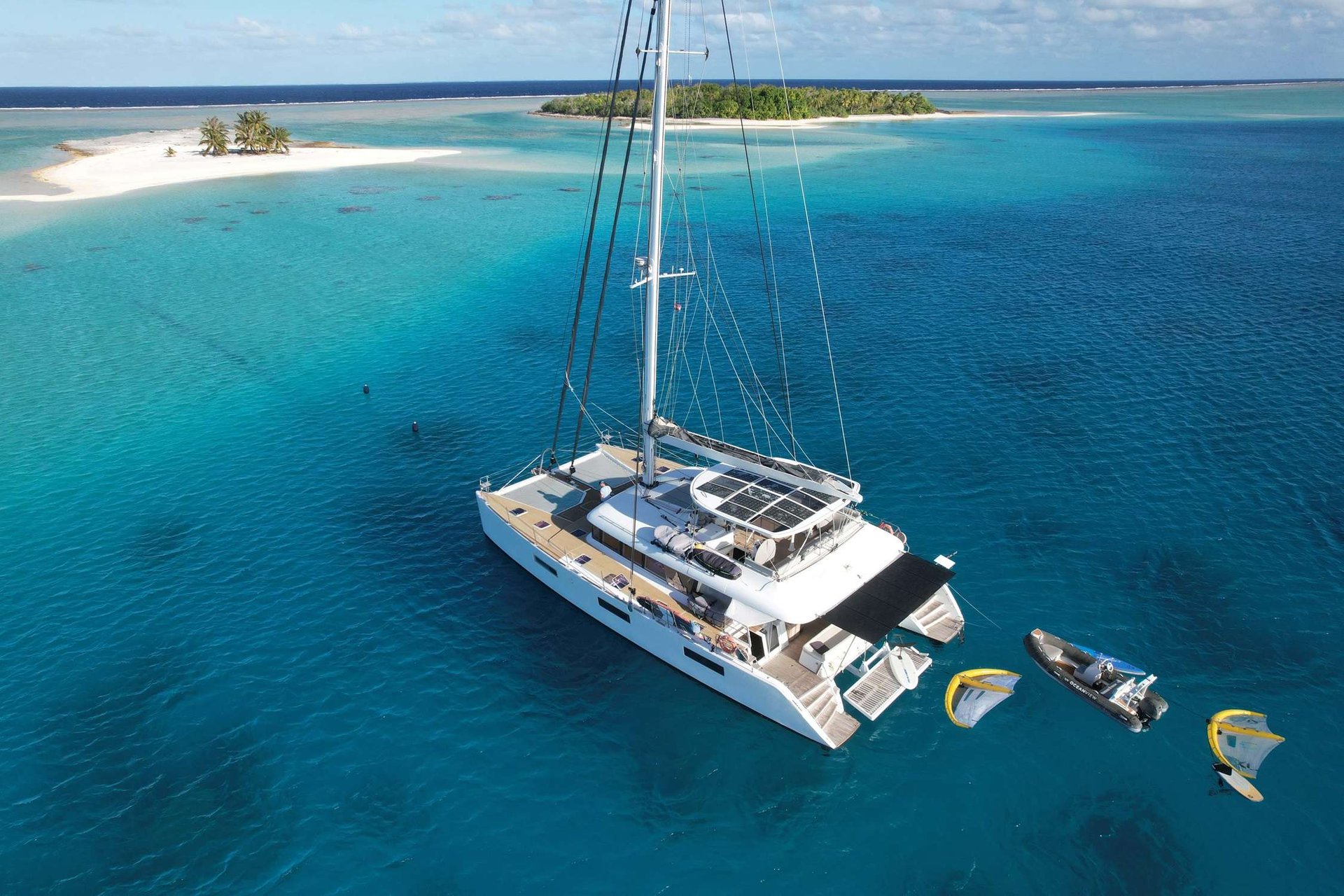
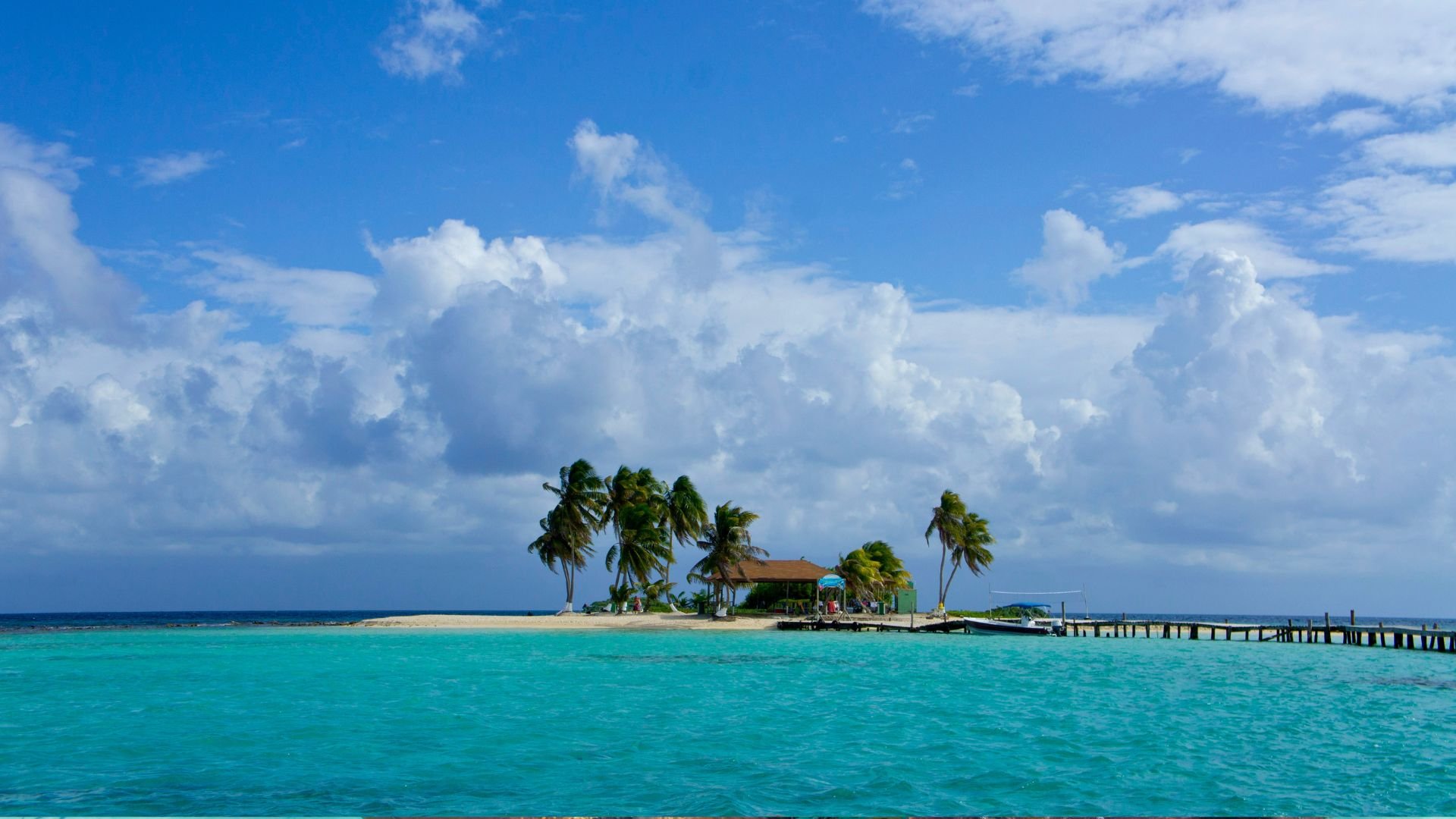
Este itinerario de vela por Belice va de Placencia al norte por la barrera de coral mesoamericana, la segunda barrera de coral más grande del planeta. Navegas por dentro del arrecife, así que el agua se mantiene plana, el oleaje rompe antes de llegar a ti, y ningún día se hace pesado. Unas 95 millas náuticas en total a lo largo de la semana. Paradas: Laughing Bird Caye (Patrimonio de la Humanidad de la UNESCO), los Silk Cayes y Gladden Spit, las chozas de pescadores de Tobacco Caye en la propia barrera de coral, el Blue Marlin Lodge de South Water, siestas en hamaca en Whipray, y de vuelta a Placencia para la última noche.
Construido en torno a los vientos alisios de invierno: constantes vientos del este de 10 a 20 nudos de diciembre a mayo. En comparación con el itinerario del norte de Belice desde Belize City, esta ruta de Placencia es más suave, más familiar, y se mantiene dentro del arrecife todo el camino. El itinerario del norte cubre Caye Caulker, Ambergris y el atolón de Turneffe: otro ambiente, más mar abierto, mejor para buceadores.
Día 1 de 7 · Placencia → Laughing Bird
Tu semana empieza en el muelle del pueblo de Placencia, un pueblo tranquilo al final de una larga península de arena en el sur de Belice. Tu tripulación profesional te recibe en el atraque con bebidas frías y una sesión informativa sobre la carta que enmarca la semana que viene, y luego te da tiempo para acomodarte en tu camarote y recorrer la acera —la calle principal más estrecha del mundo, según el Libro Guinness— antes de largar amarras.
Hacia media mañana, el capitán franquea el paso y pone la proa al este para la travesía de 15 millas náuticas hasta el Parque Nacional de Laughing Bird Caye. Es un primer tramo suave bajo los alisios, con agua plana por dentro del arrecife, la tierra firme alejándose y los cayos empezando a salpicar la proa. Para el almuerzo estás fondeado frente a una de las islitas más fotografiadas de Belice: una plataforma de arrecife de coral orlada de palmeras con un snorkel excepcional en uno a cinco metros de agua justo desde la popa.
Laughing Bird Caye es un sitio Patrimonio de la Humanidad de la UNESCO y una zona protegida sin extracción, y por eso el arrecife que la rodea es tan sano como cualquiera del país. Pasa la tarde en el agua, y luego haz un corto salto a un fondeadero nocturno resguardado cercano. Tu chef privado se encarga de la primera cena a bordo, probablemente pargo o mero fresco que el capitán consiguió del barco de la mañana, arroz con frijoles, una Belikin fría o un ponche de ron para marcar el tono de la semana.
Day Highlights
Día 2 de 7 · Laughing Bird → Ranguana
Un corto salto de 12 millas náuticas al sur hoy hasta Ranguana Caye, una isla privada de poco más de dos hectáreas con un puñado de cabañas de techo de paja, un pequeño restaurante y una de las mejores playas de sotavento de la barrera sur. La navegación en sí es suave; el capitán te deja allí a tiempo para el almuerzo y una larga tarde en el agua.
Ranguana es el tipo de parada que explica el atractivo del viaje en yate con tripulación en Belice. Casi no hay nada que hacer salvo bañarse desde la playa, dar una vuelta a la isla en quince minutos y dejarse caer en una hamaca con un libro. El arrecife empieza a poca distancia a nado de la orilla y alberga una cantidad notable de vida para lo cerca que está: tiburones nodriza recorriendo los bajíos, bancos de roncos trabajando las cabezas de coral, alguna que otra raya águila. Tu tripulación lleva la lancha a tierra para el almuerzo en la isla si lo quieres, o saca una tabla ligera de ceviche, frituras de caracola y una botella fría de rosado en cubierta si prefieres quedarte en el barco.
En abril y mayo, Ranguana lleva un programa de suelta de tortugas marinas recién nacidas en la playa al atardecer: uno de esos pequeños momentos de Belice que no están en ningún folleto y se te quedan grabados. Tu capitán conoce la temporada y puede organizar la tarde en torno a ello. Si no, es una cena tranquila a bordo, al ancla, de esas noches en las que nadie se molesta en mirar la hora.
Day Highlights
Día 3 de 7 · Ranguana → Silk Cayes
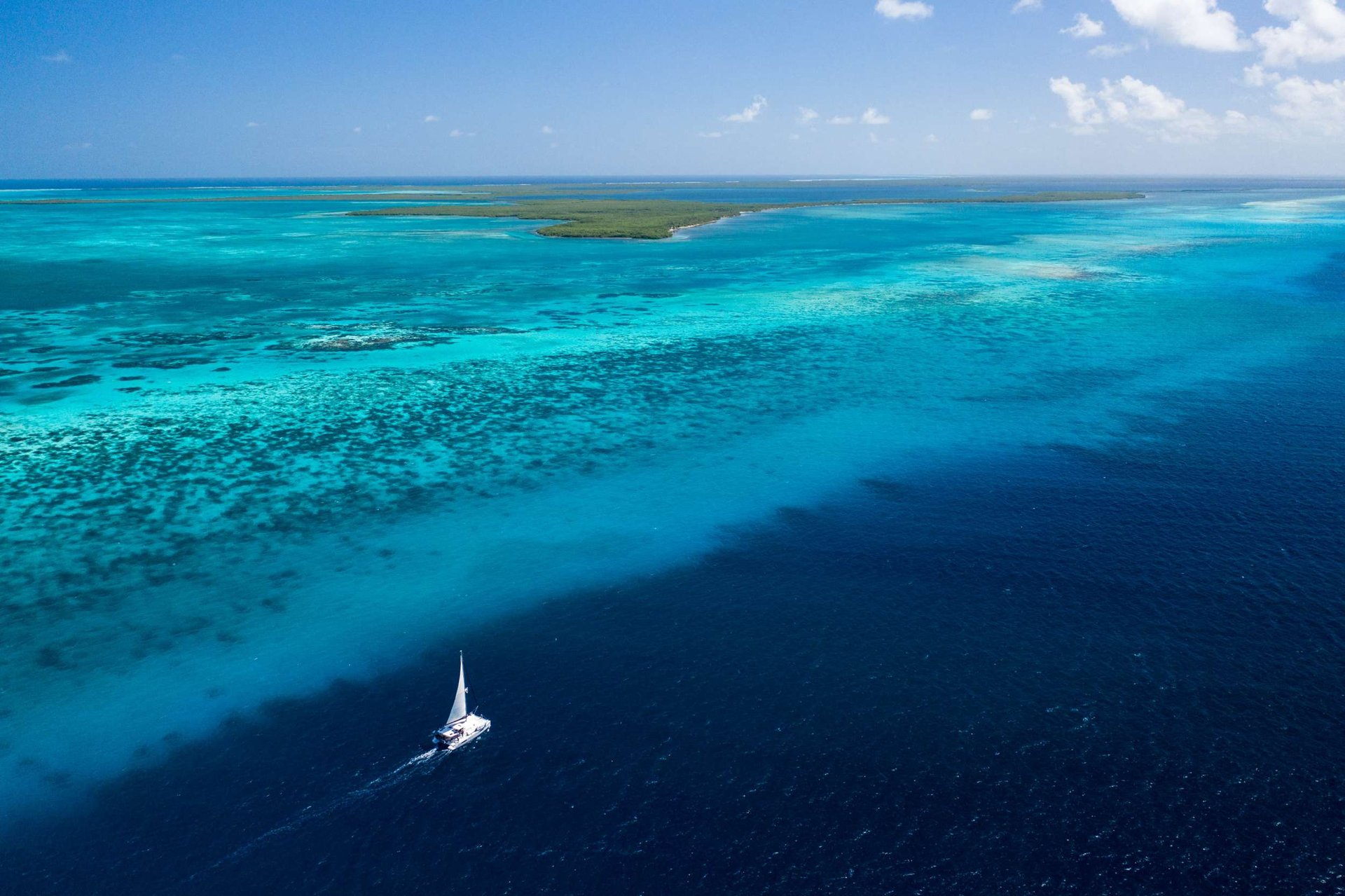
Hoy es el día del snorkel. Una travesía matutina de 10 millas náuticas al este te lleva a los Silk Cayes, tres diminutas islas de arena deshabitadas situadas en la barrera de coral exterior, dentro de la Reserva Marina de Gladden Spit y los Silk Cayes. El arrecife aquí es de verdad: jardines de coral en seis metros de agua, paredes que caen al azul profundo, y más vida de peces por metro cuadrado que en cualquier otro punto de la ruta sur.
Si navegas en abril, mayo o junio, hay una razón concreta por la que Gladden Spit es uno de los sitios de snorkel más comentados del Caribe: es uno de los pocos lugares predecibles del mundo donde se agregan los tiburones ballena. En torno a la luna llena de esos tres meses, el pargo cubera y el pargo criollo desovan en la pared del arrecife, y los tiburones ballena aparecen para alimentarse del desove. Cuando las condiciones se alinean, tu capitán puede meterte en el agua con tiburones ballena de doce metros en una visibilidad de unos veinticinco metros. Nadie lo promete: las agregaciones dependen del tiempo y del ciclo lunar, y están protegidas por límites de permiso que hace cumplir la reserva. Pero si estás aquí en esa ventana, este es el único día en torno al que se reorganiza todo lo demás del itinerario.
Fuera de la ventana de los tiburones ballena, sigue siendo el mejor snorkel de jardines de coral del itinerario: dejándote llevar a lo largo de una sana pared de arrecife en agua transparente como la ginebra, rayas paseando por la arena de abajo, algún que otro tiburón de arrecife patrullando el borde. Tras el almuerzo en un bajío de los Silk Cayes, el capitán mueve el barco un poco de vuelta hacia dentro del arrecife hasta Lark Caye para un fondeadero nocturno protegido. El chef se encarga de una cena a bordo esa noche, casi con seguridad algo de la captura de pescado de la mañana.
Day Highlights
Día 4 de 7 · Lark → Tobacco Range
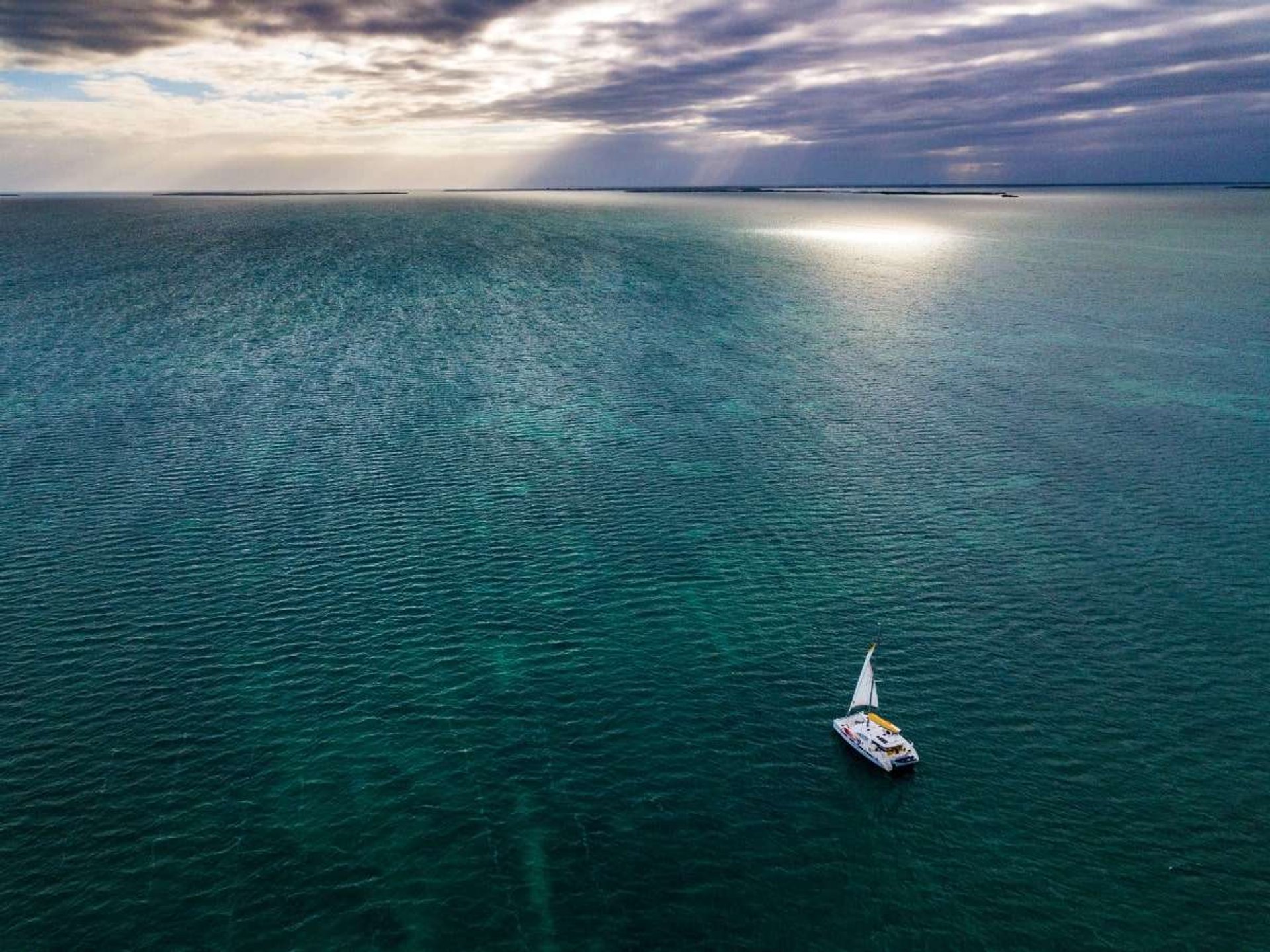
El día de navegación más largo de la semana: 25 millas náuticas al norte por el interior de la barrera de coral, de Lark Caye hasta Tobacco Range. Con un sano alisio del este es un rápido largo en aguas planas, con la línea del arrecife discurriendo por la amura de estribor todo el camino. Tu tripulación monta un desayuno en cubierta, le pasa el timón a quien lo quiera, y deja que el barco se navegue solo casi toda la mañana.
Tobacco Caye es una isla de dos hectáreas situada directamente sobre la barrera de coral, lo cual es raro: la mayoría de los cayos de Belice están por dentro del arrecife o bastante por fuera. Aquí, la cresta del arrecife rompe a cincuenta metros de la playa, y puedes hacer snorkel directo desde la arena sobre una pared de coral intacta en agua que se mantiene de tres a cinco metros de profundidad durante un buen trecho. Hay un pequeño pueblo pesquero en la isla: chozas de madera, un puñado de casas de huéspedes, un bar diminuto donde los lugareños y algunos mochileros toman Belikin por la tarde. Es un atisbo de cómo era toda la costa hace treinta años.
Un corto salto de tarde al sur te deja frente a Carrie Bow Caye, una isla de arena de menos de media hectárea que sirve como estación de campo de la Smithsonian Institution para la investigación de los arrecifes del Caribe. No puedes desembarcar (la estación está en activo), pero puedes fondear mar adentro y hacer snorkel en el arrecife que llevan estudiando cincuenta años. El coral aquí es tan sano como en cualquier parte del país, y si la visibilidad acompaña verás por qué la Smithsonian eligió este punto exacto. De vuelta a bordo para una cena preparada por el chef al ancla, con el arrecife rompiendo blanco contra la oscuridad a cien metros por el través.
Day Highlights
Día 5 de 7 · Tobacco → South Water
Una navegación de seis millas náuticas al sur esta mañana, apenas suficiente para calentar el motor antes de llegar. South Water Caye es una isla de seis hectáreas sobre la barrera de coral, dentro de la Reserva Marina de South Water Caye, otro tramo declarado por la UNESCO, y posiblemente la mejor posición de arrecife de todo el sur de Belice. El lado de barlovento de la isla cae directo a la pared, y el snorkel desde el muelle es uno de los pocos lugares del país donde puedes lanzarte de un embarcadero en cuatro metros de agua y estar sobre un borde de arrecife en tres aleteos.
Pasa la mañana en el agua. La pared aquí va de tres a doce metros en una sola caída, y la visibilidad en un buen día de alisio es de dieciocho a veintisiete metros. Las rayas águila y los tiburones nodriza son habituales; algún que otro tiburón de arrecife patrulla el borde exterior. Tras el almuerzo a bordo, el capitán puede moverte al lado de sotavento para una tarde más tranquila: bajíos de hierba someros, macabijos en el limo con la cola levantada, un paseo por la playa si te apetece.
La cena de esta noche es en tierra, en el Blue Marlin Lodge, el veterano resort de buceo del extremo sur de la isla. Blue Marlin es exactamente el tipo de sitio que funciona en un viaje en yate con tripulación: un muelle al que puedes arrimarte, un comedor sobre el agua, y una cocina que se apoya en lo que trajeron los barcos locales esa mañana. Tu capitán avisa por radio, el lodge pone una mesa, y caminas diez pasos de la lancha a la cena. De vuelta a bordo tarde para una última copa en cubierta con el arrecife brillando blanco a la luz de la luna.
Day Highlights
Día 6 de 7 · South Water → Whipray
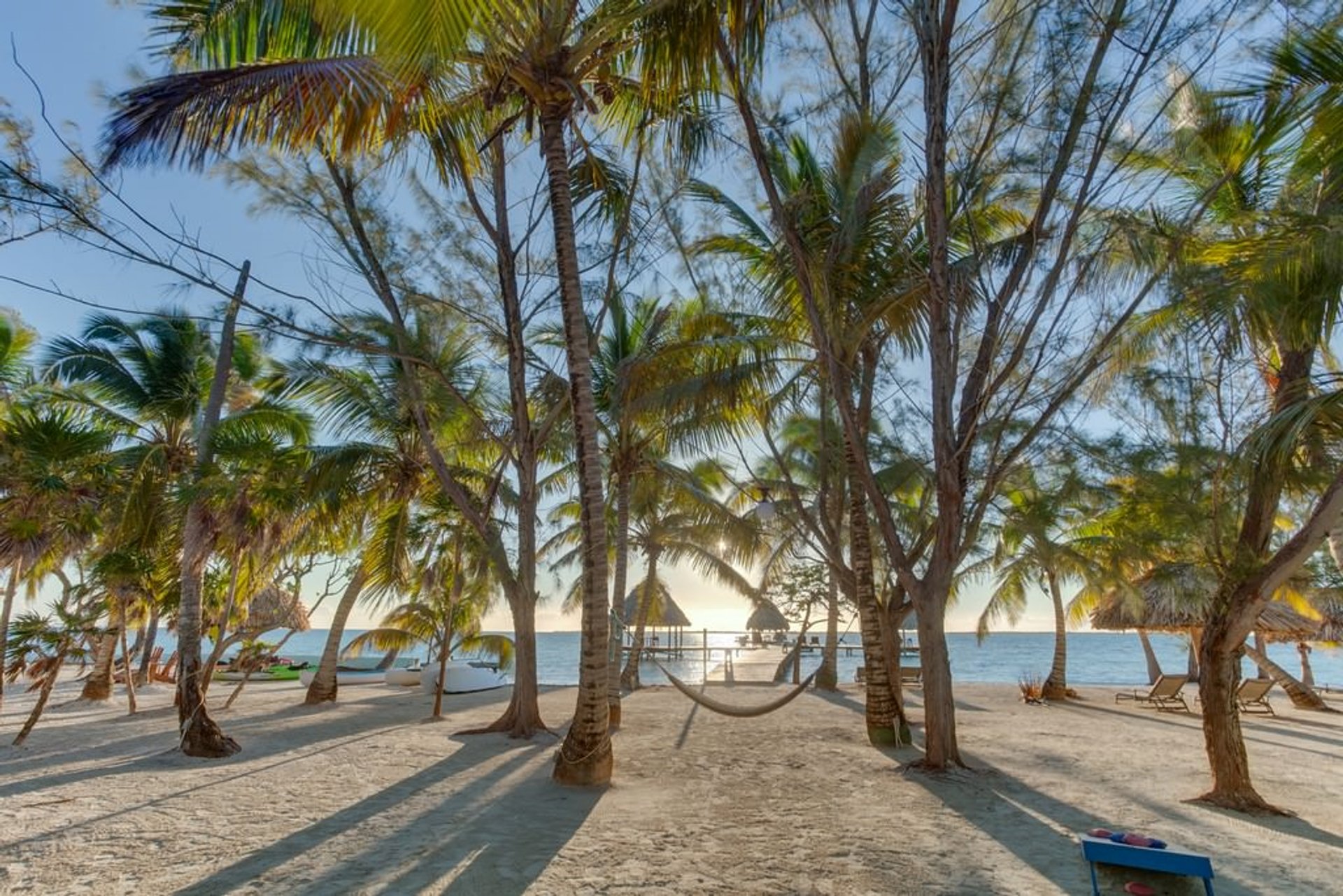
El día más tranquilo de la semana. Una parada matutina en Coco Plum Caye —una pequeña isla orlada de palmeras por dentro del arrecife, con cabañas de techo de paja y una laguna protegida— para un baño y un almuerzo temprano. Tu chef se encarga a bordo o tu capitán avisa por radio a tierra para una mesa en el resort; cualquiera funciona. El snorkel desde la proa es suave, el agua somera y clara, y la gente de Coco Plum se reduce al puñado de huéspedes alojados en el resort y quizá otro barco con tripulación.
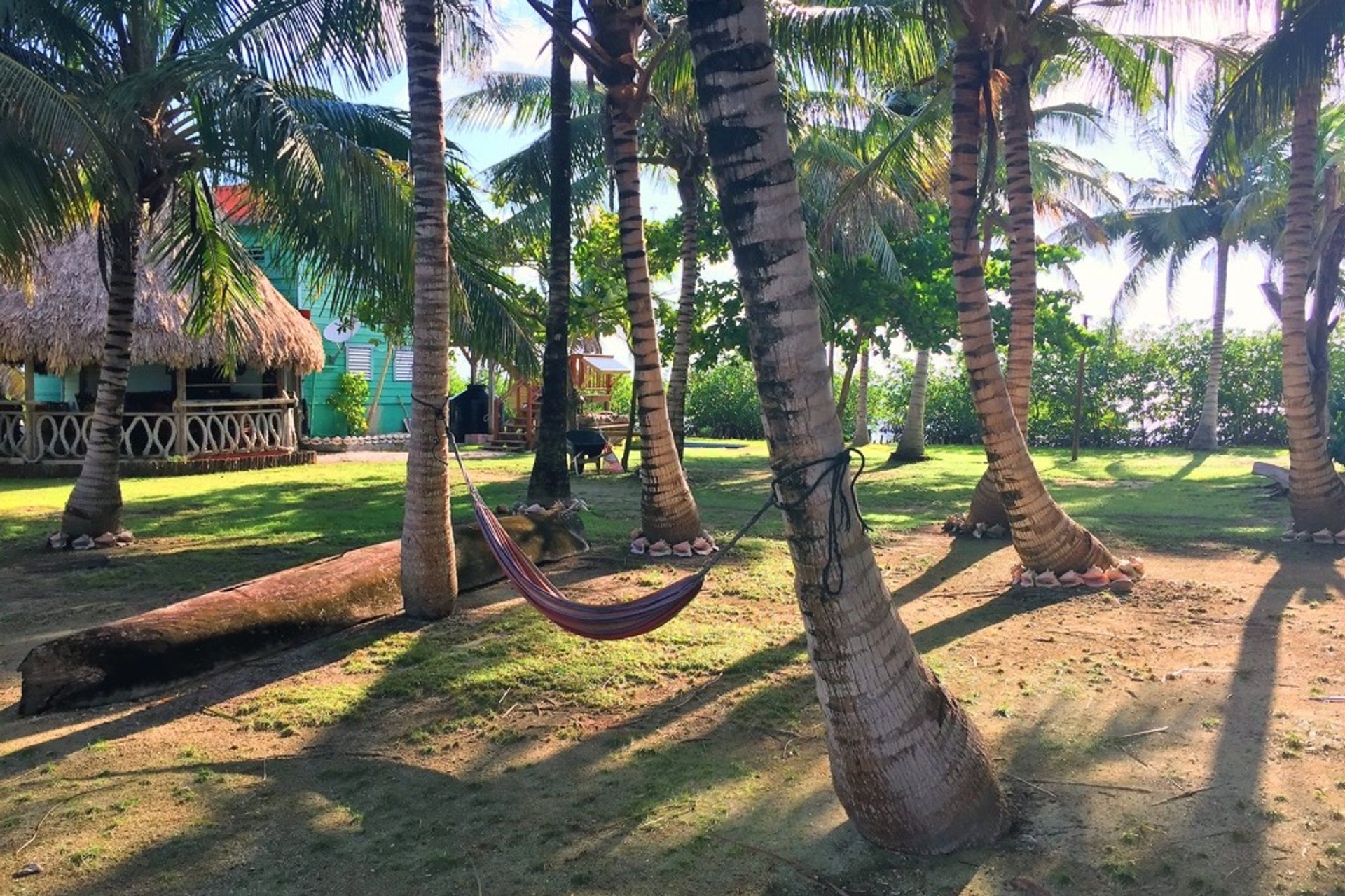
A última hora de la tarde, un último salto corto te deja en Whipray Caye, una diminuta isla privada a unas millas de Placencia que quizá sea la noche más encantadora de toda la ruta sur. Hay un bar de techo de paja llamado Sea Urchin en la isla, una hamaca colgada entre dos palmeras, y unos cuarenta y cinco centímetros de arena entre los taburetes del bar y el agua. Julian Cabral y la familia que lleva el cayo mantienen el sitio pequeño y pausado a propósito; reconocerás el ambiente a los tres minutos de que la lancha toque el muelle.
La cena en el Sea Urchin Bar es el tipo de comida que la gente recuerda del viaje: pescado fresco del barco del día, lo que a la cocina le apeteció cocinar, una última buena puesta de sol sobre la tierra firme con la península cayendo en sombra tras Placencia. De vuelta a bordo tarde, última copa en cubierta, última noche al ancla en Belice.
Day Highlights
Día 7 de 7 · Whipray → Placencia
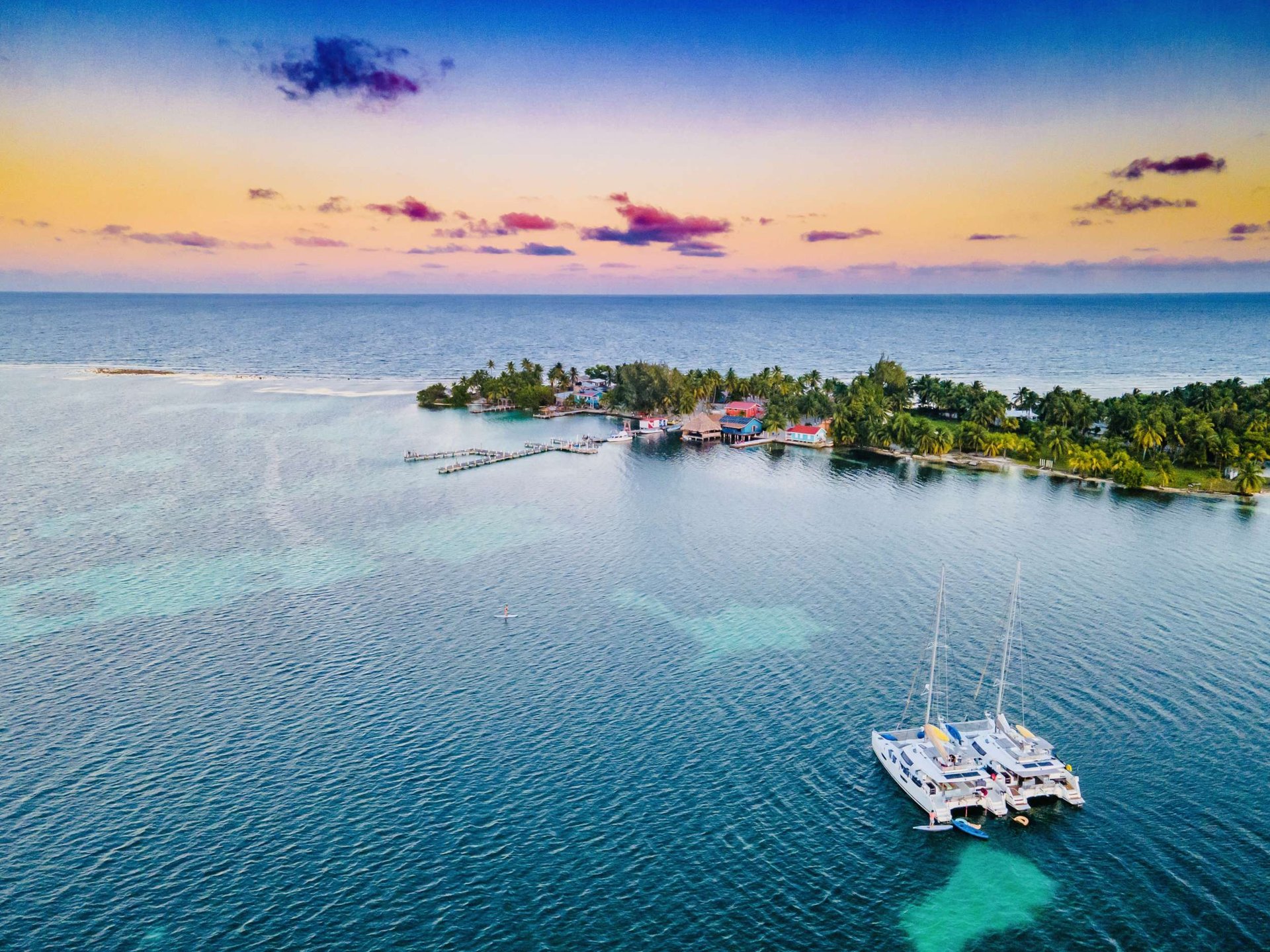
Quince millas náuticas de vuelta a la península, un último largo fácil con los alisios de la mañana. Tu capitán calcula la aproximación para que fondees frente a Placencia a primera hora de la tarde, con suficiente día por delante para recorrer la acera, bañarte desde la popa una vez más, y coger la lancha a tierra para cenar.
La cena de esta noche es en Rumfish Y Vino, en la calle principal del pueblo de Placencia. El cóctel de la casa es el mojito de jengibre —jengibre fresco, ron blanco, mucha lima— y la cocina se apoya en la captura local con sello mediterráneo. Es la comida de última noche acertada: una vuelta al servicio de restaurante tras una semana de platos en cubierta, sin perder la sensación de estar a diez minutos del agua. Un corto paseo tras la cena, una última copa en el bar del paseo marítimo que elijas, y de vuelta a bordo tarde para la última noche al ancla.
Para los huéspedes que quieran una aventura más antes de que termine la semana, tu capitán puede organizar una salida matutina en esquife de pesca con mosca en la laguna detrás de la península: macabijo, palometa y sábalo, todos a poca distancia del yate nodriza, con un guía local que lleva décadas recorriendo esas aguas. Vale la pena si alguna vez has pensado en la pesca con mosca en agua salada; hay pocos lugares más fáciles para empezar.
Day Highlights
Día 8 · Salida
Disfruta de un último desayuno pausado en cubierta en el fondeadero de Placencia, un último baño desde la popa si te animas, y el corto traslado que tu tripulación organiza directo a la pista de Placencia para un vuelo regional a Belize City, o por carretera península arriba si amplías unas noches en tierra. Tu capitán y tu chef bajarán del barco ya hablando de cuándo vuelves, que suele ser como terminan los buenos.
Want to share or come back to this voyage later?
Bookmark this voyage →Itinerario con tripulación · Belice
Una semana con tripulación saliendo de Belize City recorre un Belice muy distinto al de la ruta sur. Aquí arriba, la barrera de coral queda más lejos de la costa, los cayos son más grandes y animados, y lo que de verdad importa es la travesía en mar abierto hasta el atolón de Turneffe, uno de los únicos cuatro atolones de coral verdaderos del hemisferio occidental. Es el itinerario para buceadores, para quienes quieren un poco más de mar bajo la quilla, y para cualquiera que viniera a Belice precisamente con la esperanza de ver el Blue Hole desde el aire o bajo el regulador.
La ruta va de Belize City a St. George's Caye, sube por el interior de la barrera de coral hasta Caye Caulker y Ambergris, y luego da el salto mar adentro a Turneffe para dos días en el atolón antes de bajar de vuelta por el santuario de manatíes de Swallow Caye y una última noche en Goff's Caye. Con un capitán profesional y un chef privado al cargo del barco, eres libre de pasar la semana en el agua: la Reserva Marina de Hol Chan, Shark Ray Alley, los canales de manglar de Turneffe y la pared de arrecife que recorre el lado este del atolón. El propio Blue Hole es una excursión aparte de un día en barco de buceo —tu tripulación organiza la reserva— y la prosa de abajo explica la versión honesta de cómo funciona.
Este itinerario por Belice recorre la barrera de coral del norte y el atolón de Turneffe, mar adentro, uno de los únicos cuatro atolones de coral verdaderos del hemisferio occidental. Unas 120 millas náuticas de ida y vuelta desde Belize City. La ruta: St. George's Caye, subiendo por el interior de la barrera de coral hasta Caye Caulker y Ambergris, un salto mar adentro a Turneffe para dos días en el atolón, el santuario de manatíes de Swallow Caye, y una última noche en Goff's Caye.
Pensado para buceadores y para quienes quieren un poco más de mar bajo la quilla: la Reserva Marina de Hol Chan, Shark Ray Alley, los canales de manglar de Turneffe y la pared de arrecife del lado este del atolón. El Blue Hole es una excursión aparte de un día en barco de buceo (tu tripulación organiza la reserva; es una salida a las 4 de la madrugada). Si prefieres quedarte por dentro del arrecife en un itinerario de vela por Belice más tranquilo y familiar, la opción es la ruta sur desde Placencia.
Día 1 de 7 · Belize City → St. George's
Tu semana empieza en la marina de Belize City, normalmente en las instalaciones de Old Belize o en Cucumber Beach según el barco. Tu tripulación profesional te recibe en el atraque, hace una sesión informativa sobre la carta y te ayuda a acomodarte antes de la corta navegación de rodaje de la tarde. Belize City no es el atractivo aquí; el objetivo del primer día es salir del puerto y ponerse en el agua.
Hacia media tarde, el capitán larga amarras para un suave largo de 9 millas náuticas al este hasta St. George's Caye, una pequeña isla cubierta de palmeras a poca distancia por dentro de la barrera de coral. Es un fondeadero tranquilo y protegido, y una primera noche deliberada: estás fuera de la ciudad, en el barco, y lo bastante cerca del arrecife como para que la salida de la mañana hacia Caye Caulker sea corta.
St. George's tiene una de las historias más interesantes de esta costa. La isla fue el escenario de la batalla de St. George's Caye de 1798, el combate que de hecho consolidó el estatus de Belice como territorio británico. Hay un pequeño monumento en tierra y un puñado de casas de fin de semana, y por lo demás es un baño desde la popa, una cena de bienvenida preparada por el chef y una noche temprana. Los vientos alisios hacen vibrar la jarcia, el arrecife rompe blanco una milla al este, y duermes al ancla por primera vez.
Day Highlights
Día 2 de 7 · St. George's → Caye Caulker
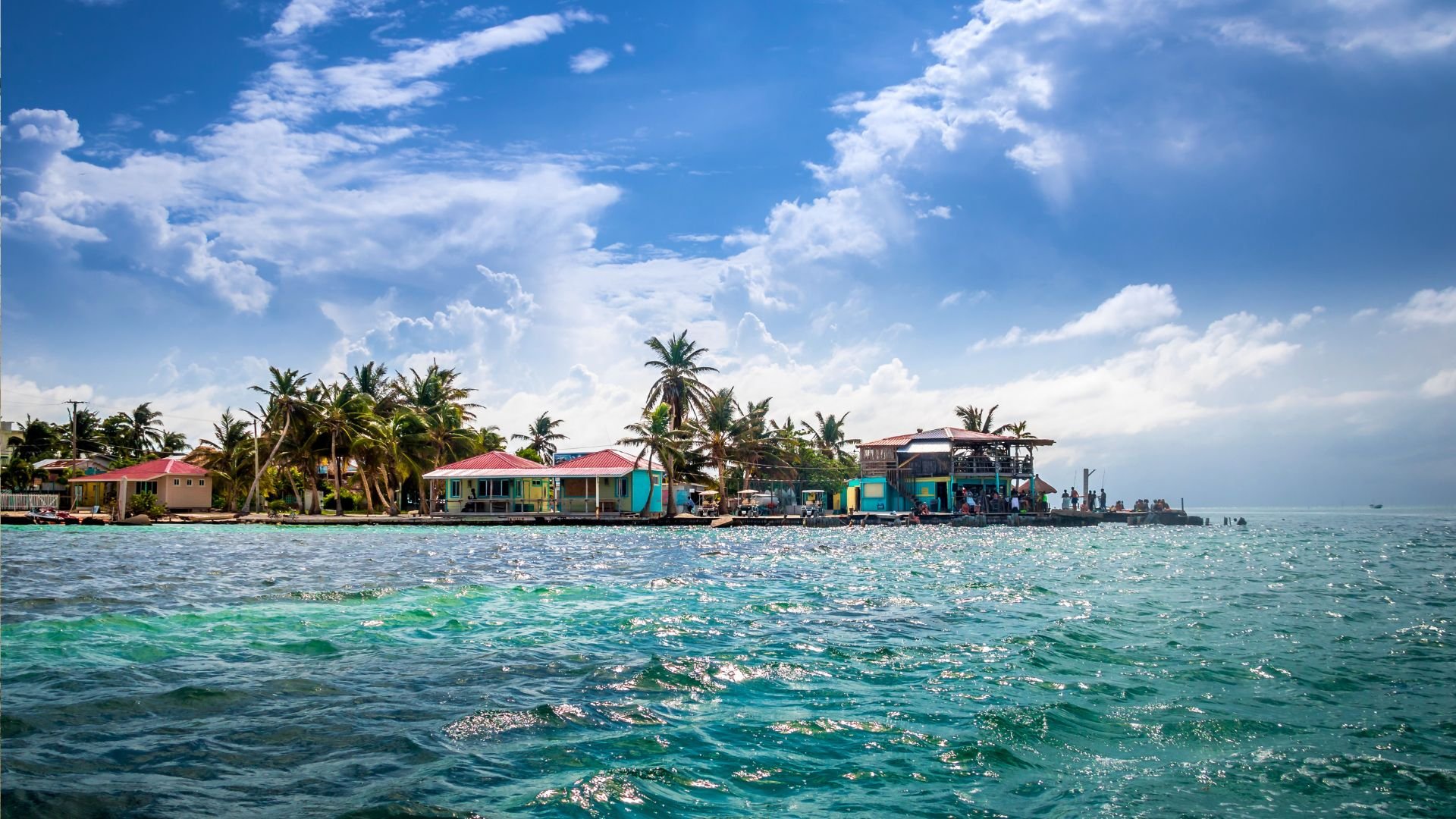
Una corta navegación de 15 millas náuticas al norte esta mañana, por dentro del arrecife, hasta Caye Caulker, el bajo pueblo pesquero de calles de arena que funciona con el lema no oficial «Go Slow». La isla tiene quizá seis kilómetros de largo, unos cientos de metros de ancho a lo sumo, y dejó de admitir coches hace décadas. Fondeas frente al lado oeste, coges la lancha a tierra, y el resto del día es tuyo.
El plato fuerte de Caye Caulker es The Split, un canal abierto a través de la isla por el huracán Hattie en 1961, reforzado desde entonces con un muro de hormigón, y ahora el mejor sitio de baño del norte de Belice. El agua llega al pecho, la corriente corre suave, y el Lazy Lizard Bar se asienta justo sobre la plataforma de baño con una terraza llena de bebedores de Belikin y un reparto rotatorio de gente que vino a almorzar hace tres días y se olvidó de irse. Es la escena que define Caye Caulker y merece al menos media jornada.
A última hora de la tarde, regresa paseando desde The Split para una cena de marisco en tierra: hay veinte sitios que serían el mejor restaurante de la mayoría de los pueblos del Caribe, ninguno elegante, casi todos sacando el pescado de barcos que atracaron esa mañana. El capitán elige una mesa que encaje con el grupo, o tu chef se encarga de la cena a bordo si prefieres mantener la velada en el barco. De vuelta al ancla tarde, jarcia iluminada, brisa isleña y una banda sonora «Go Slow» flotando sobre el agua.
Day Highlights
Día 3 de 7 · Caye Caulker → Ambergris
Un corto salto de 8 millas náuticas al norte esta mañana te lleva a Ambergris Caye, la isla más grande de Belice y, en el extremo de San Pedro, el centro turístico más desarrollado del país. No vienes aquí por los bares. Vienes porque Ambergris es el punto de partida para la mejor mañana de snorkel de Belice: la Reserva Marina de Hol Chan y Shark Ray Alley, a un corto trayecto en barco turístico desde donde fondea el yate.
Hol Chan —«canal pequeño» en maya— es un corte natural en el arrecife en el extremo sur de Ambergris, y la reserva protege una de las concentraciones de vida de peces más densas del país. Lo recorres a snorkel dejándote llevar por el canal con la corriente, rodeado de bancos de roncos, pargo rabirrubia y alguna que otra tortuga verde paseando por el fondo. Shark Ray Alley está diez minutos más allá y es exactamente lo que su nombre indica: un bajío de arena somera donde los tiburones nodriza y las rayas látigo del sur llevan cuarenta años reuniéndose, desde que los pescadores locales empezaron a limpiar allí sus capturas. Extiende la mano por el costado del barco y las rayas se acercan a investigar.
Ambas paradas se hacen a través de un operador turístico local con licencia —ningún yate privado puede meter su propia lancha en la reserva— y tu capitán habrá reservado el barco con antelación. Es una salida de media jornada, de vuelta al yate nodriza para el almuerzo, y la tarde en San Pedro es tuya: un paseo por Front Street, una parada en uno de los bares de ron, cena en tierra o a bordo según el ánimo. Ambergris recompensa a los huéspedes que hacen la visita corta.
Day Highlights
Día 4 de 7 · Ambergris → Turneffe
Este es el día en que la semana cambia. Un cruce de 25 millas náuticas al este desde el fondeadero de Ambergris hasta el atolón de Turneffe: el primer tramo de mar abierto de verdad del viaje, y la razón por la que este itinerario existe aparte de la ruta sur. Tu capitán elige con cuidado la ventana de tiempo; un sano alisio del este lo convierte en un rápido largo sobre un oleaje moderado, y estás a sotavento del atolón a media tarde.
Turneffe es el mayor de los tres atolones de Belice y uno de los únicos cuatro atolones de coral verdaderos del hemisferio occidental. Cincuenta kilómetros de largo, once de ancho, un anillo de arrecife que encierra un interior de islas de manglar y bajíos de arena someros: en esencia, una versión de coral de un atolón del Pacífico en este lado del mundo. Fondeas frente a Rendezvous Point o Soldier Caye, en el lado oeste protegido, bajas el bote auxiliar, y el resto de la tarde gira en torno a lo que apetezca: un snorkel en la pared de arrecife del borde este, un trayecto exploratorio en lancha por los canales de manglar, un baño tranquilo desde la popa con nada más que el anillo de arrecife entre tú y el Caribe abierto.
Turneffe recompensa la exploración sin prisas. La pared este es uno de los mejores sitios de buceo de Belice y aguanta también para el snorkel: una caída vertical desde seis metros directa al azul, con grandes peces pelágicos paseando por el borde y una cara de arrecife en los bajíos que se extiende durante kilómetros. El interior de manglar es una experiencia más tranquila y extraña: un laberinto de canales salobres abiertos a través del mangle rojo, las raíces colgando en agua clara, palometas y macabijos con la cola levantada en los bajíos de arena entre islas. Tu capitán sabrá hacia dónde orientarte según las condiciones y las ganas del grupo.
Day Highlights
Día 5 de 7 · Atolón de Turneffe
Un día completo en el atolón. Turneffe es lo bastante grande como para pasar otra rotación completa aquí sin repetirte: una inmersión más profunda en la pared este por la mañana (los operadores de buceo de Belice pueden dejar una botella a bordo para los huéspedes titulados), un largo almuerzo al ancla, y una tarde reposicionado a un fondeadero distinto dentro del atolón para otro ángulo sobre la misma agua. Si el grupo se inclina por los buceadores, tu capitán coordina el charter de buceo de un día; si se inclina por los del snorkel y el baño, las mismas paredes y bajíos recompensan un ritmo más pausado.
Aquí va la versión honesta sobre el Great Blue Hole, que es la parada de Belice por la que pregunta cada huésped primerizo: el Blue Hole está a 43 millas náuticas mar adentro desde la tierra firme, en el centro del Lighthouse Reef, y navegar hasta allí no es como suele estructurarse este viaje. Los yates de vela no fondean sobre el propio Blue Hole —tiene 120 metros de profundidad, el agua de alrededor está expuesta, y no hay ninguna instalación en tierra en Half Moon Caye que encaje con un viaje en yate con tripulación de una semana—. Lo que de hecho hace cada huésped para verlo es reservar una excursión de un día en un barco de buceo dedicado al Blue Hole desde Caye Caulker o San Pedro. La excursión es un día largo: salida a las 4:30 de la madrugada, dos horas de navegación mar adentro, tres inmersiones (Blue Hole, la pared de Half Moon Caye, el Aquarium), un almuerzo en la colonia de piqueros patirrojos de Half Moon, y un regreso tardío.
Si quieres hacer la excursión del Blue Hole, la forma más limpia de hacerla en este itinerario es: tu capitán mantiene Caye Caulker o Ambergris como fondeadero el día anterior, te apunta a una de las salidas regulares de los barcos de buceo al Blue Hole, y te reincorporas al yate por la tarde. Piensa en el Blue Hole como una aventura de un día añadida a la semana, no como una parada de navegación. Así es como lo gestiona cada operador de yate en Belice, y es la respuesta realista. Si el grupo no incluye buceadores a los que les importe el Blue Hole en concreto, saltárselo a favor de otro día en Turneffe es una decisión completamente legítima: el buceo de arrecife en Turneffe es de primer nivel, hay menos gente, y ya estás en un barco mejor que el que lleva la operación de buceo.
Day Highlights
Día 6 de 7 · Turneffe → Goff's Caye
El tramo de regreso. Un largo de 20 millas náuticas de vuelta al oeste cruzando el canal hacia la tierra firme, cabalgando los alisios con el atolón quedando atrás por la popa. A mitad de camino, tu capitán pone rumbo al sur para un tranquilo desvío al Santuario de Vida Silvestre de Swallow Caye, una zona protegida frente a la costa de Belize City que alberga una de las poblaciones de manatí antillano más accesibles del Caribe.
Swallow Caye es una zona sin baño ni snorkel por diseño. Te acercas despacio a motor, paras los motores, y observas desde cubierta cómo los manatíes salen a la superficie en los bajíos de manglar alrededor del barco. Las normas del santuario existen porque los manatíes sufren un estrés crónico por el tráfico de barcos en la región, y el protocolo de no interacción es la razón misma de que la población de Swallow Caye siga sana. Es una parada respetuosa, no turística, y la recompensa es uno de los mejores momentos de fauna de la ruta norte.
Cinco millas náuticas al sur te dejan en Goff's Caye, una isla de arrecife cubierta de palmeras de menos de una hectárea a una hora de Belize City que es una última noche perfecta. La isla en sí es diminuta; puedes darle una vuelta en unos ocho minutos, incluida una parada en la pequeña estructura de picnic bajo los árboles. Pero el arrecife del lado de barlovento es sano, el snorkel desde la proa es suave, y el fondeadero está protegido por dentro de la barrera. Tu chef se encarga de la última cena a bordo, el capitán sirve una copa de despedida en cubierta, y duermes al ancla una vez más con Belize City a solo quince millas al oeste.
Day Highlights
Día 7 de 7 · Goff's Caye → Belize City
Quince millas náuticas de vuelta al puerto, un último largo fácil con los alisios de la mañana. Tu capitán calcula la llegada para primera hora de la tarde, dándote un último y largo baño desde la popa y un almuerzo relajado en cubierta antes de la entrada a la marina.
Para los huéspedes que se quedan en Belize City a pasar la noche, tu tripulación organiza un traslado a uno de los hoteles del paseo marítimo; para los que vuelan a la mañana siguiente, la marina está a un corto trayecto en taxi del aeropuerto internacional Philip Goldson. Si tienes tiempo para una cena en tierra, el viejo distrito colonial de Fort Street tiene un puñado de restaurantes solventes, y el bar del paseo marítimo del Radisson es una última Belikin razonable antes del trayecto al aeropuerto.
La tripulación te ayudará a descargar las maletas, repasará contigo lo que quede por resolver y —esta suele ser la señal de que la semana fue bien— estará en el wifi de la marina en menos de una hora viendo cuándo vuelves. Las mejores tripulaciones de Belice tienen huéspedes que repiten año tras año. Si la química encaja, apunta el próximo viaje en el calendario antes de que llegue el taxi.
Day Highlights
Día 8 · Salida
Disfruta de un último desayuno pausado en cubierta en la marina de Belize City, un último baño si te animas, y el corto traslado que tu tripulación organiza directo al aeropuerto internacional Philip Goldson o al hotel del paseo marítimo para la última noche. Tu capitán y tu chef bajarán del barco ya hablando de cuándo vuelves, que suele ser como terminan los buenos.
Want to share or come back to this voyage later?
Bookmark this voyage →
When to go, what it costs, and how to get there — the practical answers guests ask before booking a Belize crewed yacht charter.
De diciembre a marzo es el período de mayor demanda de reservas. Vientos alisios del este-sureste constantes de 10 a 20 nudos, baja humedad, temperaturas diurnas en torno a los 27 °C y los meses más secos del año. El destino está en su momento más concurrido en Navidad, Año Nuevo, Semana Santa y Spring Break, cuando los mejores yates y tripulaciones se reservan con 6 a 12 meses de antelación. Los frentes fríos que descienden del continente norteamericano ocasionalmente traen un día o dos de chubascos, pero el arrecife de barrera amortigua su impacto en comparación con los destinos de navegación más expuestos al norte.
Abril, mayo y principios de junio son la mejor época del año para quienes pueden viajar fuera del calendario escolar. Los vientos alisios se mantienen constantes, la temperatura del agua sube hasta los 27–28 °C y las tarifas suelen bajar entre un 15 y un 25% respecto a la temporada alta. Esta es también la temporada del tiburón ballena en Gladden Spit en la ruta sur — los tiburones se congregan en torno a las lunas llenas de estos tres meses y, en la semana adecuada, el capitán reorganiza el itinerario a su alrededor. La flota de Belice permanece en el país durante todo el año; los viajes en yate de julio y agosto están disponibles, con la variante de días más cálidos y la posibilidad de seguir la trayectoria de alguna tormenta atlántica — tu capitán adapta la ruta en consecuencia.
$20,000–$40,000 per week
Los viajes en yate con tripulación en Belice tienen un costo típico de entre $20,000 y $80,000+ por semana, según el tamaño del yate, el año de construcción y la tripulación. La flota de yates con tripulación en Belice se inclina hacia catamaranés más pequeños (45–60 pies) en comparación con las flotas de las Islas Vírgenes Británicas o las Islas Vírgenes de EEUU — hoy en día no operan catamaranés de clase superyate en Belice. La mayoría de los yates incluyen todo en la tarifa: la tarifa semanal base cubre el yate, la tripulación, todas las comidas, una barra estándar, combustible para la navegación habitual y las tarifas de amarre acostumbradas. Algunos yates operan con gastos aparte mediante una APA (Asignación Anticipada de Provisiones) del 25–35% de la tarifa base, que se liquida al final del viaje. La propina para la tripulación, habitual entre el 15 y el 20% de la tarifa base, se entrega directamente al capitán en el desembarque.
About chartering in Belize.
Field-tested guides, itineraries, and tips — written from years of chartering these waters.

Scuba diving yacht charter destinations ranked: the BVI's wrecks, Belize's Great Blue Hole, French Polynesia's shark passes, and the easy reefs of the Exumas.

Para ayudarte a armar tu lista de lecturas de verano para esos momentos de relax en la playa, comparto algunos libros que recomiendo mucho.
We charter across the Caribbean. Here are some other excellent alternatives.

Explore a British Virgin Islands yacht charter for an unmatched sailing adventure. Idyllic Caribbean setting, easy navigation, and iconic beach bars await you.

Experience the charm of a US Virgin Islands yacht charter. Discover pristine national parks, stunning beaches, and easy navigation in this Caribbean gem.

Set sail in Exuma, Bahamas for an unparalleled yacht charter experience. Revel in the stunning blues, serene solitude, and fishing in this Caribbean gem.

Loyalist clapboard towns a tender ride from the anchorage, the Hope Town light swinging its beam across the mooring field, Tahiti Beach's sandbar at low tide, and two national parks of no-take reef — the protected-water Bahamas, north of the Exumas, with history in the bones.

Explore a St. Martin yacht charter for a unique Caribbean adventure. Enjoy stunning beaches, rich culture, and ideal sailing conditions.

Crewed catamaran and motor yacht charters through Bequia, Mustique, the Tobago Cays, Mayreau, and the southern Grenadines.

Twin volcanic Pitons rising straight off the mooring field, Marigot Bay's mangrove hurricane hole, reef and wreck diving inside the Soufrière marine reserve, and the Friday fish fry at Anse La Raye — the Windwards fleet, one island north of the Grenadines, with the postcard waiting at the first mooring.

Explore the serene Spanish Virgin Islands: pristine beaches, historic sites, and unspoiled nature await. The ultimate Caribbean sailing escape.

Embark on an unforgettable yacht charter in Antigua and Barbuda, where crystal-clear waters, rich history, and 365 beaches offer a paradise for every sailor.
Fill out our quick form and we'll dive into your unique preferences — from adventure-packed itineraries to pampered escapes. Whether you're a seasoned voyager or new to charters, we'll tailor recommendations just for you.
With over fifteen years of experience, we'll match you with the yacht that fits your style, group, and itinerary. We work directly with the captains and crews across our list — so the recommendation is built around the right boat-and-crew fit for your week, not whatever's easiest to book.
Once your yacht is booked, we'll take care of logistics: paperwork, reminders, and personalized resources to help you plan. From arrival planning to must-visit spots, we'll make your charter as seamless as it is unforgettable.

¿Qué esperar de un alquiler de yate privado con tripulación?
Conocé qué hace únicos a estos viajes en yate: servicio personalizado, gastronomía gourmet y un sinfín de aventuras y momentos de relax.

¿Cómo es el proceso de reserva?
Nuestro equipo se encarga de todo: desde tu primer consulta hasta que zarpás. Todo fluye de forma simple.

¿Cuánto cuesta un alquiler de yate con tripulación?
Entendé los distintos tipos de precios, lo que está incluido y lo que no.

Logística: planes probados para un inicio sin estrés
Planificá tu llegada con facilidad. Te damos tips sobre vuelos, traslados y todo lo necesario para arrancar relajado.
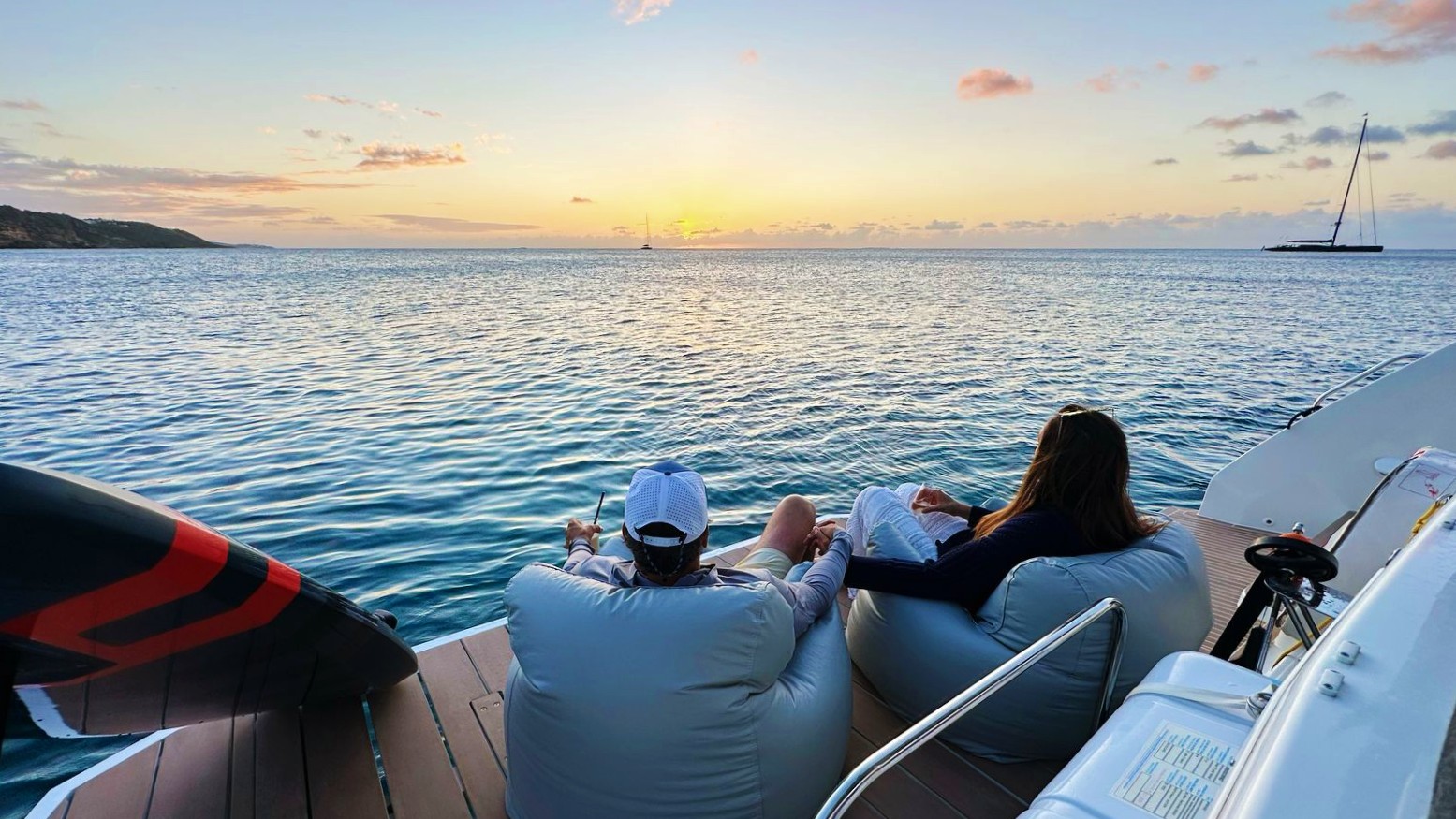
Alquiler de yate de luna de miel
Comience su matrimonio en un yate privado. Explore playas solitarias, gastronomía gourmet y atardeceres inolvidables en el Caribe.
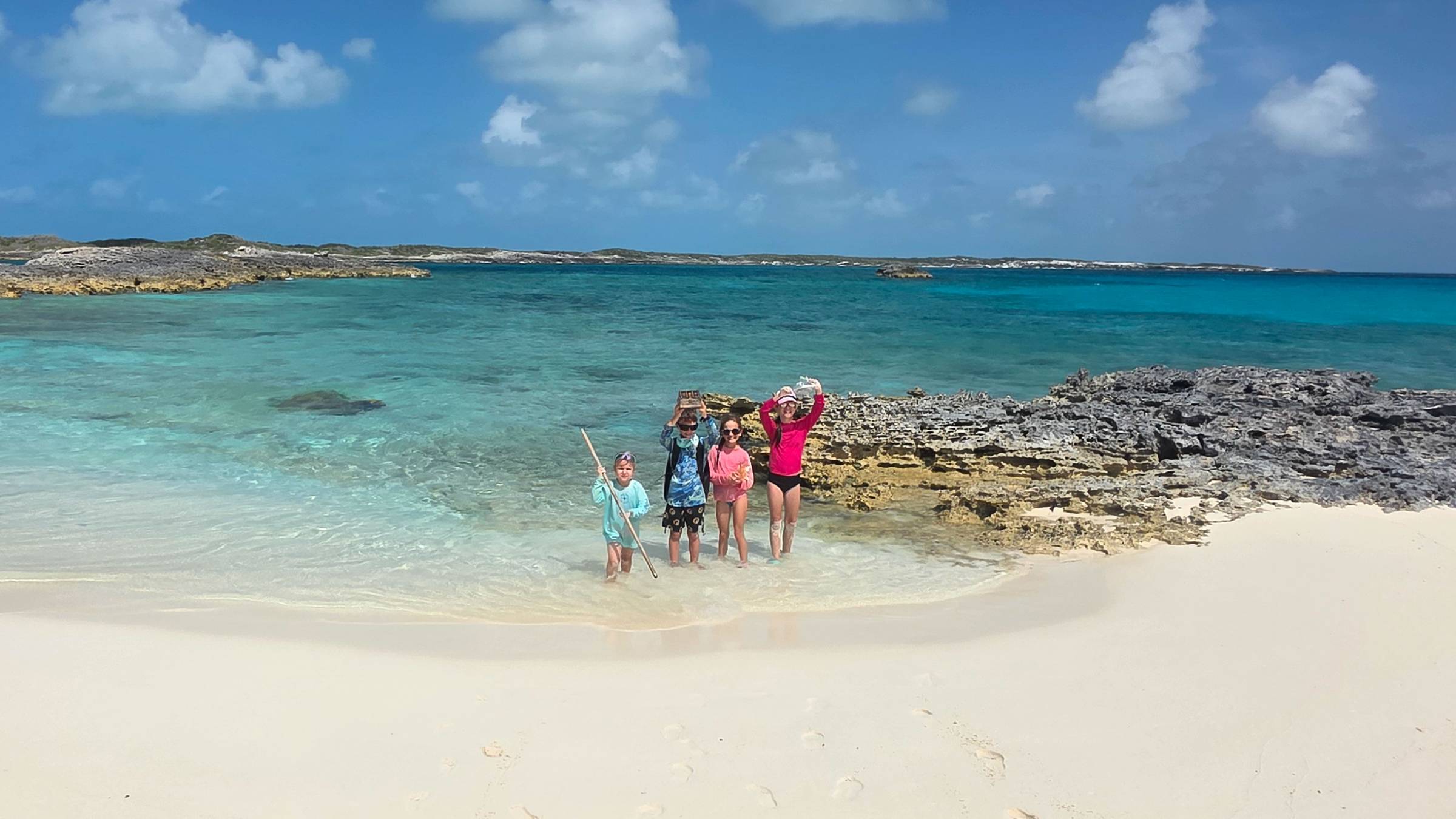
Alquiler de yate familiares
Un alquiler de yate con tripulación es perfecto para familias de todas las edades. Seguro, divertido y con servicio completo — sus hijos nunca lo olvidarán.

Preguntas frecuentes sobre alquileres de yate con tripulación
Obtenga respuestas a las preguntas más comunes sobre alquiler de yate con tripulación, desde precios y propinas hasta qué incluye y qué llevar.

Alquiler de yate con tripulación en las Islas Vírgenes Británicas
Las Islas Vírgenes Británicas son el destino #1 de alquiler de yate con tripulación en el Caribe. Navegaciones cortas, aguas protegidas y bahías de clase mundial.

Guía de Alquiler de Yate con Tripulación en Islas Vírgenes Británicas
Todo lo que necesitás saber antes de tu viaje en yate con tripulación en las Islas Vírgenes Británicas — precios, lista de equipaje, itinerario y cómo llegar.
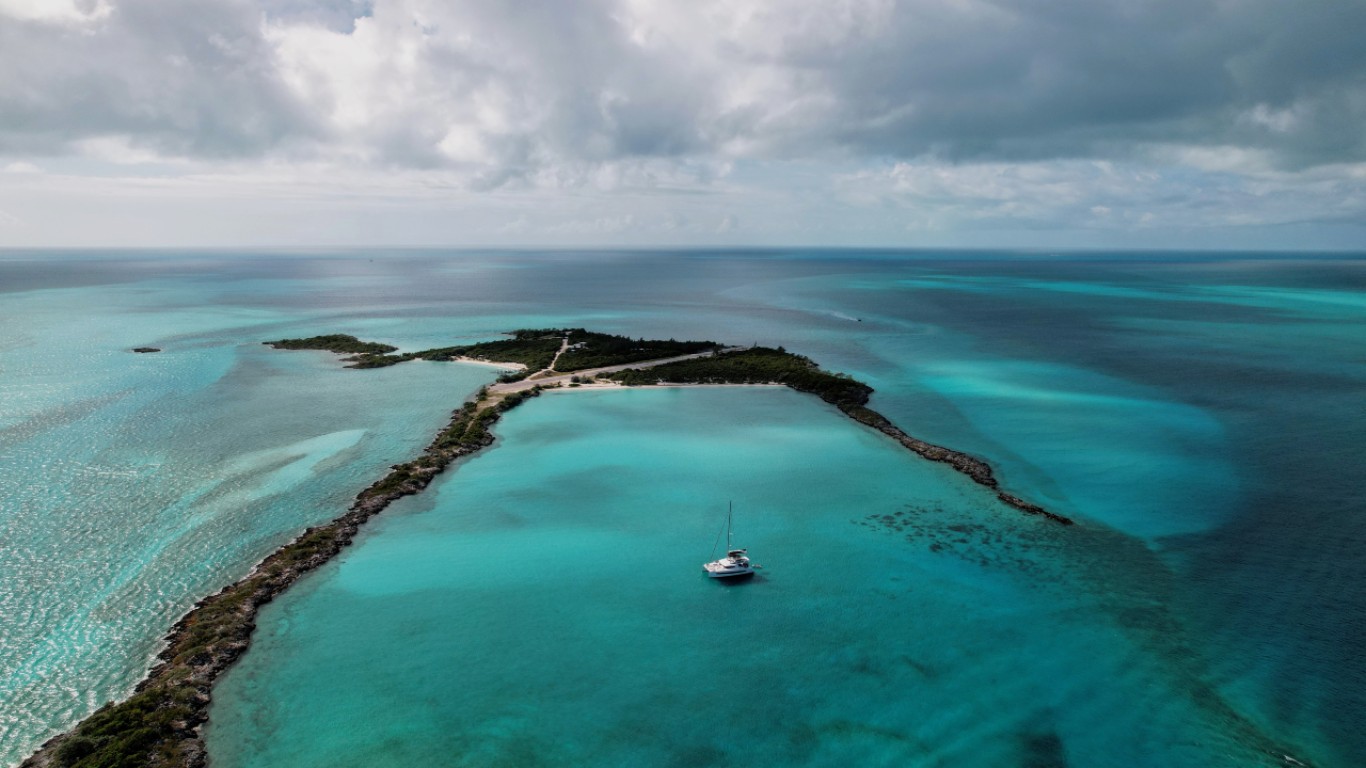
Alquiler de yate con tripulación en las Bahamas
Explore las Exumas en un yate privado con tripulación. Cerdos nadadores, bancos de arena y algunas de las aguas más cristalinas del mundo.
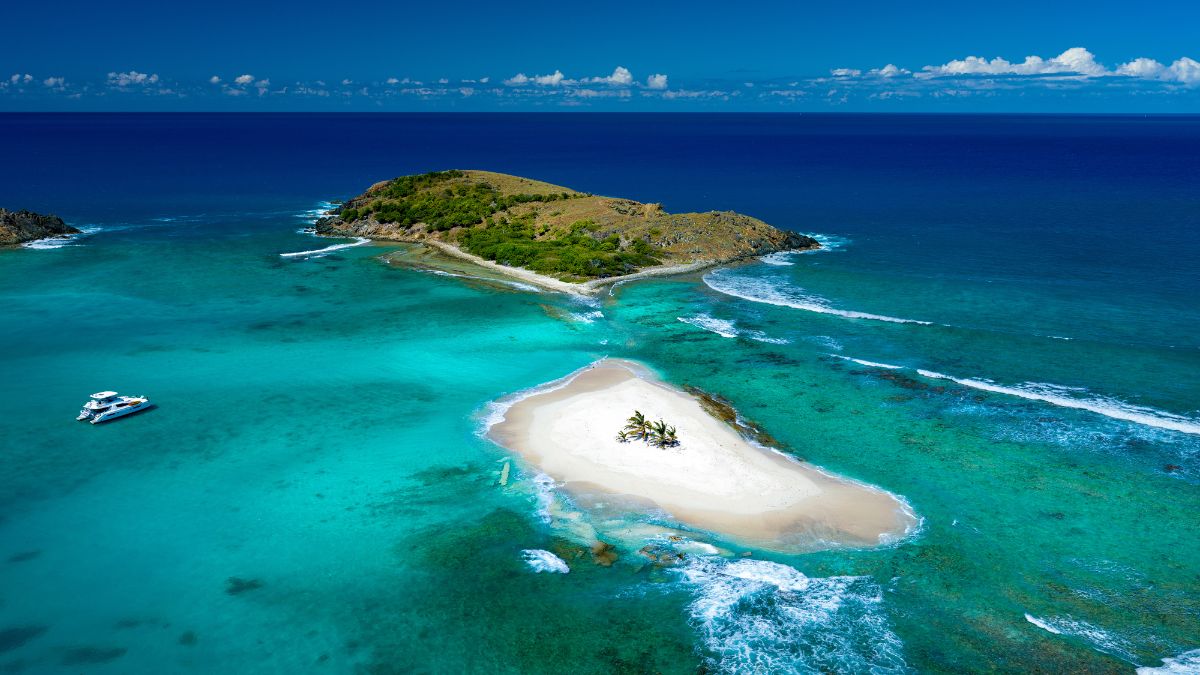
Alquiler de yate con tripulación en el Caribe
Alquiler de yate todo incluido con tripulación en todo el Caribe — Islas Vírgenes Británicas, Bahamas, Islas Vírgenes de EEUU, St. Martin, Antigua y más.